



Platinum wolf cuts can look razor-sharp, or they can look like somebody got enthusiastic with thinning shears and bleach. The difference is usually in the shape, not the drama. On older women, that matters even more, because the cut has to respect face shape, hair density, and the fact that hair usually gets a bit drier and finer at the ends with time.
When the cut is done well, the effect is brisk and airy. The layers lift the crown, the fringe softens the forehead, and the platinum shade throws light across the whole head so the texture reads on purpose instead of by accident. That’s the part I love. It’s not about pretending the hair is younger. It’s about giving it movement, edge, and a cleaner line around the face.
Platinum makes the wolf cut feel brighter and more modern, but it also exposes everything — good and bad. A blunt, heavy cut can make white-blonde hair look helmet-like. Too many razor-thin ends, and it can start to fray. The right version sits in the middle: enough softness to move, enough structure to keep the shape alive for weeks, and enough depth at the root to stop the whole thing from going flat.
Why These Cuts Work So Well in Platinum
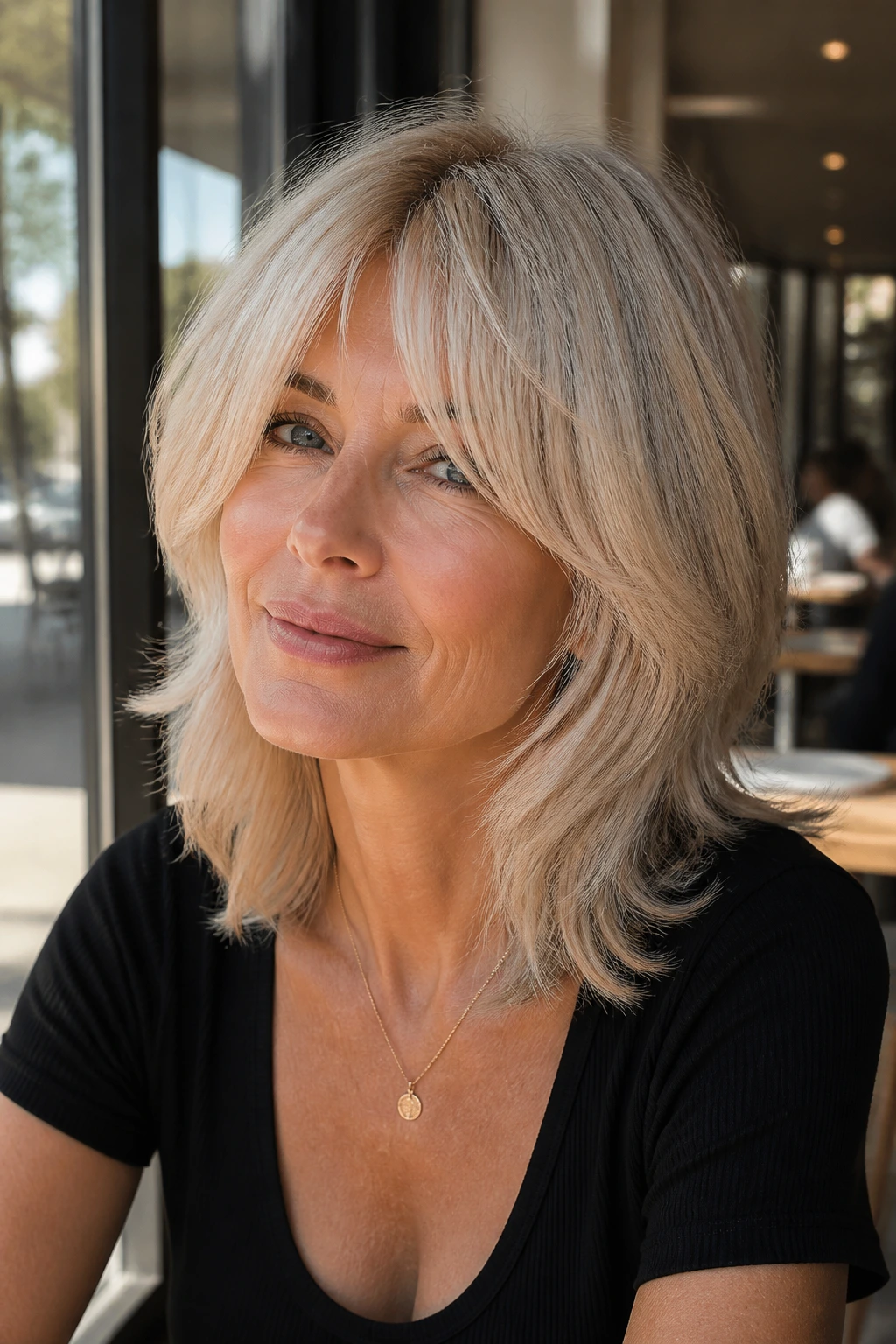
- The color shows the layers. Platinum catches every broken edge in a wolf cut, so the texture reads clearly instead of disappearing into a single pale sheet.
- A little depth at the root saves the face. A soft shadow at the scalp keeps icy blonde from washing out the features, especially around the eyes and cheekbones.
- The cut can hide dryness better than one-length hair. Choppy ends and feathered layers make slightly porous platinum look intentional, not fried.
- Short, mid-length, and long versions all work. You can keep the nape neat, the collarbone soft, or the length past the shoulders and still get the same lifted shape.
- It plays well with gray. For women growing in silver roots, the right platinum tone can blur regrowth instead of fighting it every four weeks.
- The grow-out is kinder than a blunt bob. A wolf cut loses its edge gracefully, which is a blessing if you do not live in the salon chair.
1. Shoulder-Skimming Wolf Cut with Curtain Bangs
A shoulder-skimming wolf cut is the safest entry point if you want movement without sacrificing too much length. The curtain bangs open the forehead, then drop into those soft face-framing layers that sit right at the cheekbone and collarbone. In platinum, that shape looks crisp without feeling severe.
Why It Works
This version gives older hair room to move without demanding a daily styling marathon. The shoulders keep enough weight in the perimeter so the ends do not float away, and the fringe breaks up the top edge in a way that flatters glasses, brows, and earrings. Ask for the layers to be point-cut, not hacked blunt, or the platinum will look too hard.
- Best on: medium-density hair that needs a little lift at the crown.
- Styling note: bend the front pieces with a 1-inch iron; leave the back a touch rough.
- Maintenance note: trim the bangs every 3 to 4 weeks so they do not split into curtain curtains.
Best tip: keep the face frame a fraction longer than you think. It softens the neck and keeps the cut from jumping too high.
2. Chin-Length Wolf Bob with Choppy Crown
Why do so many short cuts go flat? Because the crown gets left too clean. This chin-length wolf bob fixes that by stacking light, choppy layers on top while keeping the perimeter close to the jaw. Platinum makes the whole thing look sharp, almost sculpted.
The trick is restraint. You want bite, not fuzz. The ends should flick a little, not look shredded. That’s especially helpful for women whose hair has started to lose density around the temples. The bob gives structure; the crown layers stop it from turning into a helmet.
If you like a neat neckline but still want a bit of attitude, this is a good one. It wears well with a side part, and it looks even better if you tuck one side behind the ear so the jawline can do some work.
3. Long Feathered Wolf Cut with Soft Ends
A long wolf cut can be a beautiful thing when it keeps its shape. Too many long layers turn thin at the bottom and look tired. Here, the layers start higher, but the ends stay soft and feathered so the whole style still feels full.
This is the version for women who do not want to give up length. Platinum on long hair can look expensive when the tone is clean and the layers are subtle. It can also look brittle if the ends are over-thinned, so tell the stylist you want movement through the middle, not a wispy tail at the bottom.
What to ask for
- Keep the longest pieces below the shoulders.
- Build the lift around the cheekbones and upper chest.
- Leave enough weight in the perimeter to hold a soft line.
The result is airy, not fussy. It looks especially good with a knit top or an open collar because the ends fall in loose, bright bands instead of hanging like one heavy sheet.
4. Bottleneck-Bang Platinum Wolf Cut
Bottleneck bangs sit right between curtain bangs and a full fringe. They start narrow at the center, then widen softly toward the temples. On a platinum wolf cut, that shape is useful because it gives the forehead some coverage without boxing in the face.
This is a smart choice if you want softness around the eyes but do not want a blunt bang that needs constant trimming. The layers around the face should stay a little longer than the fringe itself, so the cut melts instead of stopping abruptly. That tiny detail makes a big difference on lighter hair.
It also works well for women who wear their hair up or half-up sometimes. The fringe stays interesting on its own, and the rest of the wolf cut keeps enough movement to avoid looking overdone.
5. Wolf Pixie with a Spiky Crown
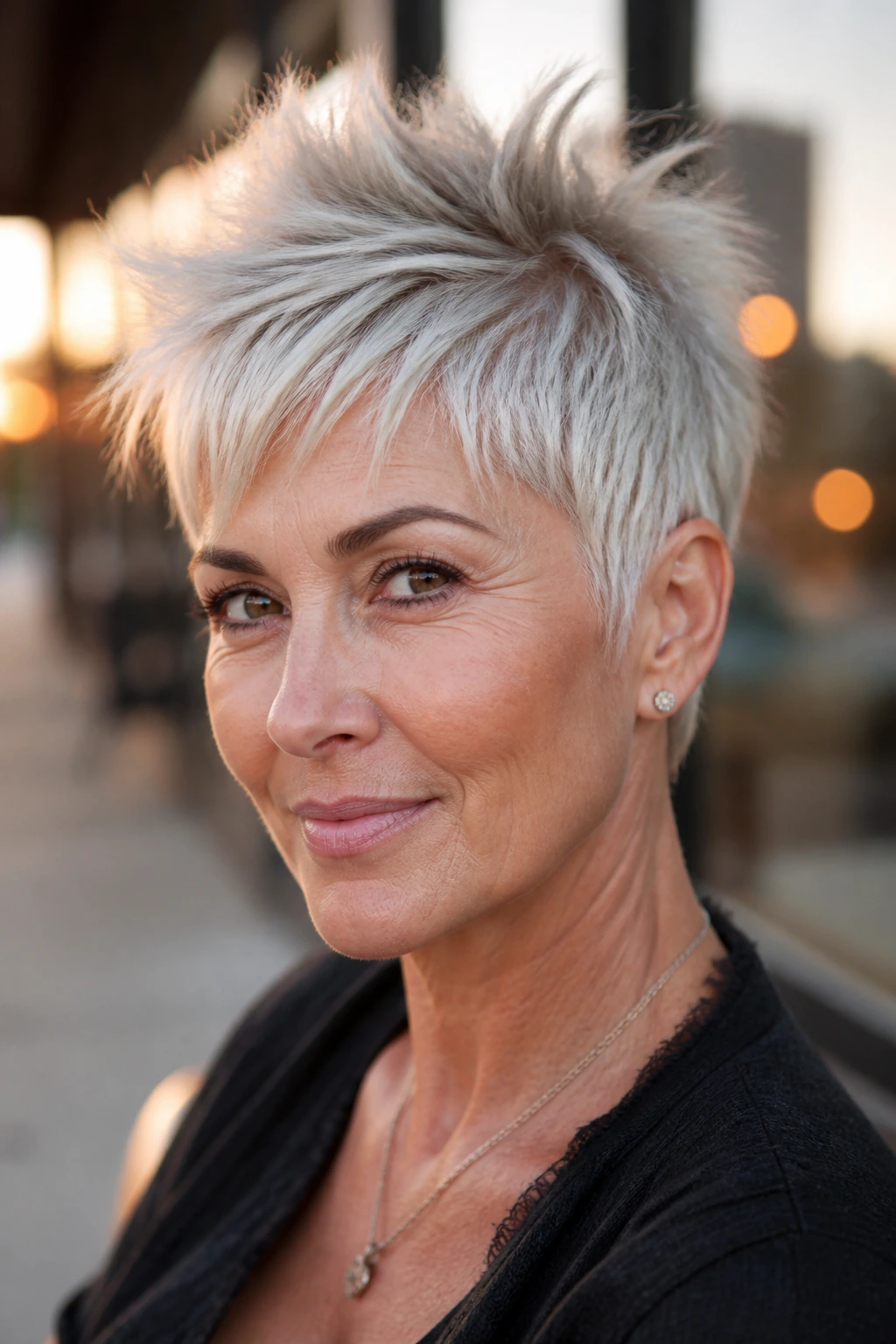
Short hair with texture can be a joy when it is cut with a little nerve. The wolf pixie keeps the sides close, lifts the crown, and leaves enough length on top to finger-style into piecey, frosted spikes. It is not soft. That’s the point.
For platinum hair, this cut has edge without looking harsh. The short crown catches light, and the nape stays tidy, which makes the whole profile feel clean. If your hair is fine, ask for light texturizing only at the top; too much thinning can leave it sparse fast.
This is one of those cuts that needs very little in the morning. A dab of paste, a quick lift at the roots, and you are done. If you hate blow-drying, that matters.
6. Collarbone Flip Wolf Cut
A collarbone flip wolf cut lands in that sweet spot where the hair can still be gathered back, but the ends have enough length to flip out with a brush or iron. The platinum tone gives the moving pieces a cool, reflective edge.
This style is good for women who want something polished without a stiff finish. The collarbone is a useful landing place because it gives the cut a visible line, then the layers break that line into softer sections. That keeps the shape from reading flat.
Use a round brush or a large barrel iron to turn the very ends out slightly. Not too much. A soft kick at the bottom is enough. The look is clean, bright, and easy to live with if you hate a haircut that needs five products before breakfast.
7. Asymmetrical Side-Part Wolf Cut
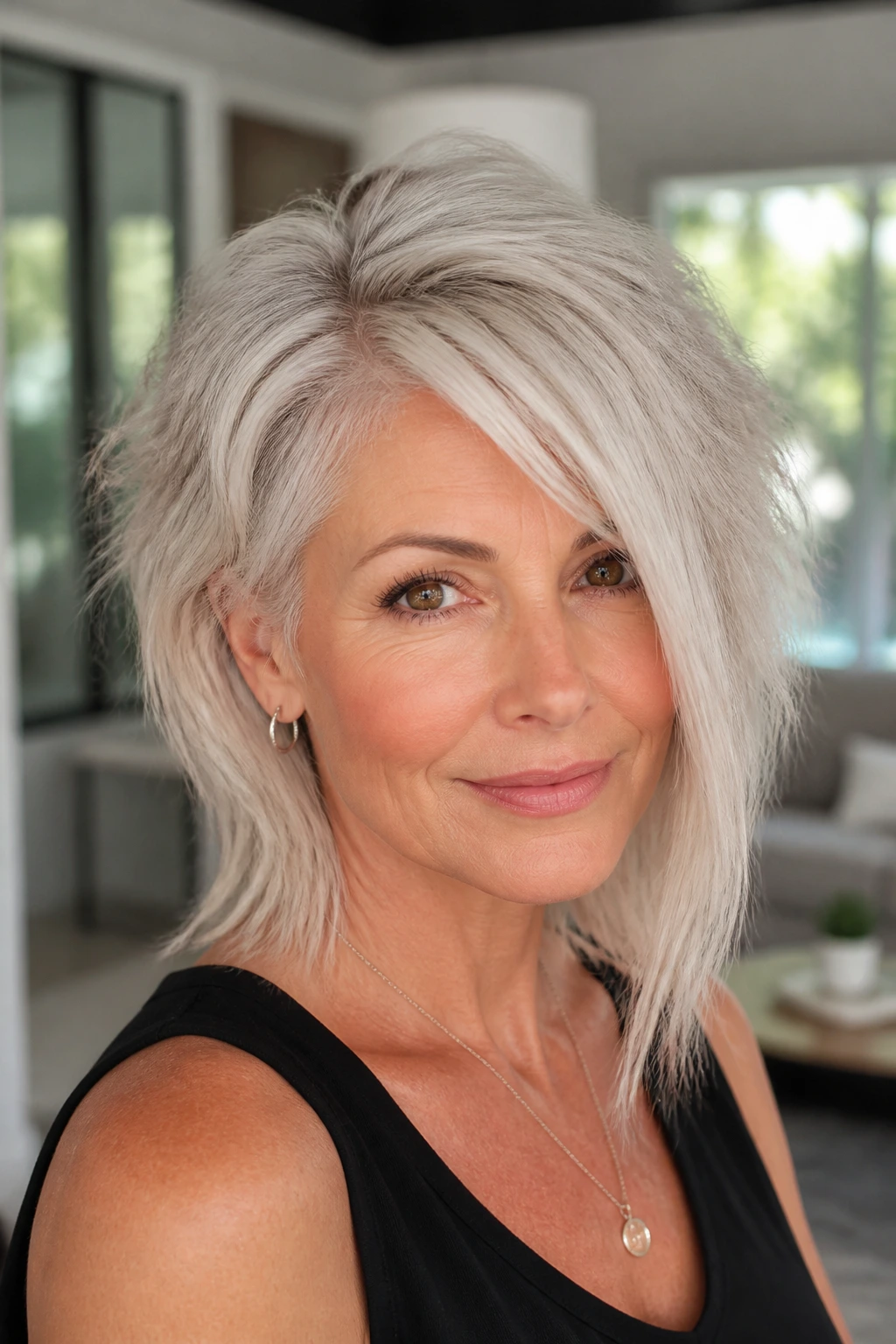
A side-part wolf cut with one side a touch longer brings instant shape to the face. It is the kind of cut that makes a plain blow-dry look styled because the imbalance gives it energy. On platinum, the asymmetry shows up even more clearly.
Why it flatters
The longer side can soften a stronger jaw or cheekbone, while the shorter side opens the face and keeps the style from feeling too heavy. That makes it useful for women who want a little drama without a full punk moment. The layers should stay broken and touchable, not choppy for the sake of it.
- Best for: faces that feel narrow, long, or a bit angular.
- Hair type: straight to softly wavy hair holds the shape best.
- Salon note: ask for the heavier side to be cut in dry, not wet, if your hair has a strong bend.
One side tucked behind the ear can look very elegant. The other side does the flattering work. Easy.
8. Glasses-Friendly Rounded Wolf Cut

Glasses change everything. They sit right where too many bangs and side layers want to live, so a cut has to respect the frame. This rounded wolf cut keeps the top soft, the sides feathered, and the fringe light enough not to crowd the lenses.
The shape should curve around the temples rather than punching straight across them. That way the glasses get room to breathe and the face does not feel buried. Platinum helps because the bright color makes the cut read cleanly, even when the layers are subtle.
If you wear frames daily, bring them to the salon. Seriously. A cut that looks good on the chair can be miserable once you put on your glasses at home. The right perimeter sits outside the frame, not inside it, and that tiny difference saves a lot of irritation.
9. Razor-Shag Wolf Cut with Airy Ends
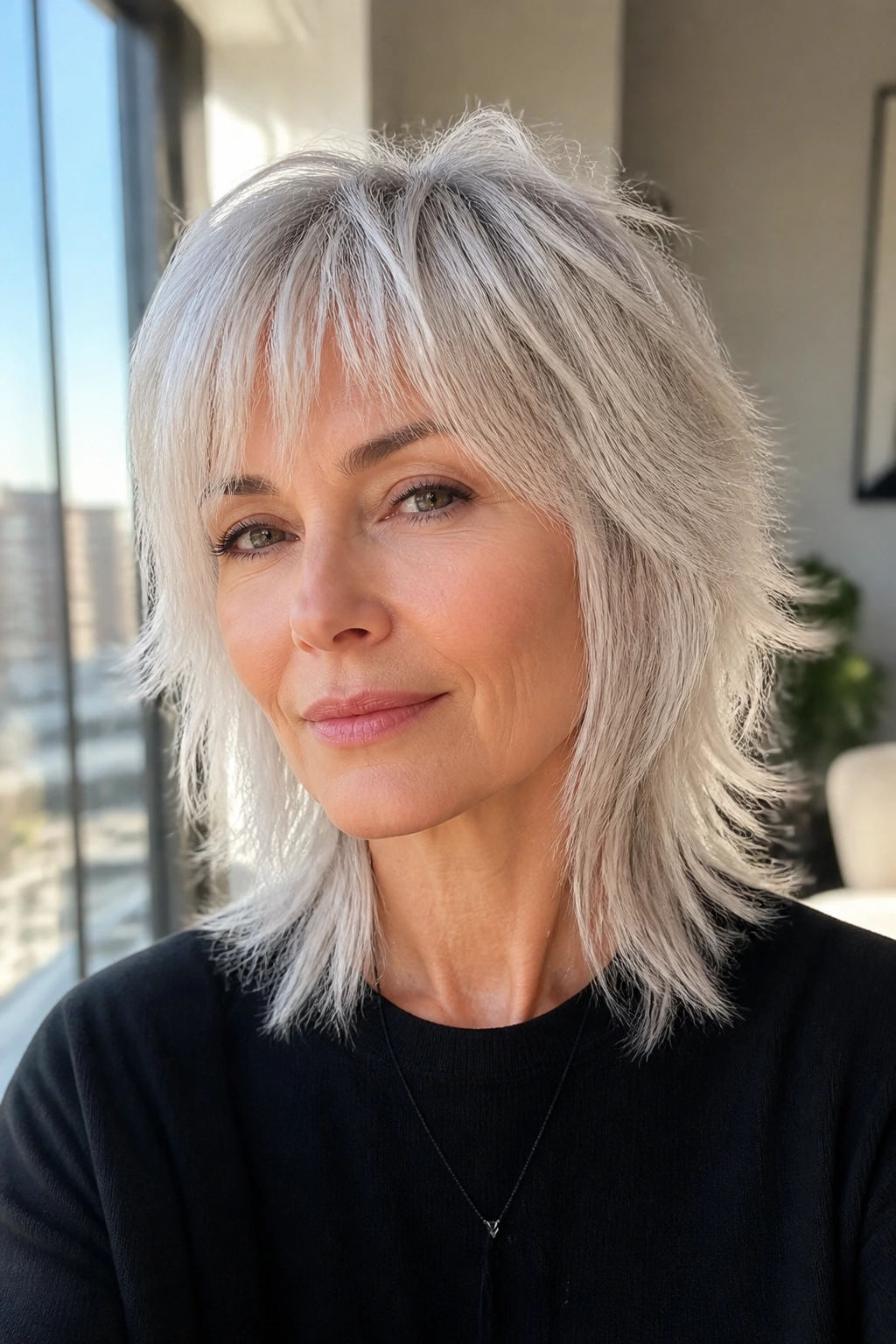
A razor-shag wolf cut has a little more edge than the softer versions, and platinum makes that texture look almost etched. The ends are light, separated, and loose enough to move when you turn your head. It’s a strong look, but not a loud one.
The risk here is overdoing it. If the razor work goes too far, the ends can look frayed instead of airy. That’s why this cut works best when the stylist leaves some body in the perimeter and keeps the crown from getting too sparse. You want separation, not a shredded mess.
It suits women who like a dry-textured finish and do not mind a bit of roughness. A little styling cream, a mist of texture spray, and a soft scrunch are usually enough.
10. Root-Melt Platinum Wolf Cut
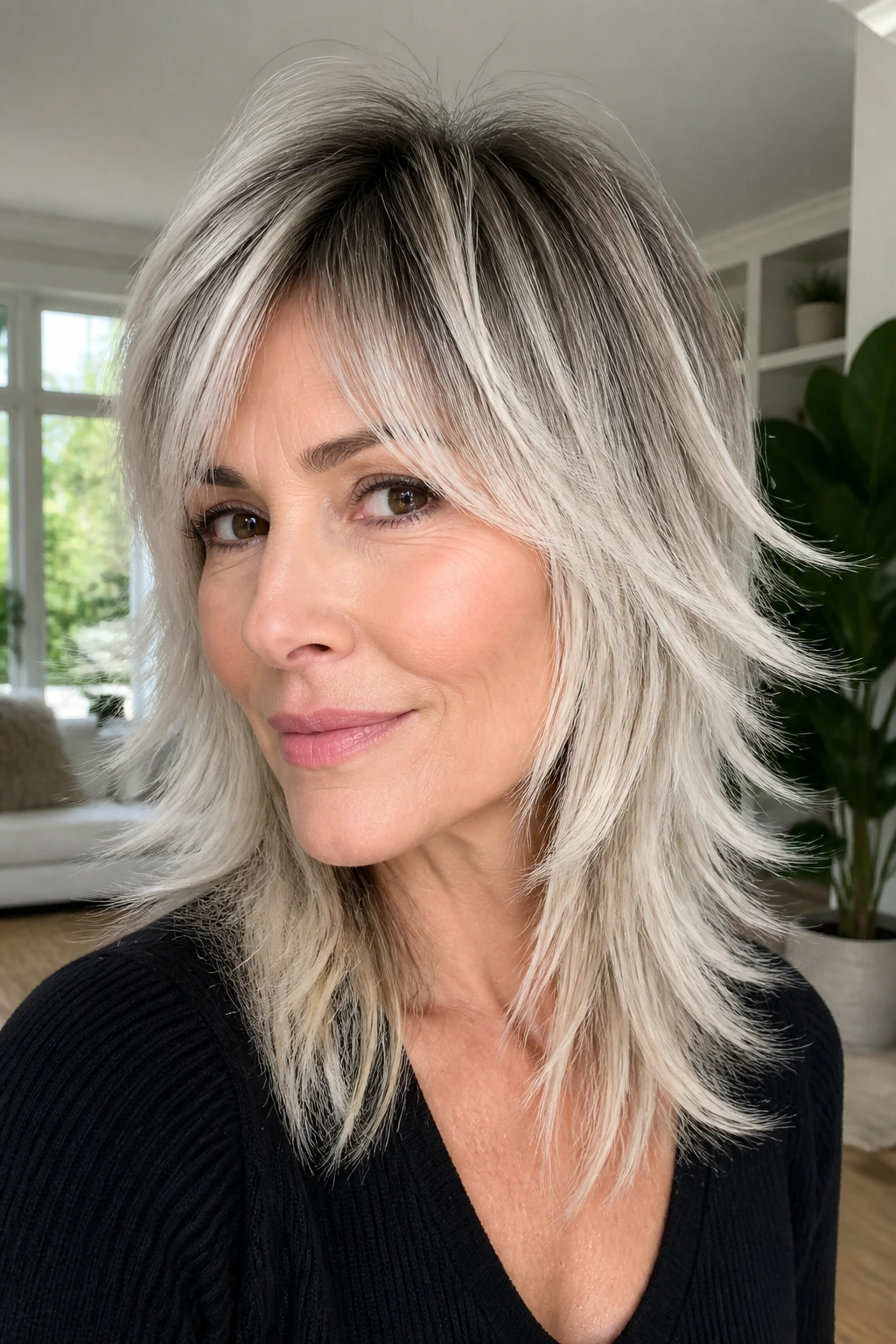
Can platinum be low-maintenance? Not fully. But a root melt comes close. The darker root blends into the icy length, which means regrowth looks intentional instead of like a line that needs fixing by next Tuesday.
This is the version I like best for women who want bright blonde without the constant pressure of a perfect salon finish. The root depth keeps the scalp from looking washed out and adds dimension to the layers. It also makes the wolf cut look fuller near the crown, which helps a lot if hair has thinned a bit.
Keep an eye on this
- Ask for a soft melt, not a hard stripe.
- Keep the tone cool, not chalky.
- Refresh the gloss before the blonde turns yellow.
The whole style gains depth. That matters more than people think.
11. Full-Fringe Wolf Cut

A full fringe changes the whole mood of a wolf cut. Instead of that open curtain effect, you get a stronger line across the forehead and a more graphic frame for the eyes. In platinum, it can look clean and almost French, if the fringe is broken up a little at the ends.
The key is not cutting it too dense. Heavy bangs on pale blonde hair can feel like a curtain of paper. Ask for soft texturizing so the fringe moves and the sides of the cut can still breathe. That’s what keeps it from feeling boxed in.
This style is excellent if you like your eyes to do the talking. It also works well with a matte lip and a little brow definition. The cut brings focus to the center of the face, which is a nice thing when you want the rest of the hair to step back a bit.
12. Air-Dried Wave Wolf Cut

Some cuts are designed for a blowout. This one is not. The air-dried wave wolf cut relies on natural bend, scrunching, and a bit of product memory to keep the shape loose and alive. Platinum gives those waves a clean, frosted look.
This is the easiest look on the list if your hair already has wave. Apply a light mousse to damp roots, twist a few pieces around your fingers, and leave the ends alone. The cut should do the work. If you keep touching it while it dries, the shape gets fuzzy fast.
A little imperfection helps here. The point is not polished uniformity. It is movement that looks as if you did not fight your hair all morning, because you did not.
13. Curly Halo Wolf Cut
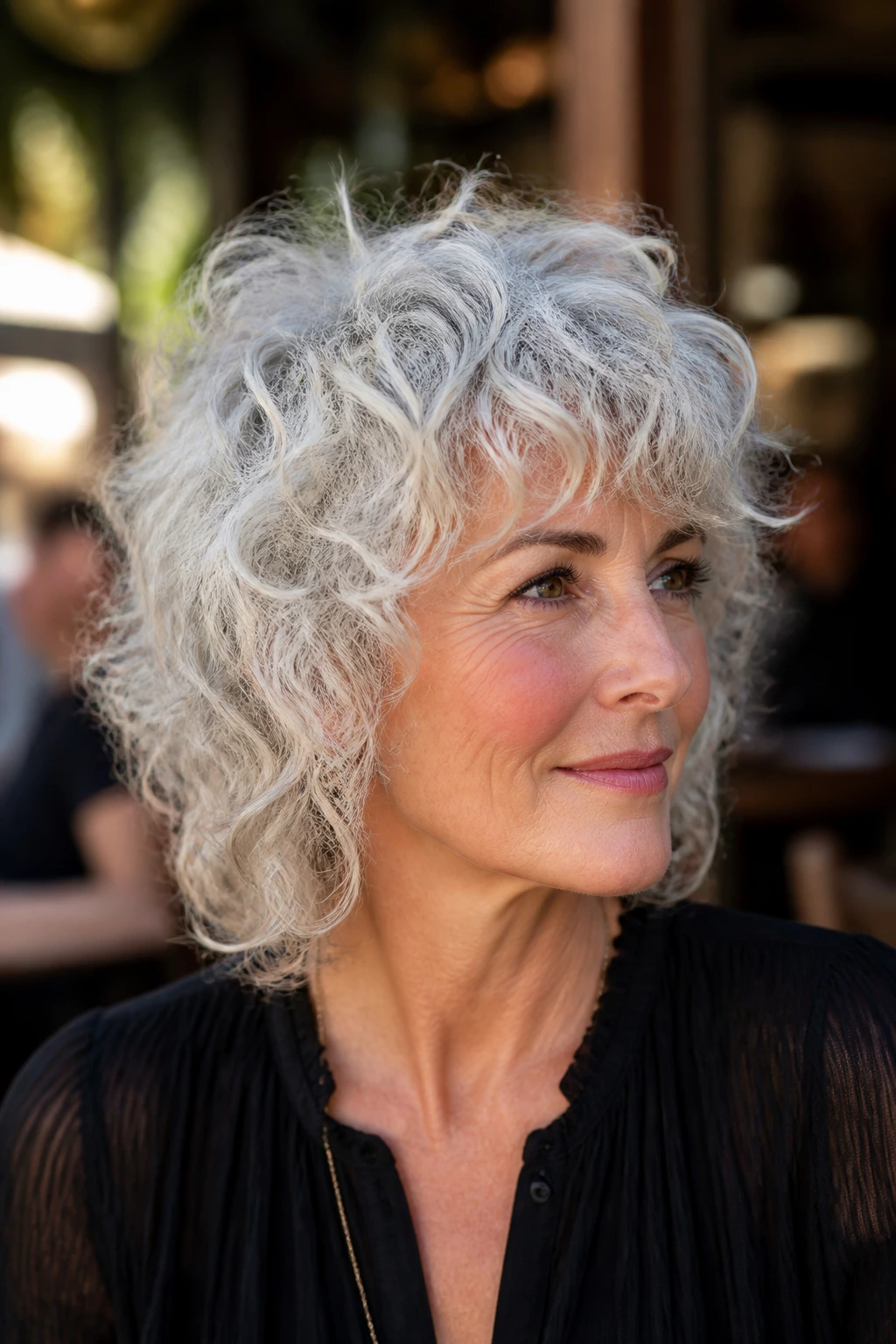
Curly hair and wolf cuts can be tricky, but when they are cut right, the result is lively and full of shape. This version keeps the perimeter longer and builds the layers in a halo around the head so the curls do not stack into a mushroom. Platinum makes every curl pattern more visible.
The big mistake is cutting curly platinum too short at the crown. Curls spring up, and suddenly the whole silhouette has lifted two inches higher than expected. Leave extra length where the curl needs room to shrink, then shape the face frame around the cheekbones.
Use a diffuser, yes, but keep the airflow gentle. Curly platinum can get frizzy if you blast it dry. A soft gel or cream on damp hair will usually hold the curl better than a heavy oil that sits on the surface.
14. Thick-Hair De-Bulked Wolf Cut
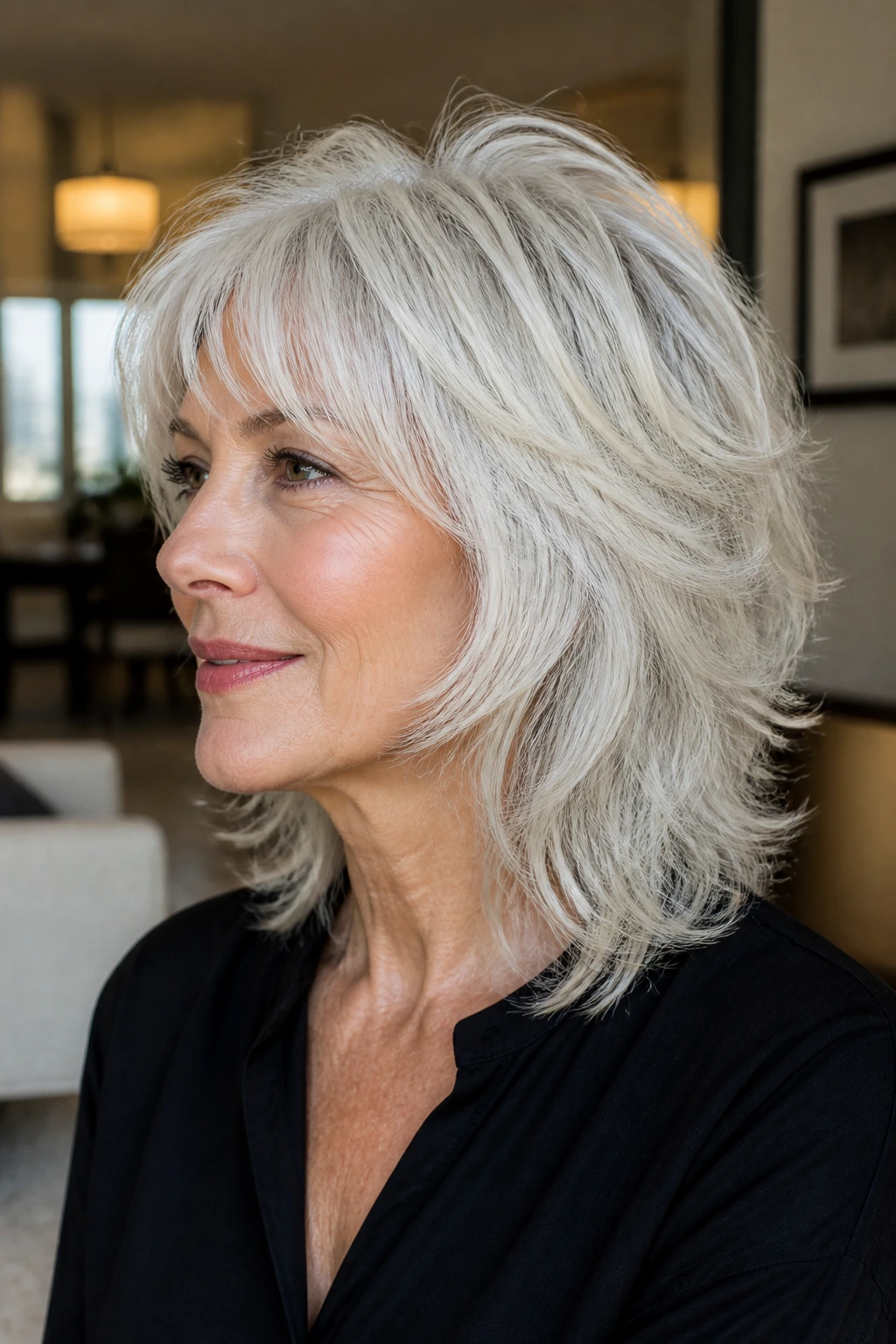
Thick hair needs removal in the right places, not just more layers everywhere. This de-bulked wolf cut takes weight out of the interior and lets the outer shape sit closer to the head. In platinum, that matters because heavy pale hair can look like one giant block if it is not broken up.
What to ask for
- Internal layers that remove bulk without exposing the scalp.
- A softer nape so the hair does not puff out under coats.
- A face frame that keeps some width near the jaw.
The cut feels lighter the minute it is finished. That is the part people notice first. If your hair swells in humidity or takes forever to dry, this version can save your sanity, because the shape no longer fights the bulk.
15. Fine-Hair Crown-Lift Wolf Cut
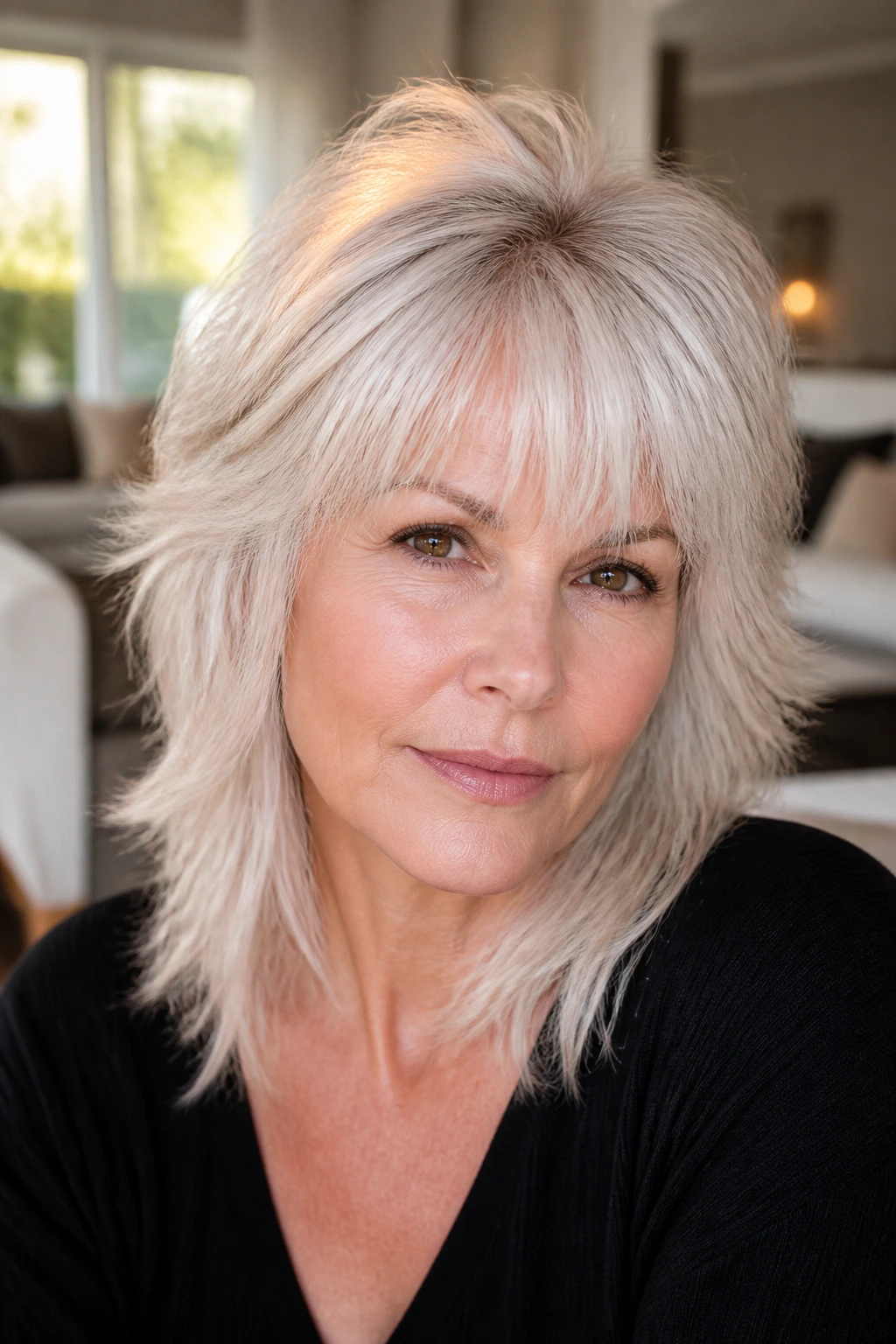
Fine hair needs a gentler hand. Too much texturizing and it starts to look see-through. This crown-lift wolf cut keeps the perimeter a touch fuller while lifting the top just enough to avoid flatness. Platinum helps because the bright tone reflects light, but the cut has to do the real work.
A short crown, a soft fringe, and a little root product are usually enough. What you do not want is over-layering through the bottom half. That is where fine hair goes transparent fast. Better to keep the lower line clean and let the top carry the movement.
This is a good choice if your hair slips flat by lunchtime. It gives you a little height without asking for a lot of hair to begin with. That balance is the whole game.
16. Soft Rounded Wolf Cut with Tucked Sides

Not every wolf cut needs to be sharp. A softer rounded version keeps the movement but closes the silhouette a bit around the jaw and neck. Platinum can look very refined in this shape, especially when the sides are tucked and the fringe stays loose.
This is the version for women who like texture but not a jagged outline. The face frame should curve rather than kick outward. The effect is less rebellious, more polished, and a little kinder on days when you want the cut to sit quietly under a coat collar or scarf.
It also grows out in a pleasant way. The rounding keeps the shape from turning messy between trims, which is useful if salon visits are not your favorite hobby.
17. Deep Side-Part Wolf Cut with a Long Sweep
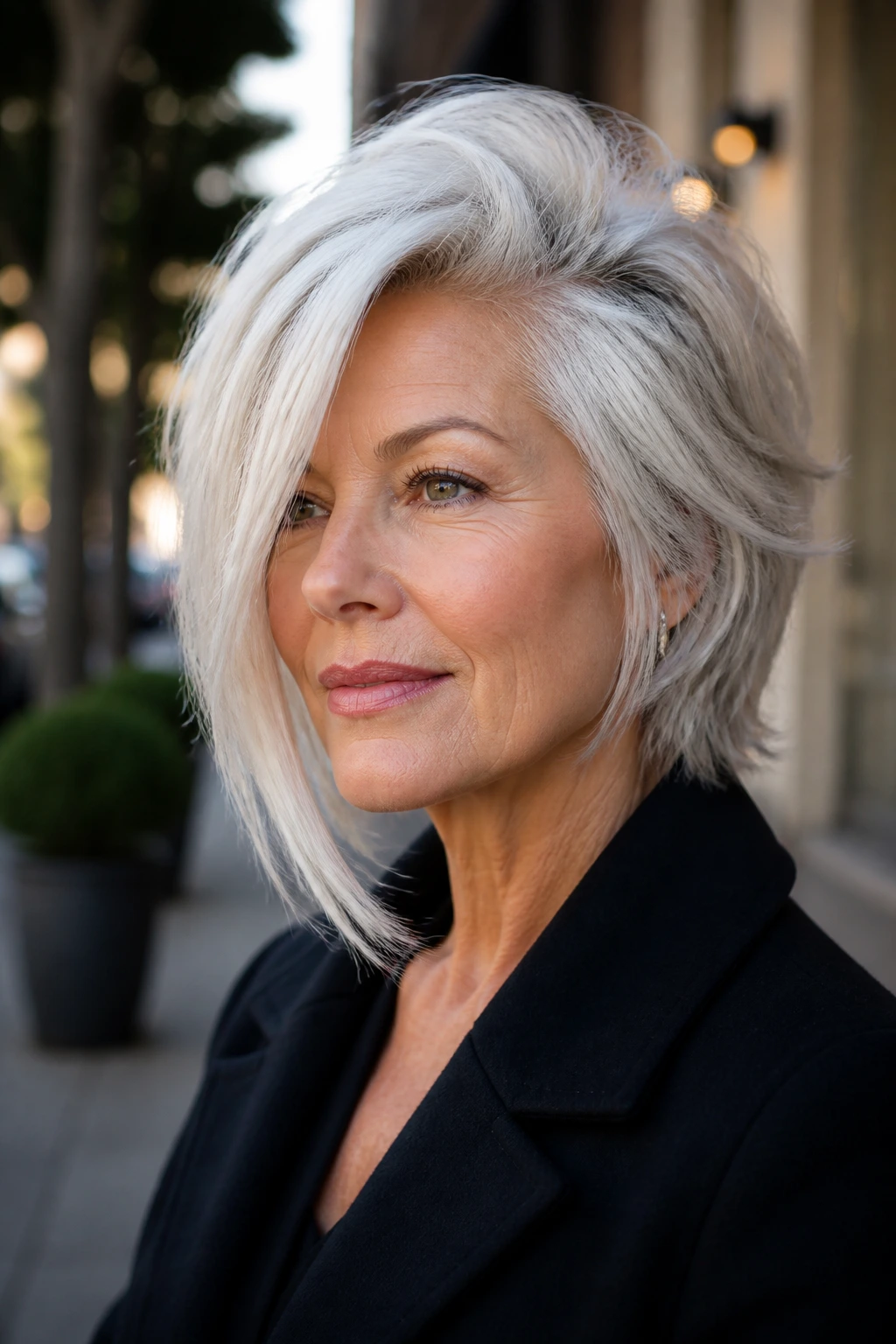
A deep side part changes the balance of the whole head. One side gets volume, the other side gets a long, sweeping fall that softens the forehead and cheek. On platinum, that sweep looks almost silvery when it moves.
This is a strong choice for women who want height at the crown without going short. The side part also helps if one side of your hair naturally lies flatter than the other. Instead of fighting the bend, the cut uses it.
A long sweep can be very flattering with earrings. The hair opens one side of the face and lets the jewelry show. Small detail, big payoff.
18. Mullet-Leaning Wolf Cut with a Tail
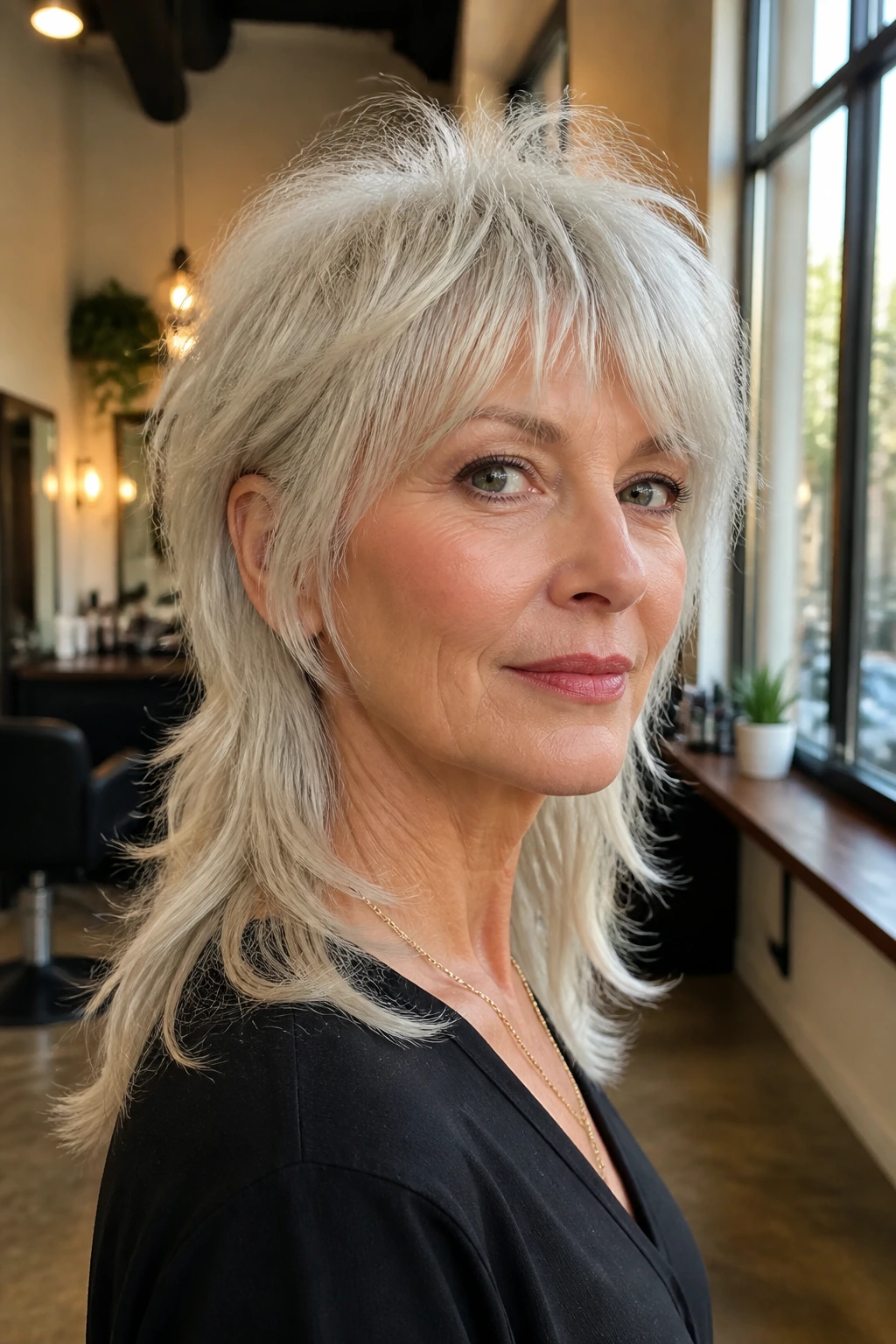
Yes, this one has a little attitude. The mullet-leaning wolf cut keeps the front and crown airy, then lets the back sit longer in a soft tail. Platinum tones down the edge and makes the shape look more fashion than throwback.
The key is softness around the nape. If the tail gets too sharp, it can look costume-like. Keep the layers feathered and the transition from top to back gradual. That keeps it wearable, even if it has a little rebellion in it.
This suits women who are bored by safe hair. It also works if you like your neck open and your profile a little dramatic. Some people will never choose it. That’s fine. The people who do usually know exactly why.
19. Tapered Wolf Bob with a Clean Nape
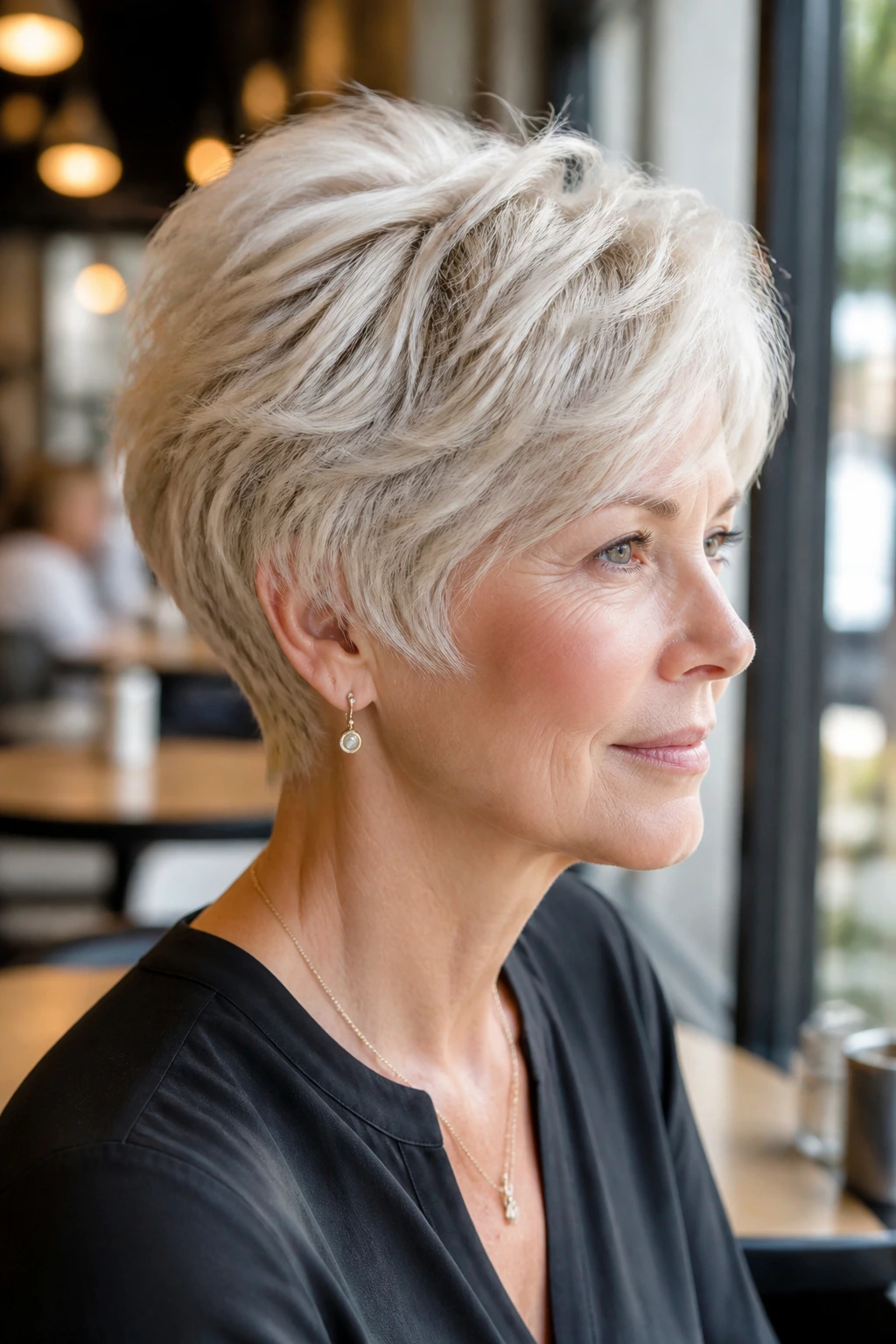
A tapered wolf bob is neater than the looser versions. The nape hugs the neck, the crown still has movement, and the overall shape feels finished rather than wild. Platinum keeps it from looking too strict.
This is a good solution if you want short hair but dislike a heavy bob line. The taper at the back makes coats and collars sit better, and the front pieces can still brush the cheekbone. It is tidy, which I appreciate. Not every haircut has to fight your clothes.
If you want something polished for work or dinner that does not require a round brush every morning, this one makes sense. It has enough edge to avoid looking old-fashioned, which is the real win.
20. Long Lob Wolf Cut with Heavy Movement
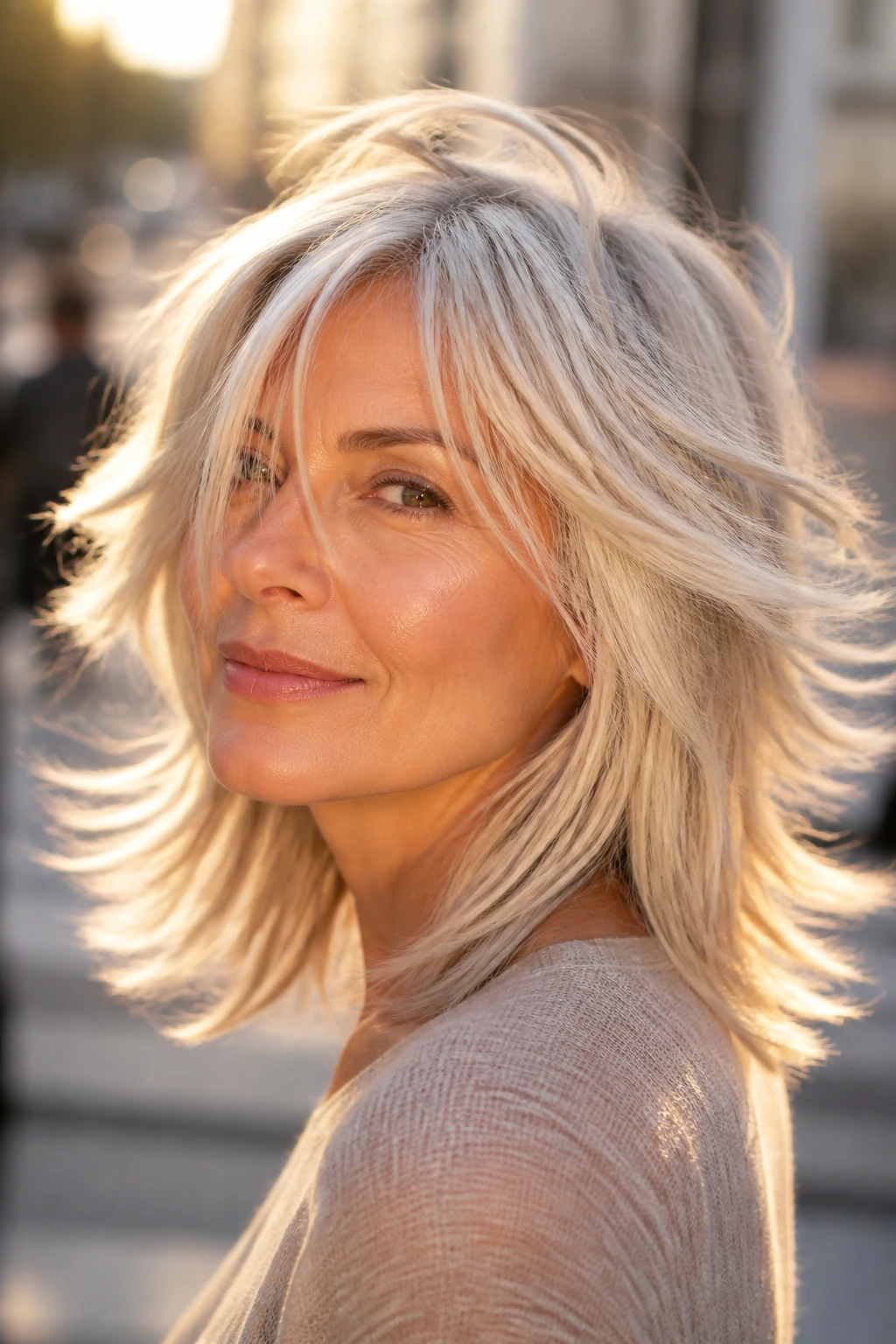
A long lob gives you space. Space to tuck, space to wave, space to grow it out without panic. Add wolf-cut layering and platinum tone, and the whole thing starts moving without losing that collarbone length people often like for easy styling.
This is a smart cut if you like versatility but hate fuss. The layers should sit where they can create bend in the front and a little swing through the back. Keep the ends full enough that the style does not get stringy. That’s where long lobs fail.
On platinum hair, the lob lets the color read cleanly from root to tip. It feels lighter than it is. That’s the magic.
21. Smooth Blowout Wolf Cut
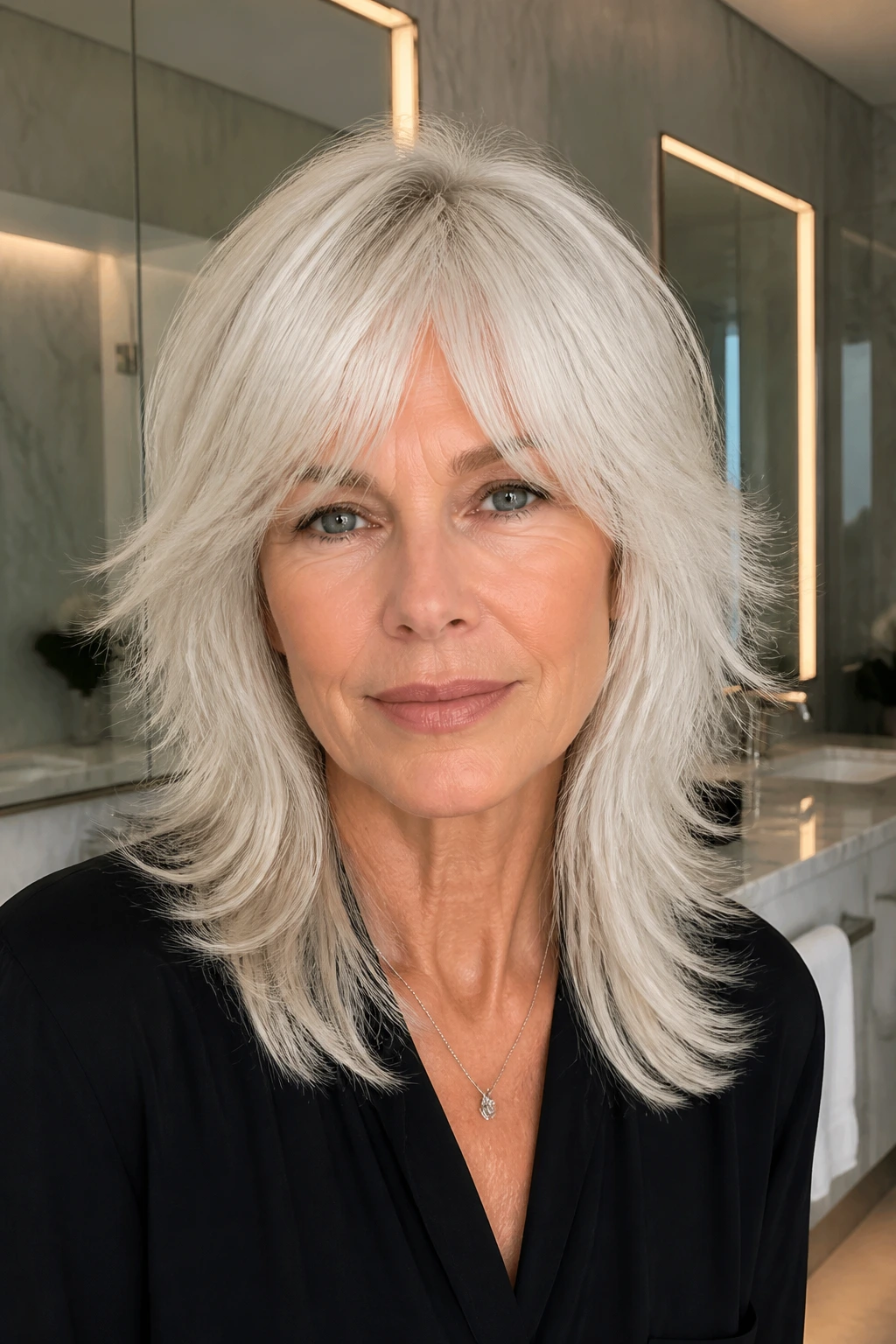
Not every wolf cut has to look roughened up. A smooth blowout version keeps the same layers but polishes them with a brush, a nozzle dryer, and a little serum at the ends. Platinum looks especially chic in this finish because the shine shows off the cut line.
Why it stands out
It gives you the wolf-cut shape without the shaggy texture. That can be useful if your style leans more tailored than casual. The front pieces should fold inward slightly, while the ends turn under or out by just a hair.
- Use: a round brush with medium tension, not a giant one.
- Finish: one drop of serum on dry ends, no more.
- Watch for: heat damage, because pale hair shows it fast.
This is the version for women who want their hair to look done, not messy. Simple distinction. Huge difference.
22. Champagne-Platinum Wolf Cut with Lowlights

Pure white blonde can sometimes flatten a cut. Champagne platinum adds a little warmth and a few soft lowlights so the layers have somewhere to disappear and reappear. The result is gentler, especially around the face.
This is a useful option if stark platinum feels too severe against your skin tone. The warmer notes keep the hair from looking icy in a bad way. They also help the cut feel fuller because the eye reads contrast between the lighter top and the deeper ribbons underneath.
The wolf shape becomes more dimensional here. Less frosty, more nuanced. That matters if you want movement without a lot of daily styling tricks.
23. Feathered Wolf Cut for Glasses

Glasses again, because they matter more than most people admit. A feathered wolf cut for frames keeps the sides soft and the temples light so the hair does not bunch up against the arms of the glasses. Platinum makes the perimeter read clean instead of bulky.
The face frame should skim, not crowd. The fringe can be split, brushed aside, or cut to sit just above the frame line. If the hair lands right on your lenses, you will end up fiddling with it all day. Nobody needs that.
This version has an easy, tidy energy. It works whether your glasses are thin and metal or bolder and darker. The cut should serve the frames, not fight them.
24. Jaw-Framing Wolf Cut for Square Faces
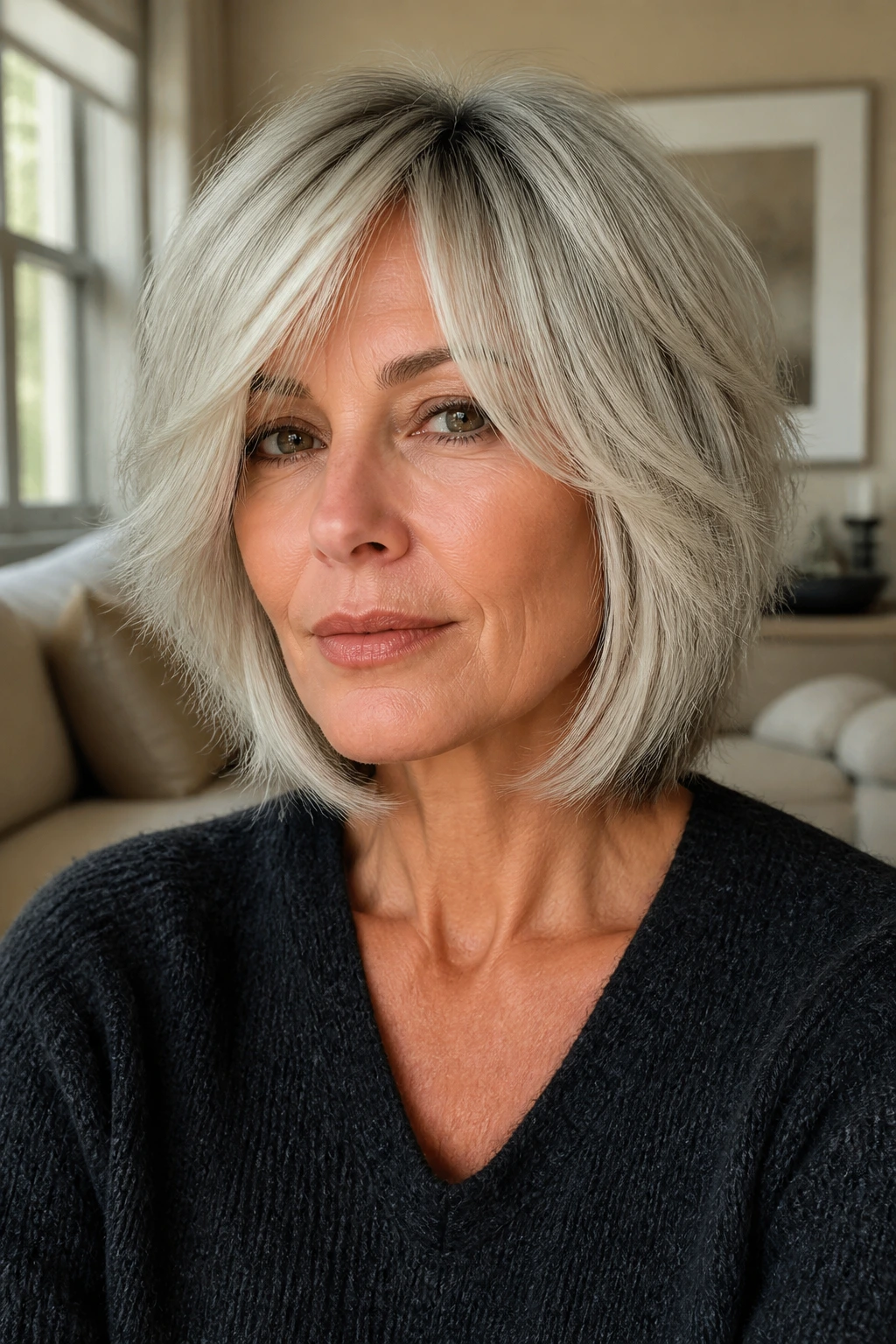
Square faces need softness where the jaw is strongest. This wolf cut puts the shortest face-framing pieces just above or below the jawline, not right on the widest point. Platinum helps by making those curves visible.
The trick is to keep the layers rounded, not angular. A hard edge near the jaw can make the whole face feel boxier. Soft feathering below the chin does the opposite. It opens the face and lets the cheekbones show.
If you have a strong jaw and want the cut to flatter it rather than mirror it, this is a solid option. It has enough texture to feel current, but the shape stays kind.
25. Open-Front Swept-Back Wolf Cut

Sometimes the best fringe is no fringe at all. This swept-back wolf cut keeps the front open and pushes the crown up and away from the face, which shows the forehead and brings the eyes forward. On platinum, the lifted top looks airy and bright.
This works well if you are tired of bangs in your eyes or if you wear glasses and do not want front hair competing with them. The layers around the front should angle back gently, not stand up in a stiff wave. That keeps the look soft.
It also gives a little height at the top, which can be useful if your face is round or your hair sits low. Clean, simple, and a bit more elegant than people expect from a wolf cut.
26. Beach-Wave Wolf Cut with Rough Texture

Beach wave does not have to mean sticky, salty, and overdone. In a platinum wolf cut, it can mean loose bends, rough texture, and ends that separate with movement instead of clumping. The color makes every bend look brighter.
This version is good if your hair naturally wants to wave. A little sea-salt spray or texture mist is enough. Do not pile on product or the pale hair can get dull and dry fast. The shape should feel touched by air, not coated.
I like this cut for women who want something casual without looking unfinished. It sits well on busy days and still looks deliberate when you add earrings or a strong lip.
27. Flip-Out Wolf Cut with Retro Ends
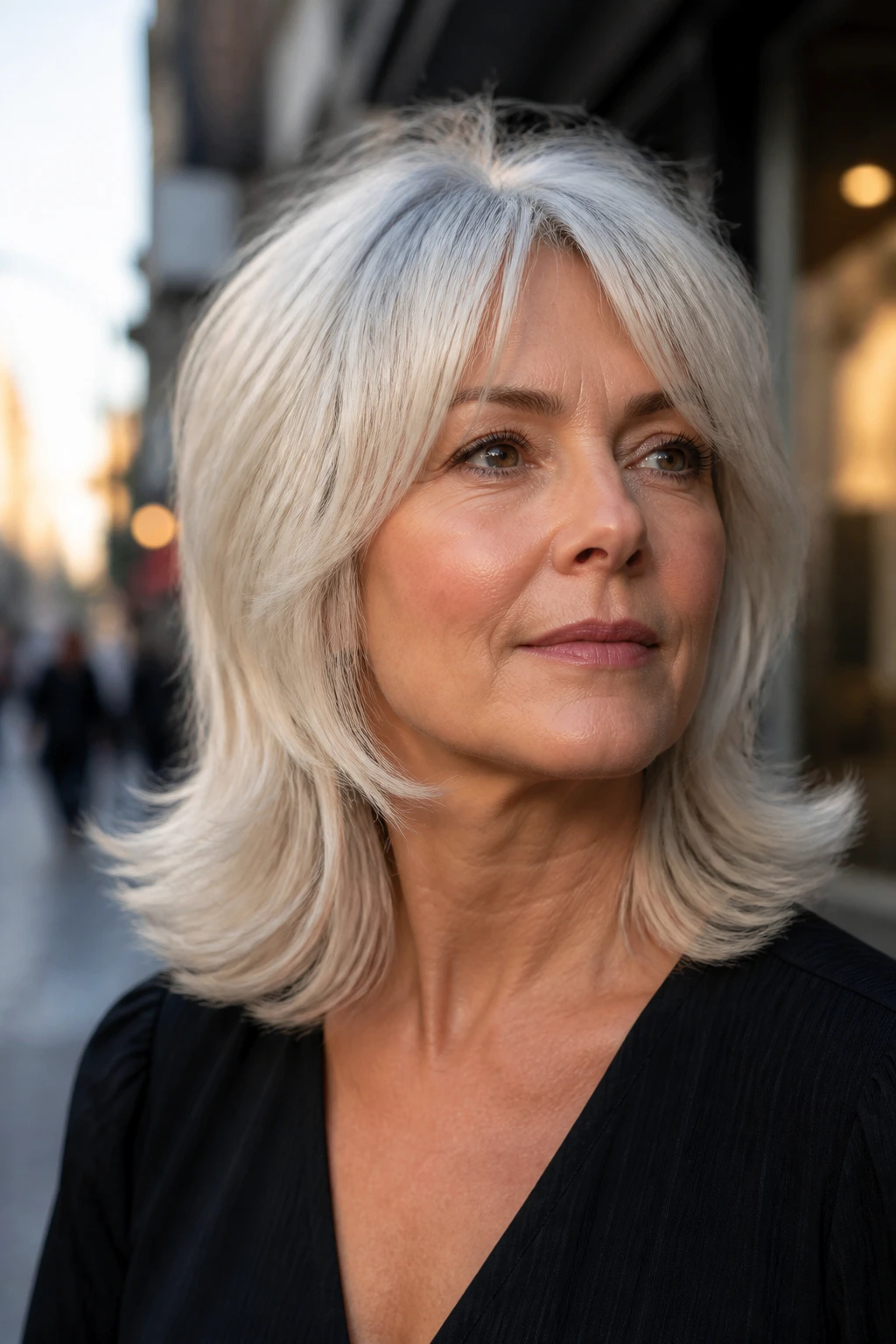
A flip-out finish gives the wolf cut a little retro energy. The ends curve outward around the jaw and collarbone, which keeps the style lively and helps the platinum layers stand out. It is playful, but not silly.
The flip works best when the cut has enough length to move. A collarbone or longer lob usually gives the best result. If the hair is too short, the flip can look forced. The end result should feel breezy, almost like the hair is lifting away from the neck on its own.
This is a nice choice if you like a haircut that does something when you turn your head. It is one of those details people notice without knowing exactly why.
28. Frosted Micro-Bang Wolf Cut

Micro-bangs are not shy. They cut a straight little line above the brows and instantly make the whole haircut feel sharper. In frosted platinum, they look very deliberate, almost graphic, which is the charm.
This is not the easiest version, and I would not pretend otherwise. Micro-bangs need regular trims, and they look best when the rest of the cut has enough softness to balance them. The wolf layers do that job. They keep the crown from feeling too severe.
If you like a bold front and a lighter perimeter, this can be excellent. The face opens, the brows show, and the platinum shade makes the short fringe pop without needing extra styling.
Why Platinum and Wolf Cuts Work Together
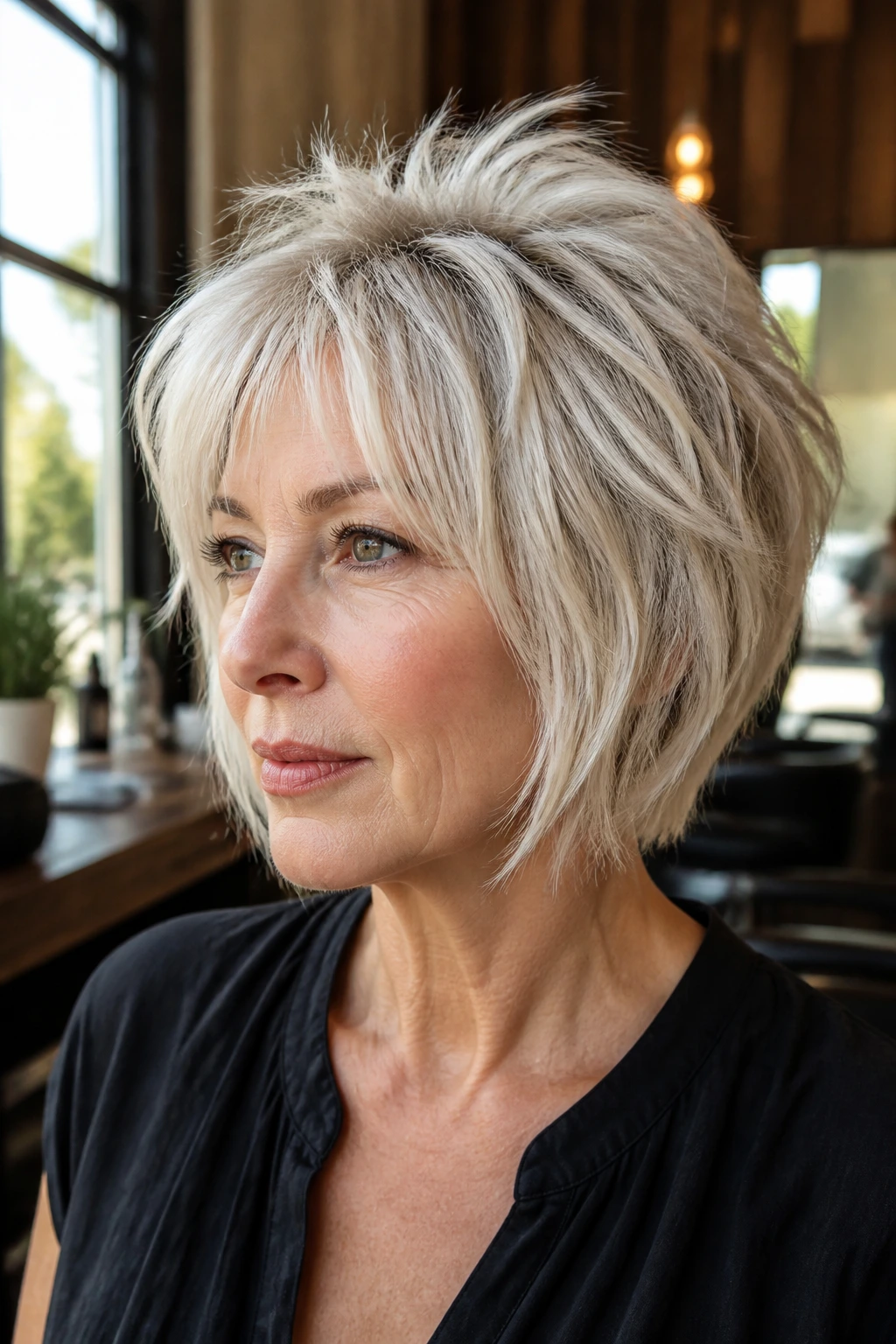
Platinum changes the way a wolf cut reads. Darker hair can hide a lot of layering because the shadow eats the movement. Platinum does the opposite. It puts every feathered edge under a bright spotlight, which is why the cut can look expensive or messy depending on how the shape is built.
That visibility is useful on older women, especially when hair has gotten finer at the temples or drier through the ends. The right wolf cut creates motion without dragging the face down, and the icy color keeps the whole style feeling bright around the eyes. If there is a root shadow or a soft lowlight, even better. The color gets more depth, and the haircut stops looking like one flat sheet.
There is a catch. Platinum also exposes damage fast. Rough ends, split fringe, and over-thinned layers show up right away. That is why the best versions keep a little cushion in the perimeter and a little softness around the face. Clean, not crispy. Bright, not brittle. That is the line worth protecting.
What to Tell Your Stylist Before the Cape Goes On
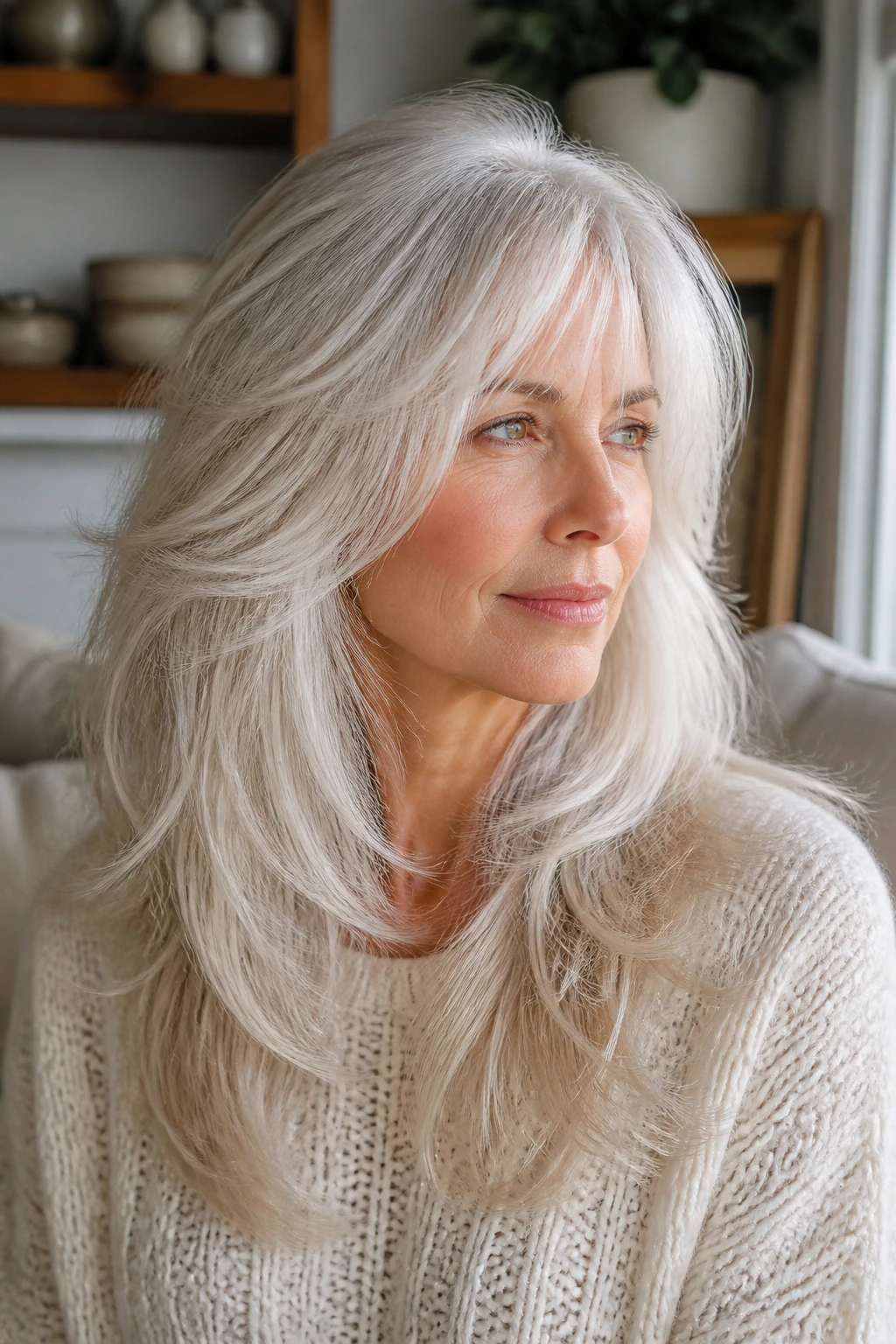
Bring two photos if you can. One should show the shape you want. The other should show the tone you want. People often hand over a single image and assume the stylist can read the rest, and then everyone is surprised when the fringe sits wrong or the platinum leans too yellow.
Length, fringe, and face frame
Say where you want the hair to land when it is dry, not just when it is wet. Wolf cuts spring up more than a blunt cut, and a collarbone length can turn into a chin-grazing shape once the layers are in. If you wear glasses, say that first. It changes the front.
Color and upkeep
If you want icy platinum, ask how much lift your hair can safely take and whether a root shadow would make the grow-out calmer. That single choice can decide whether you are back in the chair every four weeks or living a little more comfortably. If your hair is already light or gray, the plan can be gentler. If it is darker, the path is longer.
Styling habits
Be honest about your mornings. If you air-dry, say so. If you love a round brush, say that too. A wolf cut cut for a polished blowout and a wolf cut cut for finger-drying are not the same haircut, and the difference shows the first time you wash it.
Essential Tools for These Looks
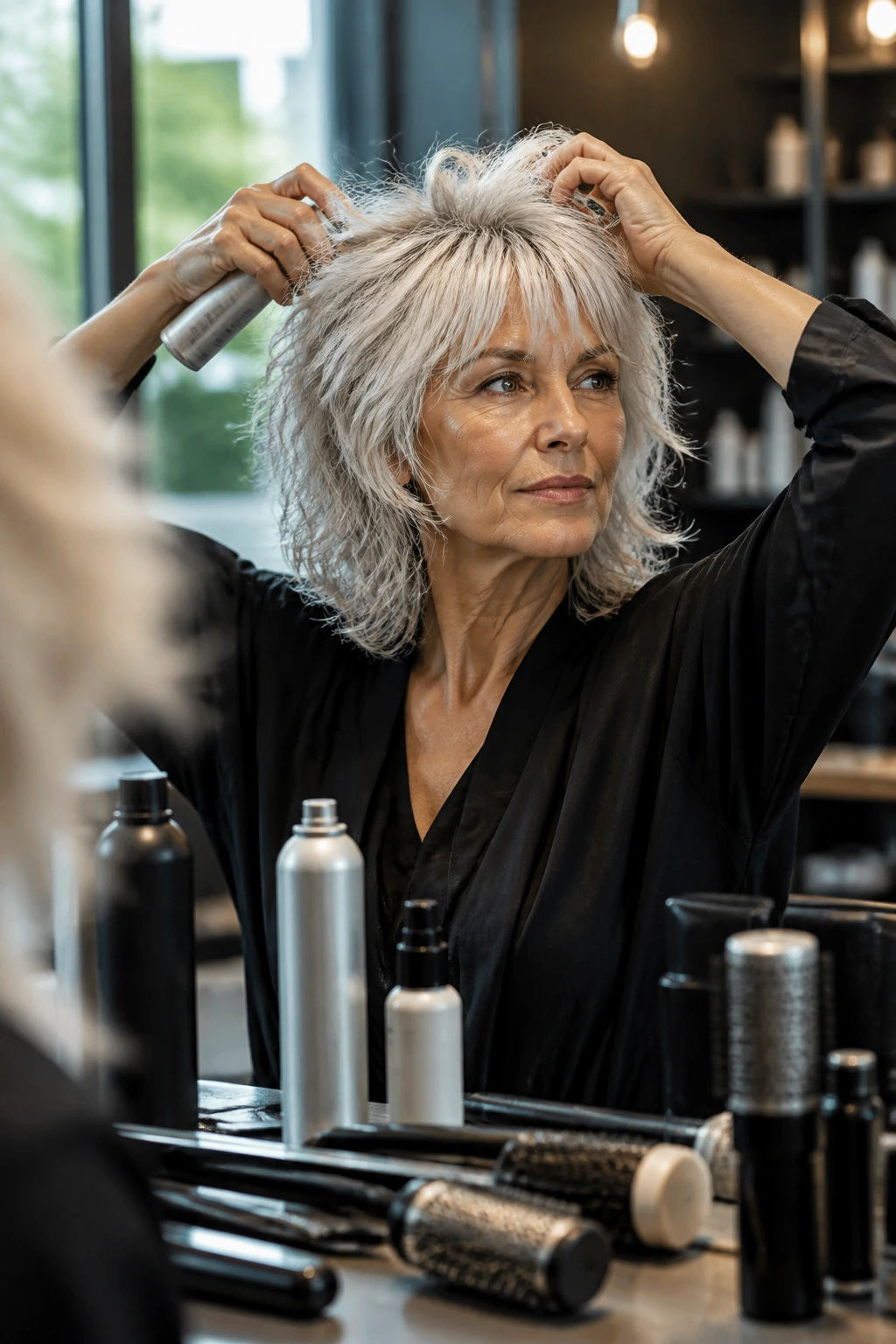
- Purple shampoo: Use it sparingly to cut brass in platinum hair; once a week is usually enough.
- Heat protectant spray: A must before blow-drying or ironing, because pale hair shows heat damage fast.
- Round brush, 1.5 to 2 inches: Good for bending the front layers and flipping the ends.
- Texturizing spray: Adds separation to a shaggy finish without making the hair stiff.
- Lightweight mousse: Helps lift the crown on fine or flat hair without weighing it down.
- Fiber paste or matte cream: Best for pixie and micro-bang versions that need piecey definition.
- Wide-tooth comb: Safer than a brush on damp, lightened hair.
- Sectioning clips: Useful when you want the fringe and face frame to dry cleanly.
- Bond-building mask: A smart weekly habit if the hair has been lightened more than once.
- Silk or satin pillowcase: Small thing, real difference. It reduces friction on fragile platinum ends.
How to Wear These Cuts
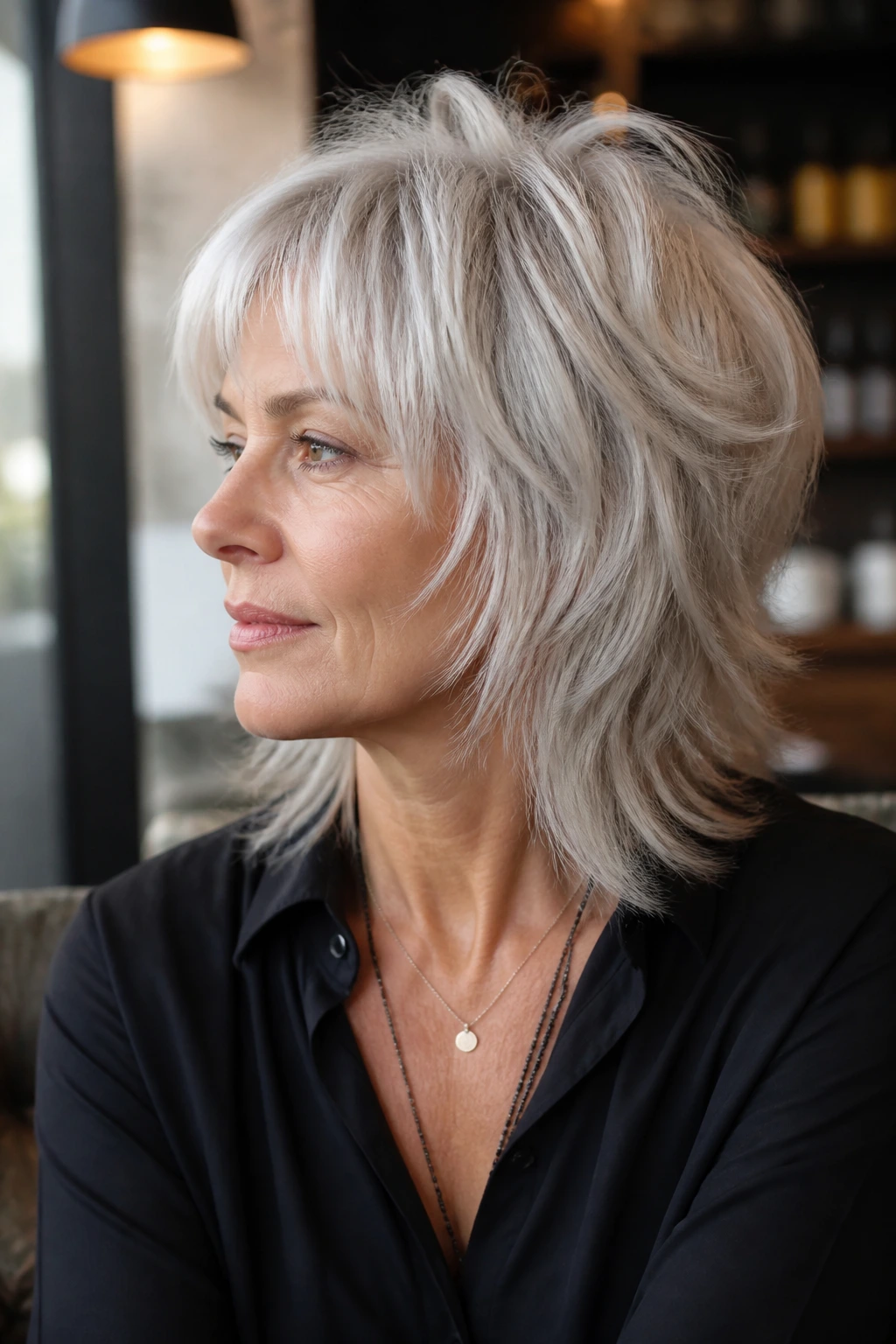
Presentation: Keep the crown lifted and the perimeter slightly imperfect. Platinum wolf cuts look best when the top has movement and the ends are not pressed flat into one shape.
Accompaniments: Thin-rim glasses, small hoops, open collars, and soft turtlenecks all play nicely with the cut because they leave the jawline visible. Heavy scarves can swallow a short wolf cut, so let the neckline breathe a little.
Portions: If your hair is fine, ask for fewer layers through the bottom and more lift at the crown. If it is thick, request internal debulking so the shape can sit closer to the head without puffing out.
Beverage Pairing: Read this as the product pairing — mousse for lift, smoothing cream for a softer blowout, or paste for a rougher, more piecey finish. Pick the one that matches the mood of the cut.
Styling Tricks That Keep the Shape Interesting
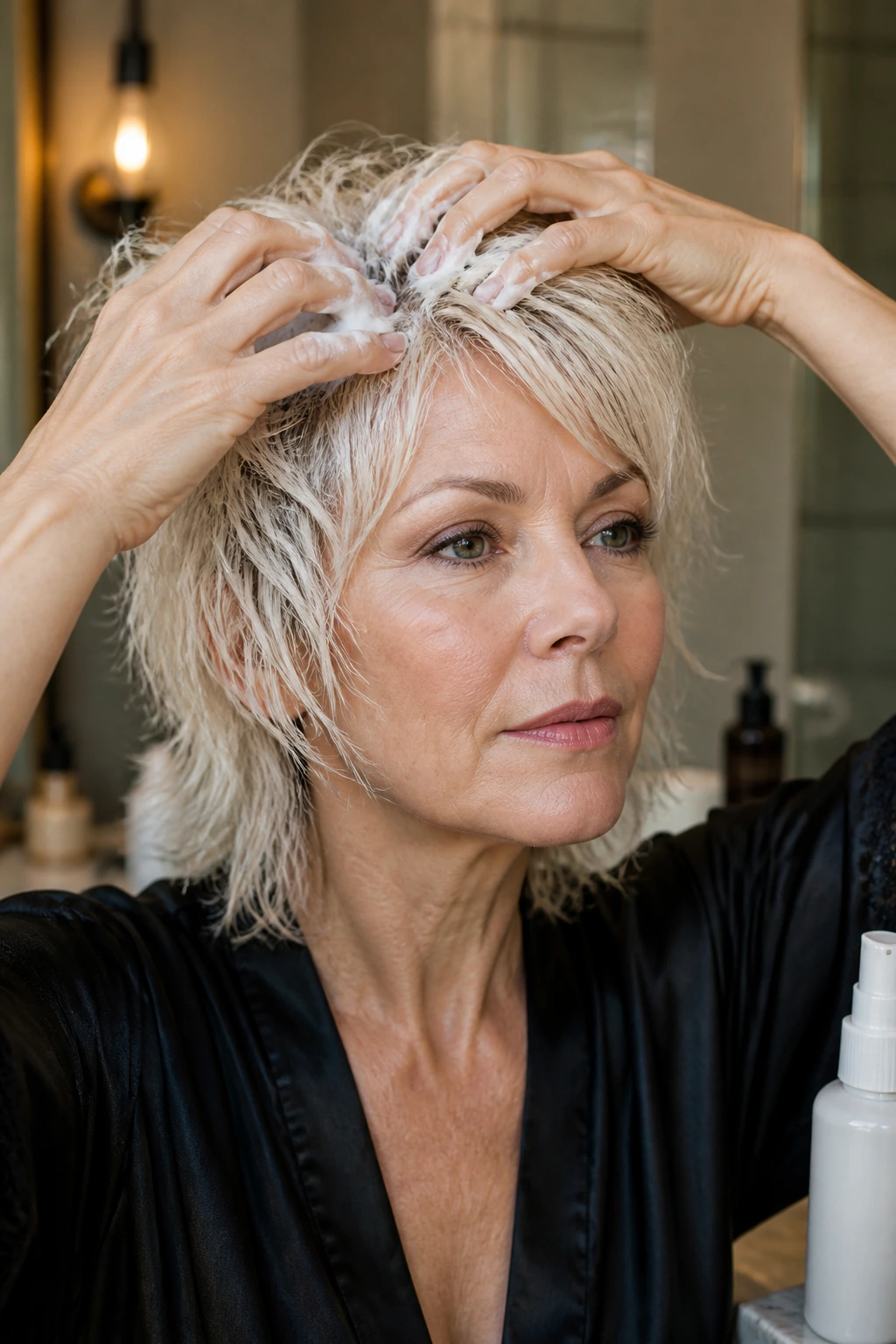
Texture Boost: Work a pea-sized amount of mousse through damp roots and a little texturizing spray through the mid-lengths. Platinum hair shows product quickly, so start with less than you think you need.
Customization: If you want more softness, ask for the face frame to hit the cheekbone. If you want more edge, let the shortest layers sit near the upper jaw. That one choice changes the whole mood.
Pro Move: Blow-dry only the crown and front pieces, then let the rest fall a little freer. A wolf cut usually looks better with some bend than with every strand lined up like soldiers.
Make-It-Yours: For gray blending, keep a whisper of root depth. For low-maintenance wear, choose a longer fringe or a side-swept front. For glasses, keep the side pieces off the temples so the frames don’t get buried.
Common Mistakes That Make Platinum Wolf Cuts Look Harsh
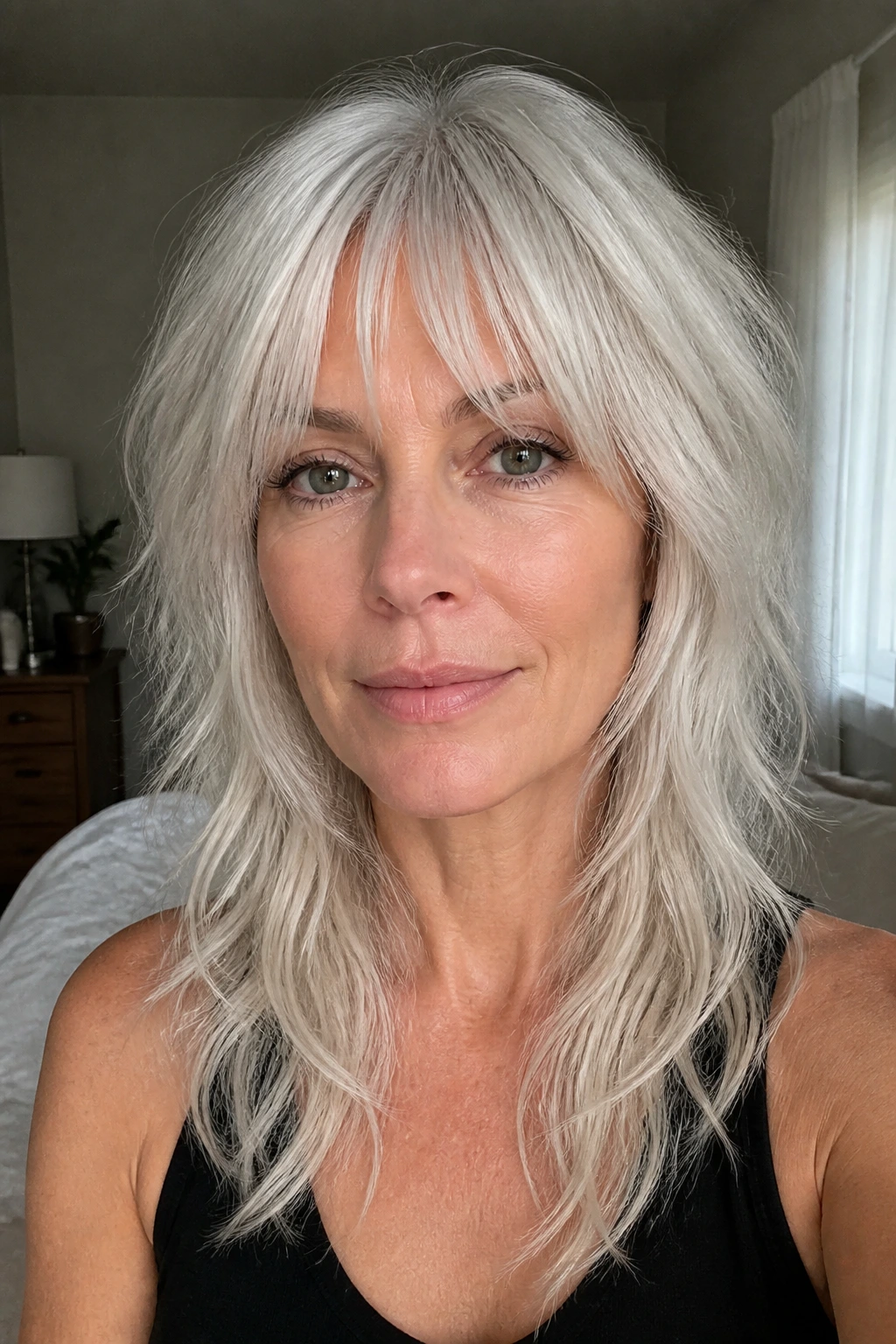
- Over-thinning the ends: The hair starts to look wispy and weak instead of airy. Ask for texture in the upper layers, not a sawed-off bottom.
- Cutting the fringe too heavy: A dense bang can make platinum hair feel stiff and blocky. Broken, lighter fringe moves better and is easier to grow out.
- Ignoring porosity: Lightened hair grabs toner fast and can go dull if purple shampoo is overused. Use it sparingly and follow with a rich conditioner.
- Going too pale at the root: A flat white root can wash out the face. A soft shadow gives the style depth and makes regrowth less obvious.
- Styling the sides too wide: Big side volume can make the head look boxy. Keep the lift at the crown and let the sides skim the face.
- Skipping trims for the fringe: A wolf cut can grow out gracefully, but bangs cannot. Trim the front before it falls into your eyes and drags the whole shape down.
Variations and Adaptations to Try
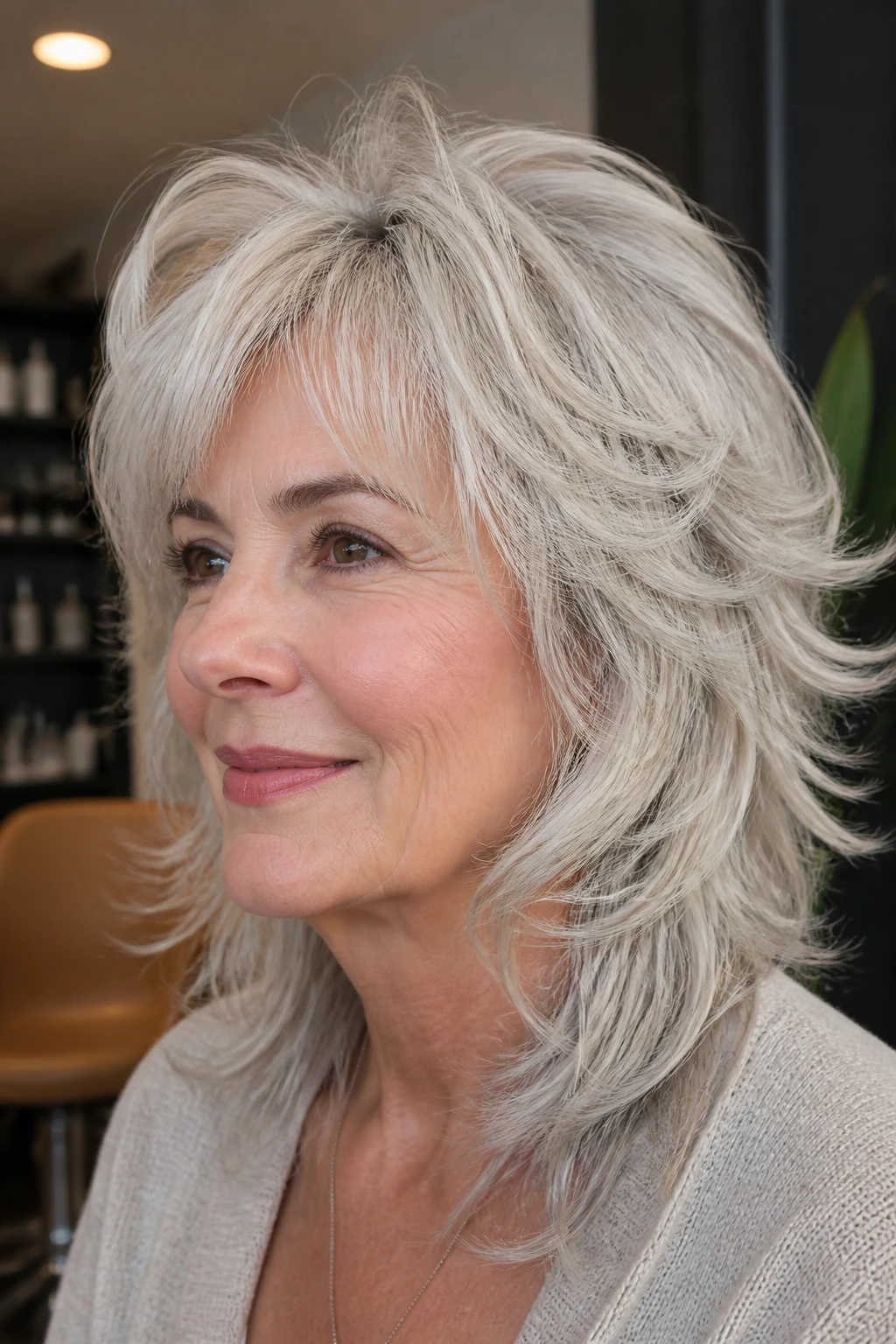
Soft Silver Melt: Keep the platinum bright through the length but let the root melt into a smoky silver-gray. It makes regrowth less obvious and works well if you are already growing in gray.
Champagne Frost: Add a beige-warm gloss and a few lowlights through the interior. This softens harsh cool blonde and suits skin tones that feel drained by icy white.
Curl-Friendly Halo: Leave more length in the perimeter and build the layers around the crown, not through the bottom. The curl pattern keeps its shape, and the platinum still reads bright.
Feather-Light Fine Hair Edit: Reduce the number of layers and keep the texturizing light. The goal is lift without visible gaps, which fine hair can develop fast if it is overcut.
Bold Micro-Bang Statement: Keep the fringe short and broken, then balance it with softer side layers. It gives the cut a sharper face line and works well if you like a more editorial look.
Keeping the Shape and Tone in Good Shape
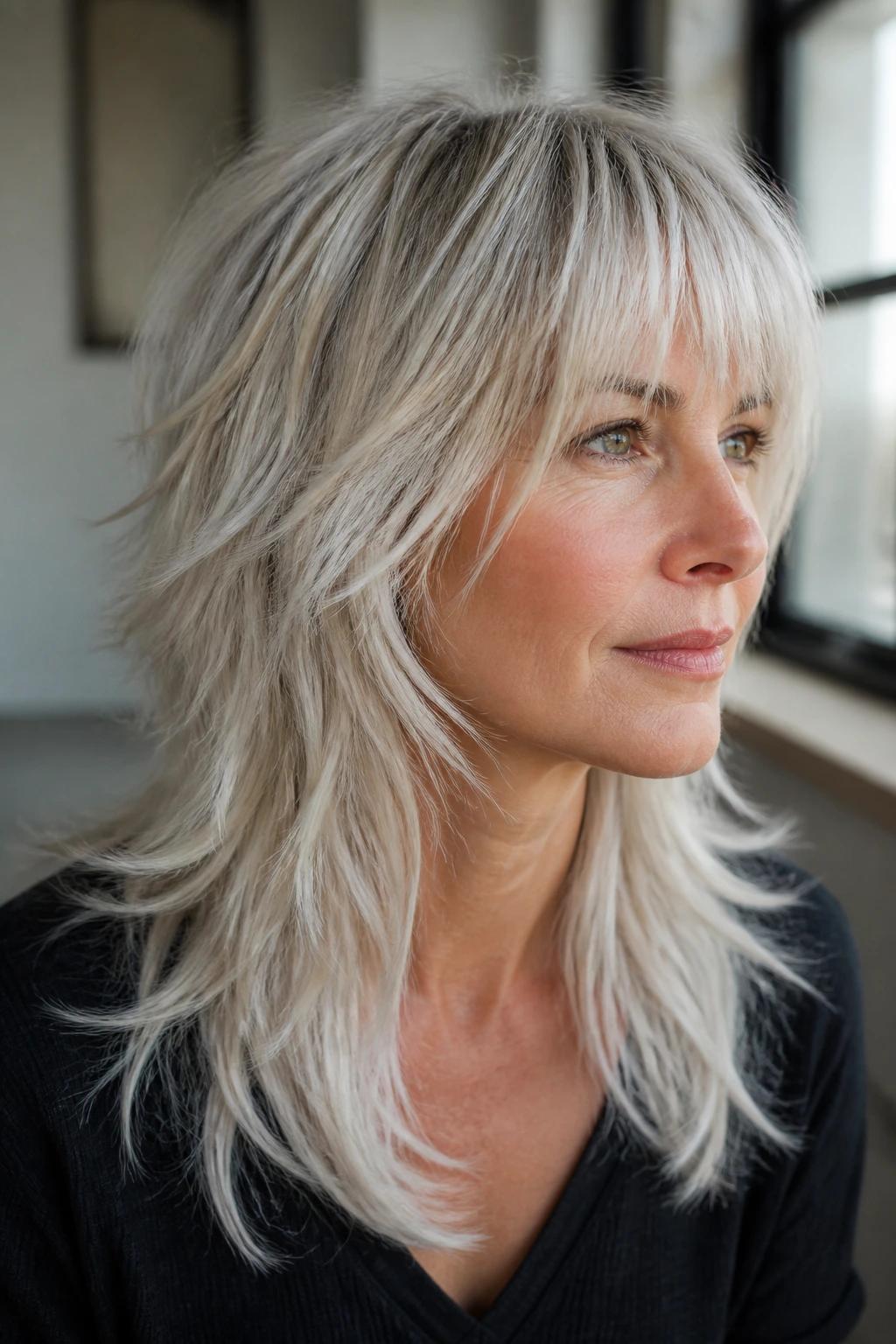
Platinum does not stay clean by accident. The color needs care, and the cut needs a trim schedule that matches how fast the shape loosens. For most wolf cuts, a shape refresh every 6 to 8 weeks keeps the layers from turning shaggy in the wrong way. If you wear full bangs or micro-bangs, those fronts usually need attention every 3 to 4 weeks.
Color is a separate job. If the blonde is icy, a gloss or toner every 4 to 6 weeks helps keep yellow from creeping in. If you have a root melt, you can often stretch the appointment longer because the grow-out is built into the design. That is one reason I like root shadow on older women: it gives you a little breathing room.
At home, use a bond-building mask once a week if the hair has been lightened hard, and keep purple shampoo to once weekly or less. Too much purple shampoo can leave pale hair looking dull and dry, and no one wants that chalky finish around the face. Heat tools should stay moderate, with protectant every single time. High heat on platinum hair is a bad trade.
Frequently Asked Questions
Will a platinum wolf cut make fine hair look thinner?
Not if the cut is done carefully. Fine hair needs fewer layers through the ends and more lift at the crown, so the shape looks airy instead of see-through. The mistake is overtexturizing the bottom half until the perimeter disappears.
Can I keep my gray roots with a platinum wolf cut?
Yes, and in some cases that’s the smartest version. A soft root shadow or a silver-platinum blend can make gray regrowth look deliberate instead of awkward. It also cuts down on how often you need to refresh the color.
How often should platinum hair be toned?
Most icy blondes need toner or a gloss every 4 to 6 weeks, but that depends on how porous the hair is and how often you wash it. If your water runs hard or you use a lot of heat, the tone can drift faster.
Does a wolf cut work on curly hair?
It does, but the cut has to respect curl shrinkage. Keep the perimeter longer and let the layers build around the head instead of chopping the whole shape short. Diffusing gently helps keep the curls from turning puffy.
Can I wear this cut with glasses?
Absolutely. Just tell the stylist before they cut the fringe or side pieces. A glasses-friendly version keeps hair off the temples and avoids bangs that sit right on the frame line.
What if my hair is very thick?
Ask for internal debulking, not just more layers. Thick hair needs weight removed where it swells, especially through the crown and nape, or the style can balloon out under coats and scarves.
Is this cut hard to style every morning?
The shorter versions need less time than people think, but the color needs care. A pixie-wolf or chin-length bob may take five minutes with paste and a brush. Longer versions usually need a blow-dry, mousse, or a wave cream to keep the layers from going limp.
What if the top gets too fluffy?
That usually means the crown was cut too short or dried with too much side volume. Next time, ask for a little more length at the top and use product only at the roots, not all over the sides. A flat iron on the surface can help, but the better fix starts at the haircut.
The Cut That Still Feels Like You
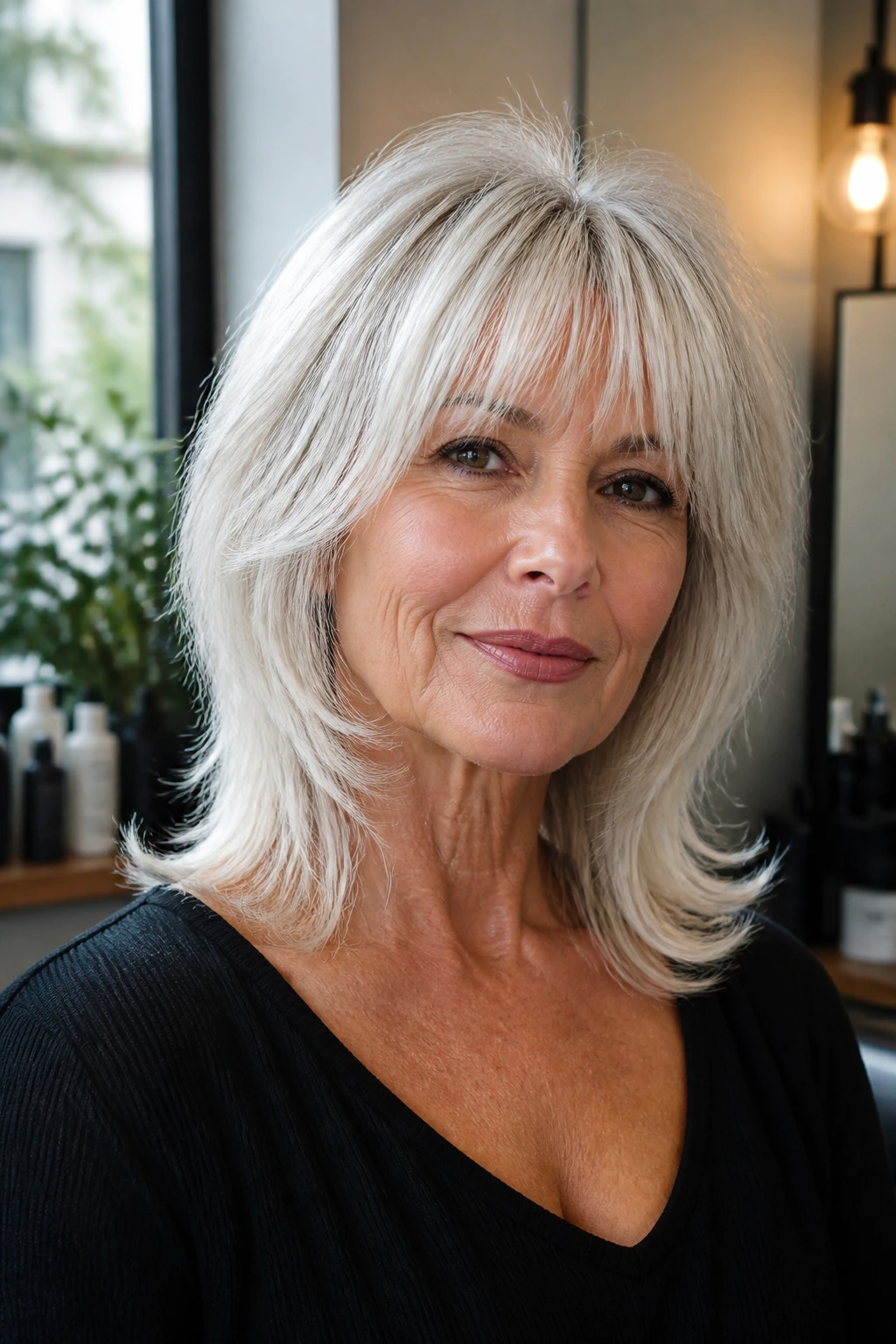
The best platinum wolf cut is not the loudest one in the room. It is the one that keeps its shape, flatters the face, and still looks good when you have only done the front pieces and walked out the door. That’s the sweet spot: bright color, good movement, no fuss.
If you bring a photo that matches your hair texture, not just your fantasy, you’ll save yourself a lot of regret. Platinum is demanding. A wolf cut is forgiving. Put those two together with the right length and the right amount of softness, and the result can feel sharp in the best way.
