



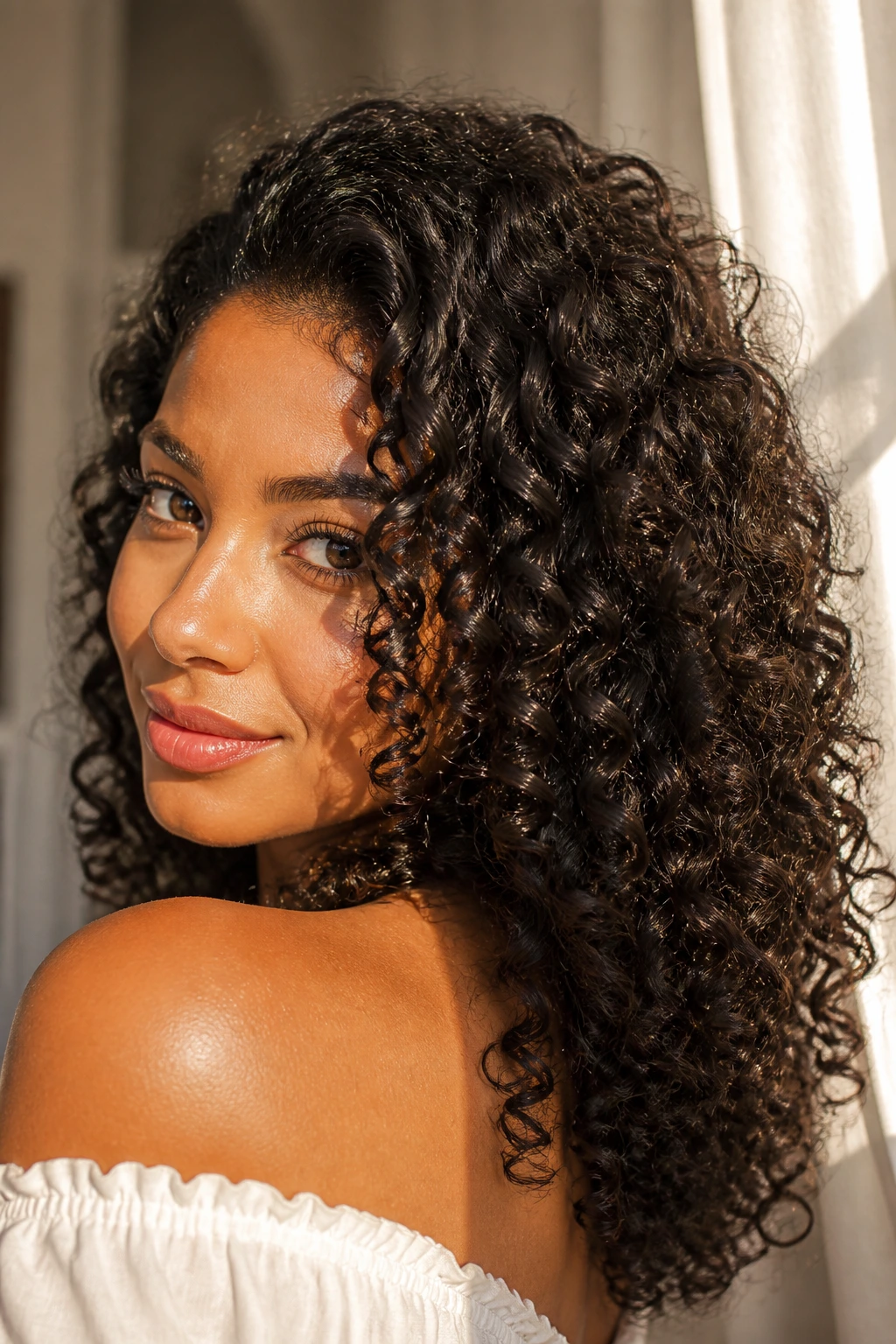
Brown hair color ideas for curly hair work best when the shade moves with the curl, not against it. A coil that bends and catches light every half inch can make a chestnut glaze look richer, a caramel ribbon look brighter, and a flat brunette look flatter than it should. That’s the real trick with curls: the color does not sit still, so the same brown can read soft, deep, glossy, or warm depending on where it lands on the pattern.
I’ve always liked brunette shades on curls more than people expect. A good brown gives the hair shape. It can tighten the visual outline of loose waves, make ringlets look denser, and pull a messy grow-out back into something intentional without pushing you into high-maintenance territory. The problem is that brown is not one thing. Espresso, mushroom, mocha, walnut, toffee, bronze, and chestnut all behave differently once they hit textured hair, especially when porosity varies from root to ends.
That’s why the details matter: undertone, placement, and how much contrast you leave between the root and the curl’s outer layer. A curl pattern already creates shadow; smart brunette color uses that shadow instead of fighting it. Keep that in mind as you scroll, because the right shade is usually the one that makes your curl pattern look louder, not the one that screams for attention first.
Why These Brown Shades Earn Their Keep
-
Dimension without the bleach-and-pray drama: Brown tones can be placed as glosses, lowlights, or ribbon highlights, so you get movement without lifting every curl to a fragile pale blonde.
-
Curl patterns look fuller when the root stays deeper: A level 4 or 5 root with slightly lighter mids creates a little optical lift. On curls, that contrast reads as body, not harsh regrowth.
-
Warm and cool browns solve different problems: A cinnamon brown can soften a tired complexion, while a smoky ash brown can calm down brass on hair that pulls orange fast.
-
Most of these shades grow out cleaner than blonde: When the root shade is close to your natural level, the line at the scalp stays soft for weeks, not days.
-
Glosses matter here as much as dye: A clear or tinted glaze can push a brown from flat to glassy in 20 minutes, which is often the difference between “colored hair” and “good color.”
-
Curly hair needs placement more than perfection: A few well-placed ribbons around the face and crown can do more than a full-head process that ignores how your curls fall.
1. Espresso Brunette With a Velvet Finish
Espresso brown on curly hair is the shade I reach for when I want the curl pattern to look denser and a little more dramatic without crossing into black. It sits around a level 3 or 4, with a deep cocoa base that drinks in light and gives ringlets a plush, velvety look. On tight curls and coily textures, it can make the silhouette read cleaner; on looser curls, it gives a kind of polished weight that feels expensive without needing a wordier description than that.
Why it works:
The darker base reduces visual gaps between curls, which is useful if your hair tends to frizz at the surface or look lighter on the ends. It also grows out with almost no visible line if your natural color is already deep brown. I like espresso best when the finish is glossy, not matte, because a dull espresso can look heavy. A clear glaze or a blue-black-safe gloss keeps it from turning muddy under indoor light.
Best for:
- Dense curls that need more structure
- Medium to deep skin tones
- People who want low contrast and low fuss
Tip: Ask for a demi-permanent deposit or a gloss over a dark brown base instead of a permanent all-over black-brown. It keeps the curls softer in texture and easier to revive between salon visits.
2. Chestnut Balayage That Starts at the Crown
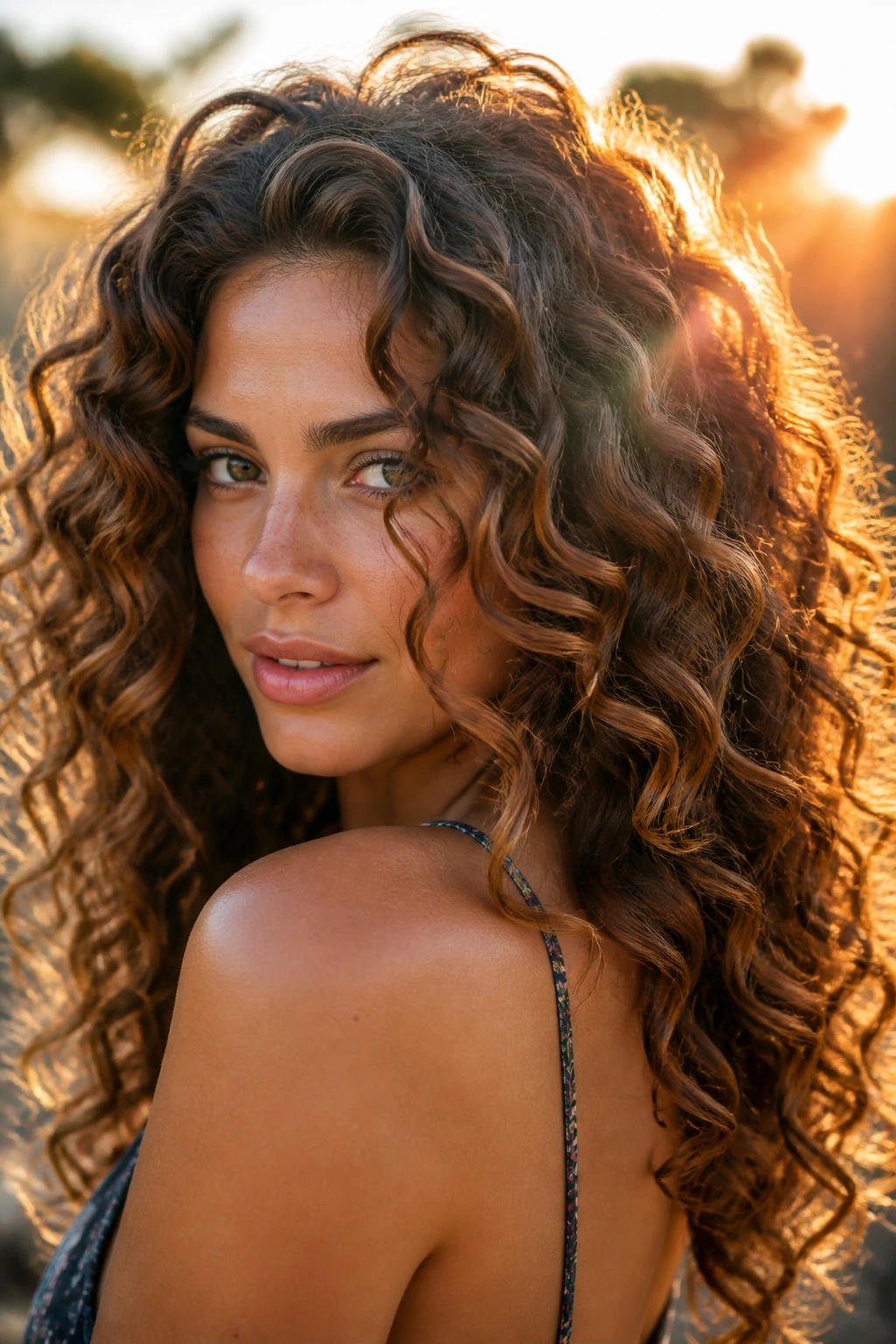
Chestnut balayage gives curly hair a warm, lifted feel without pushing the whole head lighter. The shade usually lives around a level 5 or 6 with reddish-brown warmth, and the hand-painted placement at the crown and upper mids keeps the brightest pieces where curls catch the most light. When the hair moves, the chestnut flashes in and out instead of sitting there like obvious streaks.
Why the placement matters
On curls, balayage works best when the color follows the shape of the curl family, not when it’s painted like straight hair. That means the crown, outer layer, and face line get the most brightness, while the underside stays deeper. The result is less frizz, fewer harsh lines, and a grow-out that doesn’t look like a mistake after eight weeks.
Chestnut is also one of the easier warm browns to wear because it has enough red in it to read rich, not orange. If your hair tends to pick up gold fast, this shade usually behaves better than anything that leans too copper.
A good match if you want:
- Warmth without blonde
- A softer grow-out
- Movement in layered curls
3. Caramel Ribbons Woven Through the Outer Curls
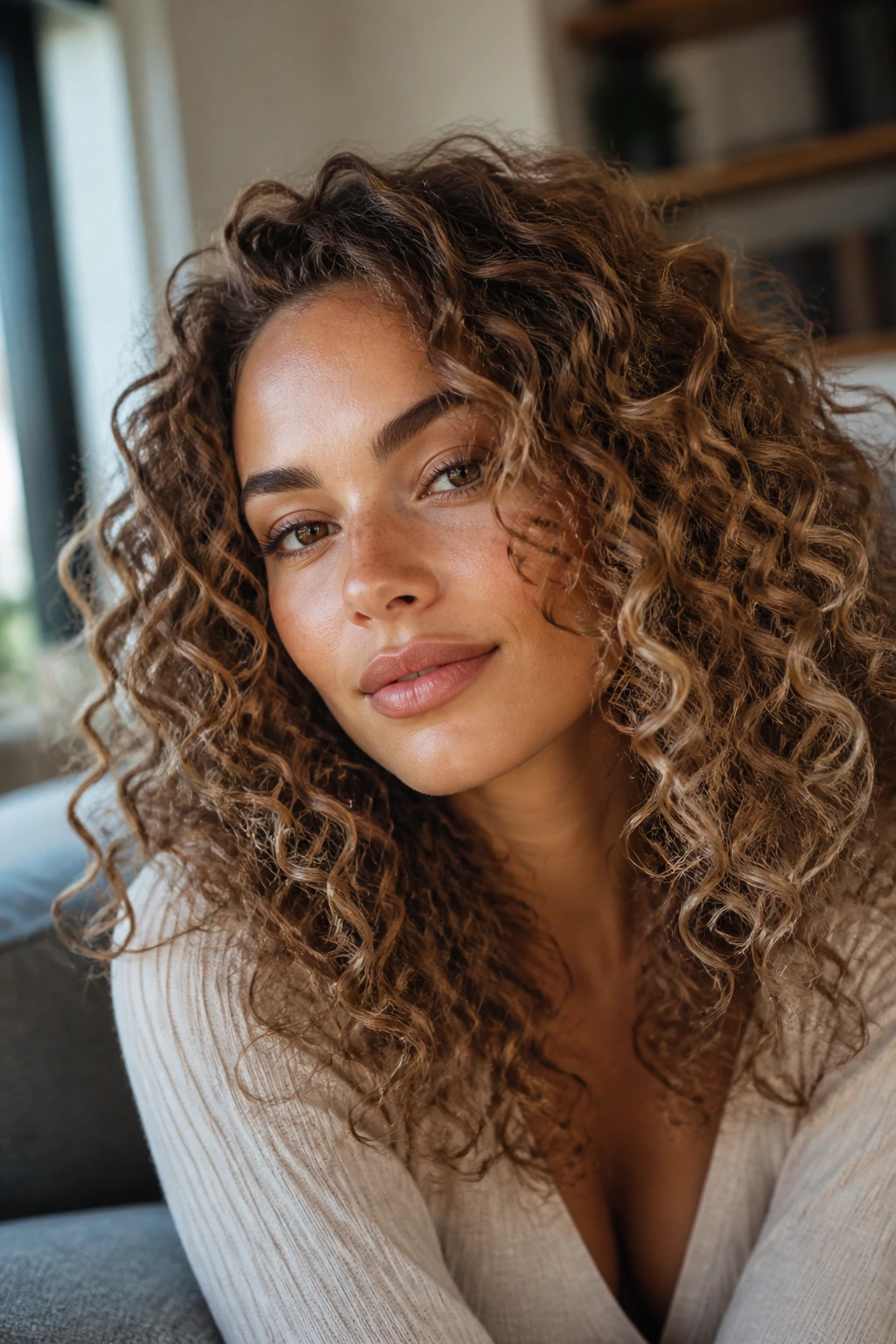
Caramel ribbon highlights can wake up curls that look a little too dark or one-note on the surface. Instead of lifting the whole head, this look uses thinner pieces of a golden-brown caramel on the outer layer and around the face, which is where curls often need the most help. The contrast is gentle, but it still reads the second the hair moves.
The thing I like here is restraint. Too many caramel highlights on curls can turn into a patchy halo, especially if the pattern is tight or the hair is porous. A few ribbons spaced in the top third of the head, plus a couple of brighter face pieces, usually give more payoff than blasting the whole section with lightener.
What makes it different from regular highlights:
- The pieces stay thin and curved with the curl pattern
- The base color remains a medium or deep brown
- The light is meant to flicker, not to dominate
This is a strong choice if your curls are loose to medium and you style with a diffuser or a twist-out. The color shows up more when the curls separate a little, so a chunky, over-styled finish can hide the effect.
4. Mocha Melt With a Soft Root Shadow
Mocha melt is the brunette version of a smooth color fade. The roots stay a touch deeper, the mids move into a milk-chocolate brown, and the ends keep enough warmth to avoid looking flat. On curly hair, that gradual shift can look almost painted by accident, which is exactly why it works so well.
The root shadow keeps the scalp area grounded, and the lighter mids help the curl body show up instead of disappearing into one dark block. If your curls are layered, the melt effect can make the cut look more expensive than it actually was. Good color placement here matters more than bold contrast. A hard line between shades ruins the softness immediately.
Mocha melt is especially useful if your hair has been colored before and the ends are a little lighter than the roots. Rather than forcing an exact match, you let the levels vary on purpose. That saves the curl pattern from extra processing and keeps the color from looking too uniform when the hair shrinks.
5. Mushroom Brown for Cool-Toned Curls
Mushroom brown is the shade for people who keep trying warm brunette and hating the orange that sneaks in after two or three shampoos. It sits in the cool beige-brown family, with taupe and ash working together so the hair reads earthy, not red. On curly hair, that muted tone can make the texture look very chic in a quiet way.
The best version of mushroom brown uses dimension, not a solid flat slate tone. A level 5 cool brown with slightly lighter beige-brown ribbons keeps the curls from looking dusty. That’s the trap with this color: if it goes too ashy, the hair can look dull instead of expensive. A gloss with a neutral-beige base usually keeps it in the sweet spot.
This shade tends to flatter cooler or pinker skin tones, and it looks especially good on shag cuts, wolf cuts, and rounded curly bobs. Those cuts already have movement, so the smokier tone seems to sit naturally inside the shape.
6. Cinnamon Brown That Leans Spiced, Not Red
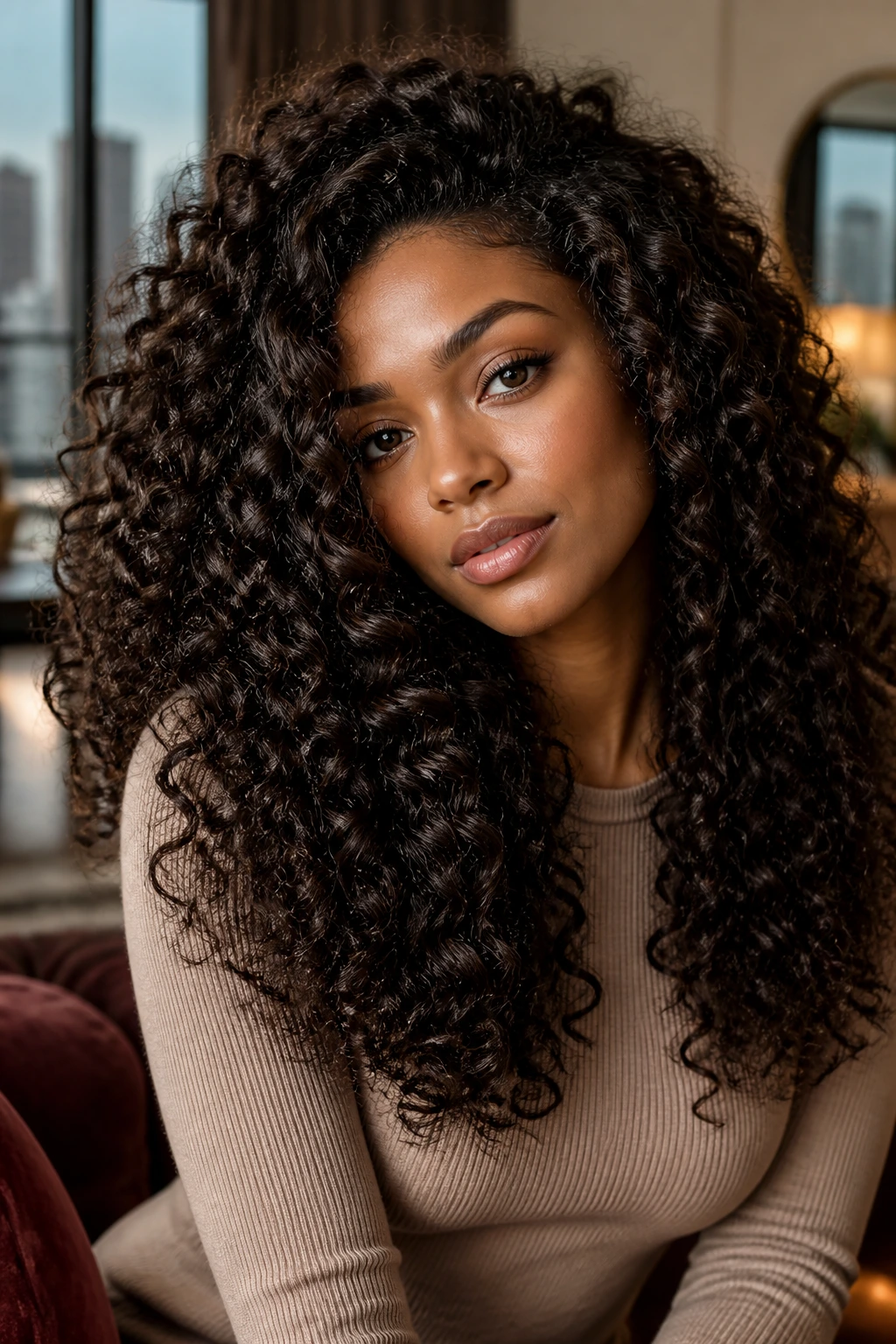
Cinnamon brown is warm, but it should not scream copper unless that’s the point. On curls, I prefer a brunette base with a cinnamon glaze layered over the mids and ends, so the warmth flashes in sunlight and fades back to brown indoors. It gives ringlets a softer glow and keeps thick curly hair from looking too dark at the edges.
The reason cinnamon works so well is that the warm undertone livens up the curl surface. If the hair has lots of texture, a little red-brown warmth makes each bend easier to read. That means more visible shape without needing chunky highlights. Still, this is one of those shades that can drift too orange if the formula is too light or if the hair is porous. A strand test helps. So does a colorist who actually looks at the curl pattern before mixing.
I like cinnamon brown on medium to deep bases where the curl family is full and the skin tone can handle warmth. It’s especially good when you want the hair to look alive in indoor light, not just in bright sun.
7. Toffee Brunette for Springy Ringlets
Toffee brunette has a golden warmth that feels softer than caramel and lighter than chestnut. It’s one of the easiest browns to wear on springy ringlets because the color sits in the middle range: enough lightness to show curl definition, enough brown to keep the whole look grounded. The result is a brunette that doesn’t disappear under fluorescent lighting.
I’d call this a sweet spot shade for people who want movement without obvious streaks. The toffee tone can be applied as a gloss over medium brown hair, or as fine ribbons through the top layer if you want more contrast. Either way, it should look blended. A toffee brunette that looks stripy is usually a placement problem, not a color problem.
This one shines on cuts with rounded layers. The ends catch the warm notes nicely, and the crown stays deeper so the shape does not puff out too much. If your hair is fine, keep the light pieces subtle; if it’s dense, you can go a little bolder and still have the color read soft.
8. Chocolate Cherry Brown With a Hidden Wine Note
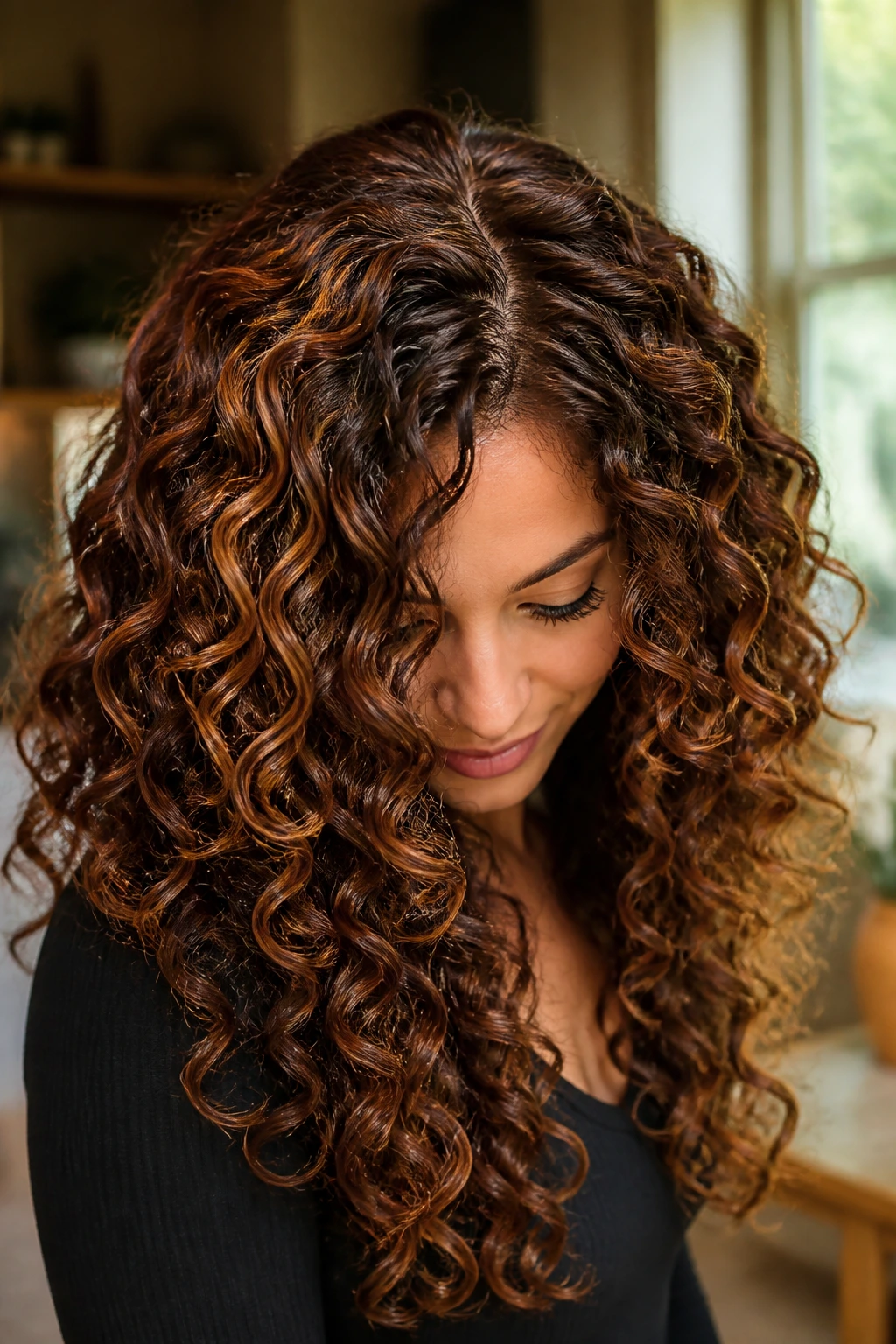
Chocolate cherry brown is one of my favorite choices for curly hair because it gives you a brunette base with a little mischief in it. At first glance, it reads like dark chocolate. Then the light shifts and the cherry note appears—deep wine, not red velvet frosting. That little surprise is perfect for curls because the shade changes as the spiral turns.
A hidden cherry tone also helps if your hair tends to fade brassy. The red-violet family keeps the brown from going flat or orange, especially on previously colored hair. You still need a good aftercare routine, though. Color-depositing conditioners can keep that wine cast from disappearing too fast, and a sulfate-free cleanser helps a lot more than people think.
This is a strong pick if you like darker hair but don’t want the whole look to feel severe. It works on looser curls, twist-outs, and layered shags particularly well because the color shift is easier to spot when the hair separates.
9. Walnut Lowlights for Hair That Lost Its Depth
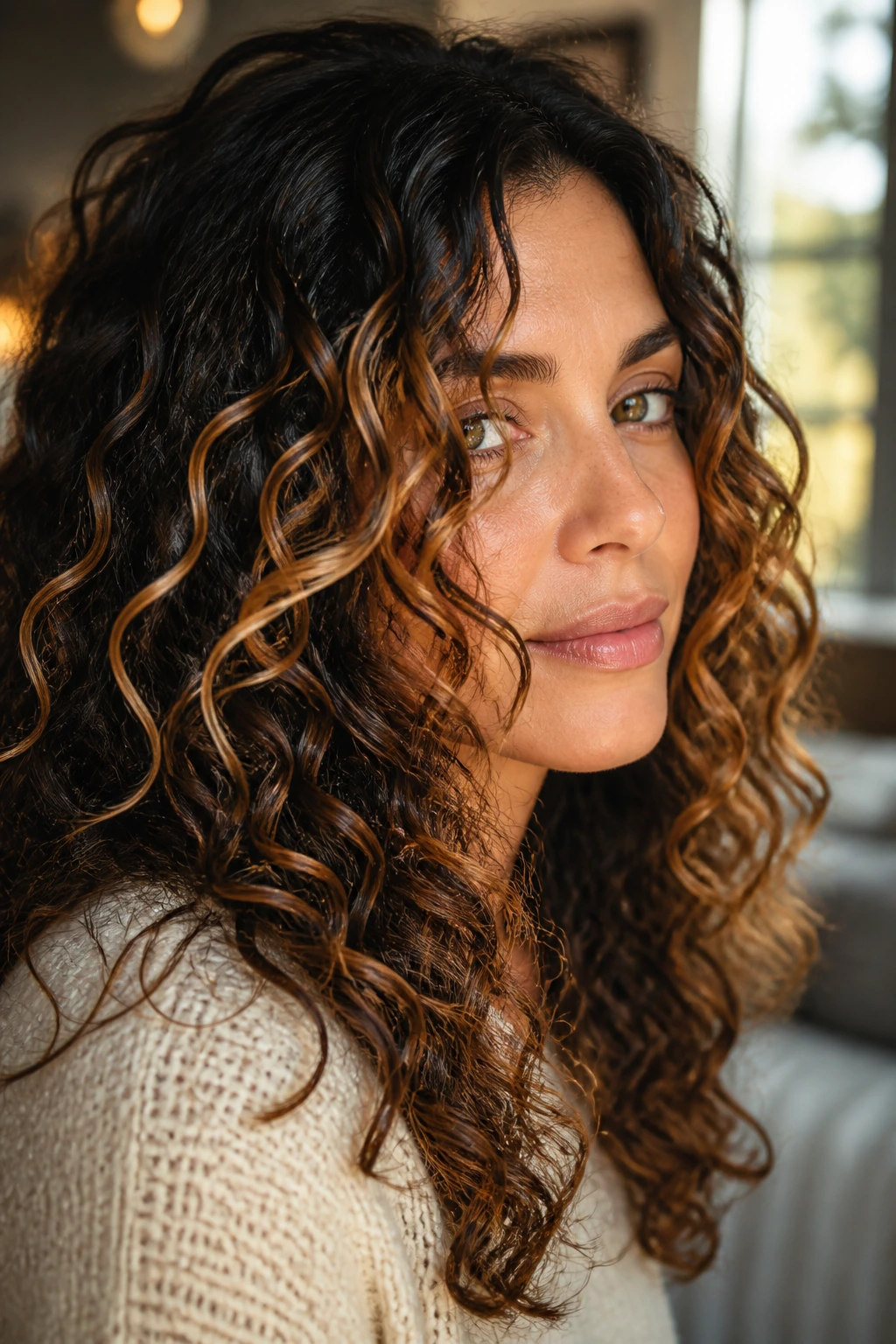
Walnut lowlights are the fix when curly hair has gone too light, too faded, or too fuzzy-looking at the ends. Instead of lightening, this idea adds deeper brown pieces back into the curl mass. The shade sits in the medium-to-deep brown family and brings the body of the curls back into view.
The best part about lowlights is how fast they restore structure. A few darker strands under the surface and around the perimeter can make a washed-out curl pattern look richer in one appointment. That matters if you’ve over-highlighted your hair in the past or if your ends have lightened from sun and heat. Walnut pieces do not have to be dramatic. They just need to be placed where the curls separate naturally.
This is also one of the more forgiving choices for porous curls because the darker pigment fills in gaps rather than trying to force the hair lighter. If you’ve been fighting brass, walnut lowlights can calm the whole head down.
10. Honey-Brown Face Frame That Lifts the Eyes
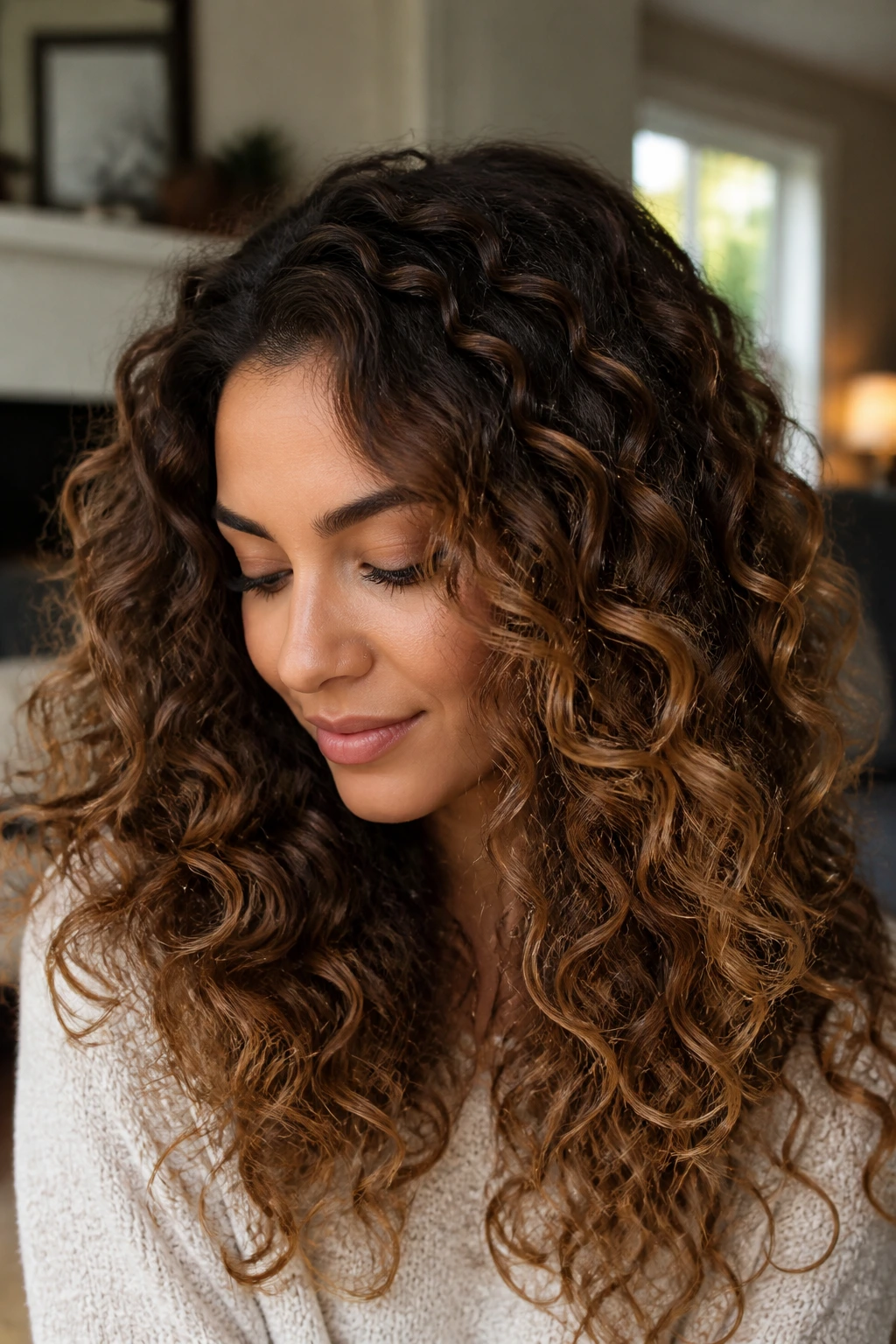
Honey-brown face framing is for people who want a little brightness without turning the whole head into a highlight project. The color usually sits around a level 6 with warm golden notes, and it’s placed right where the curls fall around the face. That means the eye area gets the lift while the rest of the hair keeps its depth.
There’s a practical reason this works so well on curly hair: the front pieces move the most. They get seen from the front, the side, and in photos. A slightly lighter honey-brown in that area can make the whole style feel more open, especially if your curls tend to cover the cheekbones. Keep the face frame soft, though. Thick light streaks on curls can look dated fast. Thin, curved pieces that follow the hairline are cleaner.
This is a solid option if you want a change you can spot without committing to full-head color. It also grows out gracefully, which is a nice side effect when your schedule is not built around touch-ups.
11. Cocoa Gloss for a Near-Black Brown
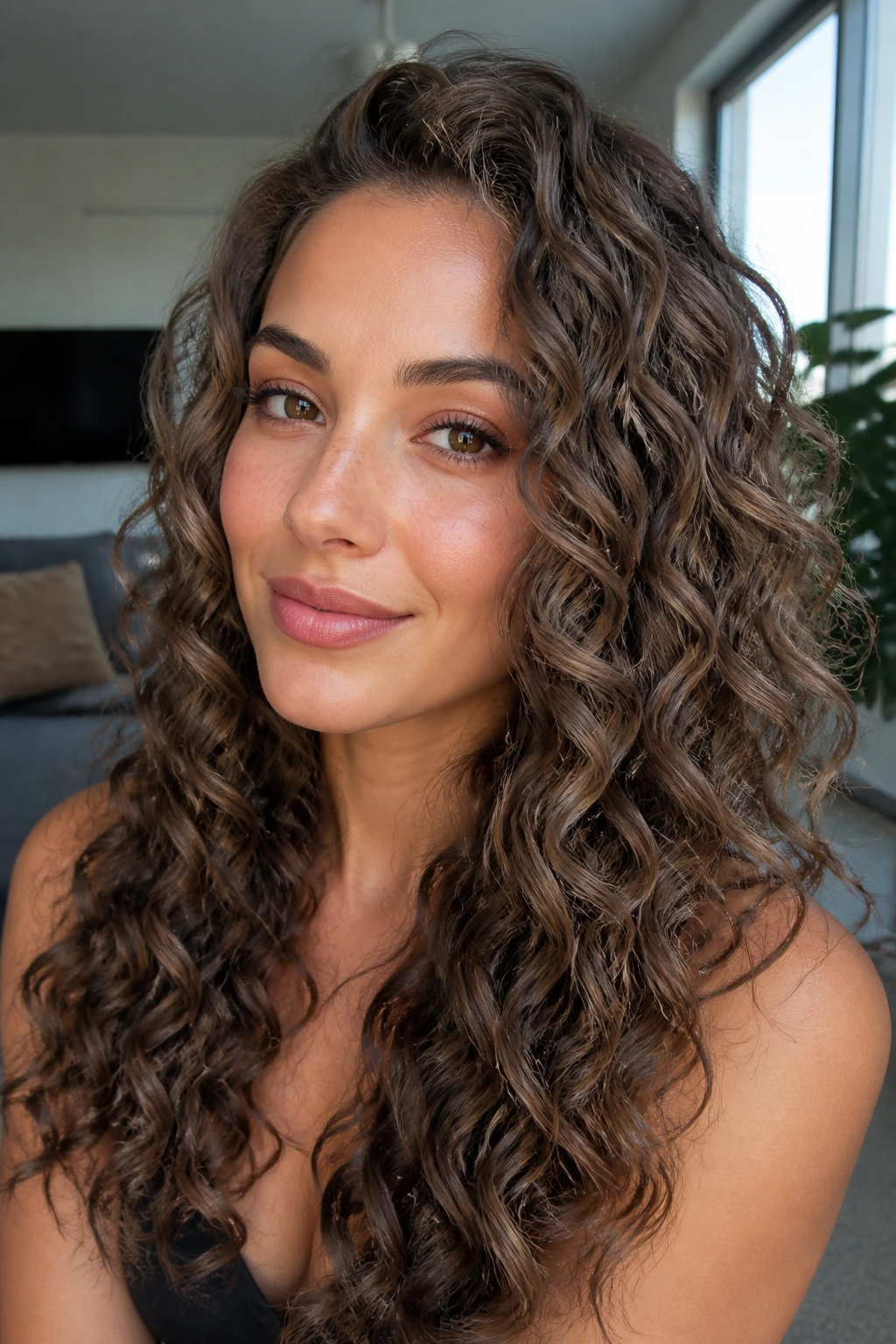
Cocoa gloss is the shade for anyone who wants rich, dark brown hair that still looks like brown. Not black. Not blue-black. Brown. The gloss deepens the natural base and gives the curls a polished surface, which is especially useful if the hair is dry-looking or a little sun-faded at the ends.
A cocoa gloss is one of the quickest ways to make curls look healthier without actually changing the structure of the hair much. The color sits on top, or close to it, so you get reflection and richness without a heavy chemical feel. That’s part of the appeal. It’s low drama. It also works beautifully on tighter curl patterns that already have enough texture and movement, because the darker shade helps define the outline.
If you want a dark brunette that doesn’t swallow your features, ask for a glossy cocoa finish instead of a flat permanent black-brown. The difference is subtle in photos and huge in person.
12. Hazelnut Brunette for an Easy Middle Ground
Hazelnut brown is the kind of shade that rarely offends anyone. It lives in the middle of the brunette spectrum, with enough warmth to feel soft and enough neutrality to stay wearable. On curly hair, that balance matters because a color that is too cool can look gray, and one that is too warm can turn orange on the wrong base.
What I like about hazelnut is that it works with a lot of curl textures. Loose curls get a little more dimension. Denser coils get softness around the surface. If your hair has been colored before and the tones are inconsistent, hazelnut can smooth things out without making the whole head look one-dimensional. A demi-permanent gloss is often enough to get there.
This is the shade to pick when you want brunette color that feels smart and calm rather than flashy. It’s a useful bridge shade if you’re growing out blonde or red and want to settle into brown without a shock.
13. Smoky Ash Brown That Tames Orange Undersones
Smoky ash brown is for hair that insists on turning copper the second color touches it. The ash tone keeps the brown cooler, which can be a gift on curls that pull red at the ends or brassy at the crown. The look should feel muted in a deliberate way, not muddy. That difference matters.
A good smoky ash brown has a soft graphite edge mixed into the brunette base. On curly hair, that can make the texture look modern and clean, especially if the cut is sharp. Think curved bob, shoulder-length layers, or a cropped shape with lots of movement. A curl pattern with plenty of bounce can carry the cooler tone nicely. A flatter pattern sometimes needs a little more contrast so the color does not read too gray.
I reach for this shade when the goal is control. If warm brunette shades keep slipping into orange on your hair, smoky ash is the corrective move that still looks like a real color, not a toner experiment.
14. Bronze Brunette on Mid-Length Curly Cuts
Bronze brunette has a warmer metallic pull that makes mid-length curls look lit from within. It sits between brown and gold, which sounds vague until you see it on a spiral that catches the light at three different angles. Then it makes sense. The color flashes without becoming blonde, and that’s the line bronze walks so well.
This shade tends to look best on hair that has enough length for the curl to stretch and separate a little. On a curly lob or a shoulder-length cut, bronze ribbons can travel through the shape and show off movement. On very short curls, the effect can feel too scattered. Keep the warmth concentrated around the outer layer and face line, and let the underlayers stay darker.
Bronze brunette is a good answer when you want warmth but don’t want to go full caramel. It’s softer than copper, less golden than honey, and easier to maintain than a high-contrast highlight job.
15. Maple Brown for Thick, High-Volume Curls
Maple brown has a rich, syrupy warmth that suits hair with serious volume. It’s deeper than toffee and softer than auburn, which gives thick curls a kind of rounded glow. On dense hair, that warmth keeps the shape from looking too heavy or blocky, especially when the curls are worn out rather than pinned up.
The color works best when it’s not all over the same level. I prefer a maple root with slightly brighter mids, or a maple gloss over existing brown with a few lighter ends left visible. That keeps the volume from becoming a wall of color. Dense curls need movement inside the shade, not just on the surface.
This is a smart pick if your hair has a lot of body and you want the color to feel warm without tipping into red. A rounded curly cut or long layers make maple brown look especially good because the color has space to breathe between the sections.
16. Auburn Brown That Shines in the Spiral Pattern
Auburn brown is not shy. It has a red-brown core that becomes more visible as the curls bend and twist, which is exactly why it works so well on spirals and twist-outs. Indoors it can look like a rich brunette; outside, the auburn note wakes up and gives the hair a little fire.
The trick is keeping the red-brown controlled. If it goes too red, the result can feel loud in a way that fights the curl pattern. A balanced auburn brown should still read as brown first. The red is the echo, not the headline. That makes it wearable on more skin tones and easier to keep from turning brassy after repeated washes.
I like this shade on medium to deep bases with a lot of texture. It shows movement in a way that flatter, cooler browns sometimes do not. If your curls already have strong definition, auburn brown can make every coil feel more deliberate.
17. Sable Brown for a Deep, Smooth Finish
Sable brown is the elegant dark brunette that sits just above black. It’s softer than espresso and less warm than cocoa, with a smooth finish that suits polished curl shapes. If your curls are defined and you want them to look sleek without flattening them, sable is a strong option.
What sets sable apart is how it frames the face. The shade creates contrast without screaming for attention, so the curl shape does the work. It’s good on layered cuts, rounded froes, and shoulder-length curls that need some edge. A clear gloss or a soft neutral glaze helps the color stay reflective instead of dulling out.
This is a shade for people who like depth first and brightness second. It also hides small inconsistencies in old color pretty well, which is handy if the hair has been through a few appointments and the mids and ends do not match perfectly anymore.
18. Latte Brown With Creamier Dimension
Latte brown is one of the softer, more wearable medium browns for curls because it has a creamy beige cast that lightens the overall feel without going blonde. The shade is especially nice on ringlets and looser coils that can handle a little brightness without losing structure. It gives the hair a smoother, more open look around the face.
The best latte brown is not pale. It stays anchored by a medium brunette base so the curls still look full. A few lighter beige-brown ribbons around the top layer and face line are enough. Too much creaminess and the color starts to look washed out. Too little and you may as well have stayed with regular brown. The balance is what makes this one useful.
If you have a layered haircut and want the movement to show, latte brown can be a very good choice. It catches light softly, which helps with curl definition in photos and in person.
19. Cool Rooted Brunette for Low-Maintenance Grow-Out
A cool rooted brunette is one of the cleanest ways to wear brown on curly hair if you do not want to babysit regrowth. The root stays a touch deeper and cooler, while the mids and ends are nudged lighter or warmer, depending on your base. That creates a built-in shadow at the scalp that blends into the curl pattern instead of sitting on top of it.
The cooler root is especially useful if your natural color is ashier than your colorist wants to admit. Rather than fighting it, you use it. The result is less maintenance and a cleaner grow-out line. This also works well if your curls puff up near the roots, because the darker root visually controls the volume a little.
I’d call this the practical brunette. It’s not the flashiest shade in the room, but it behaves. And when you wear curls, that counts for more than people realize.
20. Bronde Crescendo for Curls That Need Movement
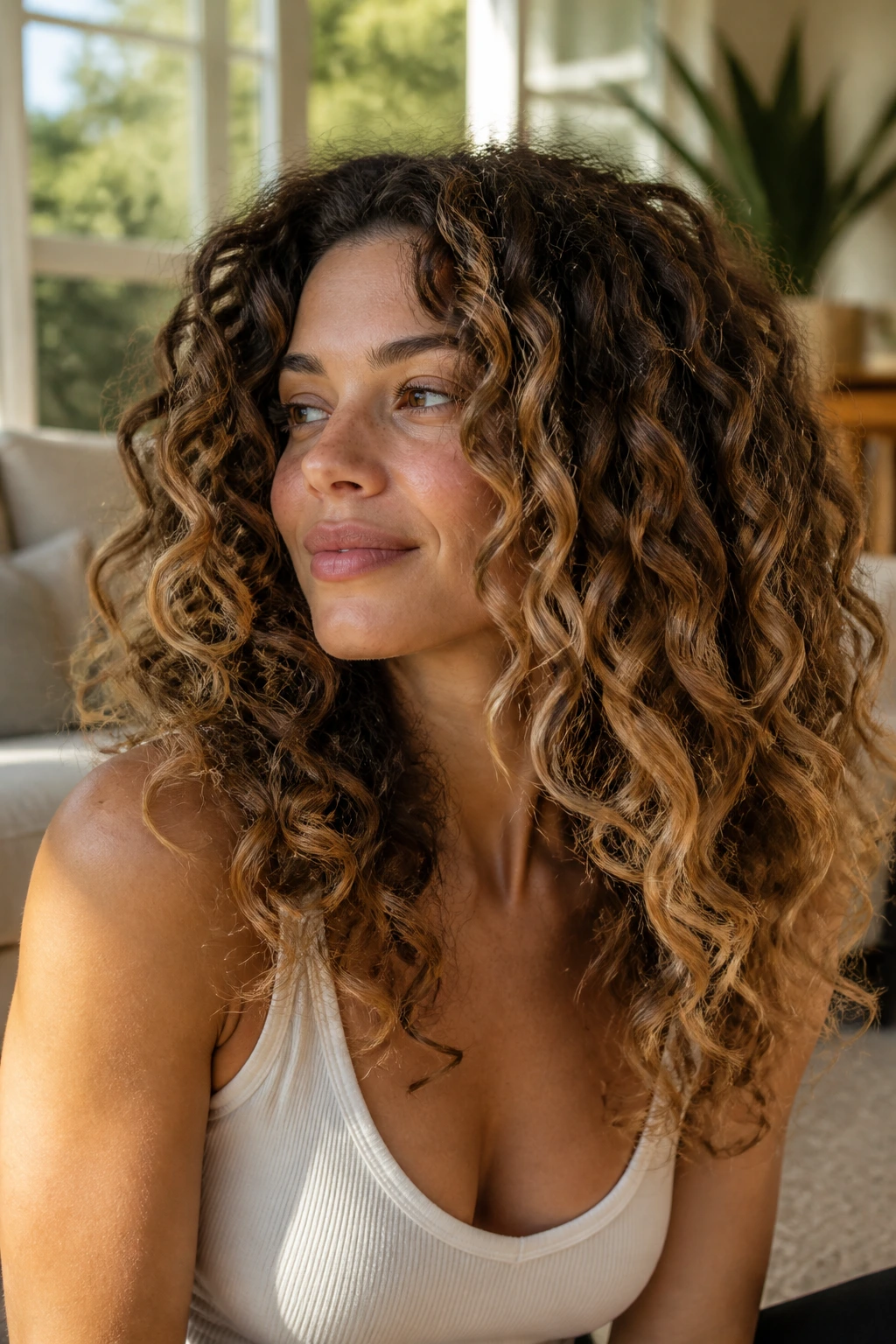
Bronde crescendo is the most dimensional option in this list, and it’s the one I’d choose if a client wanted brown color that still feels airy. The shade starts brunette at the root, then moves gradually toward lighter brown-blonde territory through the mids and ends. On curls, that shift creates movement without making the hair look over-lightened or patchy.
The key here is progression. The change in level should be slow enough that each curl family has its own tone, but not so abrupt that the head looks striped. A good bronde crescendo usually begins with a deep root shadow, then moves through caramel, beige-brown, and light brown on the ends. If the curl pattern is loose enough, the full gradient shows beautifully. If the curls are tighter, keep the lighter pieces concentrated on the top and outer layer.
This one is for the person who wants the most visible dimension but still wants to live in brown territory. It needs more upkeep than a cocoa gloss, but less than a bright highlight job. That middle ground is why it earns the last spot here.
Why Brown Color and Curly Hair Play So Well Together
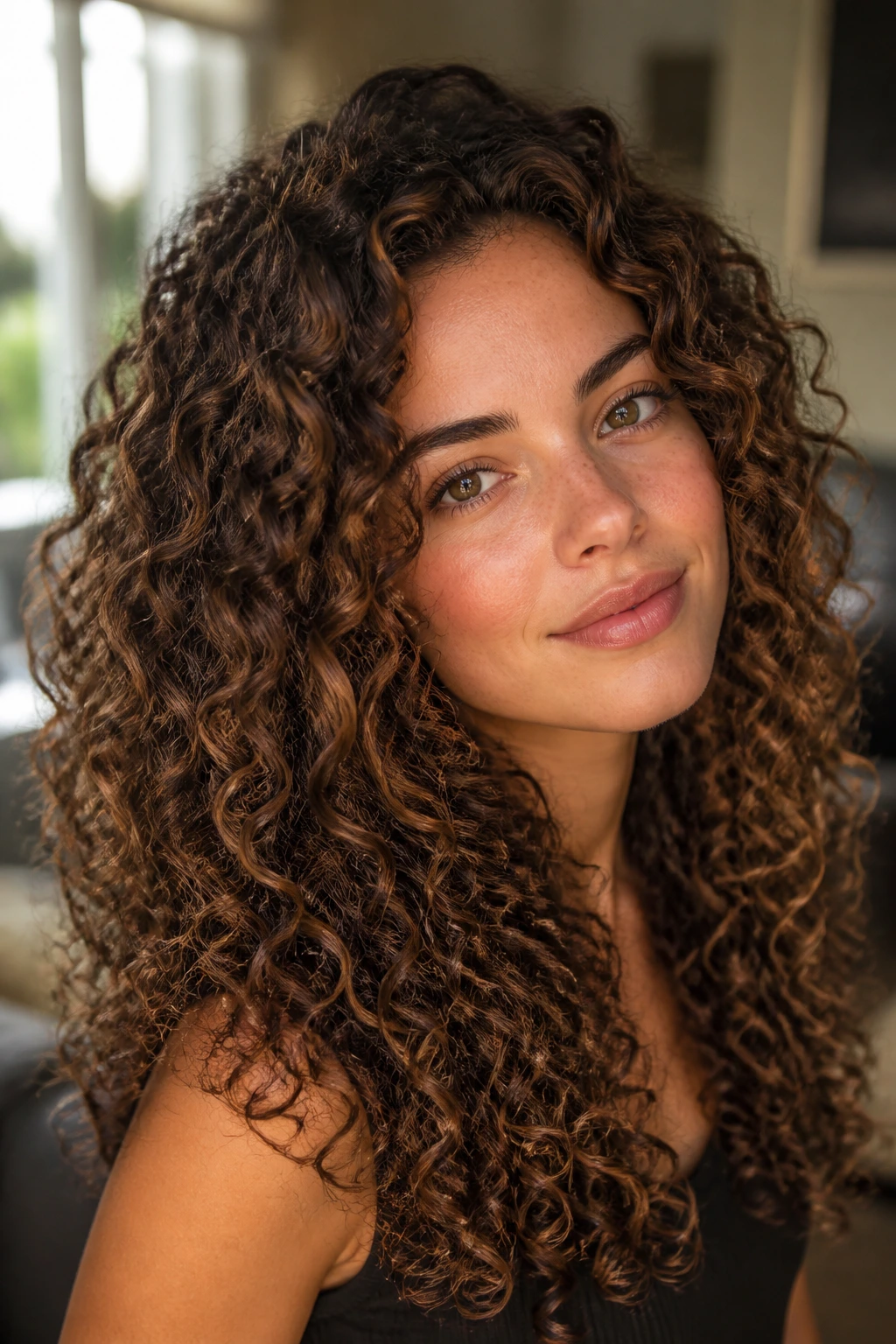
Curly hair already creates its own shading. Each bend, coil, and wave catches light on one side and hides it on the other. Brown color makes use of that natural contrast instead of trying to flatten it out, which is why a brunette on curls can look richer than the same shade on straight hair. The movement is built in.
There’s another part people miss: curls can disguise small color shifts that would look obvious on sleek hair. A half-level difference between root and mid-lengths can read as deliberate dimension once the curl pattern closes and opens through the day. That gives you room to play with glosses, lowlights, and face-framing pieces without needing a massive color overhaul.
The shadow under the spiral
A darker brown at the root or underlayer gives curls a base to bounce off. If the whole head is lifted too much, the curl pattern can start looking frayed or overly exposed. Depth is not a consolation prize here. It is the thing that makes the shape hold together.
Less lifting, less bruising
Curly hair is more likely to feel dry after aggressive lightening because the cuticle is already working harder to stay smooth. Brown shades, especially demi-permanent brunettes and glosses, usually need less lift to look finished. That means less stress on the bends in the hair and fewer of those brittle ends that catch on your fingers.
Essential Tools and Products for These Looks
-
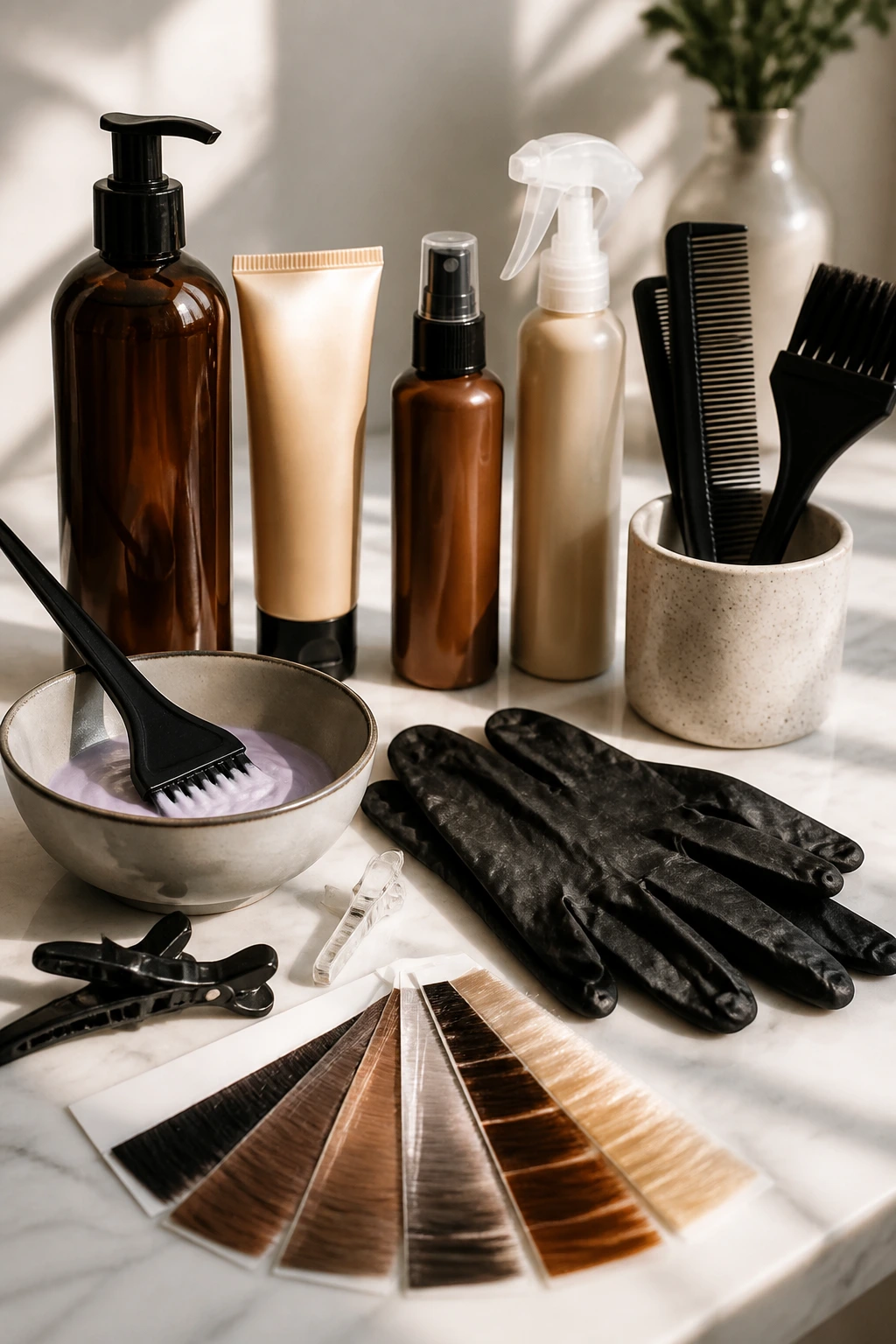
Color swatch photos in natural light: Bring at least 3 photos of the same shade in window light, indoor light, and shade. Curl color changes fast depending on the room.
-
Fine-tooth and wide-tooth combs: The fine-tooth comb helps with sectioning for placement, while the wide-tooth comb keeps detangling gentler after coloring.
-
Color-safe shampoo: A sulfate-free cleanser keeps brunette glosses and semi-permanent shades from slipping out too fast.
-
Deep conditioner with slip: Curly hair needs something that softens the ends after color service. Look for one that actually makes the hair feel slippery, not waxy.
-
Leave-in conditioner: This helps the curl clump stay together after washing, which matters when dimension depends on how the curls separate.
-
Heat protectant spray or cream: If you diffuse, this belongs on the hair every single time. Brown color still fades when the hair gets hammered with heat.
-
Hair clips for sectioning: Especially useful for balayage, ribbon highlights, and face-framing pieces. Clean sections make the placement look intentional.
-
Gloves and a tint brush: Only for at-home glosses or direct dyes. They make the application far more even than using fingers and hope.
-
Microfiber towel or cotton T-shirt: Regular terry cloth can rough up the surface and make fresh color look frizzier than it is.
-
Satin bonnet or pillowcase: Not a color tool in the strict sense, but it keeps the cuticle calmer overnight, which helps the brown stay glossy.
How to Choose the Right Brown Shade for Your Curls
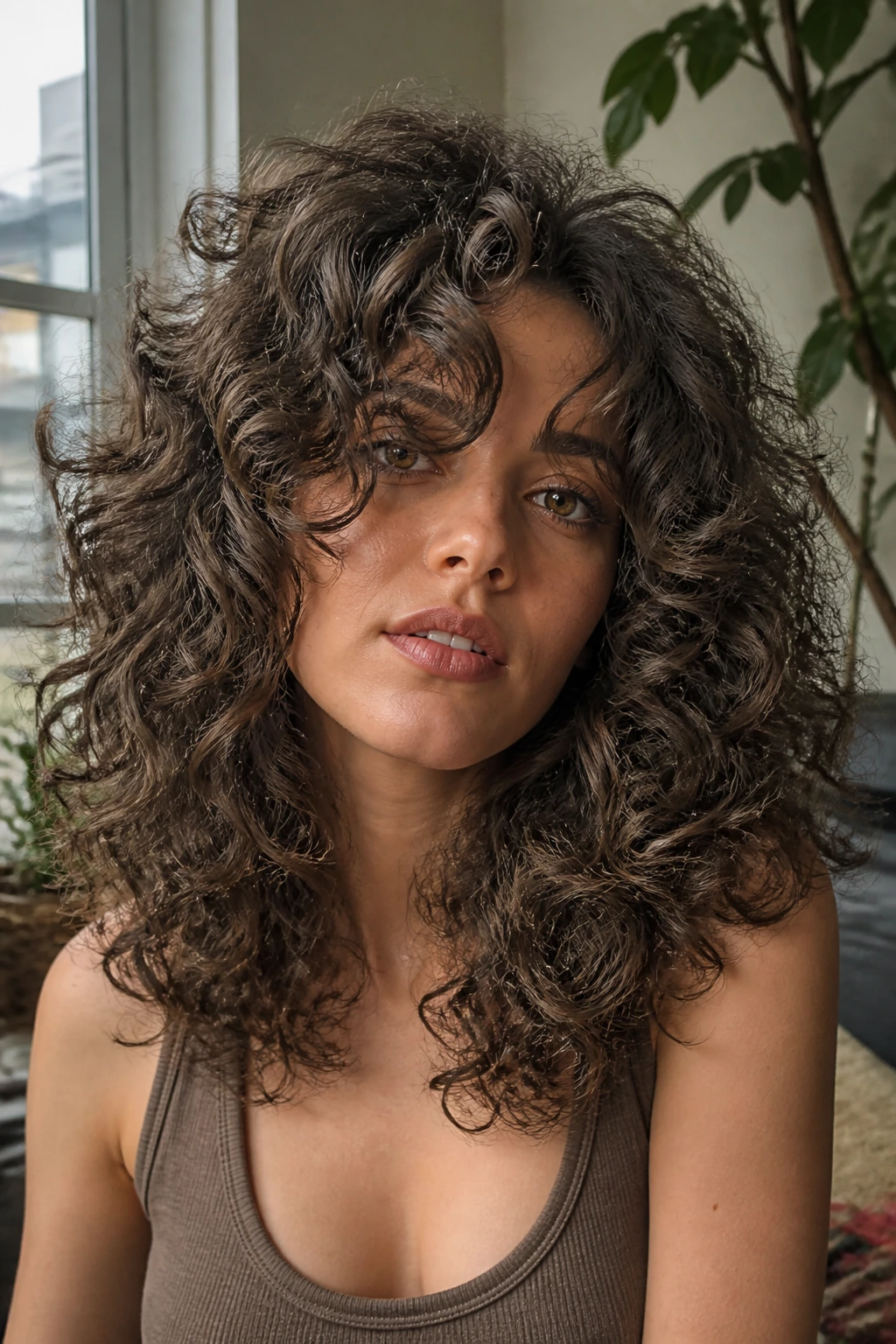
The easiest way to choose a brunette shade is to start with your natural level, not the photo you saved on your phone. If your hair is already a deep level 4, an espresso or cocoa gloss is easy to maintain. If you’re sitting at a medium brown base, chestnut, hazelnut, mocha, and toffee usually make more sense than trying to leap into pale caramel territory. Curls show every shift, so the level needs to fit the texture.
Undertone matters just as much. Warm skin and gold jewelry often look good with cinnamon, toffee, maple, and bronze browns. Cool or pinker undertones often work better with mushroom, smoky ash, sable, and cool rooted brunettes. Neutral skin can handle the widest range. If you’re unsure, ask which swatch disappears into your complexion and which one wakes your face up. That answer usually shows itself faster than people expect.
Porosity changes everything
Porous curls grab pigment quickly and lose it quickly. That means a warm brown can turn brassier than expected, while a cool brown can fade patchy if the ends are more damaged than the roots. Strand testing helps, but so does looking at the oldest part of your hair honestly. If the ends are a different story from the root, plan the color around that reality instead of pretending the hair is one uniform surface.
Bring rules, not only photos
Photos are useful, but they lie about tone. Bring one picture for level, one for undertone, and one for placement. Those three things tell a colorist more than a single inspiration shot ever will.
How to Wear These Colors So the Dimension Shows Up
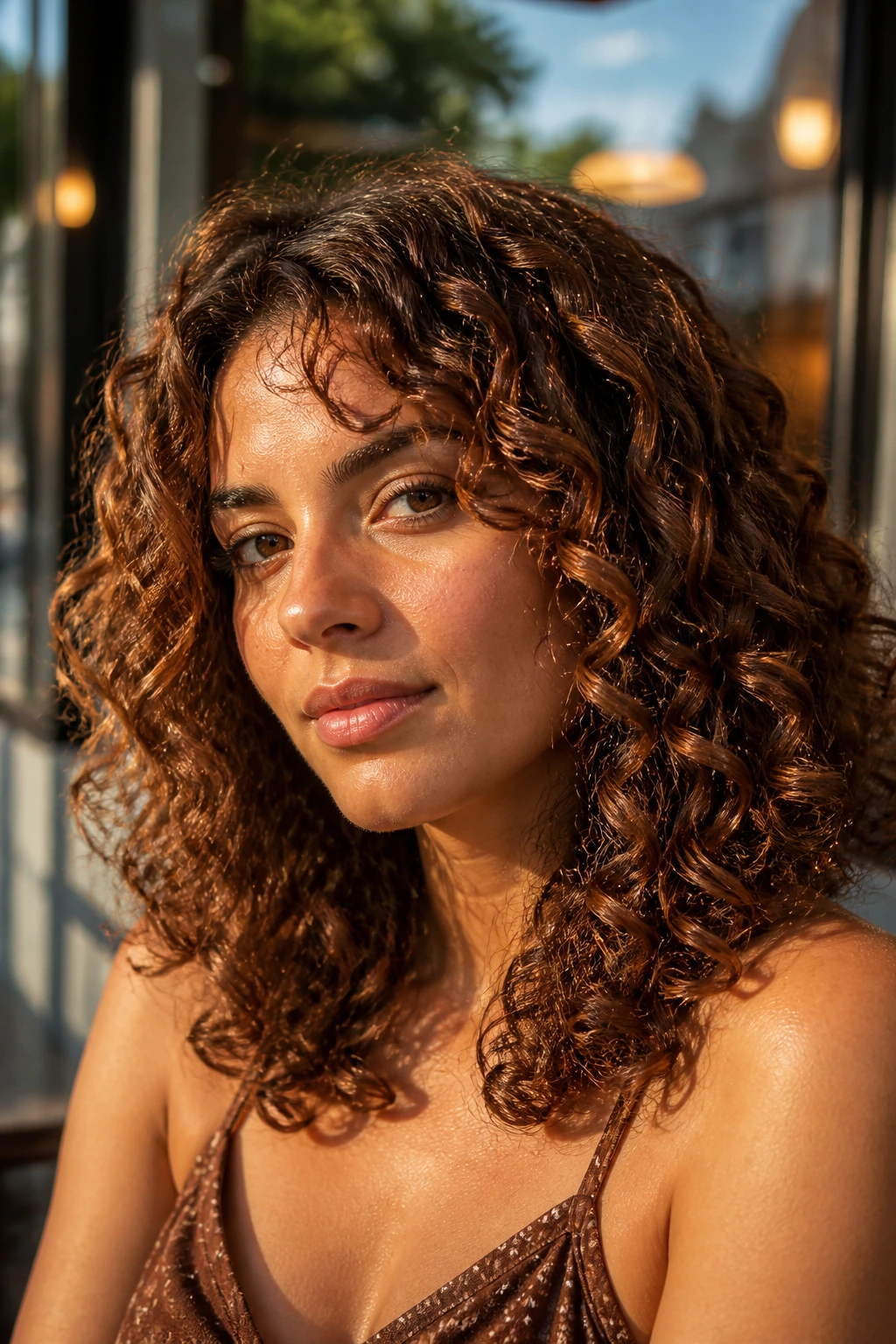
Parting:
A center part makes face-framing brown ribbons look symmetrical and clean. A soft side part can shift the lighter pieces forward and make curls around the eyes look brighter. If the color lives mostly on the outer layer, change your part now and then so you do not hide the most interesting pieces behind the same curtain every day.
Shape:
Layered curly cuts show brown dimension better than blunt shapes. The reason is simple: the color moves through the layers instead of sitting in one heavy block. Rounded bobs, shags, and shoulder-length layers all give brunette tones more room to show up.
Finish:
A curl cream that leaves a soft sheen is usually better than a heavy butter that mutes the surface. If the hair is too coated, the brown loses its depth and starts looking muddy. Diffusing upside down can also help the lighter pieces on the outer layer catch the eye.
Accessories:
Gold clips, tortoiseshell pins, and warm-toned scarves can echo the color family without competing with it. That sounds small. It isn’t. A good accessory can pull the whole look together when the color itself is subtle.
Additional Tips and Color Boosters
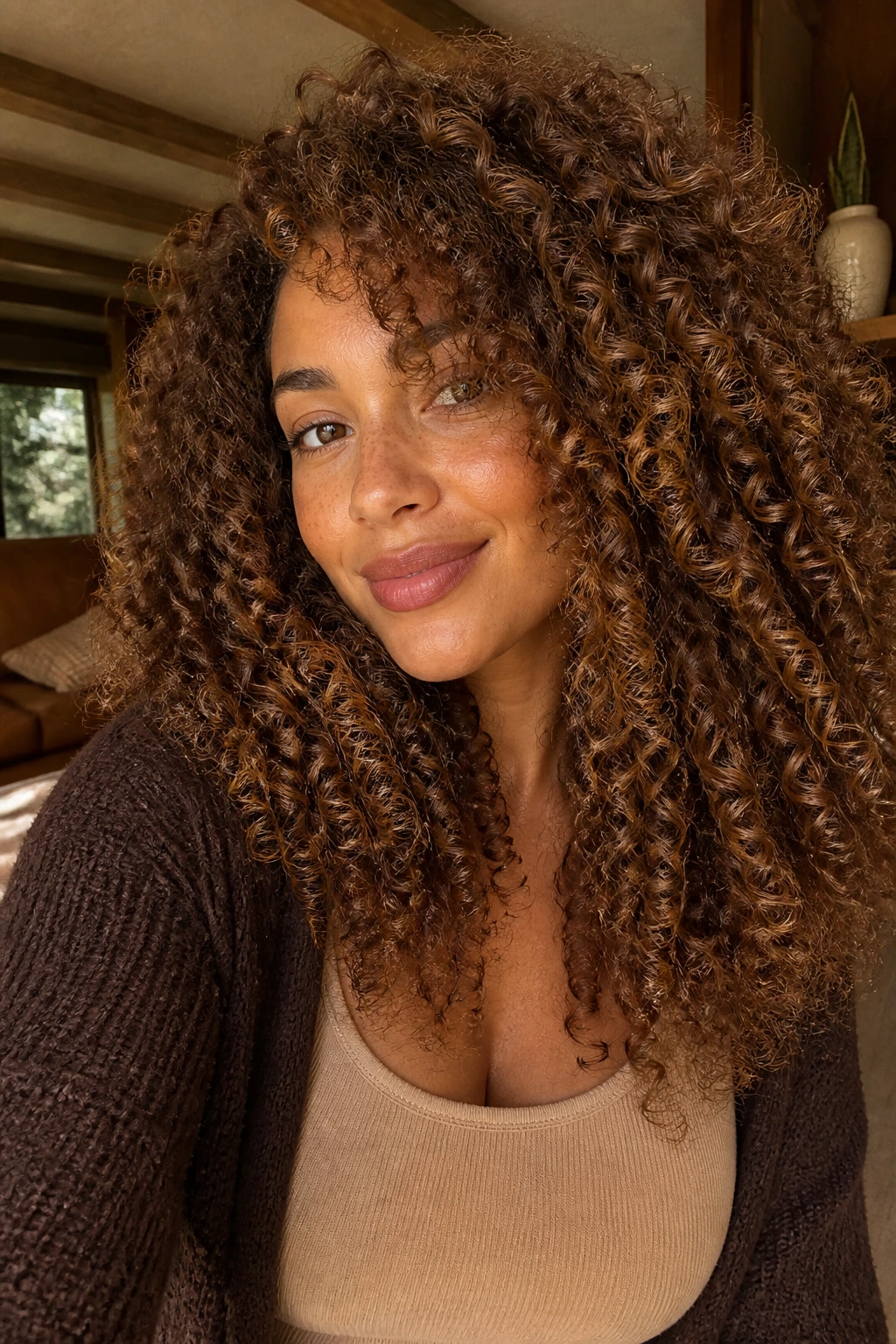
Flavor Enhancement:
A clear or lightly tinted gloss every 4 to 6 weeks keeps brown shades from going dusty. On curls, the gloss catches on the bends of the hair and makes the tone look fresher than a full recolor would.
Customization:
If the shade feels too flat, ask for one level of contrast somewhere in the formula. That can be a deeper root shadow, a few walnut lowlights, or a brighter face frame. A small contrast shift is usually enough to wake up the whole head.
Serving Suggestions:
For curls, “serving” really means styling. A wash-and-go with a clean part shows off color ribbons best. A twist-out gives warmer browns extra shine because the curl clumps separate in a controlled way. A brushed-out afro or big fluffy finish can hide detail, so save that for days when you want volume over dimension.
Make-It-Yours:
If you want more gray blending, keep the root shade close to your natural level and avoid too much warmth. If you want a bolder look, lean into cherry, bronze, or maple tones. If you need something conservative for work, cocoa, hazelnut, and sable are the safest bets because they read polished without looking loud.
Maintenance, Refreshes, and Grow-Out Without the Drama
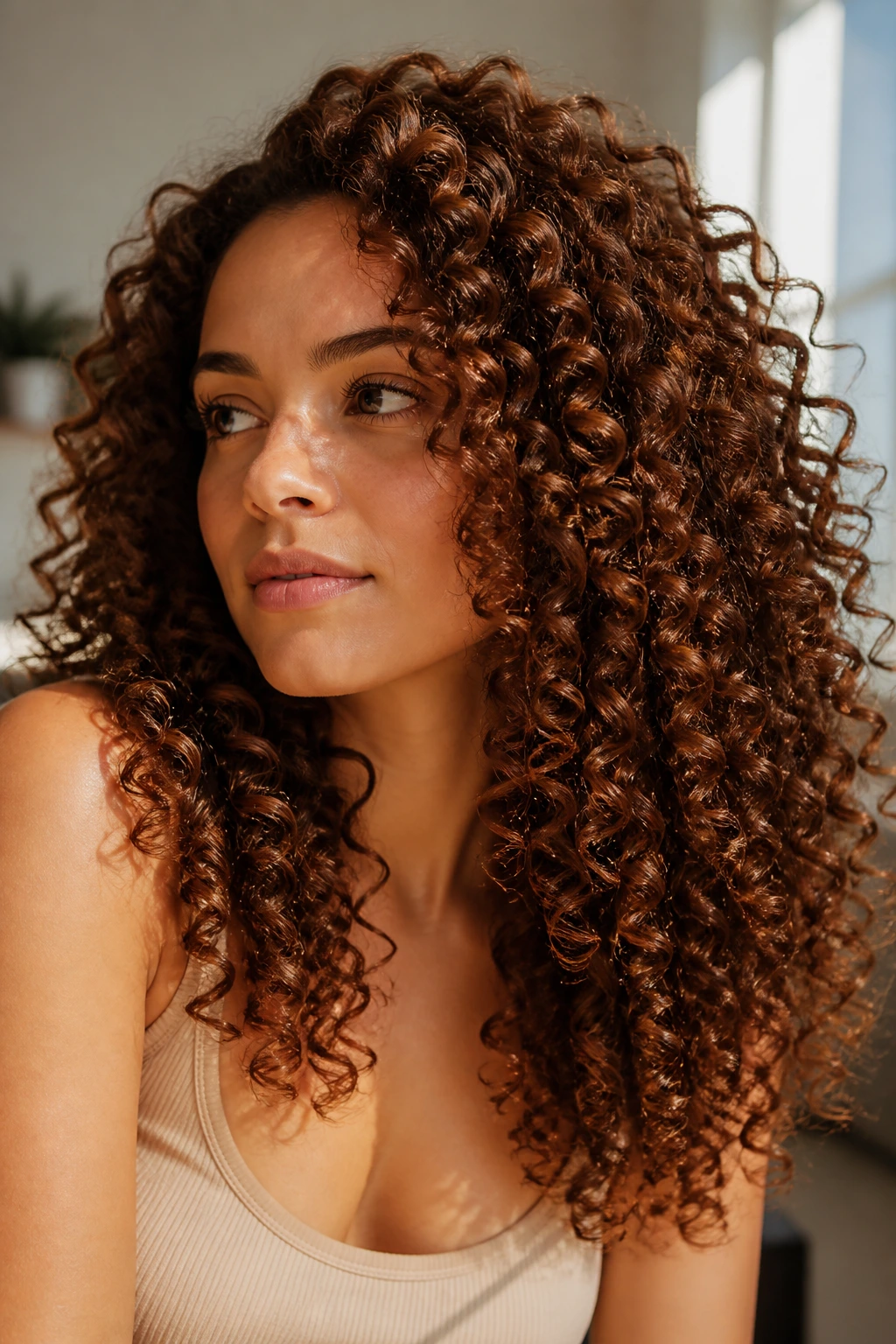
Brown color on curly hair can stay pretty for a long time, but it will not stay pretty by accident. Start with gentle washing. Two to three washes a week is a common rhythm for curly hair, though some people need less and some need more. Use a sulfate-free cleanser if the color is demi-permanent, glossed, or lightly highlighted. If the scalp gets oily sooner, clean the roots and let the suds rinse through the mids instead of scrubbing the whole length.
A weekly deep-conditioning mask matters more after color than before it. Look for one that softens the ends without making them mushy. If the curls feel limp or stretchy, add a protein treatment every 2 to 4 weeks. If they feel stiff, back off. Porosity tells the story faster than any rule of thumb.
For refreshes, plan on a gloss or toner every 4 to 8 weeks, depending on how warm or cool the shade needs to stay. Root touch-ups often fall around 6 to 10 weeks if the base is close to natural and the grow-out is blended. Highlight-heavy looks can stretch longer if the placement is soft; all-over rich brunette usually needs less attention than face-framing contrast. At night, pineapple the curls or use a satin bonnet. Cotton pillowcases rough up the surface and make the brown lose its sheen faster than most people expect.
Common Mistakes That Flatten Brown Curls
-
Going too one-note:
A single flat brown with no root shadow or lowlight can make curls look smaller than they are. The fix is simple: keep at least one level of contrast in the formula, even if it is subtle. -
Lifting too much at once:
Curly ends are often the driest part of the hair. Pushing them too light can leave them frizzy, hollow, and rough to the touch. Ask for a lower-volume developer, fewer lifted pieces, or a gloss-only plan if the hair has already been through color. -
Ignoring undertone drift:
Brown that looked chestnut in the bowl can turn red-orange after a few washes if the hair is porous. A blue, green, beige, or ash-leaning toner can calm that shift, depending on what the hair is doing. -
Choosing a shade that fights your skin tone:
Cool browns on warm skin can make the face look tired. Very warm browns on cool skin can look brassy. The fix is not complicated: test the shade against your face in daylight, not under salon bulbs. -
Skipping aftercare:
Brown color is often treated like low-maintenance color, so people wash it with harsh shampoo and rough-dry the curls. That is how the tone fades and the pattern frizzes up. Use gentler products and stop towel-rubbing the hair like it owes you money.
Variations and Alternatives to Try
Soft Grow-Out Brunette:
This version keeps the root deep and lets the mids stay only half a level lighter. It works for anyone who wants the color to look polished for longer between appointments. The grow-out line stays soft, and the curls keep their natural shadow.
Gray-Blending Brown:
Use a neutral or cool brunette base with fine lowlights that merge into the natural grays instead of covering them hard. This is a smart choice if you want the new growth to feel intentional instead of obvious. It also tends to look calmer as it fades.
Warm Bronze Shift:
If your curls need more brightness, move the brown toward bronze or honey and keep the face frame a touch lighter. That gives the hair more shine without crossing into blonde territory. It’s a good middle road for people who want warmth and movement.
Deep Cherry Brunette:
For a little more personality, add red-violet to a chocolate base. The color stays brown first, but the cherry note wakes up under sunlight and warm indoor lighting. It suits curls with a lot of spring because the shade changes as the hair moves.
Low-Contrast Gloss Brown:
This version is almost all about shine. No heavy highlights, no obvious ribbons, no hard contrast. Just a rich brunette glaze that makes the curls look smoother and more finished. I like this for people who want color that behaves and does not ask much from them.
Frequently Asked Questions
Which brown shade makes curly hair look fuller?
Deeper brunettes like espresso, cocoa, and sable usually make curls look denser because the darker base reduces the visual gaps between strands. If your hair is fine, a little lowlight placement can help even more than an all-over dark color.
Are highlights or lowlights better for curly hair?
Lowlights are safer if the hair is dry, over-lightened, or frizzy at the ends. Highlights add more sparkle and lift, but they need careful placement so the curl pattern does not look shredded. A mix of both often gives the cleanest result.
Can I color curly hair at home?
You can handle a gloss, demi-permanent brown, or semi-permanent deposit color at home if the goal is tone, not major lightening. Full balayage or anything that needs sectioned lifting is better left to a colorist, because curls do not show mistakes the same way straight hair does.
How do I stop brown hair from turning orange?
Use cooler or neutral brunettes, keep up with toner or gloss refreshes, and avoid harsh shampoo that strips pigment too fast. Porous curls grab warmth fast, so a strand test is worth the time if your hair has been colored before.
What brown shade is easiest to maintain?
Cocoa, espresso, sable, and rooted brunettes are the easiest because they sit close to natural depth and grow out softly. The more highlight contrast you add, the more often you will need to refresh the tone.
Will brown dye damage my curls?
Deposit-only color and glosses usually add far less stress than lightening. The damage risk rises when you bleach, process on already dry ends, or reapply color too often without conditioning. A careful formula and good aftercare make a huge difference.
How often should I refresh my brown color?
A gloss every 4 to 8 weeks is common, while root touch-ups often land around 6 to 10 weeks depending on contrast and gray coverage. If the hair is porous, the tone may fade sooner on the ends, so watch those first.
What if I already have highlights and want to go brown?
Ask for a lowlight or color-correction plan rather than a single brown dye slapped over everything. Lightened curls can grab pigment unevenly, and the faster route to muddy color is pretending they will all behave the same. A strand test first saves a lot of regret.
Which brown shades flatter cool versus warm skin?
Mushroom, smoky ash, sable, and cool rooted brunettes often suit cooler undertones. Chestnut, cinnamon, toffee, bronze, and maple usually flatter warmer skin better. Neutral skin can borrow from both camps.
The Shade That Lets Curls Breathe
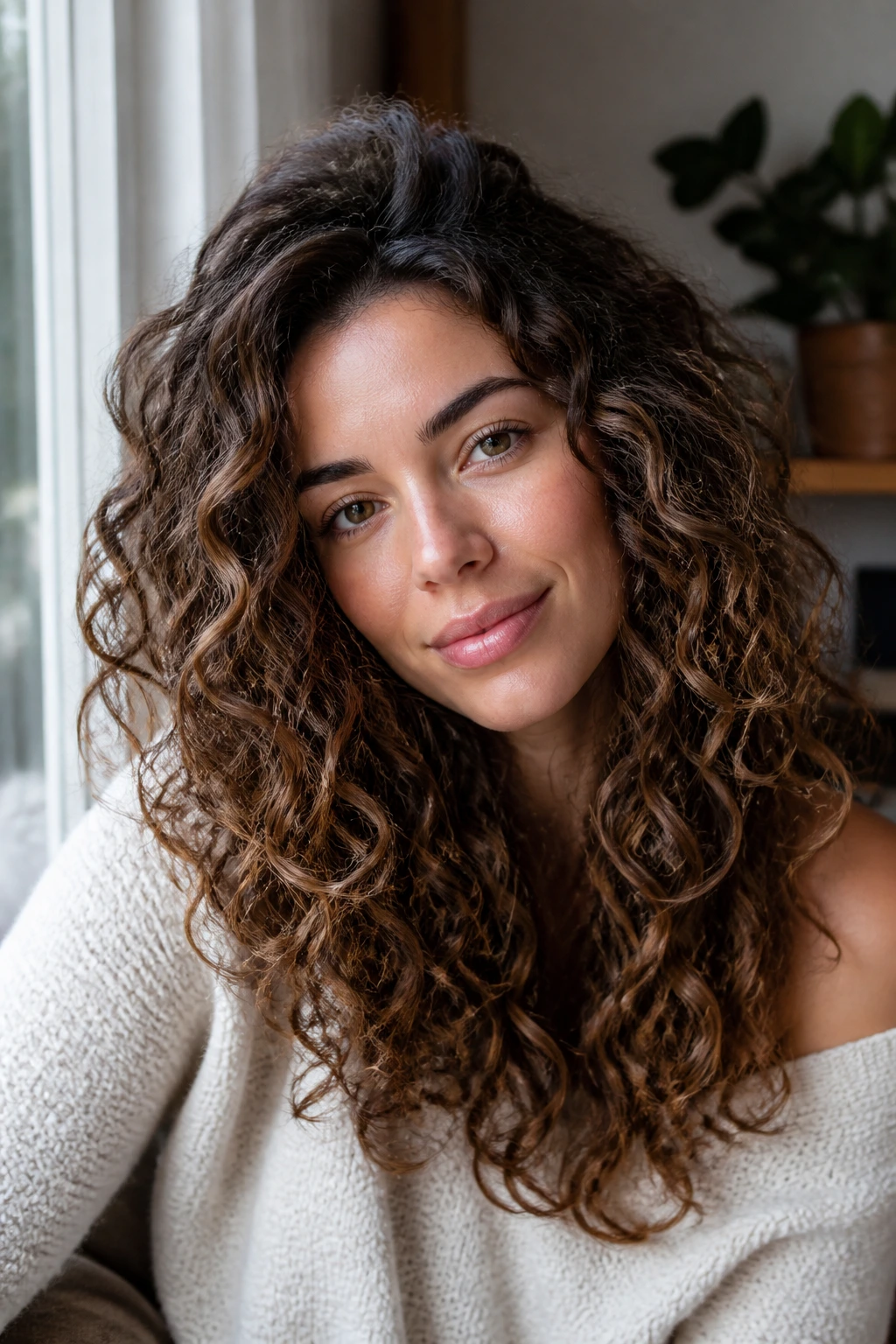
Brown color on curly hair works because it respects what the hair is already doing. It adds shadow where the curl needs depth, light where the eye needs movement, and enough variation to keep the whole look from turning into a solid block. That is the difference between brunette color that lives on top of curls and brunette color that actually belongs to them.
If you want the cleanest result, choose the shade that supports your cut and your natural level instead of chasing the brightest picture on your phone. A smart brown does not fight shrinkage, frizz, or porosity. It works with them, which is why the right brunette can make a curl pattern look richer, calmer, and more alive all at once.
