



Chestnut hair color has a way of making brown hair look expensive without shouting about it. The shade sits in that sweet spot between cocoa, walnut, auburn, and soft caramel, so it can catch light in a hallway, glow in daylight, and still look believable when the room is dim. That balance is the whole trick. It doesn’t read as “I dyed my hair brown.” It reads as depth, shine, and movement.
The reason chestnut hair color keeps getting requested is simple: it solves the most common brunette complaint without forcing a dramatic change. Flat brown hair can look heavy, especially when the ends are one solid shade and the top is a little too dark. Chestnut fixes that by adding reflected warmth or coolness in layers — not streaky, not stripey, just enough variation to make the hair look fuller and more alive.
And there’s room to play. You can push chestnut toward cinnamon, espresso, mushroom, cherry, honey, or red-brown depending on your base color and how much contrast you want. Some versions barely move the needle and feel like a gloss with better manners. Others give you that soft dimensional color people notice before they can name it.
Why These Chestnut Hair Color Ideas Earn Their Keep
- Soft dimension, not loud contrast: Chestnut works because it usually stays within one to two levels of the base, so the finish looks blended instead of streaky.
- Warmth with control: You can nudge chestnut toward copper, red, or gold, but the brown base keeps it grounded instead of turning it into a full auburn project.
- Good on straight, wavy, and curly hair: The shade changes with movement, which matters a lot more than most people expect.
- Low-commitment options are built in: A gloss, a money piece, or a few babylights can all create a chestnut effect without a full overhaul.
- Easy to personalize: Chestnut plays well with ash, beige, copper, red, and neutral tones, so a colorist has room to adjust it to your skin tone and base color.
- Photographs with depth: In real life, it shifts as you move. That’s what keeps it from looking like one flat slab of brown.
1. Soft Cocoa Chestnut Melt
This is the chestnut hair color I recommend to people who want polish without drama. The roots stay close to a rich cocoa brown, then the shade softens into chestnut through the mid-lengths and ends, so the whole head looks like it has been lit from the inside. It’s subtle, but not dull. There’s a real difference.
Why It Works
The melt keeps the darkest pieces near the scalp, where you naturally have more shadow anyway, then lets the lighter chestnut show where the hair moves. That makes the color look expensive even on a simple blow-dry. It also grows out without a harsh line, which is one reason this version stays popular with people who do not want to sit in a chair every month.
Ask for a glossed brunette base with a soft level-6 to level-7 chestnut finish through the mids and ends. If your hair already pulls warm, keep the lighter pieces a shade cooler so the result doesn’t skew orange.
- Best for: medium to dark brunettes who want softness, not a big lift
- Best placement: mid-lengths and ends, with the top kept deeper
- Maintenance: gloss every 6 to 8 weeks
- Styling note: loose bends show the gradient better than pin-straight hair
Quick tip: Keep the brightest chestnut pieces below the cheekbone. That’s where the color looks deliberate instead of overdone.
2. Walnut Ribbon Balayage
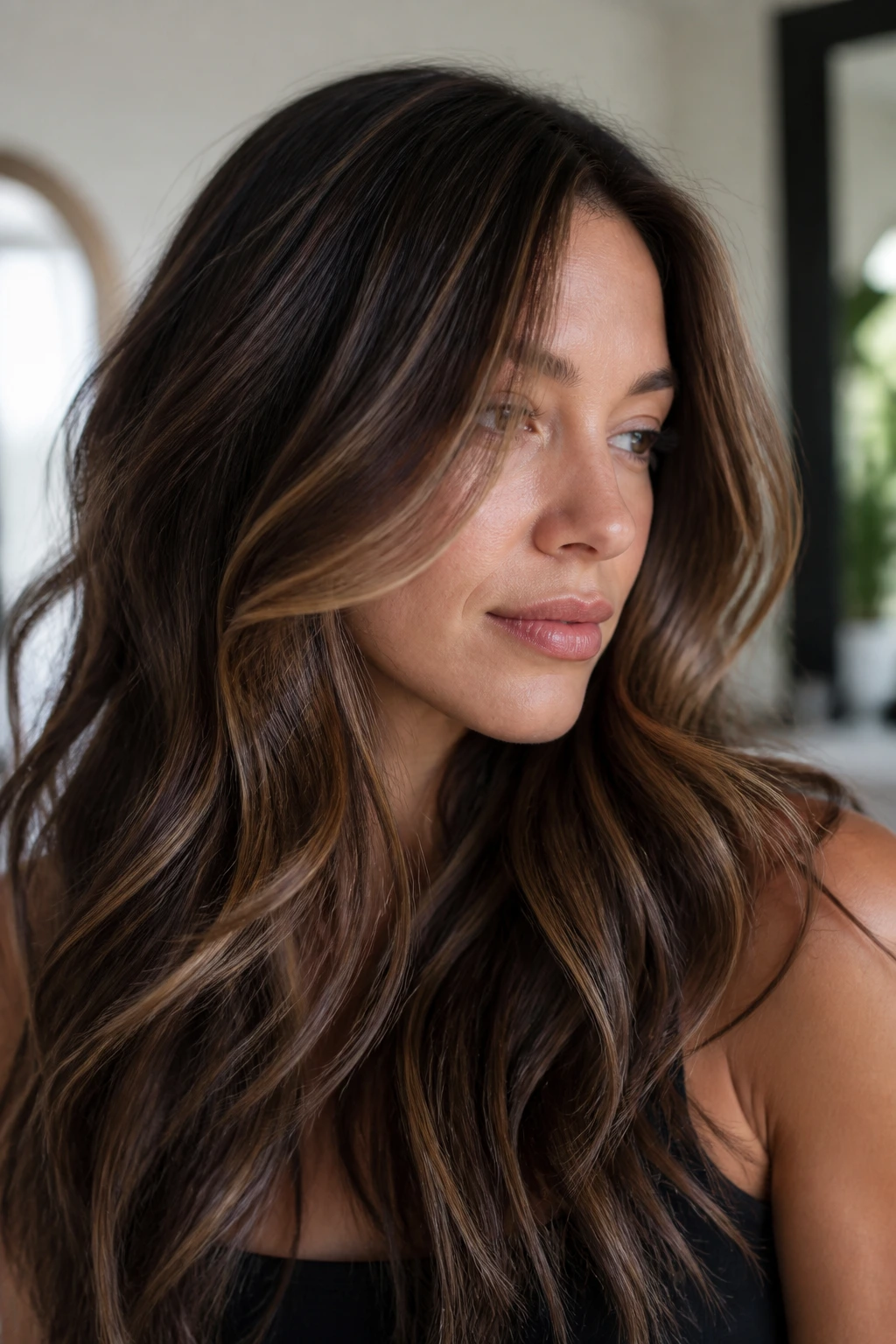
If you want dimension that moves, this is the one. Walnut ribbon balayage gives you thin, painted strands that break up a darker base without looking like chunky highlights from years ago. The ribbons are narrow enough to feel soft, but the contrast is still there when the light catches them.
What I like about this chestnut hair color idea is the restraint. The base stays brunette, and the lighter chestnut ribbons sit on the top layers and around the face, so the whole effect is readable only when hair swings. That matters more than people think. Static hair can forgive a lot; movement tells the truth.
This version works especially well on layered cuts, long bobs, and collarbone-length hair. If your hair is naturally wavy, it gets even better because each bend picks up a different tone.
What to ask for
- Fine balayage ribbons in a walnut-chestnut family
- Slightly brighter pieces around the front hairline
- A neutral or soft beige gloss so the warmth stays controlled
Best move: bring a photo where the front pieces are visible but not blinding. The whole point is soft contrast, not a neon money piece.
3. Cinnamon Chestnut Face Frame
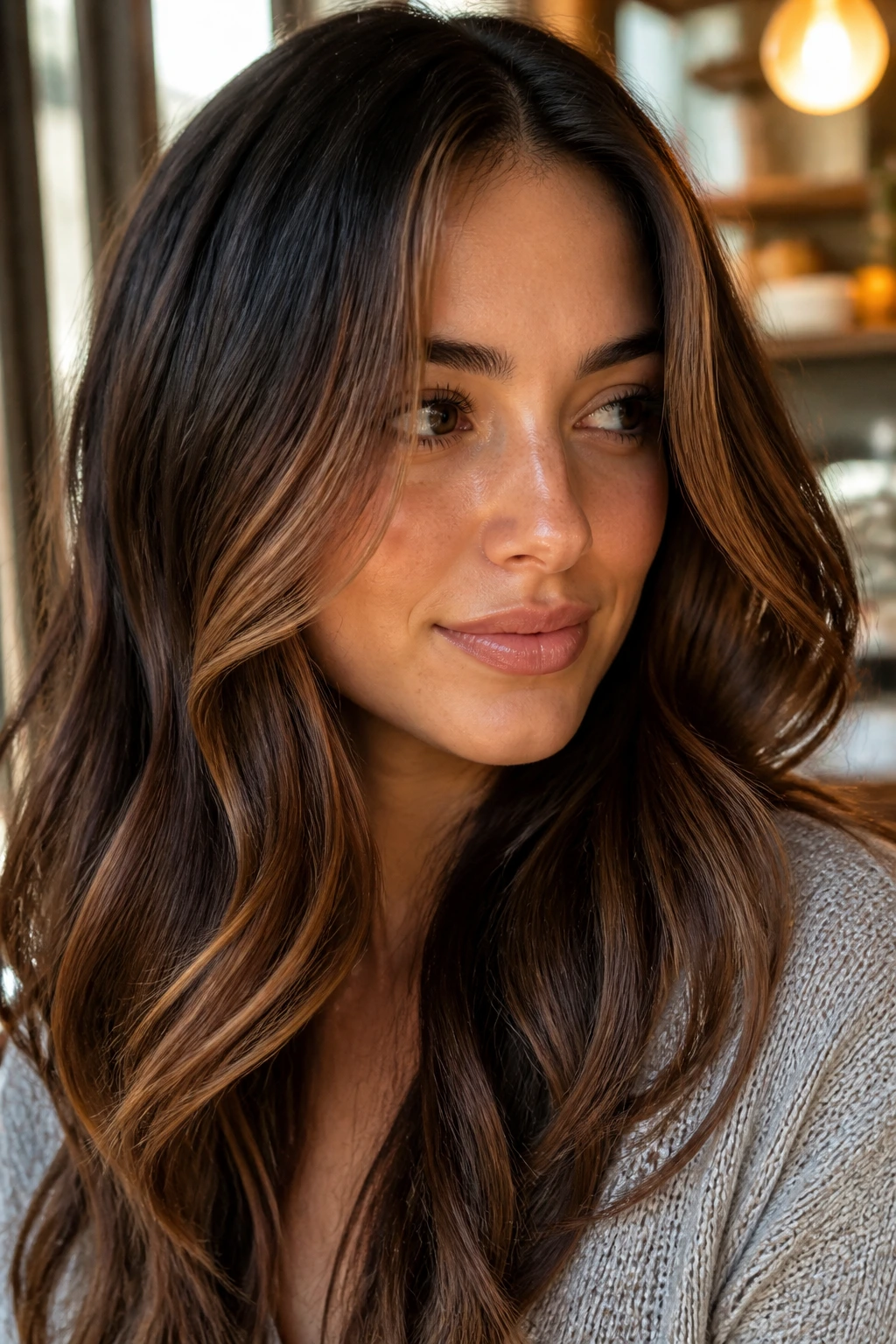
What happens when the brightest color stays only where the light hits first? You get a face frame that wakes up the whole haircut without flooding the rest of the hair with color. That’s the charm of cinnamon chestnut. It’s warm, but it doesn’t turn the whole head into copper.
The front sections sit one step lighter than the rest, usually with a cinnamon-brown reflect that shows most clearly near the cheekbones and jaw. The back stays deeper. That contrast makes the face frame feel intentional, especially on layered cuts or curtain bangs. It’s a neat little trick, and it works.
How to ask for it
- Keep the crown and back in a deeper chestnut brunette
- Lift only the front panels
- Ask for a glossy finish, not a dry matte toner
- If your hair is medium brown, keep the face frame within two levels of the base
Best for: anyone who wants visible dimension in photos and around the face, but does not want full balayage upkeep.
Small warning: if the face frame is too light, the whole thing stops reading as chestnut and starts looking like generic caramel highlights. Stay just inside the brown family.
4. Espresso Chestnut Gloss
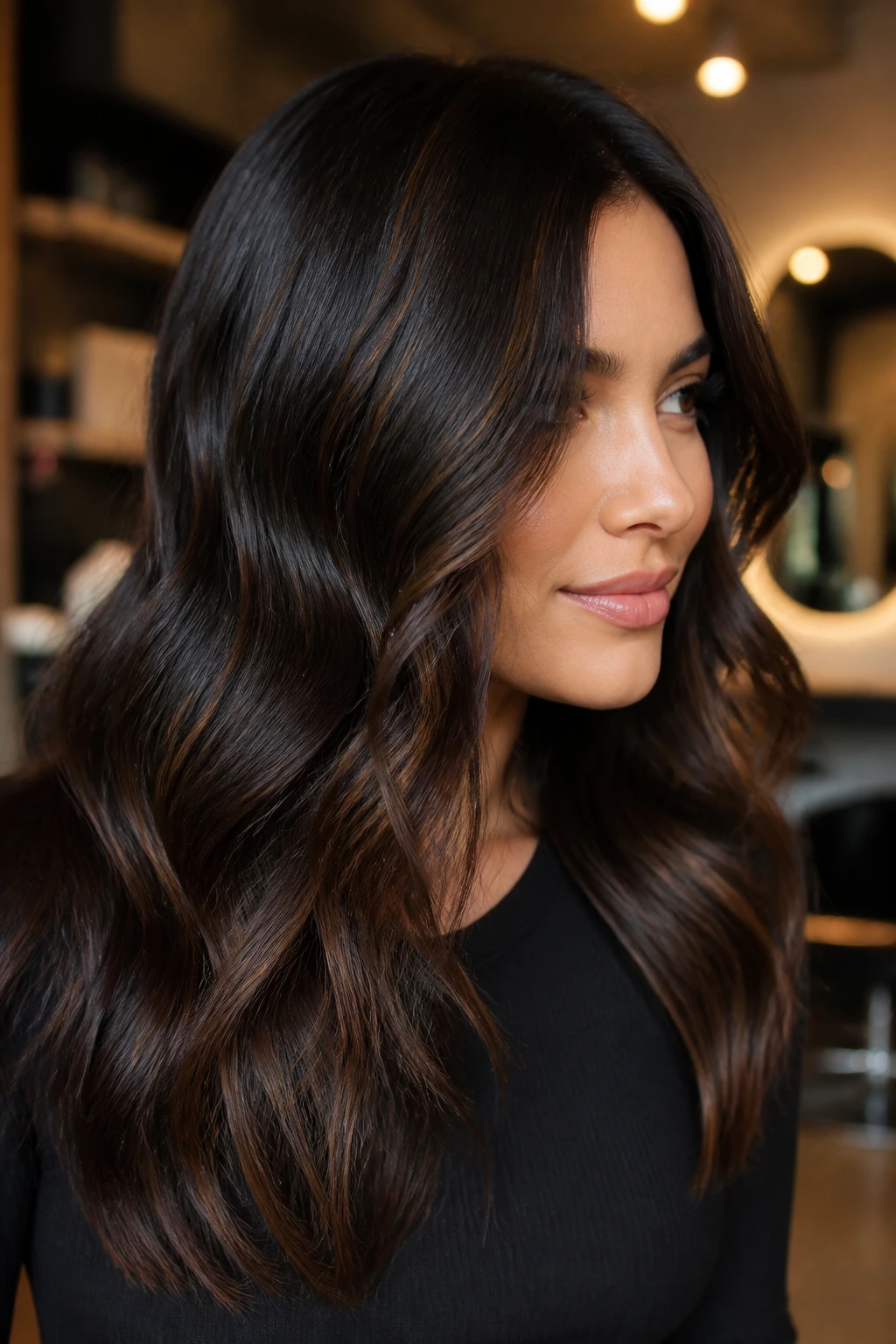
Some brown hair looks almost black indoors and suddenly comes alive outside. This is for that hair. Espresso chestnut gloss is the quietest version in the bunch, but it has one job and it does it well: it gives deep brunette hair a reflective chestnut sheen without forcing much lift.
The result is smooth and dark, with hints of chestnut brown showing when the hair moves or when sunlight lands on it. It’s especially good on thick hair, because thick strands can swallow light and look one-note if they’re left untouched. A gloss restores that surface movement without making the color busy.
This is a strong choice if you want your hair to look polished at work, then a little softer when it catches daylight. It also grows out gently because there’s very little contrast at the root. No stripes. No obvious line.
If your hair is already dark brown, ask for a demi-permanent chestnut gloss at the bowl, not a heavy lift. That keeps the strand healthier and the color richer.
5. Auburn-Edge Chestnut
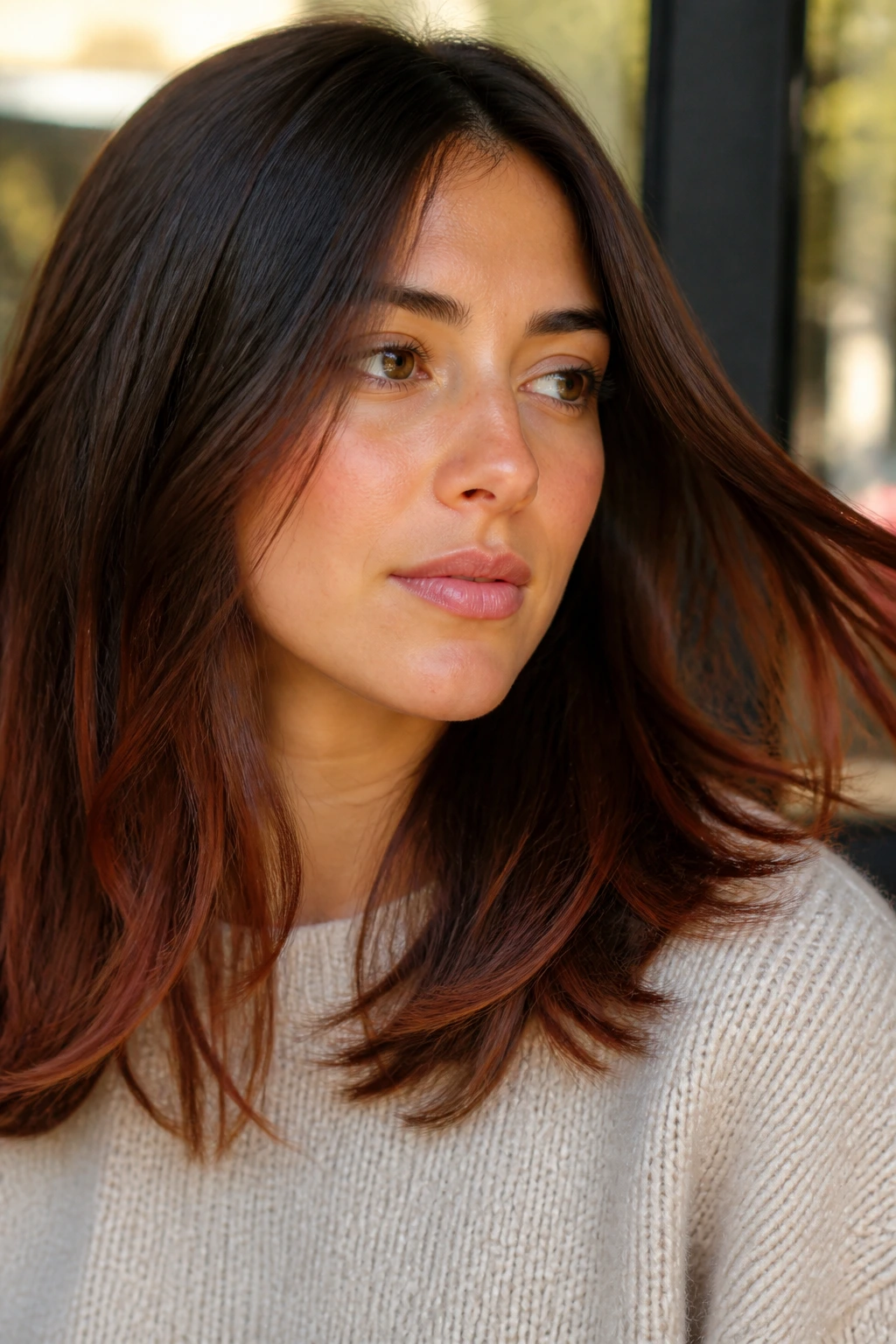
This version walks right along the line between brown and red, and that’s why it has such good personality. The chestnut base stays brown enough to feel wearable, but the ends or mid-lengths carry a small auburn edge that flickers through the finish. Not cherry red. Not copper overload. Just enough red-brown to make the hair look warmer and less predictable.
I like this on medium skin tones, olive skin, and anyone whose natural hair already leans warm when the sun hits it. The color can also make layered cuts look more textured, because the auburn reflect shows the ends instead of letting them disappear into the rest of the hair. It’s a small thing, but it changes the whole read of the haircut.
A good colorist will keep the red factor muted. Think chestnut first, auburn second. If the red comes forward too hard, the color stops being dimensional and starts feeling like a completely different family.
It’s a strong pick if you get bored fast. There’s movement in it, but not so much that you’re stuck maintaining a bright red tone.
6. Ashy Chestnut with Mushroom Veil
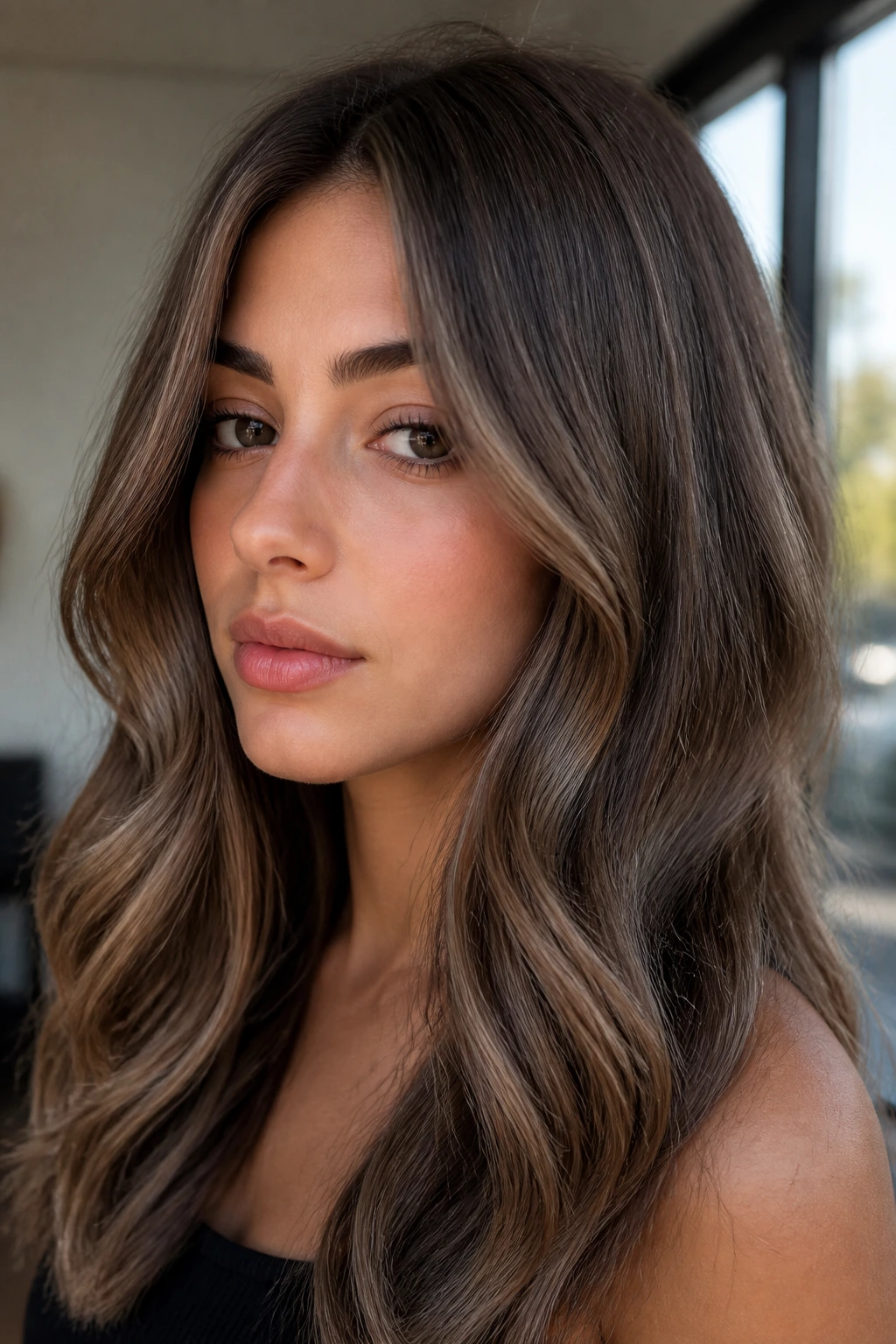
Chestnut doesn’t have to be warm. That’s the mistake people make when they picture it only as a reddish brown. A cooler chestnut with a mushroom veil softens the color, pulls back orange tones, and gives brunette hair a muted, expensive-looking finish.
This version is especially smart if your natural hair tends to go coppery when lightened. Instead of fighting the warmth with a harsh ash toner, the colorist can weave in cool beige-brown lowlights and a soft ash gloss. The result is still chestnut, but with a smoky edge that feels modern without chasing trends.
H3: What makes it different
The cool reflect keeps the shade from reading flat. Flat ash brown can look dusty; chestnut with a mushroom veil still has depth because the base is brown, not gray. That difference matters.
A good reference photo here should look soft in indoor light and slightly cooler at the ends. If the swatch looks green, too matte, or too gray, keep looking. That’s not chestnut anymore. That’s just ash.
7. Honey Chestnut Babylights
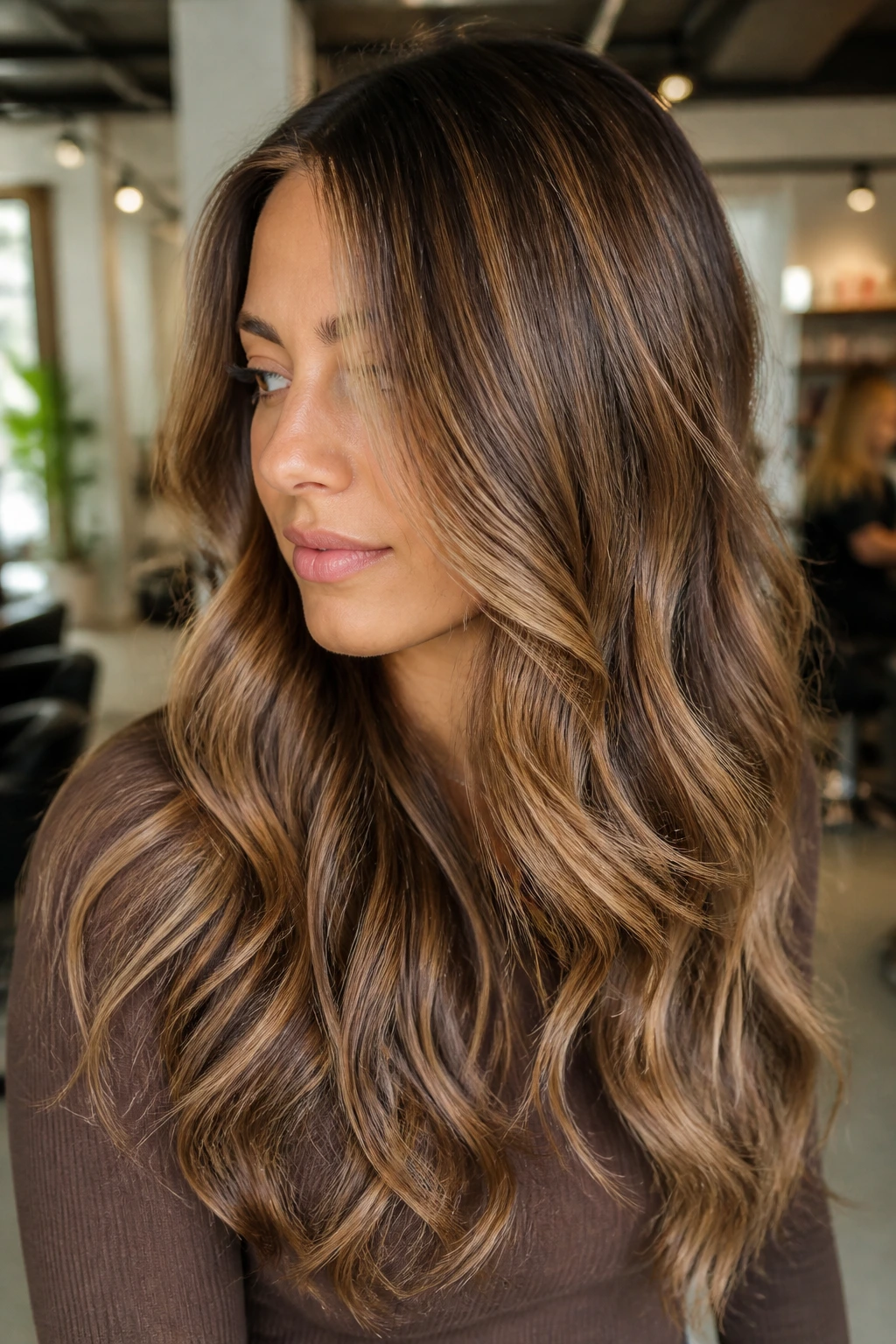
Babylights are tiny for a reason. They don’t shout. They just break up darkness in thin threads, which is exactly why honey chestnut babylights work so well on brunette hair that needs sparkle instead of a big color shift. The tiny strands soften the base and add the kind of lightness you notice only when the hair moves.
This is one of the better chestnut hair color ideas for fine hair, because chunky pieces can make fine strands look thinner. Babylights do the opposite. They create the illusion of more hair because there are more color changes packed into the same surface area.
The honey note is there, but it should stay restrained. You want warmth, not yellow. Think chestnut with a gentle golden blink. If your hair is very dark, the lights may need a little lift to show up, and that’s where a patient colorist matters.
Use a soft wave or blowout to show the dimension. Straight hair can still look good, but it won’t show the tiny lights the same way.
8. Chestnut Money Piece and Shadow Root
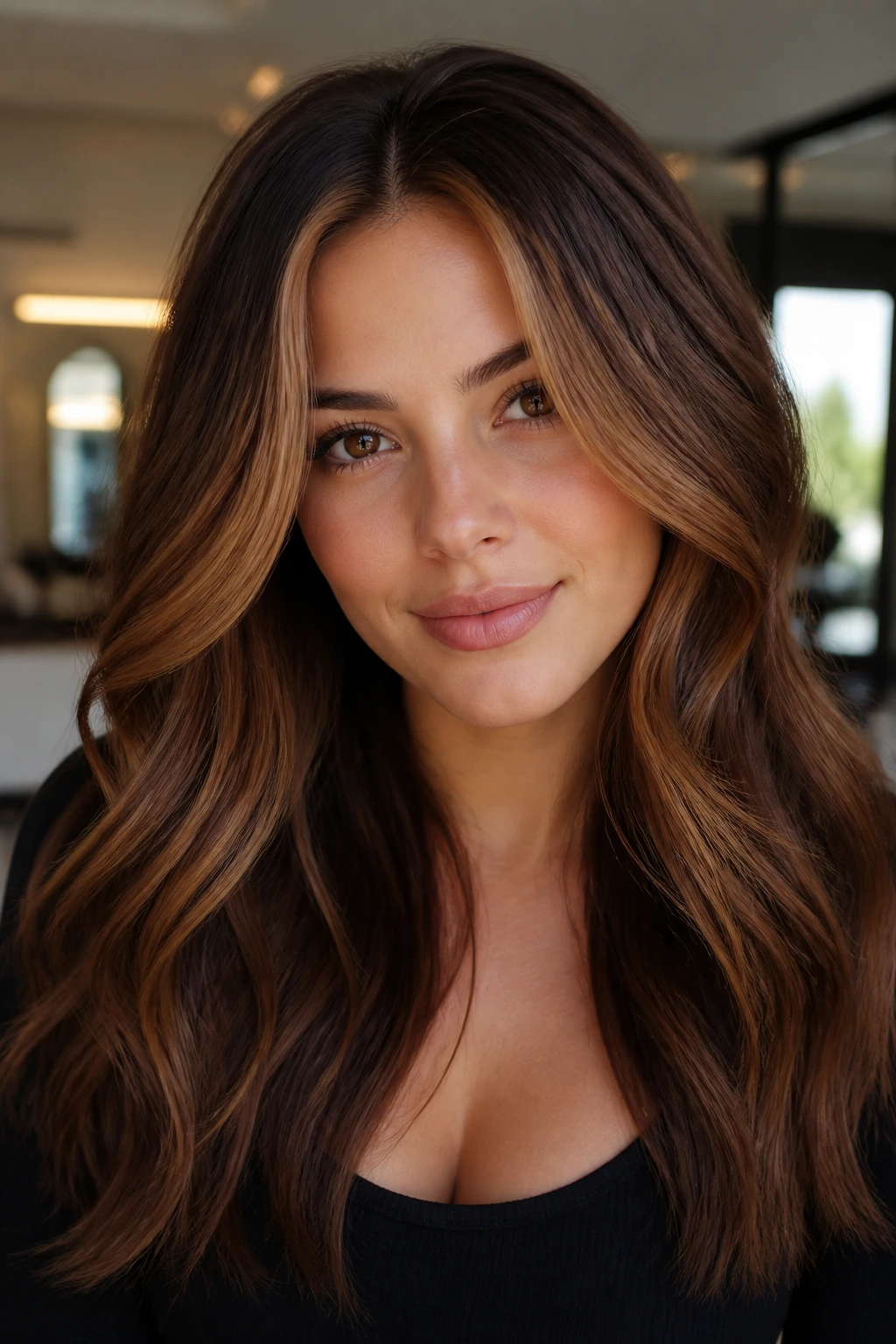
A chestnut money piece is one of the easiest ways to make a brunette color feel current without touching every section. The shadow root keeps the base deep and rooted, while the front pieces are lifted to a softer chestnut tone that frames the face and catches the eye right away.
I like this because it gives you two jobs in one: brightness and low maintenance. The shadow root means you can let the color grow without getting that harsh line at the scalp, and the money piece keeps the face from disappearing into dark hair. The contrast is enough to matter, but not enough to become high-drama.
Best details to request
- A root shadow that stays close to your natural level
- Two brighter front sections on each side of the face
- A chestnut gloss over the lighter pieces so they stay brown, not blonde
- Soft blending at the part line so the grow-out looks clean
Best for: people who want visible change but hate frequent root touch-ups.
One caution: if the front pieces are too pale, you lose the soft chestnut feel. Keep them in the brunette family.
9. Toasted Chestnut Ombre
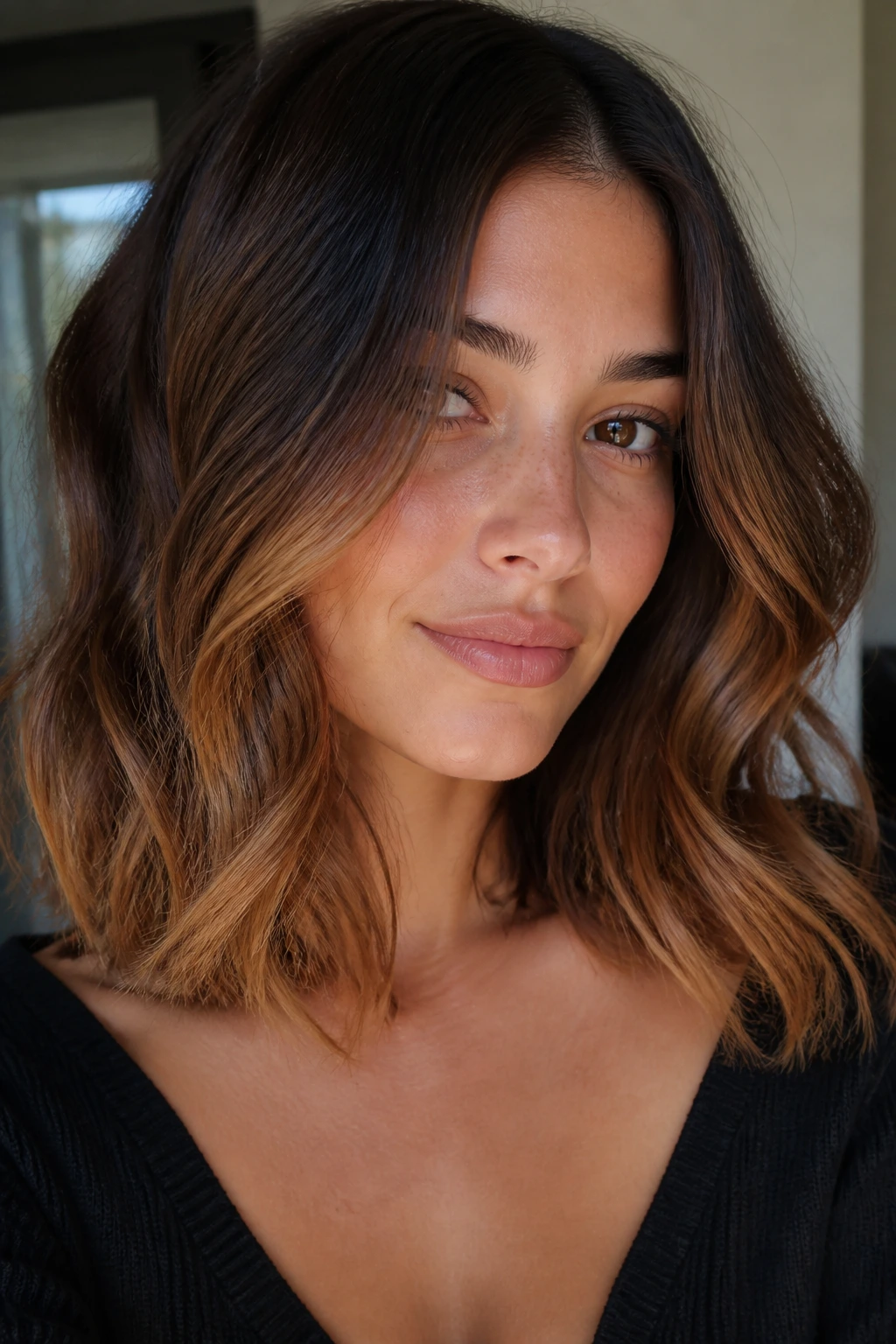
This look starts deep and ends lighter, but it never needs to cross into blonde territory to work. Toasted chestnut ombre moves from a rich brown root into warmer chestnut mids and ends, almost like the hair was browned in stages by light, not bleach. The gradient matters more than the lift.
That’s why this shade works on longer hair. You need length for the fade to read properly. On a pixie or short bob, the transition can disappear. On shoulder-length or longer hair, it has room to breathe.
The ombre keeps the top low-maintenance and puts the dimension where it gets noticed most: at the ends, around movement, and in photos when hair swings forward. It also grows out in a forgiving way because the root already belongs to the darker family.
If your stylist likes to over-lighten ombré ends, push back. Chestnut ombre should still feel like brunette hair with a brighter finish, not a brunette trying to become blonde.
10. Velvet Chestnut Curls
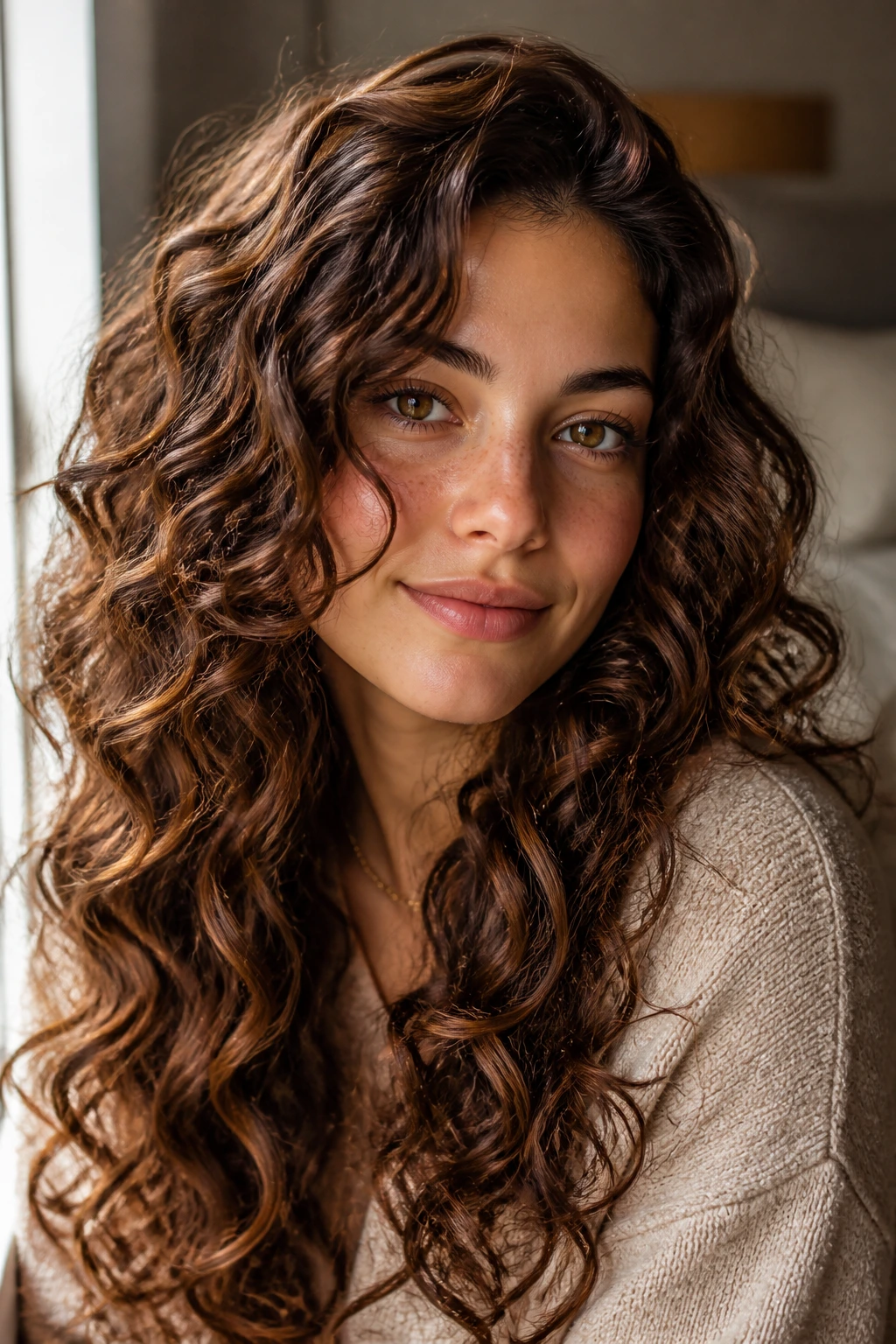
Curly hair loves color that respects the curl pattern, and chestnut does that better than flat, all-over brown. Velvet chestnut curls use painted ribbons or soft lowlights placed around the curl clumps so each ringlet gets a little depth on its outer edge. The result is plush, not stripey.
This is one of those shades that looks even better when the hair is a little messy. That’s not a flaw. It means the color is doing some of the work. The different bends of the curl catch light in different places, so the chestnut reads as movement rather than dye.
H3: Why curls handle it well
Curly hair already has built-in dimension, but color can flatten that if it’s placed badly. Chestnut placed in ribbons along the outer curves keeps the shape visible. The trick is avoiding too much saturation at the ends, which can make the hair look heavy.
Ask for paint on the surface curves, not a blanket color from root to tip. That small change makes a big difference.
11. Mocha Chestnut Lowlight Map
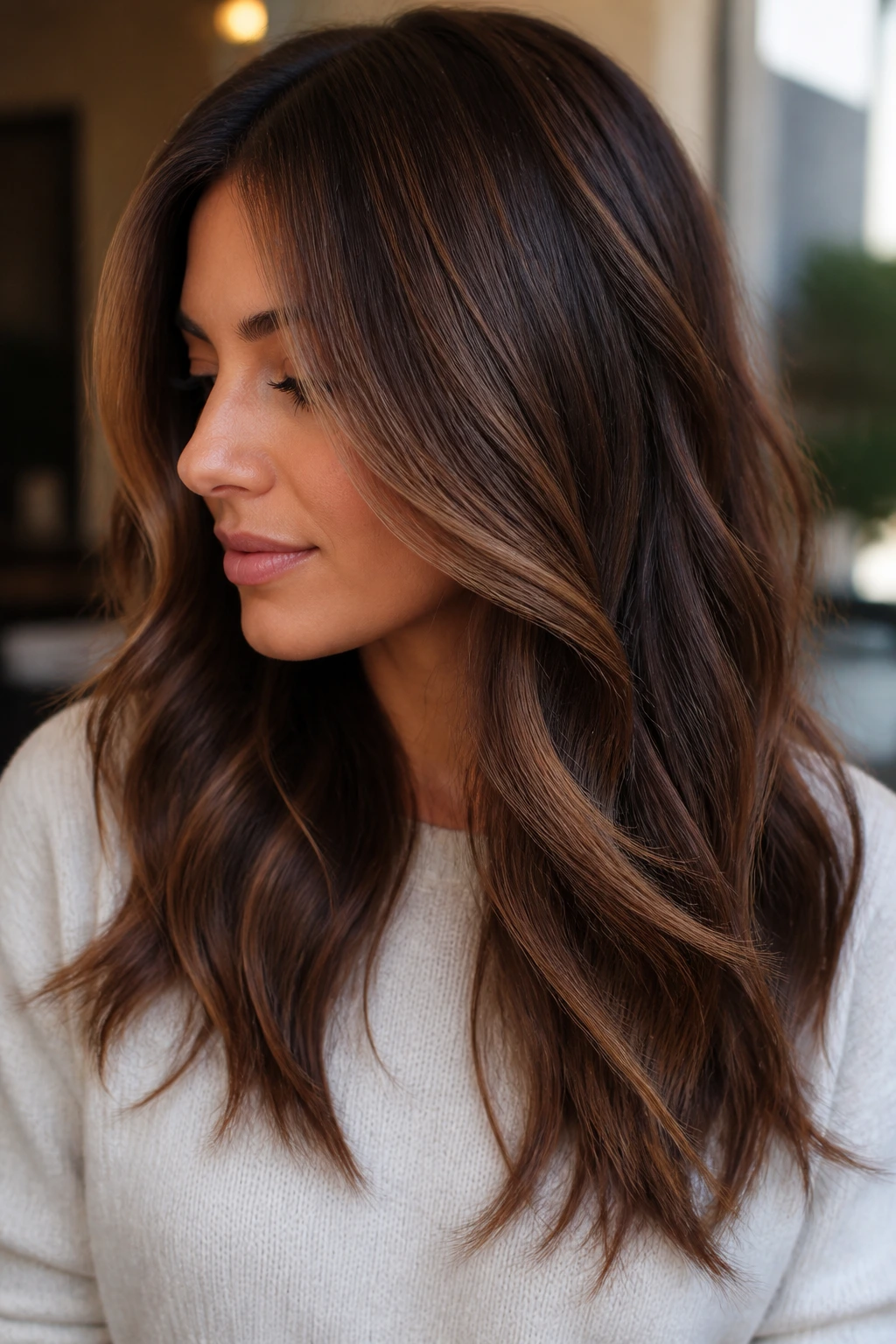
Here’s the part people miss: dimension is not always about lightening. Sometimes the hair needs darker pieces to make the lighter ones make sense. Mocha chestnut lowlight mapping does exactly that. It deepens select areas so the remaining chestnut sections look richer and more defined.
This is a strong option if your hair is already medium brown and has gone a little flat after too many highlights. Lowlights add structure back in. They make layered cuts look cleaner, and they stop the color from turning washed out at the ends.
A good color map puts darker mocha pieces under the crown, around the interior, and through the back. The visible top layers stay chestnut, but they sit over a darker base, so the contrast reads as thickness. It’s a sneaky move. A good one.
If you have fine hair, this is worth your attention. Darker lowlights can make the surface look fuller without making the whole head darker.
12. Chestnut Gray Blend
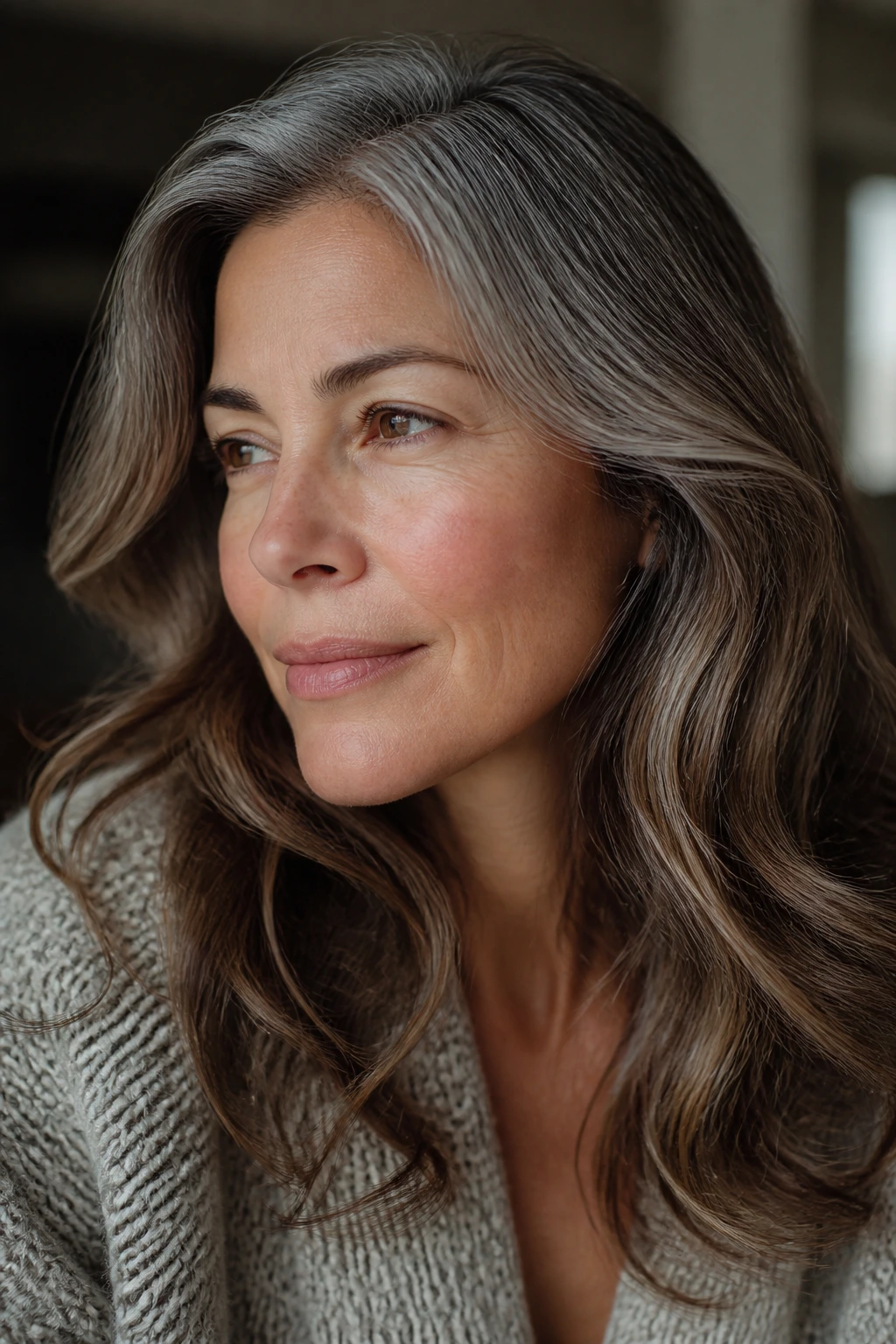
This is chestnut for people who want gray blending that looks soft instead of painted over. The idea is not to erase silver hair. It’s to blend it into a chestnut family so the grow-out feels gentle and the overall color stays dimensional.
A gray blend works best when the root area stays a touch deeper and the lighter silver strands get folded into chestnut glosses, lowlights, or fine weave highlights. The result is a mixed surface that doesn’t show harsh demarcation lines. That’s a relief if you’re tired of a hard line every few weeks.
I prefer this version on people with salt-and-pepper growth who still want warmth and shine. A full opaque brown can look fake on that base. Chestnut feels more believable because it respects the mix that’s already there.
The best maintenance note here is simple: glosses matter. Gray hair often goes coarse and dull at the same time, so chestnut tone plus shine goes a long way.
13. Cherry Chestnut Glaze
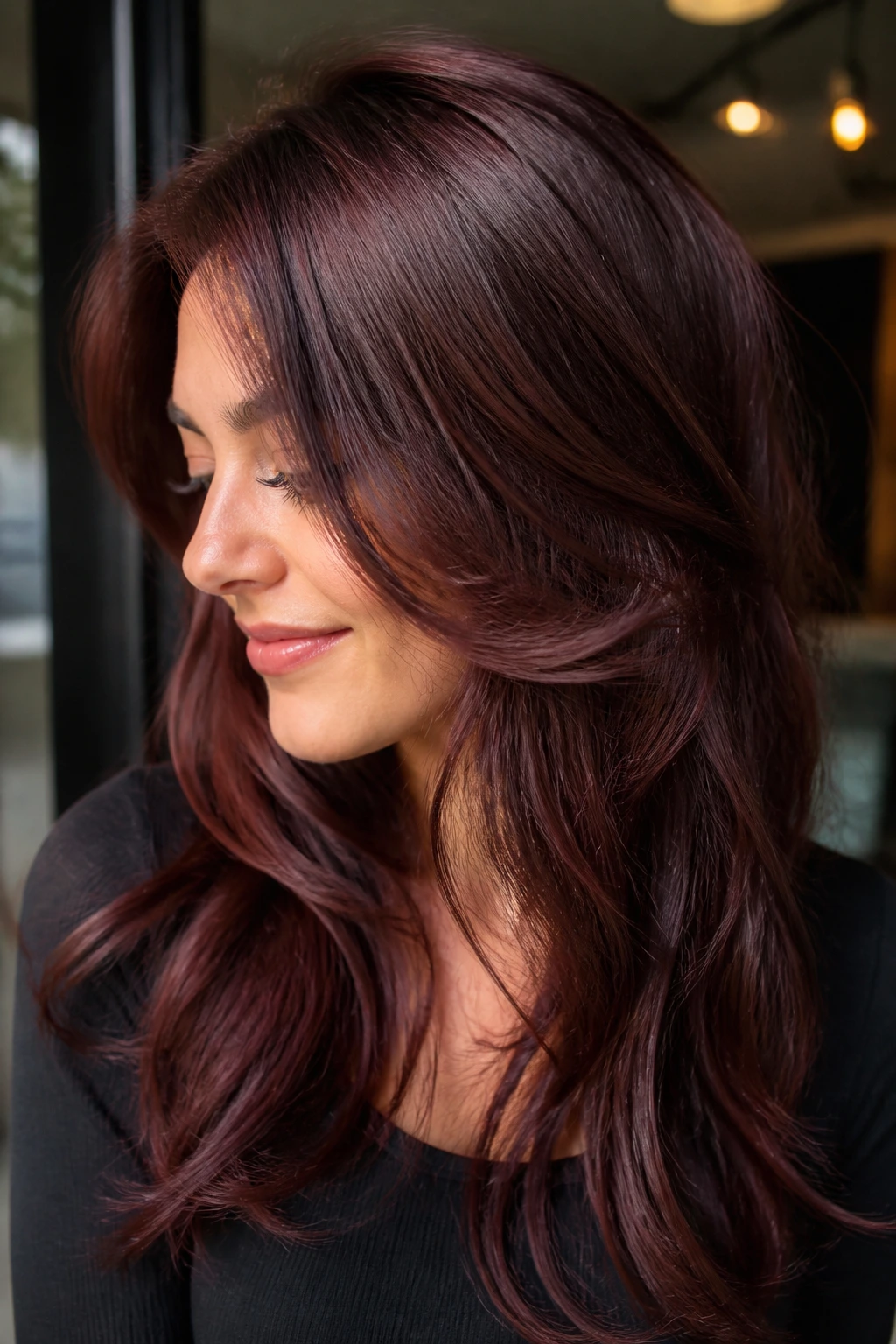
This one has a little drama, but it keeps its manners. A cherry chestnut glaze adds a deeper red-brown reflect that shows up most clearly in movement or daylight, not in every bathroom mirror. It’s chestnut first, cherry second. That order matters.
The glaze is a smart choice if you want richness without committing to a bright red color that needs constant retouching. A demi-permanent glaze can give brown hair a glossy wine-like depth while still looking like brunette hair at the core. It’s especially nice on medium-to-deep bases that can hold pigment well.
H3: What to tell your colorist
Ask for a brown gloss with red-violet reflect, not a copper-heavy formula. That keeps the finish in the chestnut lane instead of pushing it into orange. If your skin tone runs cool, a cherry direction usually looks softer than gold.
This version can be gorgeous on layered waves. The waves catch the red-brown reflect in different places, and that variation is what keeps it from looking one-note.
14. Chestnut Lob with Face-Framing Layers
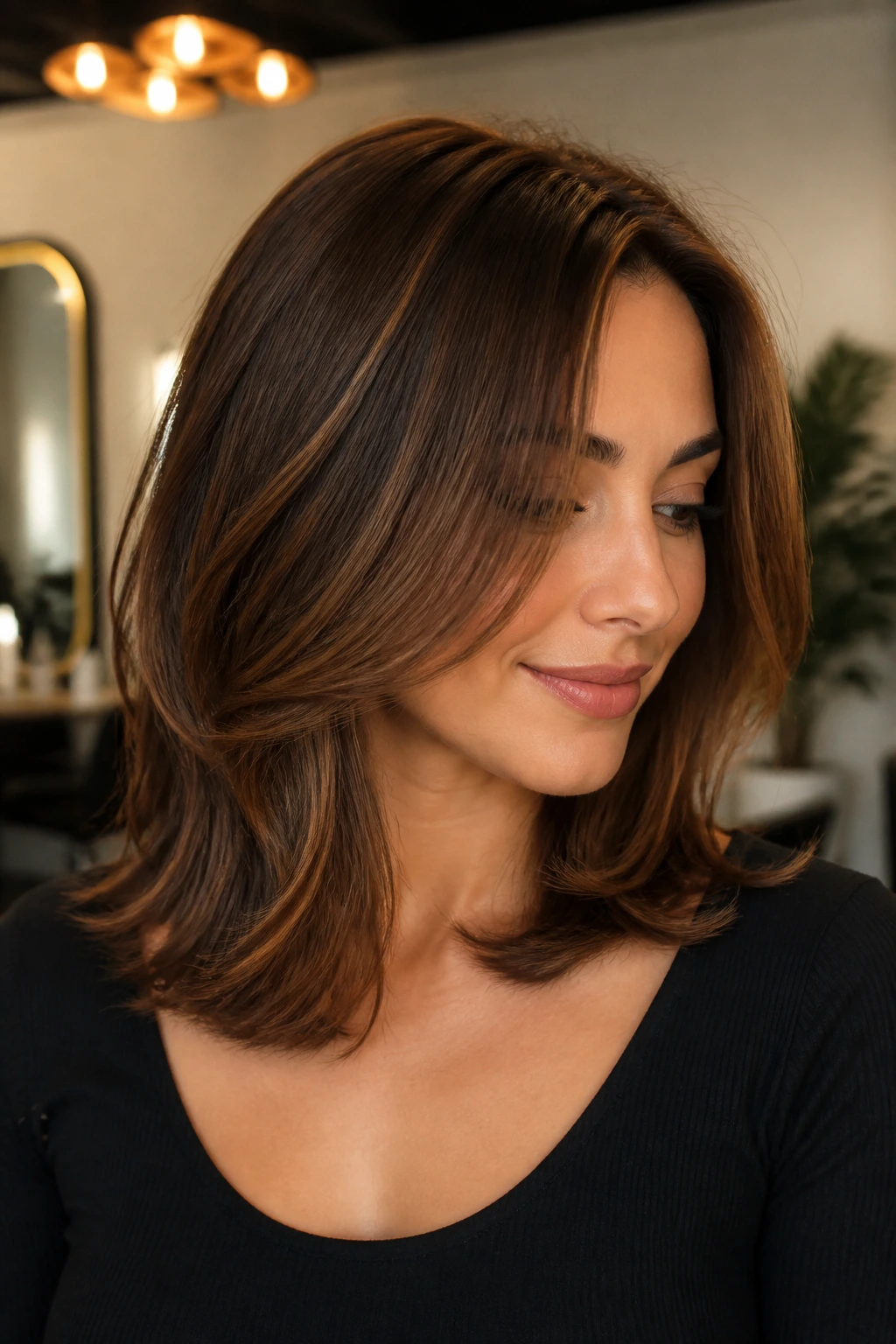
A lob can be plain if the color is plain. Chestnut changes that fast. On a collarbone-length cut, soft dimension along the face-framing layers and the top surface gives the haircut more lift, more swing, and more shape than a single brown shade can manage.
This is the version I’d suggest to someone who wants to keep the cut modern without relying on dramatic color placement. A few brighter chestnut ribbons around the front, a slightly deeper root, and a soft gloss through the ends are enough. The haircut does the rest.
The reason it works is the shape. Face-framing layers move in and out of the light, so the color has more surface to play on. That means even subtle chestnut changes feel visible.
Keep the contrast controlled. On a lob, too much brightness can make the layers look chopped rather than soft. Chestnut gives you the movement without the hard edges.
15. Smoky Chestnut on Deep Dark Hair
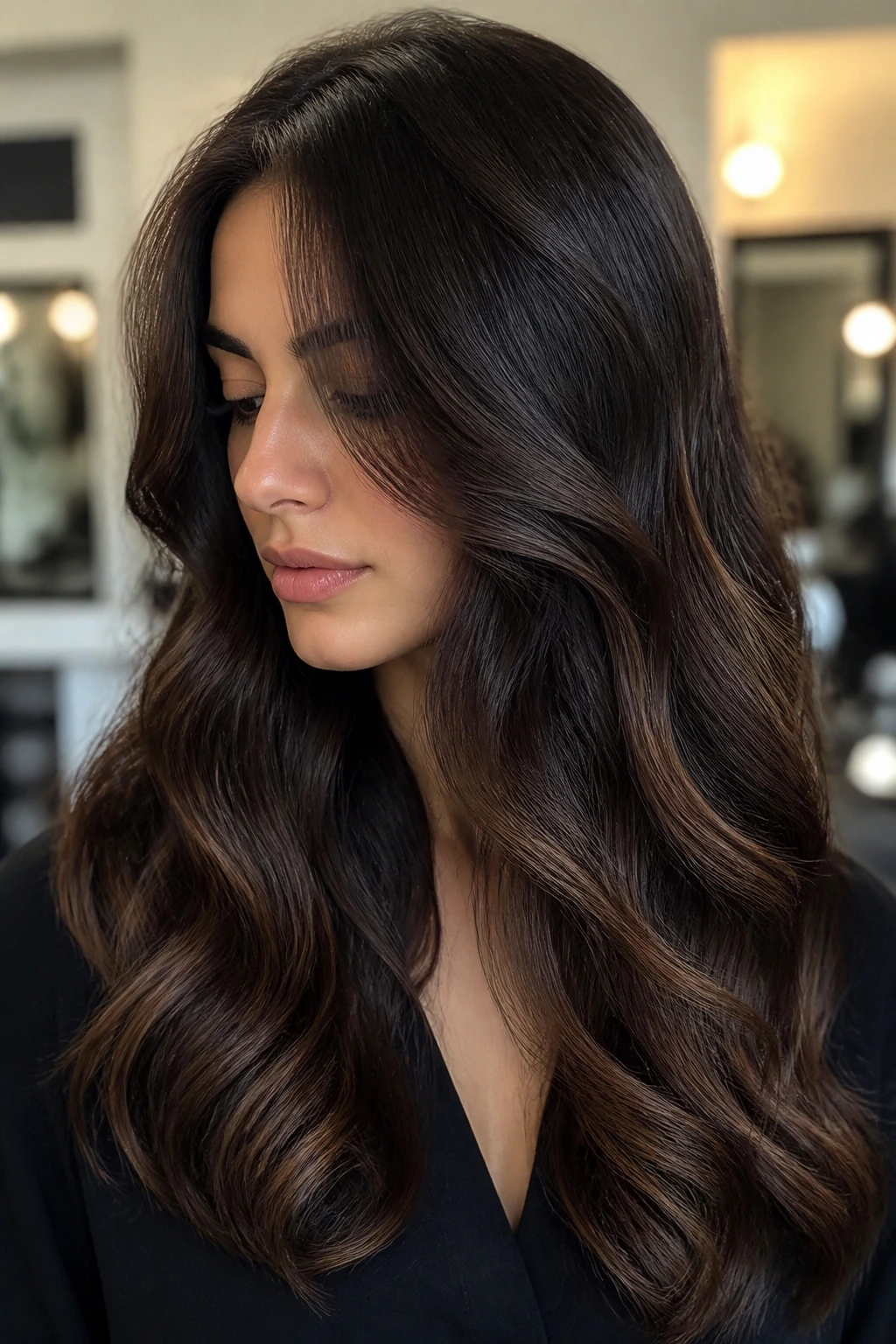
This is for deep brunettes and black hair that needs dimension but doesn’t want to live in bleach. Smoky chestnut on deep dark hair uses a restrained lift — often just enough to expose brown reflect instead of blonde — then layers in a smoky gloss that keeps the whole thing grounded.
The finish is dark, polished, and moving. You’ll see chestnut most at the ends, around the face, and in any section that gets natural light. Indoors it can look like a rich brunette. Outside, it wakes up.
That’s what makes it such a useful choice. It gives depth without asking your hair to make a huge jump. If your hair is fragile, this is one of the safer ways to get visible color change without chasing a pale result.
Ask for a soft lift at the surface and a chestnut-brown glaze over the top. If the colorist goes too light, the effect loses its smoky feel and turns brassy fast.
16. Chestnut Pixie with Micro-Lights
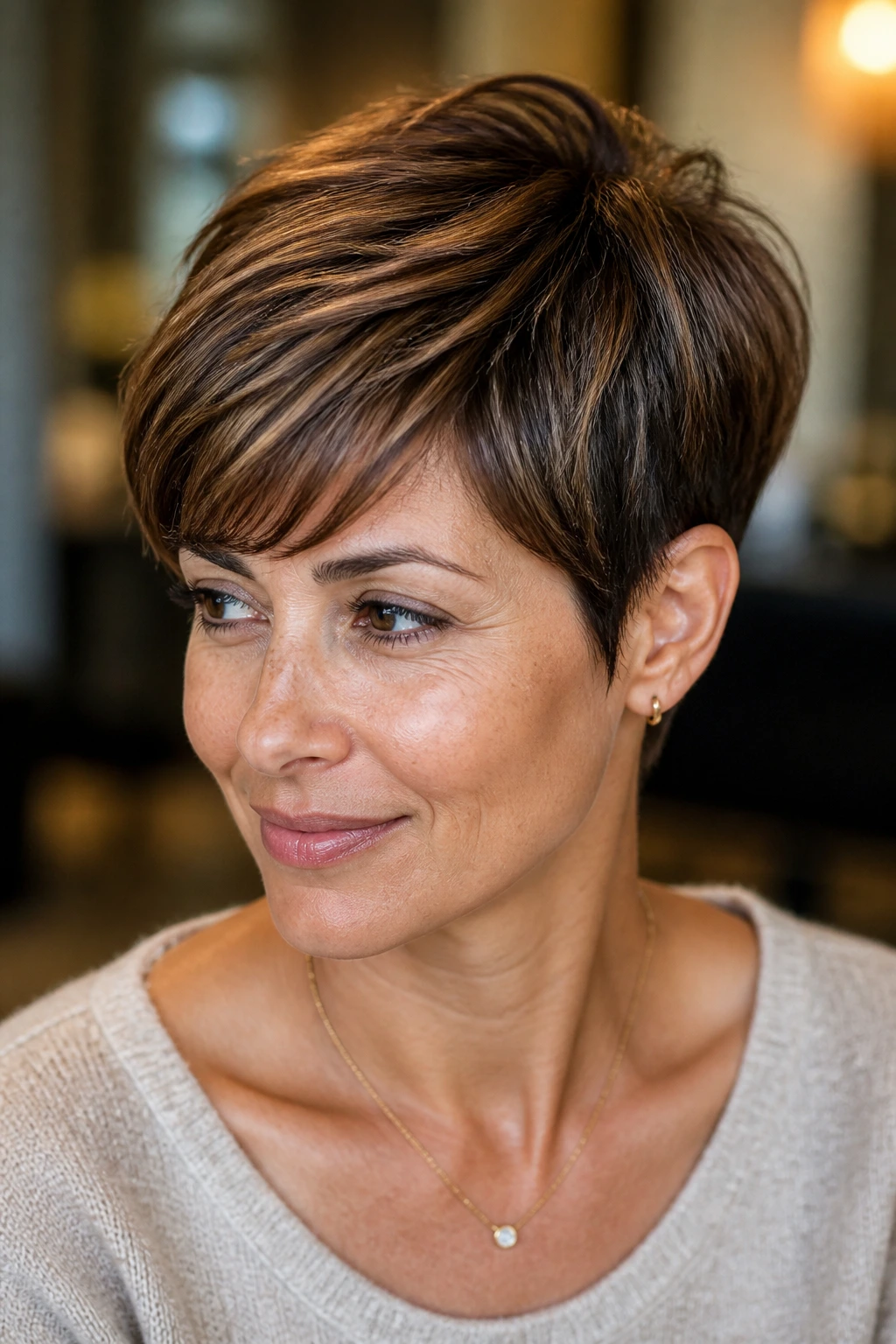
Short hair needs tiny color placement. Big chunks can look clumsy on a pixie because there isn’t enough length for the eye to read the blend. Micro-lights solve that. A few narrow chestnut and cocoa ribbons across the top and crown give the cut texture without stealing the shape.
This is one of my favorite chestnut hair color ideas for short cuts because it adds detail where the haircut already has movement. You don’t need a ton of brightness. You need a few well-placed strands that catch light on the crown and around the fringe.
Use this when the cut feels too solid or when a dark pixie starts looking helmet-like. The tiny color changes break up the surface and make the style look more deliberate.
A pixie with chestnut micro-lights is also easier to live with than a very light short cut. The grow-out stays softer, and the color doesn’t fight the haircut.
17. Bronde Chestnut Hybrid
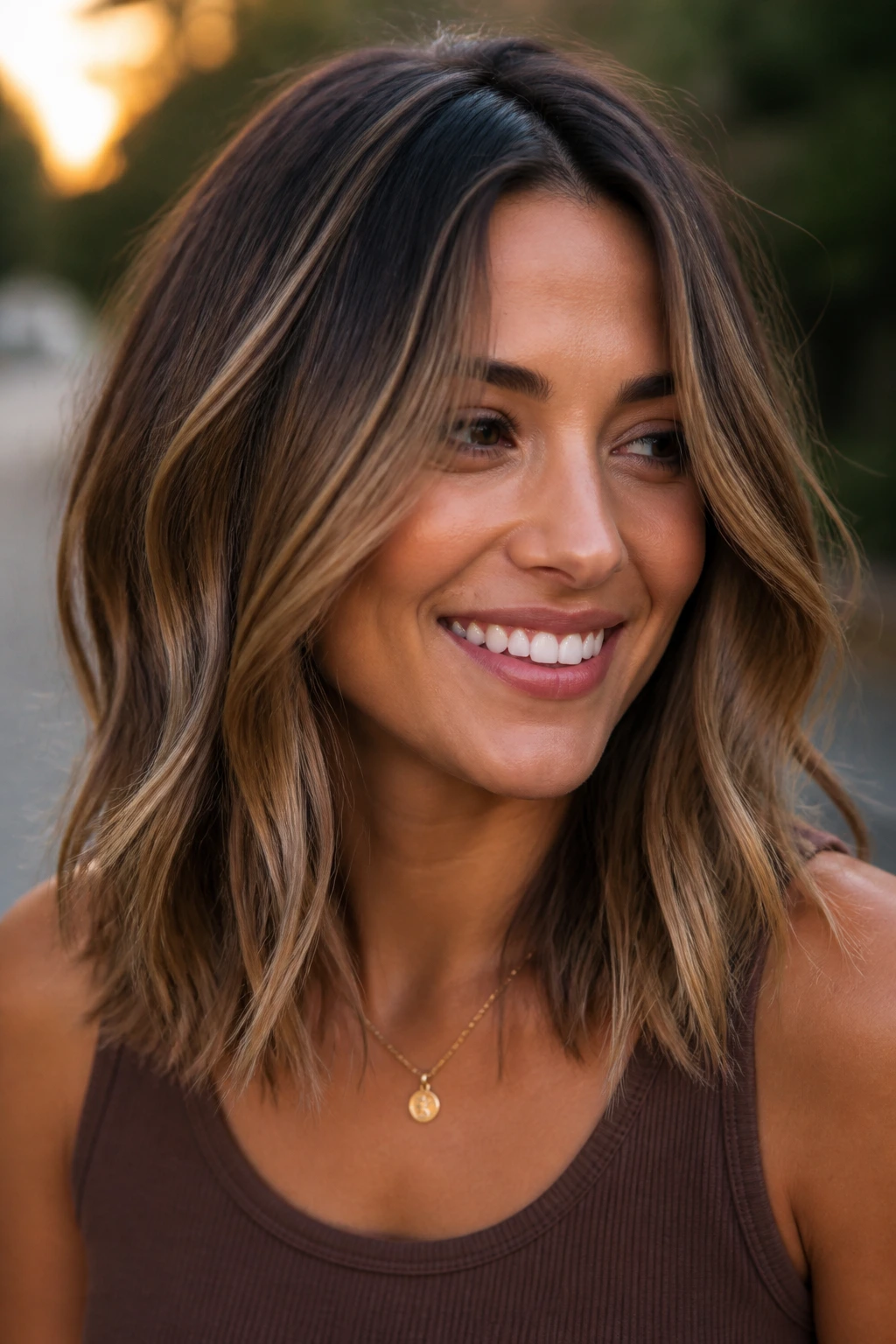
Bronde can be vague when people use it carelessly, but a good chestnut-bronde hybrid has a clear job: keep the brunette base, add enough lightness to stop the hair from reading heavy, and avoid the pale streaks that can make darker hair look disconnected. That middle zone is where the color sings.
This version leans lighter than the others on the list. You’ll see beige-brown chestnut ribbons through the mids and ends, with enough warmth to keep the whole look soft. It’s a good bridge if you’re moving away from dark brunette but don’t want to jump straight into blonde territory.
The best part is how much it opens up layered cuts. The lighter pieces create a little more contrast, so layers become visible without needing a dramatic chop. That can be enough to change the whole feel of a haircut.
If your undertone is cool, ask the colorist to keep the bronde notes beige rather than yellow. If you go too golden, the chestnut balance gets lost.
18. Copper Drizzle Chestnut
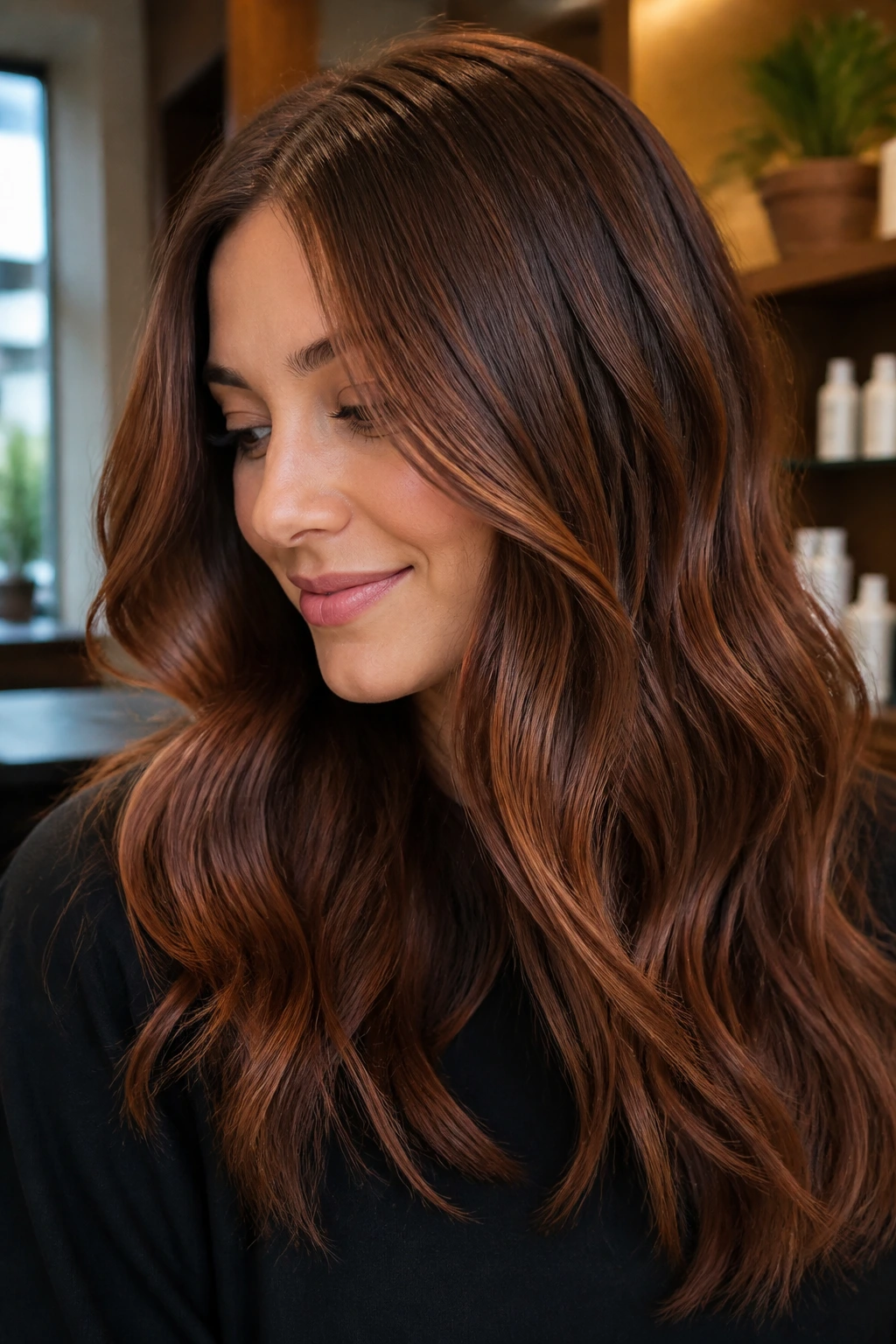
Copper drizzle chestnut is for people who like warmth, but not chaos. The copper is threaded in lightly — a few brighter pieces, a soft glaze at the mids, maybe a slightly hotter face frame — while the chestnut base holds the whole thing together. It’s controlled warmth.
This can look especially good on hair with natural red undertones, freckles, or warm-neutral skin. The shade doesn’t need to be loud to be visible. A little copper against brown reads fast, especially when hair has shine.
What keeps it from becoming orange is restraint. The copper should look like a drizzle, not a flood. If every strand is warm, the chestnut disappears and you’re left with a flat copper-brown that ages quickly.
A wave or blowout really helps this one. The tiny warmer pieces separate as the hair moves, and that movement is what makes the color feel dimensional.
19. Chestnut Ribbons for Coily Hair
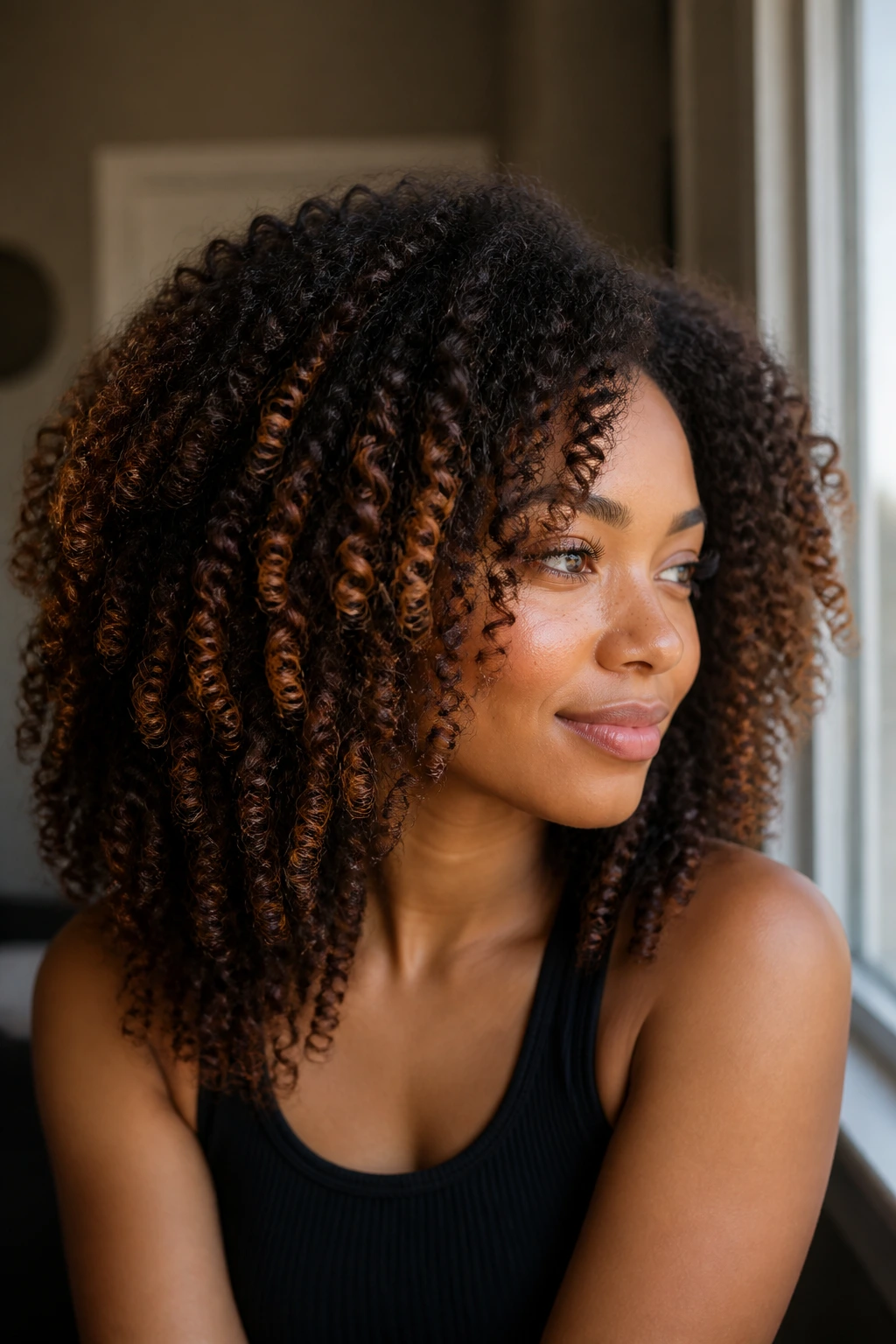
Can chestnut look dimensional on coily hair? Absolutely. It may look even better there because the curl pattern naturally creates shadows and highlights. Chestnut ribbons painted onto the outer curves of coils add depth without breaking up the shape.
The key is placement. You want the lighter chestnut to live where the coil bends outward and where the hair is most exposed to light, not all the way through every strand. That keeps the style soft and keeps the curl pattern intact.
I like this version for coils that feel a little heavy at the ends or too dark all over. A few well-placed ribbons can make the curl family look more layered and alive. You do not need much for the effect to show up.
Avoid over-lightening the ends. On coily hair, that can make the color look dry fast. A richer chestnut tone with selective ribbons is the smarter move.
20. Velvet Red Chestnut
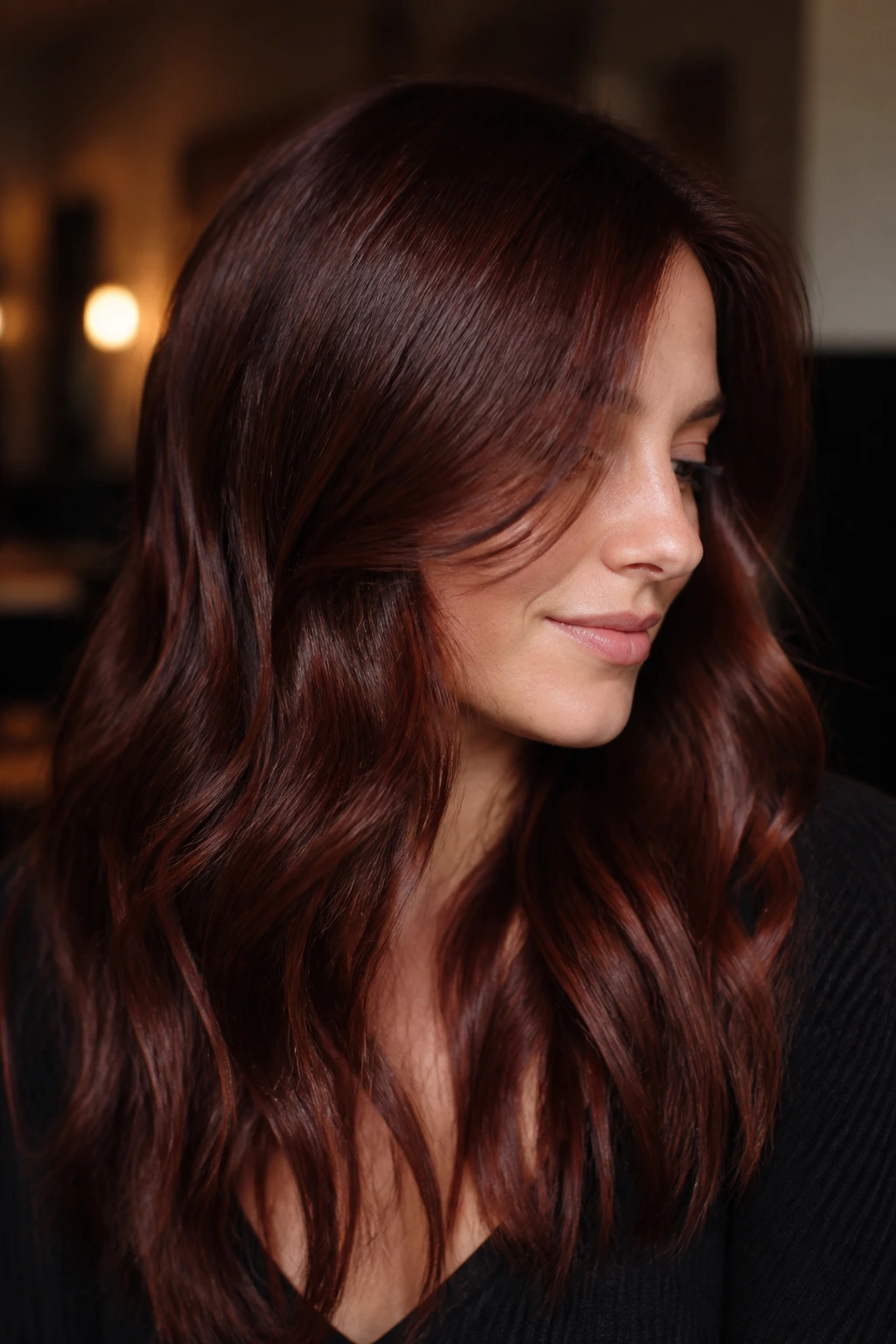
The last shade on the list leans rich and slightly dramatic, but it still belongs to the brown family. Velvet red chestnut has a deeper red reflect than cherry chestnut, with a darker base and a glossy finish that makes the color look plush rather than bright. Think warm, dark, and soft around the edges.
This is a good pick if you want chestnut hair color that feels a little more noticeable without becoming full auburn. It catches light beautifully on layered cuts, and it has enough depth to stay elegant on longer hair. The red is there, but it sits under the surface instead of sitting on top.
The best version keeps the base rich and the red reflect muted. That gives you the softness chestnut is known for while still making the color feel distinct. If the red gets too strong, the shade starts acting like a different color family.
This is a strong end point because it proves chestnut can go deeper and more sultry without losing its softness. That range is the whole reason the shade keeps showing up in salons.
Why Chestnut Hair Color Looks Soft Instead of Flat
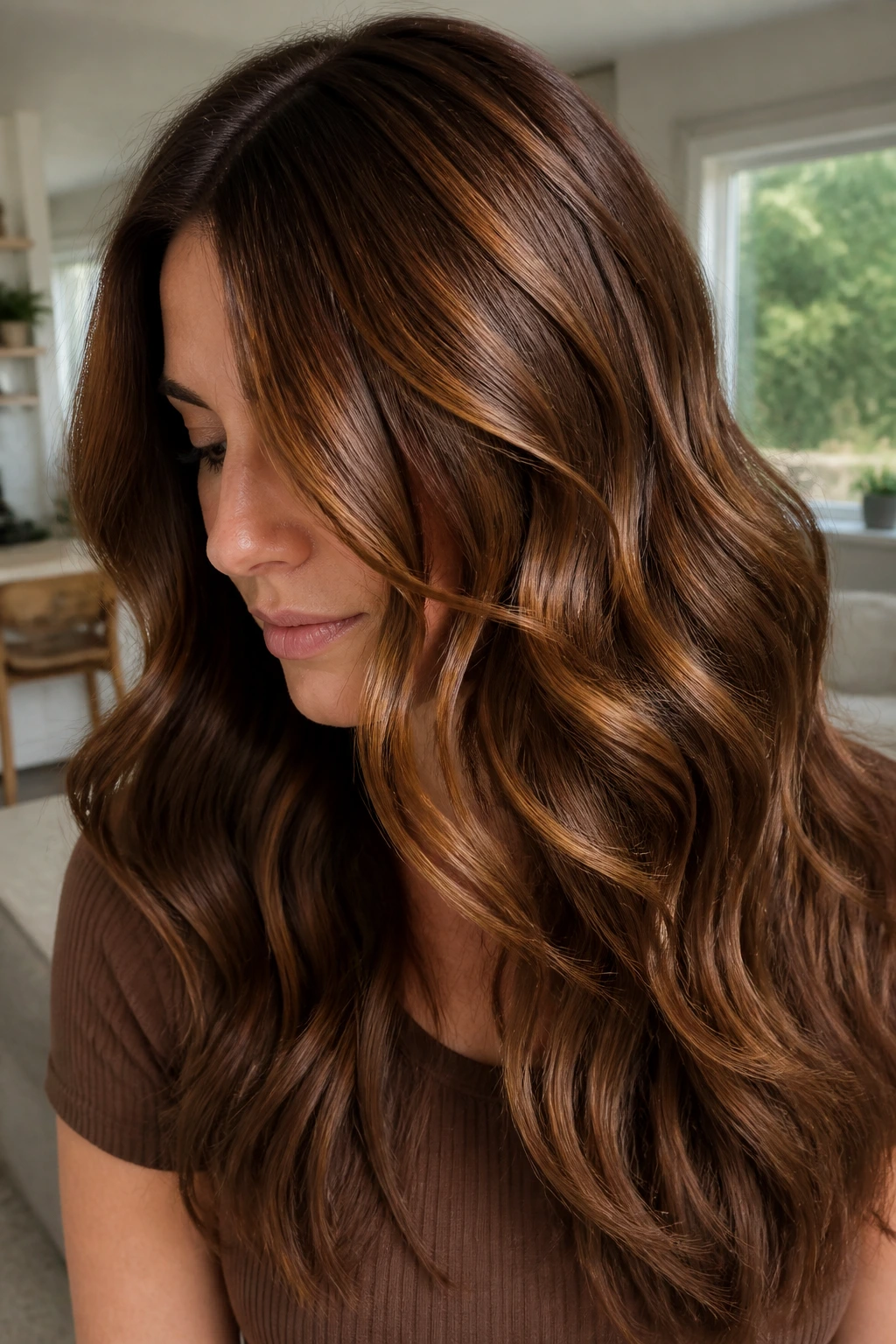
Chestnut works because it isn’t one flat brown. The color usually holds more than one reflect at a time — a little gold, a little red, a little neutral brown, sometimes a touch of ash. That mix matters. Flat brown can swallow light and make the hair look like a single block. Chestnut breaks that block apart.
The other reason it looks softer is placement. Good chestnut color rarely sits at the same depth from root to end. A shadowed root, a glossed mid-length, a ribboned face frame, or a lowlight tucked underneath will all change how the whole haircut reads. You don’t need huge contrast. You need enough movement for the eye to track across the surface.
Texture helps too. Wavy and curly hair can carry chestnut especially well because bends in the hair create tiny shadows between strands. Straight hair can wear it just as well, but it usually needs better placement or a glossy finish to keep the dimension visible. That’s why stylists reach for chestnut when the goal is “richer,” not “lighter.”
Tools and Products That Make Chestnut Color Easier to Maintain
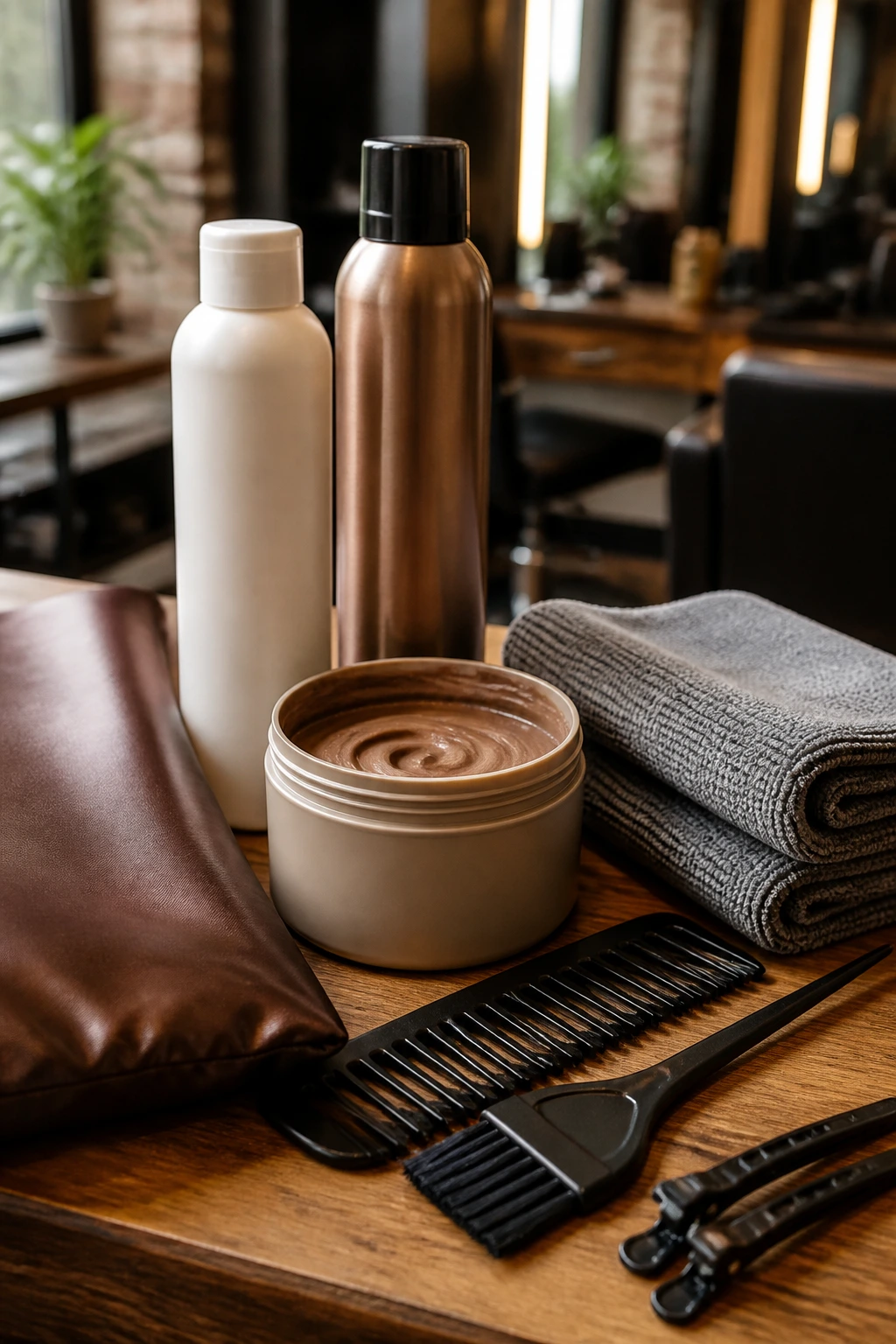
- Salon reference photos saved in natural light: Bring three photos, not one. One should show the front, one should show the ends, and one should show how dark you want the base to stay.
- Color-safe shampoo: A sulfate-free formula helps chestnut stay glossy longer and slows down that dull brown fade.
- Color-depositing conditioner or mask: A chestnut, brown, red-brown, or copper-leaning mask can refresh tone between appointments.
- Heat protectant spray: Chestnut reflect shows damage fast, so this is not optional if you use hot tools.
- Wide-tooth comb: Best for distributing conditioner through color-treated hair without roughing up the cuticle.
- Tint brush and clips: Helpful if you’re doing root touch-ups, glossing, or sectioning for a consultation at home.
- Microfiber towel or old T-shirt: Less friction, less frizz, and less pigment loss than a rough bath towel.
- Silk pillowcase or bonnet: Good for keeping the cuticle smoother overnight and reducing fade from friction.
Picking the Right Chestnut Shade for Your Base
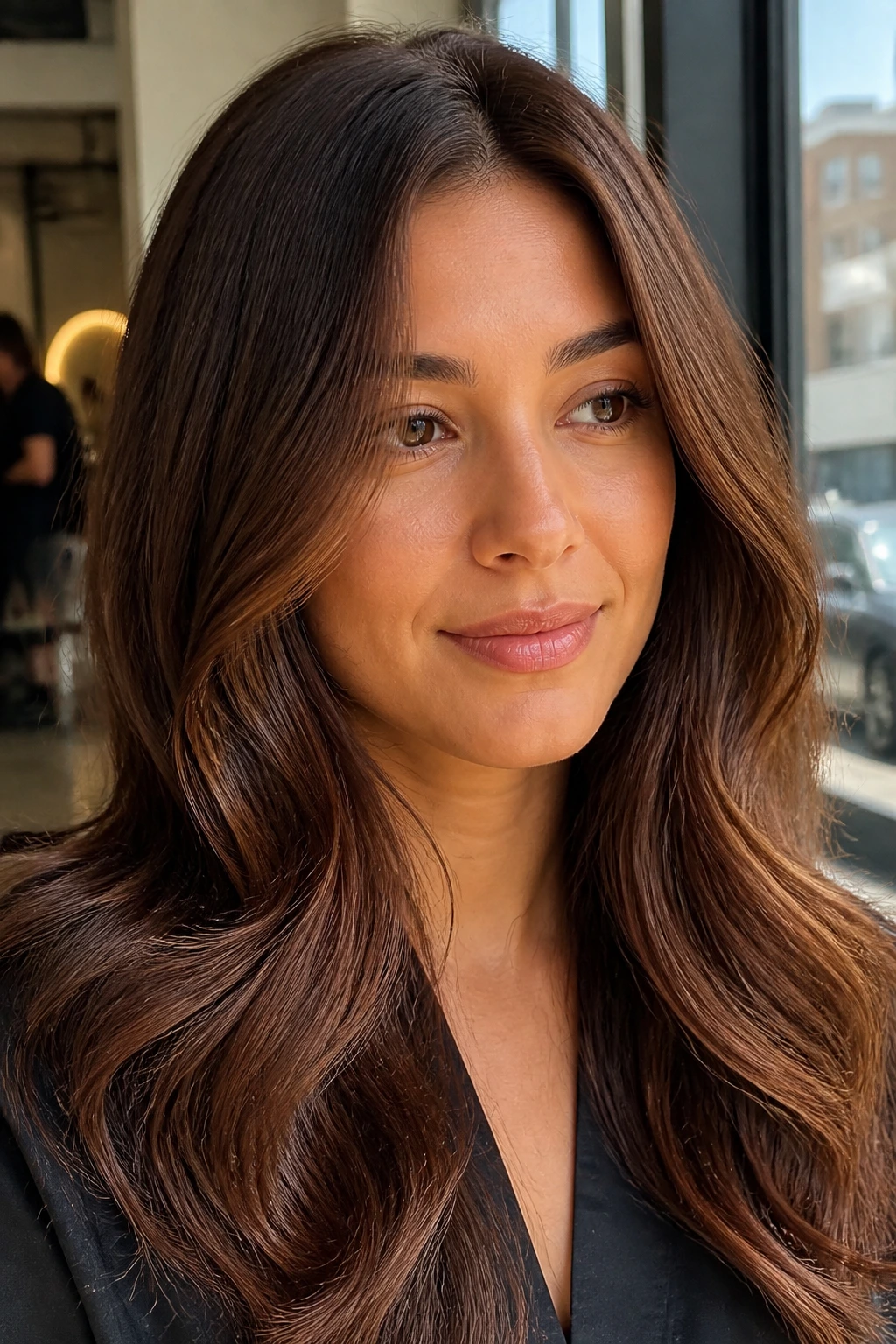
Start with your natural depth, not the photo you saw online. That part saves a lot of disappointment. If your hair is very dark, a chestnut gloss may give you plenty of movement without lifting more than a level or two. If your base is medium brown, a few balayage ribbons can show up fast. If your hair is already light brunette, chestnut can lean richer, deeper, and more obvious than people expect.
Pay attention to undertone. Hair that pulls orange usually needs a cooler chestnut with beige or mushroom notes. Hair that looks ashy or washed out often benefits from a warmer chestnut with gold or red reflect. Neither one is “better.” The wrong one is the problem.
Bring photos that are honest about depth. Screens lie. A picture taken under bathroom lighting can look a shade darker than the same color under daylight, and a phone flash can make chestnut look brighter than it really is. If possible, show your stylist the color under the kind of light you spend the most time in — office light, kitchen light, or outdoor daylight.
How to Wear Chestnut Hair Color So It Reads Soft, Not Flat
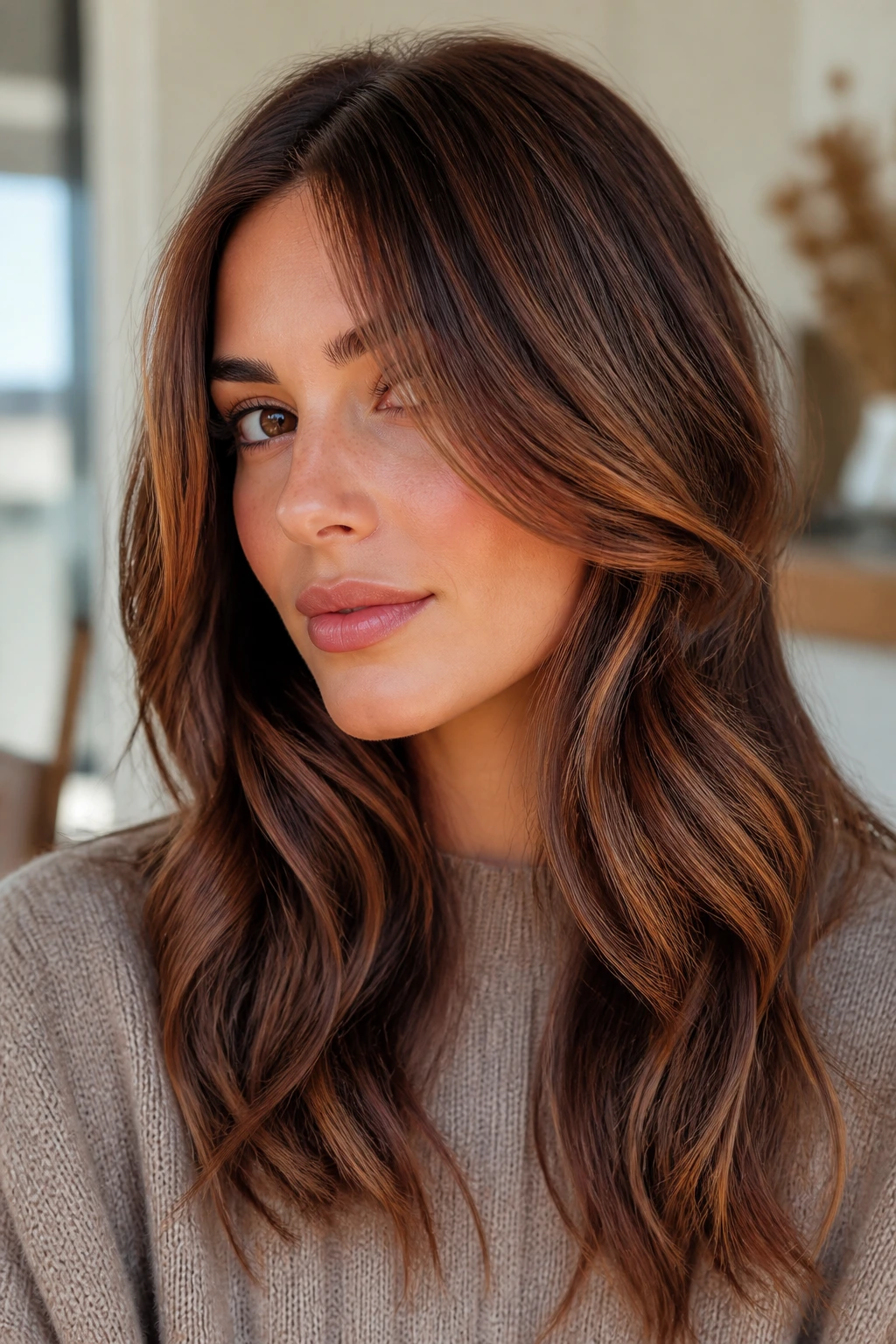
Placement: Keep the brightest chestnut ribbons at the face frame, the crown, and the top layer where the hair moves. If everything is bright in the same way, the color loses shape fast.
Complementary tones: Chestnut likes clothing and makeup colors that have some depth of their own — taupe, terracotta, deep peach, berry, olive, and warm beige all sit well next to it. A washed-out lip can make chestnut look dull, while a defined blush or warm neutral brow makes the hair feel more intentional.
Intensity: Ask yourself how much contrast you actually want. If you want the color to stay soft, keep the lightest chestnut pieces within one to two levels of your base. If you want the hair to stand out more, the contrast can stretch a little farther, but the base still needs to do the heavy lifting.
Styling: Loose bends, a round-brush blowout, or even soft air-dried waves tend to show chestnut dimension better than a super-straight finish. Straight hair can still look rich, but the subtle shifts are easier to miss if every strand sits in the same direction.
Extra Shine and Tone Tweaks That Change the Finish
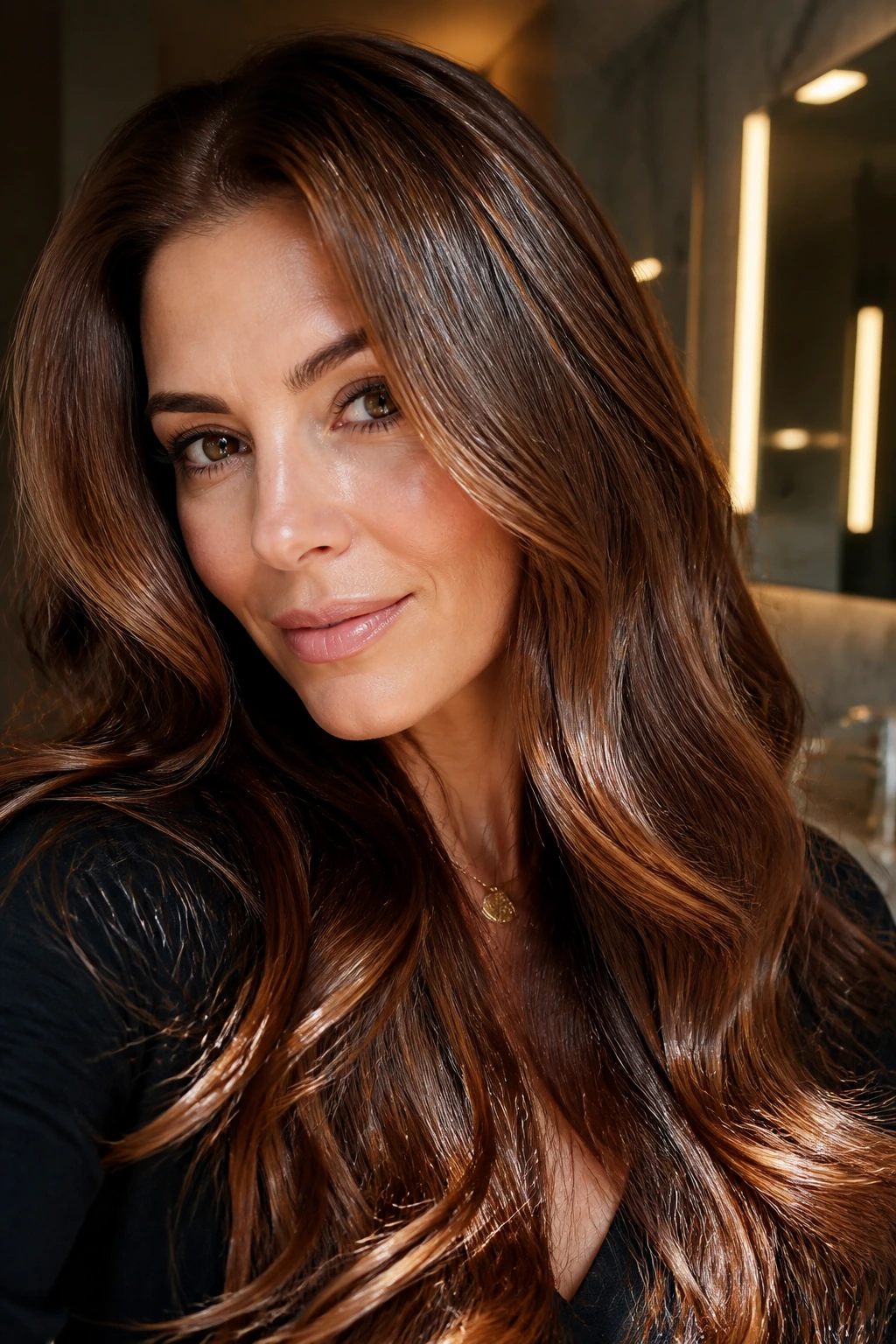
Gloss boost: A clear or demi-permanent gloss every 4 to 6 weeks keeps chestnut from turning dry and smoky. It also restores that smooth sheen people usually want when they ask for brunette dimension.
Customization: If your hair feels too dark, add one brighter chestnut money piece or a few fine babylights at the top layers. If it feels too light, tuck in mocha lowlights underneath and keep the surface pieces softer.
Budget saver: You do not need a full service every time. A color-depositing conditioner once a week, paired with a salon gloss every few weeks, can stretch the life of the shade without letting it go flat.
Texture match: Curly and coily hair usually need placement that follows the shape of the curl, not a blanket of color. Straight hair can carry more linear ribbons. Fine hair tends to look fuller when the contrast stays small but frequent.
Keeping Chestnut Hair Fresh Between Salon Visits
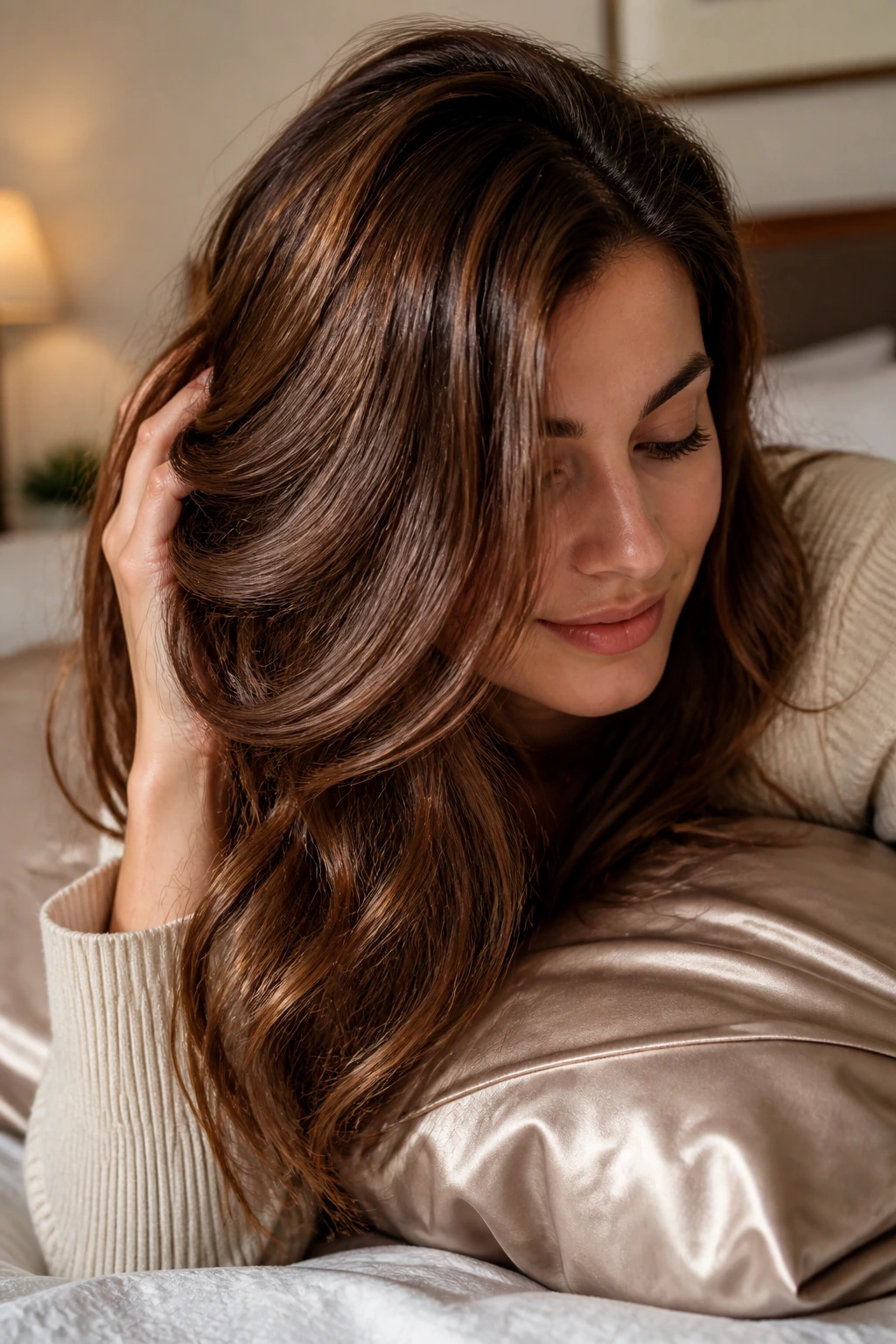
Chestnut fades in a pretty predictable way. The first thing to go is usually the shine, then the red or gold reflect, and finally the color starts looking browner and thinner than it did on day one. That means maintenance should focus on gloss, moisture, and gentle washing.
Try to wait 48 hours before the first shampoo after coloring if your colorist gives you that window. After that, wash 2 to 3 times a week if your scalp allows it, using lukewarm water and a color-safe shampoo. Hot water opens the cuticle too much and can strip the richer reflect faster than you’d expect.
A gloss every 4 to 6 weeks keeps most chestnut shades from looking dusty. If you wear a balayage or shadow-rooted version, you may be able to stretch root work to 8 to 10 weeks, especially when the grow-out is soft. Gray blending often needs a slightly tighter gloss rhythm, because silver hair can look wiry once the tone fades.
Heat tools are another big one. If you blow-dry or iron often, use heat protectant every single time. Chestnut tone can dull faster than people think when the cuticle gets fried. At night, a silk pillowcase or bonnet helps the hair glide instead of rubbing, and if you swim, wet the hair with clean water first and add leave-in conditioner before it touches chlorine or salt.
Variations and Adaptations to Try
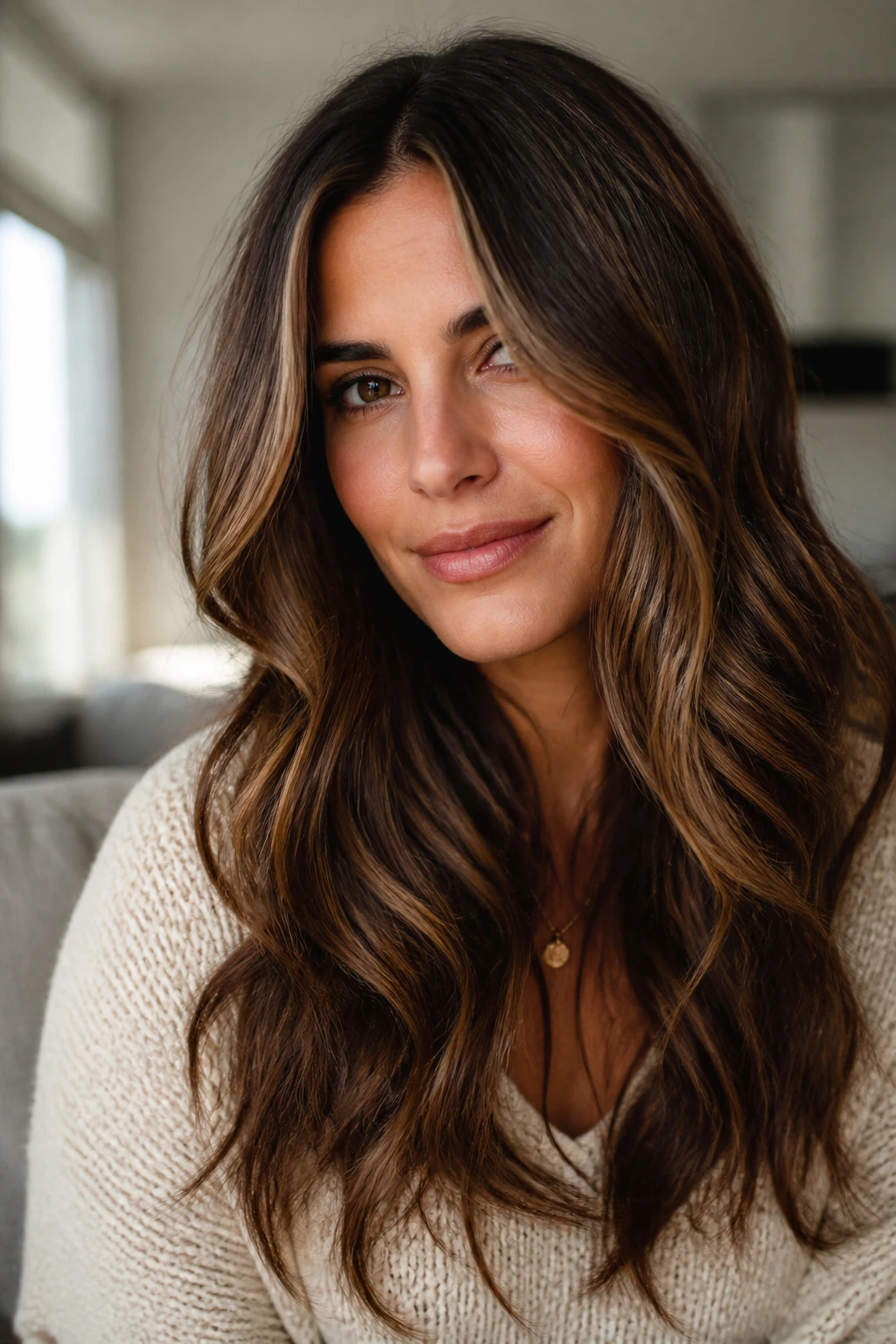
Cool Smoke Chestnut: If your hair tends to pull orange, ask for a cooler chestnut gloss with beige or mushroom lowlights. This version keeps the brunette base soft and pulls the warmth back just enough that it doesn’t drift into copper.
Warm Cinnamon Chestnut: For people who love warmth, add a little more gold-red reflect through the face frame and mids. It reads brighter than a neutral chestnut, but it still stays brown enough to feel wearable.
Low-Maintenance Rooted Chestnut: Keep the roots close to your natural color and concentrate the lighter pieces through the mids and ends. This is the choice when you want dimension but don’t want root touch-ups every few weeks.
Gray-Blending Chestnut Veil: Use fine weave highlights, lowlights, and a translucent chestnut gloss to blur silver strands instead of fully covering them. The result looks softer and grows out more naturally than a hard permanent dye line.
Curly Ribbon Chestnut: Paint chestnut ribbons around the outer curve of curls and leave the interior a shade deeper. That keeps the curl pattern visible and gives the hair movement without roughening the surface.
Common Mistakes to Avoid
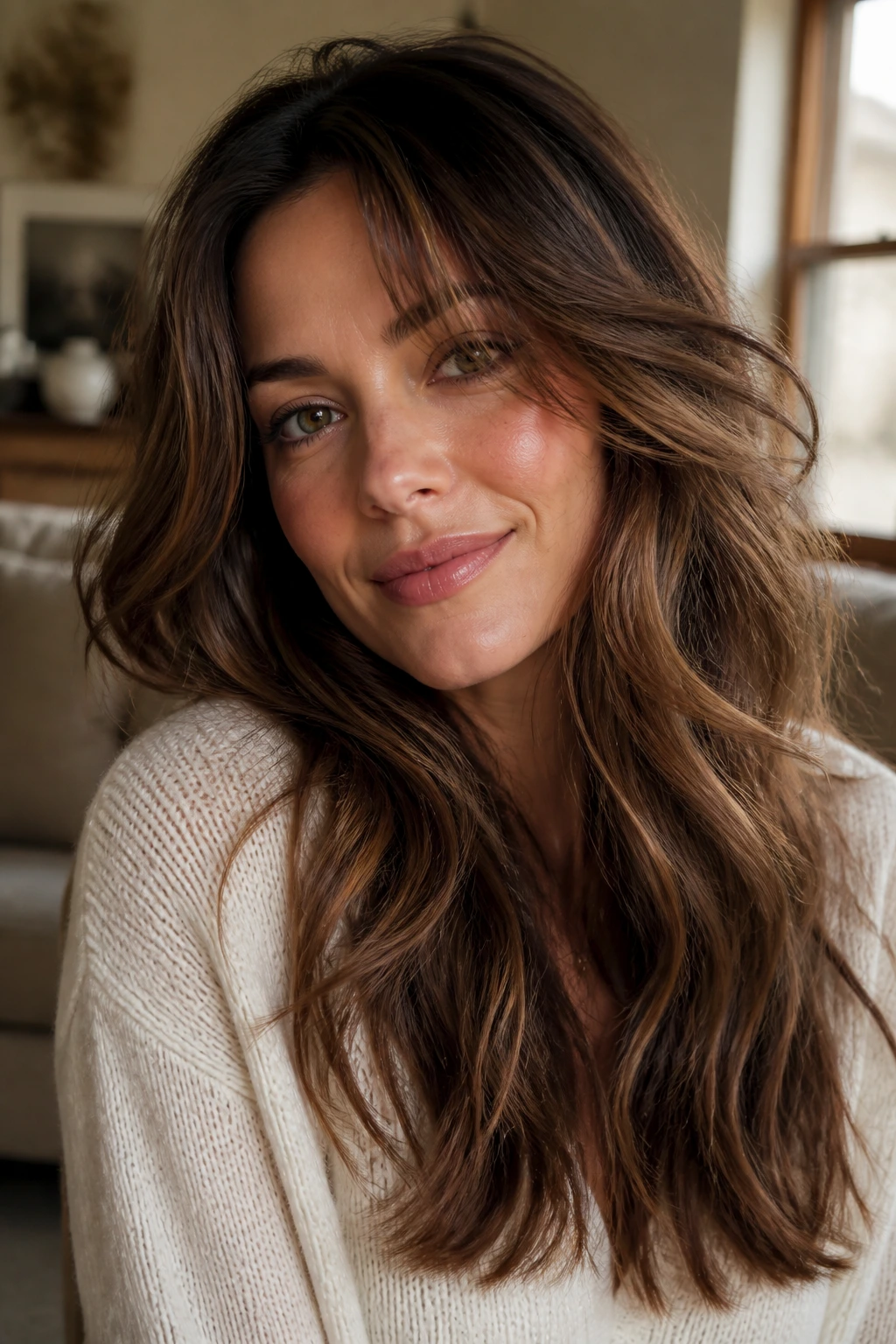
- Choosing one flat brown swatch and expecting dimension: The symptom is a color that looks heavy and helmet-like after a week. The fix is to ask for at least two depths — a deeper root or lowlight plus a lighter chestnut ribbon or gloss.
- Pushing ash too hard: Too much ash can make chestnut look muddy or green-gray, especially on porous hair. Keep ash only where it’s needed to calm brass, then restore warmth with a neutral or golden gloss.
- Putting all the brightness on the ends: The ends may look pretty, but the top can go dead and dark. Spread the lighter chestnut through the face frame and surface layers so the haircut itself carries the color.
- Skipping gloss maintenance: Chestnut loses its shine before it loses its tone, and that’s when it starts looking tired. A quick gloss service or color-depositing conditioner keeps the finish smooth.
- Overwashing color-treated hair: If you shampoo daily, the red-brown reflect can fade fast and leave you with a plain brown result. Stretch washes, use cool or lukewarm water, and save the clarifying shampoo for when product buildup is actually visible.
- Using high heat without protection: The hair may still look fine for a week, then it starts to dull and frizz. Heat protectant and a lower iron temperature make a real difference.
Frequently Asked Questions About Chestnut Hair Color
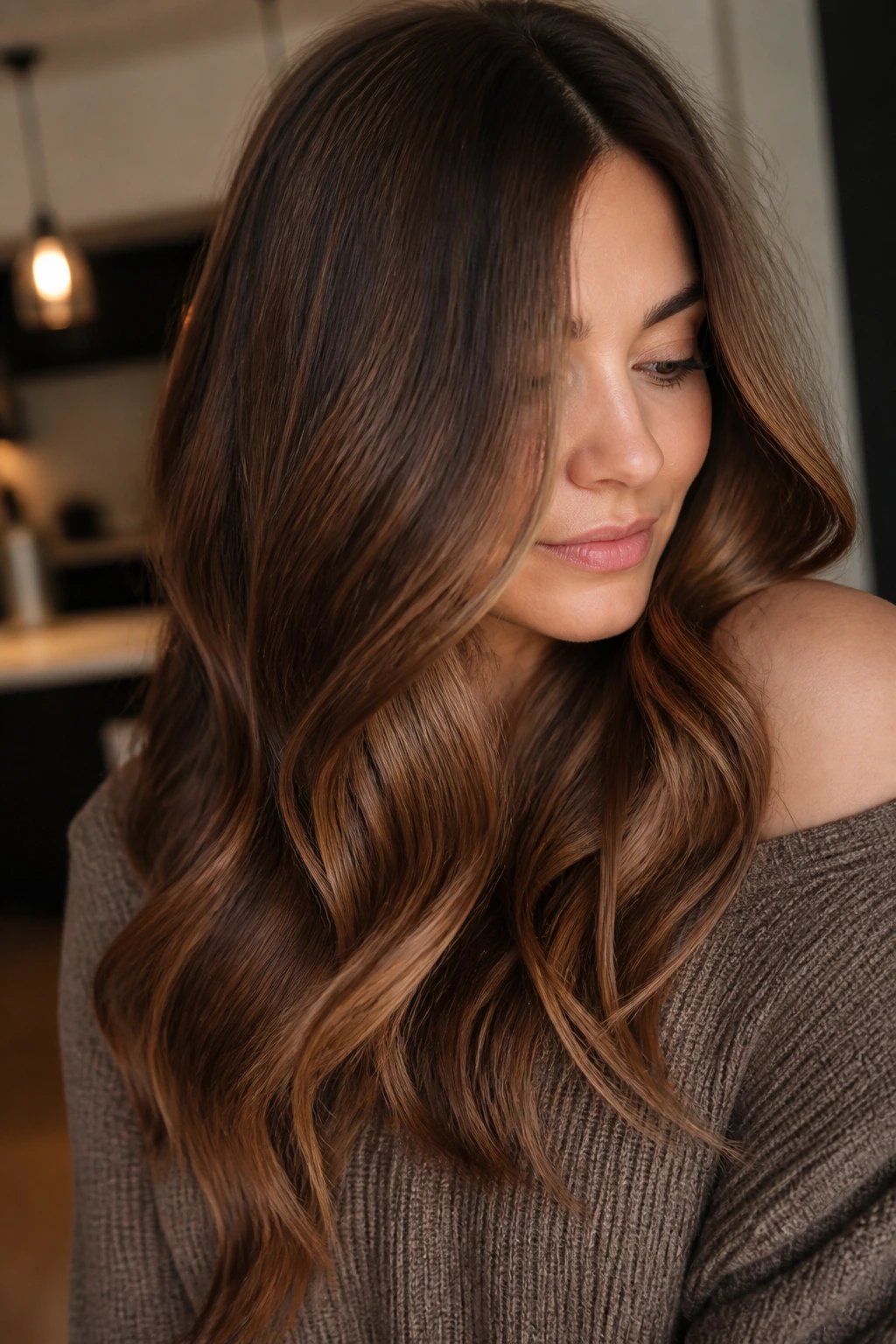
Is chestnut hair color warm or cool?
It can be either, and that flexibility is part of the appeal. A warm chestnut leans cinnamon, copper, or golden brown, while a cool chestnut pulls toward mushroom, ash, or smoky beige.
Does chestnut hair color work on very dark hair?
Yes, but the effect will look subtler unless you add some lift or gloss. On very dark hair, chestnut often shows as reflected warmth or sheen rather than an obvious color shift.
Can chestnut hair color cover gray hair?
It can, but the approach depends on how much gray you have and how opaque you want the result. If you want soft blending, a demi-permanent chestnut gloss with lowlights can blur silver strands without making the hair look painted solid.
How do I keep chestnut from turning orange?
Choose the right undertone at the start and do not over-lighten the hair. If your base is already warm, ask for a cooler beige or mushroom chestnut finish and maintain it with the right color-depositing conditioner.
What’s the difference between chestnut and auburn?
Chestnut stays more brown and usually feels softer around the edges. Auburn pushes red harder and can look brighter or more copper-heavy, depending on the formula.
Is chestnut color good for curly hair?
Very. Curl patterns create their own natural shadows, so chestnut ribbons and lowlights can make curls look fuller and more defined without needing dramatic contrast.
Do I need bleach for chestnut hair color ideas?
Not always. Many chestnut looks can be done with glosses, demi-permanent color, lowlights, or subtle balayage on darker bases. You only need stronger lift if you want the lighter ribbons to show clearly on very dark hair.
How often should I refresh chestnut color?
A gloss every 4 to 6 weeks keeps the tone and shine in shape. Root touch-up timing depends on the style, but rooted balayage can often go 8 to 10 weeks if the grow-out is soft.
The Shade That Keeps Its Shape
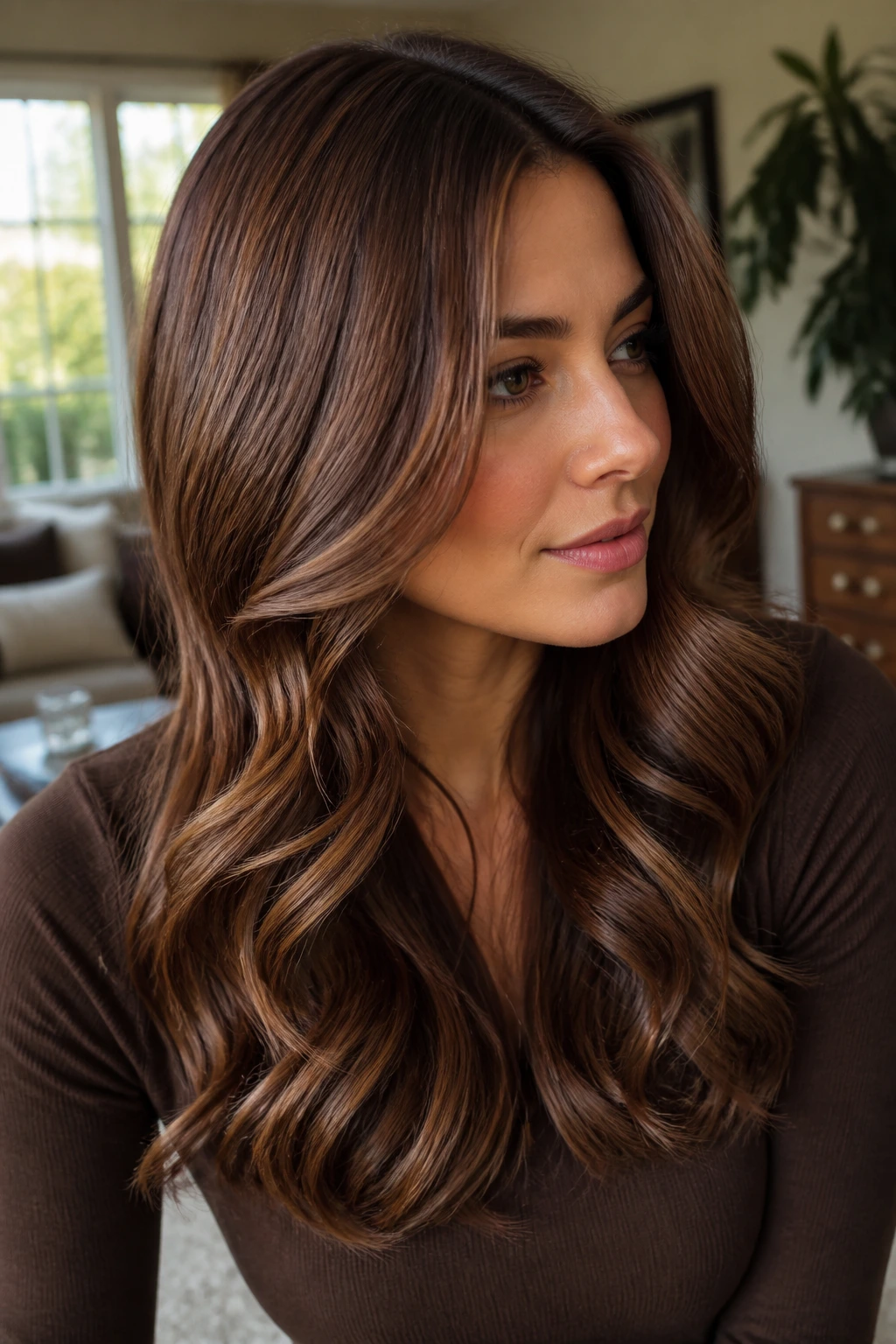
Chestnut hair color stays interesting because it never has to be one thing. It can sit soft and smoky, warm and cinnamon-rich, or deep and glossy with only a few lighter pieces breaking the surface. That range is what makes it useful, not just pretty.
If you want the safest route, choose a chestnut gloss or a rooted balayage. If you want a little more personality, lean into red-brown, copper-drizzled, or ribboned placement. Either way, the color works best when the depth is controlled and the shine is looked after.
The smartest chestnut always has movement. That’s the part worth asking for.
