



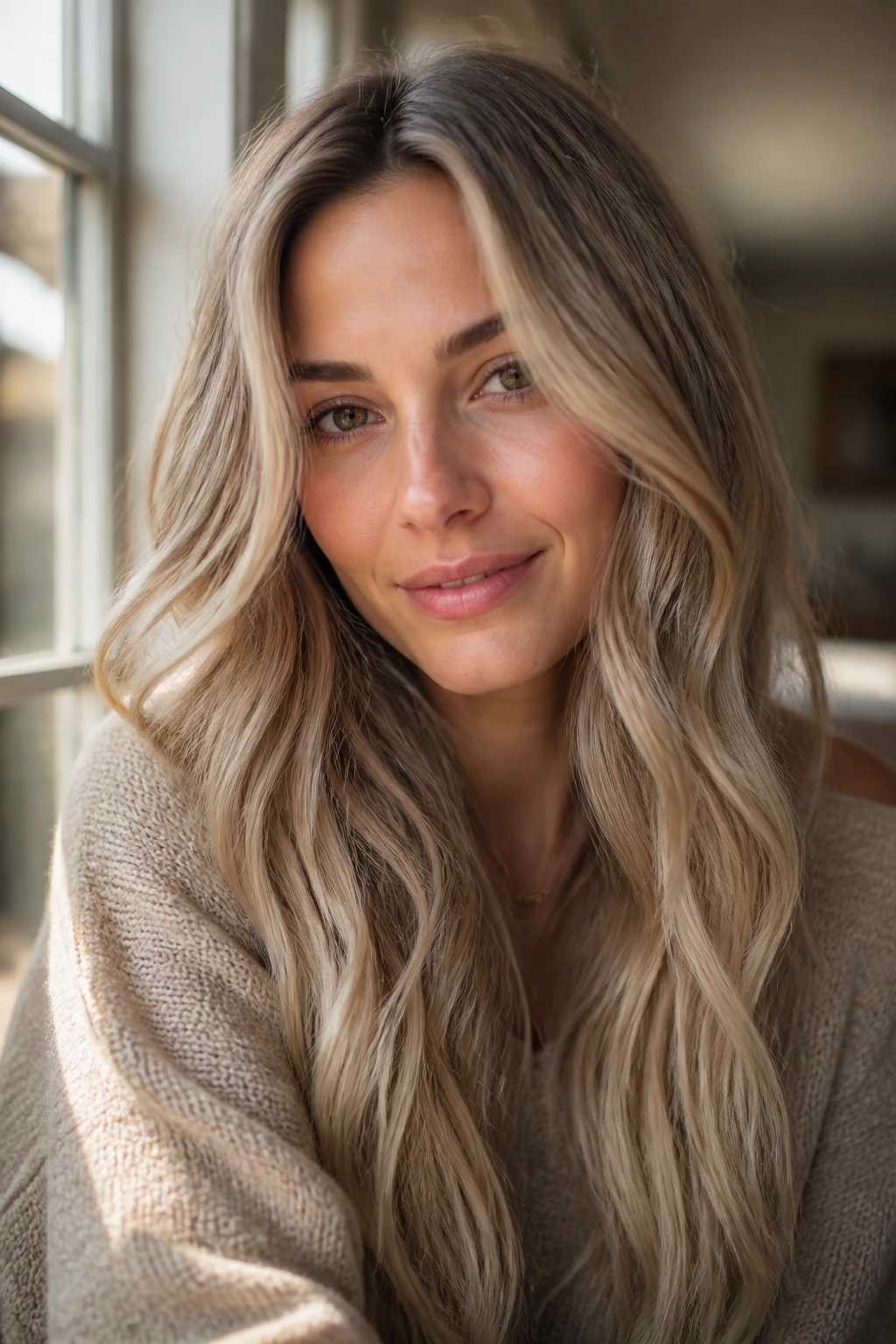
Neutral blonde hair colors have a small trick that louder blondes often miss: they don’t fight your skin. The shade sits in that narrow lane between beige, pearl, and a little smoke, which is why it can look soft on fair skin, calm on olive skin, and less harsh on deeper skin than a flat pale blonde ever will.
That balance matters more than people think. A blonde can be light enough to brighten the face and still keep enough depth at the root to stop the whole thing from floating away from your features — especially if your hair is porous, your brows are dark, or your skin has redness around the nose and cheeks.
My favorite versions are the ones that look like they were lifted from the same family as your natural color rather than pasted on top of it. Beige bronde, mushroom balayage, champagne ribbons, creamy glosses… each one does a different job, and the right one depends on how much contrast your face can hold before the blonde starts wearing you instead of the other way around.
Why Neutral Blonde Works on So Many Skin Tones
-
It splits the difference: Beige sits between gold and ash, so the result reads soft instead of brassy or chalky.
-
It suits more faces: Neutral blonde can be tuned cooler for pink skin, warmer for golden skin, or deeper at the root for olive and deep complexions.
-
It grows out better: A shadow root and blended highlights blur the regrowth line, which keeps the color looking lived-in instead of striped.
-
It plays well with texture: Waves, curls, and straight hair all carry neutral blonde differently, so the movement still shows instead of turning into one flat block.
-
It gives you options: The same lift level can lean champagne, mushroom, pearl, or cream with a toner change and a different gloss.
Reading Beige, Smoke, and Cream on Real Skin
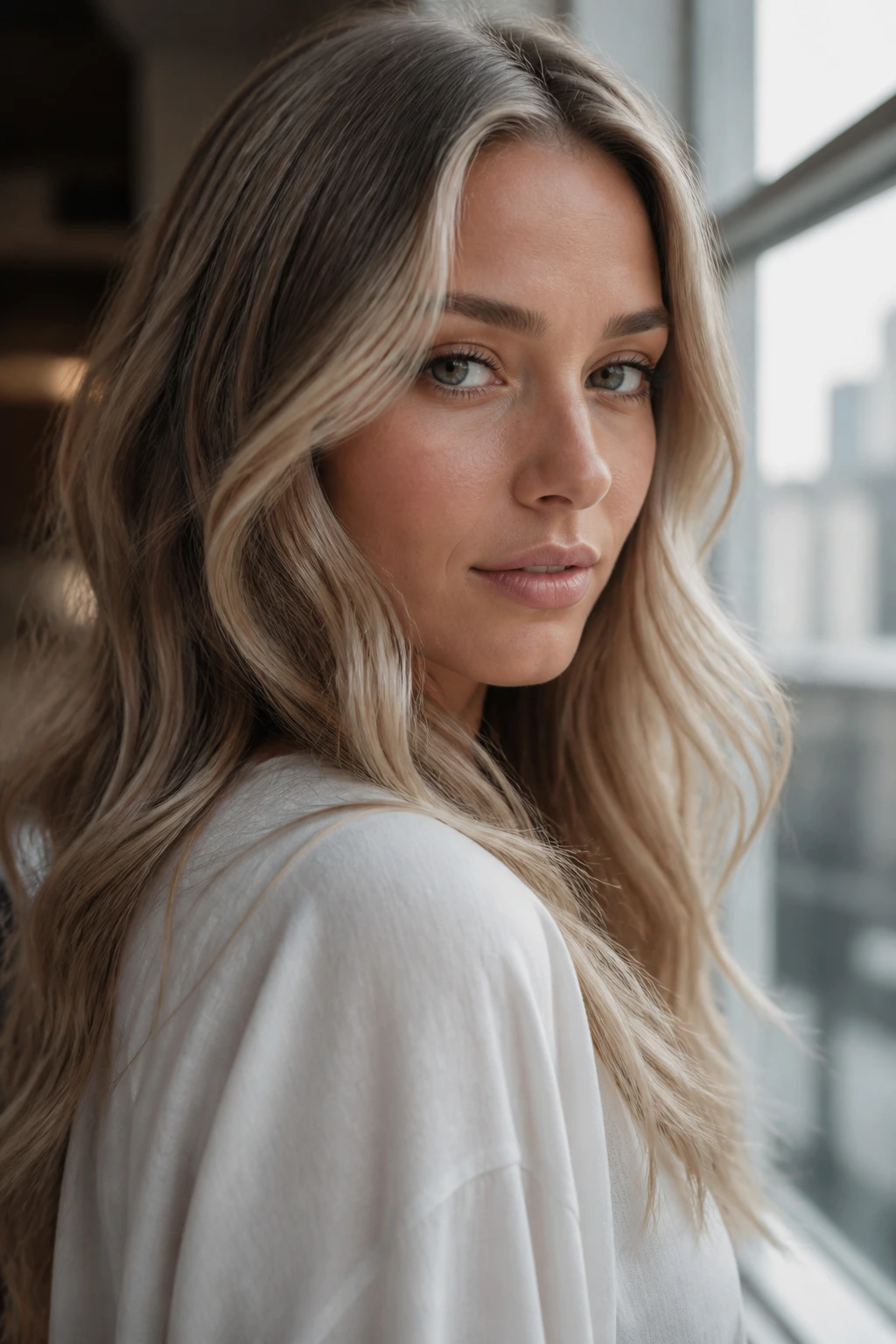
Neutral blonde is not one shade. It’s a range, and the range matters because skin tone shifts the color the minute it leaves the bowl. Under fluorescent light, beige can look warmer. In daylight, the same formula can go cooler and cleaner. That’s why some blondes look perfect on a swatch card and strange on a head.
Cool or Pink Skin
Pearl, ivory, frost, and smoked champagne keep the face from looking red or flushed. The trick is not to go icy all the way; a little beige in the mids stops the blonde from looking brittle.
Warm or Golden Skin
Sandy beige, cream soda, and honey beige tend to sit nicely here because they don’t drag the face into gray territory. If your skin already has gold in it, a blonde that’s too ash-heavy can look muddy fast.
Olive, Deep, and Neutral Skin
Mushroom, taupe, almond, and rooted bronde usually have the best survival rate. They keep enough depth to support the skin instead of floating above it, and the blonde reads rich rather than disconnected.
1. Champagne Beige Blonde With a Soft Root Melt
Champagne beige blonde has that pale, fizzy look that lands between cream and toasted sugar. The soft root melt matters here. A level 6 to 7 shadow at the scalp lets the lighter level 8 to 9 ribbons move instead of sitting like a helmet, which is why this shade flatters fair, peachy, and neutral skin without making the face look stark.
Ask for the brightest pieces around the cheekbones and a beige gloss through the mids. If your hair is porous, keep the ends one half-tone deeper than the highlights; champagne can go dull fast when the cuticle is rough.
2. Mushroom Blonde With Smoky Lowlights
Mushroom blonde is what happens when brunette hair gets a little smoke and a little cream. The shade loves olive skin because the taupe and beige pieces cancel out the orange cast that a straight gold blonde can leave behind. I like it with lowlights tucked under the crown, especially on wavy hair, because the surface stays soft and the movement shows up in daylight.
Tell your colorist you want smoky ribbons, not bright streaks. It looks best when the root is at least a level deeper than the mids; otherwise the whole thing can go flat and gray.
3. Sandy Neutral Blonde With Sunlit Ends
Sandy neutral blonde sits in that easy place where it looks sun-kissed but not beachy in a cliché way. The tone has a little warmth, a little beige, and almost no orange. On warm or neutral skin, it makes the face look clearer without pushing the blonde into brass.
This is a good shade if you want brightness without a hard contrast line. Ask for softer lift at the ends and keep the root slightly shaded so the hair looks like it spent time outside instead of living under a light bulb.
4. Cream Soda Blonde With a Glossy Beige Finish
Cream soda blonde is one of those shades that looks smoother than it sounds. The base is creamy, the tone stays beige, and the finish should look polished rather than powdery. It flatters medium skin especially well because it gives warmth without tipping into copper.
This one needs shine. A gloss or demi-permanent glaze every six to eight weeks keeps the cream part from turning flat, and a blunt lob or long layers make the tone look even more expensive in motion.
5. Beige Bronde With Ribbon Highlights
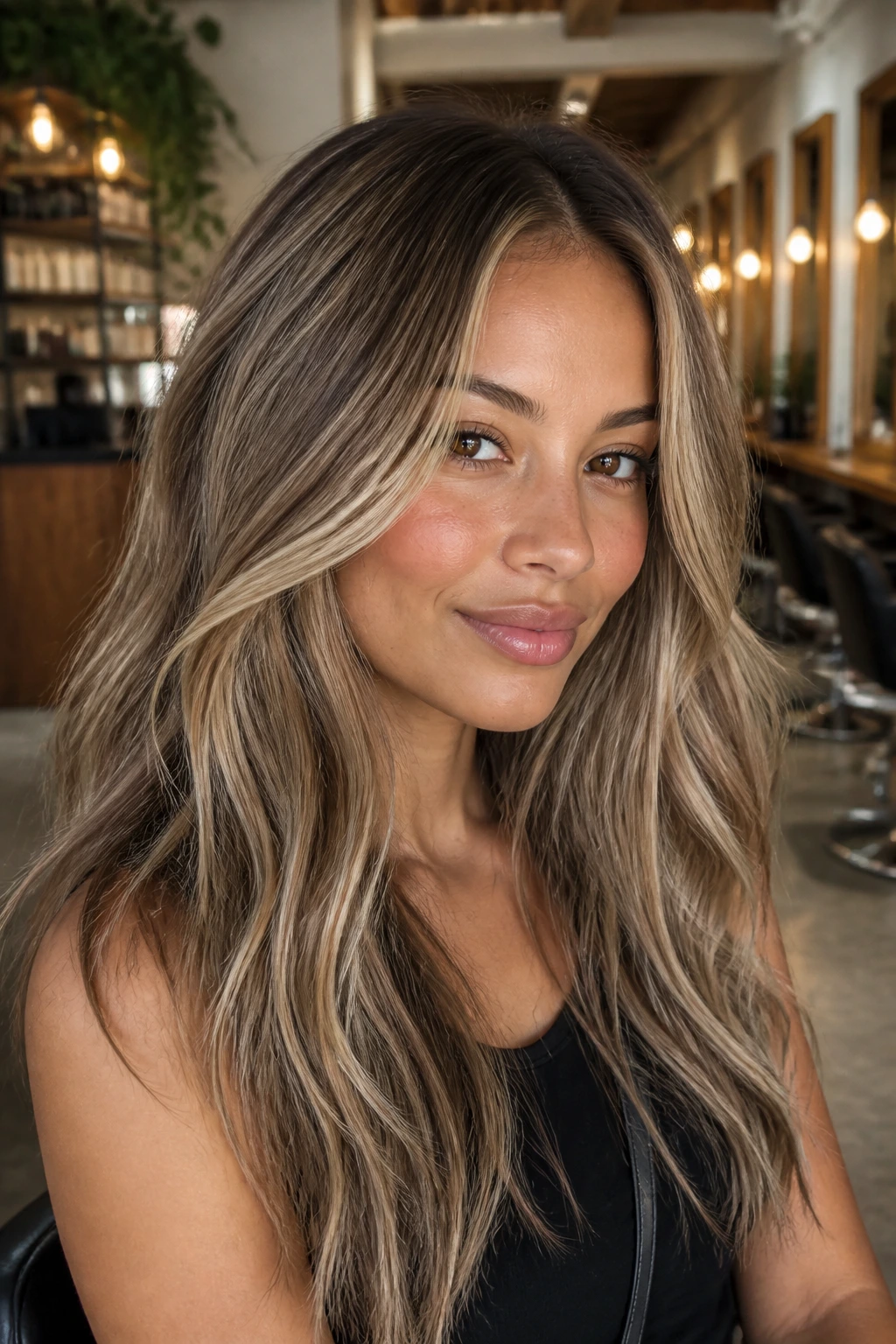
Bronde is the easiest place to live if you want blonde that doesn’t ask for constant babysitting. The brunette base keeps the scalp soft, and the beige ribbons only need to be bright enough to move when the hair catches light. On medium to deep skin, that contrast reads intentional; on very fair skin, it needs a little more beige at the ends so it doesn’t look too brown.
This is one of the best neutral blonde hair colors for anyone who hates obvious grow-out. Thin ribbons, a deeper root, and a few brighter pieces around the face do most of the work.
6. Oat Milk Blonde With a Soft Shadow Root
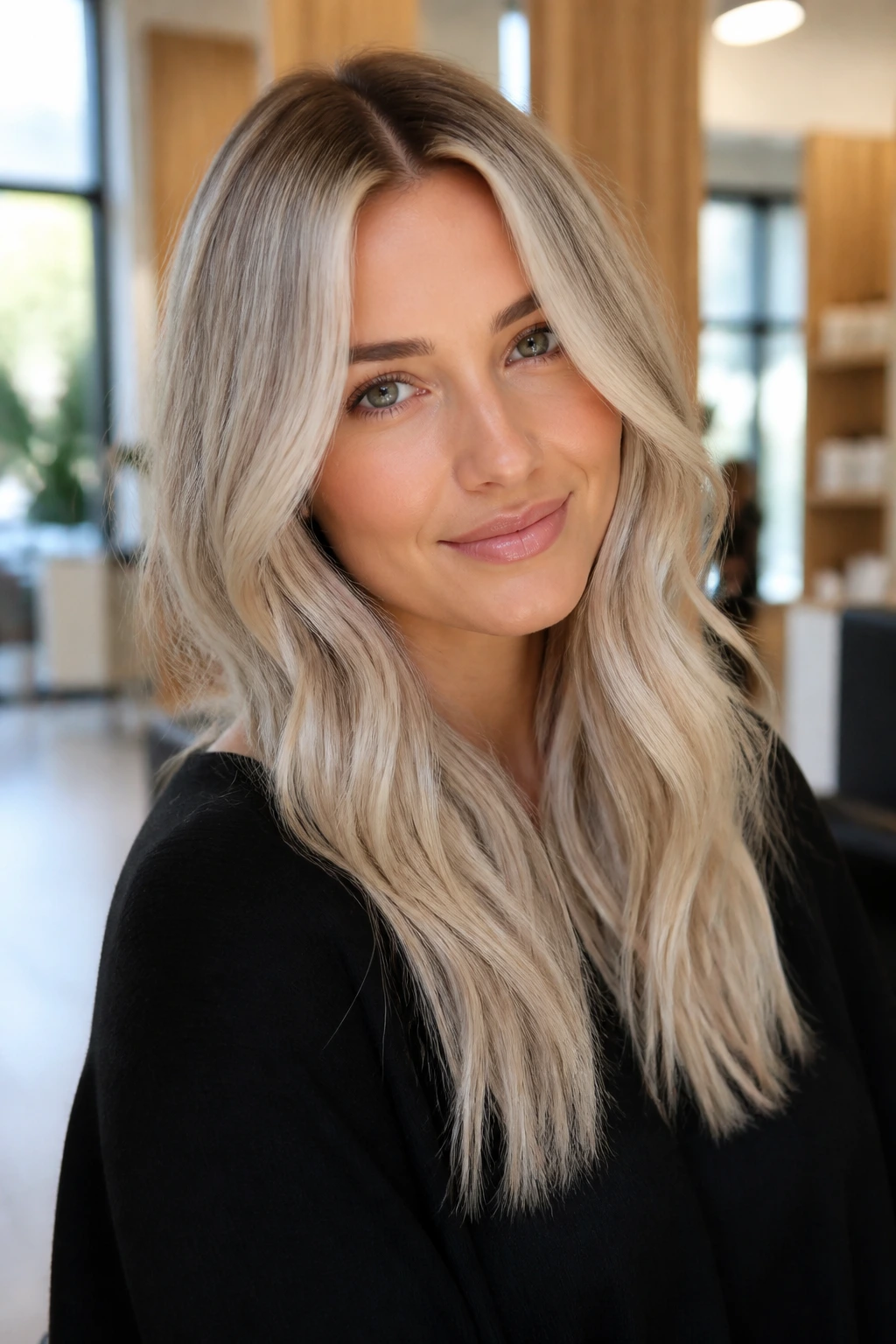
Oat milk blonde leans creamy and cool without going white. It has the feel of softened porcelain, which is why it works on light to medium skin that needs brightening but not harsh contrast. The shadow root is the whole point; without it, oat milk can read too pale and disappear at the scalp.
Keep the mids and ends slightly warmer than the top if your hair tends to go hollow after lightening. That tiny bit of depth gives the shade something to hold onto.
7. Soft Vanilla Blonde With Airy Face-Framing Pieces
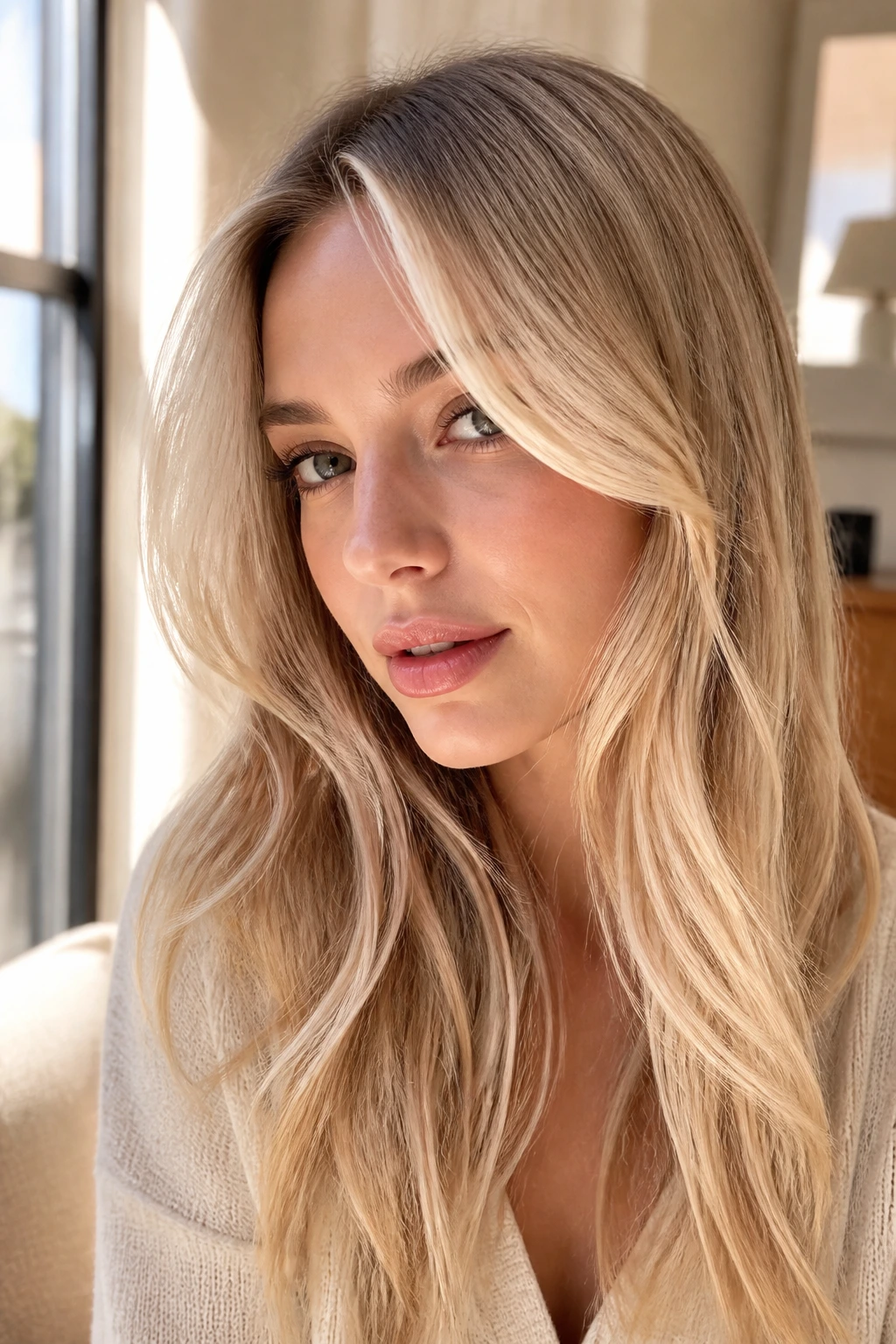
Soft vanilla blonde has a lighter, sweeter edge than beige, but it stops well before yellow. The face-framing pieces matter because they bring the shade forward without needing a full-head lift, which is useful if your natural base is already close to level 7 or 8. Pink or neutral skin often likes this because the tone brightens without making the face look washed out.
It’s a pretty shade on layered cuts, especially when the front pieces are a shade brighter than the rest. That little difference keeps it from feeling one-note.
8. Pearl Blonde With a Cool Beige Gloss
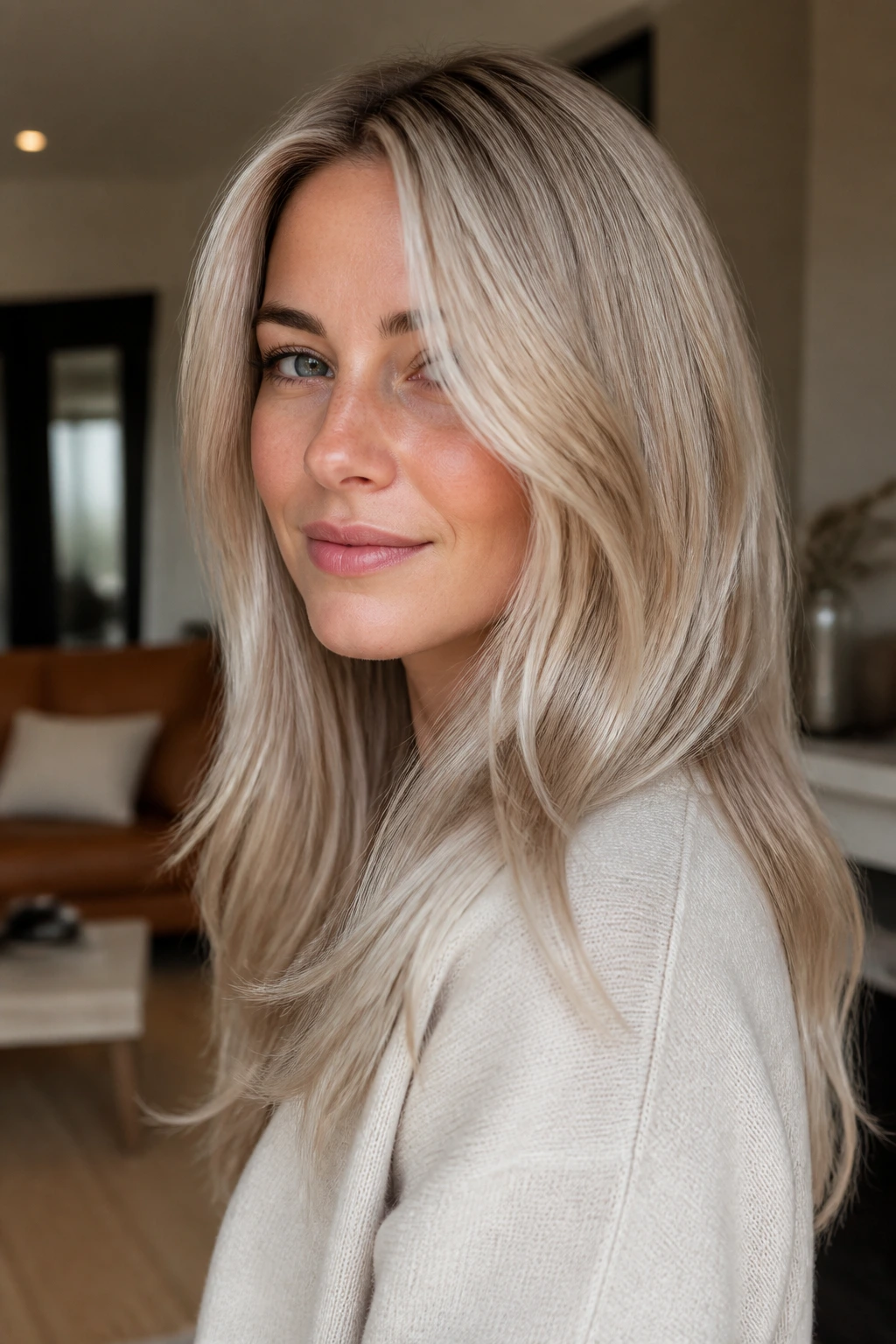
Pearl blonde should look luminous, not icy. A cool beige gloss gives it that soft shell-like sheen, which is why it works so well on fair skin that goes red easily. The pearl note catches light, but the beige keeps it from looking silver or flat.
Purple shampoo can help here, but don’t treat it like a paint job. Use it sparingly, or the blonde will lose the pearl finish and start looking chalky instead of soft.
9. Smoked Almond Blonde on a Darker Base
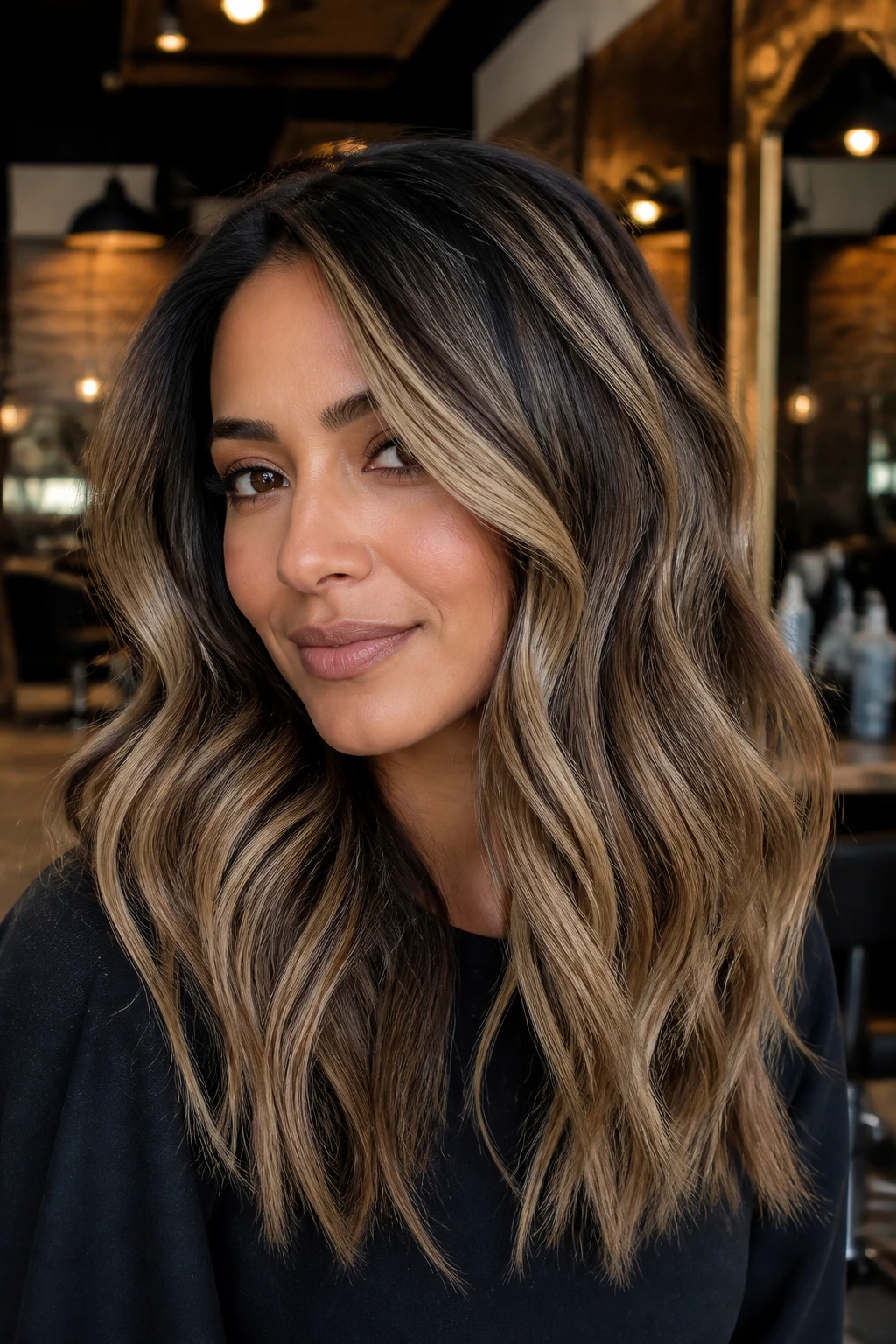
Smoked almond blonde is a brunette-friendly neutral that keeps the lighter pieces grounded. The almond tone gives warmth; the smoke keeps it from turning orange. On olive or deeper skin, that balance is gold because the blonde doesn’t float above the face.
I like this shade with darker interior lowlights and softer light around the front. If you want the color to look thick rather than stripey, this is the one to reach for.
10. Linen Blonde With Clean, Pale Dimension
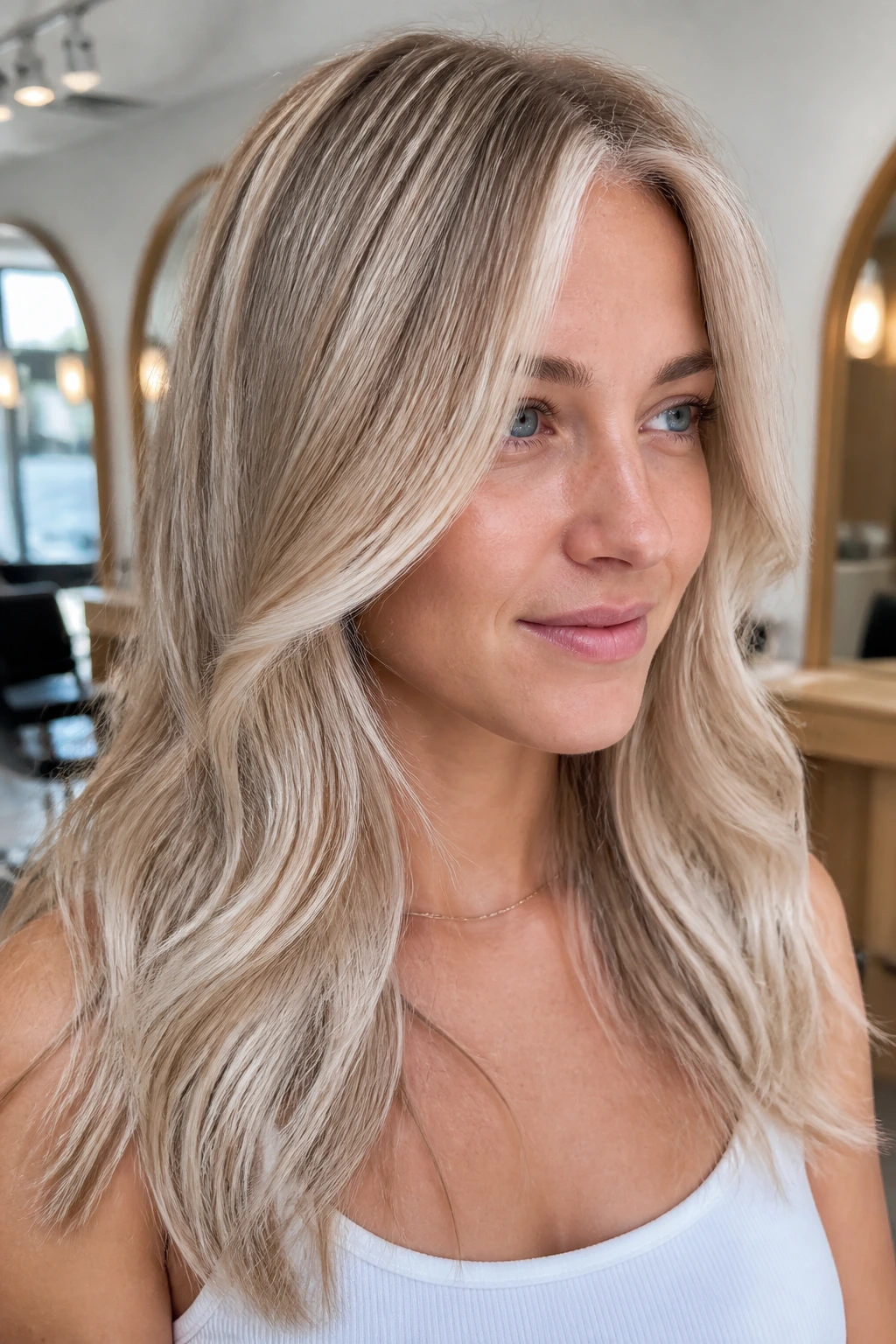
Linen blonde is pale, dry in the best way, and just soft enough to avoid the blinding look of a cold platinum. It suits cleaner cuts — blunt bobs, airy lobs, sleek layers — because the color itself has a calm, tailored feel. On neutral or cool skin, it can look crisp instead of severe.
This shade needs careful toning. If your hair lifts with a lot of red left in it, linen can drift peach fast, so the lightening stage has to be even before the toner goes on.
11. Cool Beige Balayage on Midlength Hair
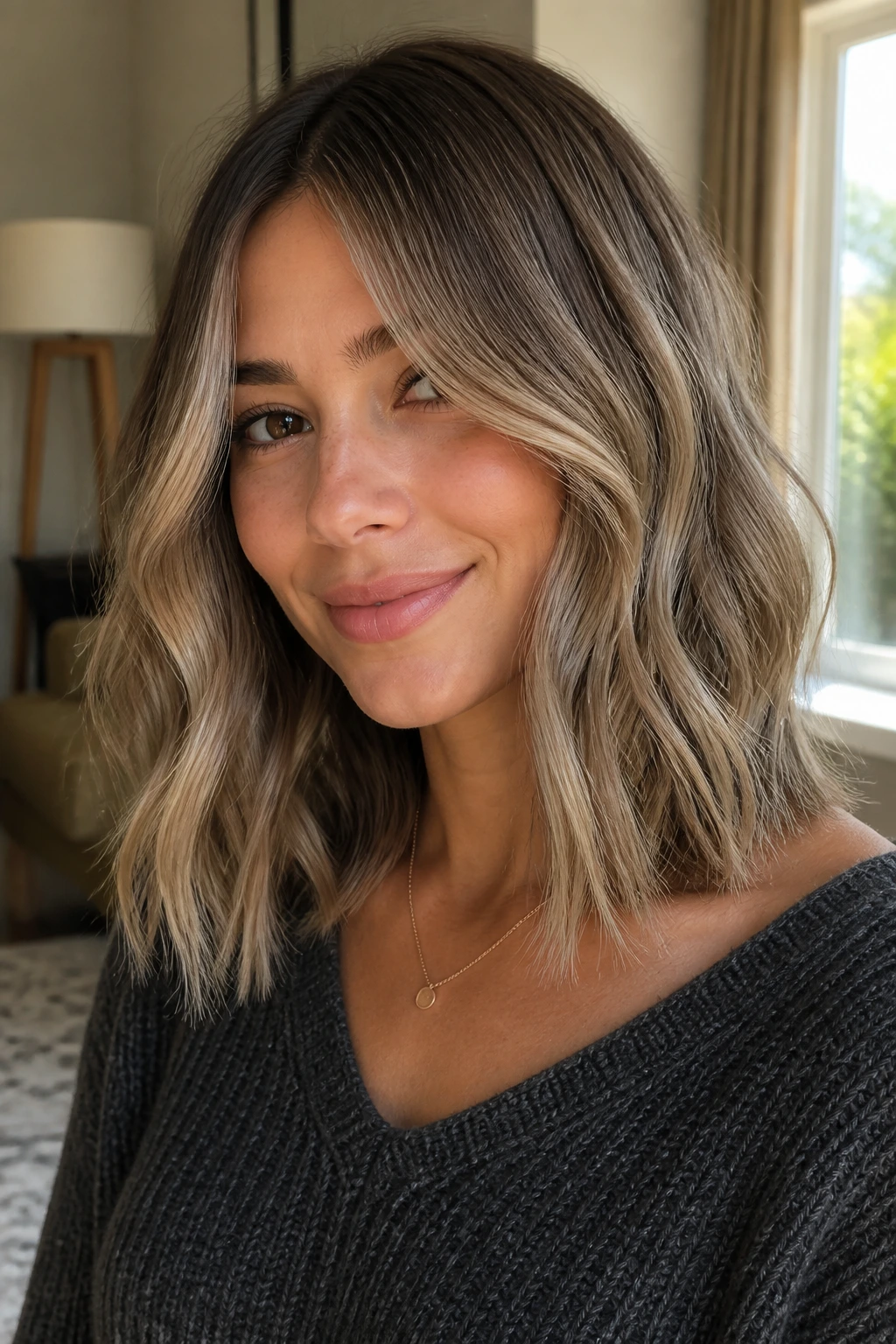
Cool beige balayage is less about the name and more about the placement. The light pieces sit where the hair naturally bends, so the tone reads blended from a few feet away and detailed up close. That’s why it works on medium skin and especially on midlength hair, where the movement can actually show the transition.
Ask for beige ends and slightly cooler mids if your hair pulls warm. The color stays neutral, but the dimension keeps it from looking flat under indoor light.
12. Honey Beige Blonde With Warm-Neutral Ribbons
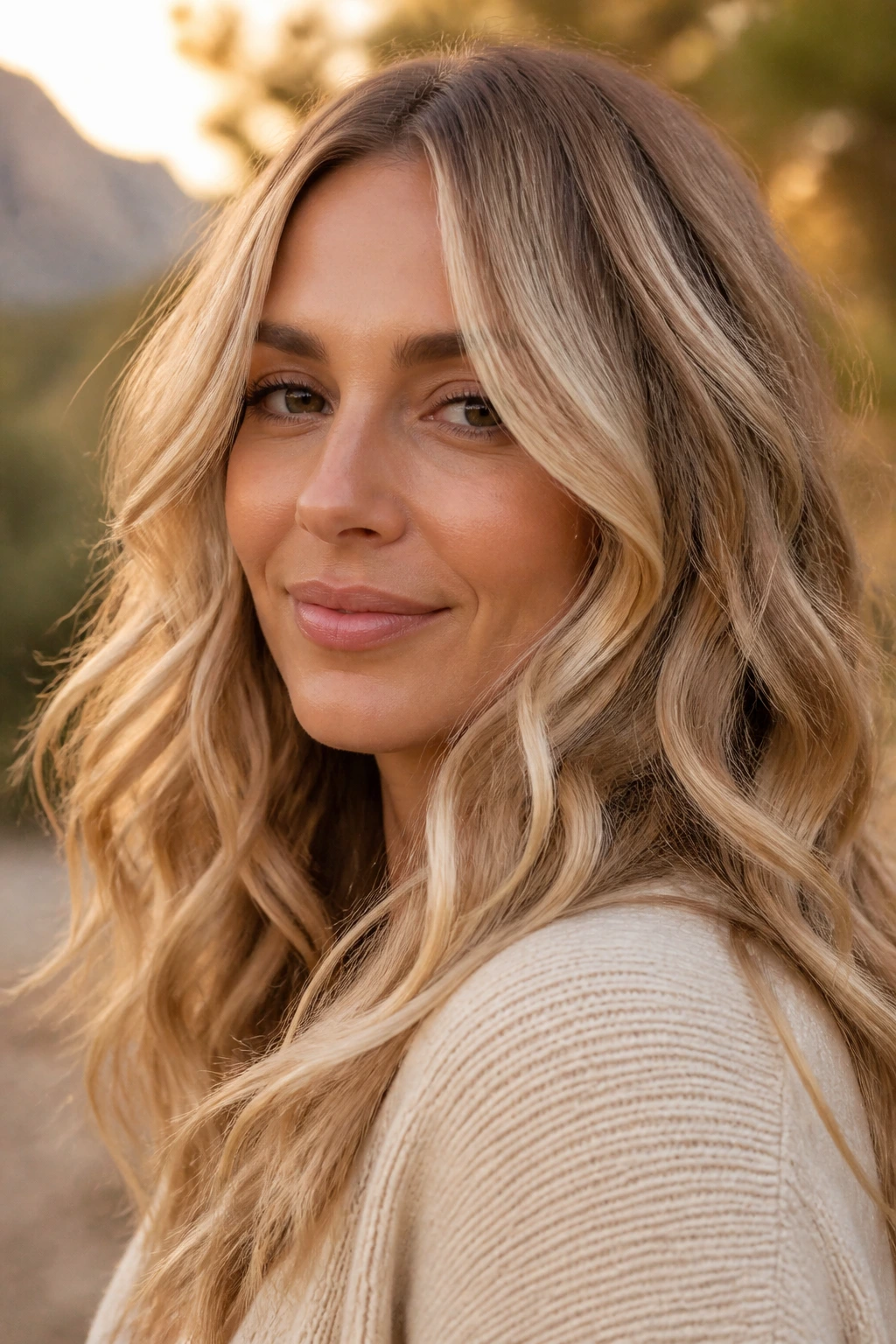
Honey beige blonde is the friendliest option for warm and golden skin because it carries just enough cream to keep the gold under control. This is not a copper shade. It’s softer than honey and cleaner than gold, which is why it often looks more natural than people expect.
It shines on layered cuts and longer lengths, where the ribbons can move. If the blonde turns orange in the first couple of weeks, the formula was too warm, not too bright.
13. Ivory Blonde With a Bright, Muted Lift
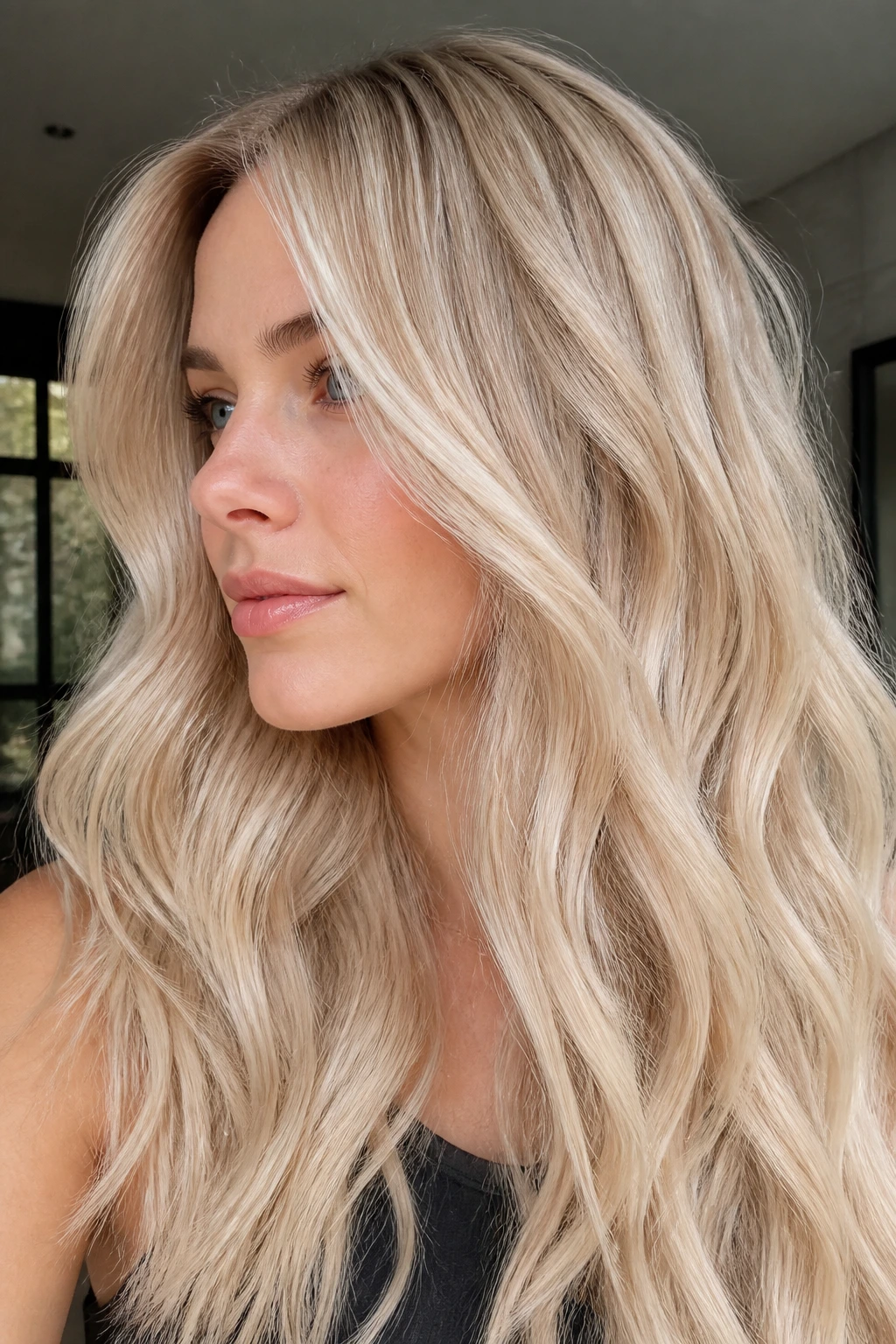
Ivory blonde is for people who want brightness but do not want icy. The tone sits in that pale, milky lane where the blonde looks fresh rather than stark. It flatters fair skin especially well, but it also works as a brighter money piece on deeper skin when the rest of the hair has more depth.
This shade shows every dry end. Trim the damage, keep the gloss gentle, and don’t let it go too long between toners.
14. Taupe Blonde With Smoky Underlayers
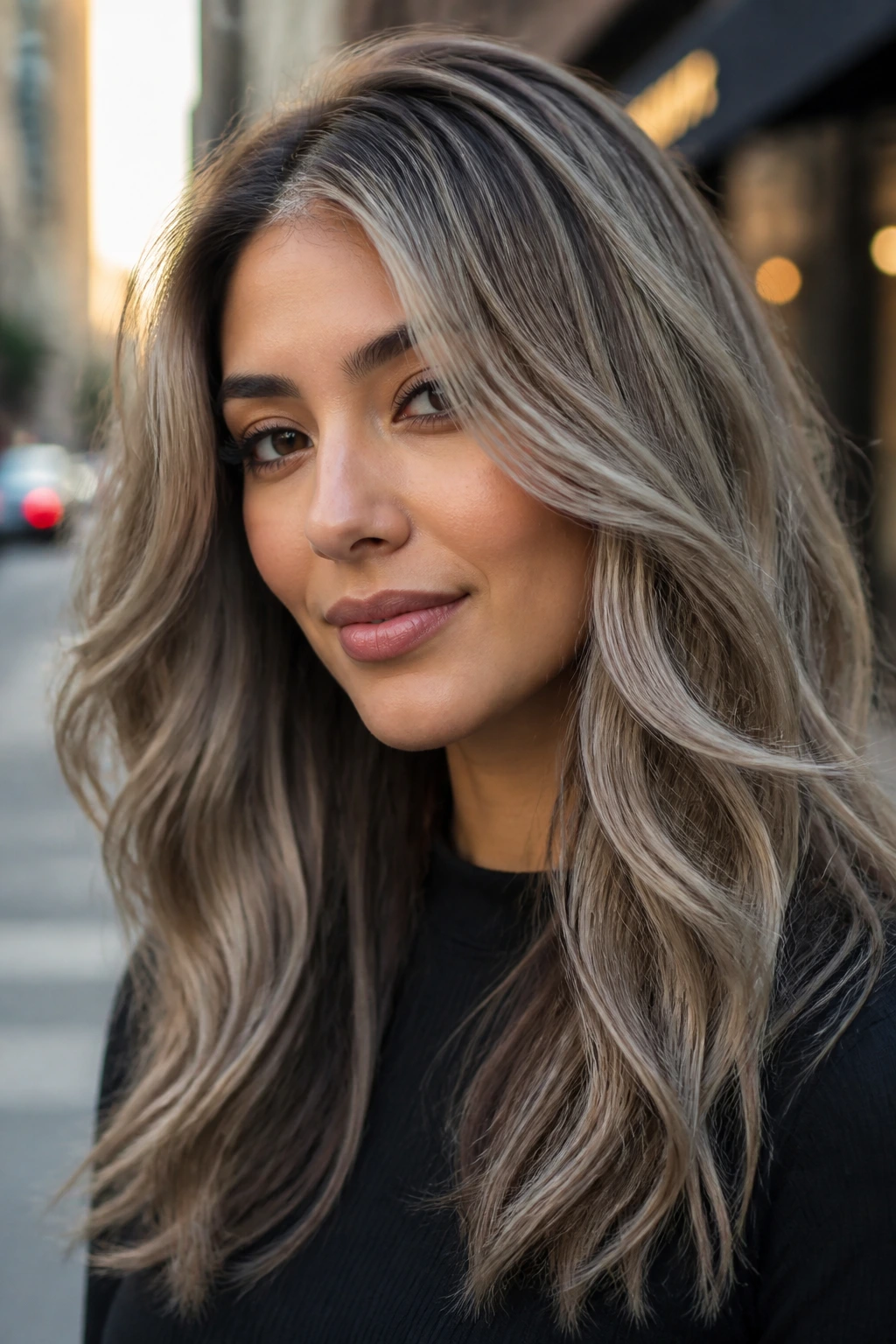
Taupe blonde is one of the smartest shades on the list because it knows how to stay quiet. The smoky underlayers keep the face from getting lost in the light pieces, and the overall effect is soft rather than flashy. Olive and deeper skin usually wear this beautifully because the taupe keeps the blonde connected to the natural base.
It’s especially good if your hair is thick or textured. The deeper interior color keeps the shape from looking puffed up and overly bright.
15. Buttered Biscuit Blonde With Soft Warmth
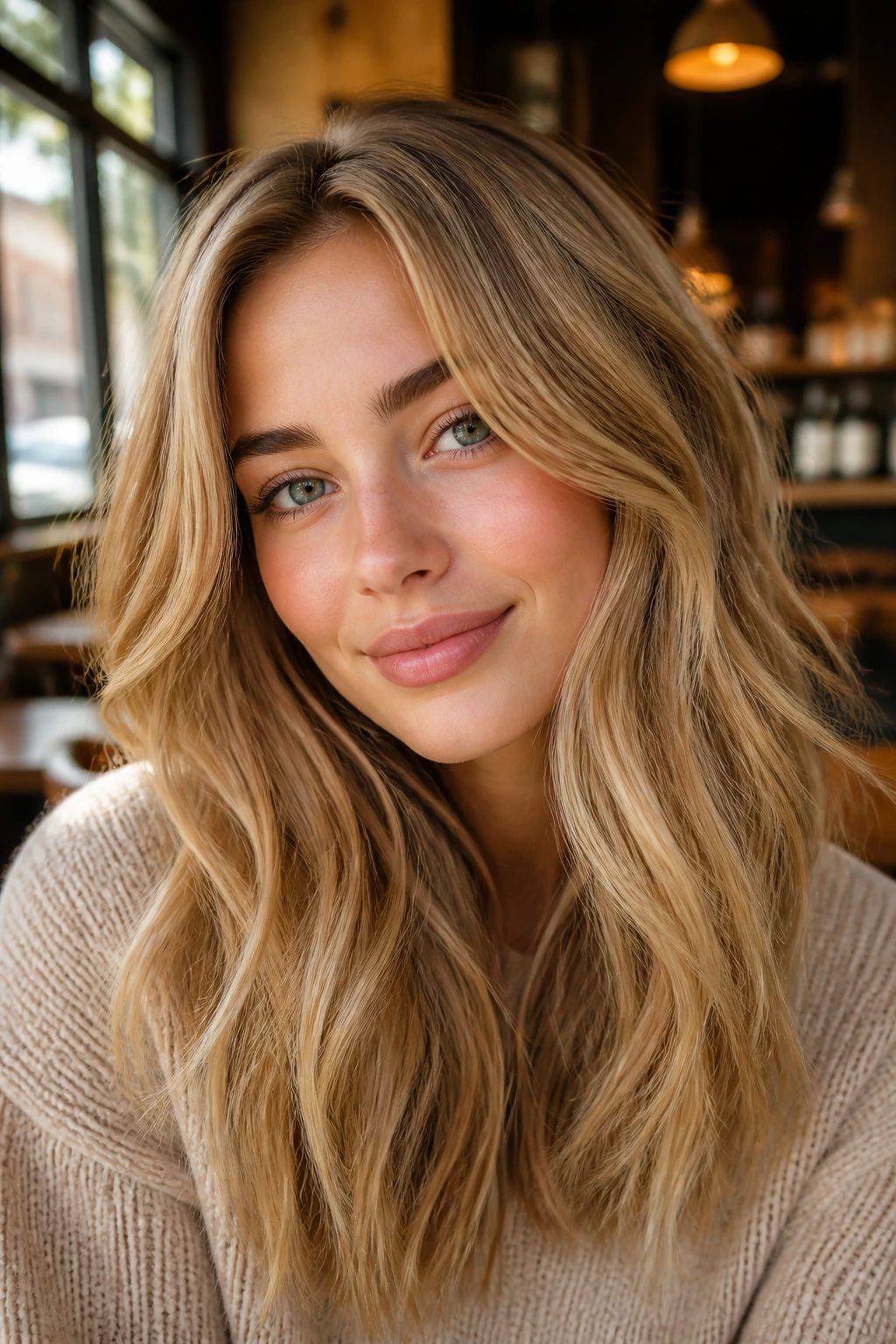
Buttered biscuit blonde is warmer than beige but still neutral enough to avoid orange. The tone feels cozy without turning into gold, which makes it a strong choice for medium skin and warm undertones. On a blunt lob, it can look neat and polished; on long layers, it reads softer and more casual.
Ask your colorist to keep the warmth in the mids, not just the ends. If the warmth is packed into the tips only, the shade can look patchy instead of creamy.
16. Dirty Blonde With Neutral Lowlights
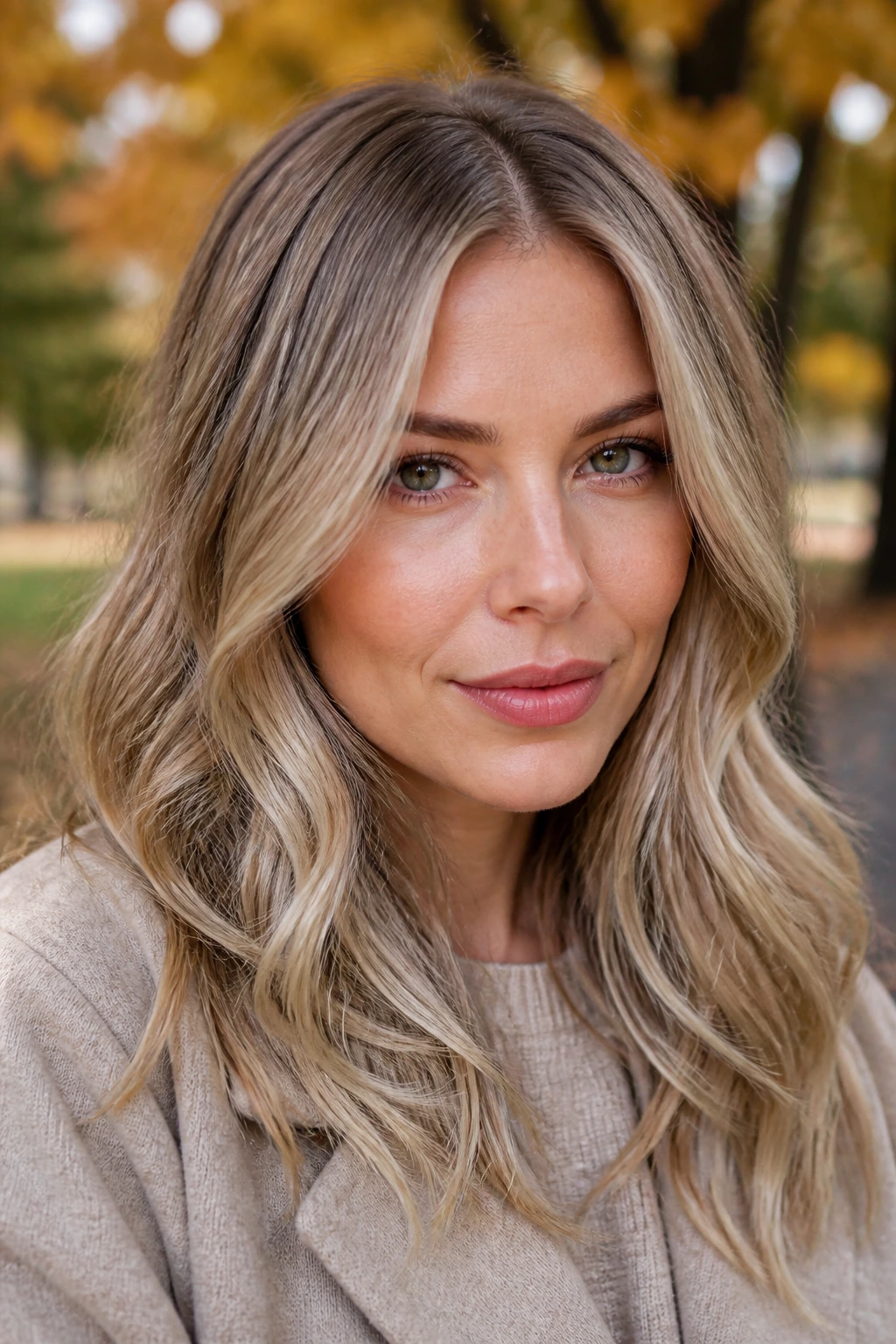
Dirty blonde gets a bad reputation because people imagine it as an accidental color. Done well, it’s one of the easiest neutral blondes to wear. The lowlights keep the roots from looking too light, and the overall shade works on a huge range of skin tones because it never swings too far warm or cool.
This is the low-maintenance option on the menu. If you want blonde without a hard commitment, ask for neutral lowlights, a soft root, and only a few brighter pieces around the front.
17. Mushroom Bronde Balayage for a Dark Base
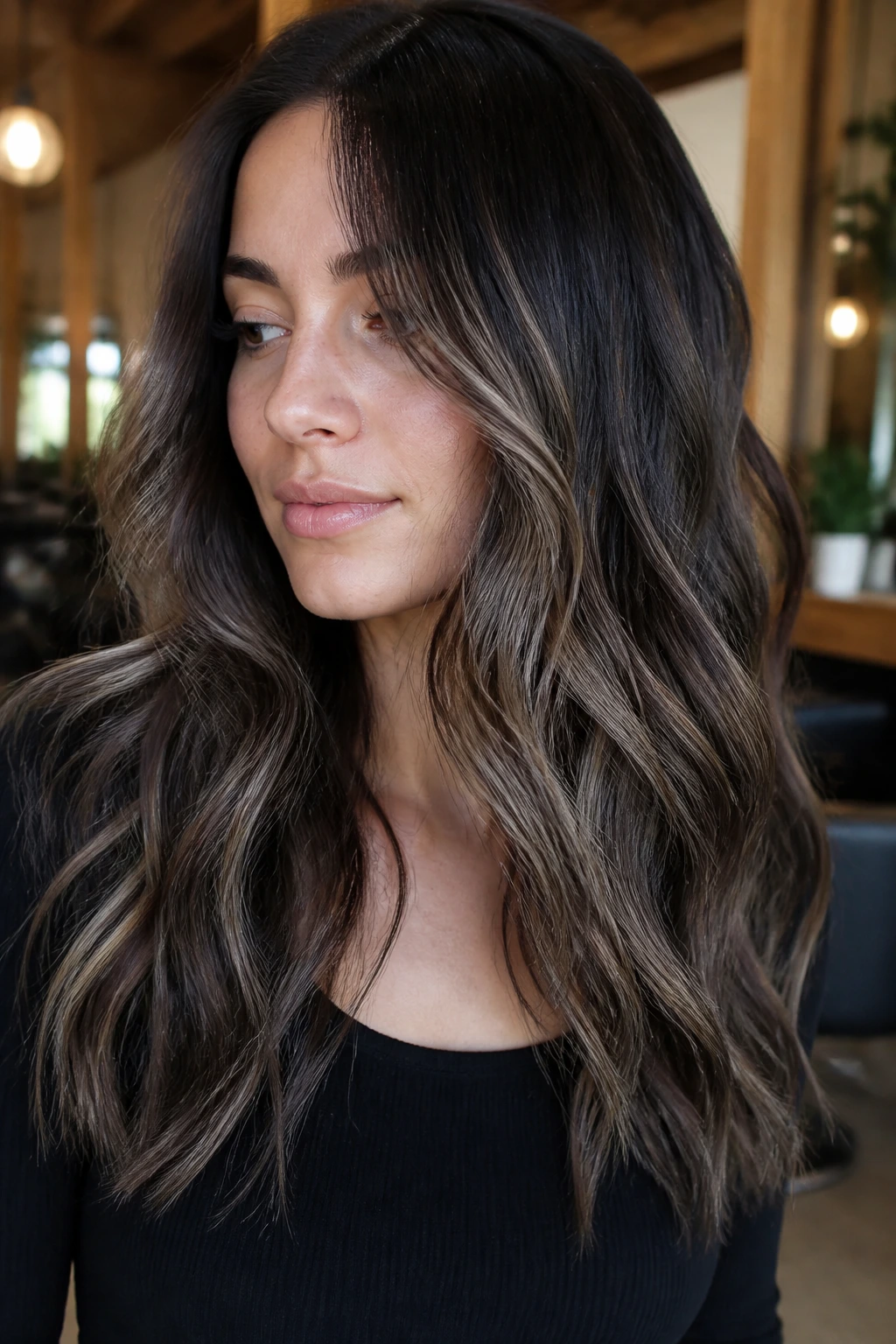
Mushroom bronde balayage is the version that still looks rich when your natural hair is dark brown. That matters. Too many blondes try to erase the base and end up with a color that has no shape left. Here, the smoky beige ribbons sit over the darker ground, so the face gets brightness without losing depth.
This is one of the best choices for deeper skin and for anyone who wants the blonde to look expensive rather than loud. Keep the highlights piecey, not dense.
18. Champagne Foilayage With Bright Face Framing
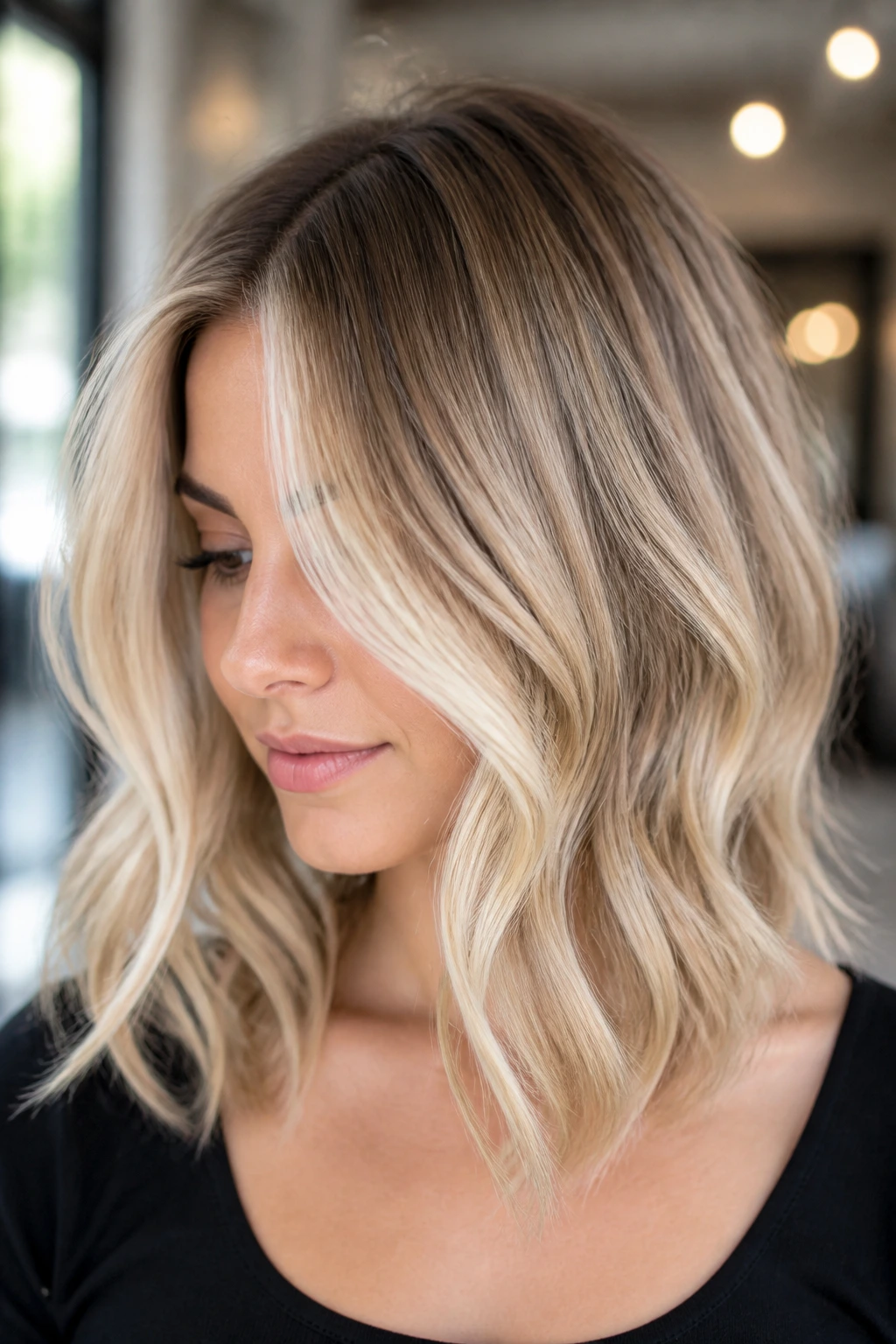
Foilayage gives you lift that balayage alone can’t always reach, which is why champagne foilayage works so well on hair that needs real brightness near the front. The champagne tone keeps the lift from turning yellow, and the face-framing pieces do the obvious work while the rest stays softer.
I like this on shoulder-length cuts and long bobs because the front pieces actually have room to show. It needs regular toning, though. The payoff is a brighter blonde that still has a beige backbone.
19. Cashmere Blonde With Silky Beige Toning
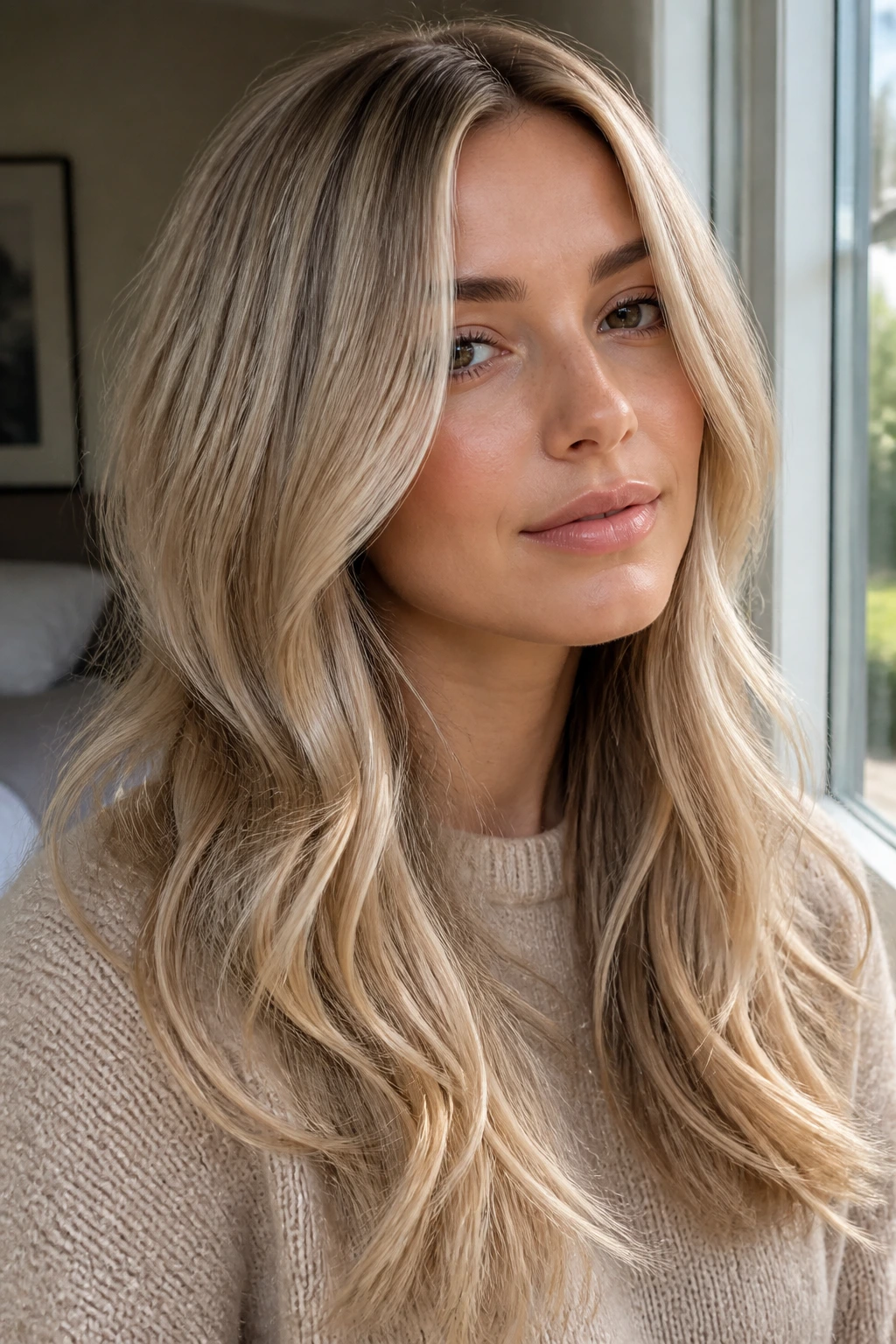
Cashmere blonde feels smooth before you even touch it. The tone is beige with a soft cream edge, and the whole point is to look polished without being shiny in a fake way. It flatters nearly every skin tone when the root is blended well, because cashmere doesn’t compete with the face.
This is a shade that punishes rough ends. If the hair is dry, the color will show it immediately, so the cut and conditioning need to keep up with the tone.
20. Straw Beige Blonde With a Sun-Kissed Edge
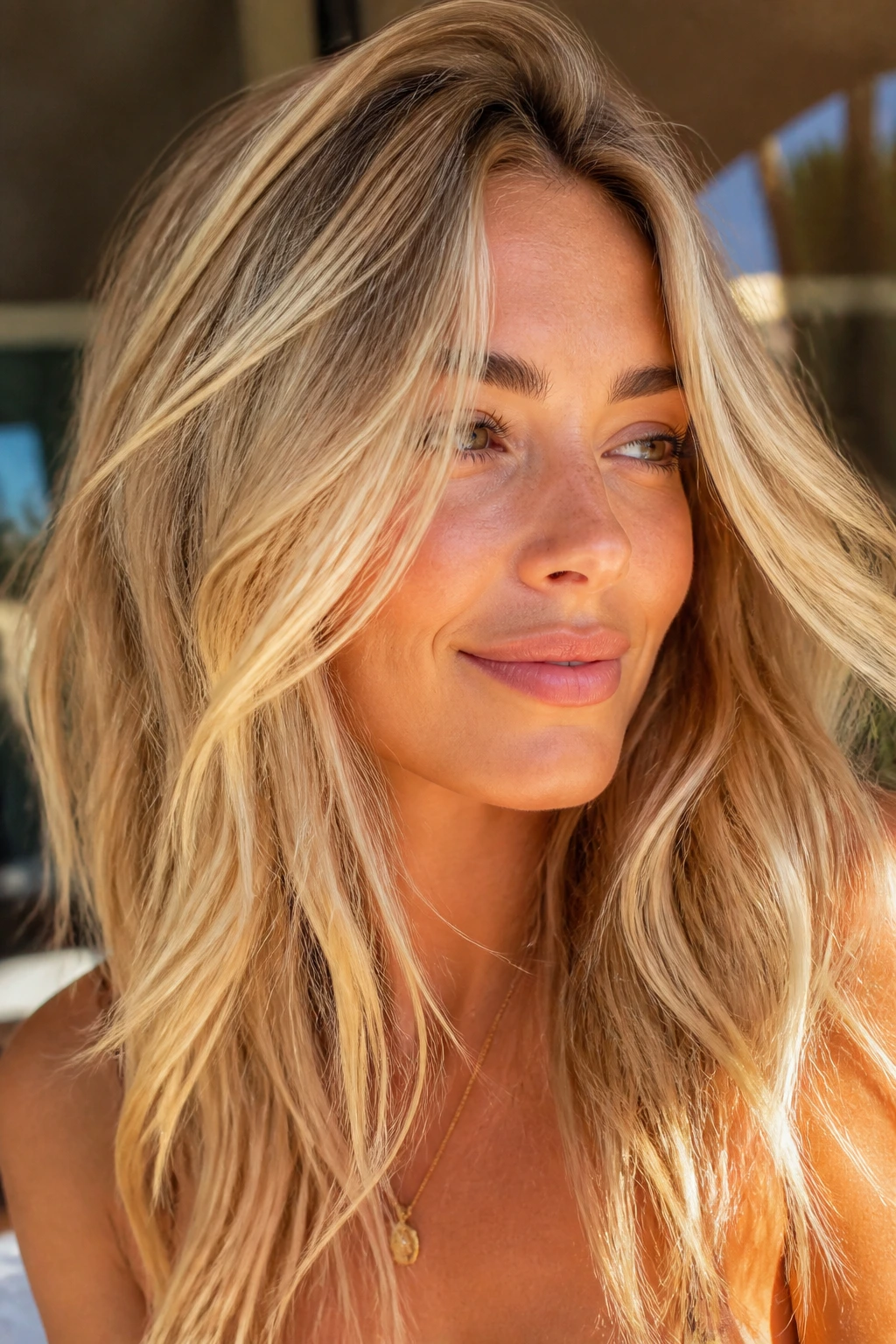
Straw beige blonde sits a little warmer and drier than creamier blondes, which gives it that sun-kissed edge without turning gold. It looks especially good on warm-neutral skin and on hair that already has a natural lift in the mids. If you like a blonde that feels casual rather than glossy, this is a strong pick.
It’s a nice shade for summer-looking hair that still belongs in winter light. Keep the gloss soft, not too cool, or the warmth will disappear and the color will lose its charm.
21. Silk Blonde With a Smooth, Reflective Finish
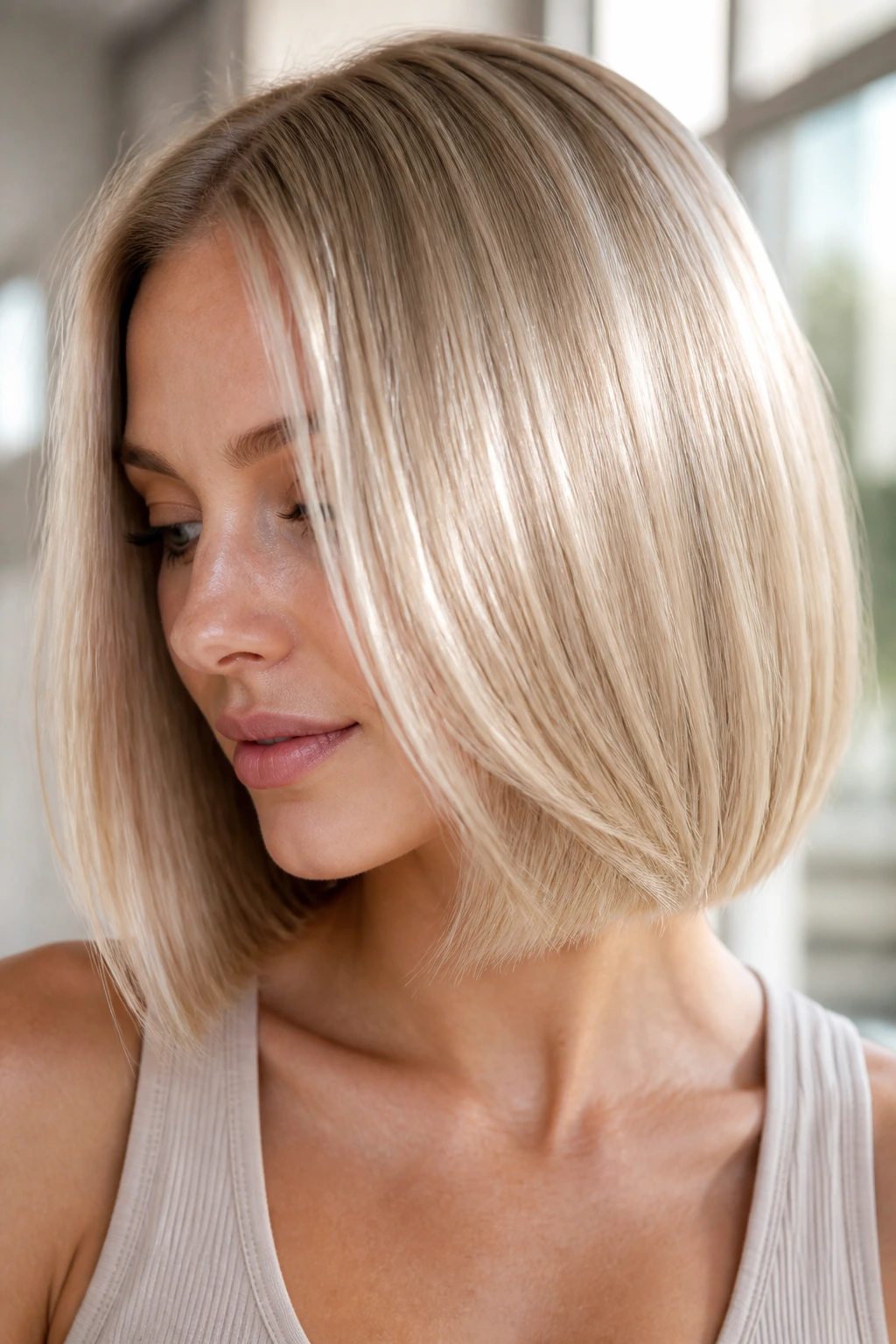
Silk blonde is all about the finish. The tone should be pale, beige, and reflective, not icy or flat. That shine makes the color look more controlled, which is why this shade works best when the hair is healthy and the cut is tidy. A clean bob or long, smooth layers make it sing.
This is not the shade to choose if your ends are fried. Silk blonde shows everything. The good news is that when the hair is in decent shape, it looks refined in a way very few blondes manage.
22. Almond Milk Blonde With Creamy Depth
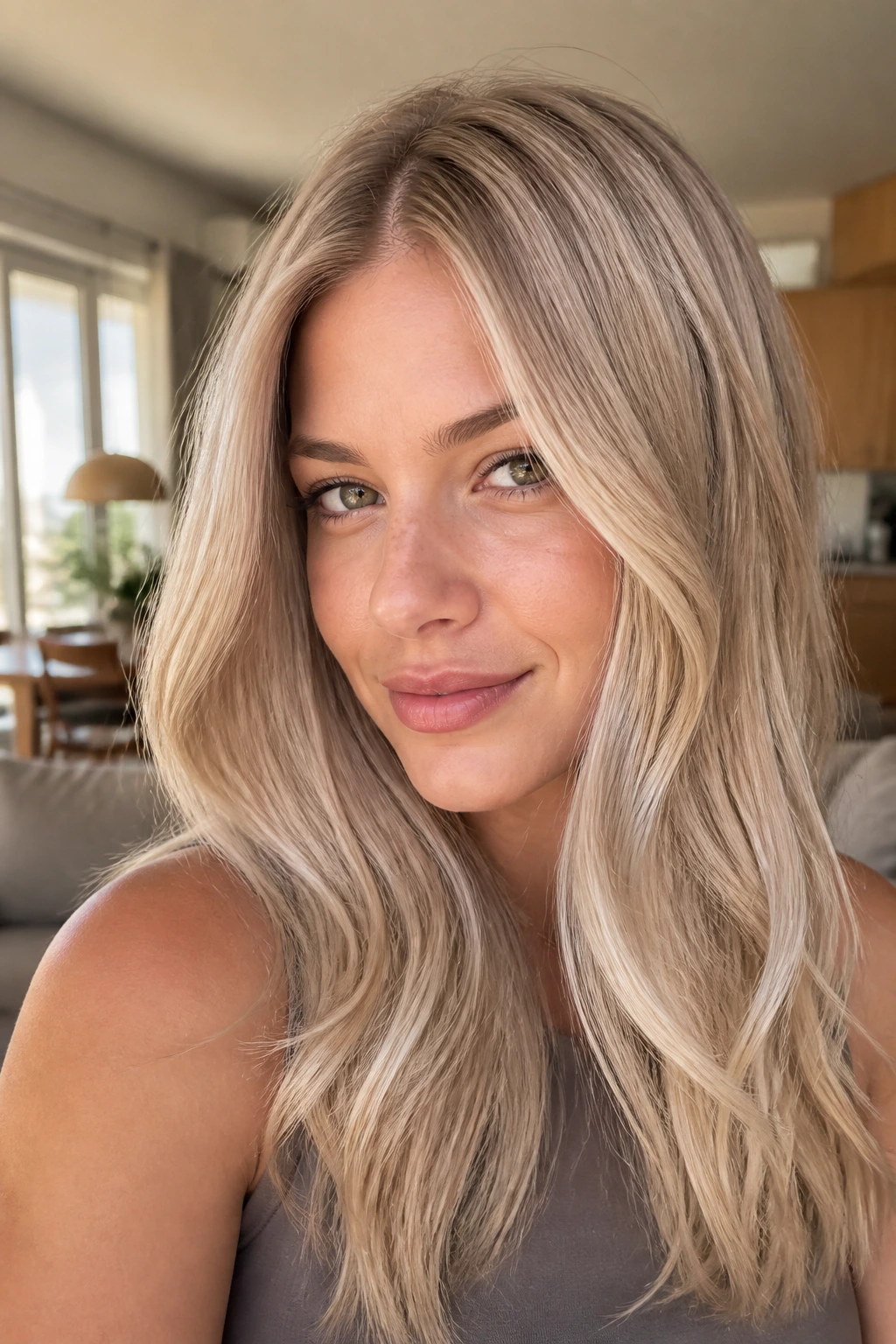
Almond milk blonde sits between beige and soft brown, which gives it more depth than oat milk and more brightness than a bronde. It flatters medium skin well because it lightens the face without making the hair look disconnected from the brows. On longer hair, the creamy tone can look expensive without trying too hard.
This shade is also friendly to grow-out. The root doesn’t need to be dragged all the way to the ends, which keeps the maintenance sane.
23. Wheat Blonde With Natural, Low-Contrast Ribbons
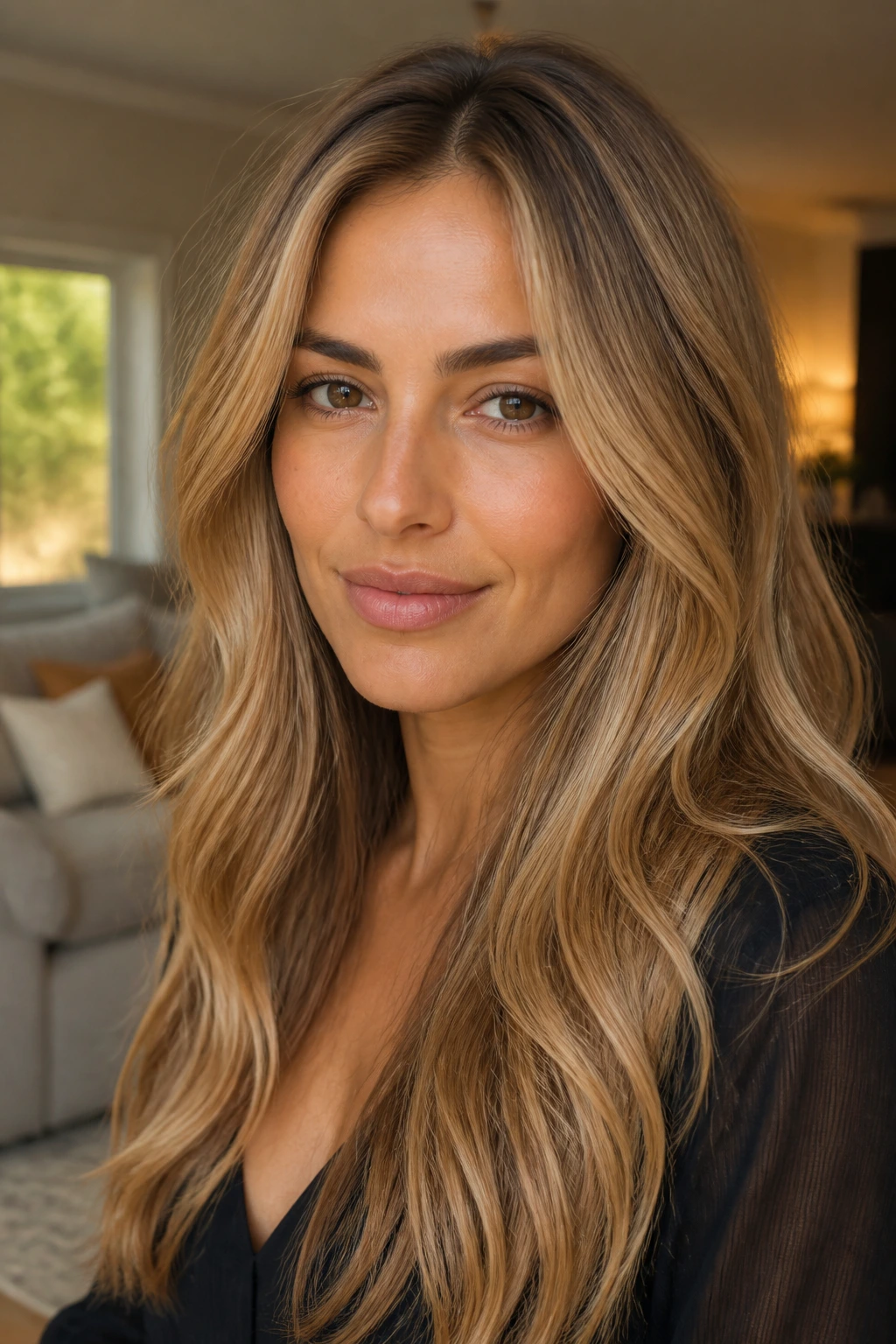
Wheat blonde looks natural in the best sense of the word. The ribbons are soft, the contrast stays low, and the tone leans earthy rather than bright. That makes it especially good on olive skin and on people who want a blonde that doesn’t scream for attention every time they step outside.
It works nicely with layered cuts because the different lengths catch the low-contrast pieces at different angles. If you want a neutral blonde that feels believable, this one is hard to beat.
24. Sand Blonde Face Frame Highlights
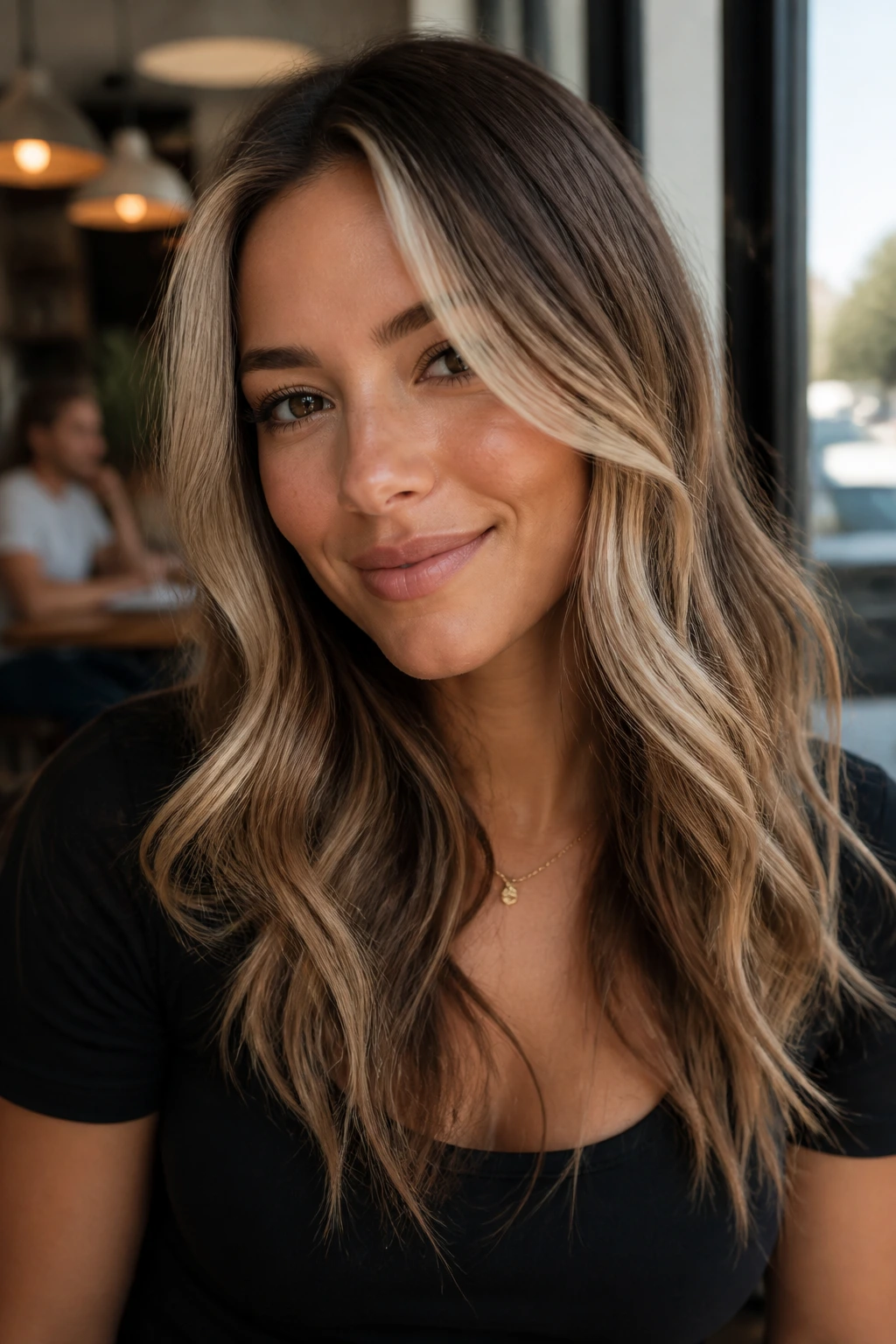
Sand blonde face frame highlights are for the person who wants a little brightness without signing up for a full head of blonde. The face frame is where the eye goes first, so a few sandy ribbons there can shift the whole look. On almost any skin tone, this reads softer than a heavy all-over lift.
The rest of the hair can stay much deeper. That contrast keeps the blonde useful instead of obvious, and it’s a smart way to test the tone before going lighter everywhere.
25. Smoked Champagne Blonde With a Slightly Cooler Veil
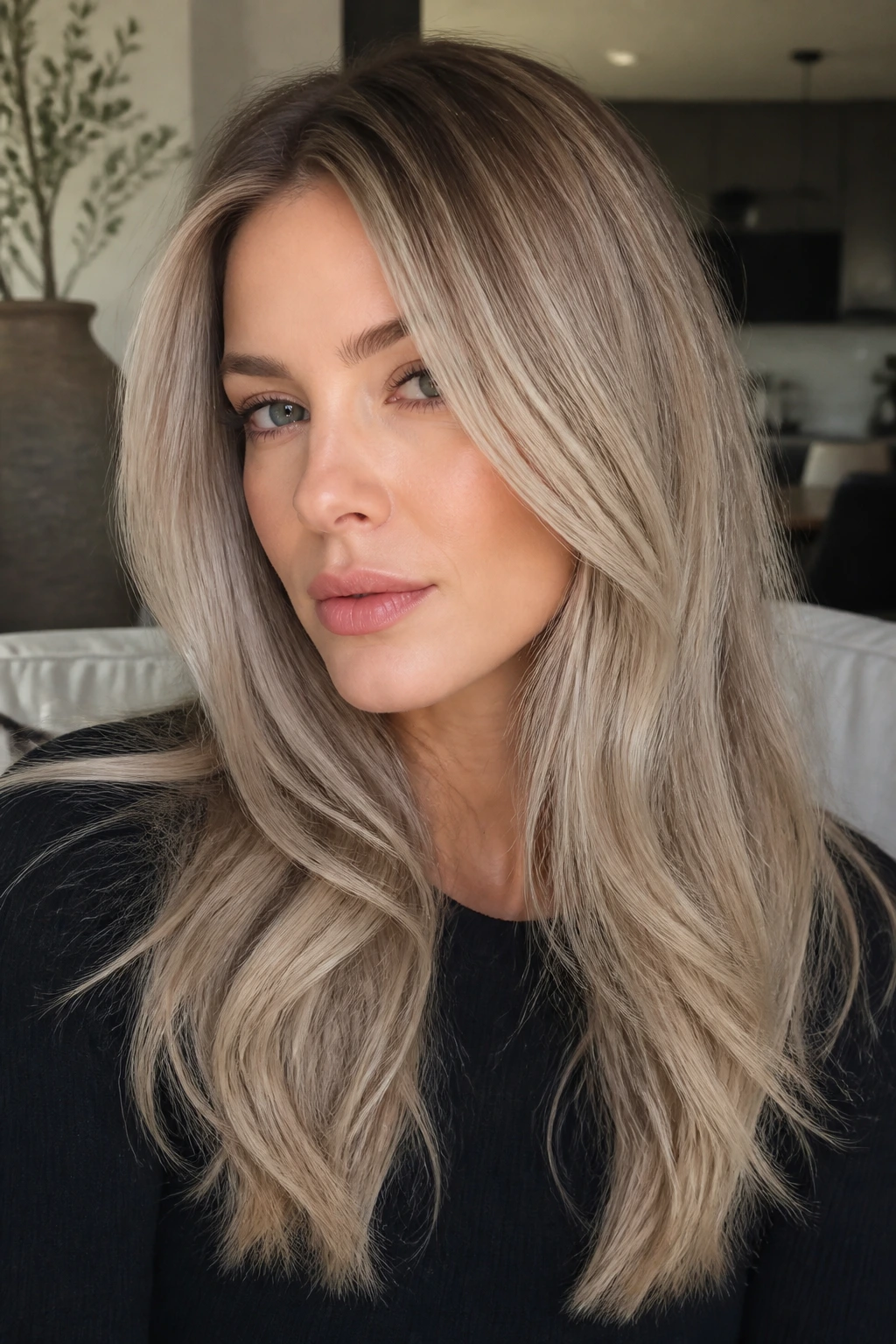
Smoked champagne blonde is the cooler cousin of the classic champagne look. The smoky veil stops the shade from going too golden, which is helpful if your hair tends to pull yellow or if your skin leans neutral-to-cool. It still feels bright, just a little quieter.
This one is especially good when you want the blonde to read expensive, not sunny. The line between champagne and beige is thin here, so the toner has to be clean.
26. Neutral Platinum Beige for a Bright, Soft Blonde
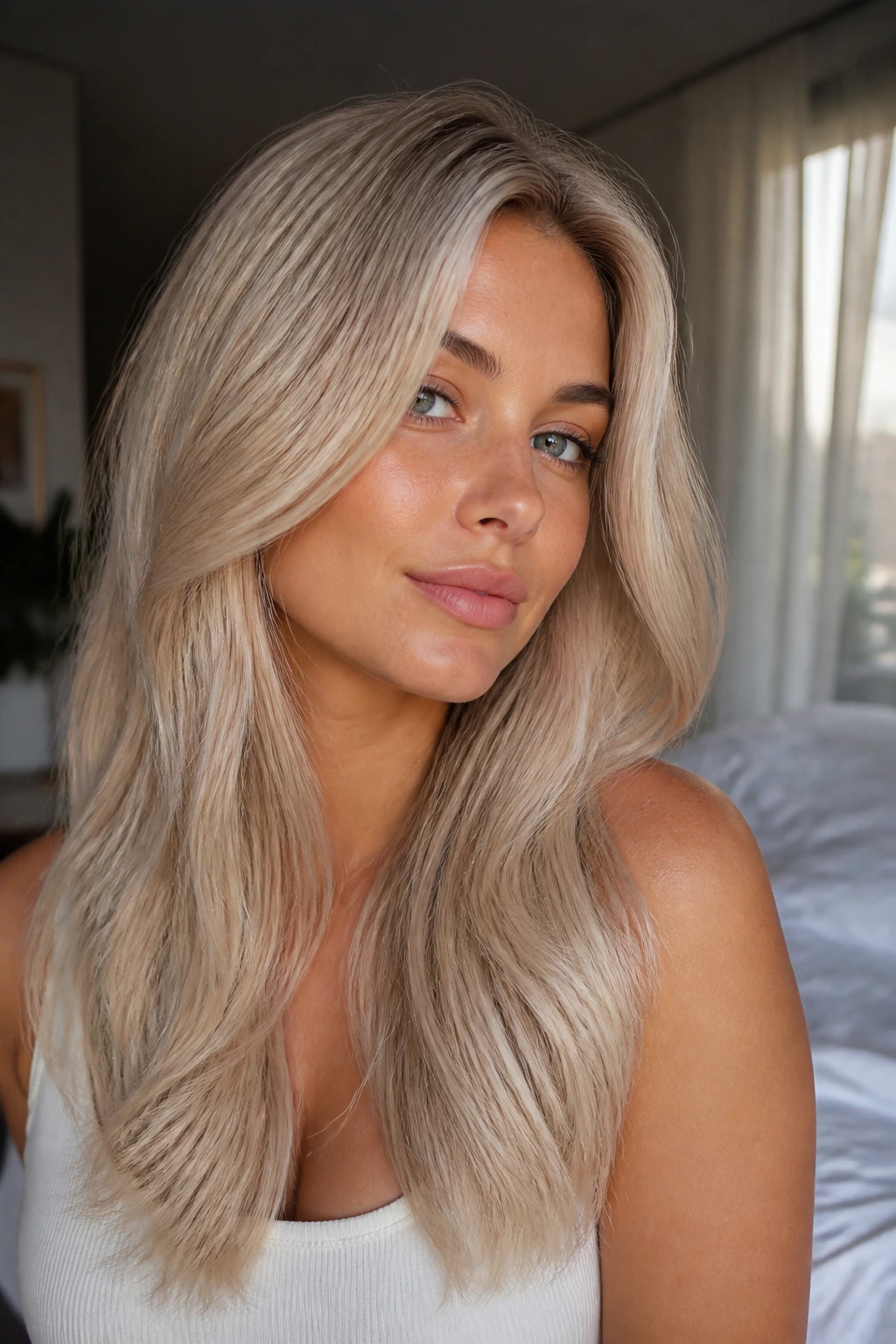
Platinum doesn’t have to be icy to be bright. Neutral platinum beige keeps the lift high but adds enough beige to stop the hair from looking silver or hollow, which is the risk on fair skin with a lot of pink. On deeper skin, I prefer this as a highlight story instead of an all-over blonde, because the contrast needs support from brows and makeup.
Keep the toner soft and the cut precise. This shade shows every dry end, and that’s not a compliment.
27. Beige Money Piece Blonde for Instant Light
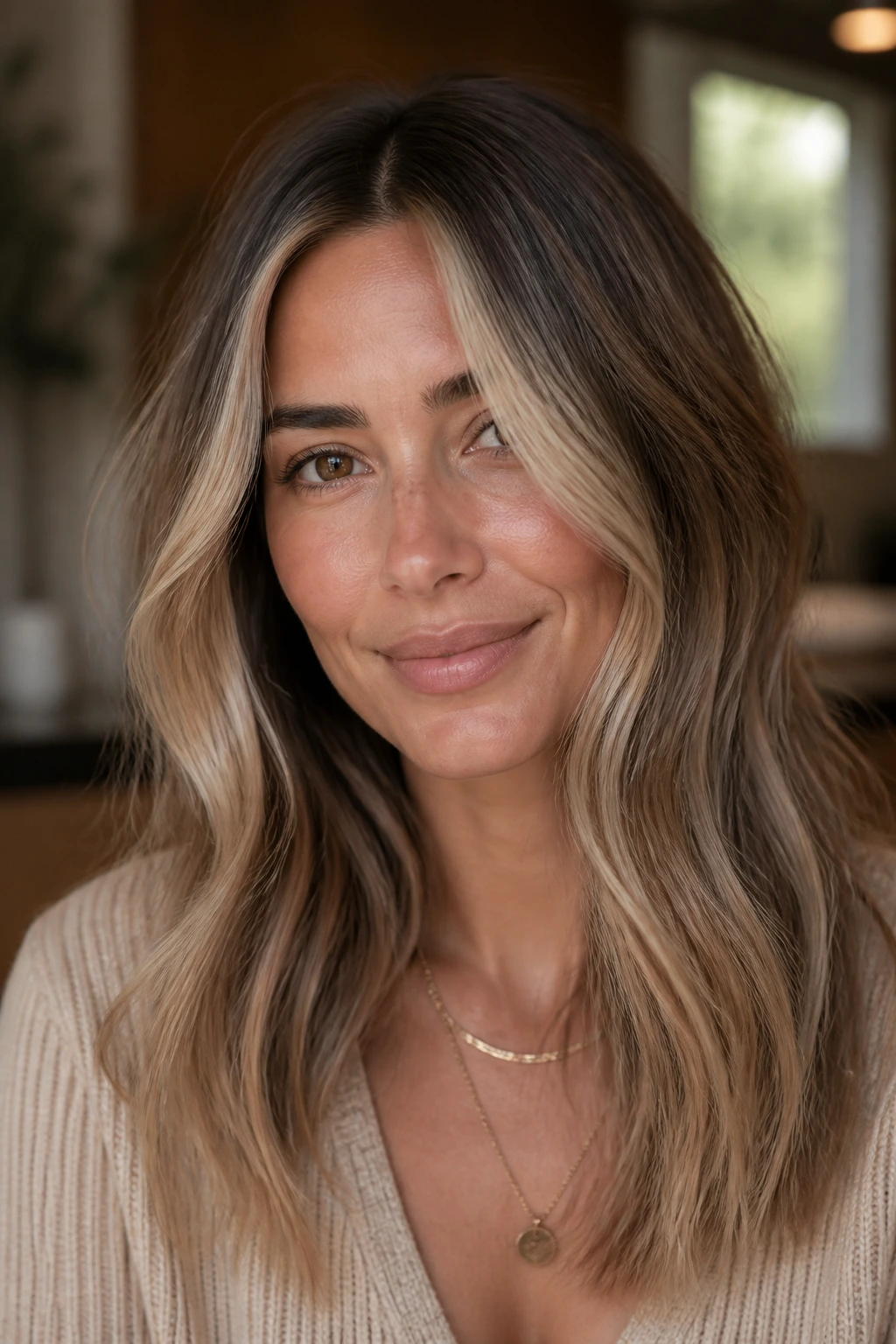
A beige money piece is the quickest way to brighten the face without changing the whole head. The front panels can be a little lighter than the rest, as long as the beige tone keeps them from looking stripy. That makes this option useful on all skin tones, especially if the natural base is darker and you only want a partial lift.
It’s a smart way to test how blonde you really want to be. If the front pieces feel right, you can always add more later.
28. Rooted Neutral Blonde With a Shadowed Regrowth Line
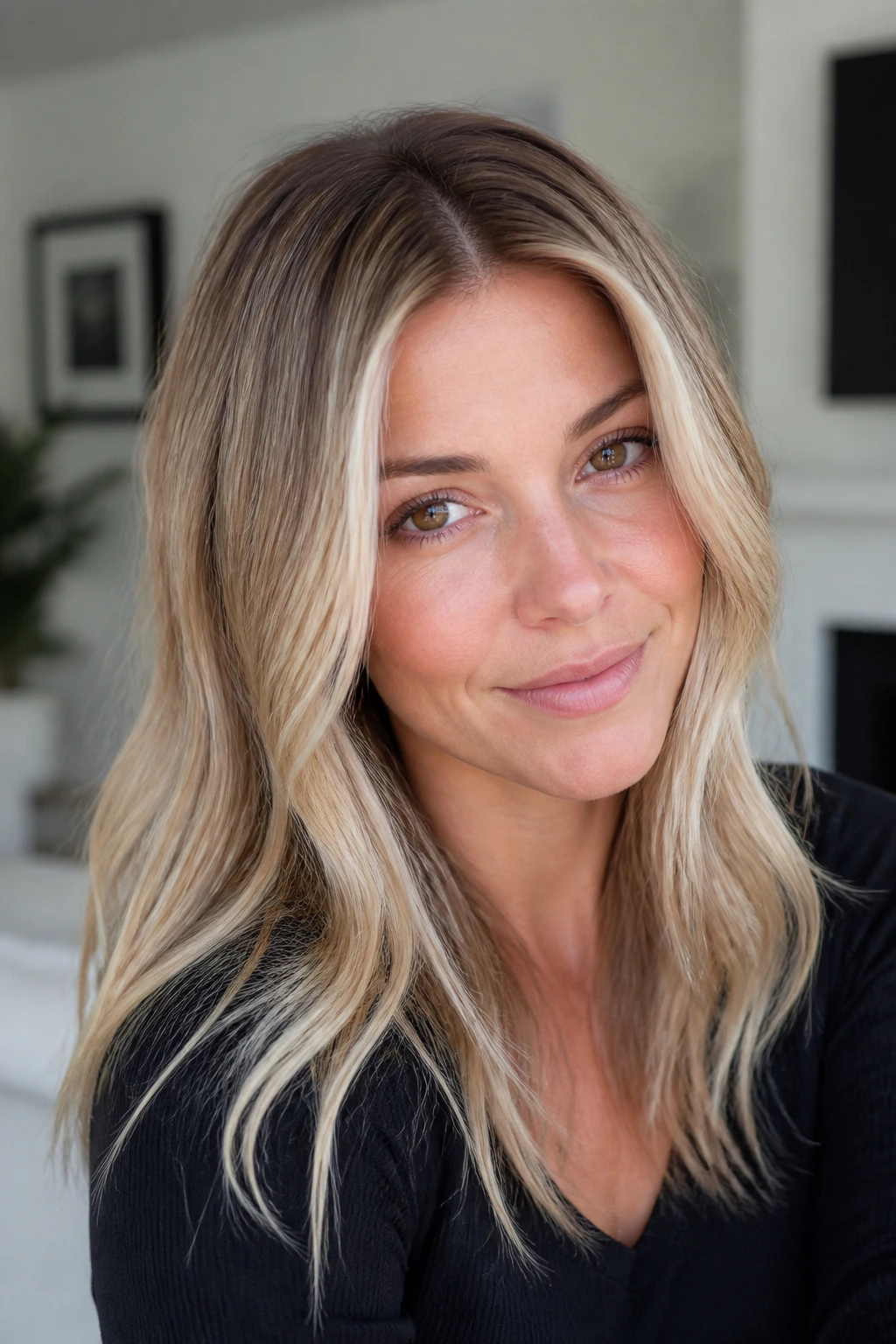
Rooted neutral blonde is the shade for people who hate appointments that feel like emergencies. The shadowed regrowth line keeps the scalp soft, and the neutral mids and ends make the blonde look intentional from week one to week ten. It works on nearly every skin tone because the root gives the face a little frame.
I like this with wavy hair, but it can also look clean on straight styles if the root is blended well. The grow-out is the whole point here. Let it do its job.
29. Frosted Beige Blonde With a Soft Cool Edge
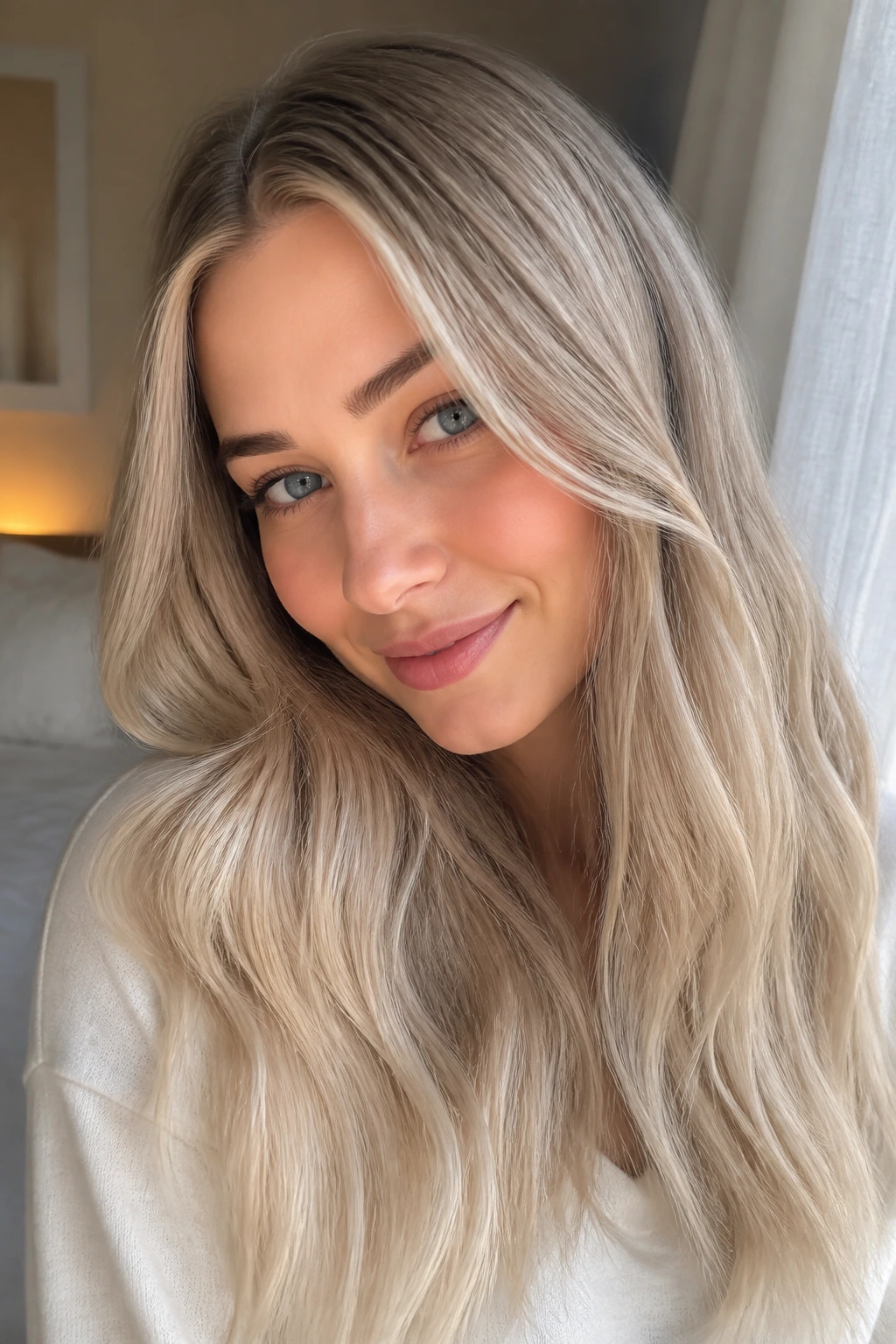
Frosted beige blonde is cooler than champagne but warmer than silver, and that small gap is where it shines. The cool edge makes pale skin look cleaner, while the beige keeps it from turning icy. It also works on medium skin when you want a lighter result without a strong yellow cast.
This shade behaves best when the tone is even from root to end. If the lift is patchy, the frost shows it.
30. Sunlit Mushroom Blonde With Brighter Midlengths
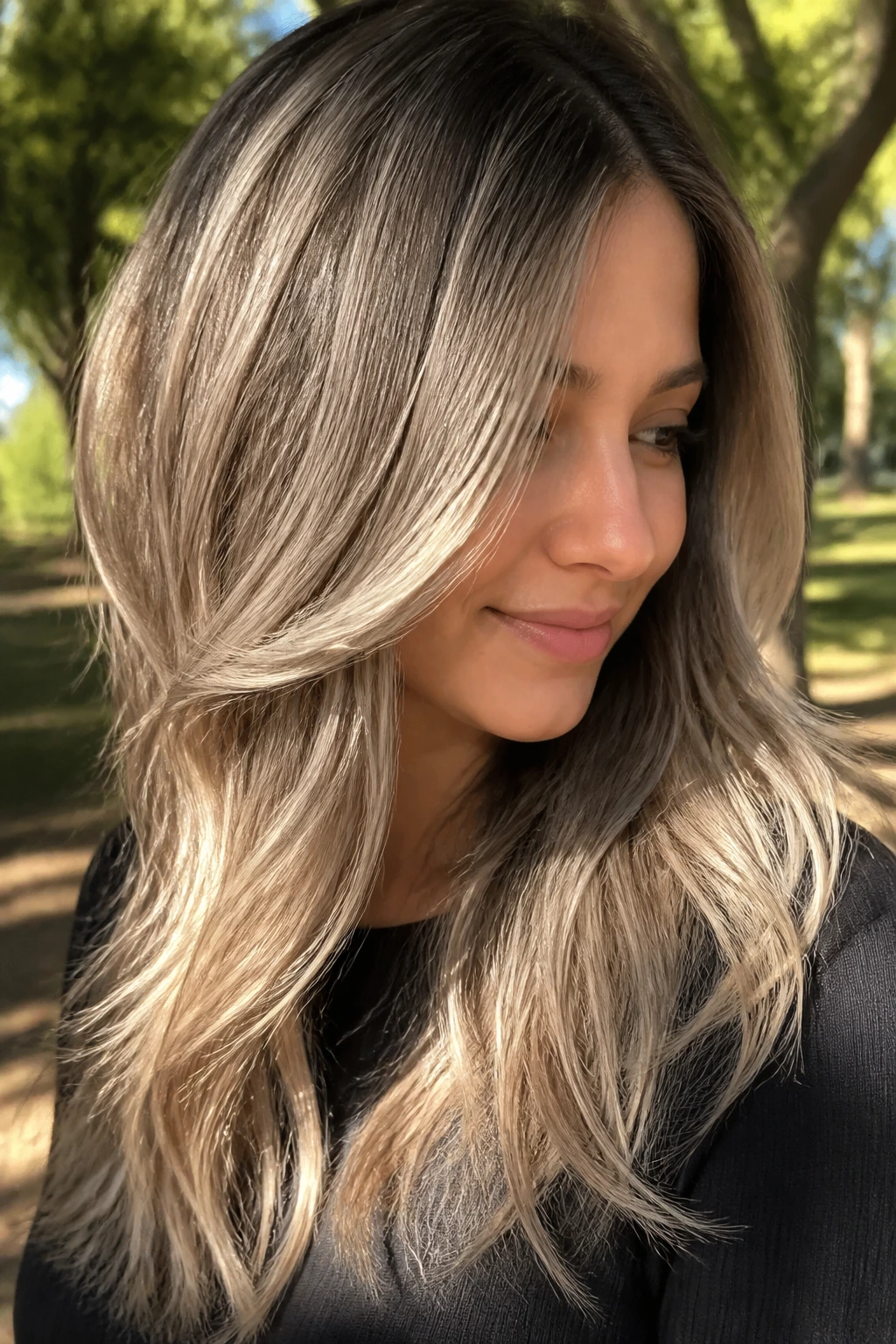
Sunlit mushroom blonde is the softer version of mushroom blonde, with a little more light in the mids. The result keeps the smoky base but lets the hair glow instead of staying too muted. That makes it a nice middle ground for olive and medium skin that want dimension without a harsh blonde edge.
This shade can look especially good on layered cuts because the brighter mids and darker underside create shape. It’s subtle, but not boring.
31. Rose Beige Blonde With a Hint of Pink
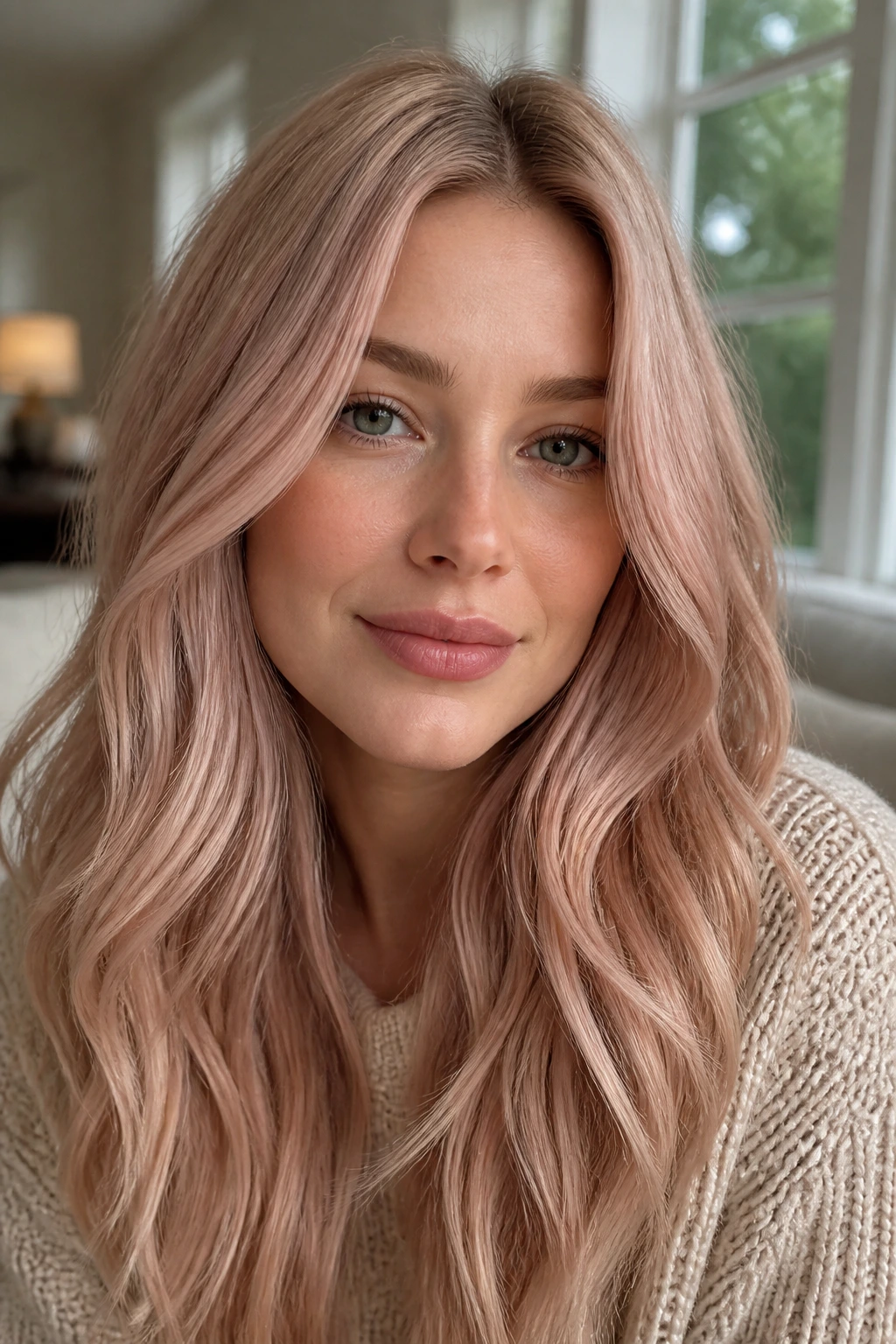
Rose beige blonde has a whisper of blush in the tone, not bubblegum, not copper. That tiny pink cast gives fair skin some warmth and keeps medium skin from going flat under indoor light. It also softens strong brow color, which is why it can feel surprisingly wearable even if you usually avoid warm blondes.
Keep the rose muted; once the pink gets loud, it stops reading neutral and starts looking pastel. A gloss every four to six weeks keeps it in the sweet spot.
32. Glossy Neutral Cream Blonde With a Mirror Finish
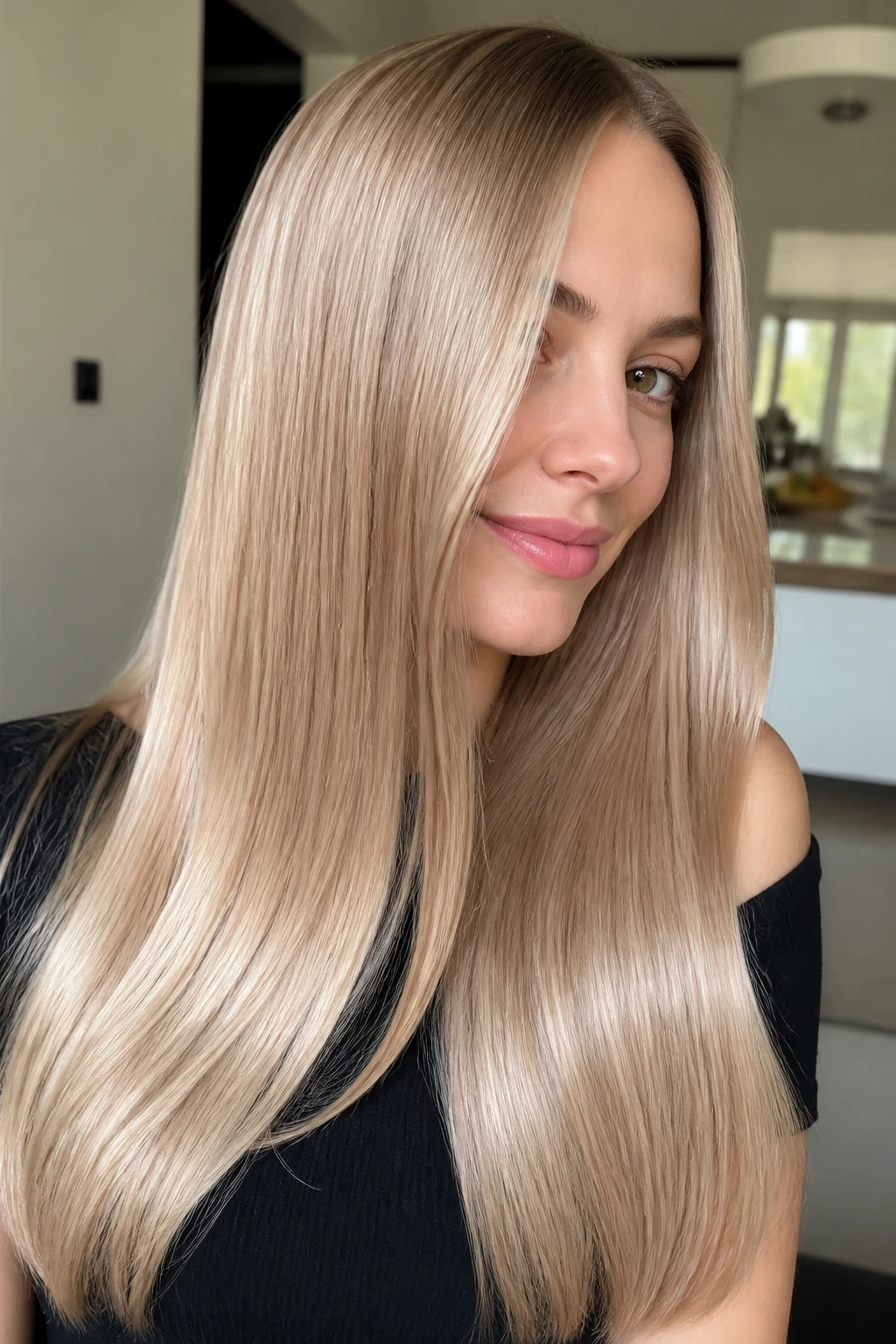
This is the polished end of the neutral-blonde spectrum: cream, beige, a faint bit of gold, and a finish so smooth it looks almost reflective. It flatters most skin tones when the root is kept soft and the ends are trimmed, because the shine does half the work that brighter lifting would otherwise need to do.
If the hair is healthy, this shade looks expensive without trying. If the ends are rough, it can look tired fast — so the cut and the conditioning matter more here than in the smoky shades.
How to Wear Neutral Blonde So It Matches Your Cut
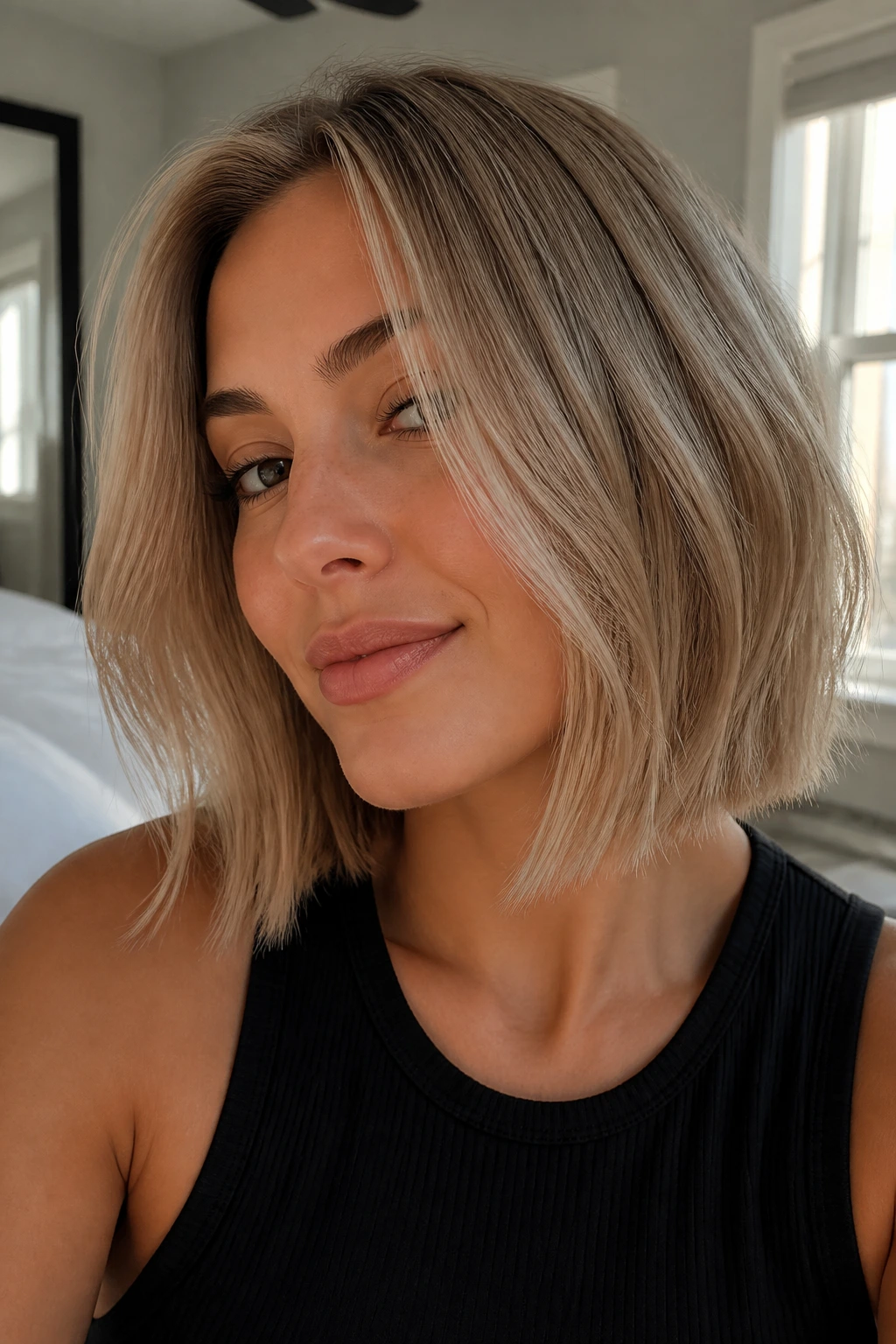
A neutral blonde only looks right when the haircut helps it breathe. Soft waves make champagne, cream soda, and beige bronde show their ribbons. Sleek styles show off linen, ivory, and silk because the shine lands all at once. Curls need a little more depth at the root and mids, or the blonde can blur into one bright shell.
Presentation: Choose the finish that matches the cut. A blunt bob can carry ivory or pearl; long layers hold champagne and mushroom better; curls usually need rooted depth so the tone doesn’t vanish into the pattern.
Accompaniments: Brows should stay one shade deeper than the lightest pieces, and makeup needs a little balance — peach or rose blush for warm blondes, soft berry or neutral tones for cooler ones. Stone, camel, navy, cream, and muted olive all keep the hair from fighting your clothes.
Portions: Ask for a full head, partial, or face frame based on how much blonde you want to see from the front. A money piece or a few bright ribbons around the cheekbones can do more than a full lift if your base is already doing half the visual work.
Finish: Use a lightweight serum or glossing mist, not a heavy oil that knocks the beige right out of the hair. The goal is shine with movement, not a greasy halo.
Essential Tools for a Clean Blonde Appointment
-
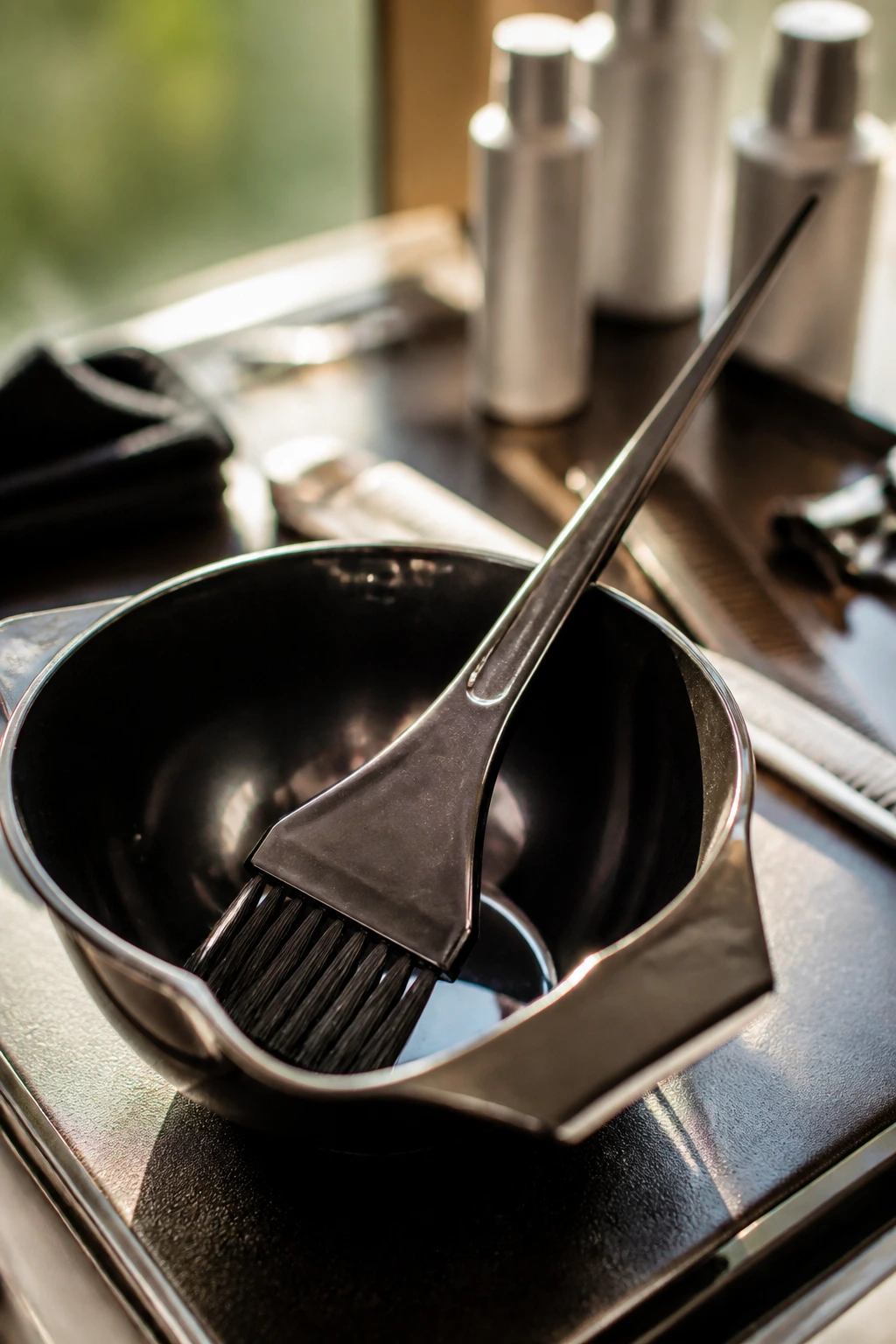
Tint brush and mixing bowl: You need these for precise toner or gloss placement, especially around the face frame and root shadow.
-
Sectioning clips: Clean partings make balayage and foilayage look softer and prevent the light pieces from collapsing into the dark base.
-
Tail comb: It helps separate thin ribbons and keeps the highlight pattern even.
-
Foils or balayage board: Foils give brighter lift; a board helps with a more painted, blended edge.
-
Gloves: Lightener and toner can stain skin and dry your hands out fast.
-
Bond-building additive: Handy when the hair is already lightened and needs a little more strength during processing.
-
Color-safe shampoo: Regular shampoo can strip gloss faster than you’d think.
-
Purple shampoo: Use it sparingly when yellow starts showing through; it is not a daily habit.
-
Microfiber towel: Less friction, less frizz, less color fade down the drain.
-
Heat protectant: Blonde hair needs this every time you blow-dry, flat-iron, or curl.
-
Shower filter: Optional, but useful if hard water keeps pushing the tone dull or brassy.
Smart Shopping for Toner, Gloss, and Lightener
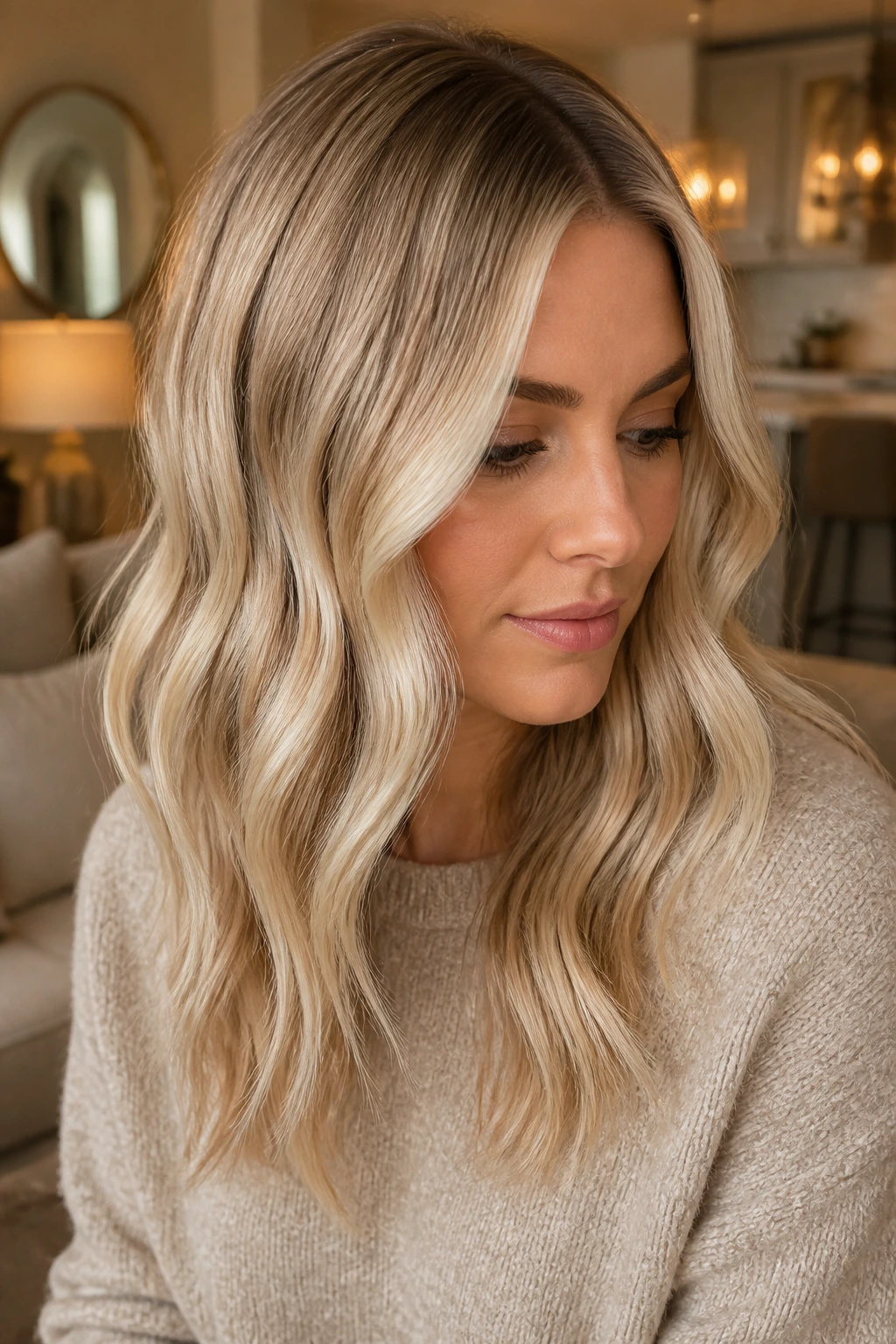
A neutral blonde lives or dies by the label, and the label is not always honest. Look for toner names that say beige, pearl, taupe, ivory, mushroom, or cream instead of chasing a box that just says blonde. The level matters just as much as the word. If your hair is sitting at level 6, a soft beige gloss will behave differently than if it’s already lifted to level 9.
Developer strength matters too. For already-light hair, a gentle gloss or demi formula is usually enough; a stronger developer is not a shortcut to better beige. If your hair pulls orange, don’t rely on purple shampoo alone. That only handles yellow. Orange needs more careful toning, not more washing.
Bring photos in daylight, not filtered phone shots. And if you’re picking products at home, choose the product that matches your actual base, not the shade you wish you had. That little bit of honesty saves a lot of correction later.
Keeping Neutral Blonde Soft Between Appointments
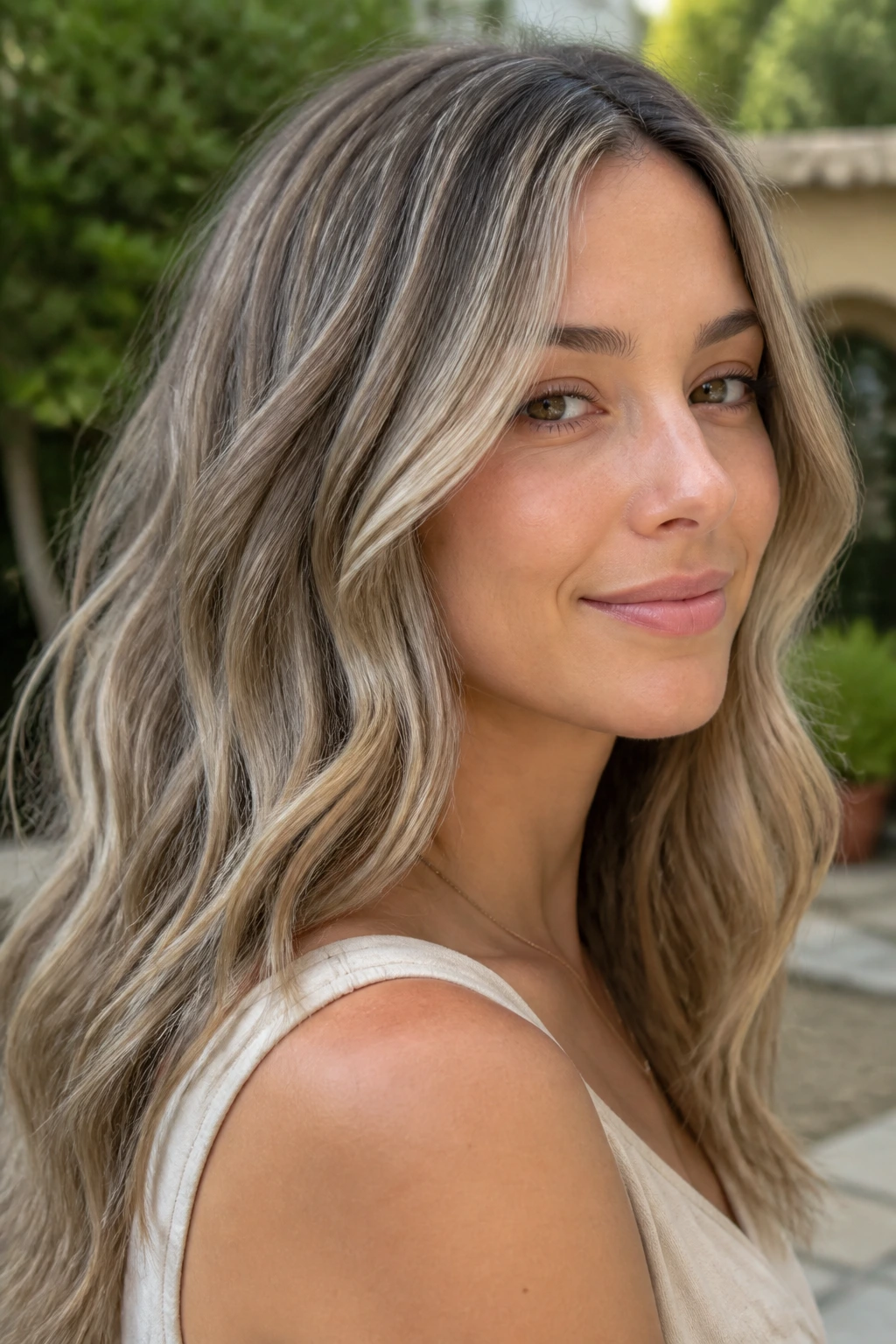
The best-looking neutral blonde usually settles a little after the first wash or two, then stays in its sweet spot for a few weeks. After that, the tone starts drifting — yellow first, then dull, then a little tired at the ends if you’re rough with it. Wash with lukewarm water, not hot, and keep your shampoo focused on the scalp so the mids and ends don’t get stripped every time.
A good rhythm is 2 to 3 washes a week, a moisturizing mask once a week, and a toner or gloss refresh every 6 to 8 weeks if you want the beige to stay clean. If your hair is very light or very porous, you may need a gloss sooner. If it’s a rooted bronde or mushroom blend, you can often stretch farther because the depth hides the fade.
Purple shampoo belongs in the rotation, not the center of it. Once every 1 to 2 weeks is enough for most beige blondes. If you swim, wet the hair first, add leave-in conditioner, and rinse as soon as you’re done. Chlorine loves to drag soft blonde toward green and dullness — a nasty little habit.
Where Neutral Blonde Goes Wrong
-
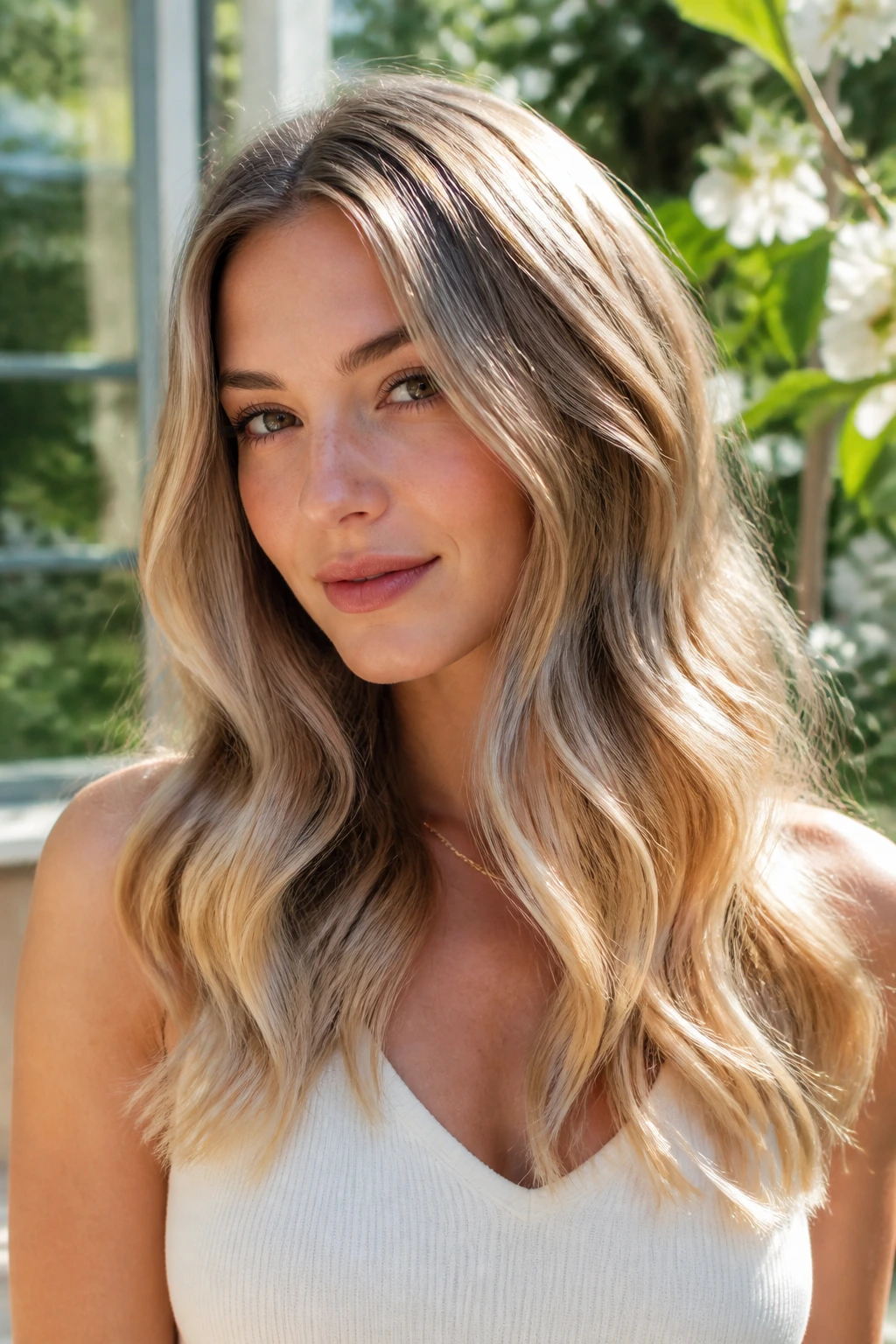
Too much ash: The hair starts looking dusty or greenish, especially on porous ends. Fix it with a beige or pearl gloss and a few warmer ribbons near the face.
-
Trying to lift dark hair all at once: You get orange at the mids and pale yellow at the ends, which is a rough combination. Neutral blonde usually needs staged lightening if the natural base is dark brown or deeper.
-
Skipping the root shadow: The blonde grows out in a hard line and starts looking striped. A shadow root in the level 5 to 7 range keeps the regrowth soft.
-
Using purple shampoo like a mask: The hair starts to look gray, dry, or flat. Use it only when warmth shows up, and keep it off the ends if they’re already fragile.
-
Ignoring porosity: Some sections grab toner fast while others stay warm. That’s how you end up with patchy beige. Pre-tone care and careful processing matter more than the fancy name on the formula.
Variations and Adaptations to Try
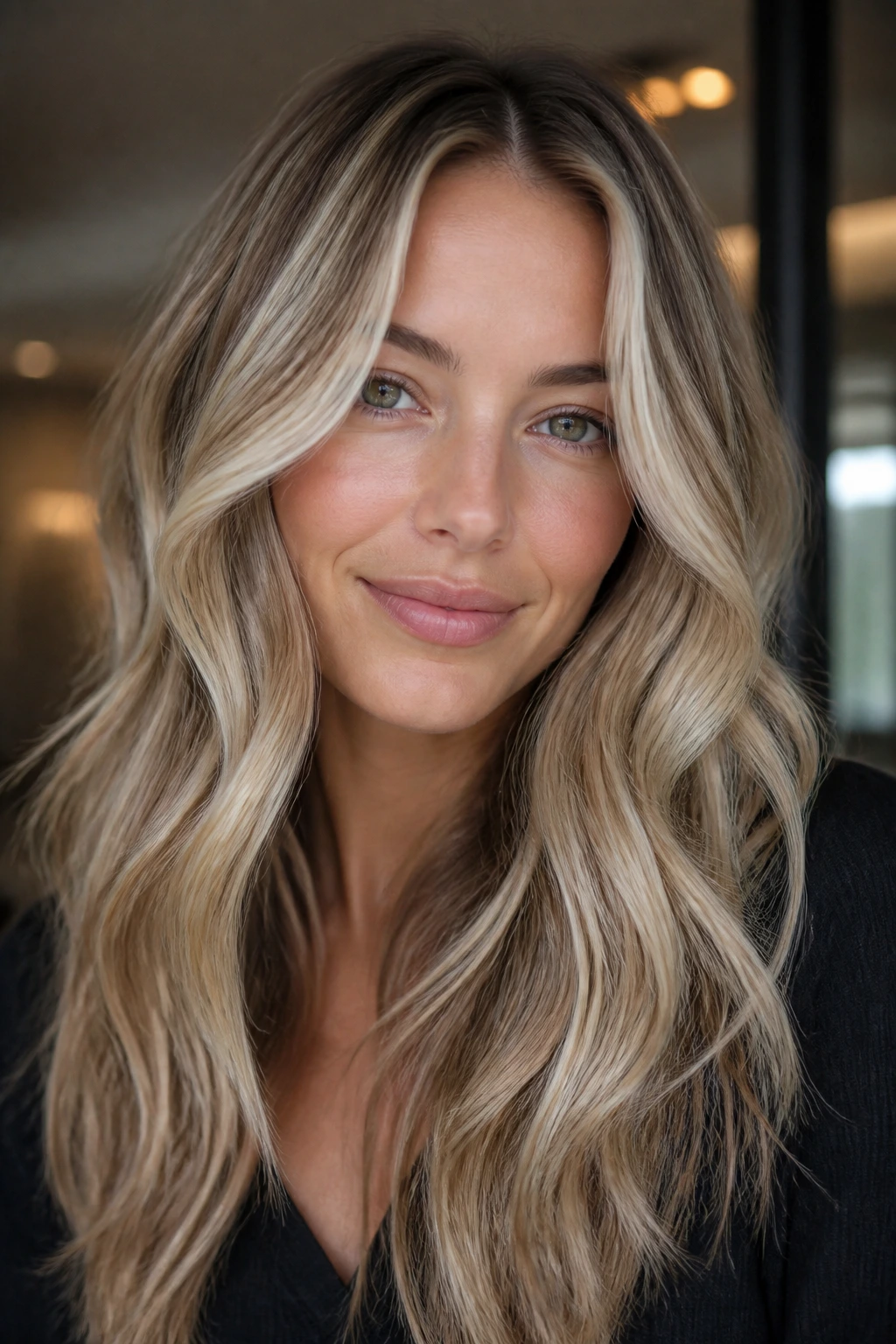
Brighter Champagne Edit: Add more level 9 ribbons around the face and keep the mids beige. This gives the blonde a brighter front without losing the soft finish at the back.
Smokier Mushroom Edit: Push the lowlights a shade deeper and cool the toner slightly. It’s the one to choose if you want the blonde to feel richer and less sunny.
Face-Frame Lift: Keep most of the head neutral and reserve the lightest beige pieces for the money piece and cheekbone area. That’s the fastest way to brighten the face without a full blonde commitment.
Brunette-First Bronde: Leave the base deeper and spread thin neutral ribbons through the midlengths. It suits darker hair and grows out cleanly, which is why it has such staying power.
Pearl-Cool Softening: Shift the toner toward pearl and ivory if your skin leans pink or red. The color stays neutral, but the finish looks cleaner in bright light.
Frequently Asked Questions About Neutral Blonde
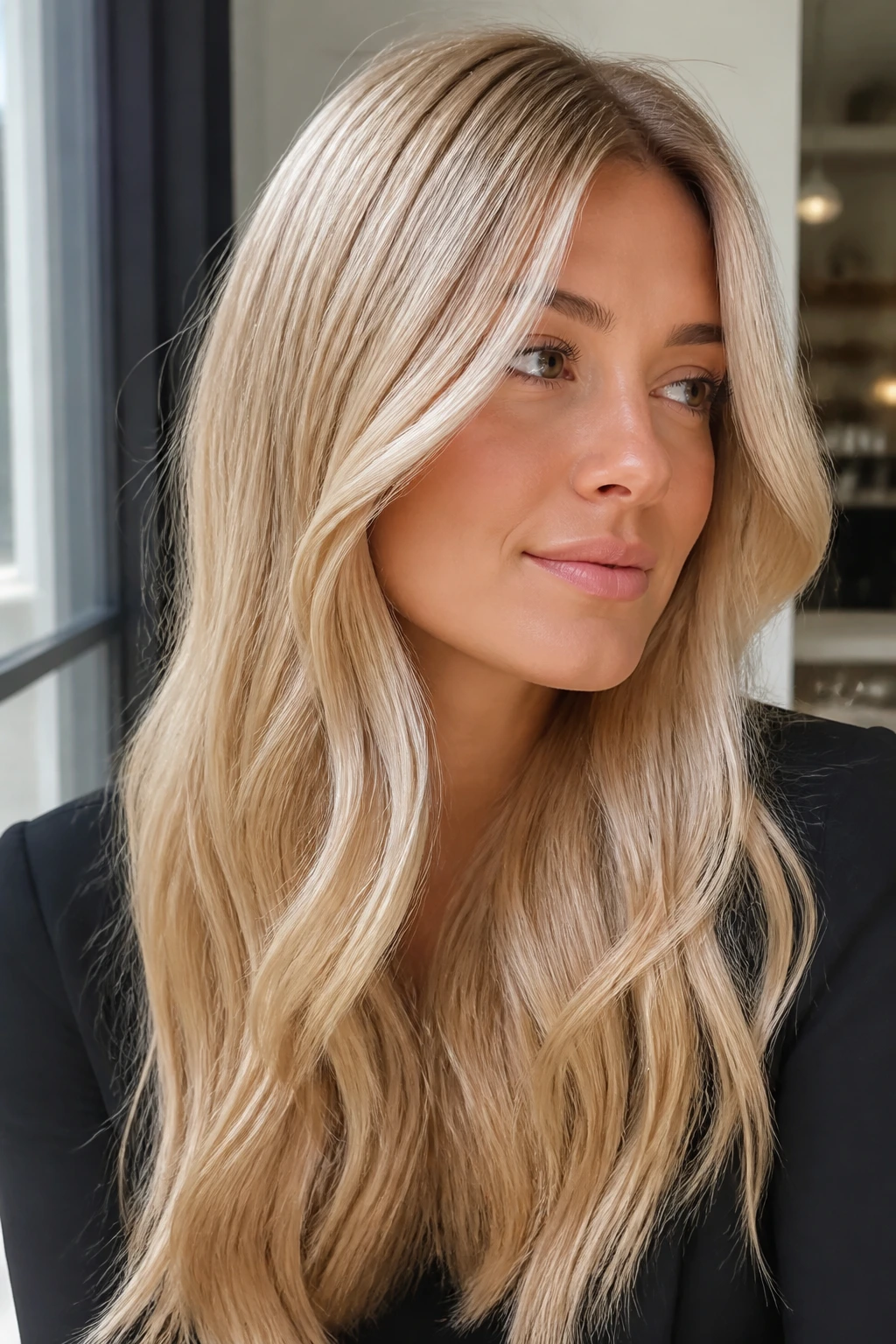
Will neutral blonde work on dark brown hair?
Yes, but usually not in one clean sitting if you want it bright. A dark base often needs staged lightening, then a beige or mushroom gloss to keep the result soft rather than orange.
Is beige blonde better than ash blonde for olive skin?
Most of the time, yes. Ash can go muddy fast on olive skin, while beige keeps enough warmth to stop the face from looking flat.
How often should I tone neutral blonde hair?
Most people need a gloss or toner every 6 to 8 weeks, though porous hair may need it sooner. If the blonde starts yellowing or losing its cream finish, it’s time.
Can I get neutral blonde without full highlights?
Absolutely. A root gloss, face frame, or a few hand-painted ribbons can create a neutral blonde effect without lightening the whole head. That’s often the smarter move if your base is already close to the right tone.
Why does my blonde turn brassy so fast?
The usual culprits are porous hair, too much heat, hard water, or a toner that was too warm for the starting level. Fixing the issue usually means better prep, gentler washing, and a toner with more beige or pearl.
Does neutral blonde work on curly hair?
It does, and it often looks better with curls than with straight hair because the dimension shows up in the pattern. The key is to keep some depth underneath so the curls don’t turn into one bright mass.
What’s the difference between balayage and foilayage for neutral blonde?
Balayage gives a softer painted edge and a more lived-in look. Foilayage adds more lift and brighter face-framing pieces, which is useful if your hair needs extra brightness to reach a neutral blonde level.
What if my ends go gray or dull after toning?
That usually means the toner was too strong, left on too long, or applied to already-porous ends without enough protection. A warmer beige gloss, shorter processing time, and a trim on the dry ends usually fix it faster than another round of purple shampoo.
The Shade That Holds Its Shape
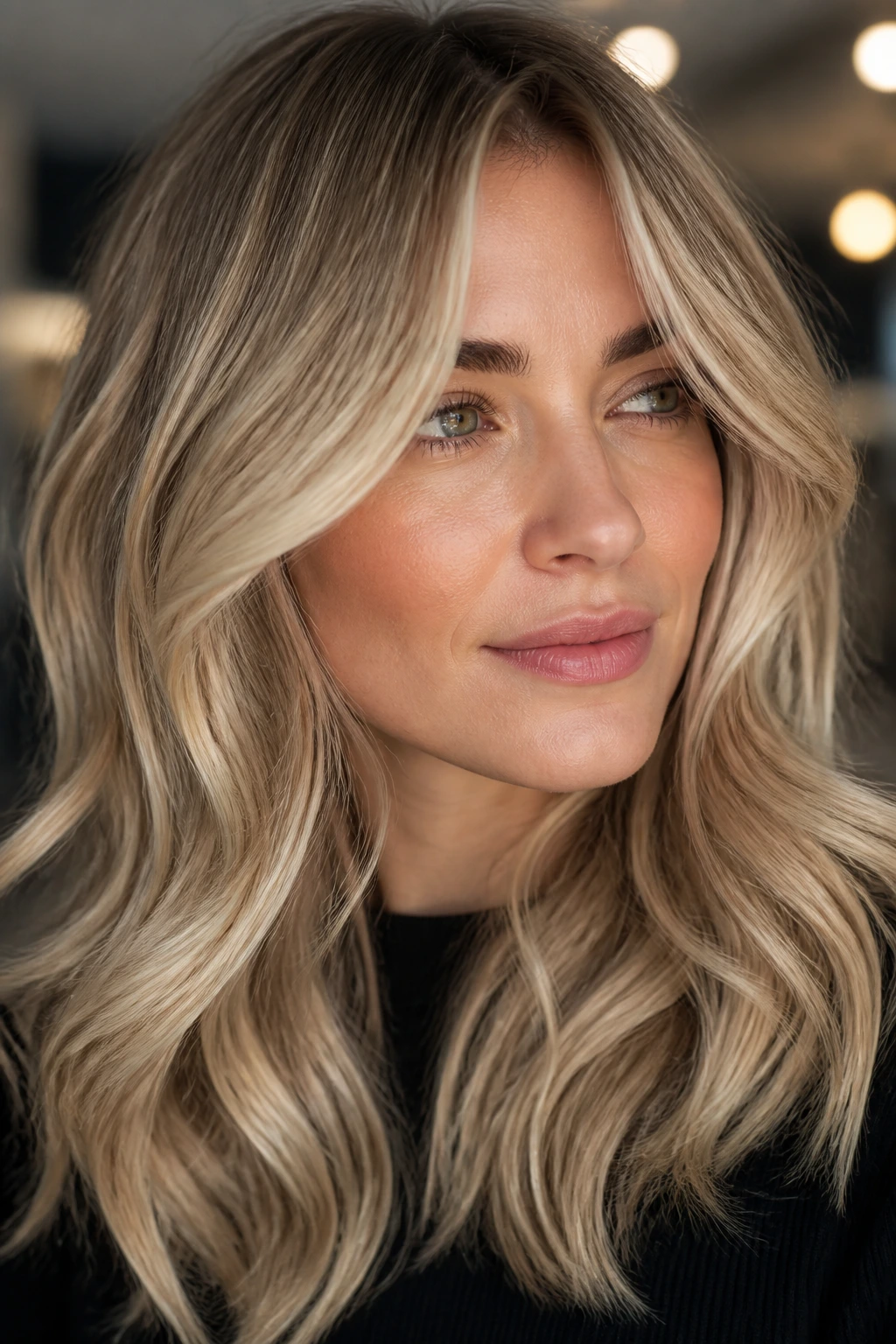
Neutral blonde works because it respects the face. It doesn’t insist on being icy, golden, or trendy for the sake of it. The best versions keep a little beige in the middle, a little depth at the root, and enough light around the face to make the whole thing feel deliberate.
That’s the quiet appeal of this color family. It grows out with less drama, it shifts with your undertone instead of fighting it, and it gives you room to go brighter or smokier without starting from scratch. If a blonde has been feeling too yellow, too gray, or too loud, beige is usually the smarter place to begin.
