



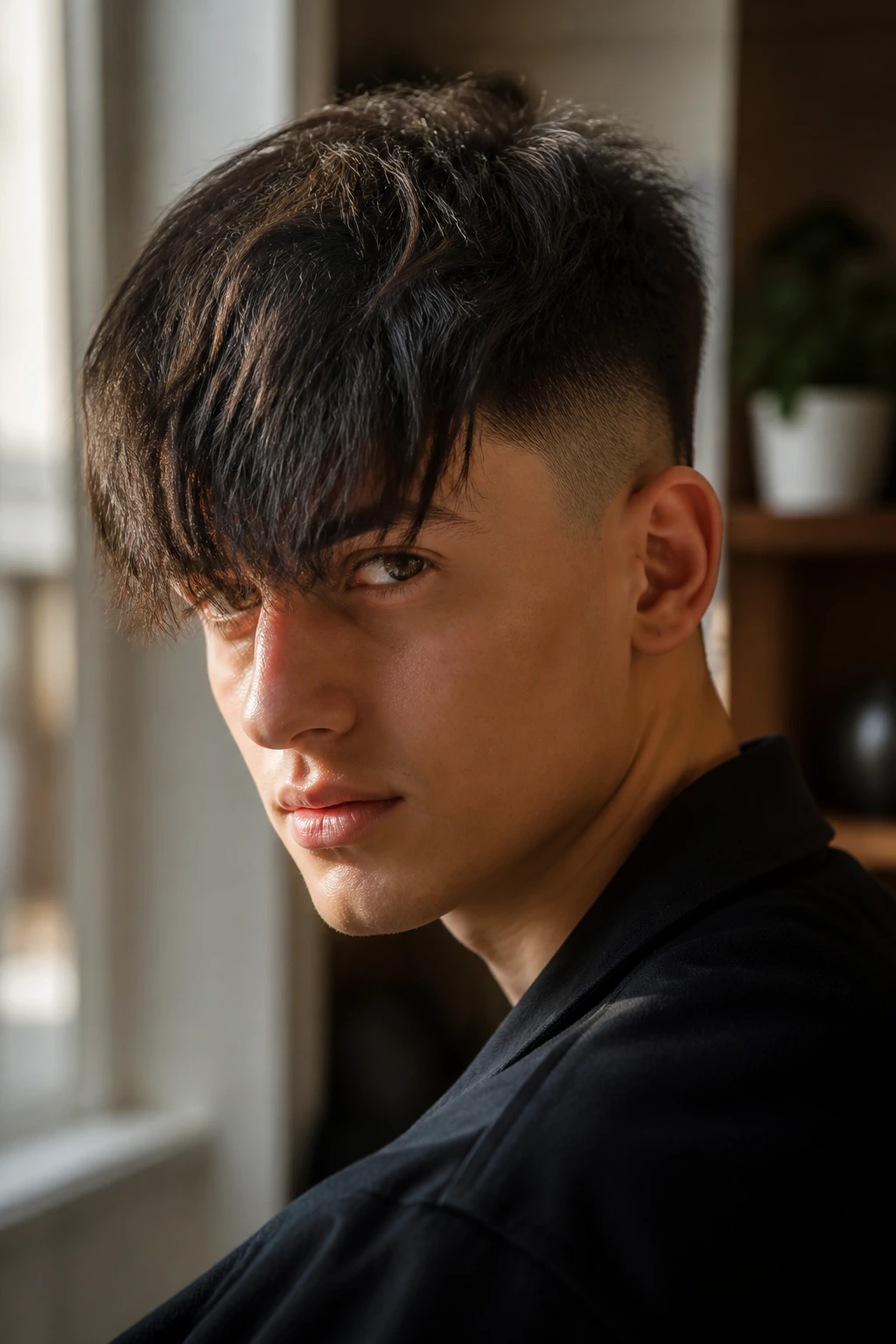
A Chelsea cut doesn’t ask for permission. Shaved sides, a blunt or swept fringe, and a top that keeps some weight — this is the kind of haircut that changes the shape of a face before the rest of the outfit has even shown up.
It also has a reputation for being harsher than it needs to be. That’s the lazy version. In reality, a Chelsea cut can sit almost severe and graphic, or it can be softened with tapering, curls, a ragged fringe, or a color block that makes the whole thing feel deliberate instead of aggressive for its own sake.
The trick is knowing how much length to leave where. Two extra centimeters at the fringe can turn a hard, punk-leaning crop into something wearable with glasses, a sharp collar, or a plain black tee. The difference is in the details, and the details matter here more than they do with most short cuts.
Why These Chelsea Cuts Hit So Hard
-
Sharp Silhouette: The contrast between shaved sides and a stronger top makes the shape readable from across the room, which is half the appeal of a Chelsea cut in the first place.
-
Fast Styling: Most versions need one product, a comb or fingers, and a few minutes with a dryer or air-drying routine.
-
Texture Flexibility: Curly, wavy, fine, and thick hair can all work here if the top length and side weight are chosen honestly.
-
Face-Framing Fringe: A longer front can shorten a high forehead, sharpen the eyes, or pull attention away from a jawline you don’t want to emphasize.
-
Built-In Attitude: The cut already does some of the styling for you, so even a plain sweater and clean skin can look intentional.
-
Grow-Out Options: Soft tapering, hidden undercuts, and shaggy versions can move into a different haircut later without a brutal in-between stage.
1. Classic Micro Chelsea Cut
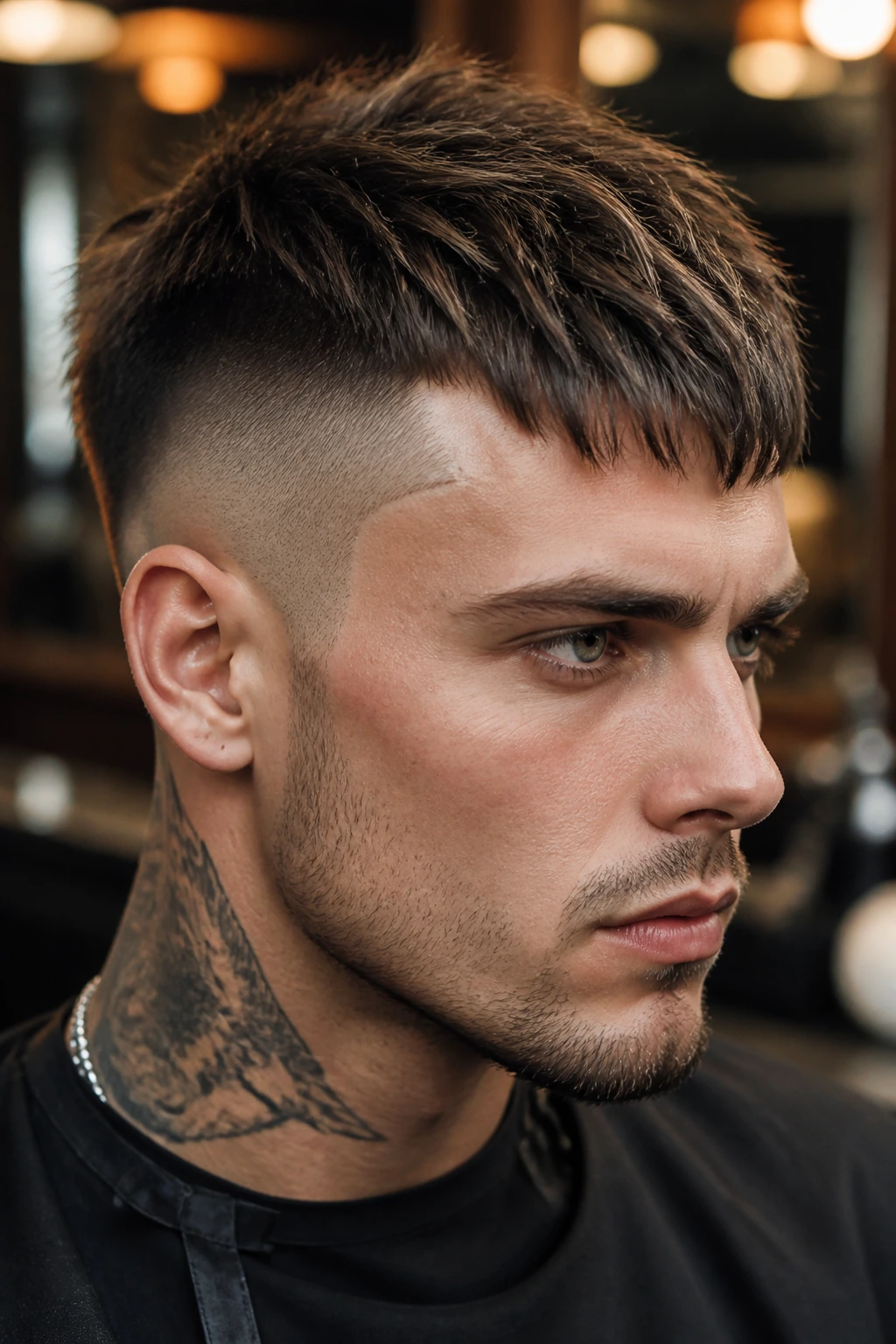
A classic micro Chelsea cut is the stripped-down version: tight sides, a compact top, and a fringe that sits just above the brows or skims them by a hair. It feels small, sharp, and a little confrontational in the best way. No fluff. No soft edges trying to apologize.
What Makes It Work
The shape is easy to read because nothing competes with the outline. The sides usually sit at a #0.5 to #1 guard, while the top stays around 2 to 3 inches so it can be pushed forward without collapsing. That small difference in length is what gives the cut its snap.
This version suits people who want a Chelsea cut without a lot of maintenance drama. A matte paste or cream is enough. If the fringe starts to separate, a quick mist of water and a finger-comb puts it back in place.
- Best for: Straight to slightly wavy hair that lies flat.
- Strongest feature: Clean fringe line.
- Watch out for: Going too wispy on the top. That turns a sharp crop into a soft one.
My take: keep the fringe heavier than you think. Once it gets too thinned out, the whole cut loses its bite.
2. High-Contrast Skin-Fade Chelsea Cut
If you want the cut to read from the back of the room, the skin fade does the heavy lifting. The sides disappear into bare skin or a near-skin finish, and the top looks even more deliberate because there’s no visual clutter below it. That contrast is the whole show.
This version works especially well if you like hard lines and a very clean neckline. Ask for the fade to start high enough that it doesn’t turn into an ordinary taper. A mid-high fade with a Chelsea top gives you that shaved, engineered feel without making the head look too narrow.
The catch is upkeep. Skin fades grow out fast, and the edge softens sooner than people expect. If your hair grows quickly at the temples, you’ll feel that change in about two weeks.
A little shine on top can look good here, but I prefer a drier finish. It keeps the haircut from sliding into “styled for a photo” territory.
3. Long-Fringe Chelsea Cut
Can a Chelsea cut be soft? Absolutely — if the fringe is long enough to fall forward and the sides stay ruthless. This is the version for people who want a little movement across the forehead, not a blunt wall of hair.
The long fringe usually lands at the lashes or just below, and that changes the whole mood. It can hide a high forehead, fold over one eye, or sweep to one side when you want the look to loosen up. The sides can stay clipped close, which keeps the silhouette from turning into a shag.
How to Wear It
- Blow-dry the fringe forward first, then direct it slightly left or right.
- Use a pea-sized amount of matte cream so it doesn’t clump.
- Keep the ends blunt enough that the line still feels intentional.
This cut is especially good if your face benefits from horizontal balance. It can also soften a strong brow. But don’t let the fringe get too heavy at the roots, or it starts sitting like a damp curtain instead of a shape.
4. Curly Chelsea Cut
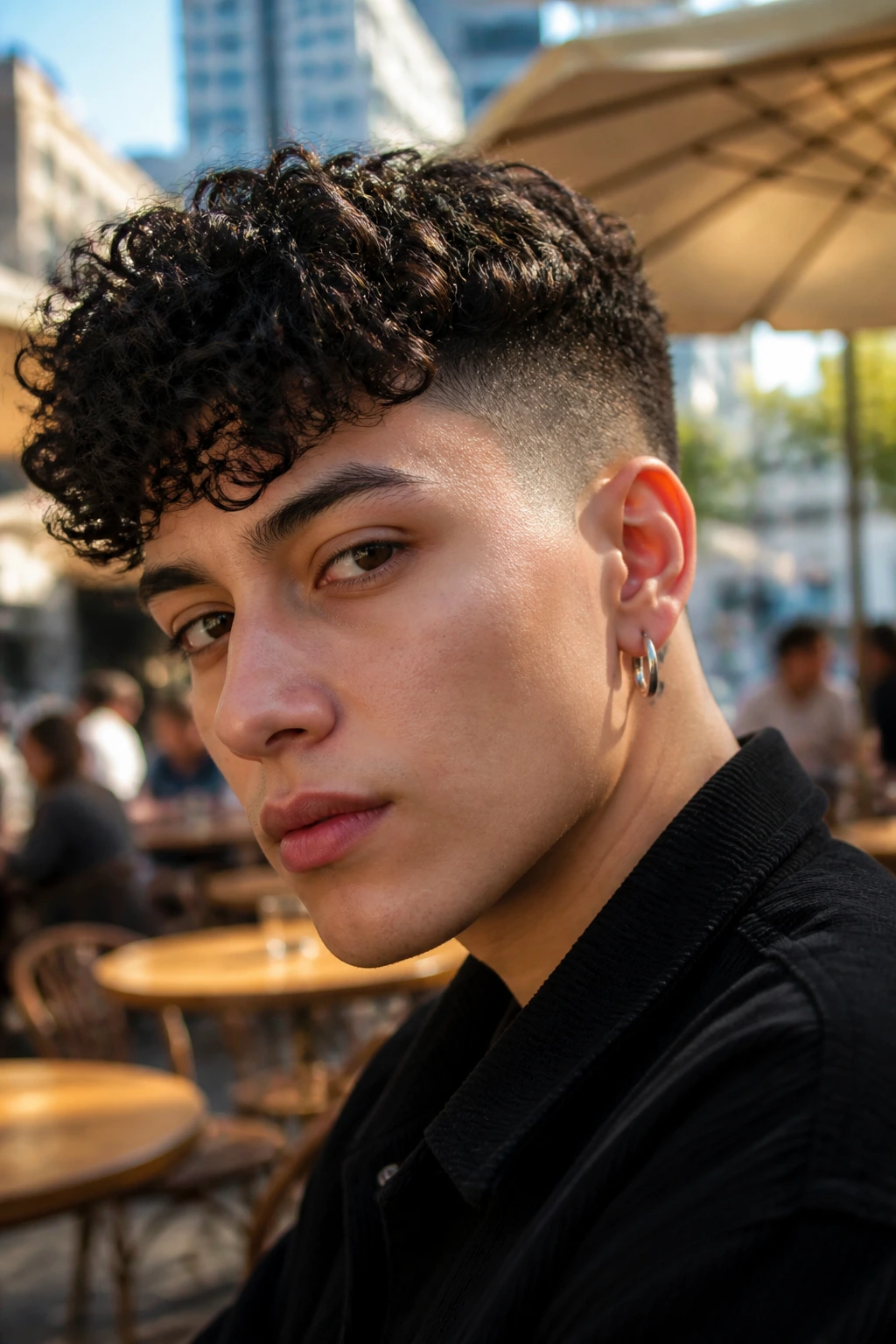
Curly hair changes the whole story. A Chelsea cut on curls is less about razor-sharp geometry and more about keeping the top controlled while the texture does its own thing. The sides still need to be short, but the top has to leave enough room for the curl pattern to spring.
The best version is often cut with the curls in mind, not stretched straight. That means the stylist should work with the actual curl shape and avoid over-thinning the crown. A dry cut or curl-by-curl approach can help, because wet curls lie to everyone. They shrink later. Sometimes a lot.
A curl cream and diffuser are usually enough. Scrunching works, but only if the hair isn’t overloaded. Too much product and the cut collapses into a sticky mound. Too little and the curls separate in a rough, frizzy way.
Curly Chelsea cuts look especially good when the fringe is a little irregular. Not sloppy. Irregular. There’s a difference.
5. Wavy Shag Chelsea Cut
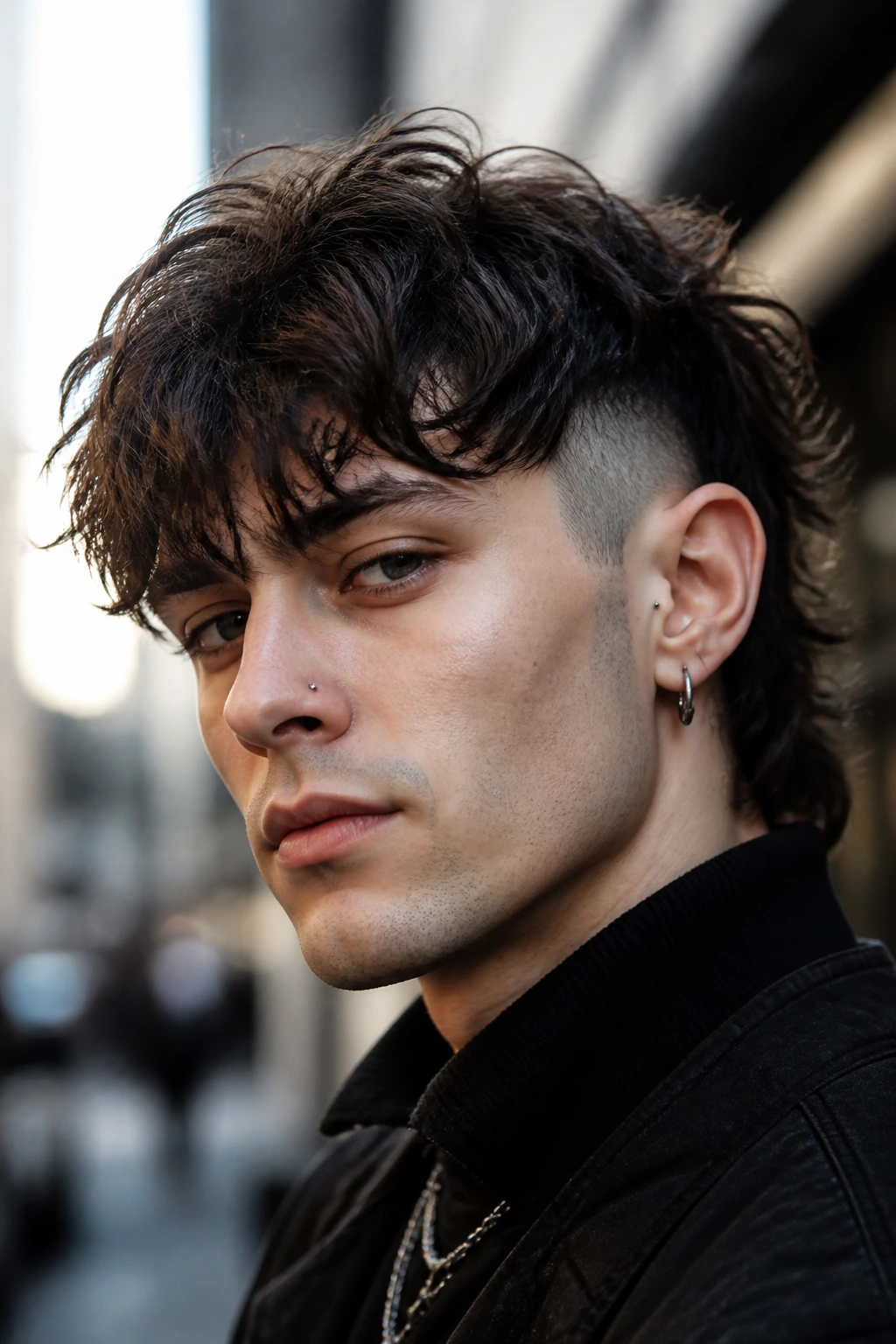
A wavy shag Chelsea cut is for people who want movement more than severity. The sides are still short, but the top is layered and a little ragged, so the whole cut shifts when you turn your head. It feels less like a helmet and more like something that belongs to a real person who moves.
This one benefits from texture. Sea-salt spray on damp hair, a quick squeeze with your hands, and a low-heat diffuse or air-dry can make the waves fall in broken, interesting pieces. If the cut is too polished, it loses the charm.
The sweet spot is a fringe that doesn’t sit in a perfect line. Let it break a little. Let it fall unevenly. The wavy pattern keeps it from looking accidental.
It’s a good pick if you hate the crispness of a skin fade but still want the Chelsea shape. It also grows out more gracefully than the cleaner versions, which matters if you don’t live near a barber chair.
6. Platinum Buzz-Top Chelsea Cut
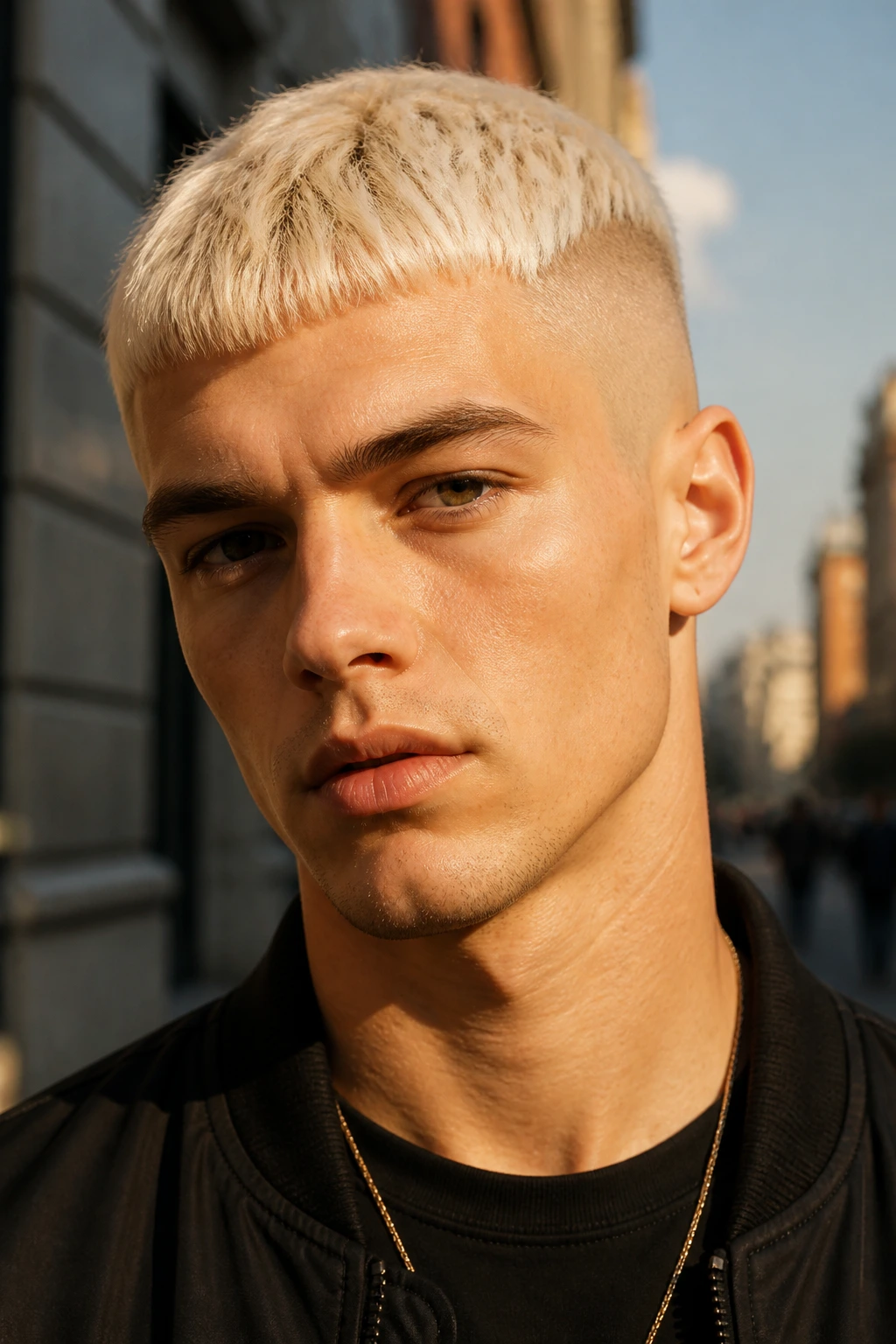
A buzz cut by itself is one thing. A platinum buzz-top Chelsea cut is another beast entirely. The light hair color turns the top into a bright cap, and the shaved sides make the whole head look more sculpted. It’s blunt, theatrical, and hard to ignore.
This version depends on hair health. Bleaching short hair is easier than bleaching long hair, but it still dries things out. If the goal is a clean platinum tone, ask for a toner that doesn’t veer yellow, and keep a deep conditioner in the rotation. A pale beige blonde can look better than icy white if your hair is already fragile.
The good part is the styling burden is low. The bad part is the color upkeep. Roots show fast against a pale top, and the contrast gets louder as it grows. That’s part of the look, though. Some people want the lived-in edge.
A matte finish keeps the buzz from looking like costume hair. Bright color with too much shine can feel overworked.
7. Asymmetrical Chelsea Cut
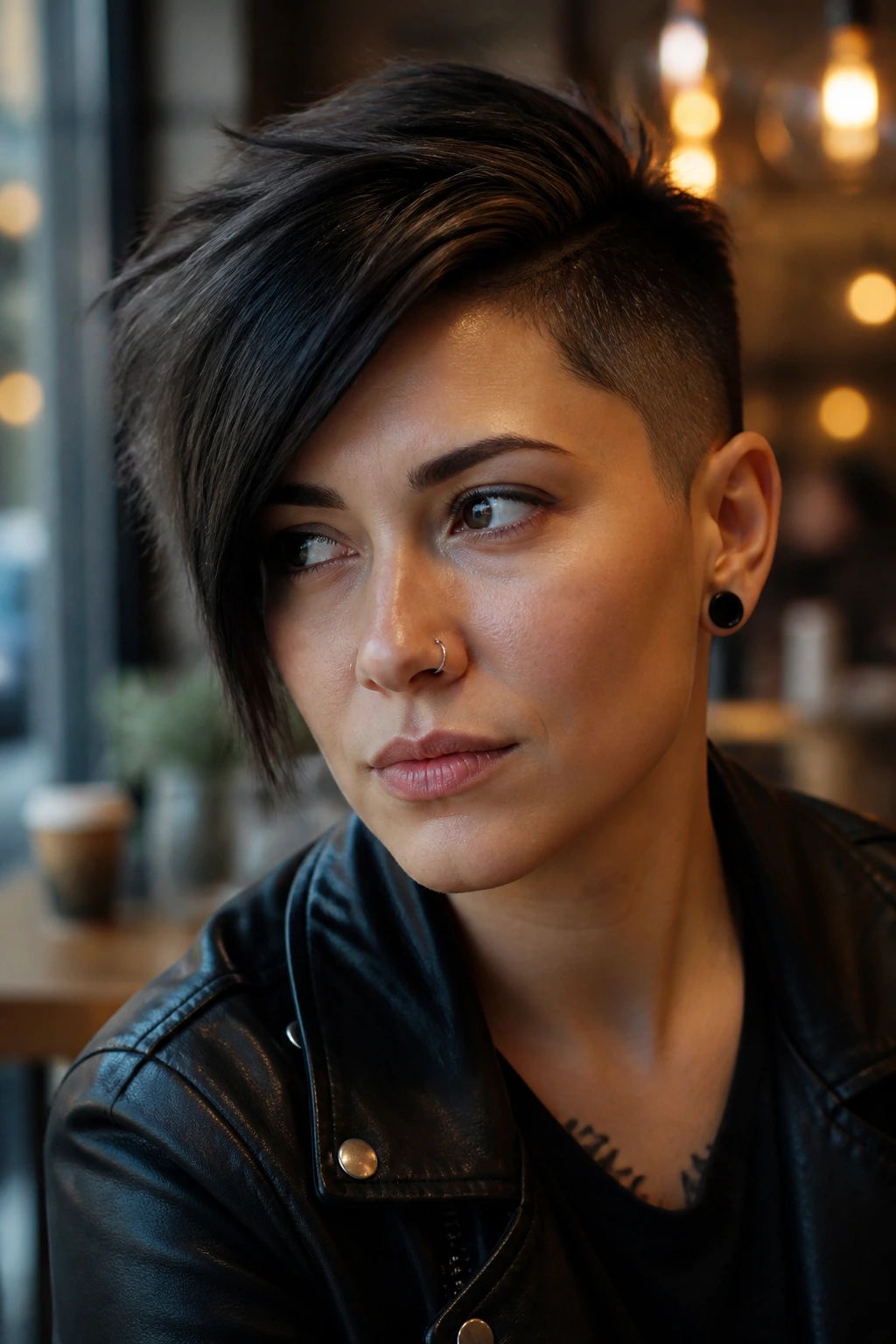
An asymmetrical Chelsea cut lives on a diagonal. One side sits a little longer, the fringe angles instead of dropping straight, and the shape feels slightly off-center in a way that looks chosen, not mistaken. That tiny imbalance does a lot of work.
The Detail That Changes Everything
Asymmetry works best when one clear decision carries the whole cut. Maybe the fringe sweeps hard to the right while the left side is clipped closer. Maybe one temple stays low and the other opens up more. Pick one main shift and let it lead.
- Best for: Strong features that can handle visual tension.
- Styling note: Blow-dry in the direction of the longer side first.
- Product choice: Flexible paste or light wax, not heavy pomade.
This cut can look very sharp on angular faces, but it also helps soften a face with a very even outline. That’s the quiet trick. The eye gets pulled sideways, so the head reads as more sculpted. If the angle is too subtle, it just looks like an uneven haircut. Go clear or go home.
8. Color-Blocked Chelsea Cut
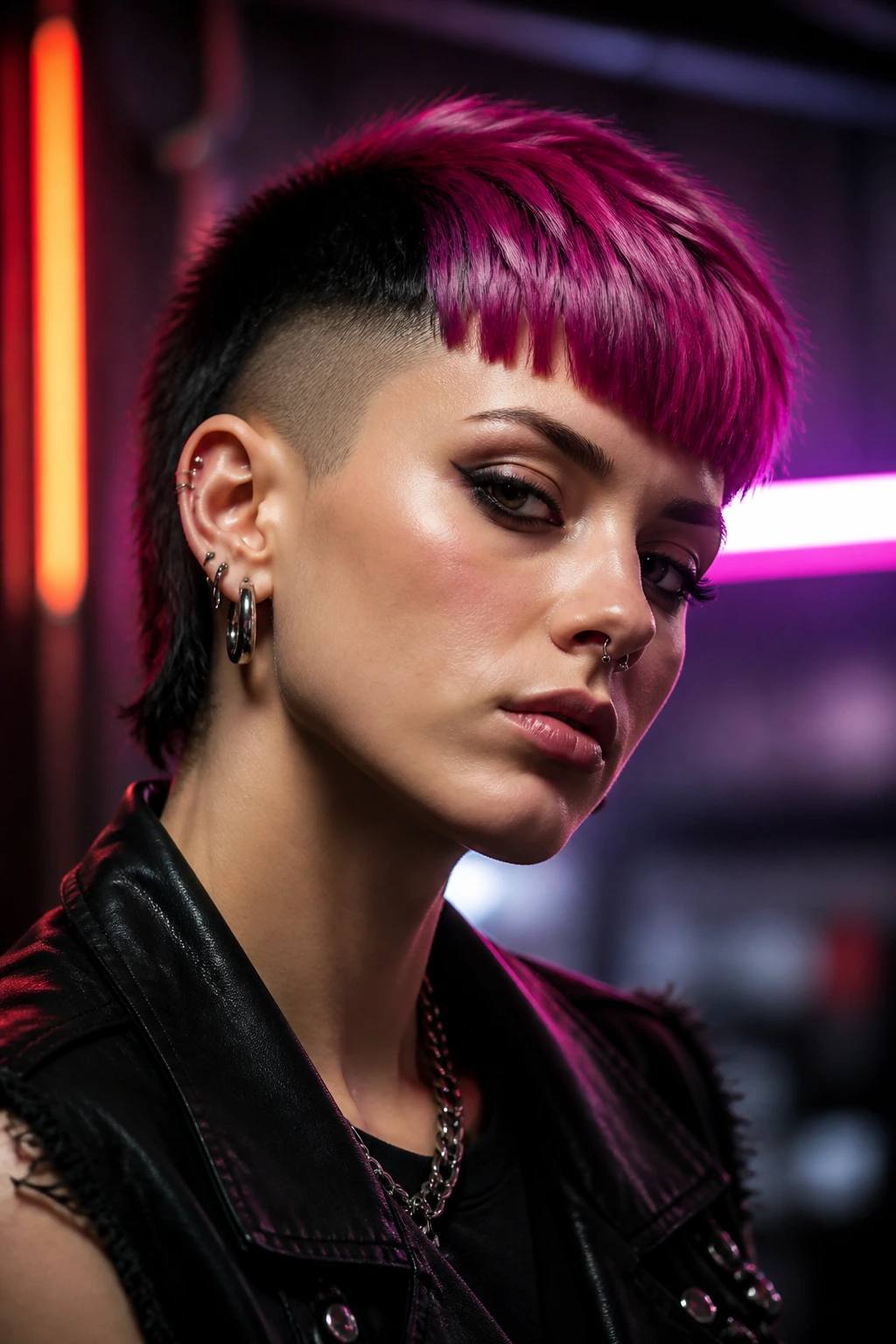
The haircut does one job. The color does the other. That’s why a color-blocked Chelsea cut can feel so effective. You get the hard side shave and fringe shape, then a slice of color — neon, platinum, black, copper, even a hidden panel under the top — that makes the cut feel planned down to the millimeter.
This is one of my favorite versions for people who want drama without extra length. A magenta fringe panel against dark sides can look louder than a much longer haircut. A hidden underlayer works too, especially if you like the option of keeping things hidden at work and visible when the top shifts.
The maintenance is all about the color. Bright shades need refreshes more often than natural ones, and porous lightened hair grabs pigment fast but also loses it fast. Keep sulfate-heavy shampoos out of the routine if you want the color to hold.
The cut itself can stay simple. That’s the point. One strong shape plus one strong color reads cleaner than trying to pile on five different tricks at once.
9. Soft Chelsea Cut with a Tapered Nape
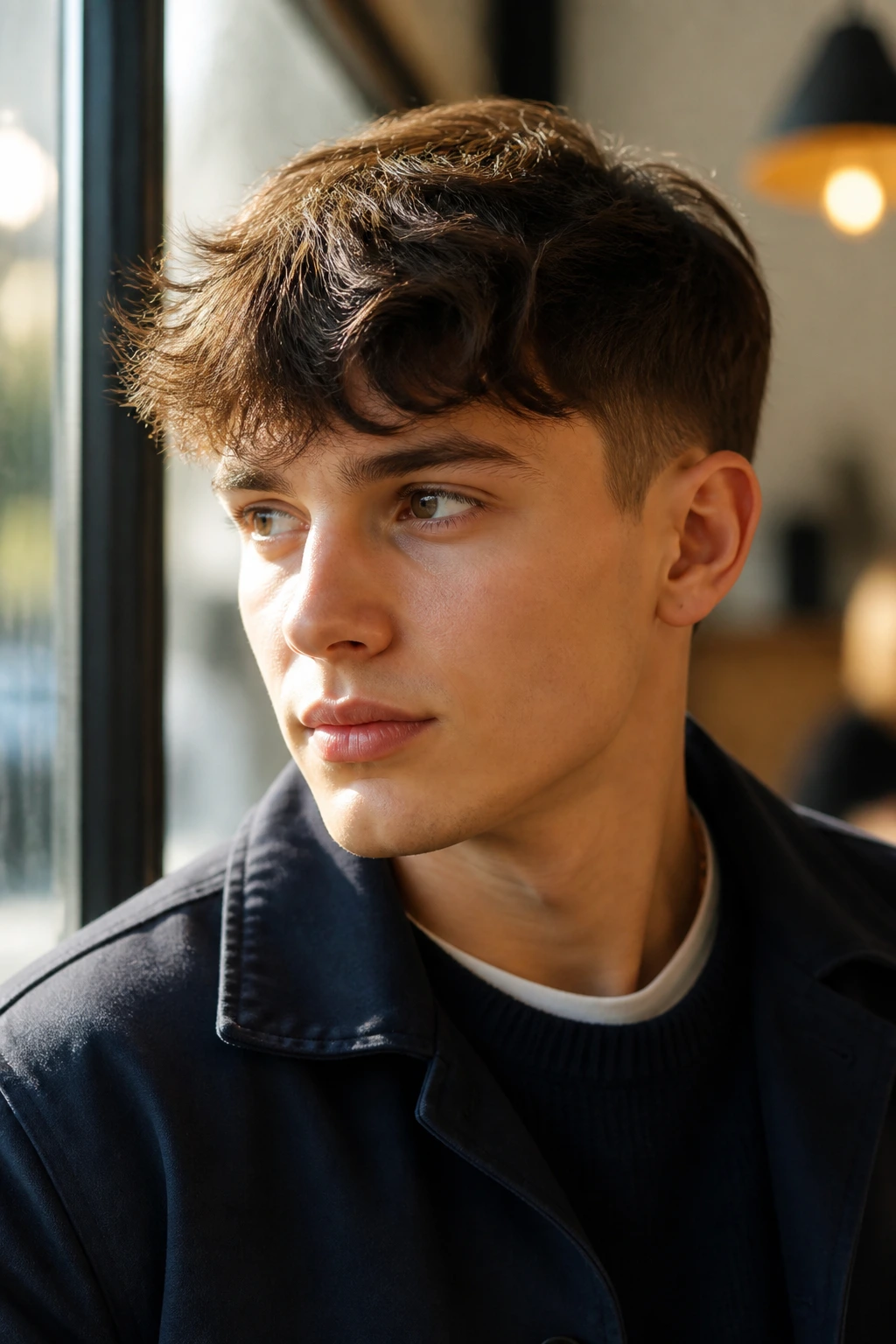
This is the version for people who like the bones of a Chelsea cut but don’t want the whole thing to feel like a dare. The nape is tapered instead of hard-shaved, the sides lean neat rather than bare, and the fringe still gives the haircut its personality. It’s cleaner. Less severe. Still sharp.
The tapered nape makes the neckline sit closer to the skin without exposing every inch of it. That’s useful if you work in a setting where a skin fade feels too aggressive, or if you simply prefer a cut that doesn’t shout before you’ve said a word.
A light cream or styling lotion is usually enough. Brush the top forward, let the fringe sit a little soft, and keep the sideburns tidy. The whole thing should look like it was designed with a ruler, not hacked apart.
This version also grows out with less drama. The taper blurs before the shape falls apart, which is a nice break from the stricter cuts.
10. Razor-Textured Chelsea Cut
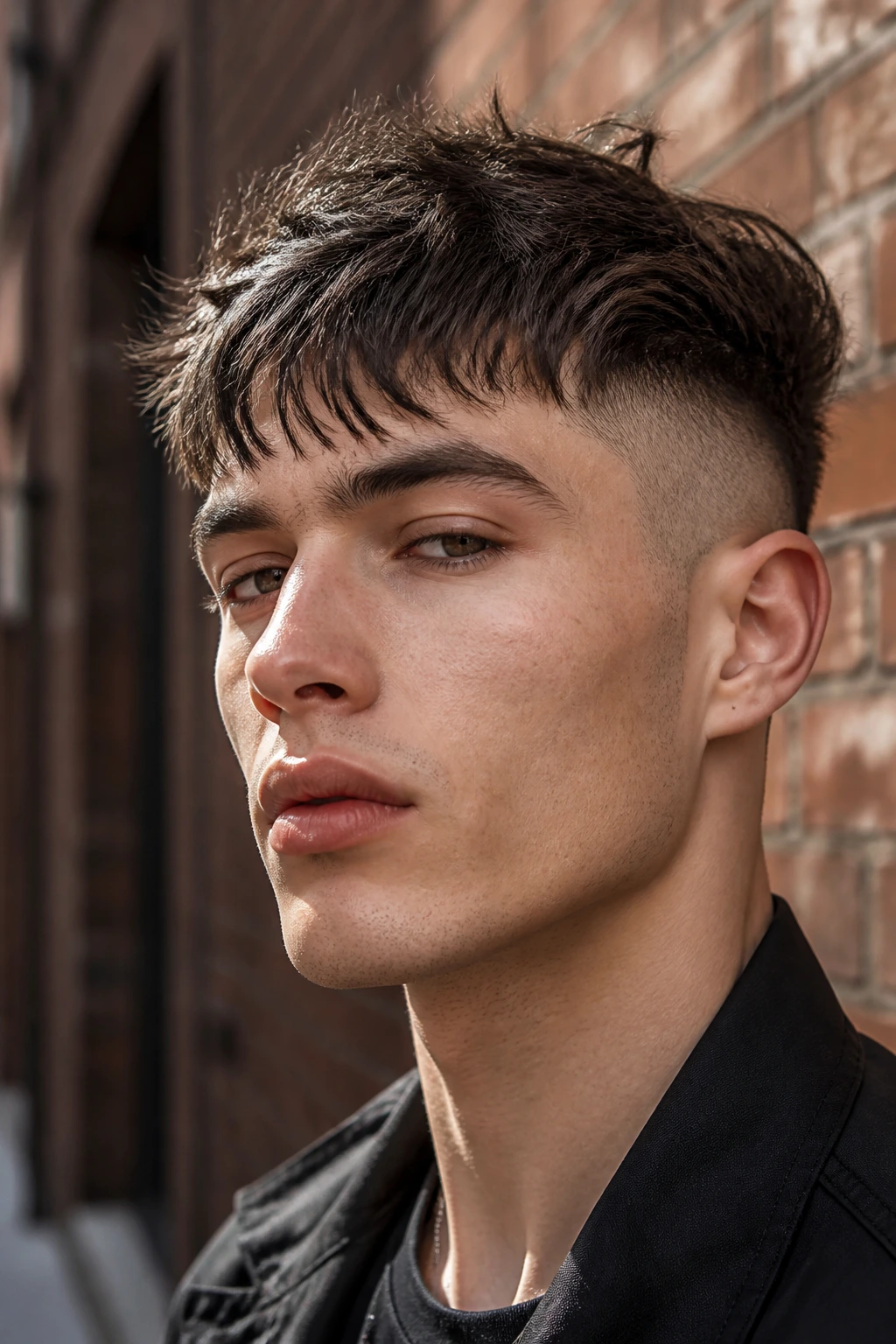
Why does this one never sit flat? Because the ends have been broken up on purpose. A razor-textured Chelsea cut uses a razor or deep point cutting to soften the perimeter, which stops the haircut from looking blocky or helmet-like. It’s especially good for fine hair that needs movement.
The texture can make the fringe flick, separate, and fall in little pieces instead of one solid sheet. That matters. A blunt cut on fine hair can look sparse if it’s too heavy or too dense in the wrong spot. Razor work gives the top some air.
There is a limit, though. Over-razoring dry or fragile hair can make the ends fray. If the hair already splits easily, ask for point cutting instead of a full razor pass. Same idea. Less stress.
Light texture spray and a small amount of paste are enough. This is not a cut that likes to be smothered in product. Let the ends move.
11. Chelsea Cut with an Undercut Panel
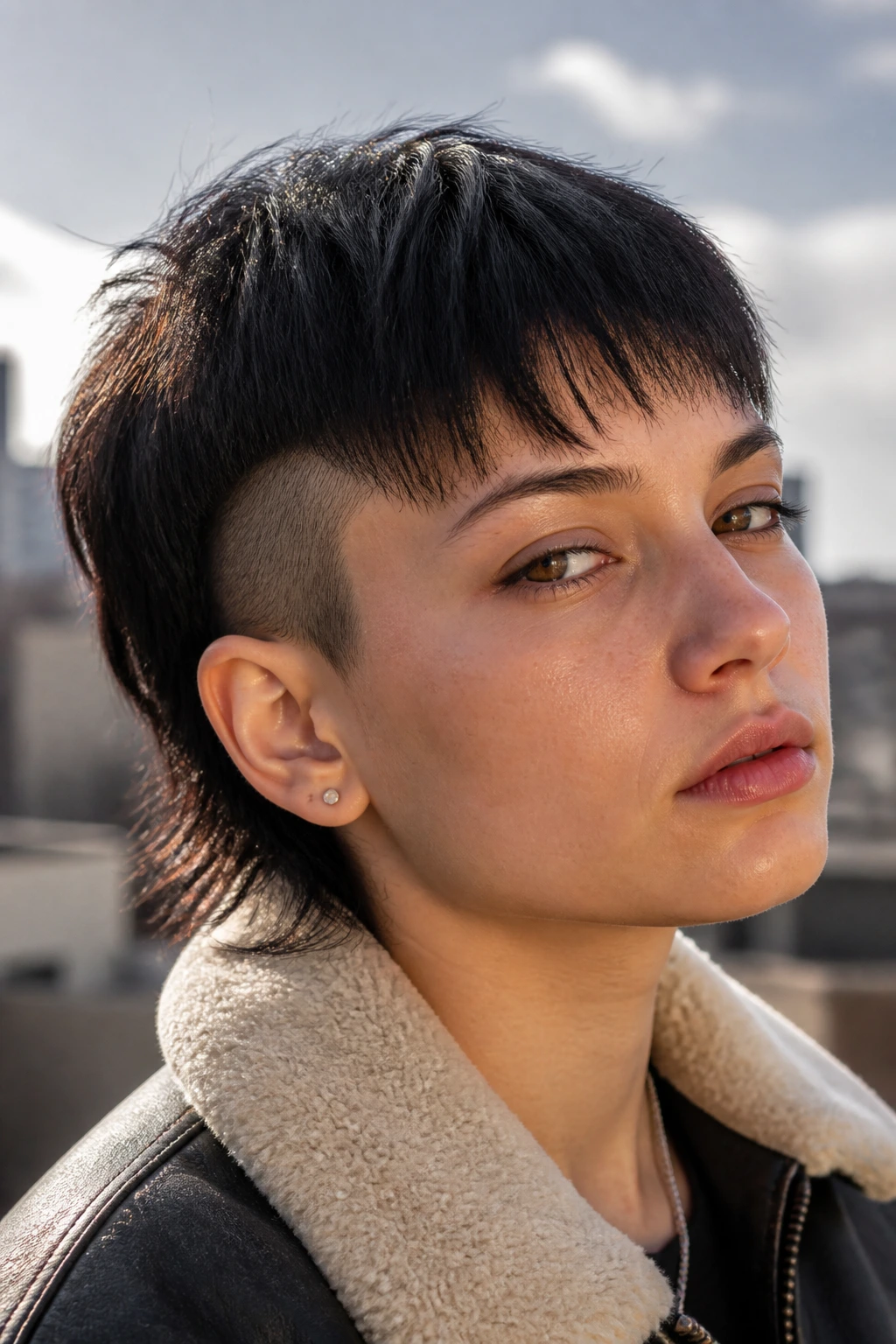
A hidden undercut panel is one of the smartest moves in this whole family of cuts. On the surface, it reads like a fuller Chelsea shape with a heavier top. Lift the top or tie it back, and the shaved panel underneath shows up like a secret.
That makes it a good choice for thick hair. Removing bulk from the hidden section gives the top more room to fall cleanly instead of puffing away from the skull. It also helps in hot weather, although I know that phrase gets used everywhere and means little until you’ve actually had hair stuck to your neck. Here, it means something.
The undercut panel should be narrow enough to stay hidden when you want it, usually about one to two fingers wide on each side. Too broad, and the cut starts looking like two separate haircuts fighting each other. A clean transition line matters more than people think.
If you like changing the look day to day, this one gives you options without a big haircut commitment. That’s rare.
12. Faux-Hawk Chelsea Cut
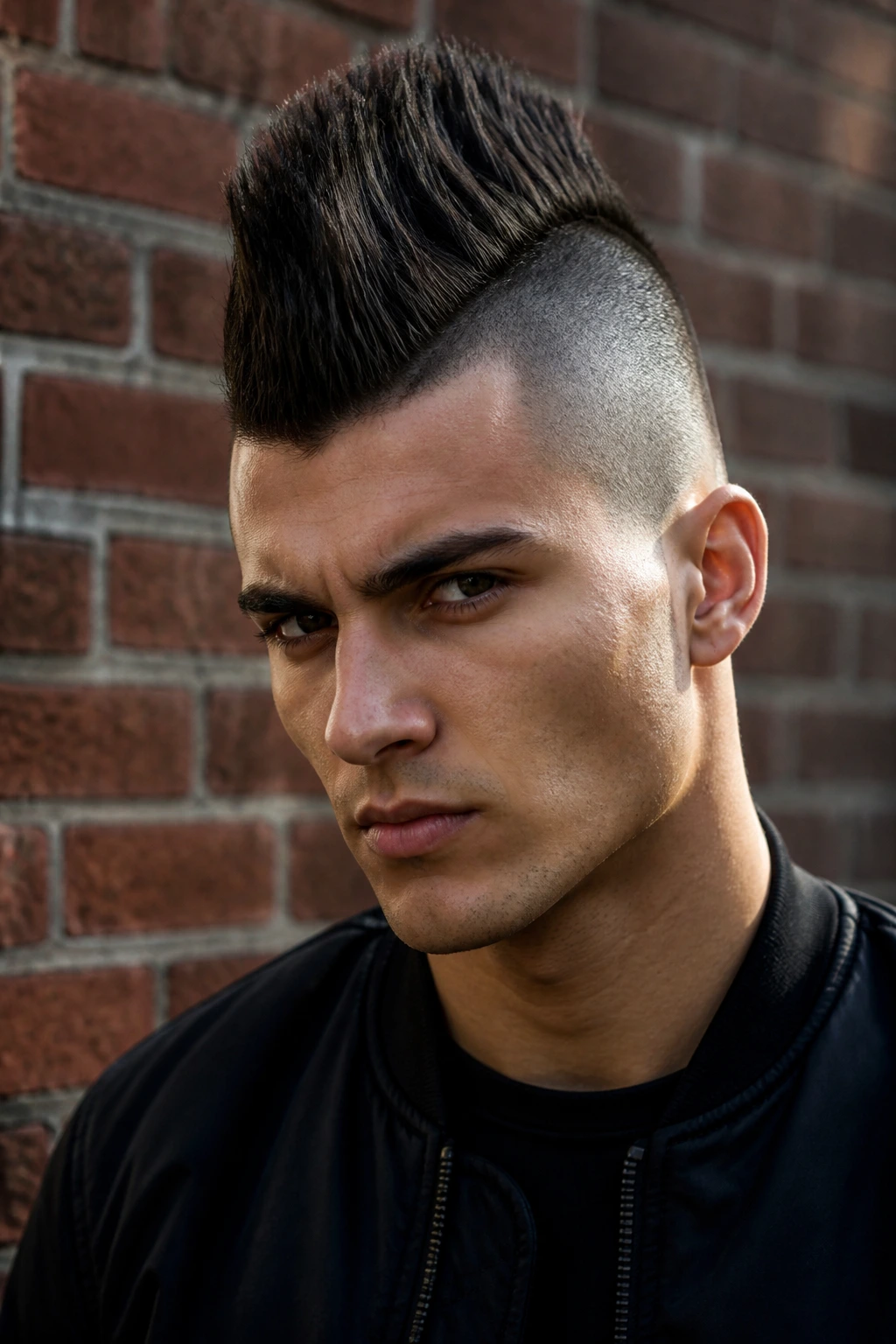
A faux-hawk Chelsea cut keeps the center ridge alive. The sides stay tight, the middle gets more height, and the whole thing pushes upward instead of just forward. It has more lift than a classic Chelsea cut, which makes the haircut feel a little louder and a little more athletic.
This one works best when the top has enough length to stand. Roughly 3 to 5 inches is the range that usually gives you enough height without tipping into full mohawk territory. Blow-dry against the direction you want the hair to fall, then lock it with a strong paste or cream.
The shape can be aggressive, but it doesn’t have to be messy. A clean faux-hawk Chelsea cut has a central line that stays readable even when the hair moves. That’s the difference between style and chaos.
If your crown swirls in two directions, ask for a little extra length there. Otherwise the ridge will split and the whole thing gets stubborn.
13. Mullet-Inflected Chelsea Cut
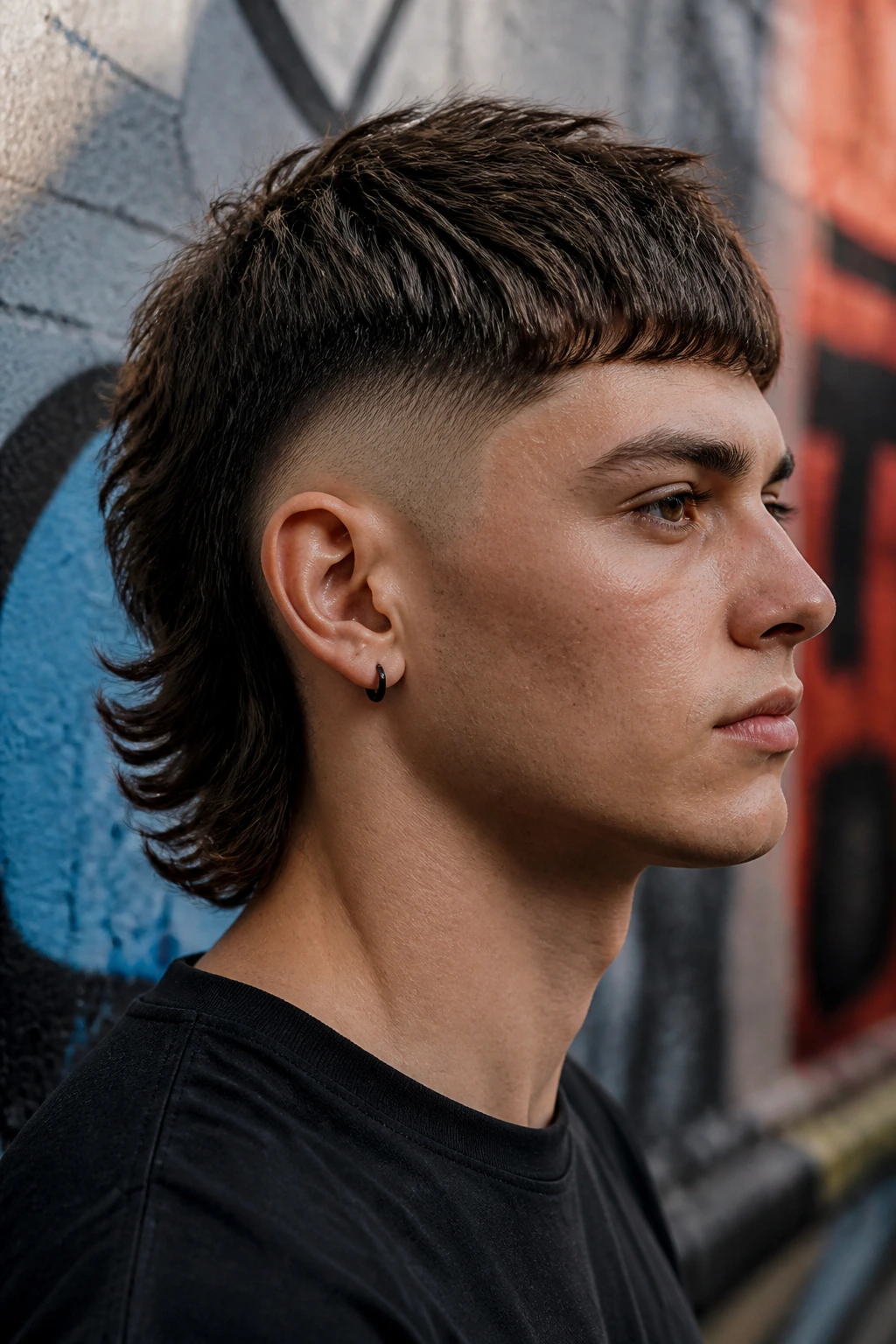
This is the one for people who like their edges with a little drag in the back. The front and sides still carry the Chelsea shape, but the nape is left longer so the cut has a tail and some swing. It borrows a little from punk mullet territory without turning into a full throwback.
The longer back changes the silhouette in a useful way. From the front, you still get the fringe and shaved sides. From the side, the line extends farther back and gives the neck some shape. That can soften a strong jaw or balance a very short face.
It does need maintenance around the neckline. If the back is allowed to grow into the collar too much, the whole point gets muddy fast. Keep the lower edge crisp even if the nape stays longer.
A bit of texture paste on the fringe keeps the front from looking flat while the back does its own thing. I like this version when the person wearing it wants the haircut to move a little when they walk.
14. Bowl-Front Chelsea Cut
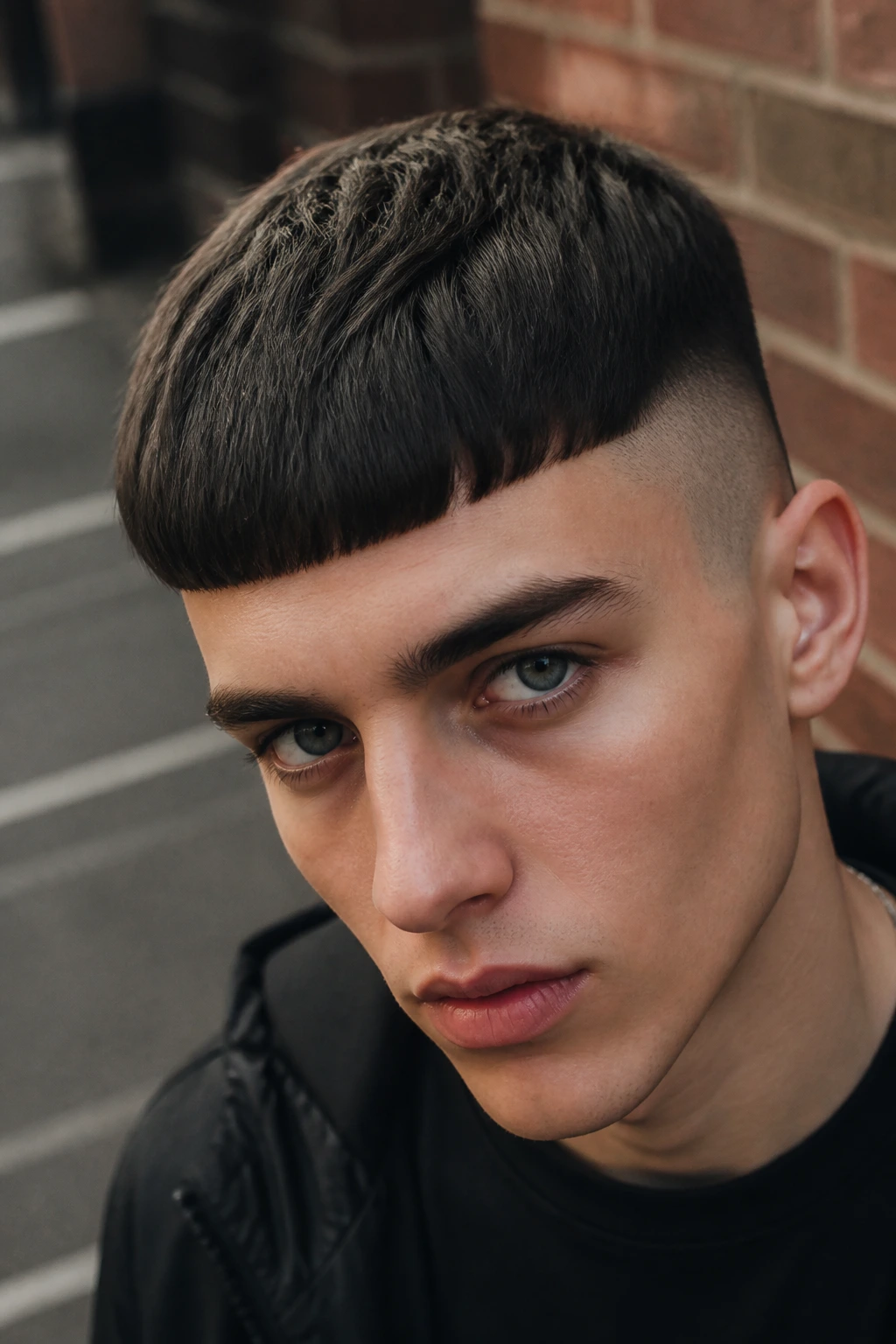
A bowl-front Chelsea cut is blunt in the most graphic way. The fringe sits rounded or straight across the forehead, and the sides are clipped tight so the front shape becomes the main event. It sounds severe because it is severe. That’s the charm.
What Gives It the Punch
The edge line has to stay clean. If the fringe gets fuzzy, the whole cut loses its point. A blunt line across the brow with short sides creates a very strong frame around the face, and that frame can be dramatic enough on its own that you don’t need much styling at all.
- Good for: People who like clear geometry.
- Less forgiving on: Cowlicks that kick the fringe upward.
- Styling move: A flat brush and low heat help the front lie down.
The bowl-front version is not for everyone, and that’s fine. It works best when the wearer likes their haircut to be the loudest thing in the room. If you want softness, skip it. If you want a line that looks like it was cut with intent and maybe a little nerve, this one delivers.
15. Tapered Temple Chelsea Cut
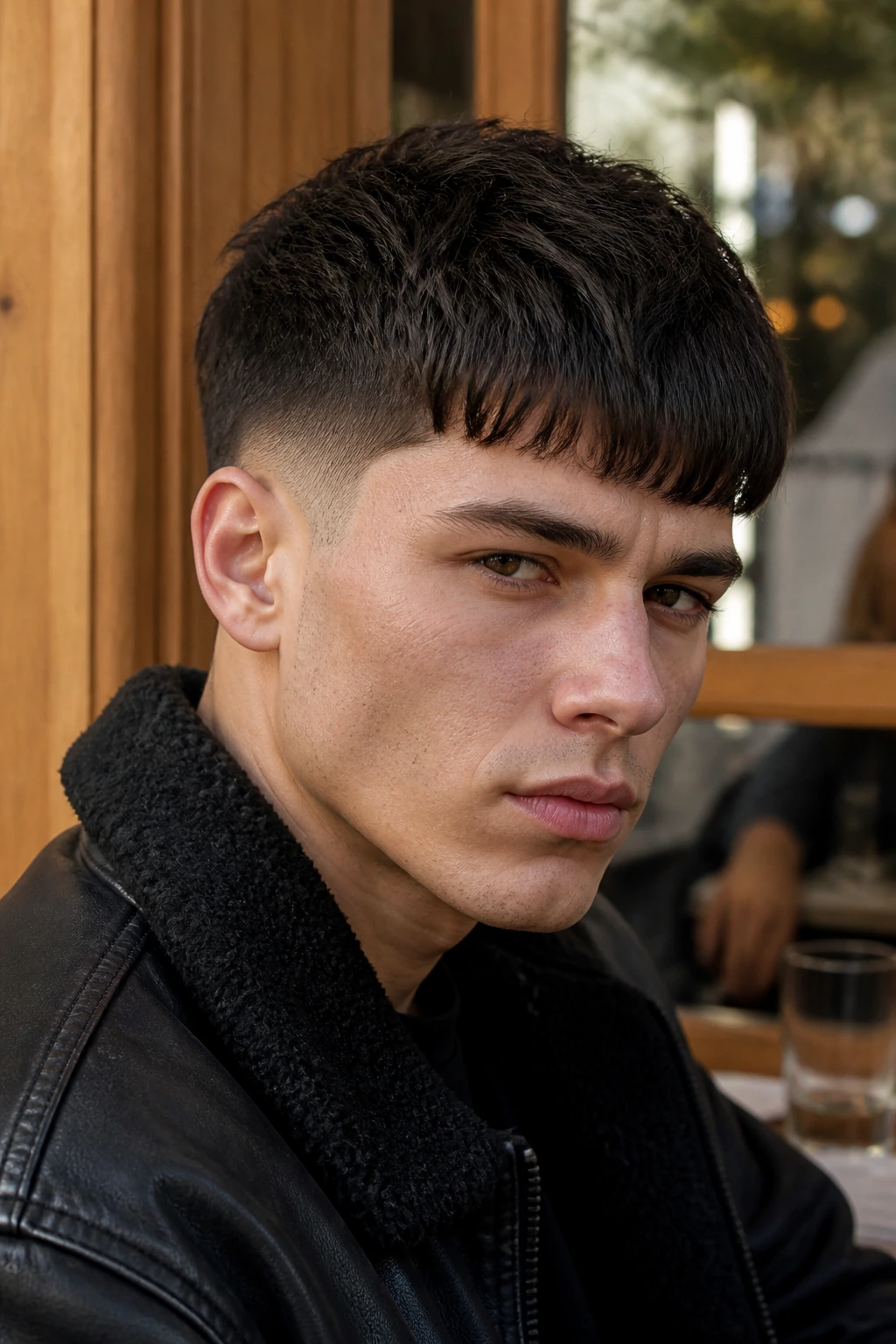
The temples carry more visual weight than most people notice. Taper them instead of shaving them bare, and the whole cut changes from sharp to controlled. That’s the idea behind the tapered temple Chelsea cut: sides still short, fringe still strong, but the transition around the face is smoother.
This version sits well with glasses, headphones, and anything else that touches the side of the head. It’s also a smart move if you want a Chelsea cut that doesn’t expose every inch of the hairline. A #1.5 to #2 feel at the temple can be enough to soften the shape without losing the edge.
The top can still be blunt or textured. That’s the nice part. You can keep the haircut’s attitude while dialing down the bite around the ears.
If your face is already narrow, this is often the better choice than a skin fade. Too much scalp can make the sides disappear in an unhelpful way. A taper keeps the frame intact.
16. Sleek Wet-Look Chelsea Cut
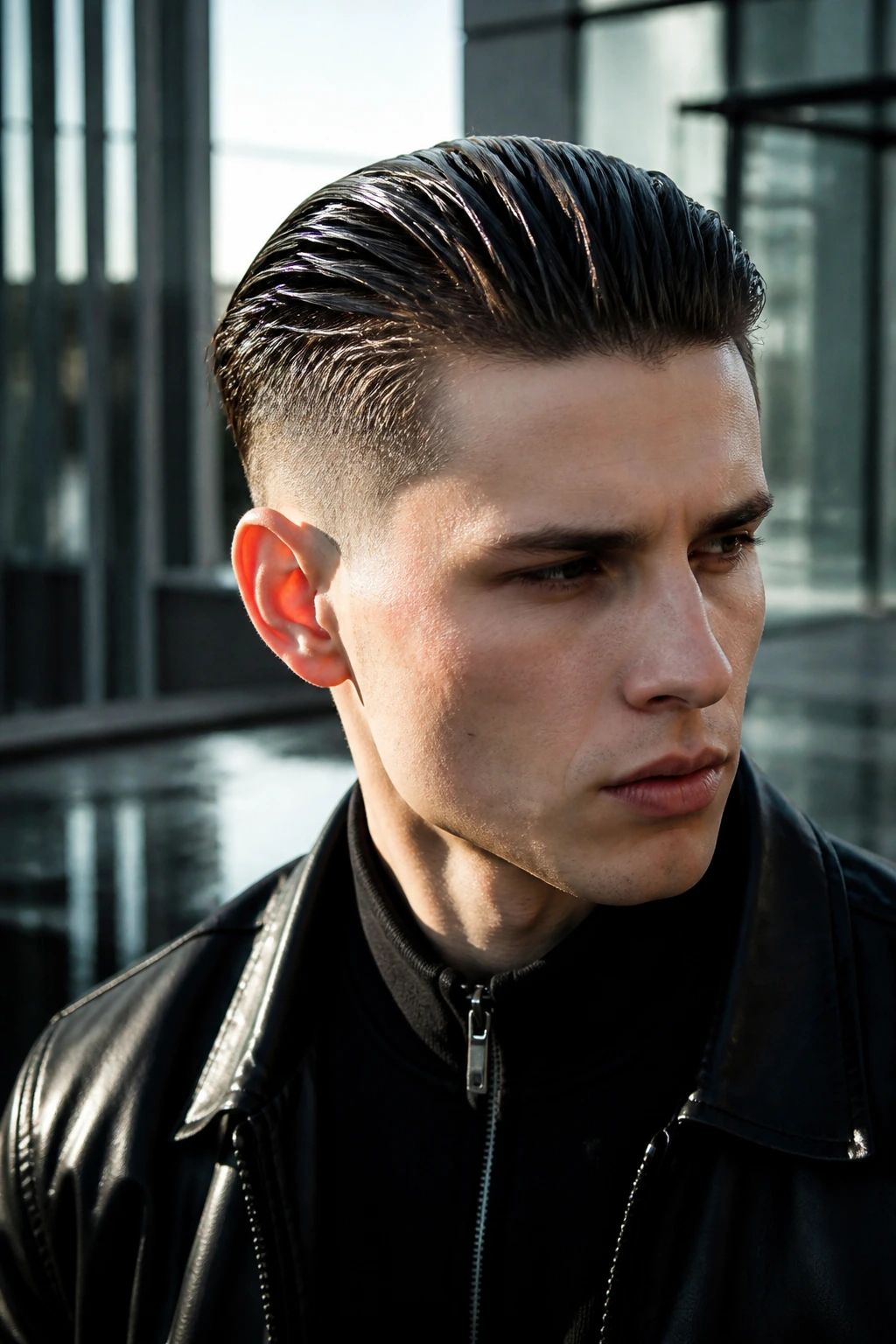
A sleek wet-look Chelsea cut is the slicked-back cousin of the more ragged versions. The sides are tight, the top is combed into place, and the finish has that polished, damp sheen that makes the haircut feel almost architectural. It is one of the few versions that really likes a glossy product.
A water-based gel or light pomade on damp hair gives the cleanest result. Comb the fringe forward or slightly to the side, then press the shape into place with your palms. If the product dries too fast, mist a little water and rework it instead of piling on more product. Too much and the hair starts looking crunchy.
This version works especially well on straight hair or hair that can be trained into a forward direction. It can also be useful on a night out, when you want the haircut to look intentional from every angle. The shine does some of the speaking.
The downside is that this finish shows every mistake. Uneven edges, odd cowlicks, and dry ends all become obvious fast. You need a neat cut underneath.
17. Pixie-to-Chelsea Hybrid
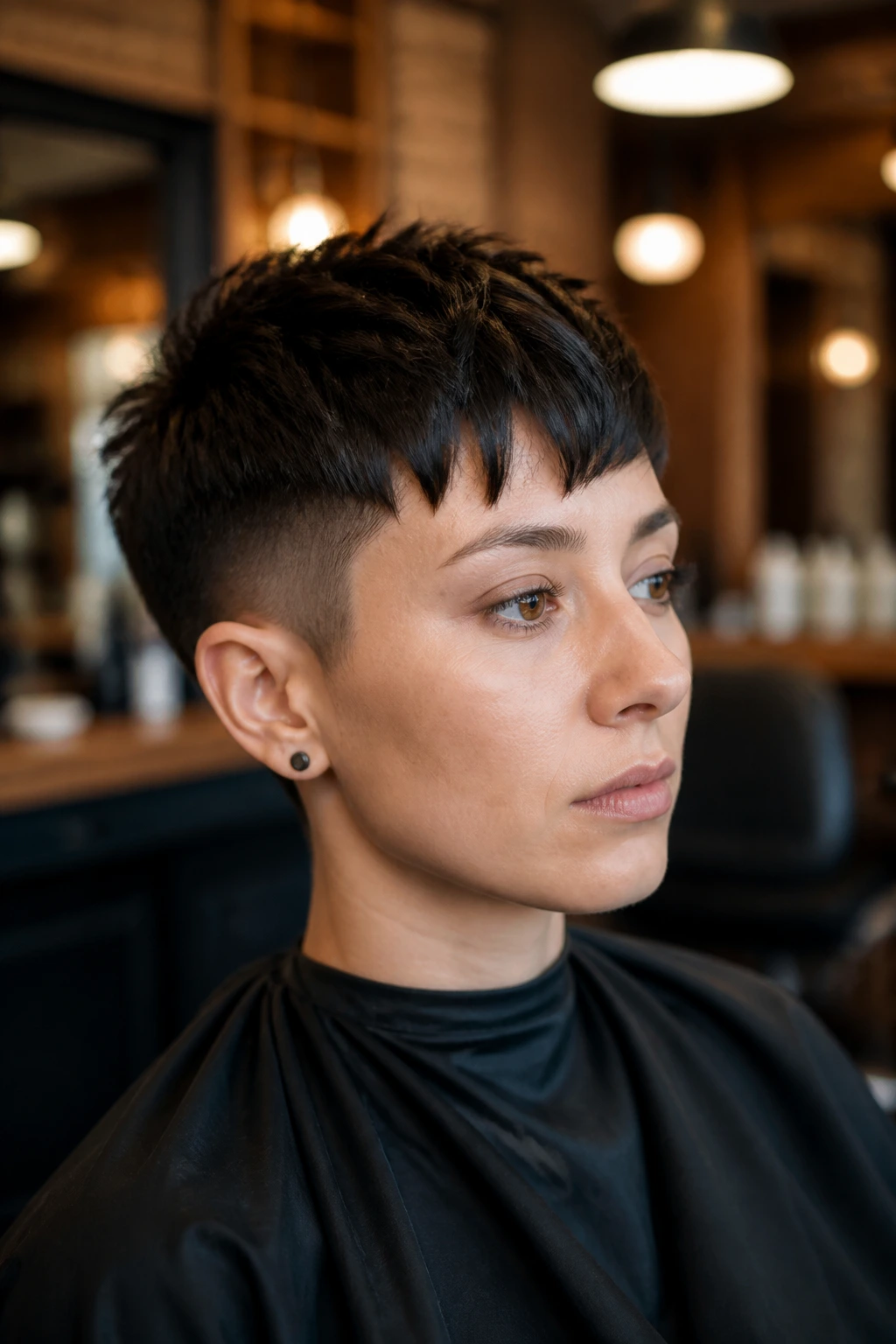
If a full Chelsea cut feels too blunt, the pixie-to-Chelsea hybrid is a smarter bridge. It keeps the shaved sides or undercut, but the crown stays softer, and the fringe sits somewhere between pixie length and a true Chelsea front. The shape is gentler without losing the attitude.
This cut works well when you want short hair that still has movement. The top can be swept forward, tucked to one side, or left piecey with a light cream. A little mess is welcome here. A lot of mess is not.
The hybrid also suits people who are growing out a pixie and want to move toward something sharper without taking everything down to the skin. It creates a middle stage that still looks like a choice. That matters more than people admit.
I like this version with a slightly longer nape and softer sideburns. It keeps the face open while giving the haircut enough shape to feel finished.
18. Heavy Fringe Chelsea Cut
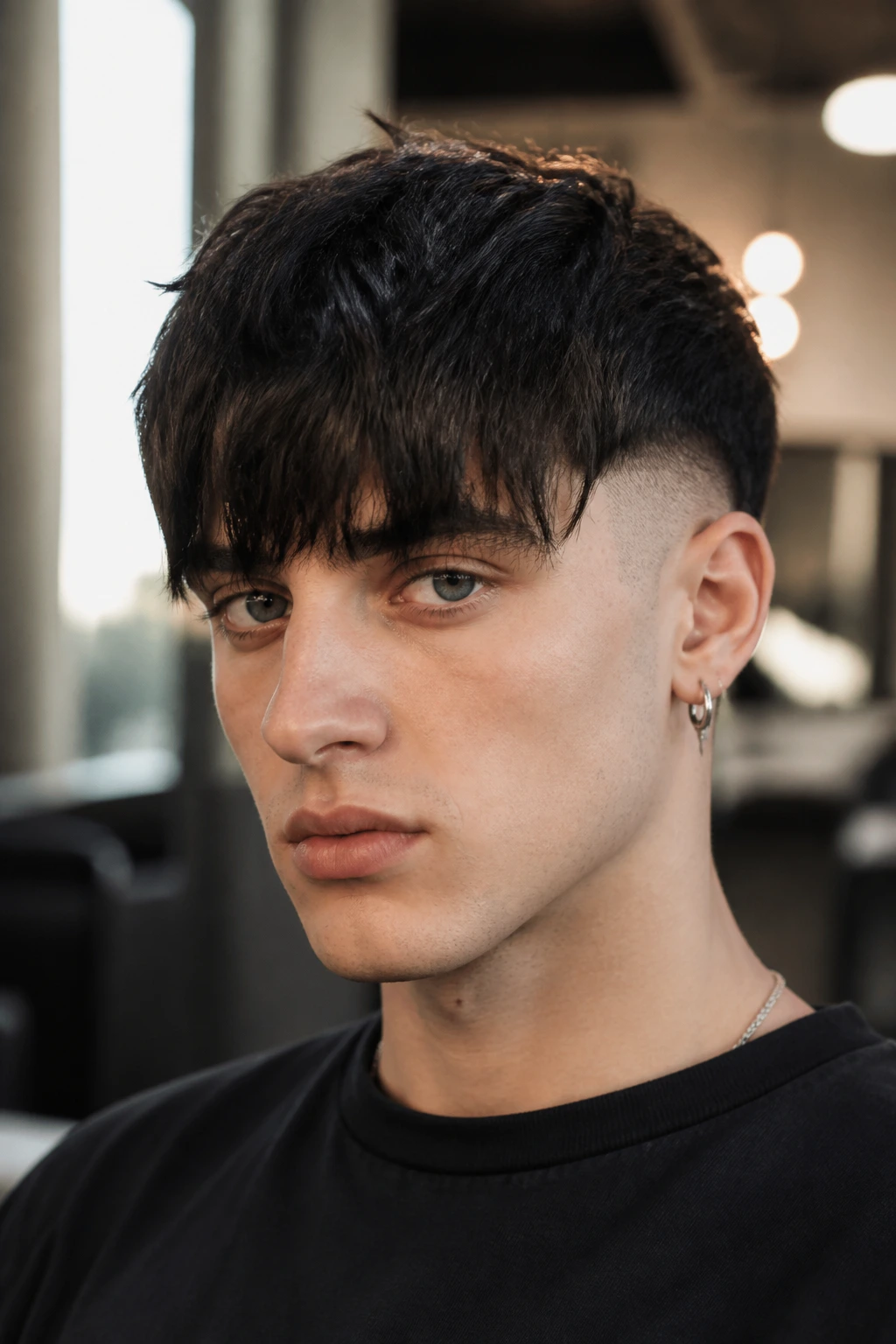
Some cuts are about the sides. This one belongs to the fringe. A heavy fringe Chelsea cut keeps the front full, thick, and low, with the sides shaved to make the weight at the front look even more dramatic. The line across the forehead becomes the focal point.
This is a good choice if you want to shift attention toward the eyes. It can also balance a higher forehead or a very long face. The key is to keep the fringe thick enough that it doesn’t separate into see-through strands after one day of wear.
Cutting it dry helps because wet fringe can shrink upward more than you expect. That little bit of shrinkage is how people end up with bangs that sit half an inch shorter than they meant. Not ideal. Leave length, then refine.
A small round brush or flat brush can help direct the fringe forward without making it puffy. If you want more drama, tuck a little texture powder at the roots and push it with your fingers.
19. Hard-Part Chelsea Cut
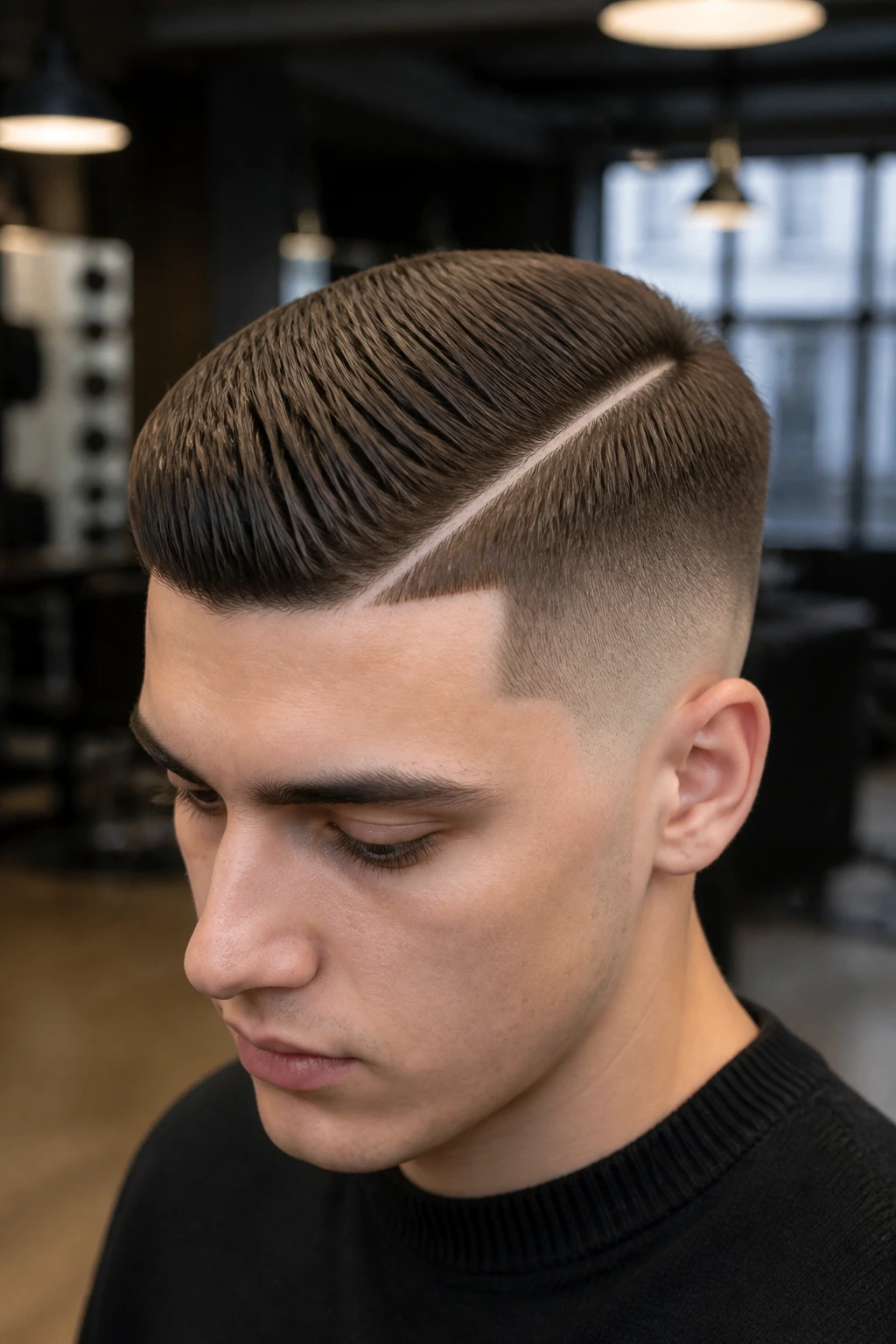
A hard-part Chelsea cut is all about the line. A clipper or razor part adds a visible channel through the top, and that line makes the haircut feel more structured than a simple side sweep ever could. The rest of the shape can stay compact, but the part gives the eye somewhere to land.
This version works especially well with a sleek or brushed-over top. The hard part keeps the style from looking vague. Without it, the haircut can drift toward generic short hair. With it, the outline feels controlled.
It’s worth saying this bluntly: hard parts need upkeep. If the line grows out or fills in, the whole point weakens. Plan on refreshes every couple of weeks if you want the part to stay crisp.
The part can be subtle or obvious. A narrow line feels cleaner. A wider line looks more graphic. Pick the version that matches the rest of your wardrobe, because this one does not hide.
20. Grown-Out Chelsea Cut
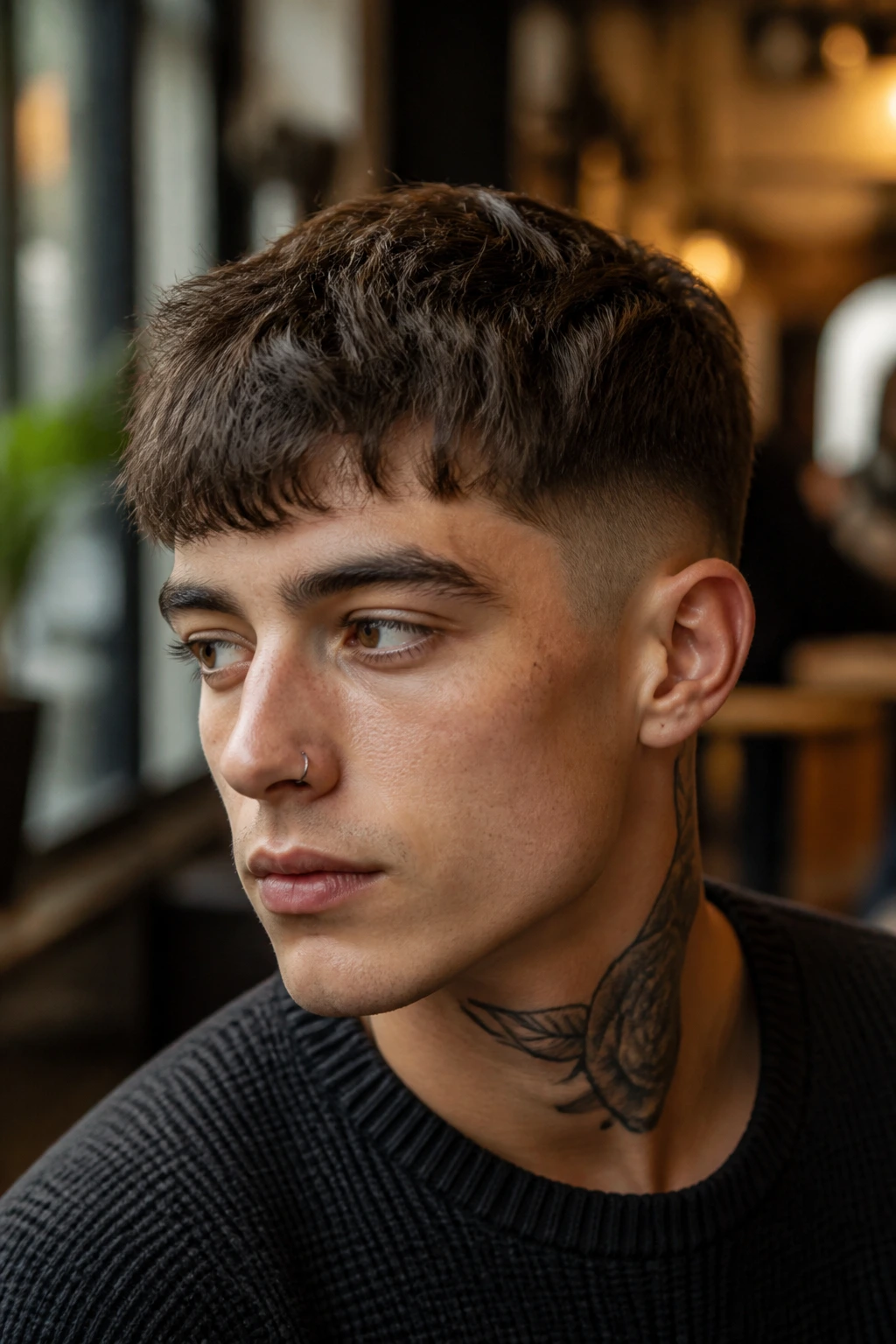
A grown-out Chelsea cut is not a mistake if it’s shaped on purpose. The sides are still shorter than the top, but the fringe softens, the nape lengthens a little, and the whole cut begins to look lived-in instead of freshly clipped. That can be a good thing.
This version is useful when you’re between appointments and want the grow-out to still look like part of the plan. Keep the neckline tidy, trim any stray bulk around the ears, and let the fringe fall a little looser than it did on day one. You can still style it with a cream or light paste, but don’t force it too hard.
The best grown-out version keeps some contrast. If the sides and top become the same length, the Chelsea shape disappears. A little difference in length is what keeps the haircut from drifting into plain short hair.
I like this version on people who want less maintenance without giving up the shape entirely. It has a rougher, lived-in edge that can be better than the cleaner cut.
How to Choose the Right Chelsea Cut for Your Hairline and Texture
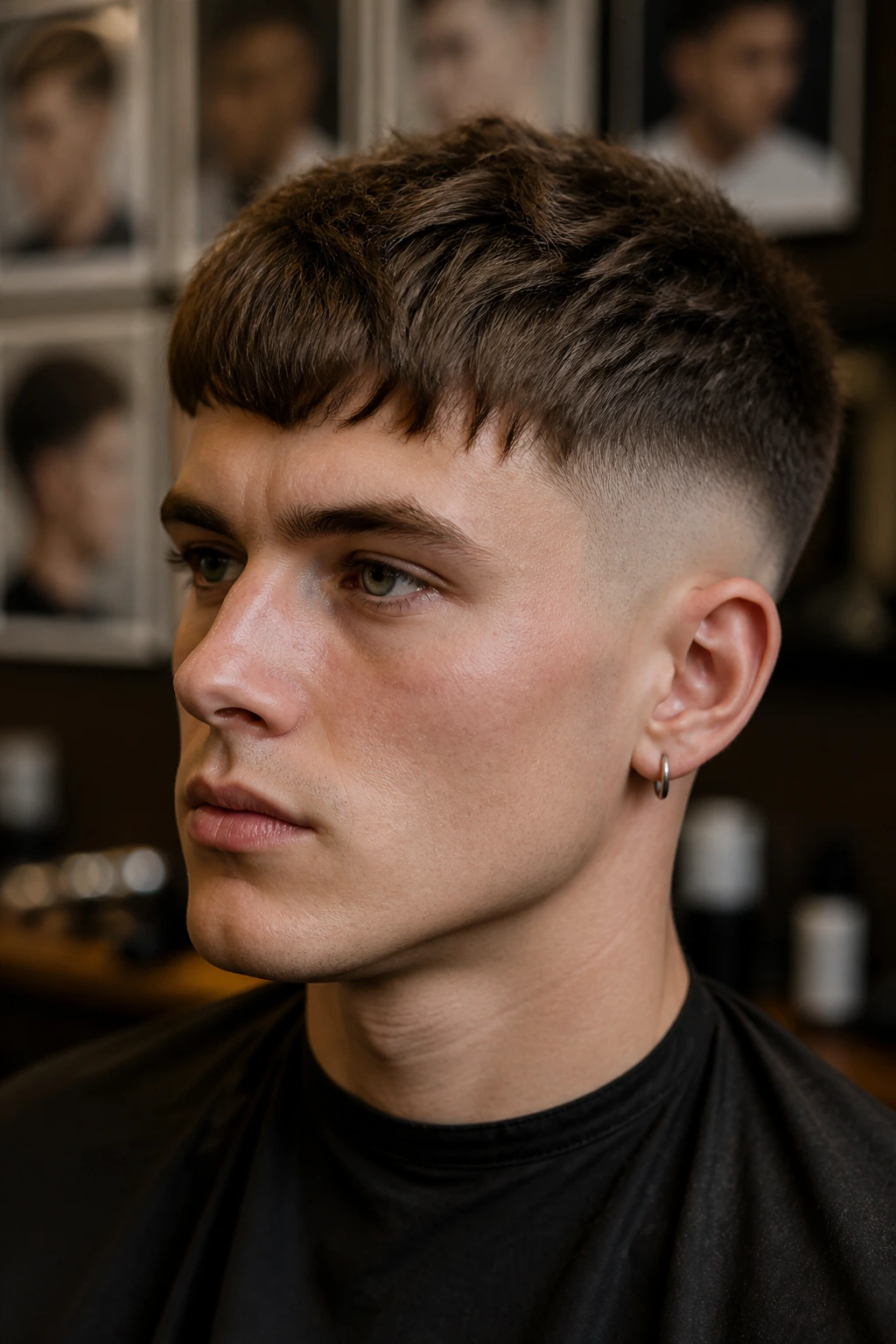
The first decision isn’t fringe length. It’s growth pattern. Cowlicks at the front, a heavy swirl at the crown, or a temple that sticks up in one stubborn direction can all change how a Chelsea cut behaves, so start there instead of chasing a picture that ignores your actual hair.
Fine hair usually needs a little more weight left in the front and a matte product that doesn’t make the strands separate. Thick hair usually needs internal bulk removed so the top doesn’t swell outward. Curly hair needs room for the curl to breathe, which means the top should not be over-thinned just to make the cut look neat in the chair.
Face shape matters, but not in the cartoonish way people often talk about it. What matters more is where you want the eye to go. A longer fringe pulls attention forward. A skin fade sends it upward. A tapered temple softens the side view. Those are small choices, and they change the read of the cut fast.
Bring reference photos, but bring the right kind. One front view, one side view, and one photo of someone with similar hair texture will save more confusion than five mood-board shots of people with different growth patterns. The photo is a clue, not a command.
Styling Moves That Keep the Shape Sharp
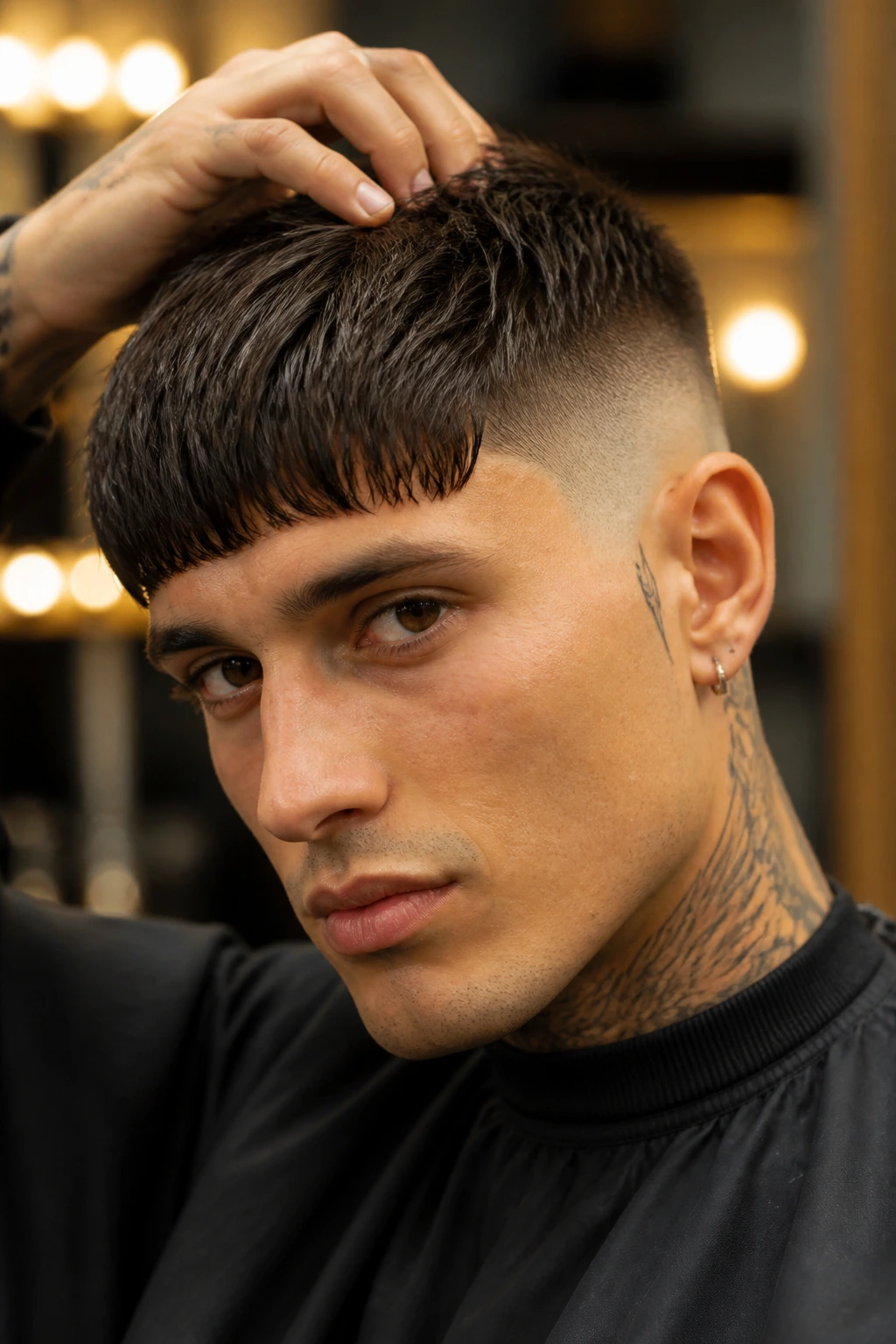
A Chelsea cut looks its best when the hair is directed, not randomly dried. Start on towel-damp hair, then blow-dry the fringe and top in the direction you want them to sit. Even ten seconds of directed heat can matter. Hair takes shape as it cools.
Product choice matters more than product amount. Matte clay gives a drier, more broken finish. Styling cream gives a little softness and movement. Gel or wet-look pomade brings shine and a tighter shape. Use the least amount that holds the form. Too much product turns the cut sticky and heavy.
For curly versions, diffuse until the hair is about 80 percent dry, then stop. Let the rest air-dry so the curl doesn’t puff out from too much heat. For straight versions, a comb can sharpen the line, but fingers often give a better balance of edge and texture. A comb can get too neat. Sometimes neat is the enemy.
And one blunt tip: if the fringe keeps falling into your eyes, the problem may be length, not technique. No styling trick fixes a fringe that is simply too long for how you wear it.
Essential Tools for Cutting, Styling, and Cleanup
-
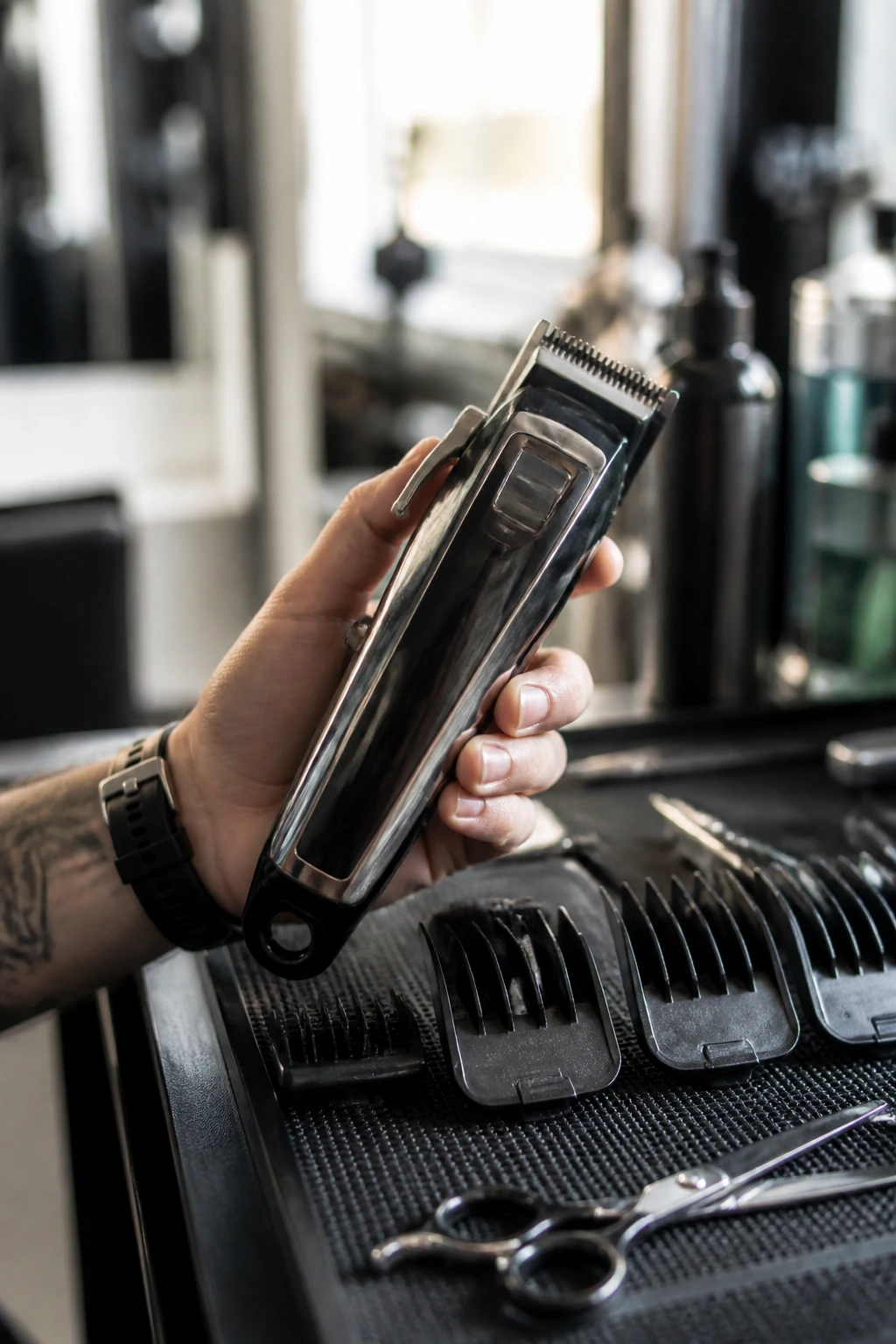
Hair clippers with guard sizes 0.5 through 4: Useful for keeping the sides, nape, and undercut panels tidy between salon visits.
-
Detail trimmer or edger: Best for sharp neckline cleanup and around-the-ear detailing.
-
Texturizing shears: Handy if the top feels too heavy or blocky and needs internal weight removed.
-
Fine-tooth comb: Helps define a hard part, direct the fringe, or smooth a sleek finish.
-
Spray bottle: A little water wakes up a flattened fringe faster than piling on more product.
-
Blow dryer with nozzle: Gives the top direction and helps the fringe sit where you want it.
-
Diffuser attachment: Worth it if the cut sits on curls or waves and you want shape without frizz.
-
Matte paste or clay: Good for rougher, piecey finishes and the shorter Chelsea variations.
-
Styling cream or light pomade: Better for softer versions or a little shine without crunch.
-
Hand mirror: Makes neckline cleanup and side checks far easier if you trim at home.
Keeping the Shape Between Appointments
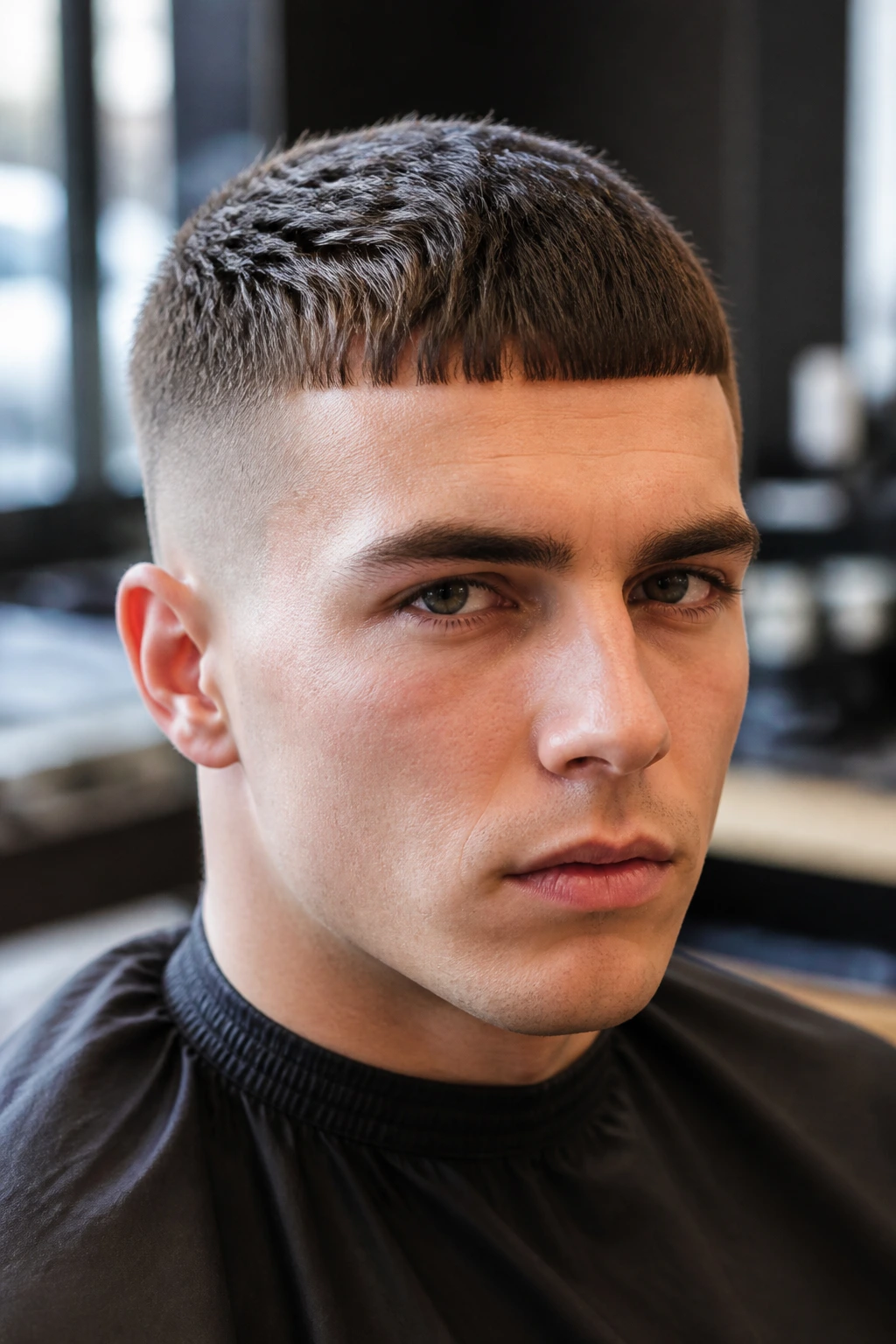
The sides of a Chelsea cut usually need cleanup every 2 to 4 weeks, depending on how fast your hair grows and how clean you want the fade or taper to stay. Skin fades and hard parts show growth fastest. Soft tapers hide it a little better.
Wash frequency depends on scalp oil and product use, but the shape often looks best when you don’t overwash it. If you use matte product daily, a gentle shampoo every 2 or 3 washes is usually enough, with a conditioner kept mostly on the top lengths if they need moisture. The scalp doesn’t need to be scrubbed until it squeaks. That’s a myth with no charm.
For the fringe, a quick morning refresh can be as simple as misting the roots, blow-drying in the right direction for 20 to 30 seconds, and using less product than the day before. A lot of people overdo the first pass and wonder why the hair collapses by lunchtime.
If you clip your own neckline, go slow and work with a mirror under good light. Neck hair grows in odd directions, and one careless swipe can make the shape look jagged for a week. If the cut includes color, root touch-ups or toning need more regular attention than the haircut itself.
Common Mistakes That Flatten a Chelsea Cut
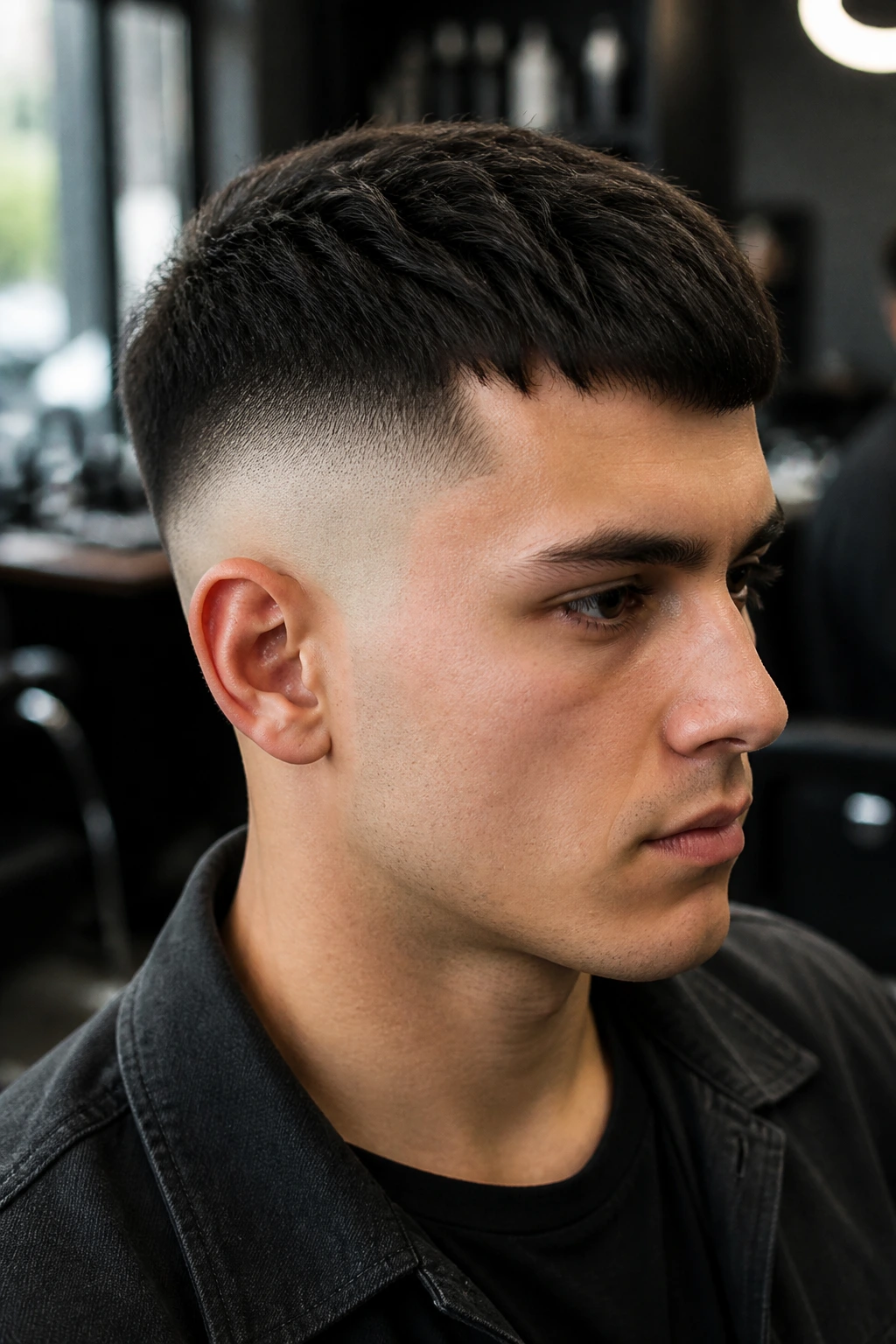
The biggest mistake is leaving the top too long without removing internal weight. The result looks puffy, not edgy. It sits away from the head like a shelf. The fix is simple: ask for point cutting, light layering, or debulking inside the top instead of just losing length at the ends.
Another common miss is shaving the sides too high on a narrow head. That can make the face look taller and the haircut look disconnected. If your head is slim or your temples are deep, a softer fade or lower taper usually looks better than a bare skin strip.
Heavy pomade on fine hair is another trap. The cut turns stringy and the fringe separates into greasy pieces. If your hair is thin, matte product or a light cream will behave better than anything shiny or waxy.
Cutting the fringe too short while it’s wet causes more regret than almost anything else in this family of cuts. Wet hair shrinks. Dry hair tells the truth. Leave a little extra length, then trim after the hair settles.
Ignoring the neckline is the final killer. A Chelsea cut can look brand new from the front and sloppy from the back if the nape gets fuzzy. That back view matters.
Variations and Adaptations to Try
Office-Soft Chelsea: Keep the sides tapered instead of shaved, leave the fringe a little longer, and skip the hard part. The outline stays visible, but the cut can sit under a jacket collar or behind glasses without feeling too sharp.
Storm-Short Chelsea: Take the sides very tight and shorten the top enough that styling takes less than a minute. This version is blunt, low-maintenance, and useful if you want the haircut to hold its shape on busy mornings.
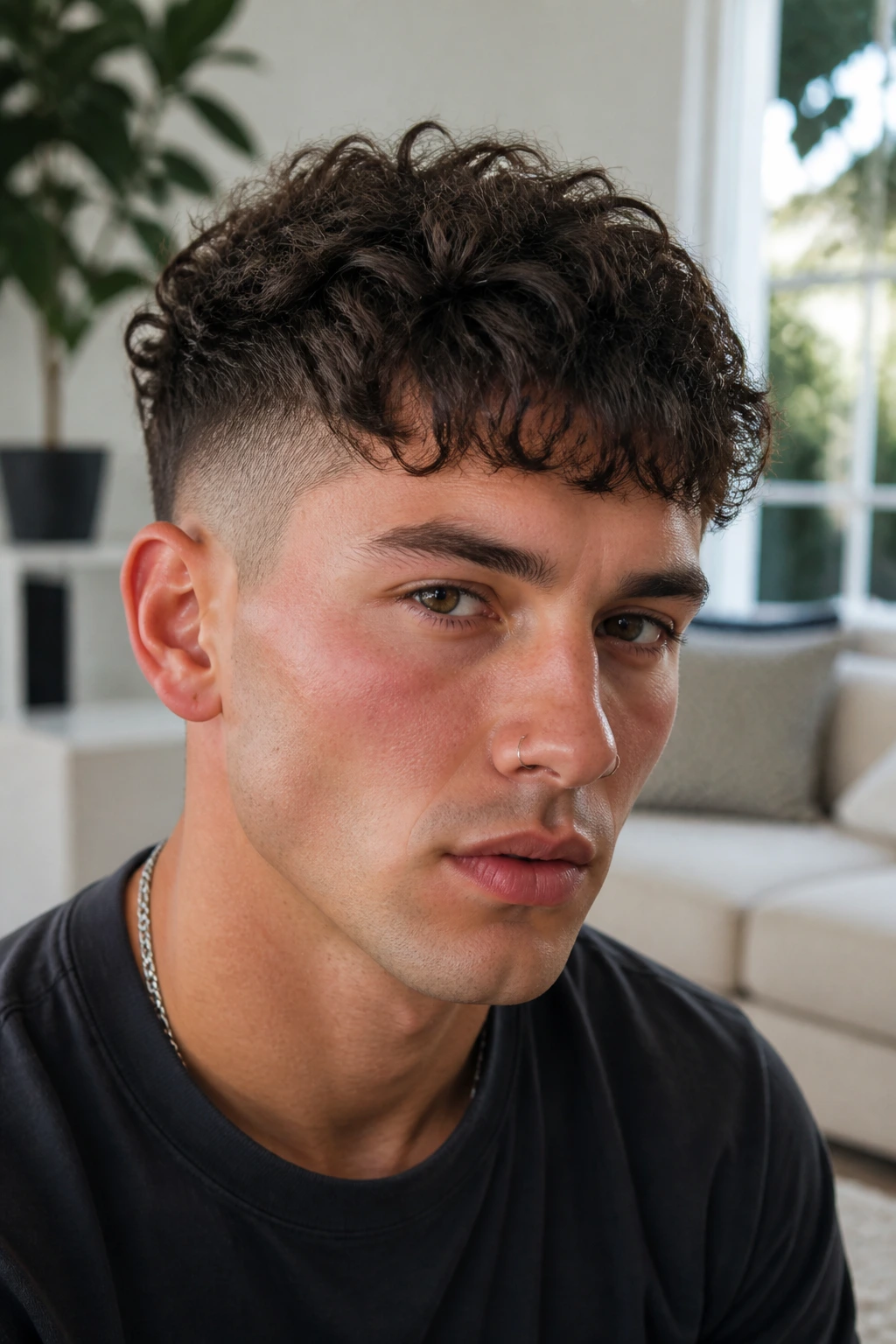
Curly Crown Chelsea: Leave the top long enough for curl definition and keep the fringe broken rather than blunt. This is the friendliest version for coils or strong waves, and it keeps the cut from losing its shape as it grows.
Color-Flash Chelsea: Add a panel of bright dye through the fringe, crown, or hidden undercut section. The haircut stays simple, but the color gives it a stronger point of view.
Grow-Out Bridge Chelsea: Shape the cut so it can move toward a pixie, shag, or short crop without a rough stage. That means softer temples, a controlled neckline, and enough top length to change direction later.
Frequently Asked Questions
Is a Chelsea cut the same as an undercut?
Not quite. An undercut is the technique; a Chelsea cut is the shape and attitude built on top of it. You can have a Chelsea cut with a skin fade, a taper, or a hidden undercut panel, depending on how sharp you want the sides.
Does a Chelsea cut work on curly hair?
Yes, and it can look fantastic when the top is cut with the curl pattern in mind. The main thing is not to over-thin the curls or chop the fringe too short, because shrinkage changes the shape more than people expect.
How often does it need a trim?
Most Chelsea cuts need some kind of cleanup every 2 to 4 weeks. The tighter the sides and the sharper the part or fringe line, the sooner it will need attention.
What should I tell the stylist if I want one?
Use simple language: say how short you want the sides, how much length you want left on top, and whether you want the fringe blunt, swept, or irregular. Bring photos, but point out the exact detail you want copied — the fade height, the front length, or the neckline shape.
Can I wear it if I have a round face?
Yes, but the balance matters. A longer fringe or a higher top can help add vertical line, while a very wide, bulky top can make the face look broader. Ask for shape, not just length.
What if my hair is fine and flat?
Keep more weight in the front and use matte paste or a light cream. Fine hair usually looks better with a compact Chelsea shape than with heavy layering that makes the ends look sparse.
Can I style it without heat?
Sometimes. A short, textured Chelsea cut can air-dry well if the hair naturally falls in the right direction. Longer fringes and sleeker versions usually look cleaner with a quick blow-dry first.
How do I grow it out without looking messy?
Keep the neckline and temple area cleaned up while the top gets longer. That way the haircut reads as intentionally grown out instead of forgotten. The difference is small, and it changes everything.
The Shape Carries the Outfit
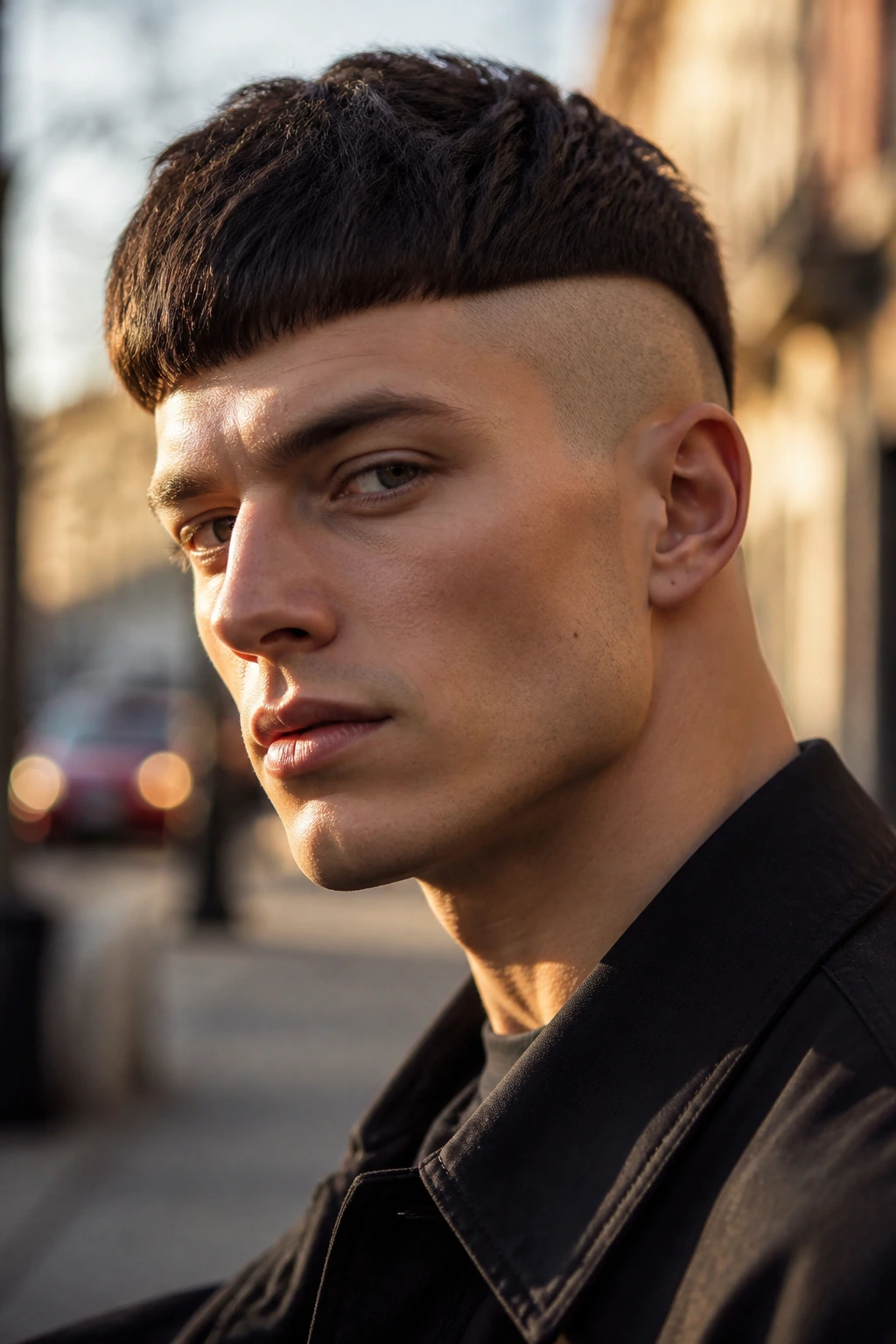
A good Chelsea cut doesn’t need a lot of help. Once the sides are clean and the front has the right weight, the haircut does its own talking. That’s why this style has lasted so long in different forms — it can be bare and brutal, soft and shaggy, glossy and controlled, or somewhere in the middle without losing its edge.
The best version is the one that matches your growth pattern, your patience, and how much shape you’re willing to maintain. Start with the structure that fits your life, then push it sharper later if you want more drama. A Chelsea cut is at its best when it looks chosen.
