



Crochet hairstyles can look sharp enough for a meeting and soft enough for dinner, but the difference is rarely the hair alone. It’s the base, the fiber, and how much shape you leave around the face. A clean install with the right texture reads polished even when the style itself is simple.
That’s why I like crochet braids, twists, and locs when the goal is a protective style that still feels dressed. They keep your natural hair tucked away, and they let you swap from a bob to waist-length in one appointment. The catch is that sloppy parting, bulky cornrows, or hair that shines too much can make the whole thing look rushed.
These 20 looks stay on the polished side of the line. Some are sleek and office-friendly, some are softer and more romantic, and a few lean bold without turning messy. The common thread is control: a shape that makes sense, a texture that matches the mood, and enough detail that the style looks intentional from every angle.
Why These Looks Earn a Spot in a Real Rotation
-
Less Daily Handling: Once the crochet base is installed well, you stop combing through your own strands every morning, which cuts down on tugging and keeps your hair tucked away.
-
Shape Control: A bob, ponytail, bun, or waist-length fall can all start from the same kind of cornrow base, so the finished look depends on shape more than length.
-
Texture Does Half the Work: Curls hide small parting imperfections, twists look neat when the size stays even, and locs read polished when the roots are clean and the ends are not overstuffed.
-
Fast Refreshes: A little mousse, a satin wrap, and a cool dryer can settle fuzz in minutes instead of dragging the whole style down.
-
Lower Tension Is Possible: Shorter styles, lighter fibers, and smart parting can be gentler on the hairline than people expect, as long as the rows are not pulled tight.
-
Easy Wardrobe Shift: The same install can look low-key with a side part and hoops, then formal with a bun, a cuff, or a sharp middle part.
1. Sleek Waist-Length Box-Braid Crochet
Box-braid crochet has a very specific kind of polish. The strands fall in straight, clean columns, and the style looks tidy before you even adjust the part. It’s one of the few long protective looks that can still feel crisp instead of heavy.
Why it stays neat
The trick is the braid size. If every crochet braid is close in width and the cornrow base sits flat, the whole style reads intentional instead of crowded. I like this look best with a brick-layer base and pre-stretched synthetic braiding hair that doesn’t puff up after two days of wear.
Best detail to ask for: a slightly flatter crown and slightly fuller length. That keeps the scalp area clean and lets the ends move.
- Good fit for: work settings, travel, and anyone who wants length without a lot of styling.
- Texture to choose: kanekalon or similar smooth braiding hair for a clean finish.
- Watch the ends: seal them properly so they don’t unravel and make the whole install look frayed.
Small opinion: waist-length box-braid crochet looks best when it is not overloaded. Too many rows and the shape turns boxy in a bad way.
2. Soft Shoulder-Length Faux Locs
Shoulder-length faux locs are the shortcut when you want weight off your neck and a shape that stays neat after a few long days. The shorter length does half the polishing for you. It keeps the profile compact, which matters more than people think.
These look especially good when the roots are wrapped tightly and the ends are left smooth instead of fuzzy. A shoulder-skimming loc has enough swing to feel alive, but not so much length that it starts to drag at the shoulders and tangle on coat collars.
The best version uses a neat part and a medium-thick loc. Too skinny, and the style can look sparse. Too thick, and it loses the clean line that makes faux locs look dressed up.
Best for this look
- narrow to medium face shapes
- cooler months, when long hair starts to feel annoying on the neck
- anyone who wants earrings and collars to show
I’ll say this plainly: shorter faux locs are often the better-looking choice. They don’t have to fight gravity as hard.
3. Curly Goddess Crochet With Face-Framing Pieces
Why do goddess curls still look put together when they move like they’re barely trying? Because the looseness is controlled. The curls can be soft, but the overall silhouette still needs a plan.
This style works when the curly pieces are placed near the front and along the top layers, not scattered everywhere. A few face-framing tendrils make the style feel lighter around the eyes and cheekbones. If every section is overloaded with loose hair, the whole thing starts to read messy instead of romantic.
What makes it work
The curl pattern needs enough bounce to hold shape after a light misting, and the braids underneath should disappear into the install rather than poke through. Water wave or deep wave hair usually gives the most reliable finish.
- keep the front pieces slightly shorter than the back
- ask for a clean center or soft side part
- use mousse lightly so the curls clump instead of frizzing apart
This is one of those styles that looks best on day two. The pieces settle, the part softens, and the hair stops looking “new” in the awkward way that fresh installs sometimes do.
4. Passion Twist Crochet With Tidy Parting
If you have to pass through humidity, errands, and a dinner reservation in the same day, passion twist crochet is the style I’d trust. It has movement, but the twists are still neat enough to look planned.
The polish comes from the parting. Clean, even sections make the twists feel tailored. Sloppy grids make passion twists look loose before they’re even worn. I also prefer medium-sized twists here; they hold shape better than super-fine ones and look fuller without getting bulky.
Use water wave hair or a similar soft-textured fiber if you want the twists to stay springy. If the hair is too silky, the style can look slippery. If it’s too coarse, the twists start to look fuzzy too fast.
A good version has:
- even root sections
- soft, tapered ends
- enough length to swing, not so much that it drags
There’s a sweet spot here. Hit it, and the style looks tailored. Miss it, and it looks like a rush job.
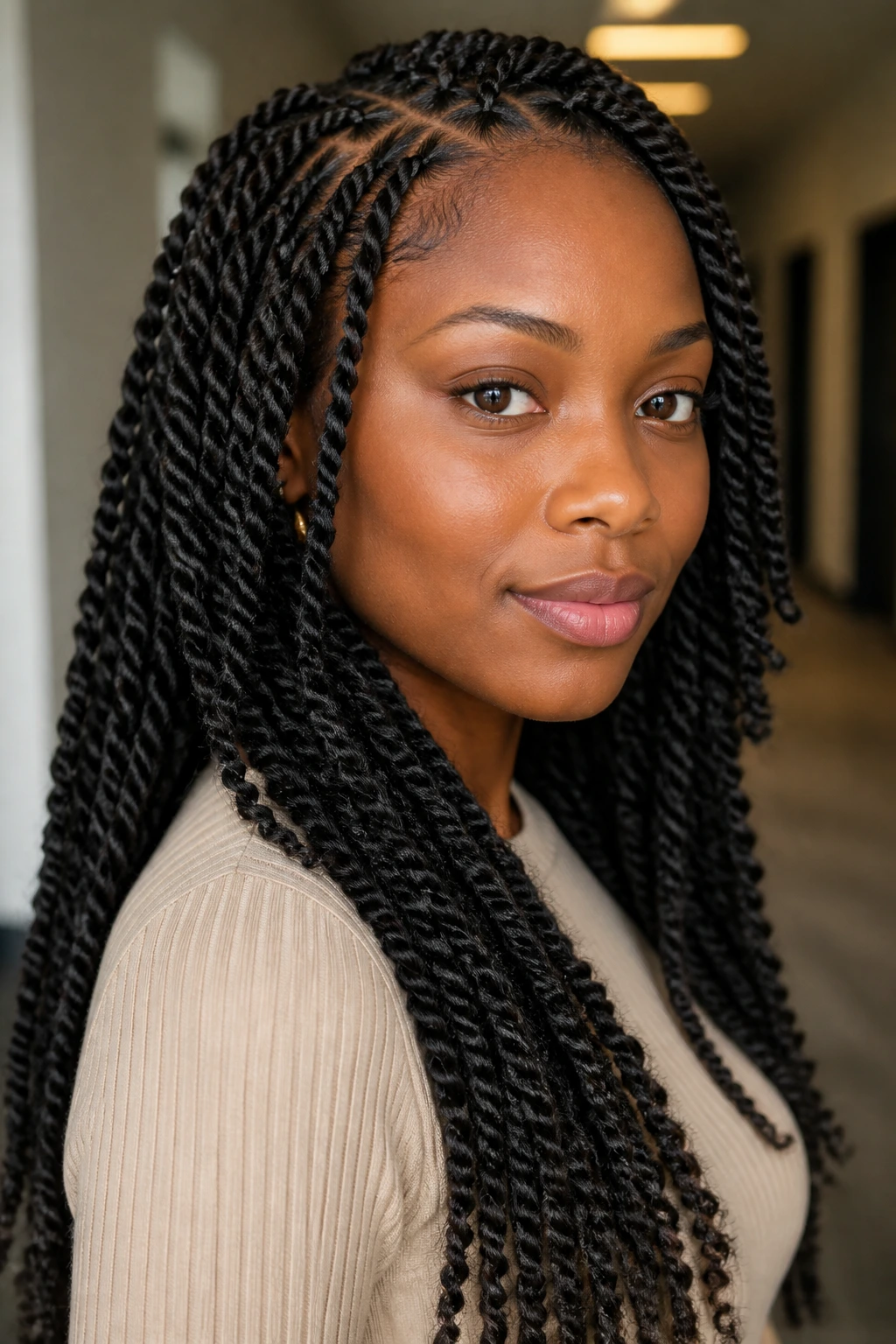
5. Bouncy Senegalese Twist Crochet
Senegalese twists look sharper than passion twists because the finish is smoother and the line is cleaner. That’s the whole appeal. They’re a little more dressed up, a little more structured, and they hold their shape beautifully when the install is balanced.
I like this style when the goal is sleekness without braids. The twist pattern gives you that polished, rope-like finish, and the shine from the fiber can work in your favor if it stays controlled. The mistake is going too glossy. When the hair reflects light like plastic, the style loses depth.
A medium density is usually best. Thin twists can disappear against the scalp, while oversized twists start pulling the look into heavy territory. If you want the most refined version, keep the parting sharp and the roots compact.
Best use case: interviews, formal events, or any situation where you want hair that sits neatly under a coat, scarf, or blazer.
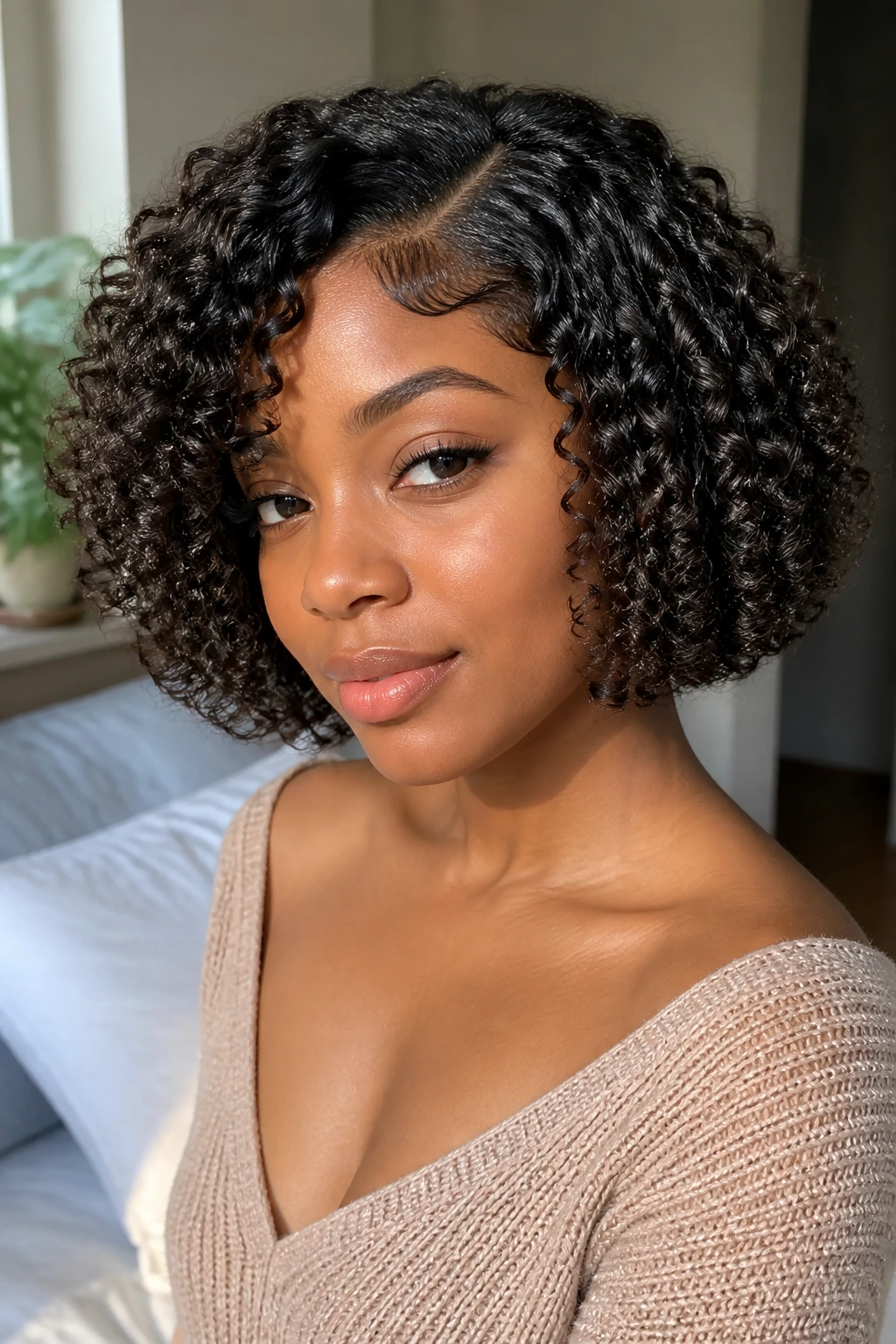
6. Chin-Length Curly Bob Crochet
A chin-length curly bob is one of the easiest ways to make crochet hair look deliberate. The shape does not have room to wander. That’s the gift. The style lands close to the face, which means the cut and curl pattern have to work together.
I like this look with a soft side part and a curl pattern that holds its coil without collapsing into a puff. If the bob is too wide at the sides, it starts to look helmet-like. A slight stack in the back helps. So does a gentle trim after installation, especially around the chin and jaw.
Why it works so well
The shorter length keeps weight off the base, which helps the install sit flatter. It also makes the face the focus instead of the hair mass. That’s why curly bobs often look more finished than waist-length styles that haven’t been shaped.
Best for: rounder faces, sharper jawlines, and anyone who wants polish without a lot of maintenance.
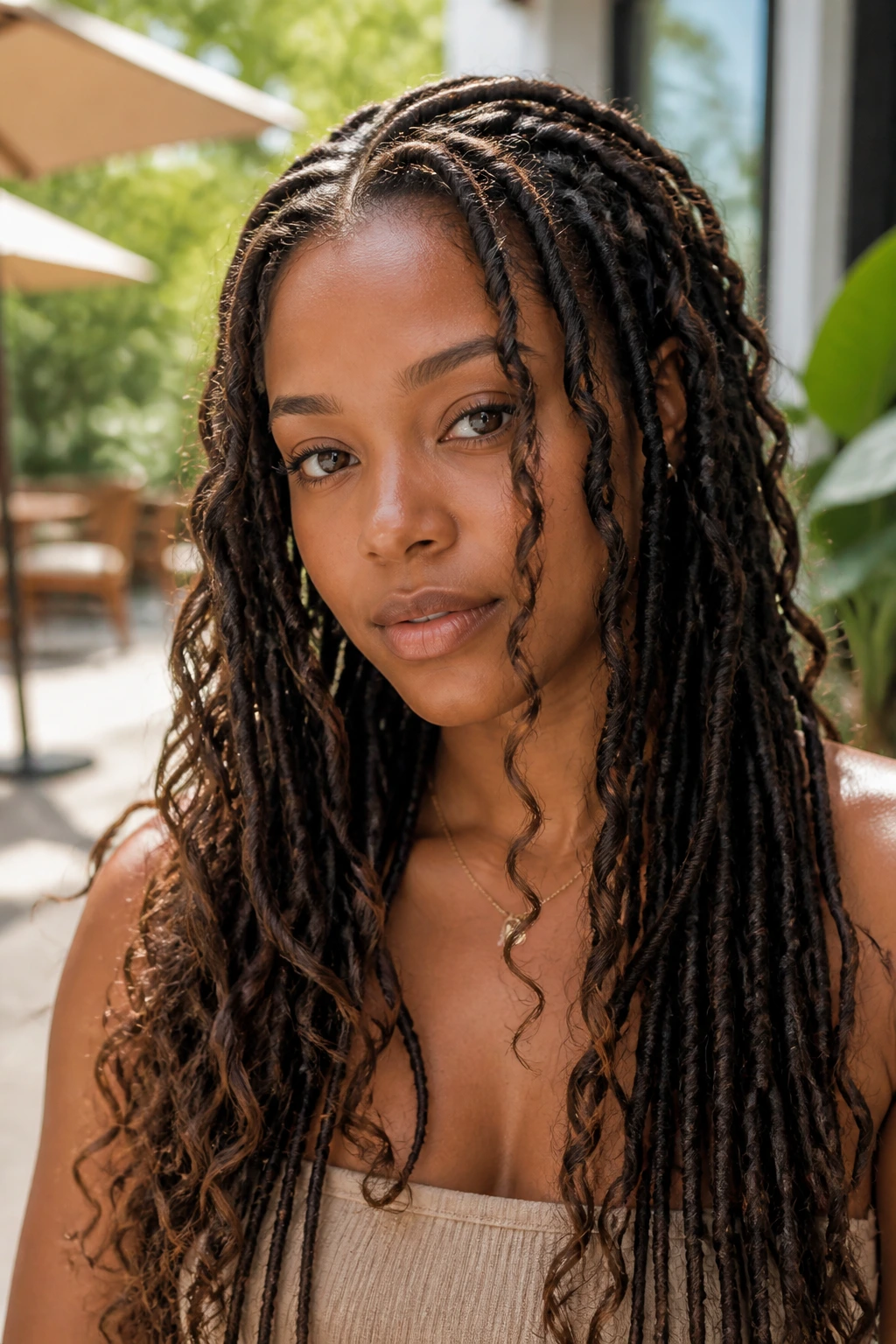
7. Boho Locs With Loose Waves
Boho locs are for the person who wants some softness without losing the structure of locs. The loose waves woven through the locs take the edge off the style and keep it from looking too rigid.
The polished version does not overdo the loose pieces. A few waves around the front and crown are enough. Scatter them everywhere and the locs lose their line. Keep the roots tidy, let the texture breathe, and the style gets that effortless-but-not-sloppy finish people chase and often miss.
I also like boho locs in shoulder to mid-back lengths. That range lets the loose pieces show without tangling into every zipper and seat belt in sight.
Small but useful detail: if the locs are wrapped in a darker root color and the waves are only slightly lighter, the contrast looks cleaner than a loud two-tone mix.
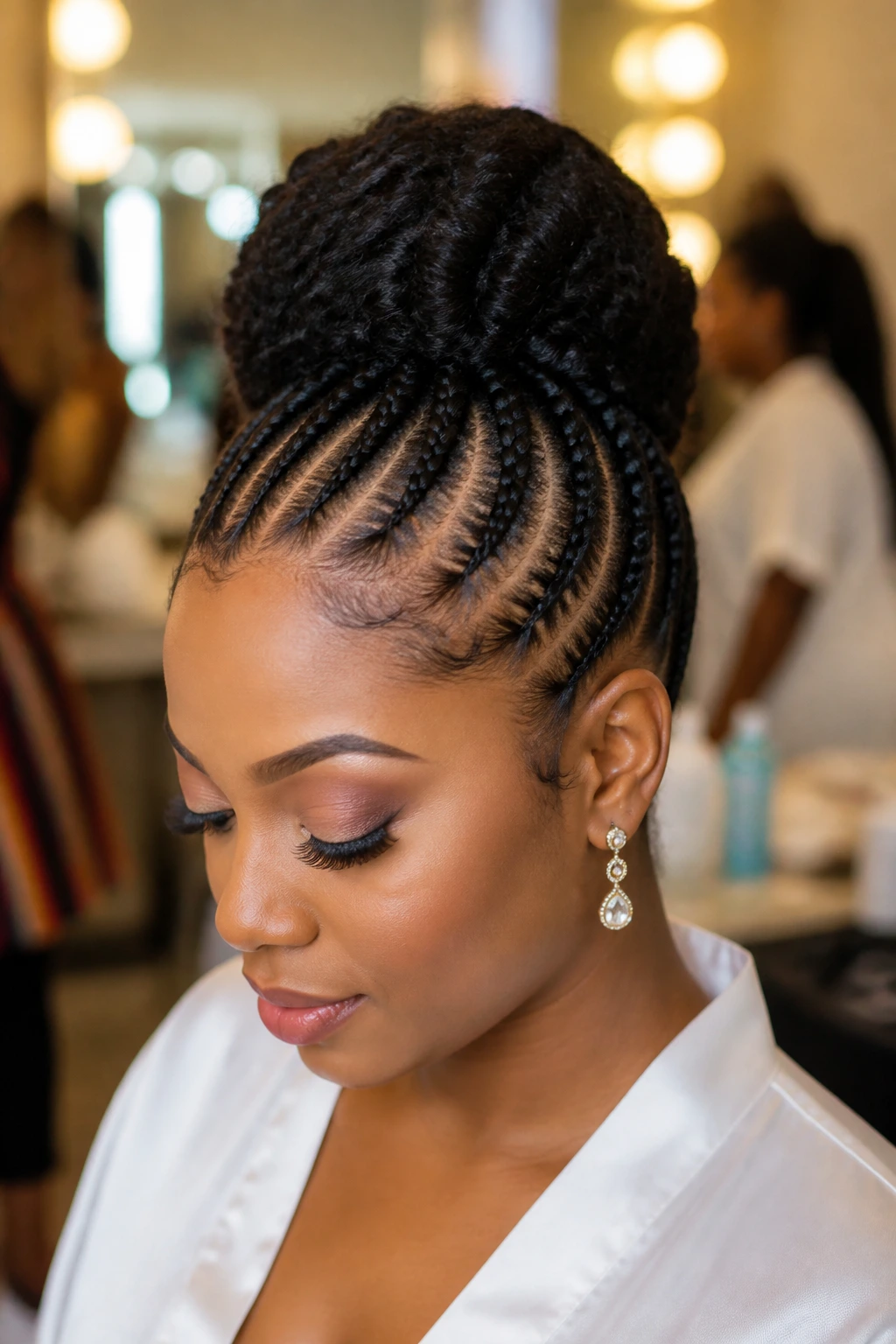
8. Feed-In Cornrow Crochet Updo
A crochet updo with feed-in cornrows is one of the smartest choices for a polished event style. The braids become part of the look instead of hiding under it, and that matters. You get structure at the scalp and a clear finish at the crown.
This style works especially well when the crochet hair is gathered into a bun, folded chignon, or tucked upward in a crown shape. The base has to be very flat. If the rows are bulky, the updo sits too high and starts to feel unstable.
For the neatest result
- keep the side rows close to the scalp
- use pins at the base of the bun, not just on top
- choose hair that is light enough to hold without drooping
It’s a good choice for weddings, formal dinners, or any day when you want your hair off your neck but still visibly styled. The updo says “planned.” That’s the whole point.
9. Yaki Straight Crochet Ponytail
Straight crochet hair can look polished in a way that curls never quite do. The reason is simple: straight strands show every bump, so the base has to be clean. When the base is flat and the ponytail sits at the right height, the finish looks sharp.
I prefer yaki-textured hair here because it has a little grip and does not look too silky. That slight texture makes the ponytail feel more natural and less like a shiny extension piece. A low or mid-high ponytail reads classic; a high ponytail reads stronger and a little more dramatic.
What to keep in mind
- the base must be smooth
- the ponytail tie should sit snugly without pulling the hairline
- a wrapped strand around the band gives the style a finished edge
This is one of the styles that punishes shortcuts. If the base is rough, you’ll see it.
10. Water Wave Shoulder-Length Crochet
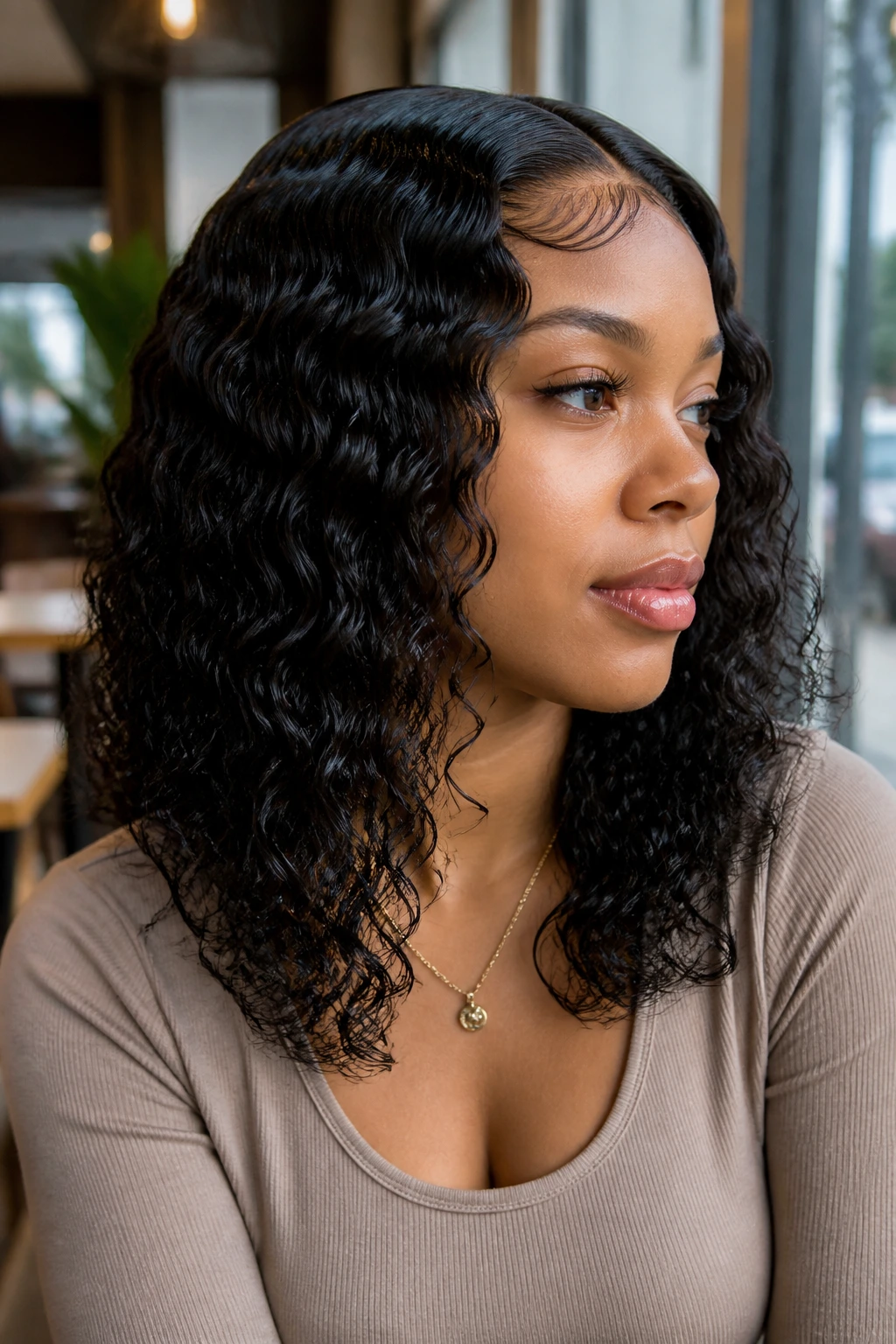
Water wave crochet has movement without the commitment of super-long curls. That’s why it works so well in shoulder-length form. The wave pattern gives you softness, but the shorter length keeps the style from ballooning out.
The best version has a clean side or center part and a little separation at the ends so the waves do not clump together in one thick sheet. A light mist of mousse helps, but heavy product flattens the texture. That’s a bad trade.
I like this look for people who want a polished shape that still feels relaxed. It doesn’t scream for attention. It just sits well.
A practical note: water wave hair tends to hide minor frizz better than a tighter curl pattern, which makes it a smart choice if you want the style to stay presentable between wash days.
11. Marley Twist Crochet With Clean Edges
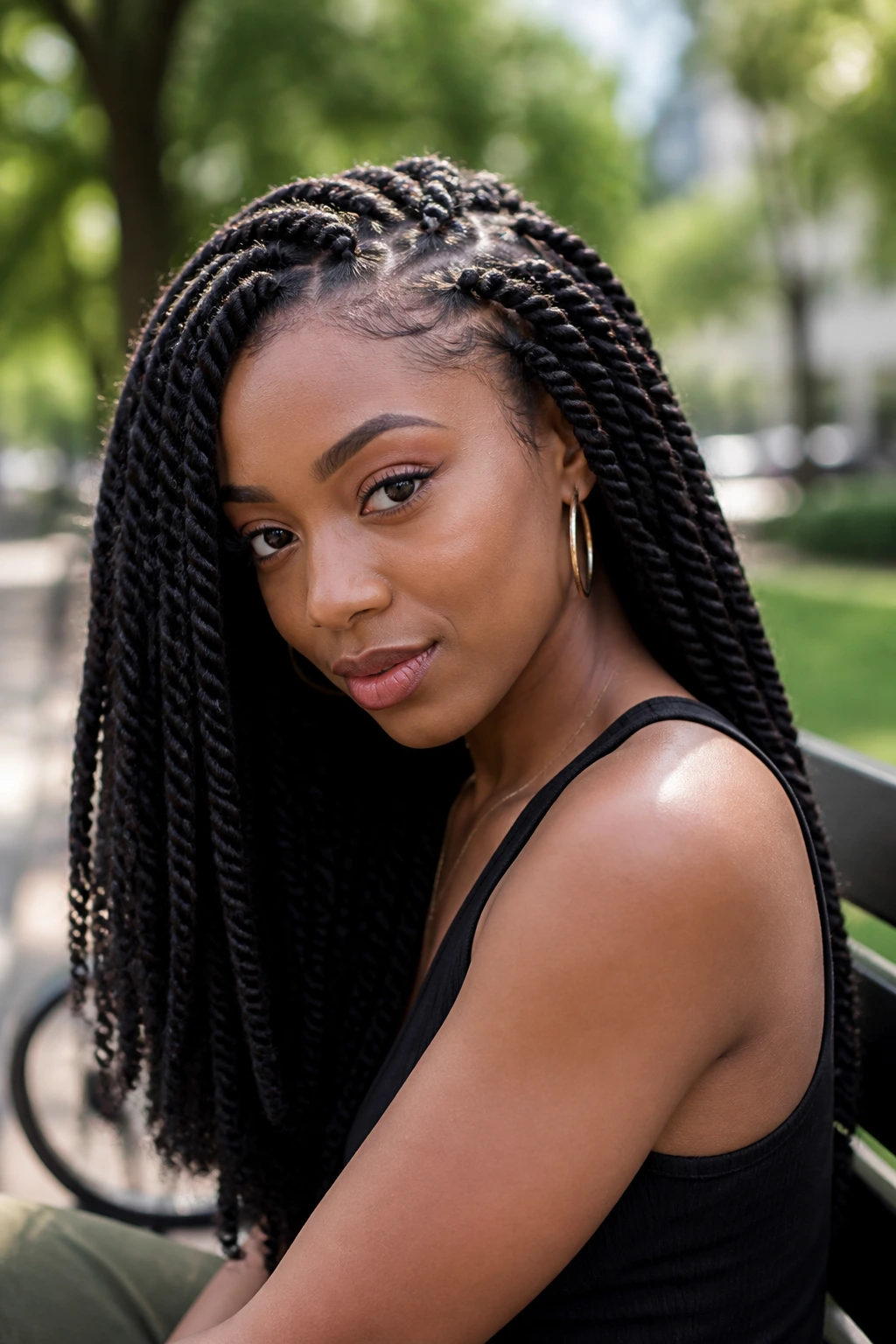
Marley twists have a matte finish that makes them look grounded. Not glossy. Not flashy. Just clean. That texture is part of the appeal, especially if you want your crochet hairstyle to look natural without trying to mimic shine.
The polished version depends on even tension and tidy roots. Marley hair can get fuzzy at the ends if it’s handled roughly, so I like medium-length twists that are tucked and finished neatly. Too much length and the style starts to fray visually.
Why people choose this texture
It looks less synthetic than smoother fibers, and it pairs well with outfits that need a softer hair finish. Linen, denim, knits, tailored cotton — Marley twists sit in that space nicely.
One thing to watch: if your sections are different sizes, the unevenness shows more here than it would in a curl style. The matte texture does not hide mistakes as well.
12. Fulani-Inspired Crochet With Beads
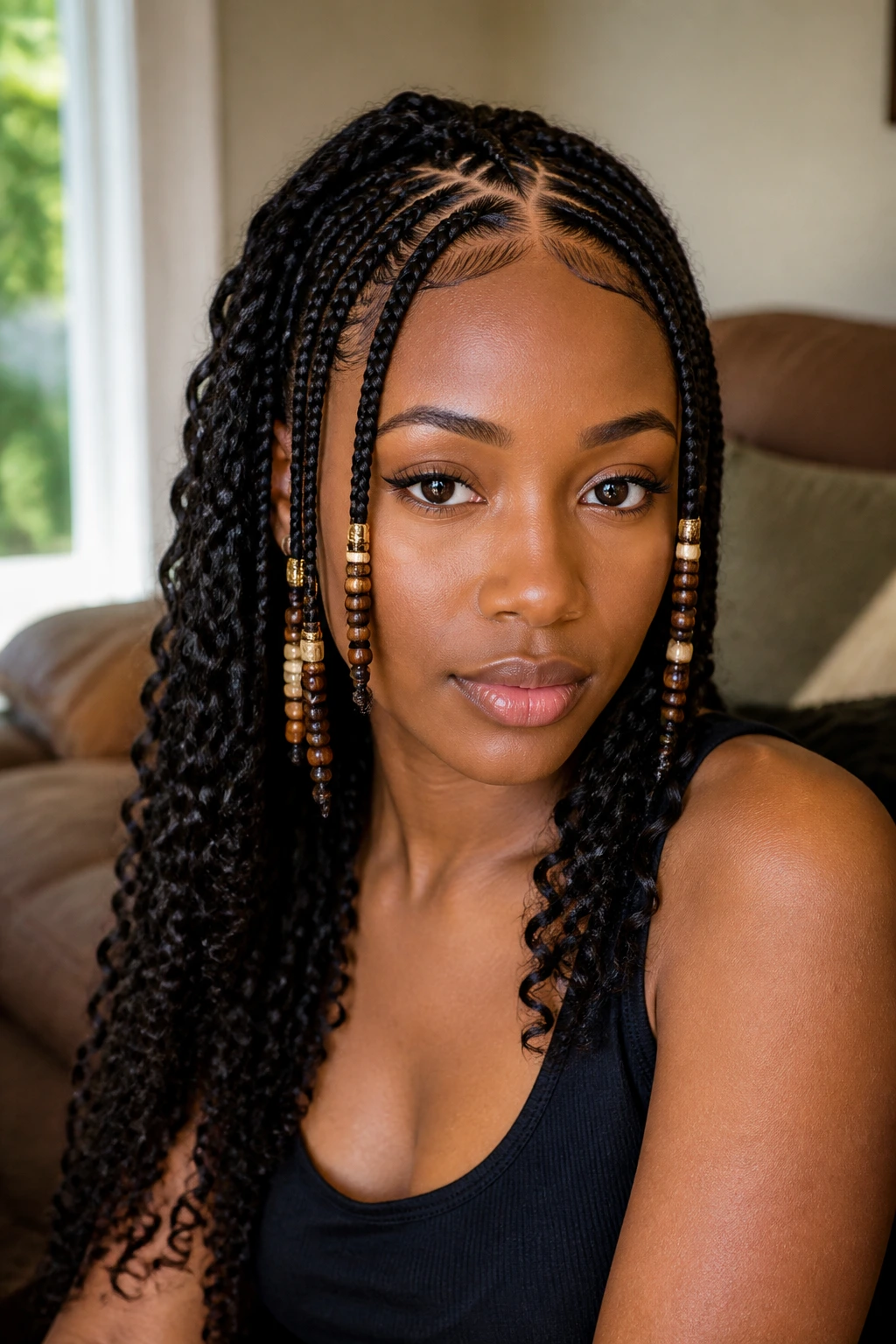
Fulani-inspired crochet works because it gives the scalp a shape before the hair even falls. The center braid, side braids, and small bead accents frame the face in a way that feels deliberate.
The polished version uses restraint. A few beads or cuffs at the front are enough. Overloading the look with accessories turns it noisy. Keep the braid lines crisp, let the crochet hair stay smooth behind them, and the whole style gains structure fast.
What to ask for
- a visible center or offset part
- thin side braids that trace the hairline cleanly
- bead placement that stops before it overwhelms the face
I like this style when you want pattern and detail near the scalp but don’t want the rest of the hair doing too much. It has movement, but the face stays framed instead of buried.
13. Layered Spiral Curl Crochet
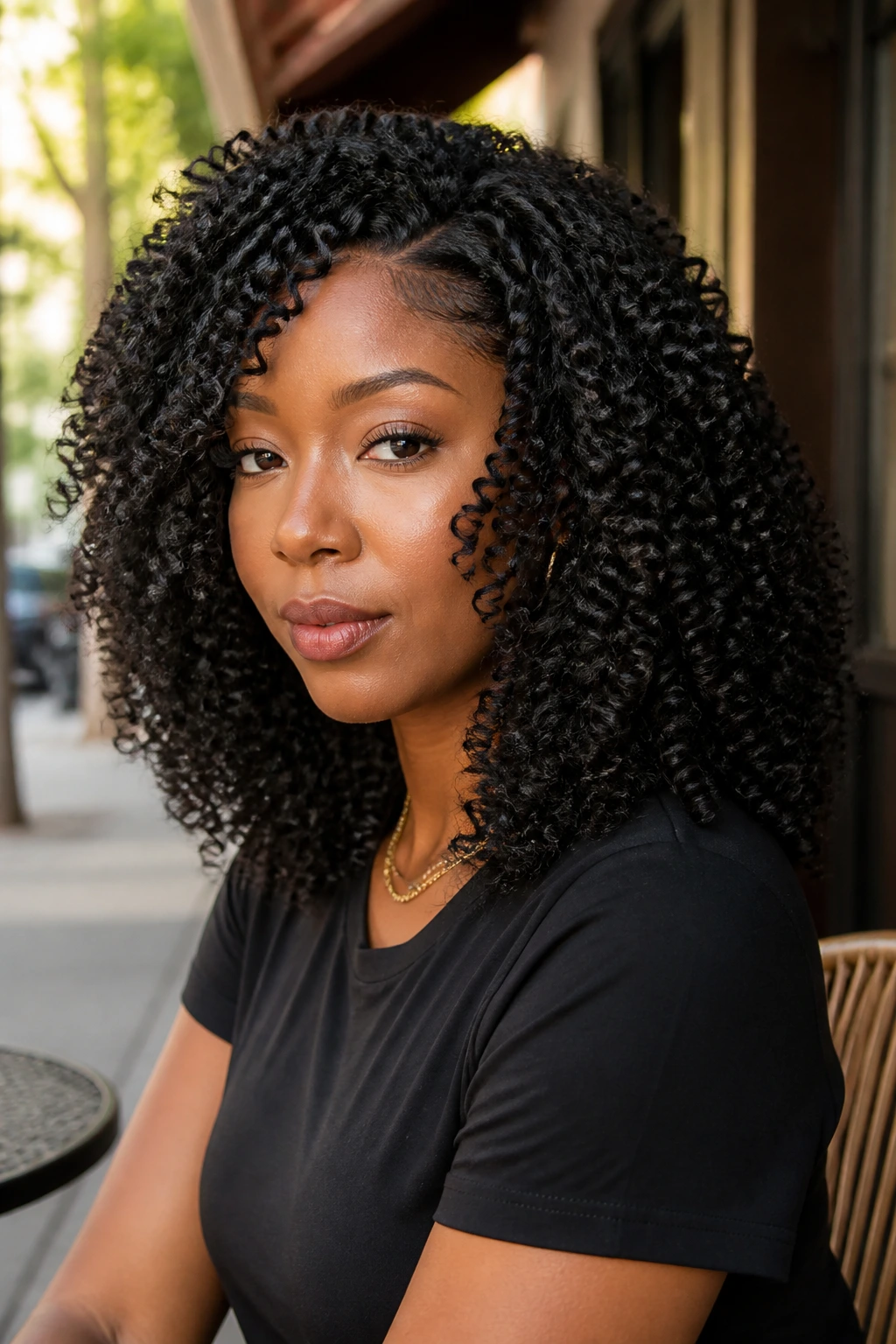
Layered spiral curls are one of the easiest ways to make crochet hair look shaped instead of pasted on. The layers create movement at different heights, so the hair does not form one heavy curtain.
The front pieces should hit a little shorter than the back, usually around the cheekbone or jawline depending on the overall length. That small difference makes the haircut feel intentional. If you keep every strand the same length, the style can look flat even when the curl pattern is lovely.
A slight trim after installation helps a lot here. Nothing dramatic. Just enough to stop the ends from forming a blunt shelf.
Why it stands out: the curl pattern gives softness, but the layers keep the silhouette clean. That balance is rare, and it’s why this style photographs well in person and in motion.
14. Butterfly Loc Crochet With Soft Ends
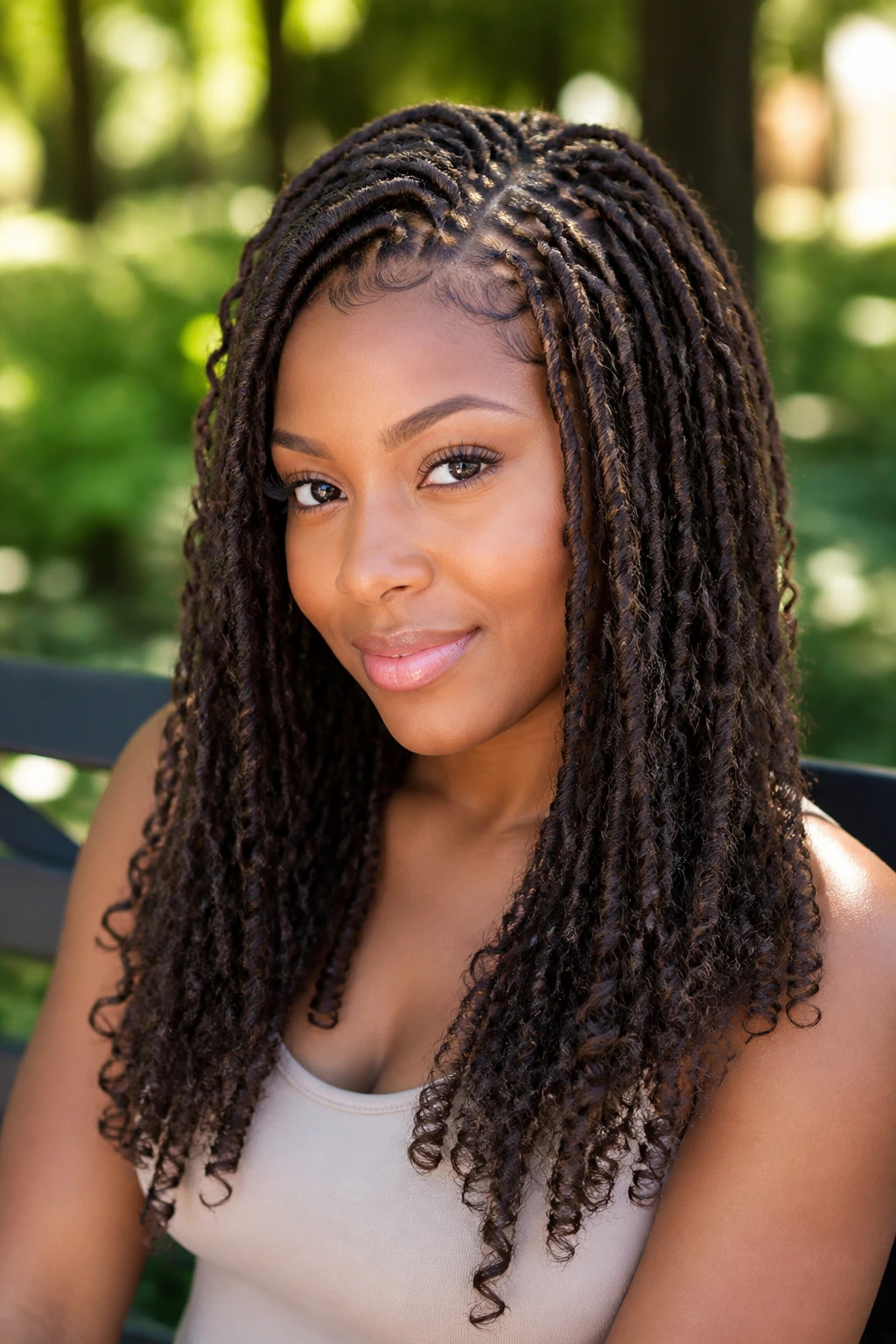
Butterfly locs have that distressed texture people love, but the polished version depends on balance. The loops need to be even, the roots need to stay neat, and the ends should be controlled instead of wildly frayed.
I like this style for anyone who wants texture without the crispness of a classic loc. It feels more relaxed, but it still looks styled when the parting is tidy and the locs are set at a consistent length. Shorter to mid-length butterfly locs often look cleaner than extra-long ones, which can start to tangle at the ends.
Keep the finish tidy by:
- wrapping the roots smoothly
- avoiding oversized loops
- choosing a length that does not drag on your shoulders all day
The whole style lives or dies on that root area. Get that right, and the softer ends become a feature instead of a problem.
15. Side-Swept Deep-Part Crochet Style
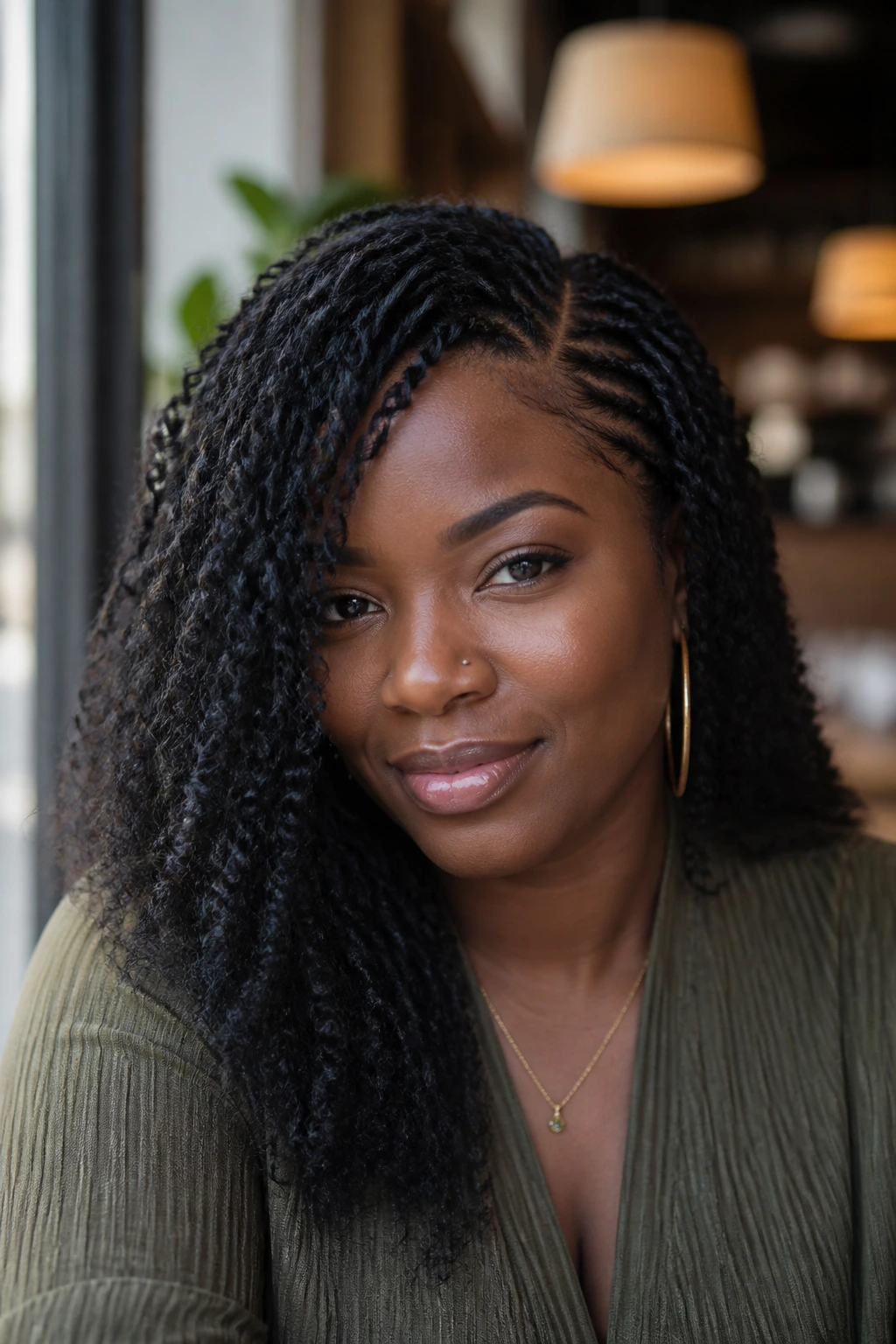
A deep side part changes the whole mood of crochet hair. It adds asymmetry, and asymmetry makes the style feel styled even if the hair itself is simple. That’s why a side-swept crochet look can feel dressier than the same texture worn with a center part.
I like this approach with curls, twists, or faux locs. The part pulls the shape across the face and gives the style a little drama without adding bulk. It also lets you lean into a strong earring or a defined brow line, which sounds small but makes a difference.
My take: side parts are often the fastest route to polish. Not because they’re fancy. Because they force the eye to follow a line.
If your hairline is sensitive, keep the parting light and the front rows relaxed. Style should frame the face, not fight it.
16. Tapered Curly Crochet Cut
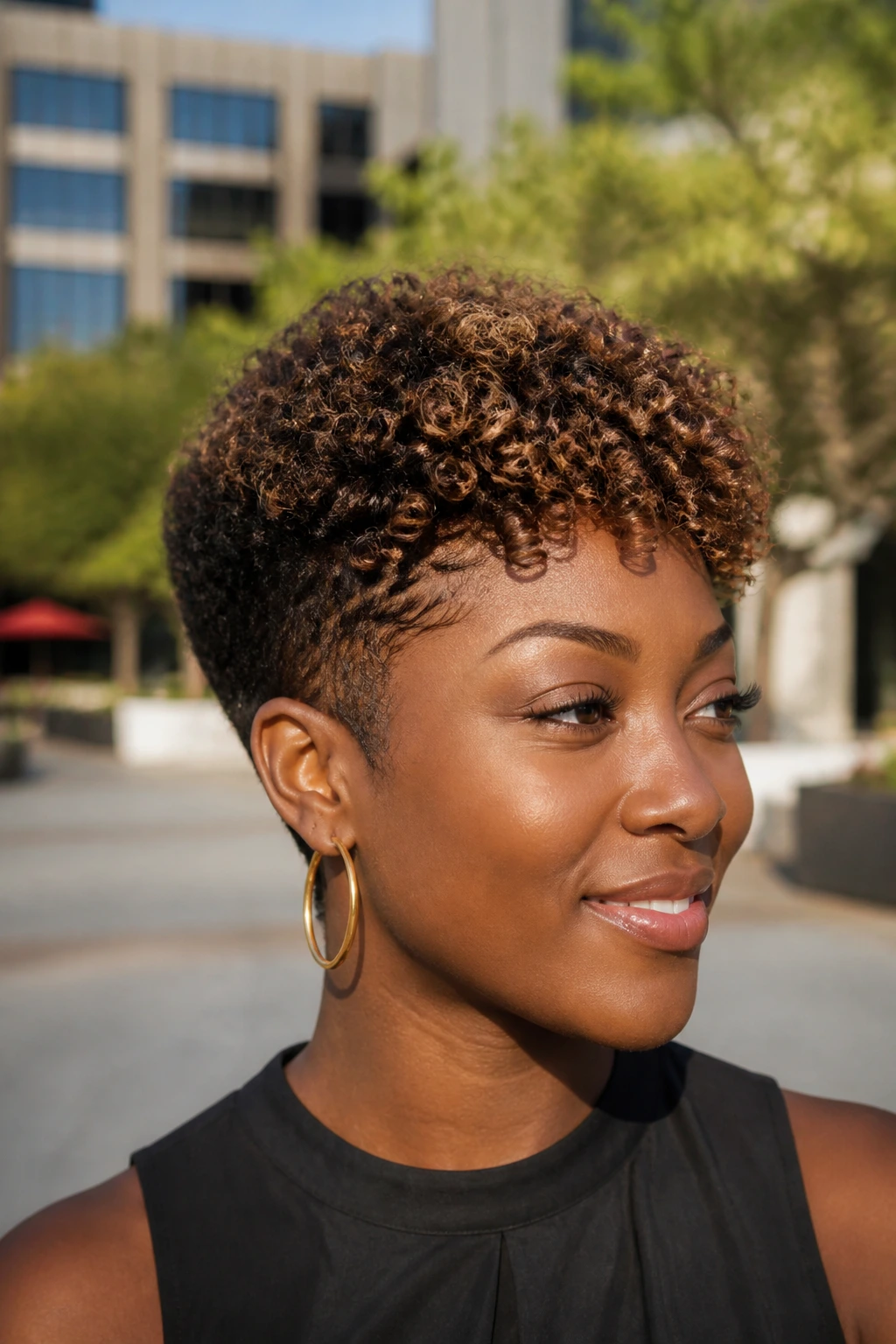
A tapered curly crochet cut gives you shape where it matters most: tight at the sides, fuller on top, and clean around the neck. It’s one of the best options if you want something protective that does not sit heavy.
The polish comes from the silhouette. A tapered cut looks finished only when the top is shaped with intent and the sides are neat. If the top gets too tall, the style turns mushroom-shaped. If the sides are too full, the taper disappears.
This one is worth trimming after the install. A little shaping around the ears and nape can change the whole read of the style.
Good reasons to choose it
- less weight
- less friction on collars and scarves
- easier morning styling
- a sharper profile than longer curls
It’s a smart choice for warm weather, workouts, or anyone who wants hair off the shoulders without losing texture.
17. High Bun Crochet Style
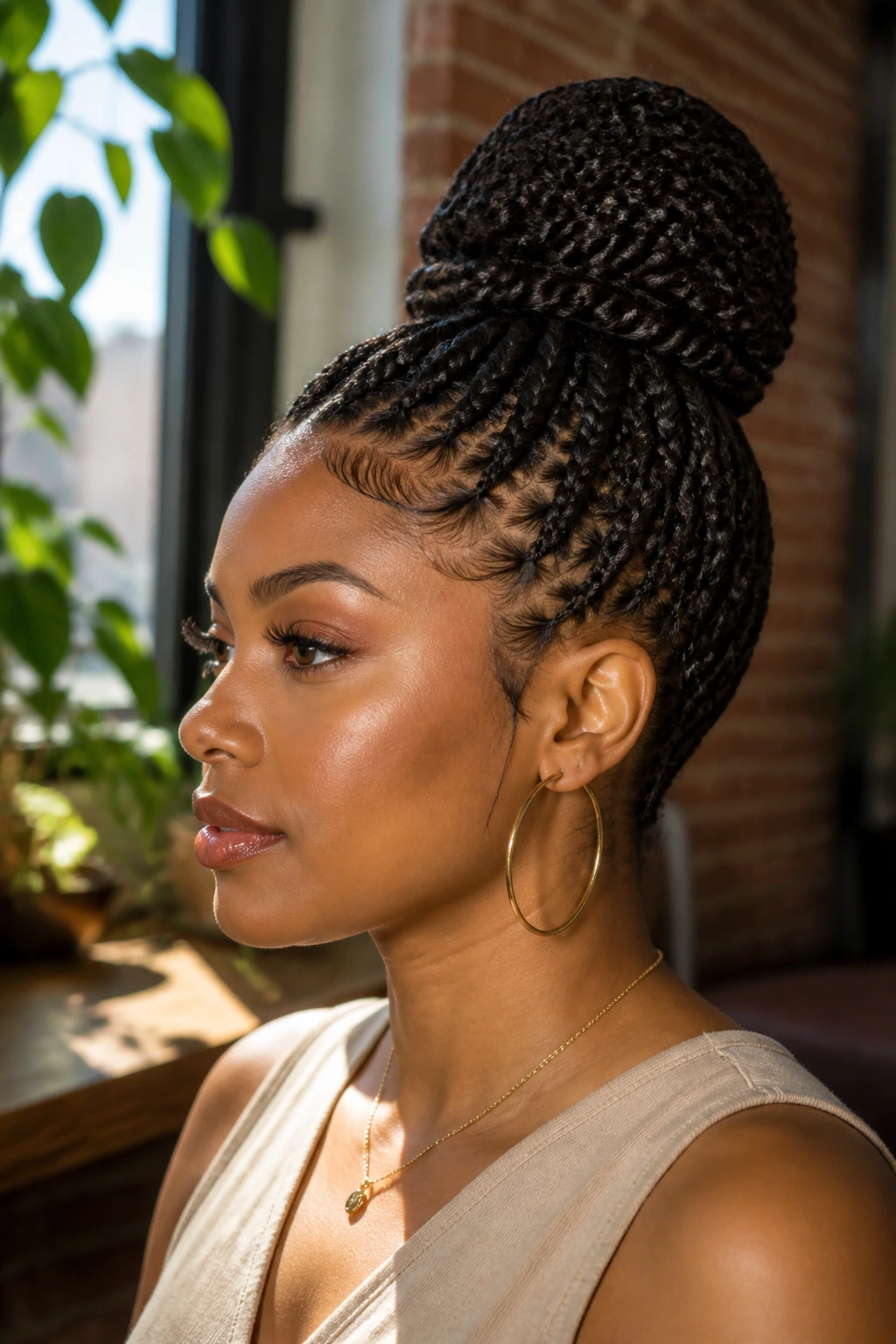
A high bun with crochet hair can look either sleek or messy, and the difference is usually in the base. When the bun is anchored well and the sides are laid in clean rows, the result is crisp.
I like this style with twists or locs rather than loose curls because the hair packs into a bun more neatly. You want the bun to sit high, not topple backward. A few pins at the underside matter more than people think. Without them, the shape loosens by midday.
The face opens up in a high bun, which is why earrings and strong necklines work so well with it. It’s a very clean profile. No clutter.
Best use case: days when you want the scalp cool, the shoulders free, and the finish sharp.
18. Free-Part Faux Loc Pixie
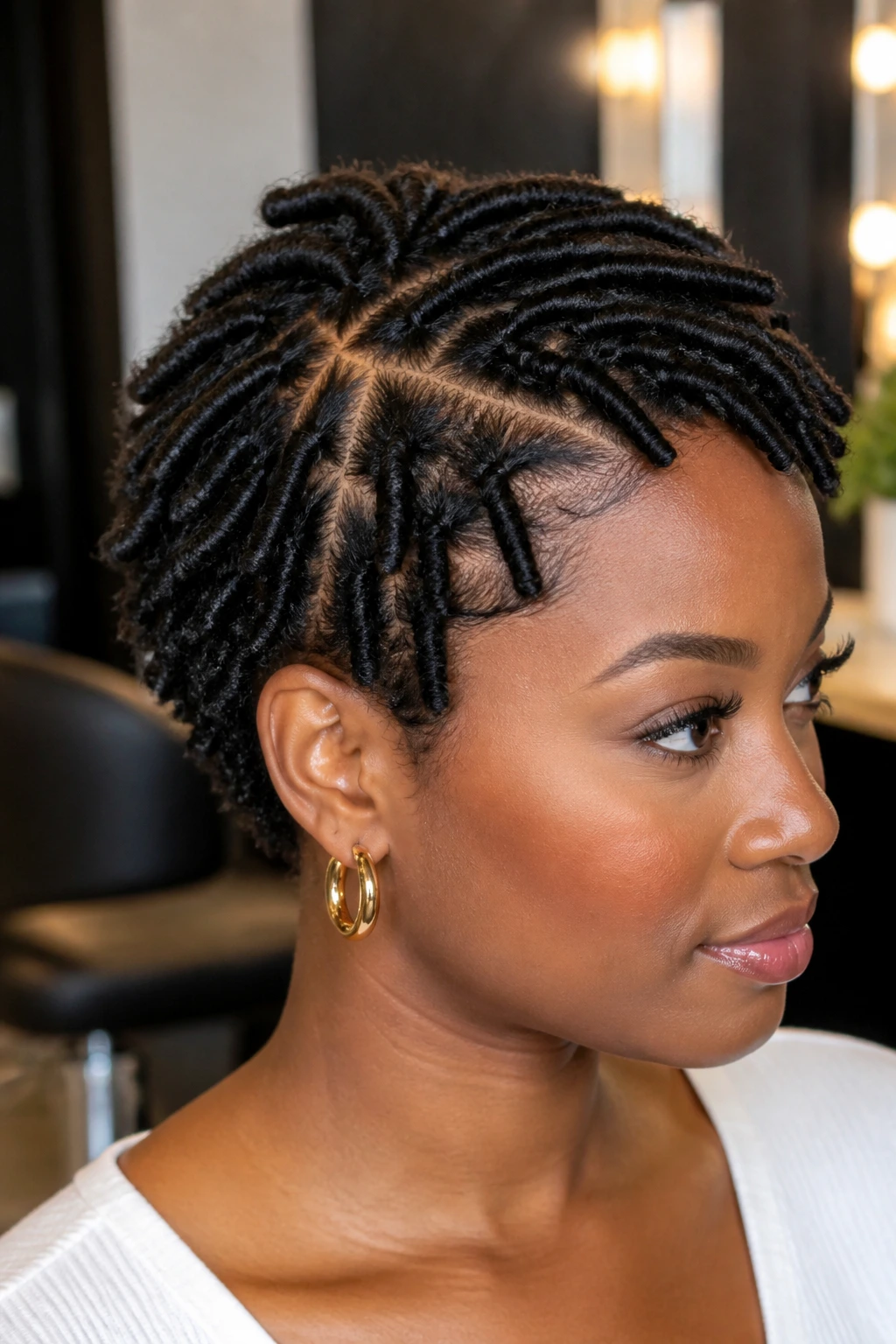
A short faux loc pixie has a different energy from the longer loc looks. It feels lighter, quicker, and a little more playful, but it can still look polished if the nape and fringe are shaped carefully.
The free-part idea gives the style movement, but too much randomness makes it look unruly. I prefer a controlled free-part pattern with a clean line around the ears. That keeps the style from getting fuzzy at the edges.
This is a good option if you want the loc texture without the weight. It also works well with strong makeup, bold glasses, or a sharp collar, because the hair doesn’t compete with the rest of the outfit.
Short styles like this age better through the week. They don’t drag, and they don’t require as much rescue work.
19. Side-Swept Braided Crochet Mohawk
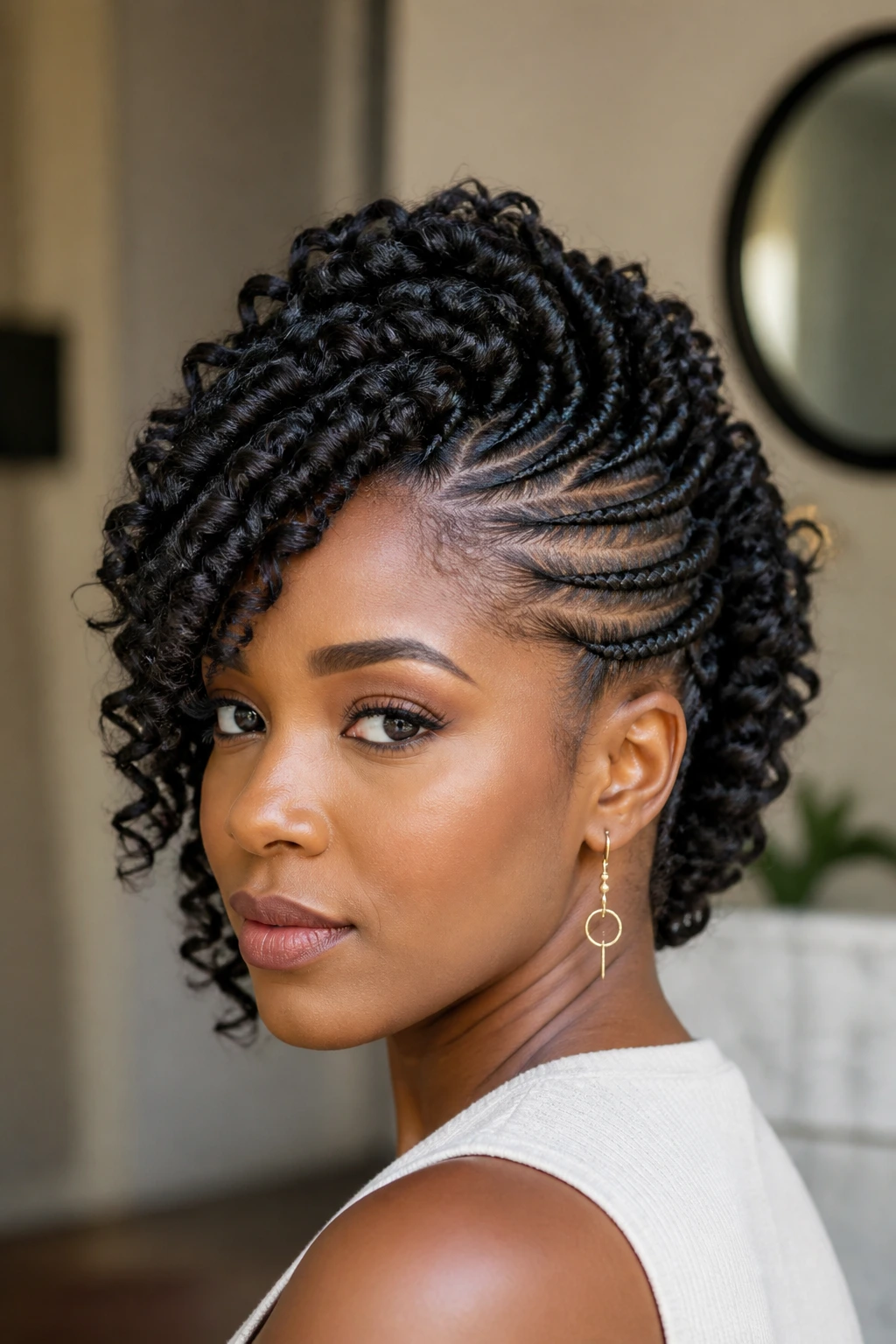
A braided crochet mohawk does not have to look loud or chaotic. When the sides are braided flat and the center section is full but controlled, it becomes one of the cleanest bold looks in the group.
The shape is the star here. The center ridge should rise enough to show form, not so much that it wobbles. I like this style with braids or twists in the middle and very neat side cornrows. That contrast is what makes it polished.
Why it works
- the side rows keep the profile tidy
- the center section creates height without mess
- the style gives room for earrings, collars, and makeup to show
If you want a little edge without losing the finished look, this is a strong pick. It’s direct. No fluff.
20. Invisible-Part Long Curl Crochet
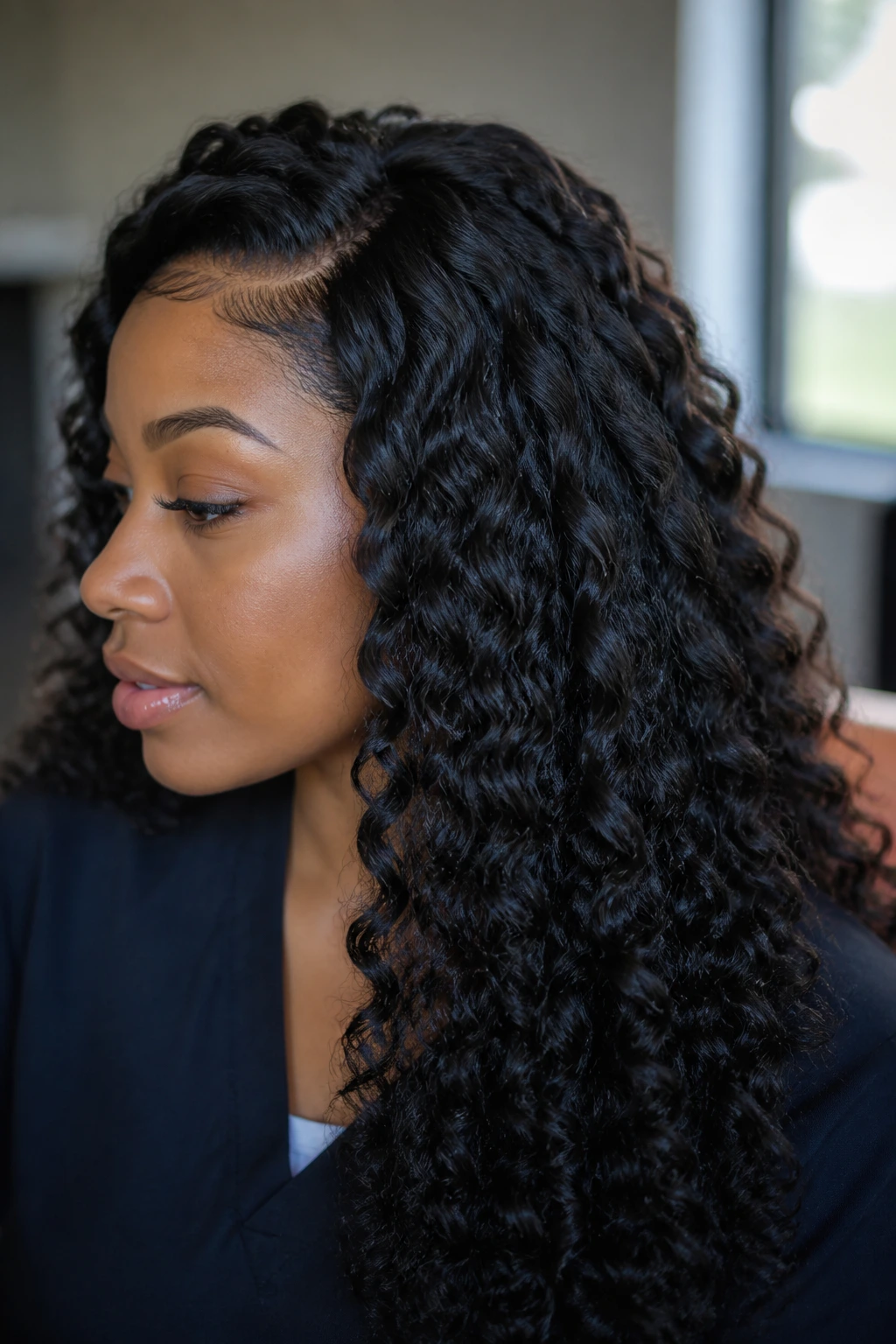
Invisible-part long curls are for people who want length first and scalp visibility second. The braid base is hidden under the curls, so the eye goes straight to the fall of the hair. Done well, it looks smooth and expensive in the plain old practical sense: no visible tracks, no awkward gaps, no obvious padding at the crown.
The curl pattern should be soft enough to move, but not so loose that it separates into frizz after one day. A side part or curved part helps the install feel less blocky. I also like this style when the roots are matched to the natural hair color. That tiny detail makes the whole thing read cleaner.
It’s a strong finish for someone who likes long crochet hairstyles but hates seeing the mechanics of the install.
What Makes Crochet Hairstyles Look Finished Instead of Puffy
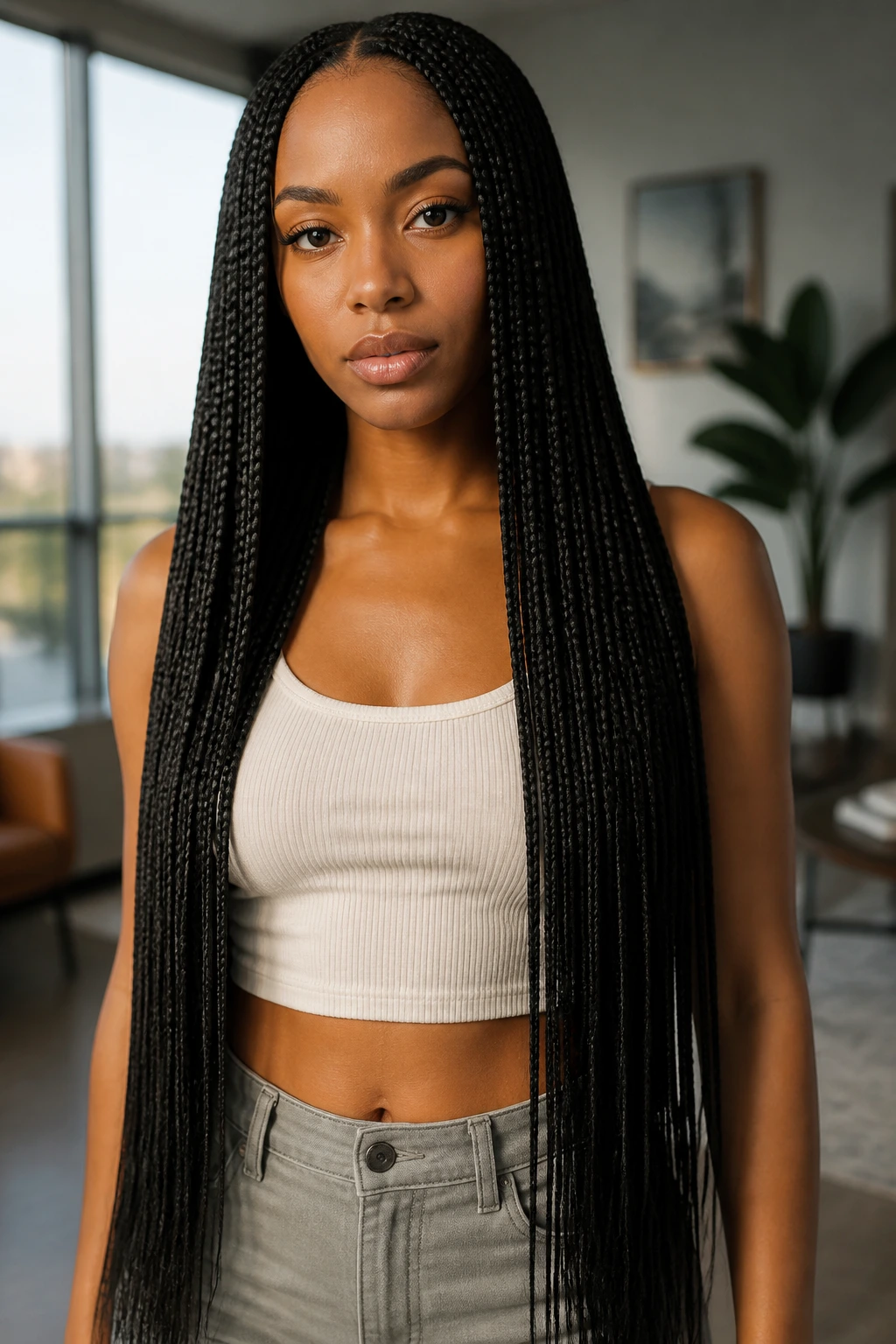
The base is where polish is won or lost. Flat cornrows, even tension, and a parting pattern that respects the head shape do more for the final look than the hair fiber alone. I’ve seen perfect-looking curls ruined by bulky braids at the crown, and the reverse happens too: a simple texture looks expensive when the base is clean.
Fiber choice matters, too. Matte hair reads softer and hides a little frizz. Smoother hair looks sharper but exposes every bad section under it. That’s why Marley twists, yaki straight ponytails, and box-braid crochet all ask for slightly different finishing habits. One style wants a mousse refresh. Another wants a quick trim. Another needs a light finger separation at the ends, and that’s it.
The last piece is the finish. A satin wrap at night, a cool dryer pass after mousse, and a small amount of oil on the scalp keep the style from drifting into that puffy, tired look that shows up around week two. Simple. Not glamorous. Very effective.
Essential Tools for Crochet Installations
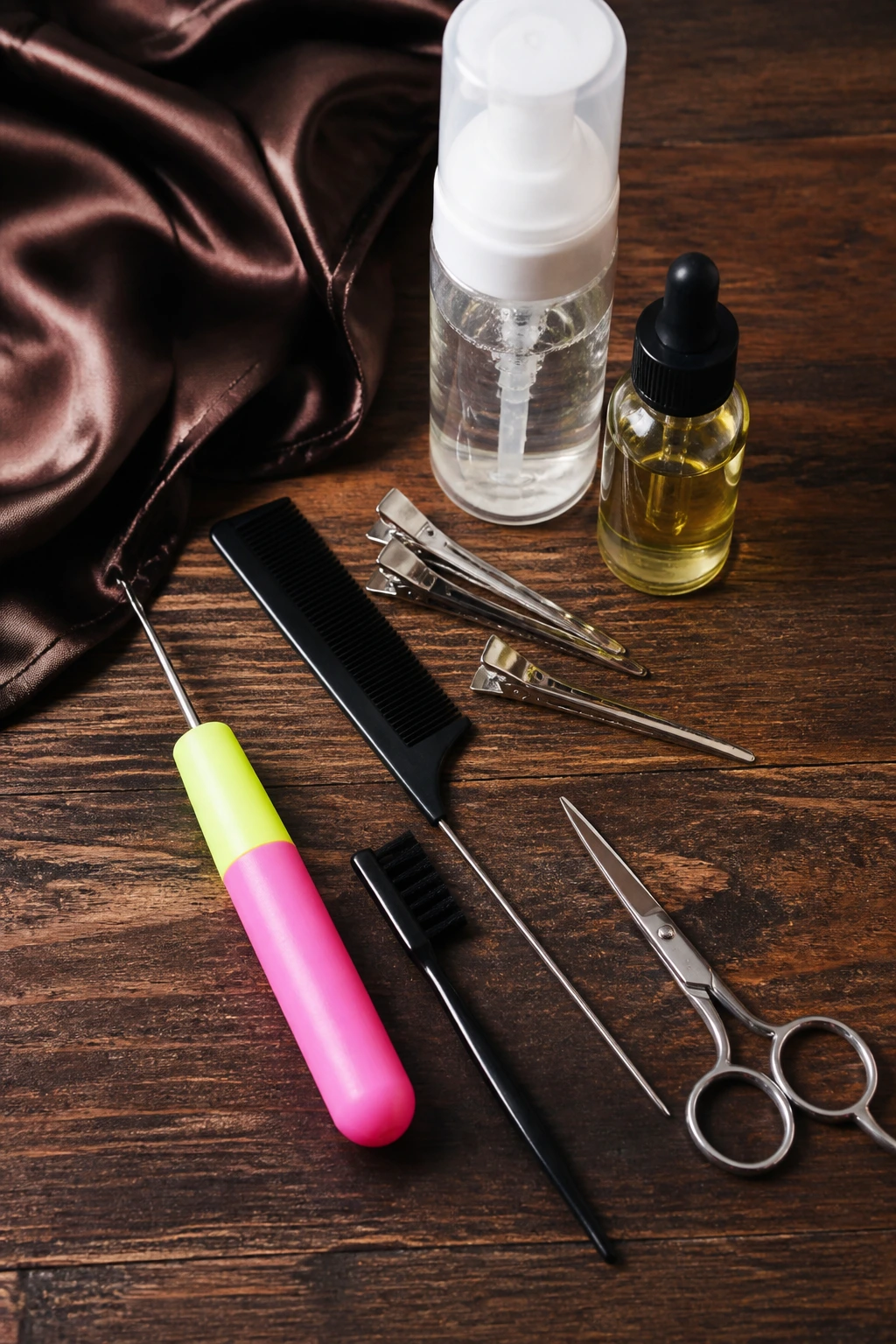
- Crochet hook, 1.25 mm to 2.5 mm: A smaller hook helps with neat installs and tight bases; a larger one can move bulkier hair faster.
- Rat-tail comb: Useful for clean parting and for mapping the cornrow grid before you start.
- Duckbill clips or sectioning clips: These keep unworked hair out of the way so the base stays even.
- Edge brush: Handy for smoothing the hairline without scrubbing product into the scalp.
- Satin scarf or bonnet: Non-negotiable for sleeping; it keeps friction from roughing up the install.
- Mousse or setting foam: Helps curls, twists, and loose pieces dry into a cleaner shape.
- Lightweight scalp oil or scalp spray: A small amount goes a long way; you want relief, not buildup.
- Sharp scissors: For trimming stray loops, cutting excess thread, or shaping ends after the install.
- Hand mirror: Useful for checking the back of the crown and nape, where problems hide fast.
Smart Hair and Fiber Shopping
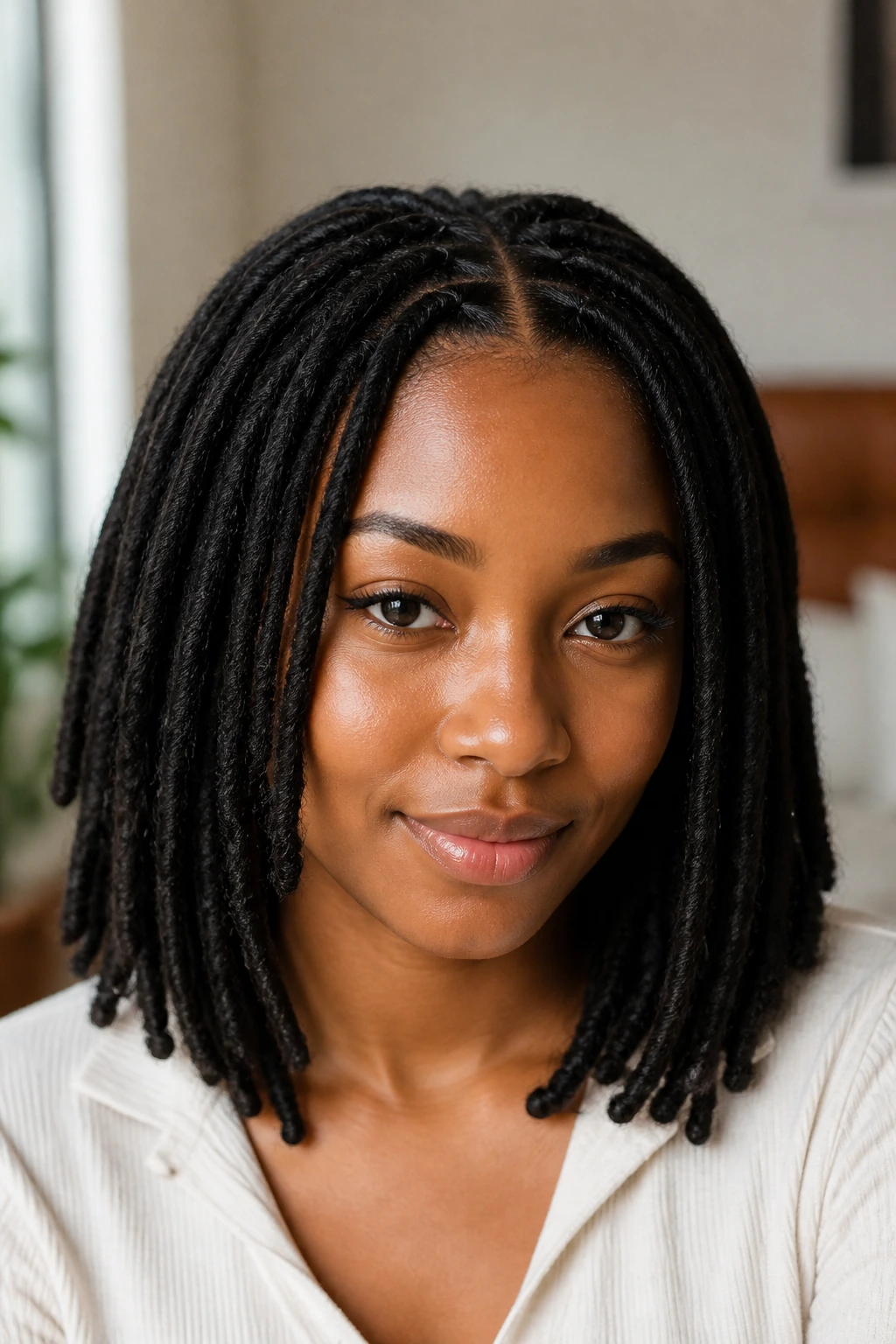
The best fiber choice depends on the style, not just the price tag. Smooth braid hair gives box-braid crochet and straight ponytails a cleaner finish. Marley hair suits twists and textured locs better because the matte surface blends with that style’s shape. For curls, choose a curl pattern that holds when stretched, then springs back when released. If it goes limp in the pack, it will not improve on your head.
Pack count matters more than people expect. Shoulder-length curls may need 3 to 5 packs, medium twists may take 4 to 6, and long braid or loc installs can move into the 6 to 8 pack range depending on density. A heavy install can look lush in the bag and tired on the head. Use just enough hair to fill the silhouette you want.
Look at the loop size on pre-looped hair. Bigger loops can speed up installation, but they sometimes sit bulky at the root. Loose bulk hair gives more control, though it takes more time and a steadier hand. If you want the cleanest finish, buy hair with a texture that matches the style you’re trying to imitate instead of forcing one fiber to do everything.
Color deserves a thought, too. Natural black, soft brown, copper, auburn, and mixed-root tones often read cleaner than loud contrasts because they blend with the scalp and the base. Loud color can still work, but it needs a tidy install to keep from looking scattered.
How to Wear Crochet Styles in Daily Life
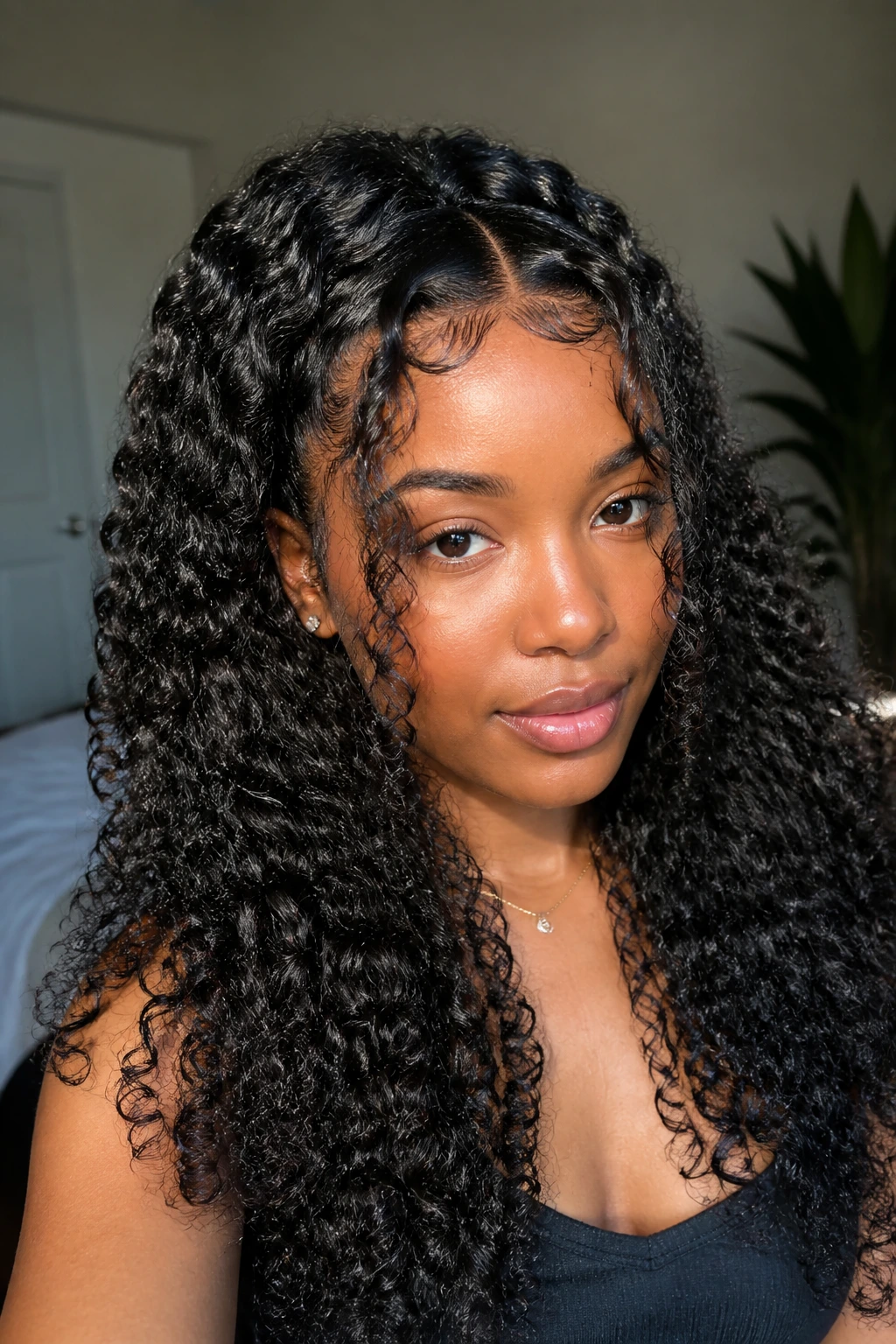
Workday polish: Pick a center part, deep side part, or a low bun when you want the style to look neat under a blazer or collared shirt. Keep the front rows flat and the baby hairs restrained. A little structure goes a long way here.
Weekend ease: Curly bobs, goddess curls, and boho locs do well when you want movement without a lot of fuss. Pull one side behind the ear, leave a few face-framing pieces loose, and the style stops looking overly dressed.
Formal settings: High buns, feed-in updos, and sleek straight ponytails give the cleanest silhouette. They show the face, the neck, and the line of the shoulders, which is why they pair so well with jewelry and tailored clothes.
Active days: Shorter cuts, shoulder-length locs, and medium twists stay out of the way better than waist-length installs. If you work out often, choose a shape that won’t trap sweat at the nape or snag on your clothes every ten minutes.
Additional Ways to Personalize the Look
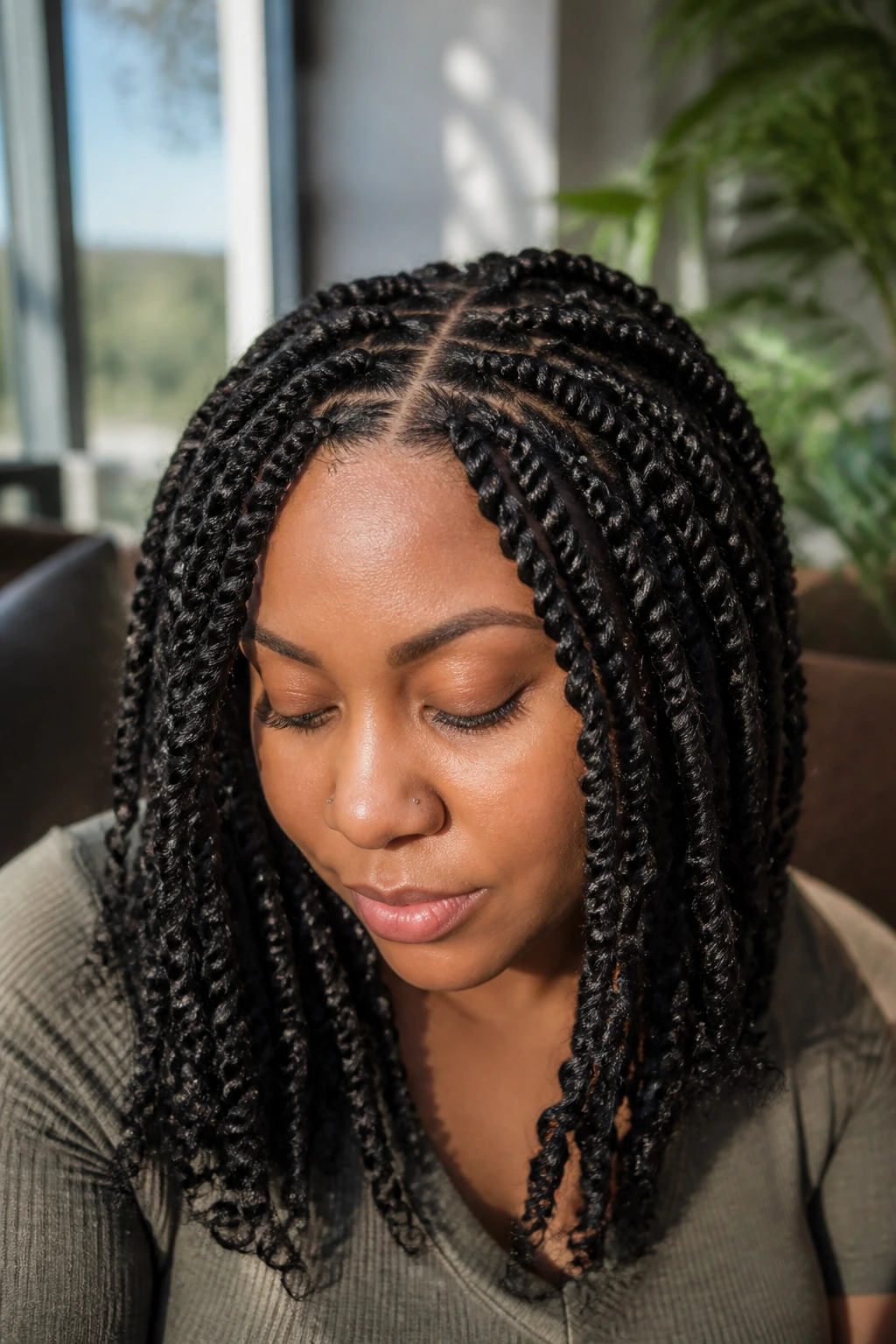
Color Placement: Try a darker root with lighter ends, or keep the whole install in soft brown and auburn tones for a cleaner finish. Color works best when it follows the shape instead of fighting it.
Parting Geometry: A center part reads calm and symmetrical. A deep side part adds drama. Curved parts, triangular sections, or Fulani-inspired lines give the style a more custom feel.
Texture Mix: Pair braids with curls, locs with loose waves, or twists with a few face-framing pieces. A mixed texture install often looks softer and more expensive-looking in the simple sense that it feels edited.
Accessory Control: Beads, cuffs, and wraps can sharpen the look, but one or two accents usually beat a full bag of hardware. Stop before it gets noisy.
Make-It-Yours: If your scalp gets sore easily, go shorter and lighter. If you want more drama, add length in the back and keep the front cleaner.
Make-Ahead, Night Care, and Refreshing the Style
A better crochet install starts before the hair goes in. Wash, condition, and fully dry your natural hair first. If the base is damp, the style can trap moisture where you cannot reach it later, and that is a good way to get an itchy scalp.
Once the style is installed, sleeping protection matters every single night. A satin scarf or bonnet cuts friction, keeps the roots from fuzzing up, and helps the hair hold its shape. If the hair feels dry or dusty by week two, a light misting of water or foam on the outer layer can revive curls and twists without soaking the base.
Wash the scalp when it needs it, not on autopilot. For many crochet styles, every 1 to 2 weeks is enough. Use diluted shampoo at the scalp only, then rinse carefully and blot dry. Heavy product near the roots turns into buildup fast, and buildup is what makes a polished style look tired long before its time.
Most crochet hairstyles stay fresh for about 4 to 8 weeks, depending on tension, fiber type, and how much you sleep on it. Pull them out when the base starts to loosen, the scalp feels tender, or the hairline looks stressed. Holding a style too long is where protective turns into damaging.
Variations and Adaptations to Try
Office-Quiet Neutrals: Stick to 1B, dark brown, or soft chestnut shades, and keep accessories minimal. The result feels cleaner and easier to pair with structured clothes.
Low-Tension Lite Install: Choose shoulder-length curls or medium twists with a lighter base and fewer rows. It keeps weight down and usually feels better on sensitive edges.
Color-Blocked Ends: Add auburn, honey, or burgundy ends to twists, braids, or locs while keeping the roots close to your natural shade. The contrast looks deliberate when the parting stays crisp.
Event-Ready Finish: Build a high bun, side-swept updo, or braided crown and keep the perimeter neat. This version works well when the hair needs to look formal without looking stiff.
Short-and-Sharp Cut: Try a bob, tapered curly cut, or faux loc pixie if you want a lighter shape with less shoulder drag. Shorter crochet styles are often easier to keep polished between refreshes.
Mixed-Texture Statement: Combine braids at the scalp with curls or locs through the lengths. The contrast gives the style depth, but the install still needs clean part lines to stay elegant.
Common Mistakes That Make Crochet Hair Look Messy
Bulky cornrows under the install: The symptom is obvious — lumps at the crown, raised tracks, and a shape that sits too high. The fix is flatter braids and a better parting map before the first piece goes in.
Choosing the wrong fiber for the texture: Slick hair in a matte style or rough hair in a sleek style can make the install look confused. Match the fiber to the finish you want, not the hair you found cheapest.
Too much product at the scalp: Heavy gels and oils create flakes, stickiness, and a dull look around the roots. Use a light hand. The scalp needs care, not a coating.
Skipping the final shape pass: Crochet hair often needs a small trim, some finger separation, or a mousse set after installation. If you skip that step, the style can look unfinished even when the install was done well.
Wearing it too long: Frizz at the roots, lifting at the edges, and a tired silhouette are the warning signs. Remove the style before the base starts putting stress on your own hair.
Sleeping on rough fabric: Cotton pillowcases rough up curls and locs fast. A satin scarf, bonnet, or pillowcase keeps the style smoother and cuts down on fuzz.
Frequently Asked Questions About Crochet Hairstyles
How long do crochet hairstyles usually last?
Most stay neat for about 4 to 8 weeks, depending on the texture, how tight the base is, and how much friction the style gets from scarves, collars, and sleeping. Shorter, lighter styles often hold their shape a little better than long, heavy installs.
Can you install crochet on short natural hair?
Yes, as long as the cornrows can anchor securely. Very short hair may need a careful base pattern and a lighter style, since heavy twists or locs can pull on weak spots. A stylist who knows how to work with short hair makes a big difference here.
What kind of crochet hair looks the most polished?
That depends on the style, but matte twists, clean braids, and well-shaped curls usually look the most controlled. The cleanest finish comes from matching the fiber to the texture instead of forcing one material to do the job of three.
Do crochet hairstyles damage your edges?
They can if the base is too tight, the install is too heavy, or the style stays in too long. A good install should feel secure, not painful, and the hairline should not be under constant pull.
Can you wash crochet hair while it’s installed?
Yes, and sometimes you should. Focus on the scalp, use diluted shampoo, rinse carefully, and dry the roots well so moisture does not sit under the braids.
What’s the easiest crochet style for a first-timer?
Shoulder-length curls, a curly bob, or medium twists are usually the least fussy. They hide small mistakes better than straight styles and do not weigh as much as long locs or braids.
Can you work out or swim with crochet hair?
You can, but shorter and lighter styles handle sweat and water better. If you swim, rinse the hair and scalp soon after, then dry the roots fully so buildup does not settle in.
How do I keep crochet hair from frizzing too fast?
Start with a neat base, sleep in satin, and use mousse lightly instead of piling on oils. A small trim or finger separation at the ends can help, but the real fix is keeping friction low from day one.
The Styles That Hold Their Shape
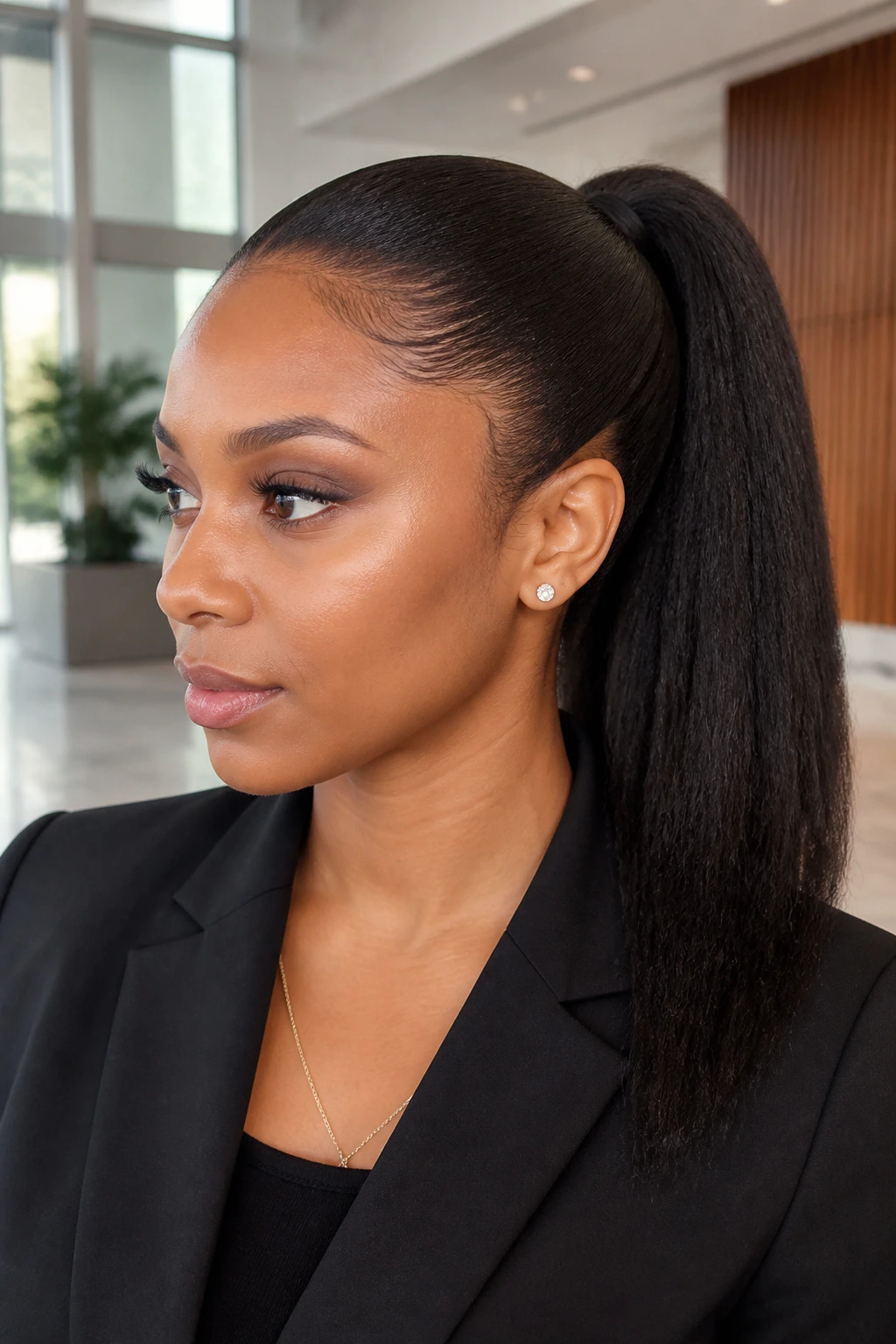
The cleanest crochet looks are the ones with a plan. A flat base, the right fiber, and a shape that matches your day matter more than extra length or a pile of accessories. Get those three pieces right and even the simplest twist or braid reads as finished.
I keep coming back to that because it’s the difference between hair that just sits there and hair that feels put together. Pick the texture that fits your routine, not the one that looks best in a vacuum, and the style will do more work for you than against you.
