



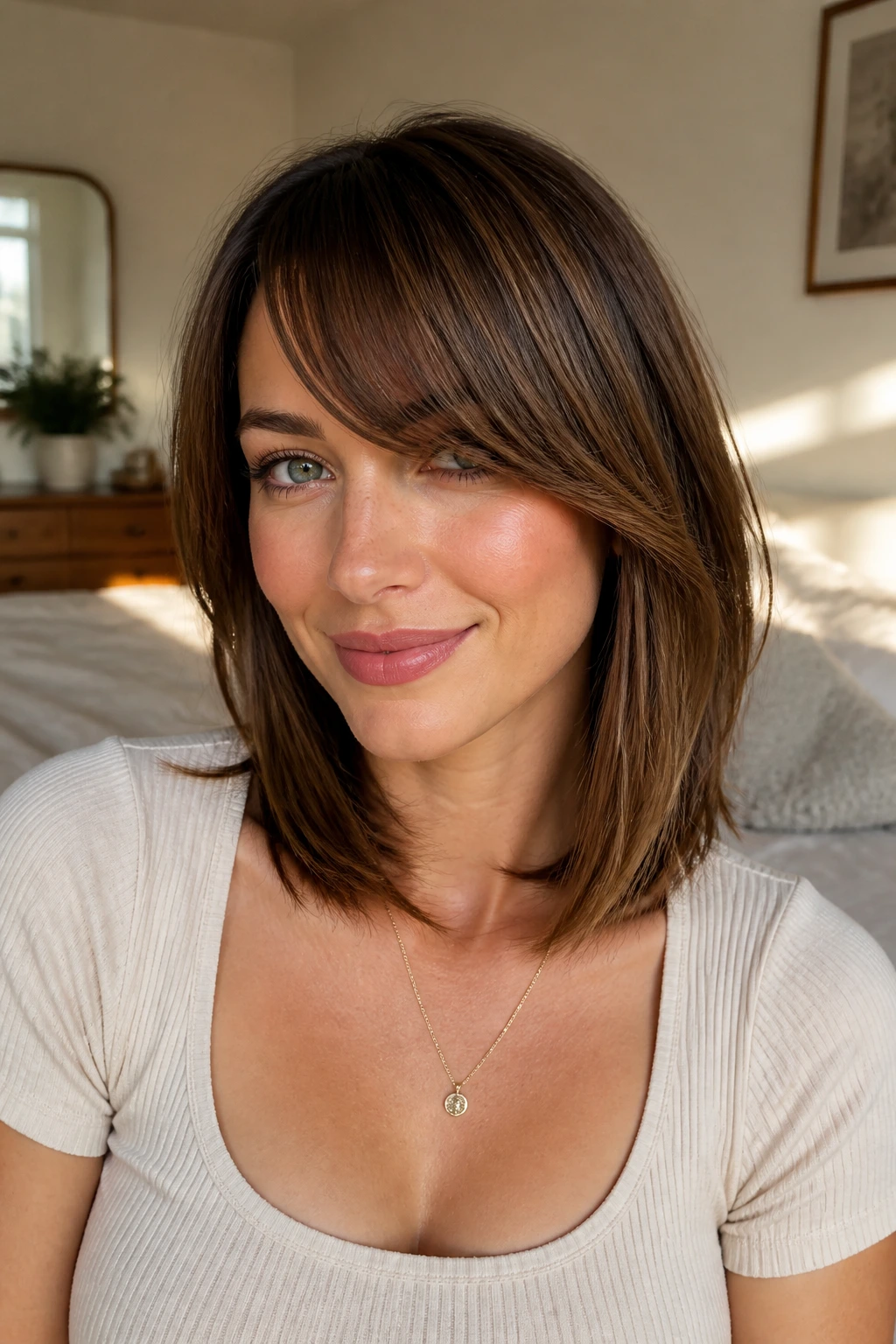
A medium-length cut with side bangs does one useful thing better than almost any other fringe: it gives your face shape without boxing you in. Hair that lands at the collarbone, shoulders, or just below the jaw has enough weight to look intentional, but enough movement to flip, tuck, wave, or smooth down when the day turns messy. Side bangs ride that middle ground neatly. They soften a line. They hide a high forehead if you want that. They also get out of the way faster than a blunt fringe when you need a clip, a pin, or a quick tuck behind the ear.
What I like most about medium length hairstyles with side bangs is how forgiving they are. A full fringe can feel like a decision with a deadline attached to it. Side bangs are looser, a little less dramatic, and far easier to grow into layers when you tire of them. Done well, they can look polished with a round brush, airy with a little mousse, or deliberately undone with a flat iron and a mist of texture spray. Done badly, they can split down the middle, puff at the roots, or sit there like a sad curtain after lunch. So the details matter.
And the details are where this gets fun. The best versions are not just “hair plus bangs.” They’re little equations of weight, angle, texture, and parting that change the whole mood of the cut. Collarbone lobs behave differently from shoulder-grazing shags. Fine hair needs a different bang placement than thick hair. Curly hair needs more length in the fringe than straight hair does. That’s the part most generic style lists skip, and it’s the part that makes the difference between a haircut you keep and one you keep pinning back.
Why This Collection Works So Well
-
Face-framing without the hard commitment: Side bangs soften the front of the cut, but they’re easier to grow out than a blunt fringe or micro bangs.
-
Medium length gives the fringe room to live: Hair that hits around the shoulders has enough weight to keep the side sweep from flying straight up after one humid day.
-
The same cut can read polished or relaxed: A round brush makes it smooth and swingy; a little bend with a flat iron makes it piecey and modern.
-
It flatters more than one texture: Straight, wavy, curly, and coily hair can all wear side bangs, but the placement and length change based on how your hair falls.
-
The part does a lot of the work: A deep side part lifts the root, shows the cheekbone line, and keeps the fringe from hanging heavy across the face.
-
It gives you styling options on lazy mornings: A clip, a tuck, or a half-up twist can rescue a side bang in seconds if the front starts misbehaving.
1. Collarbone Lob With Feathered Side Bangs
This is the cut I point people toward when they want something that looks styled even when they barely touched it. The collarbone lob gives the hair enough length to swing, and the feathered side bang keeps the front from feeling square or heavy. The whole shape moves in a soft diagonal, which is why it works so nicely with a side part.
Why it holds its shape
The lob sits in that sweet spot where the ends don’t collapse against the shoulders all day. That matters. When hair is longer than a classic bob but shorter than a full medium cut, it tends to keep a bend better, especially if the front pieces are cut to blend from brow level toward the cheekbone.
Ask for the fringe to be thinned only at the very ends, not hacked into wisps all the way up. Too much removal at the top leaves the bang split and flimsy. A little feathering around the temples does the job.
- Best for straight and softly wavy hair
- Easy to round-brush in 5 to 7 minutes
- Looks clean with tucked-behind-the-ear styling
- Grows out into layers without a rough line
Small tip: If your hair has a strong cowlick at the front, blow-dry the fringe in the opposite direction first, then sweep it over once it cools. That sets the bend better than trying to force it from wet to dry in one pass.
2. Textured Wavy Lob With Long Side Fringe
Why does this one look so lived-in? Because the wave and the fringe work on the same angle. A textured lob with long side bangs doesn’t fight the hair’s natural bend; it uses it. The fringe should skim the outer edge of the eyebrow and then disappear into the front layer, almost like it was always meant to be there.
That long side fringe is the key. Keep it too short and it starts acting like a separate chunk. Keep it long enough to fold into the wave pattern, and the whole cut feels looser and more expensive-looking, even if you air-dried it with a dab of cream.
How to style it
Use a 1-inch curling iron or wand and wrap random sections away from the face, leaving the ends out for a more relaxed finish. Then rake through with fingers, not a brush. A brush makes the wave too neat, and the fringe can start looking stiff. If you want a little bend near the front, twist the bang once with damp hands and clip it to one side while it dries.
3. Blunt Shoulder-Length Cut With a Deep Side Sweep
A blunt perimeter sounds severe until you break it with a deep side sweep. That’s the whole trick here. The ends stay clean and solid at shoulder length, but the bangs take the edge off so the haircut doesn’t look like one flat rectangle.
This style works best when you like structure. There’s a bit of attitude to it. The blunt line gives the hair weight, and the side bang stops that weight from turning into helmet hair. If your face is round or square, the diagonal front section is useful because it pulls the eye upward and outward instead of straight across.
Quick shape notes
- Keep the side part dramatic, not tiny
- Ask for the shortest point of the fringe to land around the brow arch
- Let the longest point blend near the cheekbone
- Use a flat iron only on the top layer if you want shine without losing body
The best version of this cut has a cool, slightly precise finish. Not stiff. Just controlled. And that’s a nice place for medium-length hair to live.
4. Layered Blowout With Side Bangs
This is the haircut that looks like you spent more time on it than you did. Layers around the crown, a rounded bend through the ends, and a side bang that curves just enough to sit away from the cheek. It’s a salon blowout shape that still behaves on regular days, which is why people keep coming back to it.
The layers matter here more than the bang itself. They give the front hair something to fall into, so the fringe doesn’t look stranded on its own. When the layers are cut with a bit of lift near the top and a softer finish through the lower lengths, the blowout holds that airy, brushed-back shape instead of puffing in a triangle.
A large round brush, medium heat, and a cool shot at the end make a real difference. So does lifting the roots at the side part while the hair is warm. That tiny move keeps the bang from settling flat against the forehead by noon.
5. Tousled Shag With Choppy Side Bangs
The shag is the more playful cousin in this group. It likes a little mess. It looks best when the layers are uneven on purpose and the side bangs are a touch choppy rather than perfectly soft. If you want a haircut that has some grit to it, this is the one.
What makes it different
The shape isn’t built around polish. It’s built around movement. The ends flick out, the crown lifts, and the fringe sits somewhere between side-swept and piecey. That means it handles second-day texture well, which is one of the few honest reasons a haircut becomes a favorite: it behaves better when you are not in the mood to start over.
Use a lightweight mousse at the roots and a texturizing spray through the mid-lengths. Too much oil will kill the shape. Too much cream will make the side bang droop into the eye. Keep it airy and separated, not slicked together.
6. Angled Lob With Side Bangs
An angled lob gives you a little more drama than a straight-across lob. The front pieces sit longer than the back, so the haircut naturally points forward, and the side bangs extend that line instead of interrupting it. That shape is flattering in a very practical way: it visually narrows the jaw and gives the whole cut a lifted feeling.
This one tends to look especially good on hair that falls flat at the crown. The angle creates motion even before you curl it. Add side bangs and the result is a cut that has direction, which matters more than people think. Hair without direction can feel limp. Hair with direction feels designed.
Keep the front long enough that it brushes the collarbone. If it lands too high, the angle gets lost and the bang becomes the only thing anyone sees. You want the bang and the cut to read as one sentence, not two arguments.
7. Curly Shoulder-Length Cut With Extended Side Bangs
Curly hair needs side bangs cut with some patience. That’s the honest version. The fringe should usually be longer than you think, because curls spring up and shift sideways once they dry. When the cut is right, though, it’s gorgeous: a shoulder-length curly shape with a soft fringe that falls diagonally across the forehead and blends into the rest of the curl pattern.
How to keep the curl from shrinking the bang
Ask for the fringe to be cut while the hair is dry or nearly dry, especially if your curl pattern changes a lot from wet to dry. Wet curls lie. They all do. A fringe that looks perfect when wet can bounce up three inches once it dries, and then you’re in pinning territory.
A diffuser helps, but keep the airflow low and tilt your head slightly to the side where the bang wants to fall. Then stop touching it. The more you separate a curly side bang once it’s drying, the bigger and frizzier it gets.
8. Flip-Out Ends With Side Bangs
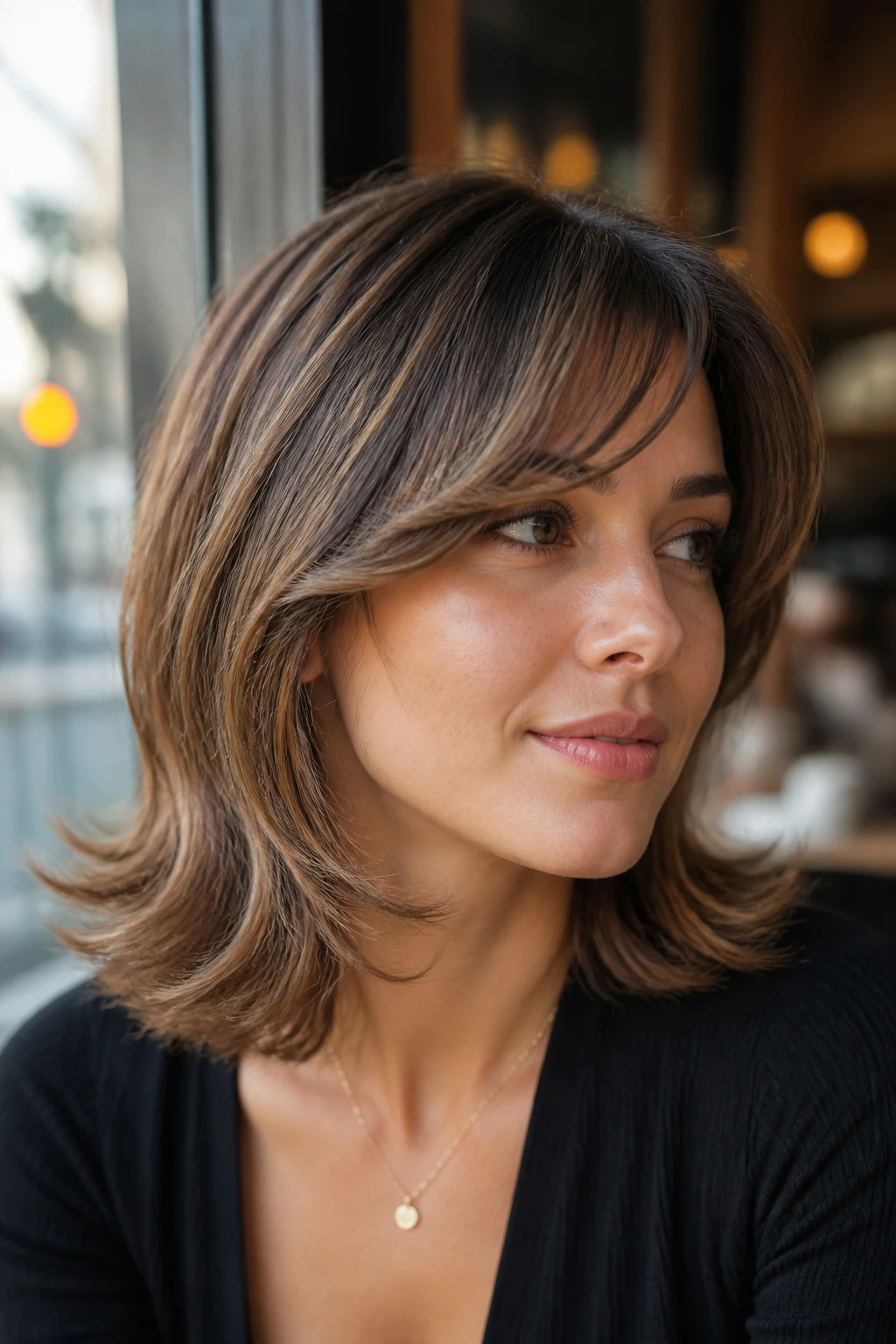
This one has a little retro confidence to it. The ends flip out just enough to show shape, and the side bang curves over the brow before tucking into the flip. It feels cheerful without turning costume-like, which is harder to do than people think.
The secret is that the bend lives mostly at the ends, not all over the hair. If every layer flips, the shape gets busy. Keep the top smoother and let the bottom quarter turn outward. The bang can take the same cue with a soft bend rather than a hard curl.
A medium round brush or a curling iron with a loose wrap does the trick. Finish with a light mist of flexible hairspray, not a hard shell spray. You want the edges to move when you turn your head.
9. Modern Rachel Cut With Side-Swept Fringe
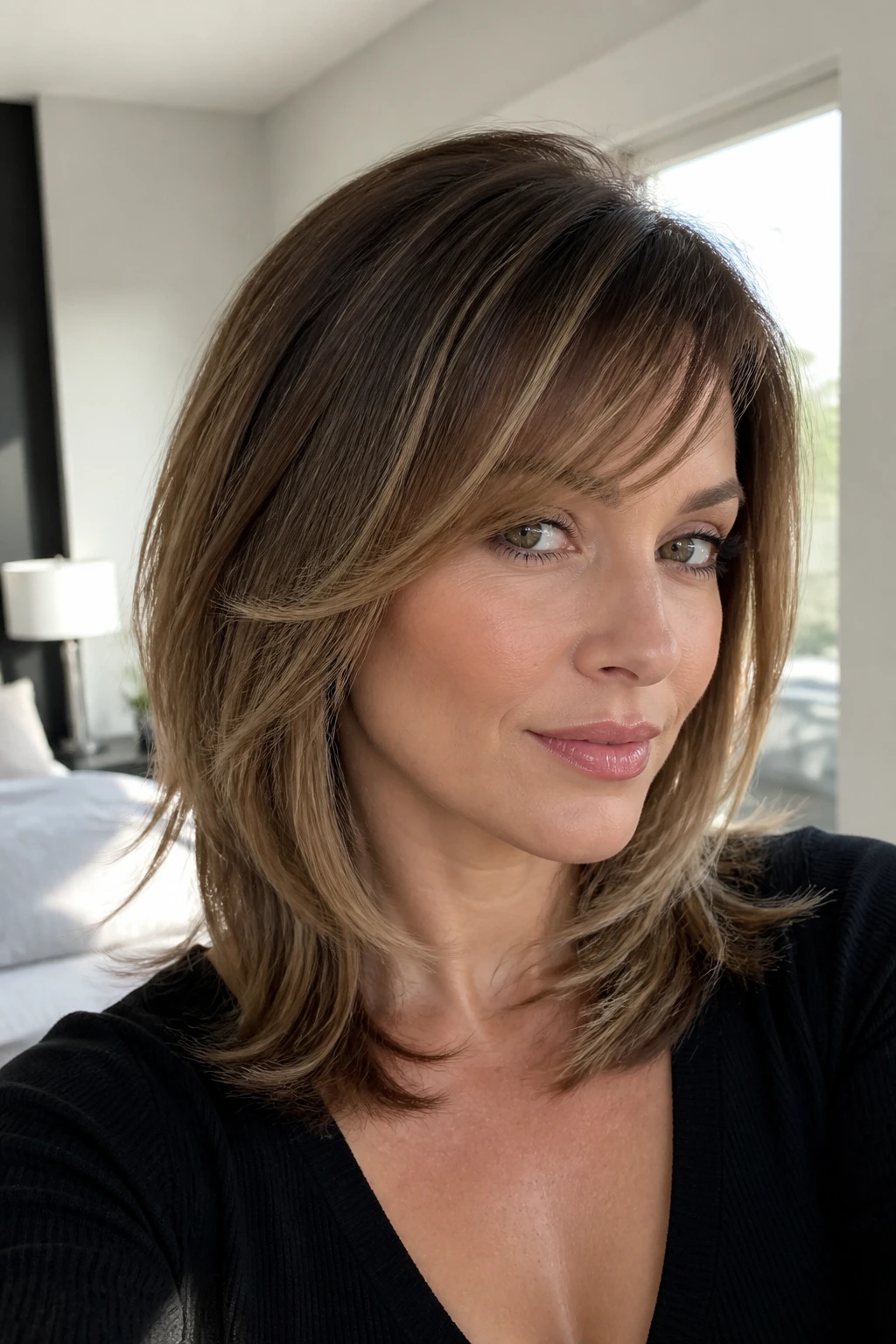
There’s a reason this shape keeps coming back. It frames the face fast. The modern Rachel-style medium cut uses layered front pieces, a polished blowout, and a side-swept fringe that brings the whole thing into one clean silhouette. It is not the exact old version people remember from television. It’s softer, lower maintenance, and better tailored to real hair.
The biggest difference is the weight balance. The top layer should have enough lift to create a sweep, but not so much feathering that the haircut turns feathery in a dated way. Think clean layers, healthy ends, and a fringe that lands on the outer half of the brow before sliding into the front section.
This cut shines when you like a smooth finish and don’t mind a round brush. It looks especially good with hair that has a bit of natural body, because the blowout holds the shape longer and the side fringe stays visible instead of disappearing into the length.
10. Medium-Length Wolf Cut With Side Bangs
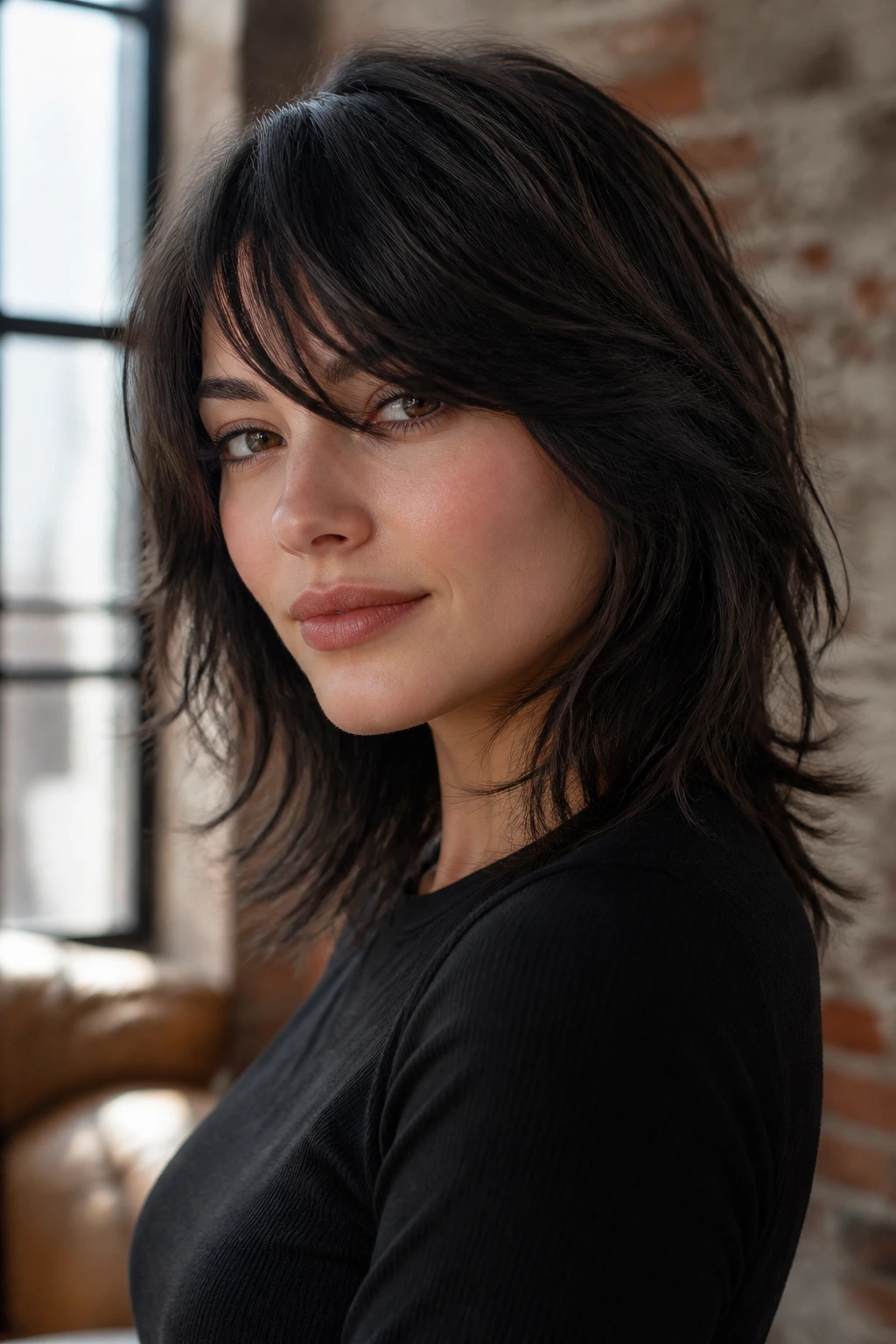
A wolf cut on medium hair can go wrong fast if the layers are too aggressive. The good version keeps the shape shaggy and lifted, not choppy in a way that feels accidental. Side bangs help tame the wildness a little by giving the front a direction. Without them, this cut can feel all texture and no plan.
The fringe here should be long enough to blend with the shortest face-framing layers. That’s what keeps the haircut from looking like a mullet in a hurry. You want some edge, sure, but you also want the front pieces to soften the transition between the crown volume and the length below.
This style suits people who like texture spray more than shine serum. If your hair is naturally wavy, you’re halfway there already. If it’s straight, add a few bends with a flat iron and leave the ends imperfect. Clean enough. Not precious.
11. Fine-Hair Glassy Lob With Airy Side Bangs
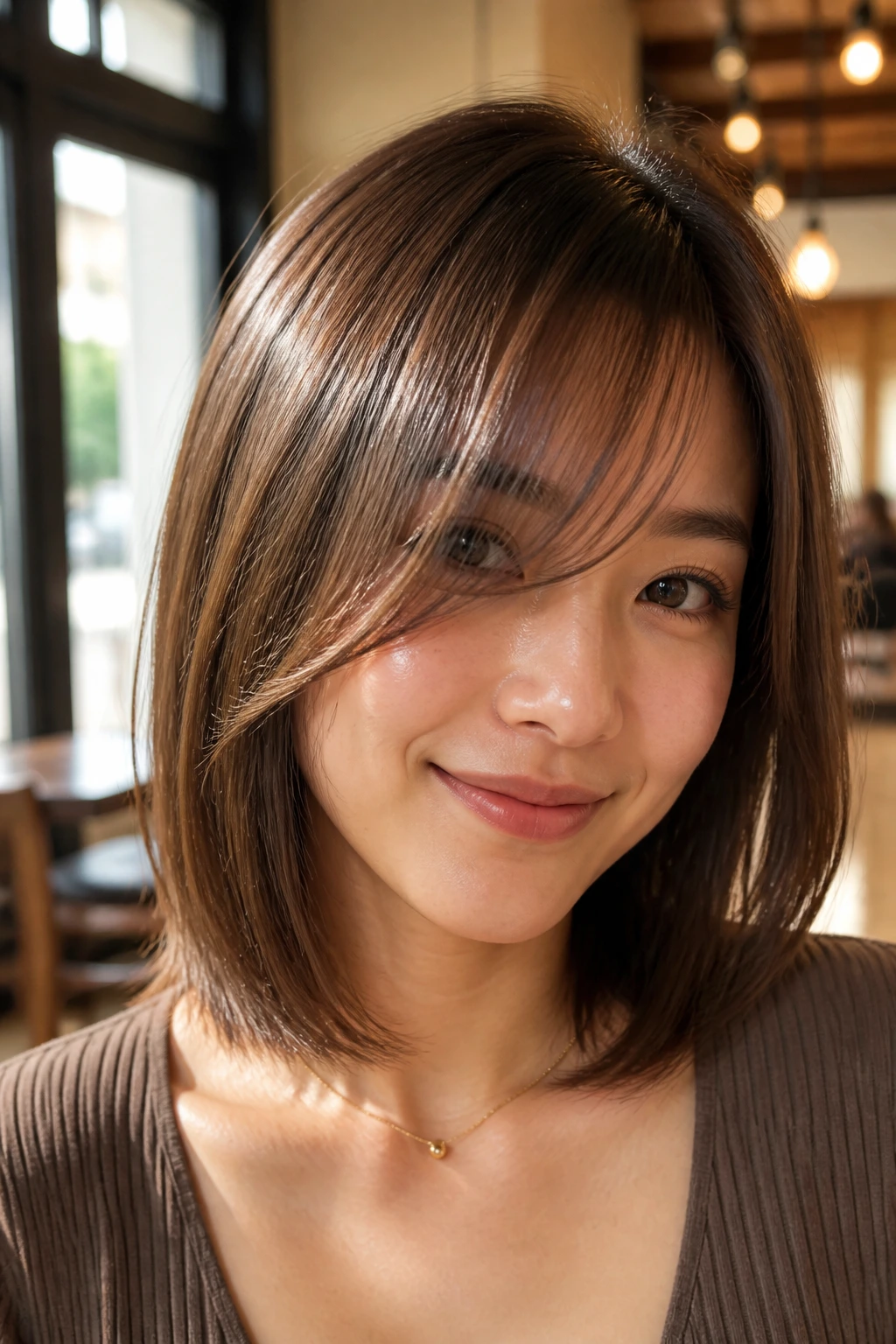
Fine hair can wear side bangs beautifully if the fringe stays light and the line stays clean. A glassy lob gives the hair a smooth surface and a little reflective shine, while the airy side bang keeps the front from collapsing into a single flat sheet. That balance matters more on fine hair than on almost any other texture.
What to ask for
- A one-length or nearly one-length base
- Very subtle internal layers, only if needed
- A long fringe that can be tucked or swept
- Minimal thinning at the roots, because too much removal makes fine hair look sparse
The trick is not to over-cut the front. Fine hair loses body quickly once the scissors get too enthusiastic. Keep the bangs longer than you think and dry them with a small round brush or a vent brush so they don’t separate into see-through pieces.
A root-lifting spray at the crown helps, but use it sparingly. You want movement, not spiky volume.
12. Thick-Hair Layered Mid-Length Cut With Long Side Fringe
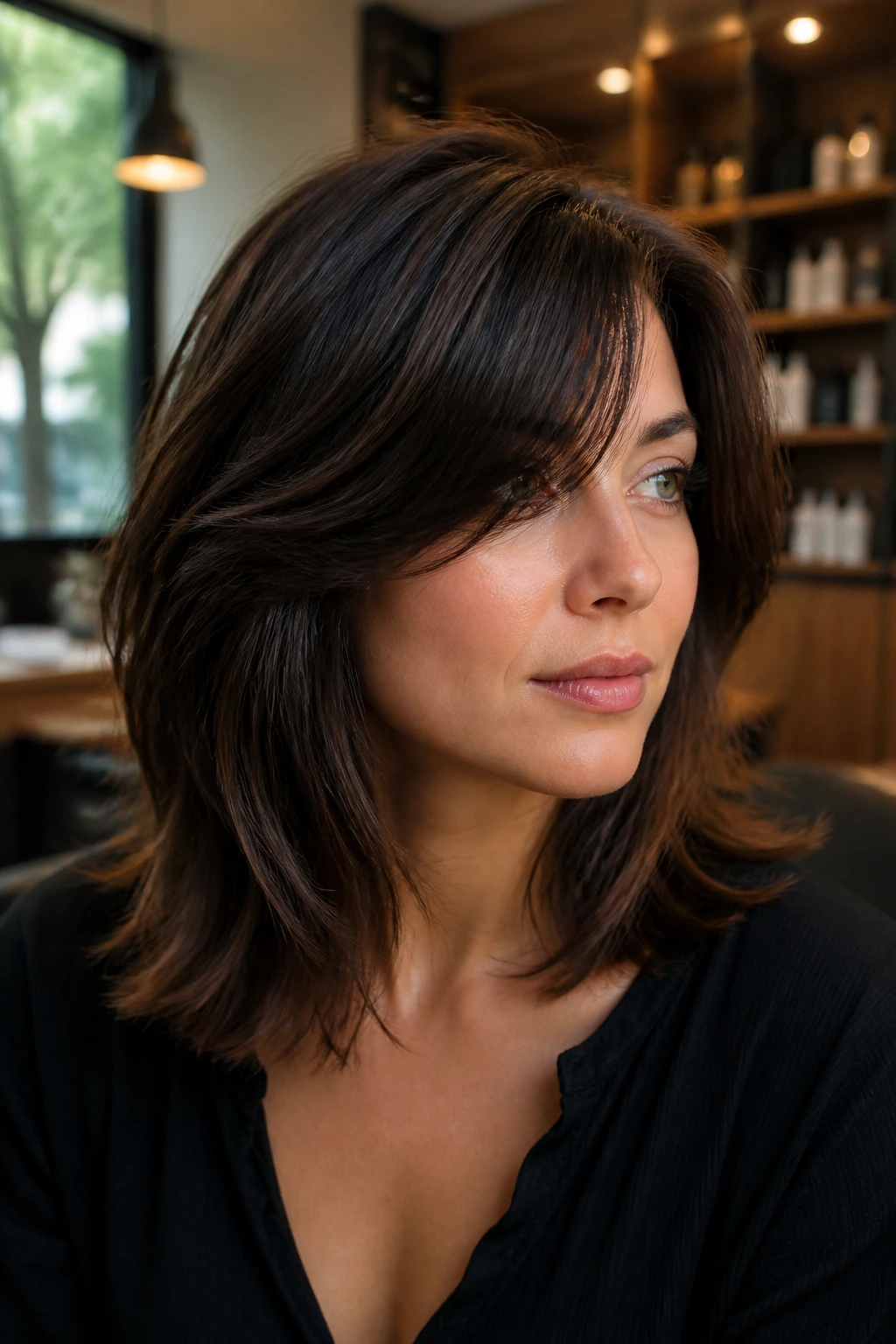
Thick hair needs room to breathe, and side bangs can help if they’re cut with enough weight left in them. The problem with thick hair is usually not lack of shape. It’s too much shape all at once. Layers redistribute that bulk, and a long side fringe keeps the front from becoming a heavy curtain.
This style works best when the layers are blended rather than stepped. Harsh steps make thick hair puff in strange places. Soft layers let the shape bend instead of springing outward. The side bang should be long enough to live inside the haircut, not sit on top of it.
If your hair swells in humidity, this is one of the better choices. The longer fringe resists the puff factor better than a short bang, and the layered medium length gives the hair somewhere to expand without turning triangular. Use a smoothing cream on the mids and ends, and leave the roots mostly alone.
13. Half-Up Style With Face-Framing Side Bangs
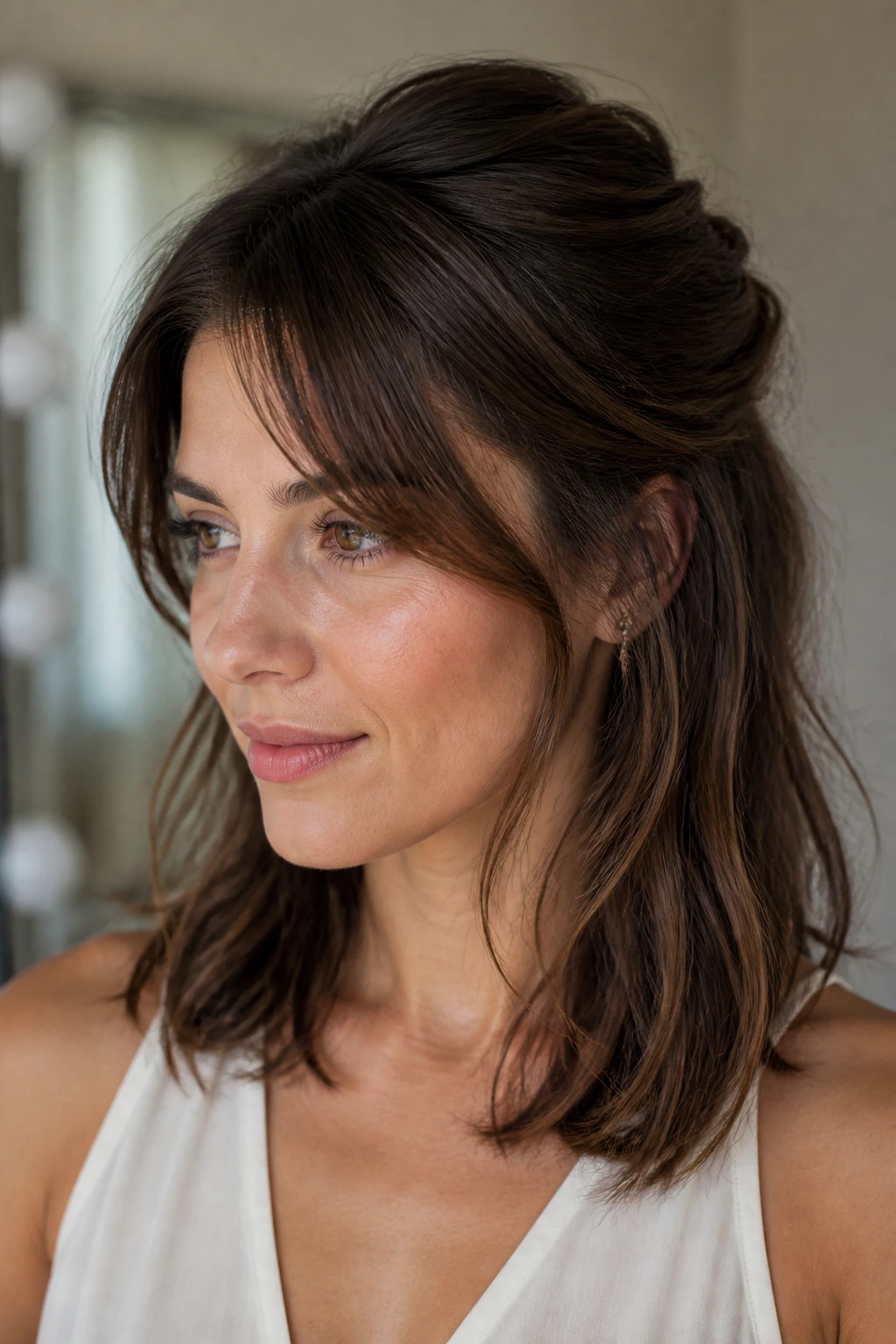
Half-up hair with side bangs is one of those styles that saves a bad hair day without looking like a rescue mission. You pull the top section back, leave the rest down, and let the fringe soften the front. Medium length makes this shape easier because the lower half has enough bulk to balance the lifted crown.
The most useful detail is where the bangs sit after you pin the top section. Don’t drag them straight back with the rest of the hair. Keep them loose in front, then curve them toward the side so they still frame the face. Otherwise the style loses its softness and starts looking severe.
A clip or small elastic can hold the upper section, but keep the crown slightly lifted. Too tight and the side bang falls flat against the head. Too loose and the whole thing slouches. Somewhere in the middle is the sweet spot, which is annoyingly true for a lot of hair styling.
14. Low Twist With Side Bangs
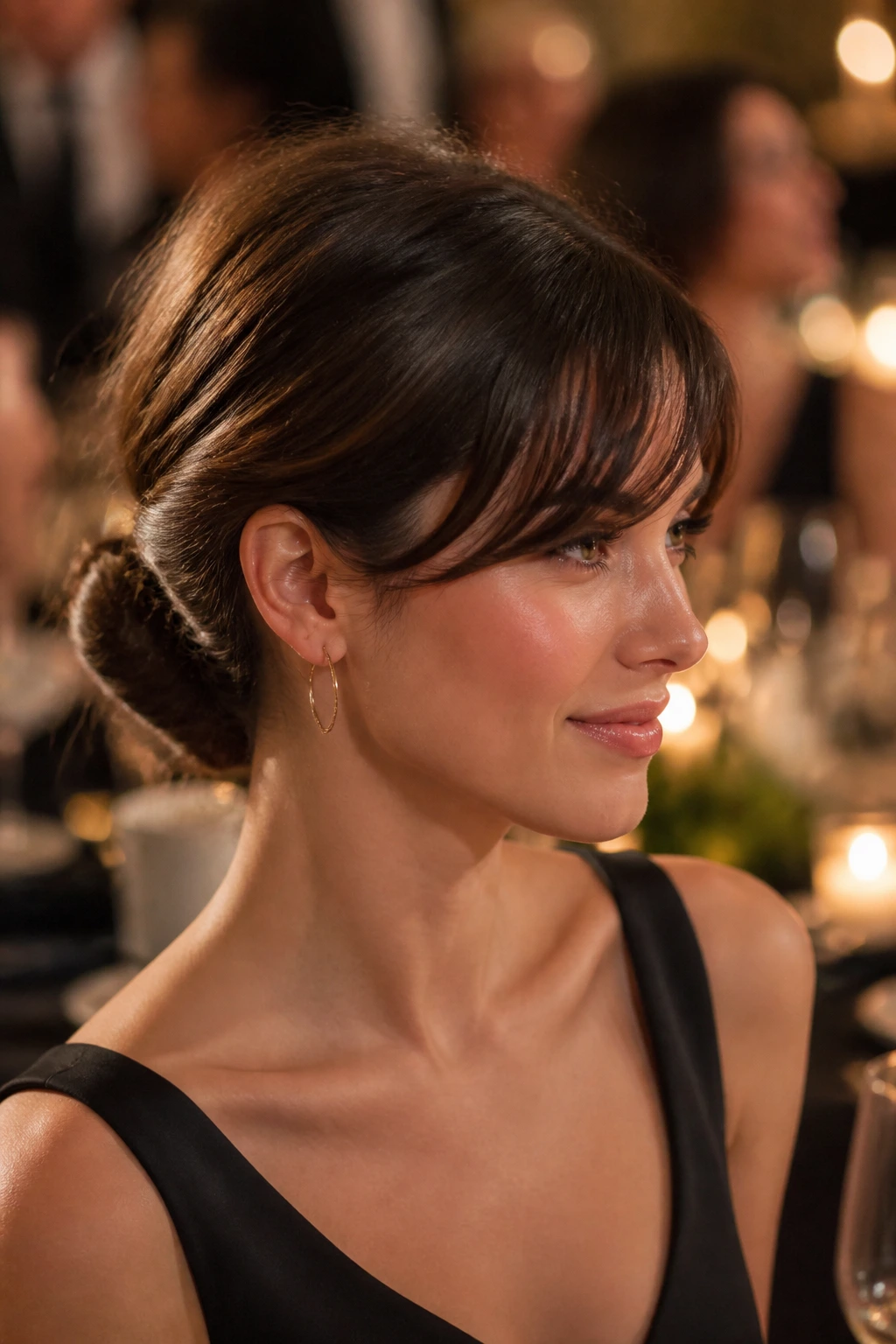
A low twist gives medium-length hair a tidy shape without asking the fringe to disappear. That’s the difference between a style that feels dressed and one that feels pinned up in a rush. Side bangs keep the front from getting too formal, especially when the twist sits low at the nape and has a few loose ends tucked in.
This look works nicely for dinners, weddings, or any day when you want your hair off your neck but still want softness around the face. The bang should be smooth enough to blend, but not so polished that it fights the texture of the twist. A little bend at the ends helps.
If your hair is slippery, prep it with a bit of dry shampoo or texturizing spray before twisting. That gives the pins something to grab. If your hair is coarse, you may not need much help at all. Lucky you.
15. Braided Crown With Loose Side Bangs
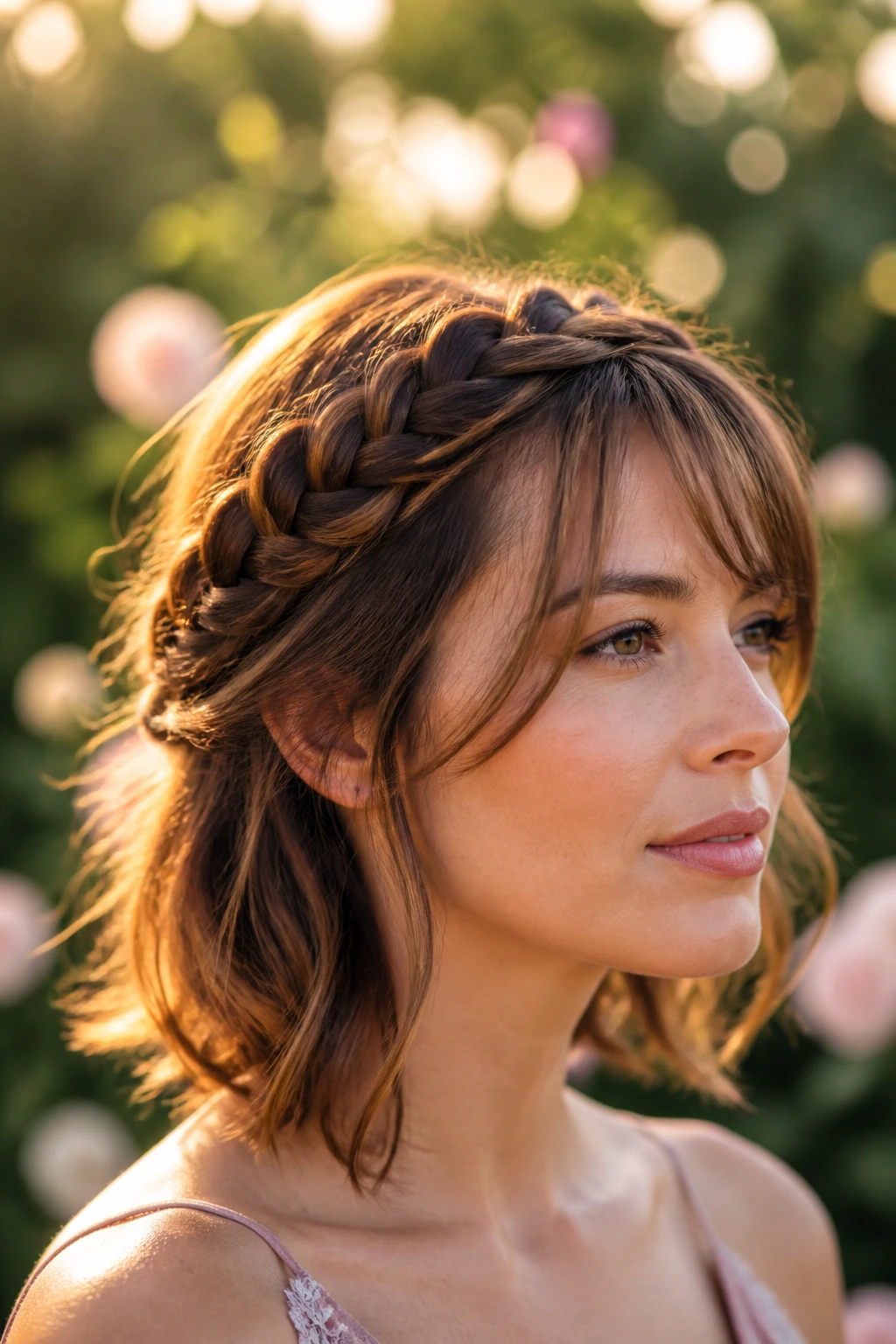
Braided crowns can look formal fast, so the loose side bang keeps the style from feeling too stiff. It gives the front a bit of motion and leaves some face-framing softness in place, which matters when the braid wraps around the head and starts doing a lot of visual work on its own.
The best version is not pulled tight to the scalp. A slightly relaxed braid looks better with medium-length hair anyway, because there’s enough length to create texture without making the style bulky. Leave the bangs loose and softly separated, then tuck the ends of the braid near the back or under a layer of hair.
A tiny dab of pomade on the bang ends can keep flyaways under control, but use it at the very tips. Heavy product near the root will make the front fall flat, and then the whole style loses the lightness that makes it work.
16. Air-Dried Natural Waves With Side Bangs
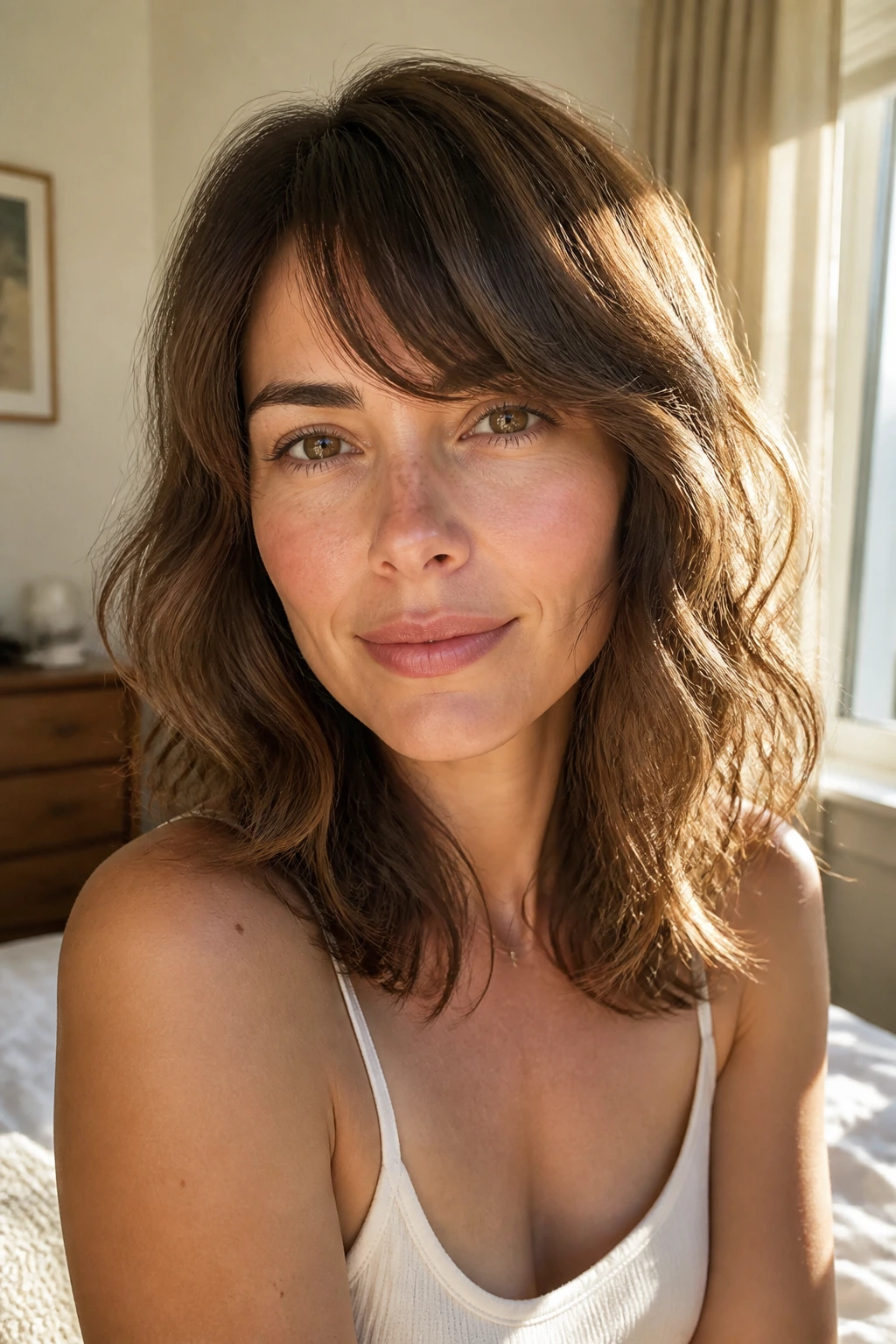
Air-dried waves are the easiest place for side bangs to feel natural rather than overdone. The hair dries into its own bend, and the fringe follows that pattern instead of trying to dominate it. That makes this one especially good for people who want movement without heat.
The cut matters more than the styling here. If the side bang is too short, it will puff. If it’s too long and too heavy, it will disappear into the wave pattern. The sweet spot is a fringe that can tuck into the front layer while still falling across the forehead at a gentle angle.
Scrunch in a light curl cream or leave-in on damp hair, then part it while it’s still wet. That helps the fringe settle where it wants to go. Once it dries, don’t keep fussing with it. Air-dried hair punishes overhandling.
17. Shoulder-Length Cut With Curtain-Leaning Side Bangs
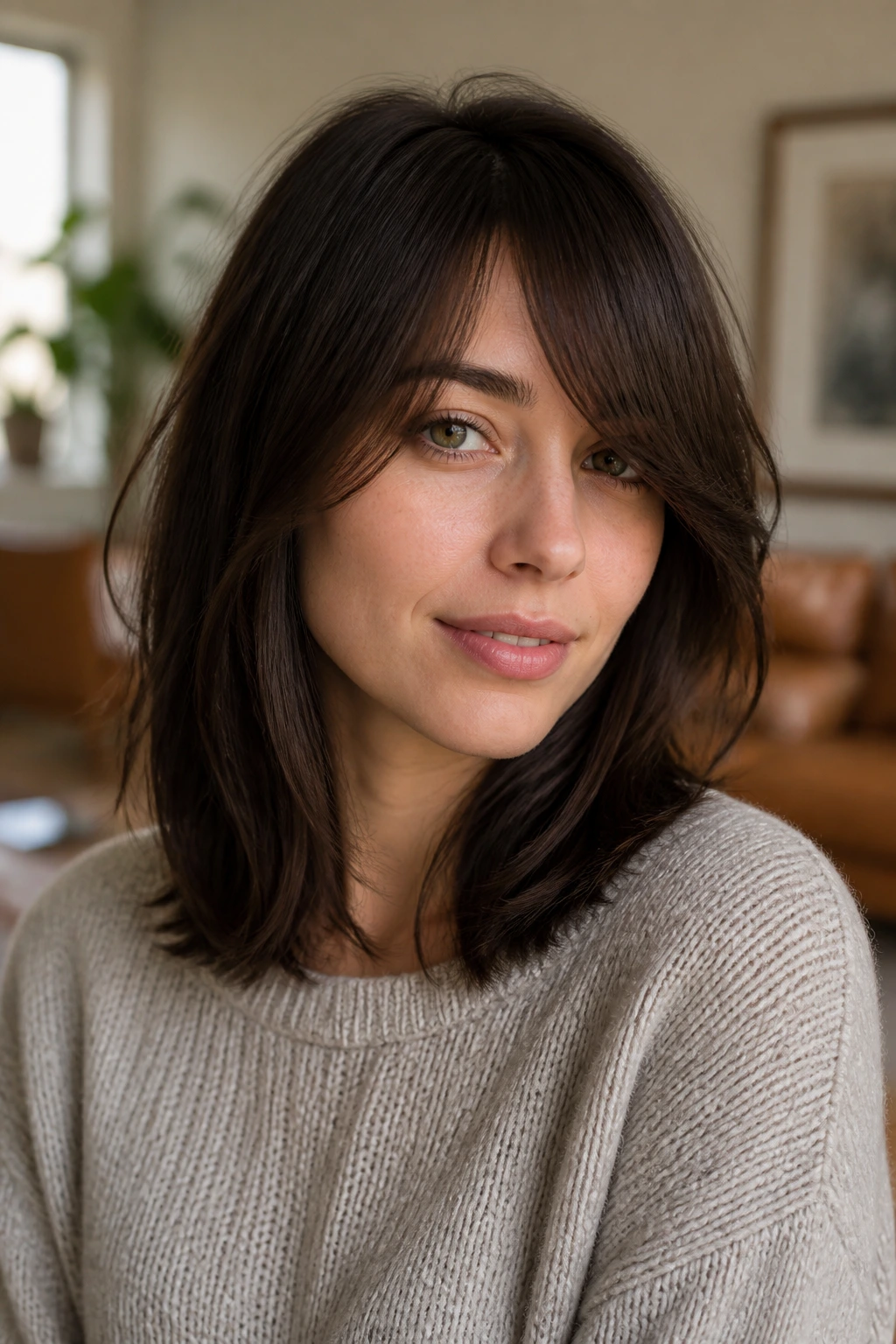
This is the softest option in the bunch. It sits between side bangs and curtain bangs, which means the front opens gently away from the face instead of sweeping in one heavy slice. Shoulder length gives the cut enough structure, and the fringe keeps the center from feeling too exposed.
What makes it useful is flexibility. If you want the bang more toward the side, brush it over. If you want it more open, part it a little wider and let it fall away from the center. That kind of range is why stylists keep leaning back toward this shape when a client wants something flattering but not fussy.
The front pieces should begin somewhere around the eyebrow and taper toward the cheekbone. That gives the style a long, soft line that works well with both straight and wavy textures.
18. Tucked-In Lob With Soft Side Bangs
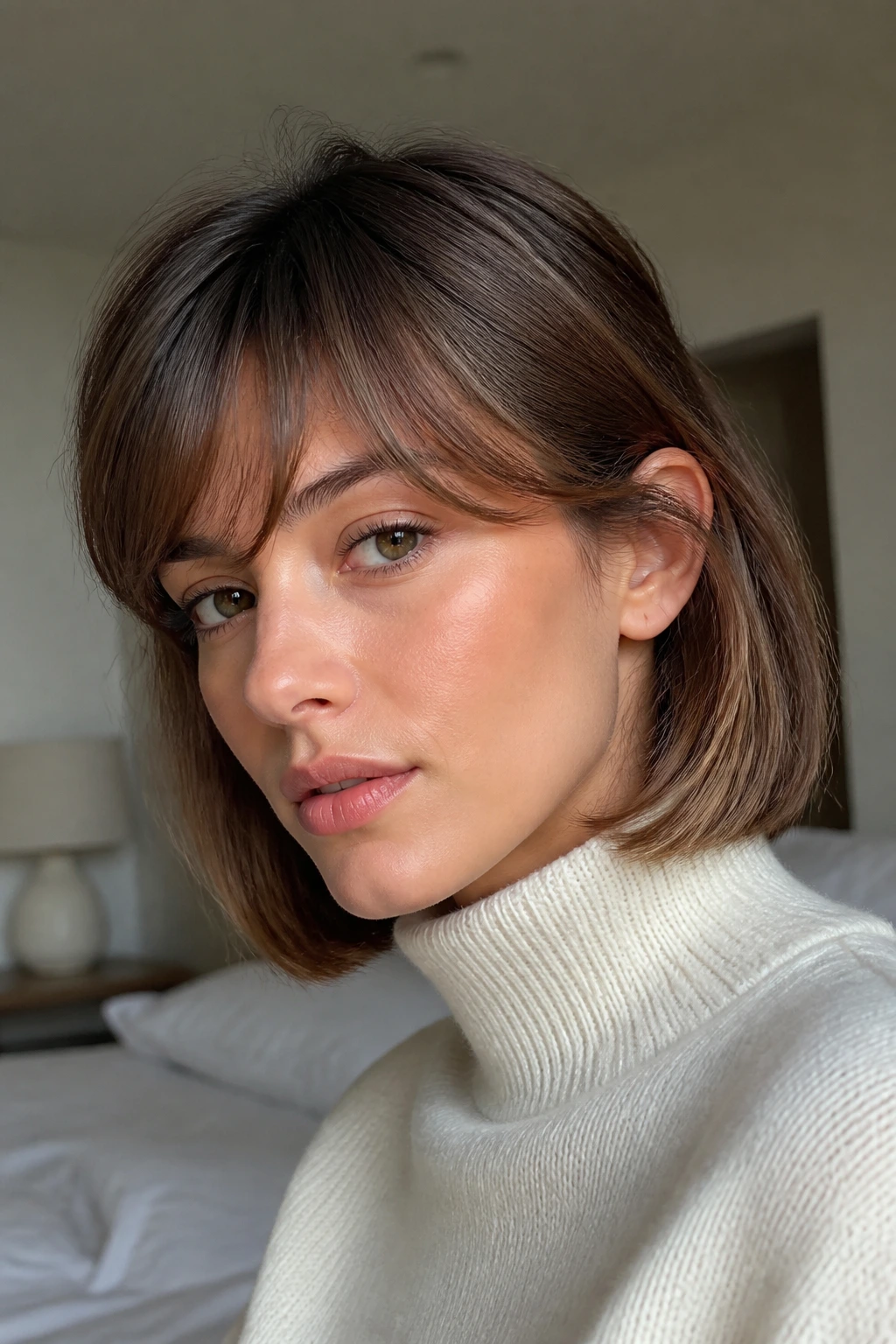
A tucked-in lob is simple, but the side bangs keep it from reading as plain. Tuck the ends behind the ears or into a high collar, and the fringe still gives you a little movement across the forehead. It’s the kind of style that looks deliberate with very little effort, which is not the same as looking lazy. Big difference.
This works especially well on hair that has a natural bend at the ends. The tuck creates a cleaner neck line, and the bangs keep the front soft. If you wear glasses, this shape can be useful because it avoids too much crowding around the temples.
The bang should be long enough to move when you turn your head. If it stops too high, it starts feeling like a separate chunk again. Keep the line soft and the tuck loose. Tight ears, hard part. Nobody needs that.
19. Soft Curls With Swept Fringe
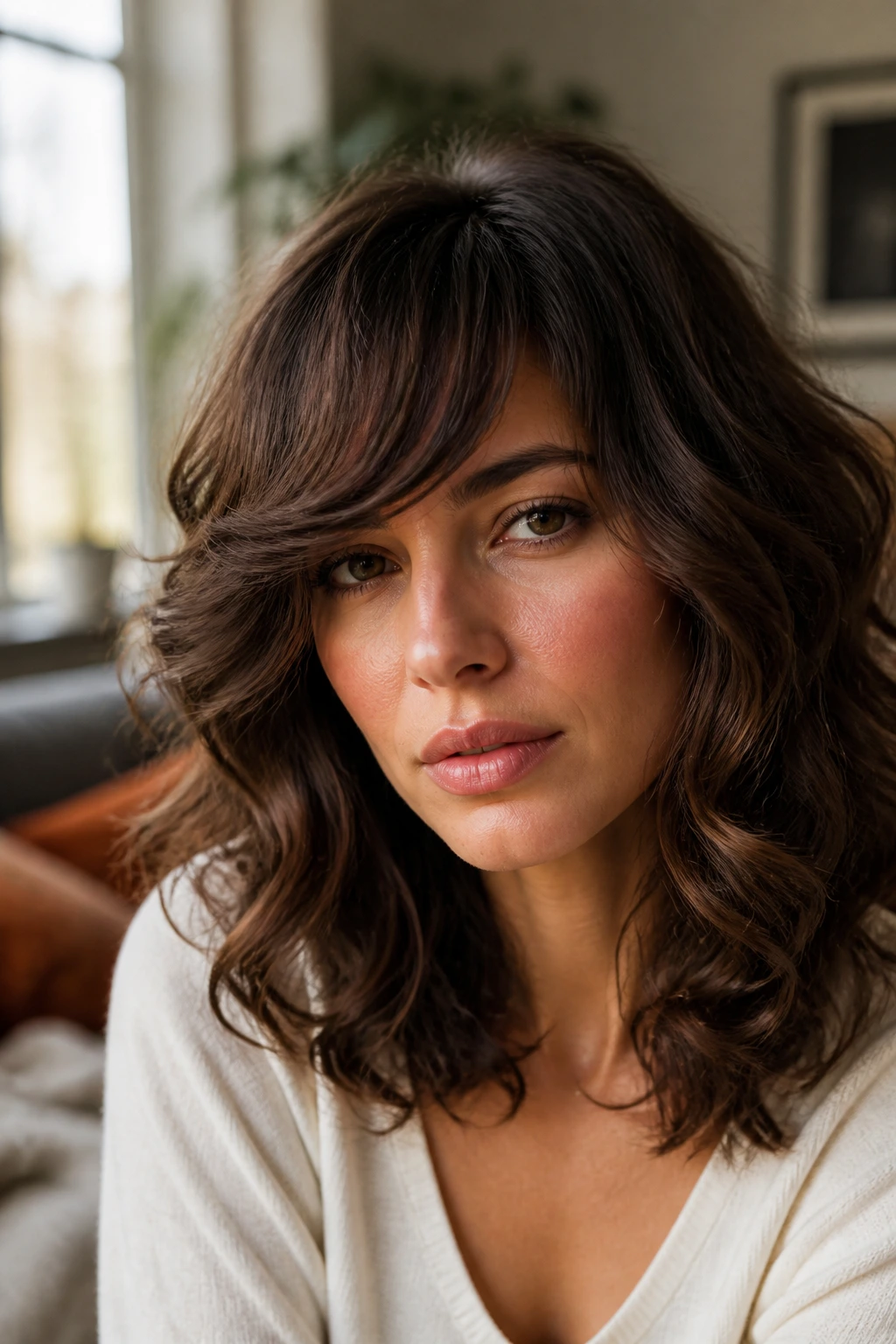
Soft curls and side bangs are a very forgiving combination, provided the fringe is cut with the curl pattern in mind. Medium length gives the curls enough room to stack and bounce without becoming a triangle, and the side sweep stops the front from closing in too much around the eyes.
What helps most
- Cut the bang a little longer than straight hair needs
- Dry the fringe in the direction you want it to fall
- Use a diffuser or a low-heat dryer
- Finish with a tiny bit of lightweight cream on the ends only
The curls should look plush, not overworked. If you separate them too much, the style loses its shape. If you leave them too bundled, the fringe can get lost. The middle ground is usually best: soft definition, visible movement, and a side bang that blends rather than interrupts.
20. Polished Side-Part Ponytail With Medium-Length Fringe
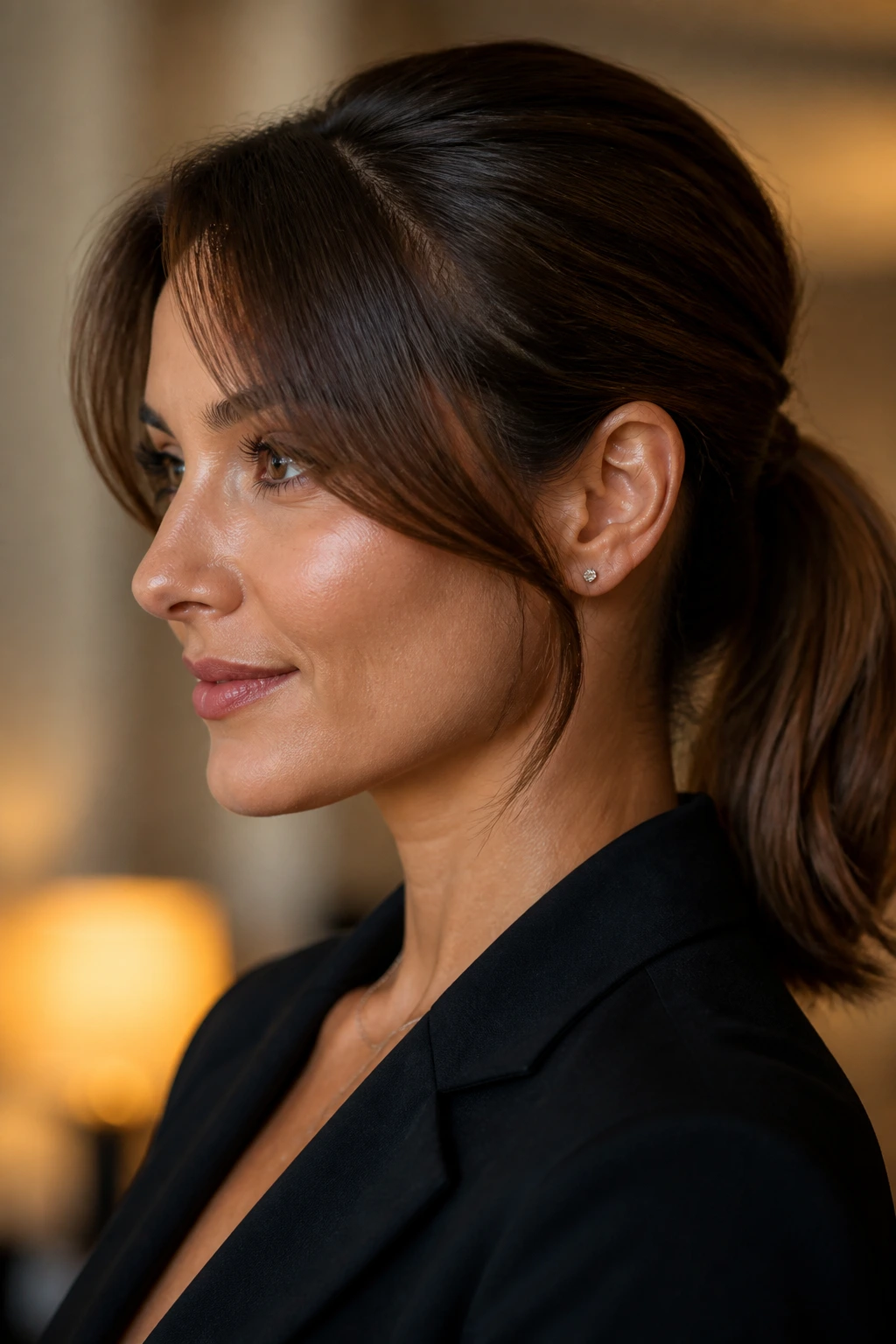
A ponytail may seem plain on paper, but add side bangs and it suddenly feels finished. The side part lifts the front, the fringe softens the face, and medium-length hair has enough body in the ponytail itself to keep the whole thing from looking thin or severe.
This is the style to pick when you need your hair up, but you still want shape around the face. A low or mid-height ponytail works better than one that sits high and tight, because the bangs can rest naturally against the cheekbone line. If you want extra polish, wrap a small strand around the base of the ponytail and pin it underneath.
A little shine spray on the mid-lengths helps, but keep it away from the fringe roots. That area gets greasy fast, and side bangs show grease in a way that no one enjoys.
Why Medium Length and Side Bangs Keep Working Together
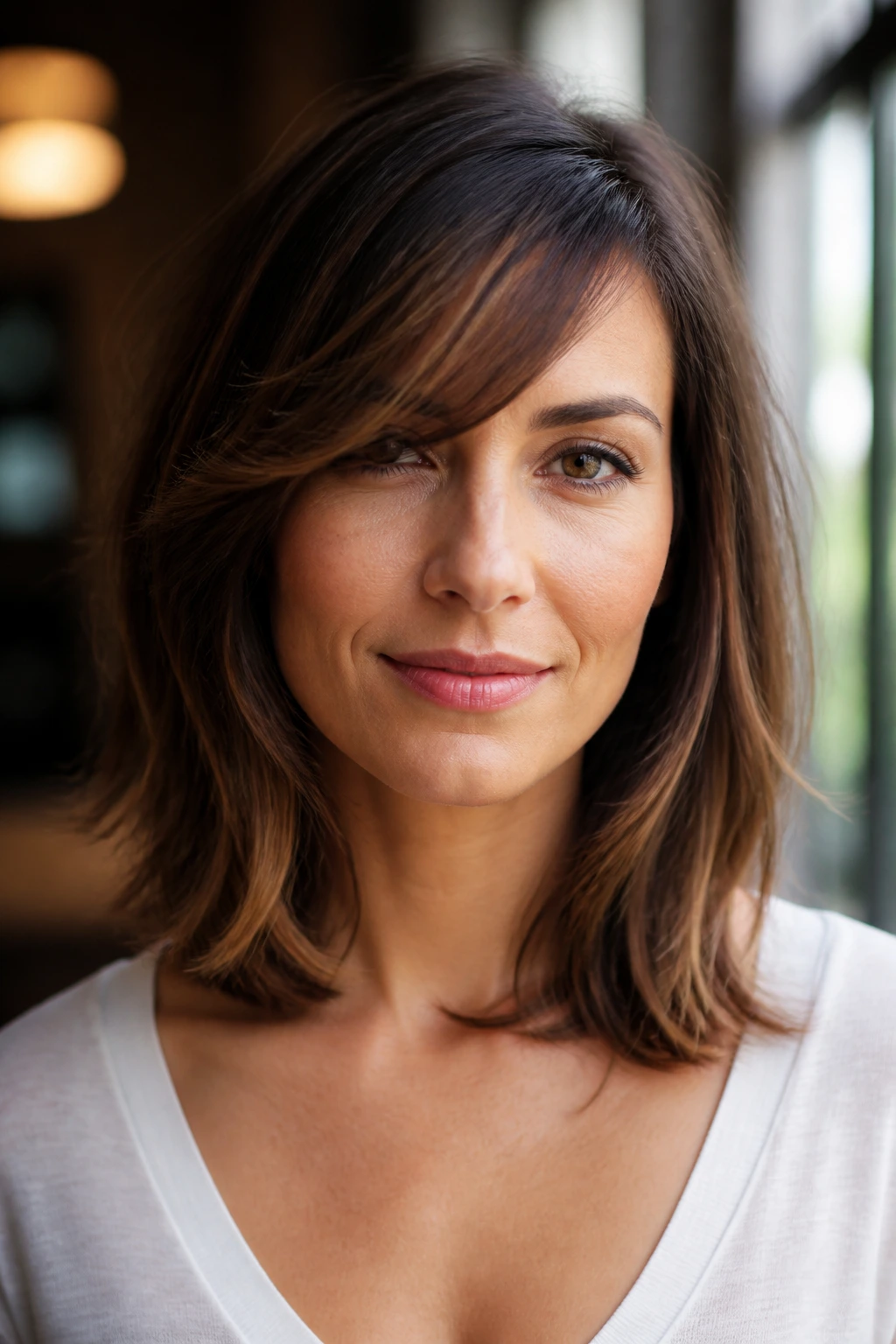
Medium-length hair has enough weight to sit properly around the face, which is half the battle with side bangs. Shorter cuts can make the fringe feel too dominant. Longer hair can drag the front down and turn the sweep limp by lunch. The middle length gives the side bang a place to land.
The other reason this pairing works is balance. Side bangs draw the eye diagonally, and medium hair gives that diagonal somewhere to go. A collarbone cut can hold a soft bend, a wave, or a tucked shape without swallowing the fringe. That means the bang isn’t floating alone. It becomes part of the haircut’s architecture.
Hair texture changes the outcome, not the basic idea. Straight hair needs a stronger part and a little root lift. Wavy hair wants less product and more freedom. Curly hair needs a longer fringe and a careful dry cut. Coily hair can wear the same idea, but the bang usually needs to be longer and shaped with shrinkage in mind. The principle stays the same. The finish changes.
How to Ask for the Bang Placement You Actually Want
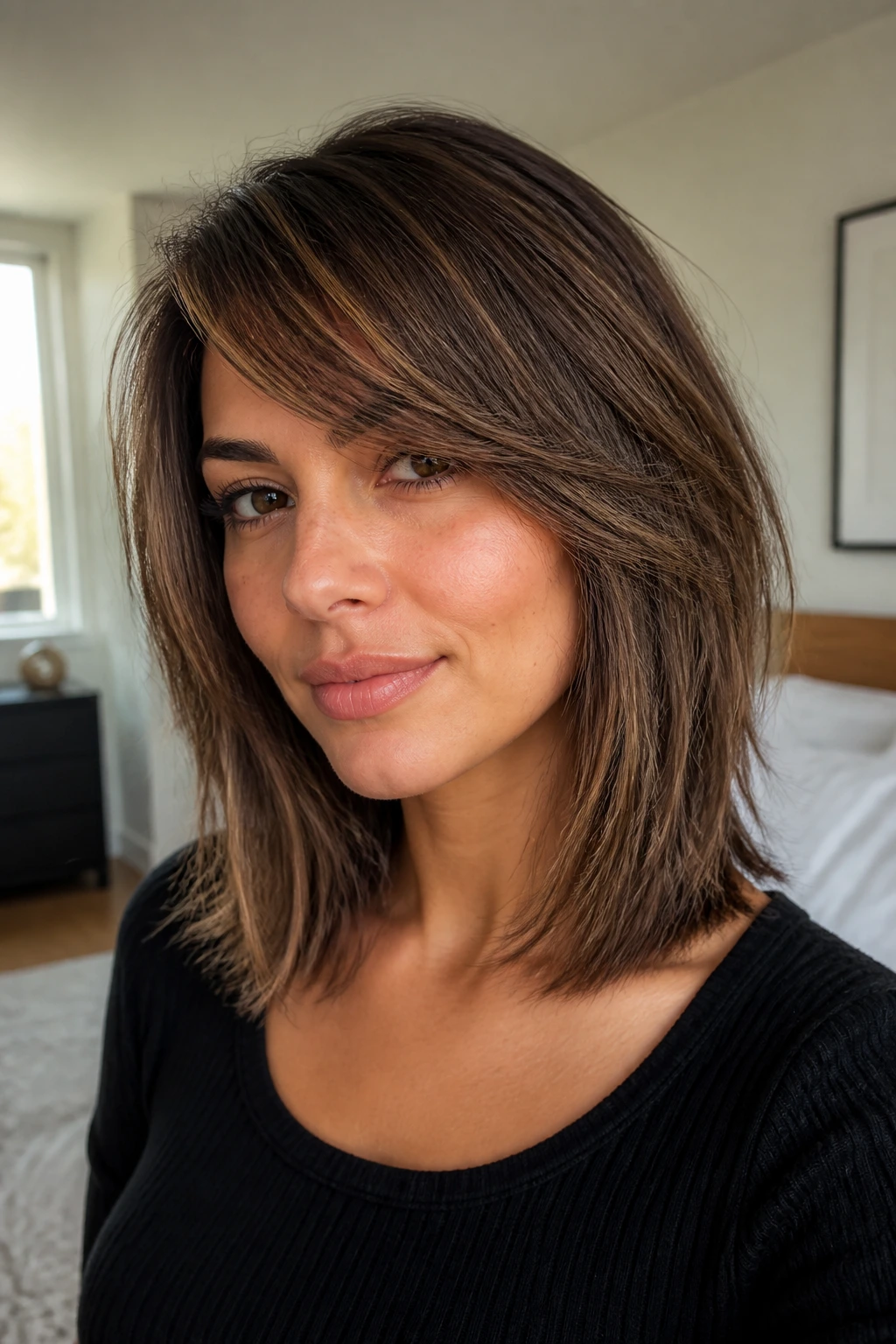
Bring photos, yes. But also bring words. A good stylist can read a picture, though it helps to say where you want the fringe to begin and where you want it to end. “Somewhere around the outer brow and blending into the cheekbone” is a lot more useful than “something soft.”
Dry hair matters here. If your hair bends, frizzes, or springs up, ask for the fringe to be checked dry or nearly dry. Wet hair lies about its length. Curly and wavy clients already know this the hard way. The bang that looks just right when damp can shrink into a little shelf once it dries.
A few useful details to give your stylist:
- Whether you part your hair on the left, right, or both
- How much morning styling you will actually do
- Whether you tuck hair behind your ears often
- Whether you want the fringe to blend into layers or stand out more
That conversation saves a lot of regret. A good side bang is less about a single magic angle and more about matching the cut to the way you really wear your hair.
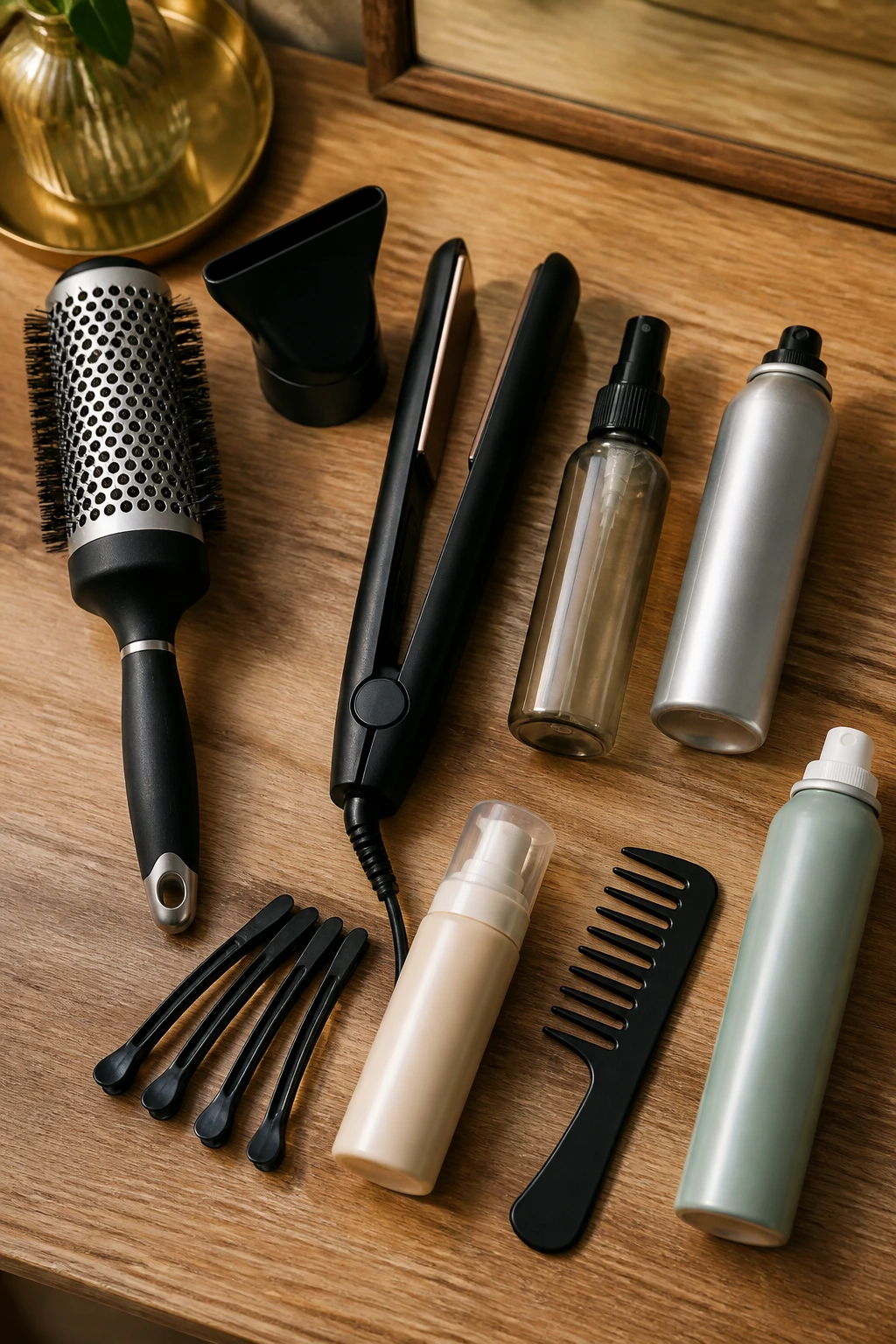
Essential Tools for Styling Medium Hair and Side Bangs
-
A round brush, 1.5 to 2.5 inches: Best for lifting the fringe at the root and curving the front pieces away from the face.
-
A blow dryer with a nozzle attachment: The nozzle keeps airflow pointed where you want it, which matters when you’re shaping bangs.
-
A flat iron: Useful for a smooth bend through the fringe or a tucked-under finish on the ends.
-
Texturizing spray: Good for shags, lobs, and any style that should look piecey instead of brushed out.
-
Heat protectant: Use it every time you heat style. Fringe hair is short, but it still burns.
-
Dry shampoo: Helps the roots around the part stay lifted and keeps the front from getting greasy too fast.
-
Sectioning clips: Small clips make it easier to control the side bang while the rest of the hair dries.
-
Lightweight mousse or root lift spray: Best for fine or flat hair that needs more shape near the crown.
-
Wide-tooth comb: Handy for wavy or curly hair when you want the bang to settle without frizzing up.
How to Wear These Looks Without Fighting Your Hair
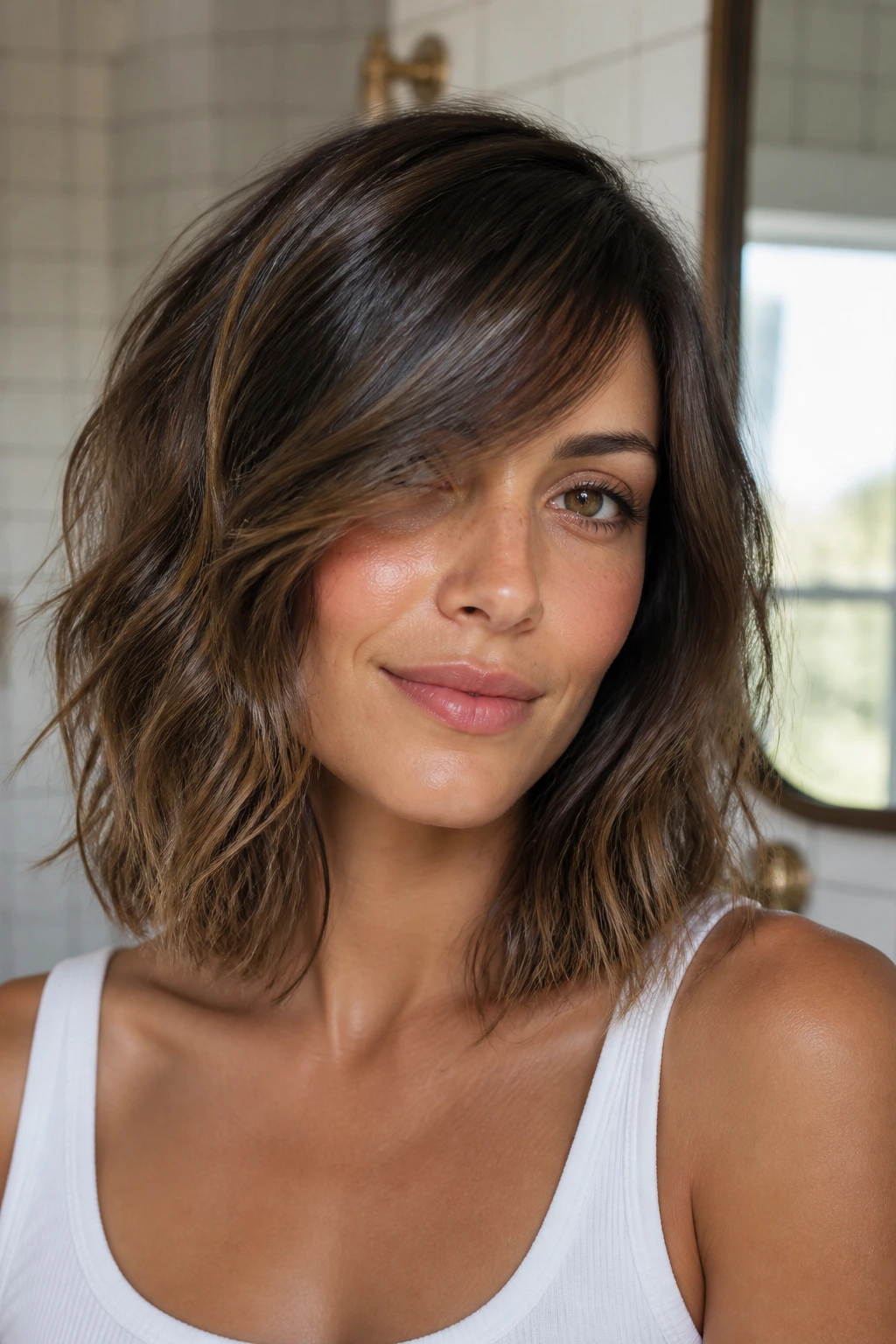
Presentation: Choose the finish that matches your texture, not the one you wish you had. Sleek blowouts work best on straight or lightly wavy hair, while looser, piecey finishes look better on hair that bends naturally. If the fringe keeps slipping, make the side part deeper and let the bang ride lower across the brow.
Best Settings: The cleaner styles — the blunt lob, the polished ponytail, the layered blowout — suit workdays, dinners, and events where you want the hair to look deliberate. The shag, air-dried wave, and curly side bang are better for regular days because they hold up with less fuss.
Face Shape Fit: Oval faces can wear almost any version here. Round faces usually benefit from longer side bangs that angle downward. Square jaws soften nicely with feathered or wavy fringes. Heart-shaped faces do well with side bangs that bring width back near the cheekbones.
Wear Time: A fresh blowout can look sharp for one to two days if you keep the bangs dry and lift the roots with a little dry shampoo. Air-dried looks often improve on day two, especially when the fringe is cut long enough to settle into place instead of springing out.
Extra Styling Tweaks and Finishers
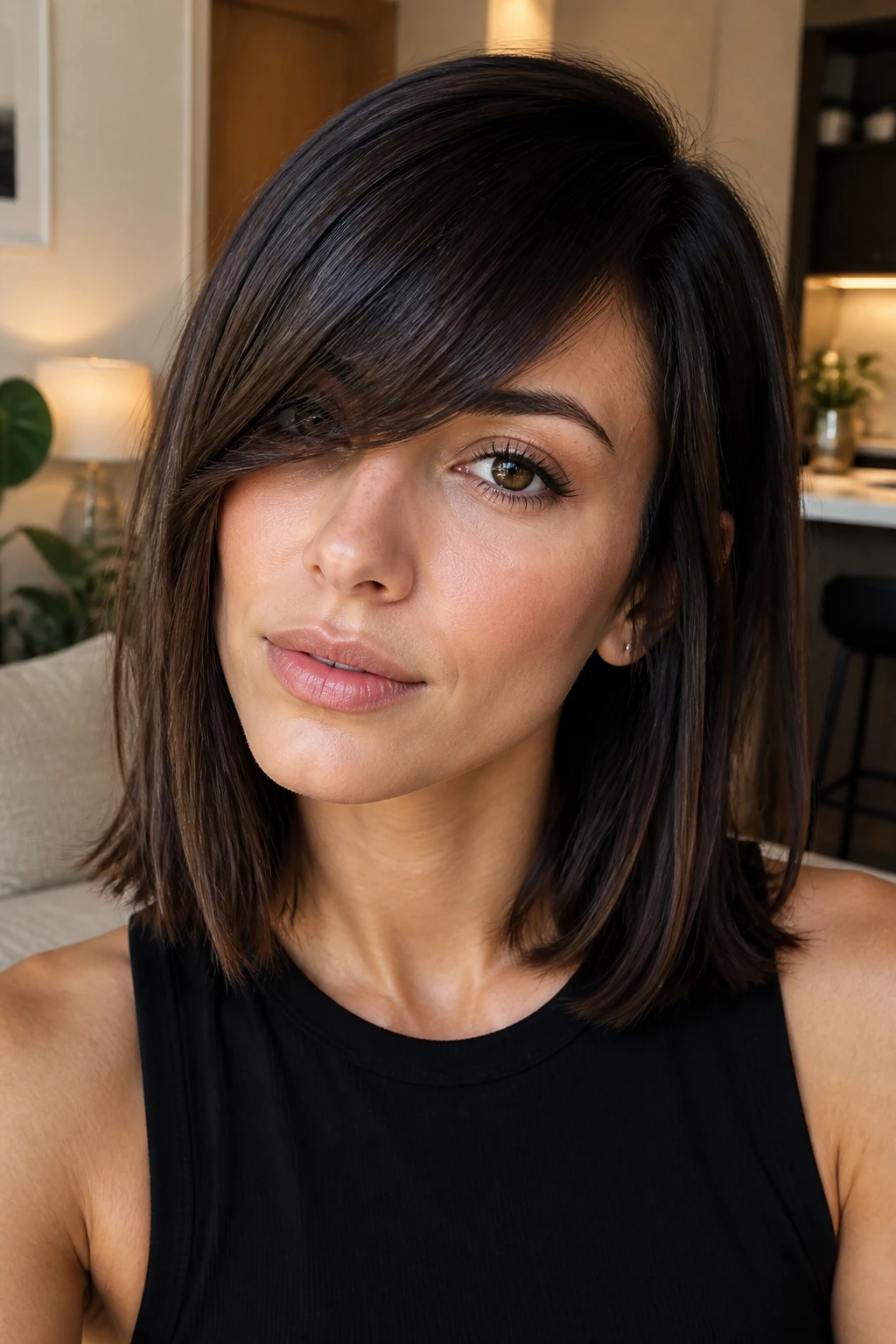
Flavor Enhancement: A drop of shine serum on the very ends can make a collarbone lob or angled cut look cleaner, but keep it away from the fringe roots. Bangs show oil fast. One tiny pump is plenty.
Customization: If you want more softness, ask for face-framing pieces that start around the cheekbone and blend into the side bang. If you want more edge, keep the ends blunt and let the fringe stay piecey.
Serving Suggestions: Hair tucked behind one ear always changes the mood. So does a little root lift at the side part. A barrette, a small claw clip, or a hidden pin can rescue a stubborn side bang in seconds.
Make-It-Yours: Fine hair does better with lightweight mousse and fewer layers. Thick hair needs more internal removal and longer fringe length. Curly hair needs extra length and less brushing. Straight hair can take a sharper angle and more polish. The cut should obey the texture, not the other way around.
Trims, Wash Days, and Grow-Out Care
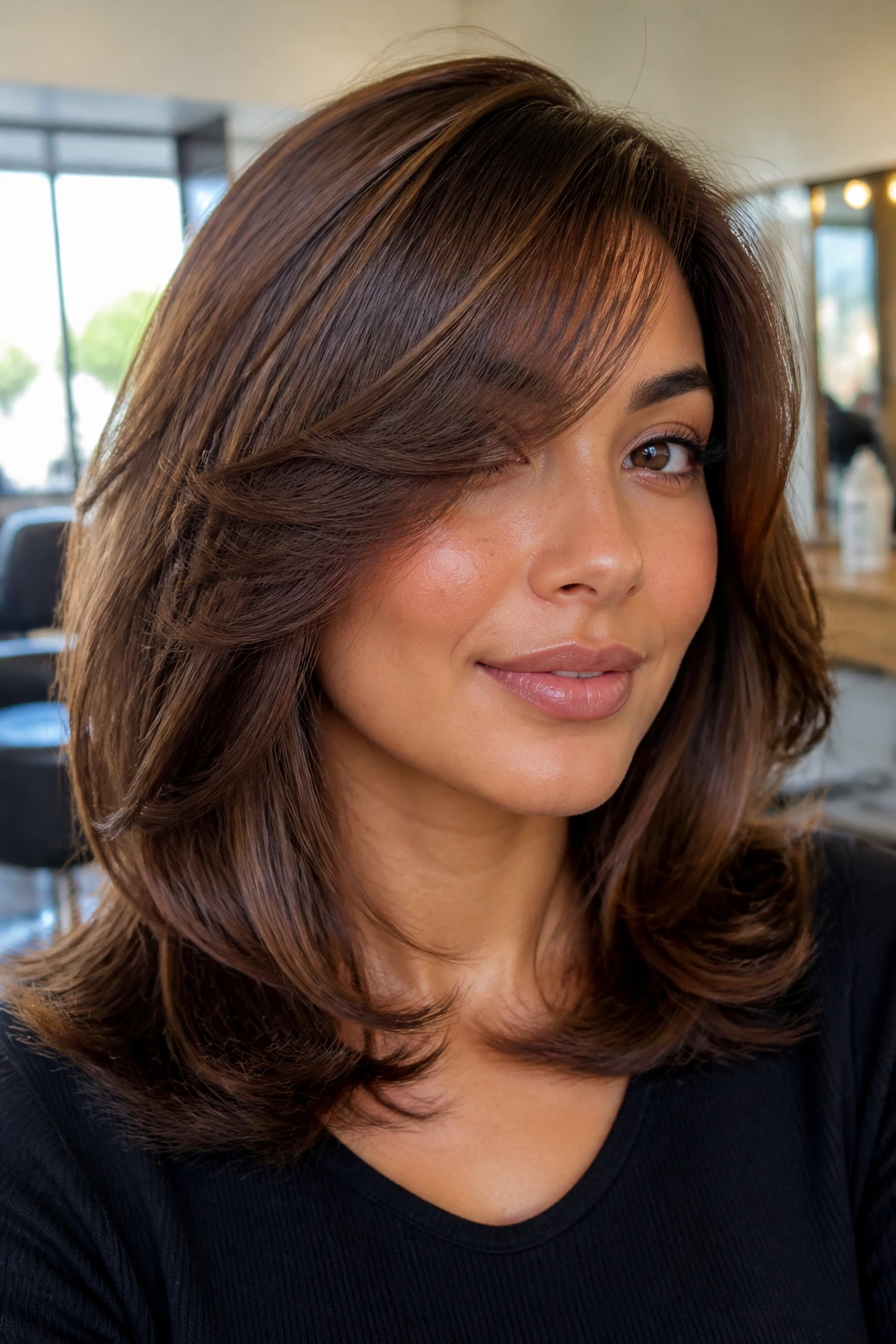
Side bangs are not the highest-maintenance fringe, but they do ask for regular trimming if you want them to keep their shape. A fringe touch-up every 4 to 6 weeks is a good rhythm for most hair types. If you like the grown-out version, you can stretch that farther and let the bang blend into face-framing layers.
Wash days matter more for the front than the back. Bangs pick up oil from skin, forehead product, and fingers faster than the rest of the hair. If the front gets greasy before the ends, a quick rinse of just the fringe in the sink can buy you another day without a full wash.
At night, clip the fringe loose or sweep it away from the face so it doesn’t flatten into the pillow. If you use dry shampoo, apply it at the roots and let it sit for a minute before brushing it through. Spraying and instantly brushing tends to leave a chalky patch. Nobody wants that.
If the bang starts getting annoying, do not panic-cut it yourself with kitchen scissors. Pin it back, twist it into the front layer, or ask for a soft trim and a longer merge into the cut. Bad home trimming can turn a useful side fringe into a problem you stare at for six weeks.
Variations and Adaptations to Try
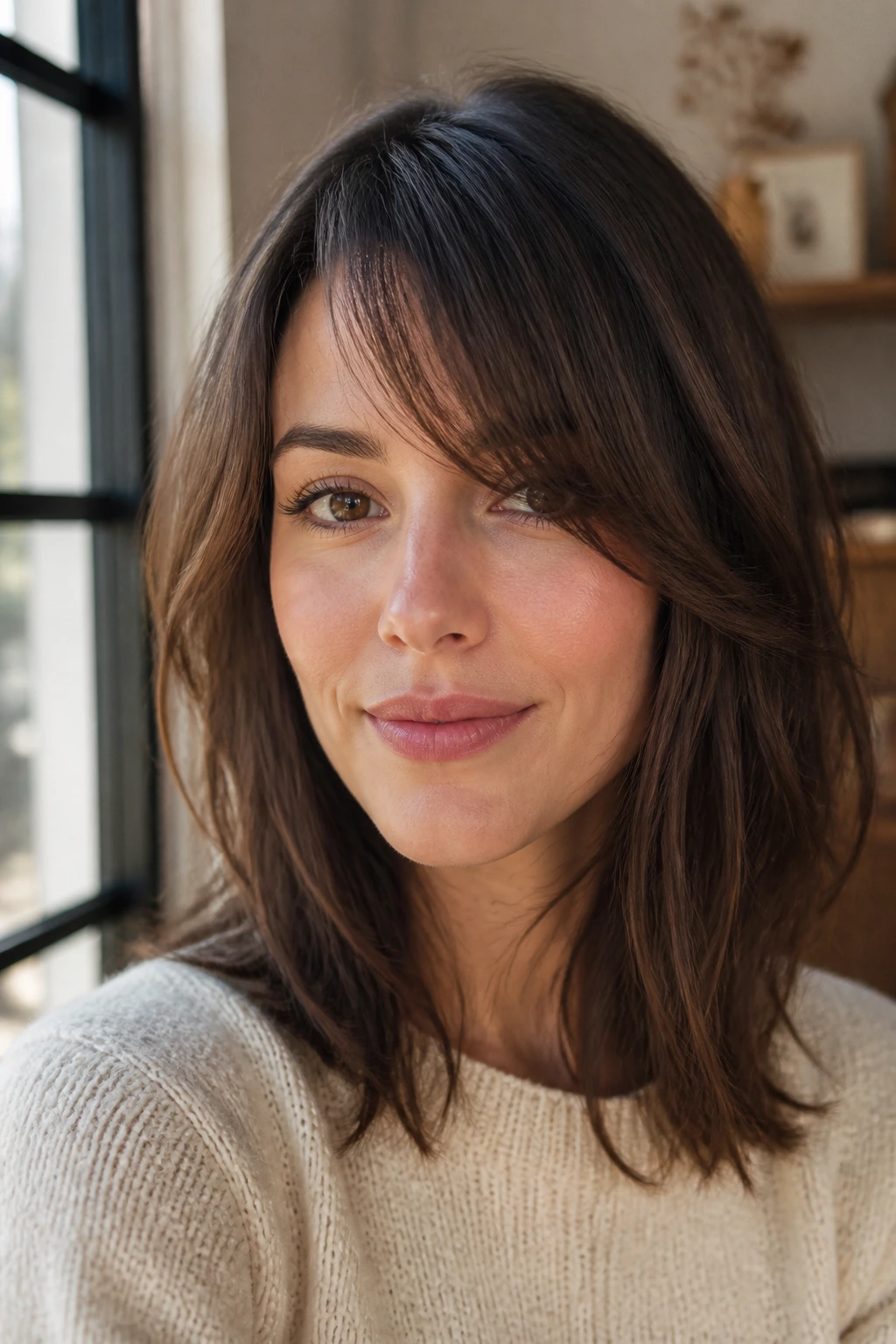
The Softer Sweep: Keep the side bang long, thin only the ends, and let it merge almost invisibly into the front layer. This is the easiest version to grow out and the one that behaves best on busy mornings.
The Piecey Edge: Ask for a slightly choppier fringe and finish it with texture spray. It works when you want the haircut to feel more modern and less salon-smooth.
The Curly Stretch: For curly or coily hair, cut the fringe longer and shape it while dry so shrinkage doesn’t surprise you. The style stays flattering because the bang folds into the curl pattern instead of fighting it.
The Blowout Version: Use a round brush and a medium-hold spray to create lift at the root and a curved sweep through the front. This is the cleanest version for work, photos, or anything that asks for polish.
The Grow-Out Plan: Let the shortest point sit a little higher at the brow and the longest point blend into the cheekbone layers. That way, when you get tired of bangs, you’re already halfway to face-framing pieces.
Common Mistakes That Throw the Shape Off
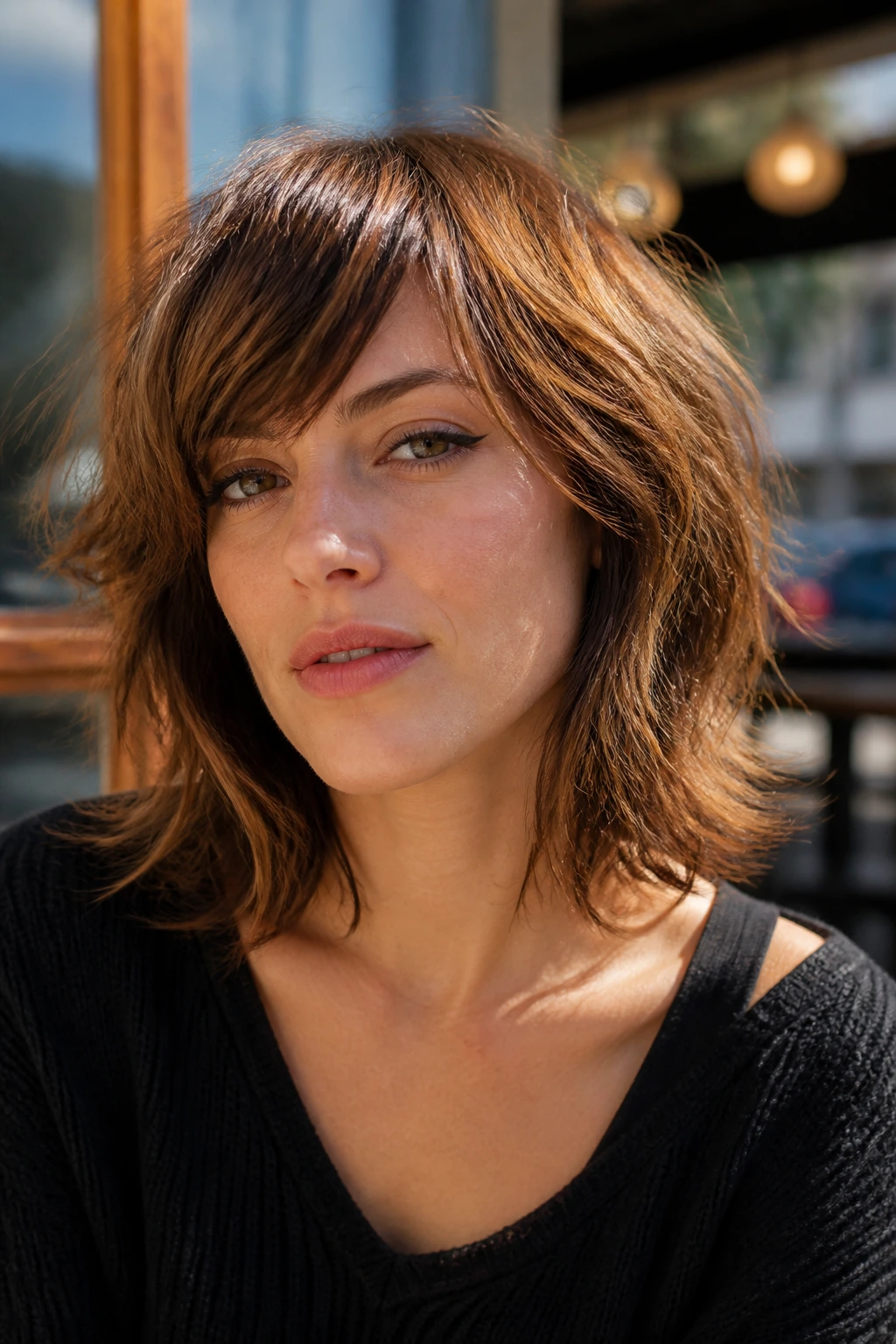
Cutting the fringe too short: That’s the fastest way to turn a side bang into a stubborn little shelf. The fix is boring but true: keep more length than you think you need, especially if your hair has any wave or curl.
Ignoring your part: If your hair naturally splits on one side, fighting it every morning is wasted energy. Work with the part line or shift it gradually instead of forcing a dead-straight center or deep side part that your hair rejects.
Using too much product near the front: Bangs turn greasy fast. Heavy creams, thick oils, and too much pomade weigh them down and make them separate into odd chunks. Keep product off the roots and use the lightest amount that works.
Over-layering thick hair: Thick hair needs movement, yes, but too many short layers can puff the sides out and make the fringe lose direction. Softer internal removal usually works better than aggressive slicing.
Skipping trims for too long: Side bangs can grow out gracefully, but only if you manage the transition. Once the shortest pieces fall into your eyes, the style loses its shape and starts asking for pins every hour.
Frequently Asked Questions
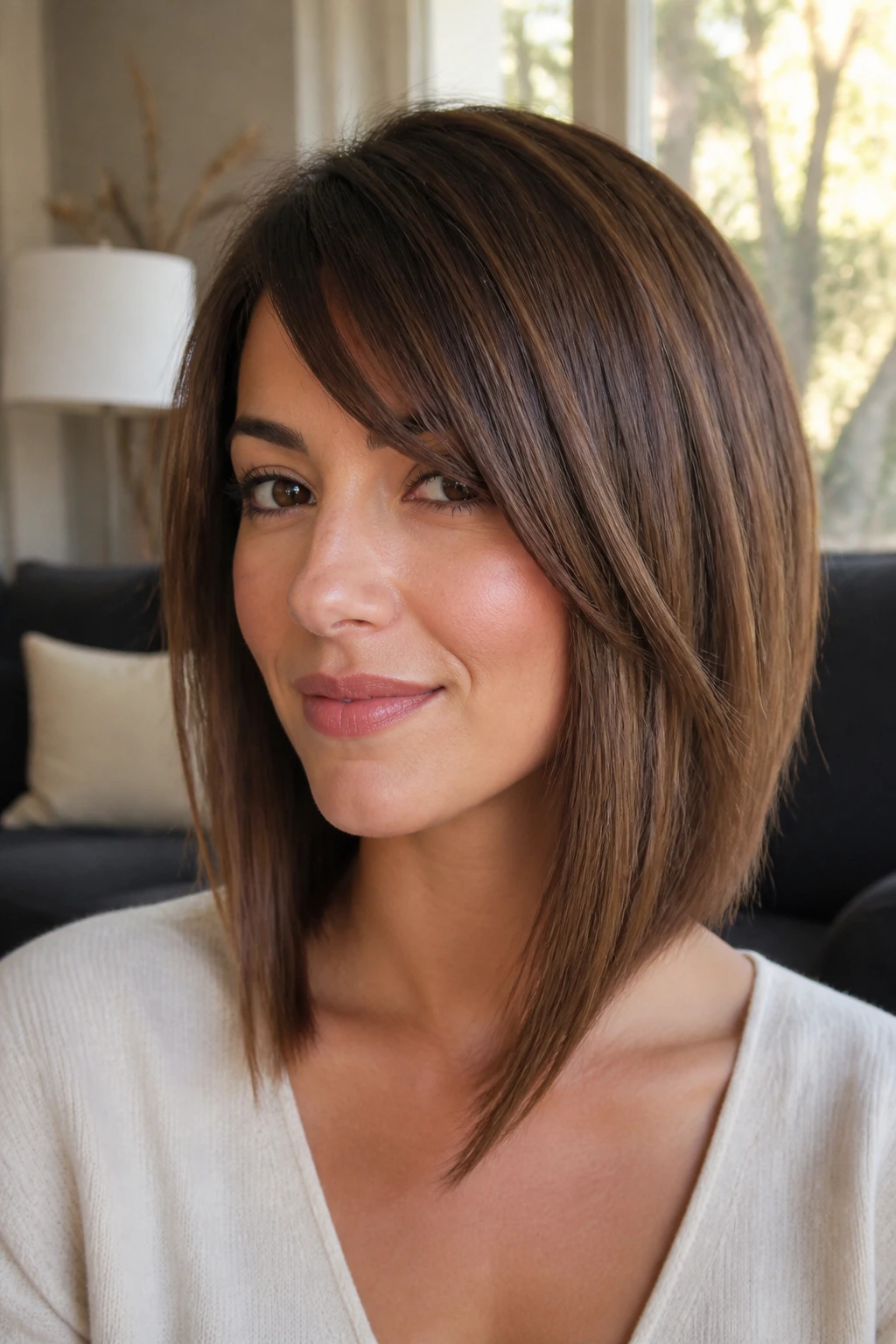
How short should side bangs be on medium-length hair?
Short enough to show shape, long enough to sweep. In practice, that usually means the shortest point starts somewhere around the eyebrow or upper brow, with the longest point blending toward the cheekbone. Curly and wavy hair generally need a bit more length than straight hair.
Do side bangs work on fine hair?
Yes, as long as they stay light and are not over-thinned. Fine hair does best with a longer, airy fringe and a blunt or lightly layered base so the front doesn’t look sparse. A root-lifting product at the part helps the shape stay visible.
What face shape looks best with side bangs?
Most face shapes can wear them, but the length and angle change. Round faces usually benefit from longer diagonal fringe; square faces often like softer, feathered edges; heart-shaped faces do well with side bangs that widen the cheek area a little.
Can curly hair wear side bangs without puffing up?
Yes, but the bang should be cut longer and shaped with shrinkage in mind. A dry or nearly dry cut is usually safer, and a diffuser on low heat helps the fringe settle instead of expanding into frizz.
How often should side bangs be trimmed?
Every 4 to 6 weeks keeps the line neat for most people. If you like a softer, grown-out look, you can stretch that longer and let the fringe blend into layers. Once the bang starts falling into your eyes on its own, it is trim time.
Can I style side bangs without heat?
You can. Damp-set the fringe in the direction you want, clip it while it dries, and use a little mousse or curl cream depending on your texture. Air-dried side bangs look best when the cut already supports the shape, not when the hair has to fight for it.
What if my hair has a strong cowlick at the front?
Then you need to work with it, not against it. Blow-dry the fringe in the opposite direction first, let it cool, then sweep it back into place. A little root spray and a sectioning clip can help train the front over time.
Can side bangs grow into layers cleanly?
Yes, and that’s one of their best qualities. A good side bang is usually cut with growth in mind, so the shortest point slowly softens into face-framing pieces instead of turning into a blunt line that needs emergency correction.
The Shape That Stays Useful
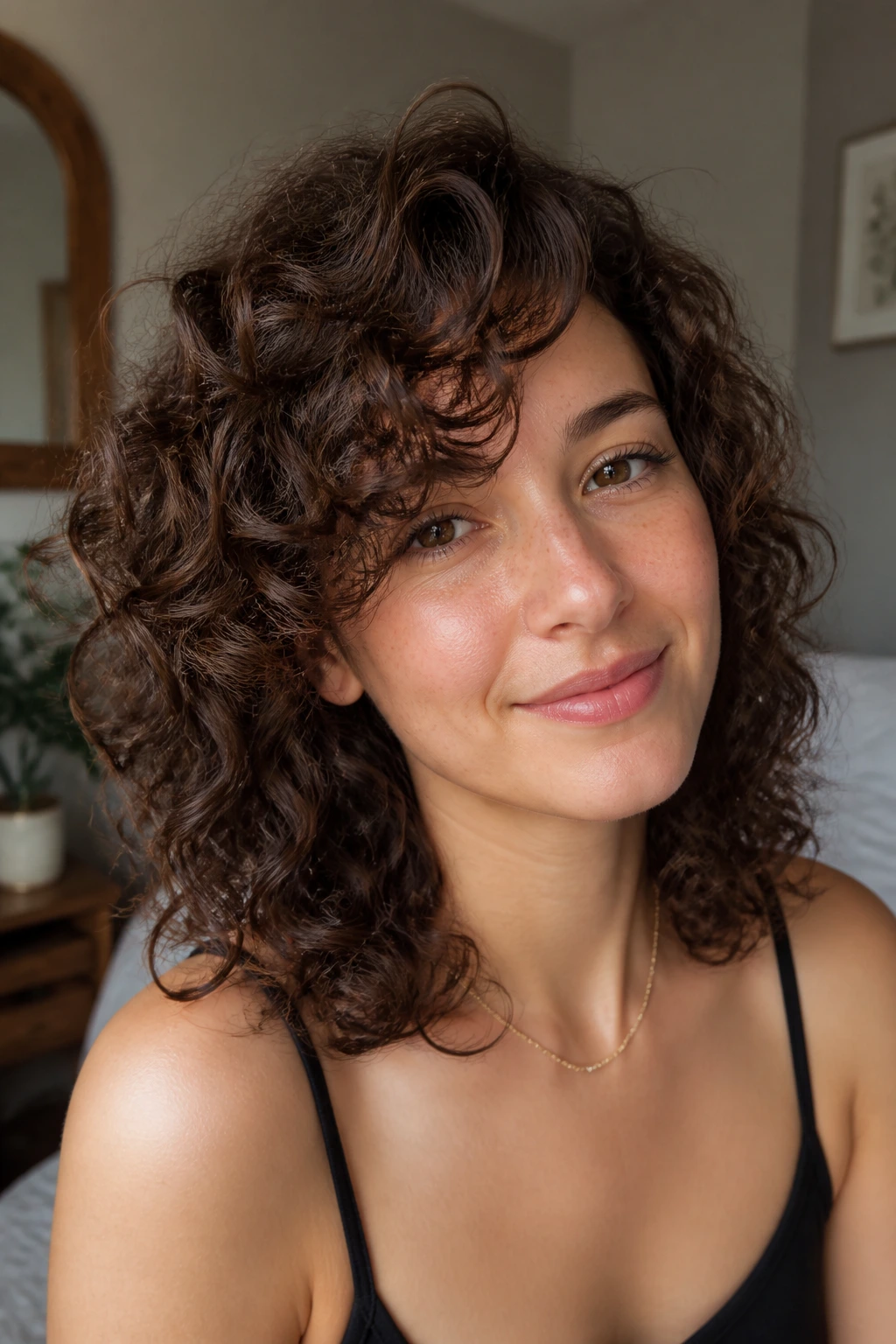
A good side bang on medium-length hair is not a one-note haircut. It’s a shape that can move between polished and casual without asking for a whole new cut every time you get bored. That’s rare enough to be worth paying attention to. Some styles look nice in photos and fall apart when you actually live in them. These work because they can be pinned, brushed, curled, air-dried, or tucked and still keep some sense of the original line.
The real win is not just the fringe. It’s the balance. Medium length gives the hair weight, the side bang gives it direction, and together they make a cut that keeps showing up in useful ways. If you choose the version that matches your texture and your morning habits, you end up with a style that keeps earning its place long after the haircut appointment is over.
