



Vintage bangs do something modern layers often miss: they redraw the face in one clean line. A fringe can make a blunt bob look deliberate, turn long hair from ordinary to cinematic, and give even a messy bun a shape that feels planned. The trick is that vintage does not mean costume hair; it means a cut with a recognizable silhouette, a little memory in the shape, and enough flexibility to wear with a T-shirt or a satin dress.
Some people hear bangs and think maintenance. Fair. There is upkeep. But there is also payoff: the right fringe hides a forehead you do not love, balances a strong jaw, softens grown-out layers, and gives you something to do with hair that sits flat around the temples. On day one, it looks precise. On day three, after dry shampoo and a quick roller set, it can look even better.
The styles below run from sharp pin-up lines to airy curtain pieces, from structured mod fringe to curls that were cut with shrinkage in mind. That range matters. A good retro bang is less about copying an era and more about borrowing one useful shape, then letting the rest of your hair live in the present.
Why These Retro Fringe Styles Keep Working
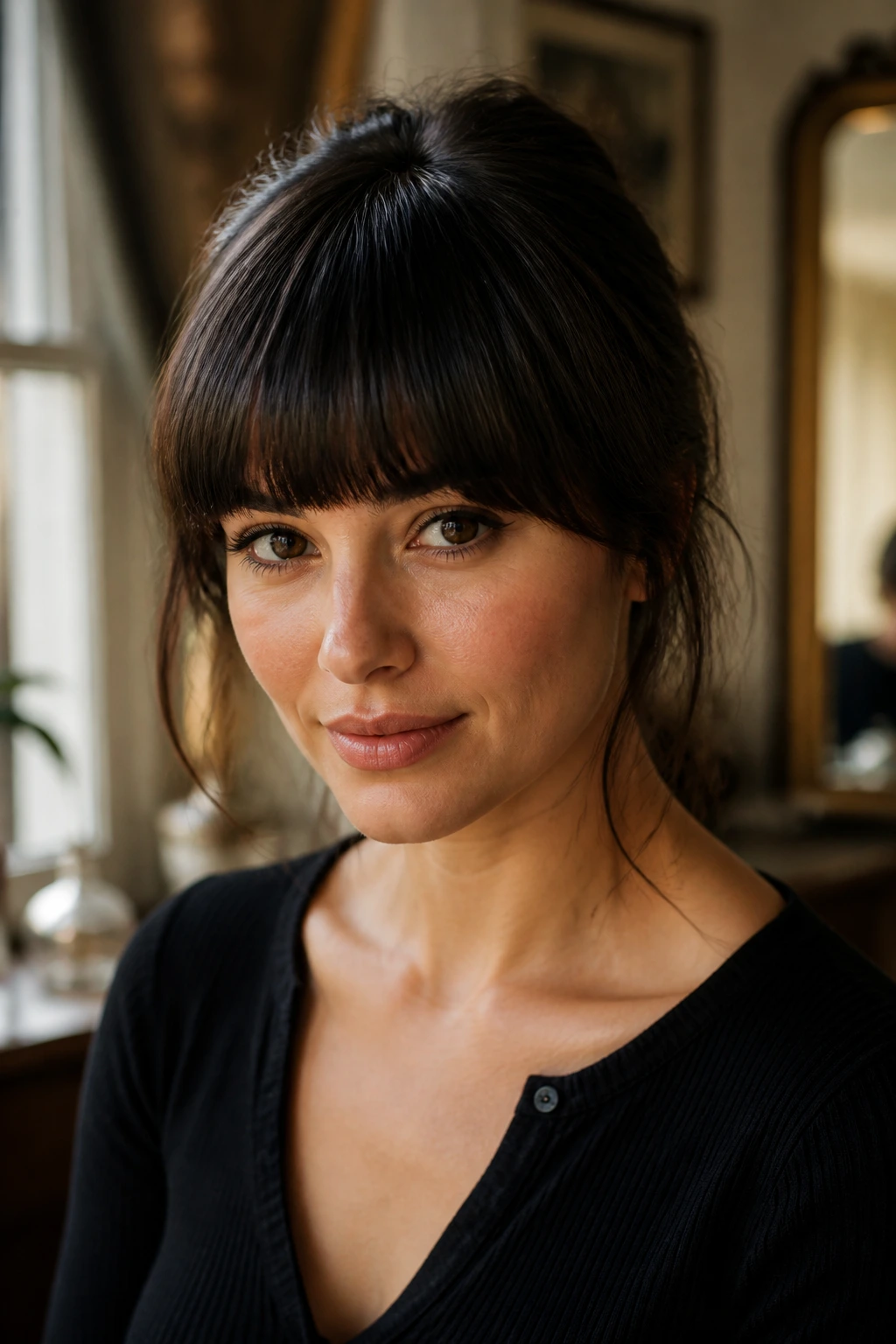
-
They change the face line fast: A fringe sitting at the brows can shorten a long forehead, bring attention to the eyes, and make a blunt bob feel intentional instead of plain.
-
They can be dressed up or down: A pin-curl set makes the same cut feel screen-siren; a rough blow-dry pushes it toward French-girl ease.
-
They give you a grow-out plan: Even the strictest fringe can slide into curtain bangs or side-swept pieces after a few weeks, which matters when you hate feeling trapped by a haircut.
-
They suit different textures: Straight, wavy, curly, and coily hair can all wear retro bangs if the shape follows the natural pattern instead of fighting it.
-
They hide less-than-perfect hair days: A slightly off-center part or a quick roller set can fix the weird bend from a ponytail crease without a full wash.
-
They play well with accessories: Scarves, clips, headbands, cat-eye glasses, and earrings all look better when the fringe has a defined edge.
1. Bettie Page Bangs with a Curved Edge
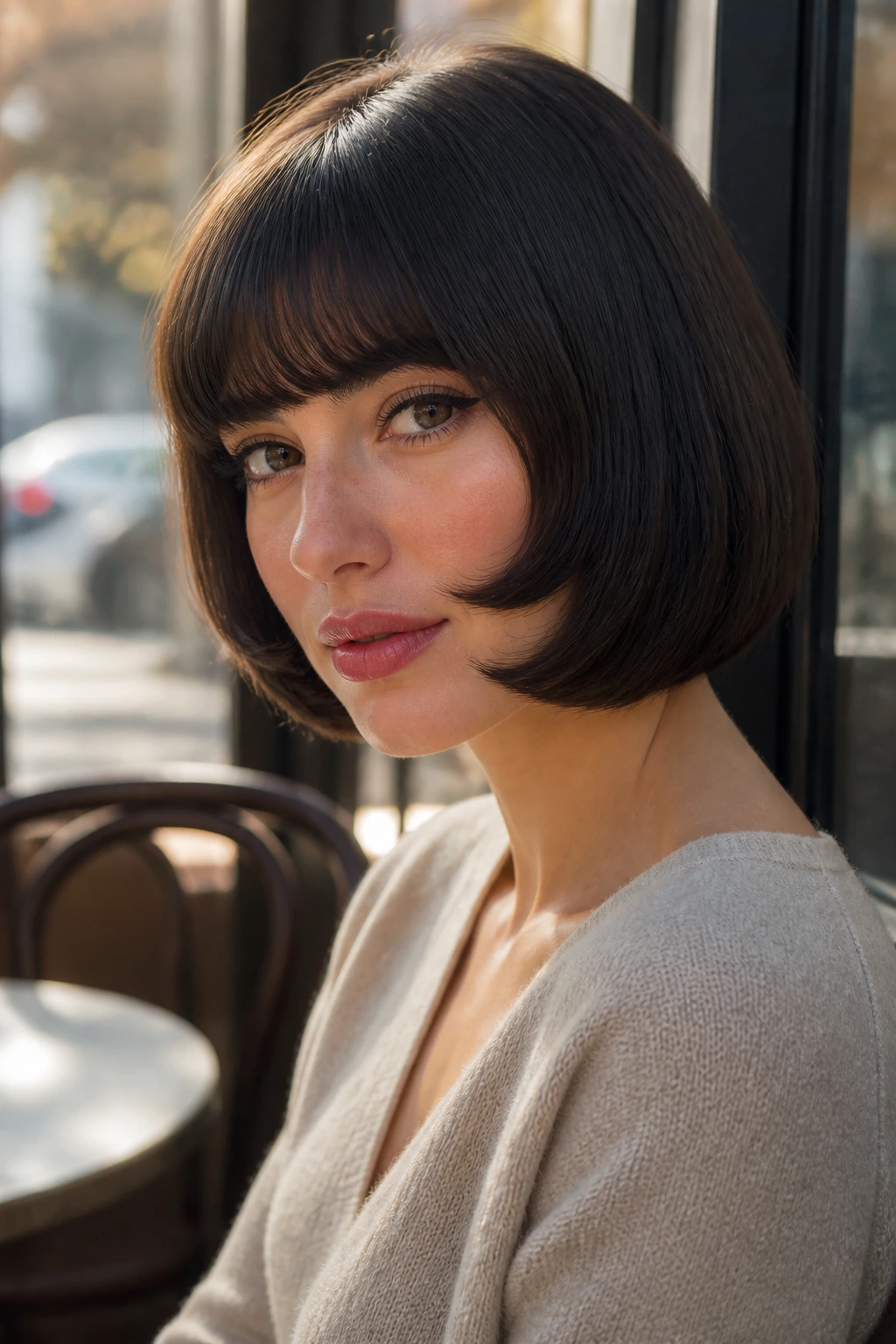
These are the bangs people picture first when they hear retro fringe. The line is blunt, but the shape is softly rounded, usually grazing just above the lashes in the center and sitting a touch longer at the temples. That curve is the whole point. It gives you the sharpness of a true pin-up cut without the stiff, helmet-like feel that bad versions can have.
This style works best when the hair is dense enough to hold a clean block across the forehead. Fine hair can wear it too, but the cut has to be careful; too much texturizing and the shape starts to look thin at the ends. Ask for a full fringe with a slight smile shape, then style it with a small round brush and a quick bend under at the last inch.
2. Micro Baby Bangs with a 1960s Edge
Micro bangs are blunt, short, and unapologetic. They sit high on the forehead, showing most of the brow, and they change the whole mood of a haircut in about two seconds. The vintage tie-in comes from the mod and beatnik eras, where a short fringe looked sharp, graphic, and a little rebellious.
These are not forgiving bangs. A cowlick will show up. A crooked trim will show up. That is part of the charm, and part of the warning. If you want them, ask for a clean line with tiny vertical texture at the ends so the fringe does not turn into a hard shelf. They look strongest with a bob, a pixie, or anything that already has a clear shape around the jaw.
3. Rounded Pin-Up Fringe with a Soft Arch
Want something softer than Bettie Page bangs but still unmistakably retro? This is the one. The fringe stays full in the center, then gently curves down at the sides so it hugs the forehead instead of cutting it off like a ruler. It reads pin-up the minute you add a set wave or a cat-eye liner.
What makes it work is the balance between weight and air. You need enough hair in the middle to create that vintage arch, but you do not want the corners packed so thick that the fringe lands like a curtain. A stylist can cut it with the center a little shorter and the outer corners a little longer. That tiny adjustment keeps the line from feeling heavy.
4. Bardot Curtain Bangs with a Middle Part
Brigitte Bardot never made anything look accidental, and these bangs prove it. They part down the middle, open around the temples, and slide into face-framing layers instead of stopping dead across the forehead. The result is softer than a blunt fringe and easier to grow out than most retro cuts.
These are the bangs for people who want vintage without a hard commitment. Air-drying works if your hair already has a bend, but a large round brush gives them that lifted, cloud-like shape at the roots. Keep the middle slightly shorter than the sides, and do not overcut the opening at the center. If the part gets too wide, the whole thing loses its shape fast.
5. Birkin Fringe with a Broken, Wispy Line
There is a specific charm in bangs that look almost unfinished. Birkin fringe sits around the brows, broken up just enough to show little pieces of forehead through the line. It feels French, yes, but also like something you could have seen on a woman in a black-and-white film who did not spend an hour on her hair.
The trick is restraint. Too much thinning and it turns stringy; too little and it becomes a solid block that loses the softness. Ask for light, piecey ends and a length that kisses the brows. Fine hair loves this shape because it does not demand a heavy wall of density. On day two, a little dry shampoo at the roots gives it extra lift and keeps the fringe from separating in odd places.
6. Side-Swept Hollywood Fringe for Old-Film Glamour
If blunt bangs feel too strict, the side-swept Hollywood fringe gives you the same era with a little more movement. This is the kind of bang that starts deep on one side, curves across the forehead, and blends into the rest of the hair like it was always meant to be there. It pairs especially well with S-waves, brushed-out curls, and polished low buns.
The side part matters. A shallow part makes the whole look limp. A deep part gives the fringe a stage to live on. Set it with a medium round brush and a blow dryer nozzle, then pin it away from the face while it cools so the bend holds. It is one of the easiest vintage-inspired fringe styles to wear with formal dresses or tailored jackets because it never feels fussy.
7. Mod Blunt Fringe with a Graphic Finish
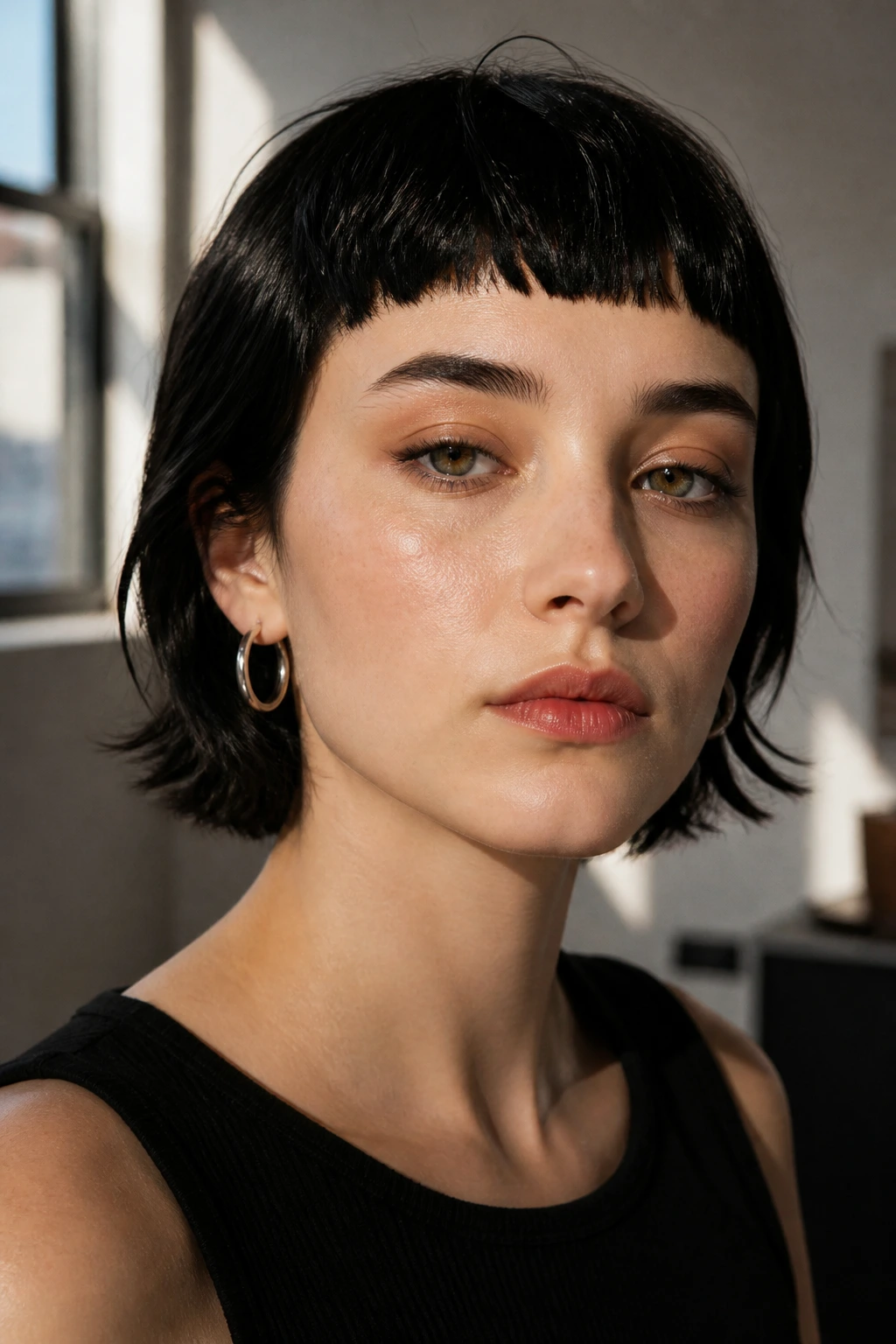
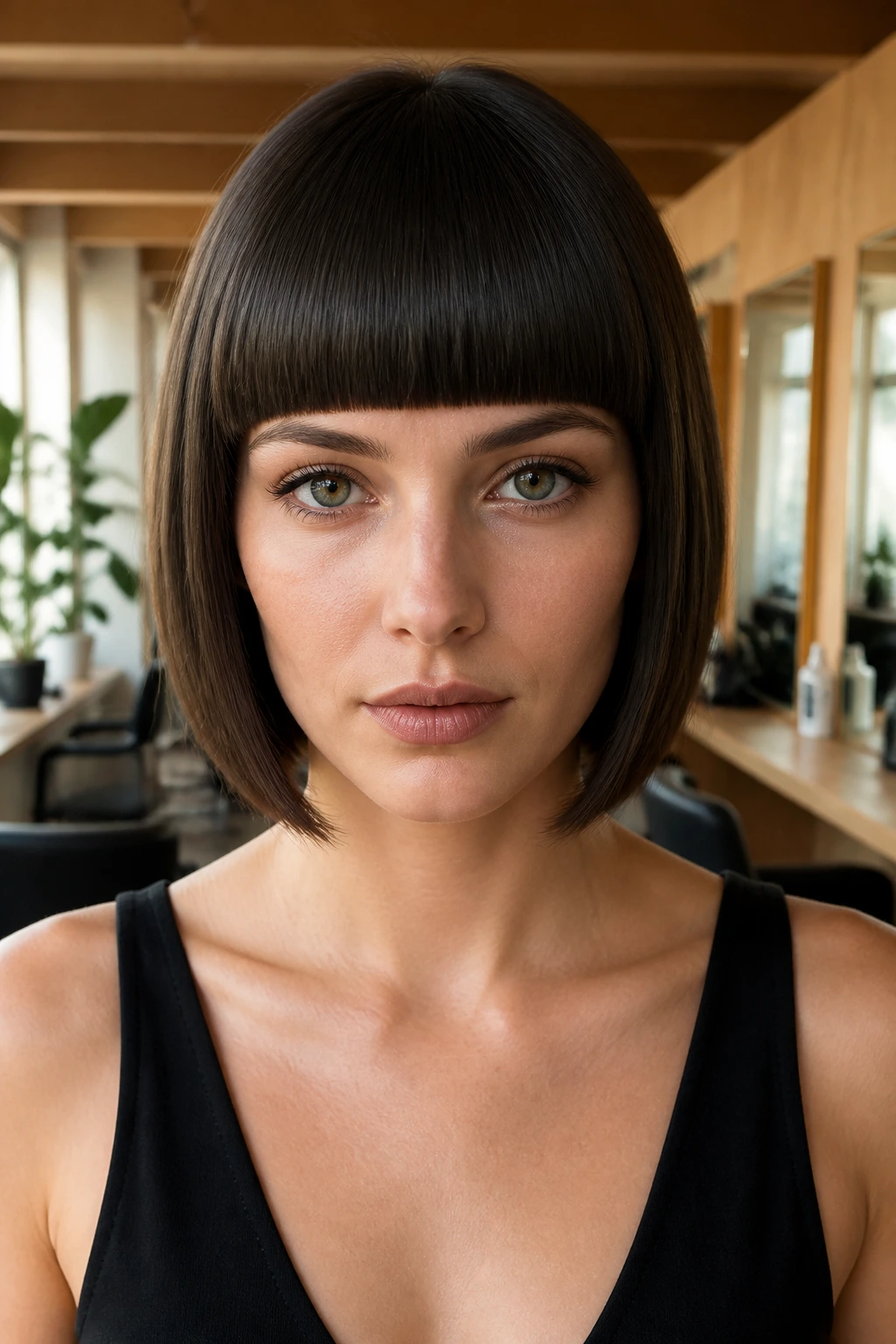
This is the strict one. Straight across. Clean edge. No apology. Mod bangs sit low enough to make the eyes pop and high enough to show the shape of the brow, and they bring instant 1960s geometry to a haircut. They work especially well with a sleek bob, a long one-length cut, or a shoulder-length style that needs a little structure.
You need straight or smoothed hair for this to read properly. A bend in the bangs can look casual, but too much bend and the whole effect falls apart. Ask for a blunt line with just enough softness at the corners to avoid a hard shelf. A flat brush, a quick pass of a flat iron if needed, and a swipe of anti-humidity spray usually do the job.
8. Feathered Shag Fringe with 1970s Movement
Feathered bangs are what happen when the fringe stops trying to sit still. They are layered, airy, and slightly broken up, usually blending into a shag or long cut with lots of movement around the cheekbones. The vintage vibe leans into the 1970s, where hair looked lived-in rather than nailed down.
This is a good choice if you hate the idea of trimming your bangs every three weeks. The grow-out is forgiving because the ends are already soft and piecey. Ask for long layers at the sides and a fringe that can split a little without looking wrong. Scrunching a small amount of mousse into damp hair and rough-drying with your fingers is often enough. It should look like hair, not a set piece.
9. Pageboy Bangs That Curve Into the Cheekbones
A pageboy cut without the right fringe can look flat. Add the bang, and the whole shape wakes up. These bangs are curved under, usually sitting at or just below the brows, then sweeping into the rounded line of a bob or pageboy. The silhouette is polished, slightly school-uniform, and very of-its-era in the best way.
The magic is in the curve. The fringe should not sit straight across; it should bend with the roundness of the cut. That means the ends need a little bevel, not a heavy blunt edge. This style works beautifully on thick, straight hair and on hair that can be blown under with a brush. If your hair naturally flips out, you will fight it every morning unless you set it while it is still warm.
10. Bottleneck Fringe That Opens at the Temples
Bottleneck bangs are the bridge between full fringe and curtain bangs, and that is why they keep showing up. The center is shorter and narrower, then the sides lengthen as they move toward the temples. The shape looks vintage because it borrows the old habit of framing the face instead of hiding it.
This is one of the most forgiving bangs on the list. It works on medium density hair, and it gives you options when you want to tuck the sides back or wear them loose. The center should hit around the brow line, with the outer pieces grazing the cheekbones. If you want a cut that can swing from soft retro to polished and modern, this is a very good place to start.
11. Arched Hollywood Fringe with a Lifted Shape
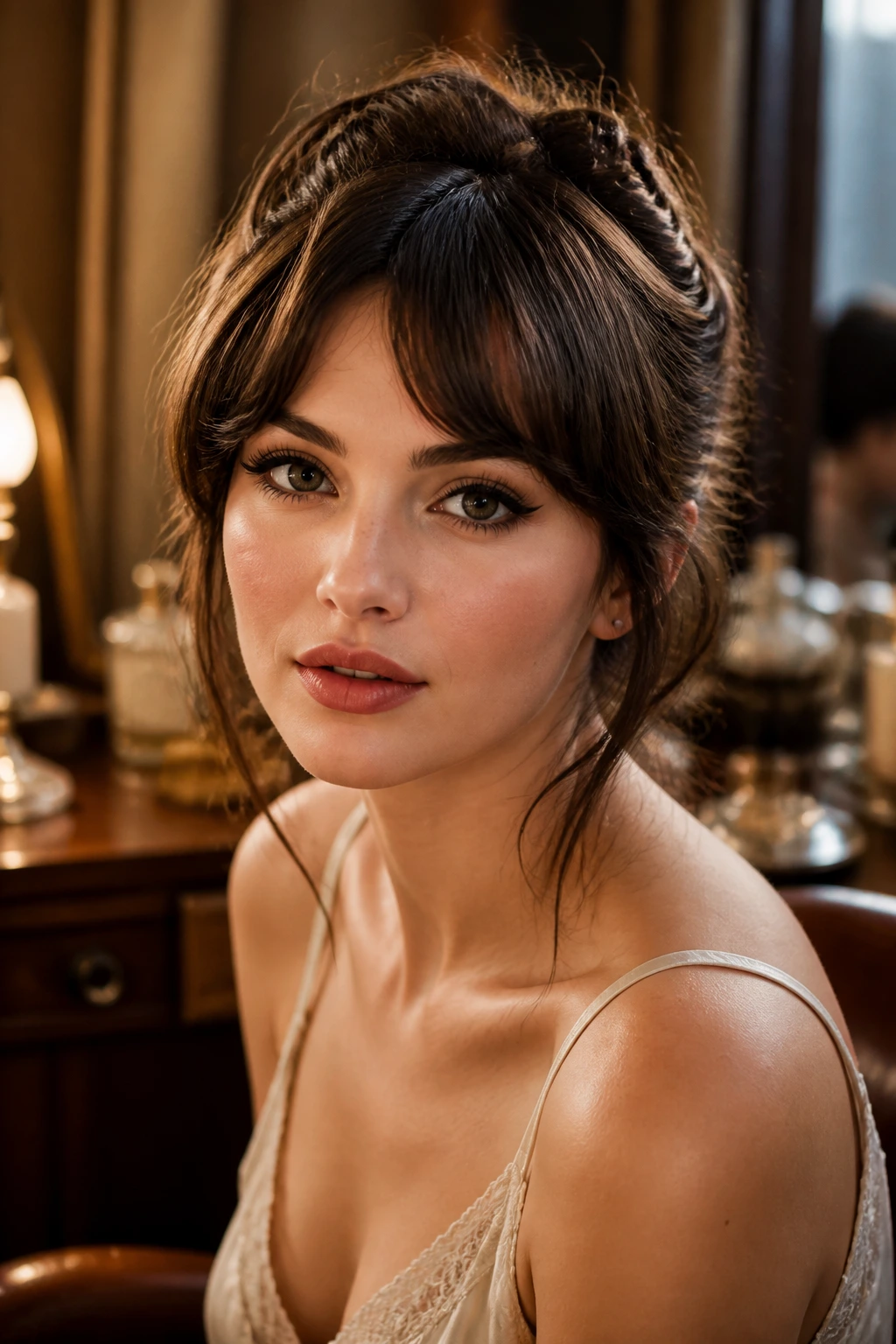
Some bangs sit flat. These do not. Arched Hollywood fringe follows the curve of the brow with a soft lift through the center, which gives the face a drawn, elegant shape. It looks especially good on medium-density hair because the arch reads clearly without needing a huge amount of bulk.
The styling matters more than the cut here. A large roller or a round brush creates that gentle rise at the root, and a cool shot locks the bend in place. Too much product will collapse the arch, so keep the root area light. If you want something that feels like old studio portraits but still wears well with denim, this is a strong option.
12. Curly Halo Fringe Cut for Shrinkage
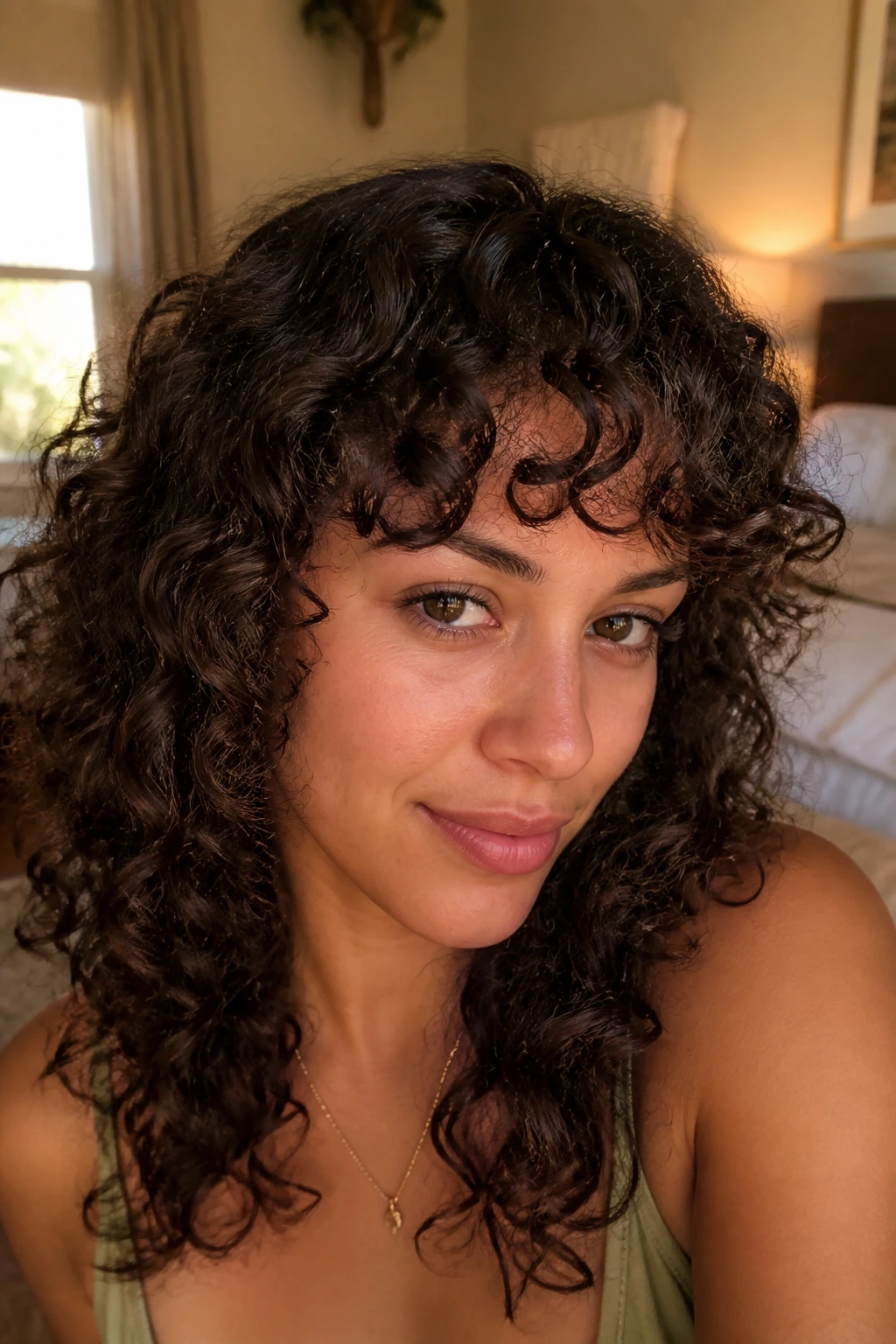
Curly bangs are not straight bangs with curl at the end. That mistake ruins more curly fringe than anything else. A halo fringe sits across the forehead in a rounded shape that respects shrinkage, letting the curl pattern create the line instead of forcing it to behave like straight hair.
Cutting dry is the safer move here. Wet curls hide their true length, then bounce up after the cut and leave you with a fringe that feels too short. Ask for shape, not a hard edge. A diffuser on low heat or a gentle air-dry with a little curl cream keeps the bangs soft and lifted. When the shape is right, the result feels very 1940s and very current at the same time.
13. Wispy Tea-Length Fringe for a Light, Floating Look
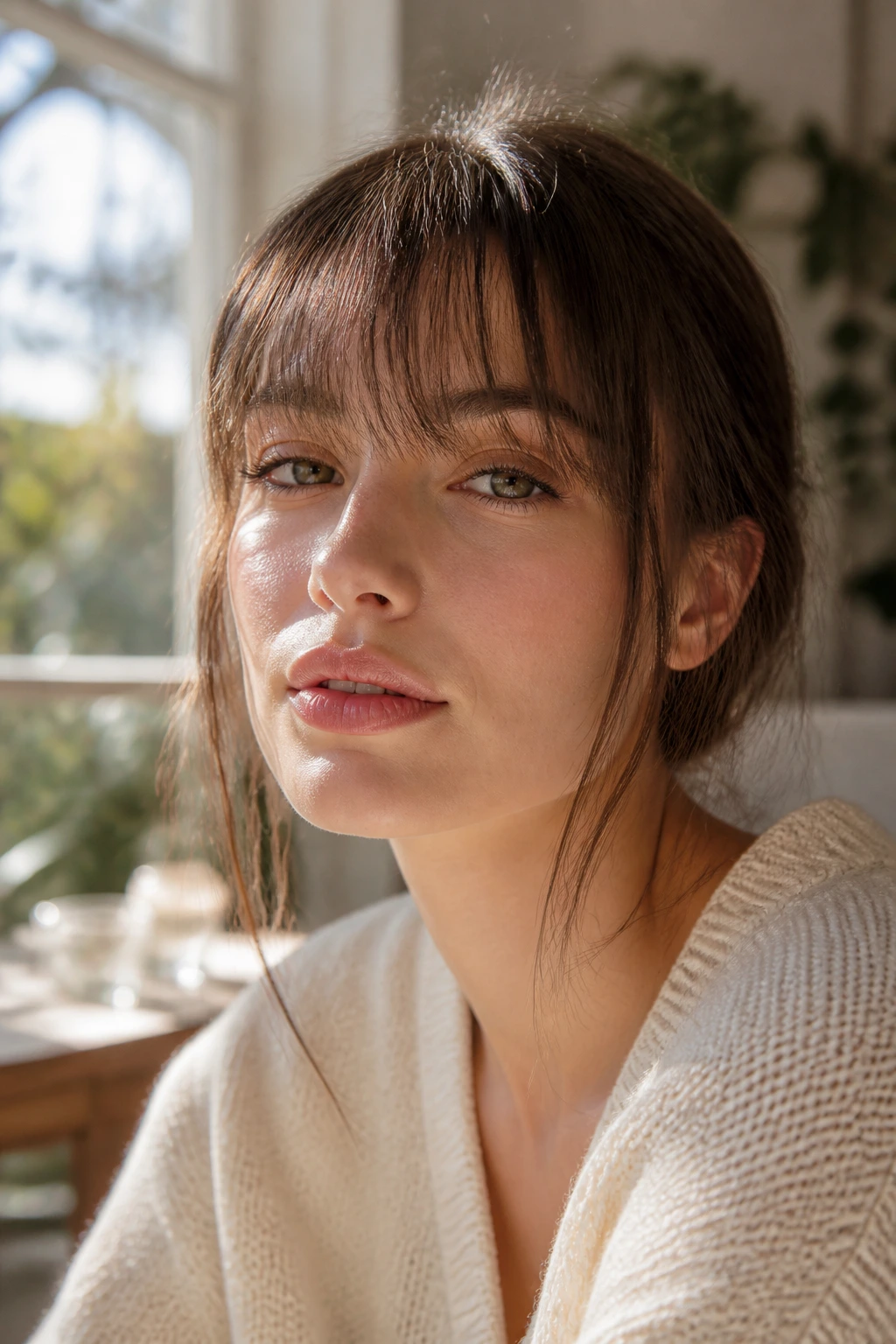
This one barely whispers across the forehead, and that is the appeal. Wispy tea-length fringe sits somewhere around the brows or just below them, with enough transparency to show skin underneath. It has a soft vintage feel that works with knit cardigans, low buns, and loose waves that do not need much help.
You do have to resist the urge to overthin it. Too much texture and the fringe starts to look straggly. Too little, and it becomes a blunt line that loses the softness. The best version has a few longer pieces around the temples and a feathery center that moves when you do. Fine hair and medium hair both wear this shape well, especially if you like low-shine finishes instead of glossy, sprayed-down hair.
14. Deep Diagonal Bangs with 1940s Sweep

A deep diagonal fringe does a lot with one side part. The hair falls across the forehead in a long, clean line, then disappears into the rest of the cut. It carries a strong screen-siren feel, the kind of shape you would expect to see on a woman stepping out of a taxi in a long coat and lipstick that does not move.
This style flatters people who want fringe without losing length in the front. It is also a smart transitional cut if you are growing out bangs and want the process to look intentional. Blow-dry it in the direction of the sweep, then pin it in place while it cools if you want extra hold. It is not the most casual look on the list, but it is one of the easiest ways to make hair look expensive without touching the rest of the cut.
15. Pin-Curl Faux Bangs for a No-Cut Test Drive
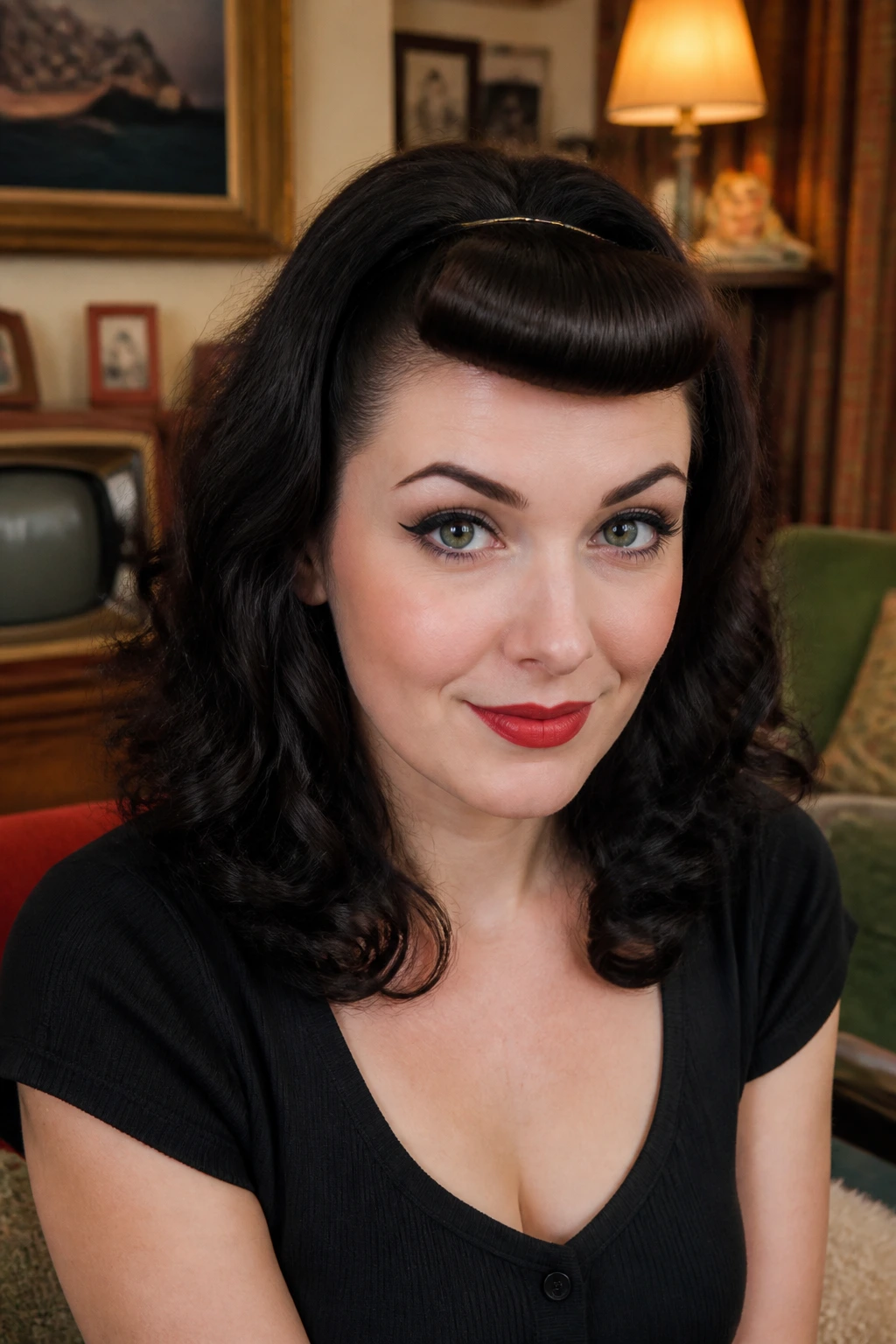
No scissors. No commitment. Just a little patience and a few pins. Faux bangs are made by taking the front section, rolling or pin-curling it forward, and shaping it into a temporary fringe that can last through an evening or a photo session. It is the smartest way to test a retro shape before you ask someone to cut it.
Start with slightly damp hair, roll the section under or forward, and secure it flat against the head with pins or clips. Let it dry completely if you want a firm set. This works especially well for people who are scared of a full fringe but keep saving pictures of one. The look has a playful vintage quality because it relies on the same setting tricks used for old roller sets and pin curls.
16. Roll-Under Bob Fringe with a Polished Bend
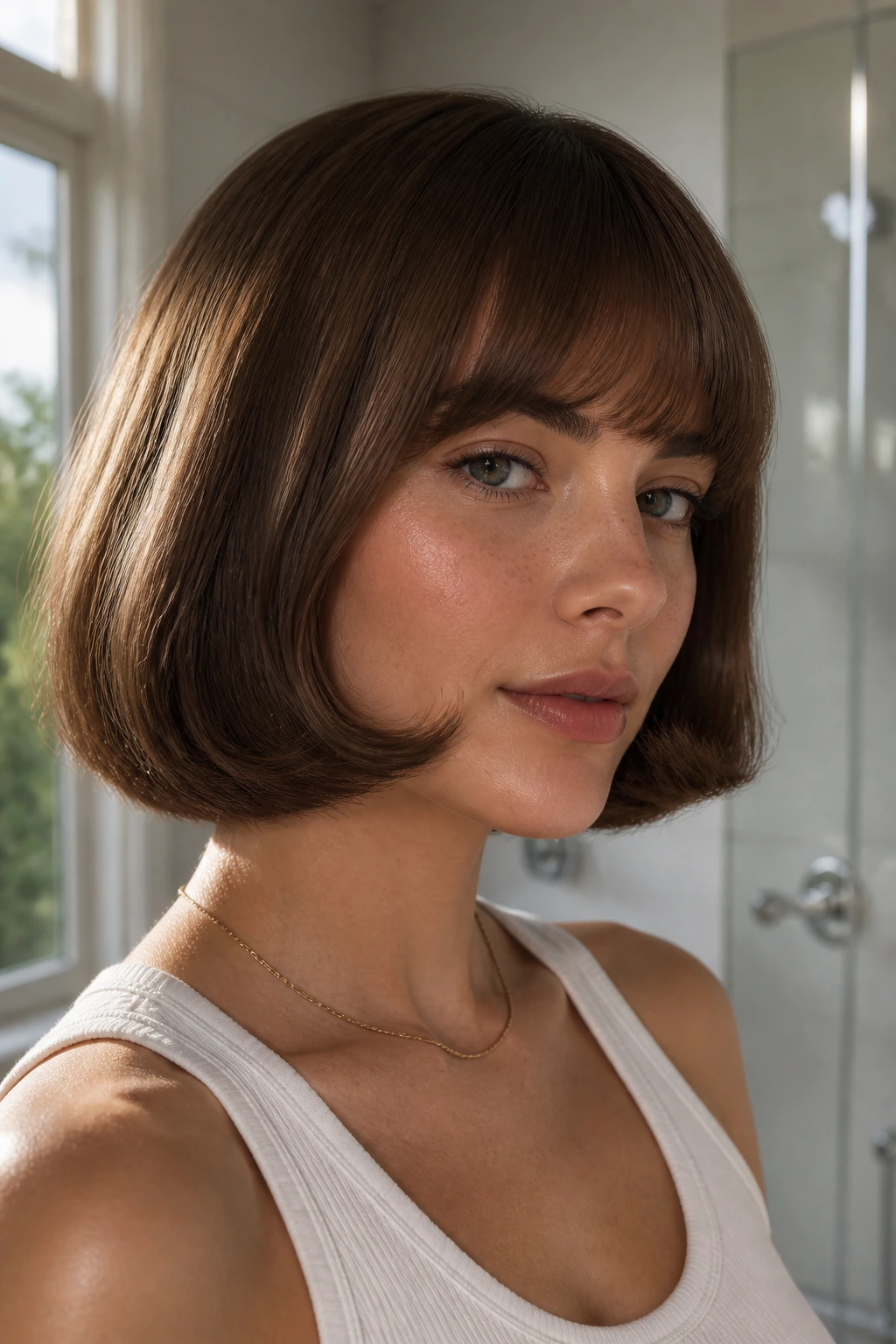
This fringe is made to tuck inward. It sits just long enough to brush the brows, then rolls under at the ends so it echoes a bob with a curved edge. If you like hair that looks tidy, exact, and slightly formal, this one has your name on it.
The best version comes from a round brush that pulls the hair forward and then under as it dries. A vent brush can rough it in first, but the finish needs the round brush. Pair it with a chin-length bob or a lob that has a clean perimeter. When the bend is crisp, the whole haircut feels like it has been pressed and set instead of merely dried.
17. Glamour Wave Fringe with S-Wave Energy
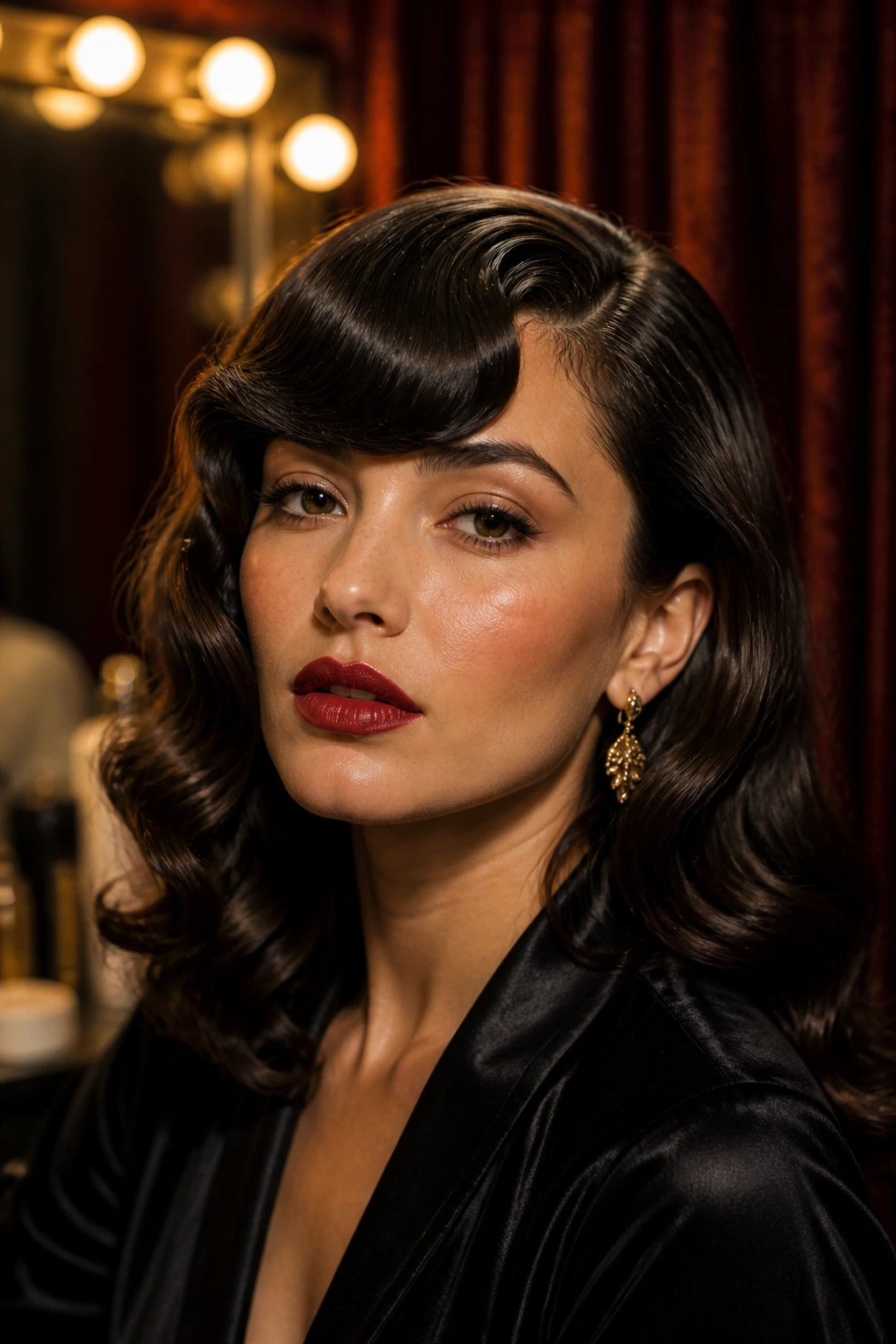
This is not a bang you toss around with your fingers and leave alone. Glamour wave fringe wants a side part, a shaping tool, and a little patience. The hair moves in a gentle S-curve across the forehead, giving you that brushed-out, red-carpet feel that old Hollywood did so well.
It suits medium to thick hair because the shape needs enough body to hold the curve. A little mousse at the roots, a round brush, and a wide-tooth comb can do most of the work. You can also set the fringe in a roller while you finish the rest of your hair. The result is softer than a straight fringe and more dramatic than a simple side sweep. It does not shout. It glides.
18. Choppy Rockabilly Fringe with a Little Bite
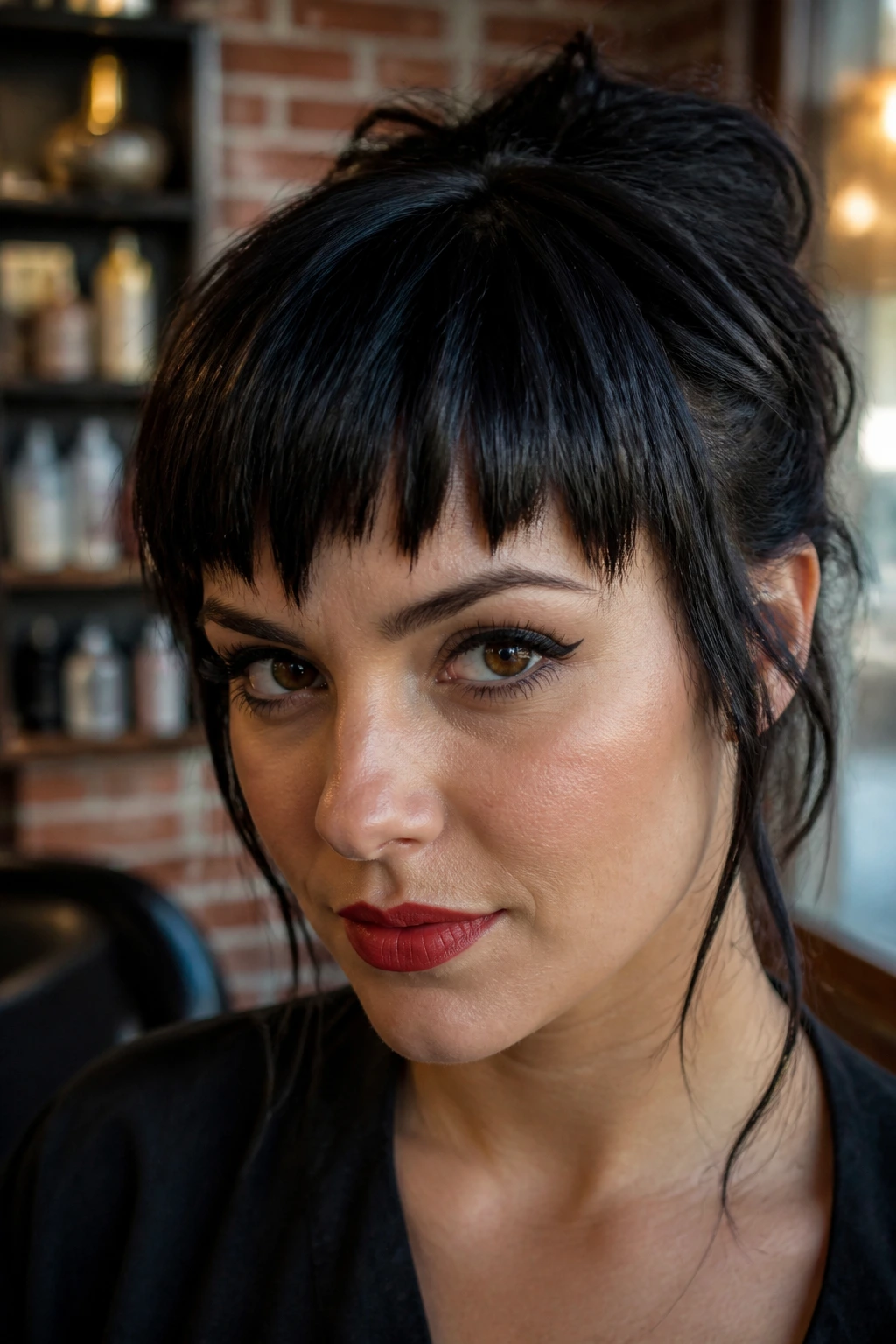
Not every retro bang needs to be polished. Choppy fringe brings some edge to the pin-up world, with irregular ends and pieces that separate on purpose. It has vintage roots, but it also borrows from later subcultures that liked their bangs a little rougher around the edges.
This cut is strongest on thick hair because the density gives the choppiness something to work with. Ask for piecey ends, not a fully shattered line. Then keep styling light; a dab of pomade or wax on the tips is enough. If you try to smooth it into obedience, you lose the point. This is the fringe for someone who wants a wink of rebellion with her retro shapes.
19. Flip-Back Fringe That Curves Away from the Face
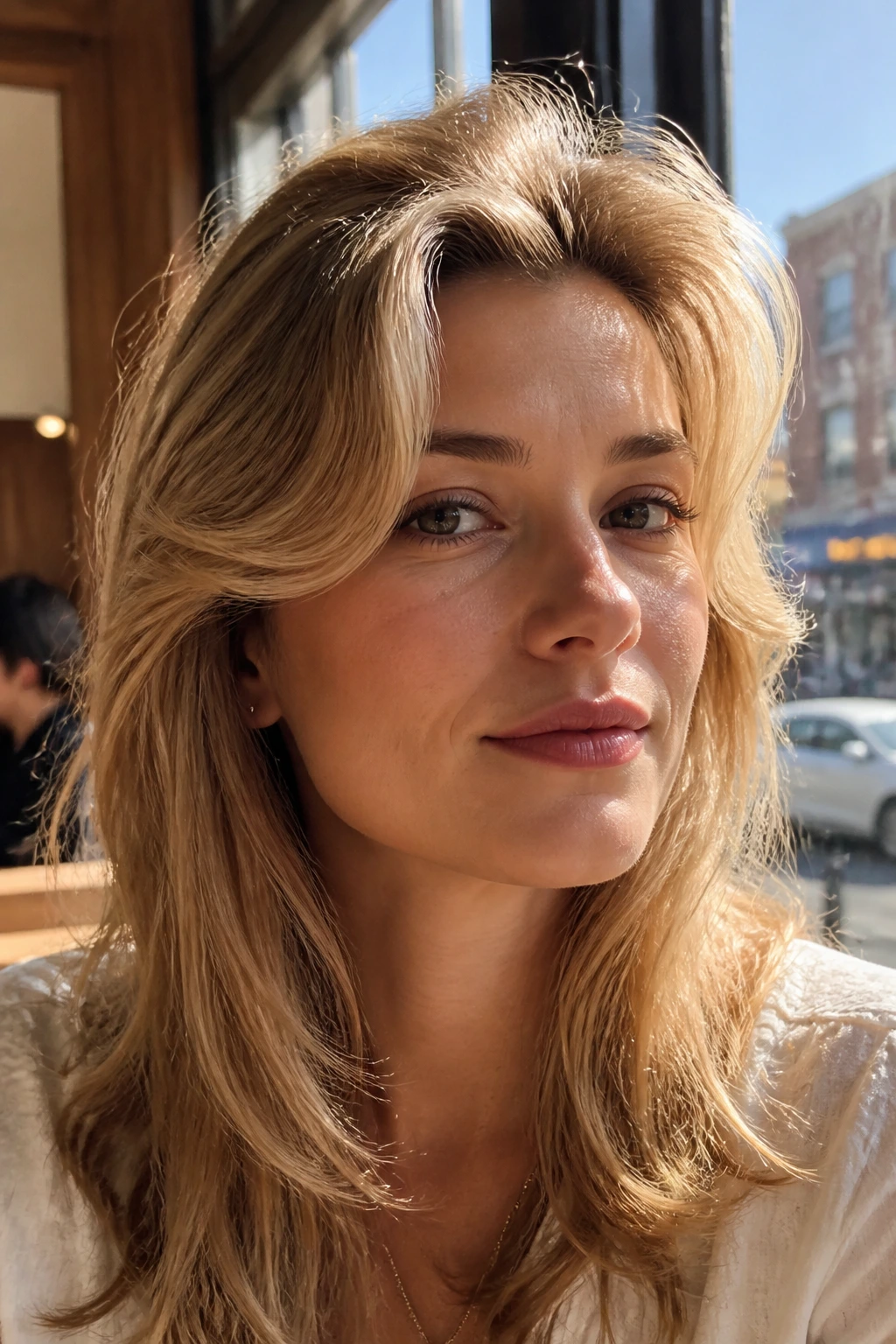
A flip-back fringe is all about the ends turning away from the forehead instead of dropping into it. It feels very 1960s, very airy, and a little bit chic in that specific way where the hair looks as if it just happened to fall that well. It also happens to be a smart transition style when you are growing out shorter bangs.
The lift starts at the root. Blow-dry the fringe upward and back with a round brush, then guide the last inch away from the face so it gets that little kick. This style is useful if you wear headbands or clips because it leaves the front open without looking bare. A small amount of root spray helps, but too much product can make the flip stiff.
20. Scarf-Ready Short Fringe for Accessories
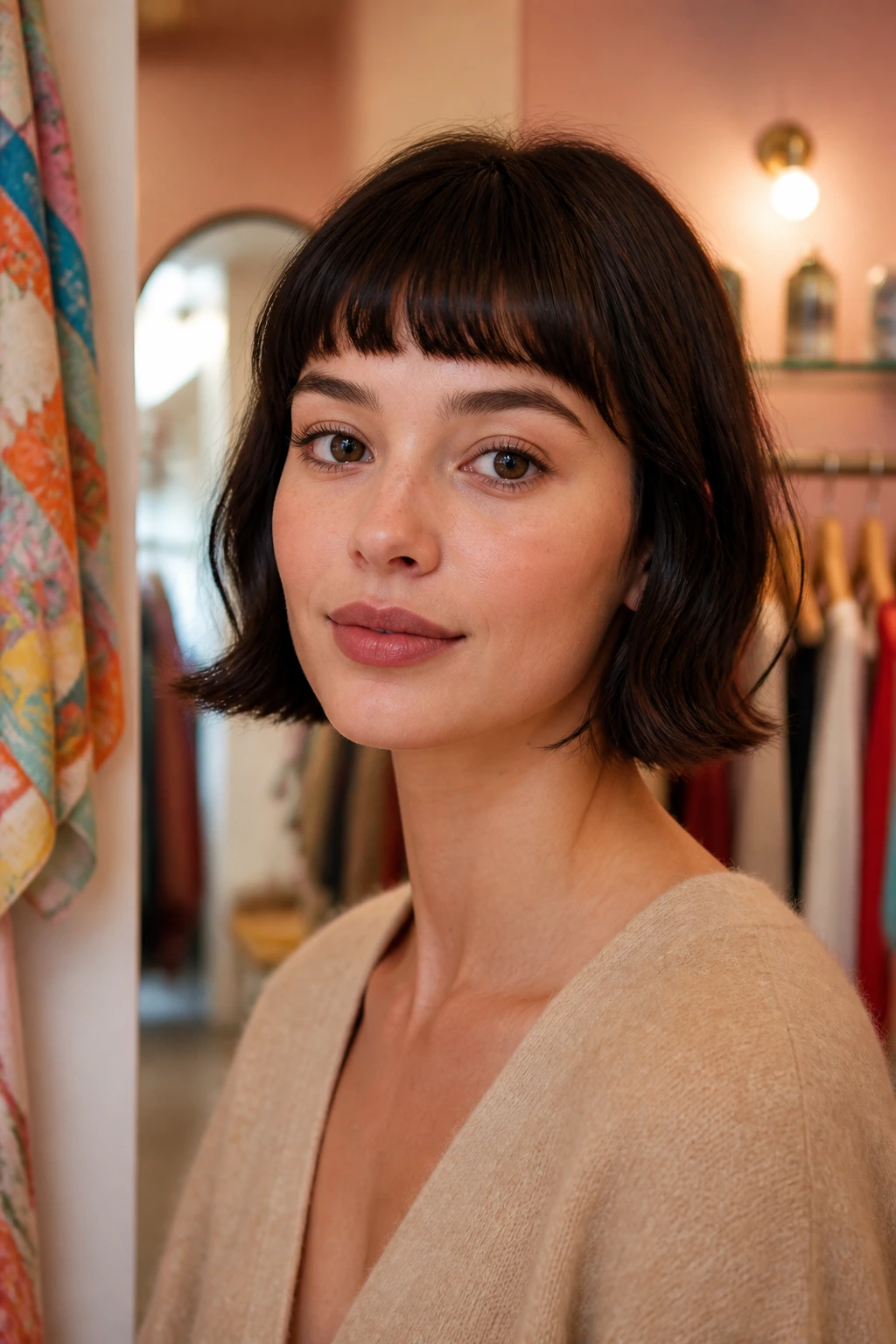
Some bangs fight scarves. These do not. Scarf-ready short fringe sits above the eyes, but not so short that it feels severe, leaving space for head wraps, clips, barrettes, and sunglasses. It has a practical, mid-century feel that makes sense if you actually wear accessories instead of just admiring them in photos.
The cut is about balance. Too short and the look turns babyish; too long and the scarf starts to crush the fringe flat. Ask for a tidy line with a little softness at the corners, then style it with a light blow-dry so it keeps shape under fabric. If you love hair accessories, this is one of the smartest retro bang styles you can choose.
21. Asymmetrical Retro Fringe with a Mod Twist
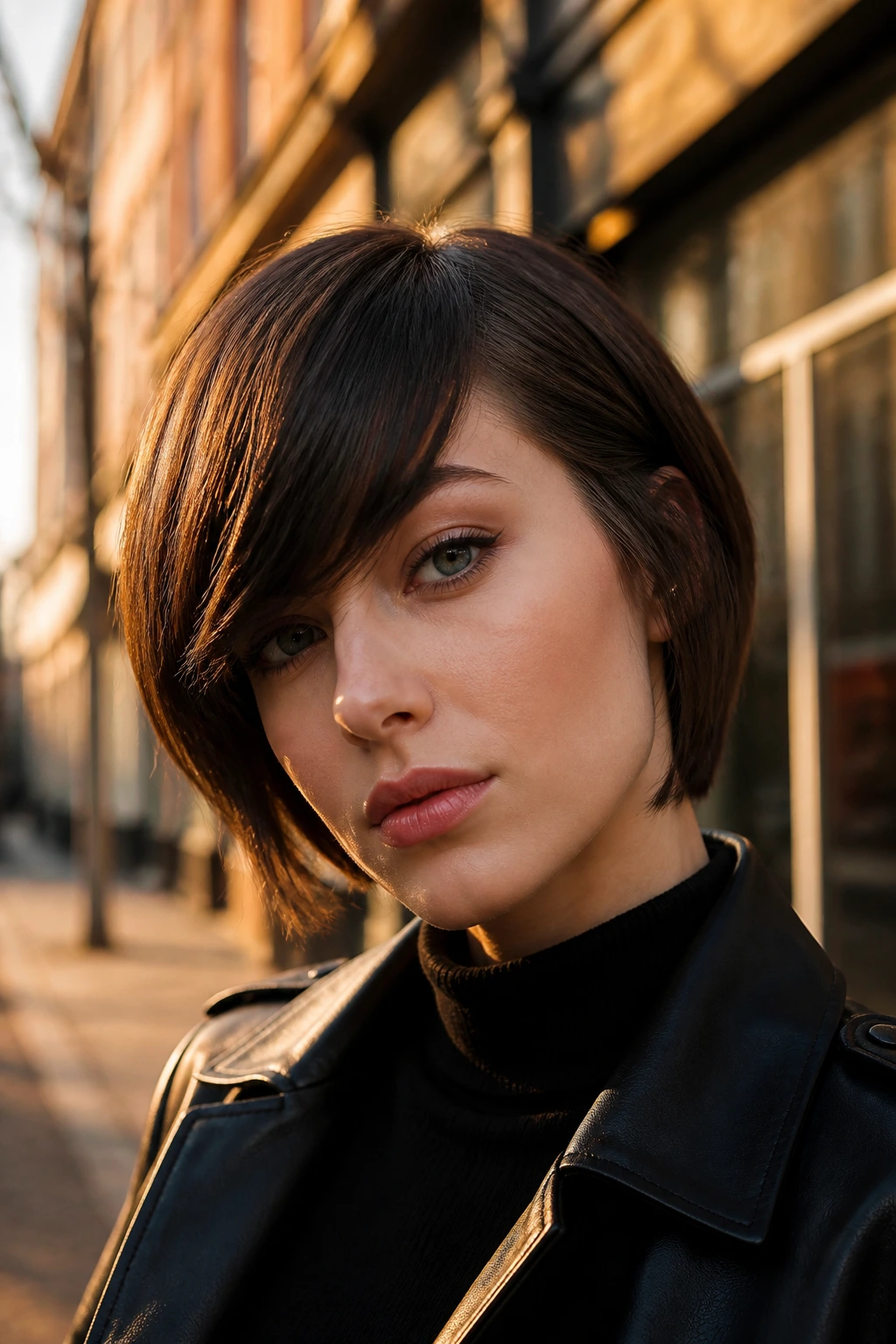
One side longer. One side shorter. The whole thing slightly off-center in a way that feels deliberate, not messy. Asymmetrical fringe has a strong mod vibe, but the uneven line keeps it from feeling too literal. It is a good choice when you want vintage flavor with a sharper, more personal angle.
This style works best on straight or gently wavy hair because the shape needs to stay visible. If the hair is too curly and the cut is too short, the asymmetry can disappear. Keep the part clean, and style the longer side with a bit of bend rather than a hard tuck. It pairs nicely with graphic eyeliner, bold earrings, and bobs that already have some attitude.
22. Heavy Oval Fringe with a 1920s-Style Arc
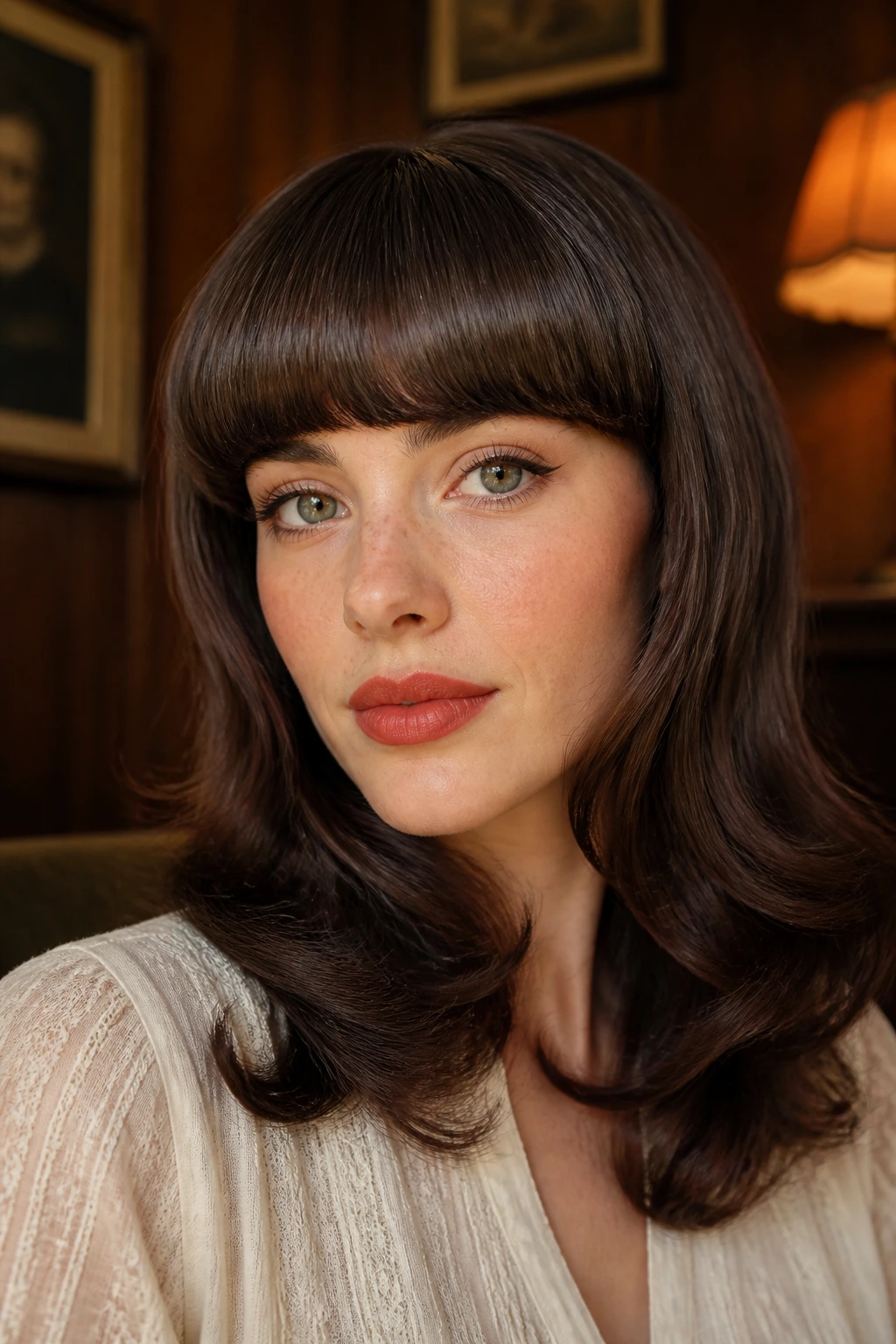
Heavy oval bangs are dense, rounded, and a little dramatic. They curve gently around the forehead instead of sitting as a flat rectangle, which gives them a softer vintage feel than a strict blunt cut. Think old portrait hair, but with better tools and cleaner edges.
This look wants thick hair or enough density to fill the shape without gaps. On finer hair, it can look wispy in the wrong way unless the cut is very precise. The oval shape flatters strong brows and long faces because it adds width where the face needs it. Keep the finish smooth and lightly polished. Too much separation kills the silhouette.
23. Soft Feathered Curtain Fringe with More Air
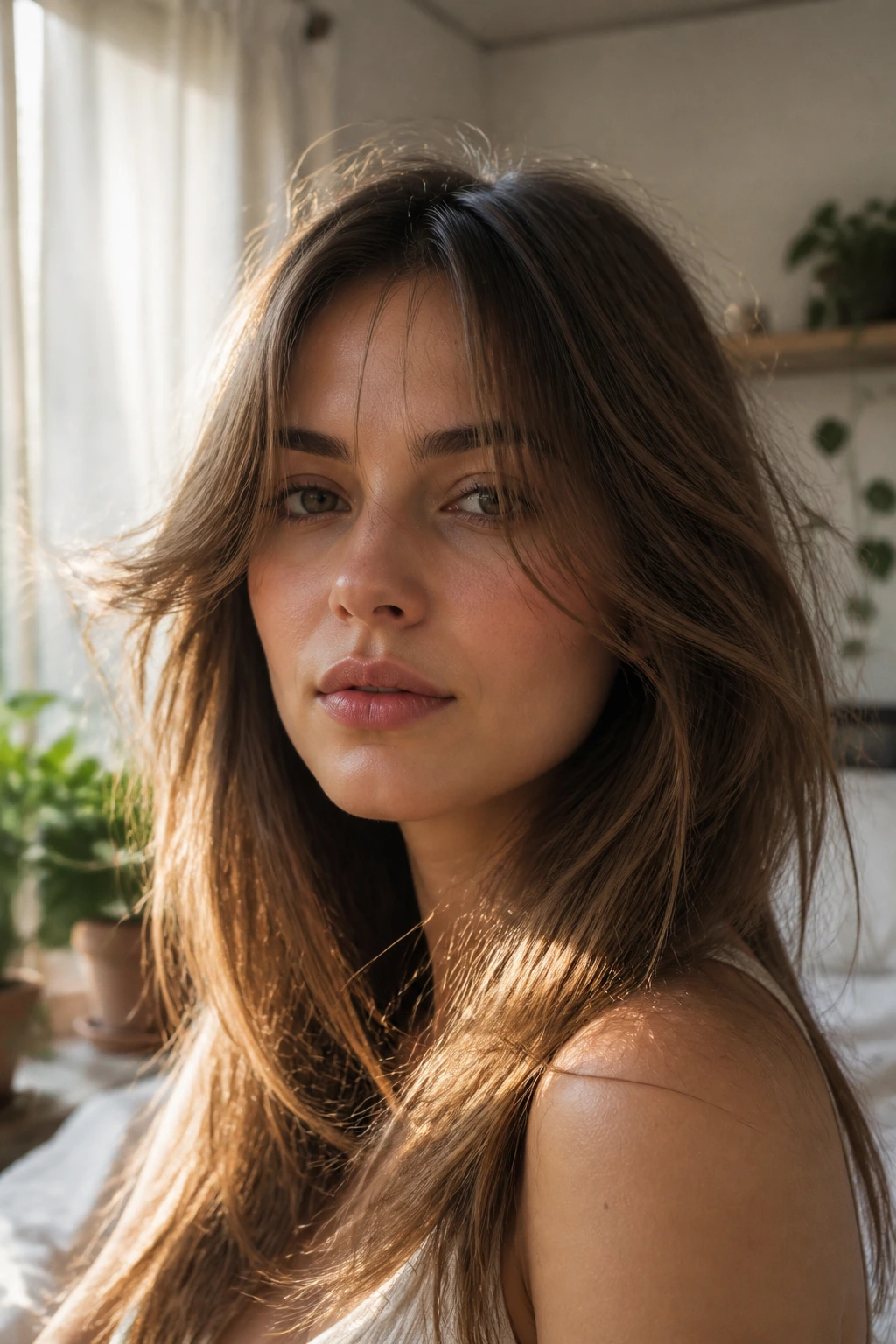
This is the gentler cousin of the Bardot curtain bang. It parts in the middle, yes, but the pieces are feathered a little more and the opening is looser, which keeps the shape from feeling too structured. It carries a 1970s feel without locking you into a big blowout every morning.
The best part is the movement. The fringe can float, tuck, or separate without looking wrong. That makes it useful if your hair tends to change mood with humidity or a ponytail crease. Ask for long center pieces that blend into the cheekbones, then keep the roots lifted with a round brush or a quick velcro roller while the hair cools. It is one of the easiest retro bangs to live with.
24. Victory Roll Fringe for a Pin-Up Finish
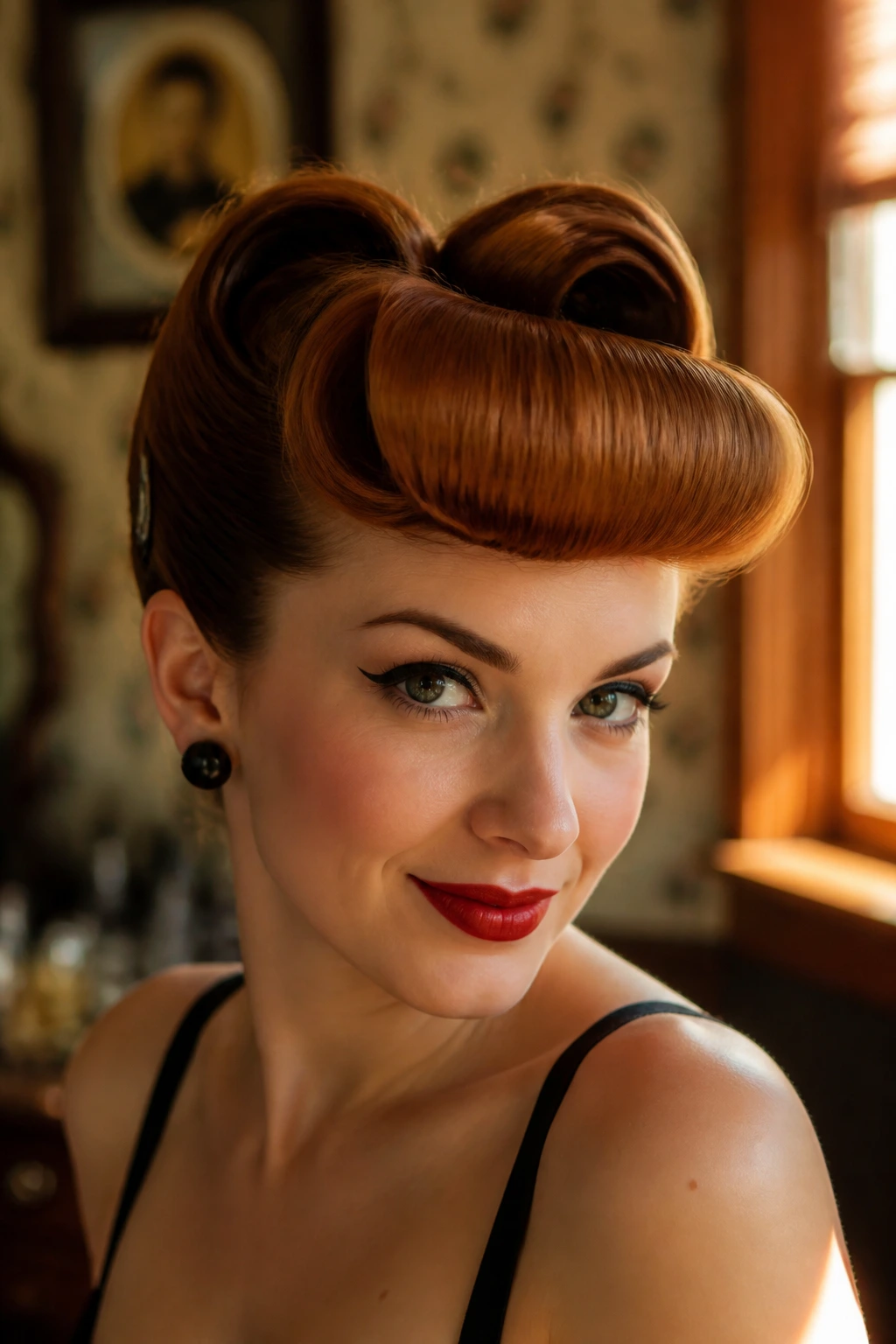
This is the most stylized look on the list, and that is exactly why people love it for parties, weddings, and themed nights. The front pieces are rolled into a victory-set shape, either as one side roll or two small front rolls, giving you a fringe that feels sculpted rather than cut.
It is not meant for every morning. It is meant for occasions when you want the hair to be part of the outfit. Use setting spray, a few bobby pins, and enough time to let the rolls cool before you move them. A smooth base helps, but the charm is in the curve and the pinning. It is a very specific look, and that specificity is the fun.
25. Coiled Micro Fringe for Curly and Coily Hair
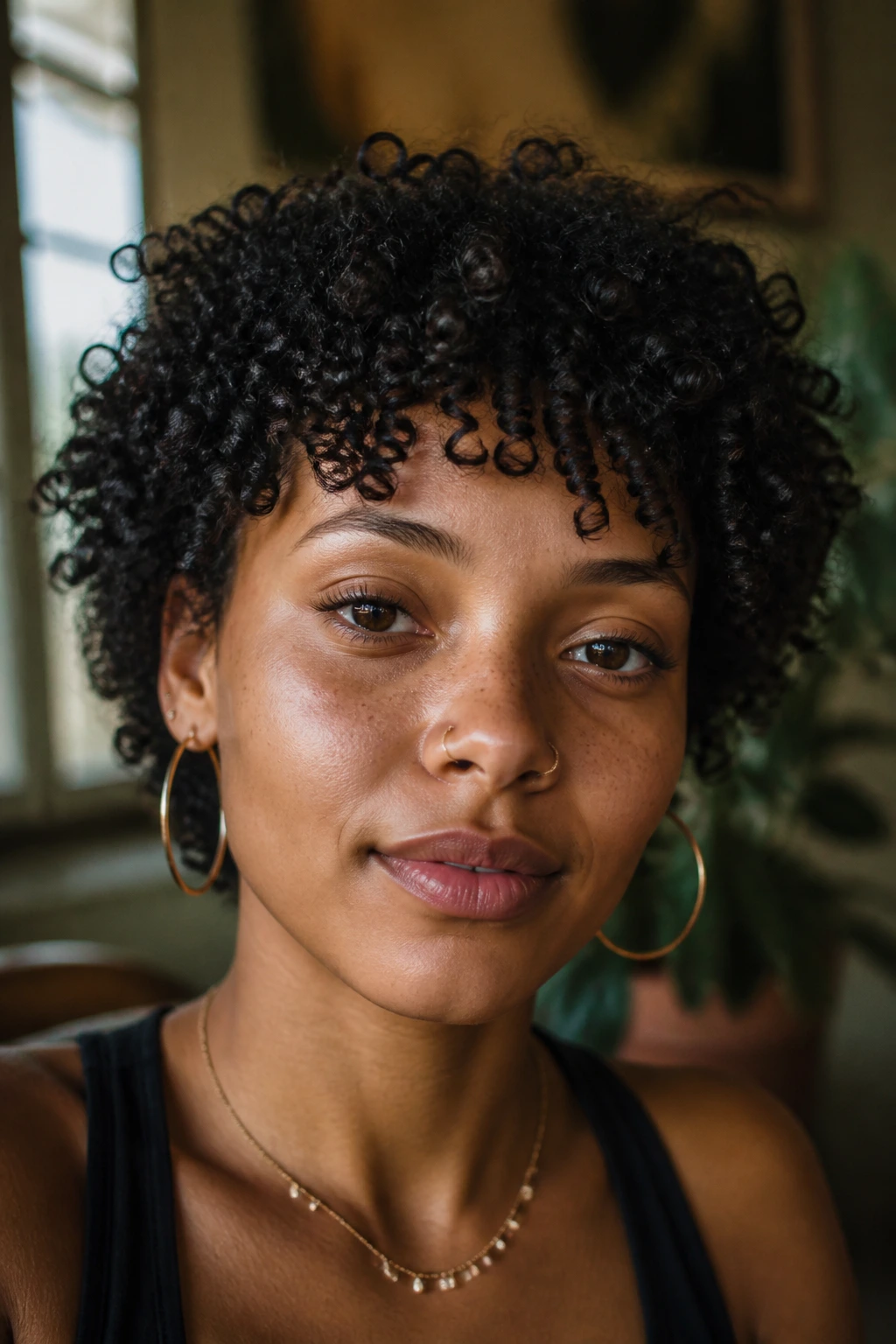
Short bangs on curly or coily hair need a different mindset. You are not cutting straight across and hoping the curl cooperates. You are shaping the front so the coils land where you want them after shrinkage, which often means leaving more length than feels natural in the chair.
This style can look extremely elegant when it is cut dry and respected for what the texture already does. The fringe sits like a soft coil across the forehead rather than a flat line. That makes it vintage in a different way, closer to old portraits and glamorous short cuts than to pin-up perfection. If your curls spring up fast, this is the fringe that proves short can still feel deliberate.
26. Face-Framing Bombshell Fringe with Long Layers
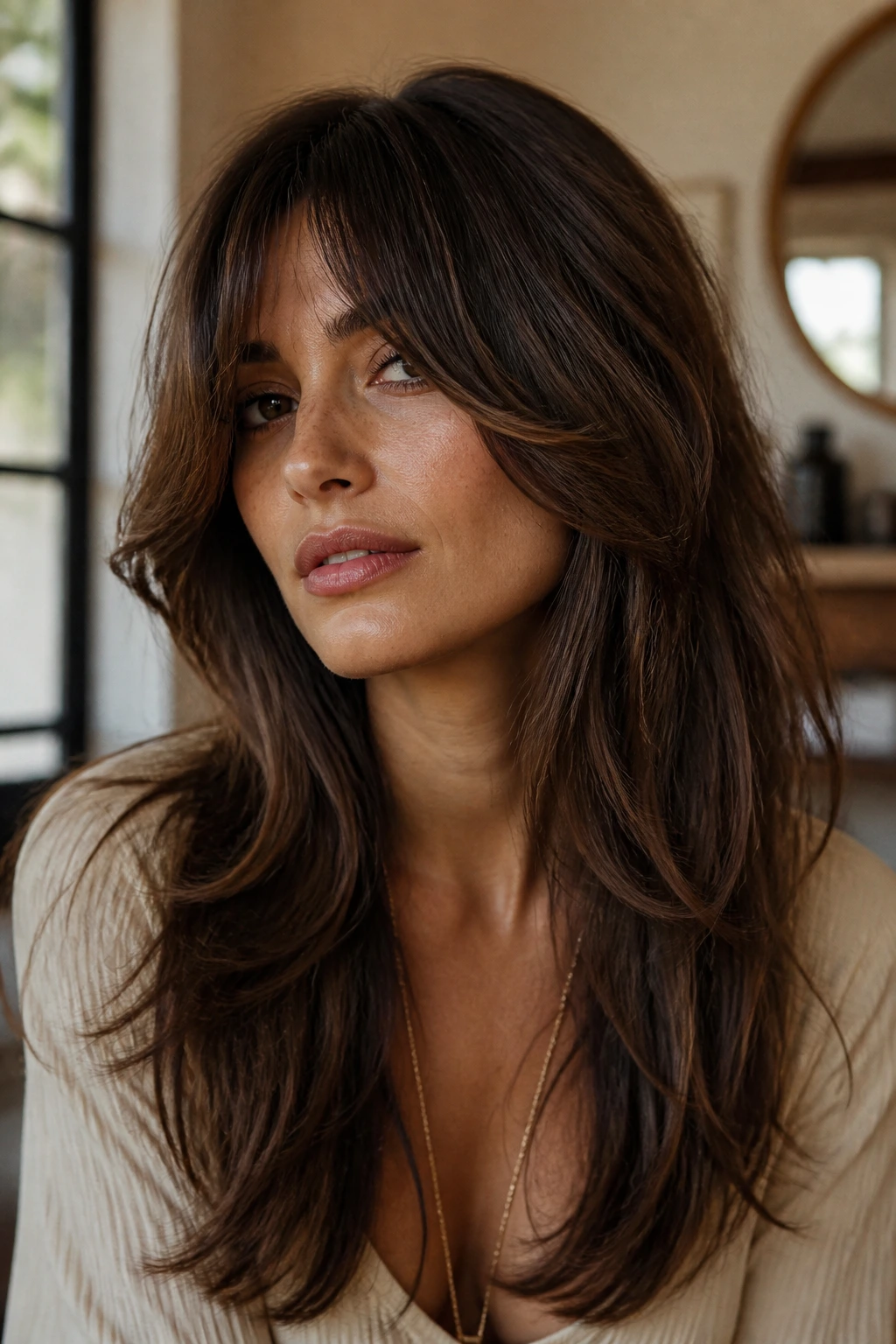
Sometimes the fringe is less about covering the forehead and more about directing the eye. This bombshell version keeps the front long, then blends it into long layers that sweep away from the cheeks. It has 1970s energy, soft volume, and enough movement to work with a big blowout or a brushed-out wave.
It suits people who want the feeling of bangs without the daily trim drama. The front still has shape, but it is not sitting on the brows all the time. That makes it easy to tuck behind the ear, part deeply to one side, or let it fall forward on windy days without wrecking the whole cut. It is also kind to people who change their minds. Often.
27. Soft Side-Pinned Fringe for the Long Grow-Out
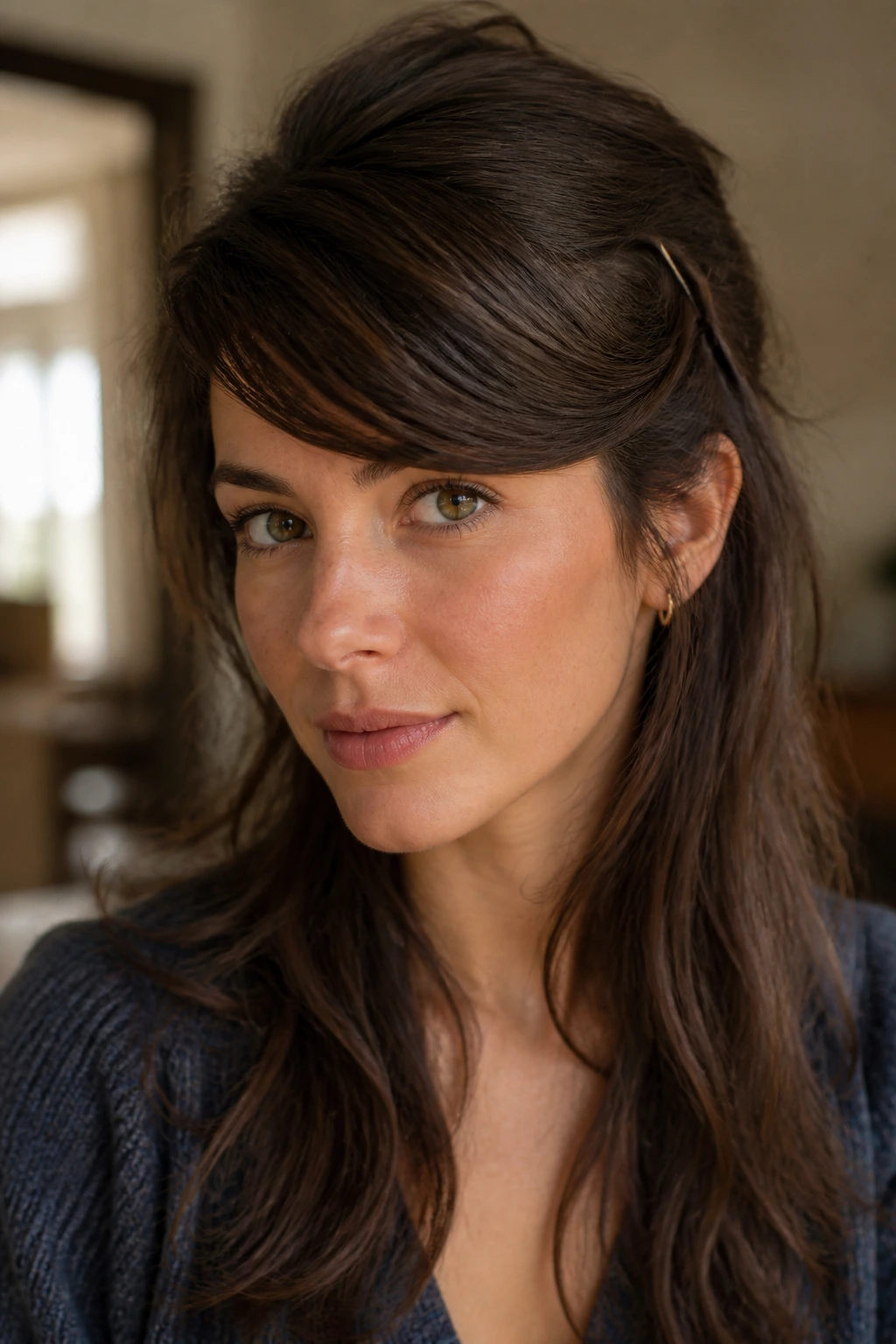
This is the fringe for the in-between stage, and honestly, that stage is where a lot of hair lives. The bangs are long enough to pin to one side, but short enough that you still get a face-framing effect. A little lift at the root and one clean pin can make it feel intentional instead of awkward.
It has a quiet vintage feel because side-pinned hair has always been part of old styling tricks. The shape is useful on workdays, travel days, and any morning when you do not have the patience for a full set. If you are growing out a shorter fringe, this is the style that keeps the process looking like a choice.
What Makes a Fringe Read as Vintage Instead of Costume Hair
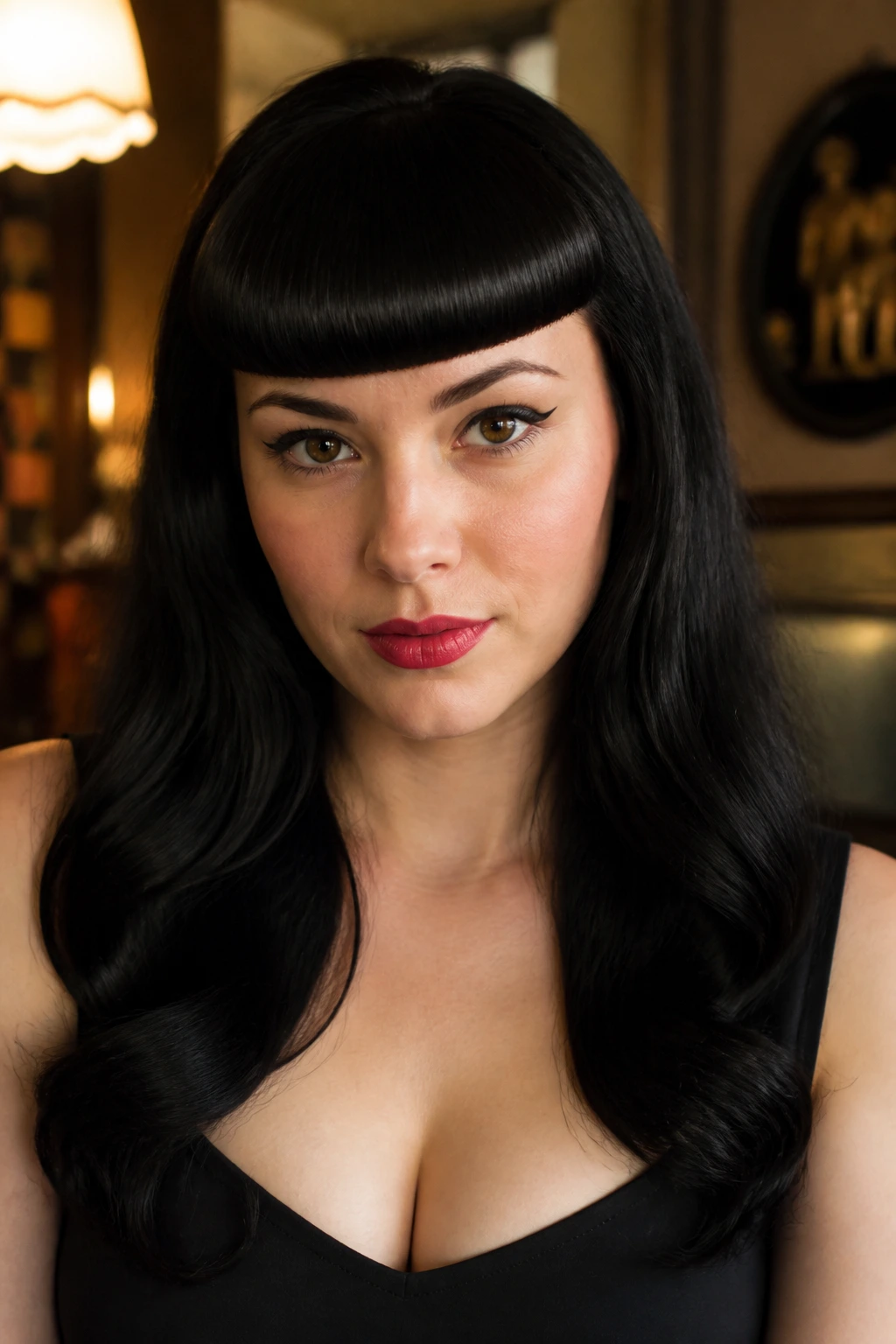
A retro bang does not become vintage because it copies a movie still. It reads vintage when three things line up: the shape, the lift, and the finish. A blunt line can feel pin-up; a curved one can feel screen-siren; a broken one can feel French or shaggy or modern, depending on how the rest of the hair falls.
The shape is the first clue. A hard geometric line says mod. A rounded arc says pin-up or old portrait. A parted, feathered edge says seventies. Even a tiny change in the edge changes the whole mood.
Lift matters just as much. Hair that sits too flat at the roots can look like a trim, not a style. A little root support from a brush, roller, or setting clip gives the fringe memory. That memory is what makes the cut feel intentional.
Finish is where a lot of people go wrong. Too much shine serum and the bangs look wet. Too much sea-salt spray and they feel like beach hair trying on a costume. A light touch, a clean part, and a shape that can survive a second day make the look feel lived in.
Tools That Make Styling and Trimming Easier
-
Sharp haircutting shears: Dull kitchen scissors crush the ends and make even a good cut look ragged.
-
Small round brush, 1 to 1.25 inches: Best for curve, root lift, and those under-bends that vintage fringe depends on.
-
Vent brush: Good for rough-drying bangs fast before you refine the shape.
-
Fine-tooth cutting comb: Helps section the fringe cleanly and keeps the line even.
-
Duckbill clips: Useful for pinning bangs while they cool so the shape sets.
-
Bobby pins in two sizes: Small pins vanish into rolls and side-pins; larger ones hold victory rolls and faux fringe.
-
Velcro rollers: Old-school, cheap, and still one of the fastest ways to create lift at the front.
-
Heat protectant spray: Necessary if you use a dryer, flat iron, or hot roller on the fringe.
-
Light mousse or setting lotion: Helpful for waves, arches, and anything that needs memory without stiffness.
-
Flexible-hold hairspray: Keeps the shape without turning the bangs into lacquer.
-
Dry shampoo: Good for day-two roots and for fringe that separates when it gets a touch oily.
-
Fine mist bottle: Lets you re-dampen only the front section instead of re-washing the whole head.
How to Choose the Right Fringe for Your Hairline and Texture
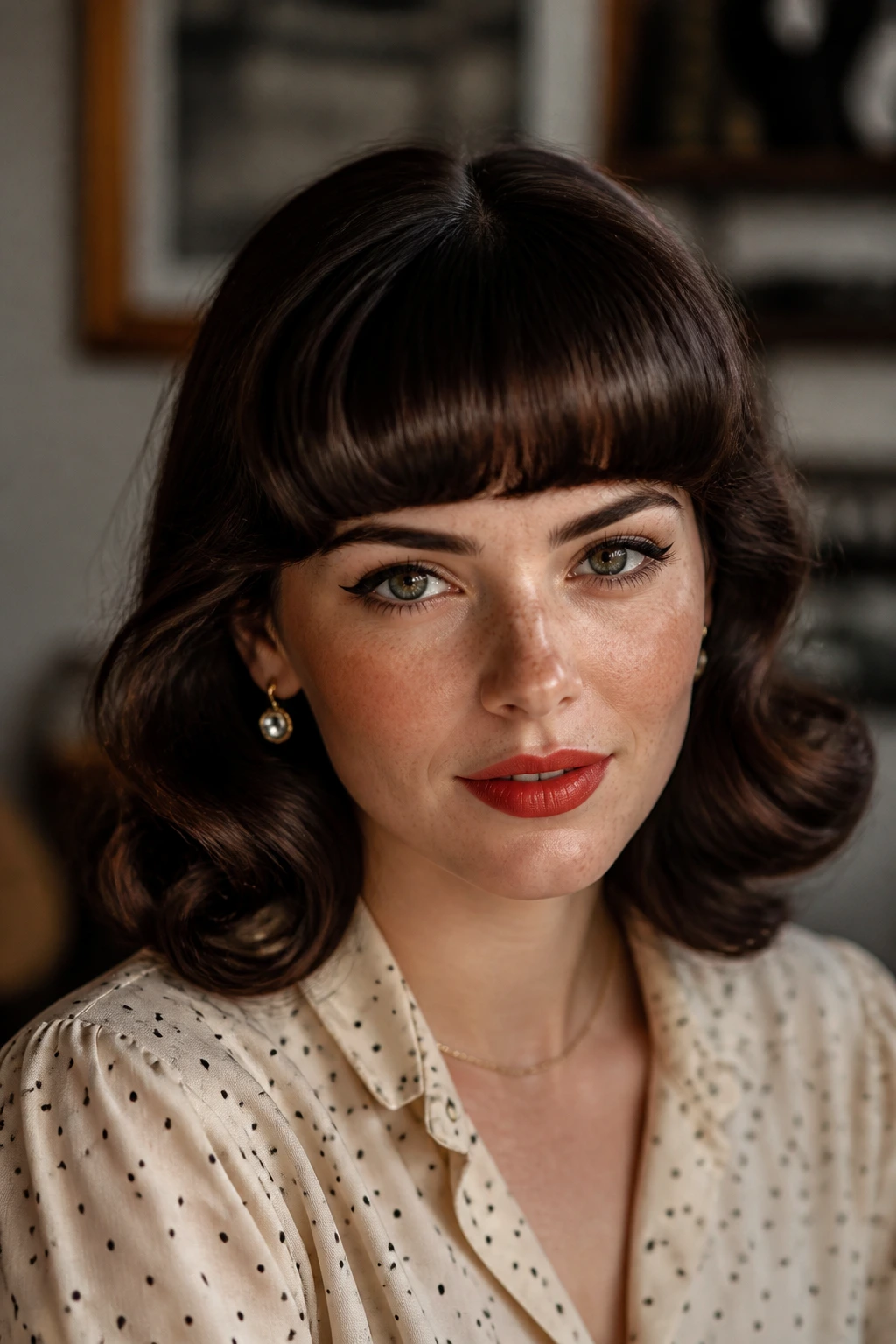
A bang style can look gorgeous on one person and fight another all morning. Hairline, cowlicks, density, and texture matter more than the moodboard. That is not discouraging; it is useful. It saves you from a cut that only works in perfect weather and under a ring light.
If Your Hairline Is Strong or Uneven
A blunt line will show everything. That can be great if you like structure, but it can also magnify a cowlick. Soft curves, bottleneck shapes, or side-swept options usually behave better because they do not demand a perfectly straight fall. If the front grows in two different directions, ask for a fringe that opens a little at the center or leans into the natural part.
If Your Hair Is Fine
Fine hair does better with smaller, lighter shapes than with a huge wall of bangs. Birkin fringe, wispy tea-length fringe, and soft curtain bangs all create the feeling of a fringe without needing a ton of bulk. Ask for density near the center and less weight at the edges so the hair does not collapse by noon.
If Your Hair Is Thick, Curly, or Coily
You have more shape to work with, which is a good problem. Heavy oval fringe, Bettie Page bangs, choppy rockabilly fringe, and shaped curly fringe can all look stunning if the cut respects shrinkage and weight. The mistake is trying to force every texture into the same flat outline. That usually leads to puffiness near the brow and frustration by the mirror.
How to Wear Vintage Bangs Without Turning Them Into a Costume
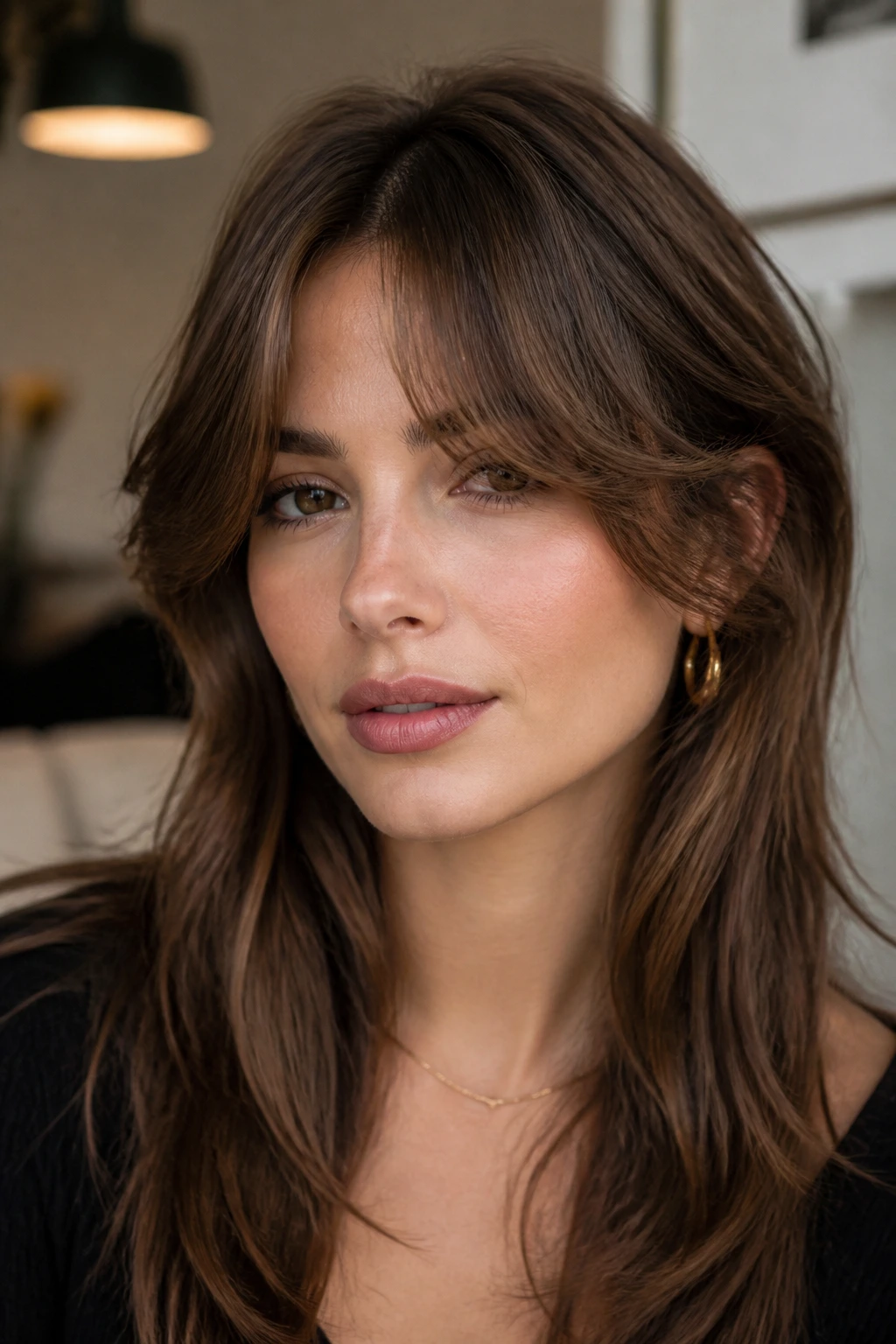
Everyday wear: Keep the rest of the hair simple. A lived-in wave, low bun, or straight lob lets the fringe do the talking without the whole look leaning into dress-up. A little dry shampoo at the root and one pass of the round brush is often enough.
Dressy wear: Set the fringe more carefully. Rollers, pin curls, or a brushed wave add the old-film polish that changes the cut from casual to deliberate. Cat-eye liner, a satin collar, or a sharp lip can finish the look without loading on too many references.
With glasses: Choose a fringe that leaves some space above the frames or breaks slightly at the center. Curtain bangs, bottleneck fringe, and wispy cuts tend to behave better than a heavy straight line that competes with the top rim of the glasses.
With updos and scarves: Side-pinned fringe, micro bangs, and scarf-ready short bangs all work because they keep the front tidy while the back of the hair gets to do something else. That mix looks especially good when the bun or scarf is a little imperfect. Too perfect gets stiff. A few loose pieces are enough.
Extra Styling Tricks and Personal Tweaks
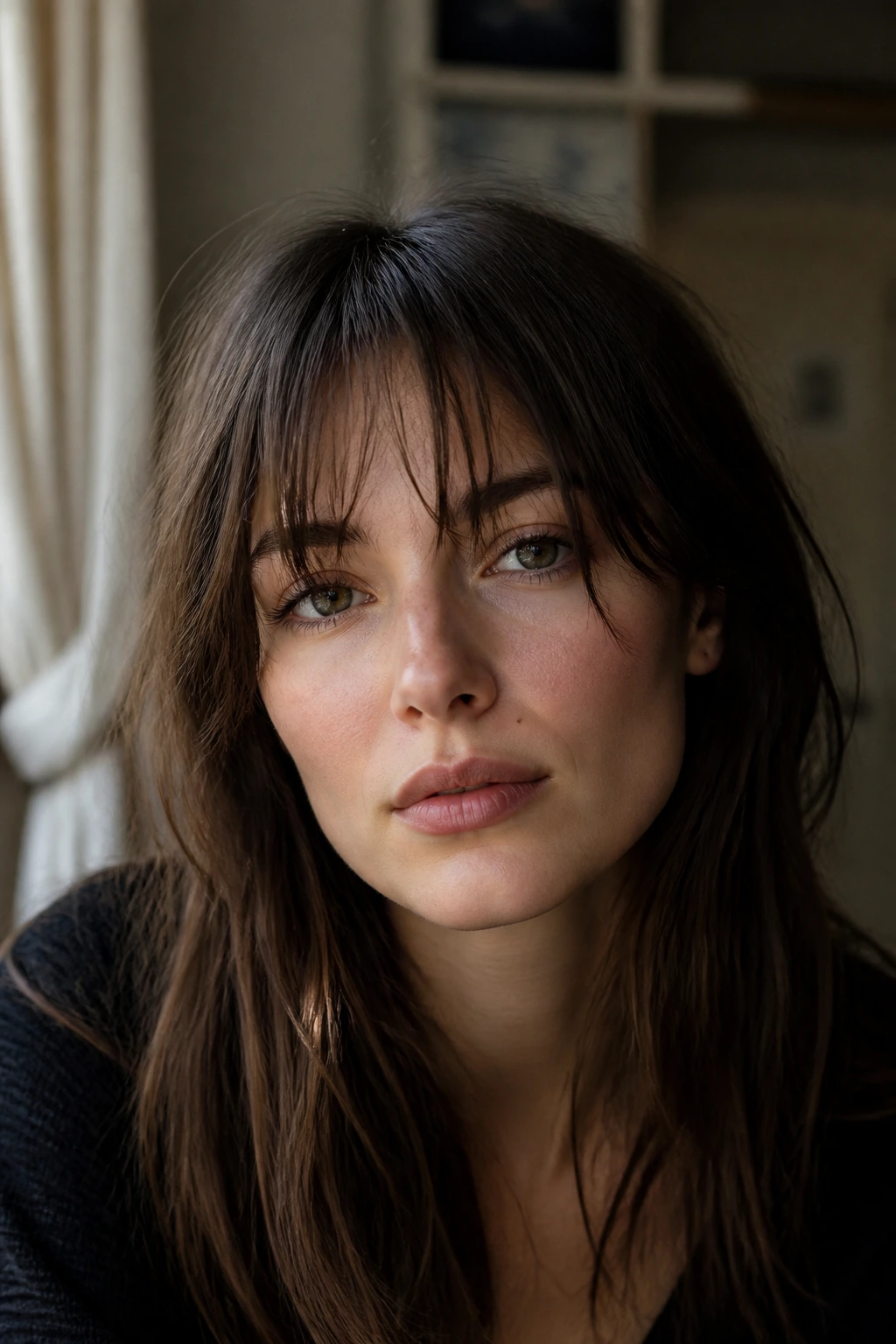
Color placement: A subtle highlight through the fringe can show the shape without making it loud. A slightly lighter front piece also makes a rounded bang read cleaner in low light.
Texture control: If the ends look too puffy, use a tiny amount of cream only on the last inch of hair. If they look too flat, a mist of dry shampoo at the roots and a quick flip with the brush brings the line back.
Grow-out help: Side-pinning a growing fringe keeps the front useful while it lengthens. So does a center part that you open and close depending on the day. The goal is not perfection. The goal is control.
Make it yours: A pin-up fringe does not need full victory rolls. A Bardot cut does not need a huge blowout. A mod fringe can live with softer makeup. One vintage cue is often enough.
Common Mistakes That Flatten Retro Bangs
-
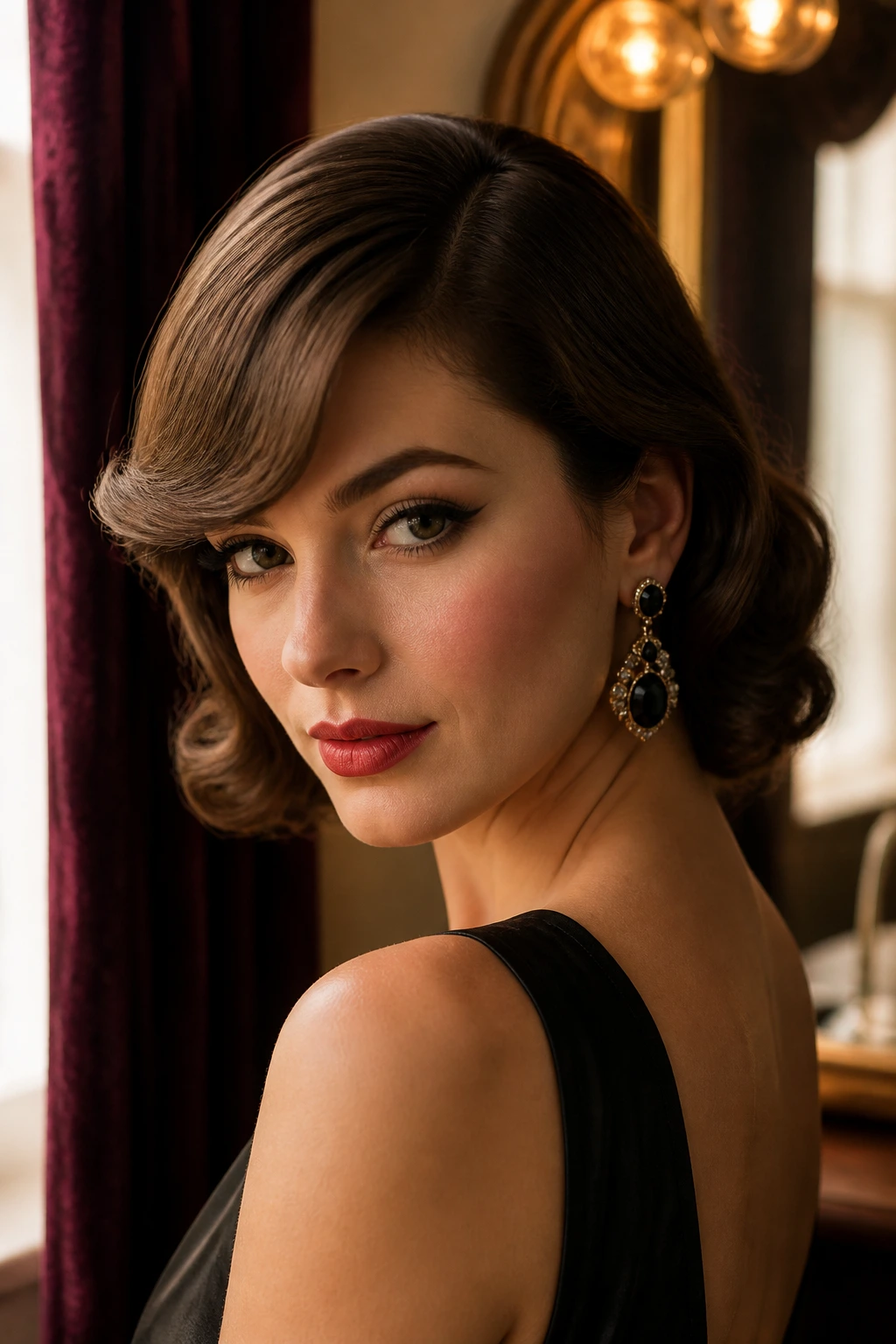
Cutting the fringe too short on the first pass: Bangs spring up more than people expect once they dry. The fix is simple: leave extra length, dry them fully, then trim again if needed.
-
Ignoring the cowlick at the front: If one side keeps kicking up, the fringe will split. Work with the growth pattern, not against it, and ask for a shape that opens where the hair already wants to move.
-
Using too much oil or serum: Bangs go greasy faster than the rest of the head. A heavy product at the roots makes them separate and stick to the forehead. Keep product to the ends, and use the lightest possible amount.
-
Forcing one vintage era on every hair type: A sharp Bettie cut on a soft, fine wave can feel limp; a wispy curtain on very thick hair can disappear. Match the shape to the texture, not the Pinterest board.
-
Skipping trim timing: A fringe that grows past its shape does not look intentionally soft. It usually just looks tired. Blunt styles often need a trim every 3 to 4 weeks; softer curtain and feathered cuts can go longer.
Variations and Adaptations to Try
Curly Screen-Siren Fringe: Keep the front long enough for the curls to form a soft arc, then diffuse with the head tilted slightly forward. This gives you an old-Hollywood shape without ironing out the texture.
Low-Maintenance Office Fringe: Ask for bottleneck bangs or soft side-swept pieces that can be tucked away on busy days. They read polished in a meeting and still look good after the commute.
Pin-Up Party Fringe: Go for Bettie Page bangs or a victory-roll front set and pair them with a clean winged liner. This is the version that leans hardest into the era, which makes it best for events.
Glasses-Friendly Fringe: Choose curtain bangs, wispy tea-length fringe, or a gentle side sweep that opens at the temples. The frames stay visible, and the fringe still frames the face.
Silver-Hair Glam Fringe: Gray and silver hair can look especially striking with blunt or rounded bangs because the contrast in shape becomes the story. Keep the line clean and the finish soft, not stiff.
Grow-Out Hybrid: Let a shorter fringe settle into a soft side-pinned style, then reshape the front pieces every few weeks. This keeps the haircut useful while it lengthens, which is worth more than forcing it to stay one thing forever.
Keeping the Shape Between Washes and Trims
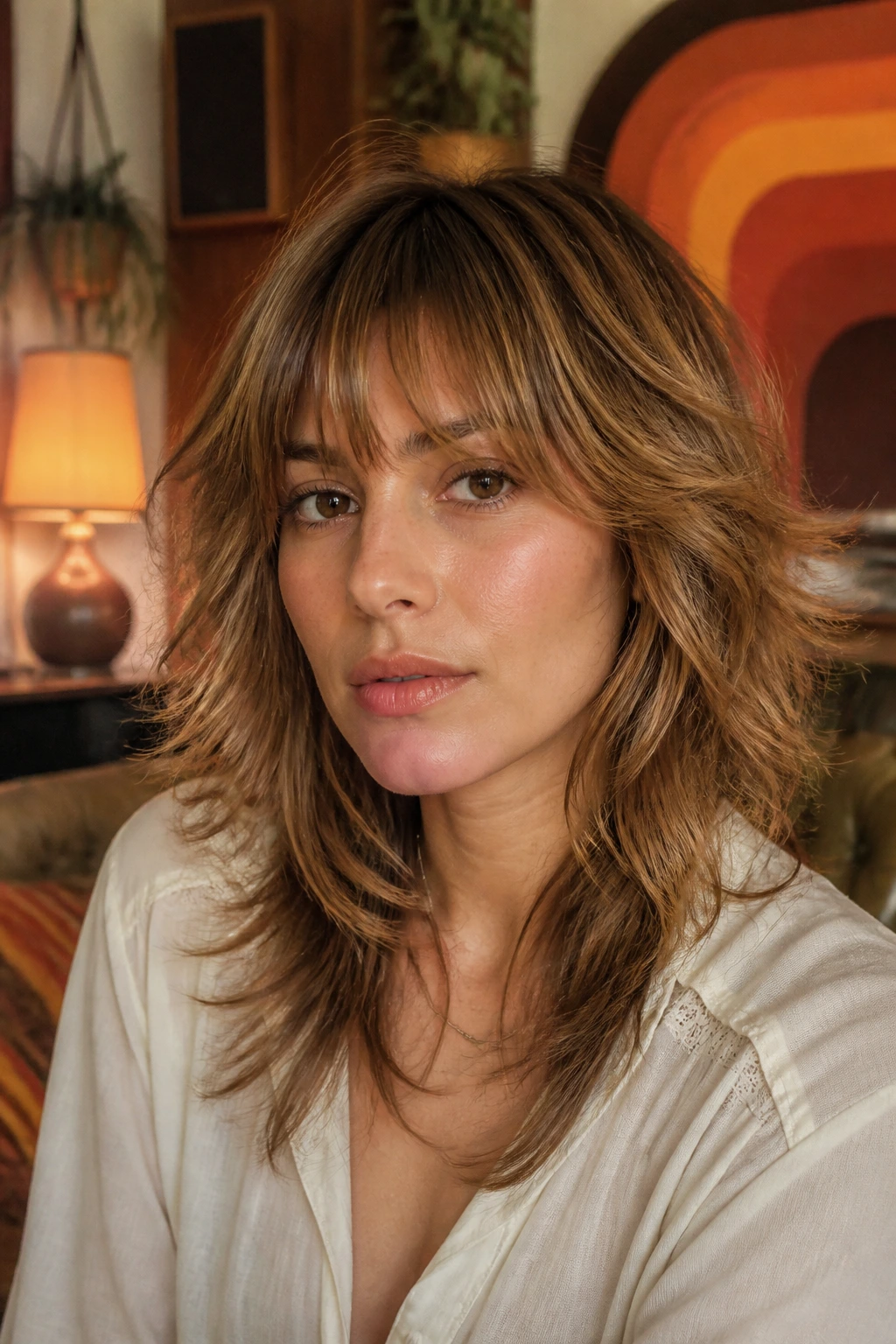
Vintage bangs live or die by how you treat them on day two, day three, and in the weird hour before you leave the house. A full shampoo is not always needed. Often, the fringe alone needs a reset.
If the roots turn oily, dry shampoo works best when it goes on before the hair looks dirty. A few sprays at the root, a minute to settle, then brushing it through keeps the front from clumping. For blunt or rounded fringe, a quick blast with a blow dryer and a round brush restores the curve in under two minutes.
Trim timing depends on the cut. Blunt mod bangs and Bettie-style fringes usually need attention every 3 to 4 weeks. Softer curtain shapes can stretch to 6 weeks or more if you do not mind a little extra length. Keep scissors away from home trimming unless you know what you are doing; bangs show mistakes faster than any other part of a haircut.
At night, a loose clip or a silk scarf helps keep the front from bending into a weird crease. If the fringe is especially set, pinning it lightly while it cools after styling can lock the shape for the next morning. That little bit of care saves a lot of morning frustration.
Frequently Asked Questions
Which vintage bang style is easiest to grow out?
Bardot curtain bangs, bottleneck fringe, and side-pinned fringe are the easiest to live with as they get longer. They already have movement built in, so a few extra weeks of growth usually look intentional instead of awkward.
Can curly hair wear vintage bangs without straightening?
Yes, and it often looks better when you do not straighten it. The key is to cut for shrinkage and shape the fringe dry so the curl lands where you want it. A halo fringe or curly screen-siren shape usually works better than a hard blunt line.
How do I explain this to a stylist?
Bring 2 or 3 photos that share the same shape, not just the same era. Then say what matters most to you: blunt line, softness at the temples, brow length, or easy grow-out. That gives the stylist room to fit the cut to your hair instead of copying a picture that may not match your texture.
Will bangs make my forehead look smaller?
Usually, yes, but the effect depends on the shape. Heavy oval fringe and Bettie bangs create a stronger reduction; curtain or wispy styles soften the forehead without closing it off completely. If you want balance without too much coverage, bottleneck or side-swept fringe is a good middle path.
What if my cowlick keeps splitting the bangs?
Do not fight it with more product alone. A deeper part, a slightly longer center section, or a fringe that opens at the cowlick often works better. Styling the bangs while they cool also helps, since warm hair forgets less than people think.
Can I wear retro bangs with glasses?
Yes, but the shape matters. A blunt, low fringe can crowd the frames, while curtain bangs, wispy fringe, and side-swept shapes leave more space. If your frames are thick, a little lift at the root keeps the whole front from feeling crowded.
How often should vintage bangs be trimmed?
Sharp styles usually need attention every 3 to 4 weeks. Softer, feathered, or growing-out shapes can go longer, but once the line stops reading the way it should, the vintage effect starts to blur.
What if I want the look without cutting my hair right away?
Pin-curl faux bangs are worth trying first. They let you test the length, density, and general mood before you commit to scissors. If the temporary version feels wrong after two hours, that is useful information.
Do these styles work on thin hair?
Yes, but choose the right one. Birkin fringe, soft curtain bangs, and wispy tea-length fringe tend to give thin hair shape without demanding a heavy wall of density. Heavy oval bangs can work too, but only if the hair actually has enough body to support them.
A Fringe With Some History
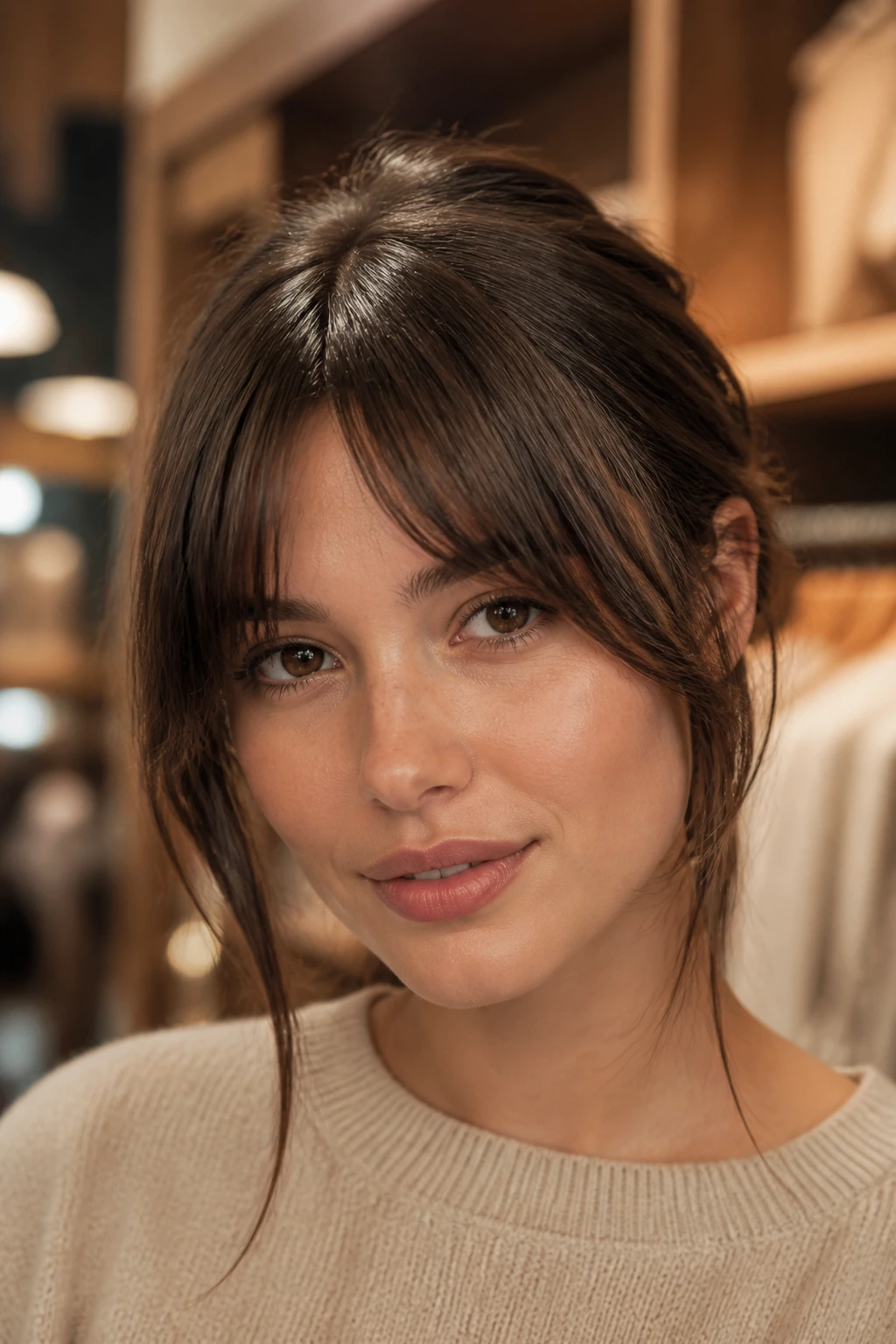
The best thing about vintage-inspired bangs is that they do not need to look trapped in the past. A good fringe borrows a shape, a bend, or a line from another era, then lets your face, your texture, and your daily life do the rest. That is why the same haircut can feel pin-up one day and plain white T-shirt easy the next.
Pick the shape that matches the way your hair actually behaves. Not the one that wins on a mood board. The right vintage bang does not just sit on your forehead — it changes the whole frame around your face, and that is a pretty satisfying trick to have in your pocket.
