



Money piece highlights can do something a full-head color service often can’t: they put the light exactly where your eye lands first, then leave the rest of the hair calm. That’s why the look can feel expensive without being loud. A few carefully placed face-framing pieces, a soft root, and the right toner can make a cut look sharper, skin look brighter, and waves look more intentional than they did ten minutes earlier.
The trick is restraint. Too wide, too pale, or too high-contrast, and the whole thing turns stripey fast. But when the front section is blended with a little depth underneath, the color reads like dimension, not a streak. I’ve always preferred the versions that look as if the front hair was kissed by light and the mids and ends were left to do their own thing.
That’s where this kind of color gets fun. The same money piece highlights technique can lean caramel, beige, copper, smoky brown, champagne blonde, or almost platinum depending on the base color and how much contrast you want. Some versions wake up a haircut. Others practically redraw the face. The best part is that none of them need to look harsh.
Why These Money Piece Highlights Feel Soft, Not Stripey
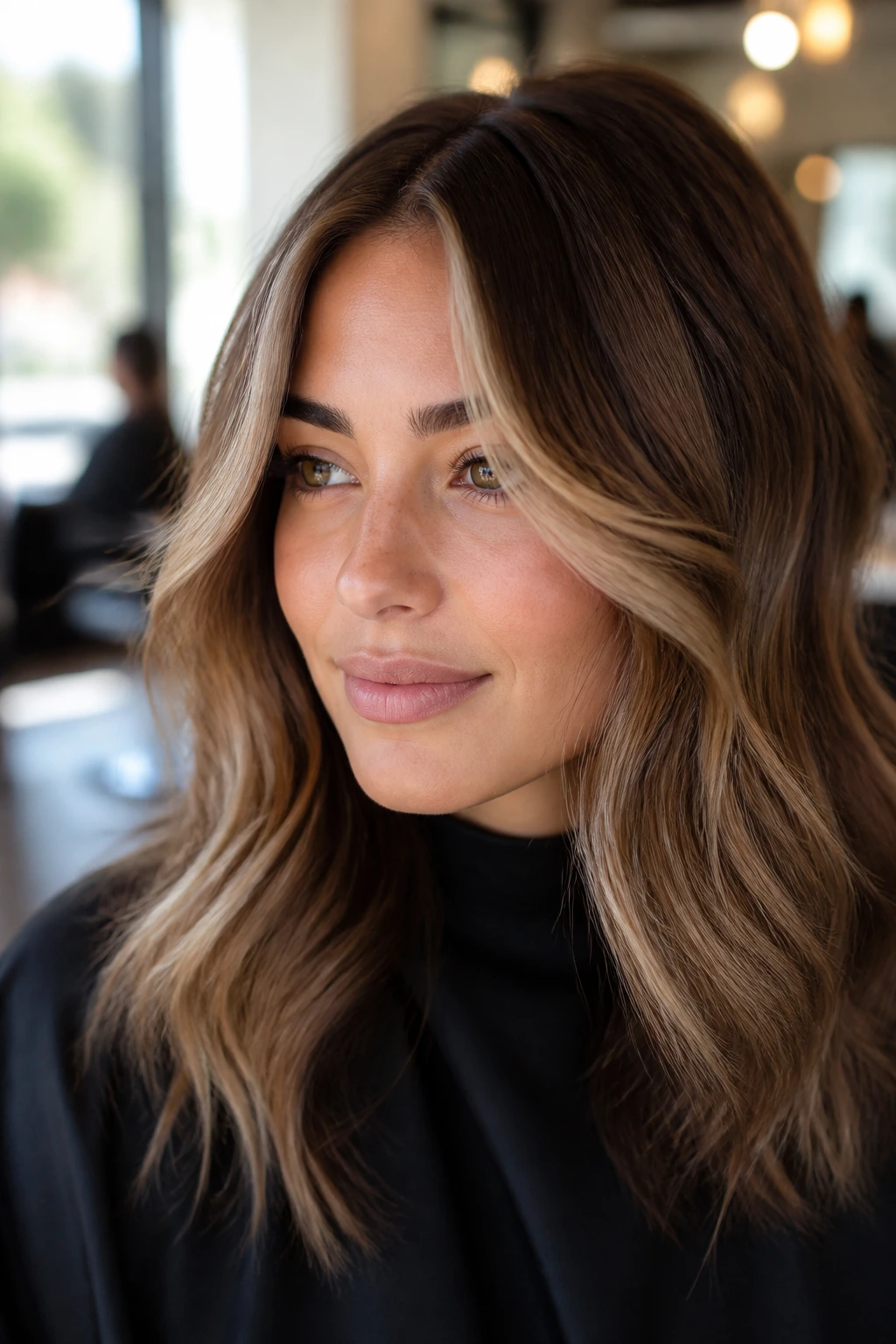
- Face-first placement: The bright pieces sit where light naturally hits the cheekbones and temples, so the color feels built into the haircut instead of pasted on top.
- Controlled contrast: A root shadow or lowlight under the money piece keeps the front from reading as one flat, pale stripe.
- Tone matters more than brightness: Beige, caramel, mushroom, and champagne tones soften the look far more than a flat yellow blonde ever will.
- Works with texture: Waves, bends, and soft curls break up the light and make the face-framing pieces look lived-in instead of rigid.
- Easy to customize: The same placement can be widened, thinned out, warmed up, cooled down, or pushed brighter depending on your base color and maintenance tolerance.
- Salon photos make sense here: A good reference photo of the front hairline, not just the back view, helps a colorist see the actual placement you’re after.
1. Caramel Ribbon Money Piece on Espresso Brunette
A deep brunette base with caramel ribbons near the face has a way of looking polished without trying too hard. The front pieces stay warm, almost like the hair caught late-afternoon light for five minutes and decided to keep it. On a layered cut, the movement matters even more, because the color bends around the face instead of hanging there in one obvious stripe.
Why It Works
Caramel sits in that sweet spot between blonde and brown. It brightens the front without blowing out the depth that gives brunette hair its shape. Ask for a soft lift around the hairline and a gentle melt into the mids, not a blocky chunk from scalp to ends.
What to Ask For
- A warm caramel face frame
- Soft root shadow for blend
- Fine ribbons through the front layers
- A gloss that keeps the tone honeyed, not orange
This is one of those looks that gets better when the blowout is a little undone. If the front bends away from the face in loose waves, the caramel looks woven in rather than painted on.
2. Beige Champagne Money Piece on Soft Blonde Lengths
If you want brightness but hate anything brassy, this is the lane. Beige champagne money piece highlights keep the front luminous while holding onto a cooler, creamier finish that doesn’t scream for attention. On a long bob or shoulder-length cut, the effect is sleek and airy at the same time.
The key here is tone. Not white. Not yellow. Something in between, with enough softness that the face frame reads like light, not bleach. I like this best when the mids and ends already have some pale dimension, because the front doesn’t have to do all the work.
A side part makes the look feel a little more dramatic. A middle part turns it cleaner and more symmetrical. Either way, the highlight should start close enough to the hairline to matter, then melt back before it looks pasted on.
3. Copper Glow Money Piece for Chestnut Brunettes
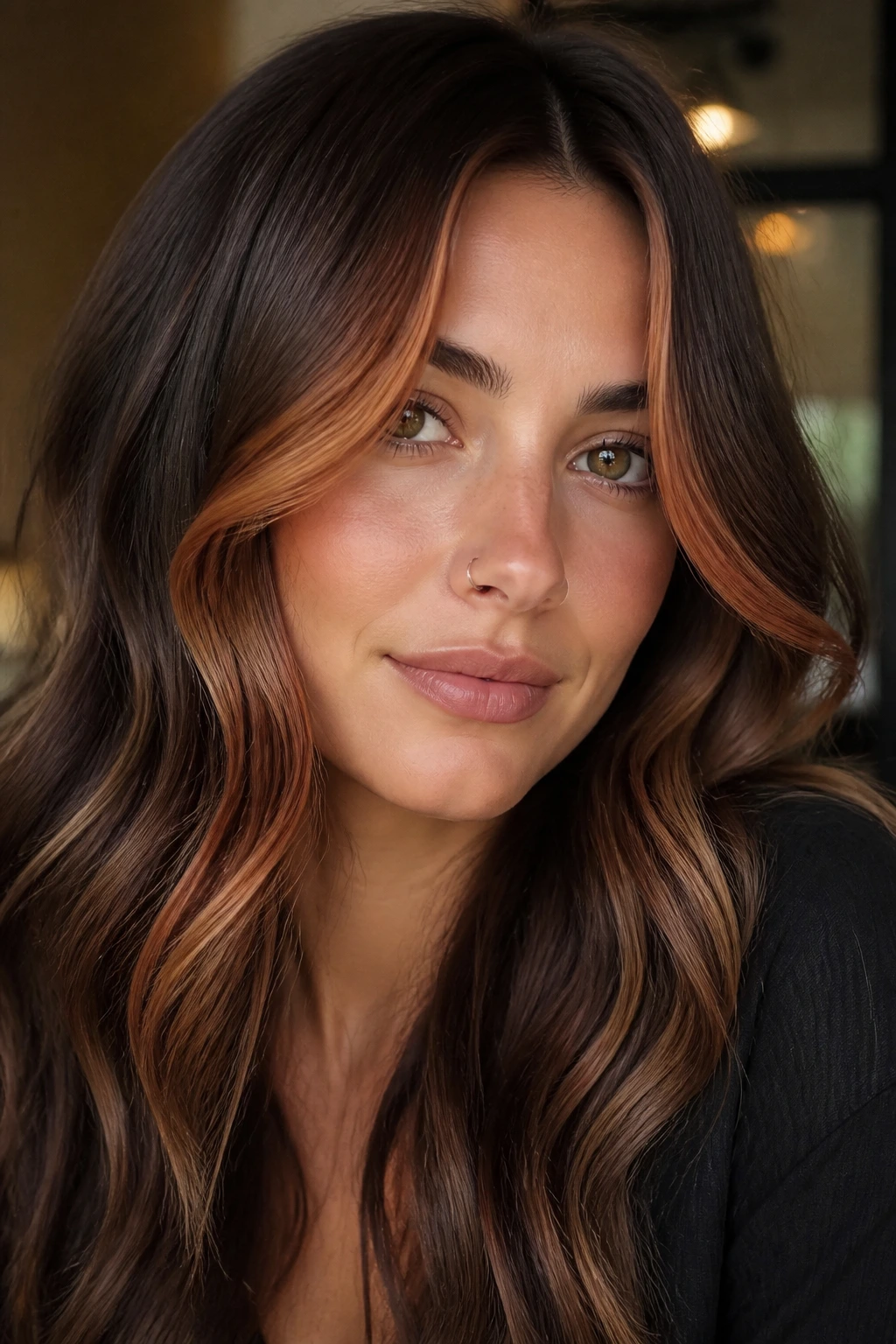
Copper near the face is not subtle, and that’s exactly why it works when the rest of the hair stays chestnut or mocha. The warmth wakes up the skin in a way ash tones never quite manage. Under natural light, the front pieces catch in a way that feels almost glossy.
What keeps this from turning loud is depth underneath. A chestnut base with a copper money piece has room to breathe, especially if the colorist keeps a little darkness at the root and underlayers. You want glow, not a solid orange block.
Best For
- Warm or neutral skin tones
- Waves that separate the color
- People who want front brightness without going blonde
If you’re asking for this in a salon, say you want copper to sit in the front only, with a soft transition into the rest of the brunette. That one sentence saves a lot of disappointment.
4. Mushroom Brown Money Piece with Taupe Framing
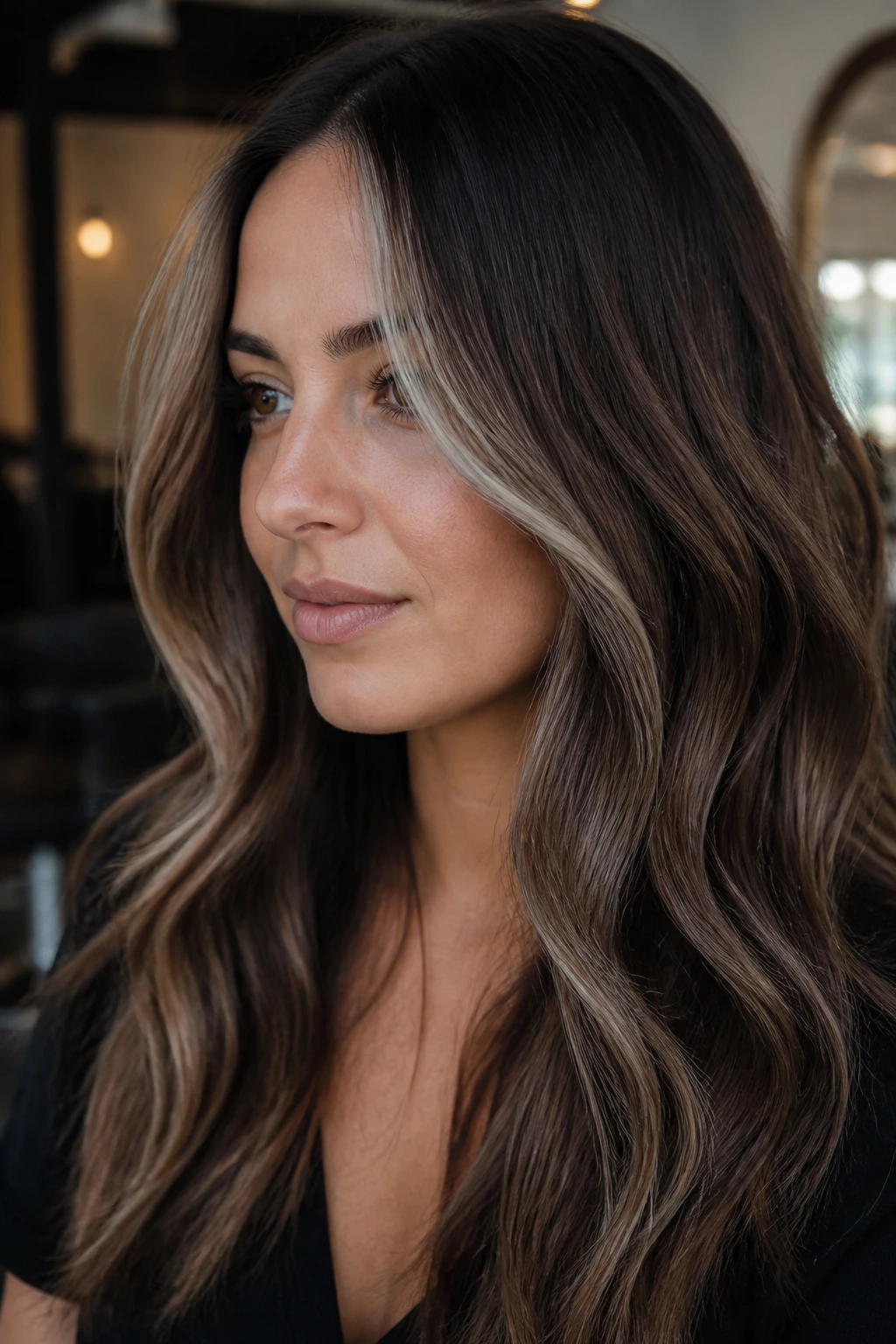
This is the cool-girl version of face-framing brightness. Mushroom brown money piece highlights do not shout. They smolder a little. Taupe and beige-brown tones soften the front of the hair while keeping the whole look grounded, which is handy if you like dimension more than contrast.
The best part is how expensive it looks on long layers. The color moves in quiet bands, and every bend of the hair shows a different shade: taupe, ash brown, a whisper of beige, then back to brown. It’s restrained, but not flat.
What Makes It Different
- Cooler tone family
- Low contrast around the face
- Blends well with shadow roots
- Best for people who wear their hair straight or softly waved
If your natural base is already dark blonde or light brown, this can be a beautiful way to add light without drifting into golden territory.
5. Honey Veil Money Piece on Dark Blonde Layers
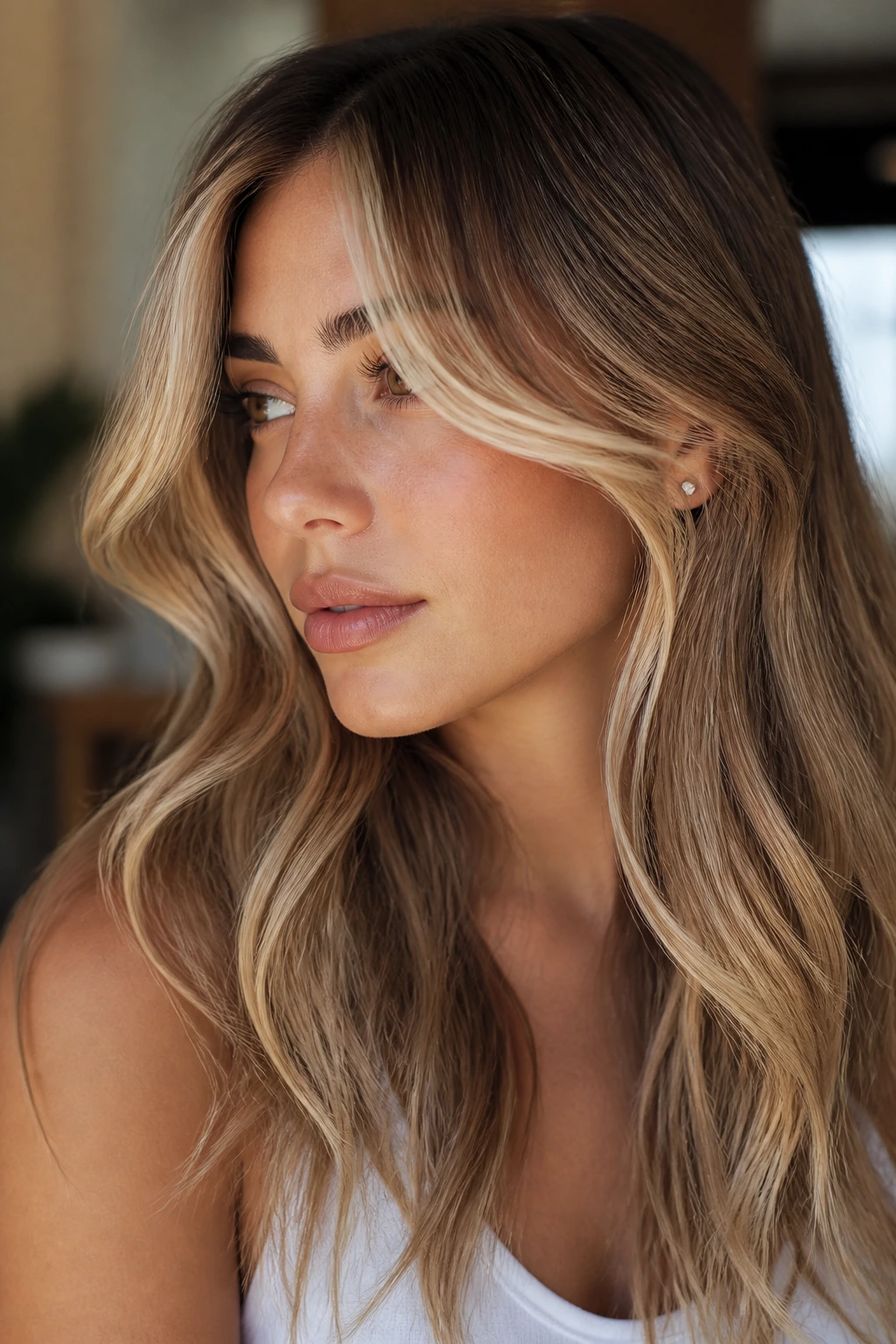
Dark blonde can go muddy fast if the highlights are too pale. Honey solves that. A honey veil around the face adds warmth and shine without taking over the whole head, and on layers it looks almost like the sun found the front sections first.
I like this look on shoulder-length cuts where the top layer sweeps back from the face. The front pieces don’t have to be thick. A few well-placed ribbons, especially around the cheekbone area, are enough to change the whole cut.
Quick Notes
- Ask for a warm beige-honey tone
- Keep the money piece slightly brighter than the mids
- Use a light gloss so the blonde doesn’t turn flat
This is one of the easiest ways to make a dark blonde feel more expensive and less “one color all over.”
6. Smoky Pearl Money Piece on Soft Brunette
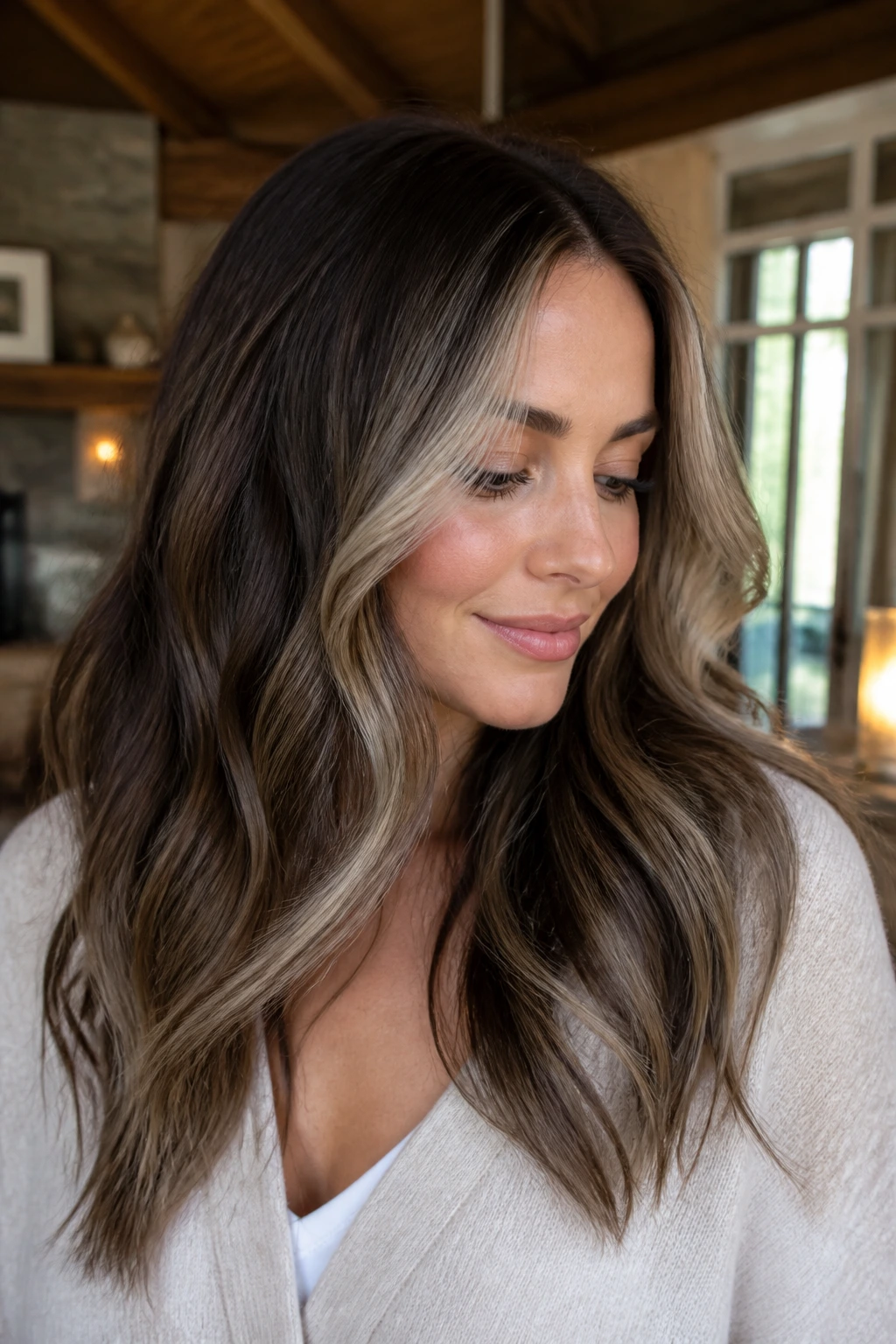
Smoky pearl sounds delicate, and it is, but there’s backbone under it. This look is for brunettes who want brightness at the front without warm gold sneaking in. Pearl beige on a smoky base gives the front a clean, airy finish that looks polished in straight styles and quietly dimensional in loose bends.
It works best when the colorist doesn’t over-lighten the hairline. That’s the part people get wrong. If the front is lifted too far, you lose the smoky softness that makes the whole thing look intentional. You want pale, yes, but still attached to the brunette beneath it.
A middle part gives this version a modern edge. A soft side part makes it gentler. Either way, the pearl tone should stay creamy rather than icy so the face frame doesn’t go gray.
7. Rose Gold Money Piece on Light Brown Hair
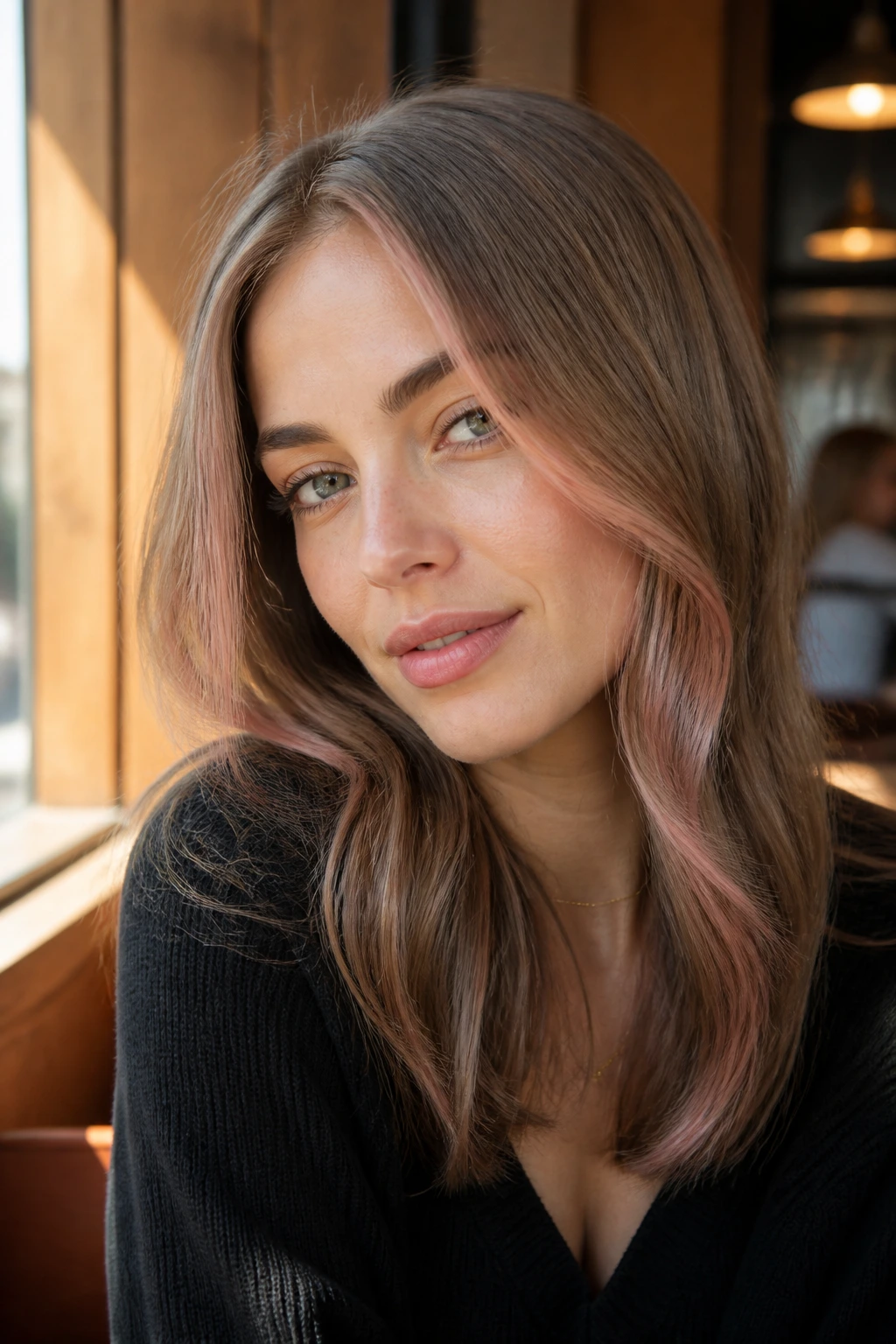
Rose gold is one of those tones that can look sugary in the wrong placement and gorgeous in the right one. Around the face, with a light brown base underneath, it feels playful but still grown-up. The pink warmth softens the line between brown and blonde, which keeps the color from reading as too hard.
The best rose gold money pieces are thin enough to shimmer, thick enough to be visible. That sounds obvious. It isn’t. Too fine and the tone disappears. Too wide and the pink can take over. The sweet spot sits right around the front layers that fall beside the cheekbones.
If you wear soft waves or a blowout with movement, the color gets even better. Each bend catches a slightly different note of pink-beige shine.
8. Auburn Glow Money Piece on Mahogany Brunette
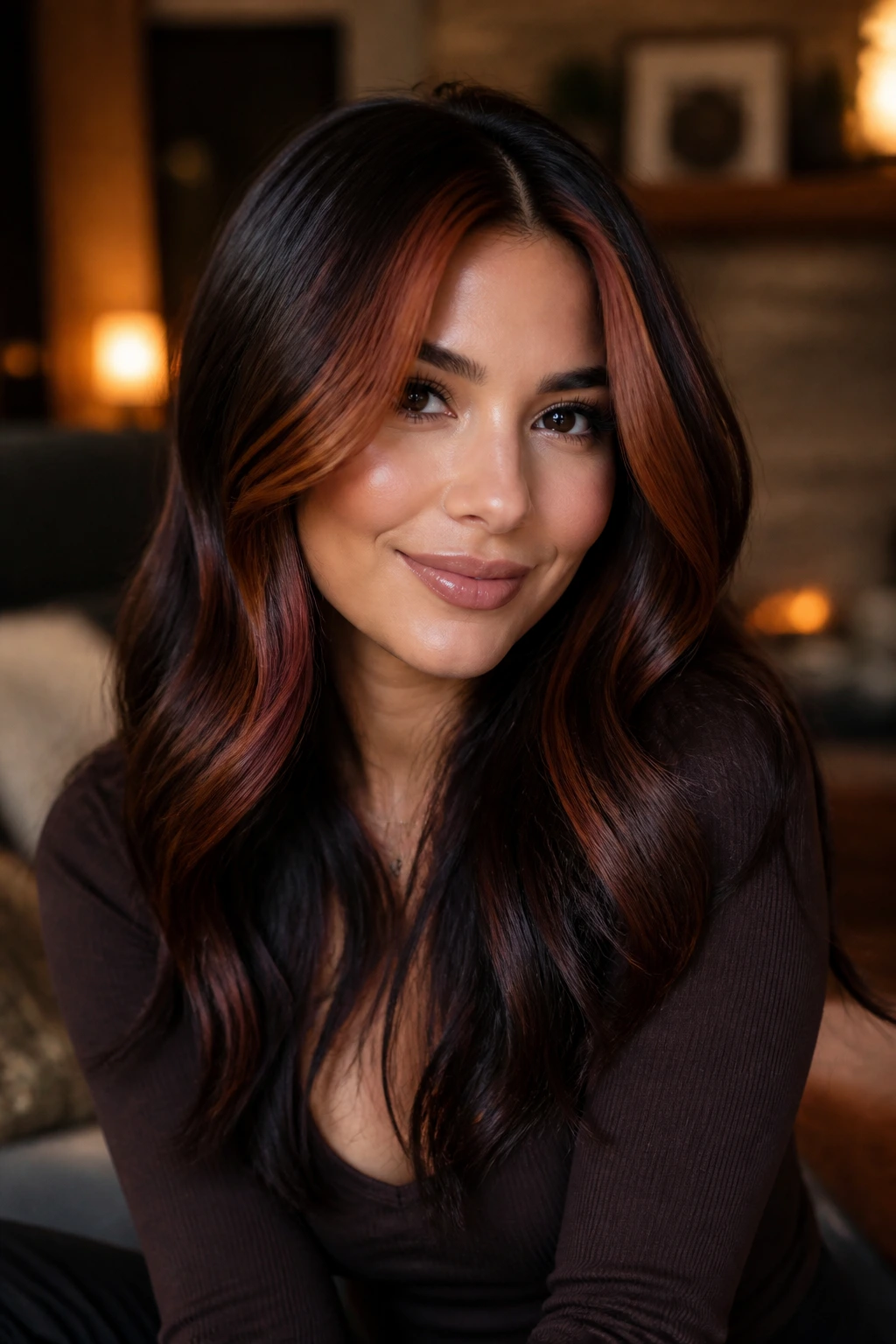
Auburn near the face changes the whole mood of a brunette. It adds fire, yes, but also softness because the red-brown family has more depth than a bright copper blonde. On mahogany bases, the front frame looks rich and expensive rather than flashy.
Why This Version Wins
The auburn tone blends into the darker base with less visible line of demarcation. That matters. If you want your money piece highlights to look dimensional, not disconnected, a color close to your natural depth can do more than a lighter blonde would.
This one suits people who like their color with a little drama. Not neon. Drama. The front should glow when the hair moves, then settle back into brunette when it doesn’t.
9. Vanilla Cream Money Piece on Lived-In Blonde
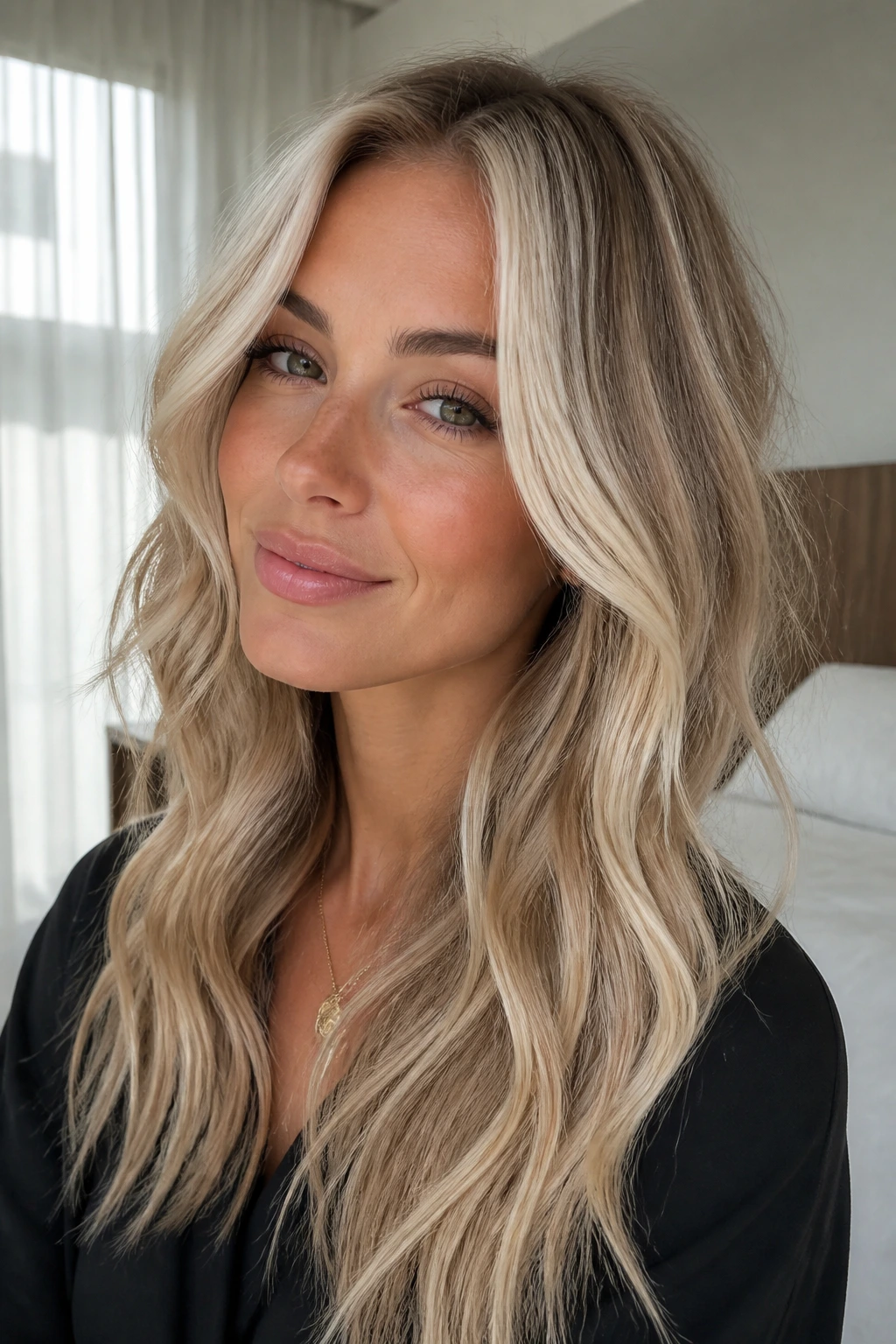
Vanilla cream is my favorite way to keep blonde from going flat. It gives the front brightness, but the tone stays soft and milky rather than icy or overprocessed. On lived-in blonde lengths, it makes the haircut look cleaner around the face without forcing the entire head into a high-maintenance color pattern.
The best versions leave some depth in the shadow root and mids. That contrast is what keeps the front from blending into the rest of the hair too much. If everything is the same pale tone, you lose the point of the face frame.
This works beautifully on long layers, curtain bangs, and any cut that opens around the cheekbone. The face frame should feel like a focal point, not a stripe.
10. Toffee Pop Money Piece on a Layered Lob
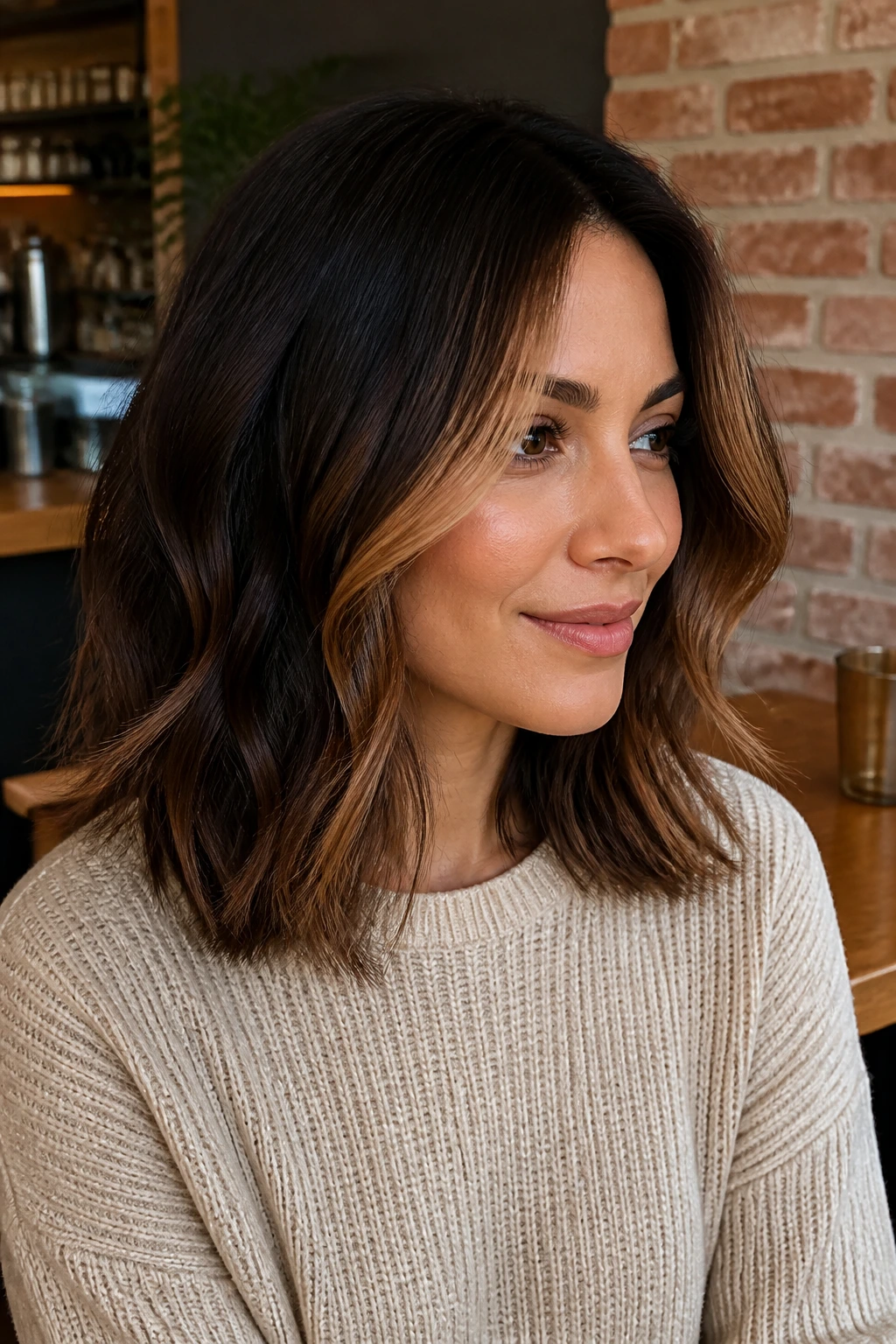
A layered lob can look a little too plain if the front pieces don’t do something interesting. Toffee fixes that. A toffee money piece gives warmth and contour in one shot, and because the cut is shorter, the color shows up immediately when the hair turns.
This one shines when the highlight follows the front layer rather than fighting it. The color should curve with the length, not sit above it. If you have a lob that brushes the collarbone, the front light can start around the brow or temple and soften down through the front edge.
A round brush blowout makes the toffee pop. So do soft bends with a flat iron, especially if the ends are slightly flipped under.
11. Pearl Blonde Money Piece on an Ashy Base
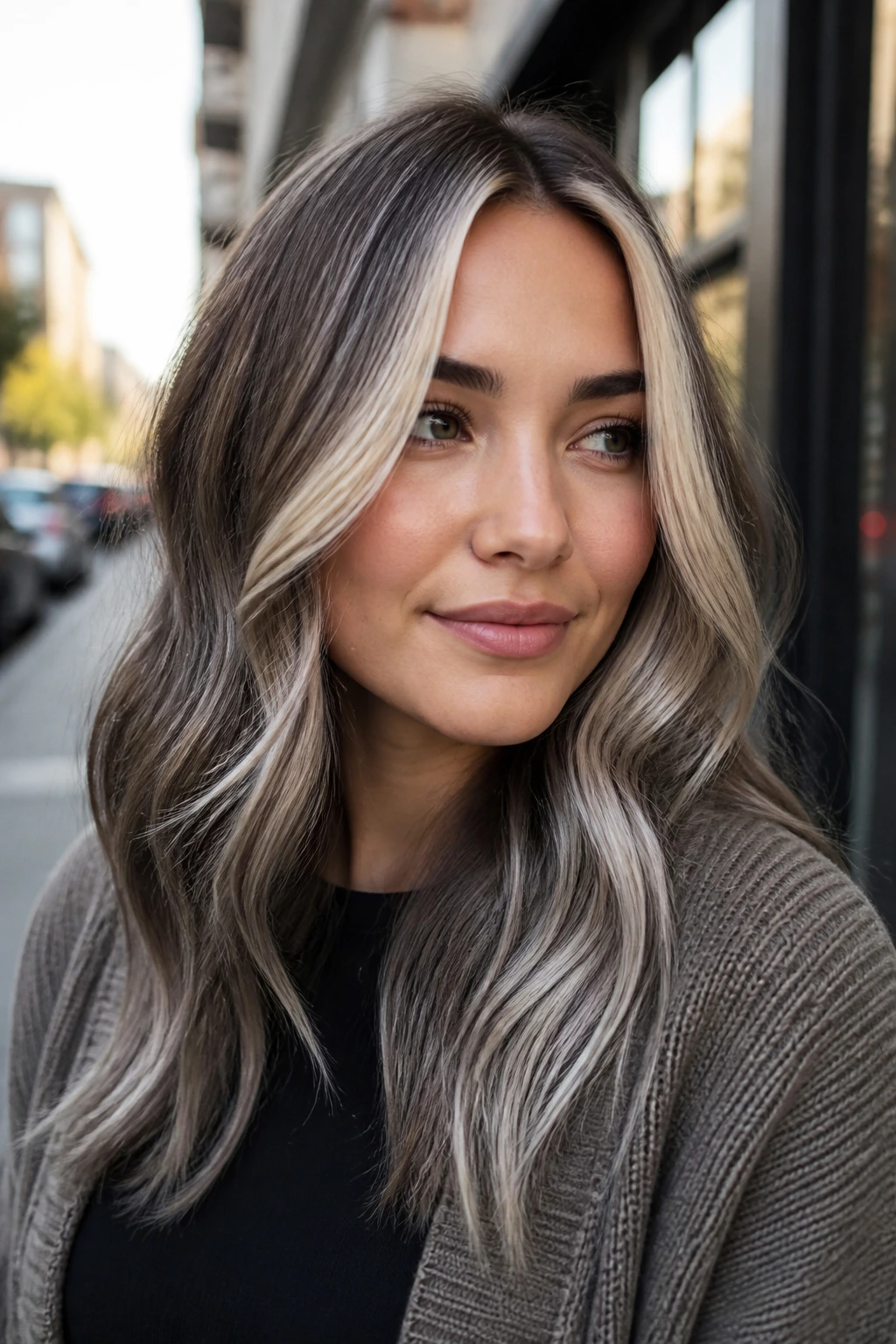
If your base is already cool, a pearl blonde face frame can look sleek without losing softness. The trick is to keep the front light creamy, not chalky. I like this version because it brightens the face while respecting the ash tone underneath, which means the whole look stays balanced.
What to Watch For
- Don’t let the front go flat yellow
- Keep the root deep enough to hold contrast
- Use a light toner or gloss to keep the pearl tone clean
This style is especially good when you wear straight hair or a polished wave. The color has a crisp edge, but not a harsh one, and that edge makes the haircut look more defined.
12. Cinnamon Latte Money Piece on Curly Brunette Hair
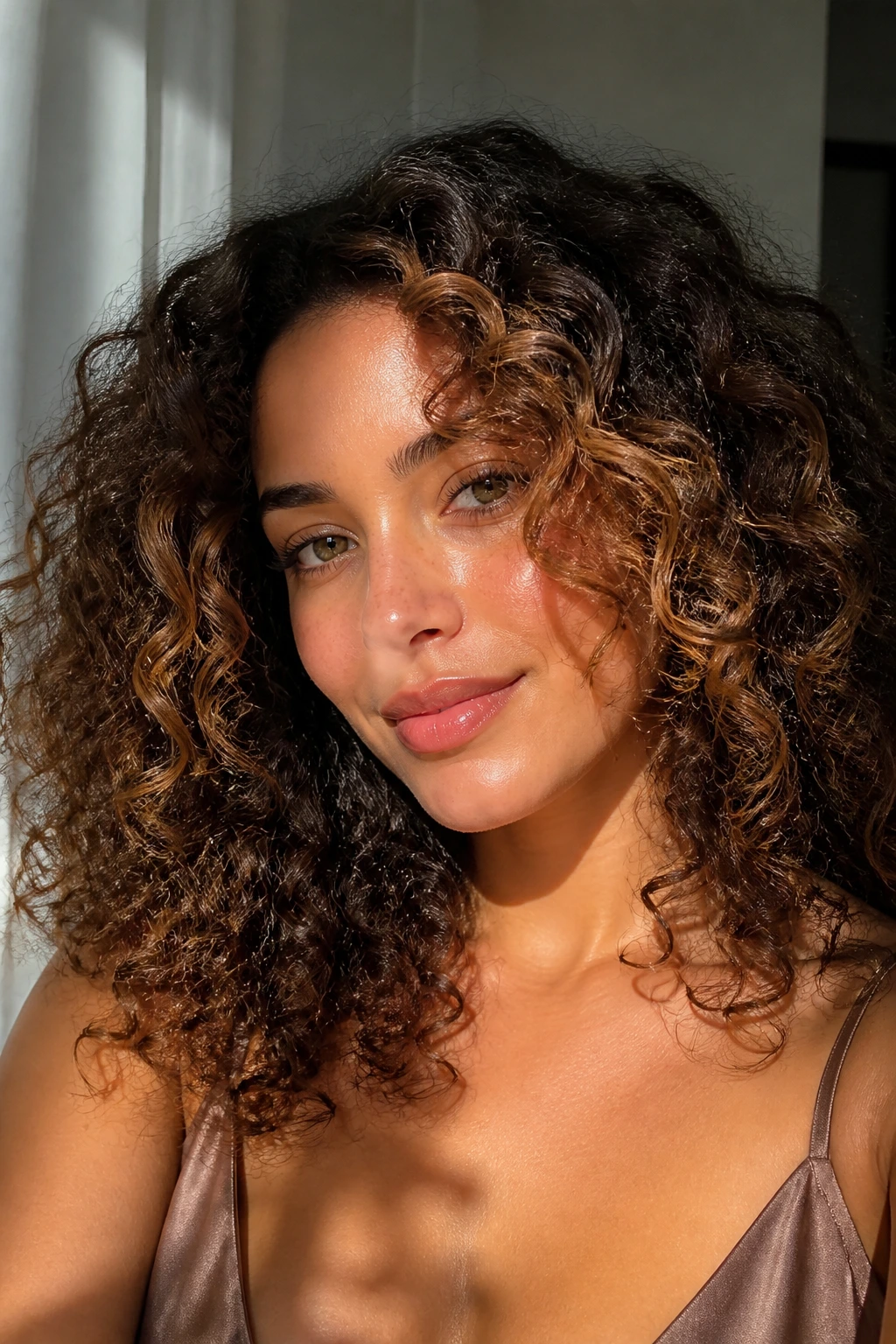
Curly hair changes how money piece highlights read, and that’s a good thing. Cinnamon latte tone on curls creates little flashes of warmth every time the curl clumps separate. The face frame becomes part of the curl pattern instead of floating on top of it.
The placement matters more here than almost anywhere else. Ask for the front pieces to follow the curl fall, not a straight section cut that ignores the way your hair actually moves. On curls, the best money piece is one that shows up when the hair is dry and bouncy, not just wet and parted.
A cinnamon latte tone gives warmth without veering into red-orange overload. It’s cozy, but the dimension stays intact.
13. Soft Strawberry Money Piece on Golden Copper Hair
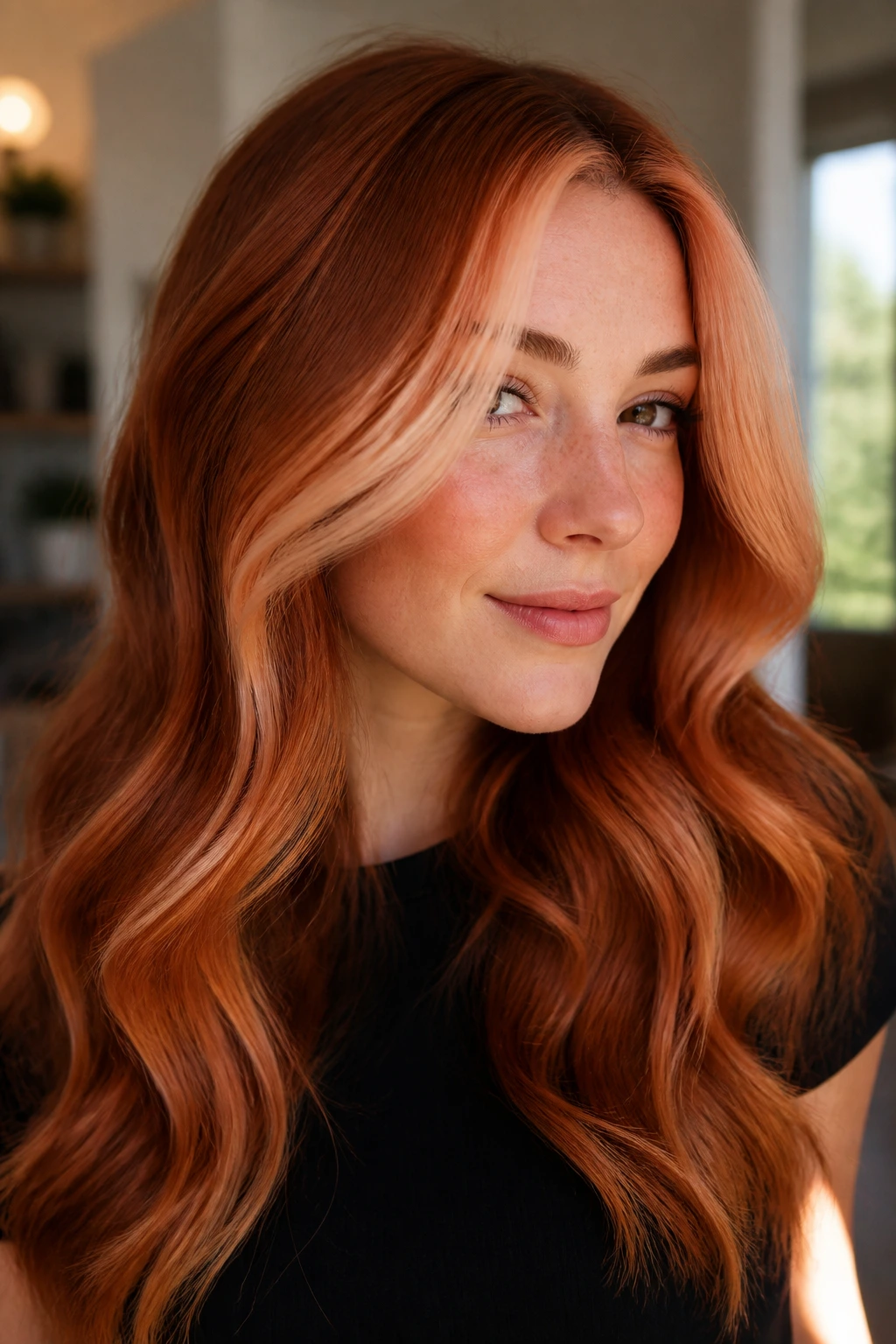
Strawberry blonde can look one-note if every strand is pushed the same direction. A softer strawberry money piece near the face fixes that by adding a brighter, fresher glow while letting the gold and copper underneath do their thing. The result feels delicate, but not faded.
This is one of the few warm styles that benefits from a slightly lighter front section and a slightly richer mid-length. That contrast makes the hair look like it has layers of warmth instead of one flat copper blanket.
If you wear loose waves, the strawberry front lights turn almost peach at the edges. Very pretty. Also very easy to ruin if the toner goes too cool.
14. Smoky Mocha Money Piece on Black Hair
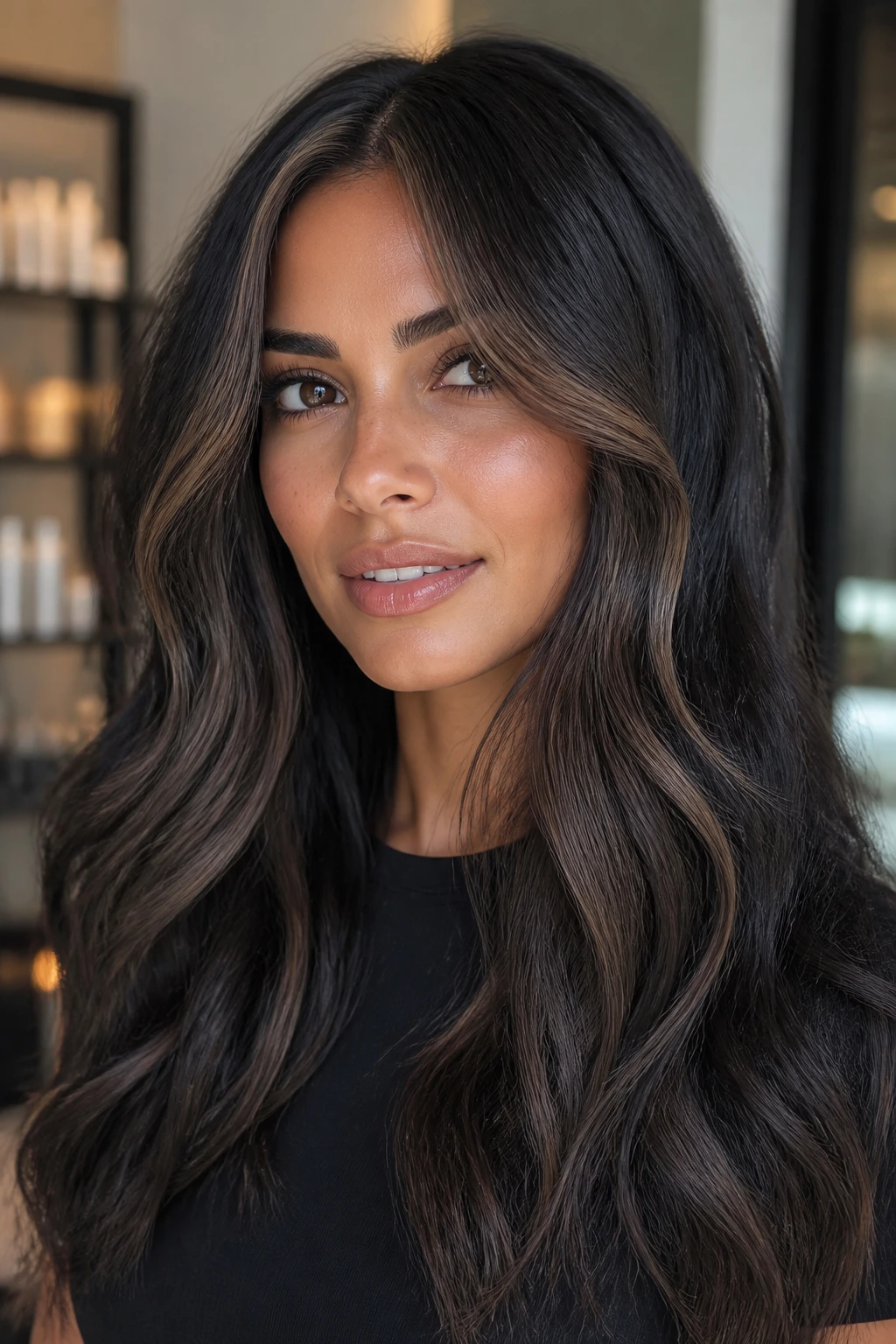
Black hair with a smoky mocha frame has a quiet kind of impact. It doesn’t try to become blonde, and that’s the whole point. The front pieces are lifted just enough to read as soft dimension, while the mocha tone keeps everything connected to the base.
This is one of the best choices if you want visible change but do not want heavy maintenance. A big blonde strip on black hair can get demanding fast. Smoky mocha gives you shape, light, and face framing without forcing constant touch-ups.
A Good Fit If You Want
- Low contrast
- A softer grow-out line
- A dimensional look that still feels dark
The color should skim warm brown rather than orange. That keeps it rich.
15. Butter Blonde Money Piece on Lived-In Balayage
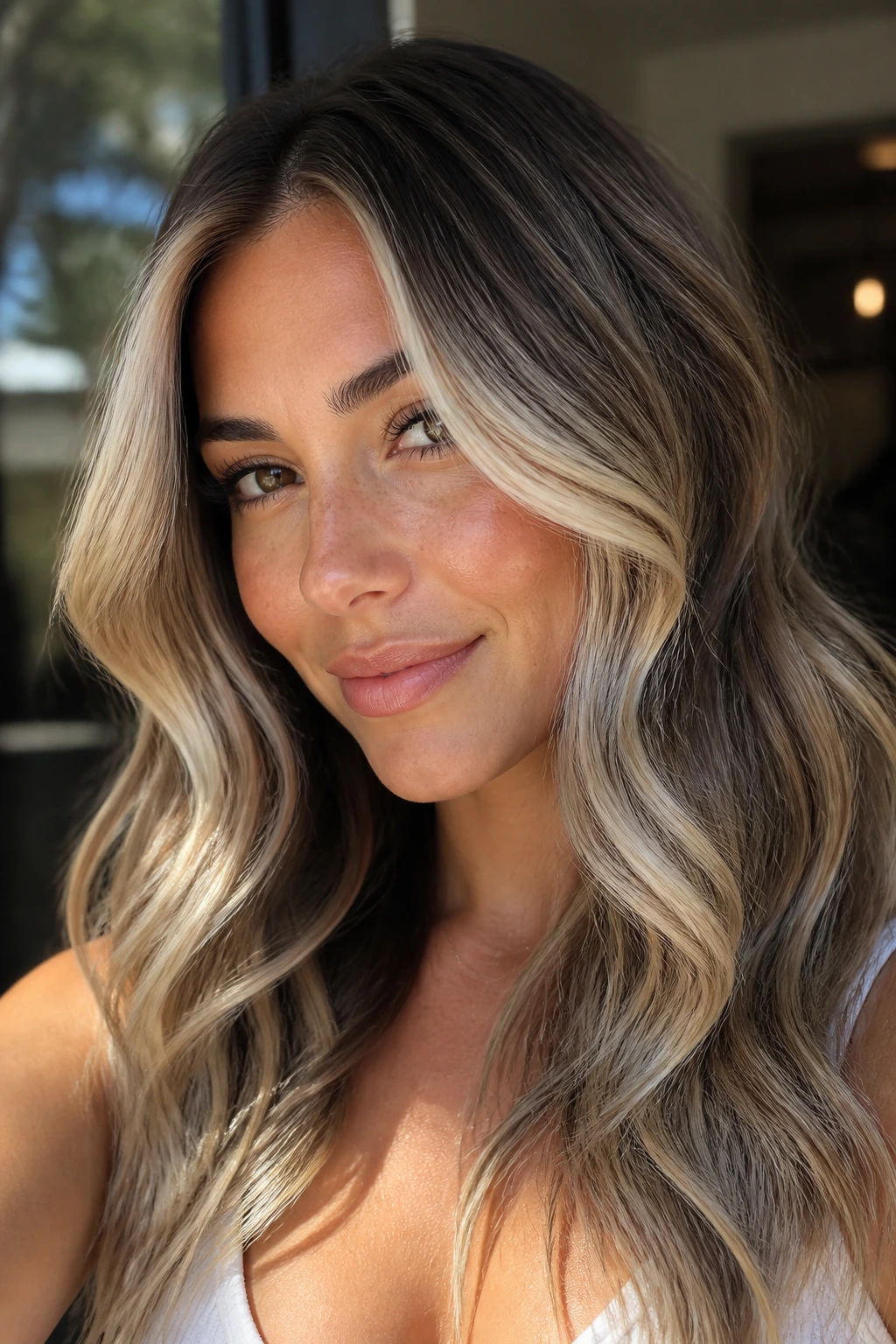
Butter blonde is warm, creamy, and a little nostalgic in the best way. On a lived-in balayage base, it brightens the face while keeping the mids and ends relaxed. The highlight doesn’t need to be icy to feel light. Sometimes a buttery tone reads softer because it reflects light in a fuller way.
This version is especially flattering if the rest of your hair already has ribbons through it. The money piece becomes the bright punctuation mark, not the whole sentence. That balance matters a lot on longer hair, where over-lighting the front can make the lengths feel disconnected.
A soft blowout makes the butter tone glow. So does a loose wave with ends left a little straighter than the top.
16. Chestnut Gloss Money Piece with Micro-Lights
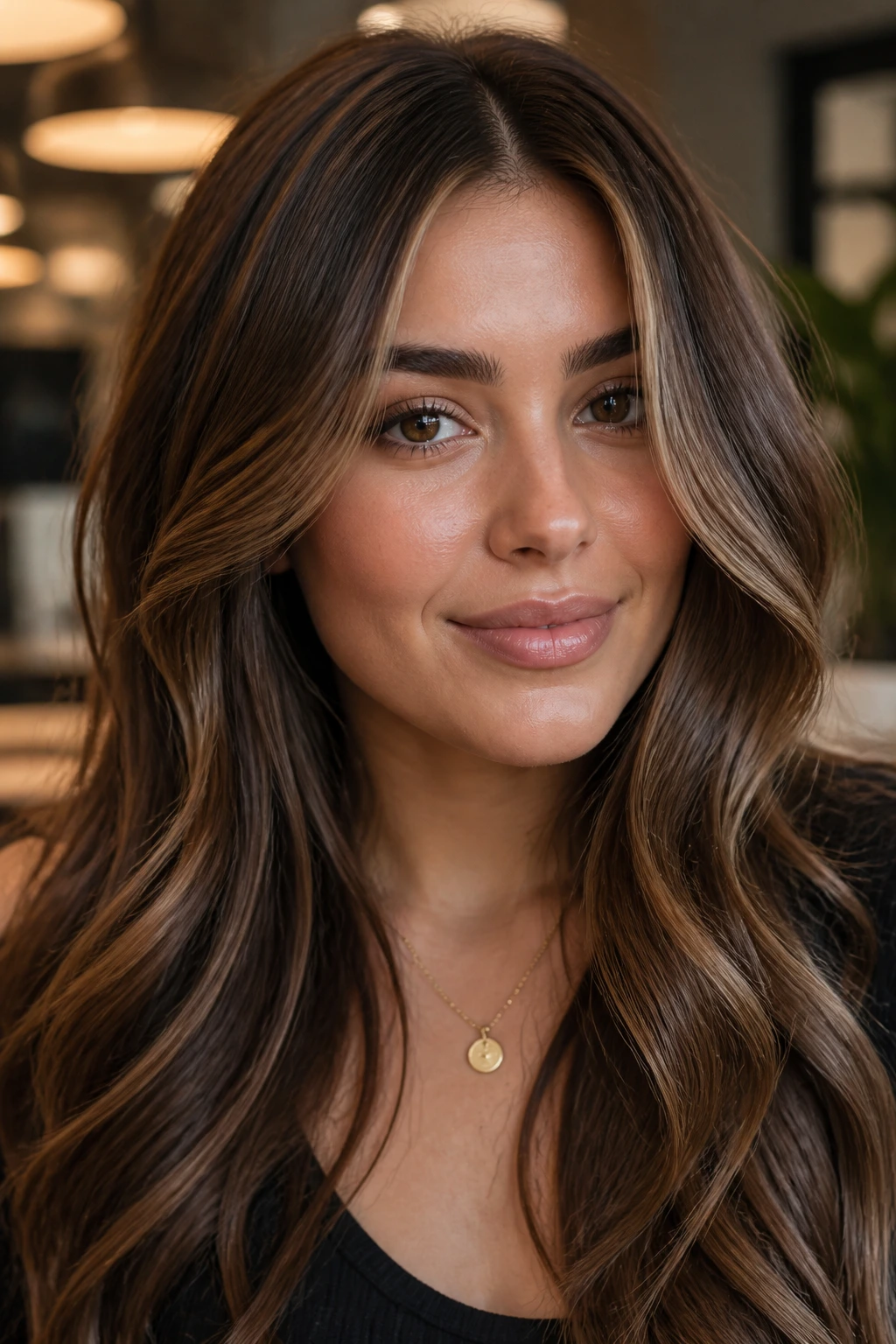
Not every money piece has to be dramatic. Chestnut gloss with micro-lights around the face is for people who want dimension first and brightness second. The front pieces are there, but they don’t announce themselves. They just make the hair look deeper, shinier, and better separated around the cheekbones.
Micro-lights are useful when you want softness around the hairline. Instead of one obvious light strip, you get a few tiny threads of color that catch and release depending on how the hair moves. It’s a subtler approach, but in person it often looks more expensive than the louder version.
If your hair is fine, this can be a very smart choice. Fine hair usually benefits from smaller pieces, because thick front chunks can swallow the cut.
17. Sand Beige Money Piece on Bronde Hair
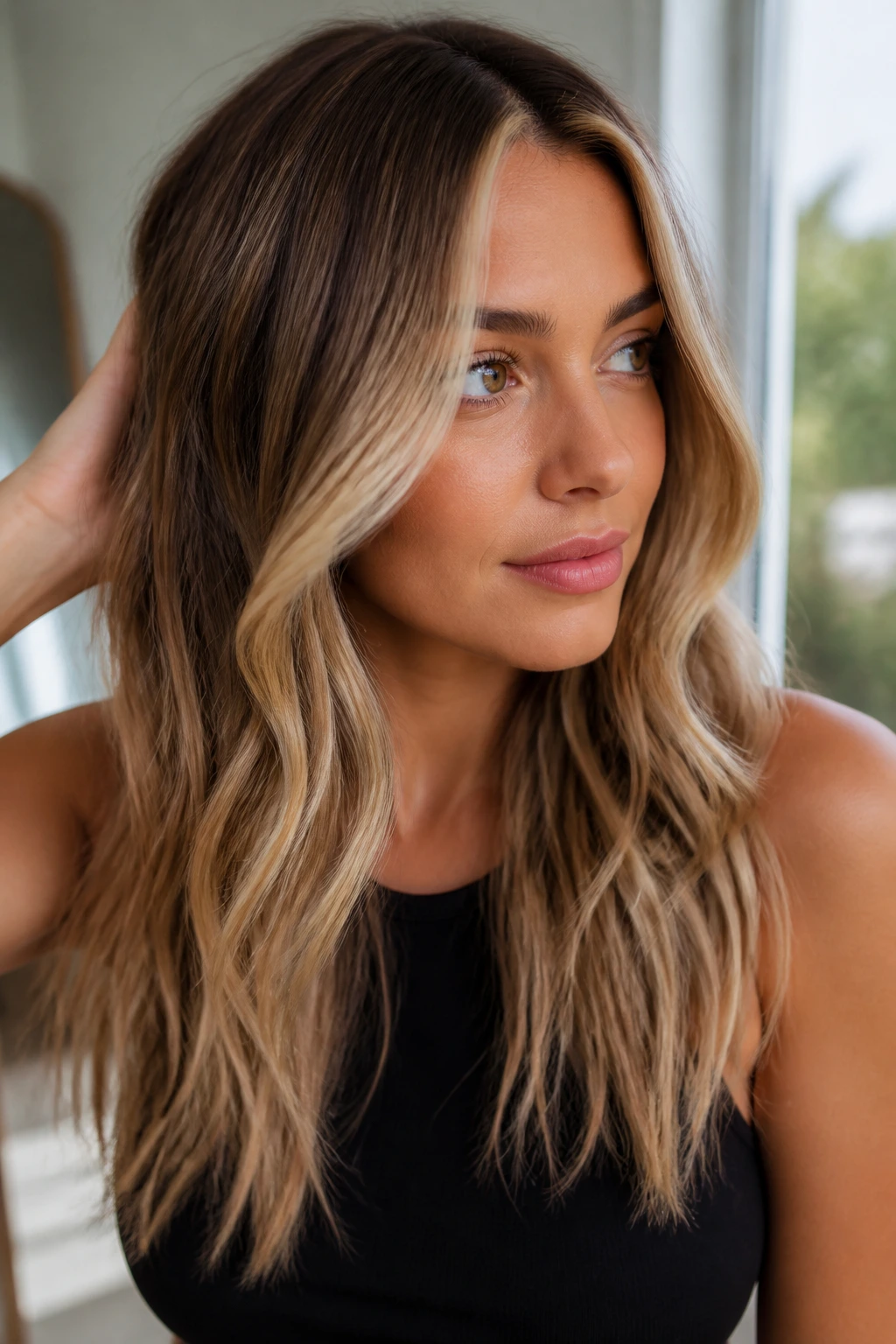
Bronde already lives in that in-between zone, so the front frame has to do something special without breaking the balance. Sand beige works because it brightens while staying tied to both brown and blonde. The color feels airy, but not pale enough to lose the base.
This look is excellent on medium-length layers and curtain fringe. The lighter front pieces open the face, then the bronde mids carry the dimension down through the rest of the hair. It’s the kind of placement that looks casual from far away and carefully planned up close.
If you like soft makeup and neutral clothes, this color slot fits that whole mood without tipping into monotony.
18. Bronze Candlelight Money Piece on Dark Chocolate Hair
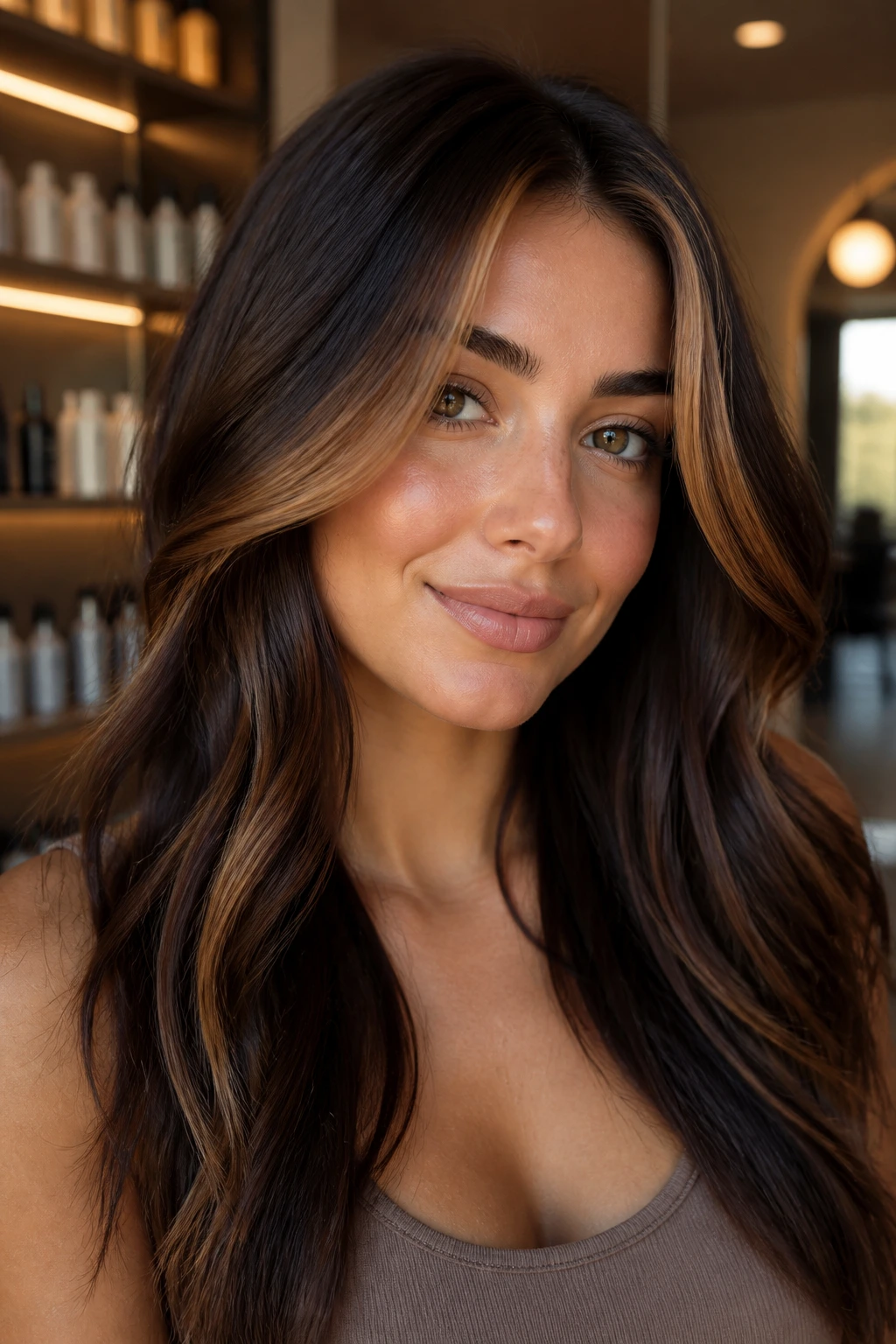
Bronze candlelight is warm, reflective, and a little deeper than caramel. On dark chocolate hair, it gives the front a glow that feels more ember than flame. That makes it a nice option for people who want warmth but don’t want the front to look blonde.
The color is most convincing when the highlight is narrow enough to act like light, not a panel. A few bronzy ribbons at the face and through the first layer can make the whole cut look richer. Too much bronze and the effect gets brassy. Too little and you miss the point.
This one works especially well with a glossy finish. A shine serum on the mids and ends helps the bronze catch light the way it should.
19. Peachy Champagne Money Piece on Warm Blonde
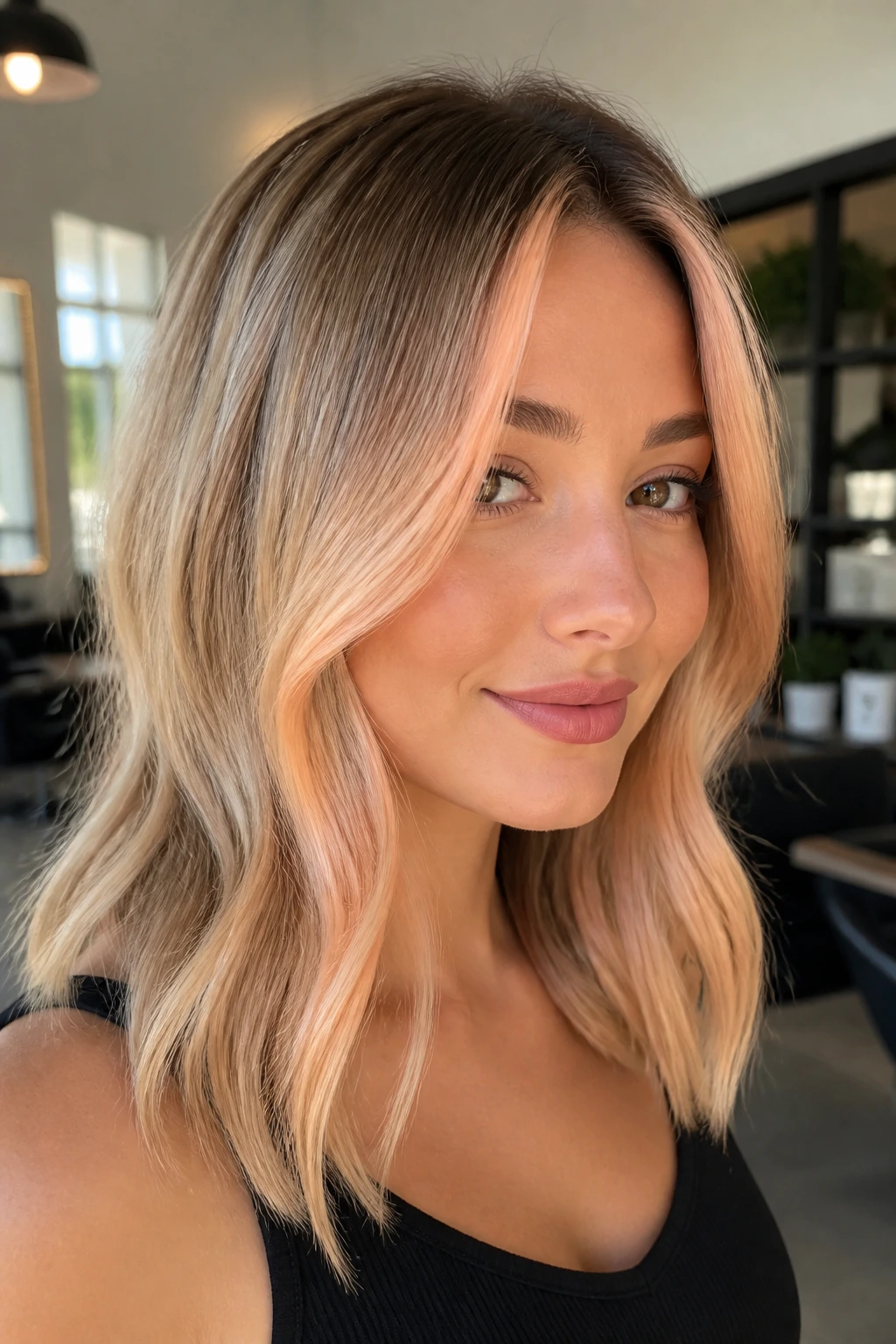
Peachy champagne is the kind of blonde that keeps things cheerful without turning neon. Around the face, it adds warmth, softness, and just enough color to make the skin look a little more awake. On a warm blonde base, the effect is breezy and dimensional.
I like this most on shoulder-skimming cuts with movement through the front. The peach tone shows up in flashes, not slabs, and that gives the hairstyle some life. It also pairs well with a slightly darker root, because the contrast keeps the front from washing out.
If you usually avoid cool blonde tones because they feel flat on you, this is the smarter lane.
20. Rooted Platinum Money Piece on Deep Brunette
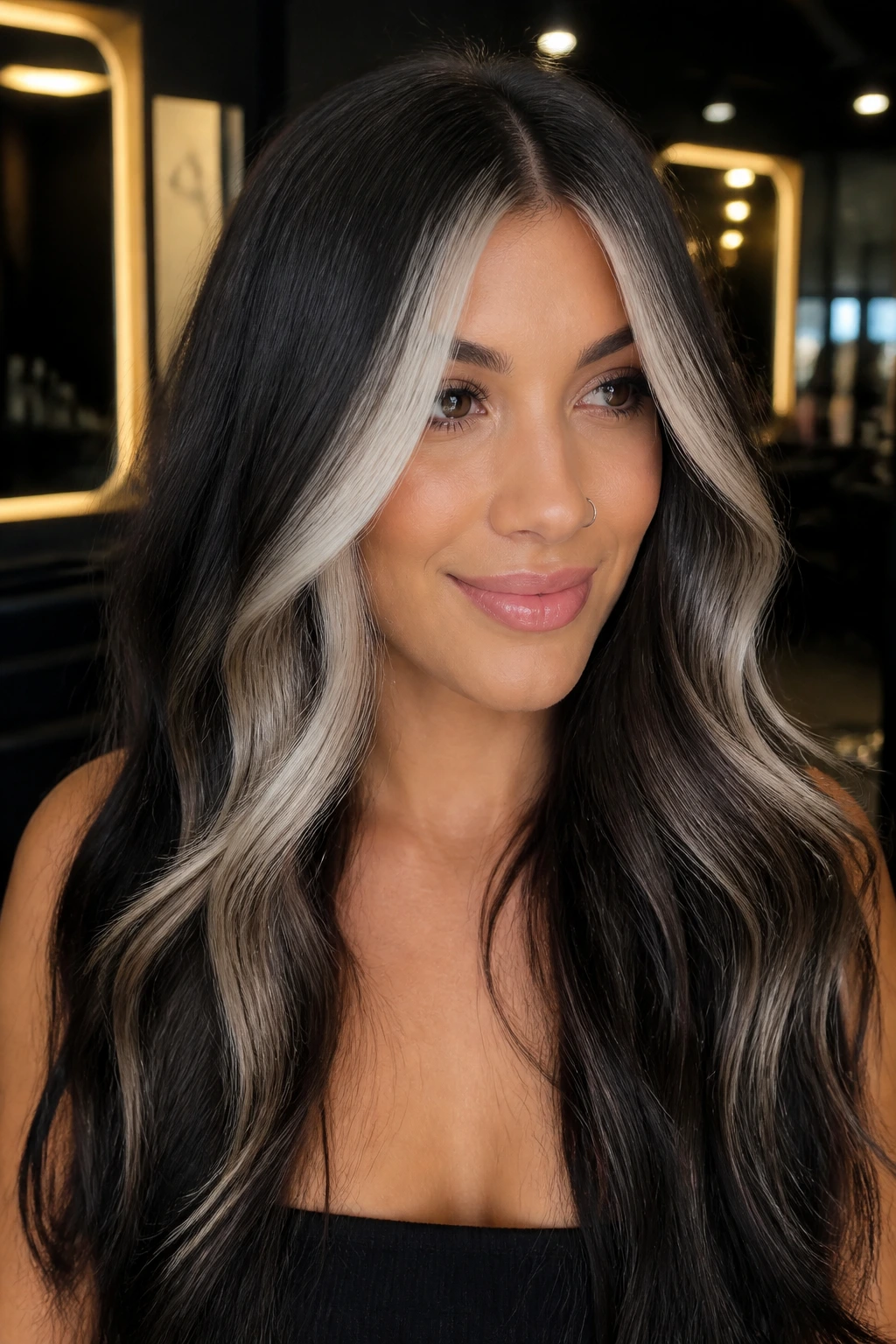
This one is the boldest of the bunch, but it can still look soft if the root stays rooted and the platinum sits only in the front. The darkness underneath keeps the brightness from drifting into stiff, salon-fresh territory. You get impact, yes, but also shape.
The most important part is the transition. A deep brunette root melting into platinum face-framing pieces can look stunning when the line is softened with toner and thoughtful placement. The color should feel like a deliberate highlight, not a disconnected strip.
This is the version for people who want the front of the hair to do the talking. Keep the rest of the hair glossy and calm, and let the platinum carry the drama.
Why Face-Framing Light Changes the Whole Haircut
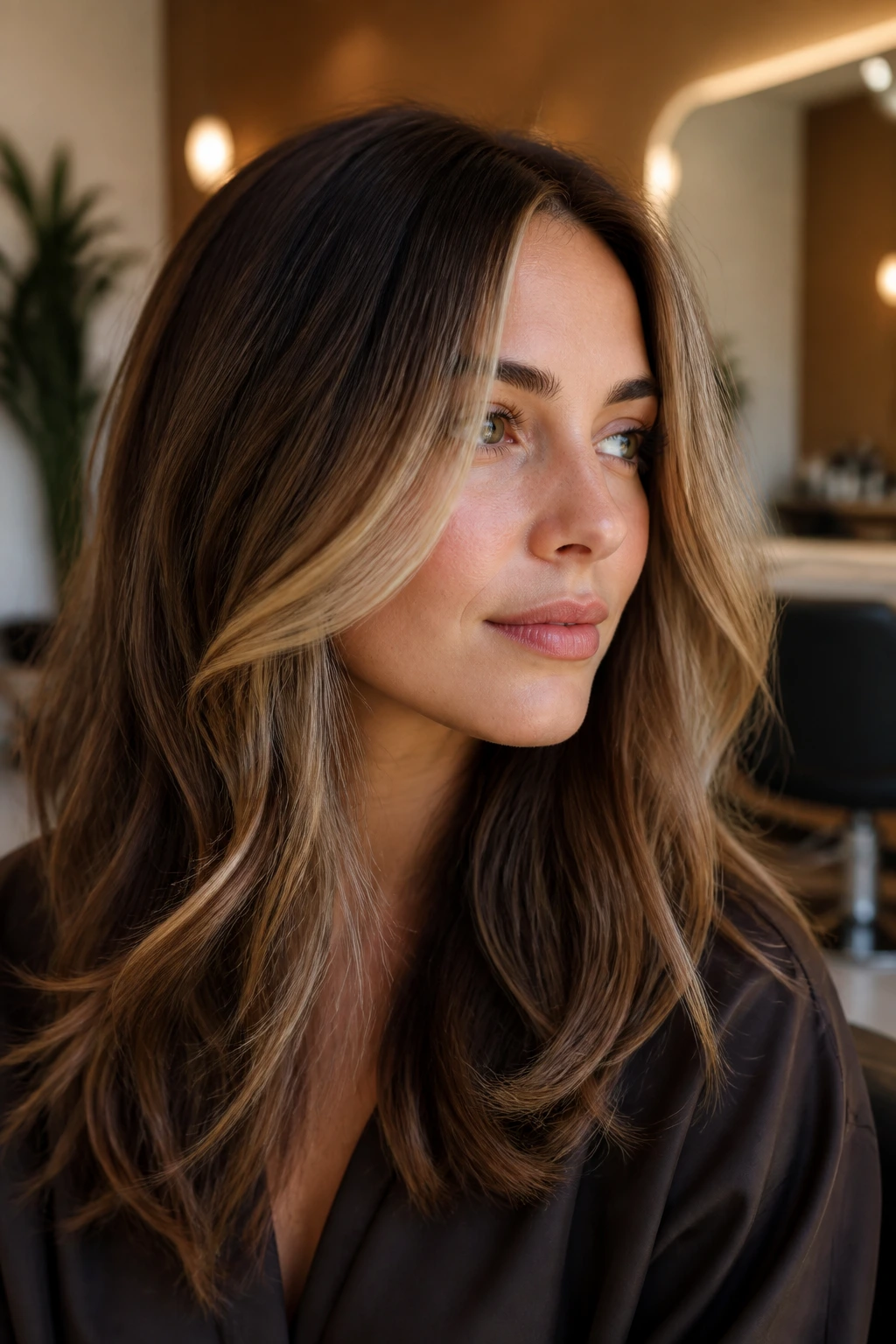
Money piece highlights work because the eye reads faces first. Haircolor around the temples, cheekbones, and part line has a bigger visual job than color hidden under layers. That means a small amount of brightness can do more than a full-head set of highlights ever could, especially if the haircut already has movement in the front.
The best face-framing pieces don’t sit in a vacuum. They sit beside root depth, underlayers, and the natural fall of the hair. That’s why a brunette with caramel ribbons can look softer than a blonde with chunky pale streaks. It isn’t only about level. It’s about where the light lands and what it sits next to.
There’s also a practical side. A good money piece grows out with a little grace because the root is part of the design. You still need upkeep, but the line is usually less fussy than a full block of light at the front. That’s a nice tradeoff when you want dimension without feeling chained to the salon chair.
Essential Tools for These Looks
- Reference photos: Bring 3-5 photos that show the front hairline, not just the back. The money piece lives at the face, so that’s the part your stylist needs to see.
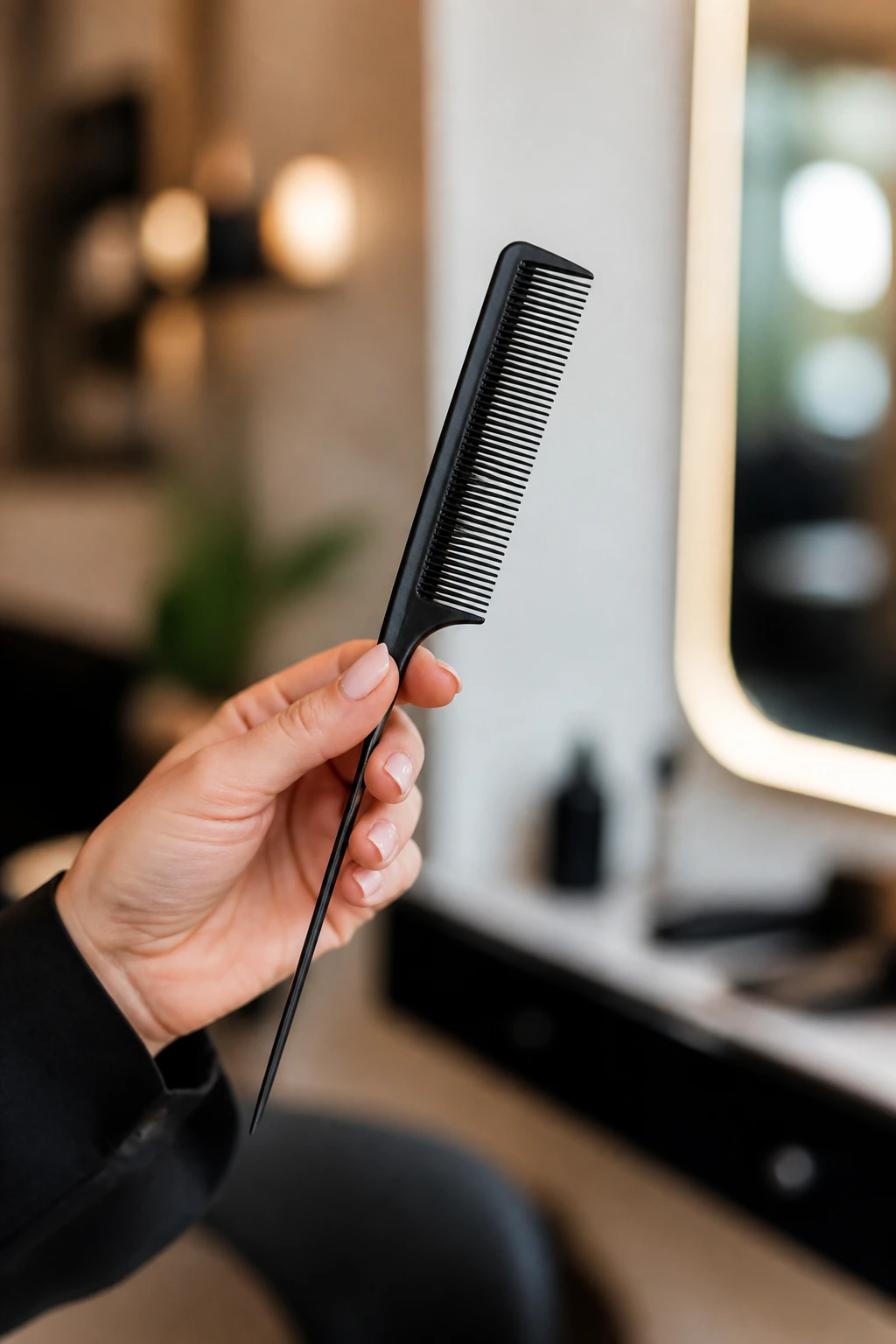
- Fine-tooth tail comb: Useful for parting and for checking how wide the front section really is before anyone mixes color.
- Clips: Sectioning clips keep the front pieces clean while styling or toning.
- Heat protectant spray: Non-negotiable if you blow-dry or curl the front often; those lighter pieces show damage first.
- Color-safe shampoo and conditioner: Helps keep toner and gloss from rinsing out too fast.
- Purple shampoo or blue shampoo: Pick the one that matches your tone family; purple for blondes, blue for brunettes with brass.
- Round brush or 1-inch curling iron: Soft bends and blown-out movement make dimensional color show up better than stiff straightening.
- Lightweight shine serum: A small amount on the mids and ends gives the money piece a cleaner finish without flattening it.
- Microfiber towel or soft cotton tee: Less friction means less frizz around the face frame, which matters more than people think.
Smart Booking and Shade-Selection Tips
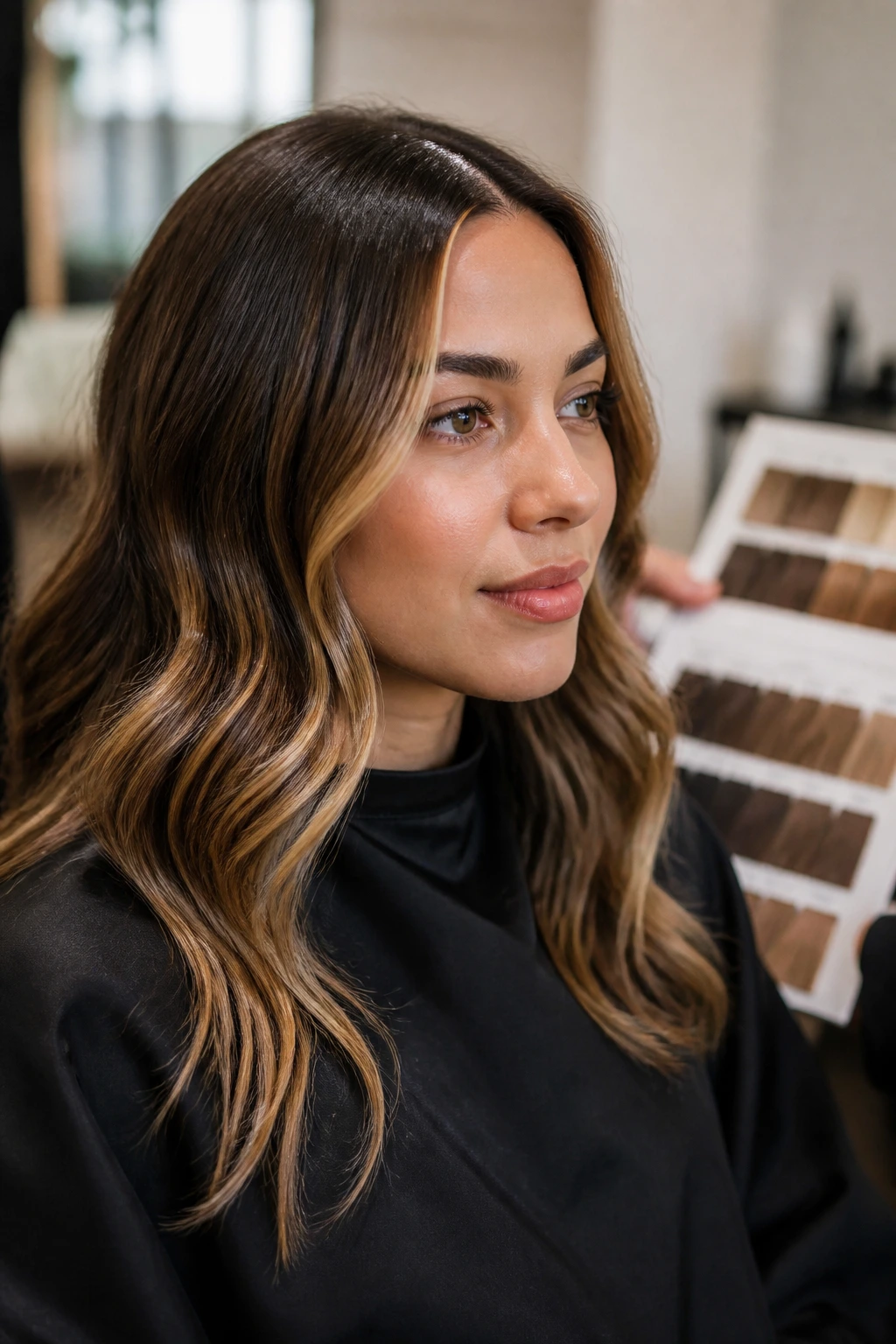
Start with the base color, not the inspiration photo. That’s where a lot of people get tripped up. A caramel money piece on a chocolate brunette and a caramel money piece on a dark blonde are not the same project. One needs warmth and blend. The other may need depth first, then brightness.
Bring a photo that shows the front in daylight if you can. Screen brightness lies. Salon lighting lies even harder. What your eye wants is a picture of the actual placement: how wide the money piece is, where it starts, whether the root is soft, and whether the front color is one tone or a small mix of tones.
Ask for the tone family, not just the shade name. “Beige,” “caramel,” “smoky,” “pearl,” “champagne,” and “copper” tell a colorist more than “blonde” ever will. If your hair pulls yellow, orange, or red, say that too. A good formula needs to know what the hair is likely to do once it lifts.
One more thing. Tell your stylist whether you wear your hair curly, waved, or straight most often. The same placement can look huge on one texture and nearly invisible on another.
How to Style Money Piece Highlights So They Read Soft
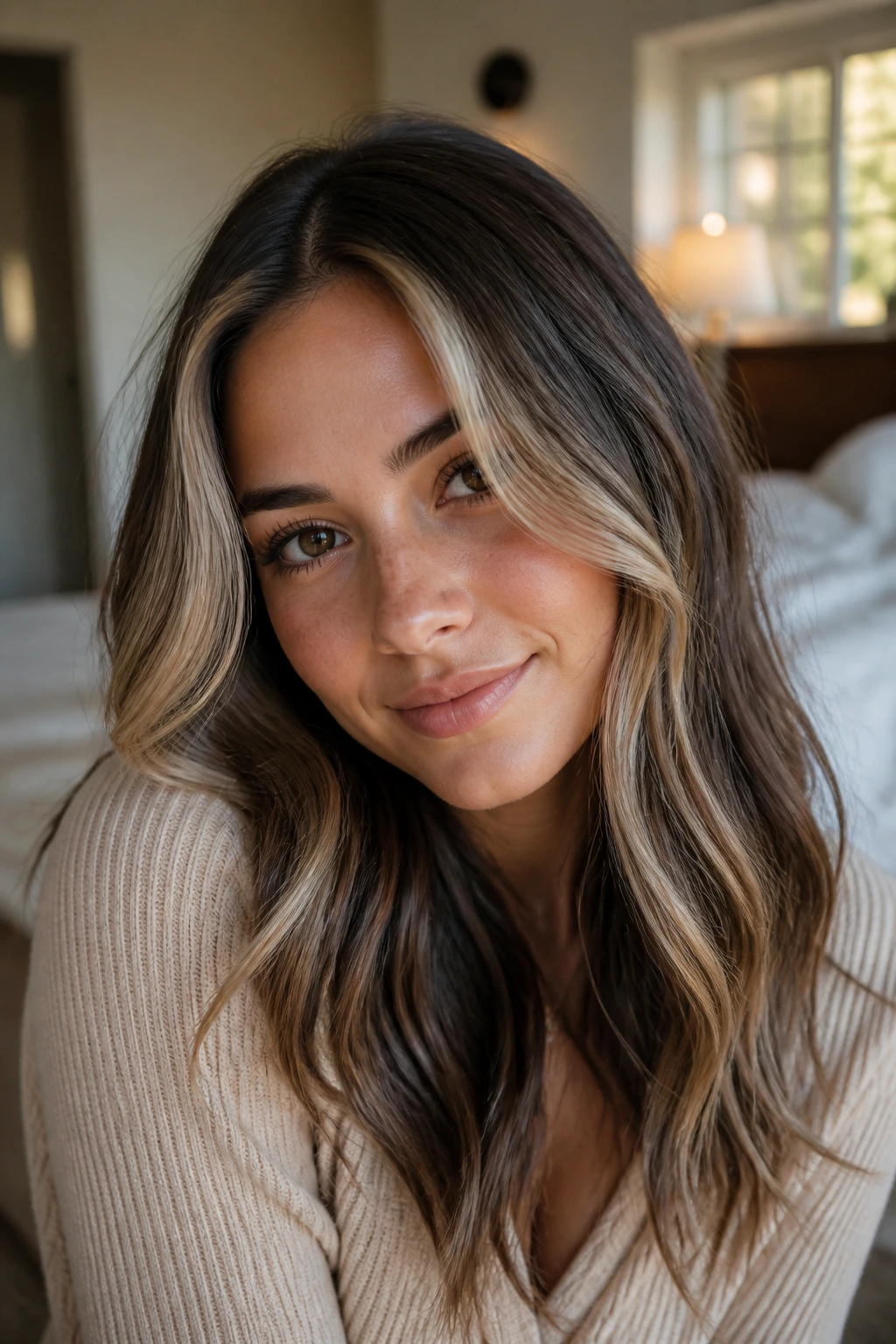
Parting: A middle part keeps face-framing highlights symmetrical and modern, while a soft side part gives them a more swept, romantic shape. If your money piece is on the narrower side, a slight off-center part often shows it off better than a hard middle.
Texture: Loose bends are the sweet spot. They break up the brightness and make the front pieces look woven into the cut, not painted on top of it. Straight hair can work too, but it tends to show every line, so the blend has to be cleaner.
Finish: Keep shine focused on the mids and ends. Too much oil at the root can make the lighter front pieces look stringy, especially if your hair is fine. A lightweight serum or gloss spray is enough.
Makeup Pairing: Warm money pieces usually like peach blush, bronze eyes, or soft terracotta lips. Cooler blonde and beige frames tend to look cleaner with rosy skin tones and a neutral lip. You do not need to match everything. Just keep the face frame and your makeup from fighting.
Extra Gloss, Tone, and Dimension Tips
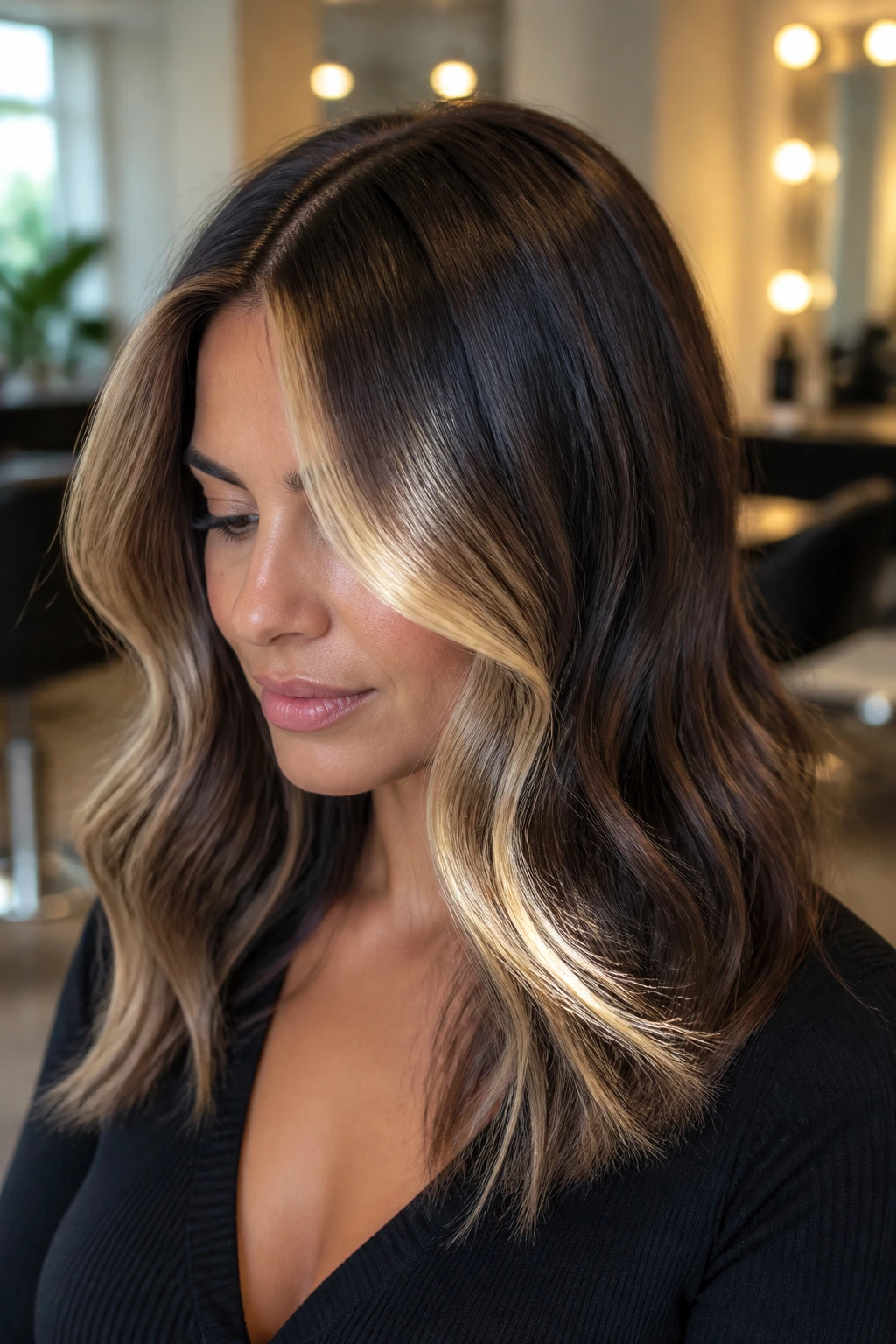
Gloss Boost: A clear or tinted gloss every 4-6 weeks keeps the front from going dull, especially if you live in a hard-water area or style with heat often. Gloss is the difference between “fresh color” and “why does this look dusty already?”
Customization: If you want softer contrast, ask for baby lights under the money piece rather than one thick front strip. If you want more punch, widen the face frame by a half-inch on each side and keep the mids deeper. That tiny shift changes the whole mood.
Root Softening: A shadow root isn’t there to hide color. It’s there to make the front piece look brighter by comparison. Even a soft root in the first half-inch can keep light pieces from looking pasted on.
Make-It-Yours: For warm skin tones, caramel, copper, honey, and bronze usually read naturally. For cool skin tones, beige, pearl, mushroom, and smoky taupe tend to sit better. If you’re neutral, you can lean either way, but I’d still keep one family dominant instead of mixing everything at once.
Maintenance, Fading, and Touch-Up Timing
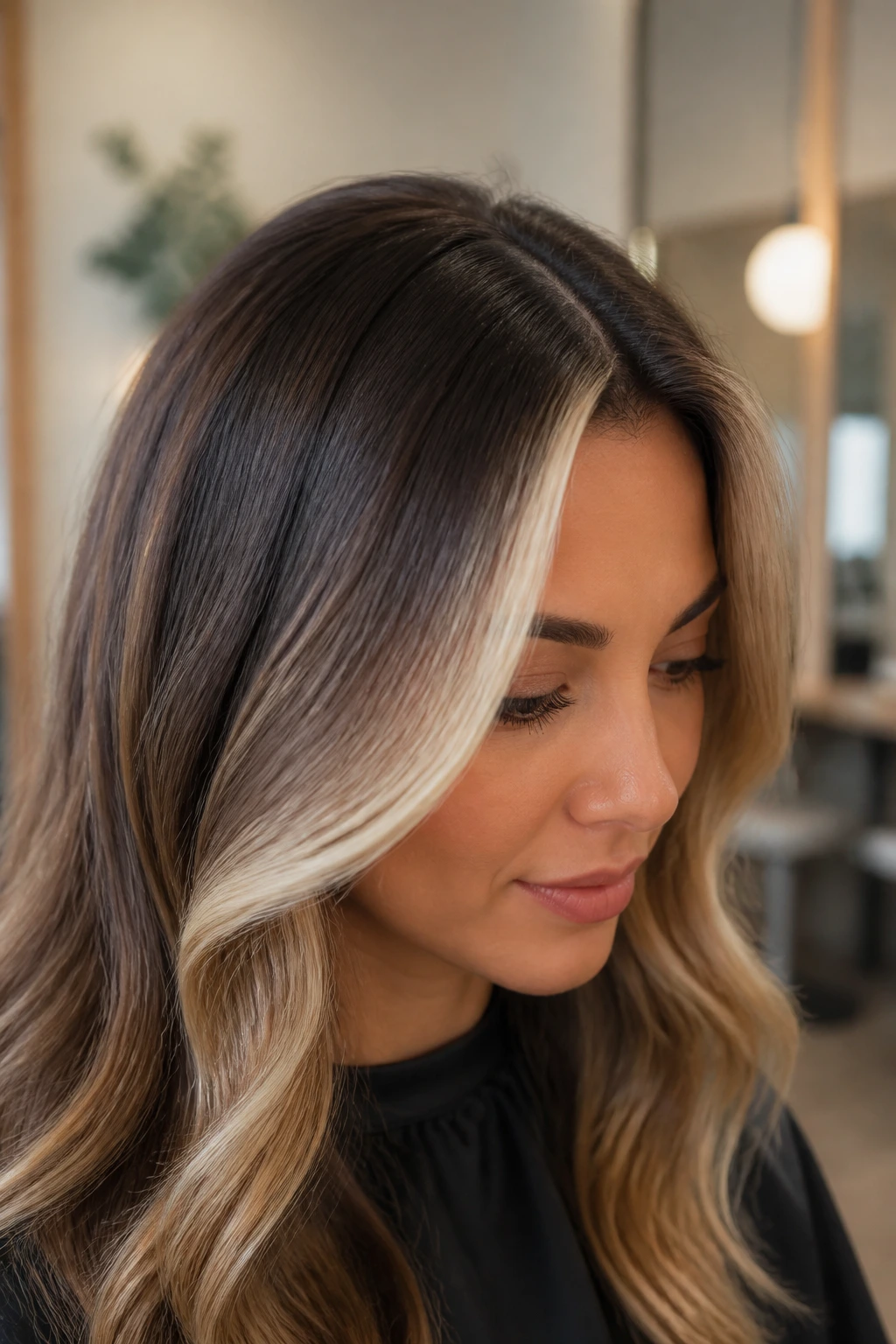
Money piece highlights usually need more care at the front than the rest of the head, because that’s where washing, heat, and sun hit first. If your look leans blonde, a purple shampoo once a week is enough for most people. Overdoing it can make cream tones look flat and a little chalky. Brunette and copper versions usually do better with blue shampoo every 10-14 days, not every wash.
A gloss or toner refresh every 4-8 weeks keeps the face frame from wandering into brass, gold, or dull ash. The tighter the contrast, the more often you’ll want a tune-up. A rooted brunette with caramel pieces can stretch longer. A rooted platinum frame will ask for more attention.
If you heat-style often, use a protectant every single time. Those front pieces are the first to feel dry, and the first to show it. A weekly mask on the mids and ends helps, but don’t overload the front with heavy oils or butters. That’s a fast way to make bright pieces look limp.
For grow-out, plan a partial refresh every 8-12 weeks for softer looks and 6-8 weeks for brighter ones. That timing keeps the front flattering instead of fuzzy.
Variations and Adaptations to Try
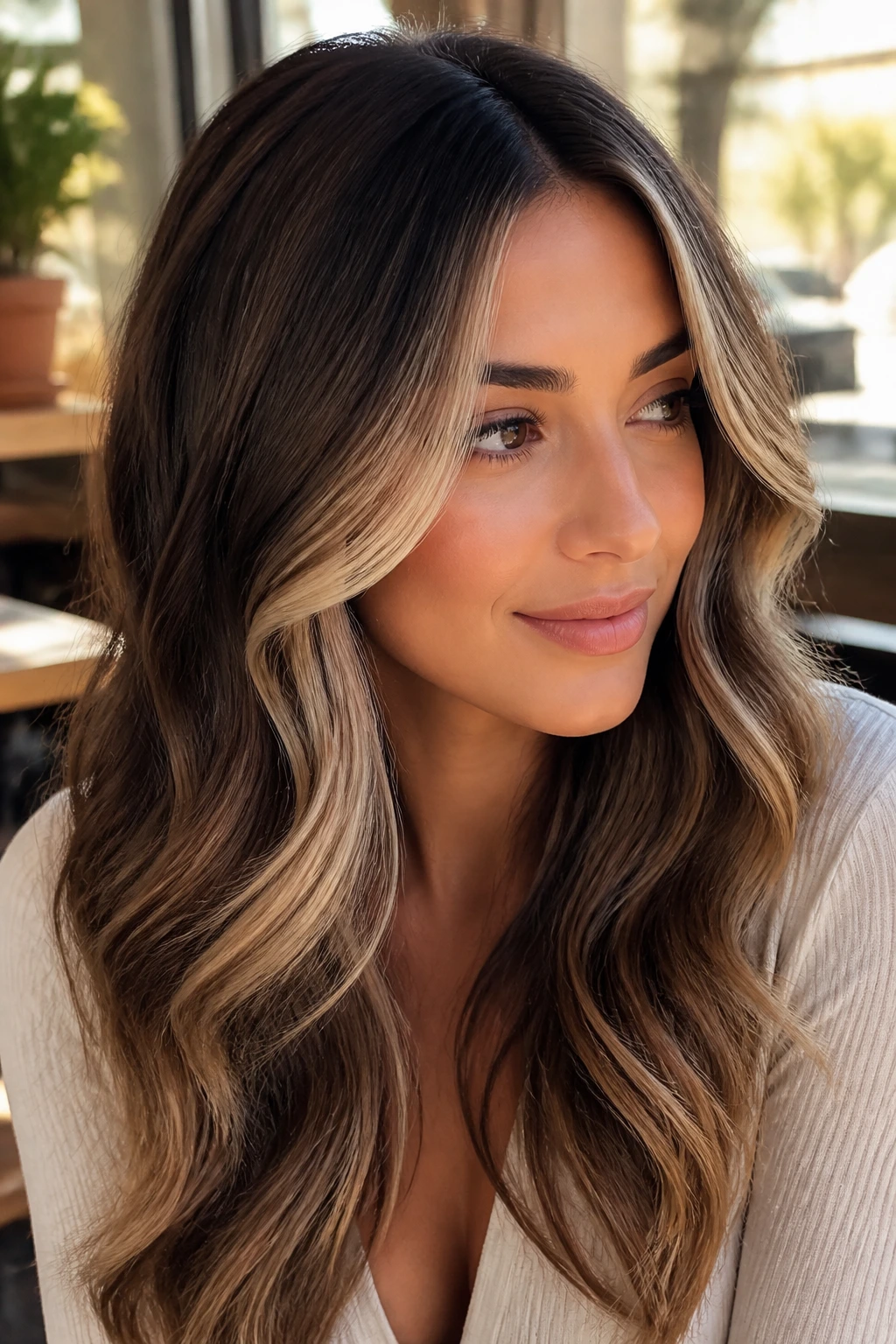
The Micro Money Piece: Tiny, fine front pieces that sit just inside the hairline. This version is best if you want a whisper of brightness and hate obvious regrowth. It’s also a good fit for fine hair, because the smaller section won’t swallow the cut.
The Thick Frame: A wider front section that starts a bit deeper at the part and sweeps down beside the face. This one gives more impact and works well on layered cuts where you want the front to be the main event.
The Rooted Melt: Bright front pieces with a deeper root and a soft transition into the mids. This is the most forgiving version if you want contrast but don’t want to be back in the chair every few weeks.
The Warm Glow Swap: Caramel, honey, copper, or bronze tones replacing any cooler blonde family. Choose this if your skin looks better with warmth or your hair tends to hold ash tones a little too hard.
The Cool Smoke Swap: Beige, pearl, mushroom, or taupe tones instead of gold or copper. This works well on brunettes and dark blondes who want brightness without brass.
Common Mistakes to Avoid
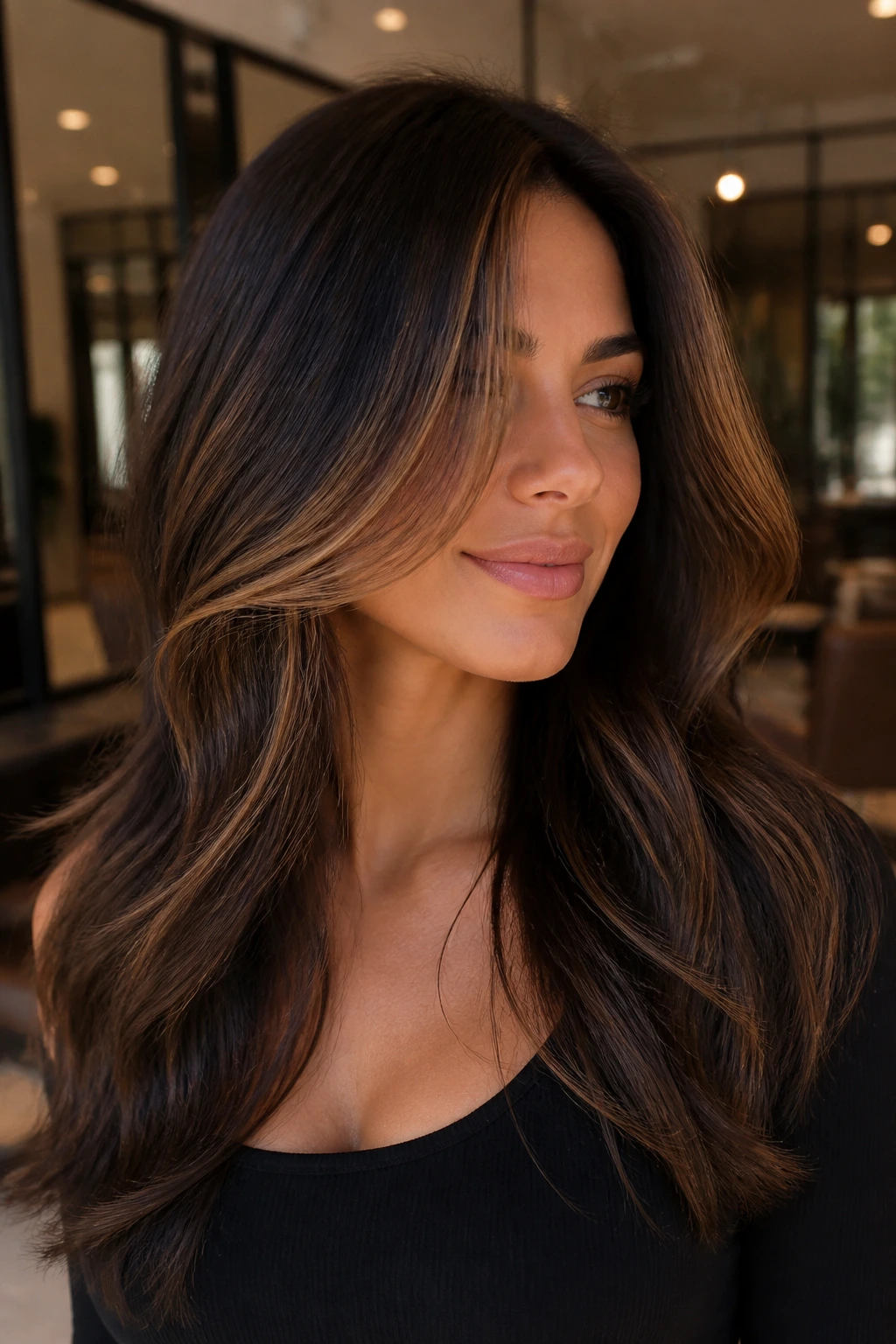
- Making the front too wide: A money piece that takes over half the front panel can look harsh, especially on finer hair. Ask for face-framing sections that follow the hairline instead of chunking out a block.
- Going too light too fast: If the front is lifted several levels past the mids, the contrast can look disconnected. A softer lift with a good toner usually reads richer.
- Ignoring undertones: Beige on orange hair can go muddy. Copper on yellow hair can go neon. Start with the base’s natural warmth or coolness, then choose the front tone to match or gently counter it.
- Skipping the gloss: Freshly lightened front pieces without toner often look raw. A gloss smooths the tone and helps the highlights sit with the rest of the hair.
- Styling only one way: These looks usually show best when the hair has movement. If you always wear it pin-straight, ask for a cleaner blend. If you always curl it, the placement can be a little more textured.
Frequently Asked Questions
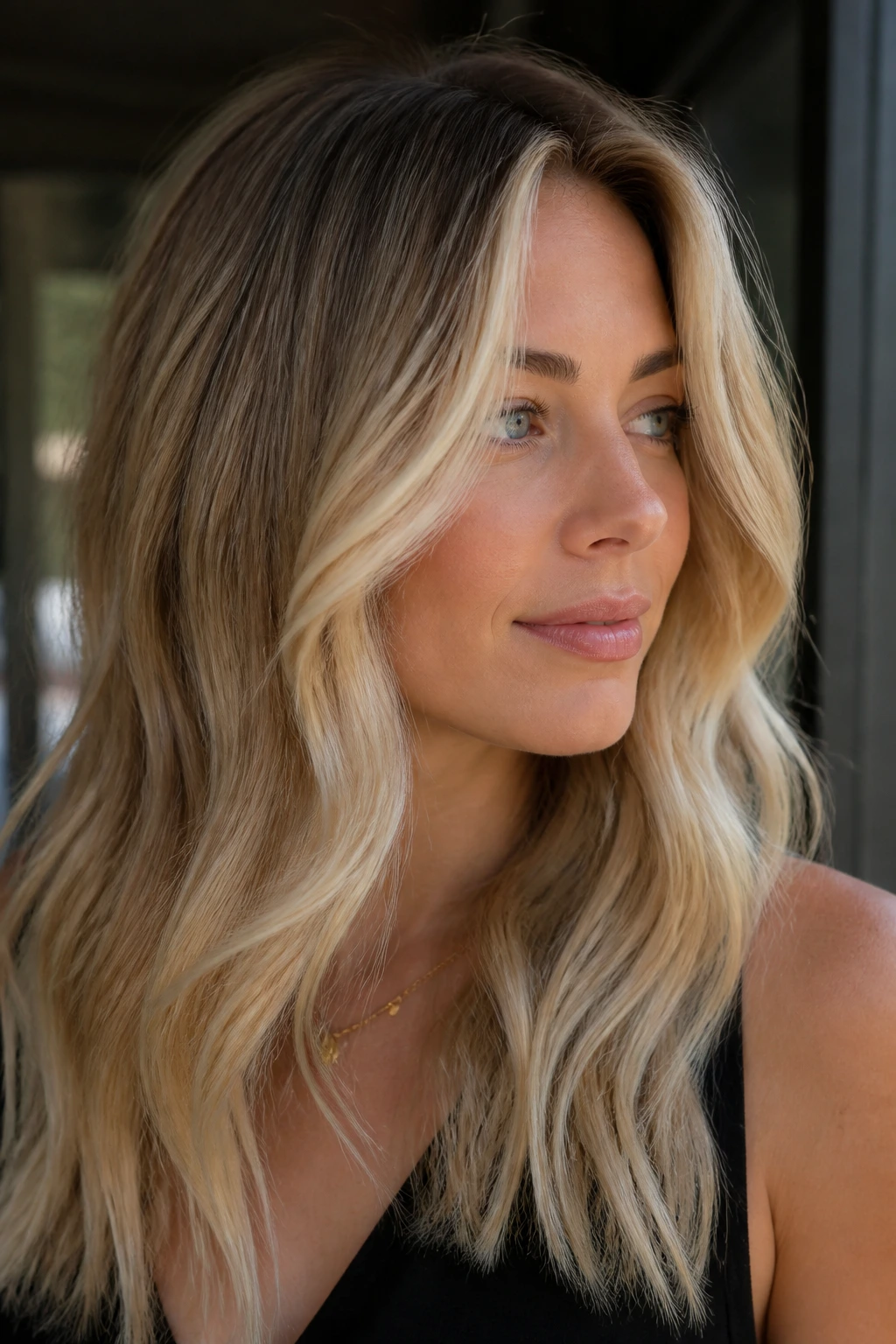
What exactly are money piece highlights?
They’re face-framing highlights placed around the front hairline, usually near the part, temples, and cheekbone area. The idea is to brighten the face without changing the whole head of hair.
How do I ask for soft, dimensional money piece highlights instead of chunky streaks?
Tell your colorist you want a blended face frame with a soft root, not a thick front panel. Words like beige, caramel, smoky, pearl, or champagne help, depending on the tone you want.
Do money piece highlights work on dark hair?
Yes, and they can look stunning on dark brown or black hair when the contrast is controlled. The trick is choosing a tone that feels connected to the base, like caramel, mocha, bronze, or smoky beige, rather than jumping straight to pale blonde.
Are they high-maintenance?
Less than a full-head brightening service, but they still need upkeep at the front. Most people do well with a gloss every 4-8 weeks and a partial refresh around 8-12 weeks, depending on how light the pieces are.
Can you do a money piece without bleach?
Sometimes, if you’re only shifting a little lighter or working with a rich glaze. Once you want noticeable lift on darker hair, lightener is usually part of the conversation.
What if the front turns brassy?
Use the right toning shampoo for your color family and book a gloss refresh. Purple helps blondes, blue helps brunettes with orange warmth, and copper tones usually need a pigment refresh rather than a toning shampoo.
Will money piece highlights work with curly hair?
Yes, and they can look especially good because the color catches on each curl. The placement should follow the way your curls fall dry, not just the sectioning pattern used when the hair is wet.
Can I keep my natural root and still get a money piece?
Absolutely. In fact, a soft root usually makes the front look brighter. The root depth is part of what keeps the color dimensional rather than flat.
The Face-Frame That Does the Most
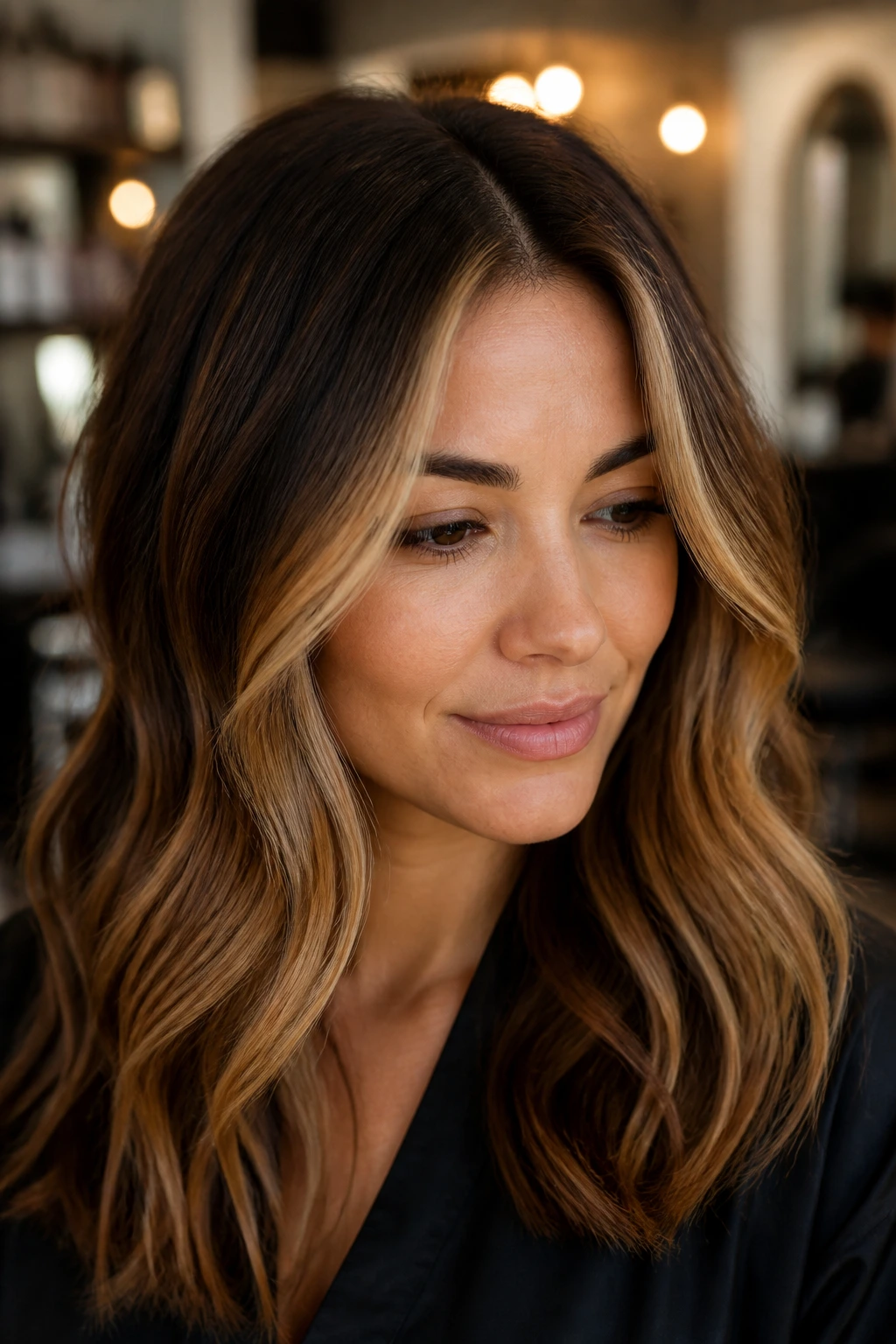
Money piece highlights earn their keep because they do one job extremely well: they put the light where it changes the whole haircut. You don’t need a huge color overhaul to get that effect. You need the right tone, the right width, and a little depth left in the rest of the hair.
What I love most is the range. A money piece can whisper or it can sing. Caramel, champagne, copper, mushroom, pearl, bronze — all of them shift the mood in a different direction, and none of them need to look stiff if the placement is thoughtful.
Bring a photo that shows the front, ask for a tone family instead of a vague blonde request, and keep the root soft. That’s where the good versions live, and the next time you’re ready for a color change, the front half-inch around your face might be the smartest place to start.
