



Retro haircuts have one job: make hair look finished before you’ve even touched a hot tool. A blunt bob that skims the jaw, a pageboy that folds under at the ends, a feathered cut that swings when you turn your head — those shapes do the heavy lifting that a flat iron and a can of spray often try to fake.
The polished part matters. A lot. Without it, old-school cuts can slip into costume territory fast: too much volume at the crown, too much flick at the ends, too much teasing, too much “I’m wearing a theme.” The sweet spot is cleaner than that. You want a silhouette with intention, a line that reads from across the room, and a finish that still looks touchable up close.
What makes retro haircuts so useful is how direct they are. They rely on outline, fringe, and weight placement, not chaos. That’s why a good vintage haircut can make fine hair look fuller, thick hair look better behaved, and curly hair look shaped instead of haloed. The right cut gives you polish before the styling cream even comes out of the drawer.
Why These Cuts Feel So Put-Together
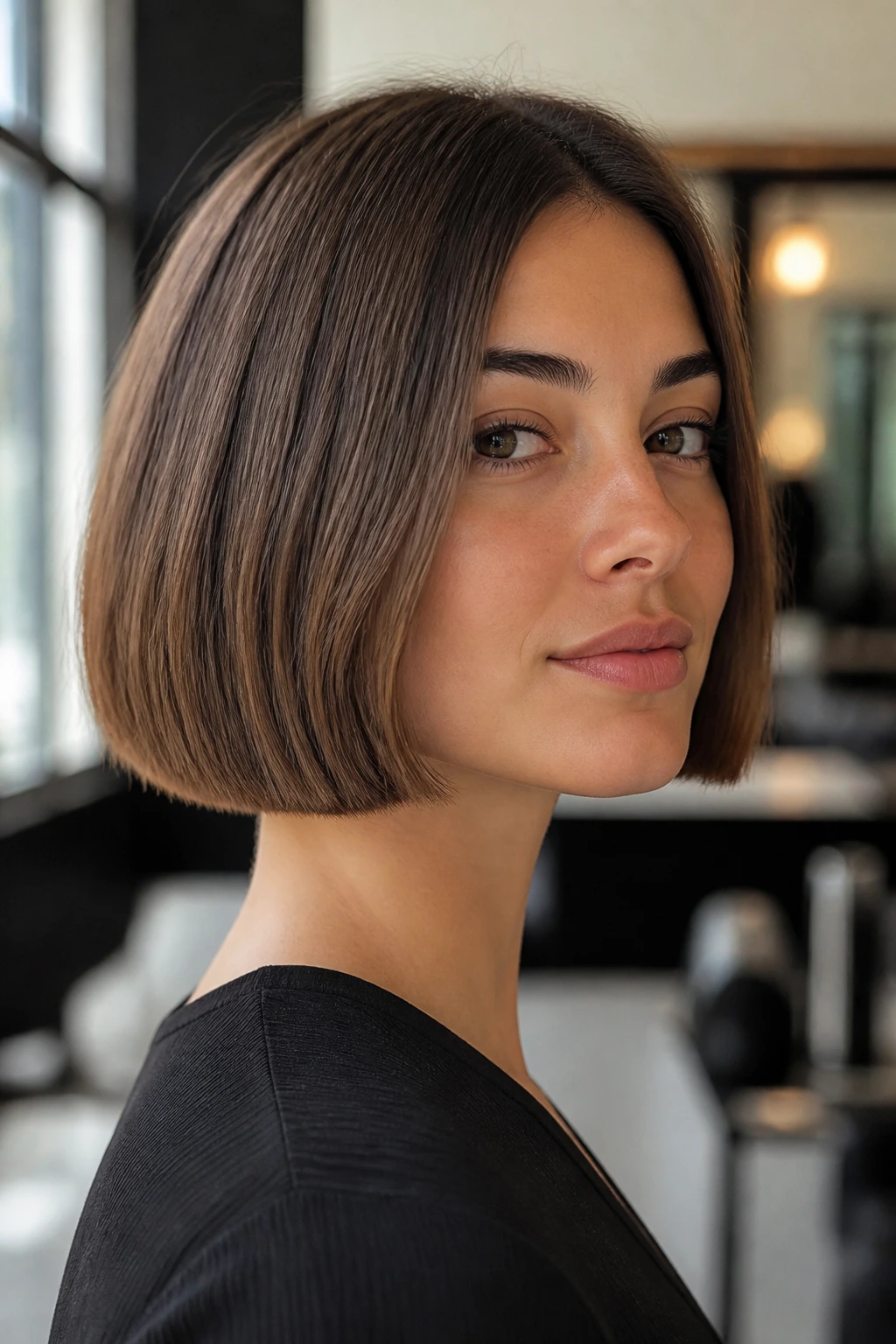
- Shape does the work: A strong perimeter — blunt, curved, stacked, or beveled — gives the haircut its polish before you add product or heat.
- The ends matter more than the length: A bob that turns under at the chin reads cleaner than a longer cut with ragged ends.
- Fringe changes the whole mood: A micro fringe, curtain fringe, or side-swept bang can push the cut toward 20s, 60s, or 70s without adding extra length.
- These cuts reward simple styling: A round brush, a blow-dryer nozzle, and a little tension are often enough. No elaborate routine required.
- They age well between appointments: A sharp line or well-placed layer can still look intentional while it’s growing out, which is half the appeal.
- They suit real hair, not just photos: When the weight is placed correctly, these cuts hold up on day two, not just the minute you leave the salon.
1. French Bob With a Clean Jawline
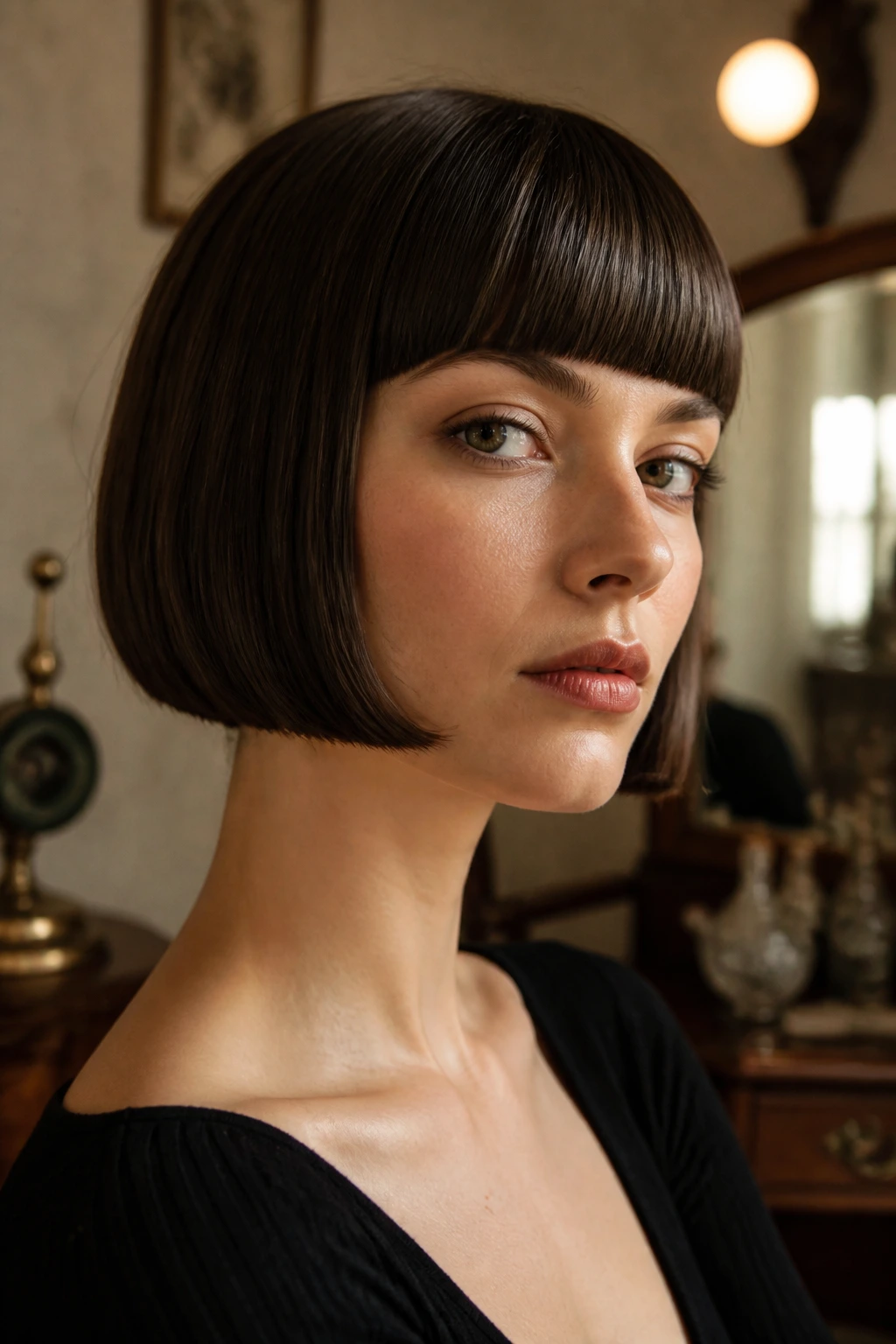
A French bob sits at that sweet little spot right around the jaw, sometimes a touch shorter, sometimes brushing the chin if the hair needs a bit more room to move. The charm is in the line. It looks neat without being stiff, especially when the ends are blunt enough to catch the light and the fringe is soft rather than helmet-like.
Why the line matters
A French bob depends on precision. If the cut lands too low, it loses the bite that makes it feel chic. Too high, and it can suddenly look severe unless your features can carry a shorter edge. The best versions skim the jaw, tuck in slightly under the chin, and leave enough width through the temples so the whole thing feels balanced.
This is one of those cuts that makes straight or slightly wavy hair look expensive with very little fuss. A quick blow-dry with a small round brush and a dab of smoothing cream usually does more than enough. If your hair is finer, keep the length a fraction below the chin. That tiny bit of extra length stops the ends from looking too airy.
- Best for: Fine to medium hair, oval and heart-shaped faces
- Length sweet spot: Chin to just below the jaw
- Styling note: A side part softens the line fast
- Maintenance: Trim every 5 to 7 weeks if you want the shape to stay crisp
Pro tip: Ask for the ends to be cut blunt, then softened only at the very edge. That tiny distinction keeps the bob polished instead of choppy.
2. Pageboy Cut With a Rounded Undercurve
The pageboy has a very specific kind of discipline. The ends curve inward, the outline stays smooth, and the whole cut hugs the head with a tidy, almost tailored feel. It’s the kind of haircut that looks calm even when you’re in a hurry.
Most people think pageboys are old-fashioned in the wrong way, but the modern version is cleaner and less helmeted. The key is a rounded undercurve, not a heavy, fixed shape. You want the ends to bend under just enough to show the line of the haircut, especially around the cheek and the nape. If the hair is cut with too much weight at the bottom, the shape gets bulky fast.
This one loves straight hair and can also tame thick hair that wants to puff out. A flat brush and a blow-dryer nozzle are usually enough to set the bend. If the hair has a stubborn cowlick at the crown, don’t fight it with too much product. A little root tension while drying is better than a full bottle of mousse.
What gives it that polished feel
The pageboy’s polish comes from restraint. No wild layers. No broken outline. No random flips. It’s all about one smooth curve and a neckline that lands neatly, which is why it looks so deliberate in a bob-length cut.
3. Italian Bob With Soft Crown Lift
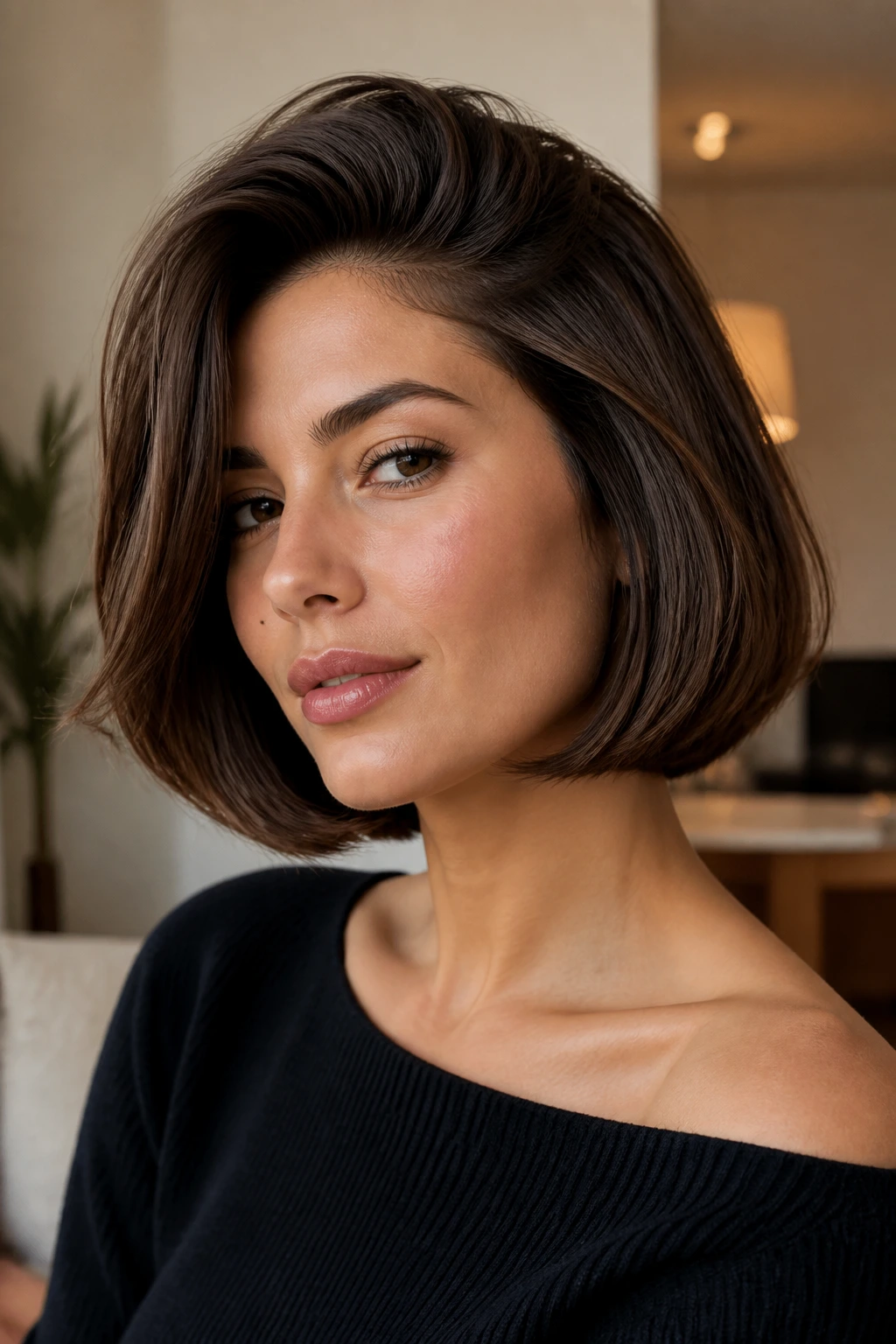
Why does the Italian bob keep showing up on people who always look composed? Because it gives you volume where you want it — the crown and sides — without turning the ends into a puffball. The cut usually sits around the jaw or just below it, with enough internal shape to keep the body soft and airy.
A deep side part is the secret ingredient here. It shifts the weight, lifts the roots, and makes the cut look fuller without forcing it into a fixed shape. The best versions also have a slight bevel at the ends, so the hair curves under just a little instead of hanging dead straight.
This is a strong choice for medium to thick hair, especially if your hair tends to fall flat on top but keeps too much width at the sides. A big round brush, a medium heat setting, and a quick cool shot at the roots usually do the trick. The result should feel controlled, not shellacked.
How to style it
- Use a mousse at the roots before blow-drying if your hair collapses easily.
- Aim the nozzle downward on the top sections to keep frizz down.
- Wrap the front pieces over a round brush for a soft bend, not a hard curl.
- Finish with a light shine spray rather than a heavy serum.
The Italian bob reads polished because it never looks overworked. That’s the whole point.
4. Flipped-Out Lob With Barbered Ends
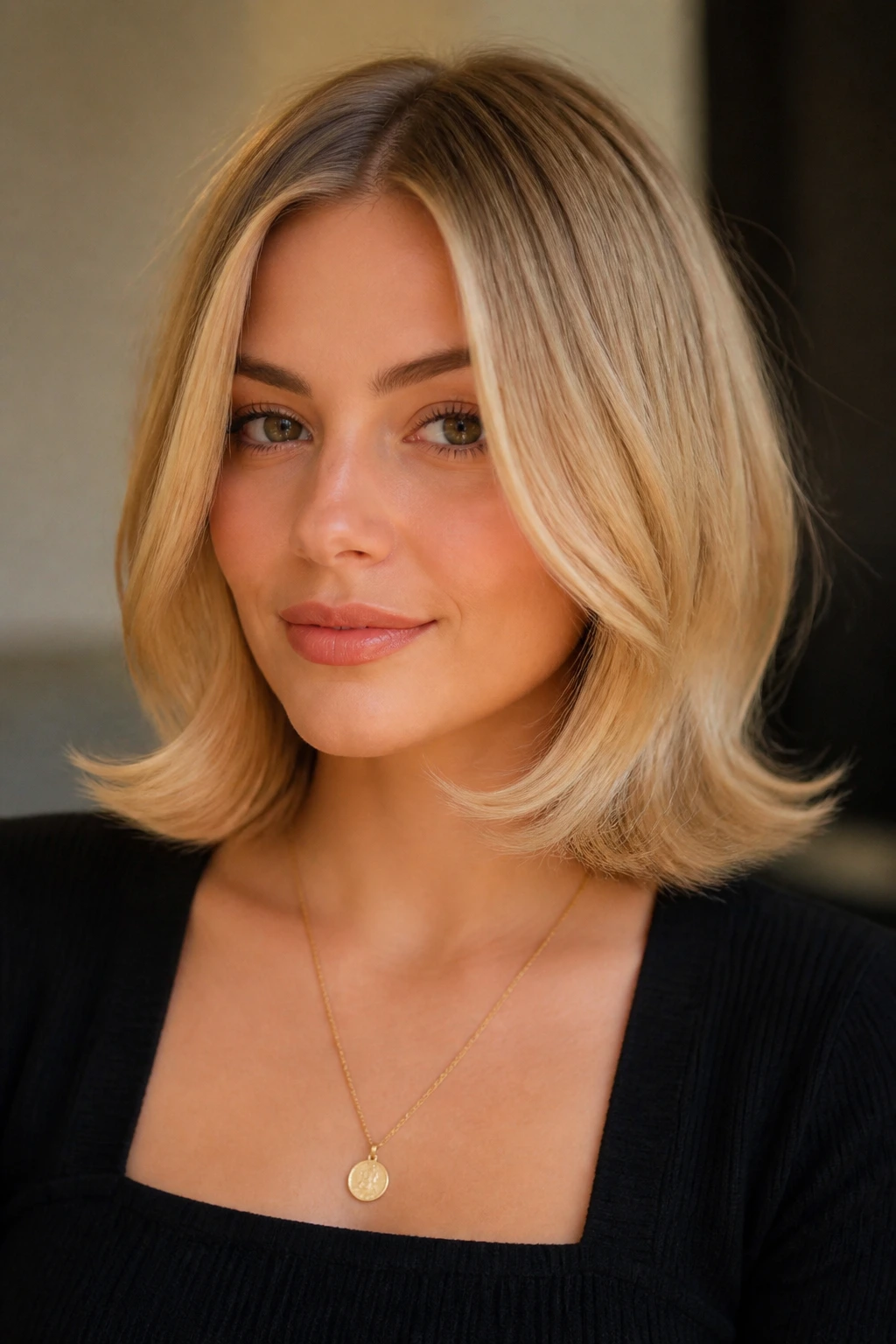
Picture shoulder-grazing hair with ends that kick out just enough to show off the cut. Not a dramatic flip. Just enough movement to make the hemline look intentional. That’s the flipped-out lob, and it’s one of the easiest retro shapes to wear if you like a little personality at the ends.
The line usually lands between the collarbone and the upper chest, which gives the hair space to swing. Shorter versions can look too sharp and long versions lose the flip. The sweet spot is that in-between length where a round brush or a flat iron can bend the ends outward without making them look curled under from the 80s.
This cut suits straight and wavy hair best, though thicker hair often holds the flip longer. If your hair is fine, keep the layers minimal so the bottom doesn’t get wispy. A center part makes it feel a little more polished; a side part gives it more old-Hollywood energy.
One small thing changes everything: the ends should be barbed or beveled, not sliced into a blunt shelf. That little taper is what lets the flip look smooth rather than stiff.
5. Feathered Farrah Layers That Move at the Shoulders
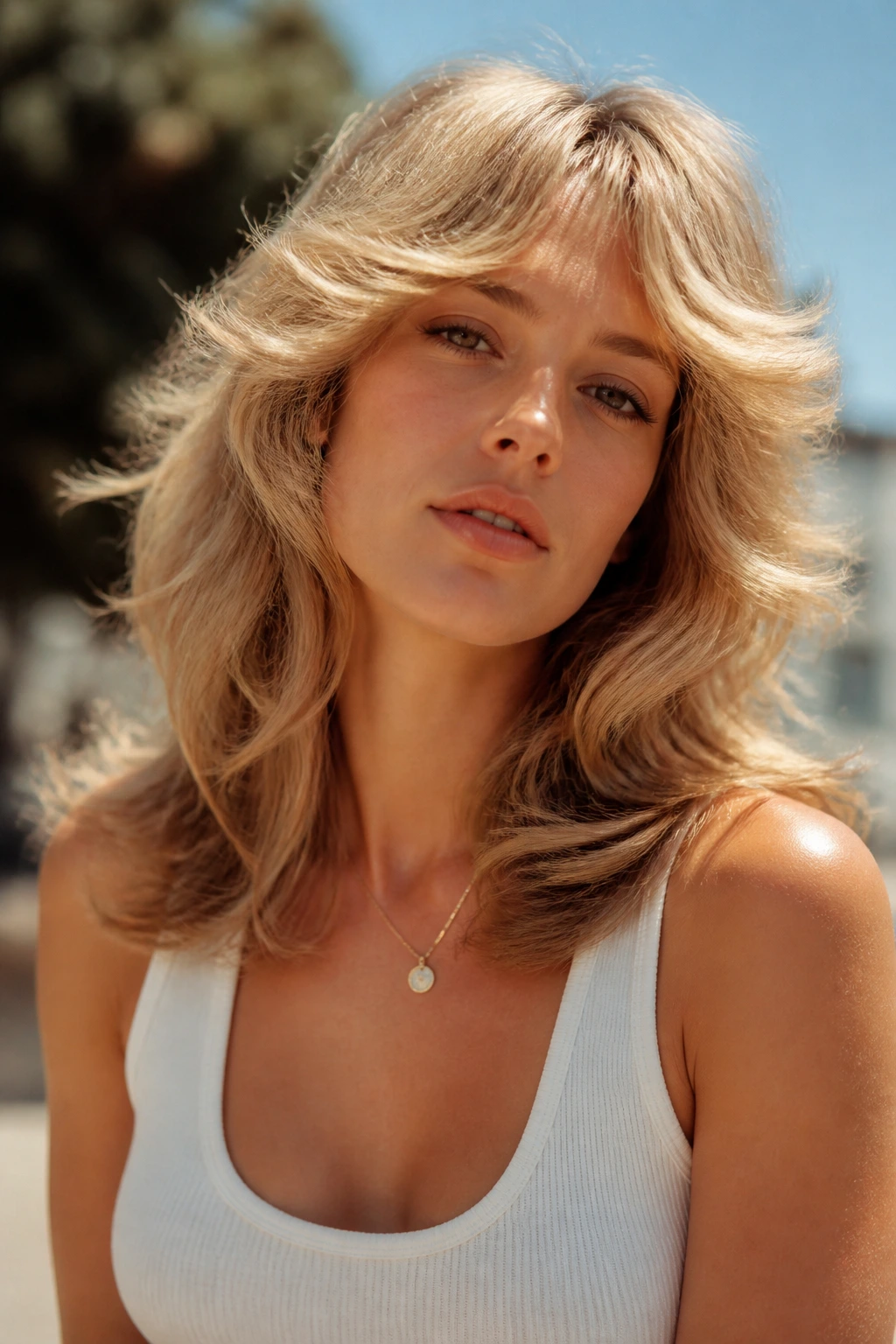
Feathered layers are not subtle, and that’s part of their appeal. The hair falls in soft sheets, with face-framing pieces that sweep away from the cheeks and longer lengths that move at the shoulders. If you’ve ever seen a blowout that looks airy instead of puffy, there’s a good chance feathers are doing the work.
This cut needs a little room. It’s not made for harsh angles or tiny snips around the head. The length usually stays past the shoulders, with layers carved in so the front opens up and the back keeps enough weight to hold the style. If the layers are too short, the whole thing becomes frizzy and loses the polished finish.
A round brush and a decent blow-dry matter here. So does a good heat protectant. The front pieces should be wrapped away from the face, not curled inward. That outward sweep is what gives the cut its recognizable 70s line without turning it into costume hair.
The reason I like feathered layers is simple: they make long hair feel alive without sacrificing length. That’s harder to do than it looks.
6. Hollywood Side-Part Bob
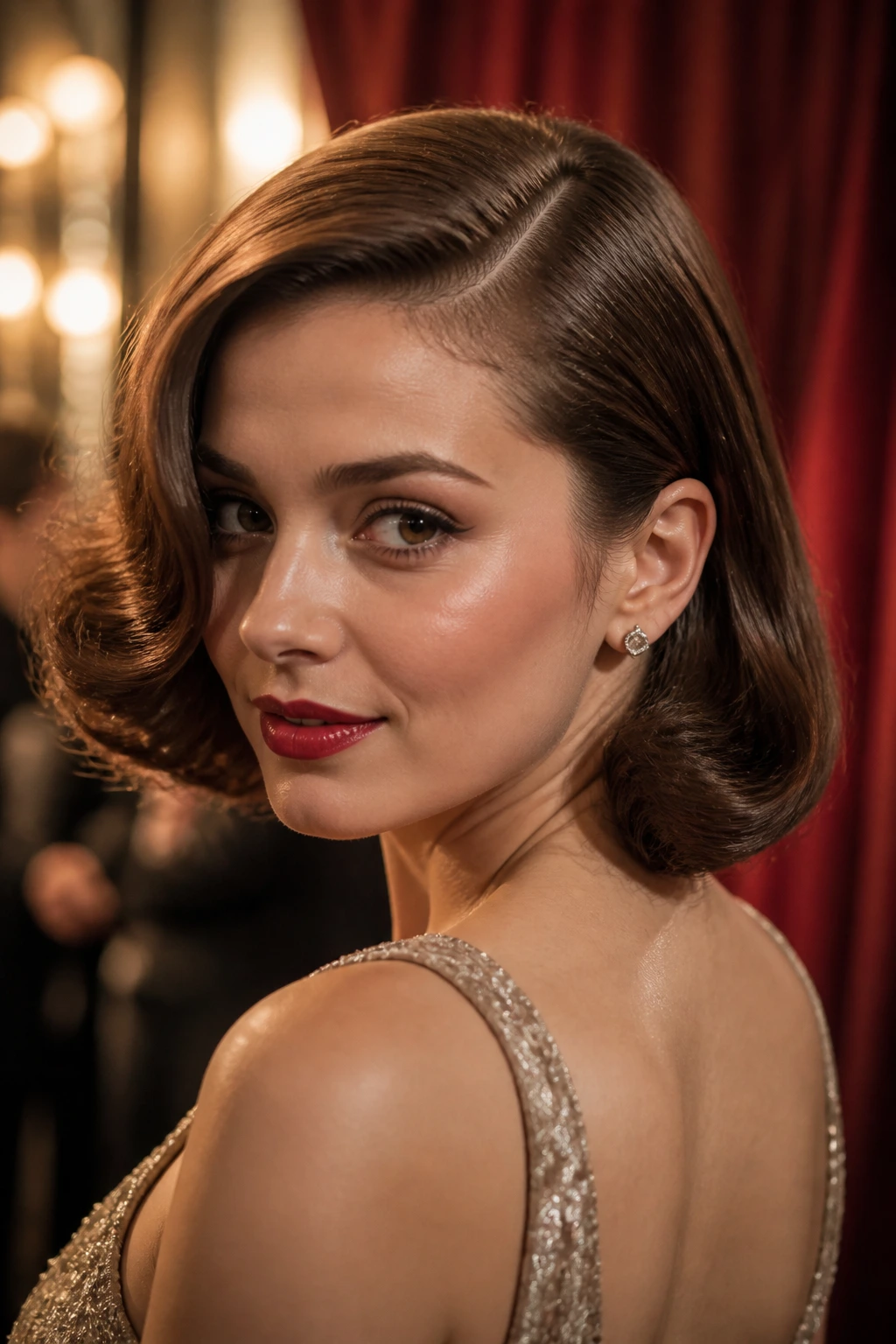
A deep side part changes everything. It pushes one side into a smooth fall, lifts the other side at the root, and gives a bob the kind of red-carpet shape that never looks accidental. If a blunt bob is about neatness, the Hollywood side-part bob is about drama with manners.
This cut works especially well when the bob lands somewhere between the chin and the top of the shoulder. Too short, and the wave can get too tight. Too long, and the shape loses that polished sweep over the forehead. The front section needs enough length to tuck behind one ear or curve toward the cheek.
The styling is the real story. Hot rollers, a large-barrel iron, or a round brush can all create the same basic effect: smooth roots, soft bend through the mid-lengths, and a glossy curve at the ends. Leave one side sleeker and let the heavier side carry the wave. That contrast gives the whole cut its old-film finish.
Unlike a center-part bob, this one depends on asymmetry. That’s why it feels so dressed up.
7. Wedge Cut With a Crisp Nape
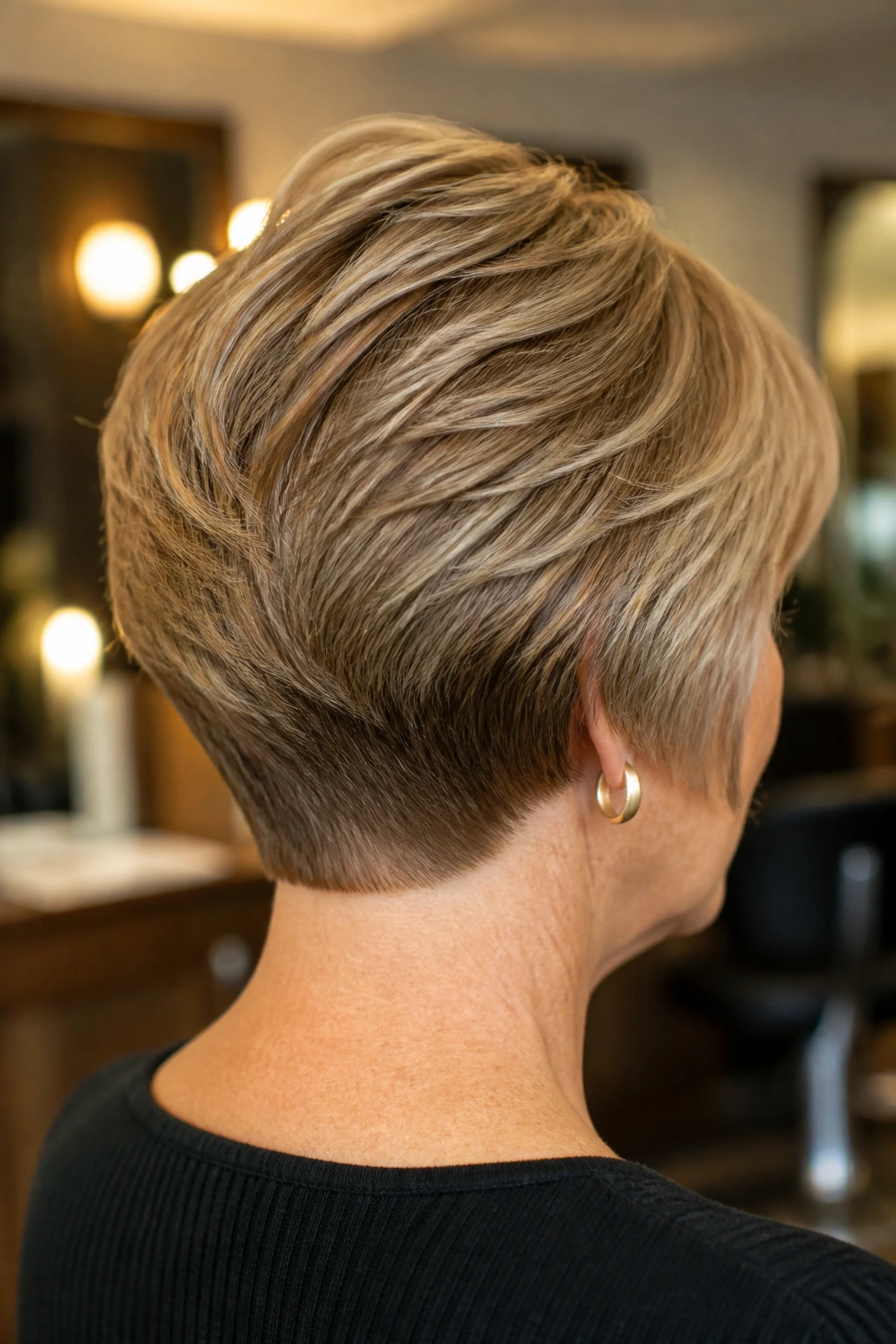
The wedge cut has a graphic edge that still feels fresh when it’s done right. The back sits stacked and close to the head, the sides angle forward, and the neckline gets a sharp little lift that keeps the shape from collapsing. It’s clean. Very clean.
A true wedge works best when the haircut respects the head shape instead of fighting it. The nape should sit snug, almost sculpted, while the top keeps enough length to preserve movement. If the crown is left too long, the cut starts to slump. If it’s too short, you lose the wedge and end up with something much flatter.
This style is a gift for straight hair and a smart choice for thick hair that wants structure. It also looks good with a side fringe if you want to soften the geometry a little. The maintenance is real — this is a shape that wants regular trims — but that’s part of the deal. A good wedge looks sharp because it stays sharp.
- Works best with: Straight or lightly wavy textures
- Salon cue: Ask for a stacked back with a visible angle toward the jaw
- Daily styling: Smooth the top with a round brush; don’t rough it up
- Trim schedule: About every 4 to 6 weeks
8. Shag With Bottleneck Bangs

Can a shag look polished? Yes — if the layers are controlled and the fringe is cut with care. The bottleneck bang helps a lot here. It starts a little narrower at the bridge of the nose, then opens around the cheekbones, which gives the haircut shape without the bluntness of a heavy fringe.
The trick is keeping the layers intentional. A shag with too much razor work goes airy in a bad way, especially on fine hair. A better version keeps the crown light, the sides soft, and the perimeter tidy enough that the cut still has a line. You want movement, not mess.
This is a nice option if your hair bends on its own and you hate fighting it. Air-drying with a curl cream can work, though a diffuser usually gives the fringe and front pieces more control. If you want the polished version, direct the layers away from the face with your fingers while drying, then pinch the ends with a tiny bit of cream.
Keep it polished by doing less
The whole point of this cut is that it doesn’t need much. Over-styling is what makes it look ragged. Keep the shape, keep the fringe soft, and stop before the hair starts to separate into pieces.
9. Blunt Shoulder-Length Cut With a Quiet 90s Finish
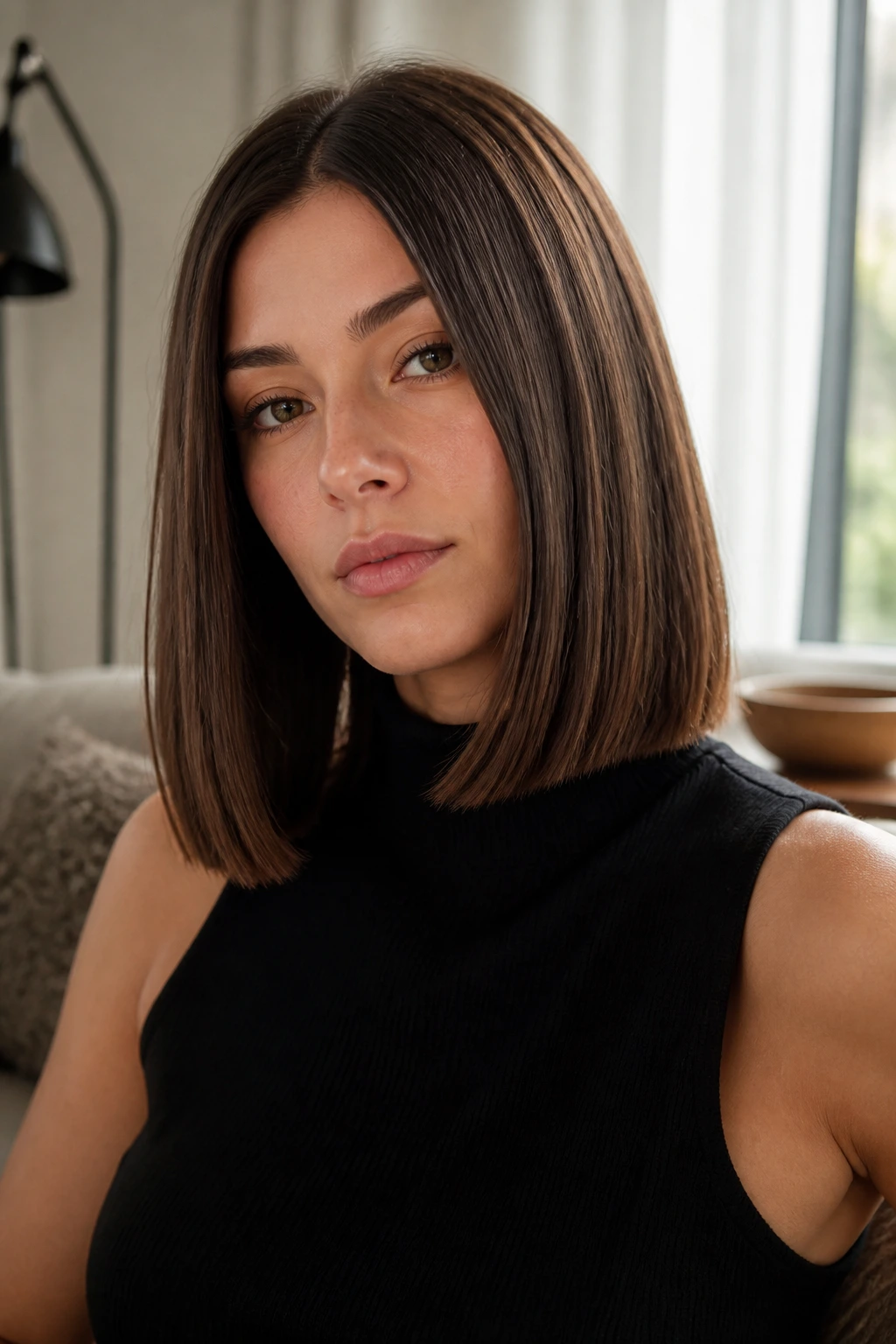
A blunt shoulder-length cut has a calm, tidy energy that makes it one of the easiest retro shapes to wear. The line lands at the shoulders or just above them, and the ends stay solid instead of broken up. No layers are needed if the hair already has enough body.
What makes this retro rather than plain is the finish. Think glossy, center-parted, and smooth enough that the hair hangs in a clean sheet. If you want a little movement, the front pieces can be curved inward just slightly. That tiny bend is enough. Too much flip and the whole thing starts drifting toward another decade.
Fine hair often benefits from this cut because the blunt edge creates the look of density. Thick hair can wear it too, but the interior may need some light weight removal so it doesn’t build into a triangle. The best version is even across the bottom with enough weight to sit neatly on the shoulders.
A good smoothing blow-dry matters here. So does patience. This is not a haircut that rewards rough towel-drying and a quick scrunch. It looks best when the surface is flat and the ends land in a single, deliberate line.
10. Rounded Halo Cut for Thick or Curly Hair
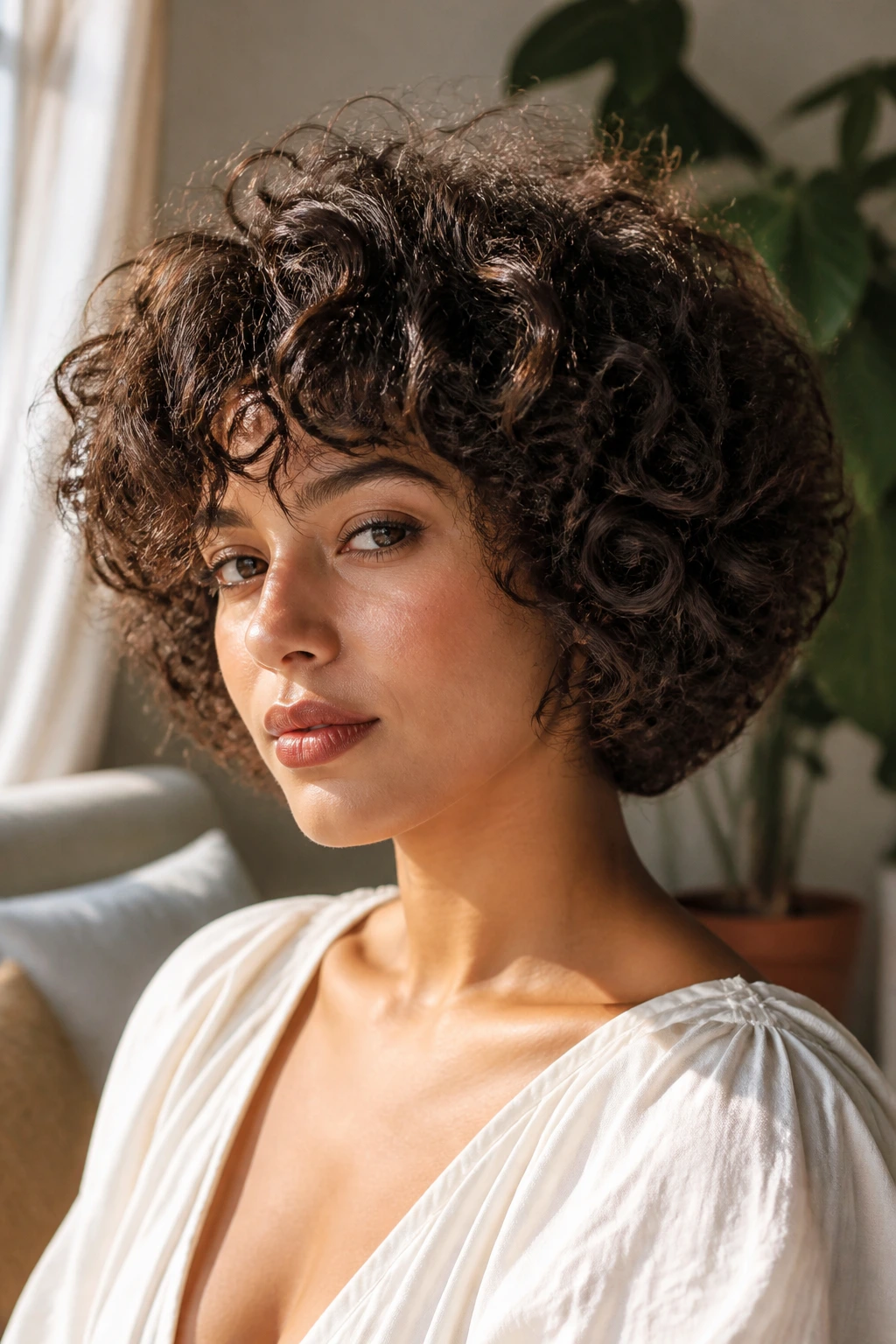
A halo cut follows the curve of the head, building a rounded shape that feels soft, controlled, and unmistakably retro. On thick or curly hair, that roundness keeps the silhouette from going boxy. On straighter hair, it creates that neat, tucked-in profile you see in older photographs where the hair seems to float instead of sit.
This cut needs a stylist who knows where to remove bulk and where to leave it alone. Too much thinning, and the shape turns frizzy. Too little, and the cut sits heavy around the face. The best halo cut keeps the crown rounded, the sides evenly balanced, and the neckline clean.
It’s a smart shape for anyone who wants polish without a lot of daily hot-tool work. Curly hair can be diffused into a soft dome. Thick straight hair can be blow-dried with a round brush to encourage the curve. The silhouette does the talking, not the product.
If you like your hair to look finished from every angle, this one deserves a real look. The profile is especially pretty from the side, which is not something every haircut can say.
11. Bixie Cut With Soft Edges
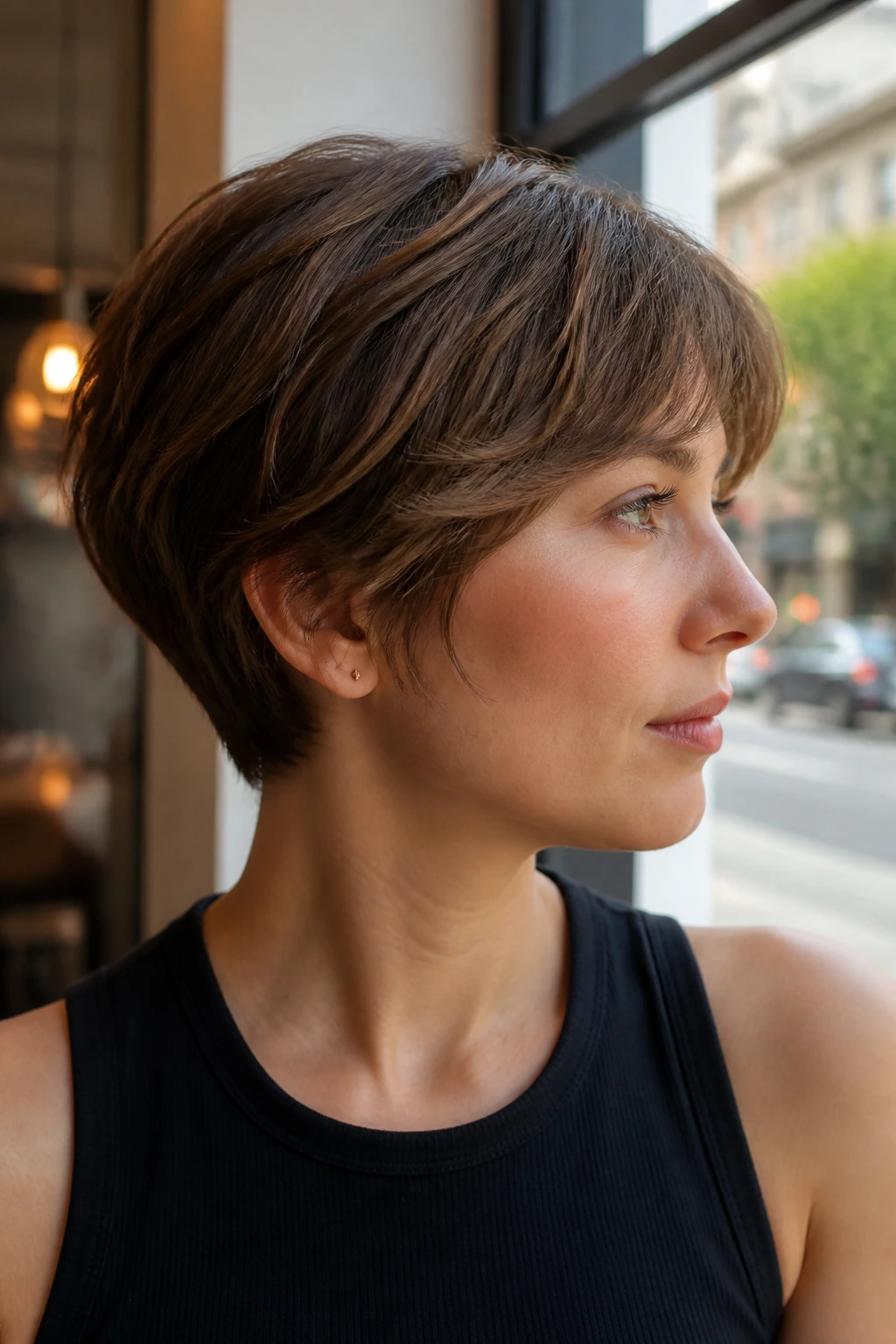
The bixie sits between a bob and a pixie, and that in-between space is what gives it its charm. The nape stays short, the top keeps a little more length, and the edges remain soft enough that the haircut doesn’t look clipped into place. It has a late-90s ease with a much older sense of neatness.
Compared with a classic pixie, the bixie gives you more movement around the ears and crown. Compared with a bob, it opens up the face and takes weight off the neck. That makes it a strong choice if you want retro shape without committing to a full short cut. It’s also good for hair that gets flat fast, because the top can be lifted with a little mousse and finger-drying.
The polished part comes from clean edges. Ask for the outline to stay smooth, especially around the sideburns and neck. Too much texture there and the cut stops reading vintage and starts reading unfinished.
A bixie looks best when the top has enough length to sweep, not spike. Tiny details. They matter here.
12. Curly Crop With Sculpted Layers

Curly hair can wear a vintage polished look with more elegance than most straight styles, as long as the shape is respected. A curly crop with sculpted layers keeps the curls from ballooning out at the sides and gives them a neat, rounded outline instead of a vague mass of texture.
The layers should be cut to encourage curl clumps, not break them apart. That means avoiding over-thinning and avoiding a top-heavy shape that leaves the bottom too wide. The best version keeps the hair shorter around the ears and nape while letting the top sit just long enough to form a soft halo.
A diffuser helps here, but the real work starts in the cut. If the shape is wrong, no amount of cream will fix it. If the shape is right, a little leave-in conditioner and a careful dry can make the curls sit like they were meant to be there all along.
This cut feels polished because it’s controlled without being flattened. That balance is the whole game with curly retro haircuts.
13. Mod Crop With a Graphic Fringe
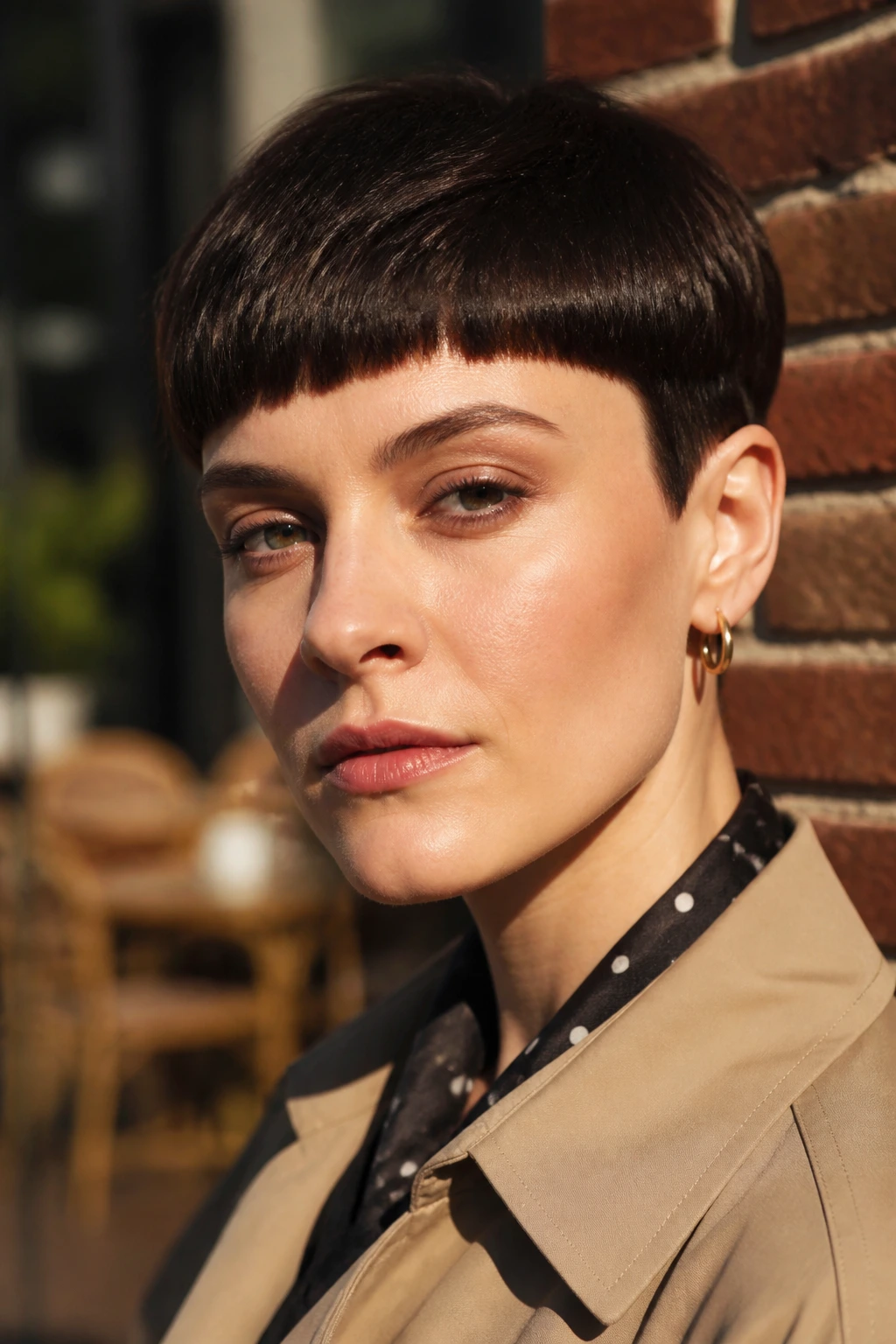
The mod crop has a strong little shape that reads clean from across the room. Short sides, a tidy back, and a fringe that sits in a neat line above or just at the brows — that’s the recipe. It has a sharp, 60s edge, but it doesn’t need to look severe.
Why does it stay polished? Because the silhouette is doing the talking. The fringe frames the eyes, the sides stay close, and the cut avoids extra bulk at the crown. If the top is left too fluffy, it loses that graphic look. If the fringe is cut too heavy, it can feel blocky. The best version is balanced.
This one works well on straight hair, especially if you like a cut that’s low on length but high on shape. A touch of shine cream on the fringe and a small round brush can keep the front smooth. I’d avoid too much texture spray; it muddies the line.
It’s a good haircut for people who want something bold but tidy. That combination is harder to find than it sounds.
14. Bouffant Lob With Crown Lift
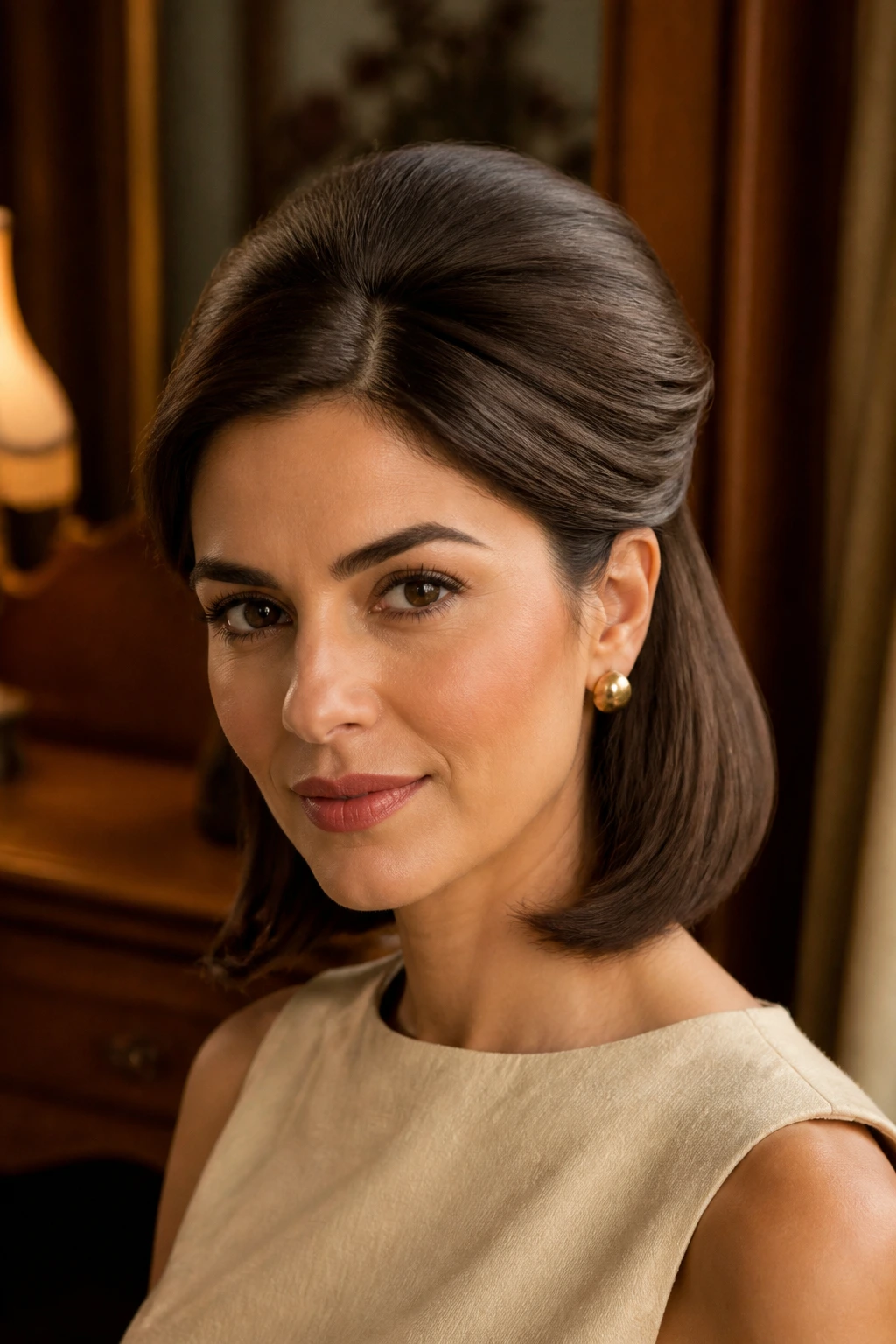
A bouffant lob keeps the hair at lob length but builds volume at the crown instead of the ends. That’s the trick. The shape lifts away from the head near the top, then falls more softly through the sides and bottom so it never feels puffy in the wrong place.
This haircut depends on strategic layering. You need enough internal structure to create lift, but not so much that the ends lose density. The most flattering versions preserve weight through the perimeter and concentrate the body where it belongs: up top. That gives the hair a little 60s glamour without the stiff shell people often fear.
A root-lifting mousse and a round brush are the usual starting point. Hot rollers can make this even cleaner if you like a softer finish. The crown should rise, not spike. That distinction matters more than people think.
The bouffant lob is a good choice if you want retro volume but don’t want short hair. It gives you height and polish while keeping enough length to tuck behind the shoulders.
15. Shingled Nape Bob
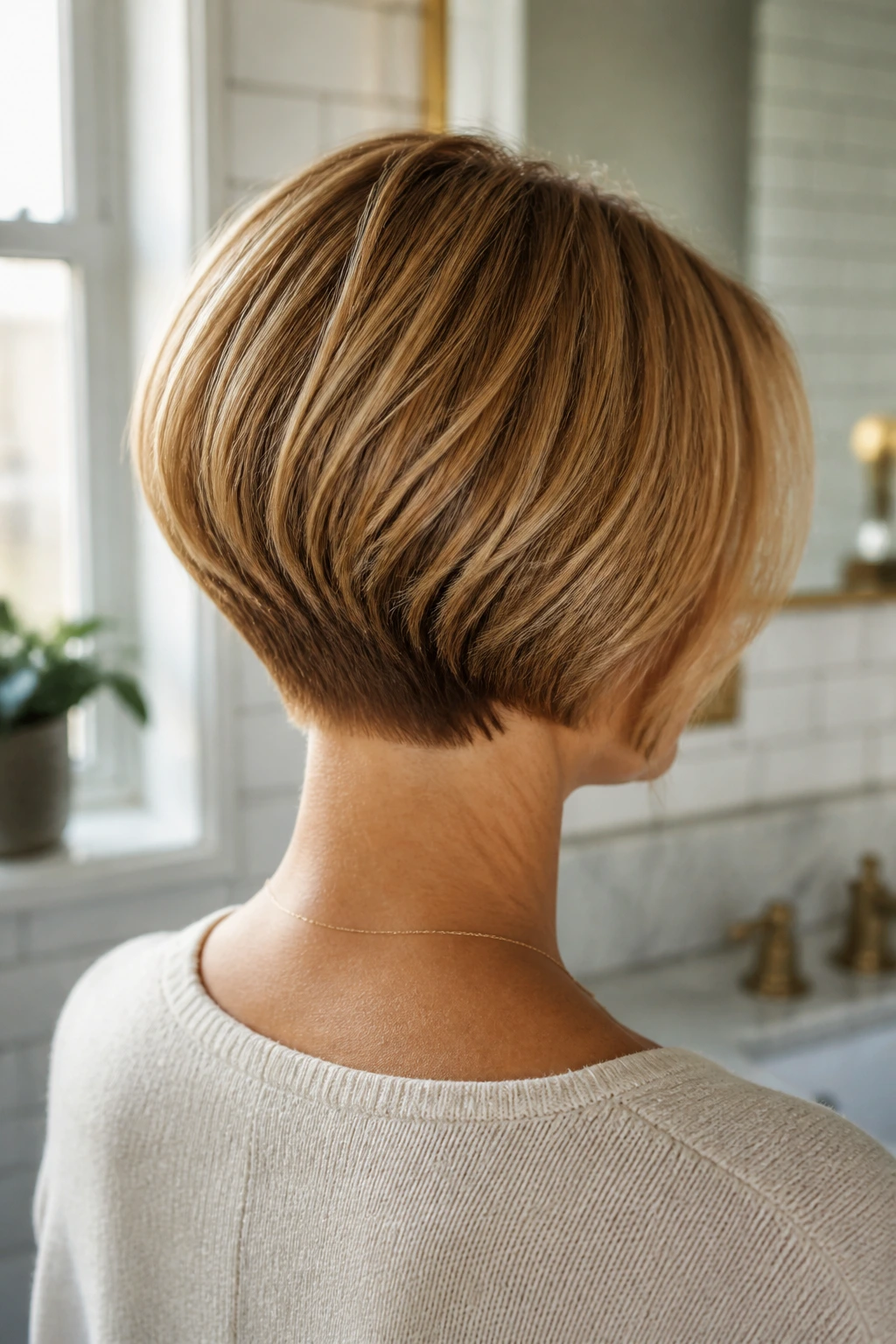
The shingled nape bob is all about the back view. The hair is cut close and neat at the neckline, then gradually opens out toward the sides so the shape feels tailored instead of boxy. It has a little 20s and 30s energy, the kind that makes the neck look longer and the whole haircut look deliberate.
This cut works best when the nape is clean. Very clean. If the neckline grows out unevenly, the shape loses its point fast. That’s why this is one of the more maintenance-heavy retro cuts on the list, but it pays you back in polish. The profile is crisp, and the back lies flat in a way that feels expensive even if you did almost nothing to it.
Straight and fine hair can wear this beautifully because the stacked back builds the look of body. Thick hair can wear it too, though the interior may need some careful removal of weight. A side part can soften the shape if you don’t want the lines to feel too hard.
A shingled bob is not loud. It’s tidy, and that quiet is what makes it memorable.
16. Curtain-Bang Layers With a Center Part
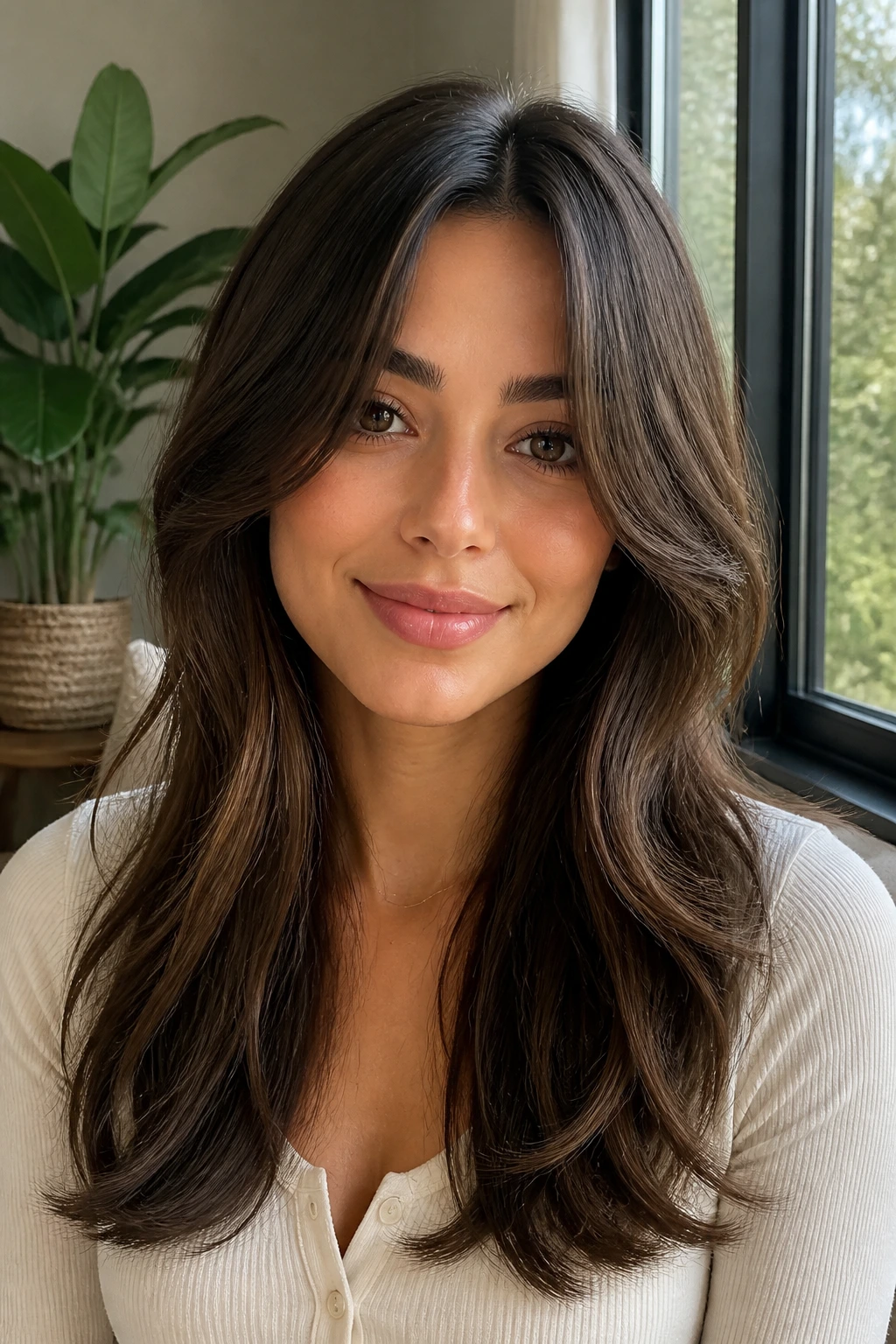
Curtain bangs can look very retro or very modern depending on how they’re cut. When paired with long layers and a neat center part, they read like a polished 70s shape rather than a shag. The front pieces should sweep away from the face in a gentle arc, not fall like curtains in the literal sense.
The important part is the transition from fringe to layer. If the bang section is too short, it sits on the face. If it’s too long, it disappears. The best version starts around the cheekbone or lip line and blends into the longer layers around the collarbone or chest. That gives you a soft frame without eating up the length.
This haircut suits a lot of hair types because it’s flexible. You can smooth it, wave it, tuck it, or air-dry it. The center part keeps it calm and balanced. If you want extra polish, round-brush the front away from the face and leave the rest alone.
Compared with a blunt fringe, curtain bangs are easier to live with. They grow out in a more forgiving way, which is why people keep coming back to them.
17. Swoopy Midlength Flip

The swoopy midlength flip is what happens when you want shoulder-length hair to feel intentional rather than in-between. The ends curve out, the layers sweep softly through the front, and the whole cut seems to move when you do. It has a little 70s swing and a little 90s cleanliness.
This version is less dramatic than a true flipped lob. The flip is softer, the layers are longer, and the front doesn’t need a hard bend. That makes it a smart choice if you want retro polish without the strong visual punctuation of a pageboy or wedge. The shape is still there, just quieter.
It works especially well on hair that has natural bend. A round brush and a medium barrel iron can refine the ends if needed, but you don’t want to over-set it. The best version looks brushed, not curled. That’s a subtle difference, and it’s the one that keeps the haircut from looking staged.
If you like a little movement at the shoulders but don’t want obvious layering, this is the one I’d point to first.
18. Tapered Afro With a Sculpted Outline
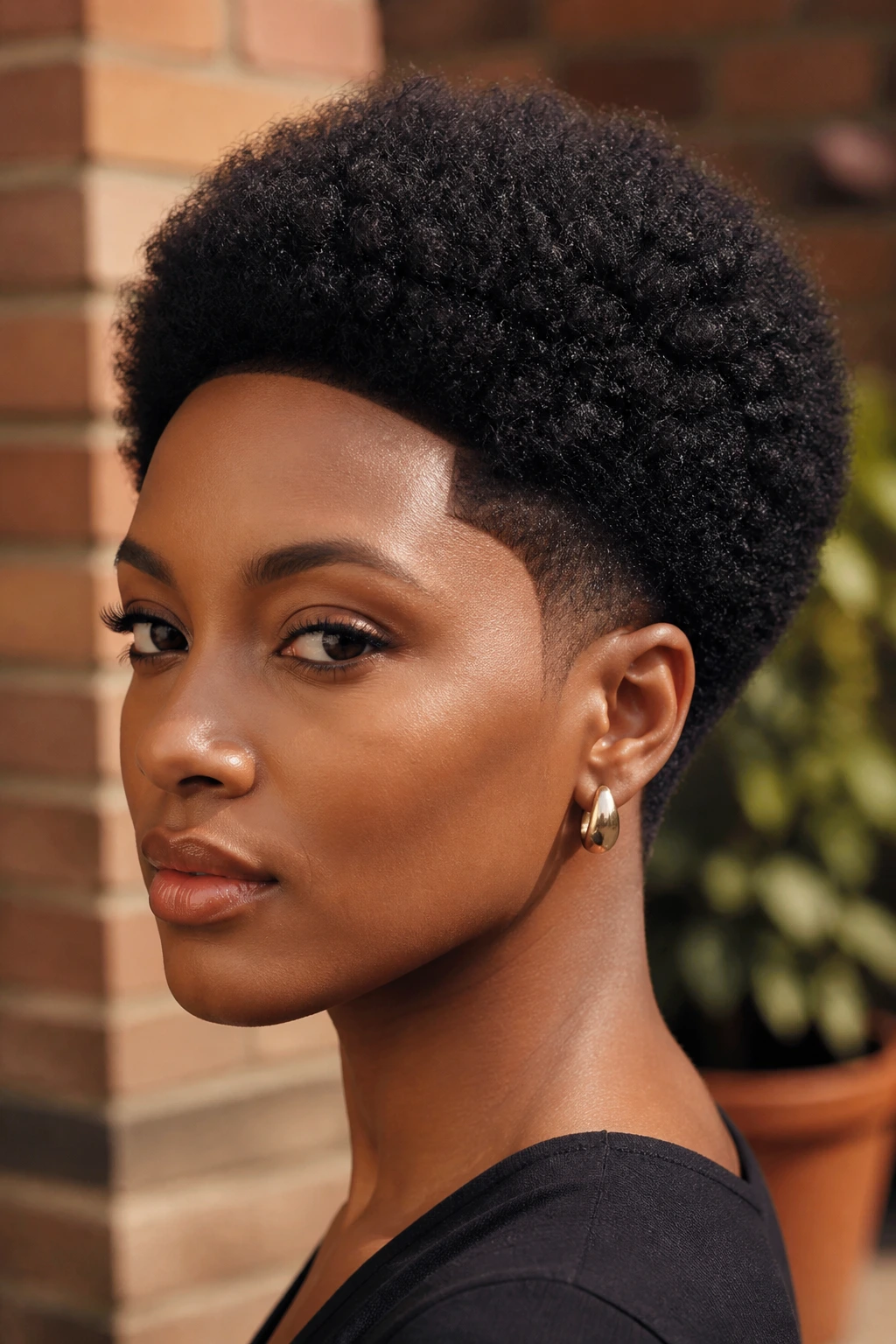
A tapered afro brings vintage polish to textured hair by keeping the shape clean at the sides and back while allowing the top to breathe. The outline matters more than the size. When the taper is neat and the crown is shaped with intention, the whole look reads classic rather than undone.
This cut works because it respects the hair’s natural pattern. The sides and nape stay closely shaped, the top keeps enough fullness to show the curl or coil, and the overall silhouette stays round or softly oval. If the shape is too square, the polish disappears. If it’s too flat, the hair loses life. The sweet spot is sculpted, not compressed.
Moisture and definition matter here, but a good cut does most of the work. A curl cream, a light gel, or a soft-hold styling lotion can help the finish stay clean without crunch. The edges around the hairline should stay tidy, not over-lined. Small detail. Huge difference.
This is one of the most elegant retro haircuts on the list when it’s shaped well. No gimmicks. Just a strong silhouette.
19. Mia Farrow Crop With Feather-Light Fringe

The Mia Farrow crop is a short, airy cut with a very specific kind of polish: light, clean, and almost boyish in the best way. The fringe is short and wispy, the sides stay close to the head, and the whole thing feels sharp without being hard.
Compared with a soft pixie, this cut is lighter around the face and more directional in its shape. It needs confidence, yes, but it also needs precision. The fringe should be cut so it sits neatly above the brows or breaks just at the brow line, depending on your features. If it’s too long, the effect disappears. Too short, and the cut can go severe fast.
This style is strongest on hair that lies flat or has a little natural slip. A dab of lightweight wax at the ends and a quick finger-dry are usually enough. If you like clean lines and hate fuss, it can be a dream. If you want a lot of styling options, it may feel limiting.
The charm is in the restraint. It’s spare, and that’s why it reads polished.
20. Long Gamine Cut With a Neat Neckline
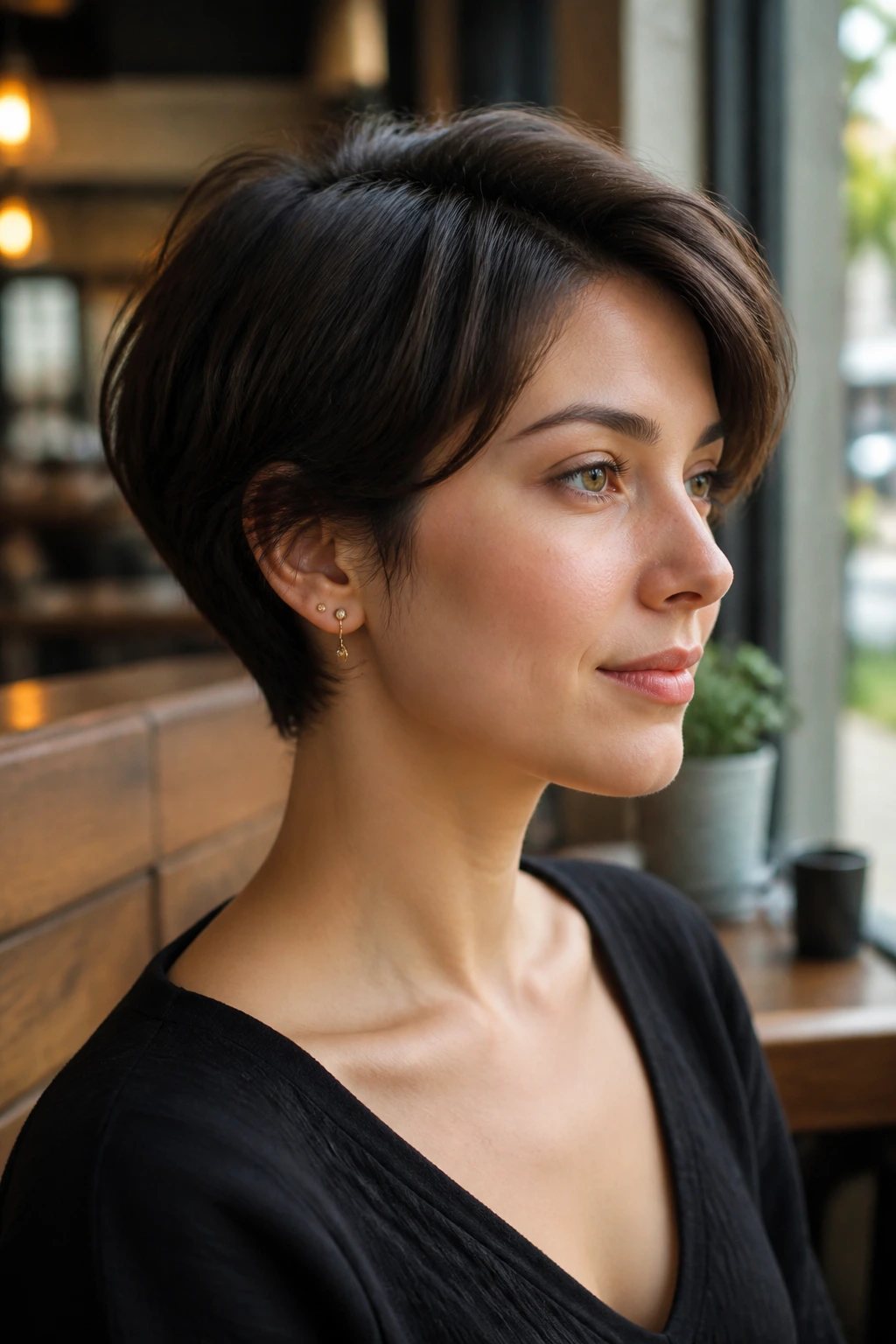
A long gamine cut sits in that interesting space where short hair still feels soft. The neckline stays tidy, the top keeps enough length to sweep or tuck, and the fringe can be side-swept, wispy, or softly blunt depending on what your face needs. It has the neatness of a crop with a little more flexibility.
This cut is especially good if you want a retro shape that doesn’t lock you into one styling direction. You can wear it sleek, brushed back, or with a soft side part. The key is keeping the perimeter clean. If the nape grows shaggy, the whole thing loses its polished edge.
Fine hair often likes this cut because it gives the appearance of shape without asking for much weight. Thicker hair can wear it too, though the interior may need control so the silhouette doesn’t puff out. A light cream or a small amount of pomade is usually enough to keep the front and sides in place.
There’s a reason this kind of cut keeps coming back. It’s crisp, practical, and a little elegant without trying too hard.
Why Retro Haircuts Read So Clean When They’re Done Right
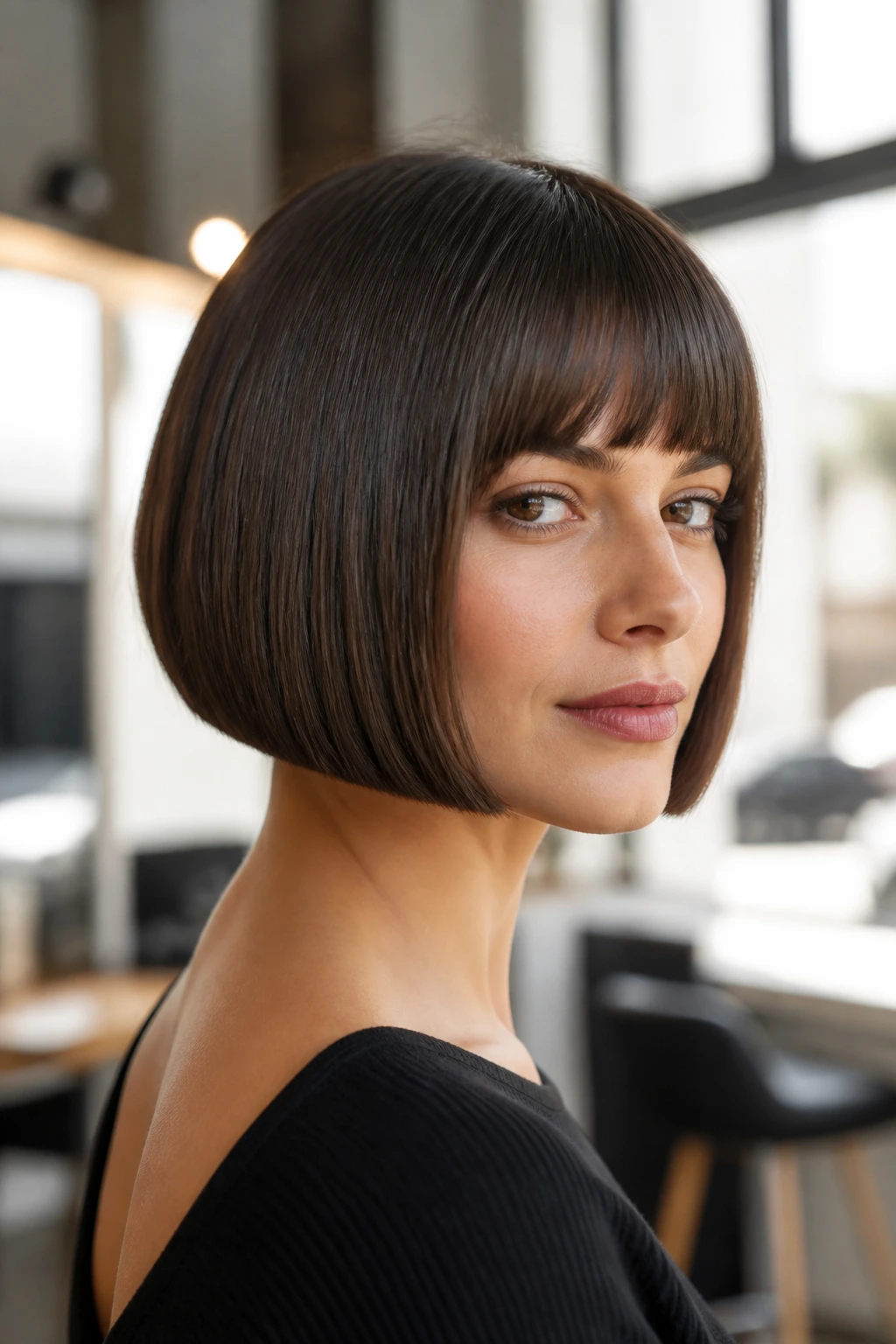
Retro haircuts look polished when the silhouette is doing the work, not the products. That sounds obvious, but a lot of bad vintage hair comes from ignoring the line and piling on spray instead. The cut should have a reason for existing from every angle — front, side, and back.
The best versions share three things: a clear perimeter, a fringe that belongs to the shape, and enough weight in the right places. A bob that sits neatly on the jaw, a pixie that keeps the nape tidy, a feathered cut that opens away from the face — each one looks intentional because the geometry is clear. You can read it in the profile before you even look at the texture.
Shine matters too. Not glossy in a plastic way. Just enough light reflection to show that the hair has been smoothed, brushed, or set with care. Clean ends, a good blow-dry, and a trim schedule do more for this look than any fancy styling trick. That’s the part people skip, then wonder why the cut feels off.
Choosing the Right Shape for Your Face and Texture
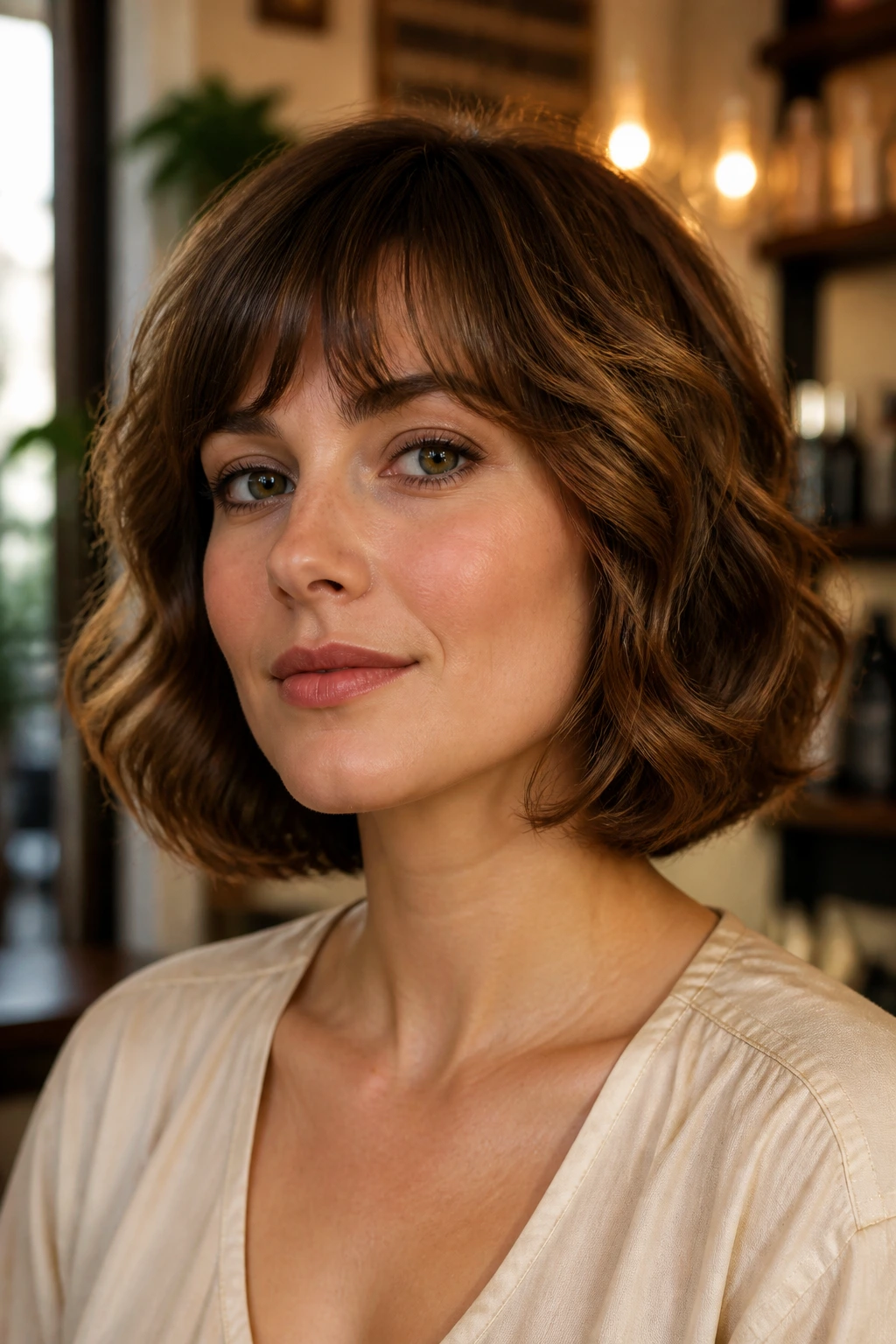
A great retro haircut should work with your hair’s behavior, not against it. Straight hair likes blunt lines, beveled bobs, pageboys, and mod crops because the cut can stay visible without help. Wavy hair often shines in Italian bobs, flipped lobs, and curtain-bang layers because the movement gives the shape some life. Curly and coily textures usually need rounder silhouettes, careful weight control, and a nape or fringe that respects shrinkage.
Face shape matters, but not in some rigid, paint-by-numbers way. A jaw-length bob can sharpen a round face. Side parts soften strong features. A fuller crown can add balance if your face is longer. Short fringes draw attention upward, which is useful if you want the eyes and brows to carry more of the look.
Good matches by texture
- Fine hair: French bob, blunt shoulder-length cut, Italian bob
- Thick hair: Pageboy, wedge cut, rounded halo cut
- Wavy hair: Flipped-out lob, shag with bottleneck bangs, curtain-bang layers
- Curly hair: Curly crop, rounded halo cut, tapered afro
- Short-hair fans: Soft pixie, bixie, Mia Farrow crop
A smart stylist will also look at your cowlicks, your part line, and how your hair falls behind the ears. Those little habits can ruin a cut or rescue it. They matter more than most people think.
How to Ask for a Retro Haircut at the Salon
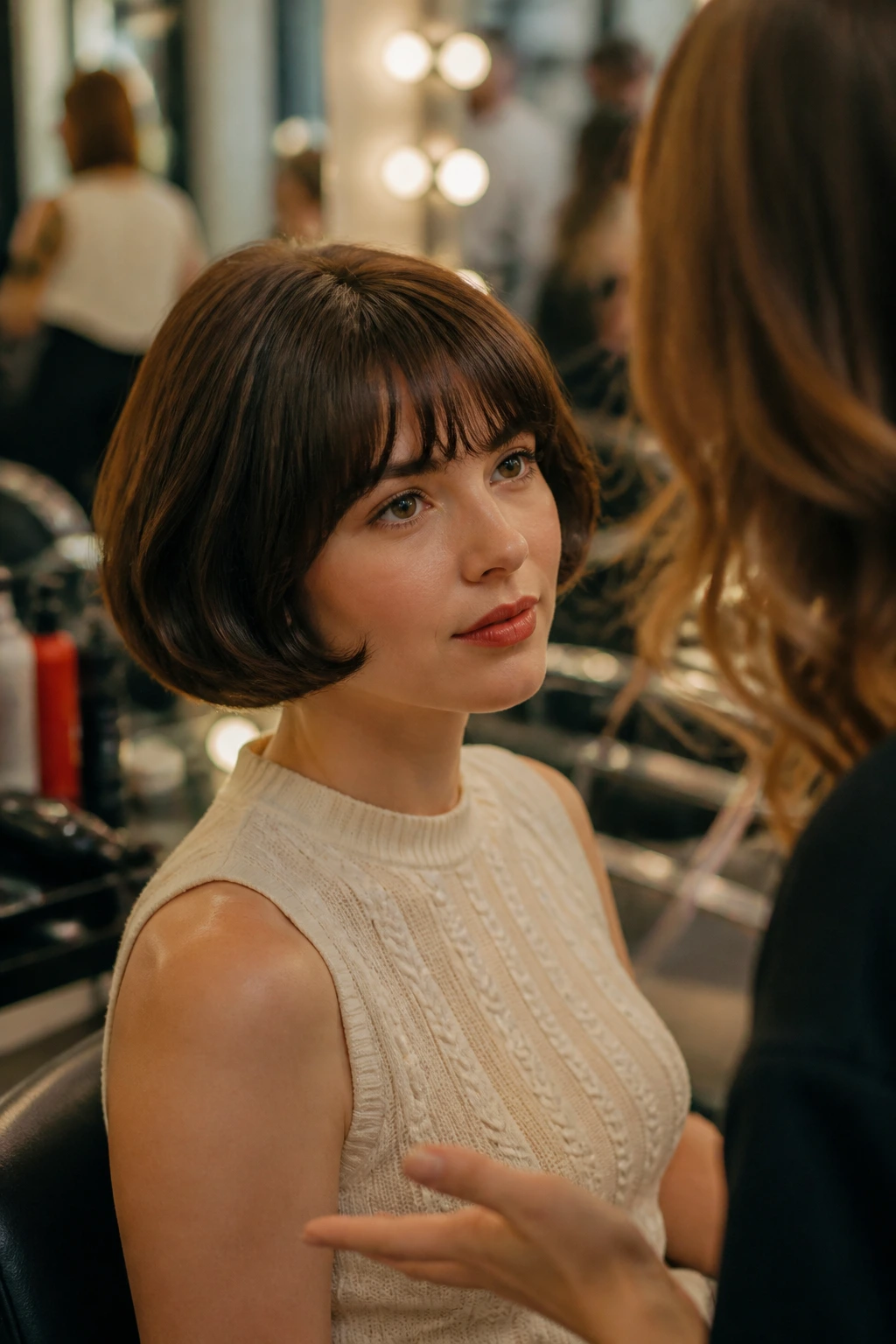
Show photos, yes, but don’t stop there. Pictures are useful for the outline, yet they can hide the things that matter most in real life: the exact length at the jaw, how short the nape is, whether the fringe touches the brows, whether the ends are blunt or beveled. Point those out. Say what you like and what you do not like.
A few phrases make a big difference.
- “I want the perimeter to stay clean.”
- “Keep the weight at the bottom.”
- “I want movement, not choppiness.”
- “Let the fringe soften into the sides.”
- “I style with a round brush / air-dry / rollers.”
That last line matters more than people realize. If you never use hot tools, tell your stylist. If you love a deep side part, say that too. A haircut that depends on a center part when you never wear one is a bad fit, even if it looks lovely on the chair.
Be honest about maintenance. A French bob that needs a trim every five weeks is not the same as a curtain-bang layer cut that can go longer. Don’t let anyone blur that difference for you.
Essential Tools for a Sleek Vintage Finish
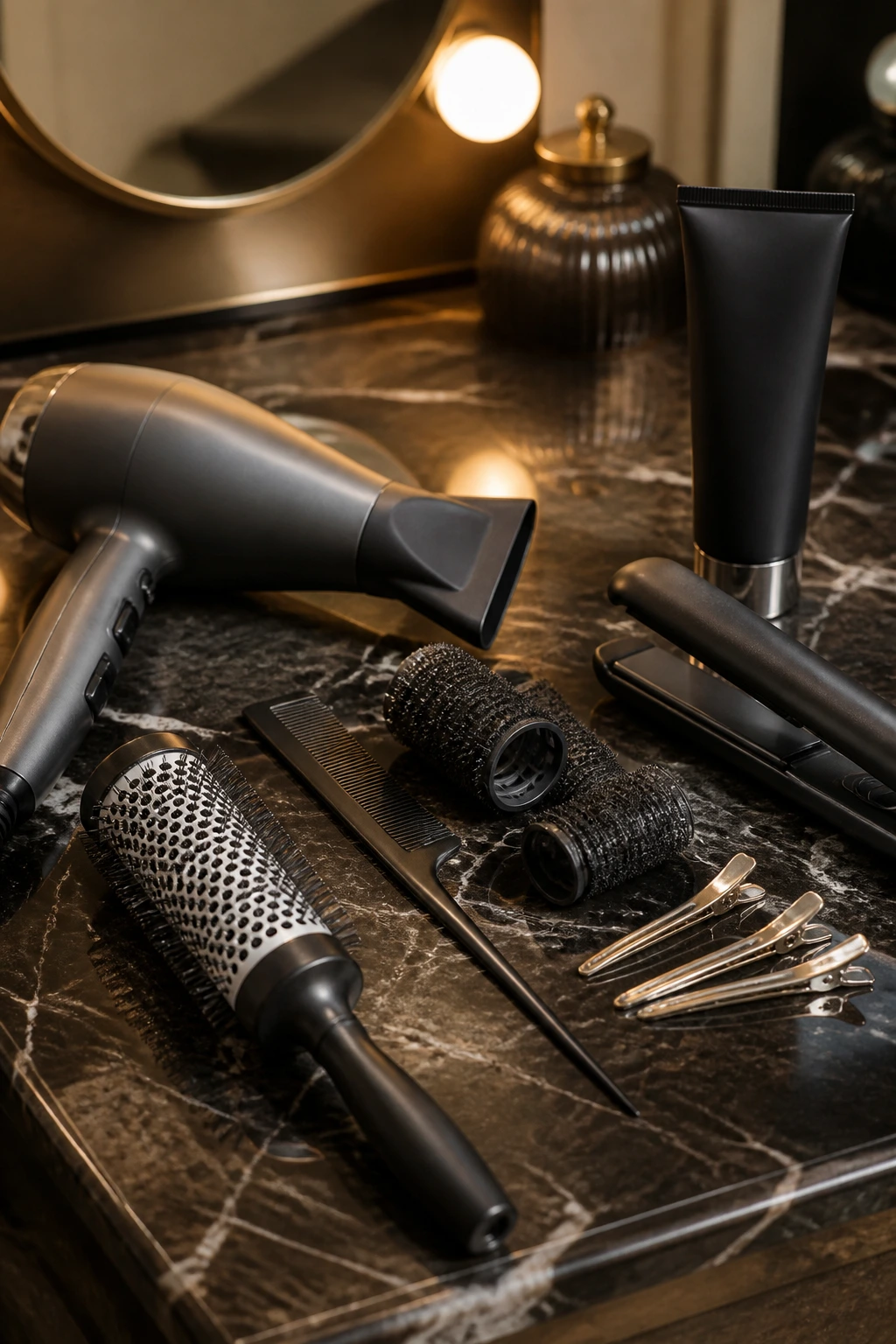
- Blow dryer with a nozzle: Directs airflow so the cut dries smooth instead of frizzy.
- Round brush, medium and small sizes: The medium size suits bobs and lobs; the smaller one helps with fringes and napes.
- Fine-tooth tail comb: Useful for clean parts, sectioning, and setting fringe placement.
- Setting clips: Keep sections in place while they cool, which helps the bend hold.
- Velcro rollers or hot rollers: Great for crown lift, wave, and soft outward ends.
- Flat iron with rounded plates: Better for a beveled bob or a polished flip than a wide, stiff iron.
- Light mousse or root lift spray: Useful when the crown needs support without heaviness.
- Smoothing cream or lightweight serum: Tames flyaways on blunt cuts and blunt fringes.
- Soft-hold hairspray: Keeps the finish in place without turning it crunchy.
- Shine spray: Good for that clean, reflective finish on bobs and shoulder-length cuts.
You do not need every tool on the list. Pick the ones that match the cut you actually wear. A wedge cut and a curly crop need different things. A blunt lob and a Mia Farrow crop do too.
How to Style Retro Haircuts Without Making Them Feel Costumey
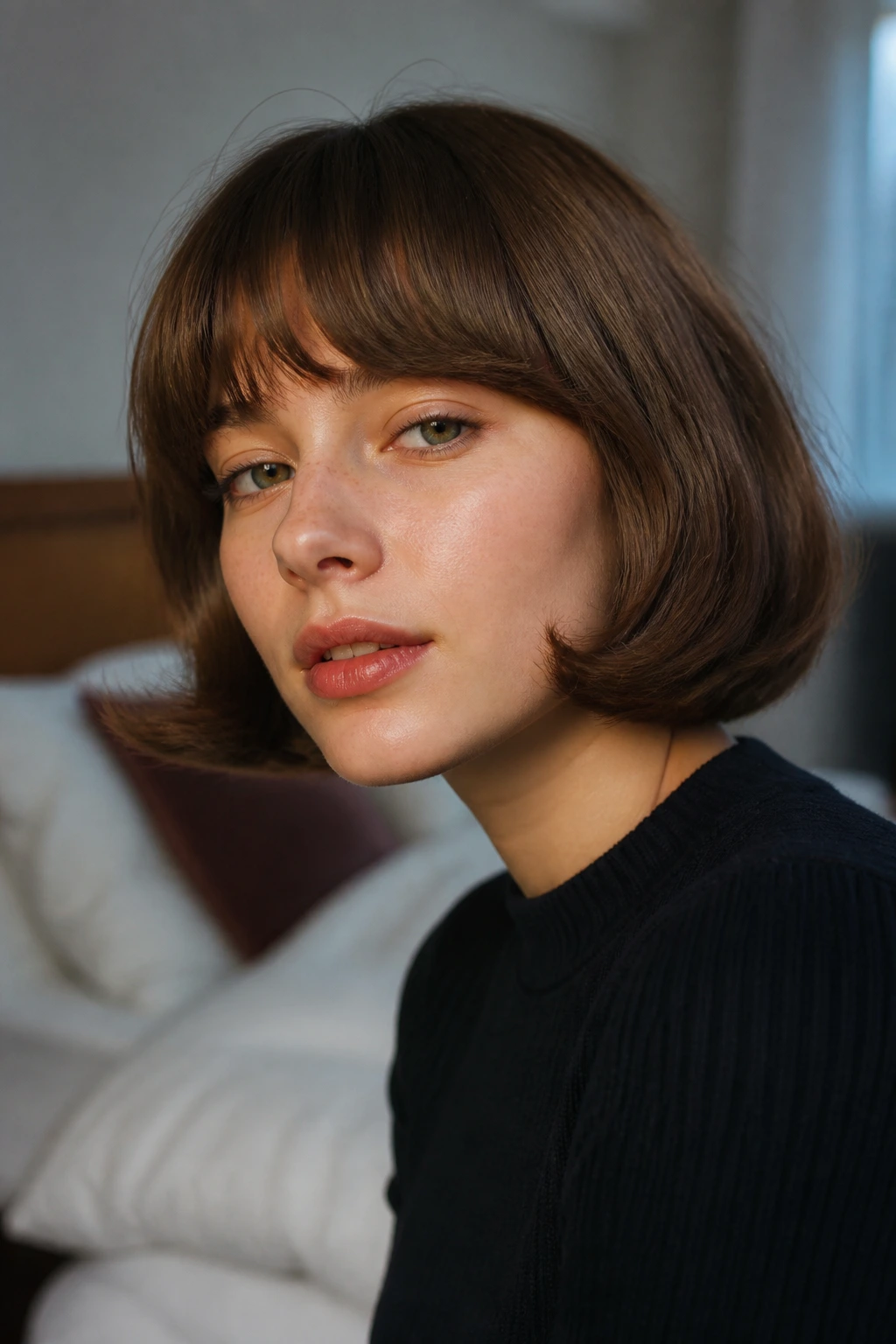
The polished version of a vintage haircut is usually quieter than people expect. You’re not trying to recreate a movie set. You’re trying to keep the line visible, the ends clean, and the finish deliberate. That often means less teasing, less spray, and fewer curls than you think.
The daily rule
Start with damp hair, use enough tension to smooth the roots, and stop styling once the shape is established. If you keep fussing with the ends, they start to look overworked. A bob wants crispness. A feathered cut wants movement. A pageboy wants a little bend, not a curl storm.
For shorter cuts, a pea-sized amount of styling paste can define the fringe or sideburns. For longer cuts, a touch of cream at the ends keeps the shape together. Fine hair usually needs less product than thick hair, which is the opposite of what most people assume. Too much cream on fine hair makes the line collapse.
Night-to-night, a silk pillowcase or loose wrap can keep the shape from puffing out at the crown. If you wake up with the part bent or the fringe going flat, a quick mist of water and a brush-through at the roots usually fixes it. You do not need to start from scratch.
Common Mistakes That Flatten the Whole Look
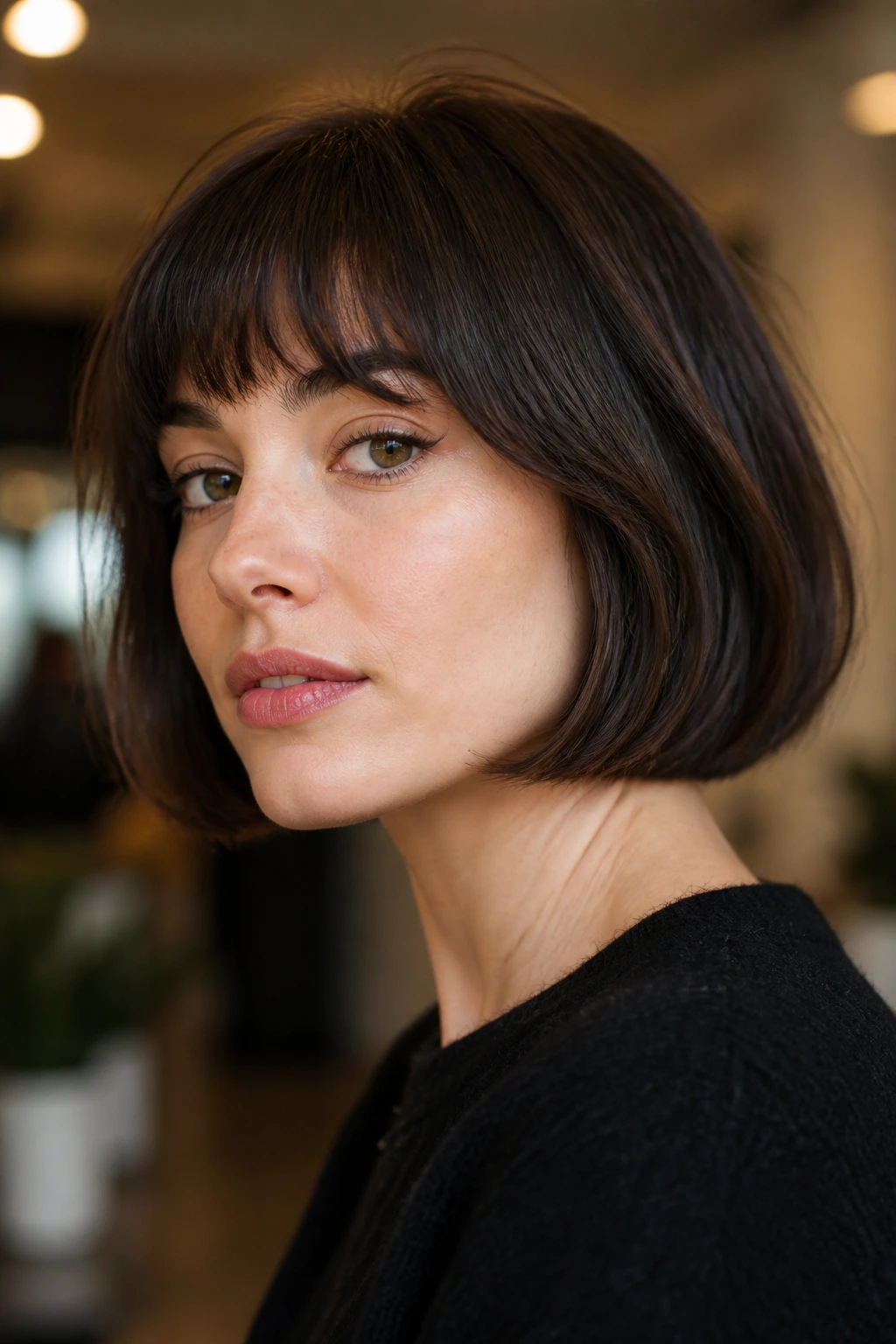
The first mistake is over-layering. Retro haircuts depend on clear shape, and too many snips through the interior can make the silhouette mushy. The haircut may still move, but it won’t read cleanly. Ask for texture only where the hair needs release.
Another common problem is ignoring the neckline. A beautiful bob can look sloppy if the nape grows out into a fuzzy edge. Same with short cuts. The back is often the first place the shape goes soft, and once that happens, the whole haircut feels less polished. Keep the neckline neat, even if the rest of the cut can wait a bit longer.
Too much product is another easy way to ruin it. Heavy cream on fine hair, sticky spray on a pageboy, or too much pomade on a fringe will make the hair look greasy or stiff. Use the lightest amount that still lets the shape hold. If you can feel a film on the hair, you probably went too far.
Finally, don’t fight your texture so hard that the haircut stops looking like your own hair. A vintage shape should sit on your head, not on top of it like a costume.
Vintage Variations That Fit Different Hair Days
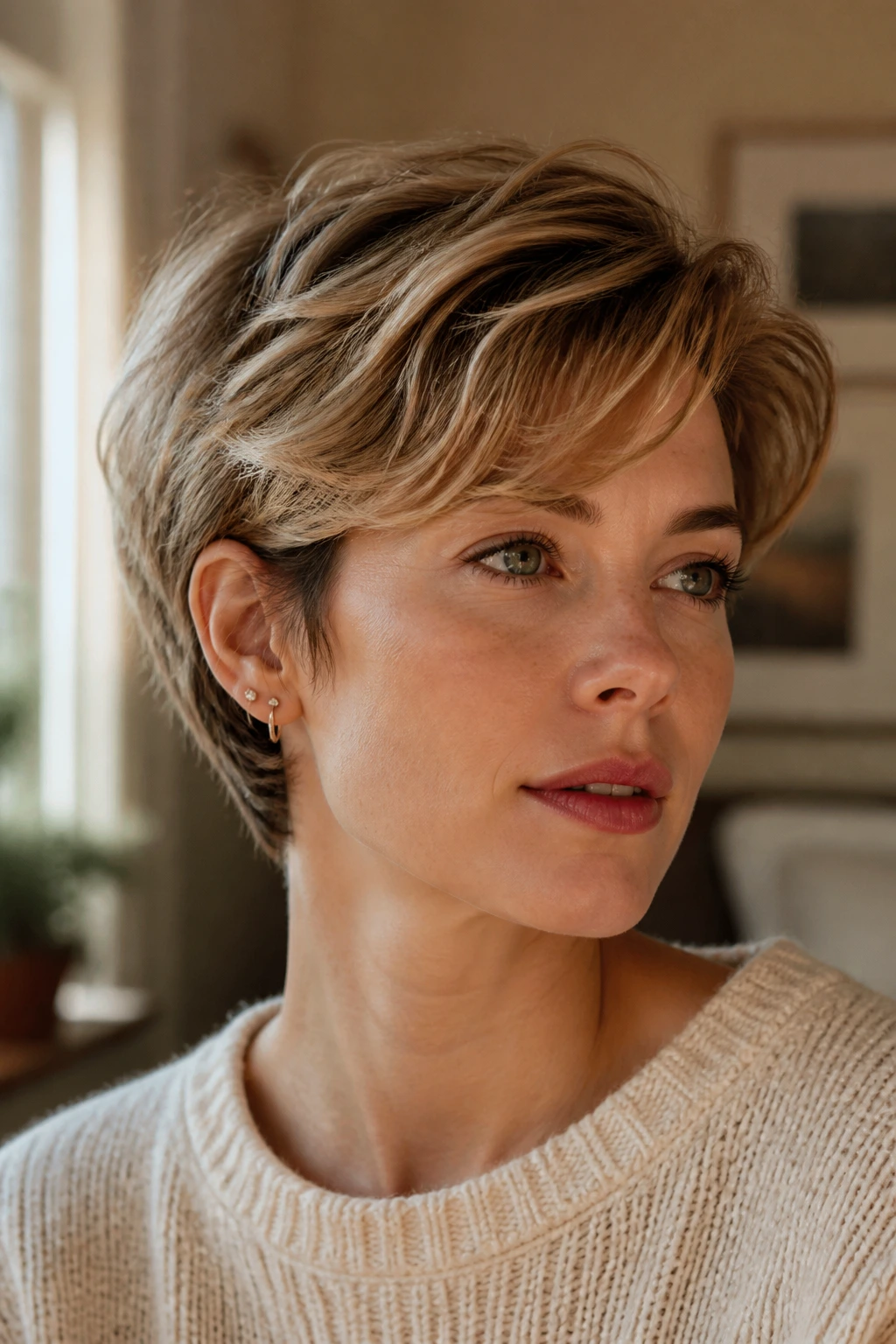
The Low-Fuss Bob: Keep the French bob or Italian bob shape, then let the hair air-dry with a little smoothing cream. The result is less polished than a blowout, but the outline still reads clean.
The Curly Polished Version: Use the rounded halo cut or curly crop, then define the curls with a diffuser and soft gel. This keeps the texture visible while preserving the round silhouette.
The Short-and-Sleek Version: A mod crop or Mia Farrow crop with a touch of shine serum gives you a sharper, more graphic finish. It’s the strongest option if you like short hair that looks neat by lunch and still neat by dinner.
The Longer Glam Version: Curtain-bang layers, feathered Farrah layers, or a bouffant lob give you more room for rollers, bend, and crown lift. These are the best picks if you want vintage shape without giving up length.
The Grown-Out Version: A bixie or long gamine cut often survives grow-out better than a very blunt bob. That matters if you like to stretch your salon visits a little.
Keeping the Shape Sharp Between Salon Visits
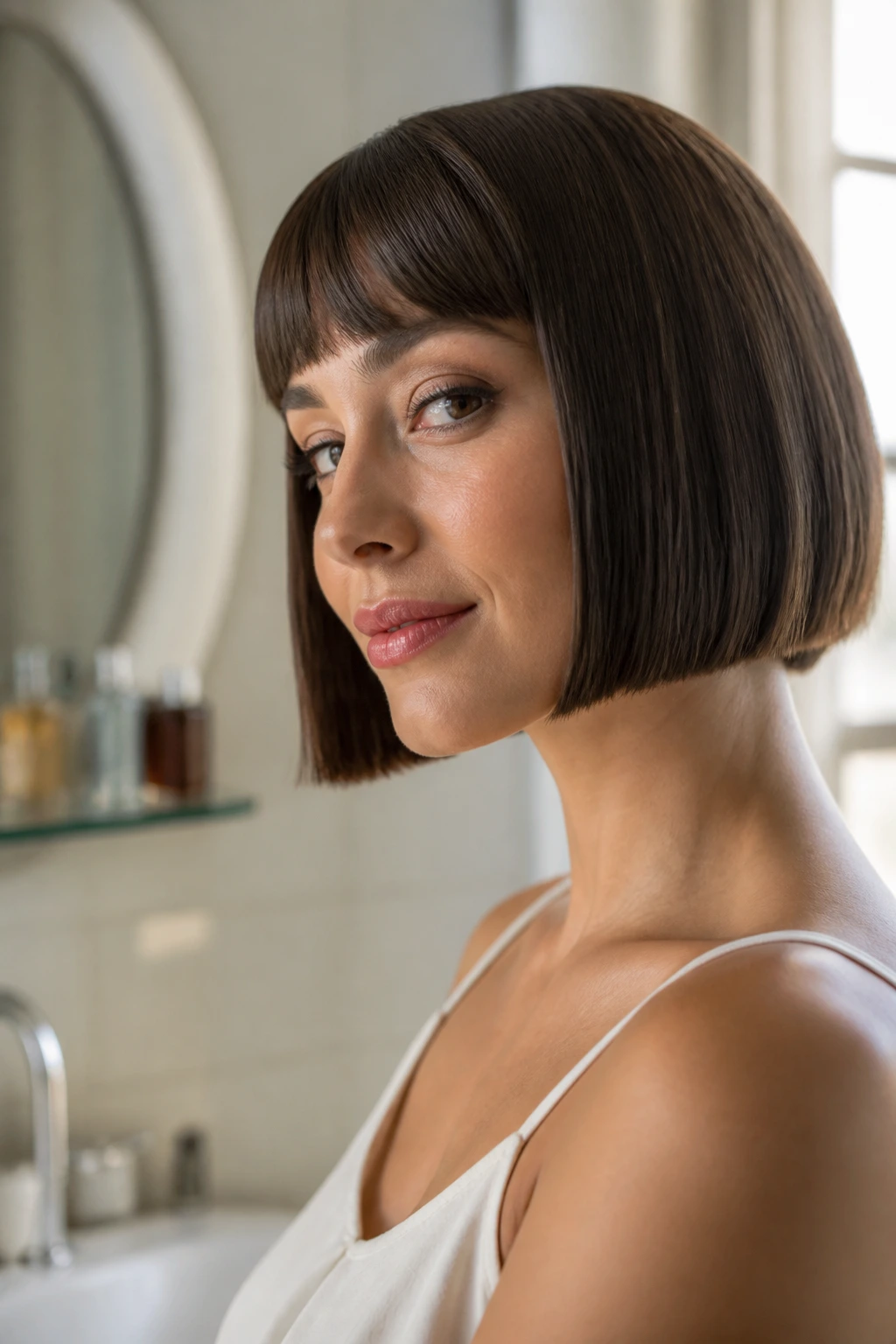
Shorter retro haircuts usually need trims every 4 to 7 weeks. Bobs and pixies show growth fast because the perimeter is doing so much work. Once the hemline drops too far or the fringe falls into your eyes, the whole look changes shape. That’s not a flaw. It’s the trade-off for a clean line.
Longer cuts can go a little longer, but they still need attention. Feathered layers lose their swing when the front grows past the cheekbone in a messy way. Curtain bangs need trimming before they start blocking the eyes. A flipped lob can stretch out a bit more, though the ends still need a clean edge to look polished.
Between appointments, the goal is maintenance, not reinvention. A quick root refresh, a dry shampoo at the crown, and a small round brush at the front can buy you an extra day or two of shape. If the nape is getting fuzzy, a tidy neckline trim from your stylist can keep the whole cut looking cared for without touching the length much.
Sleeping matters too. A smooth pillowcase helps. So does pinning a fringe back gently if it tends to bend awkwardly overnight. Little things. Annoying, maybe. Worth it, absolutely.
Frequently Asked Questions
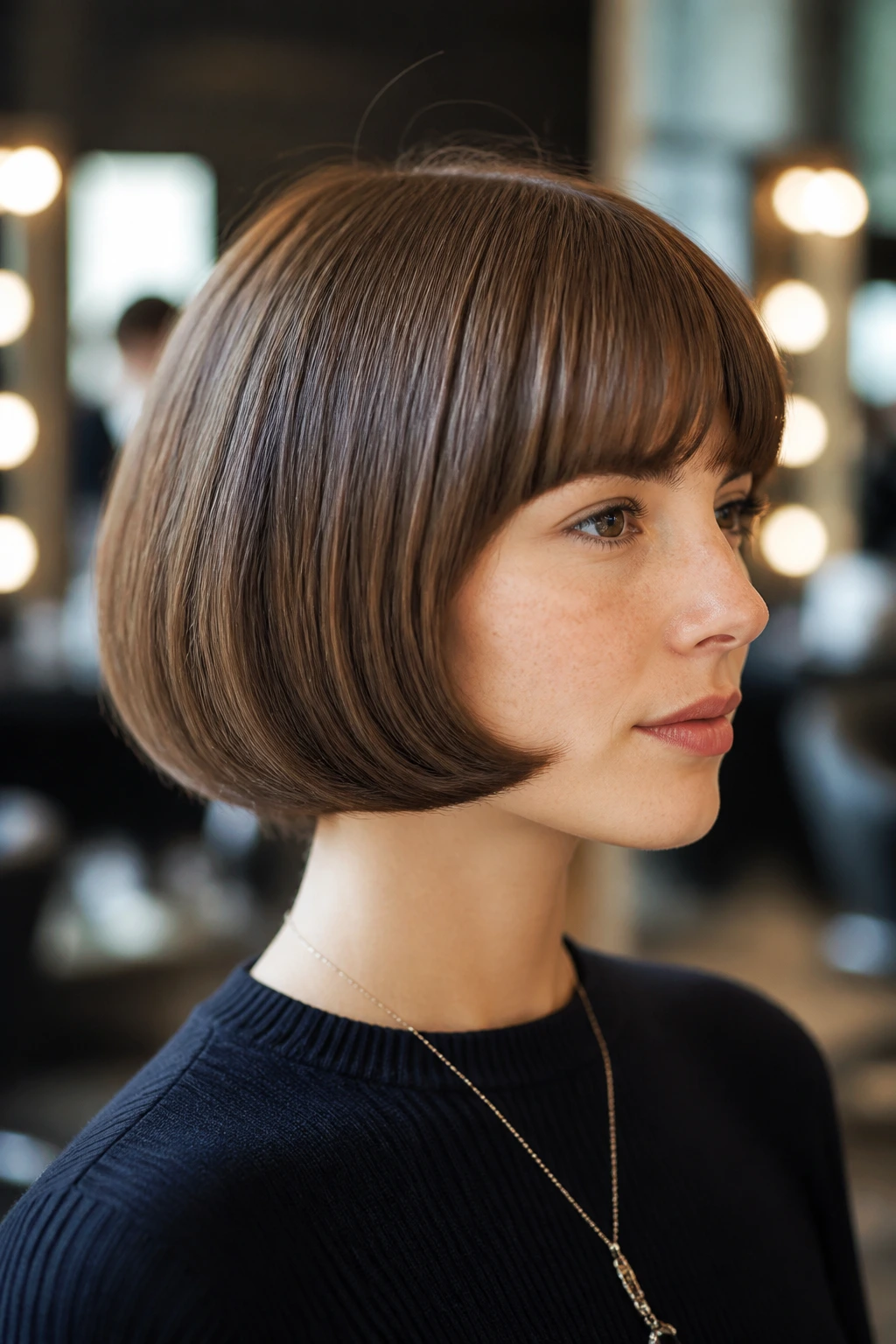
Which retro haircut is easiest to live with day to day?
The Italian bob, blunt shoulder-length cut, and curtain-bang layers are among the easiest because they still look intentional when they aren’t freshly styled. They hold shape without needing a perfect blowout every single morning.
Can fine hair pull off a vintage polished look?
Yes, and blunt shapes are your friend. French bobs, pageboy cuts, and shoulder-length blunt cuts can make fine hair look denser because the perimeter stays solid. Avoid too much layering, which can make the ends look see-through.
What if my hair is curly or coily?
Choose retro shapes that respect your texture: a rounded halo cut, curly crop, or tapered afro usually gives the cleanest vintage line. The polish comes from the silhouette, not from forcing the hair flat.
Do retro haircuts need a lot of styling time?
Not always. Some do, especially if you want a blowout finish or a deep side part with wave. Others, like a bixie or blunt bob, can look sharp with ten minutes and the right brush.
How do I stop a bob from flipping out in the wrong direction?
Dry the hair with tension, direct the ends where you want them, and let them cool there before moving on. If your hair naturally kicks out, ask for a slightly longer perimeter or a small bevel instead of a blunt edge.
What should I bring to the salon besides photos?
Bring notes on your styling habits. Say whether you air-dry, use rollers, or blow-dry with a round brush. Tell your stylist how often you’ll come back for trims and whether you want to tuck hair behind the ears.
Which retro cut grows out the best?
Curtain-bang layers, a bixie, and a soft shag usually grow out in a forgiving way. The most maintenance-heavy shapes are the wedge, the shingled nape bob, and any very blunt cut that depends on a sharp line.
Can these haircuts work with glasses?
Yes, but fringe placement matters. A French bob, mod crop, or side-part bob can frame glasses nicely if the bangs stop above the frame or sweep away from the temples. Too much fringe around the brow can crowd the face.
Do I need hot tools to keep the look polished?
No, but some cuts do benefit from them. A blow dryer and round brush will help most of these styles read cleaner, though the curly and low-fuss versions can rely on air-drying and smart shaping.
The Shape That Lasts
Retro haircuts keep coming back for a reason: they know where they’re going. A good one doesn’t wander all over your head looking for identity. It lands at the jaw, the cheekbone, the shoulder, or the nape and stays there with purpose.
The polished versions are the ones that respect that purpose. Crisp lines. Clean edges. Fringe that belongs to the cut. If you keep those three things in mind, the result feels vintage without feeling theatrical, which is a much better place to be.
