



The prettiest blonde is rarely the palest one.
It’s the one that moves a little when you turn your head, catches light at the ends, and leaves enough depth near the root that it still looks like hair on day six, not a costume on day one. That’s why these blonde hair color ideas work so well: they rely on tone, placement, and contrast, not just bleach. A soft beige blonde on a level 8 base can look richer than a stark white blonde that’s been pushed too far.
I’m partial to blondes that have a little warmth or shadow in them. Not muddy warmth. Not brass. Just enough gold, honey, or beige to keep the color from going flat under indoor light. The most useful shades also give you a choice: brighter around the face, softer through the ends, or both. That’s the difference between a color that only photographs well and one that still looks good when your hair is tied up with a bent clip and you haven’t had a gloss in weeks.
Why These Shades Read Bright Instead of Brassy
-
They keep some depth near the root: A shadow root or soft melt makes regrowth look deliberate, so you don’t get that hard stripe two weeks later.
-
They lean on beige, gold, and honey: Those tones catch sunlight without turning the whole head yellow, which is the usual trap with overly warm blonde.
-
They work with real hair texture: Waves, curls, and straight blowouts all show the dimension differently, which gives the color more life.
-
They leave room for maintenance: Some shades need toning every few weeks, while others can grow out for months without looking neglected.
-
They flatter more than one skin tone: Warm, cool, and neutral blondes are all here, so you can match the shade to your undertone instead of forcing your face to adapt to the color.
-
They translate clearly at the salon: Balayage, babylights, money pieces, and root melts are easy to describe. You can actually ask for them without waving around a vague screenshot and hoping for the best.
1. Creamy Golden Blonde
Creamy golden blonde sits in that sweet spot between buttery warmth and soft shine. It’s bright enough to lift the face, but it doesn’t have the sharp, pale edge that can make some blondes look dry under indoor lights.
Why it works
This shade looks best when the colorist leaves a little depth underneath and places the lightest pieces where the sun would naturally hit. The result is a blonde that reads as glossy, not chalky. On a level 7 or 8 base, it feels especially balanced because the gold has somewhere to live instead of sitting on top like paint.
Quick things to ask for
- Base level: Works well on level 7-8 hair.
- Tone: Ask for beige-gold or soft golden toner, not yellow.
- Placement: Lighter around the face, softer through the back.
- Upkeep: Gloss every 6-8 weeks keeps the warmth clean.
If your hair tends to look dull when it’s one flat color, this is a good place to start. The warmth catches light fast, which means you get brightness without pushing the whole head to a pale blonde.
2. Champagne Blonde
Why does champagne blonde look softer than platinum even when both are light? Because champagne lives in the middle: it has the brightness of blonde, but the tone is mixed with beige and a faint cool shimmer that keeps it from going yellow or icy.
A good champagne blonde should look expensive in daylight and clean under bathroom lights. That’s a weirdly useful test. If the shade only looks good in one kind of light, the tone is probably too narrow. Champagne is more forgiving, especially if your base is already light or you’re trying to move out of a flat yellow blonde.
How to ask for it
Ask your colorist for:
- a level 9 blonde with beige-gold tonal balance
- fine babylights through the crown
- a soft gloss instead of a harsh toner
It’s a shade I like on people who want blonde to feel polished but not frosted. The finish is glassy. Not loud.
3. Beige Blonde
Beige blonde gets misunderstood because people hear “beige” and assume boring. It isn’t boring. It’s the blonde that doesn’t fight your skin tone, your outfit, or the lighting in a restaurant with too many pendant bulbs.
The whole trick is restraint. Beige blonde keeps the warmth under control, but it doesn’t swing all the way into ash. That middle ground is what makes it so wearable. It’s especially good if you’ve tried bright gold and felt like it pulled too orange, or if ash blonde made you look washed out.
I like this shade on medium-length layers because the movement shows off the tonal shift. Straight, one-length hair can make it look a little quieter than it really is. Add a bend or a loose wave, and it wakes right up.
Best for: neutral and cool undertones, people who want blonde with less maintenance, and anyone tired of toner that fades too fast.
4. Honey Blonde
Honey blonde is the one I reach for when the goal is warmth with shape. It’s richer than golden blonde and softer than caramel, so it gives you that lived-in, sun-touched look without drifting into copper territory.
Picture dark blonde roots melting into golden mids and softer honey ends. That combination is doing the work. A single-process honey blonde can look flat, but a balayage or root melt gives it dimension that survives grow-out. The color also has a habit of flattering freckles and warm skin because it echoes the same tones already in the face.
If you like low-drama color, this is a smart shade. It doesn’t scream for upkeep every three weeks. It grows out with a softer line, especially if your colorist leaves the root slightly deeper than the mids.
Tip: Ask for a honey gloss, not a flat all-over warm dye. Glosses keep the finish shiny and prevent the color from looking opaque.
5. Butter Blonde
Butter blonde has a soft, pale warmth that makes it feel creamy instead of harsh. It’s lighter than honey, but not as cold as pearl or platinum, which is why it tends to look flattering even when the rest of your makeup is minimal.
There’s a specific look to it in motion. The ends glow first, then the brighter pieces near the face catch up when you move. That subtle shift matters. It stops the hair from looking like one solid block of yellow-white and gives the color a softer edge.
Butter blonde is one of those shades that looks especially good after a fresh blowout. The smoothness shows the tone. If your hair air-dries with a little texture, that works too, but the finish will read more relaxed than polished.
Use it if you want a blonde that feels light and sunny without going icy. Skip it if you hate warmth entirely. This shade will always have a whisper of gold.
6. Sandy Blonde
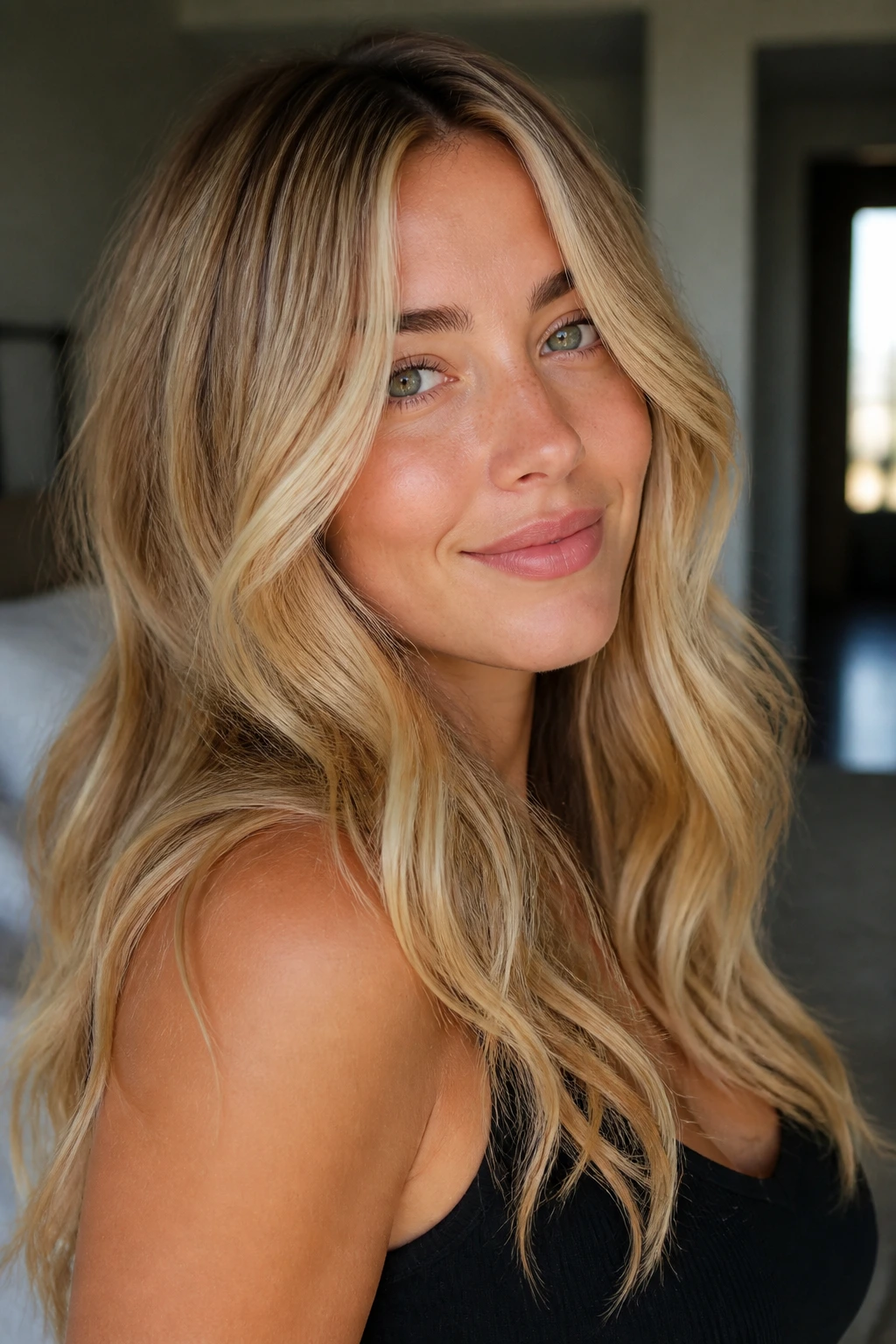
Sandy blonde is what happens when blonde stops trying to be sunny all the time and settles into something drier, cooler, and more neutral. It reminds me of pale wood, beach stone, and the muted color of hair that’s been in saltwater a few too many times—only in a good way.
This shade is especially good for people whose skin goes pink under too much gold. Sandy blonde keeps the brightness, but the tone is more beige-ash than honey-yellow. That means the result feels softer around the face. Not flat. Softer.
A quick way to think about it
- If gold feels too warm: sandy blonde is a cleaner fit.
- If ash feels too gray: sandy blonde gives you back some light.
- If your hair is naturally dark blonde or light brown: this shade blends well with your base.
I like sandy blonde on layered cuts because the texture breaks up the tone in a nice way. It doesn’t need to be flashy to look good.
7. Strawberry Blonde
Strawberry blonde is the flirtier cousin in this whole group. It has blonde brightness, but the copper-gold undertone gives it life. On the right person, it looks warm, fresh, and a little unexpected in the best way.
What makes it work is balance. Too much red and you’re in copper territory. Too little and the blonde disappears. A good strawberry blonde lives in the middle, with enough peachy warmth to glow in sunlight and enough pale blonde at the ends to keep it airy.
I like this shade on fair skin, freckles, and soft pink undertones, but it can work more widely than people think if the colorist keeps the red quiet. A peach glaze often does the job better than a bright copper dye.
The finish matters, too. Strawberry blonde looks best when it’s glossy and a little soft around the edges. A hard, shiny helmet of copper is a different thing entirely.
8. Bronde Balayage
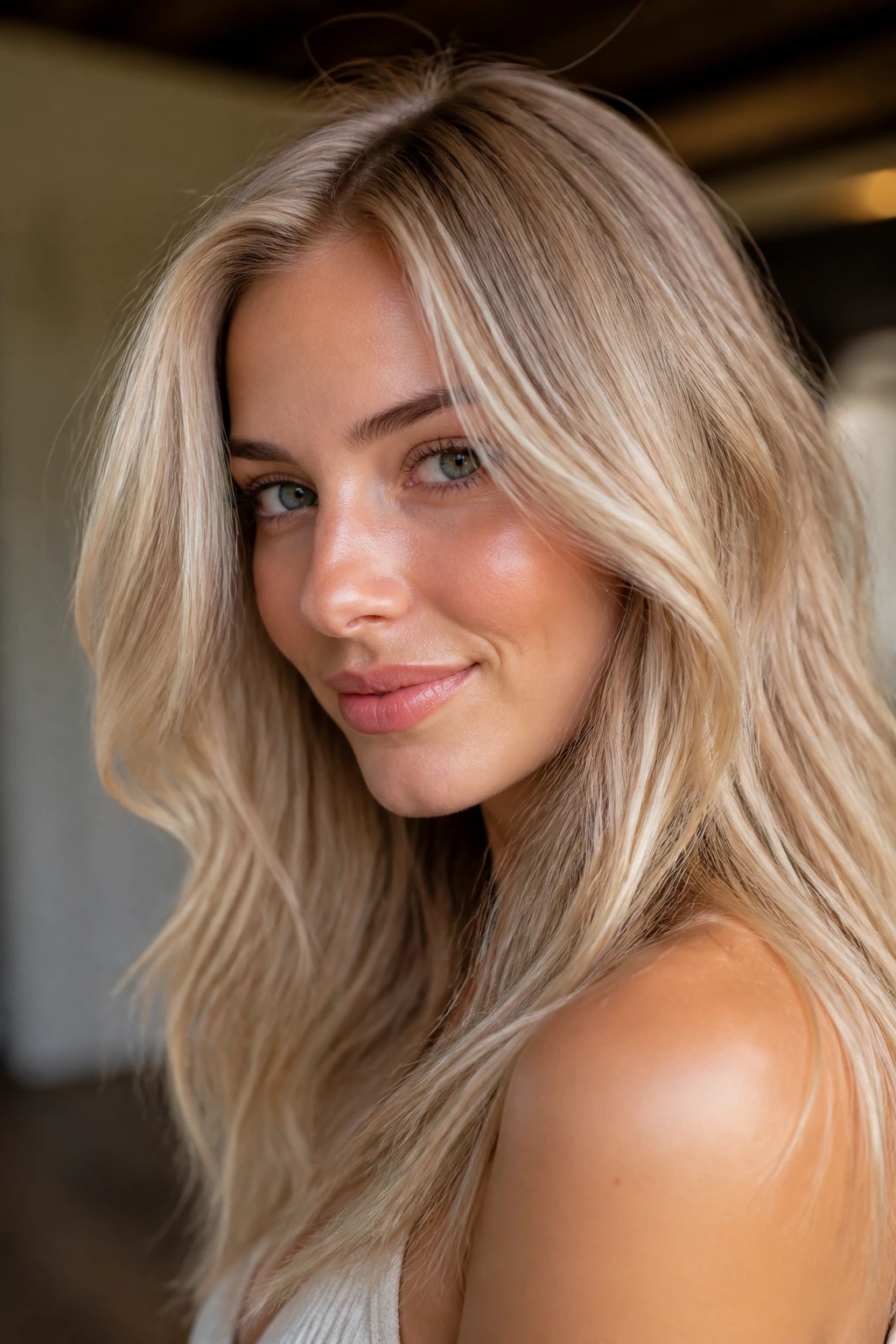
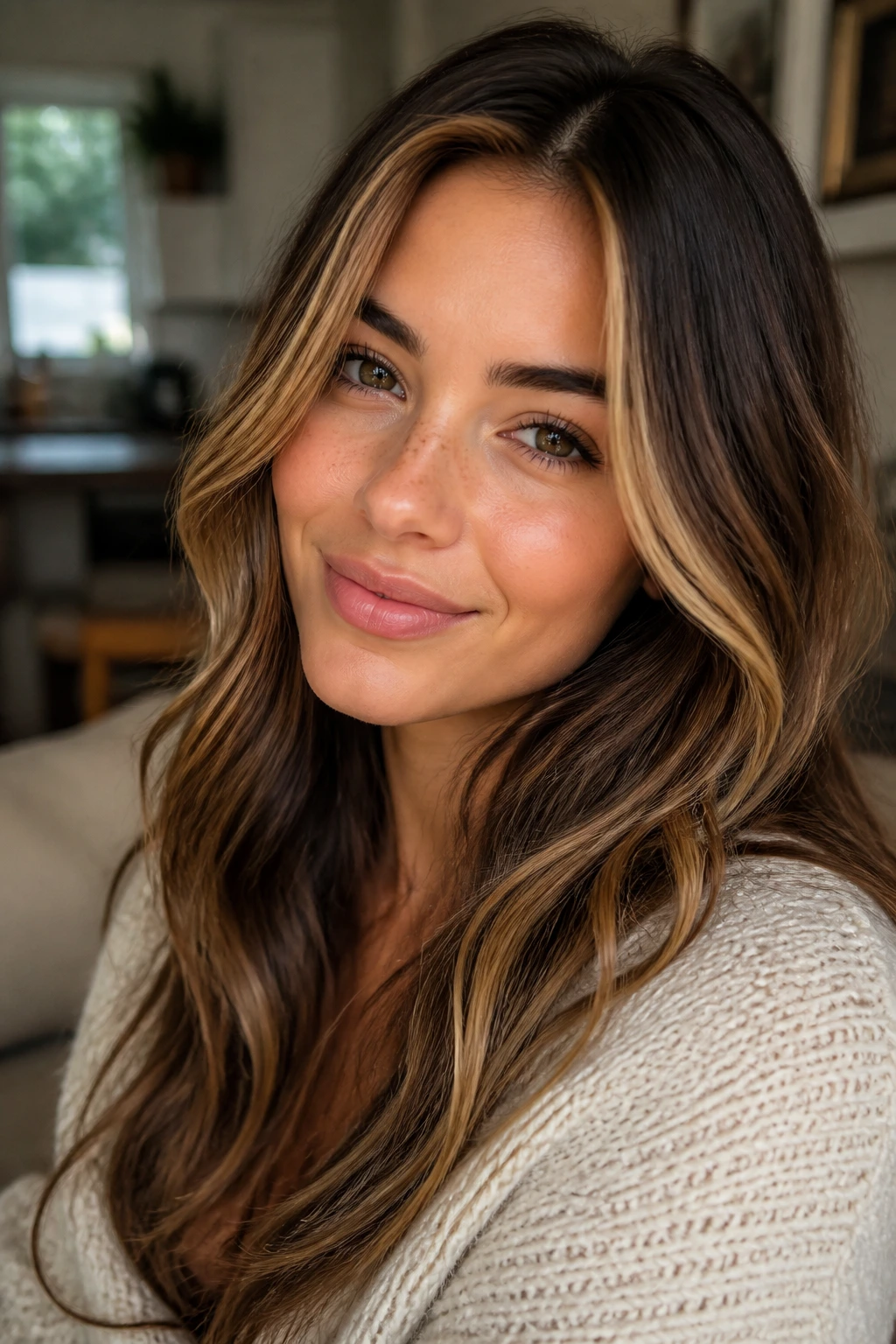
Bronde balayage is what happens when brunette stops fighting blonde and the two agree to share the same head. It’s one of the easiest ways to get a sun-kissed look because the darker base does half the work for you.
The appeal is obvious once you see it in motion. The blonde pieces sit like ribbons through a deeper brown base, so the light has somewhere to land. That gives the color movement even when the hair is tied back or worn straight. It also means regrowth is kinder. You aren’t staring at a harsh line every time the roots appear.
Why it stays popular
- Low maintenance: The grow-out is soft.
- Flexible tone: Can lean warm, neutral, or slightly cool.
- Good for longer hair: Balayage needs room to show the blend.
Bronde balayage is the shade I’d recommend to anyone who wants to go lighter without living in the salon. It’s not trying to be blonde in every strand, and that’s exactly why it looks good.
9. Rooted Mushroom Blonde
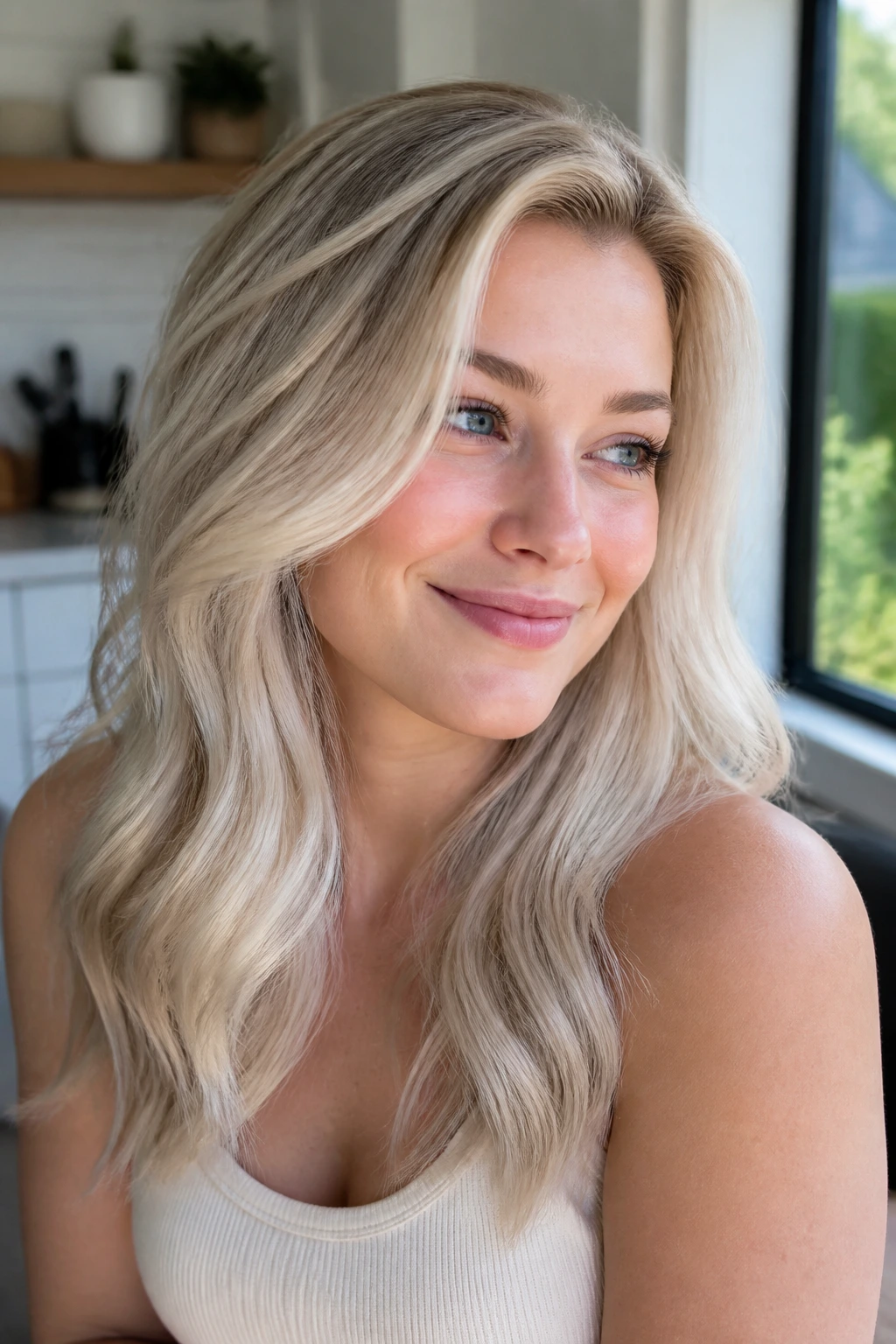
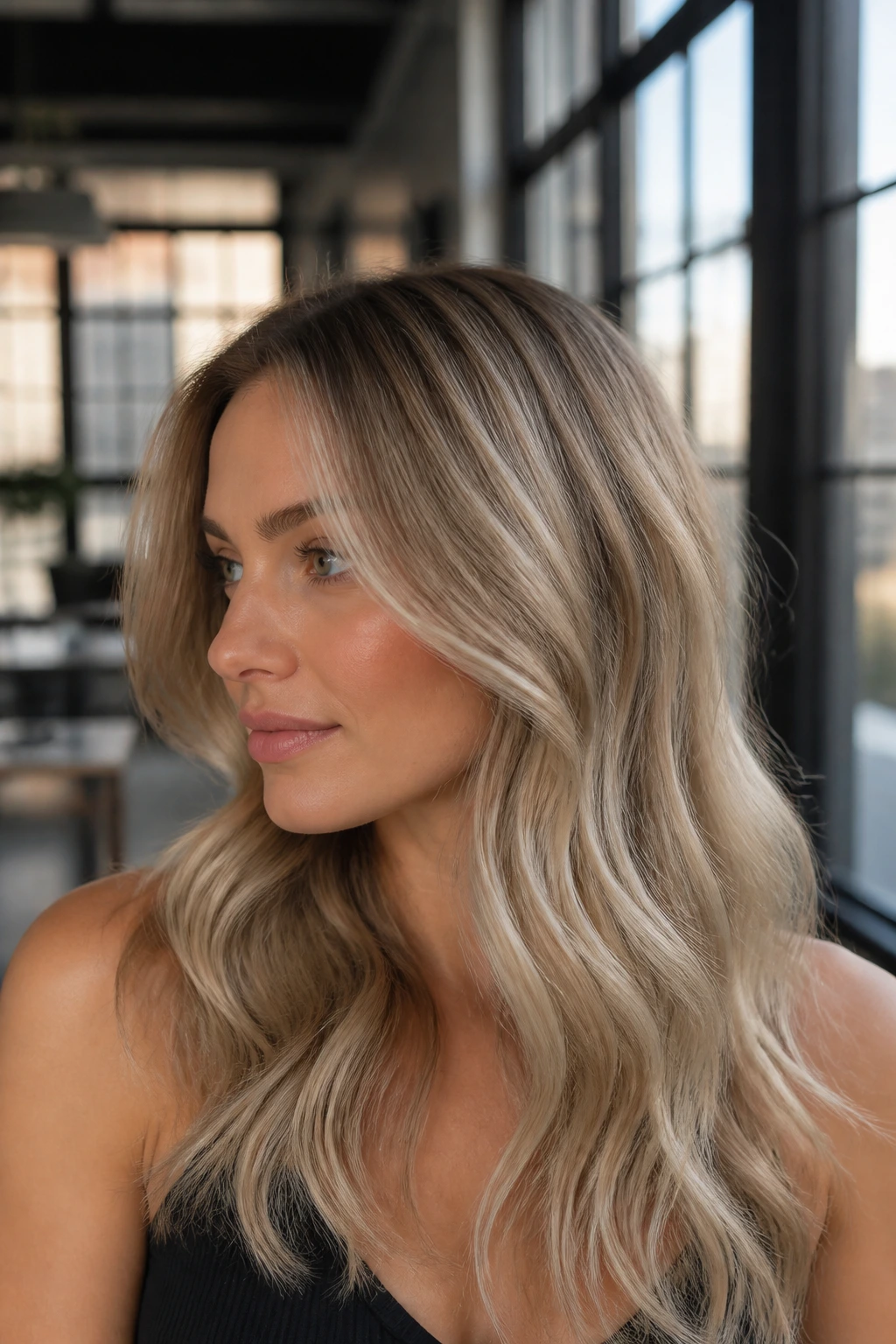
If warm blondes make your hair look orange, mushroom blonde is the correction you’ve been looking for. It’s cool, smoky, and a little earthy, with a root that stays deeper so the lighter pieces don’t float away from the rest of the hair.
The mushroom tone sits in that gray-beige zone that colorists use when they want blonde to feel soft rather than sunny. It sounds muted, and it is. But muted doesn’t mean dull. On layered cuts, the contrast between the darker root and the cooler mids gives the style shape without relying on obvious streaks.
This is one of my favorite choices for people who want dimension but don’t want a lot of gold. It also plays well with olive skin, which can look odd next to overly warm blonde. If you’ve ever thought, “I want blonde, but not that one,” this shade is usually the answer.
A gloss matters here. Without one, mushroom blonde can lean flat. With the right toner, it looks smoky and clean.
10. Vanilla Blonde
Vanilla blonde is pale, creamy, and much softer than the icy blondes that dominate a lot of inspiration photos. It has enough warmth to stay flattering, but the overall effect is bright and clean.
The best vanilla blondes don’t look stripped. They look blended. Fine babylights, a pale beige toner, and a little depth near the root keep the shade from turning into a single flat note. That’s what gives it that soft, polished finish people usually want when they ask for “lighter, but not yellow.”
It works especially well if your hair already lifts evenly and you want a lighter blonde that still has some warmth in the skin. Straight styles show the pale tone clearly, while waves give it a more buttery shift.
Pro move: Ask for a clear gloss between salon visits if the hair starts to look rough. Vanilla shades lose their shine first, then the tone.
11. Platinum Blonde with Shadow Root
Platinum without a shadow root is a commitment, and sometimes a headache. Add a soft root melt, and the whole thing becomes more wearable. That one move changes the feel from high-maintenance block color to something that actually grows out with a little grace.
Platinum is bright, cool, and reflective. The shadow root protects the scalp area visually and keeps the contrast from looking harsh as the roots come in. It also gives the blonde a little depth, which is useful because pure platinum can flatten fast if the cut is heavy.
What to know before choosing it
- Best on lighter bases: Level 8-10 lifts easiest.
- Expect upkeep: Toner usually needs refreshing every 4-6 weeks.
- Damage matters: Bond-building care is not optional here.
I like platinum with a shadow root on shorter cuts and blunt bobs. The clean shape makes the contrast look intentional instead of accidental. On long hair, it can still work, but the maintenance gets louder. There’s no way around that.
12. Caramel Money Piece Blonde
A caramel money piece is the fastest way to bring blonde back to the front without changing everything underneath. You keep the base darker, then place brighter, warmer ribbons around the face where they catch the light first.
The money piece works because your eye goes there before it goes anywhere else. Even if the rest of the hair is more subdued, those front panels lift the whole look. Caramel is a smart tone for this because it’s warm enough to glow, but not so light that it disappears against darker roots.
This idea is especially handy if you want a visible change without a full-head lightening session. It also grows out with less drama, which I appreciate. Nobody needs a strict face frame line marching down the middle of the forehead.
Try it with loose waves or a soft blowout. That movement helps the color blend into the rest of the blonde instead of looking pasted on.
13. Pearl Blonde
Pearl blonde has that soft reflective quality you get from a shell when the light moves over it. It’s not white, and it’s not yellow. The tone sits in a pale neutral-cool range that reads clean, smooth, and slightly luminous.
The beauty of pearl blonde is that it doesn’t need aggressive contrast to stand out. A subtle gloss can do a lot. On fine hair, especially, the shade can look airy and full because the light bounces around instead of sinking into darker undertones.
It does best when the hair is healthy enough to hold shine. Dry, rough ends steal the effect. If the cuticle is lifted, pearl blonde loses its whole point. So this is one of the shades that rewards good conditioning more than people expect.
A side part and soft waves make it look more dimensional. A center part can make the color feel sharper and cleaner. Both work. The mood changes fast.
14. Ash Blonde Balayage
Ash blonde balayage is for people who like blonde, but not the golden side of it. It gives you brightness with a cooler finish, and the balayage placement keeps the color from looking striped.
Compared with beige blonde, ash blonde has less warmth and a more silvery edge. Compared with platinum, it’s softer and easier to live with. That middle space is why it works so well on medium bases that lift to a pale yellow before toning.
Best fit
- Skin that pulls pink, neutral, or cool.
- Hair that lifts cleanly to level 8 or 9.
- People who don’t mind purple shampoo once a week.
I’m a fan of ash balayage on longer layers because the cool pieces sweep through the hair in a way that looks deliberate instead of severe. It’s not the friendliest blonde for every face, but when it fits, it’s sharp in a good way.
15. Sunlit Teasylights
Teasylights are the kind of highlight technique that disappears when it’s done right. The hair is teased before lightener goes on, which softens the line and leaves tiny, diffused ribbons of brightness instead of chunky streaks.
That matters if you want a sun-kissed look rather than a highlighted look. Sunlit teasylights keep the top layer soft and give you brightness that looks like it happened naturally over time. The result is usually better on straight or softly waved hair, where the fine placement shows up without screaming for attention.
A lot of people think brighter blonde means more contrast. Not here. The magic of teasylights is how quiet they are at the root and how bright they can still look around the face and crown.
Ask for:
- micro-fine lightened sections
- soft blend at the root
- a beige or gold gloss depending on skin tone
It’s a clever choice if you want a lighter overall feel without obvious stripes.
16. Butterscotch Blonde
Butterscotch blonde has more depth than butter blonde and more sweetness than honey. It’s the shade I like when someone wants warmth that feels rich instead of bright.
The tone lands in that gold-caramel range that flatters medium and deeper bases especially well. It gives the hair a heavier-looking shine, which sounds strange until you see it. The color looks full. Dense, even. The light hits the surface and stays there a second longer.
This is one of those shades that wears nicely with a blunt cut. The clean line lets the warm tone read clearly. On very layered hair, it can get lost if the highlights are too scattered, so placement matters.
If you want your blonde to feel cozy rather than icy, butterscotch is a solid answer. It’s not fussy. It just looks like it knows what it’s doing.
17. Linen Blonde
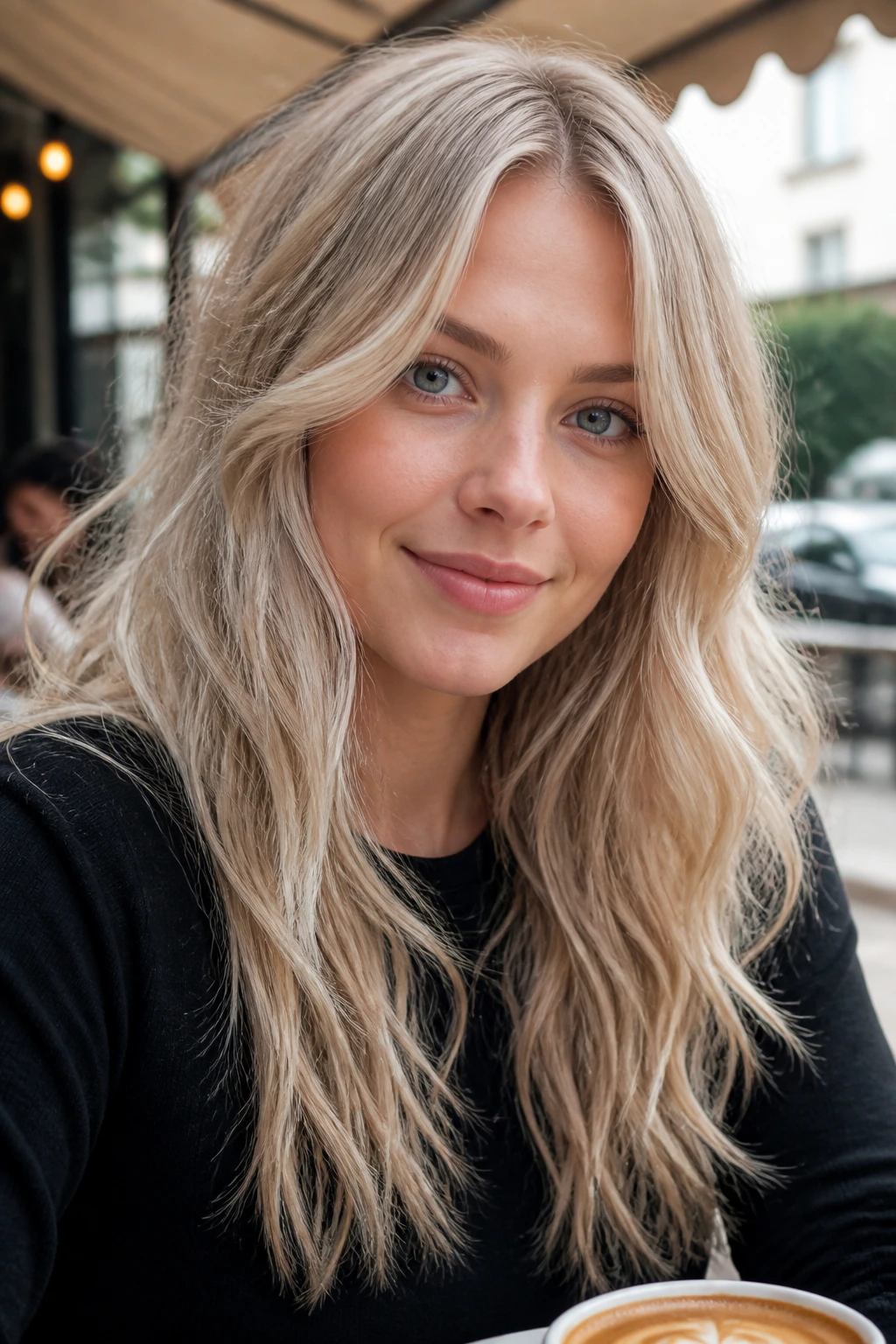
Linen blonde is pale, muted, and airy, with enough beige in it to keep the color from looking stark. The name fits. It has that dry, woven, natural feel that sits quietly in the background until the light catches it.
I like this shade because it doesn’t force warmth or coolness. It lands in the middle and stays there. That makes it easier to wear with a lot of makeup looks and clothing colors, which is one reason it’s such a steady choice for people who hate overthinking their hair.
It’s especially good on hair that already has a decent amount of lift and a clean canvas. If the base is too dark, linen blonde can look patchy unless it’s built in stages. But on an even level 8 or 9, it’s smooth and understated in the best way.
The tone also pairs well with a soft root shadow. That keeps the ends light and the top section grounded.
18. Cream Soda Blonde
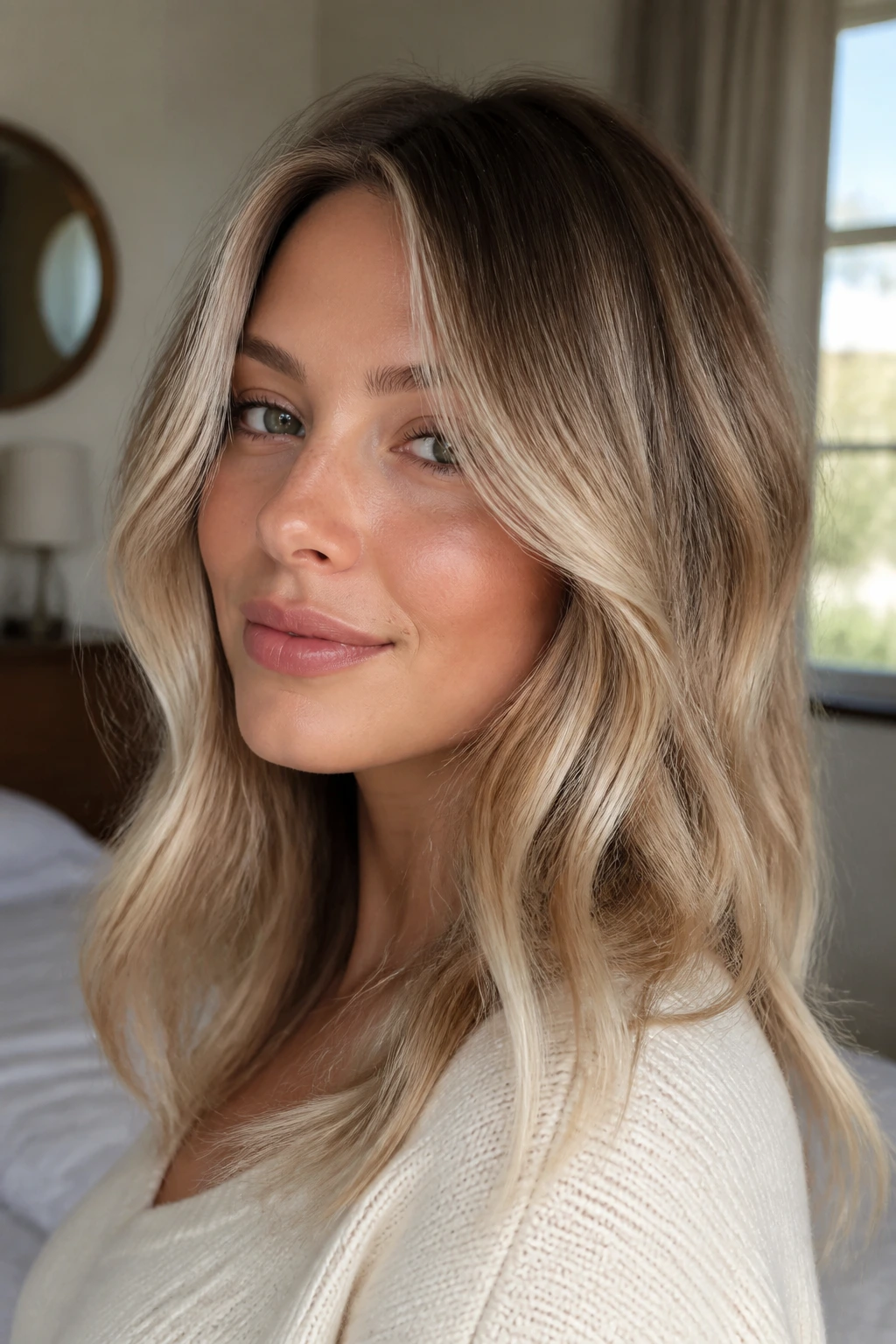
Why does cream soda blonde feel so fresh? Because it mixes blonde with a faint beige-brown base, which makes the whole color look creamy instead of bleached out. It’s a useful shade if you want brightness but don’t want your hair to look like it came from one filter.
The root-to-end transition is the whole story. The darker base keeps the color grounded, the mids carry the blonde, and the ends are just light enough to lift the face. When the placement is good, the shade looks foamy and soft, almost like the color has been stirred rather than painted on.
This is a strong choice for medium brunettes who want a blonde look without a hard line of grow-out. It also suits wavy hair because the movement helps the blend show up.
What to ask for: a beige-blonde balayage with a soft root melt and a brighter money piece.
19. Rose Gold Blonde
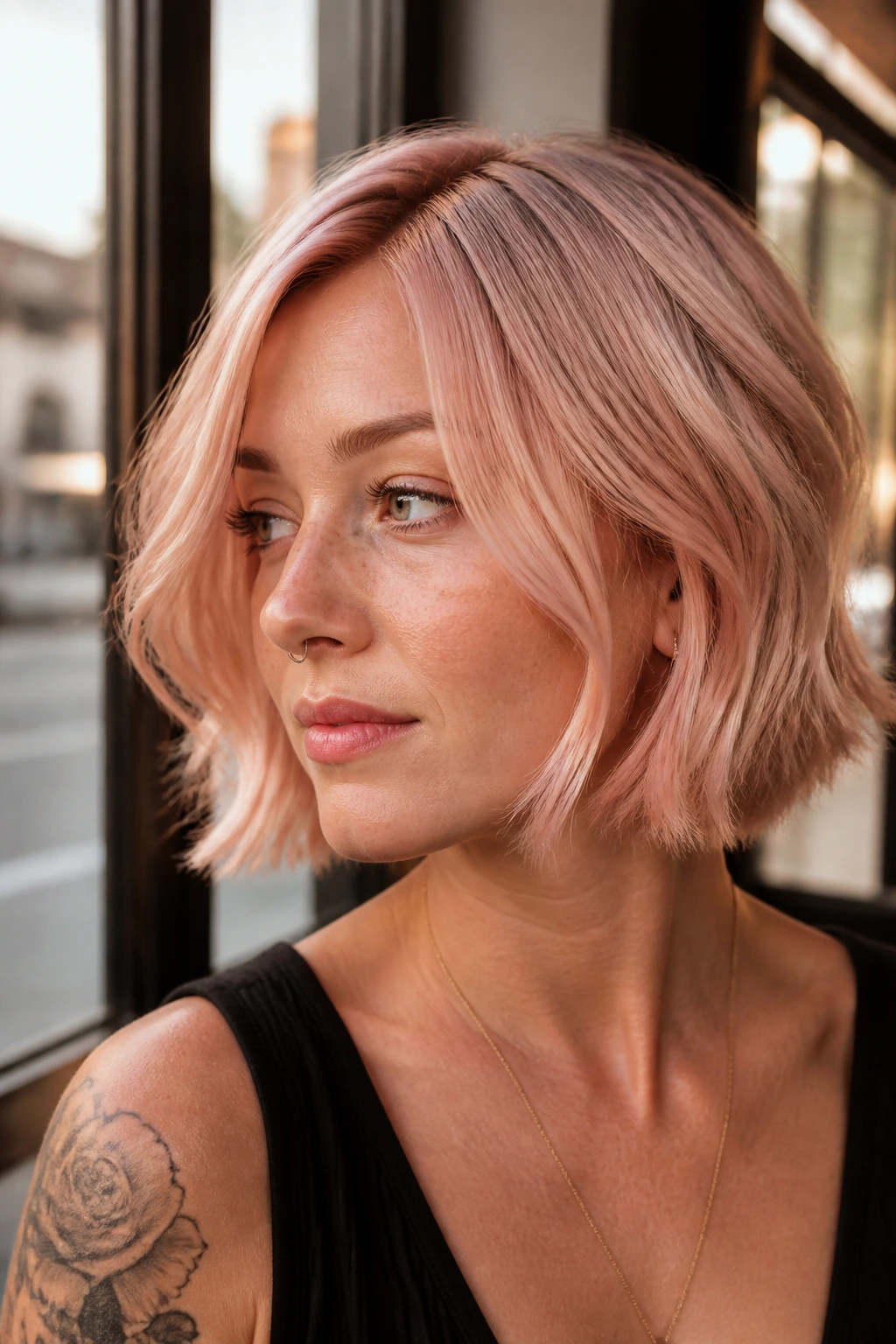
Rose gold blonde is for people who like their blonde with a little blush in it. The pink-gold tone is subtle enough to stay wearable, but it changes the mood of the whole color in a way that flat blonde never can.
The trick is restraint. Too much pink and the shade turns novelty-fast. A good rose gold blonde keeps the blush faint and lets the blonde carry the brightness. On lighter bases, it reads delicate and soft. On warmer skin, it can look alive in a way that cooler blondes sometimes miss.
I especially like it on shorter cuts or bobs because the shape makes the color feel intentional. Long layers work too, but you need good gloss and careful toning so the rose stays clean.
It’s not the lowest-maintenance blonde on this list. Color-depositing masks can help preserve the tone, but they also need a light touch. Heavy pigment will push it too pink.
20. Toasted Coconut Blonde
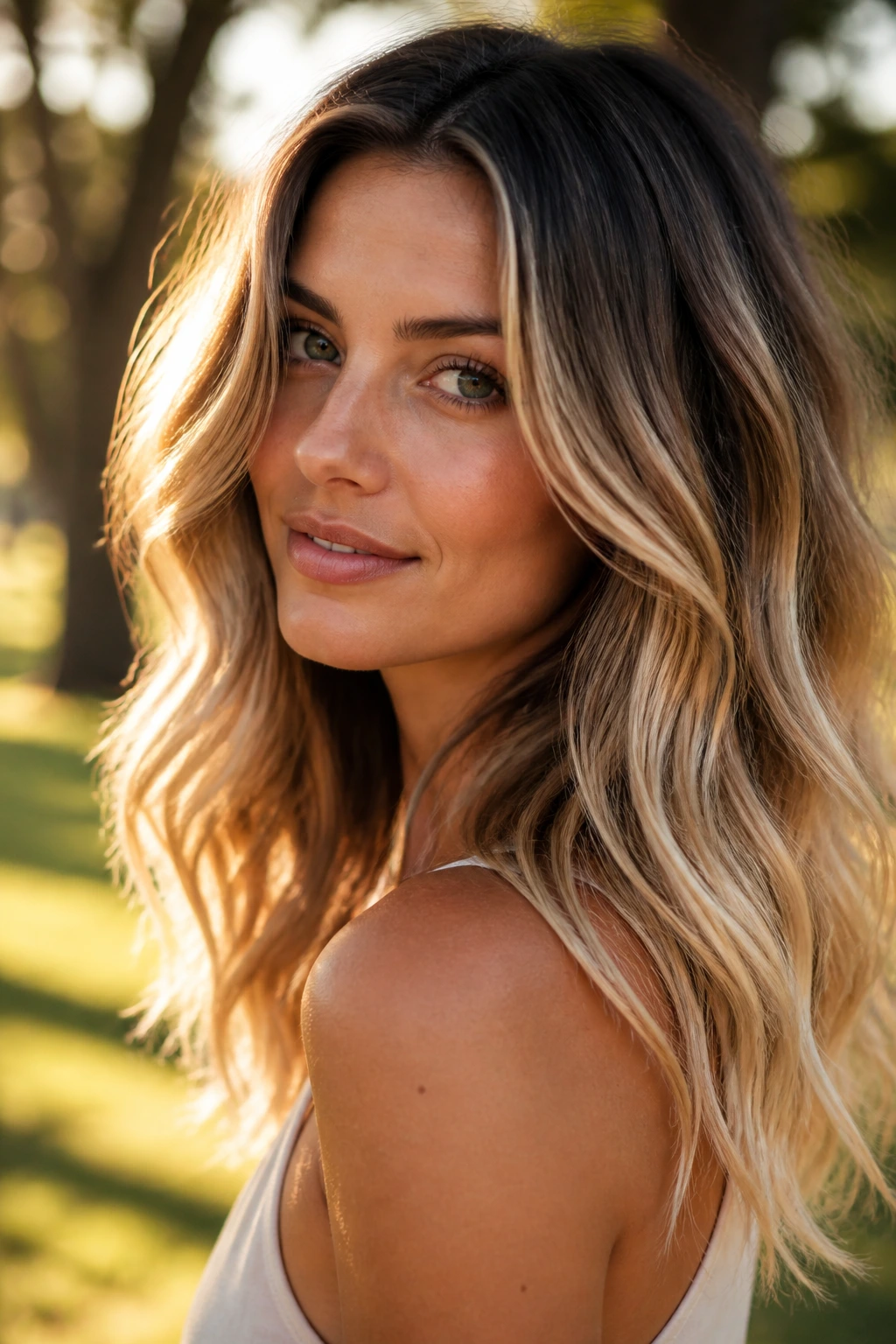
Toasted coconut blonde gives you a darker root, warm middle tones, and pale ends that look sun-lightened rather than salon-flat. It’s one of the easiest ways to wear blonde if you like contrast but don’t want the color to feel harsh.
The name makes sense once you see it. The root is toasted, the mids are creamy, and the ends go lighter, like the last bit of coconut on a browned edge. That contrast creates dimension even when the hair is worn in a ponytail. It also gives the illusion of thicker hair because the root depth anchors the shape.
This shade is a smart pick for brunettes moving toward blonde in stages. You can keep the darker base and lighten the face frame and ends first, then build from there if you want more brightness later.
It’s a practical color. That sounds less glamorous than it is, but I mean it as a compliment.
21. Wheat Blonde
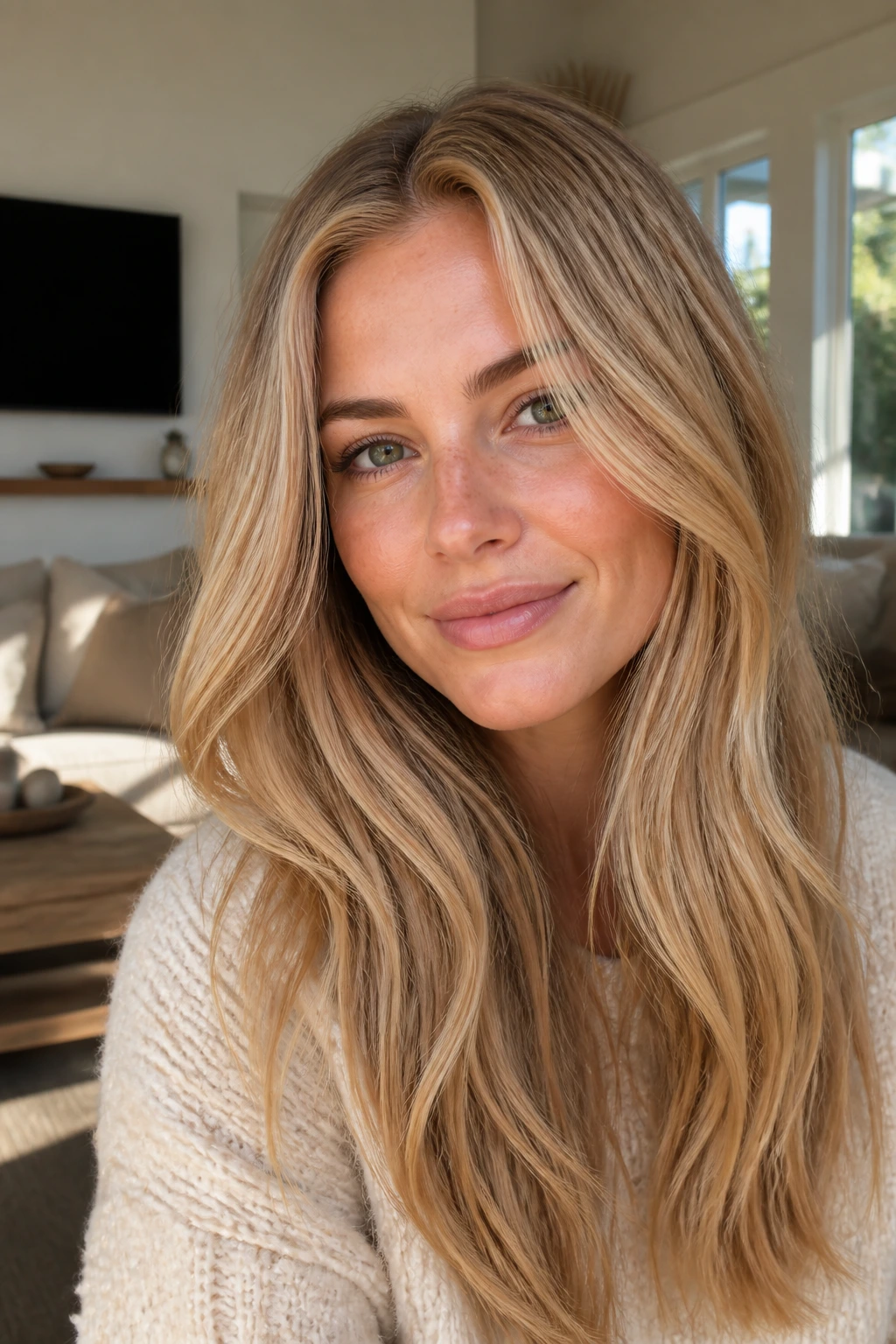
Wheat blonde has an earthier tone than golden blonde and a softer finish than ash. It’s the kind of shade that looks natural without pretending it happened on its own.
The best wheat blondes sit around the edge of beige and pale gold. They have enough warmth to stay flattering, but the color never crosses into brass. That’s what makes them useful. They don’t dominate the face. They support it.
This is a good one for people whose hair naturally falls in the dark blonde to light brown range. You can stay close to your base and still create a lighter, brighter effect. The grow-out is gentle, too, because wheat blonde doesn’t rely on a hard tonal line to work.
If your style leans understated, this shade does a lot without shouting. It looks especially good in soft waves and airy layers.
22. Vanilla Bean Face Frame
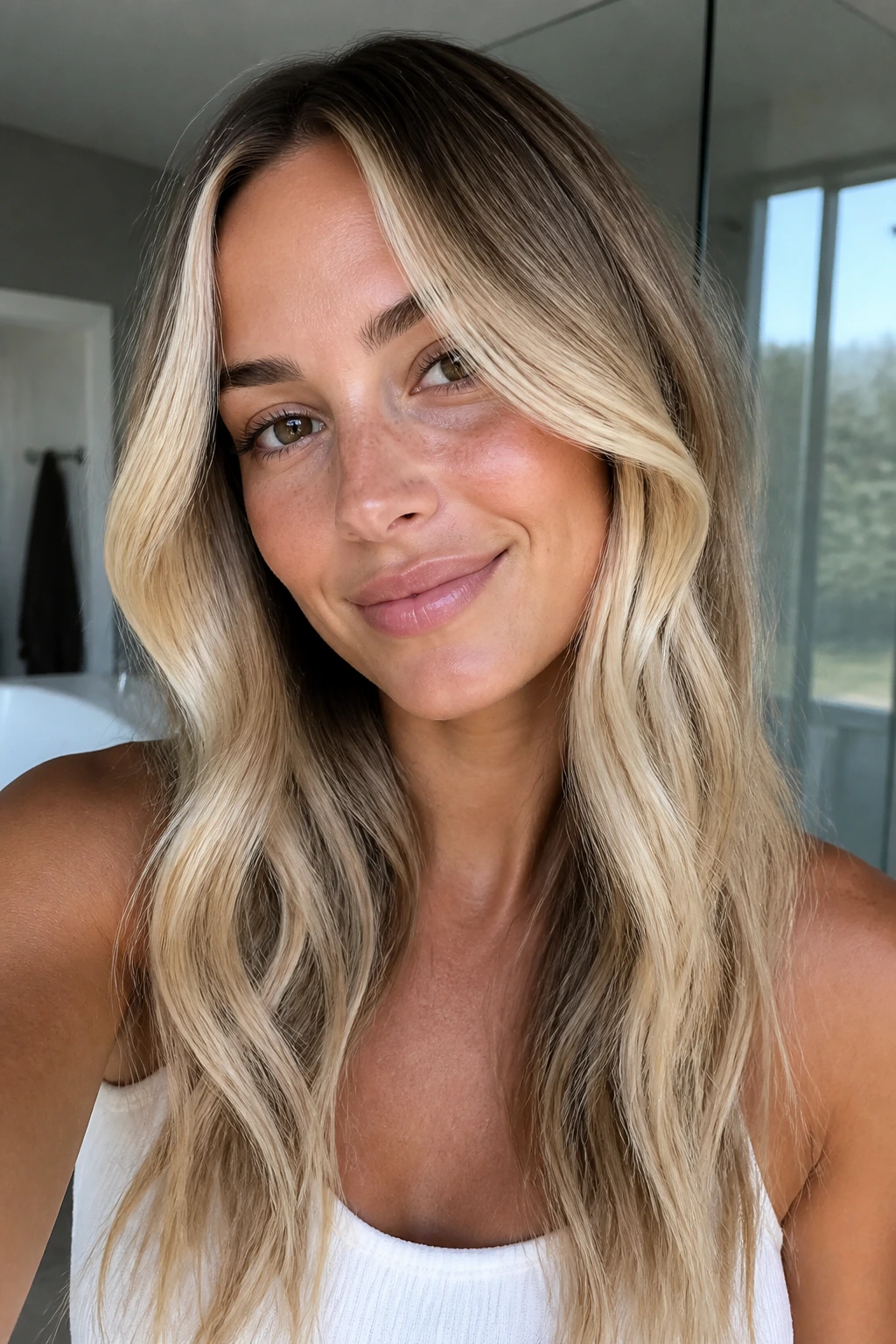
A vanilla bean face frame is one of my favorite ways to brighten blonde without committing to an all-over lighter look. The face pieces go pale and creamy, while the rest of the hair stays deeper and more grounded.
That contrast does two things at once. It opens up the face, and it makes the rest of the color look richer by comparison. On brown or dark-blonde bases, this technique creates a very clean brightness right where you want it, which is usually around the cheekbones and temples.
Why it’s useful
- Less maintenance: You’re refreshing a small area, not the whole head.
- More impact: Bright pieces near the face show up in photos and daylight.
- Easy to tweak: You can go warmer or cooler with the toner.
This is the shade idea I’d hand to anyone nervous about looking too blonde too fast. It’s bright, but only where it matters most.
23. Frosted Champagne Blonde
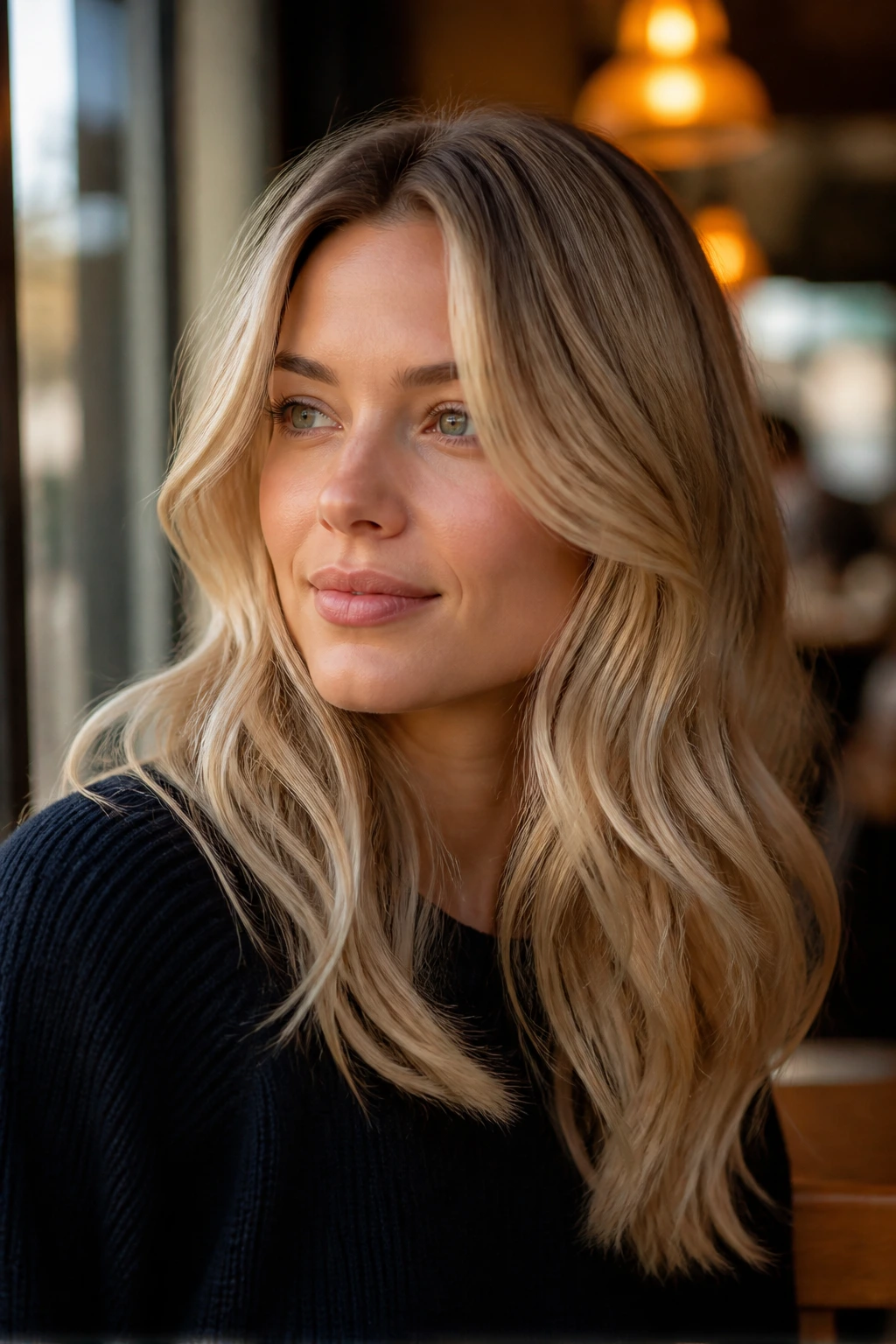
Frosted champagne blonde takes the soft sparkle of champagne and pushes it cooler. The result is pale, reflective, and a little airy, like a glass of something cold with a narrow slice of lemon at the rim.
It works because the color still has dimension. You’re not looking at one solid icy panel. Instead, the highlights are blended enough to catch light, while the cool toner keeps the warmth under control. That gives you a brighter finish than beige blonde, but less severity than a full platinum.
I like this shade on people who love a crisp finish and don’t want warmth hanging around after the toner fades. It’s a little more demanding than neutral blondes, though. Purple shampoo helps, but it won’t do all the work.
Use it if your style leans clean, sharp, and polished. It reads especially well on straight hair and sleek blowouts.
24. Honeyed Copper Blonde
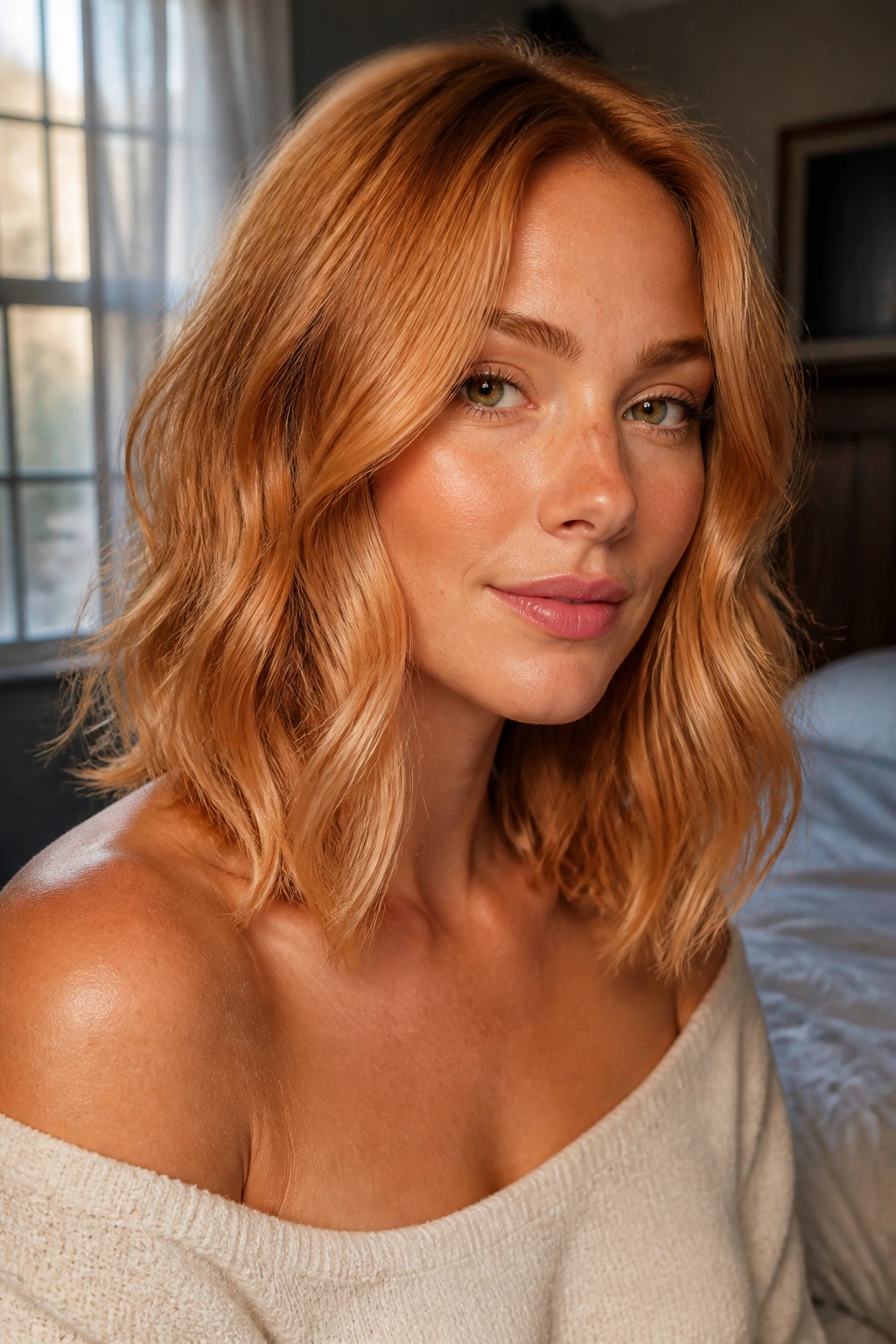
Honeyed copper blonde lives where blonde and copper shake hands. It’s warmer than strawberry blonde, but lighter and less red than full copper, which gives it a lively glow without tipping into orange.
This shade has a lot of personality. It flatters freckles, warmer skin, and anyone who wants their blonde to feel less mainstream. The honey part keeps it bright. The copper part gives it character. Together, they make the color look vivid in daylight and cozy indoors.
The only catch is maintenance. Warm red-gold tones fade faster than neutral ones, so the gloss or color-depositing treatment needs to stay on schedule. If you like a shade that evolves a little between appointments, that’s not a problem. If you hate any shift at all, choose something more beige.
A shoulder-length cut shows this color beautifully because the ends catch the warm light without dragging the whole look down.
25. Soft Nordic Blonde
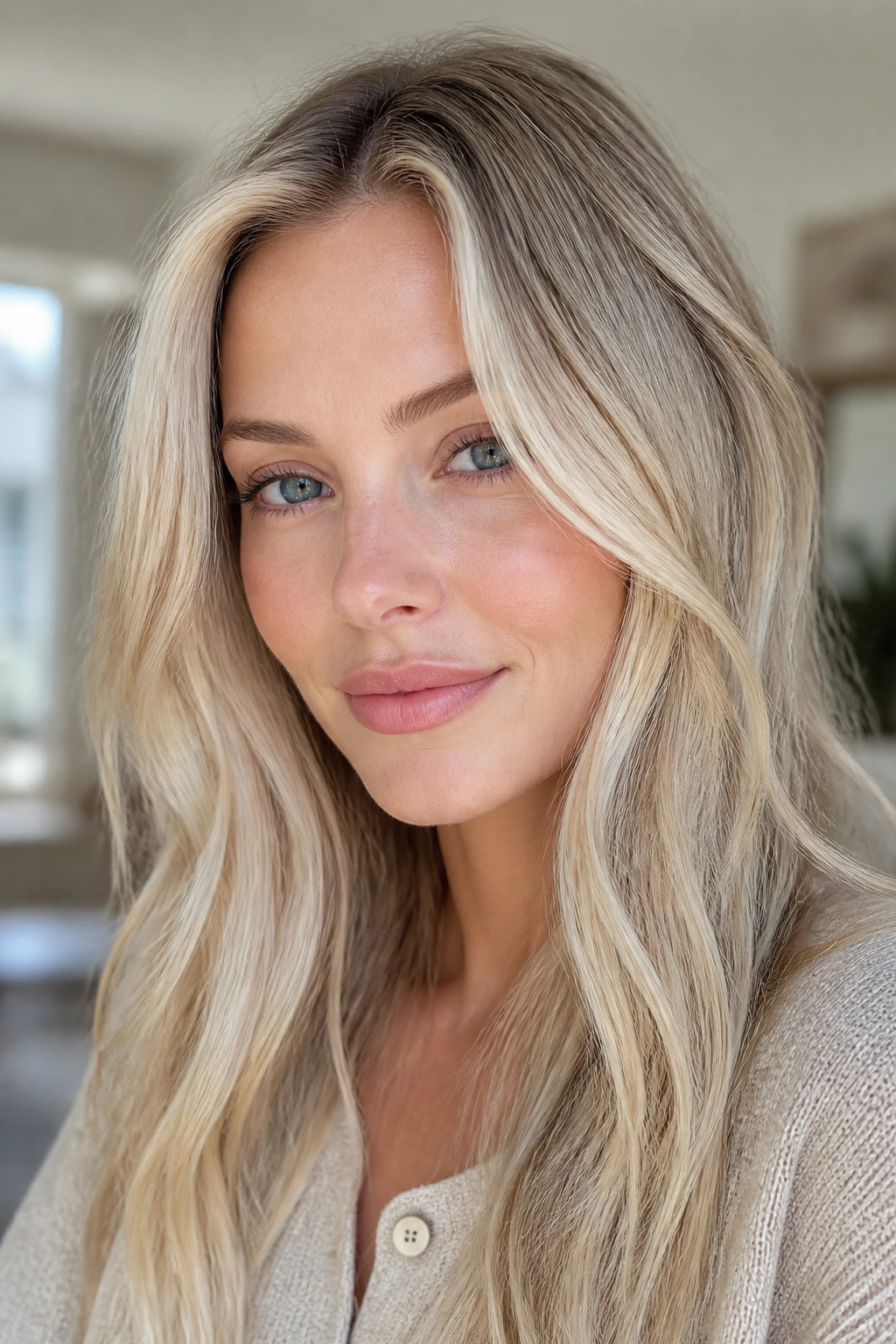
Soft Nordic blonde is cool, pale, and restrained, but it avoids the hard silver-white edge that can make some very light blondes look severe. It’s the quietest blonde on this list, and that’s exactly why it works for certain faces so well.
The best version keeps the root slightly softened and the mids clean. That stops the blonde from turning stripy. The tone itself sits in a cool beige range, with just enough warmth left in the hair to keep it wearable. Think crisp, not icy.
This shade is one of the harder ones to maintain, because anything that pale shows brass fast. But on the right base, it looks clean and airy. If you like minimal makeup, crisp collars, and hair that looks almost translucent in bright light, this may be the one.
Use good bond care. Seriously. A pale Nordic blonde with fried ends stops looking elegant fast.
What Makes a Blonde Look Sun-Kissed Instead of Flat
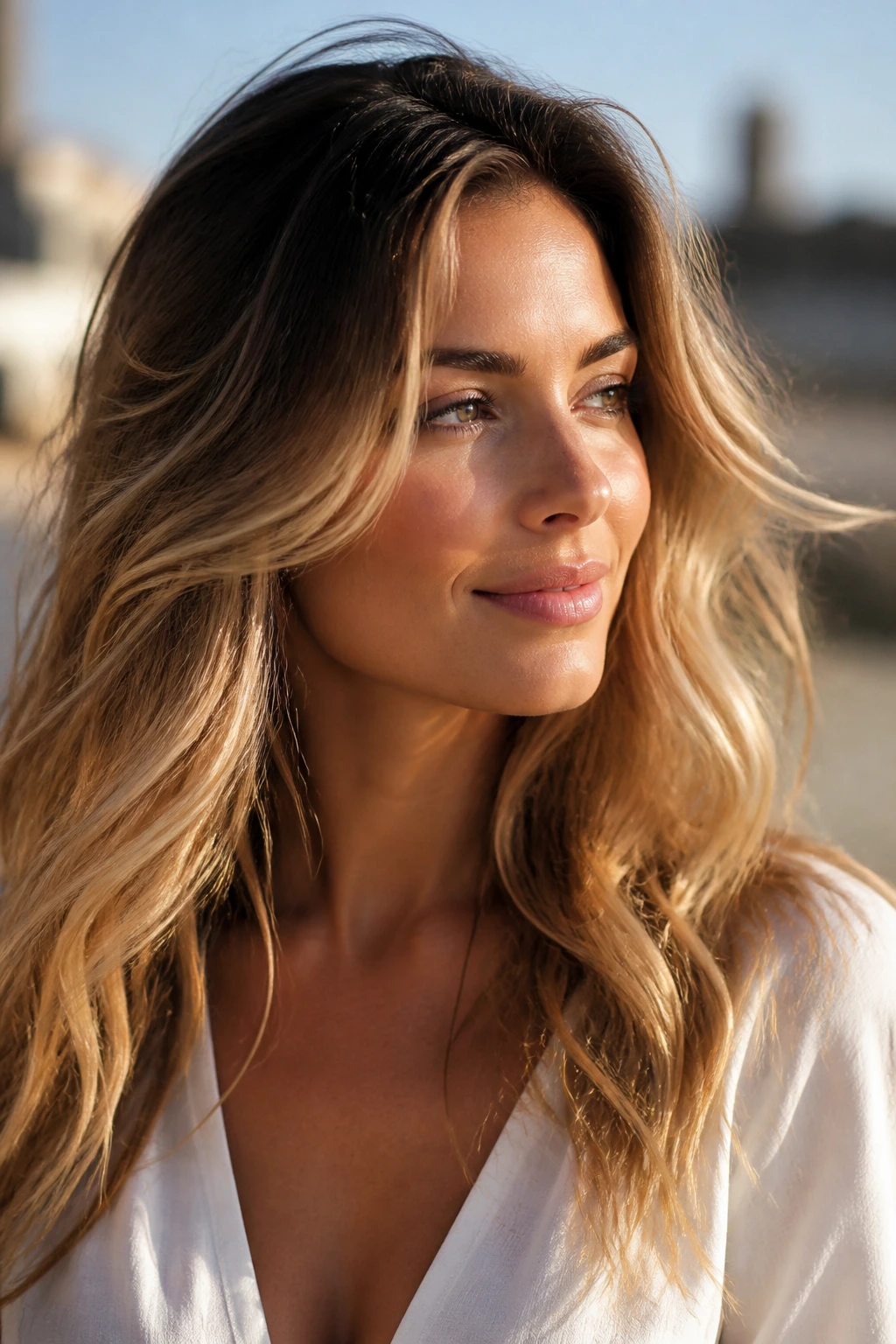
A sun-kissed blonde usually has three things going for it: a deeper root, brighter face-framing pieces, and enough tonal variation through the mids that the color doesn’t read as one solid block. That’s the whole game. If all three sections of the hair are the same tone, the blonde can look pasted on, especially under indoor lighting.
Placement matters as much as color. A few well-placed babylights around the hairline often do more than an all-over lift. I’d rather see a smart root melt and soft ribbons through the crown than a perfect sheet of overprocessed lightness. The first one grows out with character. The second one just grows out.
Texture changes the read, too. Waves make balayage look more dimensional. Straight hair shows gloss. A blunt cut can make a warm blonde feel modern, while long layers soften the whole thing. Same color. Different mood.
The Colorist Tools and At-Home Products Worth Knowing
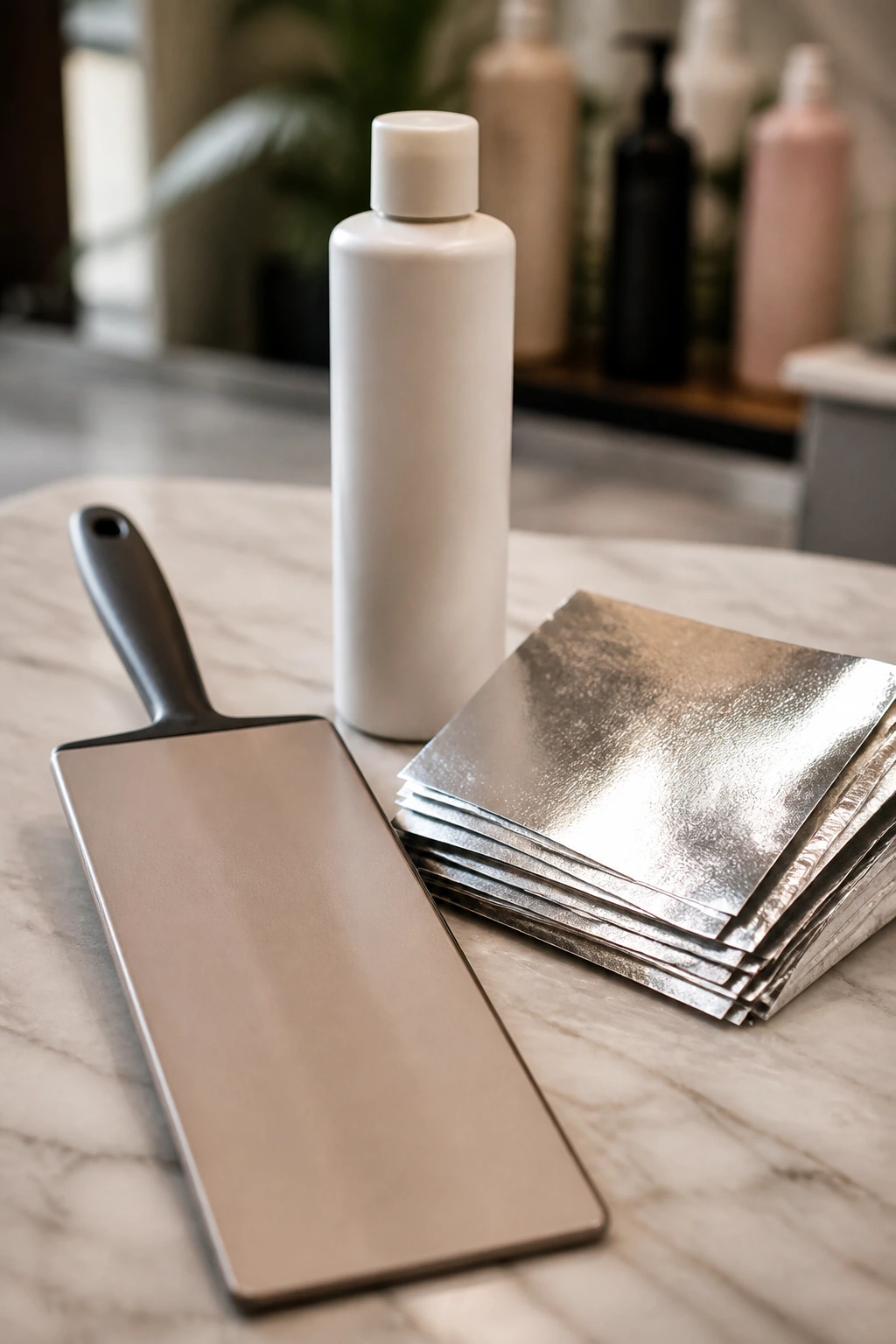
Most blonde ideas sound simple until you get into the tools behind them. That’s where the difference between a clean result and a patchy one usually lives.
In the salon chair
- Foils: Used for brighter, more controlled lightening and a cleaner lift.
- Balayage board: Helps paint-on lightener stay smooth through the mids and ends.
- Toner or gloss: Pulls warmth, adds shine, and shapes the final shade.
- Root shadow brush: Useful for softening the top section so regrowth is less harsh.
At home
- Sulphate-free shampoo: Keeps color from fading as fast.
- Purple or blue shampoo: Purple helps yellow tones; blue is better when blonde drifts orange.
- Bond-repair conditioner: Helps lightened hair feel less brittle.
- Heat protectant: Use it every time you blow-dry, curl, or flat-iron.
- Microfiber towel or T-shirt: Cuts down frizz when you’re drying freshly toned blonde.
If your hair is lightened at all, a good leave-in is not optional. Dry ends make every blonde look cheaper than it actually is.
Choosing the Right Blonde for Your Base, Undertone, and Lifestyle
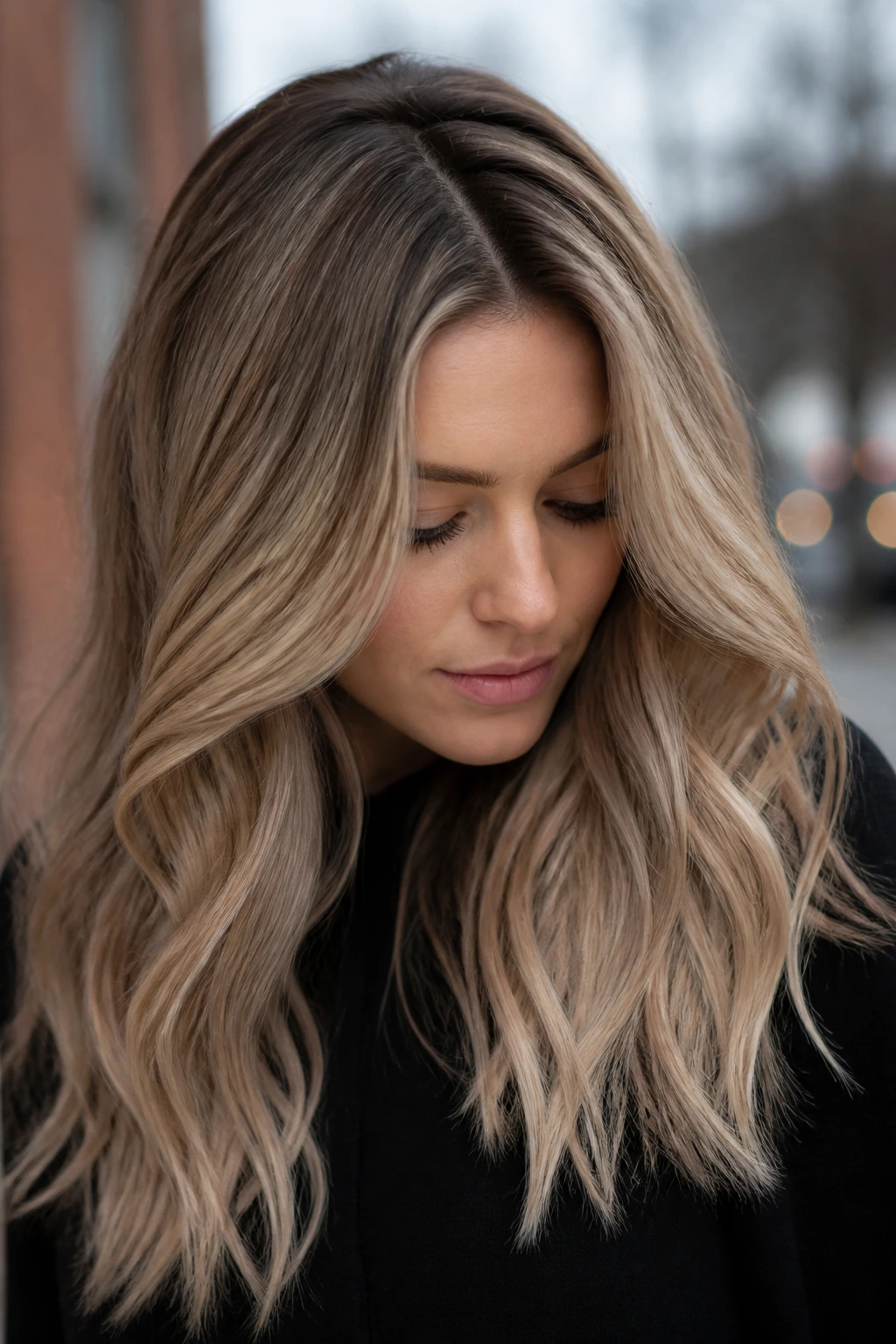
The most useful way to choose a blonde isn’t by scrolling until a photo looks pretty. It’s by matching the shade to your starting level and how much upkeep you’ll tolerate.
Level 7 and 8 bases usually have the easiest time with creamy gold, honey, beige, and bronde. Those shades don’t require a brutal lift, and they blend more naturally into darker roots. Level 9 and 10 bases can handle vanilla, pearl, champagne, and platinum shades better because there’s less pigment left to fight.
Undertone matters more than people think. Warm and peachy skin usually likes honey, butter, rose gold, and butterscotch. Neutral skin can handle nearly all of these. Cool or pink skin often looks fresher in beige, ash, pearl, or frosted champagne. Olive skin can be tricky with too much gold, so mushroom blonde, sandy blonde, and rooted beige tones are usually safer bets.
Then there’s lifestyle. If you love salon maintenance, platinum and soft Nordic blonde are fair game. If you don’t, keep a root shadow, ask for balayage or teasylights, and choose tones that fade politely.
Styling Moves That Let the Highlights Show
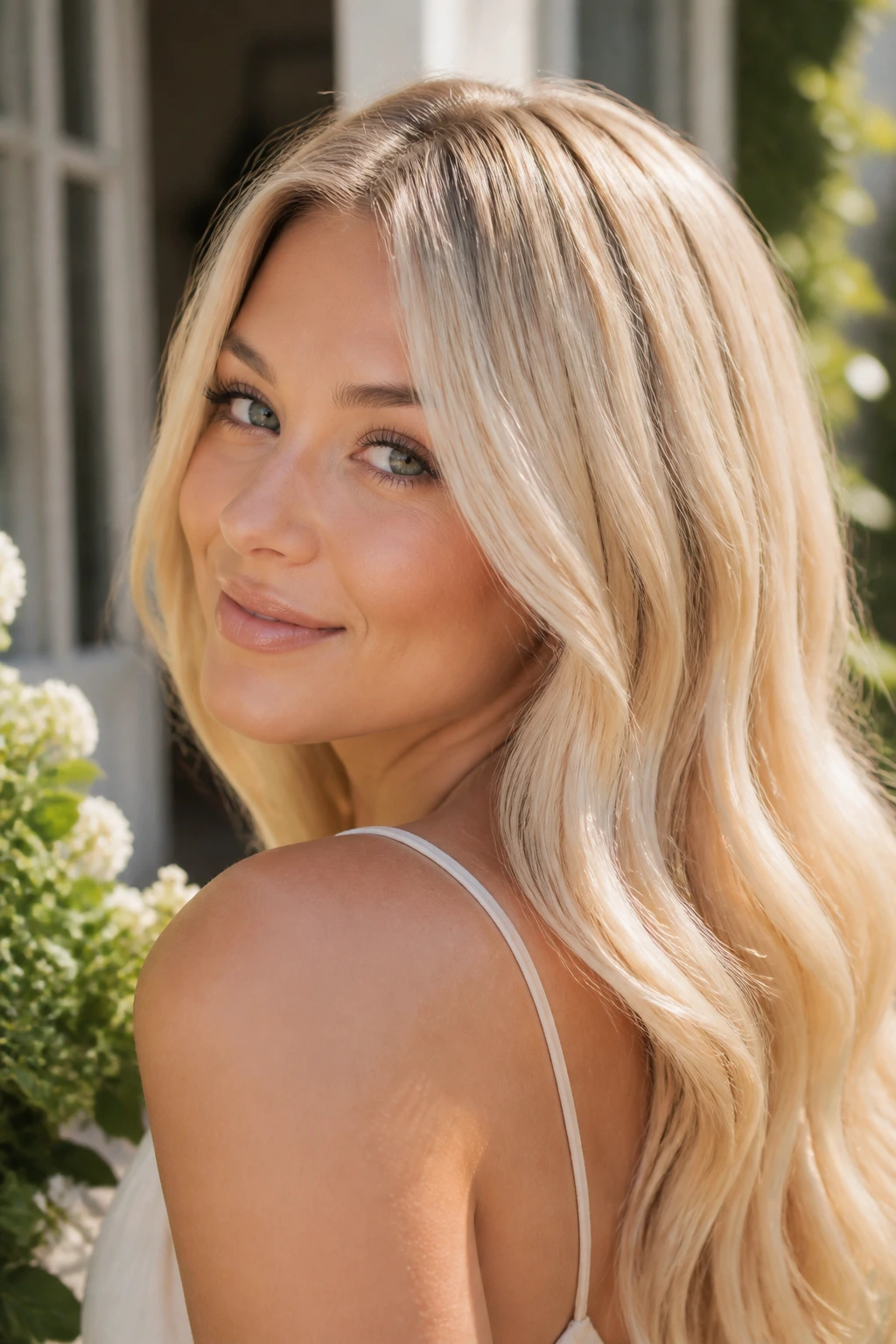
Blonde changes character depending on how you wear it, and I think this gets ignored way too often. The same color can look expensive in one style and dull in another.
Loose waves are the easiest way to show balayage, bronde, and teasylights because the bend breaks up the color and reveals the different tones. A smooth blowout does the opposite: it lets glossy blondes like vanilla, pearl, or champagne read as sleek and refined. Straight hair can also make rooted shades look sharper because the contrast between the top and bottom shows more clearly.
Parting matters. A middle part exposes the money piece and face frame in a clean way. A side part softens a high-contrast blonde and can make deeper roots look less severe. If your blonde feels too bright, changing the part sometimes fixes the whole thing without touching the color.
And yes, clipping up the top while air-drying can make the lighter front pieces fall in a way that shows them off. Small trick. Big difference.
Small Finishers That Make Blonde Feel More Expensive
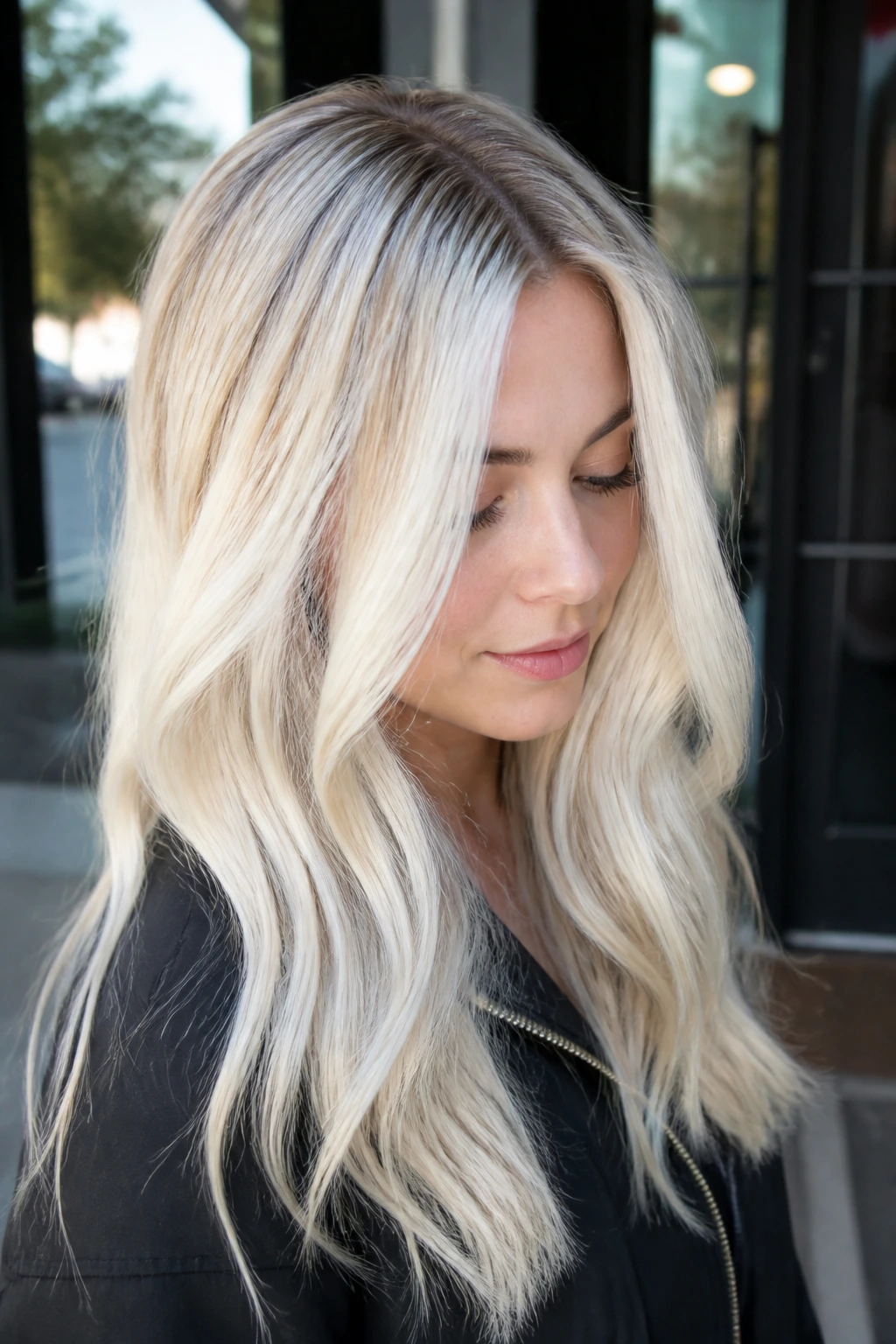
Glossing: A clear or lightly toned gloss adds shine and smooths the tone when the blonde starts to look dusty. I like glosses more than aggressive toner refreshes for beige, honey, and champagne shades because they keep the color soft.
Customization: A face frame, a few brighter crown pieces, or a deeper root can change the mood without a full recolor. If your current blonde feels too plain, don’t jump straight to a lighter lift. Change the placement first.
Serving Suggestions: That sounds odd in a hair article, but the equivalent is styling. Soft bends, tucked-behind-ear sections, and a clean blow-dry show off dimensional blonde better than heavy products piled on the ends.
Make-It-Yours: Fine hair usually looks fuller with micro-highlights and a lighter root shadow. Curly hair often needs fewer foils and softer ribbons. Thick hair can hold stronger contrast, which is why bronde and toasted coconut tend to look so good on it.
Keeping Blonde Bright Between Appointments
Blonde doesn’t stay bright by accident. It stays bright because the routine around it is boring and consistent.
Purple shampoo is useful, but not on every wash. Once a week is enough for most cool blondes. More than that, and the hair can start looking dull or over-toned. Warm blondes usually do better with a color-safe shampoo and a glossing mask rather than constant purple.
A few practical rules
- Wash less often if you can: Two to three washes a week is easier on color than daily shampooing.
- Use heat protectant every time: Lightened hair burns faster than virgin hair.
- Book gloss refreshes on schedule: Every 6-8 weeks keeps tone clean.
- Trim the ends regularly: Dry tips make blonde look frayed even when the color is nice.
Hard water can also drag blonde down. If your hair starts looking muddy fast, a shower filter or a clarifying wash every couple of weeks may help more than another toner.
Different Ways to Adapt These Shades Without Starting Over
The Low-Maintenance Melt: Choose bronde balayage, toasted coconut, or cream soda blonde with a deeper root and softer mids. This keeps regrowth quiet and gives you a lived-in finish that doesn’t demand frequent touch-ups.
The Cool-Toned Route: Go with ash blonde balayage, pearl blonde, frostier champagne, or soft Nordic blonde. Keep the toner schedule tight and avoid too much sun exposure or warm stylers that can pull the color yellow.
The Warm Honey Lane: Lean into honey blonde, butterscotch, creamy golden blonde, or honeyed copper blonde. If you want the tone to stay rich, use color-depositing glosses made for warm blonde instead of overusing purple shampoo.
The Bright Face-Frame Approach: Vanilla bean face frame, caramel money piece, or a pale front highlight around the hairline can change your whole look without a full-head overhaul. This is the one I’d choose if you want a visible shift but not a dramatic color reset.
The Fine-Hair Shortcut: Micro-babylights and teasylights create brightness without chunky contrast, which keeps thin hair from looking separated or see-through. Add a clear gloss for shine and stop there.
Mistakes That Make Blonde Look Patchy or Brassy
The first mistake is choosing a photo that has nothing to do with your starting base. A level 10 blonde on someone who started at level 8 is not a realistic reference for dark brown hair. You need a target that matches your hair’s actual lift potential.
The second is letting warmth drift without correcting it. Soft gold is one thing. Orange-yellow brass is another. If the ends start getting muddy, a toner or the right shampoo matters more than piling on more lightening.
The third is going too pale at the root. That’s where blonde can lose depth and start looking floaty or washed out. A shadow root or root melt usually fixes this fast.
The fourth is forgetting the haircut. Blonde reads through shape. Dry ends and blunt, overgrown layers make even a beautiful shade look tired.
The fifth is overusing purple shampoo. It’s easy to do. It leaves cool blondes flat and can make warm blondes look dull. Use it like a correction, not a daily cleanser.
Questions People Ask Before They Go Blonde
Which blonde shade is easiest to grow out?
Bronde balayage, toasted coconut blonde, and honey blonde tend to be the easiest because they keep depth near the root. The grow-out line stays softer, which buys you time between appointments.
Can dark brown hair go blonde without looking orange first?
Usually, yes, but it often needs staged lightening and a strong toner plan. Darker bases lift through orange and yellow on the way up, so the trick is not panic—it’s timing and toning.
How often does blonde need toner?
Most blondes need some kind of gloss or toner refresh every 4-8 weeks, depending on how light and cool the shade is. Platinum, ash, and Nordic blondes need it sooner than beige or honey tones.
Is purple shampoo enough on its own?
No. It helps with yellowing, but it won’t replace gloss, hydration, or proper color placement. If the blonde looks brassy because the lift is too warm, shampoo alone won’t fix that.
What blonde works best with warm skin?
Honey blonde, butterscotch, creamy golden blonde, and honeyed copper blonde usually flatter warm skin best. They echo the skin’s own undertones instead of fighting them.
What if my blonde starts looking green after swimming?
That usually comes from minerals or pool chemicals, not the blonde itself. A clarifying shampoo or swimmer’s treatment can help, and it’s smart to wet the hair with clean water before swimming so it doesn’t soak up as much pool water.
Can I keep blonde bright without heat styling?
Yes, but you’ll need a good leave-in, regular trims, and a styling routine that doesn’t flatten the color. Air-dried waves and loose braids often show balayage better than people expect.
The Blonde That Still Feels Like Hair
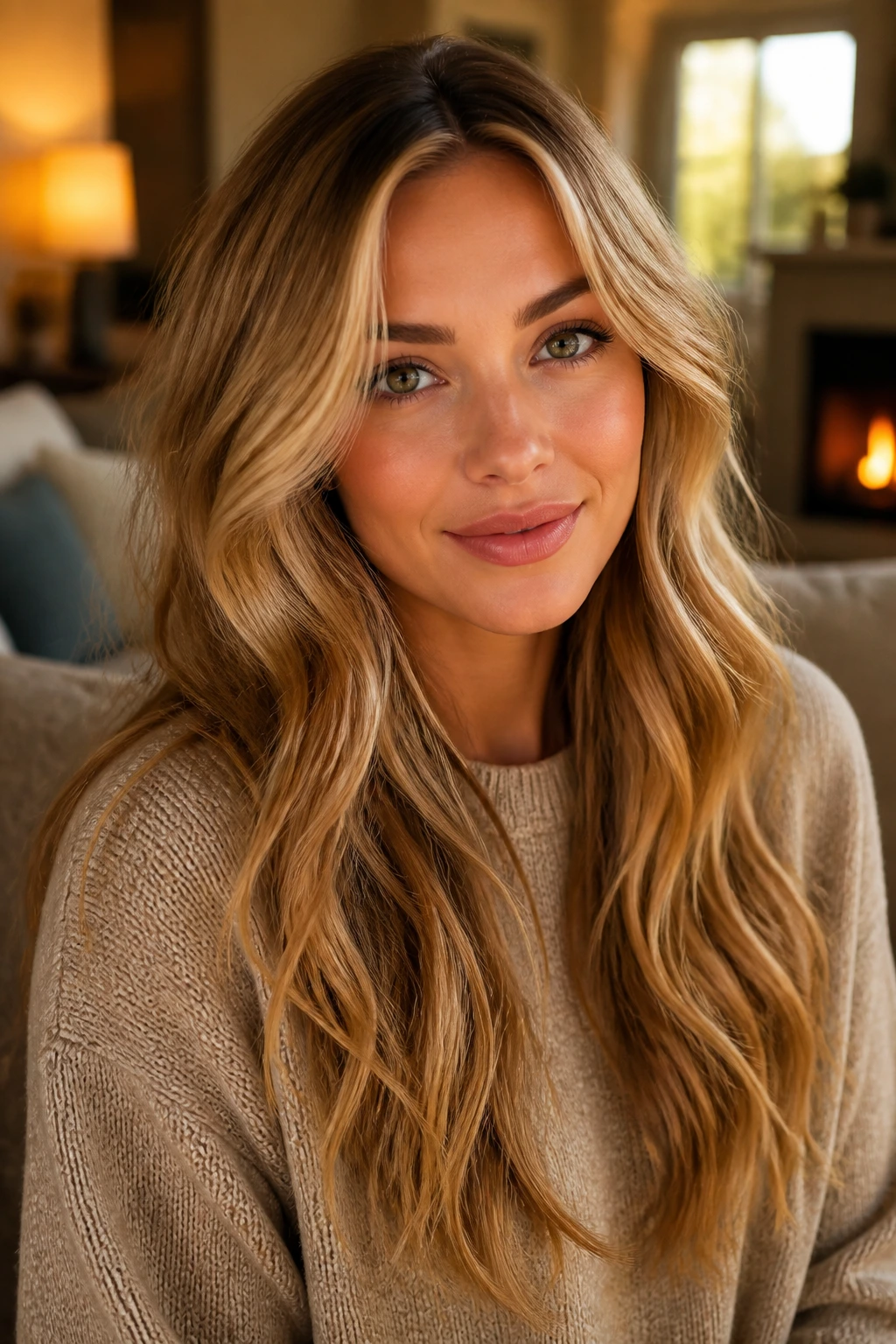
The best blonde isn’t the one that shouts the loudest. It’s the one that still looks like part of you when the light changes, when the roots come in, and when the gloss starts fading off the ends. That’s why the shades in this collection work: they leave room for depth, movement, and a little imperfection.
If you’re taking one idea to the salon, make it this one: choose the tone first, then decide how bright you want the face frame and how soft you want the root. That order keeps the result from turning into a one-note blonde that needs constant rescue.
And if you’ve been stuck between warm and cool, beige is often the safest middle ground. Bring a clear reference photo, ask for the placement as much as the shade, and let the color live a little. That’s where the good blondes usually are.
