



The best blonde hair looks for Asian women with short hair are usually the ones with a little depth at the root and a little restraint at the ends. A beige pixie, a mushroom bob, even a honey balayage lob can look sharper and more polished than a full-head platinum job that fights the haircut from the first wash.
Short hair changes the math. There’s less length to lighten, fewer inches to rescue if the tone goes wrong, and more face on display, which means the blonde has to work with brows, skin tone, and the line of the cut instead of floating off on its own. On darker bases, that detail matters. A lot.
I keep coming back to the same point: blonde on short hair works best when the shade is chosen like a frame, not like a costume. Beige reads soft against warm skin, ash can calm brass, honey can make olive undertones look alive, and platinum has to be cut and toned with real discipline or it can go flat fast. The looks below are the ones that hold their shape, grow out with some dignity, and still look good when the wind hits them. Some are polished. Some are messy. A few are bold enough to turn heads at ten feet.
Why This Collection Is Different
-
Short hair buys you more control: A pixie or bob gives a colorist less canvas to lighten, which makes the difference between “clean blonde” and “fried ends” easier to manage.
-
These shades respect dark brows: Beige, mushroom, honey, pearl, and smoked bronde all sit more naturally beside deep brows than a flat, one-note yellow blonde.
-
The grow-out is part of the look: Root shadows, face-framing pieces, and balayage placements are chosen here because they fade in a way that still looks deliberate.
-
Texture changes the whole mood: A blunt bob, a shag crop, and a bixie can all wear blonde, but they read completely differently once the light hits the layers.
-
There’s a lane for every maintenance level: Some of these need toning every 4 to 6 weeks. Others can stretch longer if you’re willing to let the roots live a little.
-
Short blonde hair is less forgiving, so the good versions matter more: When the cut ends at the jaw or above, there’s nowhere to hide a bad toner choice. That’s exactly why the right shade pays off.
Why Blonde Hair Looks for Asian Women With Short Hair Need a Shade Plan
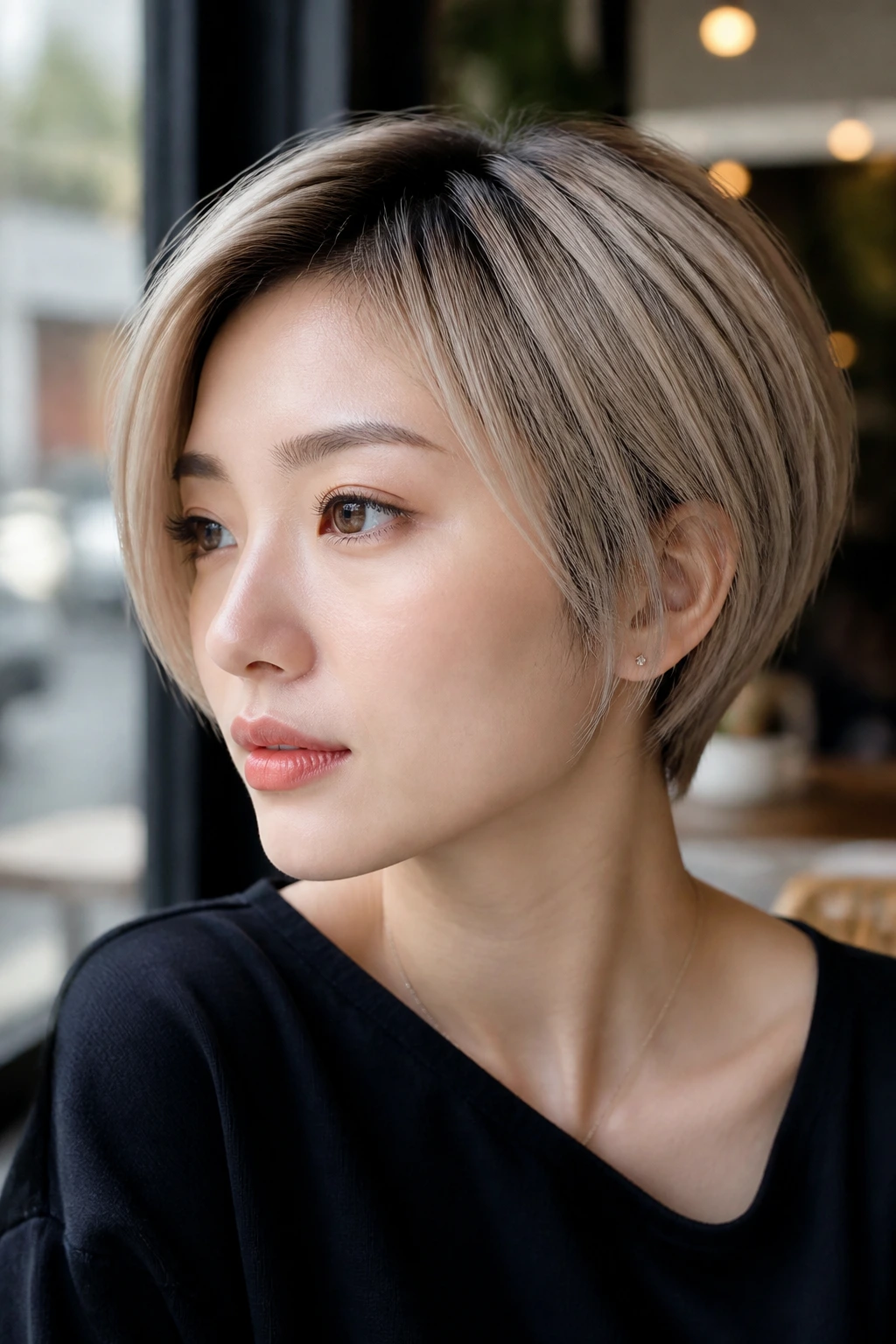
Short blonde hair can look stunning on Asian women, but it gets tricky fast when the tone is picked without thinking about the base color under it. Many Asian hair textures start darker and hold warmth tightly, which means the blonde usually needs either a careful lift, a shadow root, or a toner that keeps the color from turning flat and chalky. The color doesn’t just sit on the head. It sits beside the skin, brows, and haircut line all at once.
That’s why a beige pixie often looks more expensive than a white-platinum pixie, even if the latter grabs more attention in a photo. The beige version leaves a little depth, which helps the haircut look airy instead of stripped. On short hair, that little bit of dark root can be a feature, not a flaw.
There’s also a practical side to this. Short hair grows out faster in a visual sense because the roots are closer to the face. A good blonde plan accepts that and uses it. Root smudges, face-framing highlights, and mixed tones keep the style readable for longer, which matters when the haircut is sharp and the color sits right next to your cheeks.
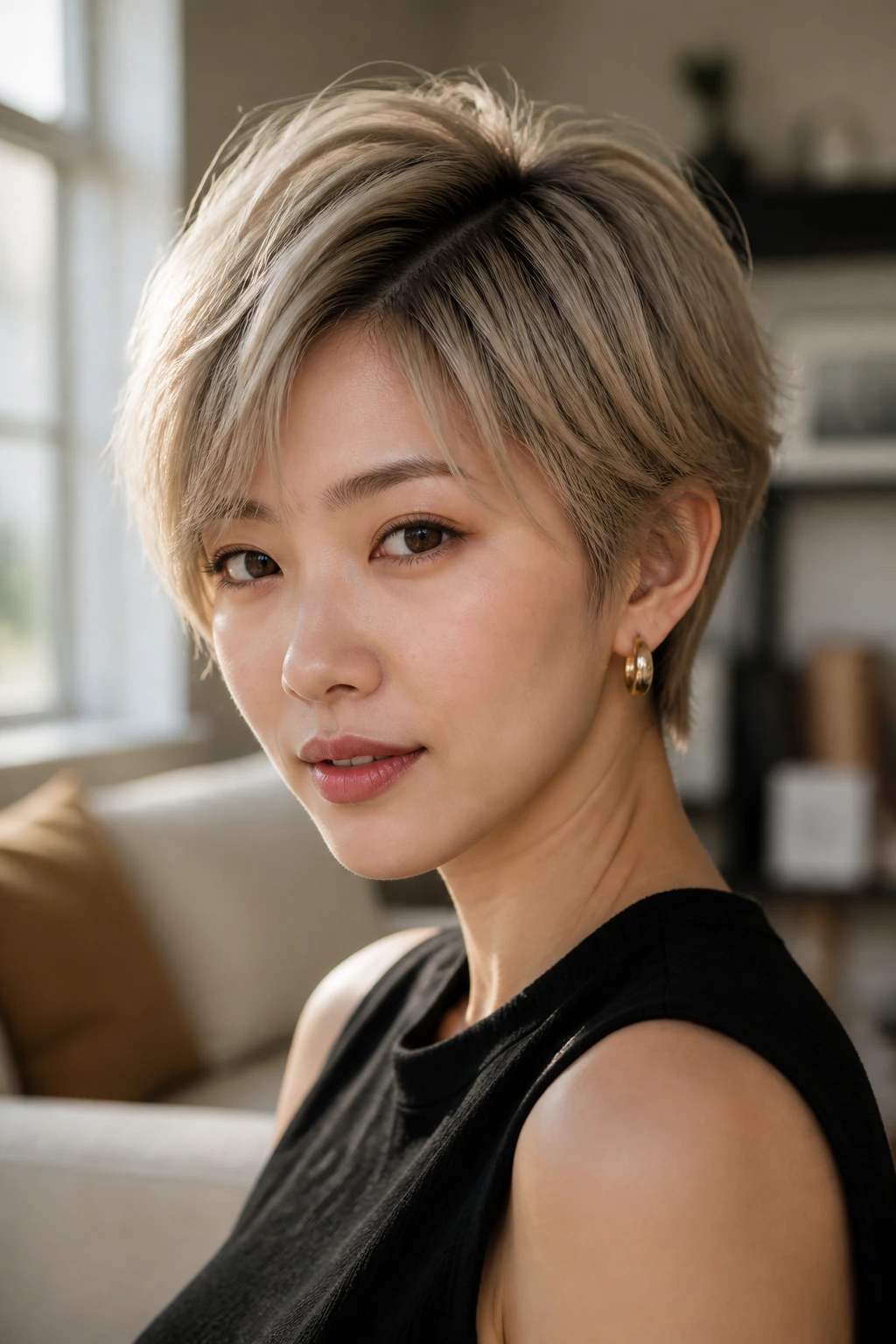
1. Smoky Beige Pixie
This is the look I’d hand to someone who wants blonde without the brittle, over-lightened feel that can creep into short hair. Smoky beige lives between ash and gold, so it softens deep brows and still looks bright when you step outside. On a pixie, that balance matters more than drama.
Ask for a soft root shadow and feathery top layers rather than blunt, chunky ends. The color should feel matte in the best way — not dull, just calm. If your hair lifts warm, beige keeps it from tipping orange. If your hair is fine, the short cut makes the color look fuller than it really is.
2. Mushroom Blonde Bixie
Want a blonde that grows out quietly? This is the one. The mushroom blonde bixie blends taupe, beige, and a touch of smoke, so the finish looks soft instead of sugary. It’s a good fit for anyone who likes the shape of a bob but wants the movement of a pixie.
A bixie gives the blonde more texture to sit on, which keeps the color from reading like a helmet. The layered crown also helps if your hair is straight and stubborn, because the cut creates lift where the pigment alone can’t. I like this look when the goal is softness near the face and a little edge at the nape.
3. Butter Blonde Bob
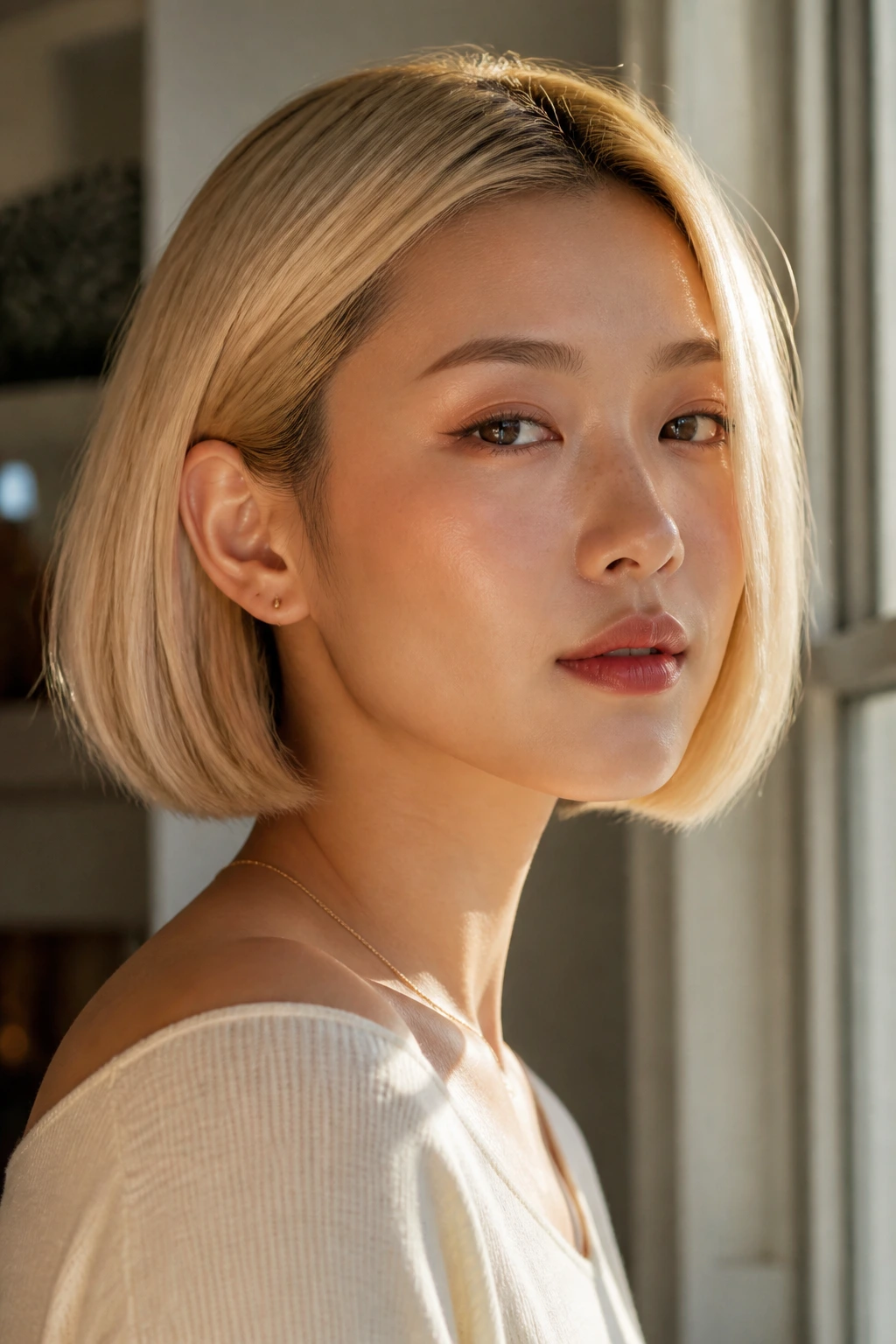
A butter blonde bob has warmth, but not the loud orange warmth that makes some blondes feel accidental. Think creamy, pale gold with a soft glow around the face. On short hair, that warmth can make skin look clearer and the whole cut feel less severe.
The trick is keeping the toner in the buttery zone, not the yellow zone. A blunt or slightly rounded bob works best, especially if you tuck one side behind the ear. That single move shows off the shine line along the jaw.
4. Platinum Micro Bob
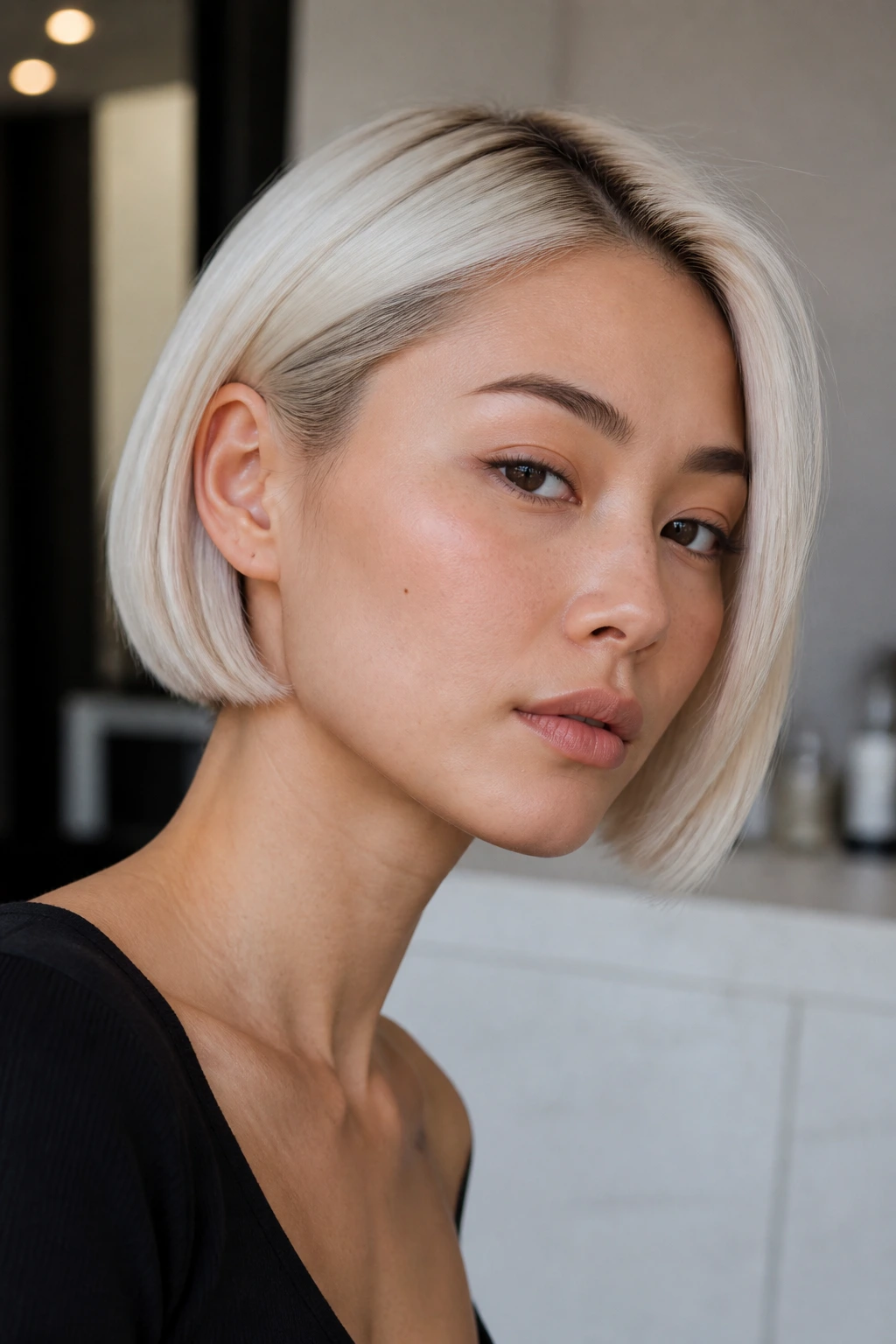
This one is sharp. No soft edges, no pretending it’s low-maintenance. A platinum micro bob can look incredible on short hair because the length stays crisp and the pale tone has nowhere to hide; it either looks clean or it looks off.
The best version keeps a tiny bit of root depth so the hair doesn’t disappear into your face. If you go fully white from scalp to ends, every flaw shows — dryness, yellowing, uneven lift, all of it. The micro length helps a little because there’s less hair to process, but you still want a pro who knows how to lift dark hair in stages.
5. Honey Balayage Lob
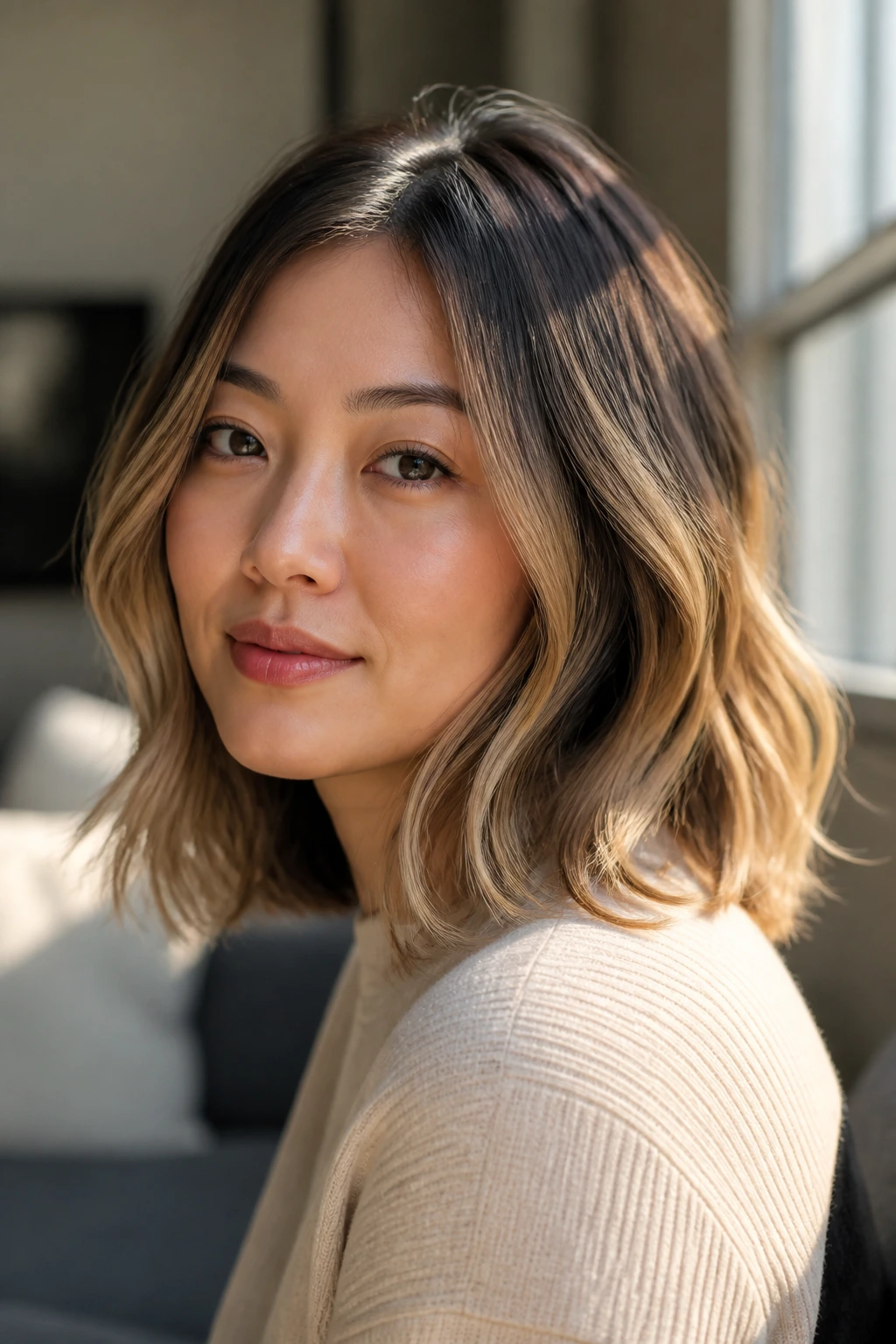
Honey balayage on a lob is one of the easiest blonde looks to live with because the dark base and lighter ends are doing half the work for you. The color moves in ribbons, not stripes, which makes it forgiving when the cut air-dries a little wild.
This is the look I’d pick if you like warmth and want the style to feel soft around the shoulders. The lob length gives the blonde room to blur, especially if you bend the ends with a 1-inch iron or a loose round brush blowout. Honey can go brassy if the toner is too weak, so keep the ends glossy with a color-safe mask.
6. Ash-Rooted Curtain-Bang Bob
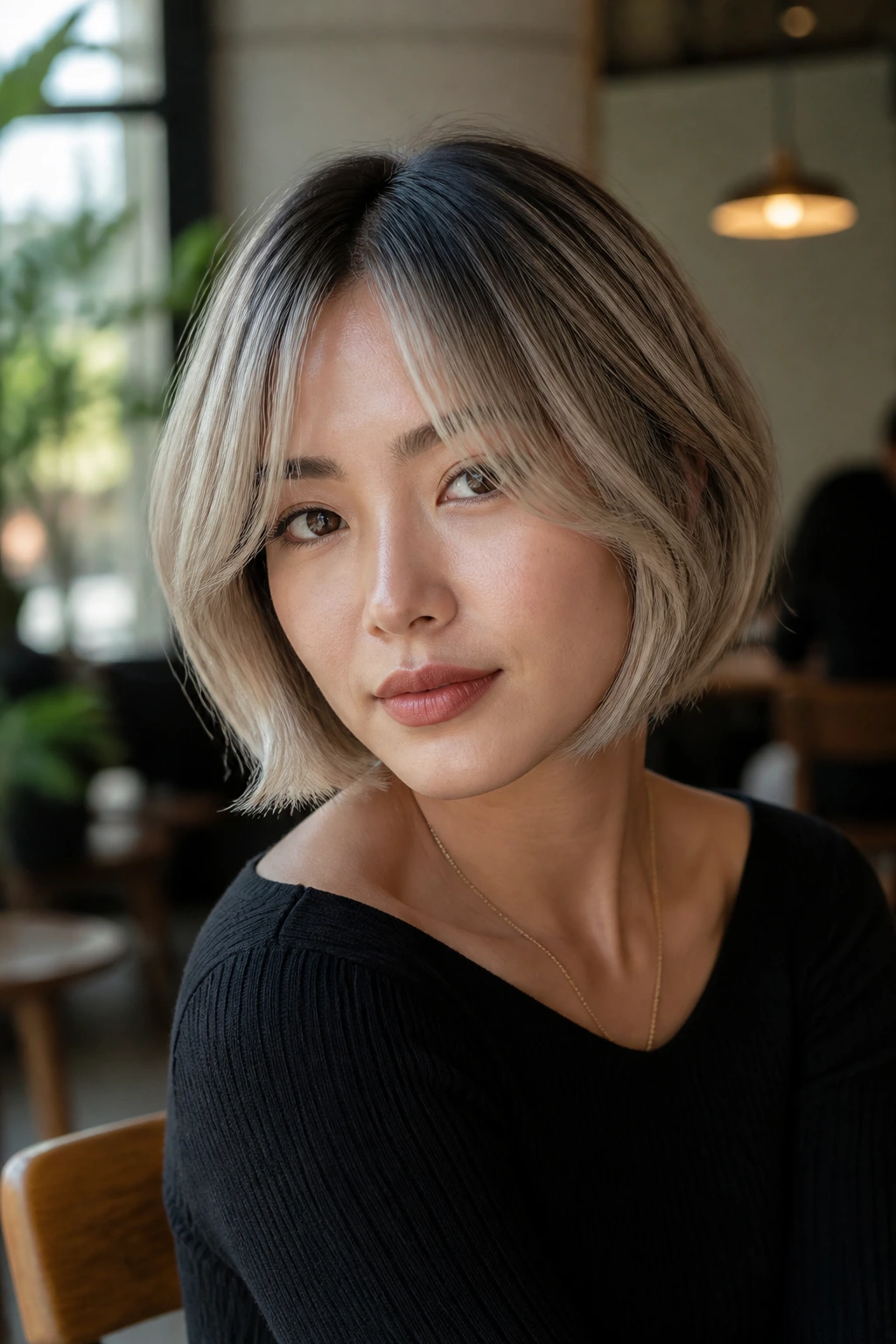
If you want the front of your hair to do the flattering work, this is a strong choice. The ash-rooted bob keeps the crown deeper and the face-framing pieces lighter, while curtain bangs soften the forehead and cheek line. It’s a smart look when you want brightness without a fully blonde scalp.
What makes it work is the contrast. The root stays cool and grounded, then the lighter bits skim the cheekbones. That keeps the bob from looking one-dimensional, which can happen fast on straight hair. A little bend through the bangs helps the whole cut move instead of hanging in place.
7. Champagne Shag Crop
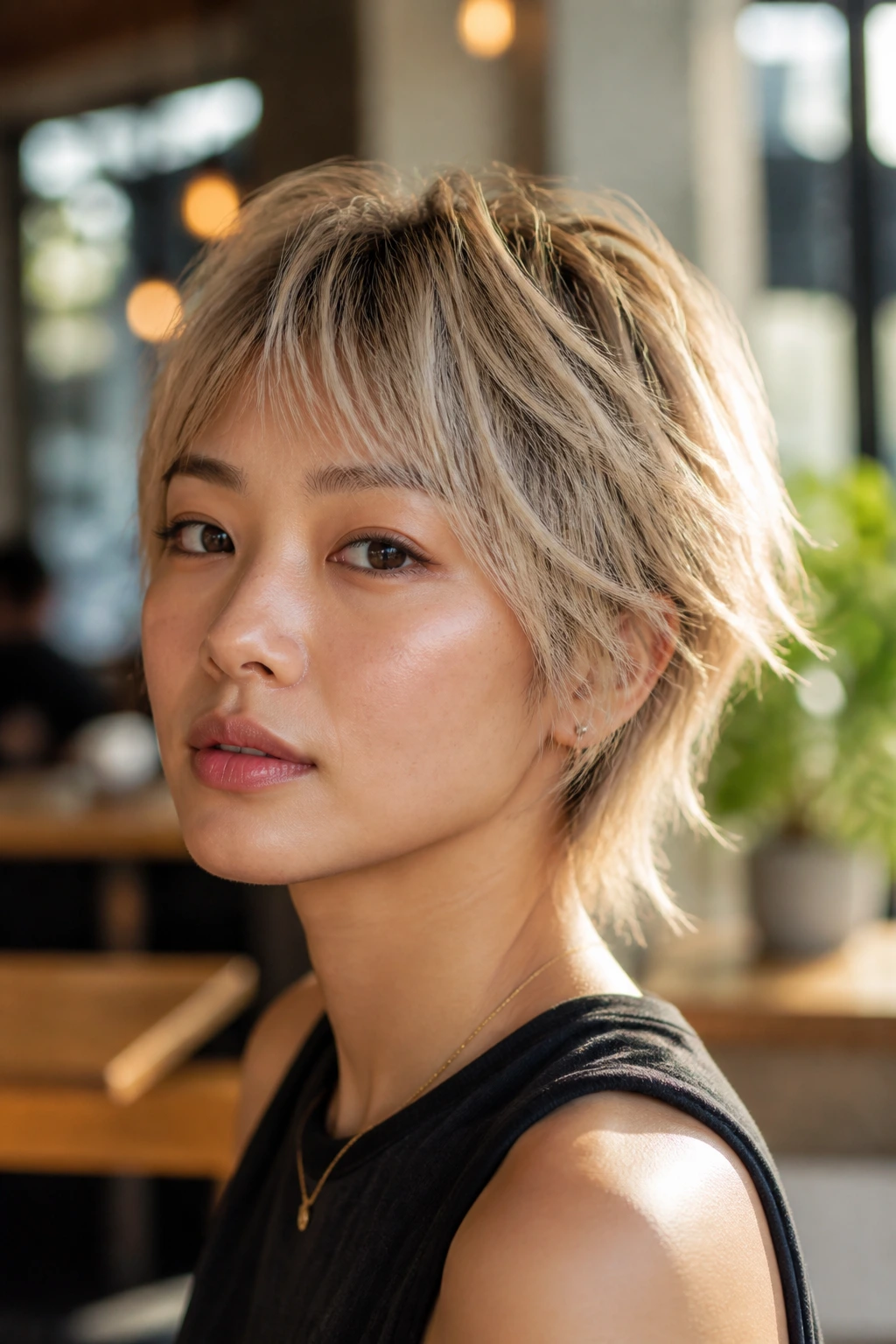
A shag gives blonde places to land. On a short crop, that means the color doesn’t sit in one flat sheet; it breaks across layers, pieces, and wisps. Champagne blonde, with its mix of pearl and beige, is especially good here because it catches light without looking icy.
This is a better match for wavy or naturally textured hair than a rigid blunt cut. The shag wants separation, and champagne tone gives you that soft glow without turning yellow. A little texture spray at the root and mids keeps the shape alive. Flat iron perfection would honestly ruin it.
8. Vanilla Money-Piece Pixie
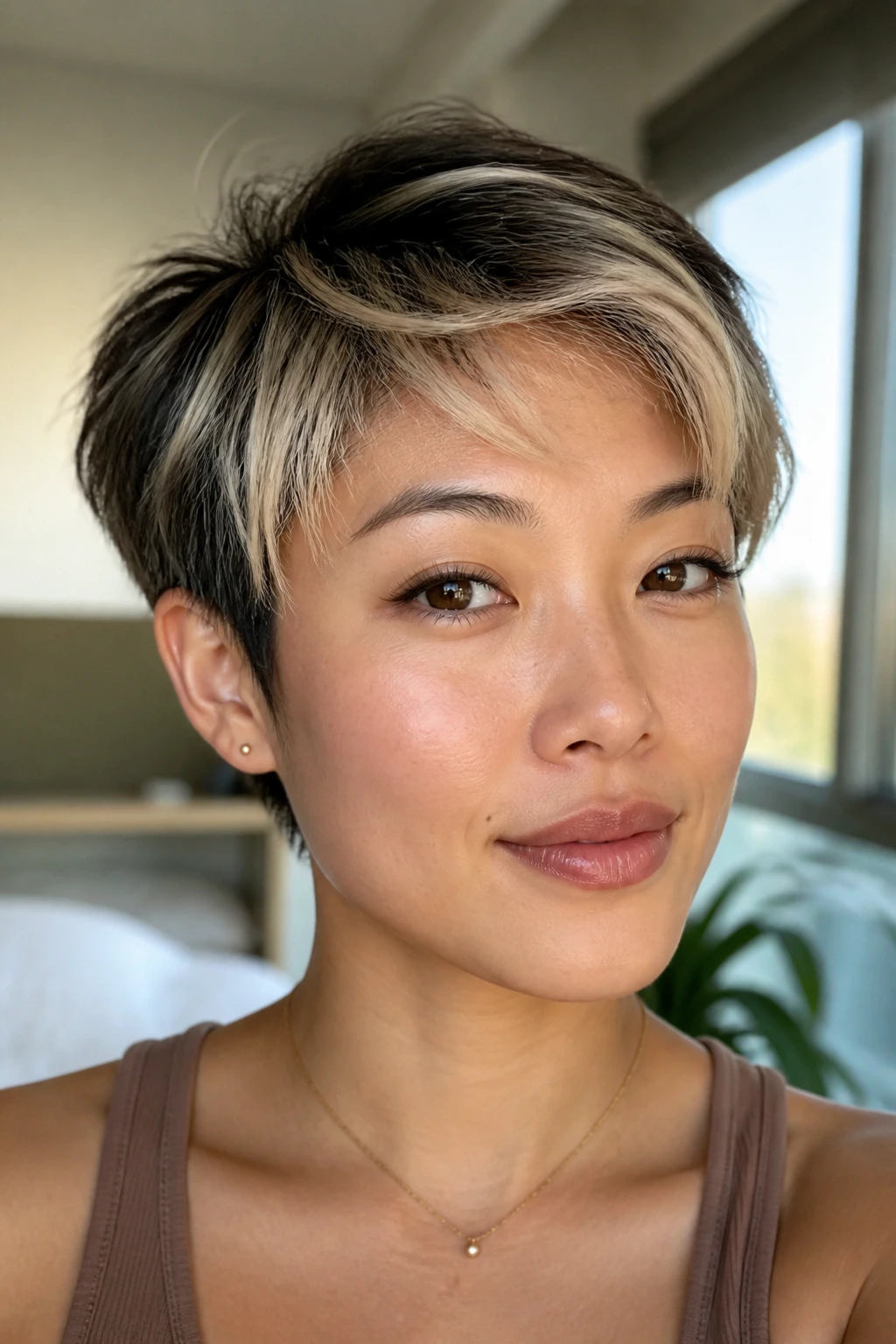
This is the one for people who want brightness near the face and less commitment everywhere else. The top and front pieces go vanilla-blonde, while the sides and back stay a touch deeper. That contrast can be beautiful on short hair because it opens the face without bleaching the whole head white.
It also plays nicely with dark brows. You get the light right where people look first, and the rest stays easier to maintain. Ask for delicate face-framing highlights around the temples and hairline; chunky streaks usually look too dated on a pixie. Softness wins here.
9. Beige-Rooted Wolf Cut
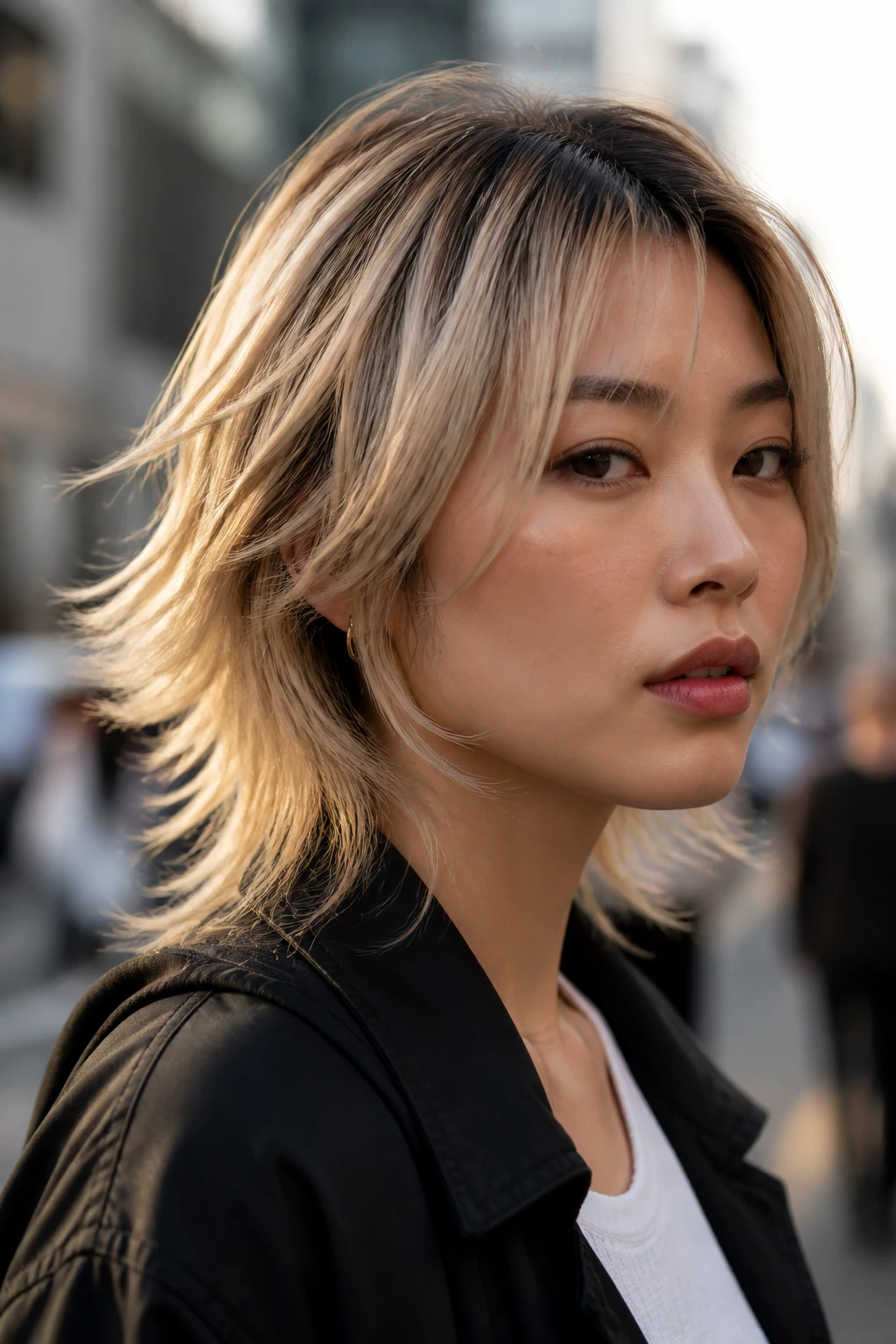
A wolf cut needs some edge, and beige blonde keeps that edge from turning messy in the wrong way. The root stays a little deeper, the layers kick out at different lengths, and the lighter pieces catch on the ends and around the face.
This is one of the best short blonde options for thick hair because the cut removes bulk while the color adds movement. If your hair is straight, the style still works, but you’ll need a bit of paste or cream to separate the layers. The beige tone keeps the whole thing modern instead of punky.
10. Pearl Blonde Blunt Bob
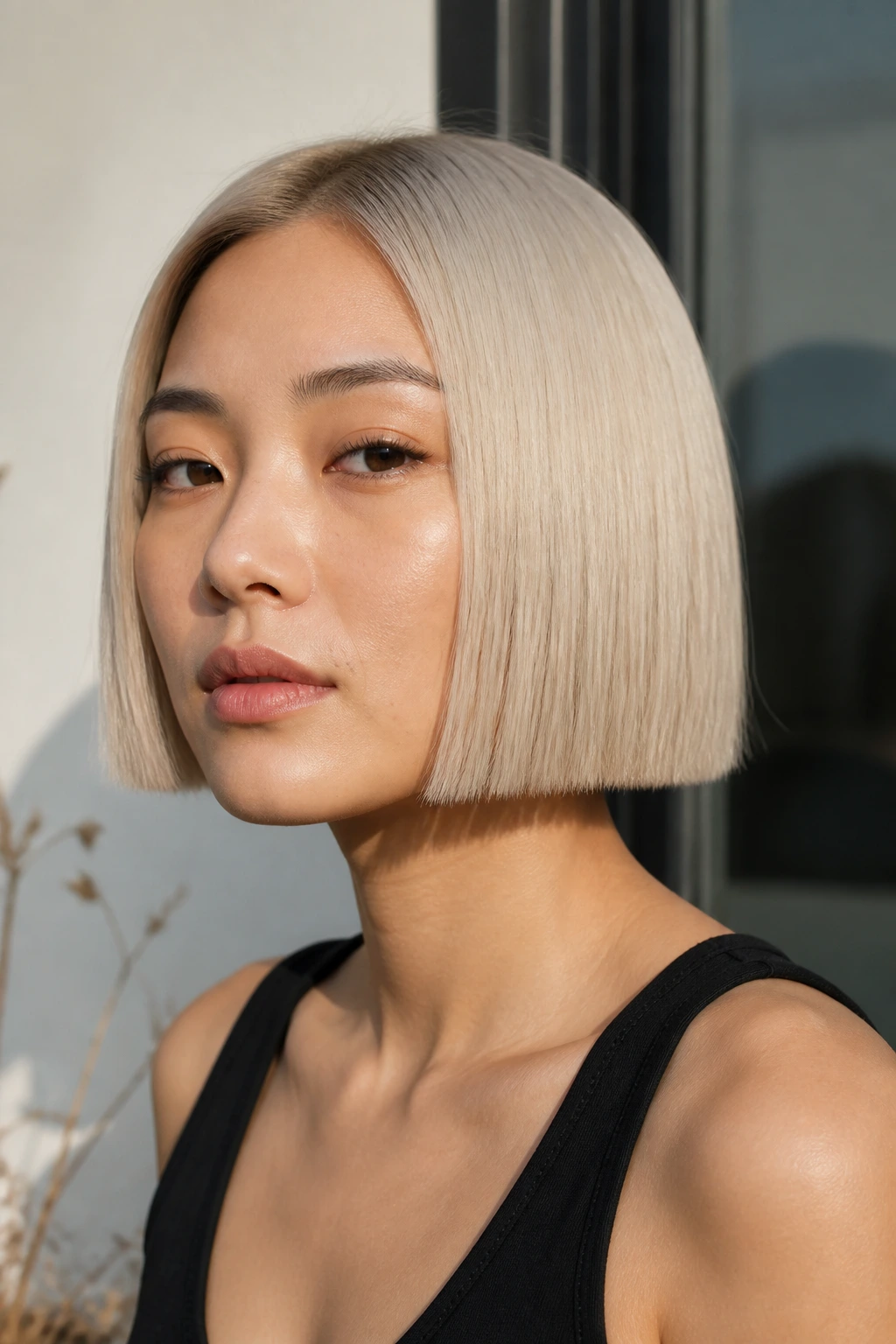
Pearl blonde has that shell-like sheen that looks best when the cut is exact. On a blunt bob, the finish feels sleek and expensive because the line is clean and the color reflects light in a smooth way. No shaggy ends. No sloppy layers.
This is a cooler blonde, so it works especially well when your skin reads neutral or cool, or when you like a sharper makeup look. The key is keeping the hair glossy. A good blowout matters here more than beachy texture; pearl blonde wants polish, not fuzz.
11. Sandy French Bob
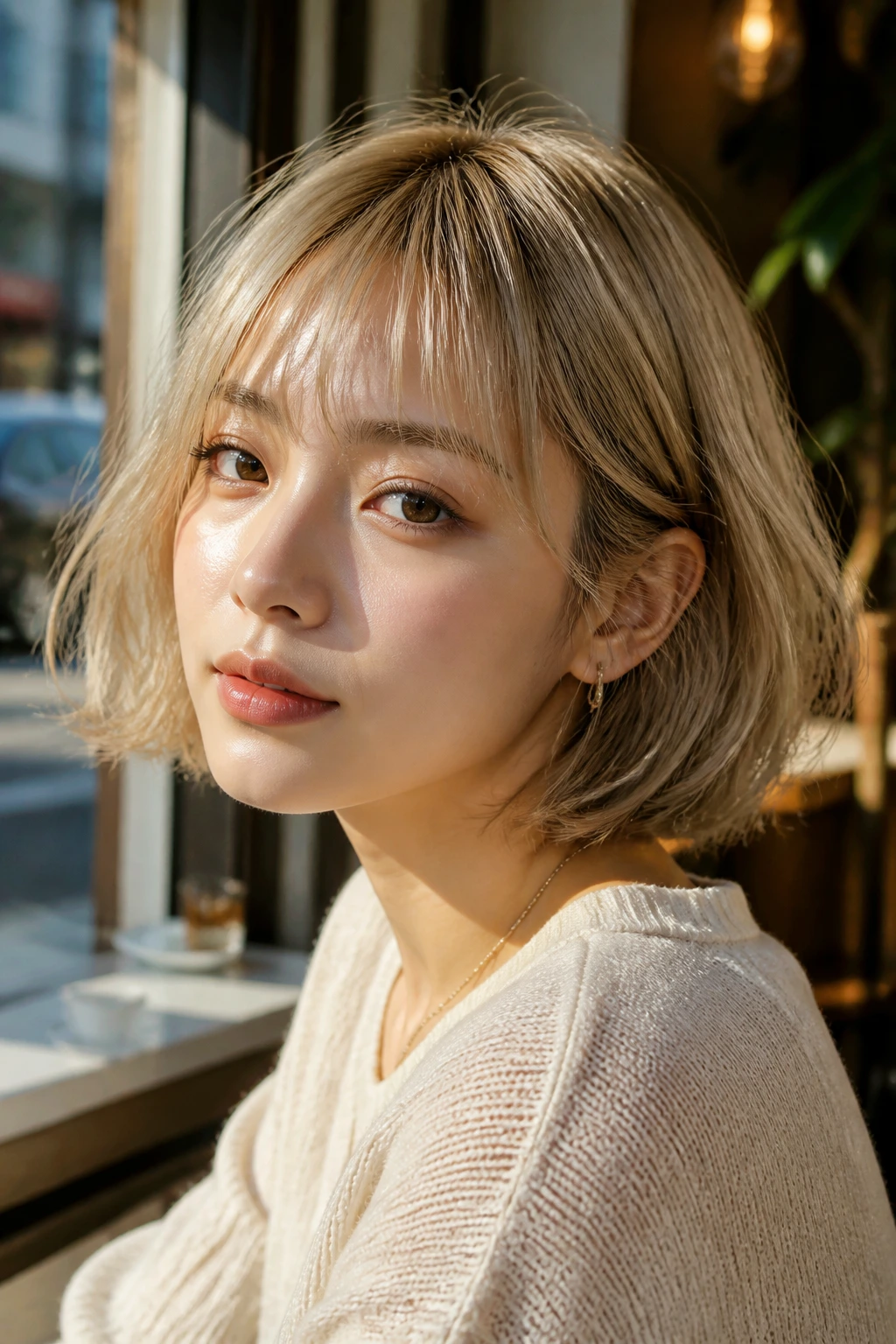
The sandy French bob is for anyone who wants blonde that doesn’t shout. It sits between beige and gold, with enough softness to feel casual and enough lightness to brighten the face. The haircut, usually chin-length with a small fringe or cheek-skimming pieces, keeps the whole thing compact and chic.
I like this look because it still works on a tired day. When the hair loses a little volume, sandy blonde does not collapse into a weird patchy mess. It just looks lived-in. That’s rare. Add a light wave and a little lip color, and it looks finished fast.
12. Caramel-to-Blonde Bob With Face-Framing Pieces
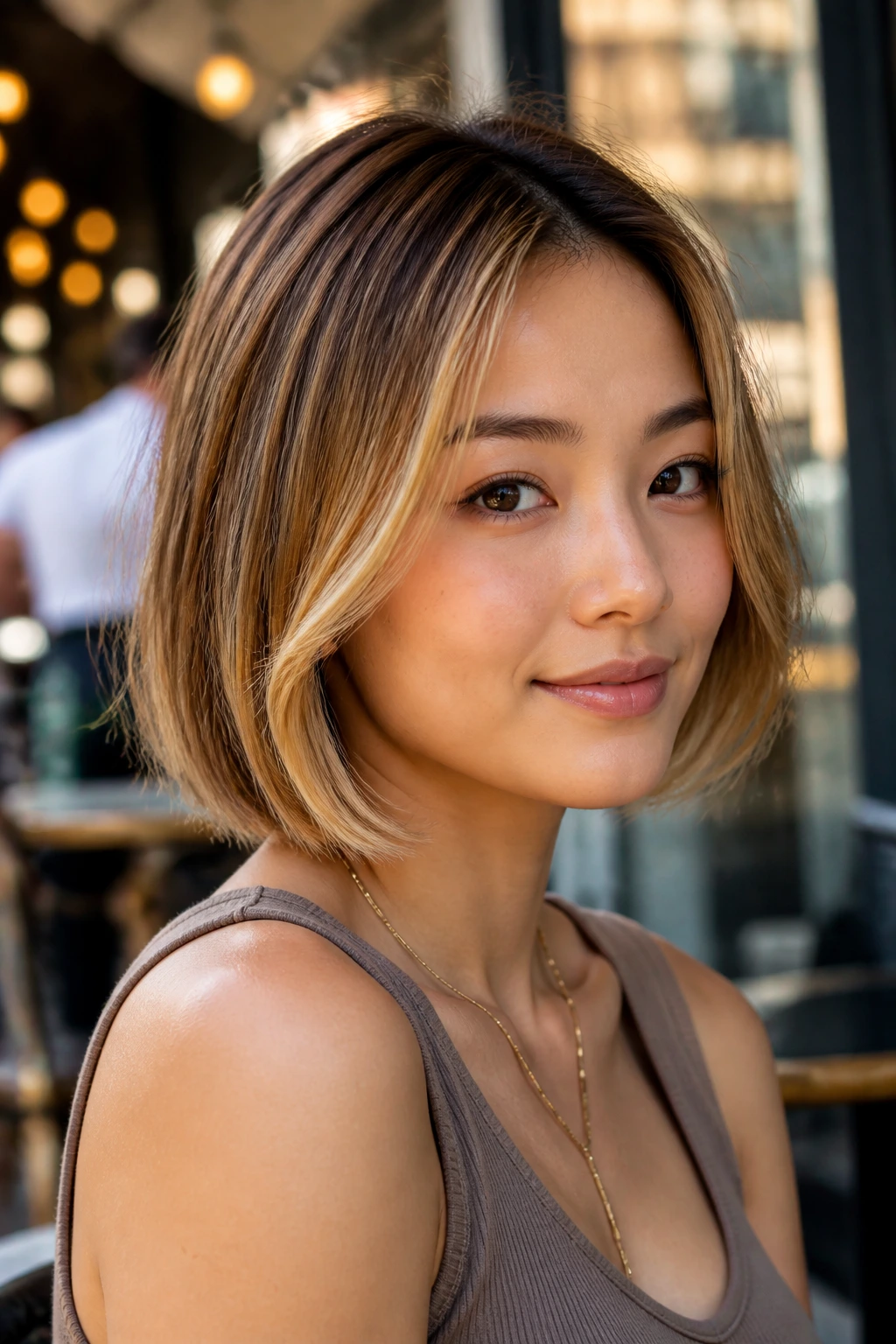
If you’re nervous about going blonde all over, start here. The back and interior stay caramel or deeper beige, while the front pieces move into blonde territory. That gradient keeps the haircut dimensional and gives your face a brighter frame without forcing every strand to lift.
This works especially well on short bobs that already have some movement. The front pieces can be a level or two lighter than the rest, which makes the eyes pop without draining the cheeks. It’s a nice bridge between brunette and blonde, and a smart one if you’re testing the water.
13. Icy Undercut Crop
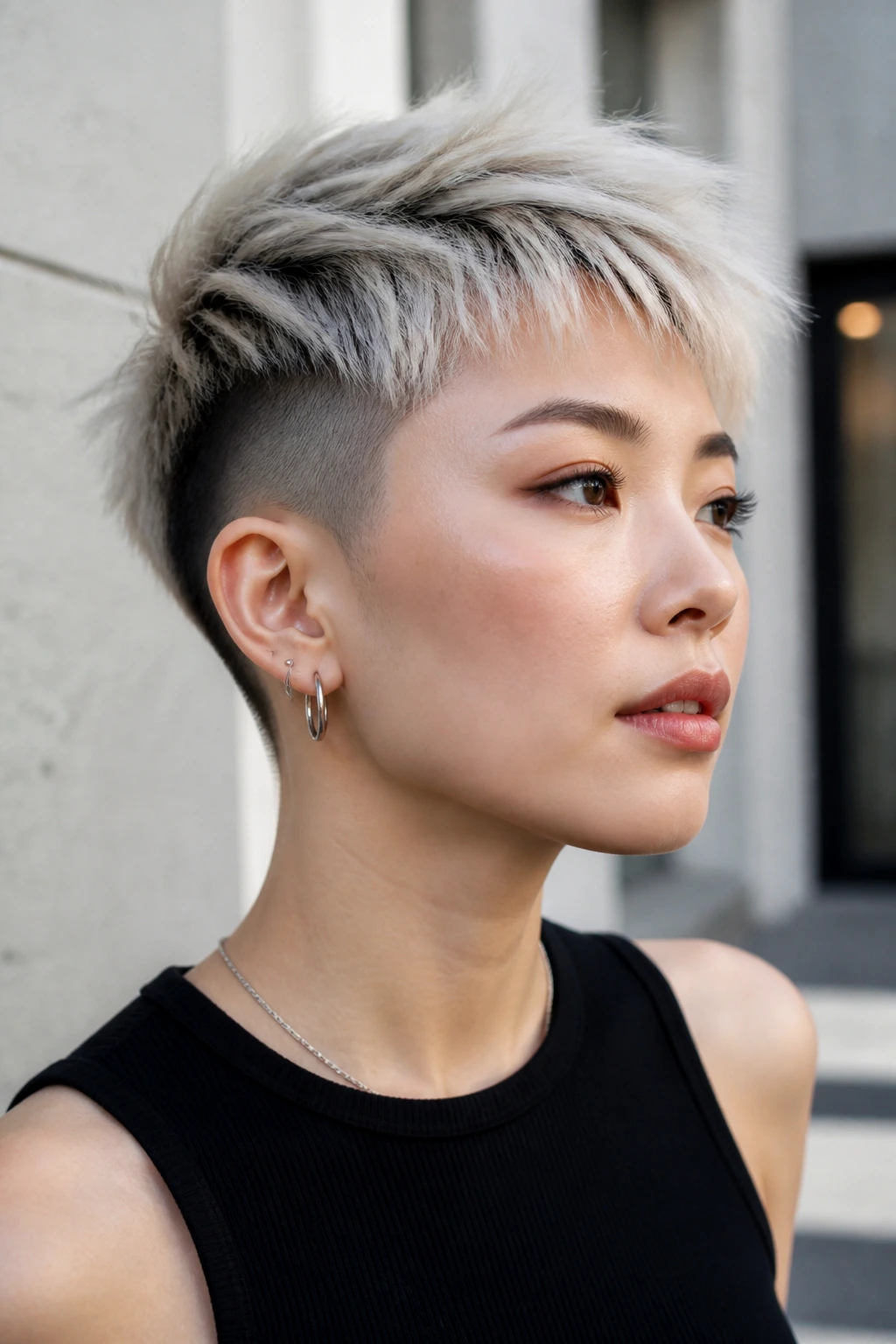
This look has attitude. The undercut takes weight out of the back and sides, while the top stays light enough to go icy or near-icy without the whole head feeling overprocessed. On short hair, that contrast can look crisp instead of harsh.
The important part is control. Icy blonde needs clean lift and a toner that doesn’t drift yellow after one wash. An undercut helps because there’s less hair to manage, and the close crop makes the bright top pieces feel even brighter. It’s bold, yes, but also practical if you like a cut that dries fast.
14. Warm Honey Pixie With Side Sweep
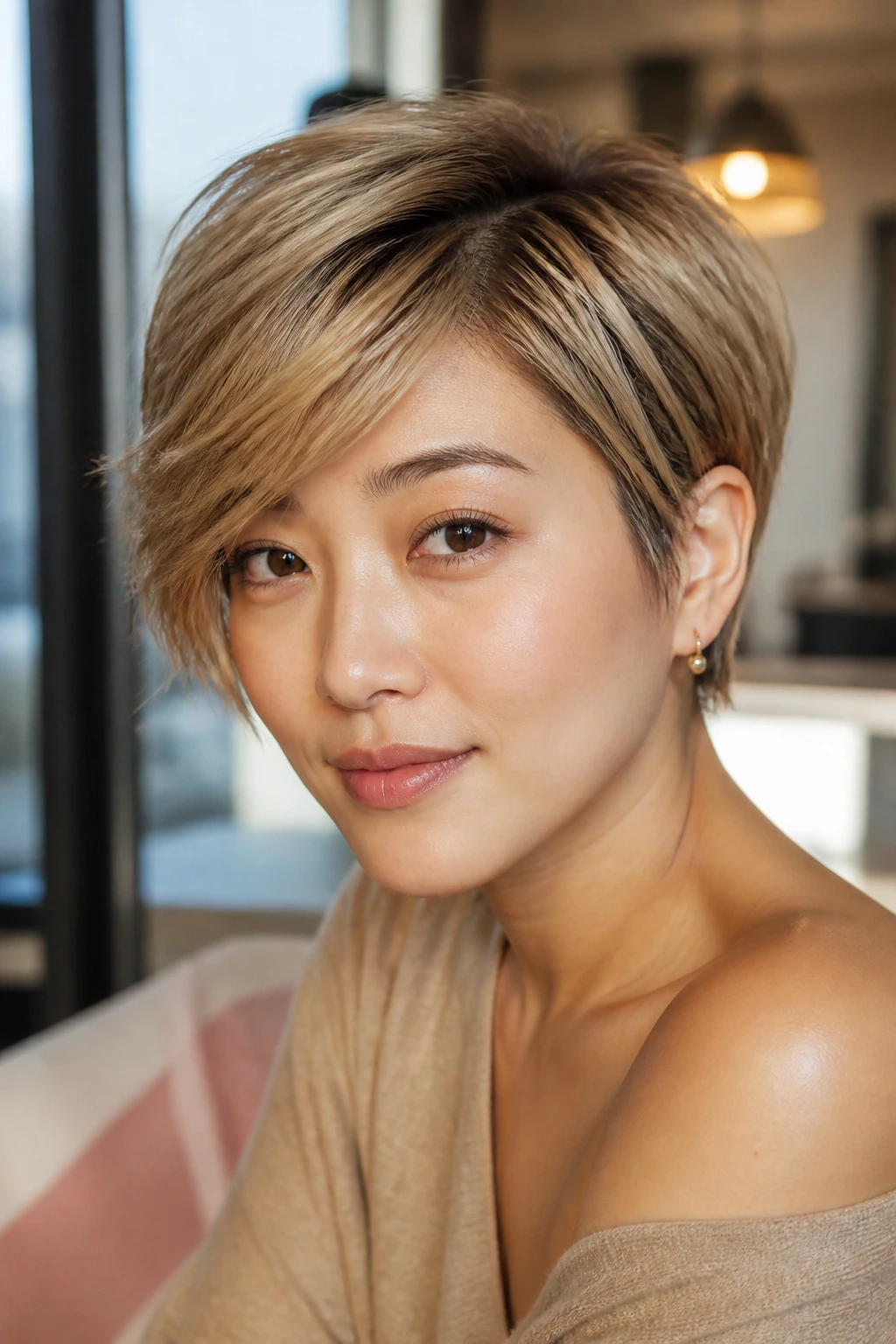
A side-swept pixie in warm honey is one of the softest ways to wear blonde on a shorter cut. The sweep gives the face movement, and the honey tone keeps the whole look from going icy or severe. If your skin has golden or olive notes, this can be especially flattering.
The color should look rich, not orange. That’s the line to hold onto. A gloss in the right warm tone, plus a little lift at the front, keeps it from getting flat. This is also one of the few short blondes that can look dressed up with almost no styling — a quick finger twist, a bit of shine cream, done.
15. Smoky Bronde Layered Bob
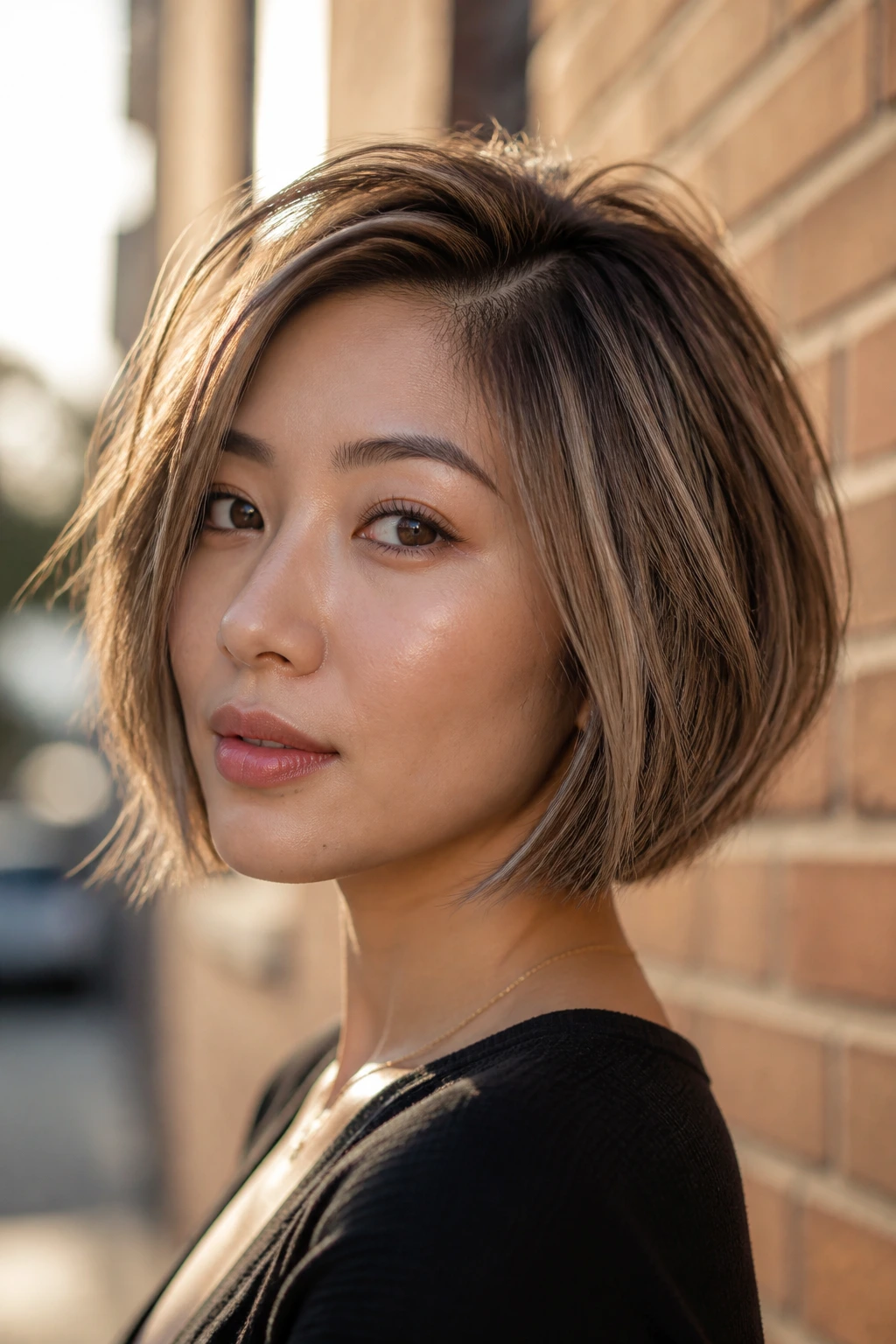
Bronde is not a compromise here. On short hair, smoky bronde can be one of the smartest choices because it keeps enough brunette depth to work with dark brows and enough blonde lightness to brighten the cut. The layered bob gives the color room to move.
This is the version I’d hand to someone who wants blonde but does not want a hard maintenance schedule. The grow-out stays softer, and the layer structure stops the color from feeling heavy. It’s subtle, but not boring. That matters.
16. Soft Beige Mullet Bob
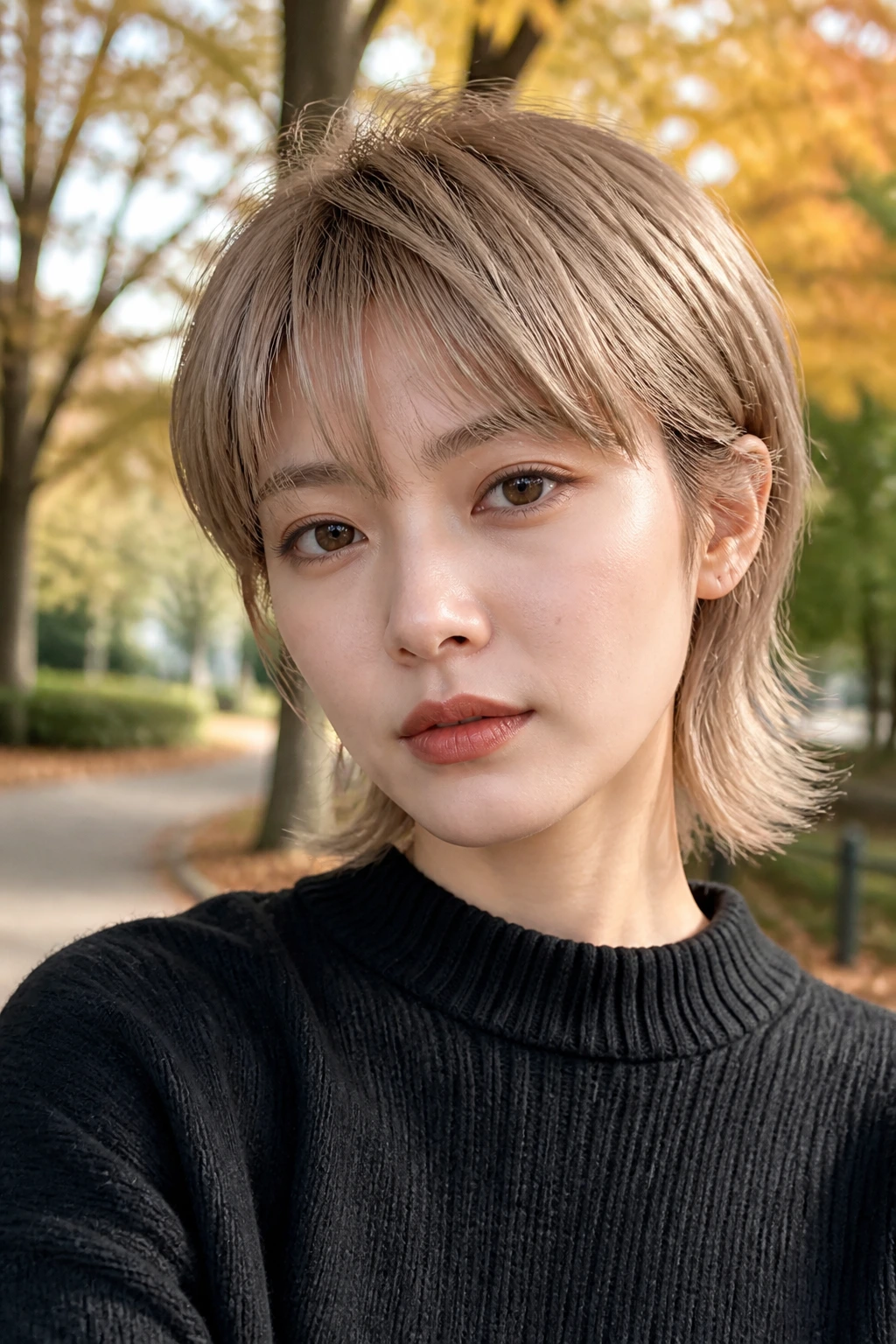
If you like a little edge, this cut has it. The soft mullet bob keeps the front and crown shorter while leaving some length and shape through the nape. Beige blonde makes the whole thing feel cooler and more wearable than a high-contrast neon tone.
It’s not the cleanest look in the room. That’s the point. On thick hair, the extra movement can make the color feel alive, and on straighter hair the cut gives you something to style into. A little cream through the ends is usually enough. Don’t over-slick it; the shape needs some air.
17. Champagne Curls on a Short Shag
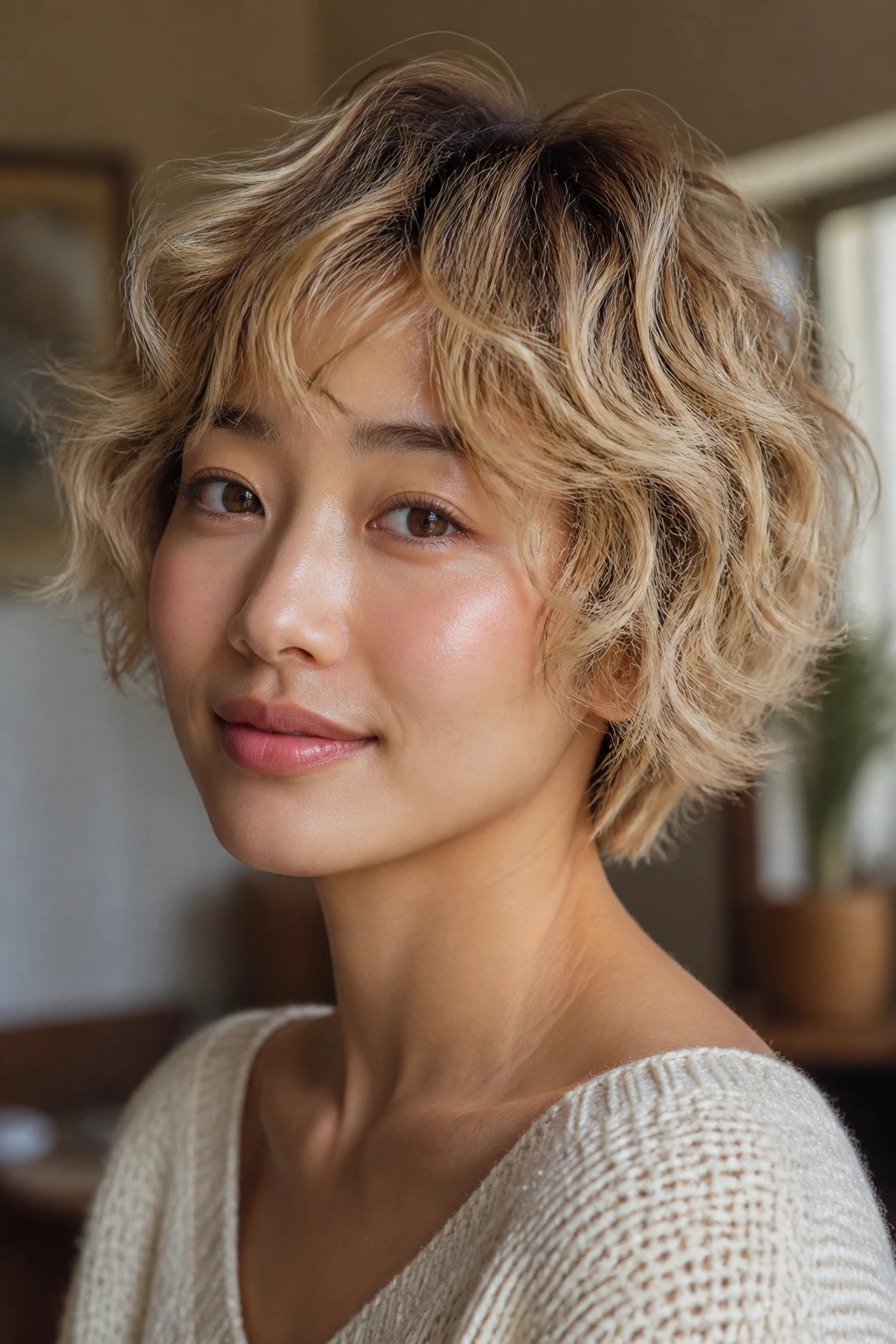
Curly or wavy hair can carry blonde in a completely different way. Champagne curls on a short shag break the color into tiny flashes, so the blonde never sits flat. The curls do half the work, and the cut keeps the volume from ballooning.
This is one of the prettiest options if your hair has natural texture and you want the blonde to look dimensional instead of painted on. The trick is moisture. A curl cream, diffuser, and a light hold spray will keep the shape intact without turning it stiff. Champagne tone likes motion.
18. Rooted Vanilla Lob With Flip Ends
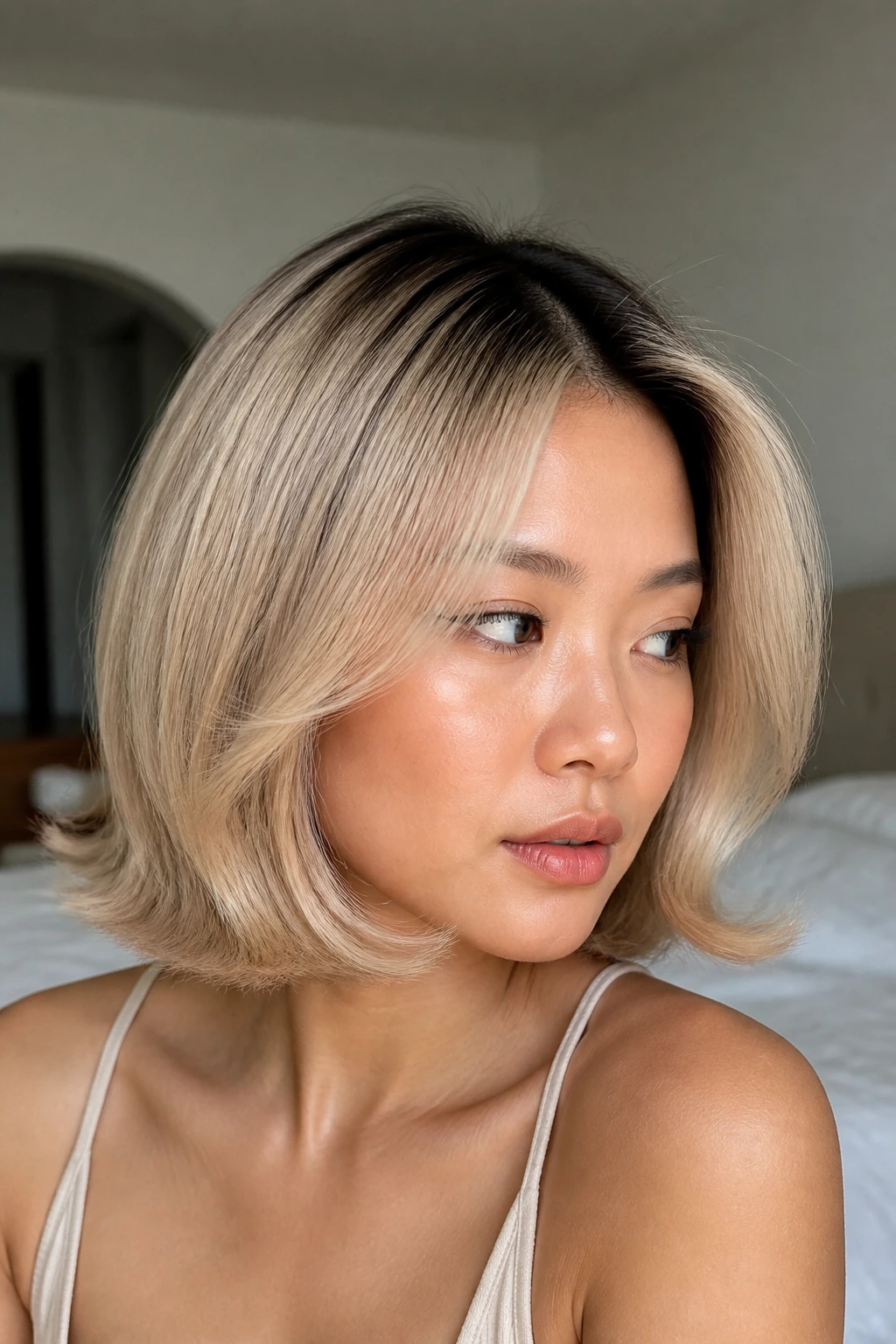
A rooted vanilla lob gives you room to be blonde without committing to a tiny cut. The root stays deeper, the ends go pale and creamy, and the flipped-out finish adds a little retro energy. It’s a good one if you like the feeling of hair touching the jaw and collarbone.
The grow-out is forgiving because the darker root gives the eye a place to land. That makes the vanilla lighter through the ends look intentional instead of abrupt. I’d wear this with a round brush blowout or a 1.25-inch iron bend at the ends. Flat and straight can work, but the flip gives it personality.
19. Scandi Blonde Buzzed-Nape Pixie
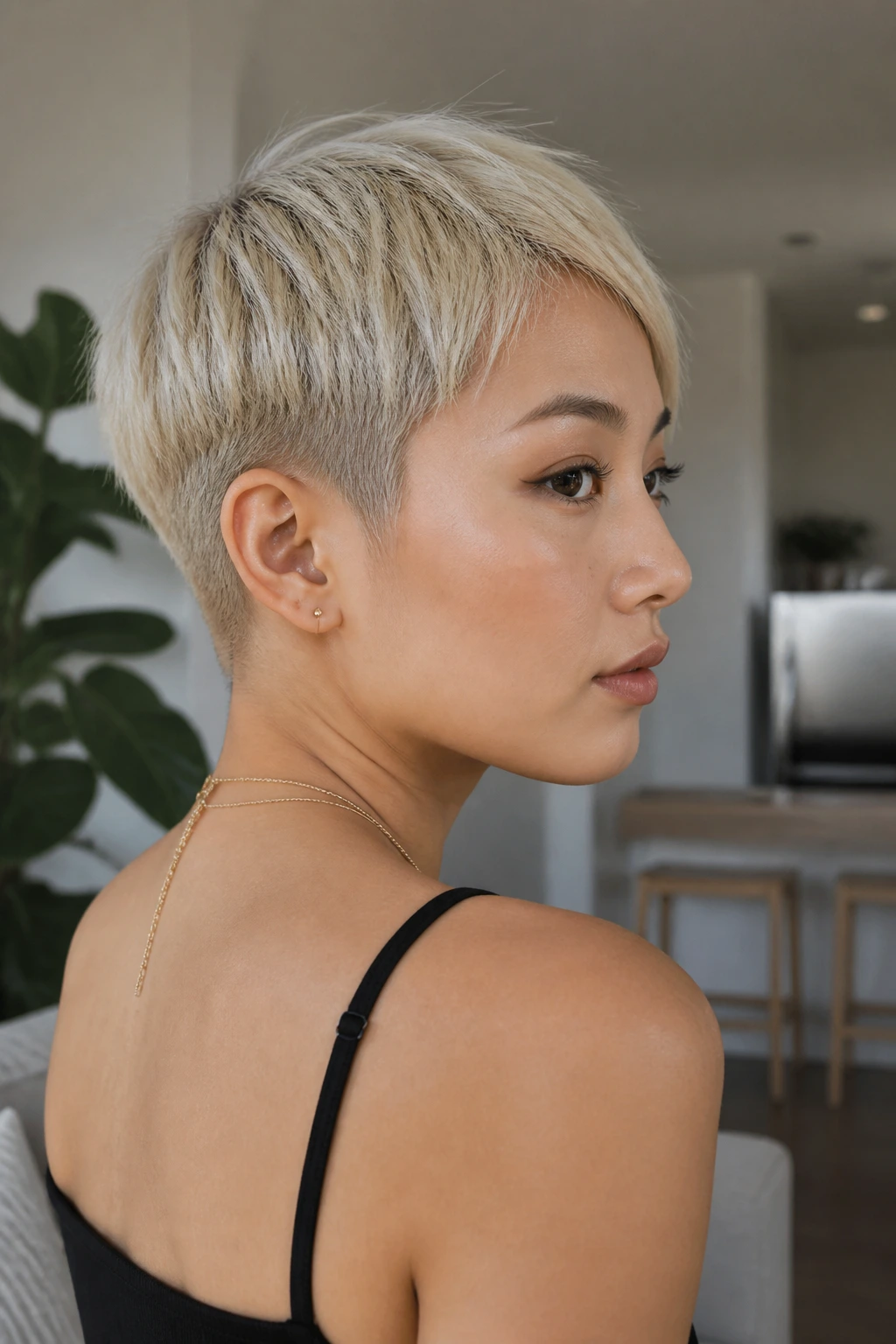
This is the boldest short blonde in the list. A buzzed nape keeps the back tight and neat, while the top stays much lighter, closer to a Scandi-style blonde. The contrast is clean and direct.
It’s a good choice if you want the hair to look graphic. No softness required. Short hair can support a high-lift blonde like this because the length is small and the haircut is doing some of the visual work. You do need regular trims, though. The buzzed nape grows fast, and once the line loses its shape, the whole look changes.
20. Toasted Almond Balayage Bob
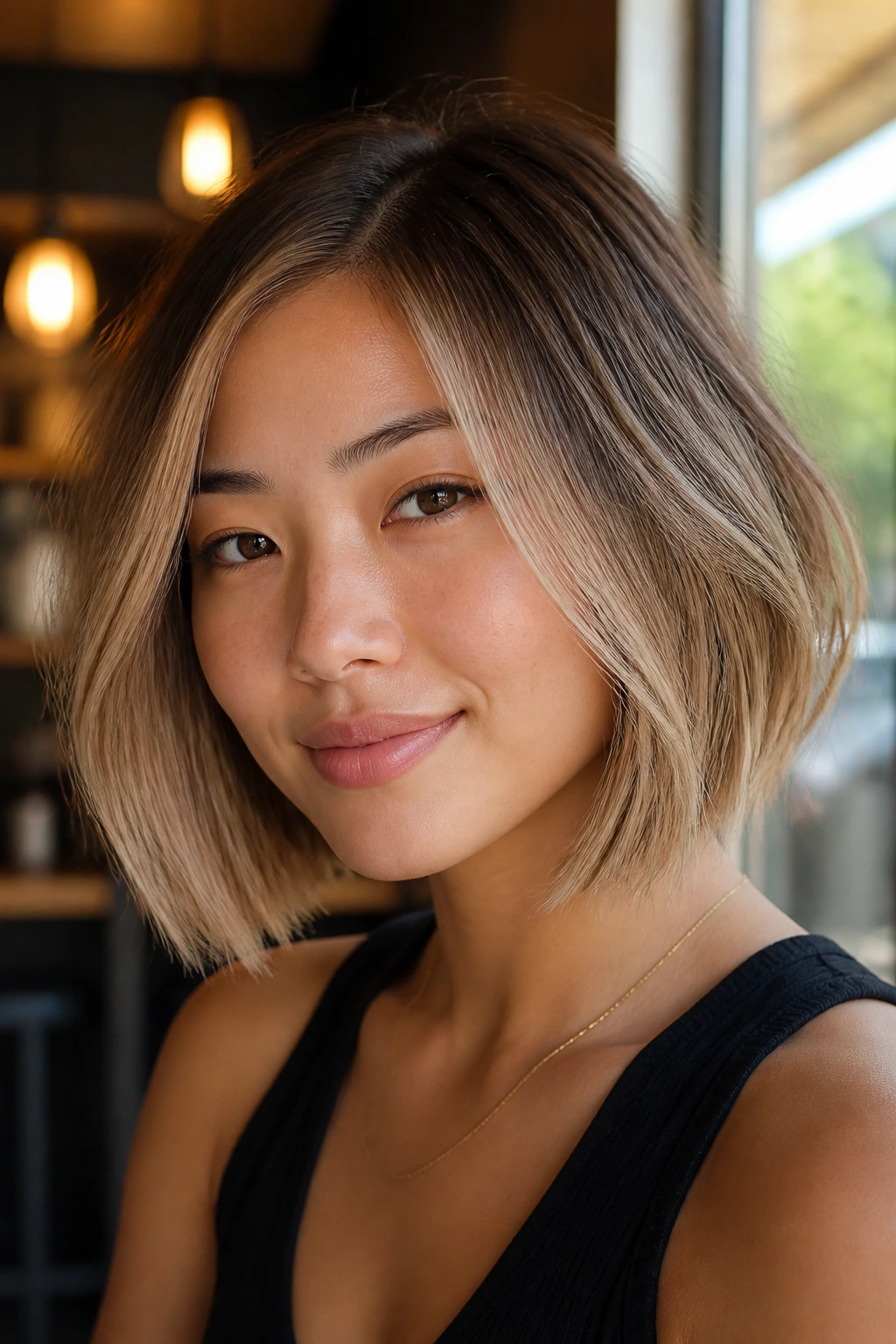
Toasted almond blonde sits a step deeper than honey and a step softer than caramel, which gives it a rich, easy feel on a bob. The balayage placement keeps the color broken up, so the ends glow without turning streaky. It’s one of the most flattering warm blondes for short hair.
This shade is especially good if your skin has golden or medium warmth and you want the blonde to blend instead of fight. The bob keeps the shape neat, while the almond ribbons add movement around the cheeks and ends. It’s a calm look. Not dull. Calm.
21. Pastel Beige Mushroom Crop
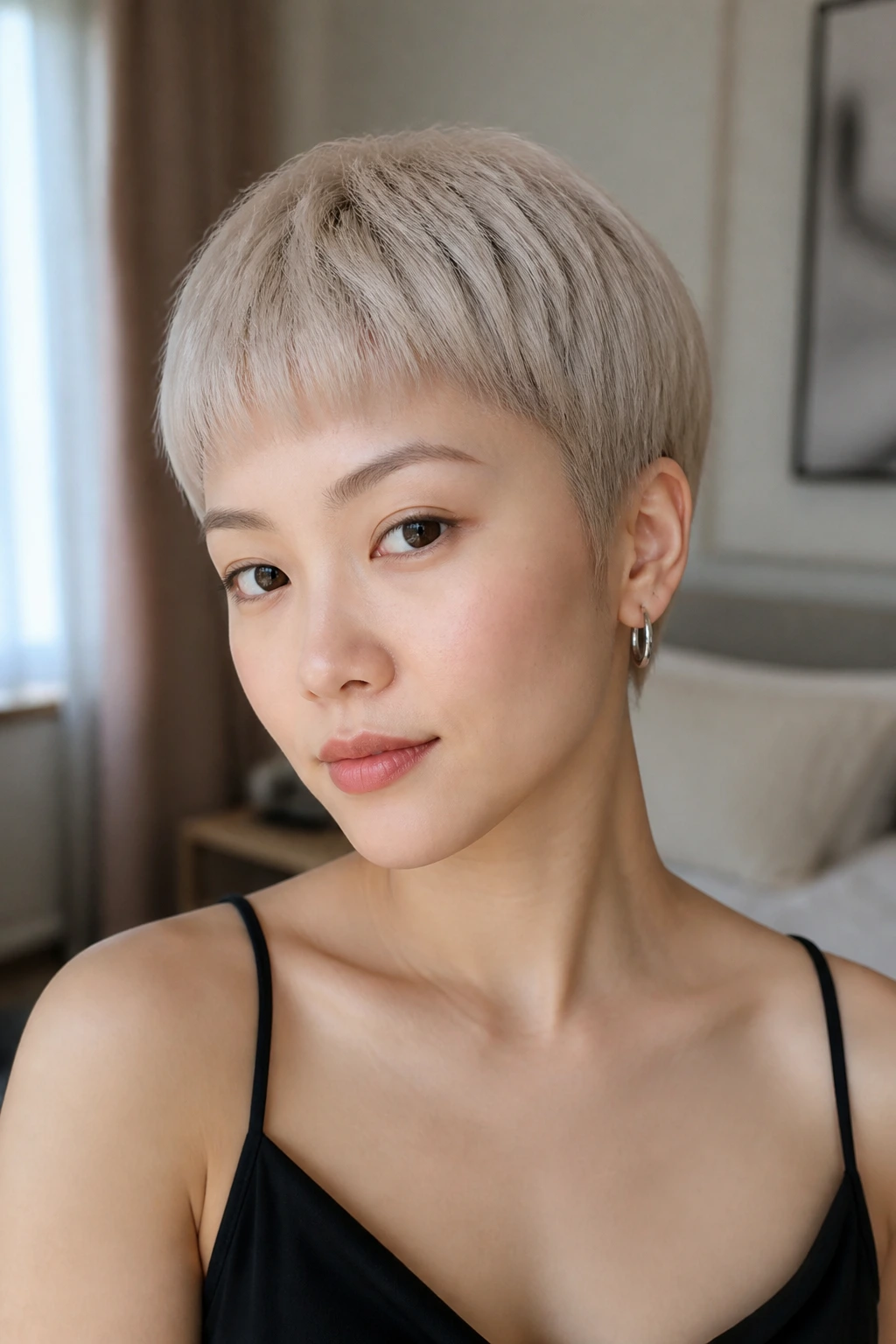
This one is soft in a way that almost feels cloudy. Pastel beige mushroom blonde keeps the tone cool-neutral, with just enough milky softness to avoid looking gray. On a close crop, that finish feels modern and delicate at once.
It works best when the hair is healthy and evenly lifted, because pale beige shows unevenness fast. The upside is that the cut is tiny, so the color can look precise and airy without needing a ton of length. If your skin leans warm, keep a slightly deeper root so the tone doesn’t wash you out.
22. Golden Bronde French Bob
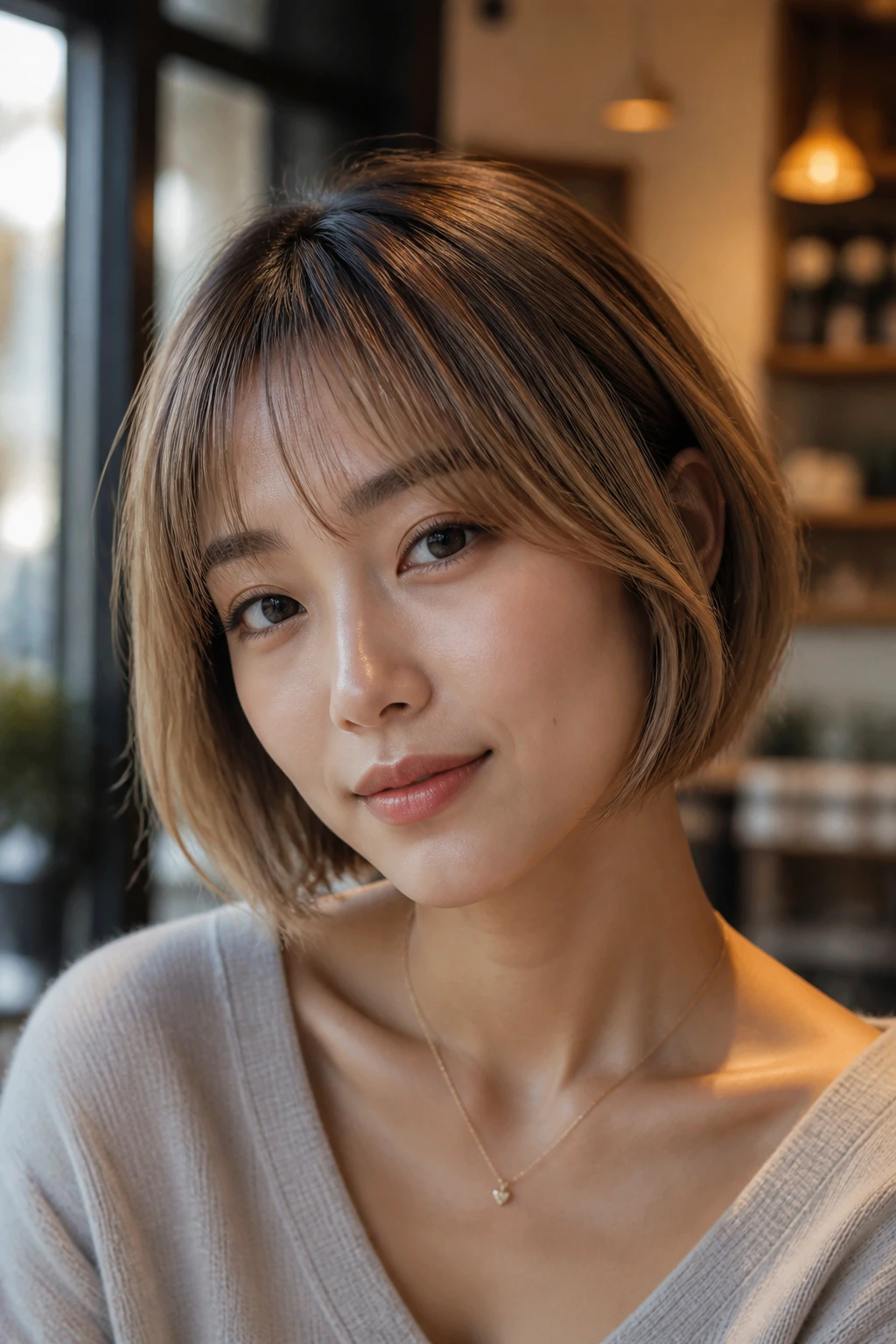
If you’re torn between brunette and blonde, start here. Golden bronde keeps depth at the root and warmth through the ends, then the French bob shape makes the whole thing feel neat and face-framing. It’s soft, but not plain.
This is a good final pick because it proves blonde does not have to be icy to read as blonde. On short hair, that golden mid-tone can brighten the face without erasing your natural contrast. Add a soft fringe or a tucked side, and it gets that easy, slightly undone finish people spend too much time chasing.
How to Choose the Right Blonde by Undertone and Brow Contrast
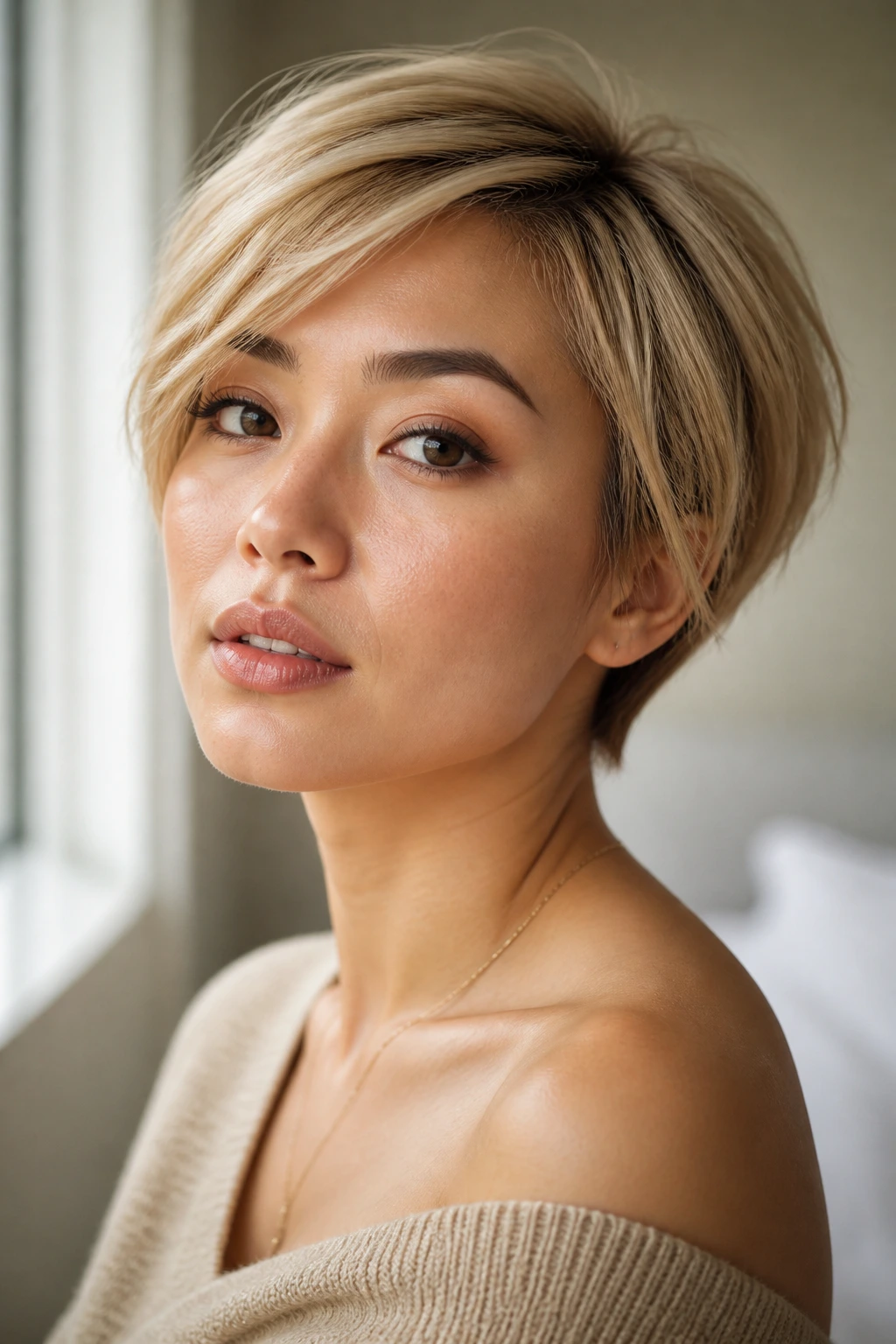
A good blonde on short hair starts with undertone, not trend photos. If your skin leans warm or golden, honey, butter, toasted almond, and golden bronde usually look smoother than flat ash, because the warmth echoes what’s already in your complexion. If your skin leans neutral, beige, champagne, and mushroom shades tend to sit in the sweet spot without turning yellow or gray.
Cool or rosy skin can take pearl, smoky beige, and platinum better, but even then, the tone needs some depth. A blonde that is too white against dark brows can make the face feel detached from the hairline. A root shadow or a little darkness under the top layer fixes that fast.
Dark Brows Need a Plan
Dark brows are part of the look. They don’t need to disappear, and they usually shouldn’t. The cleaner trick is to let the blonde sit around them with either a soft face frame or a slightly deeper root so the contrast feels designed.
When to Keep the Root Deeper
If you hate regrowth lines, ask for a root shadow, shadow melt, or a partial highlight placement. Those techniques are especially useful on pixies and bobs because the short length puts the root line right near the face. The deeper root buys you time.
When to Go Brighter
If you love strong contrast, platinum, pearl, or icy undercut looks can be striking. They work best when the haircut is crisp and the hair is healthy enough to handle the lift. If the ends are already dry, a softer beige or honey version usually looks better and ages better.
Essential Tools for Getting and Keeping the Color
-
A skilled colorist or salon consultation: Short blonde on dark hair usually benefits from staged lifting and toner control, not a random all-over bleach job.
-
Reference photos from the front, side, and back: One photo is never enough. Short hair changes a lot with angle.
-
Bond-building treatment: Bleached ends need help holding moisture and strength, especially after the first few washes.
-
Purple shampoo: Best for beige, pearl, ash, and platinum tones when brass starts showing through.
-
Blue shampoo: Useful if your blonde keeps drifting orange or copper on a darker base.
-
Color-safe sulfate-free shampoo: Gentler washing keeps toner from draining out too fast.
-
Heat protectant spray: Bleached short hair can look dry quickly under a flat iron or curling wand.
-
Microfiber towel: Rough terry cloth can puff up the cuticle and make the blonde look frizzy.
-
Wide-tooth comb and sectioning clips: Useful for detangling and for keeping the color or toning product even.
-
Silk or satin pillowcase: It cuts down on friction, which helps the ends stay smooth between trims.
How to Wear Short Blonde Hair So It Frames the Face Well
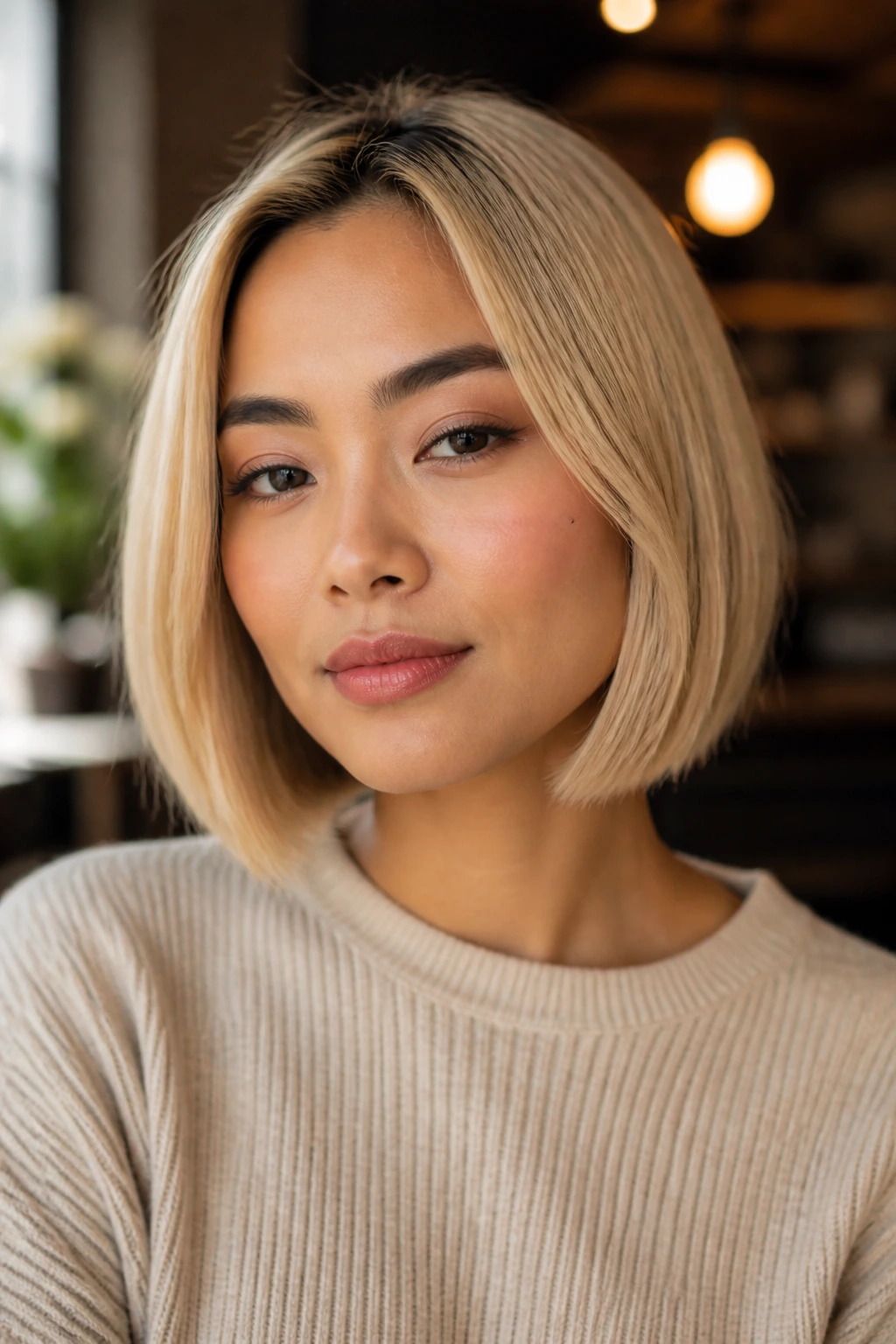
Presentation: A blunt bob looks best when it’s glossy and precise, while a shag or bixie usually needs a little separation and movement. If the color is pale, a clean finish keeps it from looking fuzzy; if the color is warmer, a bit of texture makes it feel lived-in.
Accompaniments: Dark brows, a bit of blush, and a defined lip help short blonde hair feel balanced on the face. I’d also pay attention to earrings and necklines — hoops, studs, crewnecks, and open collars all change how the blonde reads near the jaw.
Portion of Blonde: Not everyone needs a full head of lightness. A money piece, a face frame, or a bright top layer can give most of the payoff with less damage and less upkeep. That’s often the smarter move if your hair starts very dark.
Setting: Pearl, ash, and platinum look sharper under direct indoor light. Honey, beige, and toasted almond feel softer in daylight and tend to be easier to wear from morning to night. Pick the mood you’ll actually live in, not the one that only works in a salon mirror.
Additional Tips for Shade, Shine, and Dimension
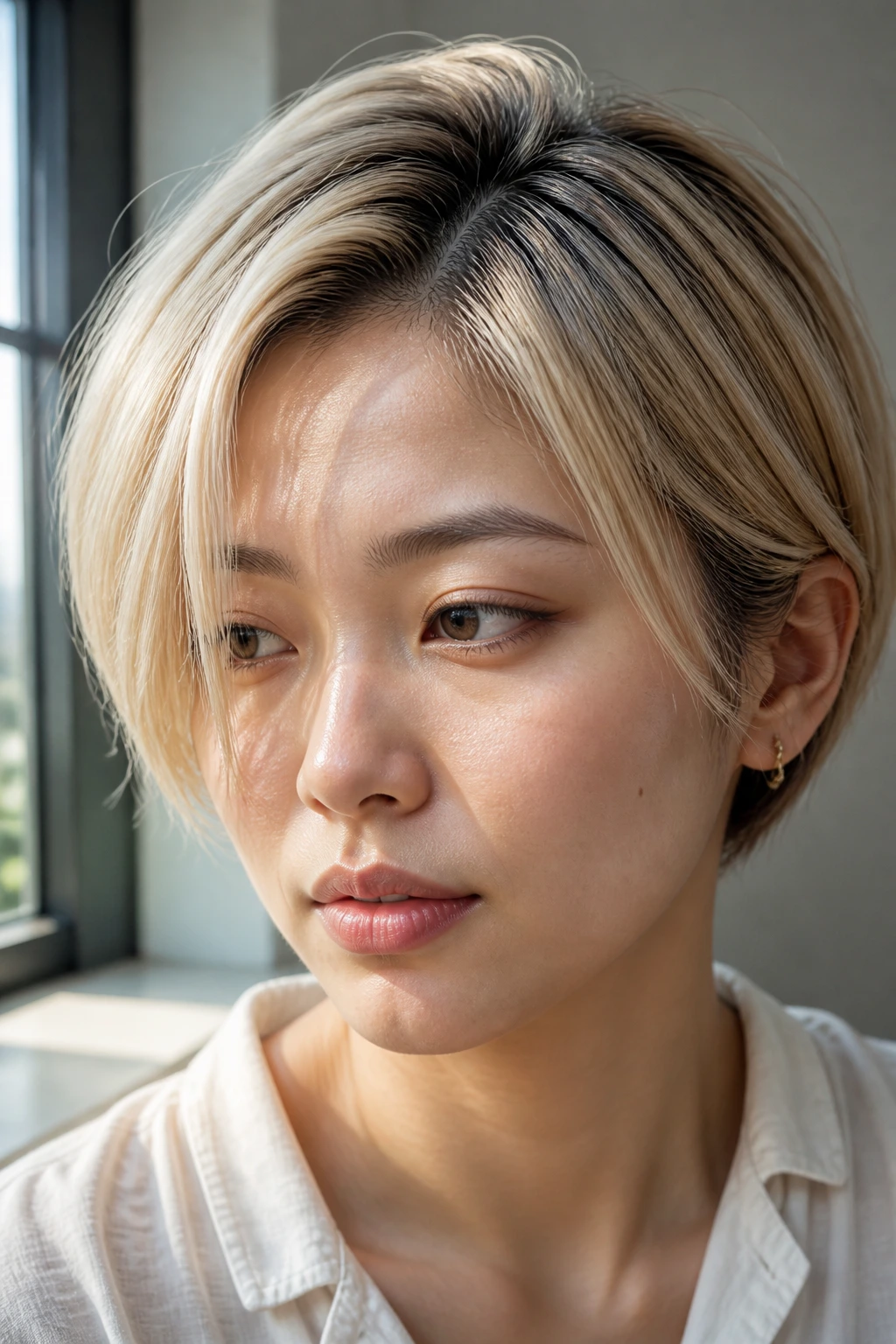
Tone Control: Beige and pearl are the safest “middle” tones if you want blonde without the flat, gray cast that too much ash can create. A tiny bit of warmth keeps the color from looking dead, especially on short hair where every strand is visible.
Dimension: Ask for a root shadow of about half an inch to an inch if you want the grow-out to look intentional. On pixies and bobs, that depth keeps the top from looking like one solid sheet of color.
Texture: Short blonde hair almost always looks richer with some bend. Even a blunt bob benefits from a slight turn at the ends, because the light hits the curve and the shade gains depth.
Make-It-Yours: If your workplace is conservative, keep more depth at the nape and sides, then brighten the front. If you want stronger contrast, push the top pieces lighter and keep the back deeper so the cut feels more graphic.
Common Mistakes That Make Short Blonde Hair Look Harsh
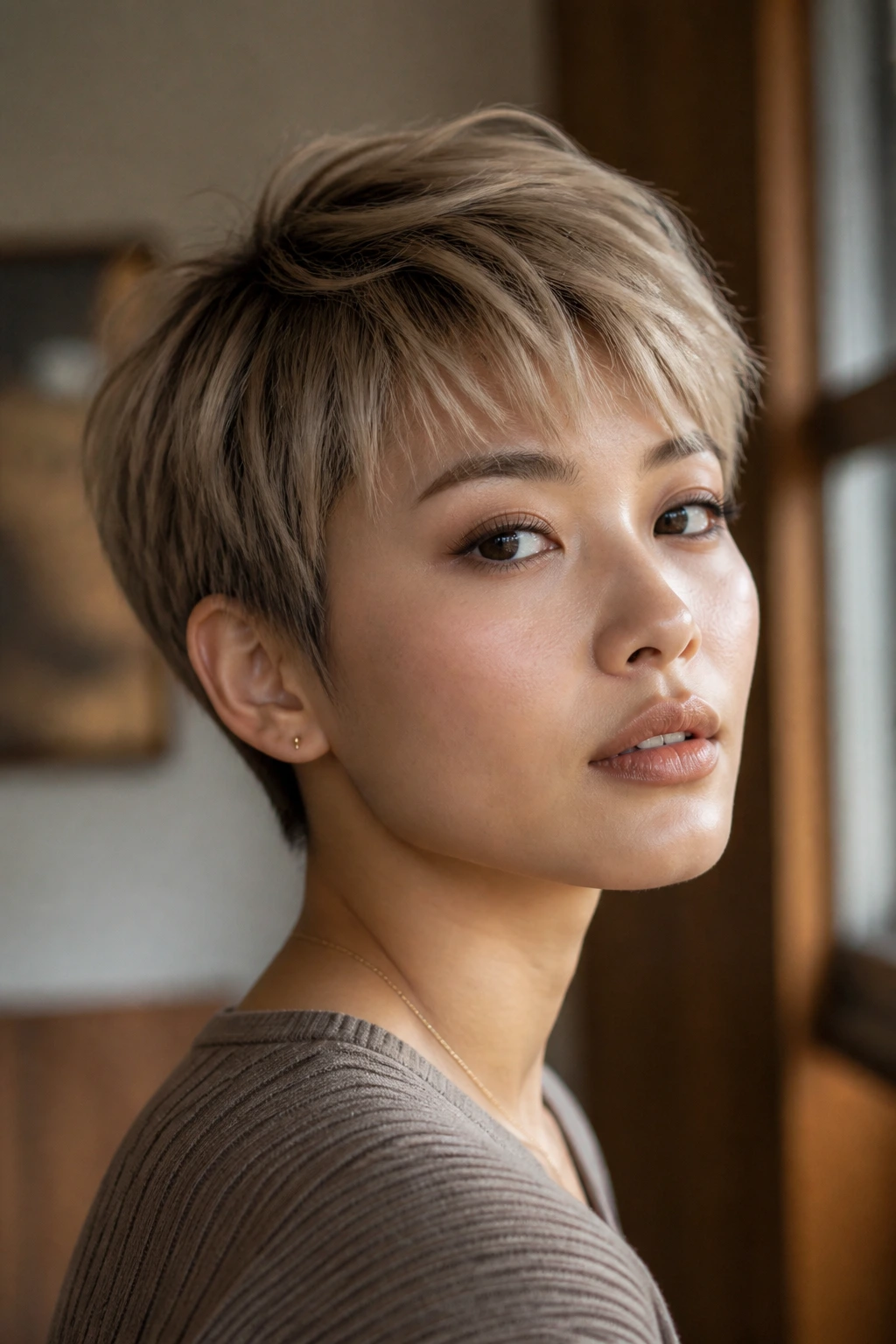
Chasing Platinum in One Sitting
Dark hair rarely lifts cleanly to pale blonde without help, and rushing it is how you get gummy ends. Short hair can tolerate more than long hair, but it still needs staged lightening and a bond builder if the base is very dark.
Picking Ash Without Checking Your Skin
Too much ash can make warm or golden skin look tired. The fix is simple: move into beige, pearl, or a soft mushroom tone instead of forcing a cool finish that doesn’t match your face.
Forgetting the Cut Shape
A blunt one-length bob and a high-lift blonde can look heavy if the ends are thick and the tone is all one color. Internal texture, face-framing pieces, or a root shadow usually solve that.
Letting the Color Go Too Yellow
Some warmth is good. Brass is not the goal. If the blonde starts looking yellow-orange, use the right shampoo for the problem — purple for yellow, blue for orange — and book a toner before the color slides further off track.
Ignoring Brows and Makeup
Short blonde hair puts your face front and center. If the brows are left unruly and the skin has no color, even a beautiful blonde can wash the face out. A little brow grooming and blush go a long way.
Variations and Alternatives to Try
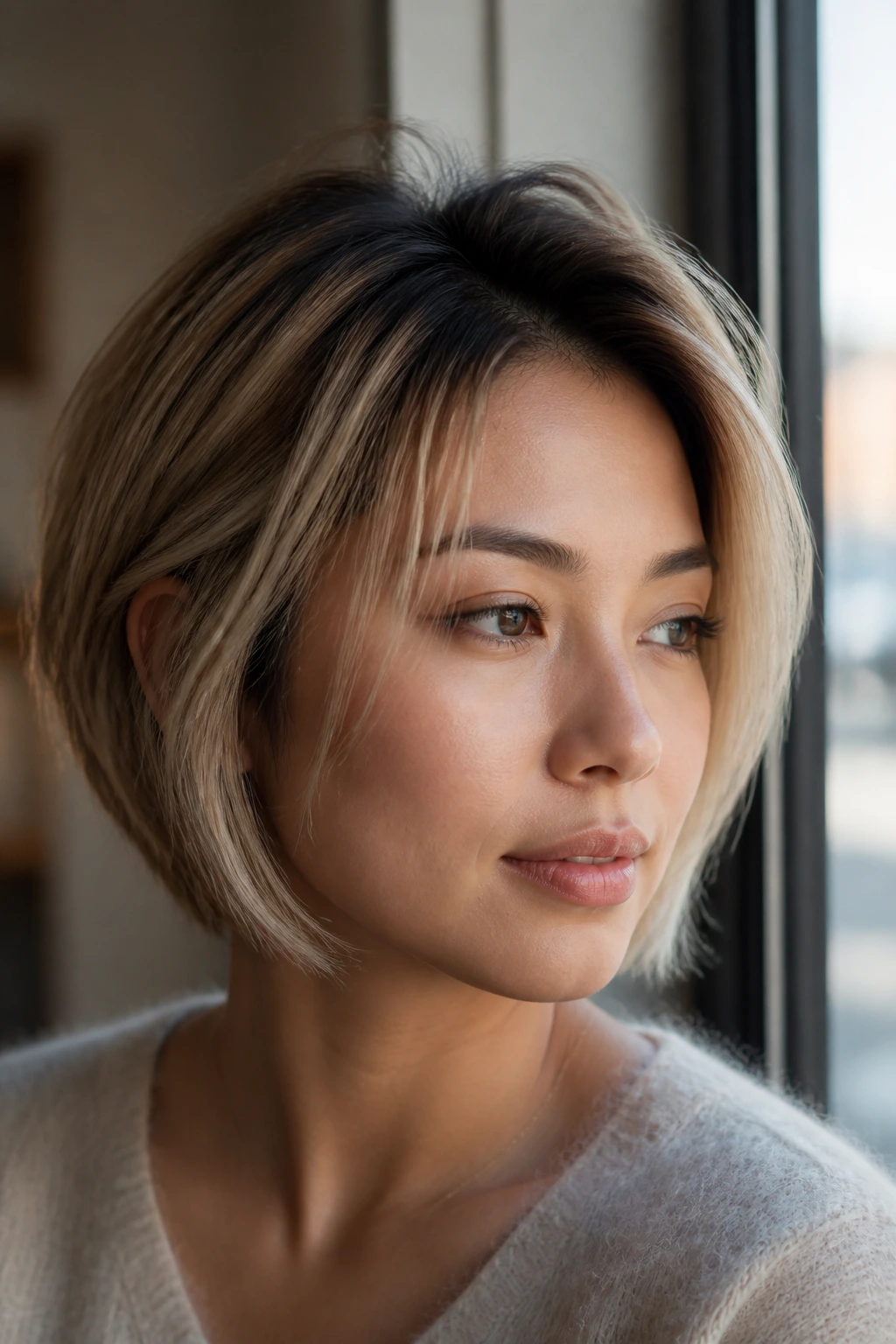
The Soft Grow-Out Blonde: Keep the root deeper and use beige highlights through the top and sides. This is the easiest option to maintain if you don’t want to sit in the salon every month.
The Bright Frame Only: Lighten just the money piece and the hairline, then leave the rest darker. It gives you the blonde effect fast, and it’s a smart first step if you’re nervous about commitment.
The Warm Glow Blonde: Lean into butter, honey, or toasted almond tones. These shades tend to flatter golden or olive skin and feel less stark beside dark brows.
The Cool Editorial Blonde: Go pearl, smoky beige, or platinum with a clean haircut and sharp styling. This one needs discipline, but it can look extremely crisp on short hair.
The Bronde Bridge: Keep the base brunette and add blonde ribbons through the mids and ends. If you’re torn between colors, this is the least stressful way to test the blonde lane.
Keeping Blonde Short Hair Fresh Between Salon Visits
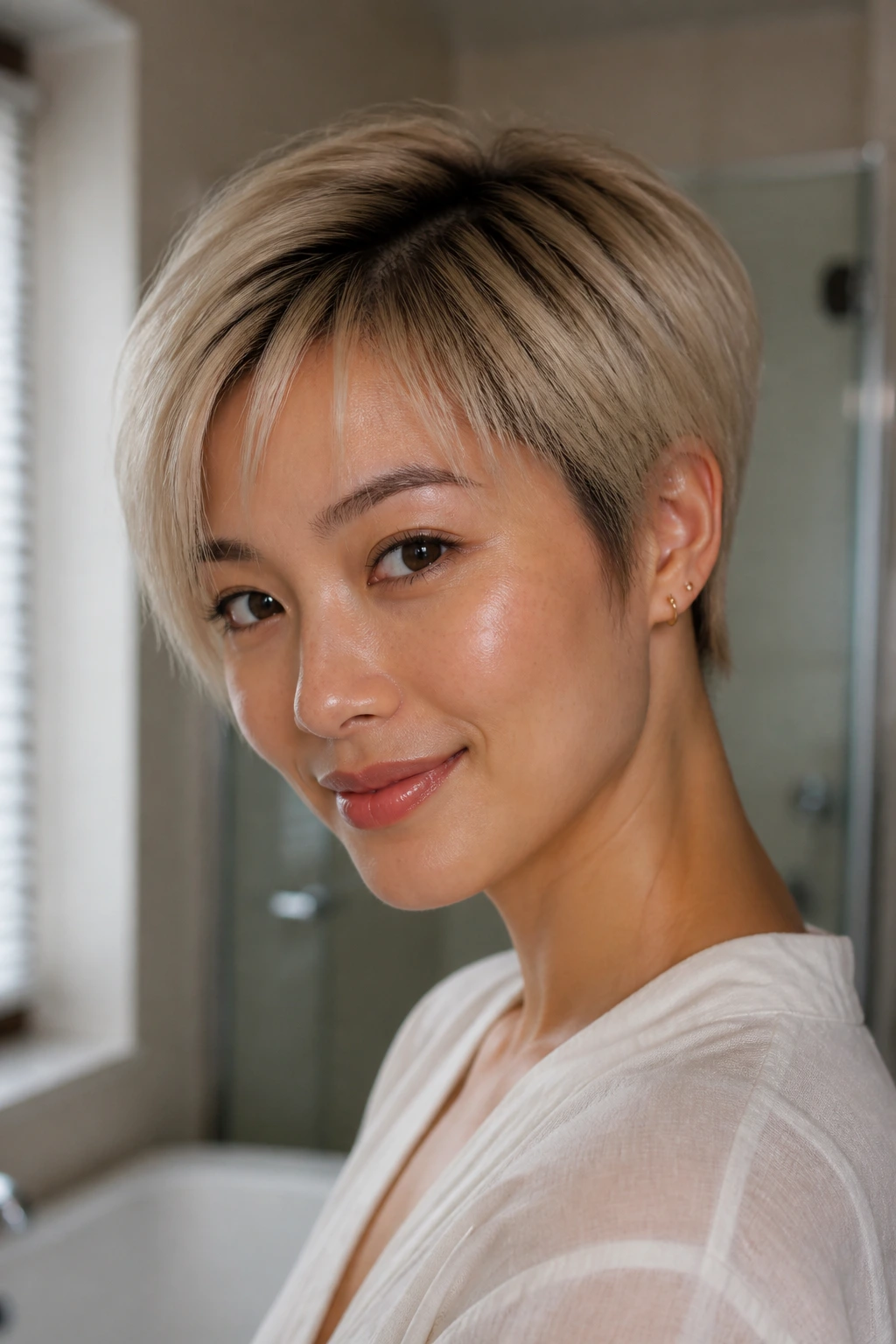
Short blonde hair needs a little more attention than people expect, mostly because the roots show faster and the tone can shift quickly. For most beige, honey, and bronde shades, washing 2 to 3 times a week is enough. More frequent washing can pull toner out faster, especially if the water is hard or the shampoo is harsh.
Cooler blondes like pearl, ash, and platinum often need purple shampoo once every 4 to 7 washes. Use it like a toner helper, not a daily cleanser. Leave it on for a minute or two, then rinse well. If the hair starts looking dull or dusty, back off.
Trim and Tone Rhythm
Pixies usually need trims every 4 to 6 weeks. Bobs and bixies can stretch to 6 to 8 weeks. Lobs can go a little longer, but the ends still benefit from a clean-up before they start looking frayed.
Glosses and toners usually land somewhere around 4 to 8 weeks, depending on how fast your color fades and how light it was to begin with. The lighter and cooler the blonde, the faster you’ll notice drift.
Night and Heat Care
Bleached short hair likes heat protectant every single time you blow-dry, flat iron, or curl it. Keep hot tools on the lower side when you can, and don’t hold the iron on one section just to make it stay put. That’s how the ends get rough.
Sleeping on a silk or satin pillowcase helps more than people admit. It won’t fix bad bleaching, but it does cut down on friction, and that alone keeps the cut looking smoother between washes.
Frequently Asked Questions About Blonde Hair Looks for Asian Women With Short Hair
Will blonde hair suit Asian women with short hair?
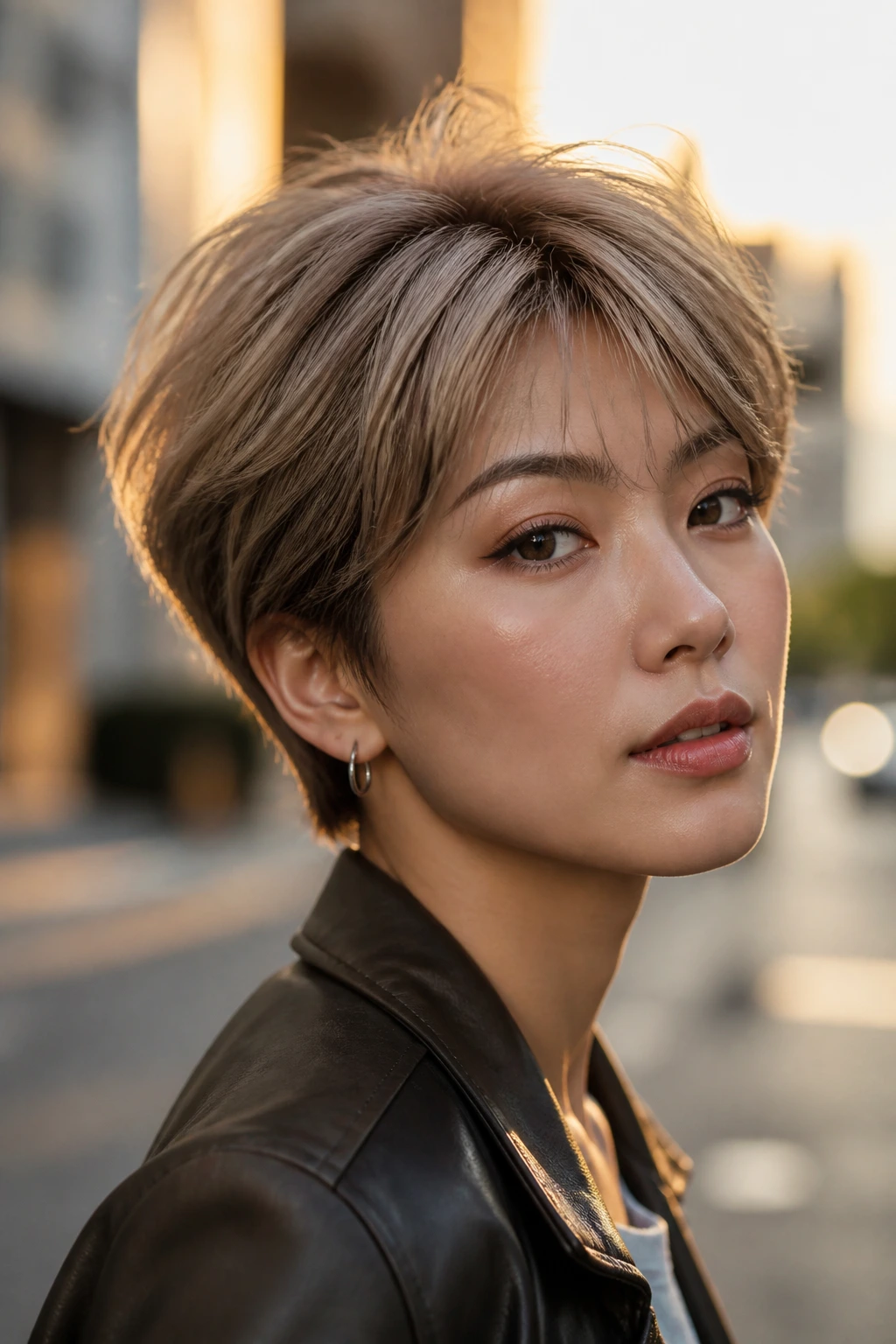
Yes, but the shade matters more than the headline color. Beige, honey, mushroom, pearl, and bronde usually feel easier to wear than a flat, overly yellow blonde because they work with dark brows and many Asian skin undertones instead of fighting them.
Which blonde shade is easiest to maintain on short hair?
Rooted beige, bronde, and honey balayage are the easiest to live with. They let the regrowth blend in, which matters a lot on short cuts where the root line sits close to the face.
Can very dark hair go blonde in one salon visit?
Sometimes it can, but the result is rarely the healthiest or prettiest path if the goal is pale blonde. Dark hair often does better with staged lifting, especially if you want a clean beige or platinum finish instead of a brassy one.
What blonde works best with dark eyebrows?
Beige, mushroom, bronde, and honey usually look balanced beside dark brows. If you go ultra-light, keep a root shadow or face-framing depth so the contrast feels intentional rather than disconnected.
Is balayage better than full blonde on short hair?
For most people, yes. Balayage on a bob, lob, or shag gives you dimension and a softer grow-out line, which is especially helpful when the haircut is short and the regrowth shows quickly.
How do I stop blonde from turning orange or yellow?
Use the right toning shampoo for the problem, not both at once. Purple shampoo helps yellow tones; blue shampoo helps orange tones. If the brass keeps coming back fast, the toner itself may need a salon refresh.
Do I need to bleach my brows to match?
Usually no. Dark brows can look excellent with blonde short hair when the hairline, root depth, or face frame is handled well. Bleaching brows is a separate, high-risk move that should only be done with care and professional guidance.
Can fine short hair handle blonde without looking flat?
Yes, and short hair often makes fine strands look fuller. The trick is keeping some depth at the root, adding a little texture, and choosing a shade that reflects light without turning chalky.
The Short Blonde Sweet Spot
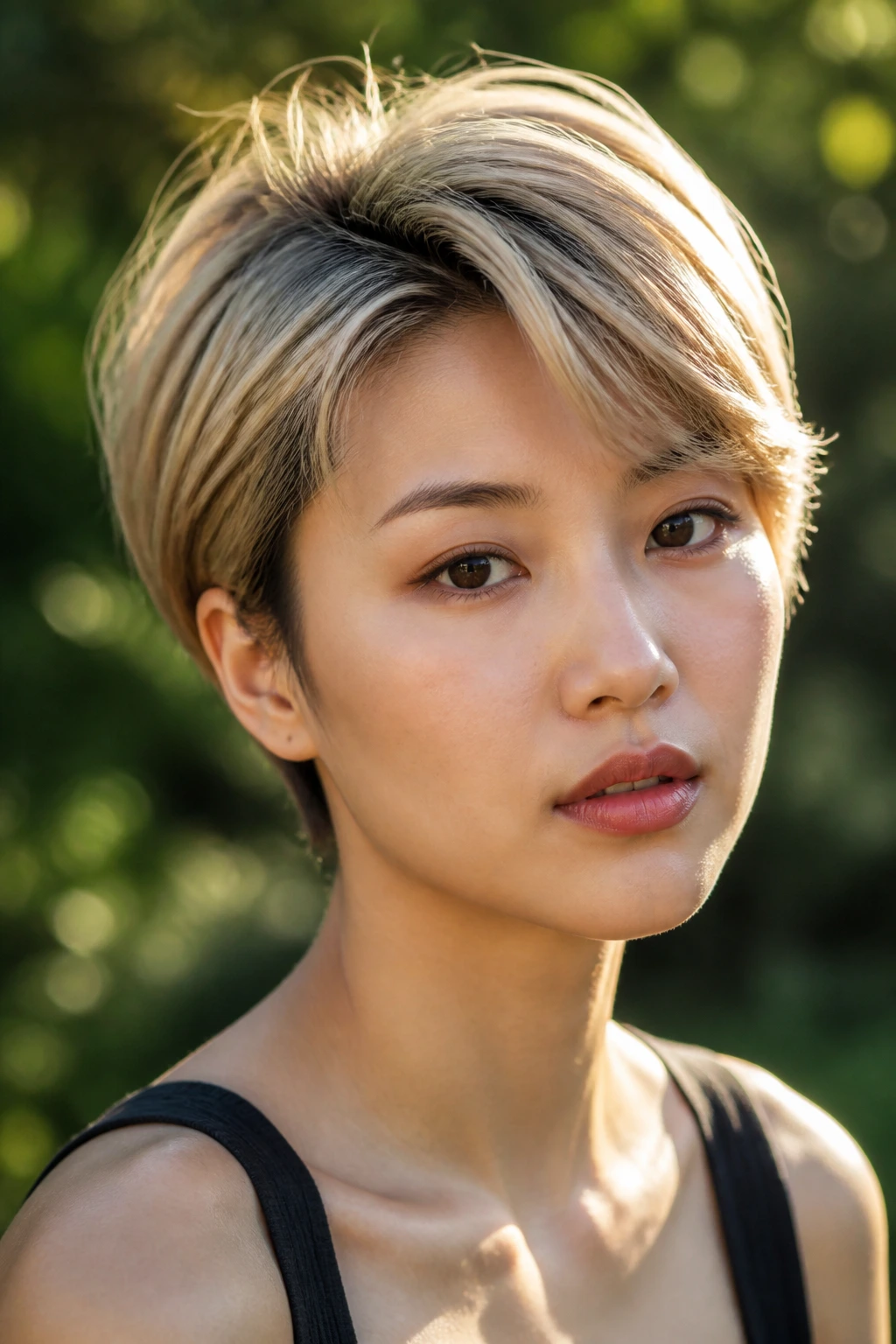
The strongest blonde looks on short hair are usually not the loudest ones. They’re the ones that understand contrast: a little root depth, a shade that works with your skin, and a cut that has enough shape to carry the color. Beige, honey, mushroom, pearl, and bronde all earn their place because they look finished even when they start to grow out.
Short blonde hair can be bold, soft, sharp, or low-key. It doesn’t have to be fragile. Bring the right reference photos, ask for the shade that fits your undertone instead of the one that looked good on someone with different brows, and let the haircut do some of the work. That’s where the really good versions live.
