



The prettiest blonde hair looks are rarely the palest ones. That’s the part people forget when they’re sitting in the chair, waving around a screenshot and asking for “blonde.” A beige balayage with a soft root shadow can look richer, calmer, and more expensive than a hard, all-over pale blonde because the eye reads movement, gloss, and depth before it reads brightness.
And that matters. Blonde hair lives or dies on tone. The same level 9 can look buttery, pearly, smoky, or brassy depending on the undertone, the placement, and whether the roots were blurred on purpose or left to fend for themselves. I’ve seen hair that should have looked polished end up looking thin and washed out because the highlights were too uniform. I’ve also seen a slightly darker blonde on a blunt bob steal the whole room. Loud isn’t always better.
What makes blonde hair looks for women so satisfying is the range. You can go bright and icy, soft and beige, golden and lived-in, or nearly brunette with a few face-framing pieces that do all the work. The sweet spot is choosing a shade that fits your base color, your texture, and how much maintenance you’re actually willing to live with. That last part is the honest one. Beautiful blonde that you can’t keep up with becomes stressful fast.
Why These Blonde Hair Looks Are Worth Saving
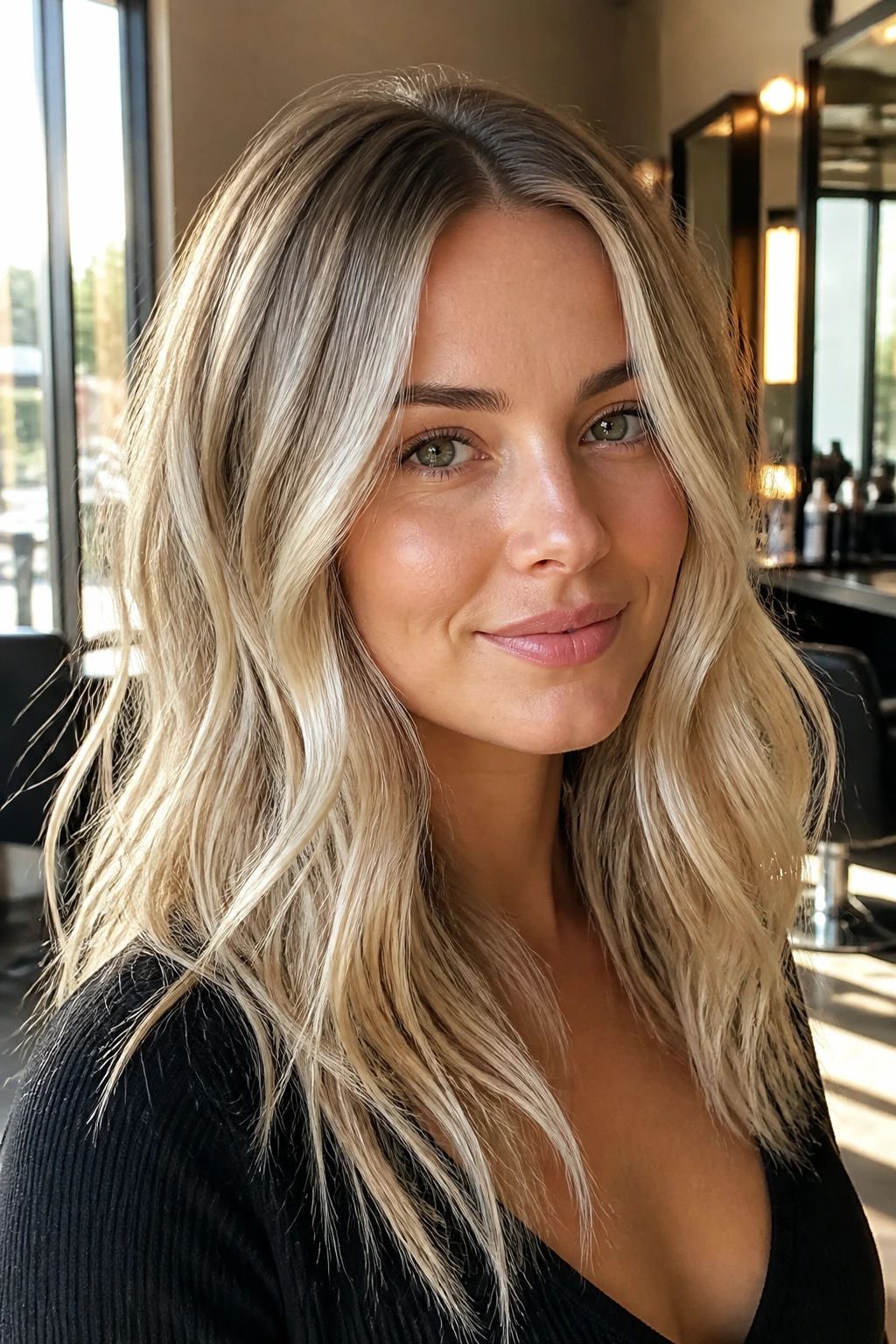
- There’s a blonde for every maintenance level: some of these looks need toner every 4 to 6 weeks, while others can grow out for months without looking harsh.
- Tone does the heavy lifting: warm honey, cool ash, beige, pearl, and champagne all read differently under daylight, indoor light, and flash.
- Placement changes everything: money pieces, root melts, balayage, and foilayage make the same shade look completely different on the head.
- They work with real hair, not just salon photos: several of these looks are built for waves, curls, blunt cuts, and second-day texture.
- You can go blonde without going full platinum: plenty of the best looks in this lineup keep depth at the root and brightness where it counts.
- The right blonde grows out better: a soft root shadow or dimensional weave saves you from the obvious stripe line that dates color fast.
1. Soft Champagne Blonde With A Root Melt
Champagne blonde sits in that sweet band between beige and pearl, so it never screams for attention. The root melt softens the top area by keeping the base one or two shades deeper, which means the color fades like a gradient instead of a line. On shoulder-length waves, it has that clean, polished look that still feels touchable.
Why It Works
The key is contrast control. A level 8 root drifting into a level 9 or 10 champagne mid-length keeps the blonde from looking flat, and that little bit of shadow at the scalp helps the style survive grow-out. It also gives the face a softer frame, especially if your natural root color isn’t far from your brows.
- Best for medium to fine hair that needs a little visual fullness.
- Ask for a beige-pearl gloss rather than a stark silver toner.
- Works especially well with loose bends and a center part.
- Touch up the gloss every 6 to 8 weeks to keep the tone clean. My take: this is one of the easiest blondes to live with if you want polish without constant salon panic.
2. Honey Blonde Waves With Creamy Ends
Honey blonde has warmth, but the good version never turns orange. It looks best when the mid-lengths hold that soft gold tone and the ends stay creamy instead of yellow. On waves, it gives the hair a sun-touched finish that feels richer than a flat blonde ever could.
This look is a strong pick if your skin has golden, peach, or olive undertones. The warmth brings life to the face, and because the blonde isn’t pushed all the way to icy, the hair usually keeps a thicker visual weight. That matters on long hair, where super-pale color can start to look wispy at the ends.
The styling should stay easy. A 1¼-inch iron, brushed out after cooling, gives you that soft movement without tight curl energy. And if the color starts leaning too yellow, don’t reach for purple shampoo every wash. That’s how honey turns dull.
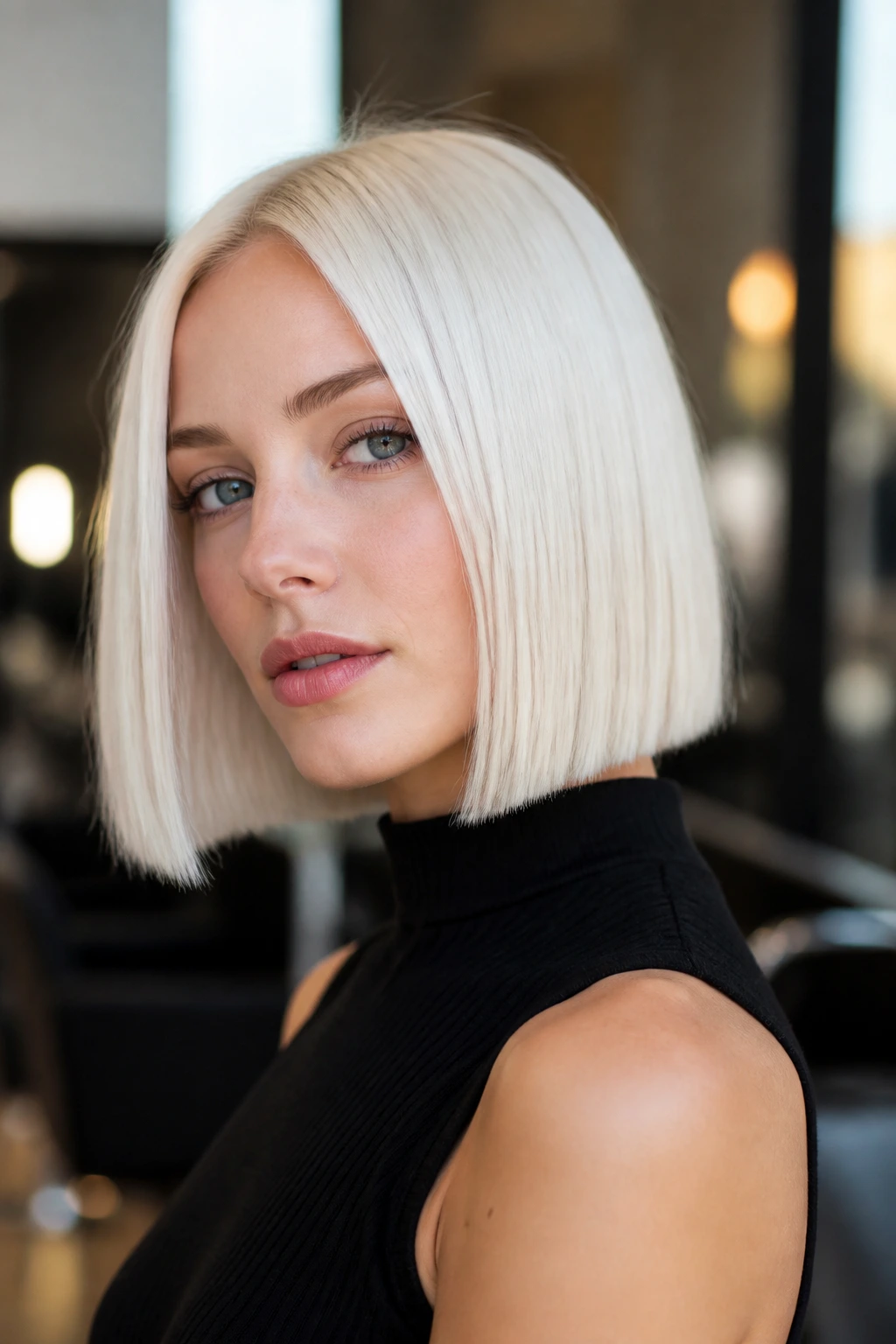
3. Ice-White Platinum Bob
A platinum bob has attitude. Not loud, not messy—sharp. The cut does half the work here, because the clean edge gives the ultra-light color a shape to live in, and the pale tone makes the line of the bob look even crisper.
What Makes It Different
This is not the blonde you pick if you want to disappear into the background. It needs serious lift, usually to a very pale yellow before toning, and it looks best when the finish is glossy and deliberate. If the hair is porous, the color can grab too much toner and end up flat, so the salon process matters more than the inspiration photo.
- Best on straight or slightly wavy hair with a blunt cut.
- Needs a toner refresh more often than rooted blondes.
- The scalp line shows fast, so regrowth is part of the aesthetic.
- A shine spray on the ends keeps the finish from looking dry. Practical note: if your hair has been lightened before, ask about a strand test first. Platinum is not the place to guess.
4. Ash Blonde Balayage On Long Layers
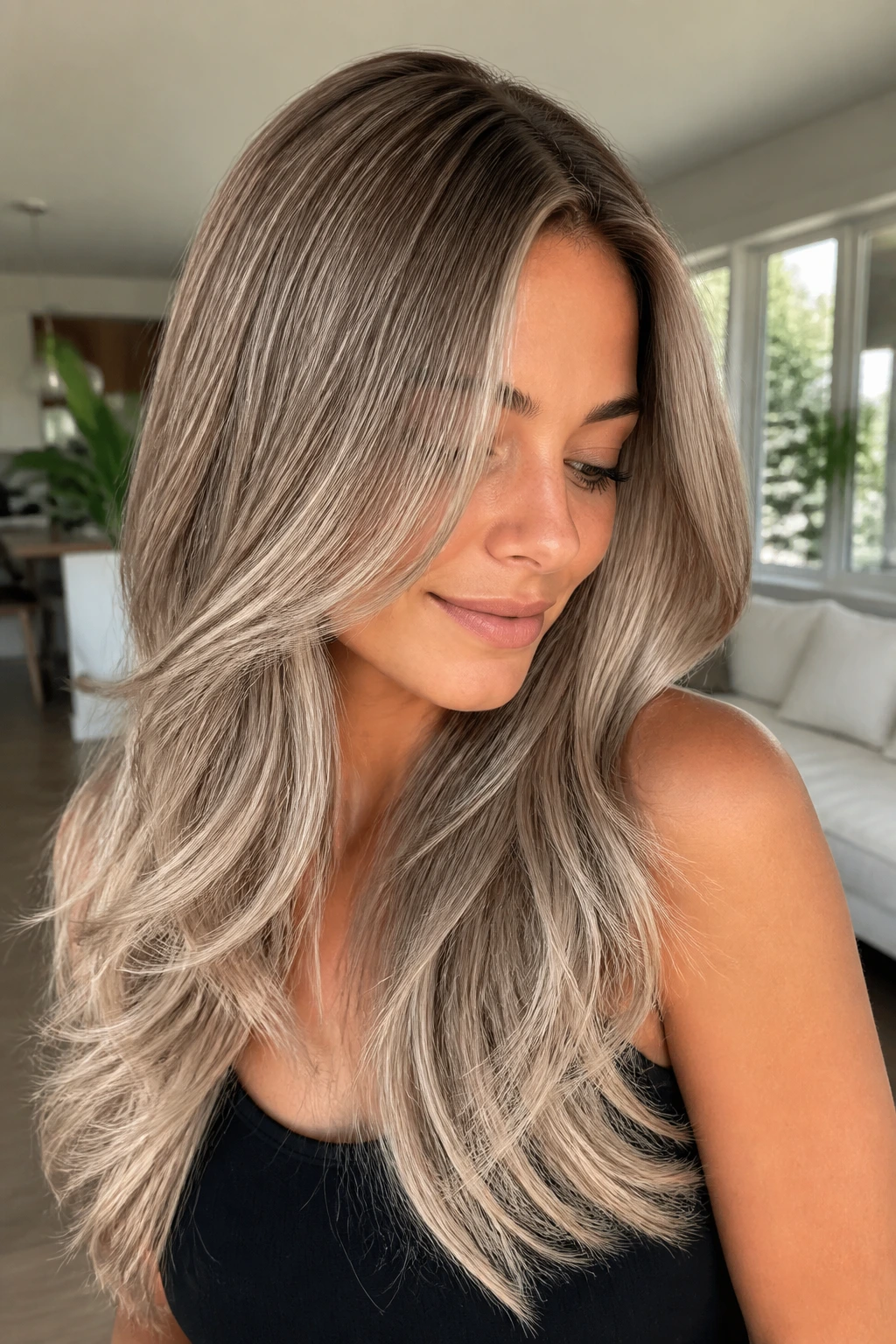
Why does ash blonde still look glossy when other cool blondes go dull? Because good ash isn’t gray paint. It’s a clean, smoky tone placed in ribbons so the hair still has movement underneath. Long layers give the color space to fall in different directions, which keeps the finish from looking like one solid block.
The balayage placement matters almost as much as the tone. When the lighter pieces are painted through the mid-lengths and ends, the hair keeps enough depth at the root to feel grounded. That is what stops ash blonde from going chalky. A little beige mixed into the toner helps too, especially on hair that naturally pulls warm.
How to Wear It
Keep the styling soft. Think loose curls, brushed-out waves, or a big blowout with bend at the ends. Tight ringlets can make ash blonde look stripey, and that’s the opposite of what you want.
5. Buttery Blonde Curtain Bangs
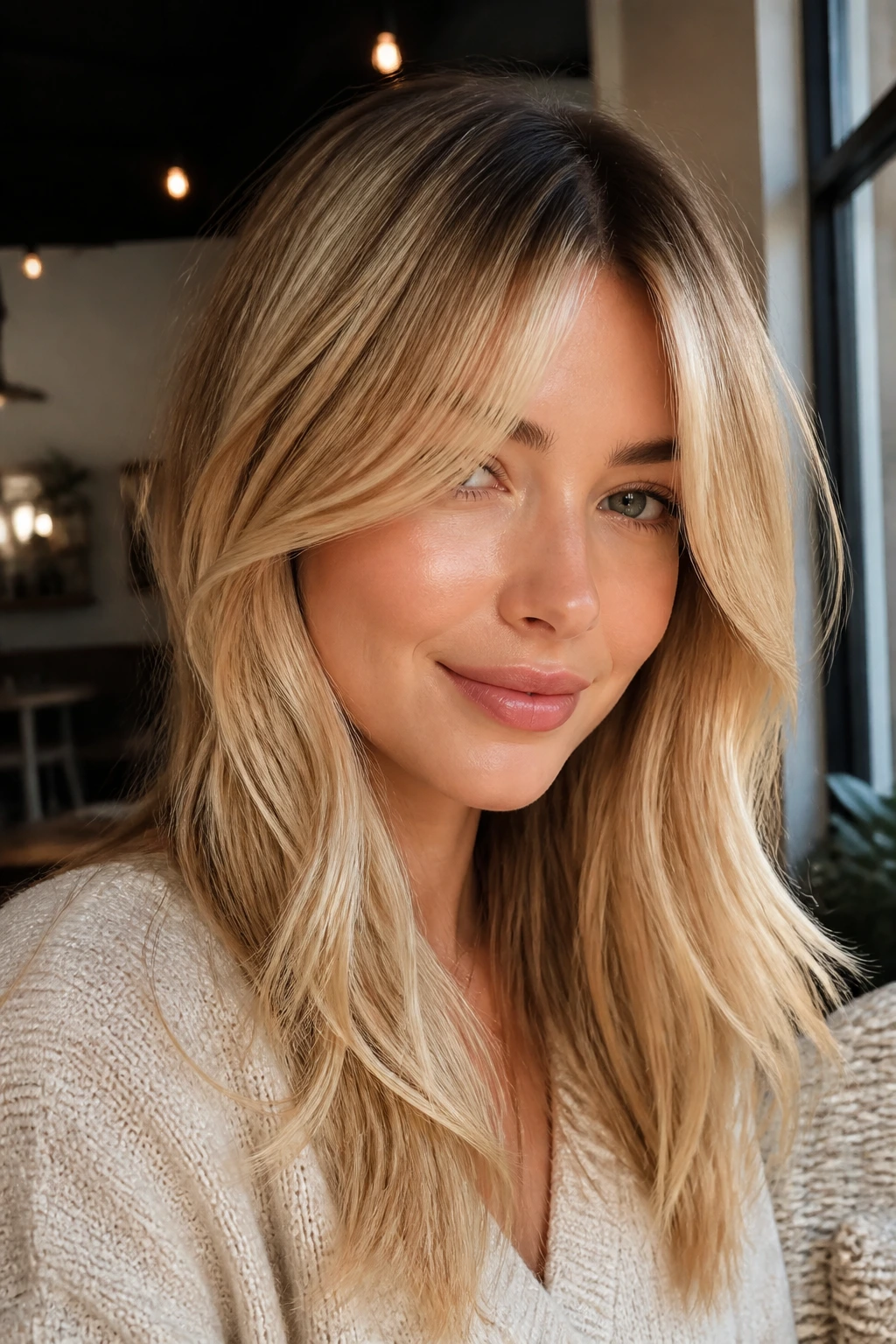
Buttery blonde is the opposite of harsh. It has a warm, creamy softness that works beautifully with curtain bangs because the fringe sits right where the eye lands first. If the tone is too pale, the bangs can disappear into the forehead; if it’s buttery, they read like part of the haircut.
This look is a smart compromise for anyone who wants brightness without committing to icy ends. The warm tone adds life around the face, and curtain bangs give the whole style a bit of movement even when the rest of the hair is worn straight. It also looks good as the color grows, because the fringe hides some of the root area naturally.
The cut matters here. Curtain bangs need a little length so they can sweep back instead of sitting like a shelf. On a round brush, the color picks up a soft glow that looks different from every angle. Nice hair, but with a pulse.
6. Beige Blonde Lob With Soft Bend
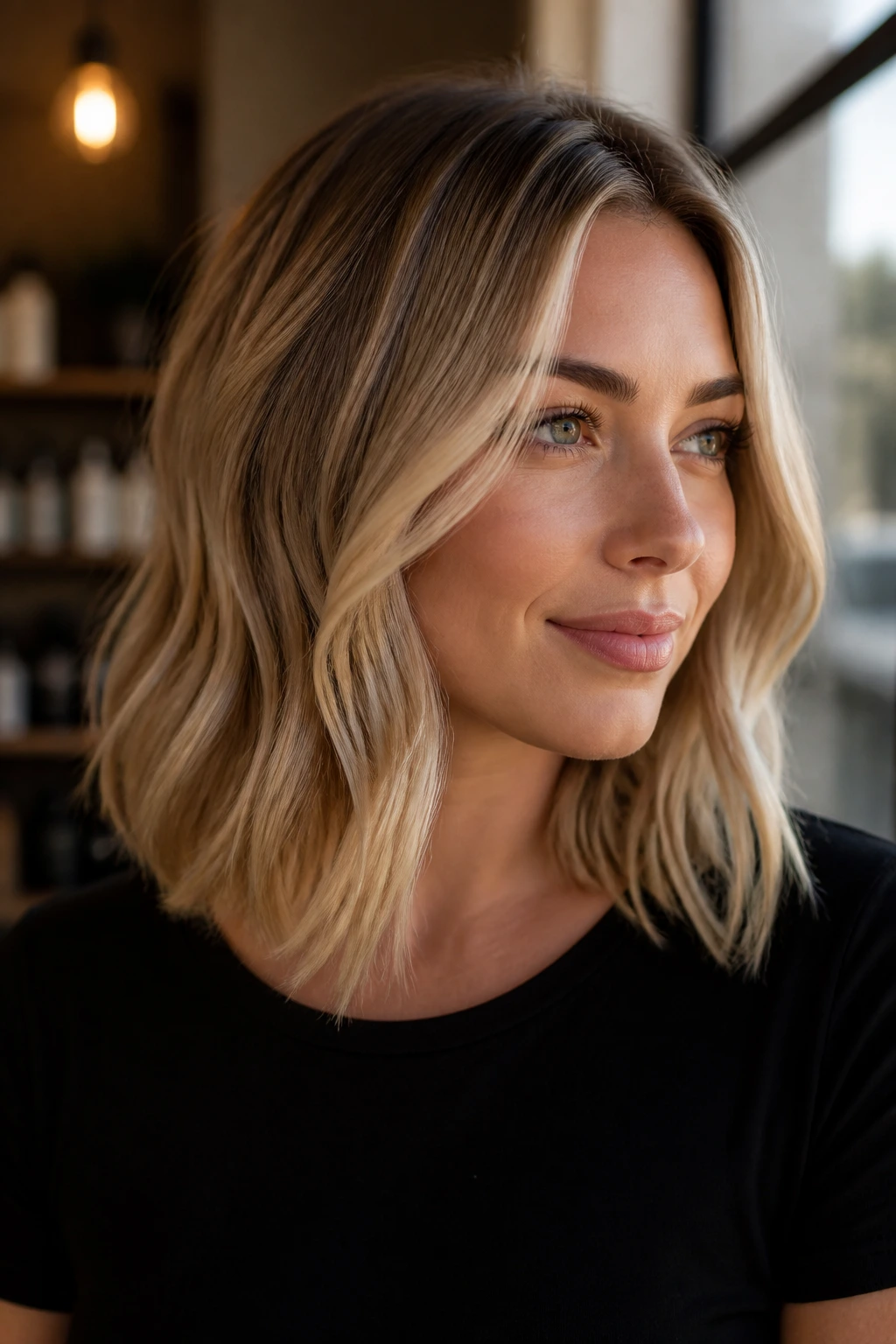
A beige blonde lob is one of those styles that quietly does everything right. The color sits in the middle ground—neutral enough to avoid brass, warm enough to stay friendly to the face—and the lob keeps the shape modern without asking for a big styling commitment.
What I like about this one is the balance. A lob gives blonde a little more edge than long layers, but it doesn’t trap the color in the way a blunt platinum cut can. Add a soft bend through the ends, and the beige tone picks up just enough dimension to look expensive under indoor lighting, which is where a lot of blondes go wrong.
If your hair is fine, this look can also make it seem fuller because the lighter tone reflects more light off the shape. Keep the bend loose. Too much curl and the beige starts to look dusty.
7. Strawberry Blonde With Gold Reflections
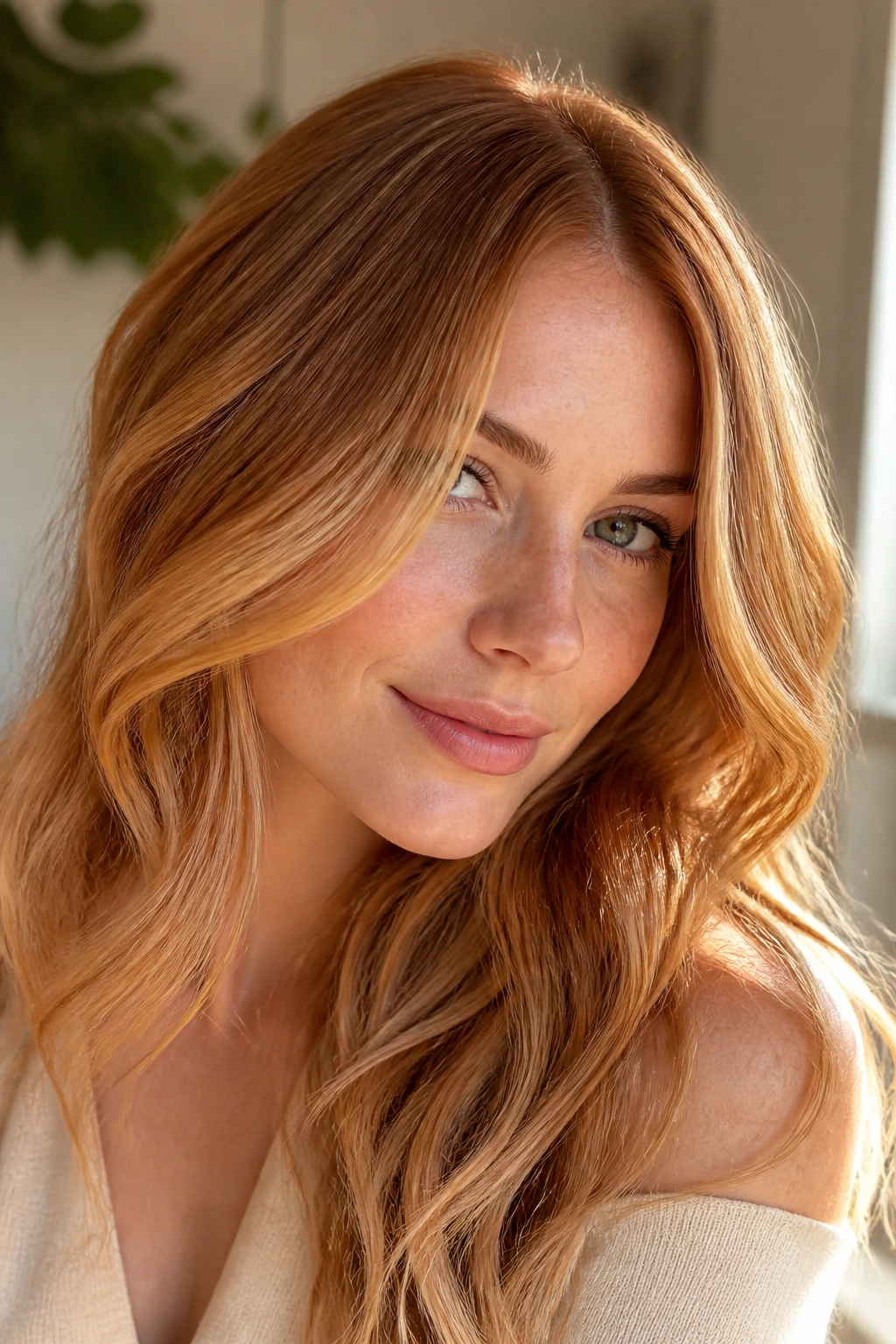
Strawberry blonde is where red and blonde shake hands. The best versions keep the red whisper-soft and let gold reflections show through, so the hair looks warm instead of copper-heavy. It’s a lovely choice when you want blonde energy but don’t want to lose the richness that makes red tones interesting.
This shade can be stunning on freckles, pale skin with pink undertones, or anyone who looks better in warm metals than silver. But it is not locked to one skin tone. The real trick is keeping the red light enough that it doesn’t go pumpkin, and the gold clean enough that it doesn’t turn brassy. That’s a narrow lane, but a good colorist can hit it.
Wear it with soft waves or a smooth blowout. The movement lets the gold catch in different places, and that keeps the color from reading too one-note.
8. Mushroom Blonde For A Cool Neutral Finish
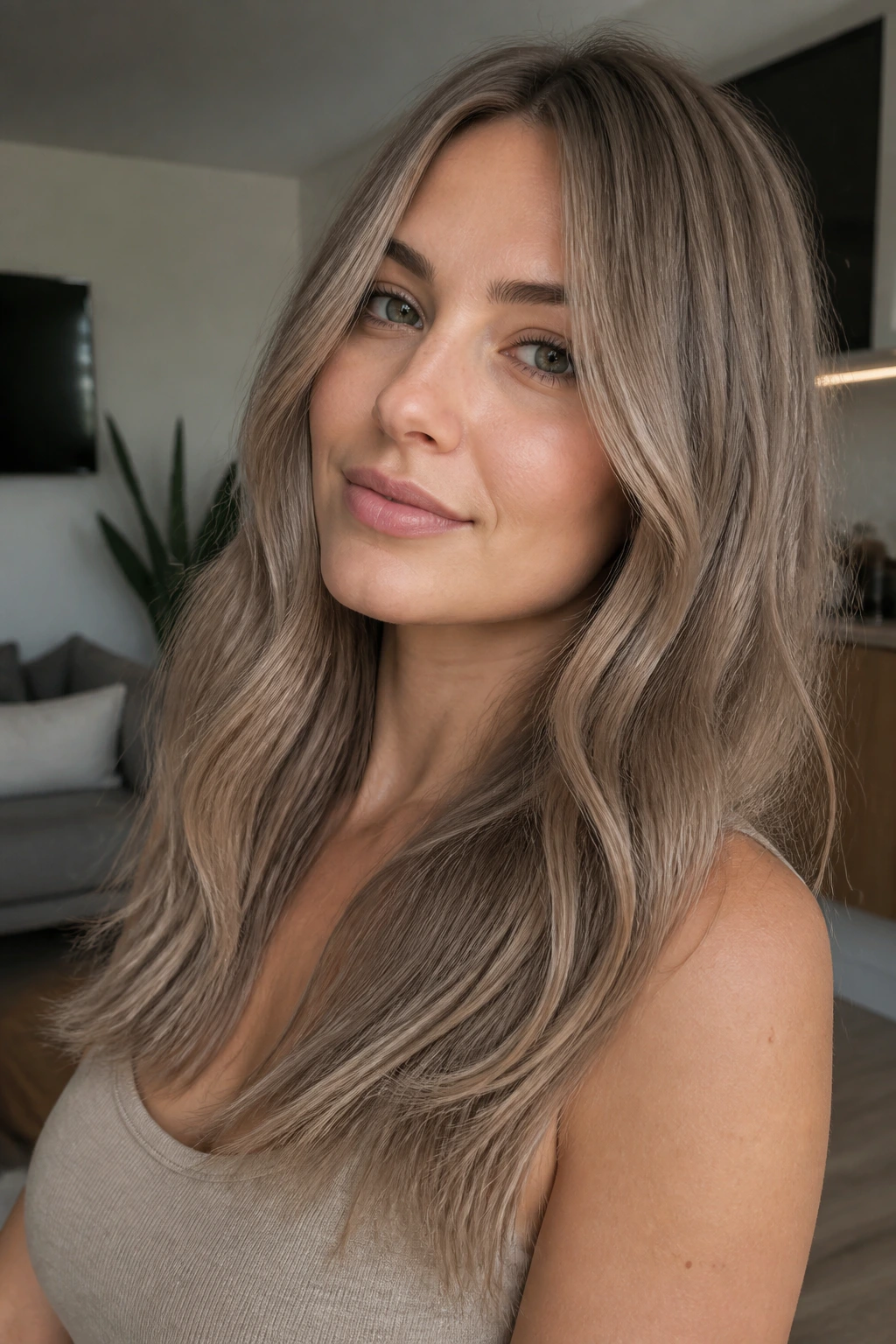
Mushroom blonde is for people who want blonde without the sugar rush. It lives in that smoky, taupe-beige zone that feels cooler than honey and softer than ash. On long hair, it gives a muted, expensive-looking finish that can be hard to fake with an at-home box color.
Key Details
- Ask for a neutral base with smoky beige toner.
- Keep the lightness around level 7 to 9, not pure platinum.
- Best on hair that tends to pull orange when lightened.
- Works well with lived-in waves and undone texture.
- A gloss every 6 to 8 weeks keeps the tone from going muddy.
This is one of the best options if you hate the way bright blondes flash yellow in bathroom mirrors. Mushroom blonde stays calmer. It also grows out in a softer way, which is useful if you don’t want the top of your head to look like a timeline.
9. Vanilla Cream Blonde On Straight Hair
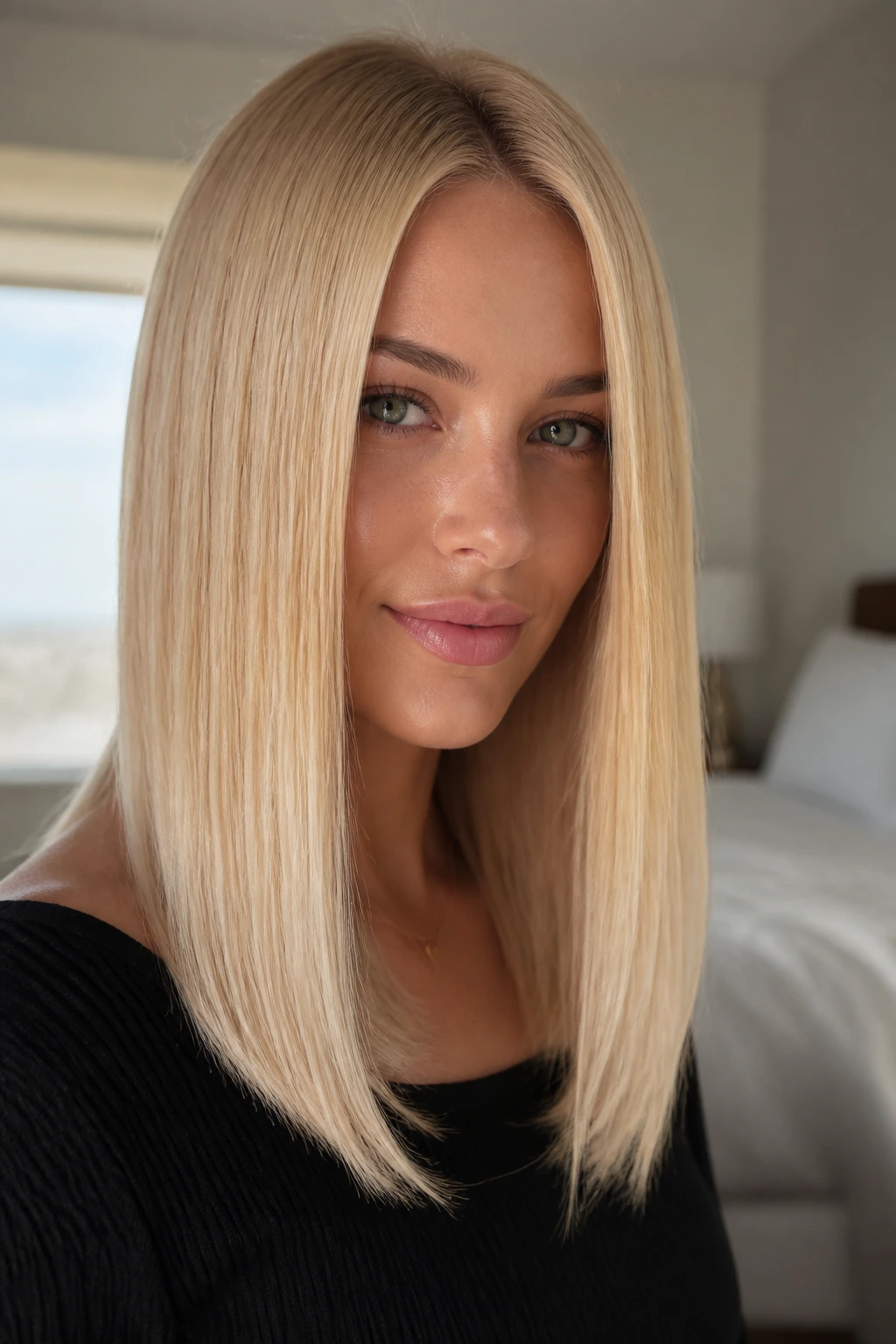
Can a single-tone blonde still look dimensional? Absolutely, if the shade is right and the hair is cut cleanly. Vanilla cream blonde is softer than platinum, lighter than beige, and smooth enough to look almost airbrushed on straight hair. The trick is keeping enough warmth in the toner so it doesn’t turn chalky.
Straight hair shows every color decision, which is why this look needs a tidy finish. Blunt ends or a very slight face frame keep the color from flattening out. If the hair is layered too heavily, the tone can lose its clean surface and start reading patchy. That is one of those details people don’t notice in the chair and then can’t stop seeing at home.
How to Keep It Looking Fresh
Use a lightweight glossing cream after blow-drying, and keep product off the roots. Vanilla cream blonde looks best when the light can move across it cleanly, not when the hair is coated in oil.
10. Golden Caramel Blonde Curls
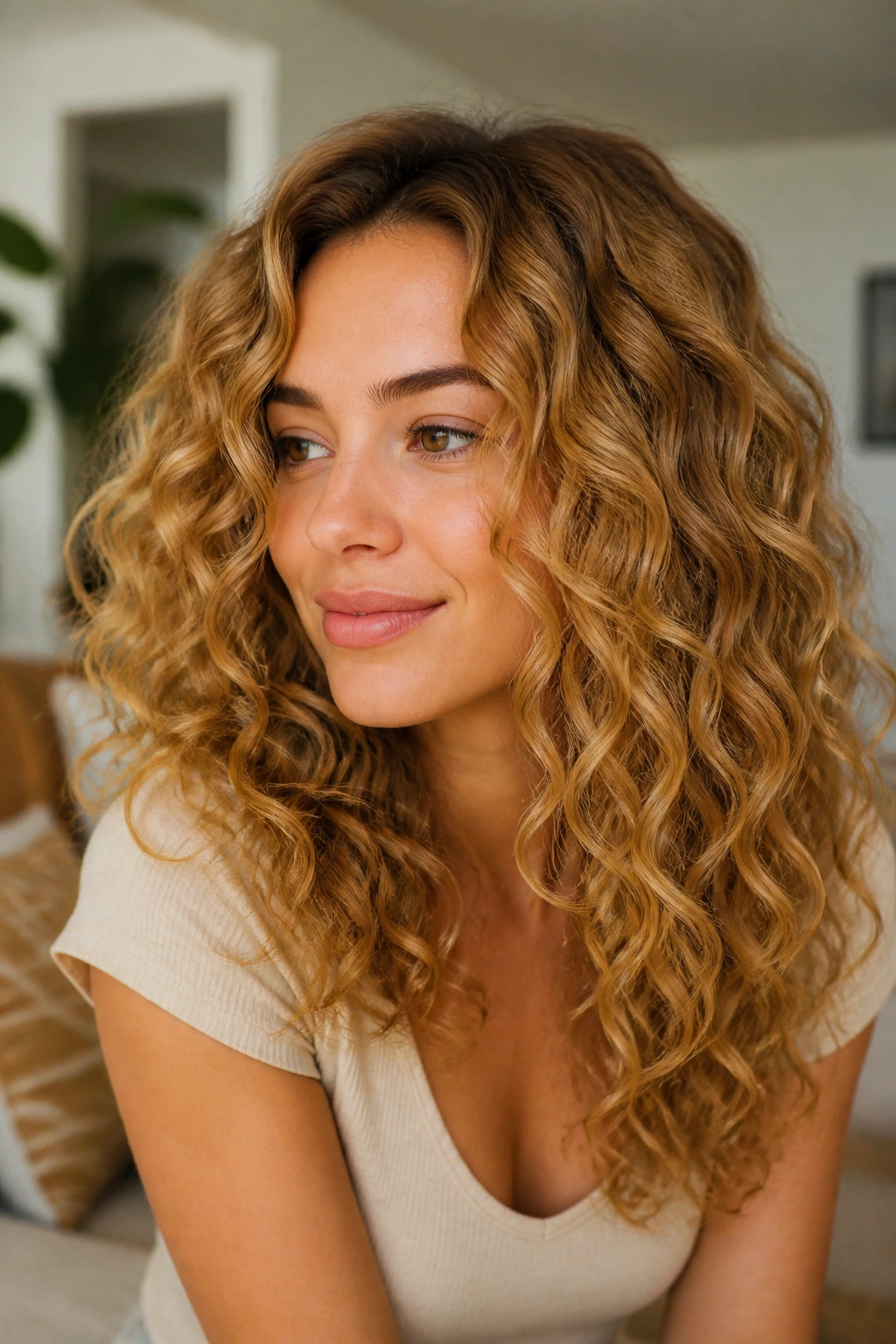
Golden caramel blonde is a curl-friendly shade because it lets the shape stay visible. On curls, pale blonde can erase depth and make the texture look frizzy. Caramel warmth does the opposite. It catches on the outer curve of each curl and leaves the darker interior alone, so the whole head has more contrast and life.
This is one of my favorite blondes for medium to thick hair. The color feels rich, and the curls keep it from looking flat. If the hair is cut in layers, the caramel pieces fall in different places and create that lived-in look people try to fake with styling cream alone.
The finish should stay glossy, not crunchy. Use a diffuser if you want shape, but don’t over-dry it. Curls with this shade need a little moisture to keep the tone from reading dry.
11. Sandy Blonde Beach Layers
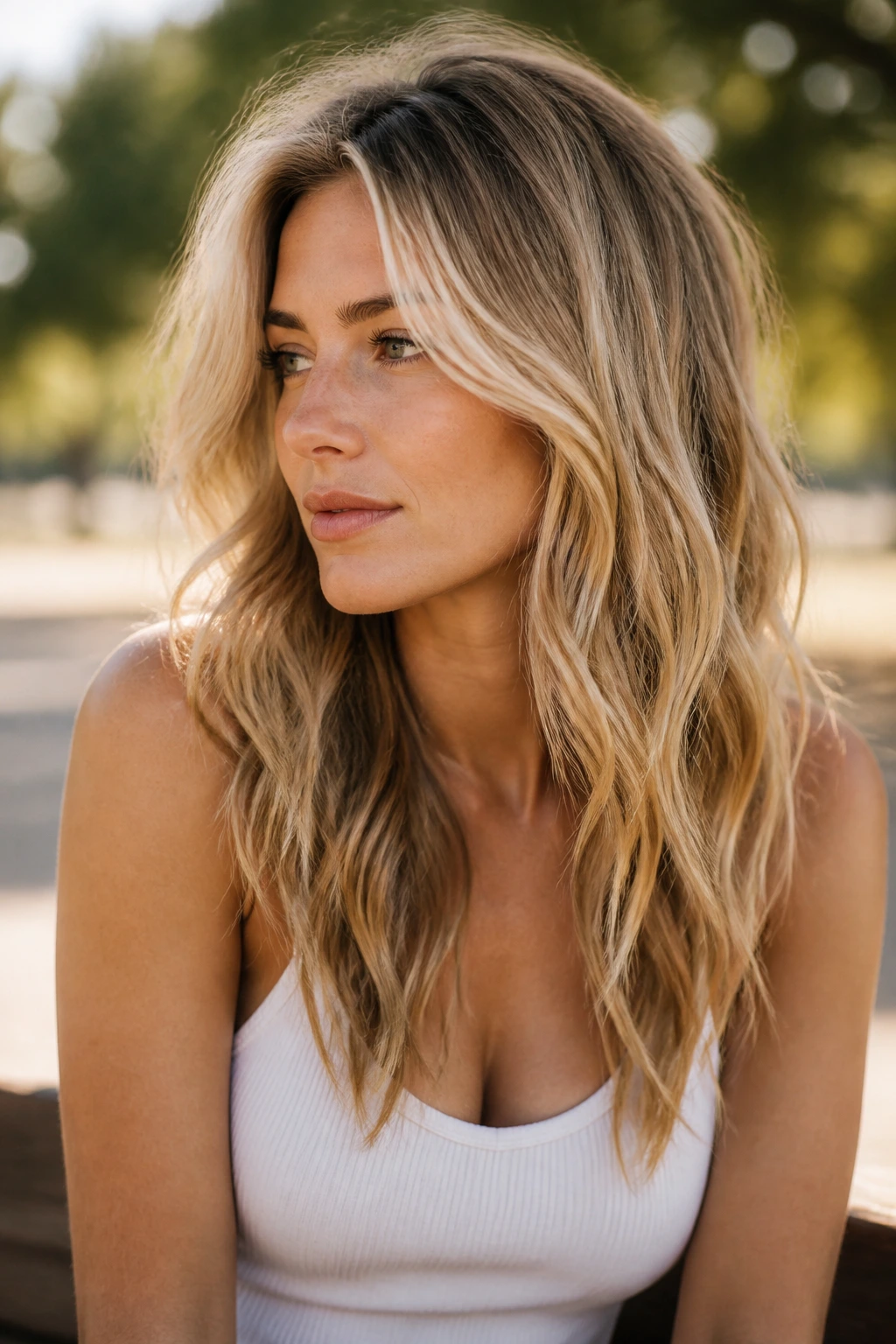
Sandy blonde is the quieter cousin in the blonde family. It has enough beige to keep things soft and enough gold to stop the color from feeling cold. On beachy layers, it creates that lived-in movement that looks like the hair has been lightened by time rather than bleach.
The best part is how forgiving it can be. Sandy blonde doesn’t demand perfect styling, which is a relief if you’re not interested in wrestling a curling iron every morning. A rough blow-dry, a medium barrel wand, and a finger comb are usually enough. The layers do the rest.
This shade is especially good when the cut has long, airy pieces around the face. It gives the hair a relaxed shape without the obvious stripe pattern you get from heavy highlights.
12. Pearl Blonde With A Glossy Blowout
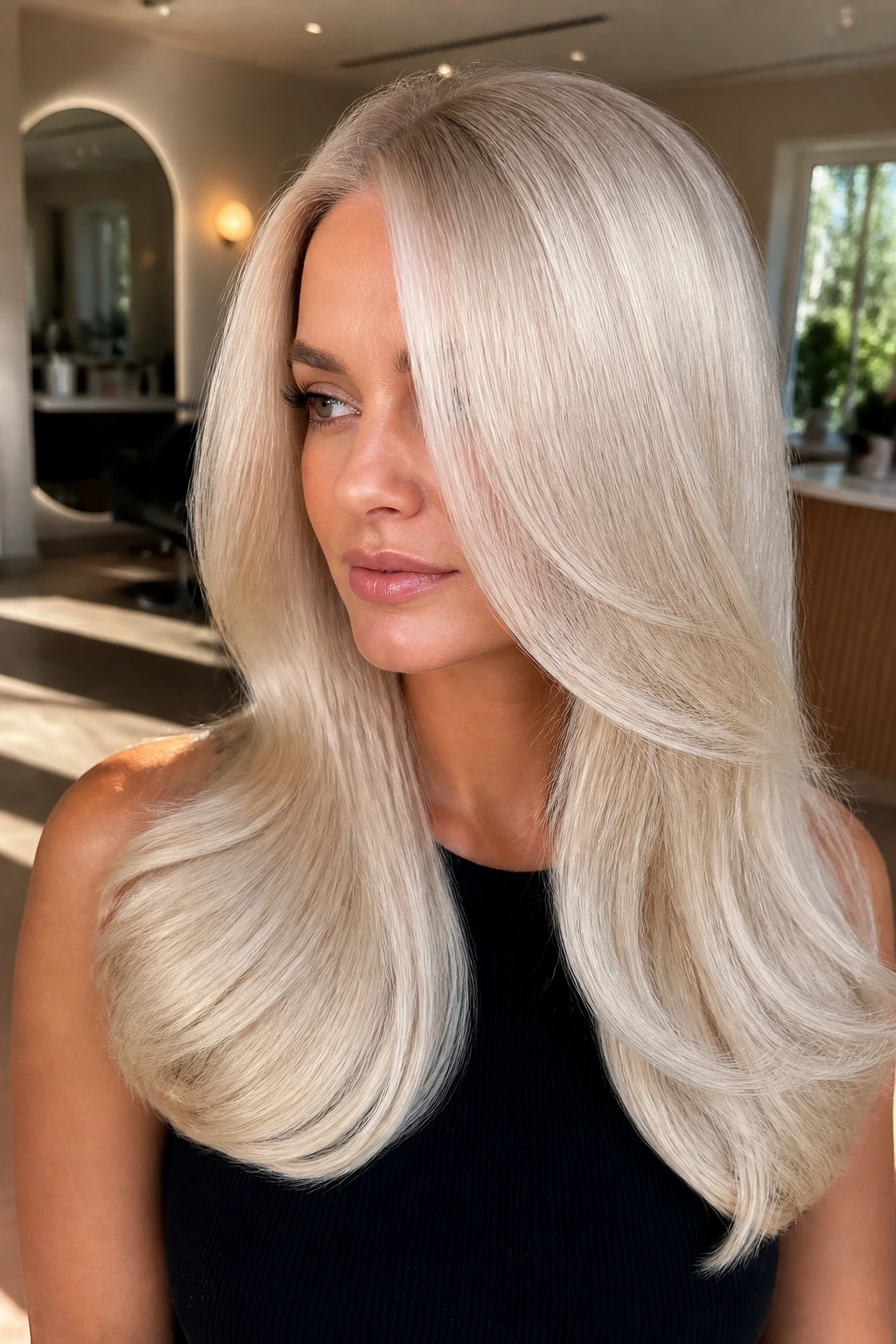
Pearl blonde is one of those shades that looks expensive when the shine is right. Not because it’s brighter, but because it’s cleaner. The tone sits in a cool, luminous space that reflects light without looking icy or flat, and a smooth blowout makes the whole thing feel finished.
The blowout matters more than people think. Pearl blonde can look thin if the hair is left rough, because the cool tone needs a polished surface to sit on. A round brush, a nozzle attachment, and a little tension at the ends keep the shape smooth. If you want a salon finish at home, this is the place to be fussy.
It suits straight to softly wavy hair best. On very textured hair, it still works, but the style reads differently—more glossy than glassy, which is still a fine place to land.
13. Bronde With A Bright Money Piece
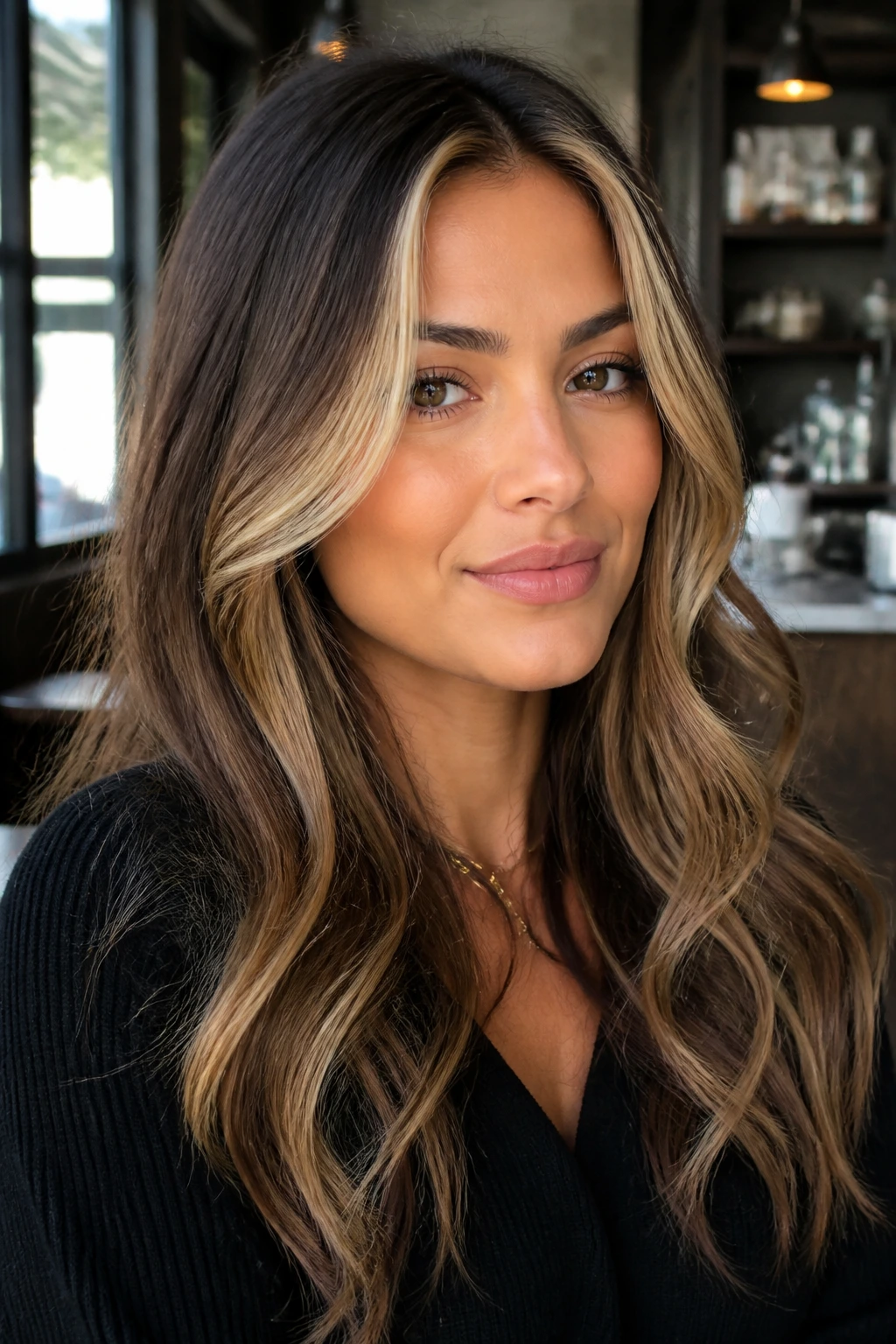
When someone wants to go blonde without losing their brunette base, bronde is usually where the conversation should start. A bright money piece at the front lifts the face instantly, while the darker body keeps the overall look grounded. That balance is the whole point.
This style is smart on darker hair because it avoids the jarring all-over shift that can make color look grown out too soon. The money piece draws the eye to the face and gives the style a clear focal point. Around the rest of the head, softer ribbons of beige-blonde keep the dimension going without needing every strand to be lightened.
Best Details
- Keep the money piece one to two levels brighter than the rest.
- Ask for a soft root tap so the front doesn’t look pasted on.
- Works well on long layers, lobs, and big curls.
- Great if you want a blonde feel with a lower lift commitment. Short version: this is the blonde for people who still want to see their brunette self in the mirror.
14. Old Money Blonde With Shadowed Roots
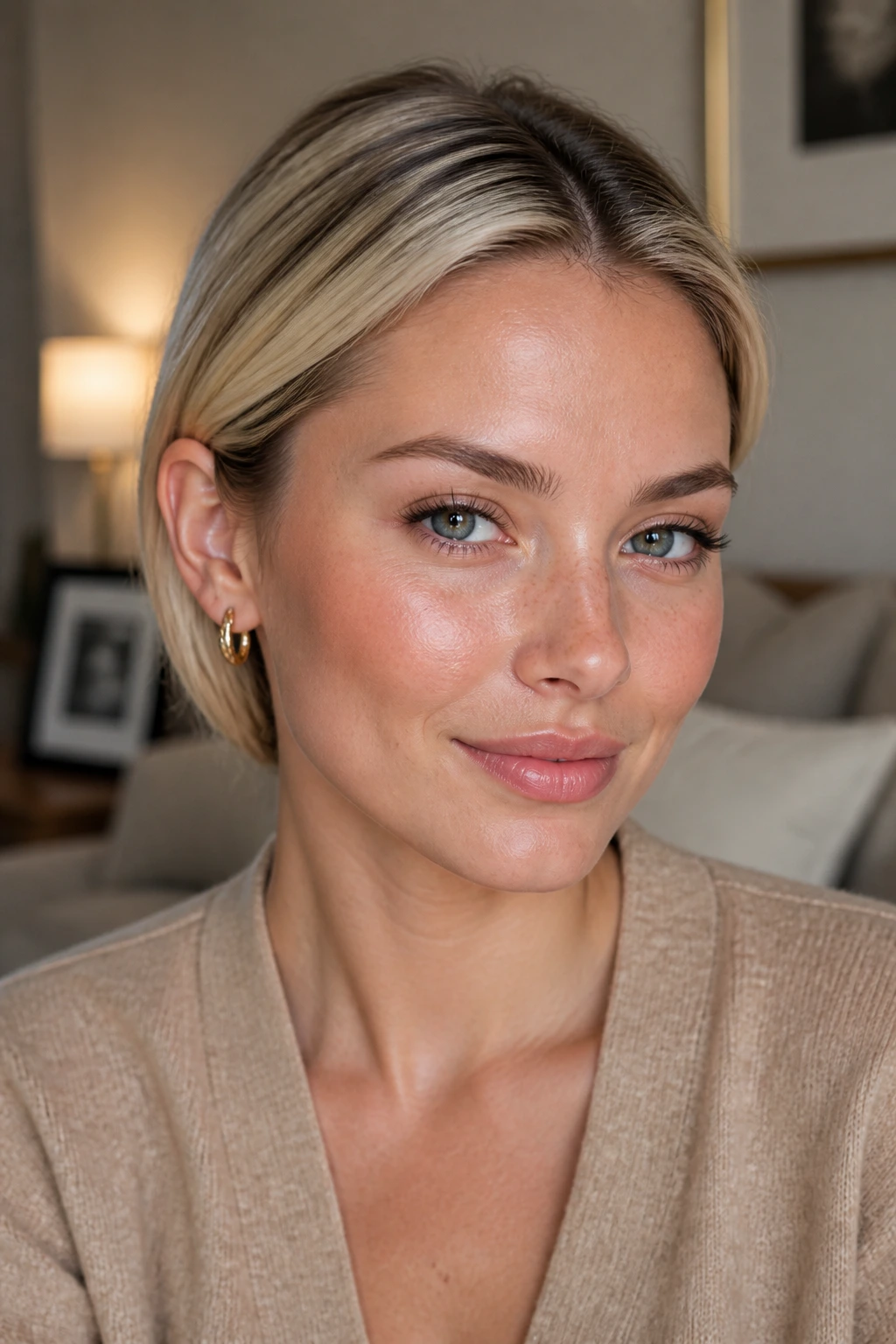
Old money blonde gets talked about a lot, and most people mean the same thing: restrained brightness, soft depth at the root, and no harsh striping. Shadowed roots are the trick. They make the blonde look settled into the hair rather than sitting on top of it.
The vibe is calm, not flashy. The color usually stays in a beige or soft champagne family, with a little dimension through the mids and ends. If the roots are too light, the whole style loses that polished, expensive look and starts looking overworked. That’s the line you want to avoid.
This look works best when the styling stays controlled. A smooth bend, tucked behind the ears, or a soft wave keeps the color from competing with a busy haircut. The point isn’t drama. It’s refinement.
15. Beige Blonde Pixie Cut
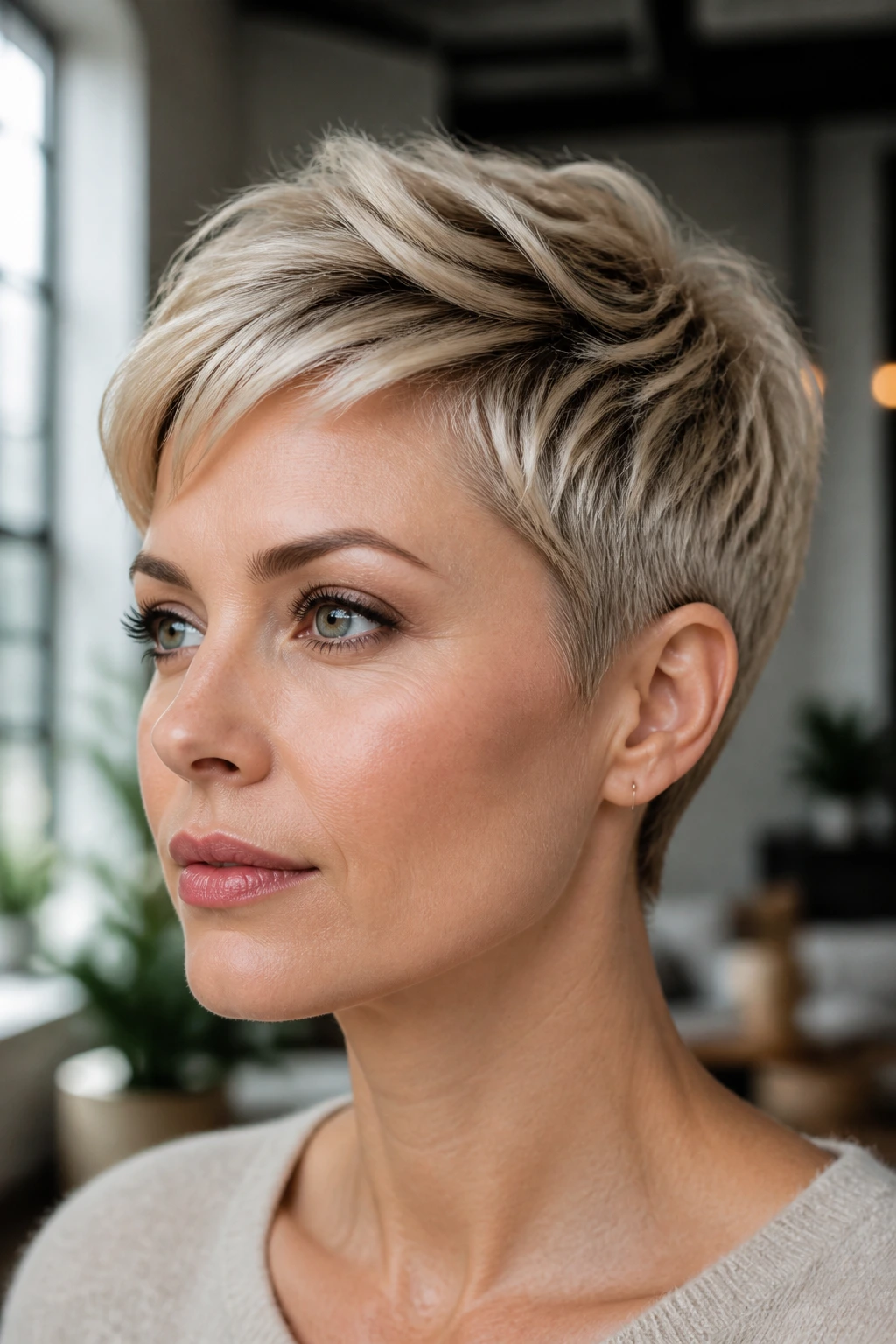
A pixie cut changes the blonde conversation completely. You stop thinking about long ribbons and start thinking about shape, texture, and how the light hits the crown. Beige blonde is a smart choice here because it softens the short length without making the cut look faded.
Why It Feels Different
Short blonde hair shows regrowth fast, so the tone can’t be too stark unless you want constant upkeep. Beige gives the pixie a little softness at the scalp and keeps the top layers from looking like they’ve been overprocessed. It also works well with piecey styling wax, which separates the layers without turning the hair crunchy.
- Ask for soft brightness on top and a slightly deeper base underneath.
- Keep the sides tidy so the color feels intentional.
- Great for fine hair that needs lift at the crown.
- Plan on trims more often than you would with longer styles. My opinion: a beige pixie is underrated because it looks sharp without making every regrowth week a crisis.
16. Cream Soda Blonde On Mid-Length Hair
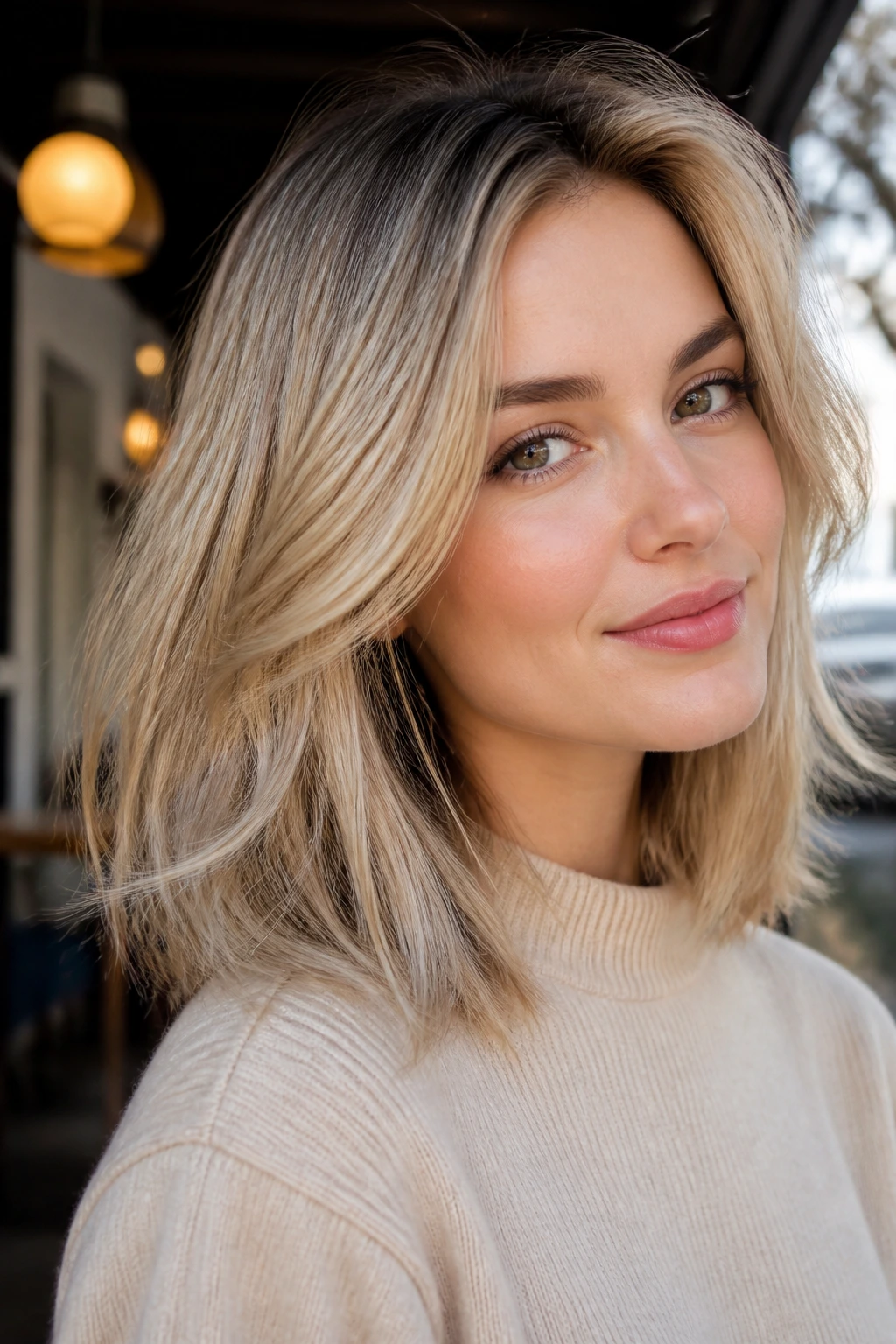
Cream soda blonde sits between warm and cool in a way that makes it easy to wear. There’s enough beige to keep it grown-up, enough gold to keep it alive, and just a hint of brightness so it doesn’t collapse into brown at a distance. Mid-length hair gives the tone room to show off.
The best versions use subtle dimension, not heavy contrast. A few lighter ribbons around the face and through the mids are enough. If the whole head is painted the same, the color loses its charm. That soft flicker of brightness is what gives cream soda blonde its name.
I like this shade on collarbone-length cuts because it moves when you walk. It doesn’t need dramatic waves to feel finished. Even a quick blowout with a round brush is enough.
17. Face-Framing Butter Blonde
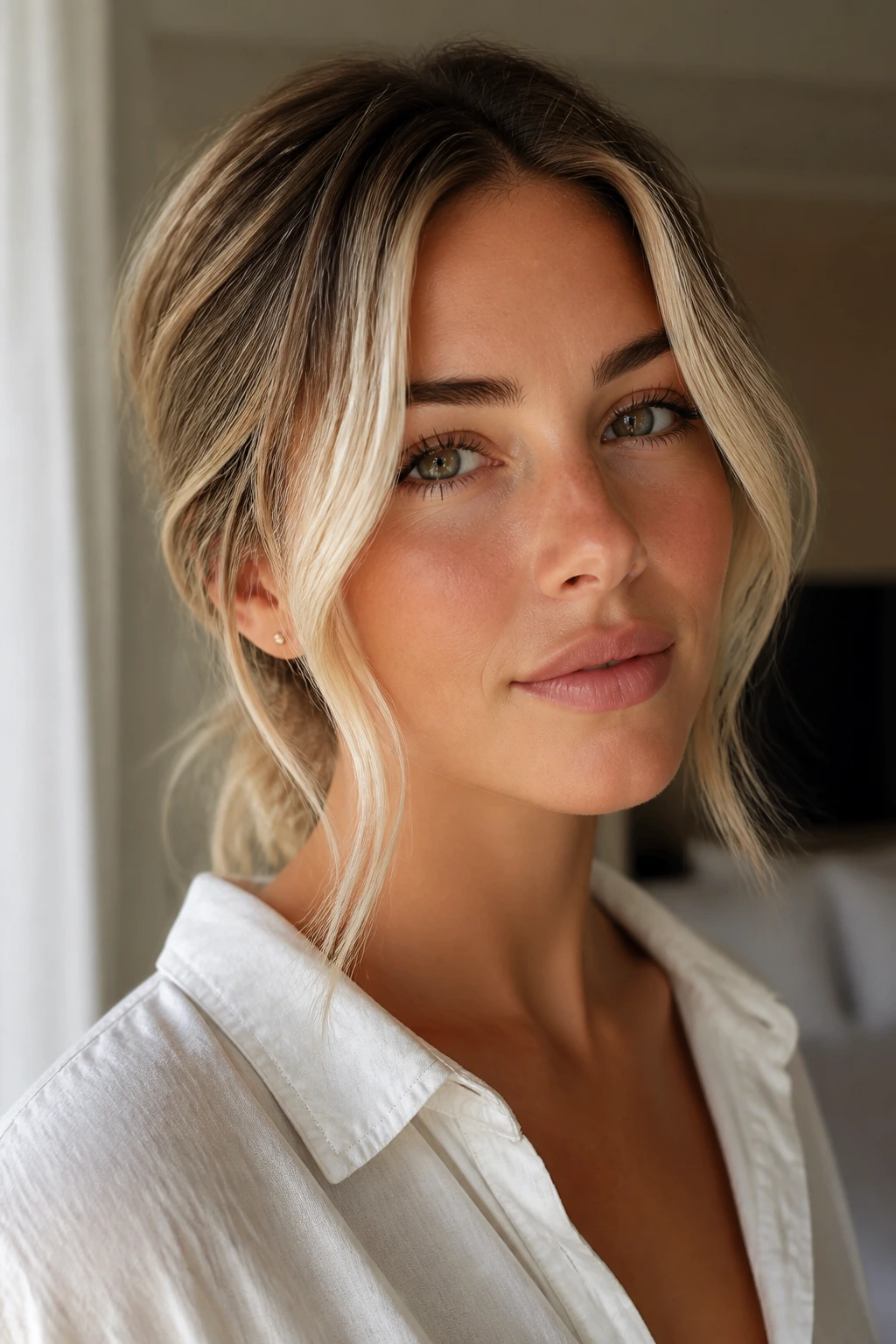
Some blonde looks are about the whole head. This one is about the front. Face-framing butter blonde keeps the rest of the hair softer and deeper, then puts the brightest lift right where the cheeks, eyes, and jaw need it most. It’s one of the easiest ways to change your whole look without going all-in.
That front brightness works especially well if you wear your hair back a lot or like a center part. The lighter pieces bring the face forward, while the deeper base underneath keeps the style from turning stripey. It also grows out more gracefully than an all-over blonde because the brightness is concentrated instead of scattered.
If your hair is dark or has been colored before, this is often the most sensible first step. You get a clear blonde effect without asking your whole head to go through the process at once.
18. Champagne Blonde Shag
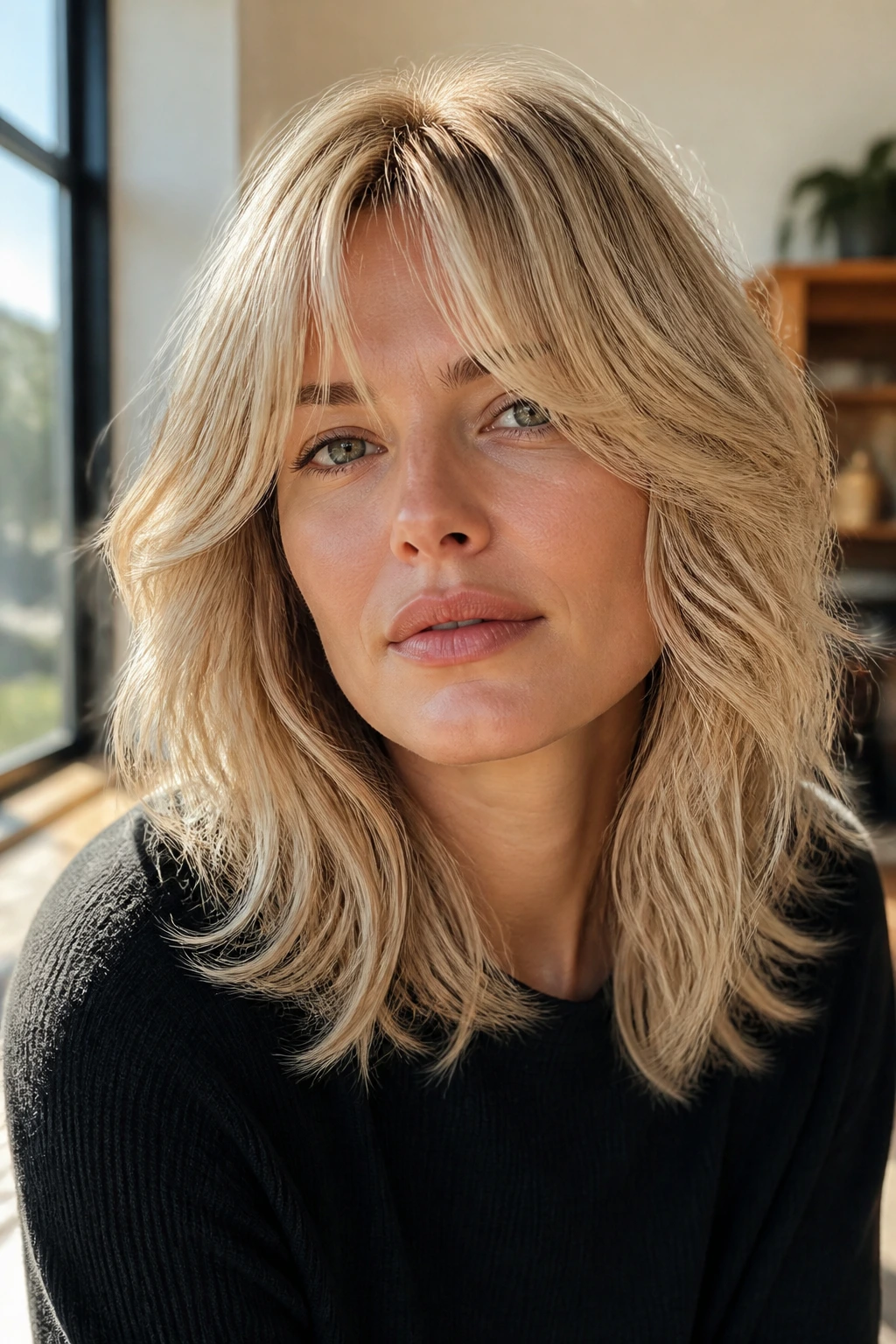
A shag cut gives blonde some attitude. Champagne blonde softens that attitude just enough so the layers still look stylish instead of choppy. The mix is good: texture from the cut, polish from the tone.
What To Watch For
The shag needs a color that can move with it. If the blonde is too flat, all those layers can start to look dry; if it’s too bright, the cut can feel harsh. Champagne is a good middle path because it reflects light in the feathered pieces without making the haircut look overdone.
When styled with a bit of bend and a touch of separation cream, the layers fall in a way that keeps the face open. That’s the magic here. The blonde is not the whole story, but it is the part that makes the shag feel intentional.
19. Sandy Beige Blonde Ponytail
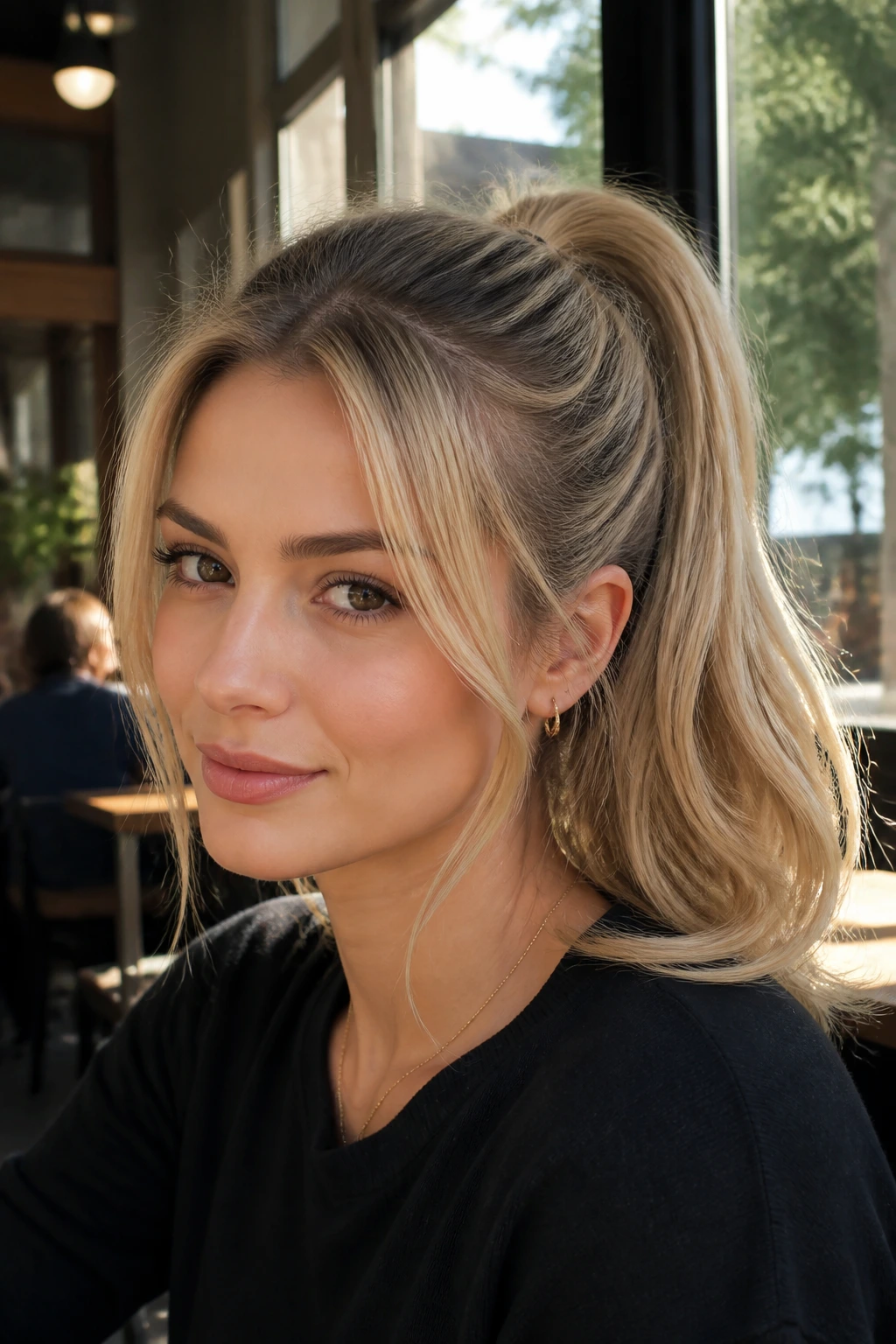
A ponytail sounds simple until the color does the talking. Sandy beige blonde looks especially good pulled back because the dimension is still visible along the length, and the hairline pieces give the style some softness. You don’t need a ton of brightness for this one; you need contrast in the right places.
This is a practical look for active days, travel, or any time you want your hair out of your face without hiding the color. A little teasing at the crown helps, but the real job belongs to the tone. Sandy beige keeps the ponytail from looking too severe, especially if the ends are curled under slightly or wrapped around the elastic.
Quick Details
- Best with a soft root and lighter mids.
- Works on both straight and wavy textures.
- Face-framing pieces make the ponytail read softer.
- A shine spray along the tail keeps it from looking dull.
20. Scandi Blonde With A Soft Root Shadow
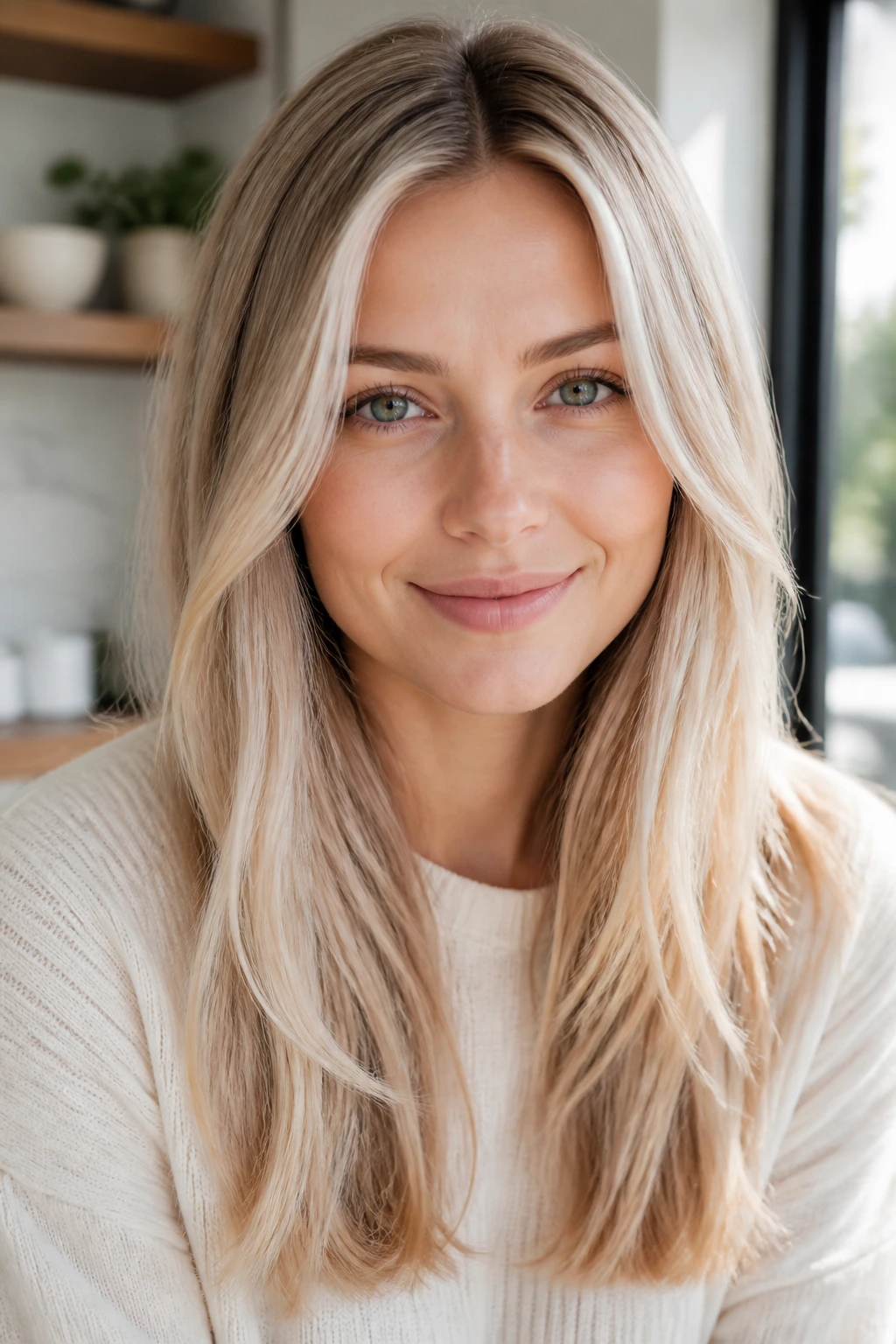
Scandi blonde is bright. That’s the whole point. But the version worth copying uses a soft root shadow so the grow-out doesn’t look like a harsh stripe two weeks later. Without that shadow, the look can turn brittle fast, and brittle blonde is a hard no from me.
The contrast is what makes it interesting. Very light mids and ends give that pale Scandinavian feel, while the root shadow keeps it believable and a little easier to wear. On straight or softly waved hair, the line disappears into the movement. On curls, it needs more careful placement so the roots don’t disappear into the volume.
If you want a very light blonde but don’t want the scalp to scream for attention, this is the move. Clean, bright, and a little softer around the edges.
21. Sunlit Beige Curls
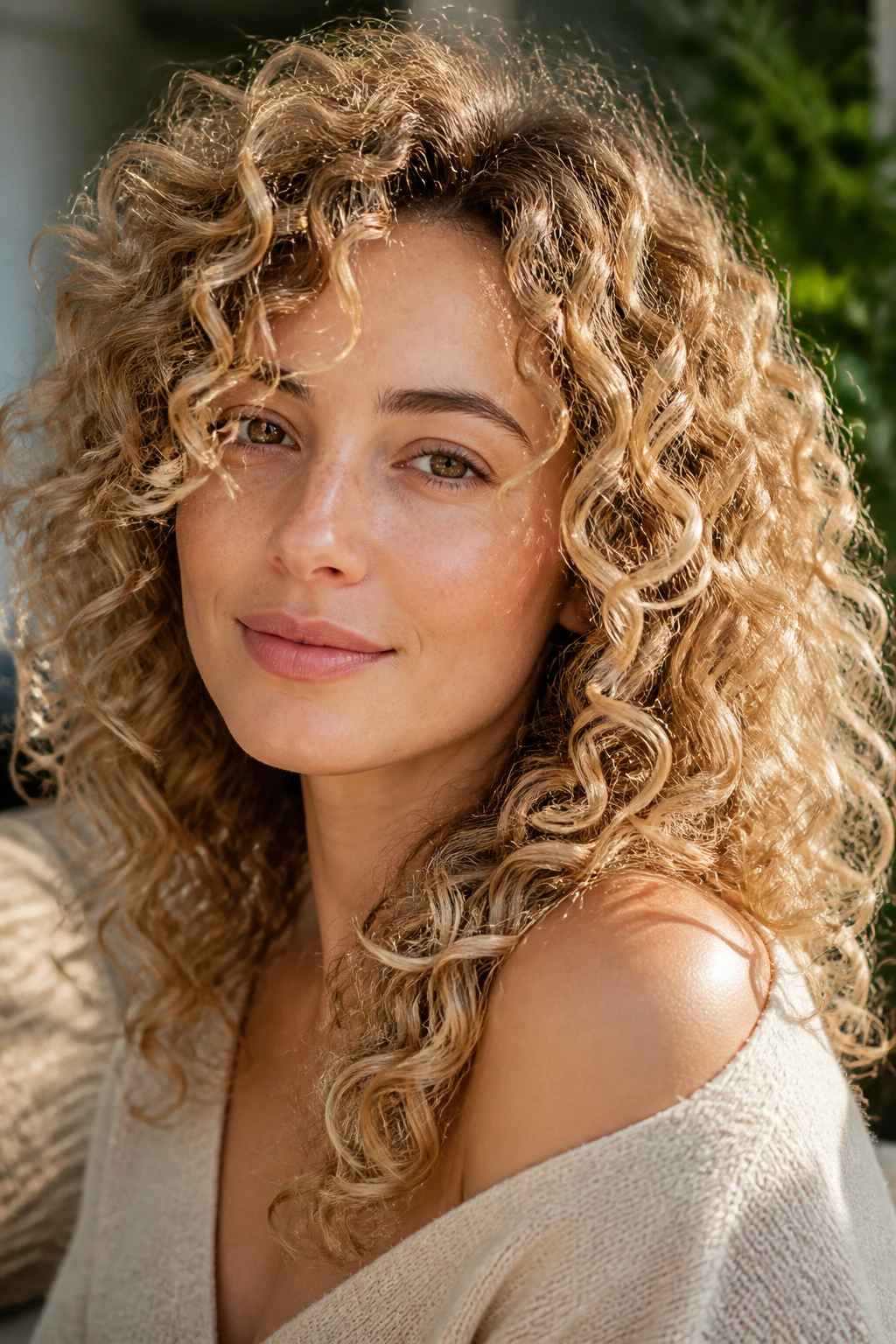
Curls and beige blonde are a good match because the color doesn’t have to do all the work. The texture already gives movement, so the blonde can stay in a softer, sunlit lane and still look full. A lot of people make the mistake of over-lightening curls, then wonder why the shape looks puffy. The curl pattern needs depth to stay defined.
This shade works best when the lightest pieces sit on the outer curve of the curl and around the face. That gives the color a natural sparkle without wiping out the body underneath. Beige tones help keep the finish calm, and a little warmth in the mids stops the hair from reading gray in low light.
Use a diffuser gently, not aggressively. Rough drying can open the cuticle too much and make the lighter pieces look frayed at the ends.
22. Rose Gold Blonde Blend
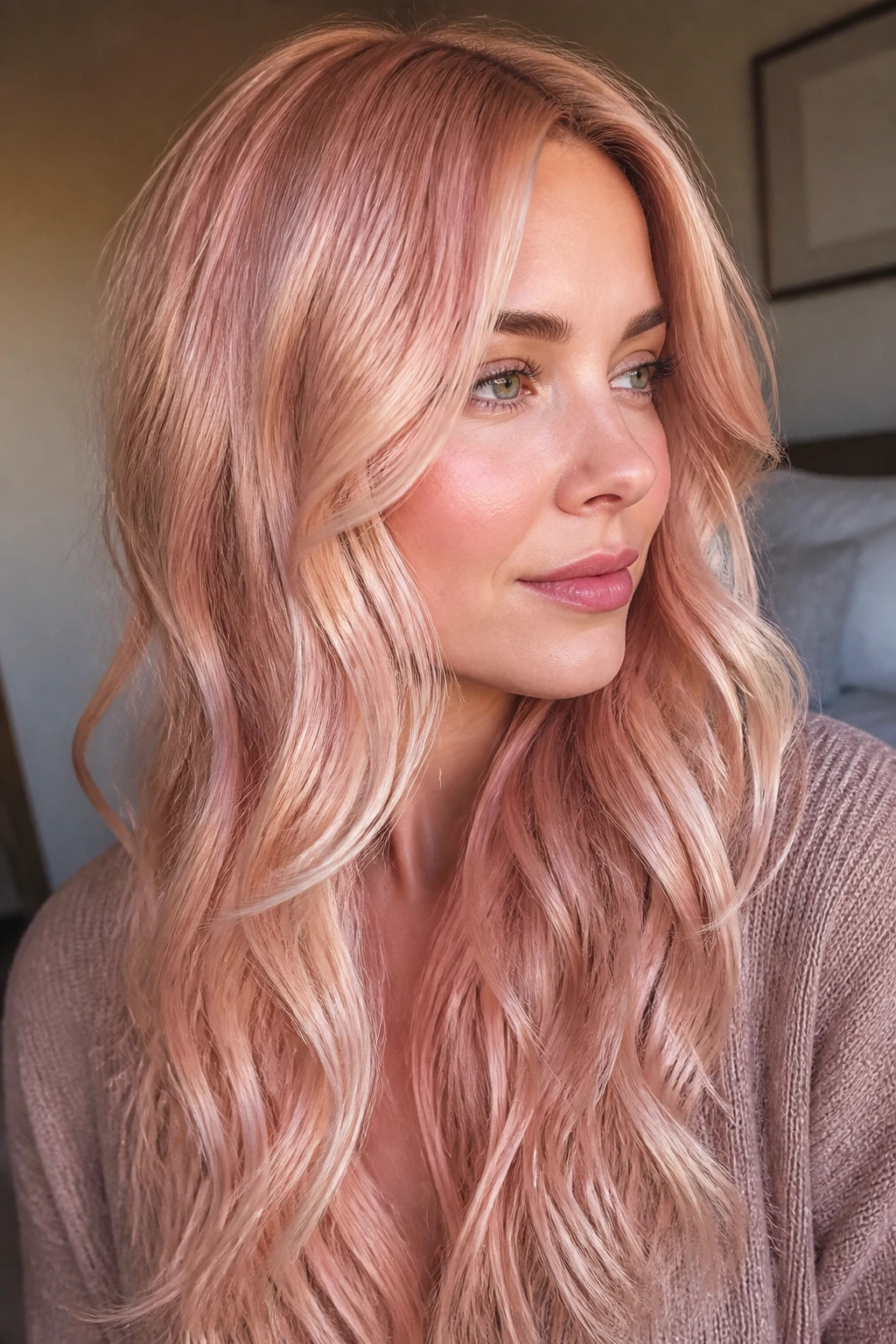
Rose gold blonde walks a fine line, and that line is the fun part. Too much pink and it turns obvious. Too little and it just looks warm. The best version keeps the blush tone soft, almost like a tinted gloss laid over blonde rather than a full color shift.
This shade is especially pretty on hair that already lifts to a pale blonde or light strawberry base. It’s also useful if you want something playful that still reads polished. On soft waves, the pink-gold reflection moves in and out of view, which keeps the color from feeling costume-like.
Wear it with simple styling. Smooth ends, a middle part, and a little shine serum are enough. If the hair is over-textured, the rose tone can look noisy instead of elegant.
23. Beige Toffee Blonde Bob
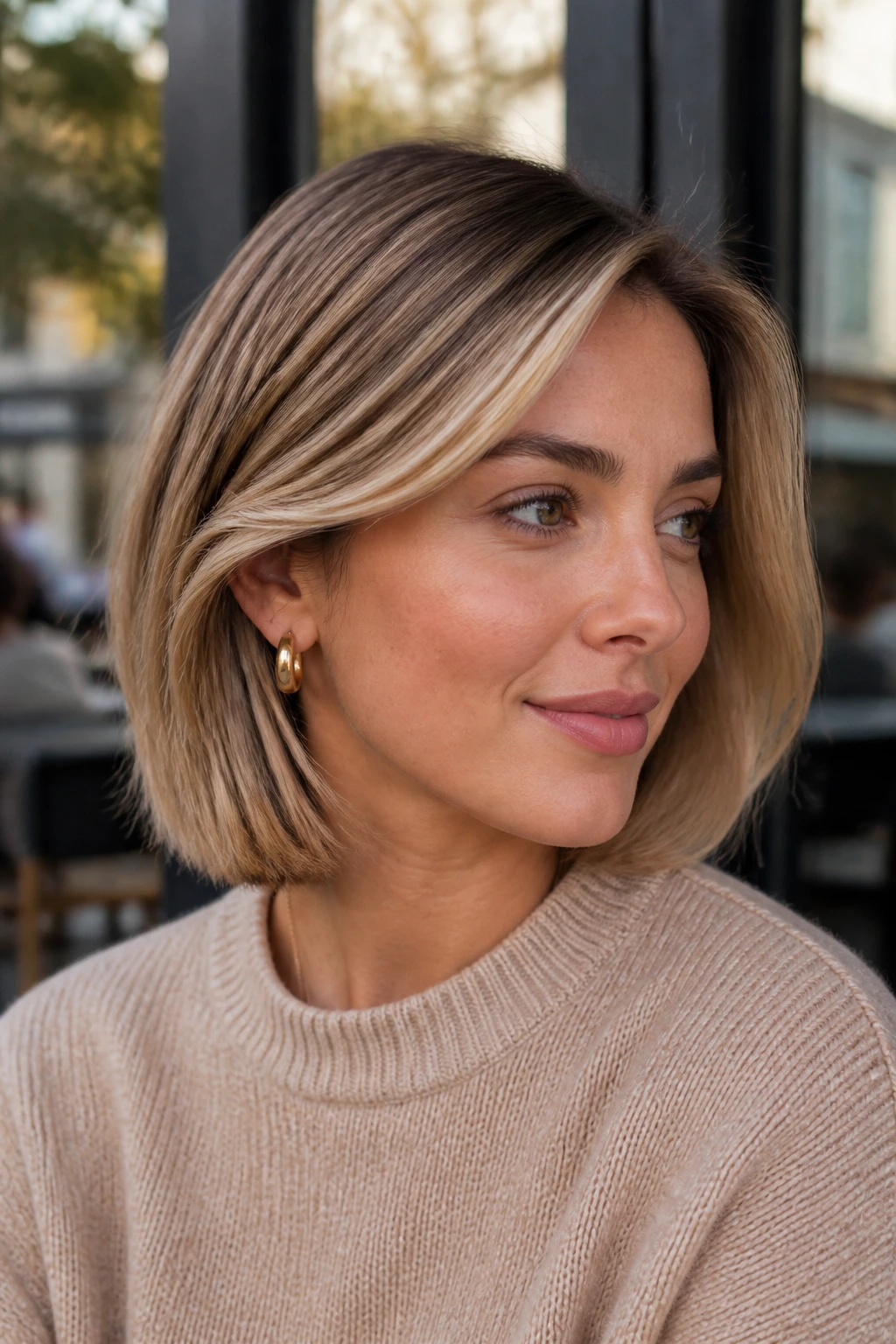
A beige toffee blonde bob is a grown-up blonde with a little depth at the edges. The toffee note gives the color more body than a pure beige, and the bob cut keeps it sharp enough to feel modern. It’s one of the easiest ways to get blonde into a short shape without making the hair look fragile.
Why this works so well is simple: short hair shows tone fast. A bob with this mix of beige and toffee keeps the color visible even when the styling is minimal. Tucked behind one ear, it still reads. With a slight bend at the ends, it looks intentional in a way that much longer blonde hair sometimes doesn’t.
If you’re nervous about going too light, this is a very good landing point. It gives enough brightness to feel blonde, but there’s still depth to hang onto.
24. Bright Blonde With Lived-In Roots
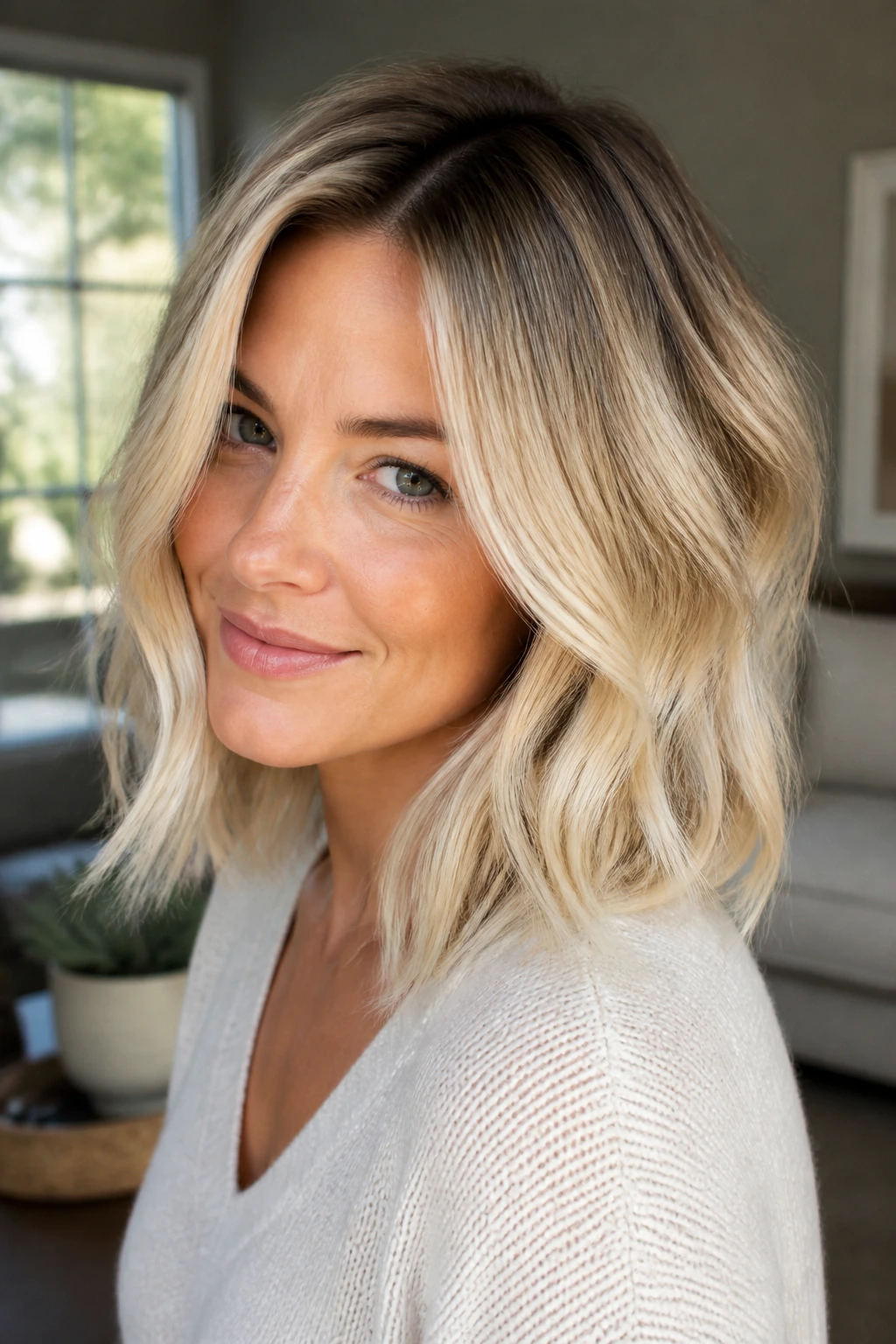
The best part of lived-in roots is that they don’t apologize. The brightness on the mids and ends does the glamorous part, while the darker root gives the whole thing shape and breathing room. If you want hair that still looks good when you skip a blowout, this is one of the smartest blonde strategies around.
Why It Lasts
The root area stays soft because the contrast is controlled. That means regrowth doesn’t hit like a wall, and the color keeps looking deliberate even after a few weeks. It also makes the hair feel thicker at the scalp, which can help if your ends are very light and need grounding.
- Ask for a seamless root tap, not a blunt shadow line.
- Keep the brightest pieces around the face and ends.
- Works well on hair that’s frequently curled or waved.
- Best if you want brightness without constant root panic. Plain truth: this is the blonde I’d choose if I wanted my color to survive real life.
25. Soft Ice Blonde With Tucked Ends
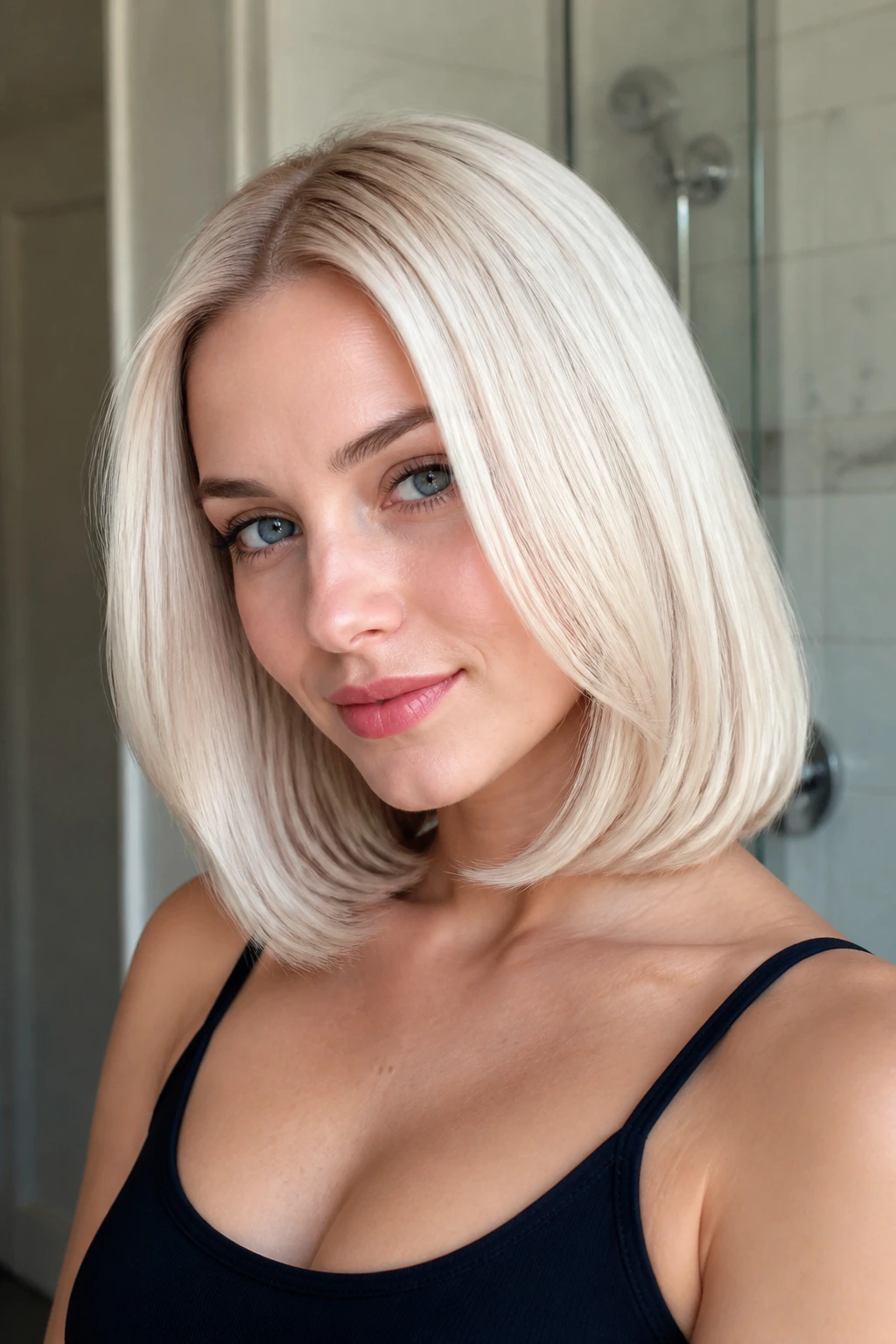
Soft ice blonde gives you the cool look people want from platinum, but with a little less severity. The tucked ends matter because they make the style feel polished and less brittle. On a blunt cut or polished lob, that inward finish keeps the whole look from going too sharp.
This shade depends on shine. Ice tones can look dull if the cuticle is rough, so conditioning and careful drying matter more than they do with warmer blondes. If the ends are tucked under slightly with a brush or flat iron, the color reads smoother and more deliberate.
I like this look when the hair is dense enough to support the lighter tone. Very fine hair can wear it too, but it needs some shape at the root so the ends don’t look see-through.
26. Dimensional Foilayage Blonde
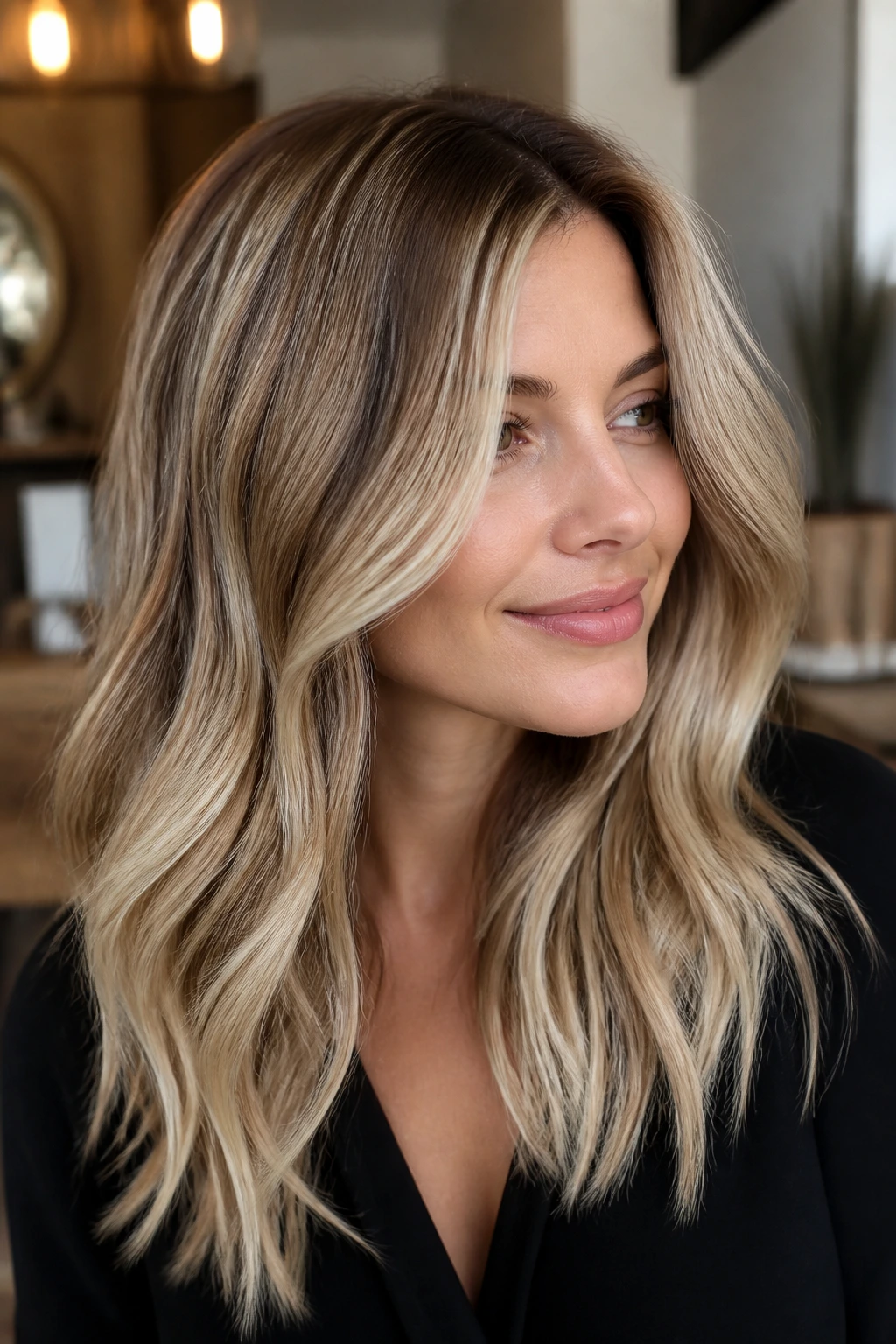
Foilayage sounds technical because it is. It’s the blend of foil placement and painted balayage softness, and that combination gives you brightness where you want it without losing the blurry grow-out people love. If a haircut needs movement, foilayage is often the answer.
The dimension is what makes it worth the trouble. The foils lift the lighter pieces enough to pop, while the painted sections keep the surrounding hair deeper. That keeps the blonde from looking like random streaks and gives the whole head more shape, especially on layered cuts.
This is one of the better choices for brunettes who want a serious blonde effect but don’t want the whole head blasted light in one sitting. It can be built in stages, and that usually means better hair in the long run.
27. Creamy Blonde Updo
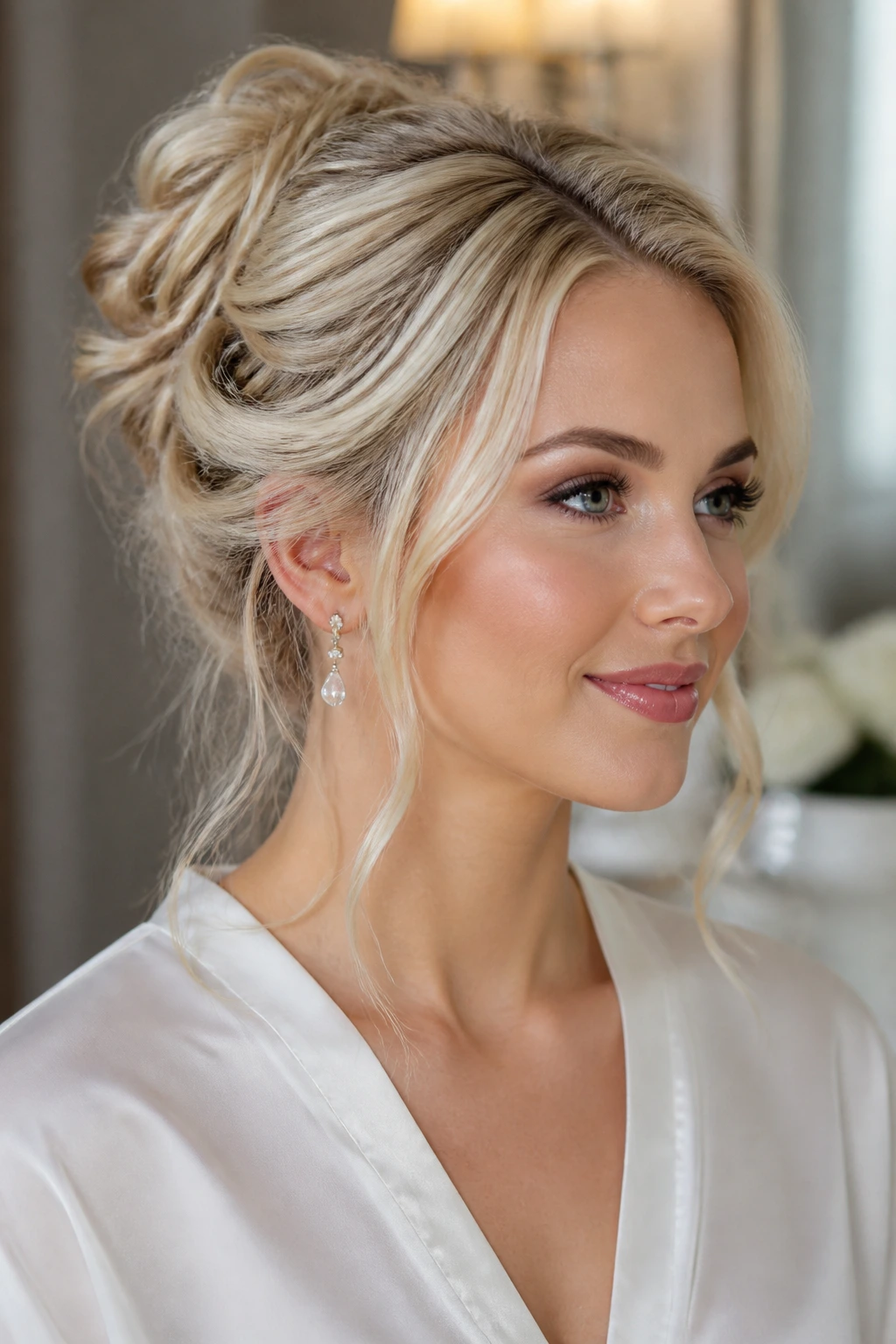
An updo changes the blonde read because the shape becomes part of the color story. Creamy blonde works well here because the softer tone shows movement in the twists, pins, and rolled sections without making the style look icy or stiff. It’s a nice choice for weddings, formal events, or anything where you want the hair to look put together without going rigid.
The key is sheen. Updos can get dusty fast, especially when the hair is heavily lightened, so a creamier tone keeps the style warmer and more forgiving. If a few face-framing pieces are left out, the color softens the whole structure and keeps it from feeling too severe.
This is one of those styles that looks more expensive when it is not perfect. A few soft bends are enough. The color does the rest.
28. Glossy Golden Blonde Blowout
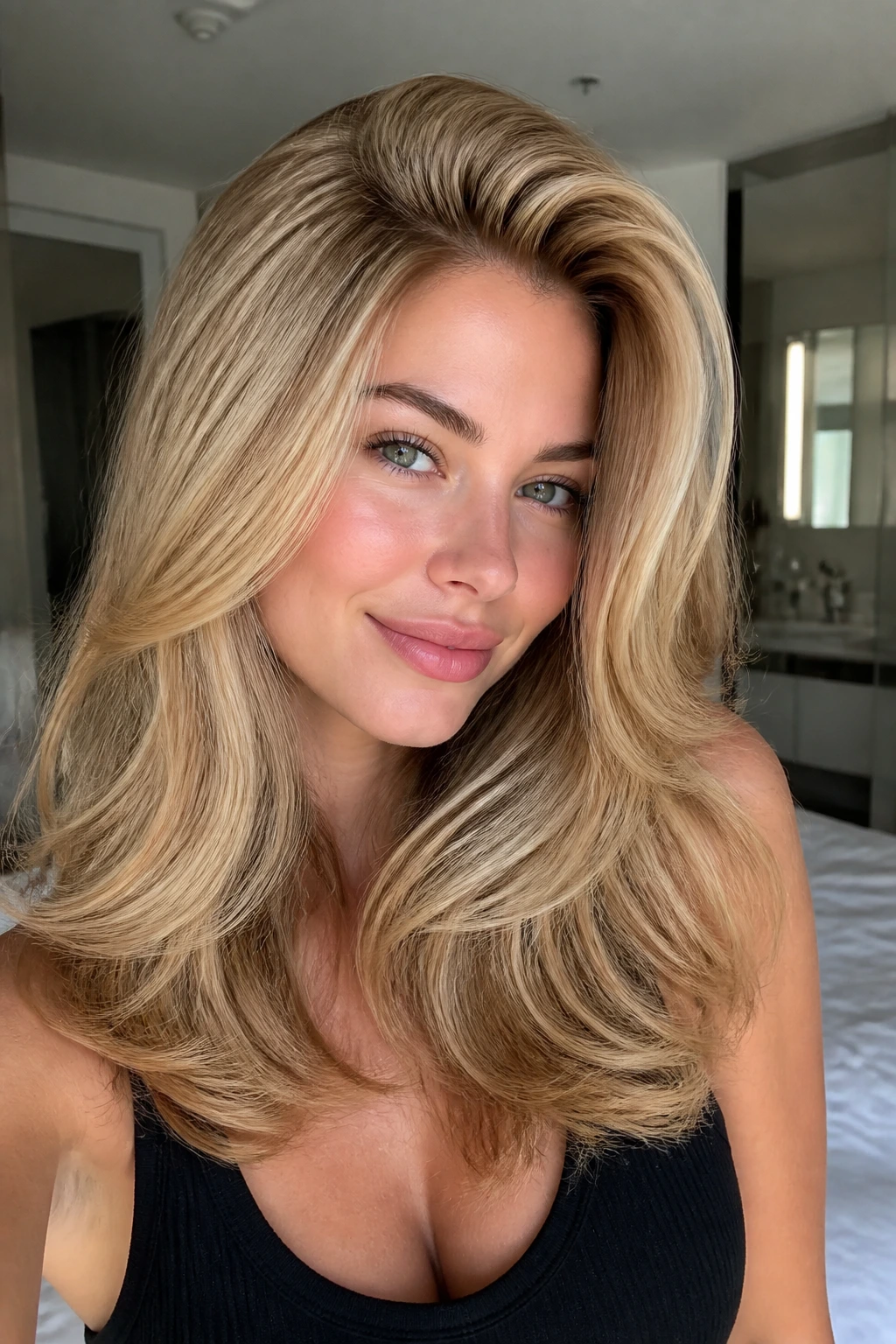
A glossy golden blonde blowout is the classic for a reason. It has movement, shine, and warmth without leaning brassy, and the blowout gives the hair enough body for the color to bounce off the shape. If you want a blonde that looks good from every angle, this is hard to beat.
Why does it work so well? Because golden blonde shows off dimension when the hair is brushed smooth and curved at the ends. The light catches the rounded shape instead of flattening it, which is why a proper blow-dry can make the same color look richer than a flat iron ever would.
If your hair tends to go limp, add a root-lifting spray before drying and keep the ends slightly rolled under. The finished look should feel soft, shiny, and full—not stiff. That’s the sweet spot.
Why Blonde Looks Change So Much With Tone And Placement
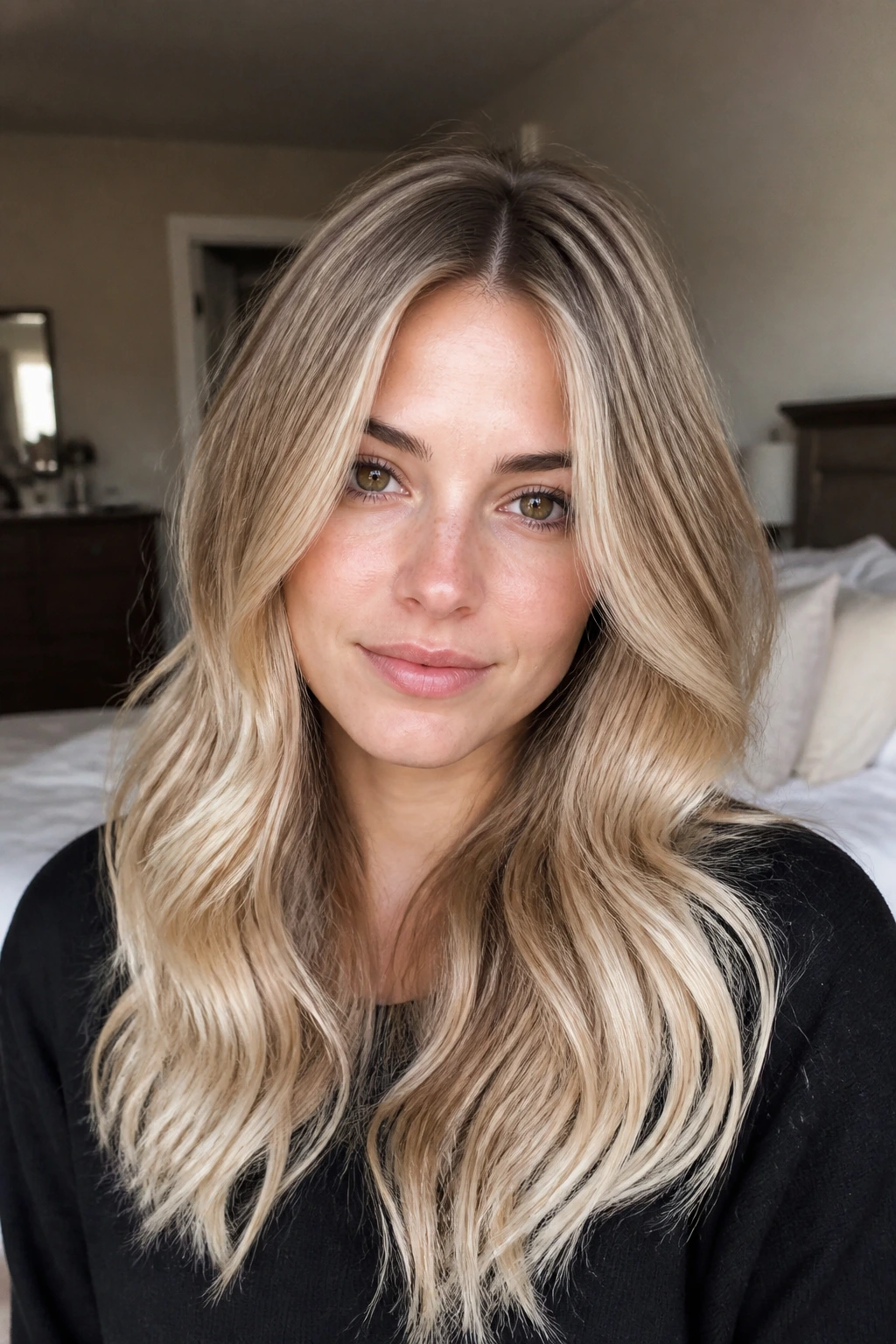
Blonde is not one color. It is a range of levels, undertones, and placement patterns, and the difference between a flattering blonde and a disappointing one often comes down to those three things, not brightness alone.
Hair color charts run by level for a reason. A level 7 honey blonde, a level 9 beige blonde, and a level 10 pearl blonde all sit in different places, and each one reflects light differently. The same head of hair can look warmer on the crown, cooler on the ends, and softer around the face if the placement was planned well. That is why a root melt can make blonde look richer and why a money piece can save a style that would otherwise read flat.
Texture matters too. Straight hair shows crisp lines, so a blunt platinum bob needs more precision. Waves scatter light, which makes beige and champagne tones look very lived-in. Curls hold warmth in the body of the hair and need dimension left between the lighter pieces or the whole shape can turn fuzzy. It’s a simple truth, but a lot of bad blonde happens when people ignore it and copy a photo that belongs to a totally different texture.
And then there is upkeep. If you hate seeing roots, pick a softer placement. If you don’t mind a salon visit every few weeks, bright blonde opens up. The right blonde isn’t the one with the most wow on day one. It’s the one that still looks like a good decision at week six.
Essential Tools for Blonde Styling and Maintenance
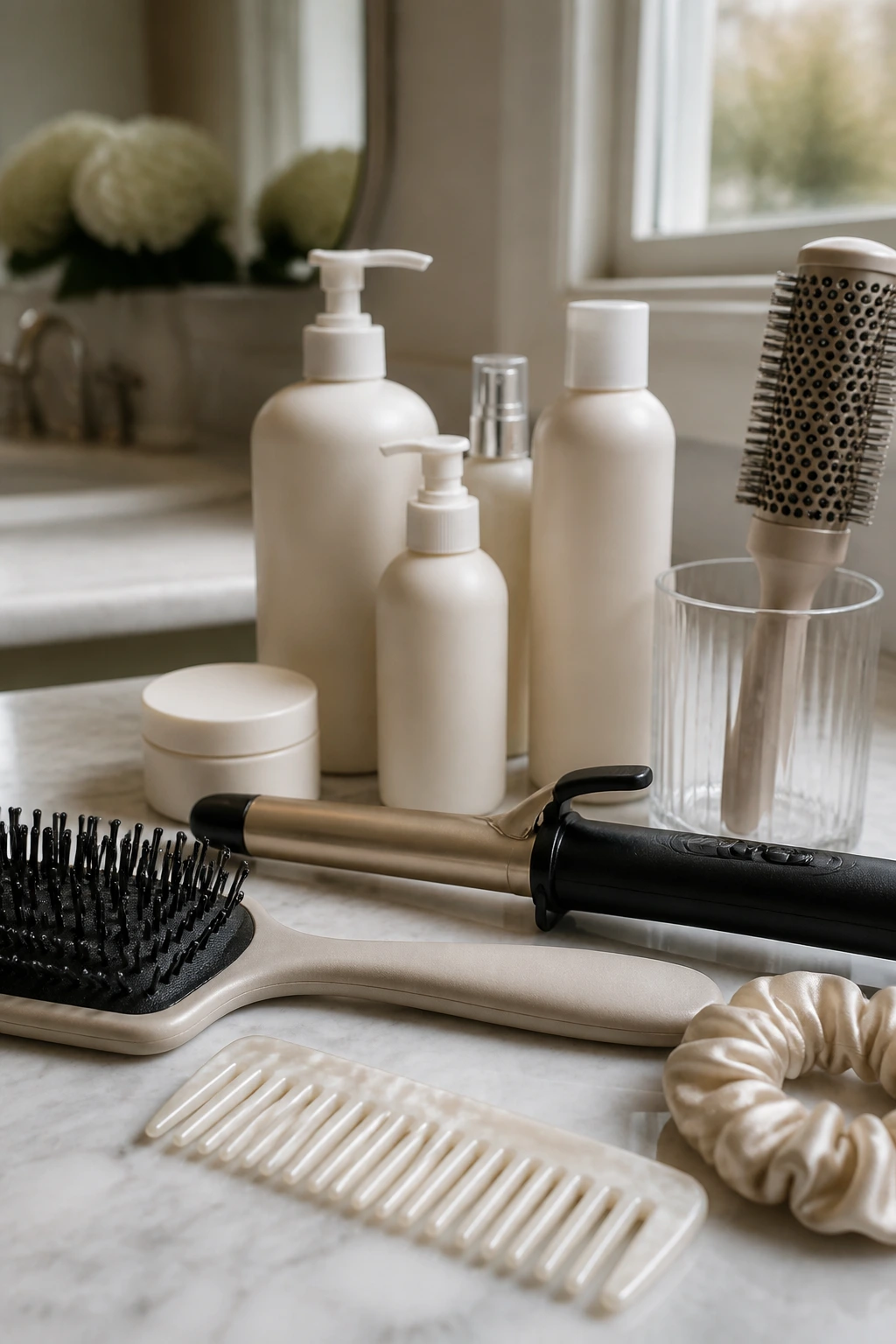
- Color-safe shampoo: cleans without stripping the toner out of the hair so fast.
- Purple or blue-violet shampoo: useful for knocking back yellow or orange, depending on what your blonde pulls.
- Moisture conditioner or mask: lightened hair dries out faster, and blonde ends need regular softness.
- Heat protectant spray: use it before blow-drying, curling, or flat ironing; it helps keep the cuticle smoother.
- Round brush: ideal for blowouts, root lift, and polishing creamy or golden blondes.
- Curling wand or 1-inch iron: good for waves, bends, and lived-in texture without tight curls.
- Blow dryer with nozzle attachment: gives more control and less frizz when you want the color to look shiny.
- Wide-tooth comb: safer for detangling damp hair that’s been lightened.
- Microfiber towel or soft cotton T-shirt: rough towels can rough up the cuticle and make blonde look frizzier.
- Shine serum or light oil: a tiny amount on the mids and ends helps pearl, champagne, and creamy blondes look smoother.
- Shower filter: optional, but useful if hard water leaves mineral film on light hair.
- Bond-building treatment: especially helpful if the hair has been lifted several times or feels springy when wet.
How to Choose Toner, Lightener, and Color-Safe Products
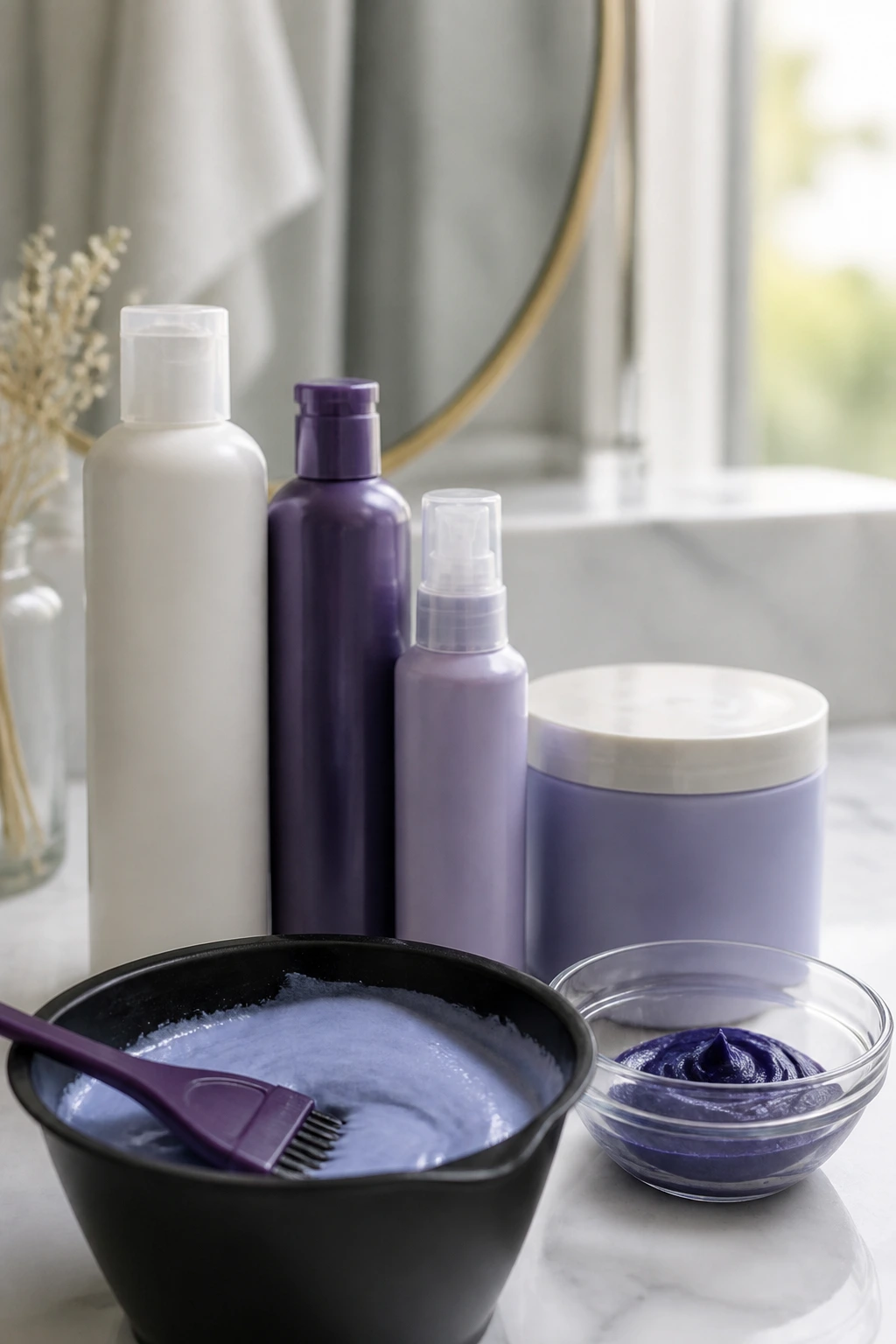
Blonde shopping starts with one honest question: what does your hair pull when it lifts? If it turns yellow, you need violet-based toning help. If it goes orange, blue-violet matters more. If it ends up pale but dusty, a beige or pearl gloss often works better than a strong silver toner. That difference sounds small until you see it on the head.
When you’re choosing lightener or a salon service, don’t chase the brightest result in one appointment if the hair is fragile. A darker base often needs a staged lift, especially if the goal is a cool blonde. That means foils, a balayage plan, or a root-to-end process split into more than one visit. Hair that’s been colored dark is not a blank canvas, and pretending otherwise is how people end up with breakage around the face.
At home, the product labels matter more than the bottle art. Look for shampoo and conditioner that say color-safe and moisturizing, and use purple shampoo like a tool, not a lifestyle. Once a week or every third wash is enough for most blondes. If you use it too often, the hair can go flat and grab a dull violet cast, especially on porous ends.
A bond-building mask is worth the shelf space if your hair is already compromised. So is a glossing treatment. The goal is not to drown the hair in products. It’s to keep the cuticle smooth enough that the blonde looks light instead of stressed.
How to Wear These Shades So They Read Clean and Intentional
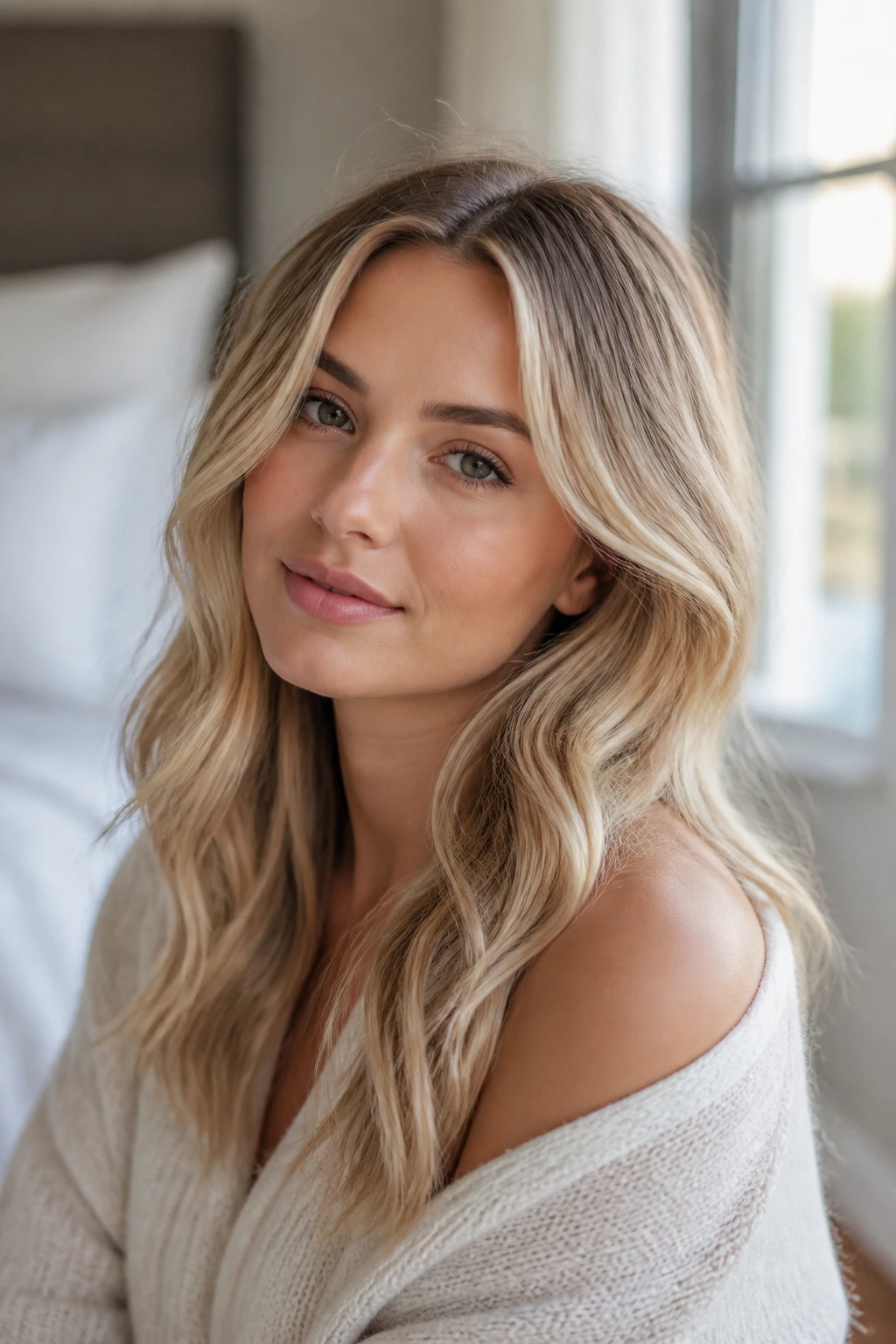
Presentation: blonde looks read best when the finish matches the tone. A polished pearl or champagne blonde wants smooth blow-dried volume, while ash, mushroom, and Scandi blondes usually look better with a softer bend or lived-in wave. If the styling and the tone disagree, the color can look accidental.
Complementary Cut: match the shade to the haircut shape. Bobs and pixies sharpen platinum and beige tones. Long layers, curtain bangs, and shags give honey, butter, and caramel blondes room to move. If you love a center part, face-framing pieces matter more than people think because they decide where the light lands first.
Makeup Pairing: brows, blush, and lipstick change how blonde reads. Cool blondes often look cleaner with a slightly defined brow and neutral blush. Warm blondes usually need a little warmth in the cheeks or the face can look disconnected from the hair. That doesn’t mean you need a full makeup routine every day. It means the hair color should not be fighting your face.
Best Setting: soft blondes are easy daily wear. Bright blondes and high-contrast money-piece looks feel more styled, so they suit people who enjoy a more finished look or don’t mind regular upkeep. The most wearable blonde is the one that matches how often you want to style your hair before breakfast.
Small Adjustments That Make Blonde Look Expensive
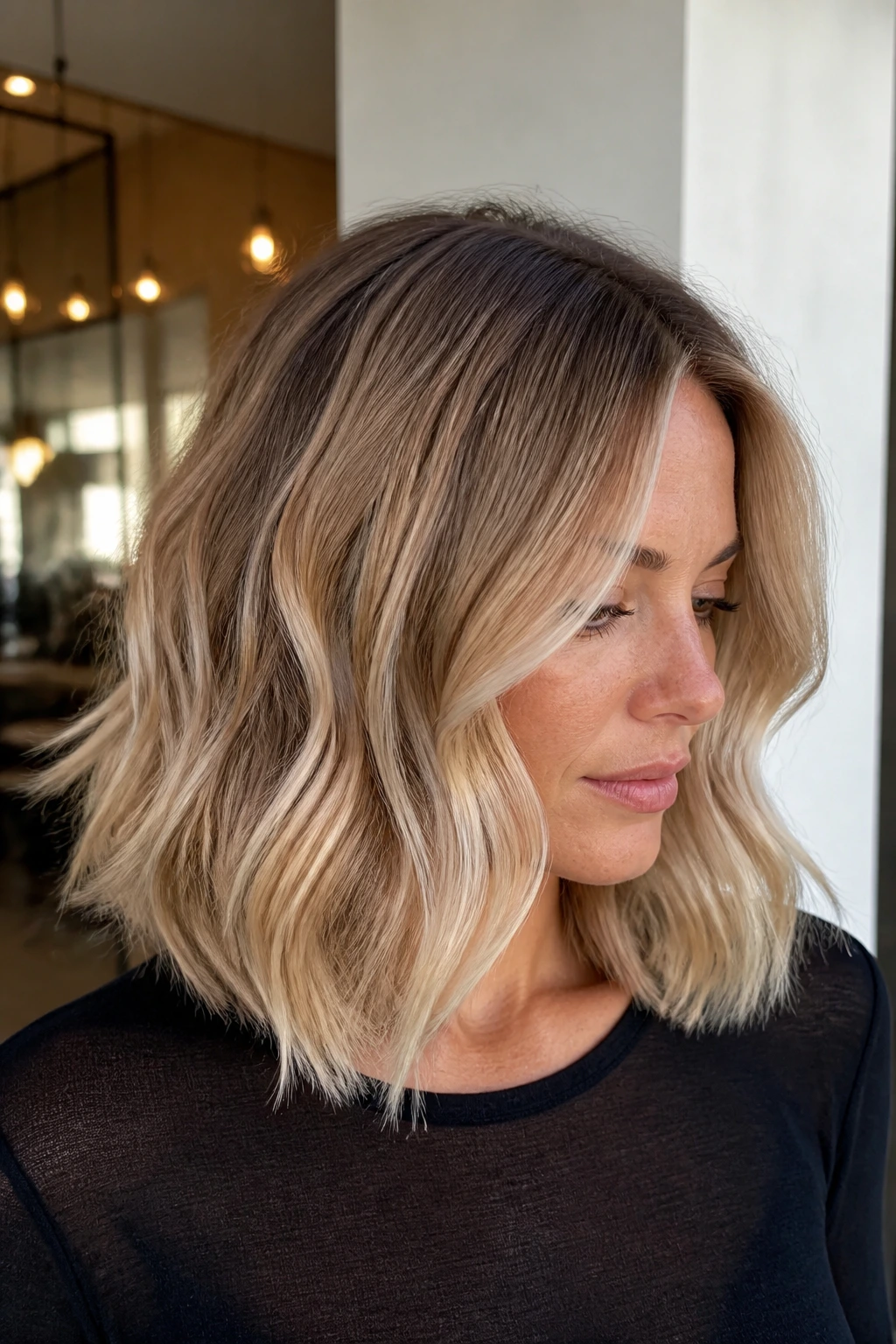
Tone Boost: ask for a translucent gloss, not a heavy toner, when the color starts to feel flat. A gloss can restore shine and adjust warmth without making the blonde look painted on. It’s one of the fastest ways to save a color that’s lost its edge between appointments.
Customization: add lowlights when the blonde needs depth. A few deeper ribbons in the mid-lengths stop the hair from looking like one pale sheet, especially on thick or very straight hair. That tiny bit of darkness is what makes the lighter pieces pop.
Face-Framing: keep the brightest pieces near the face and along the top layers if you want the color to read instantly. You don’t need to lighten every strand to get a blonde effect. A concentrated front section often gives more payoff than another round of all-over lightening.
Make-It-Yours: fine hair usually looks best with narrower highlights and softer contrast; curly hair likes broader placement and more depth left between curls; thick hair often needs a stronger root shadow to keep the color from looking puffy. The best blonde is not the same on every head, and thank goodness for that.
Mistakes That Make Blonde Look Flat or Brassy
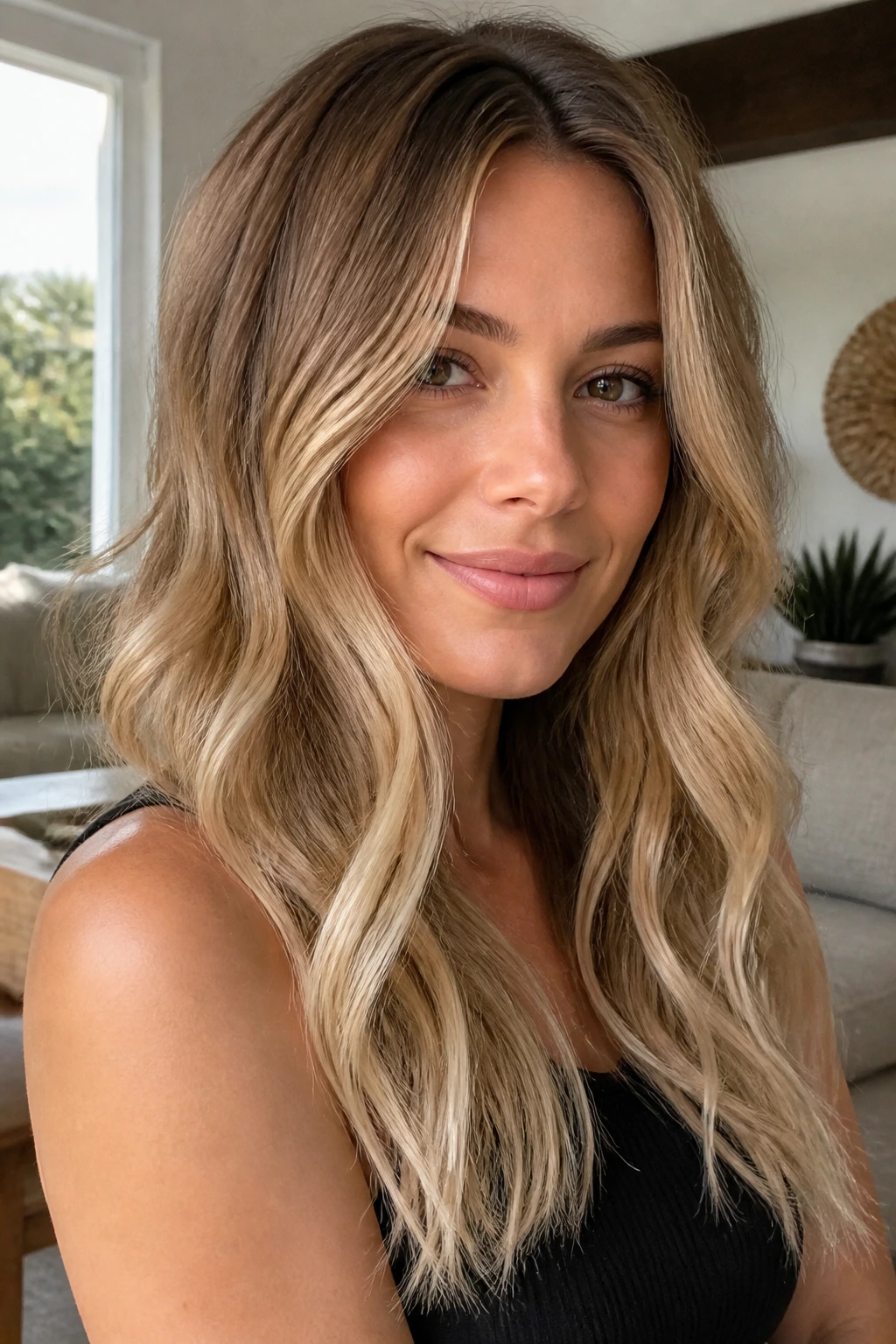
- Going too light too fast: the hair may lift unevenly and feel rough, especially if it’s dark or previously colored. The fix is a slower lift with a plan for toner and conditioning, not a second round of bleach on already stressed hair.
- Ignoring undertone: yellow, orange, and pale gold all need different correction. If the blonde keeps looking off, it’s usually the toner family, not the cut, that needs a rethink.
- Using purple shampoo like regular shampoo: too much of it can dull shine and leave the hair looking chalky. Use it sparingly, then follow with a moisture conditioner.
- Skipping a haircut: heavy ends make blonde look tired. A blunt bob, tidy layers, or a fresh trim can make the color read brighter without adding a single foil.
- Letting the root line get too harsh: some blondes need depth at the root, but a sharp grow-out line on a bright blonde can look accidental fast. Ask for a soft melt or gloss if the transition feels too abrupt.
- Styling with too much heat and too little protection: blonde hair shows damage faster than darker hair. If the ends look frayed, the color loses its clean finish even when the tone is perfect.
Blonde Variations and Adaptations to Try
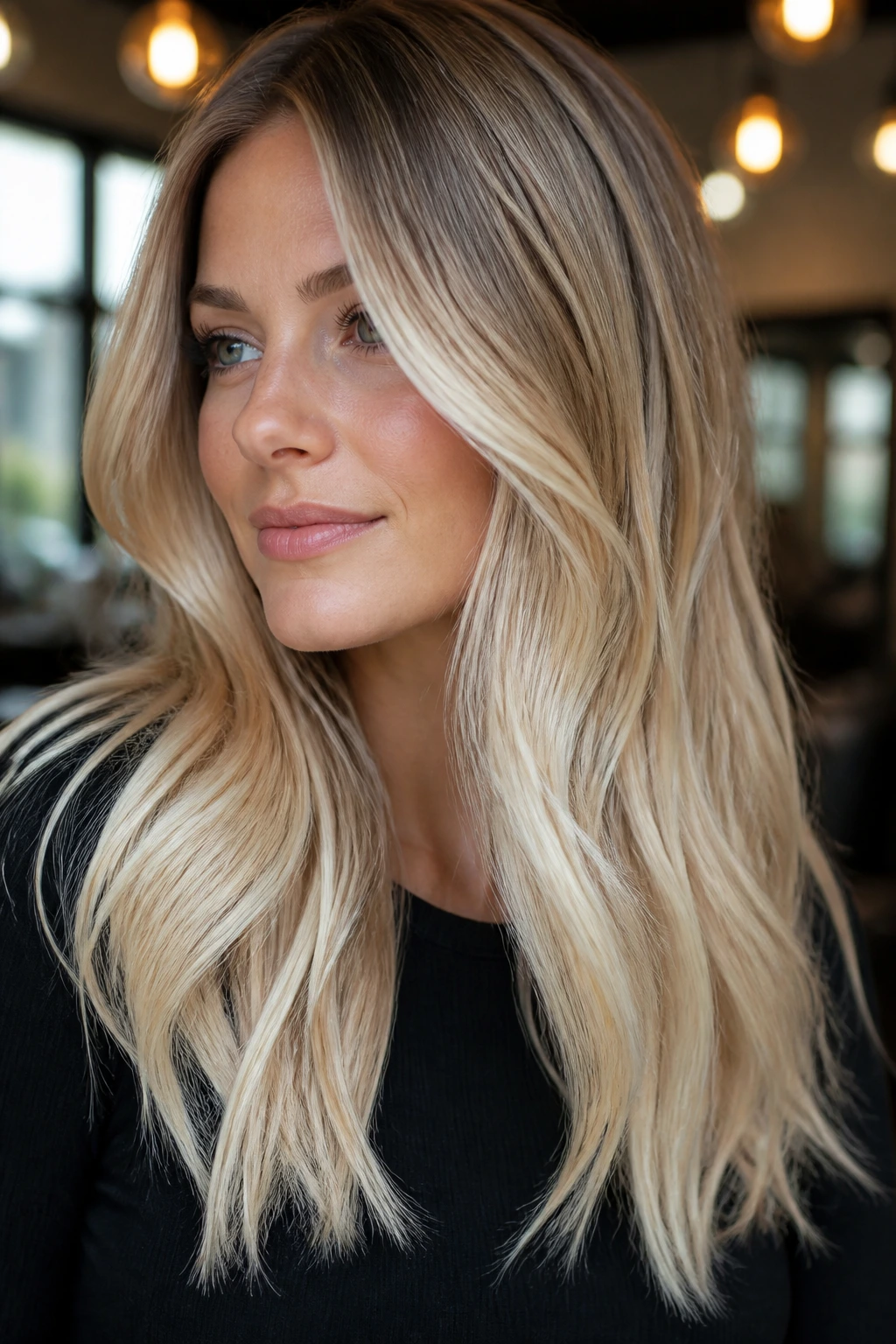
The Low-Maintenance Rooted Blonde: keep the roots deeper and focus the brightness on the mids and ends. This works well if you don’t want to visit the salon every month and you like the color to look intentional as it grows.
The Curly Ribbon Blonde: place lighter pieces around the outer curve of curls instead of saturating the whole head. The result is more definition and less fuzz, which is usually what curly blondes need.
The Short-Cut Blonde: pixies, bobs, and blunt lobs all change how blonde reads. Short cuts sharpen icy and beige shades, but they also need more frequent trims because regrowth shows faster.
The Warm Honey Edit: shift the tone toward gold and cream if your skin likes warmth or if cool blondes leave you looking washed out. Keep the blonde soft enough to avoid orange, and the color stays flattering instead of loud.
The Cool Pearl Edit: ask for a pearl or beige-violet gloss if yellow tones are your enemy. This version is cleaner than ash and often wears better on medium and light bases that need softness rather than gray.
The Bright Front, Soft Body Version: keep the money piece and hairline pieces lighter, then leave the rest more grounded. It’s a smart way to get a blonde effect without committing to full brightness everywhere.
Tools, Products, and Salon Resources
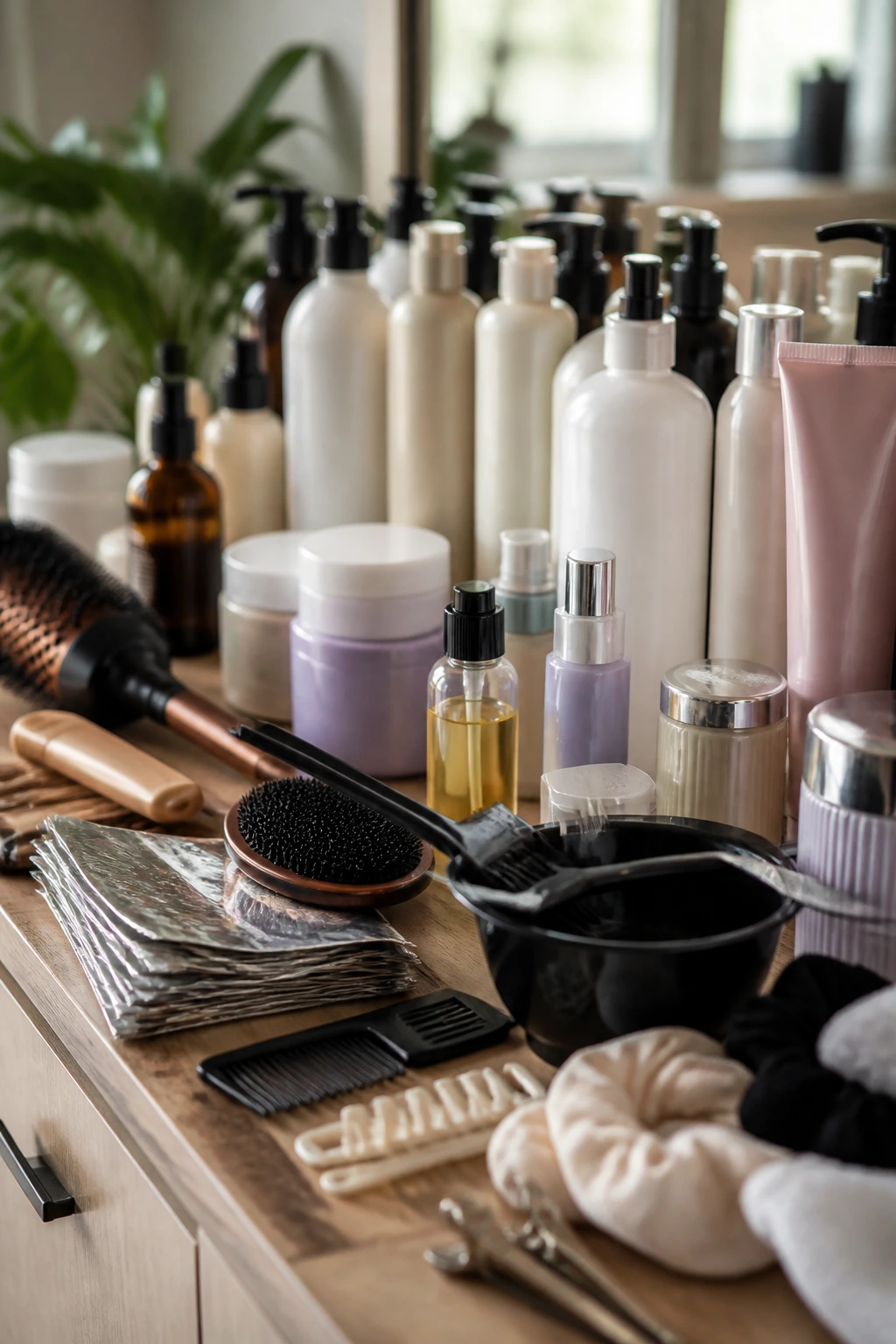
- Level chart or color ring: helps you speak in the same language as a colorist when you describe how light you want to go.
- Toner or gloss service: useful between big lightening appointments when the shape is fine but the tone has faded.
- Bond-building salon treatment: good for hair that feels stretchy, rough, or dry after lifting.
- Clarifying shampoo: occasional use removes buildup that can make blonde look flat or cloudy.
- Deep repair mask: once a week is usually enough for lightened hair; more than that can weigh fine hair down.
- Silk or satin pillowcase: reduces friction so the ends stay smoother overnight.
- Wide barrel round brush: makes blowouts easier on champagne, creamy, and golden blondes.
- Heat tool with adjustable temperature: helpful because fine blonde hair often needs less heat than thick or coarse hair.
- Shower filter: worth considering if hard water leaves a cloudy cast on pale hair.
Maintenance, Toning, and Regrowth
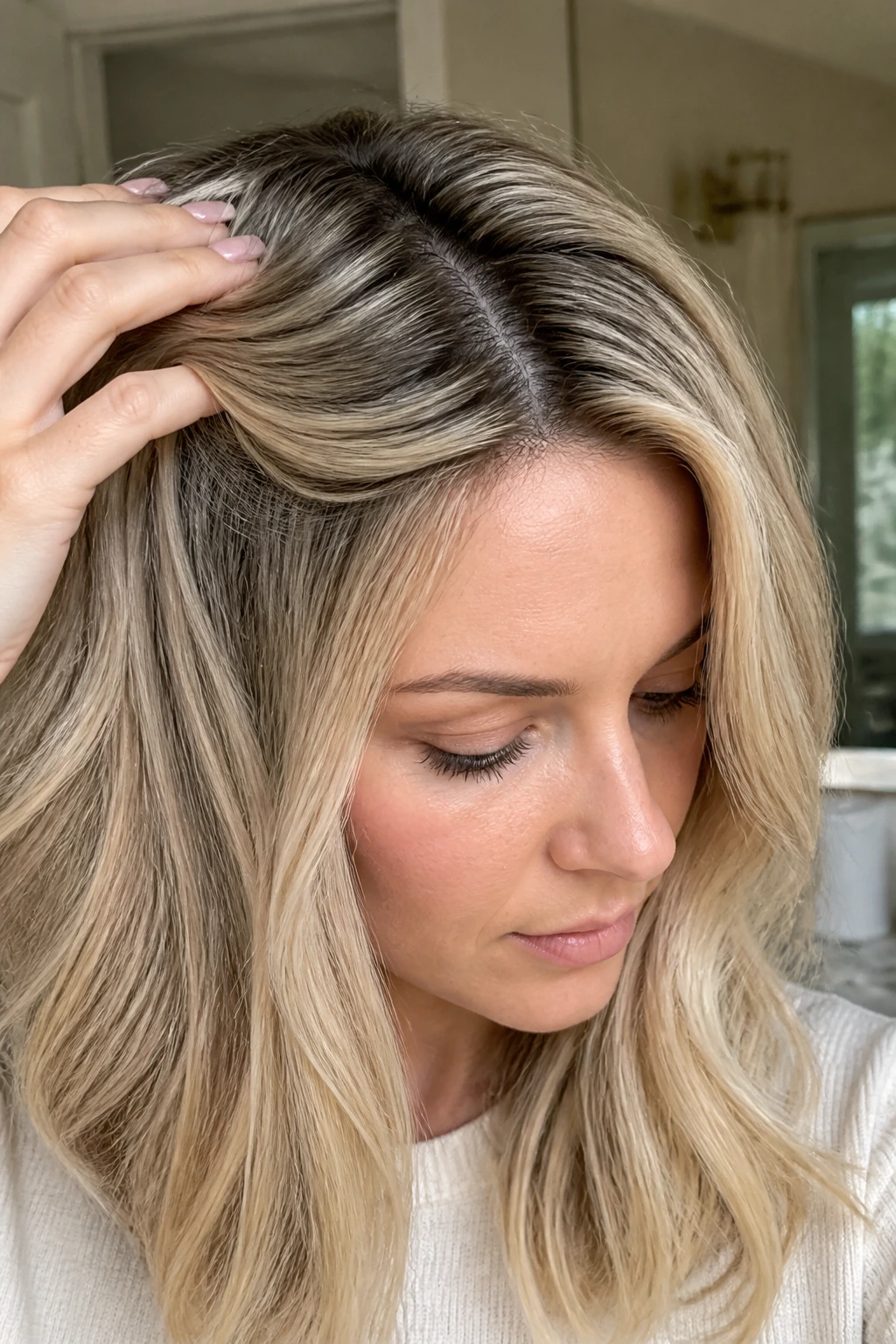
Blonde hair looks best when the maintenance plan is realistic. Bright platinum and Scandi blondes usually need the most frequent attention, often every 4 to 6 weeks for toner and root refinement if you want them to stay crisp. Softer looks like beige balayage, root-melt champagne, or lived-in bronde can often go 8 to 12 weeks before they need a meaningful refresh.
Toner does not last forever. That’s normal. Most toners fade gradually as you shampoo, heat-style, and live your life. If the blonde starts looking yellow, first check the amount of heat you’re using and how often you’re washing. Then look at the water in your shower. Hard water can leave a film that makes blonde look dull or muddy, and people blame the salon when the problem is often minerals and styling habits.
Between appointments, keep the routine simple. Use color-safe shampoo, follow with a hydrating conditioner, and bring purple shampoo in only when the blonde starts drifting warm. Once a week is enough for many shades; some lighter blondes need it a bit more, but rarely every wash. If the hair feels dry at the ends, use a mask on mids and ends only. The roots do not need heavy repair products sitting on them.
Heat is the other thing that sneaks up on blonde. Use protectant every time, and if your tools run hot, keep them closer to the 300 to 340°F range rather than blasting the hair. Lightened strands are not precious porcelain, but they do punish sloppy habits faster than darker hair does.
Frequently Asked Questions About Blonde Hair Looks
Which blonde shade is easiest to keep looking good?
A rooted beige or champagne blonde usually wins here. The shadow at the root hides regrowth, and the neutral tone is less likely to turn aggressively yellow between salon visits.
What’s the difference between balayage and highlights?
Balayage is painted more softly, so the grow-out line is blurred. Traditional highlights are usually more structured and can look brighter near the root, which means they often need more upkeep if you want a seamless blend.
Can dark brown hair go blonde without looking brassy?
Yes, but usually in stages. Dark bases often need more than one appointment, and the toner choice matters a lot because dark hair tends to lift warm before it lifts clean.
Why does my blonde turn yellow so fast?
Yellow usually means the toner has faded or the hair is picking up buildup from hard water, product, or heat. A clarifying wash, a weekly purple shampoo, and a fresh gloss can help, but if the blonde keeps changing fast, the original tone may be too warm for your base.
Is purple shampoo enough to fix brassiness?
Not always. Purple shampoo helps with yellow, but orange brass often needs blue-violet correction or a new toner at the salon. If the hair is very porous, even the right shampoo can overcorrect and make the ends look dull.
Can curly hair wear blonde without looking striped?
Absolutely, if the placement is planned for the curl pattern. Broader ribbons, softer roots, and darker space left between curls usually look better than tight, uniform highlights.
How often should toner be refreshed?
Most blondes need a refresh every 4 to 8 weeks, depending on how pale the shade is and how often the hair is washed. Bright platinum and very cool blondes fade faster than beige or rooted looks.
What if my blonde looks too flat?
Ask for lowlights or a deeper root shadow. A little contrast brings back dimension fast, especially on straight hair that tends to reflect light in one uniform sheet.
Can I keep blonde hair healthy if I heat-style it often?
You can, but you need to be picky about temperature and product. Heat protectant, moderate tool settings, and regular trims matter more than expensive serums.
The Blonde That Fits Your Life
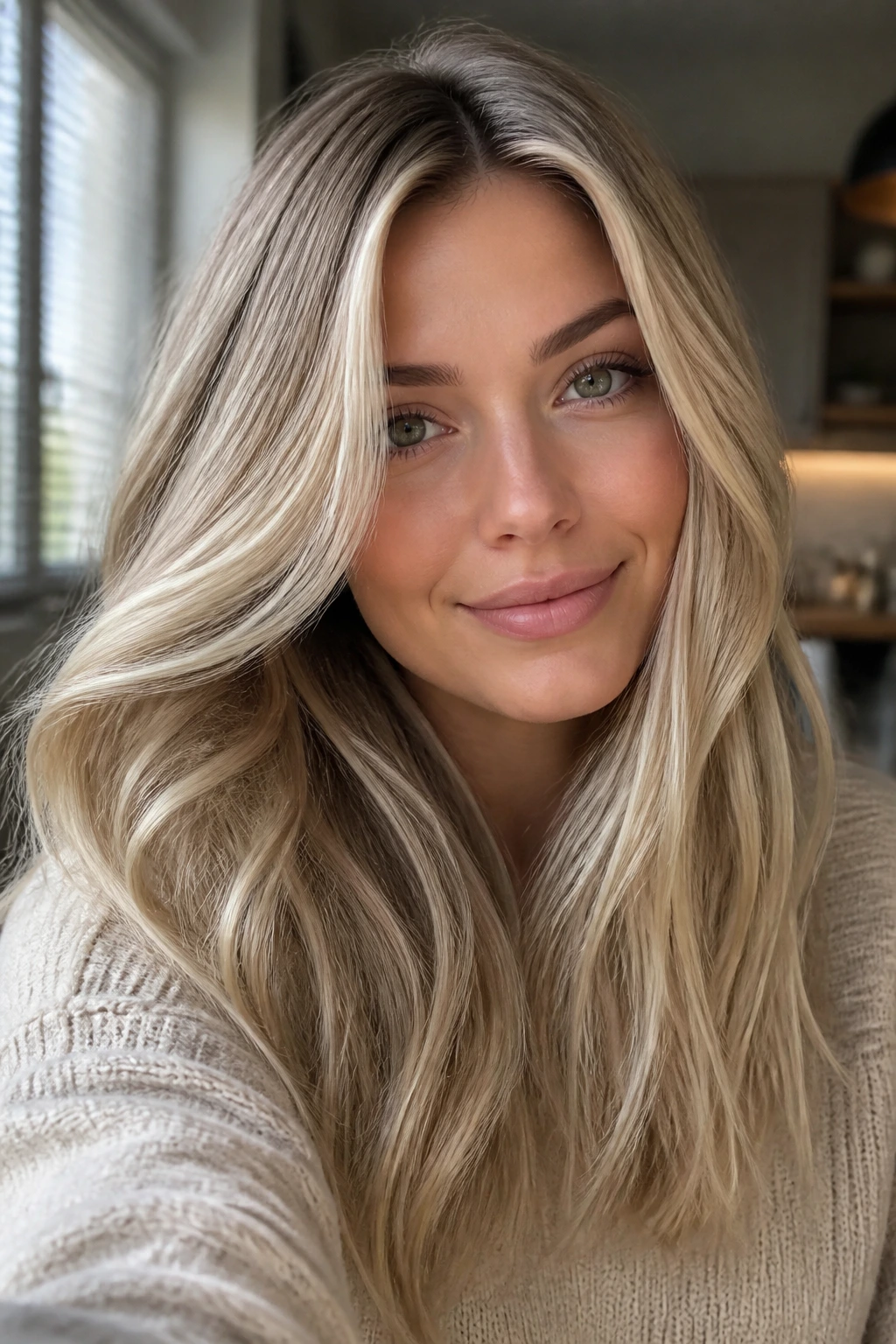
The best blonde hair look is the one that still looks good when the room lighting isn’t perfect and your roots are starting to show. That might be a champagne root melt, a bronde money piece, or a soft pearl bob—whatever gives you brightness without turning your calendar into a maintenance plan.
Blonde works when it has shape, tone, and a little restraint. Too much of one thing and the whole style gets brittle. Get those three parts right, though, and the color starts doing that quiet, flattering work that makes people ask what changed. Sometimes it’s the cut. Often it’s the tone. Usually, it’s both.
