



Copper never sits still on hair. One wash, one blow-dry, one afternoon in daylight, and a ginger tone can swing from soft apricot to smoked cinnamon depending on where the light lands. That’s part of the charm. It’s also why flat, single-note copper so often disappoints.
A ginger hair color with soft dimension solves that problem by giving the shade places to breathe. Instead of one block of orange-red from root to tip, you get ribbons, shadows, gloss, and deeper underlayers that move when the hair moves. The result feels warmer near the face, cooler underneath, and richer overall — not louder, richer.
That balance matters even more on real hair, the kind with regrowth, old highlights, porous ends, or one side that always seems to catch more sun than the other. Copper fades fast when it’s overwashed or built on the wrong base. Give it contrast, though, and the color keeps its shape much longer. It softens instead of collapsing.
Why These Ginger Shades Work So Well Together
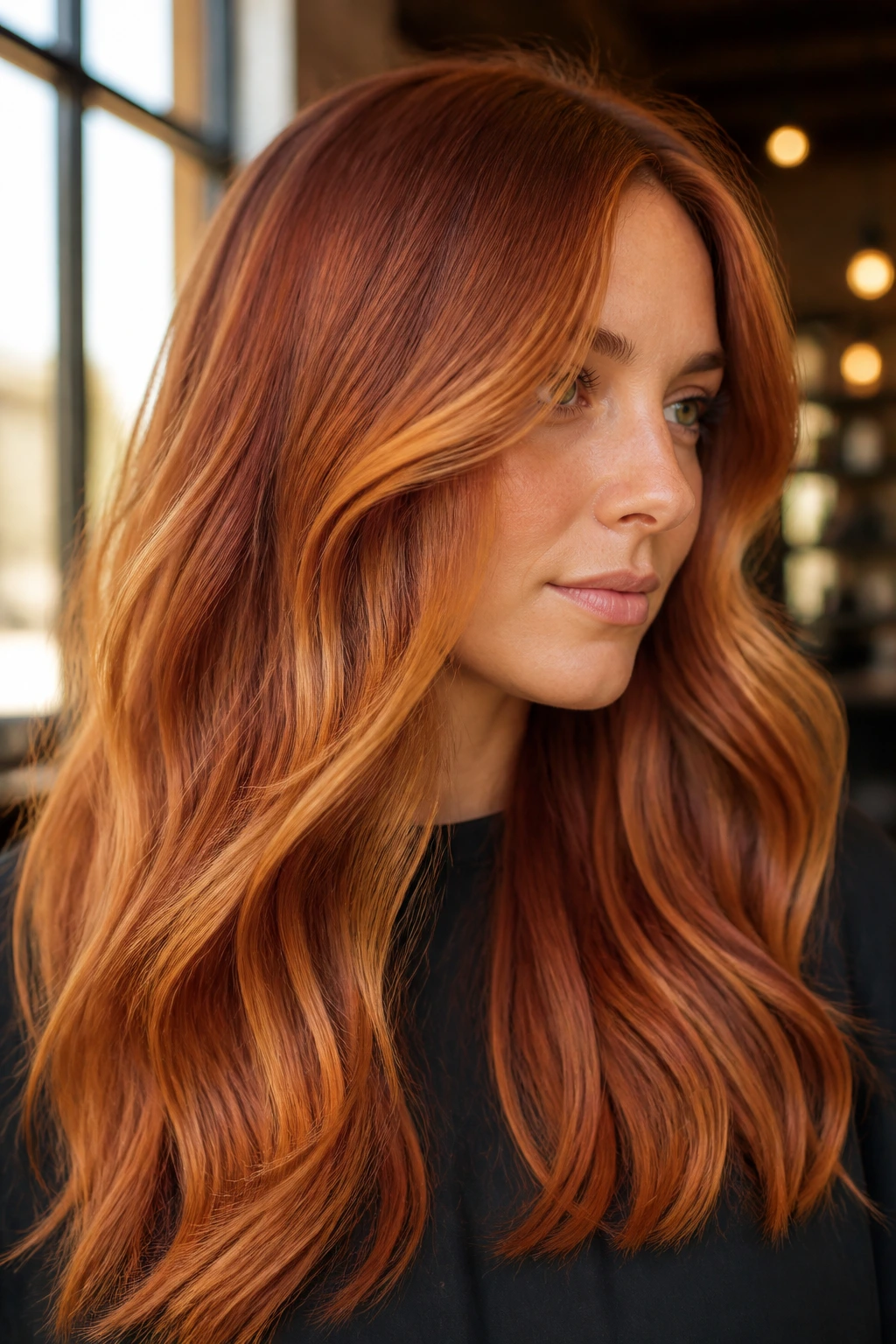
- Soft, not shouty: Every look in this collection uses shadow, ribbon placement, or a gloss so the copper reads as movement, not one solid orange panel.
- Built for different bases: You’ll find ideas for level 5 brunettes, level 7 blondes, curly hair, bobs, pixies, and long layered cuts.
- Easier grow-out: Several of these looks lean on root shadow and balayage, which keeps regrowth from looking harsh at the 6- to 10-week mark.
- Salon-friendly language: Each idea gives you a clean way to describe the look — copper ribbons, ginger gloss, auburn melt, face-framing highlights, and the like.
- Easy to tune up or down: You can make these shades brighter, deeper, rosier, or more cinnamon depending on your base and how much upkeep you want.
- The dimension does the work: A few lighter pieces around the face and a darker root underneath can make ginger look more expensive than a full-head copper ever will.
1. Soft Copper Ribbon Balayage
This is the ginger look I’d hand to someone who wants warmth without signing up for a full redhead moment. Thin copper ribbons are painted through the mids and ends, then softened with a neutral or slightly golden root shadow so the color doesn’t start and stop in one hard line.
Why it works
On a level 7 or level 8 base, those ribbons catch light in a way that reads airy rather than loud. The darker root keeps the whole thing grounded, and that contrast gives the copper more shape. If your hair is layered, even better — the pieces move separately and the color feels alive instead of stamped on.
What to ask for
- Thin balayage ribbons in copper and light auburn
- A root smudge one or two levels deeper than the mids
- A clear or pale-gold gloss on the ends
- Face-framing pieces that sit slightly brighter than the back
Best for
Medium brunettes, dark blondes, and anyone who wants ginger hair color ideas that look polished at work but still warm enough to notice outdoors.
2. Cinnamon Root Melt
A root melt is the easiest way to keep ginger hair looking expensive. The roots stay a shade or two deeper — think cinnamon brown — while the mids and ends drift into copper, amber, and a little gold. The transition matters. No hard line. No chunky stripe at the scalp.
The nice thing about this shade is that it grows out gracefully. If you’re not in the chair every six weeks, you won’t get that obvious line that some brighter red tones leave behind. You’ll just get a softer, more lived-in version of the same color.
What makes it soft
The deeper root keeps the bright ginger from taking over your whole head. That’s especially useful if your natural base is brunette and you want warmth without lifting everything to orange. A good colorist will feather the root melt down an inch or two so it looks like the color faded there on purpose.
- Best on level 5–7 brunettes
- Ask for cinnamon brown roots and copper mids
- Works well with straight styles and loose curls
- Maintenance usually lands in the 8- to 10-week window
3. Apricot Blonde Ends
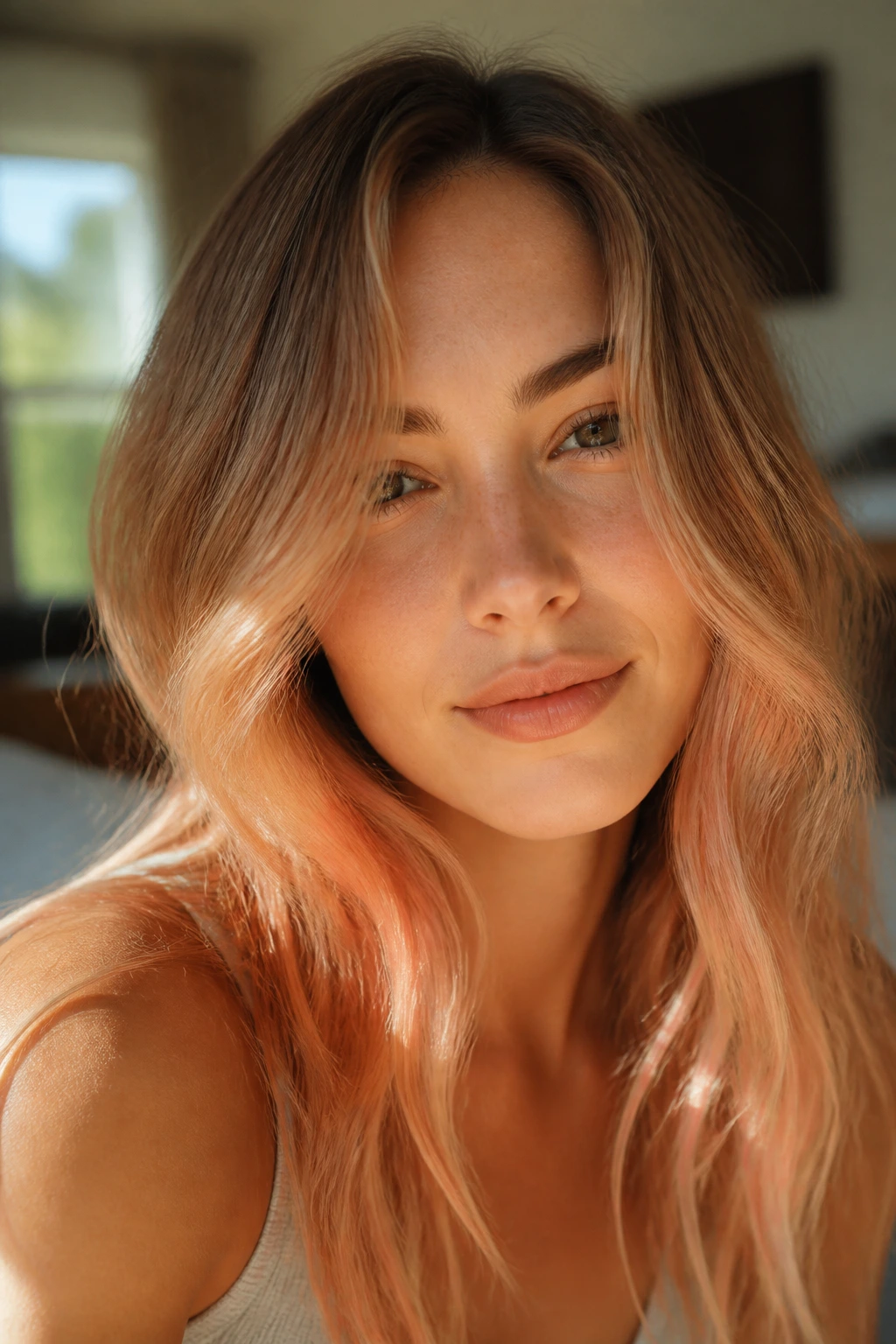
Why do apricot ends look softer than all-over copper? Because the brightness is pushed to the bottom, where hair already catches light when it moves. The roots stay muted, sometimes even a little smoky, so the shade never feels too sweet or too orange.
This one is especially pretty on blonde hair that needs warmth back after too much ash toner. The trick is keeping the apricot translucent, almost like a peach glaze rather than a thick paint layer. If the ends are porous, they’ll grab color fast, so the formula has to be watched closely.
How to keep it from going too pastel
A peachy apricot can disappear if the toner is too weak or the hair is too light. Your colorist should keep a hint of gold in the formula so the ends still look warm in daylight. On curls, this shade is even prettier because the lighter tips show up in every bend.
4. Auburn Shadow Root with Copper Ends
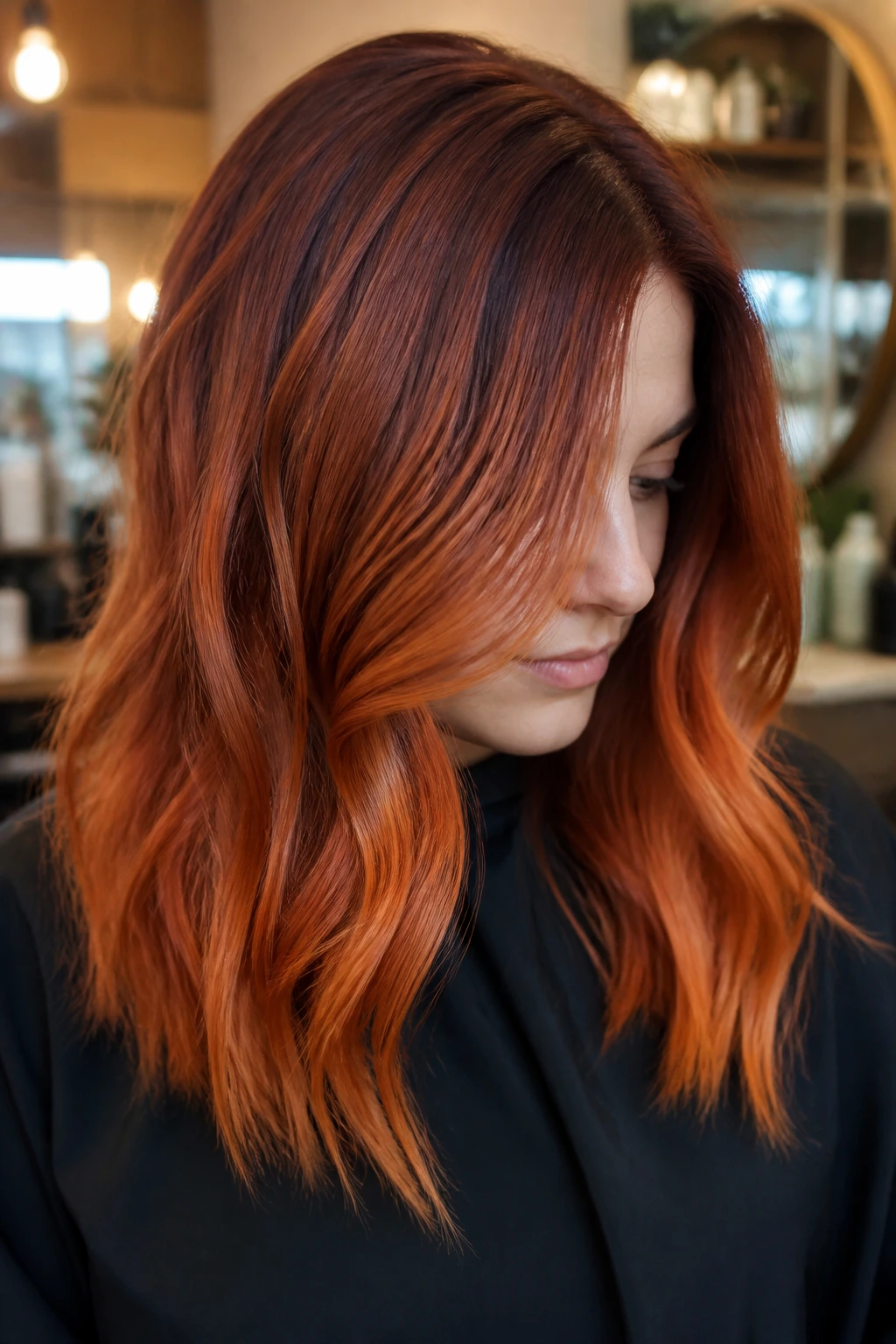
If you wear your hair in a low pony, this is the shade that leaves a copper trail when the hair swings. The crown stays shadowy and auburn, then the color opens up into brighter copper at the ends. It’s a little dramatic. Not loud.
I like this look on shoulder-length cuts and long layers because the transition has room to breathe. On one-length hair, the shadow can look too heavy. On layered hair, it moves in a much nicer way.
Ask for this placement
- A deep auburn shadow root
- Copper ends that are lighter but still warm, not orange-yellow
- A soft blend through the midlengths, no hard line
- Extra brightness around the front so the face doesn’t disappear into the darker root
5. Strawberry Ginger Bob Lights
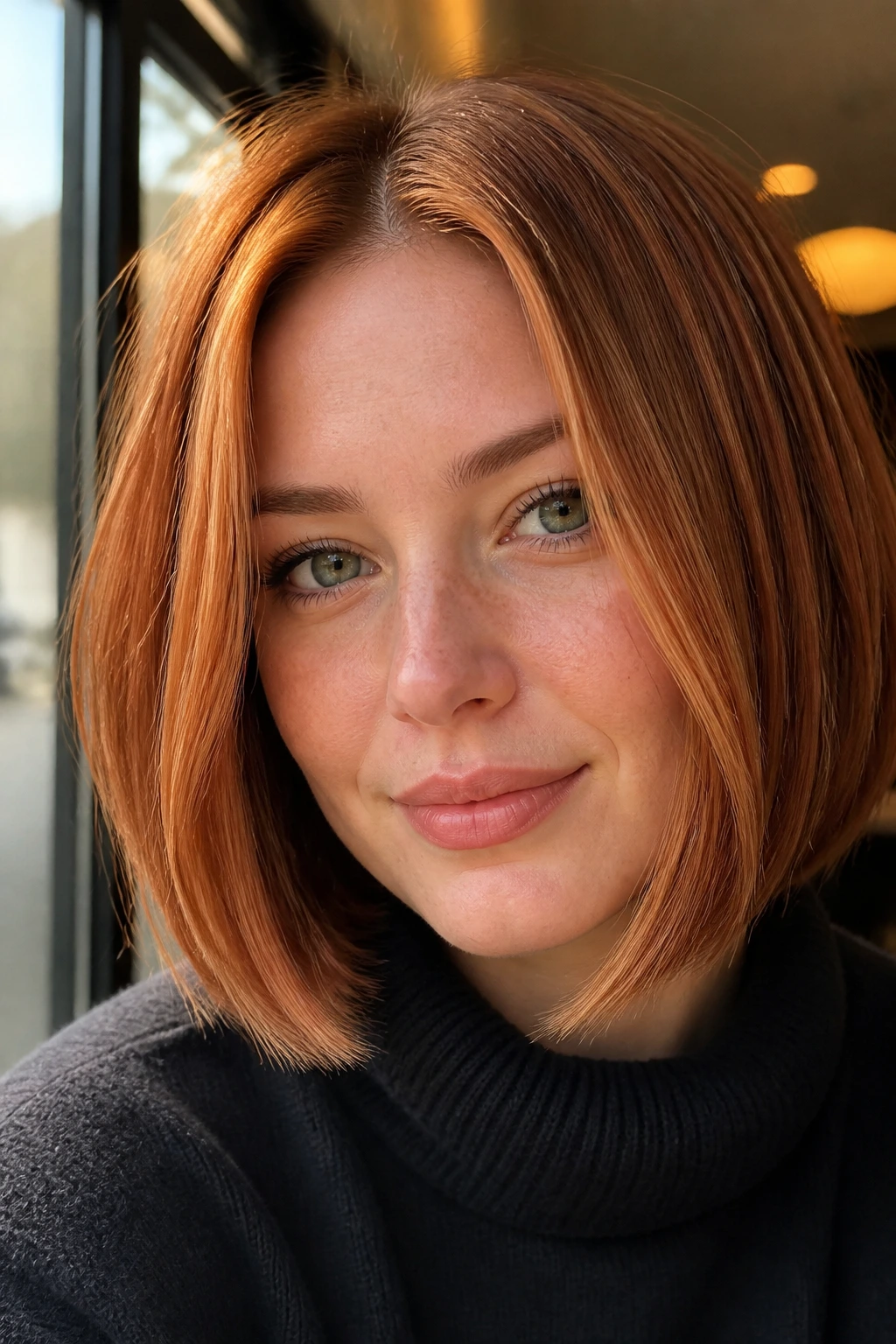
A blunt bob can turn harsh fast if the color is too even. The fix is tiny. Keep the base a little deeper and tuck the lighter ginger pieces around the front, crown, and top layer so the shape looks sharper without getting blocky.
This shade sits between strawberry blonde and copper brunette, which is why it works so well on shorter cuts. The ends feel crisp. The top feels soft. When the bob swings, the lighter pieces show first, and that movement does more for the color than another shade shift would.
A clean center part makes the lighter front pieces obvious. A side part makes the whole thing feel a touch more relaxed.
6. Spiced Maple Brunette
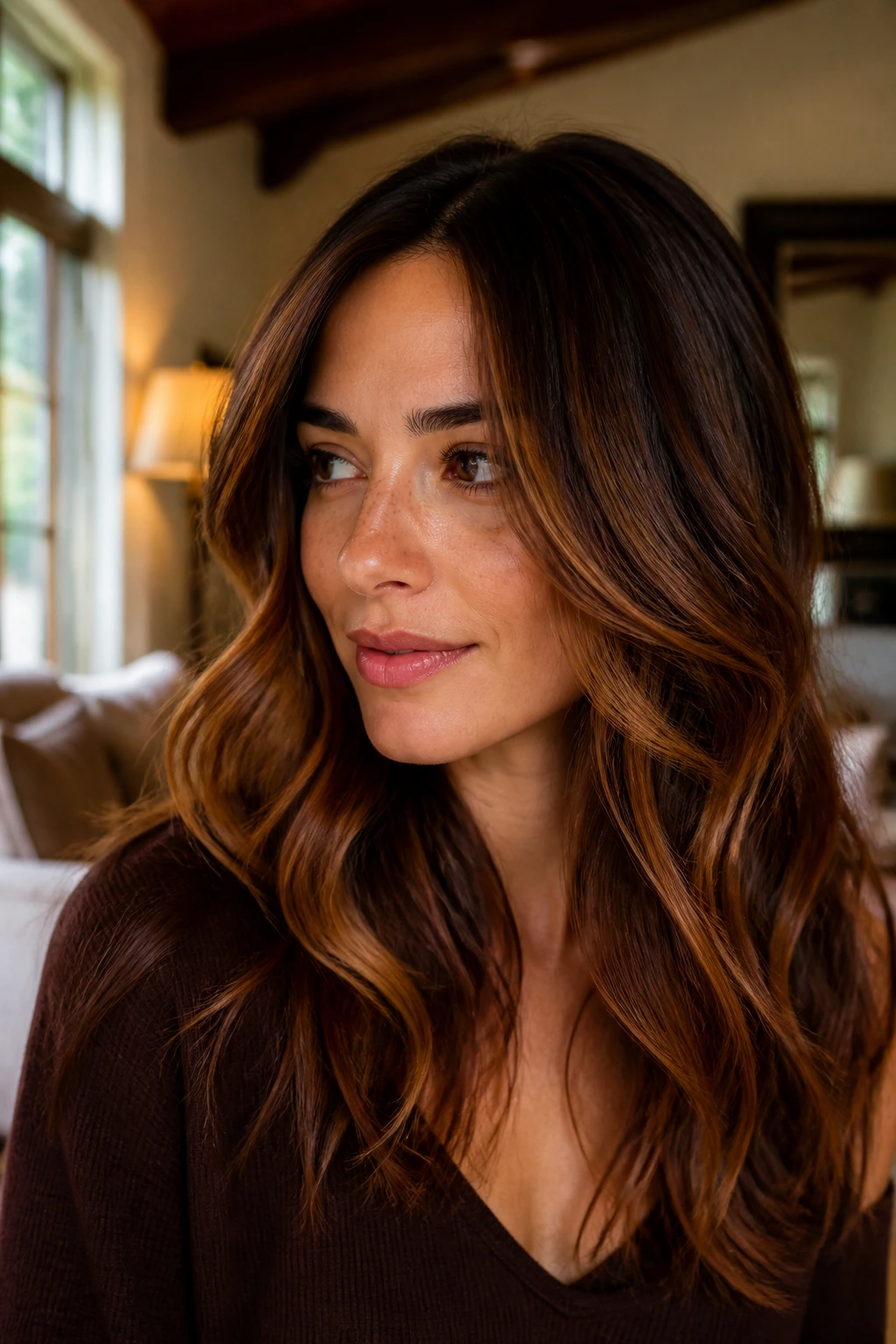
This is the ginger option for people who still want to see their brunette base. Spiced maple keeps the dark color visible, then threads copper, brown sugar, and muted auburn through the mids. It reads warm, not fiery.
Unlike full copper, this look doesn’t rely on lightened hair everywhere. That matters if your hair is darker and you don’t want to chase brightness just to get some red in it. The brown base gives the ginger something to sit on, and the result feels heavier and richer in the best way.
Best for
- Level 4–6 brunettes
- Thick hair that can hold depth without looking flat
- Anyone who wants red warmth but hates root maintenance
- Wavy cuts, where the lowlights show naturally
7. Hidden Copper Panels
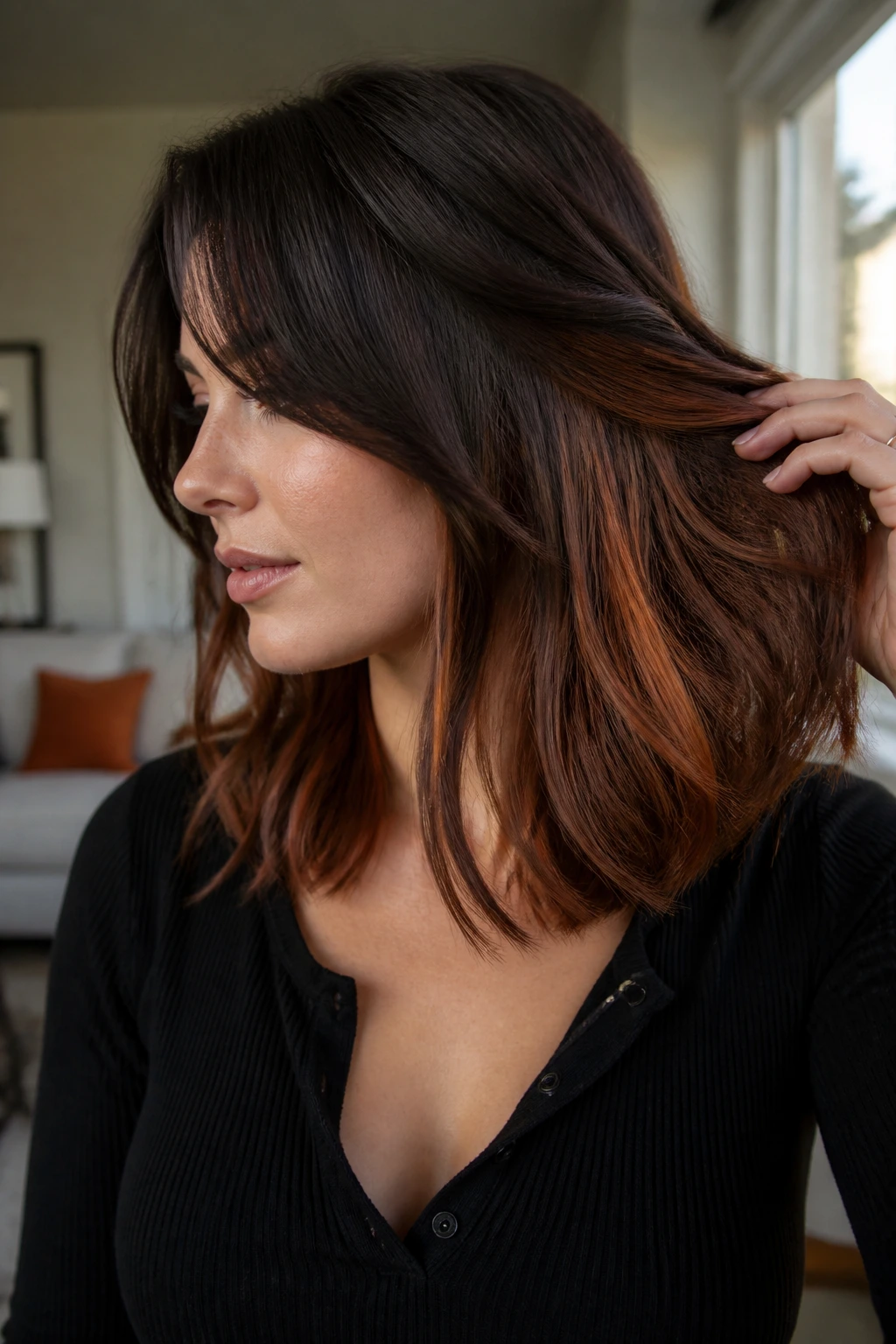
Hidden panels are one of my favorite tricks for ginger color ideas, mostly because they feel more private than a full head of red. The top stays brunette or dark auburn. Underneath, a few panels of copper peek through when you move, tuck your hair behind your ear, or twist it up.
That makes this look useful if you need to keep things subtle during the week and a little more expressive on the weekend. It’s also smart for anyone nervous about going copper all over. You get the impact without putting the whole head on display.
Where this works best
- Long bobs and layered mid-length cuts
- Hair that’s worn half up often
- Darker bases that need dimension, not full lift
- People who want ginger without constant root touch-ups
8. Burnt Sienna Money Piece
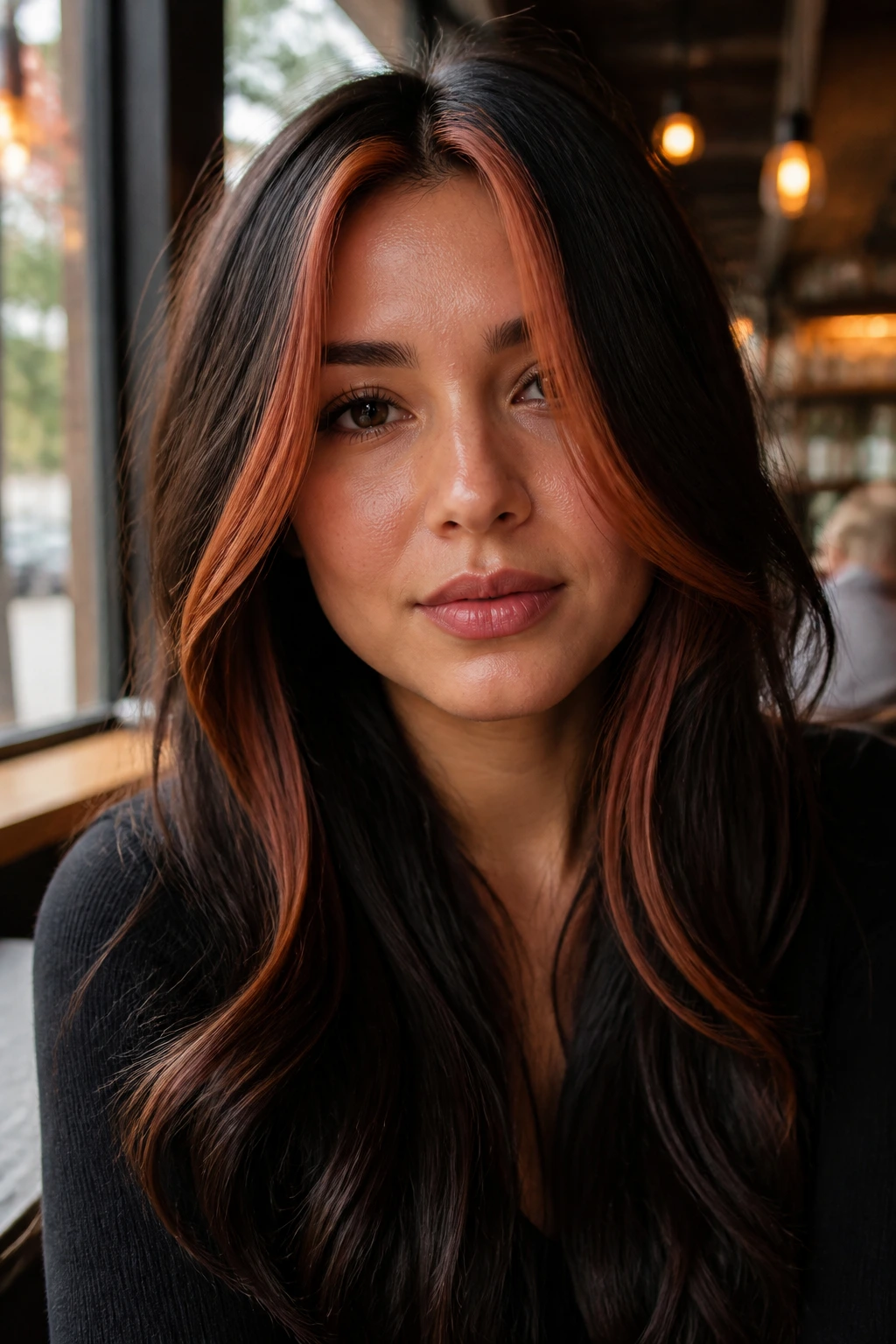
What happens when you keep the rest of the hair darker and concentrate the ginger at the hairline? You get a very wearable version of a money piece. The front strands do the talking, and the rest of the color can stay calm.
Burnt sienna sits in that deeper copper-brown space, which is why this look feels more grown-up than a bright orange frame. It can be a strong choice on medium and deep skin tones, but it also looks good on lighter skin when the rest of the hair stays muted enough to balance it.
Ask for
A two-piece face frame in burnt sienna or warm copper, blended into a deeper base so the front doesn’t look striped. If you wear glasses, this is a nice detail — the color sits right where the frames would meet the face.
9. Rose-Copper Balayage
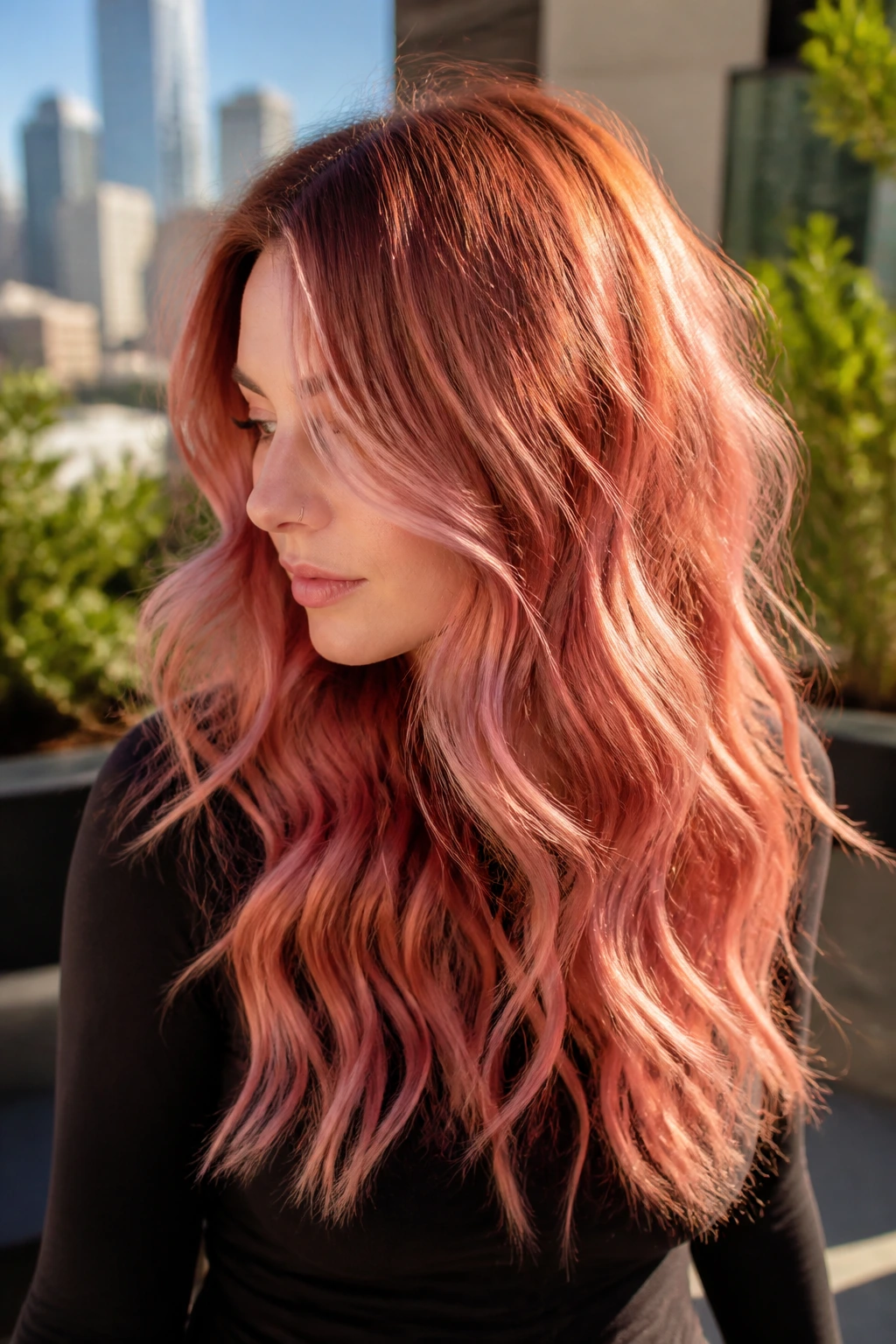
Rose-copper lives in the space between blush and ginger. It has enough warmth to read red, but enough pink in the glaze to stop it from turning pumpkin-bright. That little bit of rose is what makes the whole thing feel softer.
This is one of the few ginger looks that can lean a little romantic without looking sugary. On long waves, the pink-copper blend shifts between rose gold, apricot, and light auburn depending on the light. On straighter hair, it shows up more subtly and can almost look like a glossy warm brown until the light catches it.
If your hair tends to pull orange, this is a smart shade to discuss. The pink helps steer it away from brass.
10. Mulled Wine Copper
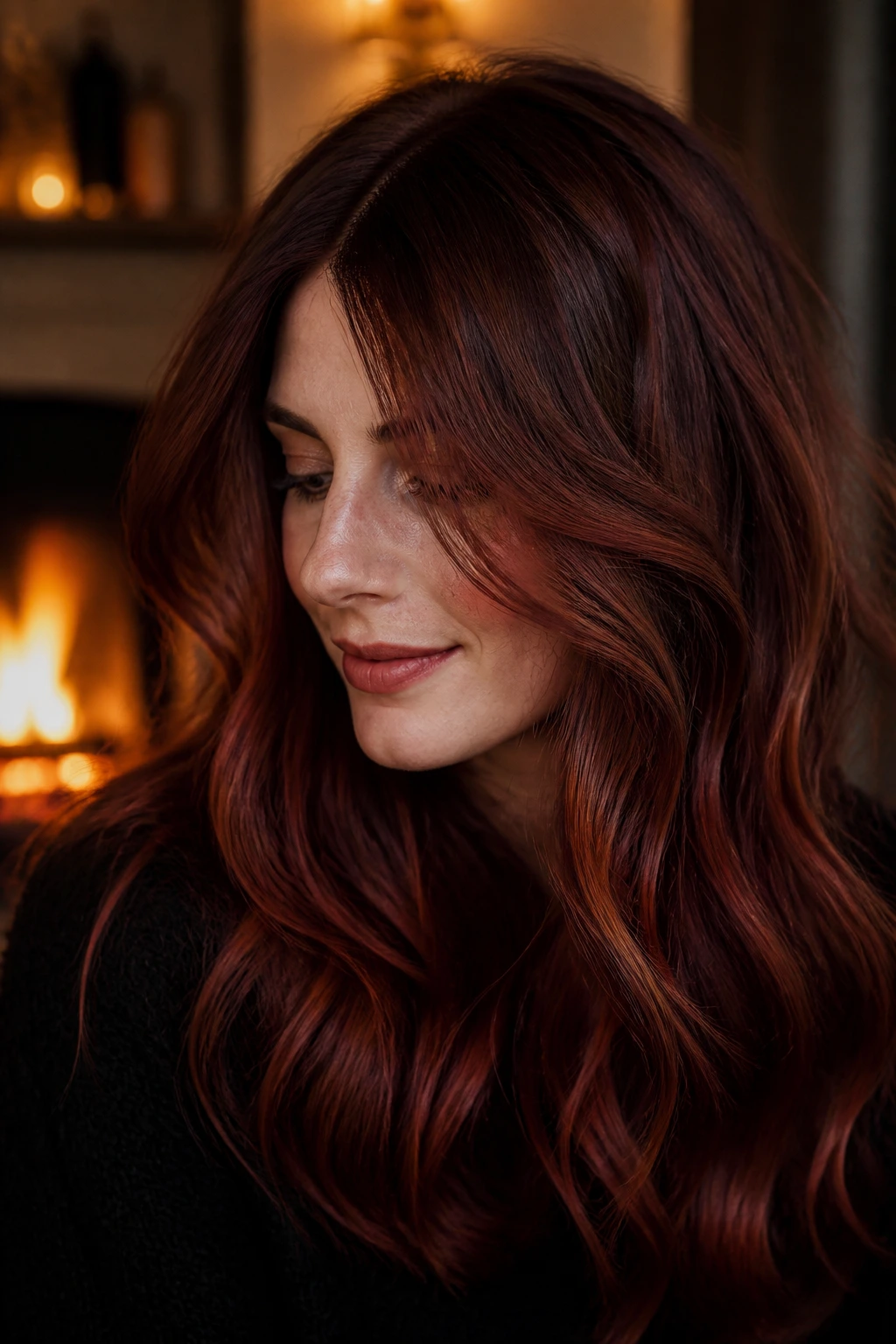
This one is deeper and moodier, but still belongs in the soft-dimension camp. The base sits in a dark berry-brown zone, then copper and red-violet are layered over the top so the color moves between wine, cinnamon, and dark ginger.
It works because the shade isn’t trying to be bright everywhere. The richness is doing the heavy lifting. In low light, it can almost read auburn. In daylight, the copper wakes up and the color gets a little more spark.
A good fit for
People with naturally deep brown hair, thick hair, or longer cuts that can hold tonal shifts. If you want ginger but don’t want to look like you wrestled with a tube of orange dye, start here.
11. Tangerine Gloss
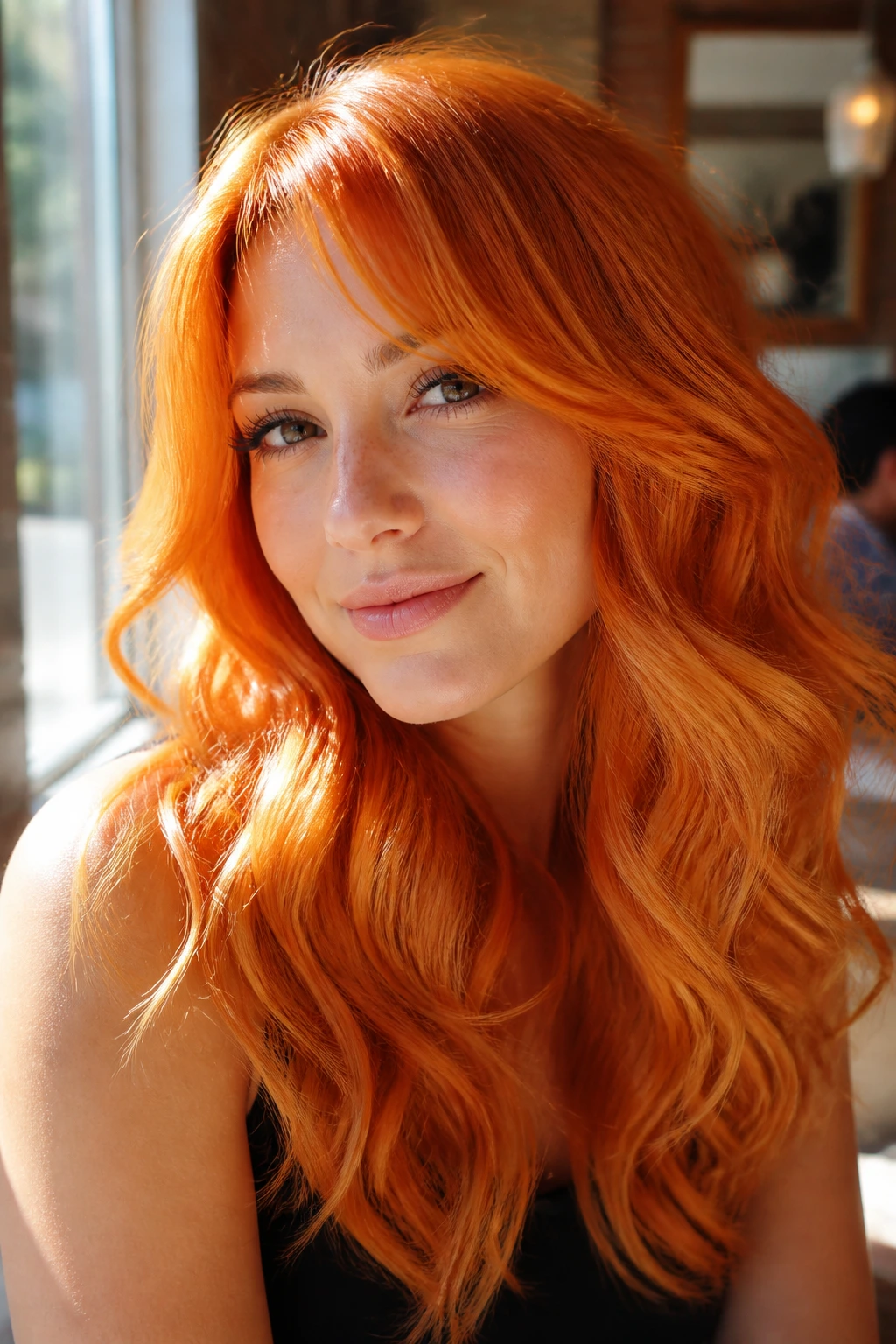
This is the brightest shade in the group, but the gloss is what keeps it from going wild. Think soft tangerine, not traffic cone. A gloss gives the hair a slick, reflective finish and takes the edge off the orange so the color reads as shiny, warm, and fresh.
The best version usually starts on pre-lightened hair or a blonde base. If the hair is darker, the tangerine will need lift first or it will sink too muddy to show the payoff. On curls, this color is a little electric in motion because every curl catches the gloss differently.
Quick facts
- Best on a level 8 or lighter base
- Usually paired with a demi-permanent glaze
- Looks most balanced on wavy and curly textures
- Needs more frequent refreshes than deeper auburn shades
12. Pumpkin Spice Face-Framing Highlights
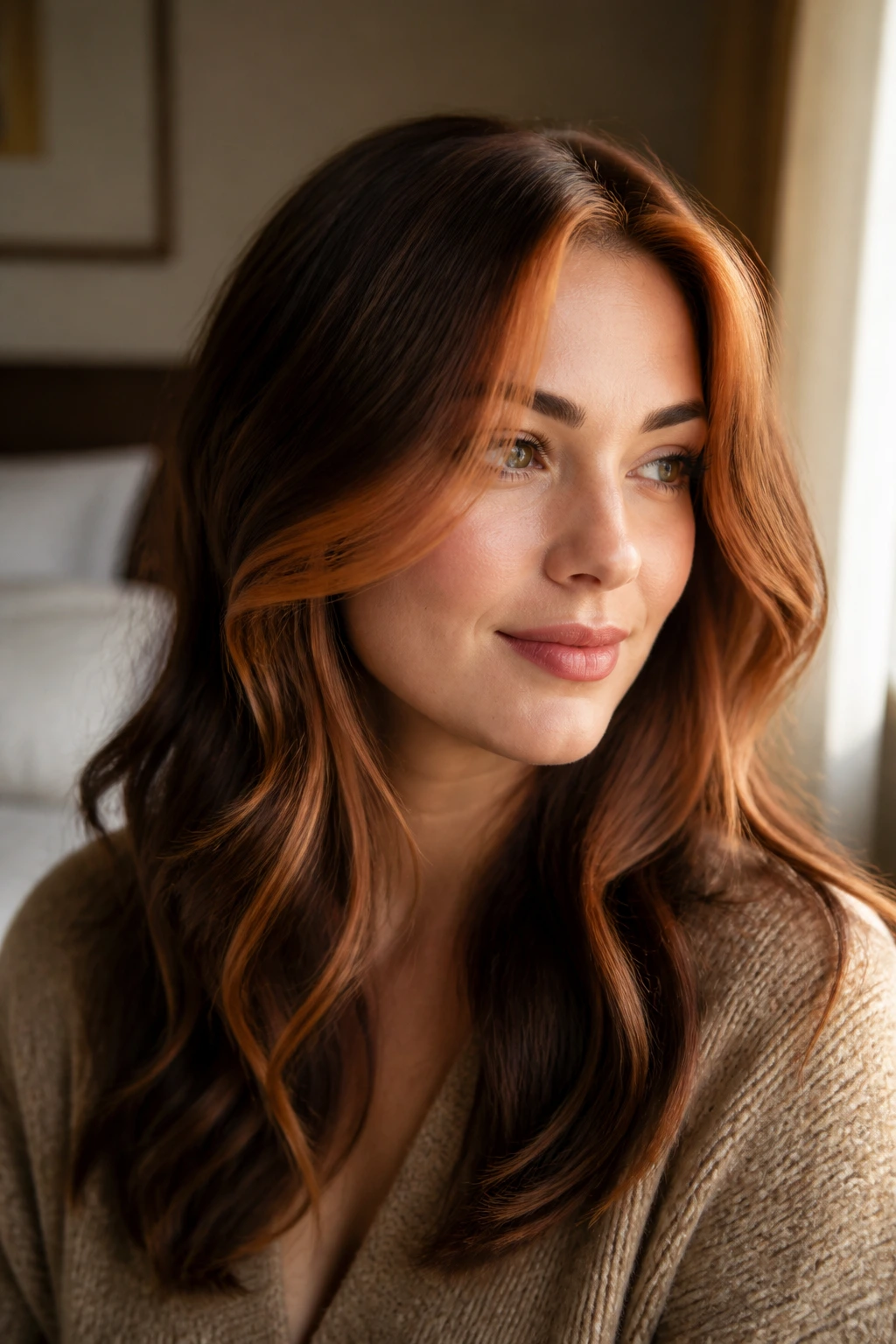
Face-framing highlights are the safer cousin of a money piece. Instead of one bold streak, you get several fine copper and amber pieces around the front, softened into a deeper base. That makes the color feel warmer without punching the eyes in the face.
This is one of the better ginger hair color ideas for anyone who wants warmth but not a full red transformation. The front gets brightness, the mids keep some depth, and the overall look still feels like hair, not a dye job. That matters more than people admit.
It’s especially good with layers that fall away from the cheekbones. The lighter pieces sit where the hair naturally bends, which makes them easy to see without needing perfect styling every morning.
13. Beige Ginger Lob
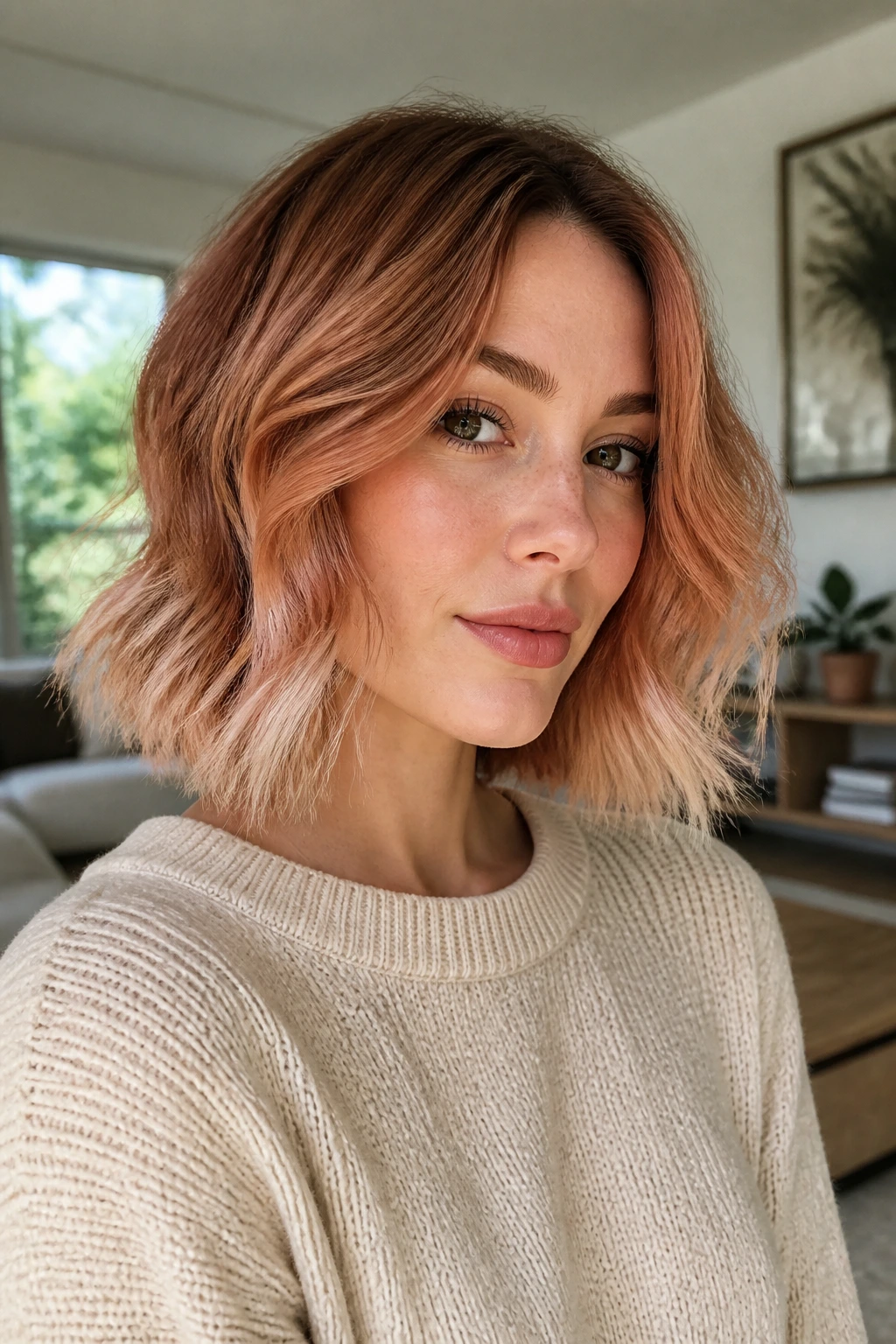
A beige ginger lob is for the person who wants copper, but quietly. The beige note mutes the orange, the lob keeps the shape modern, and the overall effect lands somewhere between warm blonde and soft red-brown.
This cut-and-color pairing works because the lob gives the shade enough surface area to show the blend without dragging the whole look down. The ends can stay a touch lighter, the root can stay a touch deeper, and the middle does the balancing act. It’s tidy. It’s wearable. It grows out cleanly.
Why I like it
Beige ginger is one of the easiest shades to live with if you’re nervous about red. It doesn’t fight every outfit, and it doesn’t scream for styling. A simple air-dry with a little cream through the ends is enough to show the color.
14. Rust Velvet Waves
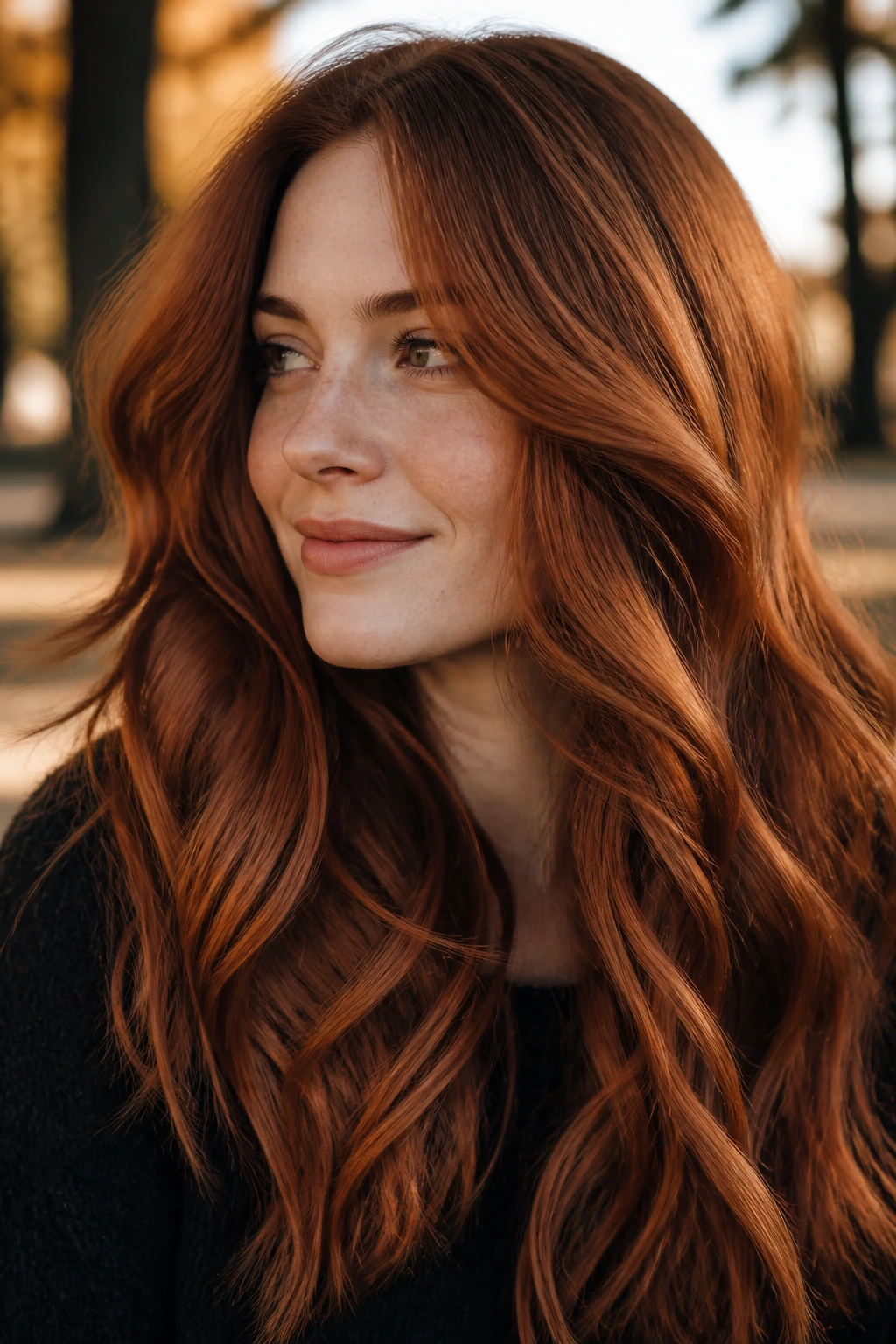
What makes rust velvet different from standard copper? Depth. The rust gives you that earthy red-brown base, while the velvet part comes from the darker lowlights woven through the waves. The color looks plush instead of flat.
Waves help this shade more than straight hair does. On straight strands, the rust can look heavy if the placement is too uniform. With movement, the lighter copper threads appear and disappear, which is exactly what you want from a dimensional ginger color.
How to ask for it
- A rust-brown base
- Fine copper highlights through the top layers
- Deeper lowlights underneath to stop the color from reading one-note
- Soft waves or bend when styling, not tight curls
15. Peach Copper on Curly Hair

Curly hair can carry ginger in a way straight hair can’t, because the color shows on every bend. Peach copper works especially well here since the warm peach tone softens the copper and keeps the curls from looking too dense.
The placement matters. You don’t want the brightest pieces packed only around the top layer. Spread some of the lighter copper through the midlengths and outer curl groupings so the whole pattern has movement. Otherwise the hair can look spotted instead of blended.
If your curls are porous, ask for a gentle formula and a gloss rather than a heavy permanent hit. Curly ends can grab warmth fast. Too fast, sometimes.
16. Cherry Cola Ginger Dimension

Cherry cola ginger is deeper than it sounds. The base sits in a dark brown-red zone, then ginger ribbons show through on the surface, especially around the face and top layer. It’s a good choice when you want red without losing the brunette depth underneath.
A lot of people think cherry-toned hair has to be shiny and dramatic all over. It doesn’t. A softer version keeps the color contained and lets the red act like a tint instead of a full takeover. That makes it easier to wear on thicker hair, where one bright shade can turn heavy.
Placement notes
- Keep the underlayer deeper
- Let the copper show around the part and hairline
- Add one or two lighter ribbons through the ends for movement
- Pair with loose curls or a blowout so the red-brown contrast shows
17. Honey-Ginger Balayage for Brunettes
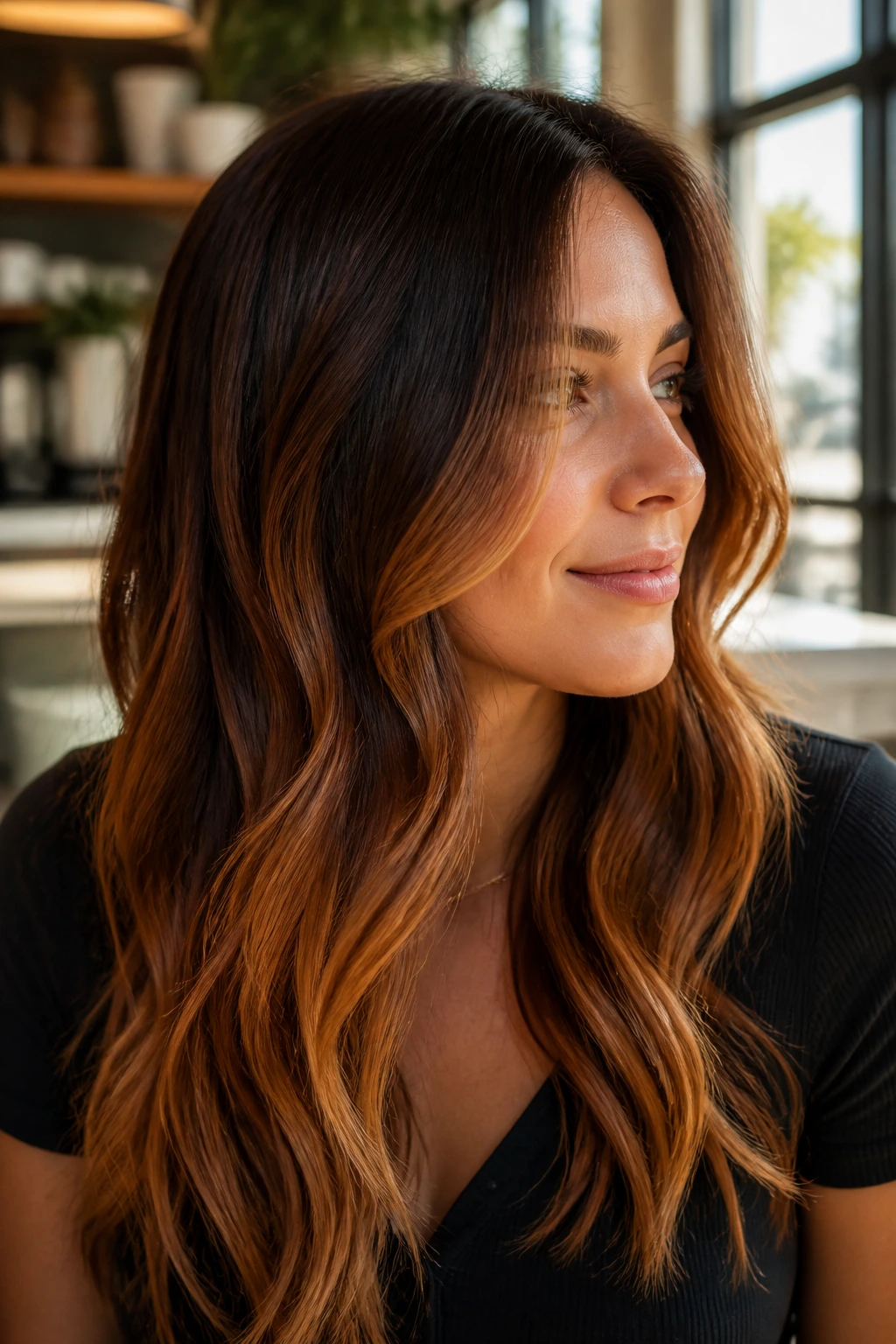
Why do some copper looks look warmer on brunettes than others? Because honey-ginger leans gold first and red second. That keeps the hair from turning too orange against a dark base, which is a problem many brunettes run into when they ask for “just a little copper.”
This version keeps the brunette visible, then threads honey and ginger through the mids and ends. It’s one of the easiest ways to test red tones without committing to a high-maintenance copper all over. The result feels sunny, not overdone.
If your hair is a true level 4 or 5, ask for the warmest copper-gold your base will hold without breaking. That tiny distinction matters.
18. Smoked Copper Pixie
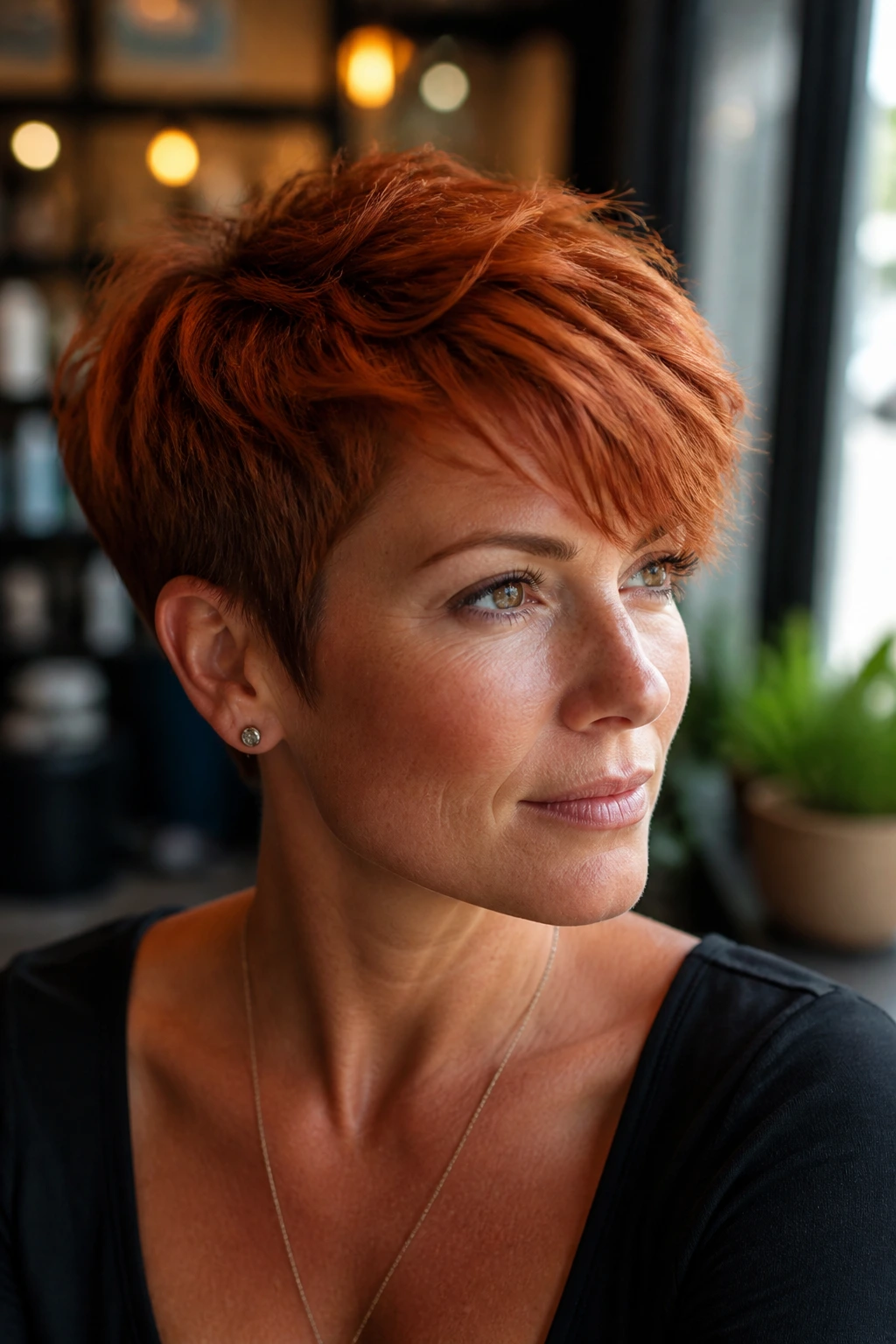
Short hair needs shadow or it can look like one color cap on the head. Smoked copper fixes that by keeping the roots and sides slightly deeper, then brightening the top and front pieces in a warm copper glaze. The cut gets the shape; the color adds motion.
This is a sharp look. Not edgy in a costume way — just sharp enough that every little change in direction matters. A textured pixie with smoked copper shows off the layers better than a flat one ever could, and the darker root keeps the brightness from feeling too sugary.
Best for
- Pixies with longer tops
- Hair that is naturally thick or straight with a little bend
- Anyone who wants ginger hair color ideas with less overall maintenance than a long copper style
19. Bronze-to-Ginger Ombré
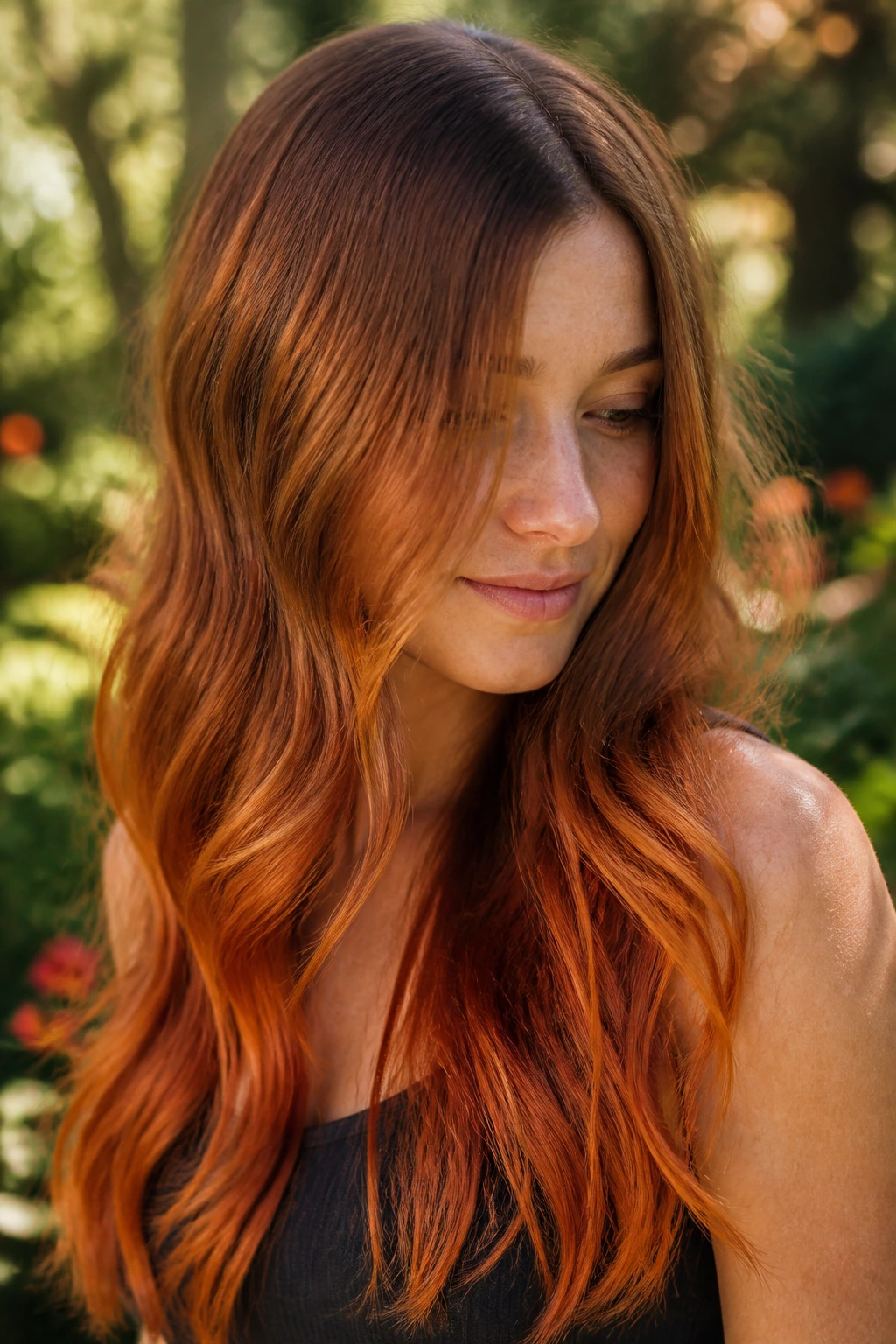
A bronze-to-ginger ombré is built for grow-out. The roots stay bronze and grounded, then the color warms gradually into copper and soft ginger through the midlengths and ends. There’s no sudden jump. That’s the whole point.
This is one of the most forgiving options if your schedule isn’t built around touch-ups. It also works well on long hair, where the gradient has room to show. On medium-length hair, keep the transition short enough that it still reads blended rather than sliced.
What to ask for
A bronze root zone, a warm copper midsection, and slightly brighter ginger ends. If you like to wear hair in a braid or half-up style, the ombré shows nicely when sections overlap.
20. Scarlet Cinnamon Curls
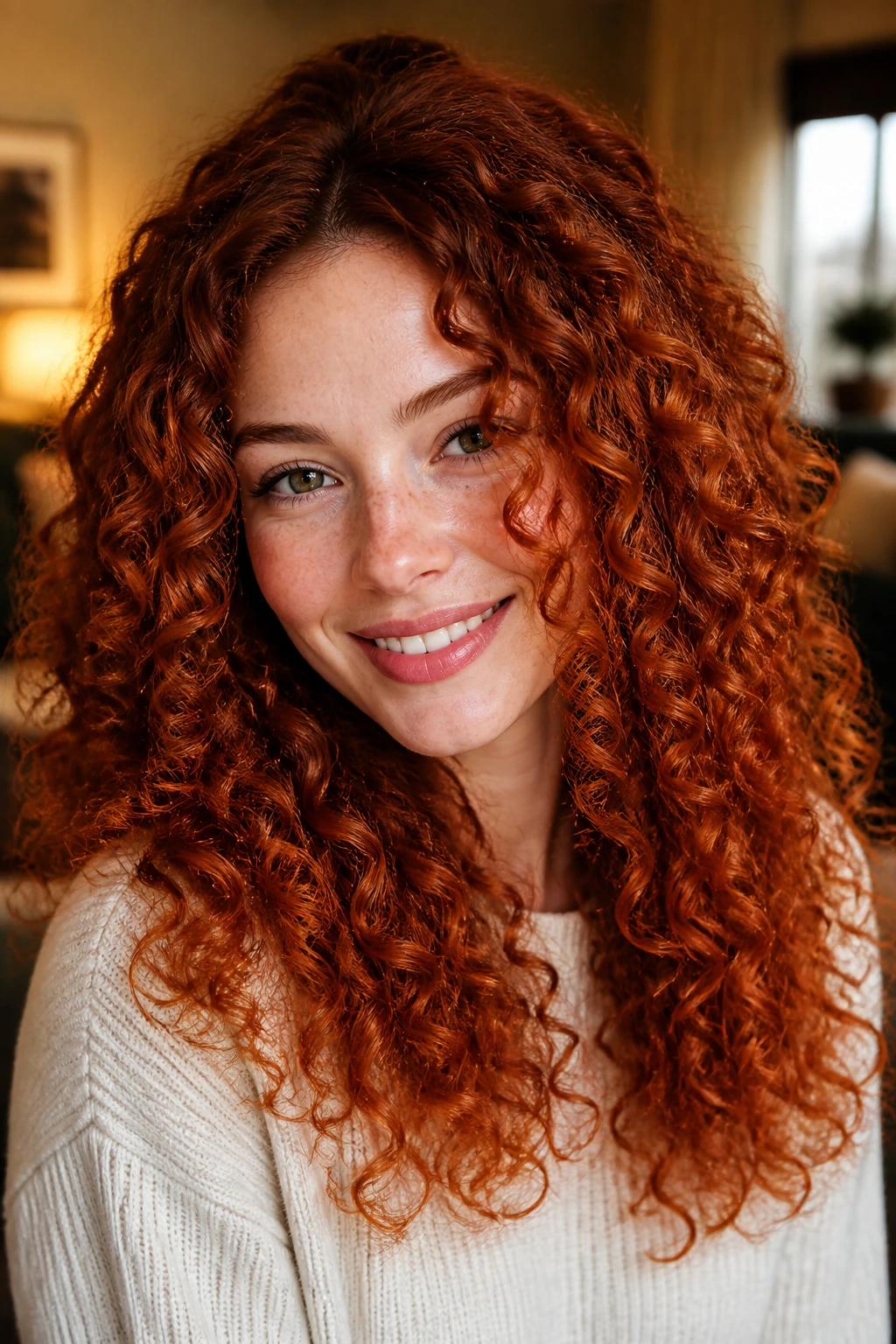
Scarlet cinnamon sits deeper and redder than plain copper, but the cinnamon note softens the scarlet so it doesn’t go theatrical. On curls, the result is rich and lively — each coil catches a different piece of the red family.
This is a good pick if your curls are dense and you want the color to be visible without bright blonde lift. The shade can be built with lowlights and a warm glaze instead of a full bleaching session, depending on the base. That’s kinder to the curl pattern, which matters.
The main trick is not making the formula too red at the roots. A little depth there keeps the whole style from looking painted on.
21. Desert Sunrise Ginger
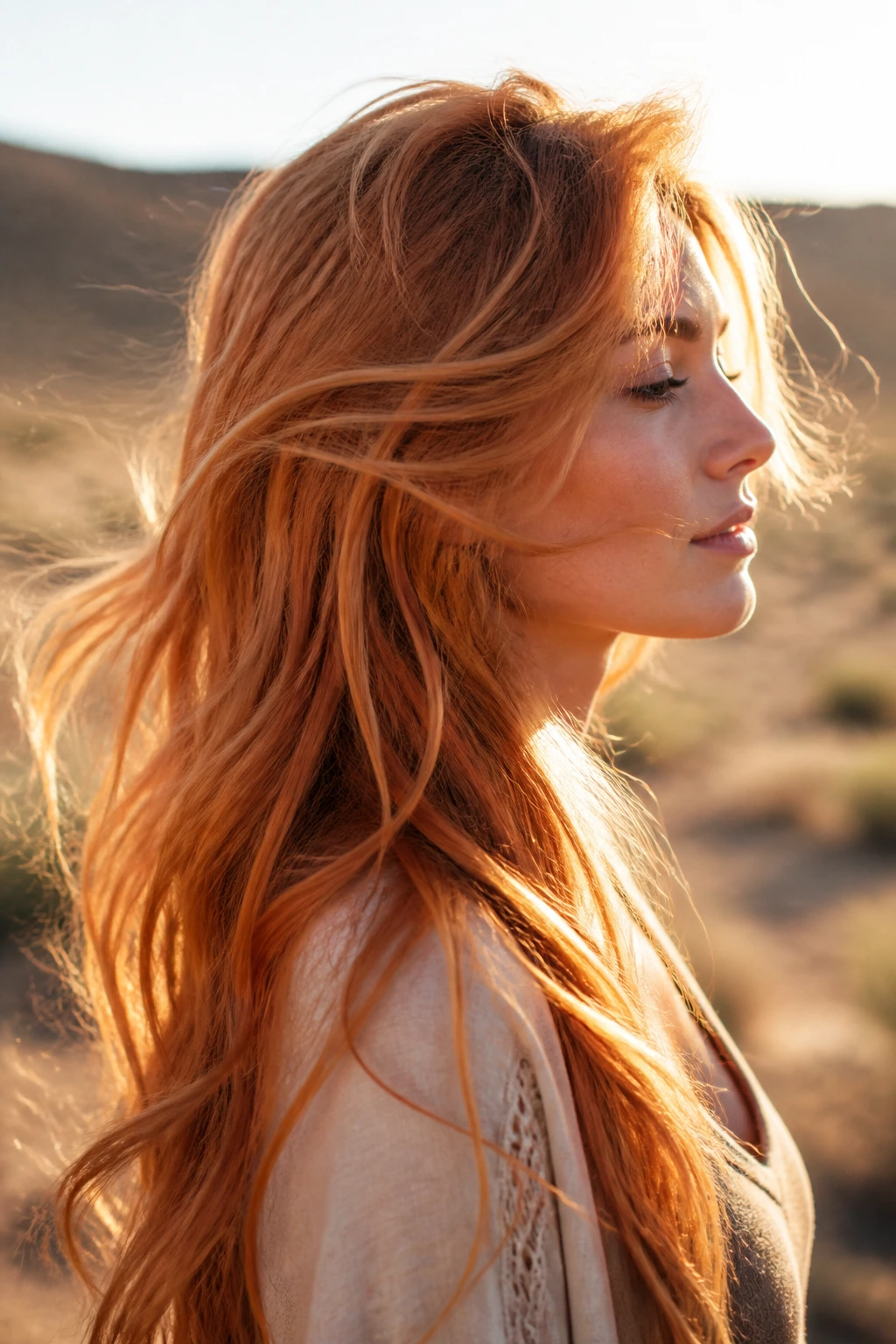
This is the one I’d choose for long layers that need movement. Desert sunrise pulls from sand, apricot, pale copper, and a touch of amber, so the color changes every time the hair moves from one shoulder to the other.
It’s soft because none of the tones are screaming on their own. The apricot catches the light, the amber keeps it warm, and the sandier pieces stop the whole thing from turning too orange. On layered hair, the effect can be gorgeous in motion. The color feels scattered in a good way, not patchy.
If your hair is very thick, ask for more contrast underneath so the top pieces don’t swallow the lighter tones.
22. Soft Copper Mushroom Brown Blend
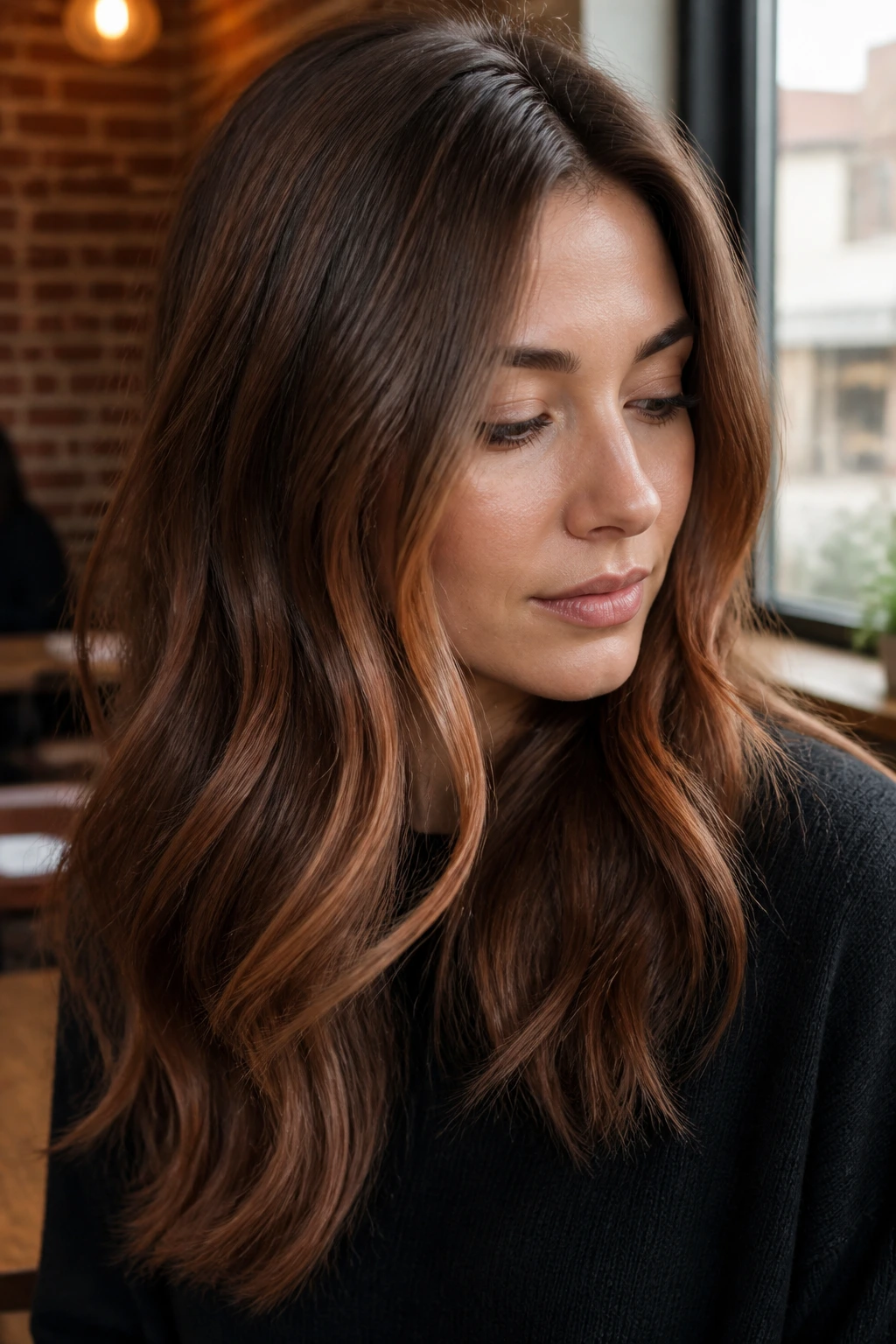
This is the safest ginger option for people who fear orange. The mushroom brown base keeps the overall tone cool-neutral, while fine copper ribbons thread through the mids and ends. You still get ginger, but it arrives like a whisper instead of a shout.
I like this for anyone moving from ash brown into warmer color. The blend is easier on the eye than a sudden red switch, and it works especially well if your wardrobe leans neutral, black, cream, or denim. The copper warms the whole head without taking over.
Why it’s such a useful finish
It lets you test red family tones while keeping enough brown in the mix that the color still feels like you. If you like change but hate obvious maintenance, this is one of the best places to start.
Why Soft Ginger Hair Color Looks Richest When It Has Light and Shadow
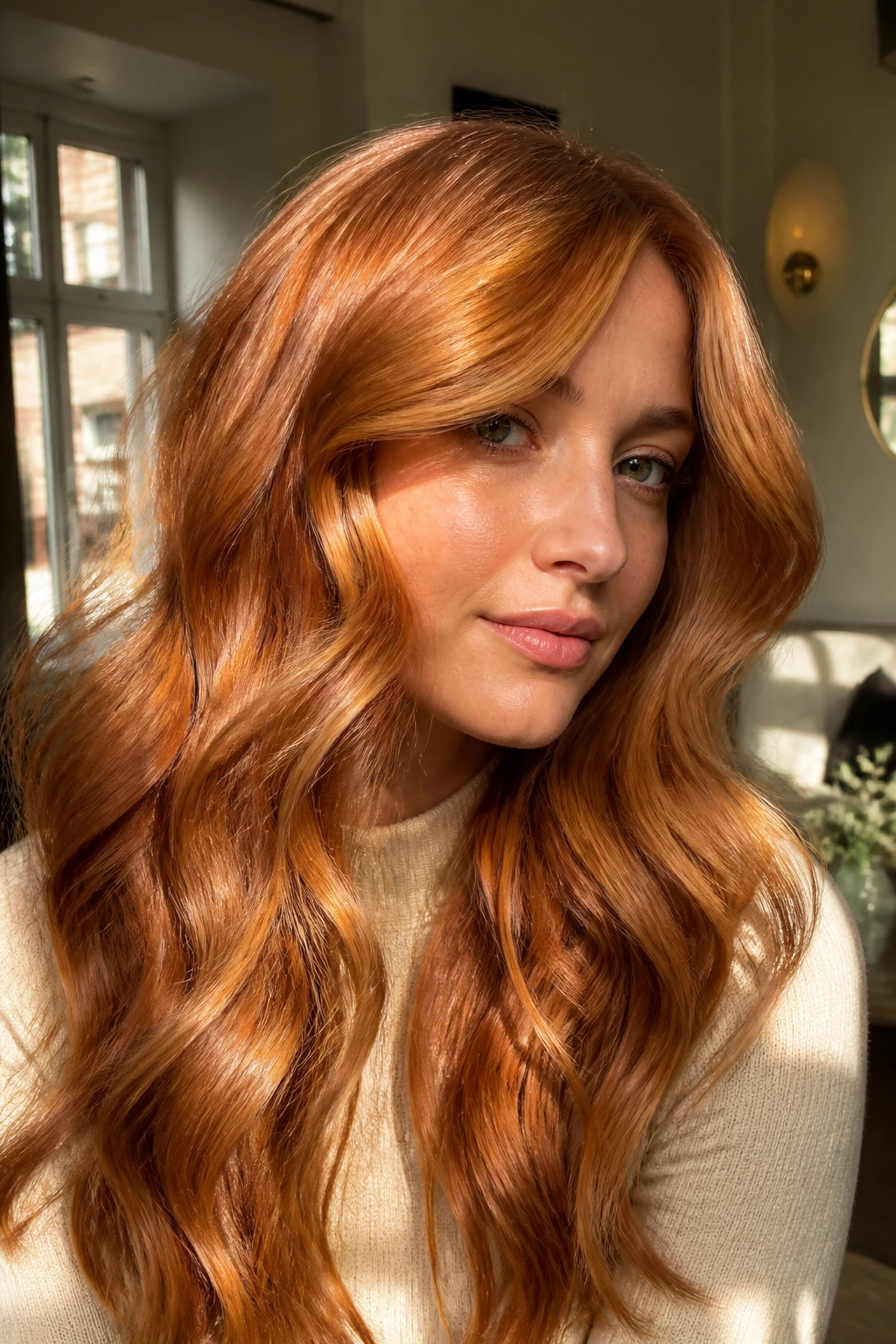
Flat copper is easy to explain and hard to live with. The minute every strand carries the same warmth, the shade stops moving. It can turn orange in daylight, muddy indoors, and strangely flat in photos where the shine should be doing the heavy lifting.
Dimension fixes that by giving the eye more than one tone to read. A deeper root, a few lighter ribbons, and a gloss on the ends create contrast, and contrast is what makes ginger hair color look expensive instead of homemade. The hair doesn’t need to be bright everywhere. It needs places for the light to land.
There’s also a practical side to this. Red and copper shades fade faster than ash browns because the warmer pigment is easy to wash out with hot water and strong shampoo. When you build in multiple tones, the fade looks softer. A glossed apricot end can fade into golden copper; a root melt can grow out into a lived-in auburn. That’s a much better landing than a blunt line.
How to Choose the Right Ginger Formula for Your Base
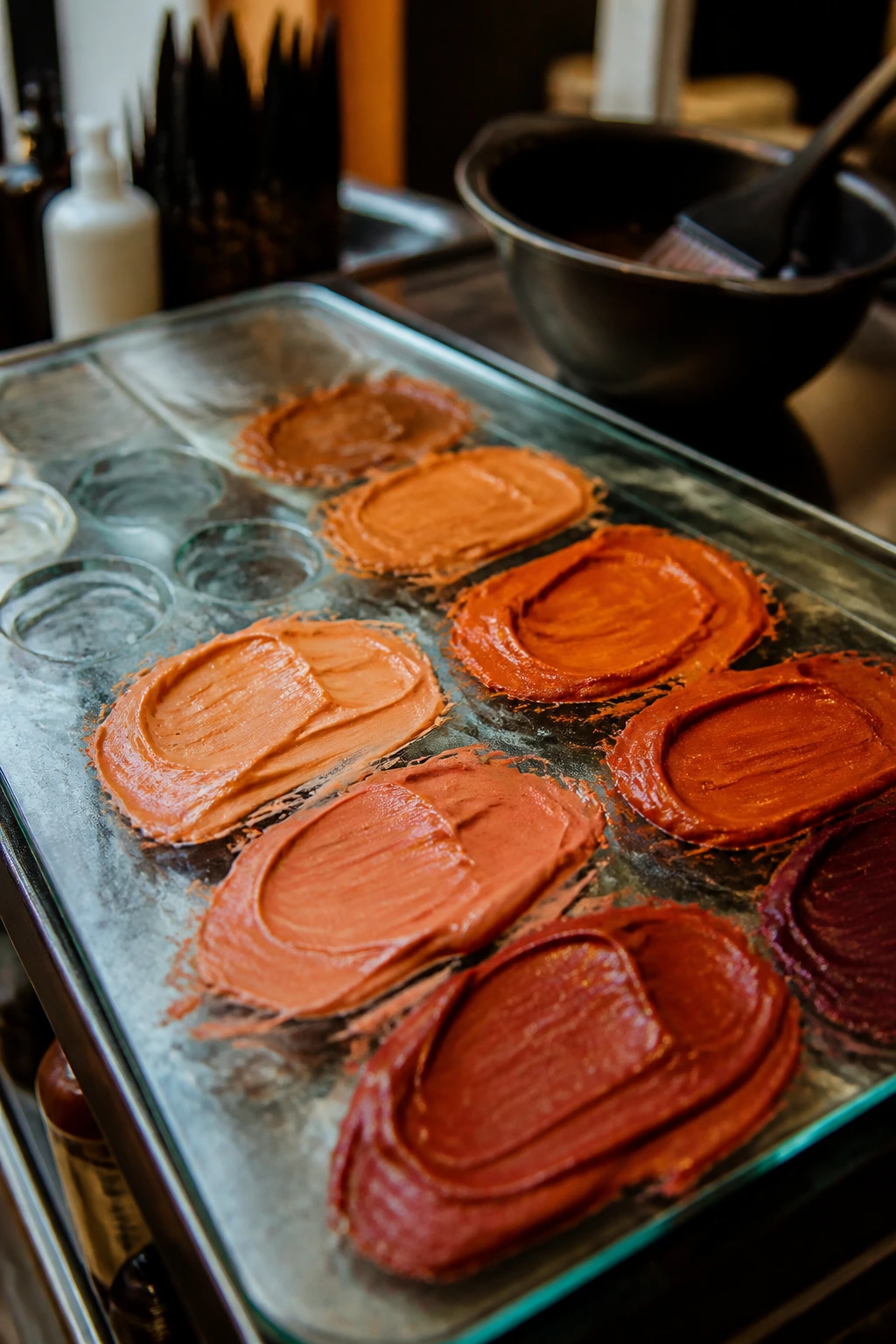
The first thing a colorist looks at is your starting level, because that decides how much lift the hair needs before ginger will even show. A level 7 blonde can often take a copper gloss and be done. A level 5 brunette usually needs either lighter ribbons or a deeper cinnamon route, because true ginger on dark hair without lift just reads brown-red and disappears.
Porosity matters too. Ends that have been bleached before will grab copper faster than virgin roots, which is why some people get bright tips and sleepy roots after one session. That’s not bad coloring so much as chemistry doing chemistry. You want the formula adjusted so the mids and ends don’t run away with the shade.
Skin undertone is useful, but not the whole story. Warm and neutral skin often like copper-gold, apricot, and honey-ginger. Cooler undertones can still wear ginger, but the best versions usually add a little rose, mushroom brown, or cinnamon so the color doesn’t fight the face. If you’ve ever looked washed out after going too orange, that’s probably the problem.
How to Style Ginger Hair So the Dimension Shows Up
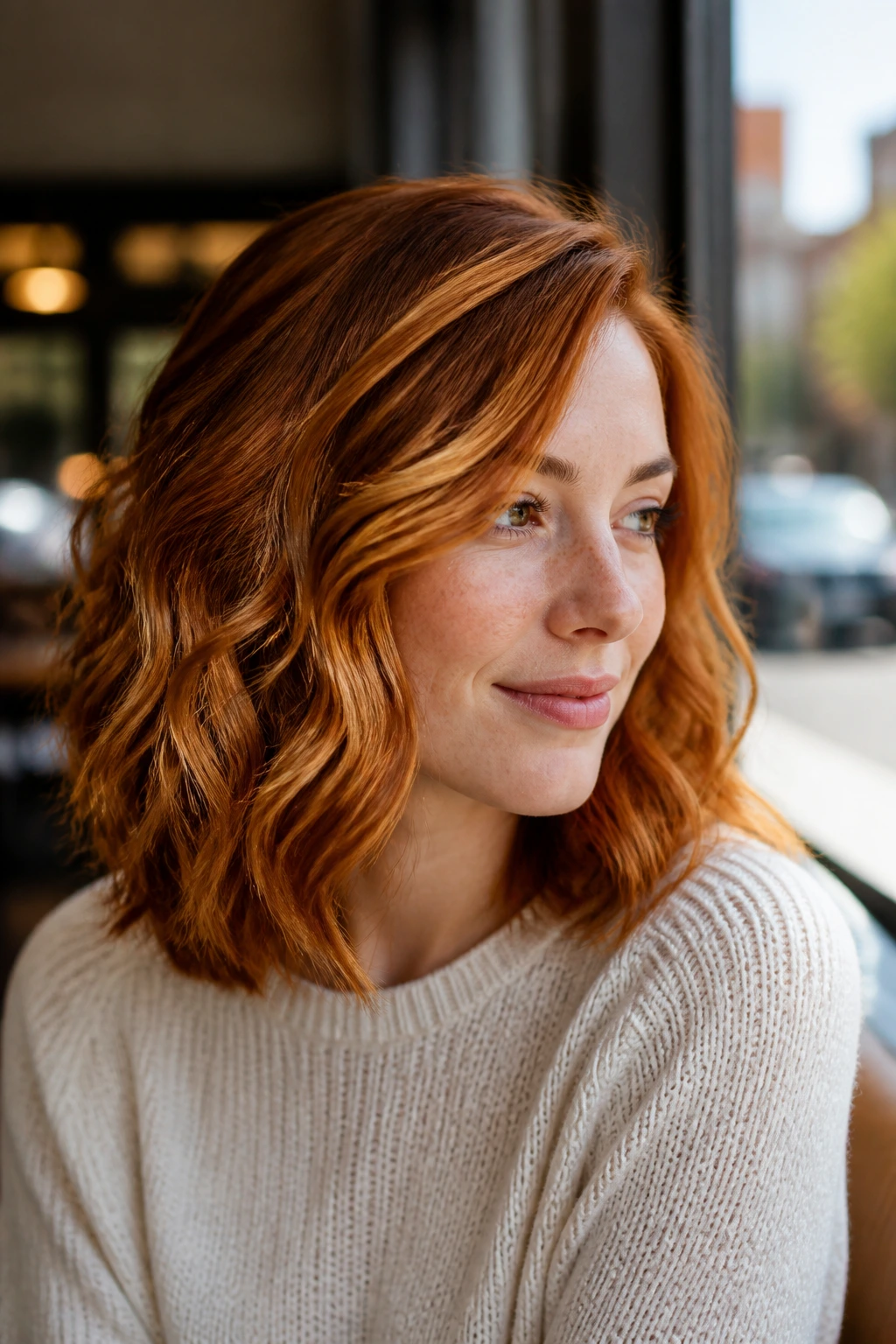
Wave Pattern: Loose bends are the easiest way to show off copper ribbons, because they separate the lighter pieces from the deeper base. A 1.25-inch iron or a large round brush gives you enough curve without making the hair look set.
Parting: Shift the part every few washes. A left part one day and a center part the next exposes different ribbons, which keeps the color from feeling stuck in one place.
Heat Setting: Keep the blow-dryer on medium heat and finish with a cool shot. Ginger tones lose their shine faster when the hair gets blasted dry from soaking wet to crispy in one pass.
Finish: A pea-sized amount of light oil or shine cream through the ends is enough. Too much product mutes the lighter copper pieces and makes the whole head look darker than it is.
The Tools and Products That Keep Copper Honest
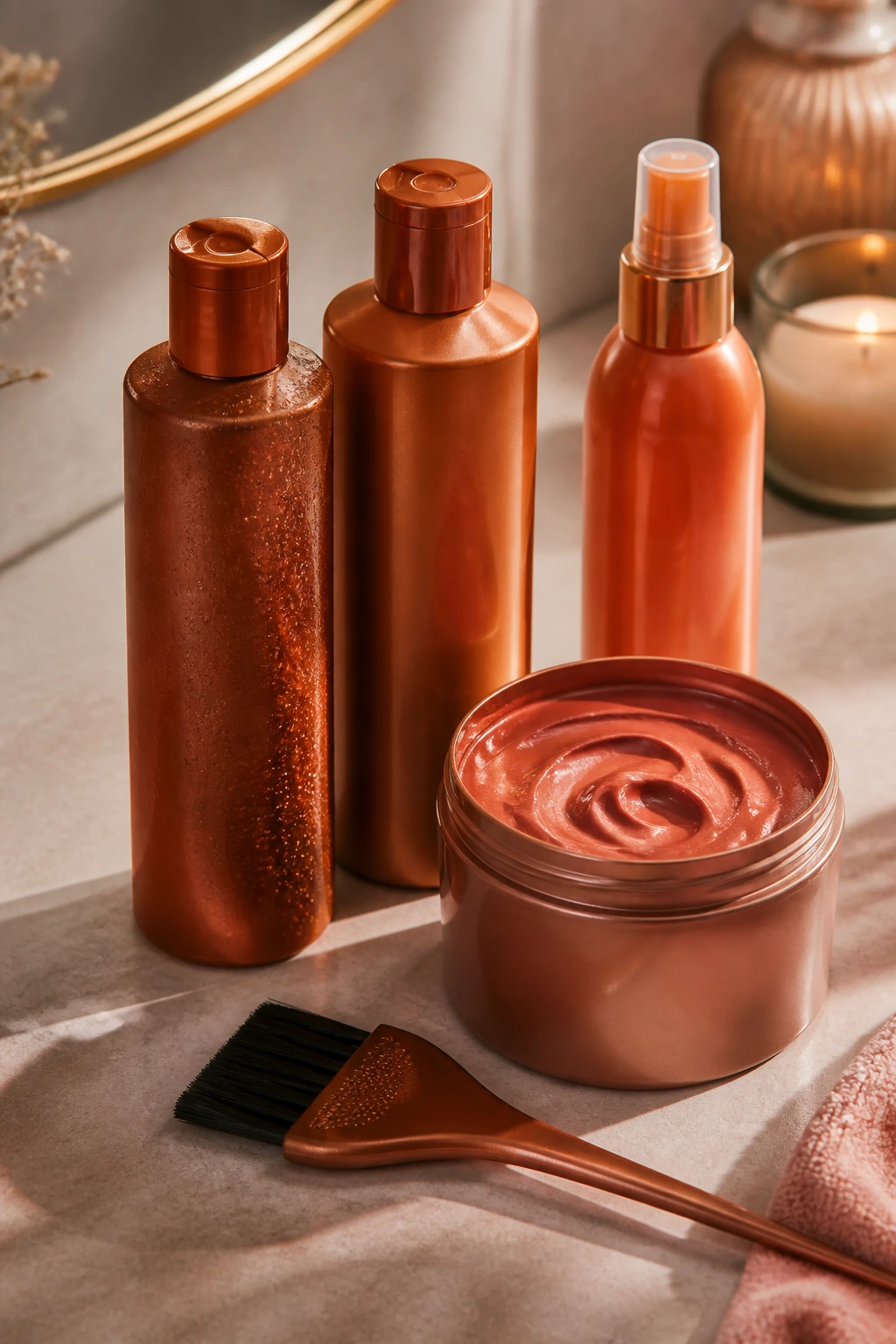
- Color-safe shampoo — Use a sulfate-free formula so the copper pigment doesn’t rinse out as fast.
- Moisture conditioner — Warm tones look better when the cuticle lies flat, and that starts with decent slip in the shower.
- Color-depositing copper mask or conditioner — Helpful every 2 to 4 washes if the shade starts fading too quickly.
- Heat protectant spray — Copper loses shine fast under hot tools, so this is non-negotiable if you blow-dry or curl often.
- Wide-tooth comb — Better than a brush on wet hair, especially if you’re working with porous highlighted ends.
- Tint brush and bowl — Handy for glosses, root refreshes, or strand tests at home.
- Sectioning clips — These matter more than people think. Clean sections keep glaze or toner from going patchy.
- Microfiber towel or cotton T-shirt — Rough towels make frizz, and frizz scatters the color.
- Shine spray or lightweight oil — Use sparingly. One or two passes is enough.
- Shower cap — Good for protecting hair on non-wash days, especially if you’re trying to stretch a copper glaze.
How to Keep Ginger Tones Fresh Between Appointments
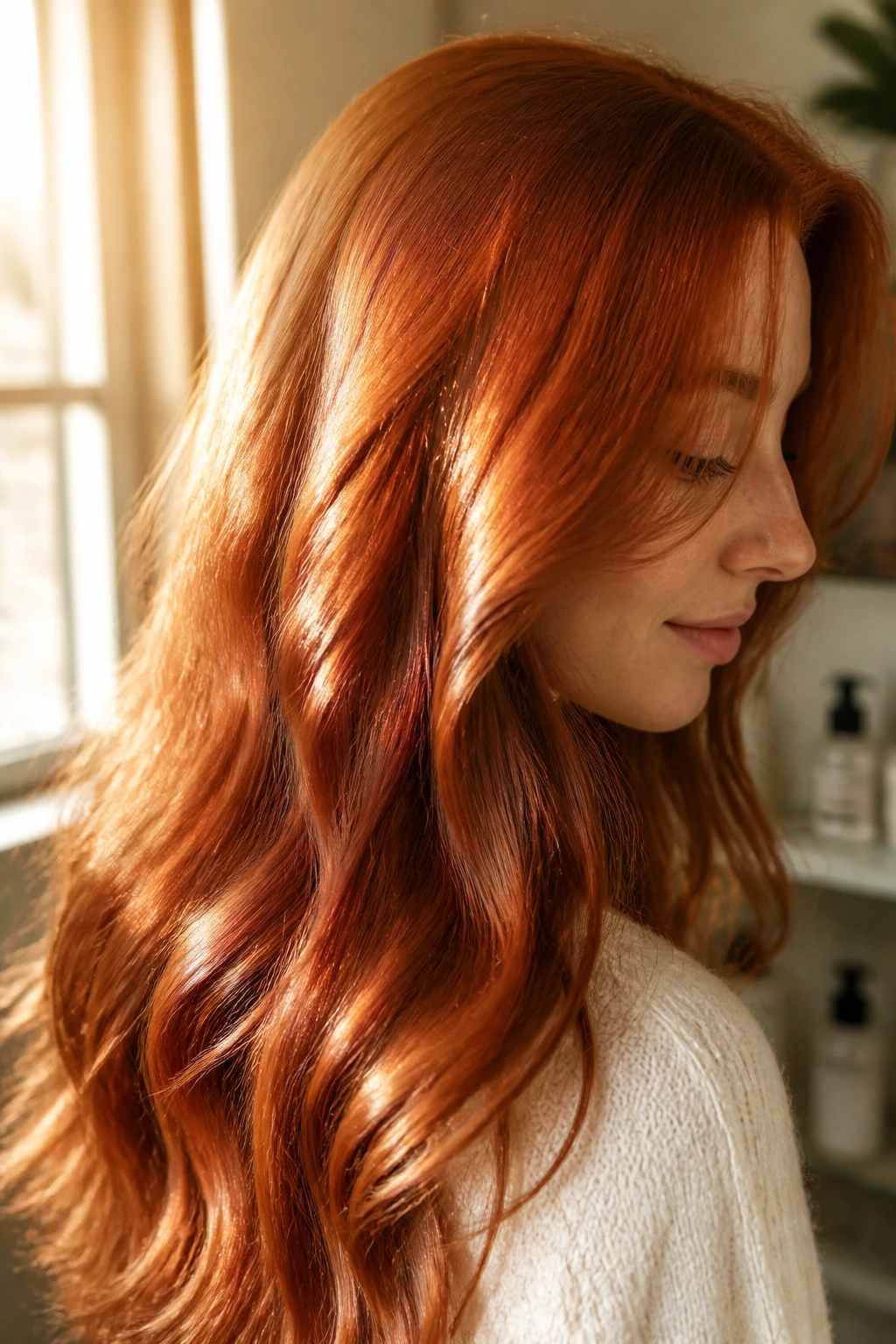
Copper fades. That’s the deal. The trick is stretching the good fade, not fighting it.
Wash with lukewarm water, not hot. Hot water opens the cuticle more than you want and pulls warmth out fast. If you can get away with washing two or three times a week, even better. Use dry shampoo on the roots in between, but keep it off the mids if the hair is already dry; powdery buildup makes ginger look dusty.
A color-depositing conditioner can help every few washes, especially on lighter copper, apricot, or tangerine shades. Don’t overdo it. Heavy depositing products can turn the ends too red or make them look flat. A clear gloss at the salon every 4 to 6 weeks is often enough to wake the color back up without changing the tone.
For deeper auburn and cinnamon shades, touch-ups usually last longer — around 6 to 10 weeks depending on how much lightening was done. If the color lives on a balayage or root shadow, grow-out tends to stay softer. That’s one of the reasons those styles keep showing up in good salons. They age better.
Common Mistakes That Flatten Ginger Dimension
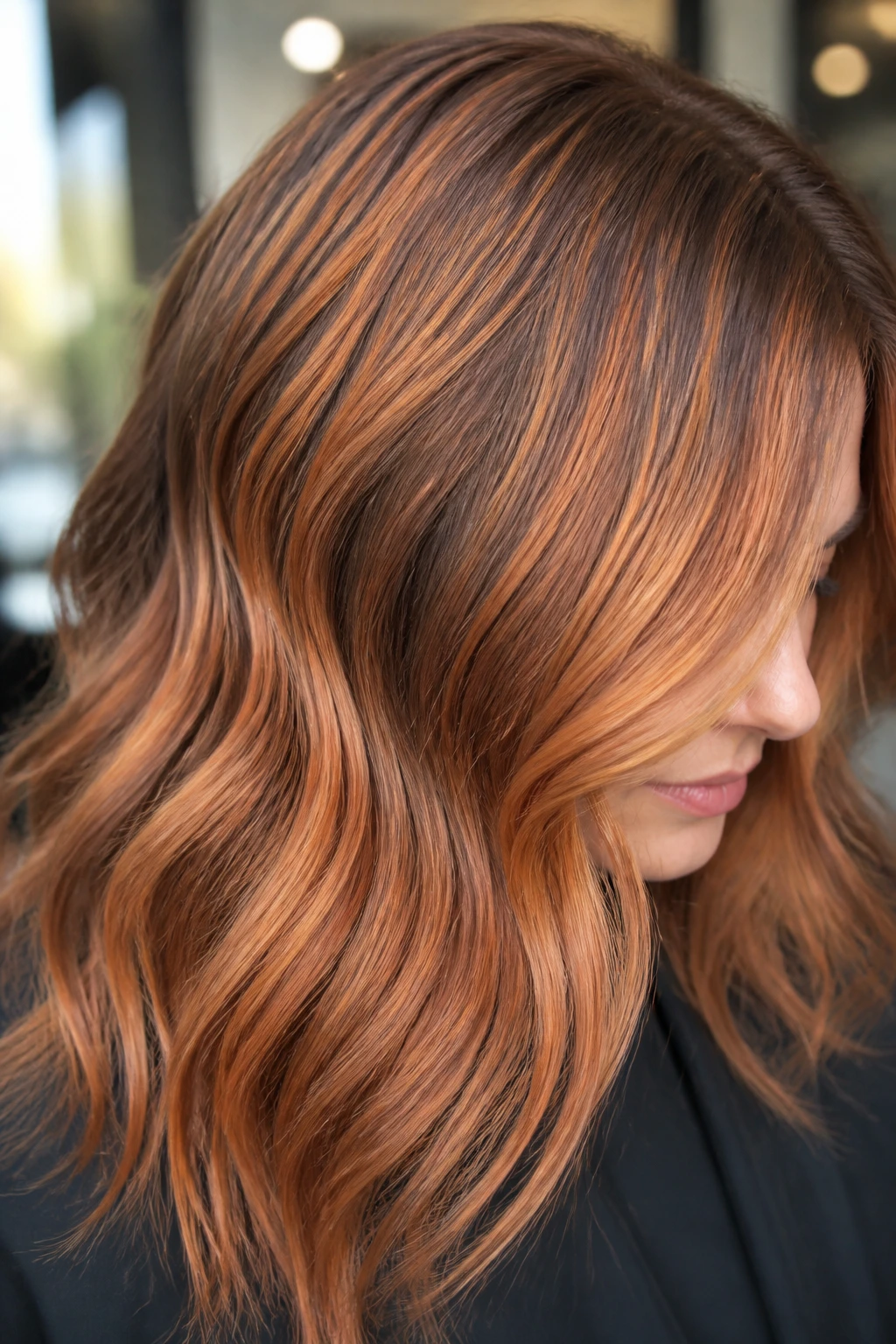
Using one copper formula from root to tip turns the hair into a single plane. The shade might look rich on day one, then lose shape fast. Fix it by asking for at least two tonal zones: a deeper root and lighter mids or ends.
Ignoring porosity makes the ends grab too much color. The symptom is bright, slightly sticky-looking tips while the root stays dull. A porosity equalizer, a gentler gloss, or a shorter processing time can prevent that.
Washing too often with hot water strips the warmth out before it settles. Copper doesn’t need pampering, but it does need restraint. Lukewarm water and color-safe shampoo go a long way.
Using purple shampoo on every copper wash day is a classic misstep. Purple shampoo is built to cancel yellow, and it can mute a warm ginger tone into something dull and beige. Use it only if you’ve got a very specific brass issue, and even then, sparingly.
Skipping a strand test can leave you with a shade that looks too orange, too dark, or too weak against your base. That’s especially true on dark brunettes and previously lightened ends. Test first. Save the regret.
Variations and Adaptations to Try
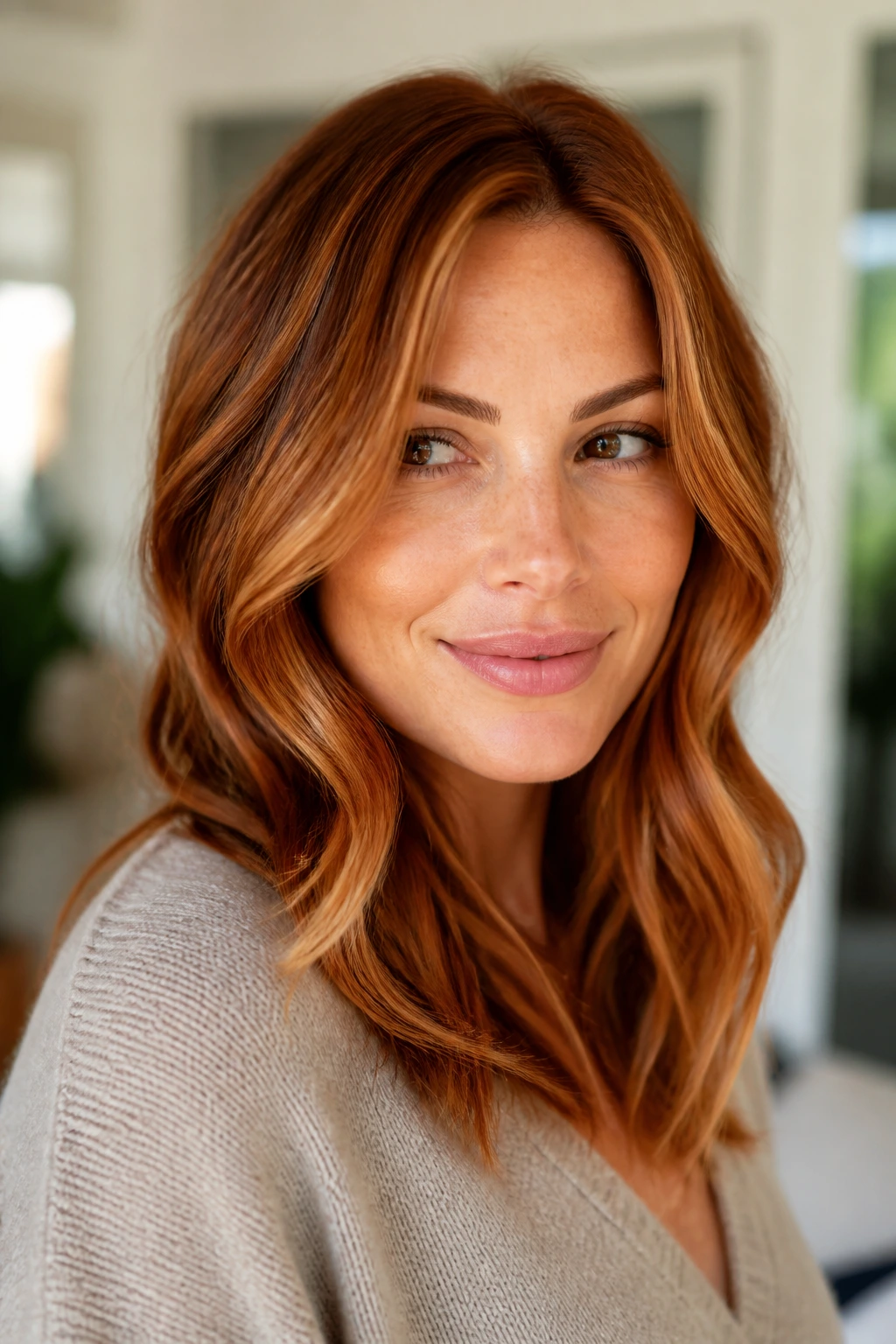
The Low-Commitment Copper
Ask for a clear copper gloss over existing highlights, with no permanent lift at the root. This works if you want to test the shade without a long appointment or a hard grow-out line. It fades softly and can be refreshed often.
The Brunette-Friendly Ginger
Keep the base deep and place copper only through the face frame, crown, and top layer. The brunette still shows through, which makes the red feel intentional rather than heavy. It’s one of the easiest ways to wear ginger at work.
The Curly Halo Method
Put the lighter copper pieces around the outer curl pattern instead of packing them into the crown. Curly hair needs the color to live where the bend happens. That keeps the shade visible without breaking up the curl shape.
The Cooler Ginger Blend
Add mushroom brown, cinnamon, or a tiny bit of rose to keep the orange down. This version suits cooler undertones or anyone who has hated how bright copper looked in harsh daylight. It’s still warm. Just quieter.
The Bright Weekend Copper
Use a more saturated tangerine or apricot glaze on pre-lightened hair and keep the roots soft. This one needs more upkeep, but the payoff is vivid and glossy. If you like your color to show up from across a room, this is the slot.
Frequently Asked Questions
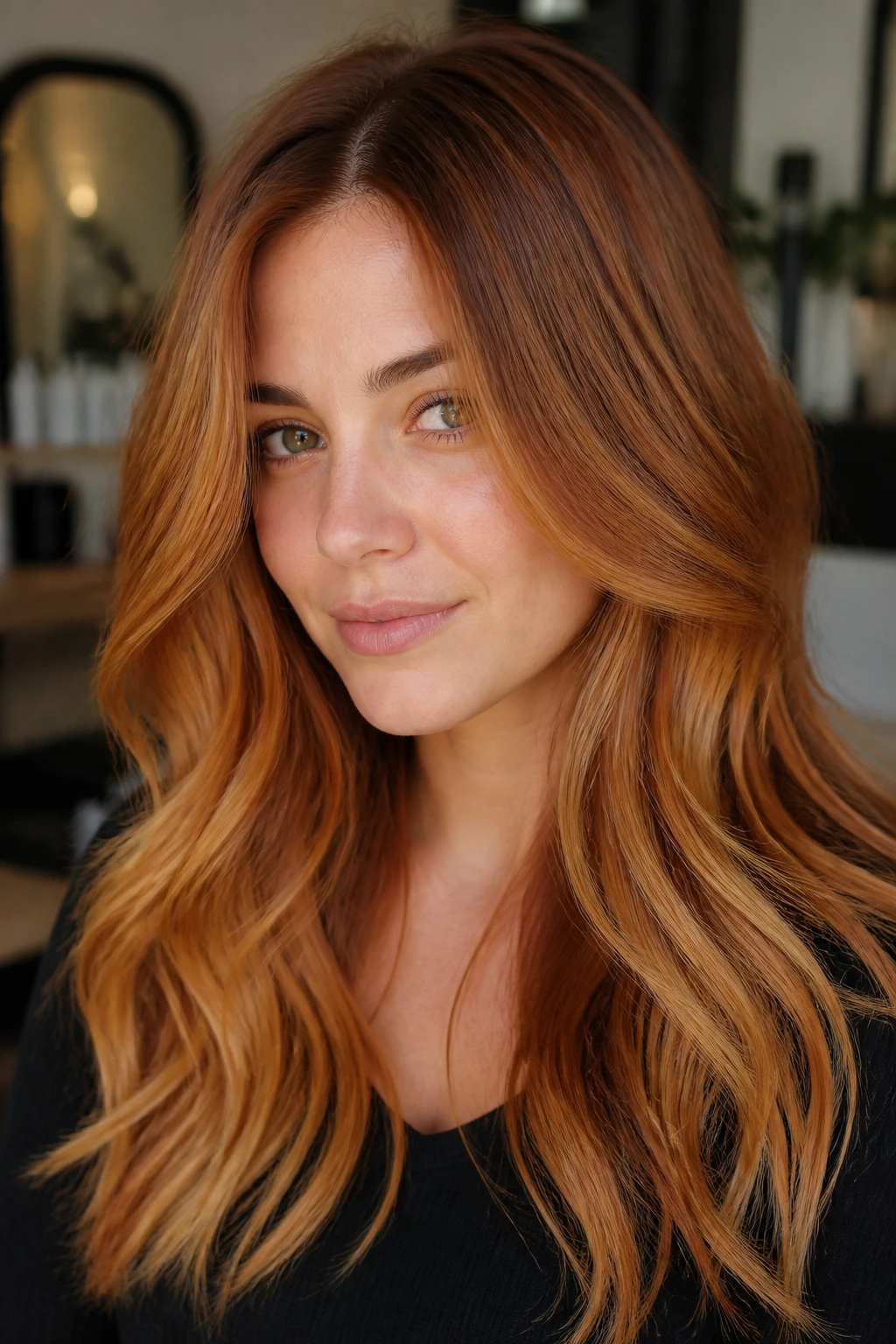
Will ginger hair color work on dark brown hair?
Yes, but it usually needs some lift or a deeper ginger family shade. On very dark hair, a cinnamon, auburn, or maple tone often reads better than a bright copper because the base is too deep for pure orange to show cleanly.
What’s the difference between ginger, copper, and auburn?
Copper is the brightest and most orange-red of the three. Ginger usually sits a little softer and can lean apricot, amber, or cinnamon. Auburn is deeper and browner, with less orange and more red-brown depth.
Can I get ginger hair without bleach?
Sometimes, yes. If your hair is already light brown or dark blonde, a demi-permanent copper gloss can show well without bleach. On dark brunette hair, though, bleach or lightening is usually needed if you want the color to read as ginger instead of just warm brown.
How often does ginger hair need touch-ups?
It depends on how bright the shade is and how much lift was used. Lighter copper and apricot shades often need refreshes every 4 to 6 weeks, while deeper auburn root melts can stretch to 8 or even 10 weeks.
Why does ginger fade so fast?
Red and copper pigments wash out quickly, especially with hot water, frequent shampooing, and high-heat styling. Porous ends fade first, which is why glosses and color-depositing conditioners help keep the tone from going flat.
What should I say to my colorist if I want a soft dimensional ginger?
Ask for copper or auburn ribbons, a root shadow, and a gloss that keeps the finish soft instead of bright and flat. If you have reference photos, show more than one — one for shade, one for placement — because placement matters just as much as color.
Will ginger hair make my skin look red?
It can if the shade is too orange for your undertone. Cooler skin often looks better with cinnamon, rose-copper, or mushroom-brown blends, while warmer skin usually handles apricot and honey-ginger more easily.
Can curly hair hold ginger dimension?
Absolutely. Curls show tonal shifts better than straight hair because each bend catches light differently. The key is placing lighter pieces where the curl pattern opens up, not just on the top layer.
A Copper Finish That Grows Out Cleanly
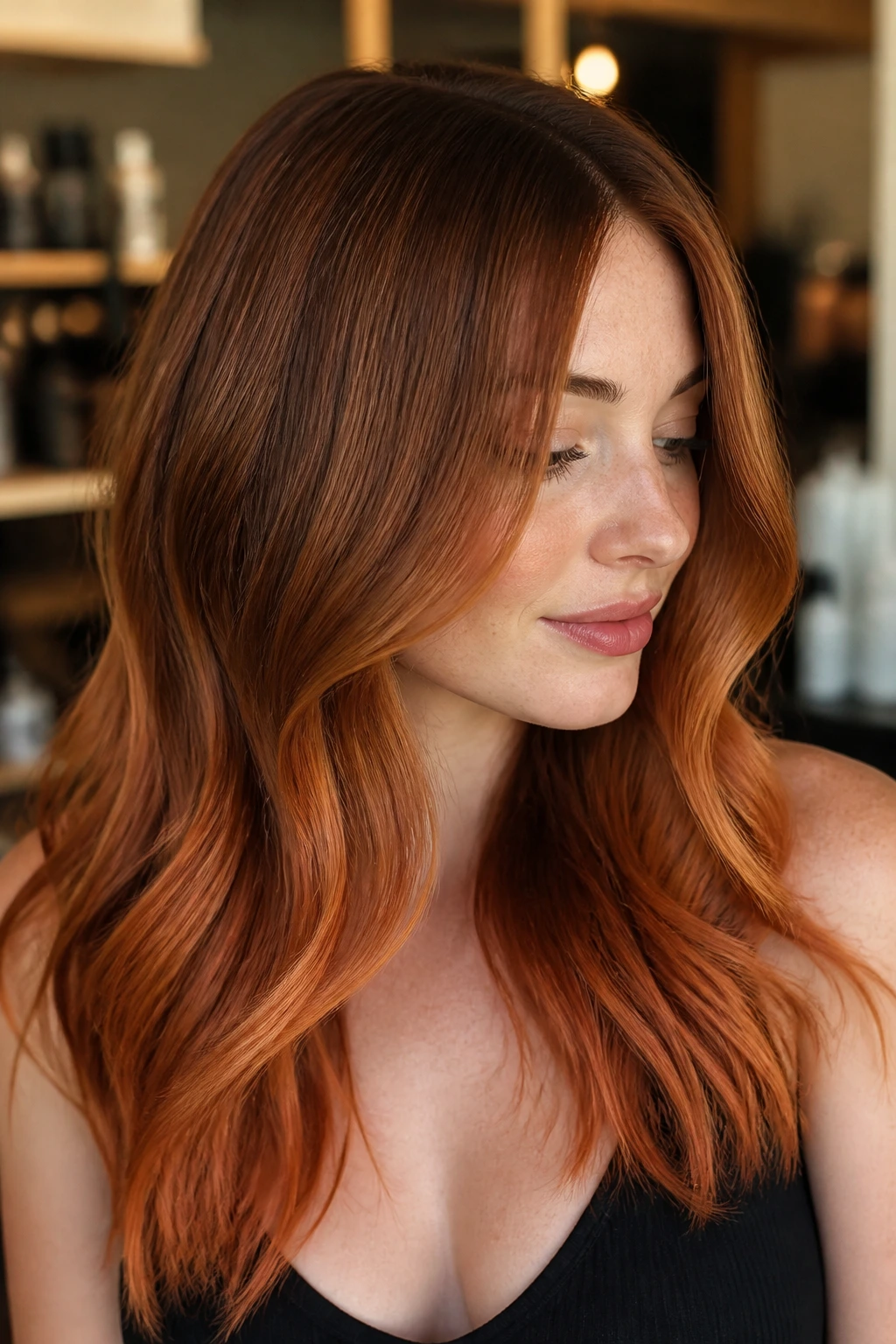
The best ginger shades don’t ask the hair to be one thing all over. They let it flicker. A little deeper at the root, warmer at the face, brighter where the ends catch the light — that’s the formula that keeps copper looking rich after the first week has passed.
If you want ginger hair color that feels soft rather than strict, keep chasing contrast instead of brightness alone. That one choice changes everything, and it’s the difference between a shade that wears well and one that needs rescuing too soon.
