



The fastest way to make a haircut look dated is to let the sides and top fight each other. Heavy sides with a flat top. A hard shine that turns every strand into one shiny sheet. A fringe cut so blunt it sits like a ruler across the forehead. Those are the little things that make a cut feel stiff before anyone can even put a name on it.
Modern hairstyles for men usually work because they solve shape first, style second. The sides taper cleanly, the top has some texture or movement, and the finish doesn’t look like it was poured on. That matters more than chasing one famous haircut from a celebrity photo. A good barber can make the same basic shape read sharp, relaxed, or edgy just by changing where the weight sits and how the ends are cut.
What actually looks current is rarely the loudest option. It’s the cut that still holds its outline after a long day, the one that doesn’t puff up at the temples or collapse at the crown, the one that fits the hair you already have instead of arguing with it. That’s the lens here: 22 styles that look deliberate on straight hair, wavy hair, curly hair, coily hair, thick hair, thinning hair, and the awkward in-between stages nobody likes to talk about.
Why These 22 Styles Read Modern
-
Texture beats stiffness: Choppy ends, soft layers, and matte product keep hair moving instead of locking it into a helmet shape.
-
Tapered sides do a lot of work: A low taper or mid fade cleans up the outline without making the cut feel harsh two weeks later.
-
The top stays believable: None of these styles rely on cartoonish height or giant sculpted waves that only work under perfect lighting.
-
They fit real hair, not just reference photos: Straight, wavy, curly, and coily hair all get a version that respects the way it grows.
-
They grow out better than old-school block cuts: That means fewer awkward days between barber visits and less panic when the sides start filling in.
-
Styling stays manageable: Most of these cuts need a dryer, a comb, and one decent product. Not a shelf.
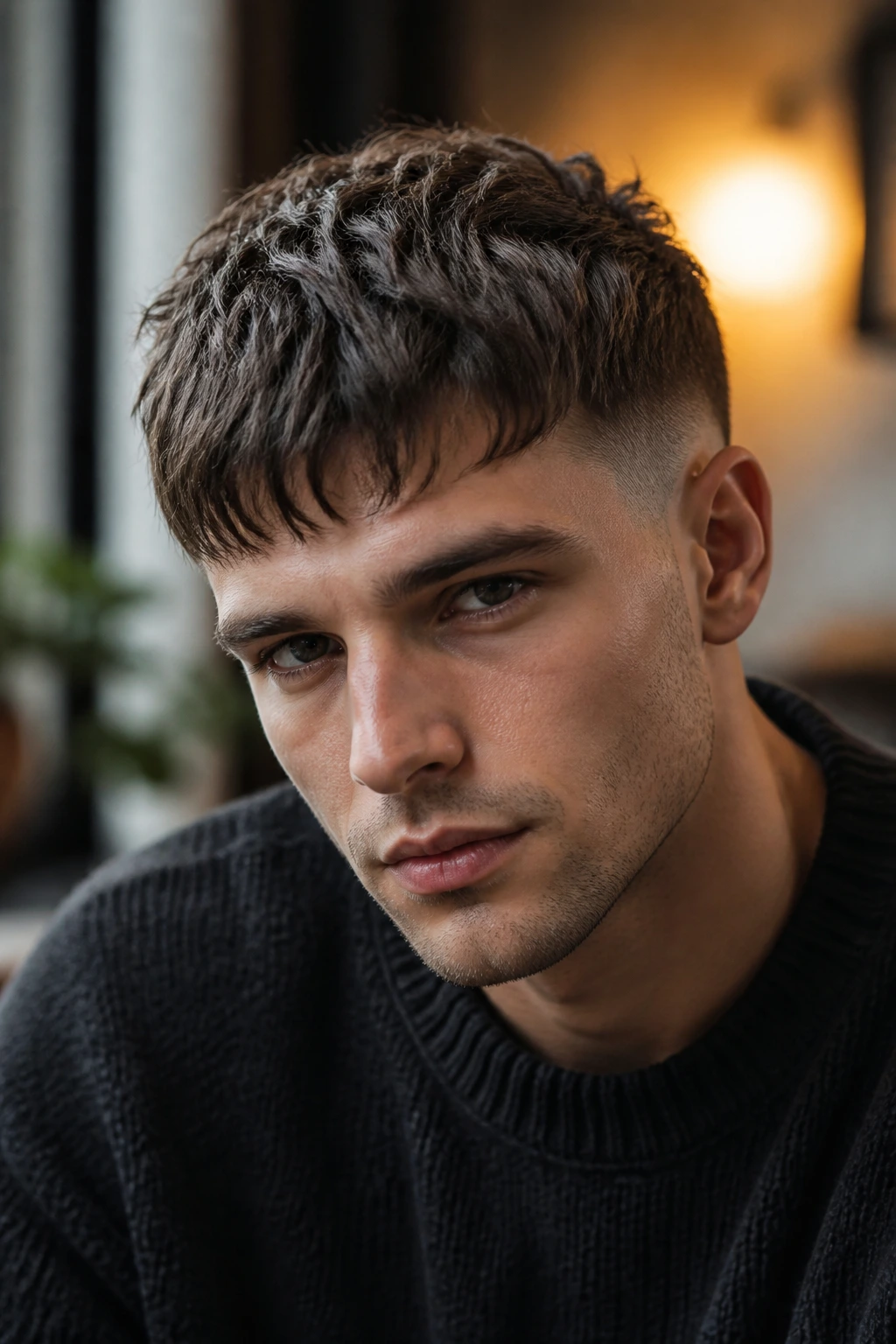
1. Textured Crop With Choppy Fringe
A textured crop is one of those cuts that looks current without trying to flex. The fringe sits forward, the top is cut in short, uneven pieces, and the whole shape feels compact rather than puffy. It’s especially good if your hair has some natural bend or thickness, because the texture keeps it from sitting like a solid block.
Why it works
The crop keeps the focus near the face. That matters. A short, broken-up fringe can soften a high forehead, and the tight sides make the top look intentional even when you’ve only spent 30 seconds on it. Ask your barber for a point-cut top and a low taper or soft fade at the sides so the haircut doesn’t turn into a bowl.
- Top length: about 1.5 to 2.5 inches.
- Fringe: cut just above or grazing the brows.
- Best product: matte clay or paste.
- Maintenance: every 3 to 5 weeks if you want the outline to stay clean.
Pro tip: Work the product into towel-dried hair, not dripping-wet hair. Wet hair lies to you. Dry hair gets honest fast.
2. French Crop With a Clean Fringe
The French crop is the neater cousin of the textured crop. The fringe is shorter, the top is flatter, and the whole cut has a crisp, trimmed feel that can look almost architectural when it’s done well. It’s a smart pick if you want something short that still has shape.
This cut does a nice job of hiding a little recession at the temples because the eye stays on the front edge. That’s one reason it has hung around for so long. A blunt, dense fringe can look severe if it’s cut too heavy, though, so the best versions keep the ends lightly textured and the sides tapered down rather than buzzed tight.
If your hair is coarse, this is a good place to ask for extra texture on top. If your hair is finer, keep the fringe a touch lighter so it doesn’t hang limp across the forehead by lunchtime.
3. Low Taper Fade With Natural Top
Why does a low taper fade work on so many guys? Because it’s the quiet answer to a lot of haircut problems. The taper starts near the sideburns and nape, so the cut stays clean without looking aggressively shaved. That softer transition means it grows out better than a harsh skin fade.
The top can be almost anything here: brushed forward, swept to the side, lightly messy, or left with a little curl. That flexibility is the point. A low taper makes the haircut feel finished even when the top stays relaxed, and it doesn’t force your head shape into a boxy outline.
How to wear it
Keep the top around 2 to 4 inches if you want movement. A small amount of matte cream or paste is enough. If your hair sticks out at the crown, ask your barber to remove some bulk there so the top doesn’t mushroom up when it dries.
4. Mid Fade Crew Cut With Extra Texture
A crew cut gets a lot more modern when the top isn’t shaved down to one flat plane. Leave a little length in front, keep the crown a touch shorter, and let the fade start around the middle of the head instead of hugging the ears. That small shift changes the whole mood.
This style is strong if you want clean lines but don’t want a buzz cut. It still feels neat in a gym, in an office, or under a cap, and it doesn’t need a fussy styling routine. The trick is texture. Without it, the cut can drift into military territory. With it, the shape looks sharper and more personal.
- Top length: roughly 1 to 2 inches.
- Fade: mid fade, not high and not skin-tight unless you want extra contrast.
- Finish: matte, not shiny.
- Best for: straight to wavy hair with decent density.
Pro tip: Ask the barber to leave the front a little longer than the crown. That gives the crew cut a cleaner forward shape.
5. Skin Fade Buzz Cut With a Sharp Line-Up
A buzz cut looks modern when the edges are precise and the fade is clean enough to show intent. A plain, one-length buzz can feel blunt. Add a skin fade, crisp sideburns, and a tidy neckline, and the whole thing becomes far more deliberate.
This cut is unforgiving in a useful way. If your head shape is strong, it looks excellent. If your hair is thinning, it can still work because the shorter length reduces the contrast between dense and sparse areas. The line-up around the forehead matters a lot here, though. A sharp edge can look clean, but if it’s pushed too far into a square or fake shape, the cut starts shouting.
Go with a guard length that suits your scalp and face. A #1 or #2 on top is common. Any shorter, and sunlight starts doing you no favors.
6. Ivy League With a Soft Side Part
The Ivy League is what happens when a crew cut goes to a better tailor. The top stays short, but long enough to part, brush, or lift slightly at the front. The sides are tapered, not chopped flat, which keeps the silhouette clean instead of school-uniform stiff.
I like this cut for guys who want something neat without looking like they asked for “the businessman special.” It sits in that useful middle ground where the haircut can read polished in a blazer and still work with a T-shirt. A soft side part gives it shape, but the part should not be so sharp that it looks drawn on with a marker.
Use a light cream or a small amount of matte paste. Comb it if you want polish. Use your fingers if you want a looser finish. Either way, keep the front from standing straight up like a tiny wall.
7. Side Part With a Thin Hard Part
A hard part can look modern when it’s narrow, clean, and paired with a fade that doesn’t fight it. The line itself does a lot of visual work, so the rest of the haircut should stay controlled. A strong side part with too much shine or too much height can drift into costume territory fast.
What saves this style is restraint. The part should be thin, not cut like a trench. The top should have enough length to move, but not so much that it collapses over the line. Ask for a mid fade or low fade, keep the top around 2 to 4 inches, and use just enough product to hold the direction.
Best if you want
- A more structured office look.
- Hair that naturally falls one way.
- A cut that reads sharp in photos without needing a full styling session.
8. Modern Quiff With Lift at the Front
A quiff is still one of the easiest ways to get height without looking frozen. The modern version keeps the sides tighter, the top textured, and the front lifted just enough to show shape. It should feel airy. If it looks like a solid wave helmet, it’s been overworked.
This style likes medium density hair. Fine hair can wear it, but usually needs blow-drying and a little root support. Thick hair does well because it has enough body to stand up without falling apart. The important part is direction: dry the front up and slightly back, then push only the front section forward into that soft ridge quiffs are known for.
A matte paste or clay beats shiny pomade here. Every time. The finish should catch movement, not reflect light like a wet brick.
9. Slick Back Undercut With a Matte Finish
The slick back gets a bad reputation because people often picture the old high-shine version that looks painted on. The modern take is looser. The top stays long enough to comb back, the sides are disconnected or sharply tapered, and the finish leans matte or low-shine instead of glossy.
That shift makes a huge difference. Hair that’s slicked back with a touch of texture looks deliberate. Hair that’s shellacked into place can look like it’s still waiting to dry. A wide-tooth comb or even your fingers can keep the back from becoming too perfect. That slight looseness is what saves it.
This style works best with straight or slightly wavy hair that has some density through the front. If your hairline is receding, don’t drag everything straight back from the temples. Leave a little softness there. It looks better, and it’s less obvious that you’re wrestling the front line.
10. Pompadour Fade With Airy Volume
A pompadour becomes current when the sides are tight and the front has lift without looking stacked. The modern fade keeps the silhouette from widening at the temples, which is where a lot of older pomps start to look bulky. The front should rise and sweep back, not stand like a brick wall.
This cut needs enough length on top to create a rounded front shape. It also benefits from a blow-dryer, preferably with a nozzle, because direction matters more than product here. Dry the roots upward first, then back. If you skip the dryer and try to build height with product alone, the style usually falls apart by midday.
What to remember
- Keep the top long enough for a real sweep.
- Use a matte clay or a light mousse plus clay.
- Ask for fade sides that stay tight around the ears.
- Avoid over-high styling unless your hair is dense enough to hold it.
11. Bro Flow With Shoulder-Grazing Layers
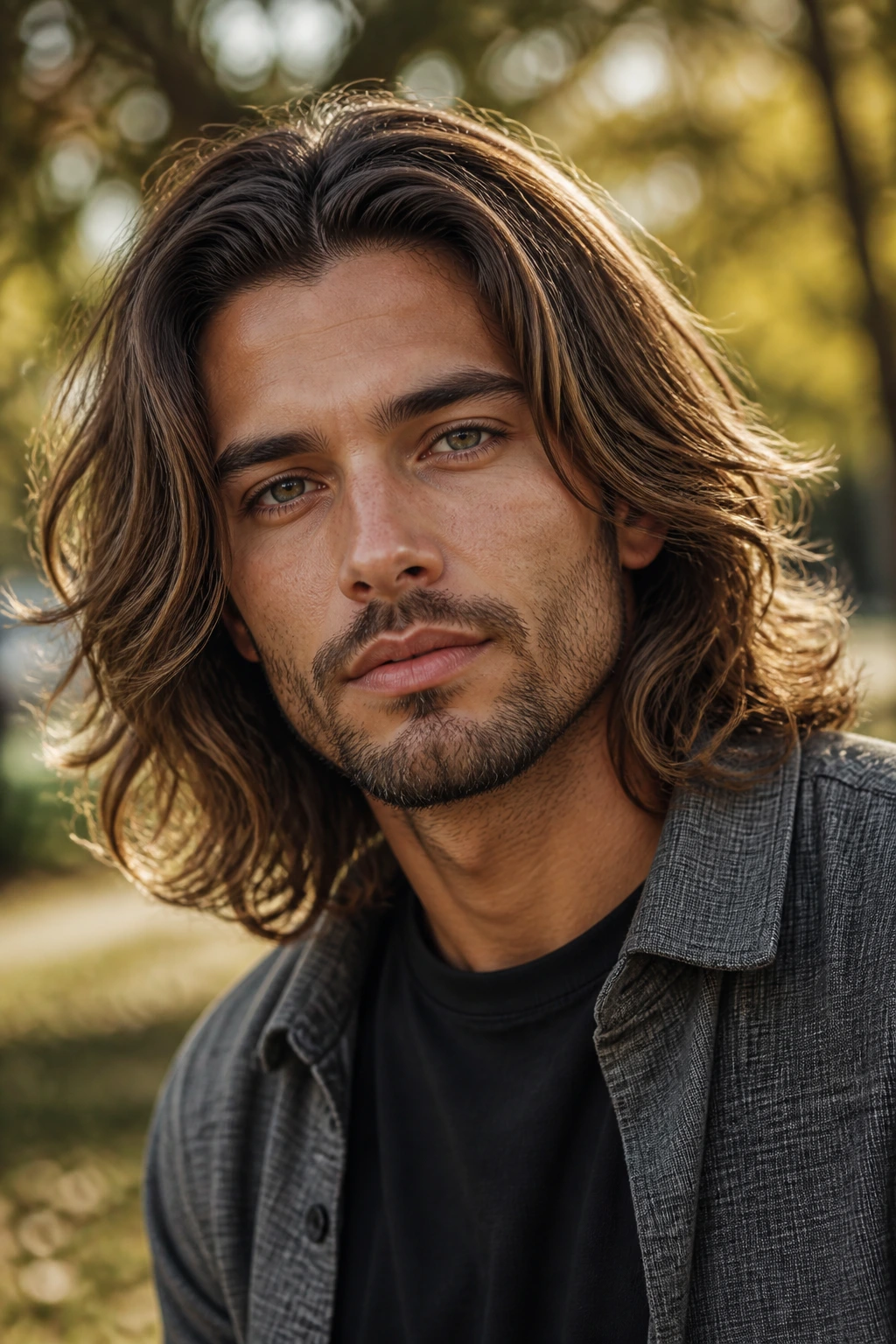
The bro flow works because it lets medium-length hair move the way it wants to move. That sounds lazy, but it isn’t. The best versions are shaped with layers so the hair falls back and out instead of ballooning at the ends. You get softness around the face and enough length to tuck behind the ears when needed.
This is a cut with patience built into it. The grow-out stage matters, and the trim schedule matters even more. If the layers are too blunt, the whole thing gets heavy around the jaw. If the ends are over-thinned, it turns wispy and loses shape.
Who it suits
- Wavy hair that wants motion.
- Thick hair that can handle a little weight removal.
- Guys who don’t mind using a touch of leave-in cream.
The finish should feel loose. A little sea salt spray on damp hair helps. So does leaving the front slightly shorter than the back.
12. Curly Top Fade With Defined Curls
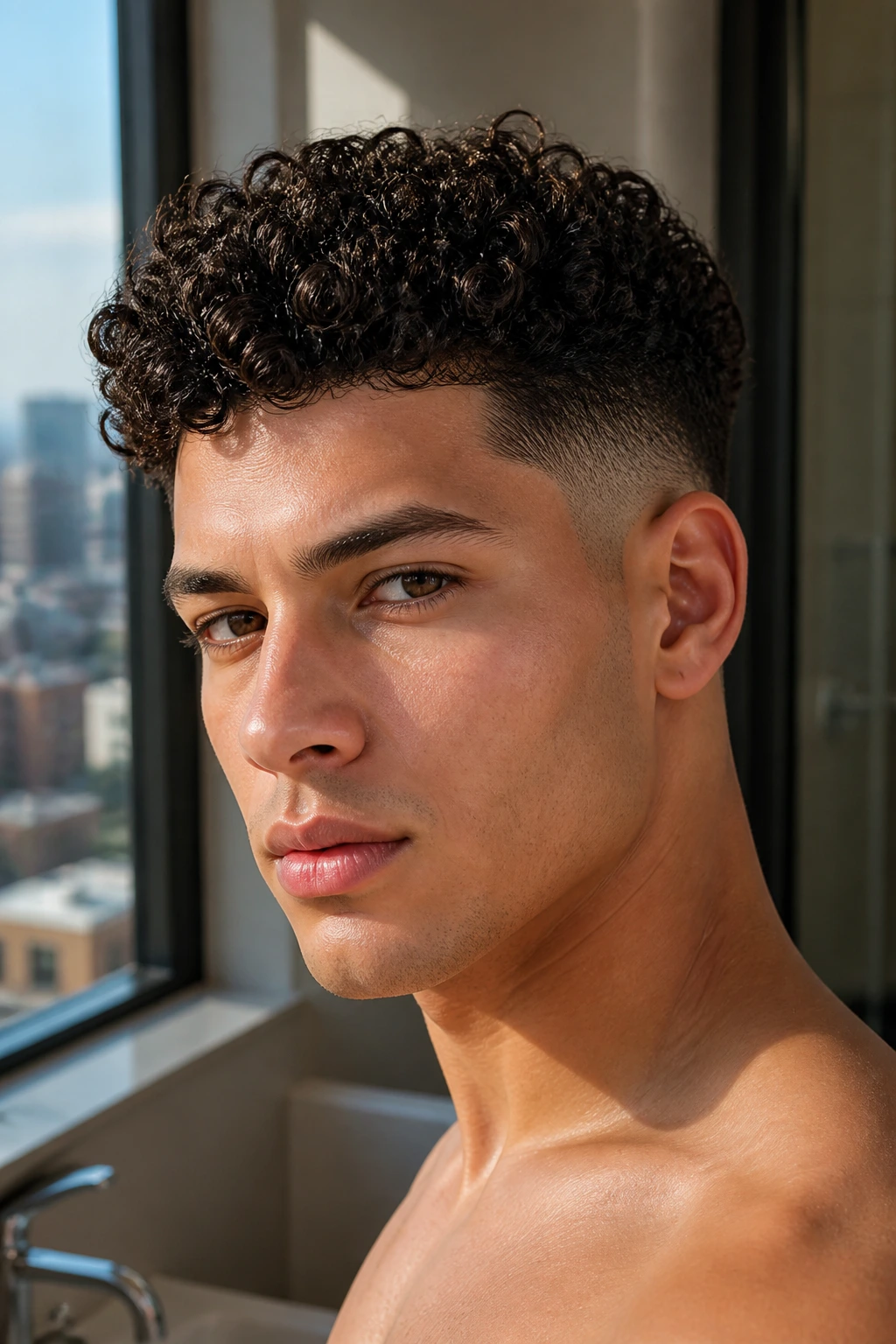
Curly hair looks best when the cut gives the curls room to spring. That’s the whole game here. Keep the sides short with a fade, keep the top long enough for curl pattern, and do not crush the top flat with a comb when it dries. Curly top fades look modern because they show shape and texture at the same time.
A diffuser helps, but the bigger move is stopping before you overhandle the curls. Work in curl cream or mousse on damp hair, then scrunch and dry. Once it’s dry, break the cast gently if the product leaves one. If you keep raking through it all day, the shape frizzes out and the fade starts looking disconnected in a bad way.
This cut can be rounded or slightly taller on top. The best version depends on your curl type. Tight curls usually look better with a fuller top and a cleaner fade. Looser curls can wear more length through the front and sides.
13. Wavy Middle Part With Loose Curtain Shape

Can a middle part still look current? Yes, if the hair has movement and the layers are light enough to fall naturally. The old rigid center part reads stiff. The modern version is looser, softer, and usually sits somewhere between a true curtain cut and a relaxed middle part.
This style really likes hair that hits around the cheekbones or just below the ears. Too short, and the split looks forced. Too long, and the hair starts hanging instead of framing the face. The waves do most of the work, so keep the ends light and avoid cutting a blunt shelf across the bottom.
How to style it
Blow-dry the part open with your fingers or a vent brush. Add a light cream or sea salt spray, then push the sides away from the face instead of flattening them. The goal is movement, not symmetry. A tiny bit of asymmetry actually helps here.
14. Messy Fringe With Forward Texture
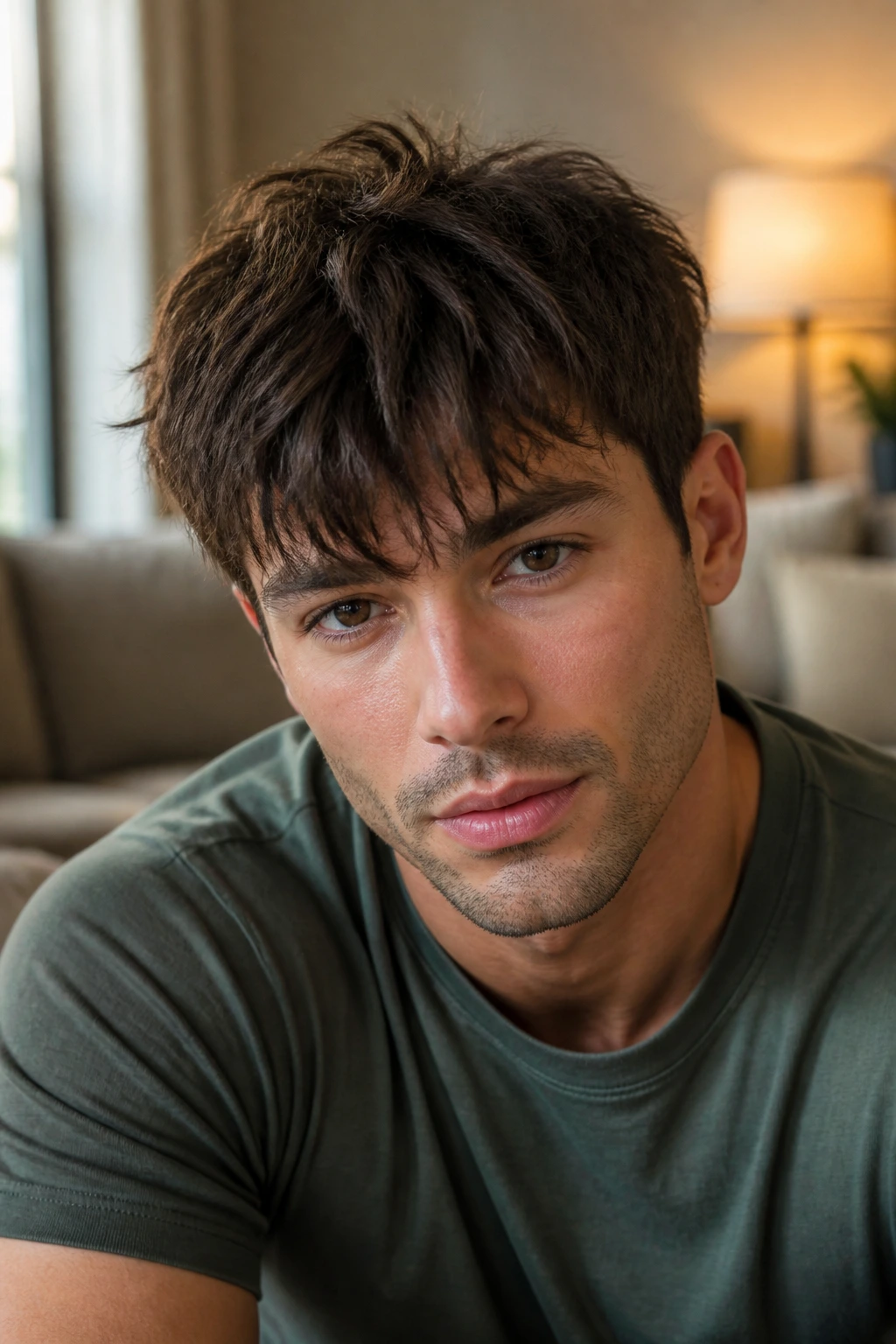
A messy fringe can look very modern when it’s cut with intention. The front falls forward, but the ends are broken up enough that it reads textured rather than heavy. That’s the difference between a stylish fringe and a tired one. One looks lived-in. The other looks like it was cut in a hurry.
This is a strong choice if you want to bring attention to the eyes and soften a longer face. It also works well with straight or slightly wavy hair that likes to sit forward. Ask for a textured fringe and some weight removed through the top so the front doesn’t turn into a curtain wall.
The styling move is simple. Dry it forward, then pinch small sections with matte paste. Don’t comb it into perfection. The tiny irregularities are the point.
15. Caesar Cut With a Soft, Short Fringe
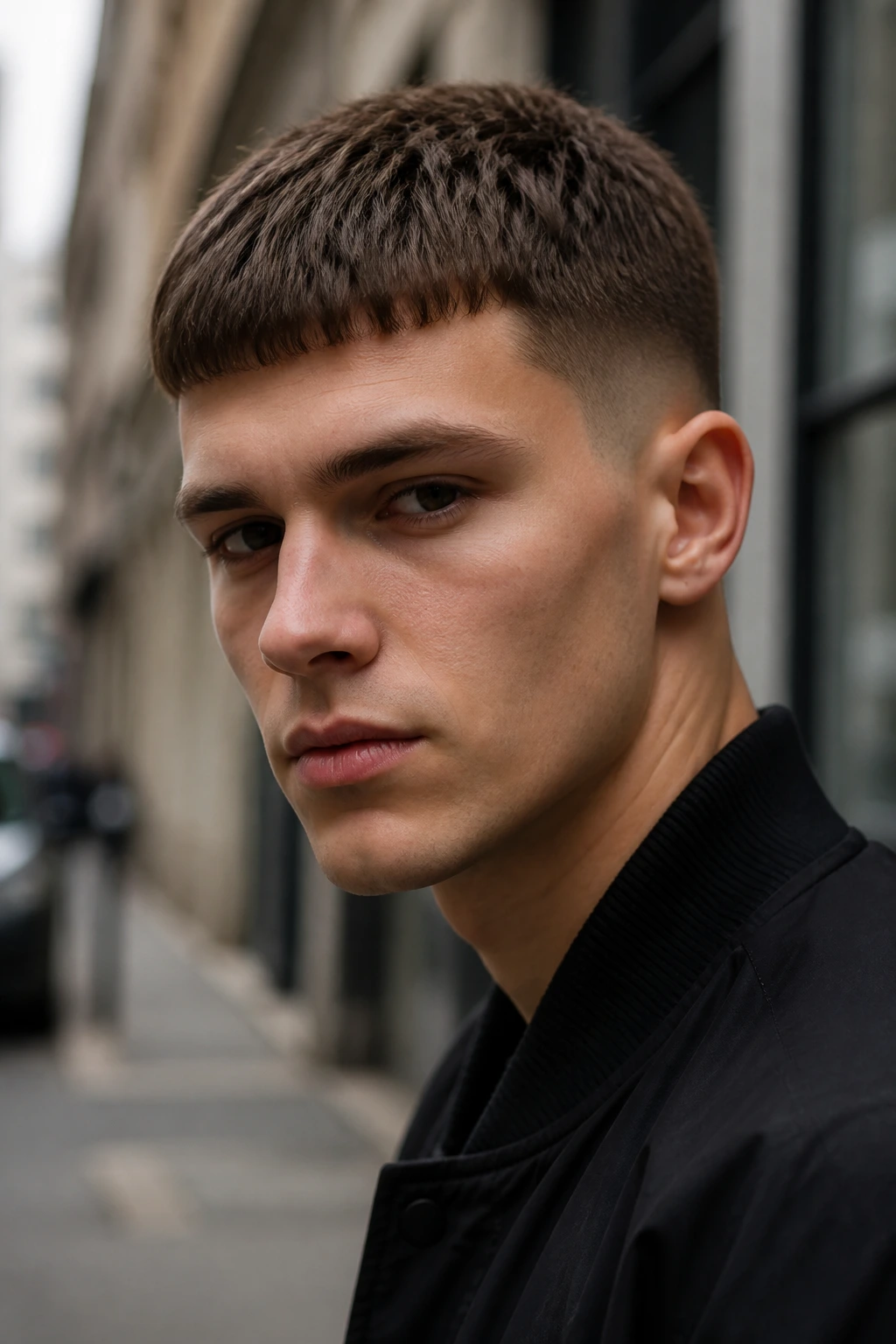
The Caesar cut has been around forever, but the modern version is much lighter around the fringe and much cleaner at the sides. Think short horizontal top, short front fringe, and enough texture to keep it from looking like a bowl. It’s one of the best choices for coarse hair because coarse hair can hold that shape without drooping.
This cut can also help if your hairline is a little uneven. The short fringe gives the front edge some structure without demanding a perfect forehead line. The danger is going too blunt. If the top is cut as one heavy slab, the haircut starts to feel old fast.
Ask for a taper or fade on the sides and keep the top textured with scissors. A pea-sized amount of clay is enough. More than that, and the short length starts to clump.
16. High and Tight With a Clean Edge
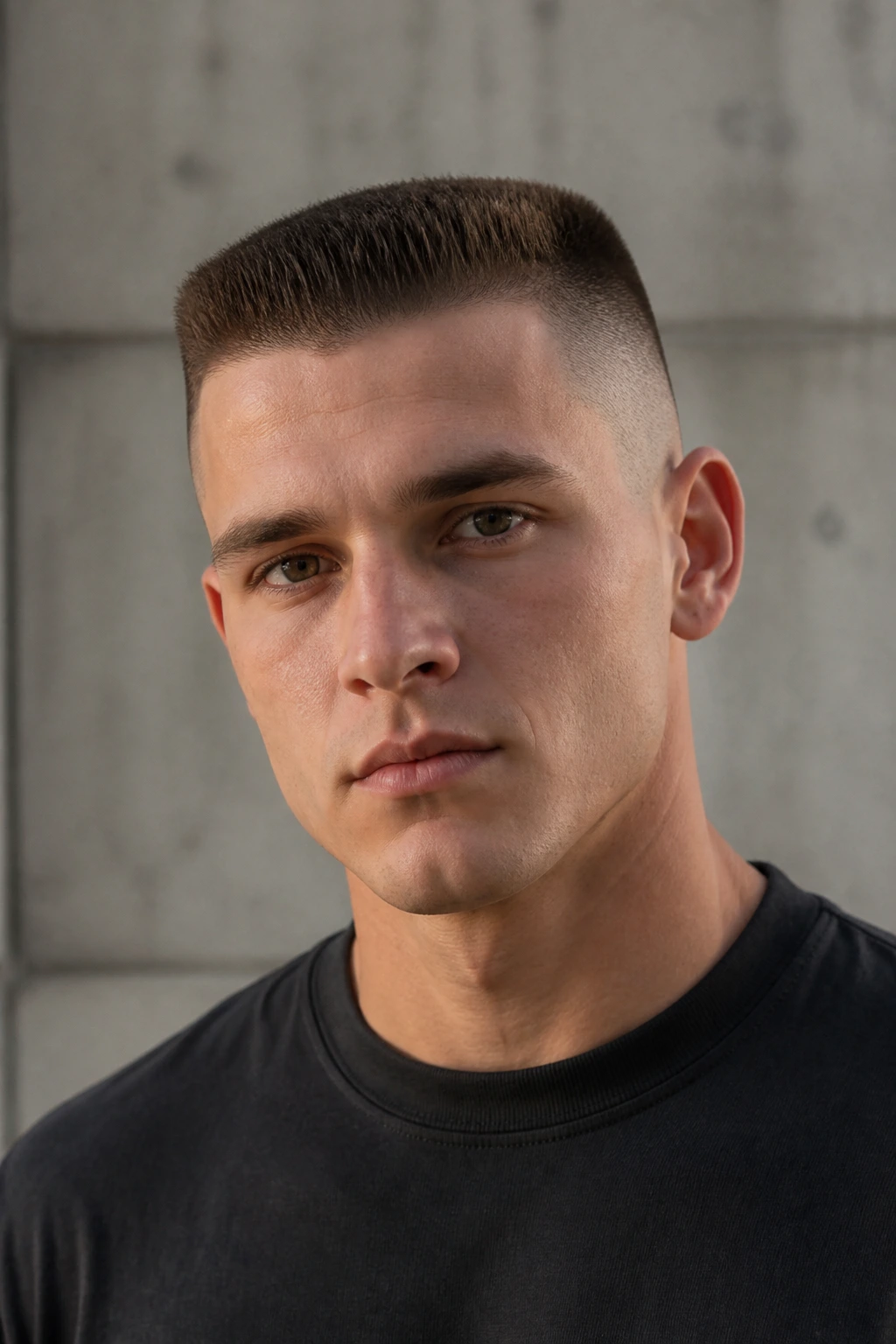
A high and tight is one of the simplest modern haircuts, but simplicity can be sharp when the proportions are right. The sides are taken very short, the top is left short but not shaved bare, and the outline around the temples and neckline stays clean. It’s a practical cut. Also a blunt one. That’s part of the appeal.
This style works best if you want something that looks put together with almost no styling. It also suits athletic builds and strong jawlines because it puts the face on display. There isn’t much softness here, so if you like hair that falls around the forehead or ears, skip it. The whole cut is about clean edges and low fuss.
A good high and tight should never feel unfinished. The line-up, fade, and crown length all matter. Leave too much on top and it loses the shape. Take too much off and it becomes a buzz cut with a different name.
17. Modern Mullet With Tapered Sides
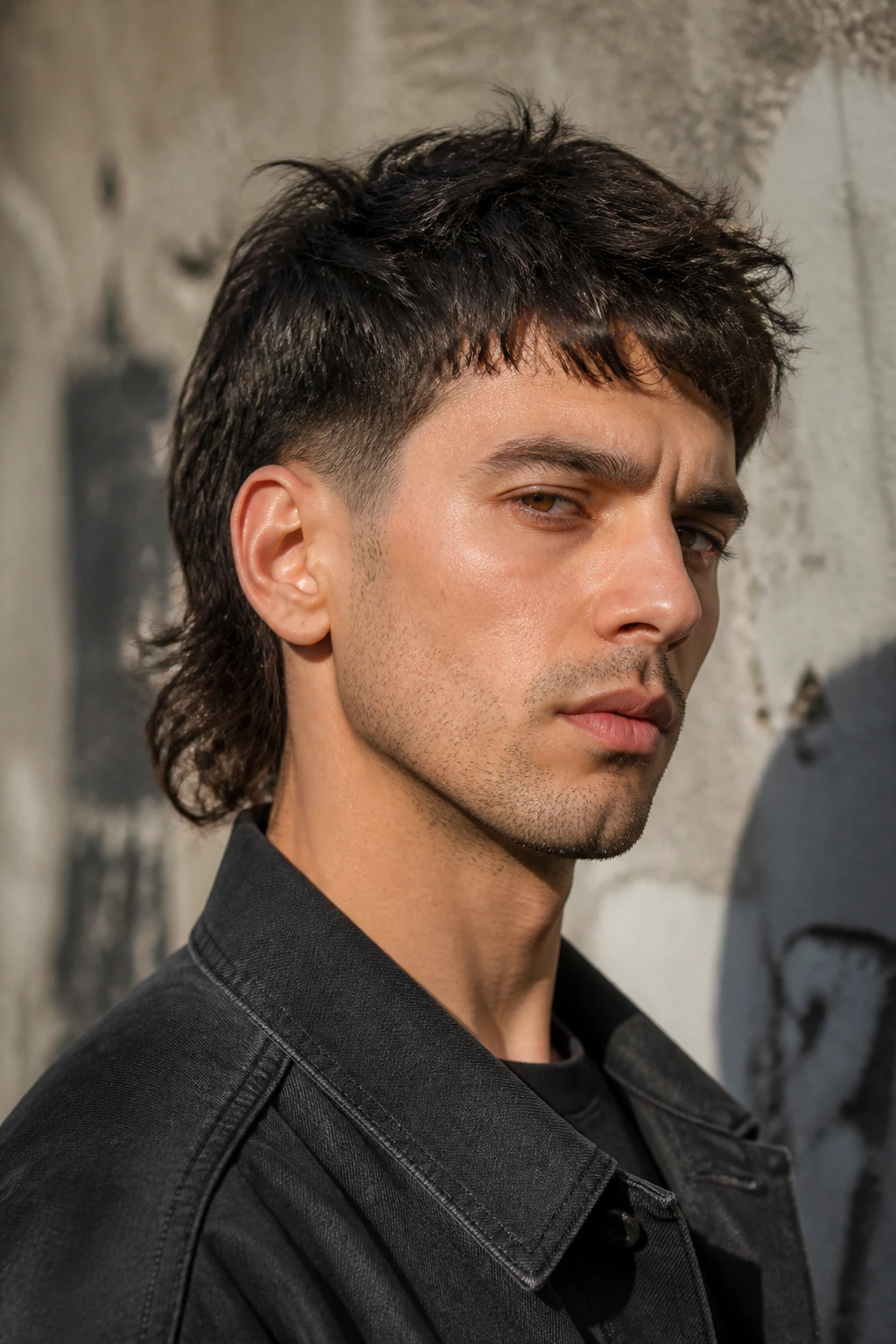
The modern mullet works because it stopped pretending to be neat. That sounds harsh, but it’s the truth. The sides are tight or tapered, the top stays textured, and the back keeps enough length to suggest movement rather than a costume tail. When done right, it feels deliberate and a little rebellious in a good way.
This is not the old blocky mullet with a hard shelf at the back. The current version is softer around the temples and more layered through the crown. That makes it wear better with wavy or straight hair. Curly hair can do it too, but the shape needs careful balancing so the back doesn’t get bulky.
If you like haircuts with personality, this is one of the strongest options here. If you want the most office-safe choice on the page, it is not that. Fair enough.
18. Burst Fade Mohawk With a Textured Strip
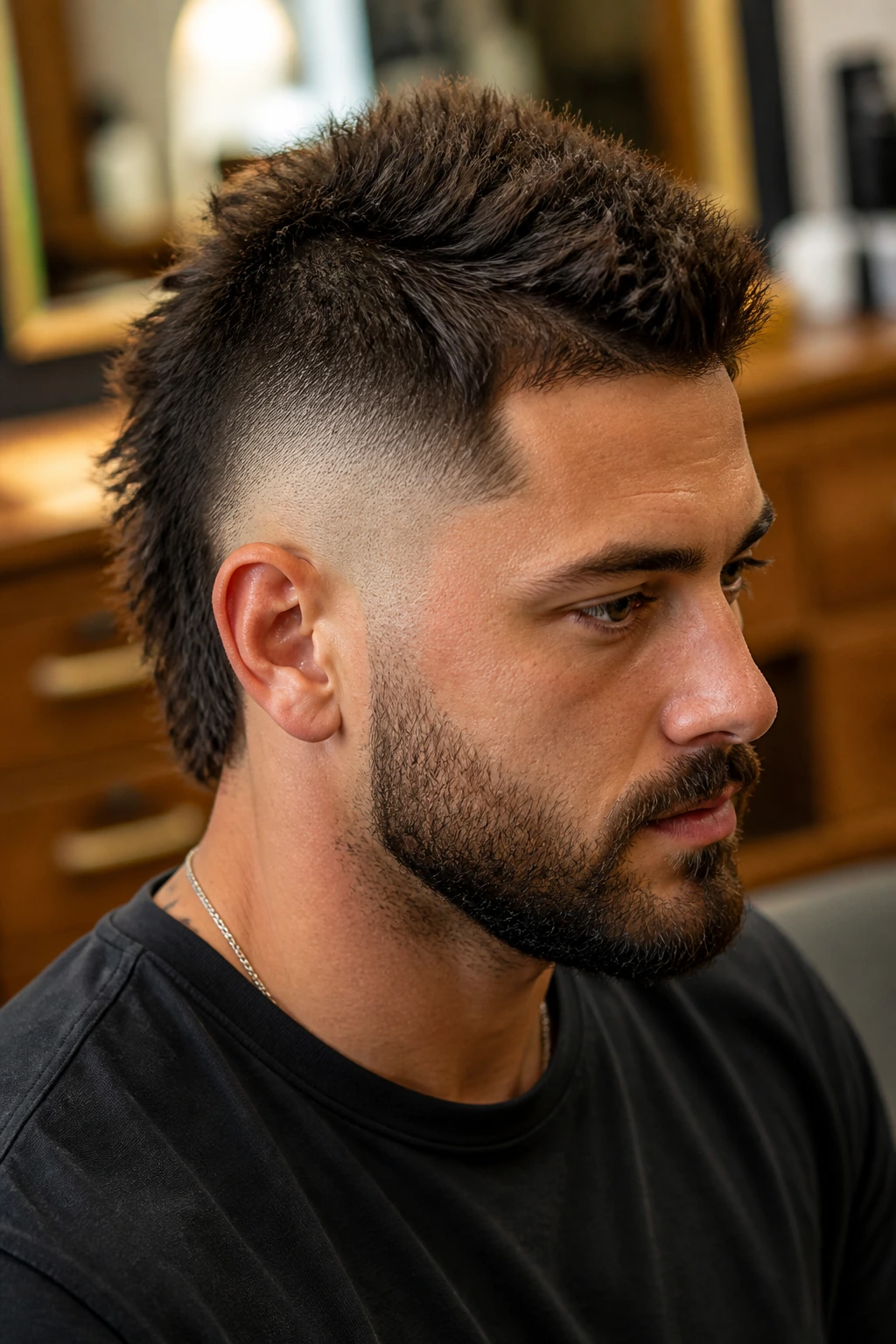
Why does the burst fade mohawk keep showing up? Because the fade around the ears softens the sides while the center strip keeps the cut from feeling flat. It has energy, but the burst fade keeps that energy contained. That balance is what makes it wearable.
The top can be short and neat or longer and more expressive. Curly hair looks especially good here because the center strip can hold shape without a pile of product. Straight hair needs more texture, usually with a matte clay or paste and a bit of finger-shaping. The mohawk part should be a shape, not a stiff ridge.
If you want to wear this cut without looking like you’re headed to a theme party, keep the strip textured and the fade smooth. A harsh, over-tall strip turns the whole thing into a prop. A softer version reads modern and controlled.
19. Tapered Afro With a Rounded Shape
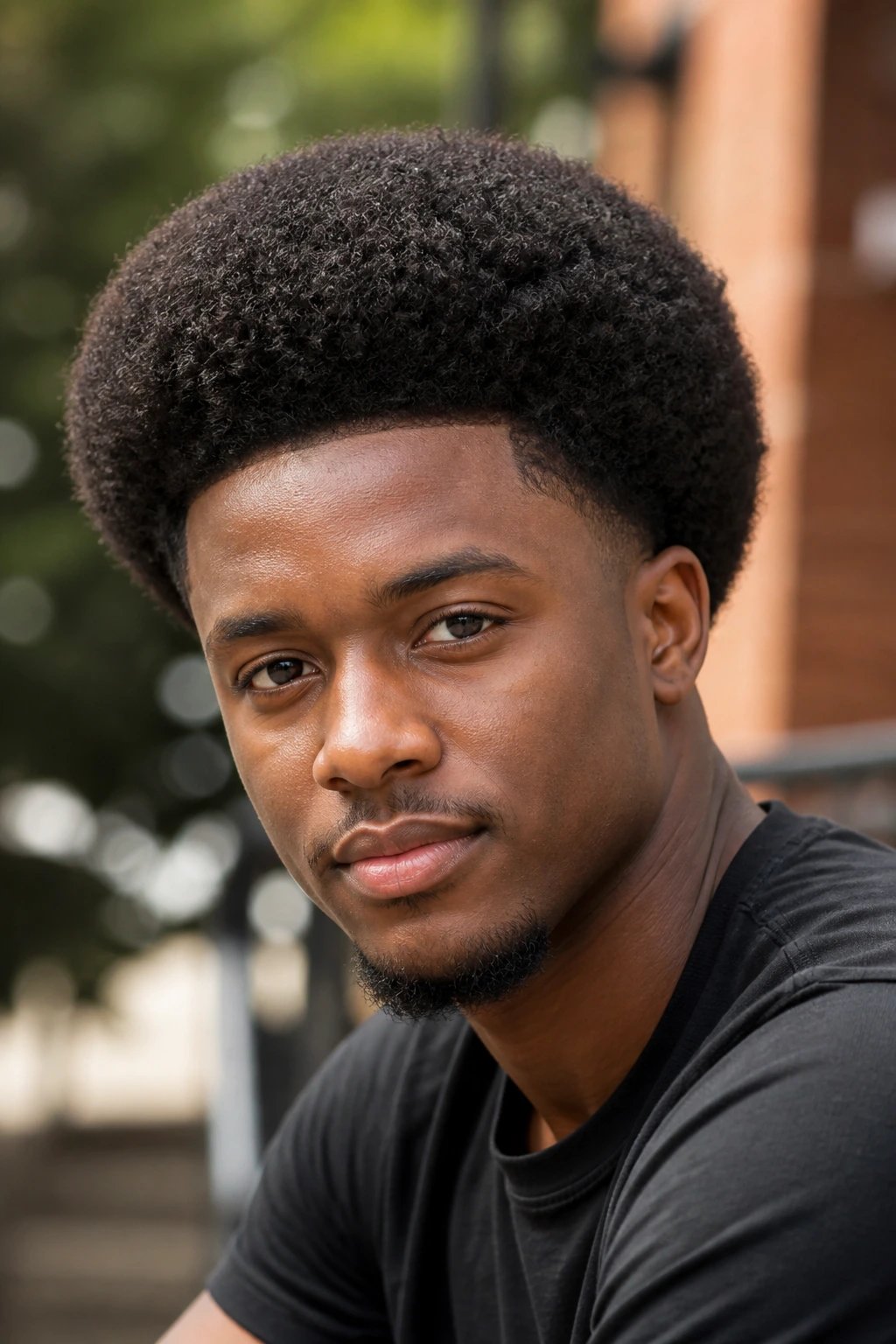
A tapered afro looks modern when the shape is clean and the texture stays natural. The sides and neckline are tapered in, the top keeps its height and roundness, and the overall silhouette feels balanced. The goal isn’t to flatten the hair. It’s to shape it with enough room for the coils to do their thing.
This cut depends on moisture and shape control. A leave-in conditioner or light moisturizing cream helps keep the hair soft and less prone to fuzz. A pick can lift the top if needed, but overpicking makes the silhouette too wide. Better to choose the shape first, then fluff only where it needs it.
Ask your barber to keep the outline rounded or slightly squared depending on your face shape. The clean taper at the temples and neckline does a lot of visual cleanup without taking away texture. That combination is why this cut keeps looking current.
20. Twists With a Fresh Fade
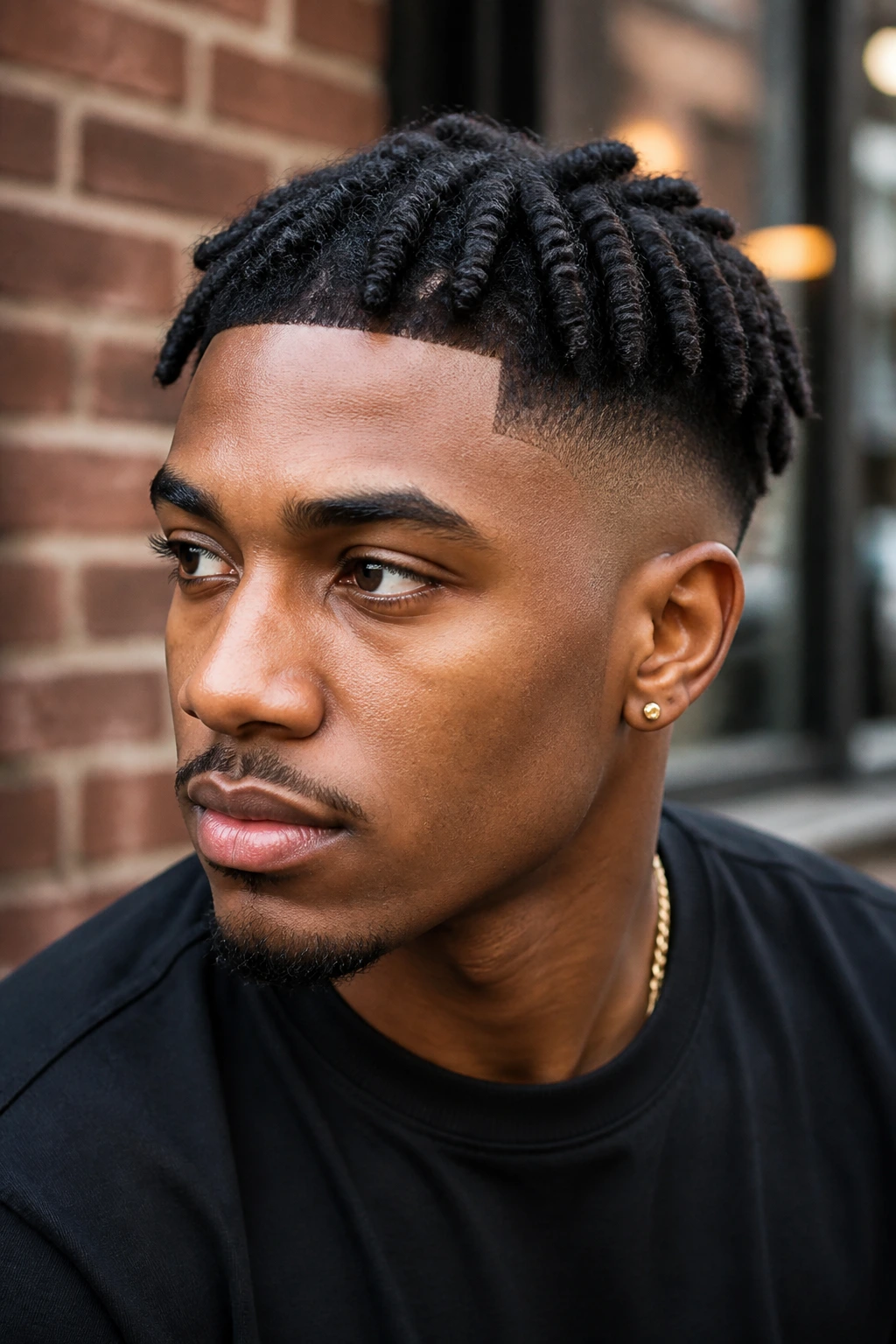
Twists look especially sharp when the fade around them is clean enough to frame the pattern. The top carries the texture and the sides keep everything from getting bulky. If the twists are too large or the fade is too soft, the shape starts to blur. If the parts are clean and the fade is crisp, the haircut has structure right away.
This is a style that rewards maintenance. Smaller twists usually look neater and last longer between refreshes. Larger twists can give a looser, more relaxed feel. Either way, the base of the cut should stay tidy around the temples and nape so the whole style holds its outline.
How to keep it neat
- Ask for a fade that matches your twist length.
- Keep the parting clean but not overly tight.
- Use a twisting cream or gel that doesn’t flake.
- Refresh the front and edges before the whole style starts to unravel.
21. Curtains With Soft Face-Framing Layers
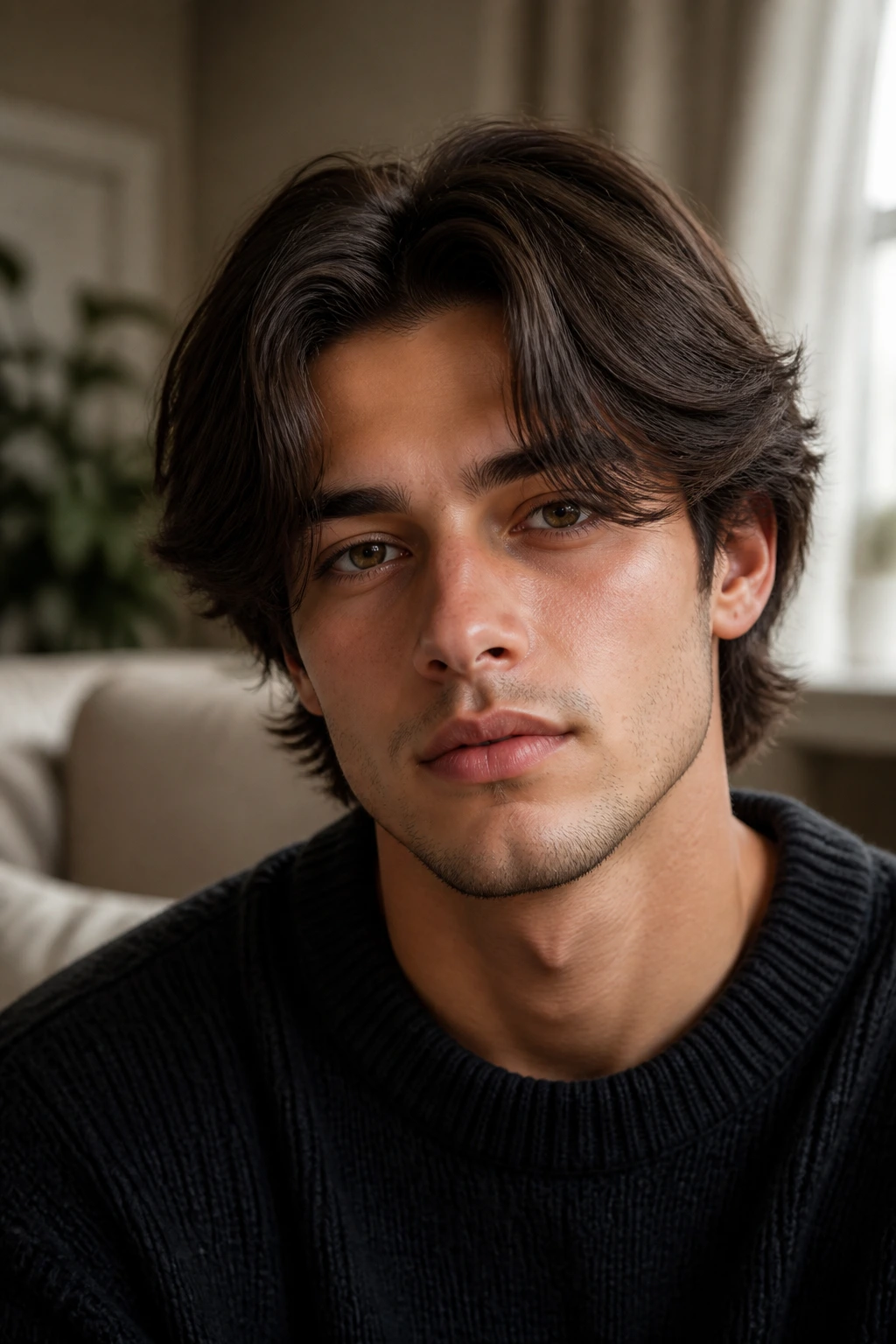
Curtains look good when they fall with a little movement instead of hanging like a curtain in the literal sense. The center part opens the face, the length frames the cheeks, and the layers keep the hair from feeling heavy at the bottom. It’s a laid-back style, but there’s a lot of shape hidden inside it.
This cut works best on straight or wavy hair that has enough density to part cleanly. If the hair is too thin, the split can expose too much scalp. If it’s too thick and blunt, the front can puff outward like a triangle. The right version lands in the middle: soft, airy, and slightly undone.
A blow-dryer helps a lot. Part the hair while it’s damp, dry it away from the face, and keep the ends from sticking straight down. A little cream or light spray keeps the movement in place without making the hair crunchy.
22. Soft Shag With Layered Movement
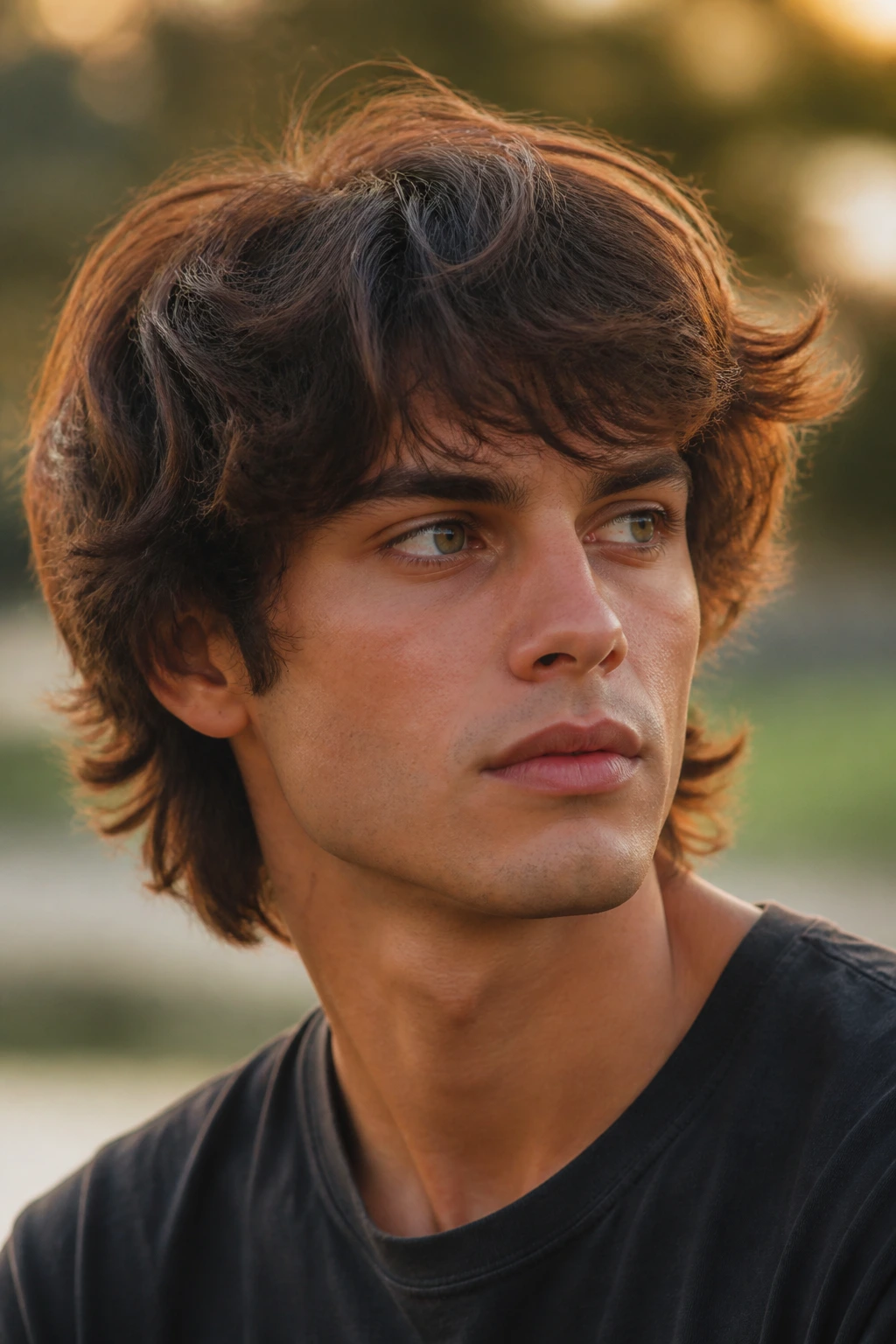
A soft shag works because it treats layers like a shape tool, not a gimmick. The top stays light, the sides stay mobile, and the ends are cut so they move instead of hanging in one blunt line. That gives the haircut a relaxed edge without making it look messy by accident.
This is one of the best cuts for wavy hair. It can work on straight hair too, but the layers have to be handled carefully or the hair can look thin at the ends. For curly hair, the shag needs enough length to show the pattern without puffing out too wide. That part matters. If you go too short with the layers, you get volume in the wrong places.
Use a little leave-in cream or sea salt spray, then let the hair do most of the work. The cut should look good even when the styling is light. If it only works after twenty minutes and a blowout, it’s too fragile.
How to Ask Your Barber for the Right Shape
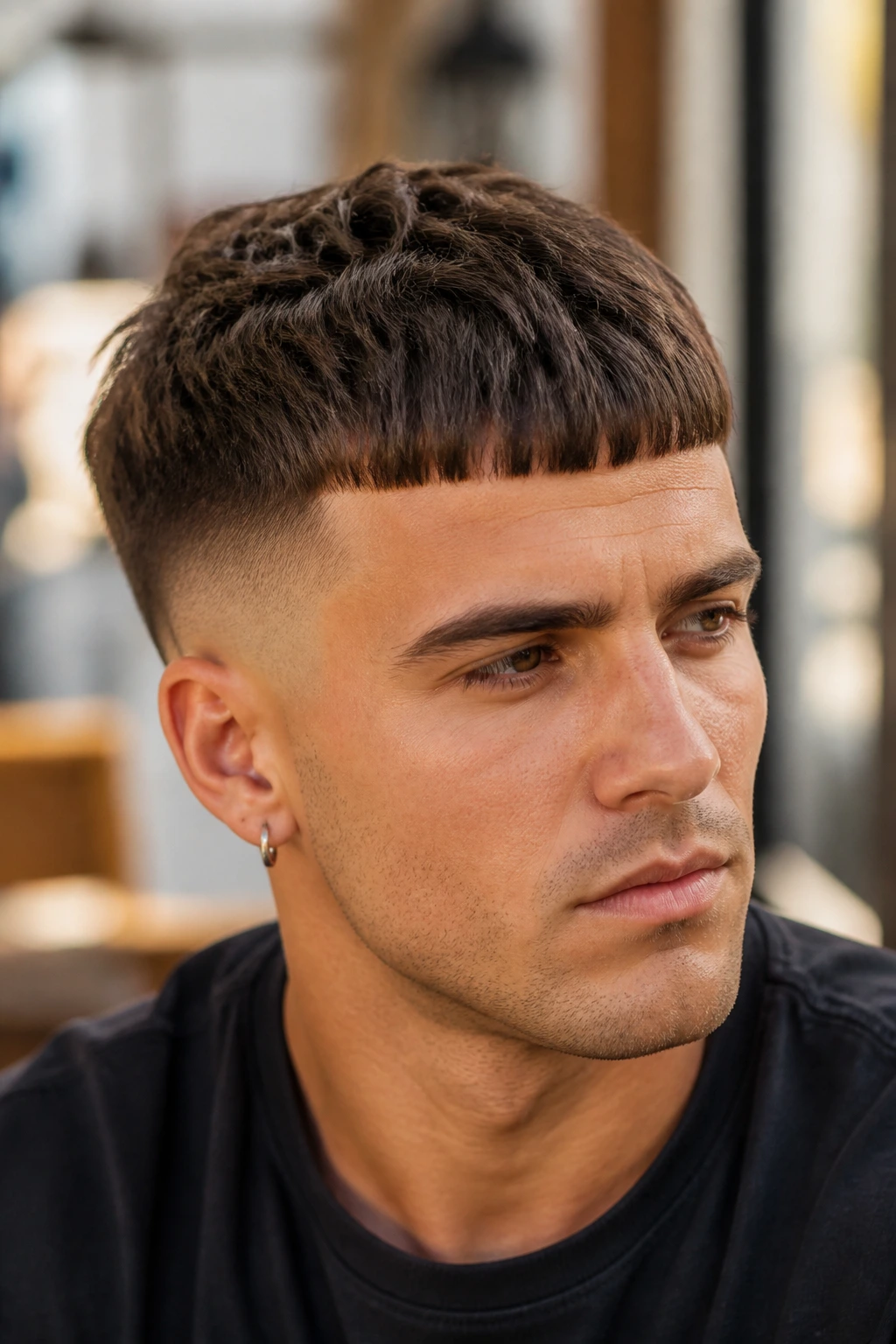
Bring a photo, sure, but don’t stop there. A picture tells the barber what you like. The words tell them what to protect. That difference matters a lot if your hair grows in a stubborn direction or if your head shape needs a little compensation.
Say where you want the fade to start, how much length you want on top, and whether you want scissors or clippers used through the top. If you like texture, say point-cut the top. If you want a cleaner side part, ask for a narrow hard part instead of a wide shaved line. If your hair sticks up at the crown or falls flat at the front, mention that before they pick up the clippers.
A few phrases pull more weight than people think:
- “Keep the sides tapered, not boxed out.”
- “Leave about 2 inches on top and texturize it.”
- “I want the fringe to sit just above the brows.”
- “Please don’t make the neckline too sharp.”
- “My hair splits on its own here.” Point to the cowlick.
The best haircut conversations are specific. Short, clear, and a little picky. That’s not being difficult. That’s saving both of you a second appointment.
The Gear That Makes Styling Faster
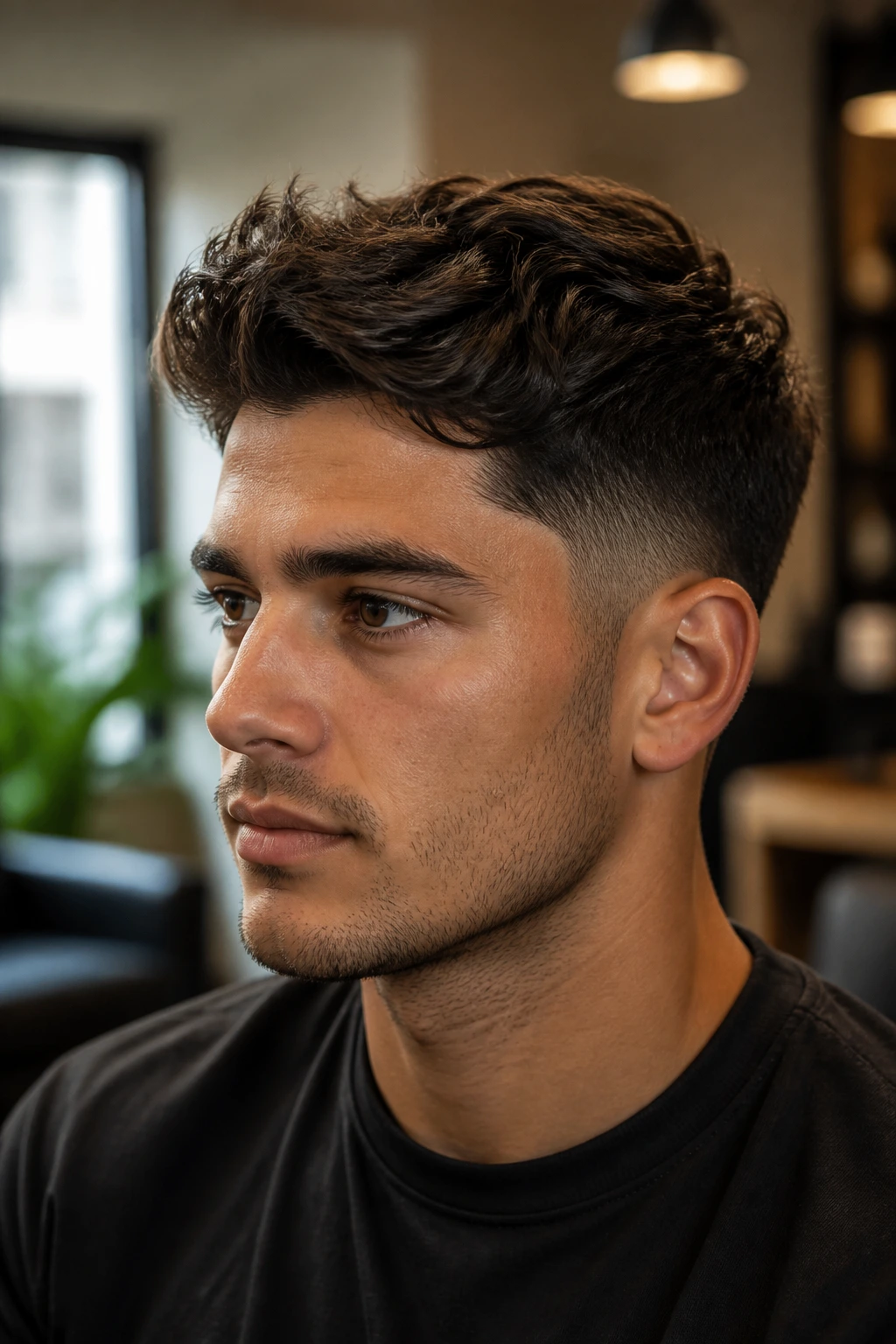
You do not need a bathroom counter full of products. You do need the right few things for the shape you want.
-
Hair dryer with a nozzle attachment: This is the difference between random volume and directed shape, especially for quiffs, pomps, curtains, and slick backs.
-
Matte clay or paste: Best for textured crops, fringes, crews, and messy styles. It gives hold without the wet sheen.
-
Light pomade or styling cream: Useful for Ivy Leagues, side parts, slick backs, and any cut that needs control without crunch.
-
Sea salt spray: Great on wavy hair, bro flow, curtains, and shags. Use it on damp hair before drying.
-
Curl cream or mousse: Helps curly tops, tapered afros, and twists keep shape without turning frizzy.
-
Fine-tooth comb: Handy for hard parts, slick backs, and polished side parts.
-
Vent brush or round brush: Useful if you want lift at the front or shape through the crown.
-
Microfiber towel: Better than rough terry cloth for curly or wavy hair; it cuts frizz.
-
Trimmer: Optional, but useful for neckline cleanups and keeping a buzz or fade sharp between barber visits.
-
Heat protectant: If you blow-dry often, use it. Dry heat adds up.
How to Style These Cuts on a Normal Morning
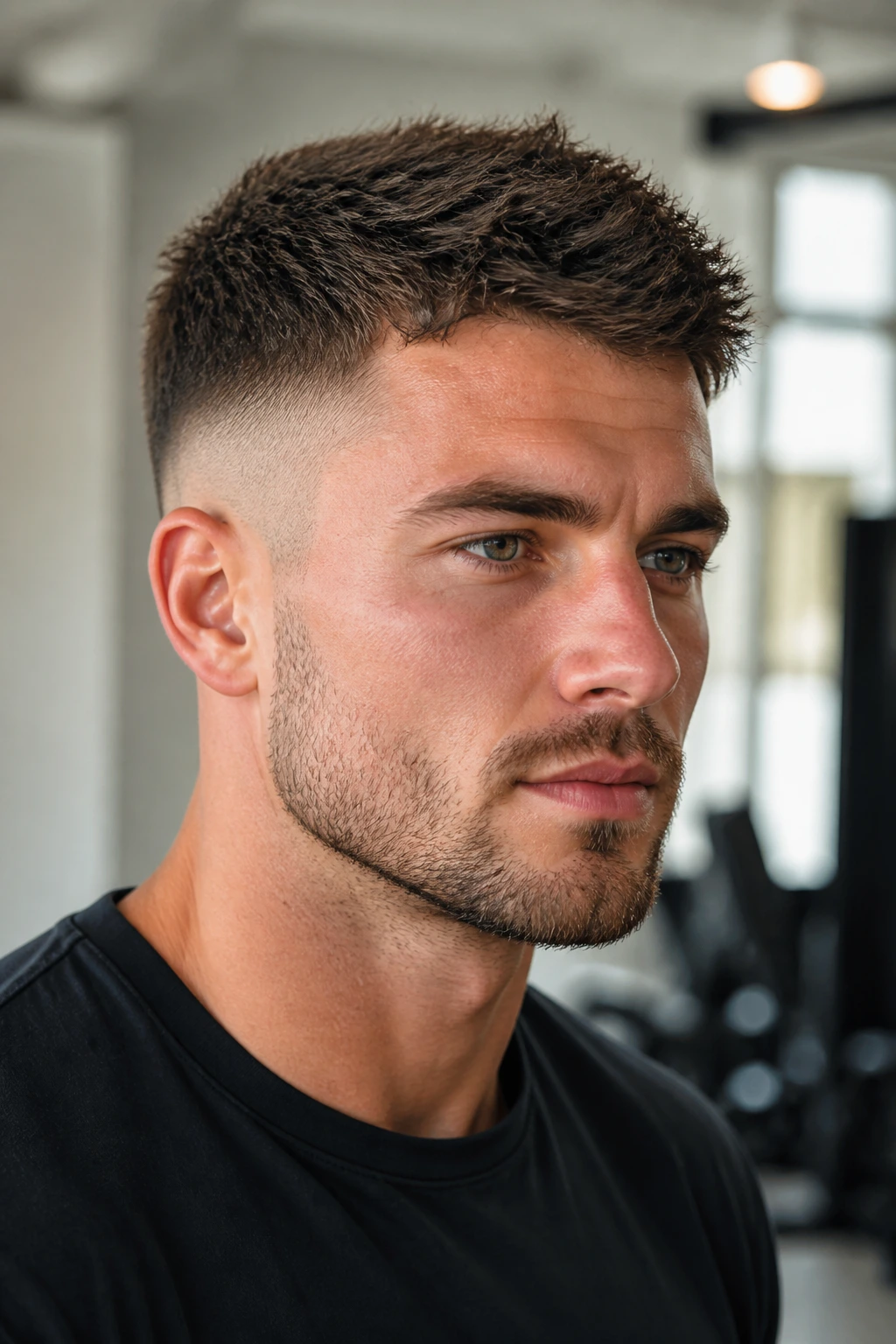
The best modern cuts are built around a short, repeatable routine. That matters more than the product label. Start with hair that’s damp, not dripping. If it’s soaked, the product spreads too far and the shape takes forever to set. If it’s bone dry, a lot of creams and clays grab unevenly.
Use less product than you think. Seriously. A pea-sized amount for short hair is often enough, and medium-length hair usually needs only a small scoop warmed between your palms. The point is to coat the hair, not bury it. Too much product makes texture disappear and can leave the top looking greasy by afternoon.
Drying with direction
If the cut needs lift, aim the dryer at the roots and move the hair where you want it to land. Front up and back for quiffs and pomps. Sideways for side parts. Forward for textured crops and fringes. That first dry sets the structure, and the product just keeps it there.
Finishing without overworking it
Once the hair is mostly dry, break up the top with your fingers. Don’t keep combing. Don’t keep reapplying product. A final pinch at the front or a small sweep near the crown usually does more than another round of paste ever will.
What Makes a Modern Cut Look Dated Fast
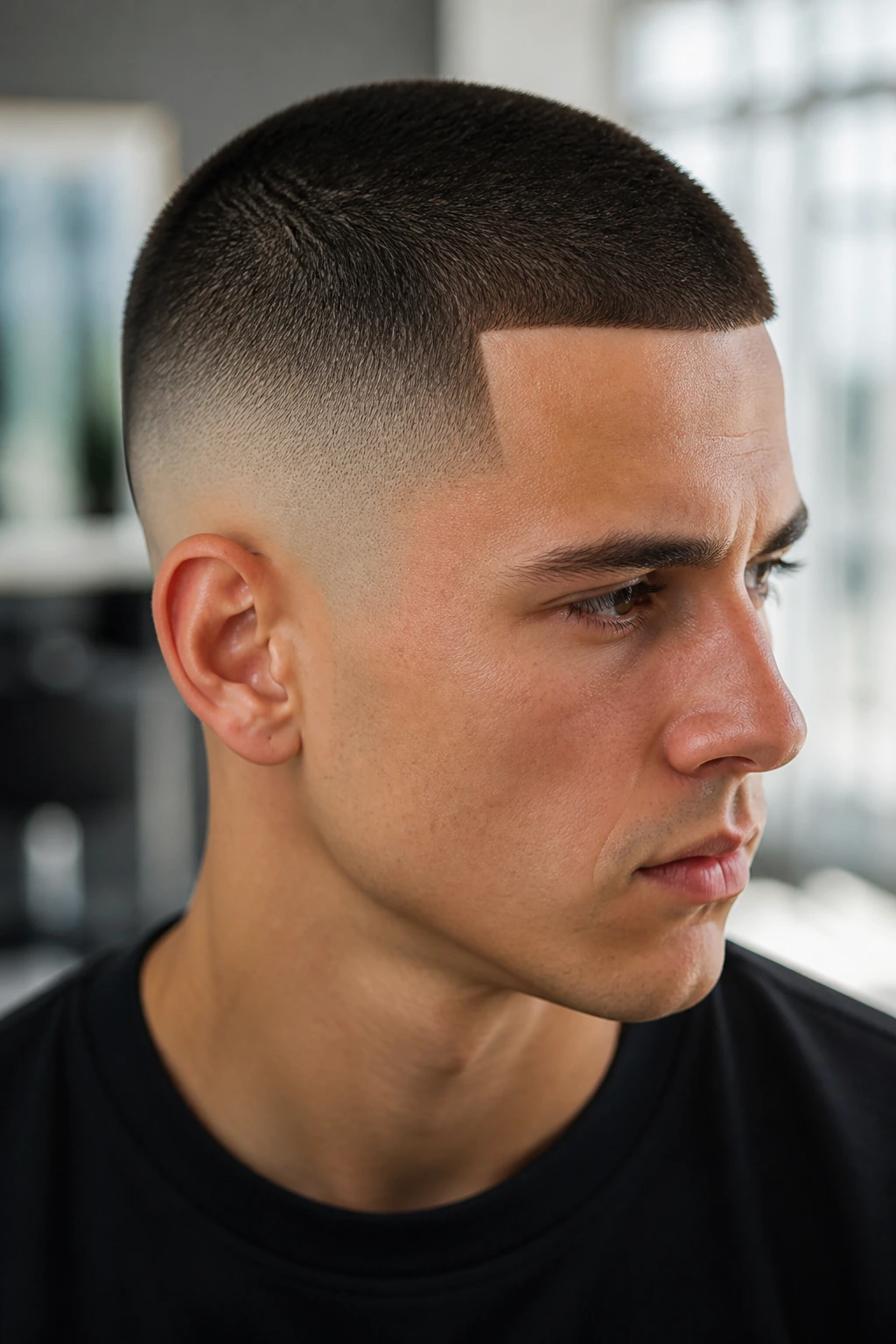
The haircut itself is only half the story. The rest is where people trip up.
-
Too much shine: Wet-looking gel can make even a good cut feel frozen. Matte or low-shine usually reads cleaner.
-
Sides cut too high: A fade that climbs too far can make the head look narrow or oddly tall, depending on the shape.
-
Ignoring growth patterns: Cowlicks and whorls do not care about your reference photo. If the hair wants to split or kick out, plan around it.
-
Blunt bulk in the wrong place: Heavy hair around the parietal ridge can make the top balloon. That’s a barber fix, not a product fix.
-
Copying a photo instead of a shape: A model with thick straight hair and your curly crown are not wearing the same haircut, no matter how similar the picture looks.
-
Skipping upkeep too long: A fade loses its edge fast. A fringe grows into the eyes. A good cut can turn shabby just from neglect.
Ways to Adapt These Cuts for Straight, Wavy, Curly, and Coily Hair

Not every hairstyle needs the same finish to look modern. In fact, the smartest move is often to keep the same silhouette and change the styling rules underneath it.
Straight Hair, More Texture:
Straight hair can flatten fast, so texture matters more than shine. Crops, crews, side parts, and quiffs usually look better when the ends are broken up with scissors and styled with matte paste instead of slick cream.
Wavy Hair, Less Fighting:
Wavy hair looks best when you stop trying to iron it flat. Curtains, bro flow, fringe cuts, and soft shags all get easier when you follow the bend of the hair instead of forcing a perfect part.
Curly Hair, More Room at the Top:
Curly cuts need enough length up top for the curl pattern to show. Curly top fades, tapered afros, and even some modern mullets work because the sides are controlled and the top gets space.
Coily Hair, Shape Before Length:
With coily hair, the outline is everything. Tapered afros and twists with fades look sharp because they define the silhouette first, then let the texture do the rest.
Thinning Hair, Less Contrast:
Shorter cuts with clean tapers often work better than long styles that separate and expose thin spots. Buzz cuts, high and tights, Ivy Leagues, and Caesar cuts can all look stronger when the top is kept honest.
Keeping the Edges and Length in Shape Between Cuts
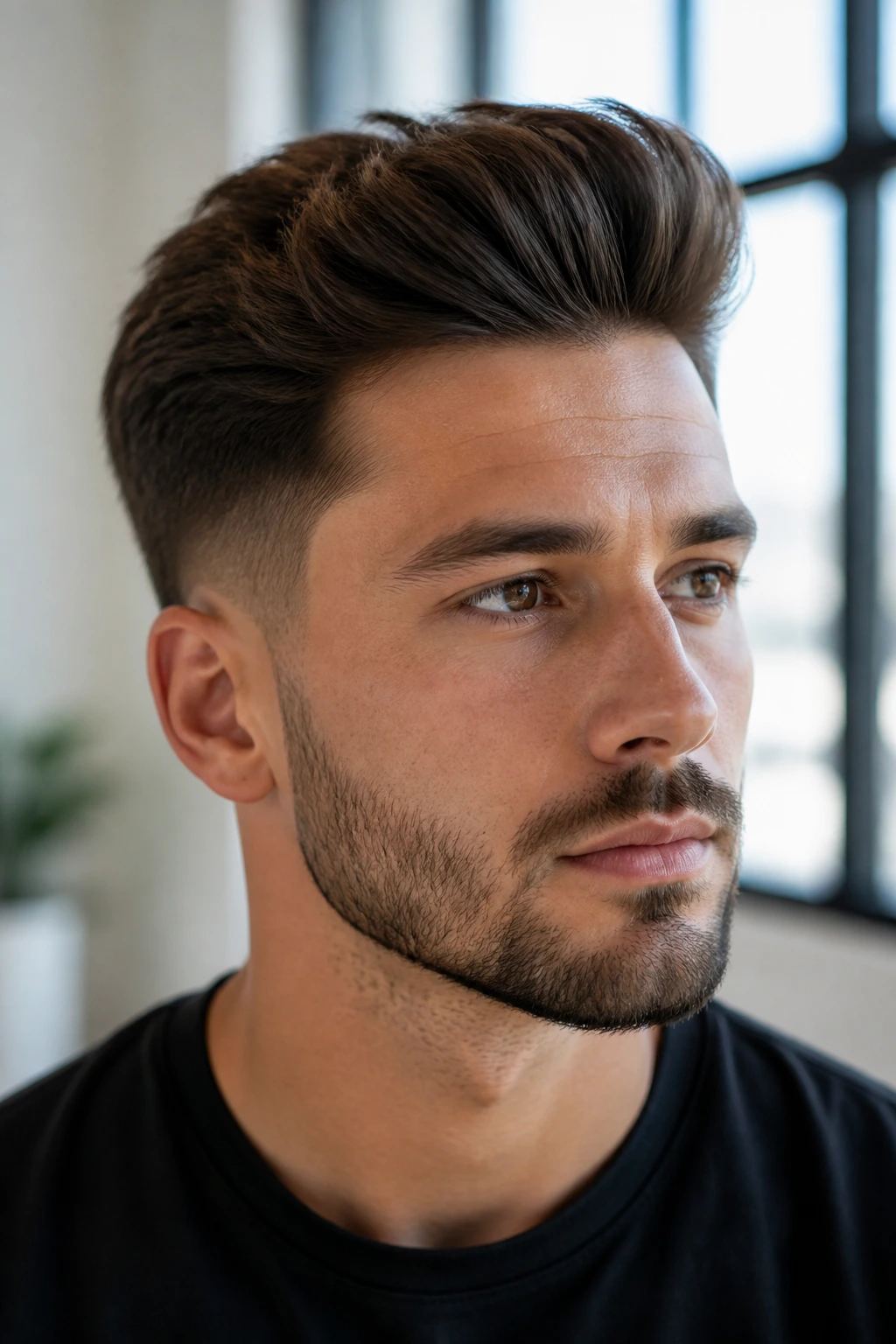
Haircuts do not stay modern on their own. They need a little maintenance, and the schedule depends on how short the sides are and how much shape the top carries.
Skin fades, burst fades, high and tights, and buzz cuts usually need a touch-up every 2 to 3 weeks if you want the outline to stay crisp. Low tapers and mid fades can often stretch to 3 or 4 weeks before they start looking fuzzy. Crops, crews, Ivy Leagues, and Caesar cuts usually sit well for 4 to 5 weeks if the barber keeps the top textured. Longer cuts like bro flow, curtains, and shags can go 6 to 8 weeks, though you may want a light dusting sooner if the ends start splitting or collapsing.
Night care matters more than people admit. If you sleep hard on a freshly styled fringe or a wavy middle part, it will not wake up politely. A quick mist of water, a touch of product, and a finger reset usually fixes it. For curls and twists, a satin bonnet or pillowcase helps the pattern hold and cuts down on frizz. For shorter cuts, a quick neckline cleanup between appointments can keep the whole haircut looking sharper than it should.
Frequently Asked Questions About Modern Hairstyles for Men
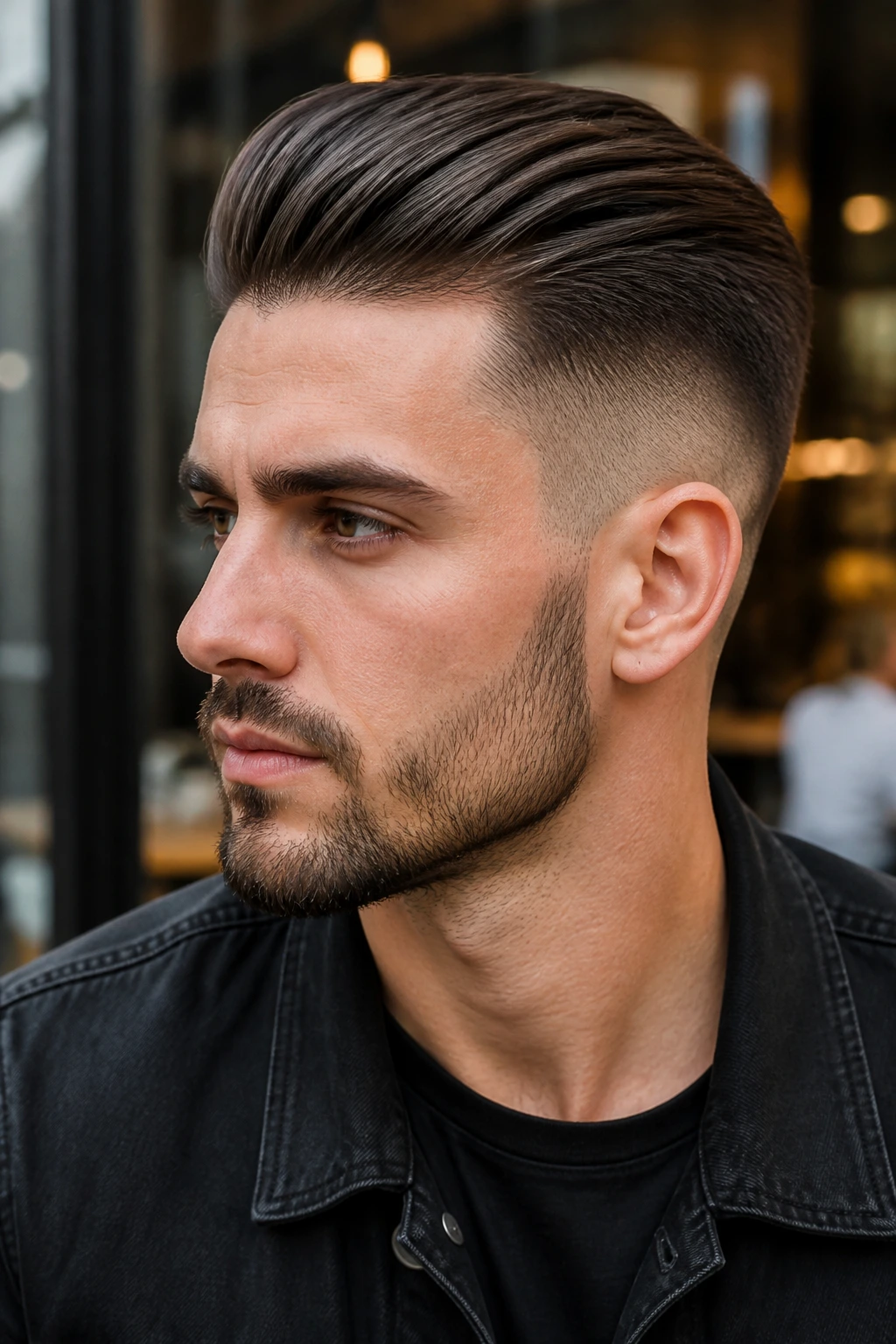
Which modern hairstyle needs the least styling?
A buzz cut with a skin fade, a high and tight, or a short textured crop are the easiest to live with. You can usually get away with a small amount of matte product and a few finger passes, which is why they’re popular with guys who hate long routines.
What haircut looks modern if my hair is thinning?
Shorter cuts with texture usually work best: buzz cuts, Caesar cuts, Ivy Leagues, and some crew cuts. They reduce the contrast between thick and thin areas, which helps the haircut read cleaner.
Can curly hair wear these modern styles?
Absolutely. Curly top fades, tapered afros, modern mullets, and even textured fringes can look excellent on curls if the barber leaves enough length where the curl pattern needs it. The biggest mistake is cutting curls as if they were straight.
How often should I get my fade touched up?
Most fades start losing their sharpness in about 2 to 4 weeks, depending on how short they are and how fast your hair grows. If you want the sides to stay tight, schedule them sooner rather than later.
Do I need a blow-dryer for modern men’s hairstyles?
Not for every cut, but it helps a lot with quiffs, pompadours, curtains, slick backs, and side parts. Blow-drying gives the hair direction before the product goes in, which is why those styles hold better.
What product gives a matte finish without making hair stiff?
Matte clay, matte paste, or a light styling cream usually does the job. The right one depends on hair thickness: clay for thicker hair, paste for medium hair, and cream for looser, softer finishes.
Can I show my barber a photo if my hair texture is different?
Yes, but point out the parts that matter most: fade height, fringe length, top length, and whether the finish should be matte or polished. A good barber can translate the shape even if your hair texture is not the same.
What if my cowlick keeps pushing my fringe up?
Don’t fight it with heavy product. Ask for a little more weight left in that spot, then style the fringe in the direction the cowlick already wants to move. Fighting the growth pattern usually makes it worse.
A Shape That Suits Your Hair, Not Your Ego
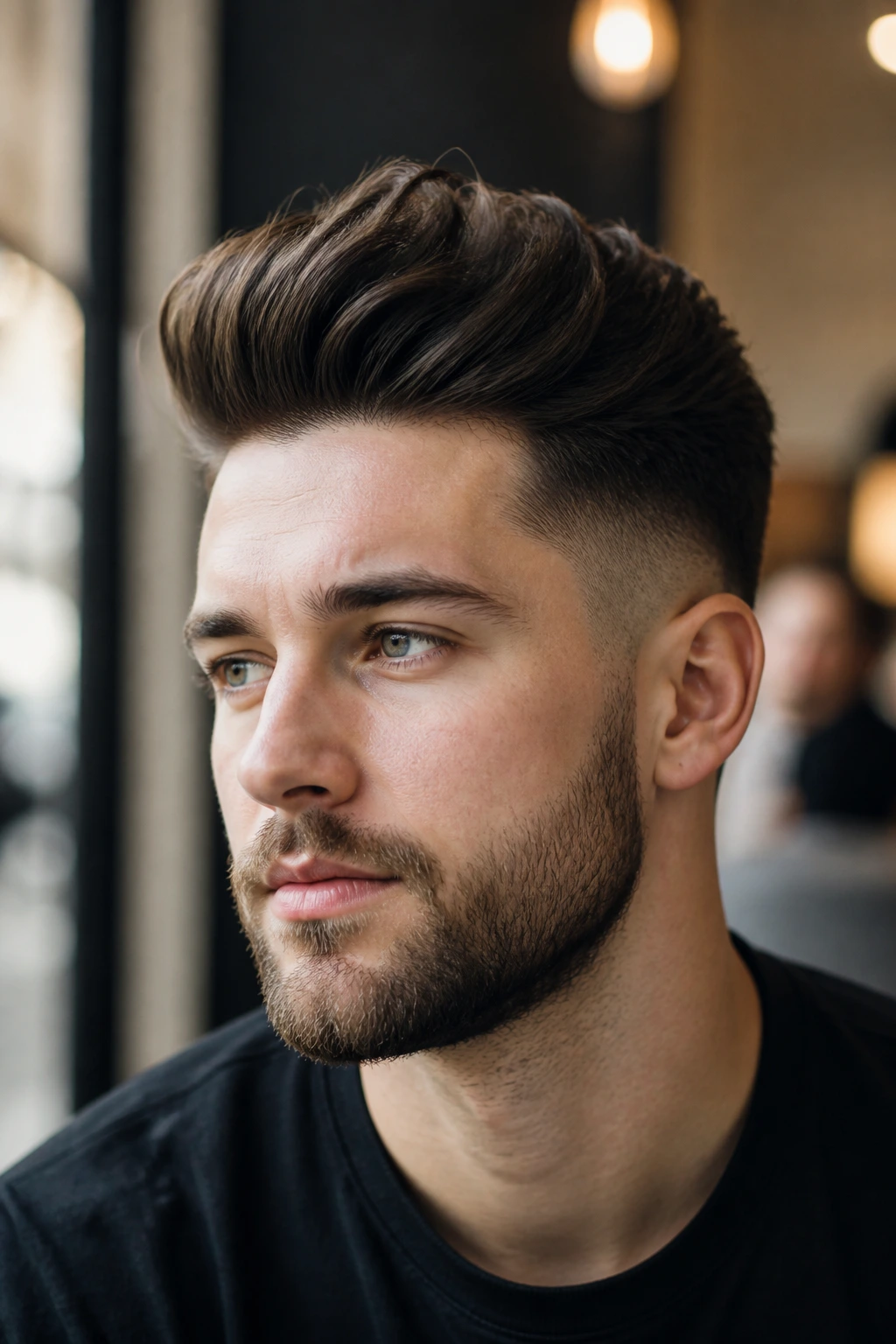
The haircut that looks modern is usually the one that knows when to stop. Not too much shine. Not too much height. Not a hard line where the hair wants a softer one. The better cuts on this list all share that discipline, whether they’re short and tight or longer and looser.
Pick the one that fits your hair density, your growth pattern, and how much time you’re willing to spend in the mirror. That’s the part people skip, and it’s why good photos sometimes turn into disappointing haircuts. The shape has to survive a normal week, not just a clean bathroom and a good angle.
If you start with that rule, the rest gets easier.
