



A clean set of Havana twists has a way of making the whole head look settled. Not stiff. Not fussy. Just finished. That’s the appeal of Havana twist hairstyles when they’re done well: the rope-like texture brings softness, the parting brings order, and the silhouette does a lot of the work for you.
The style also has a trick that people underestimate. It can look plain on a hanger and polished on a person, which is the opposite of many braids and twists that need extra decoration to feel intentional. With Havana hair, the texture itself is the ornament. If the sections are neat and the length is chosen with a little care, the result reads calm, expensive, and easy to live in.
And easy matters here. A good Havana twist set can go from shoulder-grazing and office-safe to swept into a low bun for dinner, then back down without losing its shape. That flexibility is what makes the style so useful: it doesn’t need a different personality every time you change your outfit. The best versions below are the ones that keep the line clean, the roots tidy, and the finish soft instead of bulky.
Why These Havana Twist Looks Work So Well
-
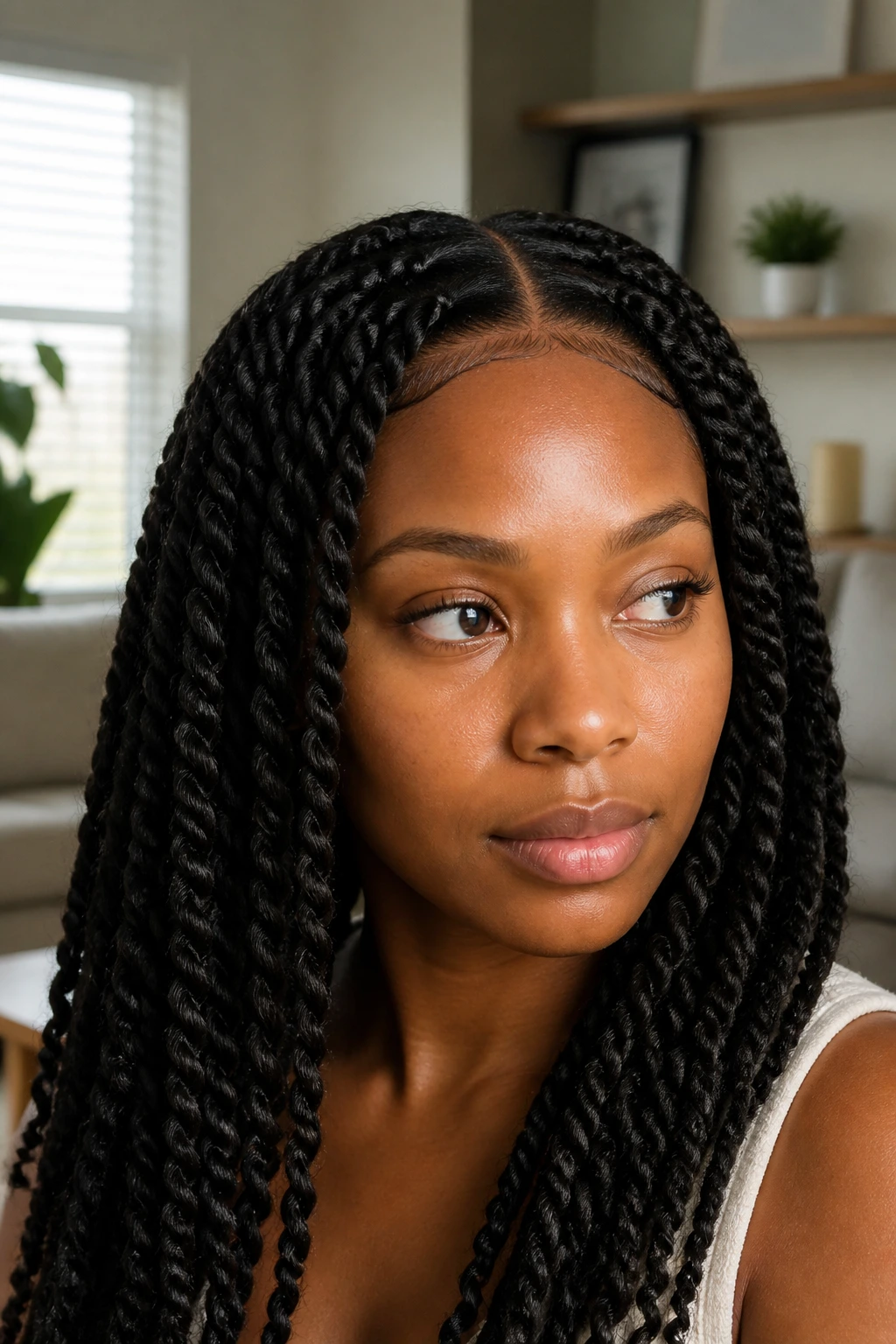
The texture does the styling for you: Havana hair has that plush, ropey look that makes even a simple middle part feel deliberate instead of bare.
-
The shape stays readable from every angle: Clean sections, even twist size, and a controlled outline keep the style from turning into a cloud of hair.
-
You can dress them up or down fast: One set can wear as a bob, a ponytail, a bun, or a half-up style without a fresh install.
-
They flatter a wide range of face shapes: The twists soften edges around the temples and cheekbones, especially when the front pieces are cut or placed with purpose.
-
They sit well with color: Black, brown, burgundy, blonde ends, and ombré all show the twist pattern clearly, so you can change the mood without changing the structure.
-
They’re forgiving, but not sloppy: A slightly imperfect curl at the end is fine. Crooked parts and overloaded roots are not. That line matters.
What Gives Havana Twists Their Clean, Easy Finish
The whole look starts with proportion. Havana twists are chunkier and fluffier than thin twist styles, so the eye reads them as relaxed even when the installation is precise. That’s why they can look so polished without needing a ton of accessories. The style already has a built-in shape.
The parting is the part that people either nail or ruin. A straight center part gives you symmetry and a very clean frame. A deep side part makes the whole style feel a little more elegant, because the weight of the twists drapes across the forehead and jaw in a softer line. Crooked sections, though, are the first thing the eye finds. The twist can be soft. The part cannot.
Weight plays a bigger role than most people think. If the twist is too heavy for the section underneath, the root starts to sag and the front looks tired after a day or two. If the sections are too tiny for the amount of hair used, the style turns bulky at the scalp and loses that easy movement that makes Havana twists look good in the first place. The sweet spot is a twist that feels full in the hand but doesn’t feel like it’s arguing with your hairline.
The ends matter, too. A neat taper, a tucked finish, or a small curl at the bottom makes the whole style look intentional. Loose, frayed ends make even a great part look unfinished.
1. Classic Shoulder-Length Havana Twists
This is the version I point people to when they want the style to look polished without much drama. Shoulder-length Havana twists sit in that useful zone where they have swing, but not so much length that they start getting tangled in every coat collar or purse strap.
A middle part keeps the shape balanced, and the twists themselves should be medium-sized so the head doesn’t look too wide at the sides. That balance is the whole point. The style feels neat because the line is clear, the length lands cleanly at the shoulders, and the twists move in a soft curtain instead of a heavy sheet.
If you wear a lot of collared shirts, this cut behaves nicely. It clears the neck, shows the twist texture, and still gives you enough length to pin one side back when you want a change. My favorite thing about this length is how little it asks from you. It already looks done.
2. Deep Side-Part Havana Twists
A deep side part changes the mood fast. The same Havana twists can feel softer, sharper, or a little more formal just by moving the part off-center and letting the front fall across one brow.
Why the Part Matters
The part is doing the visual work here. It draws the eye in one line before the twists fan out, which makes the whole style feel more intentional than a simple center part. If your hairline is a little uneven or your forehead is on the wider side, this shape can be a friend. It gives the face some asymmetry without looking busy.
Keep the front section a touch smaller than the back sections so the side sweep has movement. Too much hair at the front, and the whole thing starts leaning heavy over one eye. Too little, and the part looks like a mistake instead of a design choice.
- Best on medium to thick hair density
- Looks especially good with shoulder-length or collarbone-length twists
- Needs crisp roots near the part line
- Works well with a matte mousse finish, not oily shine
Pro tip: set the side part with a rat-tail comb before the twists go in, not after. Once the hair is twisted, moving the part usually just muddies the line.
3. Chin-Length Havana Twist Bob
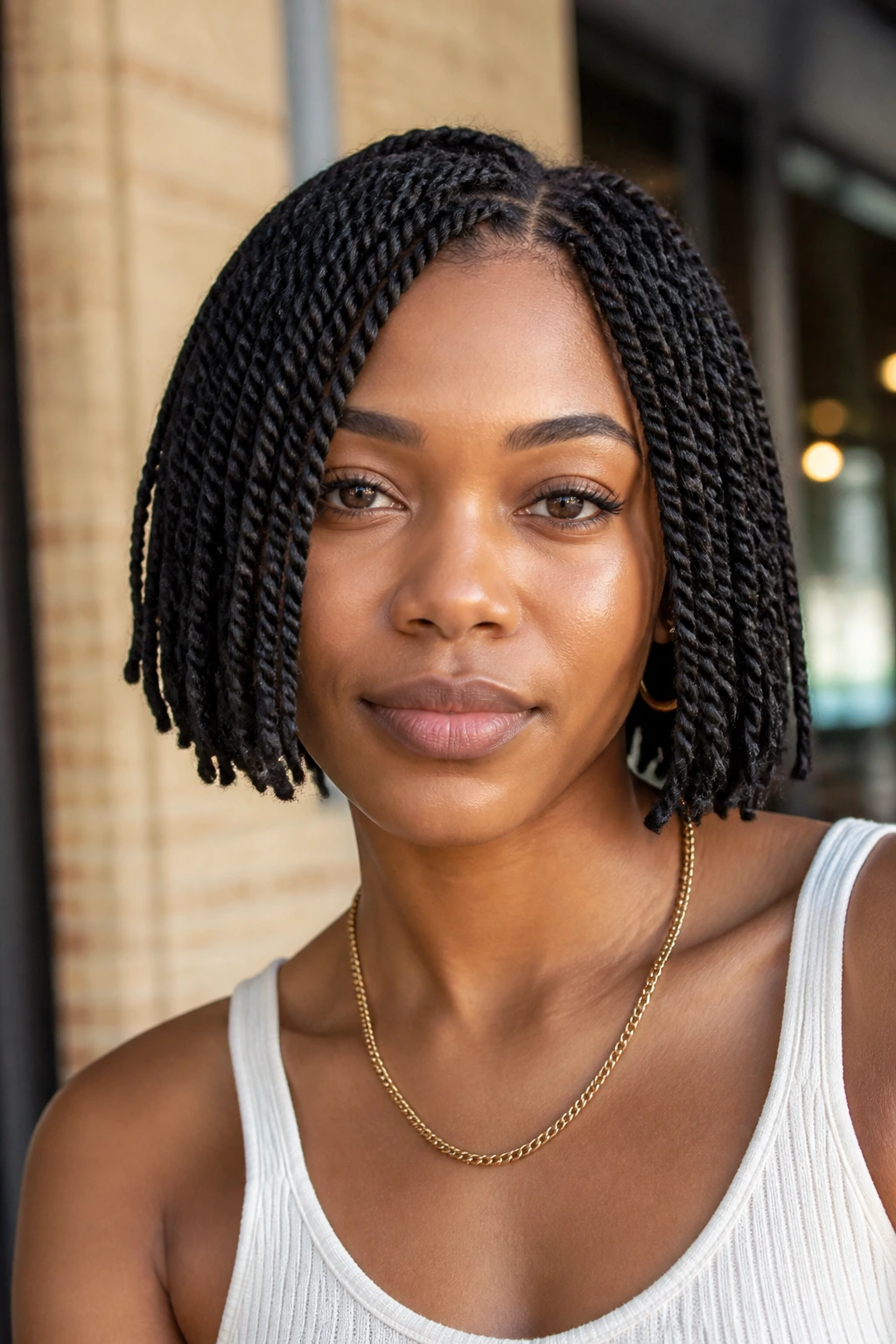
Shorter Havana twists do something useful: they make the style look sharper without making it feel severe. A chin-length bob lands right near the jaw, which gives the whole face a clean frame and keeps the ends from competing with your outfit.
This version is especially good if you want the texture of Havana twists but don’t want the weight of long hair on your neck. The bob shape also keeps the style from ballooning out at the sides, which can happen when thicker twists are taken too long. A blunt or slightly rounded line near the chin makes it feel deliberate, not chopped off.
This is one of the easiest versions to keep neat because the ends don’t brush against your shoulders all day. Less friction means less fuzz. Less fuzz means the style holds its tidy shape longer.
4. Waist-Length Havana Twists
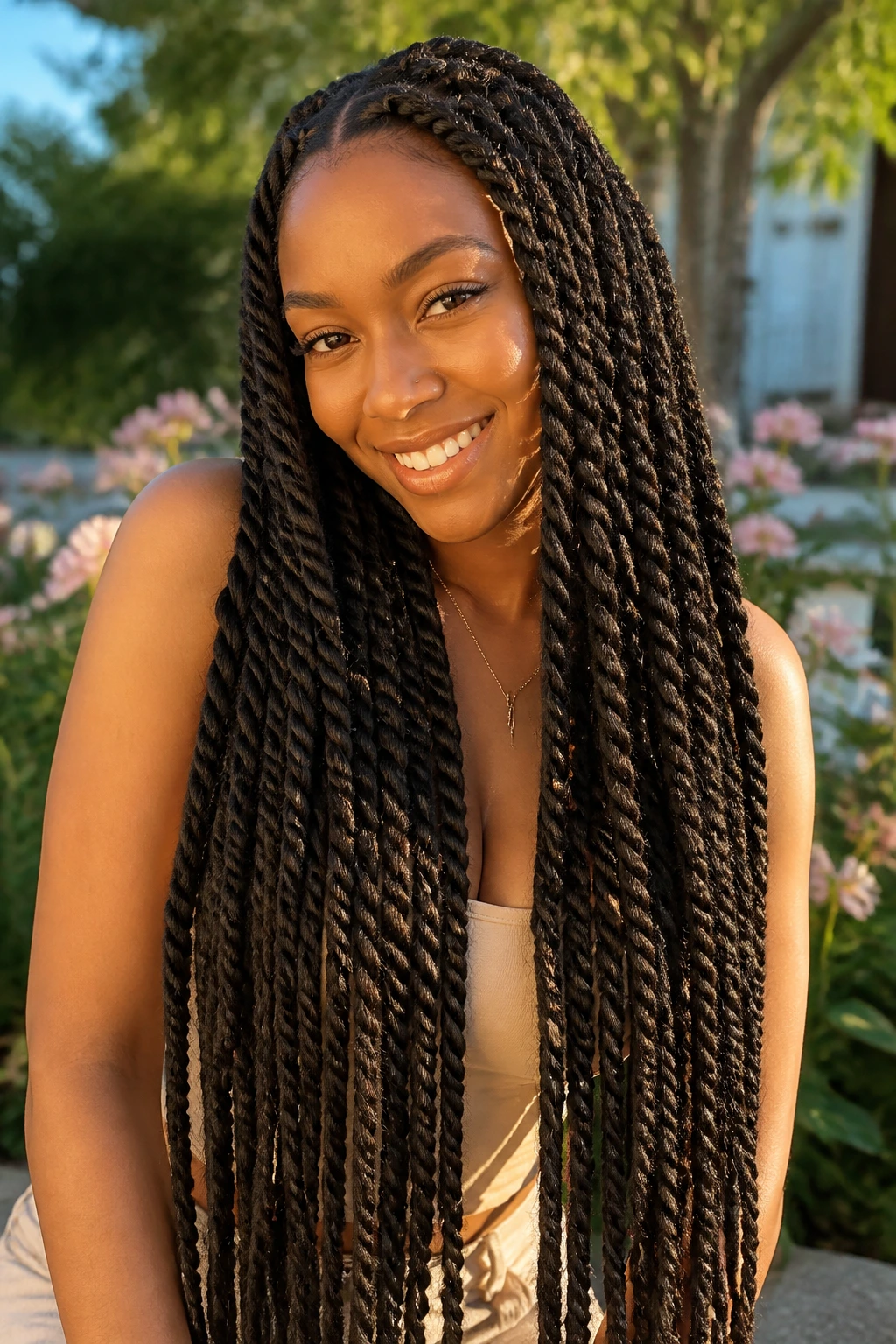
Long Havana twists have presence. That’s the plain truth. They swing differently, they make a low ponytail look heavier, and they give the style a more dramatic profile even when the rest of the outfit is simple.
The main thing to watch with long lengths is the root section. If the install is too dense at the scalp, waist-length hair gets tiring fast. You feel it when you turn your head. You feel it when you put a coat on. You feel it when the twists collect on one shoulder and start pulling at the front hairline. So the cleanest long sets tend to be a little lighter at the root and well distributed across the crown.
I like this length best with a center part or a clean side part. It lets the length fall in an orderly curtain, which is what keeps the style from looking accidental. And if you do go long, make the ends neat. Scraggly ends show more at waist length than people expect.
5. Half-Up, Half-Down Havana Twists
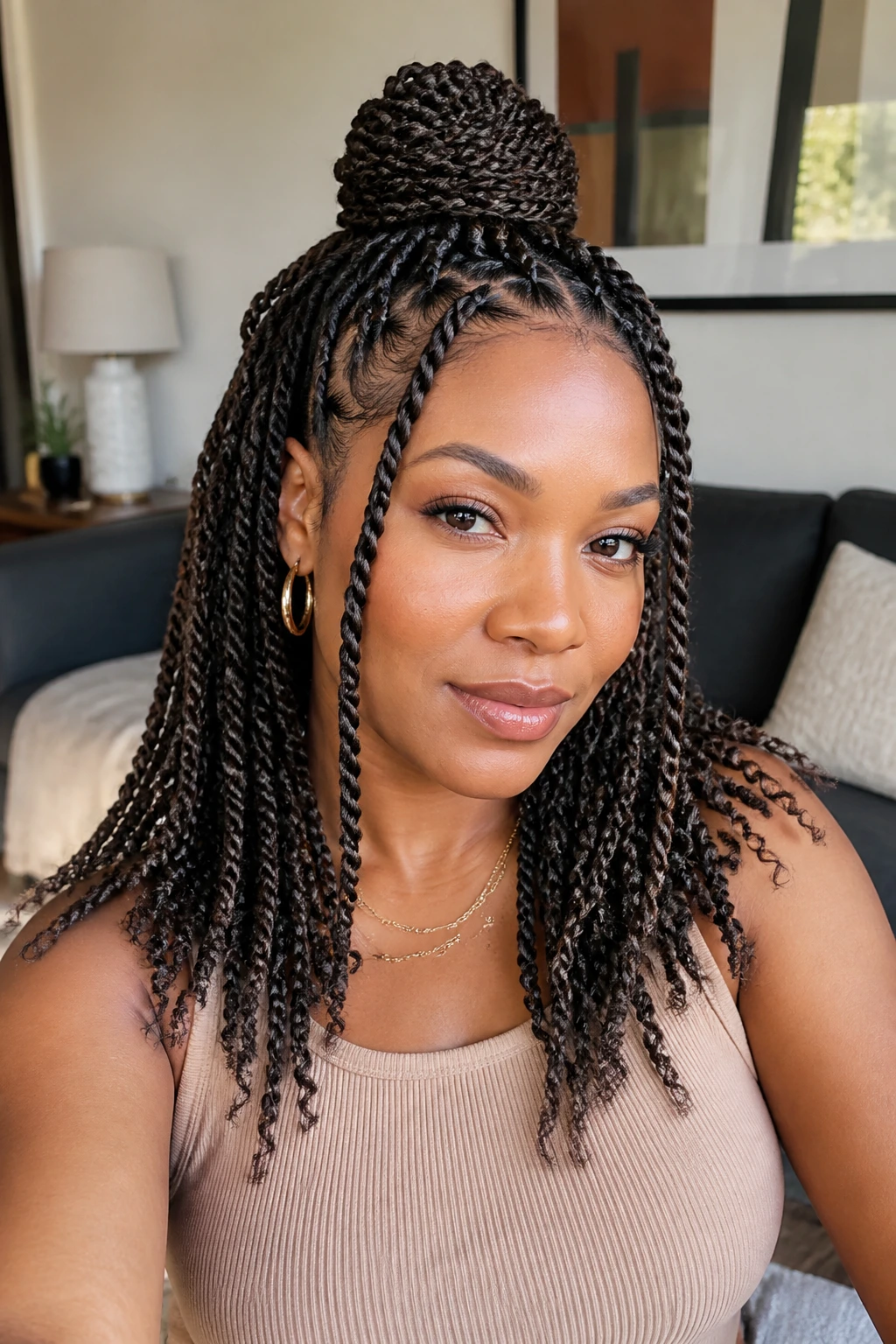
Half-up, half-down is the style I’d choose when the twists are neat but you still want movement around the face. It gives you the tidy lift of a pinned front section and the soft drape of loose twists in the back.
The top section should sit high enough to show the parting, but not so high that it starts tugging. That’s the difference between polished and irritating. A small wrapped bun or a short knot at the crown usually looks cleaner than a giant puff of twists shoved upward at random.
This style works especially well on medium and long twists, because the back half has enough weight to hang nicely. Shorter twists can do it too, but the shape gets a little stubby if the length stops too high above the shoulders. A few face-framing pieces left out in front can soften the line, especially if you prefer the style to feel less strict.
6. High Ponytail Havana Twists
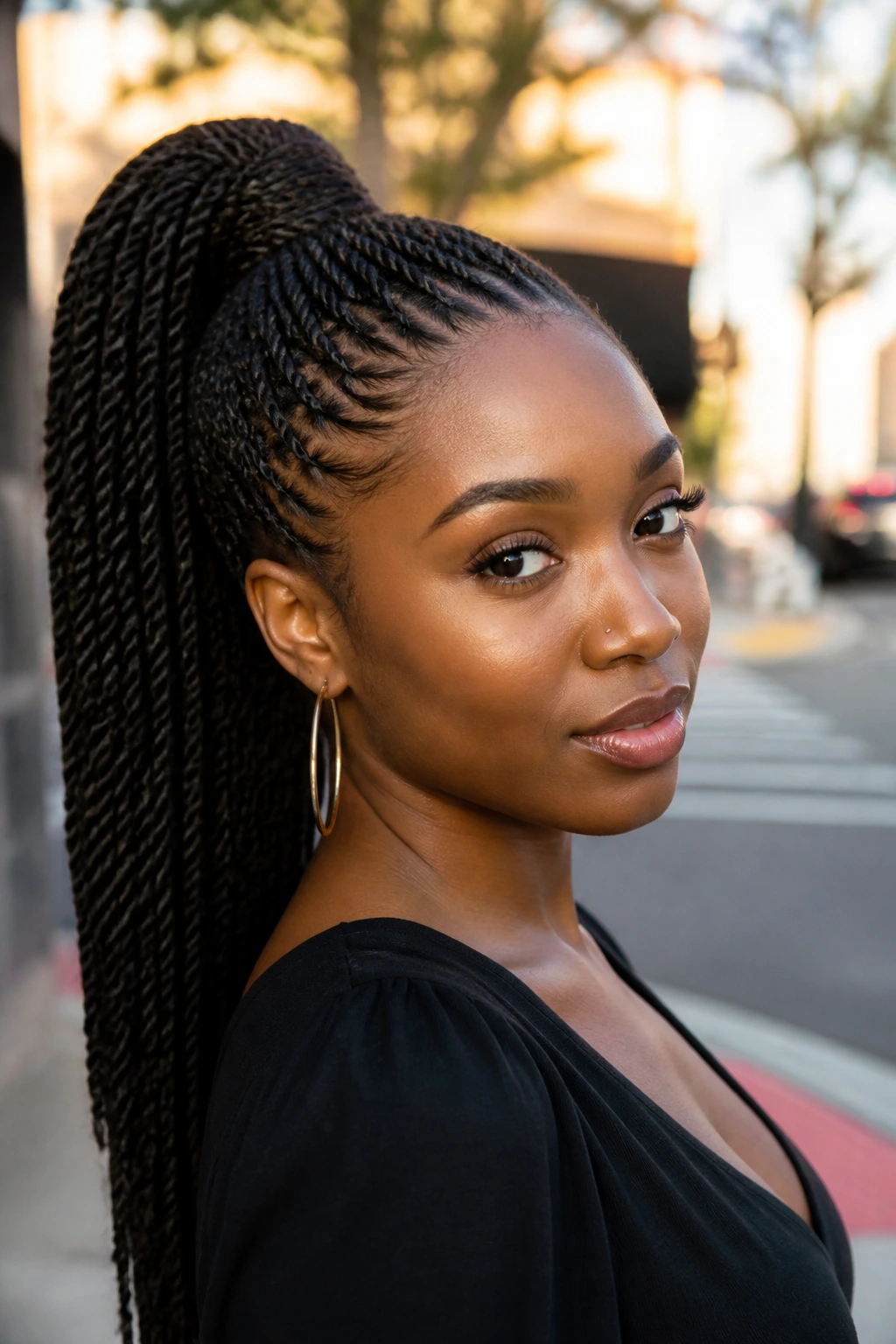
A high ponytail turns Havana twists into something sharper. The base pulls the twists upward, exposes the neck, and gives the whole look a cleaner outline from the side. It’s one of the fastest ways to make the style feel dressed up.
The trick is not to cinch the ponytail so tight that your scalp complains. That may sound obvious, but high ponytails and twist styles can get heavy fast. If the hairline feels tugged after a few minutes, the ponytail is too high or the base is too tight. A wrapped hair tie or a wide elastic usually distributes the weight better than a tiny band.
This version is best when the twists are medium-sized and not overly long. Very long twists in a high ponytail can feel like a rope hanging from the crown. That can look cool, but it isn’t the easy look most people want. Keep the base smooth, wrap a small twist around the elastic, and let the ends move.
7. Low Bun Havana Twists
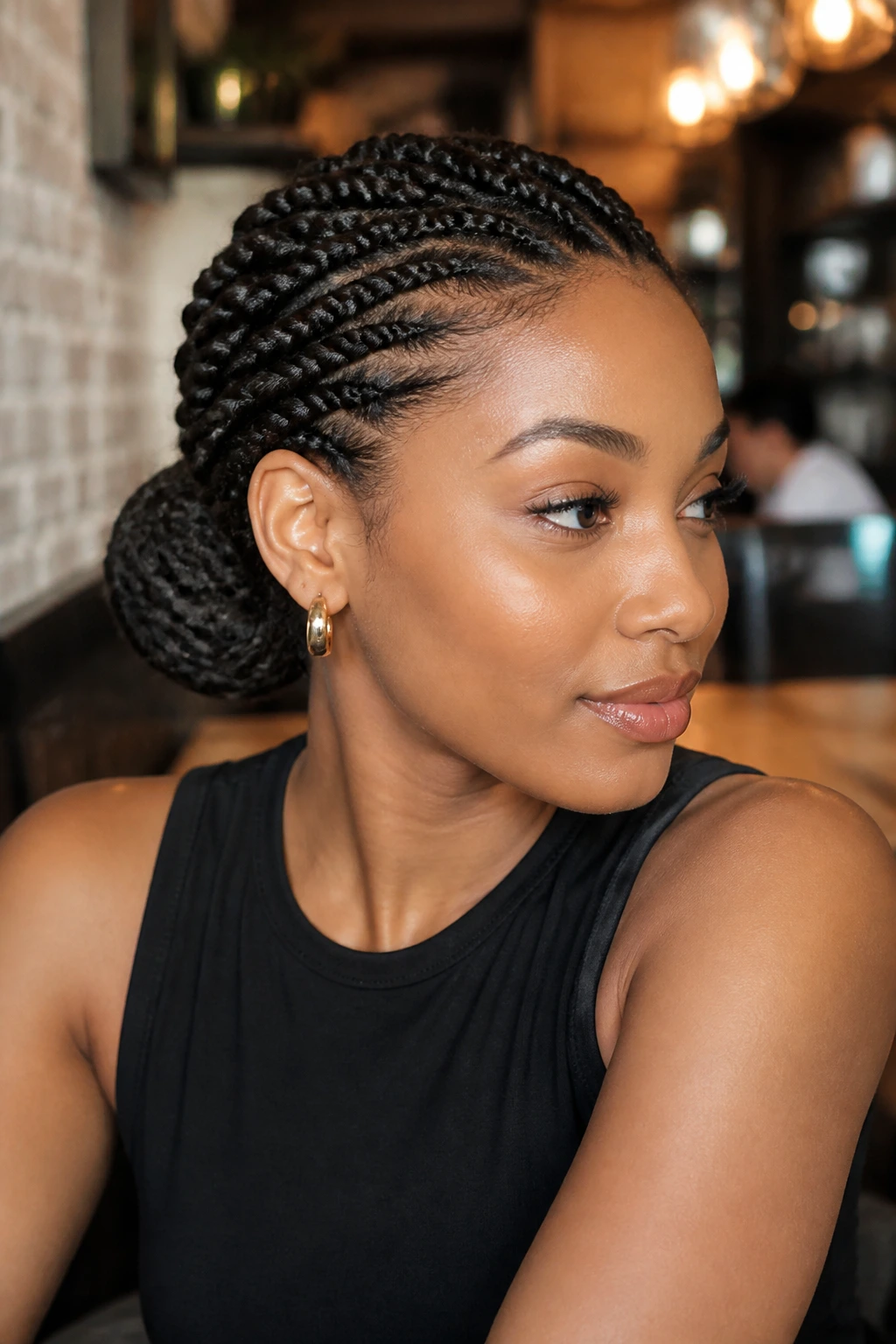
Low bun Havana twists are a quiet powerhouse. The style looks neat from every angle, the neck stays clear, and the whole thing reads as deliberate even when you didn’t spend ten minutes fussing with it.
The bun works best when it sits at the nape or just above it. Too high, and it starts to look like an afterthought. Too loose, and the twists splay outward. A tight coil tucked close to the head gives the style a clean finish, especially if you smooth the surface with a little mousse first.
I like this version for days when you want the texture of Havana twists but need the shape to behave. It’s good for work, dinner, events, and any day when your shoulders need a break from hair. If the set is long, the bun can also hide ends that are getting a little older, which buys you time before a full takedown.
8. Crown-Sweep Havana Twists
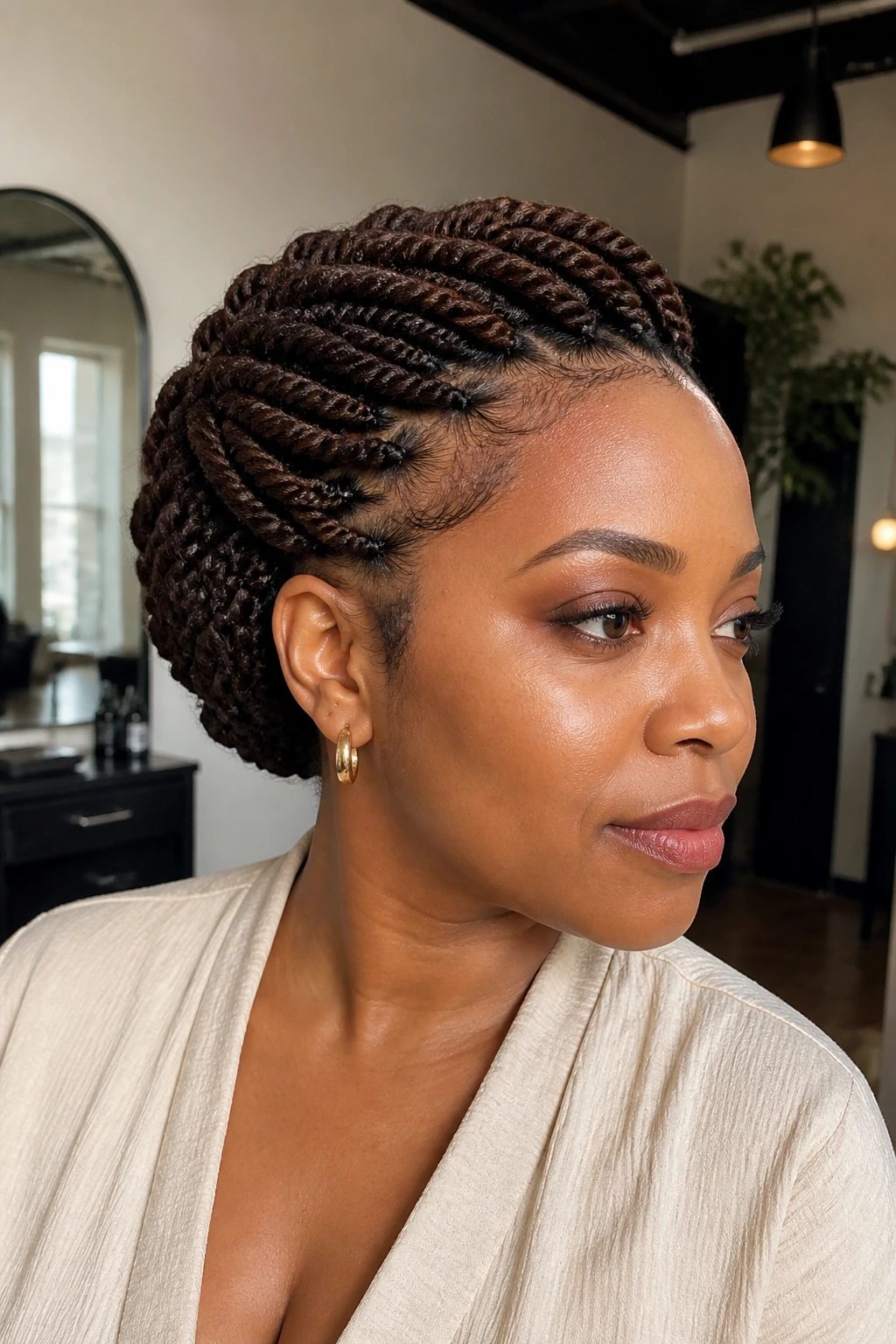
A crown sweep is one of those styles that looks more complicated than it is. You simply direct the front and side twists across the head so they follow the curve of the hairline, then pin or tuck the ends so the shape stays smooth.
What Makes It Stand Out
The softness comes from the direction. Instead of letting the twists drop straight down, you guide them around the head, which creates a graceful arc and opens the face. It is a good choice if straight-down styles feel too heavy around your cheeks or if you want to show off earrings and a clean brow line.
Use a few discreet pins that match your hair color. Black pins vanish in dark twists. Bronze pins work better on brown hair. If the pins are visible, the whole style starts looking temporary, and that ruins the neat finish.
- Best for medium-length sets
- Works with side parts or center parts
- Keeps the front line tidy
- Looks good with tucked ends or a small low bun in back
One-sentence tip: smooth the front with a pea-sized amount of styling foam before pinning, or the sweep will puff up by lunchtime.
9. Triangle-Part Havana Twists
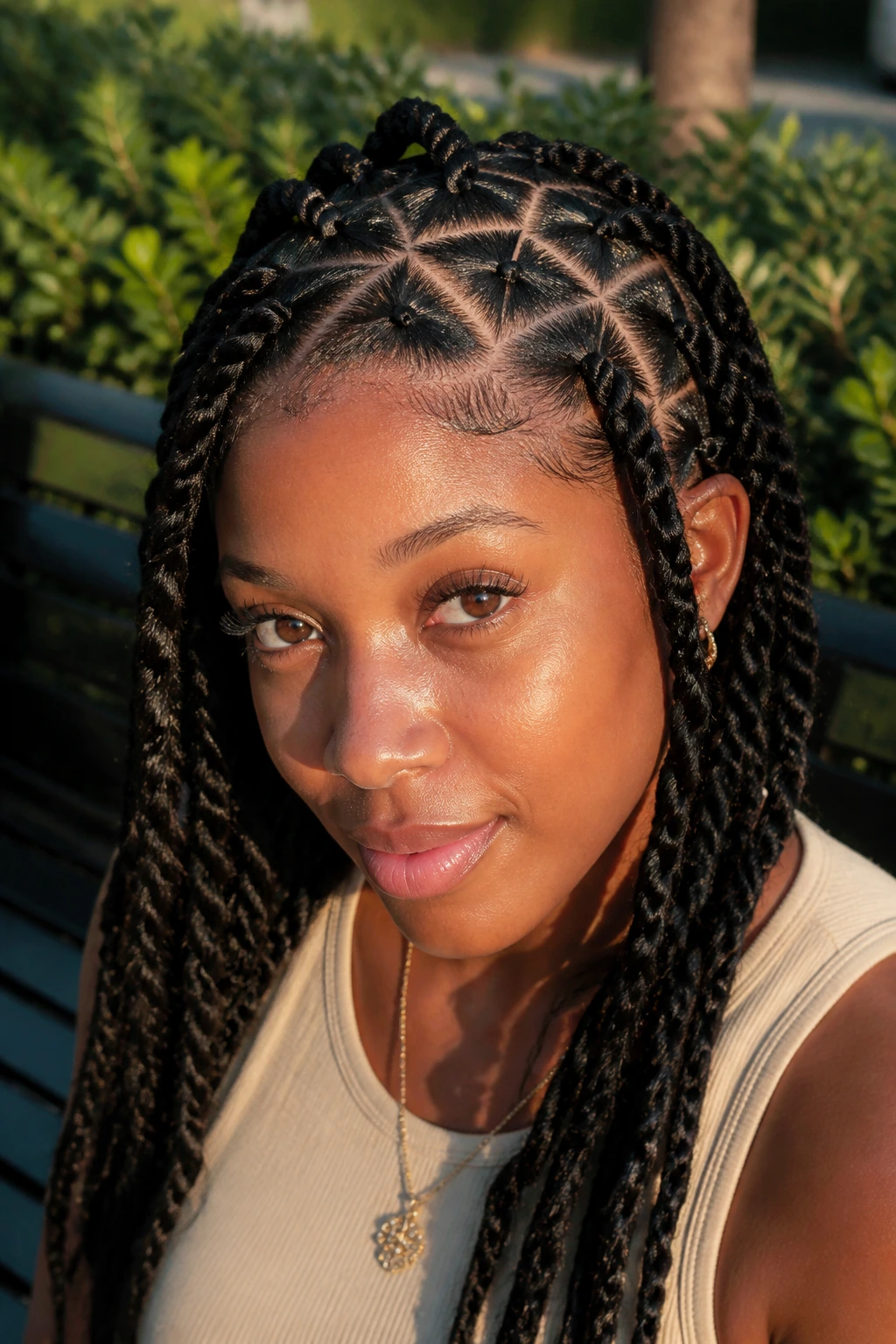
Triangle parts are for the person who wants the style to have a little edge without adding color or jewelry. The parting pattern itself becomes part of the design, and that geometric detail reads clearly through Havana hair because the twists are chunky enough to show it.
This look is especially nice when the twists are medium-sized and the sections are clean. The triangle shape gives the scalp pattern some movement, so the style feels less rigid than square parts. It’s a small change, but it changes the whole mood.
The best triangle-part sets don’t try to be fancy everywhere. The parts are the statement. The twists can stay simple. That restraint is what keeps the look polished. If you’ve ever felt like your twist style needed “something,” this is often the something.
10. Small-Size Havana Twists
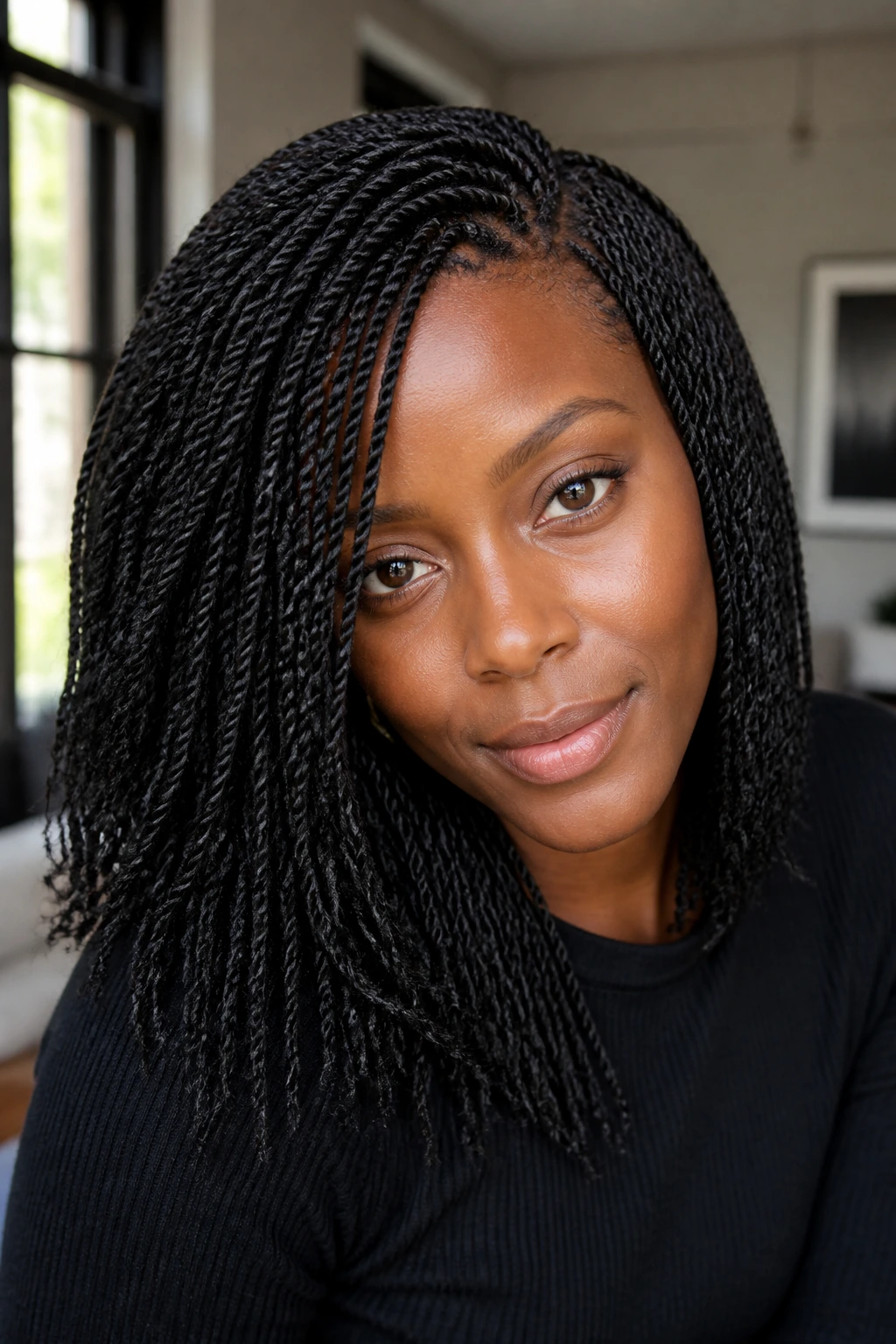
Smaller Havana twists soften the bulk that sometimes comes with the style. They still have that rope texture, but the silhouette is narrower, more detailed, and easier to layer around the face.
This is a smart choice if your hair is fine, if you want a longer wear time, or if you’re tired of styles that sit too wide at the sides. More twists usually mean more movement and a cleaner drape, though the install takes longer and asks for more patience. There’s no shortcut there.
The payoff is worth it if you like precision. Smaller twists lie closer together, which makes the whole set look neat from the top down. They also make updos easier because the pieces fold and pin without fighting you. If you want the Havana twist look to feel refined instead of chunky, this is the lane to stay in.
11. Jumbo Havana Twists
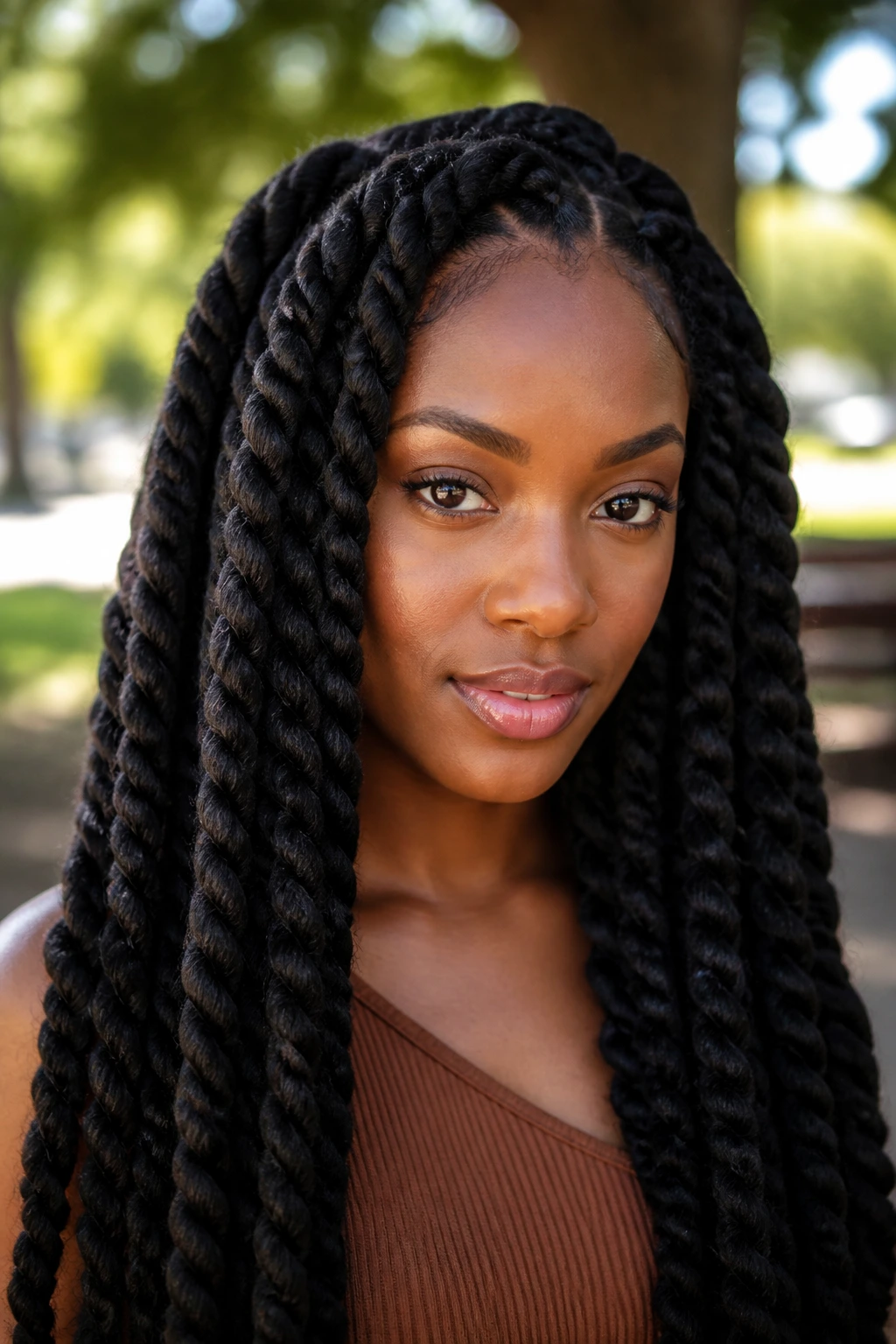
Jumbo Havana twists are the bold version, and they work best when the parts are clean enough to support the size. If the sections are sloppy, jumbo twists look messy fast. If the sections are tidy, they look modern and relaxed.
I think this version shines when the hair itself is medium to long and the install is kept a little lighter near the temples. Heavy edges and jumbo size do not always get along. The style ends up pulling at the front and flattening the sides in a way that feels tired after a few hours.
A few big twists can frame the face nicely, especially when the rest are slightly smaller in the back. That subtle size shift gives the style shape instead of a block. It’s a good choice when you want the easy look to read as purposeful and a little dramatic.
12. Beaded-End Havana Twists
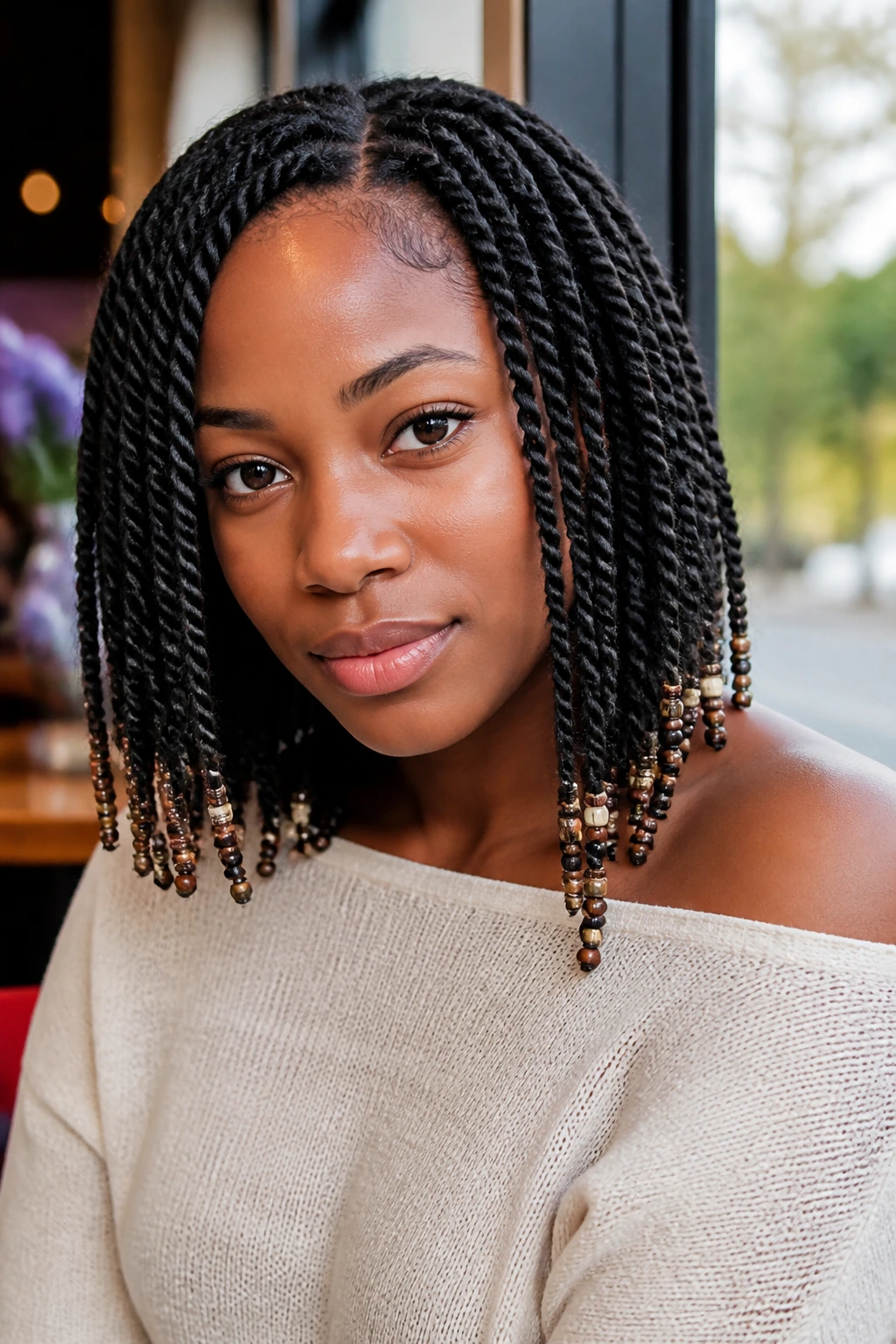
Beads change the sound and the movement of the style. That little click when the twists move is part of the appeal, and on Havana twists, beads look cleanest when they’re used sparingly rather than everywhere.
A few beads at the ends can sharpen the whole look, especially on shoulder-length or bob-length sets. Keep the bead color in the same family as the twists if you want a polished finish. Clear, brown, black, or gold-toned beads tend to look more deliberate than neon accents unless you’re leaning playful on purpose.
Use this version when you want the hair to carry a little more personality without changing the base style. The twist remains the main event. The beads are a note, not the whole song.
13. Curled-End Havana Twists
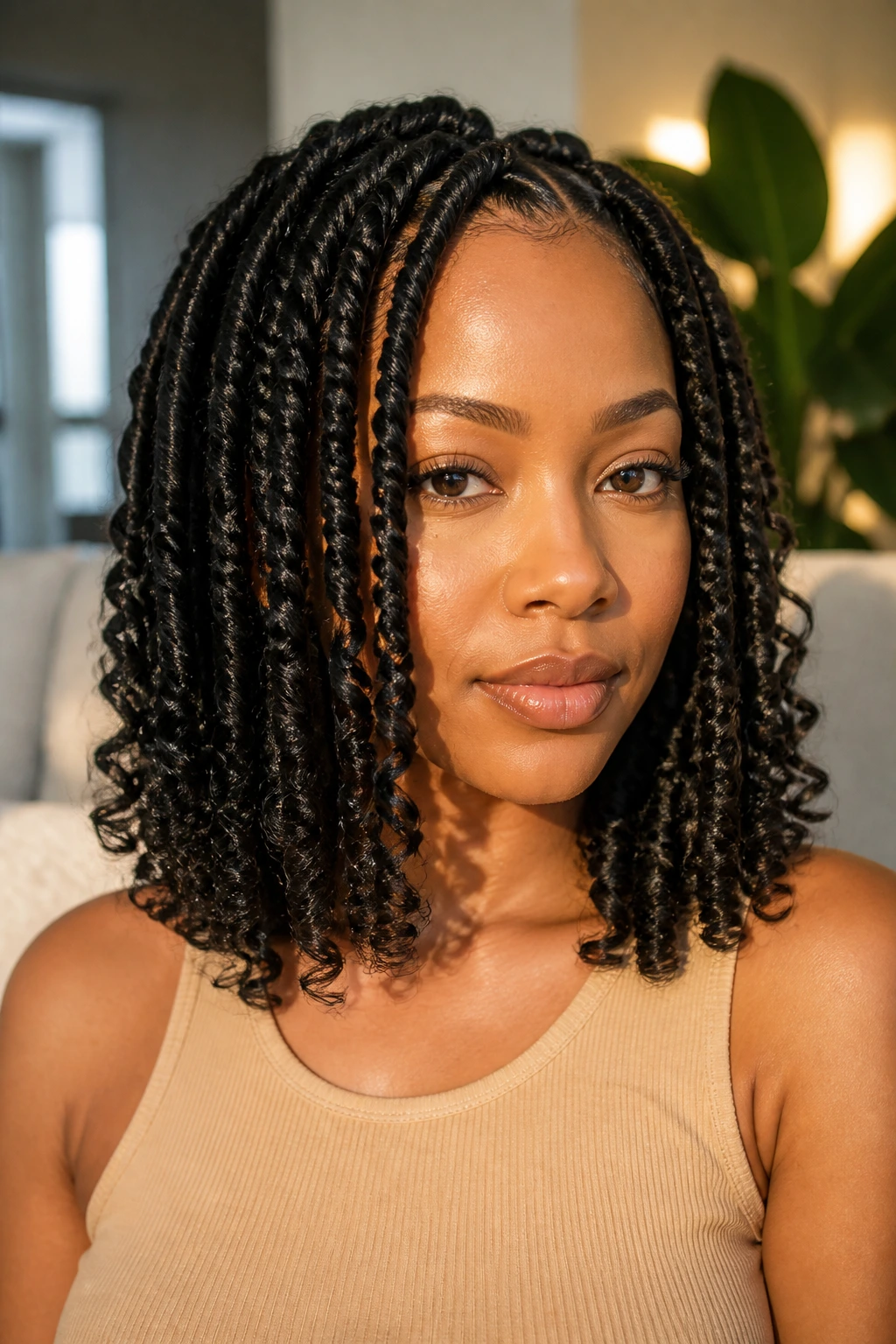
Curled ends soften the outline of the style in a way that feels almost tailored. The twists still read as clean and structured, but the bottom edge has a little bend and movement instead of hanging straight and blunt.
This look works best when the twists are medium or long enough to show the curl. If they’re too short, the curl disappears into the shape and just looks busy. A soft bend at the bottom can make the face look a little longer and the whole set feel less boxy.
I prefer this finish on styles that already have a neat part or a side sweep. The curl gives the eye a place to land, and that helps the style feel finished even when the rest is simple. If your regular twist sets feel a little too stiff, a curled end makes them breathe.
14. Burgundy Havana Twists
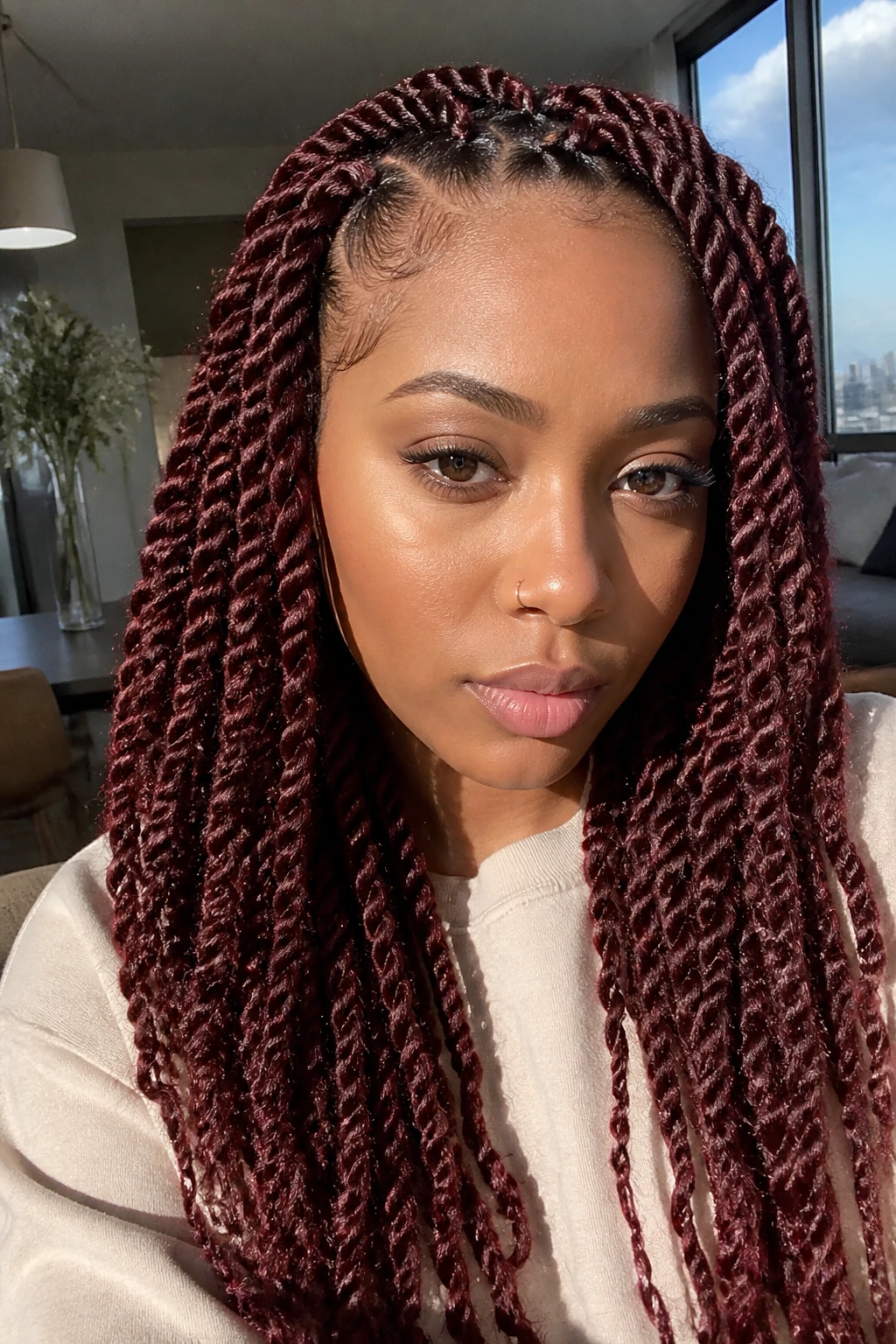
Burgundy is one of the easiest color choices to wear because it changes the mood without fighting the texture. The twist pattern still shows clearly, but the red-brown tone gives the style more depth in daylight and a richer look indoors.
The key is choosing a burgundy that works with your undertones and your wardrobe. A deep wine shade feels more grounded. A brighter red-brown feels livelier. Either way, the color makes the twists look less flat, especially if your base hair is very dark.
How to Keep the Color Looking Intentional
Pair burgundy twists with a clean part and a simple shape. If you add a loud part, oversized beads, and a high ponytail all at once, the look can tip into clutter. One strong element is enough.
- Best with medium or long twists
- Looks especially sharp in low buns and side parts
- Works well for people who want color without bleaching
- Can fade visually if the install gets frizzy, so keep the roots neat
Pro tip: burgundy looks strongest when the shine is controlled. A little mousse goes a long way. Too much gloss makes the color look muddy.
15. Side-Swept Havana Twists
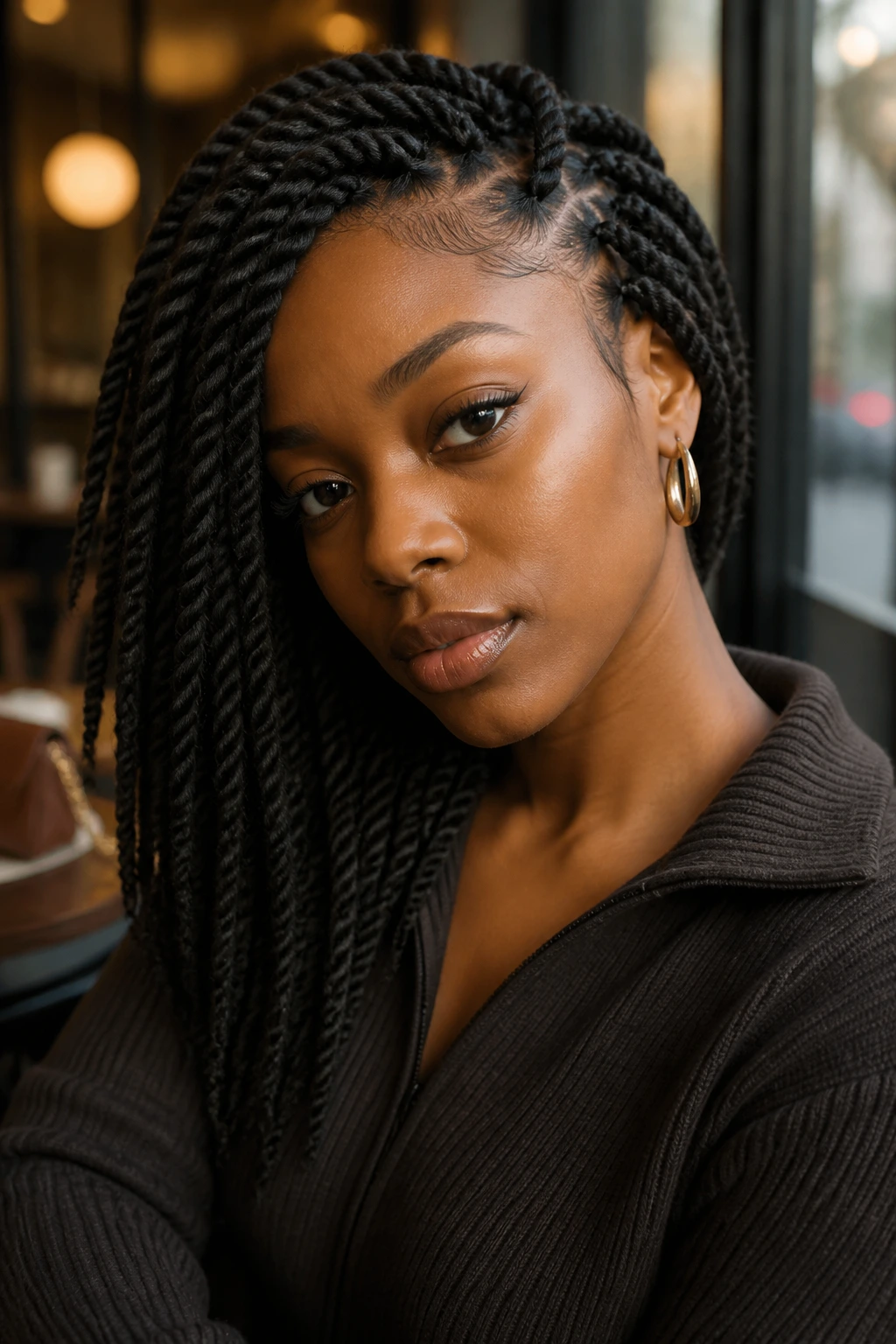
A side-swept set has more movement than a strict center part, and that movement is what makes it feel effortless. The twists fall in one direction, the profile opens up, and the style reads as soft rather than formal.
This is a nice answer when you want to wear Havana twists to work or a dinner event without looking too severe. It also helps balance stronger features. The sweep draws the eye diagonally, which tends to soften the face and take some attention off the forehead.
The most important thing is weight placement. Let the heavier side contain the longer fall of twists, while the lighter side stays neat and close to the scalp. That contrast gives the style shape. If both sides are equally full, the sweep loses its purpose and just becomes a side part with extra volume.
16. Tapered-Shape Havana Twists
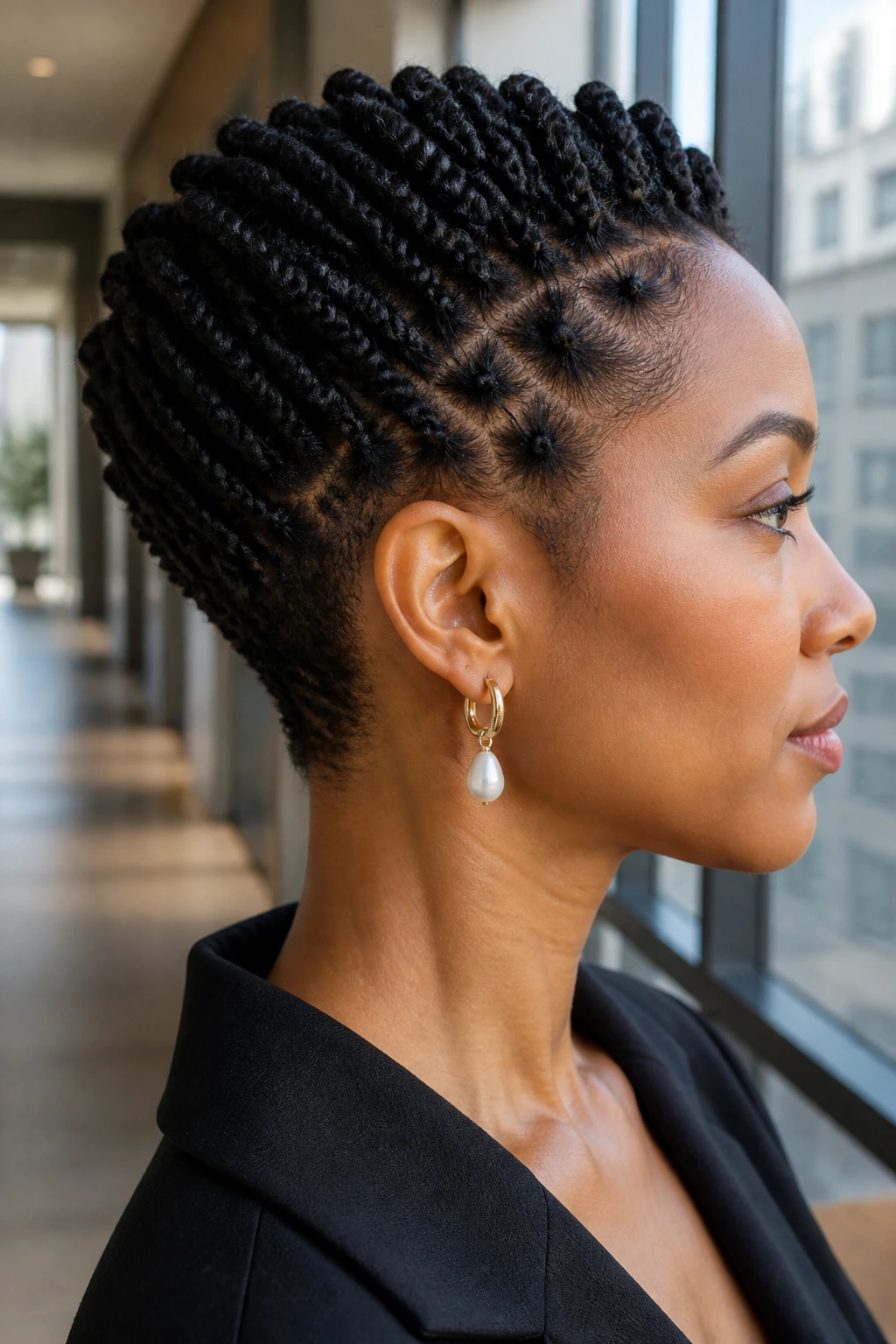
A tapered shape is one of the smartest choices for keeping Havana twists polished over time. Instead of a uniform wall of hair from temple to temple, the outline narrows a little near the neckline or around the sides, which gives the style a clean silhouette.
This shape works especially well if you wear jackets, turtlenecks, or high-collar tops. The taper keeps the hair from bunching awkwardly at the back. It also helps very long sets look lighter visually, which matters more than people think. A style can be full without looking heavy.
What to Ask For
If you’re having the style installed, ask for a shape that follows your head rather than a straight blunt outline. The back can skim the nape. The sides can sit slightly shorter. That small adjustment often makes the whole set look better balanced.
The style is a good compromise if you love fullness but hate the square, blocky finish some twist sets can get.
17. Double Space-Bun Havana Twists
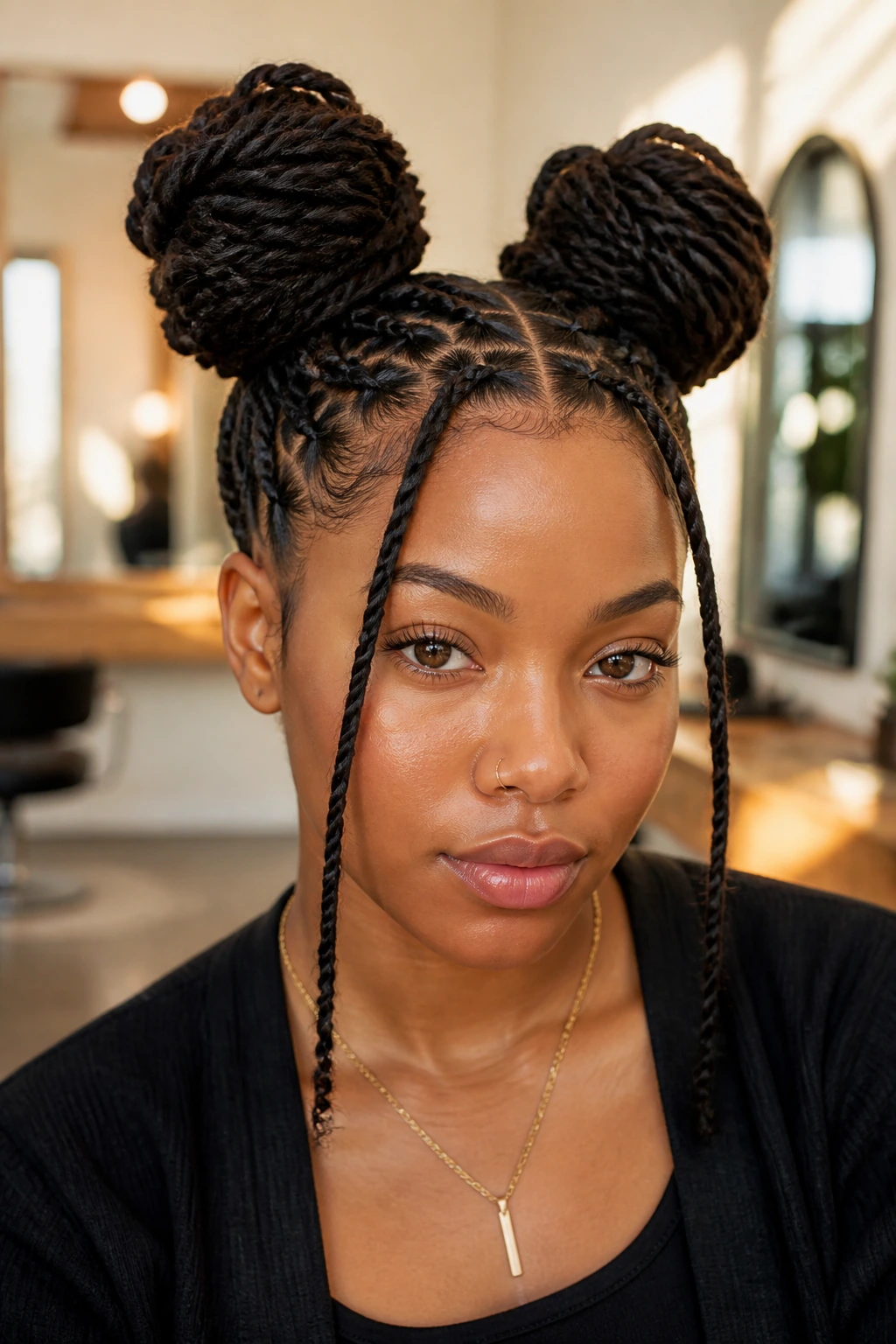
Space buns turn Havana twists into something playful without stripping away the polish. The buns sit high, the face opens up, and the rest of the twists can stay loose or tucked, depending on how much shape you want.
The cleanest version uses two even buns and leaves the sectioning crisp. If the parts are uneven, the style turns chaotic in a hurry. So the structure matters. A centered part or a neat off-center split gives the buns a clear framework, which is what makes this look feel more deliberate than costume-like.
I like this when the twists are medium length. Very long twists make the buns too heavy, and very short ones don’t give enough material to wrap. If you want the style to read cute but controlled, this is a strong option.
18. Face-Framing Halo Havana Twists
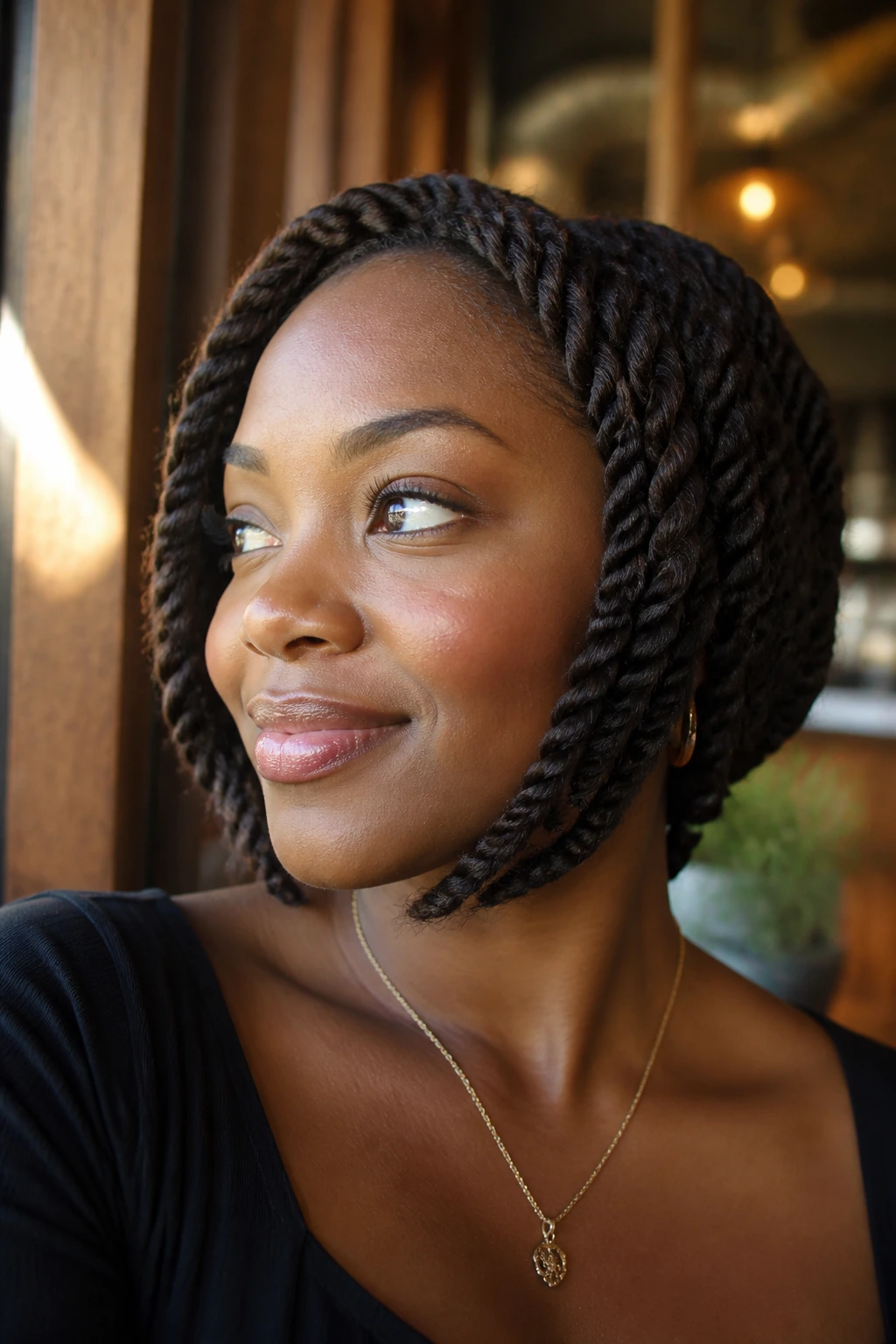
A face-framing halo lets a few front pieces curve around the cheeks while the rest of the twists fall back or down the shoulders. That tiny bit of framing can change the whole balance of the style.
The halo effect is especially useful when the set feels too rigid. By leaving a soft arc near the front, you keep the style from sitting flat against the head. It gives the hair a more lived-in feel while still looking neat. You do not need a lot of loose pieces to make this work. Two or three front twists can do the job if they’re placed with care.
This is the style I’d choose for round or square face shapes when I want the twists to soften the outline. It also looks good with medium-length sets because the front pieces can move without pulling the whole style forward.
19. Layered Shoulder-Length Havana Twists
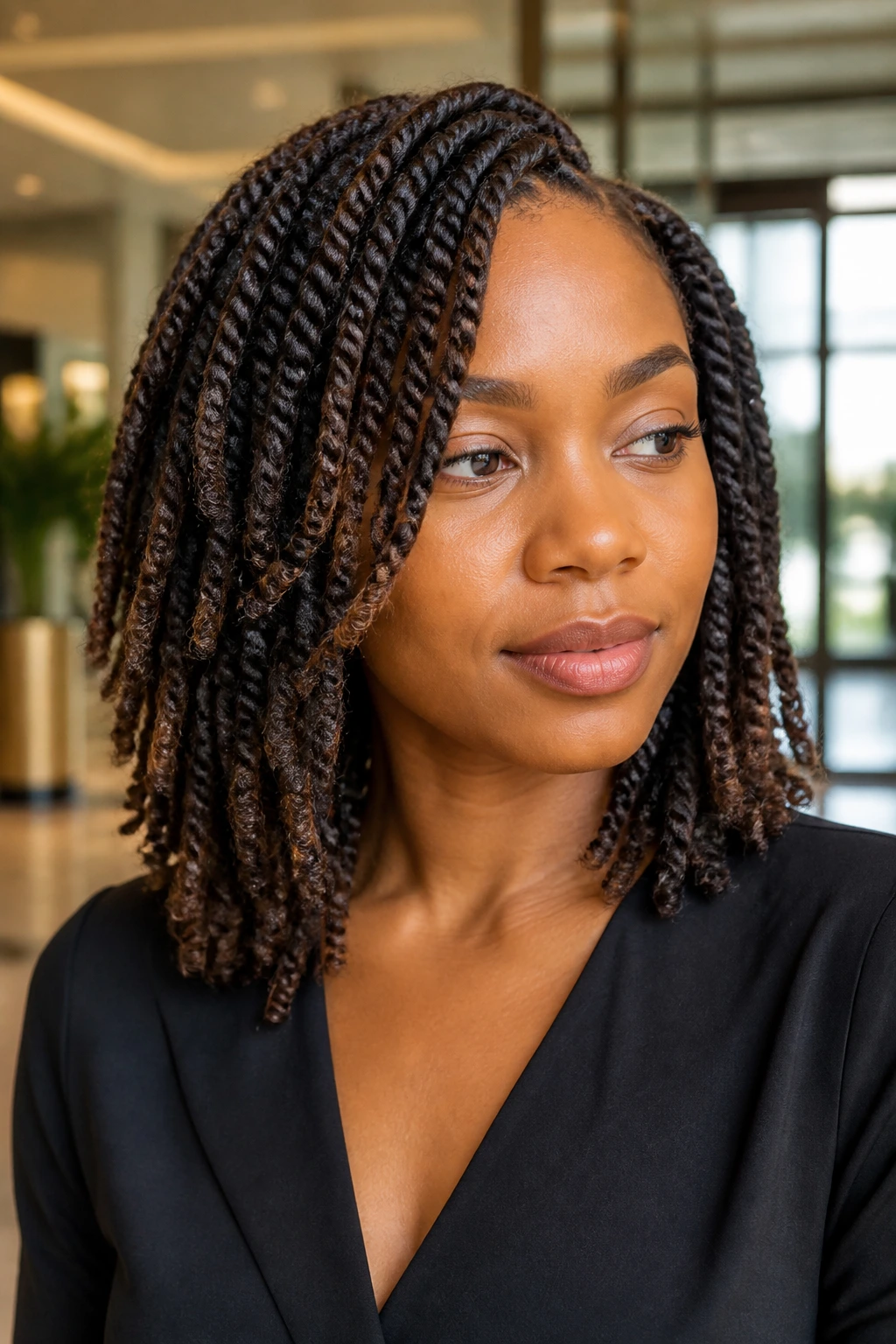
Layering is the subtle move that keeps shoulder-length twists from feeling boxy. A few pieces cut or installed a touch shorter in the front and around the face create movement, and movement is what keeps the style from sitting there like a helmet.
The layering should be gentle. Nobody needs choppy pieces fighting with the main shape. The goal is to let the front soften near the cheekbones and let the back fall in a cleaner line at the shoulders. That small adjustment makes the style easier to wear with blazers, tees, and hoodies alike.
This version is a favorite when the twists themselves are medium-sized and neatly separated. The layers show the texture without making the finish messy. If your usual shoulder-length set looks too uniform, layering is the fix.
20. Honey-Ombre Havana Twists
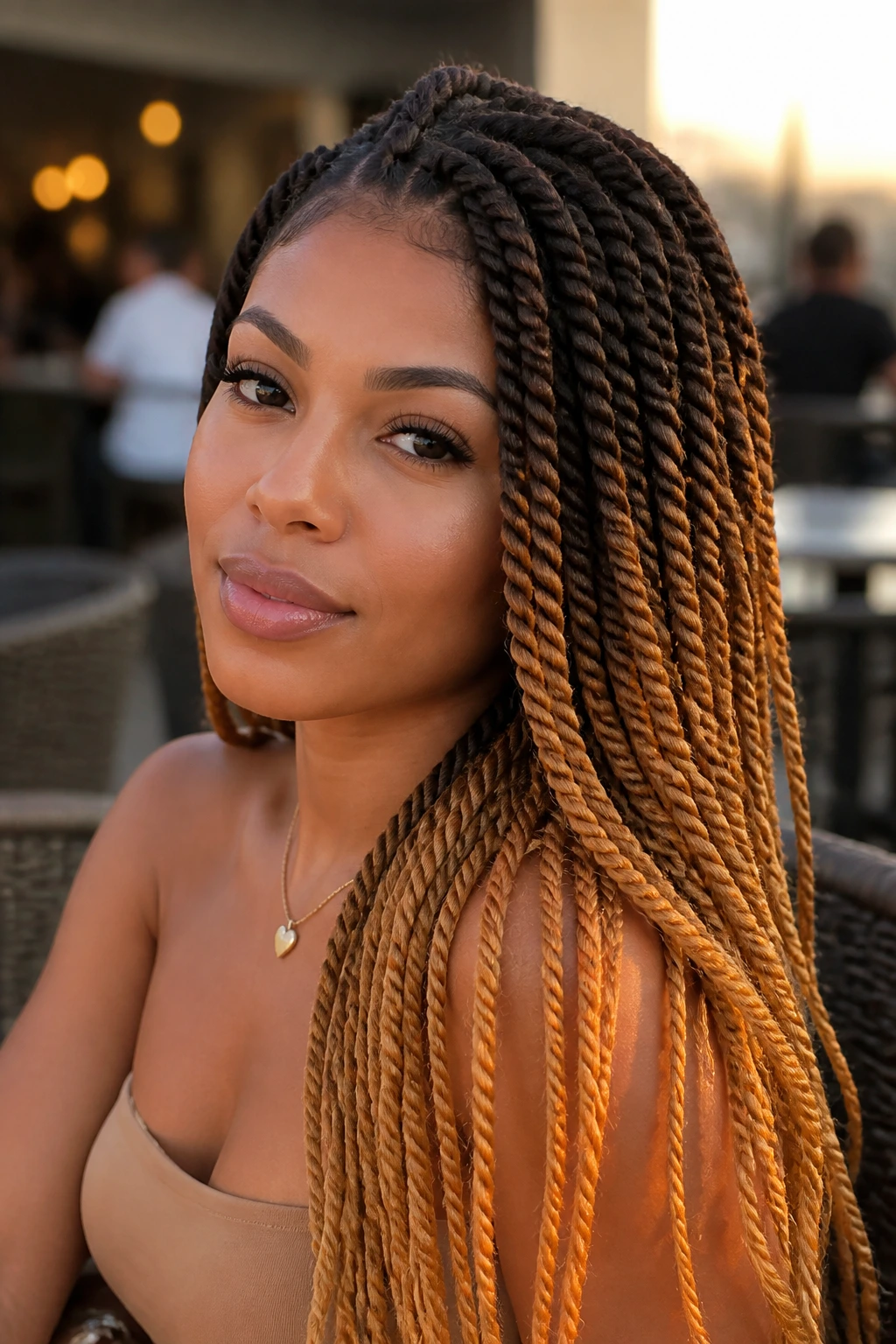
Honey ombré adds brightness at the ends and keeps the roots grounded, which is a very easy way to give Havana twists more depth. The color shift shows off the rope pattern because the twists catch light differently from top to bottom.
The best ombré sets don’t jump too abruptly from dark to light. A gradual shift looks more natural and keeps the finish polished. A harsh line can work if you want a bolder look, but it changes the tone fast. Soft is usually the safer move if your goal is easy elegance.
This style plays well with both long and shoulder-length twists. The lighter ends keep the bottom from feeling visually heavy, which helps the whole set move better. If dark twists sometimes disappear against your clothes, honey ombré fixes that without turning the style loud.
21. Faux-Loc-Inspired Havana Twists
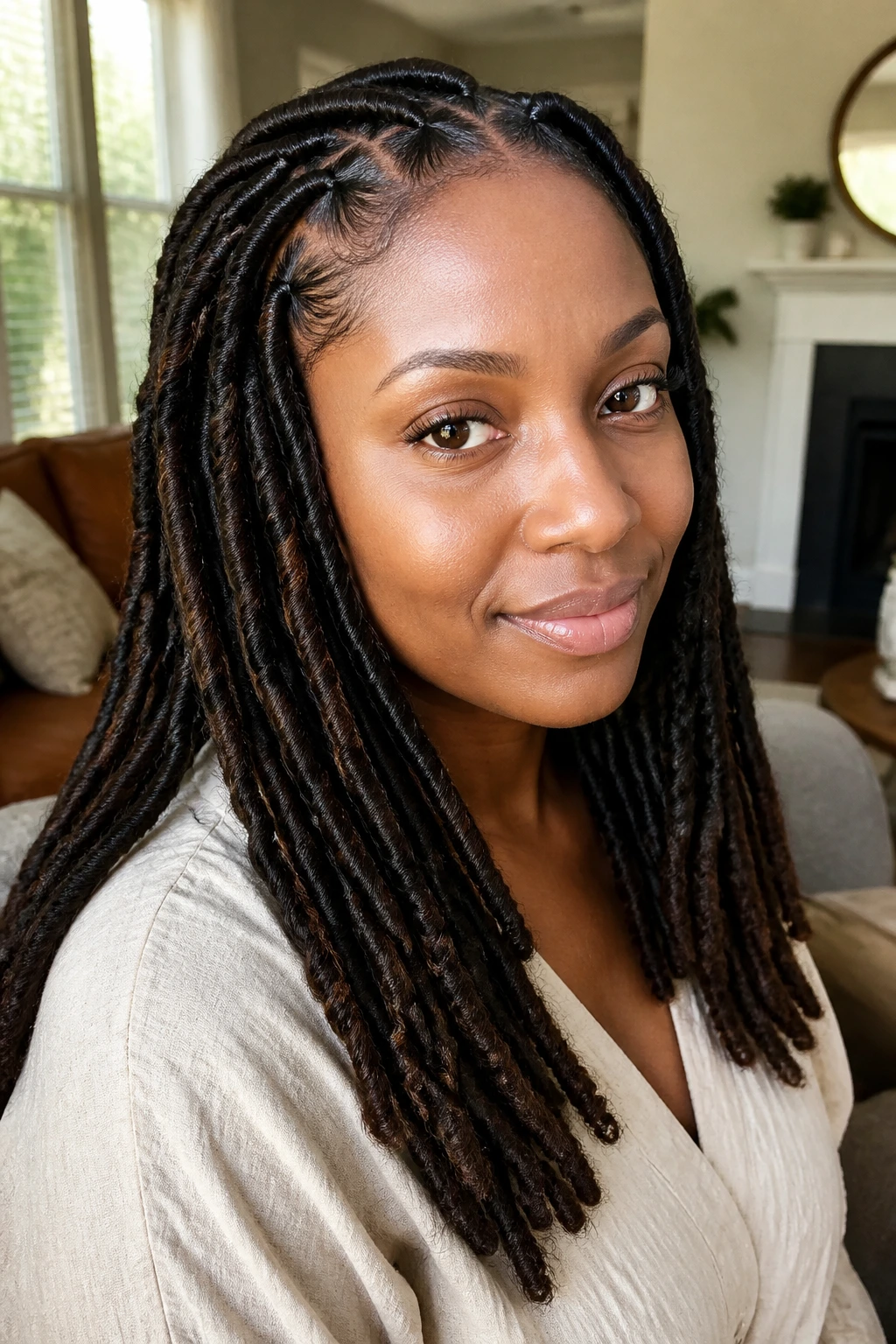
A faux-loc-inspired finish gives Havana twists a more grounded, rope-heavy look. The twists still keep their soft body, but the ends and the wrapping can feel a little more loc-like, which makes the style read denser and more sculpted.
This is a good direction if you like the shape of locs but want the flexibility of twists. It also tends to look strong in darker colors because the texture does most of the talking. Keep the ends tidy, though. Faux-loc styling only looks good when the wrapping is even and the line is clean.
I like this version for long sets and low buns, where the visual weight can be an asset. If your personal style leans more structured than soft, this variation lands nicely.
22. Low Twisted Chignon Havana Twists
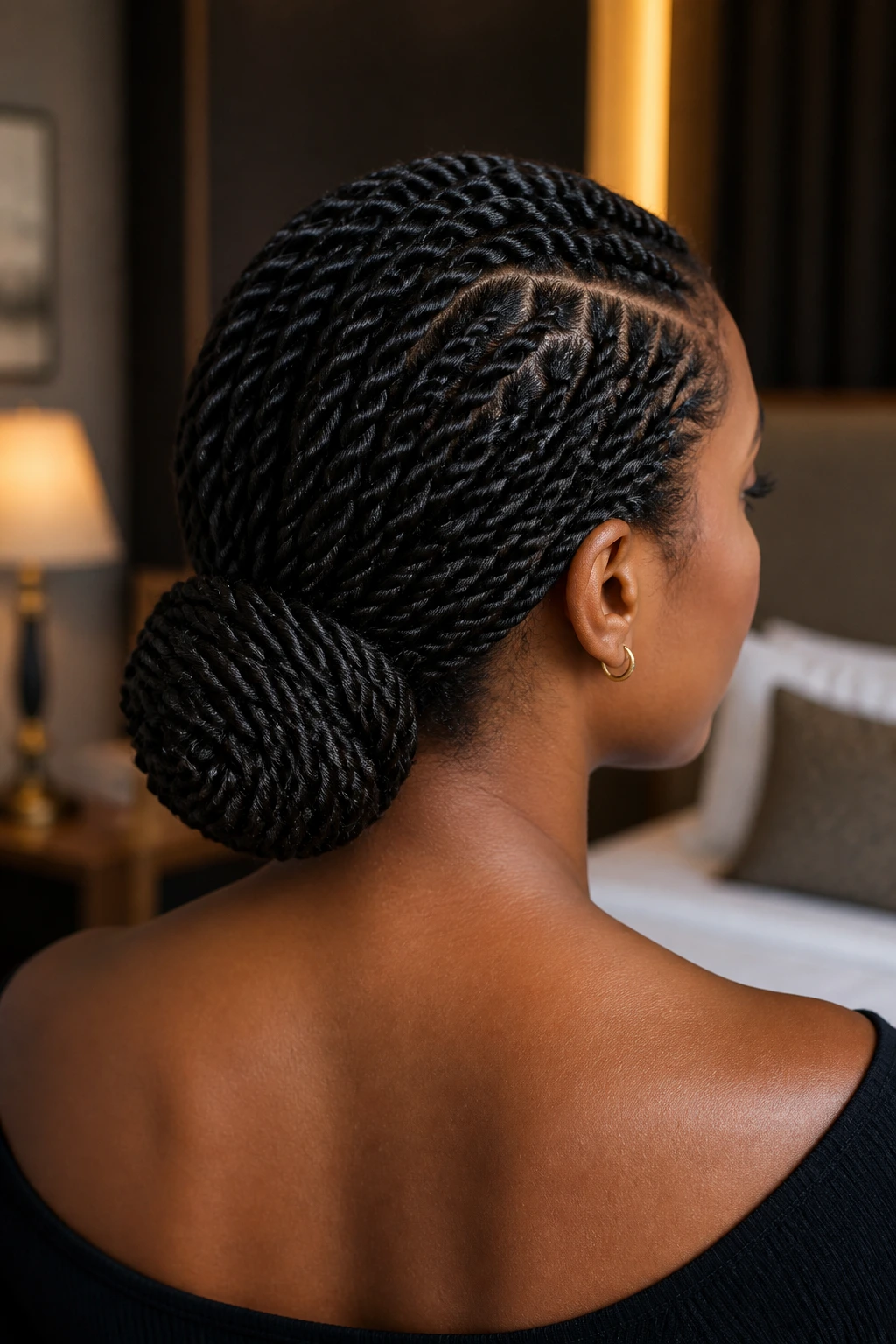
A low twisted chignon is the most polished finish in the whole group, and maybe the most useful when you need the hair to behave in a hurry. The twists are gathered low, tucked in on themselves, and pinned or wrapped so the back becomes a smooth knot instead of a loose pile.
The elegance comes from restraint. You don’t need to decorate it much. Clean parts, tidy roots, and a chignon that sits close to the nape are enough. It works especially well on medium to long Havana twists because the length can be folded and hidden neatly without making the bun look thin.
If you want the style to feel formal but still easy to wear for an entire day, this is the one. It looks good with a high neckline, a pair of earrings, and almost no effort once it’s secured.
Essential Tools for a Smooth Install
-
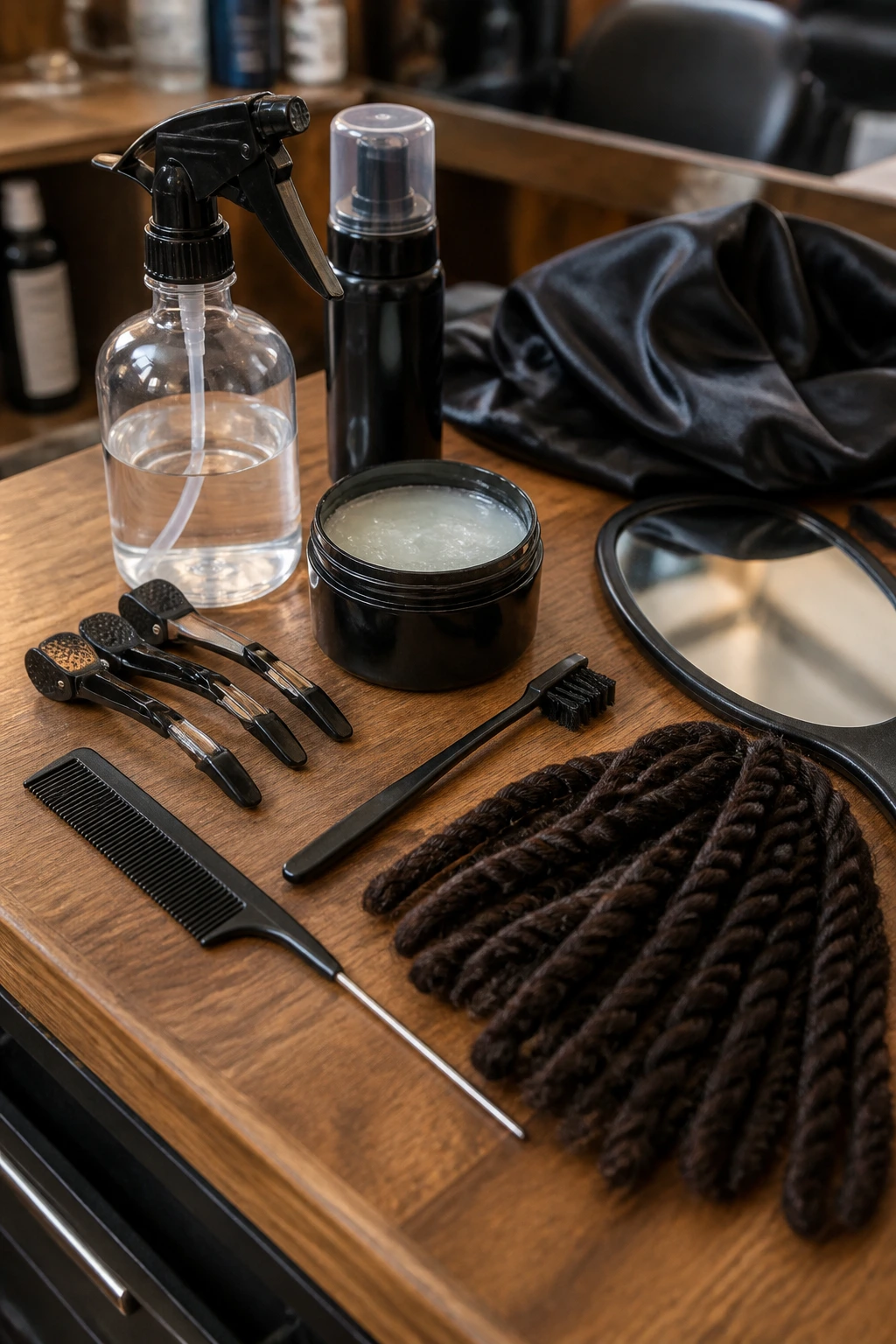
Rat-tail comb: For clean part lines and sectioning that stays readable once the twists are in.
-
Hair clips or duckbill clips: These keep unused sections out of the way while you work one clean row at a time.
-
Spray bottle with water and leave-in conditioner: A light mist helps with detangling and section control; don’t soak the hair.
-
Styling mousse or setting foam: Useful for smoothing the finished twists and calming flyaways near the roots.
-
Edge brush or small soft brush: Helps refine the hairline without scraping the scalp.
-
Light styling gel or edge control: Best used sparingly on the part and perimeter, not massaged through the whole head.
-
Havana hair extensions: The star of the show; pick a texture that feels soft and not overly shiny.
-
Satin scarf or bonnet: Needed at night so the roots and ends don’t rough up while you sleep.
-
Hand mirror: Handy for checking the back of the parts and the nape, where sloppy sectioning hides in bad light.
Smart Prep Before You Start Twisting
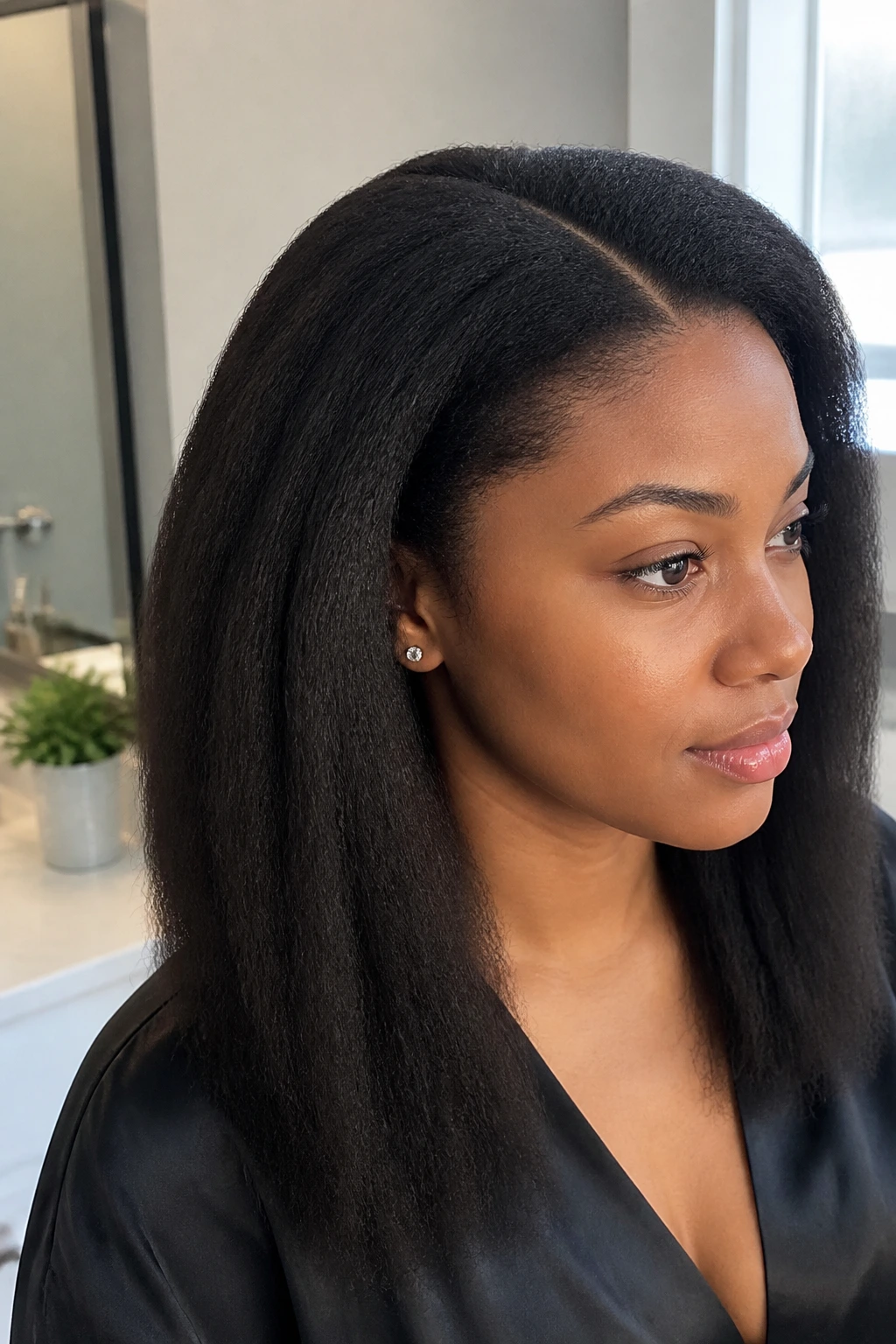
The cleanest Havana twists start before the first section is parted. Hair that’s fully detangled, lightly stretched, and clean at the scalp behaves better under tension, and that matters more than fancy finishing later. If the base is puffy or tangled, the twist will fight you from the root down.
I like to work on hair that’s been stretched with heat-free methods when possible—banding, large twists, or a gentle blow-dry on low heat if that’s part of your routine. The goal is not stick-straight hair. The goal is enough length and control that the twist can sit neatly without having to swallow a knot of shrinkage at the root.
Parting size should match the look you want. Bigger sections create bolder, faster installs and a heavier silhouette. Smaller sections create more movement and a cleaner finish, but they take longer and ask for more patience. If the style is meant to look polished, the part size has to stay consistent from front to back. That consistency is what keeps the final look from drifting into chaos halfway through the head.
Product choice matters, too. Heavy creams and thick butters can make the roots slippery, which sounds nice until the twist starts loosening. A light leave-in, a touch of gel at the part, and a bit of mousse at the end are usually enough. You want the hair controlled, not coated.
How to Keep Havana Twist Hairstyles Looking Fresh
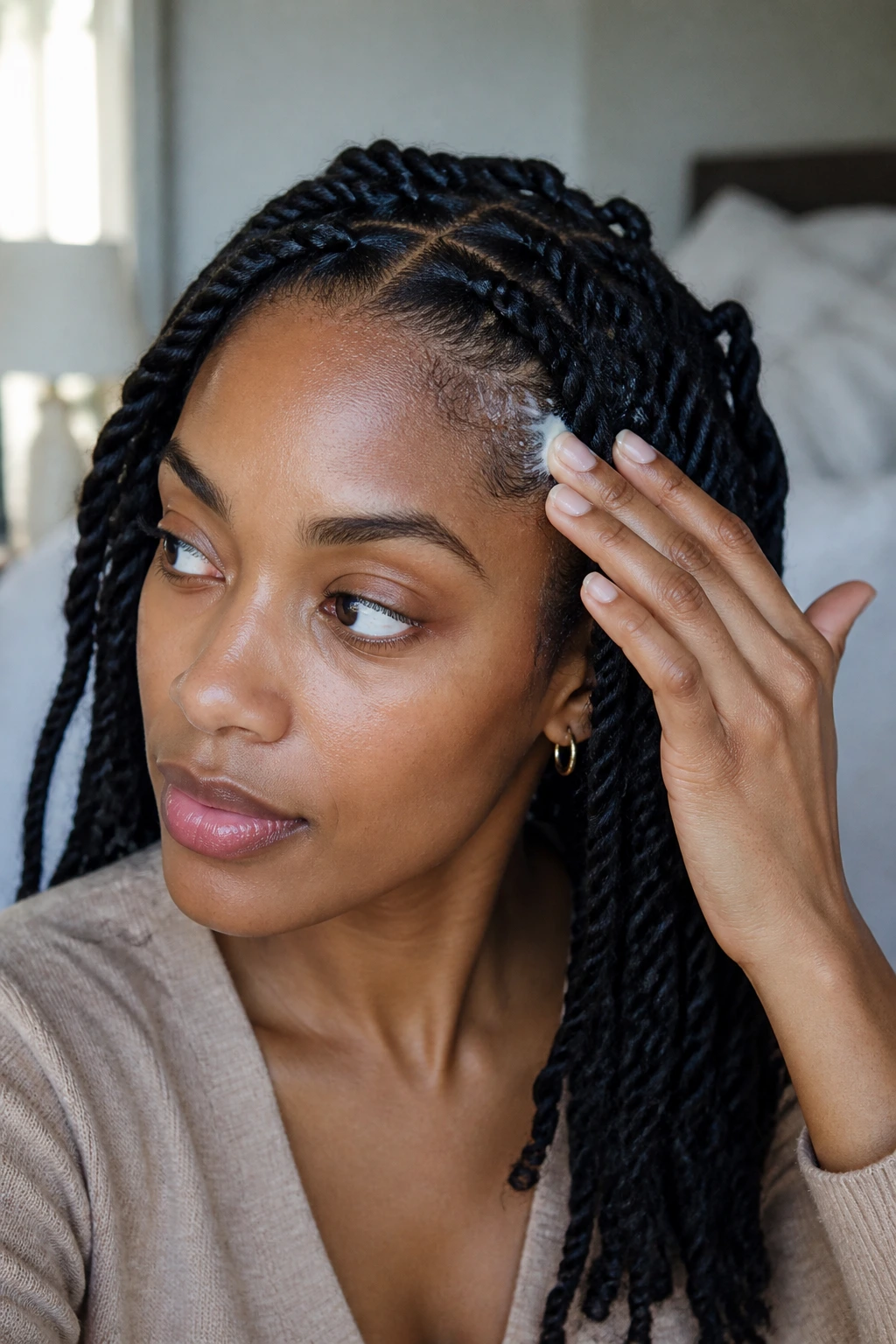
The best Havana twist hairstyles usually look neat because they’re treated neatly after install, not because they somehow stay flawless on their own. That’s the honest part. Night care does a lot of the work. A satin bonnet or scarf keeps the roots from rubbing rough, and a low pineapple or loose wrap helps the longer twists avoid tangles around the shoulders.
During the day, think in terms of touch-ups instead of full restyling. A small amount of mousse on frizzy sections, a quick palm roll between your hands, and a few minutes under a scarf can settle the style again. If the front starts to puff, smooth only the perimeter. Don’t drown the whole head in product. That’s how twist sets get dull and sticky.
Freshness also comes from the scalp. If the scalp is clean and comfortable, the whole style looks better. A narrow applicator bottle makes it easier to place diluted shampoo or cleanser directly at the roots without soaking the twists. Then press the scalp dry with a towel and let the style air out completely. Heavy water left in the hair can make the twists swell and lose shape.
Practical rule: if the style starts to feel tight at the roots, don’t keep wearing it just because it still looks good. A style that feels bad is usually headed for a messy finish.
Common Mistakes That Make Havana Twists Look Heavy or Messy
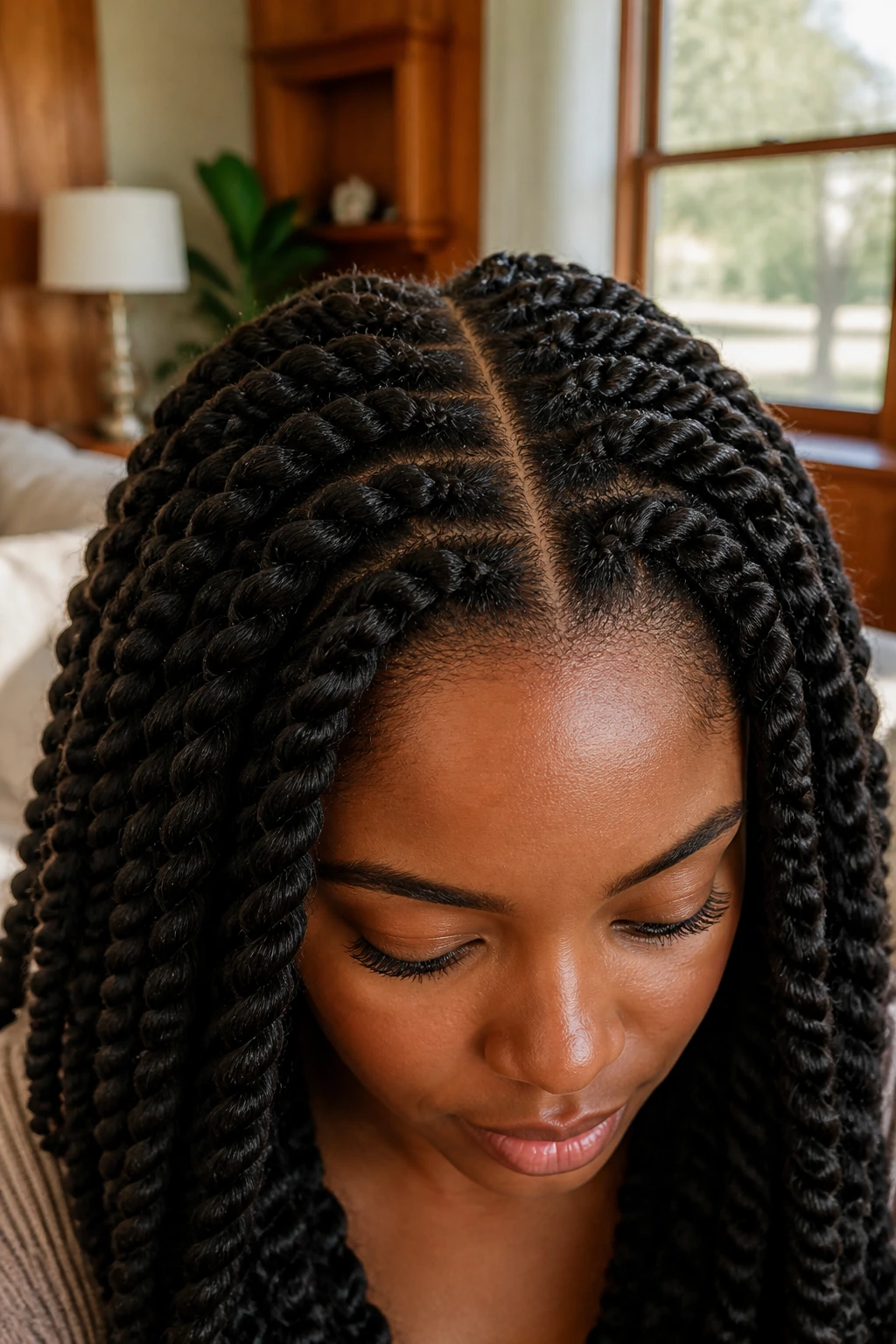
Crooked parting is the first one. The twist texture can hide a lot, but it will not hide a wandering part. The fix is simple: section with the tail of a comb under good light and check the line before you start each row.
Overloading the roots is another problem. If the base section is too small for the amount of Havana hair wrapped into it, the style sits too high and feels bulky near the scalp. That usually shows up as tension around the temples or a shape that flares too wide at the crown. Use a smaller amount of extension per twist and keep the size consistent.
Heavy products can wreck the finish. Thick grease, too much oil, or a coating of sticky edge control turns the roots dark and limp. The twists can also slip if the hair is too slick. Light product wins here. A little control is enough.
Ignoring hairline comfort is a mistake people excuse too long. If the front pulls, if the temples sting, or if you get a headache by the end of the day, the install is too tight. That does not mean the style is “just breaking in.” It means the tension needs to be fixed.
Letting the ends fray early makes even a neat install look old fast. Keep the ends tucked, twisted, or lightly refreshed before they start separating.
Variations and Adaptations to Try
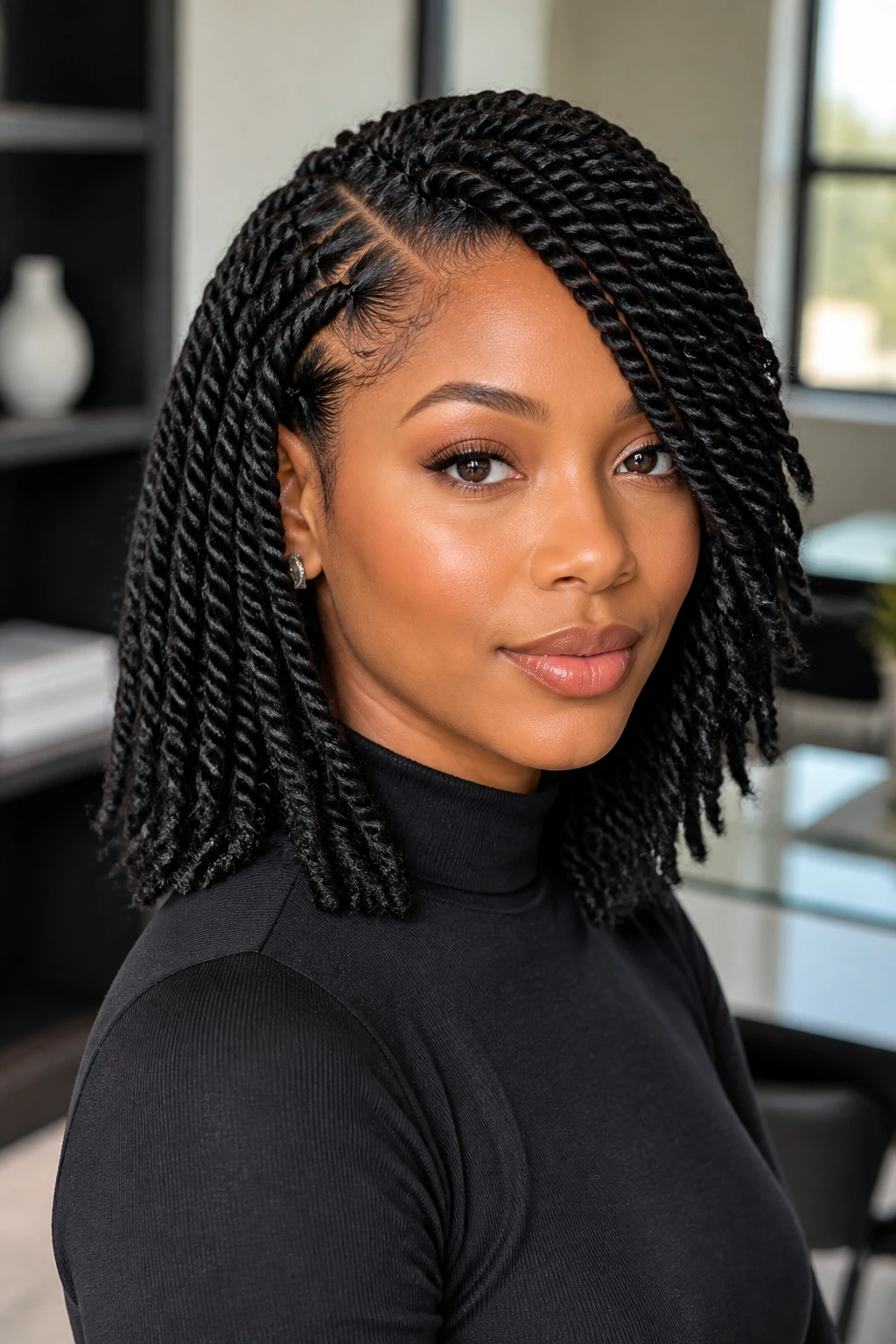
Soft Office Sweep: Choose shoulder-length twists, a clean side part, and no beads or bright color. This version reads tidy under blazers and collared shirts, and it stays out of the face without needing constant fixing.
Weekend Pony Wrap: Pull medium or long twists into a high ponytail, then wrap one twist around the base to hide the elastic. It gives the style a sharper outline and keeps the finish from looking gym-ready when you want it to look intentional.
Color-Frame Front: Keep the back dark and add burgundy, honey, or copper-toned twists only near the front sections. The color frames the face without turning the whole head into a statement piece.
Lightweight Mini Set: Use smaller sections and a lighter amount of extension to make the style sit closer to the head. This works well if you hate bulk at the sides or want the twists to move more easily under scarves and coats.
Tucked-End Chignon: Build the twists into a low bun and hide the ends inside the coil. It’s clean, formal, and especially good when the set is a few weeks old and you want to stretch it a little longer.
How to Sleep, Refresh, and Stretch the Style
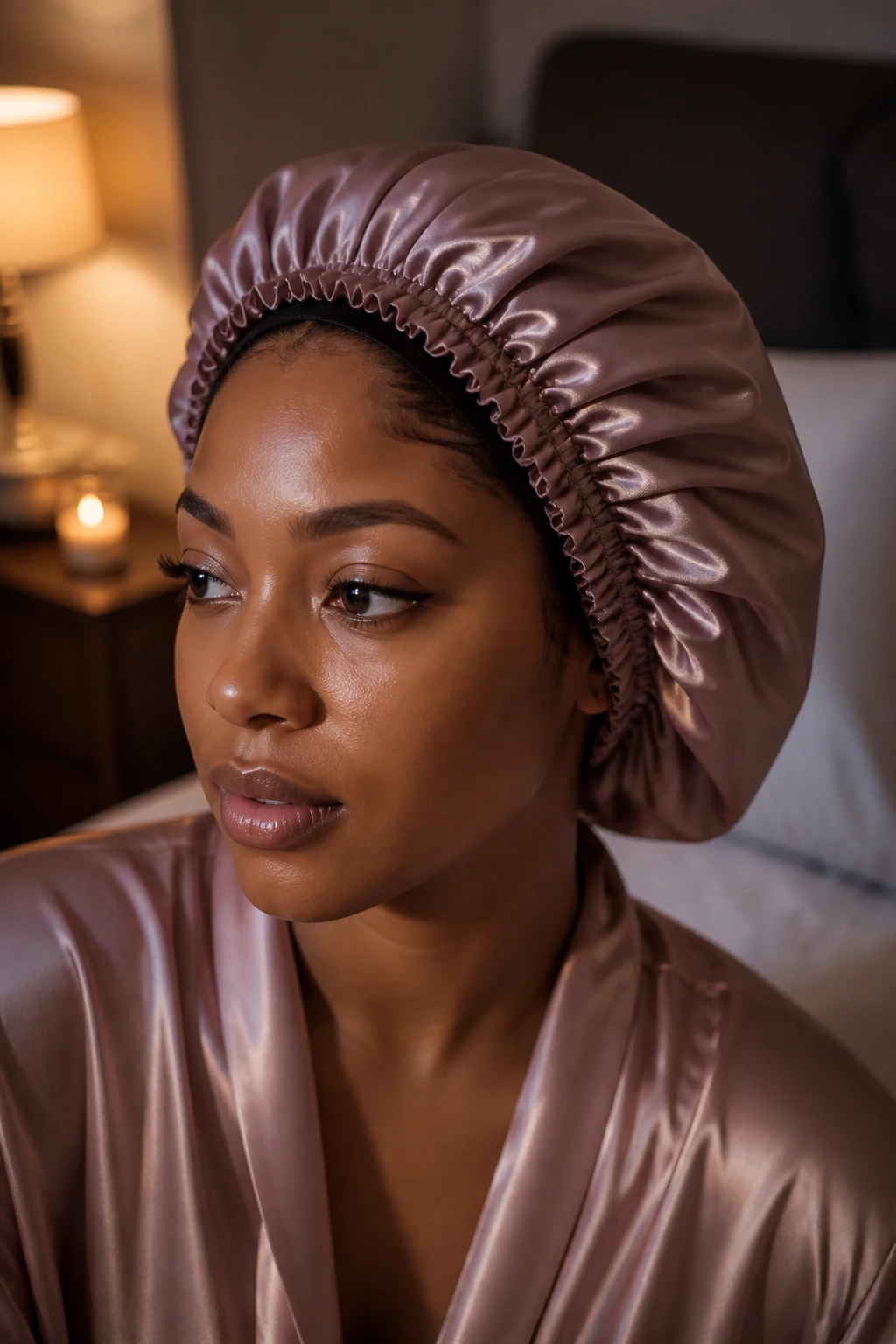
A satin bonnet is the simplest fix, but the way you put the hair in it matters. Long twists usually do better if you gather them loosely into a low ponytail or a loose braid before covering them. That keeps the ends from rubbing into a rough mess overnight. Shorter sets can be wrapped straight back or tucked into the bonnet with no drama.
Refreshing the roots once or twice a week is usually enough for a clean look. A little foam on the perimeter, a quick smooth with your fingertips, and a scarf for ten minutes can calm the frizz around the parting. If buildup appears at the scalp, use a diluted cleanser carefully and rinse in sections so the style does not stay damp for hours.
Drying matters. Twists that stay wet at the base smell wrong fast and lose shape. Air-dry whenever you can, or sit under a hooded dryer on low if that fits your setup. Damp Havana twists are fussy. Dry ones behave.
As for how long to keep them in, watch the scalp before you watch the calendar. If the roots are loosening, the parts are no longer clean, or the style is starting to tug in odd spots, it’s time to take them out. A polished look is partly about knowing when the style has done its job.
Frequently Asked Questions
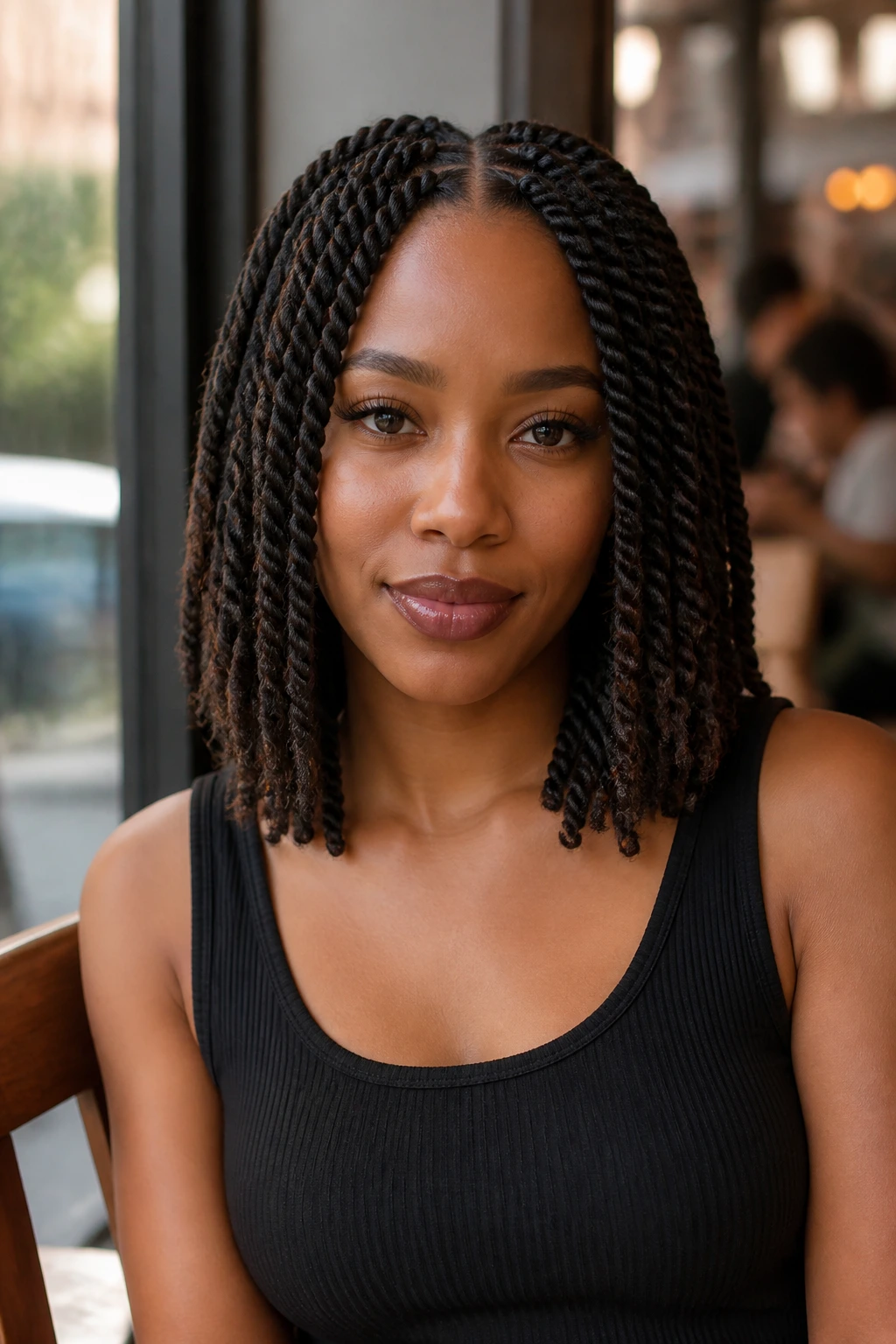
How long do Havana twists usually last?
A well-installed set often stays neat for several weeks, but the real limit depends on scalp comfort, tension, and how well you sleep with them covered. Once the parts start to blur or the roots feel tender, it’s time to retire the style instead of pushing it.
Can Havana twists work on short natural hair?
Yes, as long as the hair has enough length to grip the extension securely. Very short hair may need extra care at the roots or a lighter section size so the twists don’t slip. A skilled install matters more than raw length.
Are Havana twists heavy?
They can be if the sections are too large or the extension is packed too tightly at the crown. Medium-sized twists with even distribution usually feel much lighter on the head and are easier to wear all day.
What’s the difference between Havana twists and Marley twists?
Havana hair tends to look softer and a little fluffier, while Marley twists often have a denser, rougher texture. Havana twists usually read a bit more plush and airy, which is why they work so well for a polished easy look.
Can you wash Havana twists?
You can cleanse the scalp carefully, but soaking the whole style is not ideal because it takes longer to dry and can make the twists swell. A diluted cleanser or gentle scalp wash is usually the safer route.
What if the twists keep slipping at the roots?
That usually means the sections are too slick, too small, or the extension is too heavy for the base. Try using less product at the roots, making the section slightly larger, and avoiding a super-heavy wrap at the start.
Do Havana twists need heat to look neat?
No. In fact, the style usually looks better when the natural hair is stretched without frying it flat. A clean part, tidy tension, and a good finish matter more than heat ever will.
How do I keep the front from looking puffy?
Use a small amount of foam or setting mousse at the hairline, then tie the front down with a scarf for a short set. If the puffing keeps coming back, the install at the front may be too loose or the hair may need a lighter base product.
The Easy Look That Still Feels Finished
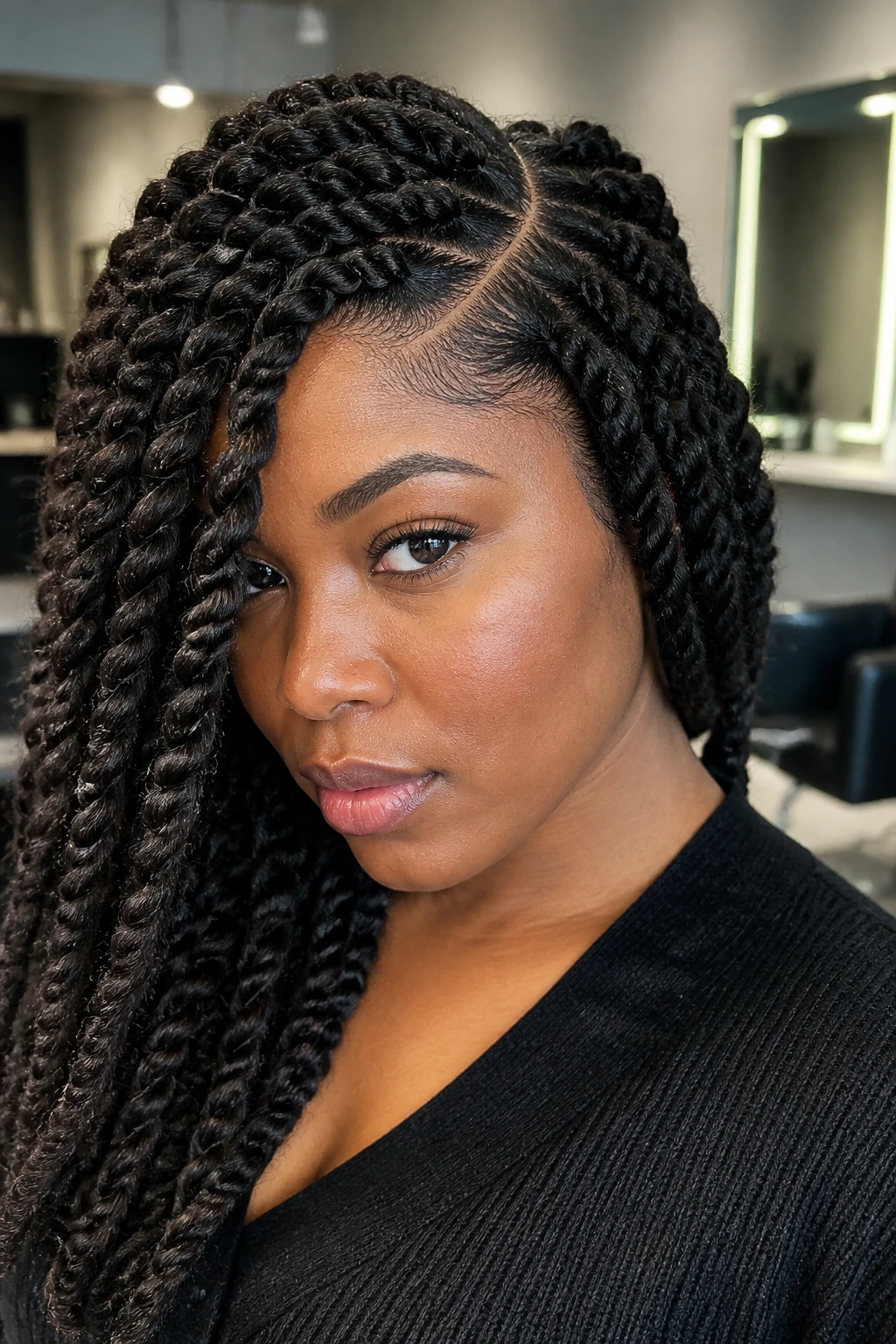
Havana twists work because they solve a problem most styles never quite get right: they look relaxed without looking random. The texture gives you softness, the structure gives you control, and the shape can shift from casual to polished with one small change in parting or length.
That’s why the best Havana twist hairstyles don’t need a lot of extra noise. A clean line, a thoughtful length, and a finish that respects the roots do most of the talking. Once those pieces are in place, the style can be simple and still look fully done.
If you want a protective style that can handle a workday, a night out, and a sleepy morning scarf without falling apart, this is a smart place to start. Pick the shape that suits your life, not the other way around, and the twists will do the rest.
