



Short curls do not need extra inches to look finished. On the right head, a clean taper at the nape, a little height at the crown, and a sharp side part can do more than another three months of waiting ever could. That is the appeal of curly crops for short natural hair: they make shape the star instead of treating length like the only thing worth noticing.
The best short natural styles know exactly where to stop. They let the coils do that springy, stubborn, beautiful thing they already want to do, then give them a frame so they land with intention instead of frizzing out in every direction. A good crop can look sharper than a longer style because it removes the dead space. No extra bulk. No hiding. Just line, texture, and a little attitude.
I keep coming back to short natural hair for one simple reason: it tells the truth fast. If the cut is off, you see it. If the shape is right, you see that too. The 23 looks below are not variations on the same idea. Some lean soft and rounded, some use fades or shaved sides, some rely on twists, coils, or accessories to change the mood entirely. The common thread is simple: each one lets short curls look deliberate, not like they are waiting for permission.
Why These Curly Crops Feel So Good on Short Natural Hair
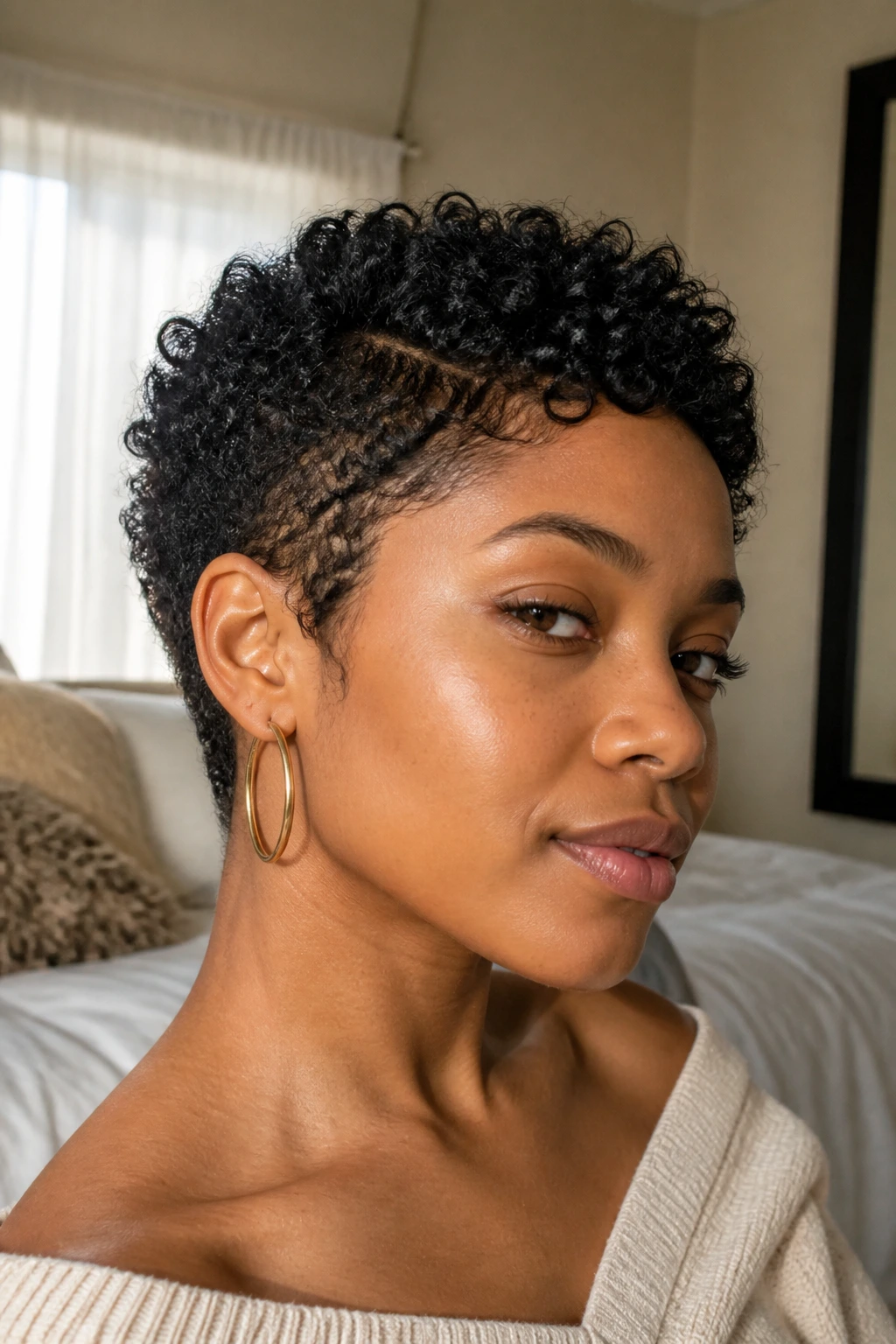
-
Shape carries the whole style: With short hair, the outline around the temples, nape, and crown shows immediately, so a clean silhouette matters more than raw length.
-
Shrinkage works for you here: Tight curls can collapse upward and still look polished, because the cut is designed to live close to the head instead of fighting that spring.
-
Morning styling gets easier fast: A lot of these cuts need water, a leave-in, a gel or foam, and five to fifteen minutes with your hands.
-
The neckline becomes part of the design: A tapered nape or a fresh line-up changes the entire read of the style from the back, which is why short hair can look so crisp.
-
The same cut can read soft or sharp: A rounded crop on wash day, a fluffier shape on day three, or a pinned side with a clip can shift the mood without changing the cut.
1. Tapered Wash-and-Go Crop
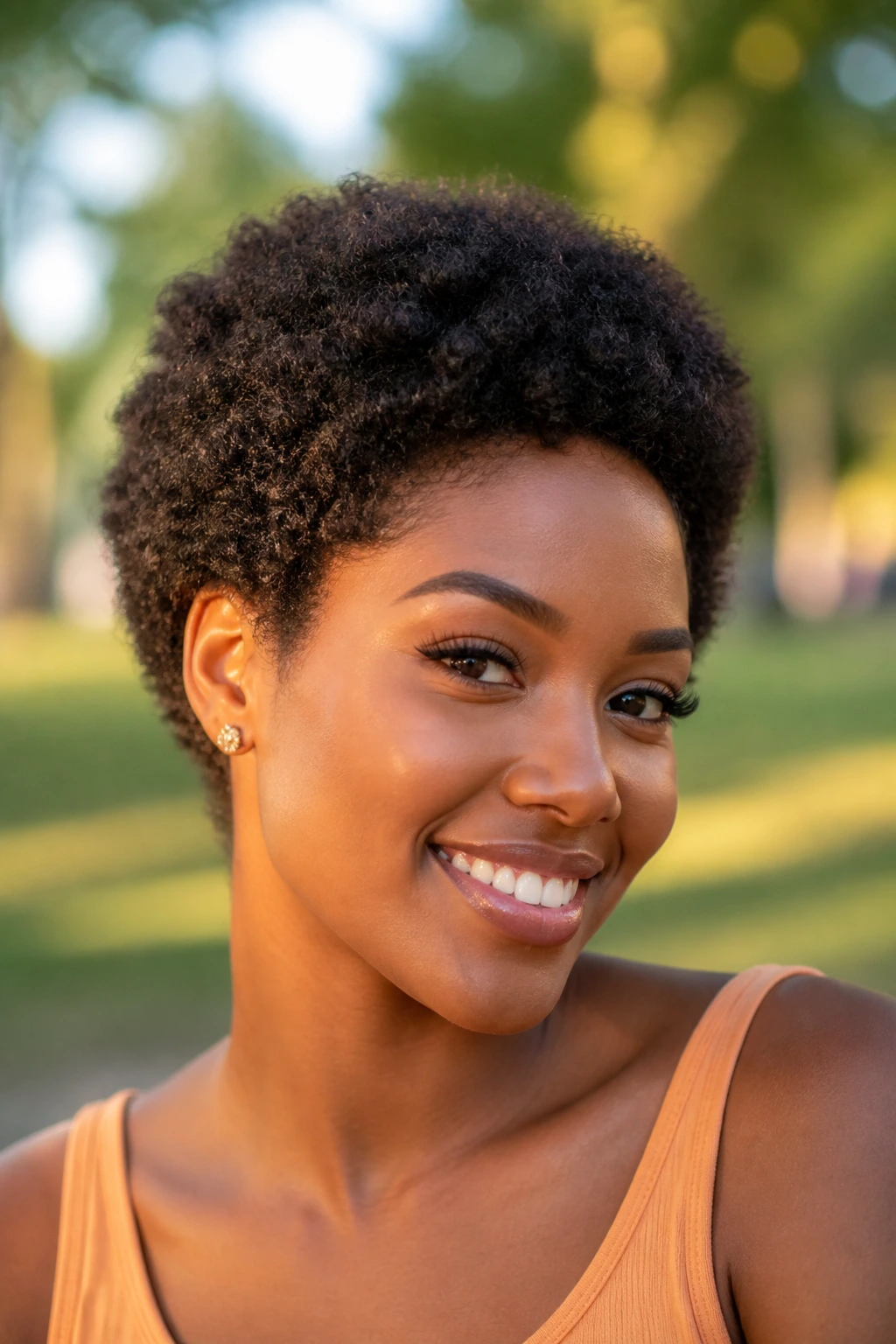
A tapered wash-and-go crop is the cleanest kind of honesty. The sides hug the head, the nape stays neat, and the curls on top are left free enough to spring without turning into a little helmet. If you like seeing your curl pattern instead of fighting it, this is one of the strongest choices in the whole group.
Why it works
The taper gives the hair a built-in frame, which means the curls on top do not need to carry the whole look by themselves. A curl cream or lightweight leave-in followed by a strong-gel layer can hold the top in place while the sides stay close and tidy. On short hair, that contrast matters more than people expect.
If your hair dries flat at the roots, diffuse it for 8 to 12 minutes on low heat, then stop before every strand is bone dry. That tiny bit of moisture keeps the crown from looking stiff. Once the cast forms, break it gently with your fingers and leave the sides alone.
2. Finger-Coiled TWA With Crisp Ends
Can a tiny afro look polished without being stiff? Absolutely, if you place the coils on purpose. A finger-coiled TWA works best when each small section gets its own shape, so the style reads as neat instead of fuzzy.
- Best length: About 1.5 to 3 inches on stretched hair.
- Styling time: Roughly 30 to 45 minutes for a full head.
- Best finish: Cream under gel, then air-dry or sit under a hooded dryer.
- Watch-out: Too much product makes the coils drag and lose their bounce.
The neat part is that finger coils hide uneven growth well. If one section shrinks more than another, the whole head still looks intentional because every coil has been placed one by one. It is a patient style. Not a rushed one. But the result has that little lined-up finish that makes people assume you spent much more time than you did.
3. Rounded Afro Crop With Soft Edges
A rounded crop feels like a soft halo sitting close to the head. The whole point is balance: a fuller crown, gently curved sides, and edges that are shaped rather than chopped into a hard line. It is one of my favorite looks for coils because it lets density do the work without needing a lot of decoration.
The trick is to lift at the roots, not pile on more product. A wide-tooth comb or pick used only at the base can open the shape so the afro reads round instead of flat. Keep the perimeter soft, and ask for the cut to follow the curve of the head rather than box it in.
This style looks best when it is moisturized but not slick. If the hair is coated, the roundness collapses. If it is too dry, the shape loses its softness and starts looking thirsty. Somewhere between those two is where the magic lives.
4. Side-Part Curly Crop That Swoops Forward
Not as severe as a full asymmetrical cut, not as plain as a center-part puff. That is why the side-part crop works so well on short natural hair. It gives the front of the style a little direction, which can make the whole cut feel more expensive than it really is.
A deep side part can pull the curls toward the forehead and cheekbone area, which is a nice move if you want the front to do a little more talking. Clip the larger side while the hair sets so the part stays visible, then release it once the curls are dry. If you want even more polish, smooth the part line with a rat-tail comb and a tiny bit of gel before styling.
This cut is also kind to day-two hair. When the top starts to fluff, the side part still gives it a lane to fall into. That is the part I like. It keeps the style from going everywhere at once.
5. Mini Twist-Out Crop With A Little Stretch
When you want a little stretch but not a flat iron anywhere near your curls, the mini twist-out crop makes sense. The twists give the hair a rope-like memory, and when they come down, the result is softer and a touch longer than a wash-and-go. That extra bit of length can be helpful on short hair where every half inch changes the silhouette.
Do the twists small if you want a tighter pattern, or slightly larger if you want more airy movement. Unravel only after the hair is fully dry. Wet twist-outs are where people get that frizzy, piecey finish that never quite settles.
A tiny amount of oil on your fingertips during separation helps the twists slide apart without roughing up the curl clumps. Use enough to keep the strands from catching, but not so much that the pattern goes greasy. The best twist-out crops look soft at the surface and structured underneath.
6. Curly Frohawk With Tapered Sides
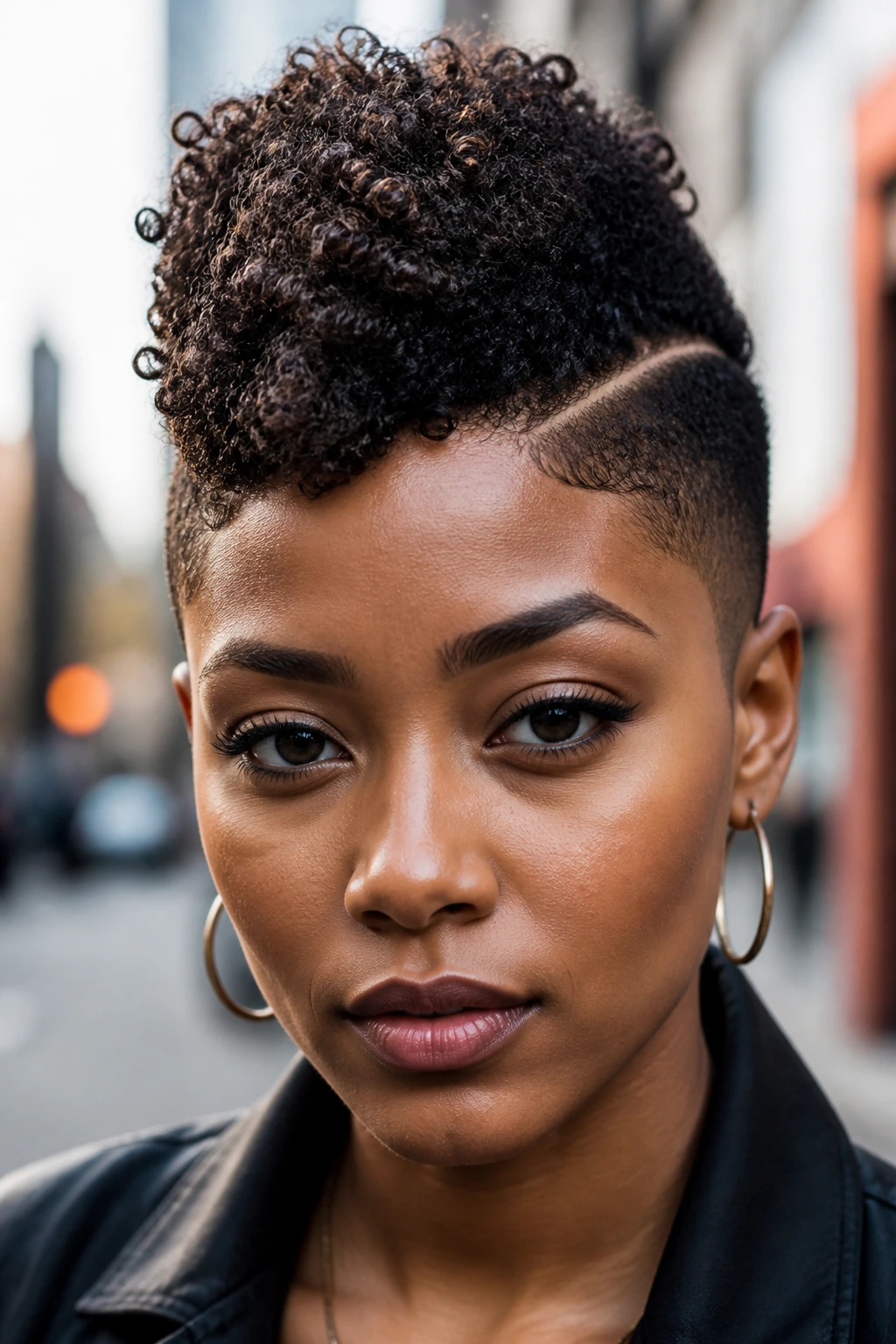
A curly frohawk is the style that walks in first. The sides are tapered or brushed close, and all the height is pulled into a ridge down the center of the head. It has punch, but it also works on short hair because the shape does most of the heavy lifting.
- Best for: Dense curls that can stand up a little on their own.
- Styling move: Slick the sides with gel first, then shape the top upward.
- Best tool: A pick at the roots and a diffuser if the crown needs more lift.
- Watch-out: If the sides are only half smoothed, the style looks unfinished.
I like this cut on days when the hair needs a stronger personality. The contrast between the tight sides and the airy center makes even a short crop feel deliberate. It also grows out in an interesting way, which is more than I can say for a lot of high-drama styles.
7. High-Top Crop With Tight Sides
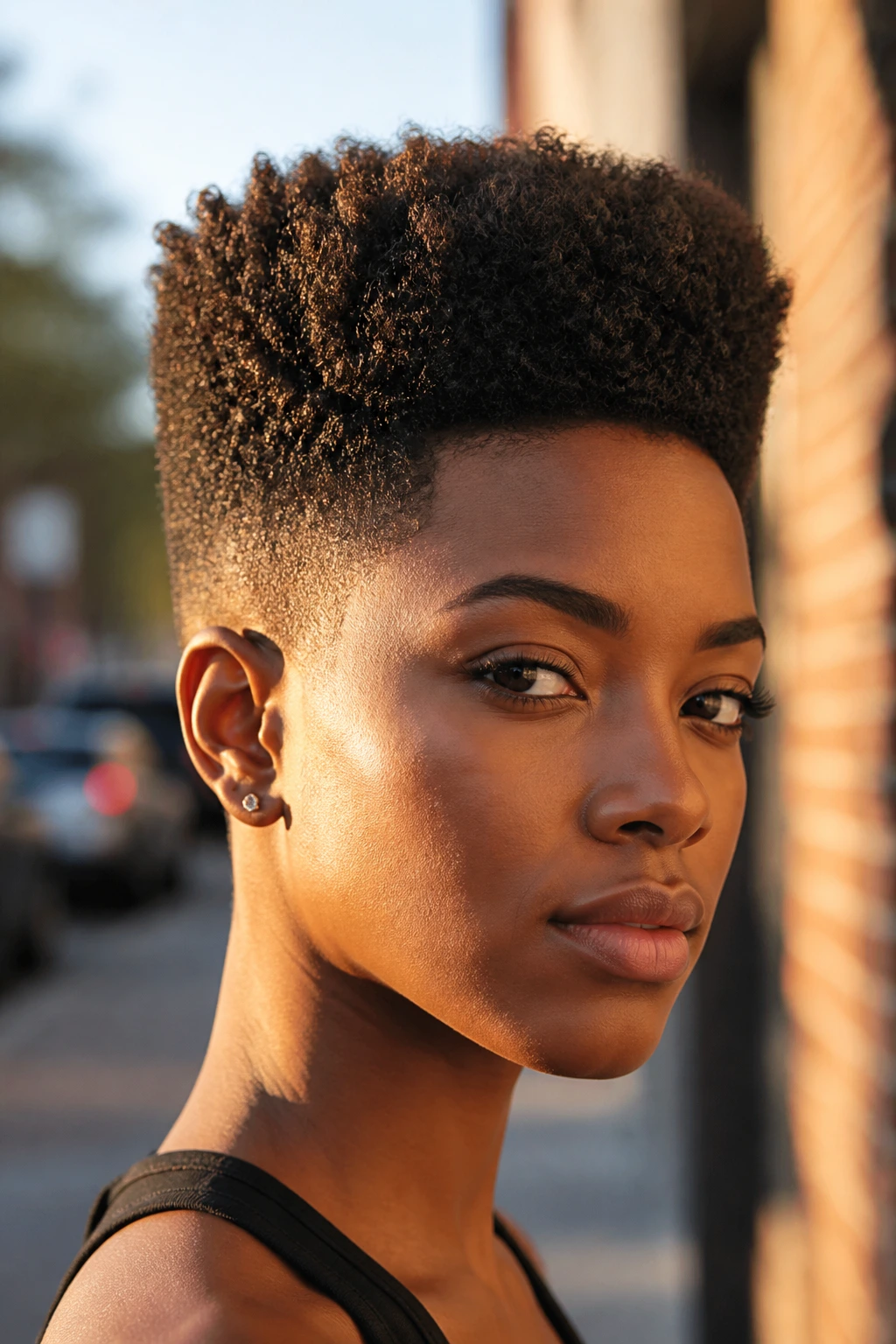
A high-top crop is the cousin of the frohawk, but the shape is more boxy and upright. The height stays on top, the sides stay short, and the silhouette reads clean from across the room. It works especially well when the hair density lives up top and the perimeter needs control.
The key is not loading the top with too much product. A little mousse or foam can keep the curls light while a pick at the roots gives them the lift they need. If the sides are faded or tightly tapered, the top becomes the feature instead of competing with the rest of the head.
This style can look almost architectural when it is freshly shaped. And then, three days later, it gets a softer edge that still looks good. That slow shift is part of the charm.
8. Asymmetrical Curly Pixie Crop
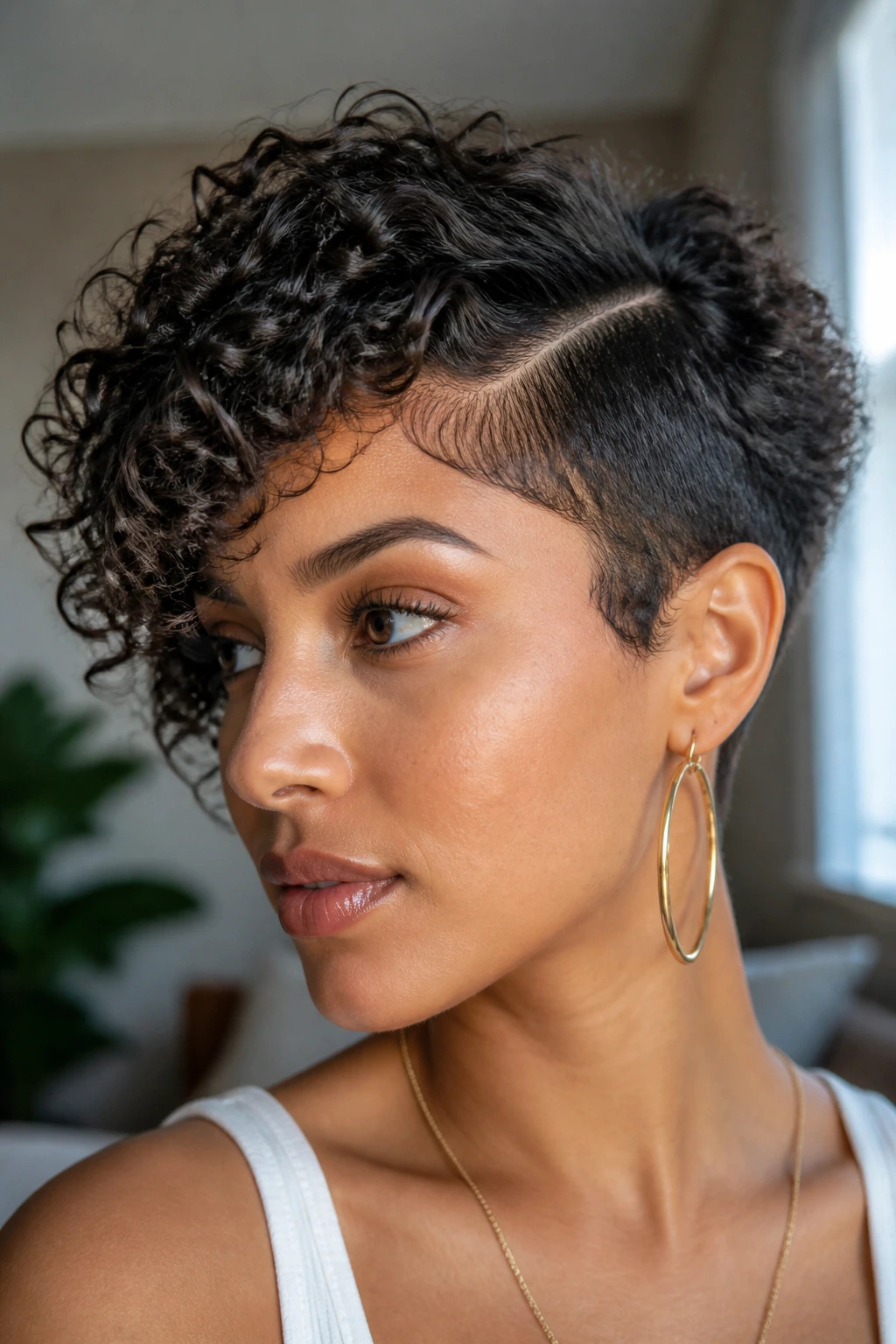
What happens when one side is longer and the other side tucks close? You get a curly pixie that feels sharper than a standard crop without needing a dramatic cut everywhere. The asymmetry makes the shape read as intentional even when the curls are loose and a little messy.
This style works best if the longer side has enough length to fall toward the cheek or ear. That little swing changes the whole mood. The shorter side should stay neat, not forgotten, so the contrast looks designed rather than accidental.
Ask for the asymmetry while the hair is dry or stretched, not only wet. Short curls shrink hard, and a pixie that looks balanced when wet can shrink into something much shorter than planned. I have seen that go sideways more than once.
9. Bantu Knot-Out Crop With Poppy Texture
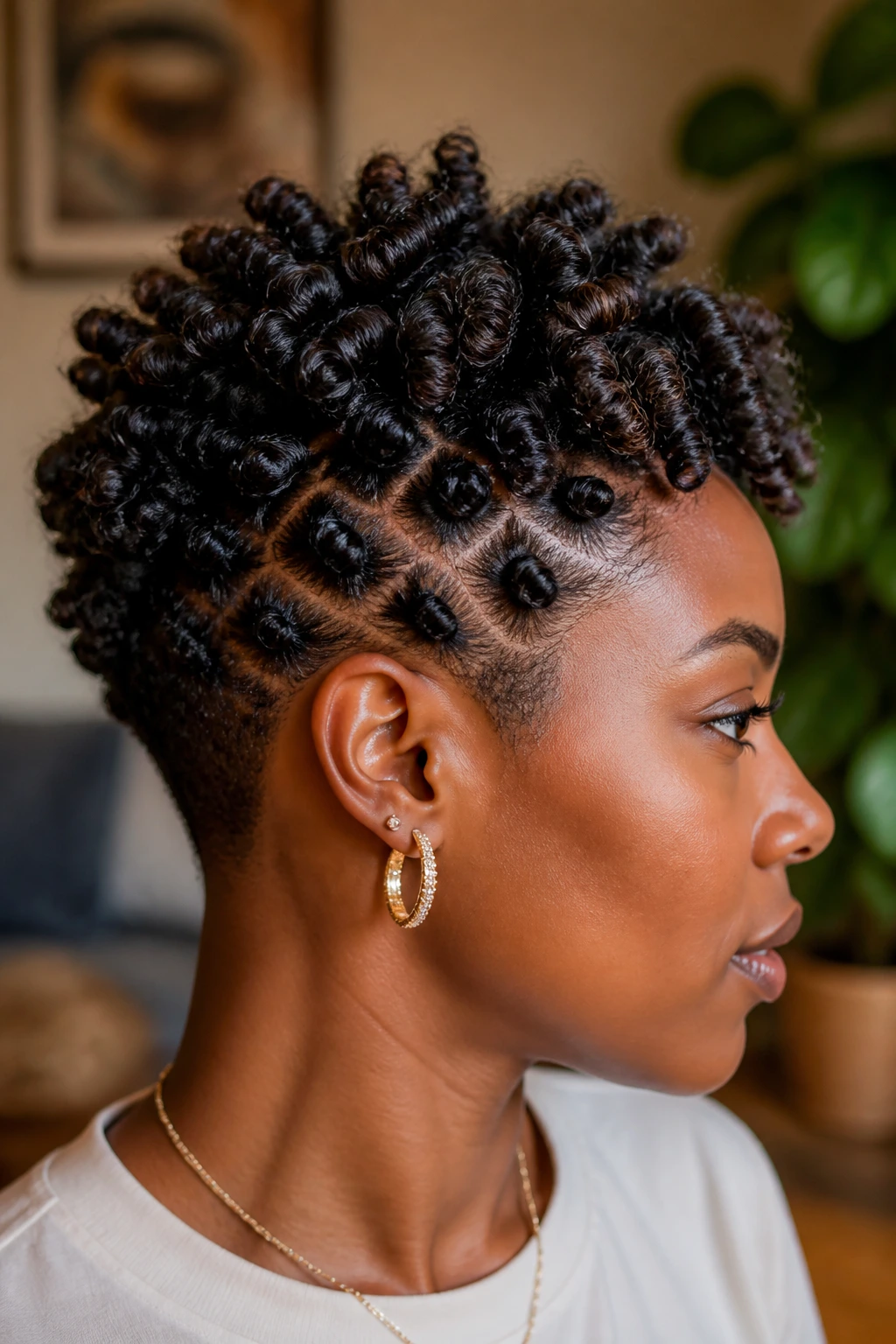
The texture from a Bantu knot-out has a different energy than a wash-and-go. Tiny knots make tiny spirals. Bigger knots give you broader curves. On short natural hair, that means you can control the final shape almost like you are sketching with the hair itself.
How to keep the knots crisp
Set the knots on damp, not dripping, hair. If the hair is too wet, the center takes forever to dry and the pattern gets fuzzy when you undo it. Use a light cream, seal only the ends, and leave enough drying time for the middle to finish all the way through.
Unravel with oil on your fingers, then stop separating before the texture gets frayed. The goal is definition with movement, not a cloud of broken curls. A good knot-out crop has little pop at the ends and enough shine on the surface to catch the light without looking hard.
10. Sponge-Defined Coil Crop
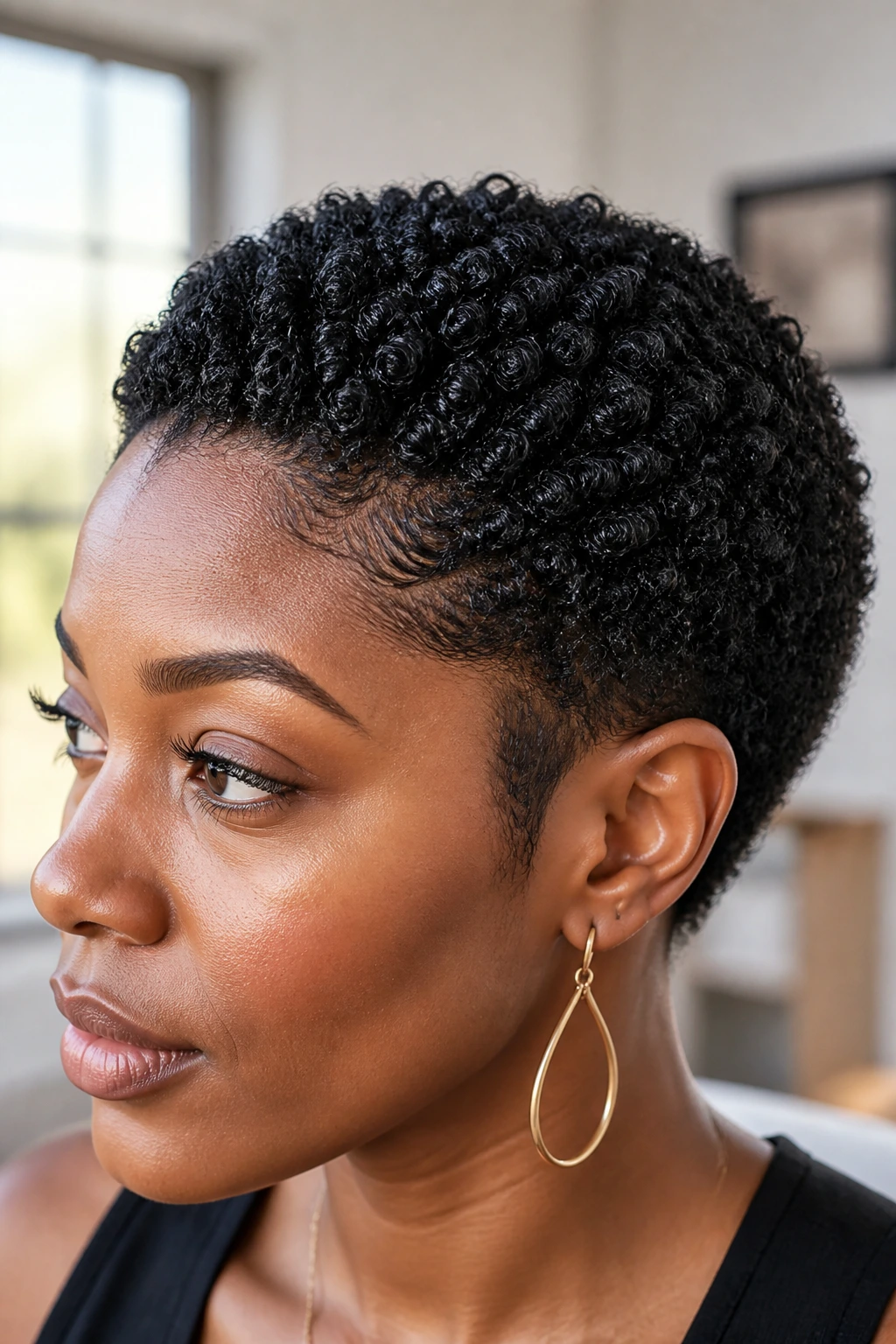
A sponge-defined crop is fast, but it can get sloppy fast too. The sponge works best on hair that is short enough for the texture to stand up, and it gives the coils a uniform look that feels tidy on a small head. If your curls are too long, the sponge can rough up the surface and kill the shape.
- Use it on: Damp hair with a small amount of curl cream.
- Move it in: One direction only, with light pressure.
- Timing: About 20 to 30 seconds per section.
- Do not: Scrub back and forth. That is where the frizz starts.
This style makes sense for tight coils that need a little coaxing but not a full set routine. It is especially useful on very short hair, where finger coils might take too long for the amount of visible payoff. The sponge gives quick definition. The real trick is stopping before the texture gets roughed up.
11. Flat-Twist Crown Crop With A Clean Hairline
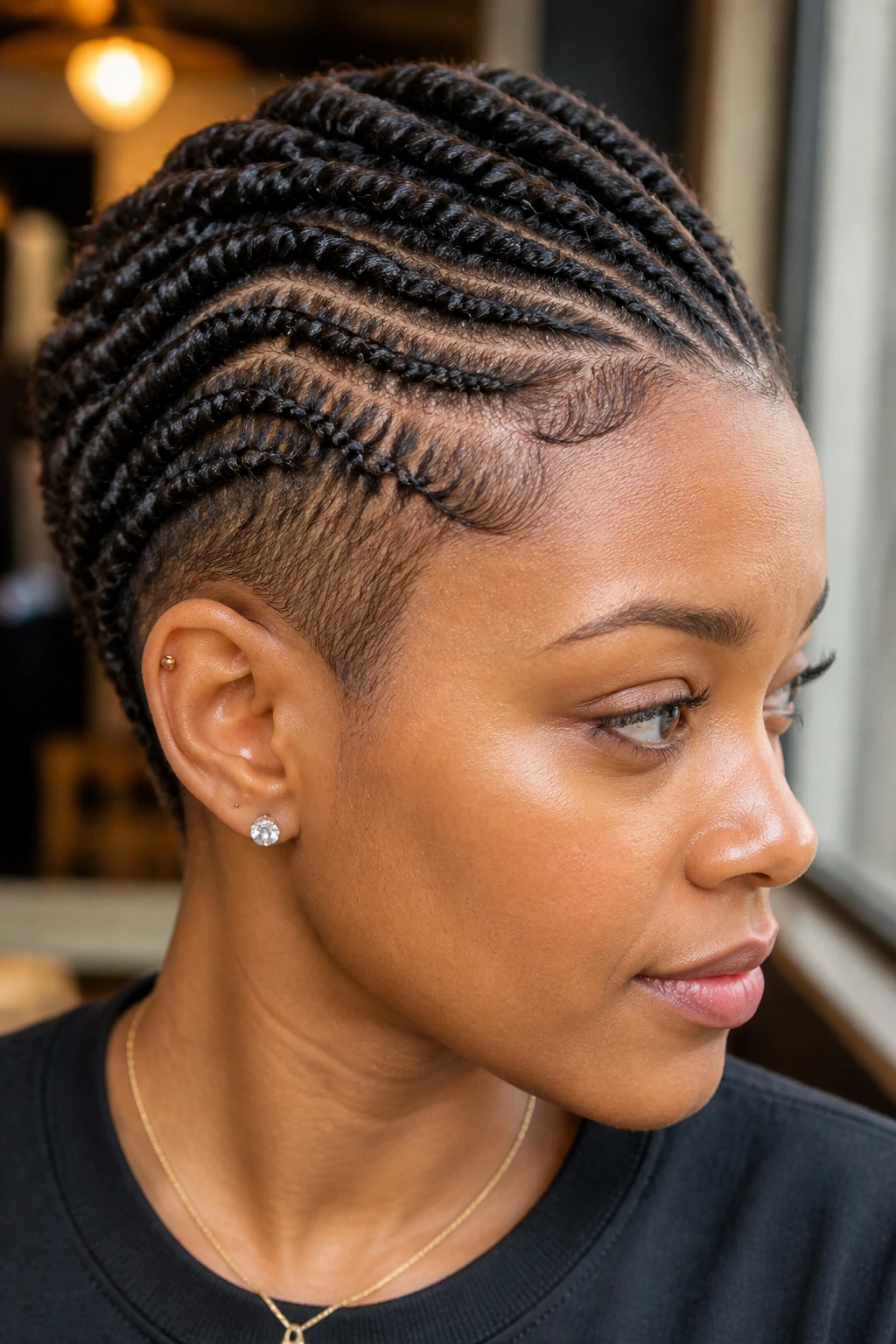
A flat-twist crown crop looks a little more polished than a simple curly top because the hairline gets its own architecture. The twists hug the perimeter, the crown stays fuller, and the overall shape feels anchored. It is one of the easiest ways to make short natural hair look styled without making it feel overdone.
This one is kinder to edges than styles that tug everything straight back. The hairline is part of the design, not something hidden underneath. If you like wearing earrings or bold collars, the clean crown shape leaves room for the rest of your face and outfit to do some work too.
I also like this look on second or third day hair, because the twists keep the front from puffing out too much. It holds its outline better than loose curls when the weather gets warm or humid.
12. Shaved-Side Crop With Full Curl Top
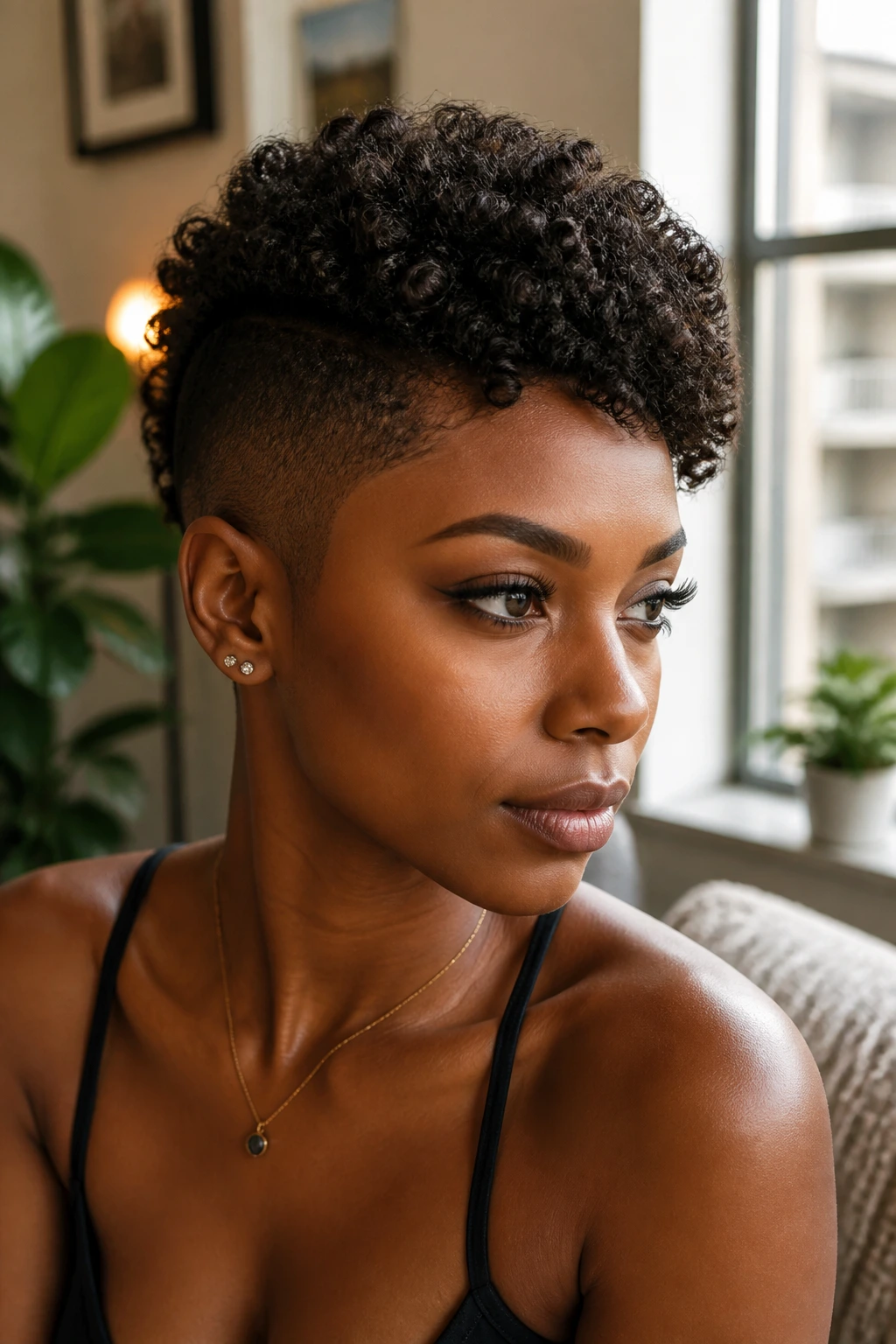
A shaved-side crop is all about contrast. The top stays full, soft, and curly, while one or both sides are taken close enough that the texture on top becomes impossible to miss. If you want short natural hair with a little edge, this one delivers without needing a lot of styling time each morning.
The best version keeps the top dense enough to move. If the top is too flat, the shaved sides start looking like they are carrying all the personality. That is not the goal. The top should feel plush, even if it is short.
I prefer this cut when the line-up at the temple is crisp and the top is left with real curl movement. It is a sharp look, but not a fussy one. The shape does the talking.
13. Curly Caesar Crop With A Forward Fringe
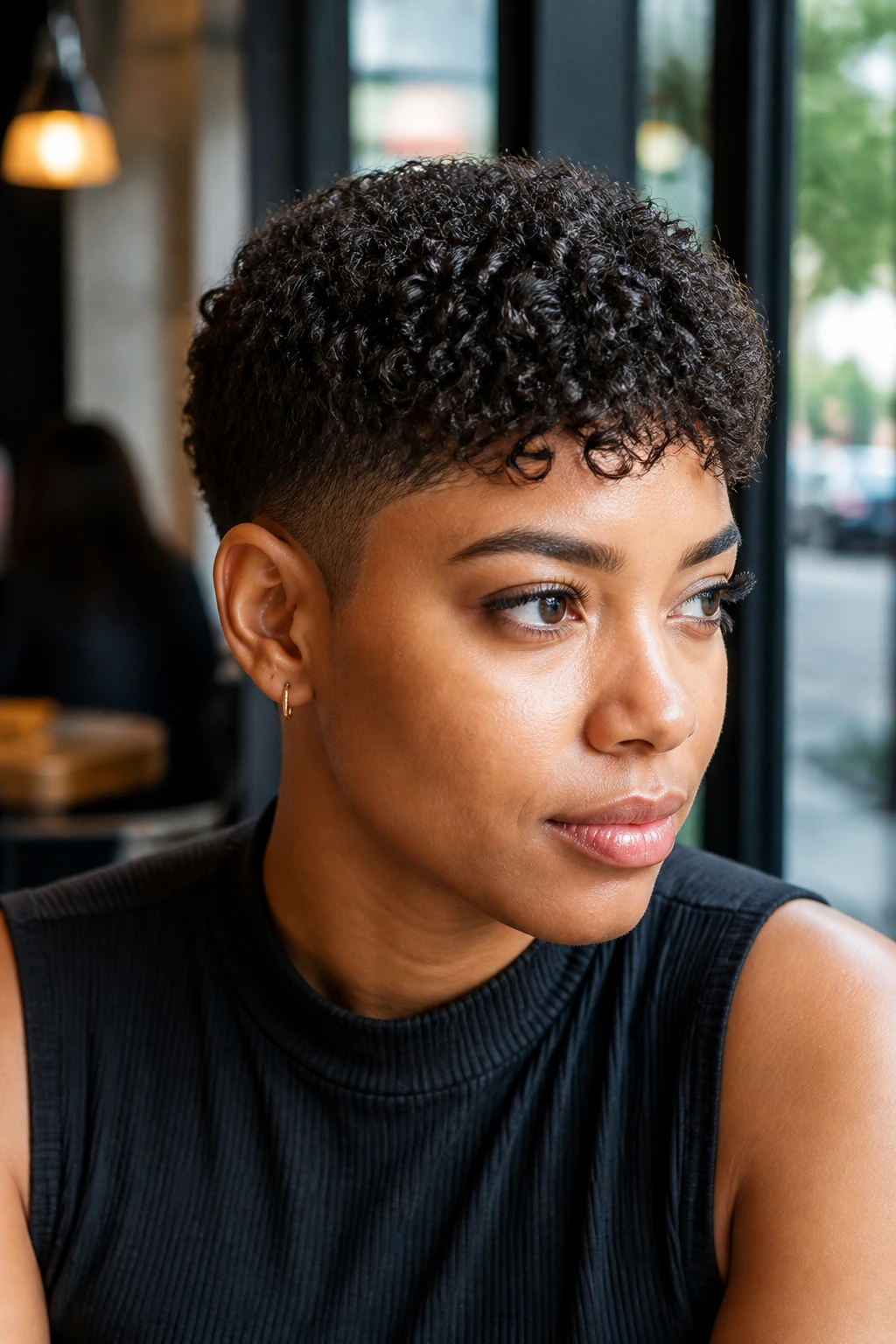
A curly Caesar crop pushes the curls forward instead of up. The fringe sits near the forehead, the sides stay short, and the front line gets to frame the face in a way that feels cleaner than a loose curl pile. Short coils with a forward direction can look unexpectedly sleek here.
The style works best when the fringe is trimmed with shrinkage in mind. If the curls spring up a lot, the fringe should still fall where you want it after it dries. A little gel at the front helps, but the real difference is in the cut itself.
This is a low-maintenance option for anyone who likes structure. You do not have to fight for volume. You are simply teaching the curls where to sit.
14. Side-Swept Crop With A Soft Temple Taper
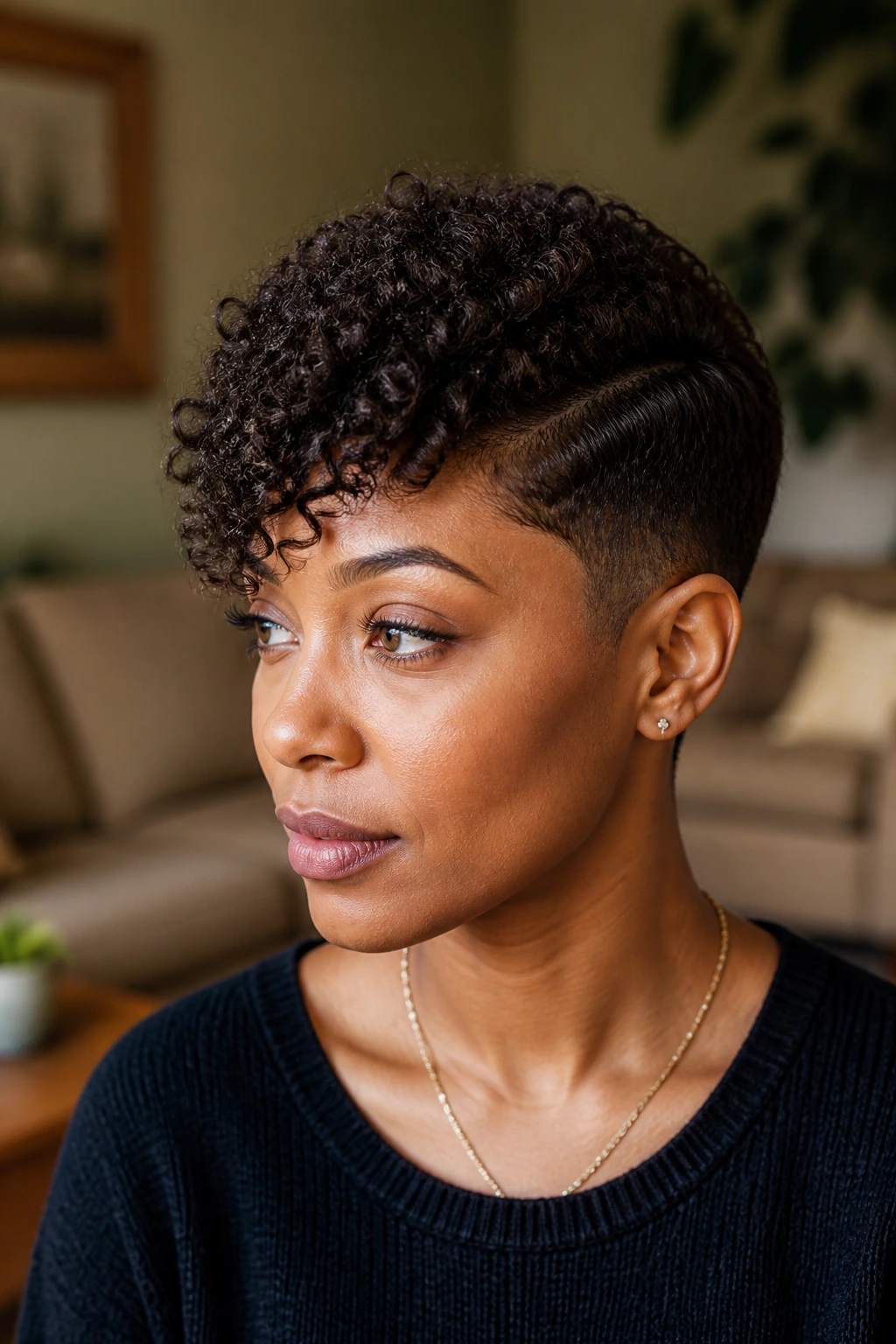
Do you want forehead coverage without losing the curly texture? The side-swept crop is the answer. The curls lean to one side, the temple area stays neat, and the front reads soft instead of severe.
This is one of the more forgiving styles for short natural hair because it can be dressed up or relaxed with only a small change in parting. A little water at the front and a quick finger-sweep can reset it without rebuilding the whole style. That is handy on busy mornings.
The temple taper matters more than people think. If those sides are tidy, the sweep looks graceful. If they are fuzzy, the style loses its line and starts drifting into “I meant to do something” territory. No one wants that.
15. Defined Mini Afro With Color At The Ends
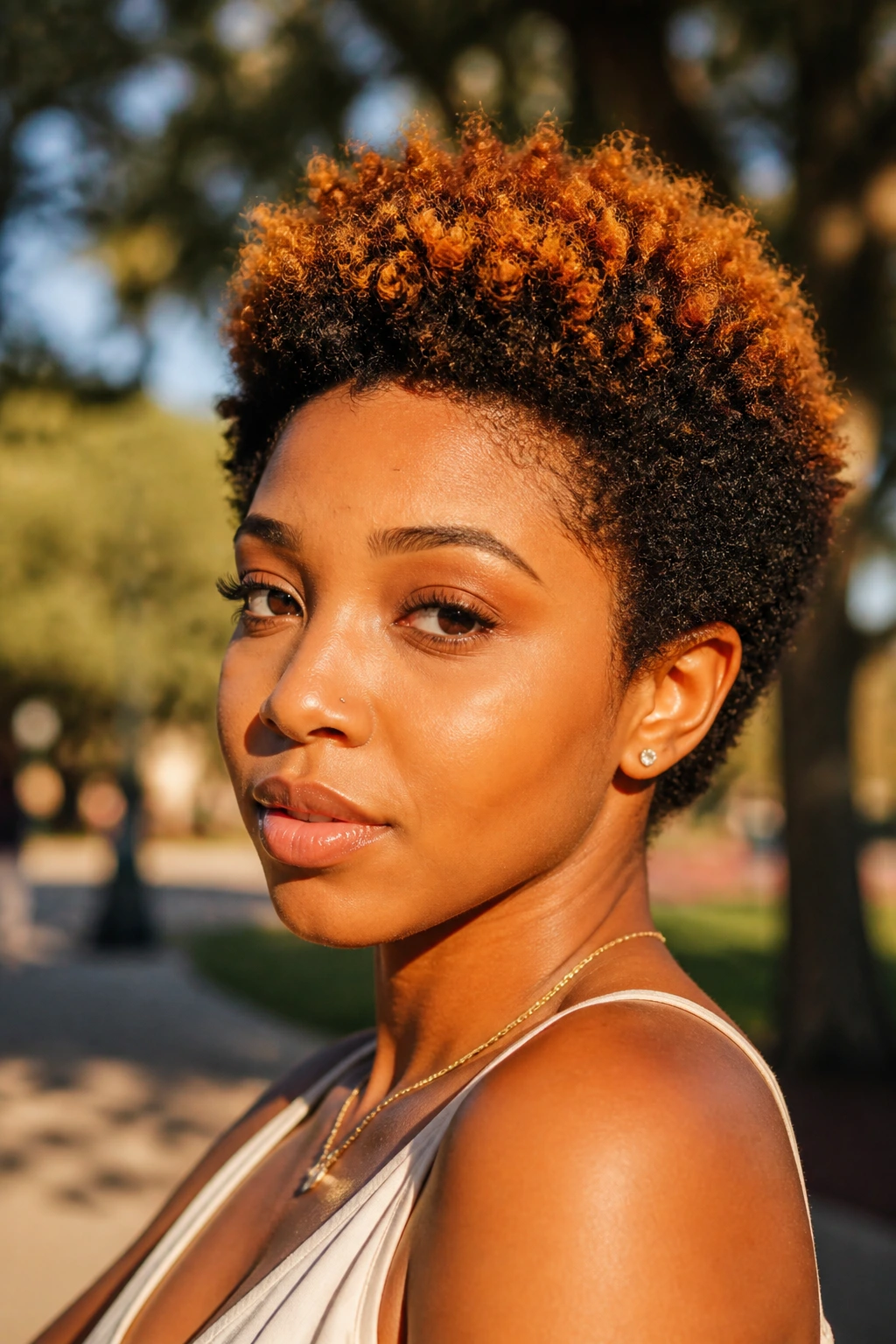
A mini afro with warm color at the ends changes the whole read of the cut. Honey brown, copper, cinnamon, or soft auburn pieces break up the solid shape and make the curls show up better in low light. The color does not need to cover the whole head to work.
Keep the ends moisturized if they are lightened. Colored tips dry out faster, and short hair makes that dryness obvious. A little leave-in on the ends after washing keeps the texture soft enough to hold its shape.
I like this version when the cut is rounded but needs a little extra interest. The color catches the eye first, then the curl pattern takes over. That order matters. It keeps the style lively without turning it into a costume.
16. Two-Strand Twist Crop With Visible Rope Texture
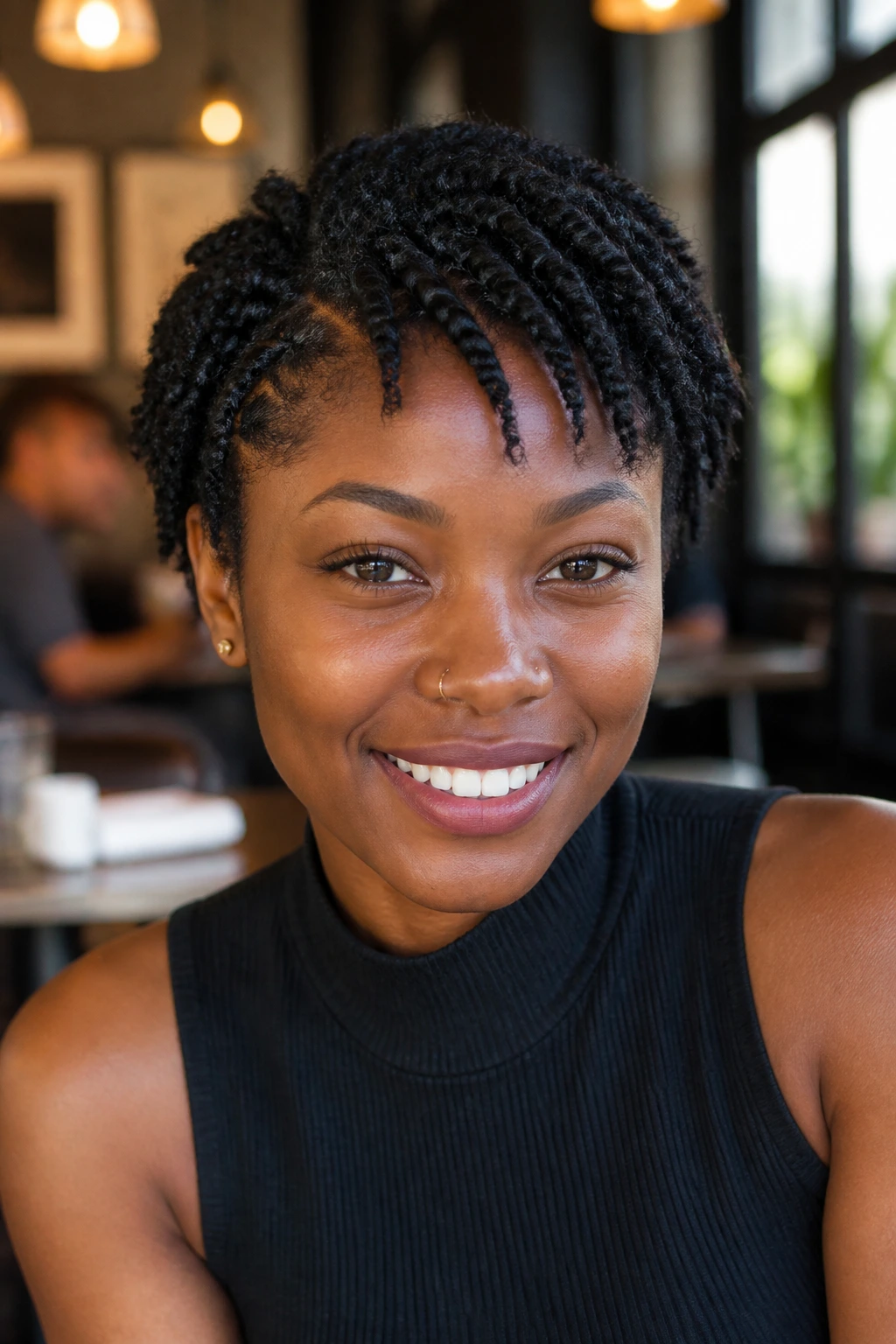
Two-strand twists are one of the most practical short natural styles because they give you texture even before you take them down. Worn in place, they read neat and low-manipulation. Taken apart later, they turn into a twist-out with a little more length and softness.
That flexibility is the big draw. If you are the type who wants one style to carry you across several days, this one is a good bet. The twists keep the hair organized, which helps with shrinkage and makes the silhouette easier to maintain.
Use small sections if you want the rope texture to show clearly. Bigger twists feel looser and may read more like a casual set than a defined crop. Neither is wrong. They just give different energy.
17. Curly Crop With A Sharp Nape Fade
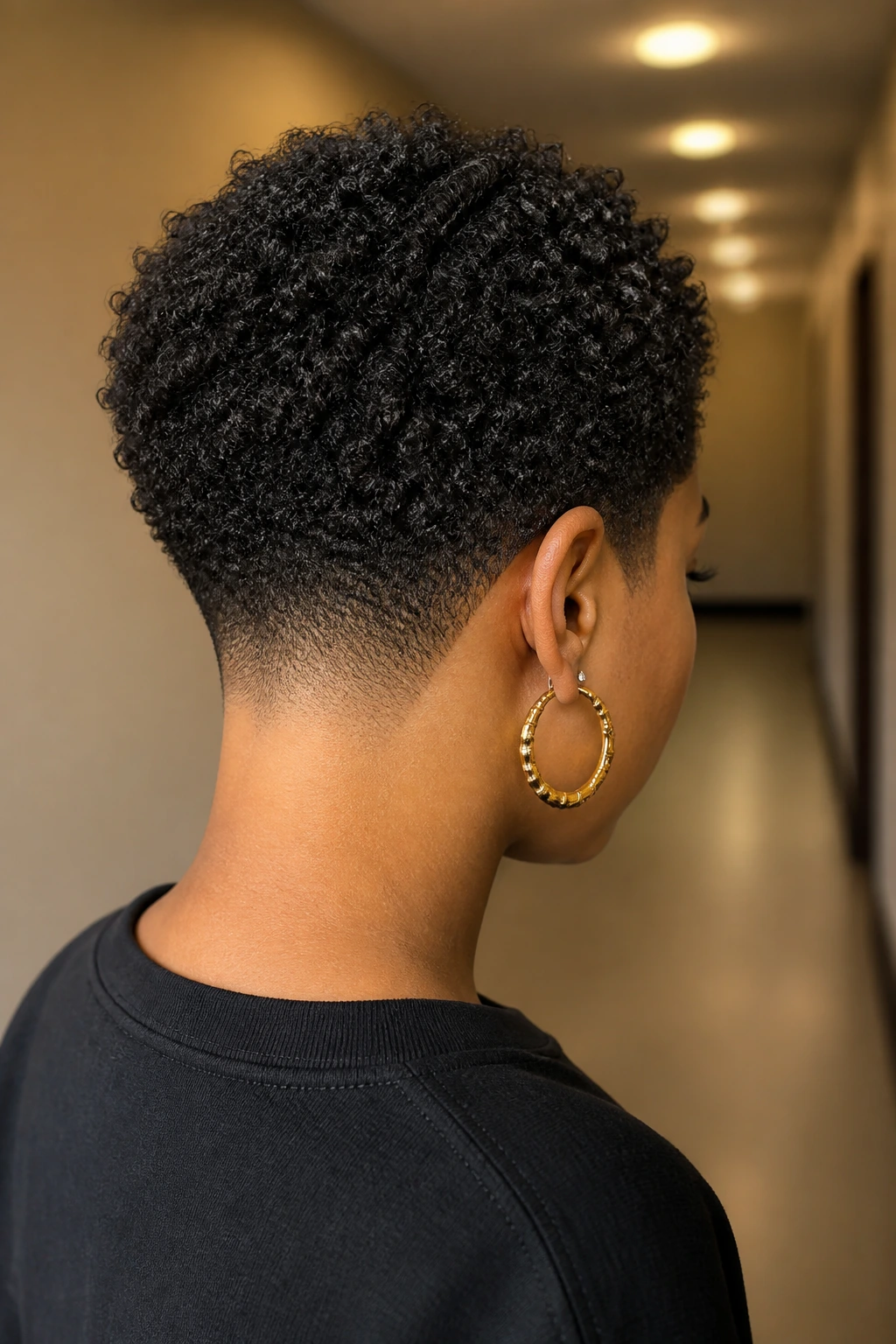
The back of this style is the whole point. A sharp nape fade keeps the neckline clean, and that clean line makes the curls on top feel richer by contrast. It is a small detail that changes the entire shape when you look at the head from behind.
If the fade grows out too far, the crop loses its edge fast. That is the trade-off. But when it is fresh, the cut looks precise in a way that shorter hair often deserves. The top can stay soft and airy while the nape does the hard work.
I would rather see a clean nape fade with slightly imperfect curls than the other way around. The back is what people notice when you leave a room. Might as well make it count.
18. Halo-Part Crop With A Clean Circle Shape
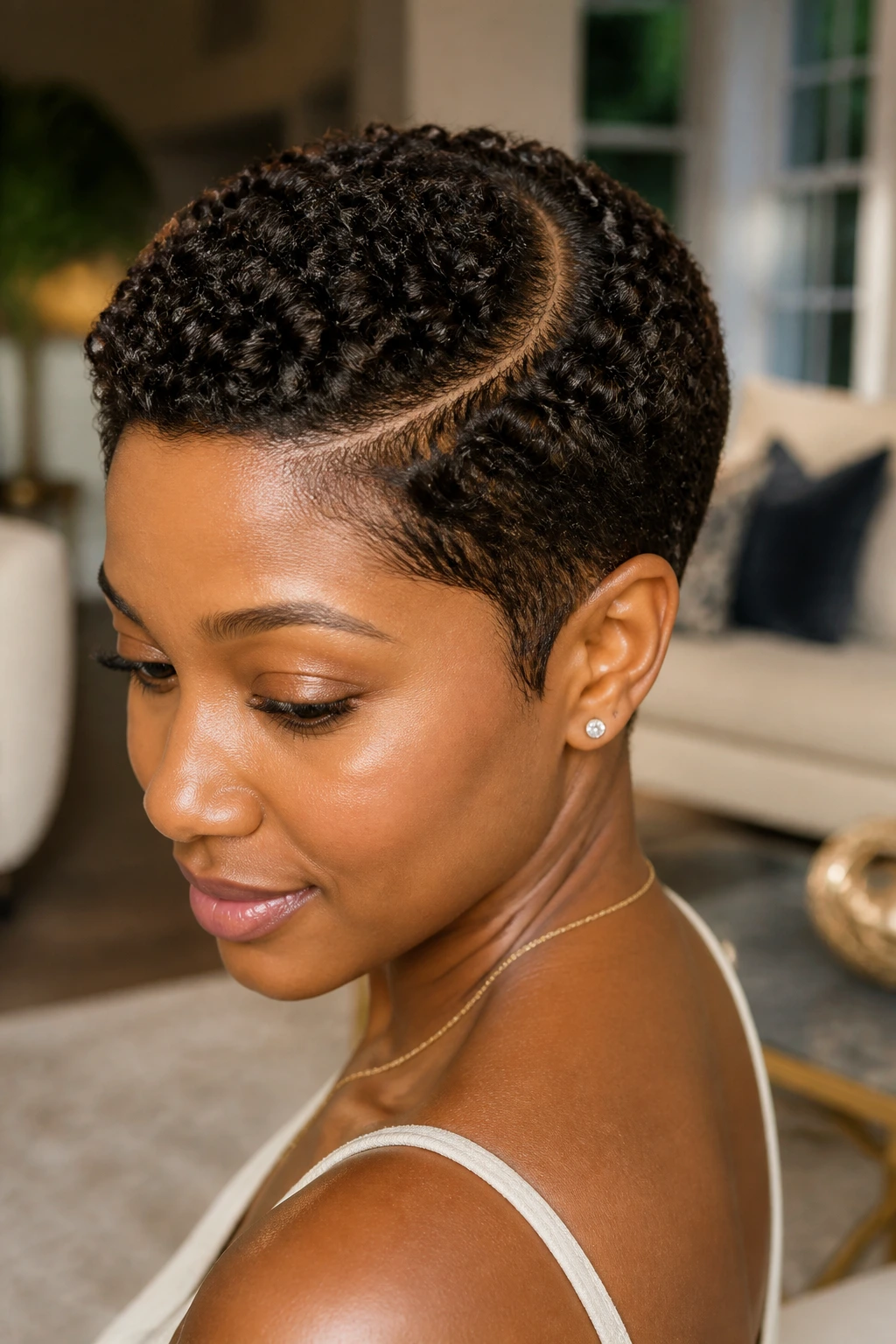
A halo-part crop puts a circular part or braided frame around the crown so the hair feels outlined from above. It is a neat trick for short natural hair because it creates a focal point without asking the curls to do all the styling. The circle gives the eye somewhere to land.
This works especially well for dressier days, when a plain wash-and-go feels too casual and a full updo feels impossible. The halo shape can be made with flat twists, a braid, or even a precise part that helps the curls sit in a clean ring. The center can stay fluffy while the perimeter holds the structure.
The best halo-part crops are tidy at the roots and soft at the ends. That contrast keeps the style from looking severe. It also photographs better in real life than the overly polished versions that sit too flat.
19. Twist-and-Curl Crop With Extra Lift At The Crown
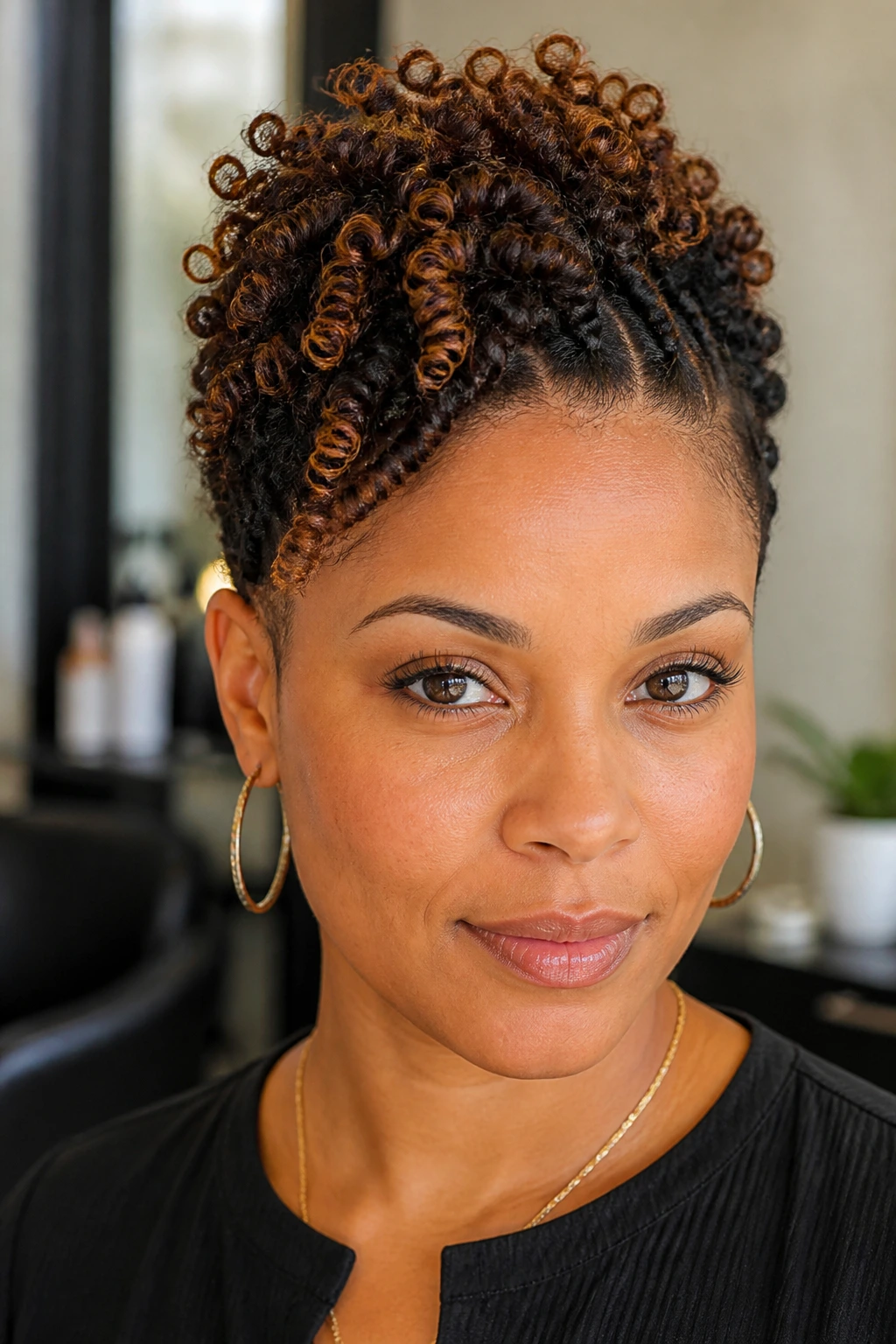
A twist-and-curl crop takes the best part of a twist set and gives the ends a little bounce. You twist the roots, then curl the ends on rods or small flexi rods so the fringe or crown has more visible shape. The result is softer than finger coils and more lifted than a plain twist-out.
This style is useful when the top needs height but the sides should stay neat. The twisted roots keep the base organized, while the curled ends add movement right where the eye goes first. It feels put together without looking frozen in place.
Wait until every section is dry before removing the rods. If you rush that part, the ends collapse, and the whole style gets fuzzy faster. Dry time is not optional here. It is the style.
20. Crown Puff Crop For Very Short Hair
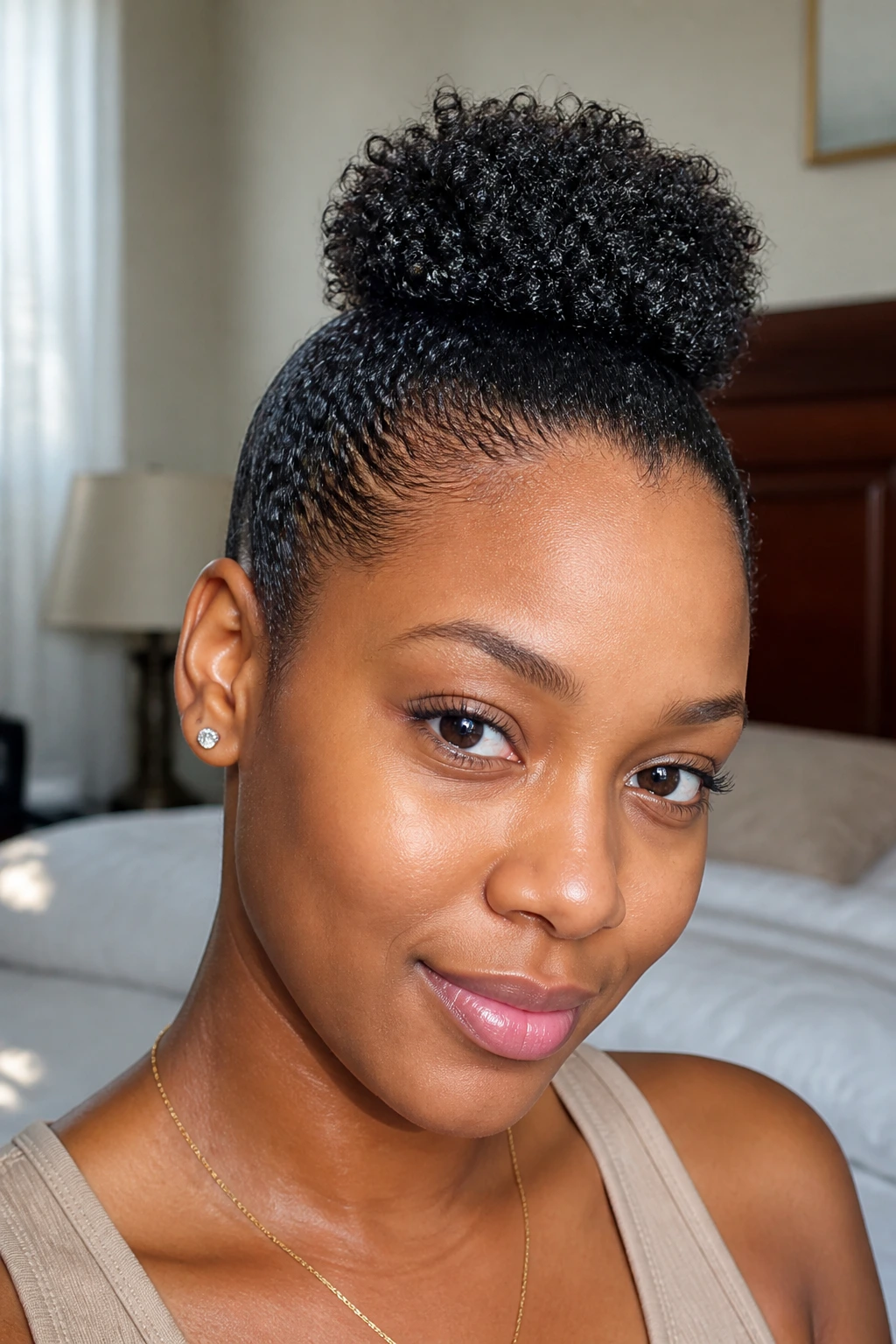
A tiny crown puff can work even when the hair is too short for a full puff. The sides are smoothed or lightly brushed back, and the top is gathered into a small puff high on the head. It is cute, practical, and more shape-driven than people give it credit for.
- Best for: Very short coils that still have enough length at the crown.
- Styling move: Use a soft brush and a satin scrunchie, not a tight band.
- Best finish: Moisturized roots and a clean side profile.
- Watch-out: Pulling too hard at the front can thin the line at the hairline.
The puff stays looking intentional when the base is neat. If the sides are puffing out on their own, the whole thing loses its shape. Keep the perimeter controlled, and let the crown be the only place that stands up.
21. Cornrow-Front Crop With Loose Curls In Back
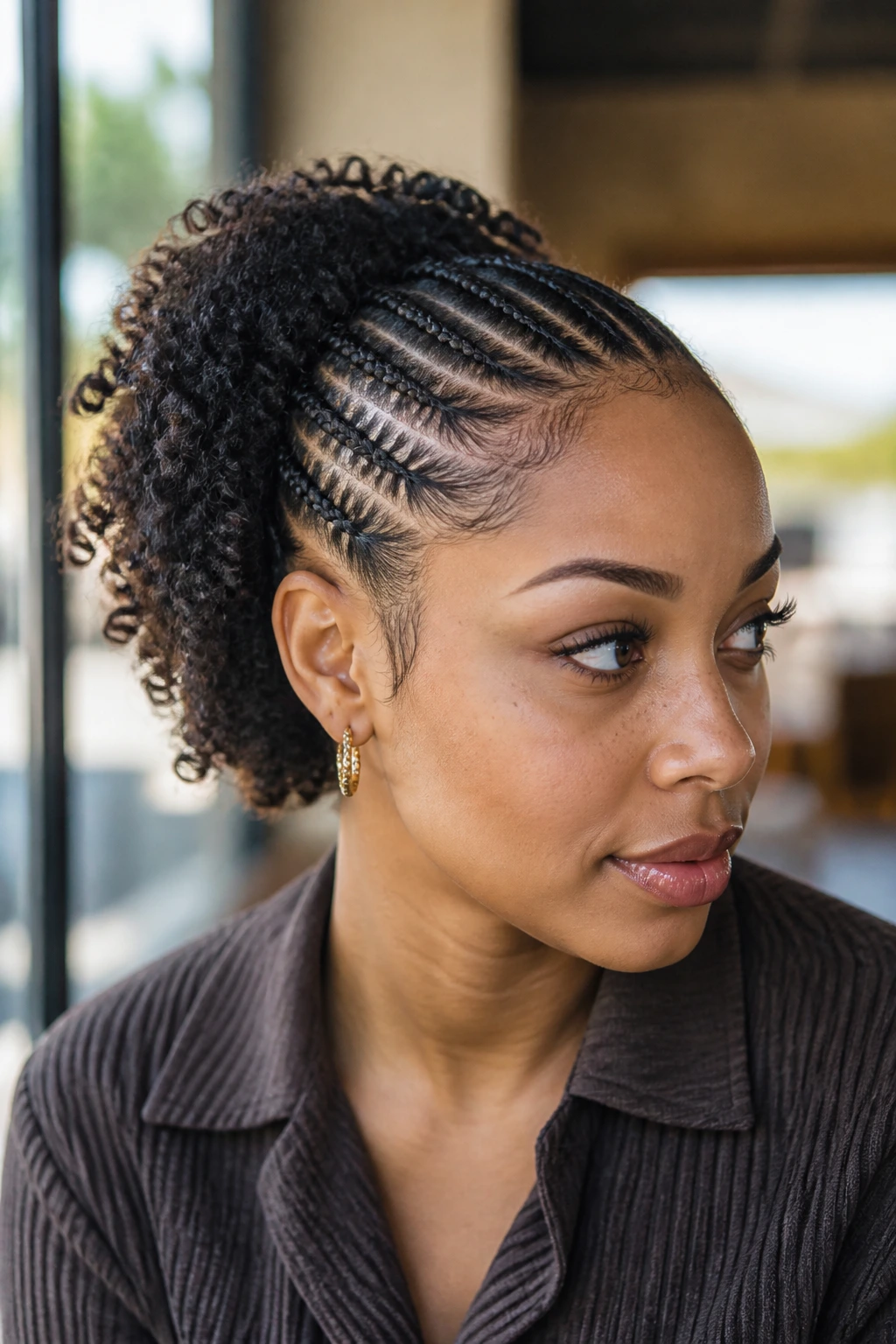
This is the crop for people who want the front of their hair to stay out of the way. The braids or cornrows in front keep the hairline calm, while the back stays curly and free. It is a smart mix of control and movement, which is why it works so well on short natural hair.
The style can be active without looking sporty in a boring way. The front stays clean through a workout, a windy day, or a long stretch at work, and the curls in back keep the cut from feeling too tight. That balance is the whole appeal.
Keep the cornrows snug, not painful. If the tension is too high, the style stops being protective and starts being a problem. Short hair needs care at the hairline more than it needs drama.
22. Sculpted Coily Crop With Defined Temple Curls
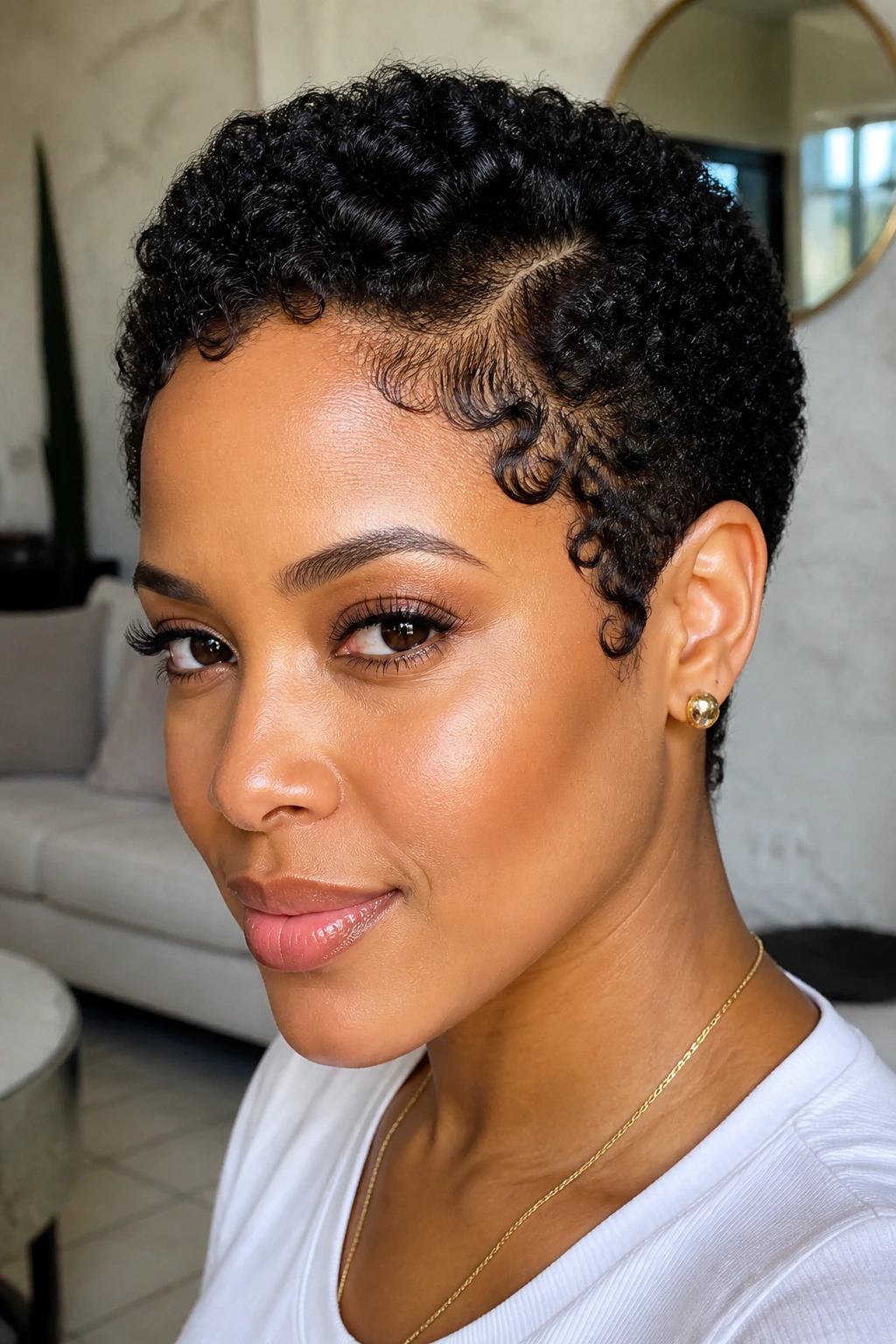
A sculpted coily crop uses definition where it matters most: the temples, the front curve, and the top line. The back can stay softer, but the front gets enough polish to frame the face. That selective styling keeps the cut from feeling overworked.
I like this look because it respects the limits of short hair. You do not have to define every single curl. A few crisp temple coils and a neat front edge are enough to make the whole style feel finished.
Use a small brush, a bit of gel, and your fingers to shape only the areas that matter most. If you chase perfect definition everywhere, the hair can get stiff and lose its life. Better to have a few sharp points and some softness than a helmet.
23. Accessorized Crop With Clips, Cuffs, And A Headband
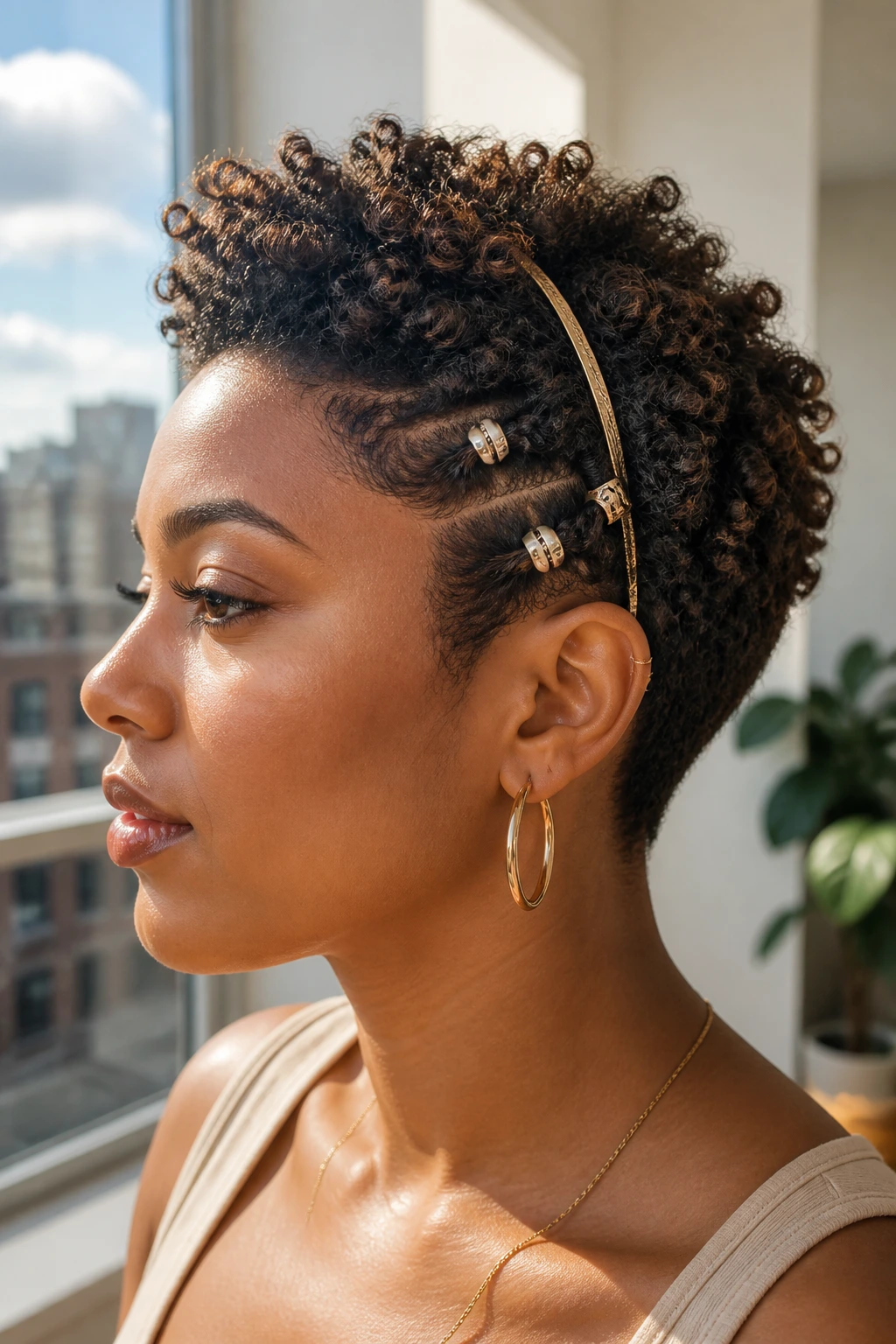
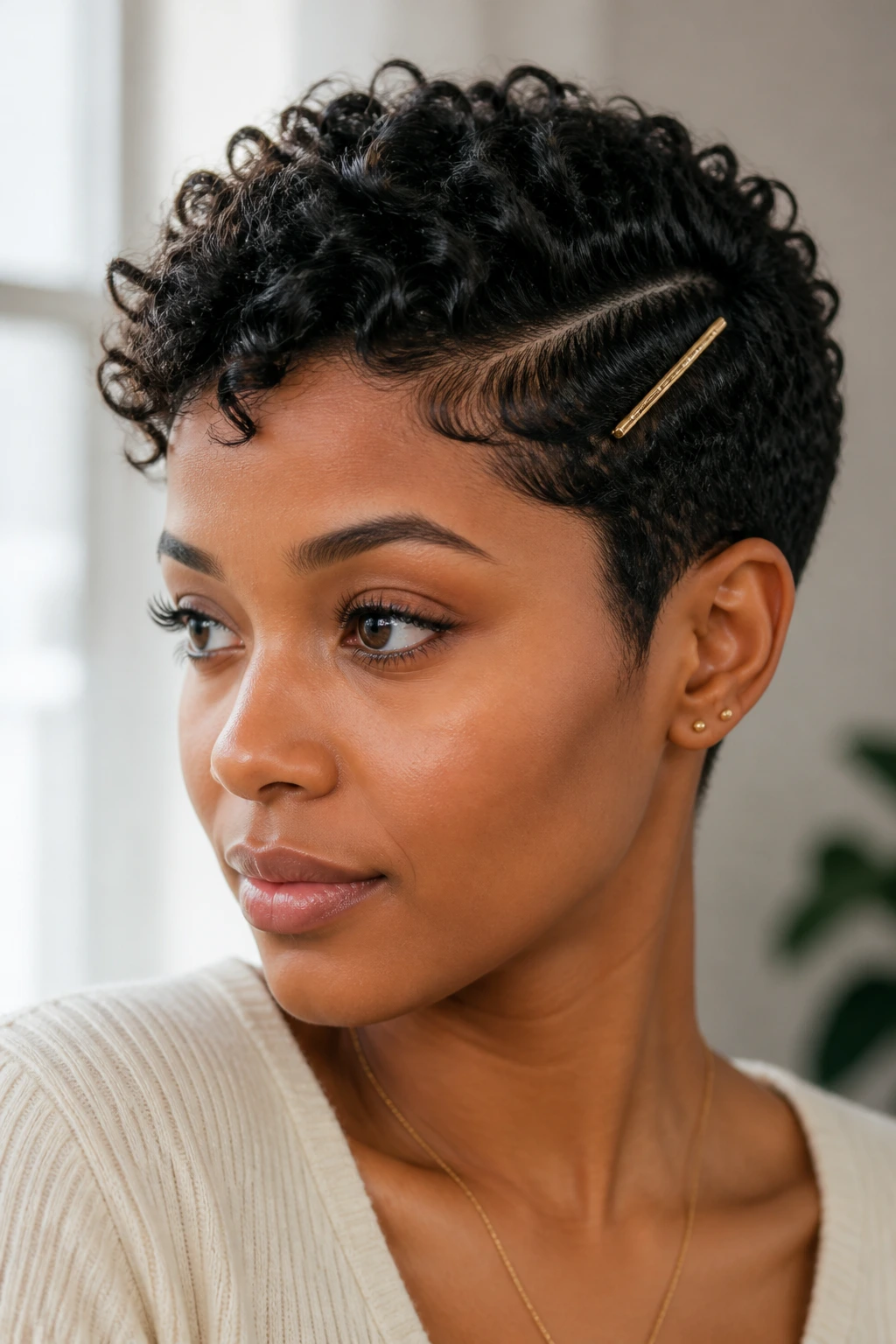
What if the cut stays the same, but the mood changes every morning? That is the value of an accessorized crop. A metal clip near the temple, a few cuffs on a twist, or a slim headband can change the whole look without asking the curls to do more work.
This style is especially useful when the hair is between lengths. Accessories let short natural hair feel intentional even on days when the shape is a little too soft or a little too grown out. They also give you a fast way to dress up a crop without adding heat or extra product.
Keep the accessories small enough that they do not fight the curls. One or two details usually looks better than a headful of decoration. The hair should still be the main event.
What Makes These Crops Work Better Than A One-Shape-Fits-All Cut
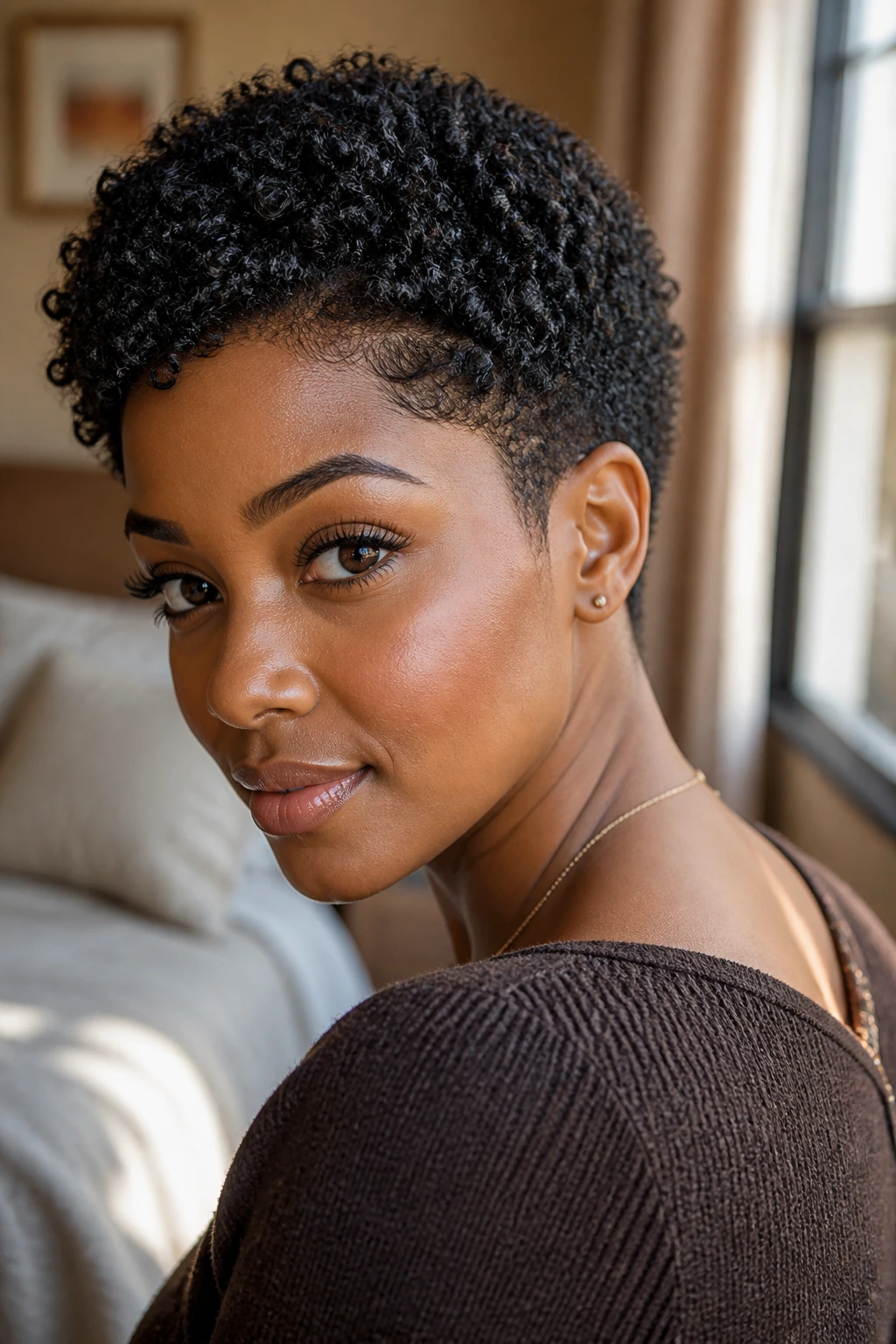
Short natural hair looks best when every part of the head has a job. The nape can clean up the back. The crown can add height. The sides can taper in or stay round. The front can sweep, fringe, part, or frame. When all four areas try to do the same thing, the style gets puffy and undecided fast.
Shrinkage changes the whole conversation too. A crop that looks longer when stretched can shrink right back to a much tighter shape once it dries. That is not a problem if the cut was designed with the dry curl pattern in mind. It becomes a problem when the cut was planned only on wet hair and nobody accounted for how much the coils pull upward.
I also think short curls look better when they are not overfed with product. A little leave-in, a little hold, and a clean finish beat a heavy cream layer almost every time. Heavy product makes the silhouette slump. Light product leaves room for the curl pattern to show, which is the part people usually want anyway.
What To Ask For In The Chair Before The Clippers Come Out
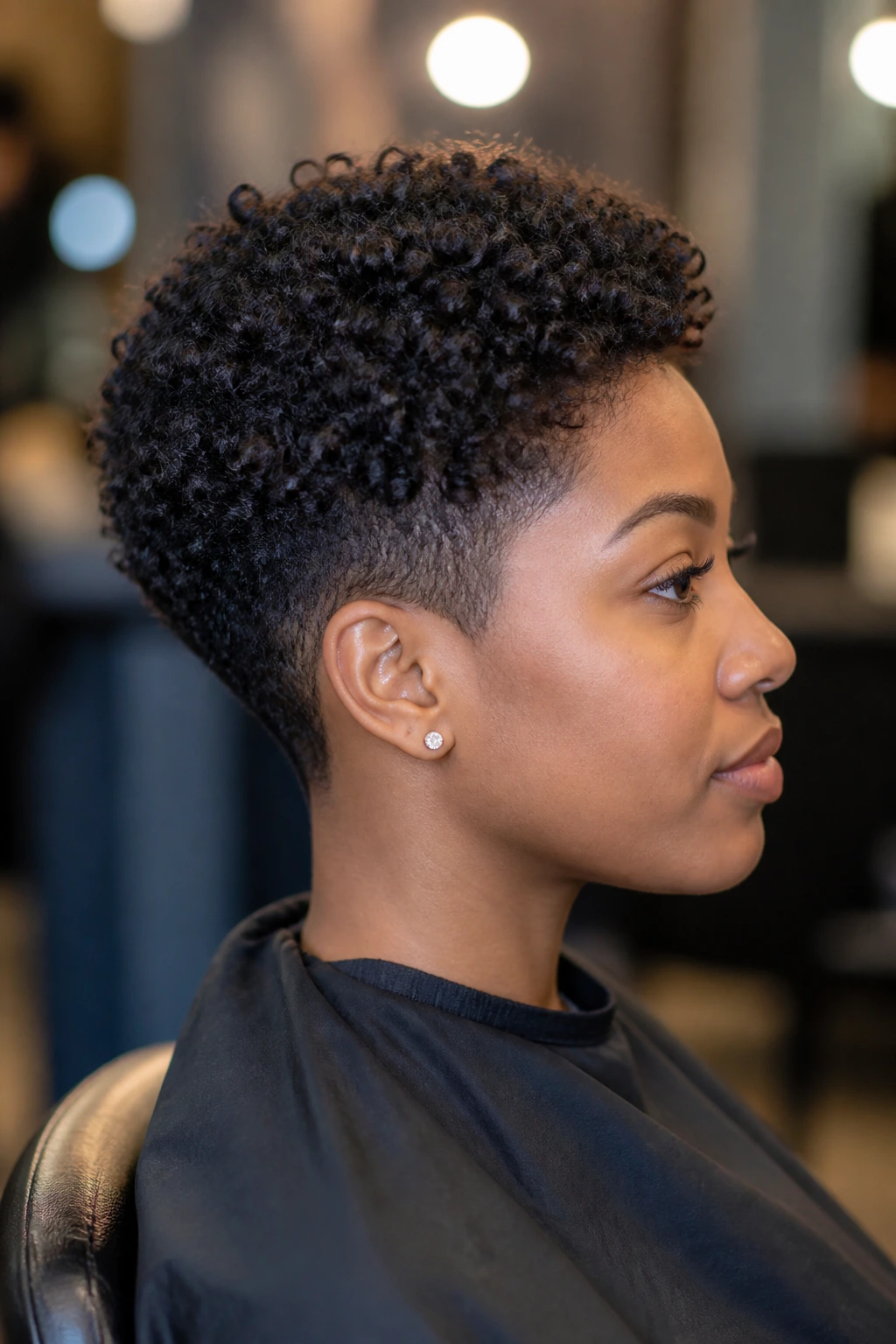
The easiest way to get a better curly crop is to stop talking only about length. Show the stylist the silhouette you want. Bring a front photo, a side photo, and a back view if you can find one. The back matters. It always matters more than people think until they see themselves in a mirror from behind.
Say whether you want a taper, a fade, or just clean-up. Those are not the same thing. A taper keeps some softness around the ears and nape. A fade goes shorter faster. A clean-up just sharpens what is already there.
Talk about shrinkage in plain language. If you wear your hair stretched, say so. If you always wear wash-and-gos, say that too. A cut that looks right blown out can sit two inches shorter once the curls tighten.
Name your styling habit honestly. If you are not going to twist your hair every night, the cut should not depend on twist-outs. If you hate touching your hair daily, tell them. That single sentence can save you from a style that looks lovely in the chair and annoying at home.
Essential Tools And Supplies For Short Natural Hair
-
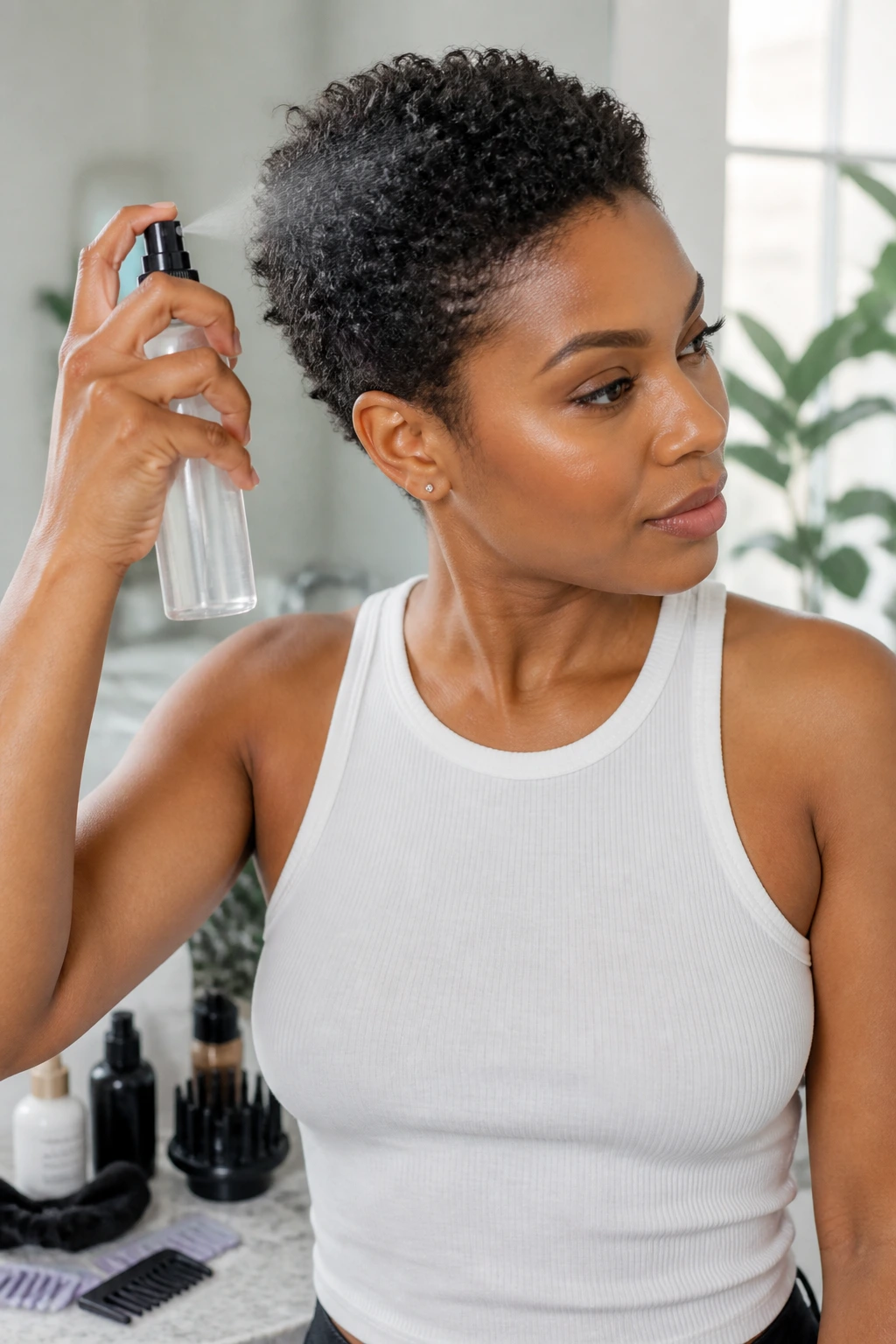
Spray bottle with a fine mist: This is the fastest way to wake curls up without soaking them.
-
Water-based leave-in conditioner: Use this first when the hair feels dry; it gives slip without stuffing the strands.
-
Curl cream or mousse: Pick one, not both in giant amounts, so the style does not get heavy.
-
Strong-hold gel: Helpful for wash-and-gos, frohawks, and any crop that needs a firmer outline.
-
Rat-tail comb: Good for clean parts, halo shapes, and teasing out a crisp line.
-
Wide-tooth comb or pick: The pick lifts roots without flattening the curl pattern.
-
Small styling brush or edge brush: Useful for smoothing the hairline and shaping the sides.
-
Microfiber towel or cotton T-shirt: Better than rough terry cloth for drying without friction.
-
Satin bonnet or scarf: This protects the shape overnight and keeps the edges from getting ragged.
-
Diffuser attachment or hooded dryer: Optional, but useful when the crown needs help setting without frizz.
Choosing Products That Support The Style Instead Of Smothering It
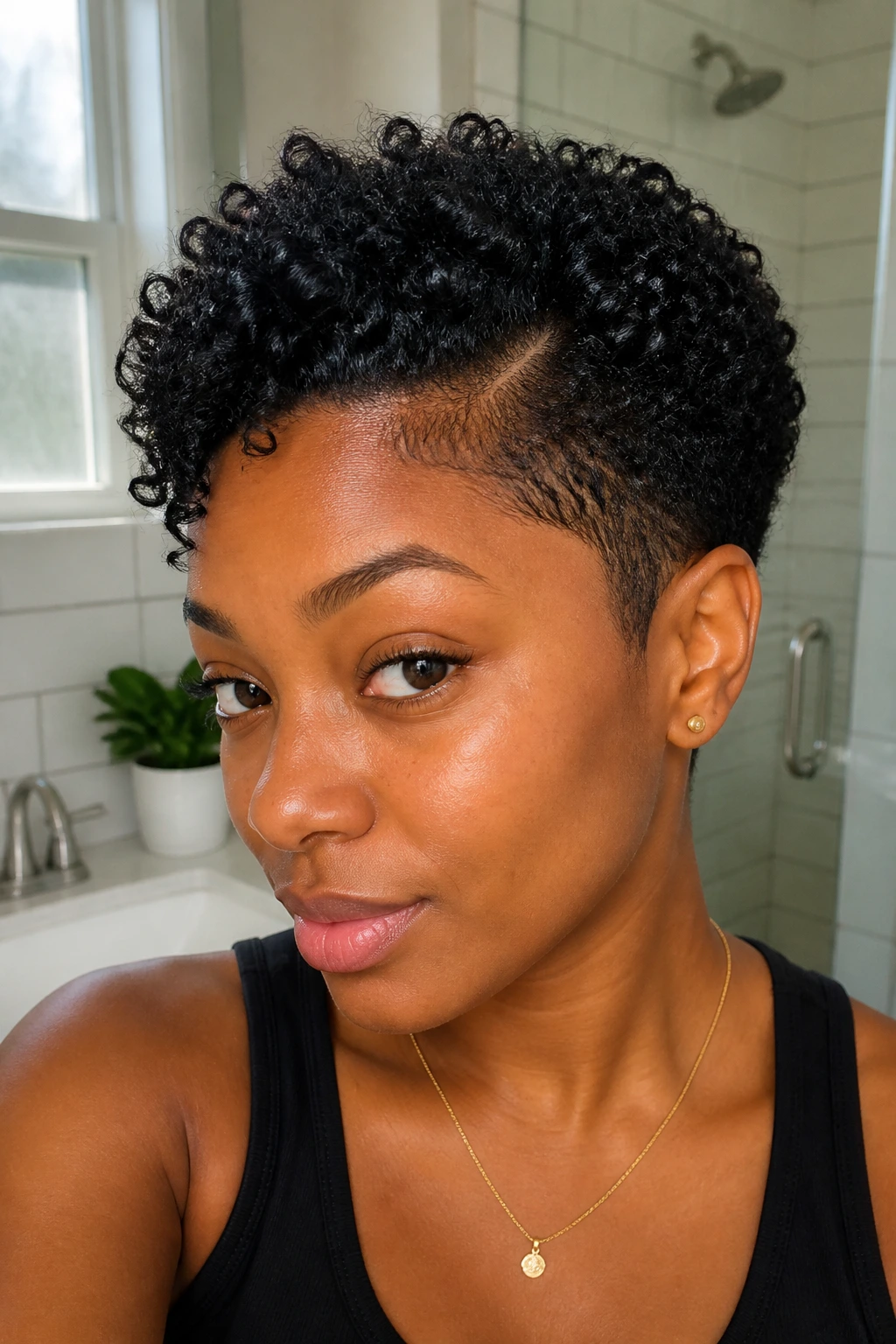
Short curls usually want less than people think. A water-based leave-in gives the hair slip, a small amount of cream softens the strand, and a gel or mousse sets the shape. That is enough for most crops. Start there before you go hunting for heavier things.
For definition: Pick a gel that dries with a clear or soft cast, not one that leaves white flakes when you touch it. If your curls clump well, you do not need a mountain of product to make them behave.
For volume: Mousse and a root pick can give you lift without burying the texture. This works especially well on rounded crops and high-tops, where the roots need to stand up a little.
For softness: If your hair feels stiff after styling, reduce the gel and add a touch more leave-in before the next wash. Heavy butters can make a short cut look dull and collapsed, especially on fine strands.
For scalp comfort: If you wear a lot of product, use a clarifying shampoo every couple of weeks so the base does not get coated. Short styles show buildup fast because there is nowhere for it to hide.
How To Wear A Curly Crop On Busy Days And Dress It Up Fast
Morning rush: Go with the styles that reset with water and hands: wash-and-gos, tapered crops, crown puffs, and side parts. A mist bottle, a quick scrunch, and a little smoothing at the front are often enough.
Work or school: Keep the shape clean and the front controlled. A flat-twist crown, side-swept crop, or rounded afro with a neat outline reads polished without looking severe.
Weekend softness: Let the top fluff a little. On day two or day three, pick the roots gently and leave the ends alone so the crop keeps some shape while it loosens up.
Dress it up: Add one clean detail. A clip at the temple, a narrow headband, or a few cuffs on a twist can change the whole mood faster than a full restyle. I would rather see one sharp accessory than five things competing for attention.
If the curls flatten: Refresh only the sections that need help. A damp crown can be reset without soaking the whole head, which keeps the sides from puffing out in that awkward half-fresh, half-tired way.
Additional Tips And Style Boosters
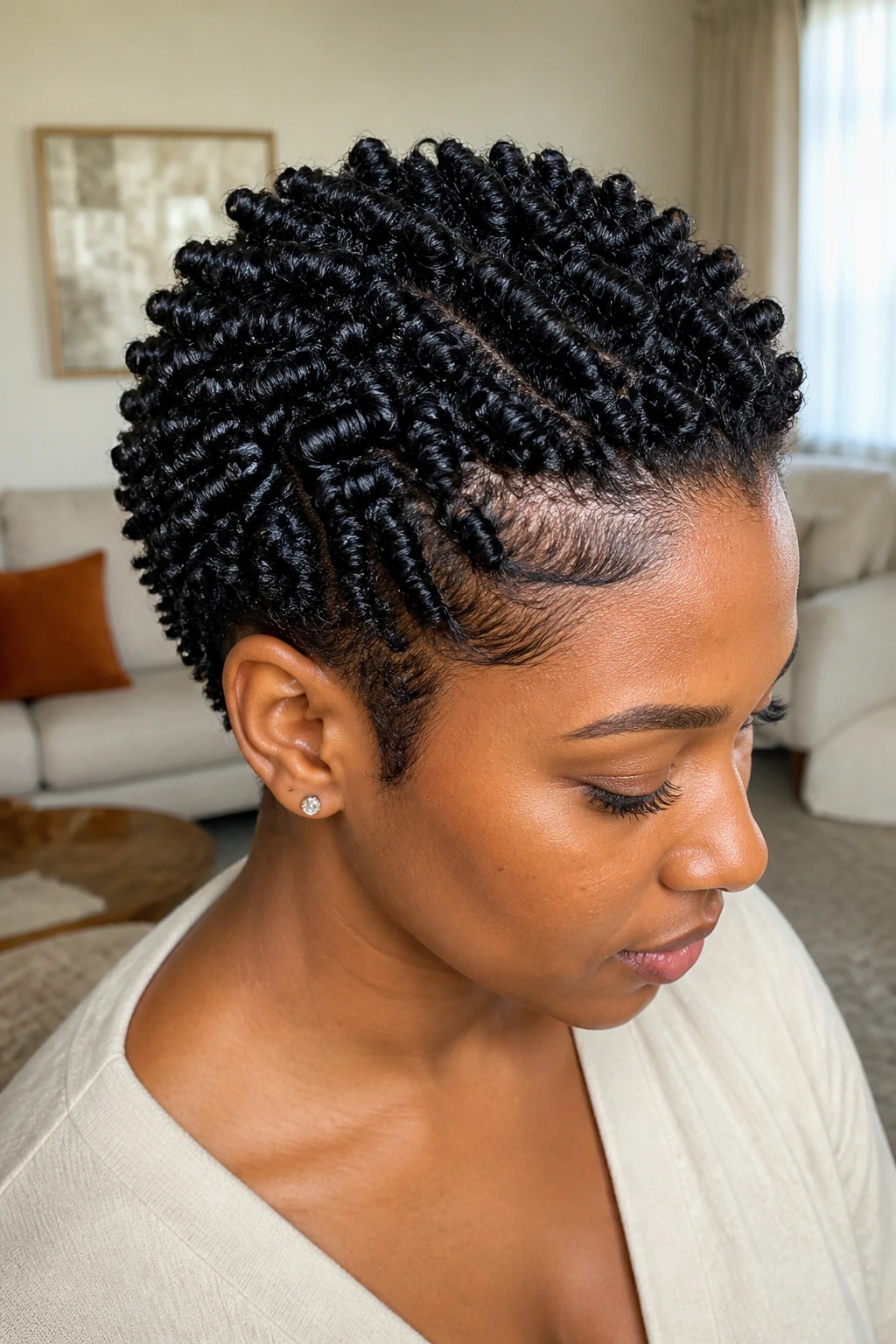
Definition boost: Set the curls in smaller sections than you think you need, especially around the front hairline and crown. Those are the spots that show first in person, so they deserve more care than the back.
Volume boost: Lift the roots only after the style is dry. If you pick too early, the curl clumps fall apart and the top loses structure. A little patience buys you more height than more product ever will.
Softness boost: Break the cast with one or two drops of oil rubbed between your palms, not poured directly onto the hair. That keeps the surface smooth without turning the crop greasy.
Color boost: Warm highlights at the ends or around the face can make the curl pattern read faster. A few honey-brown pieces usually do more than a full head of loud color when the cut is short.
Make-it-yours: For low-maintenance weeks, lean on twist-outs or flat twists. For people who like more visual change, clips, side parts, and a fresh accessory can make the same cut feel new without a salon visit.
Common Mistakes That Flatten Short Curls
-
Using too much cream at the start. The hair feels coated, the curls stop clumping, and the style sits heavy. Start with water and a small amount of leave-in, then add hold only where it’s needed.
-
Ignoring the neckline and temples. The top may still look fine, but the cut starts to read grown out from the sides and back. A fresh taper or line-up every 3 to 6 weeks keeps the shape clear.
-
Cutting only for stretched length. Short curls shrink, and they shrink with opinions. If the cut is shaped on stretched hair alone, the fringe can disappear or the top can land too short once it dries.
-
Touching the hair before it is dry. That is how a neat set turns fuzzy. Let the curls finish setting, then separate or fluff once, not six times.
-
Trying to rescue frizz with more oil. Oil does not fix everything. If the hair is rough, a light mist of water and a tiny bit of product usually works better than adding more sheen on top.
-
Sleeping loose and hoping for the best. Short curls crush fast. A satin bonnet or scarf keeps the outline intact and saves you from spending ten minutes repairing one side in the morning.
Variations And Alternatives To Try
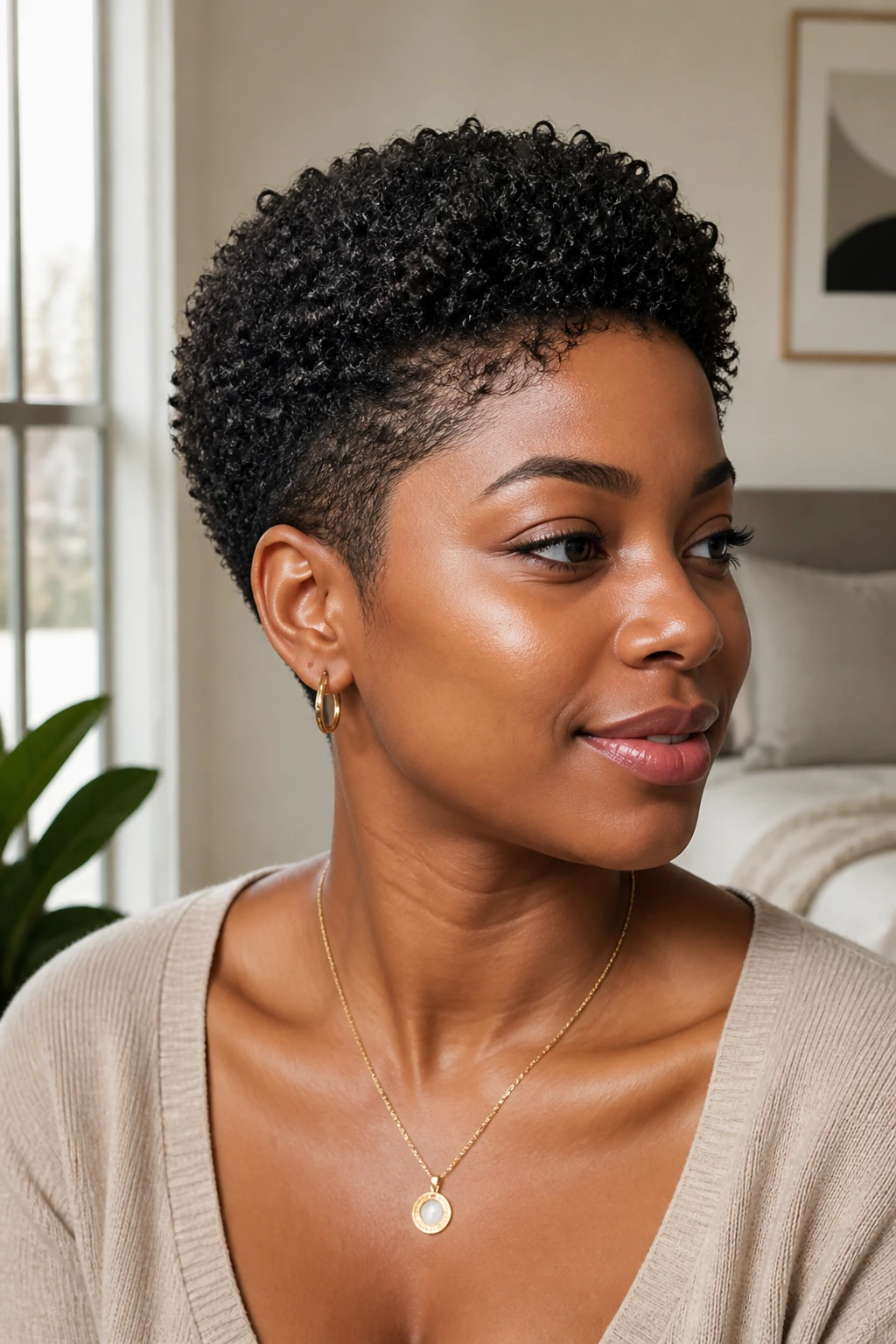
Soft Studio Crop: Keep the shape rounded, the sides gently tapered, and the front soft. This version is for people who want the cut to feel neat without looking sharp or severe.
High-Contrast Fade Crop: Ask for a stronger fade on the sides and a lifted top. The contrast makes dense curls look fuller up top and cleaner everywhere else.
Twist-Set Crop: Use flat twists, mini twists, or two-strand twists as the main style instead of a wash-and-go. It is a good choice when you want less daily fuss and more control over shrinkage.
Color-Halo Crop: Add warm color only around the crown or front curl line. That gives the cut a little glow without changing the whole head.
Protective-leaning Crop: Keep the hairline in braids or flat twists and let the middle stay curly or coiled. This works well when your edges need a break but you still want the style to look full.
Night Care, Refreshing, And Grow-Out Maintenance
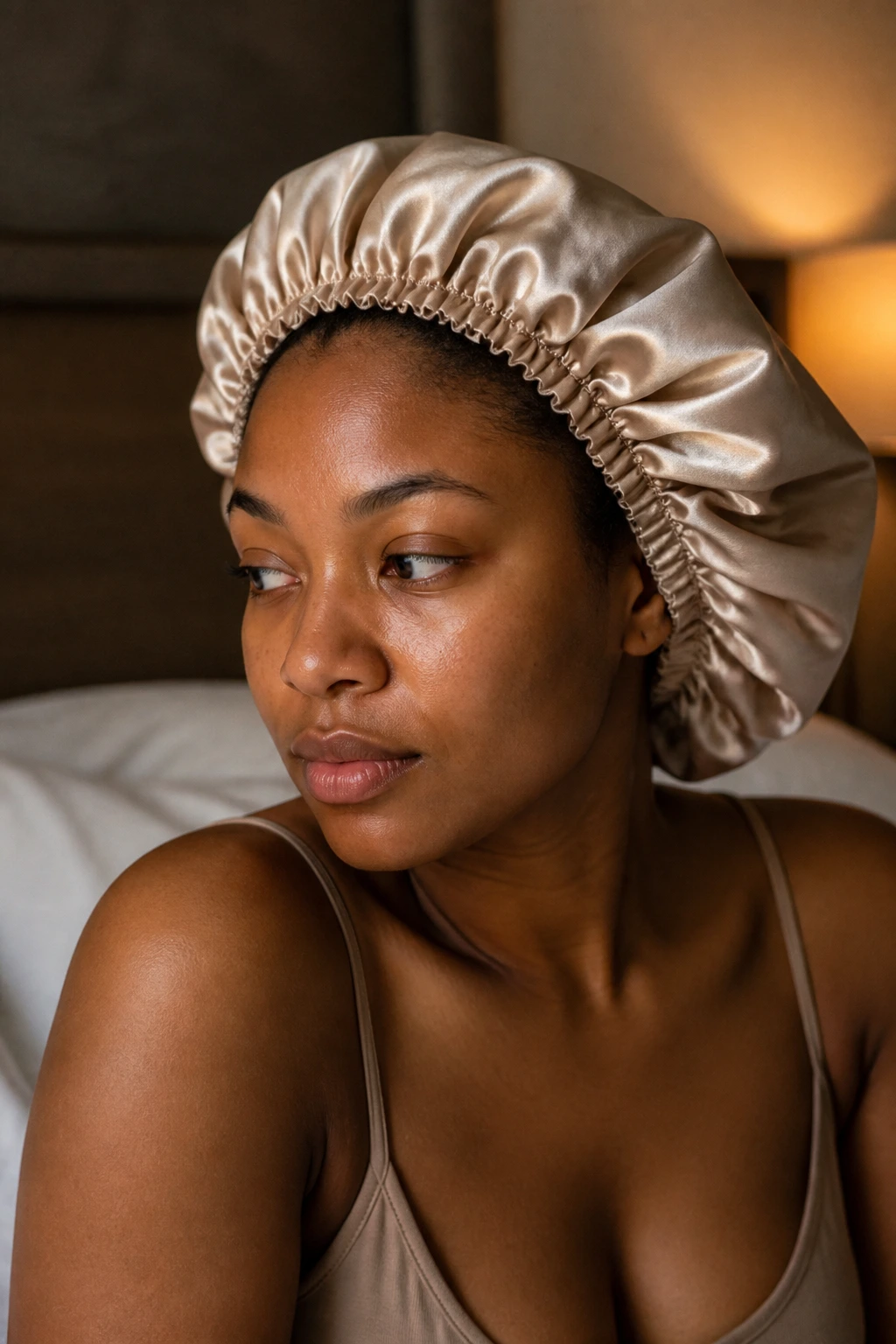
A short crop stays sharp when the nighttime routine is boring and consistent. Put on a satin bonnet or scarf every night. If your curls flatten easily, pineappling may work on the top, but the key is protecting the outline around the nape and sides, not just saving the crown.
Refresh with a fine mist every 2 to 3 days if the hair starts to feel dry. Do not soak the whole head unless you are ready to restyle. A little water, a little smoothing, and a quick pick at the roots is often enough to bring the shape back.
Wash frequency depends on product load, but many short natural styles do best with a proper cleanse every 7 to 10 days, especially if you use gel. Heavy buildup shows up fast on a crop. The scalp gets itchy, the curls go dull, and the shape stops moving.
For grow-out, ask for the top to be left a little longer at each trim while the sides stay shaped. That keeps the cut from entering the awkward middle stage all at once. If you are moving from a crisp crop into a fuller fro, let the neckline soften first. The back always gives the game away before the front does.
Frequently Asked Questions
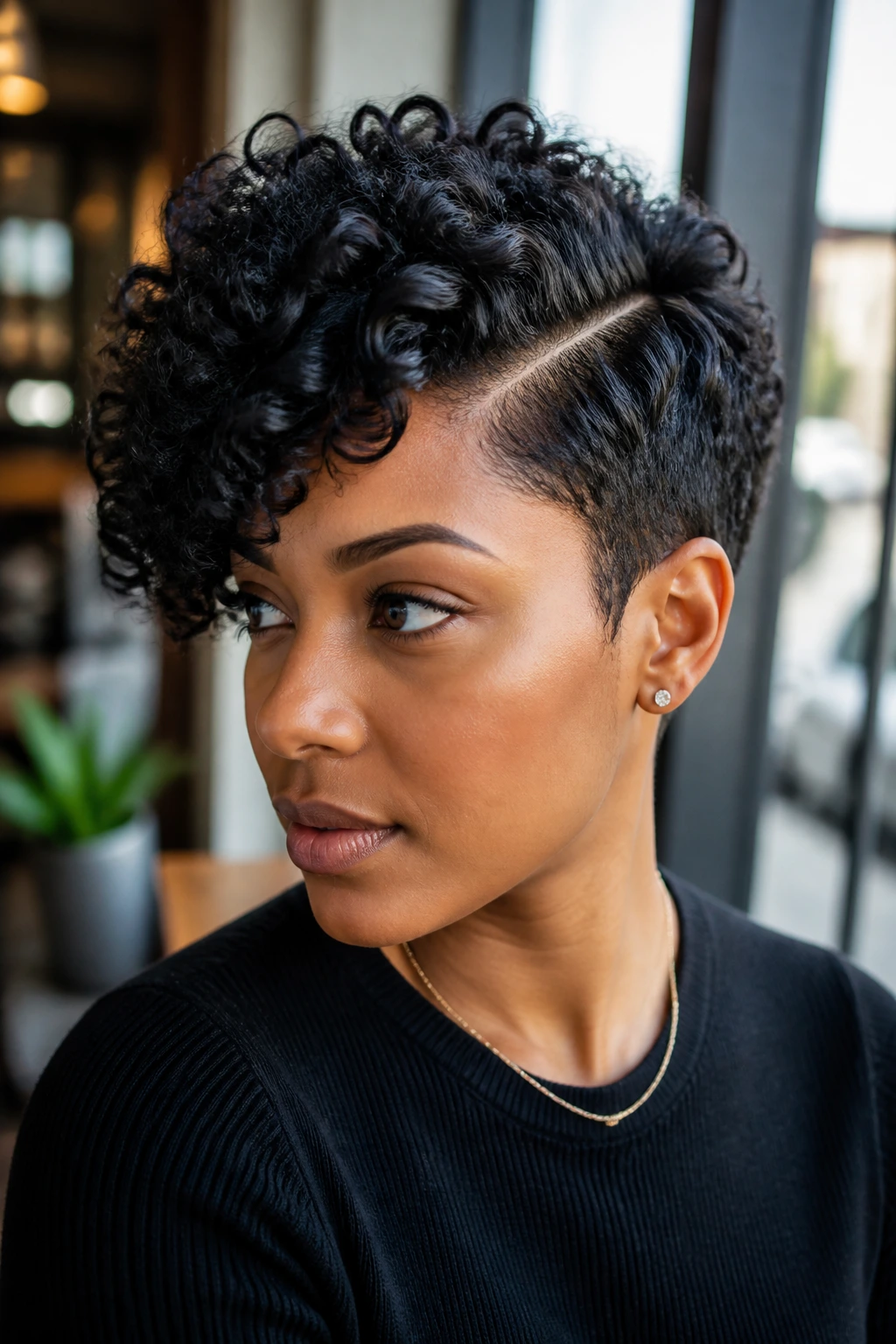
Which curly crop is easiest to maintain?
The tapered wash-and-go and the finger-coiled TWA are usually the easiest because they rely on a clean shape and a simple refresh routine. If you want something even lower-effort, a rounded crop with a satin bonnet at night can hold its structure for a few days with only a mist of water in the morning.
Do I need a fade for a curly crop to look finished?
No. A fade is one way to make the outline crisp, but a taper, soft line-up, or even a rounded perimeter can work just as well. The real question is whether the edges around the nape, temples, and sideburns look intentional.
Can these styles work on 4c hair?
Yes, and a lot of them look especially good on tighter coils because the texture holds shape well when it is moisturized and shaped correctly. Finger coils, twist-outs, frohawks, and sculpted crops tend to show up clearly on tighter curl patterns.
What if my hair shrinks a lot after styling?
Build the cut and the style around the dry shape, not only the stretched length. If your curls shrink hard, leave a little extra length at the crown or fringe and test how the shape lands once the hair is fully dry.
How often should I refresh a short natural crop?
A light refresh every 2 to 3 days usually works for most people, but some styles need more or less depending on product and weather. Use water first, then smooth only the sections that have actually lost their shape.
Can I wear a curly crop without gel?
Yes, but the style will usually read softer and less defined. Foam, curl cream, or a light mousse can give you a looser finish, while gel gives more structure for wash-and-gos, frohawks, and crisp side parts.
How do I keep the front from puffing up?
Set the front with a little more care than the rest of the head. Use a rat-tail comb for the part, smooth the roots while damp, and let that section dry fully before touching it. If the front is always puffing, the product may be too light for the humidity where you live.
What is the best way to grow a crop out without hating the process?
Keep the sides neat while leaving the top slightly longer at each trim. That way, the style turns into a rounded shape or a fuller fro in stages instead of all at once, which is usually where the awkward phase gets annoying.
Short Hair, Strong Shape
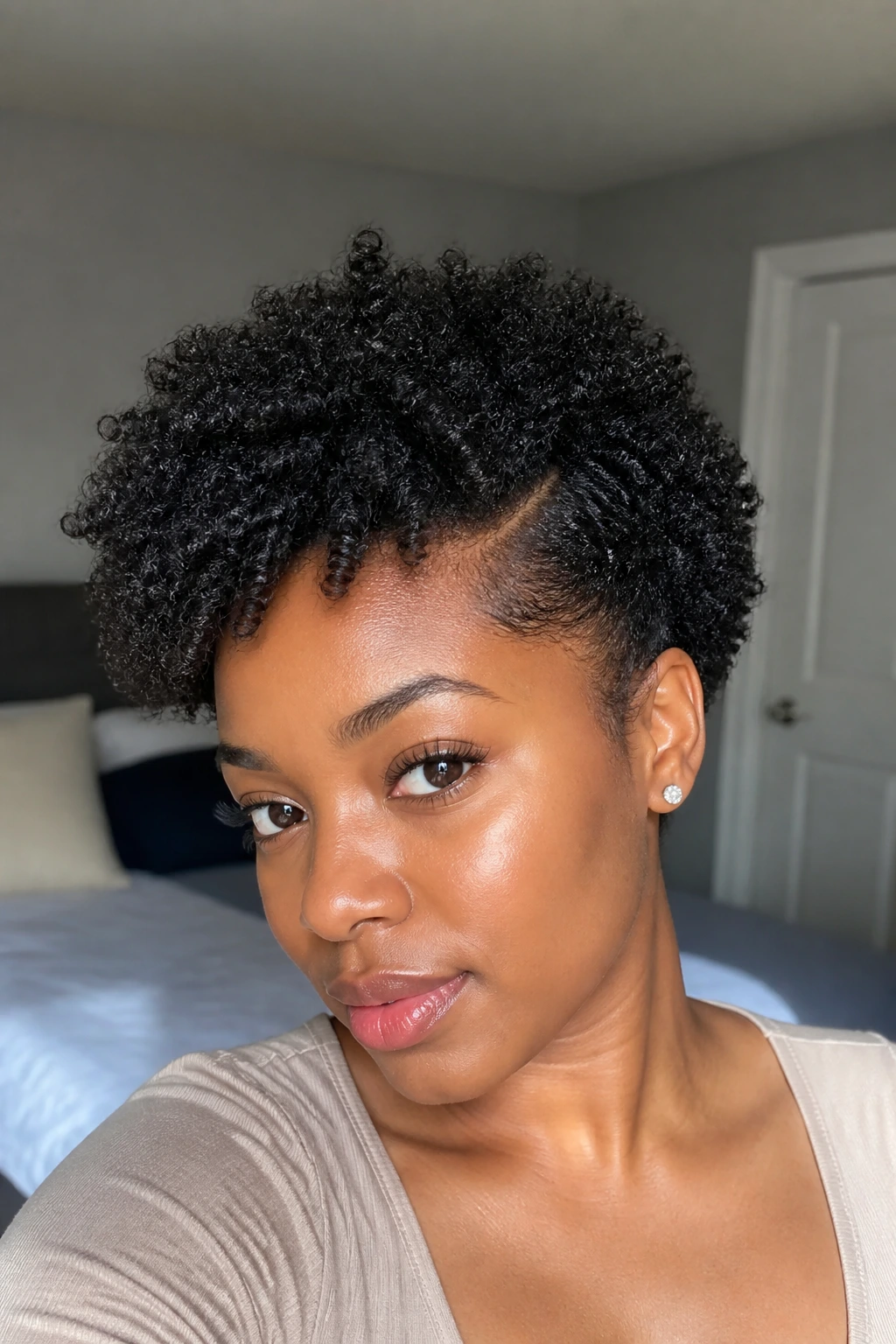
Short natural hair does not need to be long to look finished. It needs a shape that makes sense from the front, the side, and the back. Once the neckline, crown, and edges are all doing their own job, the style stops looking like a compromise and starts looking like a choice.
That is the real pleasure of curly crops. They let coils stay coils, while still giving the head a clear line and a little personality. A clean taper, a soft twist-out, a shaved side, a forward fringe—those details matter because short hair shows every decision.
If you are choosing your next look, start with the silhouette you want to see in the mirror. The curls can handle the rest.
