



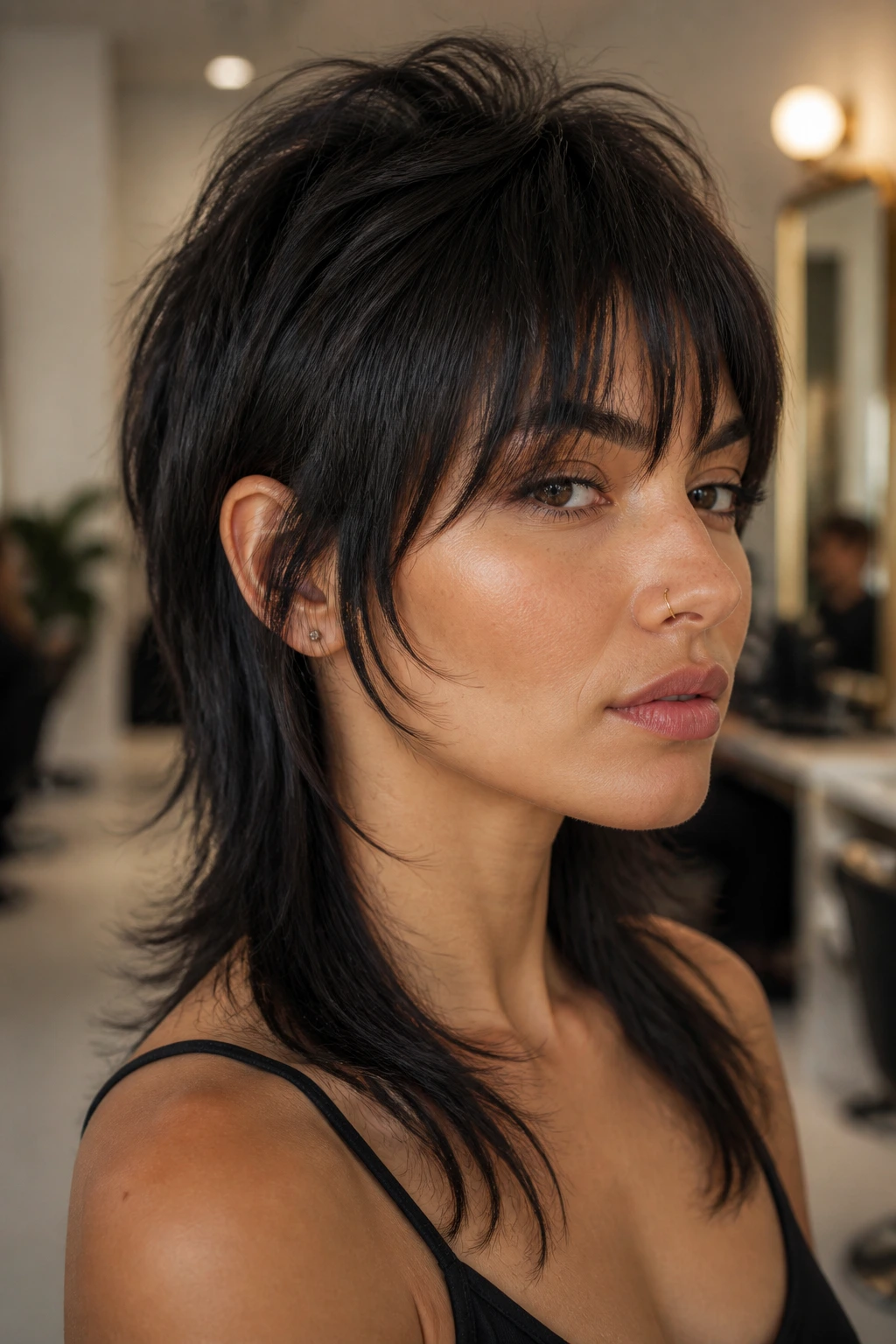
Straight hair changes a mullet in a way a lot of people underestimate. There’s nowhere for the cut to hide. Every line shows, every corner shows, and if the shape is wrong you’ll spot it in the mirror before the blow dryer even cools down. That’s exactly why the best mullet hairstyles for straight hair women can look so crisp: the haircut doesn’t blur into texture, it reads like a shape.
That sharpness can go either way. A good straight-hair mullet looks clean, deliberate, and a little bit rebellious without trying too hard. A bad one looks like someone got bored halfway through a bob and called it a day. The difference is usually a few inches at the crown, the way the fringe lands, and whether the back has enough weight to feel intentional instead of wispy.
Straight hair also gives you a gift that wavy hair sometimes blurs: the silhouette. You can make the front softer, the back longer, the nape tighter, or the whole thing more feathered, and those decisions will actually be visible. That’s the fun part. If you like haircuts with personality, this one has a lot more room to play than people think.
Why These 23 Mullet Hairstyles for Straight Hair Women Work So Well
-
The shape stays readable: Straight strands show the cut line clearly, so the mullet’s front-to-back contrast looks deliberate instead of fuzzy.
-
Styling takes less guesswork: A quick bend with a flat iron or round brush is often enough to give the ends movement without building a whole routine around your hair.
-
Bangs have room to behave: Curtain bangs, blunt fringe, or micro bangs all sit more predictably on straight hair because there’s less natural shrinkage.
-
The grow-out looks cleaner: When the back keeps some length and the crown stays slightly layered, the cut can soften instead of turning into a bad halfway stage.
-
You can go sleek or messy: Straight hair mullets can read polished with serum and a center part, or rougher with texture spray and a slightly broken-up fringe.
-
The cut can be subtle: Not every mullet has to shout. On straight hair, a quiet version can keep the edge in the back while looking almost like a layered bob from the front.
What Straight Hair Changes About the Shape
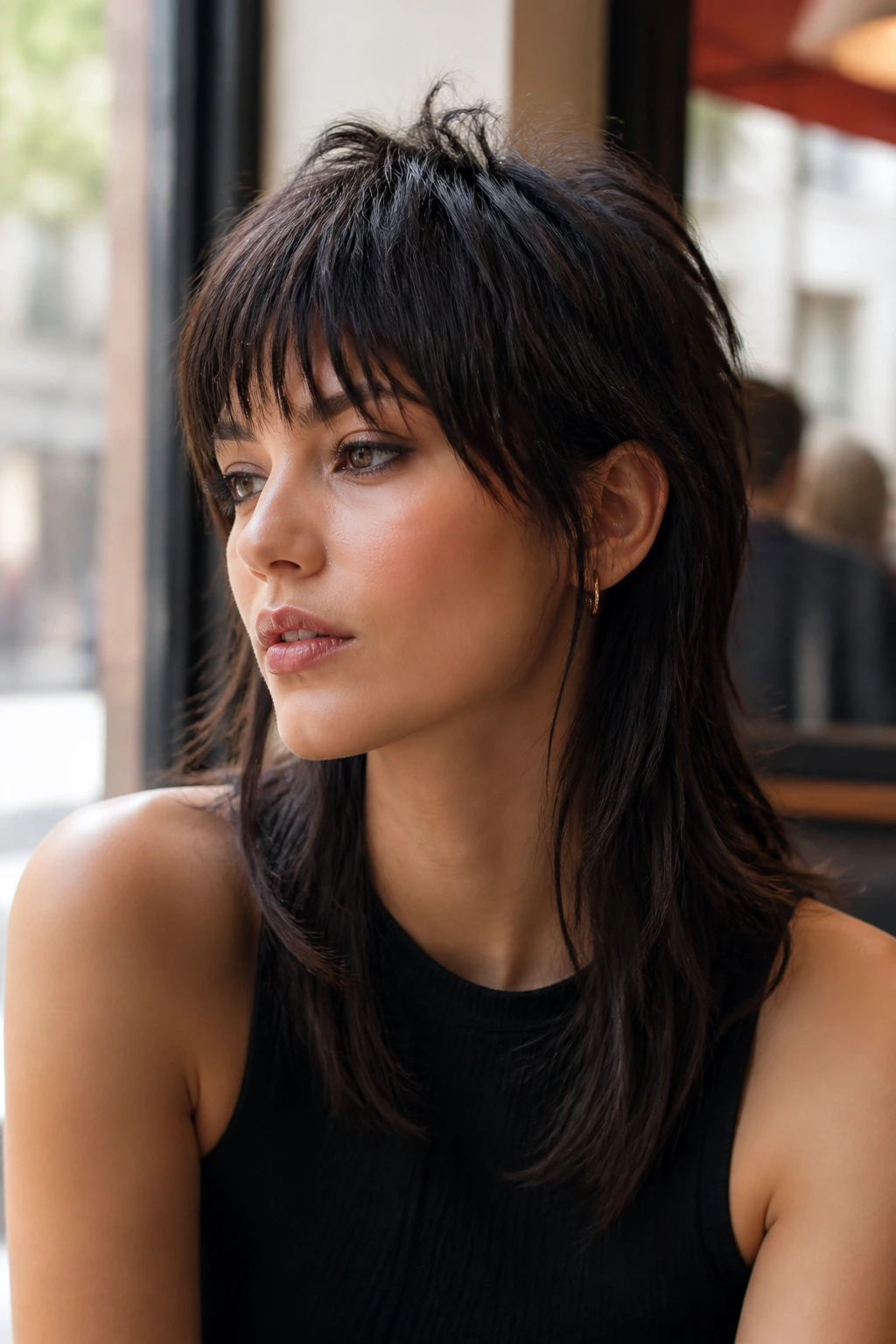
Straight hair is honest. That sounds dramatic, but it’s the truth. It shows where the weight sits, where the layers start, and whether the nape was actually tapered or just left to hang there. With a mullet, that honesty is useful. You get a sharper silhouette than you would on hair with a lot of wave or curl, and the whole haircut feels more graphic.
The catch is volume. Straight hair tends to fall in the same direction all day, which means a mullet needs some plan for the crown and the top layers. Without that, the top goes flat and the back starts looking like an afterthought. A good cut gives you a little lift at the crown, a face frame that opens the front, and enough movement through the ends to keep the back from looking stringy.
I also think straight hair shows off better tailoring. A blunt fringe can look expensive. A soft feather can look airy rather than messy. A tight nape can look cool instead of severe. The cut has to know what it’s doing, though. Straight hair will tell on a sloppy shape in about five minutes.
Where the Weight Should Sit
Keep more weight through the perimeter if your hair is fine, because too much internal thinning can leave you with see-through ends. If your hair is dense, ask for more removal around the crown and behind the ears so the shape doesn’t puff out like a triangle.
What Makes the Difference at the Salon
Bring photos that show the side view and the back view, not only the front. Straight hair mullets live and die by the profile.
1. Soft Feathered Mullet
This is the version for someone who wants the mullet shape without the hard edges. The front stays soft around the cheekbones, the crown gets a little lift, and the back drapes with feathered ends instead of sharp drops. On straight hair, that feathering matters because it keeps the cut from looking boxy.
Why It Works on Straight Hair
The hair already wants to fall flat, so the feathered ends create movement without relying on curl or wave. Ask for long layers in the front, then keep the nape slightly longer so the back still reads as a mullet, not a shaggy bob.
- Best if you want a gentler silhouette around the face.
- Works well on medium-density hair that needs shape, not heavy thinning.
- A 1.25-inch round brush gives the ends a soft bend in under 10 minutes.
My favorite detail: let the very last inch flick outward just a little. That tiny bend keeps the cut from collapsing into a plain layered style.
2. Curtain-Bang Mullet
This one does a lot of work with very little drama. The curtain bangs split around the center or a soft off-center part, then fall into longer face-framing pieces that connect to the mullet length in the back. Straight hair makes the whole thing look clean, almost architectural.
The real trick is the transition. If the bangs are cut too short or the side pieces are too abrupt, the front looks disconnected. Keep the shortest point at about cheekbone level if you want a wearable version, then let the layers sweep down into the longer back.
It’s a smart choice if you like a cut that can be tucked behind the ears one day and styled forward the next. The bangs do need a quick round-brush pass in the morning, but that’s the price of having the front look polished instead of flat and split.
3. Micro Mullet
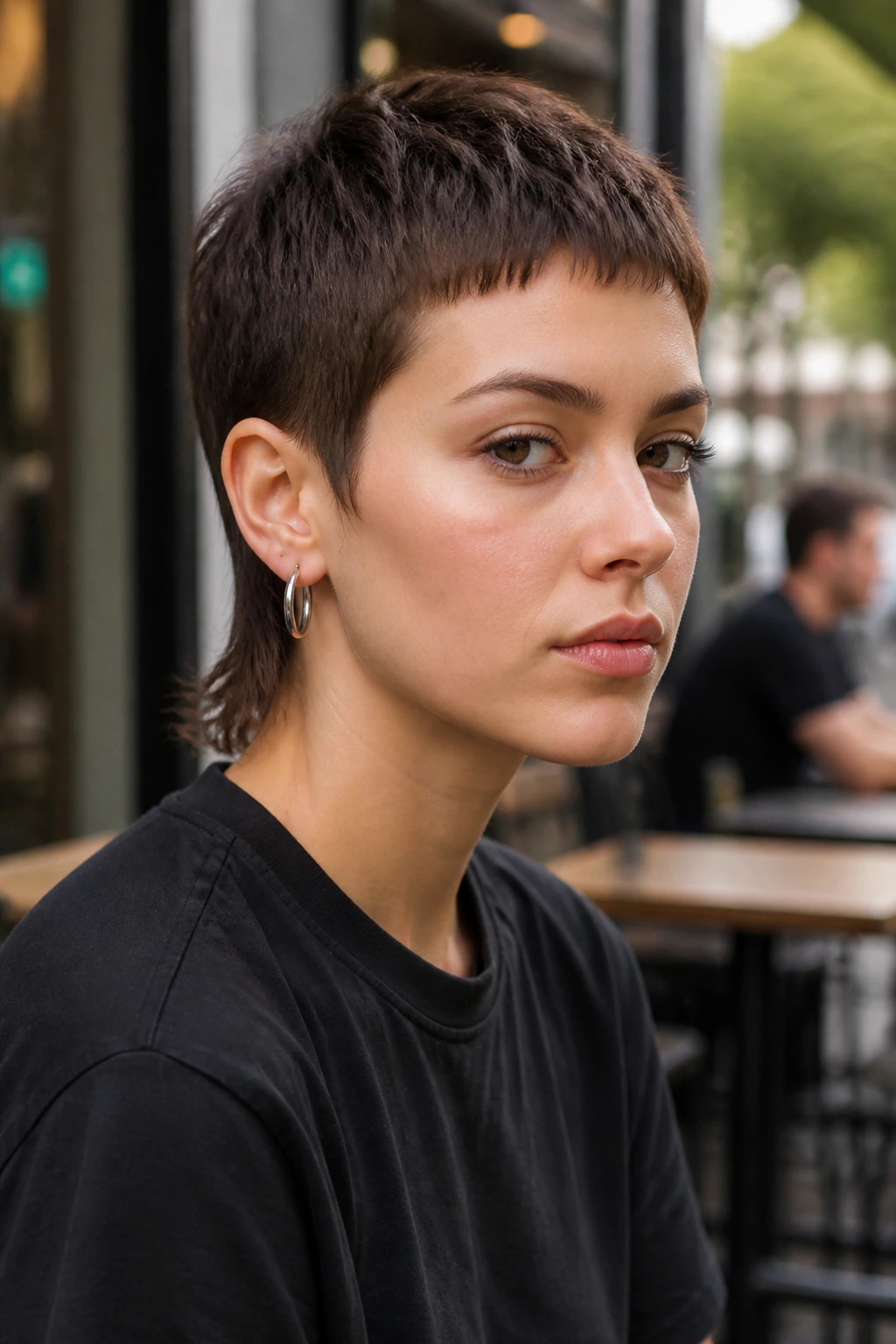
Why does a micro mullet work so well on straight hair? Because the shape stays sharp even when it’s short. The cropped crown, close sides, and slightly longer back create a crisp little outline that reads bold without needing a lot of styling.
How to Wear It
This version is best when the nape is tight and the top has just enough length to push forward or sideways. If the cut is too uniform, it becomes a short crop with a tail. The tiny difference in length is what makes it a mullet.
- Ask for a short top with subtle length left through the back.
- Keep the fringe piecey, not heavy, or the face can feel boxed in.
- Use a pea-size amount of matte paste and rake it through with your fingers.
Straight hair makes this cut almost graphic. No fluff. No excuses.
4. Collarbone-Length Mullet
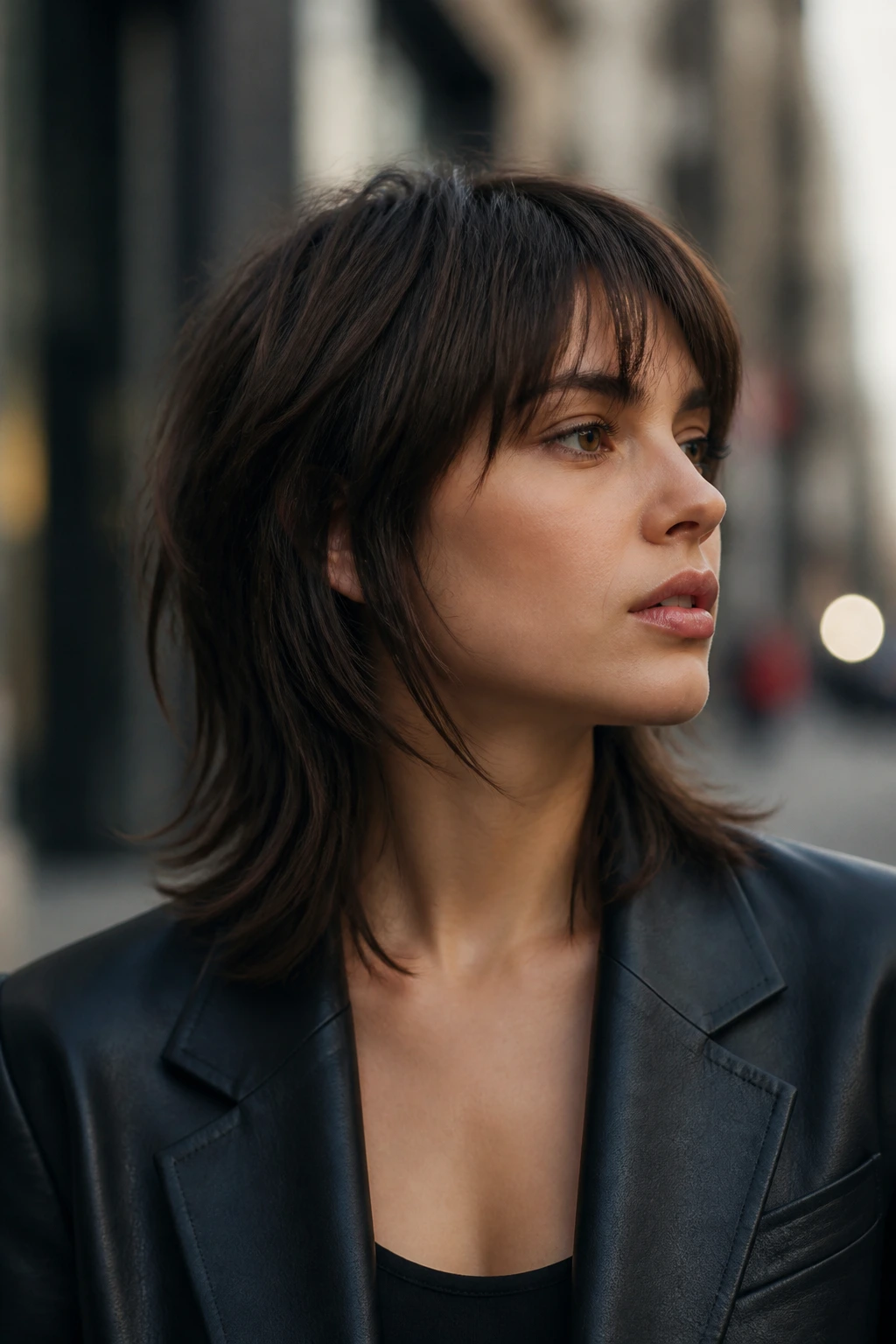
Picture a cut that still brushes the collarbone in back but starts to open up around the face with shorter layers. That’s the sweet spot for women who want a mullet shape without losing the feeling of length. On straight hair, this version can look elegant in a way people don’t always expect from a mullet.
The front pieces should sit around the jaw or cheekbone, with the back staying a few inches longer. That difference gives the haircut movement when you turn your head, but it doesn’t feel harsh. If you’re nervous about going short, this is a smart entry point.
I like this one for hair that needs some shape but not a full chop. It works with a blazer. It works with a leather jacket. It works when you’ve only got 12 minutes and need the cut to cooperate anyway.
5. Blunt Fringe Mullet
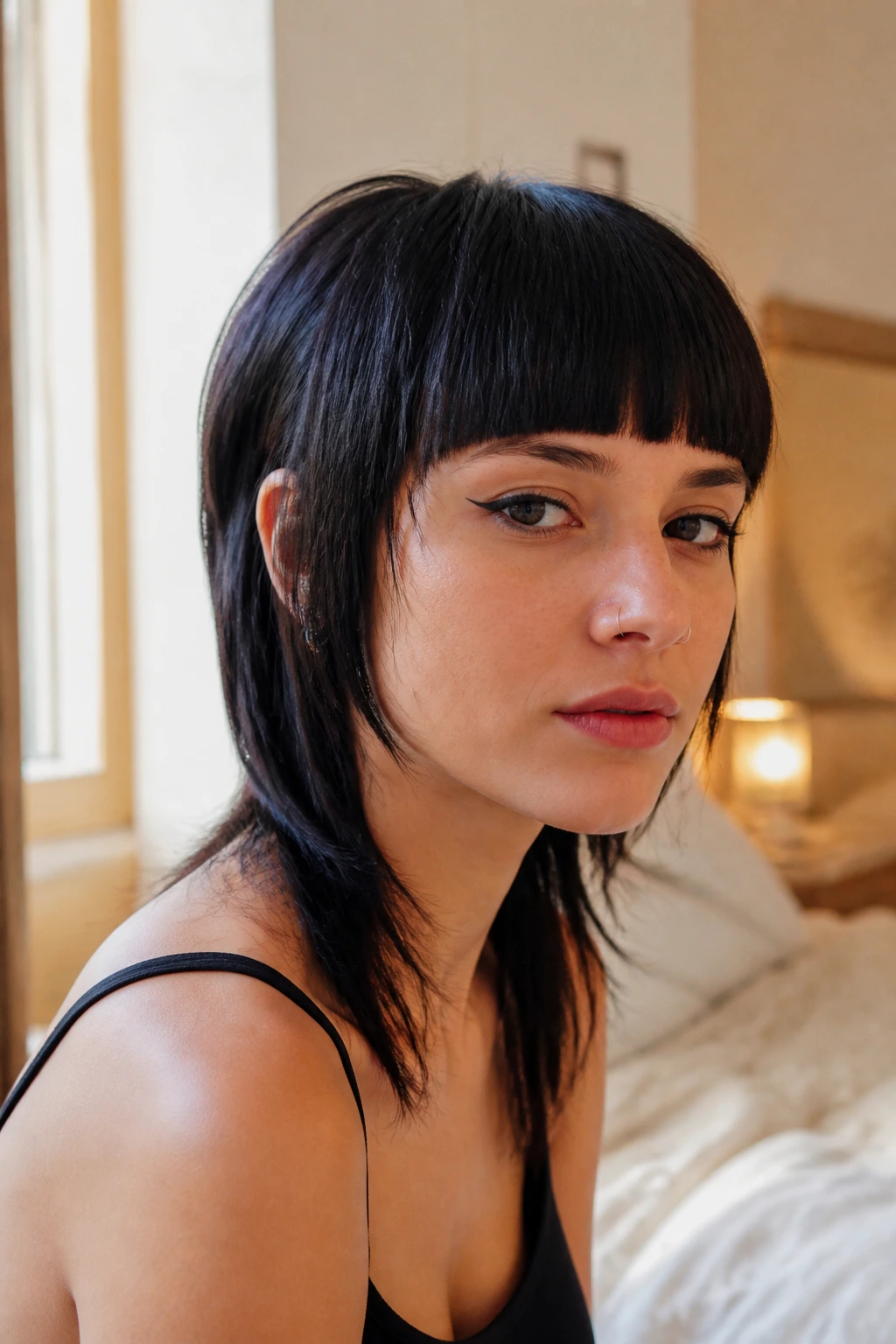
A blunt fringe changes the whole mood. The line across the forehead makes the cut look more exact, and straight hair keeps that line crisp instead of feathered away. The back can still have mullet length, but the fringe gives the front a stronger point of view.
This version is not subtle. That’s the point. It looks best when the bangs are cut dense enough to sit flat, but not so heavy that they block the eyes. If your hair is very fine, ask for a slightly softer edge at the very ends so the fringe doesn’t separate into see-through strands.
The styling is straightforward. Blow-dry the fringe from side to side with a small round brush, then finish with a flat brush pass to make the edge smooth. If you like the cut to look neat and slightly severe, this is a good place to live.
6. Wolfy Shag Mullet
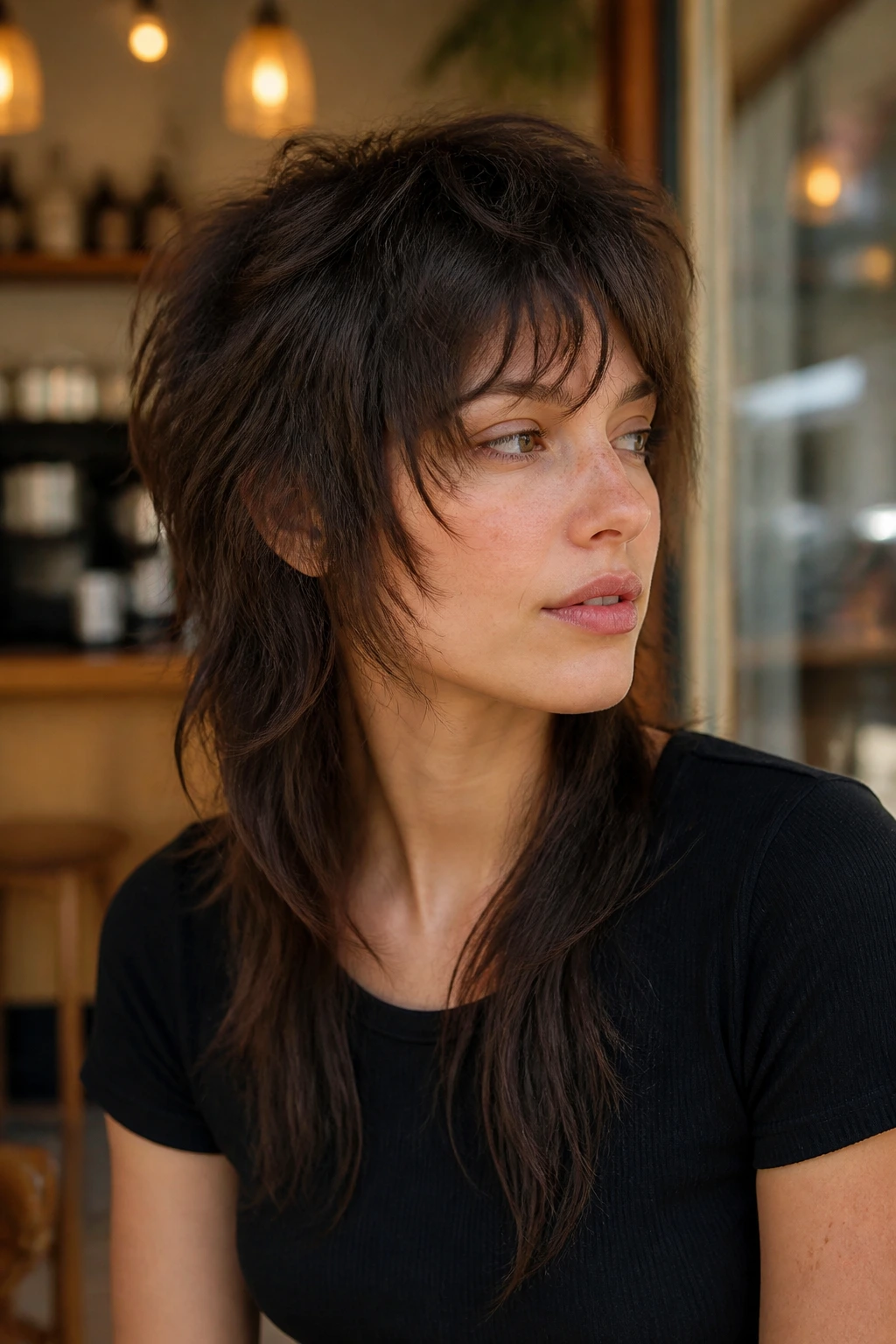
This sits between a shag and a mullet, and on straight hair that middle ground matters. A full-on wolf cut can sometimes go too fluffy on finer hair, but the mullet version keeps the nape longer and the front more controlled. You get movement without losing the outline.
Why It’s Different
Unlike a classic shag, this shape keeps more structure in the back. Unlike a strict mullet, it breaks up the crown and cheek area with softer, choppier layers. That makes it a good option if you want texture but not a haircut that feels too costume-y.
- Ask for choppy layers around the crown, not aggressive razor-thinning at the ends.
- Use texture spray at the roots and a touch of cream on the front pieces.
- Best on straight hair that has at least some natural body.
If you’ve ever liked the idea of a wolf cut but wanted it to feel less loud, this is the one to show your stylist.
7. Bixie Mullet
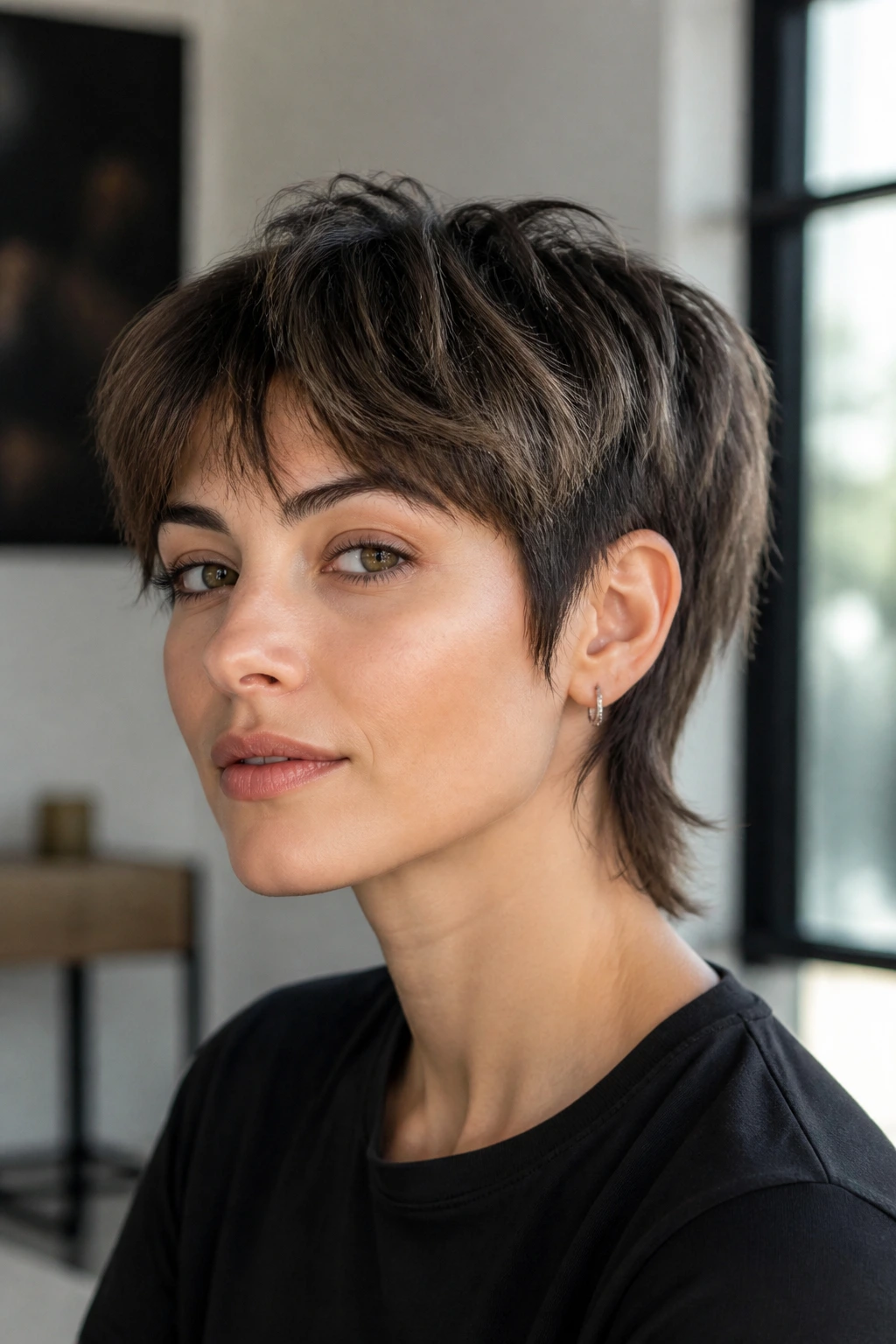
The bixie-mullet hybrid is a little pixie, a little bob, and then just enough tail in the back to keep the mullet idea alive. Straight hair makes the transition between those lengths look neat instead of puffy, which is half the reason this cut works.
It’s a good pick if you want something short enough to feel fresh but not so short that styling becomes a wrestling match. Keep the sides close to the head, let the top stay longer and swept forward, then leave the back with a soft extension past the nape.
What to Watch For
A bixie mullet needs balance. If the crown is too short, the back looks odd. If the back is too short, you’ve just got a pixie with attitude problems. The shape should feel like it’s stretching from front to back, not stapled together.
8. Tapered Nape Mullet
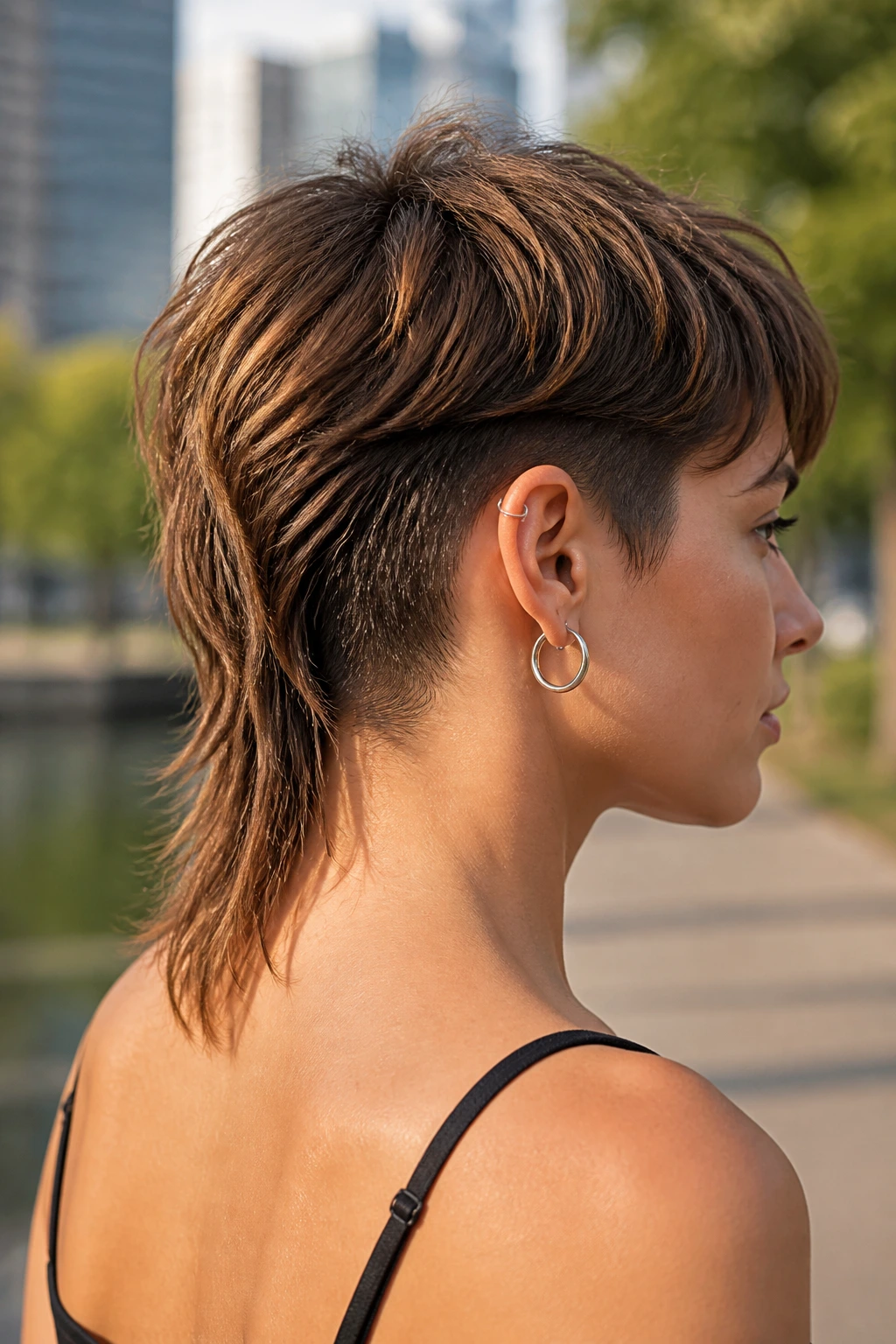
This one is all about the back of the neck. The nape is tapered close while the top and front keep more length, so the contrast is built into the cut itself. Straight hair shows that taper beautifully because the clean line sits right where the head curves into the neck.
It’s one of the better options if you like neat hair from the front but still want some edge when you turn around. Ask for a gradual taper, not a sudden clipper fade unless you want the cut to go full statement. A smooth transition keeps it wearable.
I also think this version is sneaky-good for summer heat or anyone who hates hair sticking to the neck. The shaved or tightly tapered nape keeps the shape cool, and the longer top keeps the mullet identity intact.
9. Chin-Length Flip Mullet

Here’s the fun part: the front lands around the chin, and the ends flick outward just enough to look playful rather than stiff. Straight hair gives that little flip a clean line, especially if you use a small flat iron to bend the last half-inch of each section.
How to Use It
This cut works when the front pieces skim the jaw and the back stays longer but not drastically long. Think of it as a mullet with a built-in wink.
- Best for people who like face-framing pieces around the jawline.
- Flat iron the ends away from the face, not under it.
- Add a light spray wax if you want the ends to separate a bit.
The shape feels lively without needing much volume. That’s why it’s such a good straight-hair option.
10. Slicked-Back Editorial Mullet
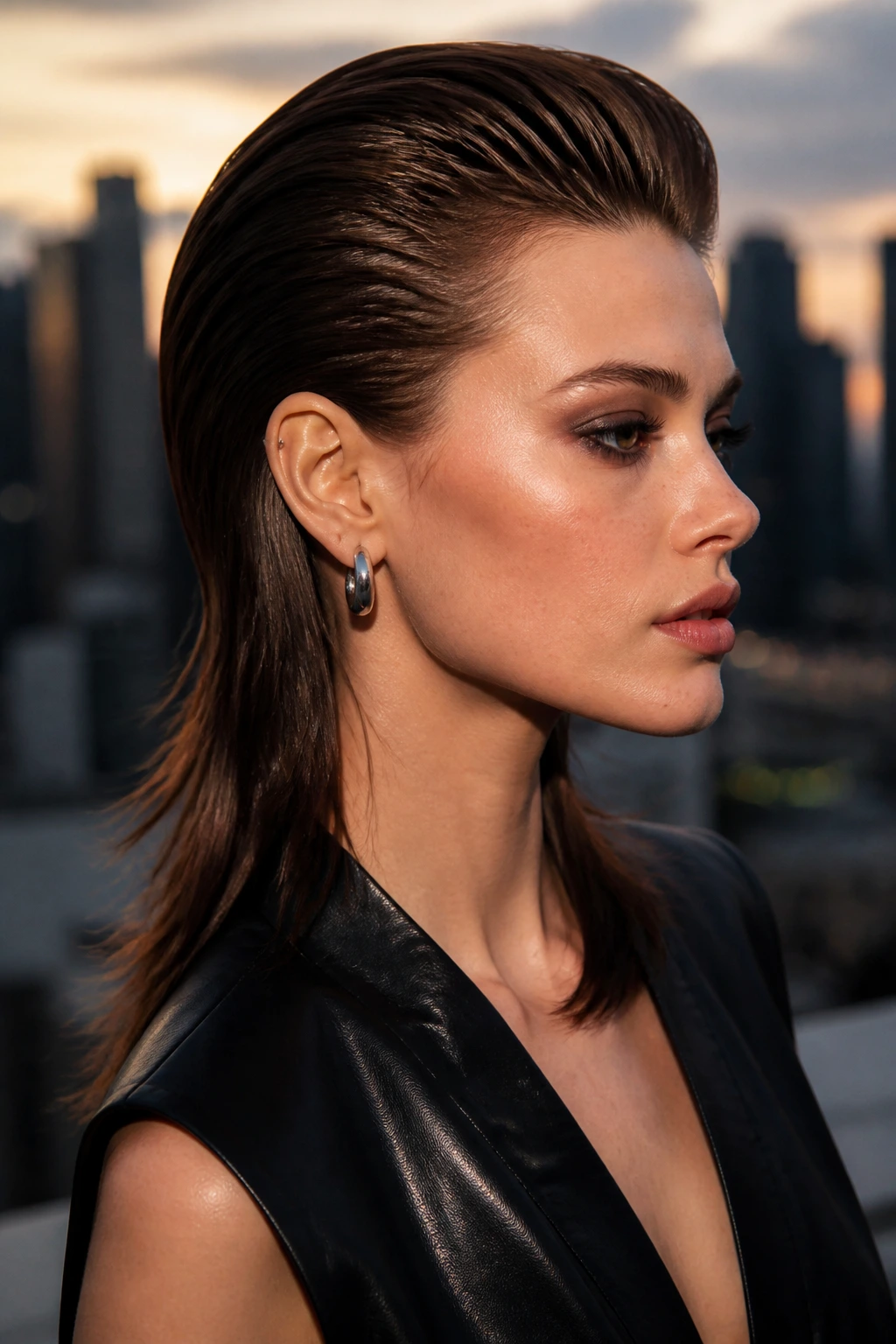
Some mullets look best when they’re polished to the point of being a little severe. This is one of them. The slicked-back version uses straight hair’s natural smoothness, pushes the front and crown away from the face, and lets the back length become the statement.
It’s not a daily errand haircut. It’s a going-out haircut, a fashion-photo haircut, a “yes, I meant to do this” haircut. A little gel at the roots, a comb with fine teeth, and a flat iron pass on the back lengths can make the whole thing look controlled and sharp.
If your hair is very straight and tends to separate, this style is forgiving in a weird way. You don’t need a huge amount of texture; you need shine, direction, and a strong part. The more deliberate the finish, the better it lands.
11. Razor-Edged Mullet
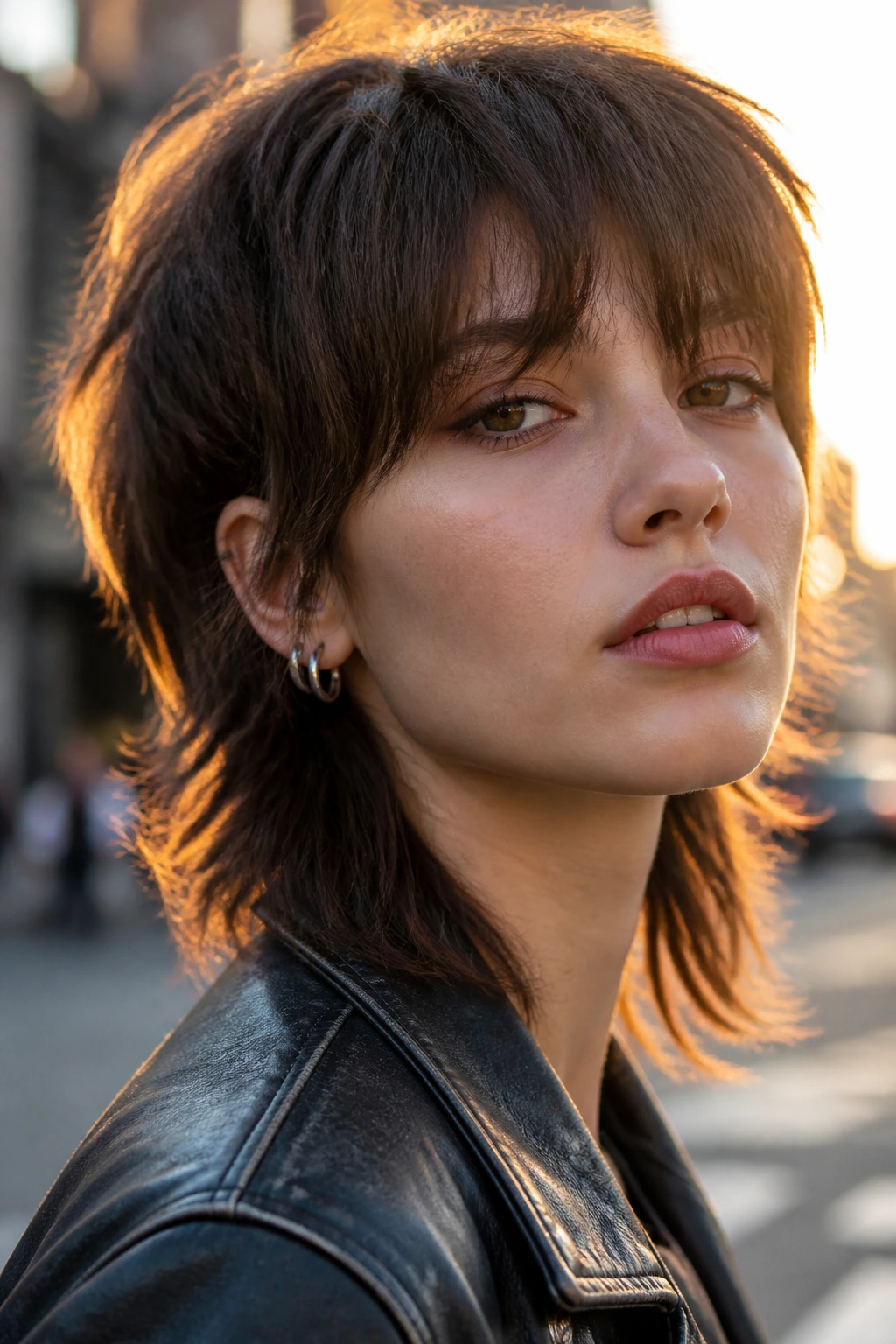
A razor-edged mullet has a broken, sliced finish that gives the ends movement without making them look heavy. On straight hair, that razor line can feel almost airy. It’s a strong option if your hair is dense and you want the shape to loosen up around the face and neck.
The cut should still keep enough weight to avoid straggliness. That’s the mistake people make with razor work: they go too far and end up with ends that look thin from a distance. A good razor cut on straight hair leaves a soft edge, not a shredded one.
I’d choose this version if you like a little mess in the shape but not in the routine. It looks best with a rough-dry finish and a dry texture spray, not with heavy smoothing cream that seals away the movement.
12. Rounded Soft Mullet
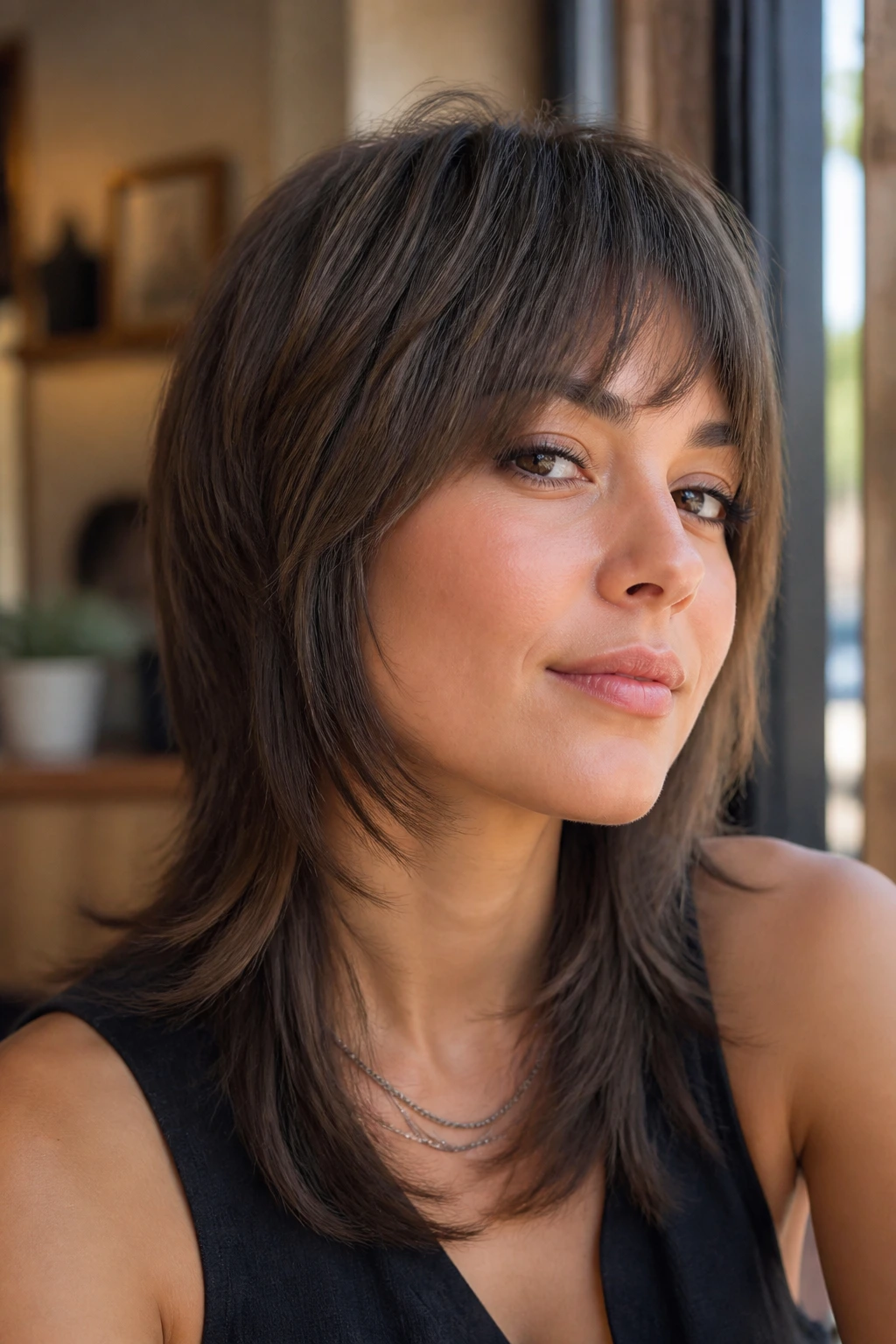
What if you want the mullet shape but hate sharp corners? Go rounded. This version keeps the crown slightly lifted, lets the side pieces curve into the cheek, and keeps the back long enough to register as a mullet without looking severe.
What Makes It Different
Compared with a razor cut or a micro mullet, the rounded version feels softer around the perimeter. That makes it good for straight hair that falls flat but still needs some contour. The shape can be especially nice if your face is wider at the cheek area and you want the cut to curve gently around it.
You’ll usually style this with a round brush rather than a flat iron. Pull the front sections forward while drying, then turn the brush under just at the ends so the line stays smooth. The whole cut looks calm, which is not the word people usually use for a mullet, but there it is.
13. Face-Framing Mullet
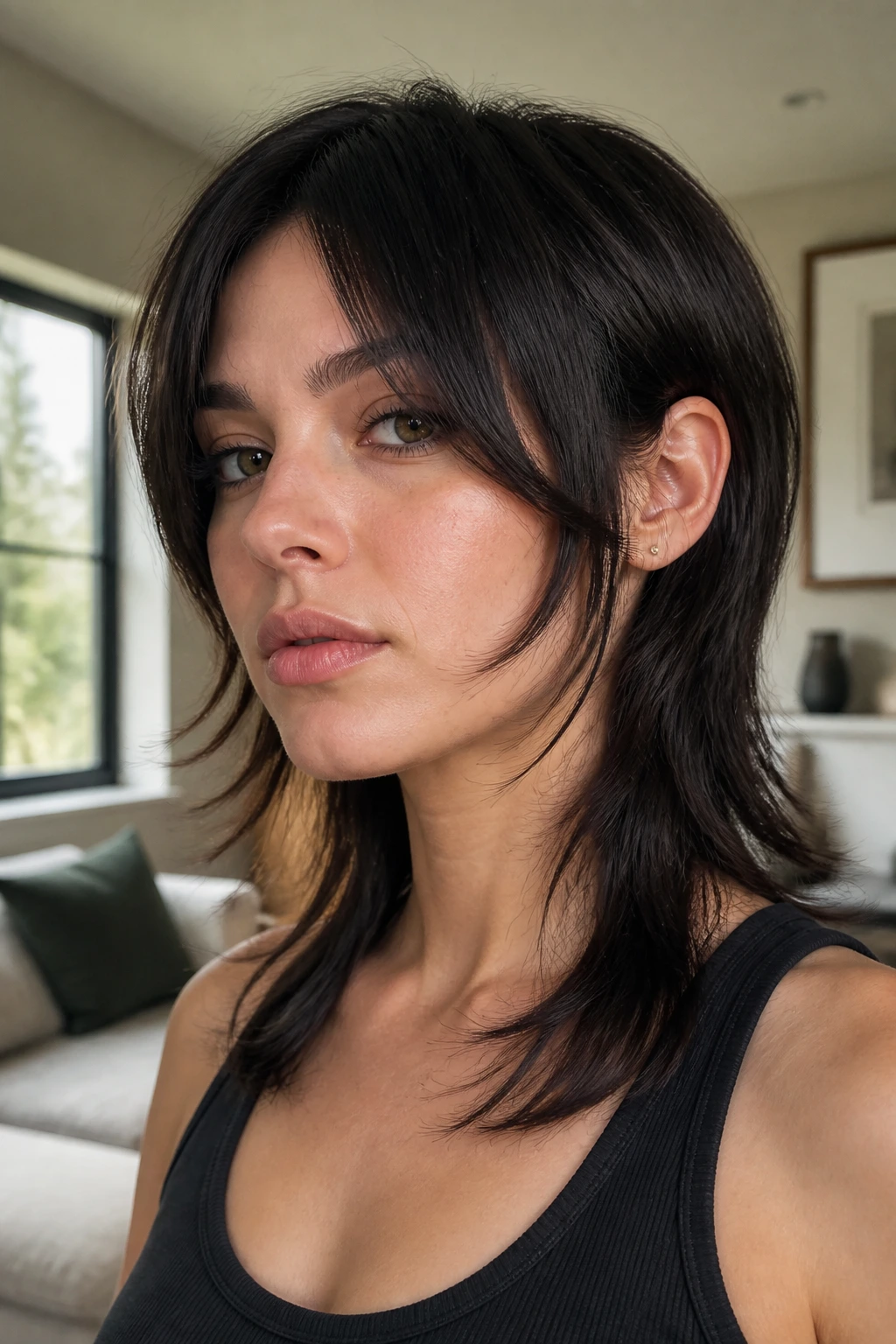
This is the version for people who care more about the front than the tail, and that’s not a bad thing. Long face-framing pieces start near the cheekbones, the crown stays lightly layered, and the back keeps enough length to maintain the mullet shape. On straight hair, those front pieces stay sleek and visible instead of puffing out.
Why It Works
The cut gives you movement where you actually see it in the mirror. That matters. The back can be subtle, but the front does the flattering work, especially if you want the haircut to narrow the jaw or soften a stronger forehead.
- Best for square, oval, or longer faces.
- Ask for face-framing pieces that connect in a smooth diagonal.
- A small amount of smoothing cream keeps the front pieces from splitting.
This is one of the most wearable straight-hair mullets, and maybe the easiest one to live with day to day.
14. Hidden-Undercut Mullet
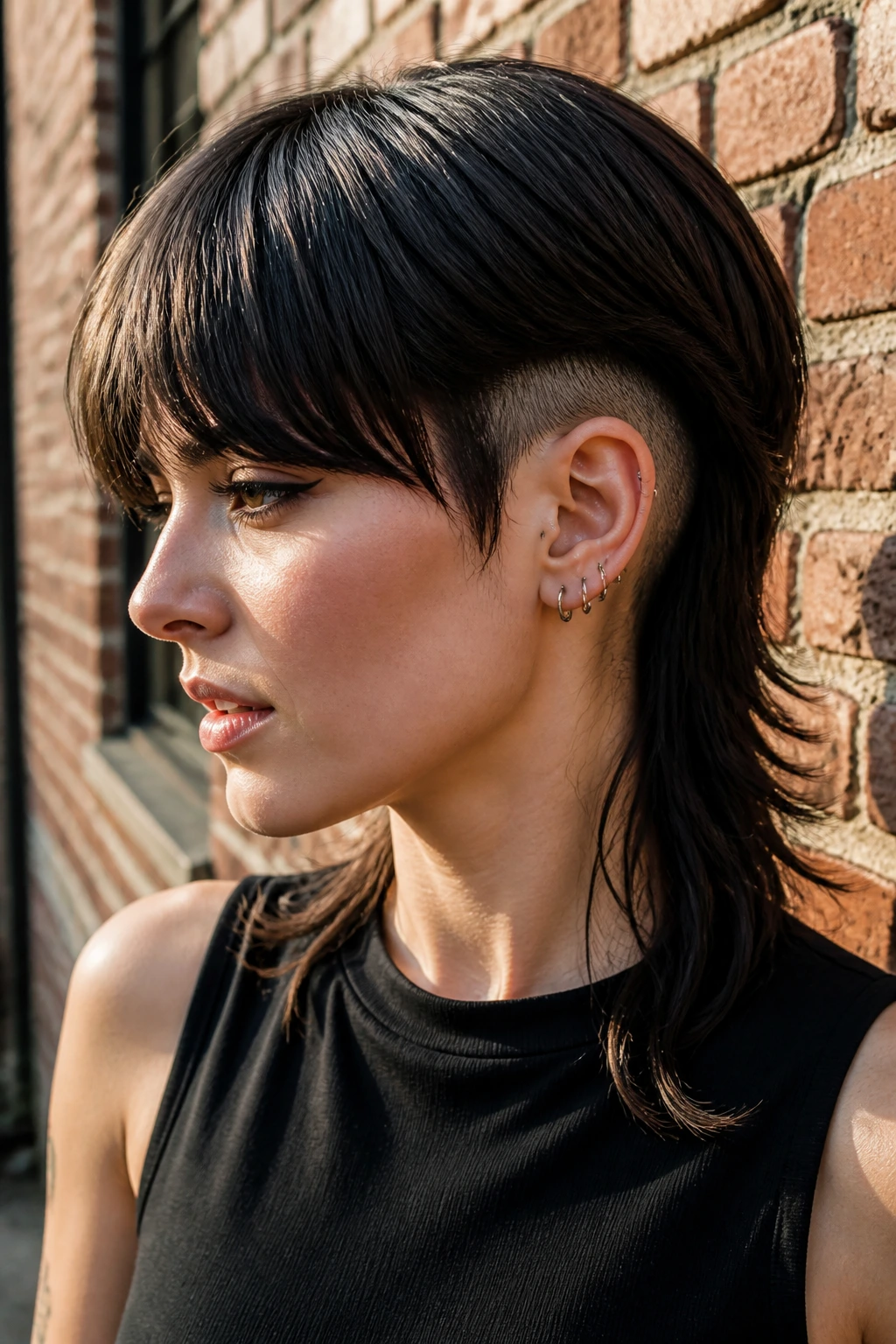
This cut hides its edge under the top layer, which is exactly why it’s useful. From the front, you may see a clean layered shape. From the back or when the hair moves, the undercut or closely shaved section gives the mullet real attitude. Straight hair is perfect for this because it falls flat enough to reveal or conceal the undercut on command.
If you have thick hair, this can remove a lot of bulk from the lower back and around the ears. That alone changes everything. The top stays smooth, the neck feels lighter, and the haircut doesn’t balloon out after a humid day or a long afternoon in a car seat.
I’d call this the stealth mullet. It’s not loud unless you want it to be.
15. Platinum Ice Mullet
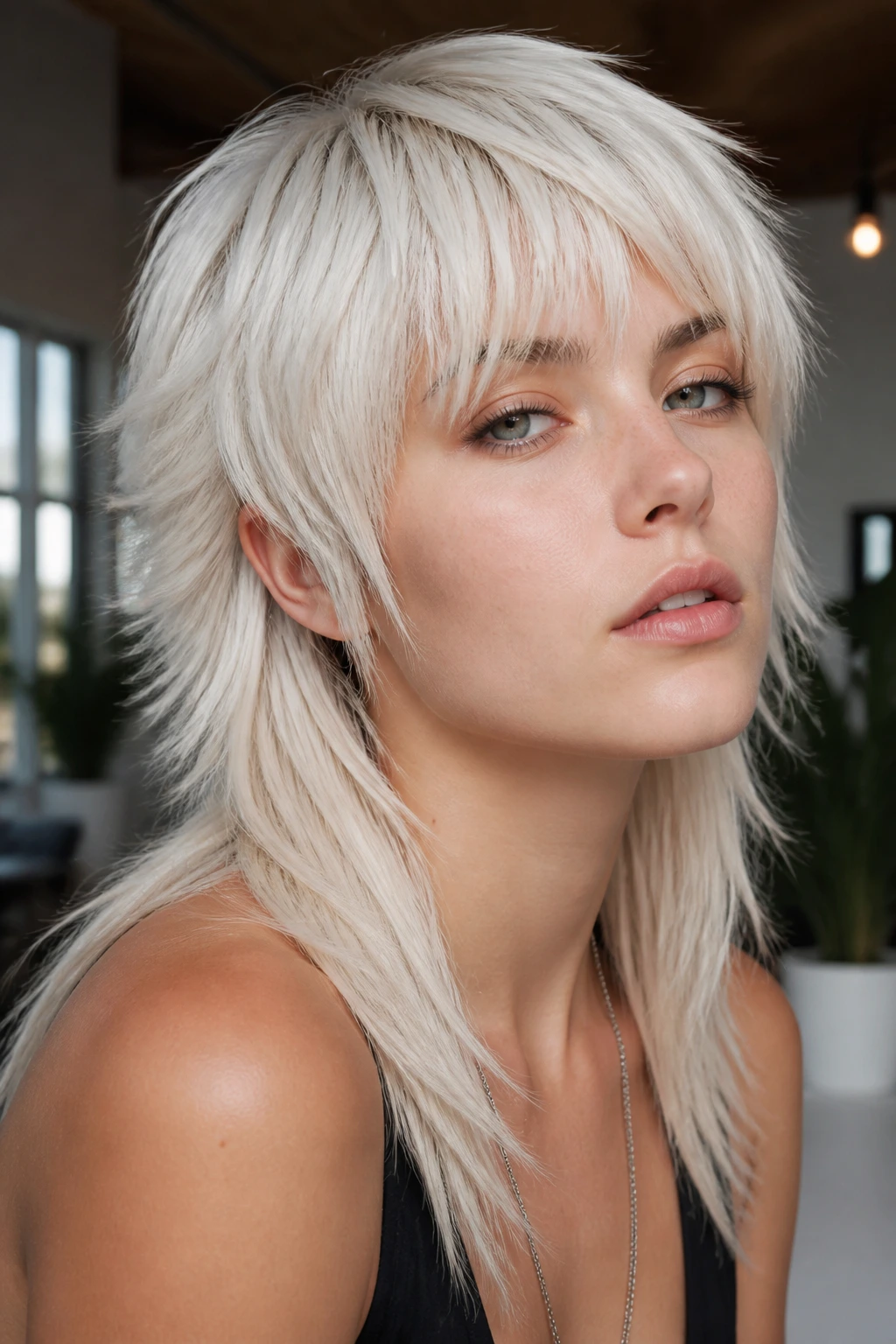
Color changes a haircut, and straight hair shows that fact more clearly than most textures. A platinum or icy blonde mullet reads crisp because the line work is so visible. Every layer, every flip, every bit of separation stands out against that pale tone.
The cut itself can be soft or sharp; the color is what gives it extra edge. A short fringe with a longer back looks especially striking in a light shade, because the whole silhouette becomes easier to read. Just know that platinum hair needs maintenance, and the cut will look best if the tone stays even.
How to Wear It
Keep the styling clean. Too much product can make the light hair look greasy in a hurry, so use only a light mist of texturizing spray and a pea-size amount of cream on the ends.
16. Air-Dry Mullet
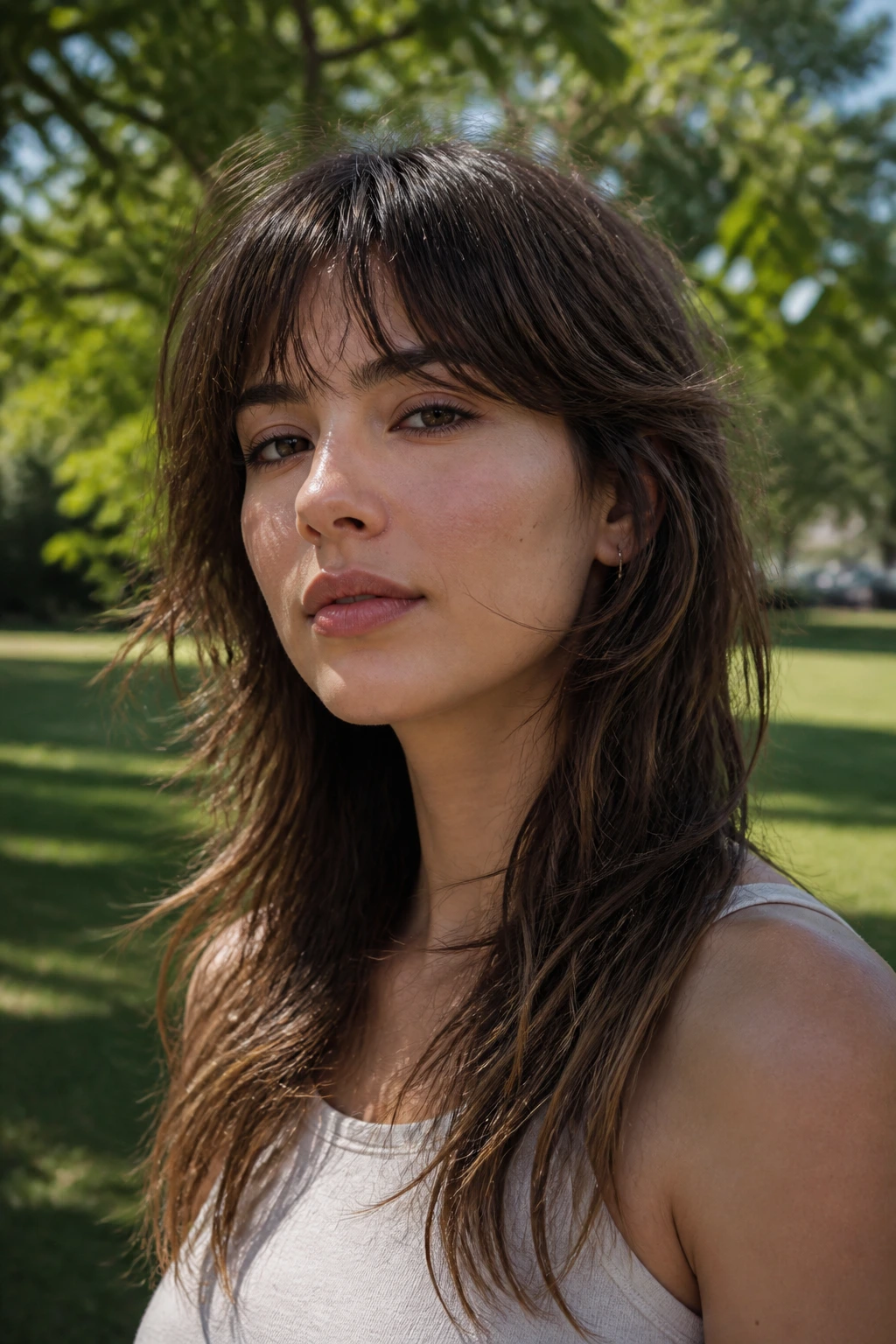
Not every straight-hair mullet needs hot tools. This one is for people who want a shape that can dry on its own and still look intentional. It usually works best with long layers, a soft fringe, and a back length that has enough weight to settle without sticking out in weird places.
A little leave-in conditioner, a light mousse, and a finger-twisted front section can do a lot. If your hair is dead straight and slippery, this cut may need a tiny amount of rough drying at the roots, but the point is to keep the routine low effort.
I like this version when the cut is more about movement than precision. It won’t look as sharp as a slicked style, and that’s fine. It should look lived-in, not unfinished.
17. Asymmetrical Mullet
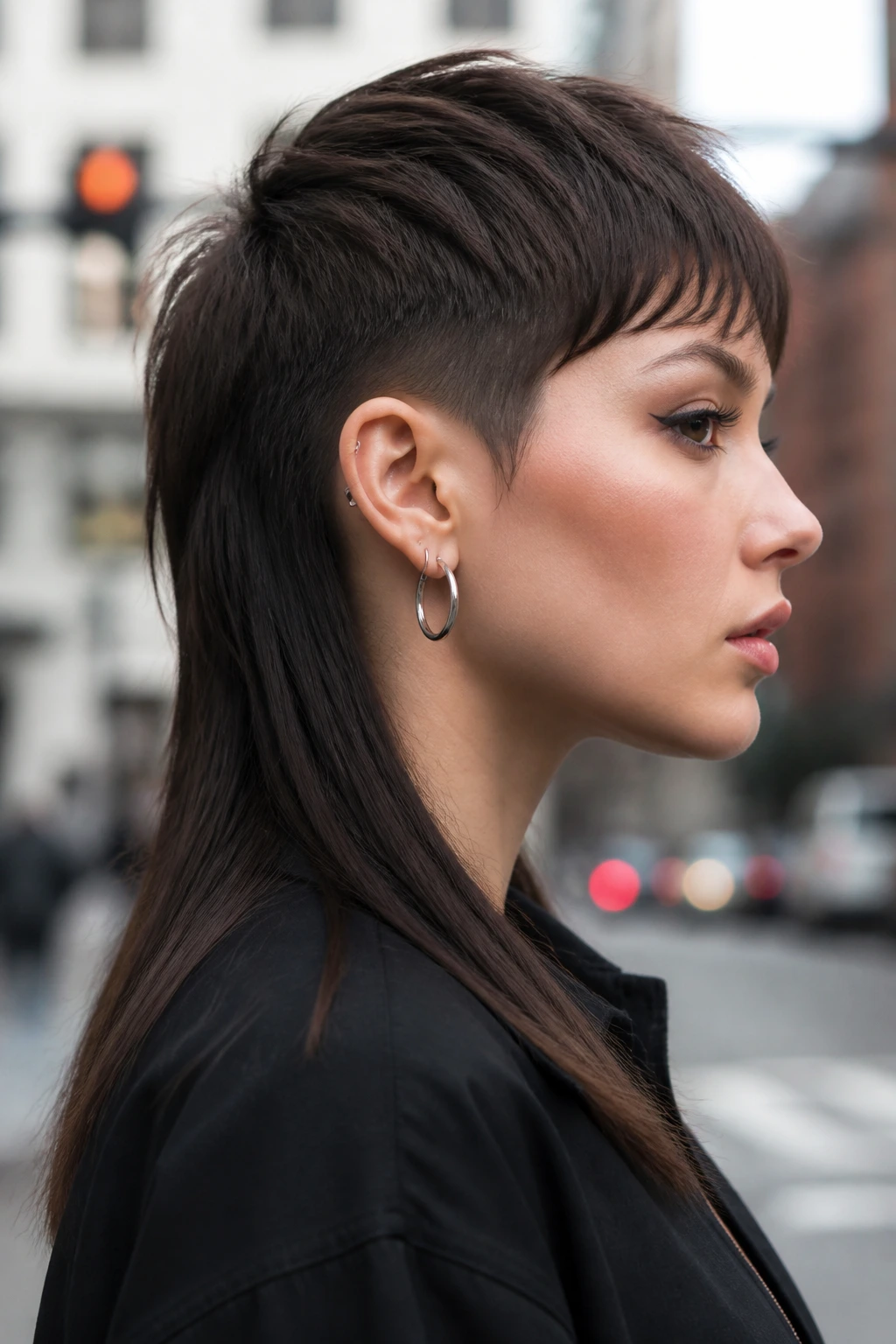
One side sits a little longer, the other side cuts in closer, and suddenly the whole haircut has a point of view. Straight hair is ideal for an asymmetrical mullet because the uneven lengths show up clearly instead of getting lost in waves.
This cut works best when the imbalance feels deliberate, not accidental. The shorter side should still connect to the front fringe or face frame, while the longer side keeps that back-weighted mullet line. Ask for the asymmetry to be visible from the profile, not only from the front.
It’s a strong choice if you’re bored by symmetry. It also gives you a lot of styling room: part it one way for a quiet look, or tuck the shorter side behind the ear and let the longer side swing.
18. Retro Feather Mullet
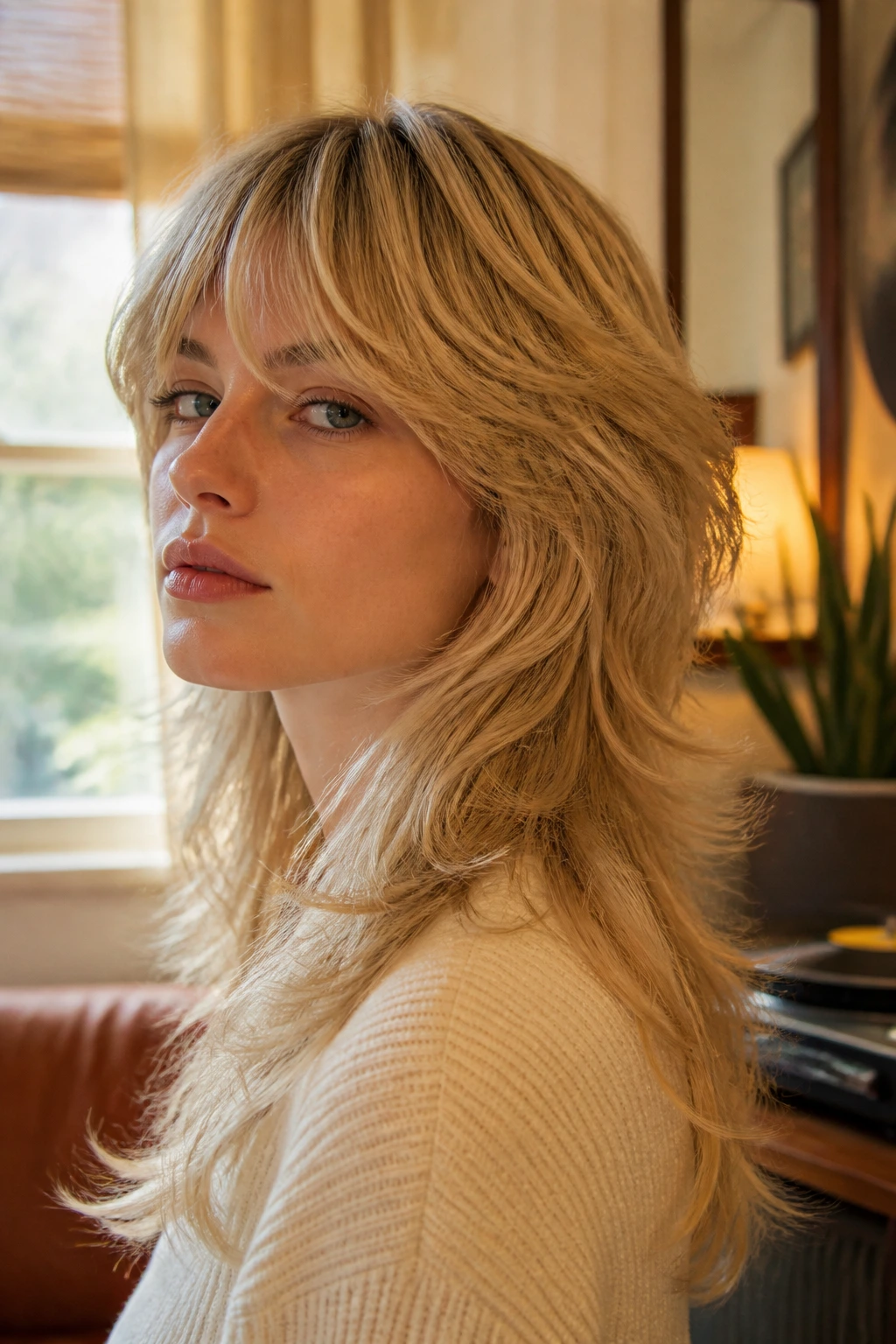
This one borrows from old-school blowouts and feathered layers, and straight hair gives it a polished finish that feels a little nostalgic in the best way. The layers are long enough to flip back softly, and the fringe can be pushed away from the face with a round brush.
Unlike a harsh razor cut, the retro feather version wants softness in the ends. The back still has that longer mullet shape, but the overall mood is lighter, more brushed-out, and less chopped. If you grew up around layered haircuts and liked the way they moved, this is the modern version worth trying.
A medium-size round brush, a bit of volumizing mousse at the roots, and a cool-shot finish are the whole story. The brush work matters more than the product.
19. Office-Ready Mullet

Yes, a mullet can be office-ready. The trick is not making the cut timid; it’s making it neat. Keep the front layers long enough to frame the face without screaming, maintain a soft nape rather than a shaved one, and avoid over-texturizing the ends.
How It Reads
From the front, this can look like a layered bob or long fringe cut. From the side, the back length gives it a quiet edge. That’s what makes it work in a more polished setting.
- Best for straight hair that falls smoothly and holds a middle or soft side part.
- A light serum on the ends helps the cut look finished.
- Keep the fringe just below the brow or at the cheekbone for a softer line.
It’s a mullet for people who want personality without needing a conversation about it every time they walk into a room.
20. Punk Fringe Mullet
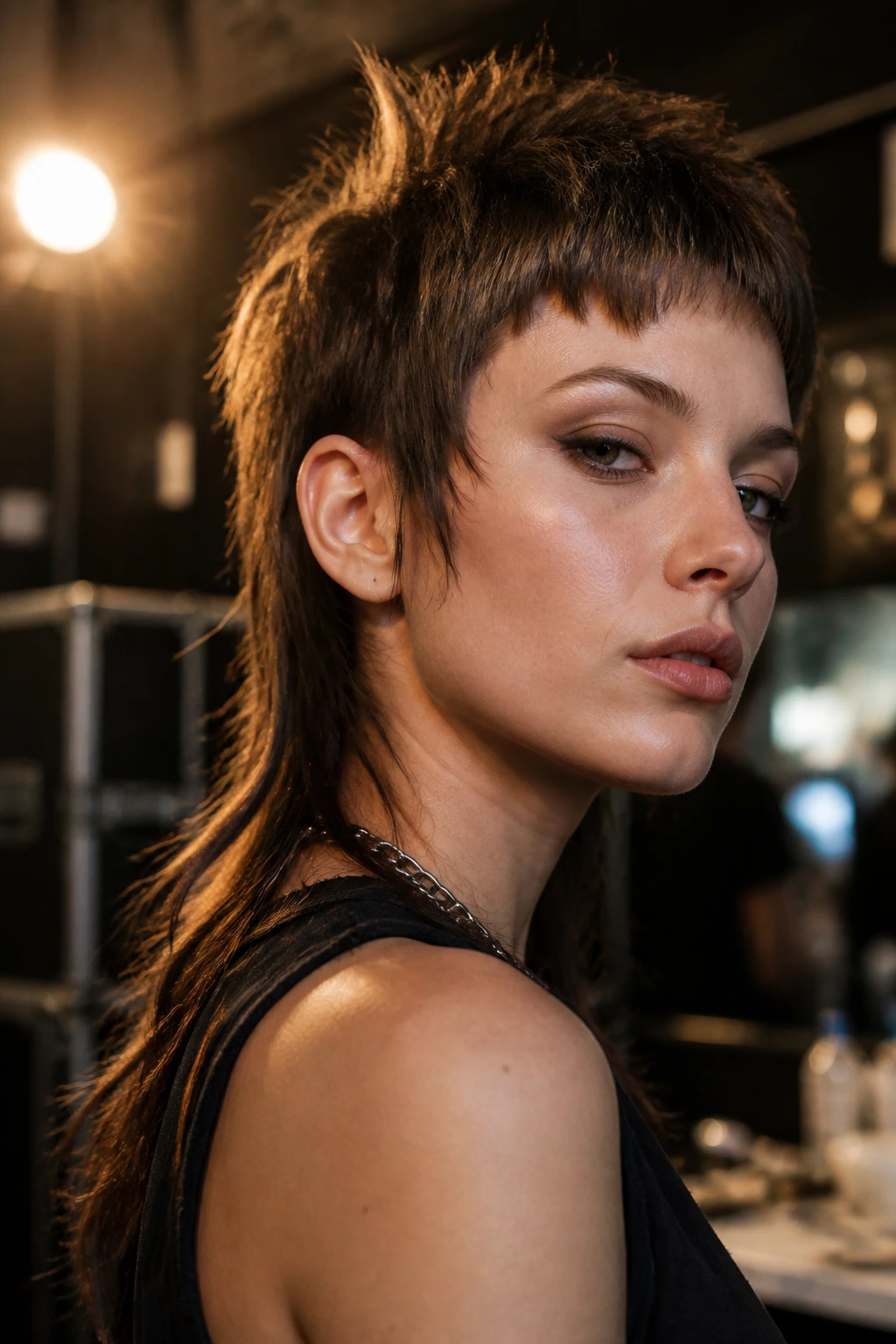
This one goes harder on the fringe and crown. Think short, choppy bangs, a little extra lift at the top, and a back section that stays long enough to keep the shape from turning into a cropped cut. Straight hair makes the contrast feel even more pronounced because the fringe line stays visible.
The point here is attitude. If the fringe is too soft, the whole haircut loses its nerve. Keep the ends piecey and let the crown have some separation. A little paste goes a long way, especially if your hair is fine and tends to collapse under too much product.
This is the mullet I’d choose if I wanted the haircut to lead the outfit instead of trailing behind it.
21. Growth-Friendly Mullet
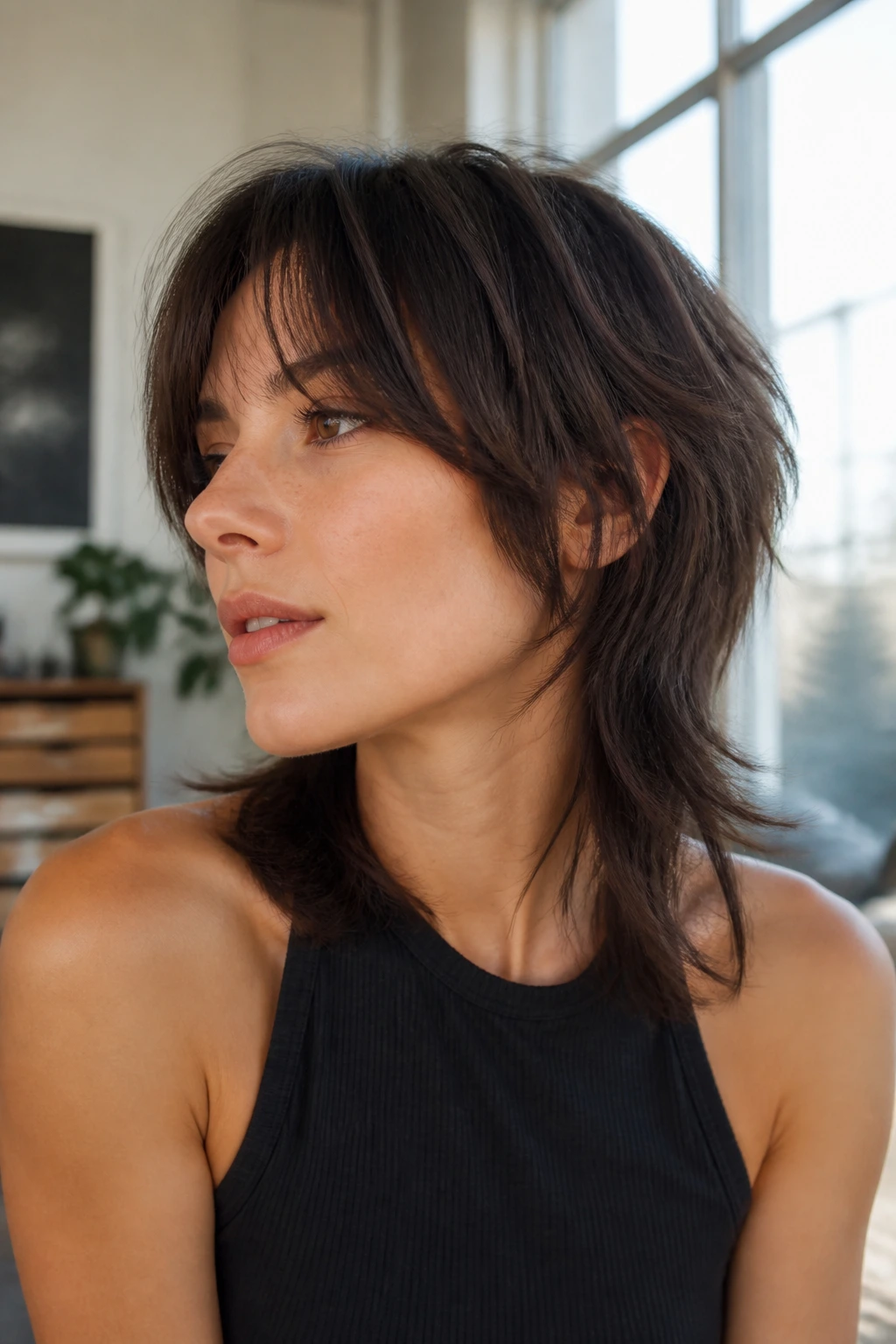
Some cuts are meant to look good only on day one. This isn’t one of them. A growth-friendly mullet is built to shift over time, which makes it smart if you’re between lengths or simply hate the awkward phase that comes after a big chop.
The front should stay layered enough to soften as it grows, while the back keeps enough length to hold onto the mullet outline. Straight hair helps here because the shape won’t expand wildly as it gets longer. It just slowly relaxes.
How to Use It
If you’re nervous about commitment, ask for a version that can pass as a layered lob from the front. That way, when the fringe grows, the cut still has a story to tell.
22. Long Layered Mullet
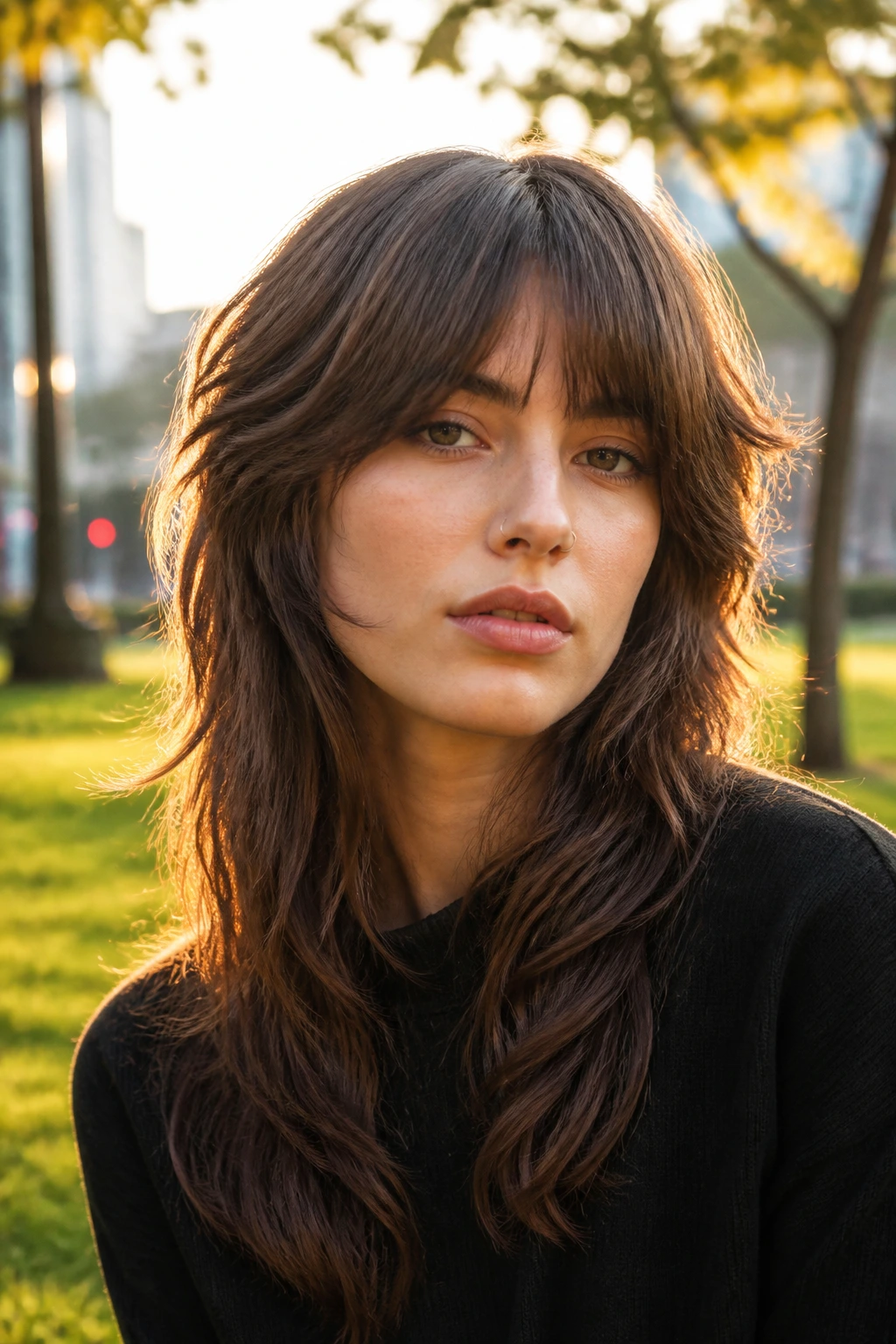
This is the version for people who want to keep length and still have the mullet silhouette show up. The front pieces are layered around the face, the crown gets a little movement, and the back stays long enough to skim the shoulders or even lower. Straight hair makes the transition from front to back feel smooth instead of fluffy.
It’s a practical choice if you don’t want to lose length but also don’t want all your hair hanging in one same-length curtain. The longer back gives it a softer, more wearable mood, while the layers keep it from becoming boring.
I think this one is underrated. It doesn’t scream “mullet” at first glance, which means people who like a slower reveal will probably enjoy it more than the louder versions.
23. Shattered Ends Mullet
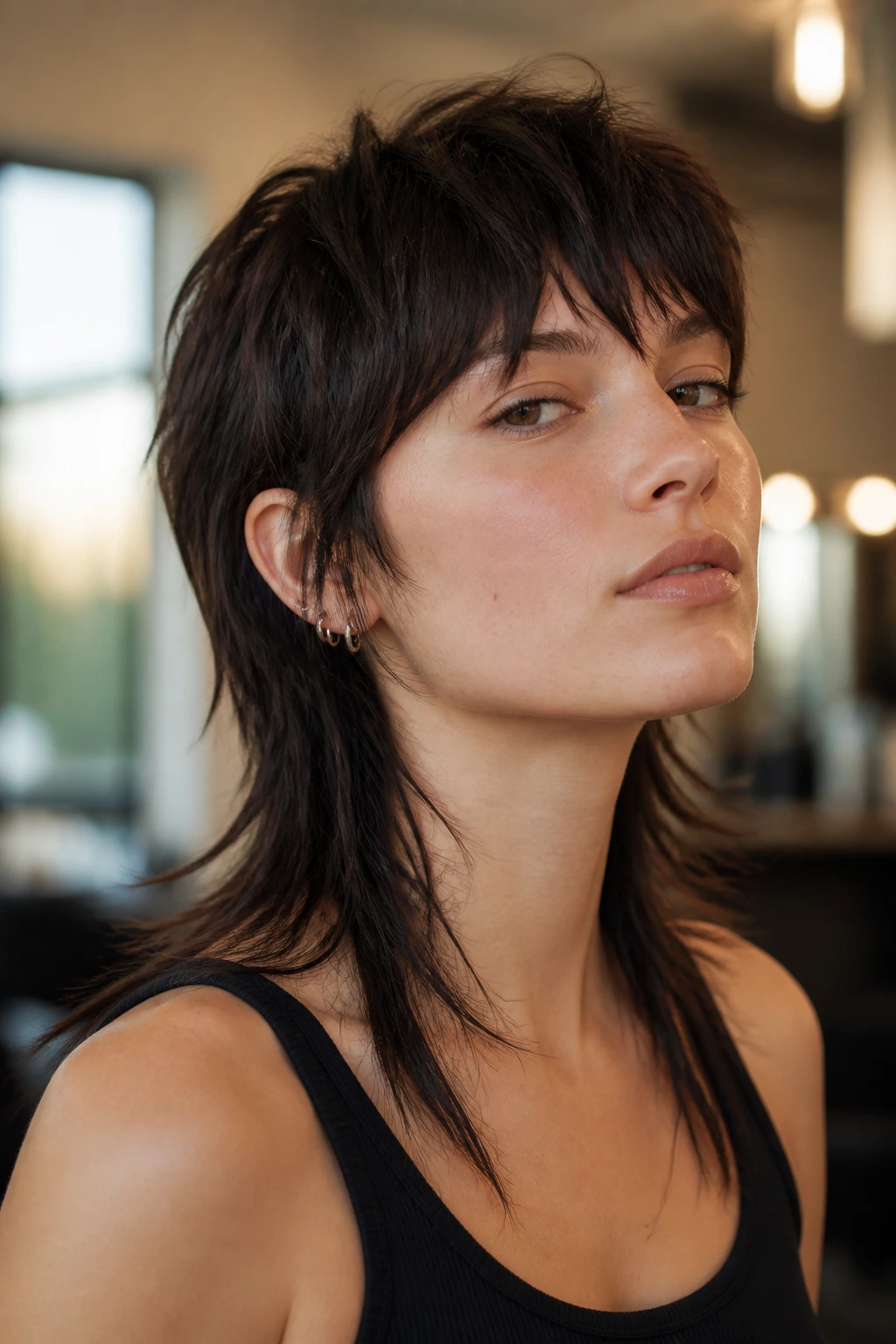
The shattered-ends version lives and dies by the finish at the bottom. The ends are lightly broken up so they don’t sit like a blunt line, but they also aren’t shredded into nothing. On straight hair, that tiny irregularity gives the haircut motion that shows up every time you turn your head.
The Small Detail That Matters
Don’t overdo the texturizing. Too much and the ends look thin. Too little and the whole cut can seem too neat to carry the mullet idea. The sweet spot is a slightly uneven perimeter with enough weight left in the middle sections to keep the shape strong.
If you want a haircut that feels modern without going full punk, this is a good closing note to the list. It has edge, but not noise.
What Straight Hair Needs to Make This Cut Work
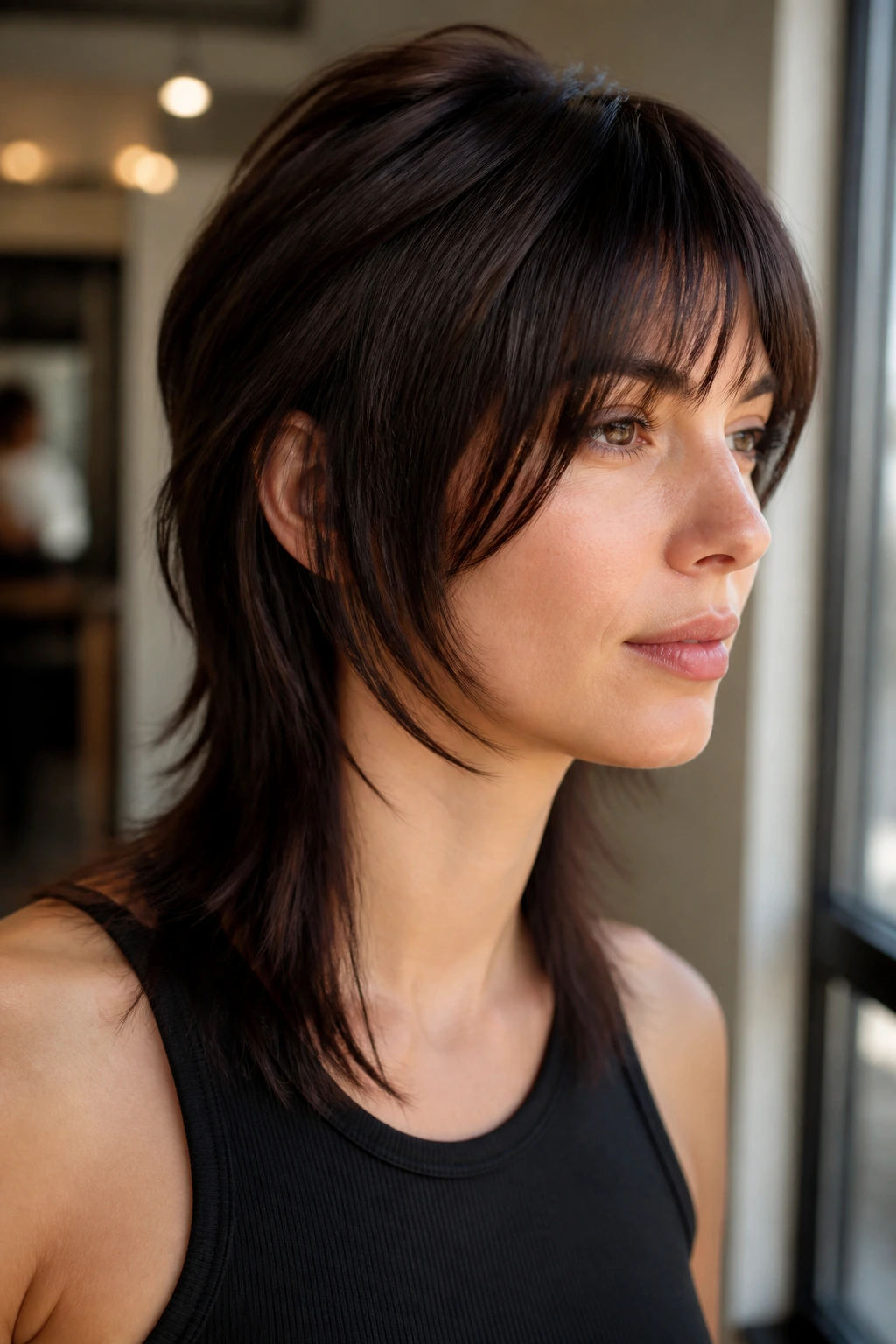
The haircut matters first, but straight hair needs a little help to keep the shape from sinking by noon. A clean part, a bit of root lift, and some bend at the ends usually do more than a pile of heavy styling products. Heavy cream can flatten the crown. Too much oil can make the face frame separate in the wrong way. Keep the product load light and purposeful.
If your hair is fine, the crown deserves the most attention. A mousse at the roots before blow-drying can save the cut from going limp. If your hair is thick, the back and sides need more removal so the silhouette doesn’t turn into a triangle. Straight hair mullets look best when the bulk is placed on purpose, not left wherever the stylist’s hands happened to fall.
One more thing. Don’t judge the cut while it’s soaking wet. Straight hair changes a lot as it dries, and a mullet that looks too severe at the shampoo bowl can settle into something much better once the ends are finished and the fringe has been blown into place.
What to Tell Your Stylist Before the First Snip
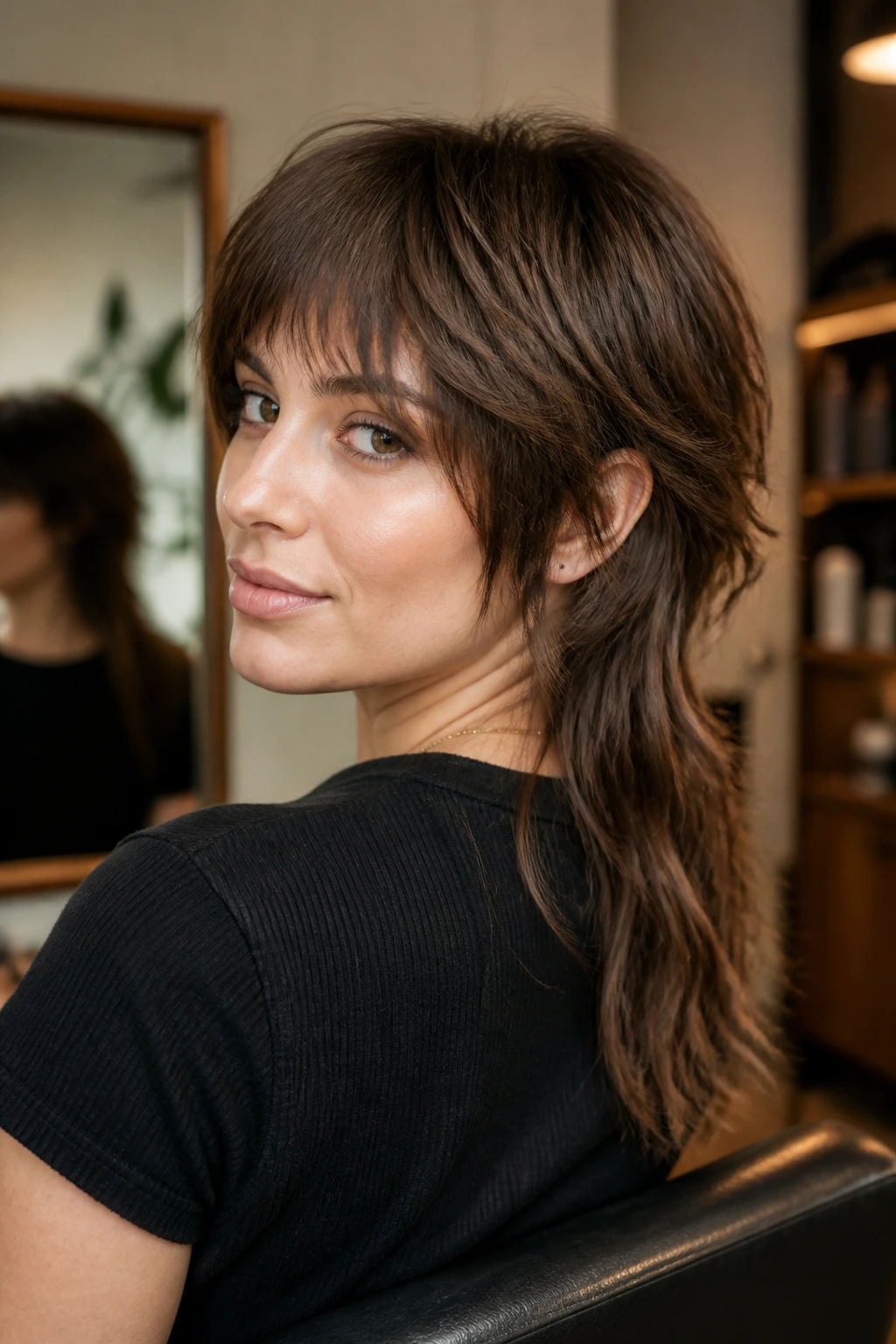
Bring photos, yes, but bring notes too. Tell the stylist how much length you want to keep in back, where you want the fringe to start, and whether you want the nape tight or soft. Those are not small details. They decide whether you walk out with a mullet, a shag, a bob with ambition, or something you spend the next month trying to fix.
If your hair is pin-straight, say that out loud. It matters because straight hair exposes every layer, and a stylist who cuts for wave or curl may leave too much weight in the wrong places. Ask whether they plan to remove bulk from the crown or use texturizing shears on the ends. If they shrug, that’s not the answer you want.
Good Words to Use
- “I want a visible difference between the front and the back.”
- “Keep the nape clean, but not shaved.”
- “I need the front to soften my face.”
- “Please don’t thin the ends into wisps.”
Essential Tools for Styling These Cuts
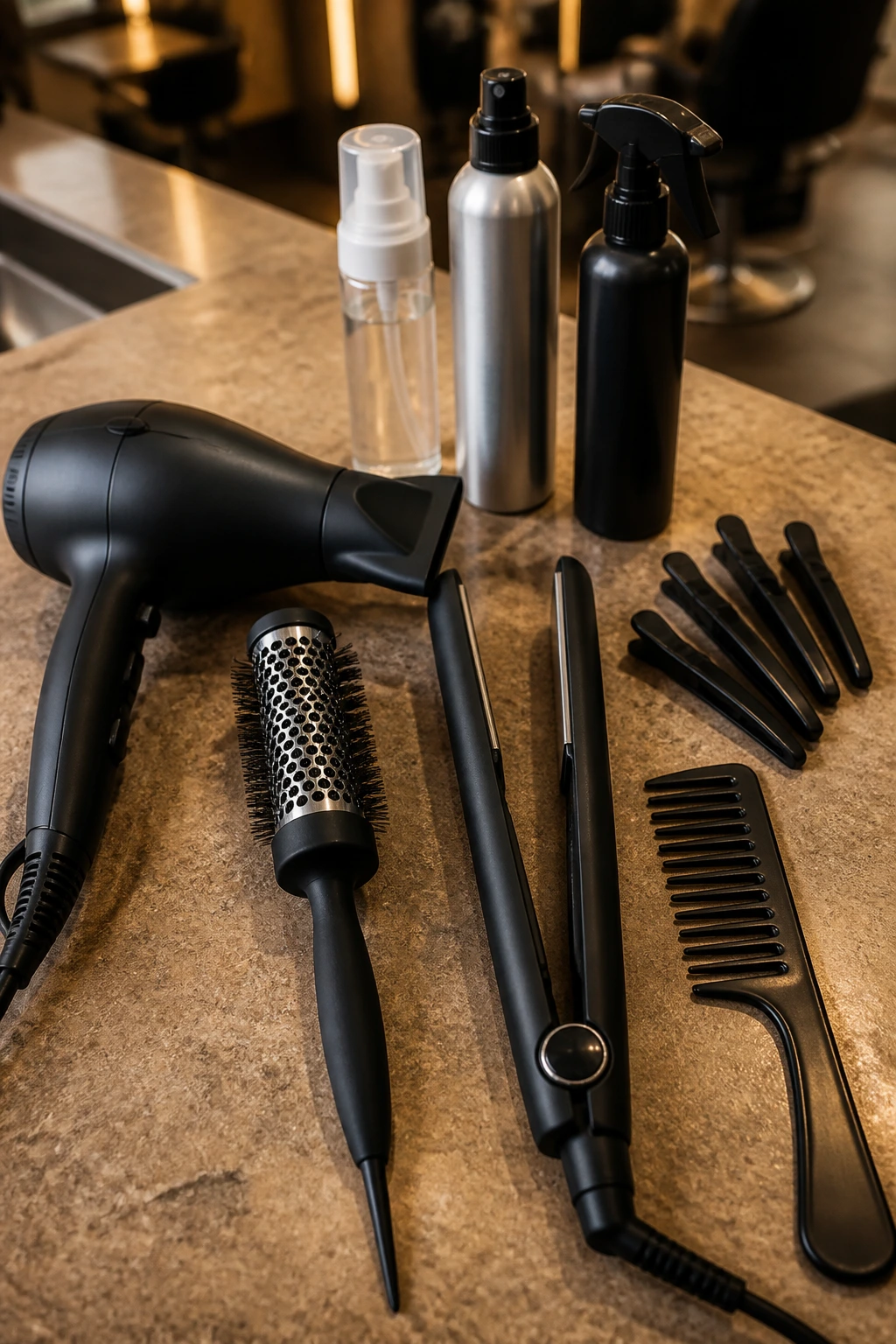
- Blow dryer with a nozzle attachment: Helps push the hair in the direction you want and gives the crown a cleaner finish.
- 1-inch or 1.25-inch round brush: Best for bending the fringe, flipping the ends, and adding lift around the face.
- Flat iron with beveled edges: Lets you put a soft bend in straight hair without creating hard kinks.
- Light mousse: Good for root lift on fine or medium hair when you want the crown to stay up.
- Texturizing spray: Adds separation at the ends and keeps the layers from lying too perfectly flat.
- Heat protectant: Straight hair often gets heat-styled more often, and the ends will show damage fast if you skip this.
- Sectioning clips: Make it easier to style the top, fringe, and back in pieces instead of fighting all of it at once.
- Wide-tooth comb or soft brush: Useful for keeping the shape smooth without blasting the cut apart.
How to Style It So the Shape Stays Intentional
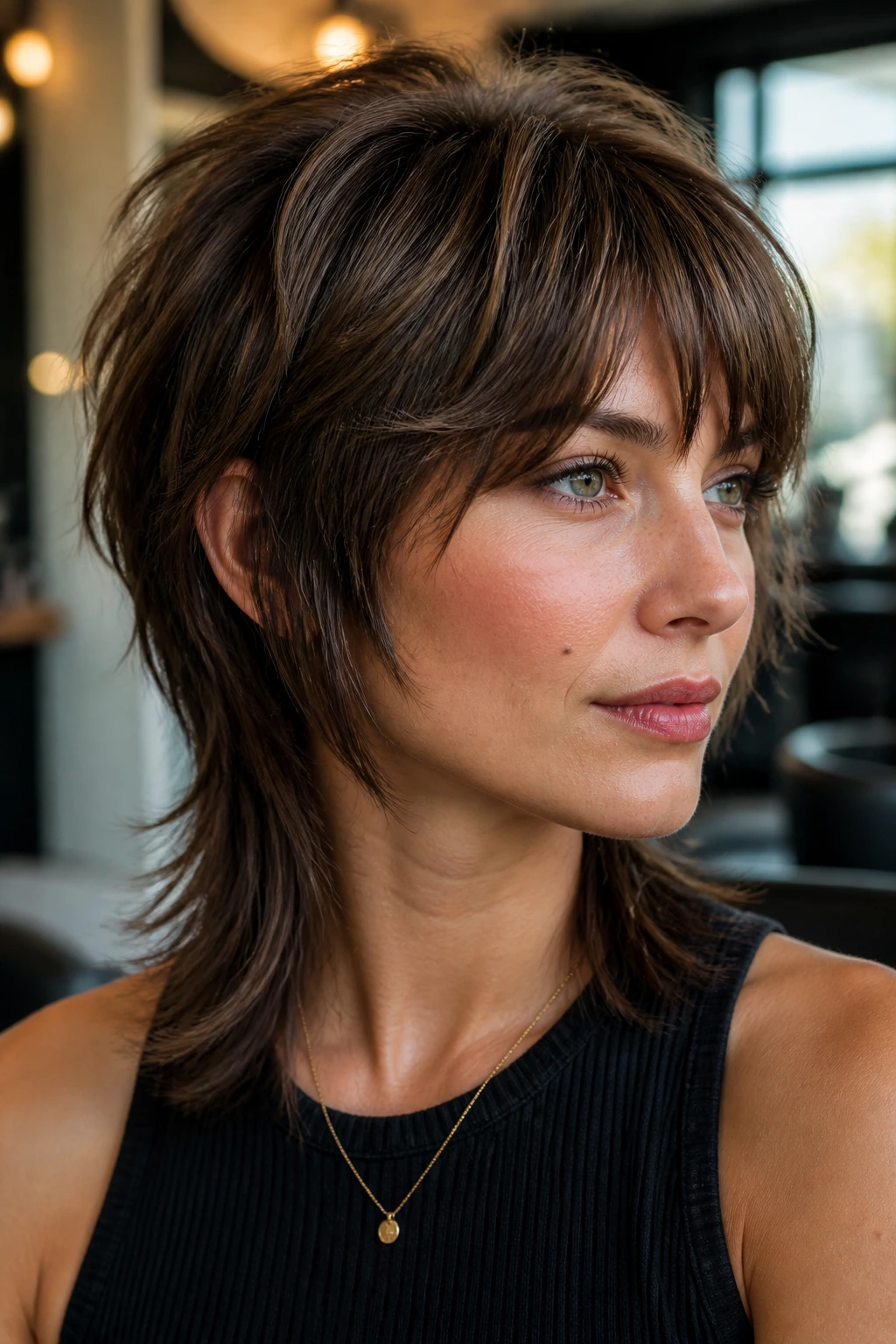
Root lift: Start with mousse or a lightweight volumizer at the crown, then blow-dry the top section upward and slightly backward. That one move keeps straight hair from sinking into your scalp by lunchtime.
Ends: Bend the front and back ends just a little. A soft flick out or under at the last inch gives the haircut movement without making it fussy.
Parting: Shift the part a little now and then. Straight hair can get marked by a hard part line, and the top starts to lie in the same groove every day.
Finish: Use texture spray sparingly. If you can hear the hair crunch, you’ve gone too far. The goal is separation, not stiffness.
If you only remember one thing, remember this: straight hair mullets look better with a shape that is lightly styled than with one buried under product.
Common Mistakes to Avoid

The first mistake is asking for “lots of layers” and leaving it there. That usually produces something vague, not a mullet. You need a clear plan for front length, crown shape, and nape length, or the haircut loses its backbone.
Another one: flattening the crown with too much smoothing cream or too much weighty conditioner. Straight hair already wants to lie down. When you load it up, the top goes limp and the back starts looking separate from the rest of the cut.
The third mistake is cutting the fringe too short on the first pass. A blunt or micro fringe can look sharp, but if it sits too high above the brows it quickly turns fussy, especially once it settles after a wash. Start a little longer if you’re unsure. You can always trim more.
And then there’s the opposite problem: keeping the back so long and the layers so soft that the haircut loses its mullet identity. If the front and back are nearly the same length, you’ve got a layered cut with a nickname, not a real shape.
Variations and Adaptations to Try

The Soft Corporate Version: Keep the crown layered, but leave the nape longer and avoid clipper work. This gives you a clean silhouette that can sit under a blazer without looking too styled.
The Fine-Hair Lift Version: Ask for internal layering at the crown and keep the ends a touch blunt. That combination gives straight fine hair some lift without stripping away too much weight.
The Thick-Hair Tamer: Remove bulk around the ears and below the crown, but keep the perimeter strong. Thick straight hair can puff outward if too much weight is left in the wrong place.
The Bang-Swap Version: Try curtain bangs instead of a blunt fringe if you want a softer front. Curtain bangs usually grow out in a less annoying way, which matters if you change your mind easily.
The Sleek Night-Out Version: Flat iron the lengths, add a touch of shine spray to the ends, and tuck one side behind the ear. The whole cut becomes sharper with almost no extra effort.
How to Keep the Shape Between Trims
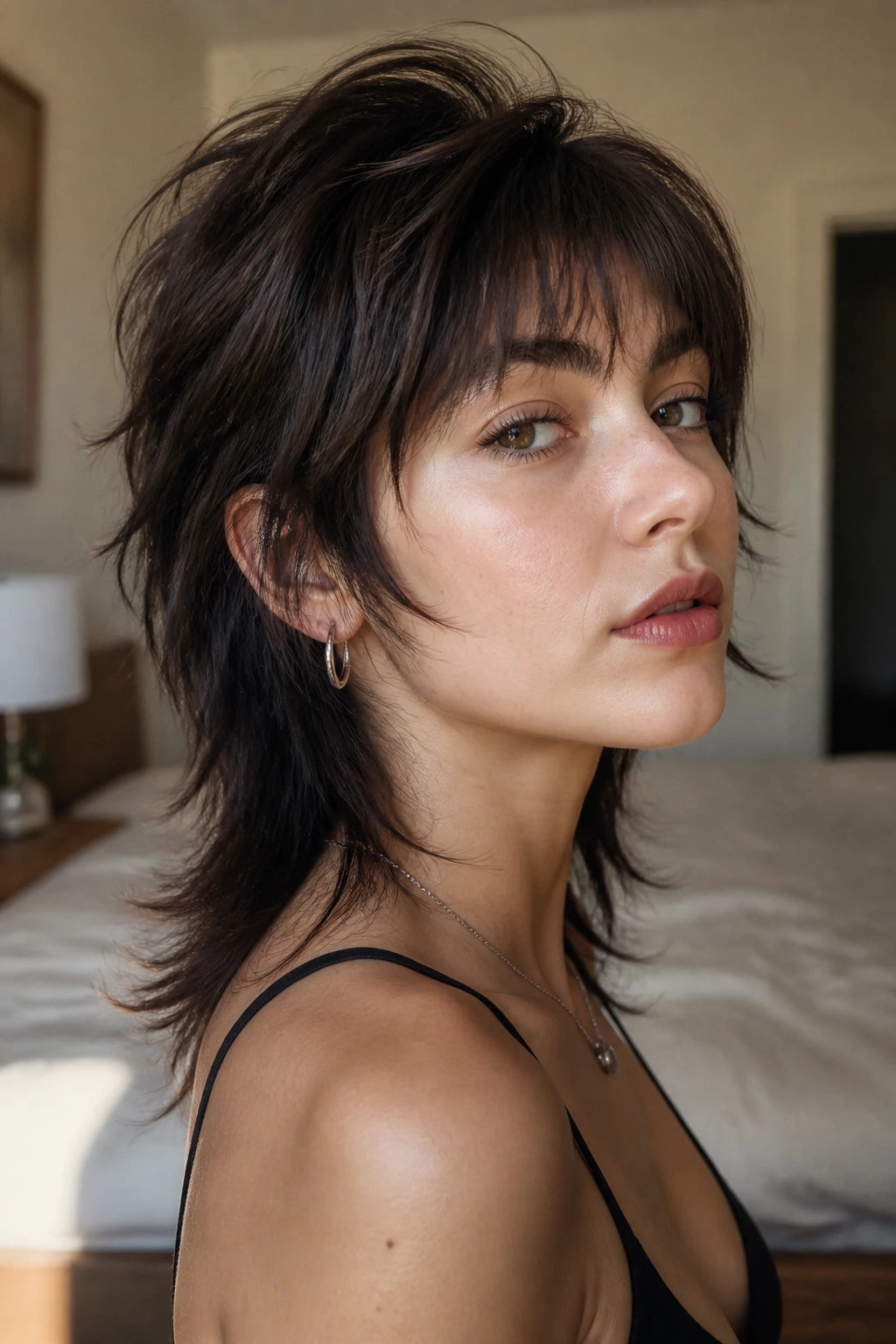
Straight hair shows growth fast, which is both good and annoying. Good because the lines stay clean. Annoying because the fringe and crown lose their balance if you go too long between trims. A short fringe may need a touch-up every 2 to 4 weeks, while the rest of the cut usually stays tidy for about 6 to 8 weeks.
Wash routine matters too. If your scalp gets oily fast, the roots can drag the whole cut down by day two. A lightweight dry shampoo at the roots can buy you another day, but don’t pile it on until the hair feels chalky. That powdery look makes straight hair look dull.
Heat styling should be light, not relentless. A small bend at the ends is enough on most days. If you flat iron the whole head every morning, you’ll start seeing dry ends sooner than you think, and the mullet shape can turn brittle around the face. Use heat protectant every time, and if the back starts feeling rough, skip the hot tool and refresh it with a damp brush and a bit of leave-in conditioner.
Sleep helps more than people admit. A loose clip at the crown or a silk pillowcase keeps the front from getting mashed flat overnight. Small thing. Big difference.
Frequently Asked Questions
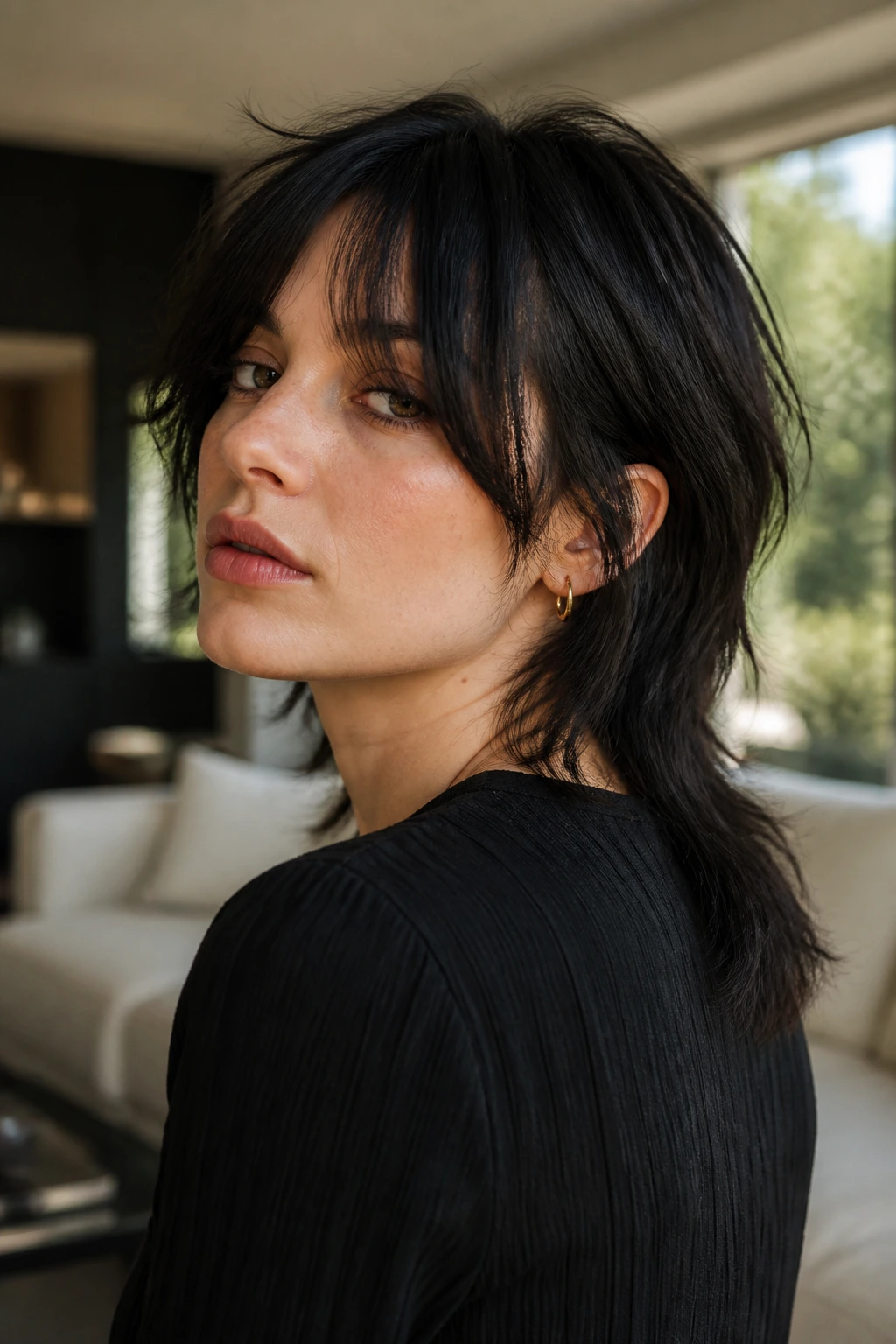
Will a mullet work on very straight hair?
Yes, and in some ways straight hair is better for it because the cut line stays visible. The only real challenge is volume at the crown, so the haircut needs enough layering up top to avoid falling flat.
Is a mullet good for fine straight hair?
It can be, as long as the cut keeps some weight at the perimeter. Fine hair usually looks best with a softer version, like a collarbone mullet or a curtain-bang mullet, rather than a heavily shredded one.
What fringe works best with straight-hair mullets?
Curtain bangs are the easiest to live with, but blunt fringe and micro bangs can look fantastic if you want more attitude. The choice depends on how much maintenance you’ll tolerate around your forehead.
How often should I trim a straight-hair mullet?
The fringe may need a trim every 2 to 4 weeks, while the rest of the cut often stays in shape for 6 to 8 weeks. If the crown collapses or the back loses its balance, it’s time to go back sooner.
Can I wear a mullet sleek instead of messy?
Absolutely. Straight hair is well suited to a polished finish with a center part, smoothing cream, and a flat iron bend at the ends. That version can look far cleaner than the scruffy, textured styles people picture first.
What if I want to grow it out later?
Pick a softer version with longer layers and less extreme disconnect. Growth-friendly mullets keep the front pieces and back length from fighting each other, so the grow-out stages feel less awkward.
Does a mullet suit round faces on straight hair?
It can, especially when the front pieces start around the cheekbone and the top has some lift. That extra height on top helps stretch the silhouette, while the longer front pieces soften the sides.
What’s the difference between a shag and a mullet on straight hair?
A shag usually spreads the layers more evenly all around the head. A mullet keeps a clearer front-to-back difference, with more length left in the back and a more obvious shift in shape.
The Cut That Keeps Its Edge
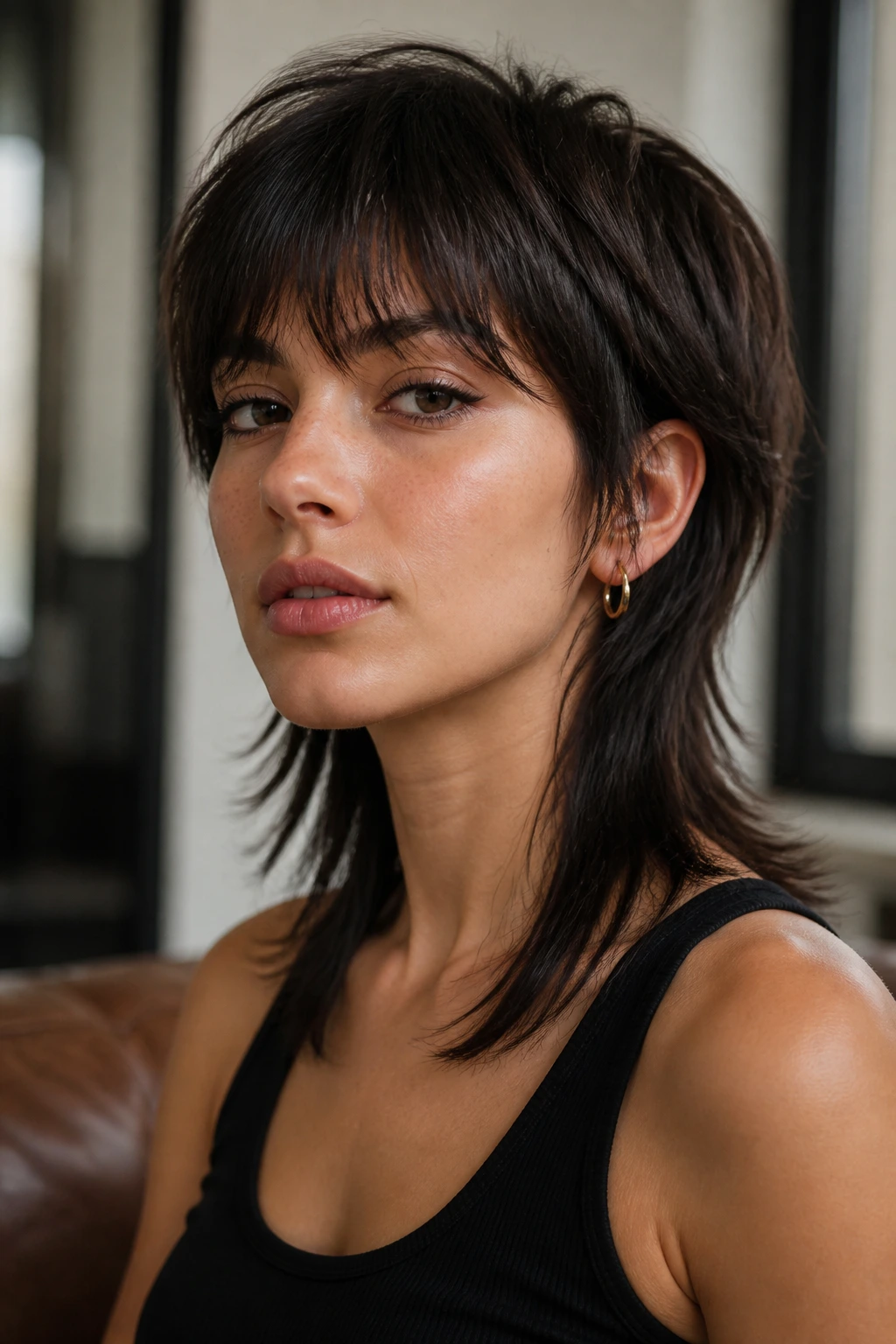
Straight hair does not erase the mullet. It exposes it. That’s why these cuts can look so clean when they’re done well: the line is honest, the shape is visible, and the whole haircut feels chosen instead of accidental. If you’ve ever thought a mullet only worked on messy texture, straight hair proves that wrong in a hurry.
The sweet spot is balance. Enough lift at the crown. Enough shape around the face. Enough length in the back to make the silhouette matter. Get those three things right, and a mullet on straight hair can move from playful to polished to sharp without changing the bones of the cut.
A good photo helps, but a clear idea helps more. Bring both to the salon, keep the details specific, and the haircut will do the rest.
