



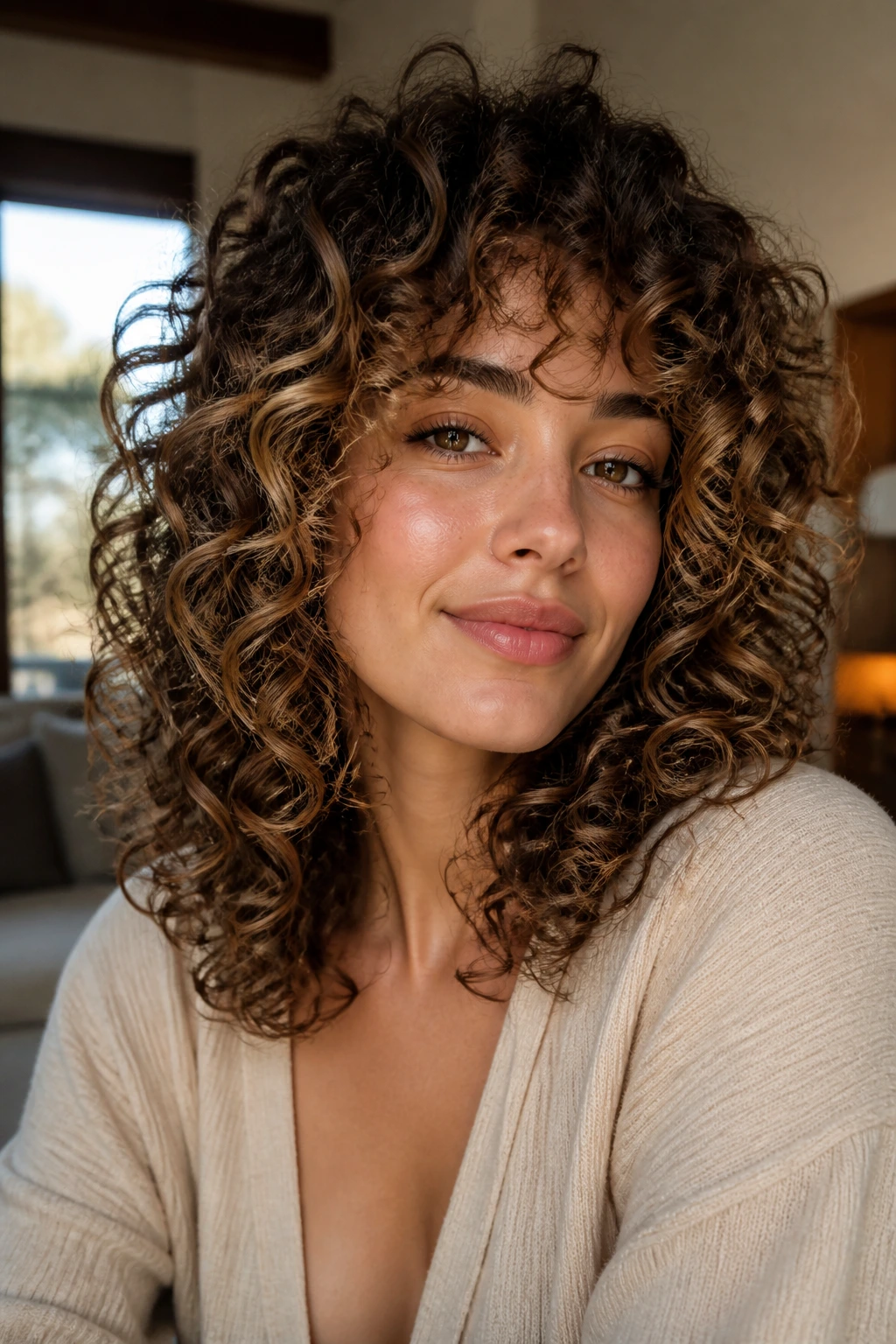
The difference between curly layered haircuts that bounce and curls that slump into a boxy triangle usually comes down to weight. Put the layers in the wrong place and the top goes flat, the middle mushrooms, and the ends drag the whole shape down. Put them in the right place and the hair seems to lift on its own, with each curl finding a little more room to spring.
That matters whether your hair bends in loose 2C bends, springy 3A spirals, dense 3B coils, or tight 4A patterning that needs shape more than length. Curly layers are not a one-size-fits-all fix. A cut that flatters fine curls can steal body from thick ones, and a shape that looks polished on long ringlets can turn awkward on shorter curls the minute shrinkage kicks in.
The best curly layered haircuts respect the way curls stack, shrink, and clump. They also make peace with the fact that a curl cut changes when it dries. That is the whole game. A good stylist reads the hair in motion, not just while it’s hanging wet and obedient under a cape.
Why These Curly Layered Haircuts Earn Their Keep
-
Bounce Lands Where You Want It: Layers can move lift from the bottom edge to the crown or cheekbones, which keeps curls from collapsing into one heavy line.
-
Shrinkage Stops Being a Guessing Game: A smart curly layered haircut is built with shrinkage in mind, so the finished shape still looks intentional after air-drying or diffusing.
-
Thick Hair Loses Bulk Without Losing Life: Internal layers remove weight inside the shape, not only at the perimeter, so dense curls move instead of sitting there like a helmet.
-
Grow-Out Looks Softer: Curly layers usually age better than blunt cuts because the curl pattern disguises soft changes in length.
-
Face Shape Gets More Room to Matter: Face-framing layers can open the jaw, soften the cheekbones, or lengthen the neck without shaving off the overall volume.
-
Styling Gets Less Fussy: When the cut is doing the heavy lifting, you need less product, fewer clips, and less time hovering under the diffuser.
1. Long Waterfall Layers That Let Loose Curls Fall in Staggered Waves
The waterfall shape is what I reach for when long curls need movement more than drama. The layers start low, usually around the collarbone or just below it, then step down in soft intervals so the bottom doesn’t hang like a curtain. On loose 2C to 3A curls, the effect is clean and fluid. On denser hair, it stops the length from feeling like one solid block.
Why It Works
A long waterfall cut keeps the perimeter long enough to feel like you still have hair, which matters more than people admit. The trick is not taking too much off the top. If the upper layers start too high, the shape puffs out before the curl has room to settle.
Ask for the first visible layer to start around the collarbone and for the interior to be point-cut or slide-cut lightly, not hacked apart. That detail keeps the ends soft instead of wispy. If your hair is very tight, keep the steps subtle. Big jumps look choppy once shrinkage kicks in.
2. Rounded Shoulder-Length Curls With a Soft Edge
Shoulder length is a sweet spot for curls because it gives shape without dragging the face down. This cut usually sits just grazing the shoulders, then rounds in at the corners so the hair doesn’t kick out in a triangle. It’s especially useful if your curls swell when they dry and you hate that bulky shelf right under the ears.
Best for: Medium-density curls that want volume but not a lot of width.
What to ask for: A rounded perimeter with gentle layers that remove weight from the sides first, not the crown. That keeps the top from going too airy.
Watch for: If your stylist cuts it too bluntly, the shoulders will create a little shelf. Not cute. A soft, rounded edge helps the curls bounce instead of sitting on the hemline.
3. The Curly Shag That Makes the Crown Wake Up
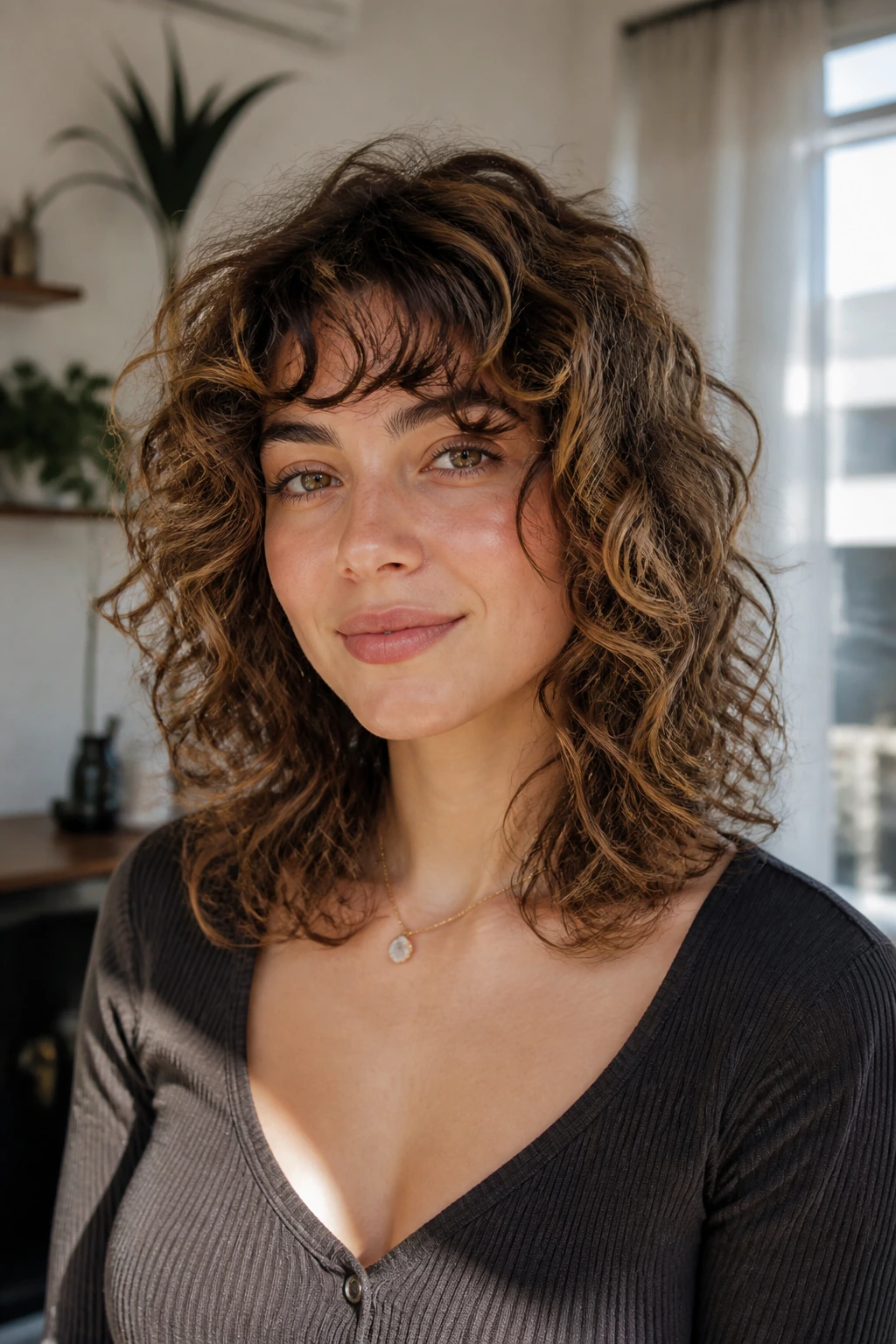
A curly shag is all about movement near the top and face, with the lower layers kept softer so the silhouette stays lively. It works because curls like uneven weight distribution. The crown gets more lift, the mid-lengths get a little separation, and the ends do not have to carry the whole haircut by themselves.
This cut loves 3A and 3B hair, especially if the crown tends to go flat by noon. The shorter internal pieces around the top create that lived-in, airy look without needing a lot of product. If you’ve ever wished your curls looked like they had a pulse, this is the direction.
What to Ask Your Stylist
- Keep the crown layers short enough to show movement, but not so short that they frizz up and float away.
- Leave the front pieces long enough to hit the cheekbone or jaw.
- Avoid over-thinning the ends; the shag should read as piecey, not see-through.
4. The Soft Wolf Cut for Thick, Overly Polite Curls
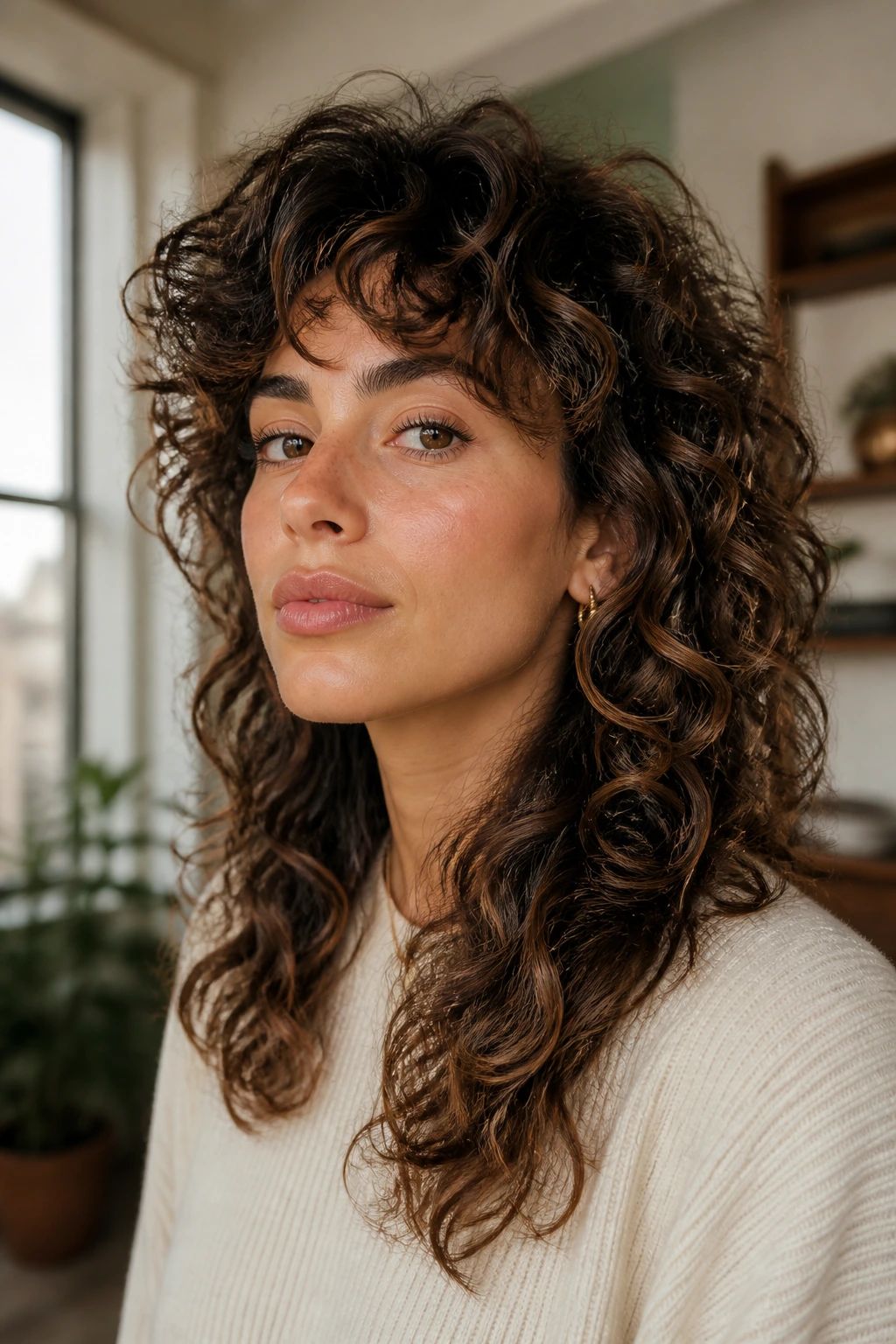
A wolf cut with curls is less wild than it sounds, and that’s why it works. The shape keeps volume on top and through the sides while leaving some length in the back, so thick curls can breathe. The layered top gives you lift; the longer nape keeps it from turning too round.
The best versions are softer than the internet would have you believe. I prefer a wolf cut where the top layers are choppy but not razor-sharp, and the front still has enough length to tuck behind the ears. That keeps the haircut edgy without making the hair feel like it was attacked by scissors.
This is the cut for someone who wants shape and attitude, not a polite little outline.
5. A Chin-Length Curly Bob With Hidden Interior Layers

If your curls spring up hard at chin length, a bob with hidden layers is one of the smartest shapes around. The perimeter stays strong, which gives the haircut backbone, but the inside gets weight removed so the bob doesn’t puff into a cube. It’s the kind of cut that looks deliberate even when you slept on it badly.
The key is restraint. Too many short face-framing pieces and the bob starts looking busy. Keep the front line just below the chin, then ask for internal layering that opens the center without destroying the outline. On tighter curls, this can look incredibly tidy. On looser curls, it gets a French-bob sort of swing.
6. Collarbone Layers With Face-Framing Ribbons
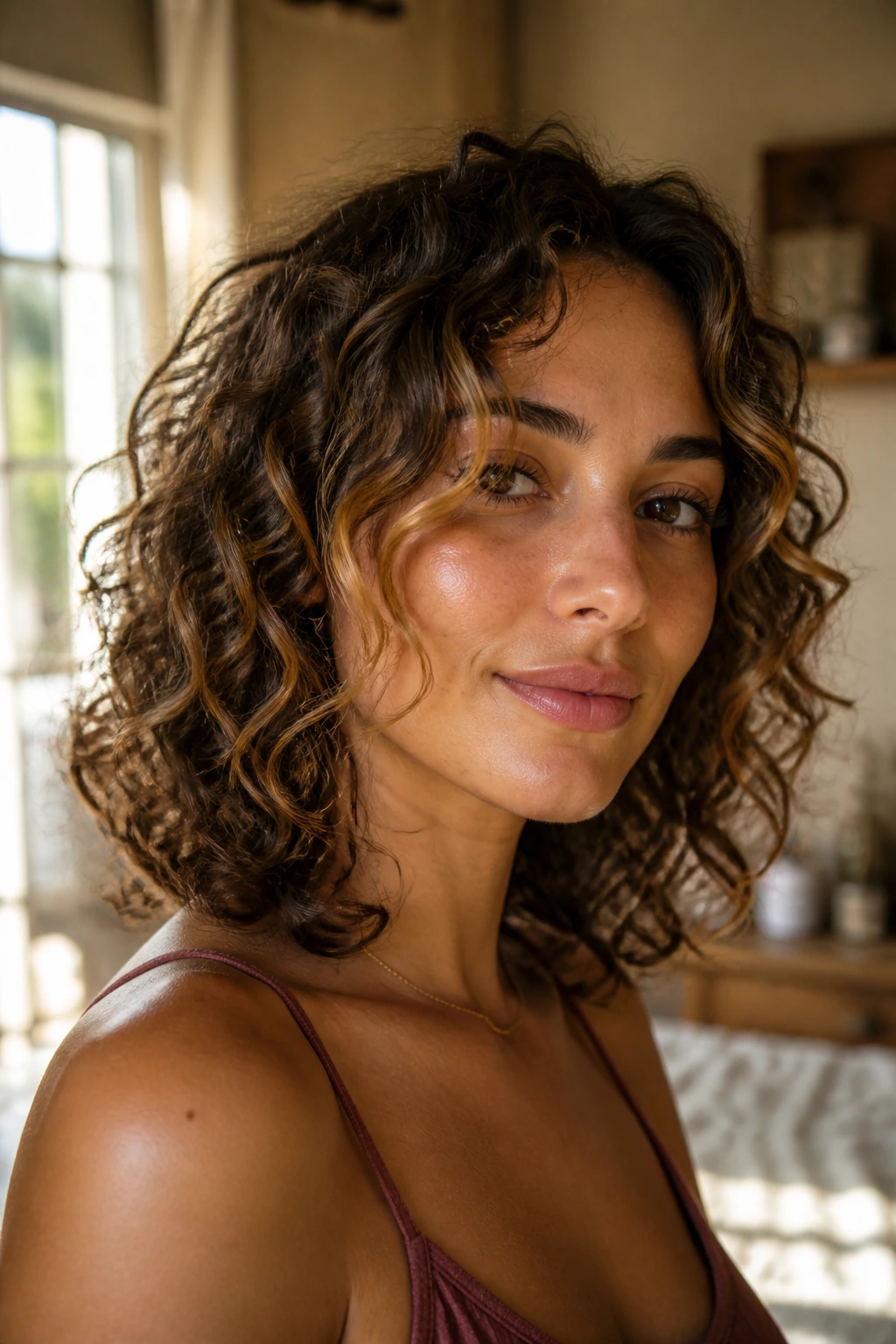
Collarbone length is where curly hair starts behaving like it knows the assignment. It’s long enough to pull back, short enough to keep volume from sinking to the floor. Add face-framing ribbons and you get a cut that opens the cheekbones without sacrificing the body through the back.
Unlike a blunt lob, this version has a little more air around the face. The front pieces can start around the chin or just below it, depending on how much softness you want. If your curls are fine, keep the layers sparse. If they’re thick, let the stylist take a little more out of the sides so the shape doesn’t flare.
7. Long U-Shaped Layers That Preserve Length
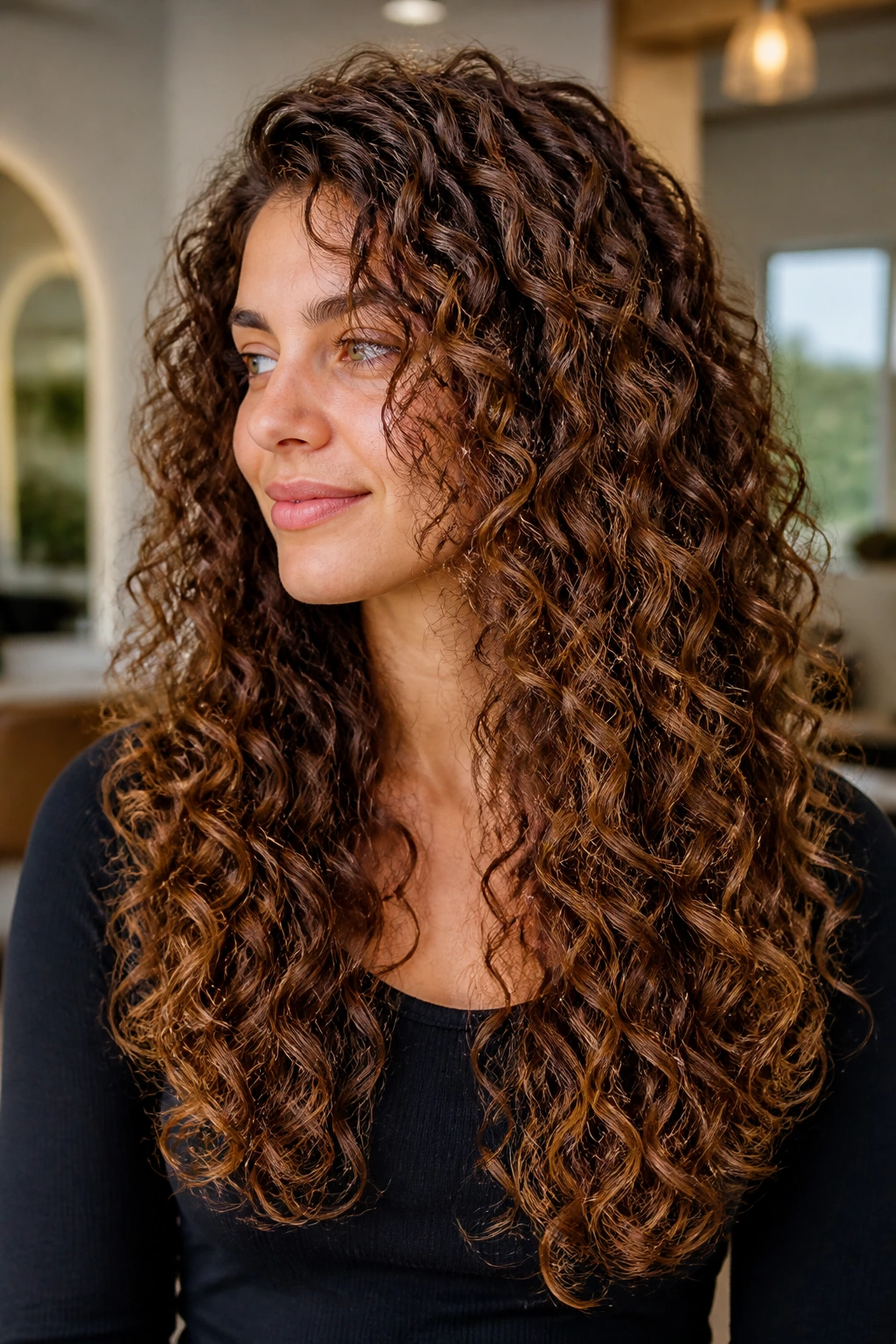
A U-shaped cut is the answer for curls that need shape but refuse to lose length. The back keeps the longest point, the sides rise gently, and the outline makes a soft arc instead of a hard line. That arc is the magic. It keeps the bottom from looking blunt while still giving the whole head a sense of direction.
This cut works especially well on ringlets and spirals that stretch a bit under their own weight. A strong U shape gives the illusion of fullness without adding bulk where you don’t want it. Ask for the transition to be subtle. If the sides are too short, the shape turns into a wide V faster than you’d expect.
8. The V-Cut for Long Curls That Need a Little Drama
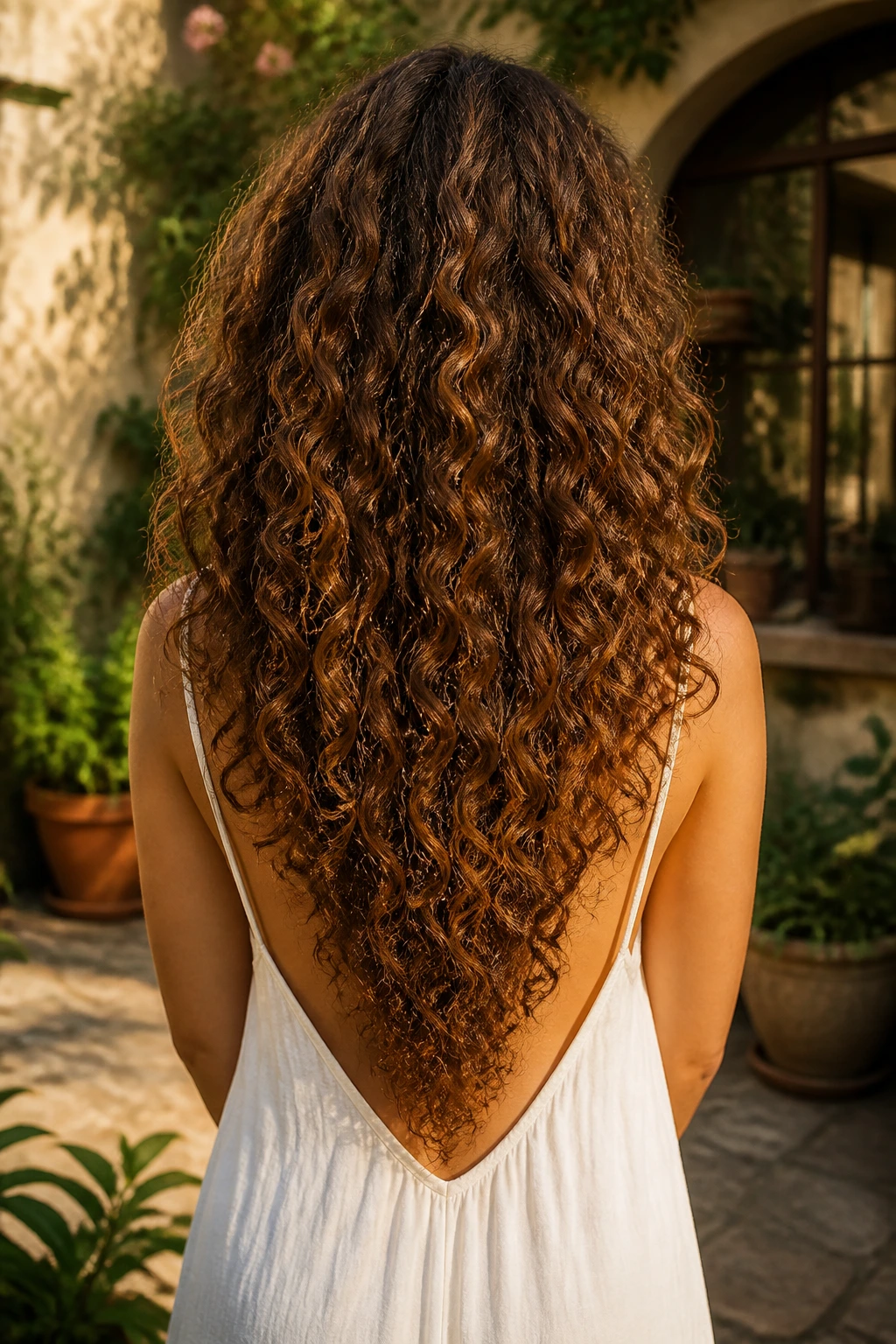
The V-cut is what happens when you want length to stay long but you also want the back to move. The center falls to the longest point, while the sides taper inward. That creates a pointed hem that looks elegant on long curls, especially when the hair is worn down and the curl pattern is clear.
The downside is obvious: if your curls are very springy, the V can vanish once the hair dries. So this cut works best when you have enough actual length to show the shape. On loose to medium curls, it feels soft and sweeping. On denser coils, it needs careful layering around the sides so the point doesn’t disappear into bulk.
9. The Tapered Pixie That Leaves the Top Room to Stand Up
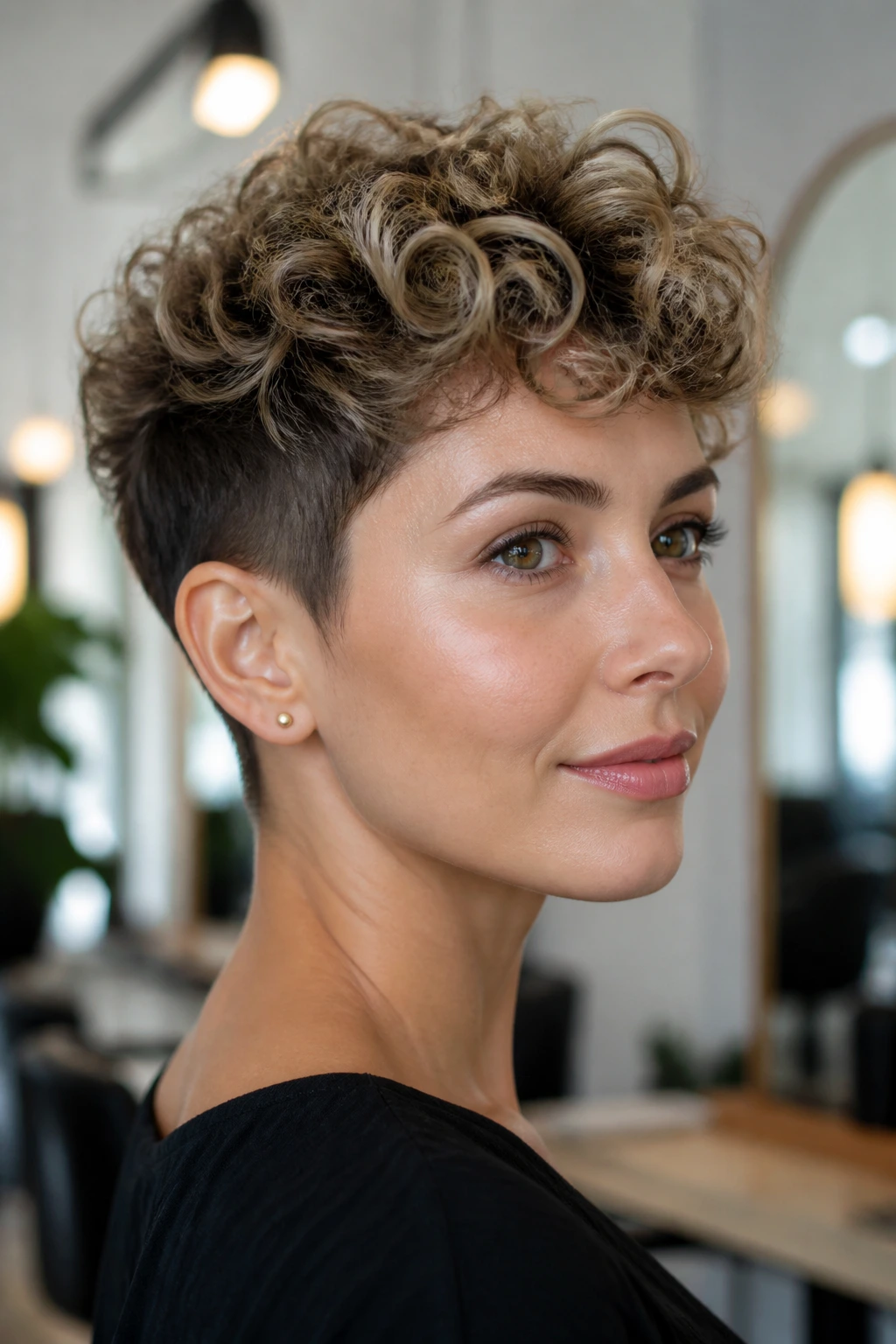
A curly pixie is not timid. It needs the right kind of confidence and, honestly, the right density. The nape and sides stay tighter, while the top keeps enough length for curls to gather and lift. That contrast is what keeps the cut from looking flat or helmet-shaped.
The best tapered pixies leave about 2 to 4 inches on top, depending on curl tightness. Shorter than that and the curl pattern can start to look fuzzy instead of shaped. The sides should be neat but not shaved down to the skin unless that’s the look you want. This is one of those cuts that looks expensive when the neckline is clean and the top has space.
10. Halo Layers for Dense Coily Hair
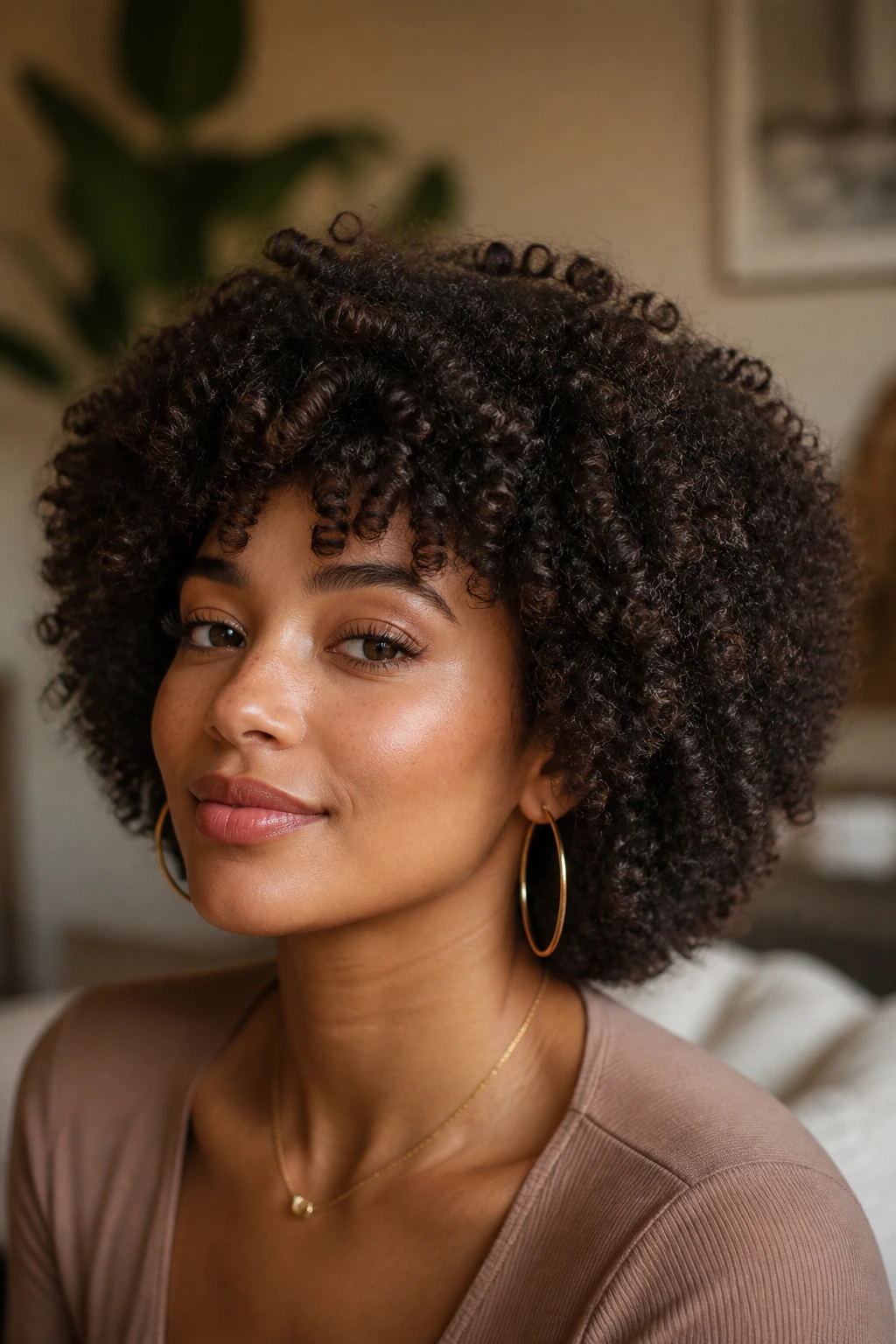
Halo layers are built for dense coily hair that wants to sit around the head in a rounded shape instead of ballooning outward. The cut removes bulk evenly around the top and upper sides, then keeps the perimeter soft so the silhouette stays full but not heavy. It’s a beautiful fix for hair that grows wide before it grows long.
I like this shape because it respects coil shrinkage instead of fighting it. A good halo shape can make 4A to 4C hair look lighter without making the ends thin out. The move is subtle shaping around the crown and temple area, not a drastic staircase of short pieces. Too much top removal and the cut loses that lush, rounded profile.
11. Dry-Cut Layers That Follow the Curl One Strand at a Time
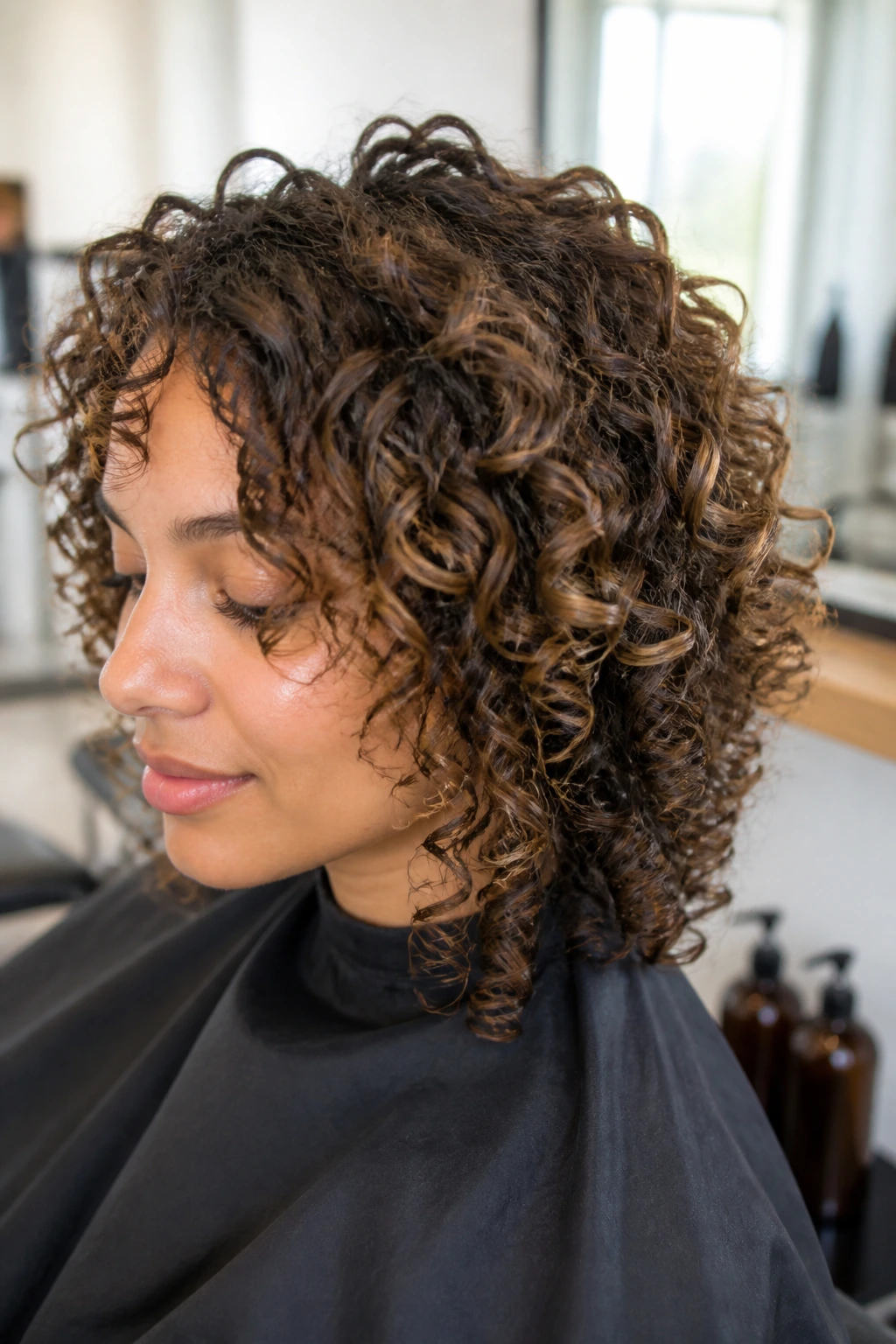
A dry-cut curly shape is a whole different mindset. Instead of guessing where curls will land wet, the stylist cuts them in their natural state, usually one curl group at a time, so the finished shape matches the pattern already on your head. That’s why this approach often gives the best bounce on spirals and mixed-texture curls.
The payoff is precision. The downside is time. A real dry cut takes patience because every section has its own rhythm, and the hair is never exactly the same on both sides once curls wake up. Still, when it’s done well, the shape looks more honest. Less surprise. More curl.
12. Butterfly Layers With Long Bangs and a Floating Front
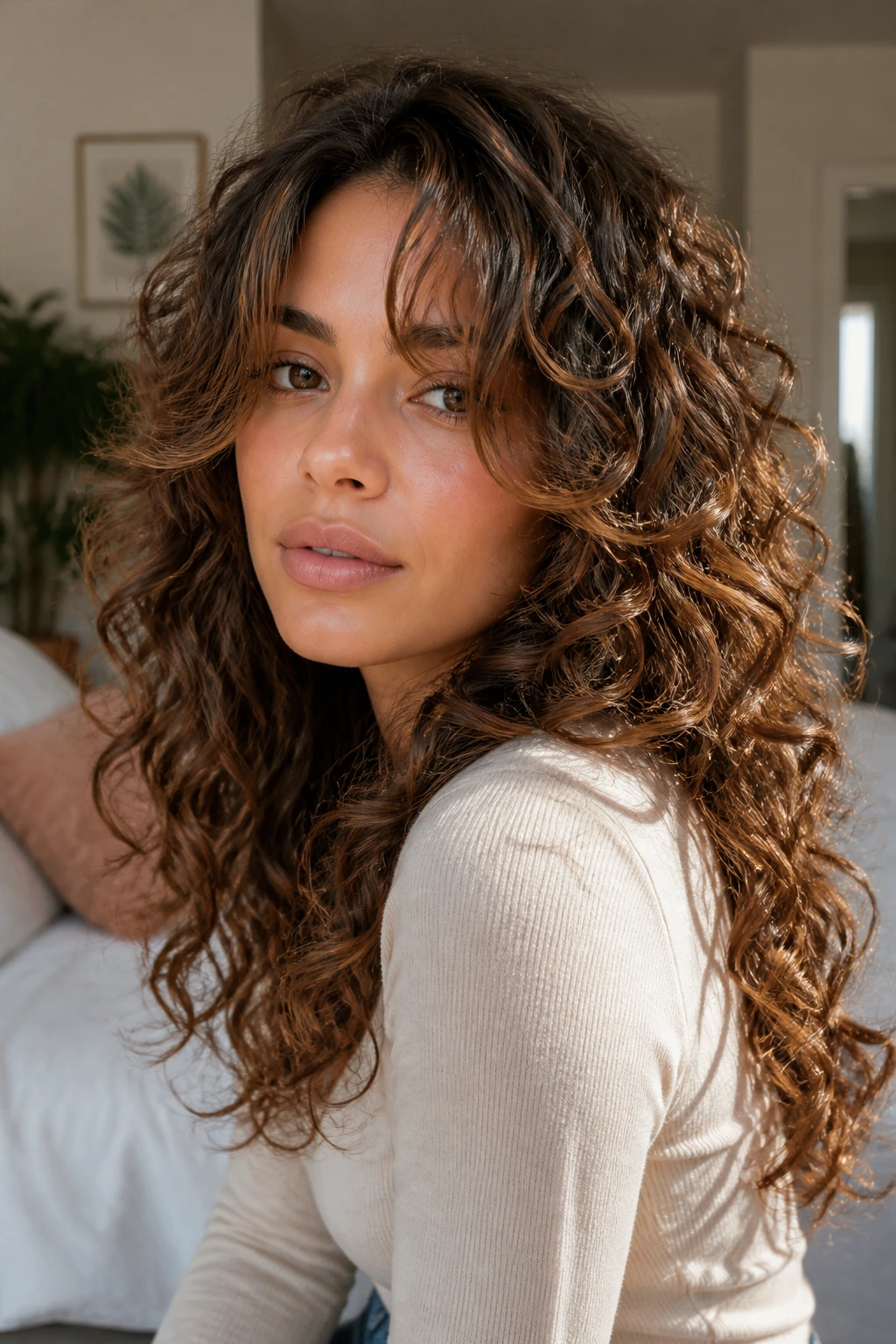
Butterfly layers are for anyone who likes the idea of shorter pieces around the face but does not want to lose the feeling of long hair. The front layers lift around the cheekbones and jaw, while the back stays longer and fuller. On curls, that creates a floating effect that can be polished or relaxed depending on how you style it.
This cut helps if your face feels hidden by one long curtain of hair. The shorter front pieces open things up, and the longer back preserves heft. Ask for the front to begin near the lip or cheekbone rather than too high on the forehead. Shorter than that, and the layers can bounce in all the wrong places.
13. The Side-Parted Asymmetrical Cut for Fine Curls

Fine curls can go limp fast, which is why a side-parted asymmetrical shape can be such a good move. It shifts more volume to one side, gives the eye a clear line to follow, and keeps the haircut from sitting flat in the middle. The asymmetry makes the hair look fuller without making it look heavily styled.
This cut is especially useful when the curl pattern is soft and the ends tend to disappear. A deeper side part, plus a few longer layers on the heavier side, gives the whole shape some life. Keep the difference subtle. You want an uneven line, not a lopsided accident.
14. Curly Fringe and Midlength Layers That Open the Face
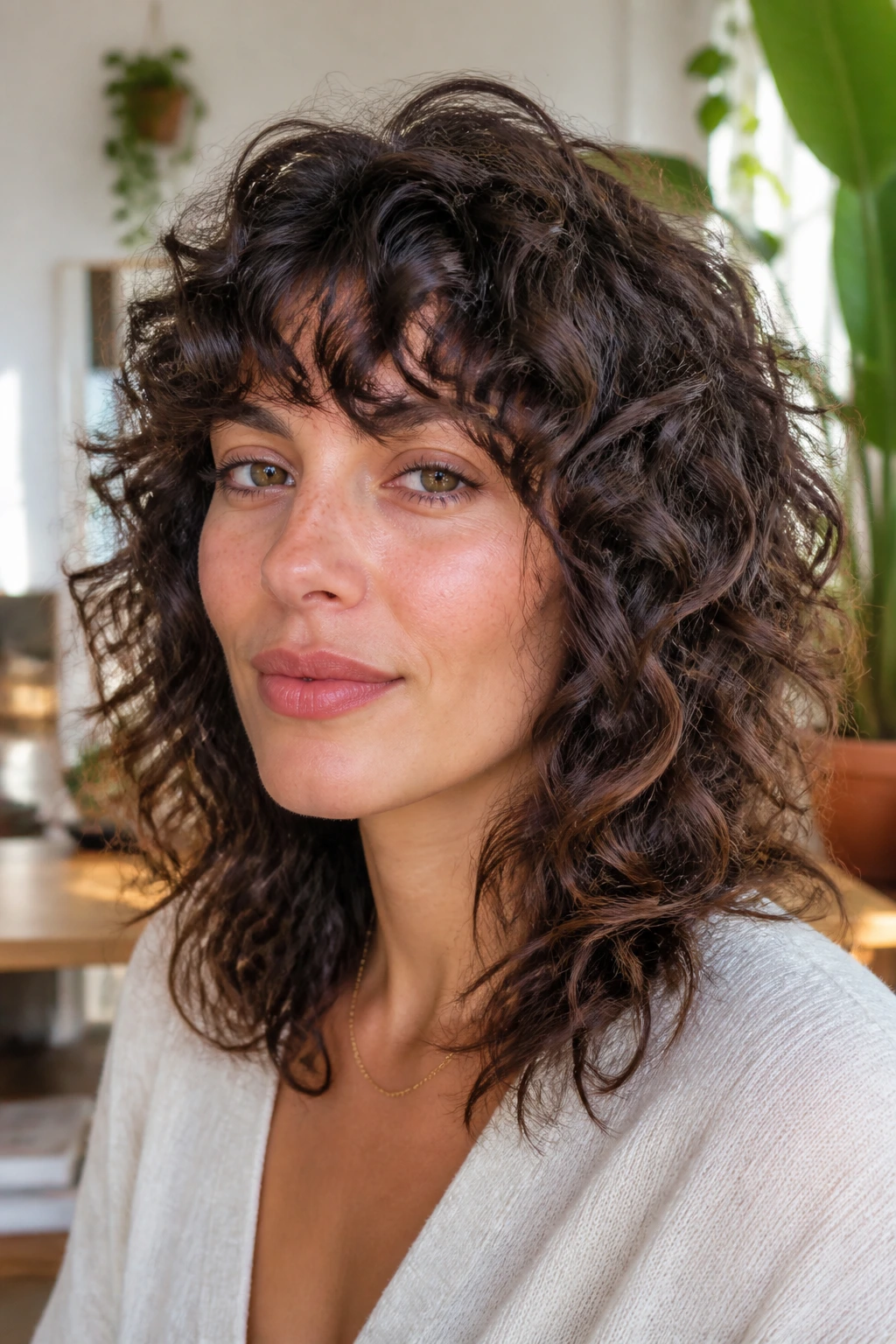
A curly fringe can be charming, but only when it’s cut with restraint. The fringe should fall soft and piecey, usually at or just above the brow depending on shrinkage, and the rest of the cut needs midlength layers to keep the front from becoming too heavy. That balance matters.
If the fringe is too thick, it steals the show from the rest of the haircut. If it’s too sparse, it looks accidental. The sweet spot is a fringe that breaks into a few curl groups instead of one heavy curtain. Midlength layers around the jaw and collarbone keep the top from getting crowded.
15. Heavy Waves With Internal Weight Removal

Wavy hair that behaves like it wants to be curly often needs a haircut that respects both moods. Heavy waves can look limp at the bottom and puffy at the top if the cut is too blunt. Internal layers fix that by removing weight inside the shape while leaving the outside line fairly clean.
This is one of the least flashy curly layered haircuts, and that is exactly why it works. You still get length. You still get a smooth outline. What changes is the movement. The hair swings more easily, and the waves clump better instead of spreading into a wide sheet.
16. The Rounded Afro With a Soft Perimeter
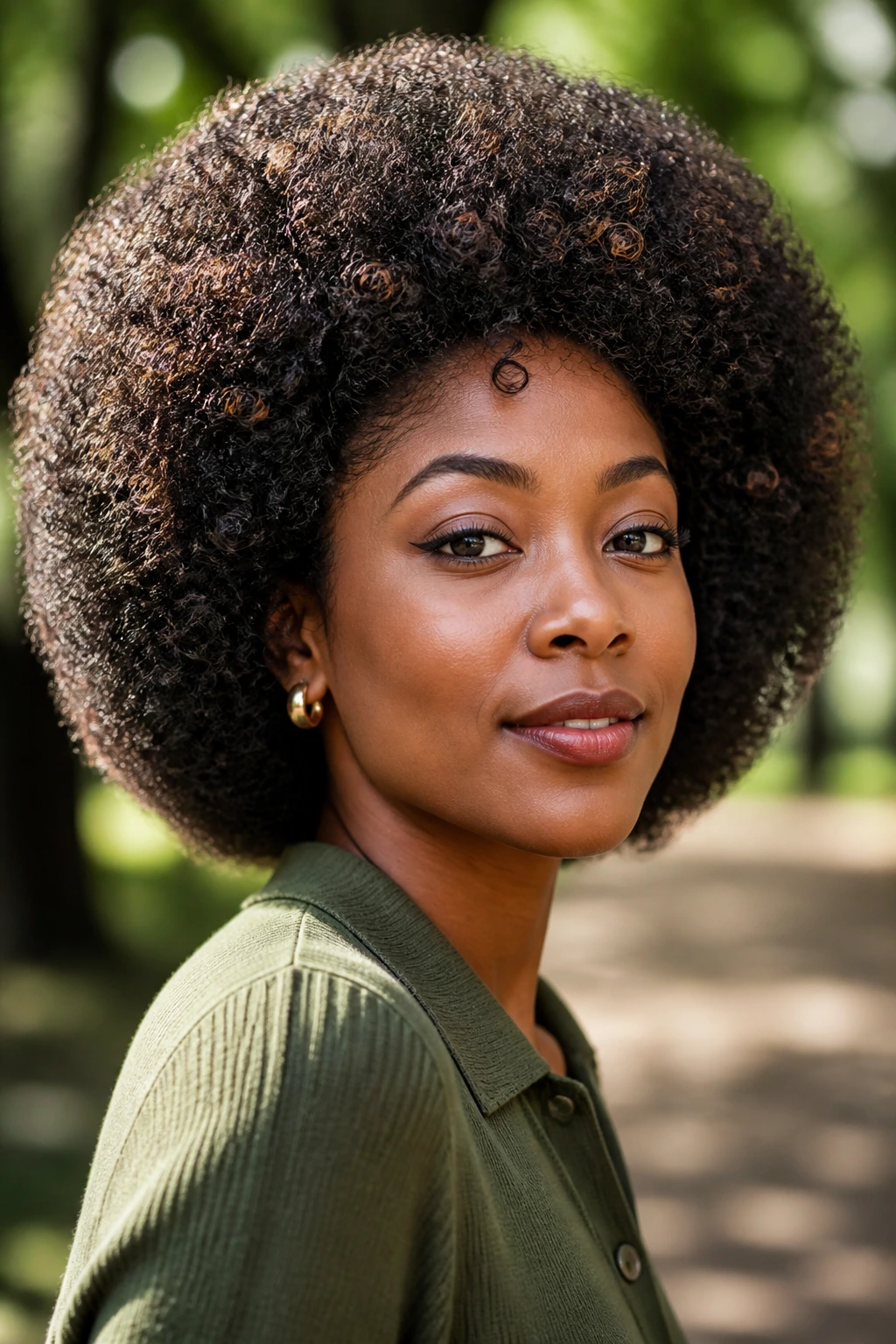
A rounded afro shape thrives on balance. The outline stays spherical or slightly oval, and the layers are used to keep the silhouette even rather than flat on one side and huge on the other. For coily hair, this is often the most flattering answer because it lets the texture be the shape.
The perimeter should be soft, not chopped into sharp corners. Think sculpted, not stiff. A little extra length at the top can keep the crown from collapsing, while the sides are gently balanced so the whole cut reads as intentional. If your hair grows outward fast, this shape keeps the style centered around your head instead of around a blunt edge.
17. A Mini Shag for Short Curly Hair
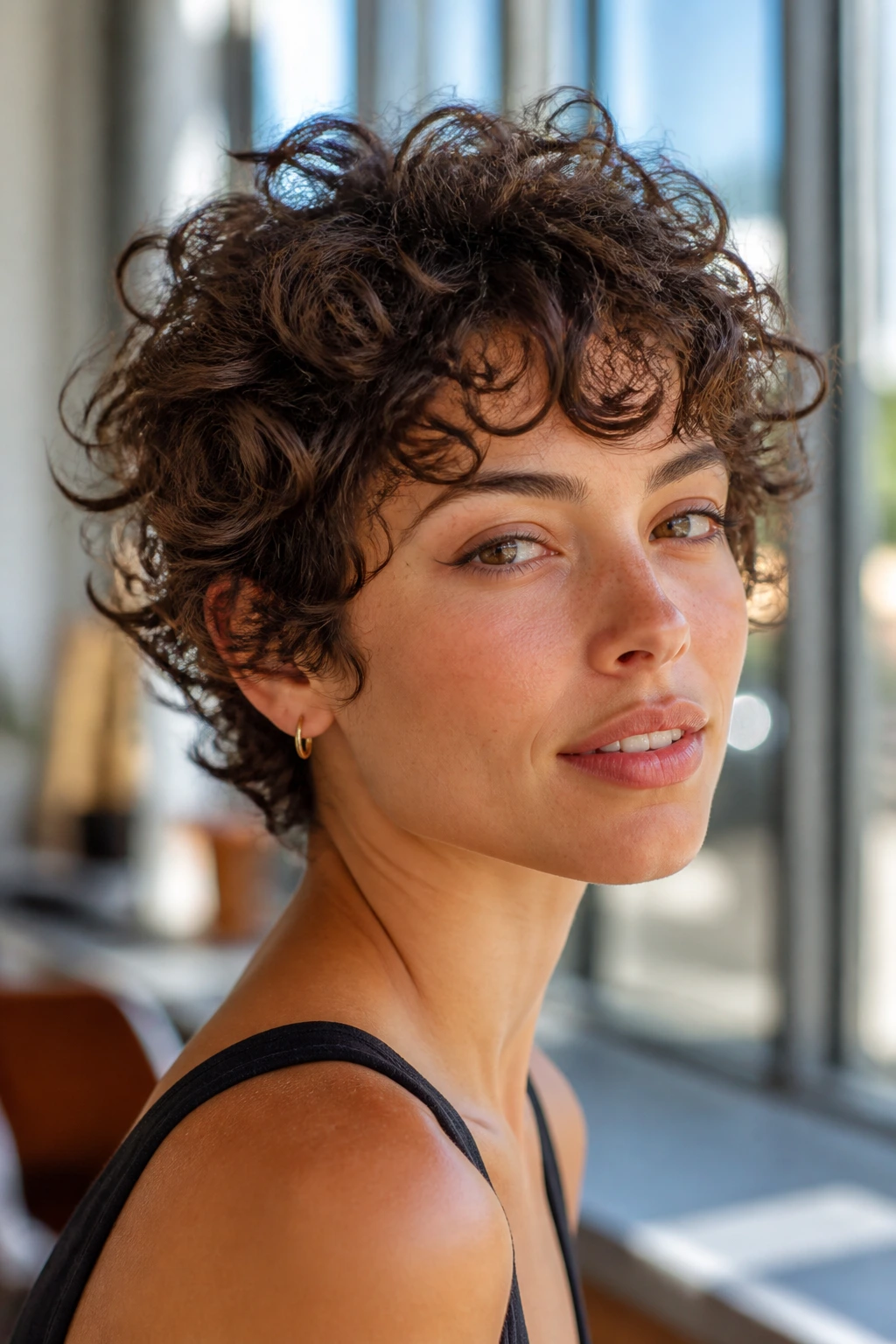
Short curly hair can get boxy fast, and the mini shag solves that by scattering the weight a little. The top gets some airy texture, the sides stay soft, and the neckline doesn’t hang in one hard line. It’s a small cut with a lot of motion.
This is the kind of style that looks better slightly imperfect. If every curl is too controlled, the shag loses its charm. The layers should be short enough to show separation but not so short that the hair frizzes into a halo with no shape. Good short shags depend on a clean neckline and a light hand near the crown.
18. Internal Layers That Move Without Showing Off
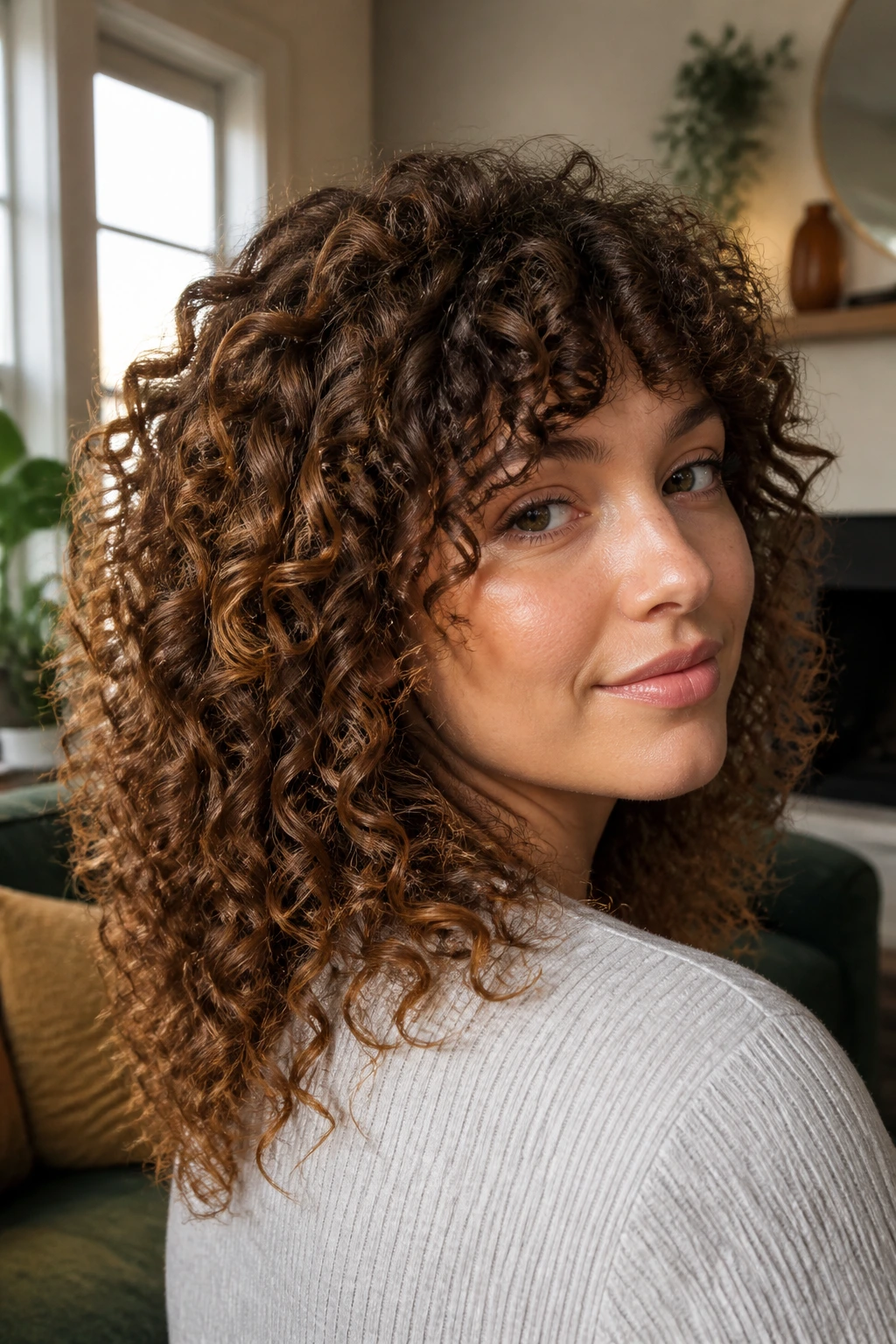
Internal layers are my favorite trick for people who want bounce but hate obvious choppy layers. The outside length stays mostly intact, so the haircut still looks long and smooth when it’s dry. Inside, though, the weight is reduced so the curls can stack more freely.
This works especially well for thick, dense hair that feels heavy at the sides. The cut gives you movement without taking away the feeling of fullness. It’s subtle. Maybe even a little sneaky. But that’s the point. The shape should feel lighter when you move, not necessarily scream “layered” from across the room.
19. The Curly Mullet With a Softer Nape
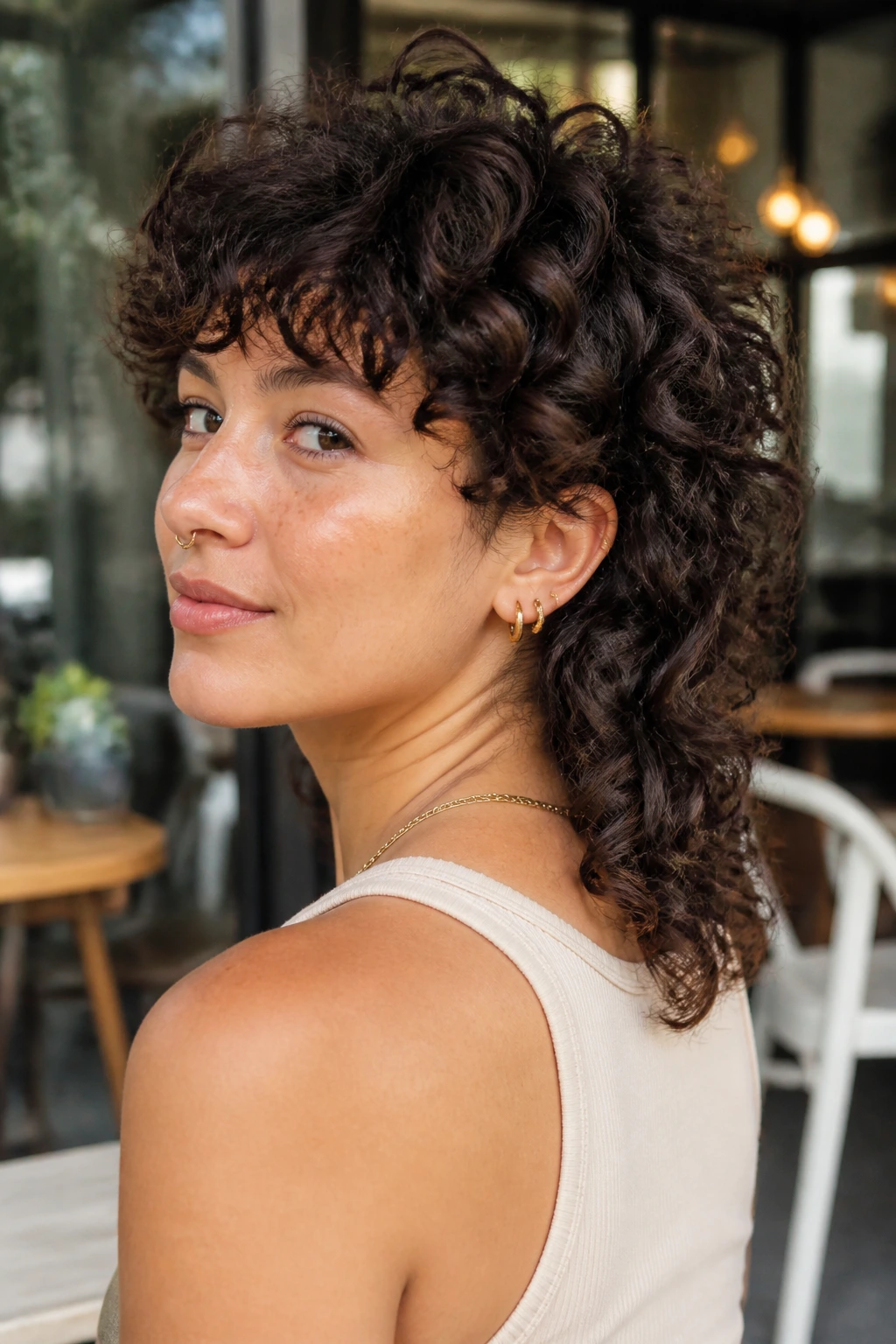
A curly mullet sounds louder than it usually looks. The front and crown stay fuller and shorter, while the back keeps more length through the nape. On curls, that contrast can be surprisingly flattering because it lets the top spring up while the back keeps a little drama.
What makes the cut work is softness. The transition from top to back should be gradual enough that the haircut still feels wearable. If the layers are too abrupt, the shape can read as choppy. But when it’s balanced, the curly mullet gives you movement, edge, and a very nice profile from the side.
20. Long Layers With a Deep Side Sweep
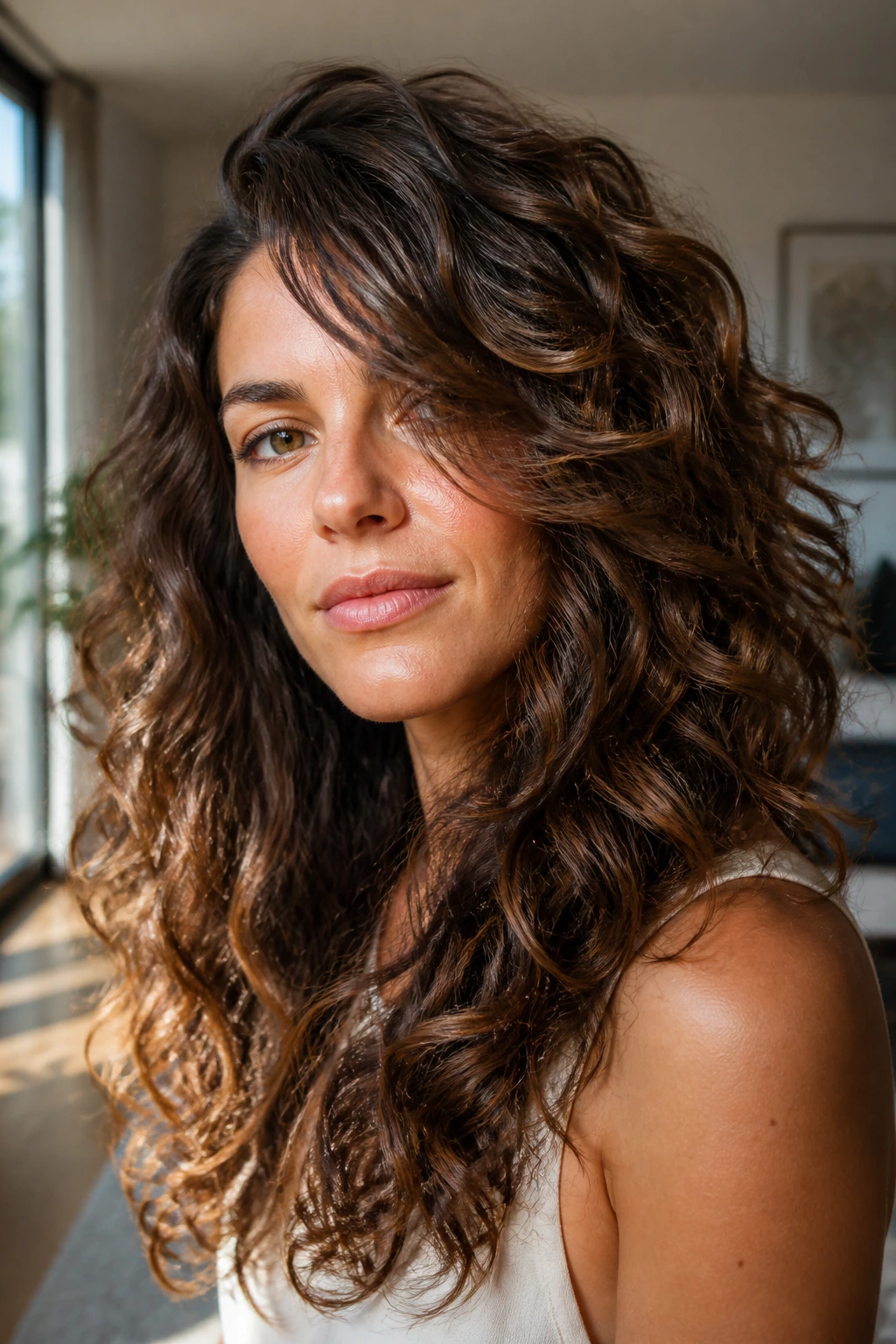
A deep side sweep is one of the easiest ways to give curls a little extra swing without changing the length much. Move the part well off center, let the heavier side carry more volume, and cut the layers so they follow that direction. The whole cut gets a sense of motion even before you touch it with product.
This shape works especially well if one side of your curl pattern is stronger than the other. Instead of fighting the asymmetry, you build the haircut around it. That tends to look more natural than trying to make both sides mirror each other perfectly. Perfect symmetry is overrated anyway. Hair usually has ideas of its own.
21. Face-Framing Layers for Growing Out Bangs
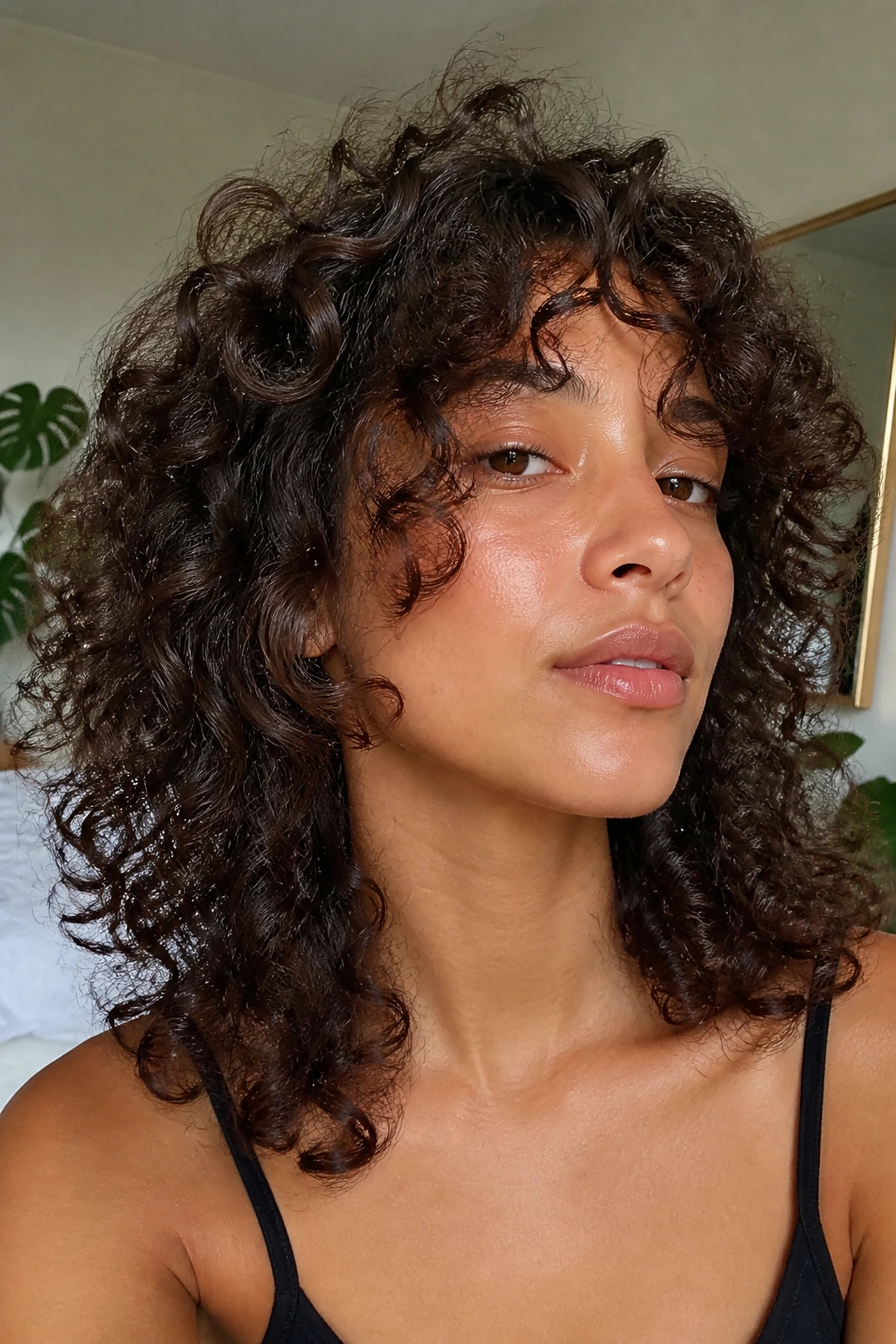
Growing out bangs is a weird little stage, and curly hair makes it even more interesting. Face-framing layers help bridge the gap by pulling attention away from the awkward front pieces and into a shape that still looks deliberate. The curls around the cheekbones soften the transition.
Ask for the shortest face-framing layer to land around the cheekbone or just below it, depending on your curl spring. That keeps the front from puffing straight up into your eyes. The rest of the hair can stay long and soft, which makes the grow-out feel like part of the haircut instead of a waiting room.
22. The Coily Tapered Shape With Sculpted Ends
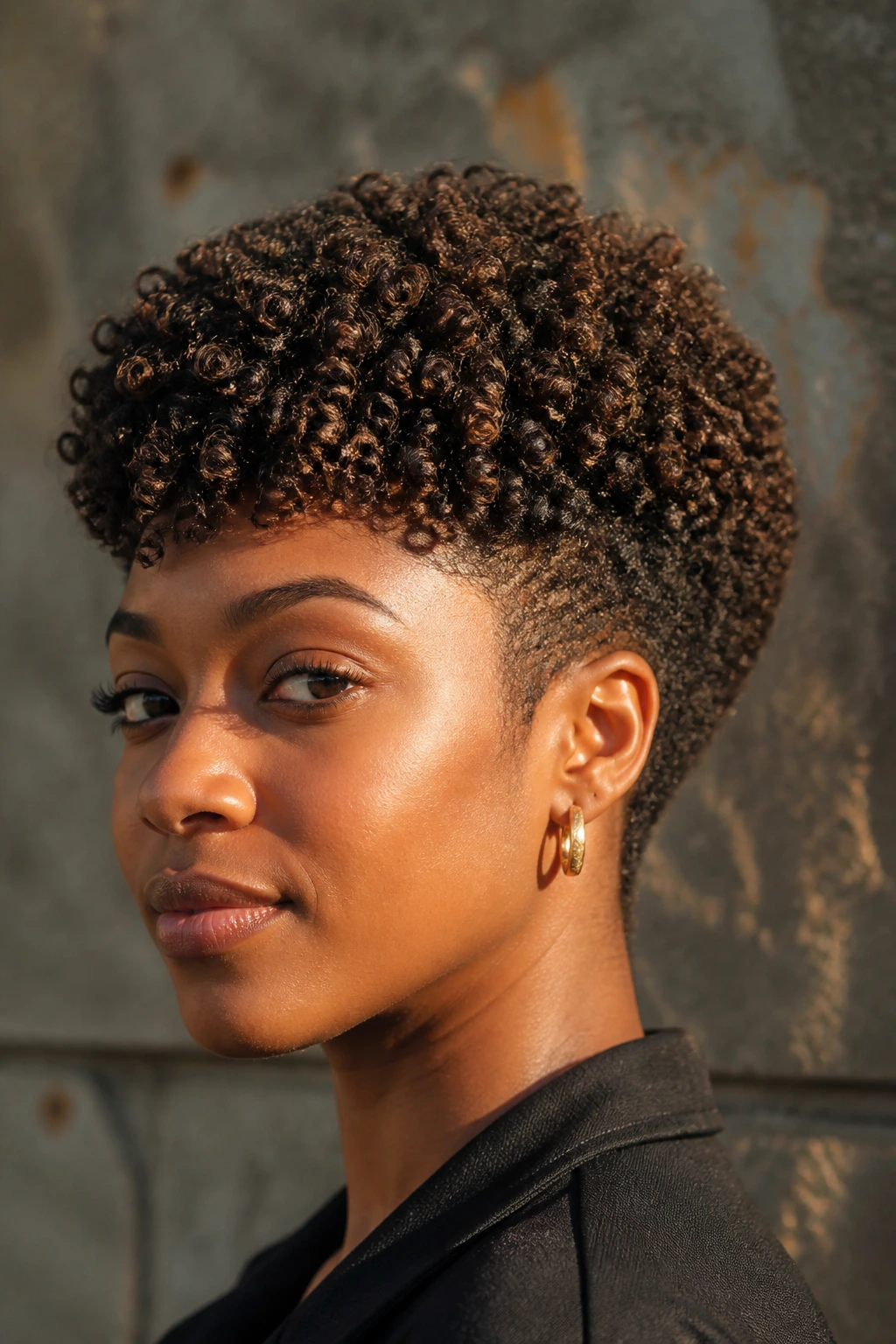
Tapered coily cuts are about control without stiffness. The sides and nape are kept shorter, the top carries more height, and the ends are shaped so the silhouette curves inward instead of sitting square. That inward line is what makes the cut look finished.
This is a strong choice for tighter coils that need definition around the perimeter. The cut can also make the neck look longer, which is one of those details people notice even if they can’t explain why. Ask for the taper to be gradual. A hard step can look abrupt once the curls shrink.
23. A Soft Razorless Layer Cut for Fragile Curls
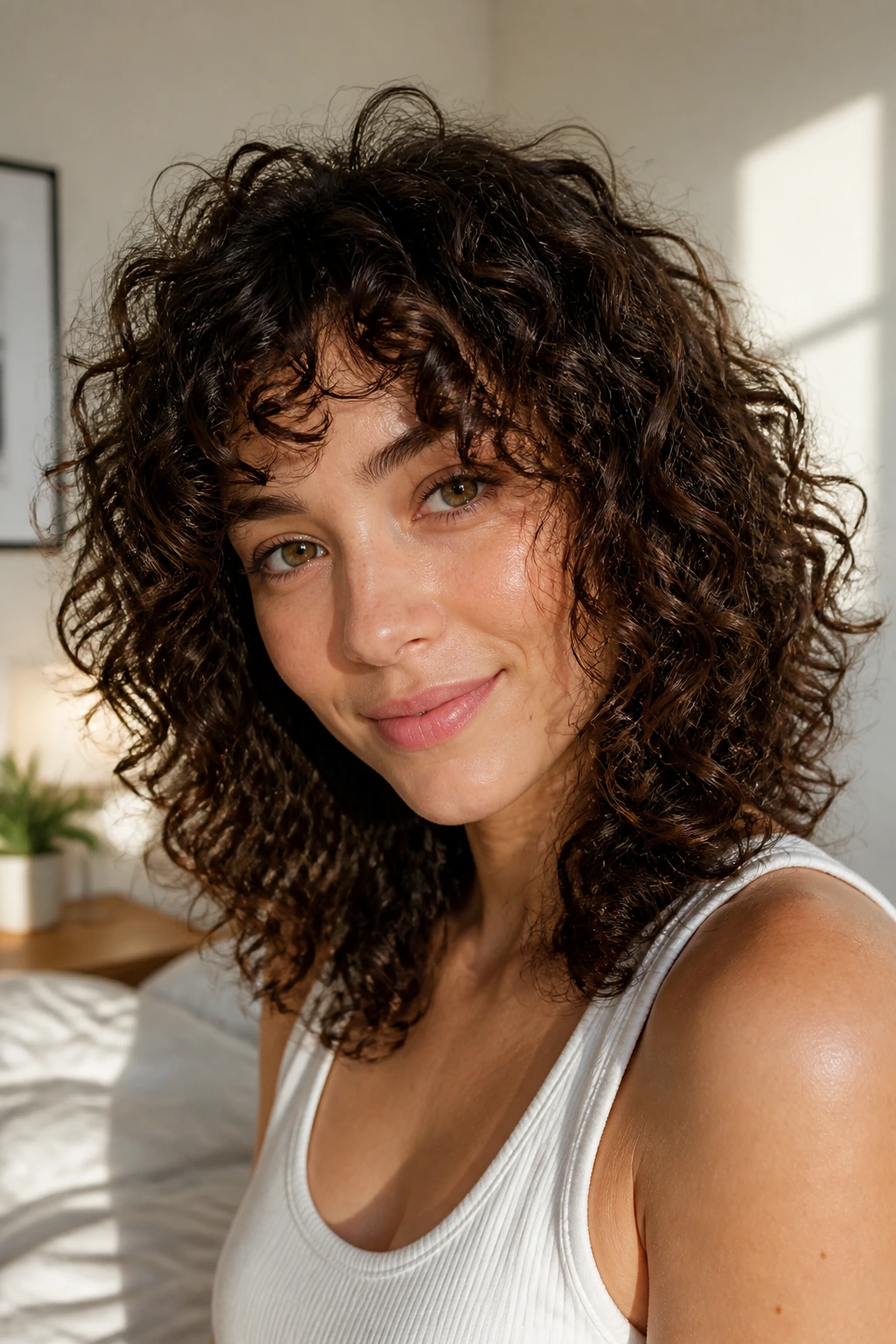
Fragile curls do not need a razor. They need clean scissors and a stylist who understands that cutting too aggressively will leave the ends frayed. A soft razorless layer cut uses gentle sectioning and precise shears to remove weight while keeping the curl ends smooth and healthy-looking.
This approach helps if your hair is color-treated, dry at the ends, or prone to tangling. The layers should be long and controlled, with the perimeter left strong enough to support the shape. I would choose this over a shag if the hair already feels delicate. Sometimes the best curl cut is the one that does less.
24. Volume-Boosting Crown Layers for Flat Roots
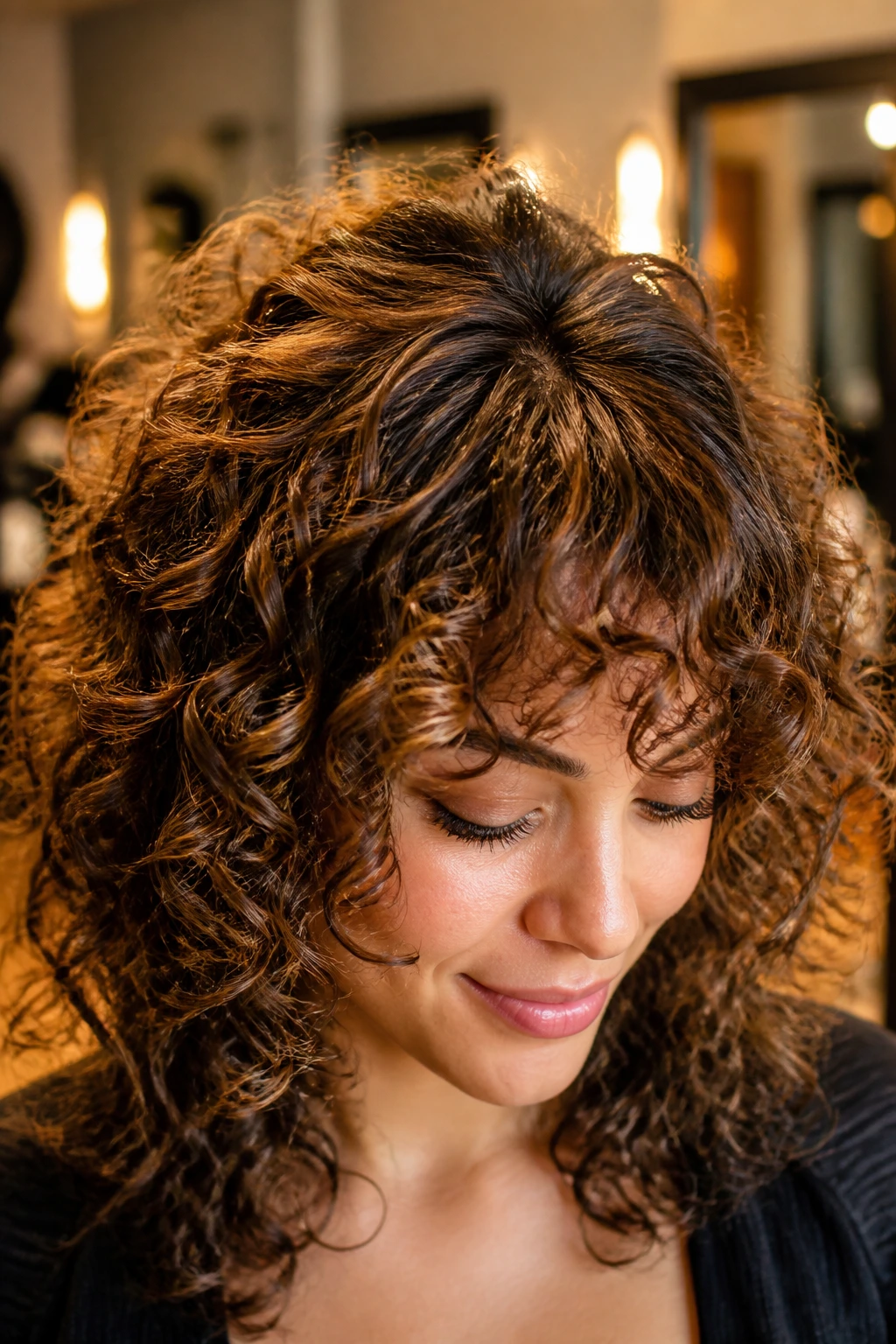
If your curls go flat at the roots and then inflate halfway down, crown layers are the fix. The top gets a little more lift, the sides stay balanced, and the crown no longer sags under its own weight. It’s a smart cut for people who like volume near the scalp but do not want the hair to widen at the jaw.
The important part is restraint. Too many short pieces on top can turn into a frizz cloud. Keep the crown shaping light and let the length around the face stay longer so the haircut doesn’t start all its action in one place. That way the top wakes up, but the outline still feels calm.
25. Low-Maintenance Grow-Out Layers That Keep Their Shape
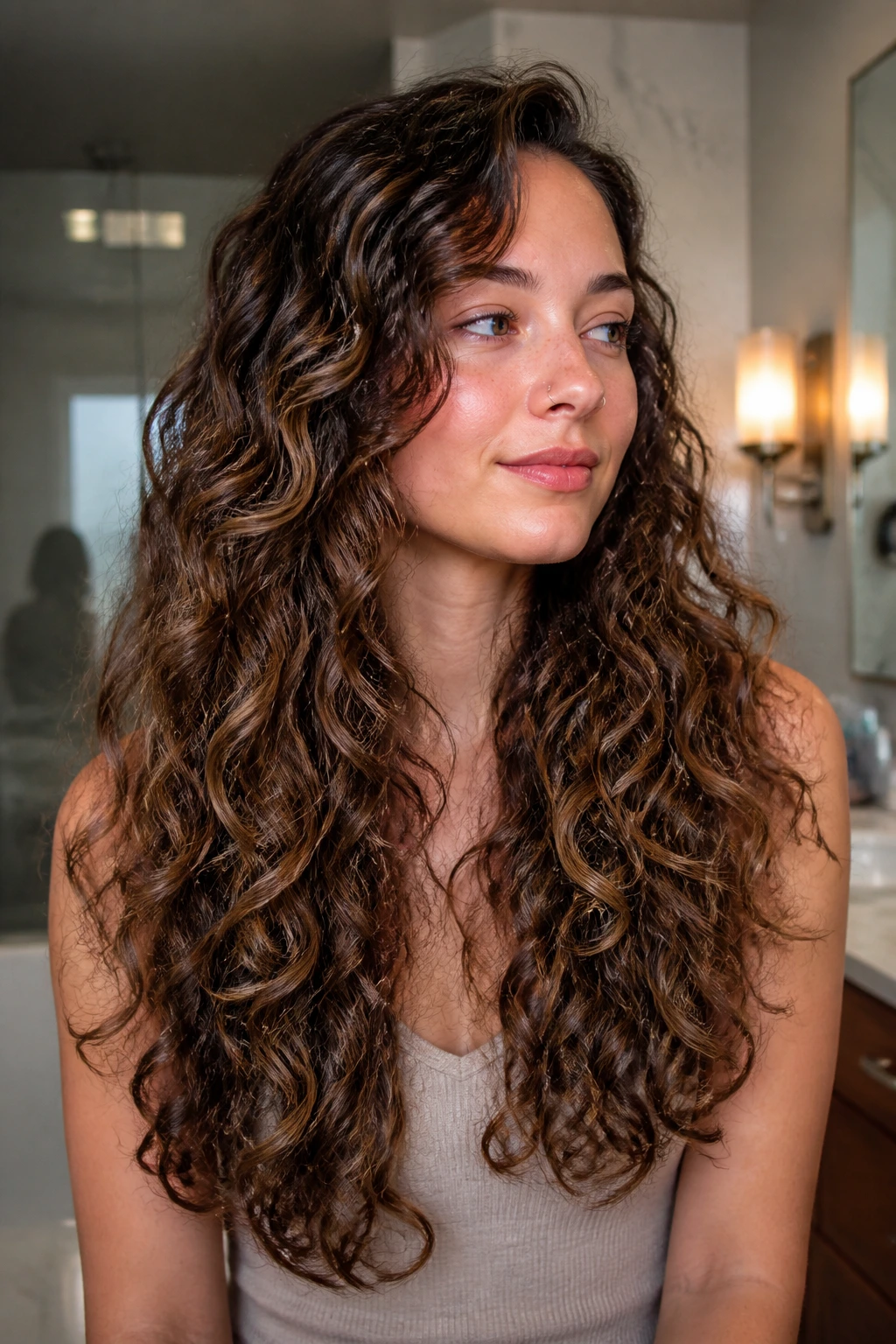
Some haircuts are made for people who will trim every six weeks. Others are made for people who will remember a salon appointment when the shape starts whispering at them. This one is for the second group. The layers are long, the transitions are soft, and the whole cut is built to look decent even when it’s a little grown out.
That means fewer dramatic jumps between lengths and more emphasis on preserving a clean perimeter. It’s a forgiving shape for busy wash schedules, humid weather, and anyone who prefers to keep styling routines short. If you want bounce without babysitting your hair every morning, this is the kind of layered curl cut that keeps paying rent.
What Makes Curly Layers Bounce Instead of Puff Out
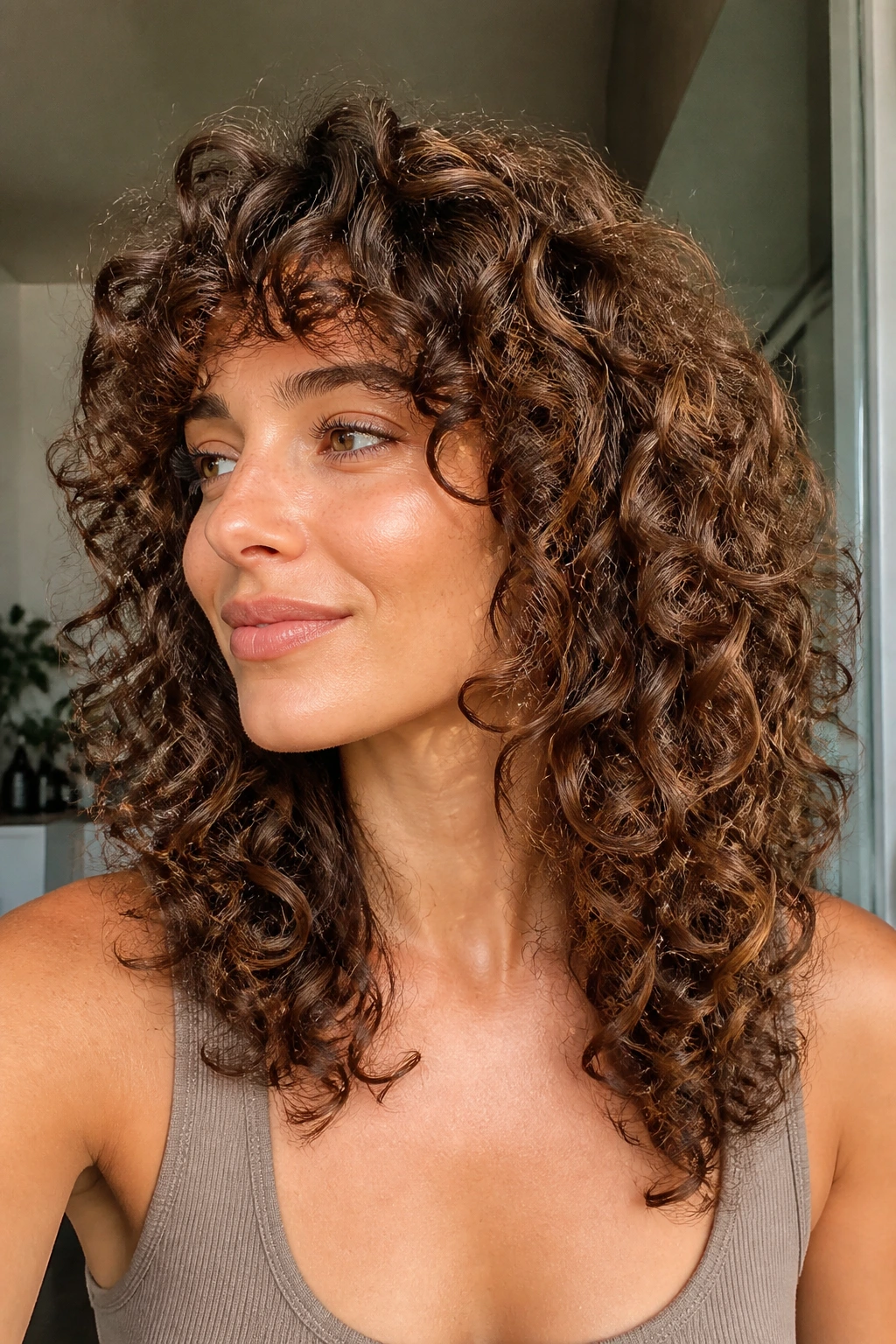
Curly layers work best when they remove weight where the hair is dragging, not where it needs support. That sounds simple. It isn’t. Curly hair does not fall in the same line as straight hair, so a layer placed an inch too high can change the whole silhouette once the curl springs back.
Dry cutting helps because it shows the stylist where each curl wants to land. So does thoughtful sectioning. The real goal is to keep the curls clumping in groups instead of scattering into frizz or ballooning at the sides. If the cut is right, you’ll usually feel it before you even style it. The hair swings easier. It dries with more shape. It stops fighting gravity quite so hard.
The best curly layered haircuts also respect density. Fine curls need light layers that do not strip the body away. Thick curls often need internal weight removal so the top stops overpowering the bottom. Coily hair usually needs sculpted roundness, not a pile of disconnected short pieces. Different curl families. Different answers.
Essential Equipment for Styling Curly Layers
-
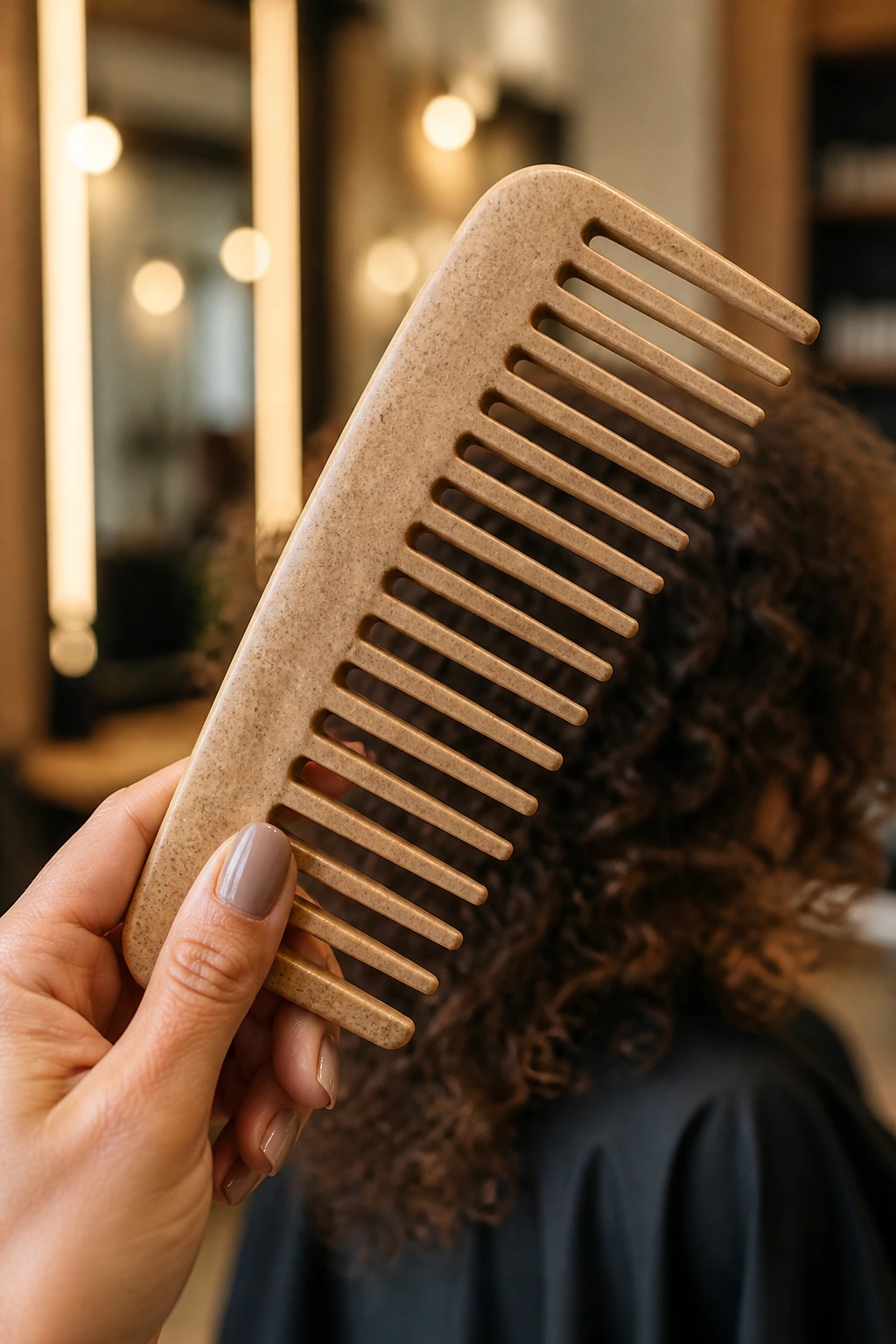
Wide-tooth comb: Good for detangling in the shower without dragging curls apart.
-
Sectioning clips: Keep curls organized while you apply products or diffuse in parts.
-
Microfiber towel or cotton T-shirt: Helps squeeze out water without roughing up the cuticle.
-
Spray bottle with water: Handy for refreshing one side that dried faster than the other.
-
Curl cream or leave-in conditioner: Adds slip and keeps the layers from looking dry at the ends.
-
Gel or mousse: Gives the haircut hold so the bounce lasts past the first hour.
-
Diffuser attachment: Useful for lifting the crown and setting layered curls with less frizz.
-
Sharp salon shears: Essential if you trim your own fringe or ends; kitchen scissors chew the hair.
-
Hand mirror: Lets you check the back of a layered shape without guessing.
-
Satin pillowcase or bonnet: Keeps the cut from getting smashed while you sleep.
How to Choose the Right Cut Photo and the Right Products
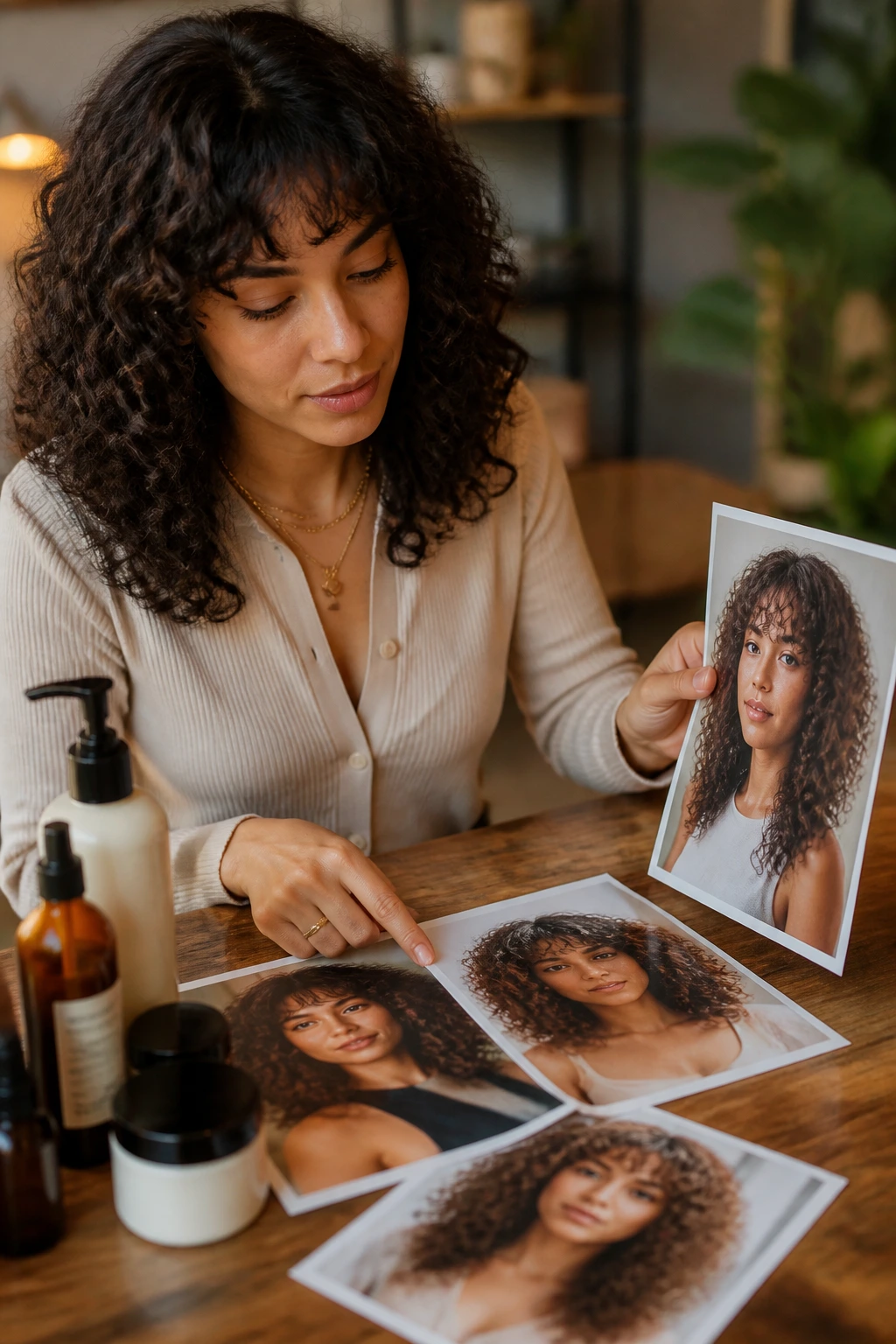
A good curly haircut starts before the scissors come out. The best reference photos are of hair with the same density, curl family, and length goals as yours. A loose spiral bob on someone with soft 2C hair will not behave like that on dense 3B curls, no matter how hard you wish it would.
Bring photos that show the shape from the front, side, and back. One angle is not enough. A stylist can read a lot from that trio: where the volume sits, how much length is left in the nape, and whether the face-framing pieces are doing real work or just hanging there. If you wear your part on the side and love that look, say so. That detail changes the whole cut.
Product shopping matters too. Fine curls usually do better with a light mousse or thin gel, while thick curls often need a richer cream underneath a stronger hold product. If your hair feels dry but frizzes the second you step outside, you need more moisture plus hold, not more oil slapped on top. Oils can help seal the ends. They are not a styling plan.
How to Wear Curly Layers Without Losing the Shape
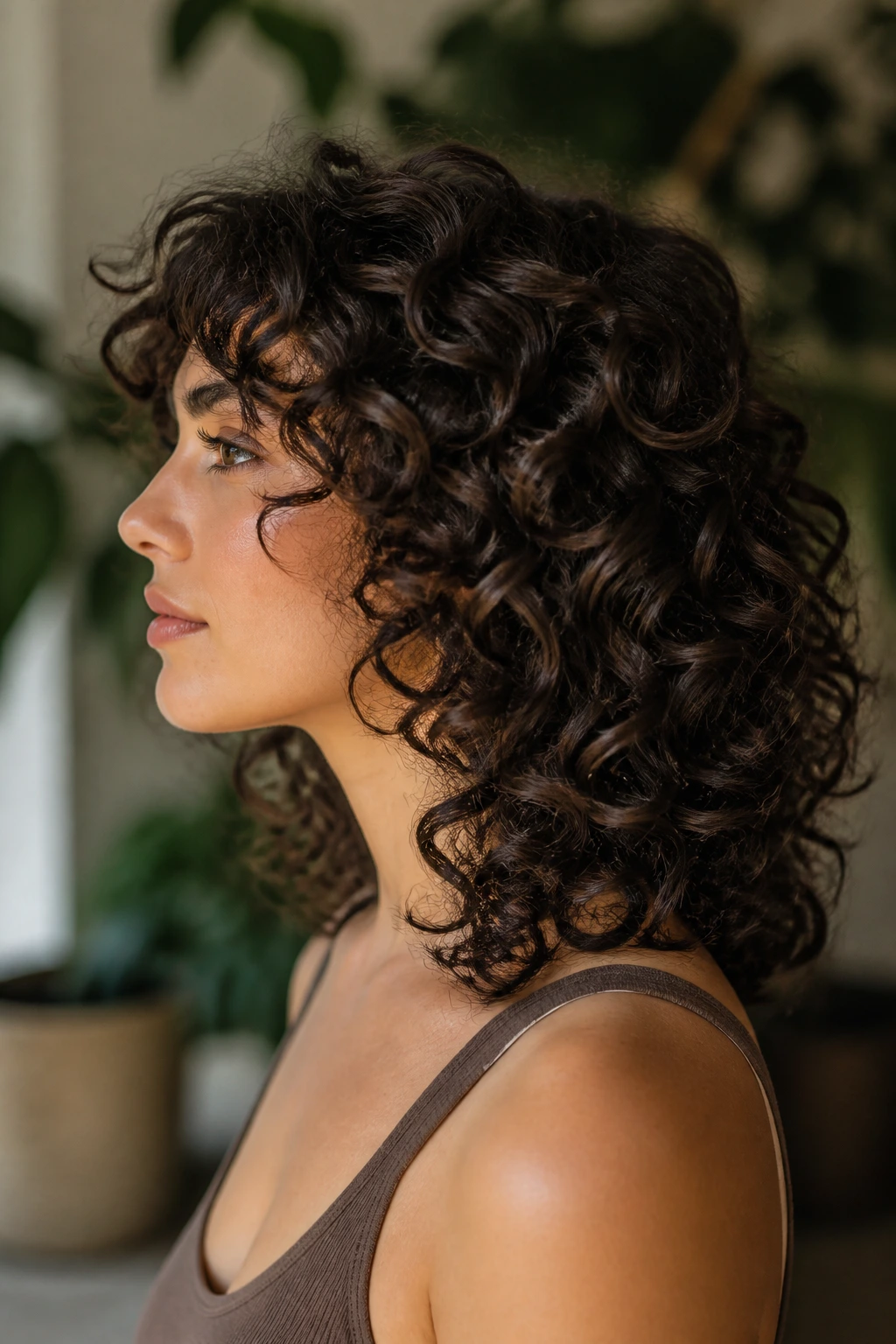
Shape: Let the haircut set the silhouette first. A rounded bob wants the curls to pile a little higher; a long U-shape wants the curls to fall in a softer line. If you keep forcing every style into the same part and the same scrunch, you flatten the point of the cut.
Styling Pairings: Clip the roots if you want extra lift near the crown, or pin the front sections back when you want the face-framing layers to stay out of your eyes. Headbands, scarves, and claw clips all work, but the best ones are the ones that sit without crushing the top layers.
Length Balance: Shorter curly cuts usually look strongest when the neckline is clean and the front pieces are slightly longer. Longer cuts look better when the layers are subtle enough to preserve that curtain of length. Too much styling on a long cut can make it look overworked.
Finish: A soft cast from gel, then a gentle scrunch-out, gives the bounce room to hold. If you like a fluffier finish, stop before the cast fully hardens. If you like definition, leave it alone a little longer. Hair has a preferred mood. It helps to listen.
Small Styling Moves That Make Curly Layers Behave
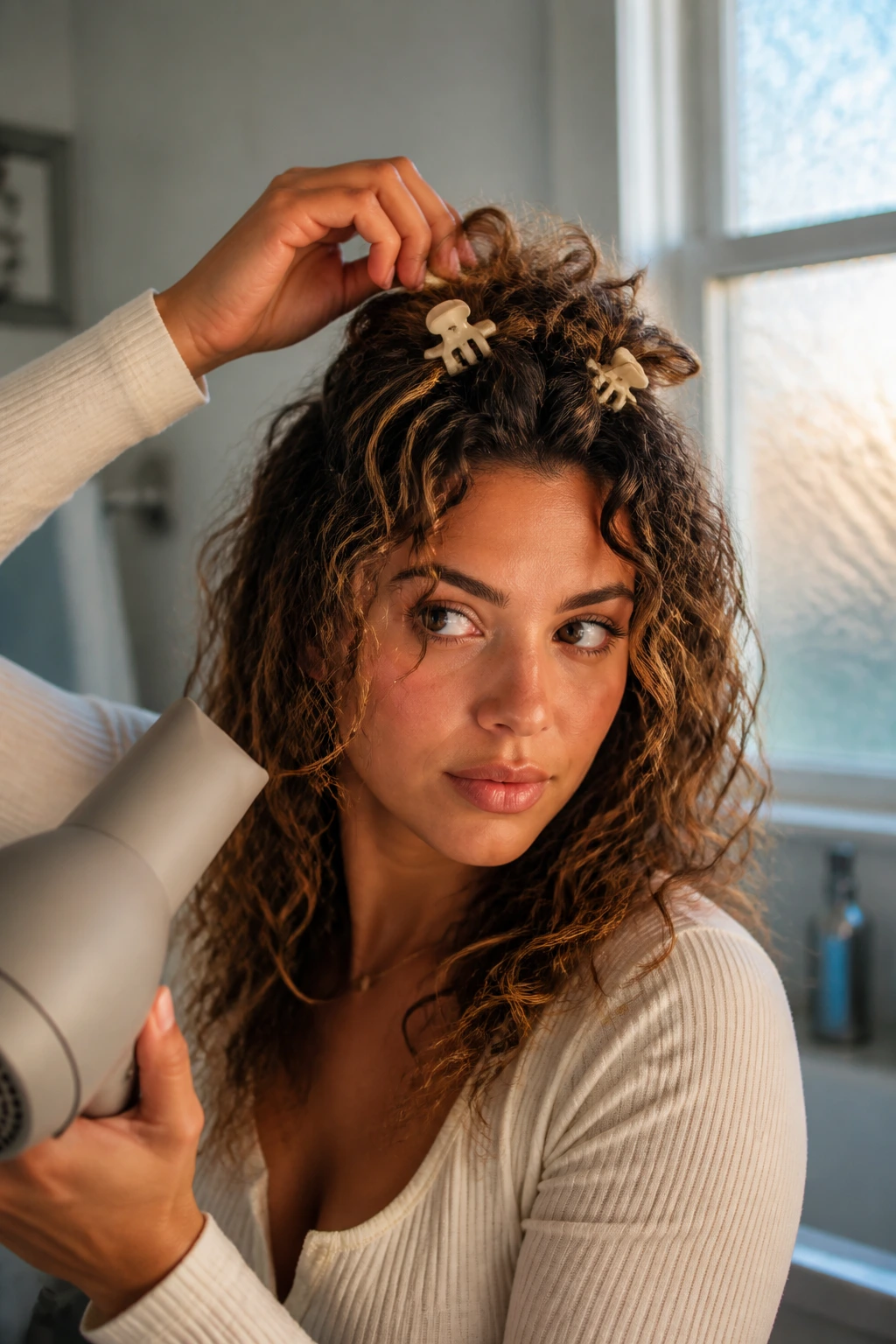
Root Lift: Clip the crown while the hair is drying if the top tends to collapse. Two or three small clips at the roots for 10 to 15 minutes can change the whole profile.
Definition: Apply product in sections, not all at once in a big lump. Curly layers separate better when each panel gets even coverage from roots to ends.
Drying: Diffuse on low heat and low speed if you want the layers to keep their shape. High heat can blast the curl pattern apart before it sets.
Refresh: Mist the flattened side with water, add a pea-sized amount of leave-in or gel, then scrunch. You do not need to rewash just because one side went flat.
Make-It-Yours: If you like softer volume, finger-coil only the front pieces. If you want more movement, rake the product through loosely and let the curl clumps form on their own.
Common Mistakes That Flatten Curly Layers
-
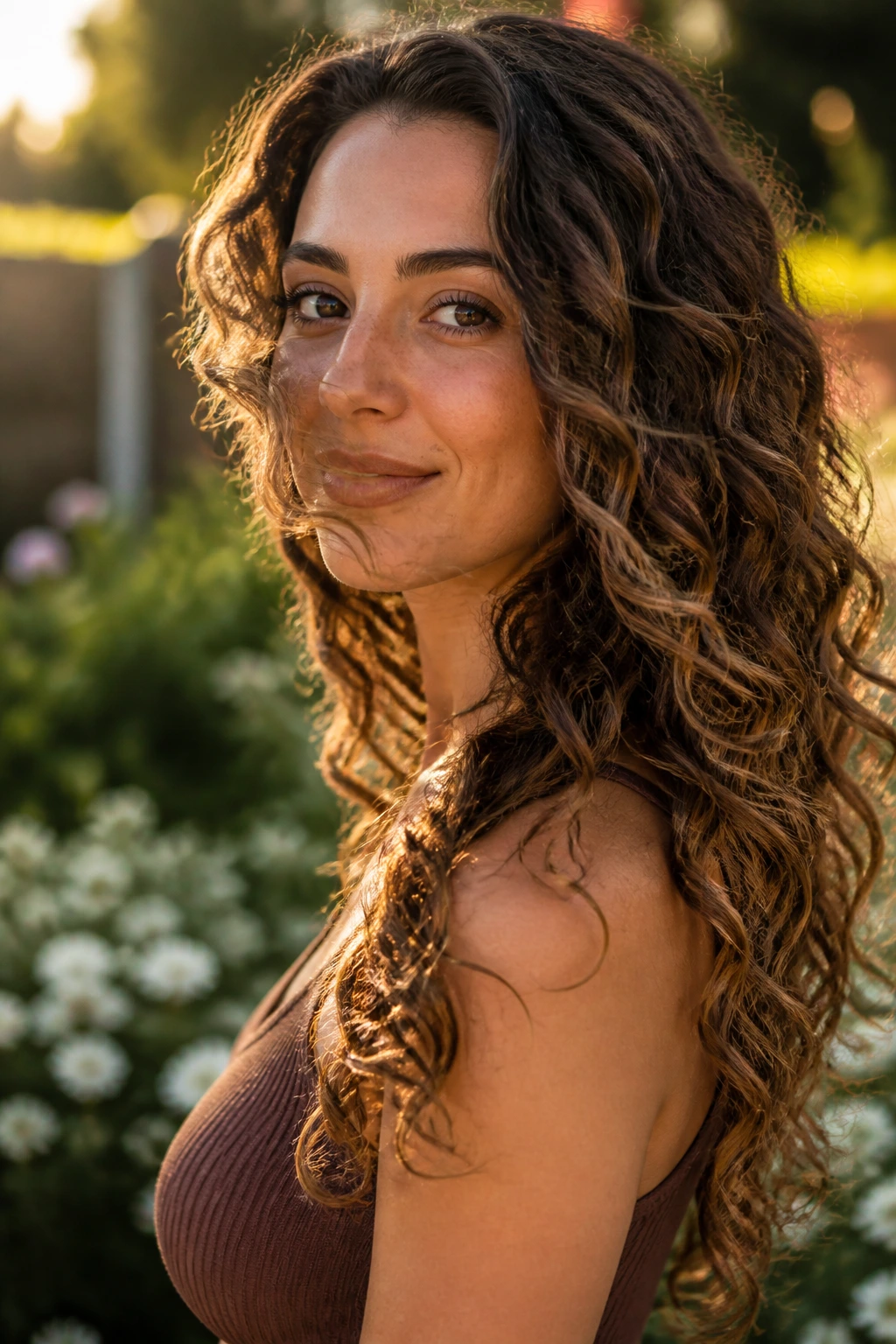
Cutting from the wrong reference photo: A screenshot of blown-out waves can trick you into asking for layers that are too short once your real curls shrink. Bring photos of natural texture, not heat-styled hair.
-
Taking too much off the crown: The symptom is a puffed top and a thin-looking bottom. The fix is simple: keep crown layers light unless your hair is very dense and can carry the lift.
-
Over-thinning the ends: You’ll see stringy pieces and a frizzy hemline. Ask for internal weight removal or point cutting instead of aggressive texturizing.
-
Ignoring density: Fine curls and dense curls need different layer placement. A cut that is perfect for one can be wrong for the other.
-
Treating every wash like a reset button: Curls need refresh work, not constant rewashing. Overwashing can make the layers dry out and lose spring.
-
Cutting wet without accounting for shrinkage: If your curls shrink 30 to 50 percent, the finished shape can land much higher than expected. That is where a dry-cut or a curl-aware stylist saves you from regret.
Named Variations Worth Trying
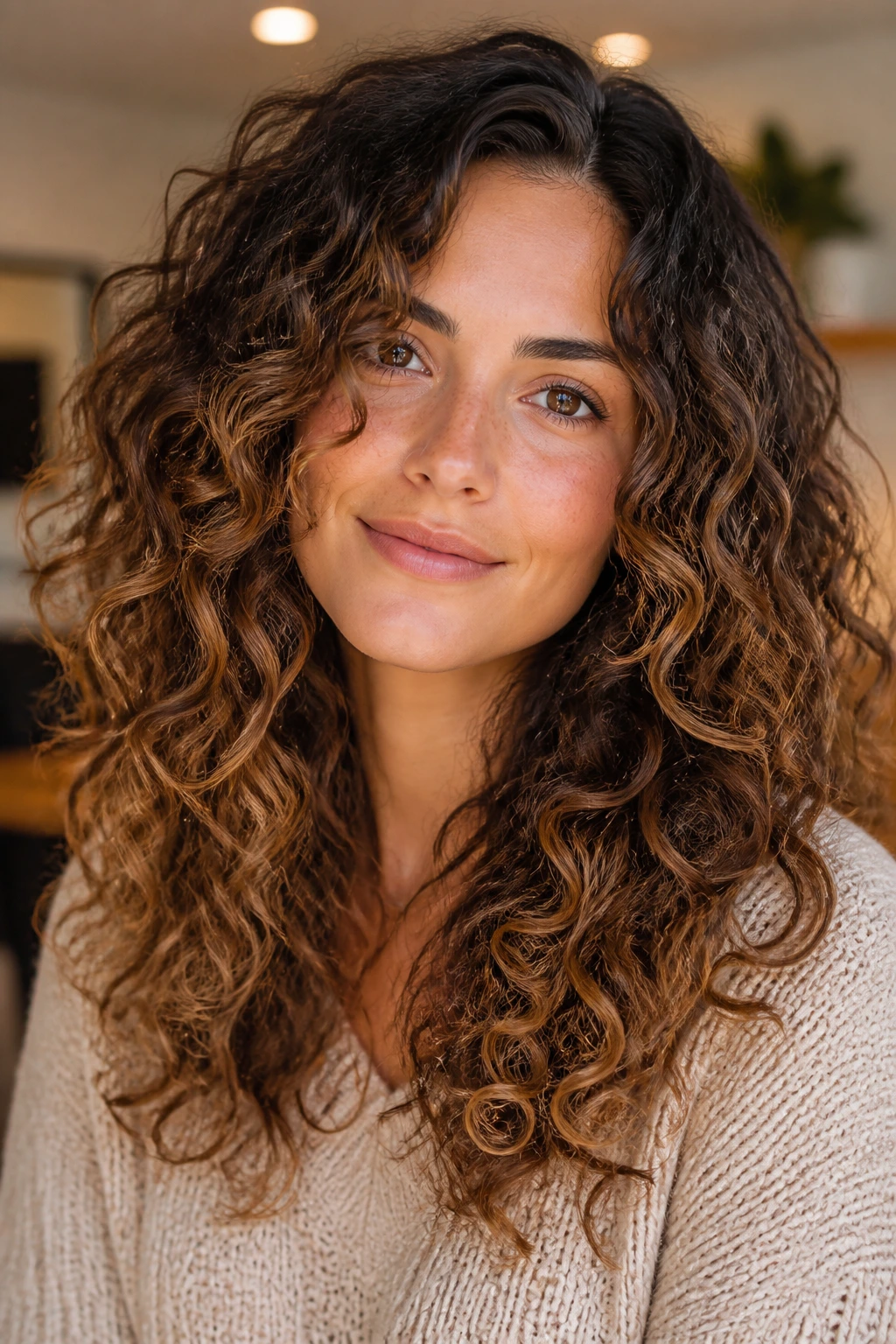
The Soft Grow-Out Shape: Keep the layers long and the transitions gradual. This version is for anyone who hates obvious regrowth lines and wants the cut to stay decent for months.
The Big-Volume Crown Cut: Shorten the top a little more and keep the sides controlled. Dense curls wear this well when the goal is lift, not length.
The Fringe-First Version: Start with a curly fringe and keep the rest of the layers modest. It gives the haircut personality without forcing a drastic length change.
The Clean Round Shape: Aim for a rounded outline with almost no obvious choppiness. This suits coily hair or anyone who wants polish instead of shag.
The Edge-Forward Version: Add a mullet, wolf, or shag influence through the crown and nape. It’s the bolder choice, and it looks best when the texture is strong enough to hold the shape.
Keeping Curly Layers in Shape Between Salon Visits
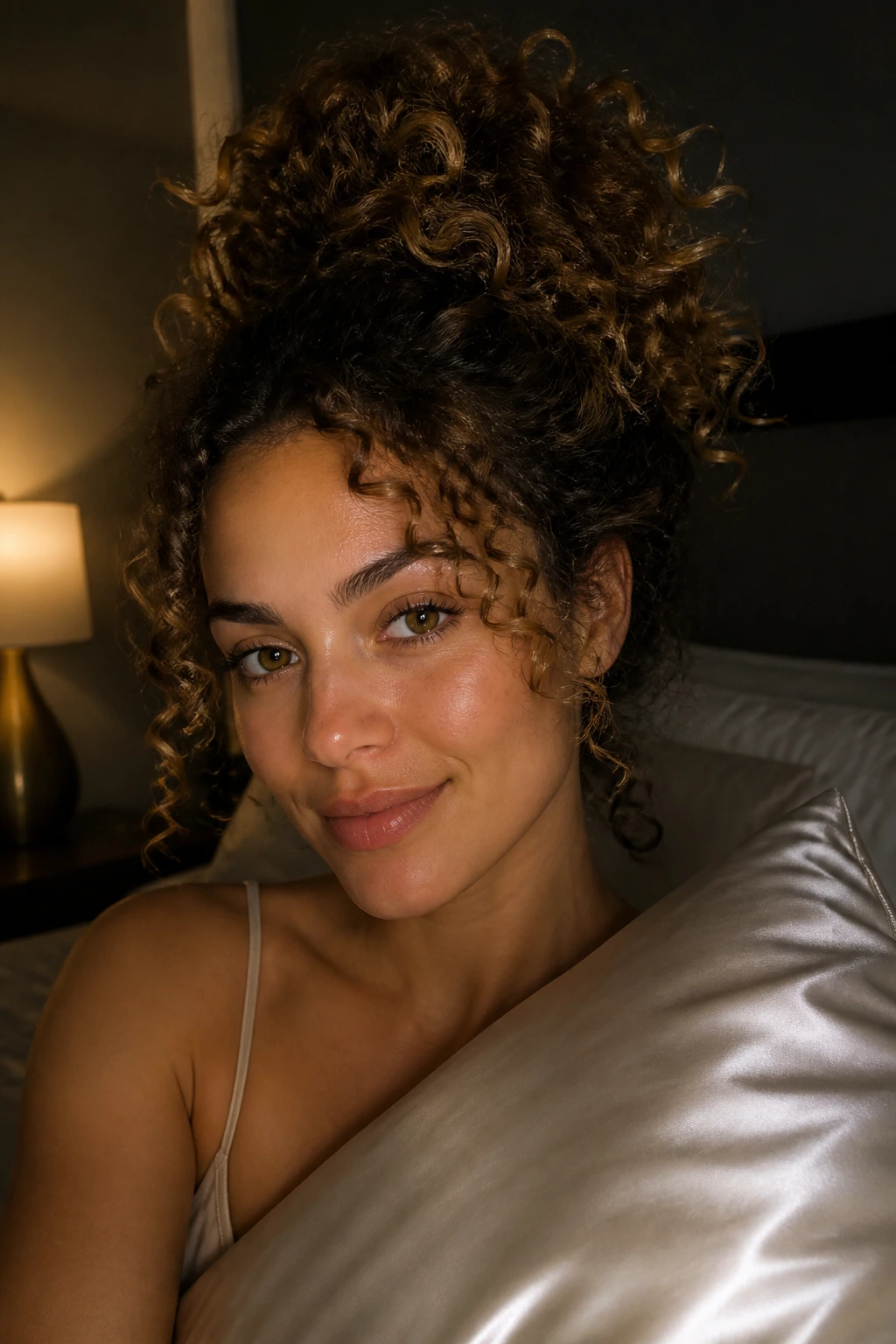
Curly layers usually hold their best shape for about 8 to 12 weeks before the outline starts to drift, though tighter curls can sometimes stretch that a bit. If the front pieces keep falling into your mouth, or the crown stops sitting where it used to, the cut is telling you it wants a trim.
At night, a satin pillowcase or bonnet is not optional if you care about the shape. Pineapple the curls loosely on top of your head so the layers do not get crushed under your neck. A tight elastic can leave dents right where the curl pattern is trying to stay smooth. Bad trade.
For refresh days, use a mist bottle, a small amount of leave-in, and a diffuser on low heat if the roots need help waking up. If the ends start looking dry, work in a pea-sized amount of cream and stop there. Heavy products can weigh layered curls down fast. Clarify every couple of weeks if you use a lot of gel, especially on fine hair.
Frequently Asked Questions About Curly Layered Haircuts

Are layers good for curly hair, or do they cause frizz?
Layers can help curly hair look less bulky and more defined, but only when they’re placed with the curl pattern in mind. Bad layers cause frizz because the hair loses its clumps. Good layers leave the curl groups intact and move weight where the haircut needs it.
Should curly hair be cut wet or dry?
Dry cutting usually gives the most accurate shape because you can see shrinkage and curl direction in real time. Wet cutting still works for some stylists, especially when they know how your pattern behaves, but it takes more experience to predict the final length.
Which curly layered haircut works best for fine curls?
Fine curls usually do best with collarbone layers, side-parted shapes, or long internal layering. These keep the hair from looking stripped bare while still creating lift at the crown and around the face.
What if my hair is very thick and I hate the triangle shape?
Go for rounded layers, halo shaping, or internal weight removal. Those techniques reduce width through the sides and bottom without leaving the ends stringy. The goal is movement, not hollowing out the haircut.
Can I keep my length and still get layers?
Yes. Long U-shapes, V-cuts, and waterfall layers all preserve length while easing bulk. Just make sure the shortest pieces are not so short that they vanish into shrinkage.
How often should curly layered hair be trimmed?
Most curly cuts need a shape-up every 8 to 14 weeks, depending on how fast the curl expands and how much definition you want to keep. Shorter cuts usually need more frequent trims than long layered ones.
What if I already got a bad layered cut?
Do not panic and do not keep cutting at home in a spiral of hope. Ask for a corrective shape that works with what’s there: usually a rounded outline, softer face-framing, or a little more internal blending. Curly hair can hide a surprising amount once the shape is balanced.
The Shape That Keeps Moving

The best curly layered haircuts do something most cuts never manage: they make the hair look more alive without making it look fussed over. The curls still do the work, but the layers give them a better path to follow. That is why the right cut can save you from a morning of tugging, rewetting, and staring at one side in the mirror while muttering at it.
Pick the shape that matches your density, your curl family, and your tolerance for upkeep. A soft waterfall cut is not trying to be a shag, and a rounded afro does not need to impersonate a bob. Each one works because the layers respect the curl instead of fighting it.
If the cut is right, the bounce shows up before the styling does. That is the whole point.
