



Some highlights look painted on with a ruler. Others move. The difference is usually smaller than people think: a few extra foils at the part, a softer toner, or a root melt that keeps the scalp area from flashing bright. These highlights ideas for soft dimensional brightness focus on the second kind — hair that looks lit from inside instead of striped across the surface.
The look is especially good when you want color that shows in a braid, a ponytail, or a sharp side part without shouting from across the room. I still think the most flattering highlights are the ones you notice in motion. A cheekbone catches a pale ribbon. The ends turn a shade lighter when the hair swings. Then the whole head reads richer, not louder.
That softness comes from placement and tone, not from playing it safe. A fine babylight can do more for fine hair than a big blonde panel. A lowlight tucked beside a warm caramel ribbon can make medium brown hair look denser. The trick is knowing which brightening pattern gives you movement, and which one just gives you streaks. The ideas below break that down from subtle to slightly bolder.
Why This Set of Highlights Feels Soft Instead of Stripey
-
Fine placement matters: Tiny weaves and painted ribbons blur into the base color, so the eye reads shimmer first and streaks second.
-
Tone does half the work: Beige, caramel, mushroom, pearl, and honey tones create brightness without the hard edge that makes hair look chunkier.
-
Dimension makes hair look fuller: Light pieces set beside deeper strands create the illusion of thickness, especially on fine or medium hair.
-
Grow-out stays calmer: Root smudges, shadow roots, and balayage placement keep regrowth from drawing a line across the head every few weeks.
-
The color moves with the cut: These ideas look best when hair bends, layers flip, or a ponytail shifts the lighter pieces into view.
1. Feather-Fine Babylights Along the Part
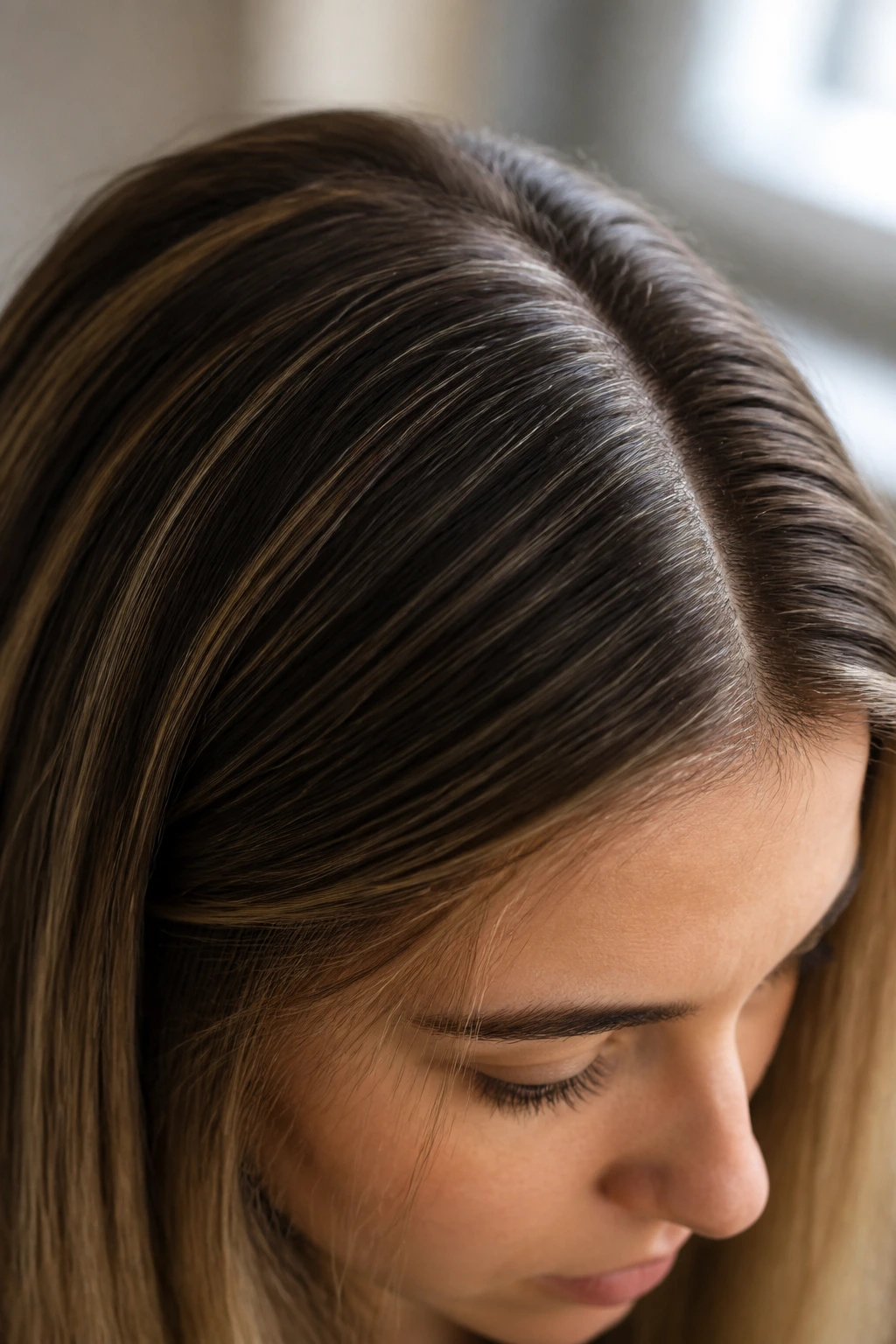
The first look is the quietest one in the bunch, and I mean that in the best way. Feather-fine babylights threaded along the part and crown give the hair a soft glimmer that shows when the light hits it, not when someone stands ten feet away. On fine hair, this is often the smartest place to start because it adds brightness without making the top layer look busy.
Why It Works
Babylights are tiny, almost threadlike highlight sections. That size matters. The smaller the weave, the softer the line between the lightened strand and the natural base.
Best on: fine to medium hair, straight styles, and anyone who parts their hair in the same spot most days.
What to ask for: soft, ultra-fine foils only through the part line, with a gentle gloss that stays close to your natural tone.
One thing I like here: the color looks more expensive when it’s concentrated where the eye lands first, instead of scattered everywhere.
A little brightness at the crown can change the whole haircut. It makes layers seem cleaner and gives a flat blowout a touch of lift. If you want something subtle enough to wear to work without comments but visible enough to keep you from feeling dark at the roots, this is the one.
2. A Root-Melt Money Piece Around the Face
A bright face frame with a soft root melt is the kind of color that does the talking for you. The front pieces catch the eye first, then the shadowed root keeps the look from turning harsh. It’s a strong move, but not a loud one. That’s the sweet spot.
The reason this works so well is contrast control. You can take the front pieces two or three levels lighter than the base, then melt the color down so the transition disappears around the temple and cheekbone area. The result is light where people look, depth where the hair grows, and a grow-out that doesn’t feel like a mistake after six weeks.
This is the one I reach for when someone wants a visible change without giving up brunette depth everywhere else. It suits shoulder-length cuts, long layers, and curtain bangs especially well. If your ends are already lighter, the front pieces can help the whole style look intentional instead of faded.
3. Ribbon Highlights in Loose Waves
Ribbon highlights are exactly what they sound like: wider, fluid pieces that sit in soft curves through the hair. They look especially good when the hair is waved or air-dried with a bend, because the lighter strands appear and disappear as the shape changes. Straight hair can wear them too, but the magic shows up faster in texture.
How to Wear It
Loose waves give ribbon highlights a little movement, so the color isn’t trapped in one flat view. I’d ask for medium-width ribbons through the mid-lengths and ends, with a few finer pieces near the face so the placement doesn’t feel heavy.
This style has a small advantage that gets overlooked: it can make layered cuts look thicker. The eye follows the alternating bands of light and depth, and that creates depth even when the actual haircut is simple.
If you like hair that looks done without looking polished to death, this is a good lane. It’s softer than chunky streaks and less precious than a full blonde transformation.
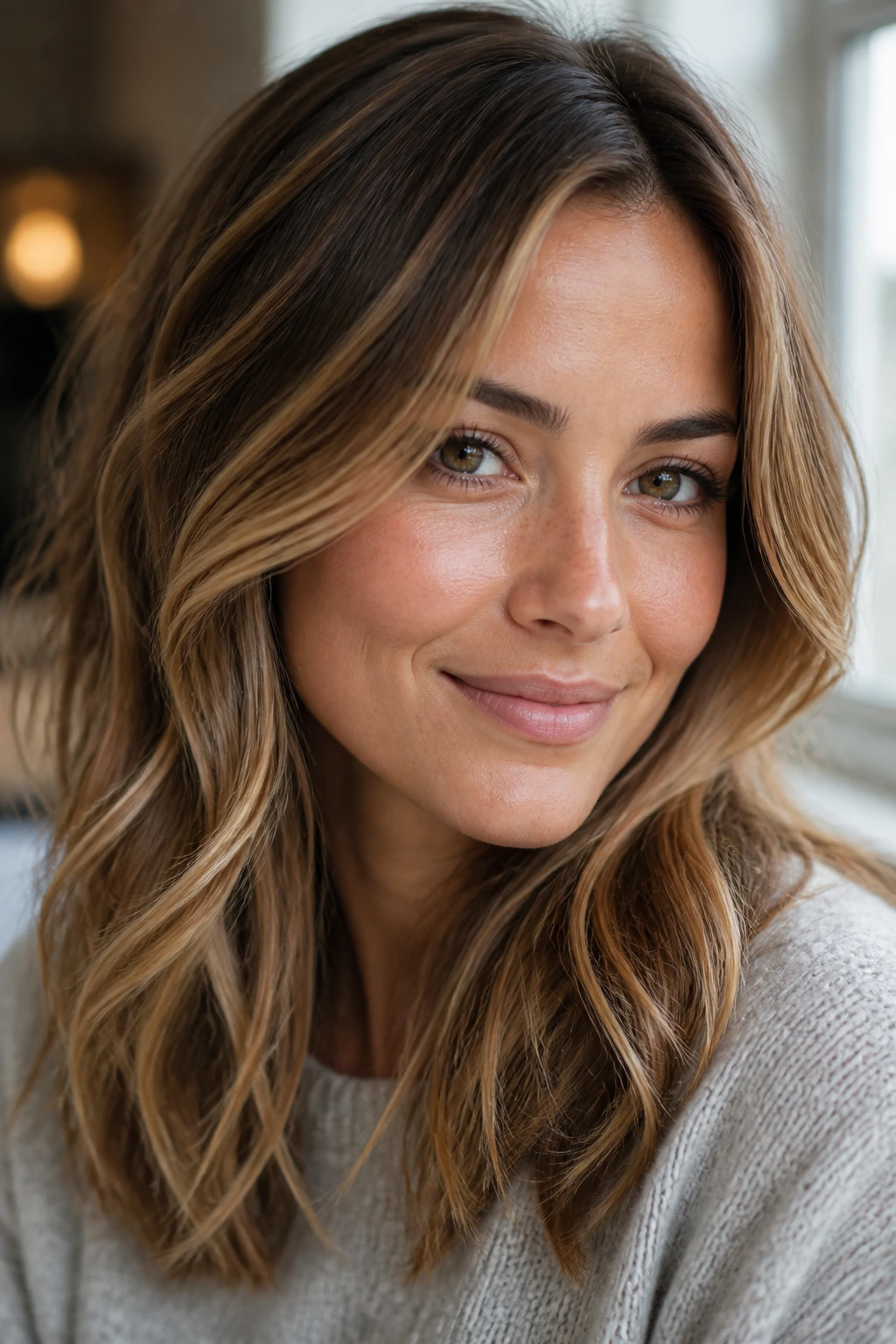
4. Caramel Balayage on a Deep Brunette Base
Caramel balayage on a deep brunette base gives you warmth without dragging the hair into orange territory. The painted pieces should live mostly from the mid-lengths to the ends, with the lightest ribbons around the face and the lower half of the hair. On dark brown hair, that contrast can be gorgeous.
The base stays dark enough to anchor the style. That matters. Without the deeper backdrop, caramel can look flat or even brassy. With it, the lighter pieces have something to lean against, and the whole head gets that soft, sun-touched look people tend to ask for by holding up photos of “natural” brunettes who probably had six hours of foil work.
This is one of my favorite ideas for long hair because the movement comes from the color, not just the cut. If you wear waves, the caramel shows in little flashes. If you wear it straight, the ends still read lighter and give the style shape.
5. Beige Foilyage for Medium-Blonde Hair
Beige foilyage sits in that very useful middle ground where blonde gets brighter without getting icy. The tone stays neutral to softly warm, so you don’t end up with the hard white look that can make skin look a little tired. Foilyage gives the lift; the beige toner keeps it wearable.
This is a smart choice when your natural base is around medium blonde or dark blonde and you want to brighten up the whole head without obvious stripes. The foils help the hair lift enough for a clean beige tone, while the painted technique keeps the transition soft. Around the face, a few lighter pieces can wake up the cut instantly.
I like this on layered lobs and collarbone cuts. It catches the bends in the hair and keeps the color from reading as one big yellow sheet. If your hair pulls warm fast, beige is a better bet than full gold because it won’t shout brass the minute the toner starts to fade.
6. Mushroom Brown Ribbons for Cool Depth
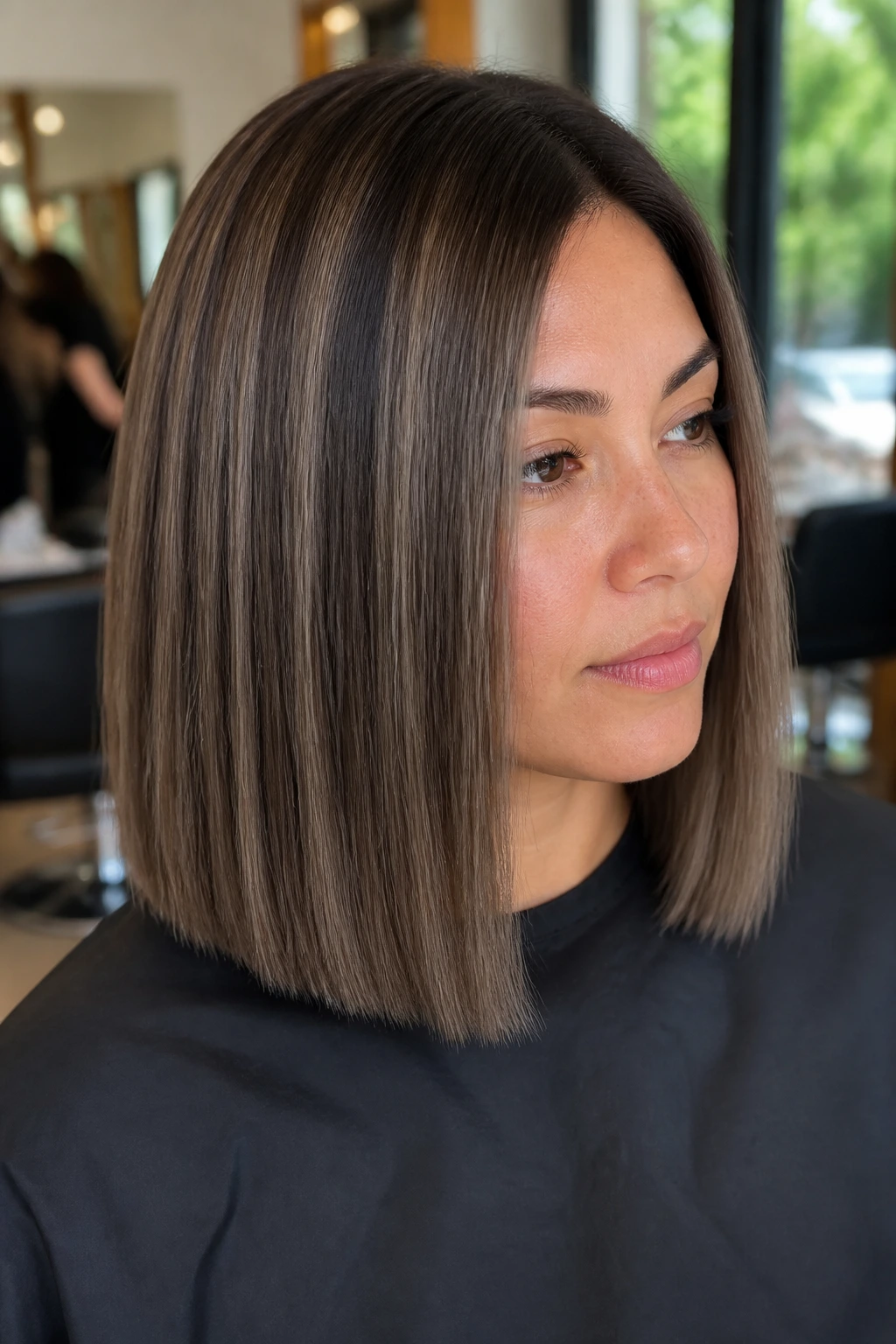
Mushroom brown is the cool-girl brunette color that looks calm even when the hair is moving fast. Think taupe, ash brown, soft beige, and a little smoky depth all living in the same head of hair. The bright pieces are there, but they don’t scream blonde. They whisper dimension.
That’s why this look is so good on straight, blunt cuts. The cut already gives you a strong shape, so the color doesn’t need to do all the work. Thin ash-toned ribbons break up the surface just enough to keep the style from feeling heavy.
If your hair tends to go orange when lightened, this look can feel safer than caramel. It needs a toner that stays cool, though, and that coolness is a choice, not an accident. Done well, mushroom brown can look like natural depth under soft studio light.
7. Honey-Toned Woven Lights on Chestnut Hair
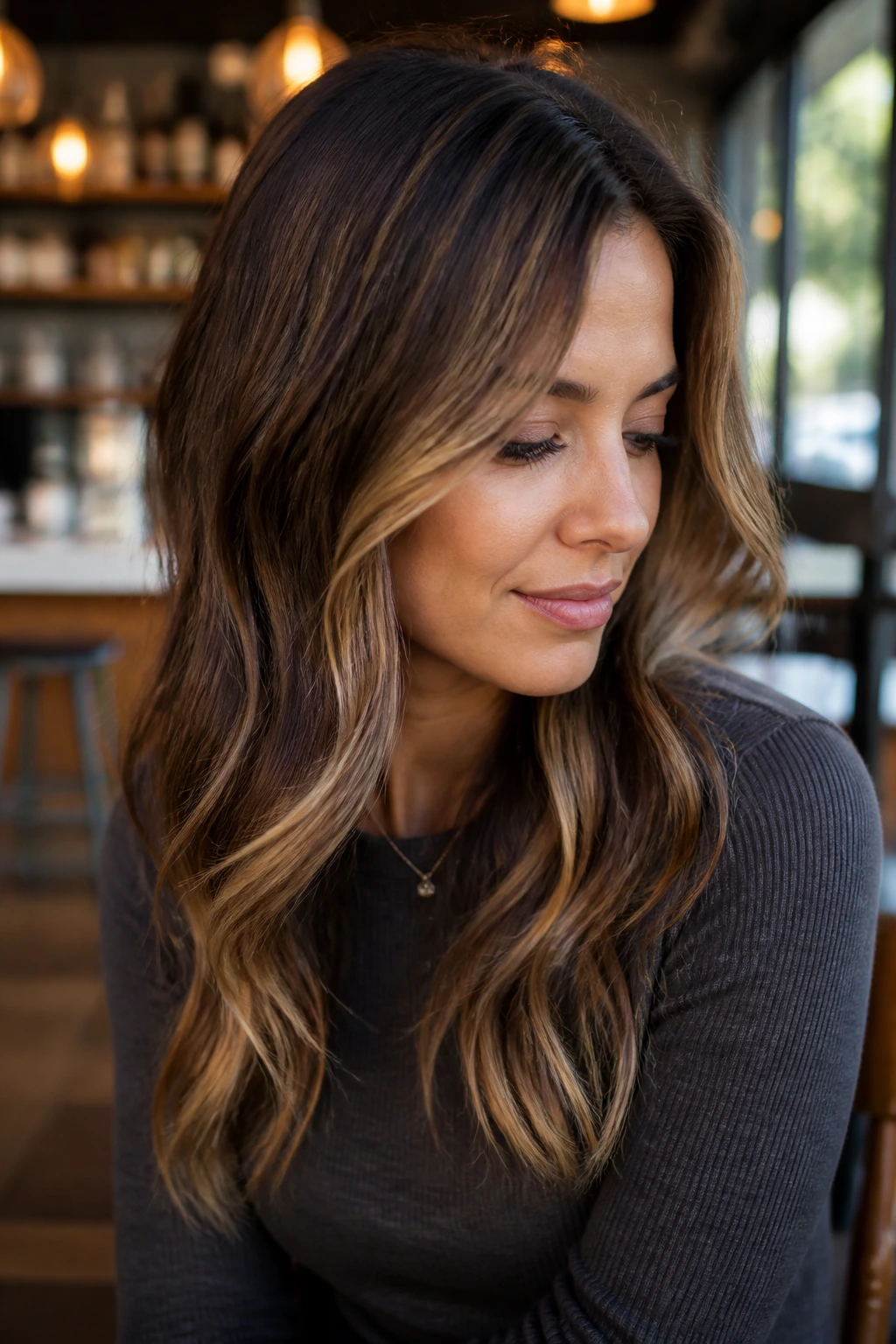
Honey on chestnut hair has a softness that never really goes out of favor. The warmth lands in a believable place — not yellow, not copper, not gold-plated — just enough to make brown hair glow. Woven lights are the key here, because they break the bright pieces into fine strands instead of chunky bands.
I like this option when someone wants their hair to look a little sunnier without moving away from brunette. On chestnut bases, honey ribbons catch light beautifully around the ends and face frame, where the hair already wants to lift. If the highlights are kept fine and layered, the overall effect is dimensional instead of flashy.
This one also grows out in a calm way. The deeper chestnut base keeps the look grounded, and the honey softens as it fades. That’s not a flaw. It’s part of why it stays flattering for months.
8. Reverse Balayage for Over-Lightened Ends
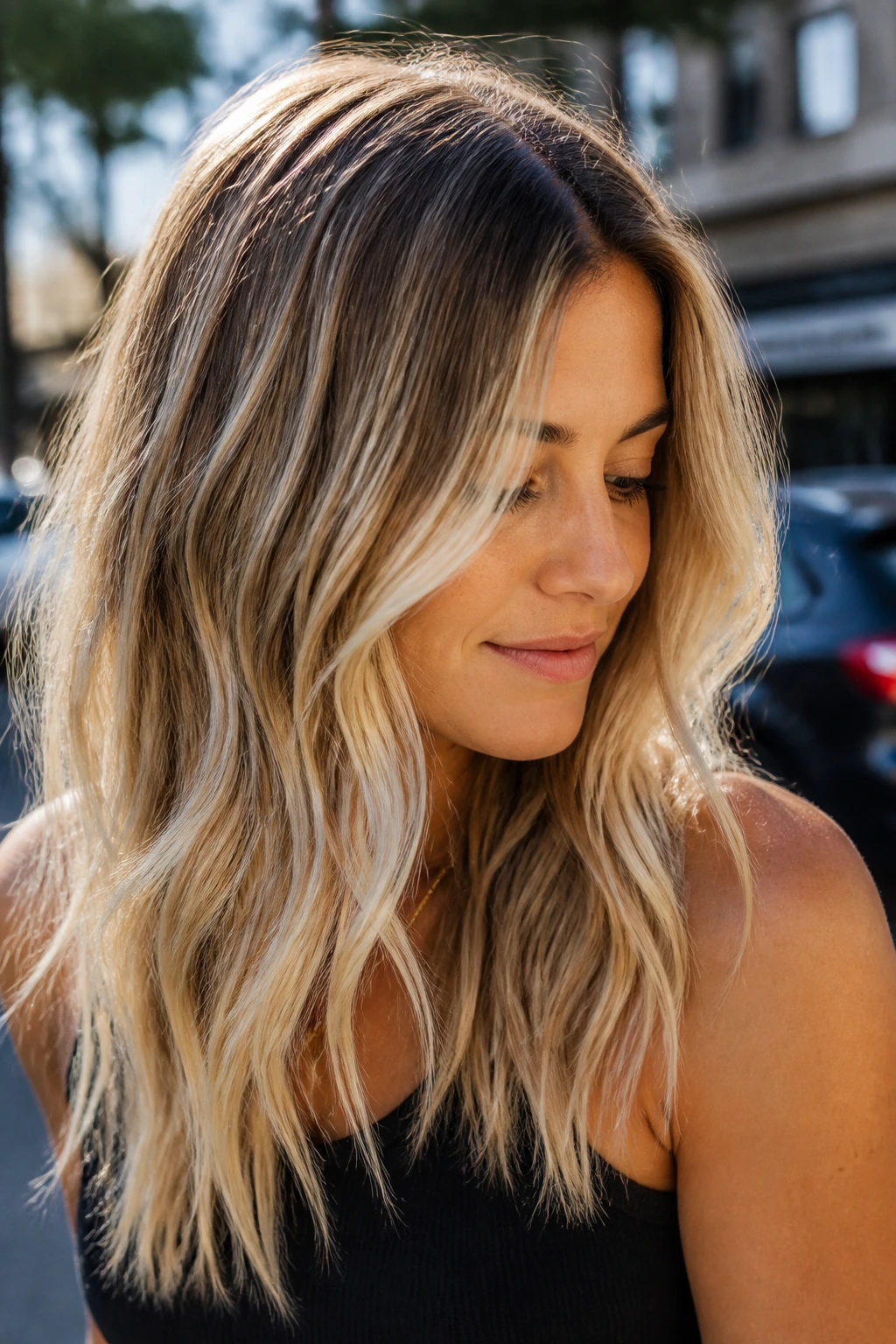
Reverse balayage sounds backwards until you see it on hair that has gone too light, too flat, or too washed out at the ends. Instead of lifting more, the colorist adds depth back in. Lowlights and shadowy ribbons are painted through the lighter sections so the hair regains shape.
This is one of the smartest fixes on the list. A head of all-over blonde can lose its lines after a few lightening sessions, especially if the ends are porous and pale. Putting darker tones back in doesn’t make the hair look dirty. It gives the eye something to rest on.
I’d reach for this when the hair feels stringy or stripped of depth. The new darker strands make the lighter pieces look even brighter, which is the part people forget. Contrast is what makes light show up.
9. Cinnamon Copper Threads Through Dark Hair
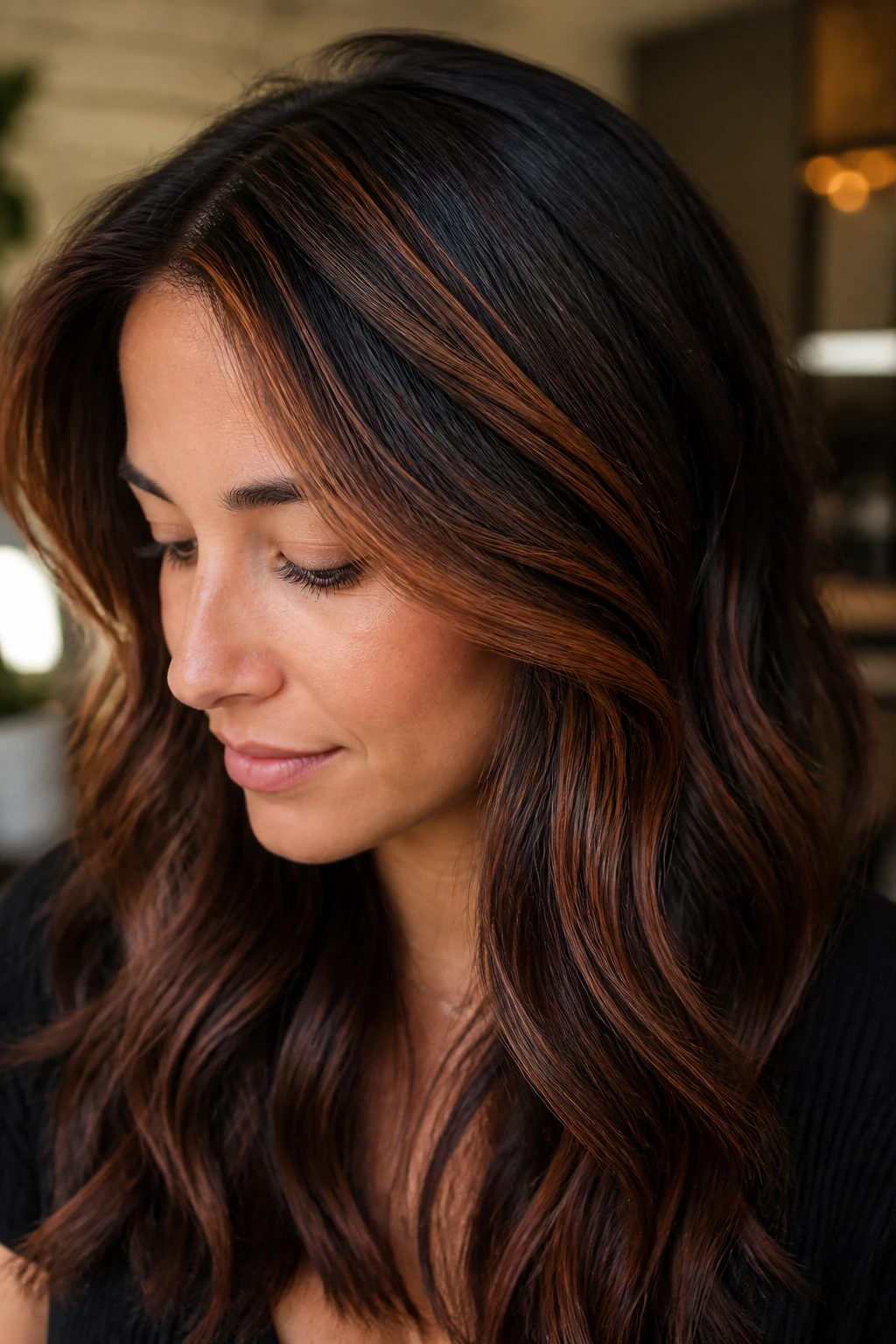
Cinnamon copper is for anyone who wants warmth without turning the whole head red. Tiny copper threads woven through dark brown or black-brown hair catch the light in a way that feels subtle from a distance and vivid up close. It’s one of the nicest ways to wake up a deep base without erasing it.
The placement matters more than the shade here. Keep the copper thin and focused around the front, crown, and top layers, then let the darker base do the heavy lifting. When copper is used in little runs instead of thick panels, it looks glossy instead of loud.
This look is especially good when the hair is worn in waves or tucked behind the ears. The warm pieces keep peeking out, and the color shifts depending on the light. On very dark hair, it reads as a hint; on medium brunettes, it reads as a glow.
10. Champagne Beige Brightening on Dirty Blonde Hair
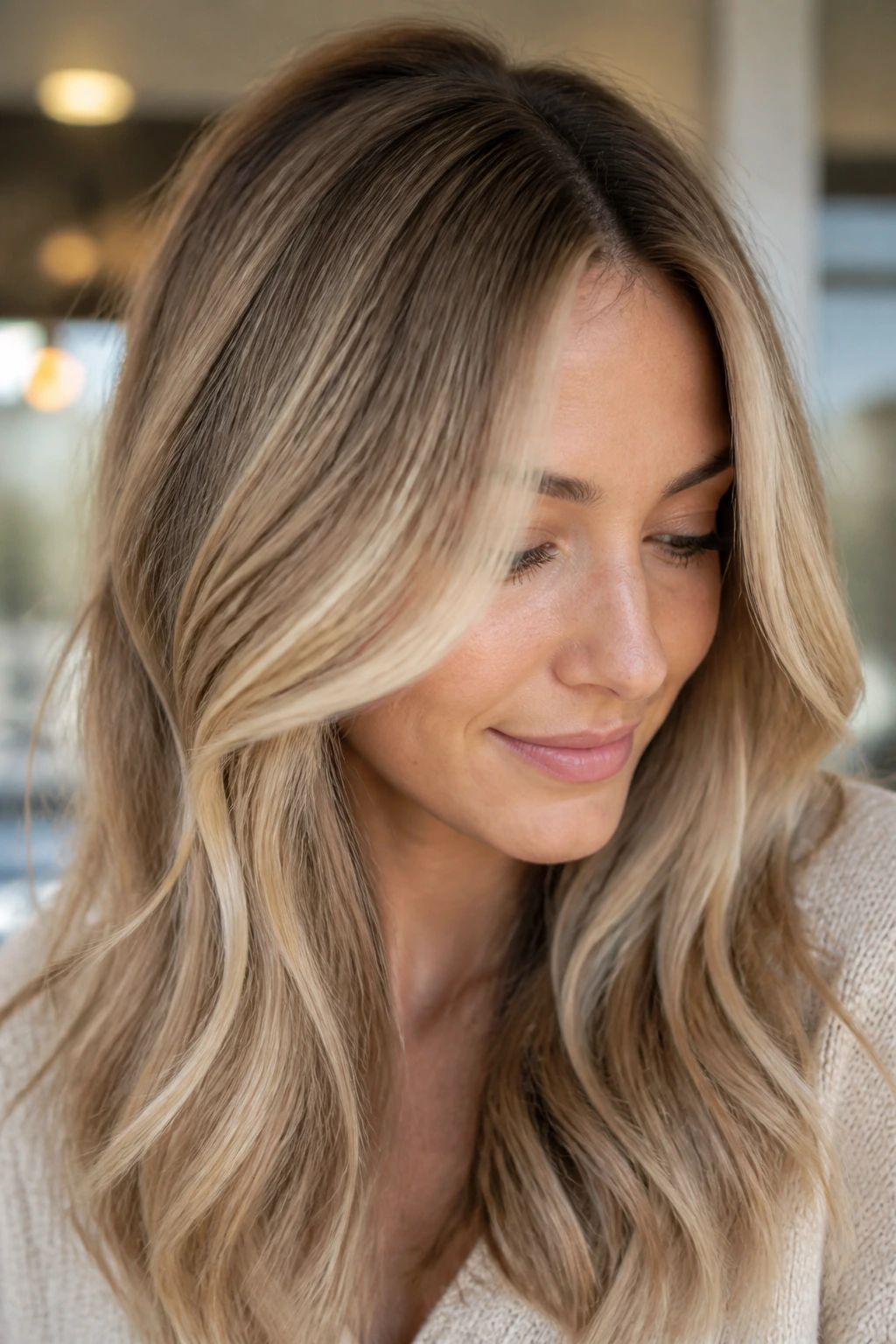
Champagne beige is one of those tones that makes a dirty blonde base look cleaner without turning it into a pale icy blonde. The color sits between gold and neutral, which keeps the hair bright but not brassy. On lighter natural bases, that balance matters a lot.
This is a flattering choice when the hair is already halfway there and only needs refining. A few carefully placed lighter strands around the face and through the top layers can sharpen the whole look. If too much gold gets added, the style can go yellow fast. Champagne beige avoids that and stays soft.
I think this works best when the cut has movement around the ends. The beige light catches the tips and layers, and the color seems to shift as the head moves. It’s a small upgrade with a noticeable payoff.
11. Shadow-Root Platinum for Soft Contrast
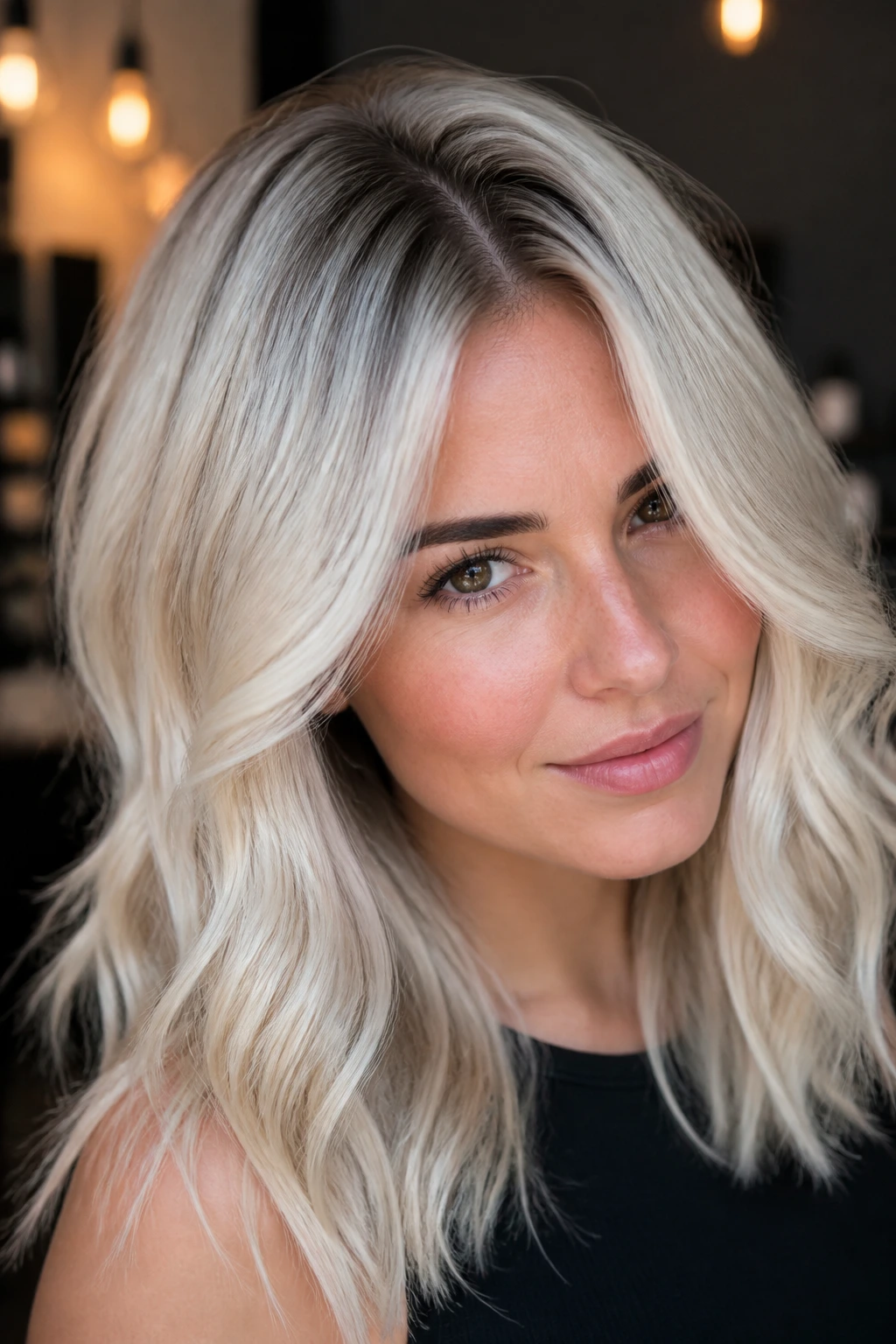
Platinum hair does not have to look stark. A shadow root keeps the roots softer and buys the color some breathing room, which is a big deal when you want very light blonde but don’t want the top to look pasted on. The contrast stays, but the edge disappears.
The trick is keeping the root shadow close to the natural base level, then easing the platinum into the mids and ends. That makes the blonde feel deliberate instead of high-maintenance. It also gives the face frame a little depth, which helps the skin look less washed out than solid pale blonde sometimes can.
This look is best for people who want bright hair and don’t mind upkeep. Platinum always asks for maintenance. The shadow root just makes the grow-out less rude.
12. Espresso Lowlights Between Thin Highlights
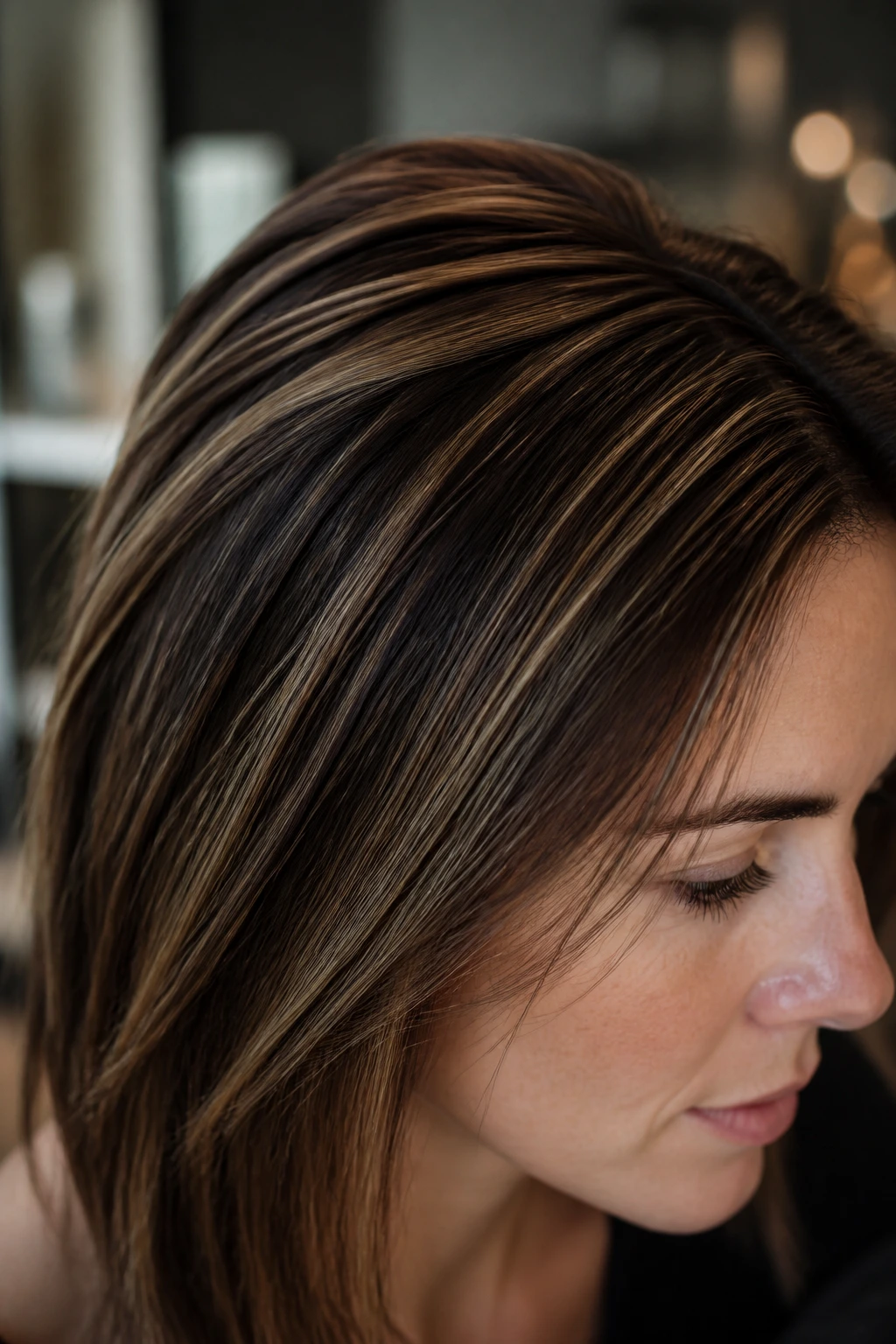
Here’s the blunt truth: sometimes hair needs more darkness, not more light. Espresso lowlights threaded between thin highlights can make hair look denser, shinier, and more dimensional in a single appointment. If the blonde has gone a little too airy or the brunette has lost shape, this is the fix.
The lowlights should sit in fine slices, not chunky blocks. That keeps the contrast elegant. On fine hair, the darker pieces create the illusion of more strands. On thick hair, they keep the bright pieces from spreading into one pale blur.
This is one of the best ways to rescue older highlights without starting over. The color reads richer, the cut looks cleaner, and the hair gets some depth back around the crown and underneath layers, where it needs it most.
13. Sunlit Chestnut Highlights in a Fine Weave
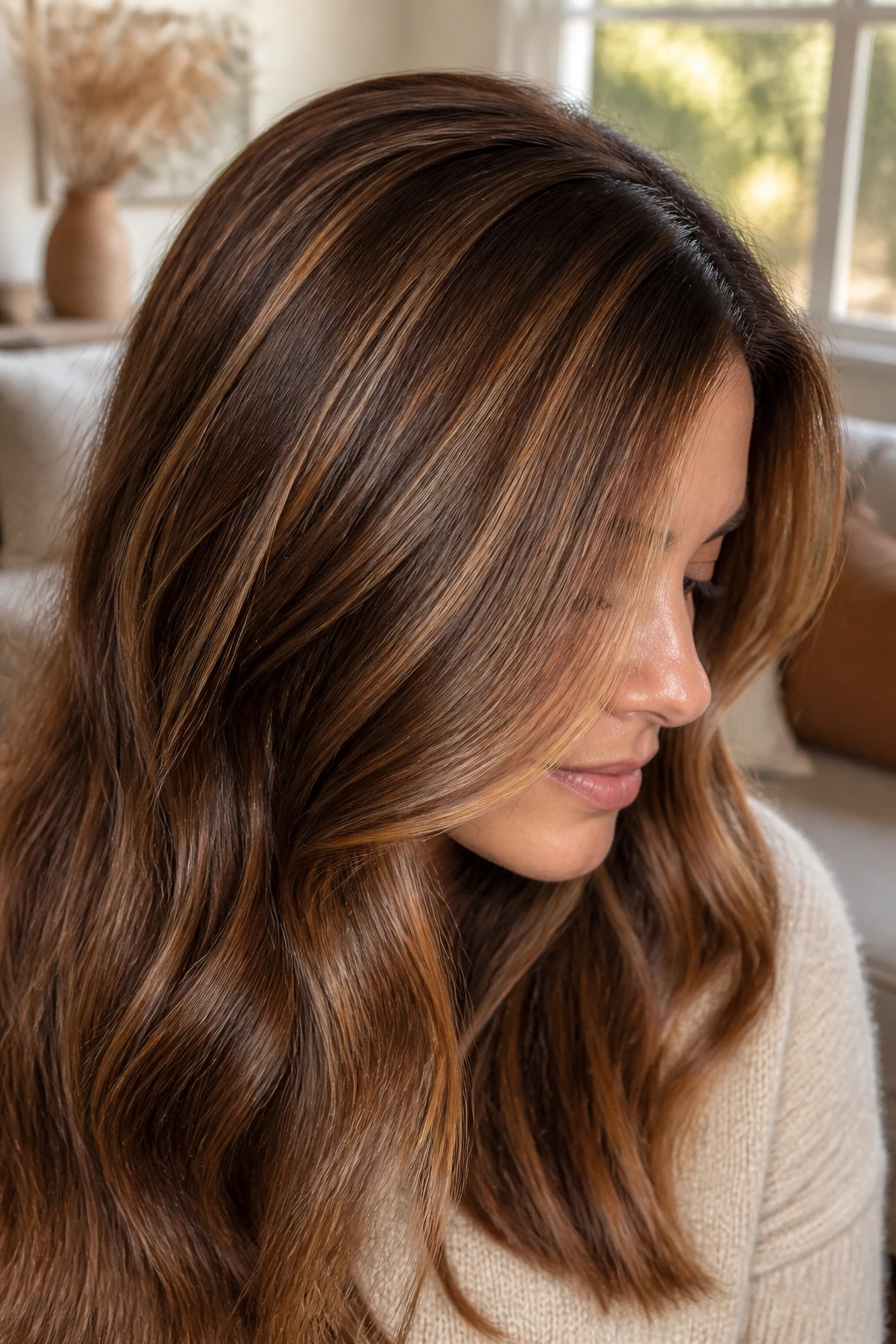
Sunlit chestnut highlights are the kind of color that looks like a day spent outside without the orange undertone that can creep into warm brunettes. The pieces are fine, woven, and scattered enough to suggest natural brightness rather than an obvious salon finish. That makes the hair feel soft, not edited.
I like this on medium to deep chestnut bases because it adds warmth without flattening the color family. The lighter strands should live in the top layers and ends, with a few tiny face-framing pieces to keep the style awake. Too many warm ribbons in one place and you get a halo. The right amount and it looks like the hair catches light from every angle.
This is also a good choice if you usually wear your hair straight or in a loose bend. The fine weave keeps the finish graceful and stops the highlights from breaking into stripes.
14. Strawberry-Blonde Veils Over Copper Bases
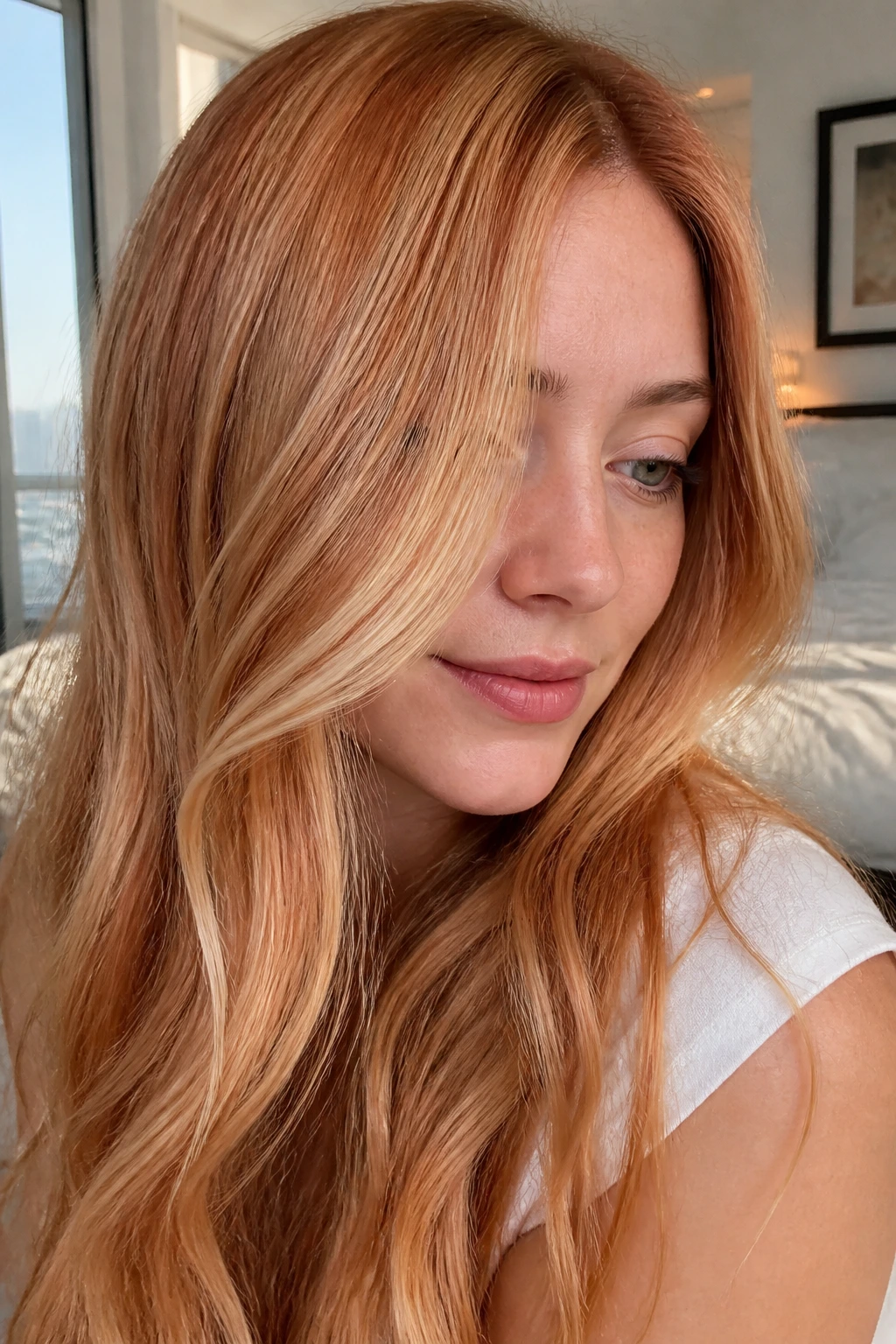
Strawberry blonde is tricky in the best way. Done right, it looks airy and soft. Done badly, it can go pink, brassy, or muddy in a hurry. Veil-like highlights over a copper base keep the color in the sweet spot because the brighter strands are translucent rather than blocky.
The copper base gives warmth and depth. The strawberry veils add lift. Together, they create a layered finish that looks light when the hair moves and richer when it’s still. I’d choose this if I wanted a color that feels playful but not cartoonish.
The softer the transition, the better this shade behaves. It looks lovely in loose waves, but it also works on straight hair if the highlights are placed high enough to show around the face and top layer. That tiny bit of brightness keeps the copper from feeling too one-note.
15. Peekaboo Highlights Under a Bob
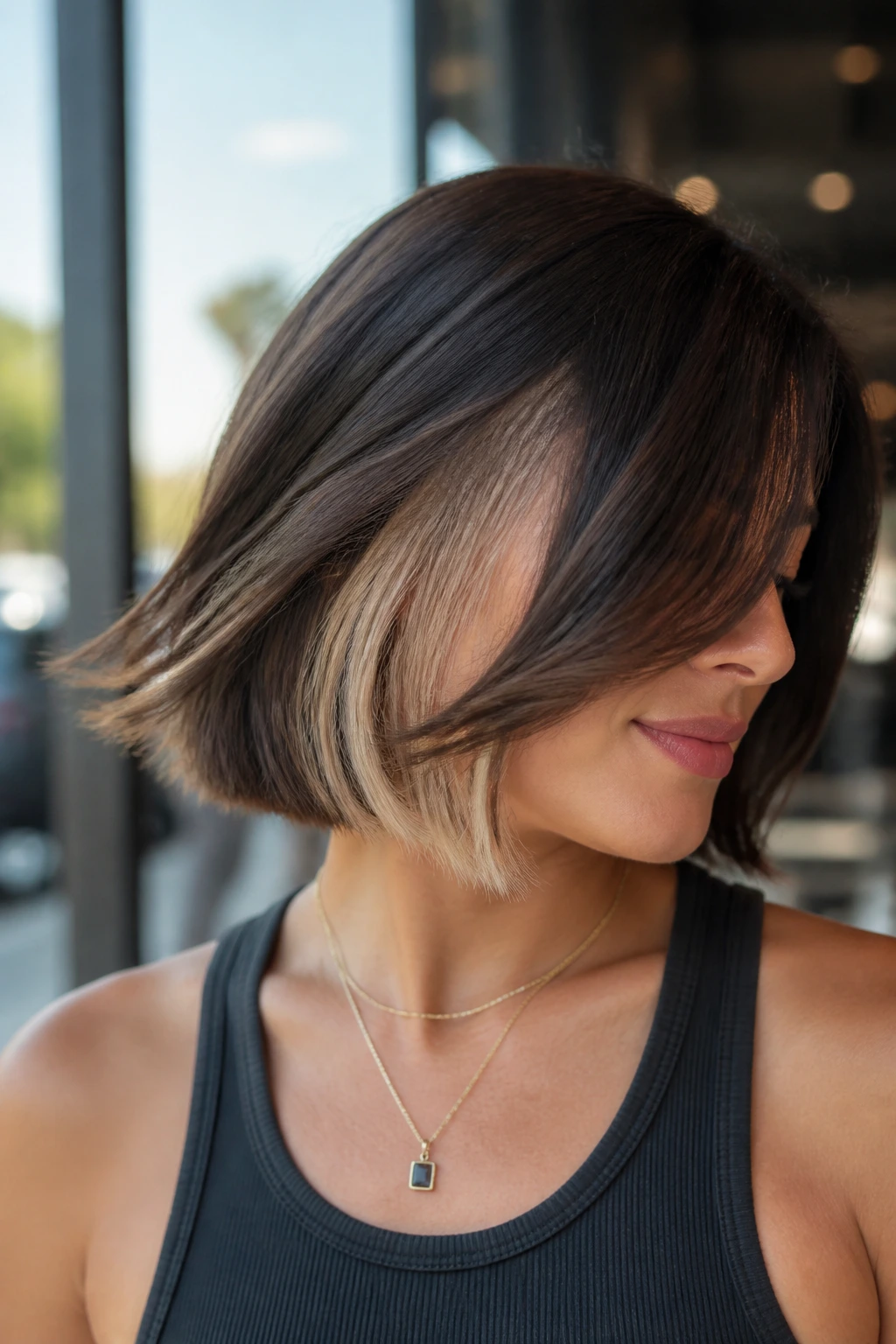
Peekaboo highlights are a quiet trick with a good payoff. The bright pieces sit underneath the top layer, so they only show when the hair moves, tucks behind the ear, or is curled under. On a bob, that hidden brightness gives the cut a little surprise without turning it into a full highlight job.
This is one of the most wearable ways to test color if you’re nervous about going lighter. You still get dimension. You still get that flash of contrast. But the top stays calm and polished, which matters if you work in a conservative setting or just don’t want your hair to be the first thing anyone notices.
A chin-length or jaw-length bob is perfect for this. The color peeks out at the neckline and the interior layers, and that makes the haircut feel more alive. It’s subtle, but not boring. Big difference.
16. Sliced Contour Highlights Around the Face
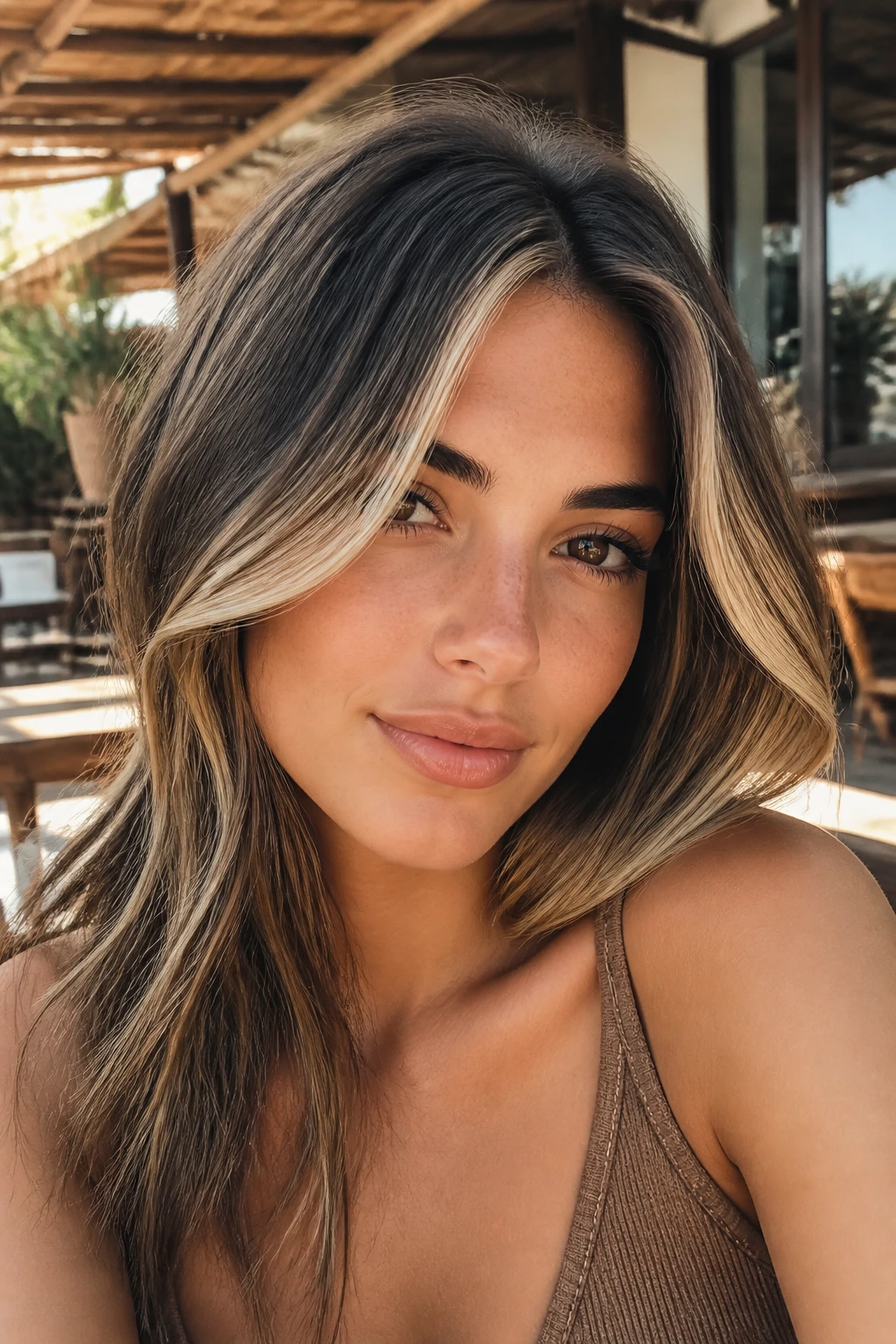
Sliced contour highlights are a bolder cousin of the money piece. Instead of just framing the face with two front pieces, the colorist slices light through the temple, cheekbone, and jawline area in a way that gives the haircut shape. Done softly, it can make a rounder face feel longer or a heavy cut feel lighter.
The key is keeping the slices blended into the surrounding hair. Hard lines ruin the effect. You want bright ribbons that guide the eye, not stripes that shout their own existence. Around the face, even a small lift can change the whole read of the haircut.
This is a good choice if you wear your hair pulled back often. The front pieces stay visible in ponytails, clips, and half-ups, which means the color keeps doing its job even when the rest of the hair is off your shoulders. That kind of usefulness matters.
17. Smoky Taupe Dimension for Cool Brunettes
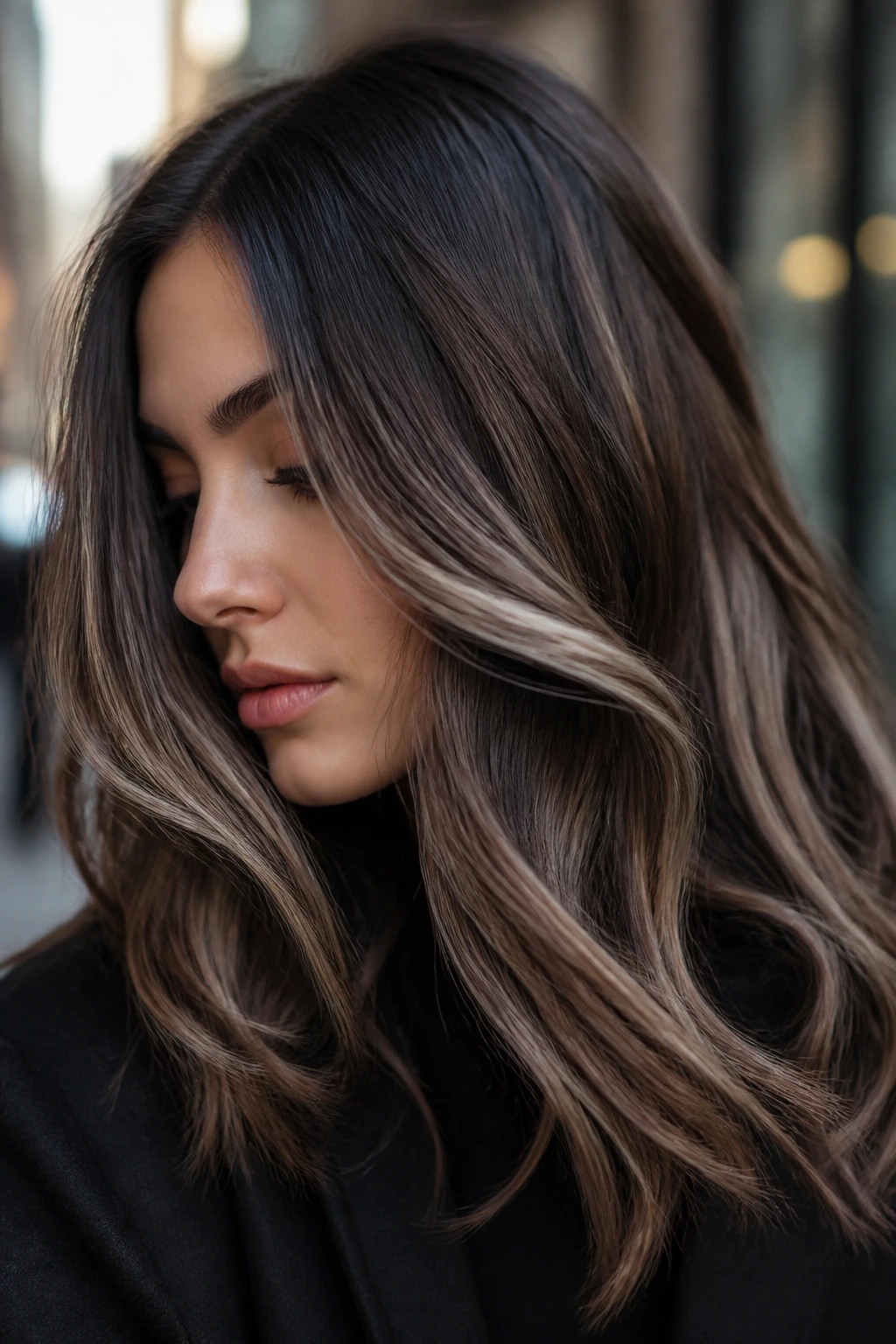
Smoky taupe is for brunettes who want brightness but not warmth. The color sits in a cool, dusty place between brown and beige, and it can make dark hair look expensive without looking blonde. On a natural brunette base, it reads almost like a soft filter.
I like this shade on cooler skin tones, yes, but the hair itself is the main story. If your natural color already leans ash, olive, or neutral, taupe ribbons feel believable. If the base is very warm, the result can look a little flat unless the colorist balances in enough beige to keep it alive.
It’s especially good on straight hair because the tone variation shows in clean lines. Wavy hair gets a softer, mistier effect. Either way, the result is quiet and polished without crossing into severe.
18. Buttery Bronde on Long Layers
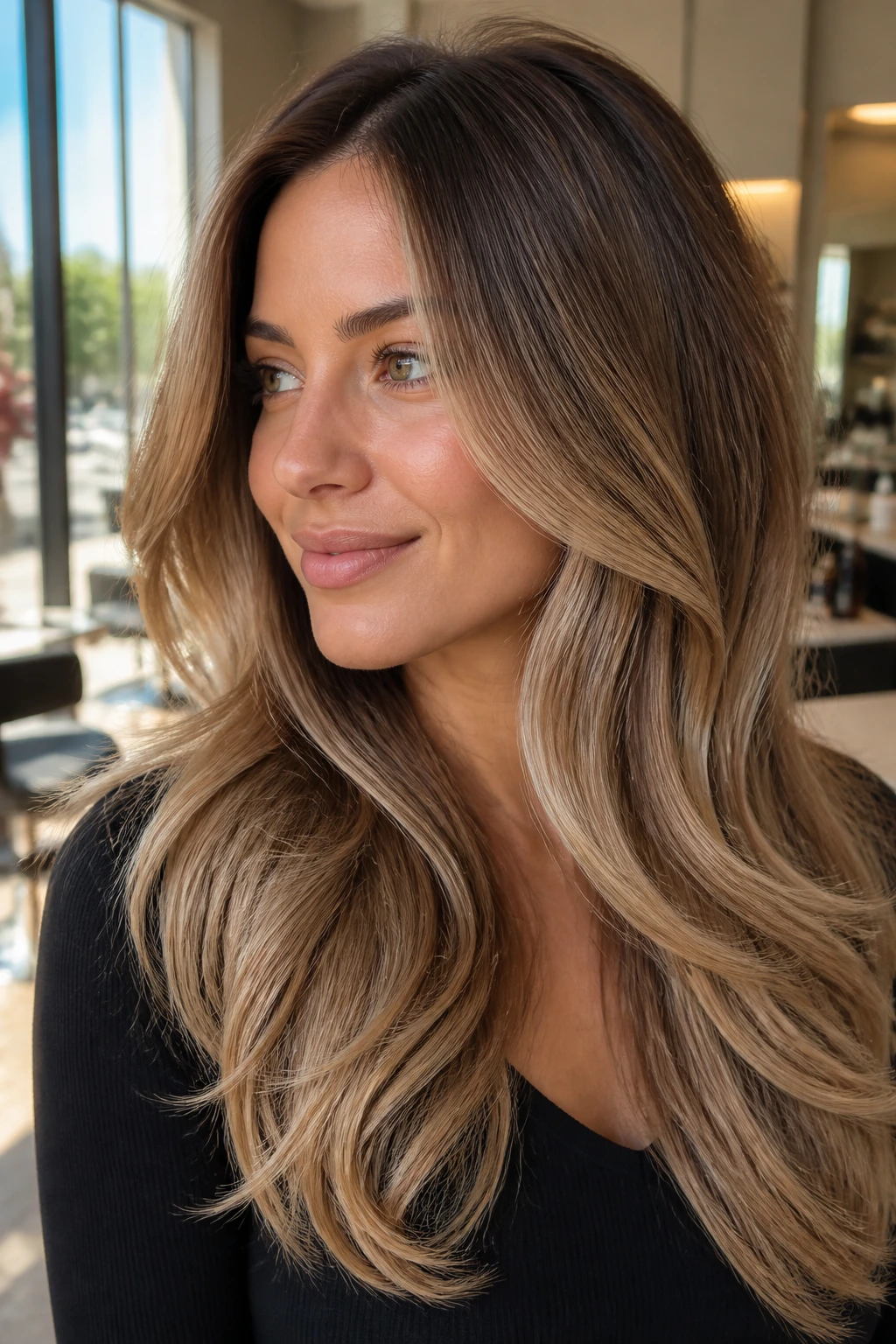
Bronde is one of those words people use a little too casually, but the good version is easy to spot. It has brown roots, blonde ends, and a creamy middle that keeps the whole head from looking split in two. Buttery bronde is warmer and softer than ash-heavy versions, which makes it feel easy to wear.
Long layers give this color room to breathe. The lighter pieces can spread through the lengths, and the darker base keeps the style grounded. The best bronde is not about being evenly light. It’s about having a path of brightness that follows the cut.
This is the look I’d suggest to someone who wants noticeable blonde without giving up brunette identity. It’s familiar, flattering, and much easier to live with than a full lightened head. There’s a reason so many people keep coming back to it.
19. Ice-Kissed Ends on a Blunt Lob
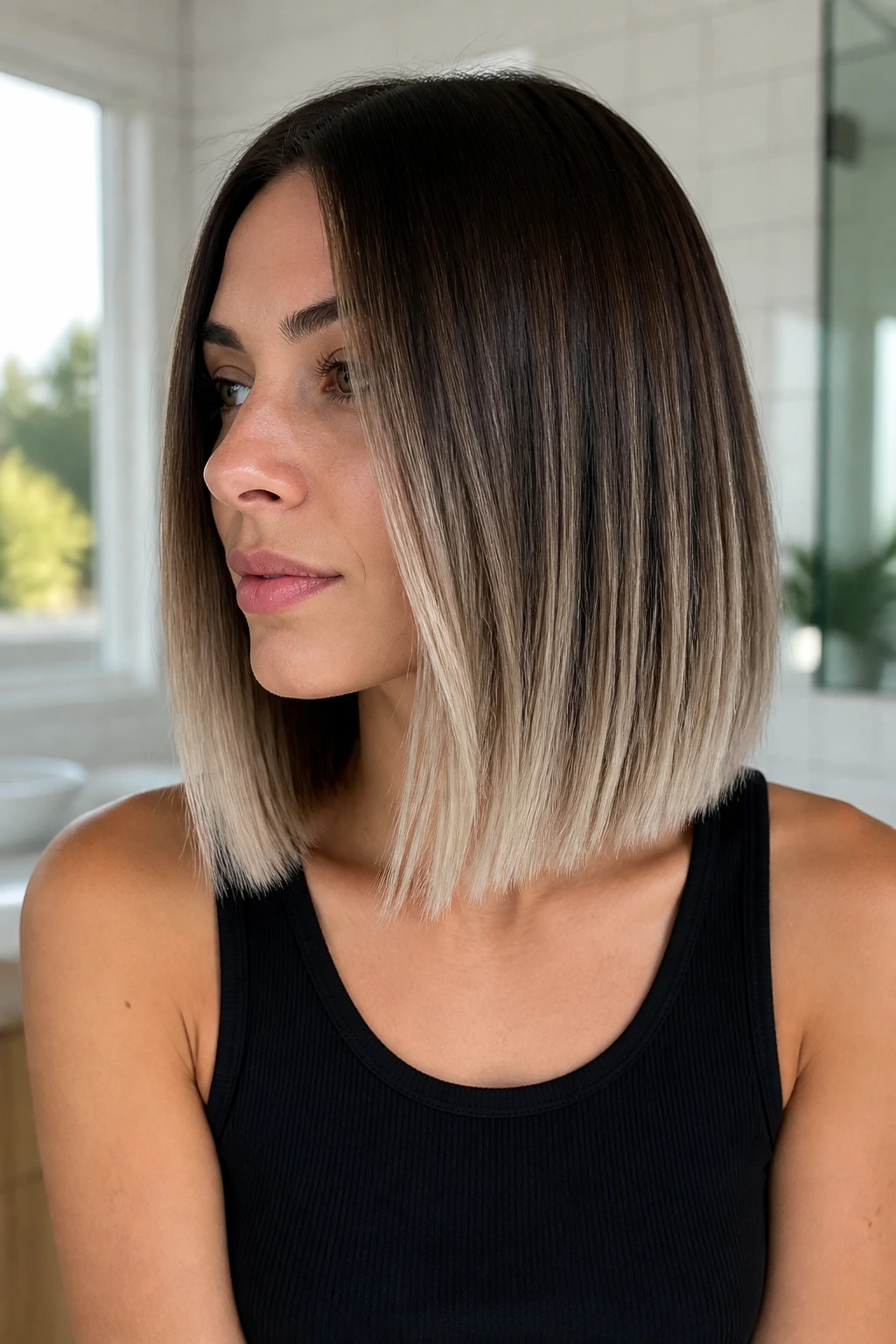
A blunt lob can be a little severe if the color is flat. Ice-kissed ends fix that fast. The bottom few inches lighten into a pale, cool finish while the roots and mids stay deeper, and that shift gives the cut movement without wrecking the clean line.
This style works because the ends act like a built-in spotlight. The eye goes straight there. On a blunt cut, that keeps the shape from looking like one heavy block. The cool tone also helps if your hair tends to warm up at the bottom faster than the rest.
I’d keep this one soft at the root and not too white at the tip. The goal is brightness with edge, not bleachy ends that look dry before you even leave the chair.
20. Foilyage That Keeps Waves Soft
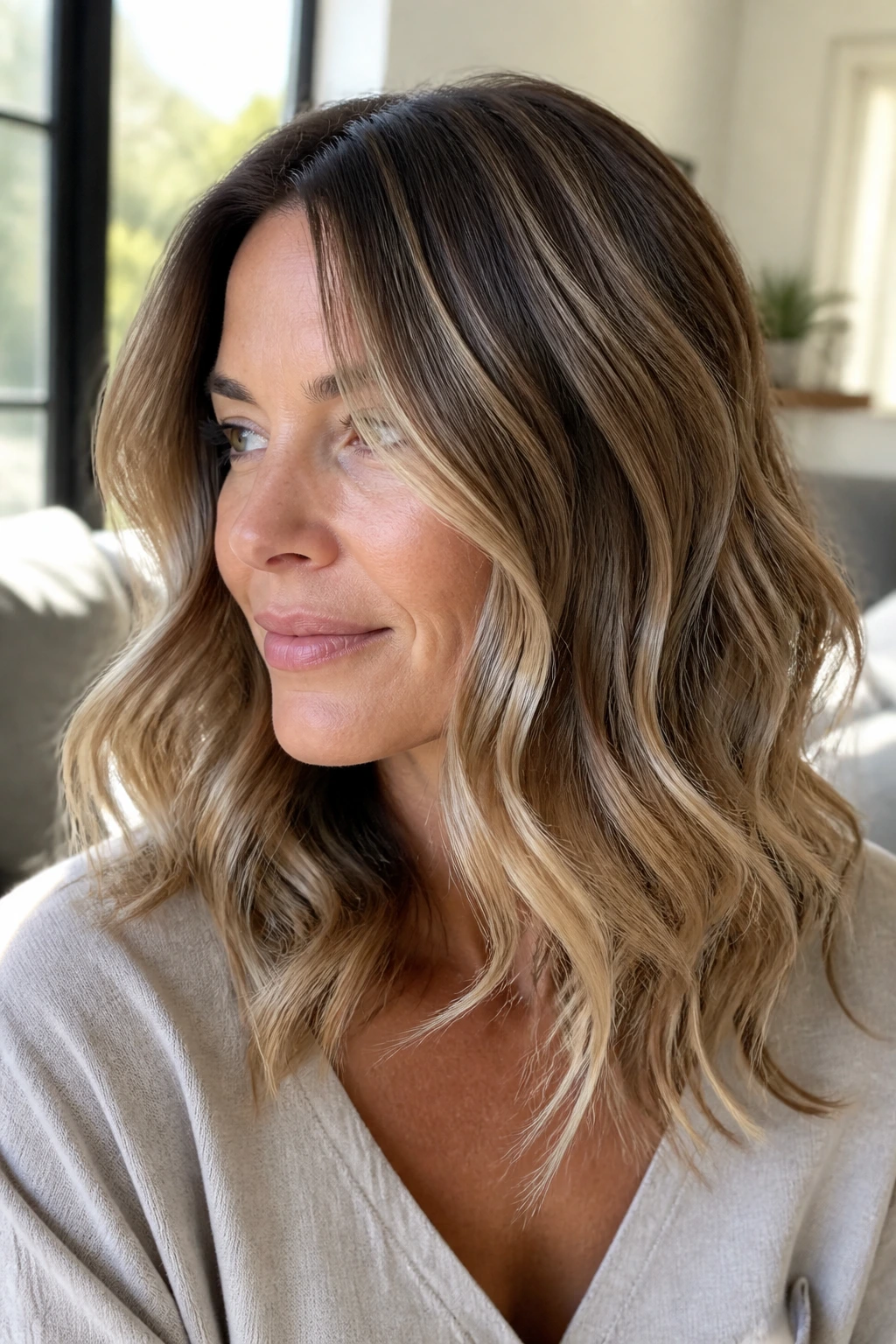
Foilyage is useful because it gives you the lift of foils with the blended feel of balayage. For wavy hair, that can be the sweet spot. The highlights show through the bends, but they don’t lock the style into obvious stripes.
The best foilyage starts with where the wave naturally bends. Brightening those curves makes the hair look lighter without needing every strand to be pale. Around the face, a few stronger pieces help the whole style feel intentional. In the interior and lower sections, softer painted light keeps the result believable.
This is a smart option if your hair has movement but not a lot of natural brightness. It works on shoulder-length cuts, long shags, and medium layers especially well. When the waves fall right, the color reads expensive without trying too hard.
21. Toffee Ribbons on Black-Brown Hair
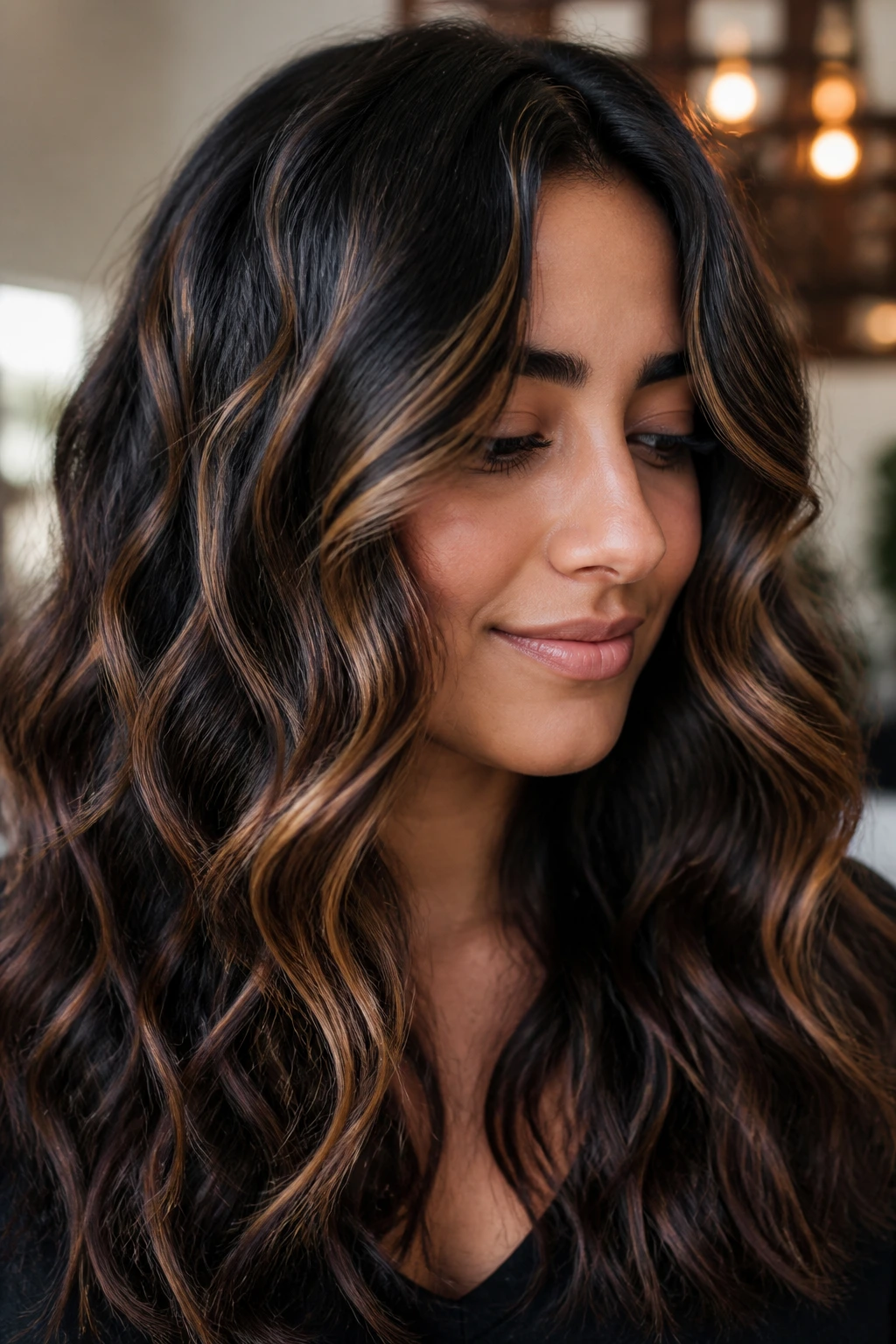
Toffee ribbons are one of the few lighter shades that can show up on very dark hair without fighting the base. They’re warmer than ash, deeper than caramel, and usually softer than full blonde. That middle ground matters when you want dimension on black-brown hair.
The lighter pieces should stay thin and strategic. Too much lift on a dark base can turn obvious in a way that feels disconnected from the rest of the hair. Toffee keeps the contrast gentle enough to blend, but visible enough to matter.
This look shines on curls and bends because the ribbons slide through the shape instead of sitting in a flat line. It’s a good answer for someone who wants a visible change but isn’t ready to commit to a major blonde shift.
22. Rose-Gold Accents for Blonde or Copper
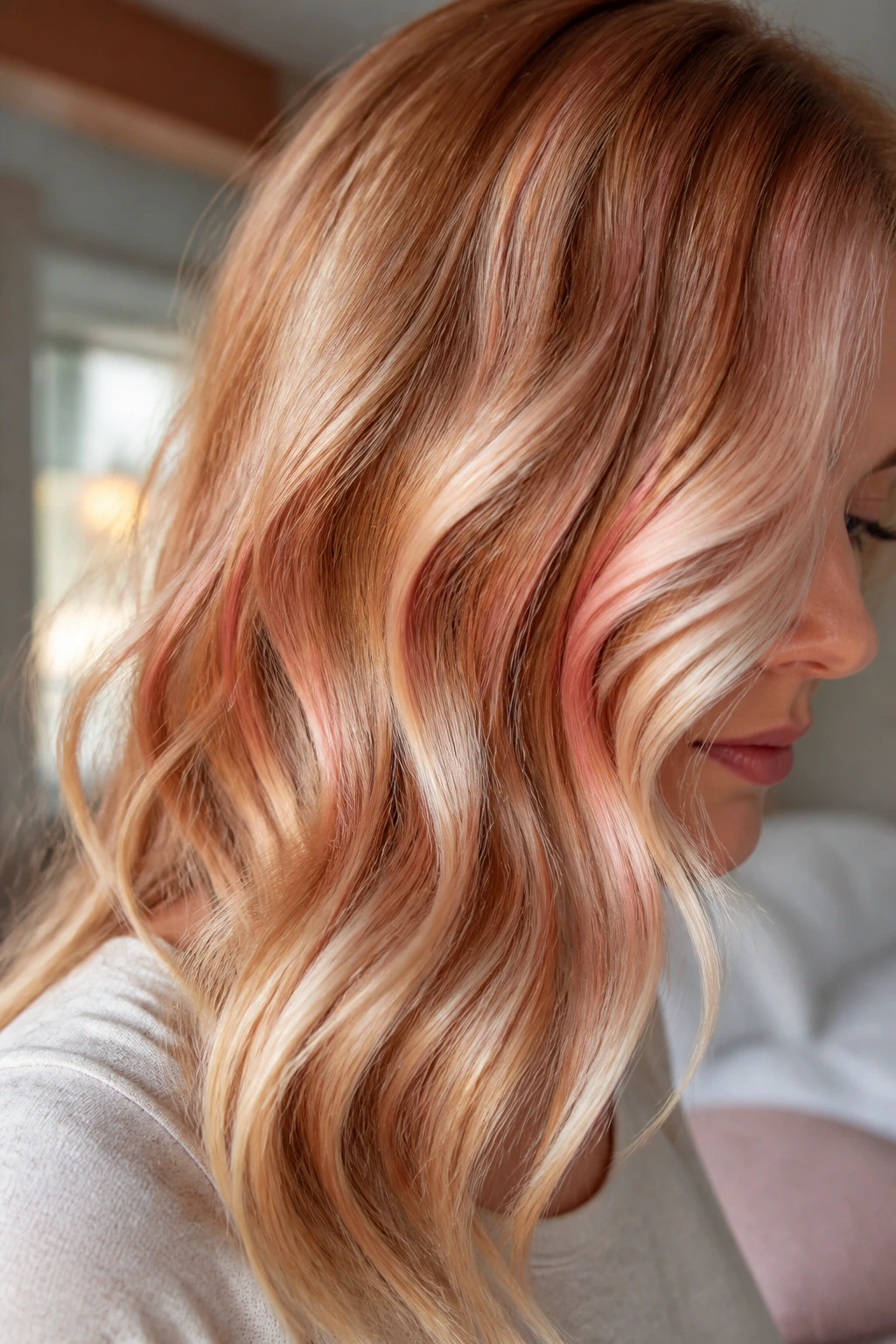
Rose-gold accents can be a little risky, which is exactly why they’re fun when done softly. A whisper of pink-gold warmth through blonde or copper hair gives the color a glow that feels fresh without turning pastel-heavy. The accents should be thin and carefully placed, not spread everywhere.
On blonde hair, rose gold softens stark brightness and warms the face. On copper hair, it lifts the red just enough to make it look polished instead of flat. The best versions are not neon and not candy-colored. They lean metallic and soft, like a muted blush.
This works especially well when the colorist uses a glaze or toner to nudge the shade rather than laying down obvious pink panels. It’s a finishing move more than a full theme, and that restraint is what keeps it wearable.
23. Vanilla-Cream Ribbons on a Layered Bob
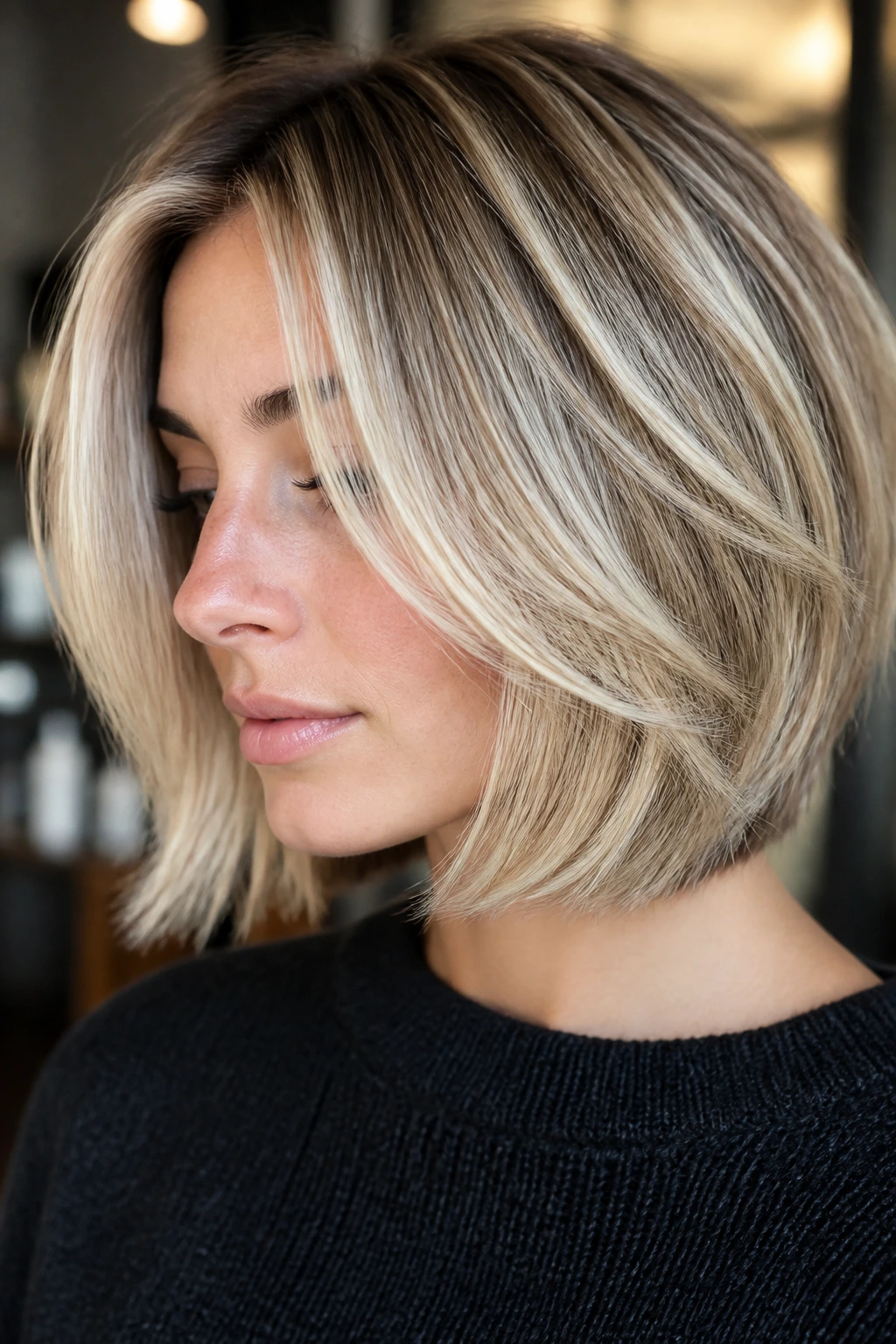
Vanilla-cream ribbons make a layered bob look lighter from root to tip without stealing the cut’s shape. The color sits in a soft beige lane, pale enough to brighten but creamy enough to avoid the chalky look some cool blondes get. On a bob, the effect is sharp in a good way.
Layers help the ribbons stack on top of one another as the hair moves. That means the color doesn’t need to be dramatic to feel visible. Even a few well-placed pale strands can make the whole haircut swing differently.
I’d choose this when the bob feels too solid or heavy. The cream tone opens it up. The layers do the rest.
24. Gray-Blend Dimension for Salt-and-Pepper Hair
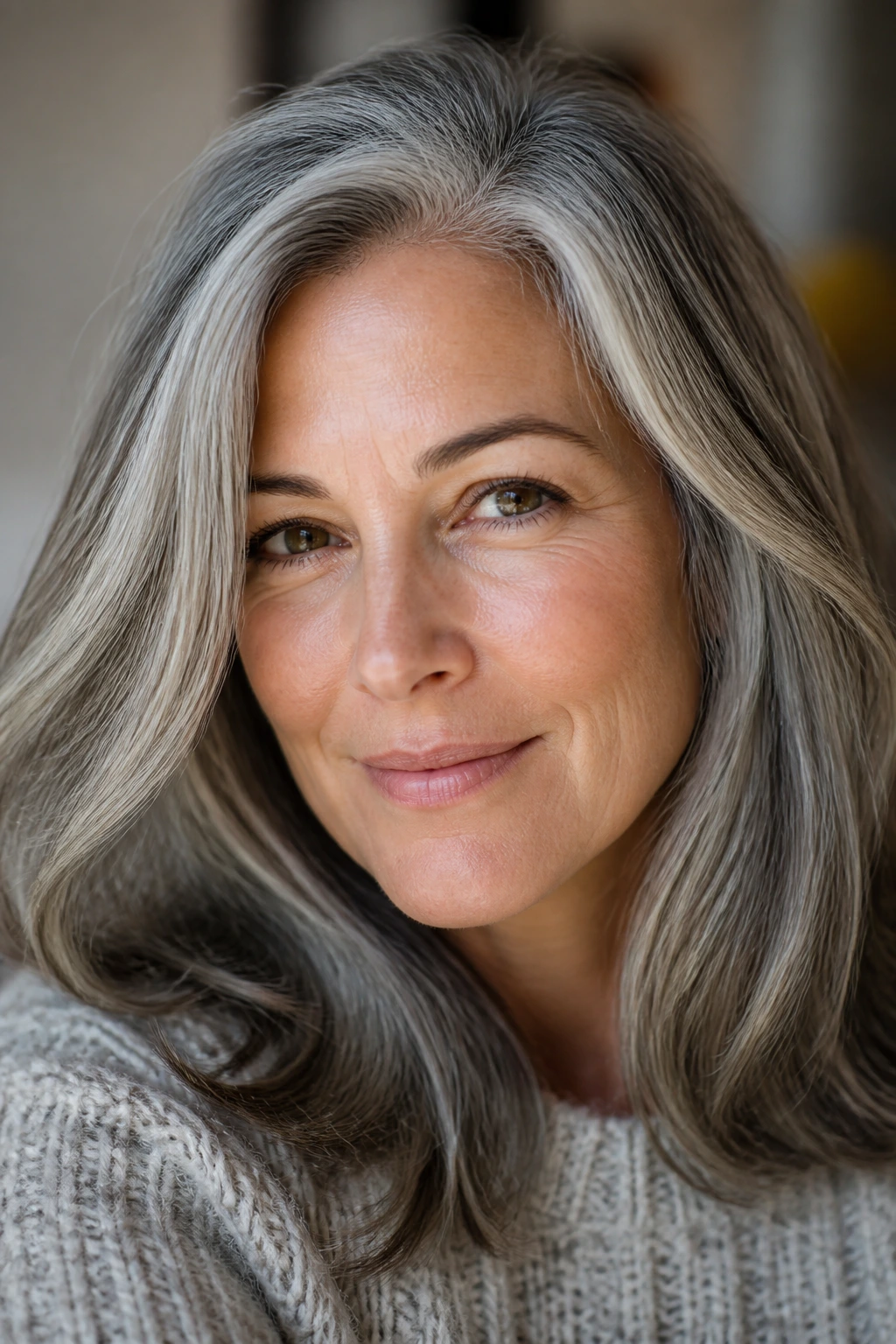
Gray-blend color is one of the smartest uses of highlights because it works with the silver already coming in instead of fighting it. The right mix of cool highlights, soft lowlights, and a transparent gloss can make salt-and-pepper hair look deliberate and polished. The goal is not full coverage. It’s graceful blending.
This approach is especially good when gray comes in at the temples or through the part first. Brightening a few strands while keeping others deeper creates a mixed texture that softens regrowth. The result is less line, less panic, and a lot more freedom between salon visits.
I like this because it respects the natural pattern instead of trying to erase it. That tends to look better over time. Hair feels more like hair, and less like a constant correction project.
25. Pearl Blonde Brightness with a Shadow Root
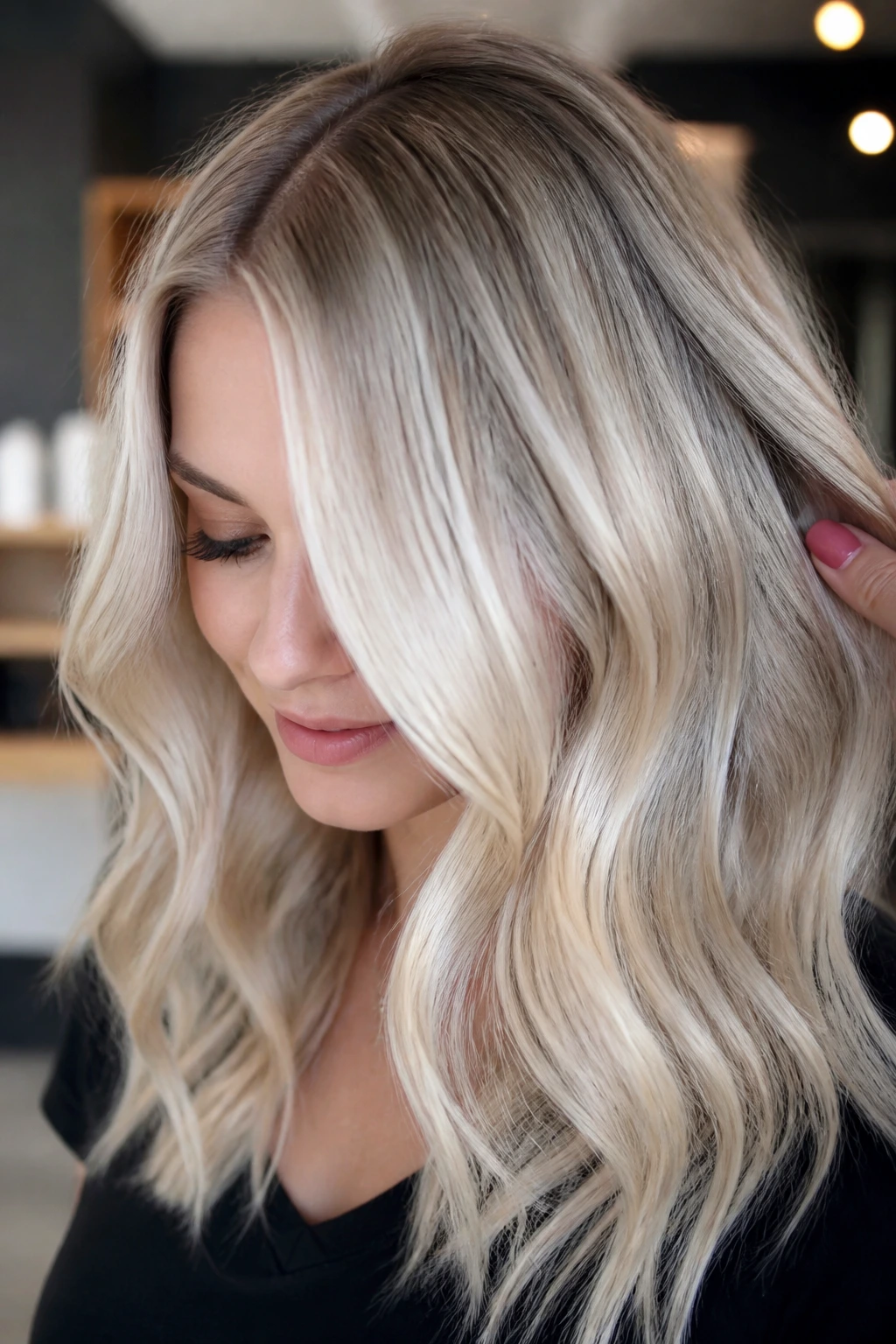
Pearl blonde is the lightest note in the collection, but the shadow root keeps it from feeling brittle or flat. The pearl tone should land neutral to softly cool, with a little sheen rather than a chalky finish. It’s the kind of blonde that looks lighter because it reflects well, not because every strand has been pushed to the edge.
A shadow root matters here. A lot. It keeps the top area softer, helps the blonde grow out more calmly, and gives the face a cleaner frame. Without that darker base, pearl blonde can start to look like one big bright sheet.
This is the right choice if you want light hair with polished edges. It’s bright, yes. It’s also controlled. That combination is what makes it wearable.
Why Soft Dimensional Brightness Looks Richer Than Flat Color
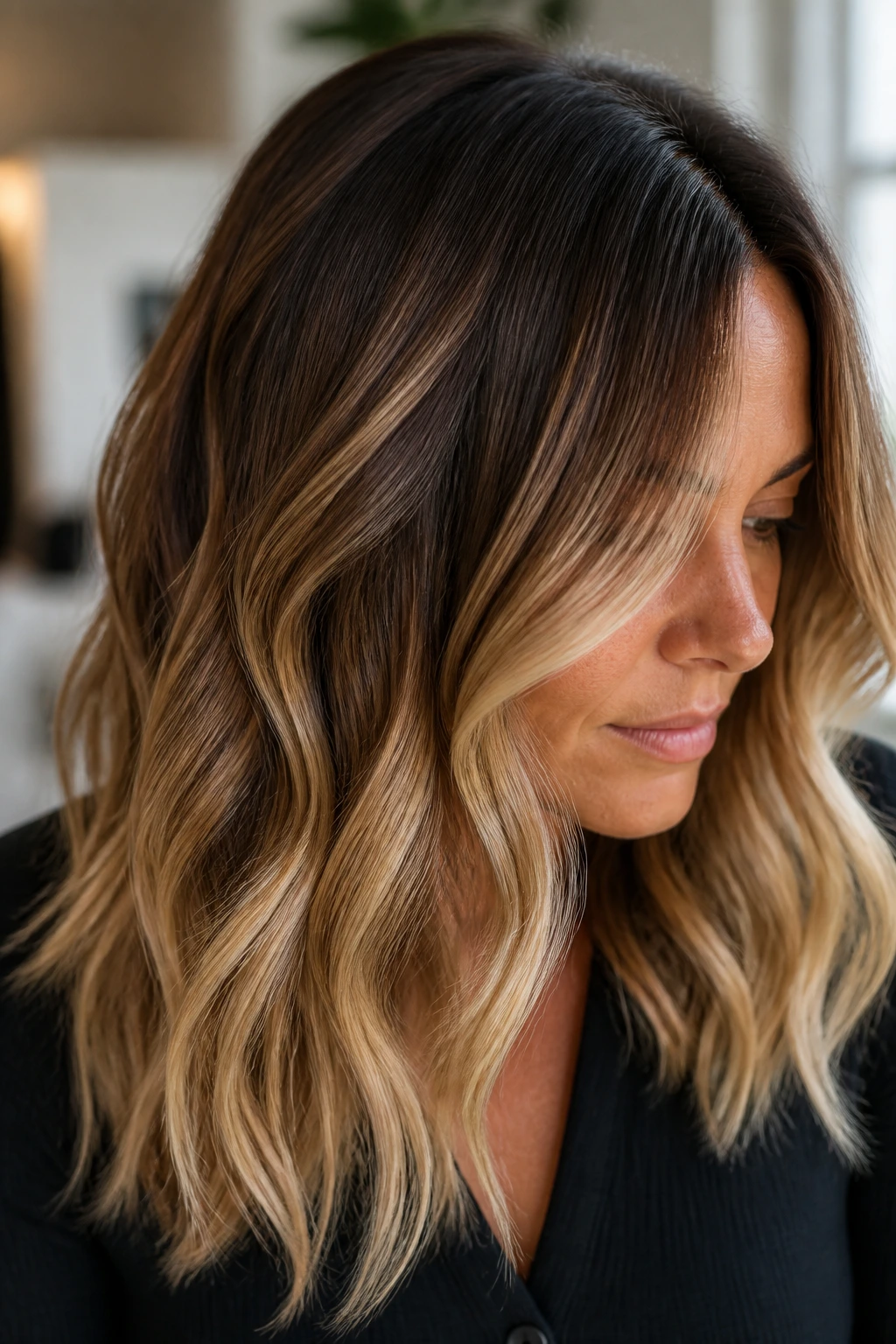
Flat color can be neat. It can even be glossy. But hair with two or three well-placed tones tends to look fuller because your eye sees depth between the shades. That’s the whole trick behind soft dimensional brightness: light pieces create motion, and deeper pieces keep the color from floating away.
The best part is how little you sometimes need. A handful of babylights at the part. A shadow root at the crown. A few lowlights under the top layer. Those small moves change the way the cut falls, especially when the hair is layered or has texture. Straight hair gets cleaner lines. Wavy hair gets more sparkle. Curly hair gets shape.
There’s also a practical side people ignore until the grow-out starts showing. Softly blended highlights don’t ask for constant correction. The root can come in a bit, the toner can fade a touch, and the style still looks like itself. That’s a much better arrangement than needing a color appointment every time the mirror catches you at a bad angle.
Essential Tools for a Strong Consultation and Easy Styling
-
A few clear inspiration photos: Bring shots of the front, back, and side if you can find them. One photo of glossy studio hair is never enough on its own.
-
A note on your natural color level: Your colorist needs to know if you’re a dark blonde, medium brown, or deep brunette. Guessing wastes time.
-
Color-safe shampoo and conditioner: These keep the tone from fading fast and help the lighter pieces stay softer between washes.
-
Purple or blue shampoo: Purple helps blondes stay clean and beige; blue helps brunettes hold back orange warmth without turning muddy.
-
Heat protectant: Lightened hair burns faster than virgin hair. A spray or cream before hot tools keeps the ends from getting crunchy.
-
Wide-tooth comb or detangling brush: This matters more after lightening because wet hair stretches and snaps more easily than you think.
-
Sectioning clips: Handy for styling at home, especially if you want to keep the face frame and crown pieces neat.
-
Silk or satin pillowcase: Not glamorous, but it cuts down on friction, which is a small mercy for highlighted hair that already sees enough stress.
How to Choose the Right Tone, Placement, and Brightness
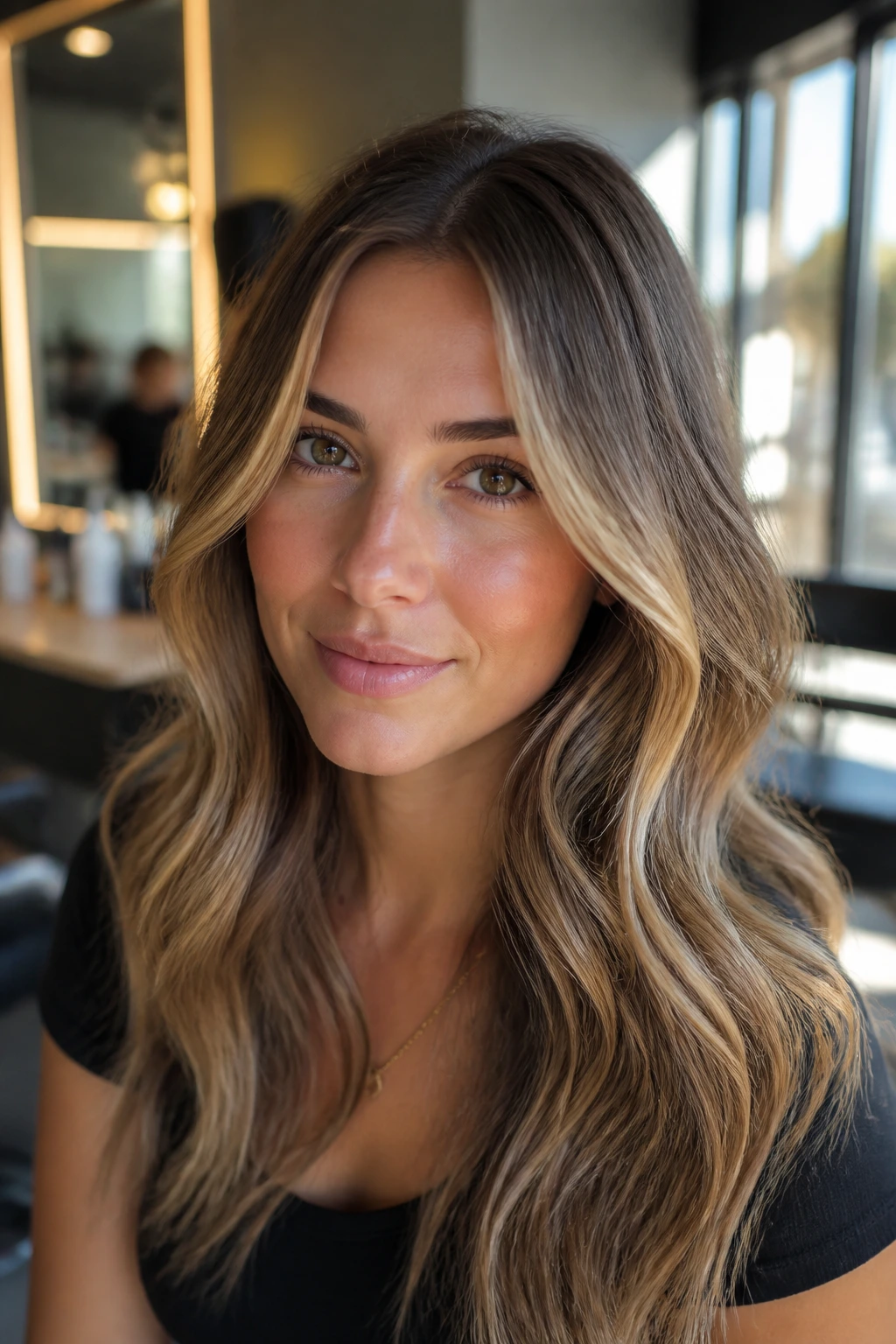
Tone comes first, even when people want to talk about brightness. Beige, honey, caramel, mushroom, pearl, rose gold — these are not just color names. They change how the highlights sit against your base and how quickly brass shows up as the toner fades. If your natural color is warm, a neutral-beige finish usually looks softer than a cold ash toner that fights the pigment underneath.
Placement is the part that makes the look feel tailored. Bright pieces around the face give the eye a starting point. Finer lights through the crown stop dark roots from looking heavy. Deeper color underneath the top layer keeps the head from reading flat. Hair that is all one brightness level can look bright in a photo and dead in motion. The good stuff moves.
Brightness should match your upkeep. If you’re not going to sit in a chair every six weeks, skip the idea of all-over lightness and ask for a shadow root, a softer balayage, or dimension that stays close to your base. If you love a bright blonde and don’t mind maintenance, go lighter. There’s no prize for choosing the most dramatic version if you hate the grow-out.
How to Style the Dimension So It Shows
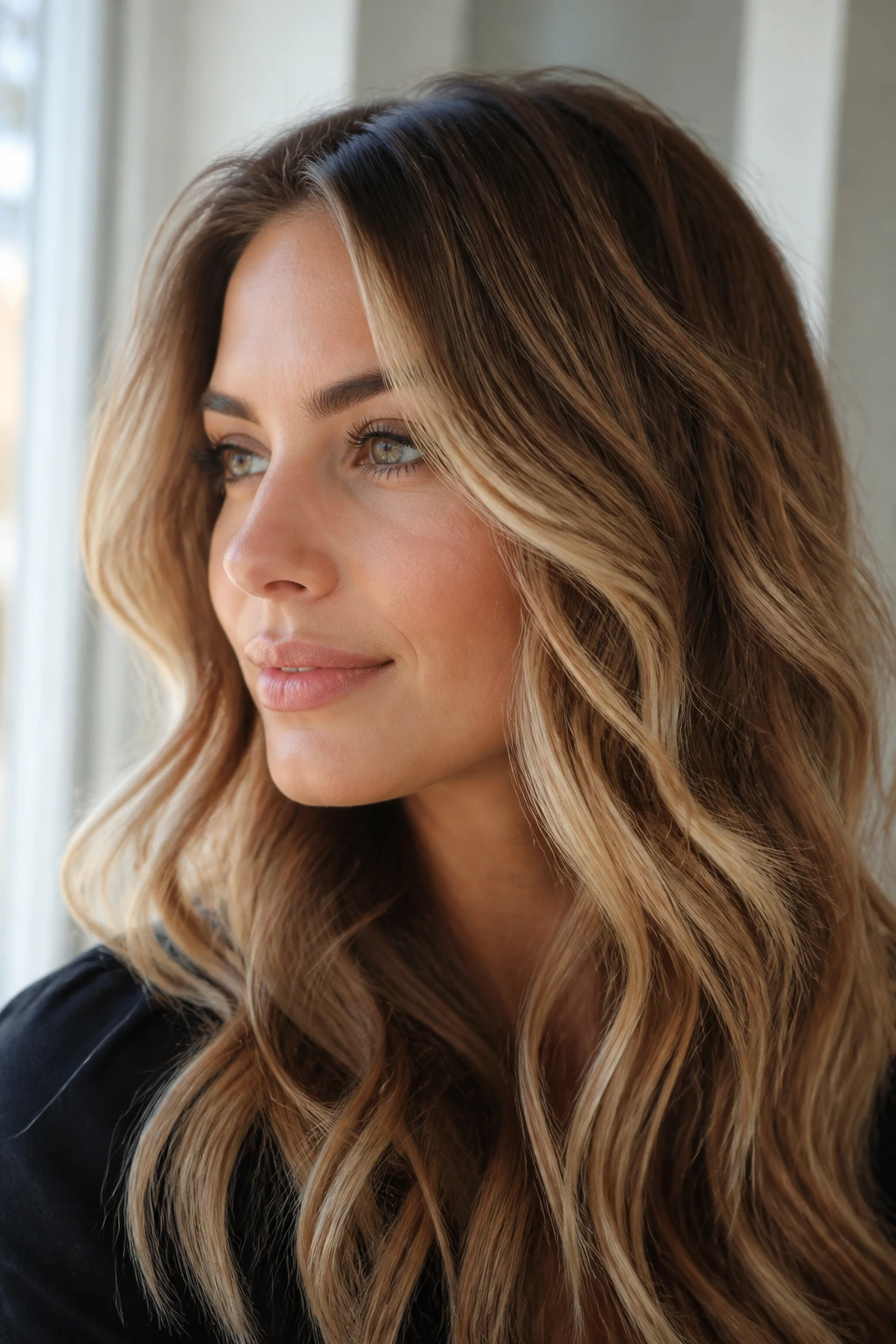
Soft waves: This is the easiest way to make ribbons, balayage, and foilyage look alive. Start the bend below the cheekbone so the face frame stays clean and the ends catch the light.
Sleek and shiny: Babylights, pearl blonde, and beige tones read best when the hair is glossy and smooth. A blowout with a round brush or a flat iron pass at low heat makes the color look polished, not fuzzy.
Air-dried texture: Mushroom browns, copper threads, and peekaboo pieces often look best when the hair is a little imperfect. The twist, bend, and mess of natural texture helps the lighter strands show in little flashes.
Half-up and pinned styles: These are useful if you want to show off face-framing highlights or hidden panels under a bob. Pulling the top layer back changes where the eye lands.
Loose braids and ponytails: Multi-tone color really shows here. The braid breaks up the light, and the depth underneath stops the style from going flat.
Additional Tips for Better Wear and Better Shine
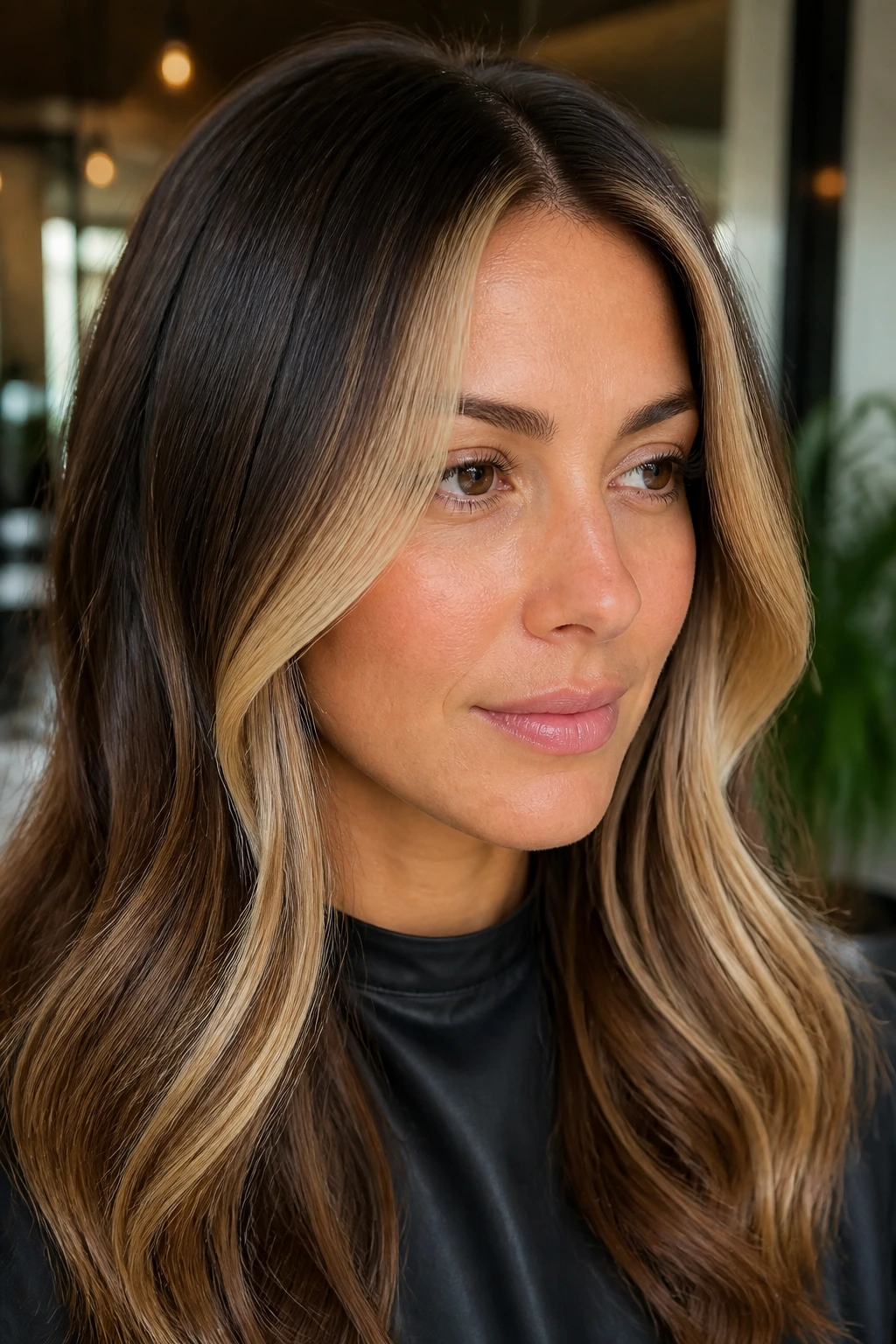
Tone Control: Ask for a gloss that sits one step lighter or one step deeper than the highlight level, not a huge jump. That small shift keeps beige and caramel shades from getting too yellow or too ashy.
Placement Trick: The brightest pieces should usually sit around the temples, top layer, and ends. That’s where light naturally lands, so the color looks deliberate instead of scattered.
Smoothing: A pea-sized amount of serum on dry mids and ends can make soft highlights reflect more cleanly. Too much product blocks the shine and leaves the hair looking coated.
Heat Habit: If your hair has been lightened, keep hot tools a little lower than you think you need. Fine hair often looks better around 300°F to 325°F than at a hotter setting that fries the cuticle.
Part Swap: Change your part once in a while. Same part every day creates one bright line and one flat side. A new part spreads the brightness around and keeps the style from getting tired.
Common Mistakes That Make Highlights Look Streaky
-
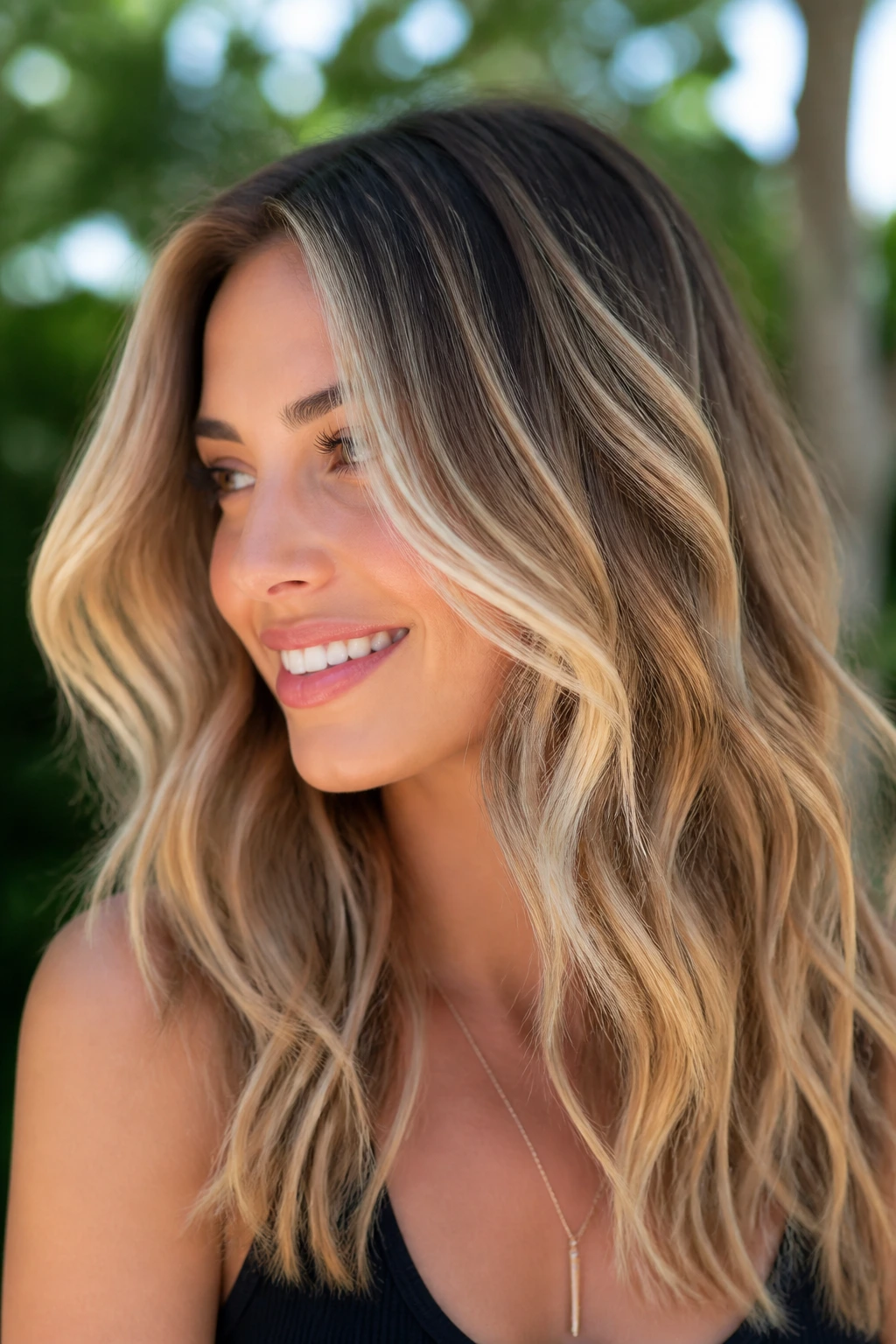
Using pieces that are too wide: Big chunks of light land like stripes. Ask for a mix of fine and medium sections so the color softens into the base.
-
Pushing dark hair too light in one session: Hair can only lift so much before it starts to feel rough and look warm. If you want pale blonde from a deep brunette base, plan for staged lightening.
-
Skipping lowlights: All-light hair loses shape fast. A few darker strands bring back depth and stop the ends from looking wispy.
-
Choosing toner without thinking about the base: Ash toner on warm hair can go dull. Gold toner on already-warm hair can go yellow. The tone has to make sense with what’s underneath.
-
Expecting highlights to fix a bad cut: If the layers are heavy or the bob is blunt in the wrong place, even gorgeous color can’t rescue the shape. The cut and the color need to talk to each other.
-
Ignoring maintenance before booking the brightest look: High-lift blonde needs more glossing, more hydration, and more touch-ups. If that sounds annoying, ask for softer dimension instead.
Named Variations and Alternatives Worth Trying
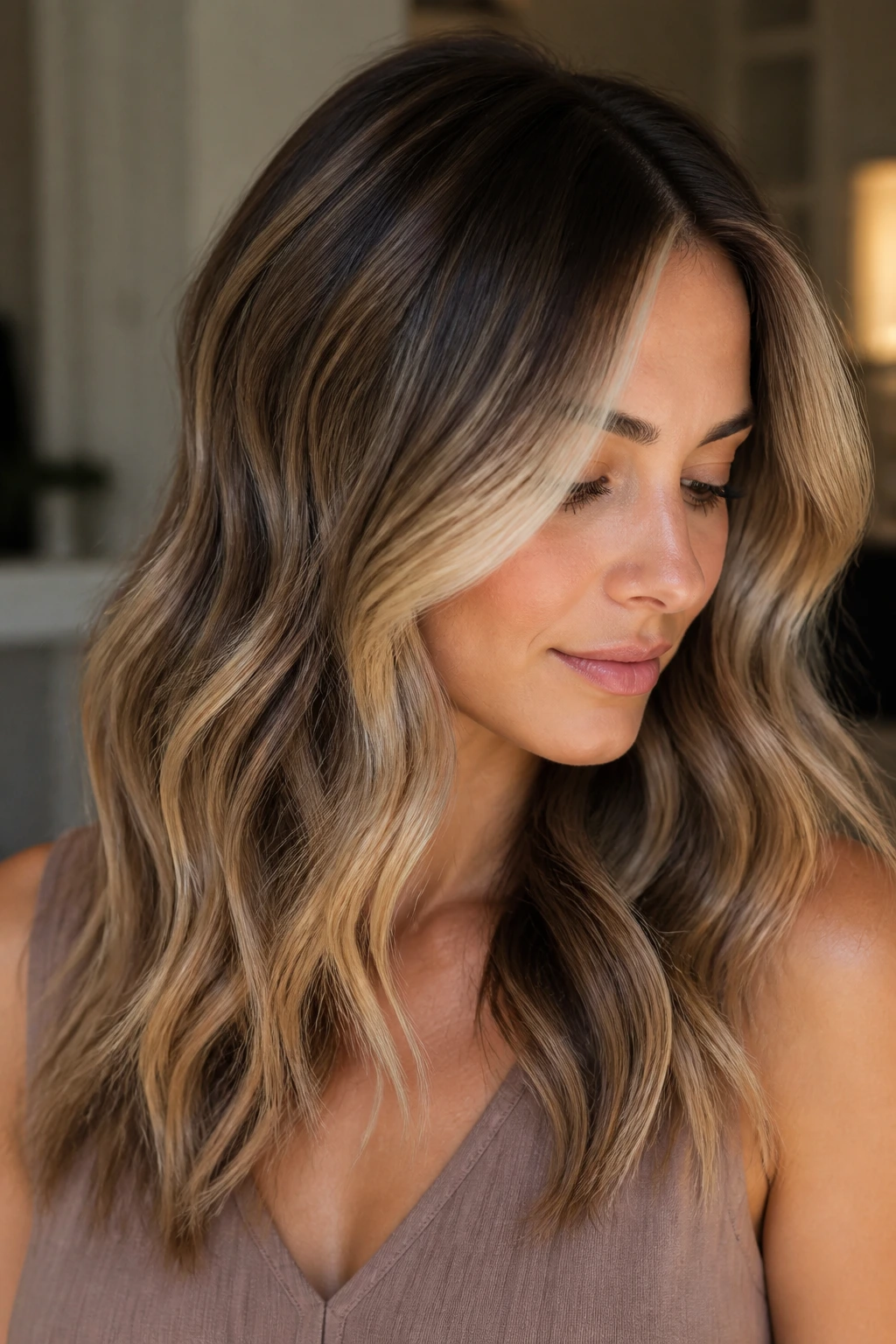
Quiet Grow-Out Blend
This version keeps the highlights close to your natural base and adds a root shadow that stretches the time between appointments. It’s the safest bet for someone who wants dimension but not a dramatic salon schedule.
Brighter Frame, Softer Body
Here, the front pieces get the spotlight while the rest of the head stays subtle. It works well if you like seeing a change in the mirror without committing to bright highlights everywhere.
Curly Ribbon Lift
Thicker ribbons painted to follow the curl pattern make textured hair read brighter without losing shape. The color sits inside the bends, which helps the curls look defined instead of frayed.
Gray-Blend Glow
This mix uses highlights, lowlights, and a translucent gloss to blur silver strands into the rest of the hair. It’s more forgiving than full coverage and usually looks better as the gray grows in.
Warm Copper Wash
A copper glaze or light cinnamon ribbon can warm brunette or red bases without turning the color harsh. It’s a good choice when you want hair that feels lively but still grounded.
Cool Beige Veil
If your hair pulls too warm, this adaptation uses beige and smoky tones to keep the brightness soft. It suits people who like a clean finish and don’t want gold running the show.
Keeping the Color Fresh Between Appointments
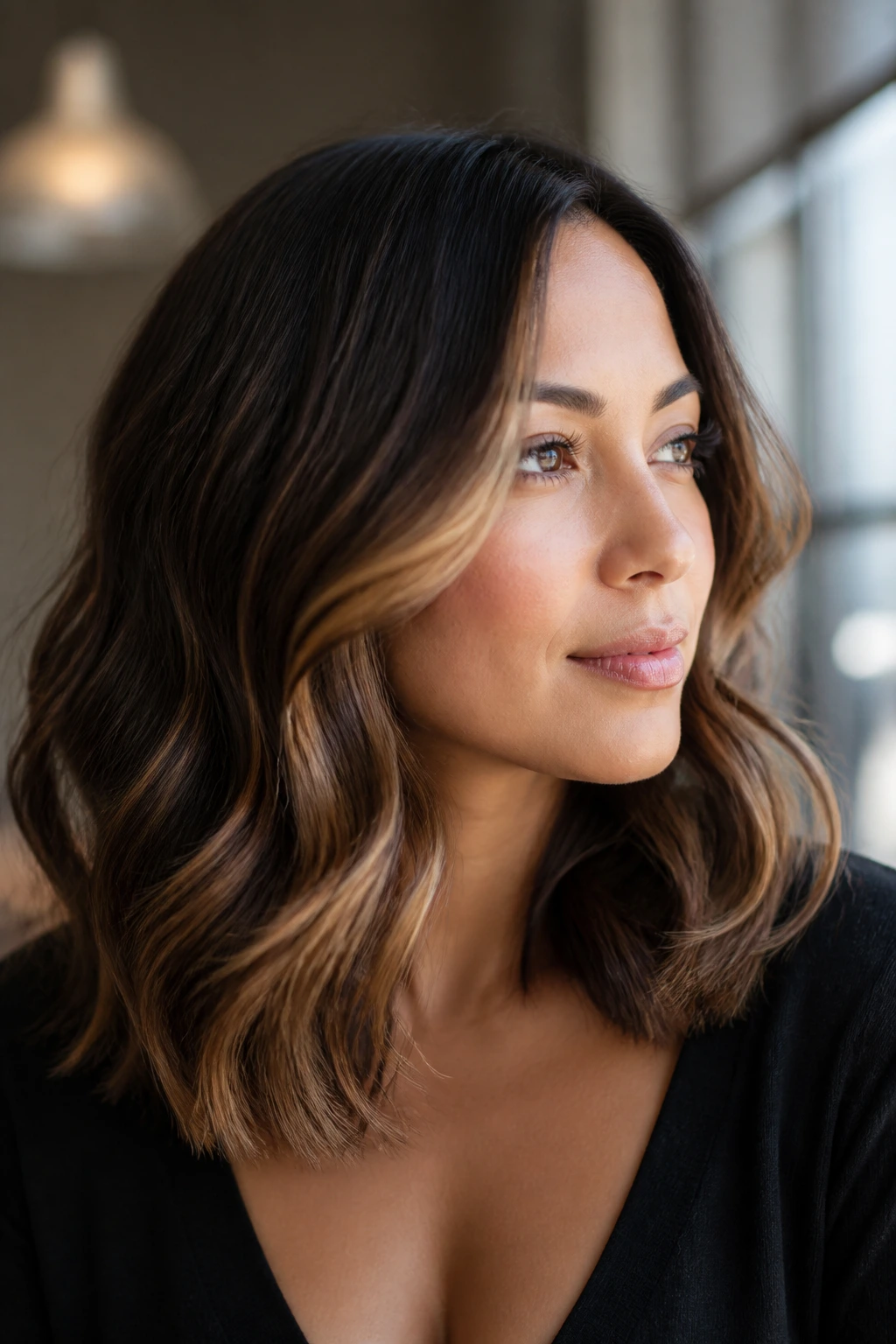
Lightened hair fades in layers. The first thing to go is usually the tone, not the actual highlight placement. That means a beige blonde can creep warm, a caramel can get a little coppery, and a pearl blonde can start to look dull if you ignore it for too long.
A gloss every 4 to 8 weeks keeps the color honest. The exact gap depends on how light your hair is and how often you wash it. If you have fine blonde hair, purple shampoo once a week is often enough to stop yellow tones from building. If your hair is brunette with warm highlights, a blue shampoo every 2 to 3 weeks usually does the job without flattening the warmth completely.
Heat protection matters every single time you use a hot tool. So does hydration. One deep-conditioning mask a week is often enough for most highlighted hair, but very light or porous ends may want more moisture and less protein. If the hair starts to feel rough instead of soft, cut back on heat before you pile on more product.
A trim every 8 to 12 weeks keeps the ends neat, and that matters because bright ends look best when they’re clean, not frayed. You can have gorgeous color and still lose the effect if the bottom looks thirsty.
Frequently Asked Questions
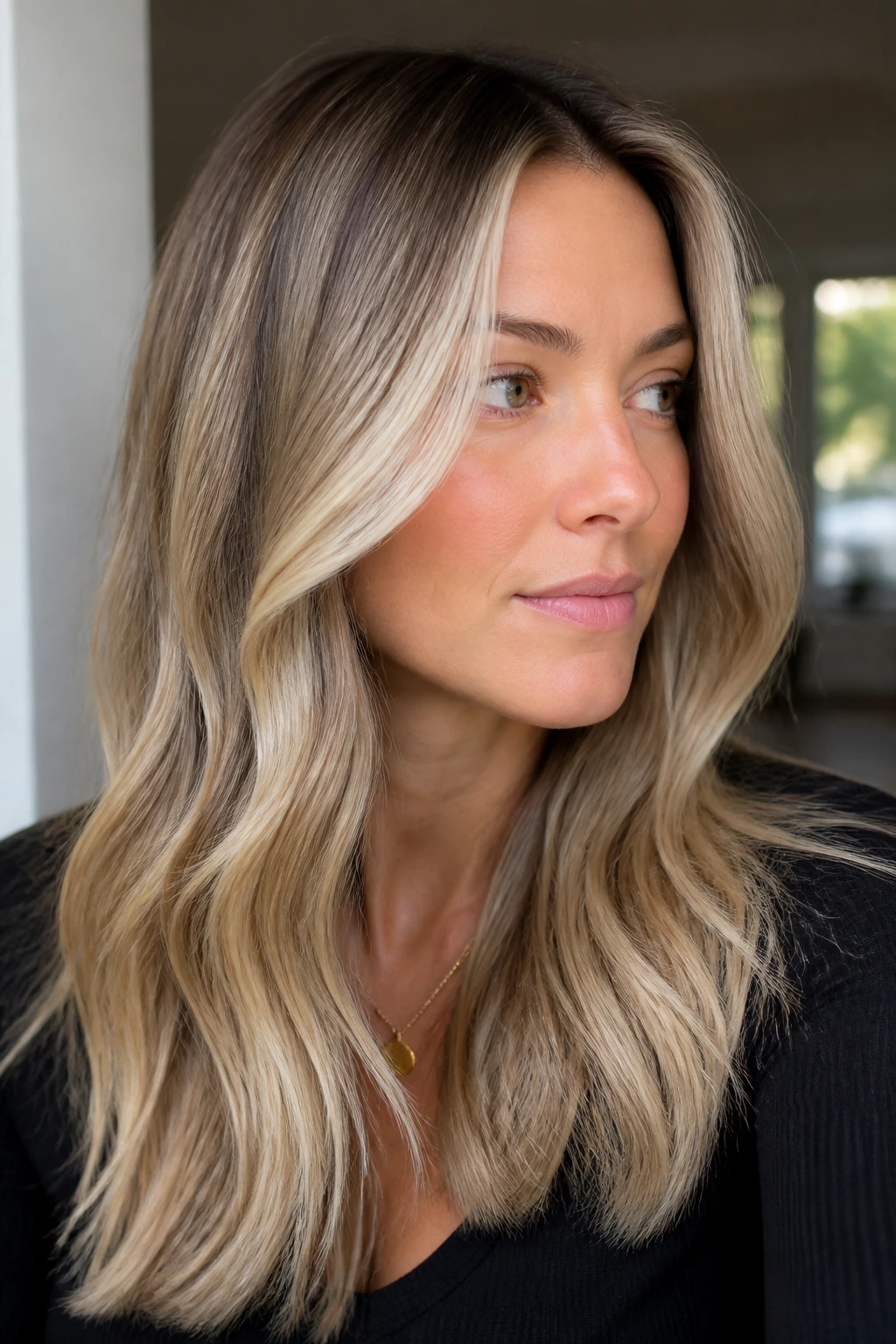
How do I ask for soft dimensional highlights at the salon?
Bring two or three photos, then tell your colorist which part you want to notice first: the face frame, the crown, or the ends. Say you want dimension, not one flat blonde layer, and mention whether you want soft grow-out or a brighter contrast.
Are babylights better than balayage for this look?
Babylights give a finer, softer finish. Balayage gives a more painted, lived-in feel. If your hair is fine or you want a quiet shimmer, babylights often win. If you want visible movement through waves and ends, balayage or foilyage usually reads better.
Can soft dimensional highlights work on dark brown hair?
Yes, but the tone matters. Caramel, toffee, cinnamon, and warm beige usually show more clearly on dark bases than pale ash tones do. If you want a very light result, plan for more than one session.
Will highlights cover gray hair?
Not fully. Highlights blend gray and break it up, which can make the regrowth look softer. If you want full coverage at the roots, ask about combining lowlights, highlights, and a base color rather than depending on light pieces alone.
How do I keep highlights from turning brassy?
Use the right shampoo for your tone, not the strongest purple bottle you can find. A beige or neutral gloss at the salon helps a lot, and heat protectant matters because hot tools can speed up fading and warmth.
What if my highlights look too stripey after the appointment?
That usually means the pieces are too wide, too bright, or too close in tone to each other. A gloss, a few lowlights, or a softer root smudge can calm the contrast. If the lines are severe, a second color pass may be needed to break them up.
Can curly hair wear these highlight ideas well?
Curly hair can wear them beautifully, but the placement has to follow the curl pattern. Thin painted ribbons and face-framing pieces tend to work better than uniform foils because curls shrink and shift the color around.
How often should I refresh the toner?
A gloss or toner refresh every 4 to 8 weeks is a common range, depending on how light the hair is and how much warmth comes through. Pale blondes usually need more frequent toning than caramel brunettes do.
Is a shadow root necessary?
No, but it helps a lot if you want softer grow-out or a more natural finish. It also keeps the top from looking too bright against the scalp, which is one of the fastest ways highlights start to feel harsh.
The Color That Moves With You
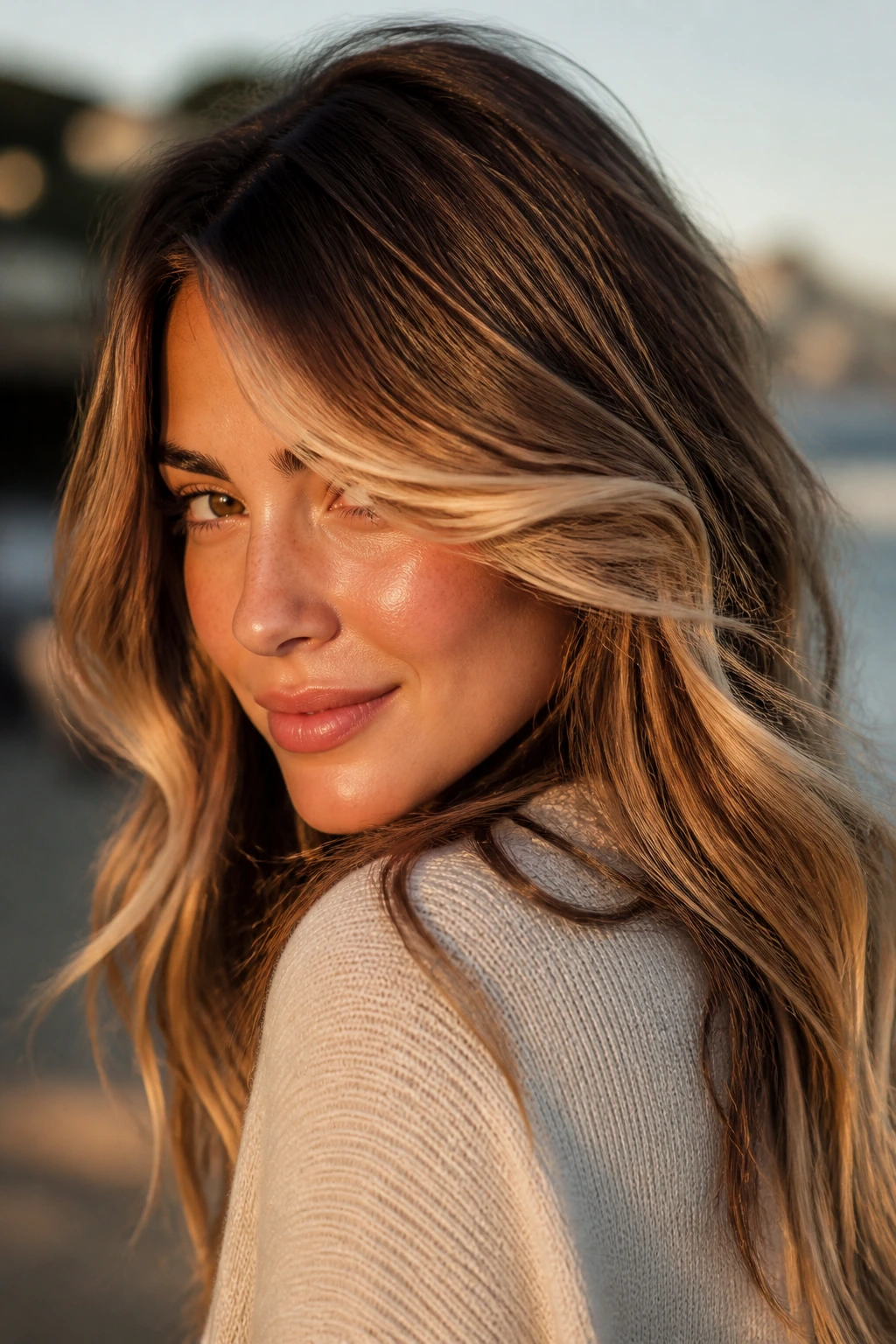
Soft dimensional brightness works because it respects the way hair actually behaves. It shifts when you turn your head. It catches light at the cheekbone, the part, the ends. It looks finished in a ponytail and softer when it falls loose again. That’s a better test than any flat salon mirror shot.
If you’re choosing among these highlights ideas, start with the part of your hair you care about most. The face frame. The crown. The ends. Once that’s clear, the rest gets easier, and the colorist has something useful to build around instead of guessing from a photo with bad lighting.
Bring a few reference pictures, but bring your habits too. How often you wash. Whether you curl it. How much grow-out you’ll tolerate. That tiny bit of honesty usually makes the difference between “nice highlights” and hair that keeps making you glance in the mirror for no reason at all.
