



Layered haircuts with balayage have a small but important advantage over almost every other color-and-cut pairing: the movement does half the work for you. A blunt line can make color look painted on top; layers give that color somewhere to live. A piece of caramel slides across a cheekbone. A lighter ribbon flashes through the ends. A deeper shadow stays near the root so the whole head still has depth instead of turning into one flat, over-lightened sheet.
That’s the part people usually miss. Balayage is not only about where the lightest pieces go. It’s about what happens when those pieces are cut into bends, flips, waves, and soft edges. On straight hair, layers keep the highlights from reading like stripes. On wavy hair, they break up the light in a way that looks expensive without being fussy. On curls, the color moves with the coil instead of sitting outside it like a sticker.
The best layered haircuts with balayage do one more thing I care about a lot: they still look good when the blowout is gone. That matters. Hair should not only look polished for twenty minutes in front of a mirror. It should keep its shape on day three, when the roots have settled, the ends have shifted, and you’ve been living your actual life. The 25 looks below are built around that idea — soft dimension, real wearability, and color placement that works with the cut instead of fighting it.
Why This Collection Feels Softer Than Standard Highlights
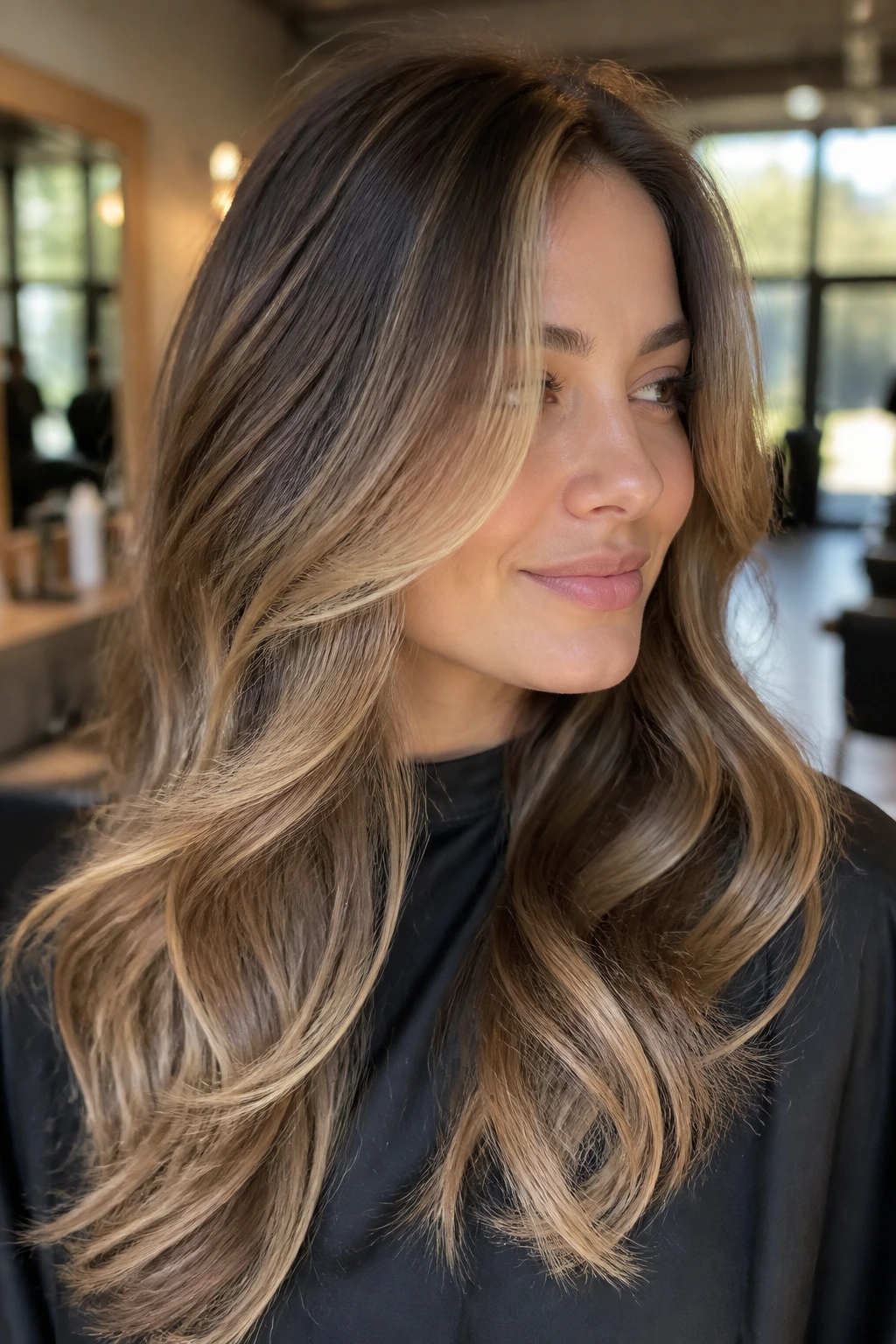
Blurred grow-out: Hand-painted balayage leaves a softer root line, so the color doesn’t turn harsh the minute your hair grows 1/2 inch.
Movement first: Layers break up the color blocks, which is why these cuts look more natural than a single heavy stripe of blonde through the top.
Works with texture: Straight, wavy, curly, and coily hair all show balayage differently, and the right layer pattern keeps the tone visible without looking choppy.
Tone flexibility: Caramel, beige blonde, mushroom brown, copper, and bronde can all read soft here, because the cut creates depth before the color even lands.
Better salon references: A layered cut with balayage gives your stylist a clear map — where brightness should sit, how high it should travel, and which sections should stay deeper.
Easier styling: A quick bend with a round brush, curling iron, or diffuser is usually enough to make the dimension show. You do not need a full glam routine every time.
1. Long Butterfly Layers With Caramel Balayage
The butterfly cut is built for people who want length and lift at the same time. The shortest layers frame the face and float around the collarbone, while the longer back section keeps that swingy, full silhouette. Add caramel balayage through the front pieces and mid-lengths, and the whole style gets a soft glow that reads warm without going orange.
Why It Works on Long Hair
Butterfly layers give caramel color more places to land. Light catches the shorter front pieces, then slips into the longer lengths, so the hair never looks heavy at the bottom.
What to Ask For
Ask for face-framing layers that start around the chin and longer internal layers through the back. Keep the caramel pieces concentrated around the front third of the head and the ends.
- Best for thick or medium-density hair
- Looks strongest with a round-brush blowout
- Keeps the root area deep, which makes the balayage look softer
Pro tip: Ask for a slightly deeper caramel at the nape and a lighter caramel near the face. That tiny shift makes the cut look intentional instead of over-bleached.
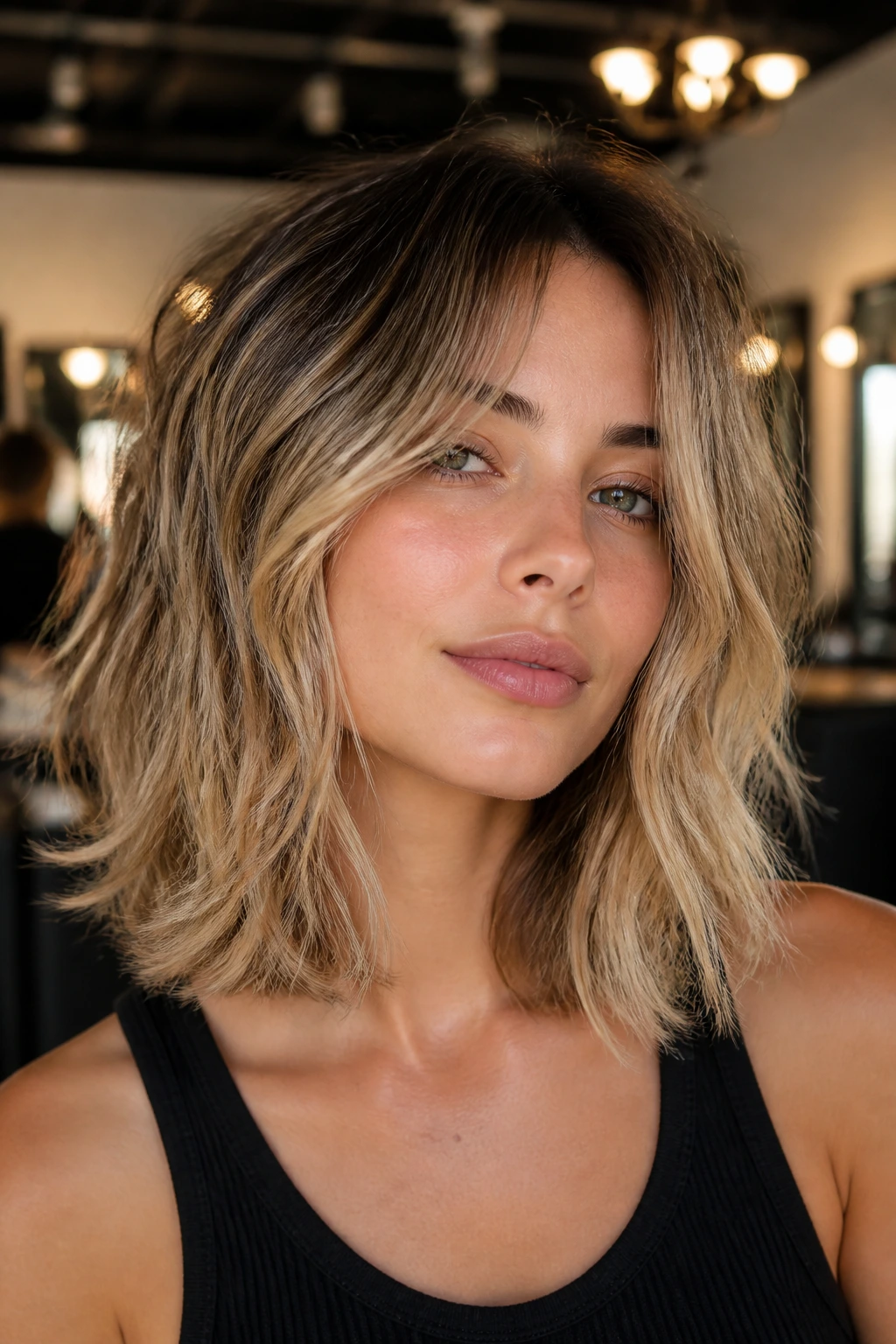
2. Collarbone Shag With Beige Blonde Balayage
A shag at collarbone length has a little attitude, but beige blonde balayage cools it down and keeps it wearable. The layers are choppy enough to add movement, yet the tone stays gentle — more sun-faded than stripey. On wavy hair, this cut gets that lived-in bend people keep trying to fake with too much curling iron.
No loud contrast here. The beige pieces should sit in the mid-lengths and ends, not blast straight from the root. That keeps the hair looking airy rather than overprocessed, which matters a lot when the layers already do the heavy lifting.
If your hair tends to puff at the sides, this is one of the better options. The piece-y ends reduce bulk, and the beige blonde balayage adds brightness without making the shape look boxy. It’s one of those styles that looks even better after a dry shampoo day.
3. Feathered Lob With Mushroom Brown Balayage
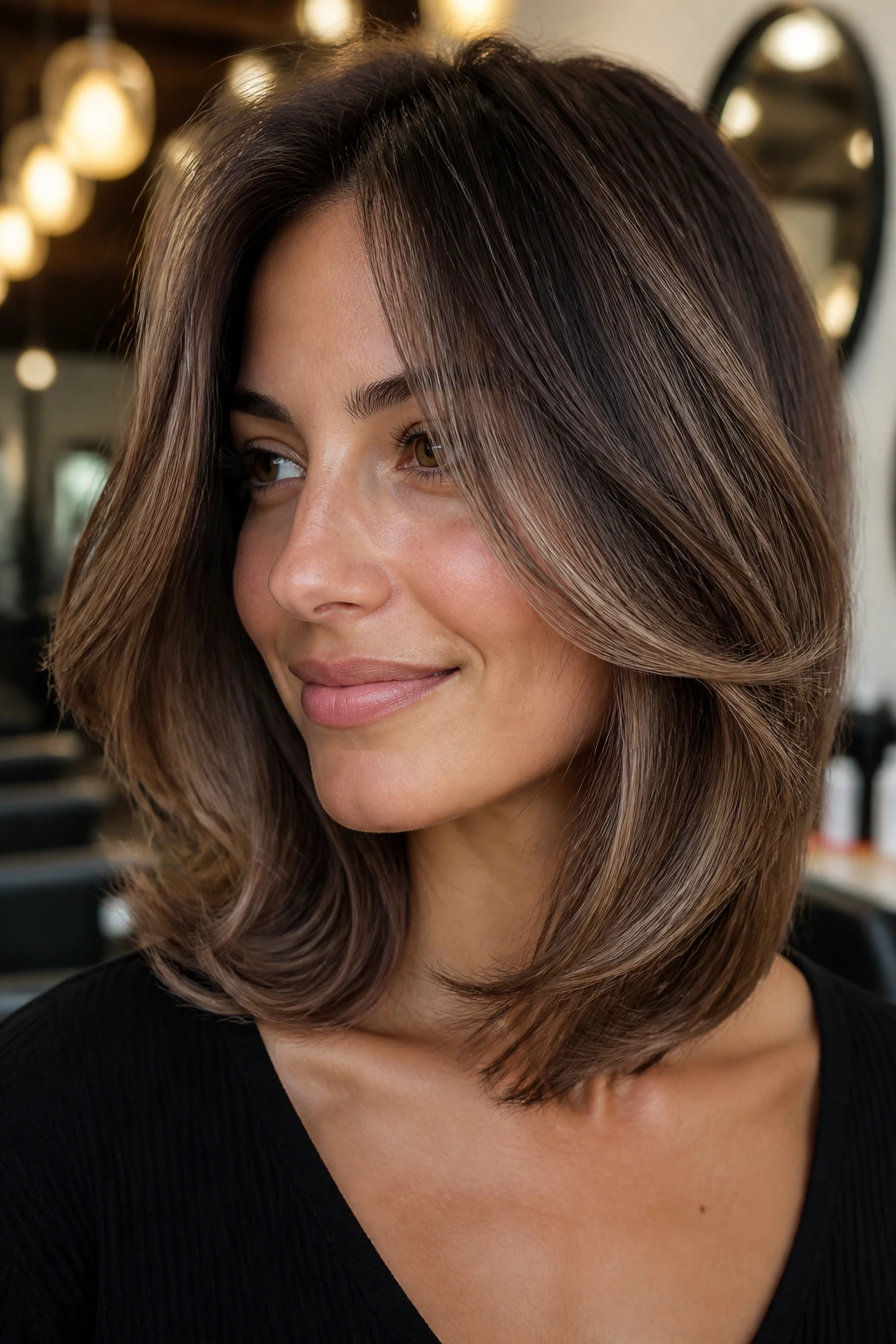
Can a brunette balayage look soft without flirting with blonde? Absolutely. Mushroom brown is the answer when you want dimension, not drama. On a feathered lob, those cool taupe-brown ribbons move through the cut like smoke, especially when the ends are blown under just a touch.
What Makes It Different
Feathering thins the edge of the lob so the lighter pieces show up in motion instead of sitting on a blunt line. The mushroom tone keeps the whole look grounded, which is why it works on people who hate warm brass.
Salon Note
Ask your colorist for micro-foils mixed into balayage if you want the softest possible blend. It gives the hair tiny bright points without turning the whole head into a highlight grid.
4. Curly Layered Cut With Honey Ribbon Balayage
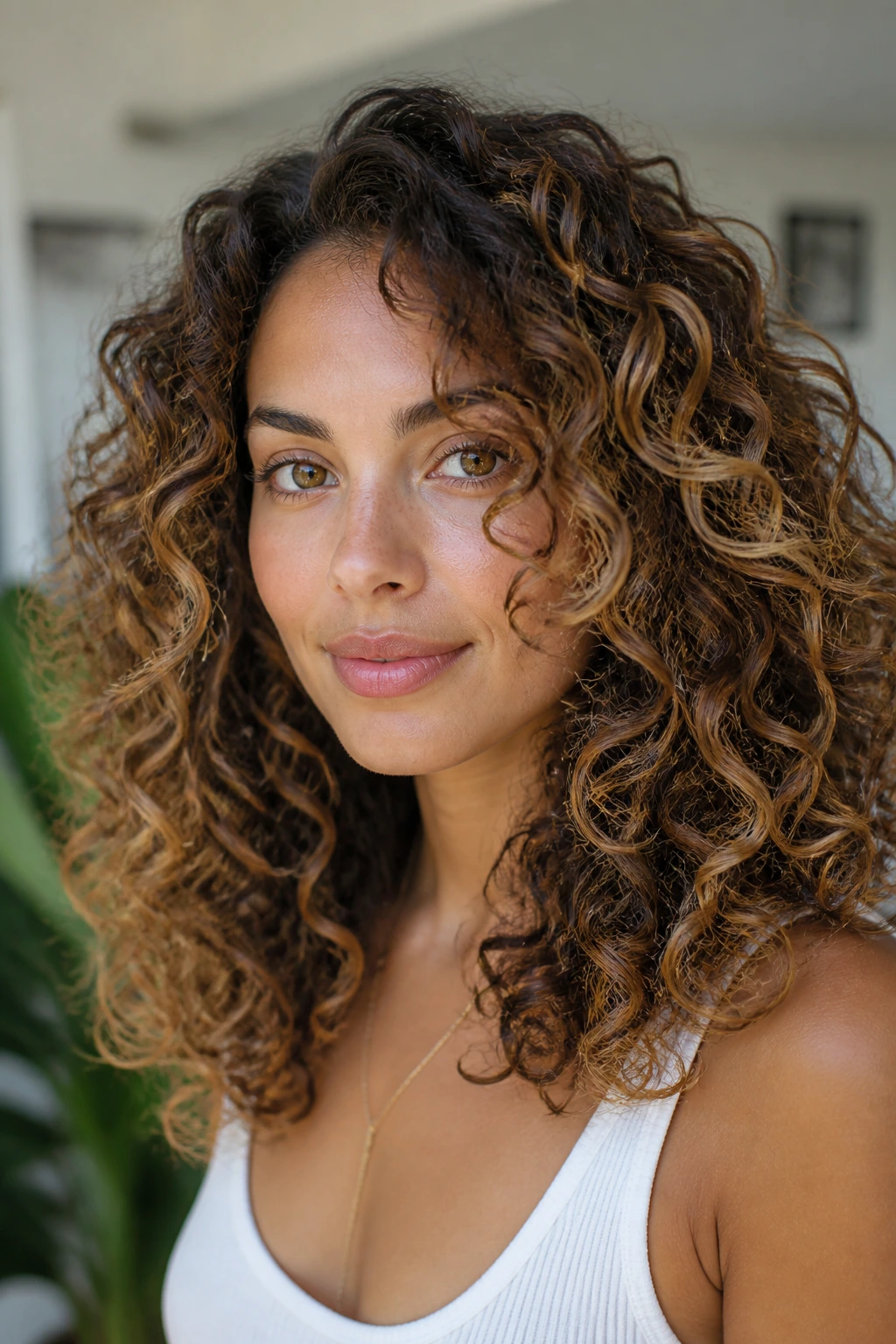
Curly hair and balayage can be a gorgeous pairing when the lightener follows the curl pattern instead of fighting it. Honey ribbons placed on the outer curve of each curl make the shape read fuller, not frizzier. That part matters, because curls need depth near the inside and brightness on the outside to show their real shape.
This cut should have rounded layers, not harsh shelves. If the layers are too short or disconnected, the curls separate in a way that makes the balayage look scattered. Honey tones are warm enough to brighten dark curls, but soft enough that the color still looks like it belongs there.
How to Wear It
Diffuse on low heat, then scrunch a light cream into the mid-lengths. A curl cream with enough slip will keep the blonde pieces smooth instead of fluffy.
Small warning: keep the lightest honey away from the very top of the crown unless you want the cut to look higher and more dramatic.
5. Face-Framing U-Shape With Vanilla Balayage
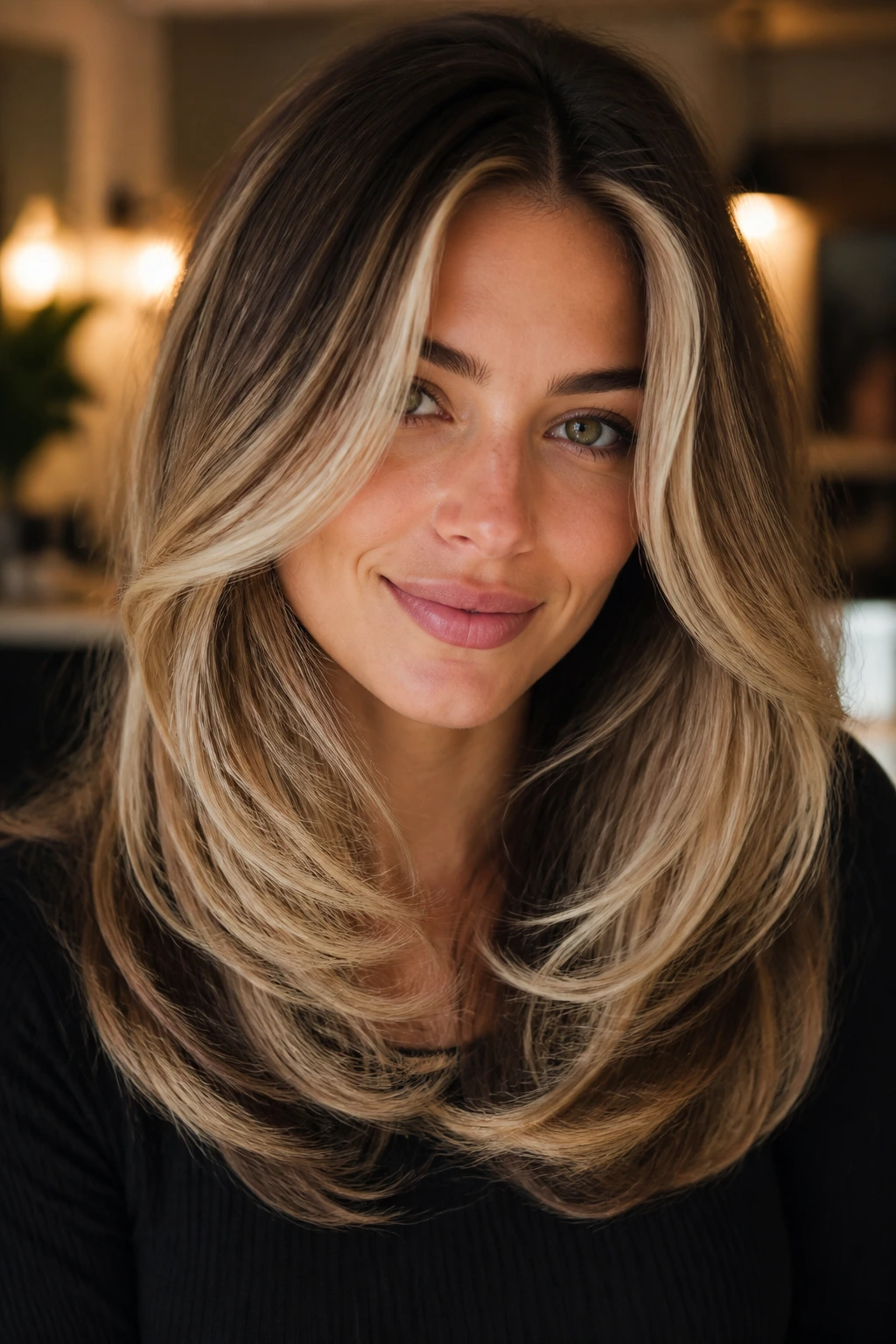
A U-shaped cut gives the ends a gentler curve than a blunt perimeter, and that curve is perfect for vanilla balayage. The bright pieces can sit right around the face and skim down through the front lengths without making the back feel thin. It’s polished, but not rigid.
The vanilla tone should stay soft and creamy, not icy. On medium to dark bases, that little warmth keeps the color from looking dusty. I like this shape on hair that’s been growing out for a while, because the U keeps the length looking full even when the layers start moving around.
Best Placement
Put the brightest vanilla around the cheekbones and the first 3 to 4 inches of the front layers. Leave more depth through the back so the shape still looks rich from behind.
6. Choppy Midi Cut With Cinnamon Balayage
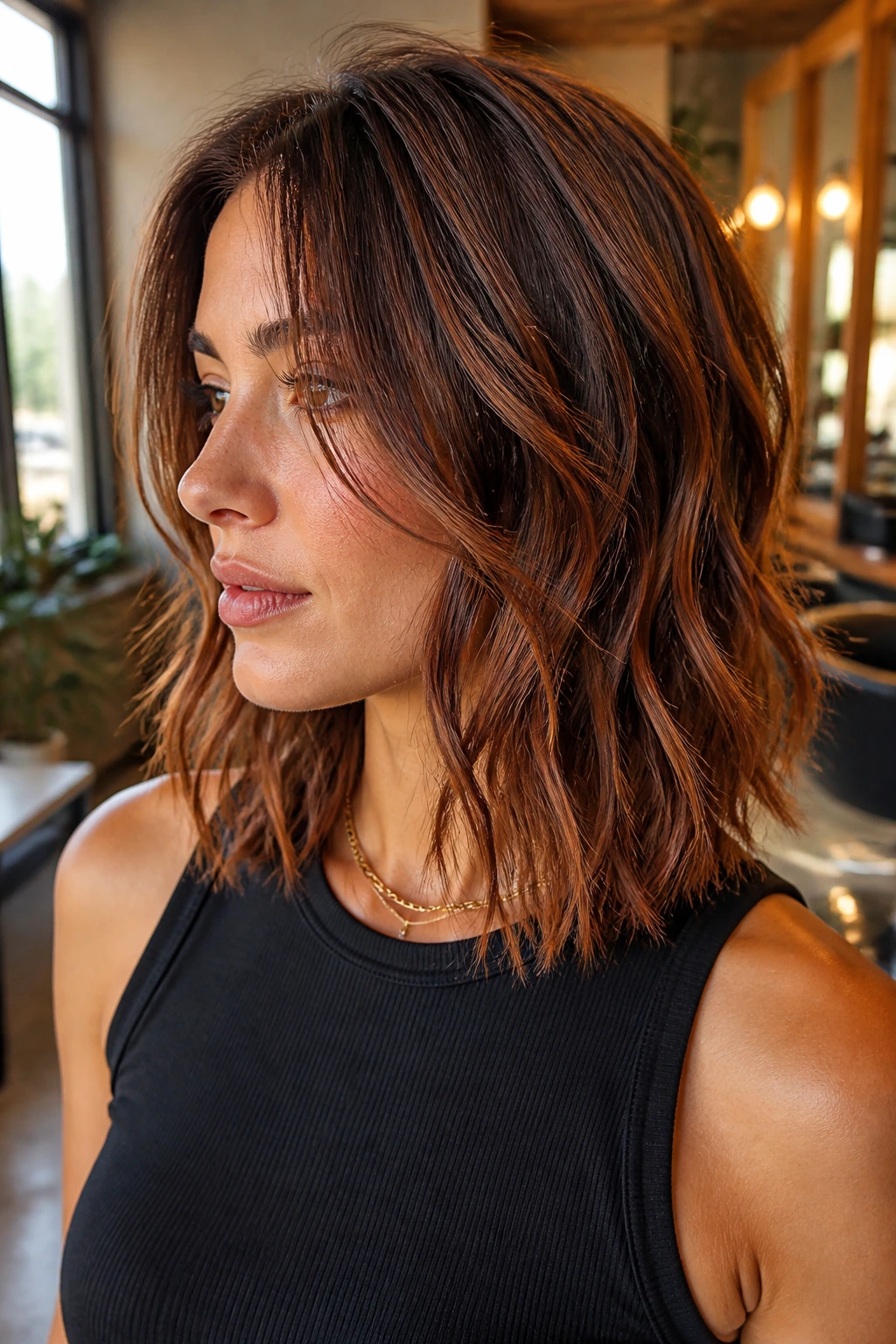
A choppy midi cut can look flat if the color is too quiet. Cinnamon balayage fixes that fast. The warm red-brown ribbons make the jagged ends look intentional, not ragged, and the whole style gets a little extra bite when the hair bends at the collarbone.
This one suits people who wear texture. Air-dried waves, blunt-ish fringe pieces, and a rough blowout all work here. The cinnamon tone needs depth around it, so avoid taking the lightness too high on the head. A few brighter pieces around the face are enough.
It’s a good choice if you want warmth without copper commitment. Cinnamon sits in that middle place between brunette and red, which is useful if you’ve had one too many cool-toned glosses and want the hair to feel alive again.
7. Soft Wolf Cut With Ash Brunette Balayage
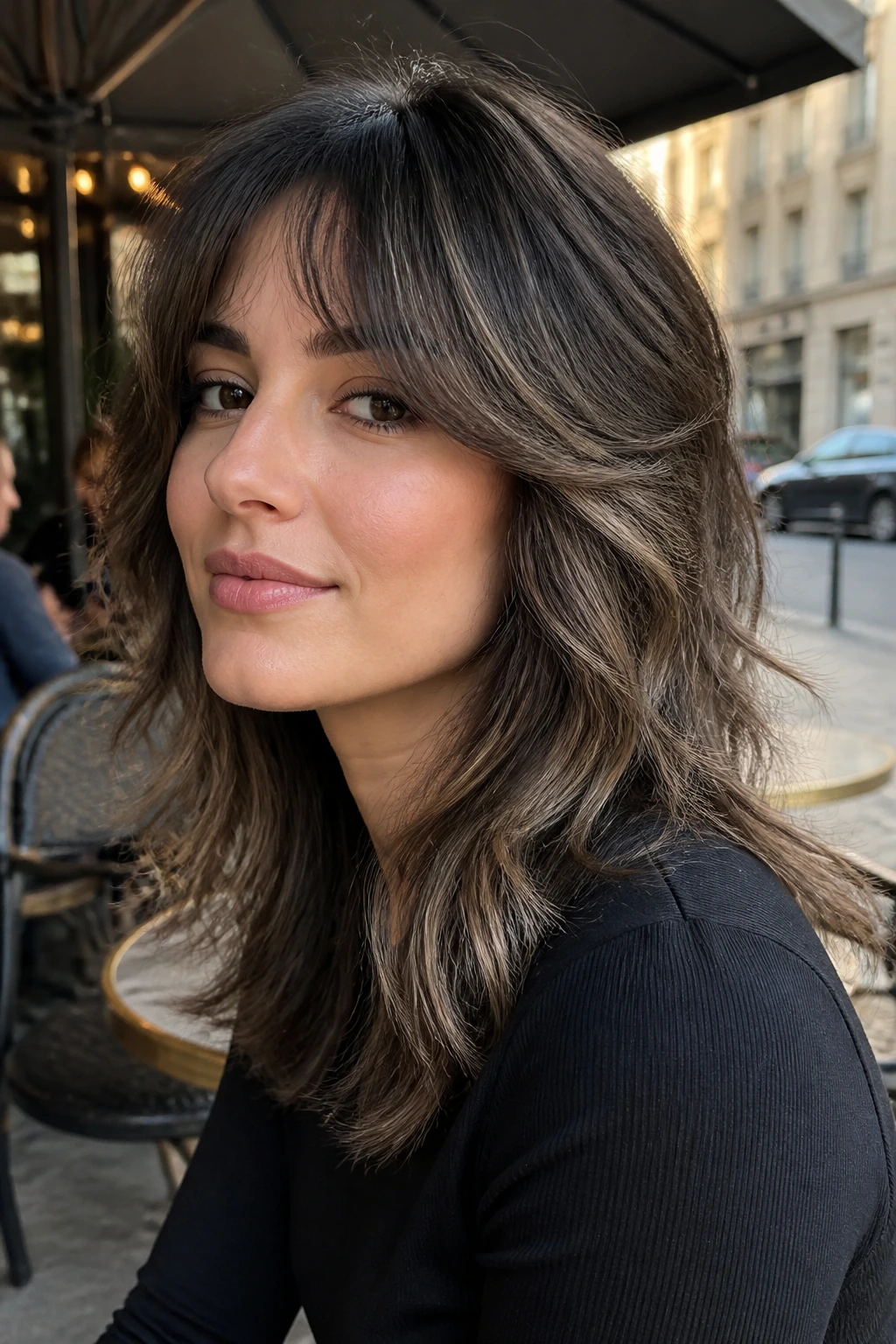
The wolf cut can tip into costume territory if it’s too high and too shaggy. Keep it soft, and ash brunette balayage makes the shape feel modern instead of messy. The shorter crown gives lift. The longer perimeter keeps the outline wearable.
Ash brunette is a smart choice when your base color is already deep and you don’t want obvious blonding. The dimension comes from contrast in tone, not contrast in brightness. That means the layers show up in motion, especially around the temples and the nape.
How to Ask For It
Tell your stylist you want short crown layers, face-framing pieces that graze the cheekbones, and a low-contrast ash brunette balayage. If the color is pushed too light, the whole cut can lose that sleek, smoky look.
8. Rounded Layers With Mocha-to-Toffee Melt
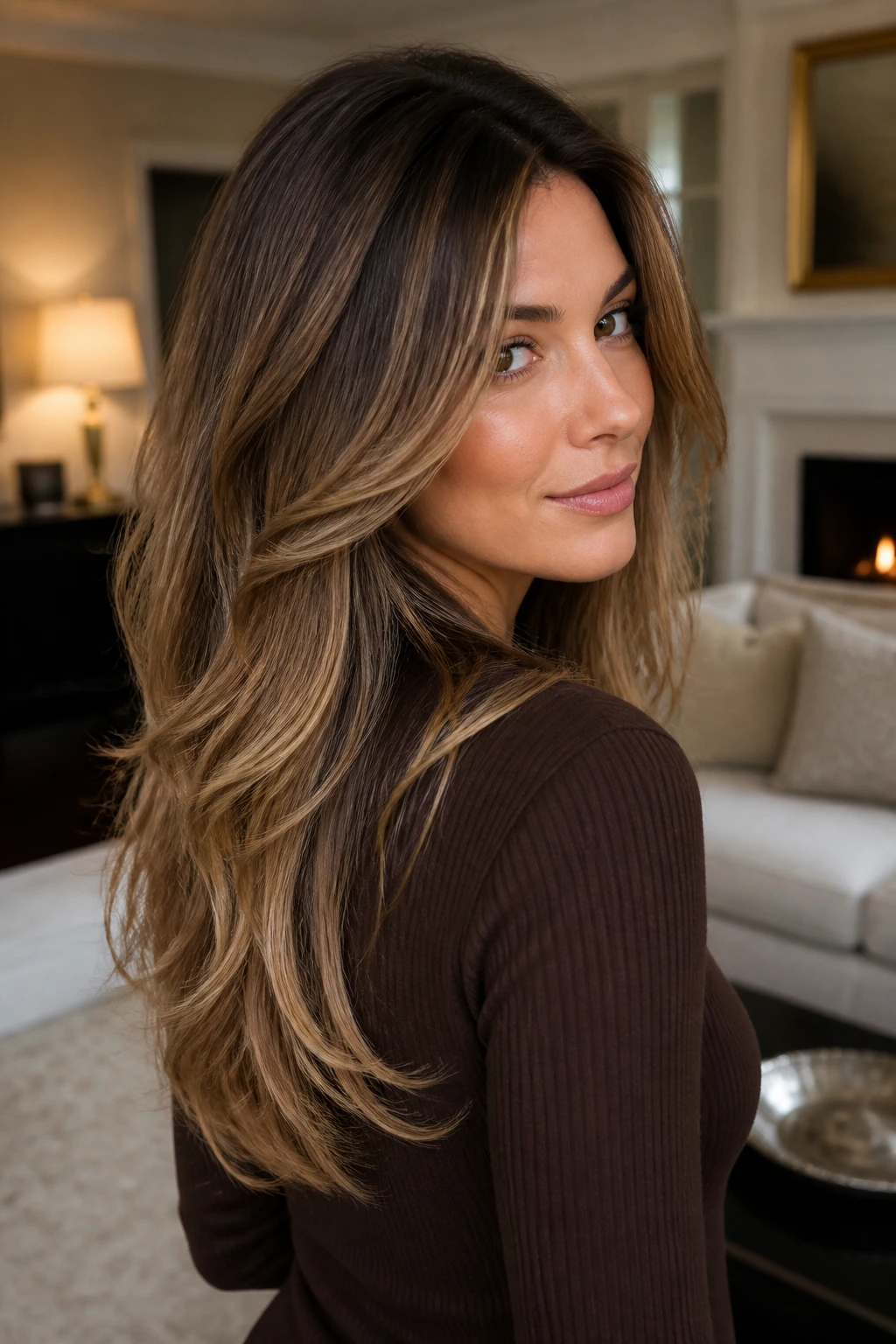
Rounded layers are underrated. They create a soft outline that makes balayage look blended even when the color has a little contrast. A mocha-to-toffee melt is especially good on this shape because the darker top, medium mids, and lighter ends follow the curve of the haircut instead of fighting it.
This is the style I’d point to for anyone who wants hair that looks polished from every angle. The back has enough fullness to feel expensive, and the front doesn’t shout for attention. The color should move gradually — no hard jumps, no thick blonde stripes, no rushed toner.
It’s a strong option for brunettes who want brightness but still like seeing their natural base. The soft transition also grows out well, which matters if you don’t want a maintenance-heavy salon schedule.
9. Curtain Bang Layers With Chestnut Balayage
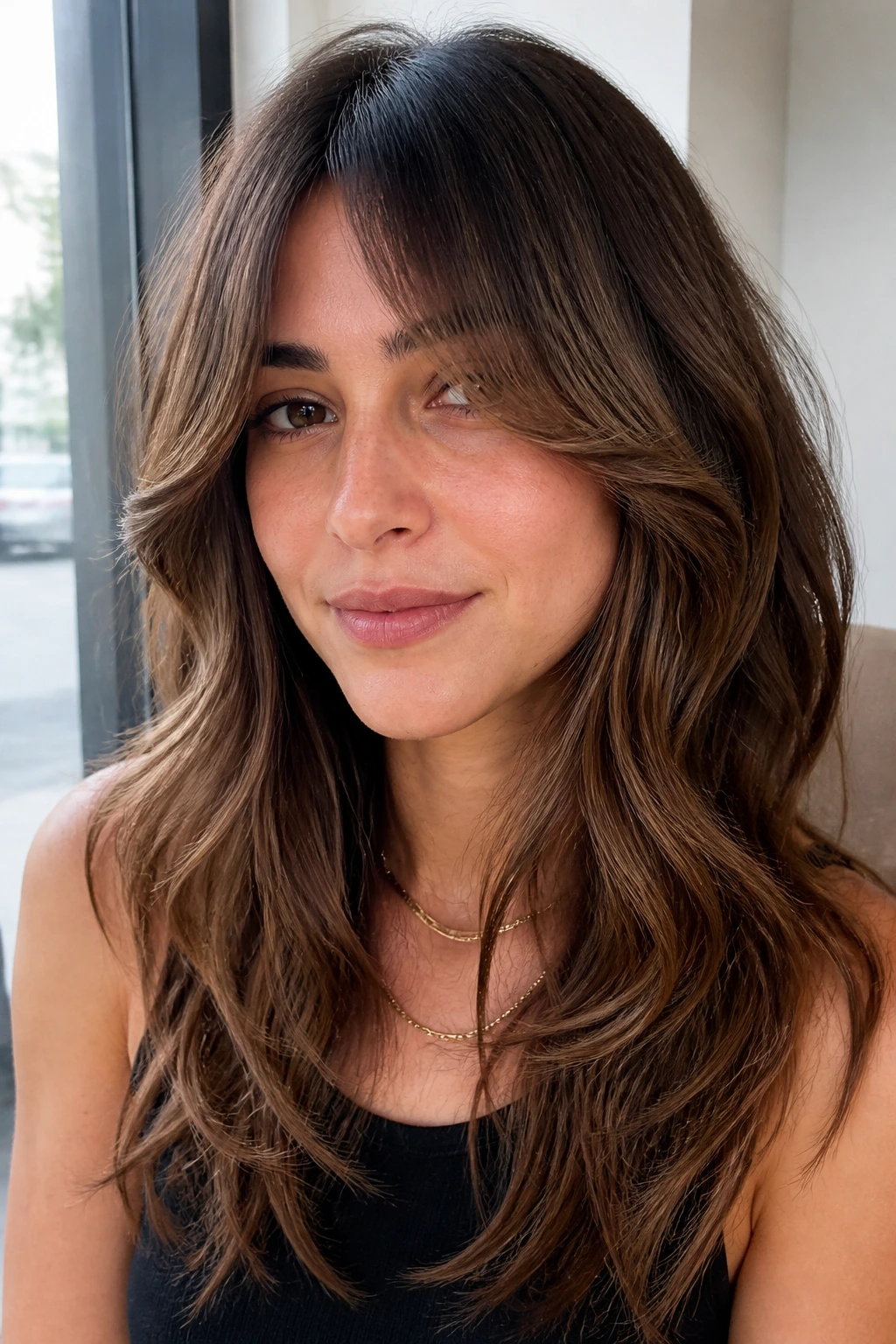
Curtain bangs and balayage can absolutely live together, but the color placement has to be careful. Chestnut balayage keeps the bangs rich at the root and lighter through the bend, so the fringe looks soft instead of streaky. That’s the trick.
The layers should open away from the face just enough to let the chestnut pieces frame the cheekbones. If the bang is too short or the face-framing section is too light, the whole front can start looking busy. Chestnut keeps it grounded.
Salon Note
Ask for the lightest pieces to sit just below the brow line and through the first swing of the bang, not right at the top. That gives you dimension when you part the hair down the middle or slightly off-center.
10. Wavy Mid-Length Layers With Champagne Balayage
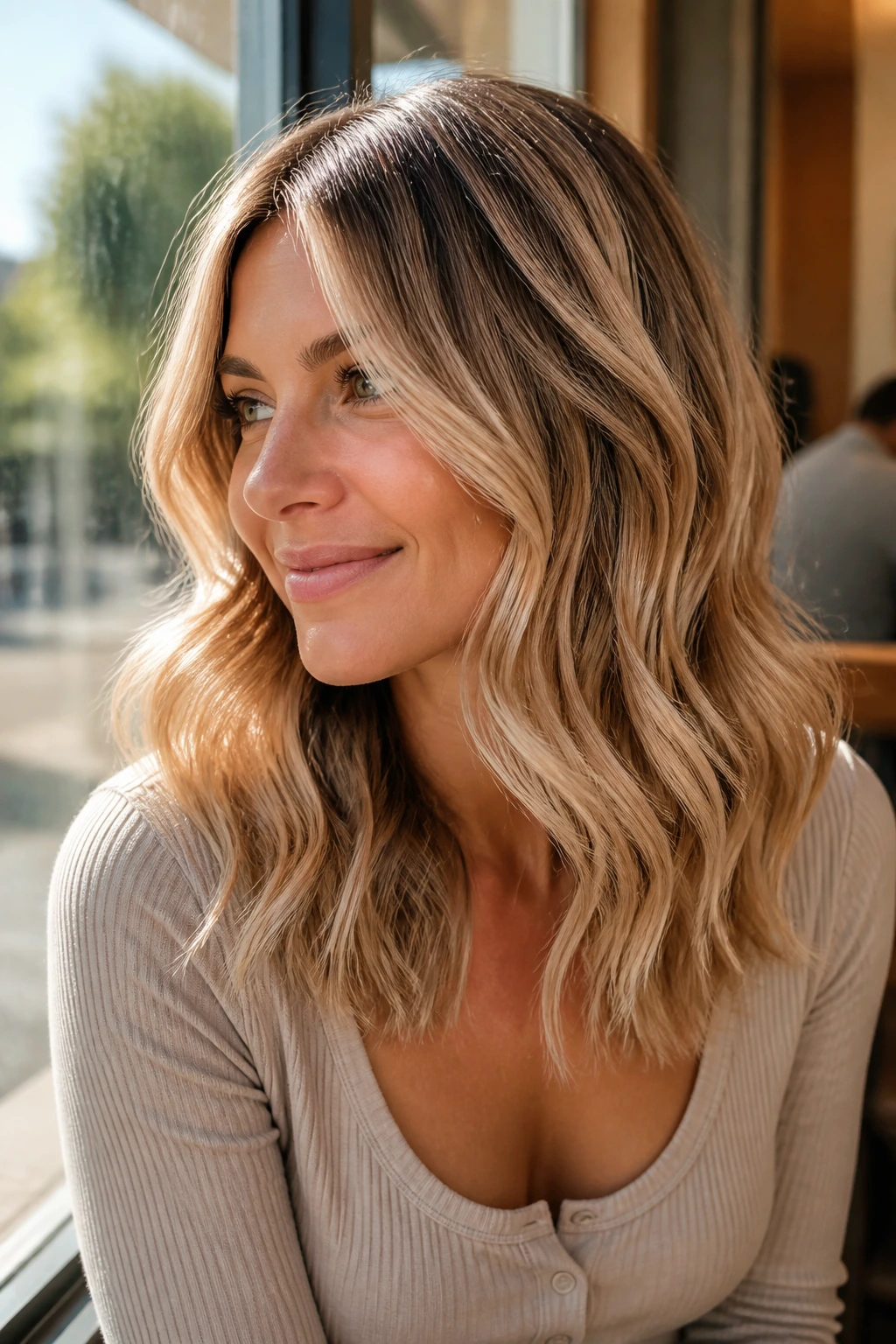
Champagne balayage is one of the few blonde tones that can look bright and soft at the same time. On mid-length layers, it picks up every bend in a loose wave, which is why this style feels lively even when the styling is minimal. The shape does not need much to work.
A mid-length cut is a good home for champagne because the hair still has enough density to support the lighter tone. The layers should be long enough to keep the ends full, or the blonde pieces can start looking stringy. That’s the part people often overlook.
If you like a bendy, polished wave, this is a strong pick. A 1.25-inch curling iron and a quick brush-out are usually enough. Let the face-framing pieces fall away from the face, and the champagne tone will do the rest.
11. Straight Long Layers With Smoked Bronde Balayage
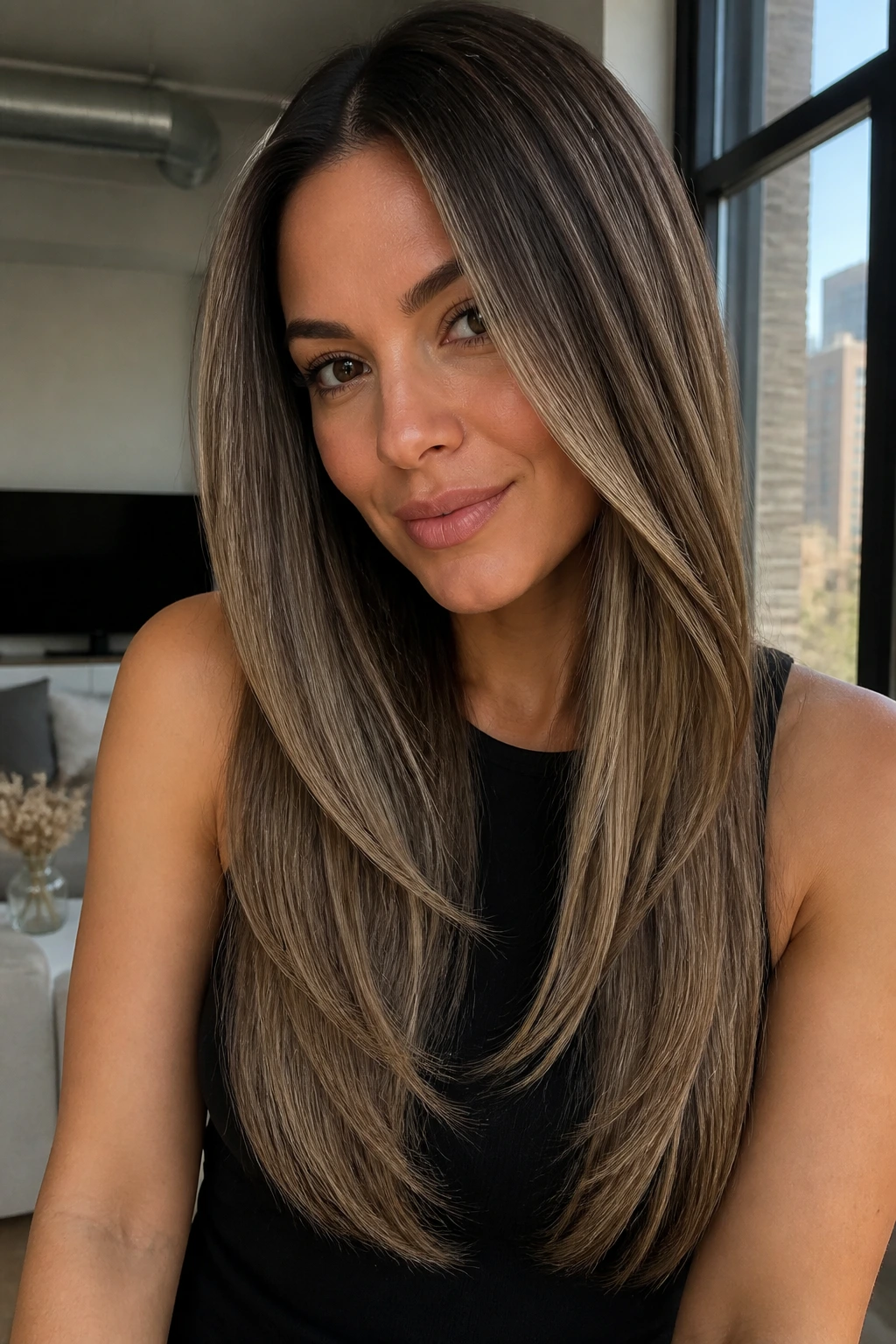
Straight hair shows every decision you make, which is why smoked bronde works so well here. Instead of leaning fully blonde or fully brunette, the color sits in the middle and uses the layers to create depth. The result is smoother than high-contrast highlights and less fussy than all-over lightening.
The layers should be long and internal, with only a small amount of movement at the ends. Too much choppiness on straight hair can make the balayage look disconnected. Smoked bronde needs a clean canvas so the tonal shift reads as intentional, not random.
This is one of the best options if you wear your hair sleek most of the time. A flat iron pass with a slight bend at the front pieces is enough to catch the light without flattening the color.
12. Textured Pixie-Bob With Pearl Balayage
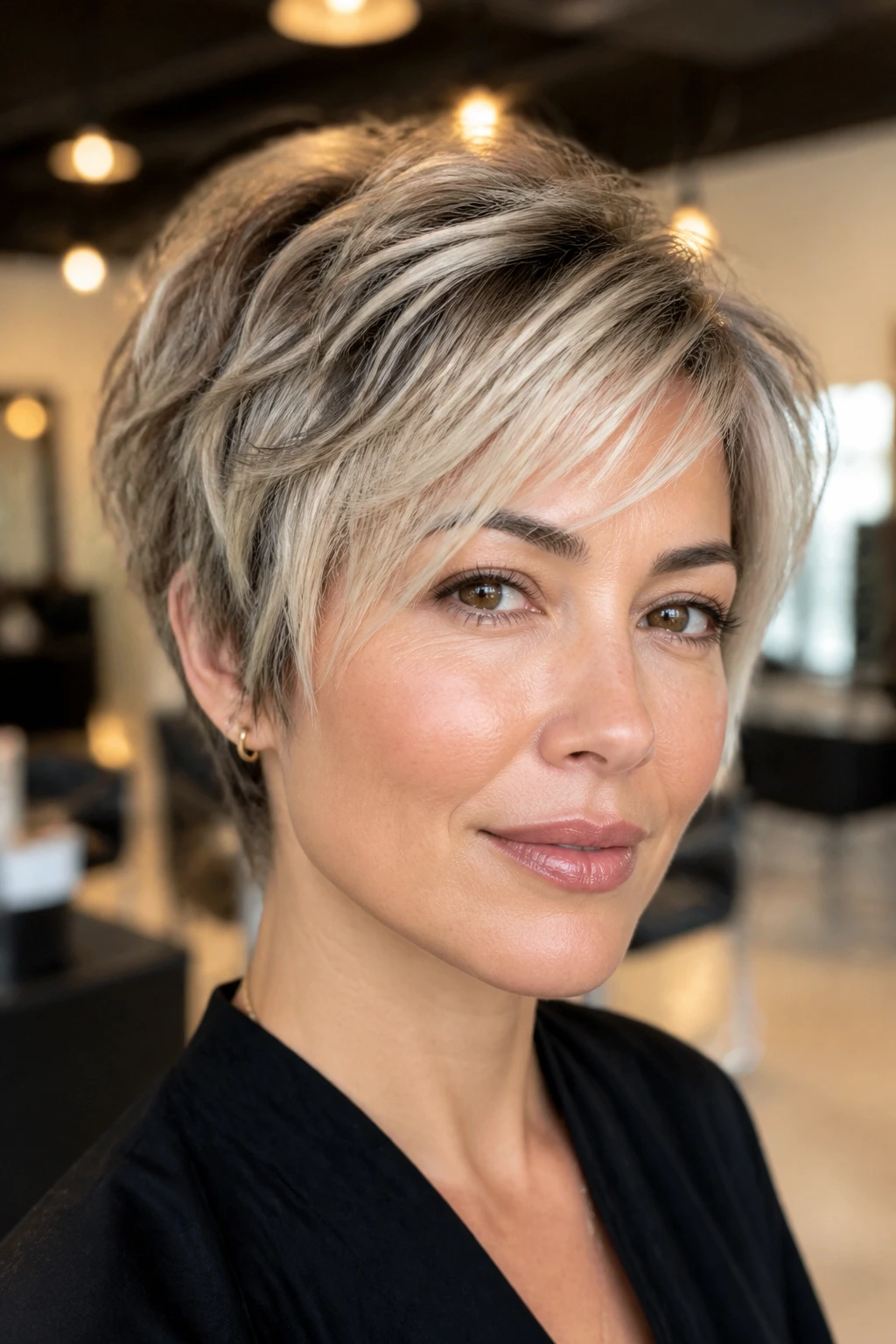
Short hair can carry balayage just fine, as long as the placement is precise. A pixie-bob with texture through the crown gives pearl balayage somewhere to shimmer. Tiny pieces around the fringe and the top layers are enough; you do not need heavy blonding to get dimension.
Pearl is a cool, soft tone that reads brighter on short cuts because the shape sits closer to the face. It’s especially good when the sides are tucked a little shorter and the top is left airy. The contrast between the cut and the tone keeps the style lively.
What to Watch For
Short hair grows out fast. Keep the layers feathered, not chopped bluntly, or the pearl color can look too blocky as soon as the cut loses its shape. A quick gloss every few weeks helps the tone stay clean.
13. Heavy Crown Layers With Golden Wheat Balayage
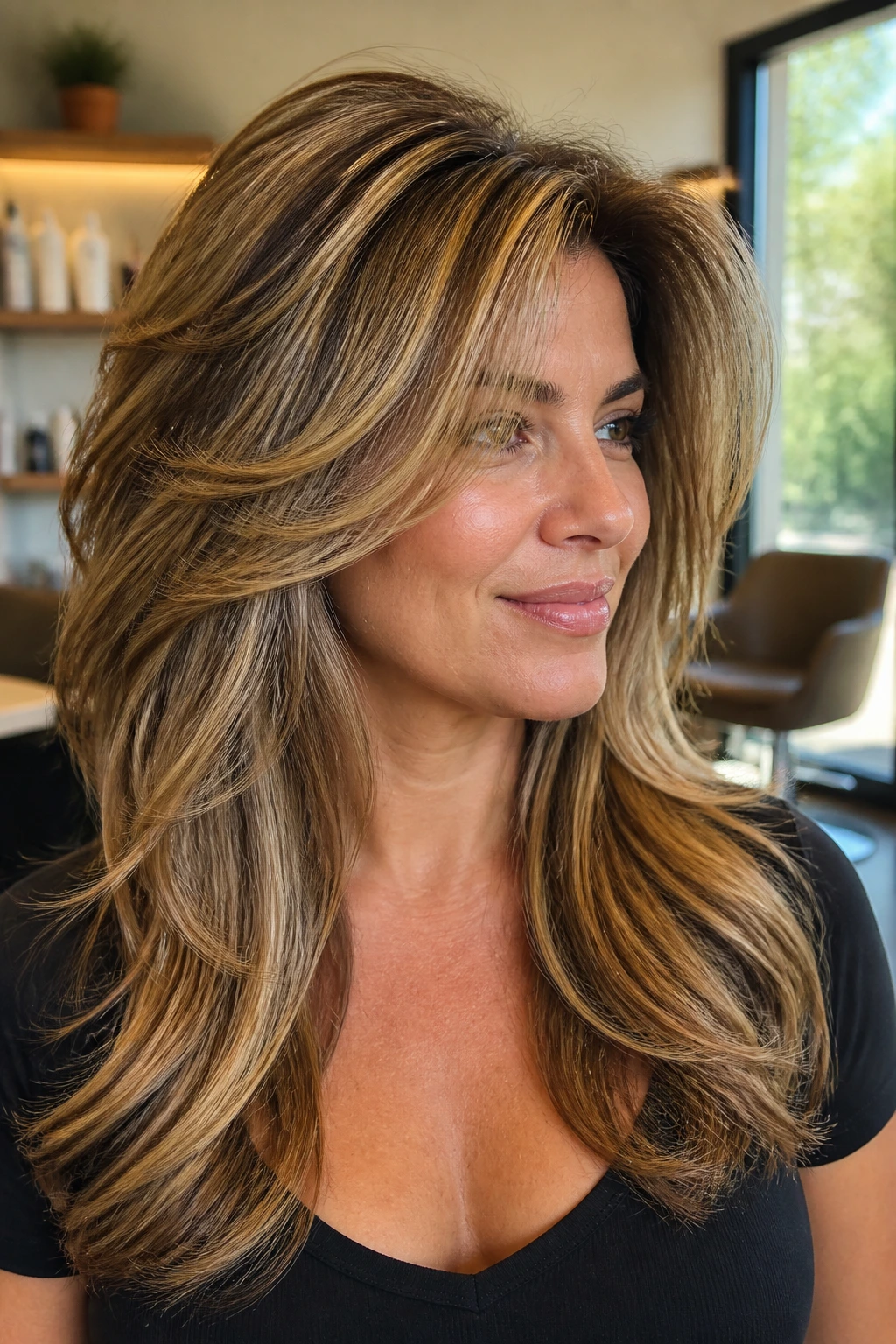
Thick hair often needs lift at the crown more than extra brightness at the ends. Heavy crown layers remove weight up top and let golden wheat balayage show through in wider, softer panels. The cut looks full, but not puffy.
Golden wheat works best when the base stays several shades deeper. That contrast makes the movement readable, especially if the hair is worn in a loose bend or a blown-out curve. On very dense hair, the color should be hand-painted in larger sections so it doesn’t vanish inside the thickness.
This style is one of my favorites for hair that likes to collapse under its own weight. Take some volume out of the crown, keep the ends full, and let the wheat tone live in the middle band where it can catch the light without looking streaky.
14. Sleek Layered Lob With Sand Beige Balayage
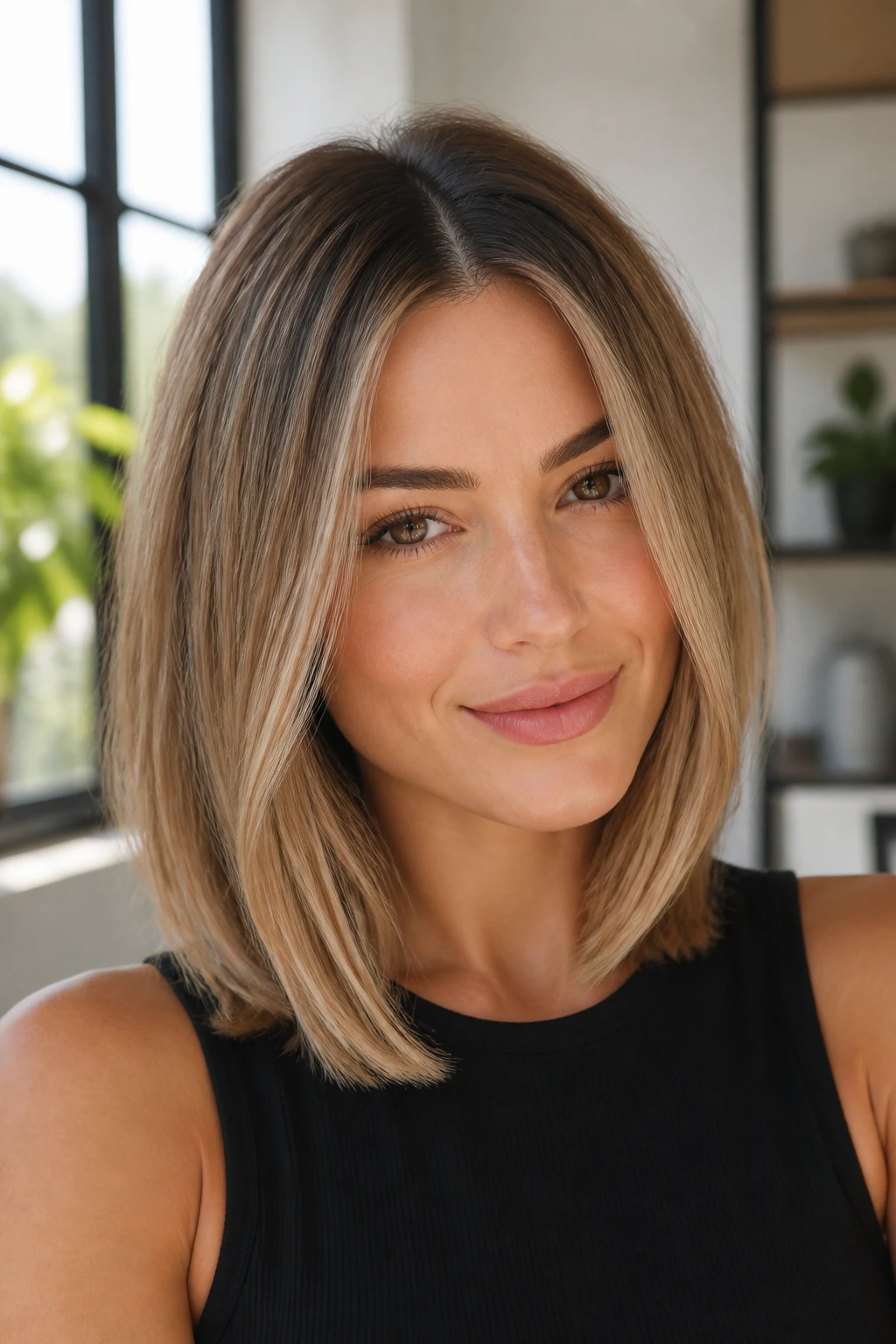
A sleek lob doesn’t have to be boring. Sand beige balayage gives it a soft surface glow, especially when the layers are subtle and the ends are blunt enough to hold their shape. The color should almost look like it grew there.
This is the cleanest style in the group. It suits straight or slightly bent hair, and it’s a good match for people who want polish without full curls or beach waves. Sand beige sits quietly on the hair, which means the shape of the lob carries the look.
A center part makes the balayage line feel balanced. If you part it deeply to one side, the brighter pieces can stack up and look heavier on one side. Sometimes that’s fine. Here, though, balance is the point.
15. Ruffled Shoulder Cut With Copper Balayage
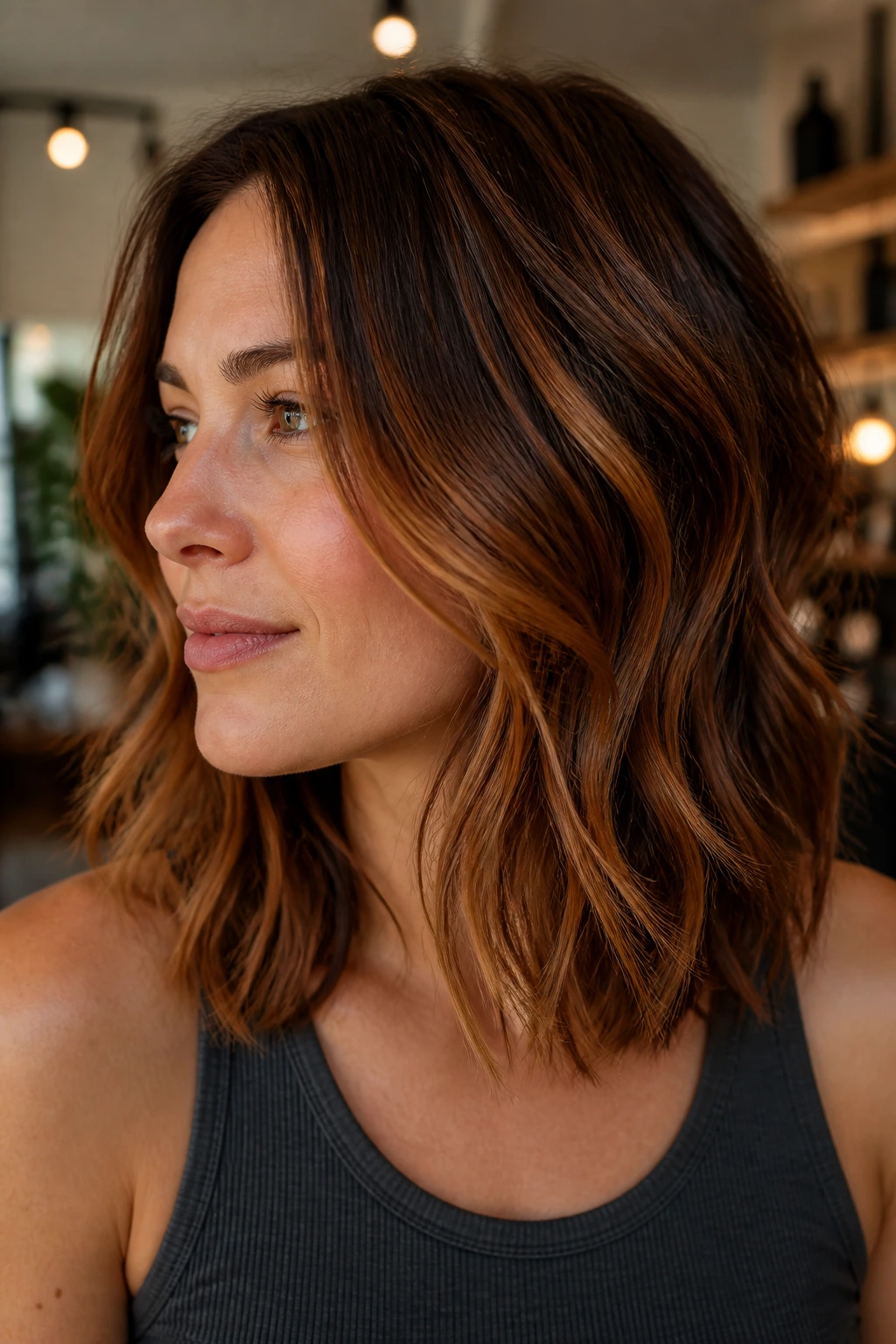
Copper balayage on a shoulder-length layered cut has a very specific energy: warm, touchable, and slightly undone. The ruffled layers keep the copper from reading flat, and the shoulder length gives the color enough space to show off without taking over the whole head.
Copper works best when the base is chestnut, medium brunette, or dark blonde. It should look like light hitting red-brown hair, not like a solid orange coating. The layers help with that because the color catches in pieces instead of sitting in one broad band.
If you like warmth but hate brass, ask for a copper tone that leans brown at the root and brighter through the mid-lengths. That gives the color some depth, and it keeps the cut from looking washed out in indoor light.
16. Long Layers With Face-Framing Money Piece
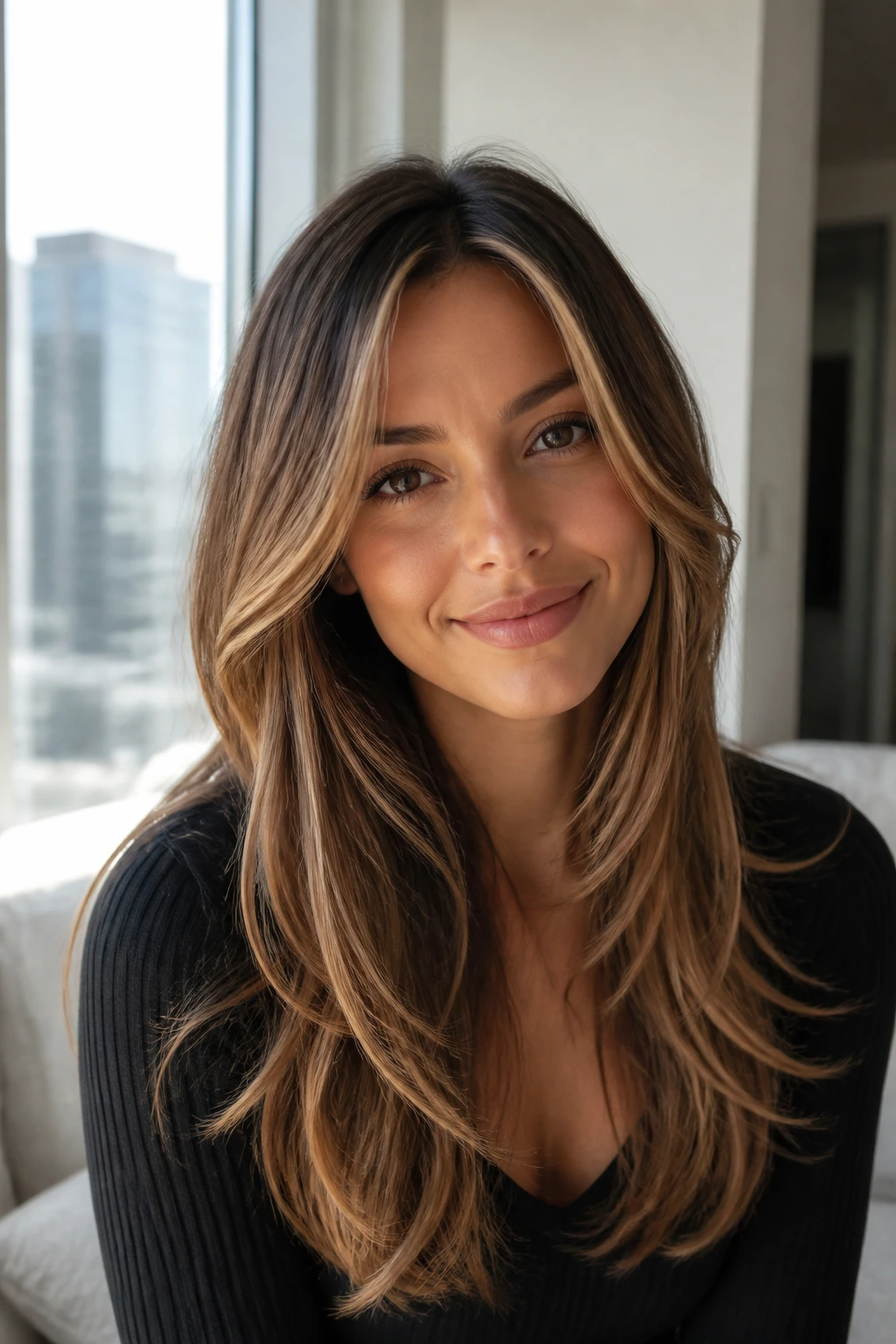
A money piece can be loud if it’s too bright and too wide. Done well, it’s just a deliberate flash of light around the face, and long layers are the perfect partner for that move. The front pieces catch the brightness first, then the rest of the hair softens it out.
The trick is restraint. Keep the money piece a shade or two lighter than the balayage through the mids and ends, not four shades lighter. That keeps the face frame from looking pasted on. The long layers help the brightness trail off in a clean line.
This is the look for someone who wants immediate payoff when the hair is down and wants easy styling on busy mornings. A quick bend around the front with a curling iron is enough to show the contrast.
17. Razor-Cut Shag With Smoky Caramel Balayage
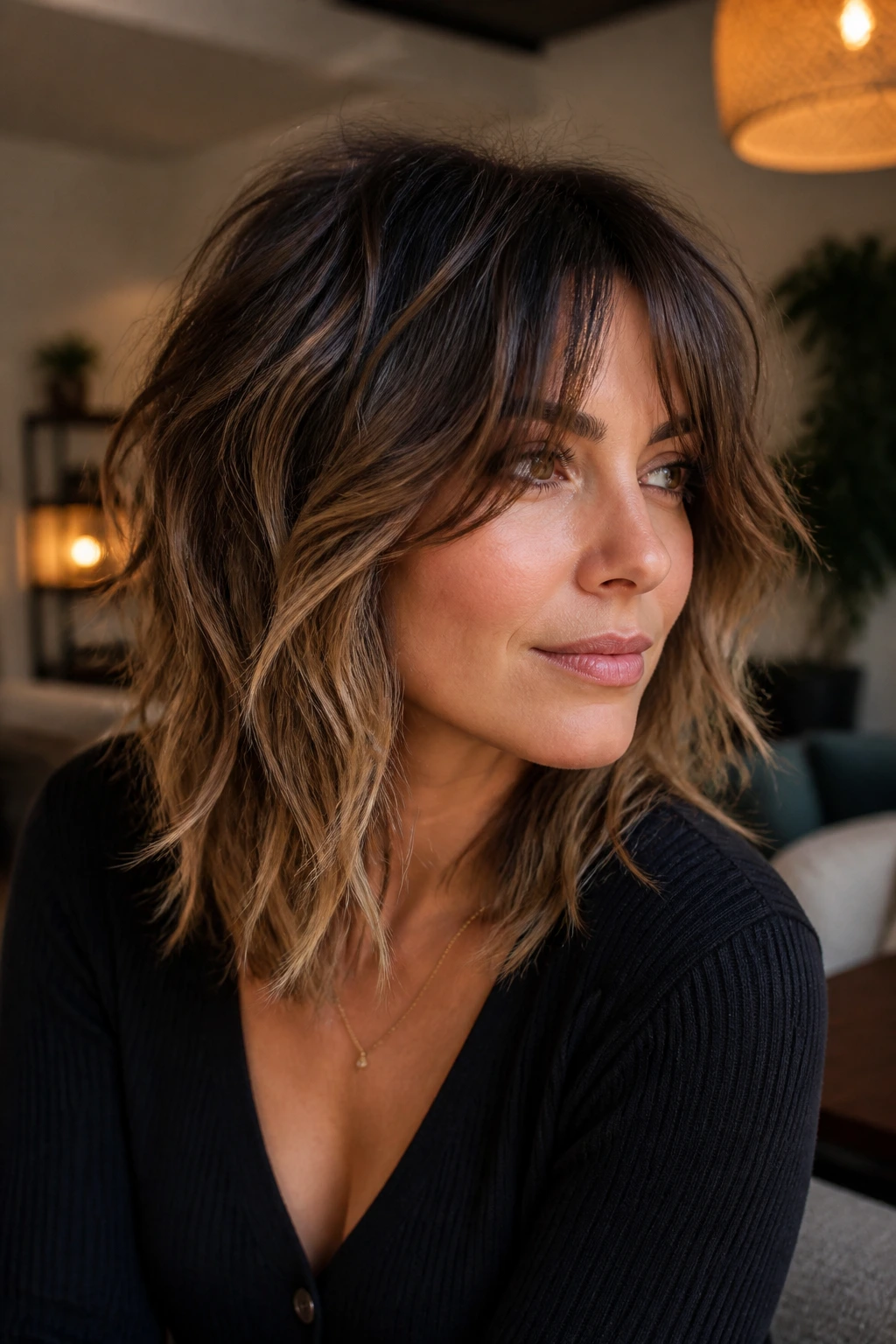
A razor-cut shag lives on softness and separation. Razor work can make the ends airy fast, which is why smoky caramel balayage fits so well. The caramel adds warmth, but the smoky base keeps the cut from tipping into sweet or overdone.
This style needs a little caution. Razor cutting on already-fine hair can take away too much mass, and then the caramel pieces have nowhere to sit. On medium to thick hair, though, it creates an easy movement that’s hard to fake with scissors alone.
Styling Note
Work in a small amount of texture cream, then rough-dry with your fingers. A heavy round-brush blowout can make the shag feel too polished and hide the piecey caramel dimension that makes the cut worth wearing.
18. Bouncy Layers With Strawberry Bronze Balayage
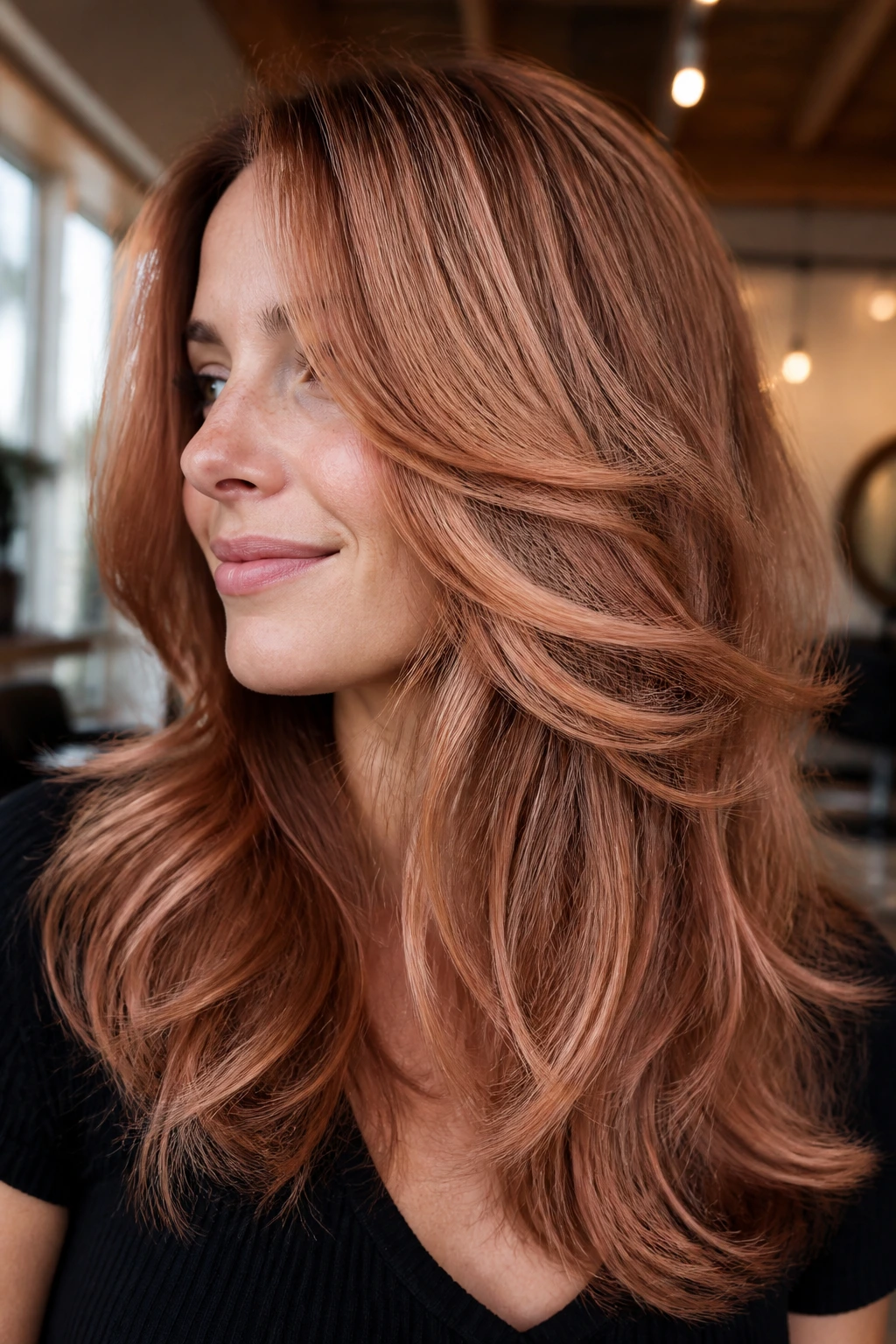
Strawberry bronze is a warm, slightly rosy tone that looks especially good on layered hair with bounce. The color gives brunette hair a faint glow, and the layers keep it from reading like a flat red cast. It’s softer than copper and warmer than beige blonde.
This cut works best when the ends have a little movement. A large-barrel iron, Velcro rollers, or a round brush can all help, but the important thing is shape, not curl. The bounce lifts the strawberry bronze and keeps it from disappearing indoors.
If your skin tone already leans warm or neutral, this one tends to sit nicely without much extra effort. The lighter pieces should stay concentrated around the face and the outer surface of the layers so the bronze tone has room to breathe.
19. Dimensional Black Hair With Espresso Balayage
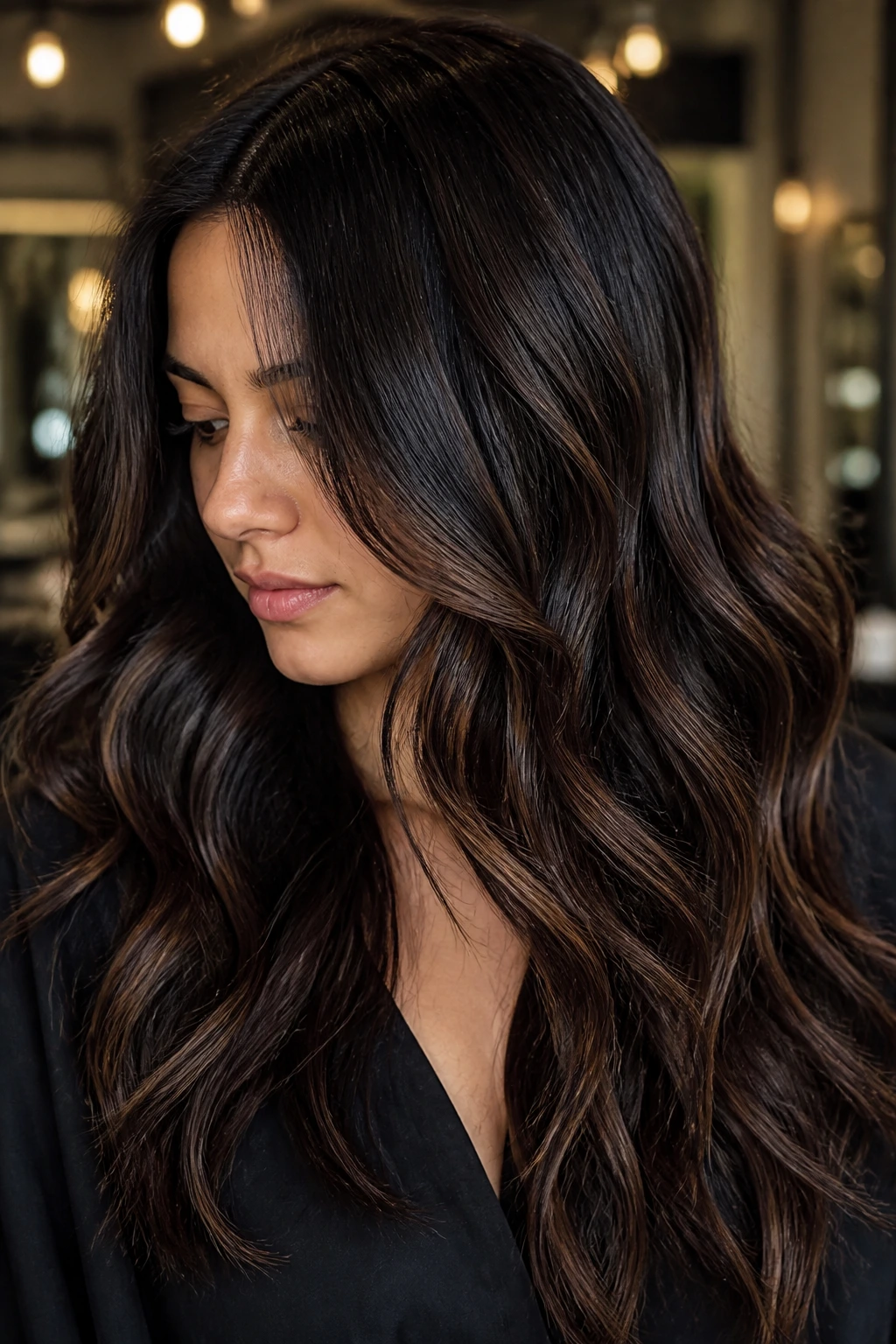
Balayage does not have to mean blonde. On black hair, espresso balayage adds depth in a way that is subtle until the light hits it. The difference is understated, but not invisible — the cut looks richer because the color shifts between black and deep brown instead of one flat shade.
Layers matter a lot here. Without them, espresso can disappear. With them, the color shows up on the bends and at the ends, especially when the hair moves or gets tucked behind one ear. That tiny amount of change is enough.
This is the quietest look on the list, and maybe one of the best. It gives black hair dimension without asking it to become lighter than it wants to be. A gloss finish helps a lot, too. Shine is part of the point.
20. Mid-Length V-Cut With Hazelnut Balayage
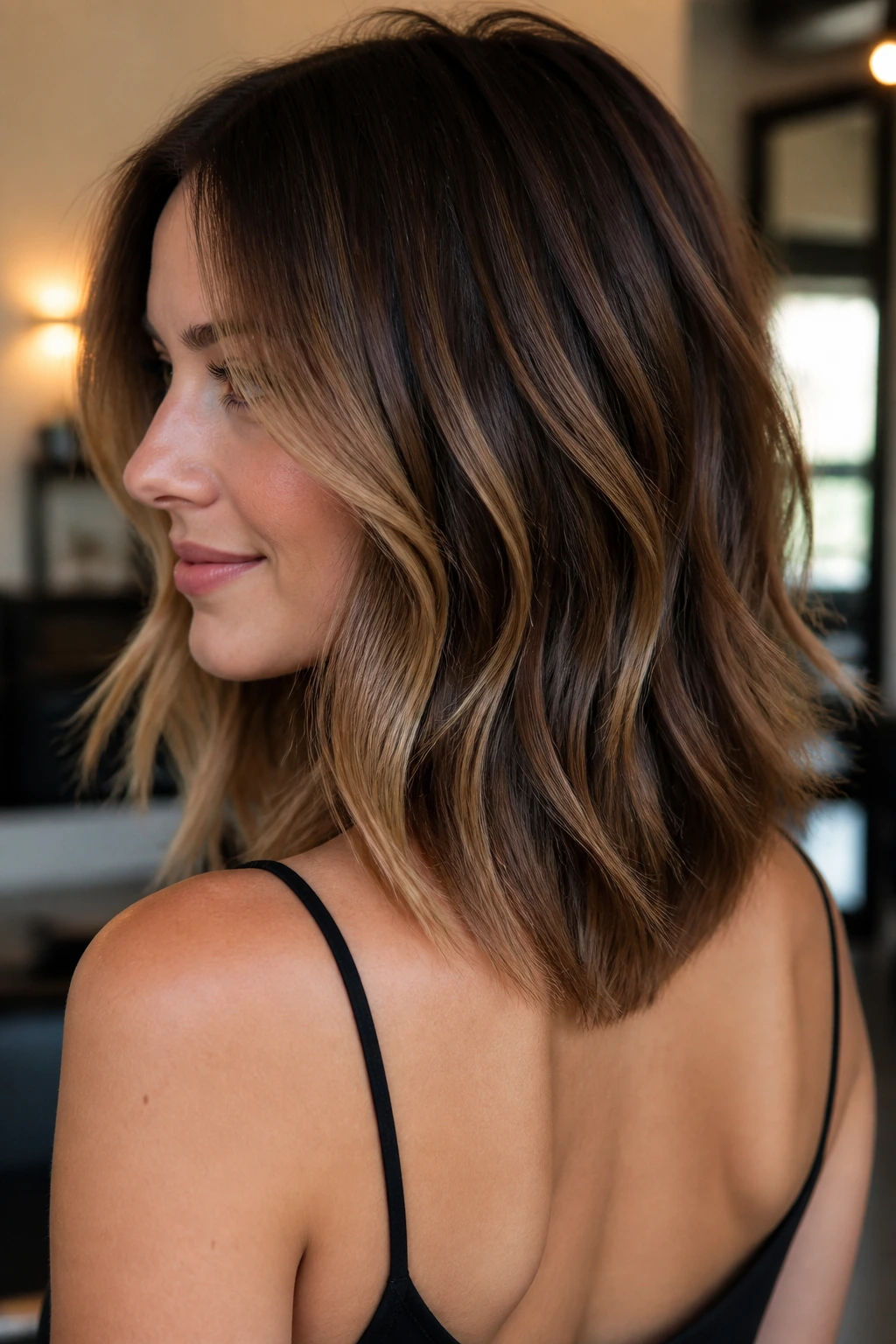
A V-cut builds a point at the back, which means the lower lengths swing with a little more purpose. Hazelnut balayage works beautifully here because the warmer brown tone draws your eye down the center line and across the tapered edges. It feels structured, but not stiff.
The color should be placed in longer ribbons through the lower half of the hair rather than broken into lots of tiny pieces. That keeps the V shape clear. On medium-thick hair, this is a smart way to take weight out of the ends while still keeping them full enough to move.
It’s also a strong ponytail cut. Even when pulled back, the hazelnut dimension shows through the longer perimeter and makes the style look finished, not accidental.
21. Fine-Hair Layered Bob With Baby-Lite Balayage
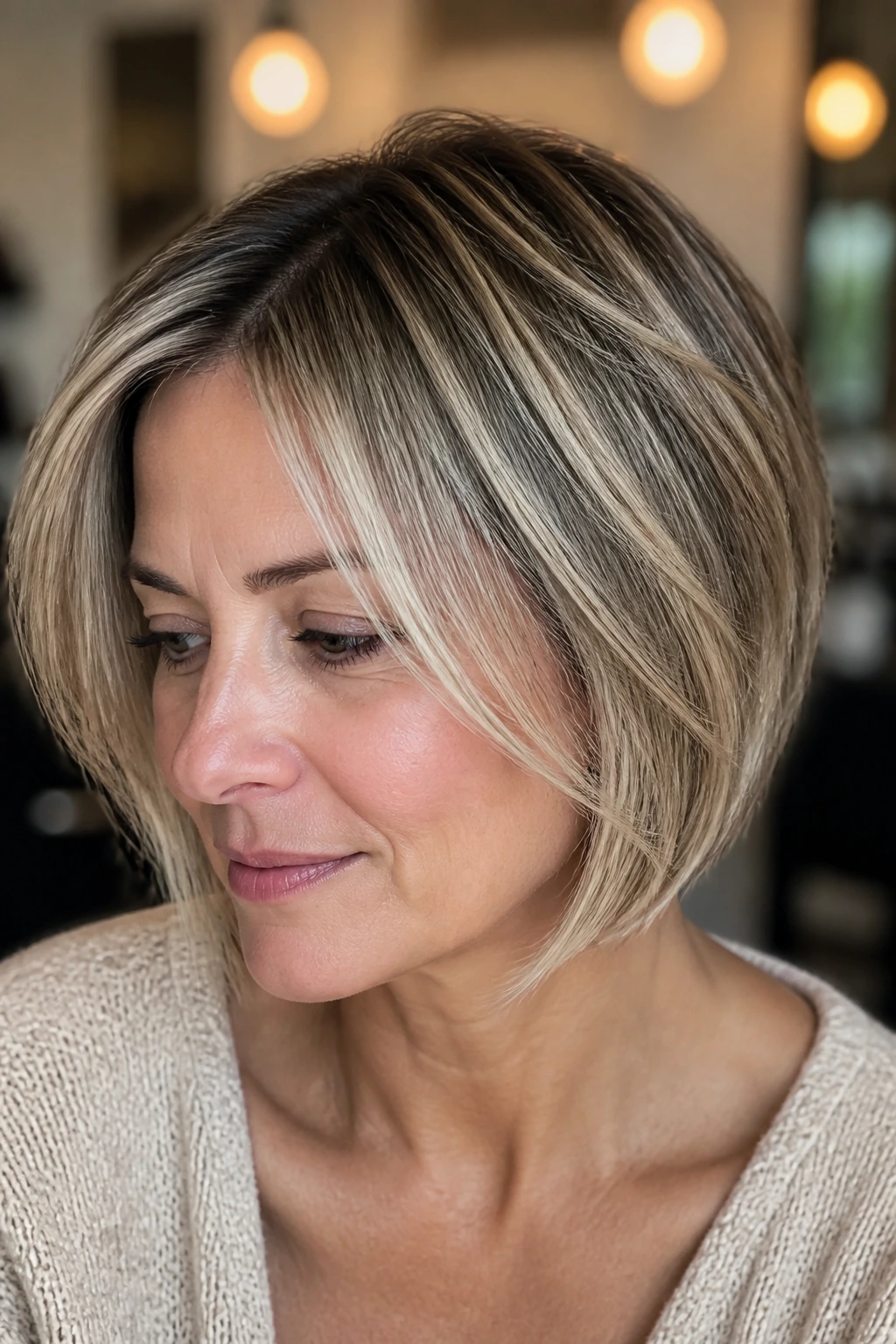
Fine hair needs a gentler approach. Too much lightness and too many short layers can turn the ends wispy fast. A layered bob with baby-lite balayage keeps the shape full while still creating that soft color drift that makes hair look thicker than it is.
The baby-lites should be extremely fine — narrow enough that they read as shimmer rather than stripes. Put them where fine hair naturally separates: around the part, near the temples, and through the top surface of the bob. That way the dimension is visible without eating up density.
A round brush or a one-inch iron bend gives this cut some body, but the main win is control. The bob should swing. The balayage should sparkle. Nothing about it needs to be loud.
22. Thick-Hair U-Cut With Walnut Balayage
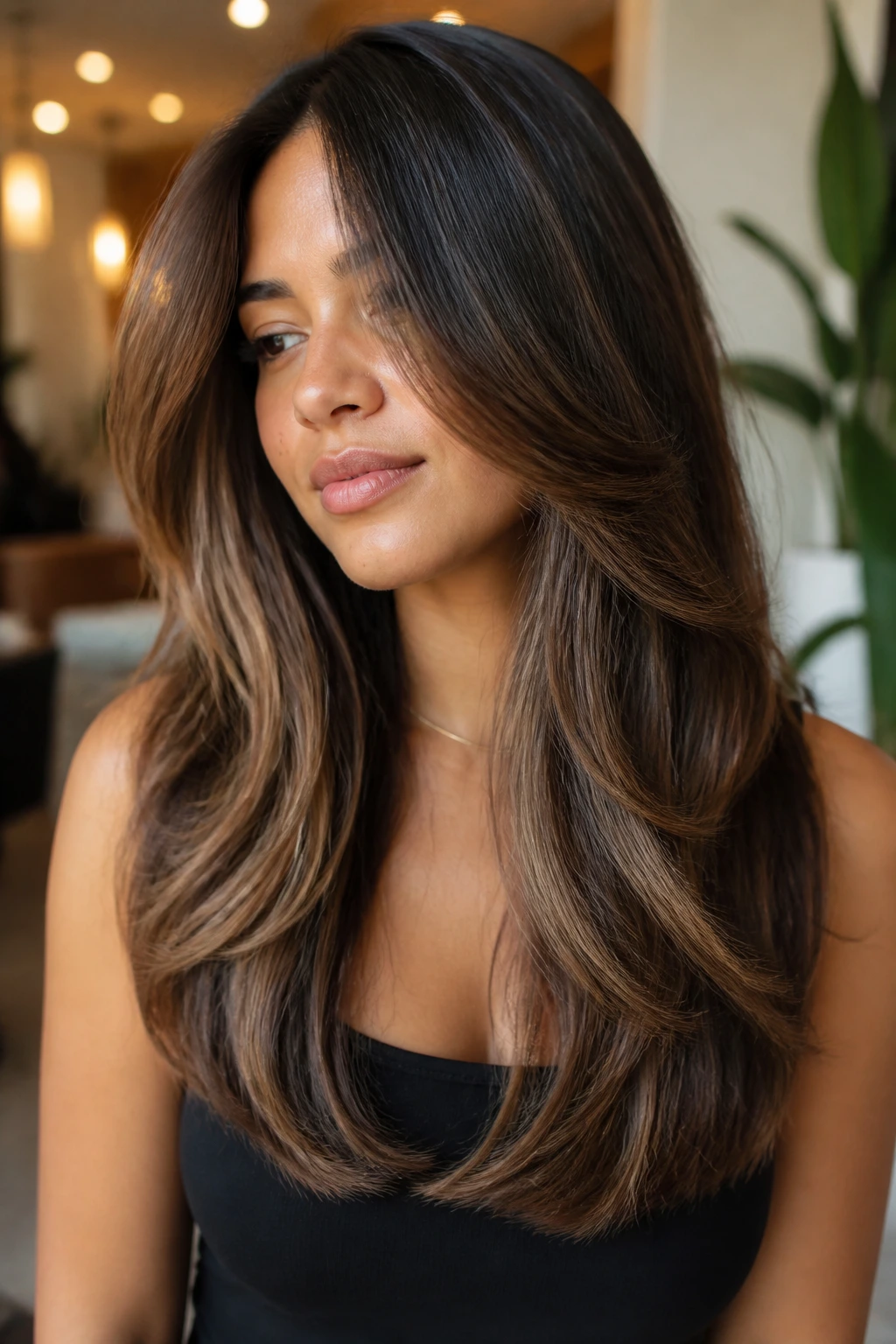
Thick hair often looks best when the outline is kept soft and the weight stays in the lower curve. A U-cut does exactly that. Walnut balayage adds a rich brown shift through the mids and ends, which helps the hair feel dimensional instead of bulky.
This is a good answer for people who want length without the triangle shape that thick hair can develop. The walnut tone gives the eye a place to travel, especially if the face-framing layers are a touch lighter than the back. That little tonal difference makes the whole cut breathe.
If your hair is dense and sometimes takes forever to dry, this shape can be a relief. The U keeps the bottom line tidy, and walnut is forgiving when the roots start to grow. It ages with less drama than a brighter blonde.
23. Airy Layered Curls With Maple Balayage
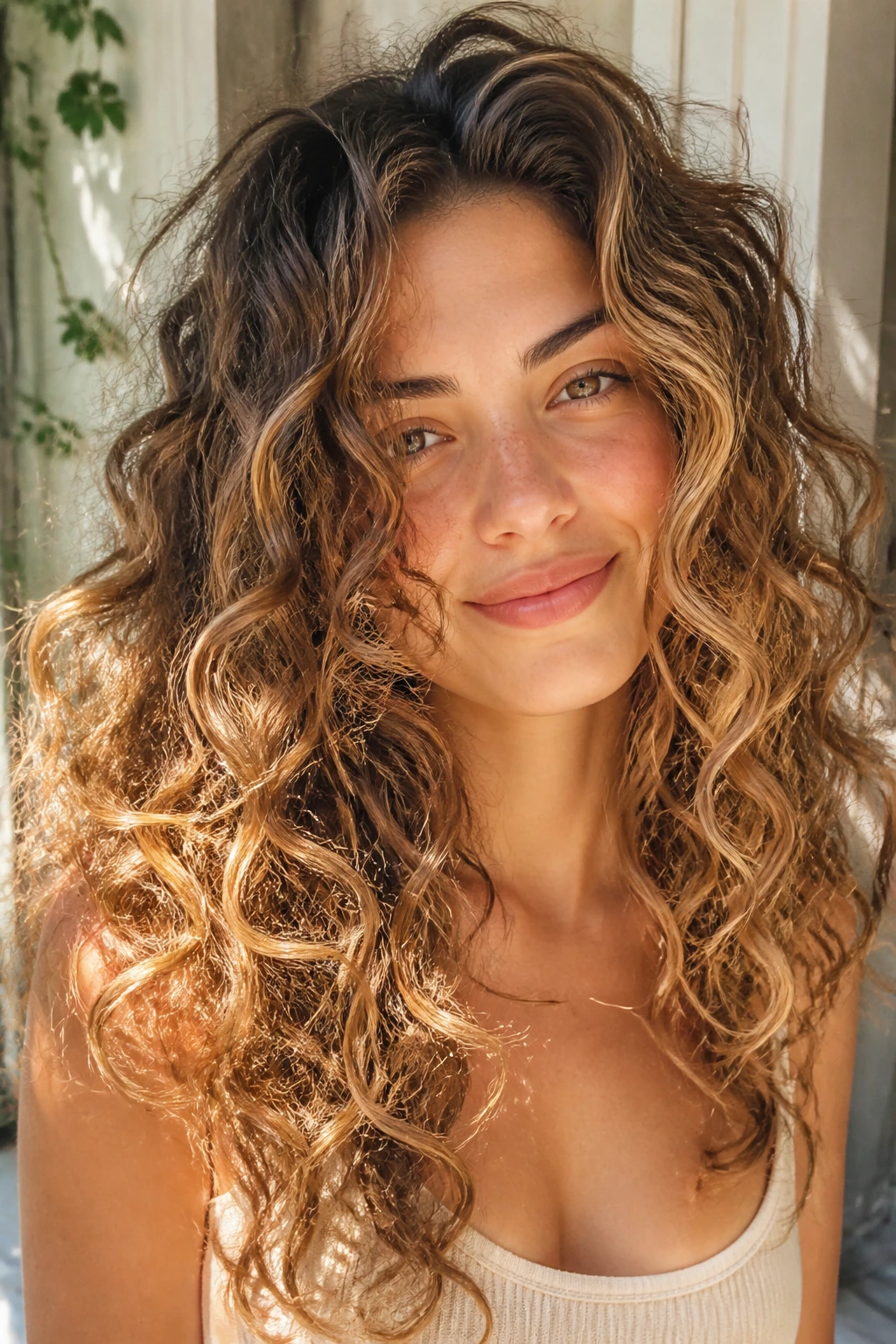
Maple balayage is warm, soft, and just a little golden, which makes it a good fit for airy curls that need definition more than contrast. The curl layers should be cut to let the spirals spring without stacking too much volume at the sides. Too much bulk, and the color disappears into the mass.
Maple pieces belong on the outer curl surfaces and in the upper third of the shape. That’s where they catch the most light and give the curls a lifted, dimensional look. On looser curls, the color can travel a little farther down the lengths; on tighter curls, keep it more selective.
This is one of those styles that looks best when it’s handled lightly. Scrunch in a bit of gel, diffuse until the cast forms, then break it gently once the hair is fully dry. The maple tones will do the rest.
24. Low-Maintenance Grow-Out Cut With Rooted Blonde Balayage
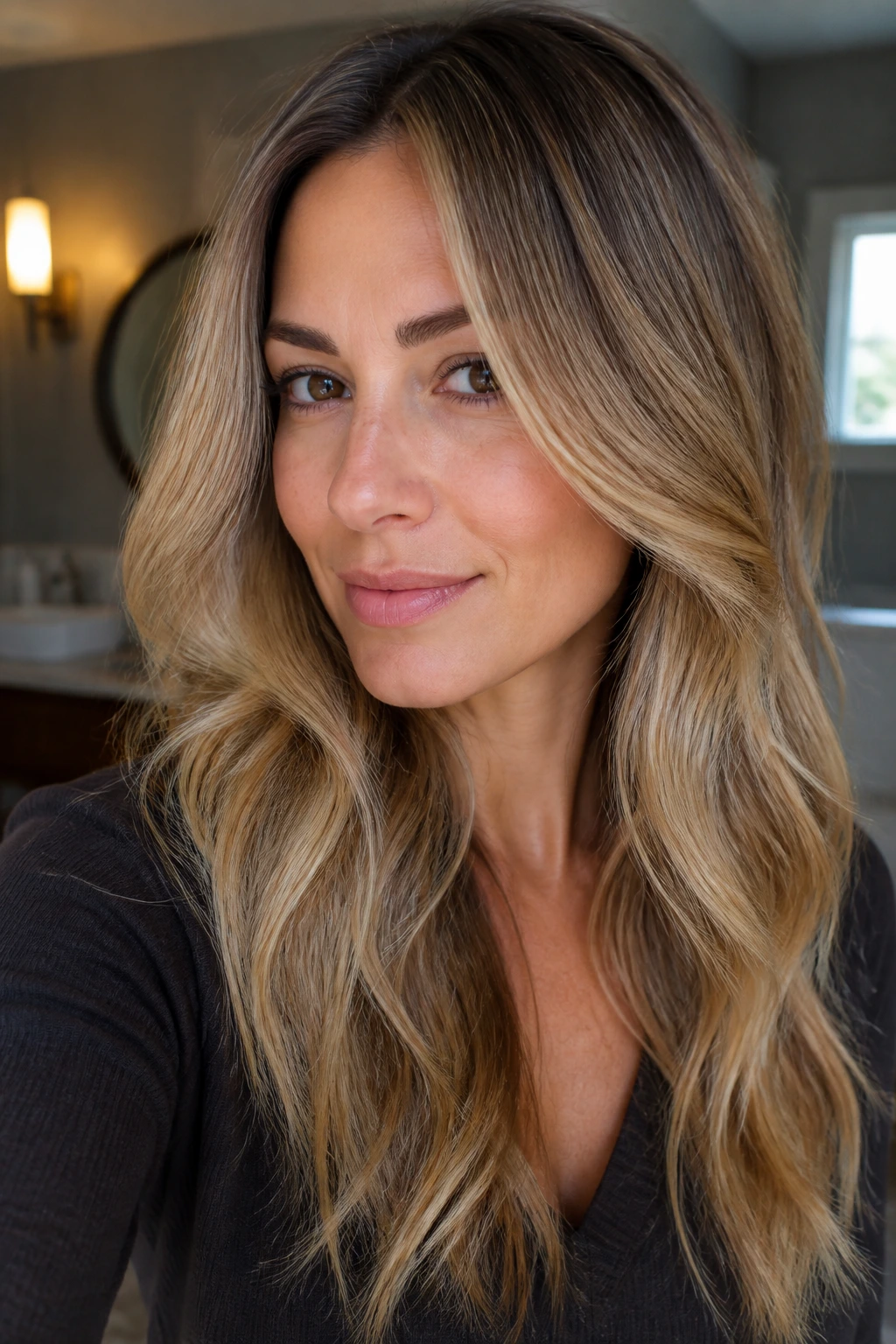
If you want color that does not look neglected after a few weeks, rooted blonde balayage is the safest bet. The shadow root keeps the top deep, and the blonde pieces soften as they move down through the layers. The grow-out is the point, not a flaw.
A cut like this should have long, blended layers with enough movement at the ends to prevent the blonde from sitting in one frozen band. The root melt should be gradual, not abrupt. That way the hair can stretch between salon visits without giving away where the color started.
This is the style for anyone who likes brightness but hates upkeep. It works because the roots are not treated like a problem to be erased. They are part of the design.
25. Glossy Long Layers With Beige-Butter Balayage
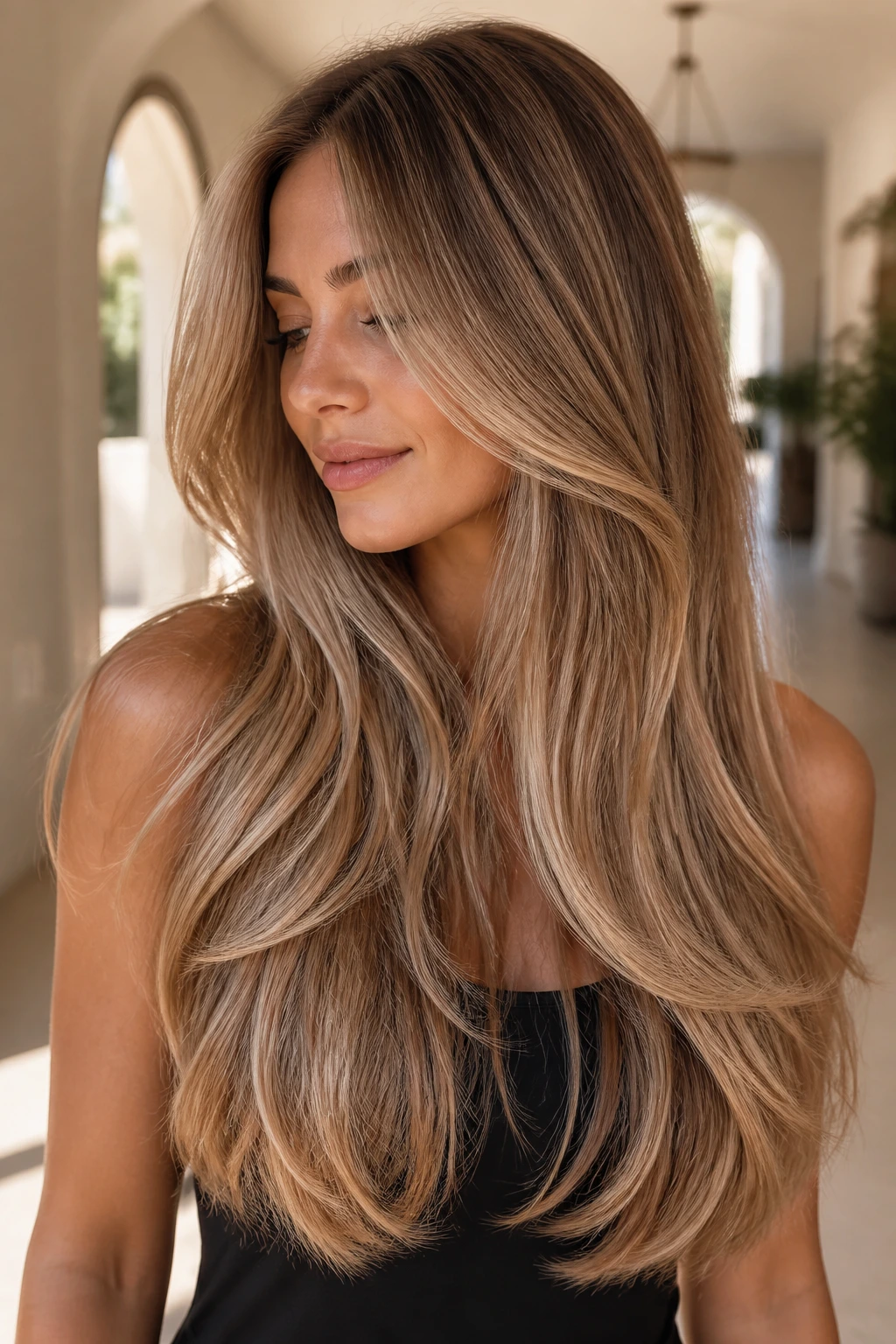
Beige-butter balayage sits in a very flattering middle ground: warm enough to look soft, pale enough to show dimension, and creamy enough to keep long layers from looking heavy. It’s a polished finish, but not a stiff one. The shine matters just as much as the color.
Long layers give beige-butter pieces space to move. That movement is what keeps the color from feeling too delicate or too flat. The lightest pieces should live through the mid-lengths and front ribbons, with enough depth underneath to make the color look rich.
This is a strong final pick because it plays well with almost any styling choice — air-dried, blown out, wavy, or pin-straight. If you want one of the softest layered haircuts with balayage on the list, this is the version I’d hand a stylist first.
Why Layering Gives Balayage More Movement
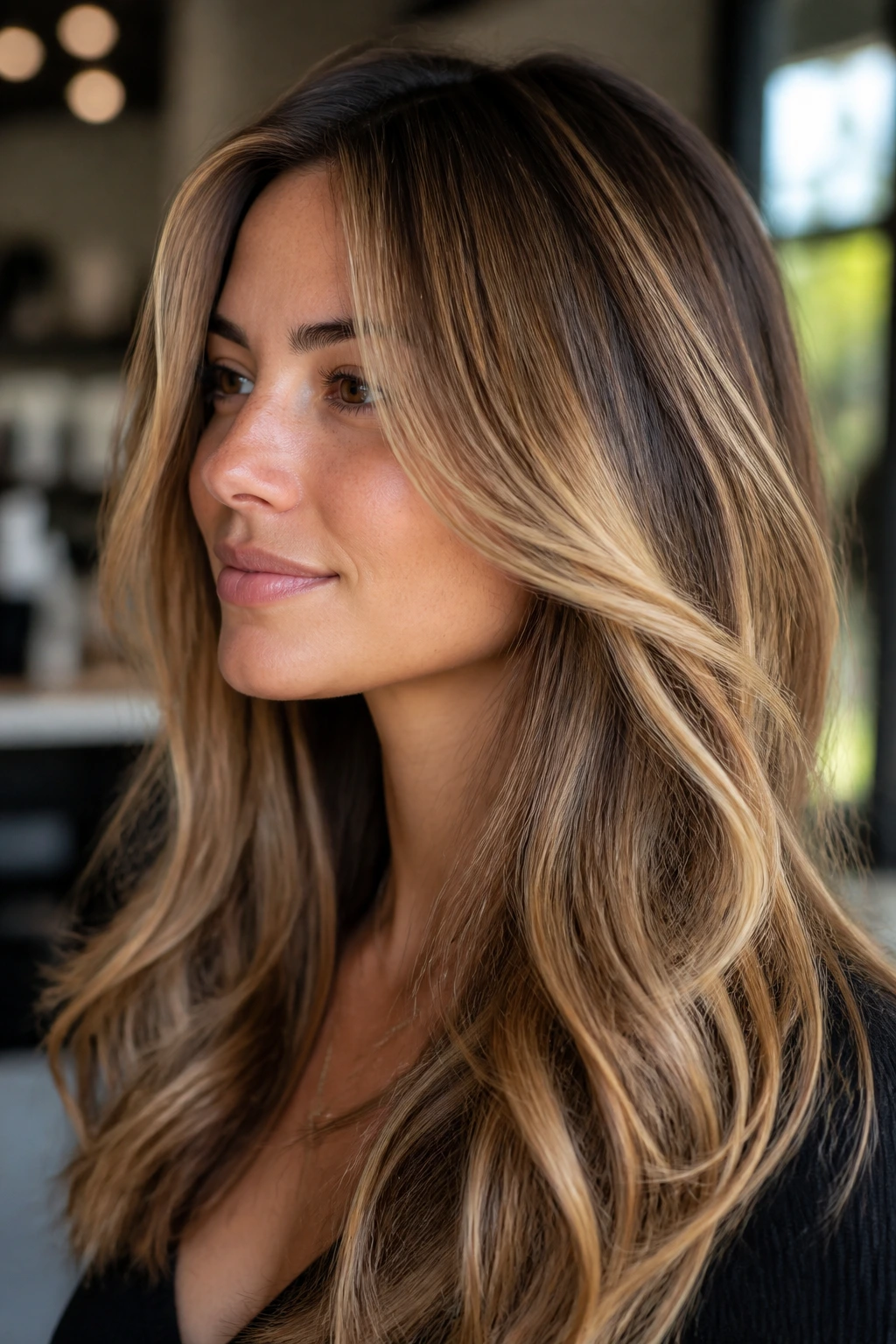
Balayage looks better when the haircut gives it a shape to follow. That sounds obvious, but it’s the part a lot of salon inspiration photos skip. A few soft layers can make the same color look richer because the light isn’t sitting on one flat surface. It’s traveling across bends, edges, and face-framing pieces.
The real trick is balance. Too few layers, and the balayage can look like it’s perched on top of the hair. Too many short, disconnected layers, and the color can break apart into pieces that feel busy. The sweet spot is the cut that creates motion without stealing density.
I also like that layered balayage works in different lighting. Indoors, the depth near the root keeps the style from washing out. Outside, the lighter ribbons catch just enough light to show the hand-painted placement. That’s why a good layered balayage haircut often looks better on day two than it did fresh out of the chair.
Essential Tools for Styling and Maintenance
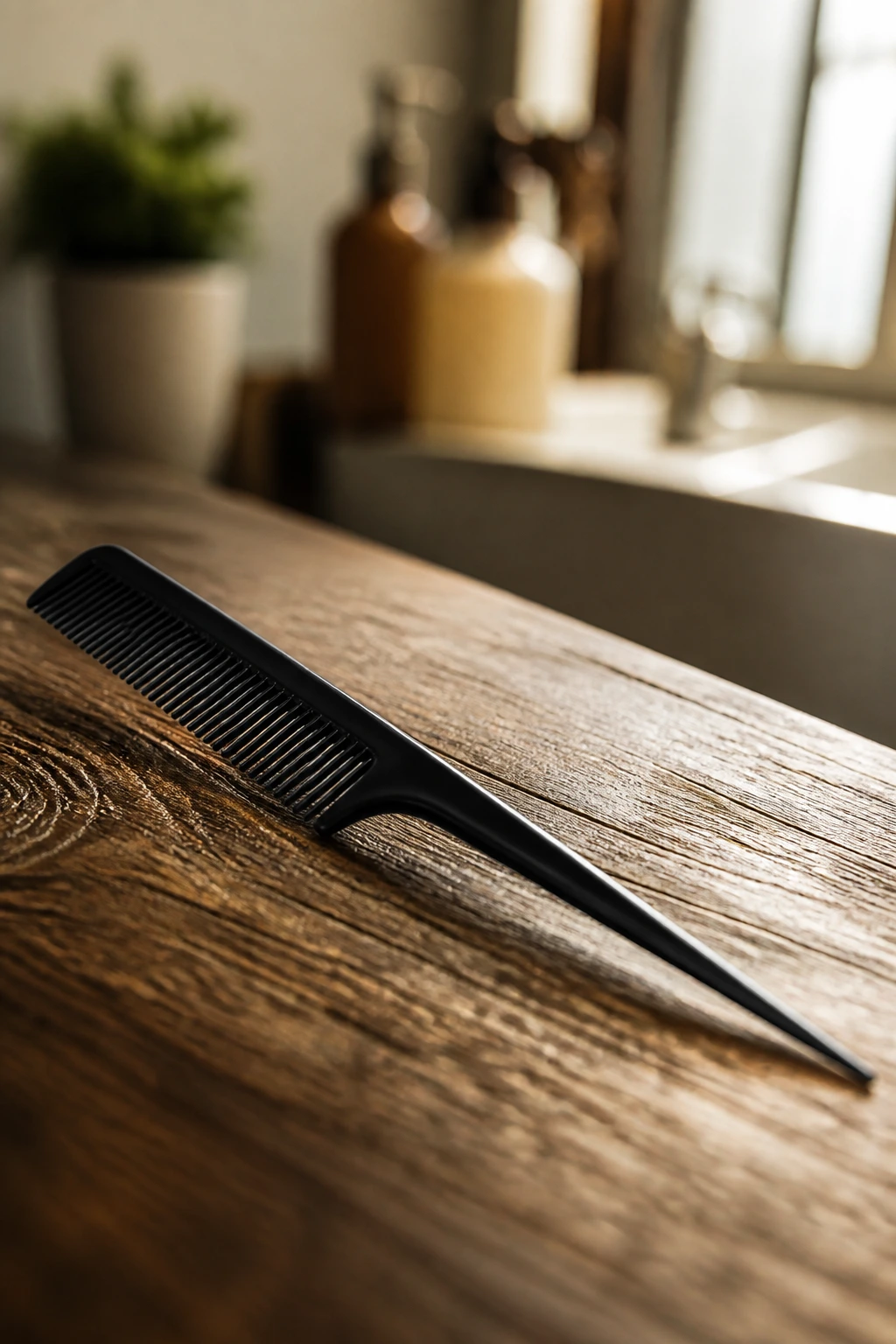
- Tail comb: Helps you make clean parts and see where the light pieces actually fall.
- Sectioning clips: Keep the top and bottom sections separate when you’re blow-drying or styling in waves.
- Heat protectant spray: Protects the lighter balayage pieces first, since they tend to be the driest.
- Round brush: A medium barrel gives long layers lift and helps the face frame curve softly.
- 1 to 1.25-inch curling iron or wand: Best for loose bends that show balayage without making the hair look overstyled.
- Blow dryer with nozzle attachment: Directs the air so layers dry smooth instead of puffing out.
- Wide-tooth comb: Good for detangling curly or wavy hair without snapping the lighter ends.
- Sulfate-free color-safe shampoo: Slows fade and keeps the cuticle from feeling stripped after washing.
- Deep conditioning mask: Use on the mid-lengths and ends when balayage starts feeling dry or rough.
- Microfiber towel or soft T-shirt: Cuts down frizz while the hair is still wet, especially on layered curls and shags.
- Diffuser: Optional, but worth it if your texture is wavy or curly and you want the color to show in the curl pattern.
- Gloss brush or tint bowl: Not needed for home use, but useful to know about if your salon offers at-home color refresh products.
How to Choose the Right Cut, Placement, and Tone
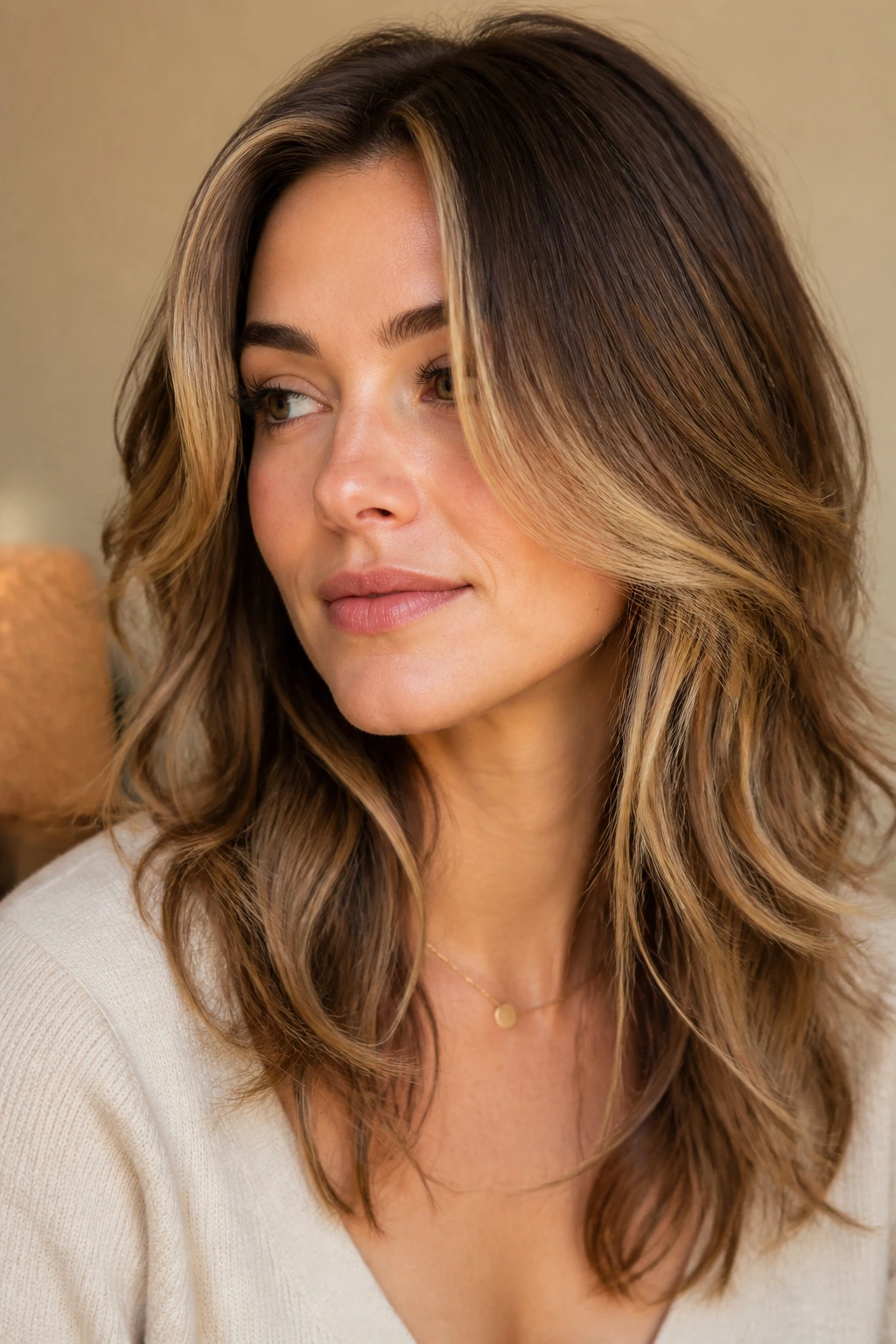
The fastest way to make layered haircuts with balayage work is to start with your natural hair density, not with a photo you saw online. Fine hair needs longer layers and softer lightness. Thick hair can handle more internal layering and stronger ribbons of color. Curly hair needs a cut that respects shrinkage, or the balayage pieces will disappear once the hair dries.
Tone matters just as much. If your base is dark brown or black, a smoky brunette, walnut, espresso, or soft caramel will look more believable than a pale blonde that fights the natural depth. If your hair is light brown or dark blonde, beige, champagne, honey, and butter tones usually blend more easily. Warm skin tones often like caramel, honey, or copper-brown; cooler undertones often sit well with mushroom, ash brunette, sand beige, or pearl.
One detail people skip all the time: where the lightest pieces sit. If you want a soft result, keep the brightest balayage around the face, mid-lengths, and ends, then leave some depth near the root and underneath. If you want a stronger contrast, widen the money piece and lift the front section a shade or two higher. That’s the whole game in one sentence. Placement changes everything.
How to Wear These Cuts Day to Day
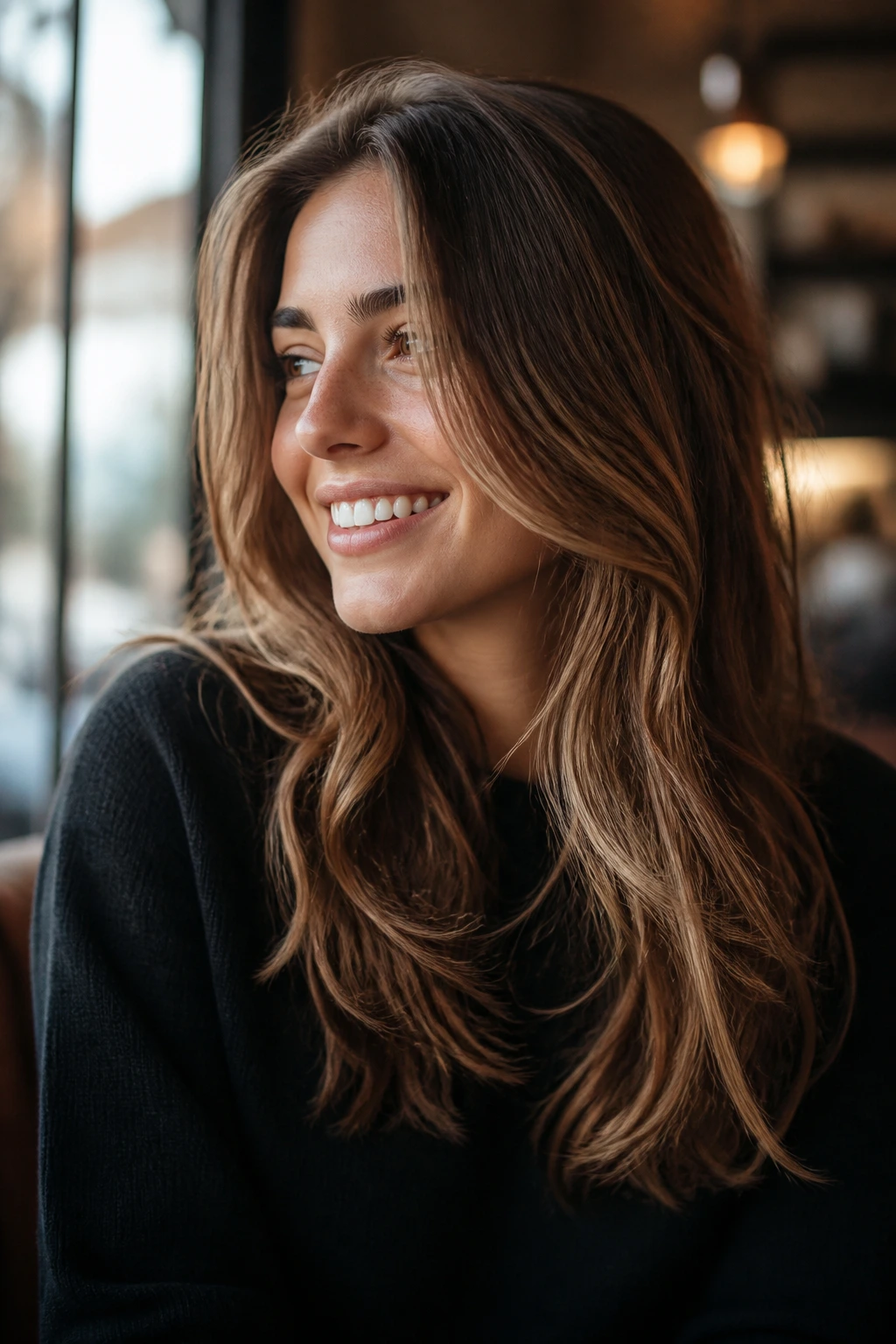
Shape: Let the haircut fall the way it was built to fall. Butterfly layers want movement around the face, shags want separation, and rounded layers want a softer curve at the ends.
Styling: Use the least amount of heat that still shows the color. A loose bend with a curling iron, a brushed-out wave, or a fast blowout usually reveals more dimension than tight curls do.
Parting: A center part makes most balayage reads softer and more balanced. A side part adds lift at the crown, which can help finer hair look fuller and make a money piece feel brighter.
Finish: Keep the ends touchable. A pea-sized amount of serum or cream on the mid-lengths is enough for most looks here. Heavy oil on the front pieces can flatten the whole effect.
Small Tweaks That Make the Color Read Softer
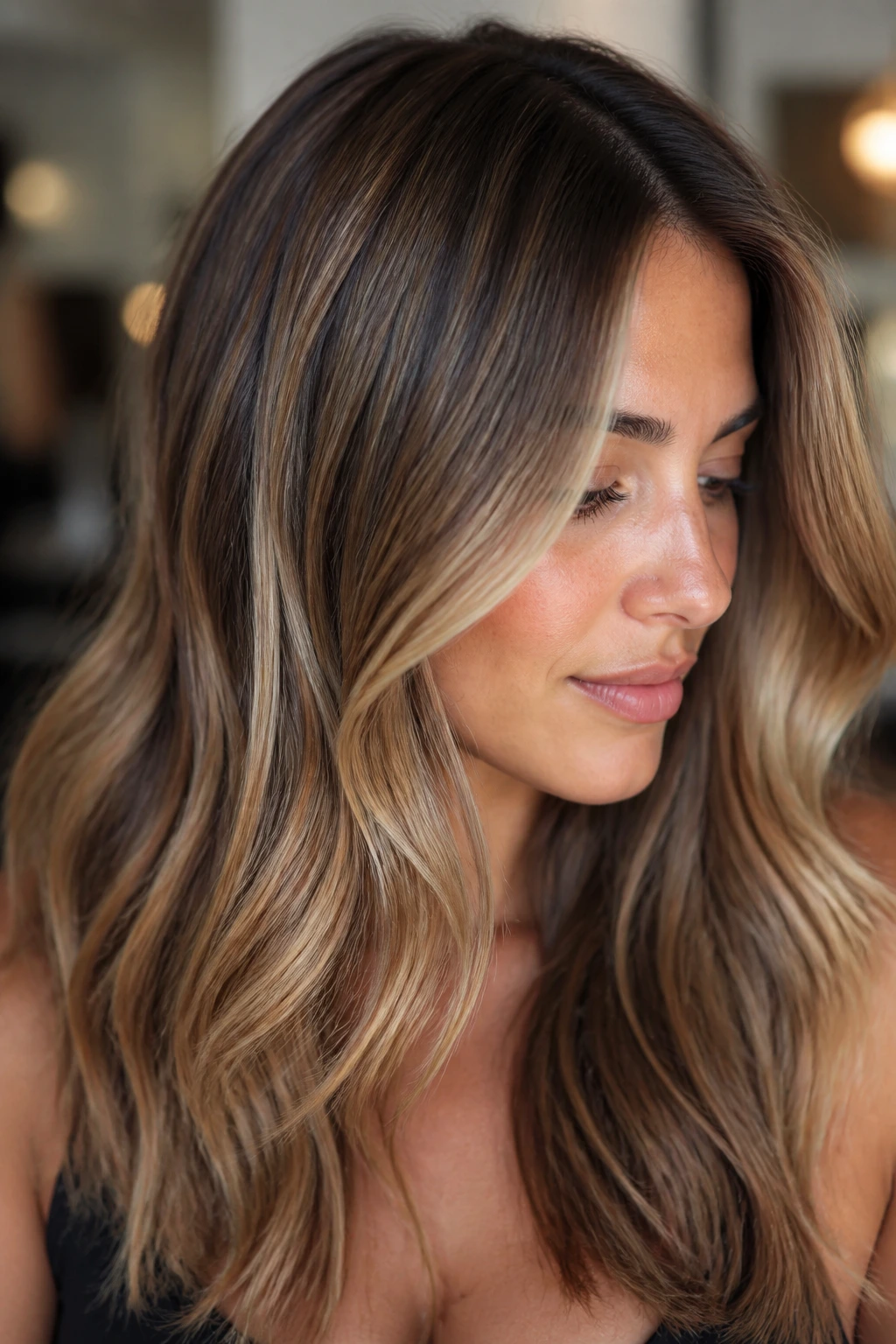
Gloss refresh: A clear or lightly tinted gloss every few salon visits keeps the balayage from going chalky, especially on beige, champagne, and caramel tones.
Shadow-root control: Ask for a root melt if you want softer grow-out. The deeper root is not a flaw; it’s the reason the color stays dimensional after several washes.
Texture boost: Short hidden layers near the crown can help wavy and curly hair show more light-catching surfaces. That tiny detail often matters more than adding another level of blondness.
Make-it-yours: For fine hair, keep the light pieces narrow and sparse. For thick hair, use wider painted panels. For curls, follow the coil. For straight hair, keep the layers longer so the color doesn’t break into fragments.
Color Care and Cut Maintenance That Keeps the Shape
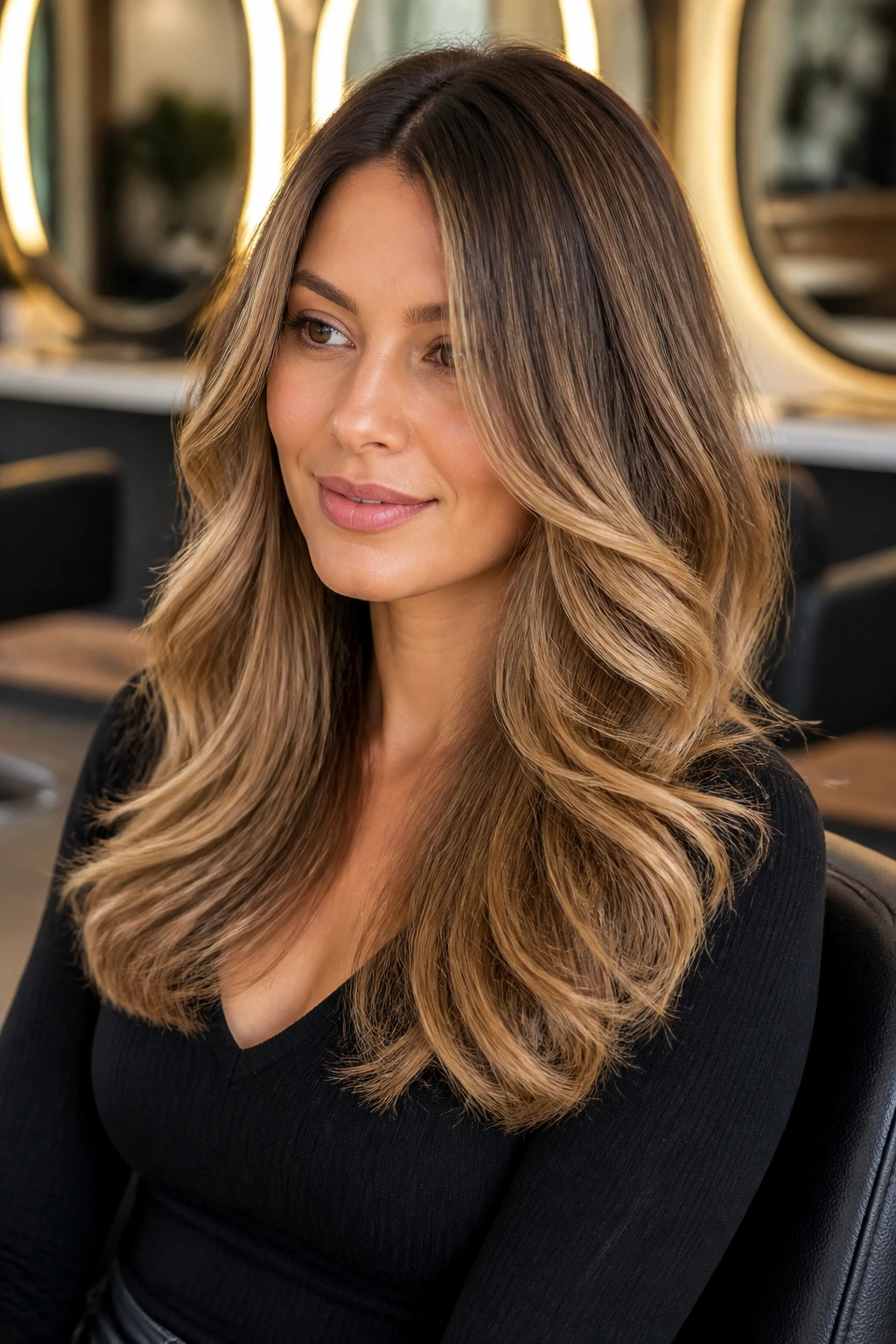
Balayage is lower maintenance than classic highlights, but “lower” does not mean “none.” Most layered cuts need a trim every 8 to 12 weeks to keep the ends from fraying and the layers from losing their shape. If your hair is fine or shoulder length, lean closer to the 8-week side; if it’s long and dense, you can often stretch a little farther.
Tone refresh depends on how light the pieces are. Blonde, beige, pearl, and champagne pieces usually need a gloss or toner refresh every 6 to 8 weeks if you want them to stay clean. Brunette balayage can often go longer, especially if the tone is caramel, espresso, mocha, or walnut. Purple shampoo helps blonde pieces stay cooler, but use it sparingly — once a week or every other wash is usually enough. Too much and the hair can look dull or muddy.
Heat protection is nonnegotiable on the lighter ends. That porous balayage section is the first part to dry out. Use a heat protectant before blow-drying, curling, or flat-ironing, and try to keep the iron under 365°F / 185°C unless your stylist tells you otherwise for your texture. If the hair starts feeling rough, switch one styling day a week to air-drying or a no-heat bend.
Common Mistakes to Avoid
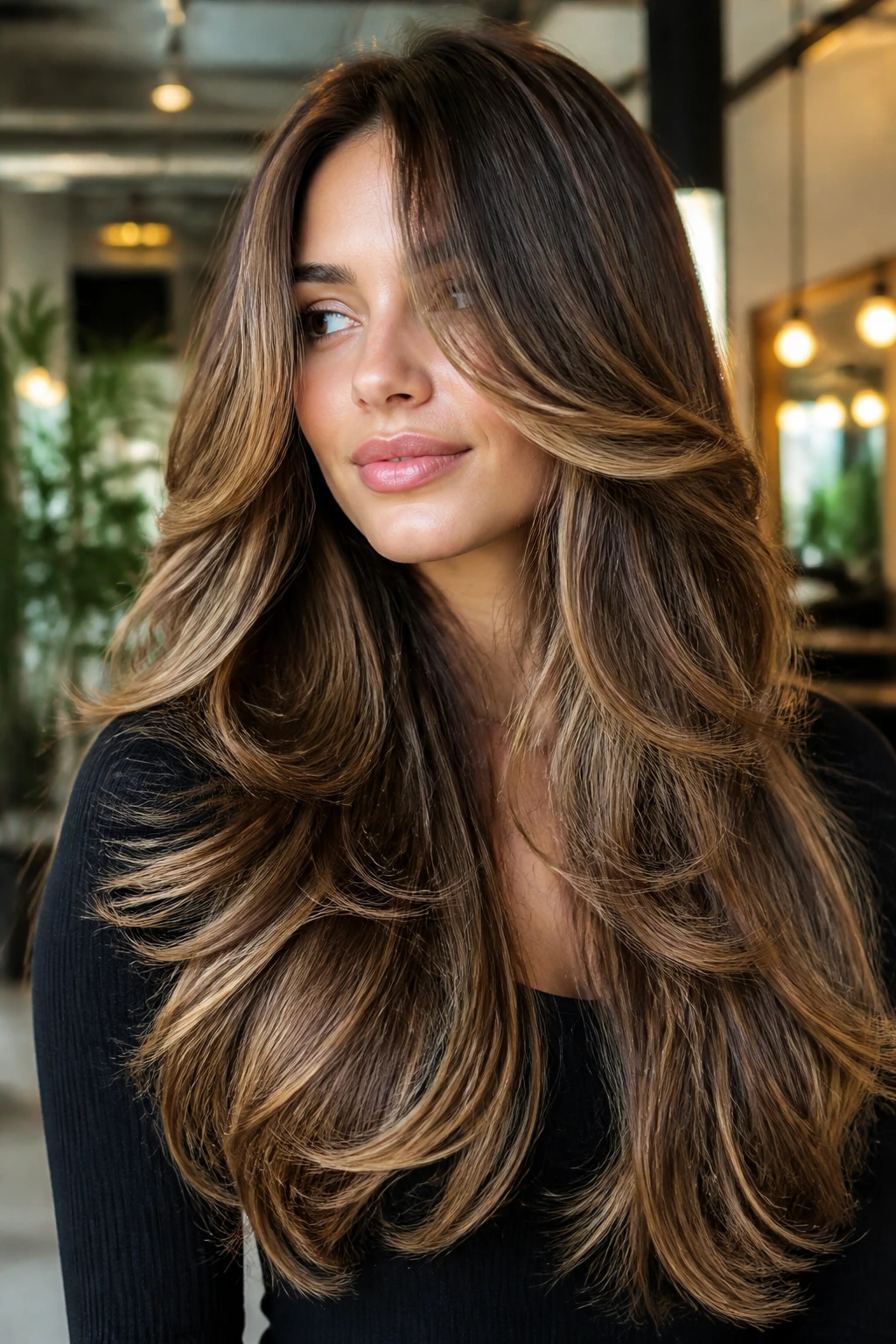
- Making the lightest pieces too high at the root: The color grows out in a hard line and looks stripey fast. Keep brightness a little lower if you want a softer finish.
- Over-layering fine hair: Too many short pieces can leave the ends see-through, which makes the balayage look thin instead of dimensional. Fine hair usually needs longer, softer layers.
- Using a toner that’s too cool: Ash on top of already cool hair can turn beige pieces flat or khaki. If the base is warm, keep some warmth in the gloss.
- Forgetting the underside: Balayage only painted on the top layer can look unfinished when the hair moves. Ask for some hidden depth and a few painted panels underneath.
- Styling with too much product: Heavy cream or oil can make soft dimension disappear. Start with a small amount and add only if the hair still feels dry.
- Choosing a cut that ignores shrinkage: Curls and waves spring up more than people expect. If the layers are cut too high, the color can bunch up and the shape can get puffy.
Variations and Adaptations to Try
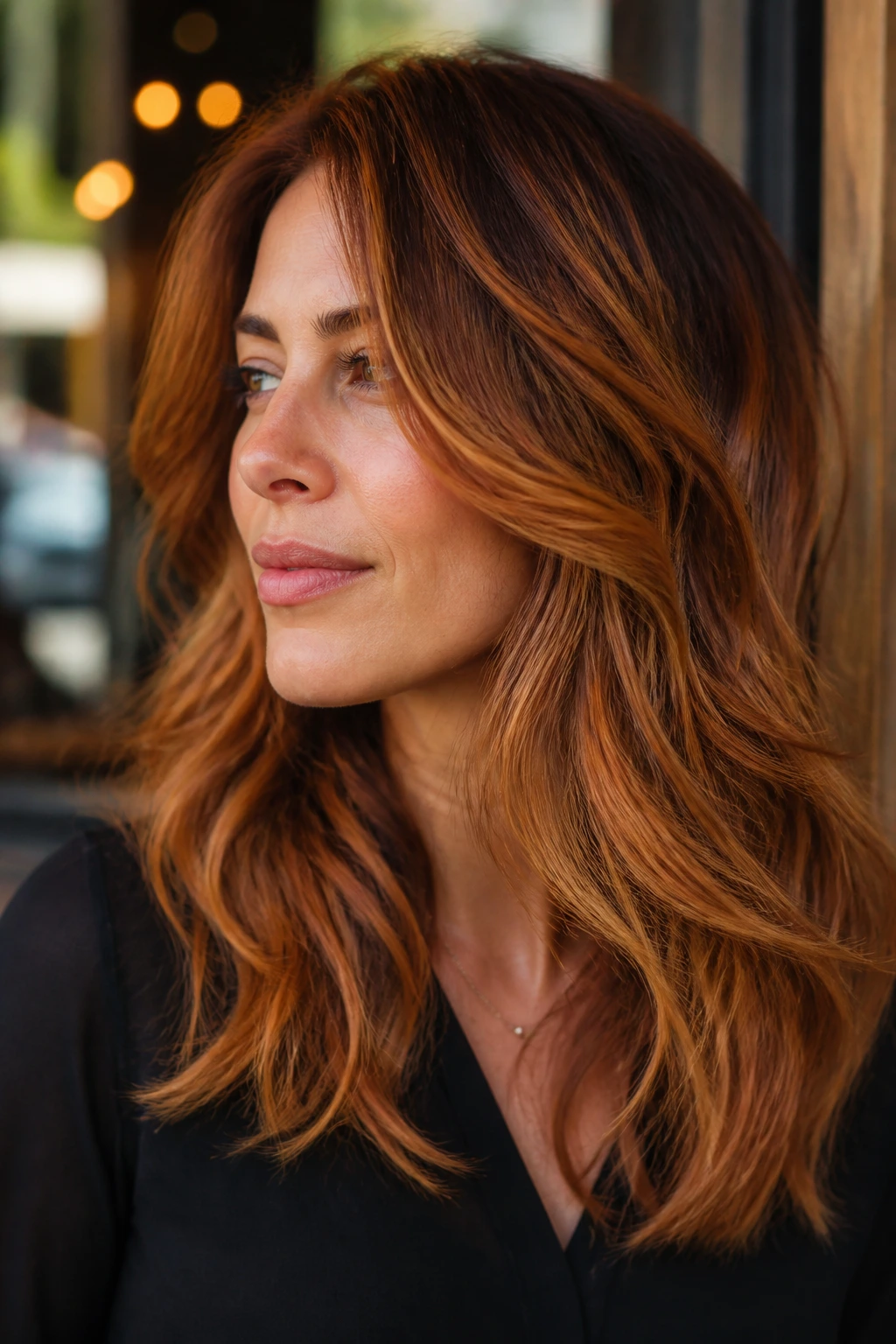
Curly-First Blend: Keep the layers rounded and paint the balayage on the outer curve of each curl. This gives definition without creating bright streaks that fight the texture.
Fine-Hair Lift: Use babylights mixed into balayage and keep the layers long. The tiny highlights add shimmer without eating up density.
Dark-Brunette Melt: Stay within two or three levels of the natural base and work with espresso, mocha, or walnut tones. This is the easiest path if you want dimension without obvious lightening.
Bright Face-Frame Version: Ask for a stronger money piece, then keep the rest of the balayage softer. That creates a visible front without turning the whole head high-contrast.
Copper-Warm Edit: Swap beige or ash tones for cinnamon, copper, or strawberry bronze. It works well on chestnut bases and gives layered cuts a warmer, more glowing finish.
Gray-Blending Approach: Use beige, pearl, or soft mushroom tones with a deeper root shadow. This softens first grays instead of trying to hide them under one heavy color block.
Frequently Asked Questions
Which layered haircut works best with balayage if my hair is fine?
A longer bob, a soft lob, or long layers usually work best. Fine hair needs movement without losing too much density at the ends, so ask for layers that start lower and balayage pieces that stay fine and close together.
Can balayage look good on curly hair, or does it only work on waves?
It works on curls, but the placement has to follow the curl pattern. The light pieces should sit on the outer curve of the curl and not be packed too high at the crown, or the shape can look frizzy.
Is balayage less damaging than traditional highlights?
Usually, yes, because it can be placed more selectively and doesn’t always require the same all-over saturation. That said, any lightening process changes the hair, so the ends still need conditioner, heat protection, and occasional trims.
How often should I refresh the color?
Most soft balayage looks stay fresh with a gloss every 6 to 8 weeks and a trim every 8 to 12 weeks. Brighter blonde pieces may need toner a little sooner if they start going yellow or flat.
What if my hair is very dark and I don’t want a dramatic blonde result?
Ask for brunette balayage in espresso, mocha, walnut, or smoked bronde. Those tones add dimension without forcing the base too light, and they look more natural as they grow out.
Will layers make my hair look thinner?
Not if the layers are placed carefully. Long, blended layers can create movement without removing too much weight, while short or over-texturized layers can make the ends look sparse.
Can I wear balayage with curtain bangs?
Yes, and it can look especially soft. The color should sit a touch below the bang line so the fringe frames the face instead of turning into one bright block.
What should I do if the balayage turns brassy?
Use a color-safe shampoo, cut back on hot water, and add a toner or gloss rather than piling on more purple shampoo. Brass usually shows up when the lighter pieces are porous, so a nourishing mask once a week helps too.
The Soft-Blend Payoff
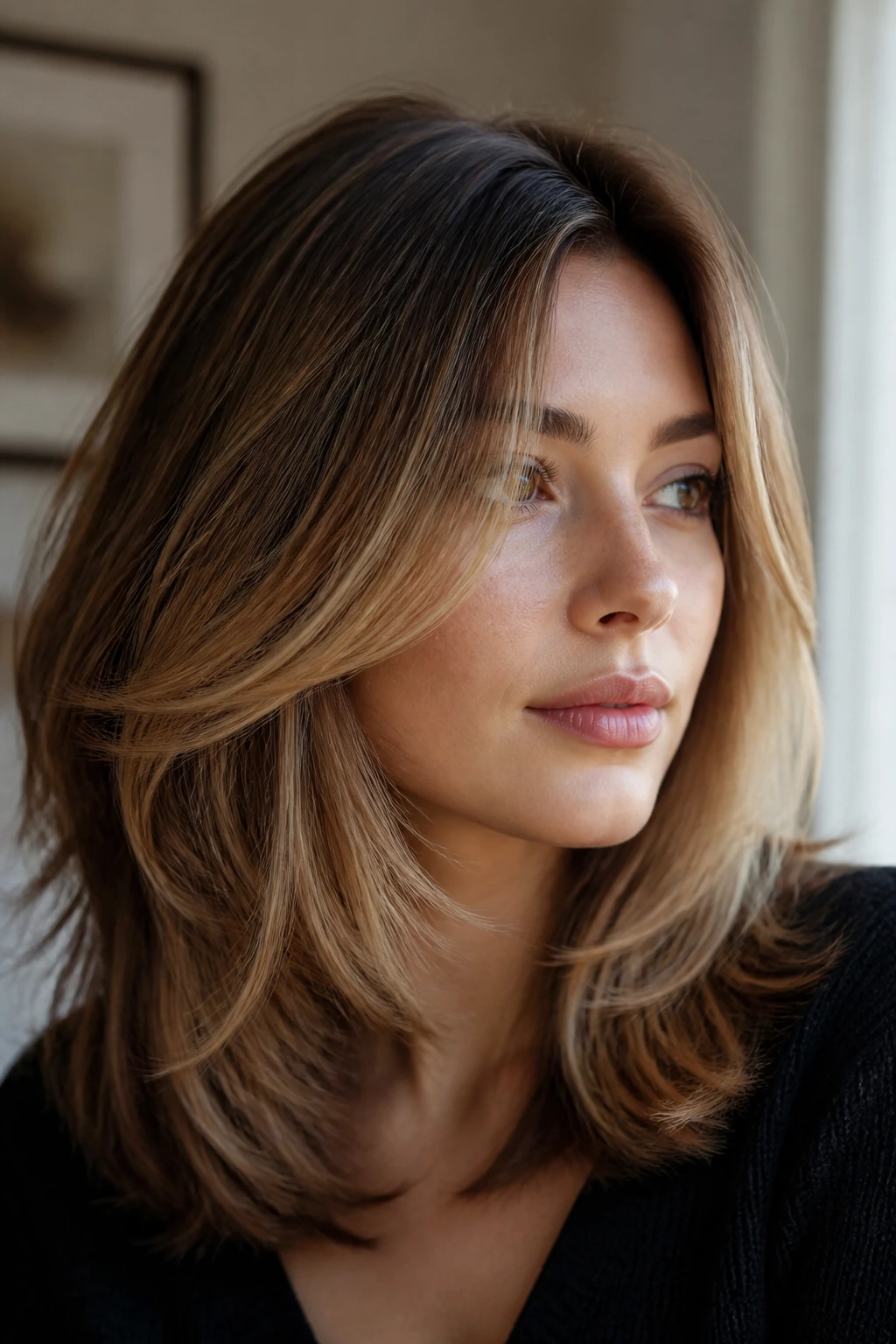
The nicest thing about layered haircuts with balayage is that they do not need to announce themselves. They move. They catch light. They soften a face without trying too hard, and they still hold up when the styling gets rough around the edges.
If you want to bring one image to a stylist, bring one that shows both the cut and the color working together. That’s the real decision here. Not just blonde or brunette. Not just shag or lob. It’s the relationship between the shape and the light, and once that’s right, the whole style starts to make sense.
