



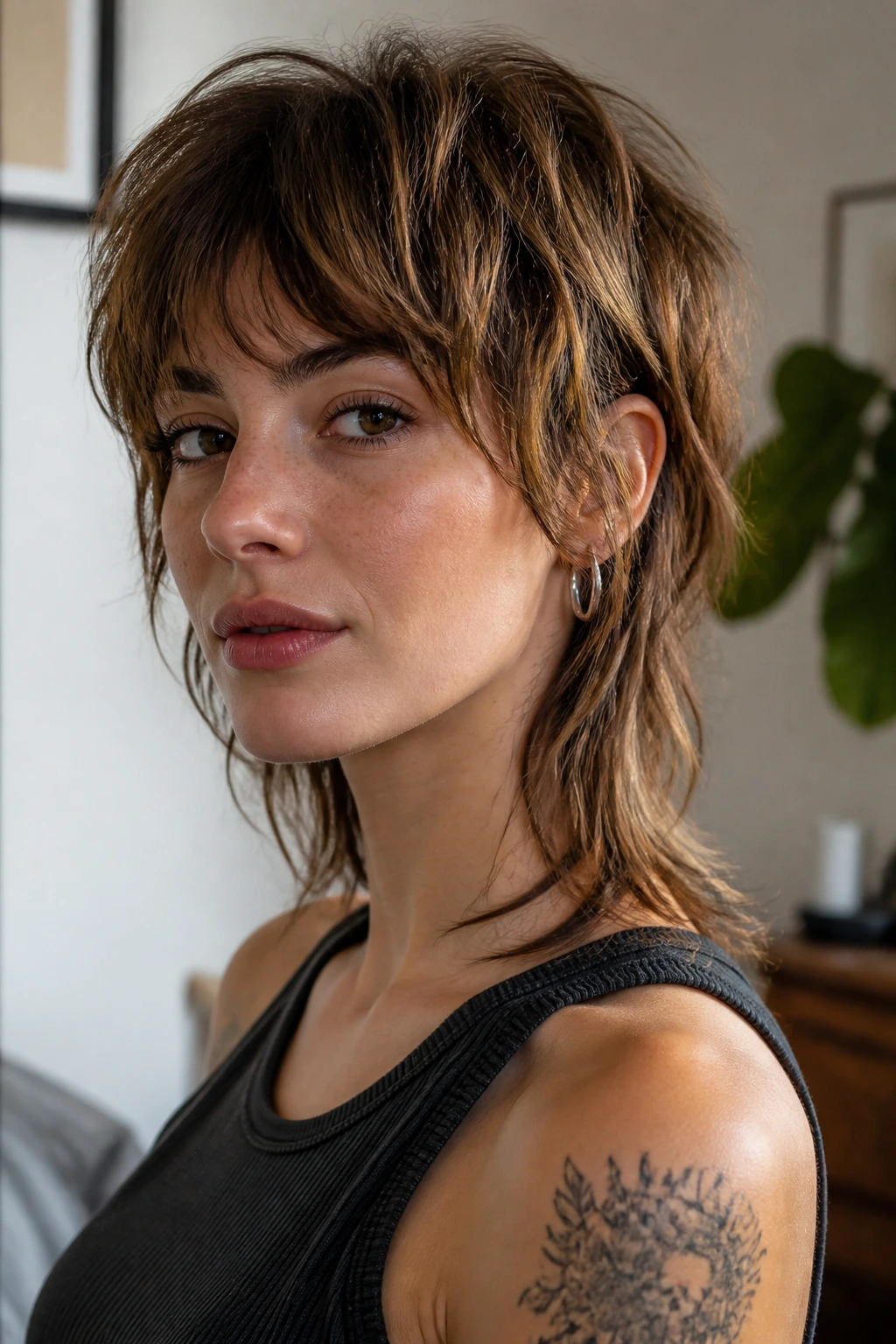
A good mullet on women doesn’t look like a dare. It looks edited. The front has enough softness to frame the face, the crown has lift, and the back keeps a little length so the shape moves when you turn your head. That balance is why modern mullet haircuts for women have stuck around: the cut can be sharp, fluffy, sleek, curly, shaggy, or polished, and it still reads as intentional.
What I like most is the room it gives the hair. A bob sits still. A mullet shifts. The nape can be cropped close or left grazing the collarbone, the fringe can be wispy or blunt, and the layers can lean soft instead of spiky. Get the proportions right and the whole thing feels alive, not costume-y. Get them wrong and you end up with a lopsided haircut that needs constant apology.
The styles below cover every useful version I’d send to a real client: short, long, curly, straight, office-friendly, fashion-forward, and the ones that look especially good when the hair has a little grit in it. Some are subtle enough to pass in a boardroom. Others have real bite. That’s the fun of it.
Why These Modern Mullet Haircuts Feel Different
-
The edges are softer: Most of these cuts keep the mullet shape without the harsh, mullet-as-joke outline, so the transition from crown to nape feels smoother.
-
Texture does the heavy lifting: Waves, curls, and a bit of bend in the ends make the silhouette look deliberate instead of choppy in a bad way.
-
Length stays flexible: You can wear a mullet at pixie length, shoulder length, or past the shoulders, which makes the shape easier to adapt to your life and your hair density.
-
Bangs change everything: Curtain bangs, bottleneck bangs, side fringe, and micro fringe each make the same cut feel like a different haircut.
-
Grow-out is less awkward than people think: A mullet can lose a trim and still look like a style, which is more than I can say for a lot of crisp, geometric cuts.
-
Color can sharpen the shape fast: A two-tone panel, a bright copper rinse, or even a subtle root shadow can make the layers read more clearly from across the room.
1. Soft Curtain Mullet
The soft curtain mullet is the version that usually wins over people who think they hate mullets. The front falls in loose curtain bangs that split near the center, the crown is lightly stacked, and the back keeps enough length to swing against the neck instead of sticking out. It has a little shag energy, but the edges are blurred enough that it never feels severe.
This one works because the curtain fringe pulls attention to the cheekbones while the back gives the haircut its shape. Ask your stylist for face-framing pieces that hit around the cheekbone and a nape section that’s left a few inches longer than the sides. On medium-density hair, a round brush and a dab of mousse are enough; on wavy hair, you can air-dry it and let the bend do the rest.
Ask for this kind of shape:
- Face-framing curtain bangs that start around the brow or cheekbone
- Crown layers that remove bulk without stripping the ends
- A soft, tapered nape instead of a hard shelf
I like this cut on someone who wants the mullet idea without the loudest possible version of it. It’s the one you can tuck behind one ear and still have enough personality left in the haircut.
2. Curly Wolf-Cut Mullet
Curly hair makes a wolf-cut mullet look almost unfairly easy. The curls fill the space between layers, so the haircut gains volume at the crown and a nice, scattered outline through the back. Instead of trying to force a neat line, the shape uses your curl pattern as the architecture.
The trick is restraint. Too many short layers in curly hair can turn the top into a puffball and the back into a triangle, which is exactly what you do not want. Keep some weight in the lower sections and ask for curl-by-curl shaping if your stylist knows how to work with natural texture. Diffuse on low heat, use curl cream while the hair is damp, and stop touching it once the cast starts to set.
This is one of the best modern mullet haircuts for women who already live in their natural texture. It looks best when the curls have spring, not when they’ve been flattened into submission.
3. Micro Mullet with Choppy Fringe
A micro mullet is tiny in the back and sharp at the front. The fringe usually sits short and piecey, the sides stay close to the head, and the nape hangs on just long enough to make the cut read as a mullet instead of a pixie with opinions. It has a little punk edge, but not the cartoon version.
The cleanest way to wear it is with texture paste or a matte cream worked through dry hair. You want separation at the ends, not a glossy helmet. This cut is especially good if your hair is thick and you’re tired of carrying around all that bulk, because the micro length removes weight fast. It can also work on fine hair if the stylist avoids over-thinning the crown.
Short cuts like this live or die on the front shape. If the fringe lands in the wrong spot, the whole haircut feels off by an inch. That’s not much on paper. In the mirror, it’s everything.
4. Feathered Shoulder-Length Mullet
This is the mullet for people who like movement but do not want to lose shoulder-length versatility. The crown is lifted, the sides are feathered away from the face, and the back keeps enough length to brush the shoulders. It’s soft, airy, and a little more graceful than the choppier versions.
Feathering matters here. If the stylist cuts the layers blunt, the shape can look heavy around the neck. Ask for point-cutting through the ends so the hair flips instead of collapsing. A blow-dry with a medium round brush gives this cut the nicest finish, especially if you pull the top sections up and away from the scalp before aiming them down and back.
This version feels polished enough for people who need their haircut to work in real life, not just in a photo. It has movement when you walk, which sounds small until you see how much better that reads than a flat shoulder-length layer stack.
5. Pixie Mullet with Sideburns
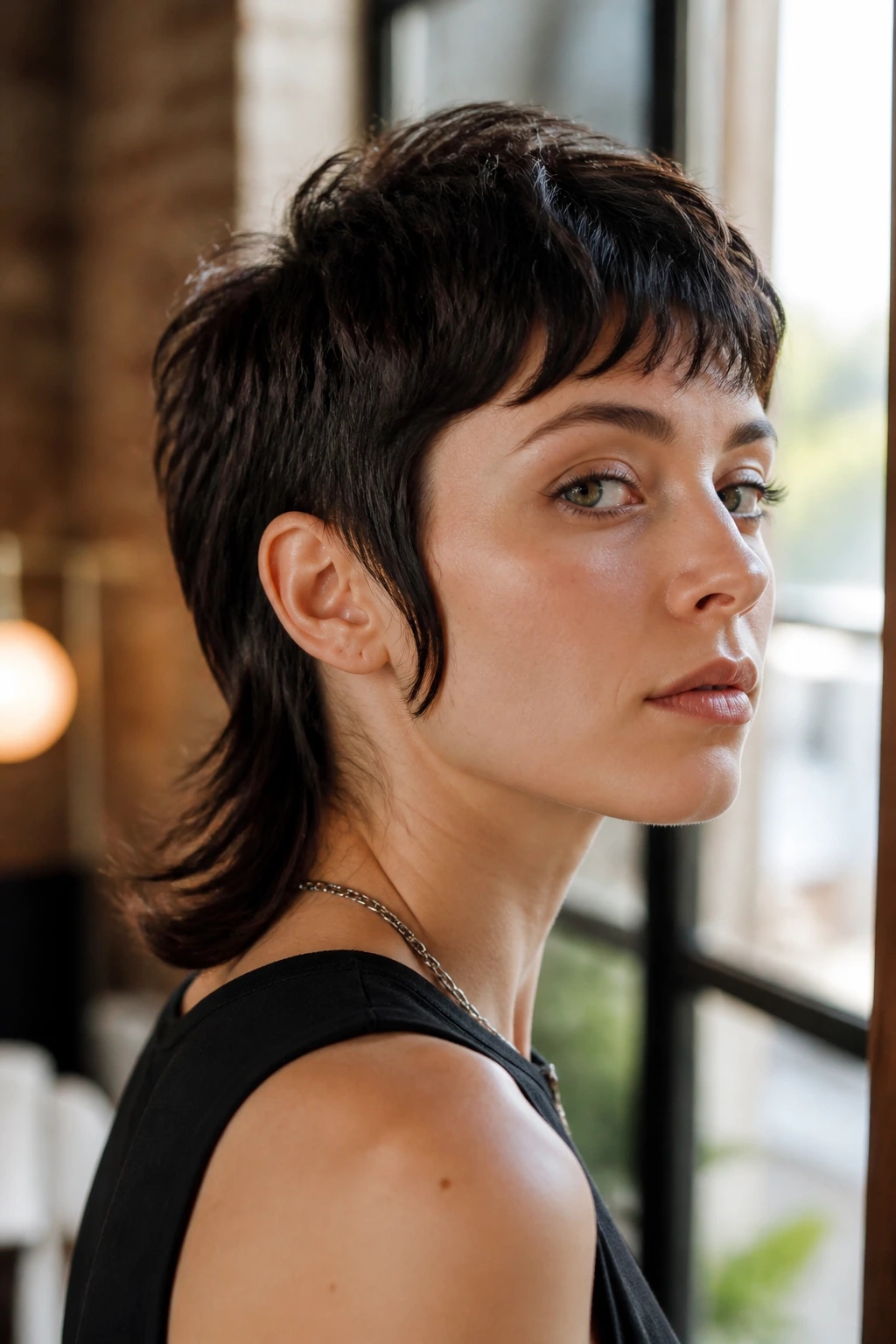
The pixie mullet is what happens when a pixie cut refuses to stay polite. The front is cropped close, the sideburns stay visible, and the back stretches into a tiny tail or soft neck length that keeps the silhouette from becoming a standard short crop. It’s sharp, but the shape still has a little swing.
I like this cut best when the sideburn area is left slightly longer than people expect. That tiny detail keeps the haircut from looking boxy around the ears. Use a pea-sized amount of styling cream or wax, rub it between your palms, and pinch the ends into place rather than smoothing everything flat. The piecey finish is half the point.
If you’ve got a strong jawline or nice cheekbones, this cut can be excellent. It puts the face out in the open. No hiding, no fuss. And that honesty is part of the appeal.
6. V-Shaped Mullet with Bottleneck Bangs
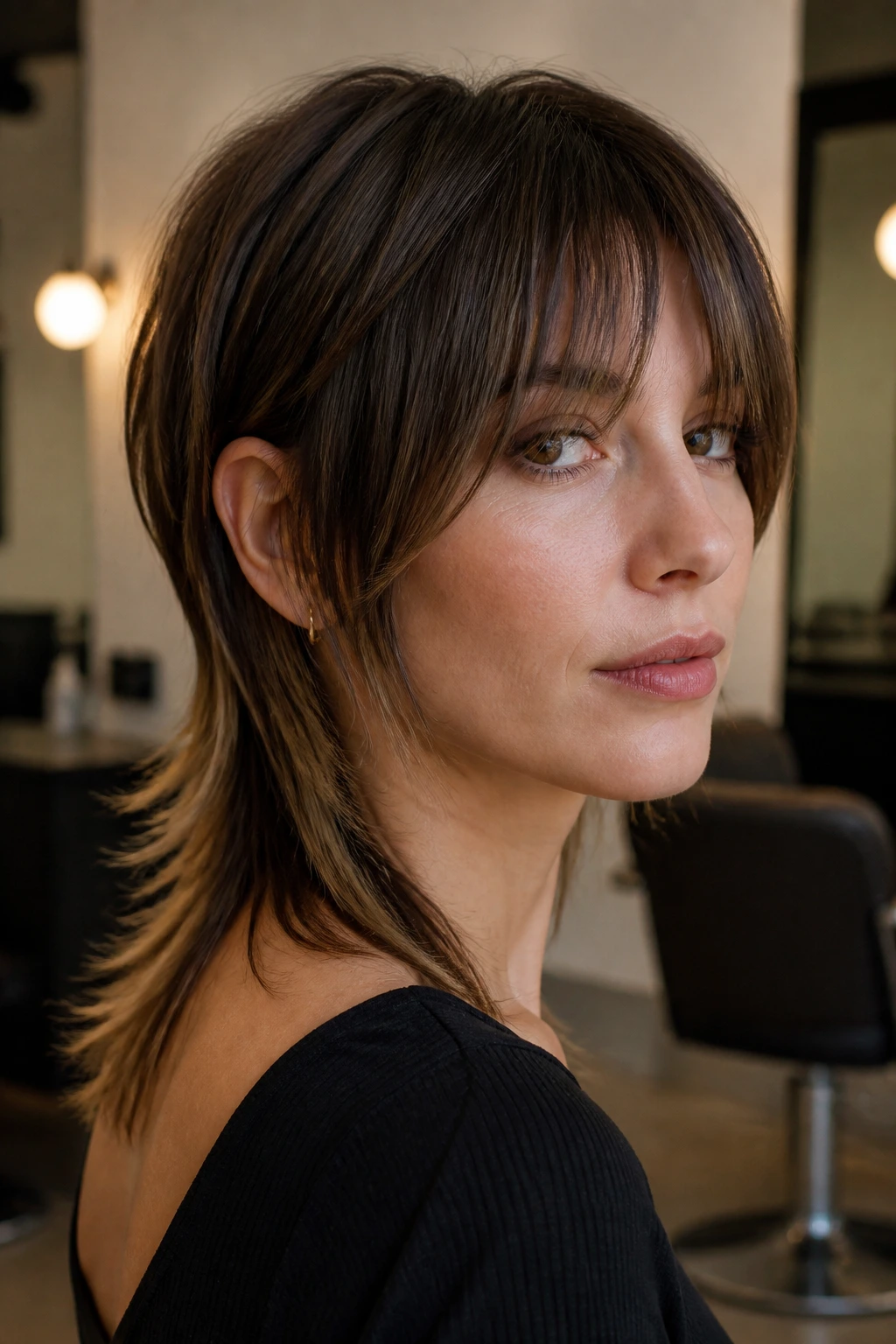
The V-shaped mullet builds a pointed line in the back, so the bottom of the haircut narrows instead of sitting in a blunt block. Bottleneck bangs soften the front by opening near the brows and narrowing at the bridge of the nose. Together, they make the haircut feel tailored rather than shaggy.
This shape is a smart option if you like structure but don’t want a stiff outline. The V in the back gives the haircut a visible direction, and the bangs balance it by keeping the front gentle. Blow-dry the fringe first so it sets in the right place, then use a flat brush or paddle brush on the rest of the hair to keep the layers controlled.
The main thing to watch is weight. If the back gets too dense, the V shape disappears and you’re left with a heavy tail that looks accidental. Keep the lower layers light enough to move.
7. Hime-Mullet Hybrid
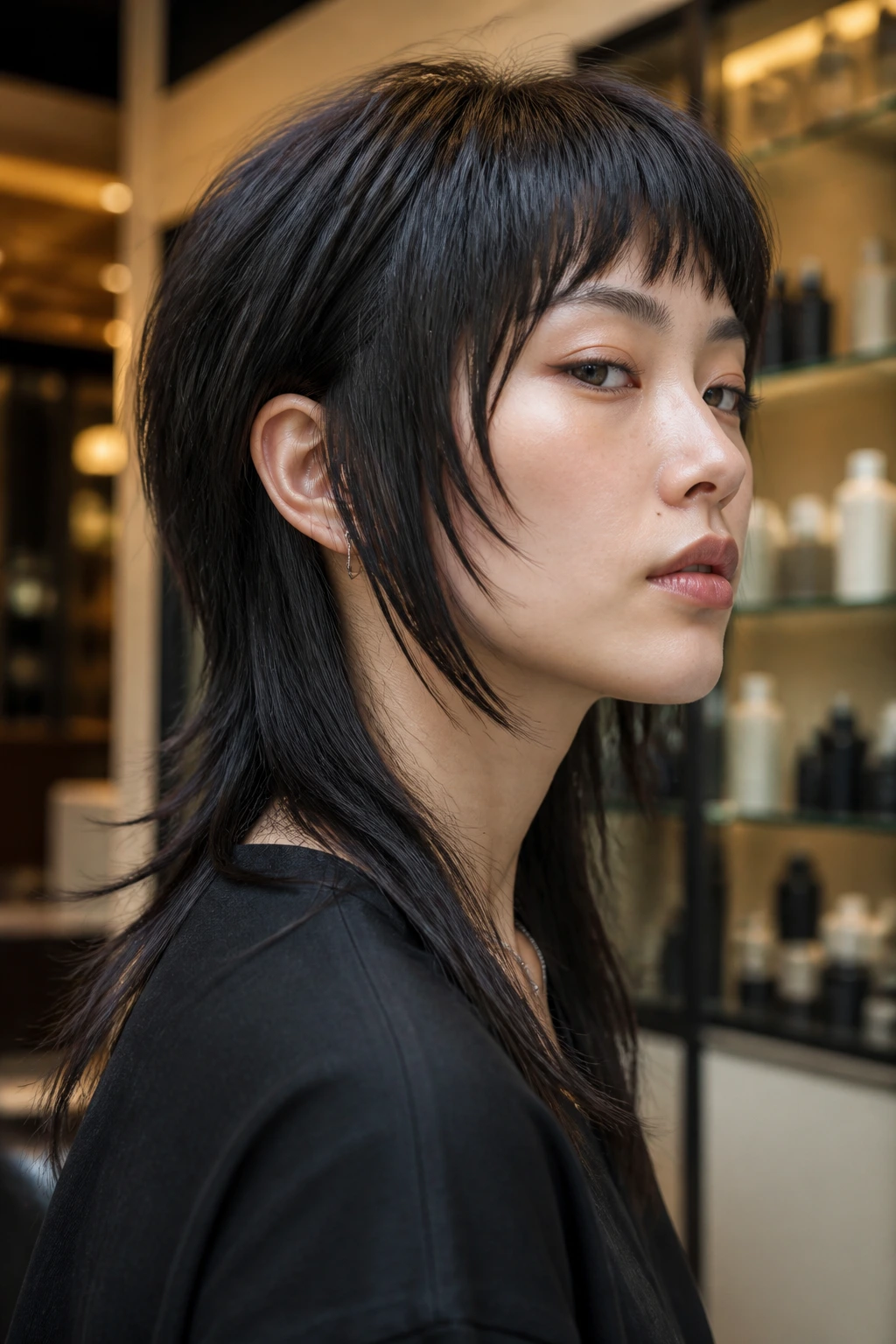
This one is for people who want a sharper line and do not mind a little drama. The hime-mullet hybrid borrows the straight side pieces from the hime cut, then leaves length in the back so the silhouette feels disjointed on purpose. On sleek hair, it looks clean and graphic. On textured hair, it reads more rebellious.
The side sections need to be precise. If they drift too long, the cut loses the point. If they’re too short, the whole thing starts feeling more like a layered bob with a bad attitude. This is a cut that benefits from a flat iron or at least a smoothing brush on the front sections, because the contrast is what makes it work.
I’d call this one a strong choice for someone who likes a controlled outline and is comfortable with a haircut that looks a little architectural. It is not shy. That’s the appeal.
8. Bixie Mullet
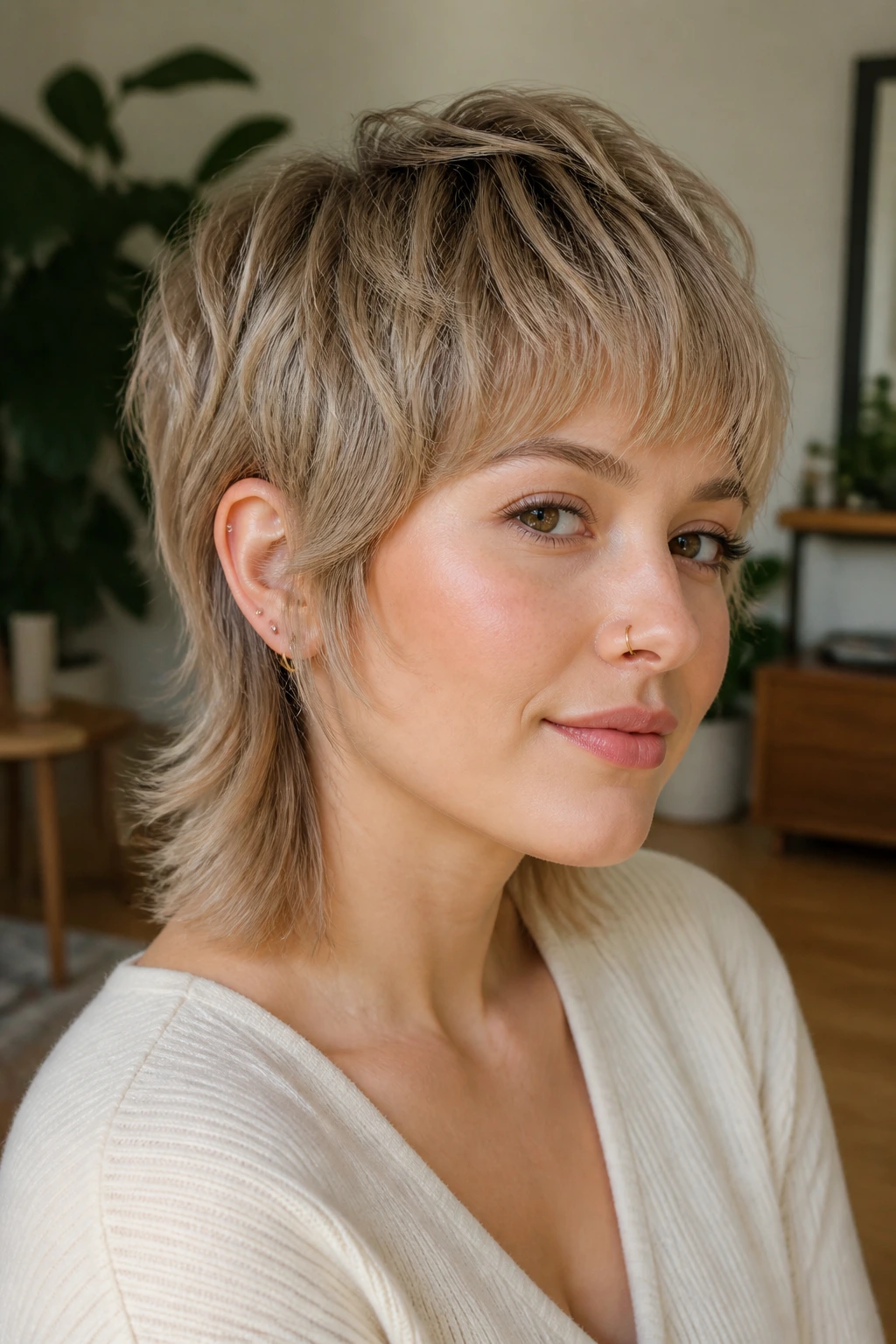
A bixie mullet sits between a bob and a pixie, then throws a small party in the back. The front is short and rounded, the crown has lift, and the nape keeps enough length to stop the shape from turning into a standard bixie. It’s playful without being fragile.
This cut is nice on hair that’s medium-fine, because the layers can create body fast without needing a ton of product. A light mousse at the roots and a texturizing spray through the ends give it enough grit to hold the shape. If your hair tends to lie flat at the crown, this is one of the few short cuts that can make it look like you have more going on up top.
The best version stays soft at the temples. Leave that area too tight and it starts looking severed. Keep the line blurred and the whole thing feels easier.
9. Bouncy Layered Mullet
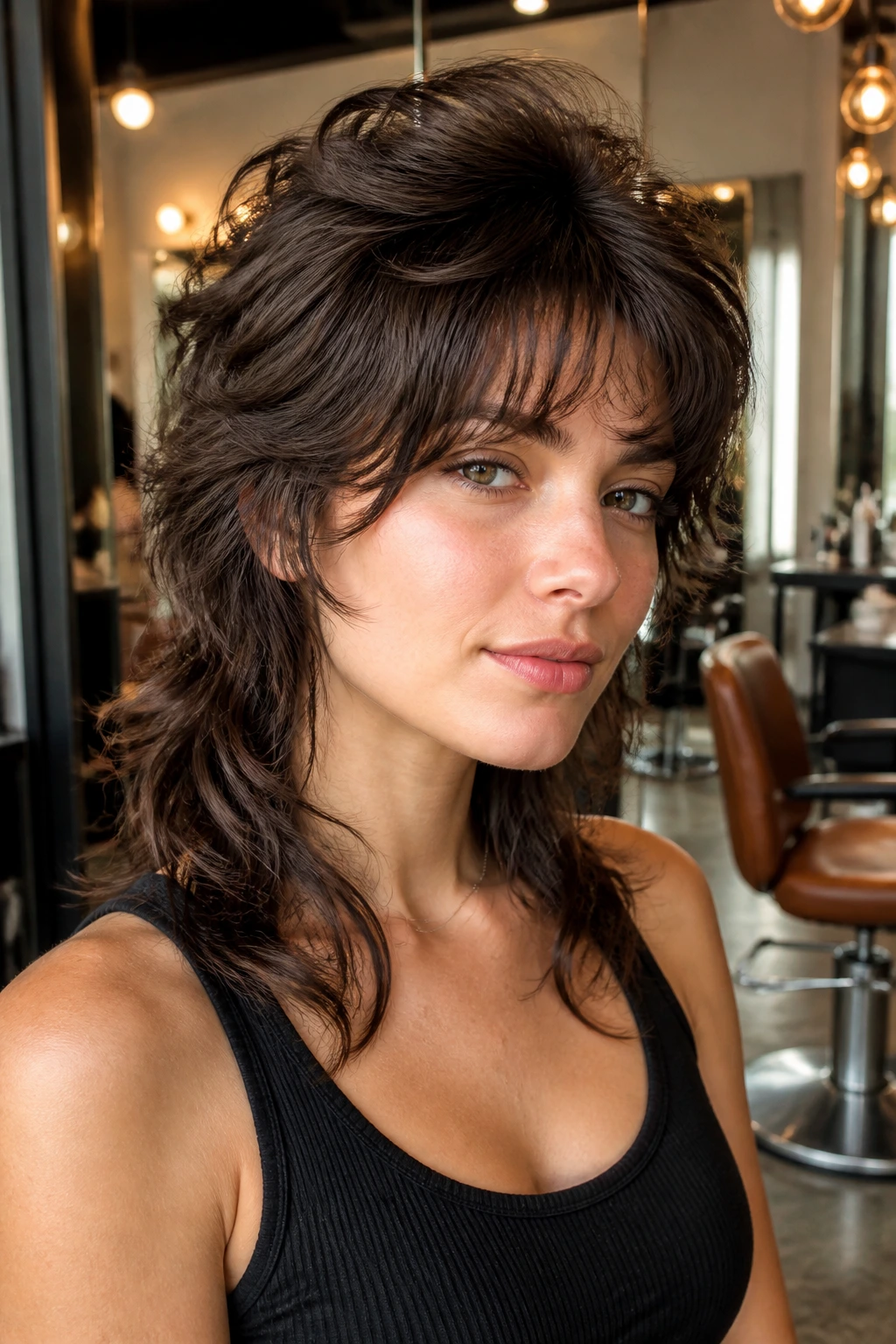
This is the blowout mullet. Big root lift, soft ends, and enough internal layering that the whole cut seems to bounce when you move your head. It’s not the jagged, punk version of the mullet. It’s the polished, high-motion one that looks best after a round brush and a little patience.
The crown layers matter more than the back length here. If the top is too heavy, the bounce disappears. If the ends are too thin, the haircut starts looking stringy. Ask for long layers through the mid-lengths and a softly tapered back so the shape stays buoyant rather than collapsed. I’d finish it with a light hairspray sprayed from underneath, not the top, so the volume holds without turning crunchy.
This one suits medium to thick hair best. Fine hair can wear it too, but you’ll need a root-lift mousse and probably a dry shampoo refresh the next day.
10. Platinum Razor Mullet
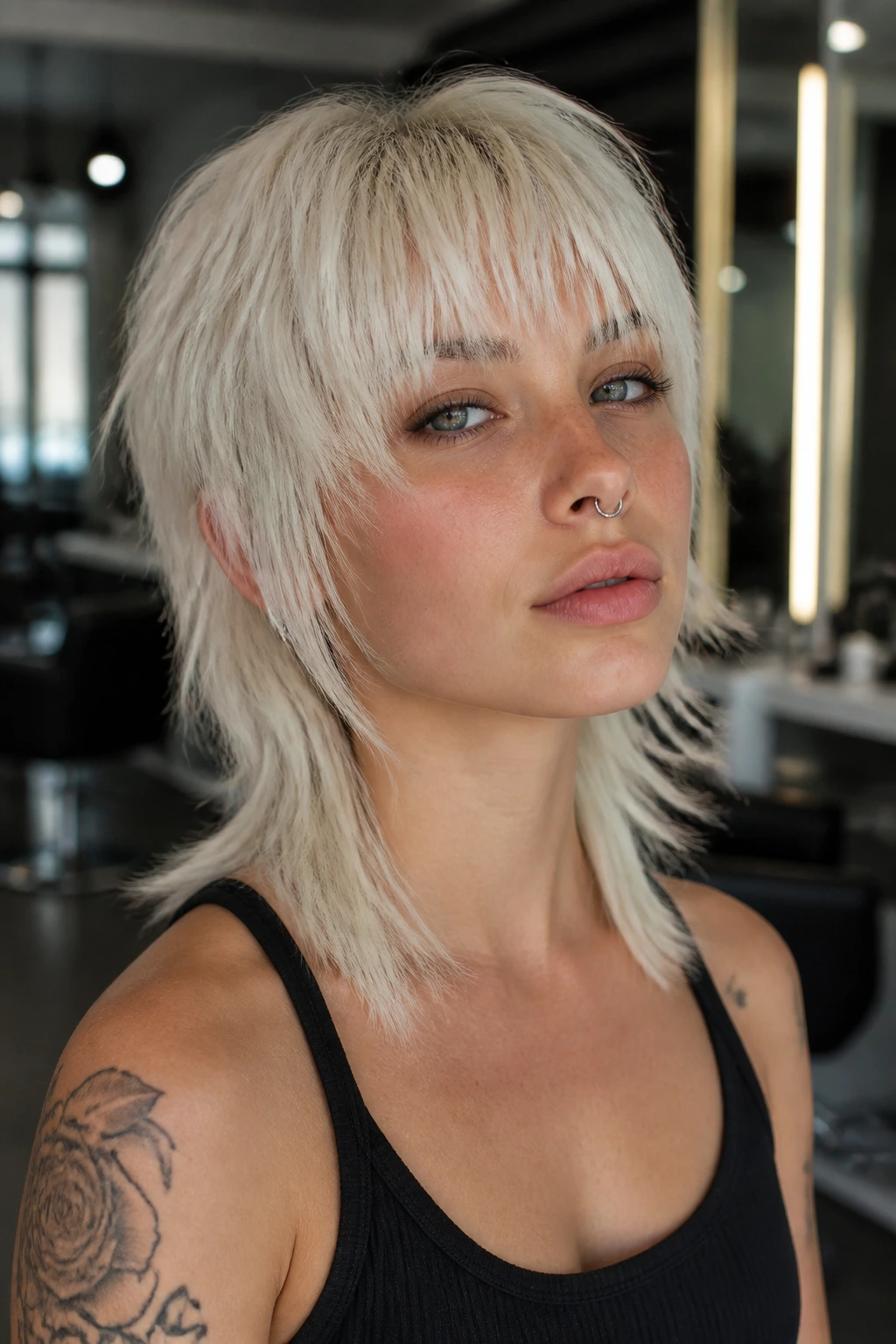
The platinum razor mullet is all about edge. The bleach makes every layer obvious, and the razor cutting gives the ends a narrow, sliced finish that moves when the hair shifts. It’s a cut with attitude, plain and simple.
Because platinum shows everything, the shape has to be clean. This is not the place for sloppy sectioning or over-thinned ends. You want enough density to keep the silhouette readable, especially around the nape and around the fringe. Use bond-building care if your color has been lifted hard, and keep the styling light—mousse, dry texture spray, maybe a drop of oil on the ends if they feel parched.
I like this cut when the color is icy and the shape is controlled. The contrast between the bright tone and the sliced layers is what gives it presence.
11. Copper Choppy Mullet
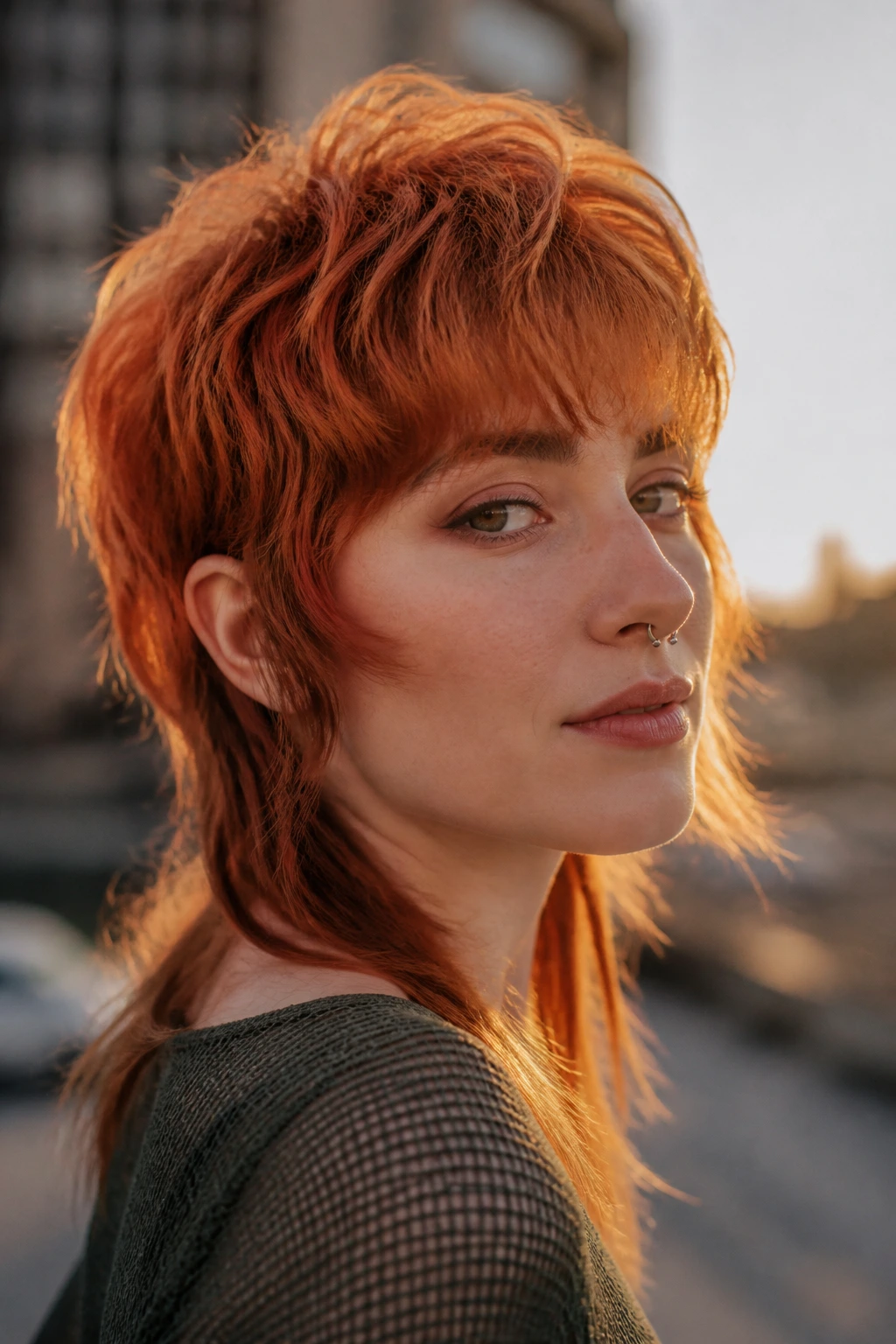
Copper does a lot of work here. The warm tone catches on every layer, so even a slightly messy mullet looks intentional because the shape is visible in the color. A choppy cut with copper tones reads earthy, bold, and a little rock-and-roll without trying too hard.
This version is nice on layered medium-length hair. The color deepens the ends and makes the crown lighter by comparison, which helps the mullet silhouette stand up. If you’re styling it at home, a small amount of wave spray and a rough-dry with your fingers is often enough. Copper hair has a way of looking better when it isn’t polished to death.
One thing: if your copper is very bright, the ends can look drier than they are. A tiny bit of shine cream can keep the texture from getting chalky, but use too much and you’ll flatten the layers.
12. Long-Length Mermaid Mullet
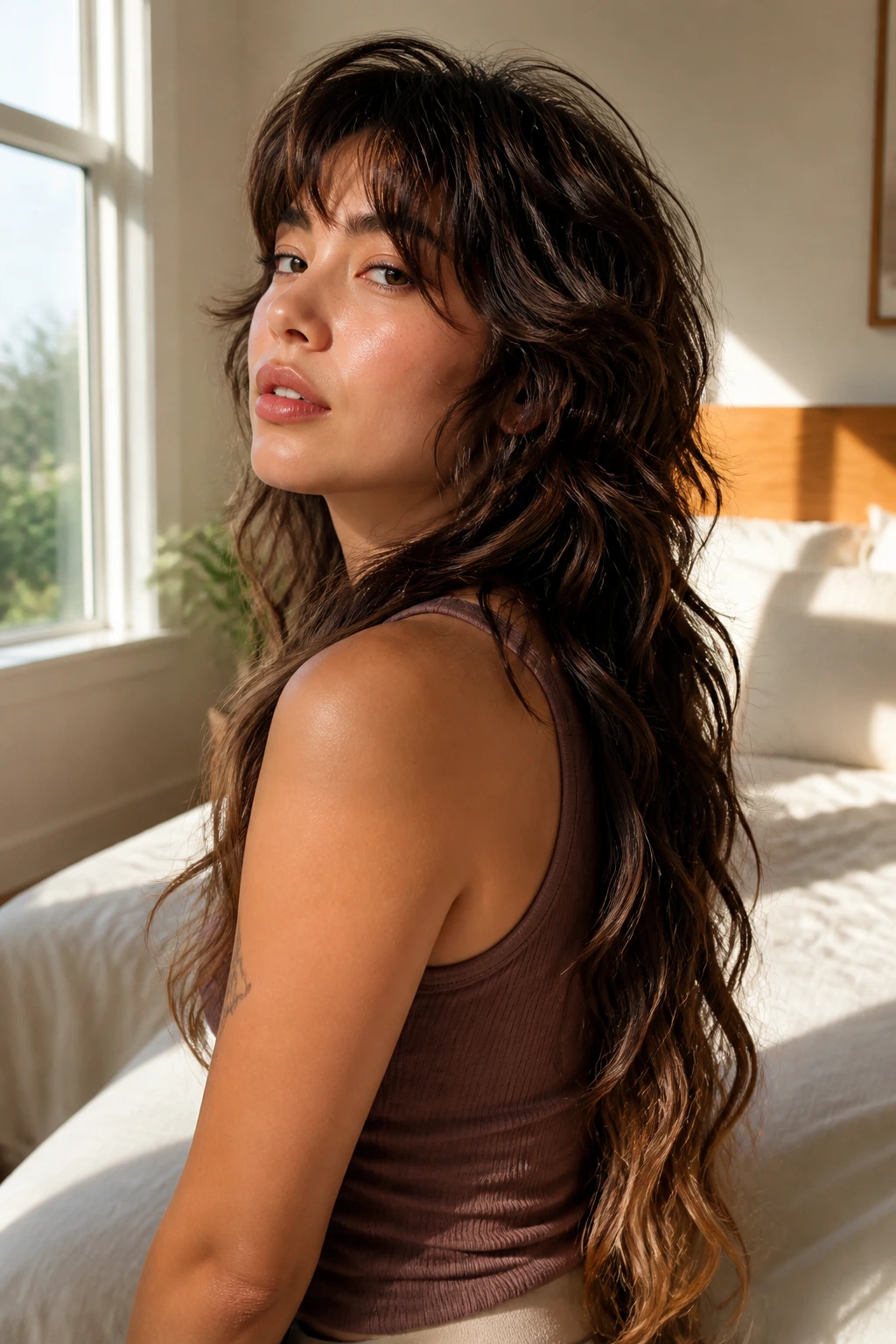
Long hair doesn’t cancel out the mullet shape. It just makes the contrast subtler. A mermaid mullet keeps the overall length, but the crown is shorter and more layered, and the front gets enough face framing to stop the cut from looking like plain long hair with a few extra snips.
This style works especially well if you’re attached to length and don’t want to go short just to get movement. Ask for shorter crown layers that blend into longer lengths through the back, with the perimeter left soft. It looks lovely with loose waves, because the bend in the hair shows the difference between the top and bottom layers.
If you wear your hair down most of the time, this is a good compromise. You keep the drama in the layering rather than the length loss, which is a much more livable trade.
13. Slicked-Back Wet-Look Mullet
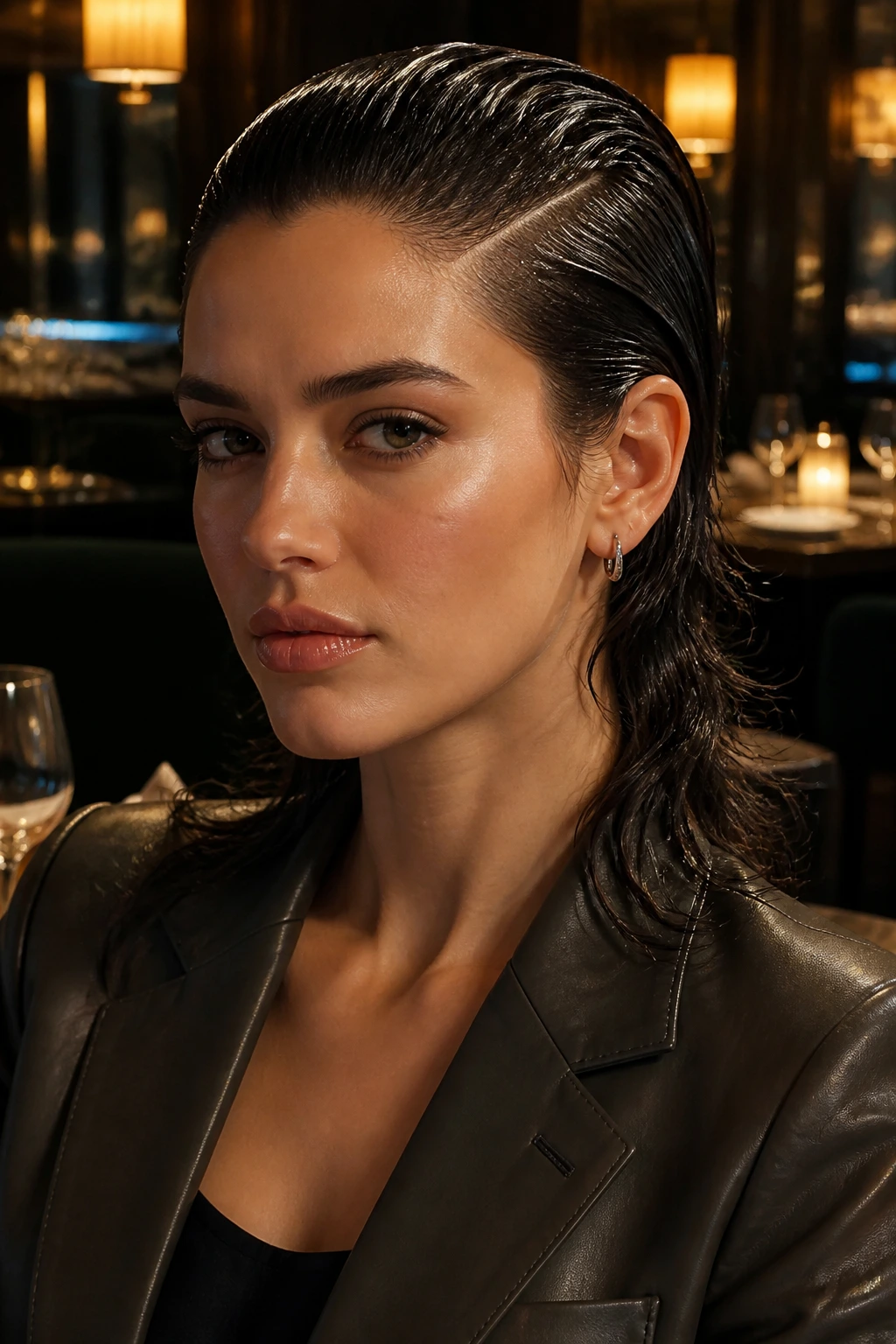
The wet-look mullet changes the whole mood of the haircut. Instead of fluffy texture, you get shine, direction, and a hard part or brushed-back crown that shows the shape in a cleaner line. It feels runway-adjacent, even if you’re just going out to dinner.
A styling gel with strong hold works best here, but don’t smear it from roots to ends like frosting. Work it through damp hair from the front toward the back, then use a comb to define the part and the crown direction. The ends can stay loose, or you can tuck them behind the ears for a tighter outline.
This is one of the few styles where a mullet looks more polished than messy. Good for nights out. Bad for people who hate product in their hair. Fair trade.
14. Textured Lob Mullet
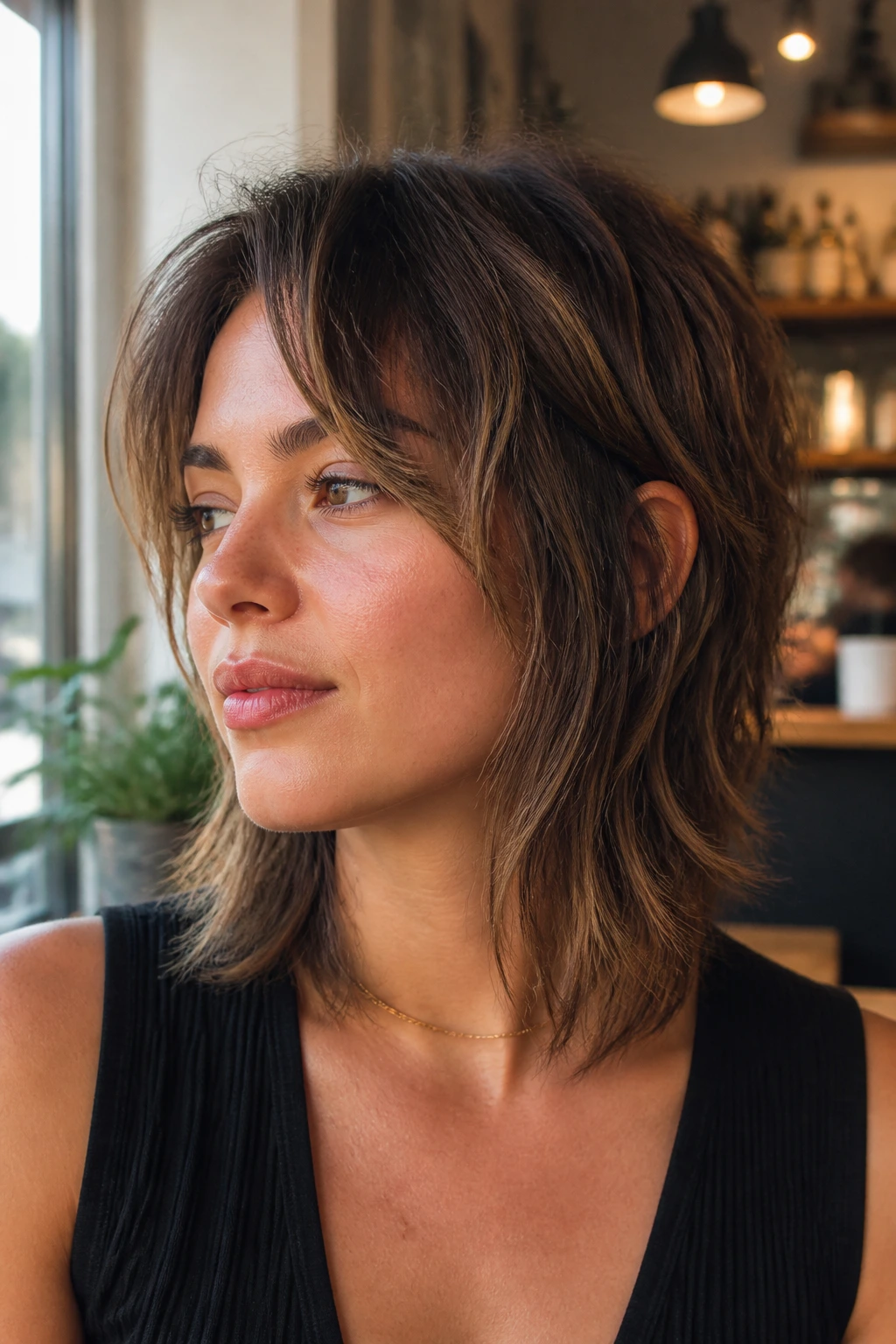
The lob mullet keeps the overall feel of a long bob, then sneaks in the unevenness that makes a mullet interesting. The front hovers around the collarbone, the back drops a little longer, and the crown carries just enough layering to lift the top. It’s subtle. That’s the point.
This is probably the easiest mullet shape for someone who wants to try the look without going full statement haircut. A texturizing spray and a bendy wave from a flat iron or large barrel iron give the shape its movement. Leave the ends slightly uneven rather than ironing them pin-straight; that little irregularity makes the style read modern instead of overly neat.
If you’ve got a professional setting to think about, this is the version I’d send you to first. It gives shape without shouting.
15. Asymmetrical Mullet
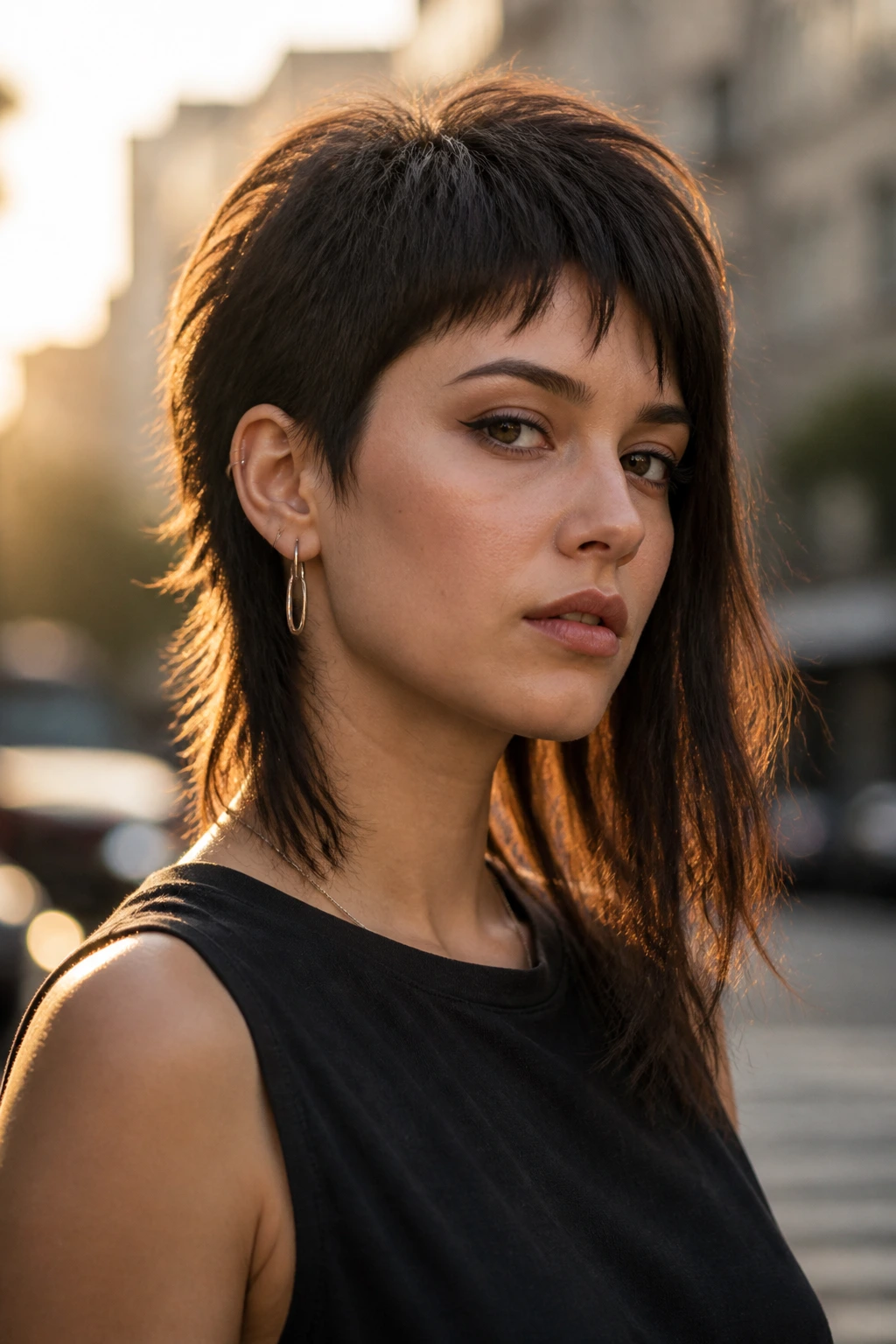
An asymmetrical mullet keeps one side longer than the other, which gives the haircut a sharper line and a more deliberate edge. The back can stay center-focused, or it can tilt slightly to follow the longer side. Either way, the silhouette feels off-center in a way that’s clearly intentional.
The asymmetry should be obvious enough to read, but not so extreme that it overwhelms the face. If one side drops too far, the haircut starts wearing you instead of the other way around. This cut looks best when the rest of the texture stays fairly simple—clean ends, a soft crown, and one strong visual decision.
It’s a strong choice for anyone who gets bored fast. The asymmetry keeps the haircut from settling into autopilot, which is half the reason people cut their hair this way in the first place.
16. Two-Tone Color-Blocked Mullet
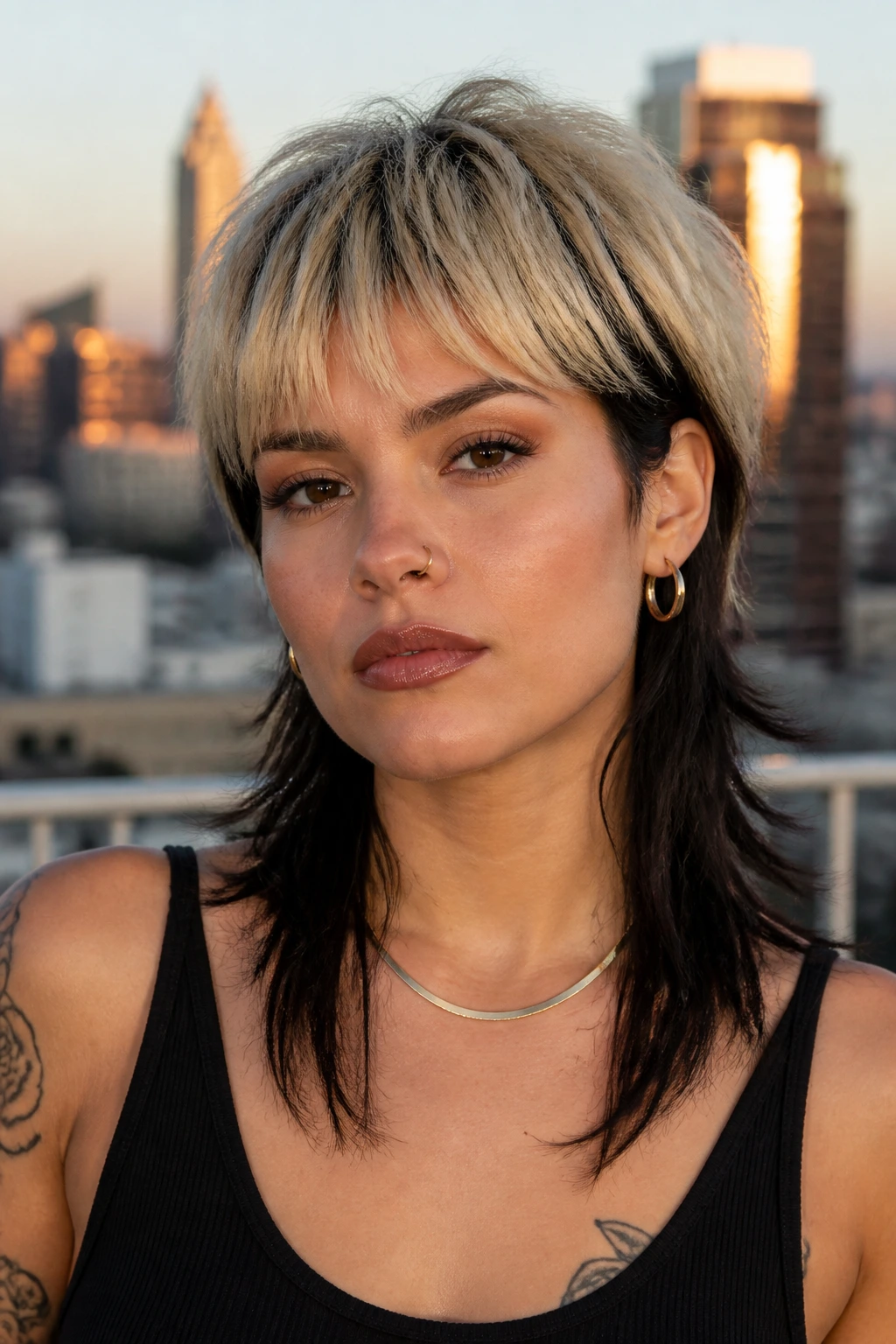
Two-tone color can make a mullet look almost graphic. Think dark underneath with lighter panels on top, or a bright front section against a deeper back. The haircut suddenly has more dimension because your eye reads the color blocks before it even gets to the layers.
This style works best when the cut itself is simple enough to let the color lead. If both the shape and the color are fighting for attention, the look gets busy fast. Keep the layers clean, use a color-safe shampoo, and use heat protectant if you’re flat-ironing the front pieces into shape. That contrast only works if the hair stays smooth where it needs to.
I like this version on medium to short mullets most, because the color placement stays readable. On very long hair, the effect can get lost unless the panels are bold.
17. Retro-Inspired Modern Mullet
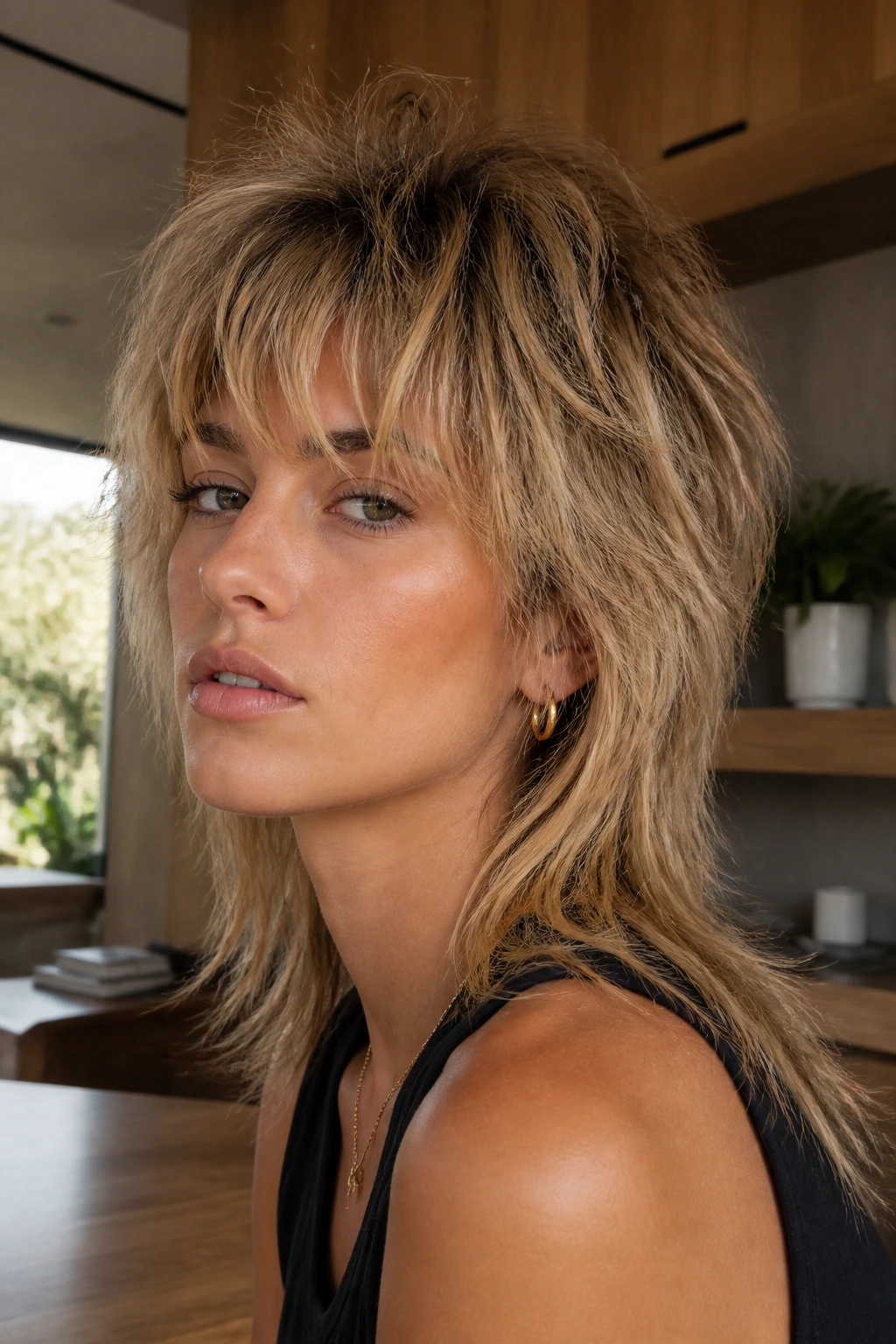
This is the mullet for people who like the 80s idea but not the hard edges that came with it. The crown has lift, the back has a little tail, and the fringe is soft enough to keep the cut from going full throwback. It nods to the past without copying it line for line.
The difference is in the finish. Old-school mullets often sat with a stiff top and a heavier bottom. A modern version should have movement through the sides and softer separation at the ends. Blow-dry with a round brush for lift, then break it up with your fingers and a touch of texture spray. You want air in the layers, not a shiny shell.
This one is fun if you like hair that looks styled but not overthought. There’s a wink in it. Not a costume.
18. Air-Dry Curly Mullet
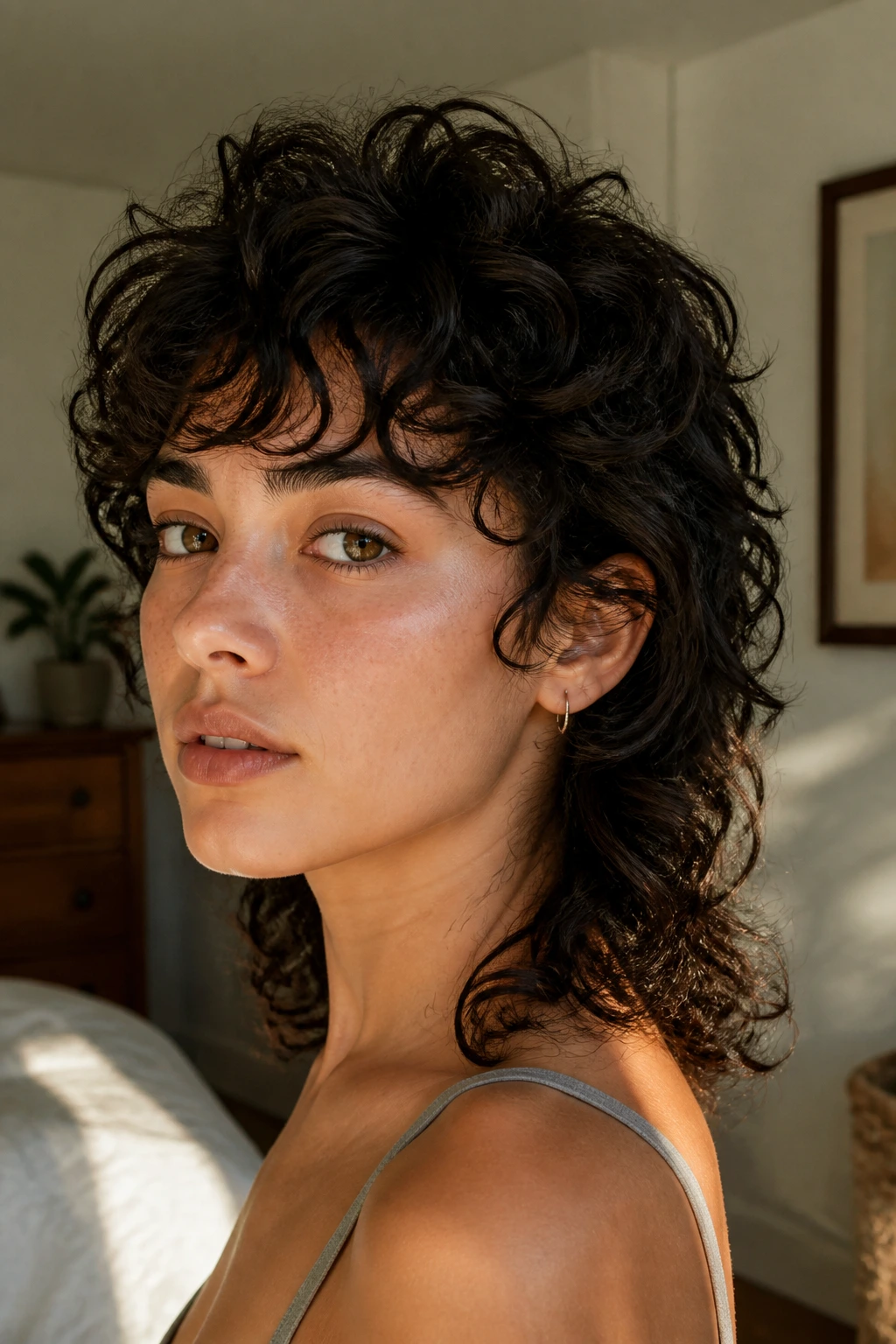
If your hair dries into curls without much help, this cut can be a dream. The air-dry curly mullet keeps the layers shaped so the curls stack where they should and fall where they should, which means less puff at the sides and more movement through the crown.
The key is placement. A good curly mullet leaves enough length at the nape to avoid a mushroom shape, but not so much that the curls drag down. Use a leave-in conditioner, scrunch in a curl cream, and then leave it alone while it dries. Once the cast sets, break it gently with a drop of oil on your hands.
This style often looks better on day two, when the curls separate a little and the shape reads more clearly. Day-one perfection is overrated anyway.
19. Undercut Mullet
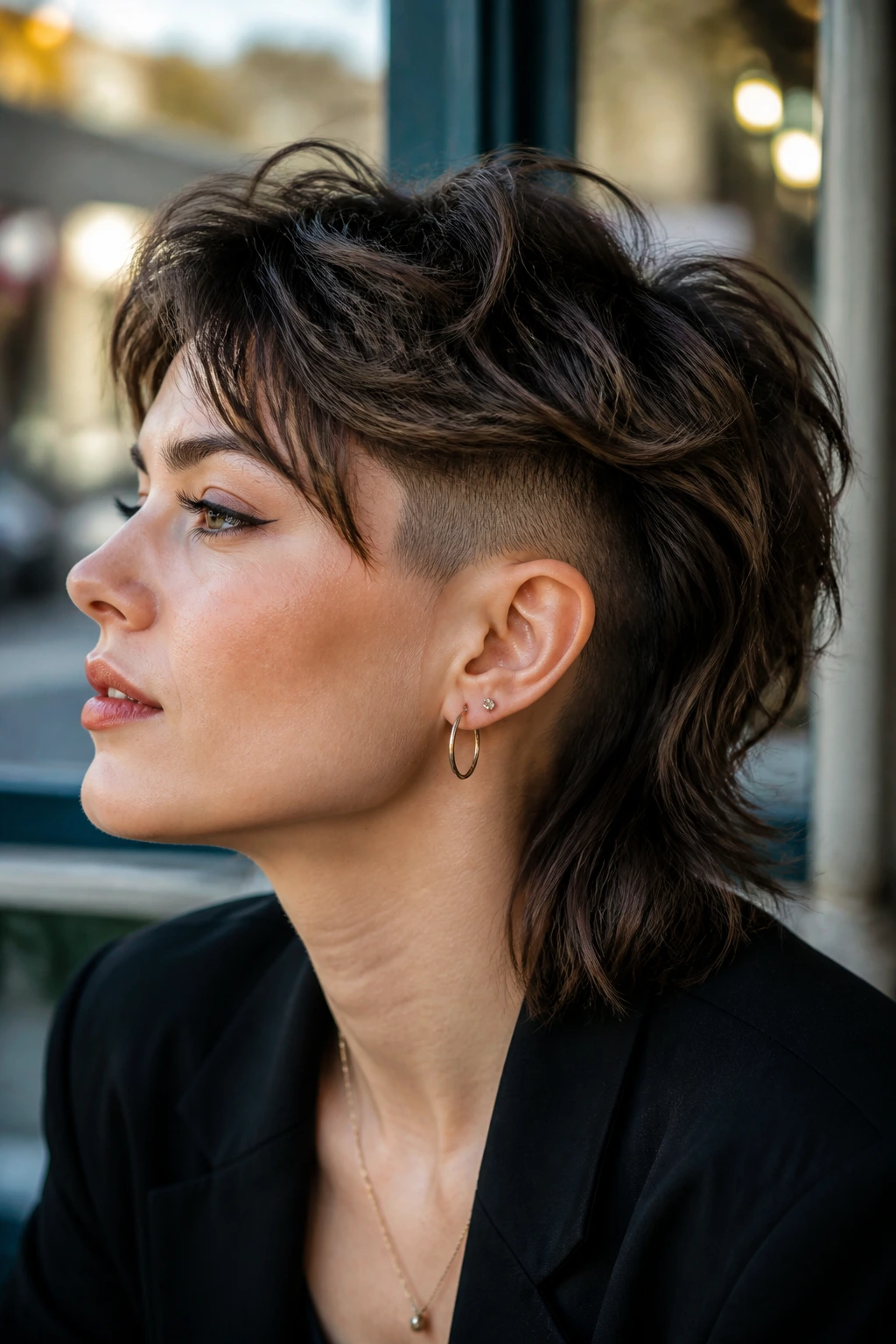
An undercut mullet removes bulk where the hair tends to swell: around the nape, behind the ears, or underneath the crown. The visible top and side layers stay soft, while the hidden shave or close crop keeps the silhouette from getting too heavy. That makes it one of the best choices for thick hair.
The cut can be dramatic or subtle depending on how much you expose. A hidden undercut keeps the surprise in the movement; a visible one makes the haircut look bolder from the side. Either way, the shape gets lighter and easier to dry. That’s the part people forget. Less bulk means less wrestling with the blow-dryer.
If your hair piles up at the nape, this is a practical fix, not just a style move. You feel the difference the first time you wash it.
20. Rounded Soft Mullet
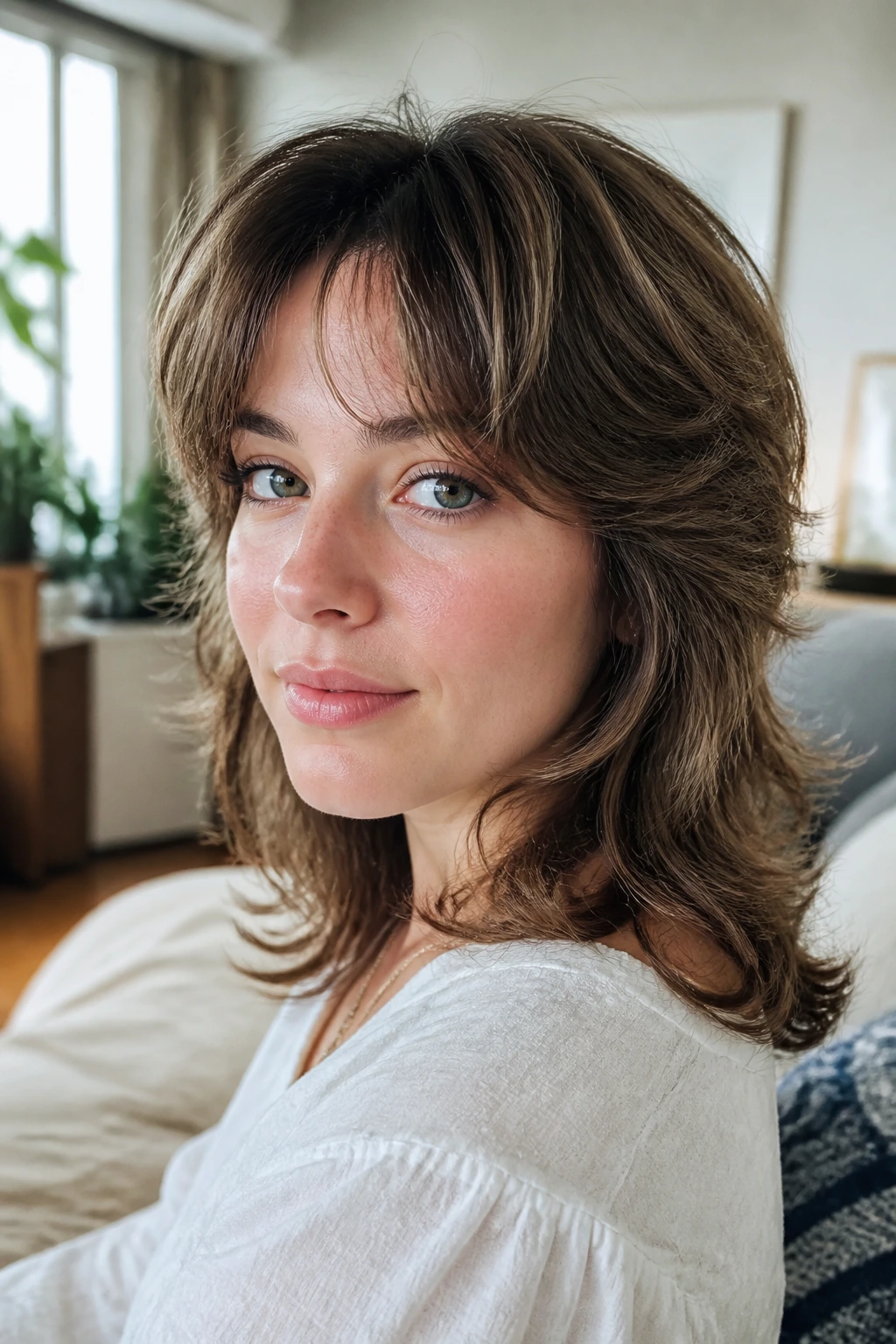
A rounded soft mullet keeps the silhouette curved instead of pointed. The top is lightly layered, the sides blend gently, and the back follows a soft arc rather than a sharp tail. It’s one of the least aggressive versions of the cut, which is exactly why it works so well on fine to medium hair.
The rounded outline makes the haircut read fuller without looking bulky. Ask for soft graduation and avoid over-razoring the ends; too much thinning can leave the cut wispy in a bad way. A small round brush and a flexible hold spray keep the shape airy without making it stiff.
This is a nice middle ground for someone who likes the idea of a mullet but still wants the haircut to sit quietly when needed. It doesn’t shout. It just moves.
21. Shag-Mullet with Bottleneck Bangs
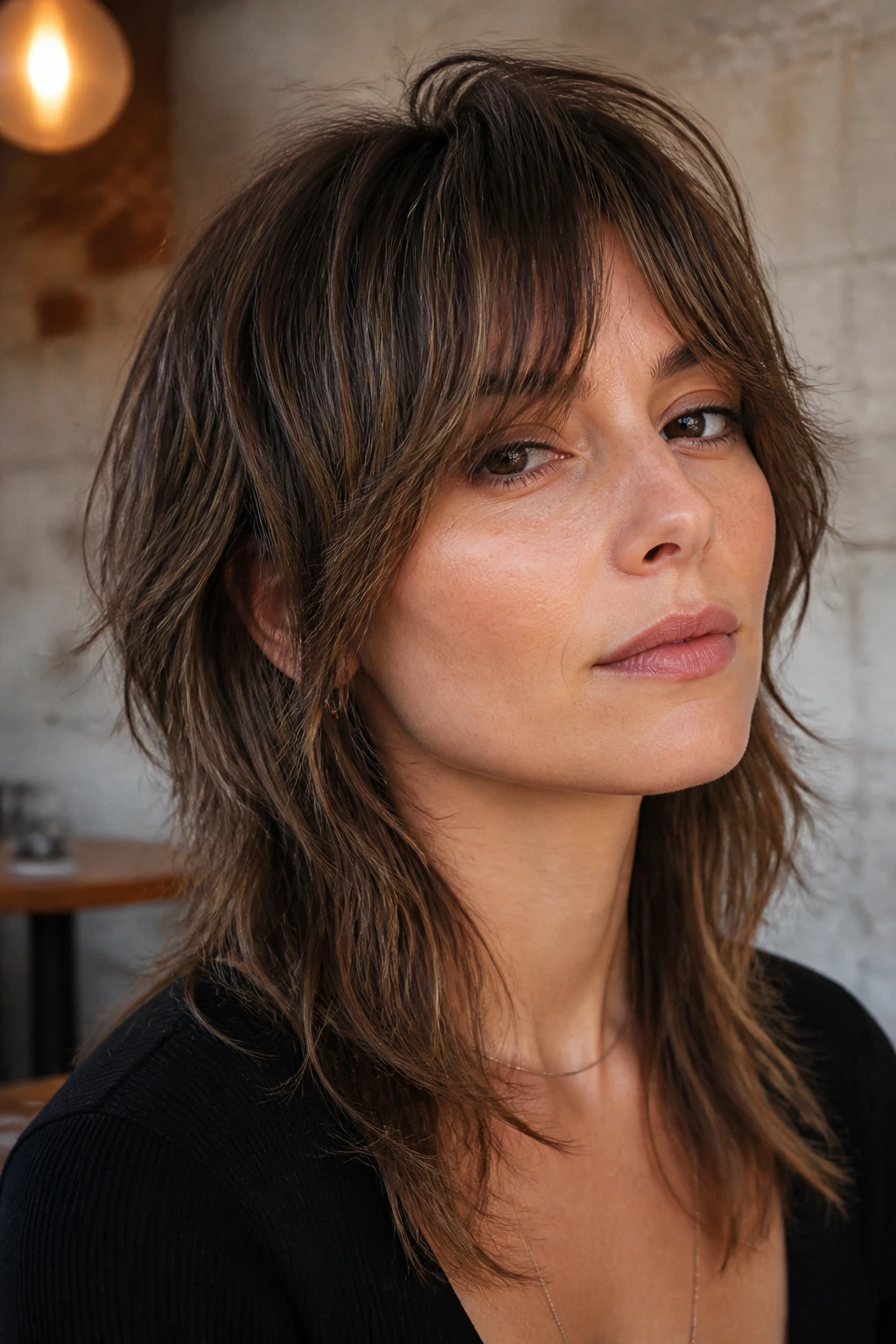
A shag-mullet with bottleneck bangs is built for texture junkies. The bangs open around the brows, the layers are cut to fall in uneven bits, and the back has enough length to keep the mullet part clear. It looks messy in the good way—like the hair has its own opinion.
This is one of the best cuts for someone who wants their hair to look good after a rough dry. Scrunch in mousse, blow-dry the bangs first so they don’t separate weirdly, and then let the rest dry with minimal handling. The texture should look airy, not frizzy. If the ends start looking too dry, a little cream on the lower half of the hair helps.
The shag influence gives this mullet a softer face frame than the sharper versions. That makes it easier to wear every day, which matters more than people admit.
22. Piecey Chin-Length Mullet
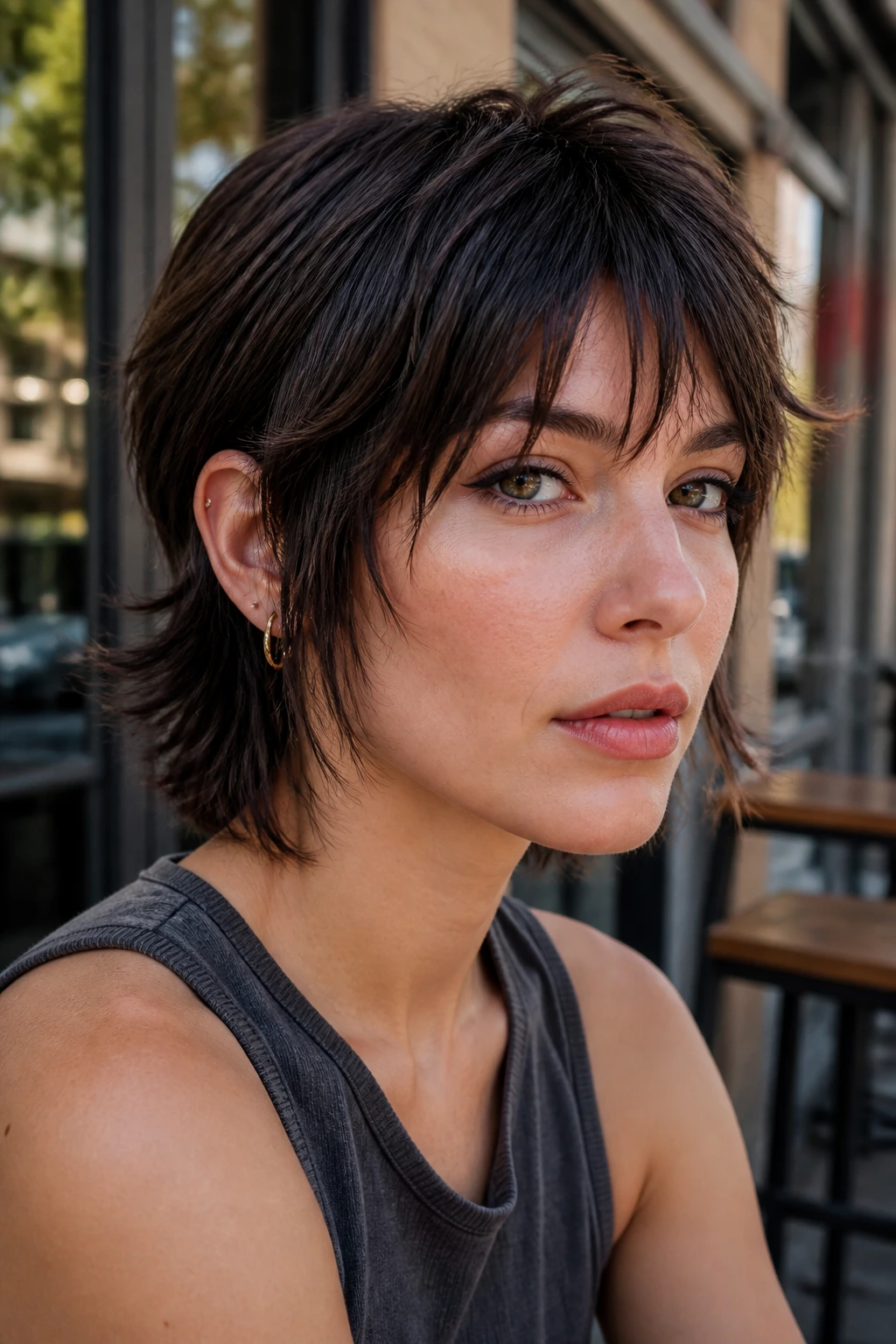
This one sits right at the jawline and uses short, separate pieces around the face to keep the shape alive. The back is slightly longer, so the haircut still reads as a mullet, but the overall effect is more compact and sharp. It’s a strong choice if you like chin-length hair with extra movement.
The piecey effect comes from careful cutting, not just product. Ask for ends that are point-cut or razor-softened, then use a light wax or dry paste to separate a few strands around the cheekbones and jaw. The goal is not uniform texture. The goal is controlled unevenness.
I think this works especially well when the face shape needs a little framing around the jaw. It creates that without turning into a heavy bob.
23. Wavy French-Girl Mullet
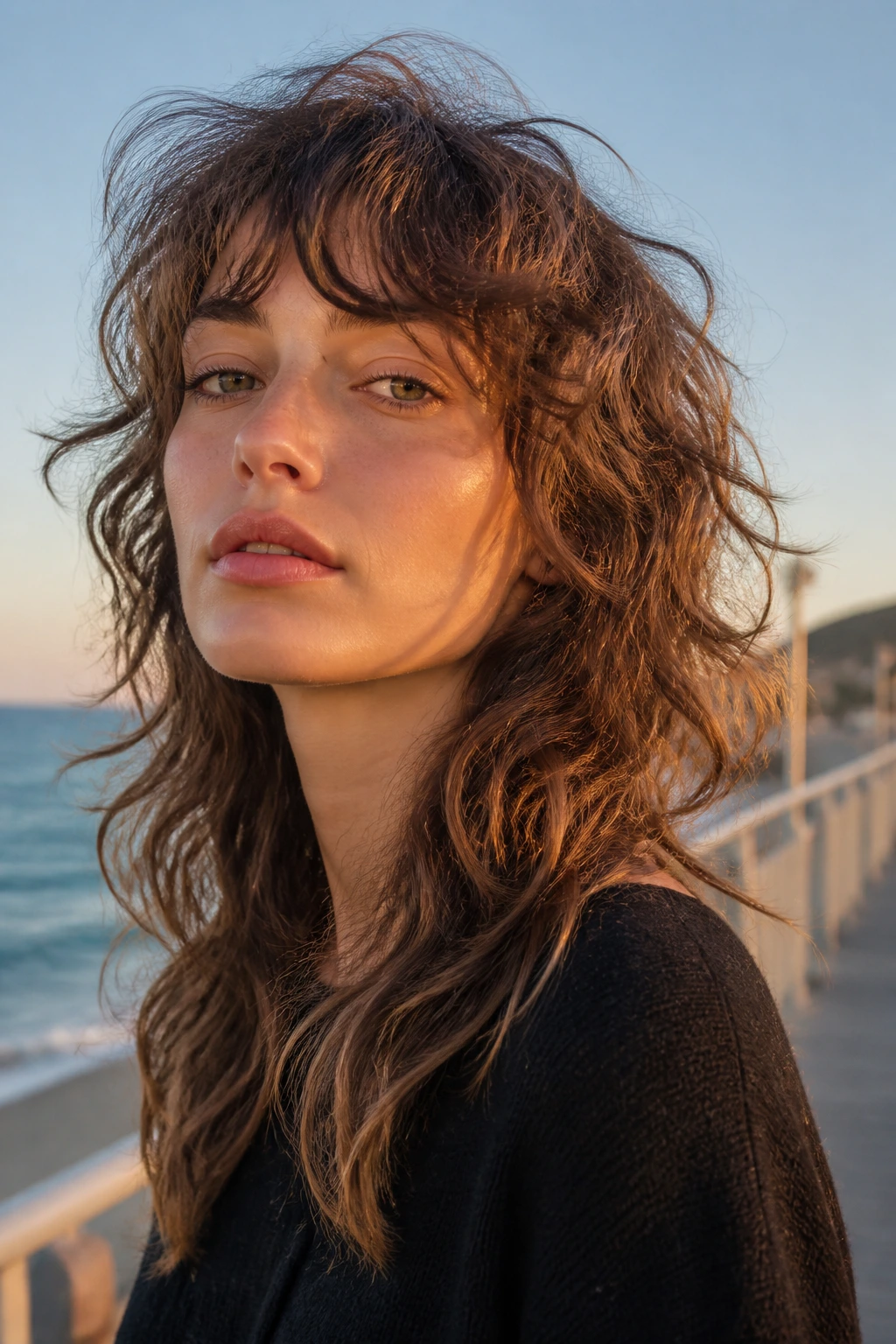
The French-girl mullet version keeps the styling loose, the fringe slightly messy, and the layers soft enough to bend instead of spike. It’s less about hard contrast and more about a lazy, undone shape that still has enough structure to count as a haircut.
Wavy hair is perfect for this because the natural bend creates movement through the crown and sides. A salt spray or light mousse is usually enough. If you blow-dry it, use your fingers instead of a brush so the waves don’t get stretched out into nothing. The finish should look lived-in, not overprepared.
This is one of those cuts that benefits from a little imperfection. Too much polish flattens the charm right out of it.
24. Razor-Soft Pastel Mullet
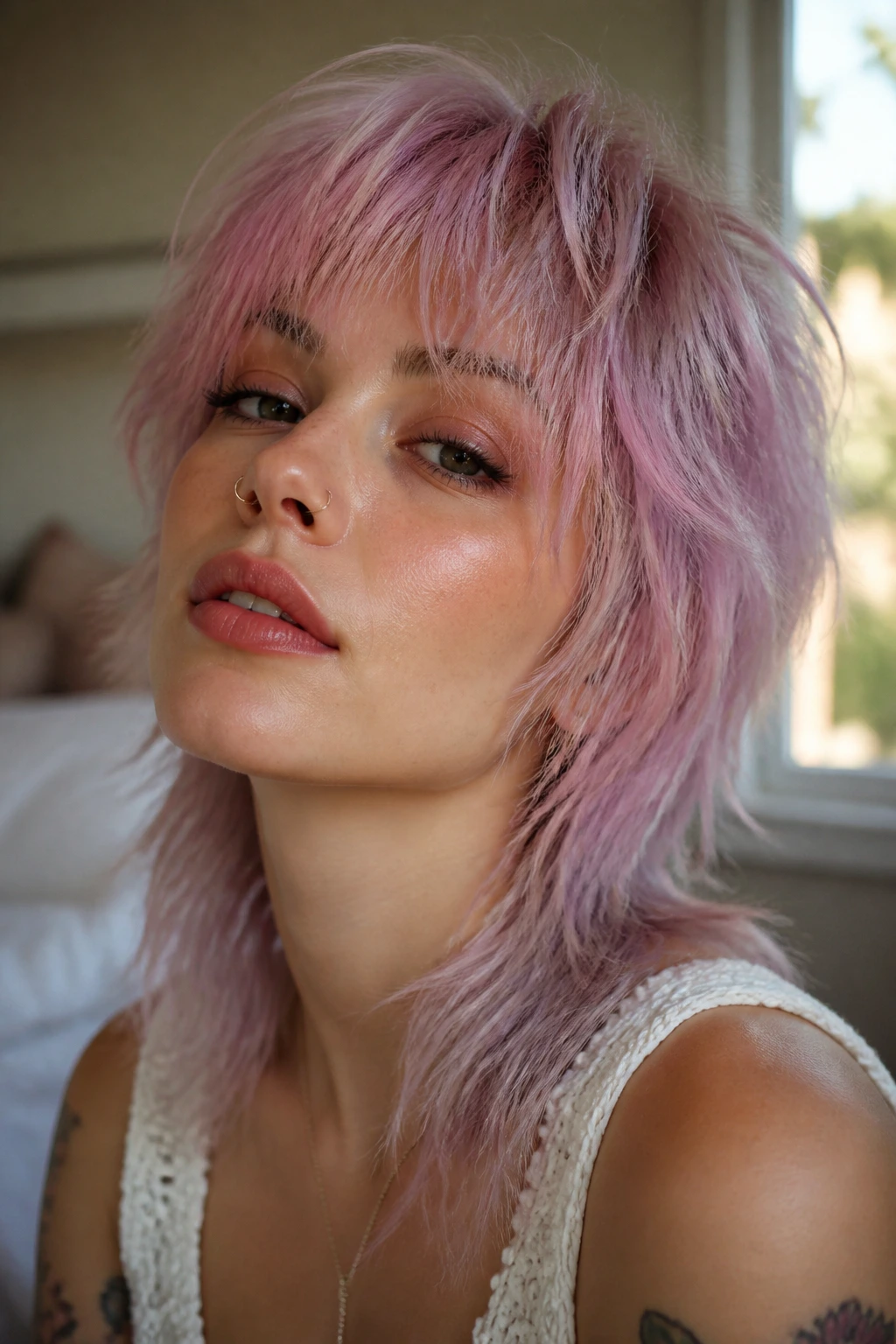
Pastel color changes the mood fast. Add a razor-soft mullet shape underneath, and the result feels airy, dreamy, and a little strange in a good way. The razor work gives the ends a wispy finish, while the color makes every layer look lighter.
The caution here is damage. Pastel shades often require lightening, and razor-cut ends on compromised hair can go thin fast. Keep the texture soft rather than overworked, use bond care if you bleach, and avoid aggressive heat on the ends. A satin pillowcase helps too, though that advice gets tossed around so often it’s easy to ignore until your ends start snapping off.
This version is best when the hair has enough density to carry both color and layering. Thin, fragile hair can wear it, but only if the stylist leaves more weight than usual.
25. Braided-Accent Mullet
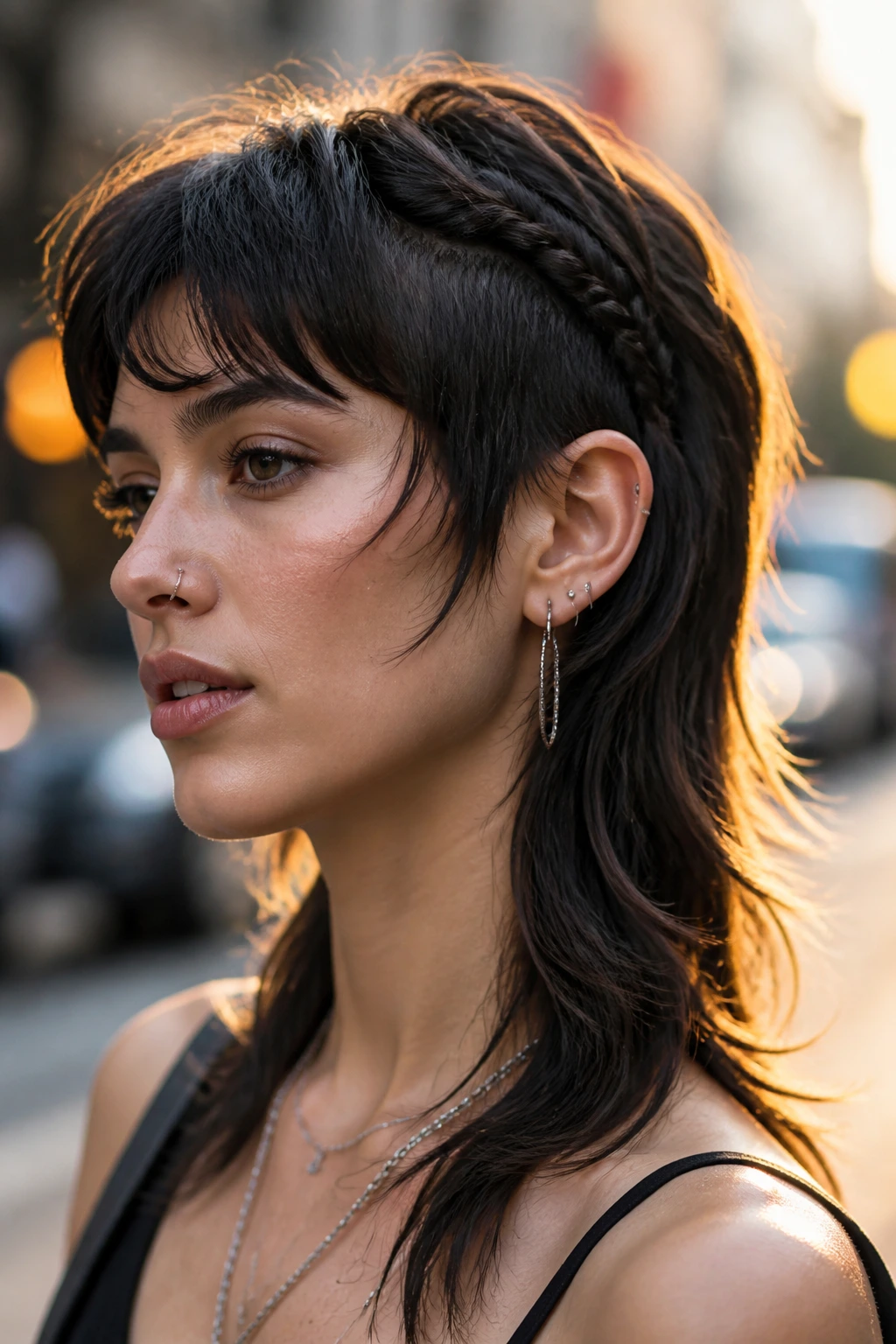
Braids can make a mullet look more intentional, especially on days when the layers feel a little wild. Tiny braids at the temple, a few micro braids near the crown, or a single braid woven through one side all change the texture of the haircut without hiding the shape.
This is a smart option for festival seasons, workouts, or just days when you want the front pieces out of your face. The braid acts like punctuation. It says the haircut is supposed to have layers, not that it escaped the salon. Use a little styling cream or water on the front sections before braiding so the shorter pieces stay put. If your hair is slippery, a tiny bit of pomade around the hairline helps.
I like this cut because it gives you something to do with the layers besides fight them. That’s underrated.
Why the Modern Mullet Works on Straight, Wavy, and Curly Hair
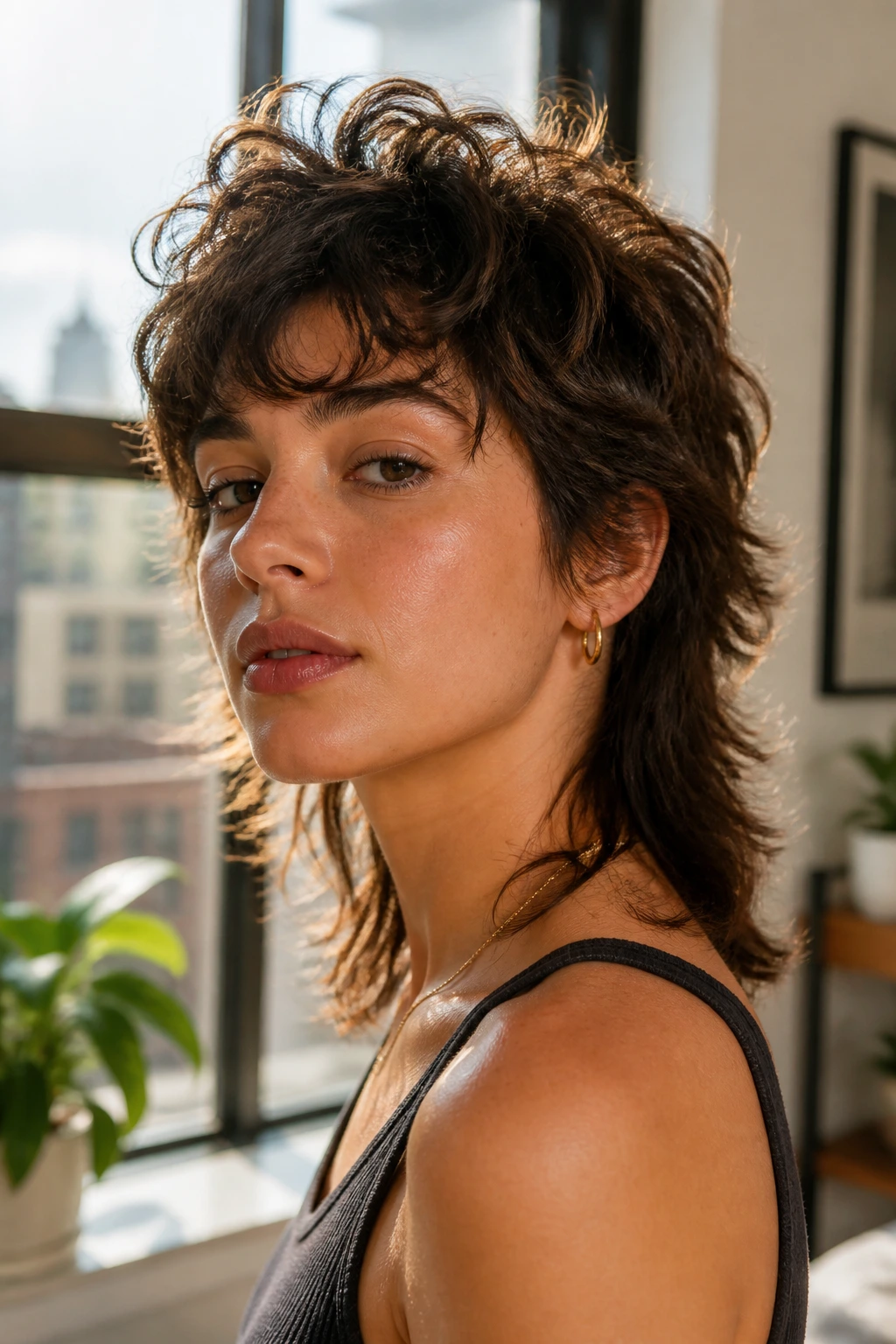
A modern mullet works because the shape is built on contrast, not one perfect texture pattern. Shorter layers at the crown create lift, longer pieces in the back create motion, and the front can be softened or sharpened depending on how much framing you want. That basic structure survives straight hair, wavy hair, and curls without losing its personality.
Straight hair tends to show the line of the cut most clearly. That means the shape looks crisp, especially if you have a clean nape or a defined fringe. Wavy hair gives you the best of both worlds: enough bend to keep the haircut from looking stiff, but enough control that the layers still show. Curly hair turns the same outline into something fuller and more sculptural, which is why curly mullets often look richer than they do on paper.
The part people miss is density. A thick head of hair can carry a heavier nape and still move. Fine hair needs lighter ends and a little root lift so the crown does not droop. Coarse hair usually wants more internal layering and less blunt weight at the bottom. Same haircut. Different math.
Essential Tools and Products for Styling These Cuts
-
A good pair of hair-cutting scissors for at-home trims: Only for fringe dusting and tiny cleanup work; leave the real shaping to a stylist.
-
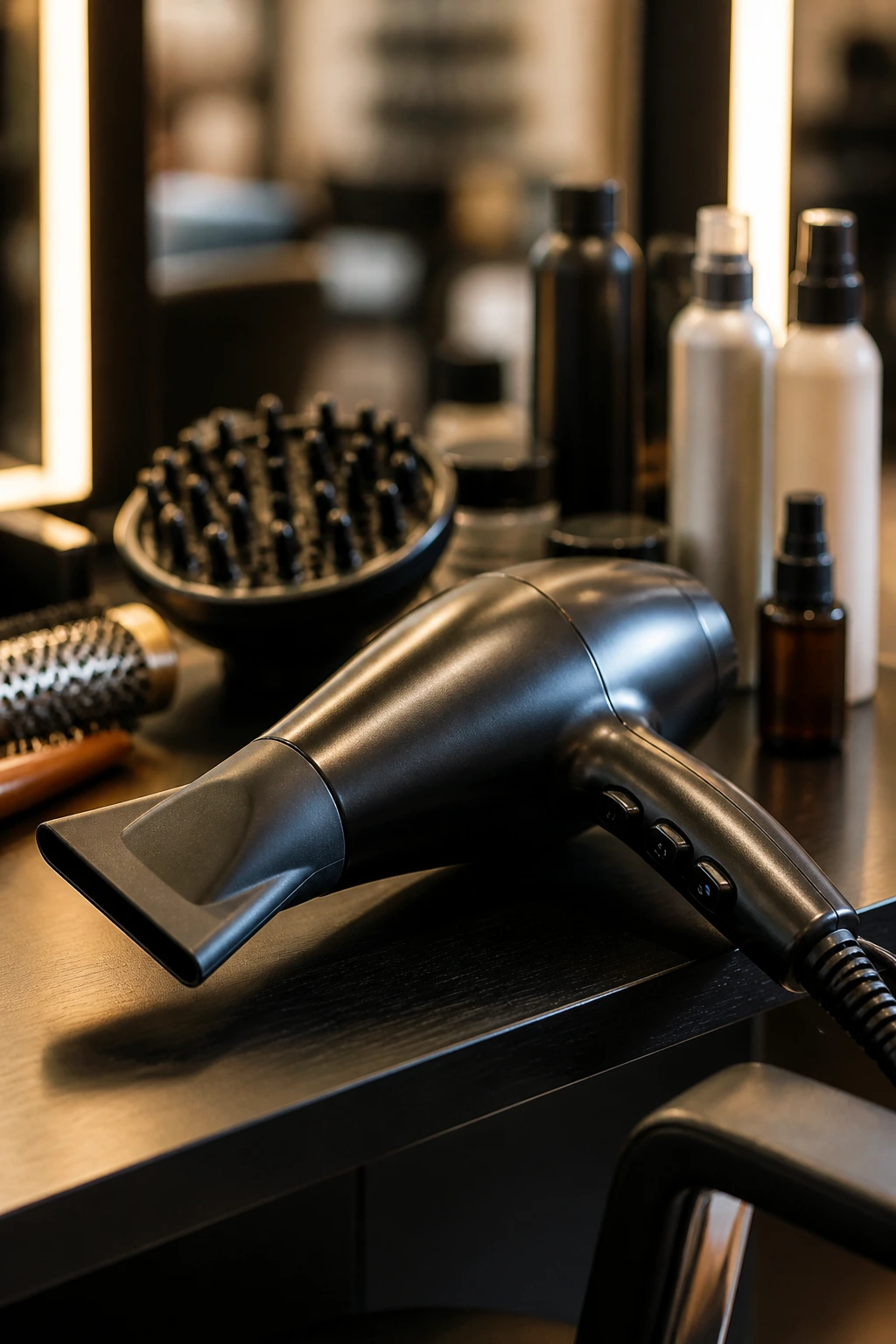
A blow dryer with a nozzle attachment: The nozzle matters more than people think because it lets you aim the airflow at the crown and nape instead of blowing the shape apart.
-
A round brush, 1 to 1.5 inches for short cuts or 1.5 to 2 inches for longer cuts: Smaller brushes give lift near the roots; larger ones smooth the ends without collapsing the layers.
-
A diffuser: Non-negotiable for curly and wavy mullets if you want the layers to dry in place instead of frizzing outward.
-
Sectioning clips: They keep the crown, fringe, and nape separate while you dry or style, which makes the finished shape cleaner.
-
Light mousse or root-lift foam: Best for soft volume at the crown. Use it on damp roots, not all the way to the ends.
-
Texturizing spray or dry texture spray: This gives the ends separation and makes choppy layers look deliberate instead of fluffy.
-
Matte paste or styling cream: Matte paste sharpens piecey ends; cream softens the line on longer or curlier mullets.
-
Heat protectant: If you’re using a flat iron, blow dryer, or curling wand, this is not optional. The ends in a layered cut are the first thing to get fried.
-
Wide-tooth comb: Especially useful on curly or wavy hair so you do not stretch the shape out while detangling.
How to Pick the Right Mullet for Your Face and Texture
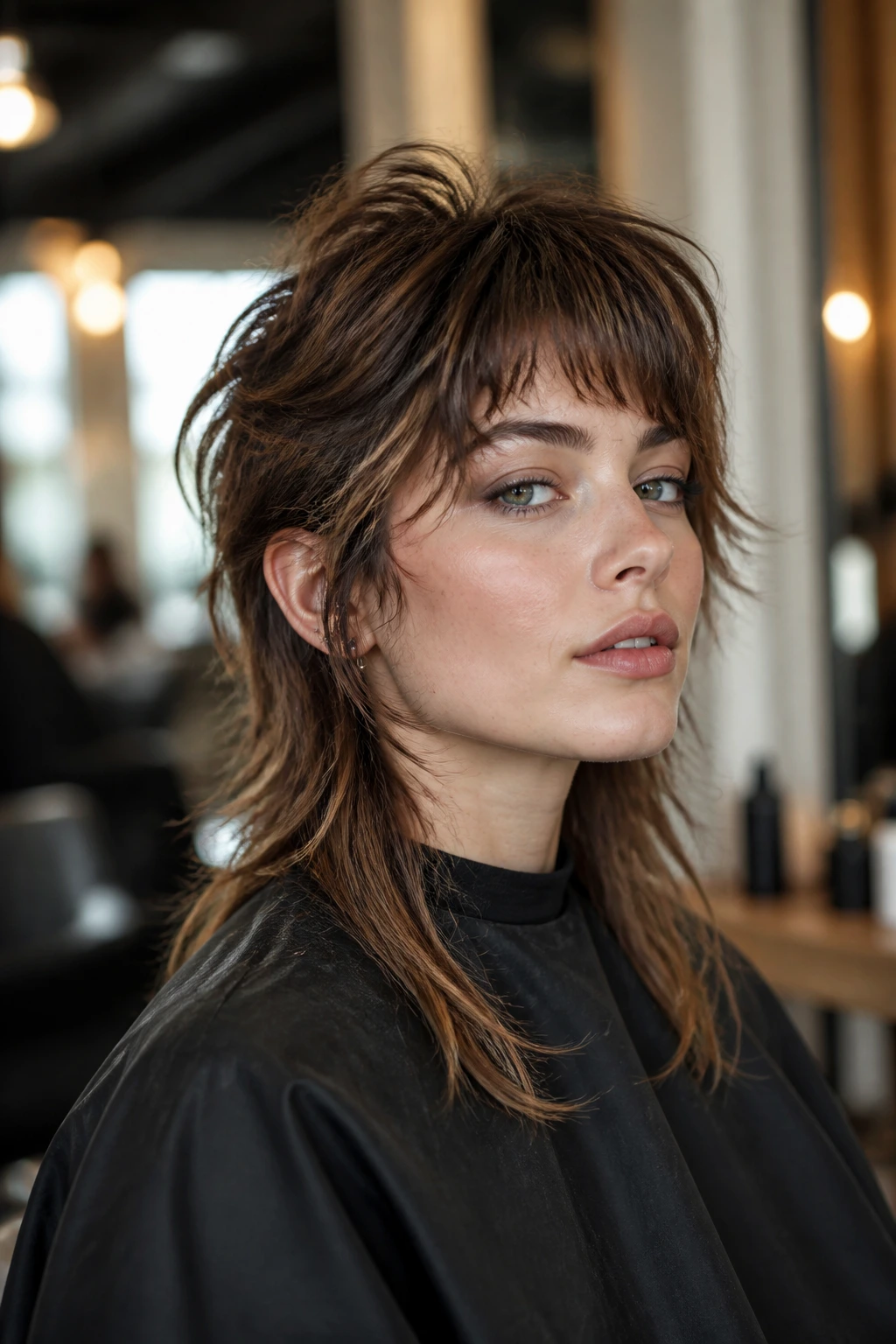
A mullet is one of those cuts that looks wildly different depending on where the weight sits. The trick is not choosing the “best” version. It’s choosing the version that puts the bulk in the right place and leaves the face free enough to breathe.
If Your Face Is Round or Softly Curved
Go for height at the crown and length that drops below the jawline. Curtain bangs or bottleneck bangs help open the center of the face, and a tapered back prevents the outline from feeling too wide. I’d avoid a heavy, one-length fringe here; it tends to compress the face and make the haircut feel boxy.
If Your Face Has Strong Angles
A soft fringe, feathered sides, or a rounded mullet can take the edge off sharper jawlines. You do not need to hide the angles. You just want the haircut to soften them a little. A hard, straight-across mullet can look harsh on this face shape unless that’s the point you’re making.
If Your Hair Is Fine, Thick, Straight, or Curly
Fine hair likes lighter layers and a bit of root lift. Thick hair often needs internal debulking or a hidden undercut so the nape does not puff out. Straight hair shows the geometry, which is useful if you want a precise outline. Curly hair wants weight left in the right spots so the curls do not explode sideways.
What to Tell Your Stylist
Use the words that matter: crown length, nape length, fringe length, and how disconnected you want the sides to be. Bring a side photo and a back photo if you can. A front picture alone never tells the whole story, and the back is where this cut lives or dies.
Styling the Cut Without Overworking It
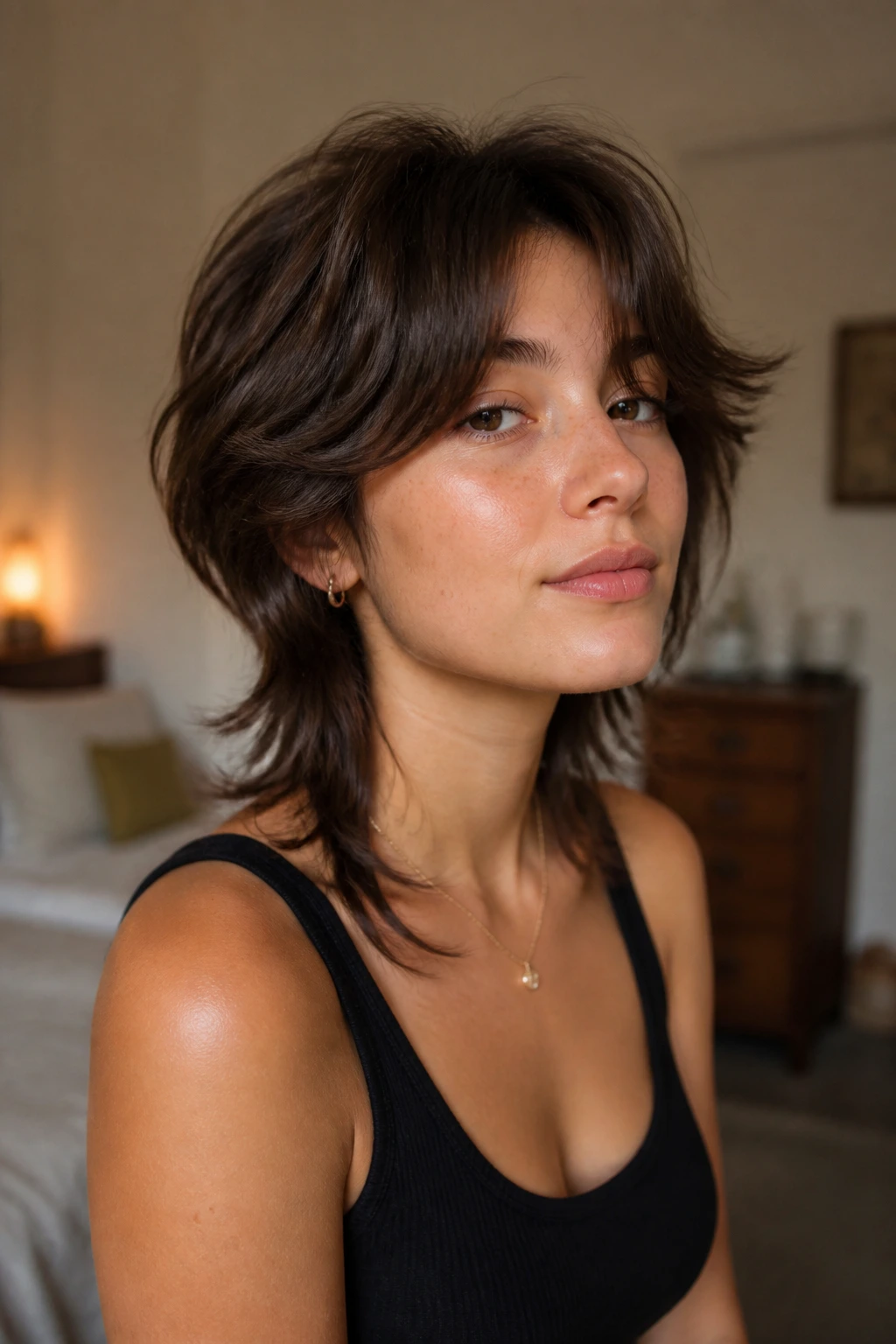
There’s a sweet spot with mullets. Miss it, and the hair either looks flat or looks like you’ve been fighting it for an hour.
Start with damp hair and put product where the haircut needs support, not everywhere. Mousse belongs at the roots and crown. Cream belongs on the mid-lengths and ends. If you use both at full strength through the whole head, the layers can collapse and the finish gets sticky. Less product, placed well, beats a lot of product rubbed in randomly.
For a blowout finish, dry the crown first so the root lift stays. Then work the side pieces away from the face with a round brush and leave the nape to dry with a little bend. That last detail matters. If the back is over-smoothed, the cut loses its shape and starts looking like long hair with short bits attached.
Air-dried versions need almost no touching. Scrunch once, maybe twice. Then walk away. I mean that. The more you keep manipulating the curl or wave pattern, the more you blur the layers into fuzz.
Second-day hair is often better than first-day hair here. A little dry shampoo at the roots and a finger-comb through the fringe can wake the whole cut back up without a wash.
Common Mistakes That Make a Mullet Look Off
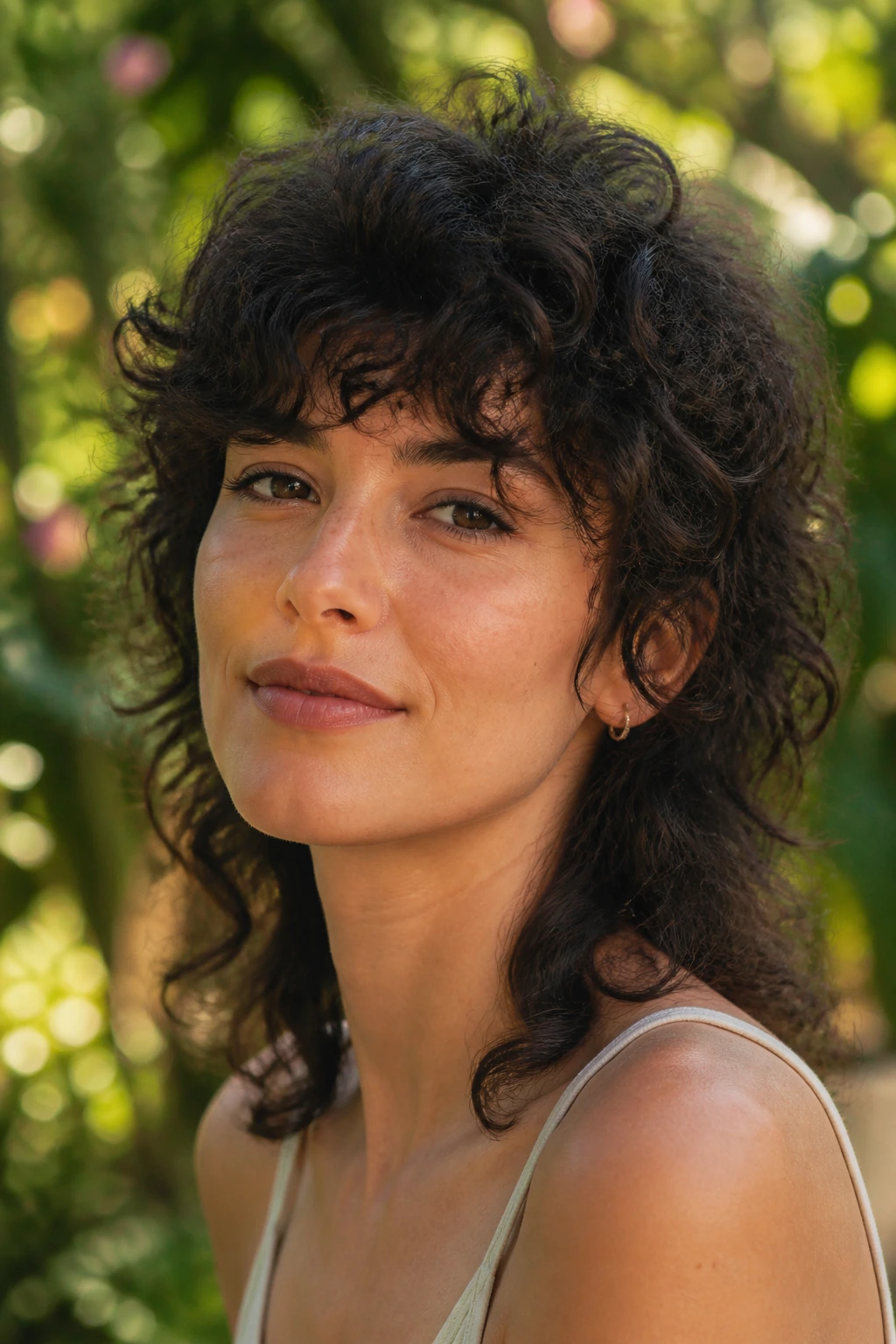
The first mistake is asking for too much length in the wrong place. If the nape is left heavy but the crown is barely layered, the haircut loses the mullet shape and turns into a shapeless long cut with a short front. You want contrast, not a confused outline.
Another problem is over-thinning the ends. Razor work can look fantastic on the right hair, but on fine or fragile hair it can leave the perimeter see-through. The ends should move, not disappear. If you can see too much scalp through the back when the hair dries, the stylist probably removed too much.
The fringe causes trouble more often than people expect. A bang that’s too blunt can make the rest of the haircut feel harsh, while a fringe that’s too wispy can make the whole shape feel unfinished. The fix is usually balance: keep the fringe aligned with the amount of edge you want in the rest of the cut.
People also forget about the sideburn area. Leave it too full and the haircut can balloon at the cheeks. Cut it too short and the transition becomes abrupt. That little strip of hair near the ears does more than it gets credit for.
And then there’s the styling mistake. Flattening the crown kills the whole point. If the roots sit pasted to the scalp, the back just hangs there. Even a tiny lift at the top changes the shape enough to make it read like a style instead of a grow-out phase.
Variations and Personal Tweaks to Try

-
Soft Office Mullet: Keep the fringe curtain-soft, leave the back grazing the collarbone, and avoid aggressive razor work. This version reads cleaner and works well when you need the haircut to stay calm under a blazer.
-
Curly Cloud Mullet: Push the crown a little higher, leave the curls rounded, and let the silhouette bloom instead of falling sleek. It’s a good pick if you want volume and shape without visible harsh lines.
-
Punk Pixie Mullet: Shorten the sides, keep the fringe choppy, and add a tighter nape. This one has the most bite of the group and looks strongest with a matte finish.
-
Longline Mullet: Keep the overall length past the shoulders, but stack the crown and front pieces enough to make the difference visible. This is the version for people who want movement but refuse to lose their length.
-
Color-Play Mullet: Add a money piece, a two-tone panel, or a bright fringe block. The haircut becomes much easier to read when the color breaks up the layers.
Maintenance, Trims, and Grow-Out
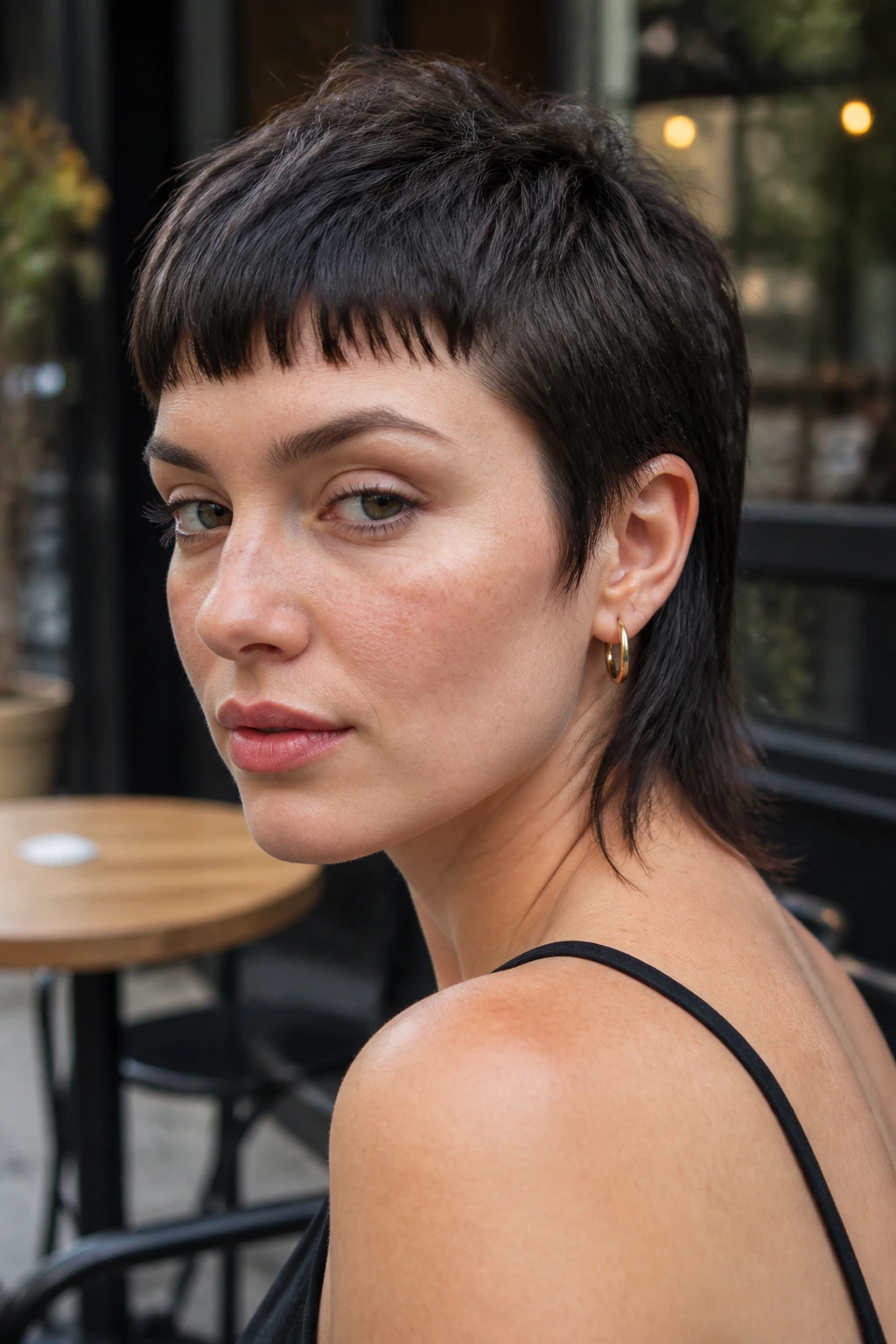
Shorter mullets need more frequent shaping than long ones. As a rule, a pixie mullet or micro mullet wants a trim every 4 to 6 weeks if you want the line to stay crisp. Shoulder-length and longer versions can usually go 6 to 10 weeks before they start losing the intended shape.
The fringe is often the first thing to bother you, so don’t wait for a full haircut if that’s the only part driving you mad. A tiny bang trim can buy you another couple of weeks. Some stylists will do fringe cleanups between major appointments, and that’s money well spent if your bangs sit in your eyes the minute they grow.
Grow-out is less tragic than people fear. The back starts blending into a shag, the fringe softens, and the crown grows toward a layered bob or shaggy lob. If you want to stretch the time between cuts, ask for softer edges from the start. A blunt perimeter leaves you with fewer graceful options later.
At home, keep the ends hydrated but not greasy. A pea-sized amount of cream or oil on the bottom third of the hair keeps the layers from fraying. If the nape starts flipping weirdly, a quick pass with a round brush or flat iron on low heat usually resets it in a minute or two.
Frequently Asked Questions

What should I ask for if I want a mullet that still feels feminine and wearable?
Ask for a soft crown, a tapered nape, and face-framing layers instead of a hard, disconnected shape. Those three choices keep the haircut readable as a mullet while taking the rough edges down a notch.
Will a mullet work on fine hair?
Yes, but the cut has to keep enough weight so the ends don’t go wispy and see-through. Fine hair usually looks best in a rounded or feathered version with root lift, not an over-razored shaggy one.
Can curly hair wear a mullet without turning into a triangle?
It can, if the stylist leaves weight in the right places and shapes the curls instead of just taking chunks out of them. Diffusing and using curl cream help the layers settle into the silhouette instead of puffing outward.
How do I grow out a mullet without hating the process?
Let the nape lengthen into a shag or lob, and keep the fringe clean enough that the cut still feels styled. The middle stages are easier if the original haircut has soft edges rather than a blunt shelf.
Do I need bangs with a mullet?
No, but some kind of front shaping usually makes the haircut look more finished. Curtain bangs, bottleneck bangs, side fringe, or a soft face frame all help balance the shorter crown layers.
Is a mullet hard to style every day?
Not if the cut was done well. The best versions need a bit of root lift and either a quick blow-dry or a simple air-dry product, not a 45-minute wrestling match.
What if the back feels too heavy after the cut?
Go back and ask for internal weight removal or a softer taper at the nape. Do not keep flattening it with product and hope the problem goes away; that usually makes the haircut look tired instead of lighter.
Can I wear a mullet in a professional setting?
Absolutely, if you choose a softer version. A shoulder-length feathered mullet or a lob mullet with curtain fringe tends to read polished enough for conservative spaces while still keeping the shape interesting.
The Shape That Keeps Its Edge
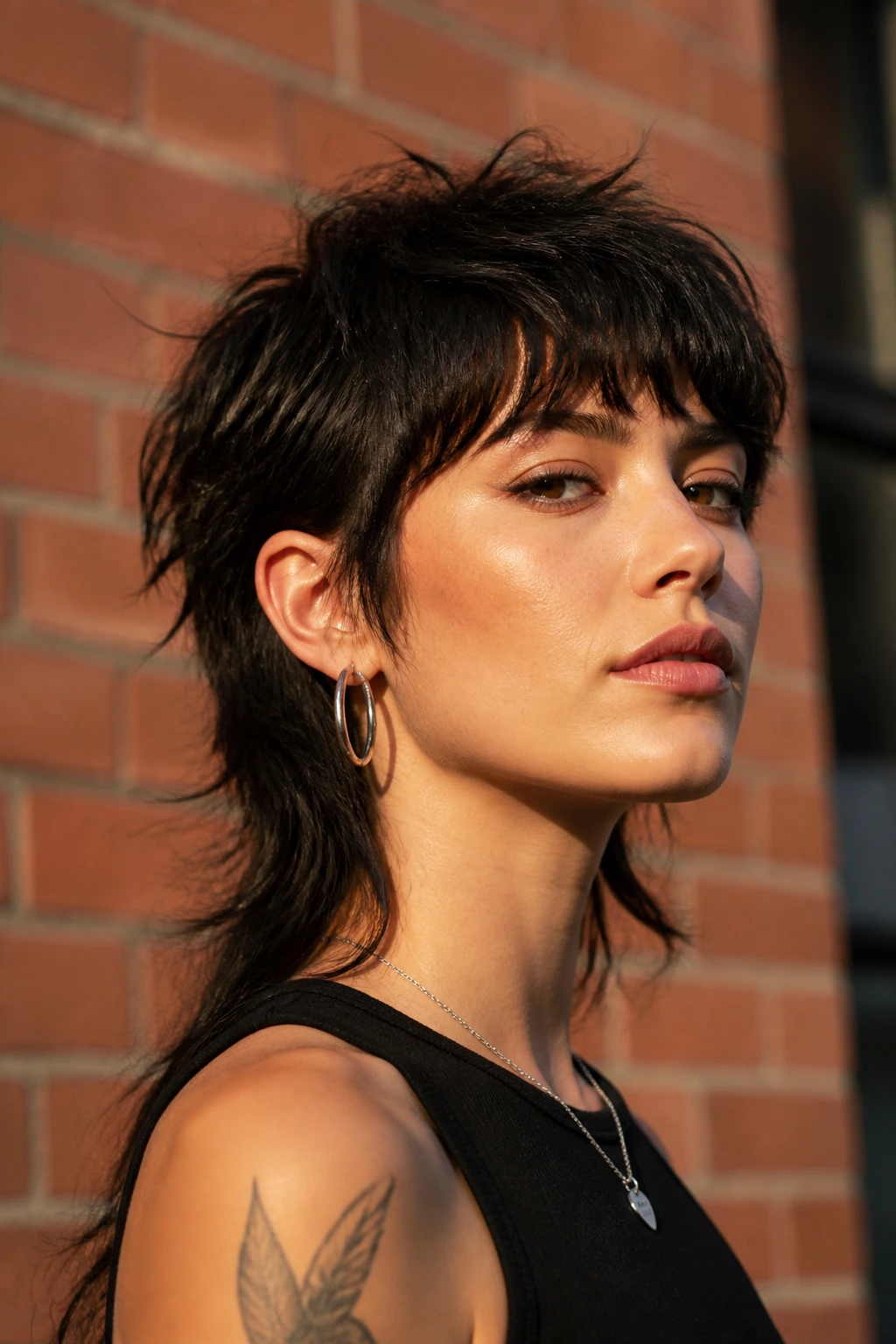
A mullet works when the proportions are honest. Shorter crown, some movement at the sides, enough length in the back to make the silhouette matter. That’s the whole trick, and once you see it, the haircut stops feeling mysterious.
The best part is how many directions it can take. Soft or sharp. Curly or straight. Cropped, shaggy, long, or tucked behind the ears with a little product and a little nerve. A good version doesn’t fight your hair; it uses the hair you already have and gives it a shape with a bit of attitude.
