



Summer hairstyles that beat the heat aren’t about pretending your hair can defy weather. They’re about making peace with it. Once the air gets thick, the wrong style turns into a sweaty, itchy, half-fallen mess by lunch. The right one keeps your neck clear, holds its shape after a long walk, and doesn’t ask for a bathroom mirror every forty minutes.
That’s the real trick with warm-weather hair: control without heaviness. I want styles that pin, braid, twist, or tuck the hair in a way that feels intentional, not stiff. I also want options for different lengths and textures, because a good heat-friendly style shouldn’t belong only to people with one kind of hair and one kind of routine. Fine hair needs different help than dense curls. A blunt bob needs a different approach than waist-length layers.
What follows is a practical mix of polished and easy, tidy and relaxed, protective and quick. Some styles are built for humid mornings that turn into sweaty afternoons. Others are the sort you can do with damp hands, a few pins, and no patience at all. All of them earn their place by taking weight off the neck and removing the one thing hot weather loves most: loose hair stuck to skin.
Why These Heat-Friendly Styles Earn a Spot in Your Rotation
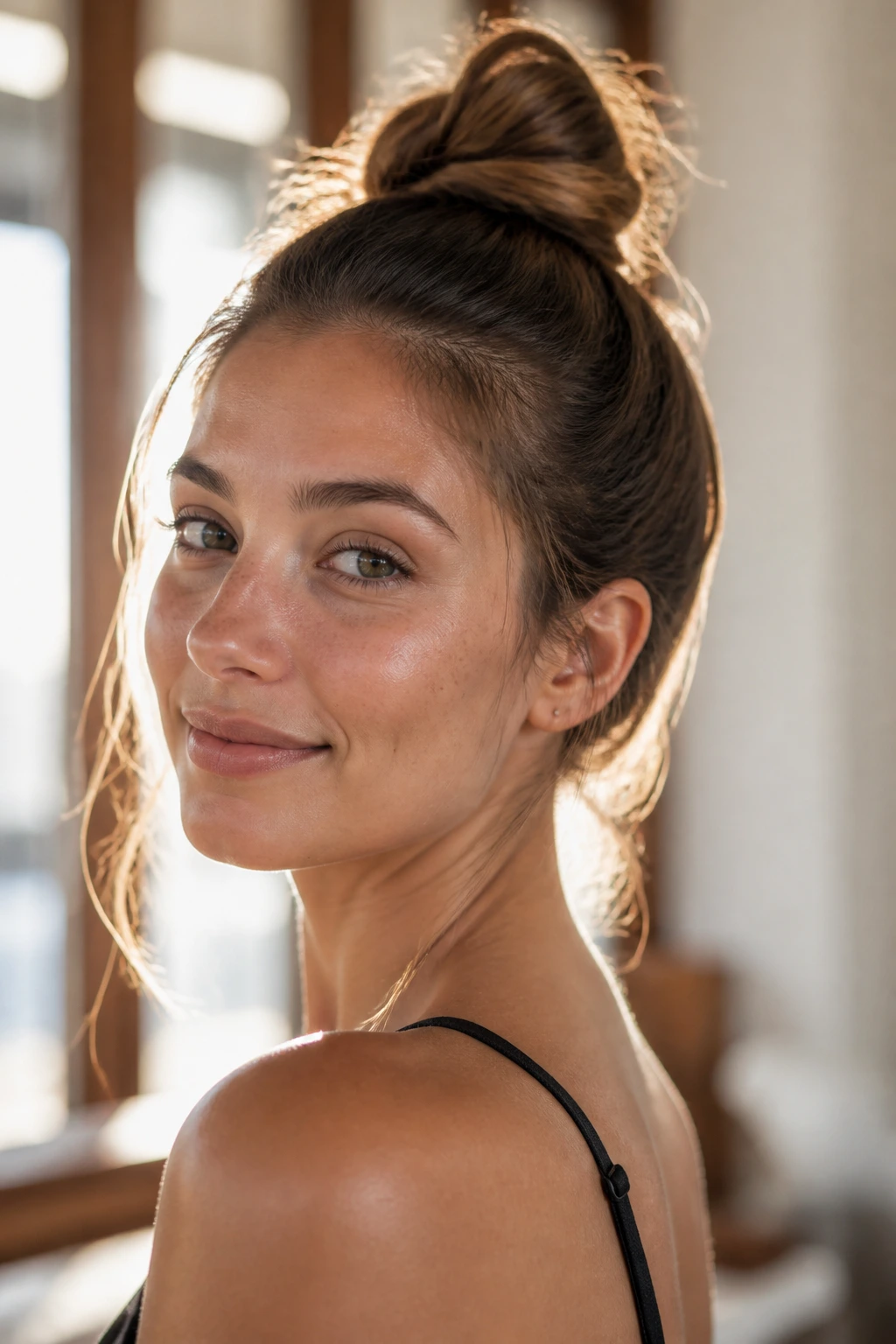
-
Less Neck Sweat: Styles that lift hair off the nape make a bigger difference than people expect, especially on days when a loose ponytail starts feeling like a damp scarf.
-
More Control in Humidity: Braids, buns, and sleeker finishes keep frizz from spreading outward piece by piece, which is exactly what happens to a loose blowout in muggy air.
-
Works for Different Hair Lengths: Short cuts, lob length, long curls, and dense coils all have options here, not just one generic ponytail.
-
Fast Enough for Real Mornings: Most of these styles take under ten minutes once your hands know the pattern, and a few look better when they aren’t overworked.
-
Better on Second-Day Hair: A little natural texture helps many summer styles grip the hair more cleanly, so day-two hair is an advantage, not a problem.
-
Accessory-Friendly: Scarves, clips, pins, and elastics can change the mood of the same base style without making your head feel heavier.
1. Sleek High Ponytail
A high ponytail is the obvious move for a reason. It lifts every ounce of hair away from the neck, and when it’s smoothed down properly, it looks sharper than the rushed version most people stop at. The trick is to keep the crown flat without dragging the scalp.
Why it works
A ponytail perched at the crown lets air move around the neck and shoulders, which is half the battle on a sticky day. It also looks cleaner when the base is wrapped with a small section of hair, because that detail hides the elastic and makes the whole style read as deliberate instead of thrown together.
If your hair is layered, lightly mist the top and sides with water before brushing them back. That keeps shorter pieces from puffing up at the temples.
Best for
- Medium to long hair
- Straight, wavy, or stretched curly textures
- Days when you want something sharp but fast
Tip: If the tail starts drooping, use two elastics stacked close together. One often isn’t enough for heavy hair.
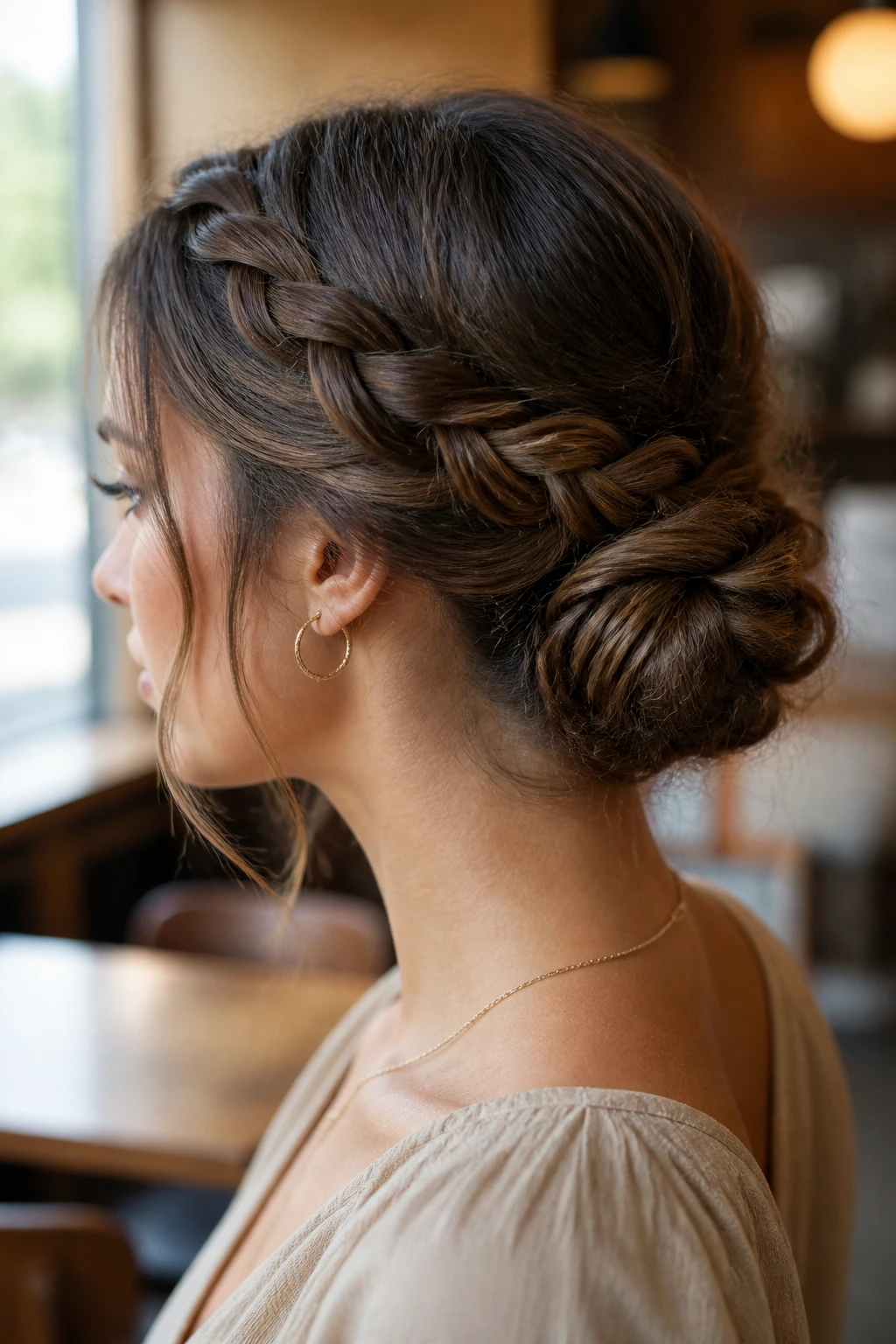
2. Braided Low Bun
Why does a low bun feel cooler than a ponytail some days? Because the braid gives the bun a little structure, which keeps it from collapsing into a loose knot by midafternoon. It also helps with layered hair, since the braid tucks stray ends into the shape instead of letting them stick out.
The version I like best starts with a simple braid at the nape, then coils into a bun and pins flat against the head. It’s neat enough for work, but it doesn’t have the severe feel of a slick chignon. On curly hair, it can look softer and more lived-in, especially if you leave a few face-framing pieces out.
What to watch for
If your braid is too loose, the bun will feel floppy. If it’s too tight, the whole style can pull at the scalp. Aim for firm, not clenched.
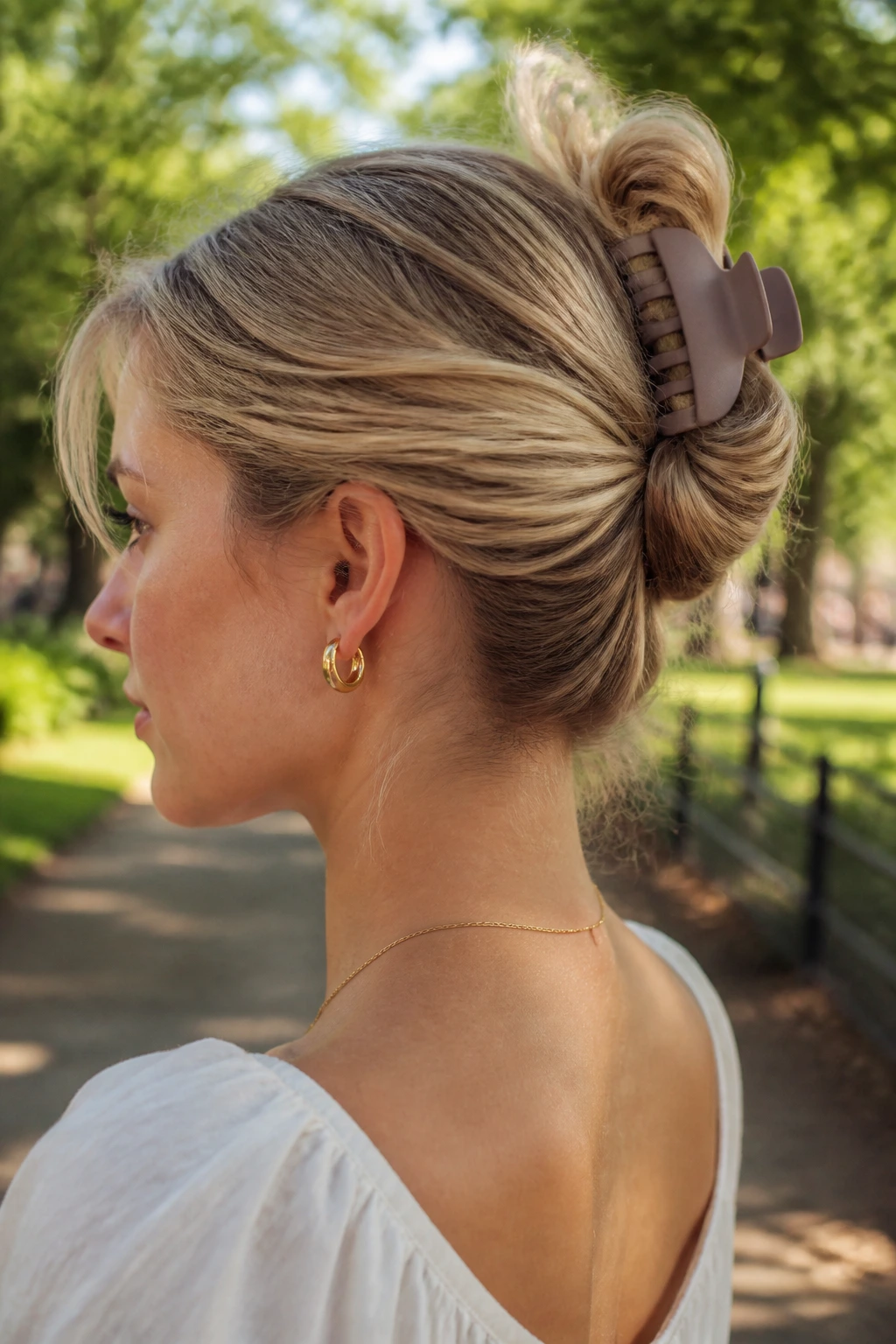
3. Claw Clip Twist
A claw clip twist is the kind of style that gets dismissed until the first day you try it in real heat. Then it makes perfect sense. It takes about thirty seconds, leaves no hard elastic line, and lets the hair sit high enough to stay off the neck without feeling locked down.
I prefer the versions where the hair is twisted upward first, then folded once before the clip goes in. That creates a shape that stays put better than just pinching the hair up and hoping. If your hair slips, rough it up with a little dry shampoo at the roots or use a matte clip instead of a slick, shiny one.
Quick cues
- Best on medium-length hair
- Works well for second-day texture
- Easier with medium or large claws than tiny decorative clips
Small truth: If you have very heavy hair, the clip matters as much as the twist. Cheap clips slide. A lot.
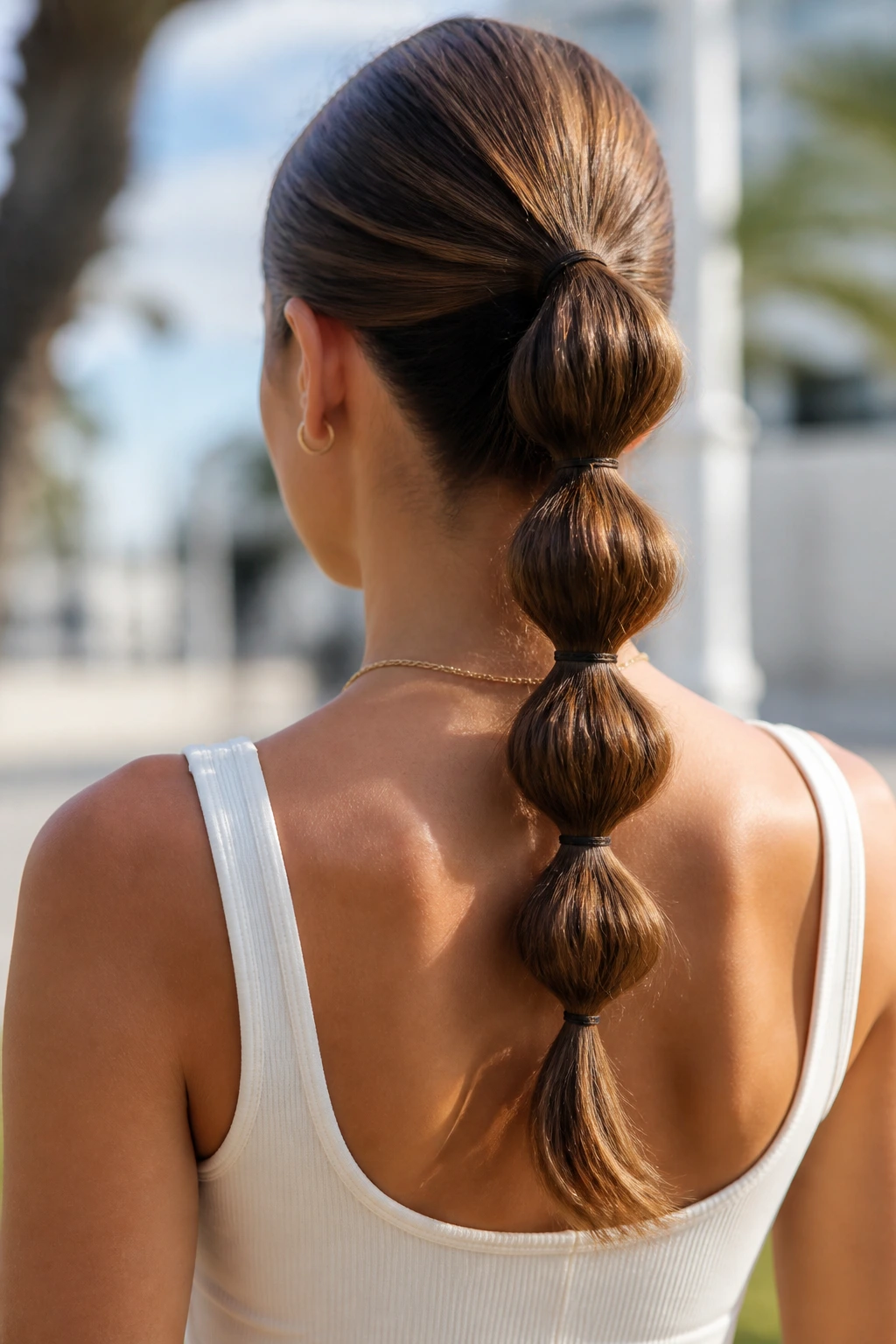
4. Bubble Ponytail
A bubble ponytail looks playful, but the real reason to wear it is practical: it keeps the length contained in sections instead of letting one long tail swing against your back. That segmented shape also gives fine hair a little more body, which is useful if the humidity has flattened everything by noon.
Start with a regular ponytail, then add small elastics every 2 to 3 inches down the tail. Gently pull each section outward until it rounds into a bubble. Don’t yank too hard. You want fullness, not little panic balloons.
This style is especially good when your hair is clean and smooth but you still want movement. It’s one of the few looks that makes straight hair feel intentional on a hot day without needing a curling iron first.
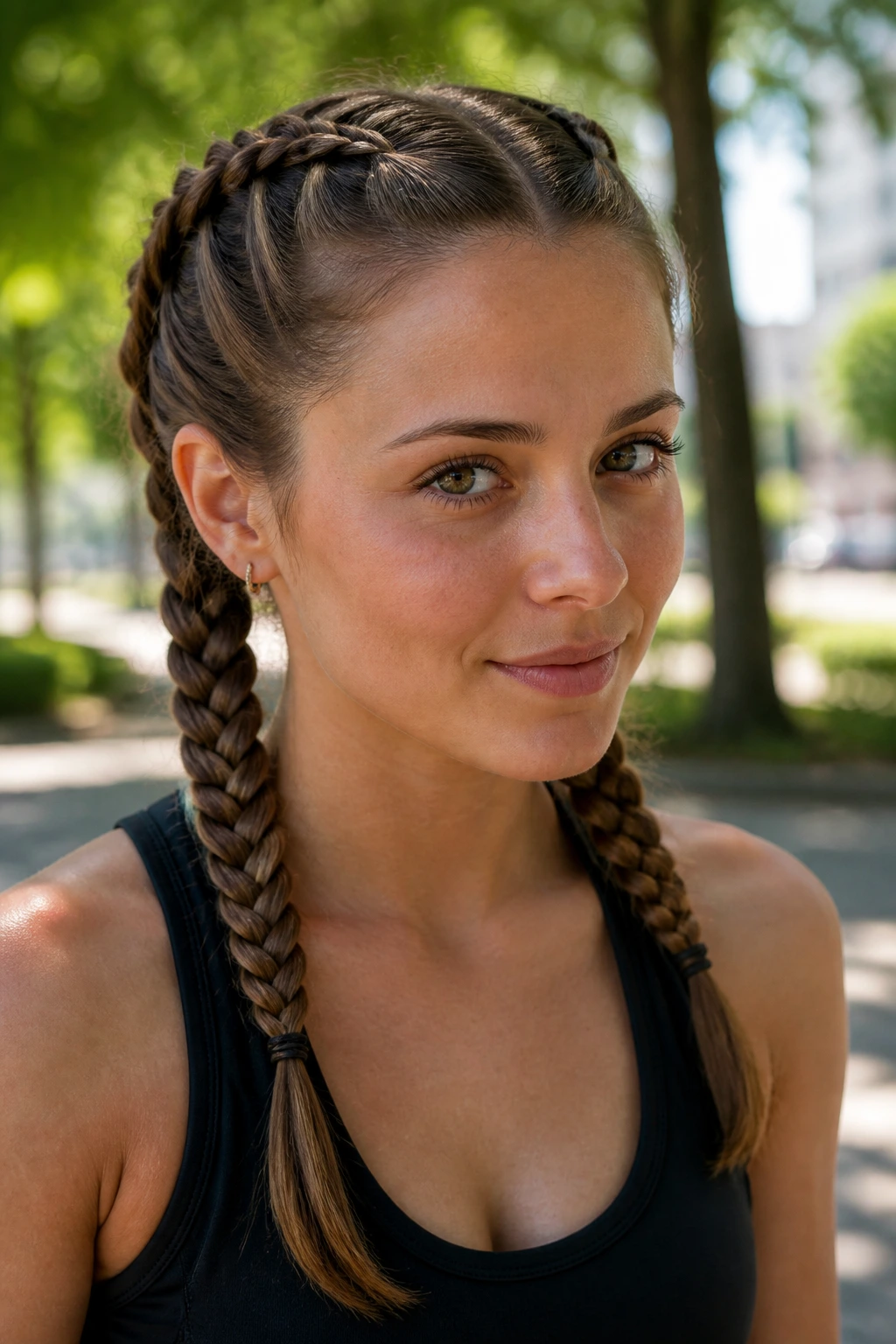
5. Boxer Braids
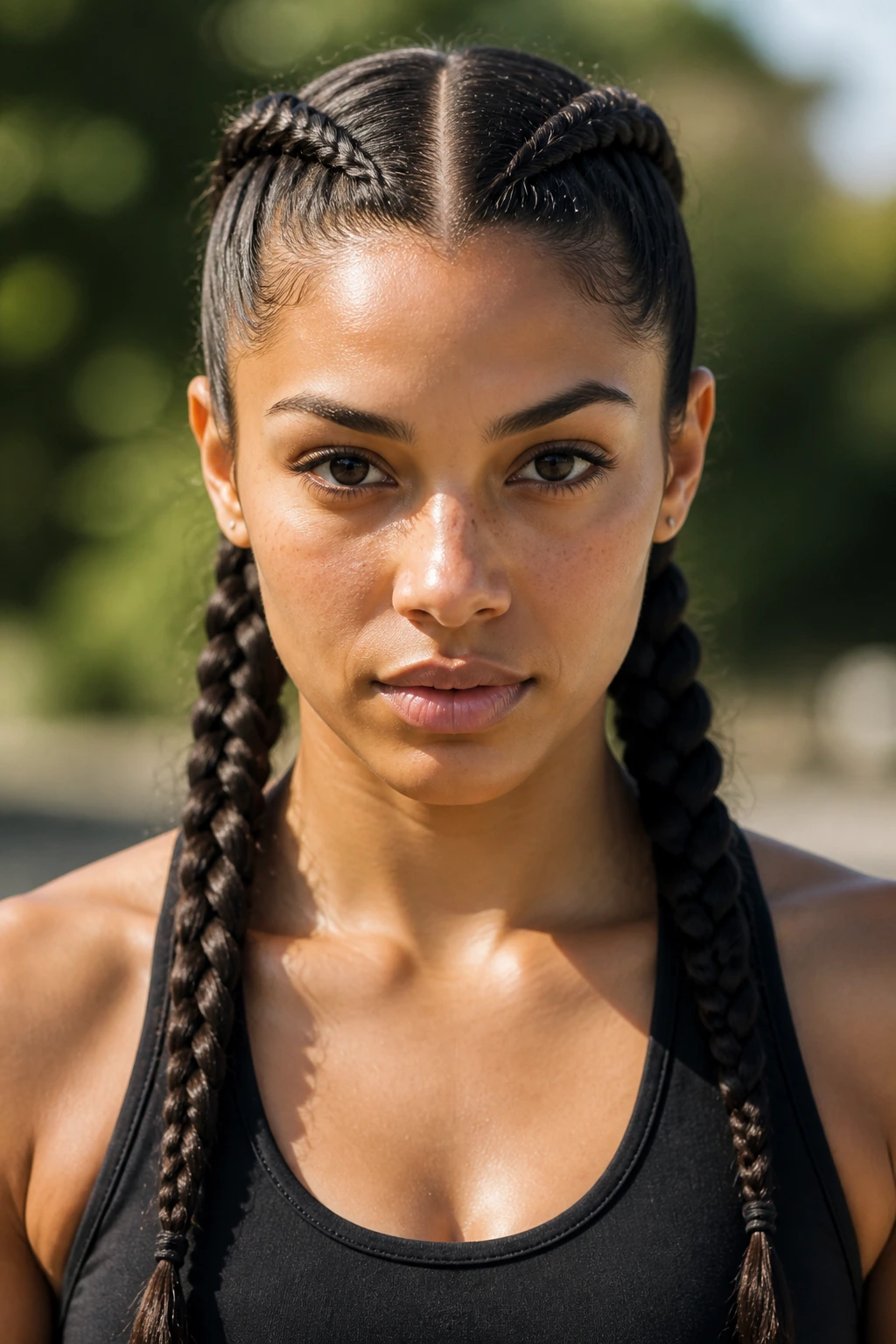
Boxer braids are built for movement. That’s the simple truth. Once the hair is split and braided close to the scalp, it stays contained through errands, workouts, travel, and the kind of humidity that ruins anything loose.
Why they beat the heat
Two braids spread the weight across the head instead of loading it all into one tie point at the back. That can make them more comfortable than a single tight ponytail, especially if your hair is thick. They also protect the ends from drying out in sun and wind.
Best way to wear them
- Braid on slightly damp hair for tighter grip
- Use a light gel at the part line if you want a cleaner finish
- Finish with small elastics that match your hair or disappear completely
If you hate the look of a severe center part, pull a few tiny pieces loose near the hairline. Just a few. Too many and the braids lose their edge.
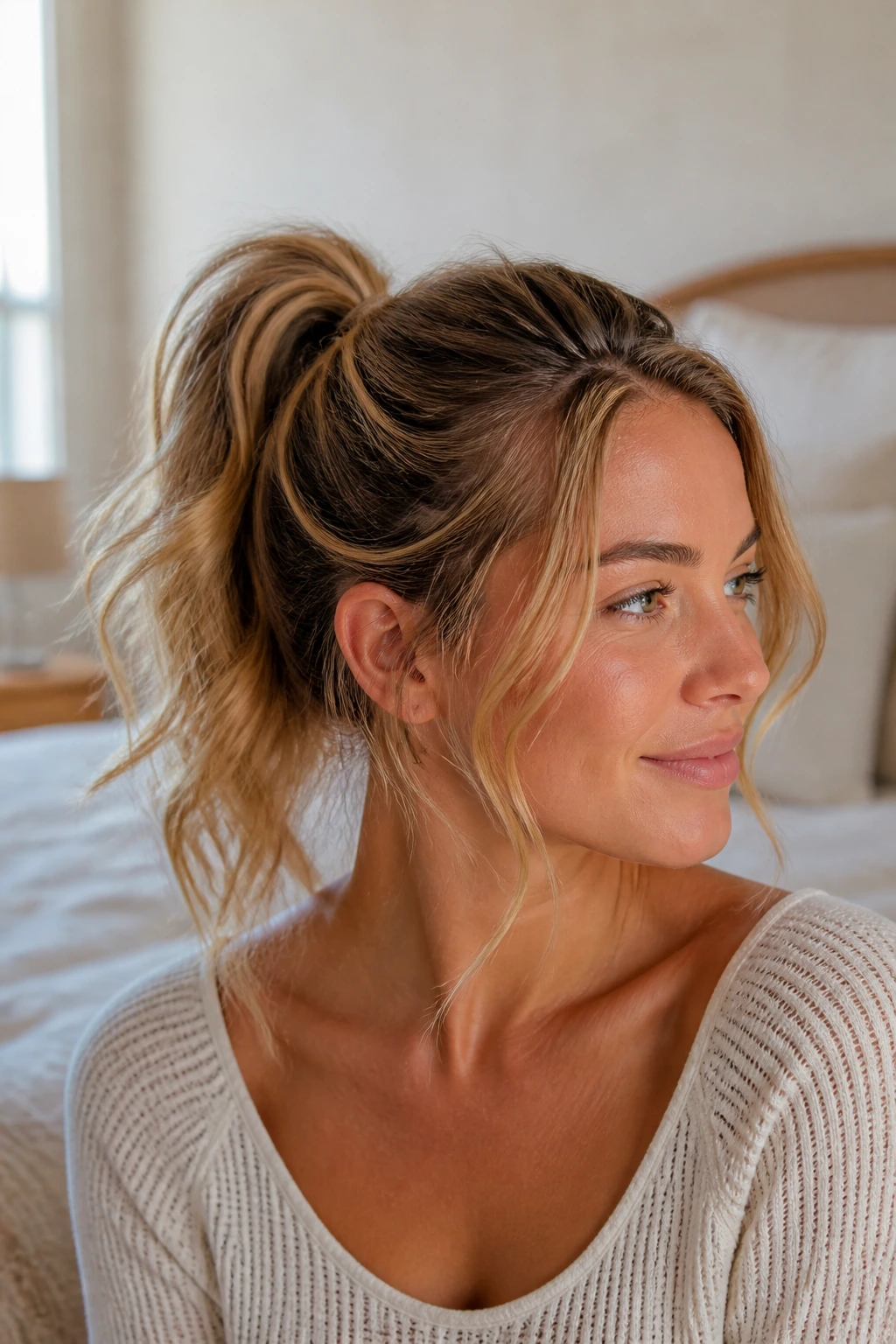
6. Messy Top Knot
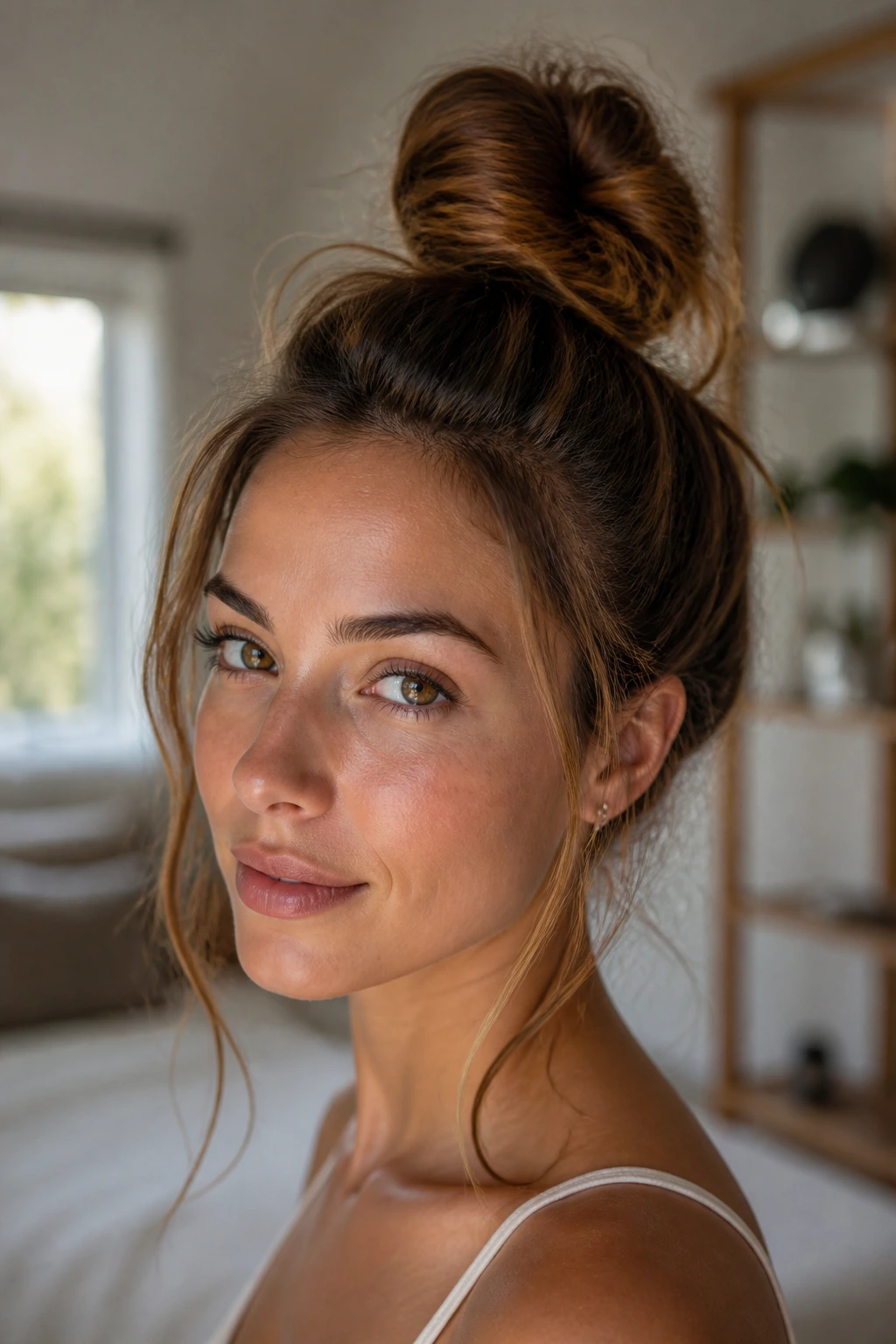
A messy top knot works because it removes hair from the hottest part of the day: the back of the neck, the shoulders, and the damp zone where your shirt collar sits. The best version is never a perfect little ball. It has a bit of lift, a few loose ends, and enough pins to hold without pinching.
The height is what makes it feel cooler. Stack it too low and you lose the point. Stack it too high and it starts to feel costume-like. Somewhere just above the crown is usually right.
If your hair is slippery, twist it once before wrapping it into the knot. That single move gives the style more bite and keeps it from unraveling after lunch.
7. Scarf-Wrapped Bun
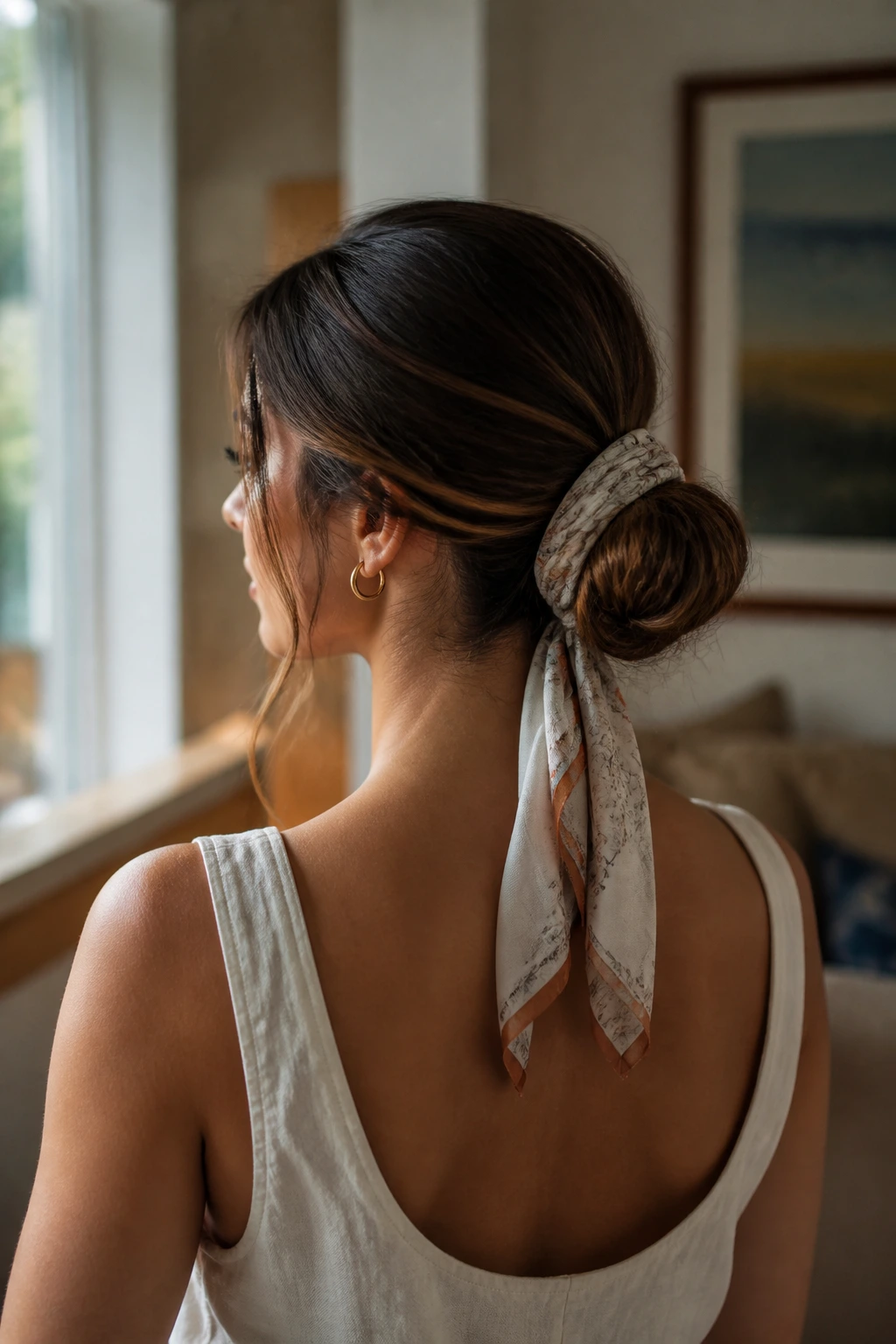
A scarf-wrapped bun solves two problems at once. It hides the elastic and adds a little friction so the bun doesn’t slide, especially if your hair is silky. It also turns a plain bun into something that looks finished, even when the rest of the outfit is simple.
I like a lightweight scarf tied over a low or mid bun rather than under it. Under-bun wrapping can create bulk right where you do not want it. Over the bun, the scarf frames the shape and keeps the fabric from rubbing directly against the scalp.
Silk, cotton lawn, and other thin fabrics work best. Thick scarves can feel like a warm towel, which is not the point.
8. Wet-Look Bob
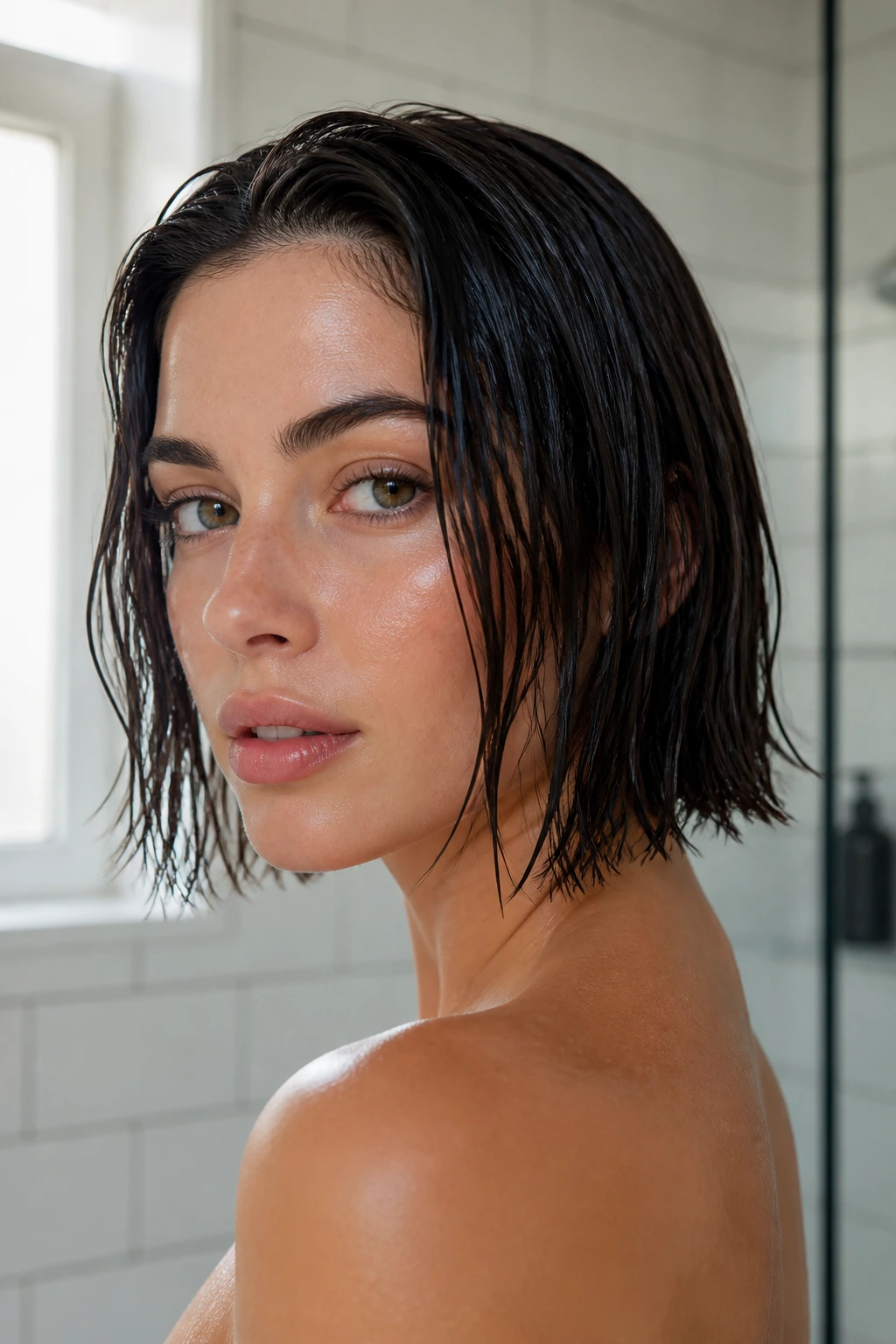
A wet-look bob is one of the smartest summer hairstyles if your cut already sits above the shoulders. There’s less hair to fight with, and a glossy finish can make that shorter length feel deliberate rather than “I gave up on styling today.”
The key is restraint. Use enough gel or styling cream to define the shape, then comb it through so the product sits evenly from roots to mid-lengths. If the ends are very dry, leave them a little softer than the crown. That contrast keeps the look from turning helmet-like.
Best for short cuts
If your bob has a blunt line, the wet look makes that edge shine. If it’s layered, the finish can emphasize movement without adding puff.
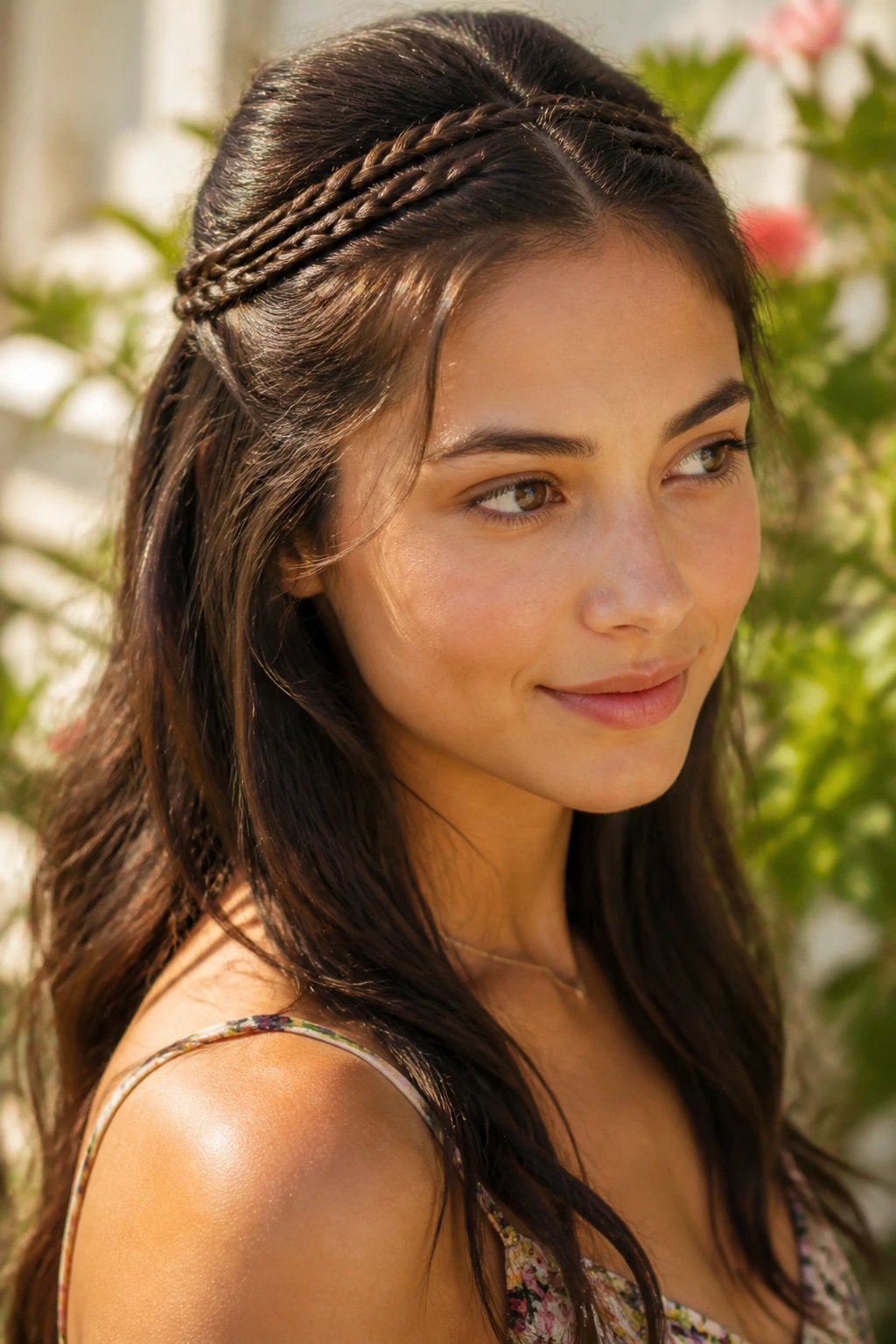
9. Half-Up Mini Braid Crown
A half-up mini braid crown is a good compromise when you do not want all your hair up, but you also do not want it all over your face. The braids hold the front and sides away from the cheeks, and the rest of the hair can move freely.
This one works especially well on medium to long lengths with a little natural texture. The crown braids do not need to be thick. In fact, thin braids often look better because they sit flatter and keep the shape light. Pin them where they meet at the back, or let them cross for a softer finish.
It’s a nice choice for days when you want your hair down but not sweaty. That difference matters.
10. Dutch Braid Pigtails
Dutch braid pigtails stay cooler than you’d think because they anchor the hair close to the scalp and split the weight into two balanced sections. They also look cleaner on dense hair than loose pigtails, which can puff outward by afternoon.
Unlike French braids, Dutch braids sit on top of the hair more visibly. That raised edge gives the style more shape and makes the braids pop, even if your hair color is close to your skin tone. I prefer them slightly looser at the crown and tighter through the mid-lengths.
What makes them practical
- Good for thick, textured, or long hair
- Stays put through movement
- Keeps ends secured instead of rubbing on the skin
11. Low Chignon with Face-Framing Pieces
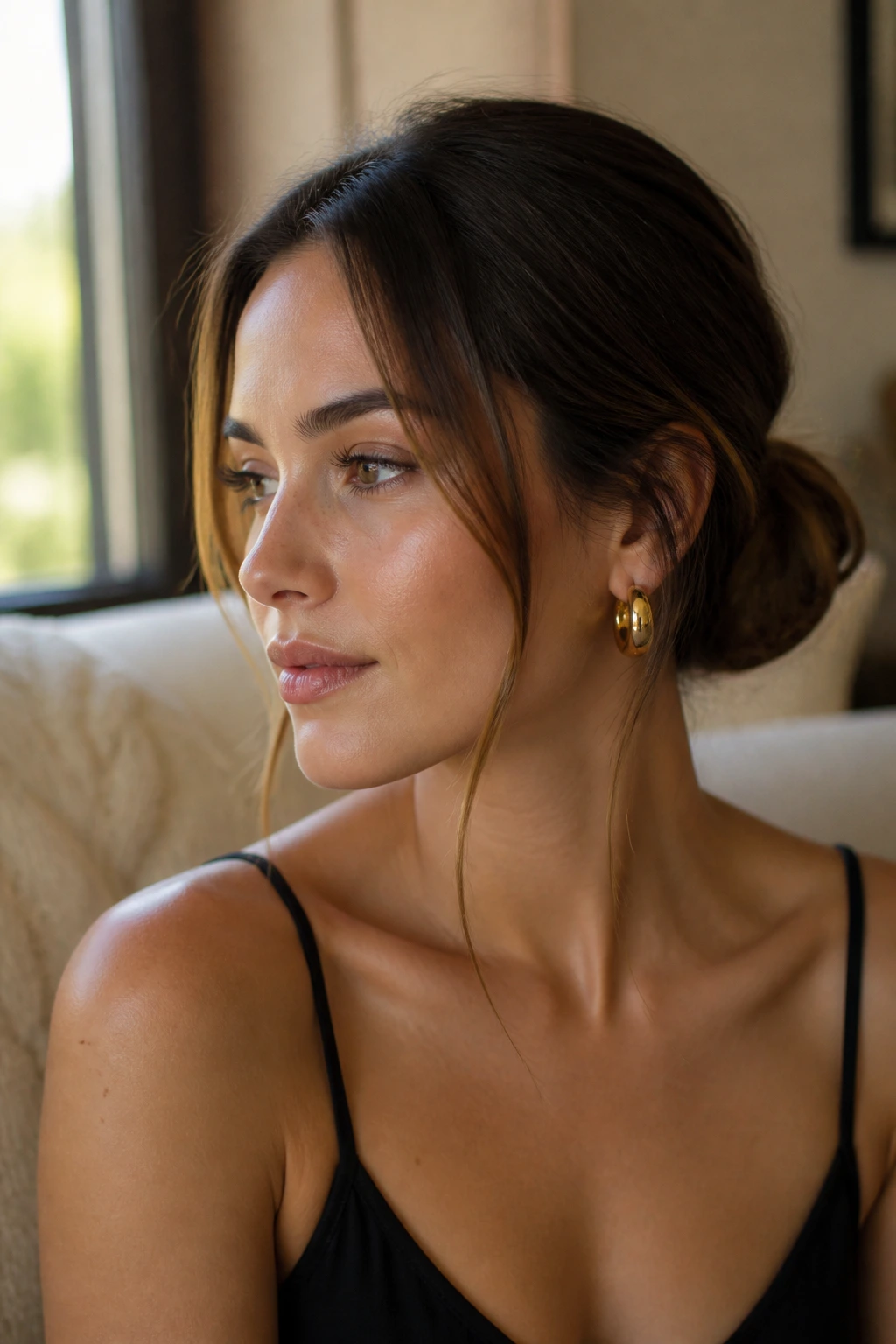
A low chignon is the neatest way to get long hair off the neck without looking like you’re headed to a formal dinner. Leave two slim face-framing pieces out, and the whole style softens up fast. That tiny gap around the jawline makes a huge difference when the weather is hot and you still want something flattering.
The bun itself should sit low enough to avoid the crown, which keeps the scalp from feeling tight. Pin it in a slightly flattened oval instead of a round knot if your hair is thick. The flatter shape lasts longer and keeps the back of the head cooler.
If you have layers, tuck the shortest pieces with a pin before you finish. That one extra pin saves the style.
12. Twisted Halo Updo
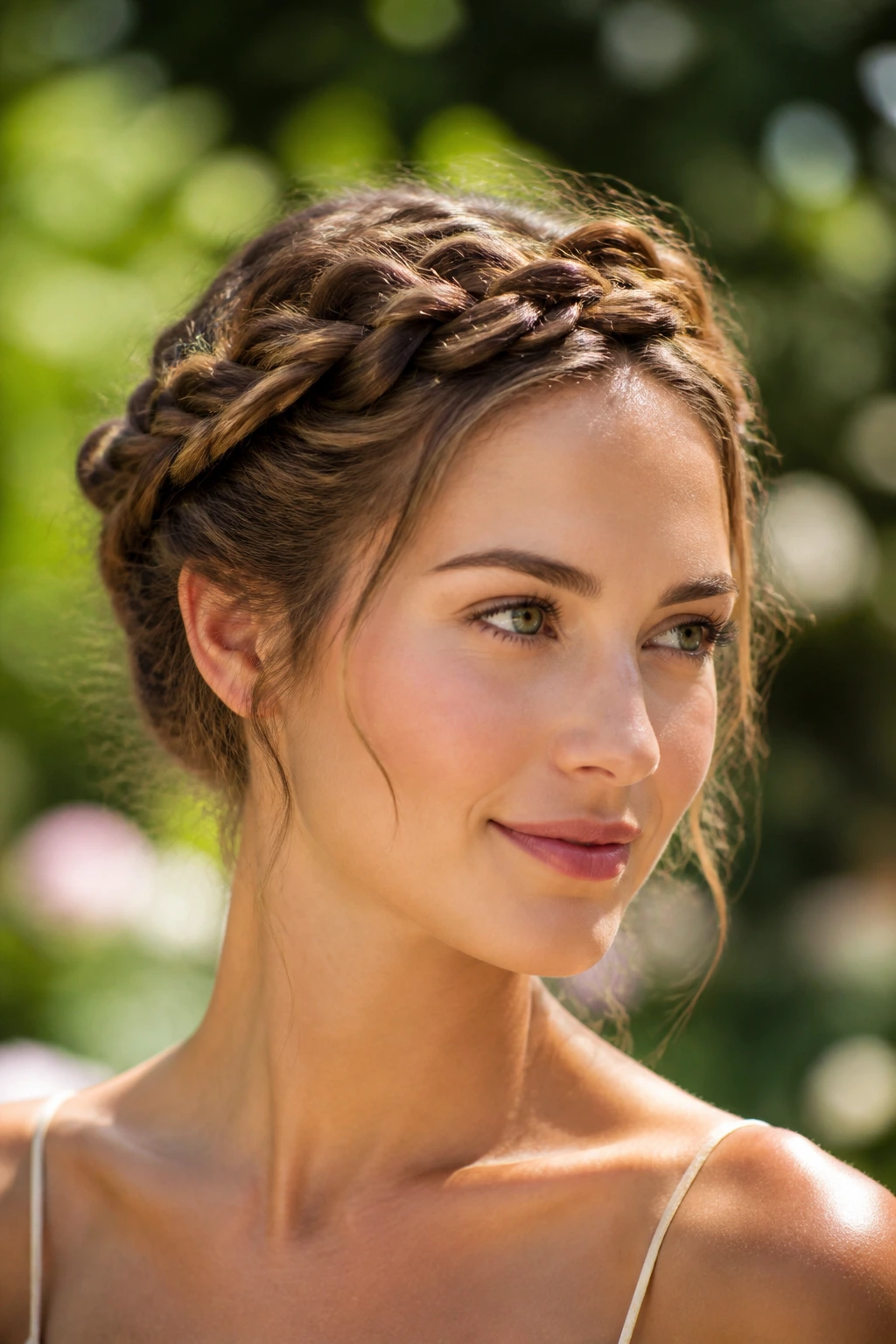
A twisted halo updo sounds fussy until you do it once and realize it’s mostly a matter of twisting two side sections and pinning them around the head. The result keeps every major section of hair off the neck and out of the face, which is exactly what a hot day asks for.
The halo shape works best when the twists are not too perfect. A little looseness around the ears gives the style room to breathe and keeps it from looking stiff. If you have finer hair, add texture spray first so the twists have something to grab.
This is one of those styles that looks more complicated than it is. I like that. A bit of deception is useful in hair.
13. Braided Headband on Loose Waves
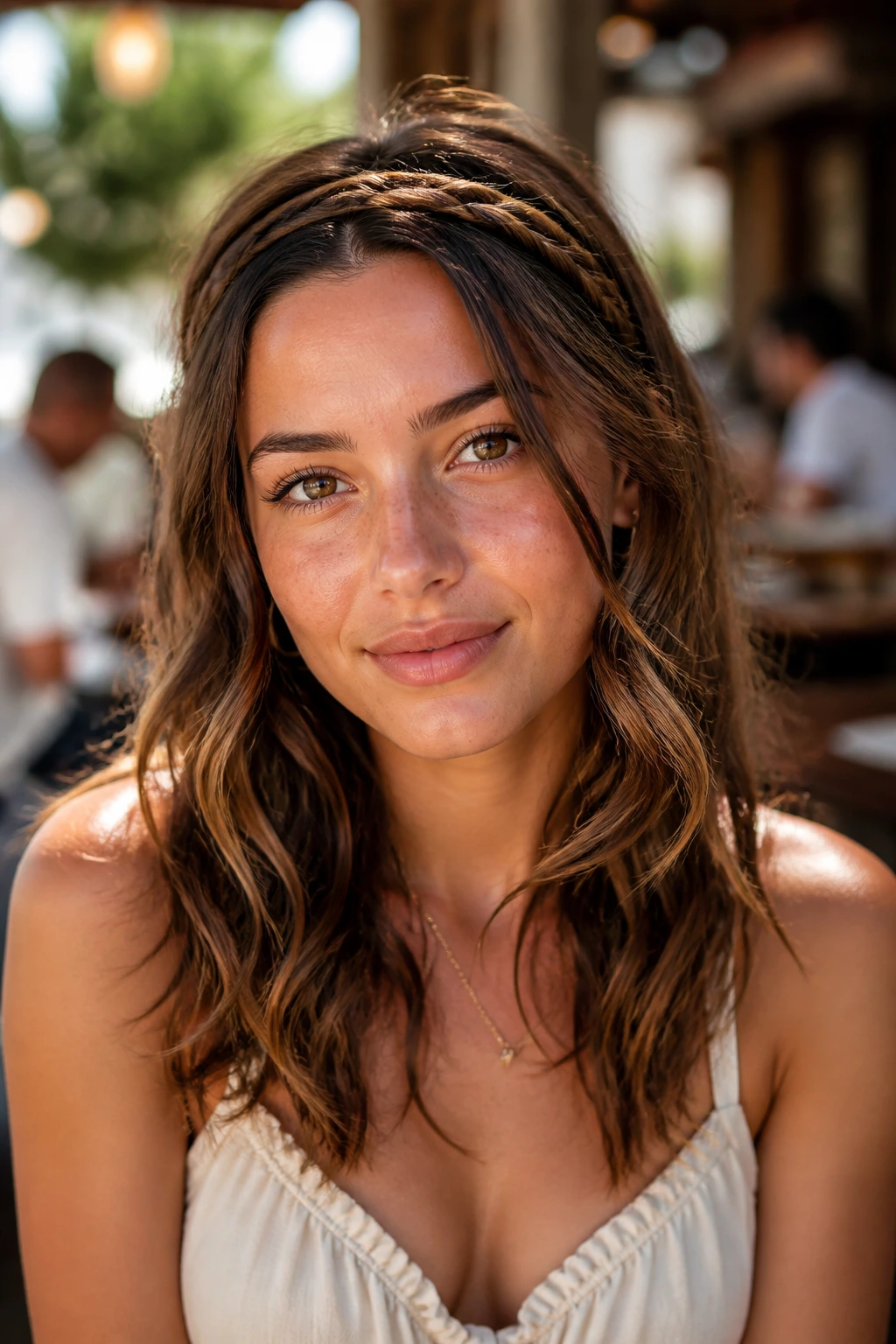
Can you keep your hair down in summer and still stay comfortable? Yes, if you handle the front. A braided headband takes the hair off the face and gives the rest of the length room to move, which matters when the air is warm but you still want softness around the shoulders.
How to make it work
- Take a section from ear to ear
- Braid it across the front hairline
- Pin it behind the opposite ear
- Leave the rest in loose waves or natural texture
The braid itself can be tiny. The point is not volume. The point is removing the sweaty fringe problem that starts the moment you step outside.
14. Side Swept Fishtail Braid
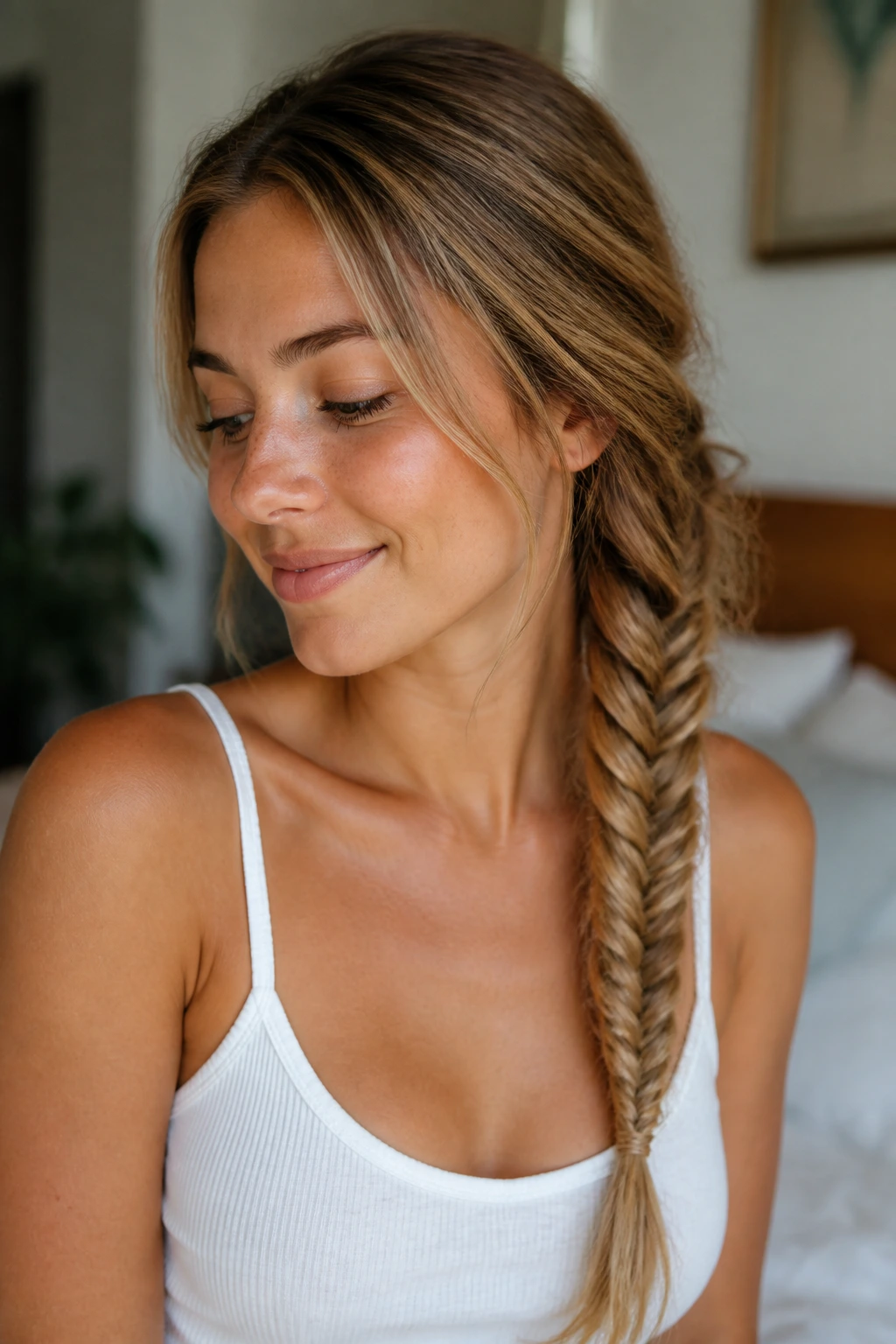
A side fishtail braid has a slightly cooler feel than a standard three-strand braid because the texture looks airy, even when the braid is tight. Sweeping it over one shoulder also keeps the back of the neck open, which is the part most styles forget.
This one shines on long hair. The fishtail detail makes the braid look dense and pretty, but it’s actually easier to keep neat than people expect once you get the rhythm. Pull the weave apart a little at the end if you want it fuller. That little “pancaking” trick turns a thin braid into something with more visual weight.
If the tail gets fuzzy, a dab of styling cream on your fingers smooths it fast.
15. Sleek Low Ponytail with Wrapped Base
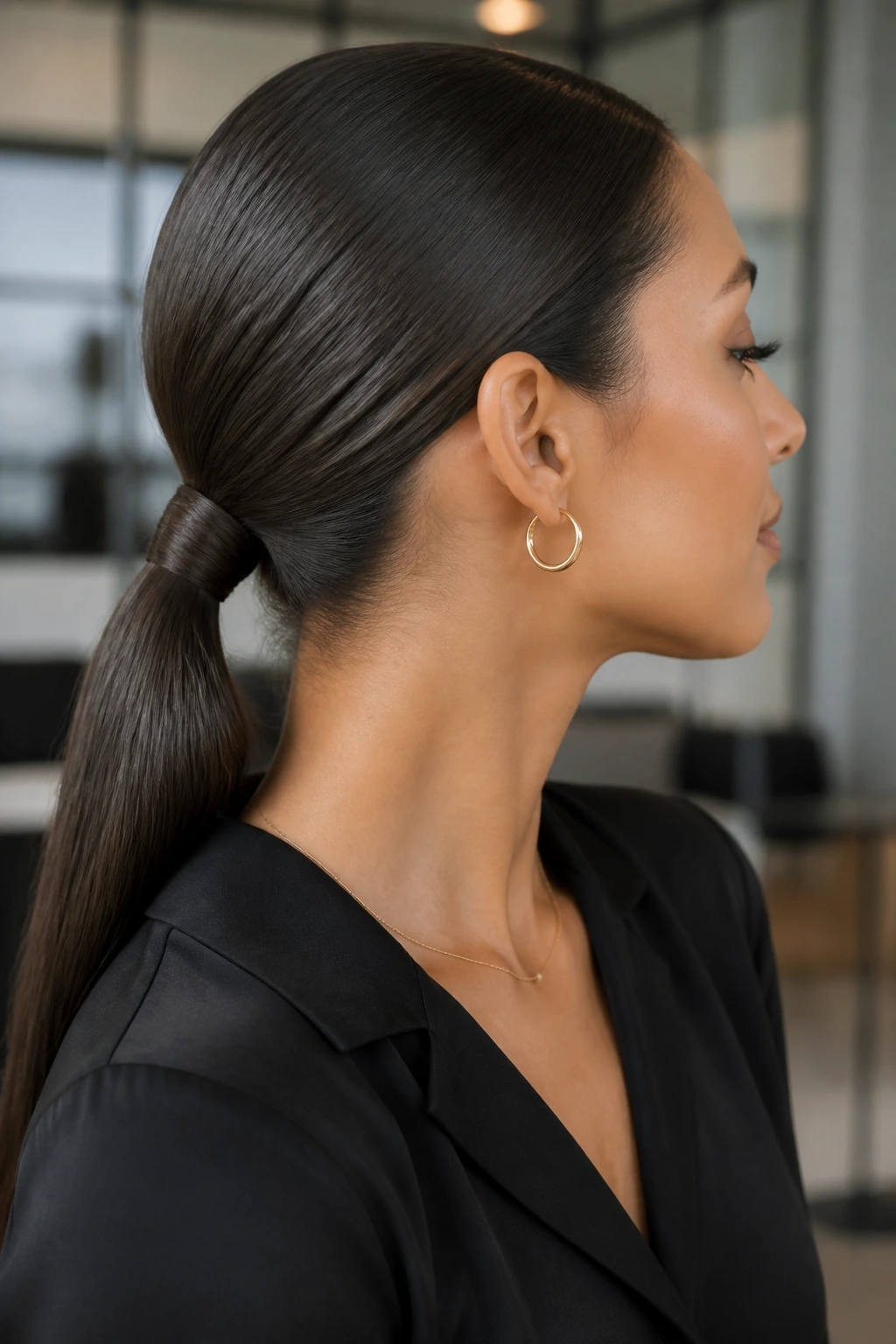
A low ponytail can be hot-weather friendly if you make it sleek enough to stay flat and low enough to keep the neck clear. The wrapped base matters here. It hides the elastic, sure, but it also makes the style look cleaner from every angle, especially when your hair is tucked into a collar or shirt neckline.
I like this version for work or travel because it doesn’t shift much once it’s in place. Brush the hair straight back, secure it low at the nape, then take a narrow strand and wind it around the elastic until the band disappears. Pin the end under the ponytail with a bobby pin.
Straight hair looks crisp with this style. Curly hair looks polished. Both work.
16. Space Buns
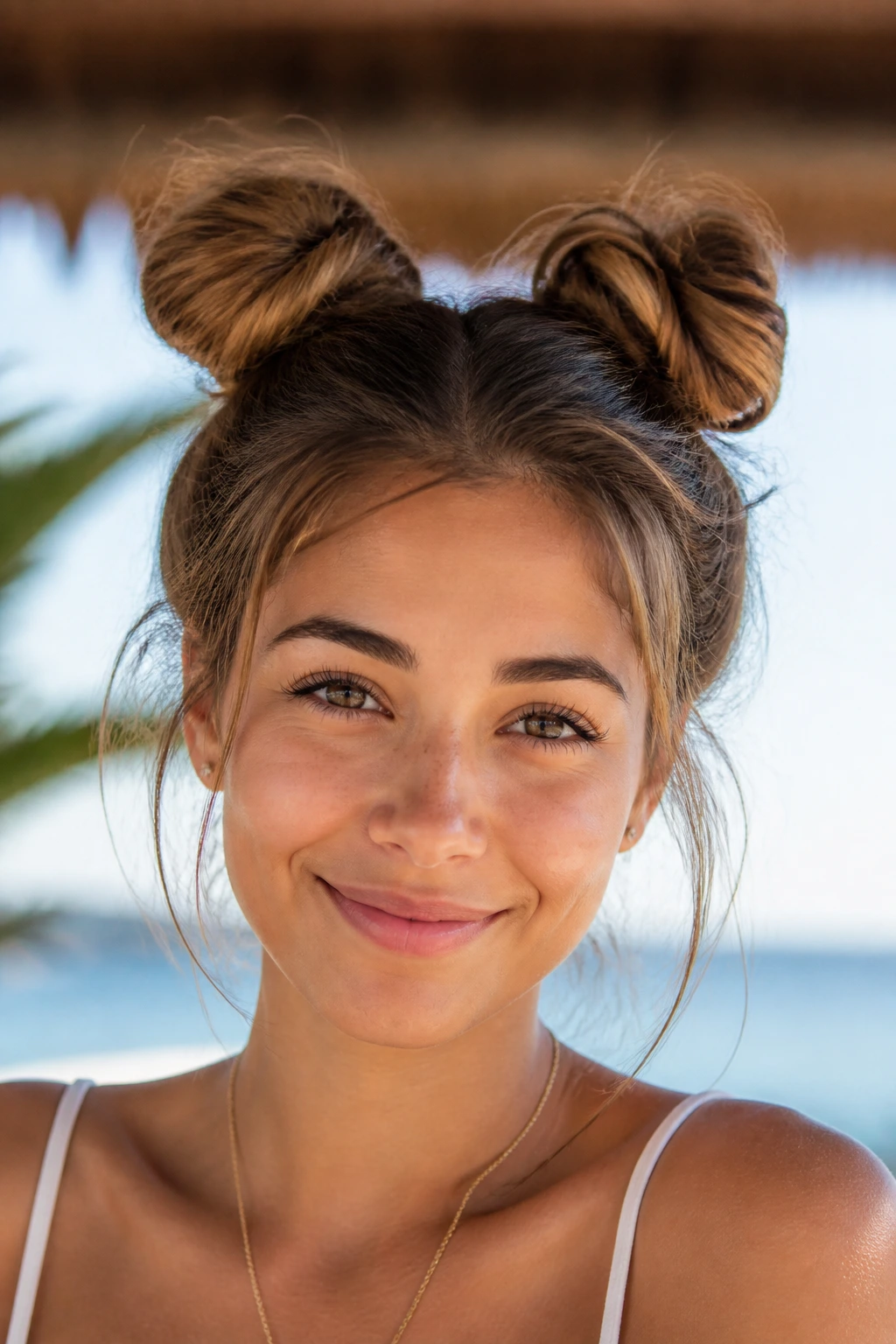
Space buns are not just for festivals or teenagers with excellent cheekbones. They’re useful because they split the hair into two balanced buns and keep a lot of volume off the neck without making the crown feel heavy.
The version I like sits slightly high and slightly forward, not flattened against the scalp. That keeps the style airy. If your hair is very long, leave the ends a little loose in the buns rather than forcing every strand to hide. A little texture makes the buns feel less rigid and more wearable.
They’re also forgiving. If one side looks fuller than the other, you can call it asymmetry and move on.
17. French Twist
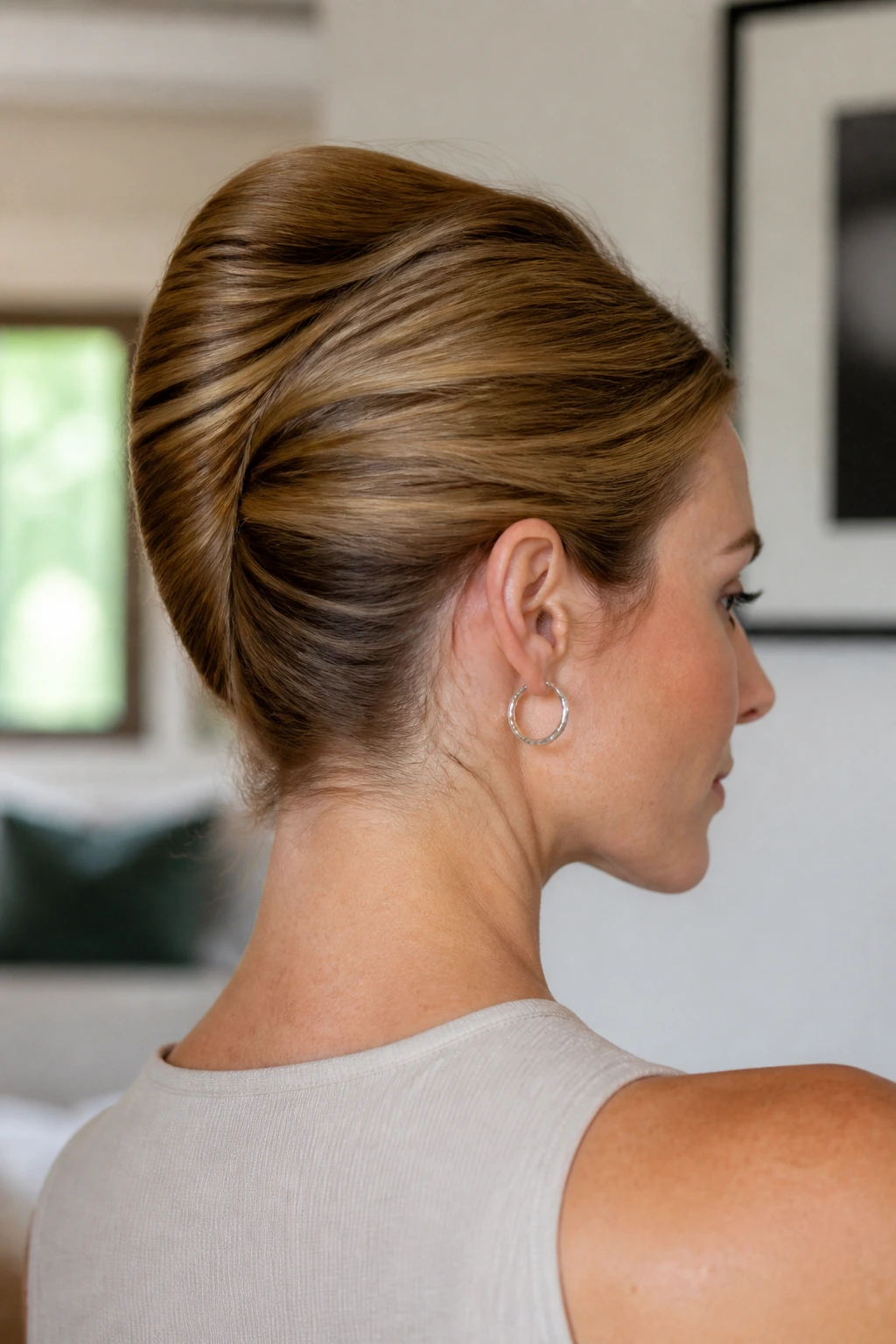
A French twist is one of the few classic updos that still feels useful in hot weather, not just pretty. It keeps the hair tucked vertically, which removes bulk from the back and sides of the head. The shape is also surprisingly stable once it’s pinned well.
The twist works best on hair with a little grit. Day-two hair, a light texturizing spray, or even a mist of dry shampoo can help. Too-clean hair tends to slide in the twist. If you want it softer, pull a few fine pieces loose at the temples. If you want it sharper, smooth everything back and keep the surface clean.
18. Rope Braid Ponytail
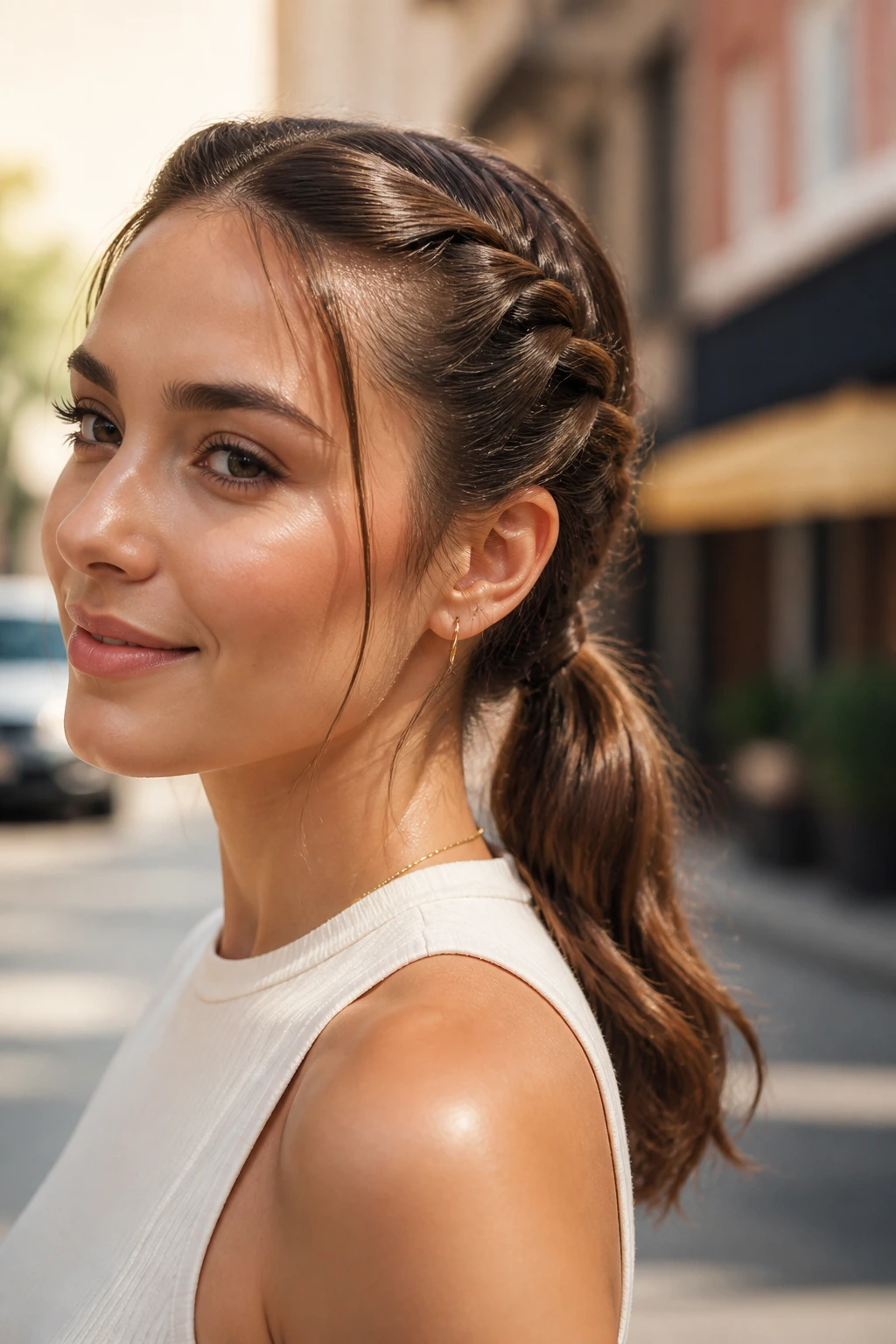
A rope braid ponytail is a solid answer when you want something faster than a full braid but more controlled than a regular ponytail. Twist two sections in the same direction, wrap them around each other in the opposite direction, and the shape holds with a nice, spiral texture.
That spiral texture is useful in summer because it keeps the tail compact. Loose ends don’t fan out as much, and the whole style feels less likely to frizz into a halo. It also works well on medium and long hair that needs a little shape without too much styling time.
Best with
- Straight or stretched hair
- Slightly damp lengths for cleaner twisting
- A little serum on the ends, not the roots
19. Sleek Middle-Part Bun
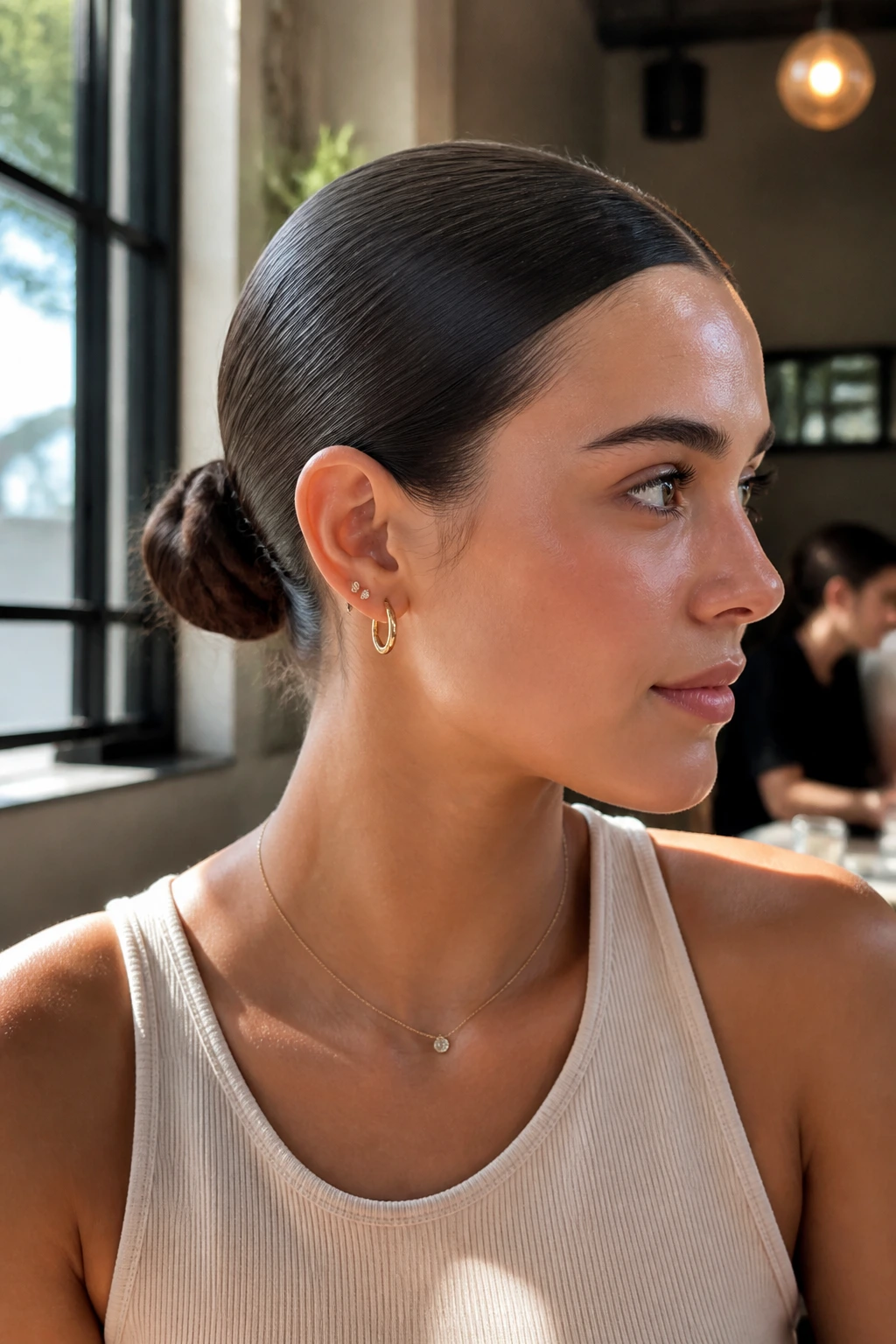
A middle-part bun has a very specific look: clean, balanced, and a little severe in the best way. When the weather is sweltering, that severe line can be a blessing. The hair gets pulled back, the scalp gets some breathing room, and the part keeps the front from puffing out.
The bun can sit low or mid-height, but the part should stay sharp. I use a tail comb to trace it straight, then smooth both sides with a light gel or pomade. If you have baby hairs or flyaways, tame them lightly rather than coating the whole hairline. Too much product near the face gets sticky fast in heat.
It’s a strong look. No apology needed.
20. Gently Tucked TWA Puff
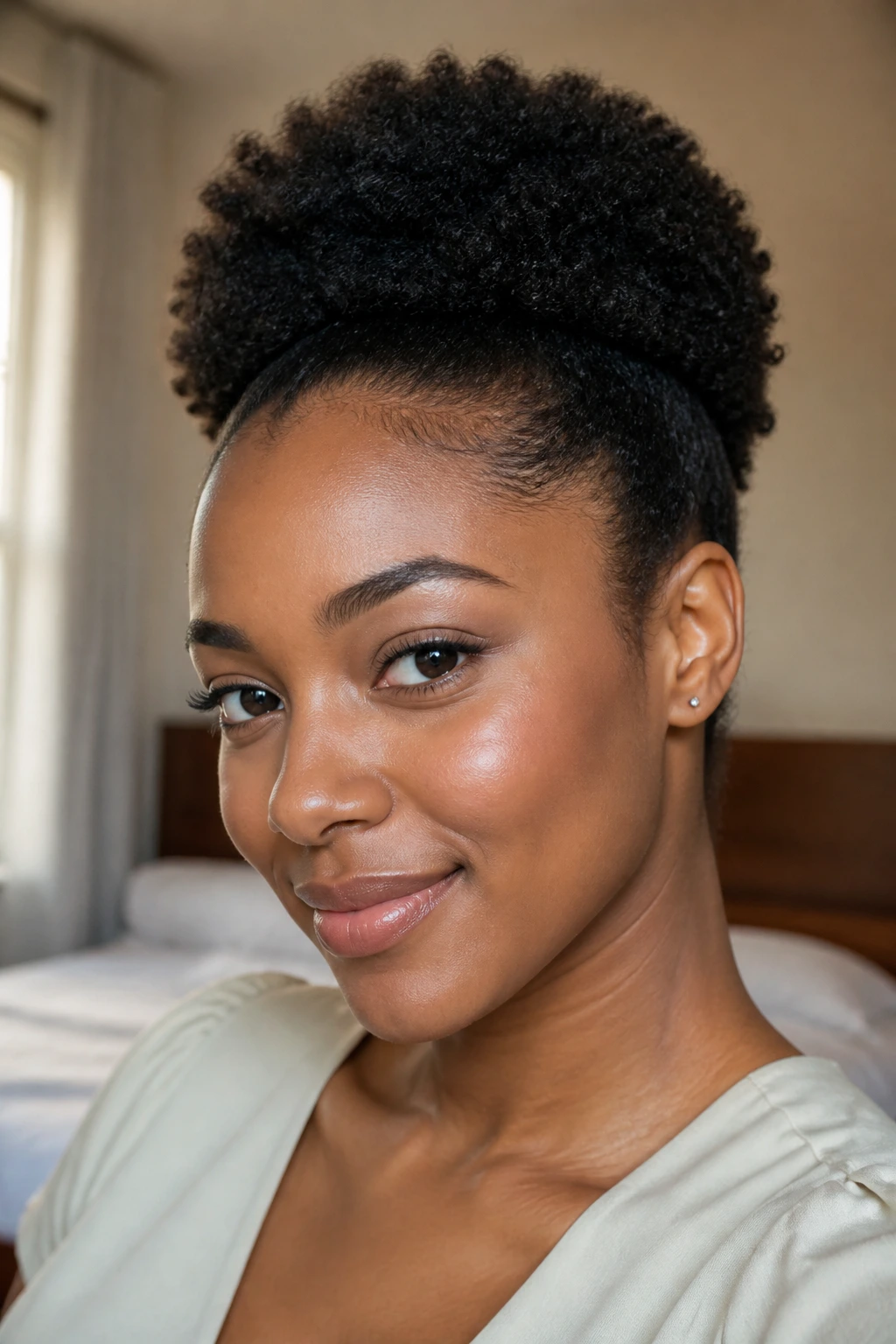
For a teeny weeny afro, the goal isn’t to force the hair into a style it doesn’t want. It’s to shape what’s already there so it stays airy and comfortable. A gently tucked TWA puff does exactly that. You gather the hair softly toward the crown or back, then tuck or pin the edges so the shape feels neat without flattening the texture.
The best versions keep the sides smooth enough to stay off the face but leave the top with some lift. A small amount of leave-in and a soft brush are enough. If you push too hard, the style loses its ease and starts looking pressed down.
This is a cool-weather style by virtue of common sense. Less manipulation, less fuss, less heat trapped around the scalp.
21. Pineapple Updo for Curls
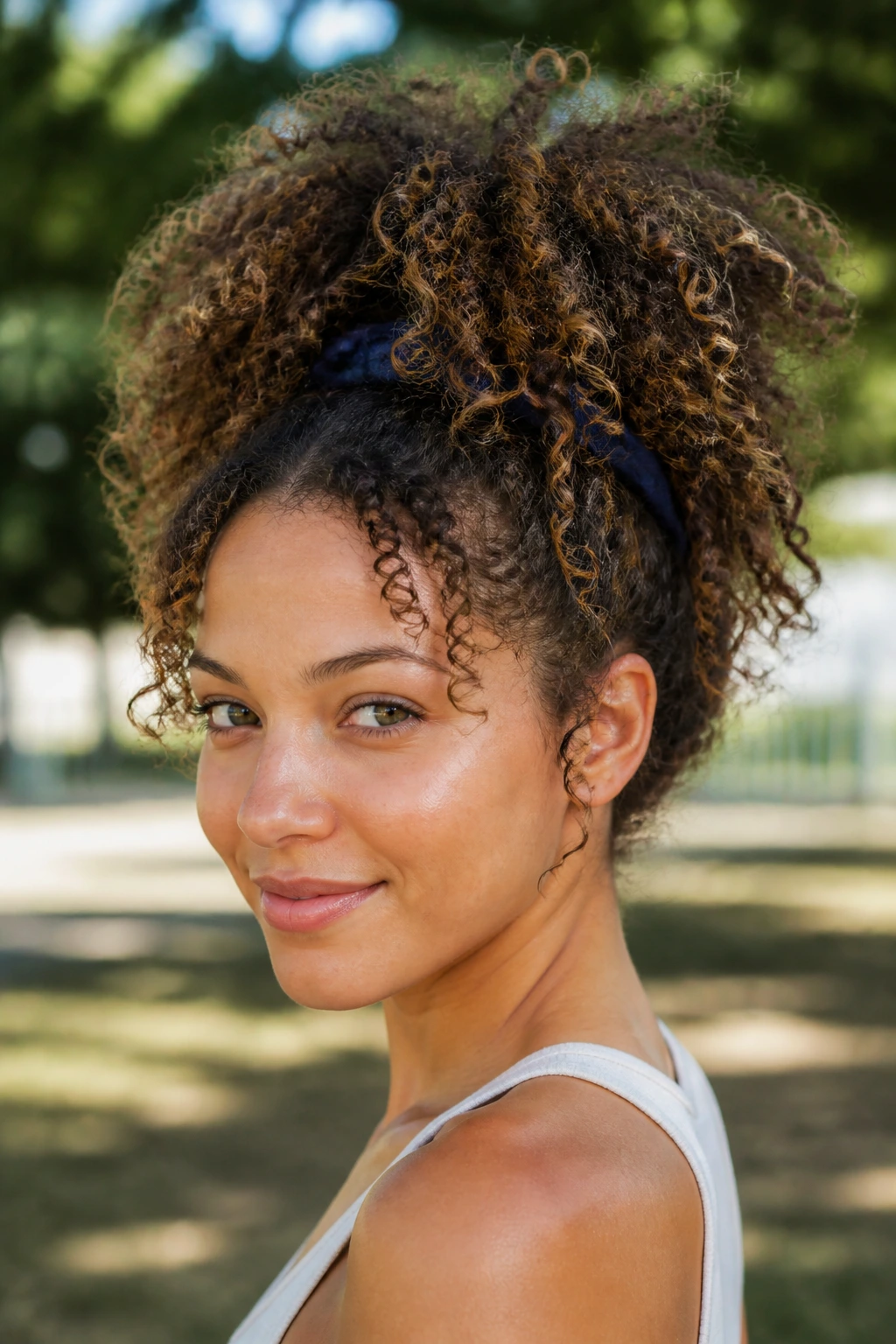
A pineapple updo is not only for sleep. On a hot day, it keeps curls stacked high and loose, which protects the curl pattern while getting the bulk off the neck. The shape is especially good for dense, springy curls that lose definition when they’re stretched down.
Gather the hair very high, then secure it with a stretchy band that doesn’t snag. Let the curls spill upward rather than flattening them into a tight bun. A little height is the whole point. It keeps the roots from being pressed against the scalp and gives the style a softer outline.
If you need more hold, add a second band loosely above the first. No need to overdo it.
22. Braided Crown on Curly Hair
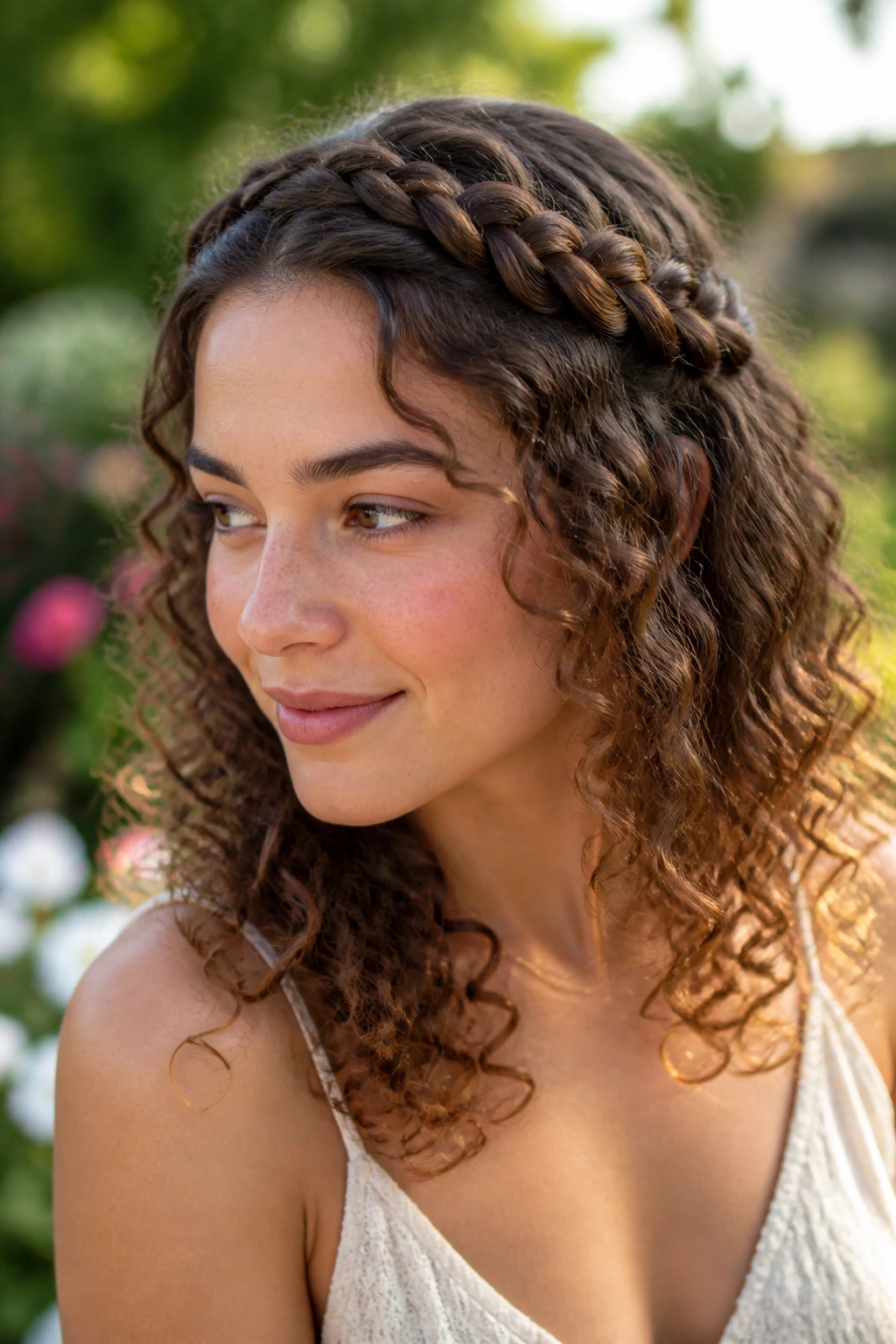
A braided crown on curly hair works because it manages the front and sides while leaving the rest of the curls free to do their own thing. That balance matters. You get the cooling effect of an updo without losing the shape and movement that make curls feel alive.
What to notice
The braids do not need to be symmetrical to work. In fact, slightly uneven sections can help the crown blend into the natural volume of the curls. Pin the braids low enough that they support the shape, but not so low that they disappear into the hair.
If your curls are very dense, this style can feel like a relief. It takes pressure off the temples and keeps the face clear without dragging the whole head flat.
23. Wavy Lob with Tucked-Behind-Ear Finish
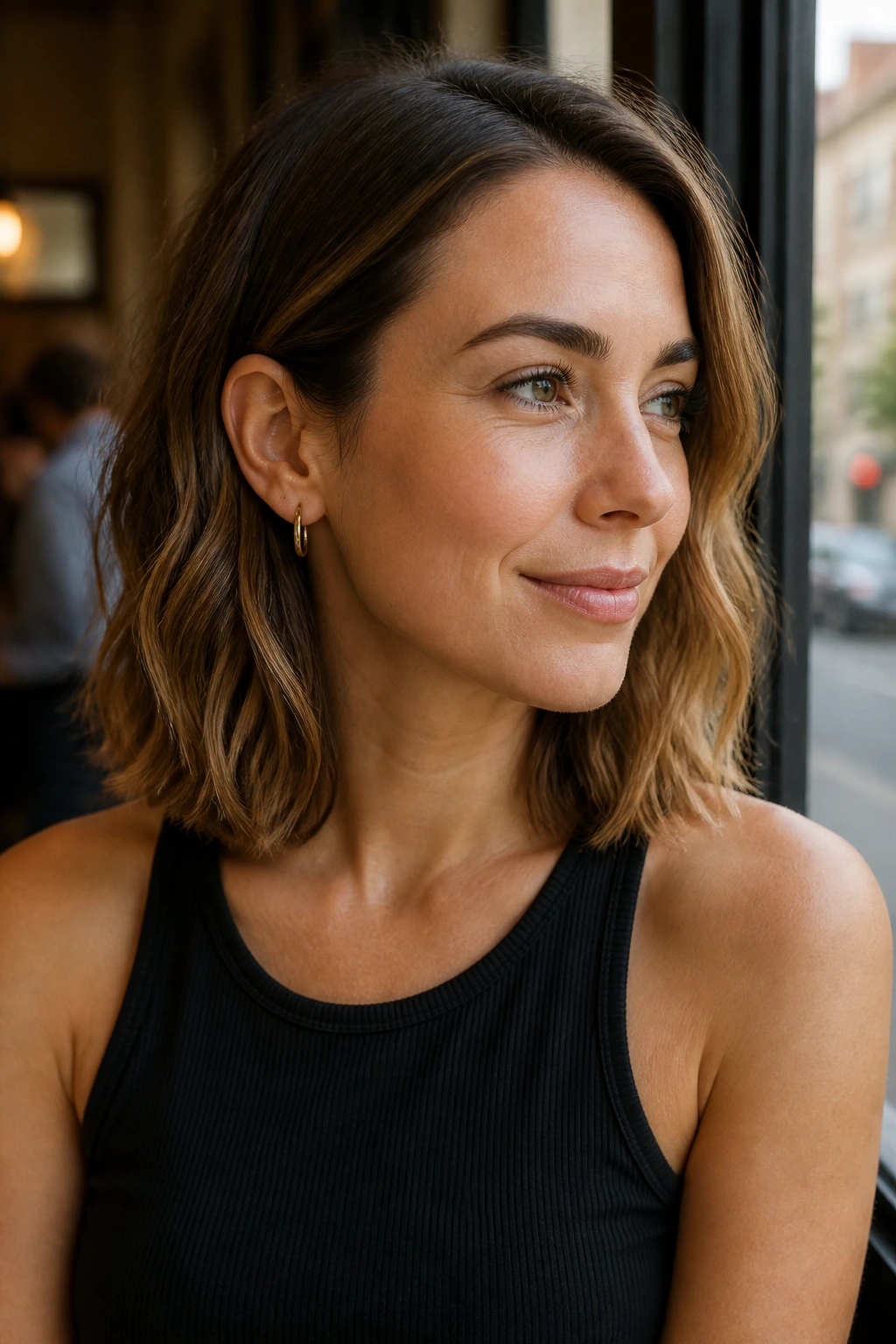
A lob is already halfway to a heat-friendly haircut, and tucking the front pieces behind the ears takes it one step further. That tiny adjustment opens the face, frees the cheeks, and lets the rest of the wave sit away from the skin. It sounds small. It isn’t.
The trick is to make the tuck look intentional. Add a touch of cream or spray to the front sections, bend them into shape with your fingers, then tuck one side or both. If you want more polish, use a decorative pin just above the ear. If you want less polish, let the tuck loosen naturally as the day goes on.
This is one of my favorite low-effort fixes for shoulder-length hair. It asks almost nothing and gives back a cooler neckline.
24. Slicked-Back Bun with Gel Edge Control
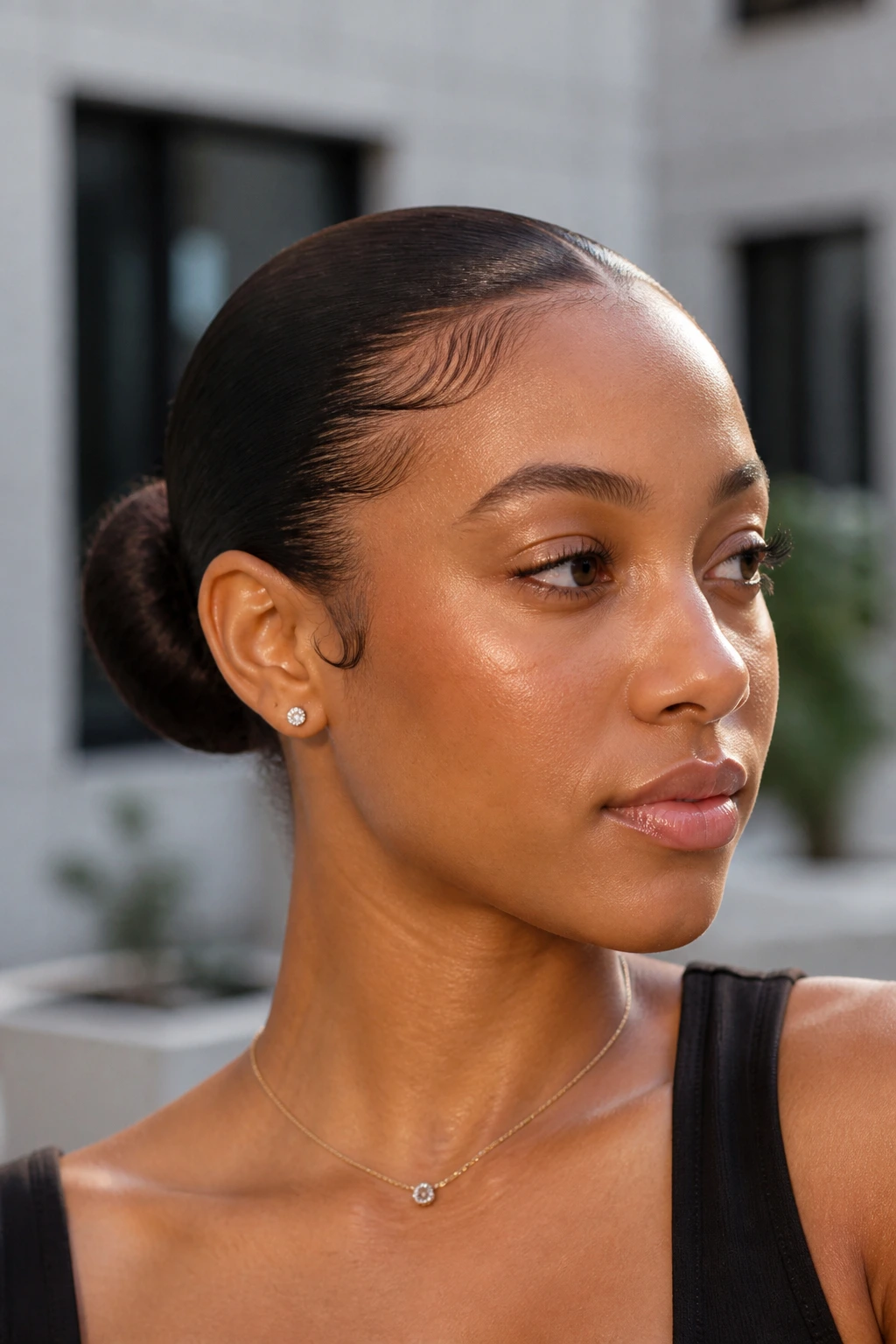
What makes a slicked-back bun so effective in heat is its refusal to negotiate. Every strand gets directed back, every flyaway gets flattened, and the bun sits where it’s told. That kind of control can feel surprisingly good when humidity has made everything else fluffy.
Use gel or edge control sparingly at first. You want the hairline smooth, not crunchy. Comb the hair back in sections if needed, then secure the bun low or mid-height. For extra hold, mist the finished style with a light hairspray and let it dry before touching it again.
If your hairline tends to puff up around the temples, a soft edge brush can help. Use it gently. Scrubbing only makes the area frizzier.
25. Short Pixie with Textured Pieces
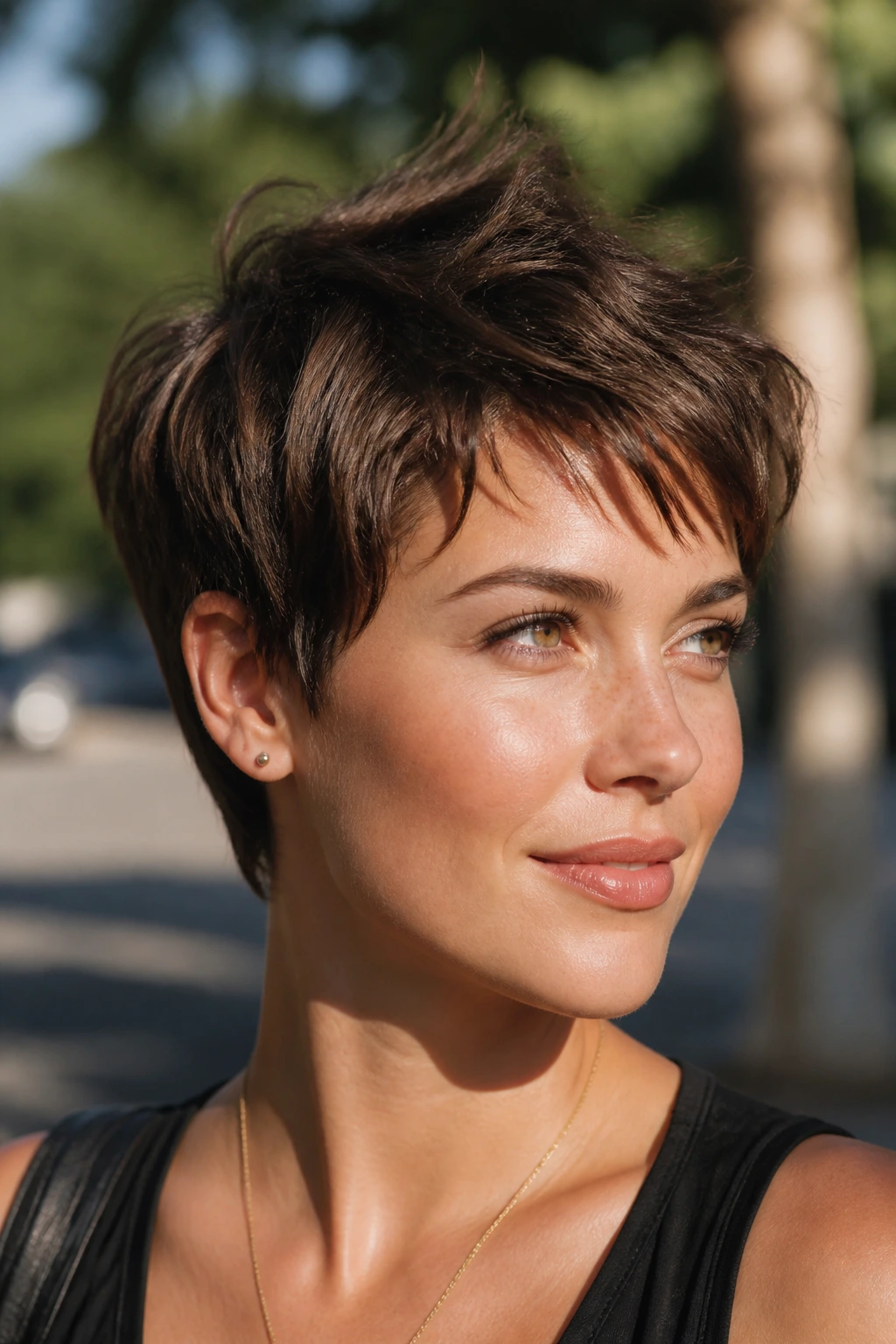
A pixie cut sounds like cheating in a list like this, but I’m not sorry. Short hair beats the heat by default, and the best way to style it in warm weather is to keep the texture piecey rather than fighting for perfect smoothness. A little direction around the front and crown goes a long way.
The cut should look airy, not stiff. A dab of styling paste or cream through the ends can define the layers without making them greasy. If the hair is very fine, a dry shampoo mist at the roots adds grip and keeps the style from collapsing flat against the head.
Short hair has the best summer privilege of all: it gets to look finished with almost no effort.
What Makes a Style Actually Beat the Heat
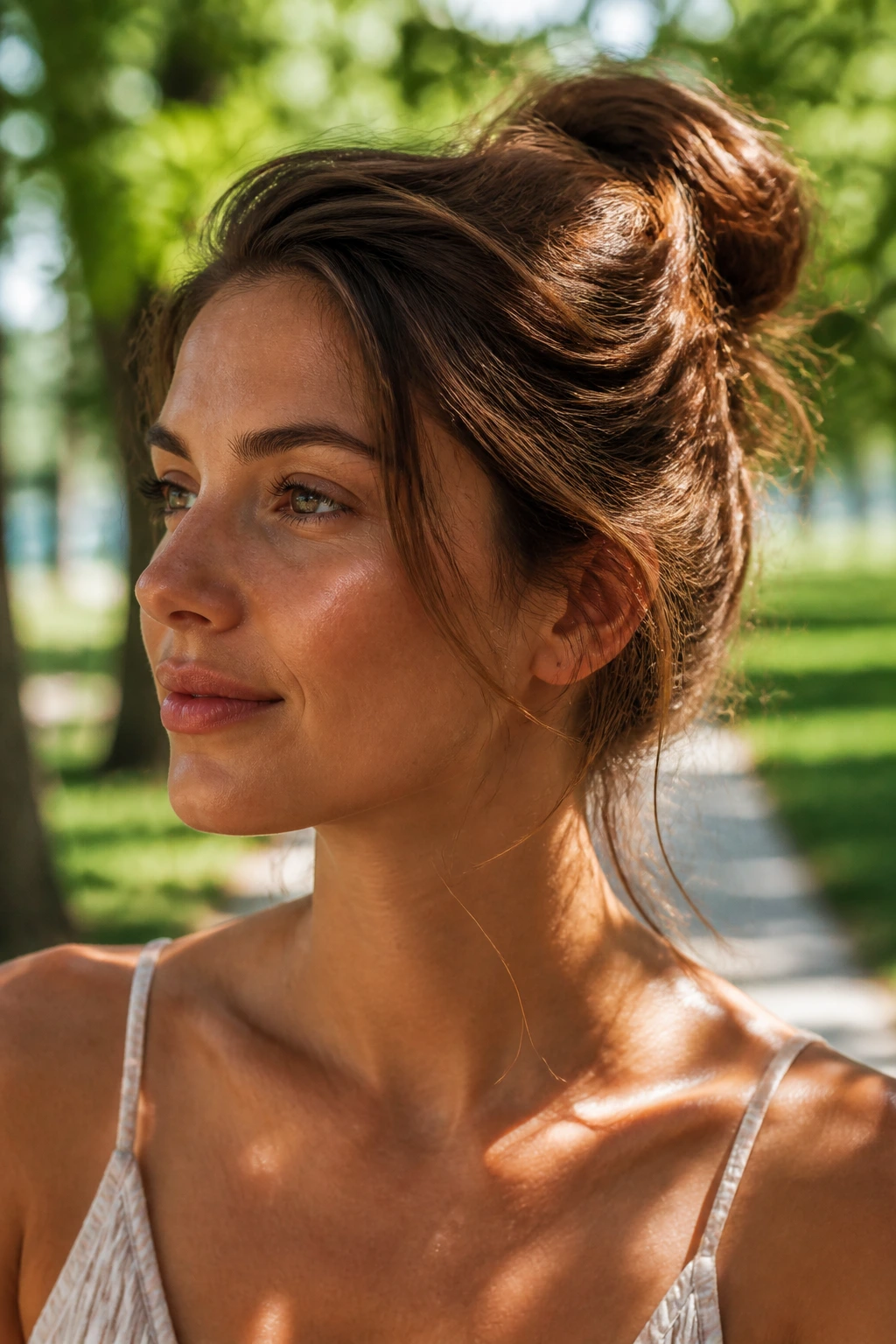
The best summer hairstyles do three jobs at once. They move hair away from the skin, they stay in place when sweat starts, and they avoid so much product that the head feels coated. That combination matters more than the label on the style. A loose braid with a heavy cream in it can feel worse than a clean bun with three pins.
Airflow is part of the equation. Neck exposure matters. So does friction. Hair rubbing against damp skin is a fast track to irritation, especially if you’re wearing a backpack, a collar, or anything with a strap. A good warm-weather style reduces all that contact instead of just looking neat in the mirror.
There’s also a texture question. Fine hair often needs a little grit so it does not slide apart. Thick or curly hair usually needs stronger anchoring and smarter sectioning so the weight does not pull the style down. That’s why the same ponytail can feel effortless on one head and annoying on another. The shape is only half the story.
Essential Tools for These Looks
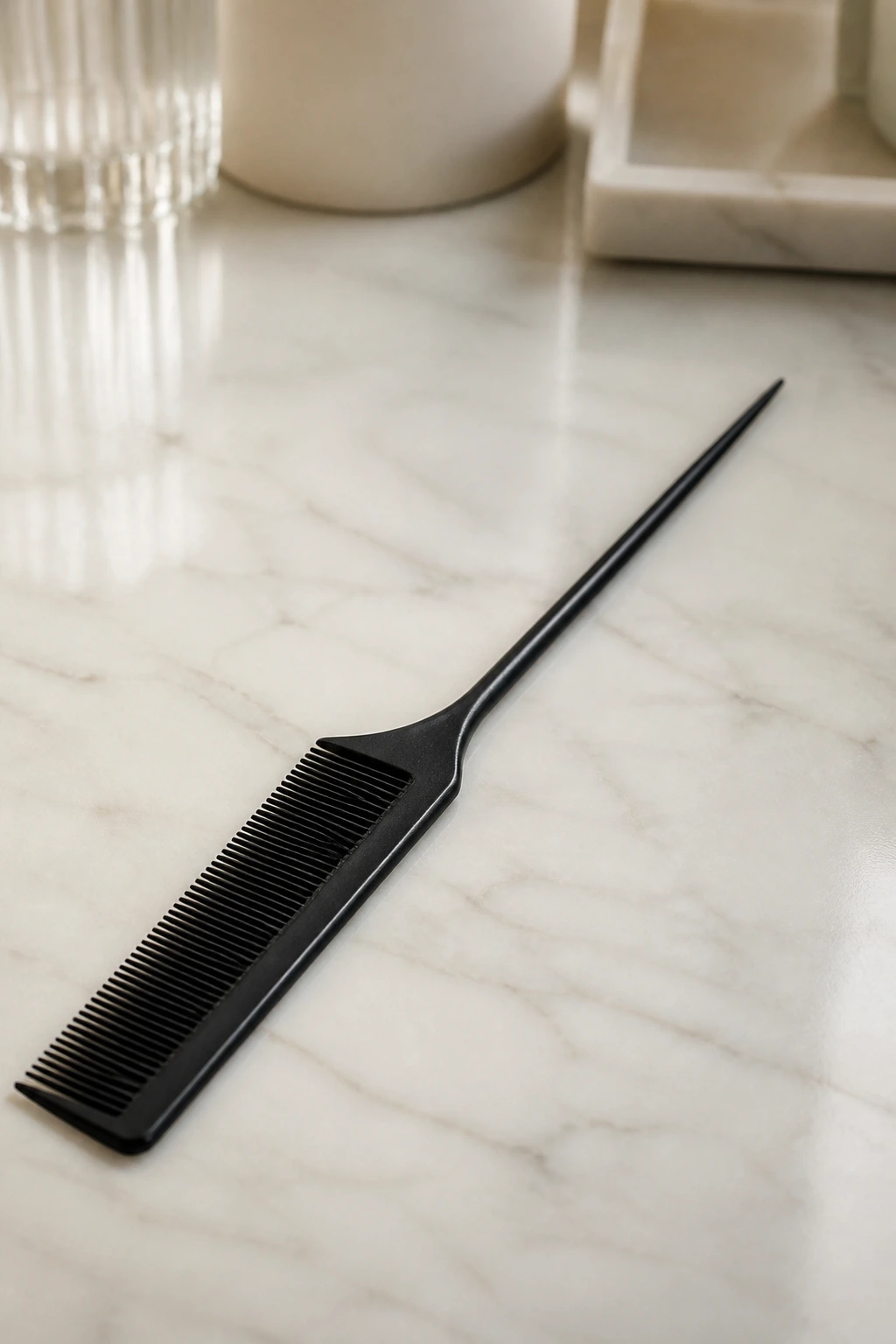
- Tail comb: Useful for clean parts, neat sections, and slick styles like buns and ponytails.
- Soft brush or boar-bristle brush: Helps smooth the surface without tearing through textured or frizz-prone hair.
- Small clear elastics: Better for braids, bubble ponytails, and wrapped bases than big thick bands.
- Bobby pins in two sizes: Short pins for flyaways, longer pins for buns, twists, and crowns.
- Claw clip: A strong, medium-to-large clip handles twists and loose buns without making the style bulky.
- Texturizing spray or dry shampoo: Adds grip on clean hair and helps styles hold in humidity.
- Gel or edge control: Best for sleek buns, middle parts, and hairline smoothing.
- Satin scarf or scrunchie: Helps with hold, reduces friction, and can hide a rough elastic.
- Light hairspray: A final mist keeps flyaways from expanding the first time you walk outside.
Smart Prep and Product Tips
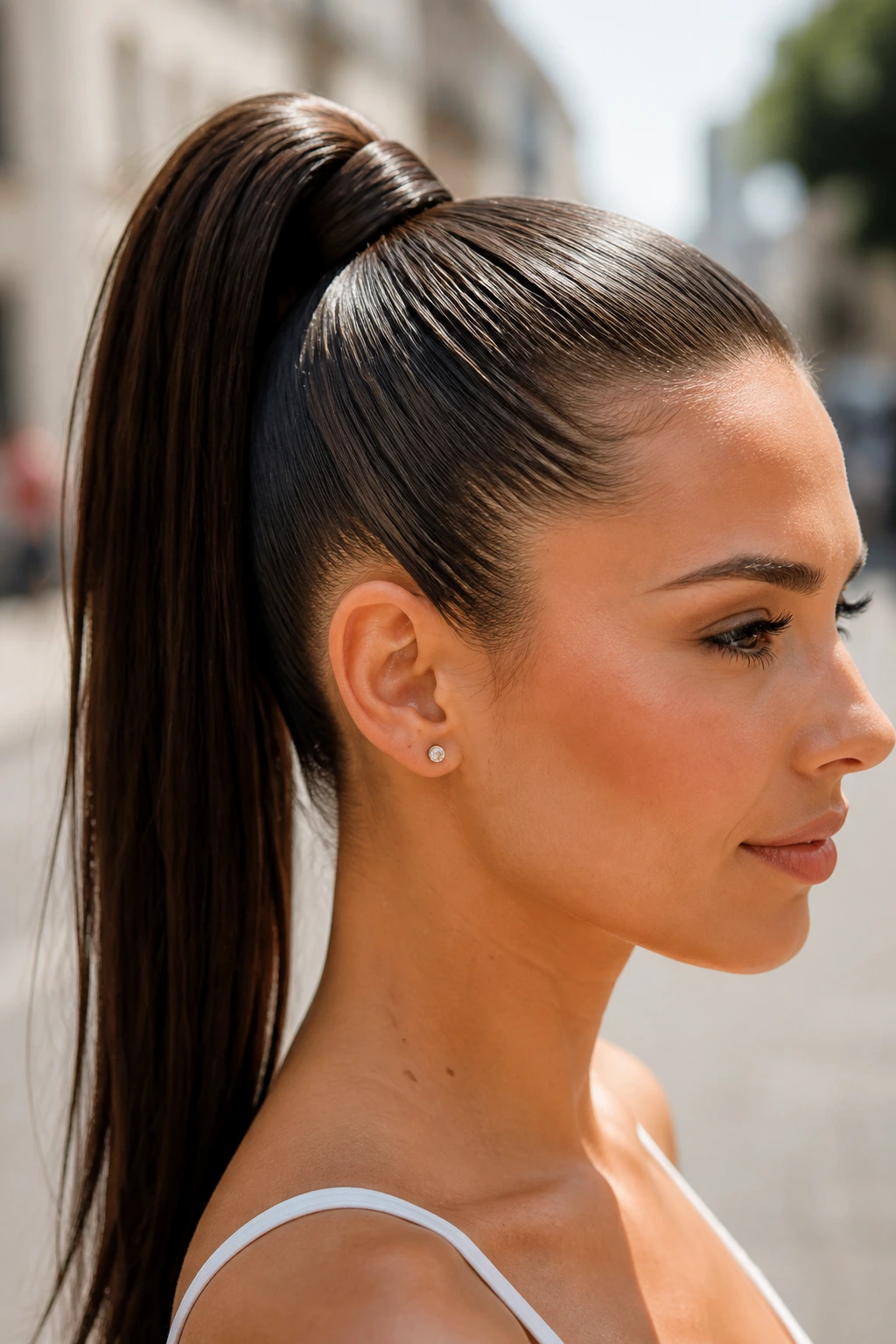
Start with hair that is clean enough to smell fresh but not so silky that every pin skates out. That middle ground is useful. If you wash too close to styling time, the hair can get slippery. If you wait too long, scalp oils may make slick styles look flat near the roots.
A small amount of leave-in on the ends helps curls and long hair behave, but keep it away from the scalp unless your texture is very dry. Roots loaded with product tend to collapse in heat. For straight or fine hair, dry shampoo at the crown gives better grip than extra cream.
If you’re making a sleek style, rough-dry the roots a little first. A brush alone can’t do all the work on humid hair. On curly hair, don’t chase absolute smoothness if it means stretching the texture into a frizzy mess by afternoon. Better to define and secure the shape than to over-polish it.
How to Wear These Styles All Day
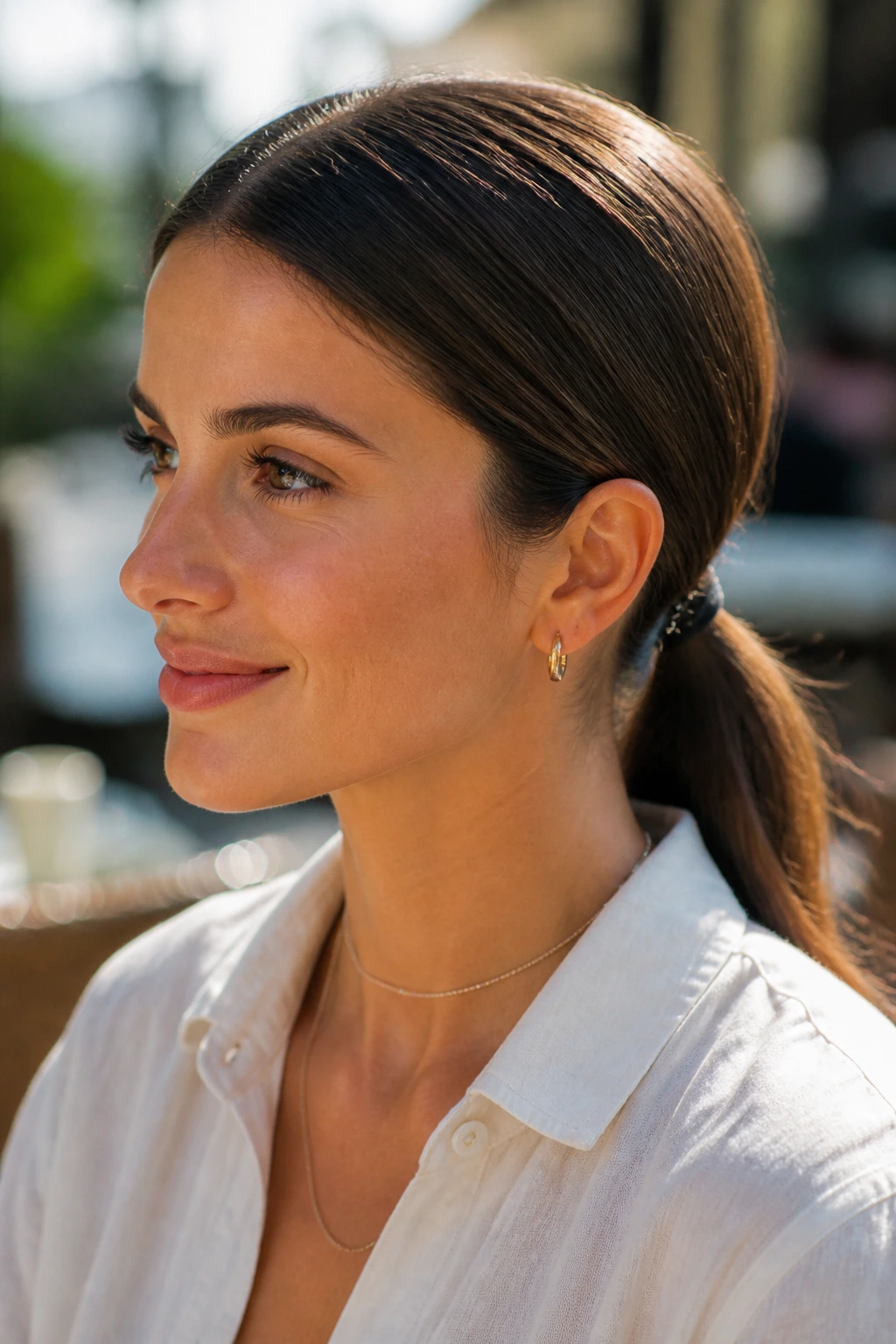
Morning: Build the style a little firmer than you think you need. Not painfully tight. Just secure enough that the first hour of movement doesn’t loosen everything. If you’re heading into full sun or a long commute, finish with a light mist of hairspray or a dab of gel at the hairline.
Midday: Resist the urge to keep touching the style. That’s usually what breaks it. If a braid loosens, pinch it once and leave it alone. If a bun starts to sag, add one pin at the lowest point instead of rebuilding the whole thing.
Evening: Keep a small pack of pins or a hair tie in your bag if you know the day will run long. Sometimes the smartest move is not restyling from scratch but switching a ponytail into a bun or clipping a twist higher.
Additional Tips and Personal Touches
Texture Boost: A little grit goes a long way in summer. Fine hair often behaves better with dry shampoo or texturizing spray at the roots, while curls usually need a tiny bit of leave-in on the ends so they do not dry out into a halo.
Humidity Shield: If your hair puffs up the second you step outside, finish the surface with a pea-sized amount of serum rubbed between your palms. Use it only on the outer layer. Too much and the style goes limp.
Accessory Swap: Same base style, different mood. A scarf changes a bun from plain to polished. A matte claw clip makes the same twist feel less formal. A metal pin can make a low bun look sharper in seconds.
Make-It-Yours: If your style feels too severe, leave one soft piece near the ears. If it feels too casual, smooth the hairline and tighten the base. Small adjustments matter more than a full restart.
Common Mistakes That Make Hot-Weather Hair Harder
The first mistake is overloading the hair with product. In heat, heavy creams and thick oils flatten the roots fast. The style then feels sticky instead of controlled. Use lighter products at the scalp and save richer formulas for the ends.
The second mistake is making everything too tight. Yes, a snug base holds better than a loose one, but a pulled-back style that tugs at the temples will make you hate it by noon. If your scalp aches, the style is too tight, period.
The third mistake is ignoring hair texture. A sleek bun on slippery fine hair needs grip. A braid on dense curls needs sectioning and pins. If you style every head the same way, half the time you end up fixing the same problem twice.
And then there’s the “I’ll just leave it down” habit. Fine on a cool morning. Miserable once the air thickens. Loose hair against sweaty skin is usually the fastest route to discomfort.
Variations and Adaptations to Try
Fine-Hair Fix: Choose styles with built-in texture, like the bubble ponytail, rope braid ponytail, or claw clip twist. They give fine hair shape without asking it to support a heavy bun all day.
Curly-Hair Friendly: Lean into the pineapple updo, braided crown, and twisted halo. These keep the curl pattern intact while reducing the amount of hair sitting on your shoulders.
Short-Hair Shortcut: If your hair barely reaches the chin or sits above it, think in terms of finish rather than shape. Wet-look bobs, tucked lob pieces, and pixie texture go farther than forcing a faux updo.
Gym-Day Secure: Boxer braids, Dutch braid pigtails, and slicked-back buns hold up best when movement is part of the day. The tighter anchor points matter more than decoration here.
Soft and Romantic: Swap severe lines for a braided headband, a low chignon with face-framing pieces, or a wavy lob tucked behind one ear. These keep the face open without losing softness.
How to Keep These Styles Looking Fresh
Most heat-friendly styles hold best for one full day, sometimes two if your hair texture is cooperative. Braids and buns usually survive longer than loose waves, especially if you sleep with a satin bonnet or scarf. That matters more than people think. Friction overnight is what turns a tidy style into a half-formed mess.
For buns and ponytails, a quick morning refresh usually means one of three things: smooth the hairline, tighten the elastic, or add one new pin where the weight is pulling. Don’t rebuild the whole thing unless it has truly fallen apart. The goal is to fix the weak point, not punish the entire style.
If you plan to wear the same base style again, keep the ends from drying out. A tiny amount of leave-in on the tips or a light oil only on the very bottom can help. Just avoid saturating the roots, because that’s where heat makes everything go flat fastest.
Frequently Asked Questions
Which summer hairstyle lasts the longest in humidity?
Braids tend to last best, especially boxer braids, Dutch braid pigtails, and a braided low bun. They distribute tension and keep the hair more contained than loose twists or soft ponytails.
What if my hair is too slippery for pins and clips?
Use dry shampoo or texturizing spray at the roots, then style on hair that isn’t freshly conditioned. A little grit makes a huge difference. Matte clips also grip better than glossy ones on very smooth hair.
Can I wear my hair down and still stay cool?
Yes, but keep the front controlled. A braided headband, tucked-behind-ear lob, or half-up braid crown helps move the front sections away from the face while leaving the length loose.
Are sleek styles bad for curly hair?
Not at all. They just need a gentler hand. A slicked-back bun, pineapple updo, or braided crown can work well if you preserve enough moisture in the curls and avoid pulling so tight that the scalp complains.
How do I stop flyaways without making the style crunchy?
Use a small amount of gel, wax stick, or hairspray on a brush or fingertip instead of coating the whole head. Target the flyaways only. That gives control without the hard shell.
What’s the best style for very hot, active days?
Boxer braids are hard to beat for movement. If you want something faster, a secure claw clip twist or slicked-back bun can still keep hair off the neck and out of the way.
Do short cuts need special summer styling?
Short cuts need less containment and more shape control. A pixie or bob stays cooler by default, but a little styling cream, gel, or texture spray keeps it from puffing out or lying flat in the wrong places.
How tight should a heat-friendly style be?
Just tight enough to stay in place through normal movement. If you feel scalp strain, pain at the temples, or a headache building, loosen it. A style that hurts is not doing you any favors, no matter how neat it looks.
Cool Hair, Less Fuss
The best warm-weather hair isn’t the fanciest hair. It’s the hair you stop thinking about halfway through the day. That usually means lifting it off the neck, giving it enough grip to survive humidity, and choosing a shape that fits your actual hair texture instead of fighting it.
Some days call for a polished bun. Some call for braids, clips, or a short cut with a little piecey texture. Pick the one that matches the day you’re having, not the one that looks best in a mirror for thirty seconds.
Once the heat turns up, hair should work with you, not against you. That’s the whole point.
