



Blonde hair looks for spring do not need to mean the same pale wash, the same icy ends, or the same overworked toner that drifts yellow after two shampoos. The best blonde right now has movement in it. It has a root that makes sense, a tone that doesn’t scream “fresh bleach,” and enough depth near the scalp to keep the grow-out from looking like a mistake.
What people usually want from blonde in this stretch of the year is a strange combination: more light, less effort, and hair that still feels like hair. Not straw. Not foggy silver. Hair with sheen, touch, and a little swing when you turn your head. That’s where the good looks live — the ones that don’t flatten out after one wash, and don’t demand a color appointment every time your roots show.
The trick is choosing a blonde that works with your base color, your texture, and your tolerance for upkeep. A buttery bob behaves very differently from a rooted Scandinavian blonde or a soft money piece. Same family, different personality. And that is exactly why these looks matter: they give you options beyond “go lighter” and force a little more precision, which is where blonde starts looking expensive instead of loud.
Why These Blonde Looks Stand Out Right Now
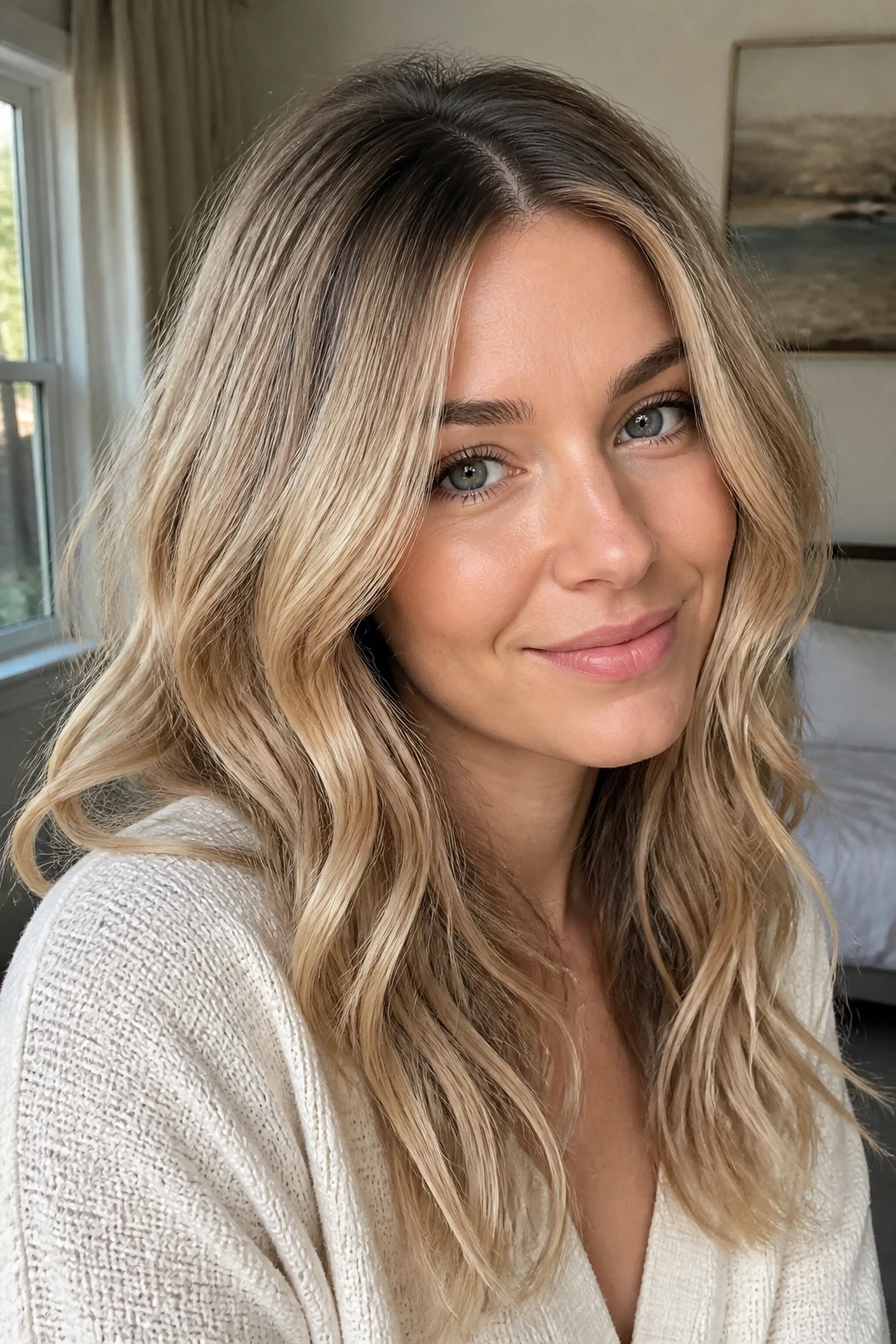
-
They keep a little root on purpose: A soft shadow root buys you time between appointments and keeps the scalp area from looking stark against lighter lengths.
-
They use tone as a feature, not an accident: Beige, champagne, honey, pearl, and cream each land differently under natural light, so the shade reads polished instead of flat.
-
They work with real hair, not just flat-ironed hair: The best versions still move on a bob, a shag, a curl pattern, or layered long hair.
-
They give you options for upkeep: Some looks need toner every 4 to 6 weeks. Others can stretch much longer if the cut is doing some of the visual work.
-
They make face framing matter: A bright money piece, a soft fringe, or a few ribbons around the cheekbones can change the whole effect without bleaching every strand.
-
They feel lighter without going brittle-looking: That balance matters. Hair can look airy and still have depth at the root and around the underlayers.
1. Champagne Cream Balayage
Champagne cream balayage is what happens when you want blonde to look expensive without looking over-processed. The tone sits between beige and pearl, so it catches the light without tipping into that dry, icy cast that can make ends look thin. It’s especially good on medium to long hair because the painted ribbons can start lower on the head and still read bright.
Why It Works
Balayage gives you softness at the root, and champagne tones keep the blonde from going too yellow or too silver. Ask for a level 7 to 8 base with hand-painted ribbons lifted to a pale yellow stage, then toned with a beige-violet mix. That keeps the finish creamy instead of chalky.
This look is one of those rare blondes that looks intentional even when it’s growing out. The root blur does a lot of the heavy lifting.
What to Ask For
- Soft painted highlights through the mid-lengths and ends
- A shadow root one to two levels deeper than the blonde
- A neutral-beige toner, not a blue-heavy icy formula
Best On
Wavy hair, layered cuts, and anyone who wants movement without a full foil appointment every visit.
2. Butter Blonde Lob
A butter blonde lob is warm, glossy, and easier to live with than a super-light platinum cut. The shade sits in the golden-beige zone, which keeps the hair looking rich instead of washed out. On a collarbone-length cut, it has just enough bounce to show off the tone with every turn.
The part I like most is the way this color softens hard lines. A blunt lob can look severe if the blonde is too cool, but butter tones take the edge off fast. If your hair leans naturally medium brown or dark blonde, this is one of the cleanest ways to go lighter without making the regrowth scream.
Salon note: ask for a soft highlight pattern around the face and top layer, then a gloss in the golden-beige range. That keeps the blonde warm but not orange.
3. Honey Beige Layers
Honey beige blonde is for people who want warmth with a little restraint. The honey keeps it from looking muddy, and the beige stops it from drifting into brassy territory. On layered cuts, the variation in length helps the color feel deeper than it really is.
What Makes It Different
This is not a flat one-tone blonde. It works because the color lives in the layers — lighter pieces around the face, slightly deeper honey through the back, and a soft beige glaze over everything. The result has that sunlit look without needing harsh contrast.
It flatters hair that already has some texture. Fine hair gets lift. Thick hair gets dimension. And if your skin tends to warm up under daylight, honey beige usually sits more kindly than a cool ash blonde.
Best ask: a multi-tonal highlight with a beige gloss and a tiny bit of root shadow so the finish doesn’t read stripey.
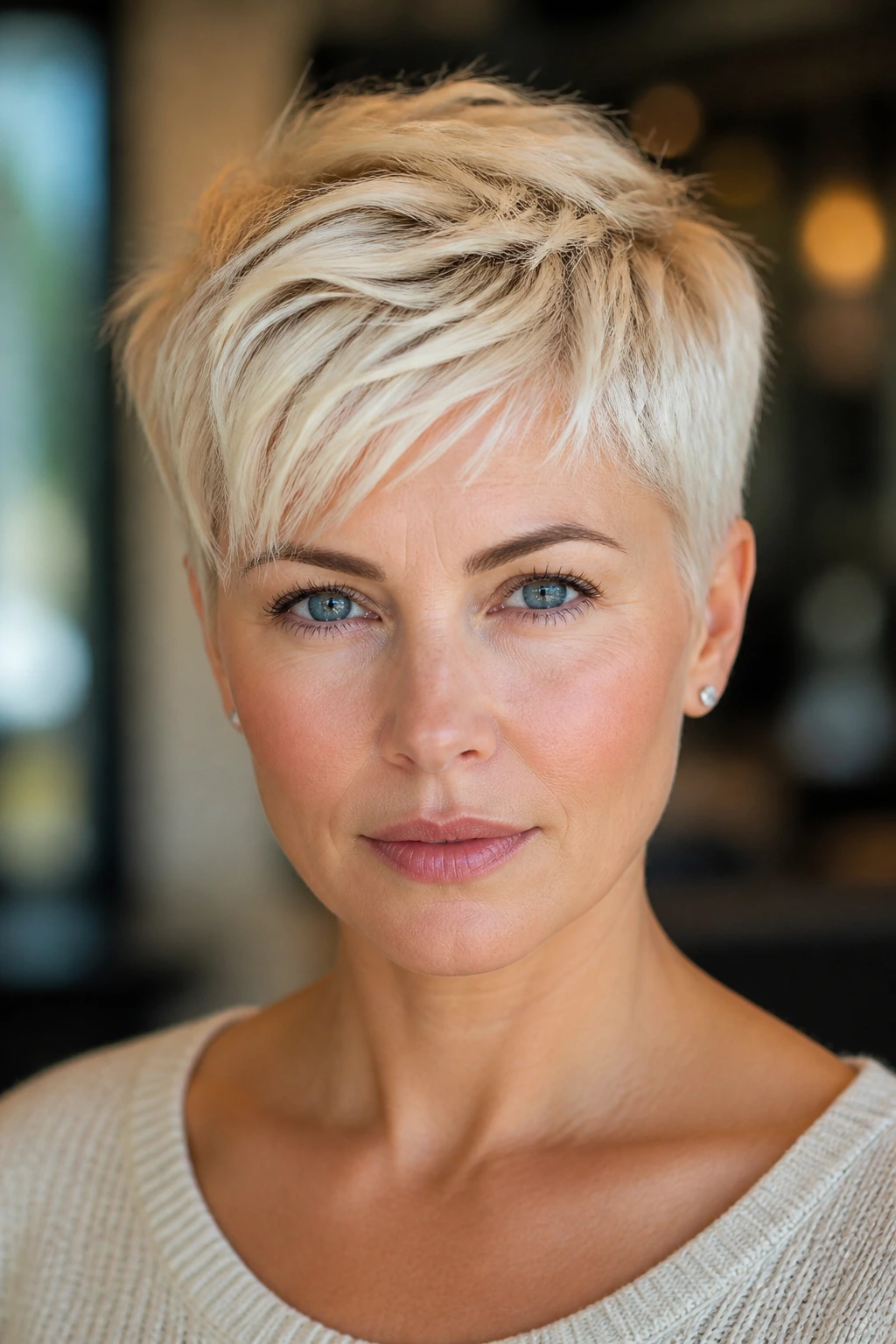
4. Icy Vanilla Pixie
Short hair can take blonde harder than long hair, which is why an icy vanilla pixie needs a careful hand. The cut is cropped, so every shift in tone shows. When it’s done well, though, it looks sharp, clean, and almost luminous at the edges.
The trick is keeping the vanilla side of the tone visible. Go too silver and the hair can look brittle. Go too gold and the whole thing loses that crisp, bright effect. A level 9 to 10 lift with a soft pearl toner tends to land best on pixies because the short length reflects light so quickly.
Keep In Mind
- The cut needs regular shaping every 4 to 6 weeks.
- Toner fades faster on short hair because you wash it more often.
- A tiny bit of dark root can make the shape look less severe.
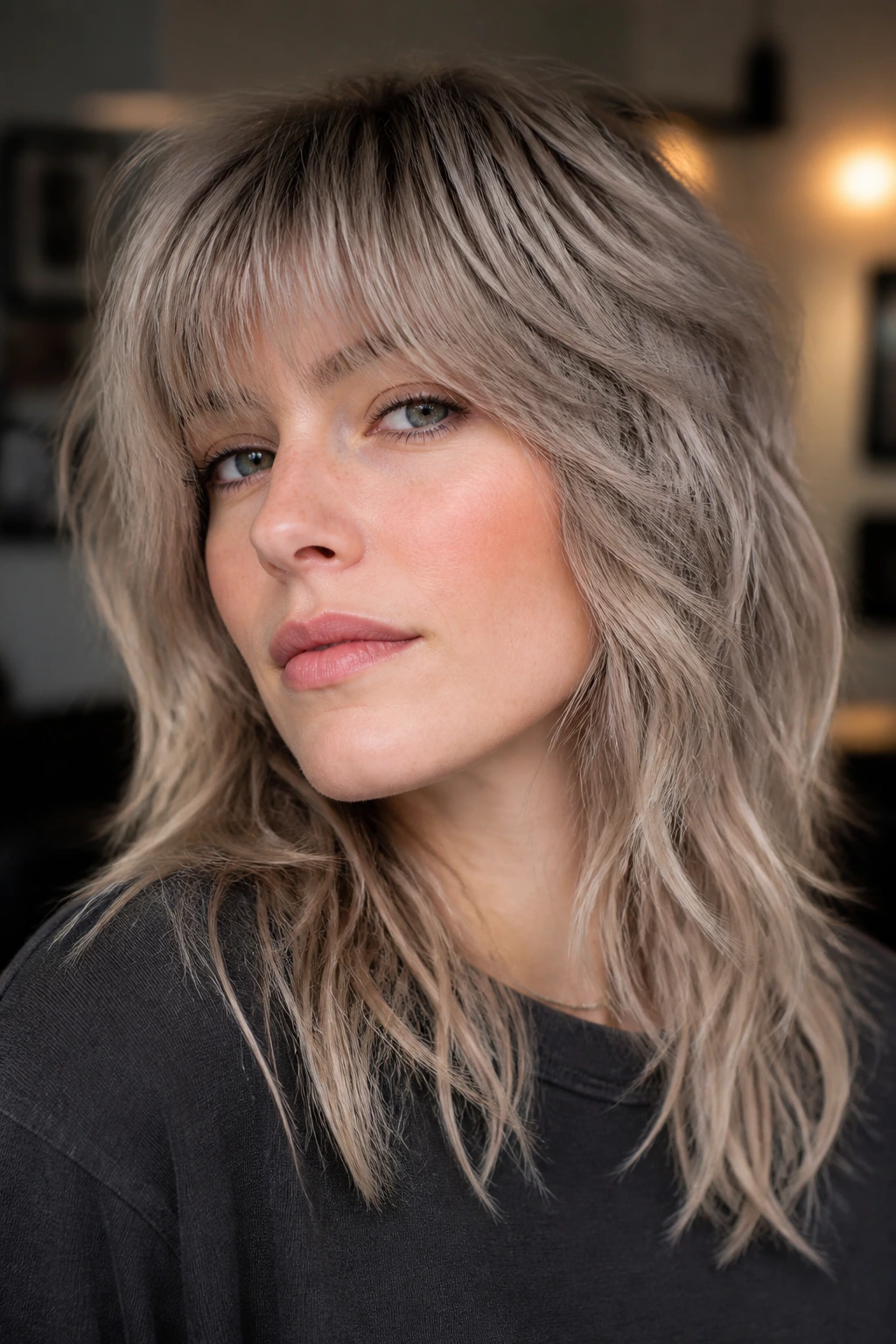
5. Mushroom Blonde Shag
Mushroom blonde is the cool girl of the group, but it works best when it stays soft, not muddy. Think smoky beige, a hint of taupe, and just enough dimension to keep the shag from disappearing into one flat color. The shag cut helps because those choppy layers catch and break the tone up naturally.
Why This One Feels Fresh
A shag does not need a super-bright blonde. In fact, too much brightness can fight the shape. Mushroom blonde sits between brunette and blonde in a way that makes the layers look thicker and the fringe less heavy. It’s a good pick if you like texture, air-dried bends, and a slightly undone finish.
Ask for a cool beige gloss over a softly lifted base. If your hair already pulls warm, your colorist may need to tone a little more often to keep the smoky edge.
6. Strawberry-Gold Blonde
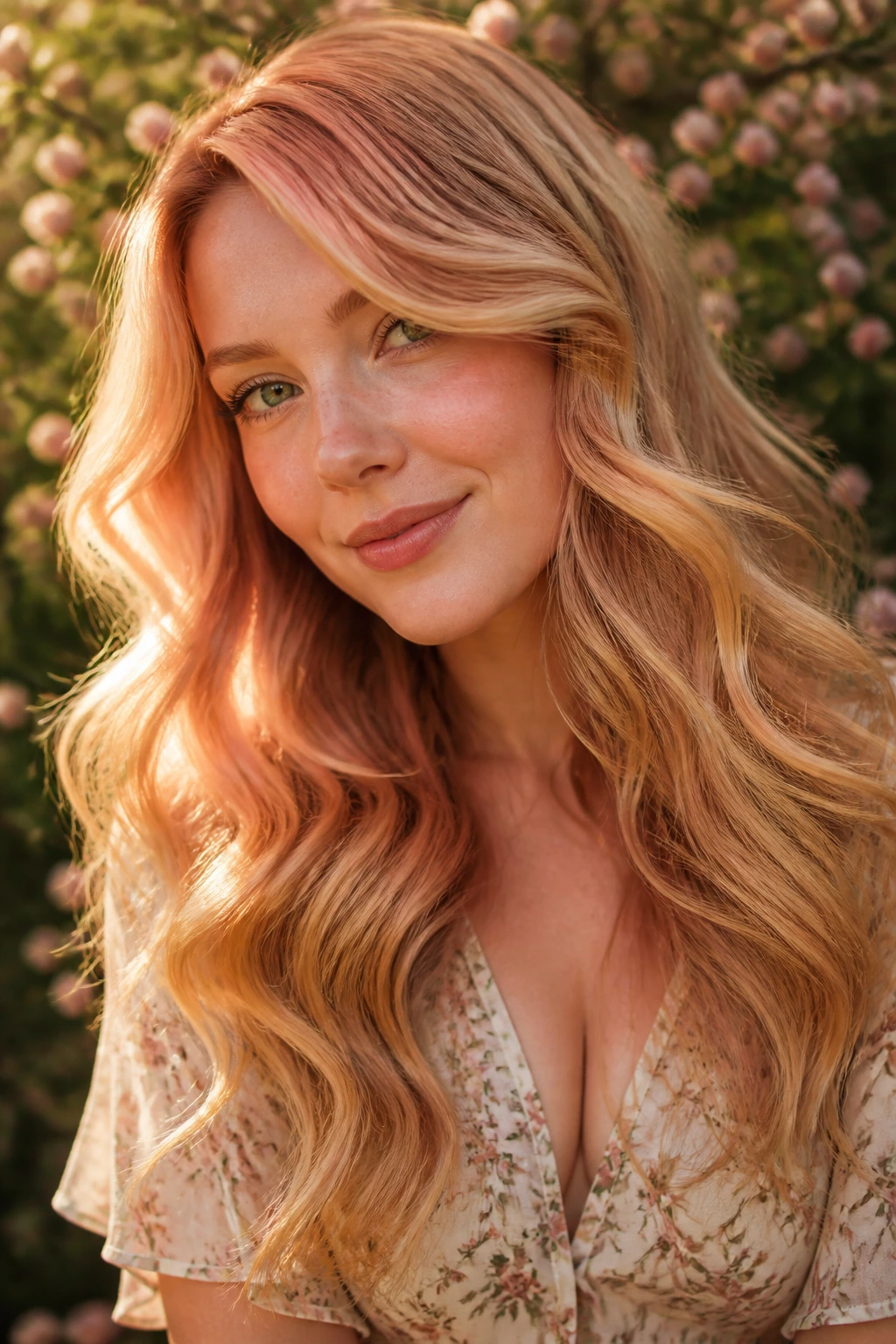
Strawberry-gold blonde is warmer than a classic honey blonde and softer than true copper. That little pink-gold shift can be gorgeous on spring hair because it gives the blonde a fresh, flushed look without going full red. It catches light in a very friendly way.
This shade is especially nice on people whose skin goes rosy instead of olive. It doesn’t fight natural warmth in the face. It plays with it. On wavy or curly hair, the variation in the strand pattern makes the gold tones look even richer.
Best pairing: a medium-length cut with loose layers, because the color looks most alive when it has room to move.
7. Rooted Scandinavian Blonde
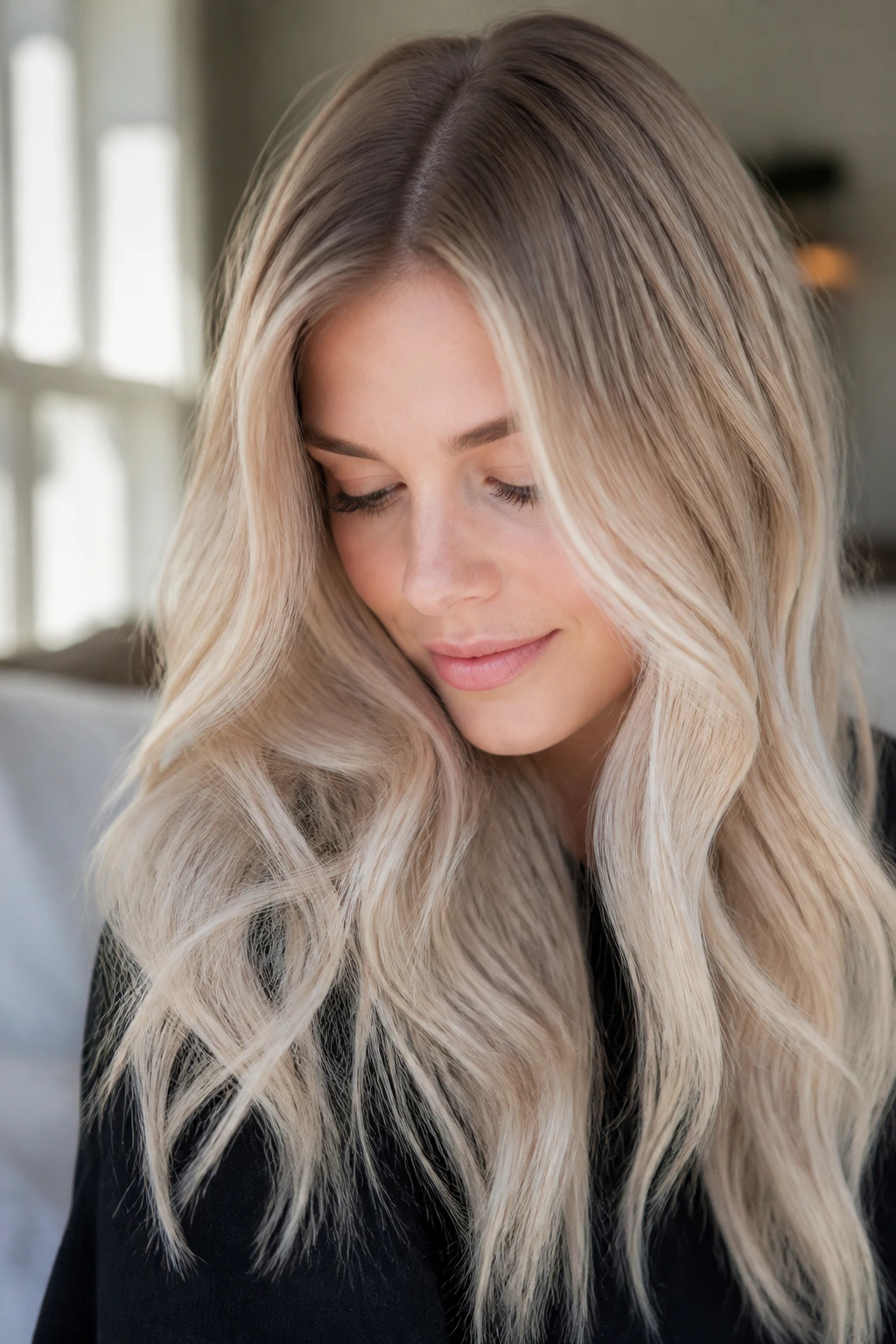
Rooted Scandinavian blonde is bright, clean, and a little bit ruthless in the best way. The lengths are pale and luminous, but the root stays soft enough to keep the color from looking costume-y. That small root shadow is what makes this look wearable.
Why It Stays Chic
If you bleach all the way to the scalp, the contrast can turn harsh fast. A rooted version gives you that pale Nordic effect while leaving a touch of depth at the crown. The result looks cleaner on straight hair, but it’s especially good on waves because the root melt keeps the top from looking puffy.
You’ll usually need a careful lightener placement and a cool-beige toner. If the ends are too white, they can look dry. If they’re too yellow, the whole vibe is lost. This one lives in the middle.
8. Cream Soda Curls
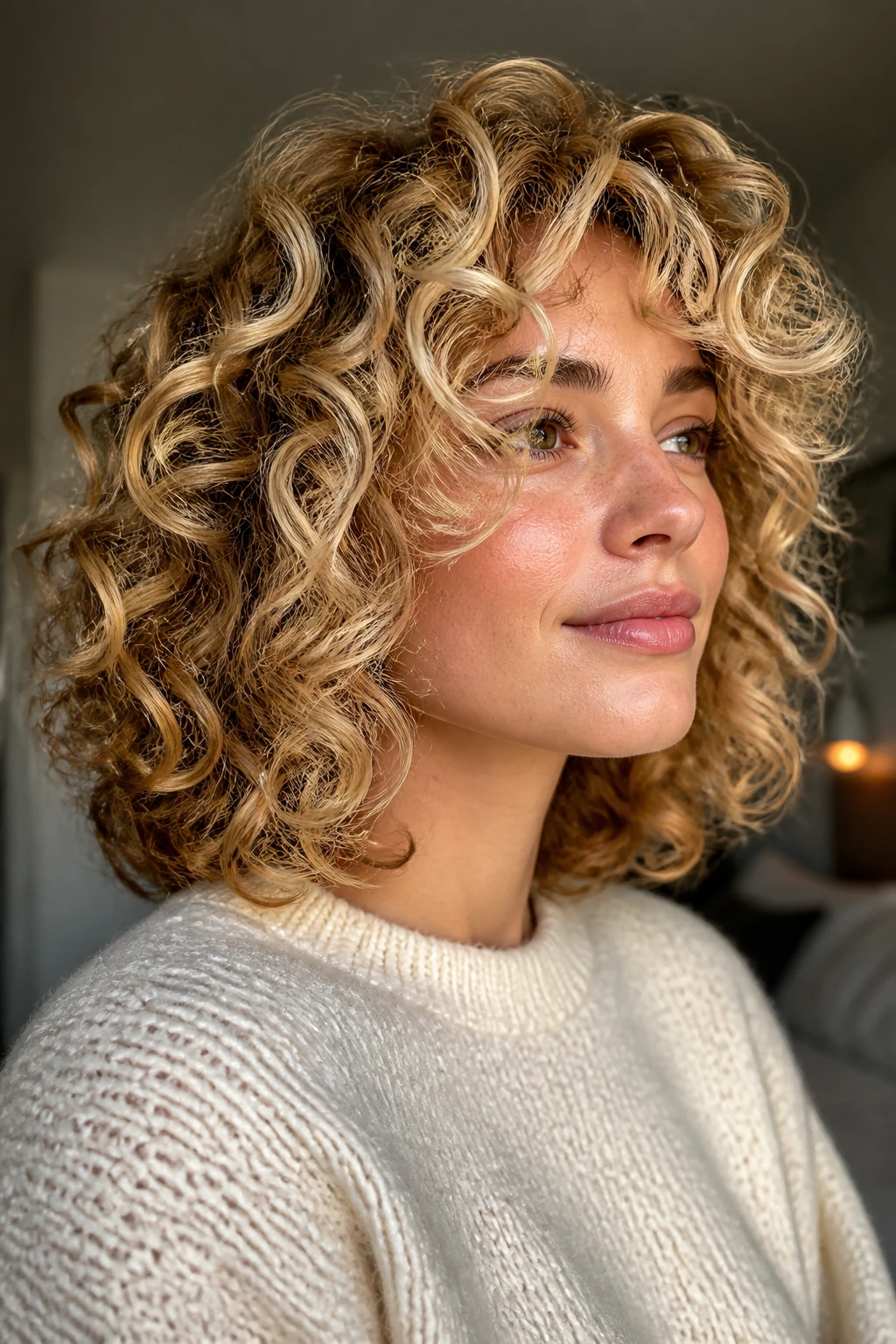
Cream soda blonde is warmer than champagne and a little softer than gold. On curls, that matters. Too cool, and the curl pattern can look shadowy. Too pale, and the curls lose definition. Cream soda sits right in the sweet spot, with enough warmth to bring the coils forward.
The color should look layered, not blocky. I like this look with a few brighter curls around the front and a warmer underlayer at the nape. That keeps the shape from going too round or too flat, which can happen fast on curly cuts.
How to Wear It
Use curl cream and a light diffuser. The color has more dimension when the curls are clumped, not brushed out into a fuzzy cloud.
9. Baby-Lite Bob
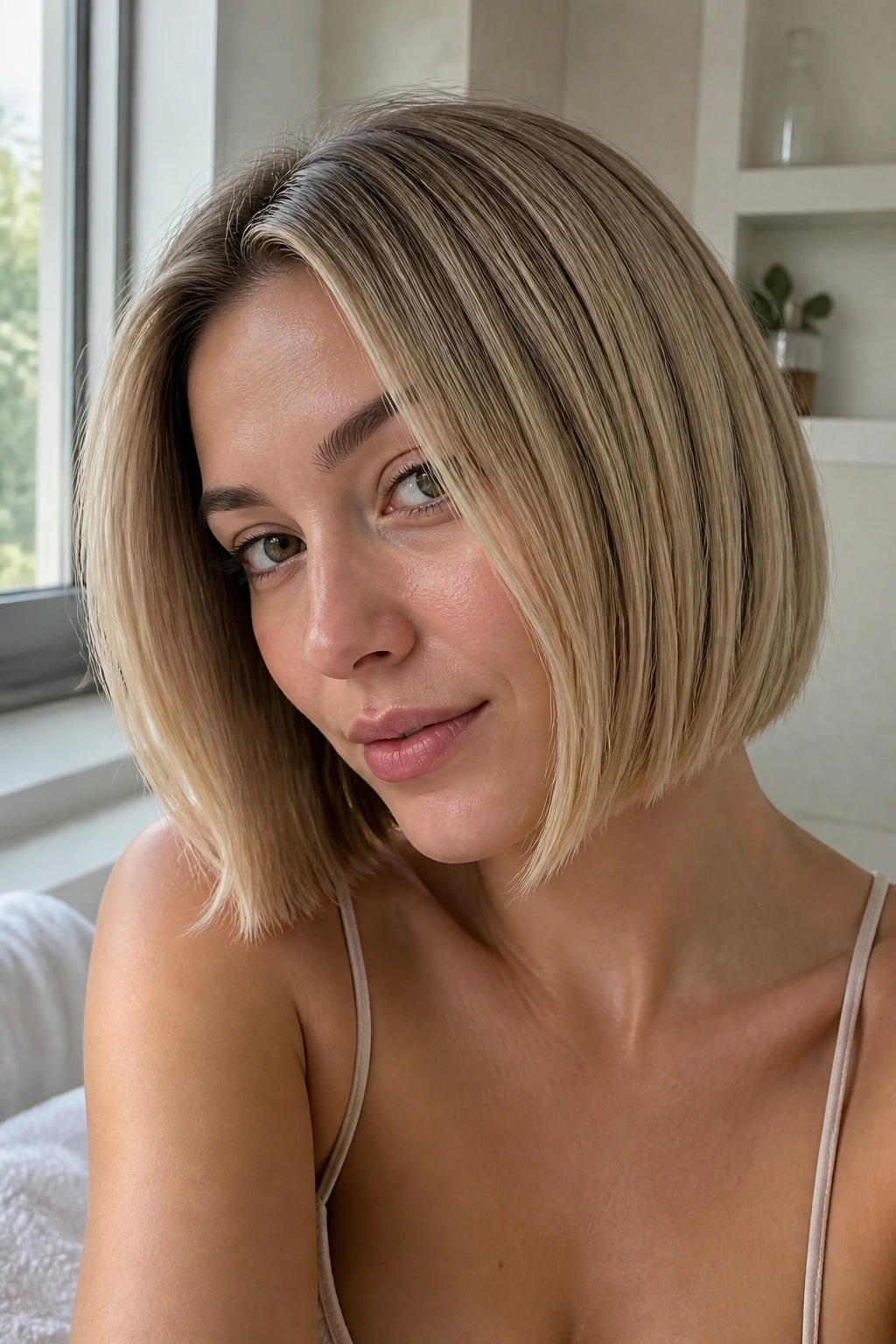
Baby lights are tiny for a reason. They make blonde look expensive by sneaking brightness through the hair in thin, delicate ribbons. On a bob, that creates a soft shimmer instead of obvious stripes, which is exactly what you want if the cut is blunt or slightly curved under at the ends.
The best part is how close this comes to a full blonding effect without the visual heaviness of large highlights. A bob already exposes a lot of the hairline and ends, so tiny highlights stop it from feeling dense. If you’ve got fine hair, baby lights can make the cut look fuller without making the ends look fried.
Ask for: ultra-fine foils through the crown and around the face, then a beige or cream toner. Keep the pieces thin. Thicker foils ruin the point.
10. Wheat Blonde Waves
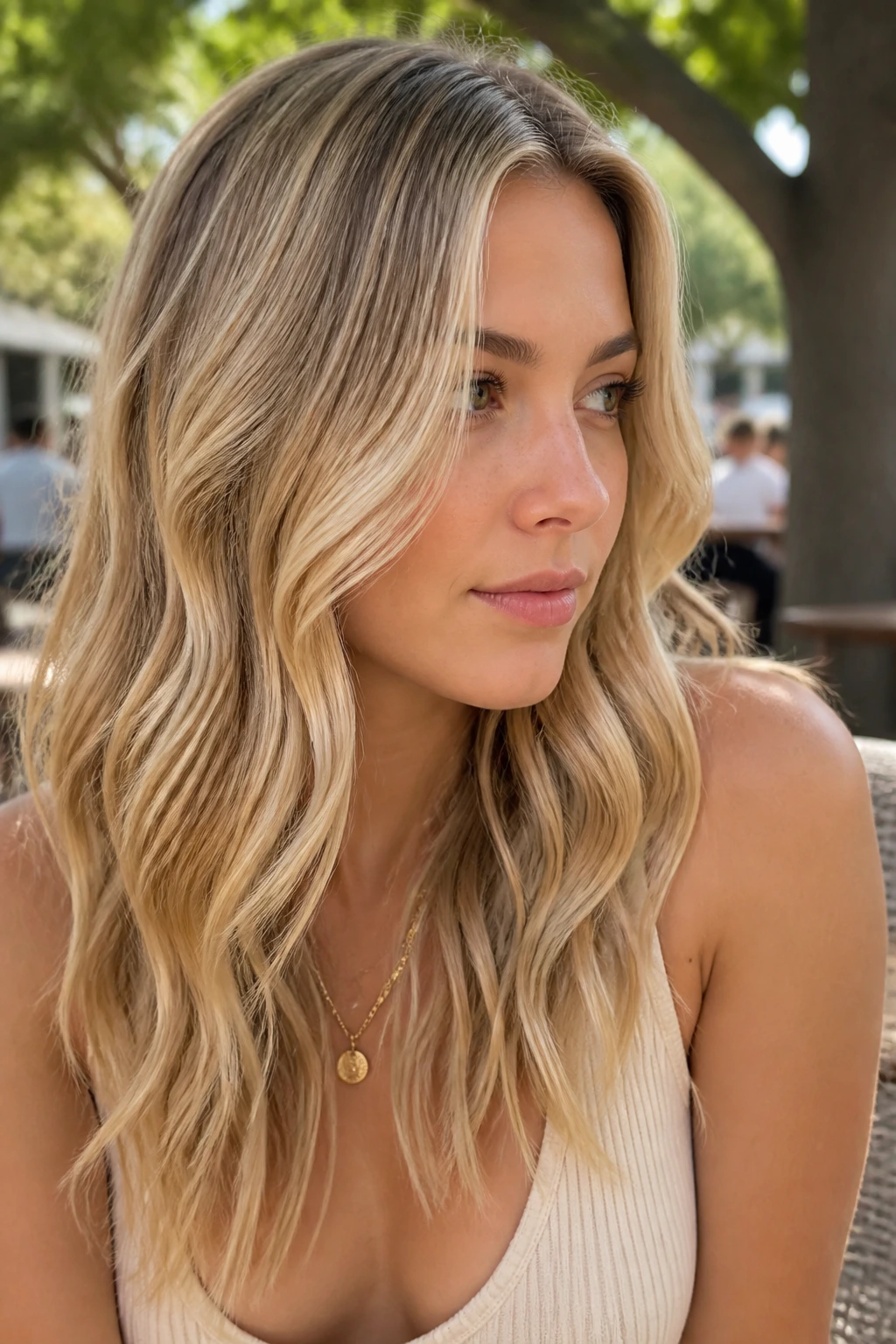
Wheat blonde is one of those shades that sounds plain and looks much better than the name suggests. It’s a soft, pale beige-gold, the color of sun-lightened grain more than bright dye. On waves, it makes the hair look loose and touchable instead of overdone.
The reason it works so well in spring is the softness. This isn’t a high-contrast blonde. It’s the kind that looks polished in daylight and even better when the hair has a little bend through it. If you want blonde that looks grown-in but still light, wheat blonde is a safe, smart bet.
Quick Note
A matte finish kills this color. Use a light shine spray or a few drops of oil on the ends. Dry-looking wheat blonde loses the whole effect.
11. Pearl Blonde Money Piece
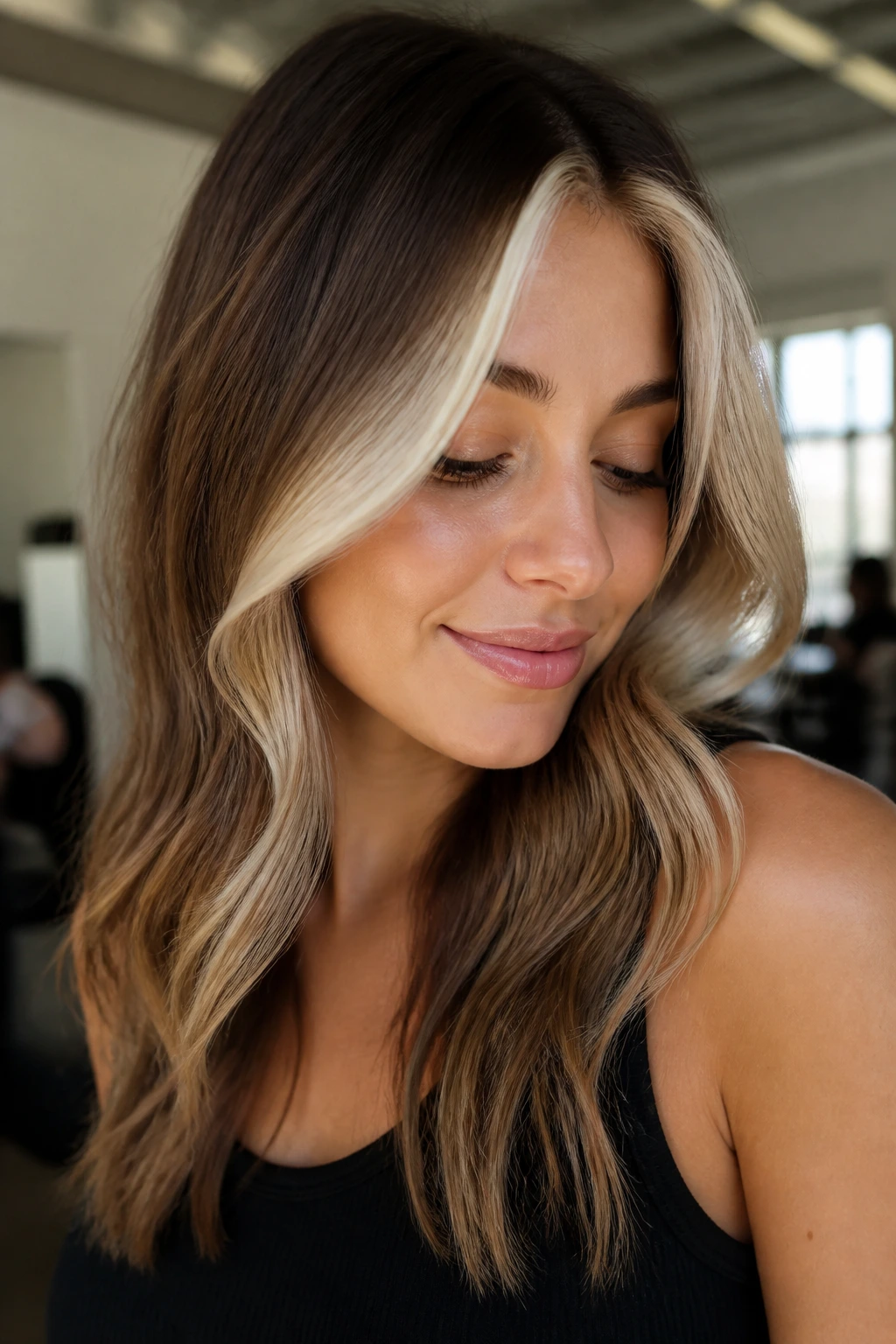
A pearl blonde money piece gives you a bright face frame without having to overhaul the whole head. That’s the appeal. A few sections around the hairline lifted to a clean pearl tone can change the mood of the cut in one appointment.
This is especially useful if the rest of your blonde is darker, warmer, or grown out. The pearl tone near the face adds freshness, while the deeper base gives the rest of the hair somewhere to rest. It’s also one of the easiest ways to test whether you want more brightness later.
Best For
- Mid-length and long layers
- Curtain bangs
- People who want a salon refresh without a full foil service
12. Golden Bronde Melt
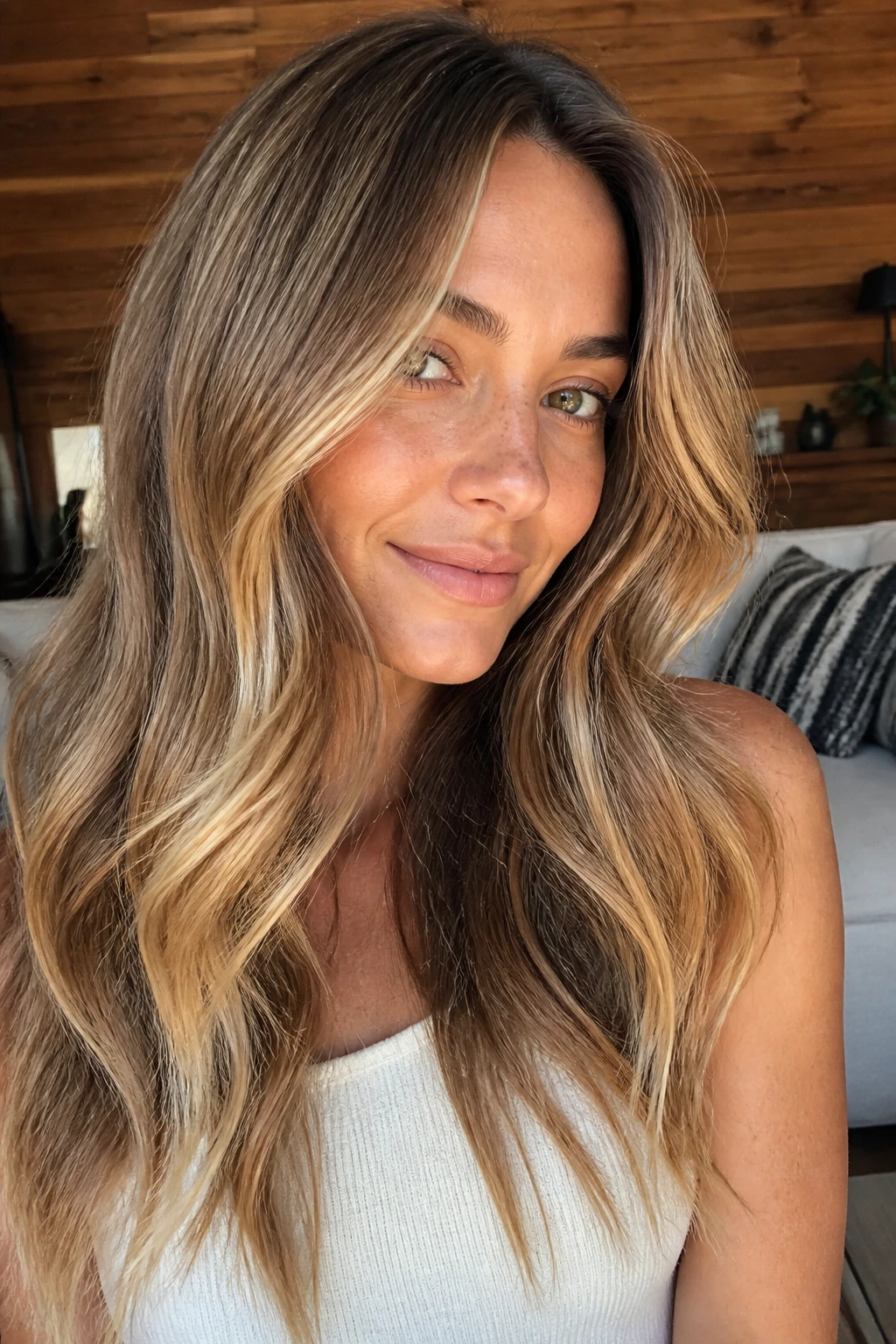
Bronde sits in that useful middle lane between brunette and blonde, and a golden melt gives it more life than a plain brown gloss ever could. The transition should be soft from root to ends, with the lighter pieces concentrated where the sun would hit naturally.
This look is practical. I say that without hesitation. If your base is dark blonde or light brown, you can keep a lot of dimension and still get the blonde effect. It’s also forgiving on regrowth, which matters if you dislike a hard line at the scalp.
What to Watch For
Ask your colorist not to over-lighten the ends. Golden bronde is best when the color stays dimensional. If everything is lifted to the same level, you lose the point.
13. Platinum Face-Framing Highlights
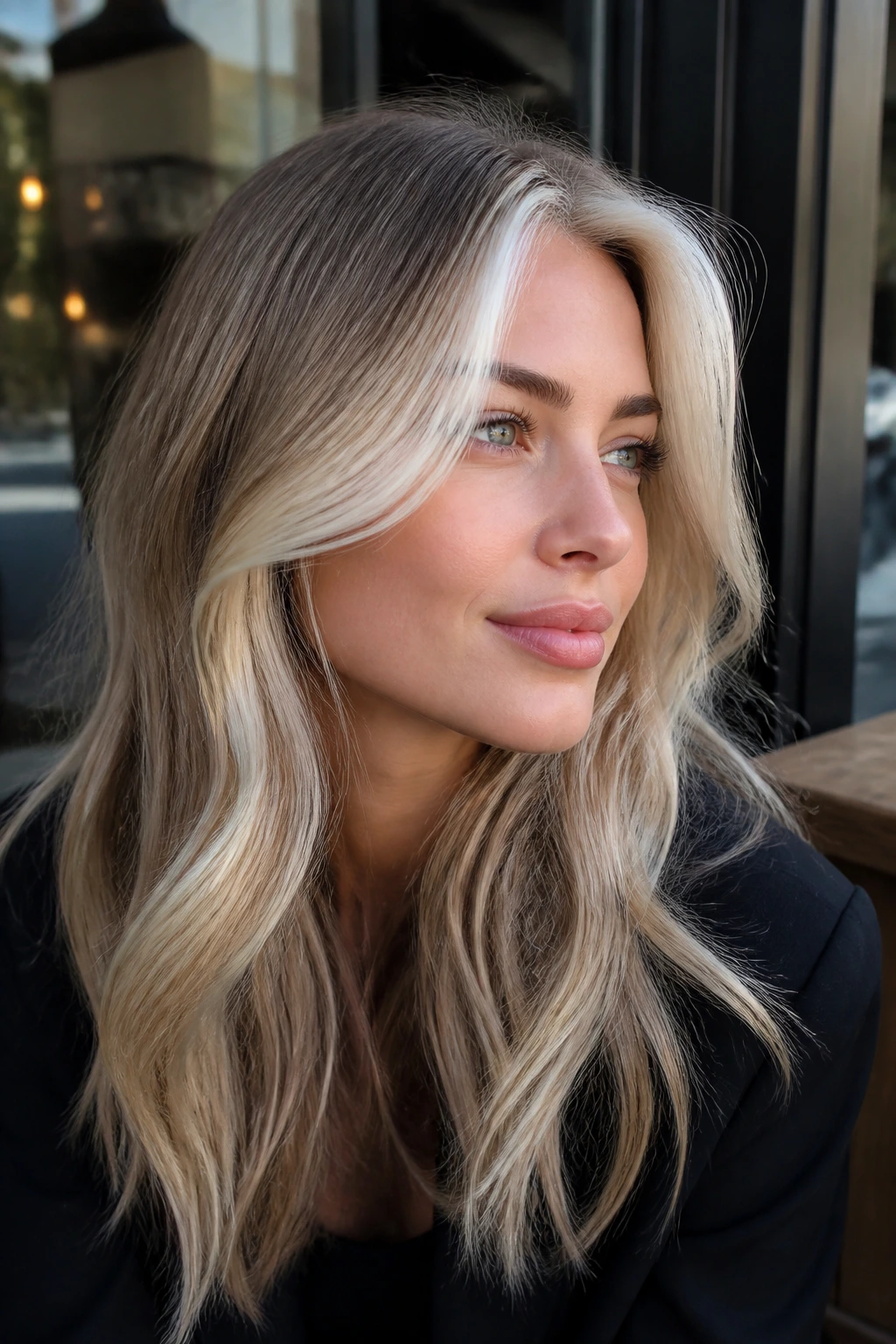
Platinum around the face is a bold move, and it works because it’s concentrated. The rest of the hair can stay deeper, softer, or more blended, while the front pieces go icy and bright. That contrast wakes up the cut fast.
This is the kind of look that looks best with a strong part or a curtain fringe because the light pieces get to do some work. If your hair is long, it can also help break up weight near the front and keep the shape from feeling heavy. The platinum needs maintenance, though. Every time that section grows out, the contrast gets louder.
Worth knowing: pale front pieces need toner more often than the rest of the head. They show brass first.
14. Beige Blonde Butterfly Cut
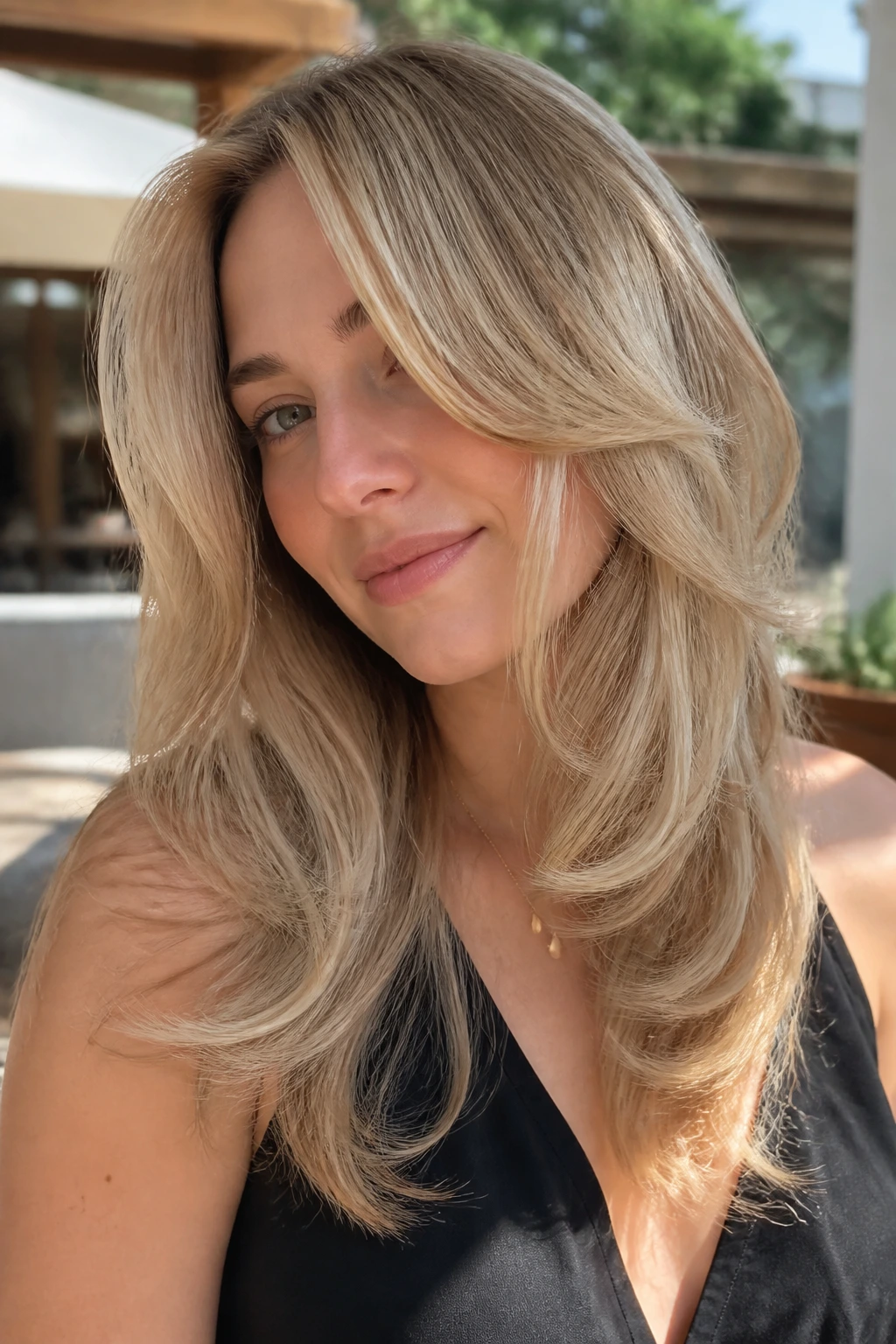
A butterfly cut has a lot of movement built in, which is why beige blonde suits it so well. The layers around the face and crown create natural brightness zones, and a beige tone keeps the whole look soft instead of striped.
This one is about balance. Too much warmth and the layered pieces can feel busy. Too much ash and the hair can lose the lifted, airy effect that makes the butterfly cut so popular with longer hair. Beige blonde gives the ends a creamy finish while letting the layered shape do the work.
How It Reads
Loose waves show it best. Straightened hair can flatten the dimension unless the layers are cut with real intention.
15. Sandy Blonde with Soft Root Shadow
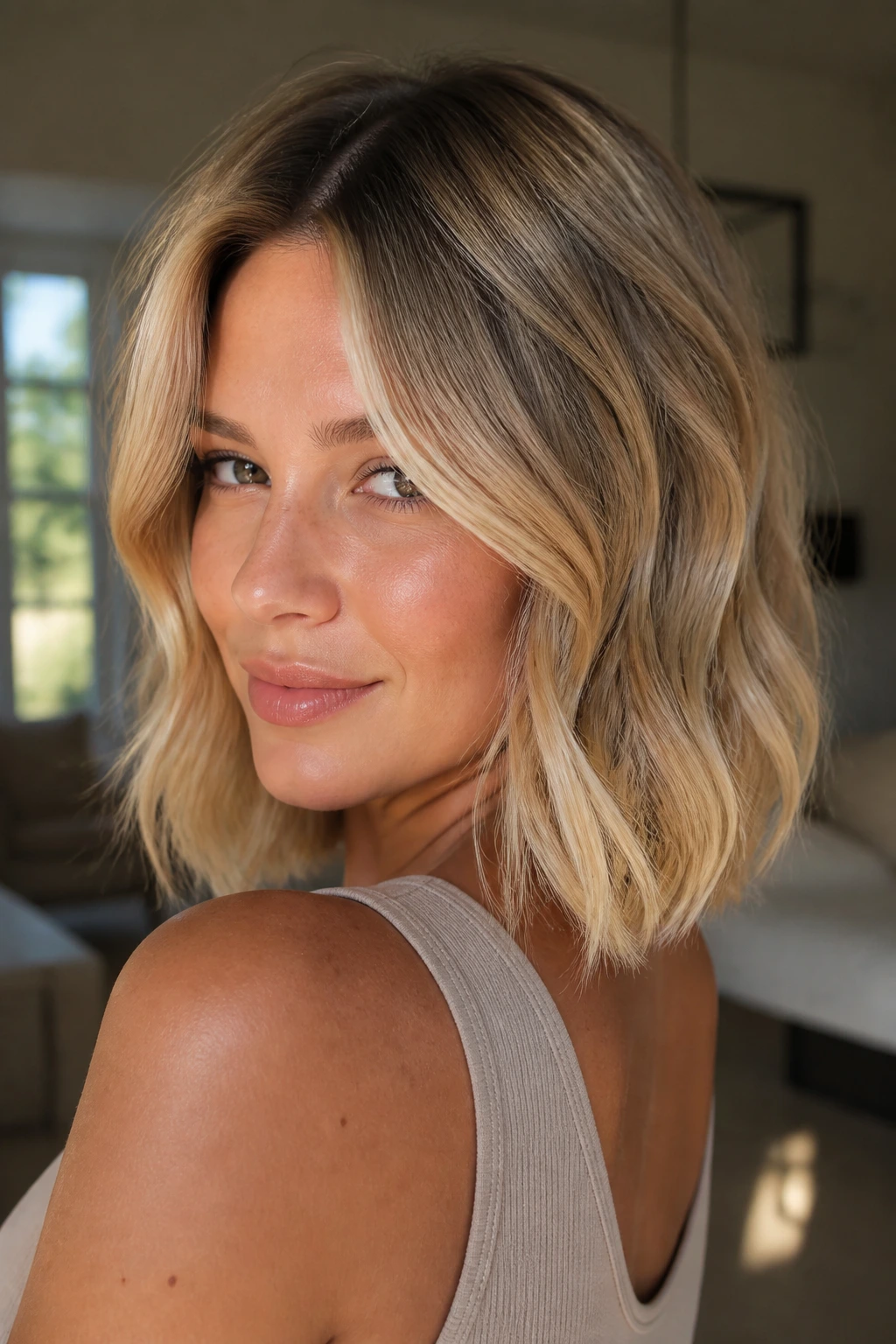
Sandy blonde is the easygoing cousin in the blonde family, but it gets better when there’s a soft root shadow underneath. That tiny bit of depth keeps the color grounded and makes the lighter pieces look sunlit rather than pasted on.
I like this shade on shoulder-length cuts and long shags because the shadow root adds shape near the top. It keeps the blonde from starting too high and looking helmet-like. If you spend a lot of time air-drying, sandy blonde is one of the easiest ways to make textured hair look put together.
Salon Ask
Request a root that is one to two levels deeper than the blonde, then a sandy-beige gloss through the mids and ends. Nothing should look streaky. If it does, the shadow is too sharp.
16. Sunlit Ribbon Highlights
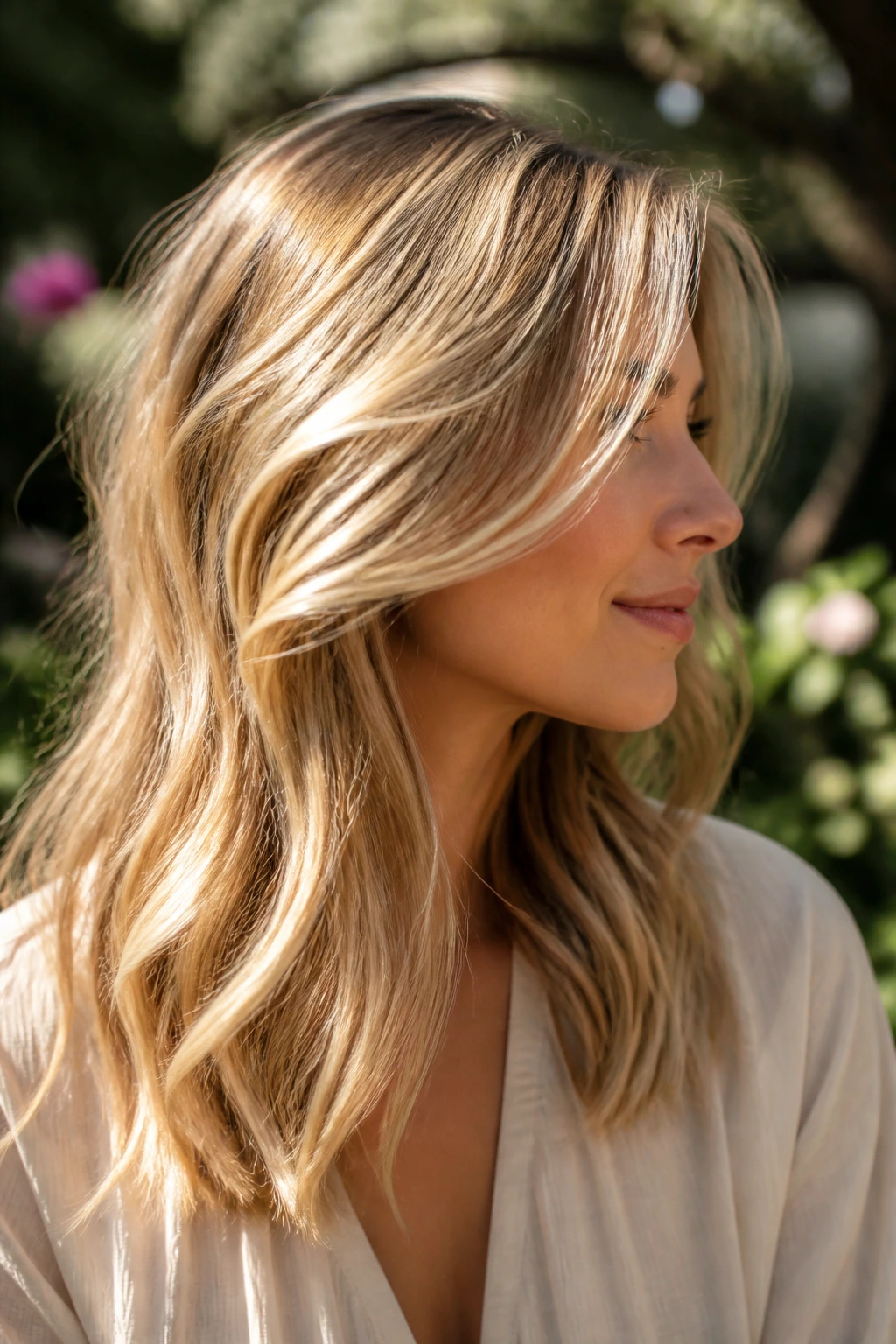
Ribbon highlights are wider than baby lights but softer than chunky streaks. They’re painted or foiled in a way that leaves visible bands of blonde moving through the hair, which is perfect if you want the color to show from across the room without losing dimension.
This look is especially pretty on layered hair because the ribbons bend with the cut. That bend matters. It stops the highlights from sitting like flat stripes and makes the finish feel natural, even though the brightness is intentional. Spring light loves this kind of movement.
Pro Move
Keep the ribbons brighter around the crown and softer at the nape. That tiny shift makes the head shape look cleaner.
17. Buttery Blonde Curtain Bangs
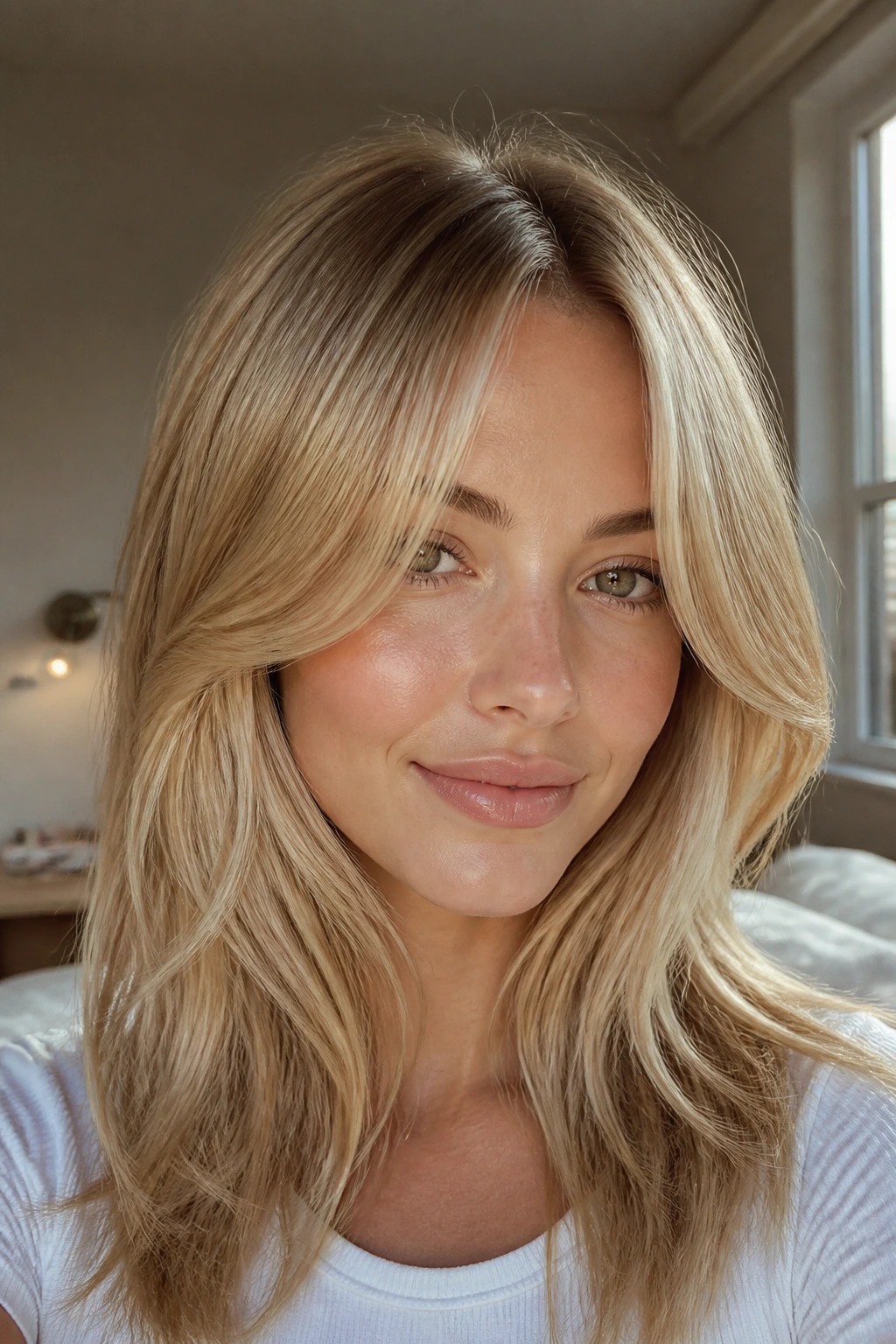
Curtain bangs and buttery blonde belong together more often than people admit. The fringe sits right where light hits first, so a warm buttery tone makes the face area glow without needing heavy contrast elsewhere. It’s soft, flattering, and a little romantic without becoming sugary.
The reason this works is simple: bangs create a frame, and blonde makes the frame visible. If the tone is too ash, the fringe can disappear into the rest of the hair. Butter blonde keeps it visible and glossy, especially on layered cuts.
A fringe needs upkeep, though. If you don’t trim curtain bangs, the whole effect droops. The color can be perfect and the shape still fails. That’s how unforgiving bangs are.
18. Creamy Collarbone Cut
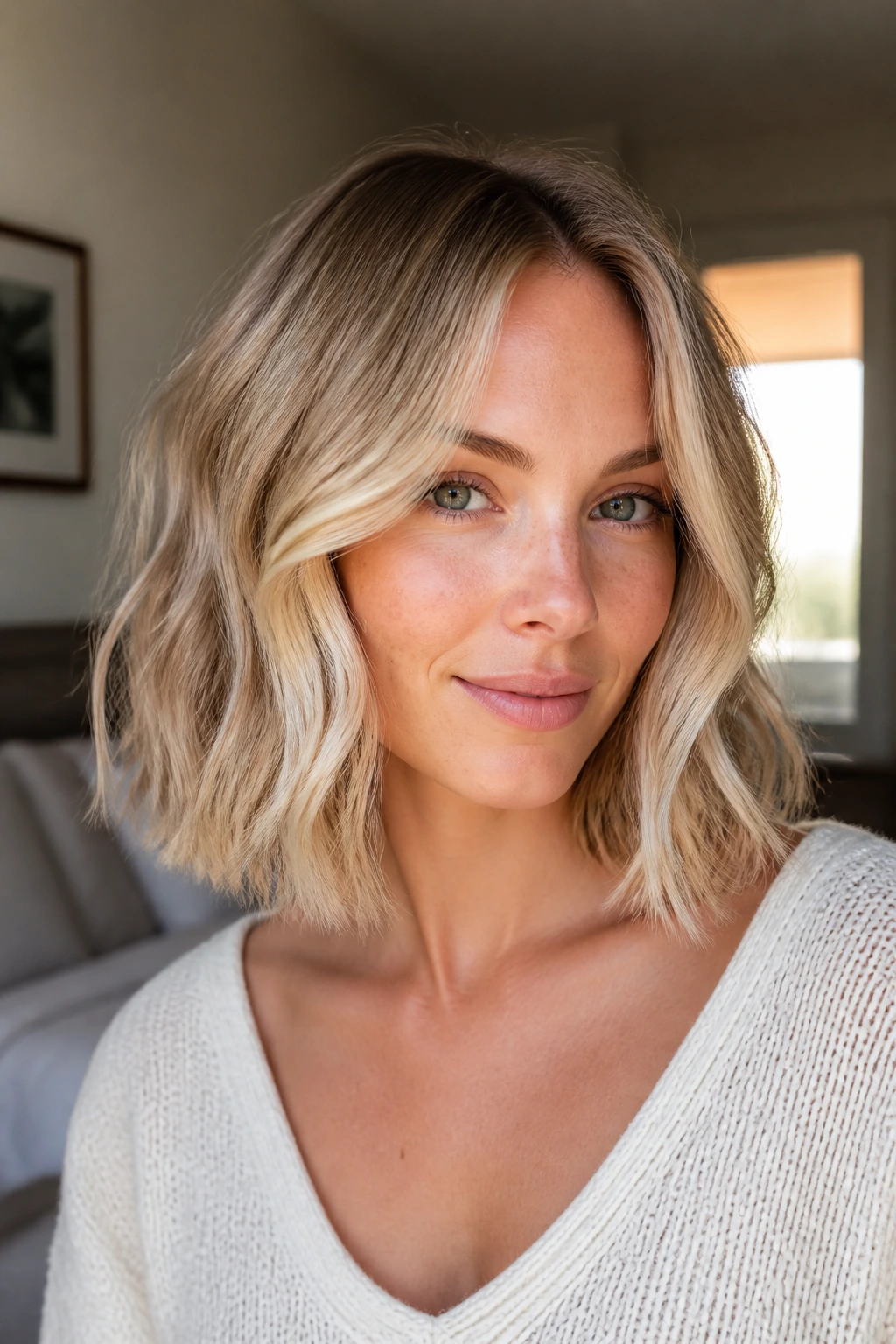
A collarbone cut is one of the easiest lengths to wear blonde because it gives you enough surface area for dimension without dragging the color down with too much weight. Creamy blonde tones suit it well. The finish stays soft, not stark, and the cut has enough movement to keep the color from feeling dense.
This is a smart choice if you’re easing into lighter hair. You can place brighter pieces around the front and slightly deeper cream through the back, which creates shape without needing dramatic contrast. The cut also air-dries decently, and that matters. A blonde that only looks good with a curling iron gets old fast.
19. Ash-Soft Blonde Bob
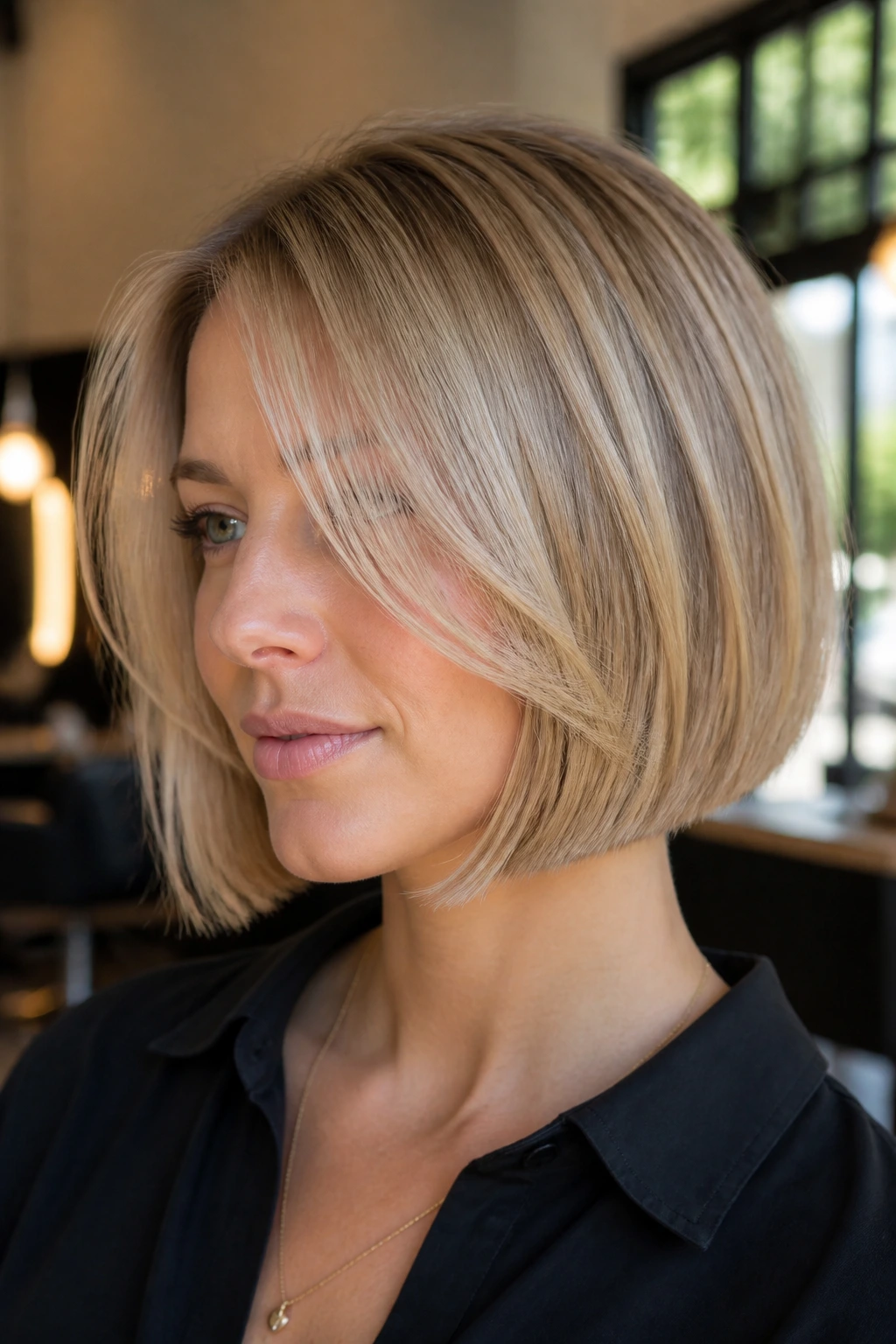
Ash blonde has a bad habit of going flat when people push it too hard. The better version is ash-soft, not gray. On a bob, that means a cool beige finish with enough warmth underneath to keep the hair from looking dusty.
The bob helps because the shape itself is clean and graphic. You don’t need the color to do everything. A soft ash tone can make the ends look sharp and the shine look controlled, which is nice if you have naturally straight hair or a precise cut.
Avoid This
Do not let the toner sit too long if your hair lifts pale fast. Ash can turn murky on porous ends. Once that happens, it takes a correction gloss to clean it up.
20. Dimensional Foilyage Blonde
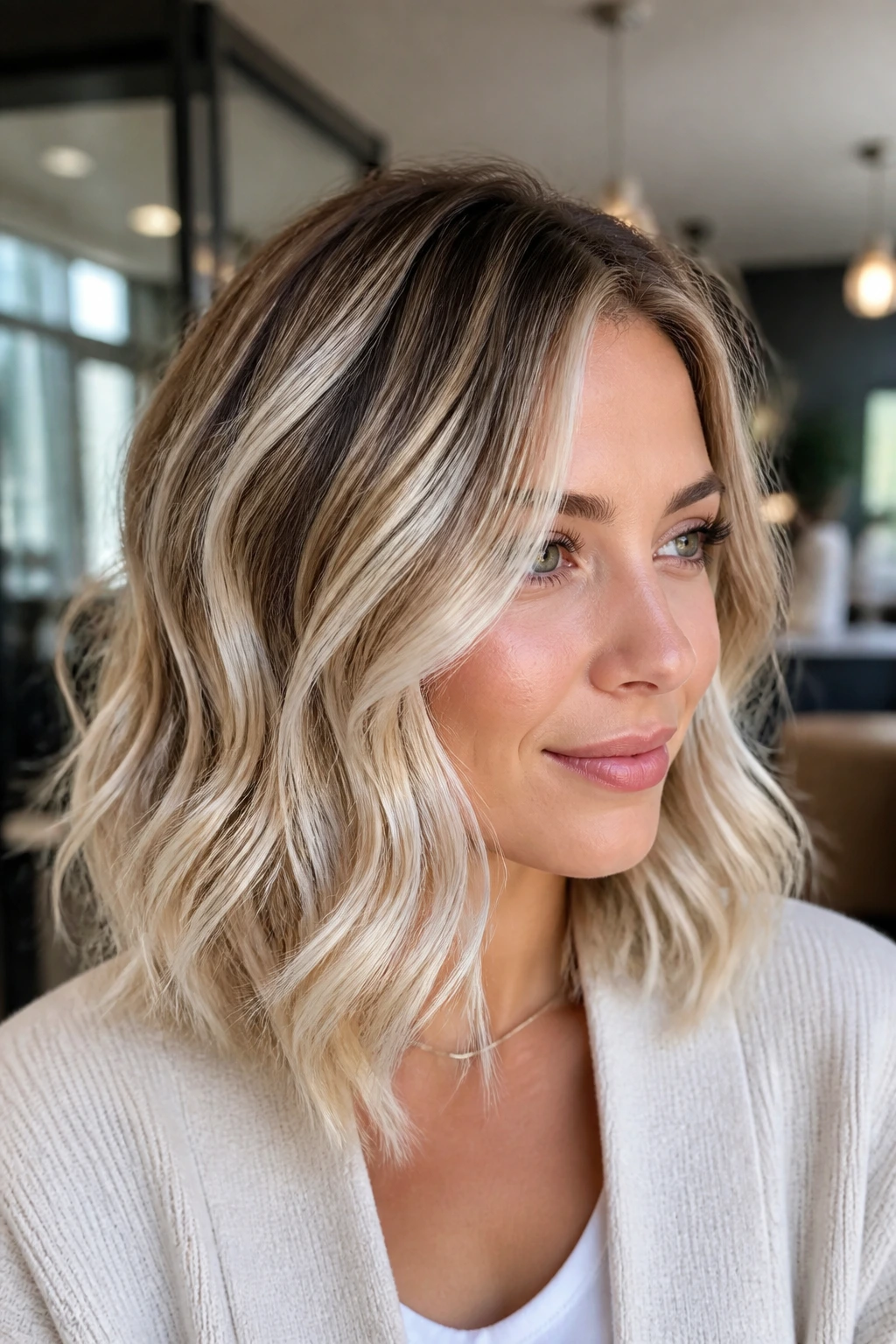
Foilyage is one of the best ways to get a brighter blonde with a softer grow-out. The painterly placement gives you a blended base, while the foil boost pushes the lightness a little further where you want it. The result has depth at the root and lift through the lengths.
This is a good answer if you want blonde that looks expensive on thick hair. Dense hair can swallow subtle highlights. Foilyage gives it enough contrast to show the color in motion, especially on curls or loose bends.
Best use case: if you wear your hair in waves most days and want the pieces to show from every angle.
21. Caramel-Glaze Blonde
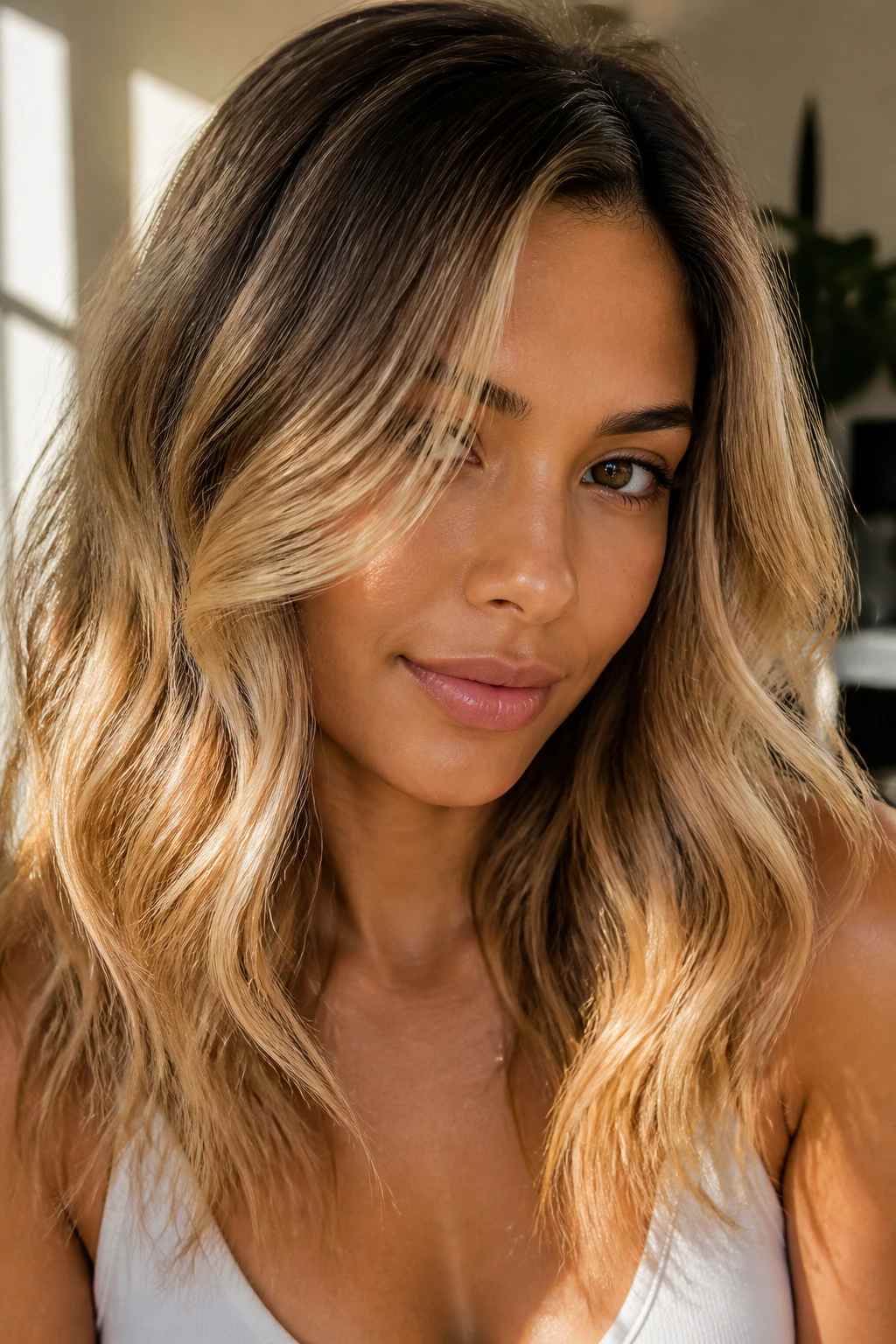
Caramel-glaze blonde leans warm, but not in a heavy way. Think golden caramel over a blonde base, not brown dye pretending to be highlights. The glaze adds sheen and smooths out any patchiness in the blonde, which is handy if your lightening process left the mids a little uneven.
This shade can be gorgeous on medium skin tones because it pulls warmth into the face without making the whole head look orange. It also works well when you want the blonde to feel deeper at the roots and richer through the ends. If you like glossy hair more than icy hair, this is a strong pick.
Tiny Detail That Matters
Caramel tones need shine. A matte finish kills the color.
22. Bright Beige Mid-Length Layers
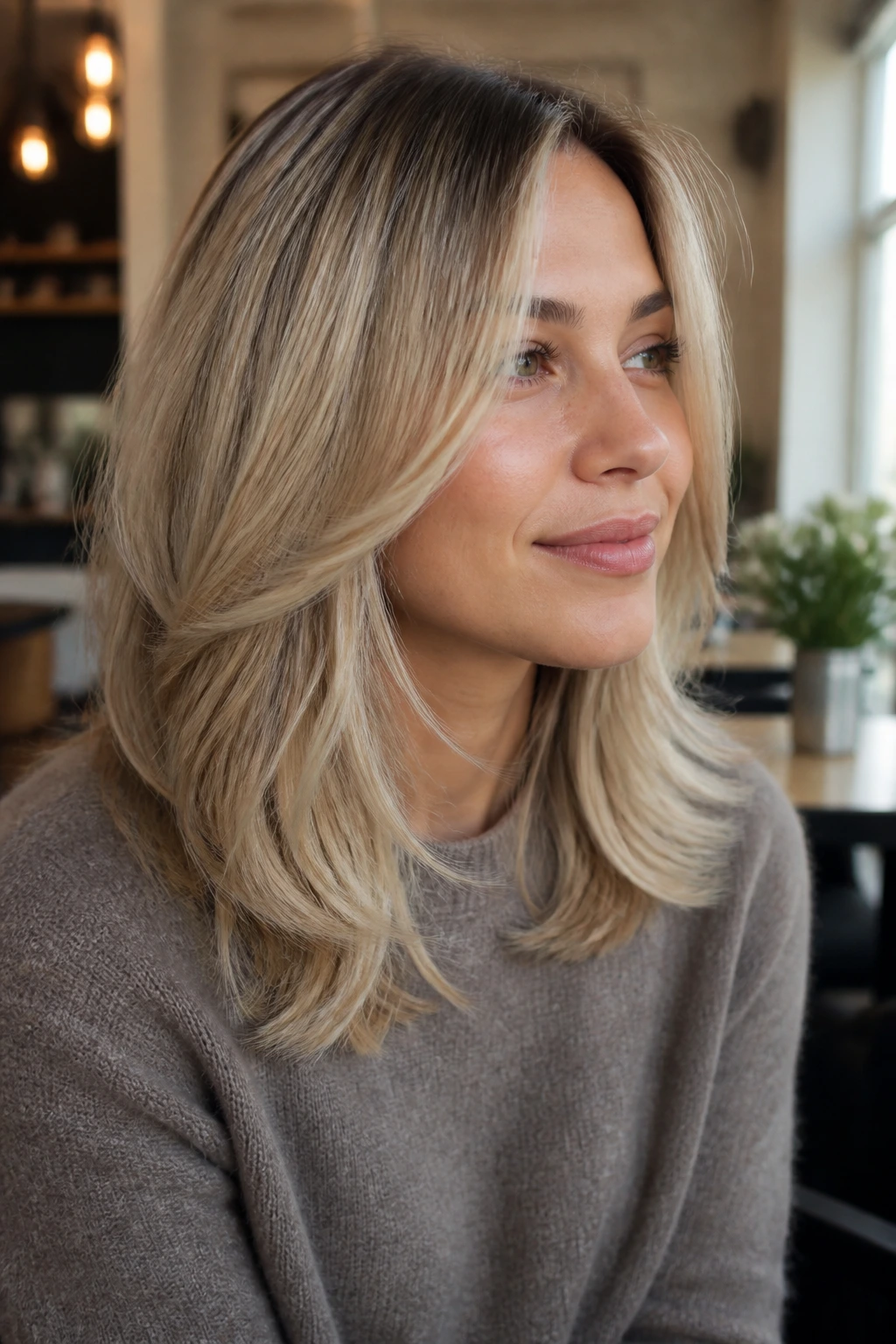
Bright beige is a useful blonde because it gives you lift without screaming for attention. On mid-length layers, it makes the haircut look lighter and more open, especially if the ends are feathered or slightly textured. Beige keeps the brightness from turning harsh.
This shade is one of the most wearable on everyday hair. It doesn’t demand a perfect blowout. A rough wave, a bent-under finish, even a braid-out can still show the color well. That’s why it works for people who want blonde that fits a real schedule, not a photo shoot.
Best For
- Fine to medium hair
- Shoulder-skimming cuts
- People who want brightness with low drama
23. Champagne Pixie Crop
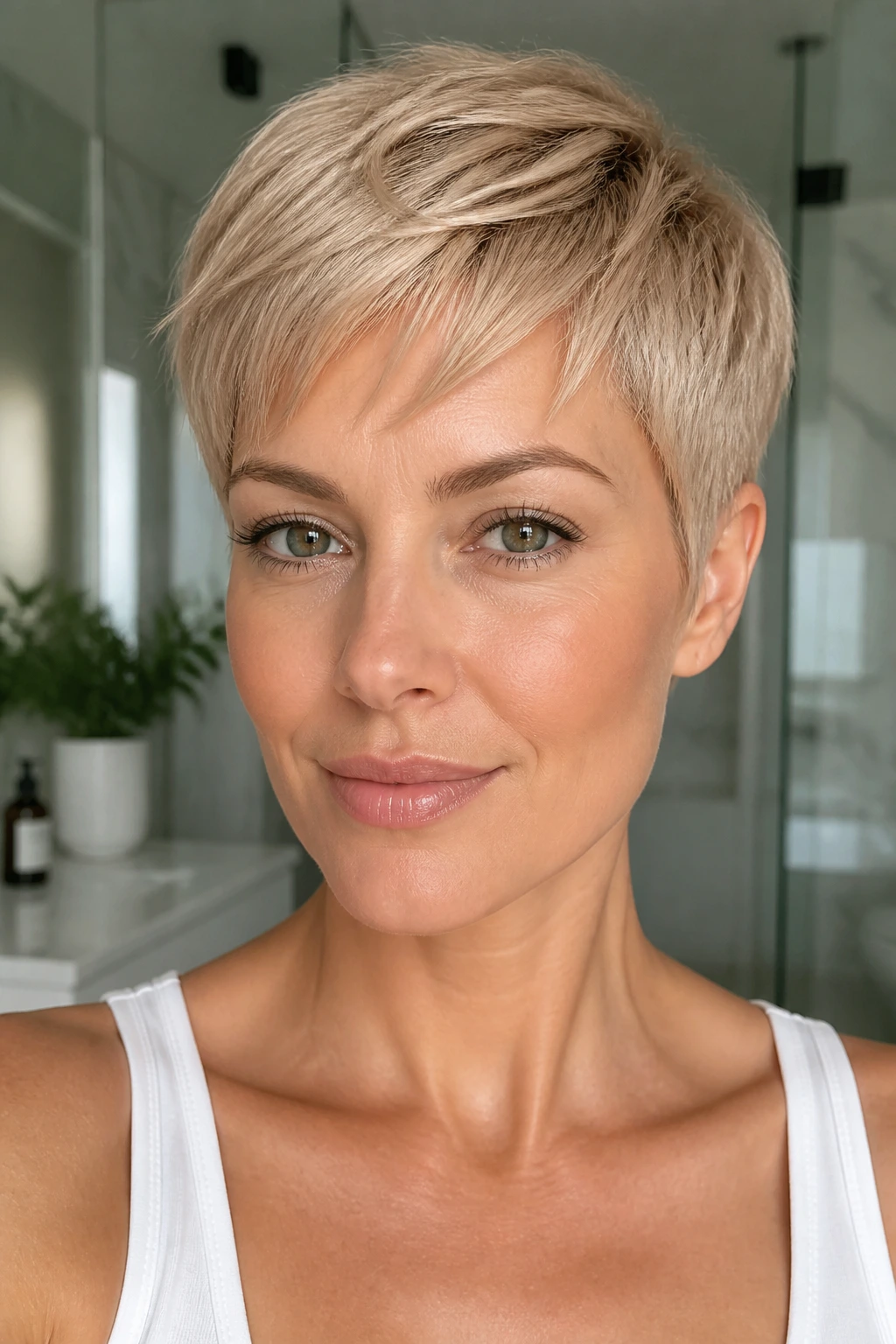
A pixie crop can go wrong fast if the tone is too flat. Champagne blonde fixes that by giving the short cut a glossy, polished feel with a hint of beige warmth. The color should look bright at the top and slightly softer at the sides so the shape doesn’t go boxy.
The short length makes this one very face-forward. Every inch matters. That means the toner has to be clean, and the cut has to stay sharp. When both are right, the result looks modern without trying too hard — which is a rare thing with short blonde hair.
Short hair, by the way, exposes everything. Dry ends. Uneven toning. A clumsy neckline. No place to hide.
24. Creamy Blonde Curls
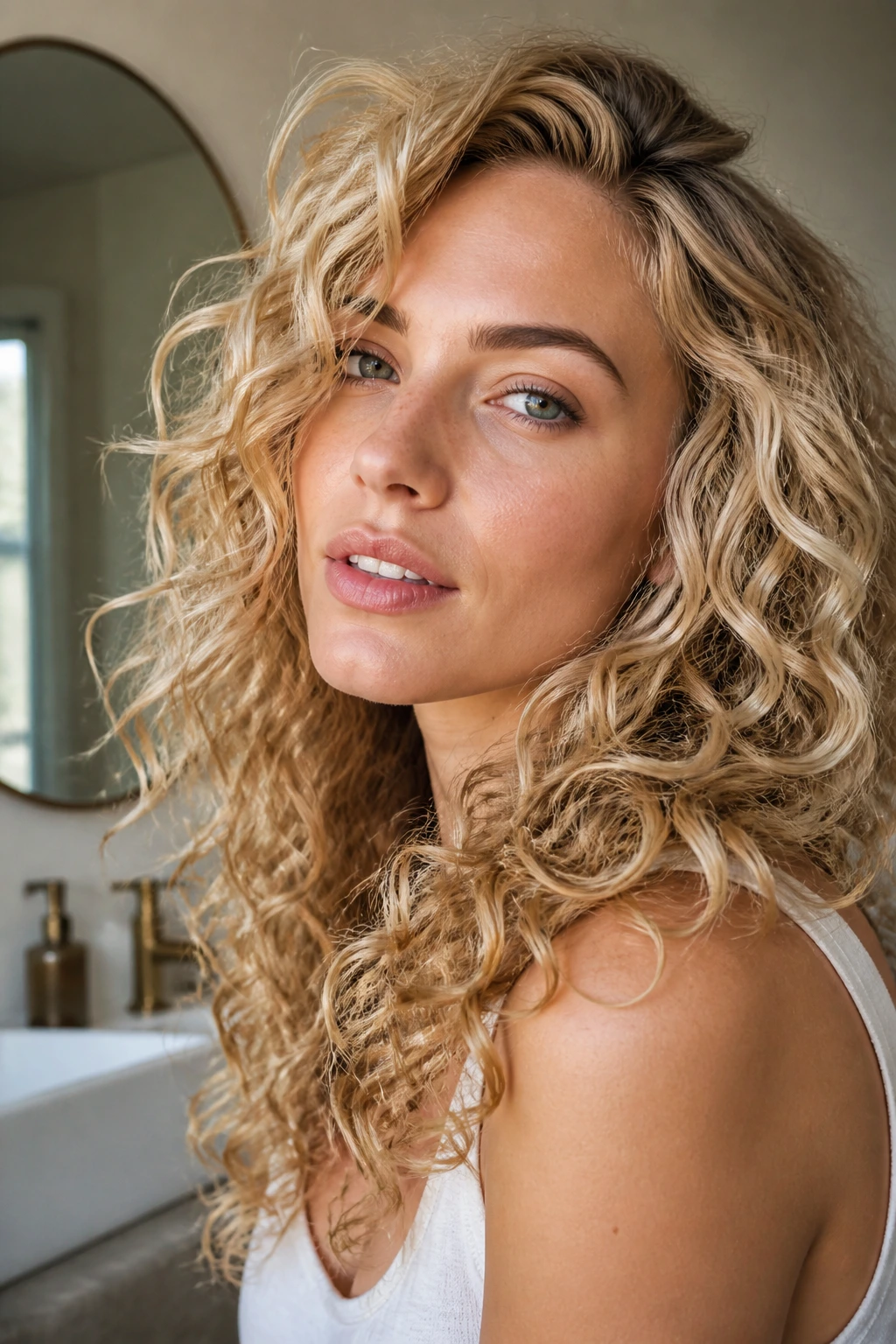
Creamy blonde curls work when the color is placed to follow the curl pattern, not fight it. The light should hit the outside of the curl clumps and leave a little depth underneath, so the shape stays three-dimensional. Cream keeps the tone soft enough that the curls still look plush.
This is a nice answer for curls that have never loved heavy platinum. Bright pieces around the top and face can wake the style up without making the texture look crunchy. If the curls are tighter, the blonde should be scattered in smaller sections. If they’re loose, you can go a little broader.
Watch the Texture
Porous curls can over-tone fast. A gentle gloss is safer than a harsh violet toner.
25. Nordic Beige Long Layers
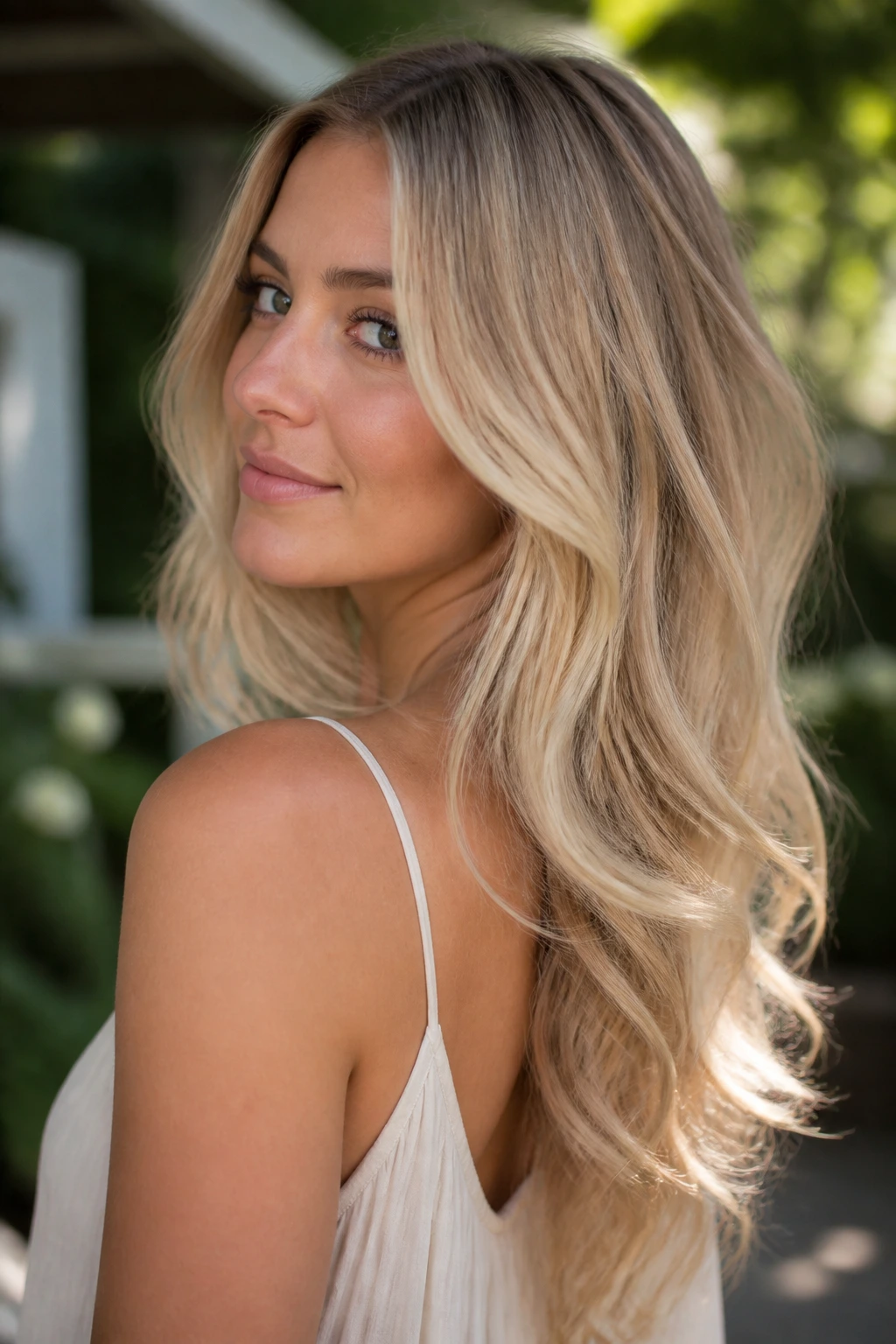
Nordic beige is the calmer sibling of pure Scandinavian blonde. It still looks light, but the beige undertone keeps it wearable on long layers, where too much icy brightness can start to feel severe. Long hair needs some depth to stop the ends from looking see-through.
I like this look because the layers can carry the tone. The top pieces can stay a touch deeper, while the bottom lengths go more luminous. That creates movement without forcing a dramatic contrast line. It’s clean. It’s smooth. And it looks especially good when the hair is worn half-up or clipped back so the different lengths show.
26. Vanilla-Root Melt Shag
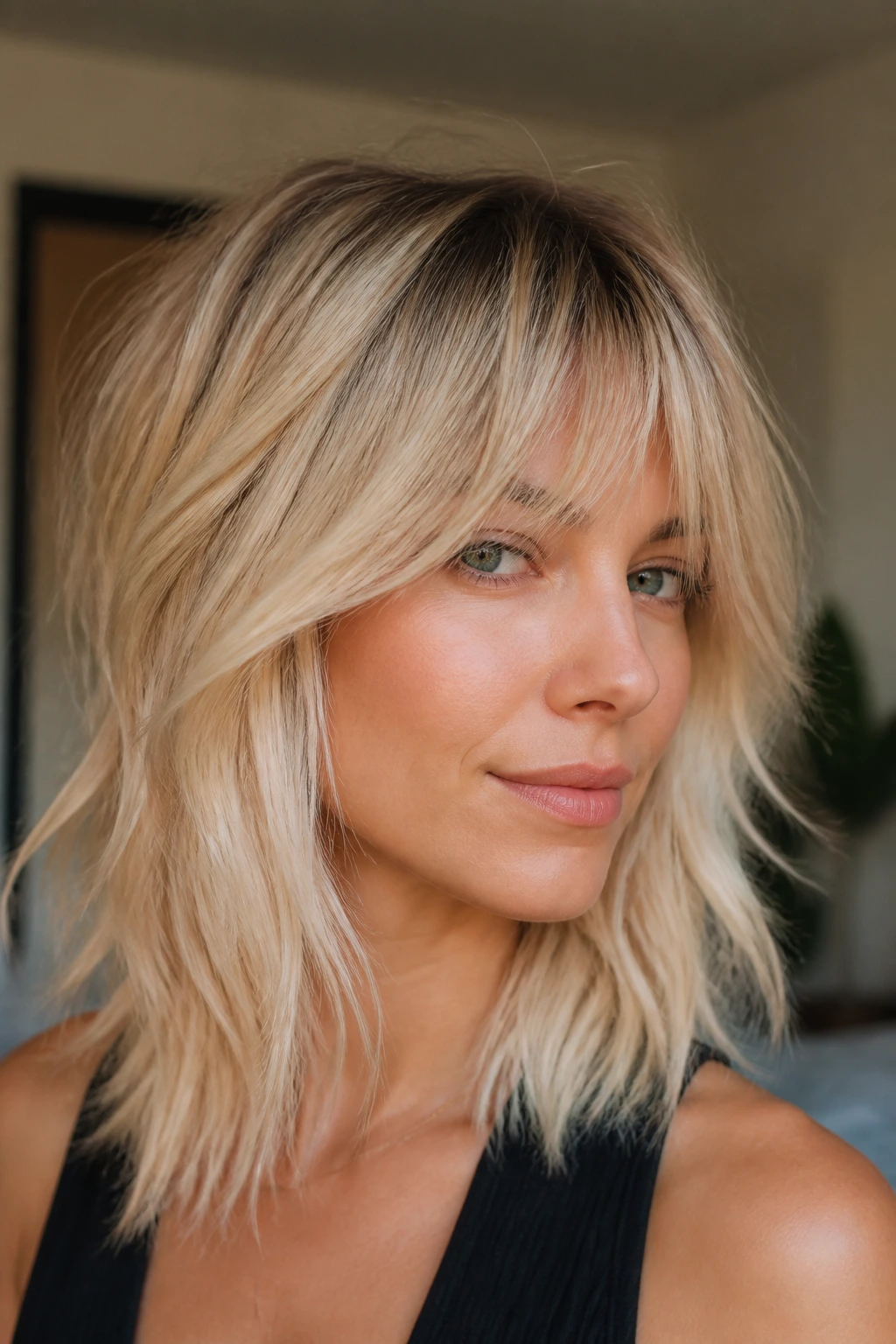
A shag loves a root melt. The layers already create texture, so you don’t need hard lines anywhere. Vanilla blonde through the lengths keeps the look soft and airy, while the darker root stops the top from going puffy or over-lightened.
This is one of my favorite combinations for people who want blonde but dislike high-maintenance color. The grow-out is forgiving, and the shag cut makes the color feel purposeful even when it’s lived in. If your hair has a little wave, the shape practically styles itself with mousse and a diffuser.
Ask For
A root shade one level deeper than your natural base, vanilla-beige lengths, and a soft fringe that doesn’t sit too blunt on the forehead.
27. Soft Apricot Blonde
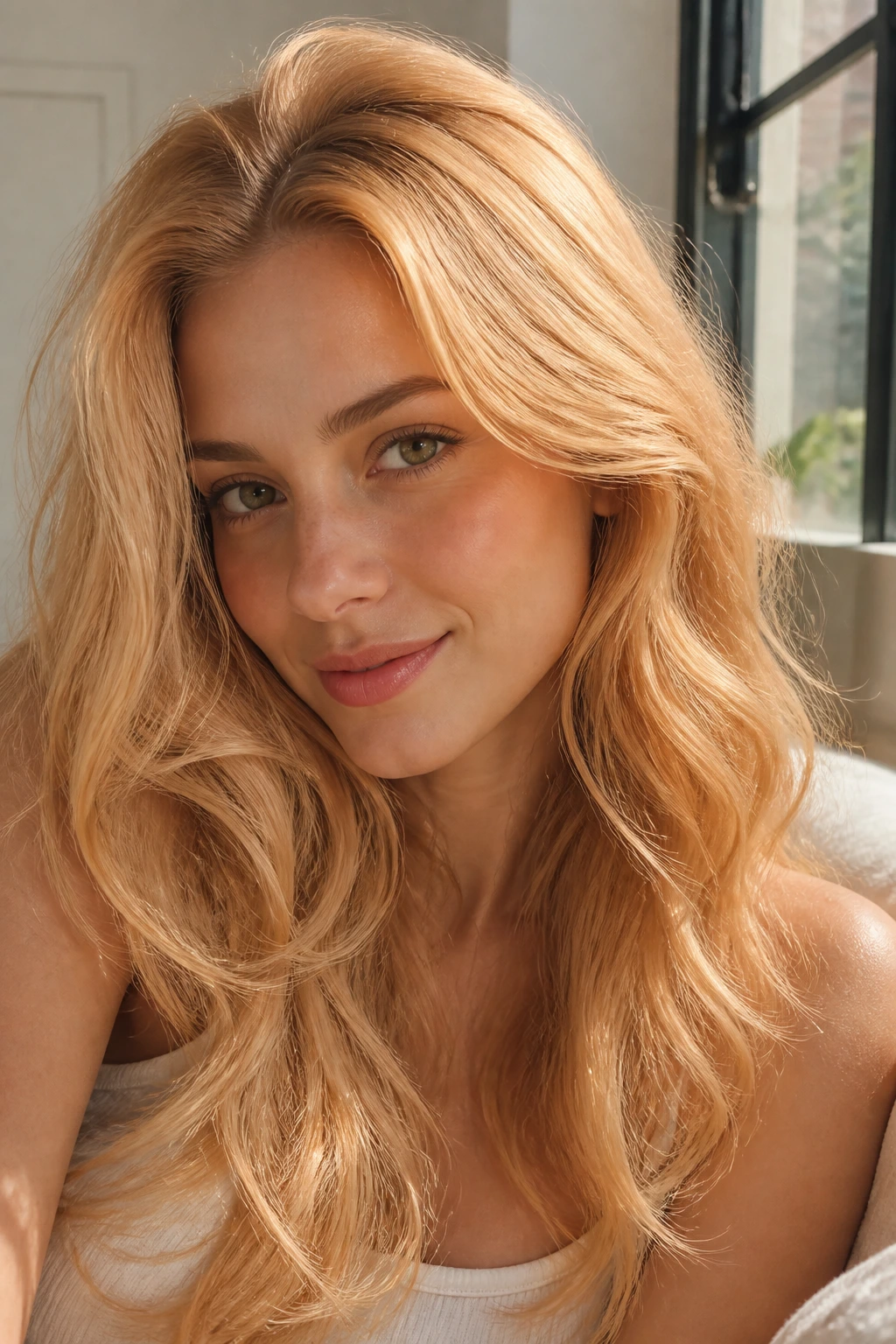
Soft apricot blonde is the warmest look in the mix, and it works because it stays gentle. The peach-gold tone gives the hair a fresh flush, not a heavy copper hit. On layered hair or soft waves, it can look almost luminous in daylight.
This is a nice option if you want blonde that leans playful but still reads polished. It suits people who already live in the golden zone and want something a little more alive than beige. The key is restraint. Keep the apricot soft, keep the root clean, and do not let the color slide into orange.
A gloss matters here more than almost anywhere else.
How to Choose the Blonde That Fits Your Base and Your Routine
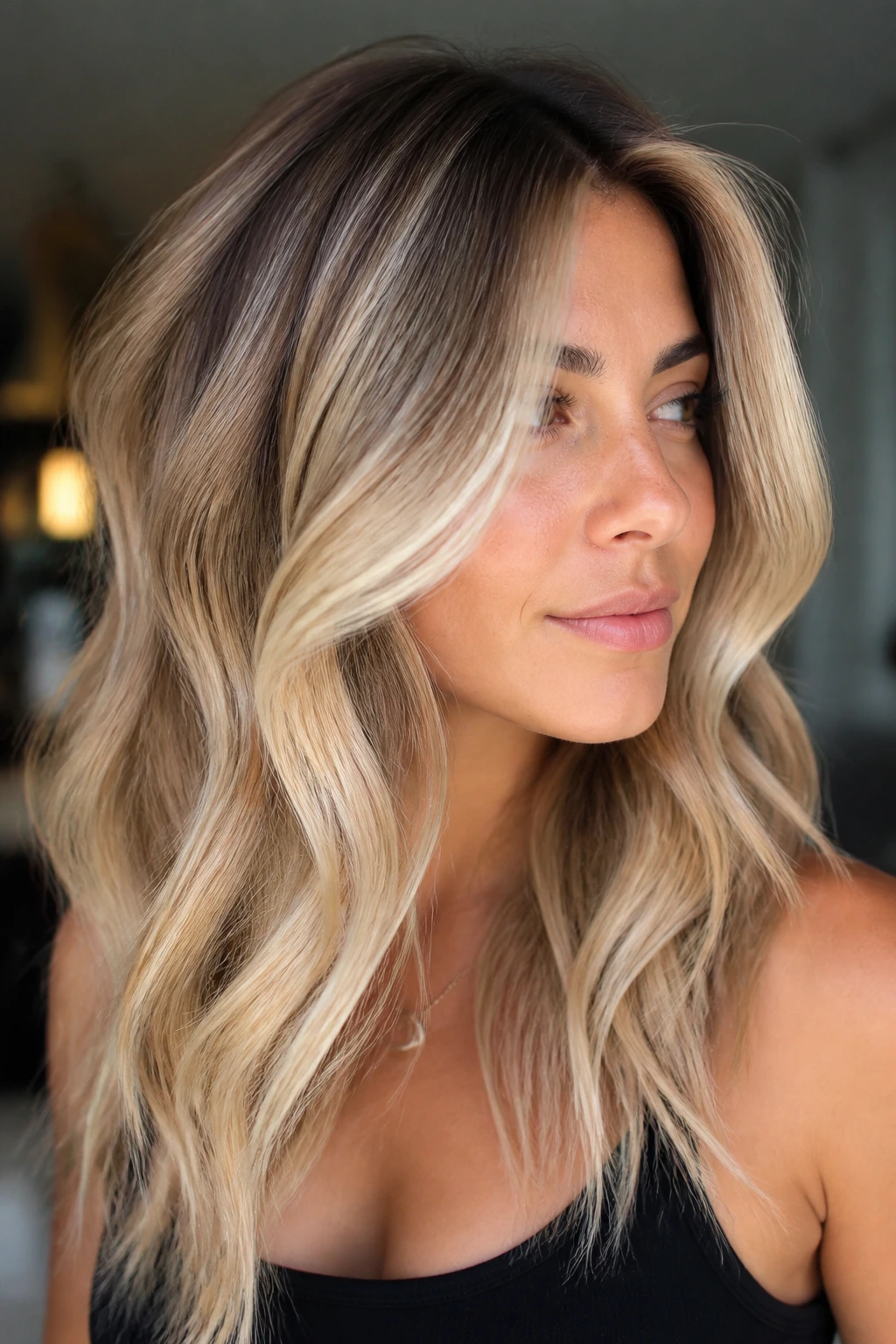
The right blonde starts with your natural level, not the photo you saved on your phone. If your hair is dark brown, a rooted bronde, mushroom blonde, or golden melt will usually look more believable than an allover icy lift. If you’re starting from dark blonde or light brown, you have room to go softer, brighter, or cooler without forcing the hair into a fight.
Tone first: warm blondes hide yellowing better, while cool blondes need stronger toner discipline. If you hate seeing brass, beige and pearl are safer than platinum. If you love richness and shine, butter, honey, and champagne are the easiest shades to live with.
Texture matters too: curls and waves can carry dimension better than pin-straight hair, which means baby lights, ribbons, and foilyage show beautifully. Fine hair usually looks fuller with tiny highlights and a soft root melt. Thicker hair can take bolder contrast, but it also needs more careful placement so the blonde doesn’t turn stripey.
Maintenance is the last filter: if you do not want frequent toner appointments, skip the palest looks and choose shades with beige, honey, or sand in them. Those colors fade more gracefully. The blonde that looks best on paper is not always the one you’ll actually enjoy six weeks later.
Essential Tools for Keeping Blonde Clean and Glossy
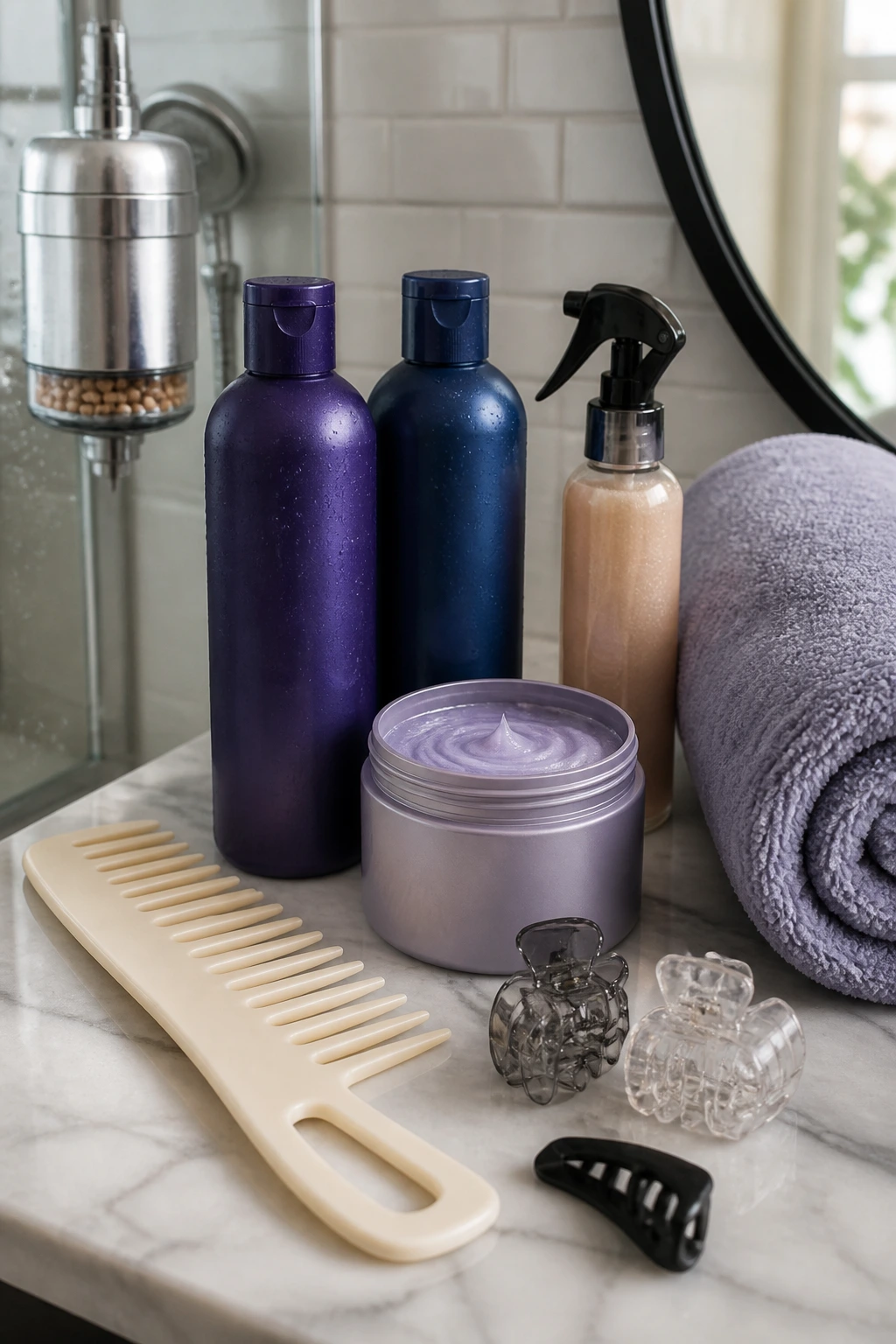
- Purple or blue shampoo: Use purple for pale yellow tones and blue if your blonde pulls orange through the mids.
- Color-safe conditioner: A heavy cleanser strips toner fast, so a sulfate-free wash matters more than most people think.
- Glossing mask: This keeps beige, champagne, and honey shades looking shiny instead of dull between salon visits.
- Wide-tooth comb: Blonde hair is often drier at the ends, and a wide-tooth comb reduces breakage after washing.
- Heat protectant spray: Flat irons and curling wands can burn the lighter pieces first, especially around the face.
- Root clip and sectioning clips: They help when you’re drying, styling, or applying masks evenly.
- Microfiber towel or soft T-shirt: Rough terry cloth can snag bleached ends and make frizz worse.
- Shower filter, if your water is hard: Mineral-heavy water can push blonde toward dull yellow or orange faster than people expect.
How to Keep Blonde Bright Between Salon Visits
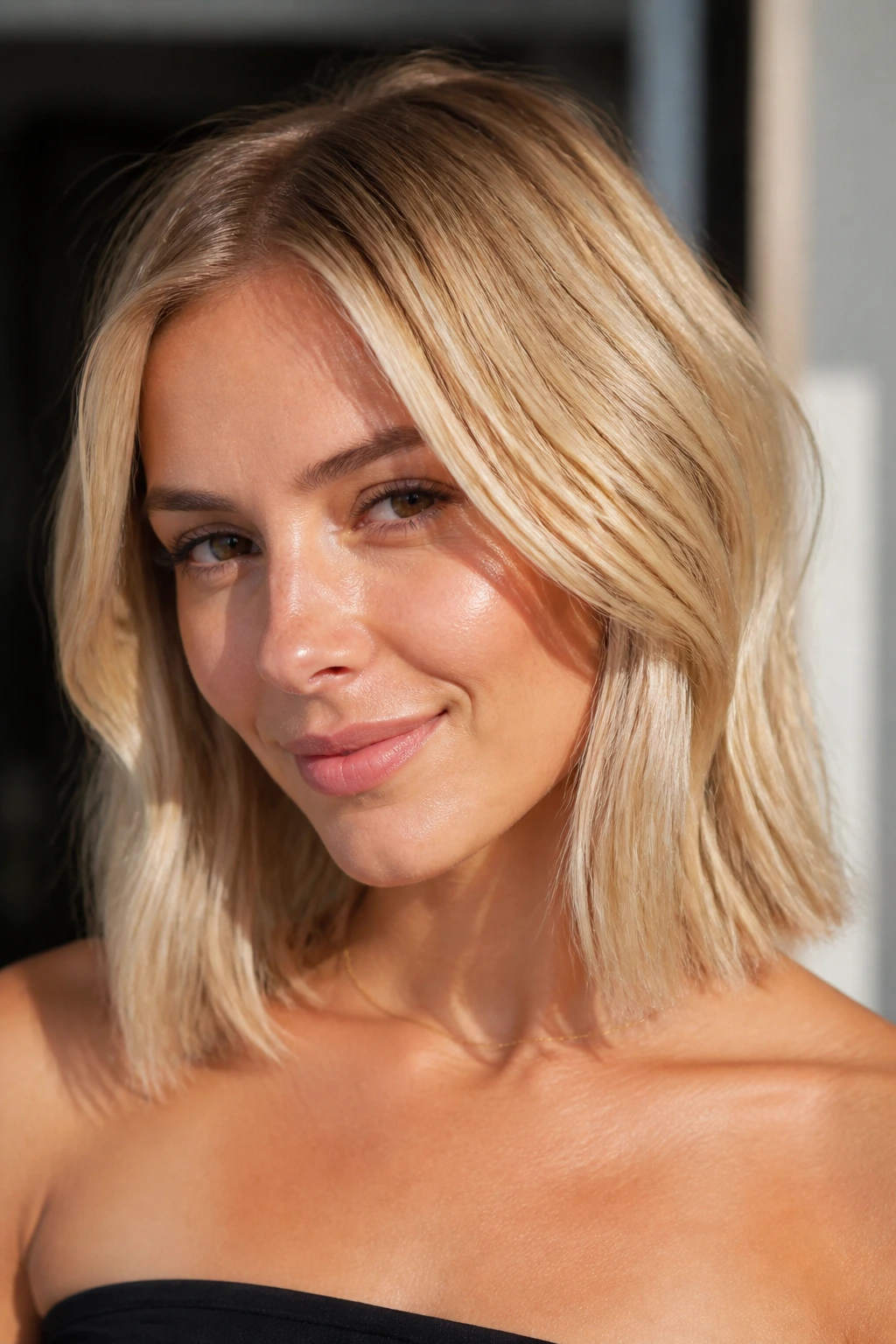
Blonde gets tired fast if you wash it like dark hair. Two or three shampoos a week is often enough for color-treated hair, especially if your scalp does not get oily quickly. On wash days, keep the water lukewarm. Hot water opens the cuticle too much and lets toner slip out faster.
Purple shampoo: use it once every 1 to 2 weeks for pale blondes, and only leave it on long enough to soften yellow, not stain the hair purple. Gloss upkeep: a salon gloss or clear glaze every 4 to 8 weeks helps cool or warm tones stay where they belong. Masking: one nourishing mask a week makes a bigger difference than expensive styling products if your ends feel rough.
If your look has a root melt or balayage, you can usually stretch salon visits longer than with full platinum. That’s the payoff. Keep the tone clean, and the grow-out just looks intentional.
Common Mistakes That Turn Blonde Flat or Brassy
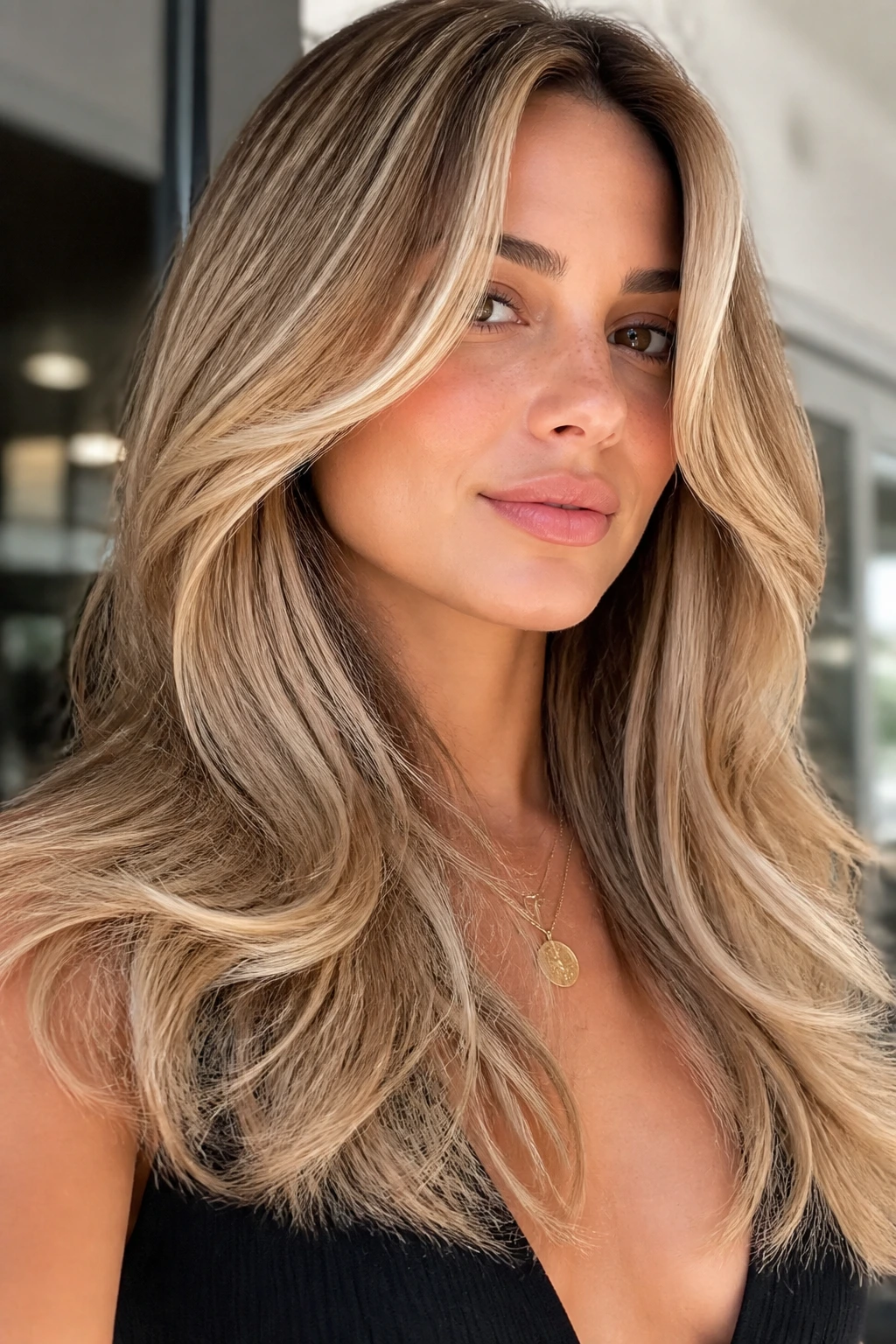
The first mistake is choosing the wrong tone for your base. A very cool blonde on naturally warm hair often fades into yellow-orange faster than a beige or honey shade would. The fix is simple: work with your undertones, not against them.
The second mistake is lifting everything to the same level. Uniform blonde can look ropey or wig-like, especially on thick hair. Better color has depth near the root, brightness around the face, and softer pieces underneath.
Another problem is overusing purple shampoo. People reach for it every wash when they see yellow, then wonder why the hair looks dull and dusty. Use it sparingly. It is a correction tool, not a daily cleanser.
There’s also ignoring the haircut. A beautiful blonde on a blunt, shapeless cut can still fall flat. Layers, a fringe, or a clean bob help the color read correctly. And yes, skipping heat protection is a fast way to wreck expensive color. The lighter pieces burn first. Every time.
Variations and Adaptations to Try
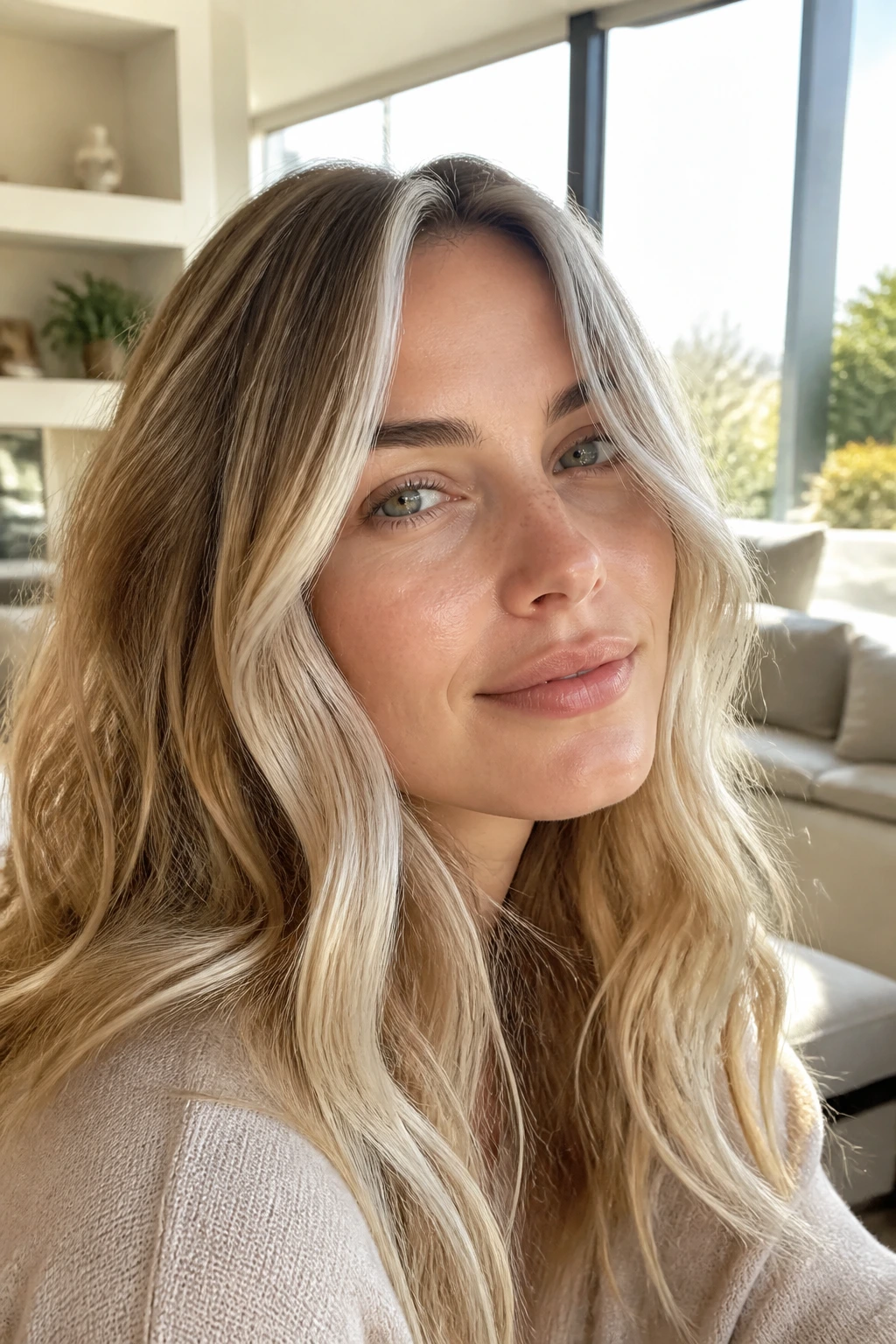
Low-Commitment Glow: Ask for face-framing highlights, a soft gloss, and a root shade close to your natural color. You get brightness where it shows most, and the grow-out is gentle.
Cool Frost Finish: Choose pearl, ash-beige, or soft icy toner if your skin likes cooler tones and your wardrobe leans silver, black, or navy. Keep the root shadow subtle so the blonde still looks clean.
Warm Honey Lift: If you want shine and softness over high contrast, go for honey, butter, or caramel-blonde ribbons. These tones are easier to maintain and usually look richer on wavy hair.
Curly Definition Blonde: Place the lightest pieces on the curl exterior and leave depth under the crown. That keeps curls bouncy instead of puffy and helps the highlight pattern move with the shape.
Short Hair Brightness: On bobs and pixies, choose finer highlights and a tighter toner range. Short hair shows every line, so a soft blend matters more than dramatic lift.
Frequently Asked Questions
What blonde shade is easiest to maintain?
A beige blonde, honey blonde, or rooted balayage usually grows out best. Those shades hide regrowth better and fade in a softer way than icy platinum.
Can dark brown hair go blonde without looking stripy?
Yes, but the best route is usually gradual. A good colorist will build brightness with foils, balayage, or foilyage instead of trying to take everything pale in one appointment.
How often should toner be refreshed?
Most blondes need toner every 4 to 8 weeks, depending on porosity, water quality, and how often you wash. Pale blondes show fading sooner than beige or honey shades.
Will blonde make fine hair look thinner?
Not if the placement is smart. Tiny baby lights, ribbons, and a soft root shadow can actually make fine hair look fuller because they create movement and visual depth.
What if my blonde turns brassy?
Use a color-safe purple or blue shampoo once a week, then book a gloss if the brass sits stubbornly in the mids. If it’s more orange than yellow, blue is the better fix. If it’s just warm at the ends, a beige gloss is usually enough.
Is platinum a bad idea for spring hair?
Not at all, but it asks for more upkeep. If you like crisp color and can manage toner, root touch-ups, and extra moisture, platinum can be stunning. If you want easier wear, a creamier blonde is kinder.
Can I go blonde without bleach?
Sometimes you can go lighter with high-lift color on virgin hair, but it only works within limits. Darker bases usually need lightener if you want a real blonde result. A good stylist will be honest about that.
What should I bring to the salon?
Bring two or three photos that show tone, not just cut. Point out whether you want warm, neutral, or cool blonde, and mention how often you’re willing to come back for maintenance. That conversation matters more than a single picture.
A Softer Kind of Blonde
The best blonde hair looks for spring do one thing very well: they make light look deliberate. That can mean champagne ribbons on a lob, a pearl money piece around the face, or a rooted bronde that grows out without a fight. The color itself matters, sure, but the placement and tone matter just as much.
If you pick a blonde that suits your base, your texture, and your actual routine, it stops feeling high-maintenance and starts feeling like part of the haircut. That’s the sweet spot. Clean tone, smart contrast, a little movement at the ends — and no panic every time the roots start to show.
