



Short hair and balayage are a better pair than they get credit for, especially when the weather turns hot and every layer of color has to earn its keep. On a bob, pixie, or lob, the placement does most of the talking. A few pale ribbons around the face can make a jawline look sharper, while a softer root melt keeps the whole thing from reading like a bleach job that grew out badly.
The sweet spot for balayage looks for short hair in summer is restraint. Not every inch needs to be lighter. In fact, the prettiest short cuts usually leave the deepest color at the roots and tuck brightness where the sun would hit first: temples, crown, fringe, and the ends that flip or bend. That’s why the good versions look airy and expensive in daylight, while the bad ones can look stripey by lunch.
What matters here is placement, tone, and how much upkeep you’re willing to babysit once humidity, chlorine, and daily washing start doing their usual nonsense. Short hair shows every decision faster than long hair does. That’s the charm and the challenge.
Why These Balayage Looks Feel Right on Short Hair in Summer
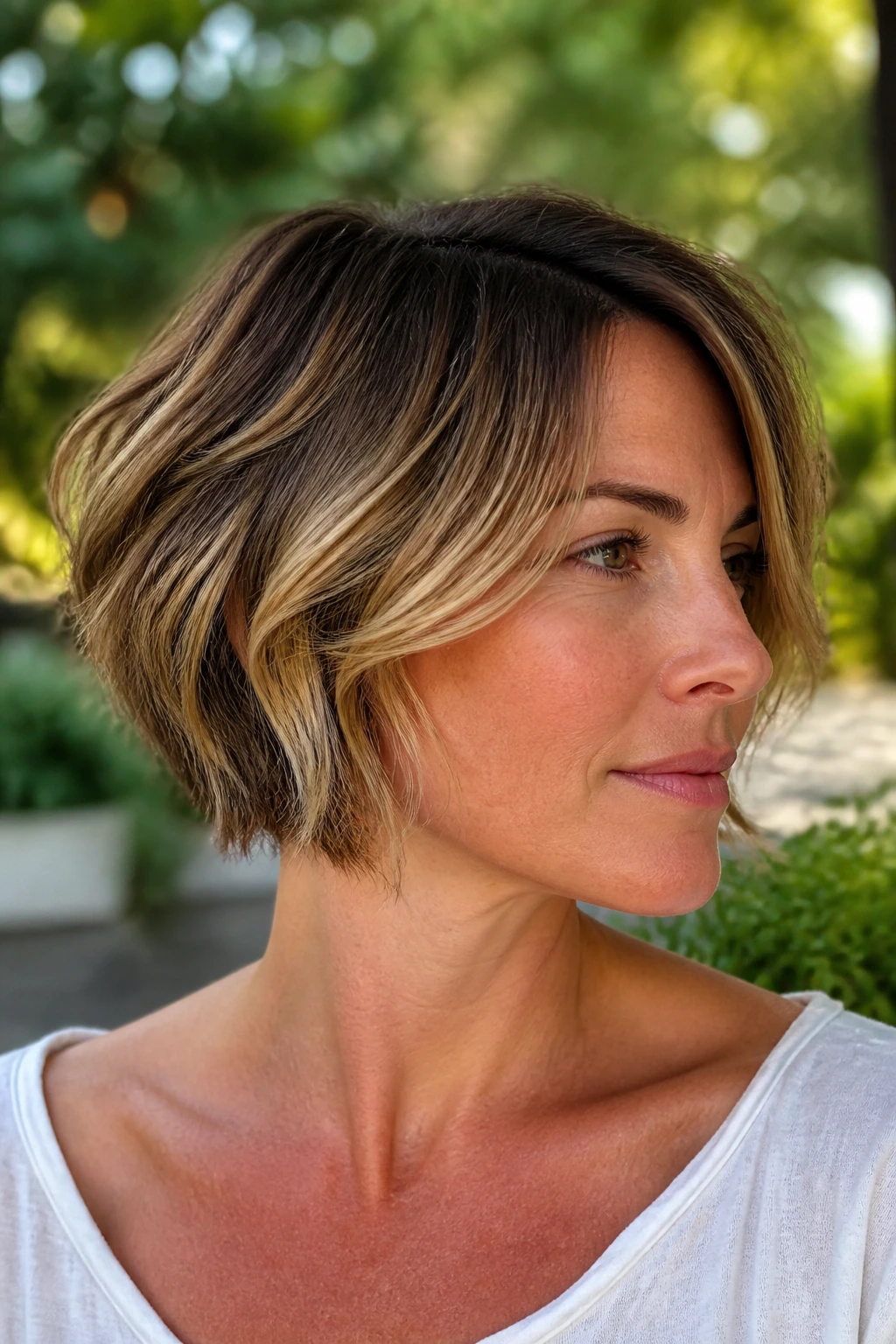
- They add movement where short cuts need it most: A few lighter pieces near the crown or cheekbones can make a bob look lived-in instead of blocky.
- They survive grow-out better than all-over color: Soft balayage edges blur the line between salon visits, which matters when your hair is too short to hide roots.
- They play well with air-drying: Wavy bends, texture spray, and a quick hand-scrunch bring the ribbons to life without a 20-minute styling session.
- They can be adjusted to your base color: Honey, beige, copper, ash, and bronze all work differently on brunettes, blondes, and red bases.
- They hold up better under summer light: Natural-looking dimension tends to look richer outdoors than a flat single-process shade.
- They give you options later: A gloss can push the tone warmer or cooler without repainting the whole head.
The Heat, Sweat, and Short Cut Problem Balayage Solves Better Than Flat Color
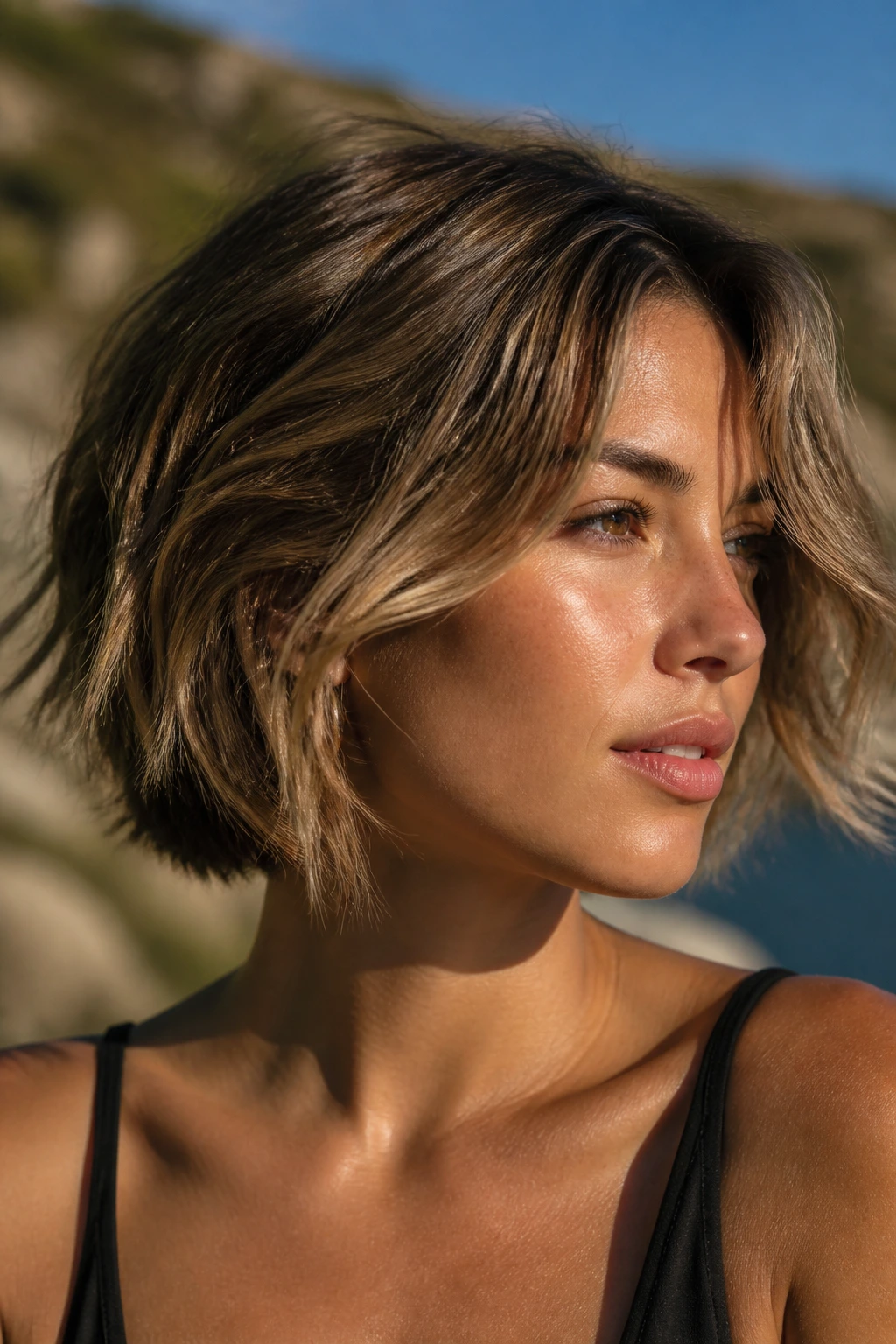
Summer is hard on short hair color because there’s nowhere for the damage to hide. One swim, one long beach day, one week of washing after a sweaty workout, and flat brunette or blonde can start looking dull at the roots and rough on the ends. Balayage breaks that up. The variation makes fading look intentional.
There’s another thing short cuts do better than long lengths: they show off shape. A bob with caramel ribbons around the face reads differently from the same bob in one solid brown. The cut gets sharper. The line around the jaw looks cleaner. Even a pixie picks up a little architecture when the top is brighter than the sides.
And yes, the catch is upkeep. The brighter you go, the more your toner matters. A beige gloss that looks creamy on day one can slip toward yellow after a few weeks of sun and shampoo. That’s not a reason to skip the look. It’s just why the best summer balayage on short hair starts with a plan, not a Pinterest screenshot and a prayer.
1. Sunlit Honey Bob
This one is the easiest place to start if you want warmth without the heavy orange cast that cheap blonding can leave behind. Think golden honey ribbons sitting over a soft brown or dark blonde base, with the brightest pieces tucked around the front and the top layer. On a blunt bob, that little halo of brightness makes the edges feel less boxy.
Why It Works on Short Hair
The bob keeps the honey pieces from wandering too far down the strand, so the color stays focused and readable. Ask for level 7 or 8 honey with a soft root melt, not a hard line, and it will grow out in a way that looks deliberate. Air-dried or lightly waved, it catches daylight fast.
2. Butter Blonde Pixie
Pixie cuts can turn harsh if the lightening is pushed too high all over, so this version keeps the blonde buttery and controlled. The front fringe and crown get the brightest lift, while the sides stay a shade deeper. That contrast gives the cut shape instead of turning it into a helmet.
What Makes It Feel Fresh
The key is micro-placement. Tiny painted pieces around the hairline do more work than a full blonde panel ever could on this length. Ask for a soft beige or butter toner, because icy silver on a pixie can look brassy in a hurry once the sun gets to it. A little wax or cream makes the texture pop without crushing the color.
3. Caramel Ribbon Lob
A lob gives balayage room to stretch, and caramel is one of the few tones that looks polished on straight hair and relaxed on waves. The ribbons should sit mid-length through the front and under the top layer, not streaked from root to tip. That keeps the darker base visible and stops the whole thing from going flat.
A good colorist will leave the ends a touch deeper than the face frame. That tiny bit of shadow makes the caramel look woven in, not painted on. It’s especially useful if you wear your lob with a soft bend from a flat iron, because the lighter sections show at each curve.
4. Lived-In Brunette Bob
If you hate obvious highlights, this is the one. It’s brunette first, dimension second. The shade sits in the mocha-to-chestnut range, with only a few lighter ribbons through the top layer and around the temples. On short hair, that kind of subtle shift looks expensive because it doesn’t fight the cut.
Best For
This is the bob for someone who wants color that reads in sunlight but does not scream from across a room. It holds up well if you wash often, and it’s forgiving when the toner softens. Ask for a soft hand-painted lift and a neutral gloss, not ash-heavy ends that can go dull.
5. Peachy Rose Gold Crop
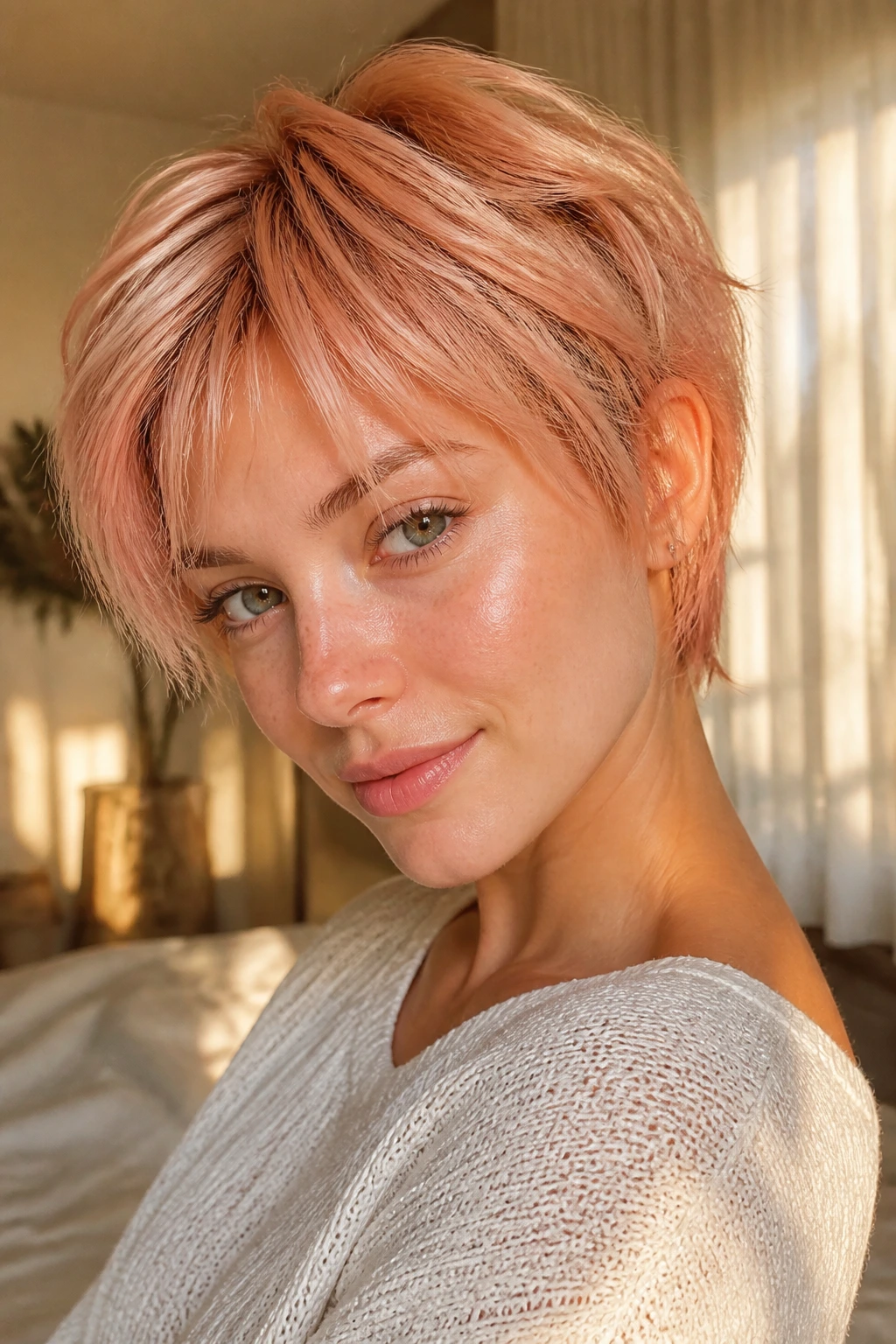
A crop can wear playful color better than people expect, and peachy rose gold is one of the prettiest ways to prove it. The shade should sit like a wash over pre-lightened pieces, not a loud pink block. On short, layered hair, the warm blush tones catch the edges and make the texture look soft.
This one needs a careful hand. Too much saturation and you end up with candy color that fights your skin tone. Too little and it disappears. The sweet spot is a sheer peach glaze over blonde or light copper hair. It fades into apricot before it fades into nothing, which is half the fun.
6. Mushroom Brown Shag
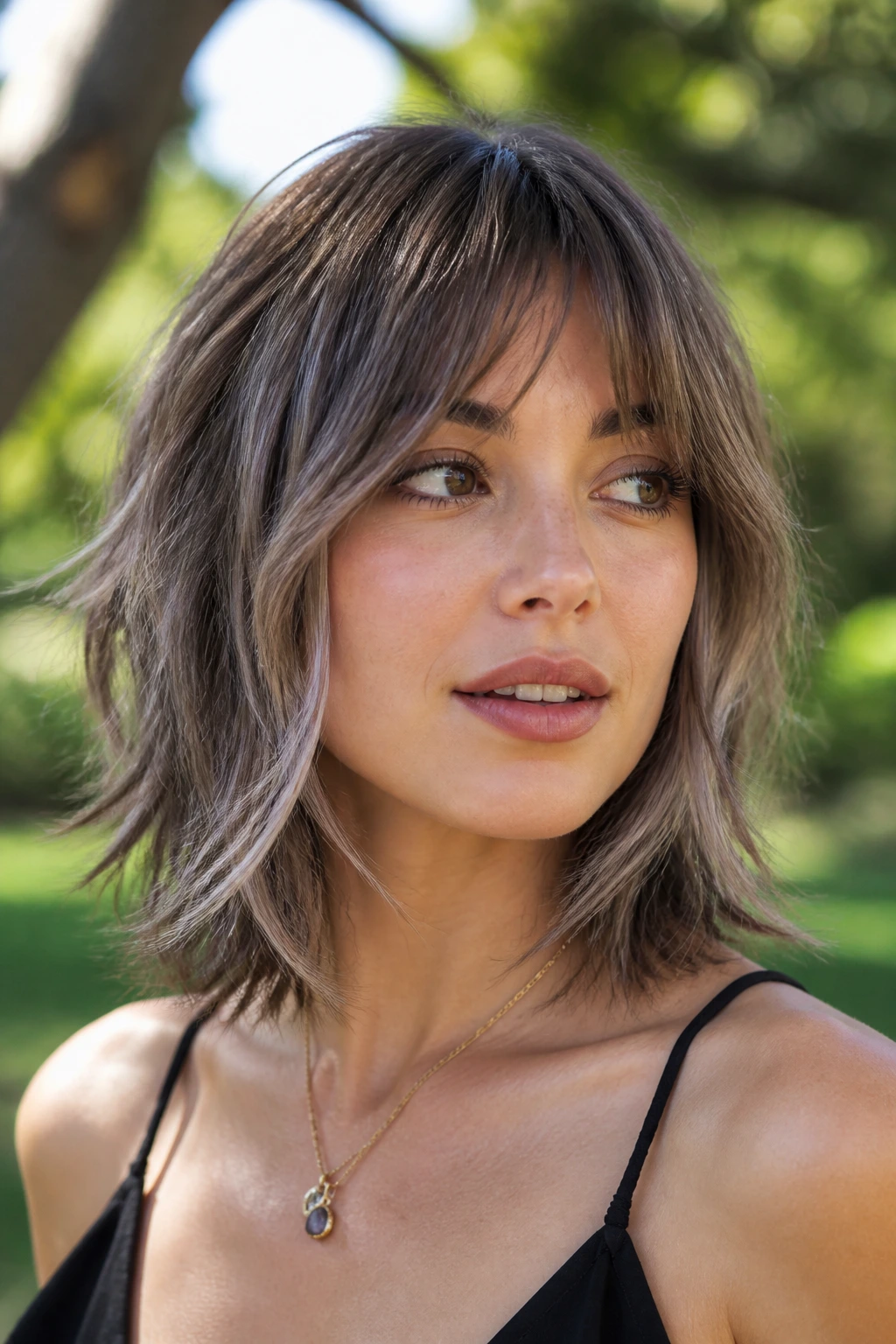
Mushroom brown is for people who want cool tone without going flat gray. On a shag, those taupe and beige ribbons live inside the layers, so the cut keeps movement even when you’ve barely styled it. It’s a smart summer choice because it doesn’t turn orange the second the sun hits it.
What to Ask For
Ask for a cool brunette base with soft mushroom balayage, not chunky ash stripes. The best version has light pieces around the bend of the fringe and a few through the crown. That keeps the shag piece-y. If your hair tends to go warm fast, this is one of the easier tones to maintain with a blue or blue-violet shampoo once a week.
7. Copper Melt Bob
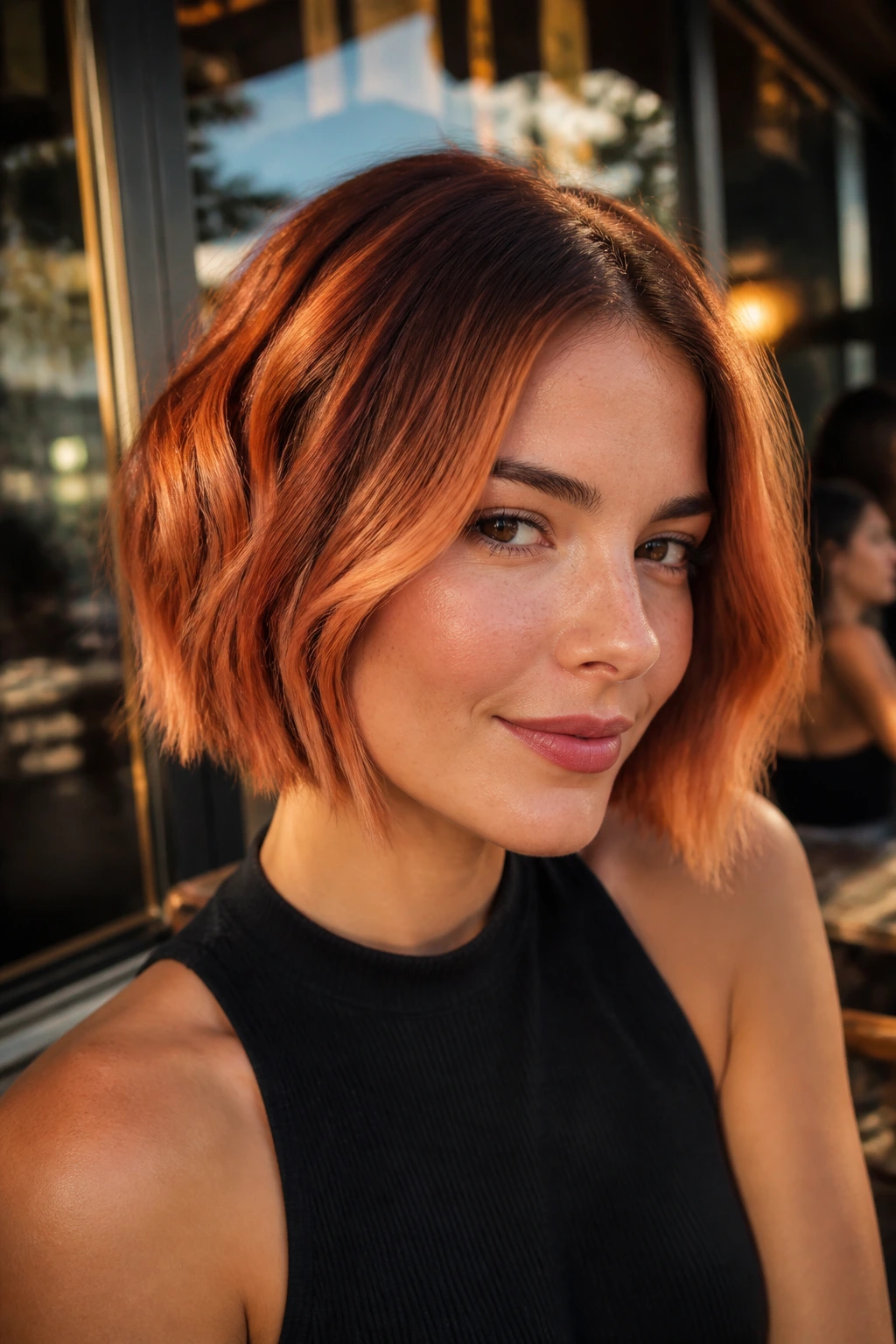
Copper on a bob can look electric in the right way. The trick is a melt, not a block of bright orange. The roots stay deeper, usually chestnut or auburn, while the mids and ends move into penny copper and apricot. The whole thing should feel brushed by sunlight, not dipped in paint.
It works because copper has enough red in it to look rich even when it fades a little. That matters in summer. It also flatters blunt cuts and jaw-length bobs because the warmth makes the edges look softer. If your wardrobe leans olive, denim, cream, or black, this one has real mileage.
8. Icy Beige Lob
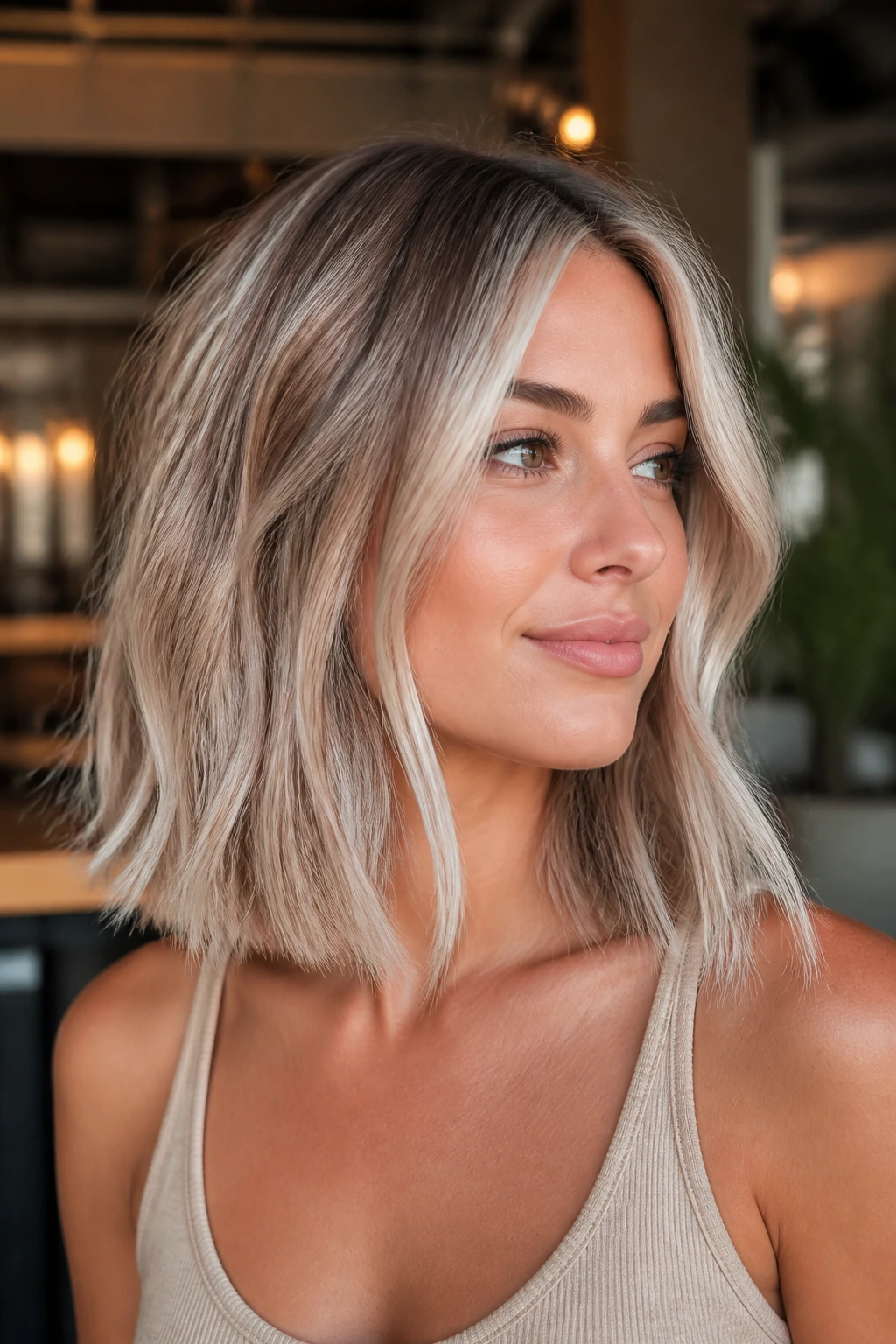
This is the cooler cousin of summer blonde. Beige keeps it wearable; icy keeps it crisp. On a lob, ask for brightness concentrated at the front and top layer, then a neutral-beige gloss that cuts the yellow. The goal is not silver hair. The goal is a clean, pale tone that still looks soft.
A lob gives this shade room to move, and a slight bend in the mid-lengths keeps it from looking too rigid. If your base is darker than a medium brown, you may need foils or foilyage instead of open-air painting to get enough lift. That’s not a flaw. It’s just hair being hair.
9. Toasted Almond Layers
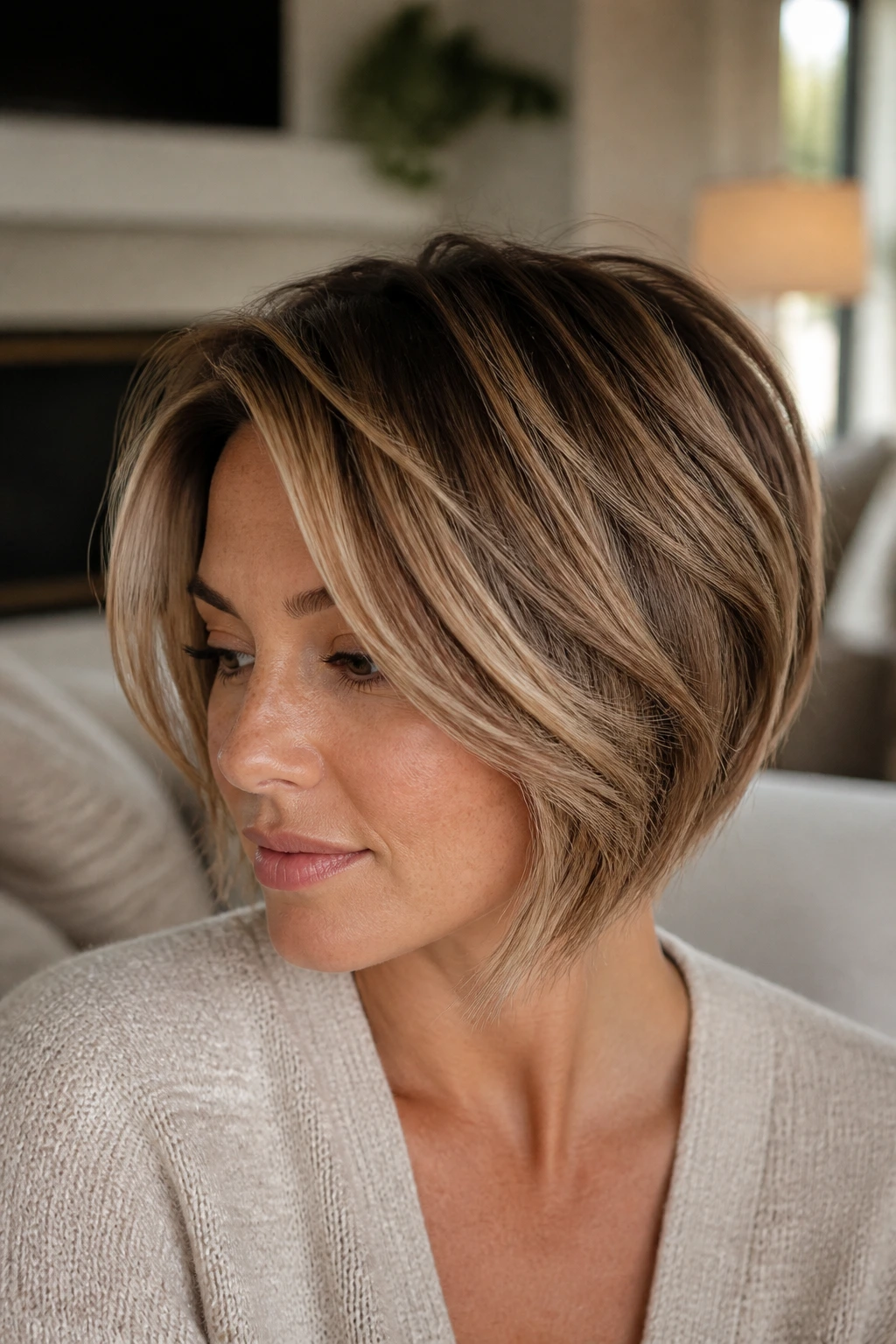
Toasted almond sits in that useful middle ground between blonde and brunette. It’s warmer than mushroom, cooler than honey, and softer than full caramel. On layered short hair, the lighter pieces should be placed where the layers naturally kick out — around the crown, cheekbones, and bottom curve of the cut.
This is one of those shades that looks especially good when the haircut has a little texture around the ends. Too blunt, and the almond can feel formal. A quick wave or a rough-dry with mousse makes the dimension read from across the room. Ask for a beige gloss if you want the tone to stay creamy instead of turning yellow.
10. Creamsicle Blonde Pixie
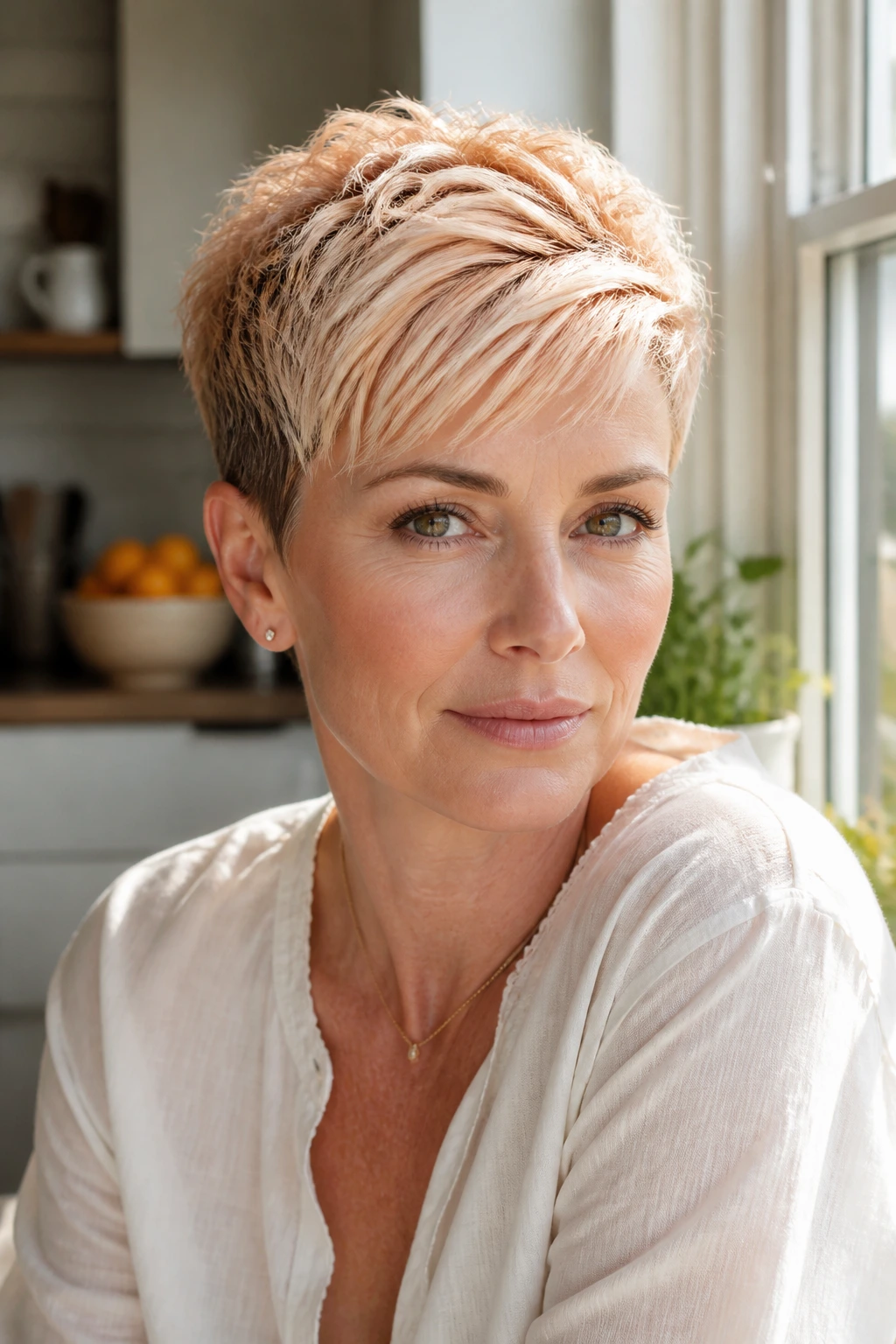
A pixie with creamsicle tones has a playful edge that still feels polished if the placement is tight. The color should live mostly in the fringe, crown, and the top sweep of the cut, with the sides kept slightly deeper. That contrast keeps the shape clean and stops the blonde from swallowing the haircut.
The best version has vanilla and soft peach in the same conversation. Not neon. Not pastel candy. More like a warm ice cream tone after five minutes in the sun. This one is strongest on lighter bases or previously lightened hair, and it looks best when the finish stays airy — think matte cream, not glossy helmet.
11. Espresso-to-Mocha Sweep
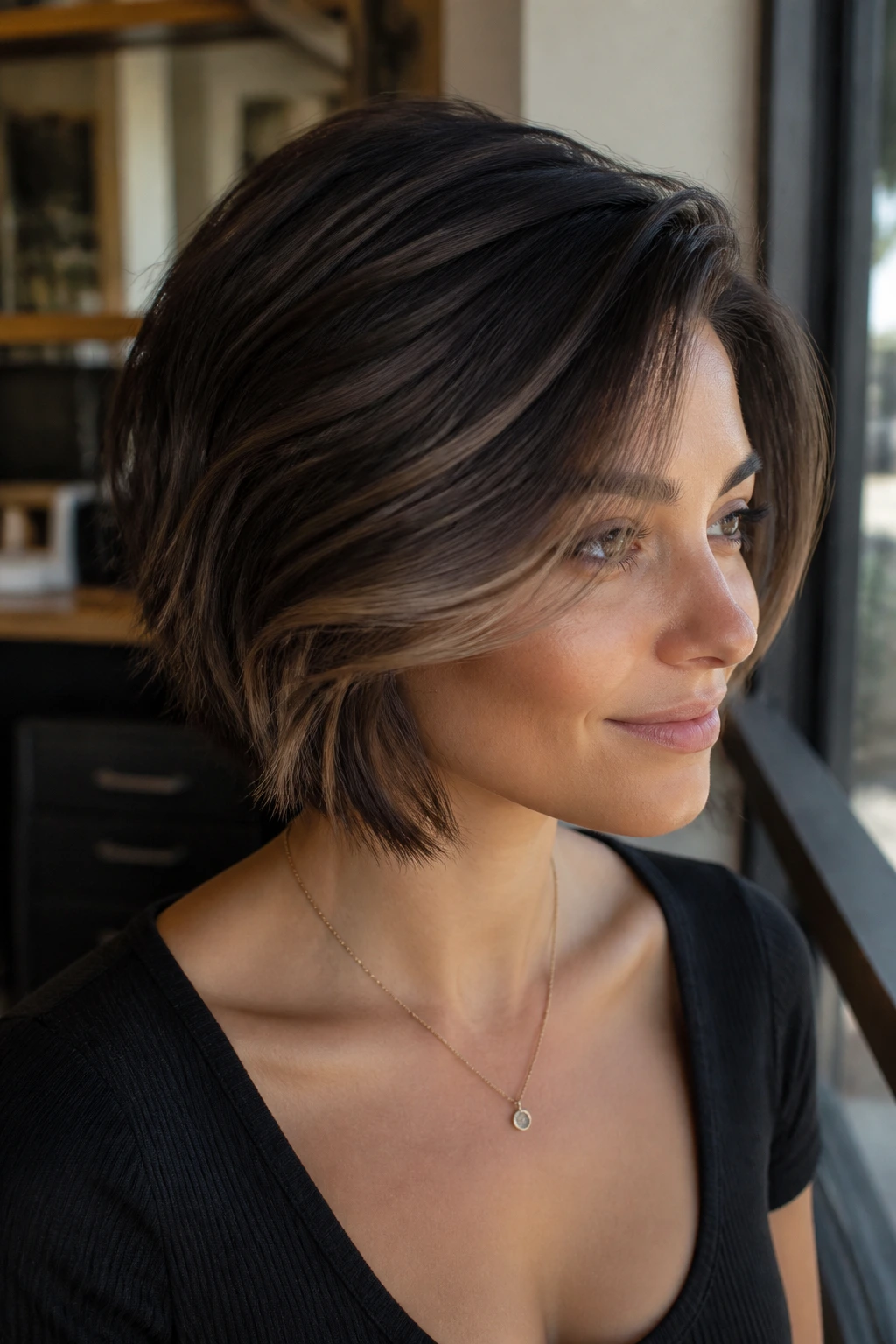
Not every summer look needs blonde in it. This one starts deep and barely rises into mocha ribbons, so the difference shows through movement rather than brightness. On short hair, that subtle gradient can be more flattering than a heavy highlight panel because it keeps the cut looking dense.
It’s a sharp option for darker brunettes who want dimension without losing their base. The sweep should move around the face and across the top layer, then disappear into the rest of the hair. If the pieces are too wide, you lose the effect and end up with stripes. Keep them narrow. Let the gloss do the work.
12. Sandstone Balayage Bob
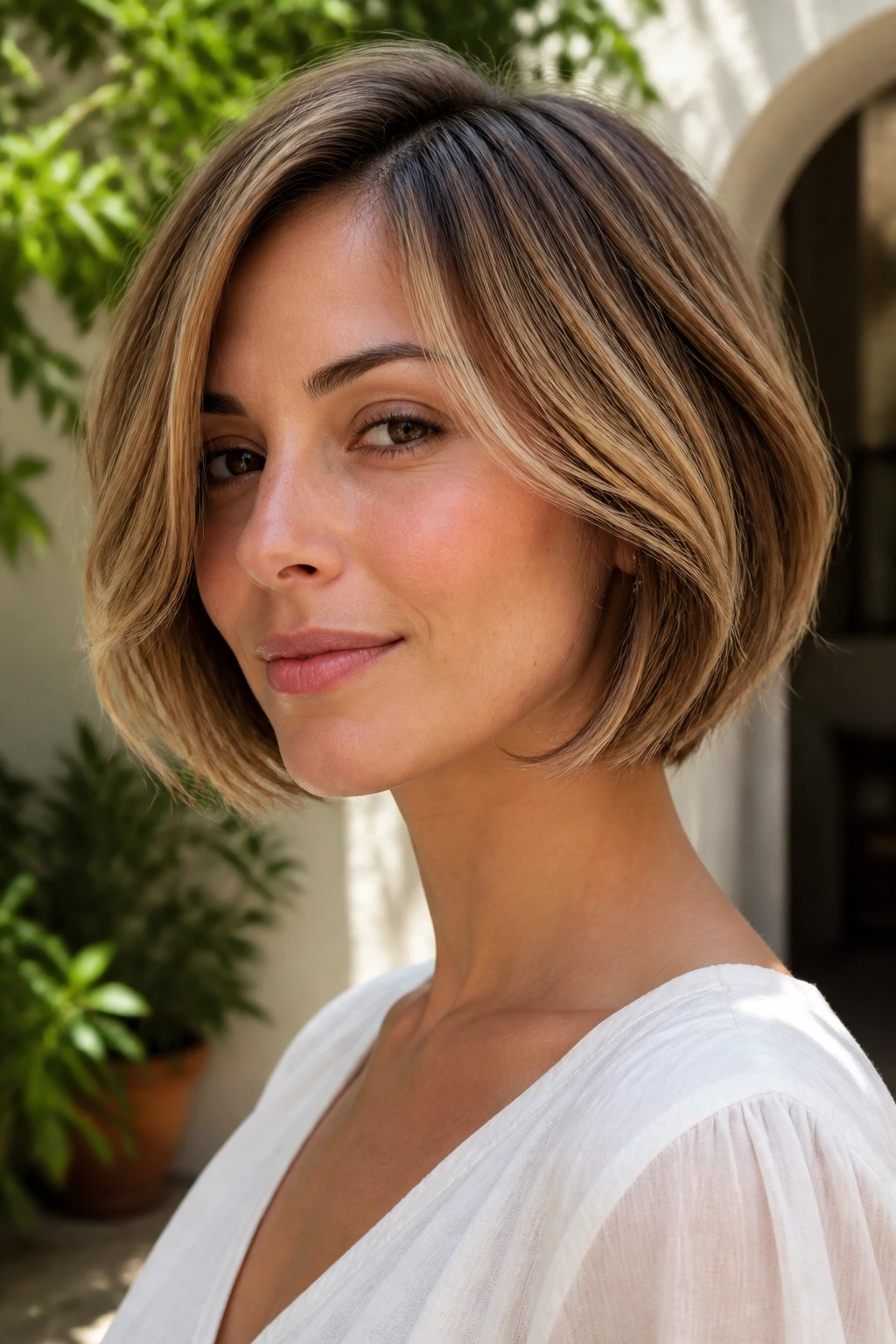
Sandstone is what happens when beige, tan, and a little bit of sun-faded brown all sit together without arguing. On a bob, it looks best when the brighter pieces run through the surface and the underlayer stays a touch richer. That gives the cut a sandy, windswept feel even when the hair is straight.
This is a strong pick if you want something softer than blonde but less dark than brunette. It wears well with summer makeup too — bronzer, a beige lip, a bit of mascara, done. Ask for neutral-warm placement, not golden streaks. Golden can tilt yellow fast on short hair.
13. Strawberry Shortcake Bob
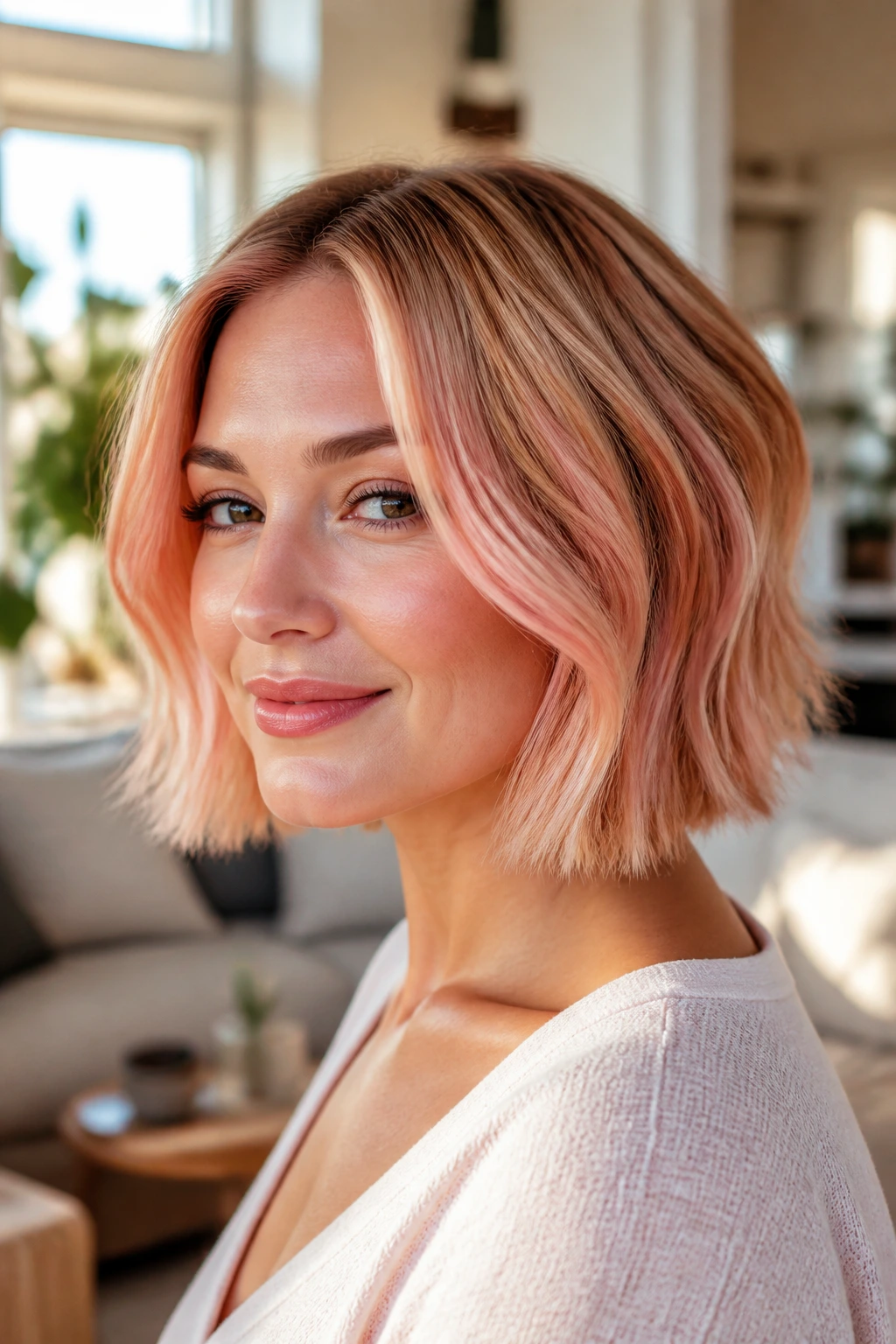
This is warm, but not in a copper-only way. Strawberry shortcake mixes blonde, peach, and a whisper of rose so the overall read stays creamy. On a bob, the best placement is around the front and under the top layer, where the warmer pieces can peek through movement instead of sitting on top like paint.
It suits people who like a softer fashion color without going full pastel. The shade looks especially good with a blunt or softly rounded bob because the color adds tenderness to the shape. If you want it to stay fresh, skip overly violet shampoo. That can mute the strawberry and leave you with a dull beige.
14. Smoky Bronze Crop
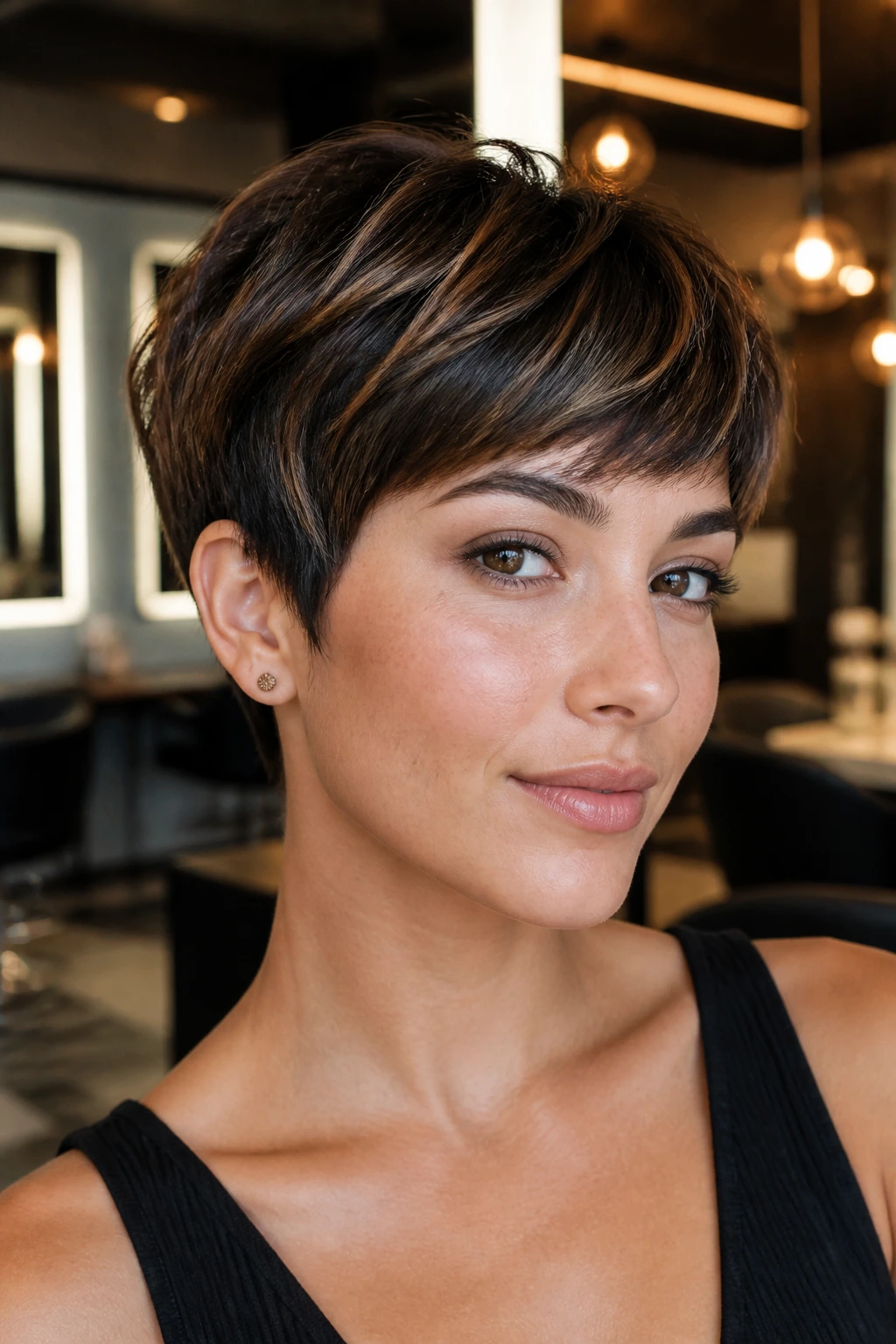
A bronze crop has a little edge to it. The base stays dark and grounded while the balayage bends into smoky bronze, which is warmer than ash brown but cooler than copper. On textured crops, that in-between tone makes the surface look thicker and more dimensional.
This color is a strong answer if your hair is naturally dark and you don’t want the upkeep of blonde. The bronze pieces can sit in the top layer and around the fringe, where summer light hits first. A lightweight pomade or styling cream gives the crop separation without dulling the color. Heavy oils will do the wrong thing here. They flatten the whole point.
15. Cool Ash Brunette Pixie
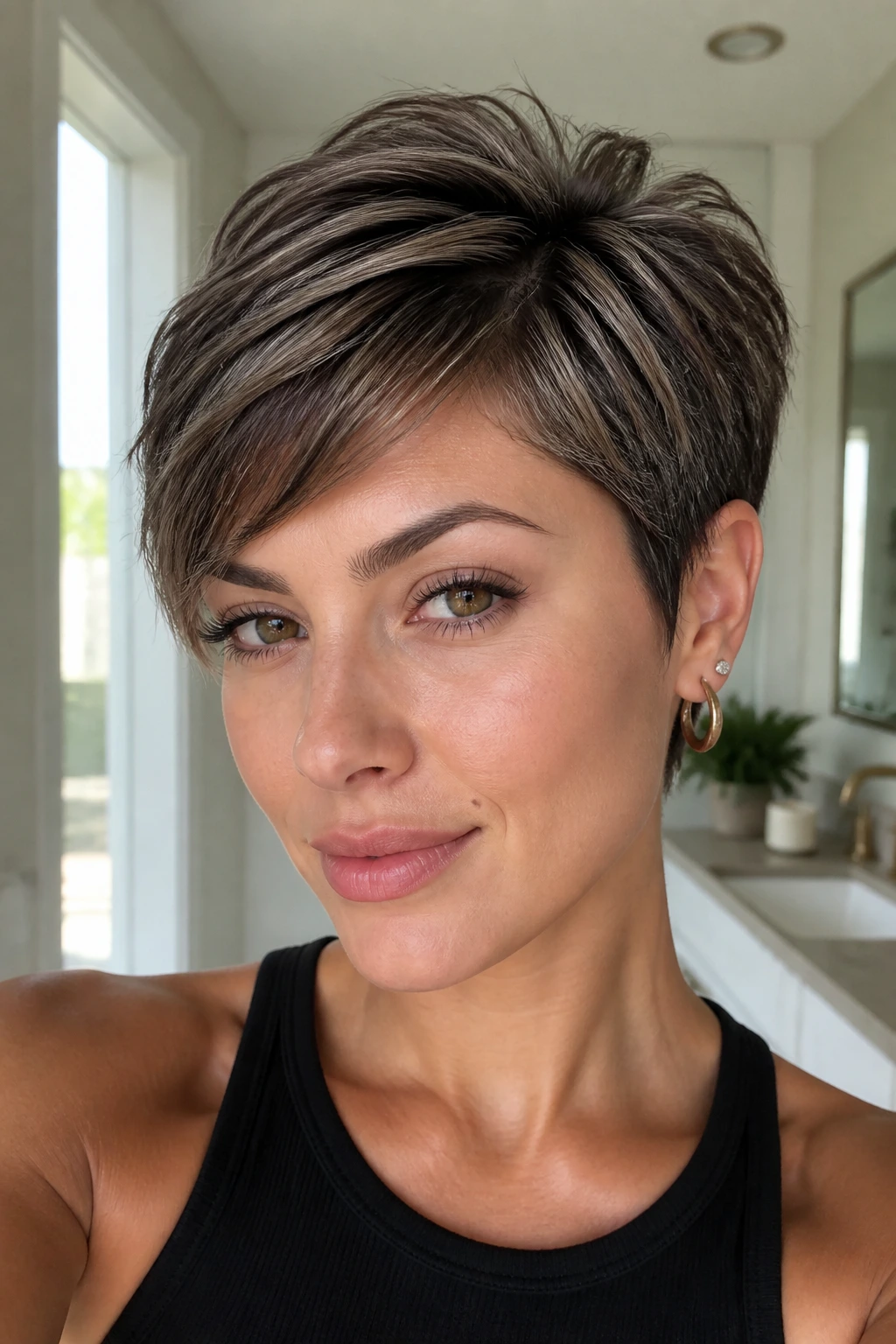
If you like short hair that looks sharp and not sugary, this is your lane. Cool ash brunette on a pixie uses muted ribbons that sit one or two levels above the base, usually around the crown and fringe. The effect is a little smoky, a little sleek, and very low-drama in the best way.
Because pixies show scalp and part lines quickly, ash tones help the cut look intentional rather than patchy. Ask for a neutral-to-cool gloss and avoid lifting so high that the pieces go translucent. You want dimension, not see-through ends. A matte paste finishes this one beautifully, especially if the weather is humid.
16. Vanilla Face-Framing Lob
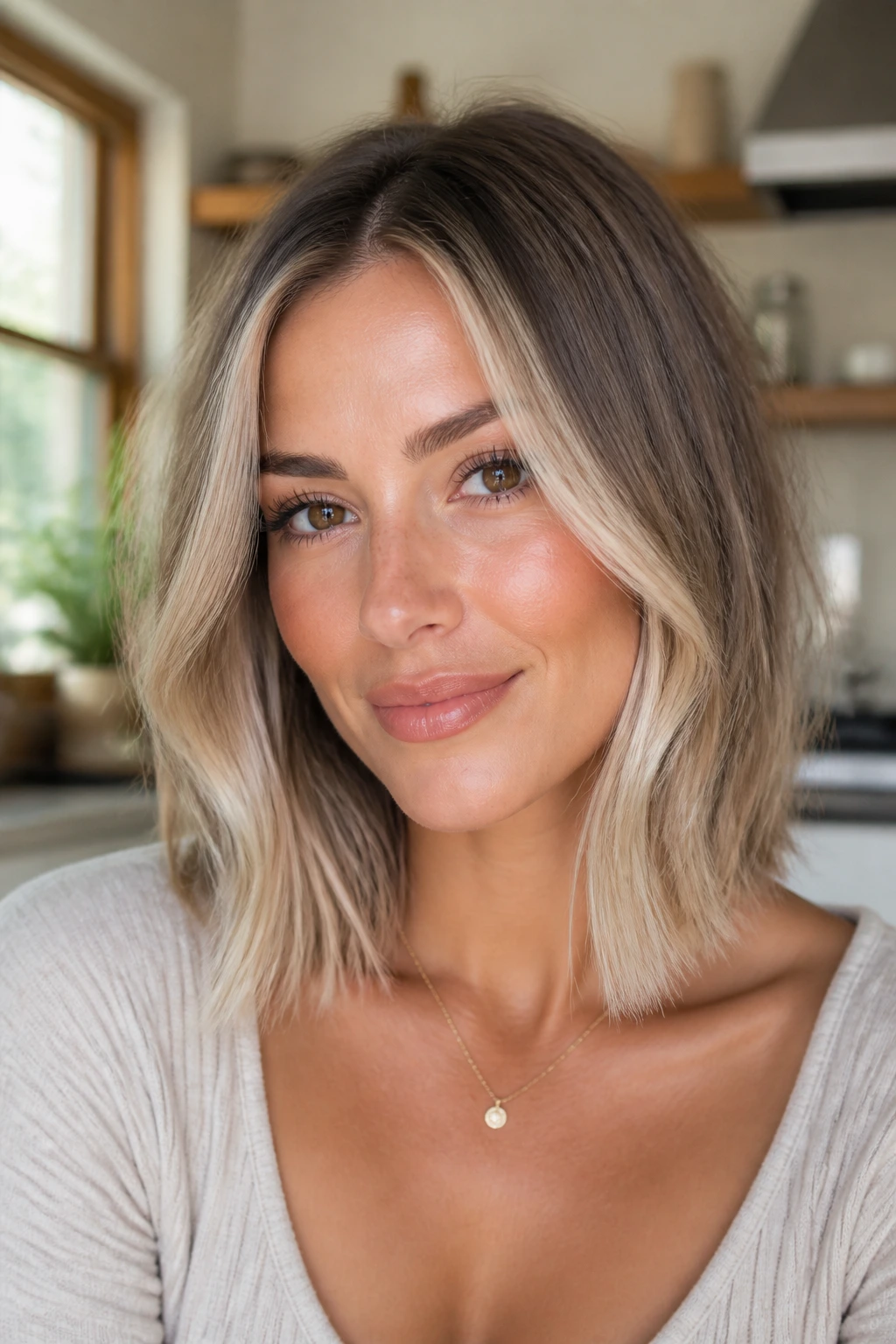
This is the shortest route to brightness without committing to a full blonde overhaul. The face frame is the star, with vanilla pieces placed around the cheekbones, temples, and part line, then feathered softly into the rest of the lob. The rest of the hair can stay beige, brown, or dark blonde.
It works because the eye goes straight to the front first. Short hair doesn’t need a lot of color for the change to read. If your base is medium brown, this is the version that makes a lob look fresh without turning the ends fried. Keep the front pieces narrow if you want it to stay chic instead of stripy.
17. Cinnamon Spice Shag
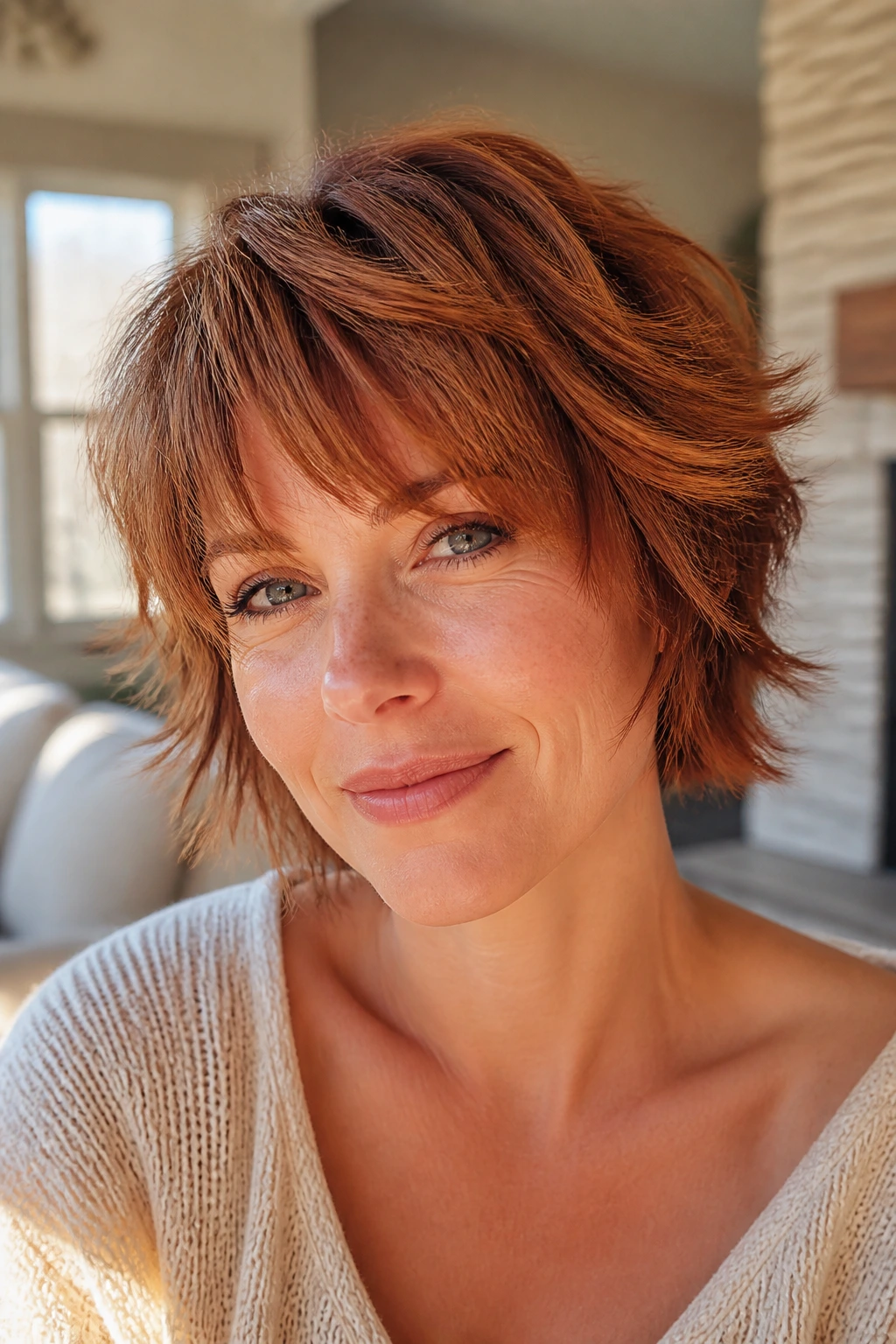
A shag and cinnamon are a good pair because the cut already gives you motion. The color just follows the movement. Cinnamon spice means warm brown ribbons with a red-brown undertone, usually placed through the mid-lengths and around the fringe. On short shaggy layers, that warmth pops without needing high lift.
This is a smart option if you want something that feels rich in daylight and cozy indoors. It also flatters warm and neutral skin tones fast. The important part is to keep the red-brown shade soft, not brick. Brick can look heavy on shorter cuts. Cinnamon has a little shimmer to it. That’s the difference.
18. Pearly Beige Bob
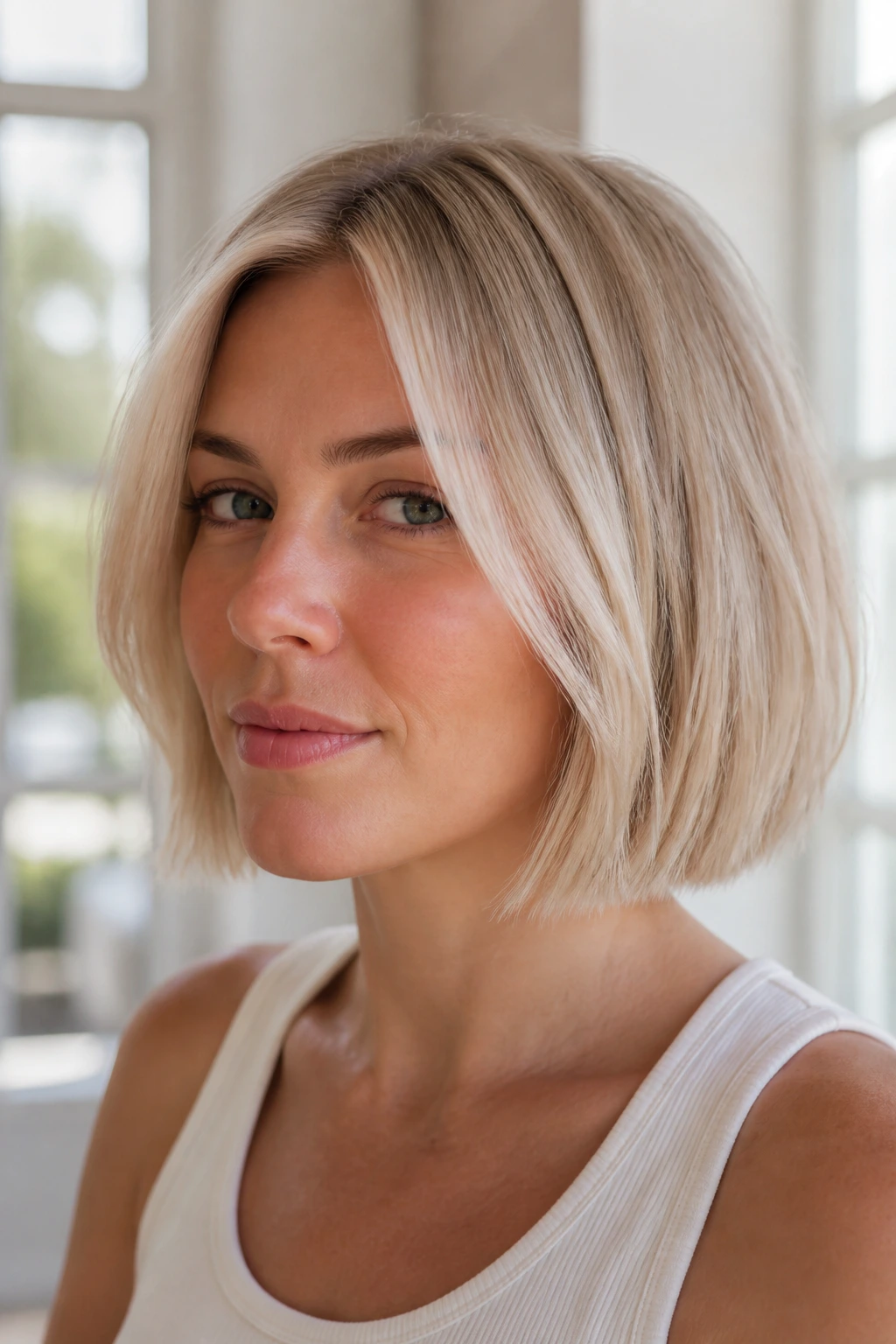
Pearly beige is for anyone who likes a clean blonde that isn’t icy enough to fight every warm shirt they own. On a bob, the color should read like satin rather than glitter. Ask for a beige base with a pearl gloss on the lightest pieces, especially around the outer layer and fringe.
The result is subtle but polished. It’s the kind of blonde that looks more expensive when the hair is moving than when it’s pinned flat. If you’re prone to brass, this tone needs a purple shampoo, but not a heavy hand. Too much purple and the pearl goes chalky. Once a week is usually enough.
19. Bronze Glow Undercut Pixie
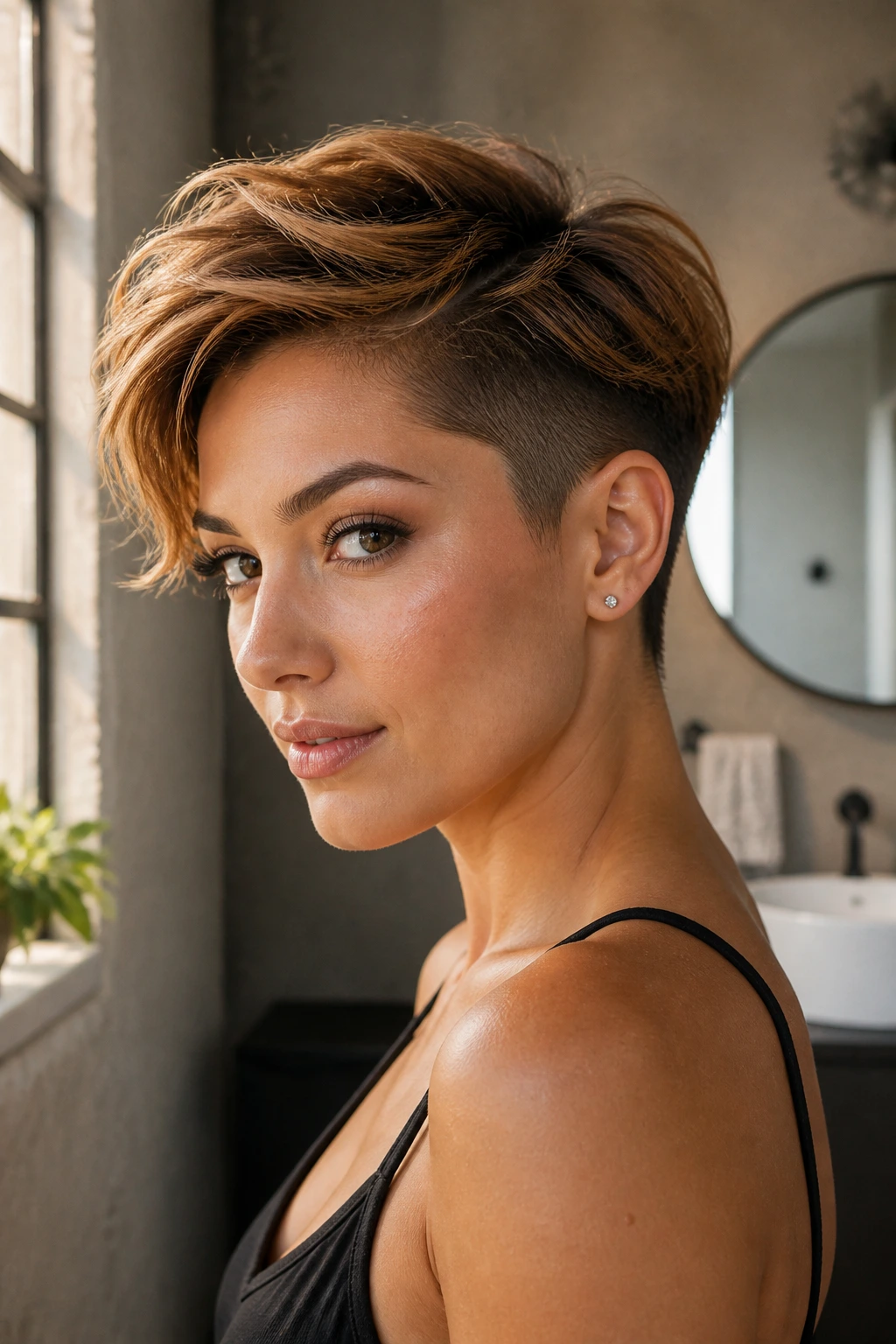
An undercut pixie gives you a natural place to play with contrast, and bronze glow takes advantage of that. The top stays brighter, the undercut stays deeper, and the mid-layer carries the warm bronze ribboning. That mix keeps the shape readable from every angle.
It’s a good answer for people who want a little drama without living in the salon chair. The darker sides hide grow-out, while the bronze on top keeps summer light from washing the style out. You’ll want to style this one with a touch of separation at the crown. If the top lies too flat, the color gets lost.
20. Golden Apricot Waves
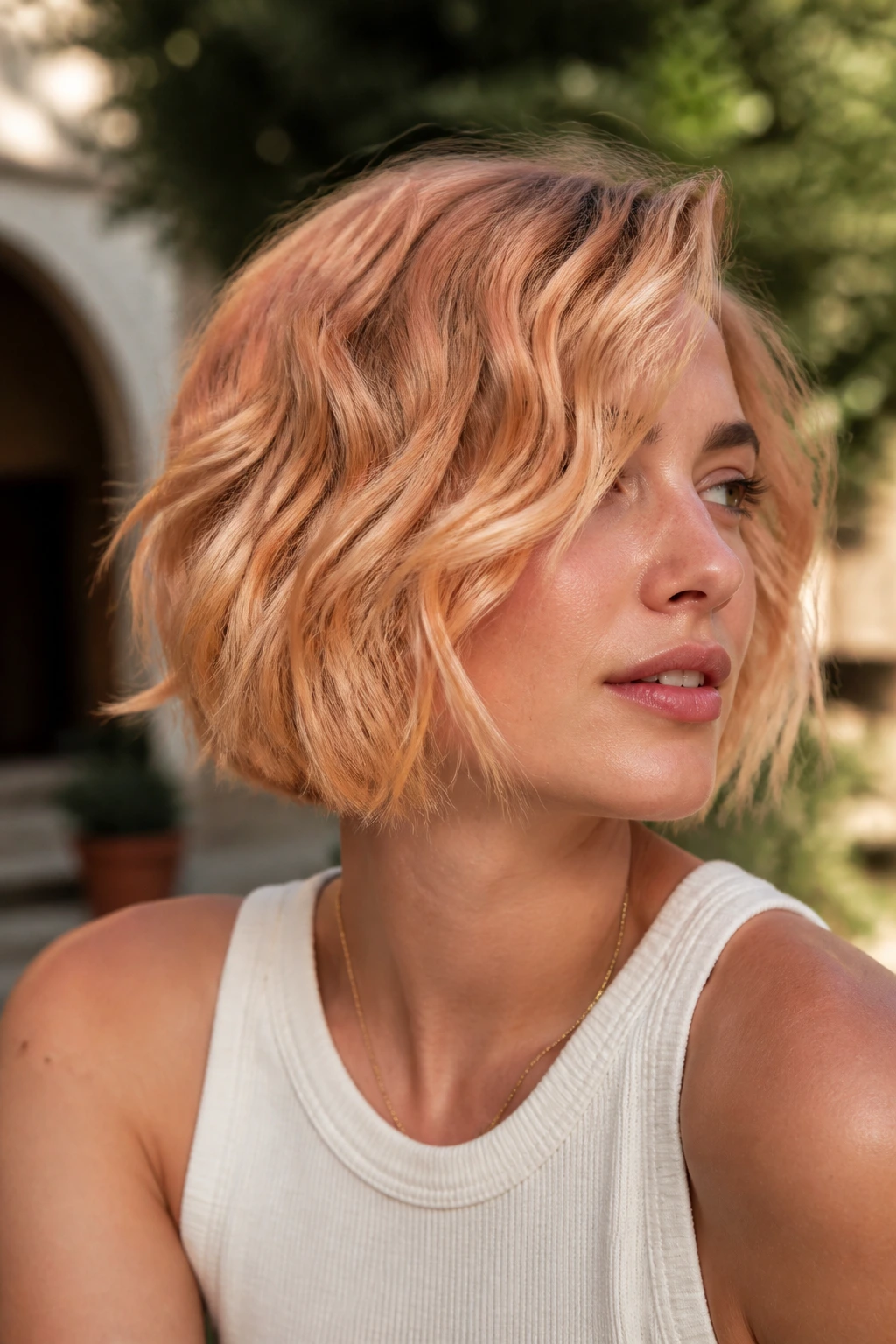
Golden apricot is softer than copper and warmer than peach. On short wavy hair, it gives you that sun-ripened look that doesn’t feel overdone. The placement should follow the wave pattern, with brighter pieces sitting on the outer bends and softer color tucked underneath.
This shade is especially good if your hair is already lightened and you want a warm refresh instead of a full tonal shift. It fades gracefully, which is the part I like most. As the weeks pass, apricot softens into peach-gold rather than going muddy. A gloss can keep it lively. A flat iron can kill the whole mood, so use heat sparingly.
21. Shadow-Roast Bronde Bob
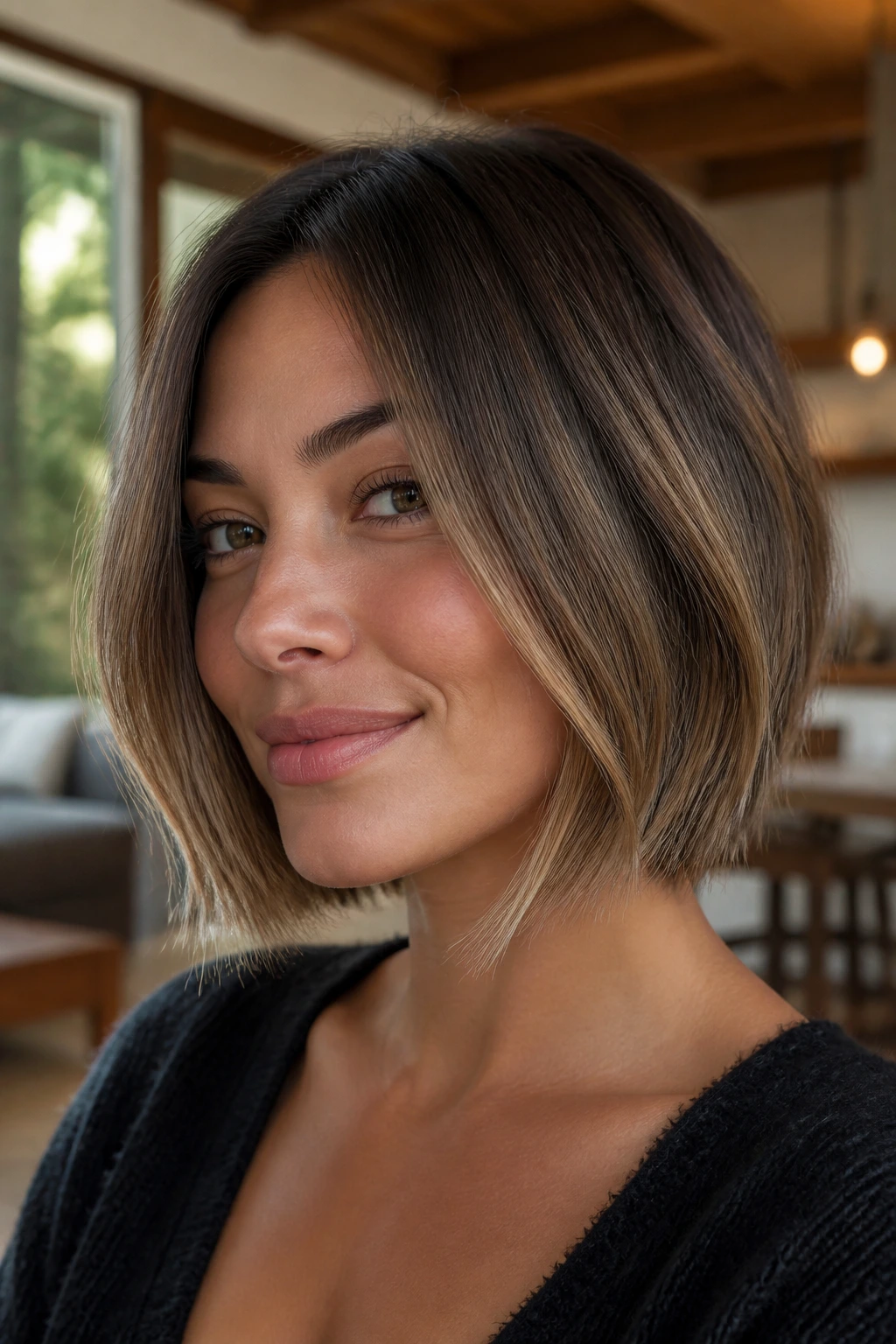
Bronde gets thrown around a lot, but this version earns the name. The roots are shadowed, the mids lean roast brown, and the lighter pieces stay soft enough to read as dimension rather than highlight bars. On a bob, that gives you depth at the nape and brightness near the face.
It’s a strong choice if you want movement without going lighter than a medium brown. Ask for a shadow root and a neutral bronde gloss, not a golden finish. Golden can fight the darker base and make the color look disconnected. This version stays cooler, richer, and easier to grow out.
22. Surf-Toast Balayage Lob
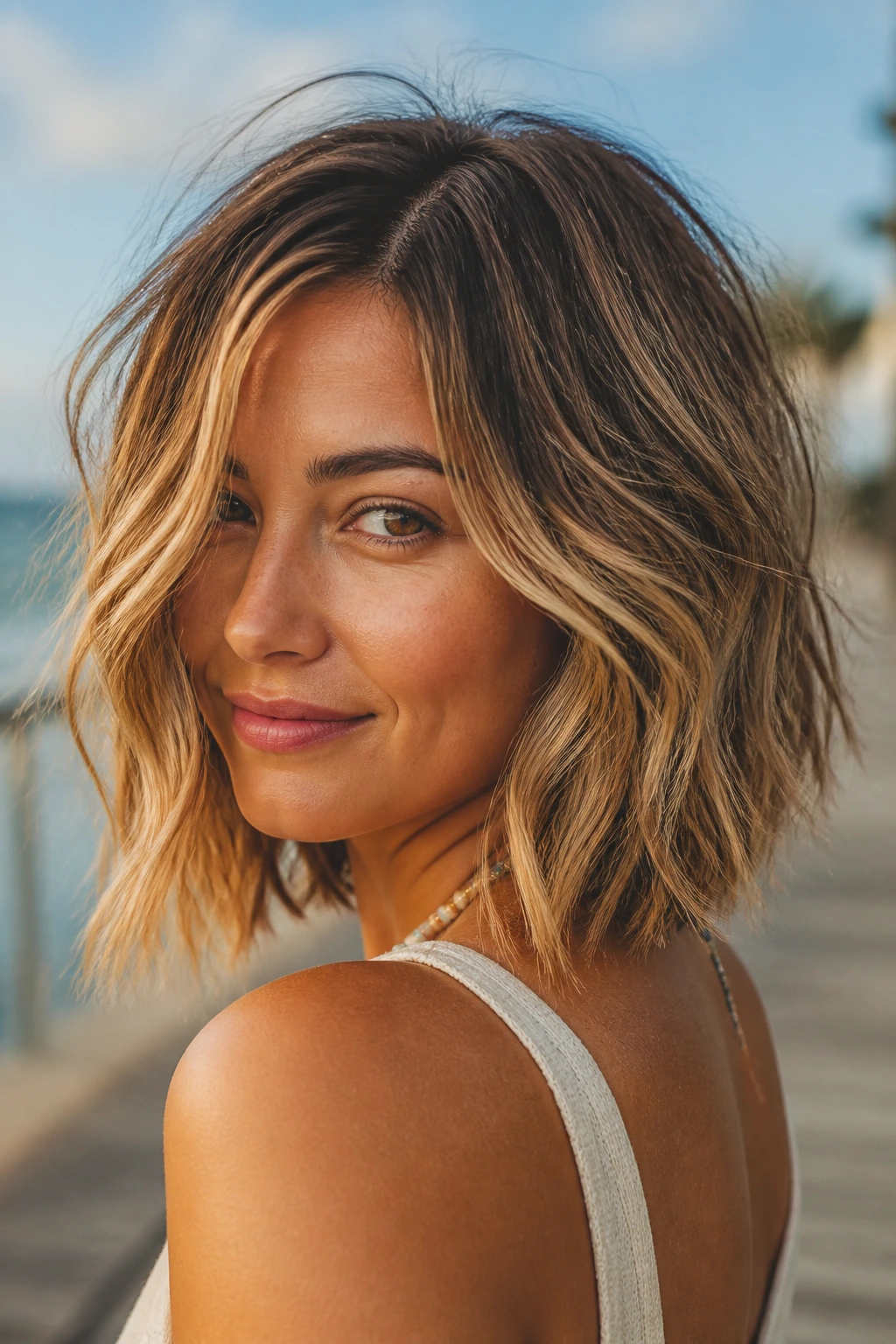
Think beach hair, but make it cleaner. Surf-toast uses sandy blonde ribbons through a lob with a few toasted pieces near the ends so the color doesn’t look washed out. It pairs well with layered cuts or a blunt lob with soft bend because the motion keeps the lighter pieces from sitting in one flat stripe.
The name sounds playful; the maintenance is not terrible. Because the roots stay deeper, you can go a little longer between refreshes than you can with full blonde. A salt spray or wave foam can make the ribbons pop, but keep it light. Too much product and the shine disappears.
23. Soft Cocoa Ribbon Bob
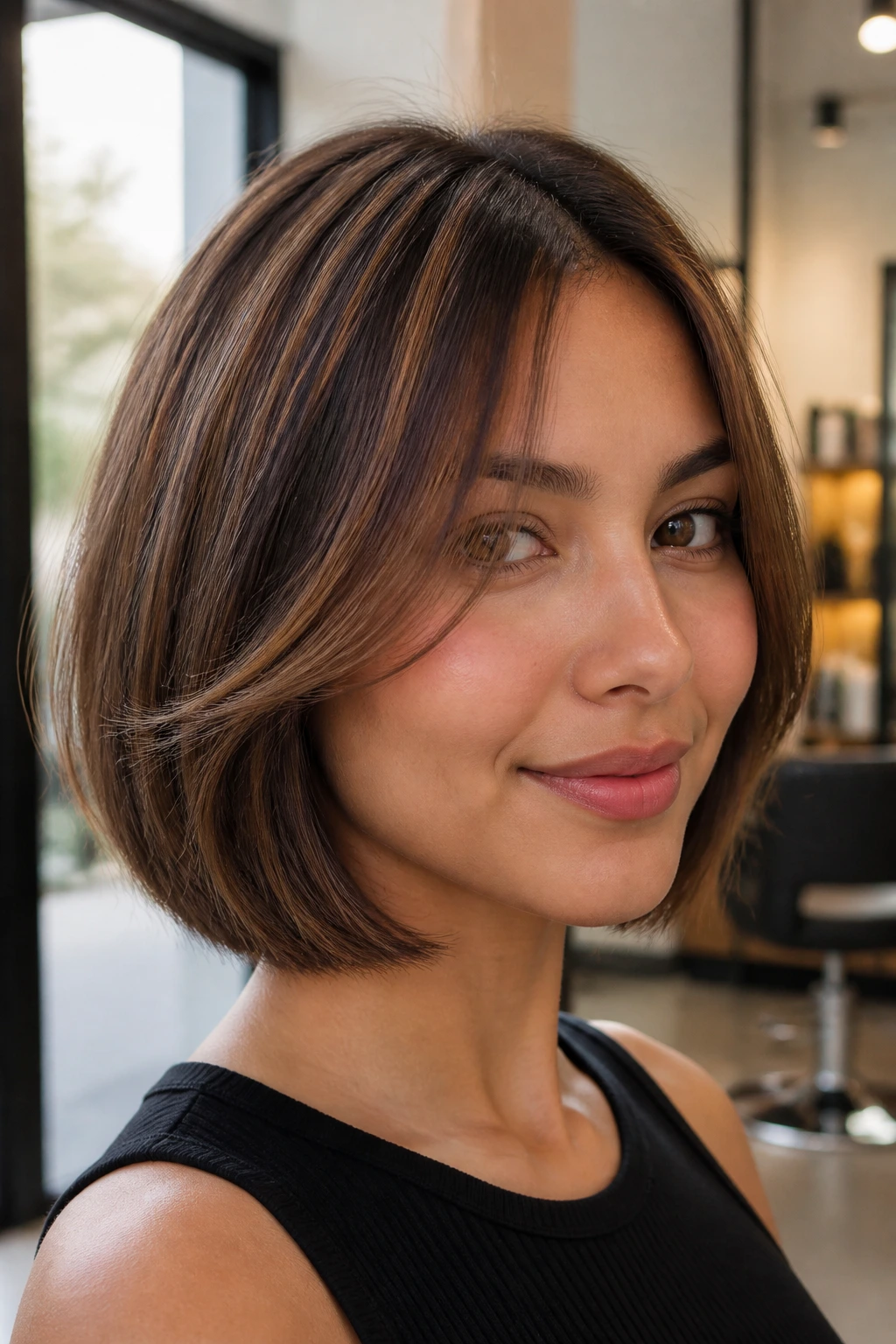
A cocoa ribbon bob is one of the smartest ways to give short brown hair more life without pushing it into obvious highlight territory. The ribbons are narrow, warmer than ash, and usually placed through the top half of the cut. That creates softness around the face and makes the bob look thicker.
This is especially good for fine hair, because the contrast is gentle and doesn’t expose every strand. You don’t need a heavy lift here. In fact, too much lightness can make the ends look thin. A cocoa gloss keeps the tone rich and glossy between appointments.
24. Mango Sorbet Pixie
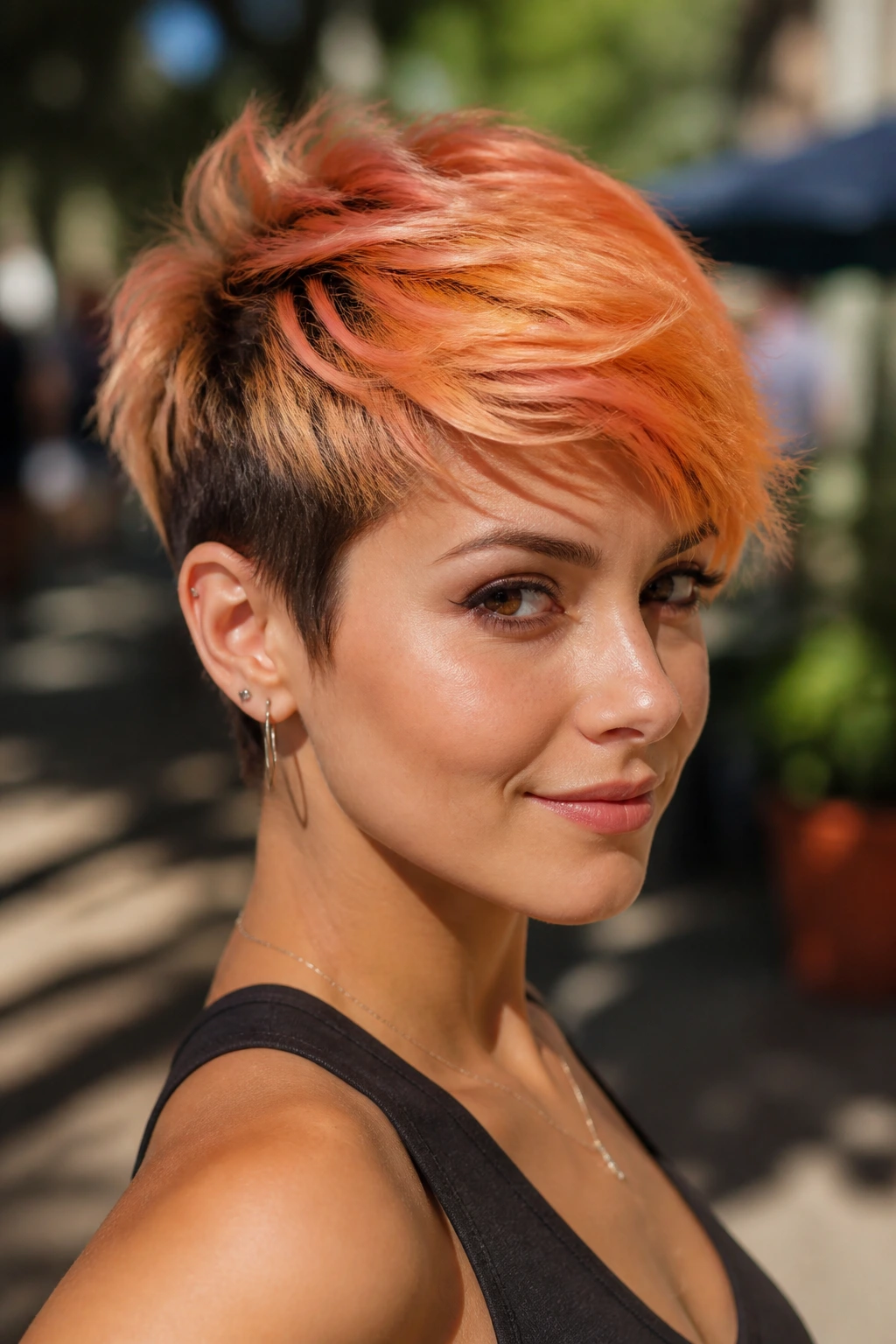
This one is for people who don’t want to whisper. Mango sorbet puts bright peach, soft gold, and a little coral energy into a pixie that already has a lot of attitude. It works best on pre-lightened hair and looks strongest when the color sits on the top and front, not the sides.
It’s one of the few fashion-forward summer colors that can still look grown-up if the tone is softened enough. Keep the roots a shade deeper and the ends more translucent. That stops the whole look from tipping into costume territory. A shine spray works better than heavy oil here. You want the pieces to gleam, not glue together.
25. Pearl Champagne Bob
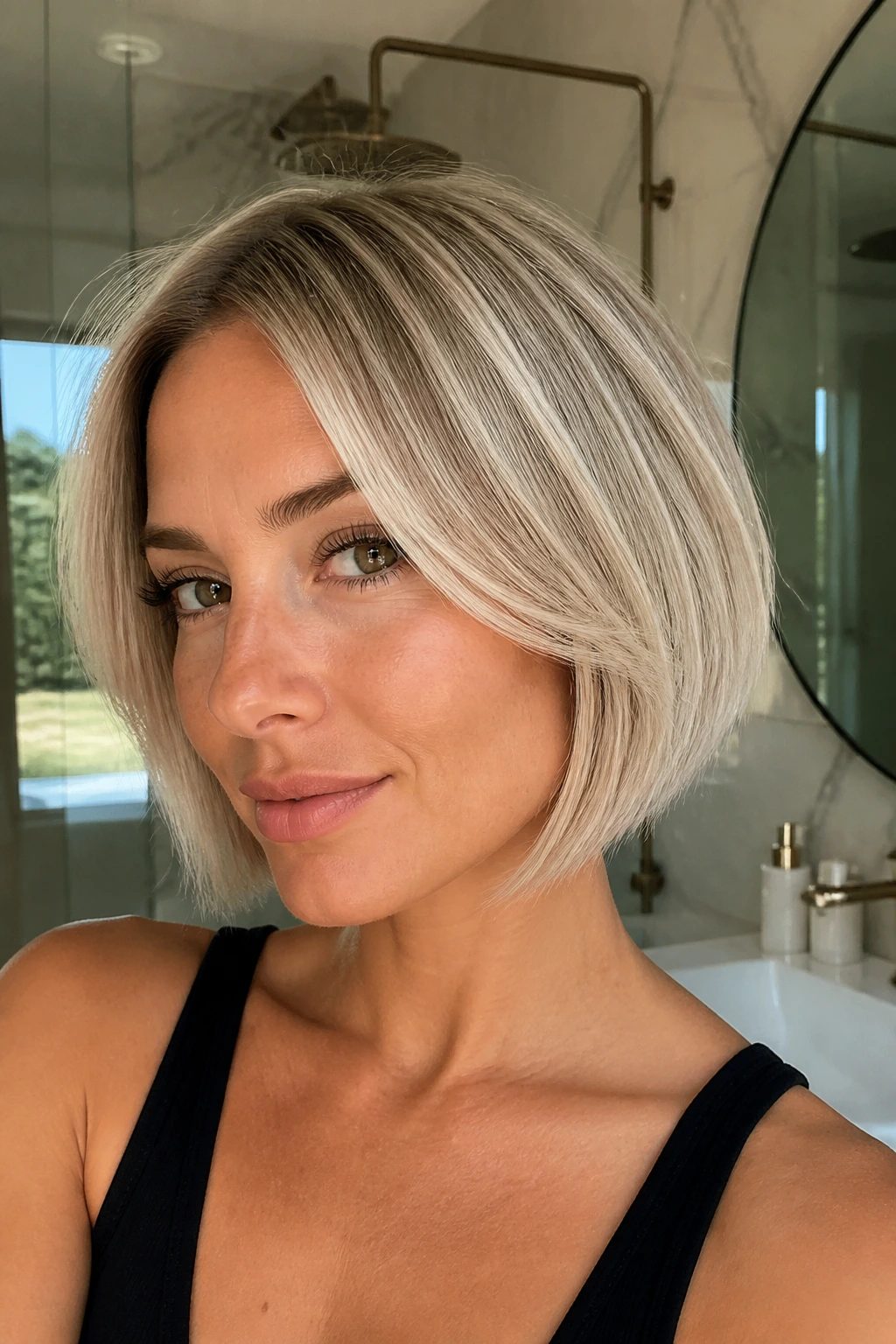
Pearl champagne is crisp, light, and cleaner than a plain yellow blonde. On a bob, it gives the cut a glassy finish, especially when the highlights are concentrated around the surface layer. Ask for champagne with a pearl toner, not a flat beige, if you want the color to read bright in daylight.
This shade can go a little glamorous fast, so the haircut matters. A blunt edge or a softly beveled bob gives it structure. It also asks for regular toner upkeep, because champagne shades shift quickly under sun and hard water. If your water is rough, a shower filter actually helps here. Not glamorous. Useful.
26. Copper Penny Pixie
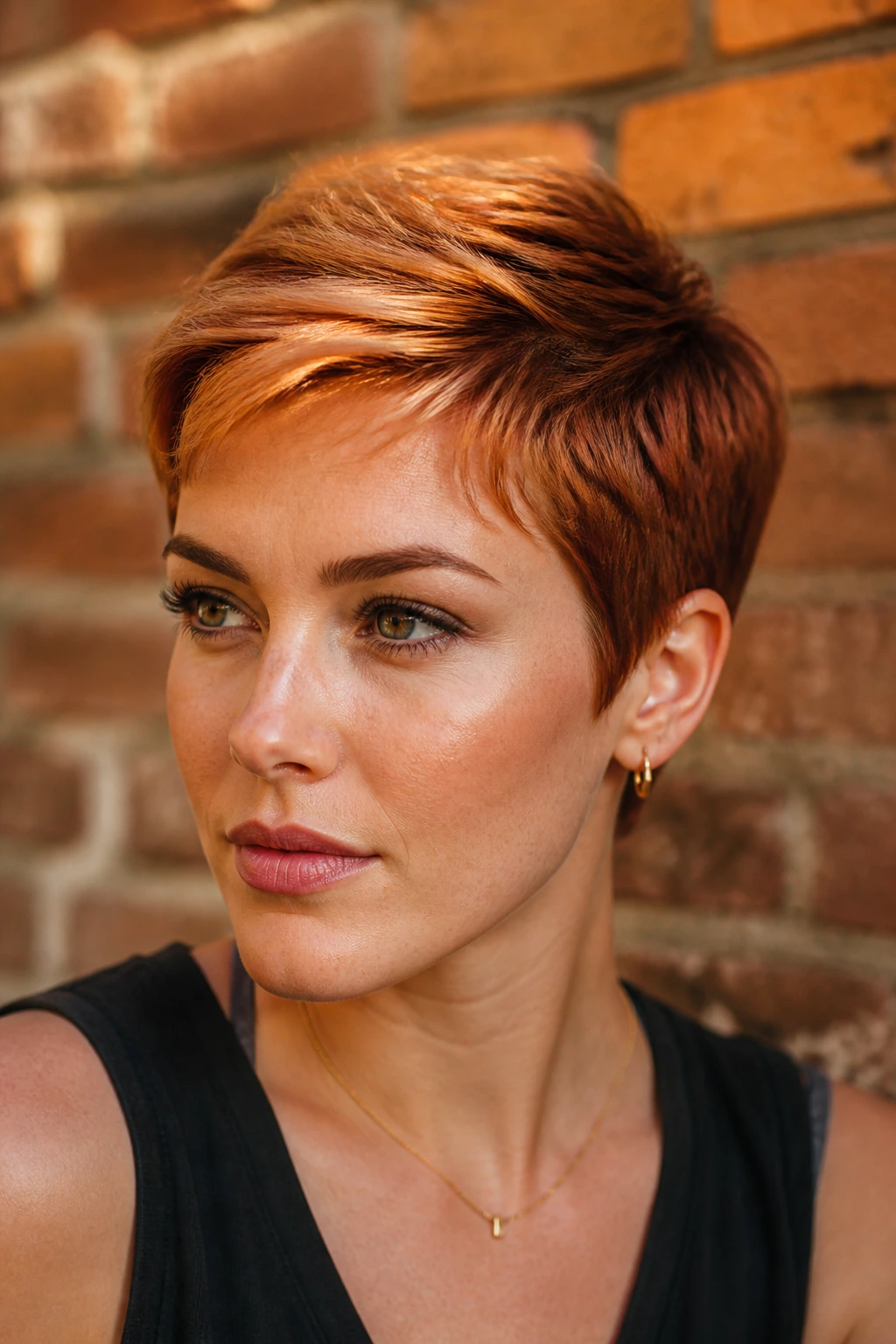
Copper penny is brighter and more metallic than cinnamon, which is why it suits a pixie so well. The shorter the cut, the more the color can act like a statement without becoming overwhelming. Keep the brightest pieces at the hairline and crown, then let the side panels sit a little deeper.
It’s a good match for skin with warm or neutral undertones, and it looks especially sharp with a bit of texture at the top. This is one of those shades that makes a short cut look deliberate even when it’s messy. The maintenance is moderate, though: copper fades fast in direct sun, so glosses matter.
27. Honeyed Curly Crop
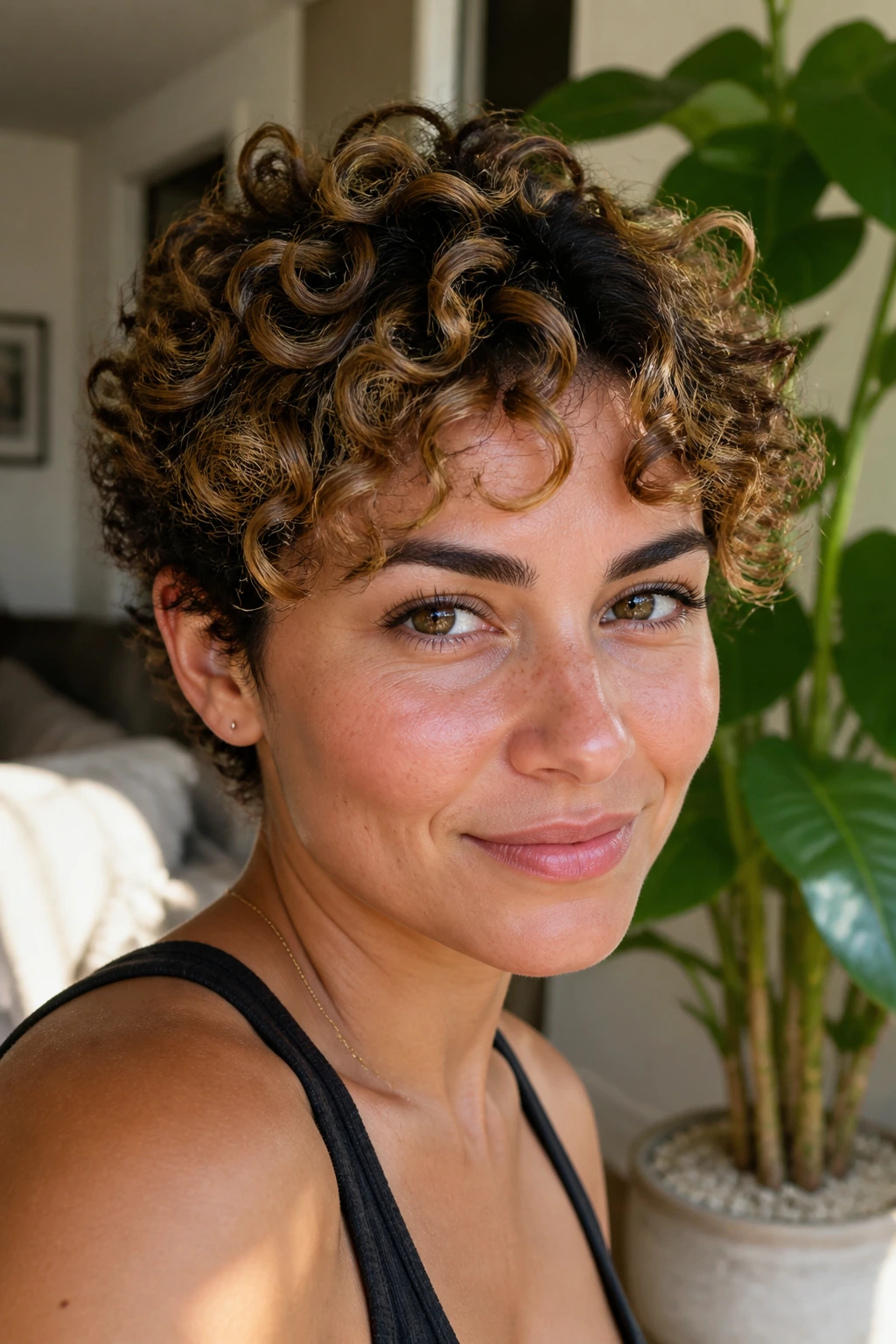
Curls change the whole balayage conversation. On a curly crop, honey pieces should follow the curl clumps rather than sit in straight vertical lines, or the color turns striped as soon as the curl springs back. The honey should land where the coil bends outward, which gives the hair real depth.
This is one of the prettiest ways to keep short curls from looking heavy in summer. The light catches the spiral instead of flattening it. Ask for hand-painted placement and avoid over-lighting the ends, since curls already look lighter at the tips when they dry. A curl cream with enough slip will help the shape read cleanly.
28. Mushroom Bronde Bob
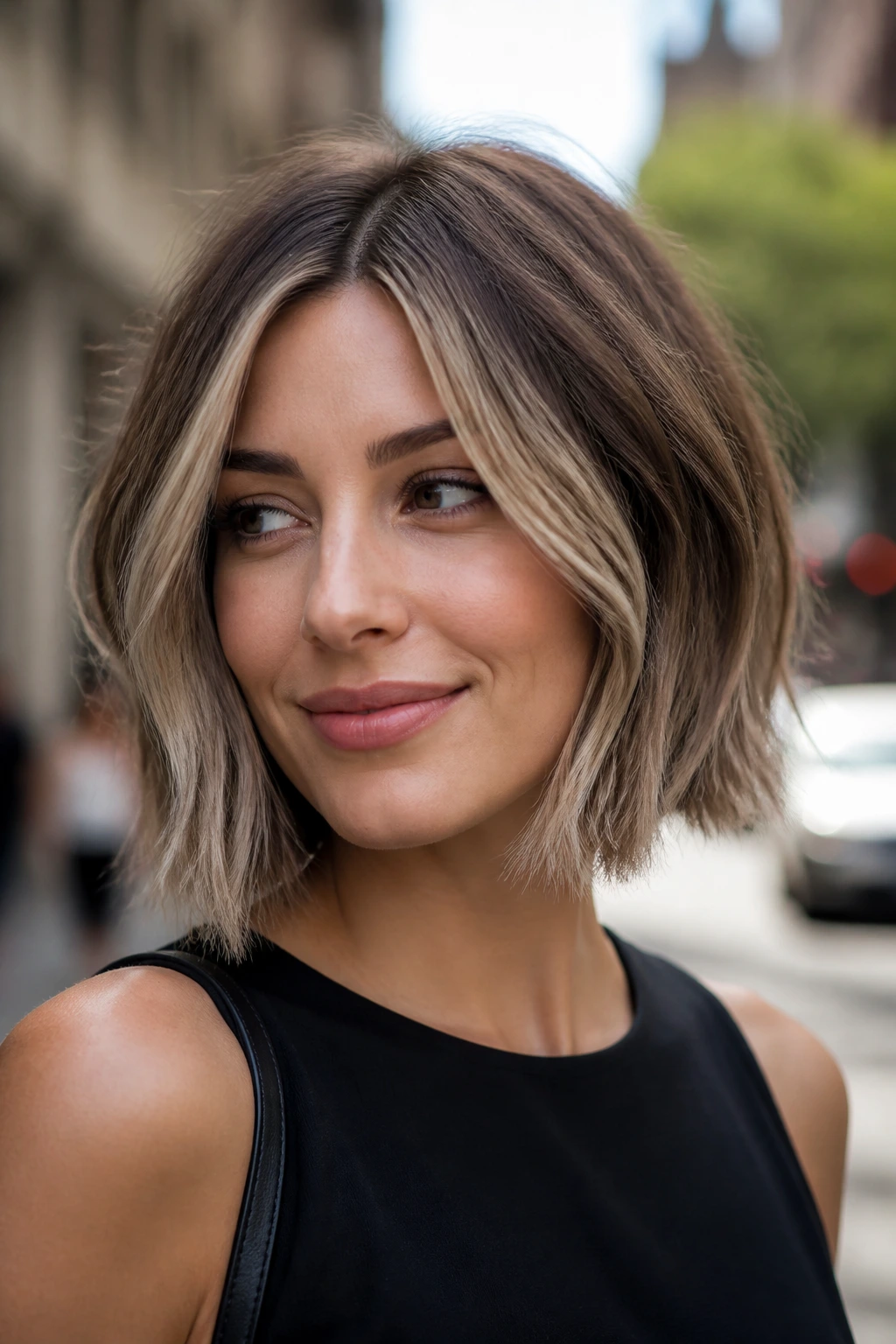
Mushroom bronde sits between brunette and blonde with a cooler, more muted finish than classic bronde. On a bob, it keeps the cut from feeling too warm or too dark, which is useful when summer sun tends to drag tones in the wrong direction. The tone should stay beige-taupe, not khaki.
This is a particularly good choice if you’re tired of brass but don’t want an ash color that looks flat indoors. The bob keeps the color easy to read, especially if the front pieces are a touch lighter than the back. A neutral gloss every few weeks keeps the whole thing from wandering into muddy territory.
29. Beige Money-Piece Lob
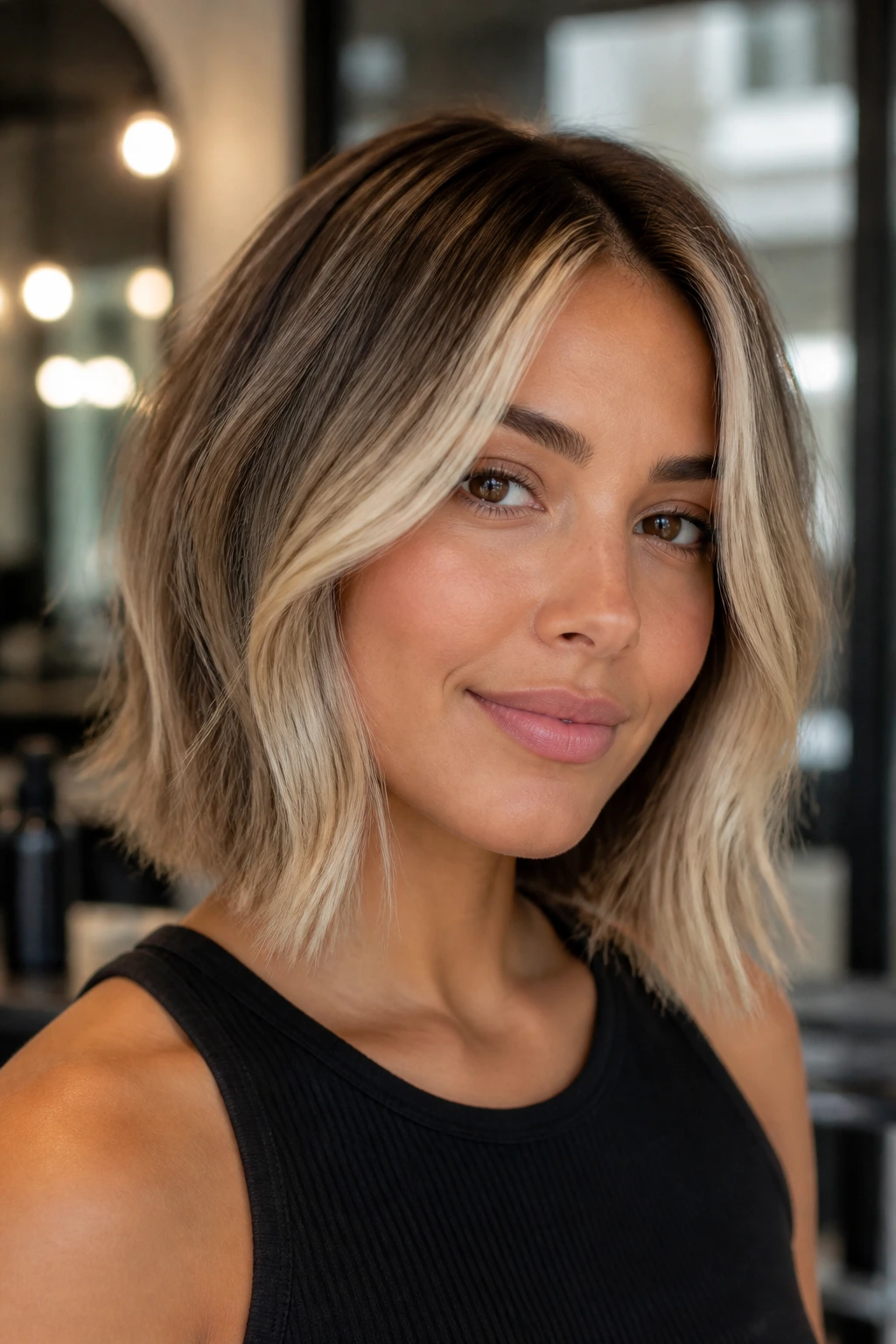
A money piece is not a trend gimmick when it’s placed with restraint. On a lob, the beige front sections can lift the whole haircut without forcing you into full-head lightening. The key is to keep the contrast soft enough that the pieces blend into the rest of the cut instead of sitting like a stripe.
This is the best short-hair answer for people who want a visible change and low fuss. The face frame does the visual heavy lifting, while the rest of the lob can stay close to your natural base. It’s also one of the easier styles to refresh later, since only the front needs real attention.
30. Cherry Cola Bob
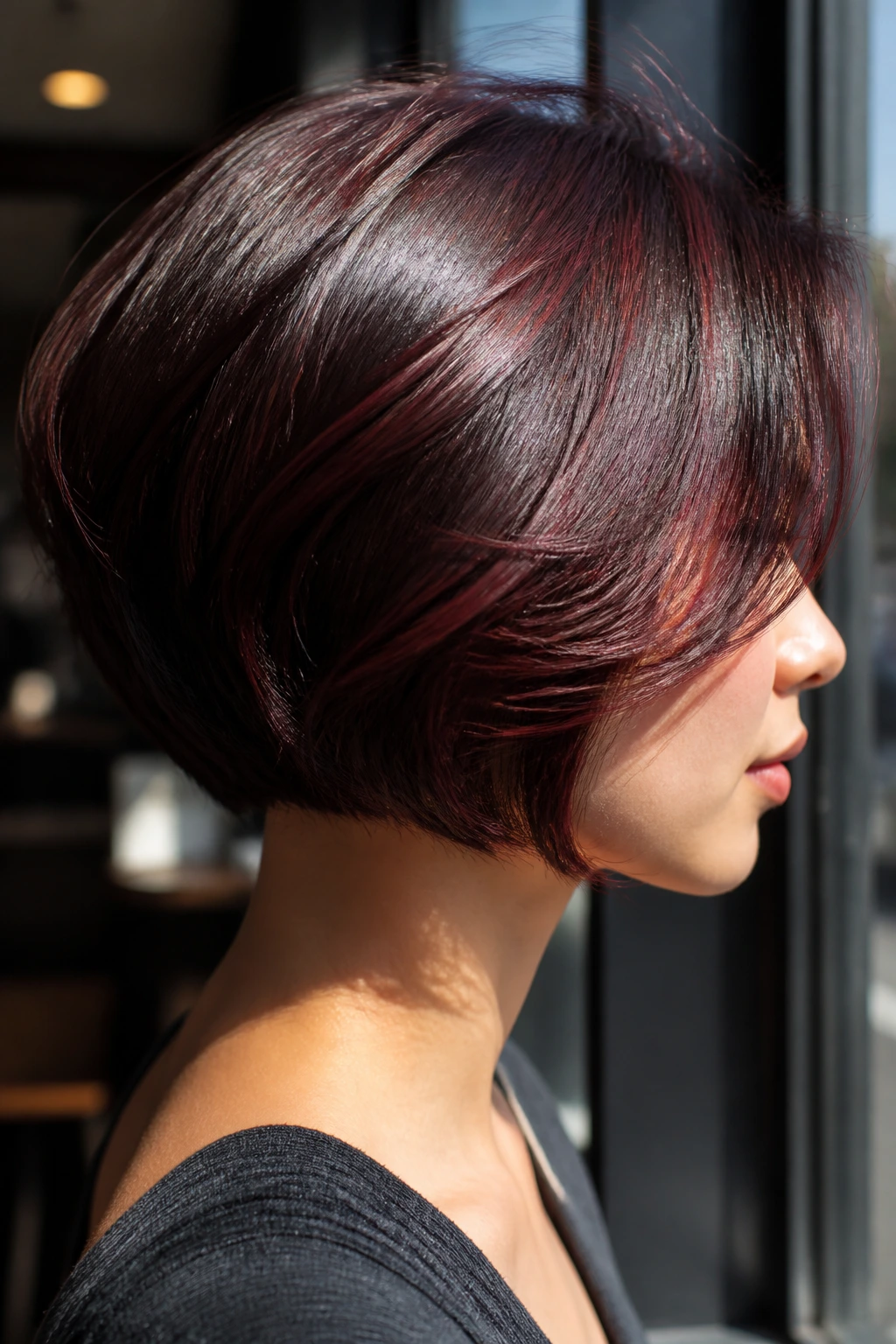
Cherry cola has more depth than a standard red, which is why it works on a short bob without screaming for attention. The color blends deep brown, wine, and cherry tones so the result looks glossy rather than neon. On short hair, that richness can be more striking than blonde because the shape reads cleanly against the dark color.
This shade is strongest when the light hits it from the side. That’s when the red tones show up. A clear gloss helps keep the finish shiny, and a color-safe shampoo is non-negotiable if you want the cherry notes to survive. Too much heat will flatten the red fast.
31. Smoky Caramel S-Curve
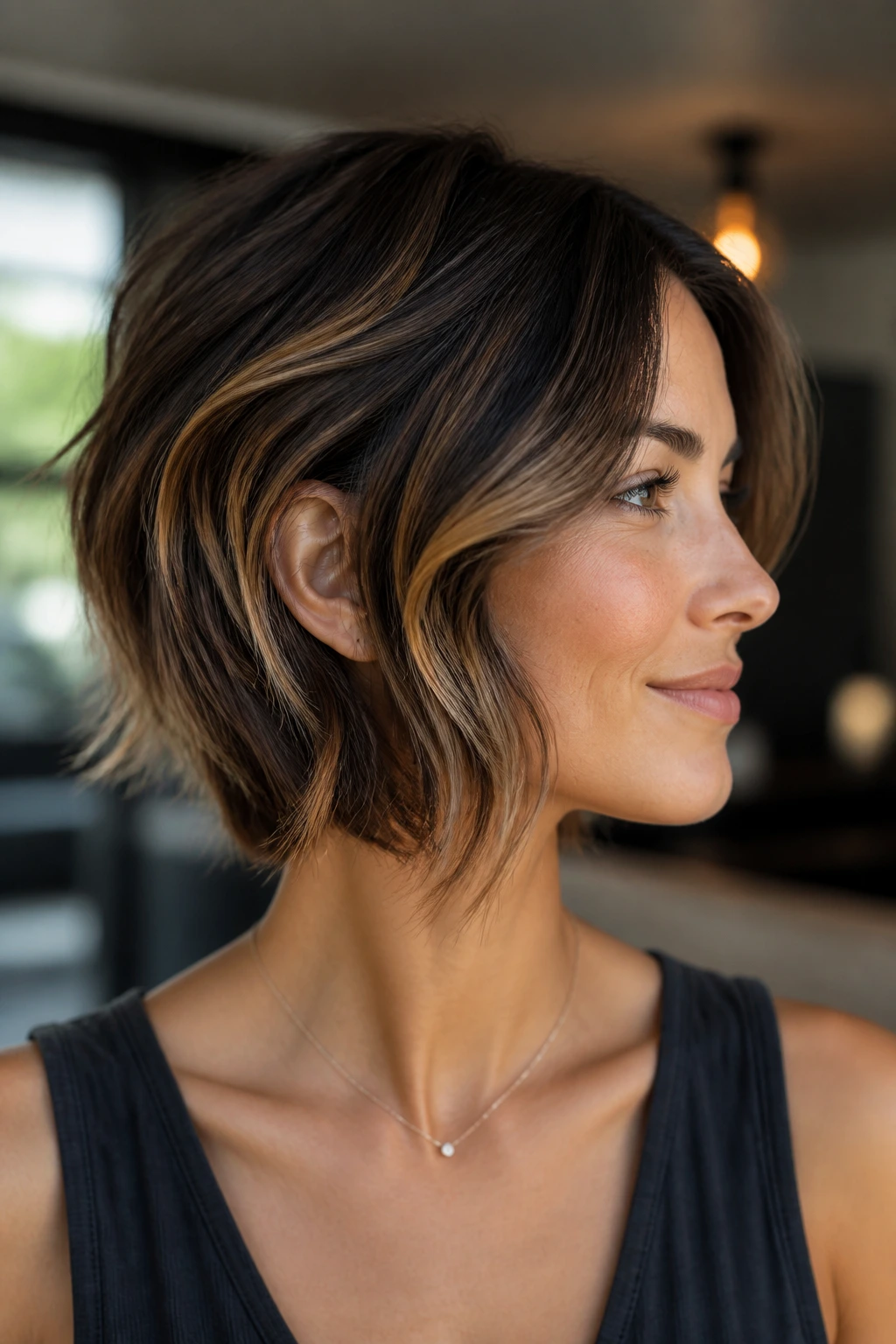
This look is built around movement. The color follows the curve of the hair rather than fighting it, so the caramel ribbons sit where an S-wave bends and roll through the side panels instead of the whole head. On short hair, that makes the style look tailored.
It’s a smart choice if your hair already bends a little on its own. The smoke in the caramel keeps it from going too sweet, and the shape of the cut does half the styling work for you. A flat iron bend or a round brush finish will make the ribbons show more clearly than a pin-straight style.
32. Frosted Wheat Pixie
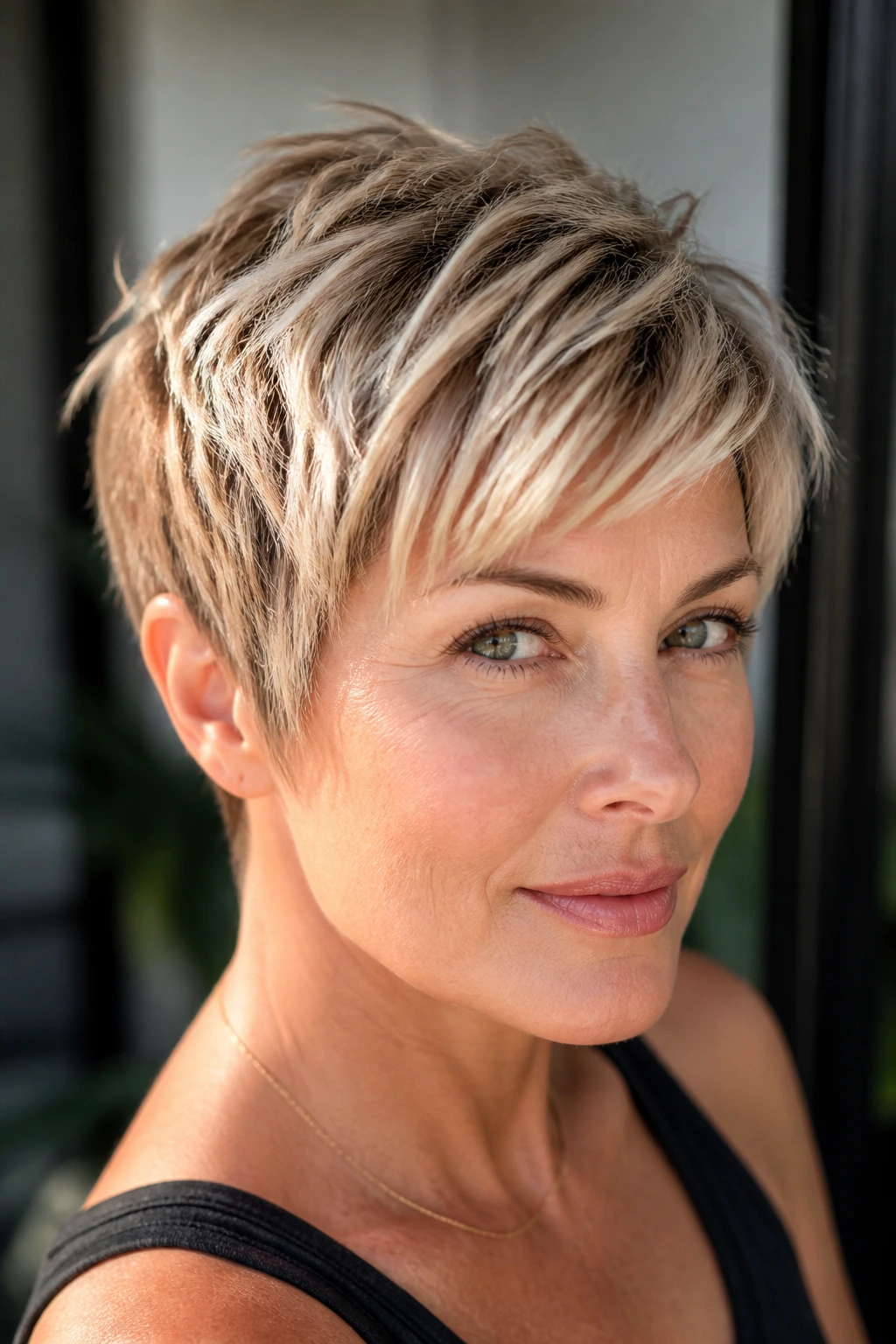
Frosted wheat is the airy, lightest version here without tipping into icy white. On a pixie, the fine pieces should sit over the top layer and fringe so the crop looks lifted, not painted. The wheat tone keeps it soft; the frosted finish keeps it summer-ready.
It’s an easy shade to overdo. Too much lift and the cut loses its texture. Too little and it reads as dull beige. The best version has tiny bright pieces near the temple and crown, with a slightly darker root that stops the scalp from looking washed out. A matte styling paste keeps it modern.
Why Short Balayage Feels Different in the Sun
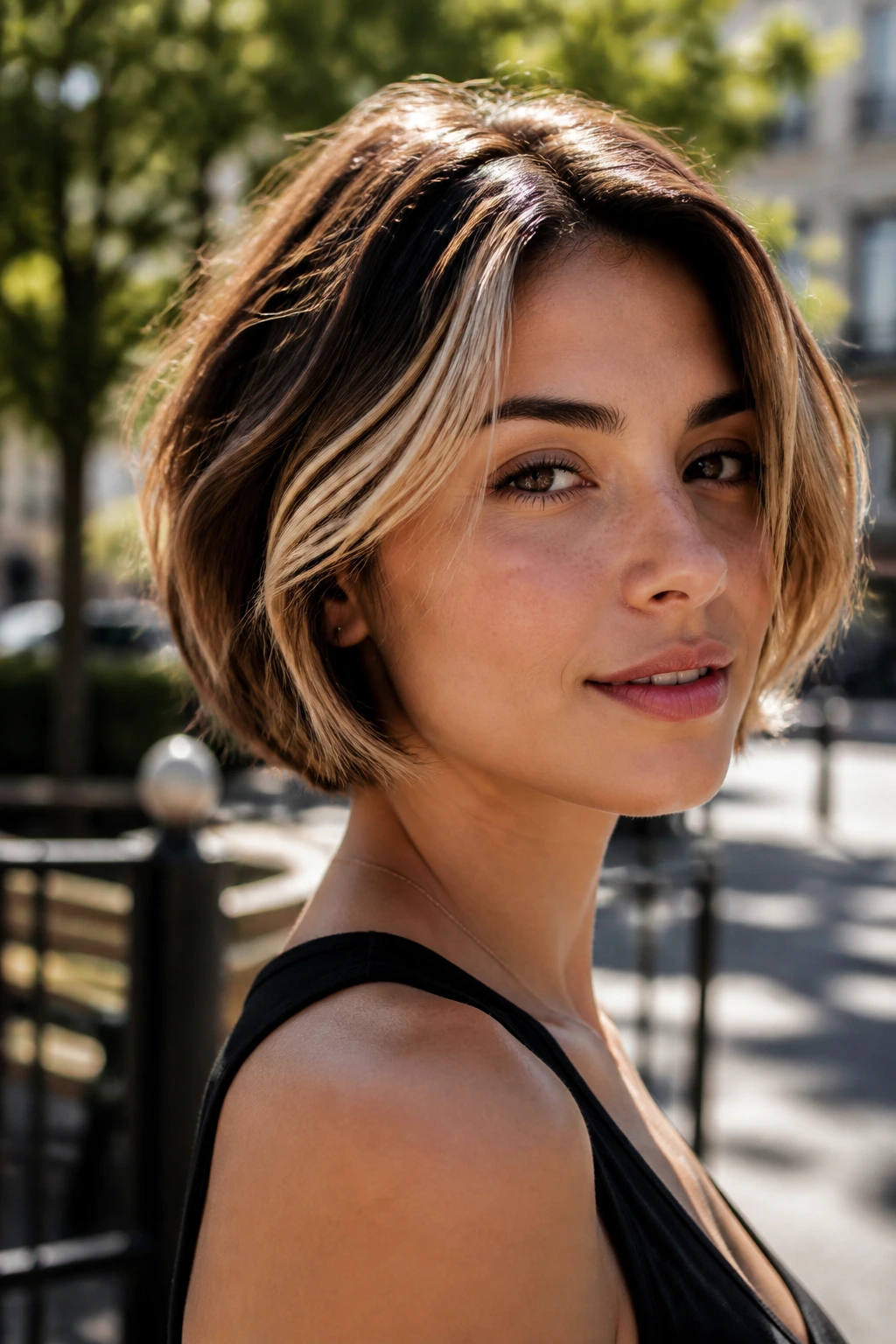
Short hair changes the math. A long balayage can afford some wandering placement because the color has room to blend over several inches. On a bob or pixie, every ribbon shows fast. That means the brightest pieces need to sit where the head actually curves: around the temples, through the crown, and along the edge that flips under or out. Put those lights in the wrong place and the whole style can go rigid.
Sunlight also plays rougher on short cuts because there’s less length to buffer the fade. A toner that stays creamy on day one can soften in a couple of weeks, especially if you’re swimming or washing daily. That’s why the best balayage looks for short hair in summer usually start with a root shadow or a natural base that can absorb some fading without looking exposed.
There’s a practical upside, though. Short hair is fast to refresh. A gloss, a trim, and a few face-frame pieces can reset the whole cut without a full appointment. That’s the part I keep coming back to. The color doesn’t need to be loud to be useful. It just has to sit in the right place.
Essential Tools for Keeping Short Balayage Crisp
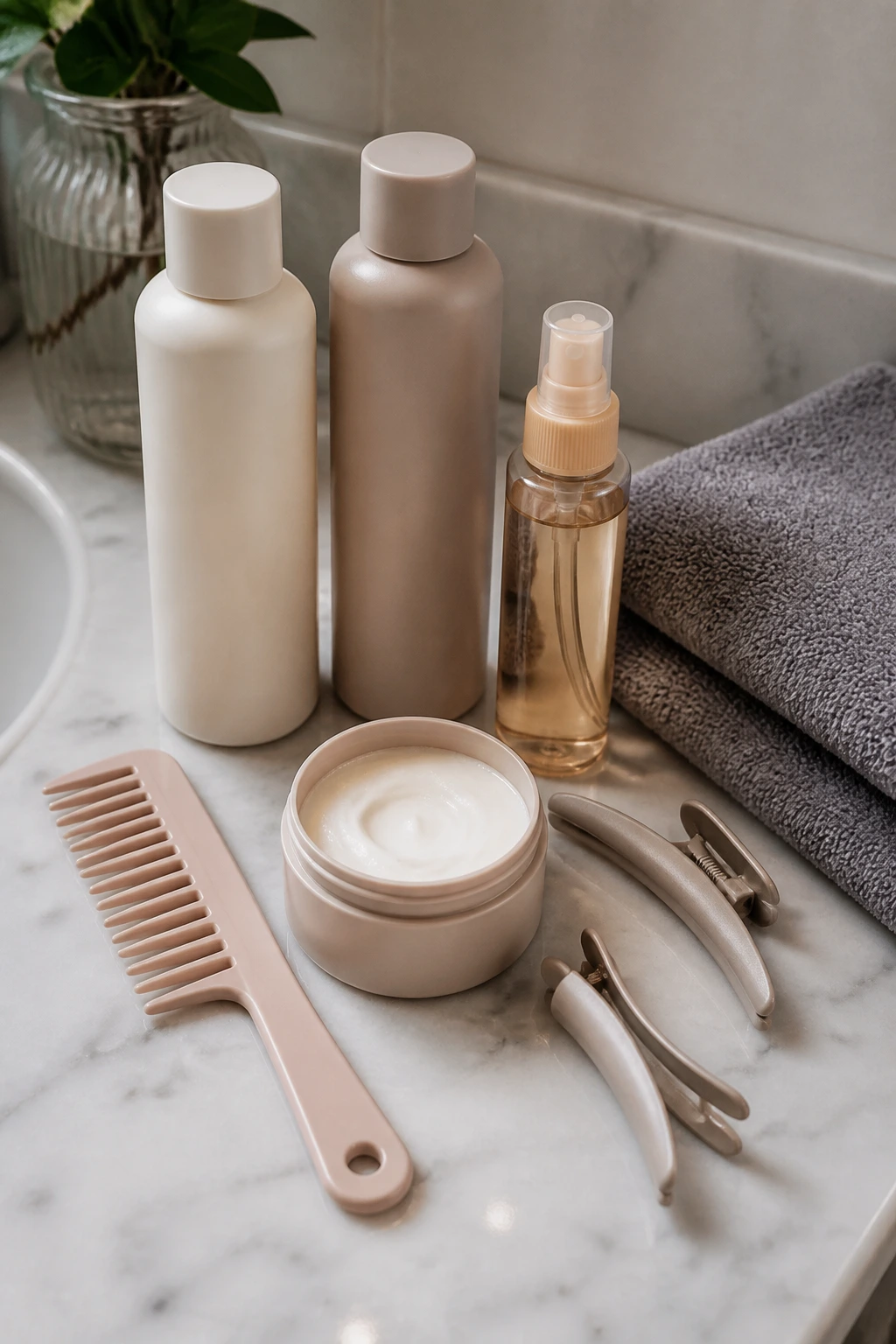
- Color-safe sulfate-free shampoo: Keeps the toner from stripping out in the first few washes and helps the hair feel less squeaky at the ends.
- Purple shampoo or blue shampoo: Purple helps blonde, beige, and champagne tones; blue helps brunettes, caramel, and copper pieces stay away from brass.
- Leave-in conditioner with UV protection: Short hair still burns color in the sun, and a lightweight leave-in adds slip without making the ends greasy.
- Heat protectant spray: Flat irons and blow-dryers can flatten tone fast, especially on lightened pieces around the face.
- Color-depositing gloss or mask: Useful for keeping rose, copper, beige, or caramel tones from fading into dullness between salon visits.
- Wide-tooth comb: Better than a brush on damp, highlighted hair; it keeps the lighter pieces from snapping.
- Sectioning clips: Handy for air-drying with a bend or for training the front pieces to sit where you want them.
- Microfiber towel or cotton T-shirt: Less rough on the cuticle than a bath towel, which matters once the hair has been lightened.
Smart Shade Choice and Salon Notes
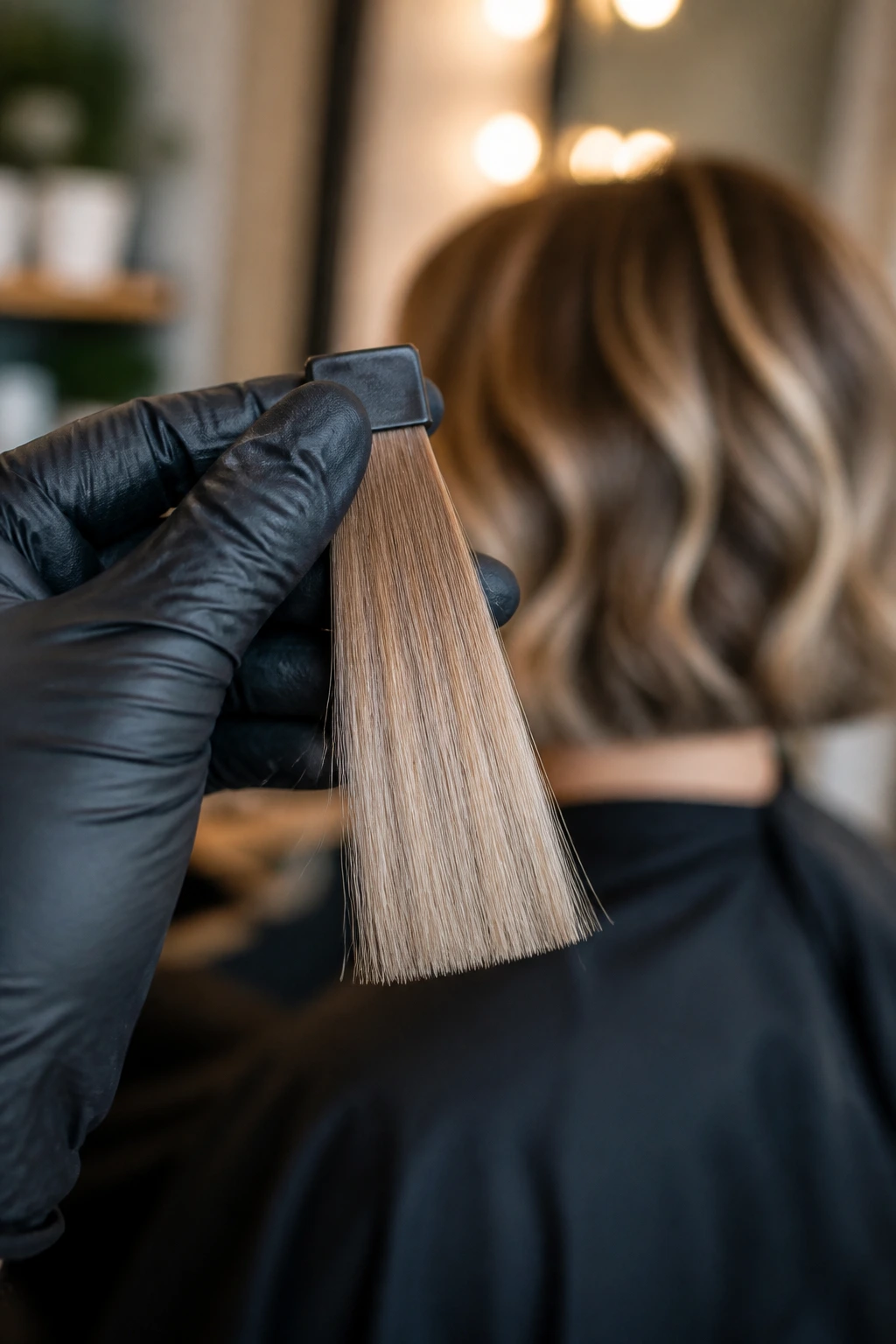
The quickest way to get a short balayage you’ll like is to stop talking only about color names. Beige, honey, caramel, ash, copper — all of those words help, but they are not the whole job. Ask about level, placement, and tone. A level 8 beige on a bob reads very differently from a level 8 beige on a pixie, because the shorter cut exposes the roots and the front much faster.
Know Your Base First
If your natural hair sits around level 4 or 5, a pale icy or champagne result may need foils or foilyage, not just freehand painting. Short hair rarely has enough length for the lift to drift gradually. Darker bases handle mocha, bronze, copper, and bronde much more easily.
Placement Matters More Than the Shade Name
Ask where the brightest pieces will sit. Front frame? Crown? Ends? Nape? On short cuts, the answer should be specific. A good colorist will place lighter ribbons where the haircut bends, not just where the hair happens to be long enough to grab.
Bring Photos, But Bring the Right Ones
Daylight photos beat filtered salon selfies every time. Save one picture of the color in indoor light and one in direct sun. That shows how the tone moves, which is the part people usually forget. A shade that looks soft in a dim room can turn much brighter outdoors.
How to Wear These Colors With a Bob, Lob, or Pixie
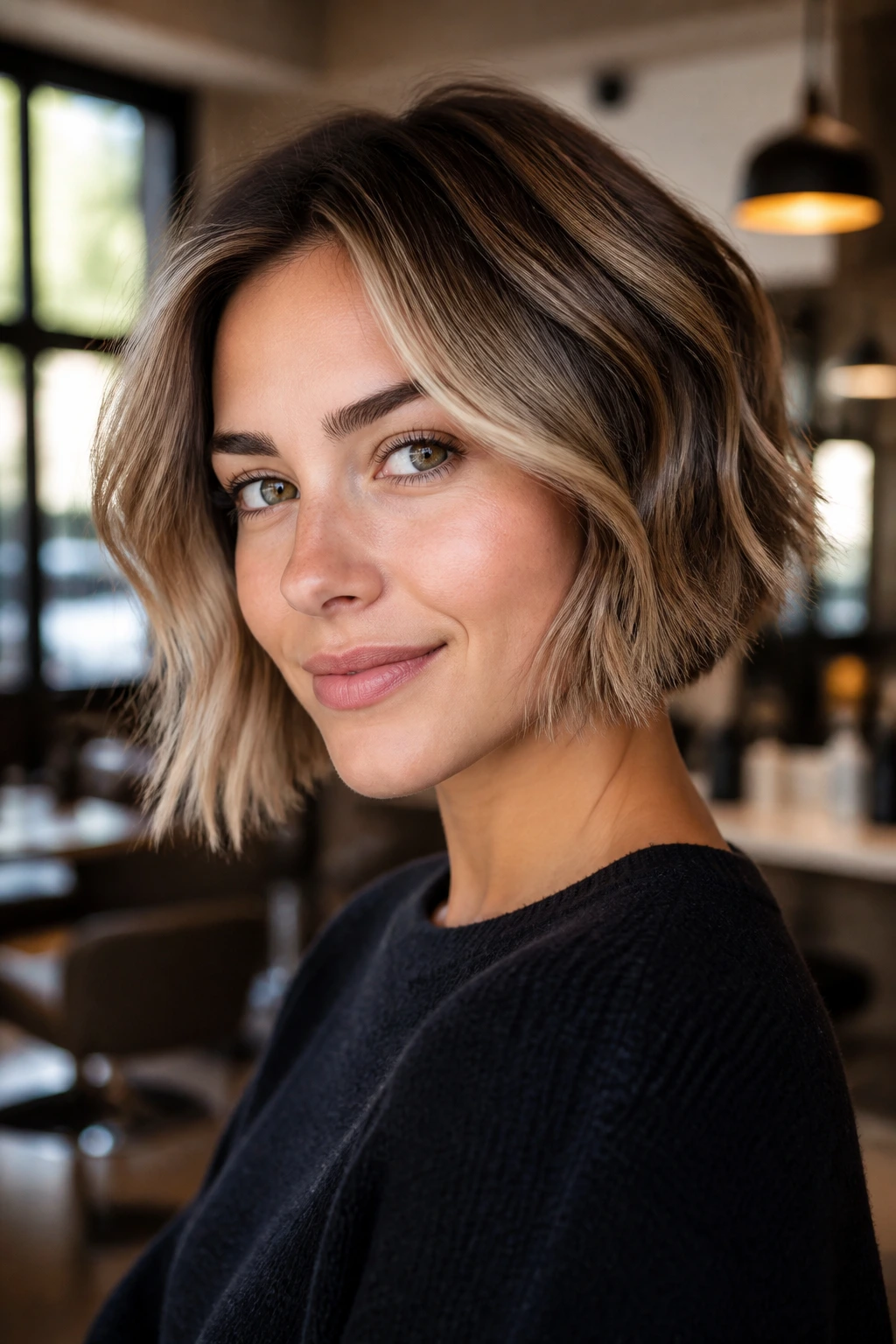
Placement: Keep the brightest pieces near the face, crown, and the top layer that moves when you walk. That’s where short hair catches light first, and it’s also where a bad placement looks most obvious if the color is too wide or too chunky.
Styling: Loose waves, a soft bevel under the ends, or a quick flat-iron bend usually show balayage better than pin-straight hair. The bend gives the ribbons something to catch on. A little texture cream or wave spray helps, but don’t drown the hair in product or the lighter pieces will disappear into a greasy shine.
Maintenance: Plan on a trim every 6 to 8 weeks if you want the shape and the color to stay synced. Glossing every 4 to 6 weeks keeps beige, blonde, copper, and rose tones from drifting. If you swim a lot, a rinse-out conditioner before the pool and a shower right after can save you a ton of brass later.
Pairing: Blunt bobs take brighter, cleaner placement. Shags and curls can handle more softness and variation. Pixies need tight face-frame work or they look overdone fast.
Extra Ways to Make the Color Read Brighter
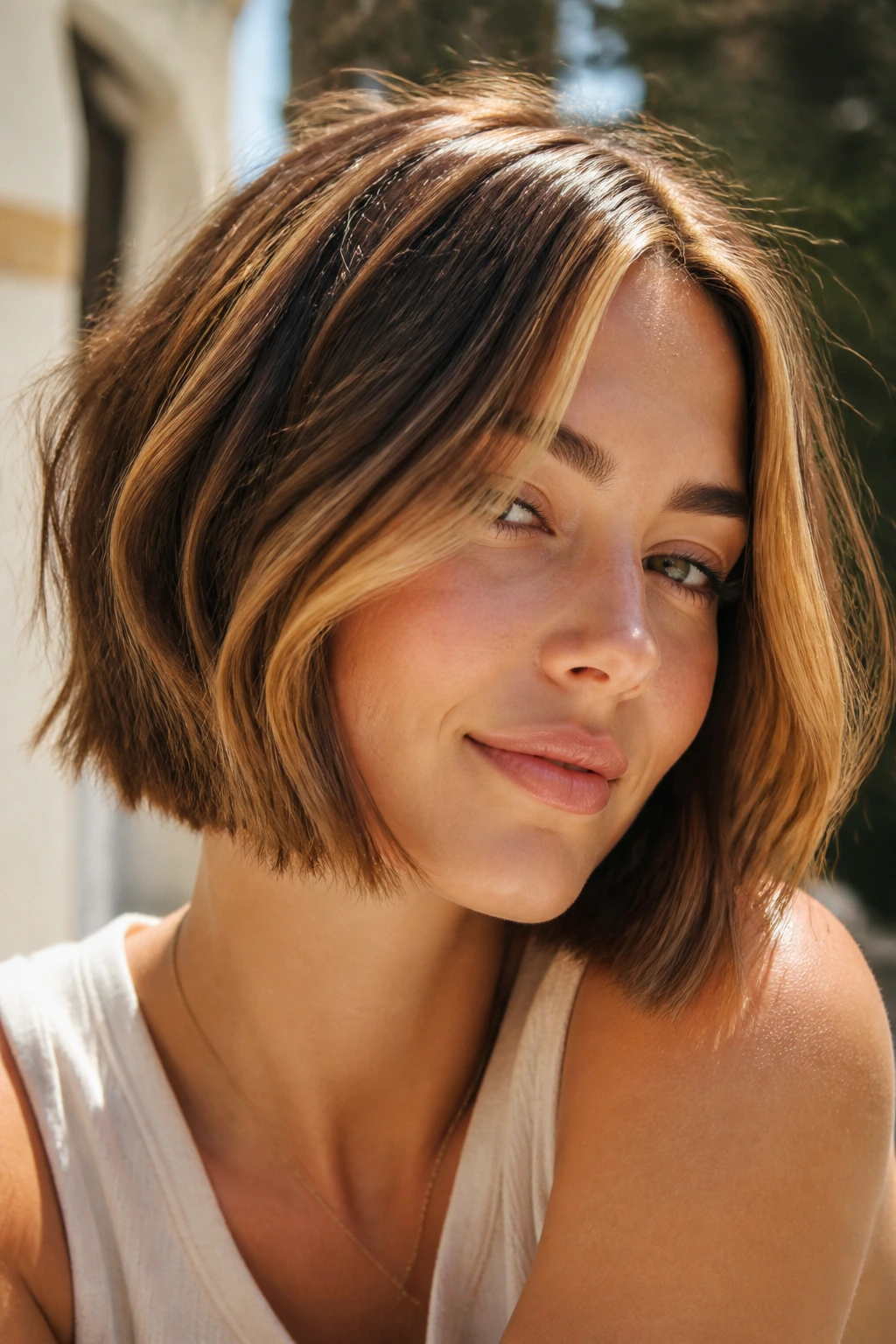
Brightness Boost: Ask for a few micro-lights around the part and temple area, not more blonde everywhere. On short hair, that tiny zone can change the whole read of the cut.
Texture Trick: A matte cream or light wave spray makes caramel, beige, and mushroom tones stand out because the hair stops reflecting every bit of light at once. The color reads clearer when the finish has a little separation.
Color Shift: One gloss can move a look warmer, cooler, or softer. Beige can go champagne; copper can go apricot; brown can go mocha. You do not need a full redo every time the tone changes a little.
Make-It-Yours: If you want warmth, choose honey, bronze, copper, or apricot. If you want something cleaner and cooler, ask for mushroom, ash brunette, pearl beige, or icy champagne. For a middle ground, bronde and sandstone are the safest bets.
Maintenance, Refreshing, and Grow-Out
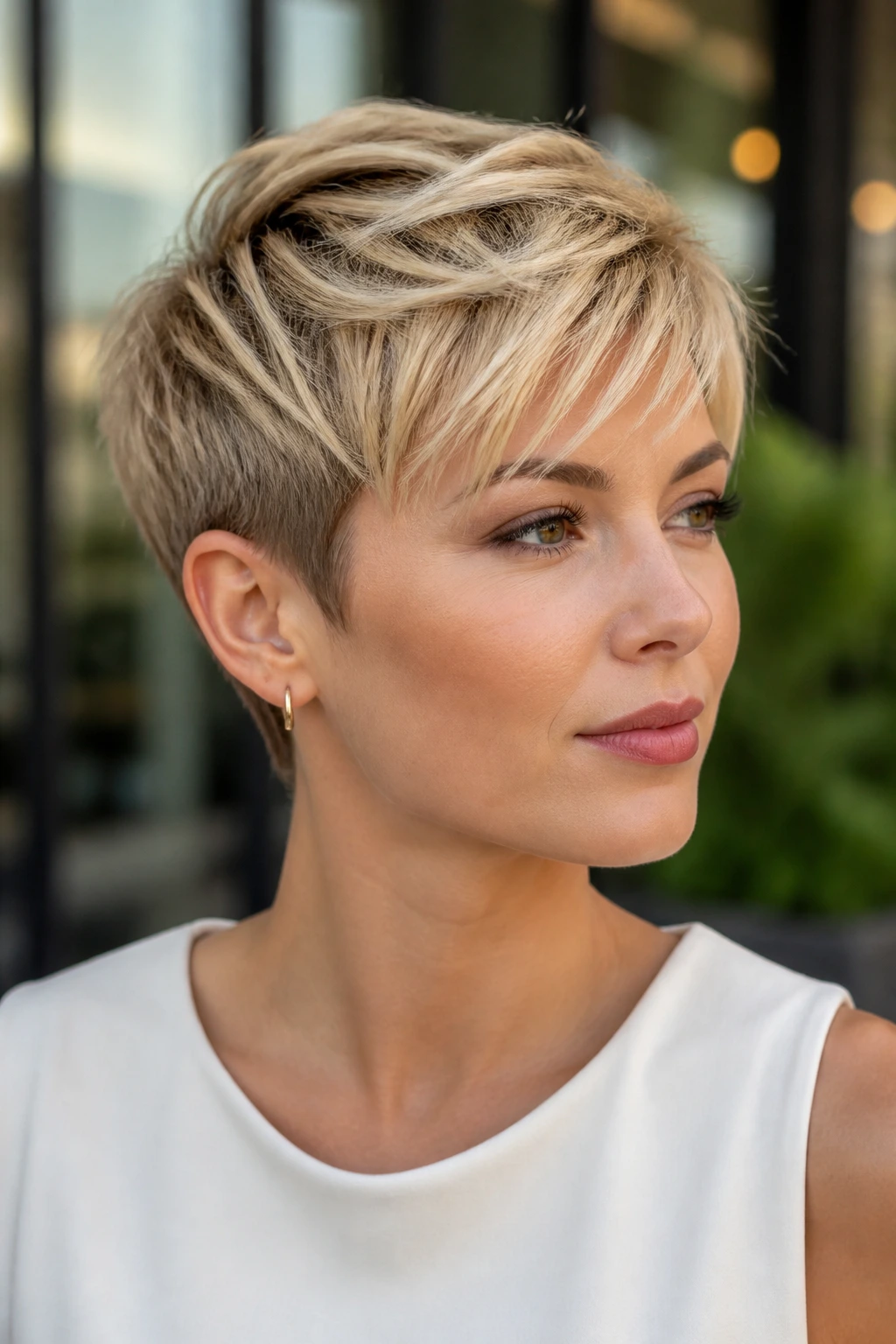
Short balayage looks best when the first few weeks are treated like the reference point. Right after the salon, the tone is crisp and the placement is clean. After about 3 to 4 washes, especially with frequent sun or pool time, the color starts to soften. That’s normal. It’s also where a gloss starts pulling its weight.
For most short cuts, a gloss every 4 to 6 weeks keeps the lighter pieces in line. A trim every 6 to 8 weeks protects the shape, which matters as much as the color. If you push it longer than that, the ends can fray just enough to make the light pieces look drier than they are.
Purple shampoo should not run the show. Once a week is usually enough for blonde, beige, or champagne tones. Blue shampoo works better for brunette, bronze, and caramel looks that keep turning orange. Leave it on too long and you’ll mute the tone instead of correcting it. Two to five minutes is usually plenty.
Swimming changes the schedule. If you’re in chlorine or salt water often, wet the hair with clean water first, smooth in a leave-in, and rinse as soon as you can after. That little routine saves the cuticle from taking the full hit.
Easy Adaptations for Different Maintenance Levels
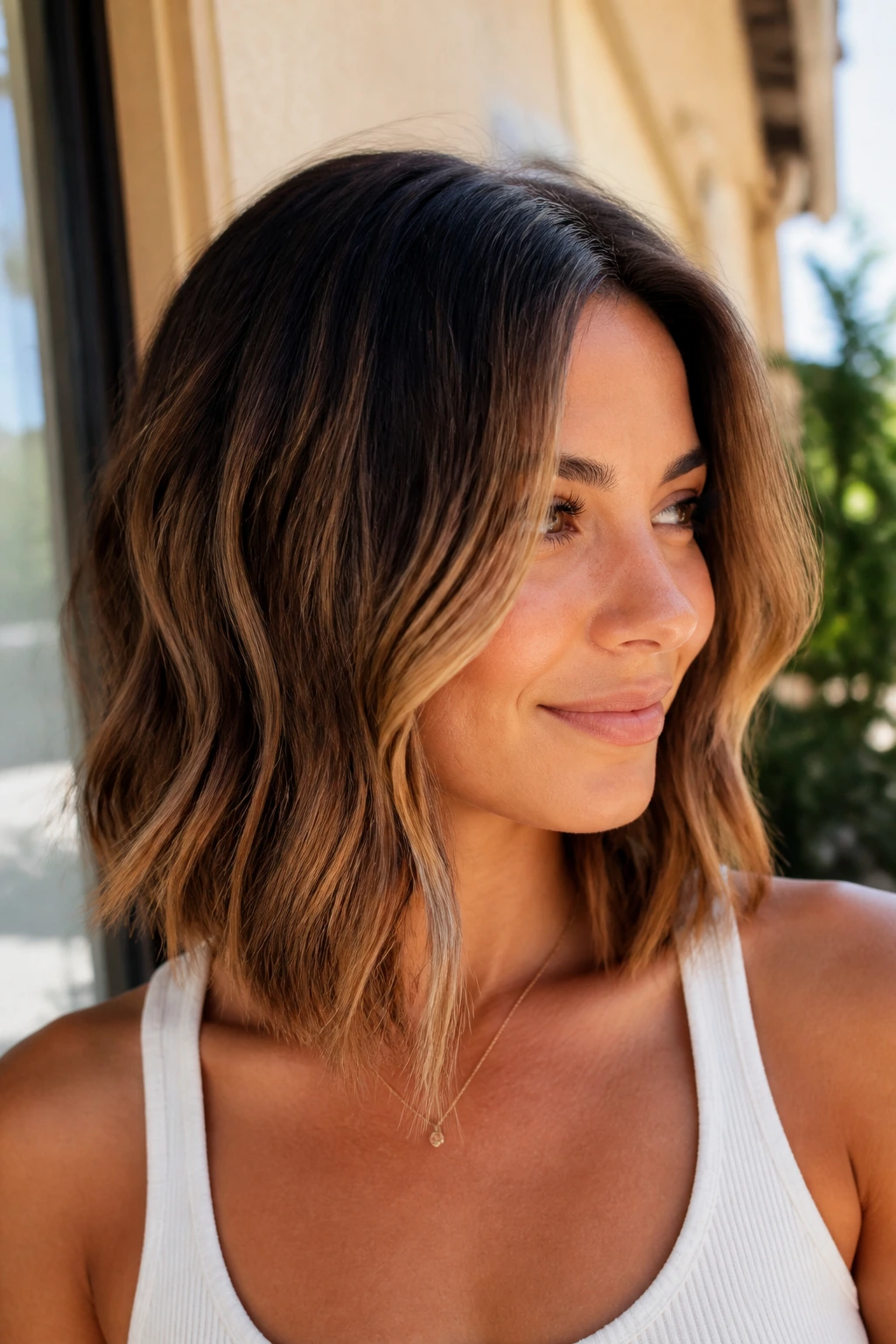
Low-Grow-Out Version: Keep the root deeper and the highlights narrower. This is the move for people who want to go 8 to 12 weeks between touch-ups without obvious lines.
Bright Front Version: Put the lightest work only around the face frame and fringe. You get a noticeable change fast, and the rest of the head can stay closer to natural.
Cool-Toned Version: Ask for beige, ash, mushroom, or pearl glossing. This helps if your base pulls orange or yellow the minute the sun gets involved.
Warm-Toned Version: Choose honey, copper, apricot, or bronze if your skin looks better with warmth or your wardrobe leans earthy. Warm shades are easier to soften later than to warm up from gray.
Curly Pattern Version: Follow the curl clumps, not straight sections. That keeps the highlights from turning stripey once the hair dries and shrinks.
Common Mistakes That Make Short Balayage Look Patchy
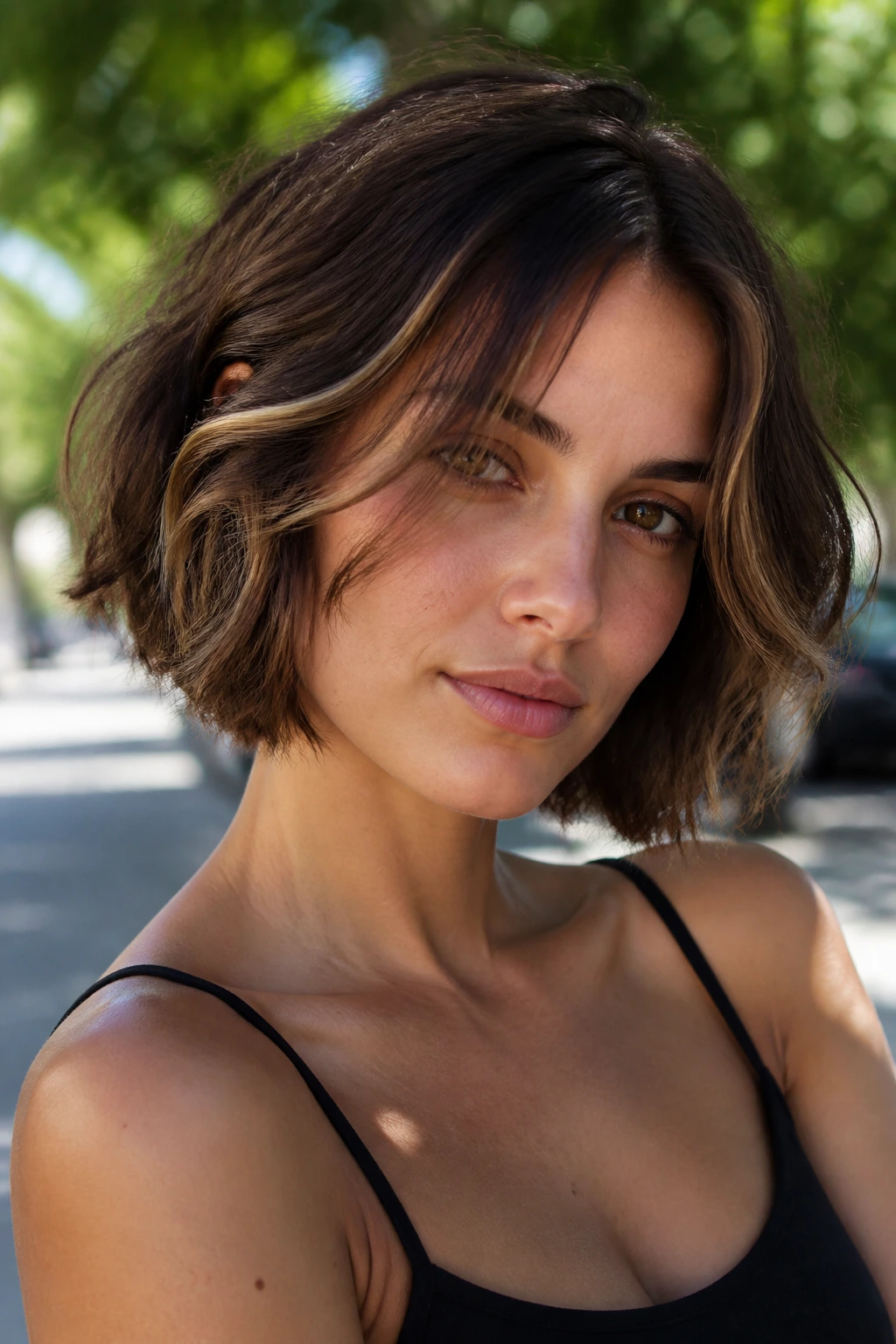
The biggest mistake is painting too much brightness too low. On a short bob, that leaves the top flat and the ends too light, so the color looks disconnected. Keep the brightest pieces where the cut moves, not just at the tips.
Another one: choosing a tone that fights your base. If your hair is naturally warm and you want cool blonde, the result can go muddy unless the lift is strong enough. If your base is dark and you want pale beige, ask whether foils are needed. Sometimes the answer is yes, and pretending otherwise just wastes time.
People also overuse purple shampoo. One extra wash a week can rescue brass. Using it every shower can leave blonde or beige looking chalky and tired. Once a week is usually enough unless your water is especially rough.
And then there’s the haircut problem. No color can save a blunt, overgrown shape that sits wrong on your head. Get the cut right first. The balayage will look twice as good.
Questions People Ask Before Booking
Does balayage work on a pixie cut?
Yes, but it has to be tight and deliberate. On a pixie, balayage works best when the brightest pieces sit on the fringe, crown, and top layer, with the sides kept deeper so the shape doesn’t blur.
Is foilyage better than freehand balayage for short hair?
Sometimes. If your base is dark and you want a lighter result, foilyage can lift more evenly and more strongly than open-air painting, especially on a lob or bob with limited length.
Will short balayage make fine hair look thinner?
Not if the placement is right. Soft ribbons and lowlights can make fine hair look fuller, but chunky light streaks can expose too much scalp and reduce the sense of density.
How often do I need to refresh the toner?
Usually every 4 to 6 weeks if you want the color to stay clean. Warm shades may hold a little longer, while icy beige or champagne often need attention sooner.
Can I get balayage if I wash my hair every day?
You can, but the tone will fade faster. Use color-safe shampoo, keep water lukewarm, and rely on a gloss or deposit mask to keep the shade from going dull.
What if the color turns brassier than I wanted?
Use the right shampoo first — purple for blonde and beige, blue for brunette and caramel. If the brass is strong, book a toning gloss instead of trying to scrub it away with product.
Does short balayage need a root shadow?
Not always, but it usually helps. A soft root shadow makes grow-out easier and keeps the bright pieces from looking pasted on, especially on bobs and pixies.
Can curly short hair handle balayage without looking striped?
Yes, if the colorist paints for the curl pattern. The color should follow the curl groups and the bends, not sit in straight lines that disappear when the hair springs back.
A Clean Finish That Lasts
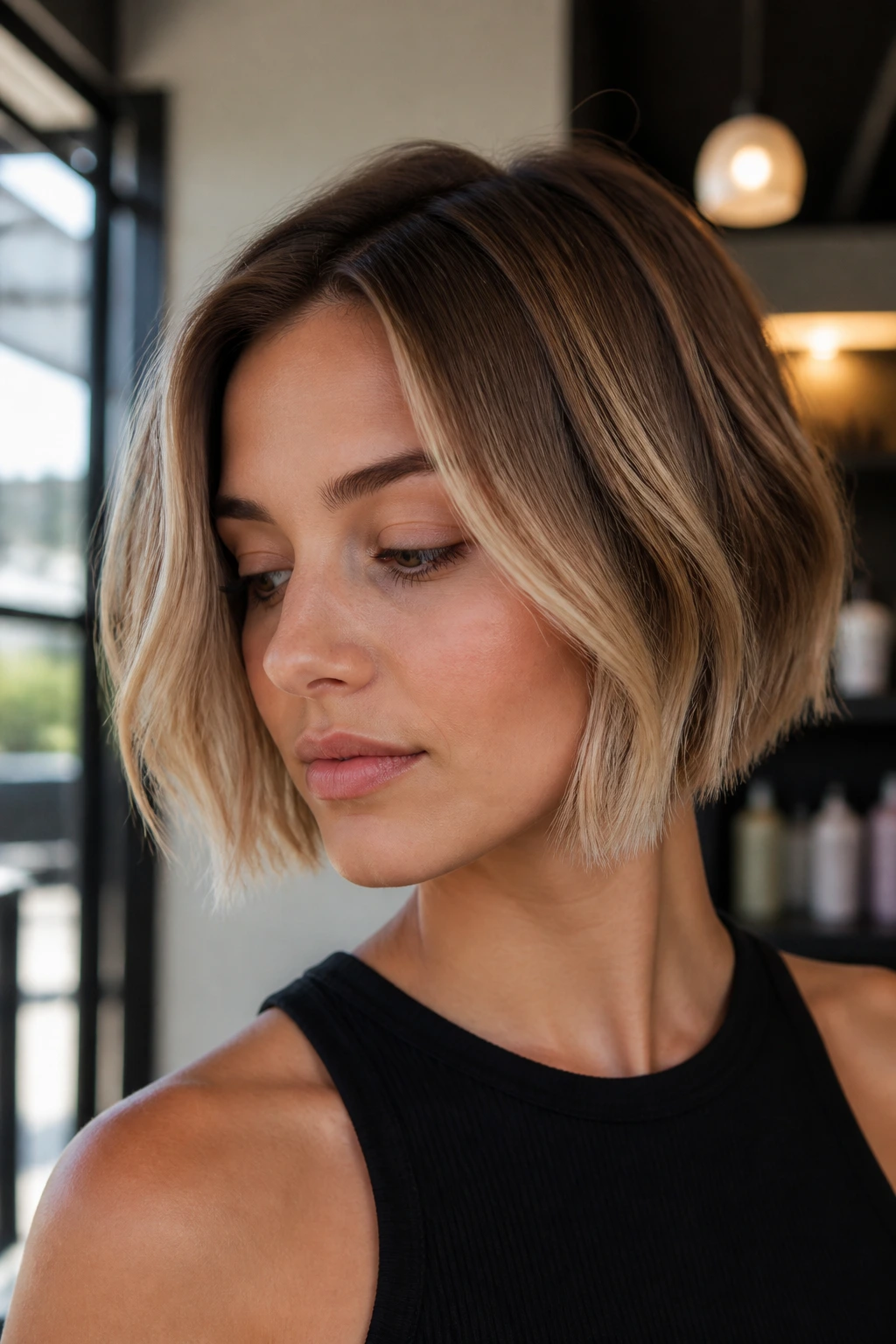
The best short balayage in summer does not try to do everything at once. It gives you shape, some movement, and a color story that still looks good after the fifth wash and the second sweaty afternoon. That’s why the smartest versions lean on placement more than drama.
If you’re booking the appointment, bring daylight photos, ask about level and toner, and talk honestly about how often you swim, wash, or style. Those details decide whether the color holds together or turns into a faded blur by the time the month ends.
A good short cut with the right balayage never looks busy. It just looks finished.
