



Layered hairstyles for women work because they change the shape of the hair, not just the length. A blunt cut can be sleek, and sometimes that’s the right call, but layers are what stop the whole head of hair from hanging there like one solid panel.
Where the shortest layer lands matters more than most people realize. A layer that starts around the cheekbone can soften a sharp jaw. One that drops to the collarbone keeps long hair light without sacrificing the drama of length. Push those layers too high, especially on fine hair, and you can end up with ends that look wispy in the wrong way. Not soft. Not airy. Just thin.
I always look at a layered cut in three parts: the perimeter, the face frame, and the interior weight. Once you separate those pieces, the whole thing gets easier to read. A good layered cut should give hair movement, keep styling from feeling like a wrestling match, and make the face look a little more open without screaming for attention.
Why Layered Hairstyles for Women Keep Their Shape So Well
-
They change where the hair sits: A clean line at the bottom can feel heavy fast, while layered lengths create bend and movement at the cheek, jaw, and shoulders.
-
They work with density instead of against it: Thick hair can lose that helmet shape, and fine hair can get lift if the layers are placed with restraint.
-
They make styling less stubborn: A layered cut usually responds better to a round brush, diffuser, or even a rough dry because the hair already has shape built in.
-
They make face-framing easier: The right front pieces can soften a strong forehead, narrow a wide cheek area, or keep long hair from dragging the face down.
-
They give you more than one finish: The same cut can look polished with a blowout, relaxed with air-drying, or piecey with a little texture spray.
1. Long Face-Framing Layers
Long face-framing layers are the safest place to start if you want movement without losing the feeling of length. The shortest pieces usually begin around the chin or just below it, then taper down through the front so the hair falls away from the face instead of sitting flat against it.
Why it flatters the face
This shape softens a strong jaw and gives rounder faces a little vertical line. It also keeps long hair from looking like one heavy curtain, which is the quickest way to make even healthy hair look tired.
- Best for: Medium to thick hair that needs shape without a dramatic chop.
- Ask for: The first front piece starting at chin level, with long blending through the sides.
- Style note: A 1.5-inch round brush gives the front a soft bend that looks clean, not curled to death.
Good rule: If you love your length, don’t let the front layers start above your mouth unless you want a much stronger face frame.
2. Butterfly Cut
The butterfly cut earns its popularity because it creates the illusion of shorter hair around the face while keeping the long layer in the back. It’s a high-low cut, and that contrast is the whole point. You get a little bounce near the cheeks and a longer sweep underneath that still feels dramatic.
The crown usually gets some lift, too, which is why this cut works so well on hair that hangs flat by noon. It’s especially good if you like a blowout finish and don’t mind using a round brush for a few minutes.
What makes it work
The shorter top layers fall over the longer section and separate cleanly when styled. That separation is what gives the cut its shape.
- Best for: Thick straight or wavy hair.
- Avoid if: You hate heat styling and want a wash-and-go look every day.
- Styling cue: Blow-dry the top layers away from the face so they don’t collapse into the longer length below.
3. Soft U-Shaped Layers
A U-shaped cut keeps the perimeter full while quietly removing weight through the middle and sides. If you want long hair that still looks lush at the ends, this is one of the nicest ways to do it. The outline curves gently instead of tapering sharply.
That curve matters. It makes the back feel polished and gives the sides enough movement that the whole cut doesn’t feel stiff when you tuck it behind your ears.
The U shape is especially useful if your hair gets thinner toward the front. A V cut can exaggerate that; a U cut usually looks richer and softer.
4. V-Shaped Layers Through the Back
V-shaped layers give long hair a pointed finish in the back, which sounds dramatic because it is. The silhouette narrows as it moves down, so the longest point sits in the center of the back rather than spreading evenly across the hem.
That shape gives thick hair a cleaner fall, and it can make long hair feel lighter without trimming much length. If you wear your hair in ponytails or half-up styles, the V shape stays interesting even when the cut is pulled back.
Quick details
- Best for: Dense hair that needs strong internal shape.
- Works best when: The layers are blended, not chopped.
- Salon note: Ask for the back to taper gradually so the point doesn’t look abrupt.
5. Curtain Bang Layers
Why do curtain bangs make a layered haircut look softer almost immediately? Because they break up the forehead, then fold into the face-framing pieces like they were meant to live there. That small bridge between fringe and length makes the whole cut feel finished.
Curtain bangs also let you control how much of your face the haircut reveals. Push them apart for a wider opening or let them fall closer together for a little more coverage.
How to wear it
Blow-dry the bangs with a round brush or a velcro roller while they’re still damp. Direct them away from the face at first, then let them cool before you touch them again. That cooling step matters more than people think.
6. Long Shag with Piecey Ends
The long shag has a little attitude, and I mean that in the nicest way. It gives you layers that are visible enough to matter, but not so razor-heavy that the haircut turns fuzzy. Piecey ends and soft choppiness keep the shape relaxed.
This cut likes texture. Slight wave, natural bend, even a little frizz — it can handle all of it. If you spend more time air-drying than smoothing, the long shag usually looks better the less you fuss with it.
It’s also one of the easier layered styles to grow out. The shape gets a little more lived-in rather than collapsing into a blunt line.
7. Collarbone Lob with Invisible Layers
A collarbone lob with invisible layers is what I recommend to people who want movement but do not want to see obvious steps in the haircut. The layers are built inside the shape, so the outside still reads clean and modern.
What makes it different
The interior weight is removed just enough to keep the ends from flipping into a solid shelf. You get bend, not choppiness. That’s why it works so well for straight hair that tends to sit flat and for wavy hair that needs a little room to move.
- Best for: Fine to medium hair.
- Watch for: Cutting the shortest layer too high, which can make a lob feel overworked.
- Style tip: A flat iron bend at the ends, not a full curl, keeps the shape light.
8. Feathered Mid-Length Layers
Feathered layers give hair that soft, brushed-out movement that sits somewhere between a blowout and an air-dried cut. They’re usually cut to taper gently at the ends, then styled so the pieces flick away from the face.
This is a smart choice when you want softness around the shoulders without a ton of texture. It doesn’t shout. It just makes the hair move nicely when you turn your head.
The haircut works especially well if your hair has a slight wave or if you like to wear a side part. Feathering and side parting are old friends.
9. Choppy Bob with Piecey Ends
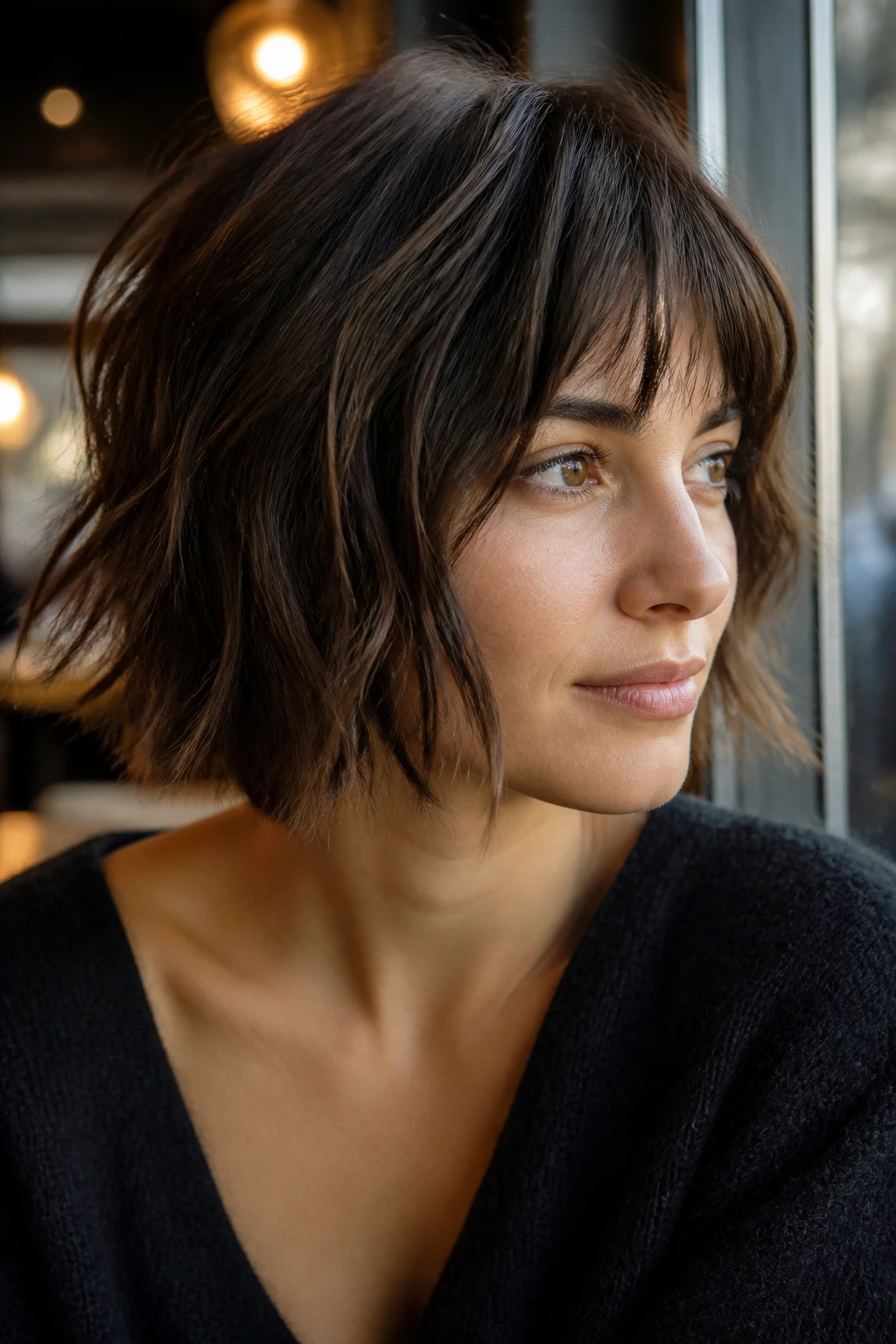
A choppy bob brings shape to the jawline fast. The ends are cut with more texture, so the outline looks uneven in a deliberate way rather than blunt and square. It’s a good cut when you want a bob that feels modern, not helmet-like.
The piecey finish also helps if your hair is straight and stubborn. A clean one-length bob can turn into a flat block; a choppy bob has enough separation to keep the ends from acting like a shelf.
Best way to wear it
Use a little matte paste or texturizing spray, then pinch the ends with your fingers. Do not overbrush it. That’s how the piecey look turns into puff.
10. Rounded Layered Bob
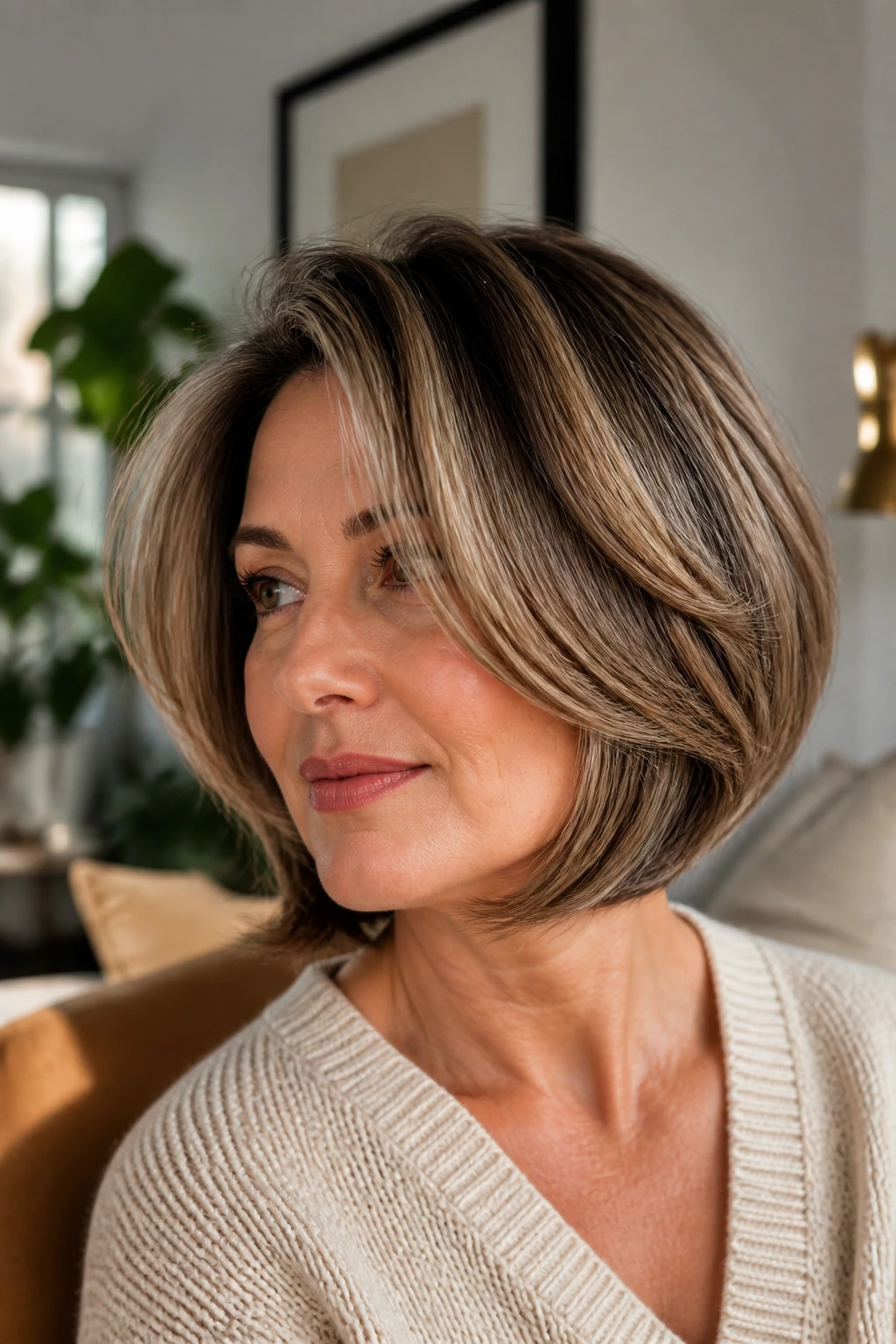
The rounded bob is softer than the choppy version and better if you want the cut to curve around the head. Layers are tucked in so the shape stays compact, which is useful if your hair sticks out when it gets too short.
It sits nicely along the cheek and jaw without drawing a hard line across the face. That makes it one of the easiest bob shapes for anyone who likes clean edges but still wants a little movement at the crown and sides.
This cut is underrated on thick hair. The rounded shape keeps the mass controlled without making the style look sliced apart.
11. Razored Pixie with Sweeping Fringe
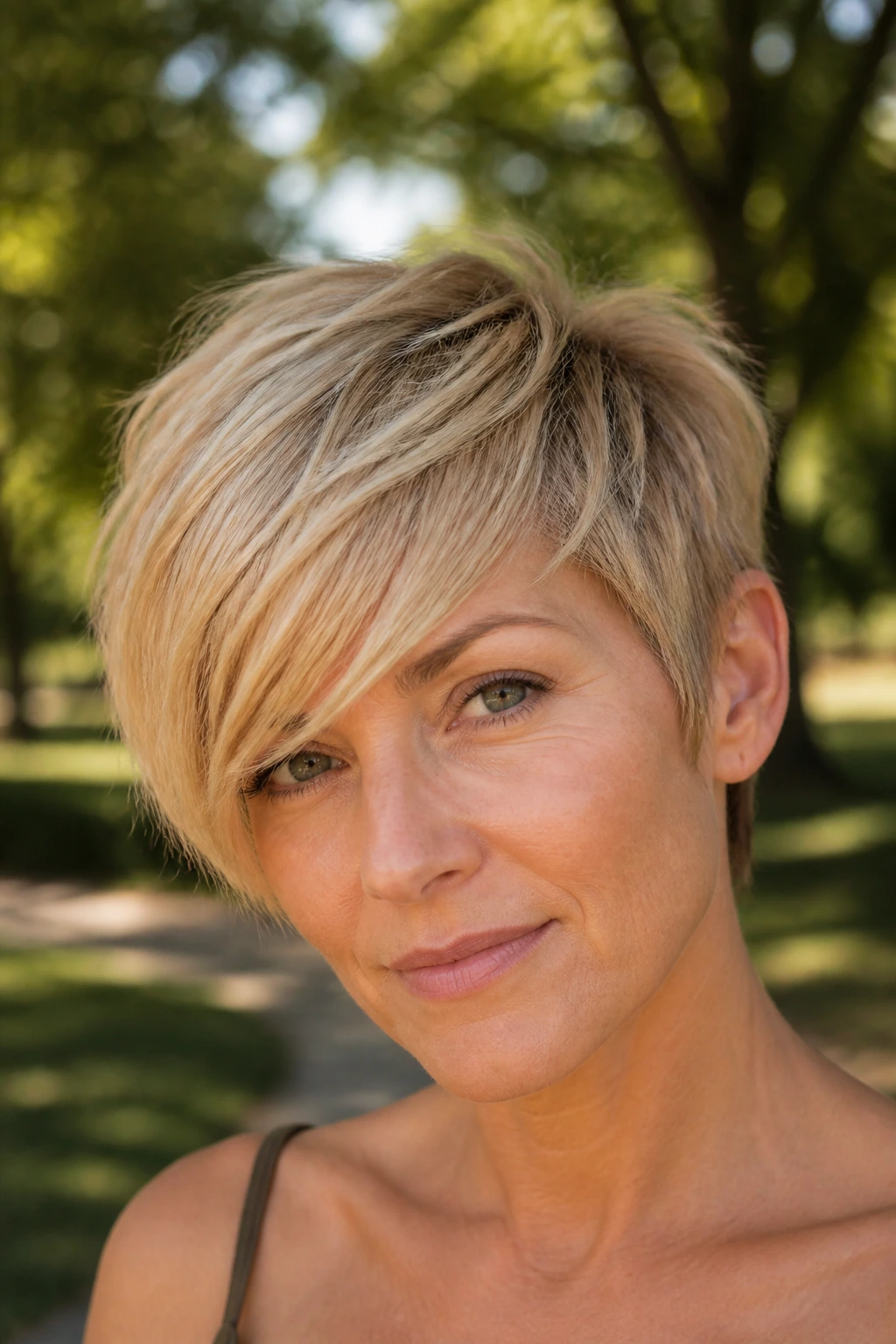
A razored pixie is for someone who wants short hair with a little edge and a lot of motion. The razor work softens the ends, and the sweeping fringe keeps the cut from feeling too severe.
Compared with a blunt pixie, this version feels lighter around the temples and crown. That can be a gift for fine hair, which often looks best when the top has lift and the sides stay close.
What to ask for
- Shorter sides and back with a longer top section.
- A fringe that can sweep across the forehead.
- Light texture through the crown, not heavy thinning.
12. Bixie with Crown Volume
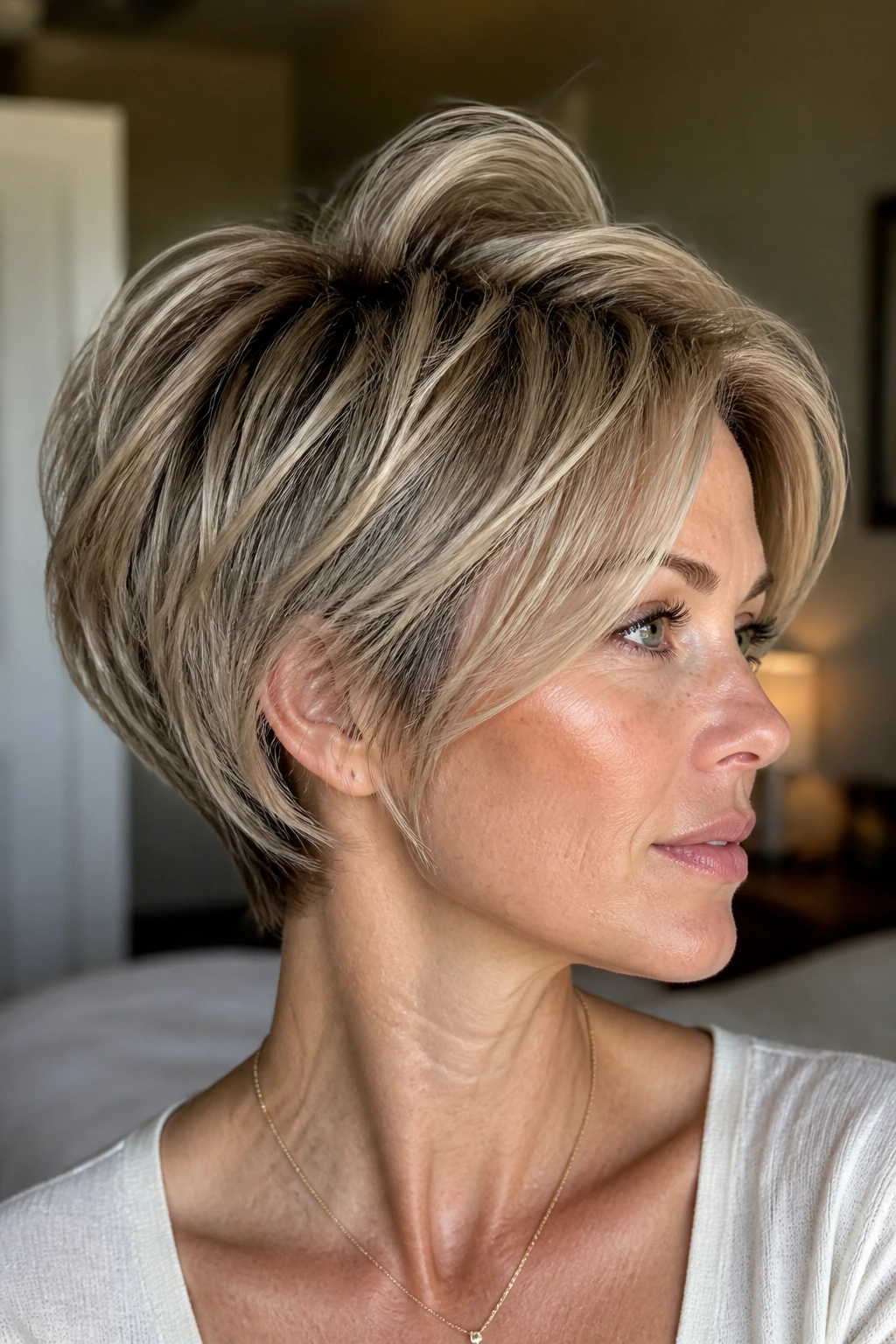
Can a short cut still look soft? Absolutely, if the bixie is done right. It sits between a bob and a pixie, with enough length at the top to create volume but not so much that the shape turns shaggy.
The crown volume gives this cut a little lift where it counts. Hair that normally lies flat around the top of the head gets shape without needing a ton of product. If you like a cut that looks styled even on a casual day, this is one to keep in mind.
A side part makes it feel a touch more polished. A center part pushes it toward cool and undone.
13. Modern Wolf Cut

The modern wolf cut is messier on purpose, and that is the appeal. Shorter layers around the crown build height, while the ends stay longer and looser so the shape doesn’t collapse into a mushroom.
It suits people who want texture with a little bite. Wavy hair loves it. Straight hair can wear it too, but it usually needs a rough blow-dry or some bend added with a wand to show the layers properly.
What to watch for
If your stylist cuts every layer too short, the wolf cut can go from cool to puffy very fast. The difference is subtle in the chair and obvious the next morning.
14. Curly Shape Cut with Layered Halo
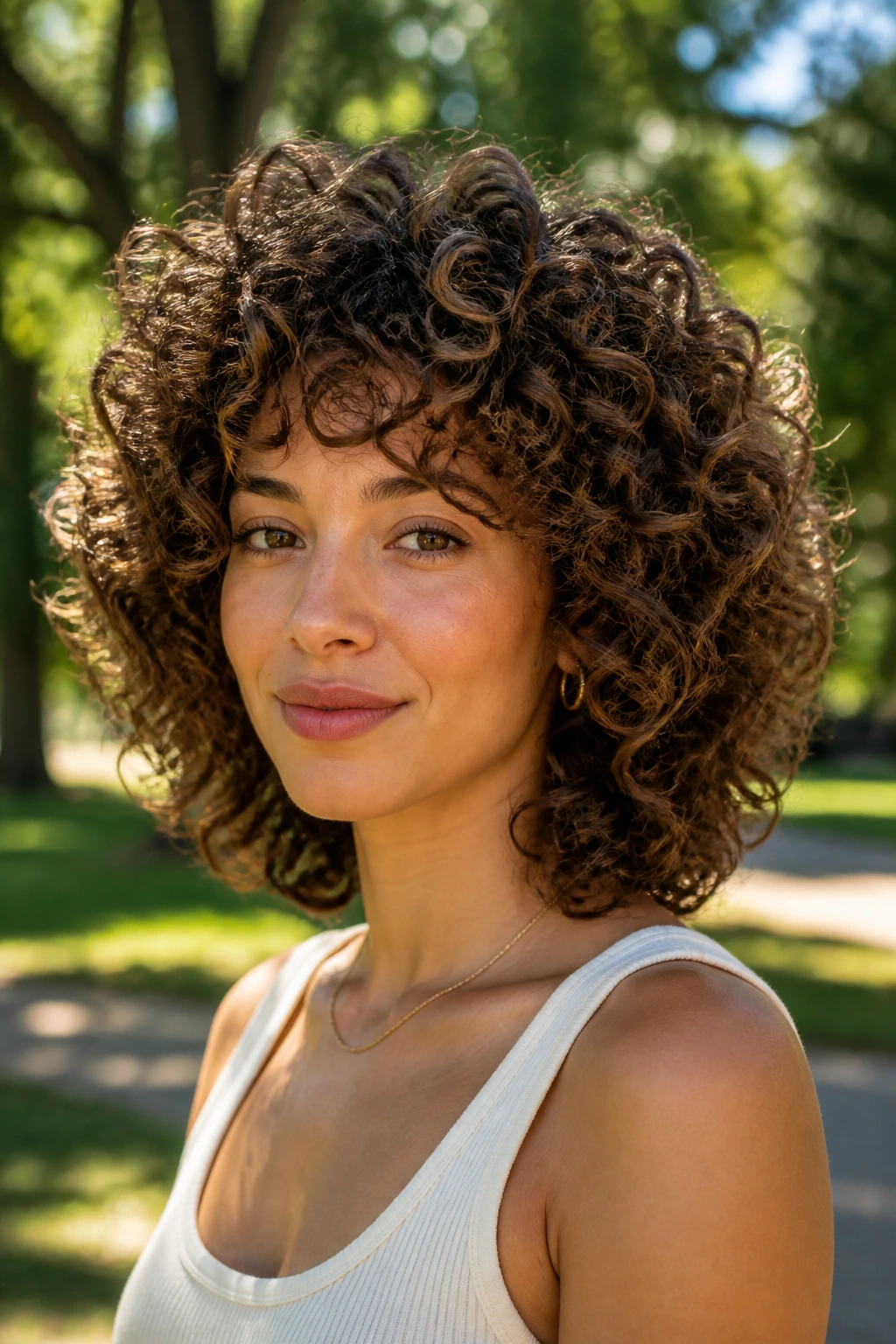
Curly hair needs shape, not just removal. A layered halo cut respects the curl pattern by letting the curls stack in a rounder silhouette instead of forming a triangle at the bottom.
This is one of those cuts that should be judged in motion. Dry curls tell the truth. A curl by curl shape cut lets the stylist place the layers where the hair actually lands, which is why it usually looks better when cut dry or nearly dry.
How to use it
Ask for the layers to follow your natural curl groupings and keep the front pieces long enough to frame the cheeks. That keeps the shape full but controlled.
15. Coily Rounded Layers
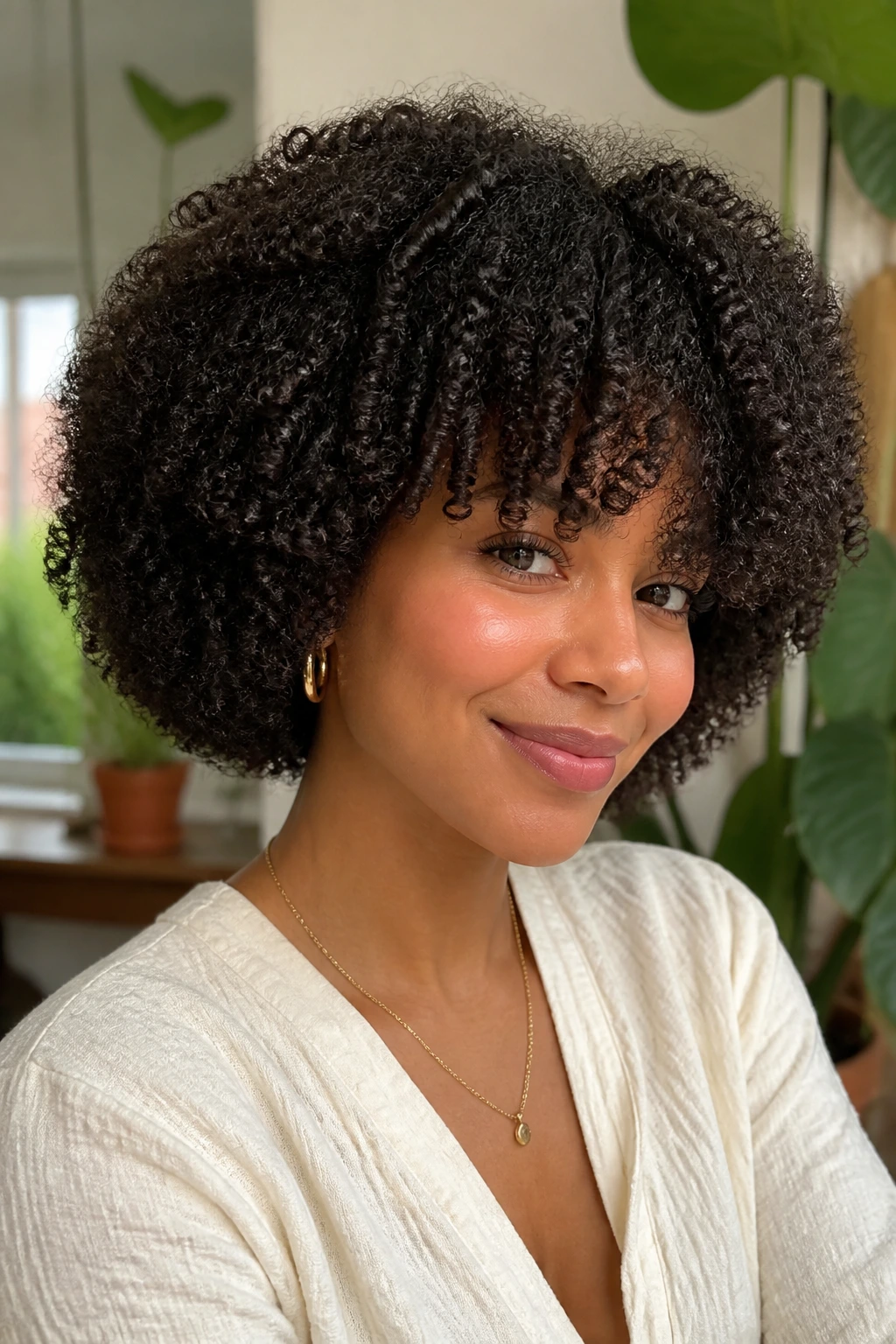
Coily hair looks strongest when the layers support shrinkage instead of fighting it. Rounded layers help the cut sit with the head shape rather than building too much width at the sides.
A good coily layered cut leaves enough length to show definition while taking out bulk where the hair stacks too heavy. The best result usually comes from a stylist who understands how your curls behave once they dry. That part matters. A lot.
You want the shape to feel intentional at every stage — wet, damp, and dry.
16. Thick-Hair Debulking Layers
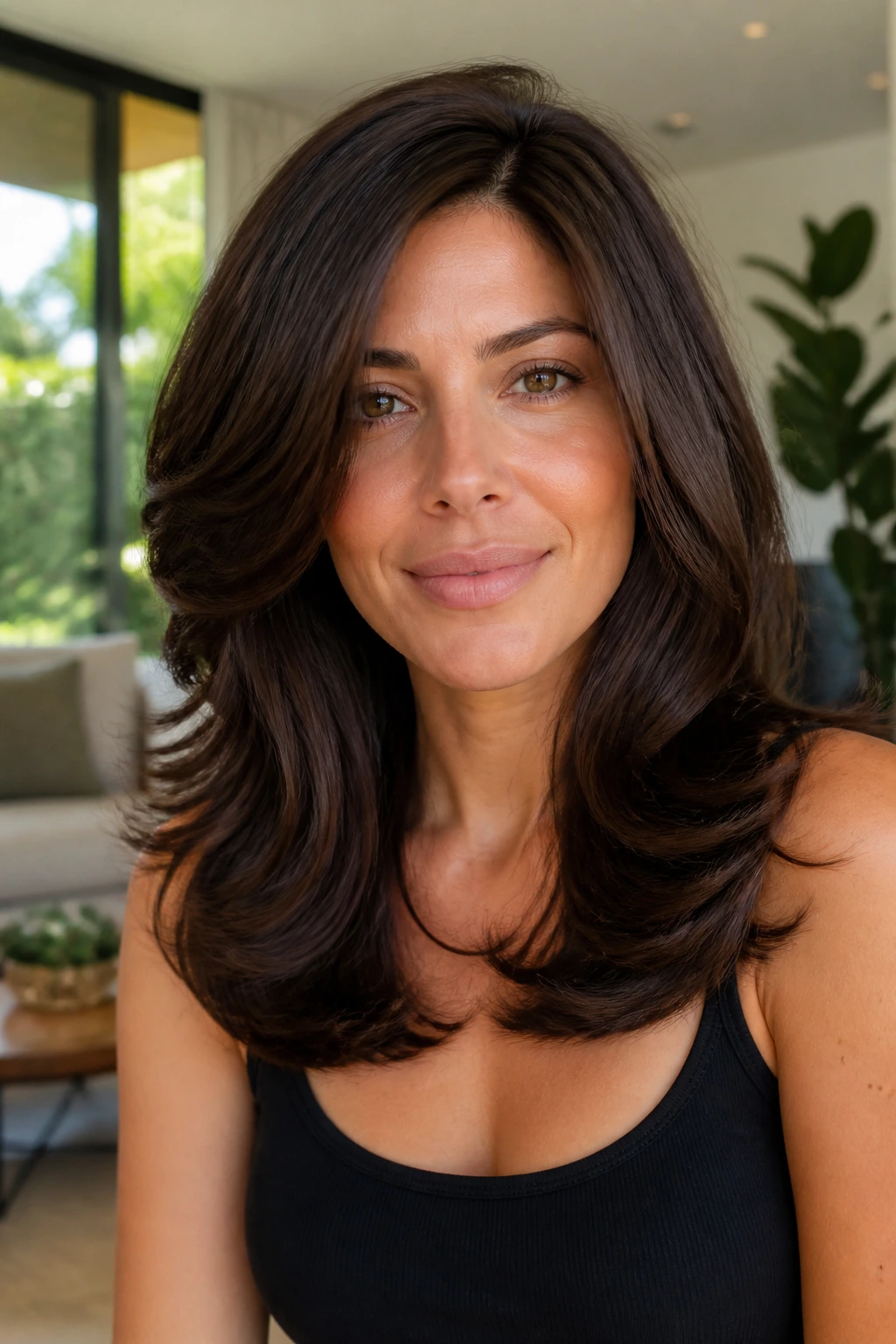
Thick hair does not need to be thinned into oblivion. It needs weight removed in the right places. Internal layers and careful debulking near the mid-lengths can keep the shape from ballooning while leaving the outside line full.
This is the cut that saves the shoulders. If your hair feels heavy at the nape or takes forever to dry, smart layering can cut that down without making the ends look scrappy.
Good fit for
- Hair that expands in humidity.
- Long cuts that feel too dense at the bottom.
- People who want less bulk but still like a rich perimeter.
17. Fine-Hair Lift Layers
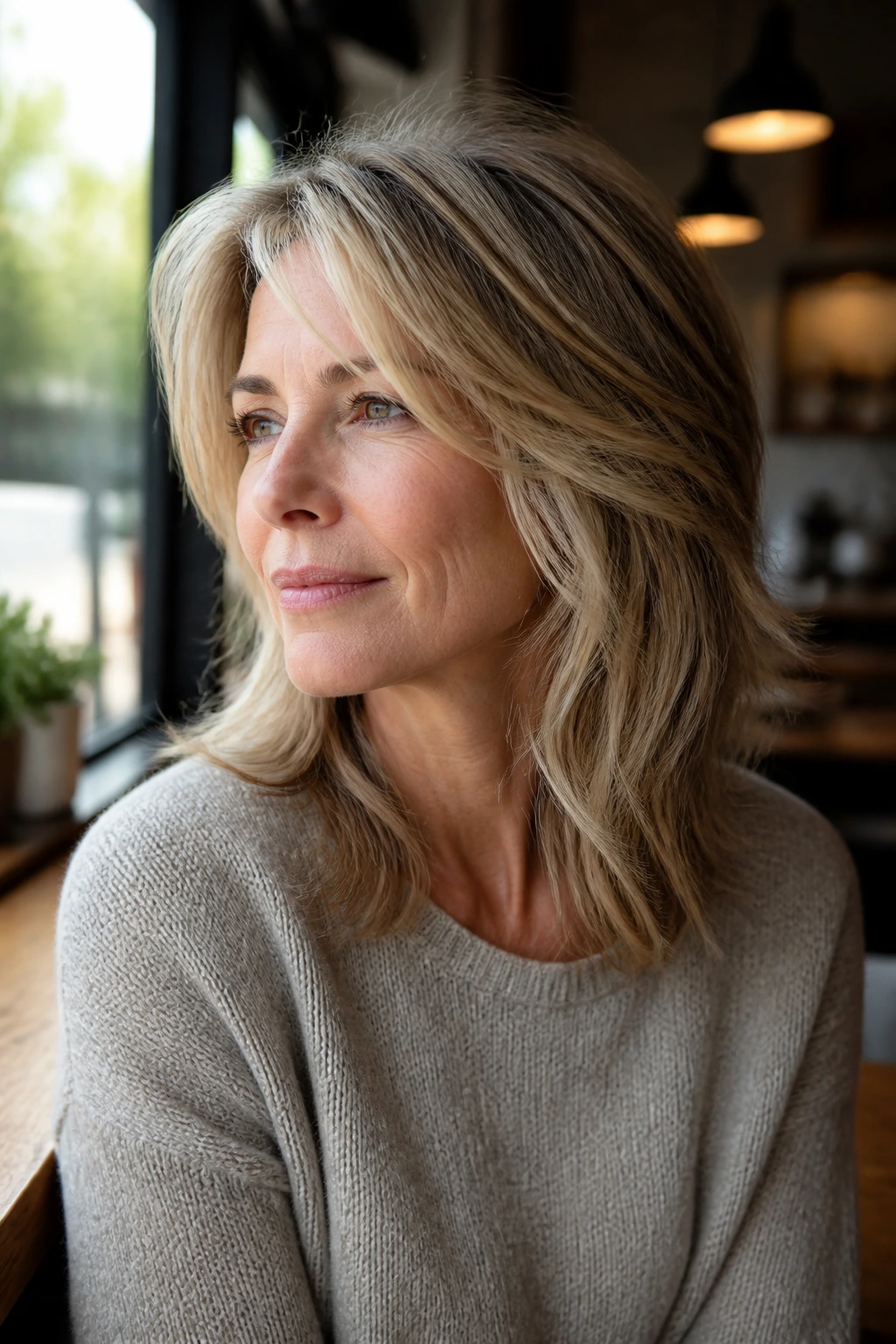
Fine hair needs restraint. Too many short layers can make it look thinner, not fuller. The better move is a longer layer pattern that adds lift near the crown and keeps the ends looking solid.
This is where the shortest layer should usually stay below the cheekbone unless you’re after a very specific style. A gentle face frame and a clean perimeter make the hair look like it has more body than it really does.
A root-lifting spray and a round brush do more here than a shelf full of products. Use less, not more.
18. Side-Part Glam Layers
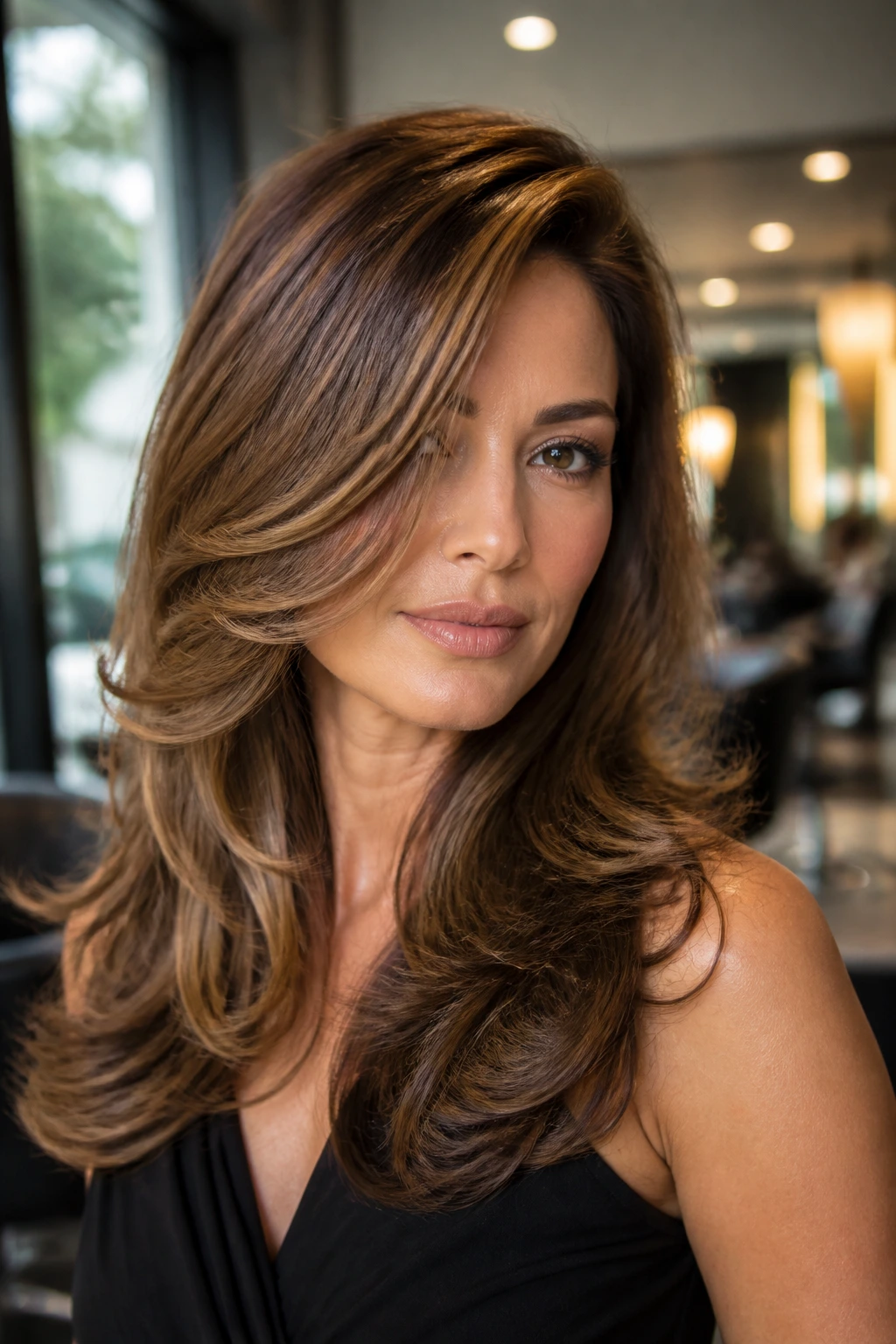
A side part changes a layered haircut faster than people expect. Shift the weight to one side, and the layers suddenly look fuller at the crown and softer around the face.
This is a good option if you like a little old-school drama without committing to a full blowout every morning. The side part can make the face look a touch longer, which is handy for round or square shapes.
One simple move. Big payoff.
19. Center-Part Balanced Layers
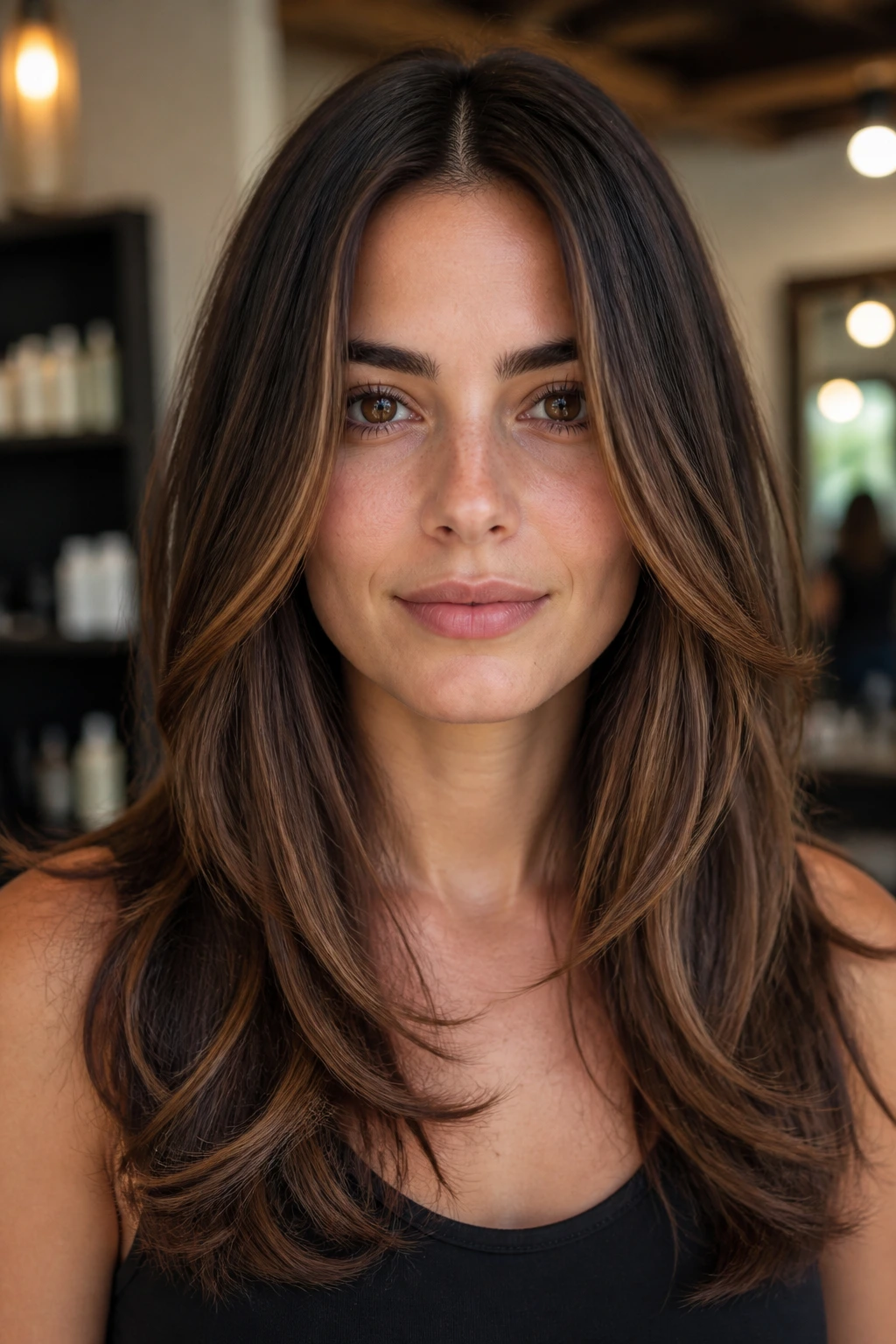
Center parts ask the haircut to do more of the work. There’s no trick of one side falling heavier than the other, so the layers need to be placed with balance in mind.
That makes this style especially good for oval faces and for people who want a calm, even frame around the face. It can look very clean on straight hair and very relaxed on wavy hair, which is part of why it stays so useful.
The front pieces should open near the cheekbones, not the ears, if you want the face to feel lifted.
20. Bottleneck Fringe Layers
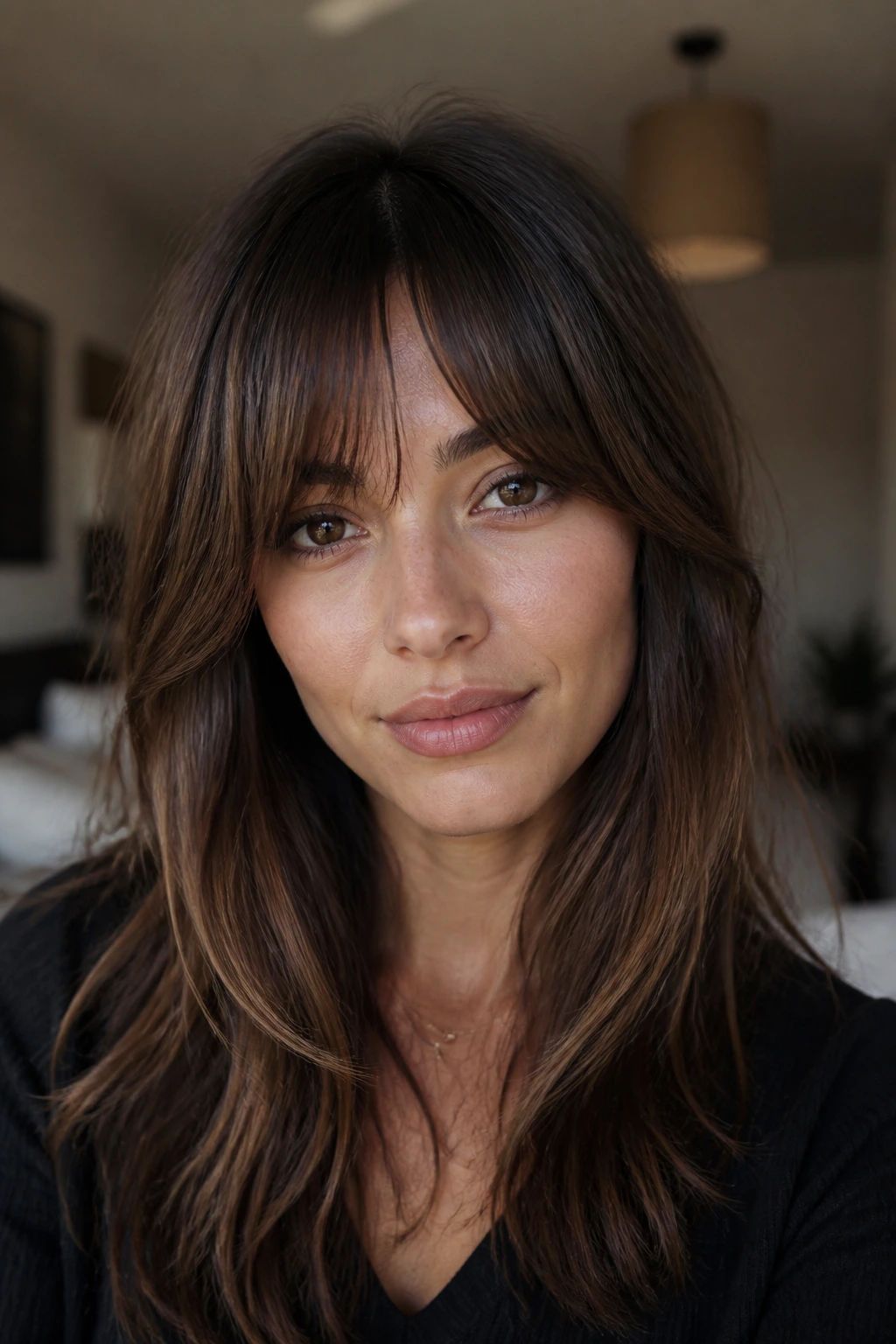
Why does bottleneck fringe look so easy? Because it starts narrow in the center, then opens out softly at the sides. That shape makes it easier to blend into the rest of the layers than a blunt bang ever could.
It sits between curtain bangs and a straight fringe, which gives you more control over coverage. If your forehead feels a little long or you want the haircut to wrap closer to the eyes, this is a smart compromise.
How to style it
Dry the center first, then guide the side pieces away from the face with a small round brush. If the ends are too stiff, they’ll sit like a curtain rod. Softness is the point.
21. Wispy Fringe with Shoulder Layers
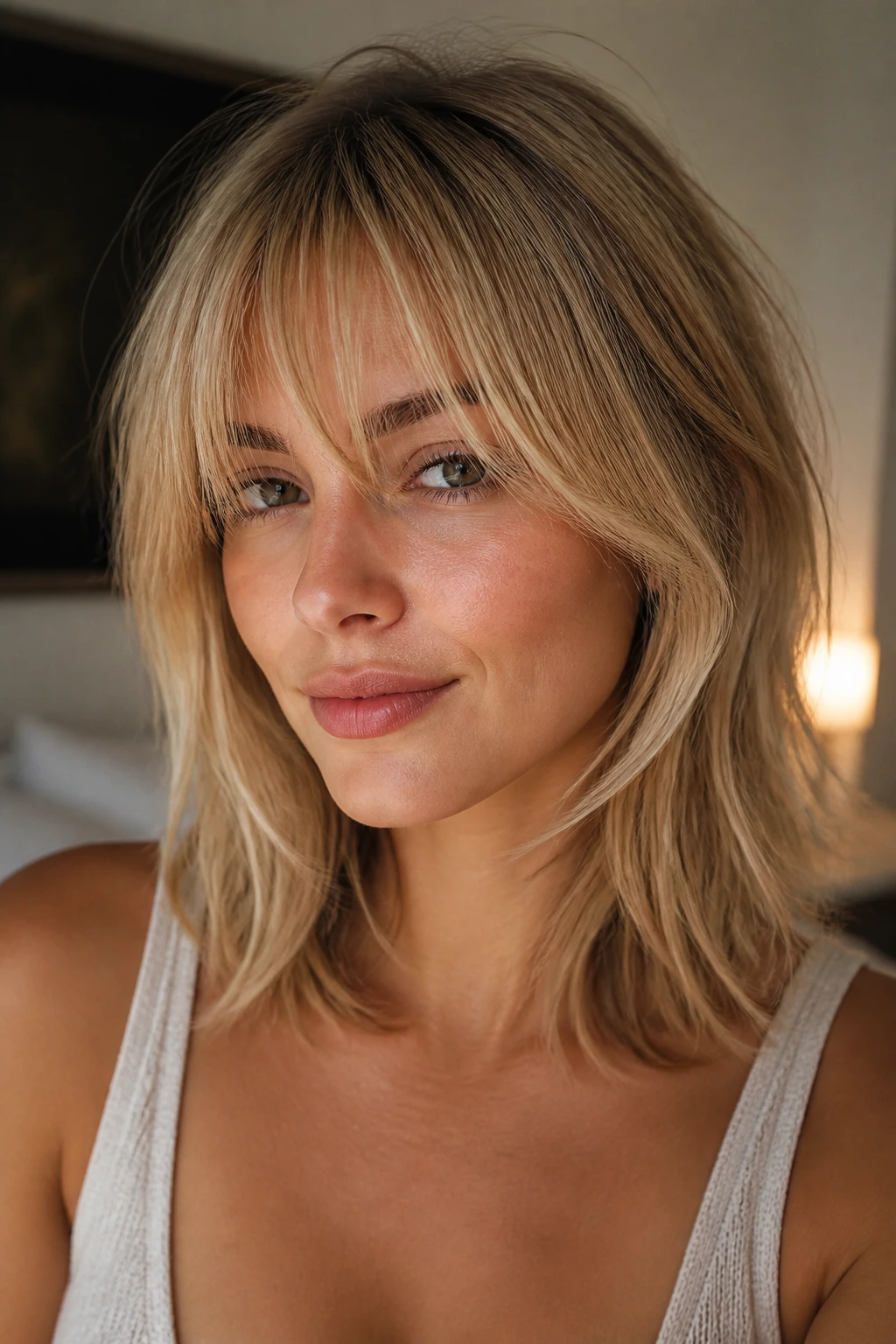
A wispy fringe paired with shoulder-length layers keeps the haircut light around the eyes and airy through the ends. It’s a good choice when you want face framing but not the stronger commitment of a thick bang.
The fringe helps break up the forehead, while the shoulder layers keep the cut from feeling blunt at the bottom. That balance is why this look plays so well on straight and lightly wavy textures.
- Best for: People who want softness without heavy maintenance.
- Ask for: A fringe that can split a little naturally, not a dense block.
- Style note: A quick twist with the dryer keeps the fringe from sticking flat to the skin.
22. Swoopy 90s Blowout Layers
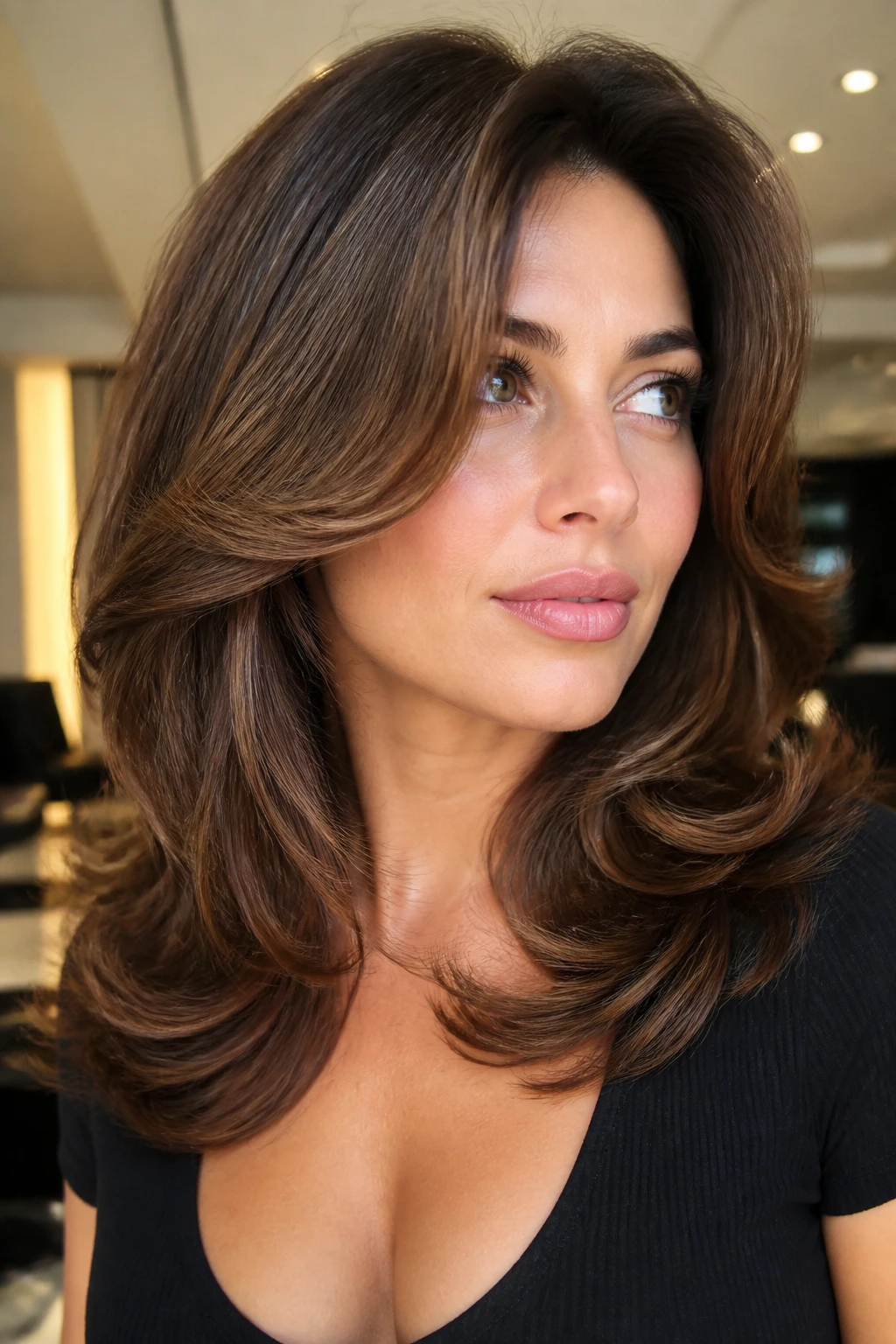
The swoopy blowout look is all about movement that curves away from the face and flicks back at the ends. It looks glossy, polished, and a little retro in the best possible way.
This style needs a round brush and some patience. If you hate blow-drying, skip it. But if you love that lifted, brushed-out finish, layers like this are the reason the technique never really went away.
The cut usually works best on medium to thick hair because the layers need enough density to hold the sweep. Fine hair can still wear it, but it needs a lighter hand with product.
23. Air-Dry Wavy Layers
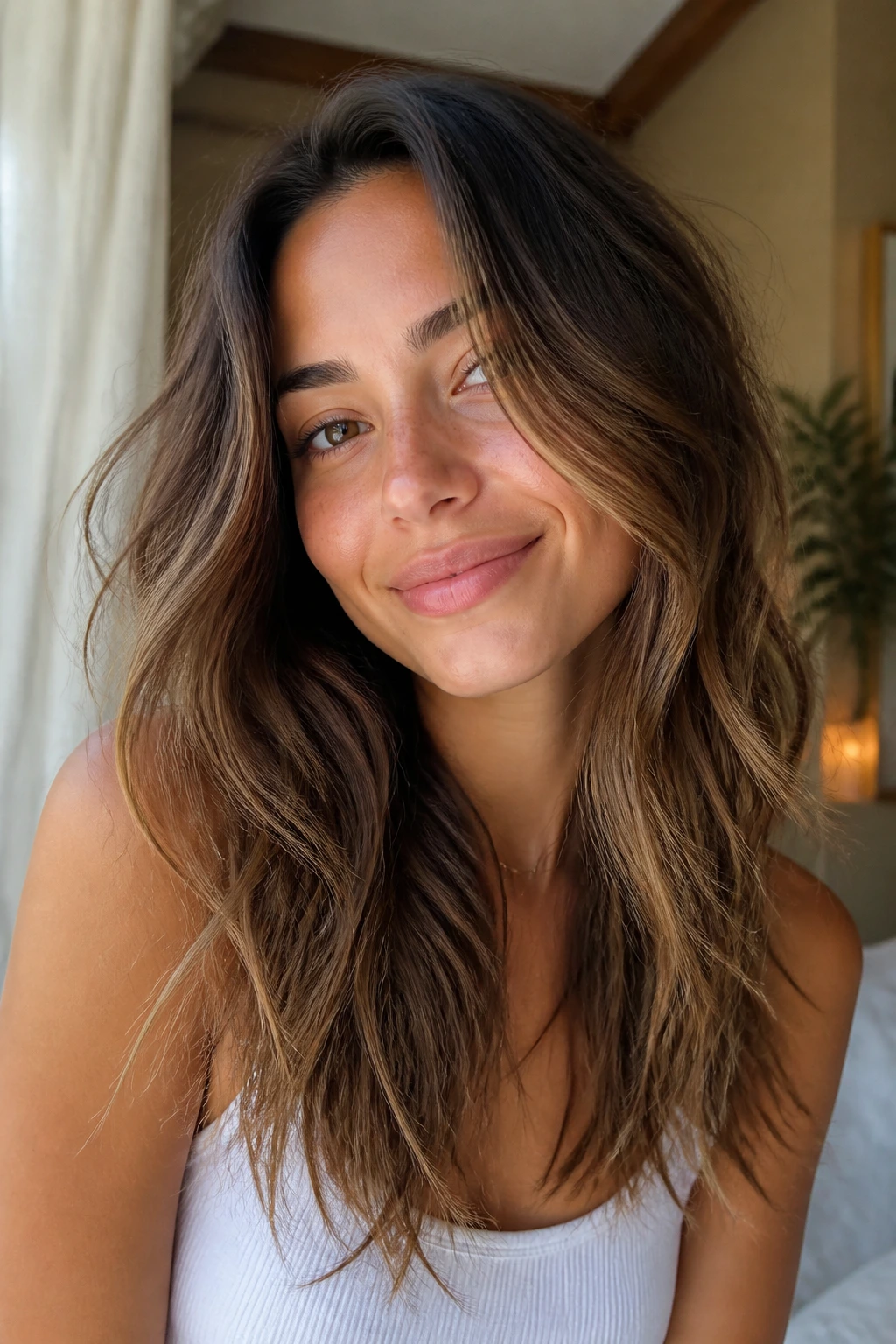
Air-dry layers are one of the easiest ways to make natural texture look intentional. The cut is shaped so the waves fall into bends instead of puffing out in odd places, and the layers sit where the hair wants to move anyway.
The trick is not to overcut the front. You want enough structure for the waves to settle, not so much chopping that the ends scatter in random directions.
A curl cream or lightweight mousse on damp hair is usually enough. Scrunch it, leave it alone, and let the shape form on its own.
24. Flipped-End Layers
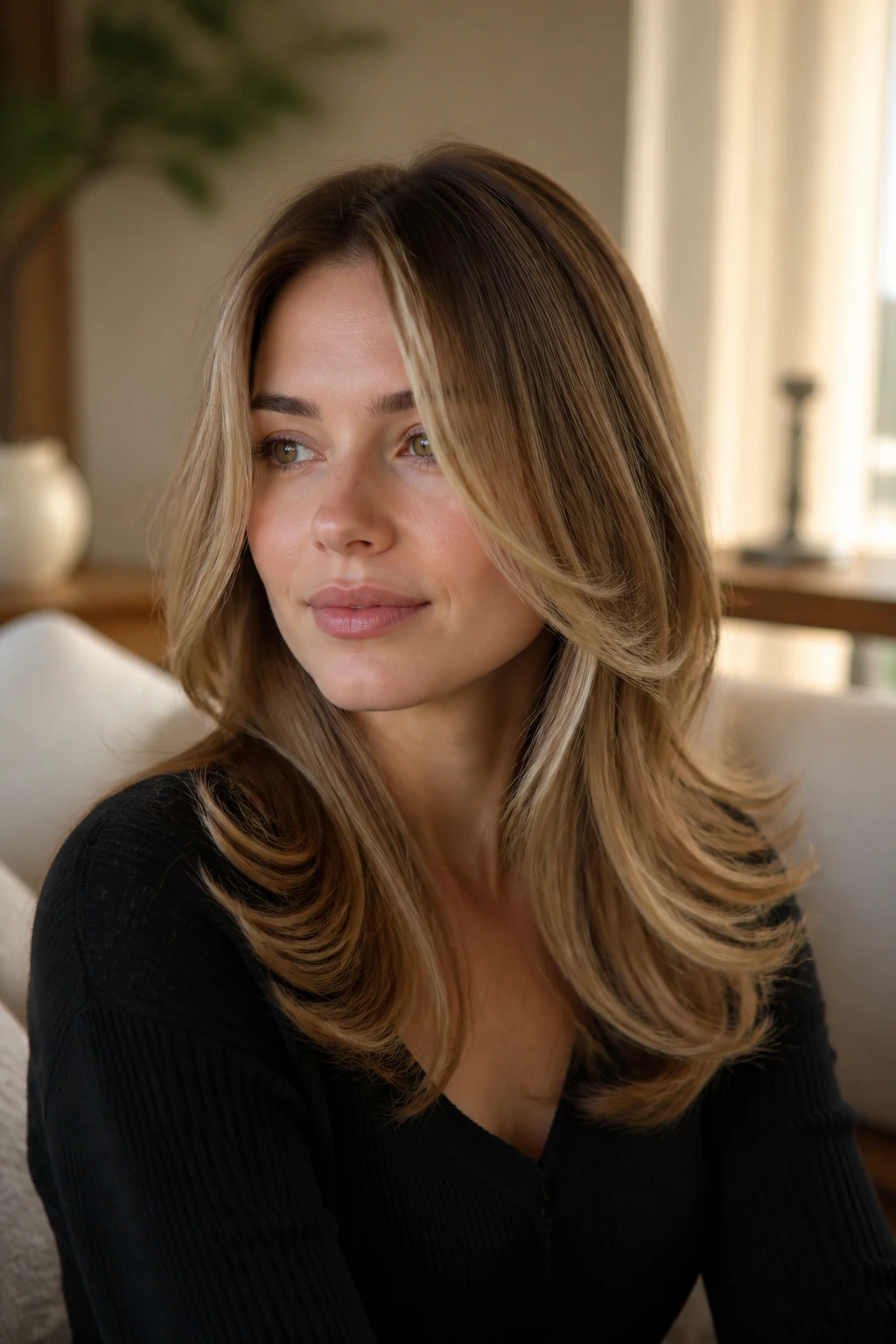
Flipped ends bring a little bounce to medium or long hair without requiring a full curl. The layers are designed so the bottom naturally bends outward when you use a round brush, a blow-dry brush, or even a flat iron with a slight wrist turn.
It’s a good style when straight hair needs motion but you don’t want soft waves all over the place. The flip at the ends gives the cut personality fast.
If the perimeter feels too heavy, this style can make it look lighter without actually removing much length.
25. Subtle Razor Layers on Straight Hair
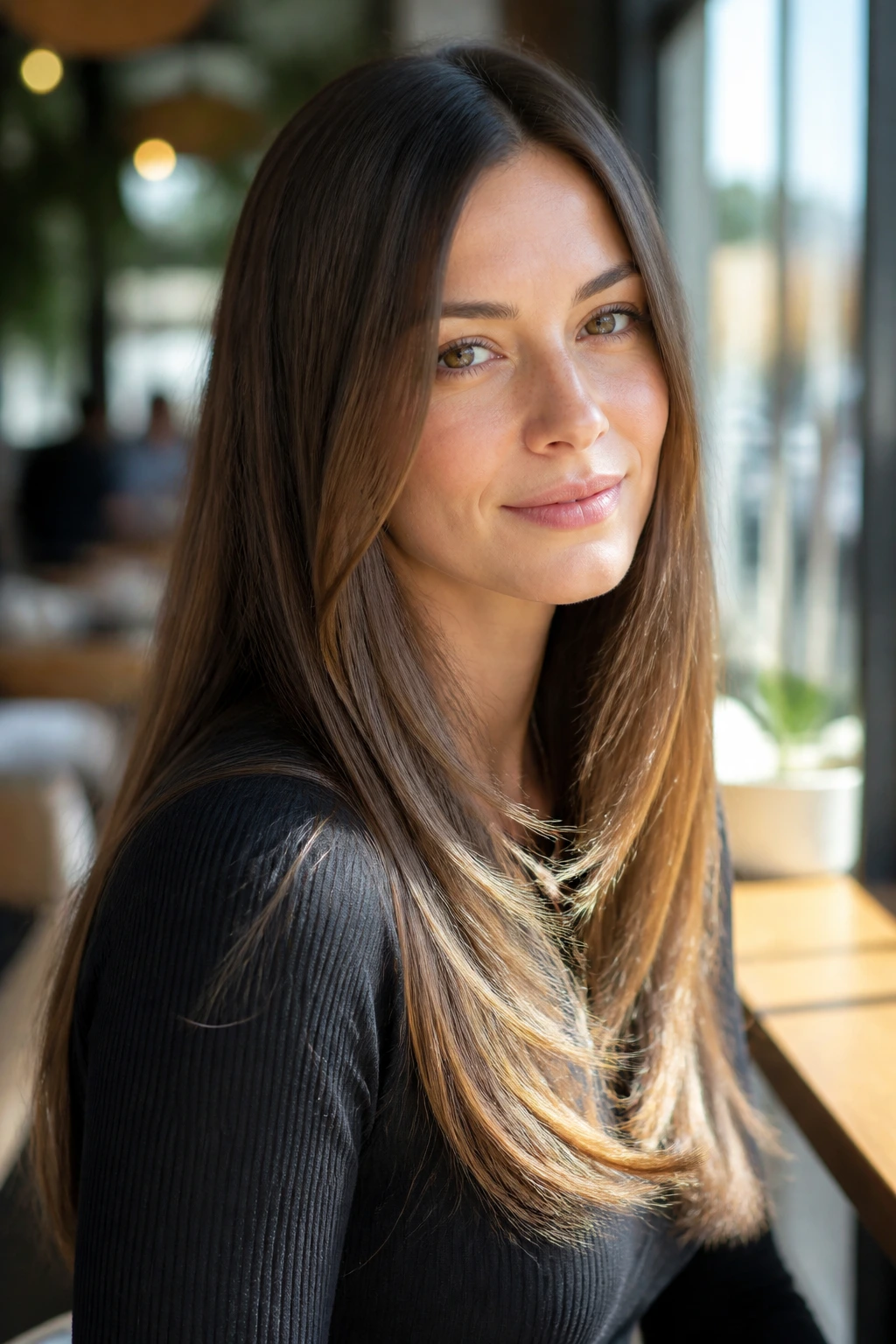
Straight hair can be tricky because every cut line shows. Subtle razor layers soften the outline just enough to keep the ends from looking too hard while still leaving the hair sleek.
The razor should be used lightly, not hacked through the whole head. Too much razor work can make straight hair fray and split visually, especially if the hair is fine. A gentle taper near the ends is enough in most cases.
Best for
- Hair that hangs flat and needs movement.
- People who like a clean, straight finish.
- Cuts that should look soft up close, not choppy from across the room.
26. Balayage-Dimension Layers
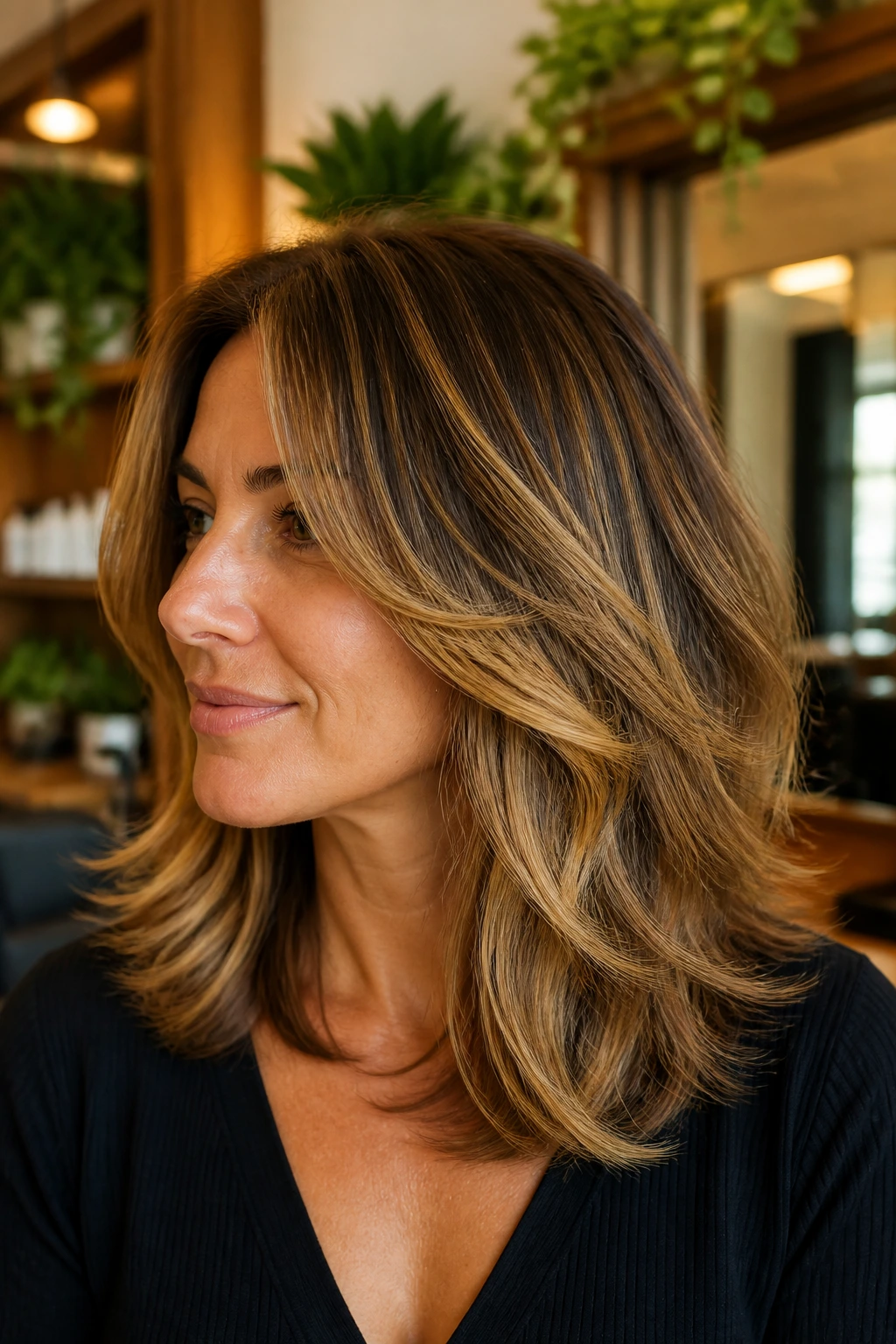
Color and cut work hard together here. When balayage is placed through layered hair, the lighter pieces help show the movement in the cut instead of hiding it in one flat block.
That doesn’t mean you need dramatic color. Even a soft shift in tone can make the layers easier to see, especially around the front and through the ends. It’s a useful trick on hair that tends to read as one solid color from a distance.
A layered haircut with dimension is often easier to style because the eye can follow the shape. The cut stops disappearing into itself.
27. Shoulder-Grazing Shag

The shoulder-grazing shag sits in the sweet spot between edgy and wearable. It keeps enough length to pull back, but the layers create lift around the crown and separation at the ends.
What makes it different
Unlike a wolf cut, the shag usually feels a little less extreme and a little easier to grow out. It works for people who want texture but do not want the top of the head to look overdone.
A soft fringe or curtain bang helps tie the shape together. Without that front balance, the cut can feel too bottom-heavy on some face shapes.
28. Soft Grown-Out Layers
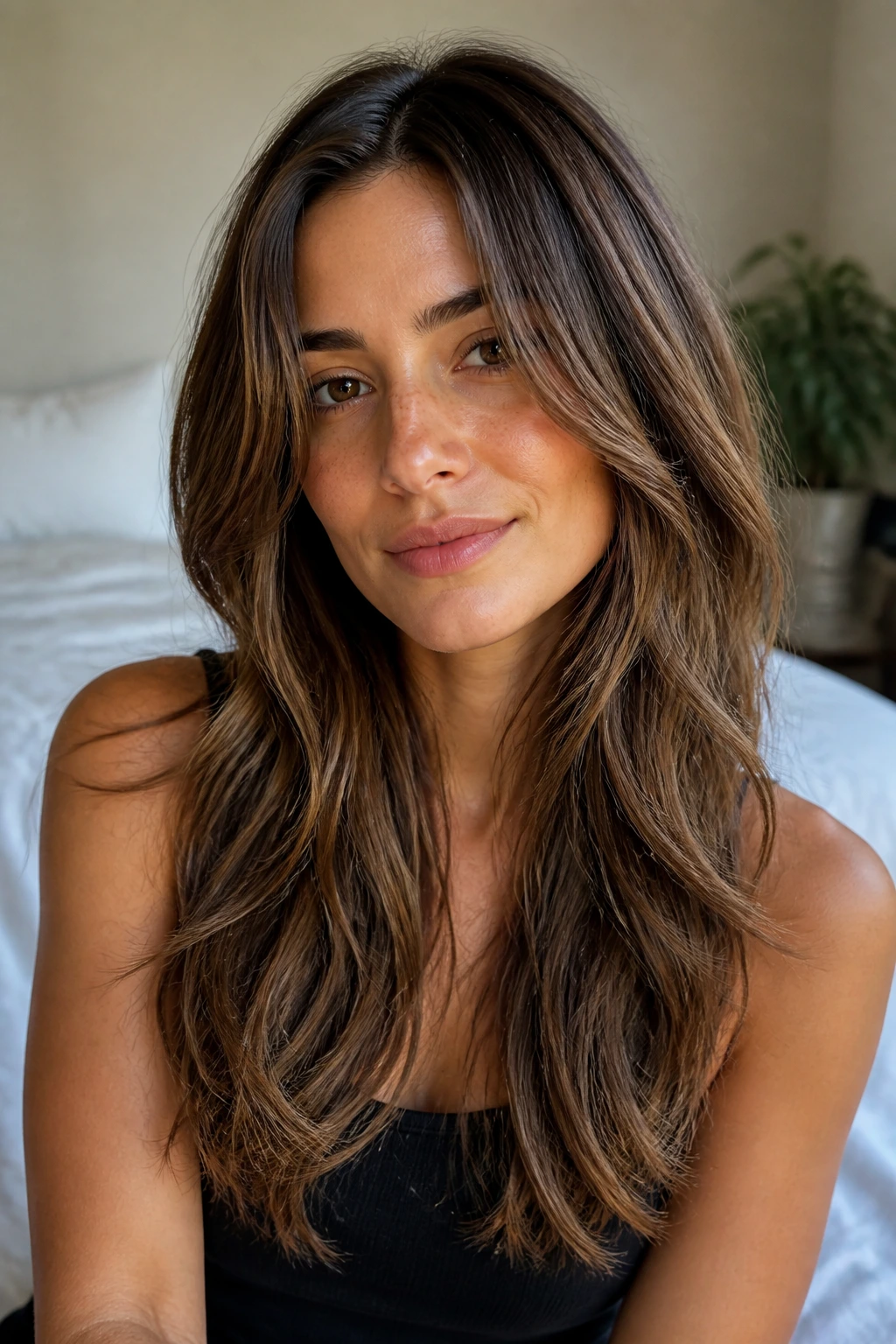
Soft grown-out layers are for the person who wants a haircut that still looks decent eight weeks later. The layers are long, blended, and placed so they keep moving even after the sharpest edges start to blur.
This is the least fussy option in the group, and I mean that as a compliment. It doesn’t demand a daily blowout or a ton of product to make sense.
If you like the idea of layers but want them to behave through busy weeks, this is the shape to keep in your back pocket.
Why Layered Hairstyles for Women Change the Shape So Fast
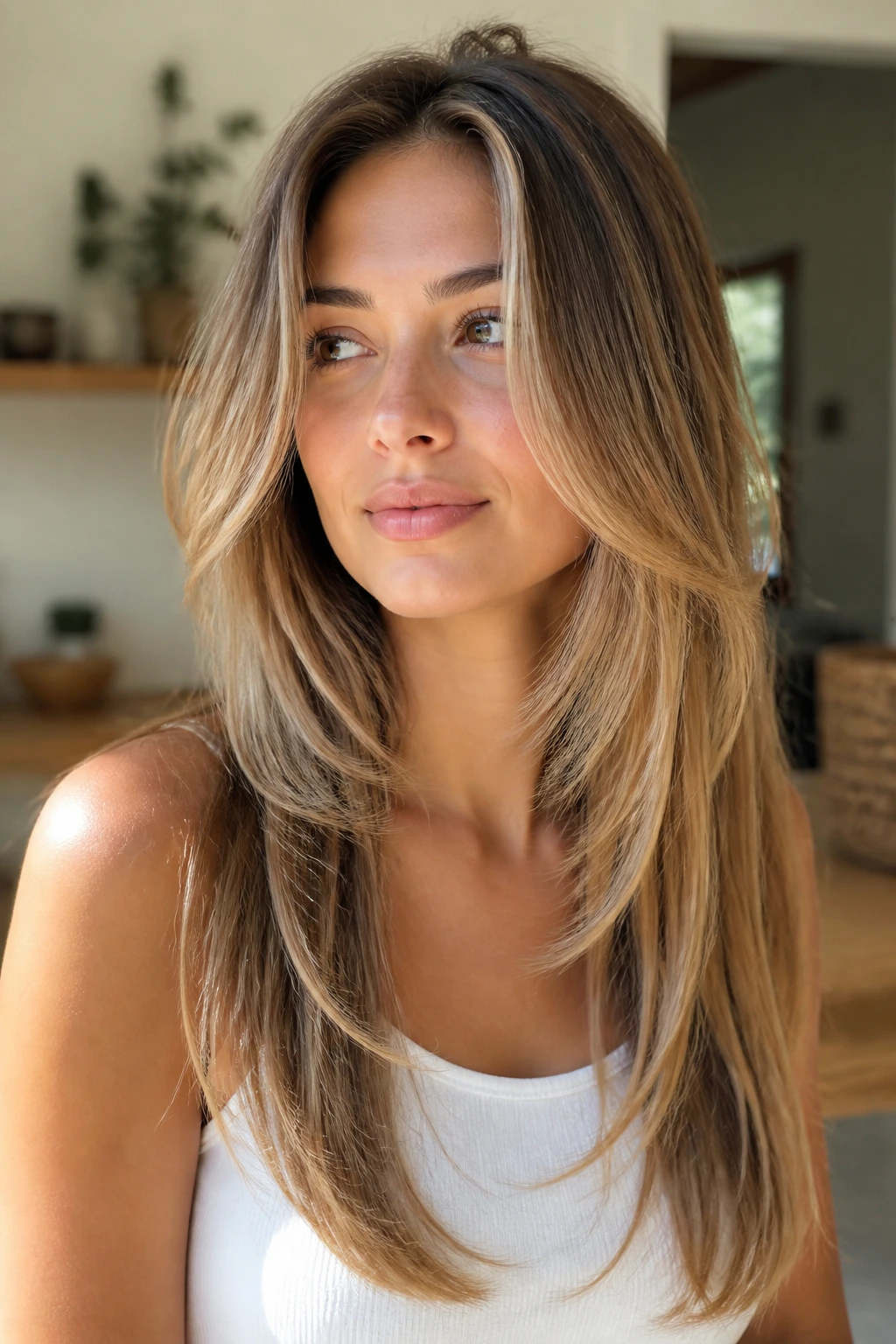
The reason layered haircuts keep coming back is simple: they solve shape problems. Heavy hair stops hanging so hard. Fine hair gets a little lift. Straight hair gets movement. Wavy hair gets a place to settle.
The best layers are not the ones with the most steps cut into them. They’re the ones that match your density and your daily routine. A cut that looks gorgeous only after forty minutes with a hot brush is not a bad cut. It just has a specific job, and you should know that before you sit in the chair.
There’s also a technical piece that gets ignored all the time. Layer placement changes where weight sits. That changes how the ends flip, how the crown lies, and how much of your face gets framed by hair that actually moves instead of staying glued in place.
The Tools That Make Layered Hair Behave
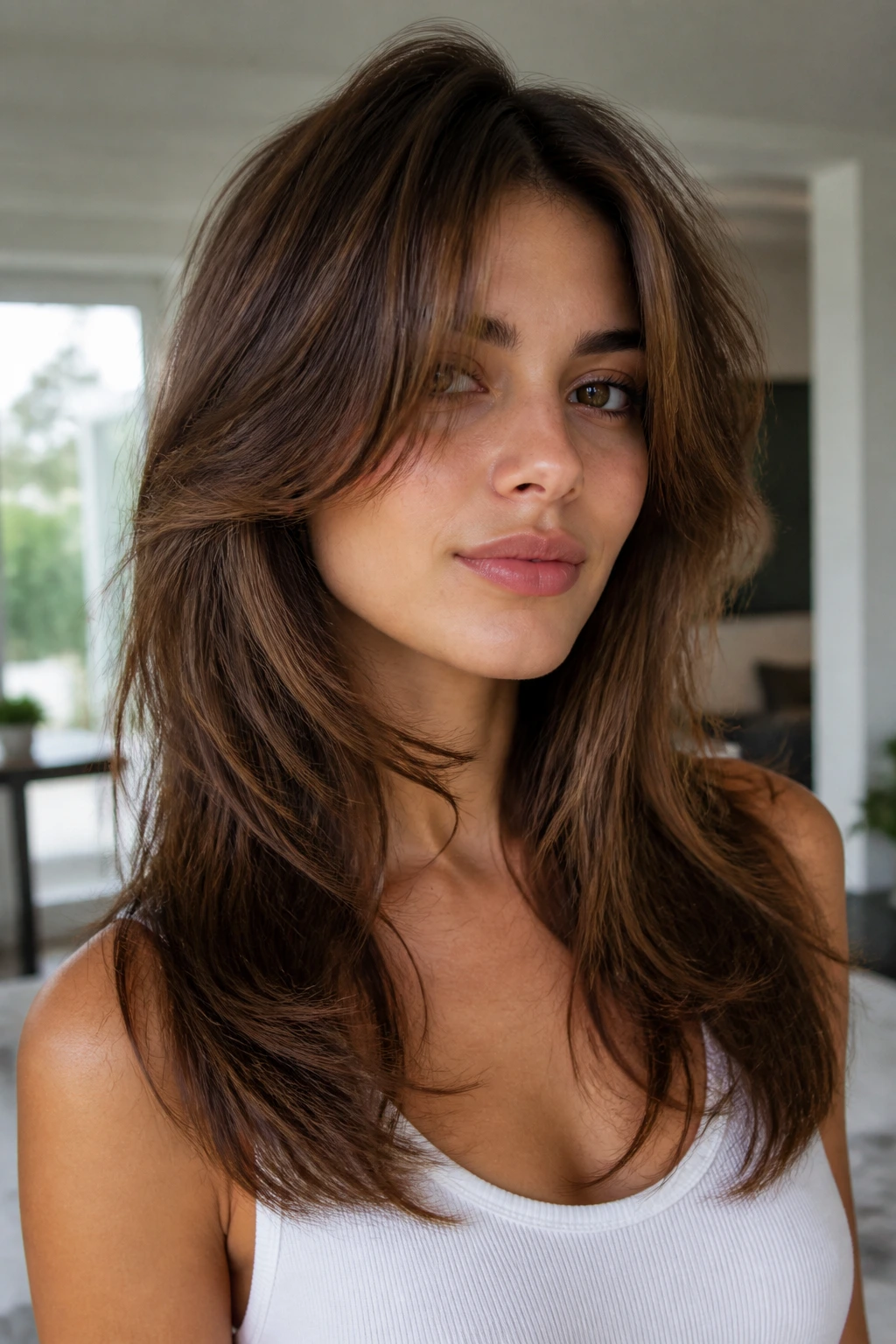
-
Round brush, 1.25 to 1.5 inches: Best for face-framing layers, curtain bangs, and blowout styles that need bend at the ends.
-
Vent brush: Good for quick drying when you want lift at the roots without spending forever sectioning the hair.
-
Diffuser attachment: The right tool for curly, coily, and wavy layers because it keeps the curl pattern from getting blasted into frizz.
-
Heat protectant spray or cream: Use it every time you touch the hair with hot tools; the ends take the hit first, and layers show damage fast.
-
Texturizing spray: Useful on shags, bobs, and piecey styles when you want separation at the ends without stiffness.
-
Lightweight mousse: Helps fine hair hold the shape of a layered cut without collapsing at the crown.
-
Smoothing serum: A small amount on the last 2 to 3 inches of hair keeps feathered layers from looking fuzzy.
-
Sectioning clips: Not glamorous, but they make a real difference if you’re blow-drying face-framing pieces or trying to keep crown volume from disappearing.
How to Choose the Right Layer Placement for Your Hair
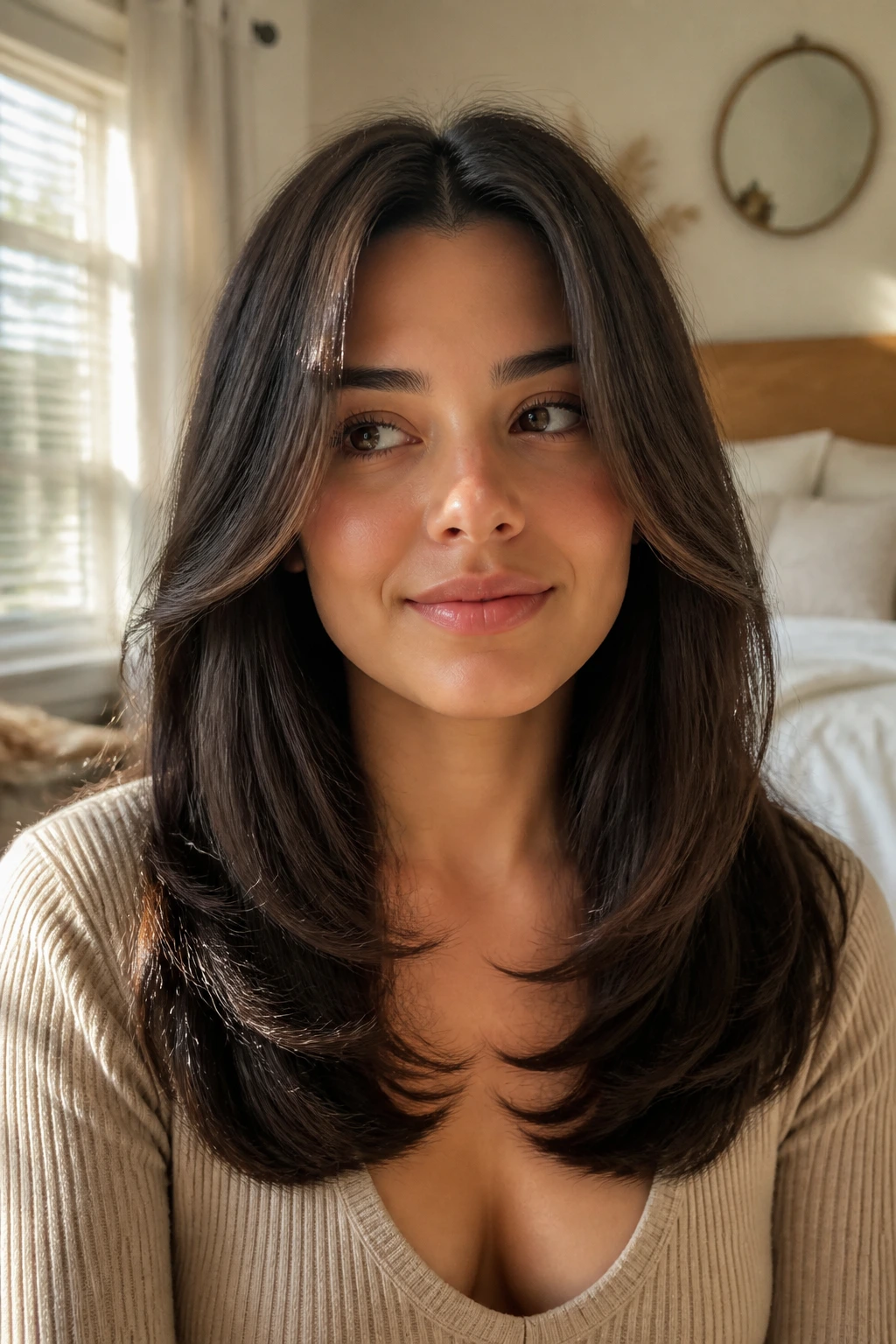
The best layered haircut starts with the shortest layer, not the trend name. If the shortest piece lands too high, you can lose control of the shape fast. If it lands too low, the haircut may look heavy and not move enough. That’s why your face shape, density, and part matter before you even talk about bangs.
Thick hair usually benefits from longer internal layers and careful weight removal through the mid-lengths. Fine hair does better with fewer, longer layers that keep the ends looking full. Curly and coily hair need a cut that follows the pattern once it dries, which is why a dry or curl-specific cut can save you a lot of disappointment later.
Bring photos, but bring the right ones. Choose pictures that show the front, side, and back if you can. Then point out the exact part of the photo you like: the crown lift, the cheekbone piece, the blunt ends, the texture. A stylist can work with that. “I like this cut” is vague. “I want the shortest layer to start at my chin and keep the perimeter full” is useful.
How to Wear and Style Layered Haircuts
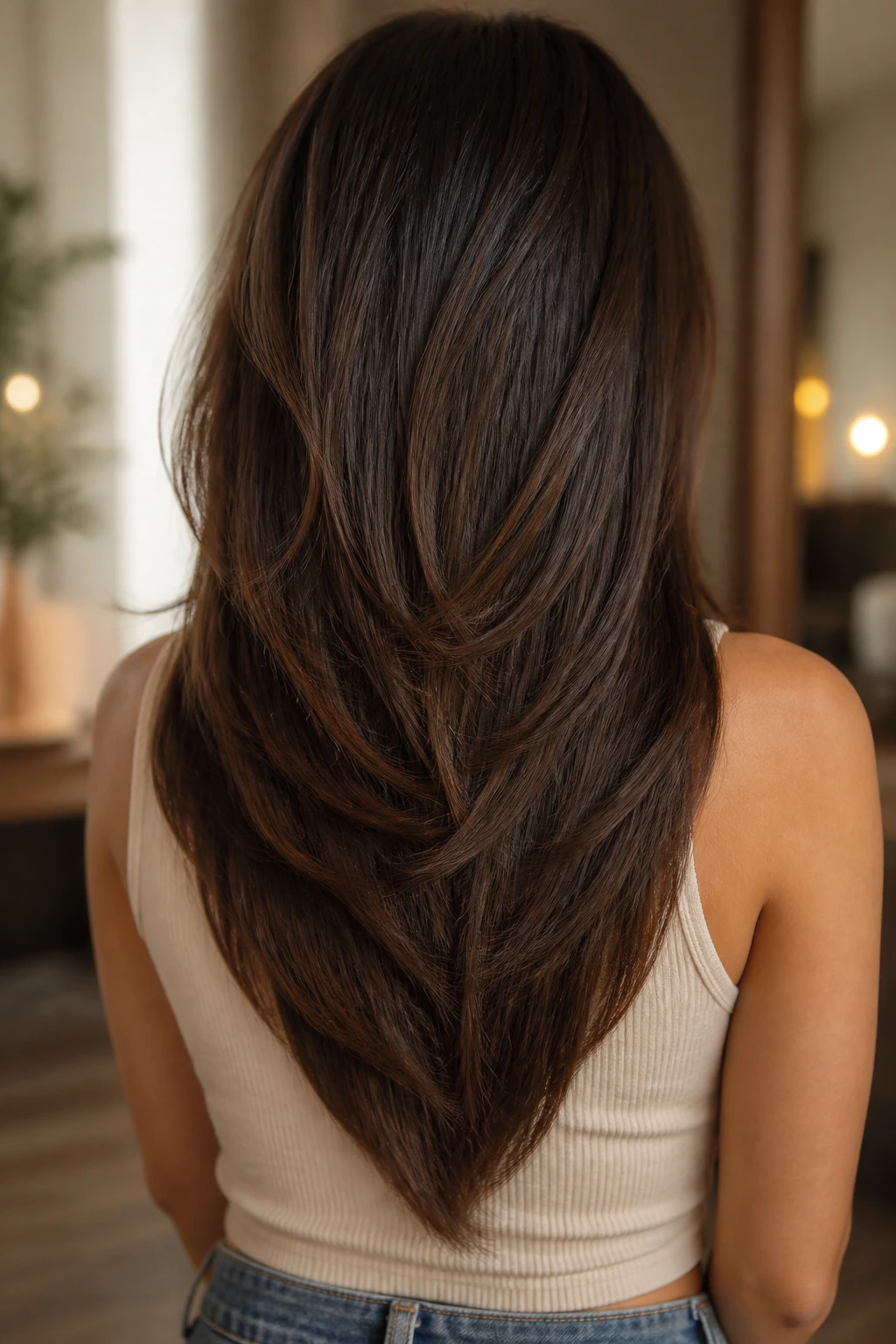
Presentation: Decide first whether you want polished, soft, or messy. A center part and a smooth blow-dry make long layers feel sleek, while a side part and finger-combed texture make the same cut read looser and more relaxed.
Pairings: Curtain bangs, bottleneck fringe, and face-framing pieces all change the mood of the haircut fast. Add a fringe if you want the layers to sit closer to the eyes; skip it if you want more room around the forehead.
Wearability: If your routine is five minutes or less, choose cuts that air-dry cleanly, like soft shag layers or long invisible layers. If you enjoy styling, butterfly cuts, blowout layers, and swoopy fronts give you more room to play.
Styling Tools: Round brushes, a diffuser, a flat iron with a slight bend, and a small amount of texturizing spray can cover almost every style here. The trick is to use one tool well, not every tool at once.
Small Styling Moves That Change the Finish
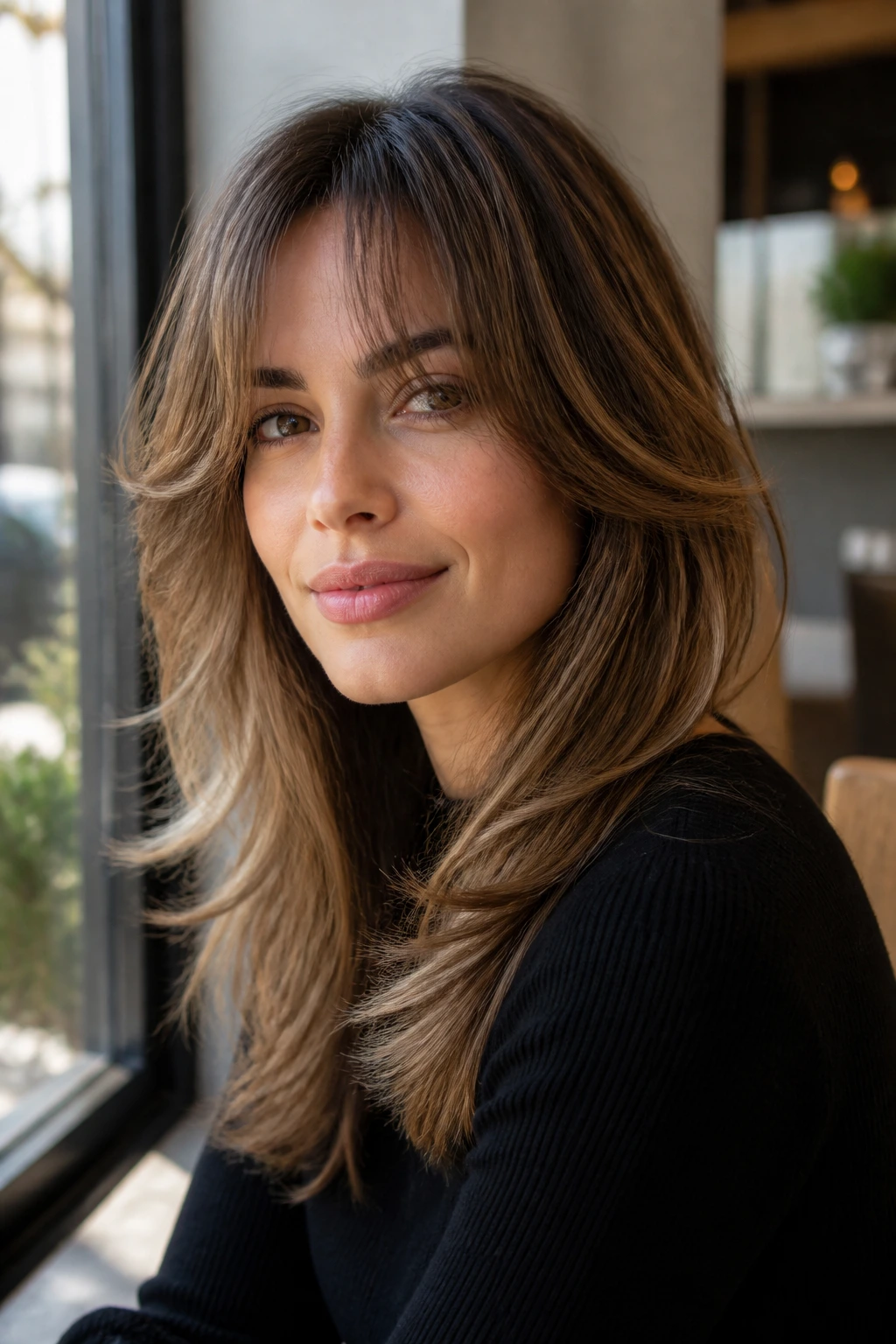
Volume Boost: Flip your part for five minutes while the roots are still warm, then switch it back. That tiny reset lifts the crown without making the style look overworked.
Smooth Finish: Apply smoothing cream only from the ears down. If you bring it too close to the roots, layered hair loses the lift that makes the cut look alive.
Texture Control: Use a pea-size amount of paste or wax on the very ends of bobs, pixies, and shaggy layers. The goal is separation, not a sticky helmet.
Shape Reset: If the face frame starts to collapse, mist just the front pieces with water, brush them away from the face, and dry them again. You do not need to rewash the whole head for one bad bend.
Keeping Layers in Shape Between Salon Visits
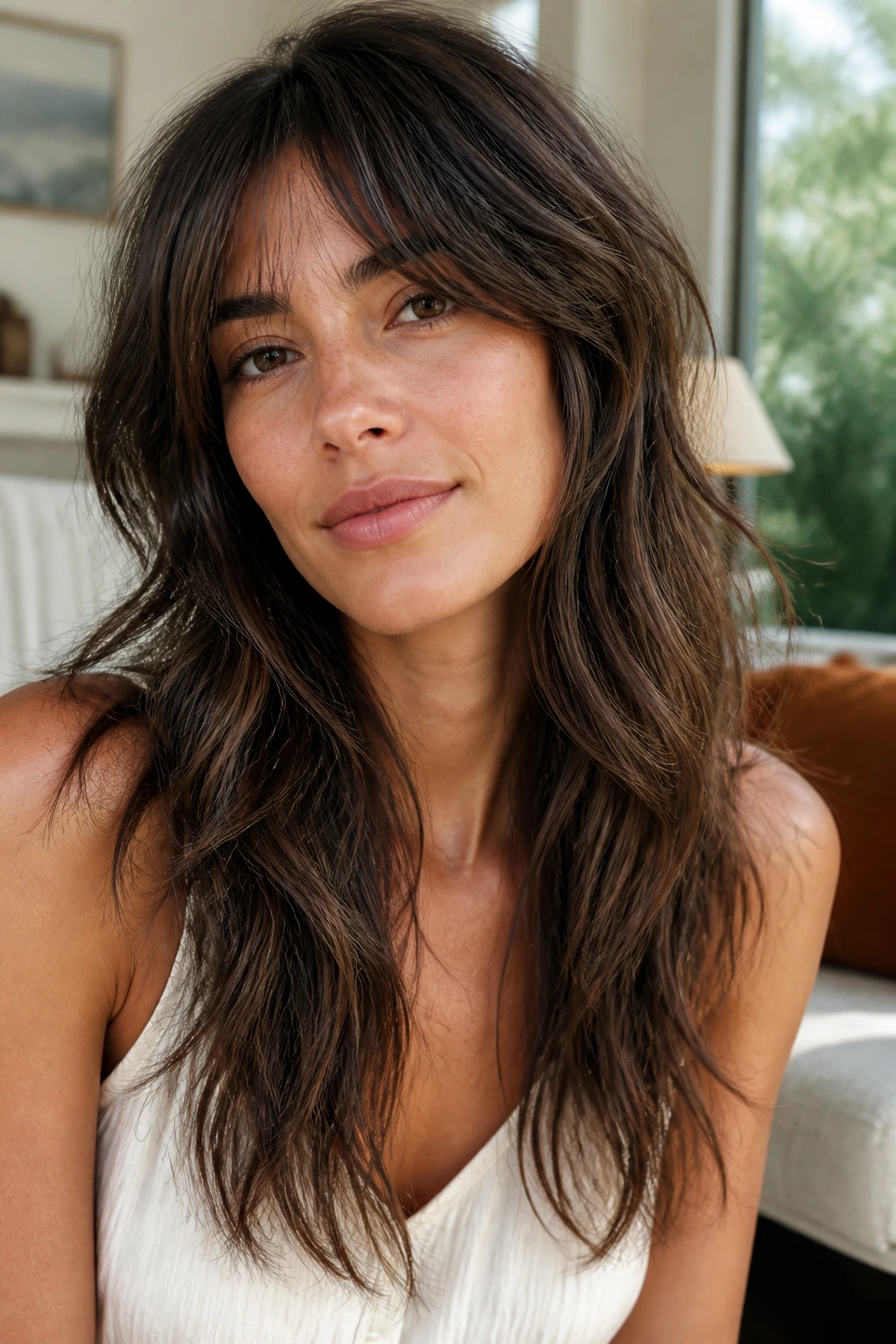
Layers age faster than blunt cuts, which is both the blessing and the curse. The shape looks good early on, but once the shortest pieces grow out, the haircut can lose its balance. Short layers, pixies, and bixies usually need a trim every 4 to 6 weeks. Bobs and lobs can usually go 6 to 8 weeks. Longer layers often hold for 8 to 12 weeks if the perimeter stays healthy.
A good dry shampoo helps on day two or three, especially if the crown starts to flatten. Use it at the roots, wait a minute, then massage it in with your fingertips. That keeps the style from looking dusty.
If you want to grow the cut out, ask for a dusting instead of a full reshaping. That keeps the ends neat without suddenly moving the shortest layer into an awkward place around your chin or jaw.
Variations and Adaptations to Try
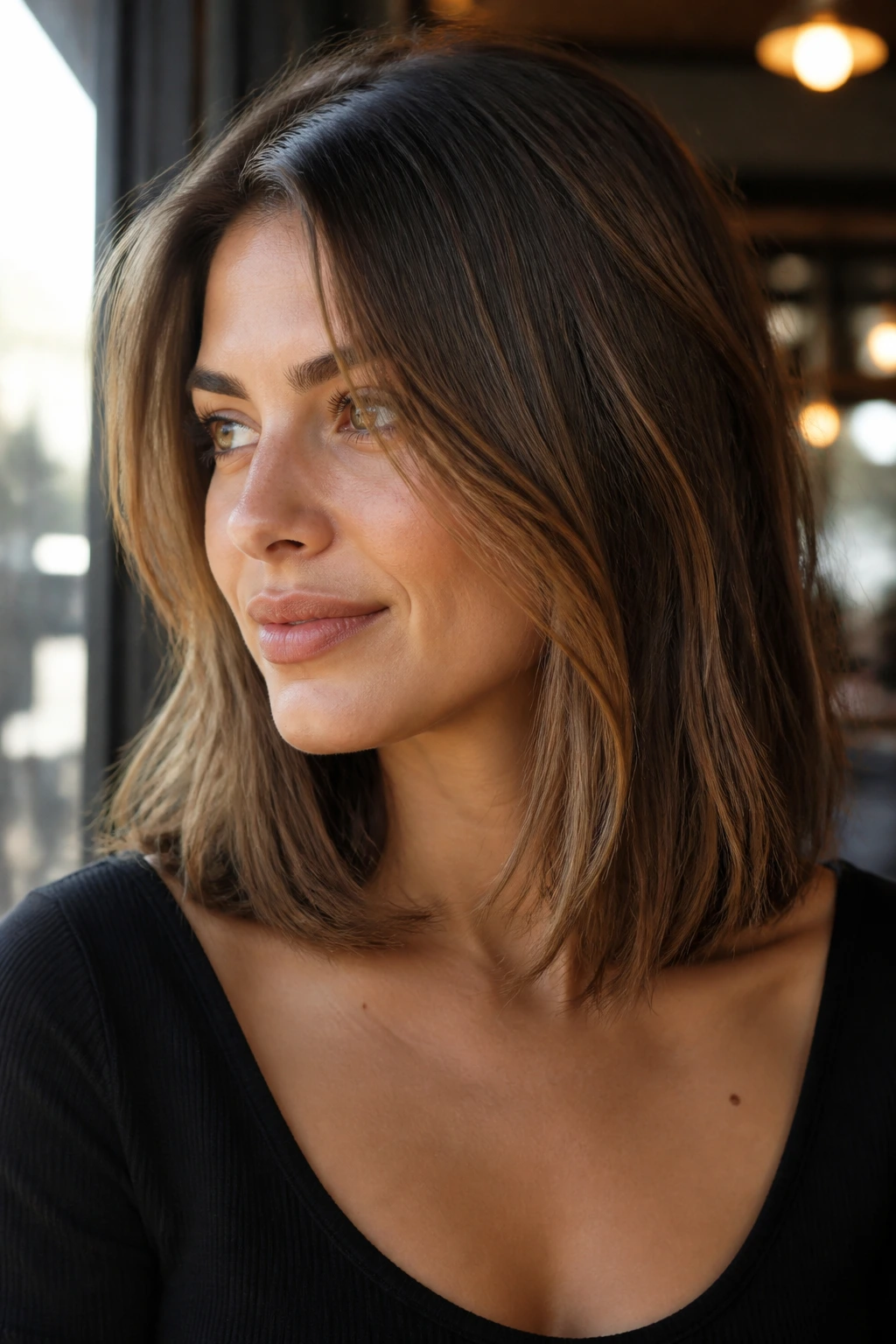
The Air-Dry Version: Keep the layers longer and softer, then ask for texture that follows your natural wave. This works best if you want the haircut to behave without a blow dryer attached to your morning.
The Blowout Version: Build in face-framing layers, a lifted crown, and enough length through the perimeter for a round brush to shape. The cut should look good smooth and glossy, not just when curled.
The Fine-Hair Lift Version: Use longer layers, a light face frame, and minimal thinning. That combination keeps the ends full while giving the top some movement.
The Thick-Hair Balance Version: Ask for internal layers, weight removal through the mid-lengths, and a perimeter that still feels solid. The goal is control, not feathering everything to pieces.
The Curl-First Version: Let the stylist cut the shape around your curl pattern, not against it. Dry or nearly dry cutting usually gives you a better read on where the layers will land.
The Grow-Out Version: Keep the shortest layer below the chin and avoid a strong fringe. That way the cut softens instead of turning into a weird middle stage after a month.
Common Mistakes to Avoid With Layers
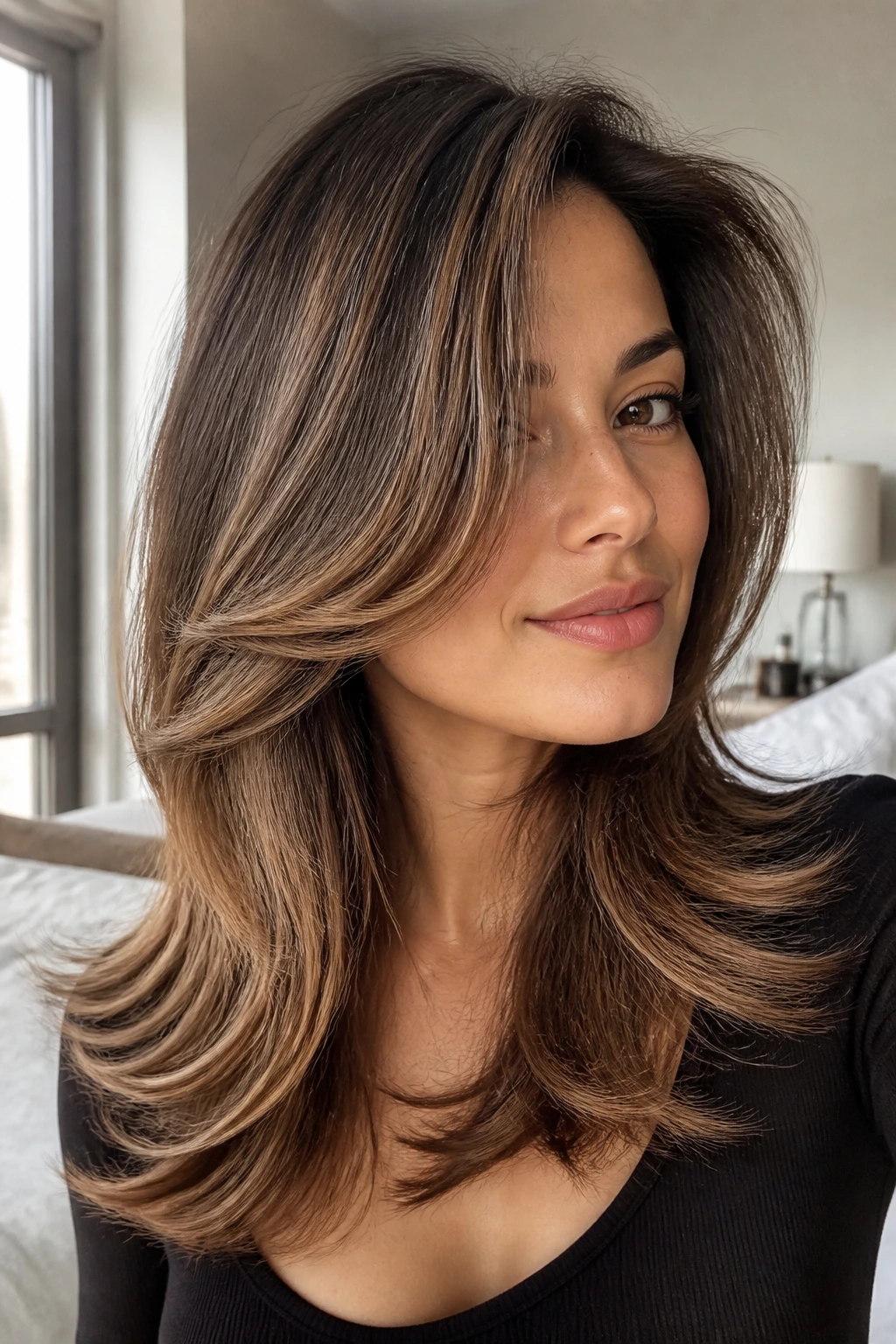
-
Starting the shortest layer too high: If the front pieces begin near the cheekbones on hair that is already fine, the ends can look sparse fast. Ask where the layer will hit before the scissors close.
-
Over-thinning thick hair: A blade-thin finish can leave ends fuzzy and unmanageable. Weight removal should happen in the right zones, not all over the head.
-
Ignoring your natural part: A layered cut that looks balanced from the salon chair can fall apart if you always wear a deep side part or always split it down the center. Be honest about the part you actually use.
-
Cutting curls like straight hair: Curly hair shrinks, bends, and shifts. If it’s cut wet with no respect for the pattern, the layers may land too short once dry.
-
Styling every layered cut the same way: A shag wants grit. A feathered lob wants brush work. A curly halo wants moisture and shape. One routine does not fit every cut.
Frequently Asked Questions About Layered Haircuts
Are layered hairstyles good for fine hair?
Yes, if the layers are kept long and light. Too many short layers can make fine hair look thinner, but a careful face frame and a little crown lift can give the hair more body without stripping away the ends.
Do layers make thick hair easier to manage?
They can, especially when the bulk sits in the mid-lengths and at the back. The point is not to thin the hair everywhere; it’s to remove enough weight that the cut stops ballooning and starts moving.
What should I ask my stylist for?
Bring the cut into three parts: the perimeter, the face frame, and the interior layers. Tell them where you want the shortest piece to land, how often you style your hair, and whether you want a polished or textured finish.
Can curly hair get layered without turning frizzy?
Absolutely, but the cut should respect the curl pattern. A dry or curl-specific cut usually works better because the stylist can see where the hair shrinks and how each curl stacks.
How often do layered cuts need trimming?
Short layered cuts usually need the most frequent cleanup, often every 4 to 6 weeks. Longer layers can go longer, but once the shortest pieces drift too far, the shape starts to feel less intentional.
Why do my layers flip out at odd angles?
That usually means the perimeter and the layers are fighting each other, or the ends were cut in a way that doesn’t match your natural bend. Sometimes a different blow-dry direction fixes it; sometimes the layer placement needs adjusting at the next trim.
Can I grow out layers without an awkward phase?
Yes, if the starting shape is soft and the shortest layer isn’t cut too high. A few maintenance dustings and a relaxed perimeter help the cut grow into itself instead of turning into a choppy mess.
Do layered cuts work with air-drying?
They can, but the layers need to be placed with your texture in mind. A wavy or shaggy shape often air-dries better than a highly polished butterfly cut or a precision bob.
The Cut That Stays Useful
The strongest layered haircut is the one that still makes sense when you have not had time to style it. That’s the real test. Not the salon mirror. Not the curled photo. Tuesday morning, bad lighting, half a cup of coffee, and five minutes before you leave the house.
Choose layers for the job you want them to do. Soften the face. Lighten the bulk. Build movement into the shape. If a cut does those things and still grows out without turning weird at the ends, you’ve found the right lane.
And if you bring one photo to the salon, make it one that shows the front and the weight line, not just the glossy finish. That little detail changes everything.
