



Bridal hair color is one of those details that looks optional right up until the wedding photos arrive. In the mirror, a shade can seem polished enough. Under flash, beside white satin, or tucked under a veil, the same color can suddenly look too yellow, too flat, too dark, or a little striped at the crown.
The best wedding hair color does more than flatter your face. It has to play nicely with curls, buns, braids, pearl pins, camera flash, and the strange mix of cool and warm light that follows brides around all day. A beige gloss on blonde hair can look soft and expensive-looking in a way that platinum sometimes cannot; a glossy chestnut brown can read richer than a lighter color because it holds shape and shine instead of fighting for attention.
These 28 hair color ideas for brides cover the safe, the romantic, the quietly modern, and a few bolder choices that still behave well in photos. Some are built for low-maintenance grow-out. Some are for brides who want dimension in braids and updos. A few are for the bride who wants her color to feel like the best version of her own hair, only a touch more intentional.
Why These Shades Earn a Spot on the Bridal Mood Board
-
Photograph-friendly tone: These shades are chosen for how they read in flash, window light, and golden indoor light, not just how they look in a salon chair.
-
Veil and pin friendly: Dimensional color keeps an updo from going flat, so little details like braids, twists, and combs have somewhere to land.
-
Root growth that doesn’t scream: Several of these ideas lean on shadow roots, melts, and glosses, which means the grow-out line stays soft if your appointment isn’t right before the ceremony.
-
Works with different dress whites: Cool, beige, champagne, and ivory dresses all react a little differently to hair color, and these shades give you options without forcing the whole look one way.
-
Easy to personalize: Each one can be pushed warmer, cooler, lighter, or deeper with a toner, glaze, or a few face-framing pieces.
1. Soft Champagne Blonde
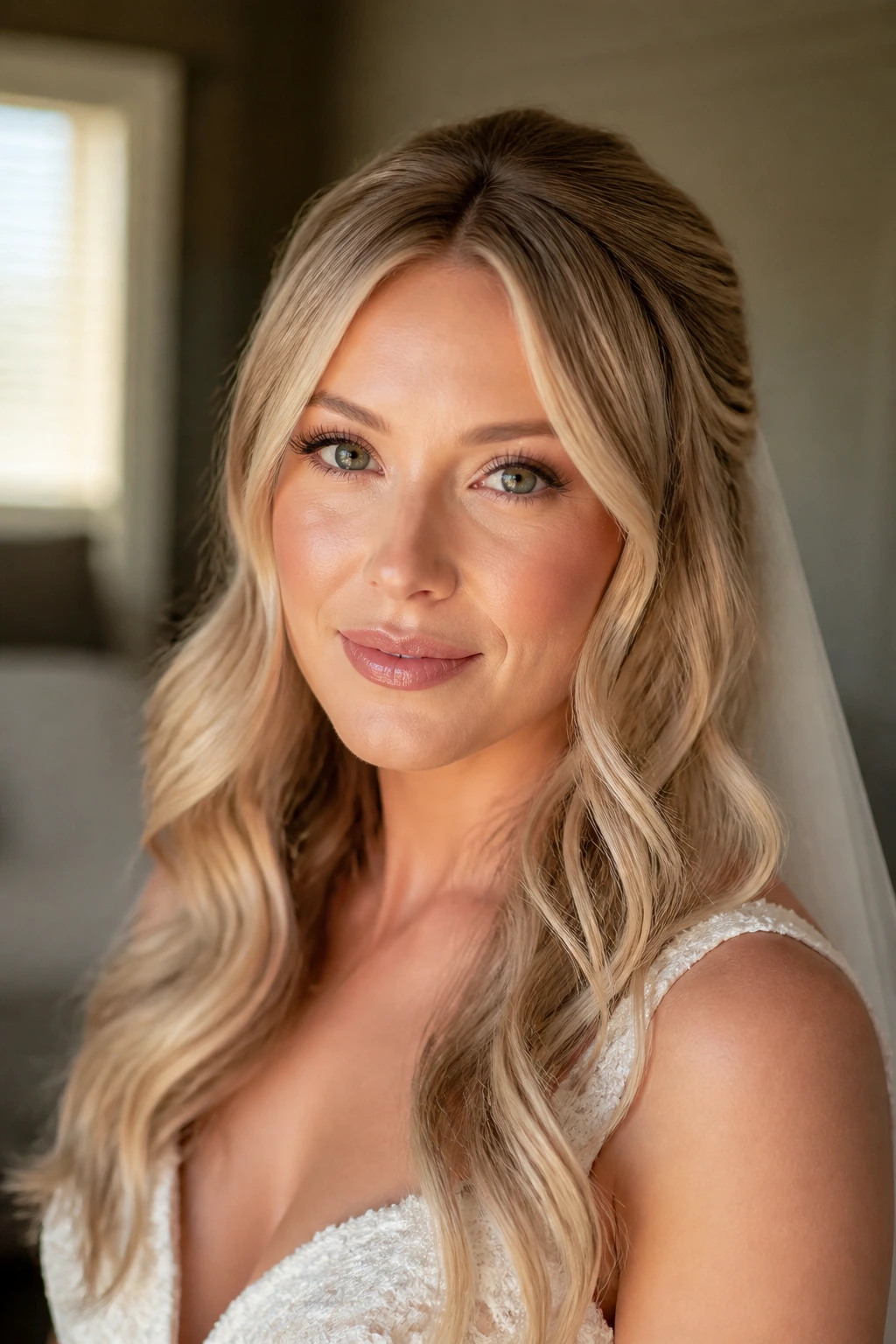
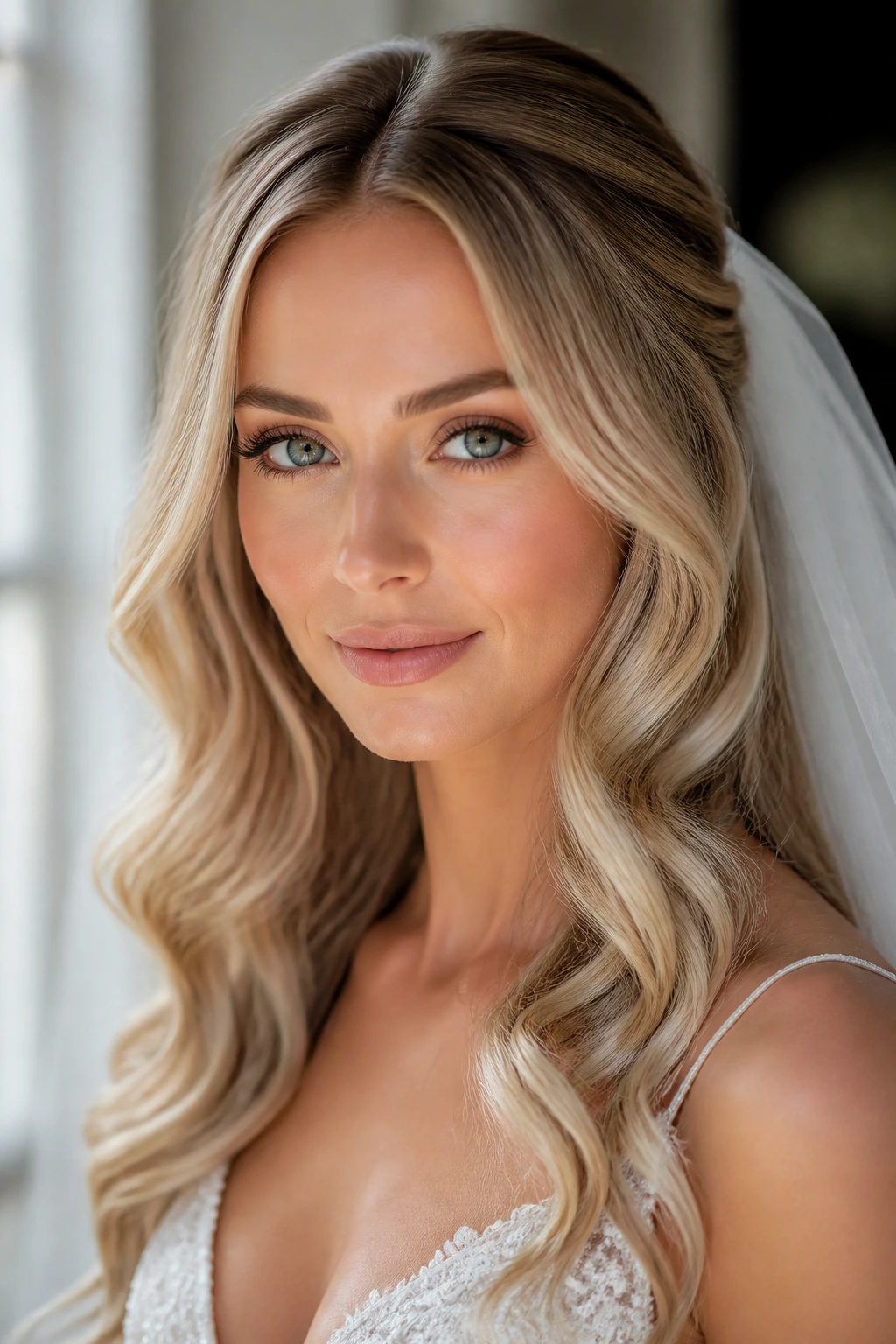
Champagne blonde sits in that sweet spot between beige and gold, which is why I reach for it so often on brides who want light hair without the brittle, over-bleached look. It gives brightness around the face, but it still feels calm next to lace, satin, and pearl jewelry.
Why it works: Ask for a level 9 blonde with a beige-gold gloss, not a stark silver toner. Champagne tones soften skin and keep the color from turning flat in flash photography, which is the problem with some cooler blondes. If your curls are loose and brushed out, this shade gives them a soft glow instead of a stripey highlight map.
Best with: ivory dresses, soft waves, and hair pinned half up.
Good note: Keep the root area slightly deeper so the crown doesn’t look overprocessed from every angle.
2. Creamy Vanilla Blonde
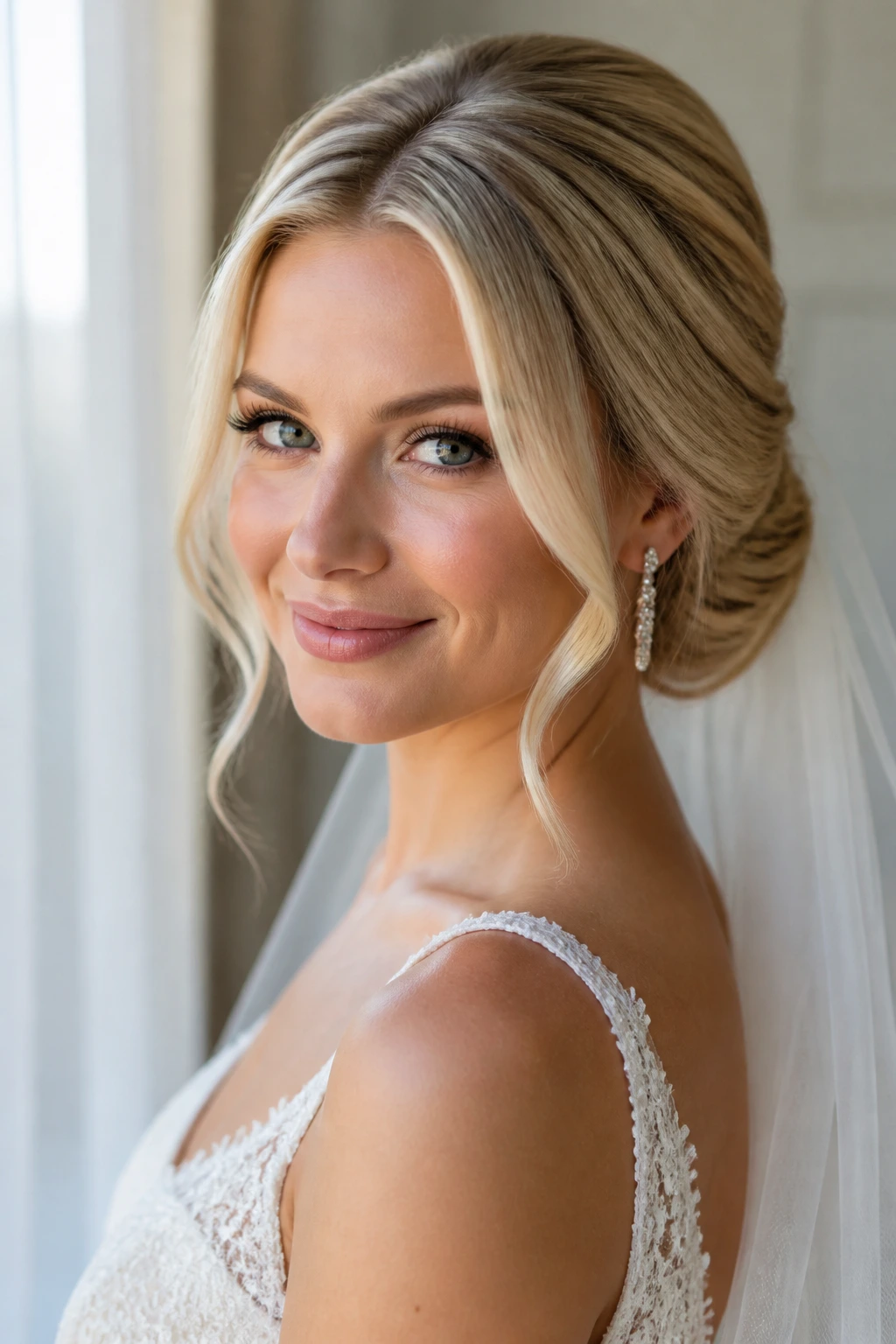
Vanilla blonde is softer and milkier than champagne, with less yellow and less edge. It’s the shade I’d choose for a bride who wants blonde hair that feels clean and romantic rather than icy or beachy.
The trick is restraint. Too much brightness and it tips into that blown-out salon blonde that can look harsh beside a white dress. Too little and it reads dull. A soft root melt and a creamy toner keep the whole thing smooth, especially if you’re wearing a sleek bun or polished blowout.
Ask for: muted light blonde, soft root shadow, and a gloss that takes down brass without making the hair gray.
3. Pearl Blonde Babylights
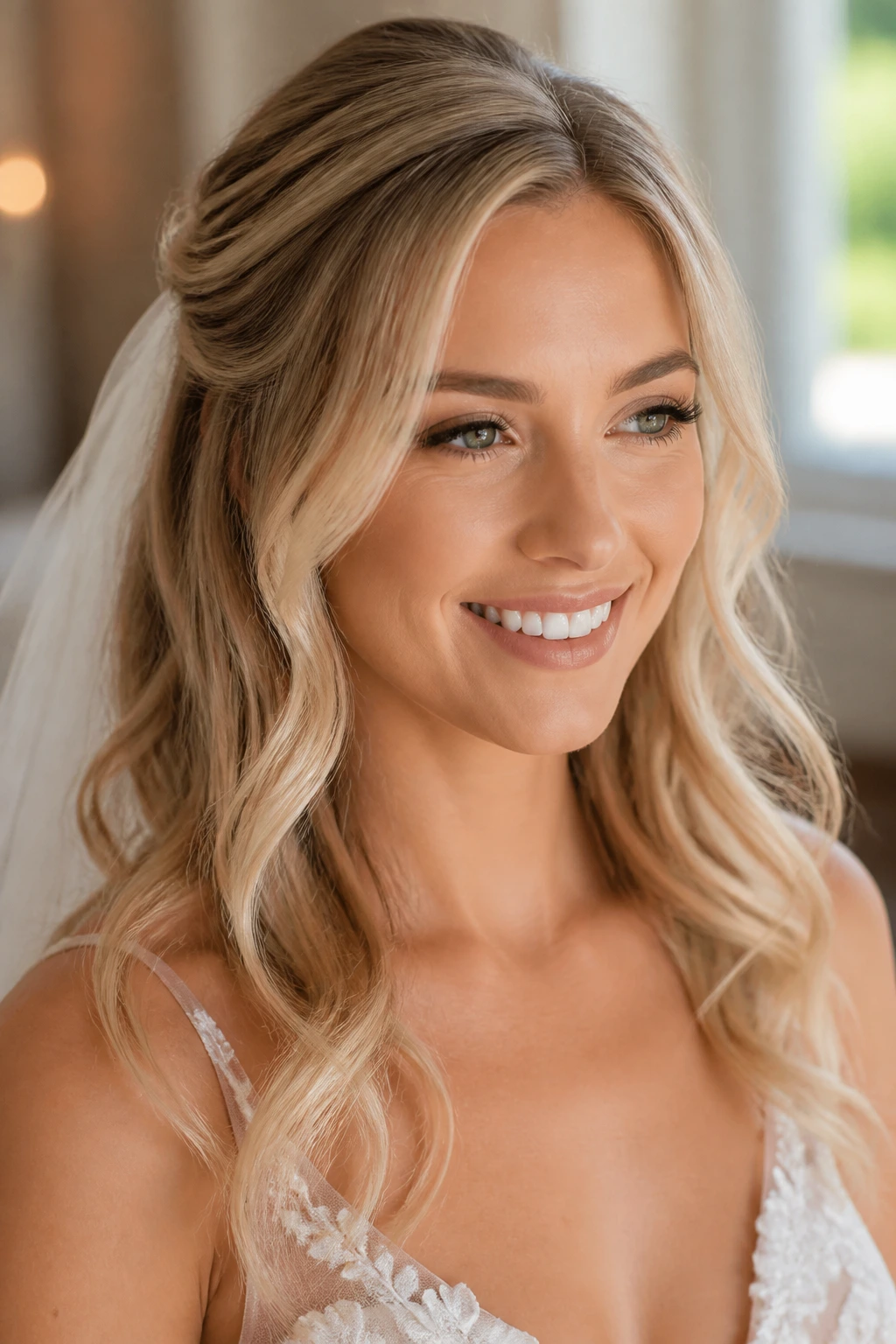
Pearl blonde babylights are tiny, delicate threads of light woven through a blonde base. They’re the right move when you want dimension but don’t want obvious highlight lines showing under an updo.
The appeal is in the fine detail. Babylights around the hairline, temples, and crown catch candlelight and flash without looking busy. This is one of my favorite bridal color ideas for finer hair because it makes strands look fuller without turning them chunky.
How to ask for it
- Micro-fine highlights through the top layer
- A cool-beige or pearl toner
- Soft, blended placement around the face and crown
It works best when the hair is styled in waves, a half-up twist, or a low chignon where small ribbons of light can move.
4. Beige Blonde with Root Shadow
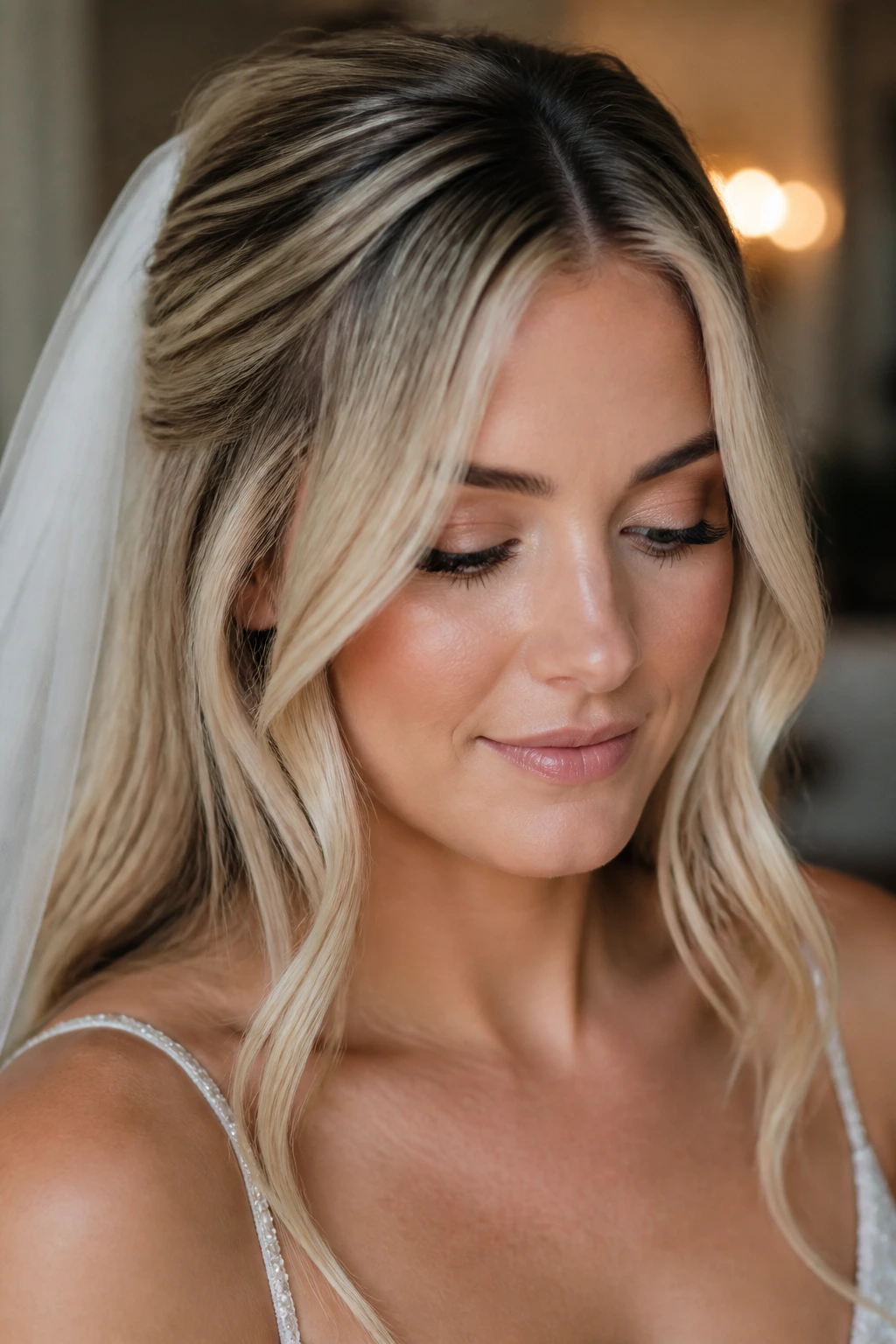
A beige blonde with root shadow is for the bride who wants blonde, but not salon-fresh blonde. The root shadow keeps the regrowth line soft, and that matters if your ceremony is not happening the same week as your color appointment.
This shade also behaves better in real life than many ultra-light blondes. It gives you brightness through the mids and ends, but the deeper root adds shape at the scalp, which helps braids and textured buns look fuller. If your natural hair is darker blonde or light brown, this can feel like a very smart compromise.
My take: this is one of the most practical wedding hair color ideas because it still looks polished after the ceremony, not only on the day itself.
5. Icy Beige Blonde
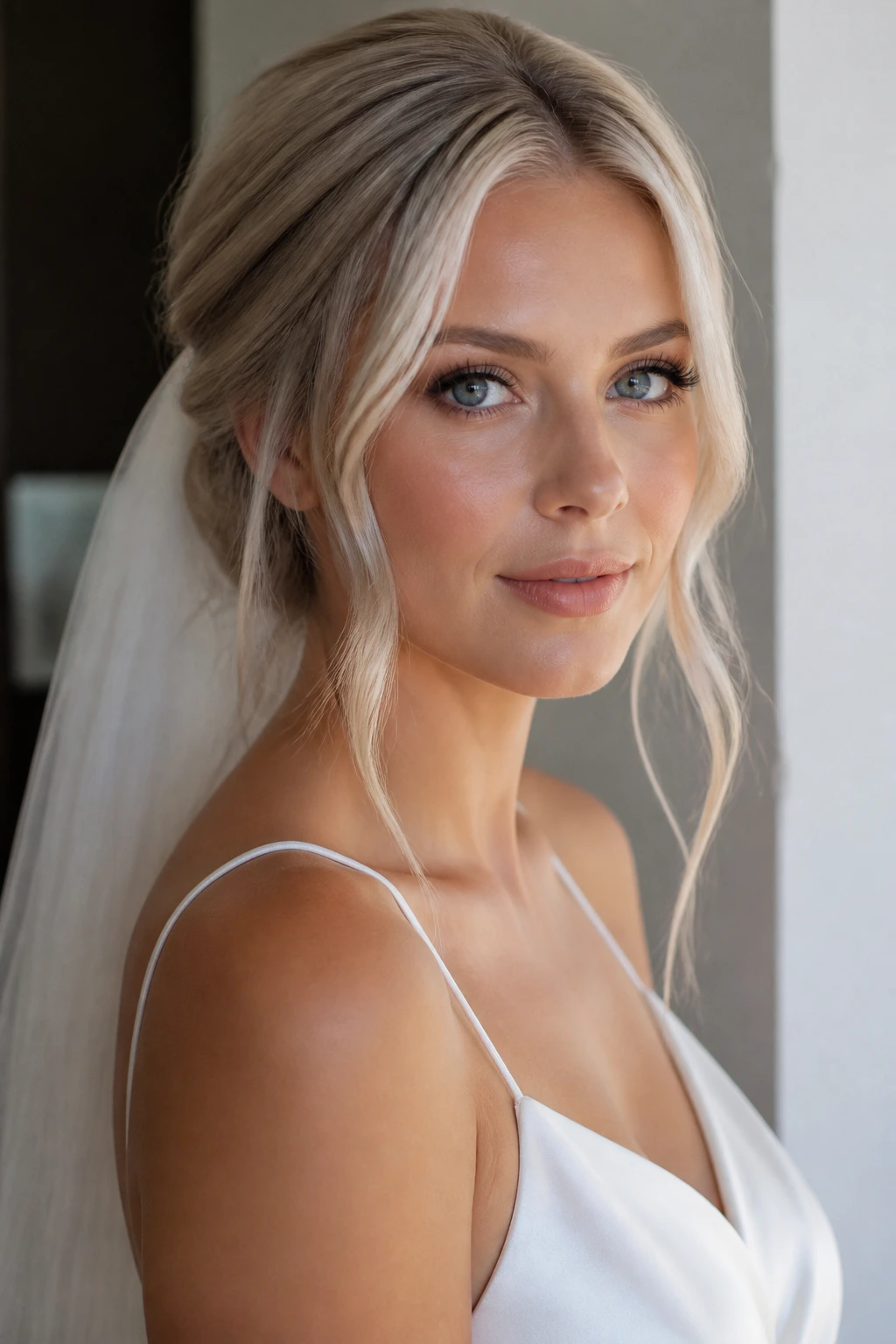
Icy beige blonde is cooler than champagne, but it should still have beige in the mix. If it leans too white or too silver, it can go flat against the face and fight with warm makeup.
This shade suits brides with cool or neutral undertones, pearl earrings, and a dress that has crisp lines. I like it on modern gowns more than on deeply romantic, vintage-looking ones. The key is to keep the finish glossy. Matte blonde can feel dusty in photos, and nobody wants that.
Watch for: too much ash toner. It can make the hair look hollow instead of refined.
6. Mushroom Bronde
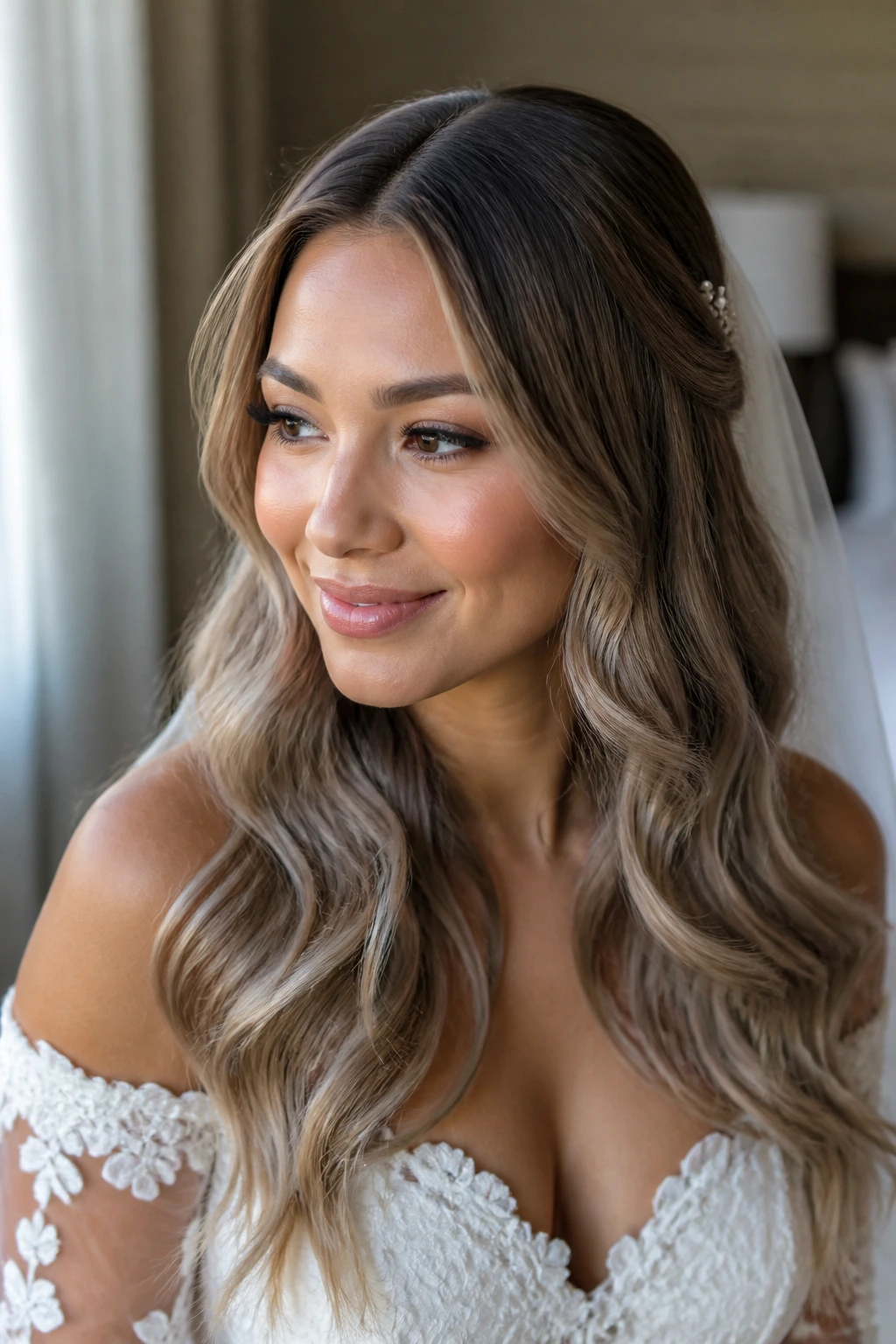
Mushroom bronde is the cool, earthy cousin of traditional balayage. It lives between brown and blonde, but the blond pieces are taupe and beige rather than golden, which gives the whole color a softer, more editorial feel.
This shade is excellent for brides with medium skin tones or anyone wearing muted flowers, textured fabrics, and low buns. It does not shout. It sits in the background and makes the hairstyle look expensive in the best possible way—subtle depth at the crown, lighter ends, no harsh stripes.
If you love neutral makeup and soft ivory dresses, mushroom bronde fits that mood almost too well.
7. Barely-There Bronde Melt
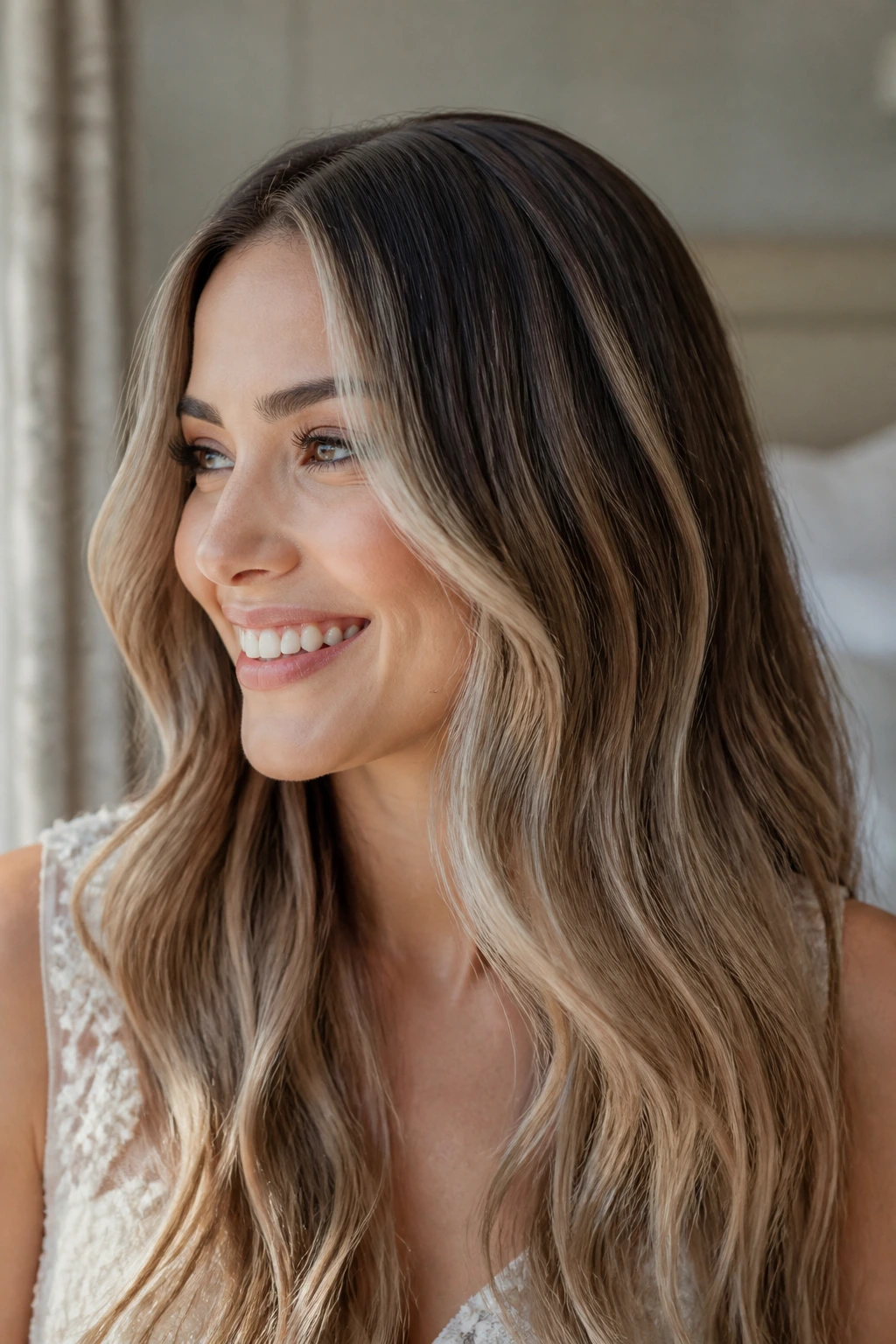
There’s a reason I keep coming back to bronde melts for brides who hate upkeep. The color moves from brown at the roots to soft beige ends with almost no obvious line, which means grow-out stays friendly and the finish looks lived-in, not neglected.
This is the shade for a bride who wants movement in waves or a loose braid without leaning fully blonde. The blend matters more than the brightness. Ask your colorist for a low-contrast melt with a few lighter face-framing pieces so the front doesn’t disappear when the hair is pulled back.
Best for: long hair, textured half-up styles, and brides who want the wedding look to still make sense three months later.
8. Sunlit Caramel Blonde
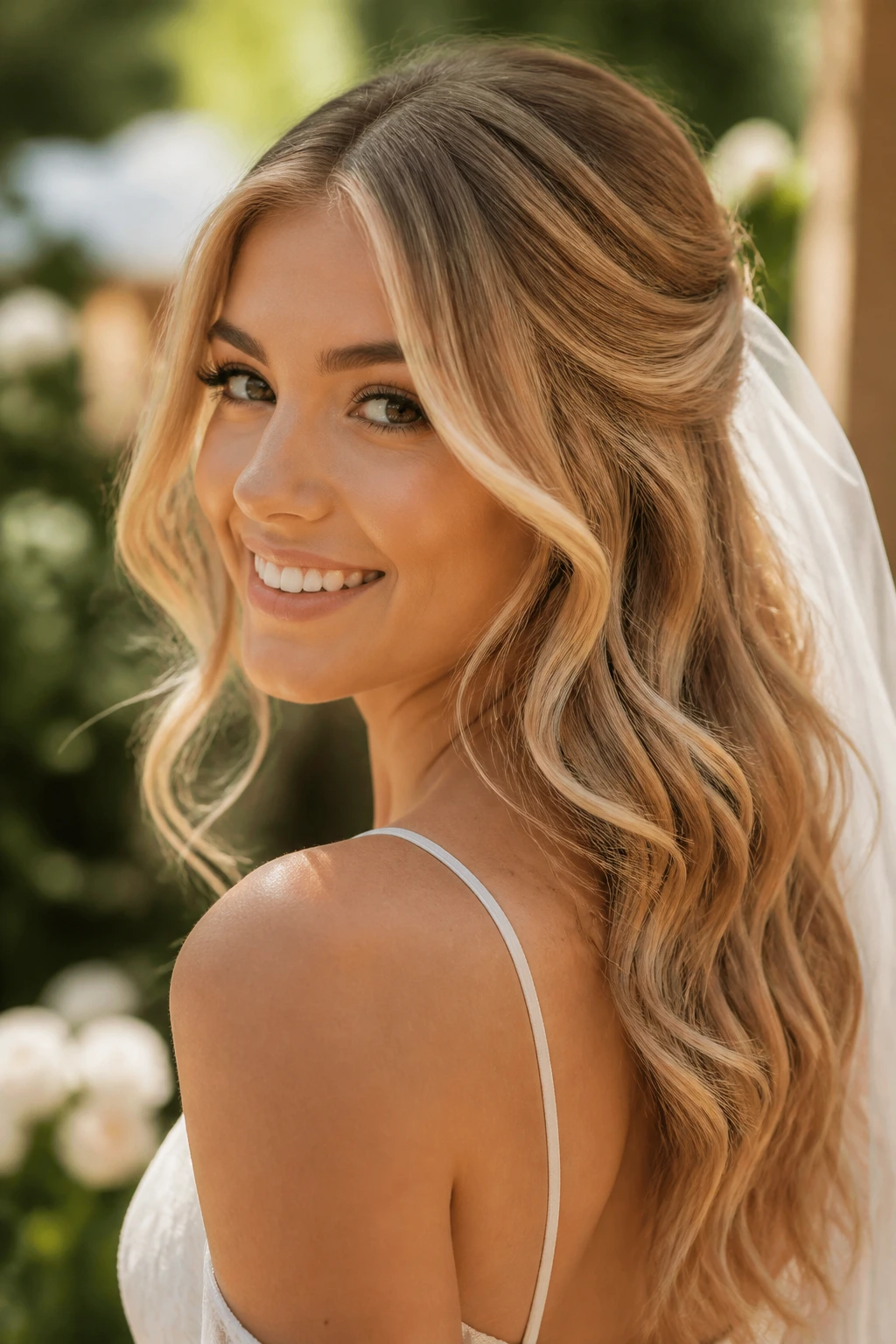
Sunlit caramel blonde feels like the hair has been sitting in a warm window all day. It’s brighter than bronde, but softer than a classic gold blonde, and it tends to look especially good in open-air ceremonies or any setting with warm natural light.
The caramel pieces should look painted on, not striped. I like this shade when the bride wants obvious dimension in curls or a blowout because the lighter ribbons move when the hair moves. It’s one of the easiest shades to wear with champagne-colored dresses and soft gold jewelry.
Ask for: warm caramel ribbons around the face, with lighter mids and ends and a root that stays a half-step deeper.
9. Honey Caramel Balayage
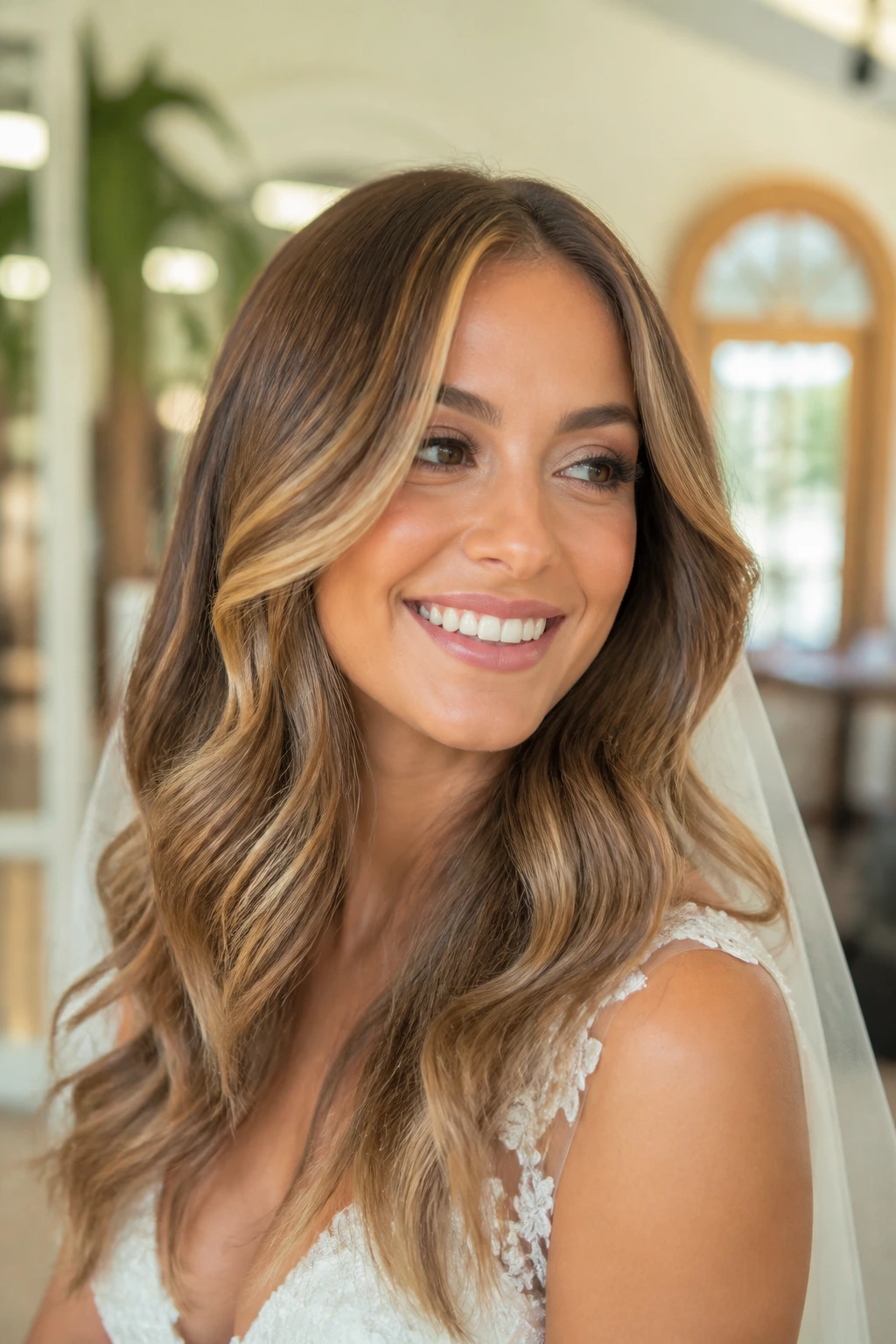
Honey caramel balayage has more warmth and body than champagne or pearl shades. It reads richer, cozier, and a little more relaxed, which makes it a good fit for brides who wear their hair in loose waves or soft boho braids.
Balayage placement matters here. If the light pieces are too high or too chunky, the color starts looking more like a 2010s highlight job than a bridal finish. Keep the highlights hand-painted and blended, with the brightest pieces around the face and ends. That gives you movement without loud contrast.
This is one of those shades that looks especially good when the hair has a little texture. Flat, poker-straight hair can hide the warmth.
10. Golden Honey Ombré
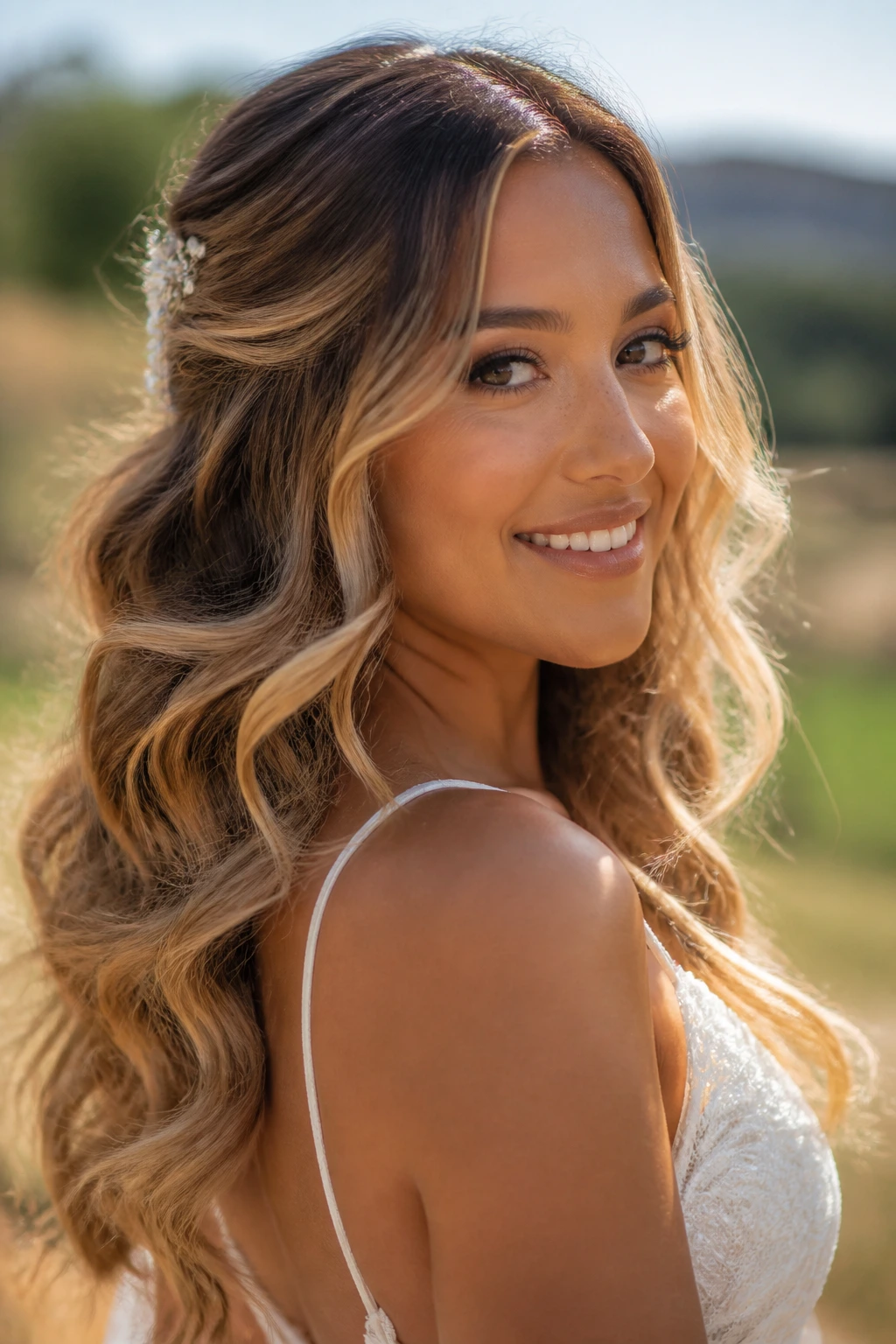
Golden honey ombré gives you a deeper root and lighter ends, which is helpful if you want less maintenance near the scalp. It also keeps the eye moving downward, so long hair feels softer and more fluid in photos.
I like ombré on brides with layered lengths or long waves because the lighter ends show up when the hair curls under or flips out. The color should feel golden, not orange. A good glaze keeps it polished and stops the ends from looking brassy after a few washes.
Pro tip: if you’re wearing a fuller veil or a dress with strong detail near the neckline, this softer gradient can stop the whole look from feeling crowded.
11. Toffee Ribbon Brunette
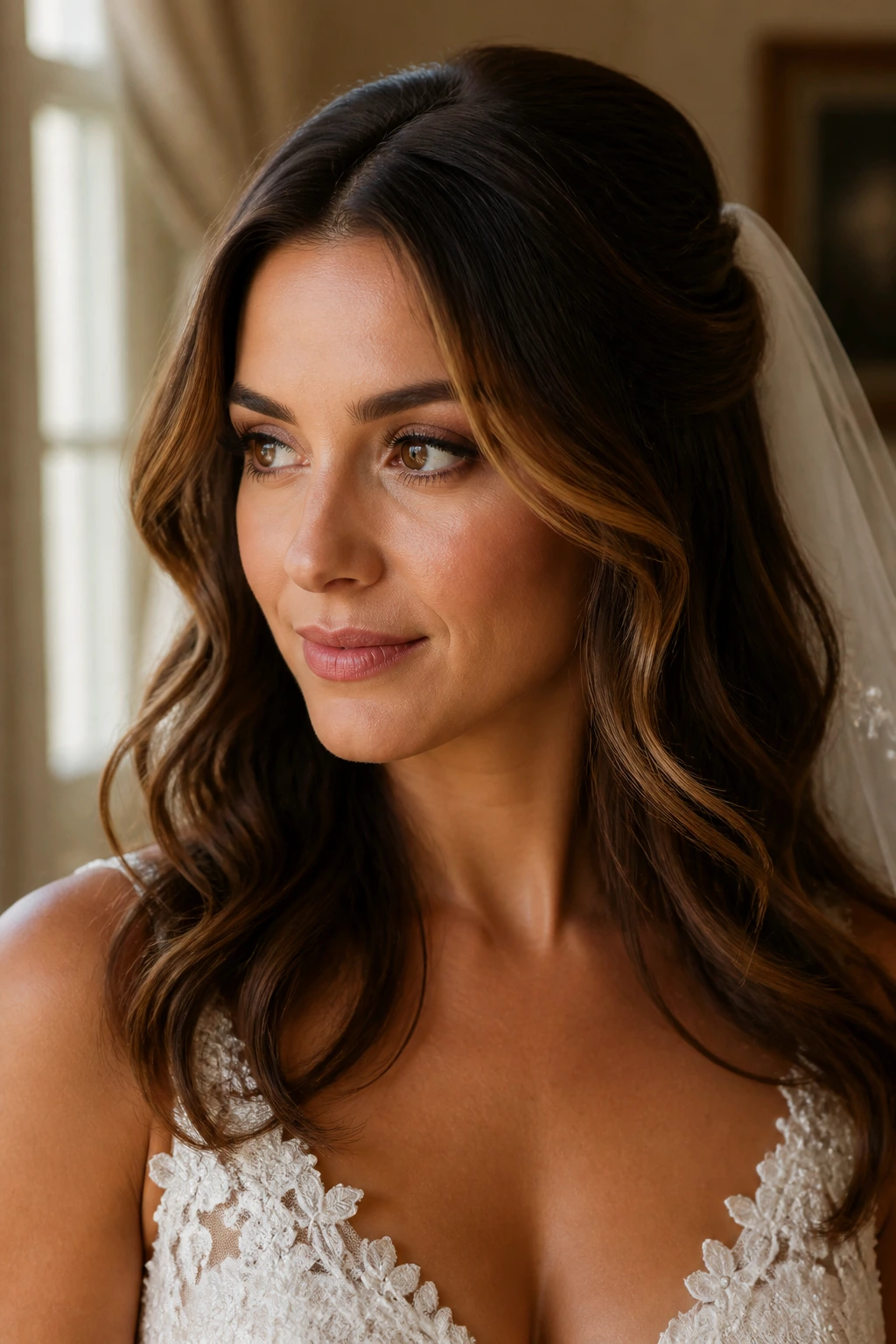
Toffee ribbon brunette is exactly what it sounds like: a rich brown base with thin, warm toffee pieces woven through the top and around the face. It is one of the cleanest ways to brighten brunette hair without turning it blonde.
This shade shines in waves, twists, and soft updos because the ribbons move when the hair moves. Ask for highlights that are one to two levels lighter than your base. Anything chunkier starts to look too obvious, especially under bright daylight.
Best for: brides who want softness around the face and depth everywhere else.
Avoid: thick, stripy highlights that show every part in a braid.
12. Chestnut Gloss
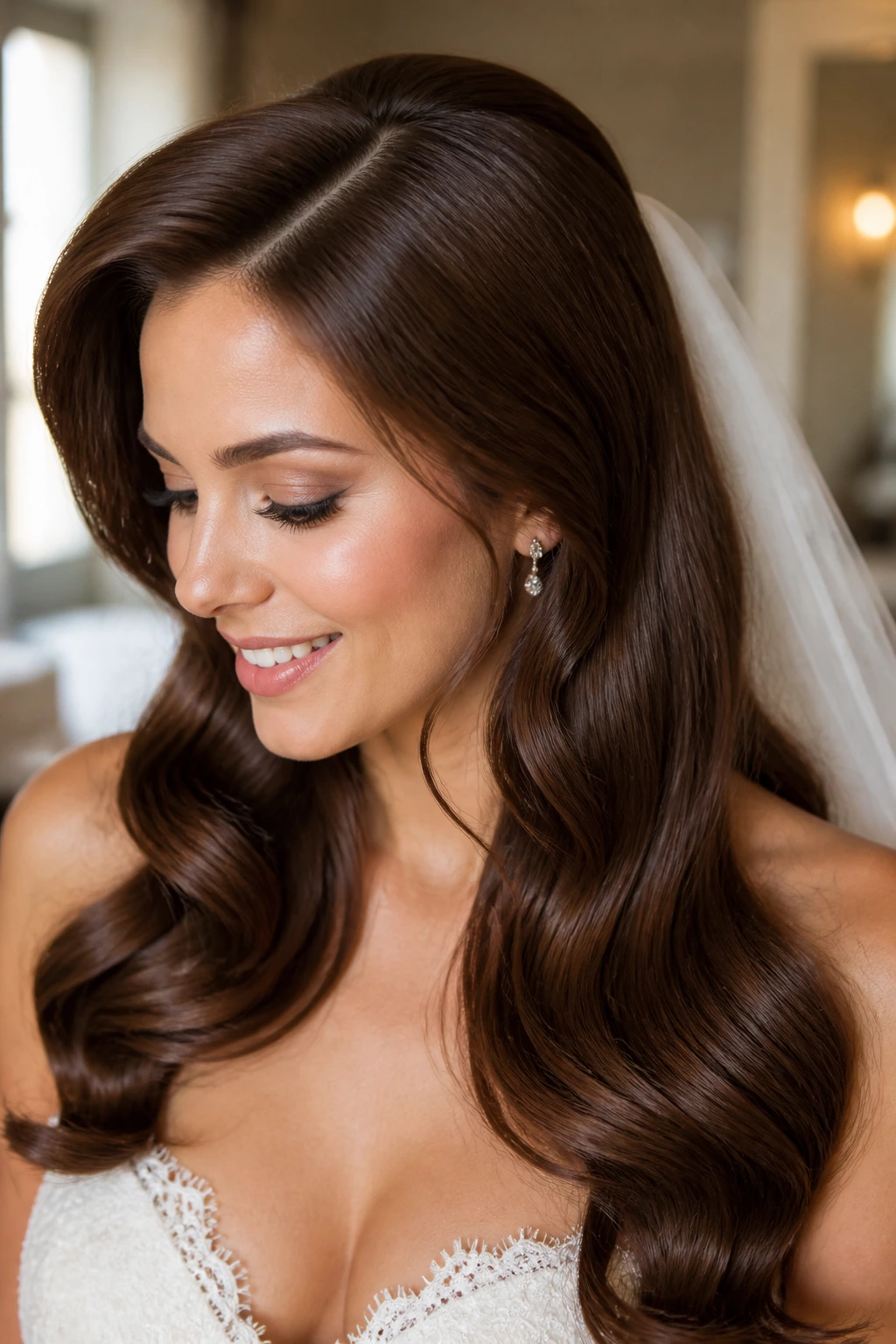
Chestnut gloss is a single-tone brunette color done with shine in mind. It’s elegant in a very direct way. No stripy pieces. No obvious color tricks. Just a rich chestnut base with a reflective glaze that gives the hair that smooth, polished surface people notice in close-up portraits.
This is one of the best bridal hair color ideas if you already have naturally brunette hair and want to keep things simple. The trick is condition and shine, not lightness. Ask for a demi-permanent gloss or glaze with a chestnut tone, then keep the ends healthy so the finish doesn’t look tired.
It works beautifully with side parts, low buns, and classic Hollywood waves.
13. Espresso Shine
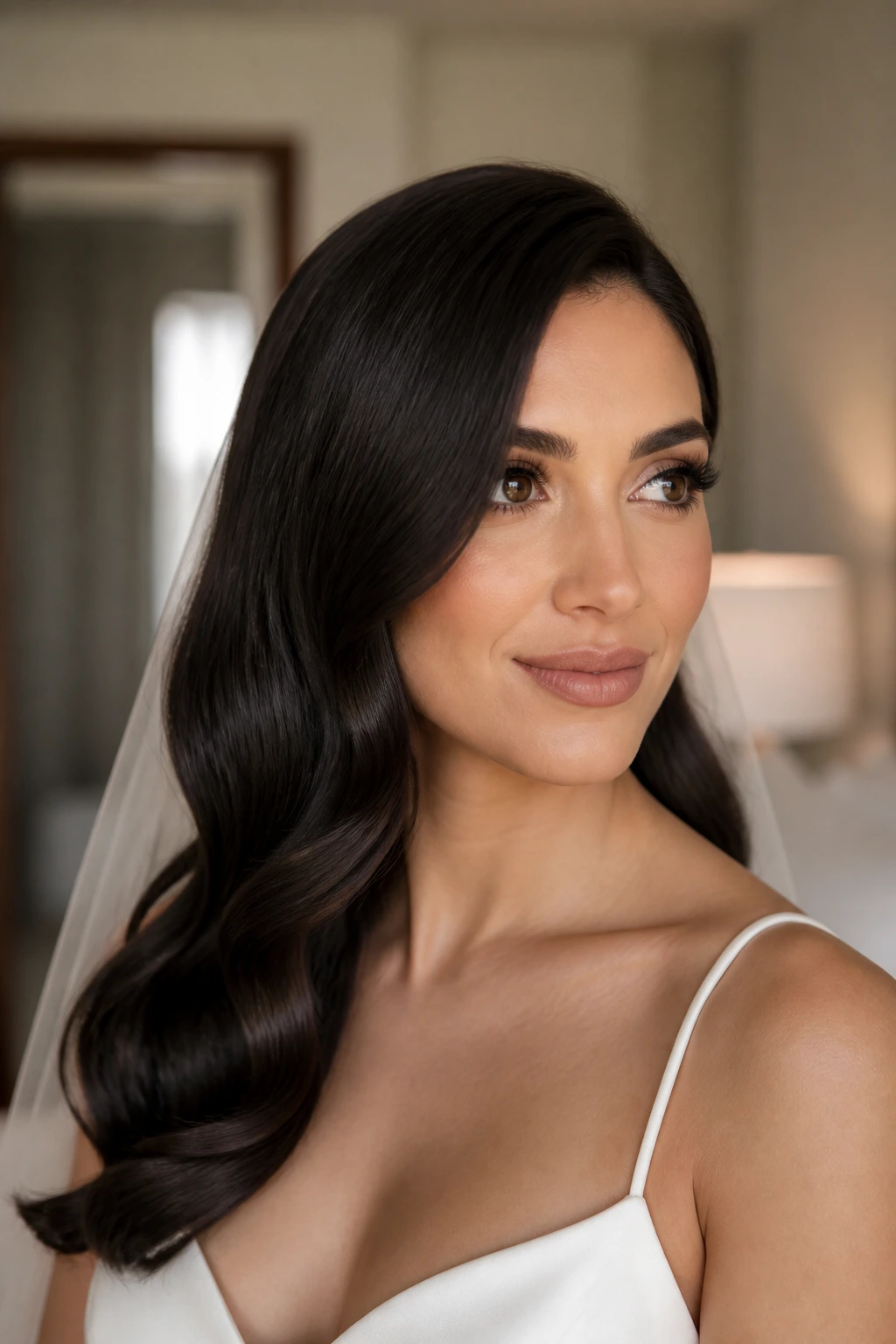
Espresso shine is deep, dark brown that sits almost at black but keeps a little warmth in the reflection. If you’re naturally dark-haired, this is a gorgeous way to clean up the color without making the hair look painted on or heavy.
The shine is the point. Dark hair can go flat fast if the ends are dry, so this shade needs good conditioning and a gloss that keeps the surface smooth. I prefer it with pearl pins, sleek buns, and simple makeup because the hair already has enough presence on its own.
Best with: minimalist dresses, clean lines, and a very tidy hairline.
Short version: if you already have dark hair, don’t rush to lighten it. A polished dark shade often looks better.
14. Mocha Latte Balayage
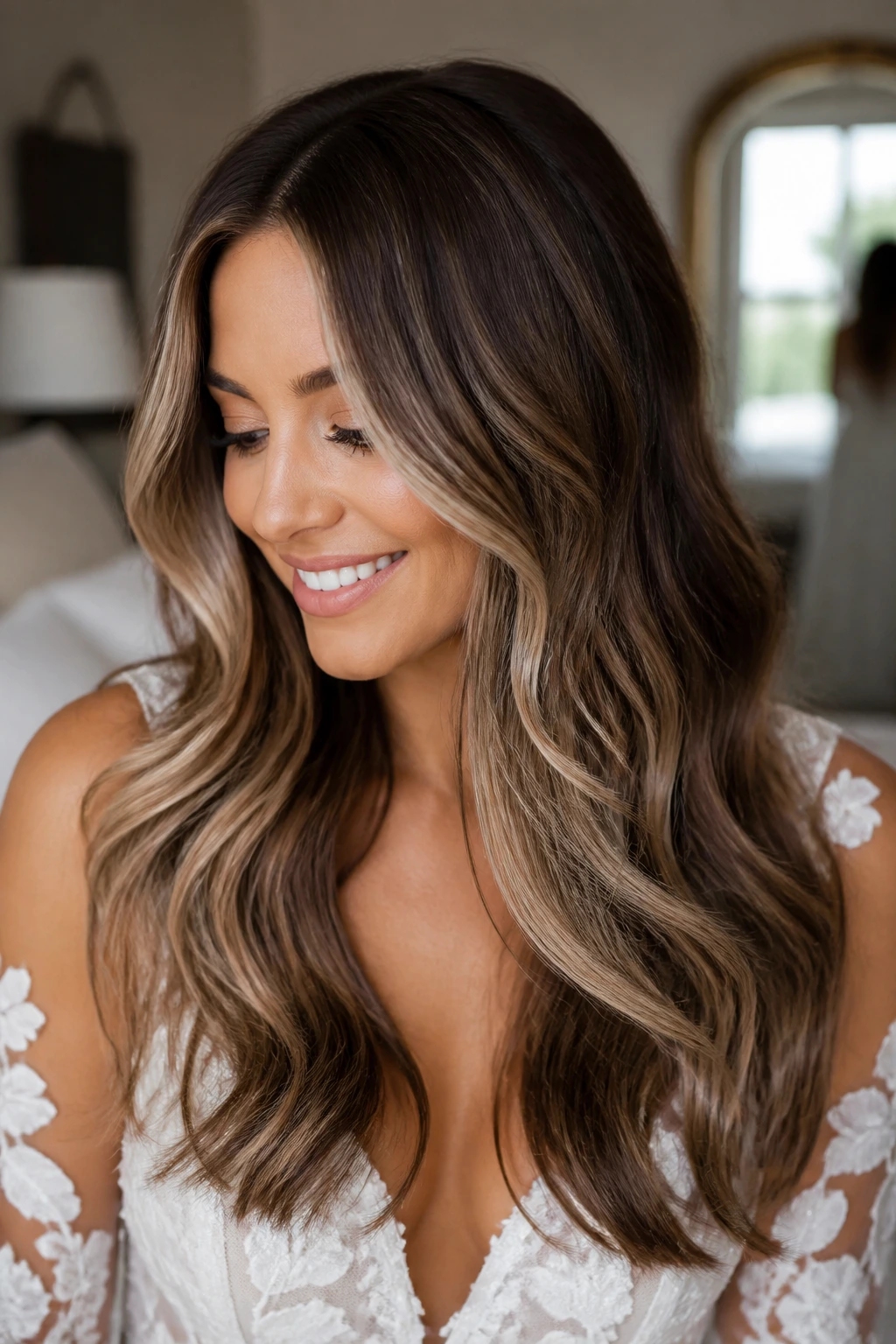
Mocha latte balayage sits in the middle ground between brunette and blonde, and that middle ground is useful. The base stays brown, but the ribbons around the face and through the mids have a milky, softer tone that keeps the color from feeling one-note.
This is the kind of bridal color that works on many haircuts. Layered lob? Fine. Long curls? Fine. Half-up twist? Fine. The highlight pieces should lean cool-neutral so they don’t pull orange when the camera flash hits them. That one detail matters more than people think.
If you want dimension without a big color change, this is one of the smartest choices on the list.
15. Milk Chocolate Micro-Highlights
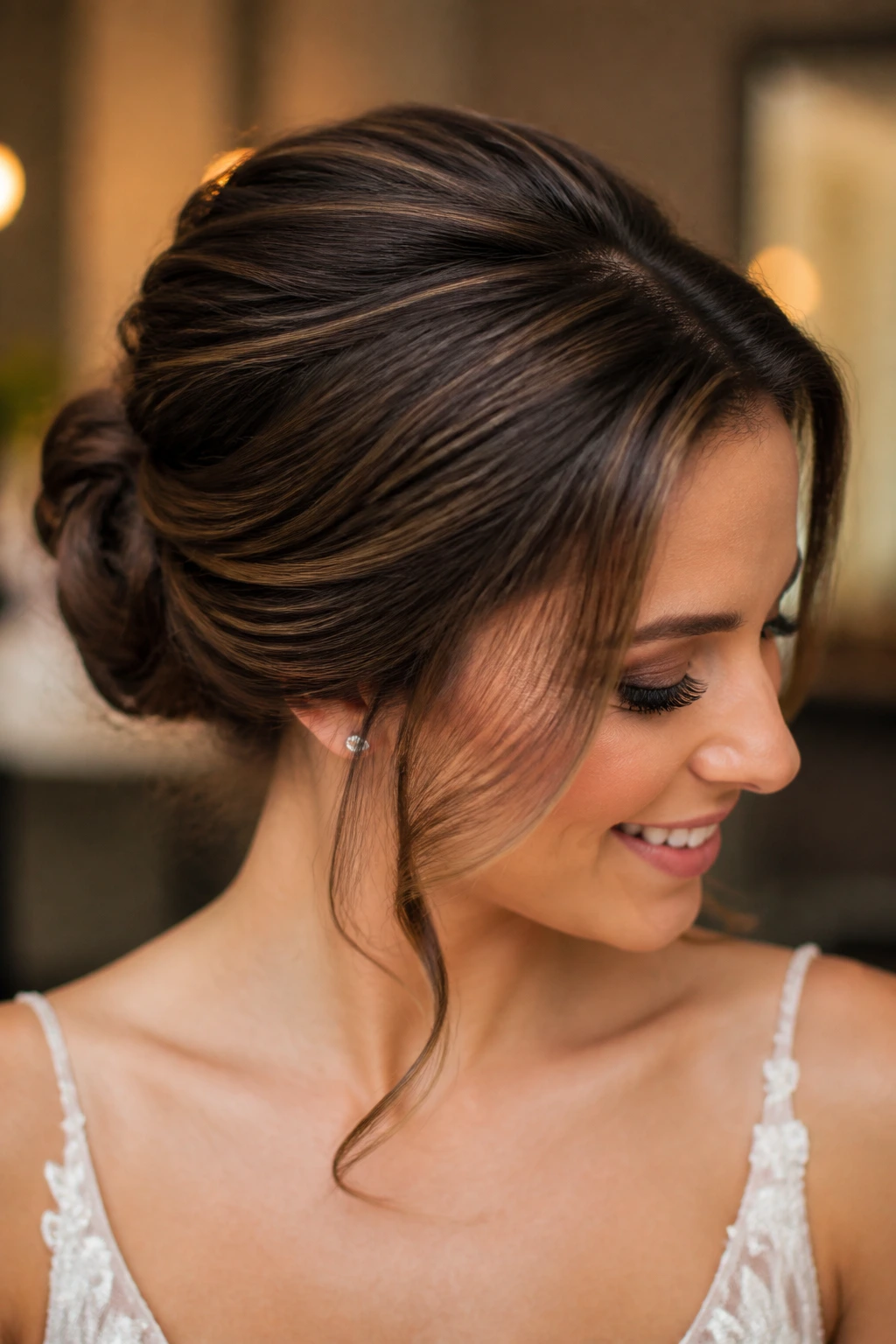
Milk chocolate micro-highlights are tiny. That’s the whole charm. They add depth to chocolate brown hair without reading as streaks, and they can make fine hair look thicker because the eye sees more movement.
I like this shade on brides who want a soft, almost secret kind of dimension. It’s excellent in braids, where the strands weave together and show off the small contrast. Ask for highlights that are no wider than a sewing thread in the face-framing area, with slightly thicker pieces only where the hair naturally catches light.
Best for: fine hair, classic updos, and brides who dislike chunky color.
16. Dimensional Brunette with Micro-Lowlights
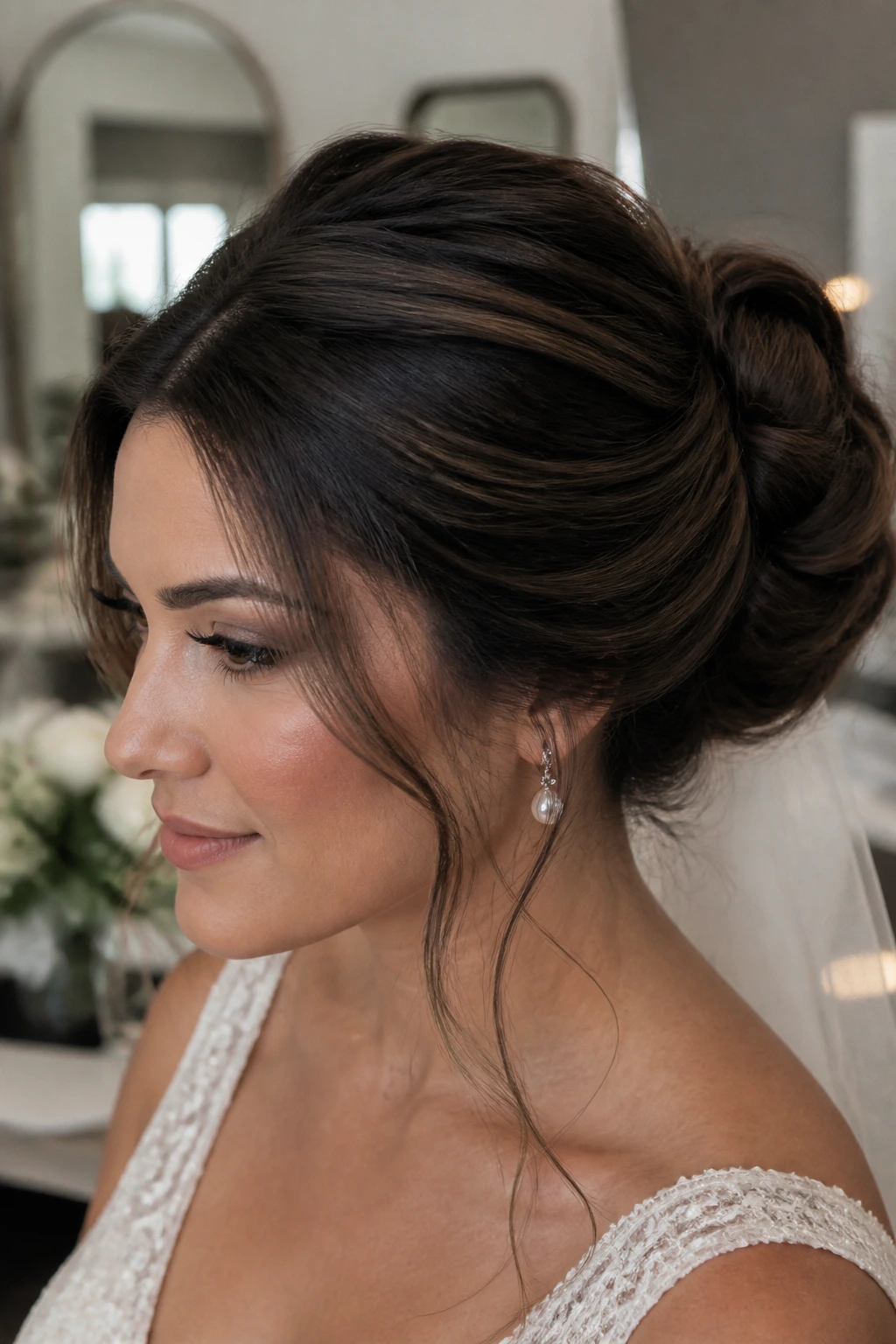
A lot of people ask for highlights when what they really need is depth. Micro-lowlights fix that. They go a shade or two darker than the base and sit under the top layer, which gives brunette hair fullness and keeps it from looking washed out once the styling is in place.
This shade is especially good for thick hair and structured buns because the extra depth gives the hairstyle shape. If everything is one flat brown, the bun can read like a lump. Micro-lowlights keep the silhouette cleaner.
The part that matters
- Keep the lowlights soft, not muddy
- Let them live under the top layer
- Finish with a neutral gloss so the brunette stays rich, not red
It’s a subtle move, but it changes the whole look.
17. Rich Chocolate with Caramel Money Piece
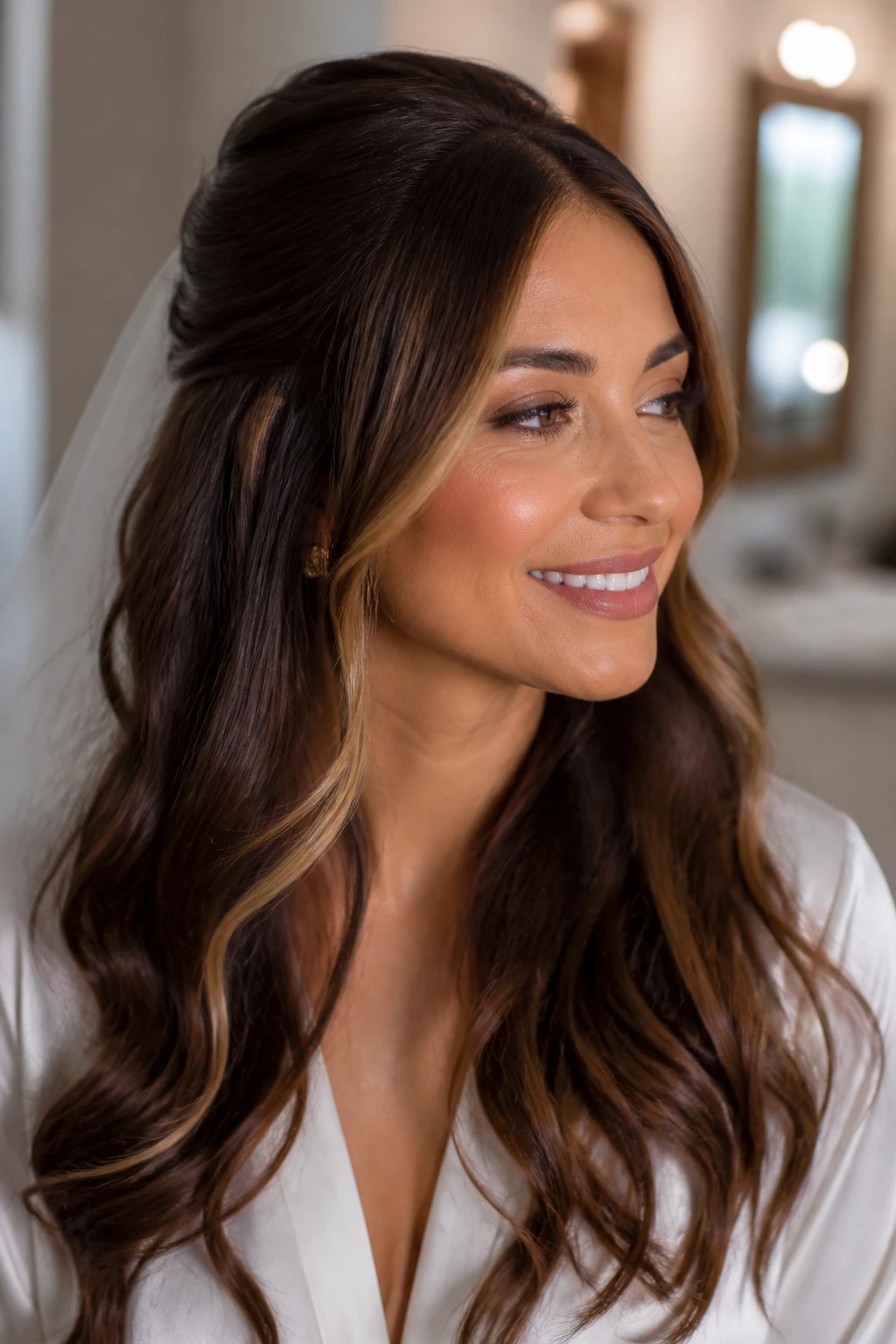
A caramel money piece can wake up chocolate brown hair fast. The trick is to keep the face-framing pieces soft enough to blend into the rest of the style, not bright enough to draw a hard line around the face.
This is a good bridal choice if you want some lightness near the front without turning the whole head lighter. It works nicely with curtain bangs, half-up styles, and loose waves, because the lighter pieces bend and soften as the hair moves. The rest of the color stays grounded and dark.
My opinion: if you only add one brighter note to brunette hair, put it near the face. That’s where the camera looks first.
18. Cinnamon Brunette
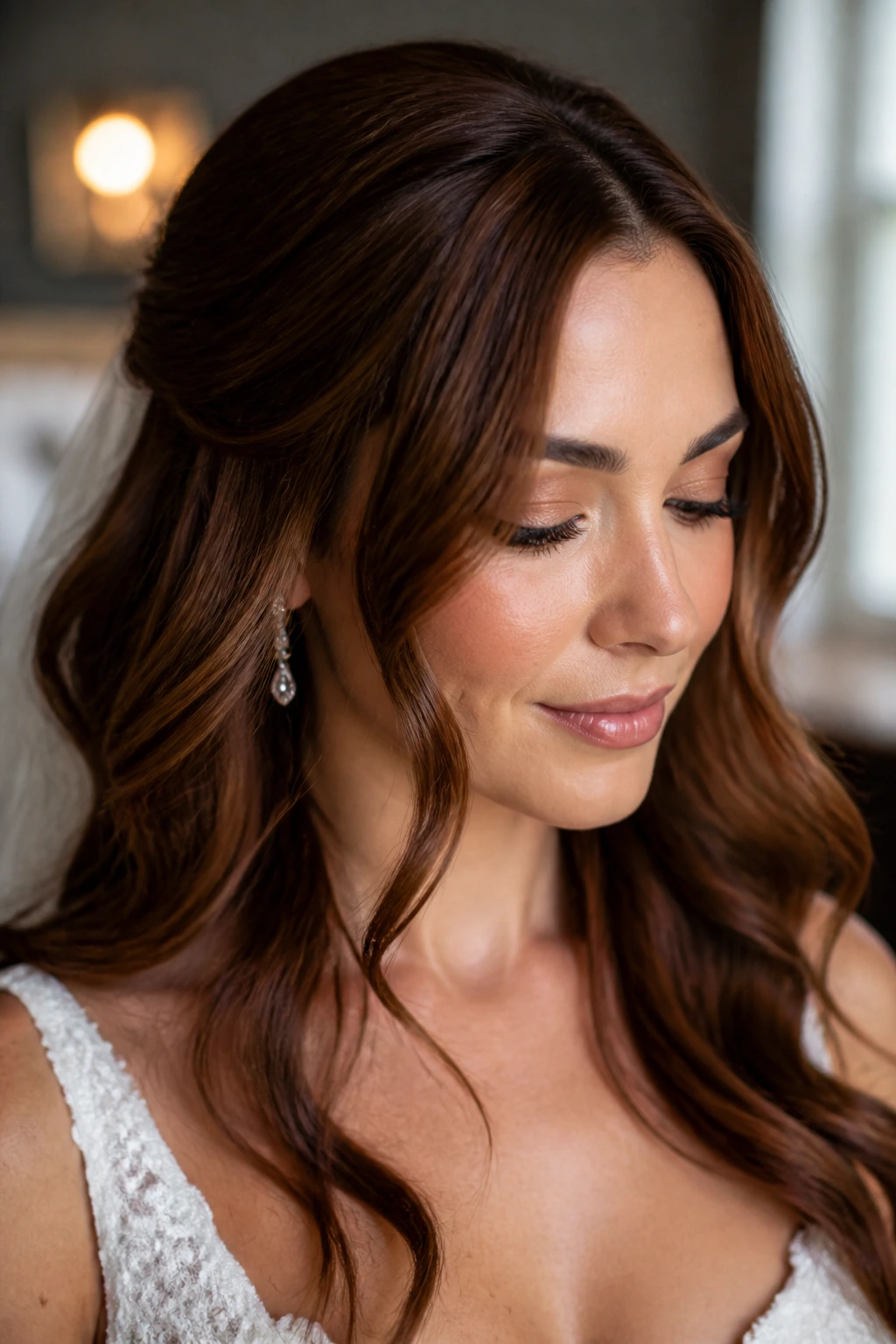
Cinnamon brunette has a warm brown base with a red-brown glow that shows most clearly in sunlight. It’s a lovely bridge for brides who want warmth but don’t want to go full copper or auburn.
This shade can read luxurious with gold jewelry and soft florals. The red tone should stay translucent, almost like a glaze over brunette hair, because too much red turns the whole thing louder than it needs to be. Ask for a cinnamon or spice gloss rather than an opaque red-brown dye.
It’s especially good if your skin has peach or olive undertones. The warmth wakes up the face without taking over.
19. Soft Auburn
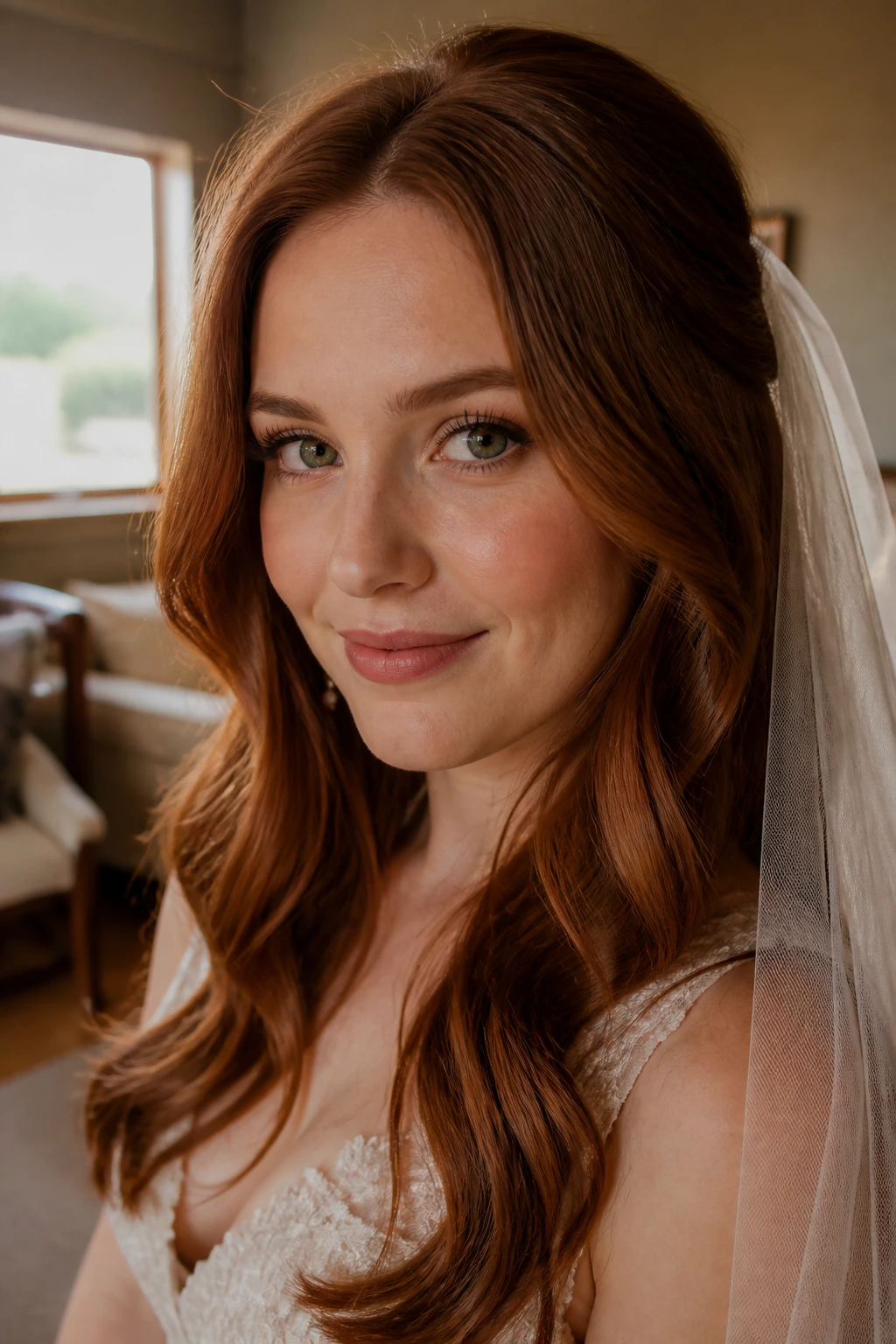
Soft auburn is the classic red-brown that sits just warm enough to feel romantic. It’s richer than strawberry blonde and gentler than copper, which gives it a broad range of wearability.
This is a particularly pretty choice for brides who want their hair to look warm in candlelight and still balanced in daylight. The color should live in the brown-red family, not the orange family. That one distinction keeps it from looking costume-like.
Best with: soft waves, low buns, and dresses in cream, ivory, or muted blush.
Good to know: auburn usually needs gloss refreshes a little more often than brunette, so plan for that.
20. Copper Penny Glow
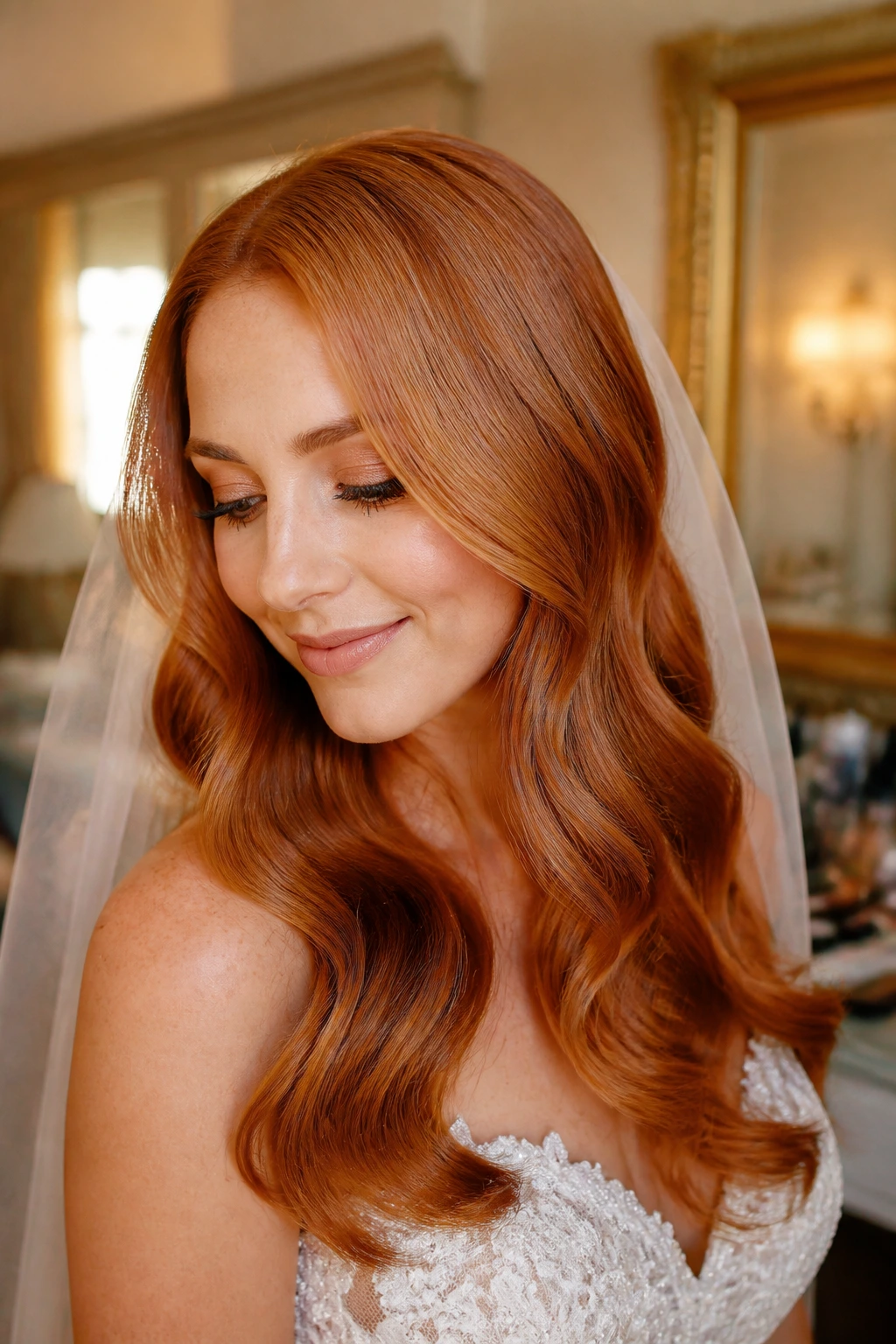
Copper penny glow is the boldest warm shade on this list, and I’d only recommend it if the bride genuinely likes seeing color, not just the idea of it. Done well, it looks rich, luminous, and a little bit radiant, especially on hair that already has good shine.
The color needs healthy ends and a careful gloss so the copper stays smooth instead of patchy. It works best when the makeup is balanced, because the hair already brings the warmth. Gold jewelry, freckles, and green or hazel eyes tend to love this shade.
This is not the place for a rushed color job. Copper shows everything.
21. Strawberry Blonde
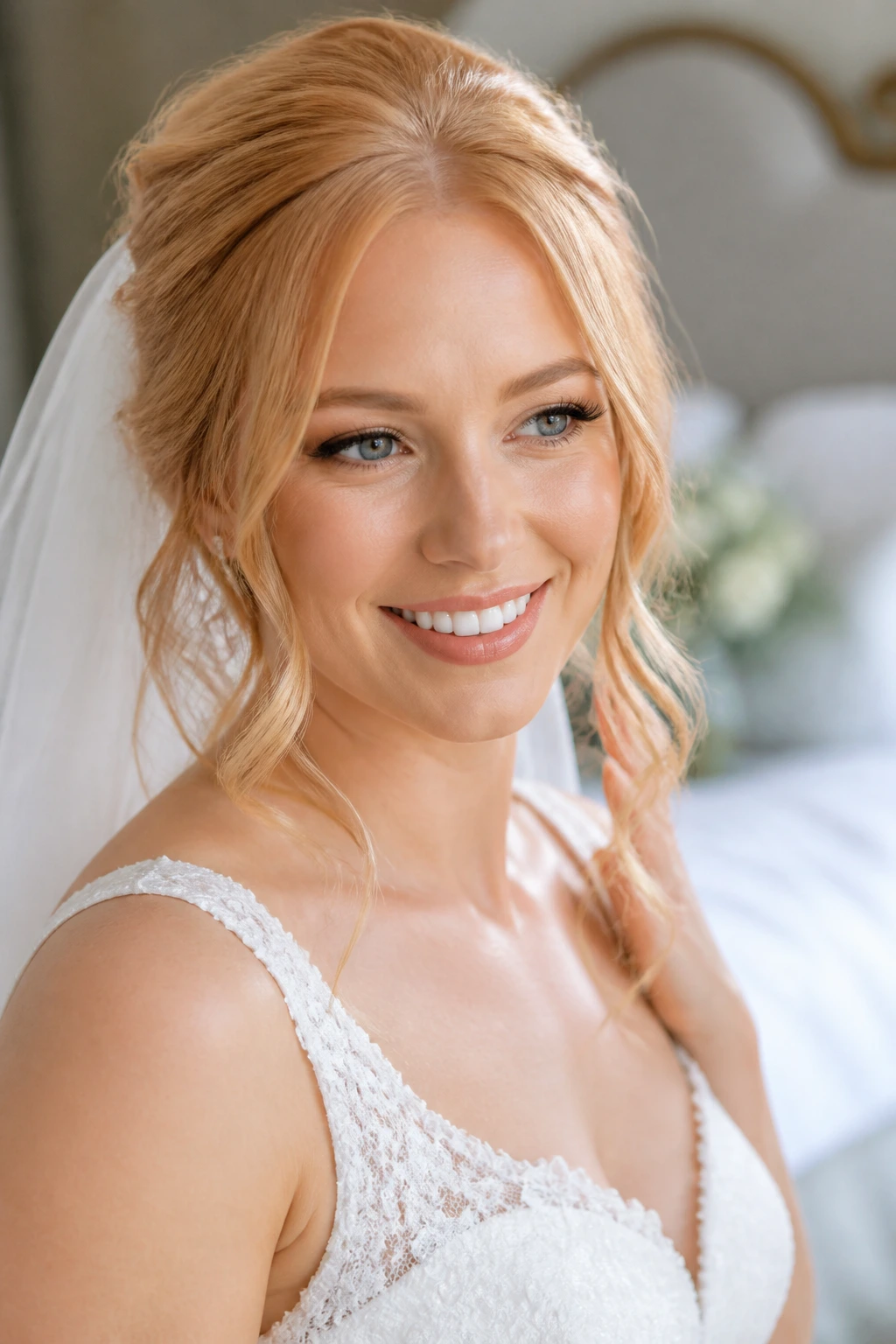
Strawberry blonde is softer and paler than copper, with a light red note that can look almost peachy in certain light. It’s a lovely choice for brides who want warmth but still want the overall read to feel blonde.
Ask for a blonde base with an apricot or soft strawberry glaze. If the red is too strong, the color can drift toward orange. If it’s too light, it disappears. The sweet spot is a gentle blush of color that catches around the edges of curls and braids.
I like this shade with delicate makeup and airy fabric. It feels light, not flashy.
22. Rose Gold Blonde
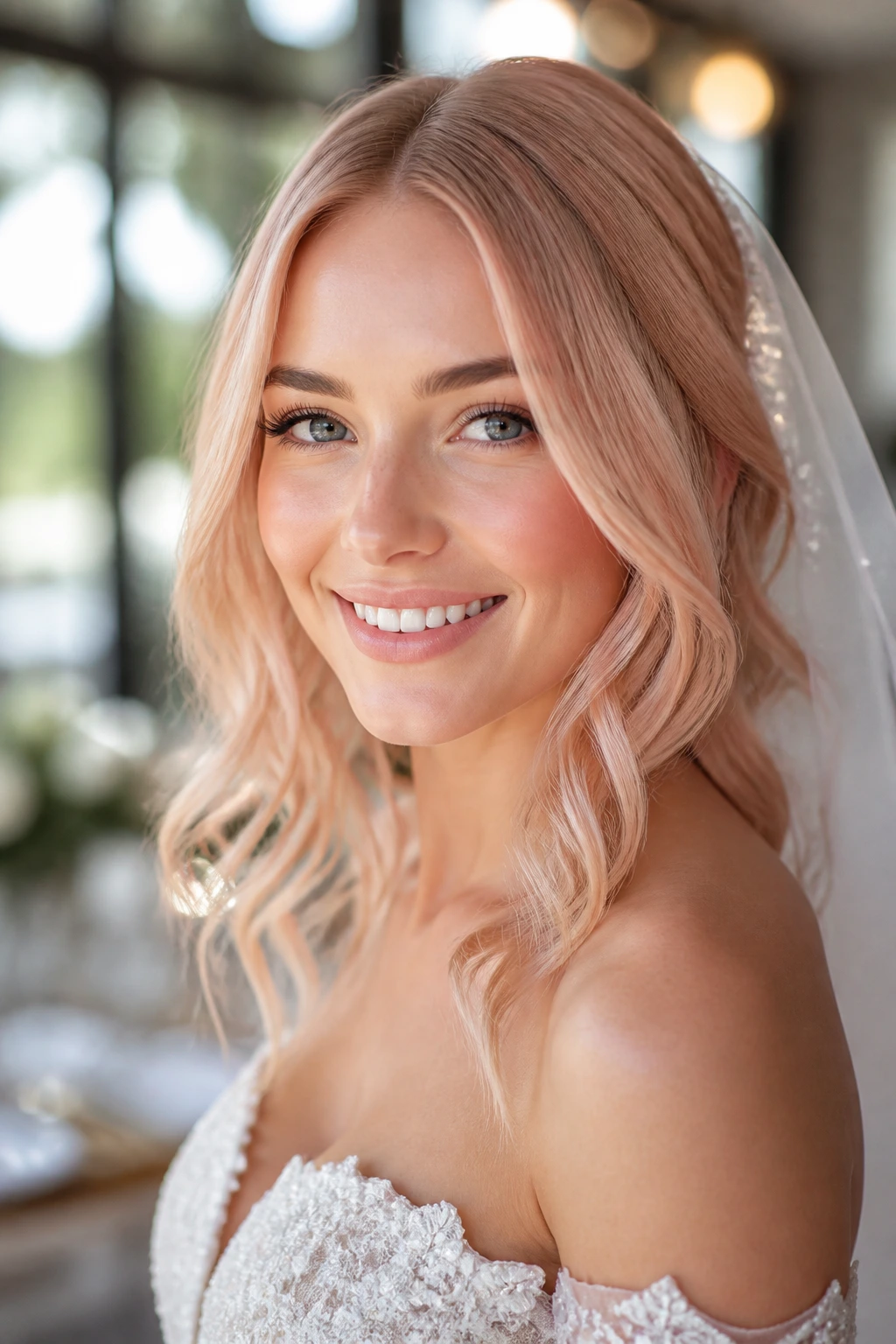
Rose gold blonde gives you blonde hair with a faint blush-gold tone that feels romantic without going full fashion shade. When it’s done right, the pink note is so soft that people just sense warmth and glow rather than seeing “pink hair.”
That restraint matters. Ask for muted rose, not bright rose. A little too much color and the whole look starts fighting the dress. Kept soft, though, it’s lovely with modern gowns, low buns, and soft waves that move around the shoulders.
Best for: brides who want something a little personal, a little different, but still easy to wear in a wedding album for years.
23. Rosewood Brunette
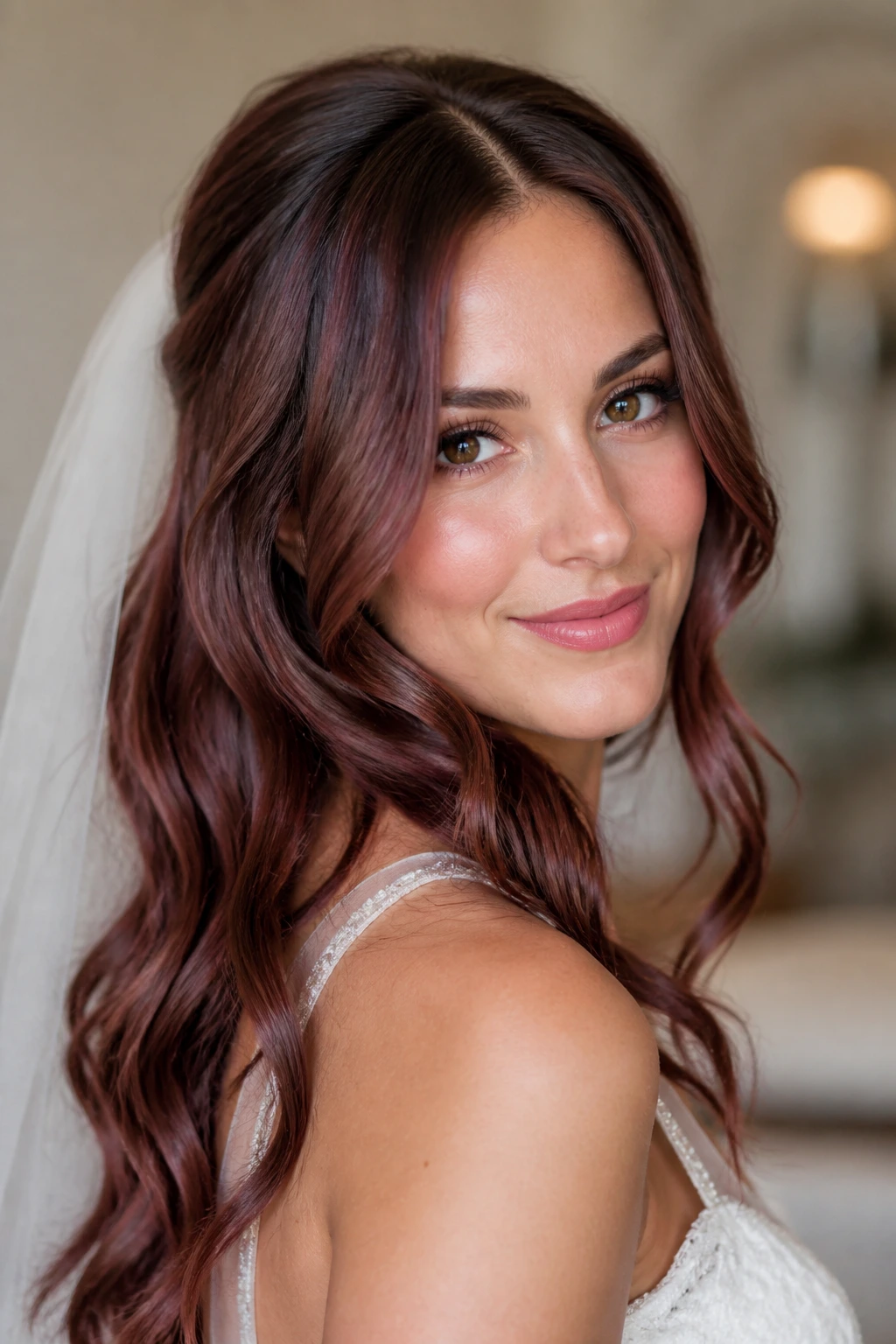
Rosewood brunette is a brown base with a dusty rose-brown glaze. It is quiet, refined, and much more subtle than the name might suggest. Indoors, it reads as rich brunette. In better light, the rose reflection shows up like a soft whisper.
This shade works well for brides who want a color story but do not want anyone staring at the hair instead of the face. It’s beautiful with mauve bouquets, satin dresses, and makeup that leans rosy rather than orange. Ask your colorist for a brown base with a rosewood glaze so the effect stays low-key.
It’s one of those shades that looks especially good in motion. Still photos catch it, too.
24. Plum Brown
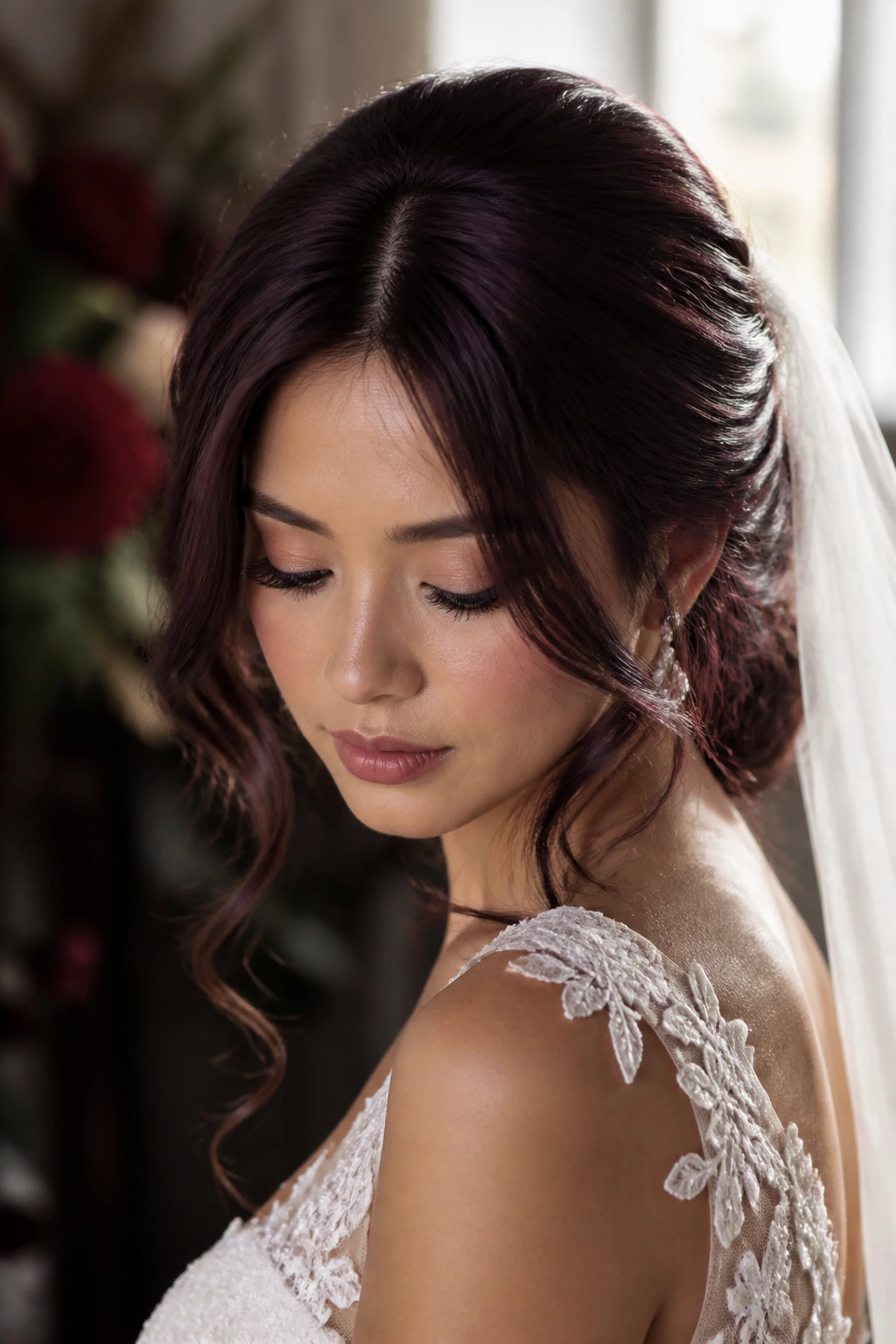
Plum brown gives brunette hair a dark berry sheen that can look almost black in shade and plum in the light. It’s moody, elegant, and a little unexpected without crossing into loud fashion territory.
I like it for evening ceremonies, deep floral arrangements, and brides who want a richer, darker feel than standard chocolate brown. The plum note should stay soft and smoky, not violet. If it reads purple in the chair, it’s too much.
Try it if: you like dark dresses, berry lipstick, or dramatic eye makeup with a clean hairline.
25. Soft Black with Blue-Black Sheen
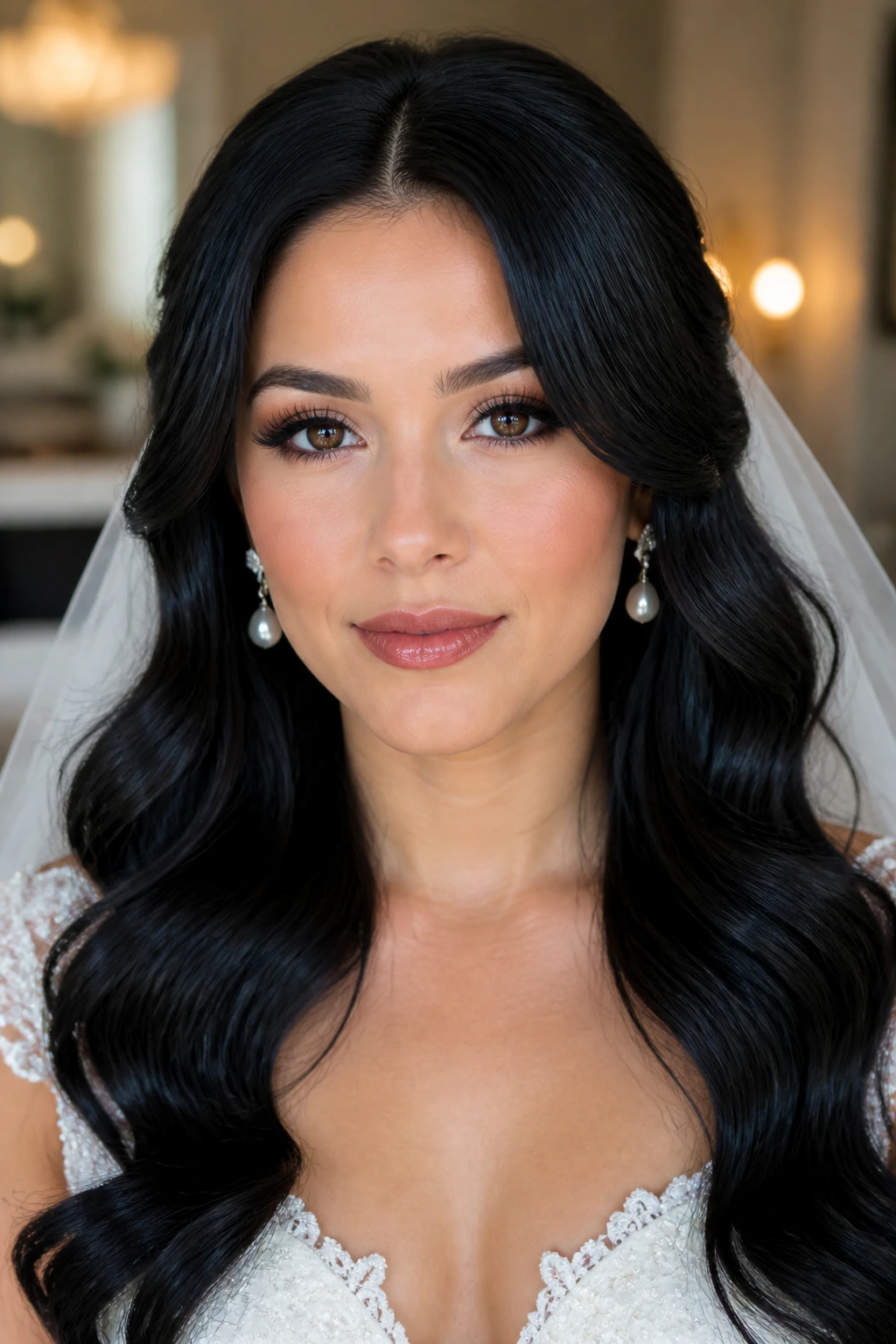
Soft black with blue-black sheen is for brides with naturally dark hair who want the color cleaned up, polished, and reflective. It should not look painted on. It should look glossy, like the light is sliding across it.
This shade pairs well with pearl accessories and smooth styling because the color itself has a formal feel. A center part, sleek bun, or brushed wave keeps the hair elegant and controlled. If the hair is dry, black can show that fast, so the shine work matters.
Important: the goal is depth and reflection, not a flat ink block.
26. Smoky Cocoa Brown
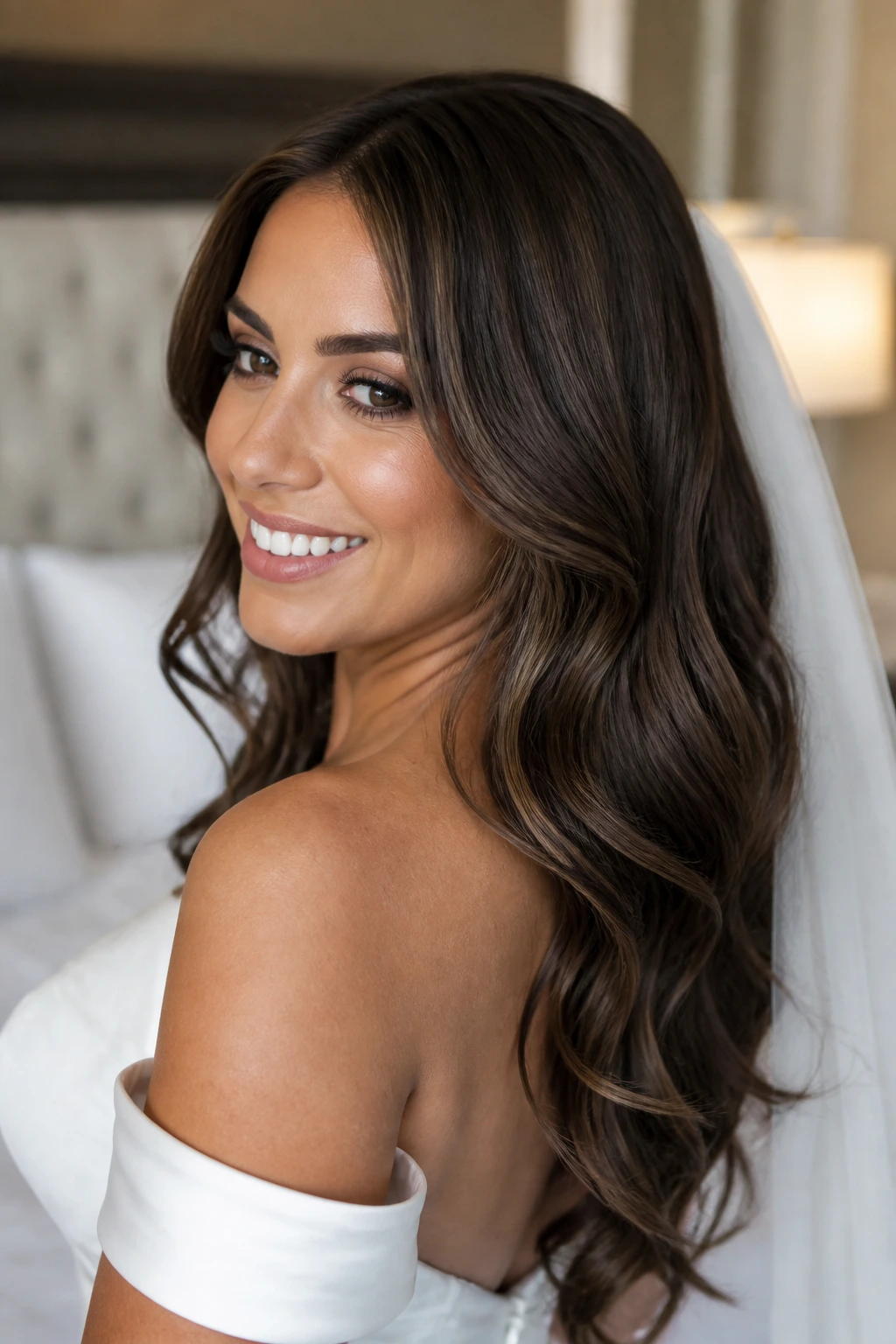
Smoky cocoa brown is a cooler chocolate shade with just enough ash to keep warmth from creeping too far. If your natural brunette hair tends to pull red or orange in the sun, this is a cleaner direction.
It looks especially good with ivory dresses and pared-back makeup because the hair stays rich without fighting the rest of the look. Ask for a neutral-to-cool glaze and keep the finish glossy; ash without shine can look dull. This one is beautiful in flash photography because the tone stays calm instead of blazing warm.
For brides who want brunette hair to look deliberate and expensive-looking, smoky cocoa is a strong pick.
27. Champagne Rose Brunette
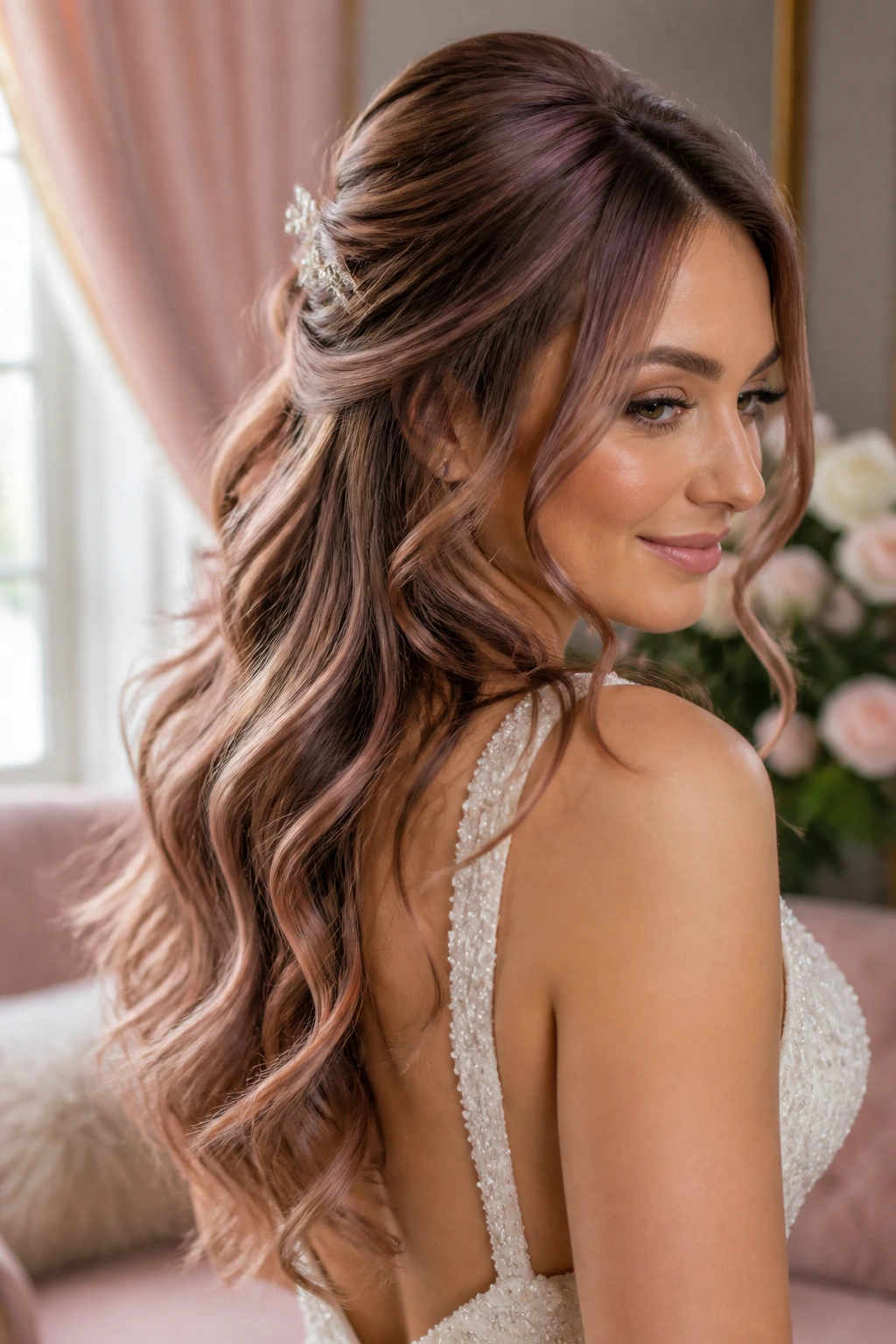
Champagne rose brunette blends brown with a soft champagne reflect and a hint of rose. It’s one of the prettier “quietly different” bridal color ideas because it gives dimension and a little warmth without turning into a full fashion shade.
This is the kind of color that earns attention slowly. First you notice the shine. Then the soft warmth around the face. Then the way the brown base keeps everything grounded. It’s a nice choice if you want the color to feel special without becoming the center of the room.
Best with: soft waves, relaxed updos, and dresses that have a touch of blush, ivory, or champagne.
28. Dark Chocolate with Warm Cinnamon Ends
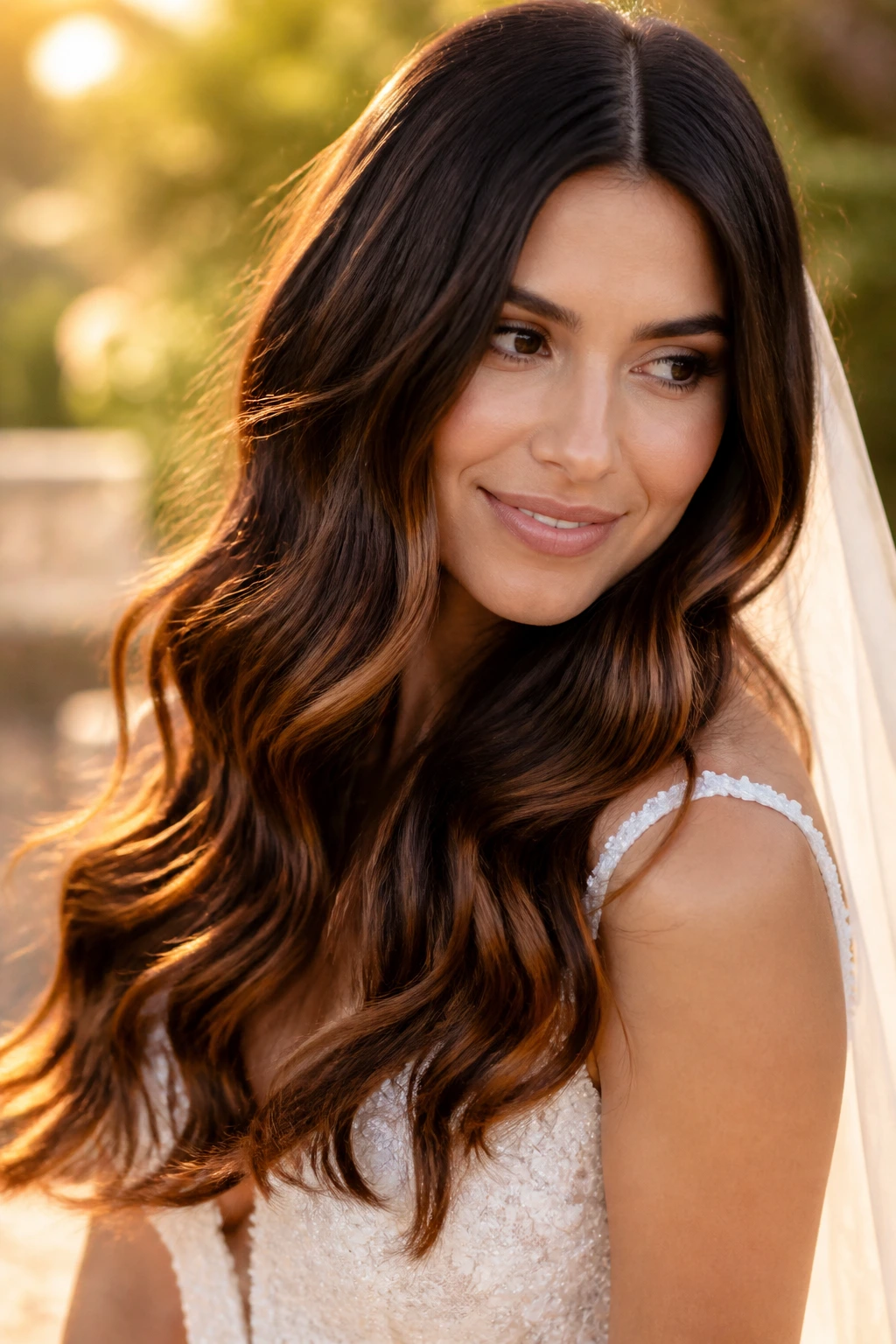
Dark chocolate with warm cinnamon ends gives long hair movement from top to bottom. The deep root and mids keep the base rich, while the slightly warmer ends catch the light when curls bend or a braid falls over one shoulder.
That warm finish at the bottom is what makes this shade sing in motion. If the warmth starts too high, it can get loud. Keep it concentrated in the last few inches, and the look stays elegant. I especially like it on long, layered hair because the ends have somewhere to go when the style is brushed out.
This is a strong final choice if you want your bridal color to look soft, deep, and dimensional without needing a big transformation.
How Bridal Hair Color Reads in Photos, on Skin, and Beside Fabric
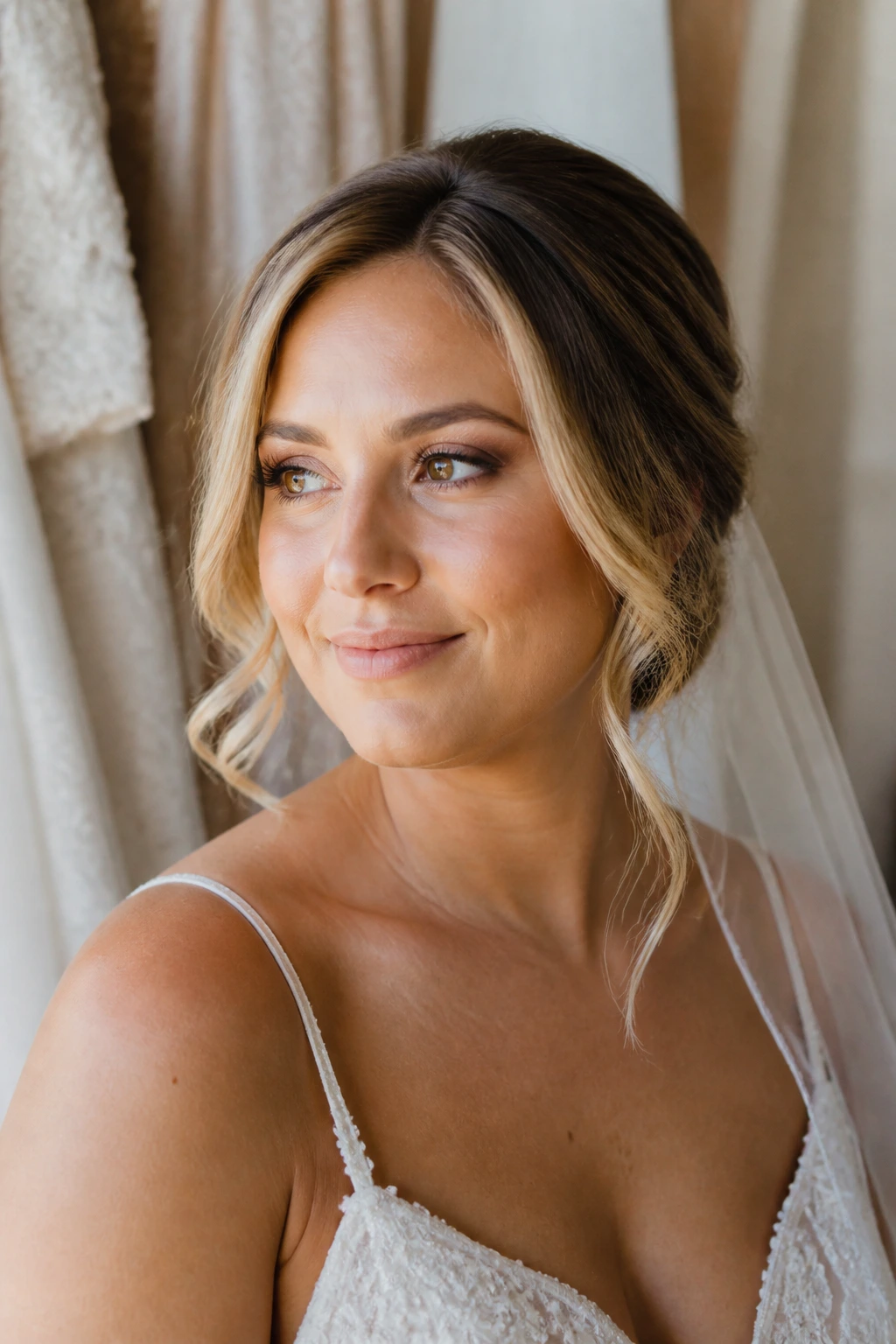
The shade you choose does not live alone. It sits next to your dress, your makeup, your jewelry, and the light bouncing around the room. A cool blonde against a warm ivory gown can look more glaring than it did at the salon. A caramel brunette beside champagne satin can look almost feathered if the dimension is right.
I like brides to think in pairs, not in isolation. If the dress is bright white and structured, cooler beige blondes, smoky brunettes, and blue-black hair tend to sit neatly beside it. If the dress is creamy, vintage, or draped, honey, caramel, soft auburn, and rose-toned colors usually feel more natural.
The hairstyle changes the calculation, too. Braids show highlight placement. Sleek buns show root shadows. Loose curls show ribbons of color. If you know the hairstyle, the color choice gets easier fast.
The Consultation Notes Worth Bringing to the Salon
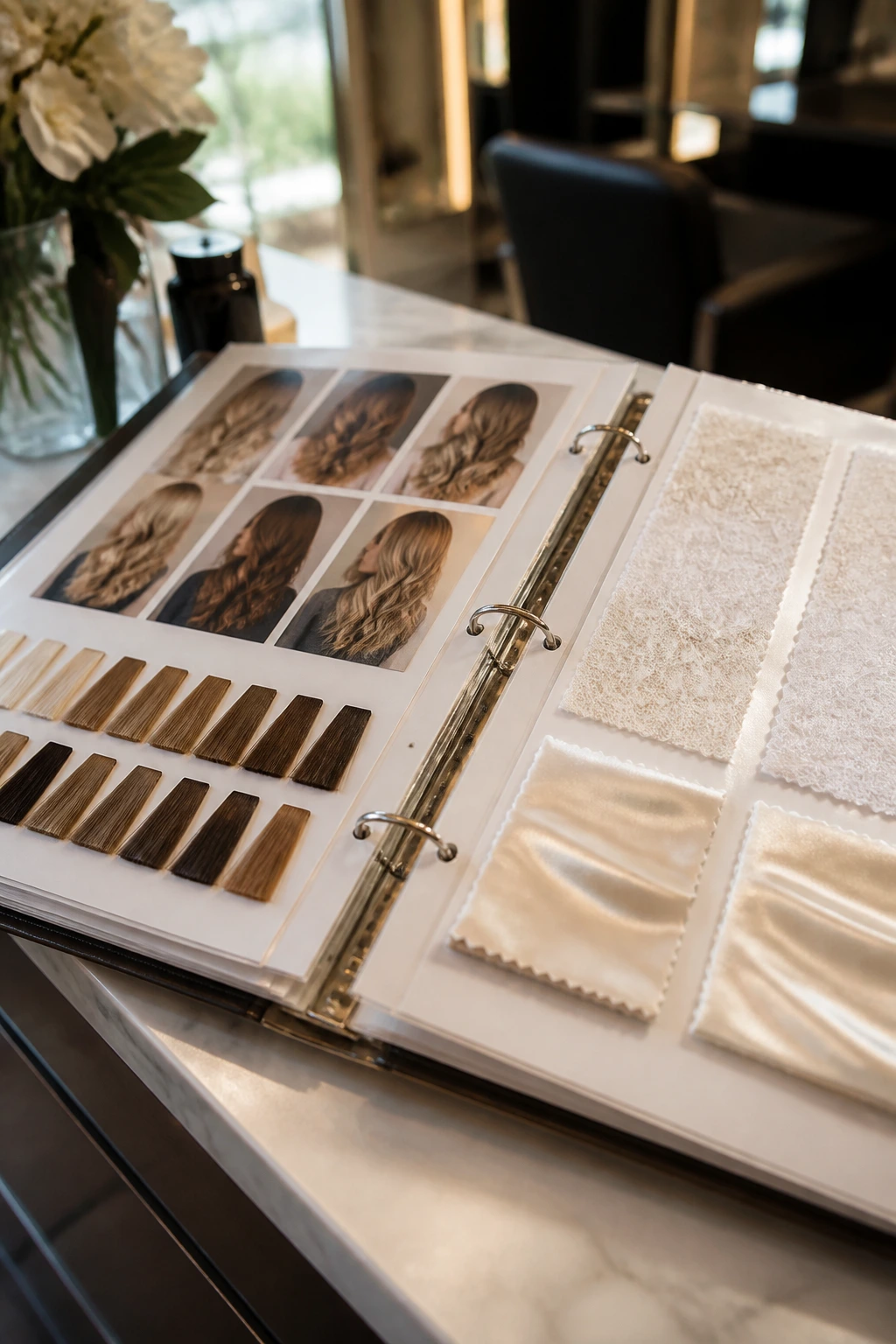
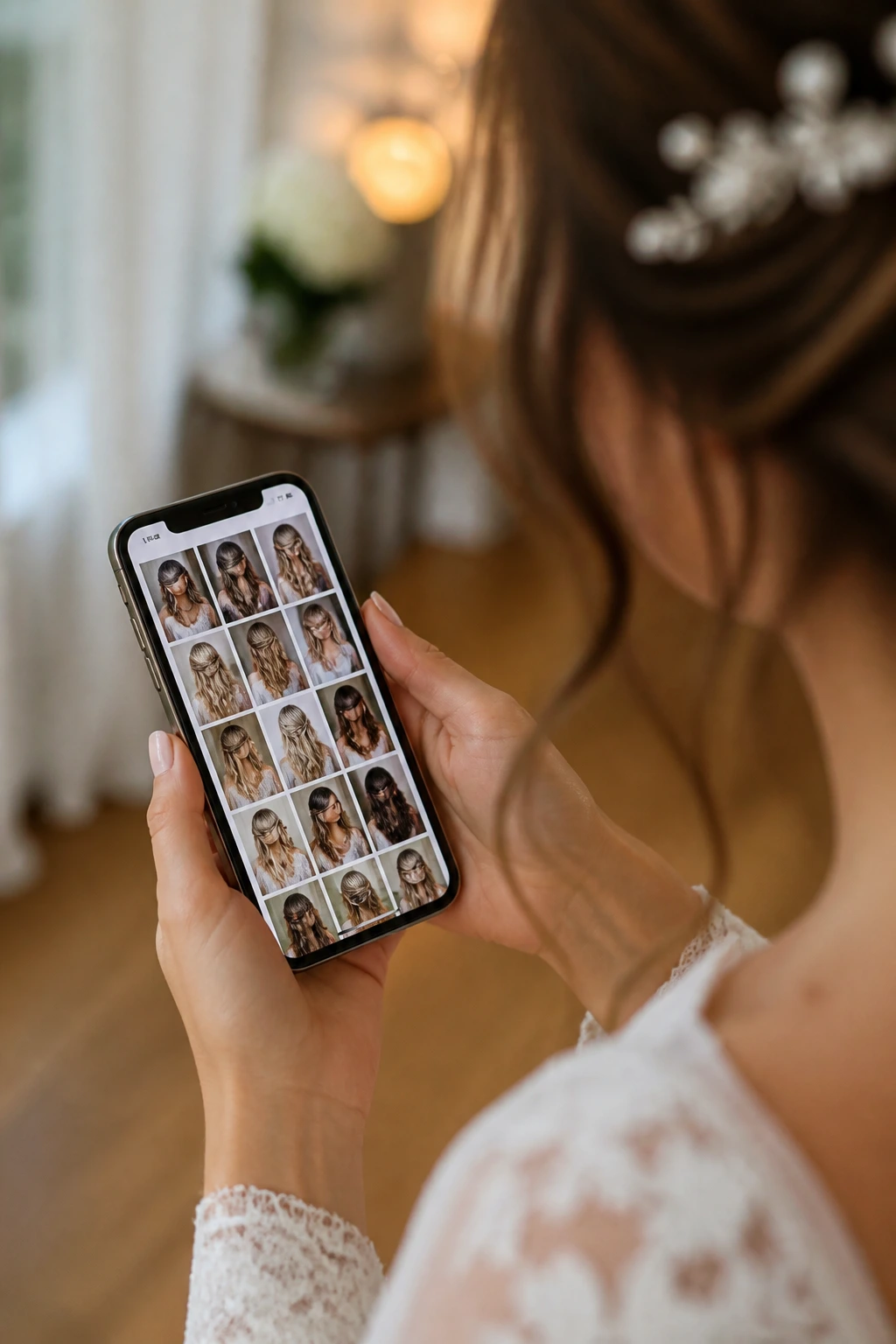
Bring more than one photo. Better yet, bring photos in different light. A color that looks perfect in a filtered selfie can turn harsh in daylight, and a shade that seems quiet on a screen can glow in real life. That matters.
A good consultation folder should include a picture of your dress fabric, one or two makeup references, and a few hair photos of the exact tone you want, not just a general vibe. If you want brunette but warmer, say that. If you want blonde but not yellow, say that. Colorists work faster when the request is specific.
One more thing. Tell them how much upkeep you’re willing to do. A shadow-root bronde and a full platinum blonde are not the same lifestyle, no matter how pretty the inspiration photo looks.
What to Bring to a Bridal Color Consultation
-
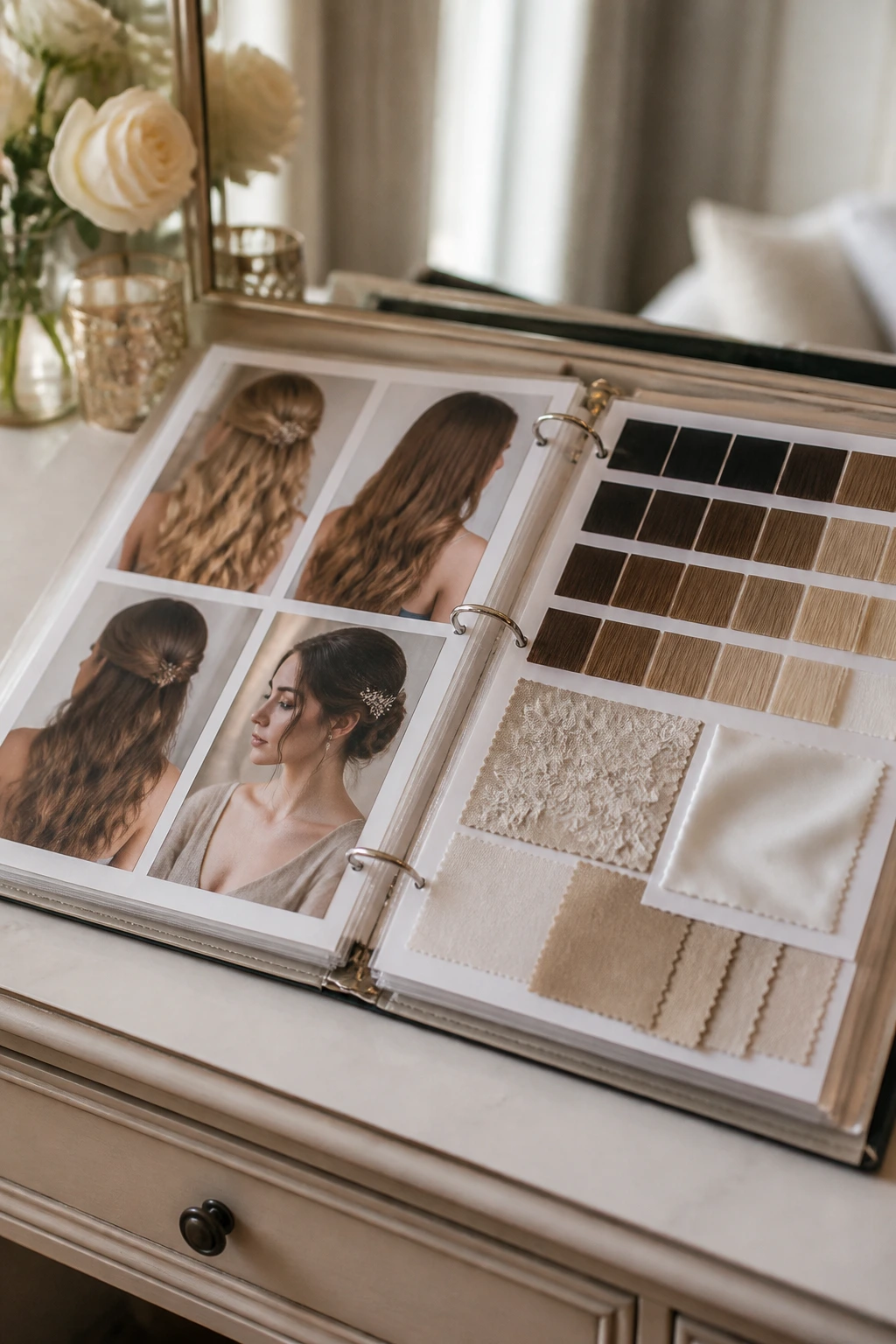
A clean inspiration folder: Save 5 to 8 photos with the same tone family so the appointment stays focused.
-
A picture of the dress fabric: White, ivory, champagne, and blush all change how hair color reads next to the neckline.
-
One unfiltered photo of your own hair: A natural-light picture makes it easier to judge your actual starting point.
-
Notes on maintenance: Say how often you want to visit the salon and whether you’re fine with toning or root shadow.
-
A list of hair products you already use: Purple shampoo, blue shampoo, heavy oils, and bond treatments all matter.
-
Optional veil or accessory photo: Pins, combs, and veils change how much dimension you need near the crown.
How to Keep Bridal Color Fresh From Trial Run to Last Dance
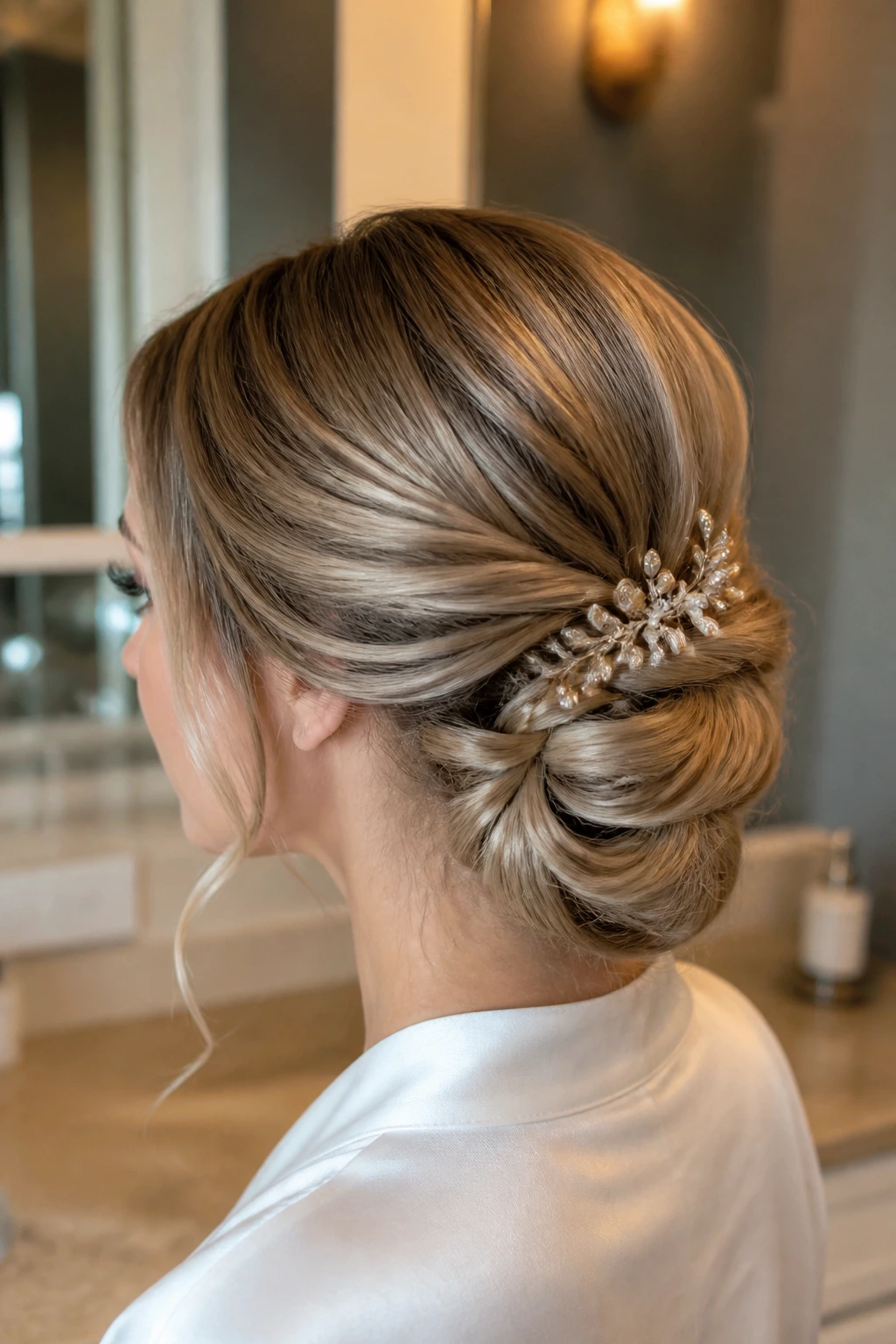
For blondes and lighter brunettes, timing matters more than people like to admit. A major color change usually wants to happen weeks before the wedding, not days before it. That gives the tone time to settle, the hair time to calm down, and the stylist time to correct anything that looks too sharp.
Glosses and toners are the finish work. Those usually look best closer to the event, often within the last week or so, because they add freshness without the nervous, overdone look that can come with a brand-new color. If you’re doing a big blonde change, the earlier appointment and the later gloss are the safer pair.
After the wedding, maintenance depends on the color family. Blondes may need purple shampoo about once a week, not every wash. Brunettes with warmth creeping in can use blue shampoo every week or two. Rich dark colors usually need less frequent tone correction, but they still need moisture and shine. Dry ends make even a beautiful color look tired.
Additional Tips and Flavor Boosters
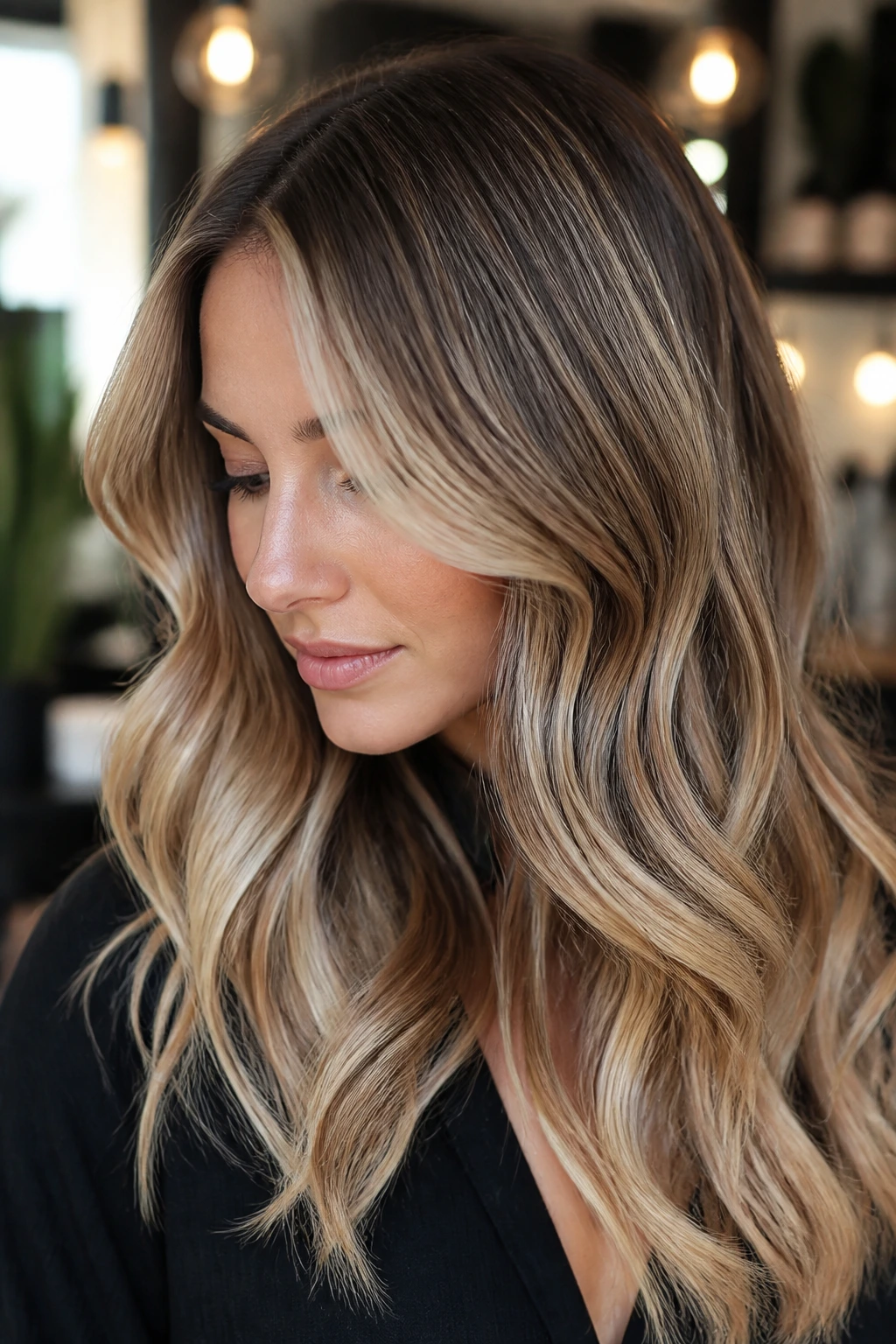
Flavor Enhancement: Add a soft gloss, even if you’re happy with the base color. A clear or tinted glaze can make hair catch light in a way dry color never will.
Customization: If you love a color but want it more bridal, soften the contrast. That usually means fewer chunky highlights, more blended ribbons, and a slightly deeper root.
Serving Suggestions: If the hairstyle is an updo, ask for dimension under the top layer too. The hidden color shows when pins, twists, and braids move.
Make-It-Yours: Fine hair usually looks fuller with micro-highlights and lowlights. Thick hair usually needs better blending and softness near the face. Dark hair often needs shine more than lightness, which is the part people forget.
Common Bridal Hair Color Mistakes to Avoid
Going too light too close to the wedding: The hair can look fresh on day one and a little panicked by day ten. If you want a big lift, do it earlier and let the tone settle before the ceremony.
Ignoring undertone: A cool blonde beside a warm dress can look icy in the wrong way, while a warm copper beside a stark white gown can look louder than intended. Match the hair family to the dress fabric and makeup, not to a salon selfie.
Choosing a shade that only works in one light: Some colors look beautiful under indoor bulbs and disappear outdoors, or the reverse. Always check the color in daylight, because that is where wedding photos often get their best moments.
Forgetting the hairstyle: Chunky highlights can look fine in loose waves and harsh in a braid. A smooth bun exposes roots and part lines, so the color needs to be blended where the hair will actually show.
Skipping upkeep planning: Bridal color that looks great on appointment day can fade fast if you don’t plan for a gloss, root touch-up, or toner refresh. If you hate maintenance, choose a root shadow or bronde melt from the start.
Different Ways to Approach Bridal Hair Color
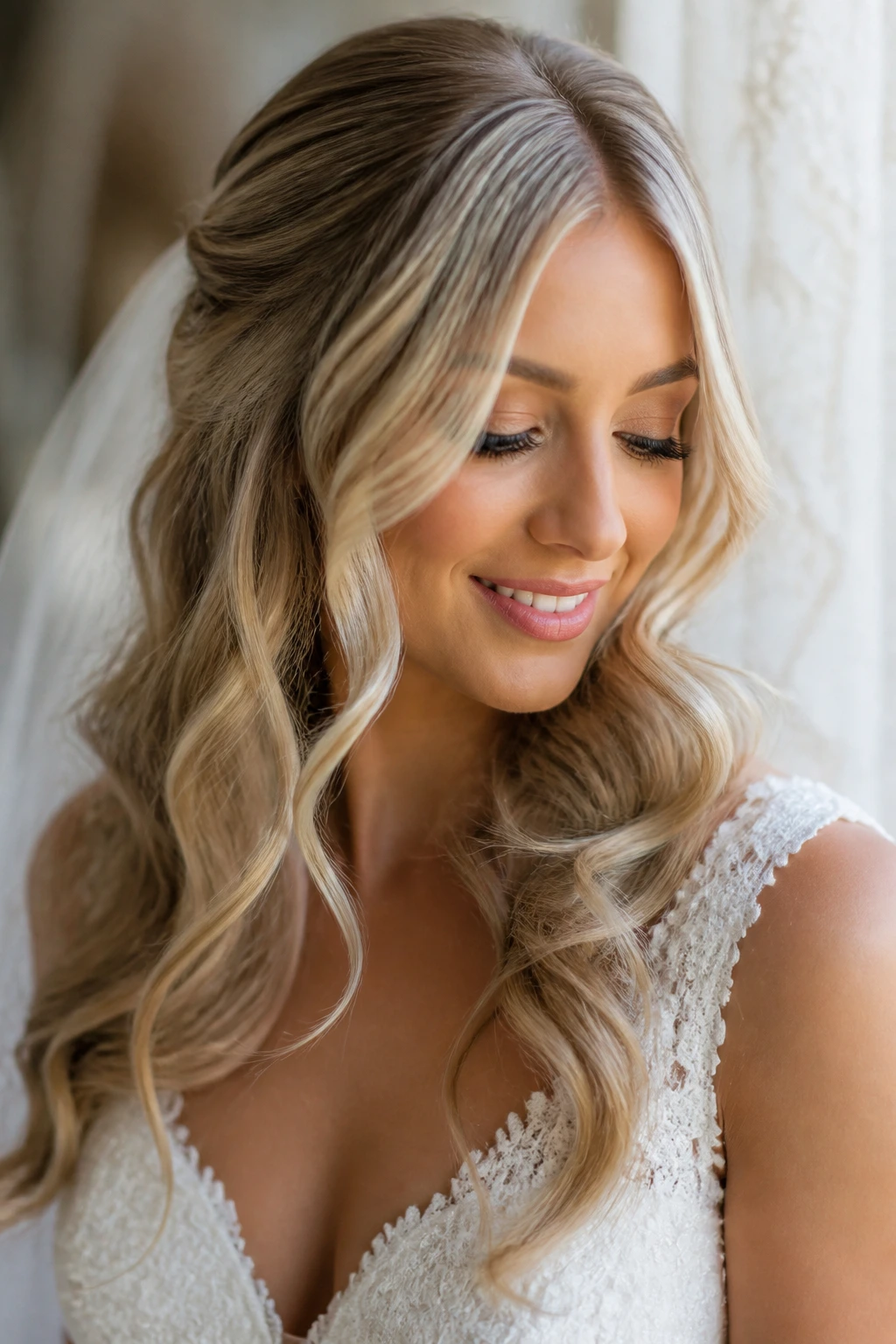
The Soft-Glow Bride: Choose champagne blonde, vanilla blonde, honey balayage, or pearl babylights if you want lightness without sharp contrast. These shades usually feel the most forgiving in flash and next to lace.
The Low-Maintenance Bride: Root shadow, bronde melt, chestnut gloss, and toffee ribbon brunette are easier to live with if you do not want a visible grow-out line. They look polished even when the appointment is not brand new.
The Statement Bride: Copper penny, rose gold blonde, plum brown, and rosewood brunette bring personality without needing a wild shape or heavy styling. They work best when the rest of the look stays clean.
The Classic-Luxury Bride: Espresso shine, smoky cocoa brown, soft black with blue-black sheen, and chestnut gloss lean elegant and formal. These shades rely on depth, shine, and shape instead of brightness.
Tools and Resources for Choosing the Right Shade
-
A consultation folder on your phone: Keep your reference photos together so you’re not scrolling in the chair while everyone waits.
-
A fabric swatch or dress photo: Hair color shifts next to ivory, champagne, and pure white, so the comparison matters.
-
Color-safe shampoo and conditioner: These help preserve tone between appointments and stop the shade from washing out too fast.
-
Purple shampoo for blondes: Use it sparingly, usually once a week or less, so the hair doesn’t go dull.
-
Blue shampoo for brunettes: Handy if brown hair starts to pull orange or copper in the sun.
-
A bond-building treatment or deep mask: Especially useful if your color plan includes lightening, because dry ends ruin the finish fast.
-
A wide-tooth comb: Gentle detangling matters when the hair has been colored and styled often.
Questions Brides Ask Before the Color Appointment
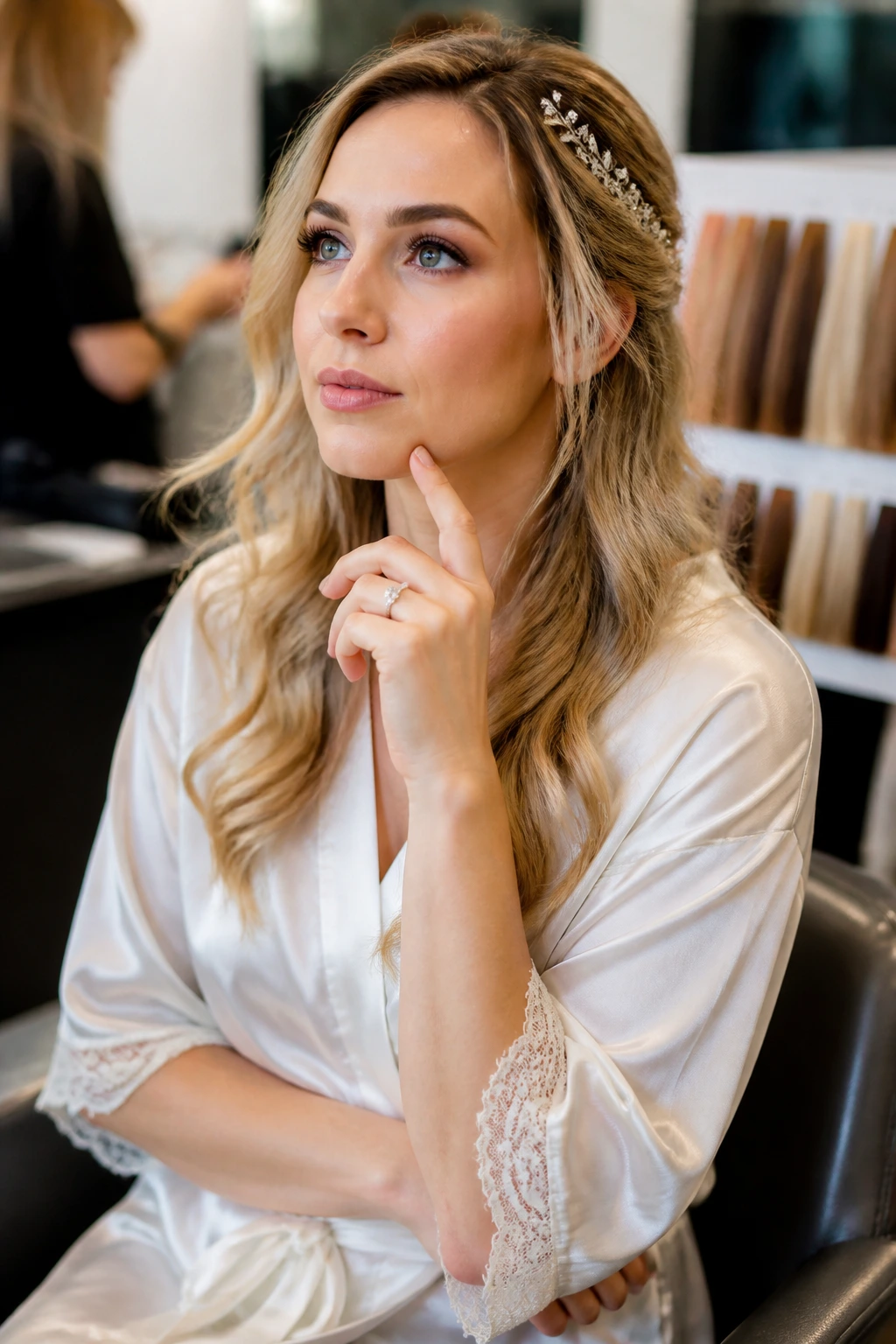
How far before the wedding should I color my hair?
A major color change usually wants several weeks of breathing room. Glossing or toning closer to the date can freshen things up, but the big shift is safer when you have time to fix anything that feels off.
Should I go lighter or darker for my wedding?
Neither, automatically. The better question is which direction makes your face look cleaner beside your dress and makeup. Some brides glow in a lighter champagne blonde; others look better in rich chestnut or espresso because the depth gives the hairstyle structure.
Is balayage better than highlights for brides?
Balayage is easier when you want softness and grow-out that won’t scream at you later. Traditional highlights can work too, but they need more careful placement so they don’t look stripey in braids or updos.
Can I change from brunette to blonde before the wedding?
Yes, but not casually. That kind of change usually takes more than one appointment, and rushing it can leave the ends stressed or the tone uneven. Plan early and keep the goal realistic.
What if my highlights turn brassy?
That usually means the tone needs a gloss or a better at-home shampoo plan, not another full lightening session. Brass is a tone issue first, often a color-depth issue second.
Do brides with fine hair need highlights?
Not always, but tiny highlights and lowlights can make fine hair look fuller. Chunky color is usually the wrong move; soft dimension is the one that gives the style more body.
Can I wear a veil with dimensional color?
Absolutely, and dimension often helps the veil sit better visually. The hair underneath does more work than people realize, especially near the crown and braid line.
Does my hair color need to match my makeup?
It should relate to it, not match it exactly. Warm hair with very cool makeup can look disconnected, while a coordinated undertone family makes the whole face feel settled.
The Shade That Holds the Whole Look Together
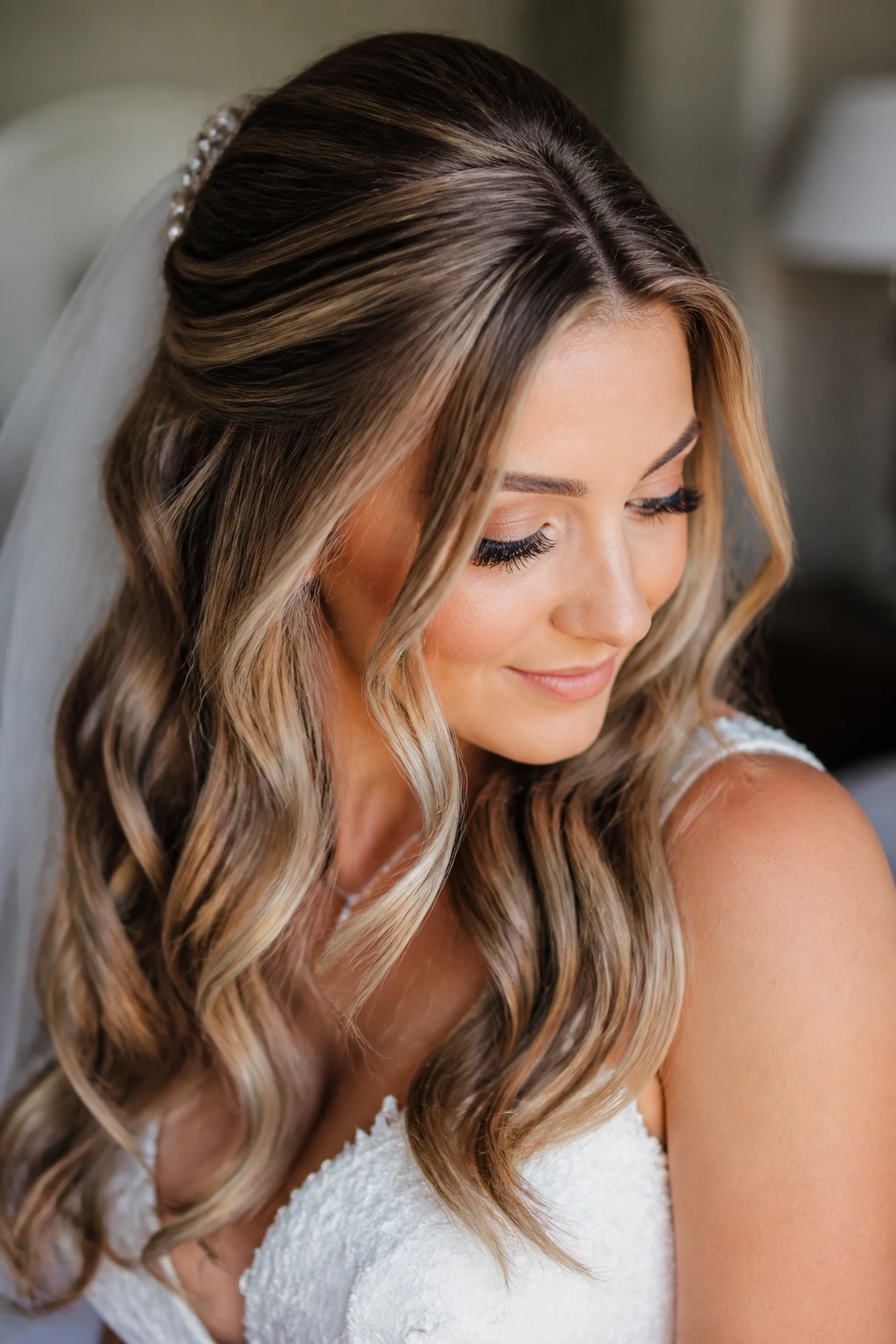
The best bridal hair color is the one that keeps making sense from the salon chair to the last photo in the album. It should look good in movement, under flash, beside fabric, and after a few hours of hugs, dancing, and a veil that’s been clipped in and out more times than anyone planned.
That’s why I prefer shades with some softness built in—champagne, chestnut, caramel, smoky cocoa, rosewood, soft auburn—because they tend to stay readable without turning loud. A bride doesn’t need her hair to outshine the dress. She needs it to sit with the rest of the look and make the whole thing feel finished.
Bring your dress fabric, a few real photos, and an honest sense of how much upkeep you’ll tolerate. The right color usually shows itself fast when you stop guessing and start looking at the details that actually matter.
