



A lob on short hair has a useful trick up its sleeve: it lands in that collarbone zone where it can swing, tuck, and bend, but it still keeps enough length to feel deliberate. That’s why lob haircuts for short hair keep getting asked for in salons—the cut solves the awkward in-between phase most people dread, and it does it with less fuss than a full bob or a shoulder-grazing grow-out.
The length matters more than people think. A blunt lob can make fine hair look denser at the ends. A layered lob can take the puff out of thick hair that wants to sit like a triangle. A softly angled lob can make a jawline look cleaner, while a center-part version can pull the face into a longer line. One haircut. A dozen moods.
What makes the style so useful is that it never has to stay one thing for long. Tuck one side behind the ear and it turns sleek. Add a bend through the mids and it turns relaxed. Blow it out with a round brush and suddenly it has lift at the crown and a soft flip at the ends. The cut only gets interesting when you match it to texture, density, and the way you actually wear it.
Why These Lob Haircuts for Short Hair Work
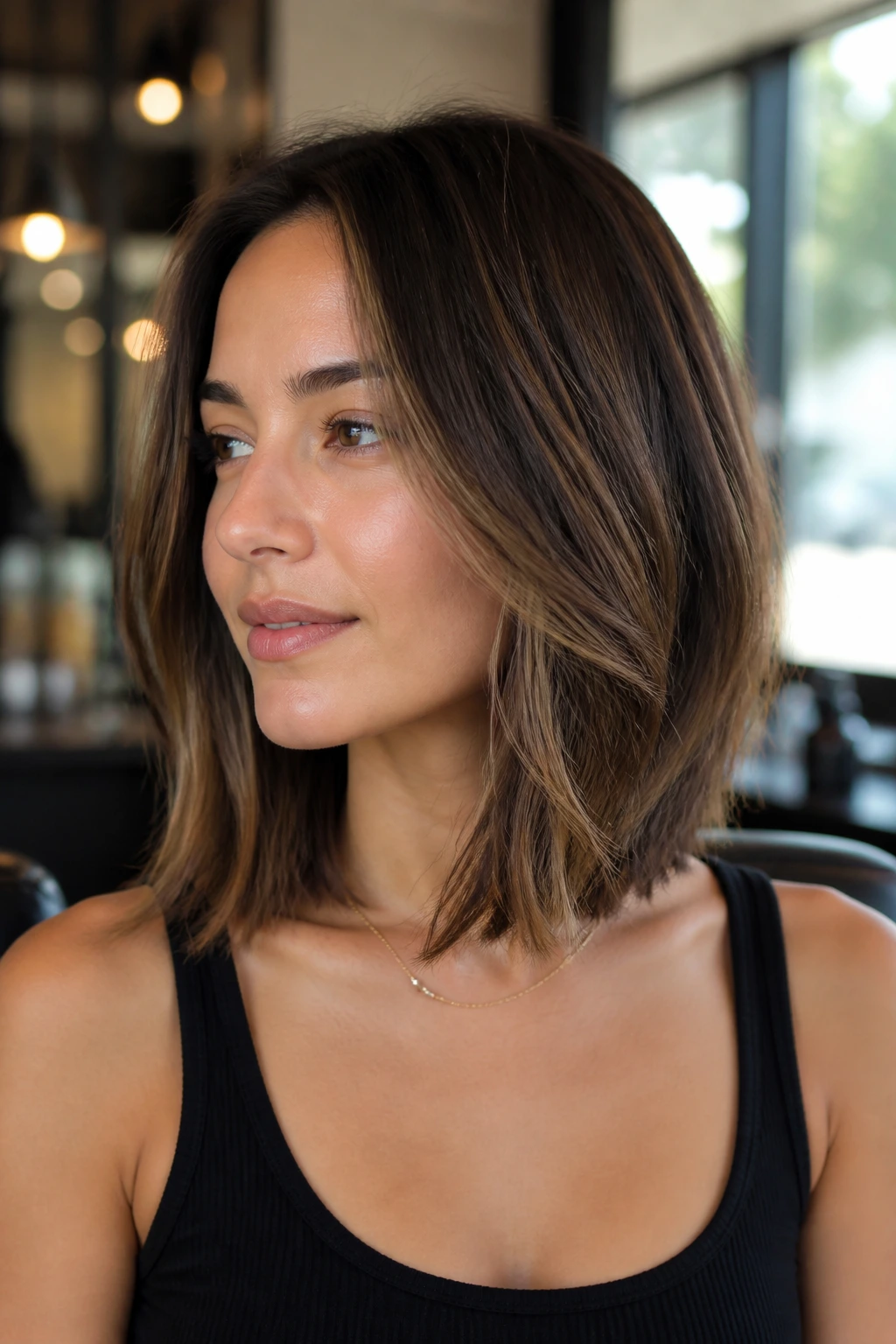
They live in the sweet spot between bob and shoulder length: The ends clear the neck, but there’s still enough length to bend, wave, or tuck, which keeps the shape from feeling blunt in the wrong way.
They can fake thickness fast: A clean perimeter at the collarbone gives fine hair a harder edge, so the eye reads more fullness even when the strands themselves are delicate.
They calm heavy hair: Internal layers and a slight angle stop thick hair from puffing out at the sides, especially if your hair grows wide at the occipital bone.
They change with one styling move: A center part, side part, or ear tuck can make the same cut read polished, soft, sharp, or undone.
They grow out cleanly: The line still looks intentional when it passes the shoulders, so you are not stuck with a weird half-length shape after six weeks.
1. Collarbone Blunt Lob
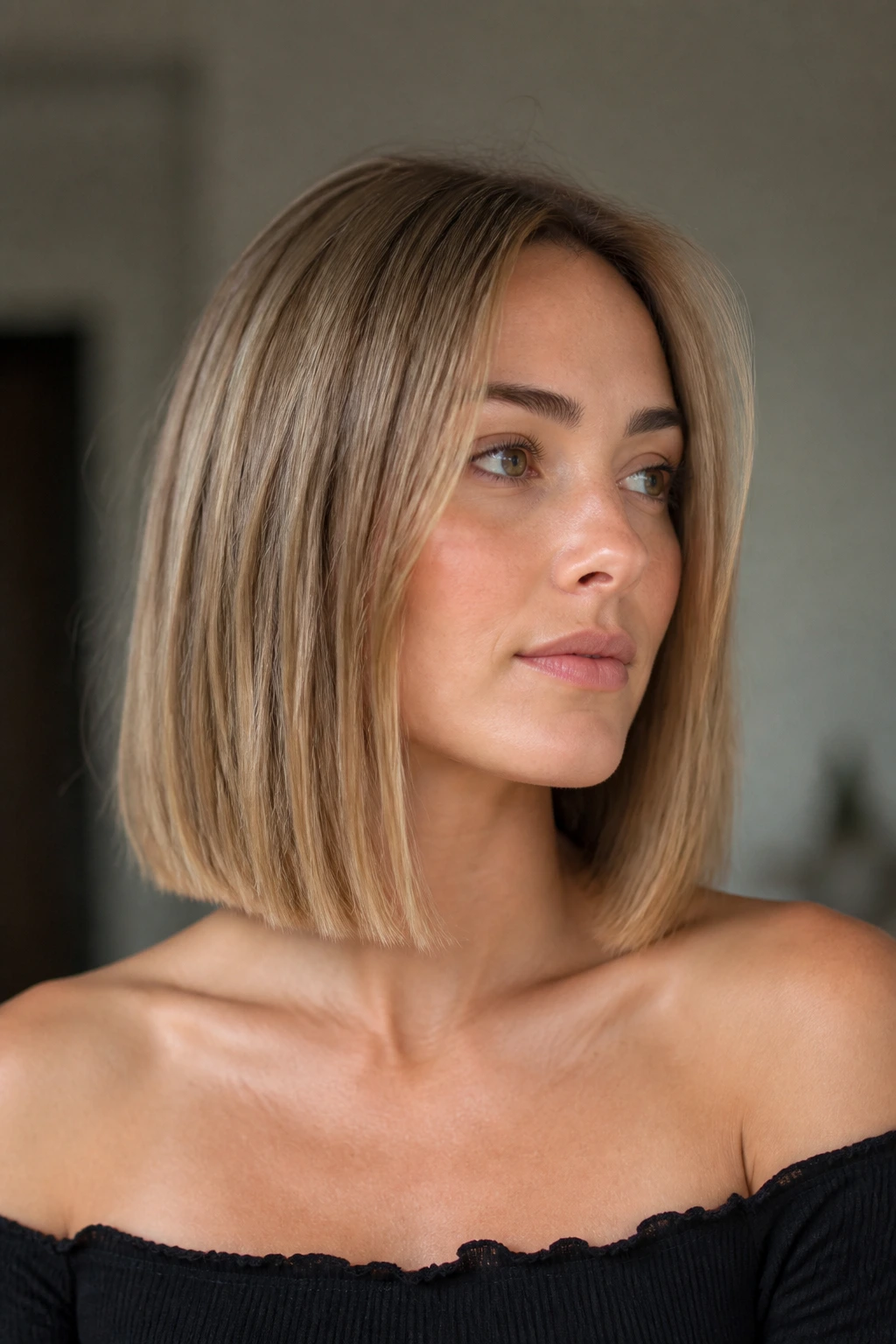
A blunt collarbone lob is the one I’d hand to anyone who wants the cleanest possible line. It falls right around the collarbone, so the hair still moves when you walk, but the ends stay dense and straight. On fine hair, that single hard edge does a lot of heavy lifting. On straight hair, it looks crisp instead of flat.
The key is keeping the perimeter tidy. Ask for a blunt cut with very little internal layering, then style it with a paddle brush or a flat iron bend at the bottom inch. If the ends kick out too much, a quick pass with a 1-inch iron tucked under for two seconds is enough. This cut is not needy, but it does punish sloppy trimming.
2. Soft A-Line Lob

A soft A-line lob gives you a quiet angle: a touch shorter in back, a touch longer in front. It is the haircut I reach for when someone wants shape but not drama. The front pieces brush the jaw and cheek area, which keeps the line from feeling boxy.
The trick is keeping the slope gentle. If the back is too stacked, the cut starts looking dated fast; if the front is too long, it stops reading as a lob at all. Ask your stylist to keep the front about 1 to 1.5 inches longer than the nape area, then soften the ends with point-cutting so the line moves instead of sitting like a shelf.
3. Choppy Piecey Lob
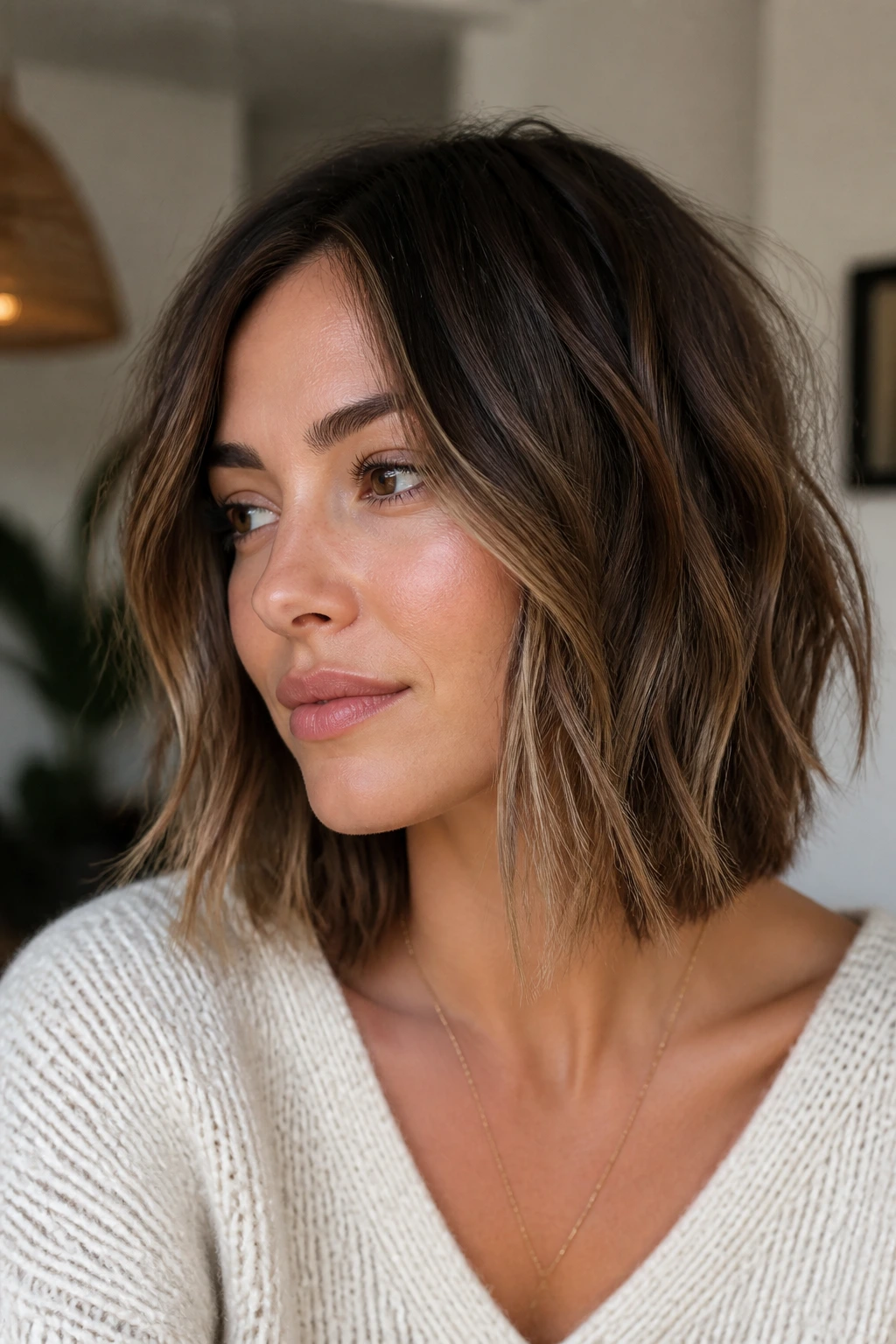
If your hair falls flat by noon, the choppy piecey lob earns its keep. This cut uses internal texture and slightly irregular ends to break up the shape, so the hair moves in separate sections instead of one heavy curtain. It is especially good on straight-to-wavy hair that needs help showing off some bend.
I like this version with a matte texture spray and a rough dry. Not a crunchy finish. Just enough grit to separate the pieces and keep them from clumping together. A little bend through the mid-lengths with a curling wand can make the ends look lived-in rather than chopped up by accident.
Best for: medium to thick hair, or hair that gets puffy when it is all one length.
Skip it if: your ends are already fragile and split, because the texture will make that damage more obvious.
4. Curtain Fringe Lob
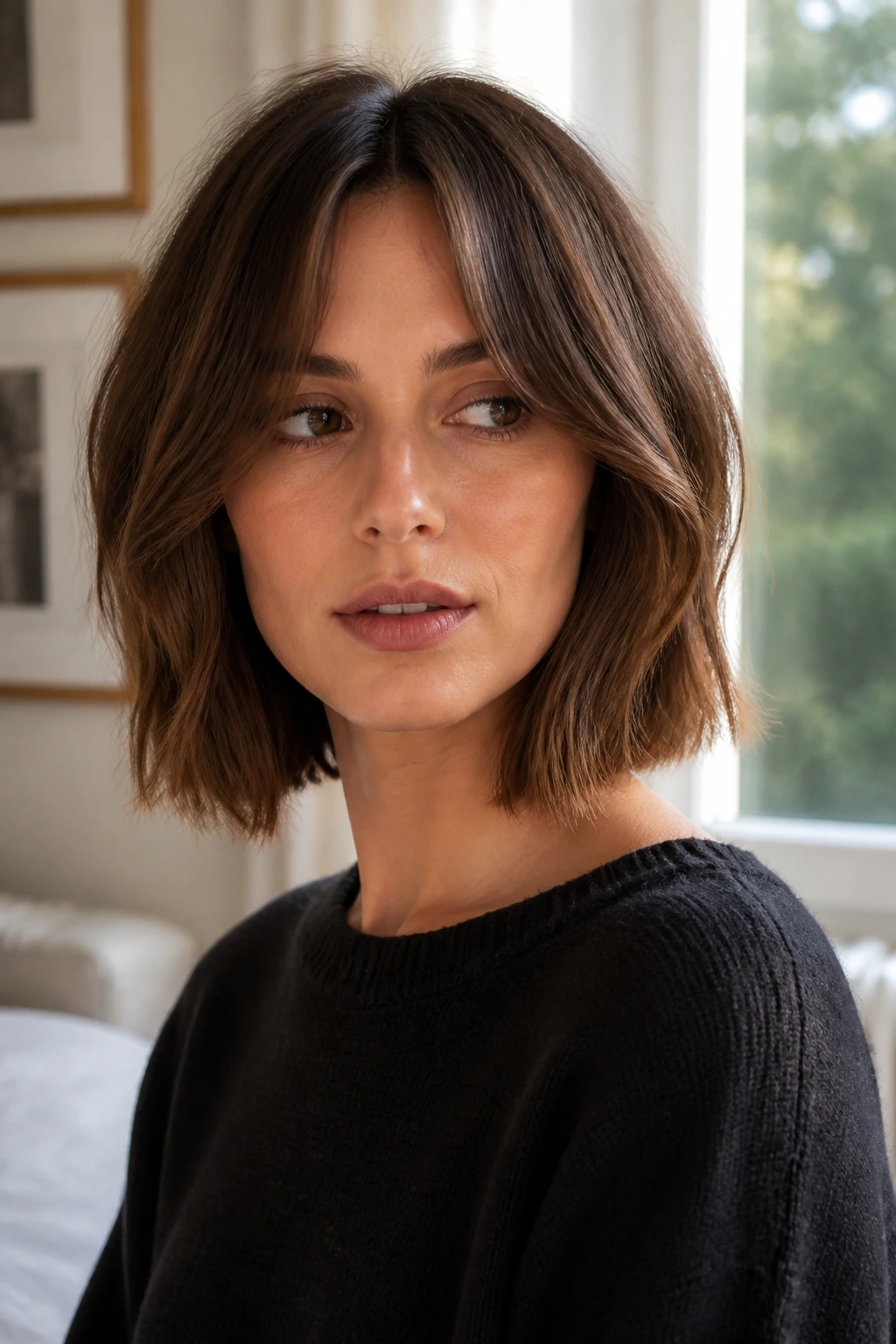
A curtain fringe changes a lob fast. It opens the face at the cheekbones, gives the cut a softer front, and makes short hair feel less severe around the temples. The rest of the length can stay simple; the bangs do the talking.
This version works because the fringe creates movement before the rest of the cut even starts moving. Keep the fringe long enough to split around the eyes and cheekbones, not chopped straight across the forehead. If you blow-dry the bangs with a small round brush, pulling them up first and then out, they settle into that soft bend people keep trying to fake with a flat iron.
5. Sleek Center-Part Lob
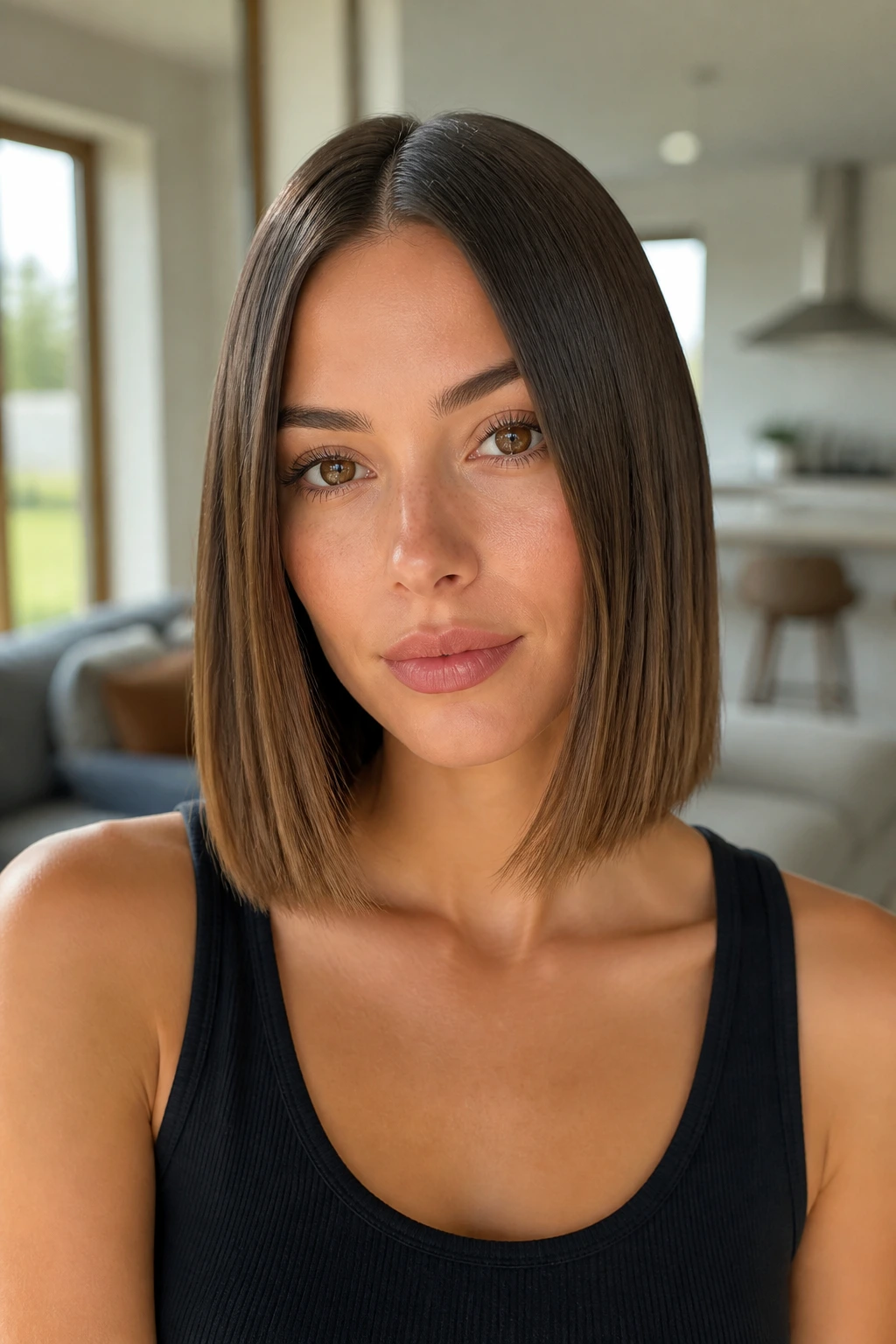
A sleek center-part lob is blunt, direct, and a little stern in the best way. The part pulls the eye straight down the face, and the polished finish keeps the whole cut looking intentional. It is a strong match for hair that naturally falls straight or only needs a light bend at the ends.
The part matters here. Use a tail comb to split the hair cleanly while it’s damp, then dry the roots in that line so they stay put. Once the hair is dry, a flat iron through the last inch and a half gives the lob that mirror-smooth finish that looks sharp rather than stiff. If your hair has a cowlick, this cut can still work, but the part may need to sit a half-inch off center.
6. French Undone Lob
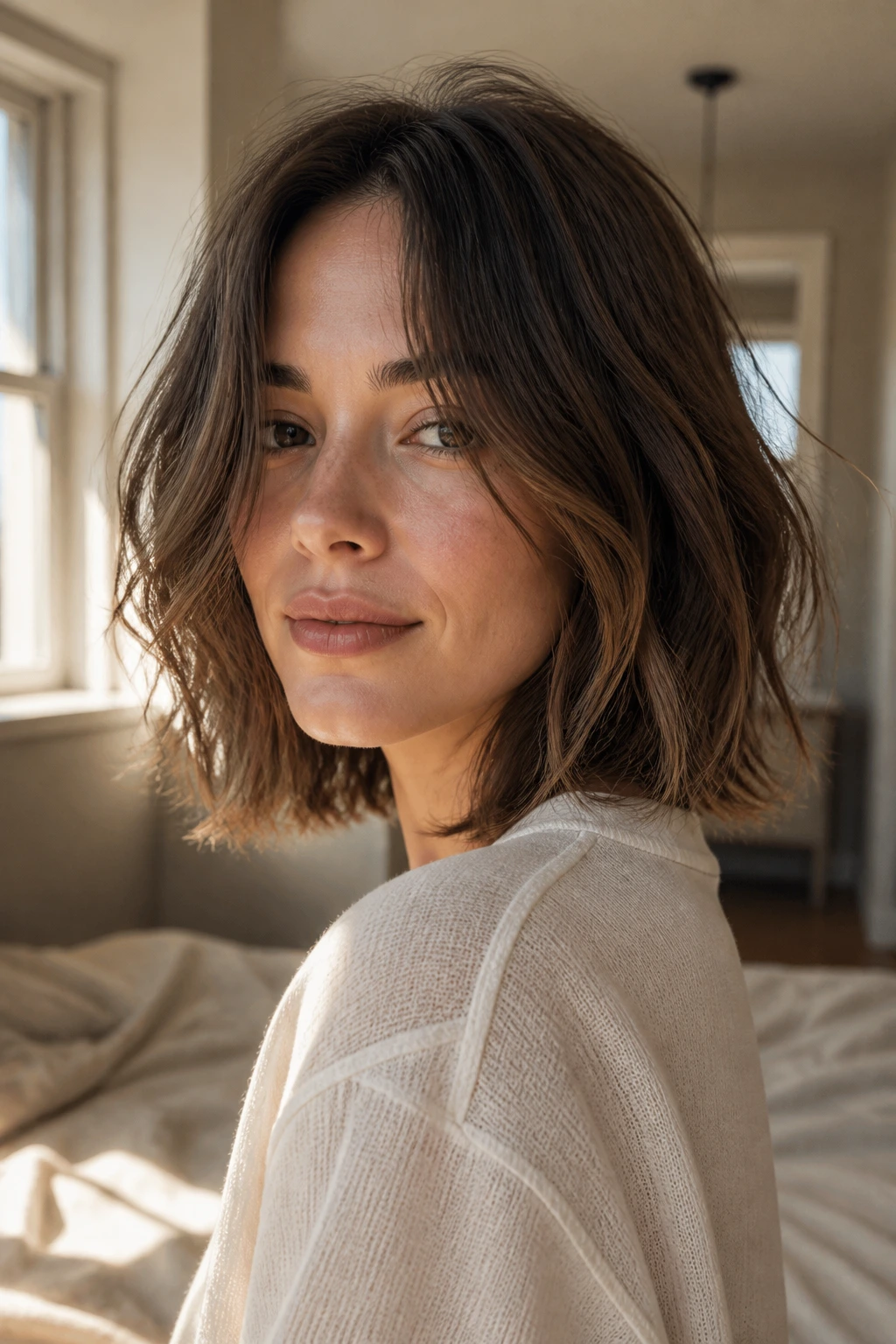
This is the lob that looks like it got dressed in five minutes and still left the apartment looking smart. The French undone version has a loose bend, soft volume at the crown, and ends that do not try too hard. It lands well on hair that has some natural wave, but straight hair can fake it with mousse and a quick bend from a curling iron.
The shape should feel airy, not fluffy. Keep the layers subtle and the ends a little soft so the haircut moves when you shake it out. A dab of light cream at the mids and a mist of texturizing spray at the ends are enough. Anything heavier and you lose the looseness that makes this cut feel so good.
7. Italian Blowout Lob
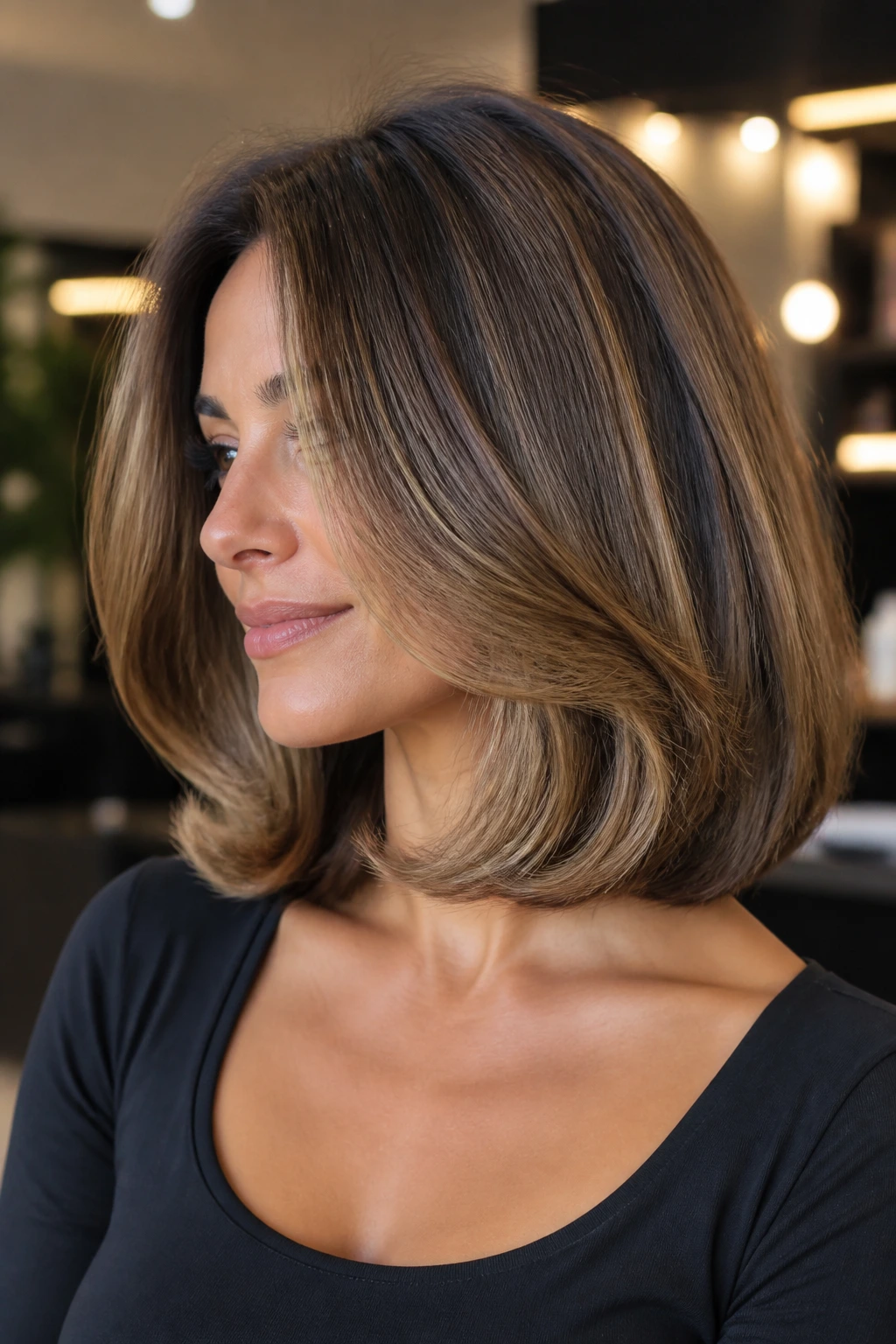
An Italian blowout lob is all about roundness and shine. The crown gets lift, the ends curve under just enough to show off the shape, and the whole cut looks like it was finished with a proper brush, not a panic pass of a dryer. It is one of the best lobs for people who want softness but still want polish.
This style lives or dies on the blow-dry. Use a medium round brush, aim the nozzle downward, and roll the ends under for the last few seconds of heat. Once the hair cools, brush it out lightly so it keeps the bounce but loses the stiffness. A drop of shine serum at the ends works here; too much, and the shape goes limp.
8. Shaggy Layered Lob
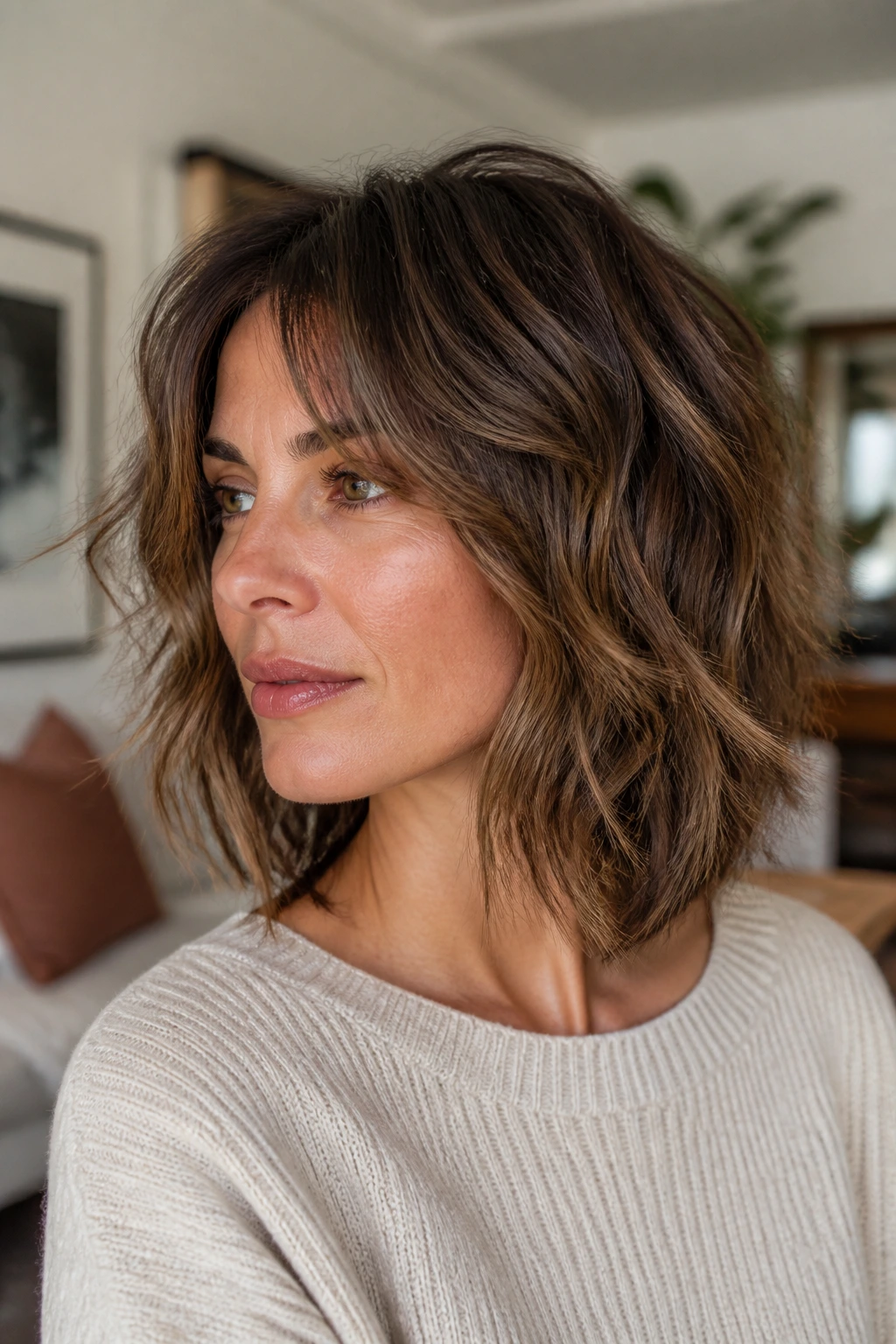
A shaggy layered lob is the version that behaves like it has a little grit in its personality. The layers sit higher, the perimeter is less perfect, and the movement starts closer to the roots. It works especially well on thick or wavy hair that would get bulky if cut blunt.
The important thing is restraint. A good shaggy lob still has a shape. It is not a pile of disconnected layers. Ask for soft, blended layers through the top and sides, then keep the bottom line visible so the haircut does not collapse into a triangle. A diffuser helps, but air-drying with a little mousse can be enough if your wave pattern already does half the work.
9. Asymmetrical Lob
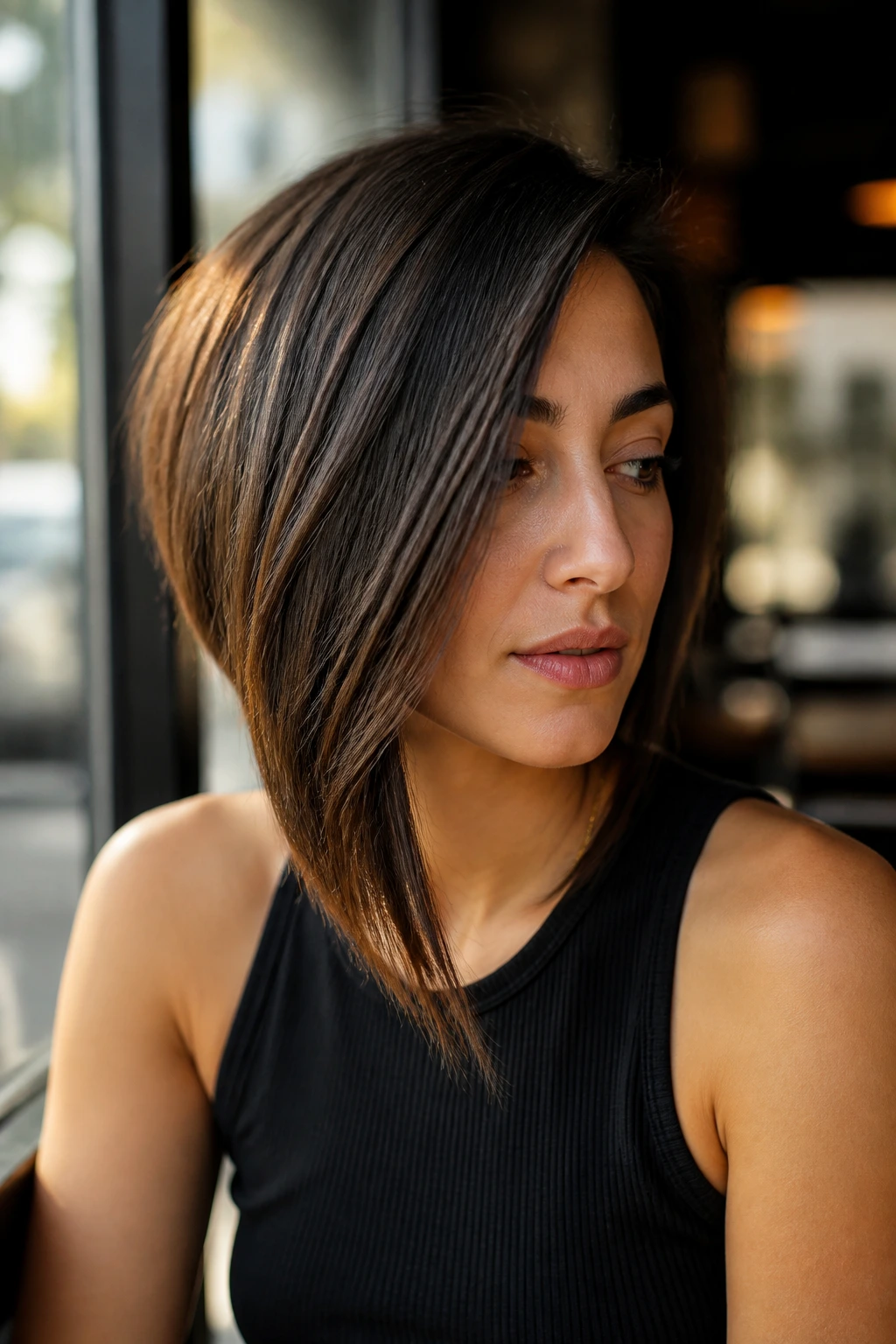
An asymmetrical lob has one side longer than the other, and that slight imbalance changes the whole mood. It can look sharp, modern, and a little bold, but the difference does not need to be dramatic. Sometimes a one-inch gap is plenty. That tiny tilt gives the haircut motion even when the hair is still.
This cut is especially good if you wear one side tucked and the other loose. It draws attention to the jaw and neck in a way a straight cut does not. Keep the longer side soft at the ends so the cut looks deliberate rather than accidentally uneven. And if your hair is very thick, ask for the asymmetry to come from the line, not from over-thinning one side.
10. Inverted Lob
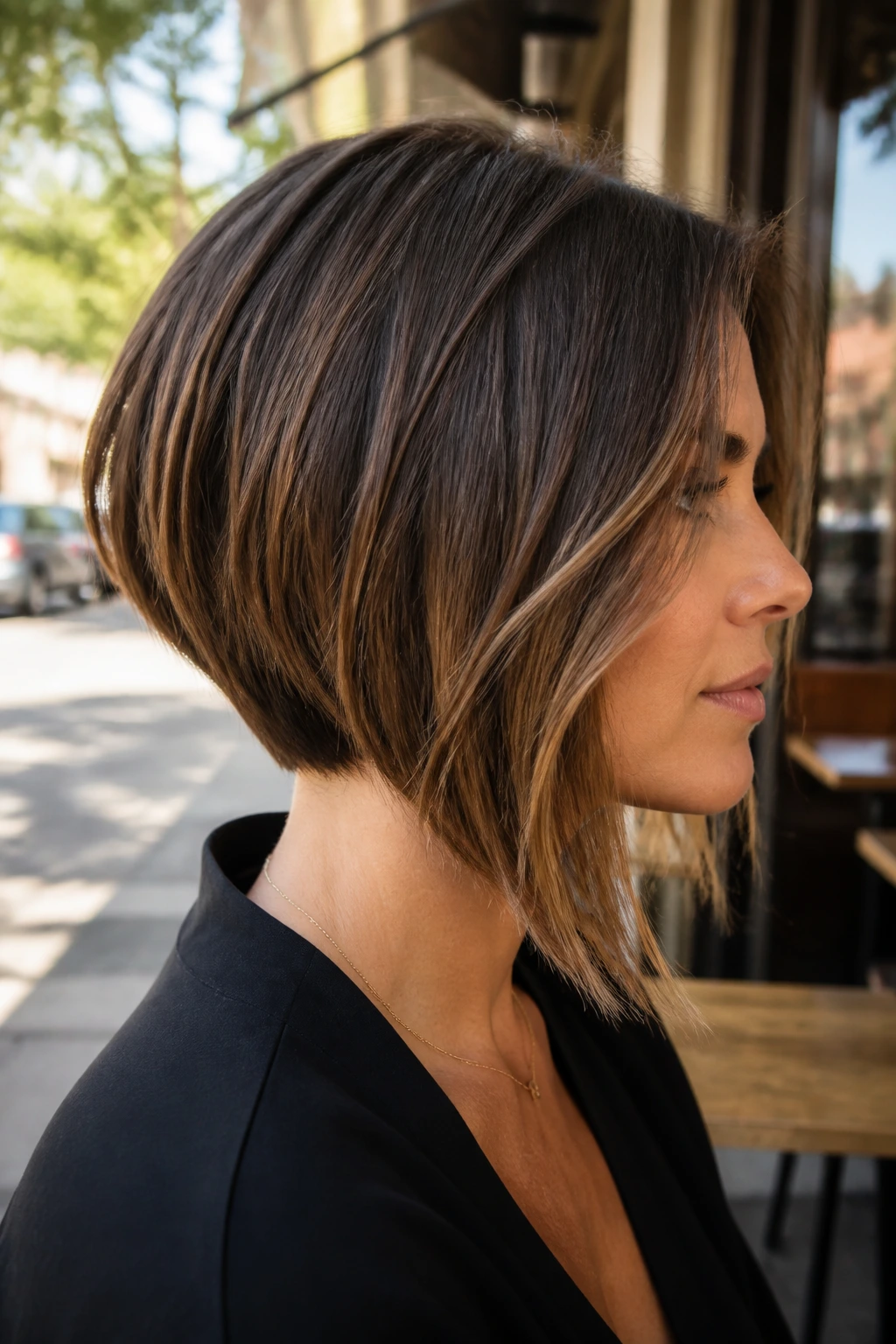
An inverted lob gives you lift at the back and length in the front, which is a nice deal if your hair tends to fall flat at the crown. The shorter back creates a gentle stack, and the longer front pieces frame the face. It has more shape than a blunt lob, but it does not go full bob territory.
The best version keeps the graduation subtle. Too much angle and the front starts to dominate the whole cut. Too little and you lose the benefit of the lifted back. If your neck is long or your hairline sits low, this shape can be especially flattering because it keeps the nape clean while still leaving enough length to tuck or wave.
11. Wavy Air-Dry Lob
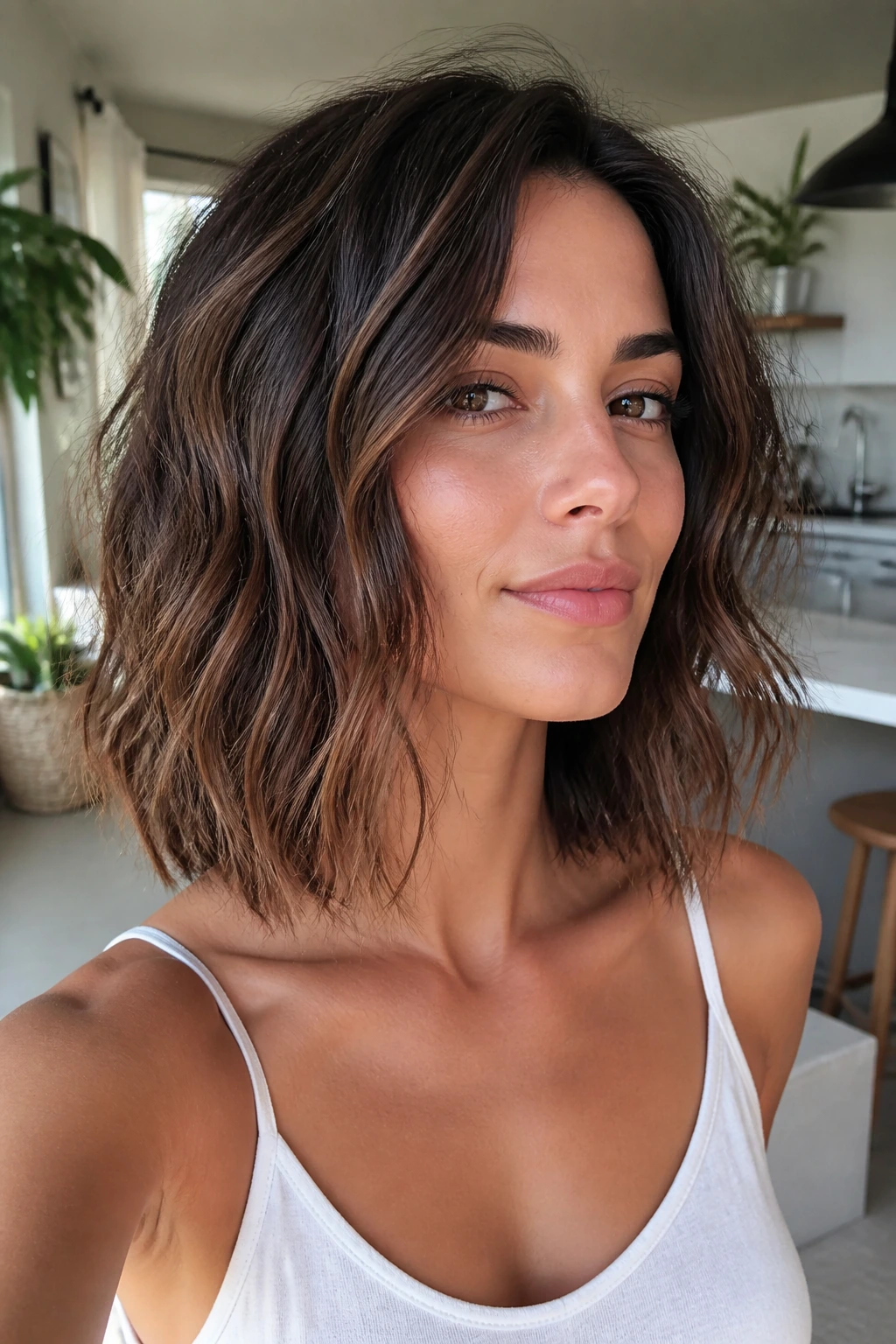
A wavy air-dry lob is the one for people who want their hair to do the heavy lifting while they’re making coffee. The cut sits long enough to let waves settle, but short enough that the shape still springs back after sleep or humidity. It reads relaxed, not messy, when the layers are placed well.
The setup matters more than the finish. Scrunch in a lightweight mousse or curl cream on damp hair, then let it dry in sections or clip the crown for a little lift. If the wave pattern collapses at the ends, a few twists around the fingers while the hair is still damp can help. This cut looks best when the texture feels touched, not sprayed to death.
12. Curly Rounded Lob

Curly hair and lobs can be a mess if the shape is wrong. A rounded lob fixes that by leaving enough length for curls to drop while keeping the silhouette balanced around the shoulders. The goal is not to flatten the curl pattern. It is to stop the sides from widening into a triangle.
Ask for curl-by-curl shaping or soft long layers that respect how your curls sit when dry. Dry cutting is often easier for this shape because wet curls lie. Then don’t overload it with heavy cream. A small amount of curl cream, a gel cast if you like one, and a diffuser on low heat will keep the outline clean.
13. Razor-Edged Lob
A razor-edged lob has softer, wispy ends that feel almost airy. The razor work removes some of the heaviness from thick hair, so the cut moves instead of sitting like a block. It can look lovely, but only when the hair can handle it.
This is not the move for fragile or very fine ends. Razor cutting can make already weak hair look frayed. On the right head of hair, though, it gives a slightly broken-up edge that works well with waves and bendy texture. The styling sweet spot is a low-effort blow-dry or air-dry finish, not a super sleek one. Sleek styling tends to reveal every uneven fragment.
14. Feathered Lob
Feathering softens the sides and takes the hard edge out of the perimeter. The cut still has structure, but the ends taper just enough to blur the line around the jaw and cheekbones. It is a good move if you want a lob that feels gentler than a blunt cut.
Feathered layers work best when they are placed with intention. Too much feathering and the ends start to look thin. A little feathering around the face can reduce heaviness, especially if your hair grows outward near the chin. I like this shape with a brushed-out wave or a light flip under at the bottom, because it shows the movement without making the whole cut feel busy.
15. Boxy Minimal Lob
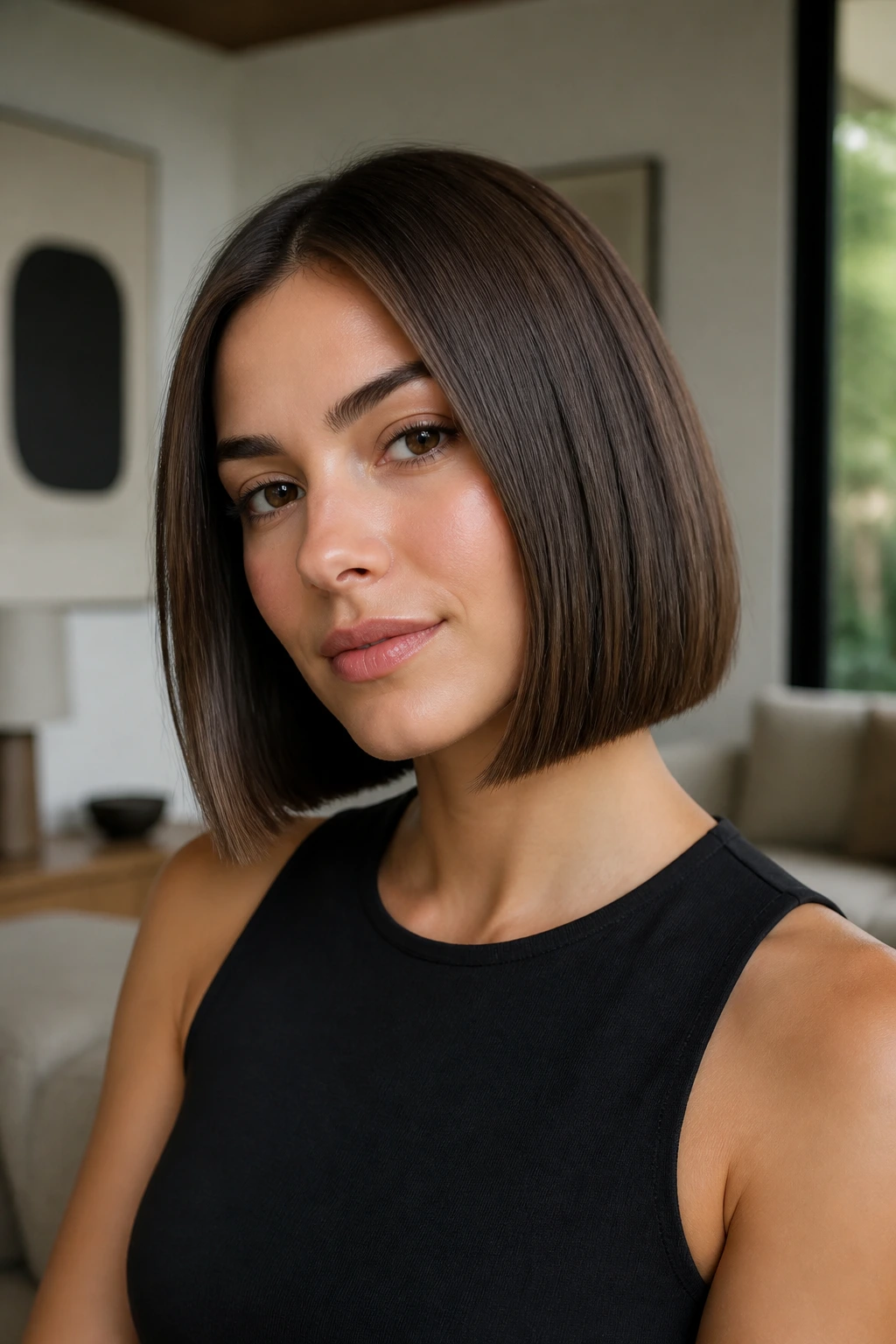
A boxy minimal lob is the cleanest, most graphic version of the cut. There is little to no visible layering, the perimeter stays square, and the whole thing looks sharp in a straight line. If you like simple clothes, strong earrings, and hair that looks expensive when it is just brushed, this is the one.
The downside is that it tells the truth. Dry ends, uneven density, and lazy trims show fast. But when the cut is fresh, it has a quiet force that layered styles cannot copy. Keep the styling equally spare: a center part, a smooth blow-dry, or a very slight bend under at the ends. Anything too textured fights the whole point.
16. Tucked-Behind-Ear Lob
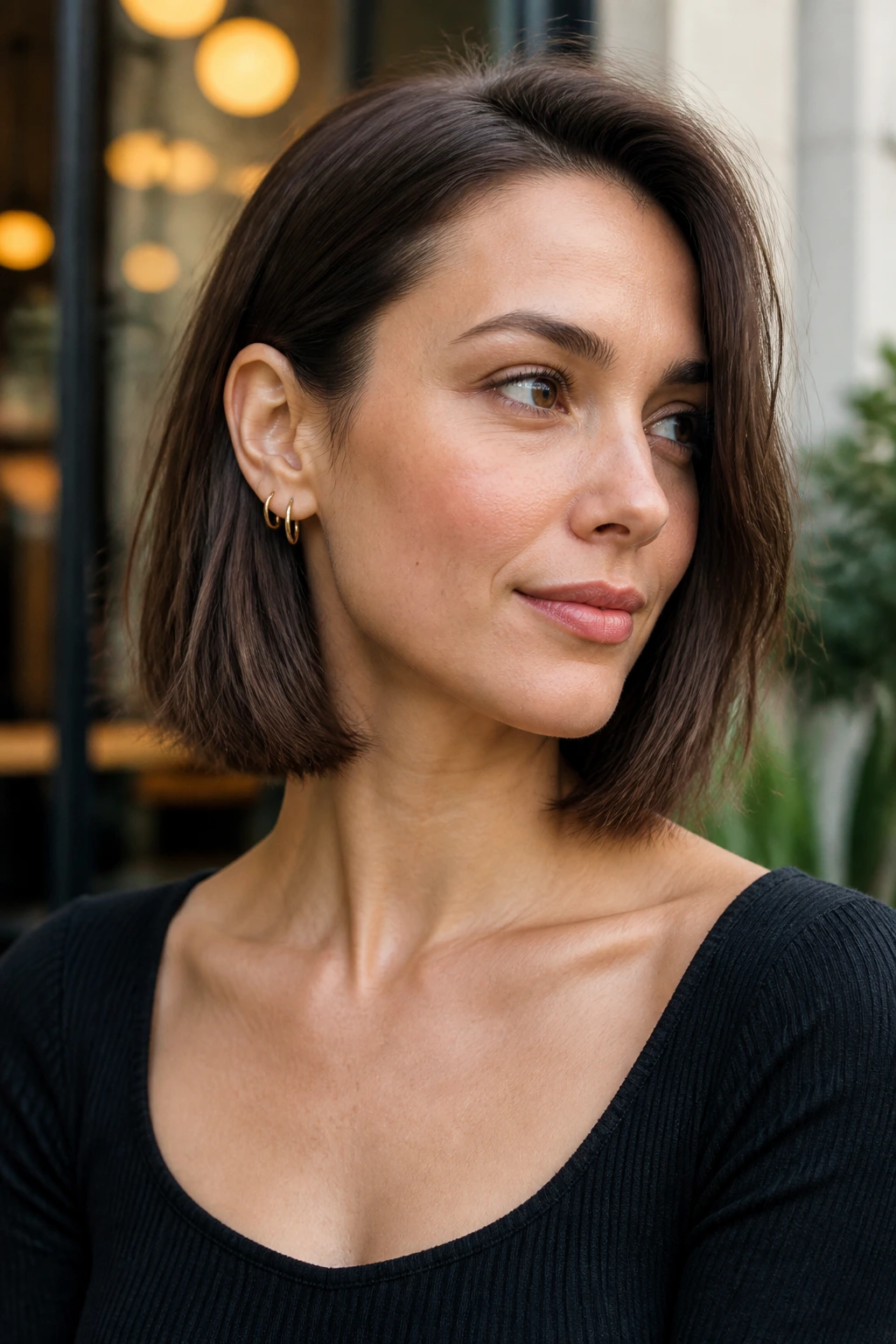
This one relies on a small styling habit that changes the shape completely. The tucked-behind-ear lob keeps one side open, which exposes the cheekbone, jaw, and neck in a way that feels relaxed but not accidental. It works particularly well if you wear glasses or statement earrings, because the hair stops competing with the face.
The cut itself should have a little length in front so the tuck looks intentional. If the front pieces are too short, they spring out and fight the ear. A soft bend at the ends helps the tuck stay put, and a little smoothing cream near the ear line keeps flyaways from making the shape fuzzy. It’s a simple look, but the details matter.
17. Face-Framing Lob
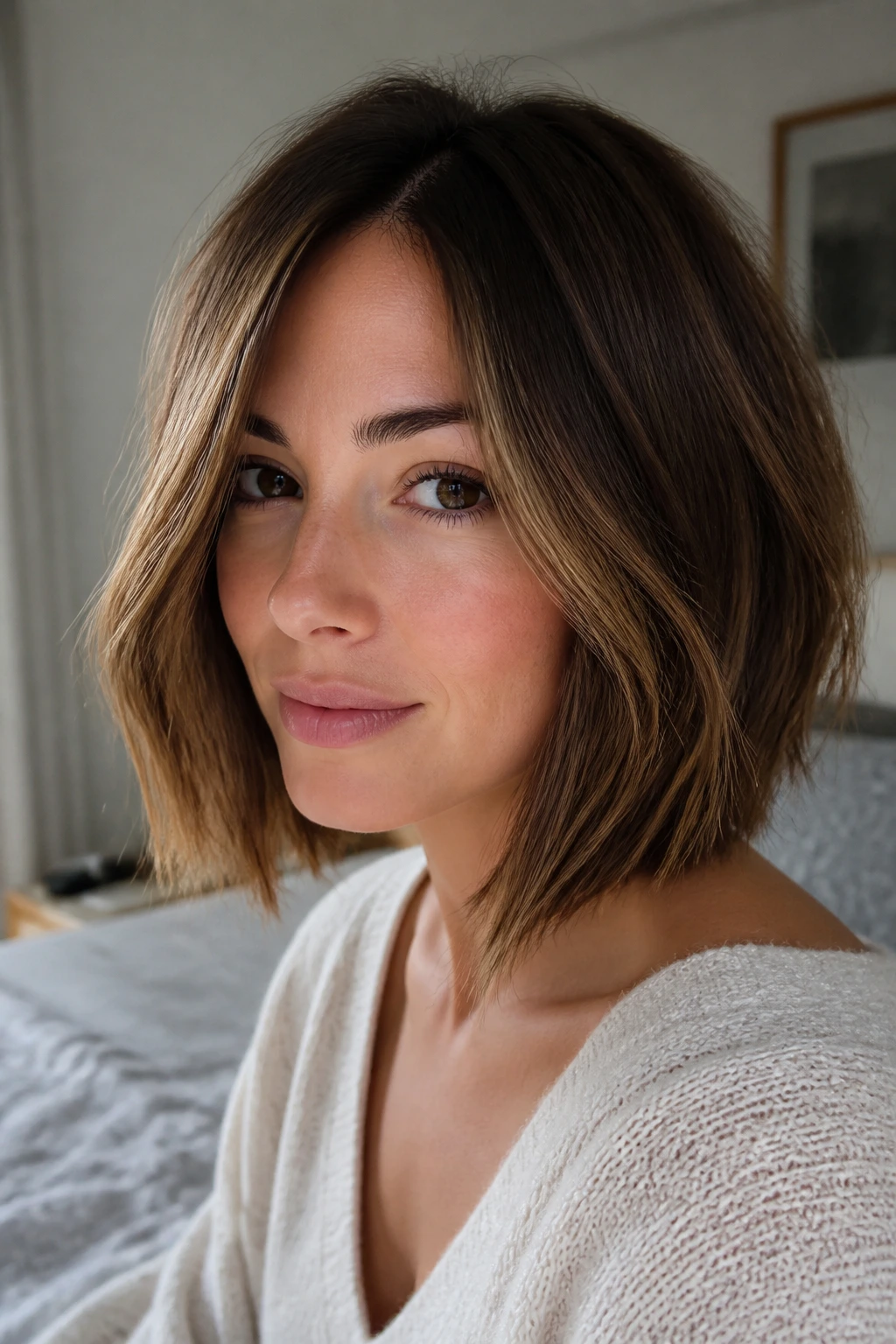
A face-framing lob is less about the overall line and more about where the front pieces fall. The longest sections can skim the cheekbones or jaw, which gives the haircut a softer front even if the rest stays blunt. It is a smart choice when you want the length to flatter your features instead of just sitting there.
The frame should be subtle. If the front pieces are pulled too far forward, the haircut starts to look like two unrelated lengths. Ask for a soft diagonal from cheekbone to collarbone, then keep the back tidy. This version works well when you want to keep length around the face but still get the structure of a shorter cut.
18. Old-Money Lob
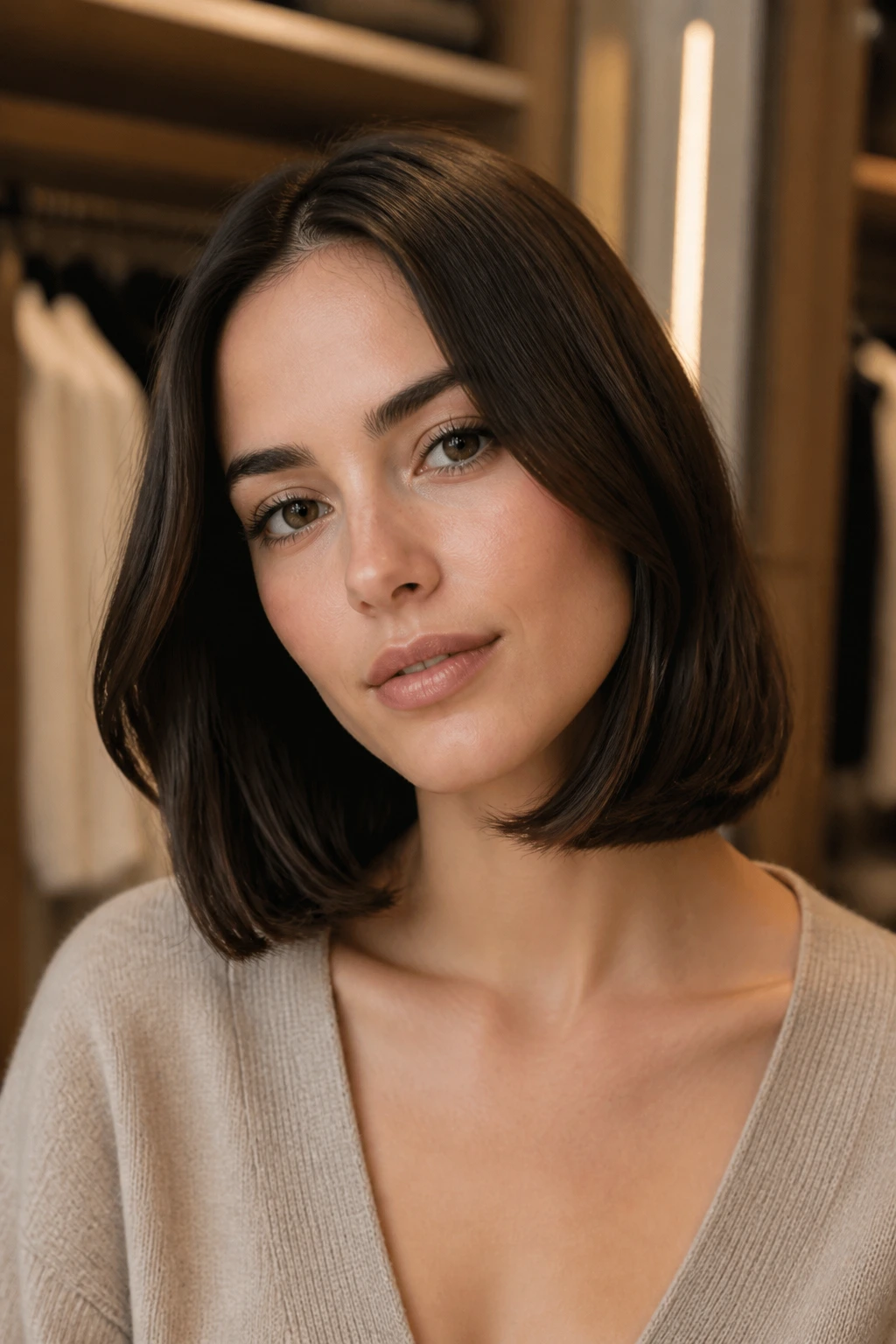
The old-money lob is polished, smooth, and a little old-fashioned in the best possible way. Think center or soft side part, ends curved under, and a finish with enough shine to catch light without looking shellacked. It leans classic, which means it plays well with minimal makeup and sharp clothing lines.
This cut needs clean edges and a restrained hand with product. A light blowout cream, a round brush, and a small amount of serum are usually enough. Keep the volume controlled at the roots rather than poufing the whole head. The shape should feel expensive because the details are tight, not because it is loud.
19. Deep Side-Part Lob
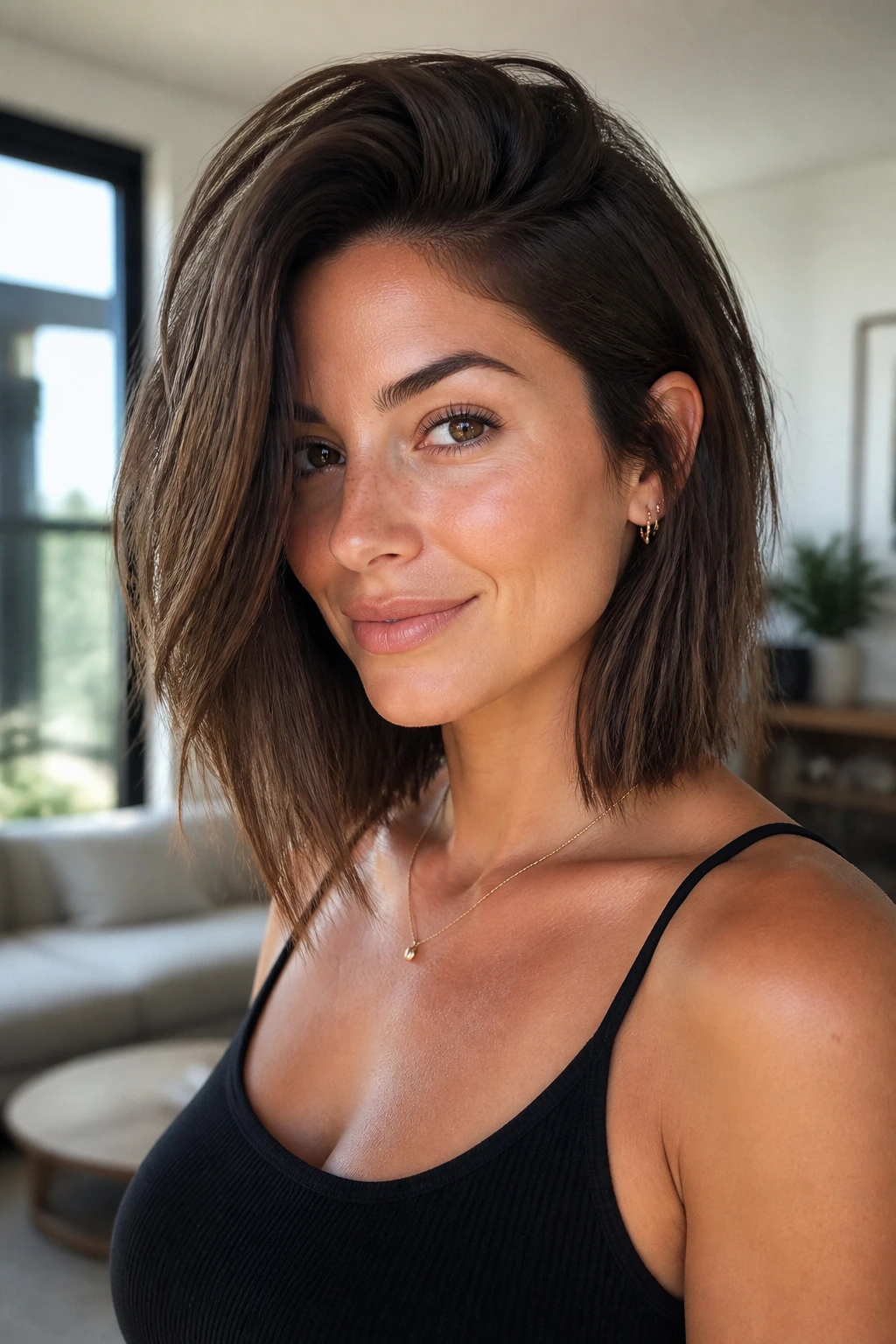
A deep side-part lob changes the whole balance of the face in one move. It gives you lift at the crown, a soft fall across one side, and a little drama without needing a different cut. If your hair is fine and tends to collapse at the roots, this is a practical fix.
The part should sit where the hair can still obey. Push it too far and it will split apart by lunch. Use a root-lifting spray or mousse on damp hair, blow-dry the part in place, and clip the heavier side for a few minutes while it cools. That cooling step matters more than people think. It locks the bend where you want it.
20. Graduated Lob
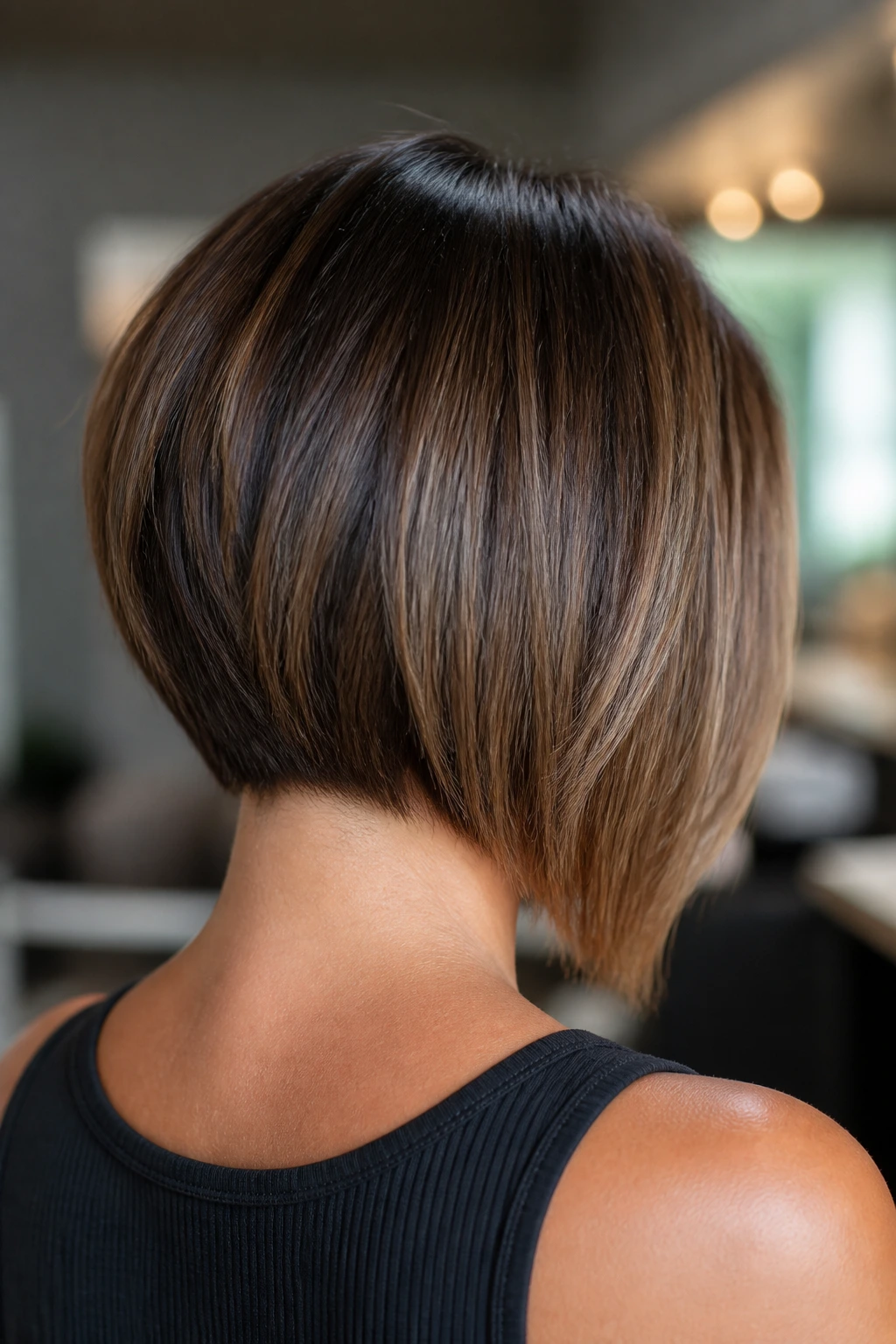
A graduated lob has more shape through the back than a standard blunt cut, but it stops short of a full stacked bob. The result is a little lift at the nape and a smoother fall toward the front. It is a very practical cut for thick hair that grows bulky around the neck.
The graduation should be subtle enough that the front still feels long. If the back gets stacked too hard, the silhouette turns round and dated. Keep the angle soft and ask for weight removal only where the hair actually needs it. On the right head, this cut makes the neck look longer and the profile cleaner.
21. Micro-Layer Lob
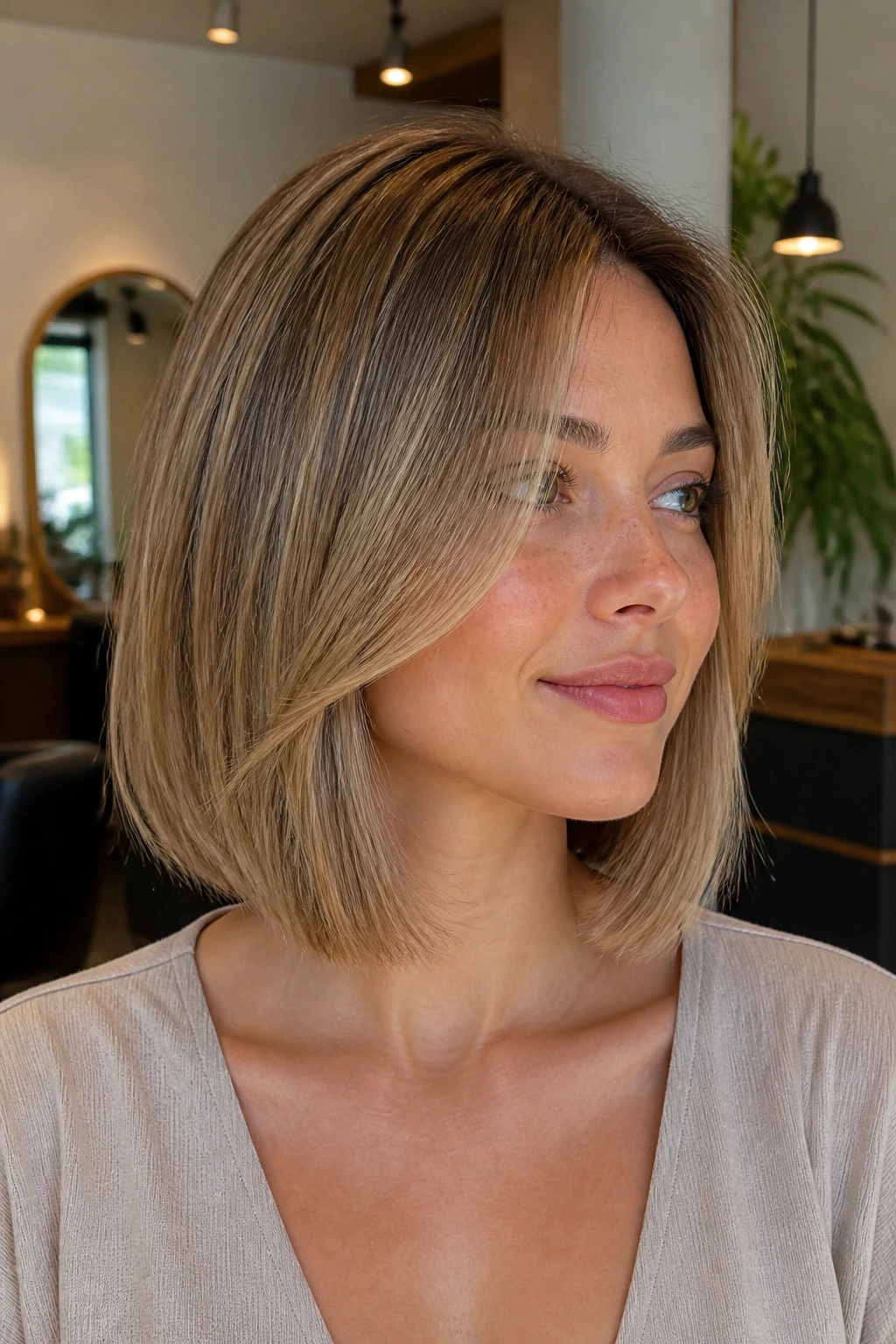
Micro-layers are for people who want movement and do not want anyone to see where the movement came from. The layers sit inside the cut, not on the outside, so the perimeter still looks solid. That makes this one a good compromise for hair that needs help moving but still wants a blunt look.
It works especially well on medium-density hair. Fine hair can sometimes lose too much body if the layers are pushed too far, and very thick hair may need stronger weight removal than micro-layers can give. Styling is easy: a blow-dry with a round brush or a bend from a flat iron, then shake it out with your fingers. The cut does the rest.
22. Wet-Look Lob
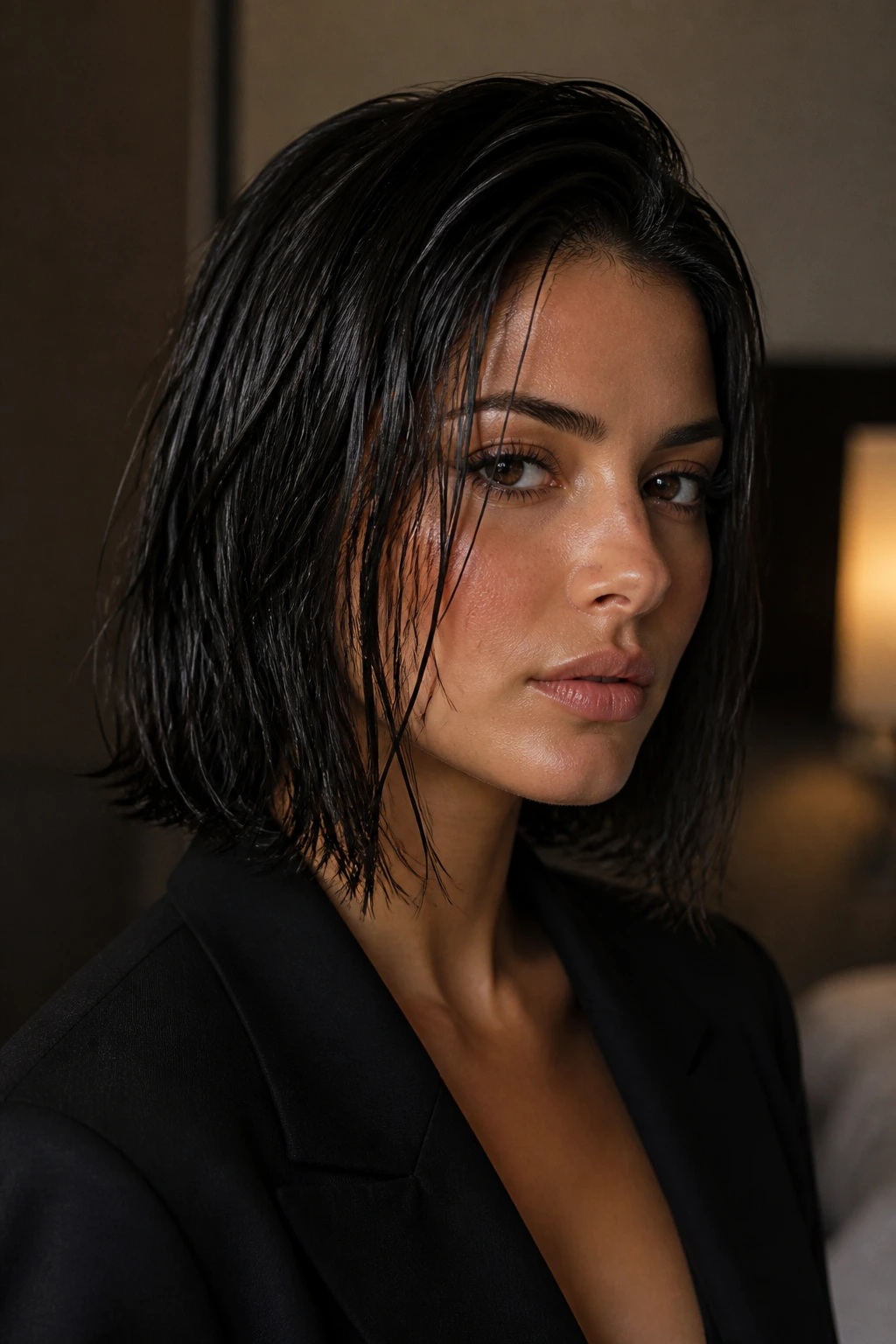
A wet-look lob is sleek, glossy, and a little architectural. It pulls the hair off the face, shows the line of the cut, and looks especially good when the collarbone length can stay visible. It is not an everyday style for most people, but it is a smart one for evenings or sharper outfits.
The product choice matters here. Use a gel or cream-gel blend on damp hair, comb it into the desired direction, and keep the roots smooth. If the hair is too dry, the wet look turns crunchy instead of polished. If it is too heavy, it droops. The sweet spot is a controlled sheen that stays flexible.
23. Piecey Lived-In Lob
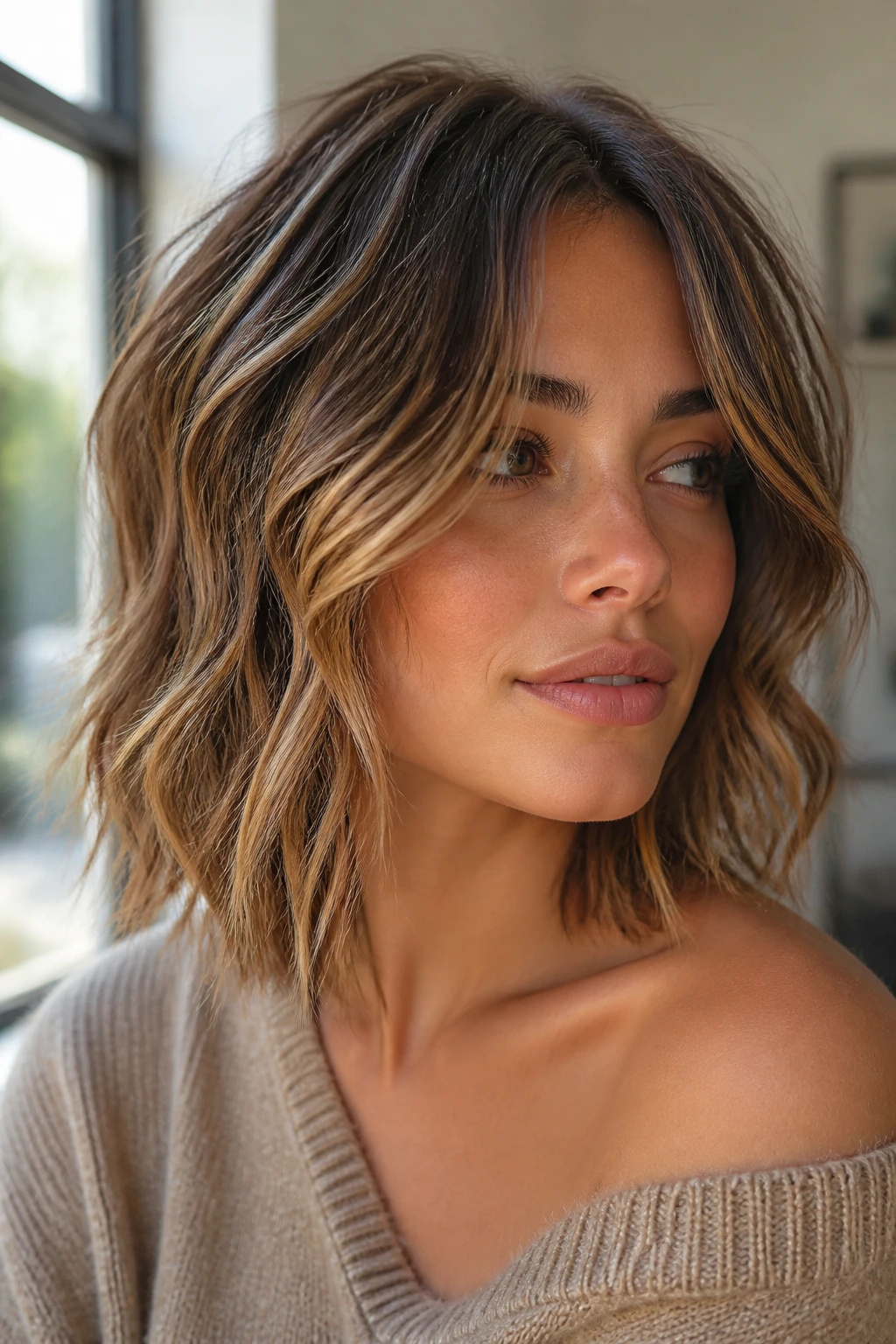
The piecey lived-in lob looks like it has been worn for a day or two, but in the best way. The ends separate, the shape stays loose, and the hair moves in little sections instead of one flat sheet. It is a good answer for anyone who hates over-styled hair.
The finish should be soft and touchable. A texturizing spray at the mids and ends helps, but keep it light so the strands do not stick together. A few bends through the outer layer can make the whole cut look less uniform. This version is forgiving on days when you do not want to remake the whole head.
24. Bangs-and-Lob Combo
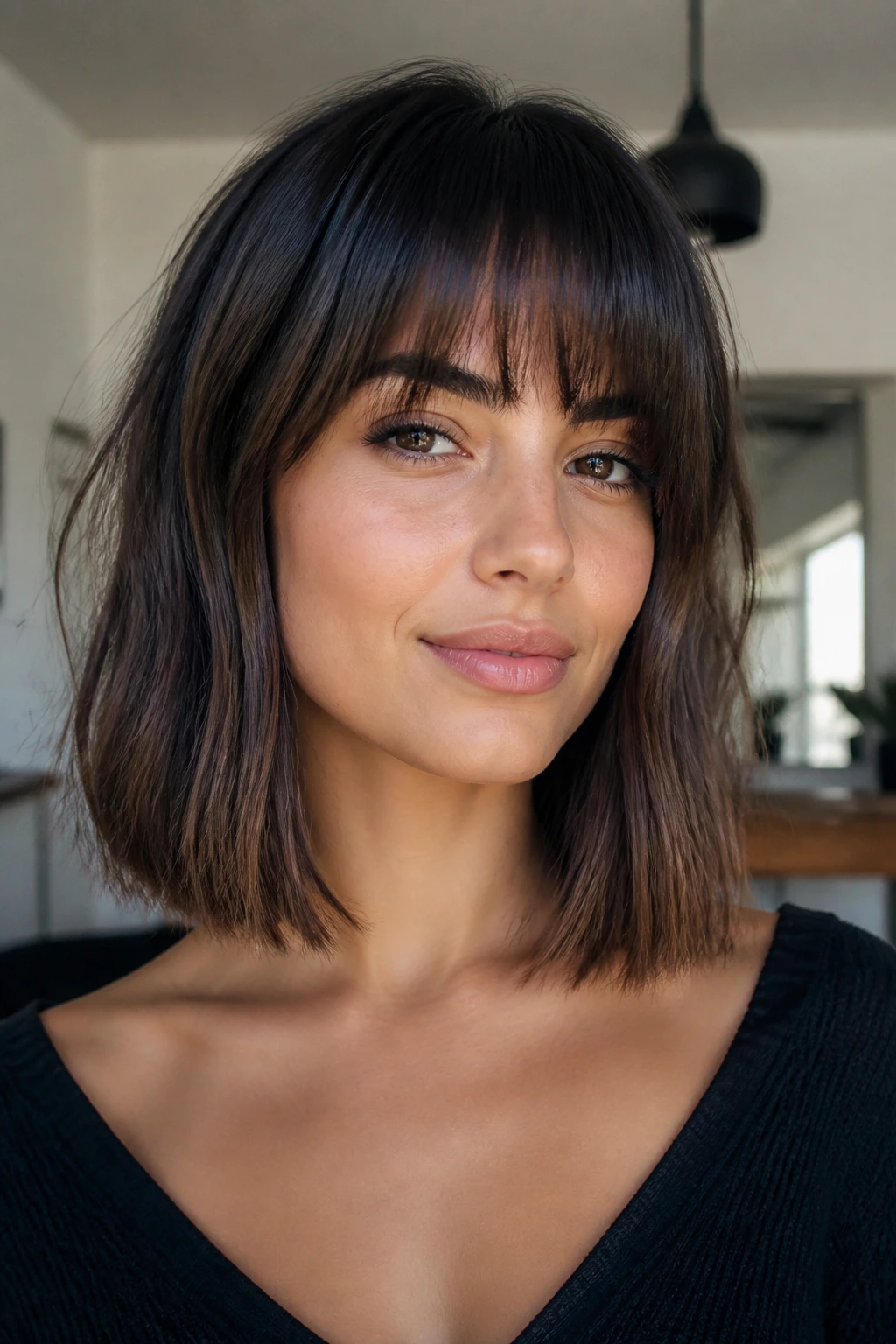
Bangs change the ratio of a lob faster than almost anything else. Brow-skimming bangs make the cut feel softer and a little more vintage. Micro bangs turn it sharper. Curtain bangs split the difference and let you keep a more open face.
The haircut should stay simple if the fringe is busy. A straight, blunt lob with a fringe can look strong; a shaggy lob with bangs can look messier and more playful. The danger is overloading the front. If the fringe is heavy, keep the ends of the lob cleaner. If the fringe is light, the rest of the cut can carry more texture.
25. Bouncy Blowout Lob
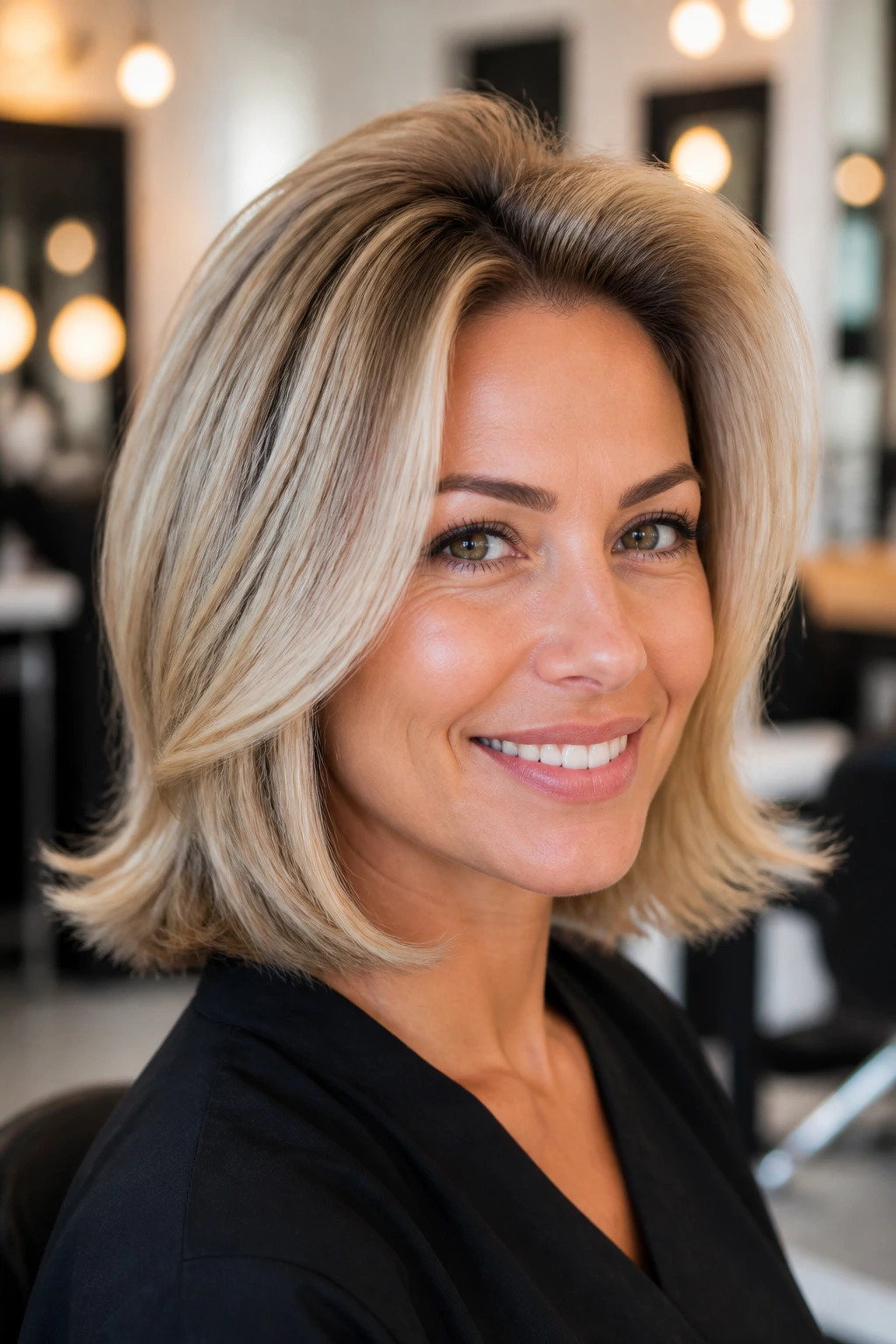
This is the most energetic version of the group. The bouncy blowout lob uses volume at the crown and a soft flip at the ends so the haircut seems to lift itself off the shoulders. It’s a favorite if your hair falls flat and you want a shape that looks finished after a 10-minute round brush pass.
The technique is straightforward, but the timing matters. Dry the roots first, then work through the mids with a medium round brush, rolling the ends under or out depending on the mood you want. Let each section cool before touching it. If you brush too soon, the bounce vanishes. A little volumizing mousse at the roots gives the whole cut a better base.
26. Ghost-Layer Lob
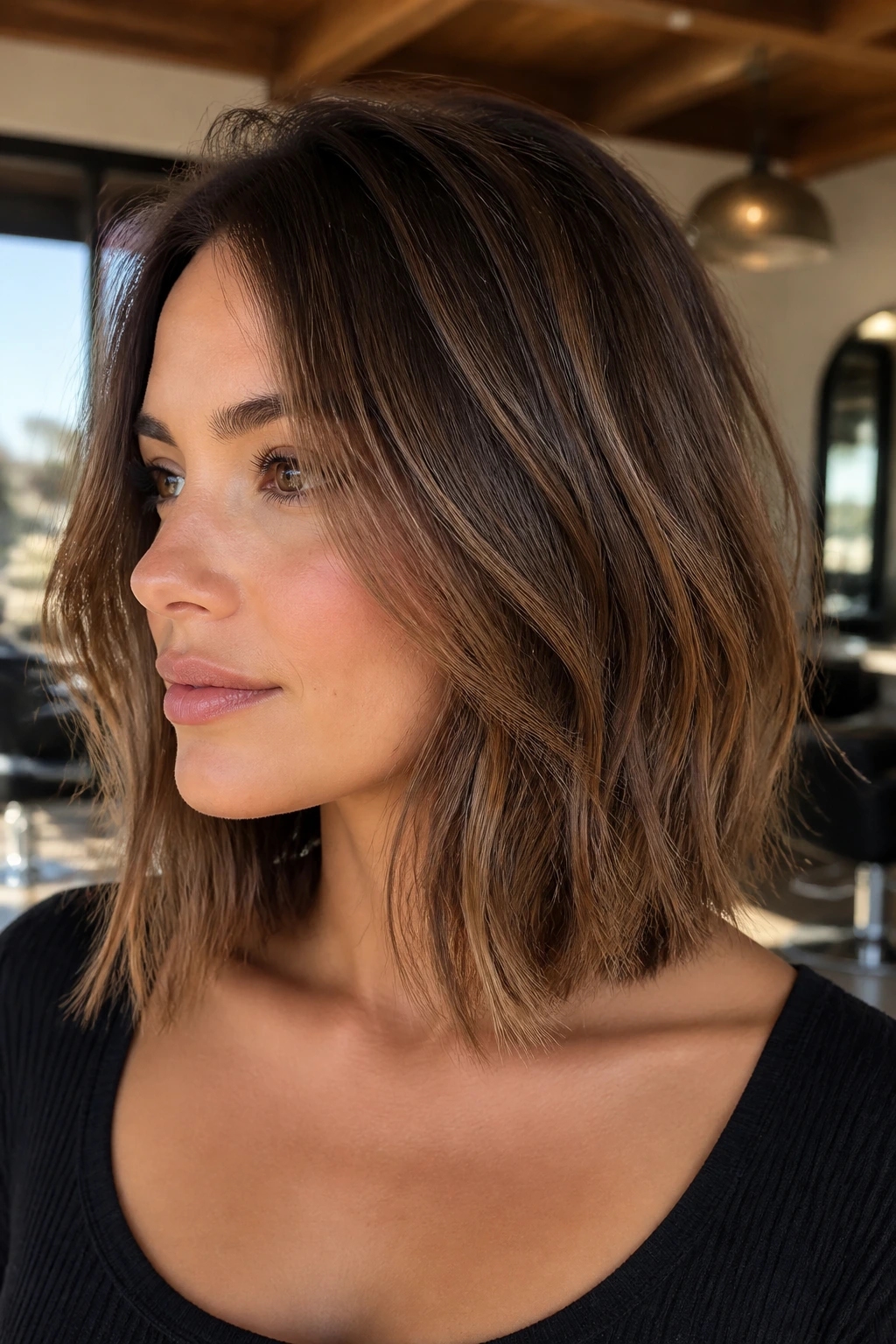
Ghost layers are what I’d call the stealth version of a layered lob. They sit inside the haircut, removing weight where the hair needs room to move, but they barely show at the surface. The perimeter stays tidy, so the cut still reads as clean from across the room.
This is a smart choice if you want a shape that behaves but do not want obvious choppiness. It works on a lot of hair types, especially medium and thick hair that needs release around the mid-lengths. The best styling is often the simplest: rough dry, light brush, maybe a soft bend at the ends. Too much product can hide the benefit.
27. Flipped-Ends Lob
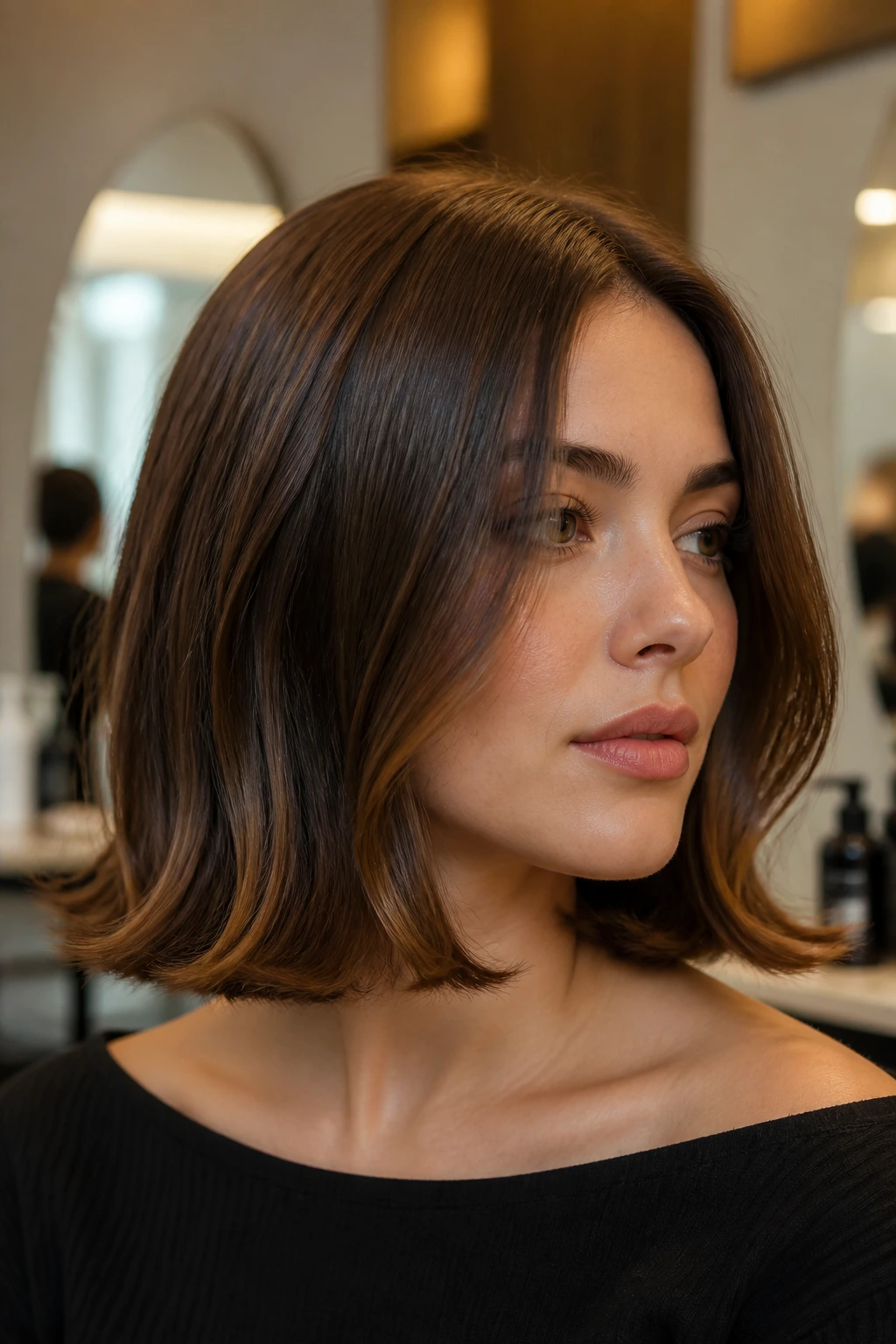
Flipped ends give a lob a little retro energy. You can turn them under for a neat finish, or out for a looser, more playful shape. The cut itself can be blunt or layered, but the styling move makes the whole thing feel deliberate.
I like this on hair that sits a bit flat at the shoulders because the flip keeps the ends from disappearing into clothes. Use either a round brush or a flat iron to nudge just the last inch of hair. Keep the rest smooth. If you flip too high, the shape starts looking costume-like. Keep it at the hemline and it feels clean.
28. Soft-Edge Lob
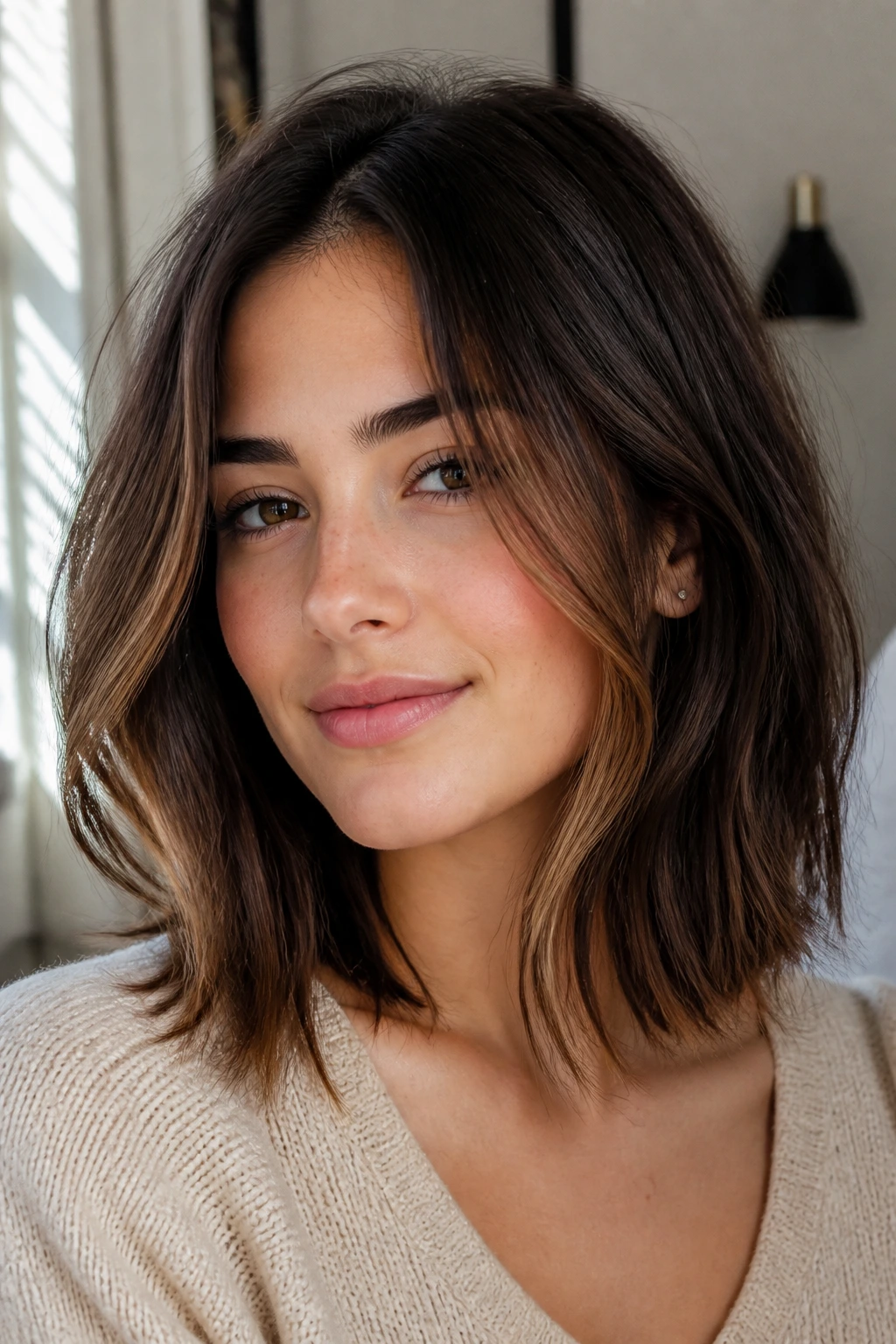
A soft-edge lob is the most forgiving cut in the group. The perimeter is still there, but it has been softened enough that it does not feel severe as it grows. If you want a lob that can survive a few extra weeks between trims, this is a smart place to start.
The softness comes from careful point-cutting and light internal texturing, not from stripping away the shape. That is what keeps the cut from turning ragged. It works well on almost every hair type because it bends toward the natural movement of the hair instead of fighting it. If you’re unsure which lob to choose, this is the one that gives you room to adjust later.
Why Lob Haircuts for Short Hair Work So Well

The reason these cuts keep coming back is simple: they solve more than one problem at once. A lob gives you enough length to feel feminine, casual, sharp, or polished depending on how you style it, but it still avoids the dragging weight that makes longer hair hard to wear. On short hair, that matters. The cut can keep the neck open, frame the jaw, and still leave enough fringe room to play with parting or bangs.
There’s also a structural advantage. The collarbone zone is one of the most useful places for a cut to live because it catches movement. Hair that lands there can swing when you turn your head, tuck neatly into a sweater collar, and bend under or out in a way that reads intentional. Once the ends hit that point, the haircut stops being a compromise and starts acting like a design choice.
Density changes the math, too. Fine hair often looks stronger when the perimeter is blunt and the layers are hidden. Thick hair usually wants internal release so it can sit close to the head instead of puffing wide. Curly and wavy hair need enough length that the shape can drop, or the whole thing balloons upward. That’s why “lob” is not really one haircut. It’s a zone, and the exact version you choose changes everything.
Essential Tools for Styling These Cuts
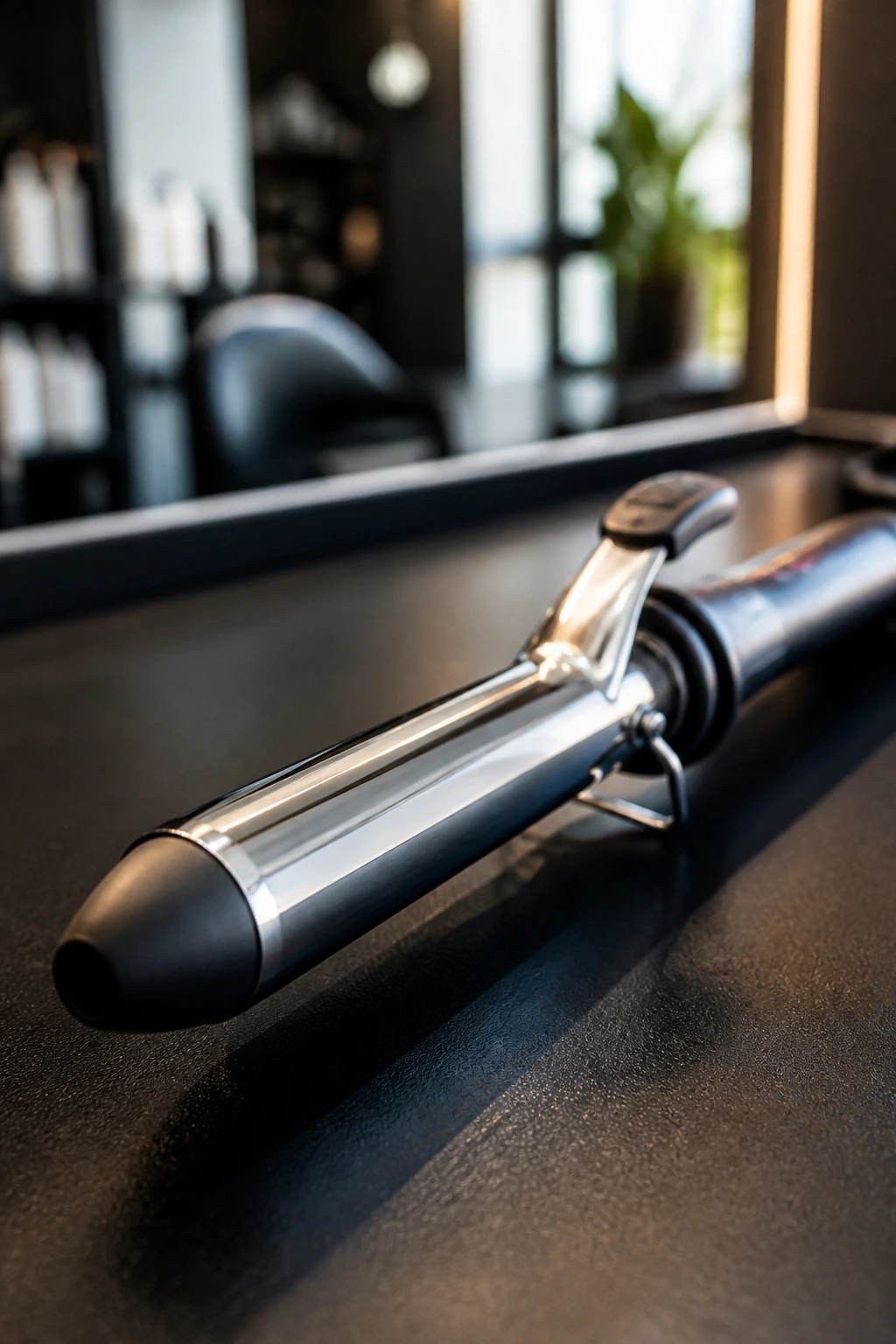
- A 1-inch to 1.25-inch curling iron or wand: This size gives you a bend that looks natural on collarbone-length hair instead of huge, loose spirals.
- A medium round brush: Best for blowouts, root lift, and that soft curve at the ends.
- A blow dryer with a concentrator nozzle: The nozzle keeps the airflow tight so you can aim the cuticle down and control frizz.
- A tail comb: Useful for crisp center parts, clean side parts, and sectioning without guessing.
- Sectioning clips: They keep the crown, sides, and nape separate so the cut dries in the shape you want.
- Heat protectant spray: Use it every time you touch hot tools to the hair. Skip this and the ends get dry fast.
- Light mousse or root lift spray: Helps shorter lobs hold a shape instead of collapsing at the roots.
- Texture spray or dry shampoo: Good for lived-in, piecey finishes and for rescuing day-two hair.
- Smoothing cream or serum: A little goes a long way on sleek cuts; too much can flatten the whole shape.
- Diffuser attachment: Worth owning if your hair is wavy or curly and you want the lob to keep its body.
Smart Salon Notes and Product Picks
The best lob starts before the scissors come out. Bring a photo, but tell the stylist what you care about more than the photo itself. If you want the length to hit the collarbone when dry, say that. If you want the front to stay long enough to tuck, say that too. Wet hair can lie to you by an inch or more, and a cut that looks right when it’s damp can shrink into something much shorter once it dries.
The shape should match the hair’s behavior, not just the mood board. Fine hair usually does better with a blunt perimeter and lighter internal layers, because too much cutting inside the shape can make the ends feel thin. Thick hair often needs weight removed under the crown or around the sides so it does not blow out at the cheeks. Curly hair needs the cut designed around the curl pattern, not against it. That means either dry shaping or a stylist who knows how your curl sits when it cools.
Product choice should stay honest. A sleek center-part lob needs heat protectant and a smoothing cream, not a pile of oil. A shaggy or piecey lob needs mousse, texture spray, or a light paste. Curly versions do better with curl cream and a medium-hold gel. And if your hair gets coated fast, clarify every couple of weeks so the cut does not sink under product buildup. Heavy residue is one of the fastest ways to make a lob lose its shape.
How to Wear and Style These Lob Haircuts
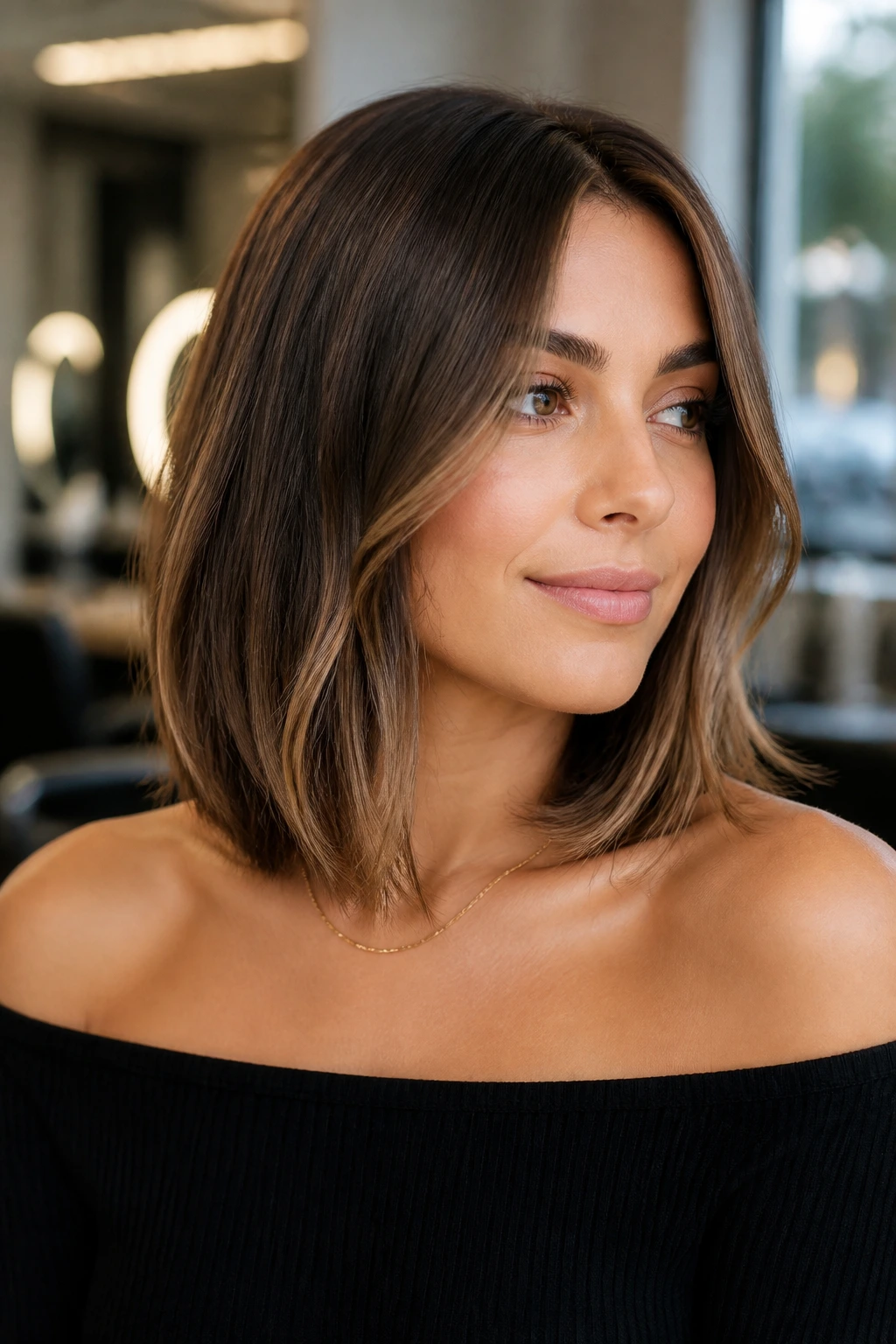
Presentation: Keep the ends in a clear visual zone. A lob looks strongest when the perimeter sits either just below the jaw or right on the collarbone, because that length gives the eye a clean line to follow.
Accompaniments: Bangs, glasses, statement earrings, and even shirt collars matter here. Hair that stops at the neck leaves more room for those details, which is part of why the cut feels fresh instead of cluttered.
Portions: Thin hair usually wants a blunt edge and fewer visible layers. Thick hair usually needs more internal release, or the shape starts to widen at the bottom and fight your face shape.
Finish: Sleek, bent, wavy, piecey, or blown out—pick one and let the cut do that job well. A lob often looks best when the styling has a clear point of view instead of three mixed ideas at once.
Extra Styling Tweaks and Personal Touches
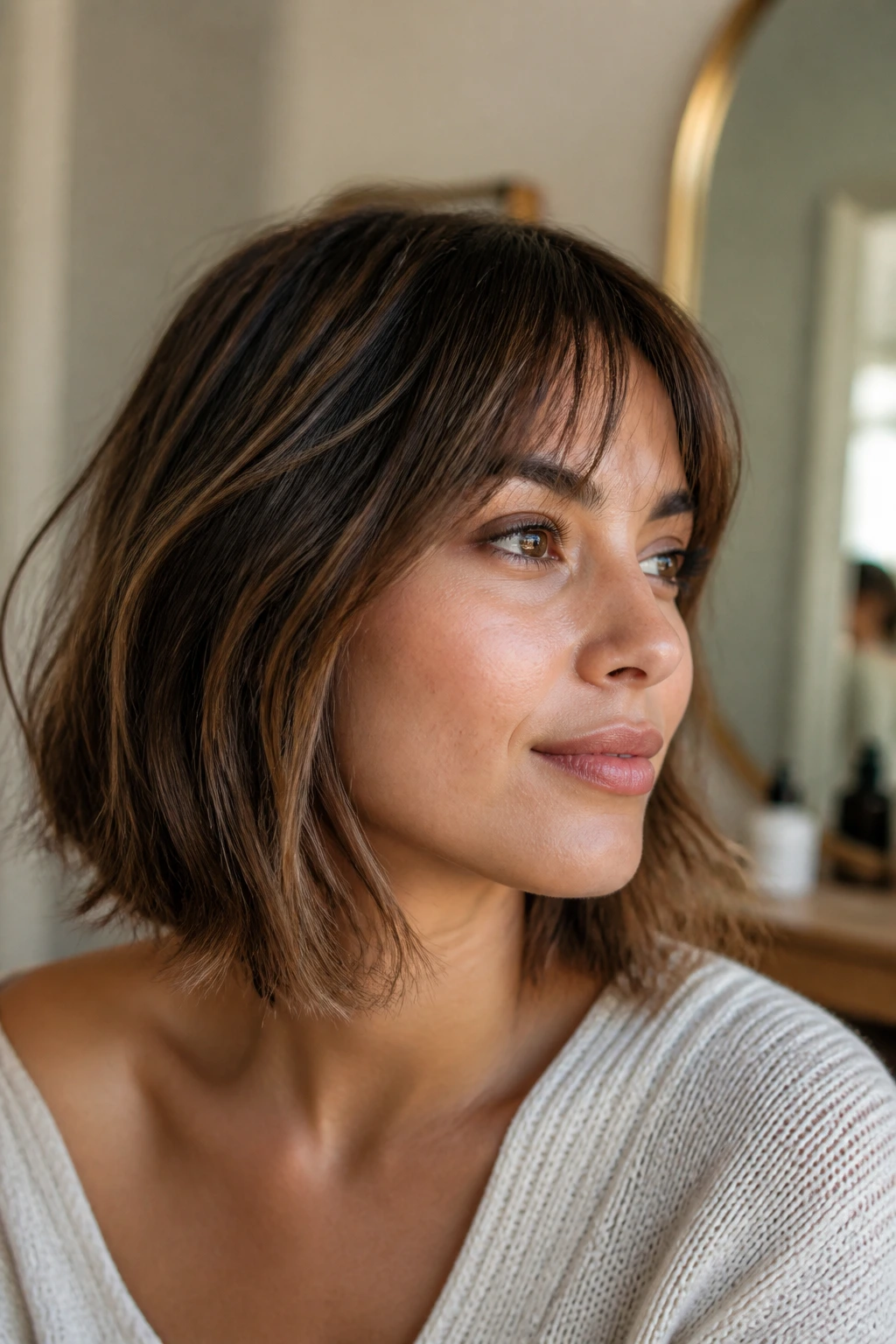
Texture Boost: On damp hair, work a small amount of mousse through the roots and mids, then rough-dry until the hair is about 80 percent dry before using a brush or wand. That keeps the finish from going too soft.
Shape Control: If your face is rounder, keep the front pieces a bit longer and let the bend start below the cheekbone. If your face is longer, a little width at the sides or a fringe can keep the haircut from pulling everything down.
Low-Effort Upgrade: A one-inch bend at the ends can change a plain lob into something sharper. You do not need a full curl. Just a subtle turn under or out is enough.
Make-It-Yours: Straight hair can stay sleek and graphic; wavy hair can stay air-dried and loose; curly hair can keep the rounded silhouette; coarse hair usually needs more internal debulking so the cut does not sit heavy. The shape should fit the hair you wake up with, not the one you had in your head.
Common Mistakes That Flatten a Lob
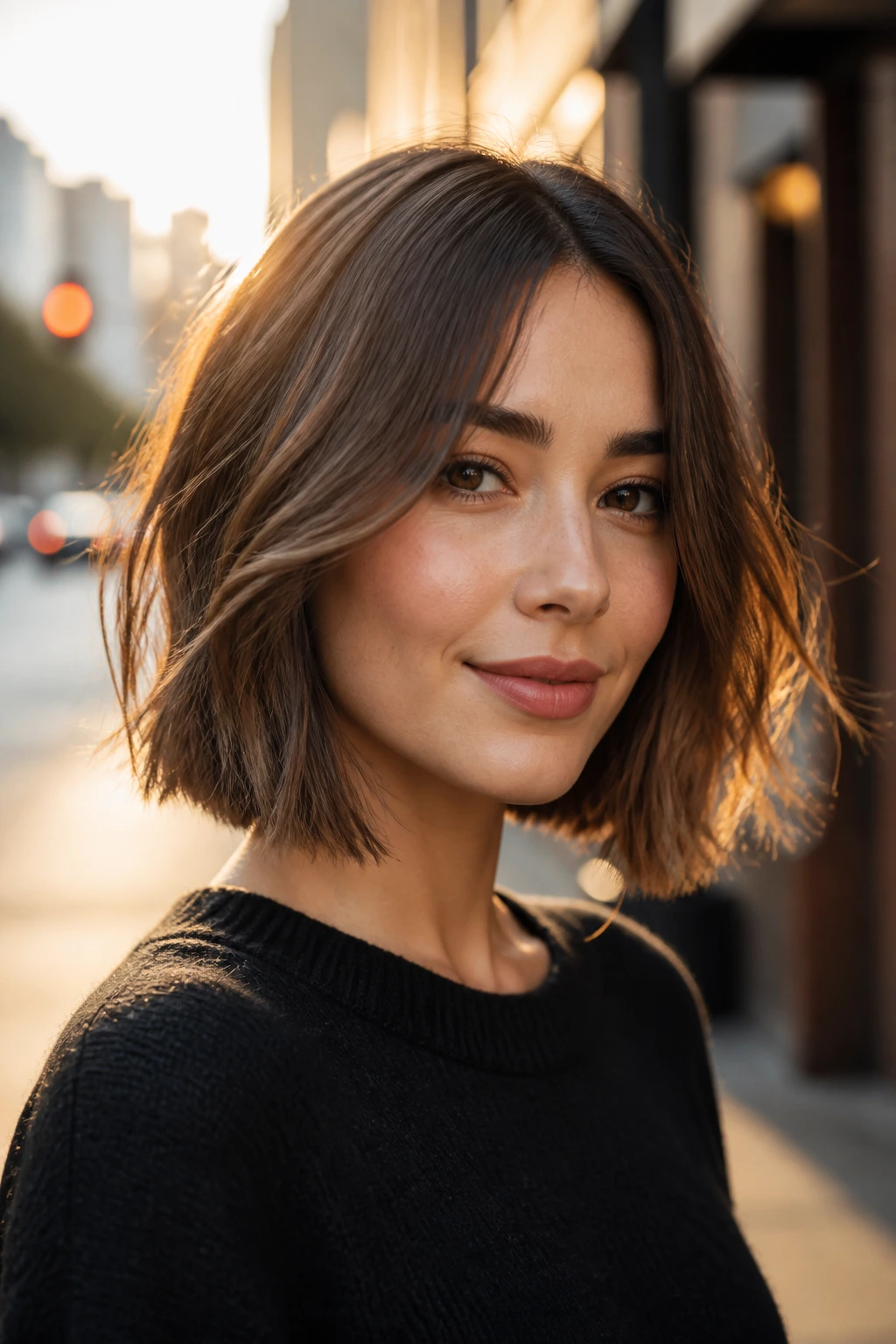
Over-layering fine hair: Too many interior layers can make a lob look see-through at the ends. The fix is a cleaner perimeter and softer internal movement, not more cutting.
Cutting the back too short: A stacked back can look good on paper, then puff up at the nape and make the front feel disconnected. Keep the graduation subtle unless your hair is very straight and very cooperative.
Using too much oil or cream: A short lob shows product weight fast. If the mids start clinging together or the roots go flat, the finish has gone past polished and landed in heavy.
Ignoring the natural part: If your hair always falls a certain way and you fight it hard, the lob will keep splitting or lifting in odd spots. Work with the part, then shift it slightly if you need lift.
Choosing the wrong iron size: Large waves can swallow shorter lengths and make the cut look longer than it is. A smaller barrel usually works better because it gives a bend that matches collarbone length.
Skipping trims: Once the ends fray, a blunt lob loses the strong edge that makes it work. Keep the line fresh or the haircut starts to sag.
Variations and Adaptations to Try
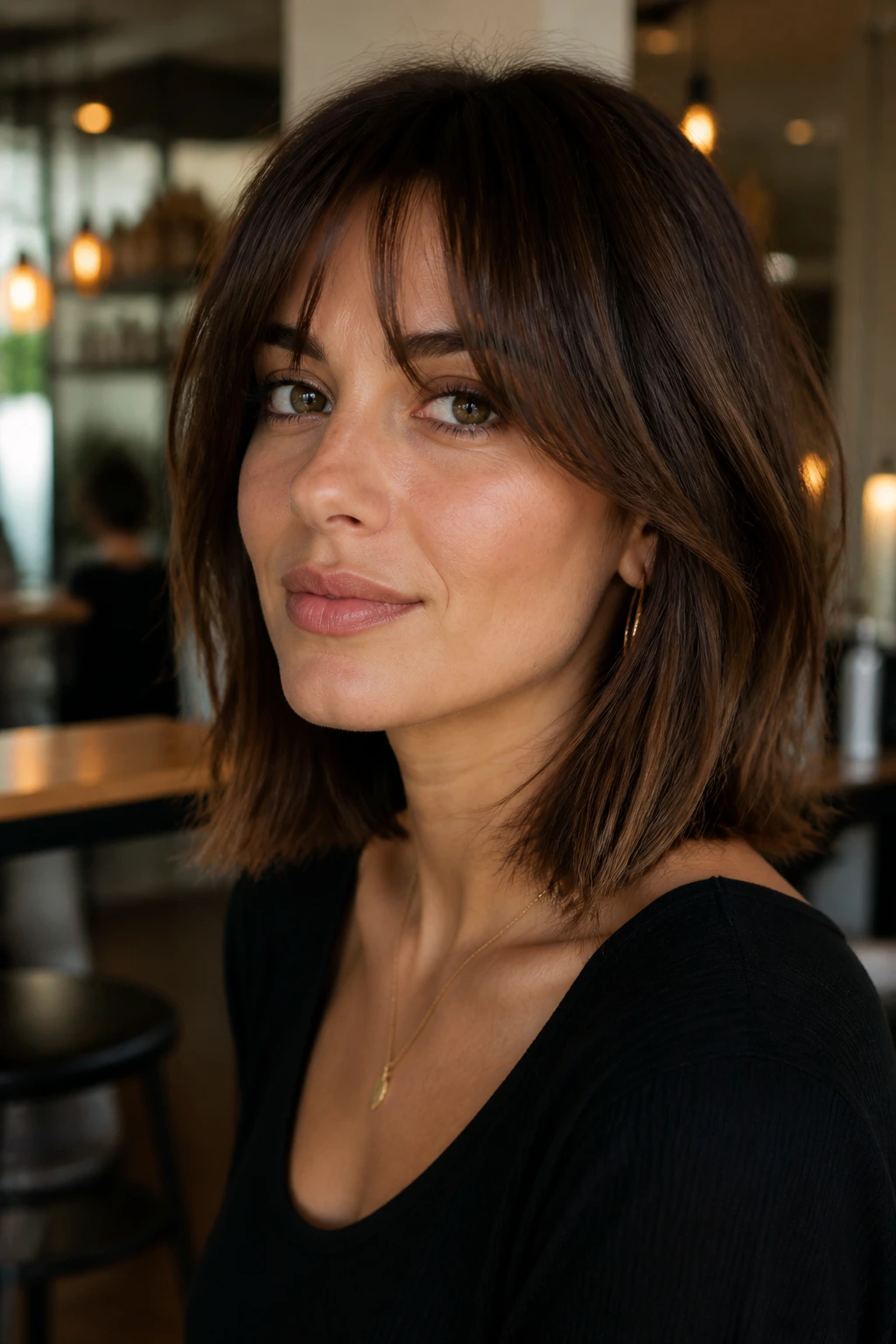
The Fine-Hair Density Lob: Keep the perimeter blunt, add very light internal layers, and blow-dry with a round brush to get the illusion of more hair at the ends. This one is about density, not drama.
The Curly Round Lob: Shape the cut in a soft circle around the shoulders so the curls fall instead of fanning out. It keeps the silhouette tidy and avoids the triangle effect.
The Fringe-Forward Lob: Pair the length with curtain bangs, brow-skimming bangs, or a soft side fringe. The fringe changes the balance immediately, which is useful if you want the haircut to feel less expected.
The Low-Maintenance Grow-Out Lob: Ask for a soft edge and hidden layers so the cut still looks clean six to eight weeks later. This version is the one I’d choose if you hate being forced back into the salon every month.
The Sharp Editorial Lob: Keep the line blunt, the part clean, and the finish sleek. It works best on straight or straightened hair and gives the haircut a stronger visual edge.
The Soft Shag Lob: Add feathering and a little crown lift, then let the texture stay slightly undone. This one is for hair that wants movement and a little personality.
Maintenance, Grow-Out, and Between-Salon Care
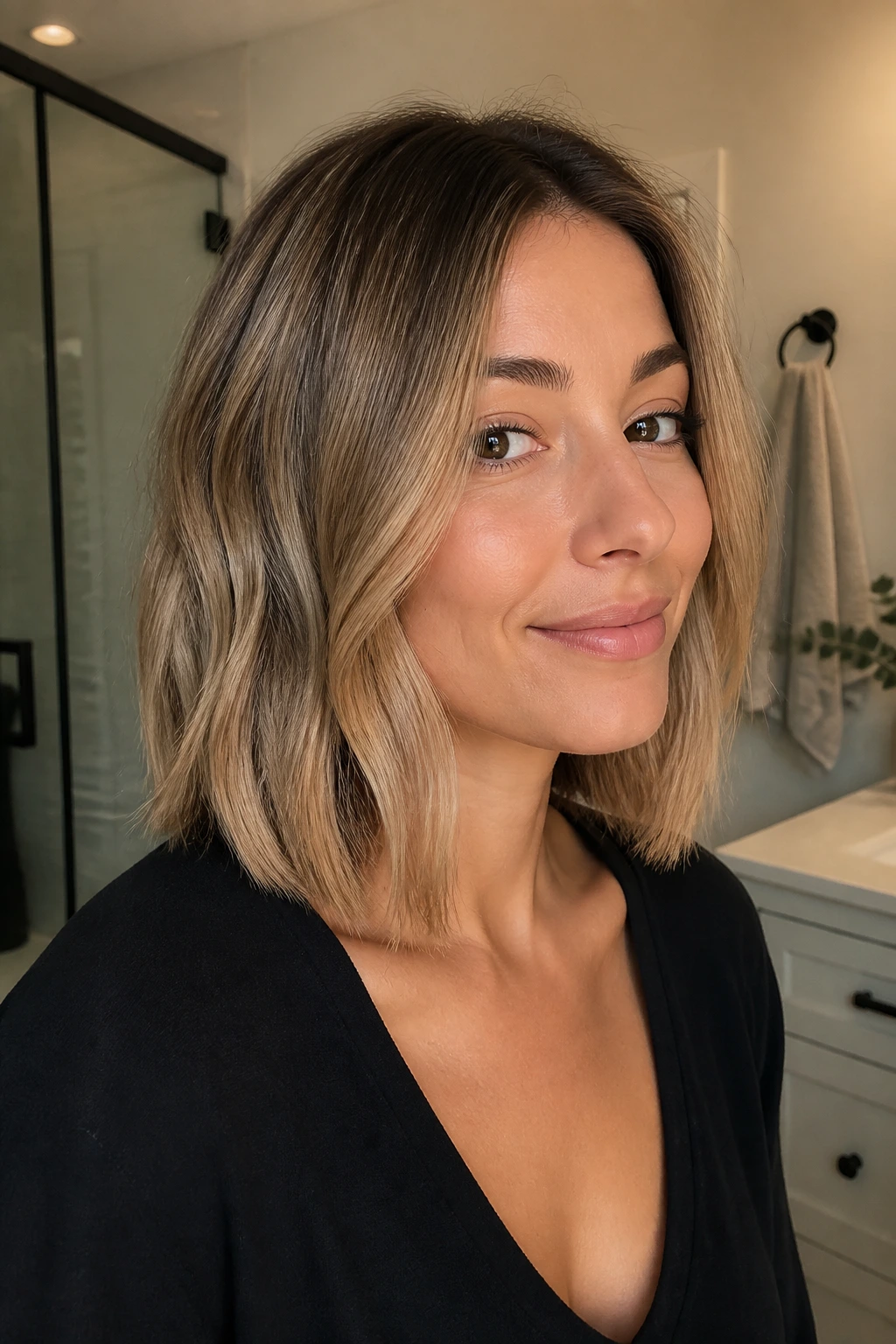
A lob stays honest. That is one of the reasons people like it, and also why it needs regular cleanup if you want the shape to stay sharp. For a blunt version, trim every 6 to 8 weeks. For a more layered or textured version, you can usually stretch to 8 to 10 weeks, but the ends still need attention before they split or start flipping in odd directions.
Bangs need their own schedule. Curtain bangs can often go 4 to 6 weeks between trims, while shorter fringe usually asks for a touch-up sooner. If the fringe starts blocking your eyes or sitting in a heavy lump at the center, it is time. Waiting too long usually means the front gets overgrown and the whole cut feels sloppier than the rest of the shape.
Wash and styling habits matter between appointments. Heavy dry shampoo can build up fast around the crown of a lob, so clarify every 2 to 4 weeks if you use it often. Heat styling should be smart, not constant. A couple of good styling days a week is easier on the ends than touching a hot tool to them every morning. Sleep on a silk or satin pillowcase if your hair tangles easily; that small change can keep the ends from looking fuzzy before you’re ready for a trim.
Frequently Asked Questions About Lob Haircuts for Short Hair

What length actually counts as a lob on short hair?
Most lobs land somewhere between the jawline and the collarbone, though the exact point changes with texture. Curly hair looks shorter when it dries, so a curly lob often needs more length at the salon than straight hair does.
Is a lob better than a bob for fine hair?
Often, yes, because the extra length gives fine hair more swing and a little more visual weight at the ends. A blunt lob can also make the perimeter look fuller than a shorter bob with too many layers.
Will a lob work on curly or wavy hair?
It can, but the cut needs to respect shrinkage and shape. Curly hair usually looks best when the lob is rounded and layered lightly so the curls drop rather than widen.
How often should I trim it?
A blunt lob usually wants a trim every 6 to 8 weeks if you want the line to stay sharp. Layered or lived-in versions can stretch a bit longer, but the shape will still need clean-up before it starts to fray.
Can I still put a lob into a ponytail?
Yes, but usually not a high one. A low ponytail, a clipped-back half-up, or a small claw-clip twist tends to work better on collarbone-length hair.
What should I ask for if I hate bulky ends?
Ask for weight removal inside the shape, not a bunch of visible layers. Thick hair usually needs the inside opened up so the perimeter can fall close to the head.
How do I stop a lob from flipping out at the ends?
Use a round brush or flat iron to set the last inch in the direction you want, then let it cool before touching it. If your hair naturally kicks out, a slightly longer front and a softer edge usually behave better than a rigid blunt line.
Can I wear a lob with bangs?
Absolutely, and the fringe changes the whole haircut. Curtain bangs keep the look soft, while a blunt fringe makes the cut feel more graphic and direct.
The Cut That Keeps Its Shape
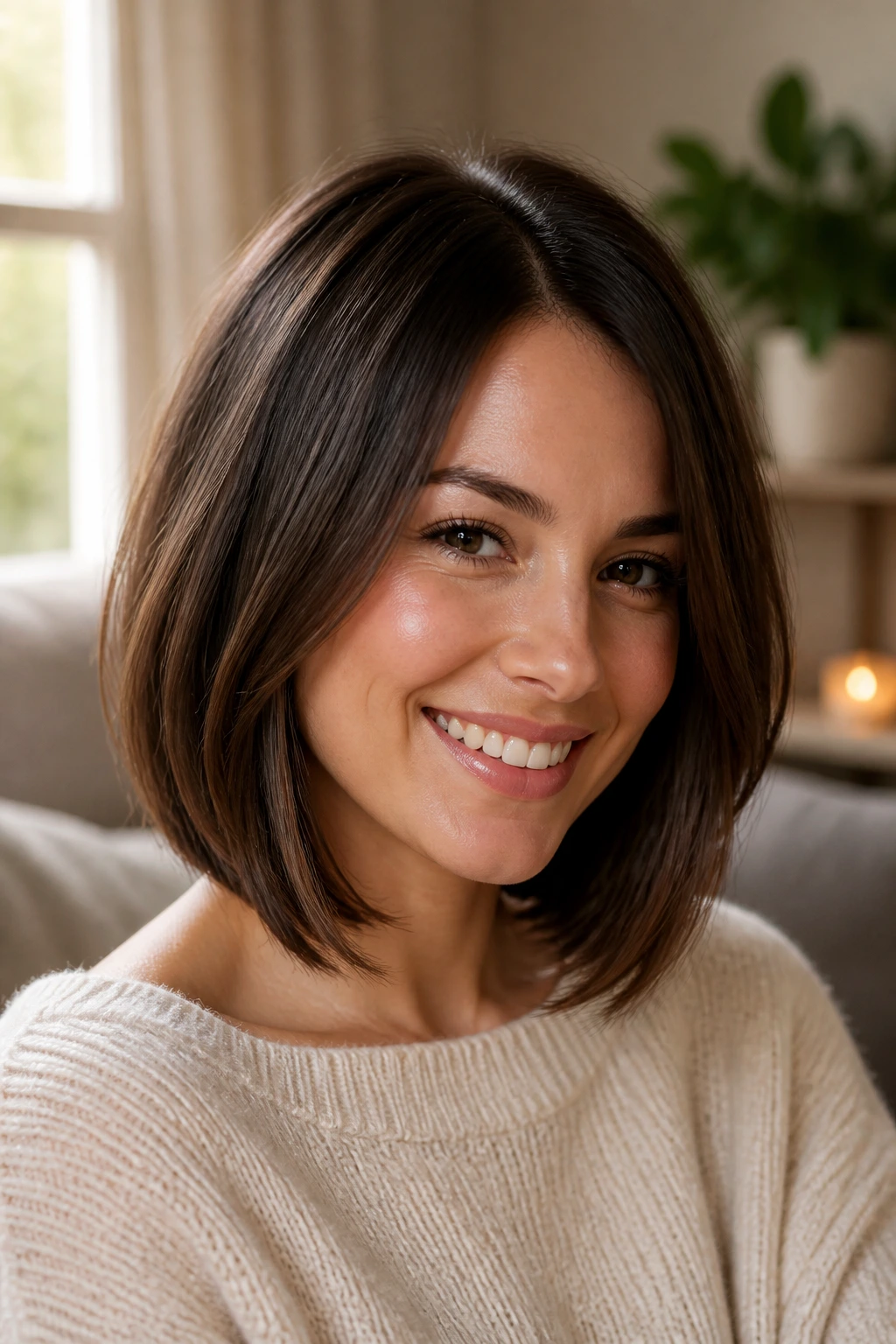
That’s the real pull of a lob on short hair: it gives you shape without locking you into one mood. You can wear it sleek on Monday, wavy on Wednesday, and tucked behind one ear when you want the whole thing to feel easier. A good lob doesn’t ask your hair to do something unnatural. It just gives it a better outline.
If you’re stuck between growing your hair out and cutting it shorter, this length buys you room on both sides. It looks deliberate on straight hair, it can calm thick hair, and it gives fine hair a stronger edge than most people expect. Pick the version that matches your texture, not the version that looks best on someone else’s profile photo. That’s where the good ones live.
