



Straight hair is honest in the best and worst ways. It shows a sharp line immediately. It also shows a bad cut immediately, which is why a lob can look sleek one day and then go flat, stringy, or oddly heavy the next if the shape isn’t handled with some thought.
That’s where the right textured lob cuts for straight hair come in. The trick is not to shred the ends until they look wispy and sad. It’s to place movement where the hair can actually hold it: inside the shape, around the face, and just enough through the mid-lengths so the cut keeps some lift without losing that clean long-bob outline.
The best versions do a quiet bit of cheating. They keep a strong perimeter, then sneak in weight removal or soft layers where straight hair needs help the most. Done well, the result is a lob that sits at the collarbone, bends instead of drooping, and still looks like a haircut on day three, not a grown-out compromise.
Why These 33 Cuts Work So Well on Straight Hair
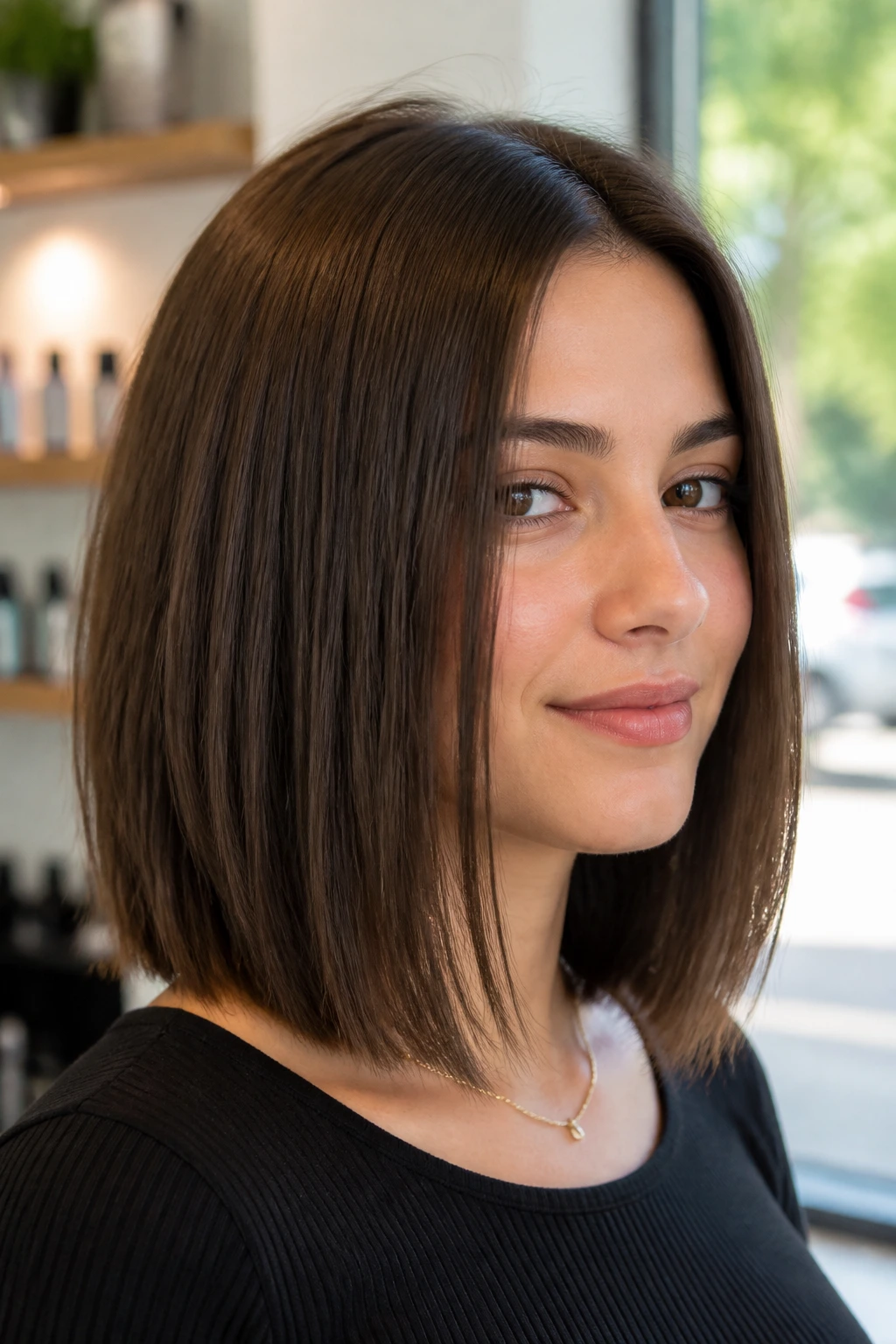
- They keep a clear outline: Straight hair loves a clean edge, and a defined lob perimeter stops the style from looking fuzzy or over-thinned.
- They use texture with a purpose: The smartest cuts remove bulk inside the shape or around the face, so the ends move without turning see-through.
- They help flat roots look less sleepy: A little crown lift, a side part, or a subtle graduation can stop the whole style from lying in one hard sheet.
- They wear well in real life: A good lob still looks decent after a ponytail, a clip, a windy walk, and one too many hours at a desk.
- They can be styled two ways: Sleek and glassy, or bent and piecey. Straight hair usually does both well when the cut is built correctly.
- They grow out better than blunt micro-bobs: Once the line hits the collarbone, it tends to soften in a useful way instead of puffing out in awkward spots.
1. Collarbone Lob with Soft Internal Layers
A collarbone lob is the safest place to start if you want movement without drama. The length lands right where the neck opens up and the shoulders begin, which means the hair can swing a little instead of sitting like a board.
The magic lives inside the cut, not on the surface. Ask for soft internal layers below the cheekbone so the outline stays clean while the inside loses some of that heavy, straight-hair shelf effect. If you like a neat shape with a little life when you turn your head, this is the one.
A sharp perimeter with invisible movement works better than a choppy finish here. Straight hair shows every snip, so the best version feels light but still looks deliberate.
2. Blunt Lob with Invisible Texture
This one is for people who love a strong line but hate helmet hair. A blunt lob on straight hair can look expensive-looking and crisp, but only if the texture is tucked away inside the shape rather than hacked into the bottom edge.
The hidden texture matters because it stops the cut from collapsing into one flat block. A stylist can point-cut a little weight out near the mid-lengths and around the back, leaving the ends clean and solid. That gives you the neat look of a blunt bob’s older, slightly cooler sibling.
If your hair is fine, this cut is especially useful. Too many visible layers can make fine straight hair look sparse. Invisible texture keeps the perimeter dense while helping the inside breathe.
3. Razored French Lob
A razor can be your friend, but only if the stylist knows when to stop. On straight hair, a French lob with softly razored ends gives you that loose, undone edge without shredding the whole shape into pieces.
The finish should feel airy near the tips and smoother through the body. You want movement that reads as soft, not frayed. If the ends look fuzzy when dry, the razor work went too far.
This cut tends to flatter hair that falls flat at the temples or around the jaw. The softer edge keeps the lob from looking over-constructed, and it bends nicely around a scarf collar or tucked-behind-the-ear moment.
4. Curtain Bang Lob with Soft Sides
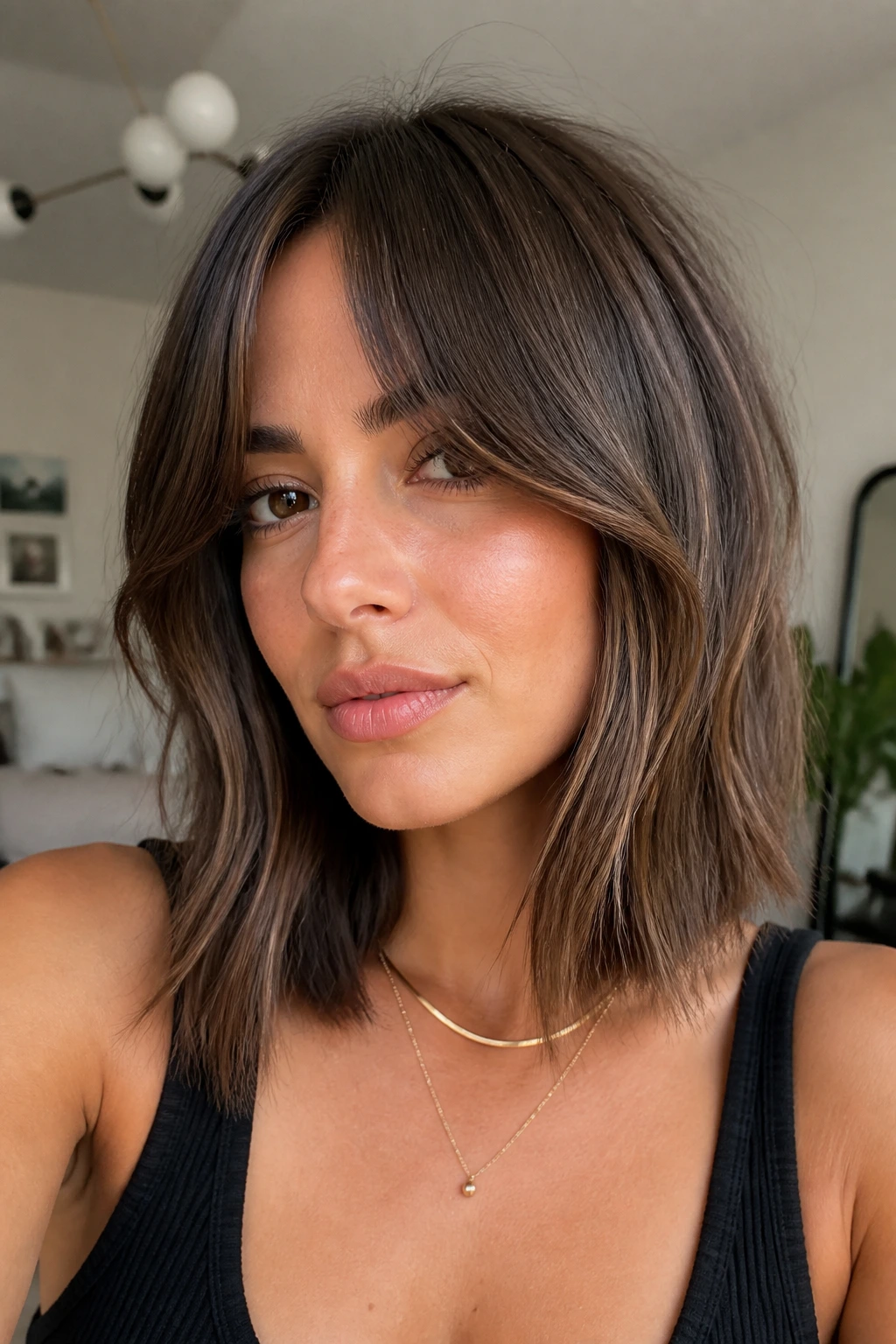
Curtain bangs change the whole mood of a lob. On straight hair, they soften the front immediately, which is useful if the rest of your hair tends to lie too neatly and make your face look boxed in.
The key is keeping the bangs long enough to split cleanly and blend into the side sections. If they’re cut too short, they can sit stiffly on straight hair and take more styling than they’re worth. A soft side shape around the cheekbone is usually the sweet spot.
This is one of those cuts that looks especially good after a quick round-brush blow-dry. The bangs bend away from the face, the lob still stays clean, and the whole thing reads as intentional rather than overworked.
5. Choppy Piecey Lob

If you want the cut to look a little more lived-in, choppy ends can do the work fast. Straight hair doesn’t naturally separate much, so piecey cutting around the perimeter and just above it helps the shape break up.
The mistake people make here is asking for choppy texture everywhere. That turns a lob into a ragged mess. Better to keep the length solid, then add small, uneven bits of movement through the outer layers so the ends catch light and move a bit when brushed.
This version is best if you like a casual finish and don’t mind a little styling cream or texture spray. It works beautifully with a soft bend from a flat iron. Not curls. Just bends.
6. Feathered Lob with Flipped Ends

Feathering is one of the old tricks that still earns its keep. On straight hair, a feathered lob with flipped ends adds motion without making the haircut look jagged, and the flip at the bottom softens the whole silhouette.
What you’re after is lift at the edge, not a cartoonish inward curl. A round brush or a quick pass with a large-barrel iron can flick the ends outward or inward, depending on the mood. It has a slightly retro feel, but not in a costume way.
This cut flatters hair that feels heavy at the tips. The feathering lightens the visual weight, and the flip keeps the line from dragging straight down the neck. Nice if your hair has a stubborn habit of hanging there like wet rope.
7. Deep Side-Part Volume Lob

A side part can save straight hair from looking too symmetrical. When everything falls from the middle, some lobs get stuck in a flat, severe shape. Shift the part over, and suddenly the roots get lift, the front gains movement, and the cut stops feeling so rigid.
The side-part lob works best with a little internal layering and a clean neckline. The length should still feel like a long bob, not a shag. You want the volume to come from the root direction and the front sweep, not from over-layering the body.
It’s a smart choice if your straight hair collapses by lunchtime. The deep part breaks the line, the front gets a little drama, and the whole cut looks fuller without needing a lot of product.
8. Sleek Glass Lob with Face Frames
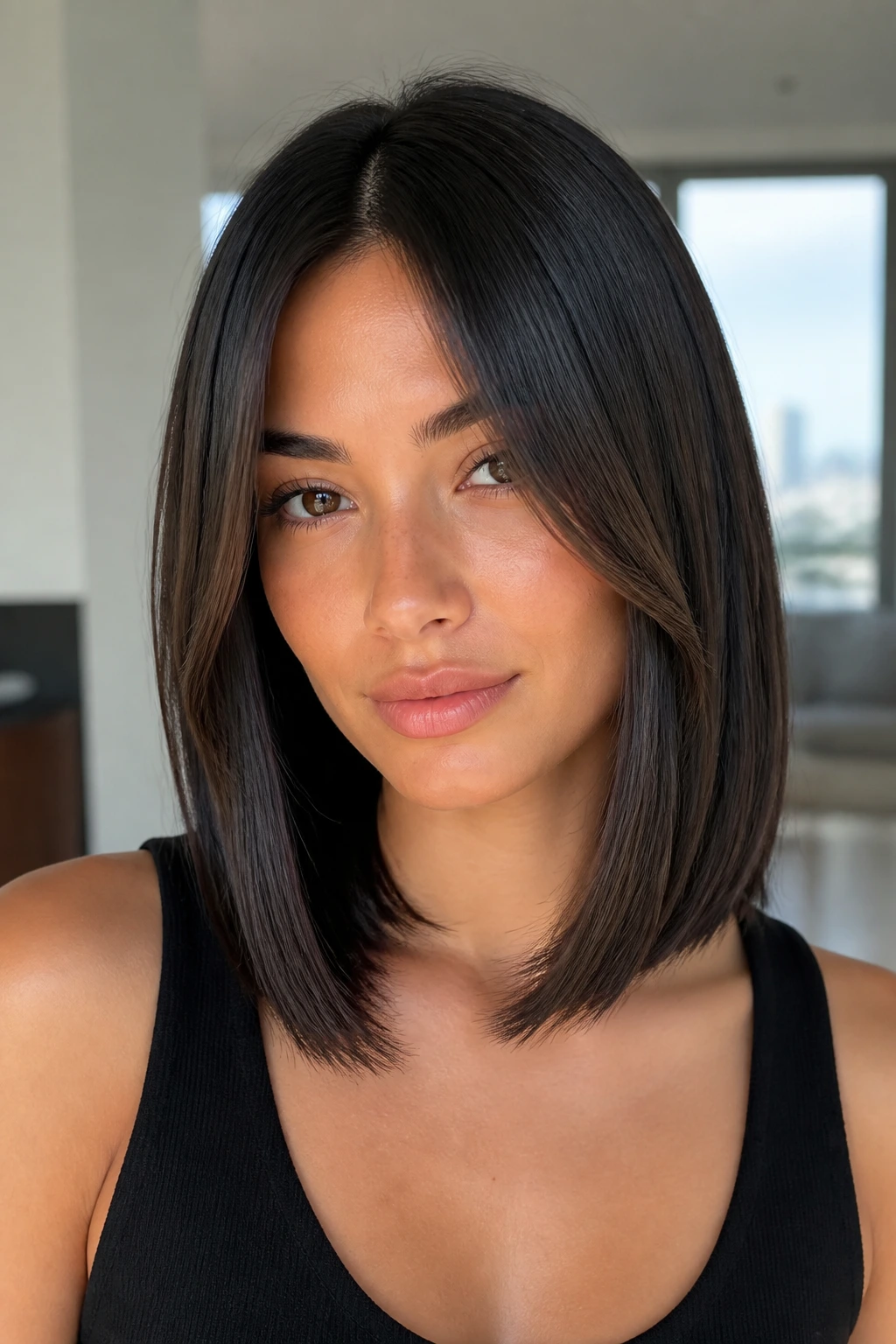
Yes, textured cuts can still be sleek. A glassy lob on straight hair depends on two things: a polished surface and the right face-framing pieces. The frame gives the cut movement; the rest of the hair stays smooth and reflective.
The face-framing pieces should start around the jaw or collarbone, not up at the cheek unless you want a stronger effect. Too-short front pieces can look chopped once straight hair settles. Long, angled frames are easier to live with and still soften the line.
This cut is for the person who likes order. It looks especially good when tucked behind one ear or finished with a serum on the ends. The texture is there, but it whispers.
9. A-Line Lob with Subtle Graduation
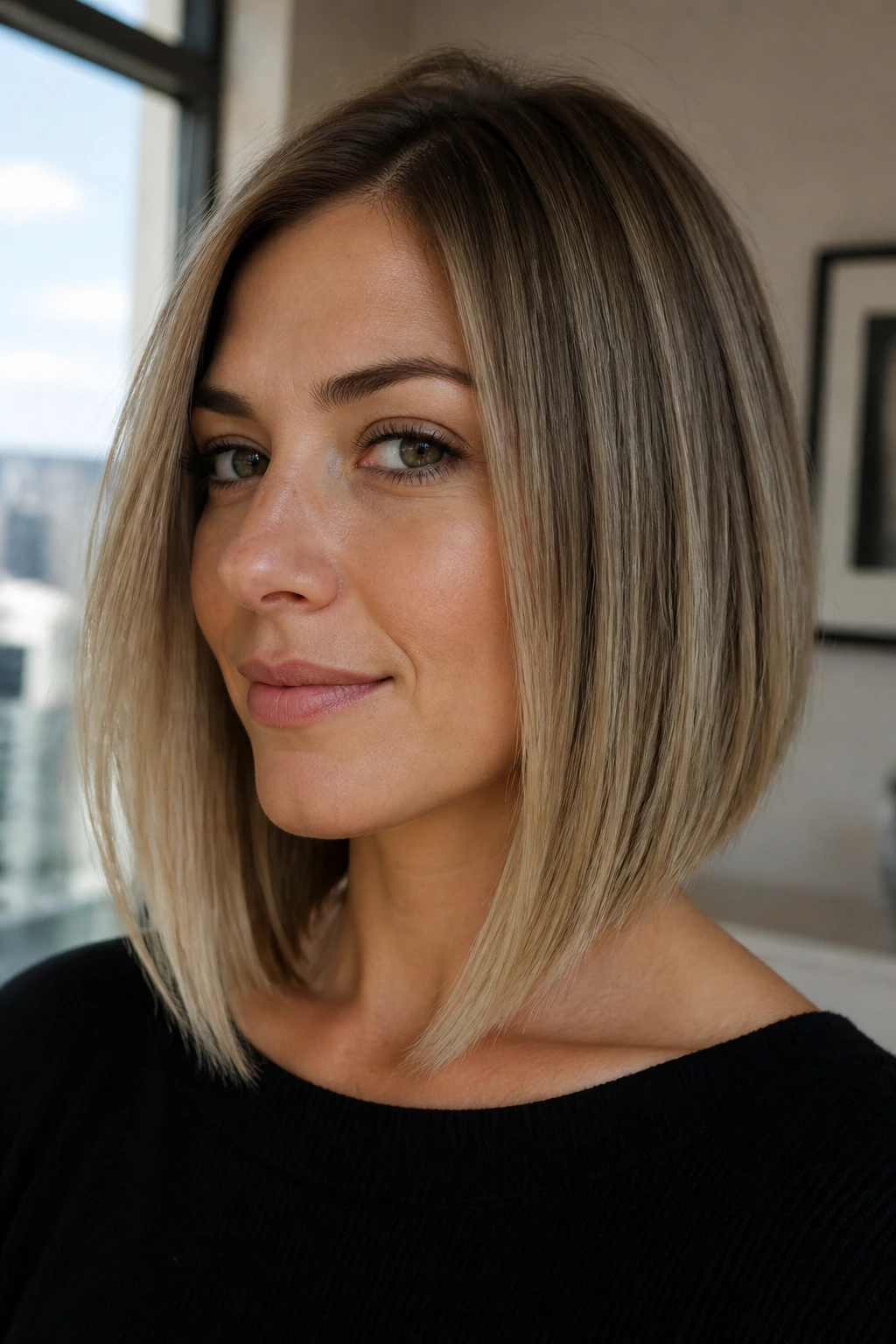
An A-line lob is a quiet shape shift that makes straight hair look more built-in. Shorter in the back, slightly longer in front, it gives the eye something to follow instead of one flat horizontal line.
The graduation should be subtle. If the angle gets too steep, the front starts to swing around your shoulders in a way that can feel dated fast. A softer A-line keeps the neck open and the front pieces long enough to move.
This version helps if you want the lob to look sharp from the side without feeling too blunt from the front. It also works well for people who wear one side behind the ear a lot. The angle becomes part of the style rather than a trick.
10. Tousled Lob with Bottleneck Bangs

Bottleneck bangs can make straight hair feel less severe without turning the whole cut into a shag. They’re short near the center, then open and lengthen toward the temples, which gives the front of the lob a soft bend.
The rest of the cut should stay light and mobile, with texture concentrated through the mid-lengths and ends. Straight hair can make bangs look pasted on if the transition is too abrupt, so blending matters here more than drama.
This cut has a soft, cheek-skimming shape that’s easy to wear when you don’t want the hair hanging in one straight curtain. It gives a little retro softness, but the lob keeps it current.
11. Thick-Hair Debulking Lob
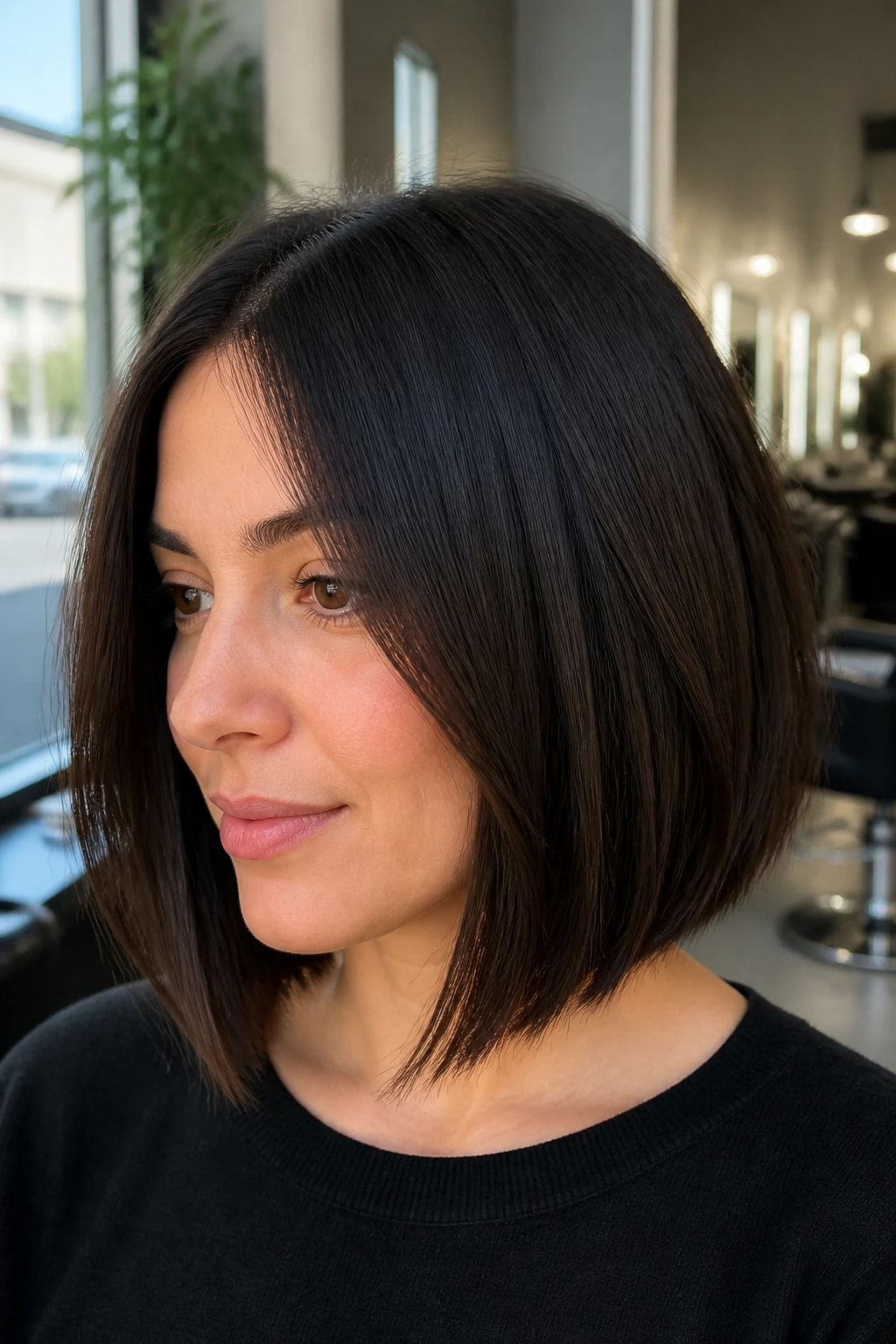
Thick straight hair can look gorgeous in a lob, but only when the interior is handled with restraint. This cut is about removing bulk where it gathers, usually through the lower back and sides, while leaving enough density at the perimeter so the shape still feels full.
The wrong approach is over-thinning the ends. That leaves thick straight hair puffing at the bottom and looking dry. Better to remove weight inside the head shape and keep the outline smooth.
If your hair takes forever to air-dry and tends to sit in one wide triangle, this is the cut to ask about. It gives the hair a chance to fall instead of stand out from the head.
12. Fine-Hair Boost Lob

Fine straight hair needs a different kind of help. Too much layering can leave it looking see-through, so the better route is a mostly blunt lob with only the lightest internal movement. Think of it as structure first, texture second.
This cut usually sits best around the collarbone or just above it. That length keeps enough weight in the ends to make the hair look denser. A few soft face frames can help, but the base should stay strong.
Blow-dry this one with a round brush or even a root-lifting clip while it cools. Fine straight hair loves a little engineering. It doesn’t need more cutting; it needs smarter cutting.
13. Modern Shag Lob

A shag-lob hybrid is for anyone who wants more edge than a neat bob but less commitment than a full shag. On straight hair, the modern version works because it keeps the length in place while layering the crown and sides for a rougher silhouette.
The danger here is going too far and losing the long-bob identity. The best version still reads as a lob from the front and back. The shag influence should show up in the movement, not in a mess of disconnected pieces.
This cut likes a bit of texture spray and a bend from the mid-lengths down. If your hair is naturally pin-straight and you want it to look a little more lived-in, this is one of the best places to start.
14. U-Shape Lob with Long Layers
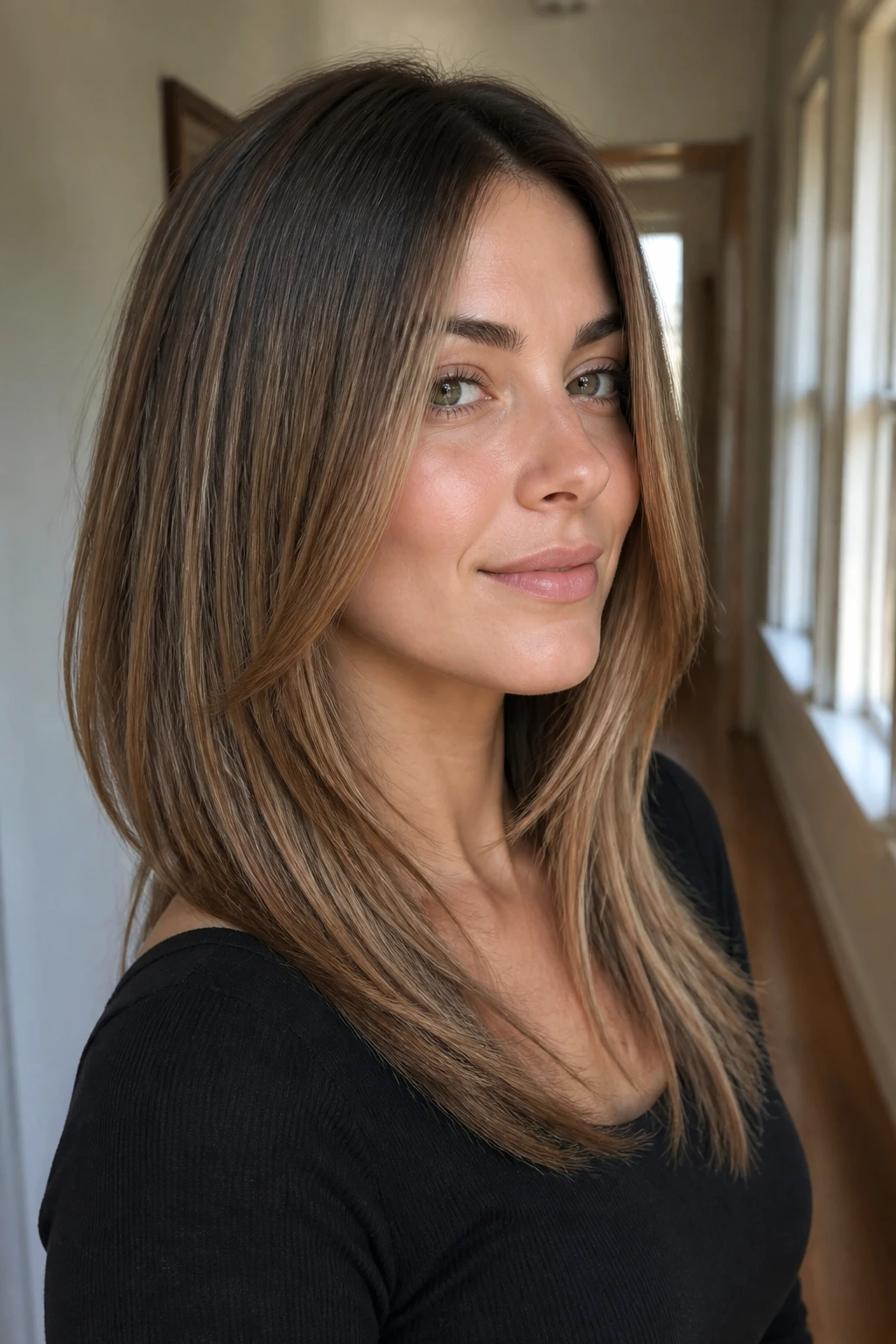
A U-shape gives straight hair a softer outline than a hard blunt cut. The back sits a touch shorter, the sides sweep longer, and the whole shape curves gently rather than ending in one stiff line.
Long layers keep the movement easy. They’re useful if you want to keep length around the collarbone but avoid that heavy shelf effect straight hair loves to build. The U-shape also plays nicely with a center part or a slight off-center part.
This is a calm haircut. Not boring. Calm. It doesn’t shout from across the room, but it looks neat on good days and still behaves when the humidity decides to be rude.
15. Tucked-Behind-Ears Lob

Some lobs are designed for movement. This one is designed for clean lines and a little bit of cheekbone. A tucked-behind-ears lob on straight hair leans on the shape of the haircut itself, because the styling is minimal and the ears do a lot of the work.
The cut should have enough internal texture so the front doesn’t look bulky when tucked. Long side pieces are useful here, especially if they skim the jaw. They keep the style from looking like you forgot to finish your hair.
It’s a good choice for people who wear glasses, earrings, or structured collars. The tucked shape makes those details pop, and straight hair tends to stay where you put it. That helps.
16. Chin-Grazing Structured Lob

A chin-grazing lob is bolder than a collarbone length, and straight hair shows the geometry beautifully. This cut lands right where the jawline starts to matter, which can make the face look more defined without needing much styling.
The structure needs to be exact. If the line wobbles, you’ll see it. If the ends are too soft, the cut can lose its punch. A tiny amount of internal texture can help it move, but the perimeter should stay sharp enough to hold the silhouette.
This version works especially well for someone who wants a noticeable change without going all the way to a bob. It feels direct. A little graphic, a little chic, and very unforgiving of a bad trim.
17. Mid-Neck Layered Lob
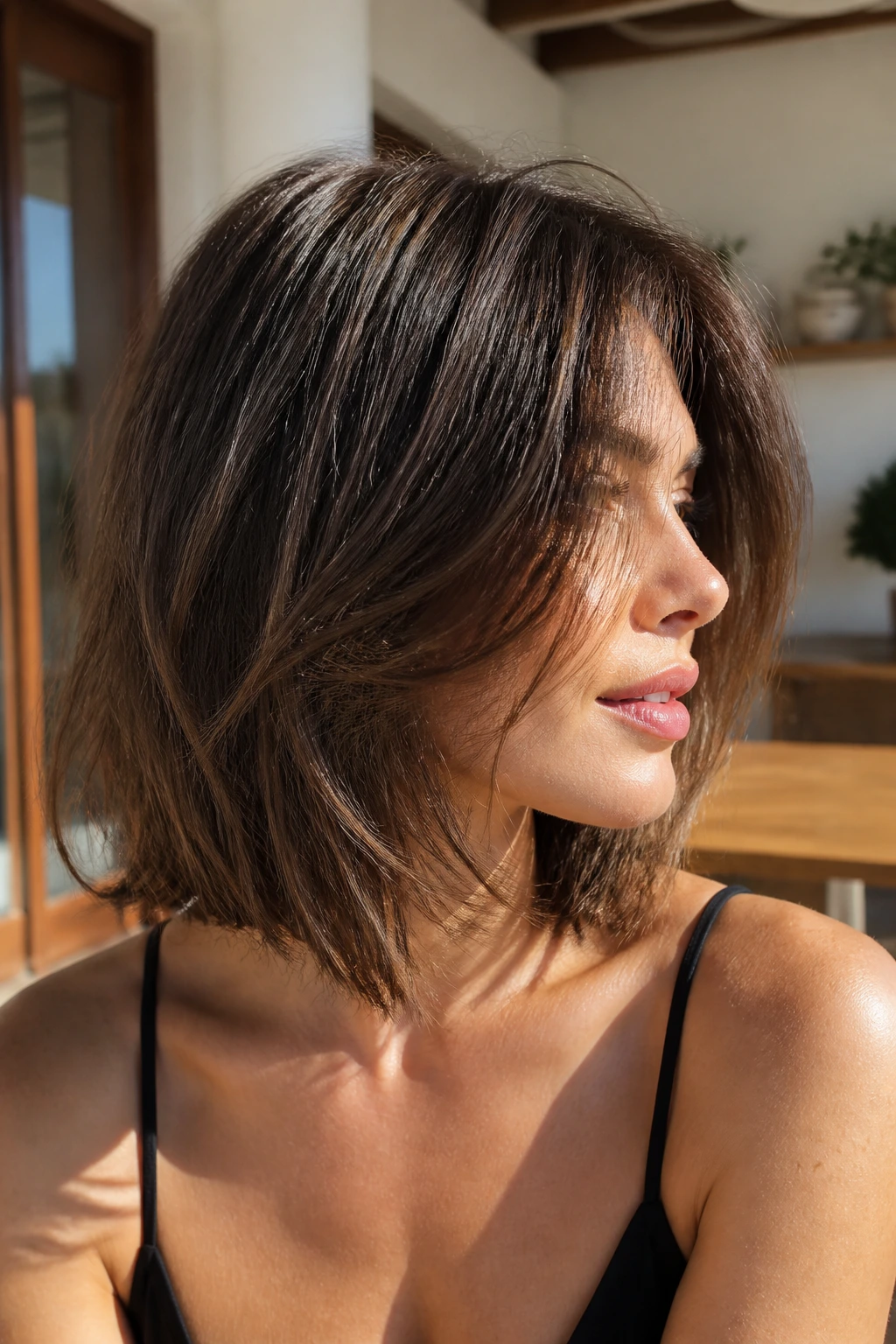
Mid-neck length is one of those in-between zones that can look amazing or slightly awkward, depending on the layers. For straight hair, the answer is usually controlled layering through the interior, not a lot of surface chopping.
The length keeps the hair from pressing against the collarbones, which can make a lob flip out in strange ways. The layers help it move around the neck instead of hanging there like a flat ribbon. If your hair clings to your shoulders and folds in odd angles, this cut can fix a lot of that.
It’s especially nice for people who want a lob that feels lighter in hot weather but still has enough length to pull back. There’s a practical side to it, and that matters more than people admit.
18. Soft Wolf Lob

The wolf cut and the lob have a useful middle ground. On straight hair, a soft wolf lob keeps the volume near the crown and the face, while the rest of the length stays grounded enough to count as a long bob.
This is not the place for extreme disconnection. Straight hair can make that look thin at the ends fast. So the better version uses shorter face-framing layers, airy crown texture, and a perimeter that still holds some weight.
It suits someone who wants movement that feels a little rebellious without looking like they copied a reference photo too literally. The hair should sway, not fray.
19. Hidden-Crown-Layer Lob
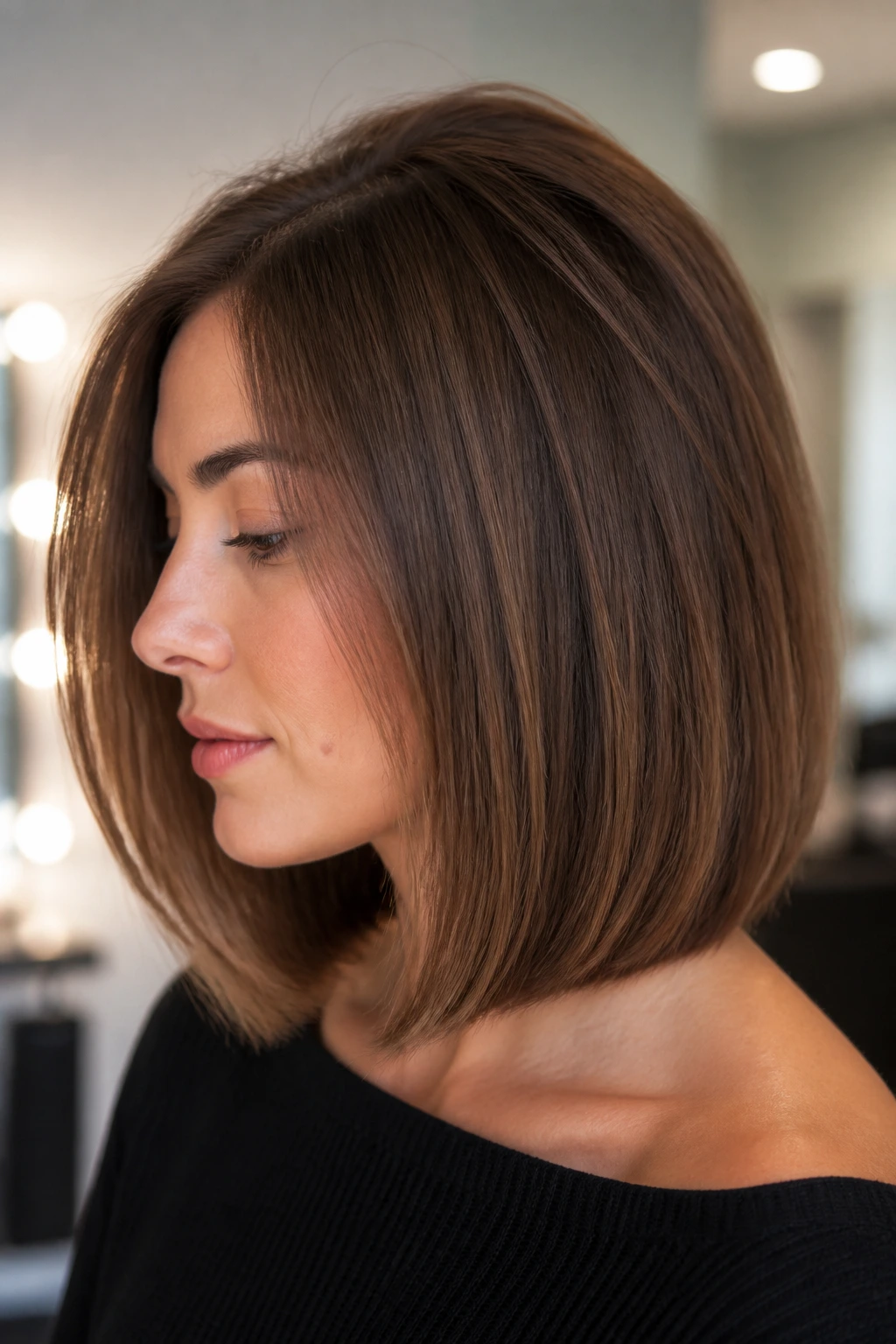
If your roots go limp no matter what you do, hidden crown layers are worth asking about. They sit where the eye doesn’t immediately see them, but they help lift the shape off the scalp, which straight hair often needs.
The outside of the cut can remain neat and polished. That’s the nice part. You get height up top without visible choppiness through the ends. The trick is keeping the crown layers soft enough that the blow-dry can support them without making the cut stand up in a weird way.
This is one of the smarter options for people who hate obvious layers. It solves a real problem while pretending to be low-key.
20. Money Piece Lob
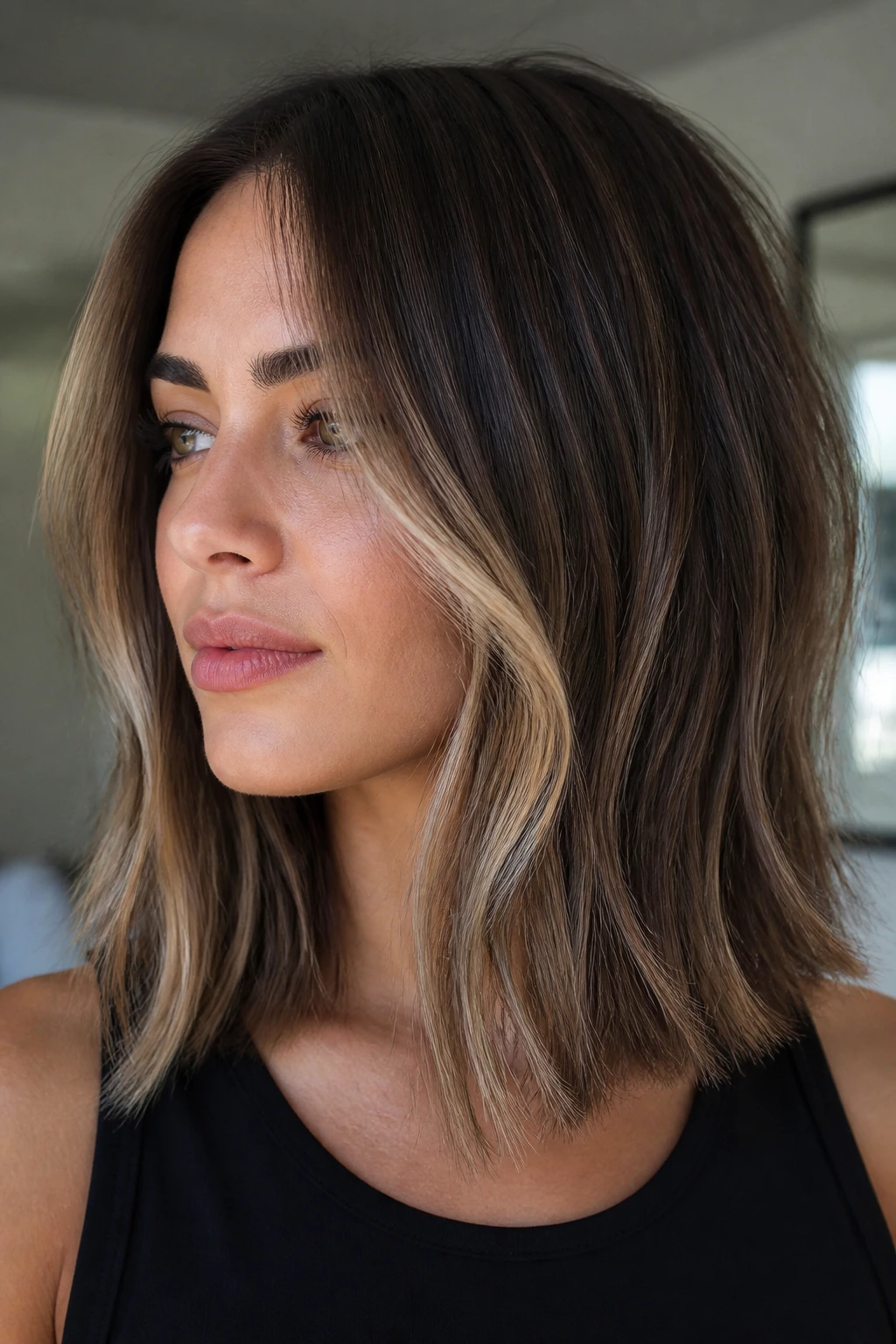
A money-piece lob uses bright or lighter face-framing strands to make straight hair look more dynamic, even when the cut itself stays pretty restrained. The haircut matters, yes, but so does where the eye lands first.
The face frame should blend into the lob, not hang like two separate ribbons. Long, soft pieces around the face keep the color from looking pasted on. On straight hair, that smooth connection matters because every line is visible.
This version is a good pick if you like dimension but don’t want a full head of highlights. The cut stays manageable, and the color does some of the visual lifting.
21. Airy Razor-Ended Lob
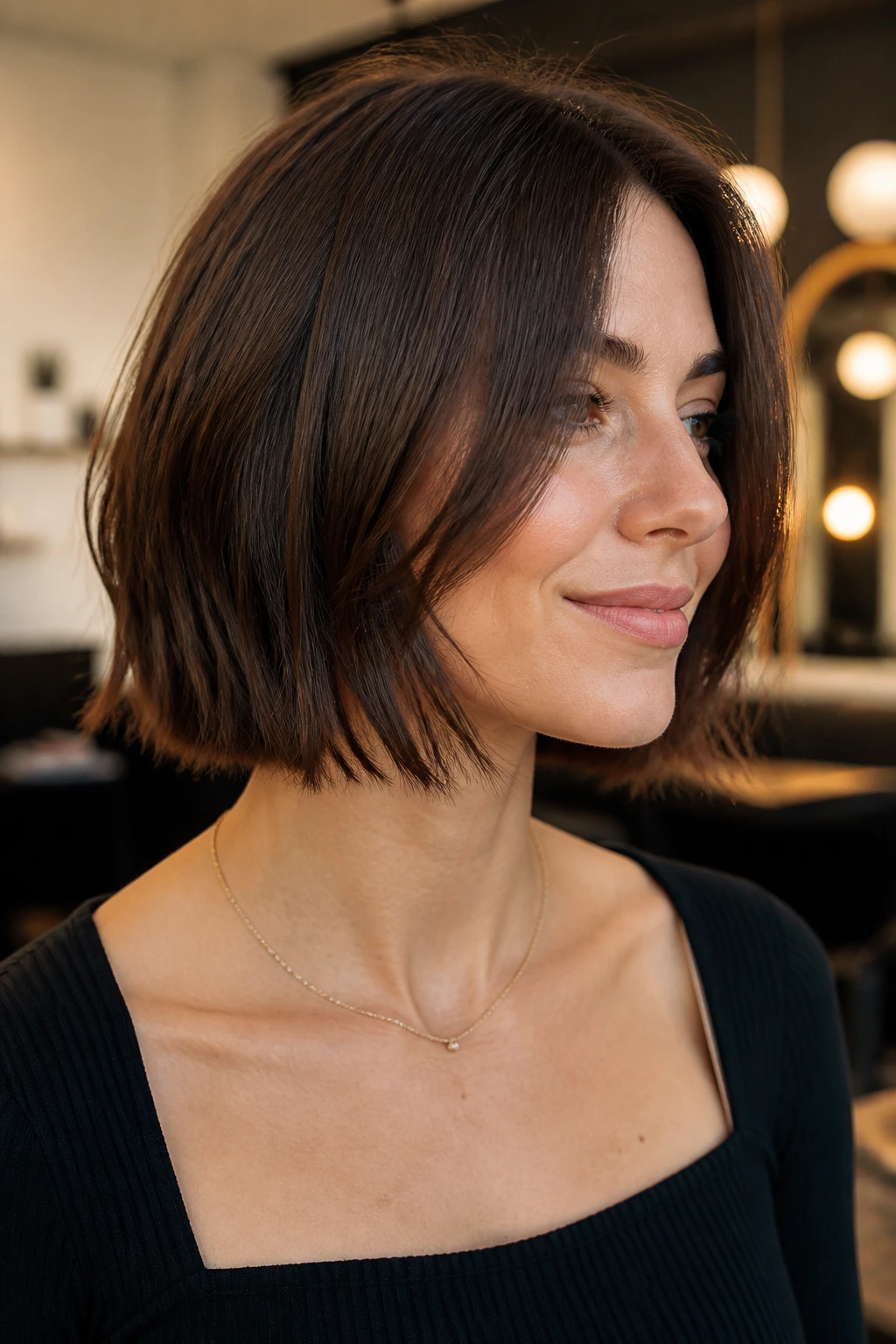
A razor-ended lob can be beautiful when it’s done with restraint. Straight hair gives you a clean canvas, and the razor adds a soft, airy finish to the bottom few inches without making the whole head look stripped.
The ends should move easily between your fingers. If they feel scratchy or too wispy, the cut probably went past the useful point. A light touch is the whole game here.
This is a favorite for people who dislike the hard edge of a blunt bob but still want their hair to feel polished. It has enough softness to bend around the jaw and enough shape to stay present.
22. Wavy-Bend Lob
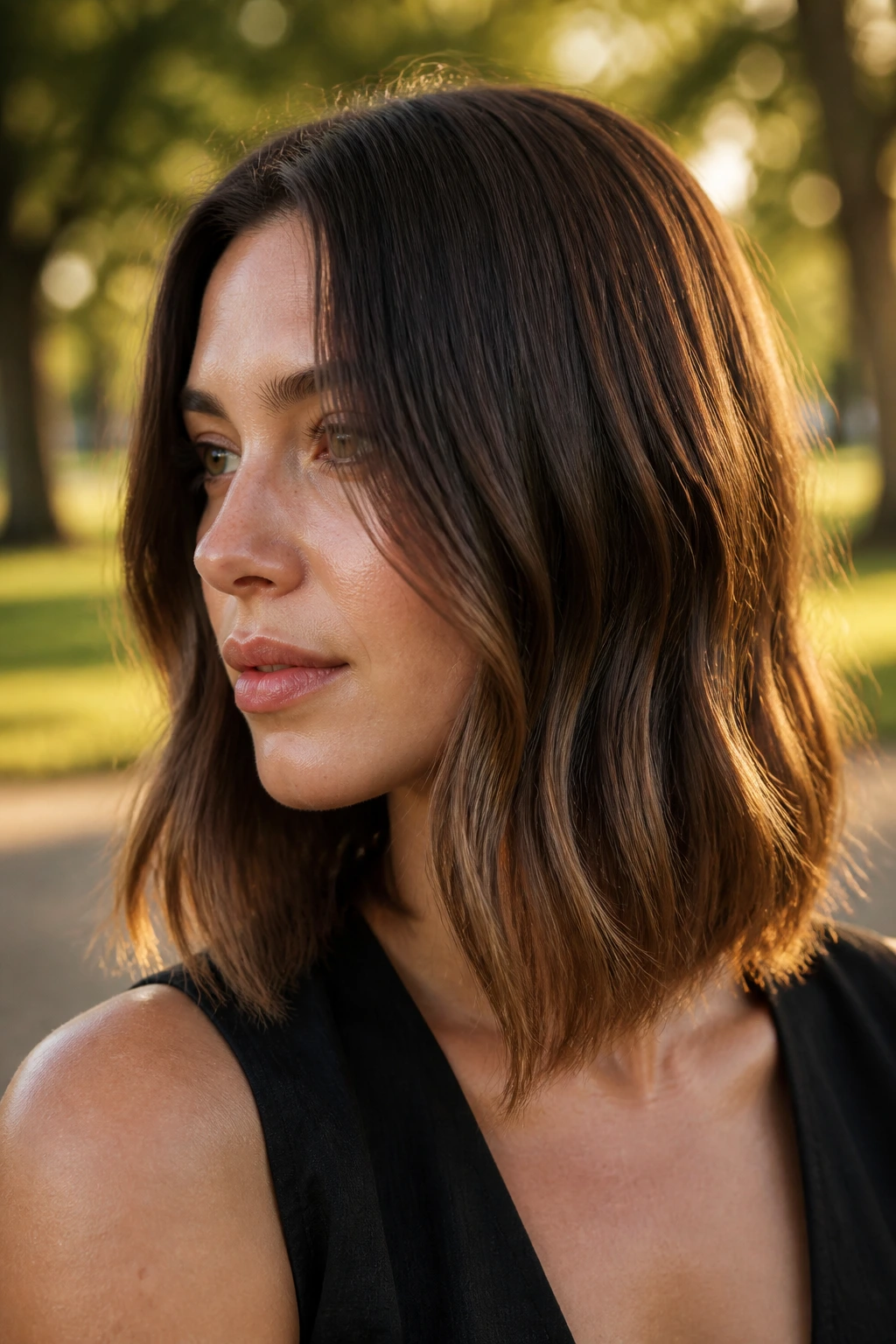
Yes, straight hair can wear a wavy-bend lob without pretending to be curly. The cut is built to accept a subtle bend from a flat iron or medium barrel, so the hair gains shape without losing its straight-hair identity.
The length should be medium enough to hold a curve but not so long that it drops it immediately. A little layering through the mid-lengths helps the bends fall in a more natural way. Otherwise the waves can sit like little hooks.
This is the style for people who want movement on command. A few bends, a little spray, and the haircut suddenly looks done. No need for full waves. That’s not the point.
23. Rounded Lob with Perimeter Weight
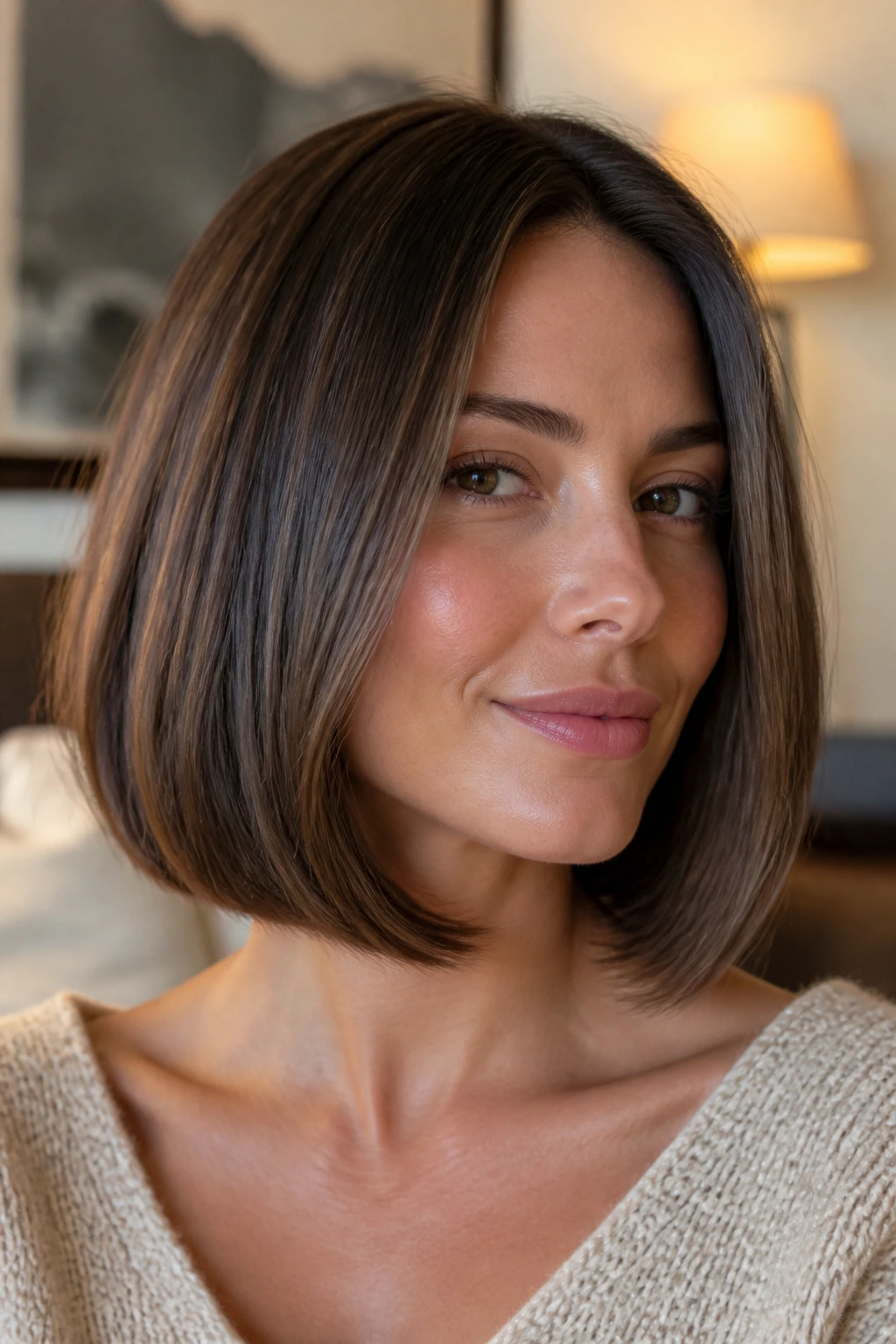
A rounded lob gives straight hair a softer, fuller silhouette. Instead of a square edge, the shape curves gently under the jaw and toward the collarbone, which can make the whole head look more balanced.
Perimeter weight is the part people often remove too fast. Here, it’s the point. The heavier edge keeps the shape from floating away or turning fuzzy. If your hair is fine and too many layers make it look thin, this cut leans in the right direction.
It’s also one of the better cuts for someone who likes a blowout finish. The round shape responds well to brushing under and gives the lob that smooth, deliberate curve.
24. Side-Swept Fringe Lob

A side-swept fringe can rescue straight hair from looking too straight. The fringe breaks up the front line, adds movement across the forehead, and makes the cut feel a little less severe.
The rest of the lob should stay clean and manageable. You do not need a lot of layers here. The fringe is the feature, and the main length should support it rather than compete with it.
This cut works well if your face feels long and you want a bit of visual width. It also plays nicely with glasses, because the diagonal line keeps the front from hanging in your line of sight.
25. Internal Layer Lob for Flat Hair
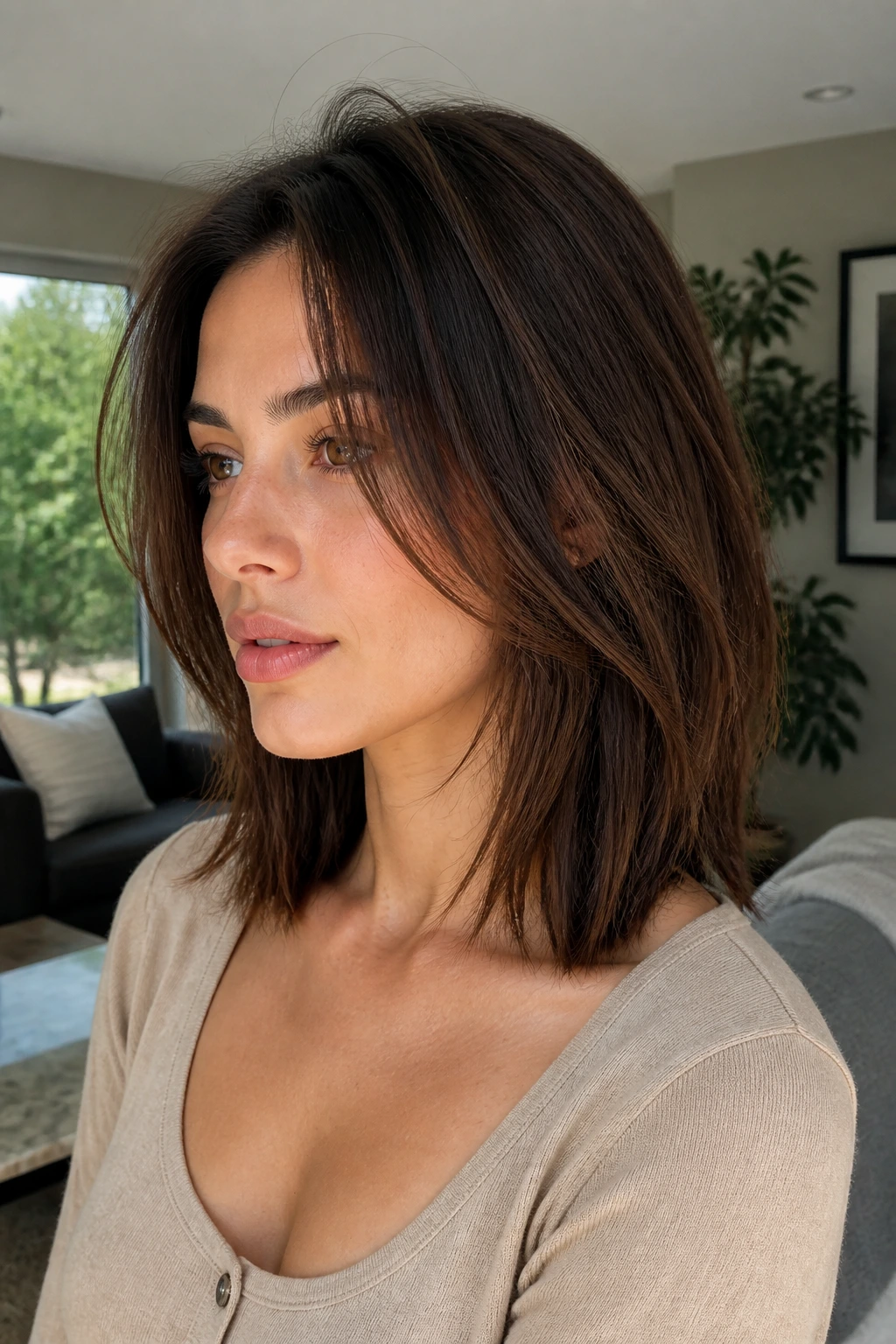
Flat hair needs lifting, but not always from the top where everyone can see the layers. Internal layering can build body under the surface so the shape moves when you turn, even if the outside still looks sleek.
This cut is useful when your hair looks great right after a blow-dry and then collapses by noon. The internal layers give it more places to sit. That matters more than people think. Hair needs architecture.
The cut should still have a clear outer line. If the perimeter gets too chopped up, you lose the very thing that makes a lob look clean on straight hair. The smartest fix is usually hidden.
26. Collarbone Flip Lob

A flip at the ends changes the whole personality of a lob. On straight hair, that little outward bend can make the haircut feel playful without looking overstyled.
The cut works best when the length skims the collarbone and the ends are light enough to move. Too much weight and the flip collapses. Too many layers and the ends start to flick in different directions like they’re arguing.
This is a good choice if you like a little retro energy and don’t mind using a brush or iron to encourage the movement. The result feels polished, but not stiff.
27. Long Face-Frame Lob

Long face-framing pieces are one of the easiest ways to make a straight-haired lob feel more dimensional. They pull attention around the face, soften the line, and keep the rest of the haircut from looking too blunt.
These pieces work best when they start below the cheekbone and blend gradually into the body of the hair. If they’re too short, they can sit awkwardly on straight hair. Long frames are safer and usually prettier in motion.
This cut is especially useful if you want the haircut to do some contouring for you. It gives a slim, elegant line without trying too hard.
28. Off-Center Part Lob
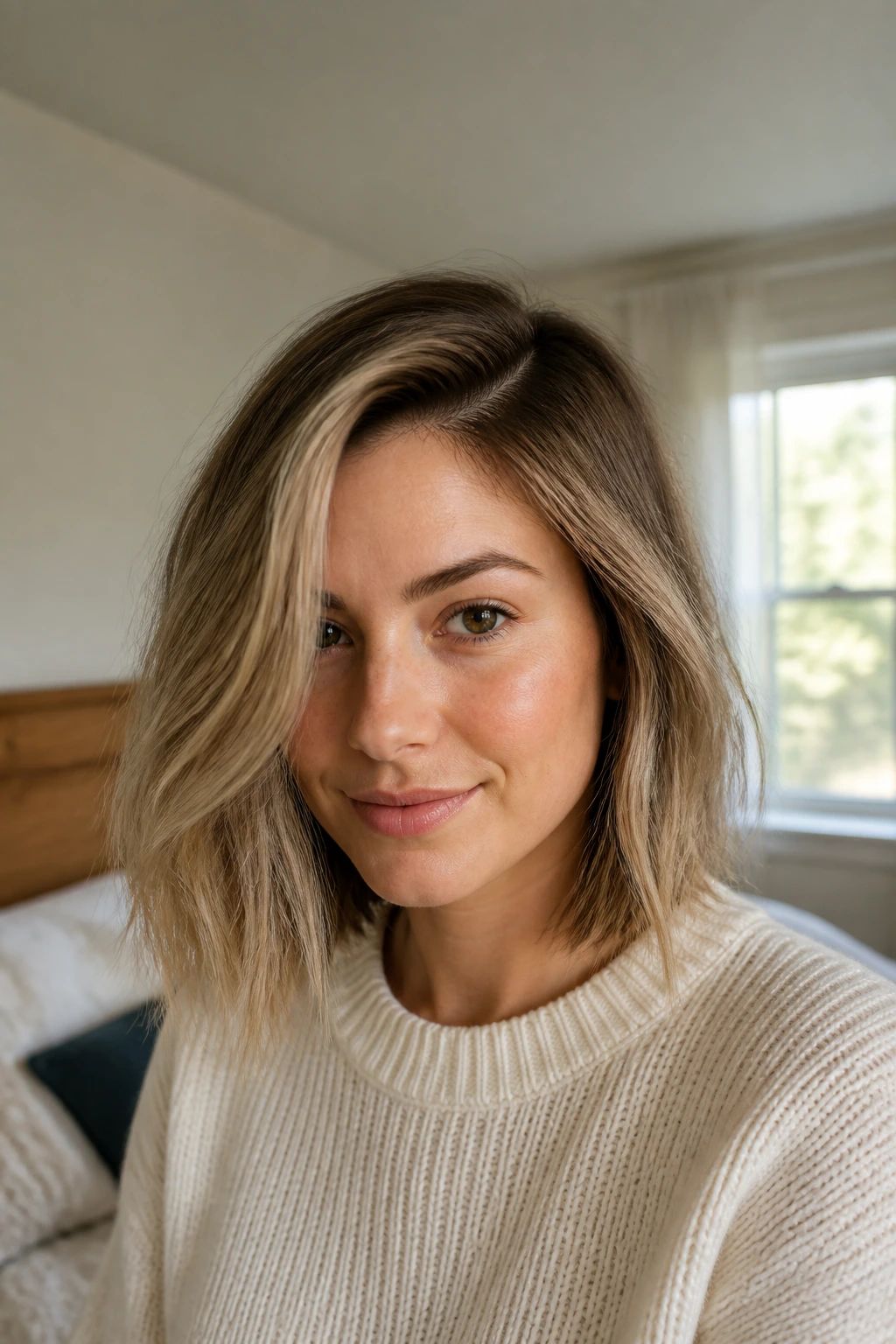
A slight off-center part can change the entire balance of a lob. Straight hair often settles into a middle part and stays there, which can make a haircut feel more severe than it needs to.
Moving the part just enough to shift the weight creates a softer fall around the face. It also gives the root area a little extra lift on one side, which helps the cut look fuller. That tiny asymmetry goes a long way.
This is a smart styling choice for almost any textured lob. Sometimes the haircut is fine, and the fix is as simple as where the hair lands.
29. Brushed-Out Volume Lob
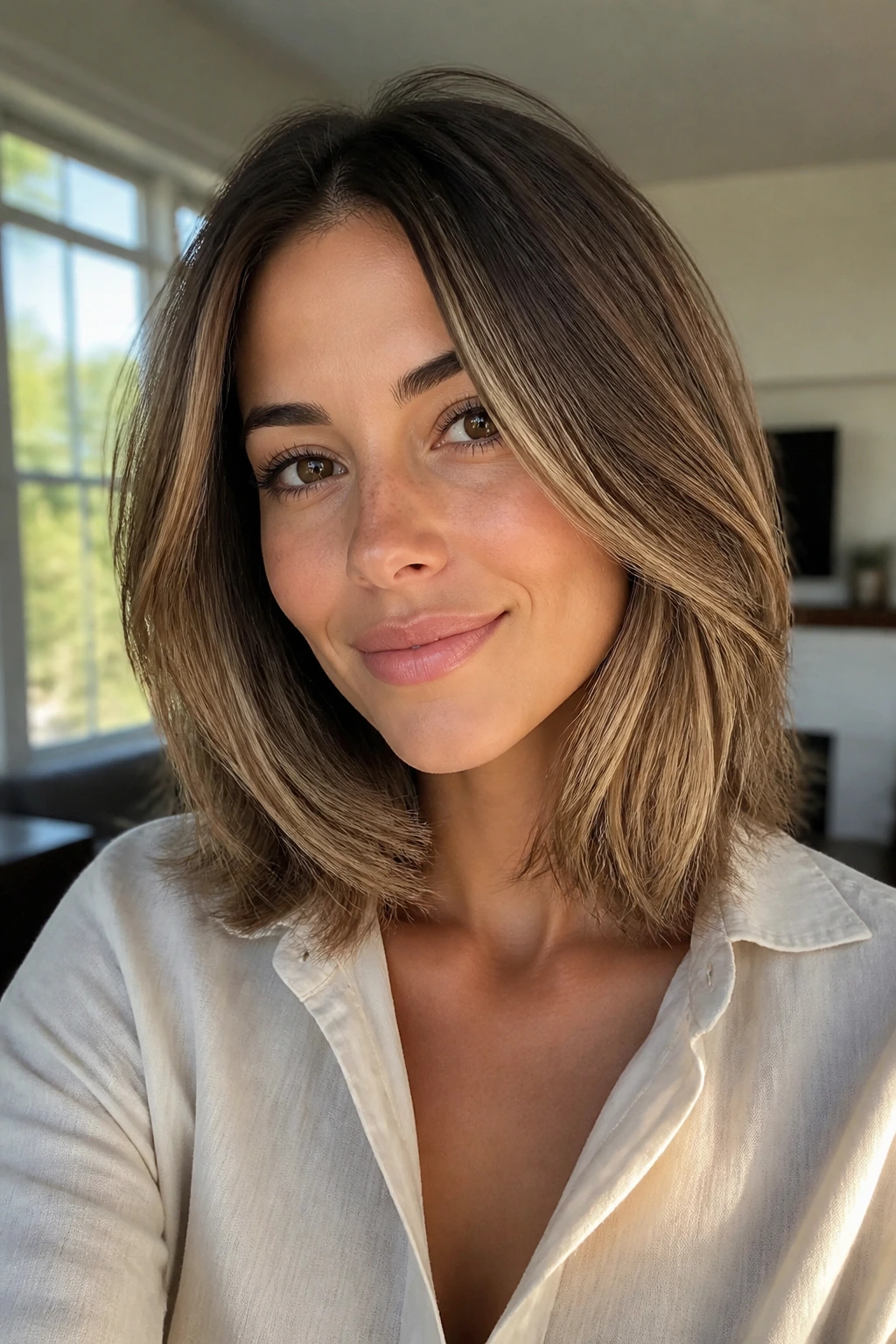
Some lobs look best after they’ve been brushed out, not scrunched up. A brushed-out volume lob starts with a blow-dry or loose bend, then gets softened so the movement feels airy and broad rather than piecey.
Straight hair benefits from this because the texture reads larger and looser. Instead of tiny waves, you get a bigger shape around the face and ends. The trick is keeping the roots smooth while letting the mid-lengths expand a little.
It suits people who want a softer, more polished version of texture. Less beach, more soft movement. And that can be better, especially if your hair tends to puff when you overdo it.
30. Low-Maintenance Grow-Out Lob

A low-maintenance lob isn’t lazy. It’s designed for the reality of hair that grows, gets clipped up, gets air-dried, and still has to look decent on a random Tuesday.
This version uses a stable perimeter, soft internal texture, and face-framing that won’t turn weird in three weeks. Straight hair is unforgiving when the shape grows out unevenly, so the cut has to be built to age well.
If you hate frequent trims, this is one of the smartest choices on the list. It keeps its outline longer and doesn’t depend on heavy styling to make sense.
31. Polished Workweek Lob

A polished workweek lob is about neatness with enough softness to avoid looking stiff. Straight hair naturally supports a smooth finish, so the haircut just needs enough layering to keep the ends from hanging too heavily.
A side part or tucked-behind-the-ear styling helps here. The cut should sit close to the head, move cleanly, and stay tidy without too much product. Think controlled, not frozen.
This is the version I’d send someone to if they want a haircut that behaves in a meeting, on a train, and under office lighting that tells no lies. It does its job.
32. Undercut Lob for Dense Hair
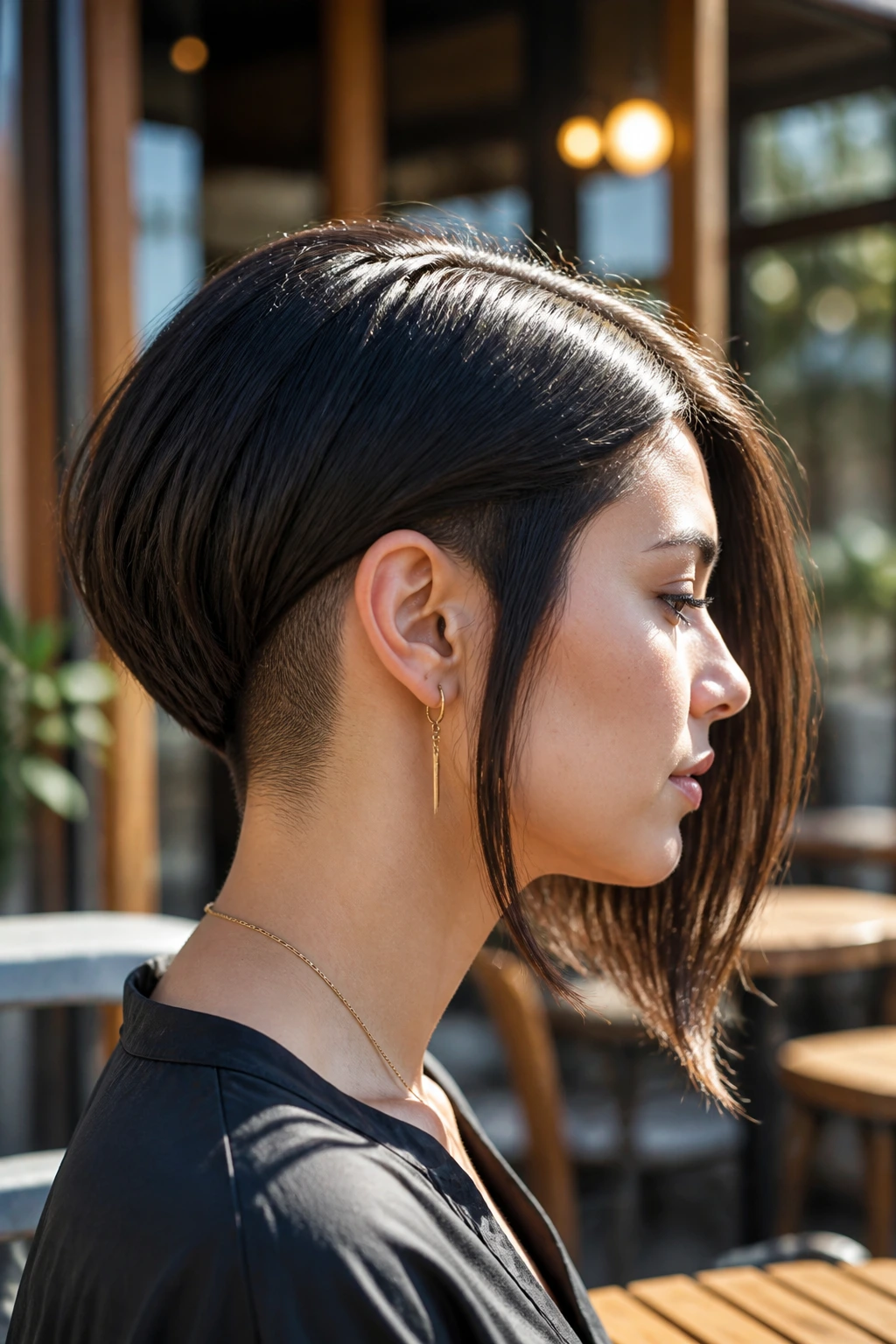
Dense straight hair can carry more structure than people expect, and an undercut lob is a strong move when the bulk just won’t quit. The undercut hides in the lower layers, where it removes weight without disturbing the visible shape too much.
The top layer stays long enough to read as a lob. That’s the point. You get easier dry time, less bulk at the neck, and a shape that doesn’t balloon out at the bottom.
It’s not subtle work, but the result can feel like someone quietly turned the volume down on your hair. If your head gets hot under all that thickness, this one is worth a real conversation with your stylist.
33. Softly Textured Lob with Micro-Point Cutting

Micro-point cutting is the finishing move that keeps a lob from feeling too blunt or too shredded. Small snips into the ends break up the edge just enough for straight hair to move, but not enough to lose the line.
This is the closest thing to an all-purpose version on the list. It can lean sleek, brushed-out, tucked, bent, or air-dried. The shape holds because the texture is tiny and controlled, almost invisible unless you look closely.
If you want one cut that doesn’t box you in, this is a strong final stop. Clean base. Soft motion. No obvious gimmick.
Why Straight Hair Needs Texture in the Right Places
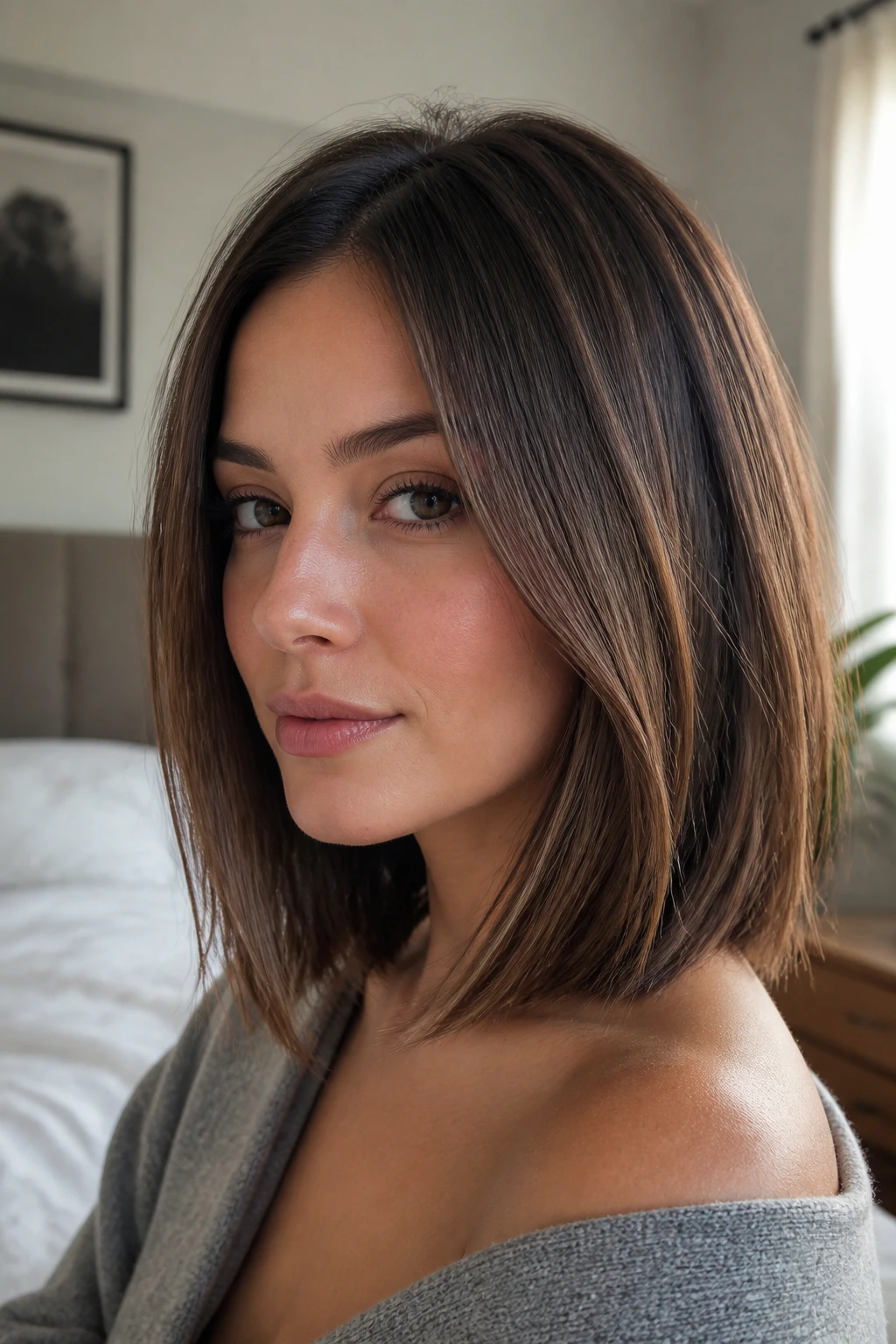
Straight hair does not forgive random cutting. If texture lands in the wrong spot, you get a thin-looking bottom, a flat crown, or a shape that seems to have forgotten what it was trying to do. The best textured lob work starts with the perimeter and then adds softness only where the hair benefits from it.
That usually means internal layering, point cutting, or very soft razor work around the face. Not all three at once. Sometimes the smartest move is a blunt edge with almost invisible weight removal underneath, because straight hair looks fuller when the outside line stays intact.
The other thing straight hair needs is balance. If the top is too heavy, the cut goes limp. If the ends are too shredded, the whole thing looks tired by lunch. The sweet spot sits in the middle, where the lob has shape from every angle and still looks clean when you tuck it behind one ear.
Essential Tools for These Cuts
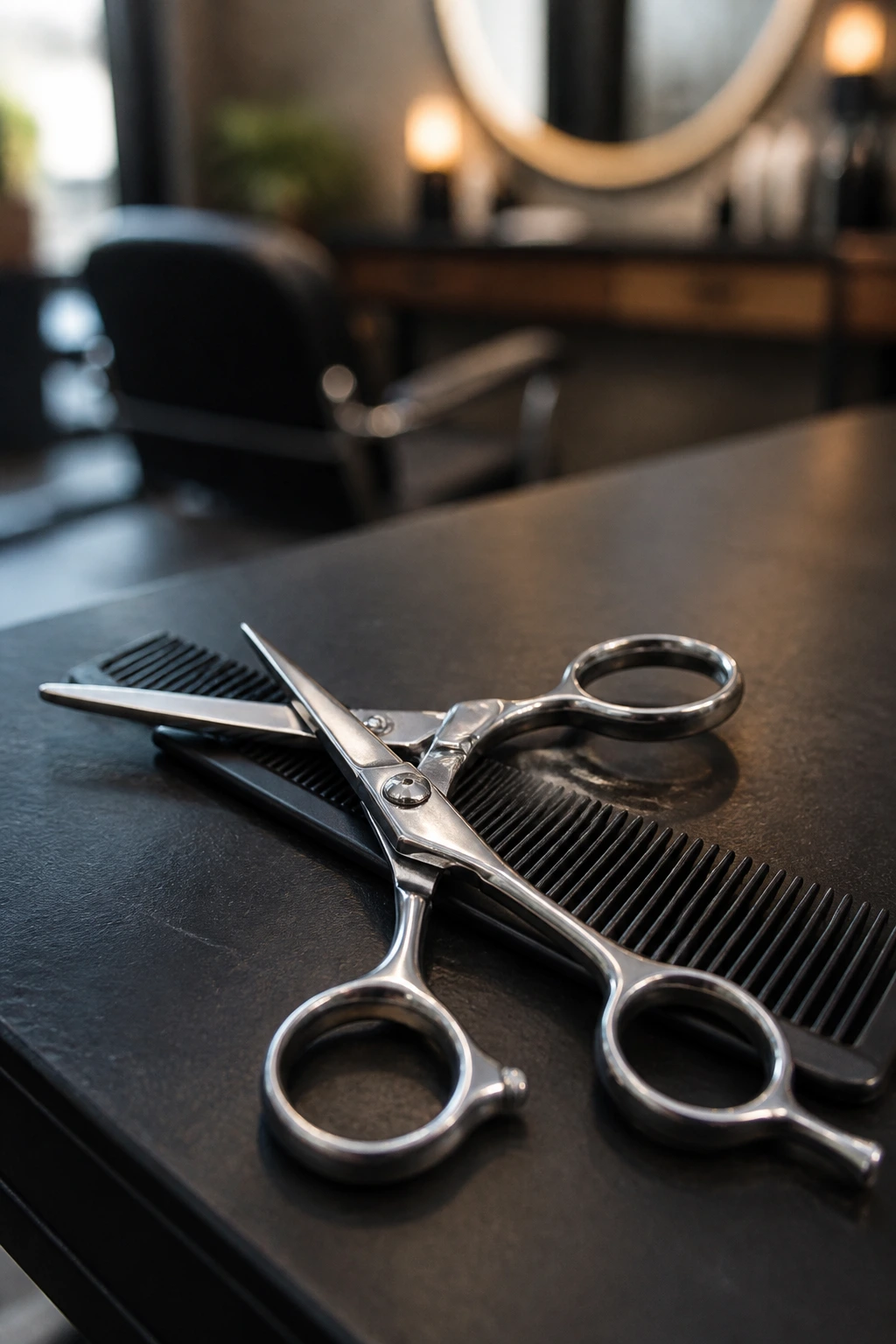
- A blow-dryer with a nozzle: The nozzle helps direct airflow down the hair shaft, which keeps straight strands smoother and less puffy.
- A round brush, 1 to 1.5 inches: Useful for bending the ends under or out without creating a giant curl.
- A flat iron with clean plates: Best for subtle bends, face-frame movement, and smoothing a lob into a glassy finish.
- Heat protectant spray or cream: Straight hair shows heat damage fast, especially on lighter or finer ends.
- Texturizing spray: Gives straight hair a bit of grip so the lob doesn’t slip flat an hour after styling.
- Lightweight mousse: Good at the roots if you need lift without crunchy feel.
- A fine-tooth comb and sectioning clips: Helpful for clean parts and controlled styling.
- Point-cutting or texturizing shears: These belong in the salon chair, not the bathroom drawer, unless you really know what you’re doing.
- Dry shampoo: Not only for oily roots; it also adds grip and keeps straight hair from looking freshly ironed in the wrong way.
- Hair oil or serum, used sparingly: A drop or two on the ends calms frizz without making the cut collapse.
What to Ask for at the Salon
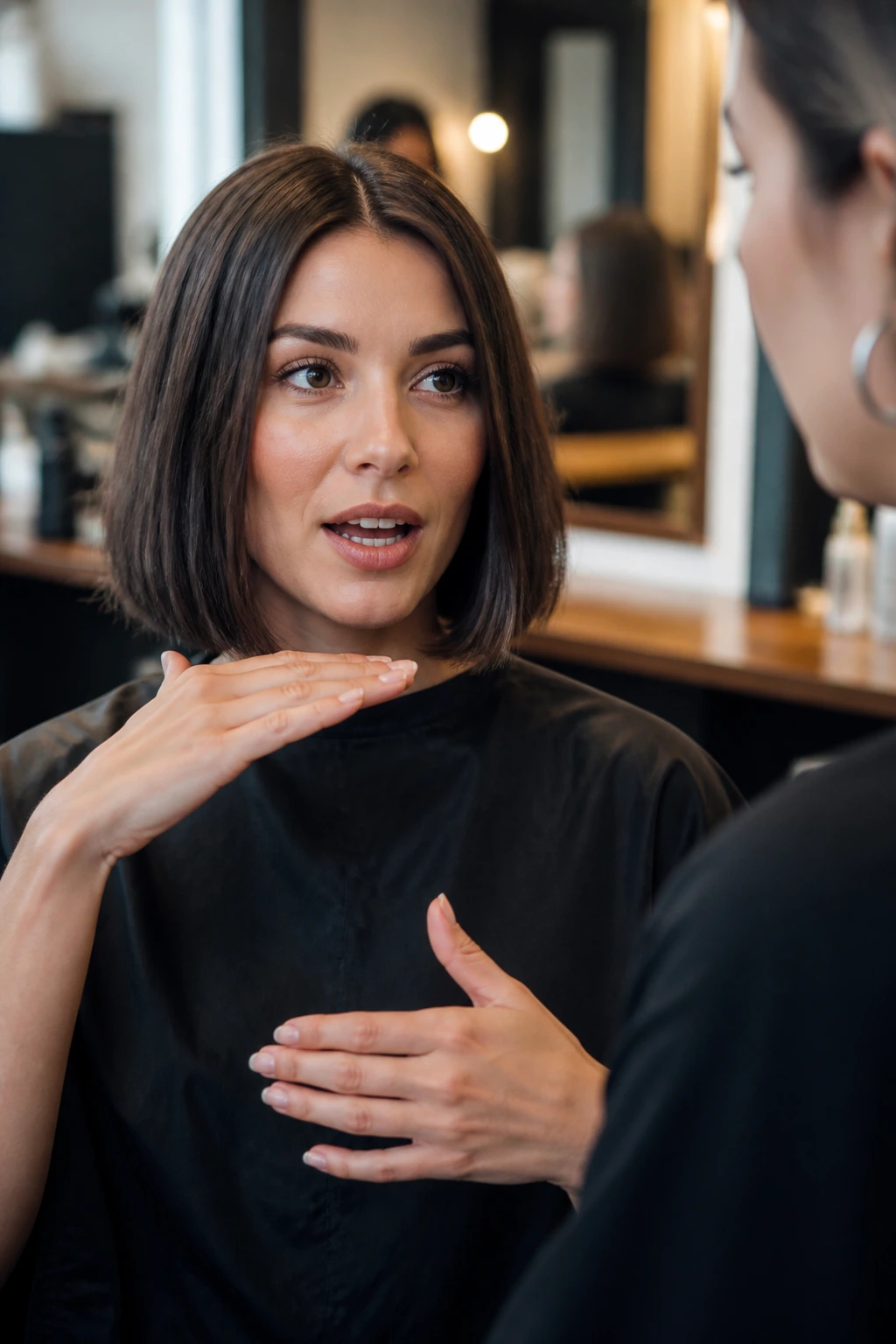
Straight hair needs clear instructions, not vague wishes. Bring a photo, then say where you want the length to land: jaw, chin, collarbone, or just above the shoulders. That one detail changes the whole haircut.
Ask how the stylist plans to remove weight. Point cutting, slide cutting, and internal layering are not the same thing. Point cutting softens the edge; internal layering takes mass out inside the shape; slide cutting can make the perimeter more fluid. You do not need all of them. You need the right one.
If your hair is fine, say you want to keep density at the ends. If it’s thick, say you want the bulk removed without making the tips see-through. And if you wear your hair parted a certain way most days, tell them that too. A lob can look very different when the part is moved half an inch.
How to Style a Textured Lob at Home

Air-Dry Route:
Work a small amount of leave-in cream through damp hair, then scrunch only the ends and around the face. Let the roots stay calm. Straight hair usually dries smoother if you resist the urge to keep touching it.
Blowout Route:
Dry the hair in sections with a round brush, pulling the ends slightly under for a clean finish. If you want lift, direct the nozzle at the roots first and let them cool before touching them again. That cooling step matters more than people think.
Flat-Iron Bend Route:
Take 1-inch sections and make tiny alternating bends through the mid-lengths, not uniform curls. Leave the last inch straighter so the lob keeps its shape and doesn’t turn into a full wave set. That little straight bit at the end makes it look modern.
Second-Day Route:
Mist the mid-lengths with water or a light texturizing spray, then re-bend just the front pieces and crown. Straight hair often wakes up with the roots a little sleepy; a few targeted fixes beat redoing the whole head.
Smart Product Picks for Straight Hair Texture

The product aisle can get noisy fast. A textured lob on straight hair usually needs less product than people think, and the wrong heavy cream can flatten the whole thing by noon.
If your hair is fine, look for a light mousse or root spray instead of a rich styling cream. Fine straight strands need lift and grit, not extra slickness. Thick straight hair can handle a touch more cream or a smoothing balm, but even then, the rule is small amounts worked from mid-lengths down.
Texture spray is useful, but it should not leave the hair feeling dusty. If it does, the formula is too dry for your hair or you’re using too much. One or two passes, then stop. Straight hair can go from airy to straw-like very quickly.
How to Keep the Shape Between Trims
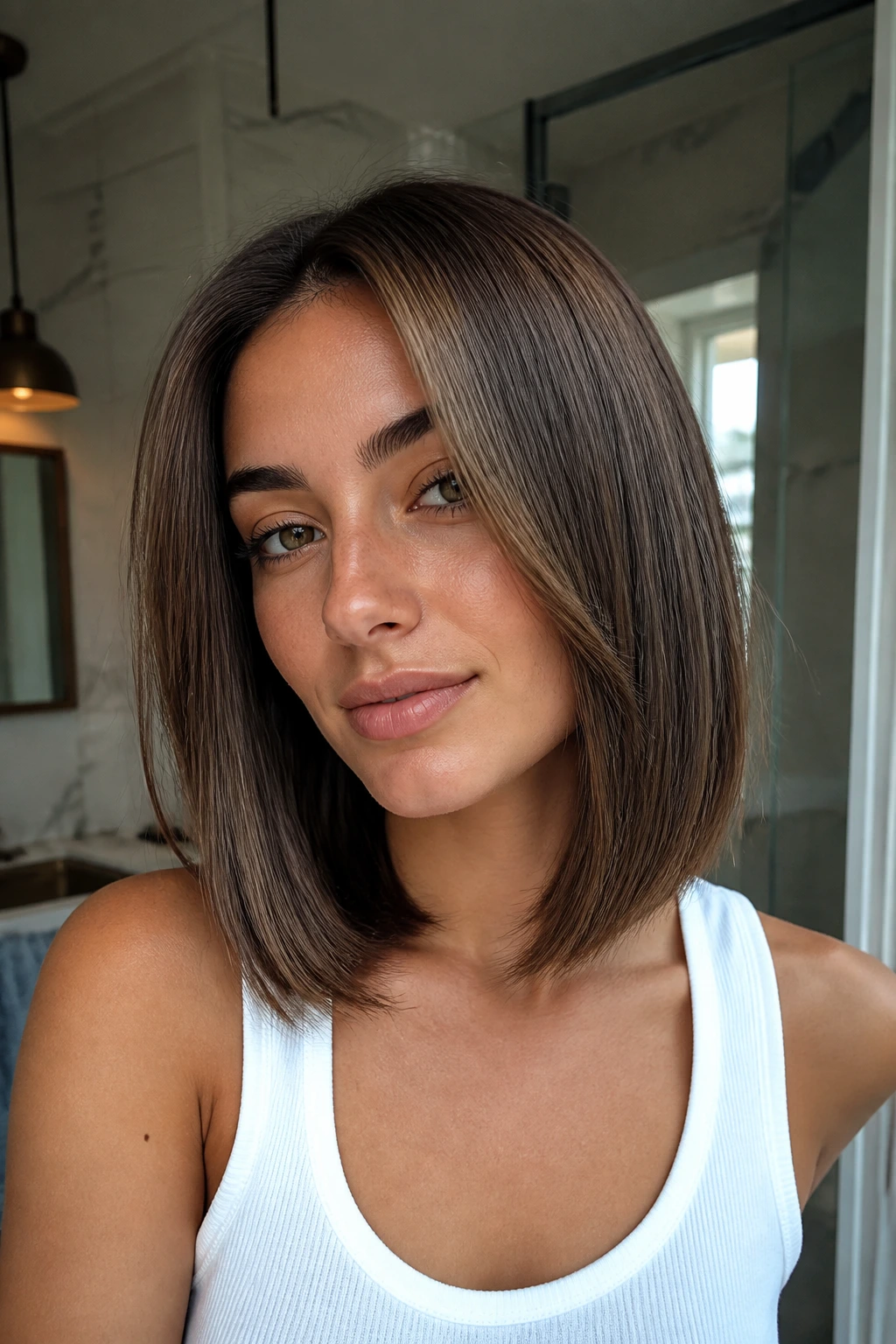
Lobs grow out better than shorter cuts, but straight hair still shows every inch of change. Most textured lobs benefit from a trim every 6 to 8 weeks if you want the ends to stay tidy. If you’re fine with a softer grow-out, you can stretch that a bit, though the shape will start to relax around the collarbone.
The front pieces usually need the most attention. That’s where straight hair tends to fall forward, separate, or flip oddly. A small dusting every few weeks can keep the face frame from swallowing the rest of the cut.
If you color your hair or use heat often, the ends may need earlier attention. Straight hair makes damage obvious faster because the line stops looking crisp. A trim is cheaper than pretending split ends are texture.
Additional Tips and Texture Boosters
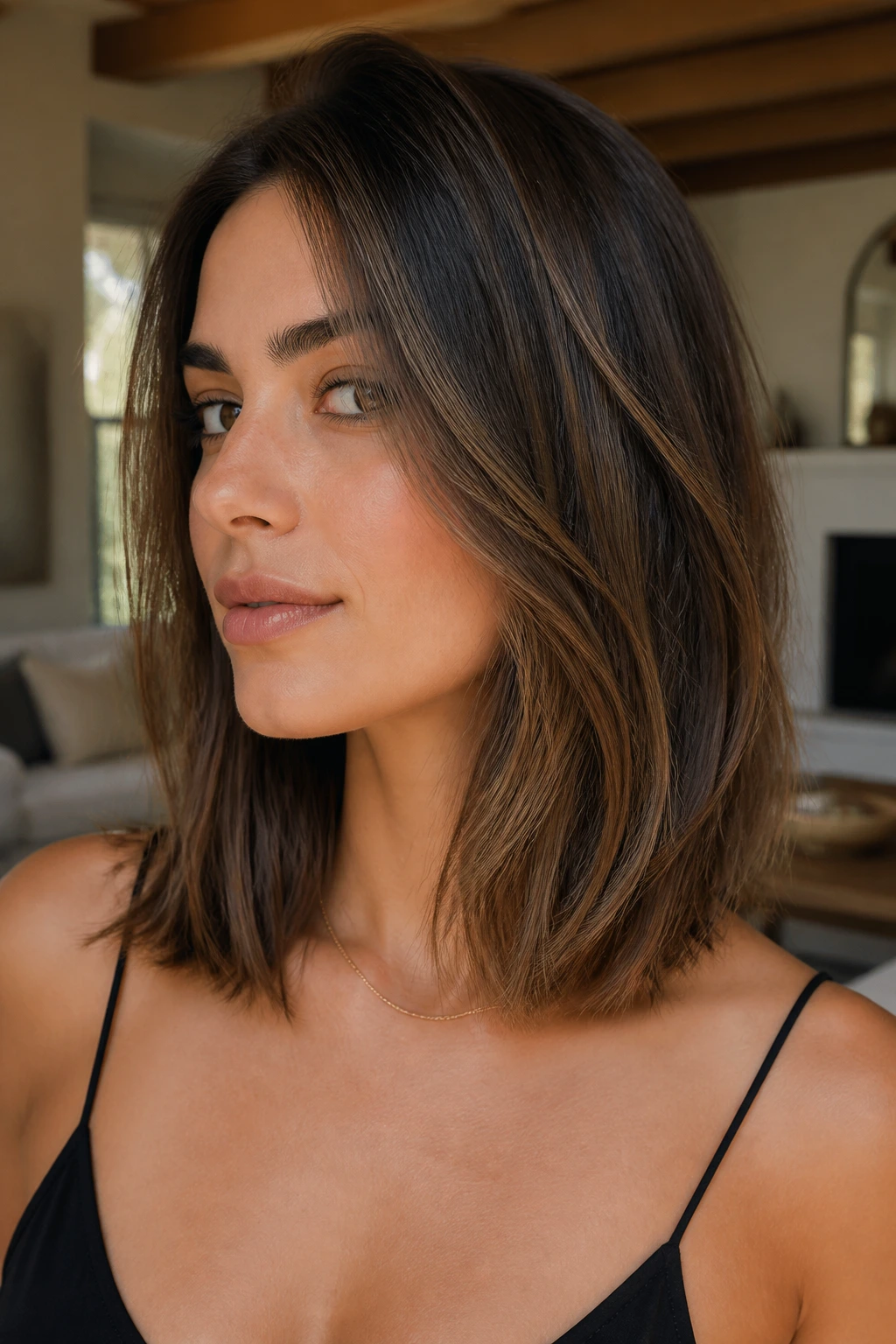
Root Lift:
Clip the roots while they cool after blow-drying, especially at the crown and part line. Straight hair likes to sink back down, and clips can buy you real lift for the day.
Bend, Don’t Curl:
If you use a flat iron, make soft bends instead of tight curls. The cut should still read as a lob, not as a wave pattern wearing a costume.
Face Frame First:
The front pieces do a lot of visual work on straight hair. If you only style one area, make it the face frame and the ends. Everything else can stay simple.
Gloss Without Grease:
A half-drop of serum on the very ends makes the haircut look cared for. More than that and the movement starts to disappear.
Make-It-Yours:
Fine hair usually wants less layering and more lift at the root. Thick hair usually wants interior debulking and a strong perimeter. If you live in heat-styling territory, keep the layers longer so you can still wear the hair sleek on lazy days.
Common Mistakes That Flatten the Shape
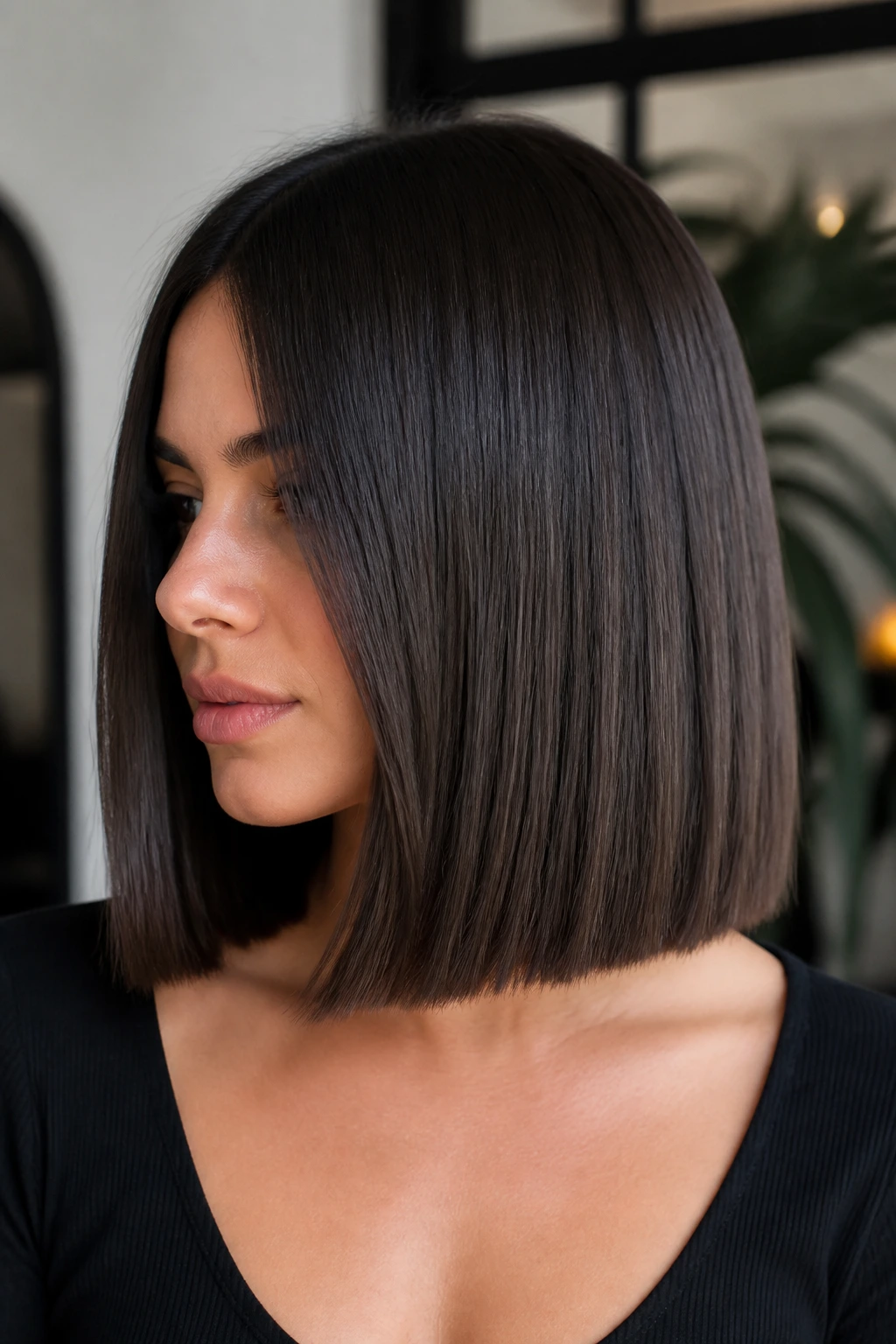
Too many visible layers:
On straight hair, heavy layering can make the ends look thin fast. The fix is to keep most of the movement inside the cut, not chopped all over the surface.
Cutting the lob to land exactly on the shoulders:
That spot often causes flipping and awkward bends right where the hair hits clothes. Go a little above or a little below the shoulder line if you want less fuss.
Using too much thinning shear work:
If the ends look wispy, dry, or hollow, the cut probably lost too much weight. Ask for softer point cutting or a cleaner perimeter next time.
Styling every bend the same direction:
Uniform curls on straight hair can look stiff and dated. Alternate the bend direction and leave the ends straighter so the shape stays relaxed.
Overloading with cream or oil:
A textured lob needs movement. Heavy product turns that movement into a damp-looking sheet. Start with half the amount you think you need.
Variations and Adaptations to Try
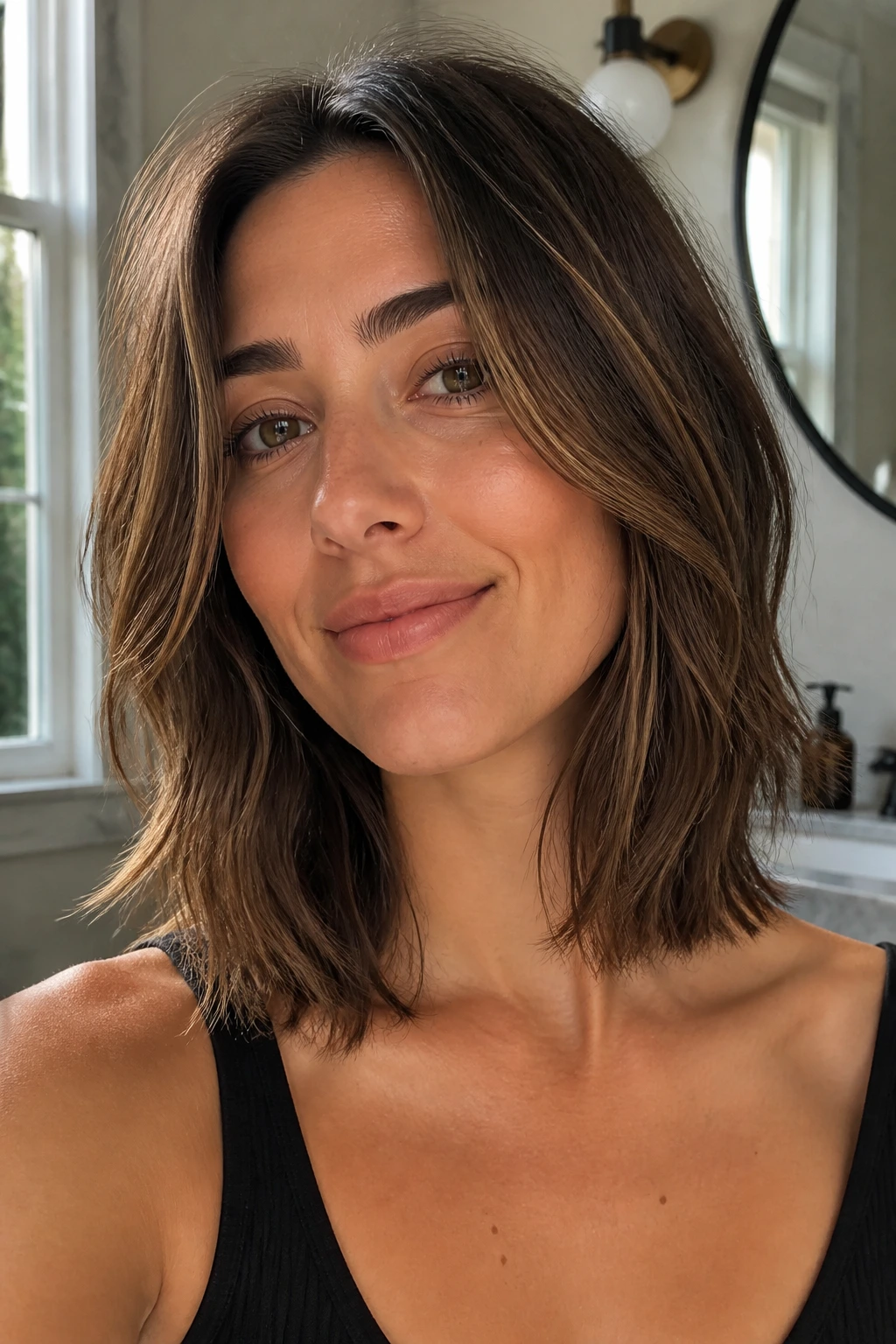
The Air-Dry Lob:
Keep the cut softly layered, then style it with leave-in cream and texture spray only. Best for people who want shape without a blow-dryer battle.
The Glass Finish Lob:
Use a blunt base, long face frames, and a smoothing blowout or flat-iron pass. This version is for days when you want the hair to look polished and still have a little softness around the face.
The Thick-Hair Control Lob:
Ask for hidden internal debulking and a strong perimeter line. It cuts the bulk without making the ends look shredded or weak.
The Fine-Hair Lift Lob:
Keep the ends dense, trim the face frame lightly, and add just enough crown support to stop the style from collapsing. This one lives or dies on keeping the perimeter full.
The Fringe-First Lob:
Curtain bangs, bottleneck bangs, or side-swept fringe can do most of the visual work while the lob itself stays clean. Good if you like changing the mood without changing the length.
The Low-Effort Grow-Out Lob:
Choose longer layers, a slightly off-center part, and a stable line around the collarbone. It will still look like a cut when it grows, which is the whole point.
Frequently Asked Questions
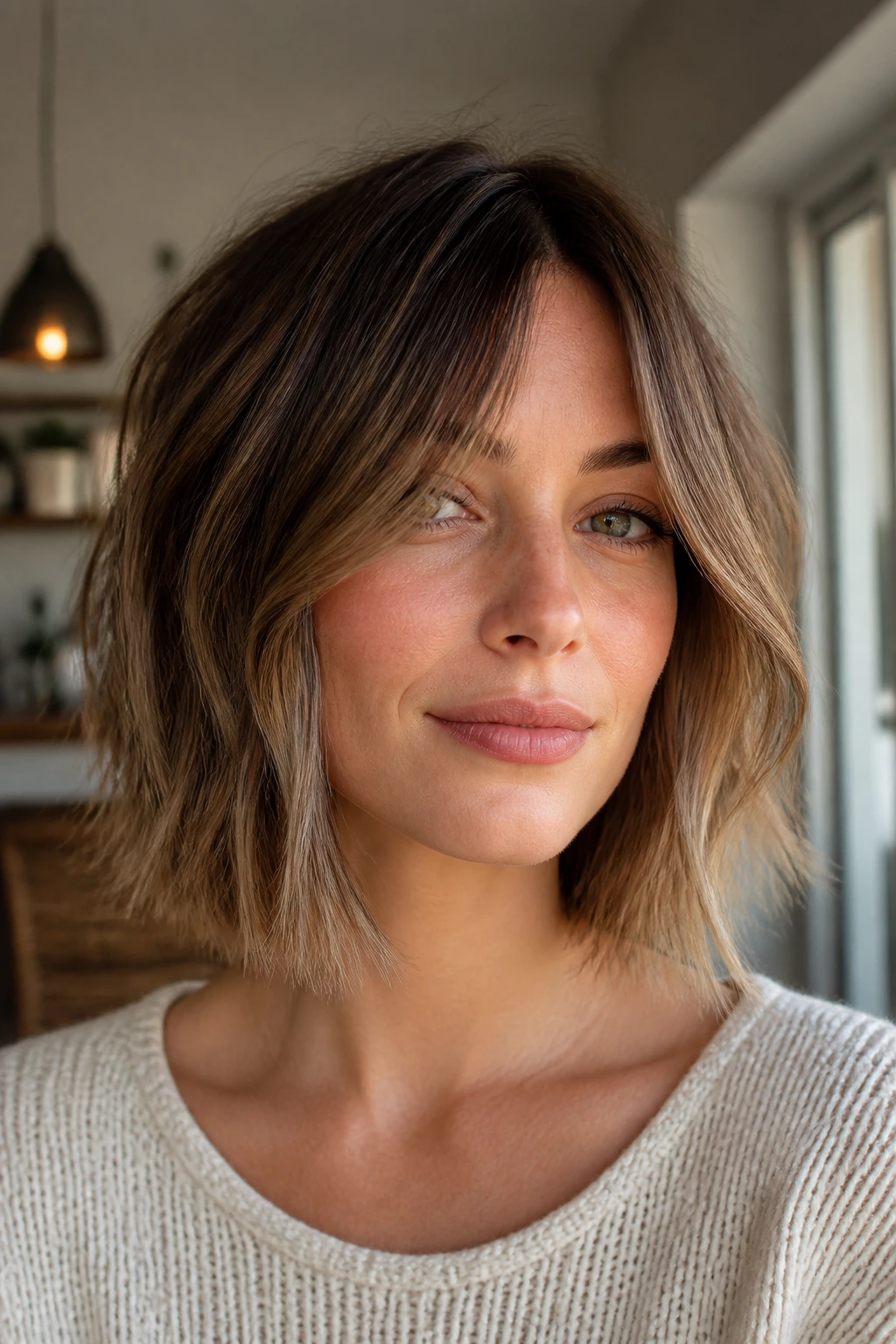
Is a textured lob good for very straight hair?
Yes, but the texture has to be controlled. Straight hair needs movement placed inside the cut or around the face, not heavy shredding at the ends. A clean perimeter with soft internal work usually gives the best result.
Will layers make fine straight hair look thinner?
They can if the layers are too short or too obvious. Fine hair usually does better with a blunt or near-blunt base and only light internal movement. The goal is to keep the ends looking dense.
How often should I trim a textured lob?
Most people do well with trims every 6 to 8 weeks. If you wear a fringe or a sharp A-line shape, you may want a small cleanup sooner. Straight hair shows outgrown edges fast.
Can I wear a textured lob without heat styling?
Yes, if the cut is built for it. Air-dry versions work best when the stylist leaves enough weight in the ends and avoids over-layering. A little leave-in cream and a touch of texture spray can help.
What if my hair flips out at the collarbone?
That usually means the length is hitting a stubborn spot and the cut needs either a slight adjustment or a bit more internal balance. A small trim or moving the length slightly above or below that line can fix it.
Should I ask for razoring or point cutting?
Point cutting is usually safer on straight hair because it softens the line without making the ends frayed. Razor work can be lovely on thicker hair, but it needs a light hand. If you want crispness, say so.
Does a lob work for thick straight hair?
Very well, as long as the bulk is removed in the right places. Thick hair often needs hidden weight removal around the back and sides so it doesn’t puff out at the bottom. Keep the perimeter strong.
How do I keep the lob from looking flat by midday?
Start with root support at the blow-dry stage, then use less serum than you think. A little dry shampoo at the roots and a quick bend through the front pieces can bring the shape back without redoing everything.
A Lob That Keeps Its Shape
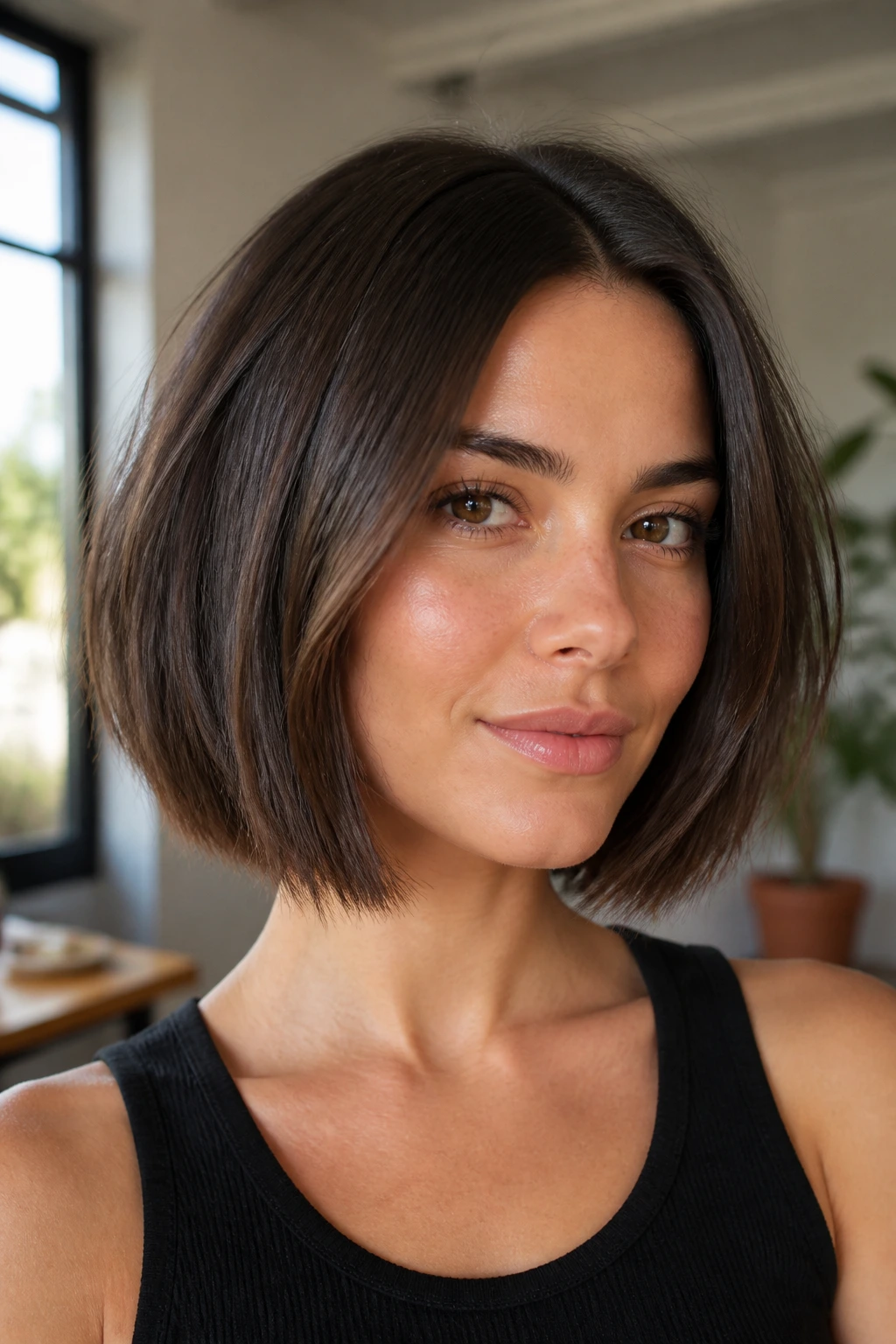
The nicest thing about a good textured lob on straight hair is that it doesn’t fight the hair’s nature. It works with it. The line stays clean, the movement stays subtle, and the cut keeps a little life even when you’re not standing in front of a mirror with a round brush in your hand.
That’s the real win here. Not drama. Not over-layering. Just a haircut that knows where to hold back and where to move, which is exactly what straight hair needs when you want it to look intentional from the first day to the next trim.
