



A good extra short wolf cut should look like it made its own rules. The crown sits a little high, the nape stays clipped close, and the ends kick out just enough to keep the shape from turning sweet. That’s the whole appeal: you get the rough, layered attitude of a wolf cut without dragging a lot of length around your jaw, collar, or shoulders.
The short versions are trickier than they look. Too soft, and you’ve got a layered bob with a mood problem. Too chopped up, and the whole thing starts to feel like a costume. The sweet spot is narrow, and when it’s hit, the cut has a kind of restless energy that reads sharp from across the room and even sharper up close.
I like how much these cuts can change with a few inches of difference. A short wolf cut can lean punk, sleek, soft, shaggy, or almost pixie-like depending on where the fringe lands and how much weight stays at the crown. That makes them useful if you want hair with edge, but you do not want hair that fights you every morning. The trick is choosing the version that suits the texture you already have, not the one you wish you had.
Why These Extra Short Wolf Cuts Feel So Sharp

- The crown does the heavy lifting: Short layers at the top keep the head shape from going flat, which is half the battle with cropped hair.
- The nape stays clean: A tighter back makes the cut look deliberate instead of fluffy, especially when it brushes against collars and hoodies.
- You can push the mood fast: A little matte paste, a rough blow-dry, or a wet finish can swing the same cut in a completely different direction.
- Grow-out has character: These shapes tend to soften into shaggy pixies or mini mullets instead of turning into awkward one-length helmets.
- Color shows up faster: Shorter cuts make bleach, black dye, copper, silver, or neon streaks look louder because there’s less hair competing for attention.
1. Micro Wolf Cut with Baby Bangs
This is the shortest wolf cut in the room, and it knows it. The fringe stops high on the forehead, the top stays broken up, and the whole shape hits with a little bite that a longer shag can’t match.
What makes it work
The baby bangs pull the eye straight to your brows and eyes, so the rest of the cut can stay jagged and close. Ask for point-cut ends, not a blunt line, or the shape can start looking too tidy. I like this best when the top has just enough lift to keep the face open and the back is trimmed tight at the nape.
- Best on hair with some natural bend
- Fringe usually sits about 1 to 1.5 inches above the brows
- Style with a pea-size dab of matte paste
2. Razor Pixie Wolf Cut
A razor pixie wolf cut has that sliced, airy edge that makes short hair look expensive without trying too hard. The shape borrows the cropped sides of a pixie, then leaves the crown a little wilder so the whole thing doesn’t go flat.
The razor matters here. It softens the ends and creates those sharp little pieces that move when you turn your head. On straight hair, that movement is the whole point. On thicker hair, it keeps the cut from turning into a block. Ask for a razor or slide-cut finish through the top layers, then keep the outline around the ears neat enough that it still reads clean.
3. Bixie Wolf Cut with a Tapered Nape
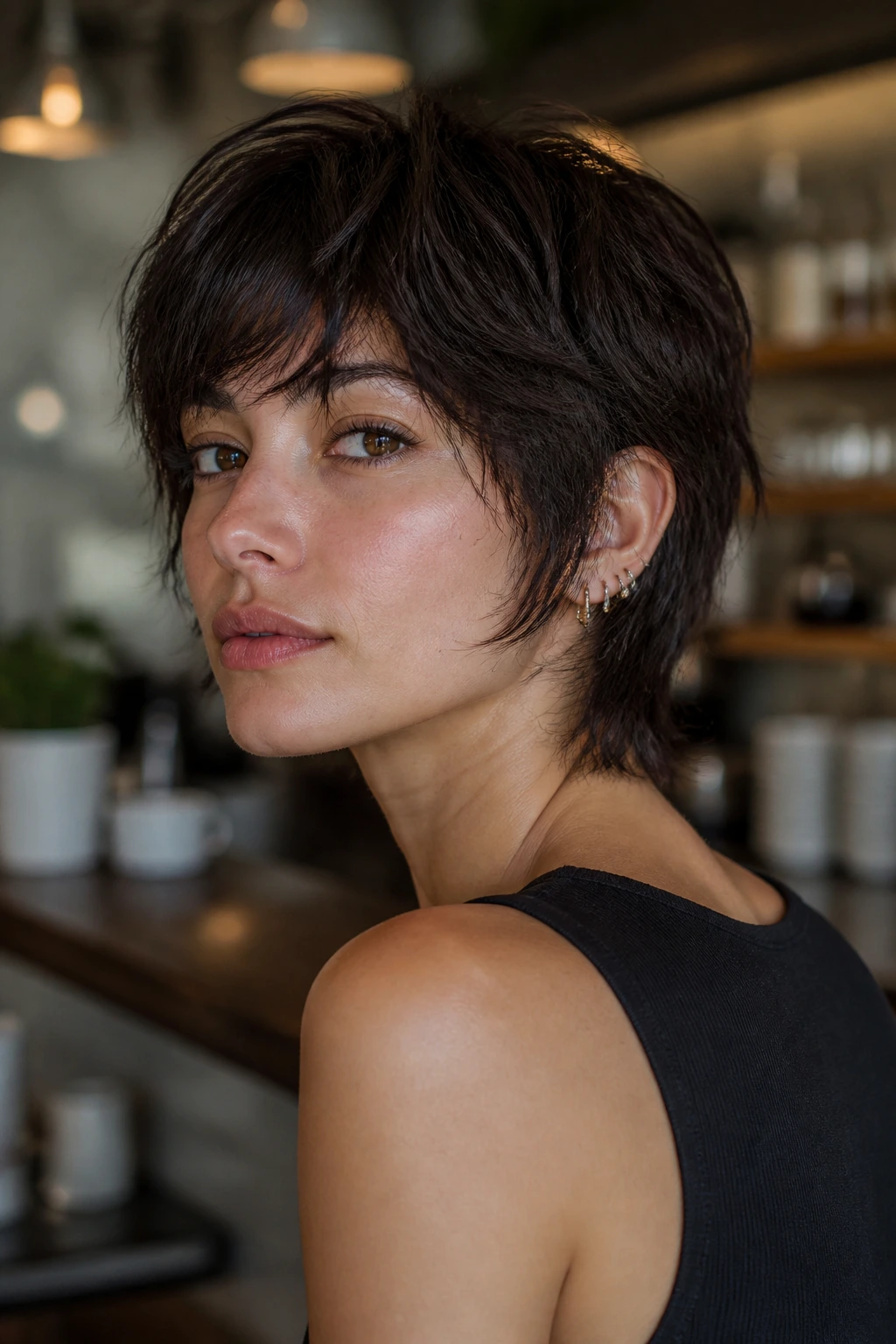
Want the softness of a bob and the attitude of a pixie? This is the one. The front stays a little fuller, usually grazing the cheekbone or jaw, while the back hugs the neck so the silhouette feels light instead of boxy.
Ask for this at the salon
Tell your stylist you want a bixie shape with wolf-cut texture. That means a weight line that stays visible, plus broken-up layers around the crown. If your face is round, keep a touch more length in front. If it’s long, a fringe that stops near the brows helps anchor the cut.
4. Curly Crop Wolf Cut
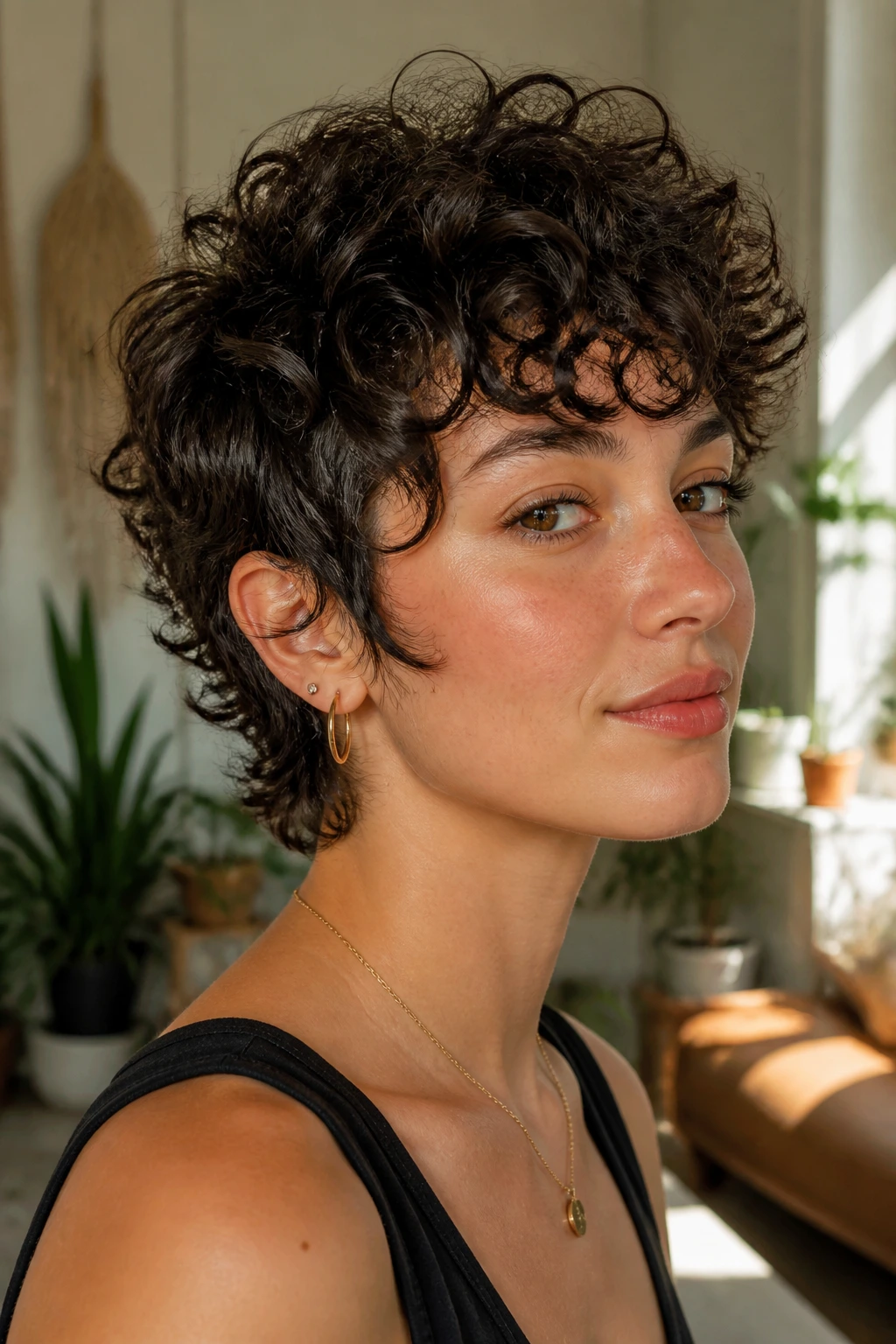
Curly hair and a short wolf cut can be a very good match when the layers are cut for spring, not for silence. The top gets lifted, the sides stay compact, and the curls stack instead of hanging in one heavy clump.
This is one of those cuts that should usually be done dry or mostly dry, because curl pattern changes how the shape lands. Do not let anyone over-thin it with aggressive texturizing shears; curls need some body to keep their shape. A curl cream plus a diffuser is usually enough. If the cut is done well, the neckline looks tidy and the top still feels alive.
5. Shaved-Nape Wolf Cut
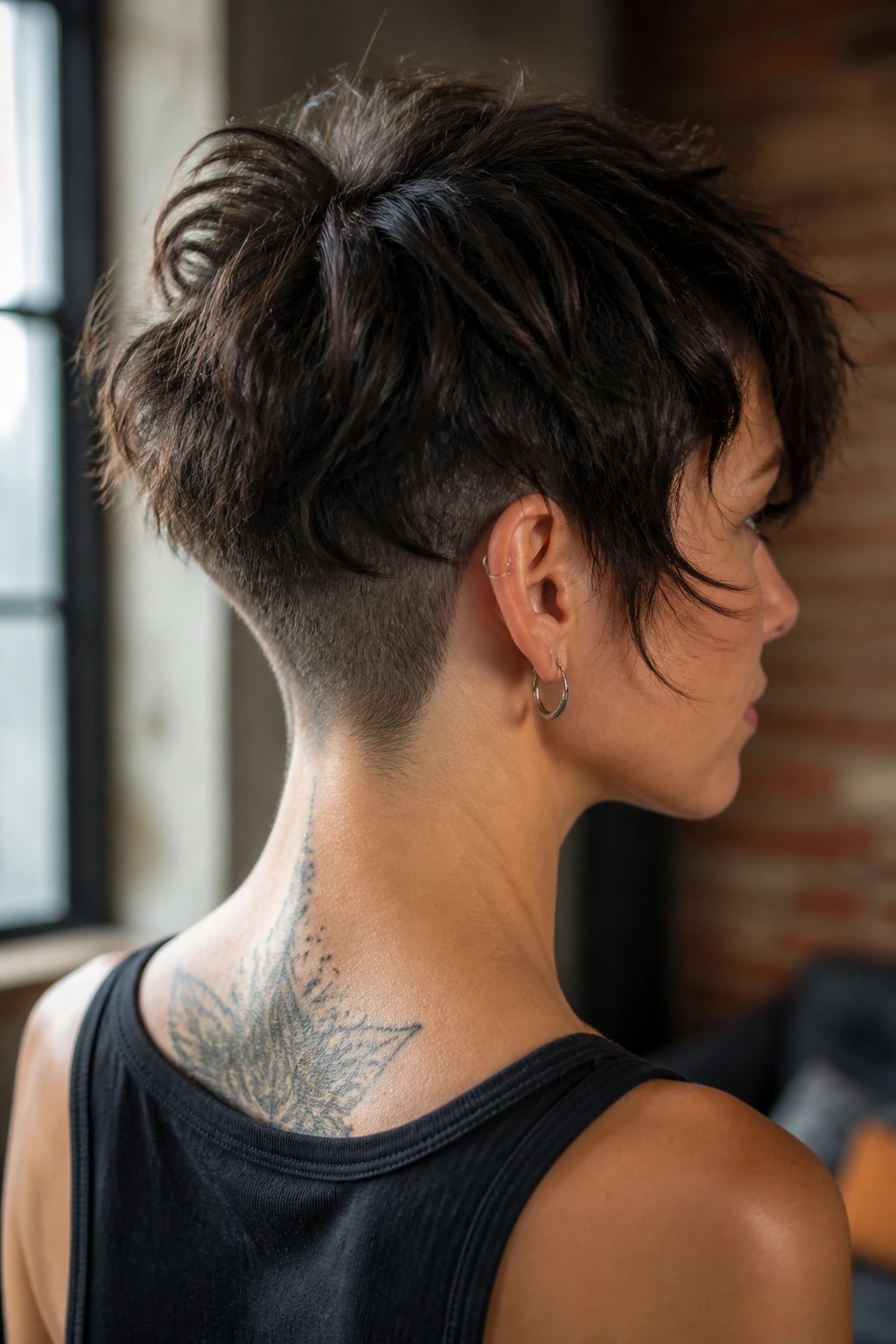
A hidden shave at the nape does one simple thing very well: it clears out bulk where collars, scarves, and sweat tend to make short hair puff up. Above that, the layers can stay messy and piecey.
I like this version when someone wants the cut to feel tougher without making the whole head look severe. The shave can be subtle, almost invisible from the front, or it can be obvious if you pull the hair up. Either way, it gives the wolf cut a cleaner base so the top layers can do the dramatic part.
6. Cropped Shag Wolf Cut
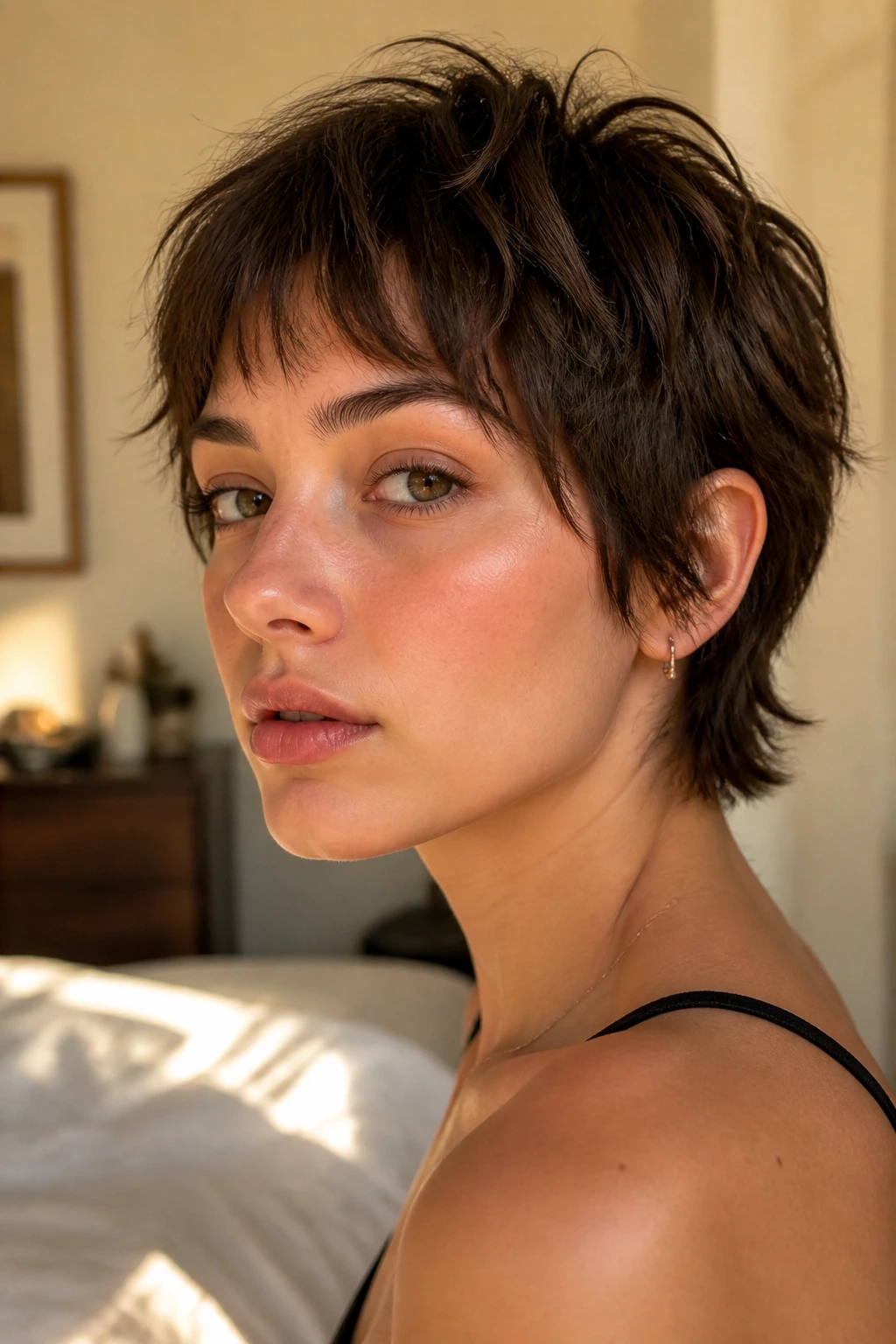
This one is the softer cousin in the group, but it still has a little swagger. The crown is choppy, the fringe is broken, and the ends are short enough to swing around the ears without sitting like a helmet.
The cropped shag works especially well on hair that already wants to bend. A rough dry with a little mousse gives it shape fast, and you do not need much heat. If you like hair that looks slightly slept-in but still intentional, this is one of the easier places to live.
7. Platinum Ice Wolf Cut
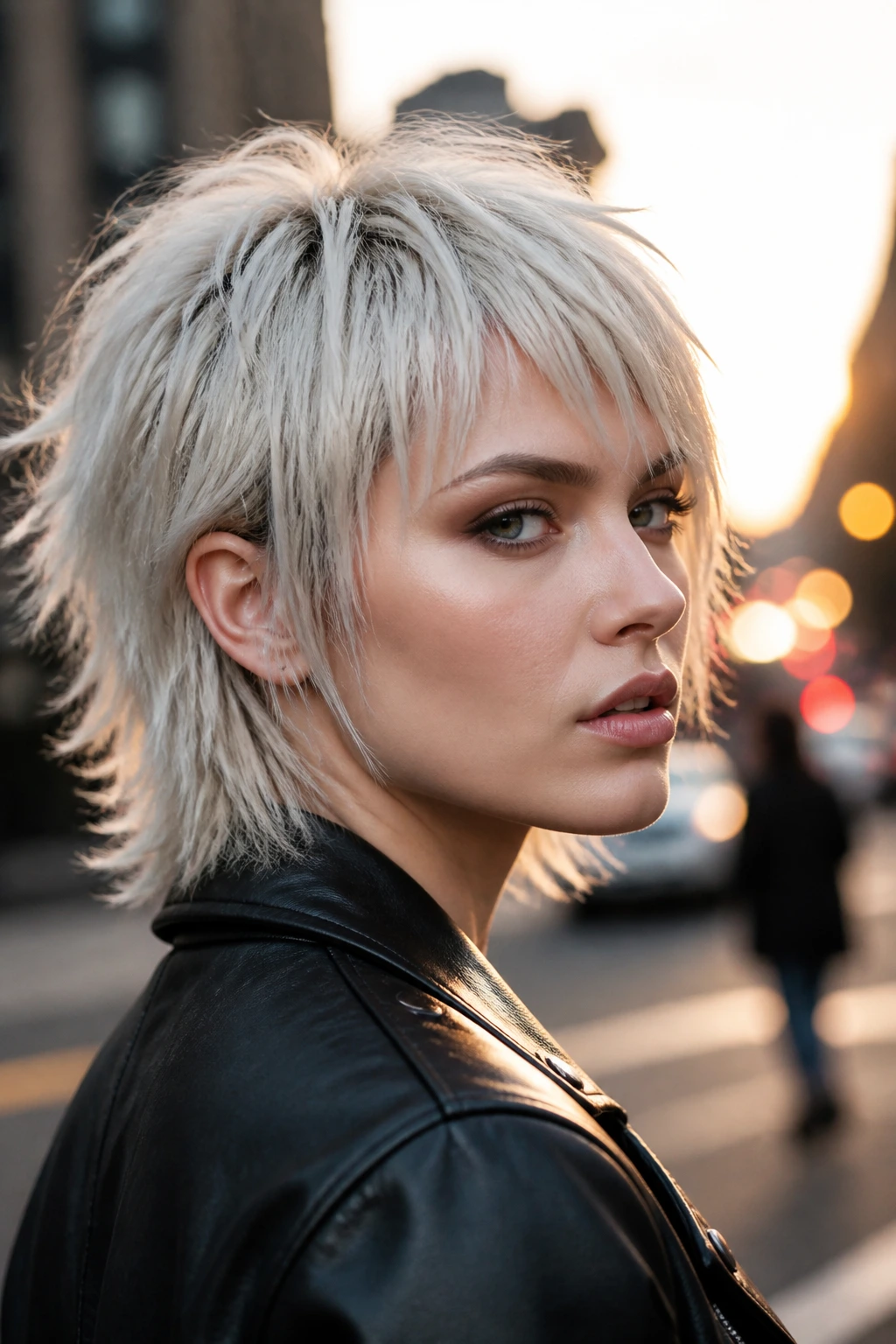
Platinum changes the whole tone of an extra short wolf cut. The texture becomes more obvious, the edges look sharper, and the layers read almost graphic because the color is so bright.
The catch is that platinum shows everything. Dry ends, uneven tone, and blunt mistakes all become louder. That is why I like this cut with a softened point-cut finish and a little root shadow, even if the shadow is only half a shade darker. It keeps the scalp area from looking stark and gives the short layers somewhere to fall.
8. Copper Flame Wolf Cut

Copper is a good match for short, choppy layers because it warms up the whole shape. The color catches the broken texture and gives the cut a little glow, especially around the face and crown.
This version looks best when the copper isn’t flat. A gloss, a shadow root, or a slightly darker lowlight keeps it from turning brassy. If your skin has warm or neutral undertones, the result can feel sharp without looking hard. That’s a useful balance when the cut itself already has attitude.
9. Wet-Look Piecey Wolf Cut
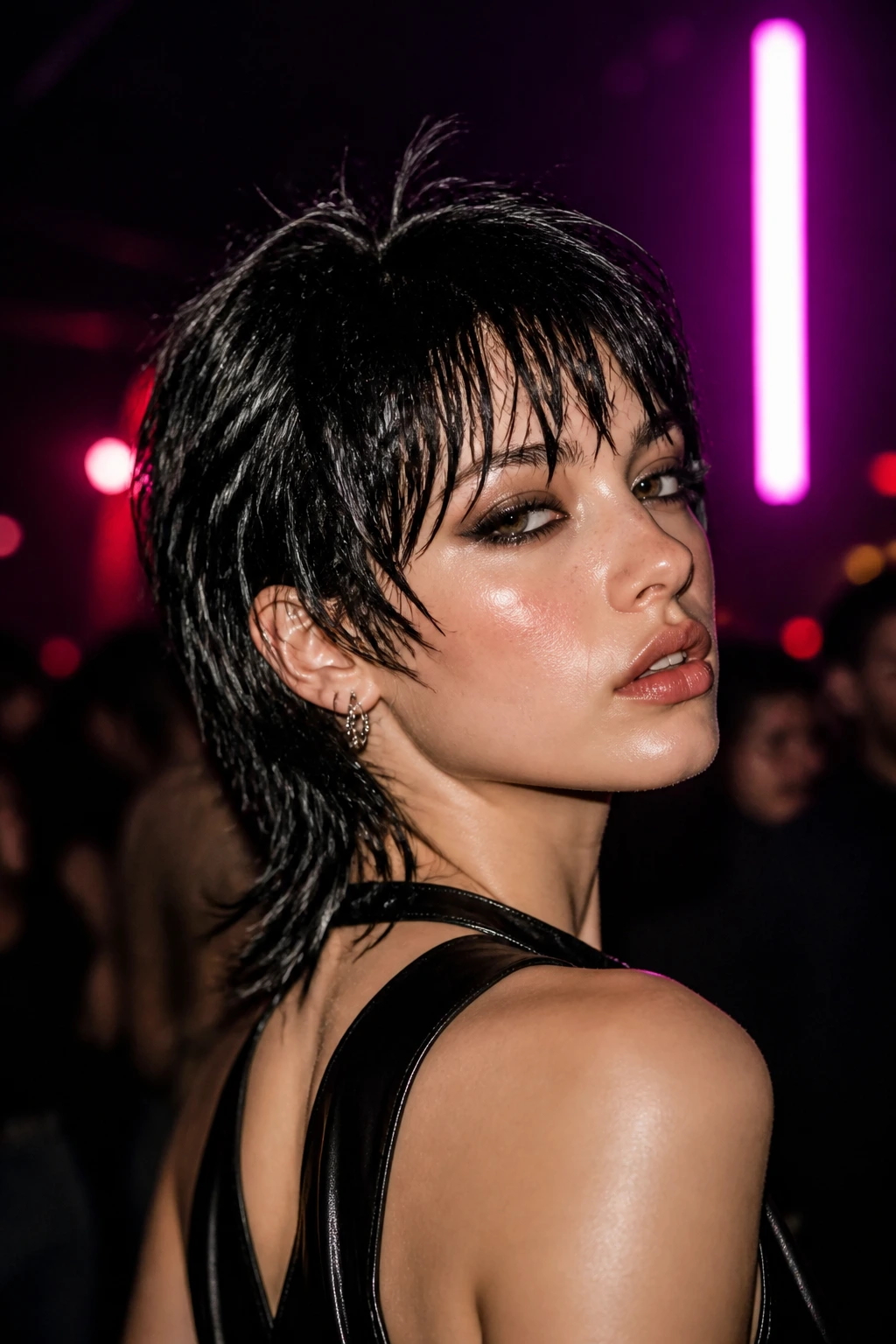
This is the one you wear when you want the short wolf cut to look deliberate and a little glossy. The shape still depends on layers, but the styling pushes it toward a slick, night-out finish.
Use gel or a wet-look cream on damp hair, then rake it through with your fingers so the pieces stay separated. The crown should still have some lift. If everything is flattened straight back, the cut loses its shape and starts looking like you forgot to finish it. Leave the ends piecey and the fringe a bit irregular. That little mess is the point.
10. Side-Swept Micro Wolf Cut
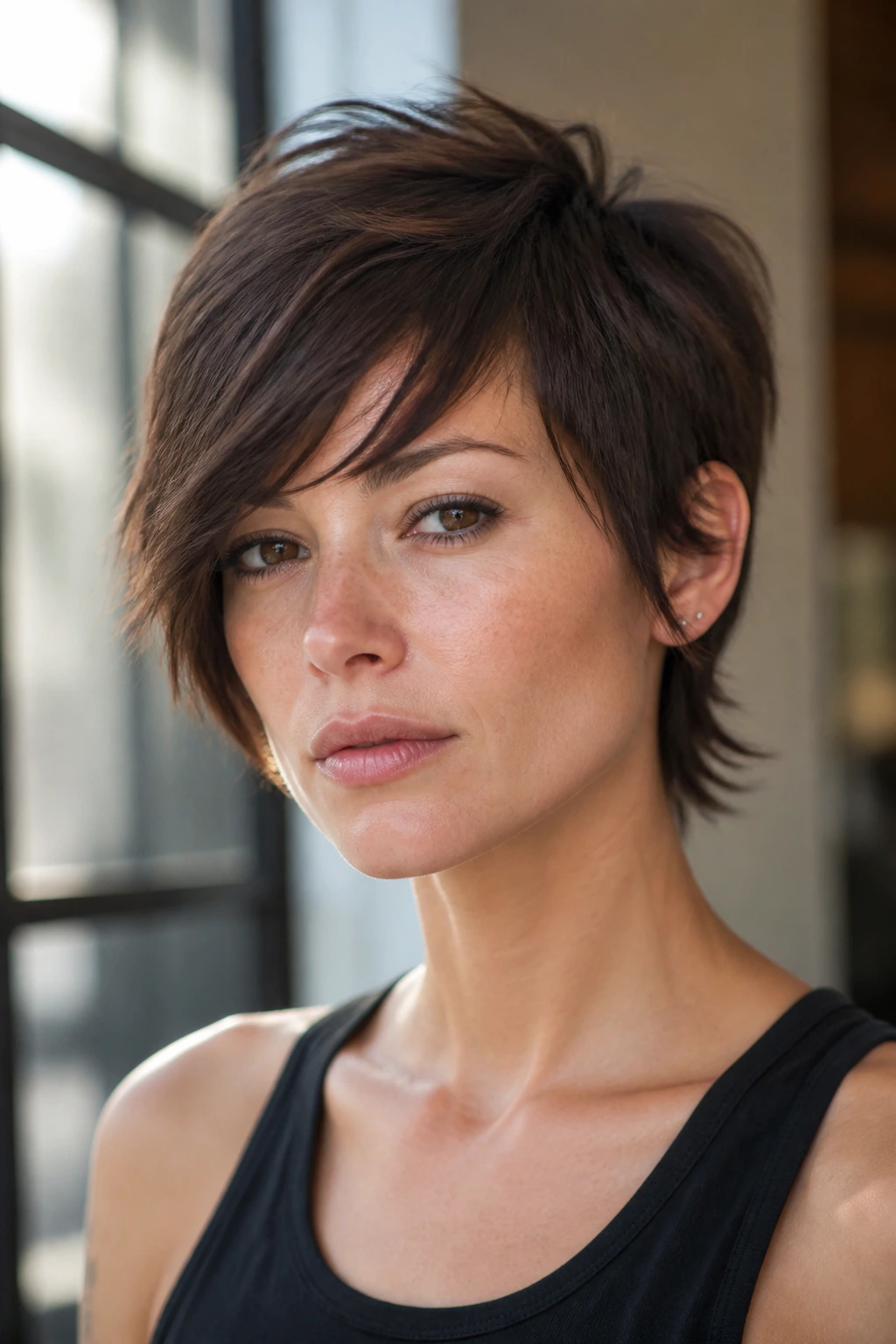
A side-swept micro wolf cut gives you edge without forcing the forehead into the spotlight. The fringe travels across one brow instead of sitting straight and severe, which makes the cut feel easier to wear day to day.
This version is a smart move if your hair has a stubborn cowlick or if baby bangs feel too harsh on your face. Keep the shortest layers at the crown, then let the front curve from a deep side part. It softens the whole look without sanding off the attitude.
11. Tapered Afro Wolf Cut
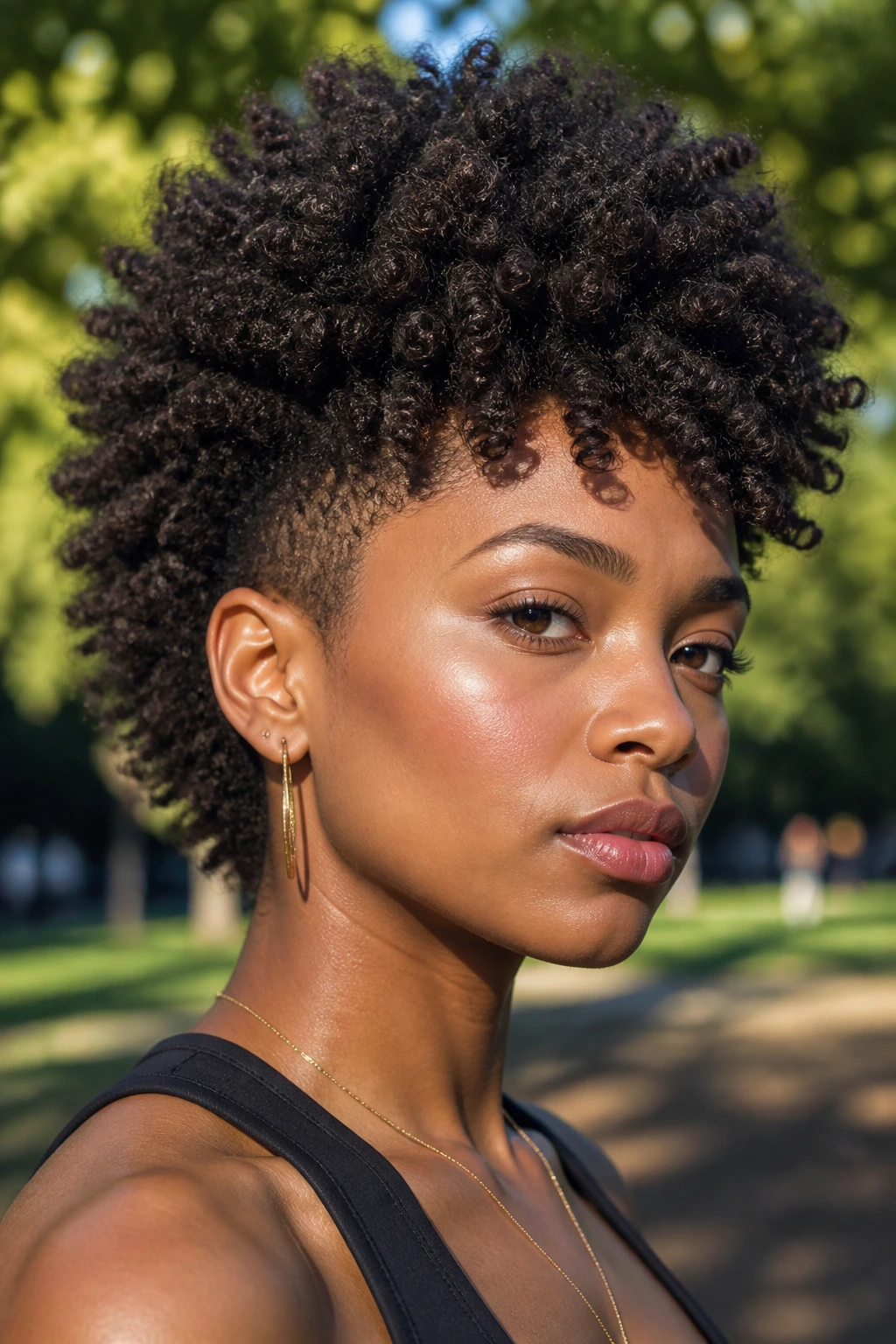
On coily or tightly curled hair, a wolf cut can look fantastic when the shape is tailored instead of forced. The crown stays rounded, the sides taper in, and the silhouette keeps some height without ballooning at the edges.
This is one of those cuts where the outline matters more than the exact layer pattern. The interior can be broken up to release bulk, but the outside shape should still feel clean. Moisture is your friend here. A leave-in conditioner, a curl cream, and a diffuser can keep the cut defined without making it stiff.
12. Mini Mullet Wolf Cut
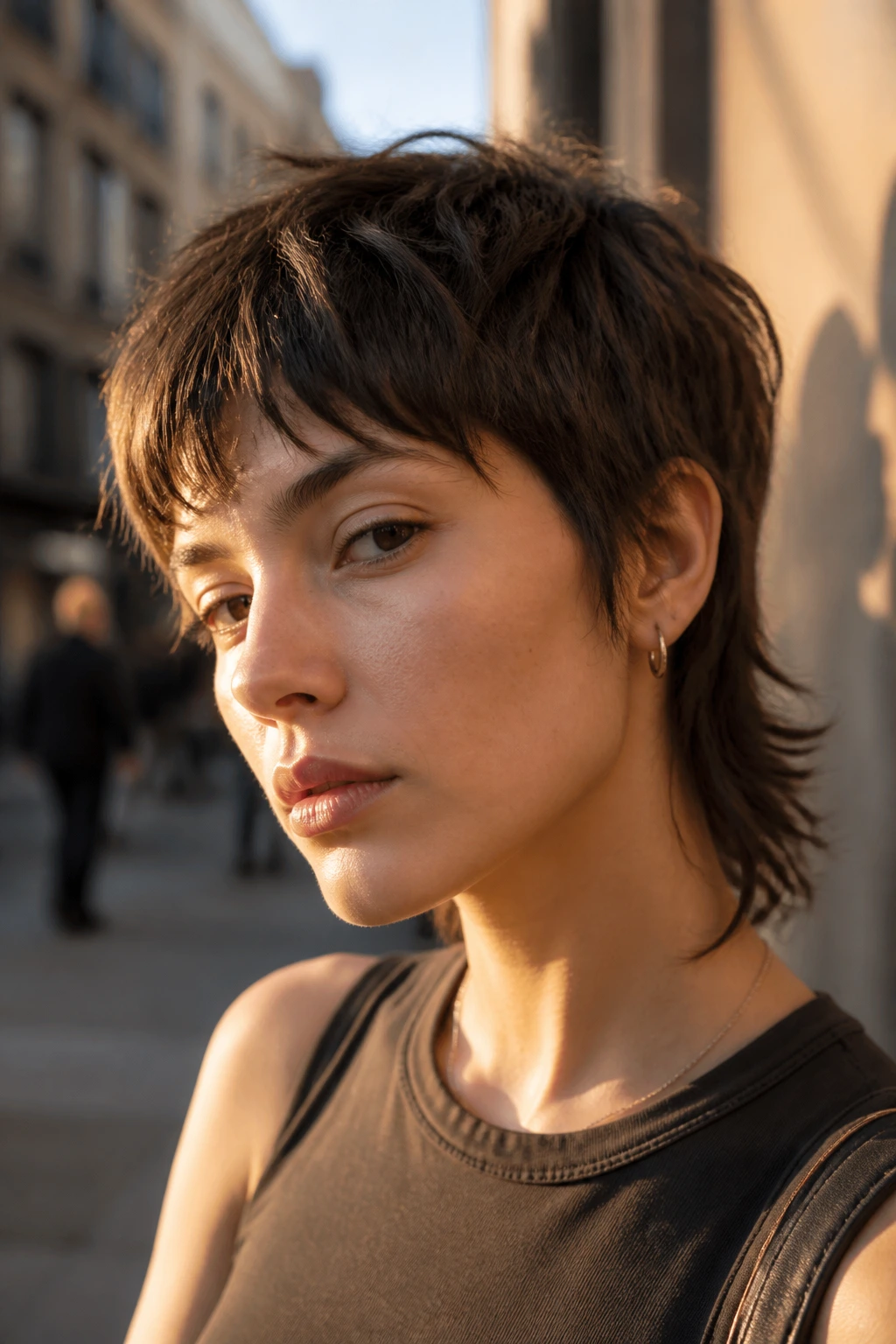
A mini mullet wolf cut is for someone who likes the back half of the hair to misbehave a little. The front and sides stay short and face-framing, while the nape keeps a touch more length so the shape reads rebellious instead of neat.
Why it works
The short front keeps it wearable. The slightly longer back makes the whole cut feel like it has direction. I’d ask for the transition to stay soft enough that it doesn’t turn into a hard disconnect unless you want that deliberate punch. It’s a strong choice if you like jackets with structure, dark liner, and hair that looks better a little mussed.
13. Asymmetrical Wolf Cut
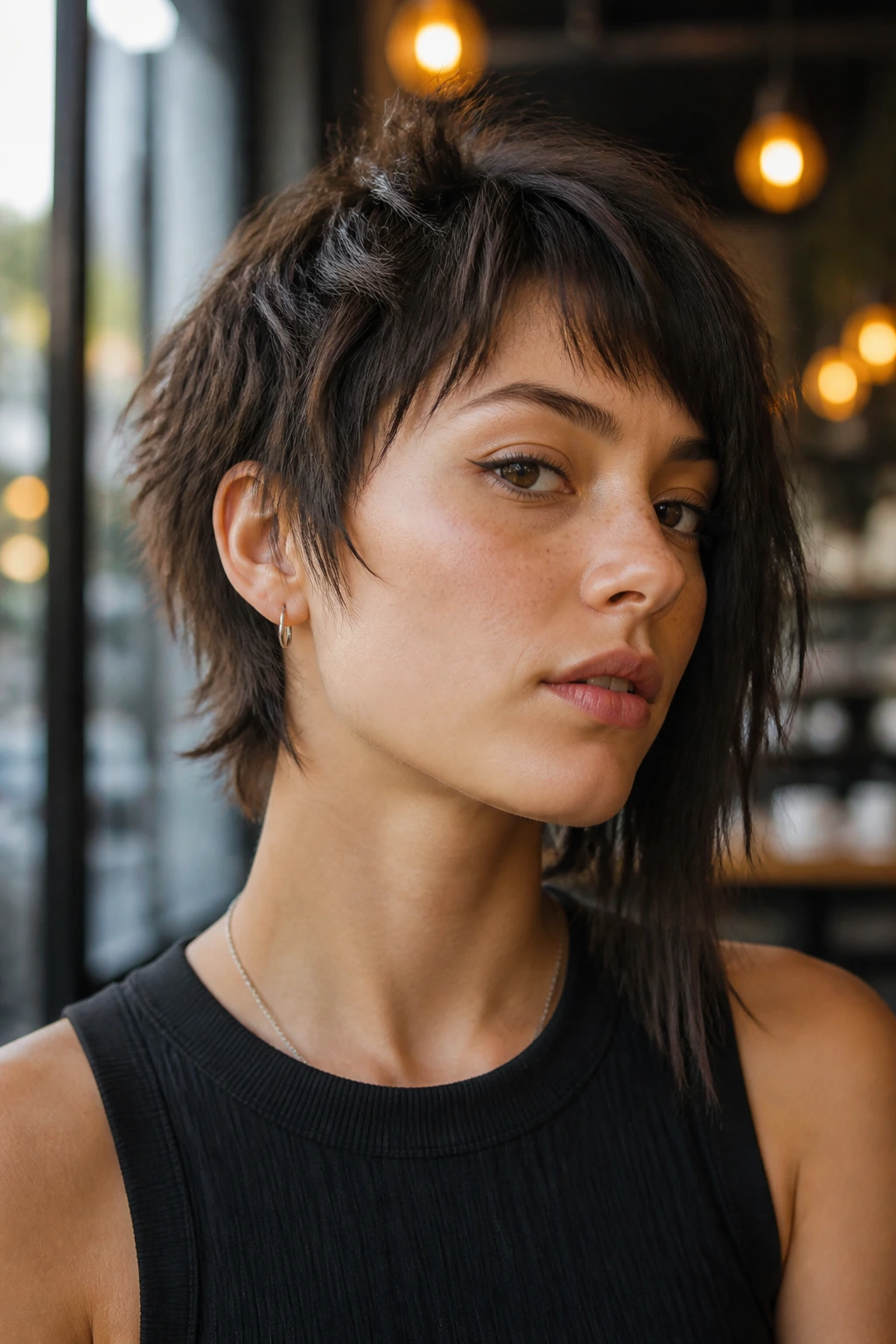
One side longer than the other can do a lot of work on a short wolf cut. It breaks the symmetry in a way that feels sharp, and it can also help balance a jawline, a deep side part, or one side of the face you like more than the other.
The key is to make the difference noticeable but not fussy. A slight asymmetry is usually more useful than a dramatic cliff. That gives you a cut that still moves well when tucked behind one ear, but looks interesting from every angle.
14. Bowl-Shag Wolf Hybrid
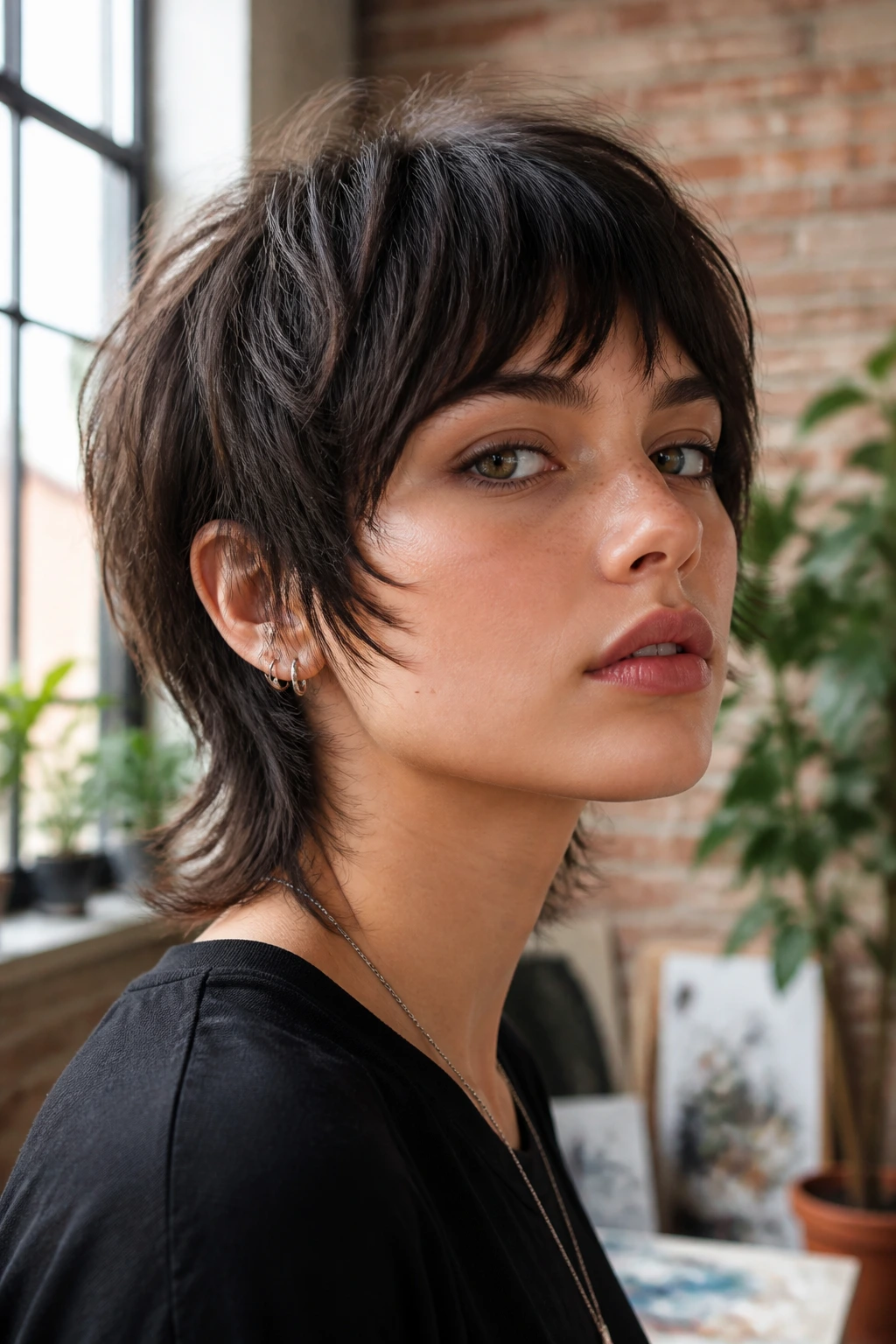
This one sounds strange until you see it done well. The perimeter carries a soft bowl-like curve, while the inside layers stay rough and shaggy, which gives the haircut a kind of art-school edge.
I like this for straight or slightly wavy hair that can hold a crisp outline. If the outer line is too blunt, it starts to look costume-y. If it’s softened with point cutting and the interior is left choppy, the result feels clever instead of obvious. Not every short wolf cut needs to look wild. Some need to look deliberate.
15. Fine-Hair Wolf Cut
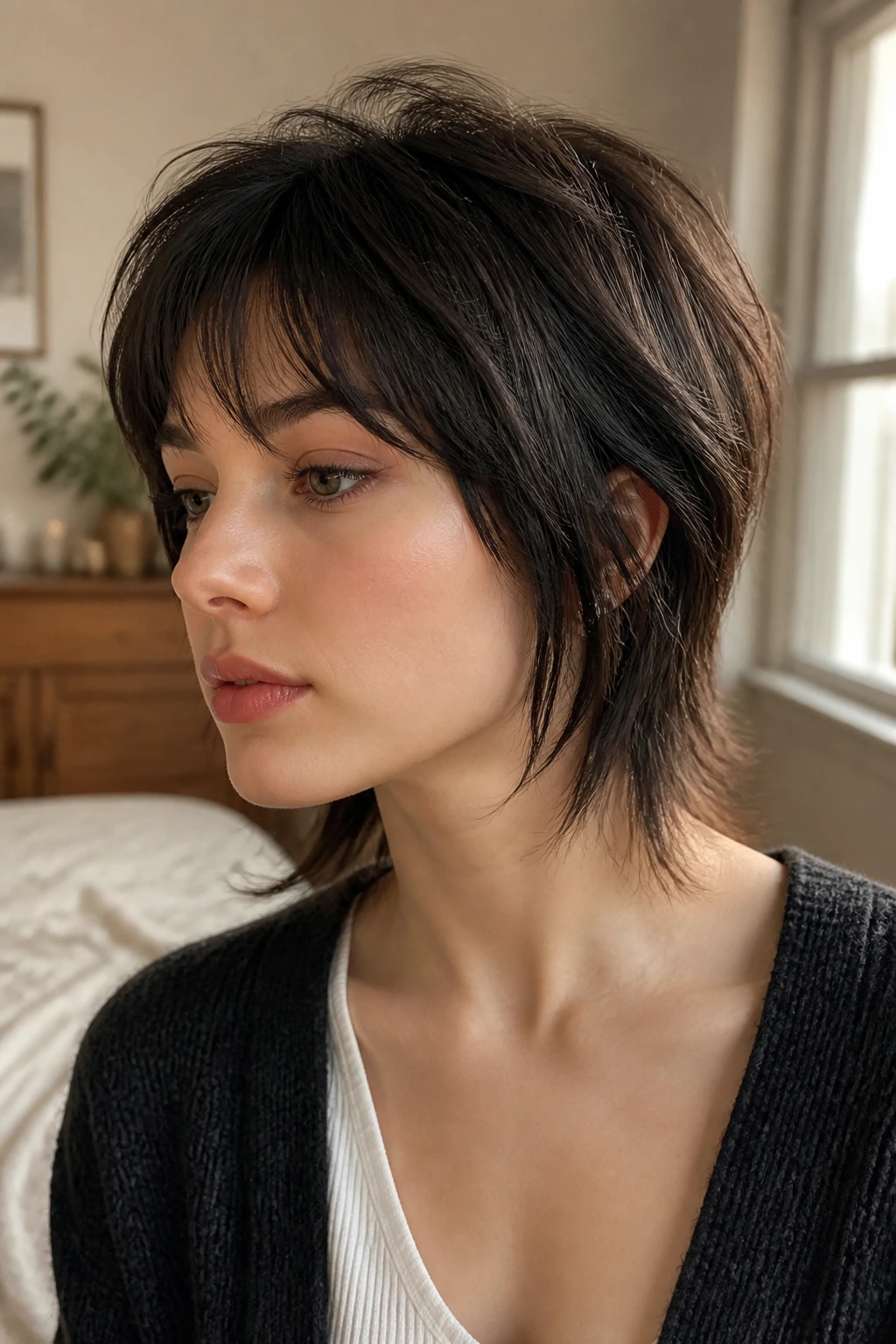
Fine hair needs a careful hand here. Too much thinning and the shape goes transparent. Too little layering and the cut collapses into a flat cap.
The trick
Keep the shortest layers mostly around the crown and avoid shredding the ends too much. Ask for internal layers that release weight without hollowing out the perimeter. A root-lifting mousse or spray at the base helps, but the cut itself matters more than the product. If you want the hair to feel fuller, leave enough length at the front to make the shape read as a style, not a mistake.
16. Thick-Hair Wolf Cut
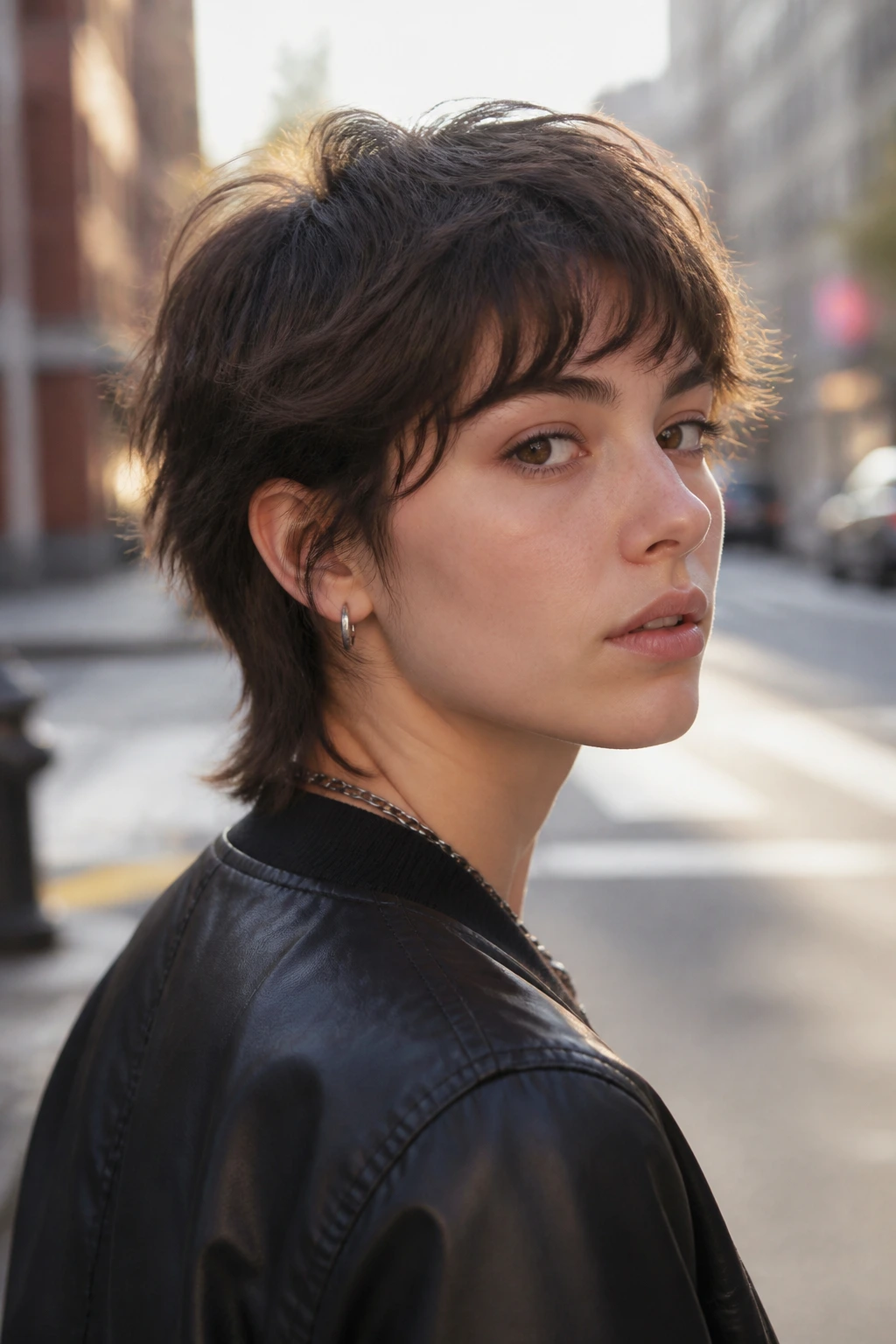
Thick hair can wear a short wolf cut beautifully when the bulk is handled with discipline. The goal is not to remove as much hair as possible. It’s to remove the right hair in the right places.
That usually means more movement in the top and around the ears, plus some weight kept at the outline so the cut doesn’t flare out like a triangle. Slide cutting, point cutting, and clean sectioning all matter here. If your hair is dense, ask your stylist to leave the crown airy and the nape controlled. Otherwise the shape can puff out in the wrong way.
17. Wispy Fringe Wolf Cut

A wispy fringe softens the whole cut in a way a blunt bang never will. The forehead stays partly visible, the pieces fall a little unevenly, and the face gets framed without being boxed in.
This version is useful if you want the wolf cut to look a little less aggressive. It also behaves better on days when you only have two minutes to fix your hair. Dry texture spray at the roots, a small round brush if you need it, and a light finger rake are usually enough.
18. Blunt-Bang Wolf Cut
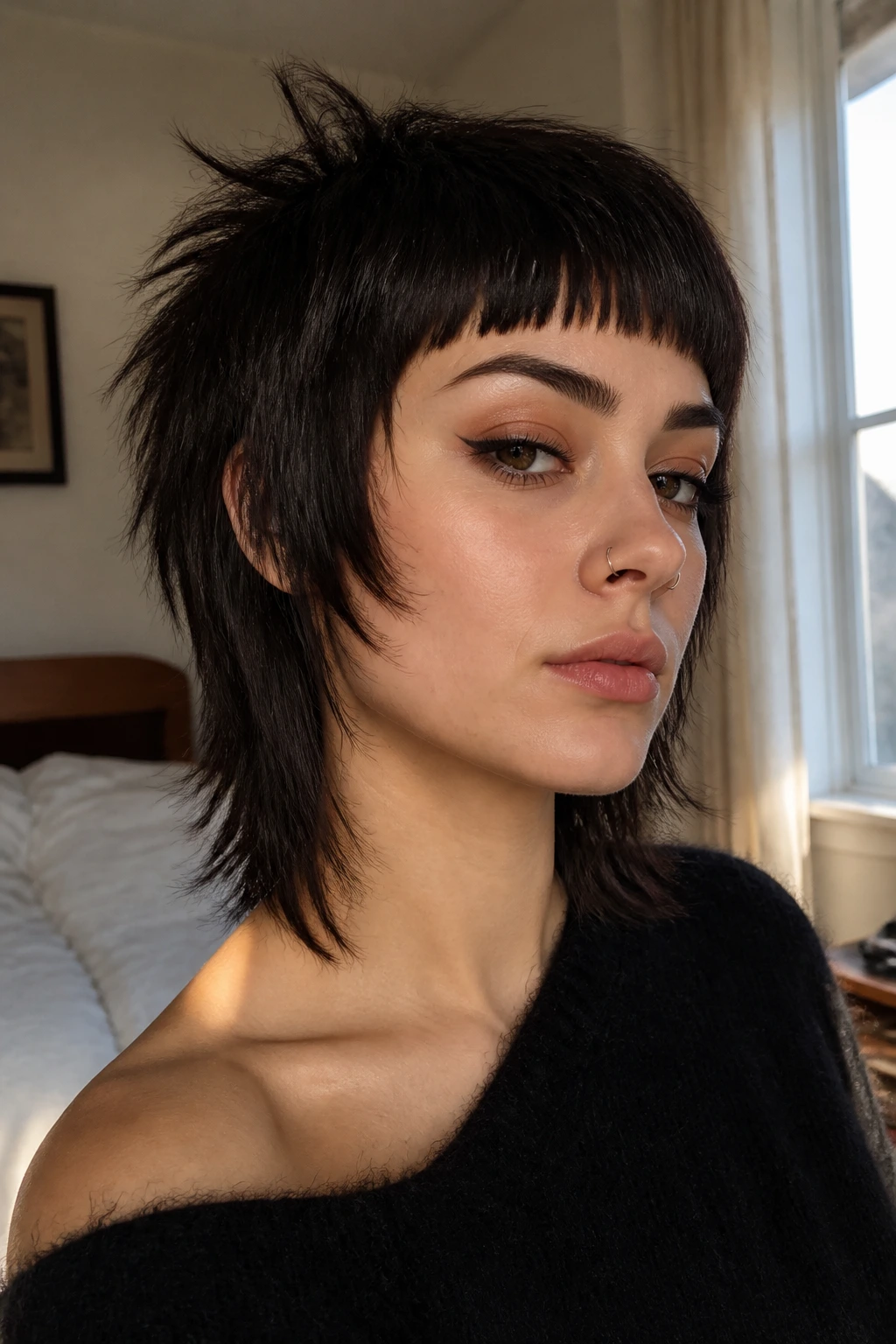
This is the bolder sibling of the wispy fringe version. The bang line comes in solid and graphic, then the layers behind it go rough and choppy so the contrast is part of the look.
The blunt fringe needs upkeep. If you let it grow too far past the brow, the balance starts to wobble. Trim it often, keep the edges neat, and let the back stay rough. That sharp front line against the messy crown is what makes the cut work.
19. Slicked-Back Wolf Cut
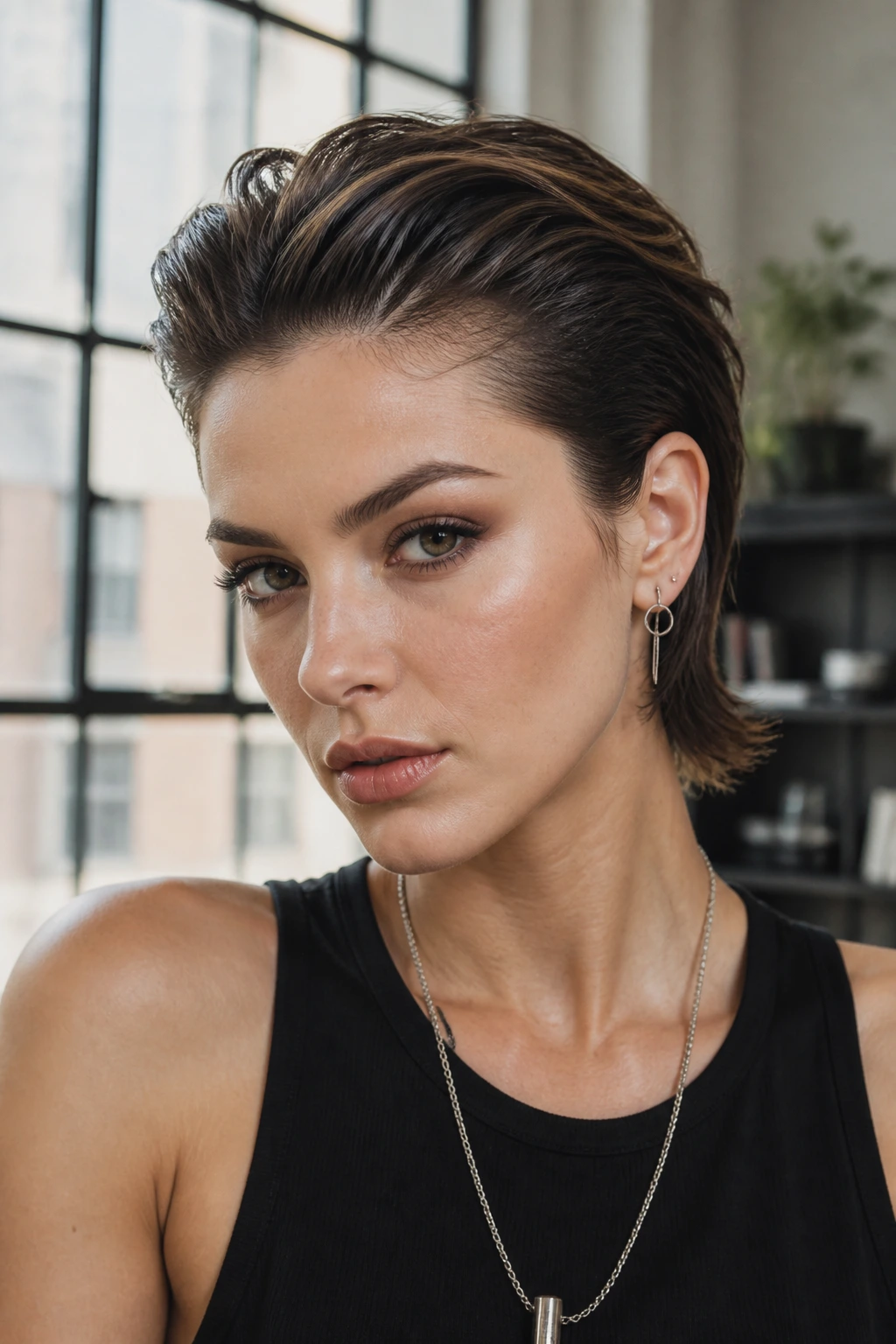
A slicked-back short wolf cut has a very different personality from the airier versions. The front goes back off the face, the sides stay tucked, and the crown keeps just enough lift to stop it from looking flat.
This is a good choice if you like makeup, earrings, or strong brows and want hair that doesn’t compete with them. Use a light gel or styling cream on damp hair, comb it back, then rough up the crown a little with your fingers once it dries. If the whole thing looks too wet, it loses shape. Keep the top controlled and the ends slightly separated.
20. Air-Dried Wave Wolf Cut
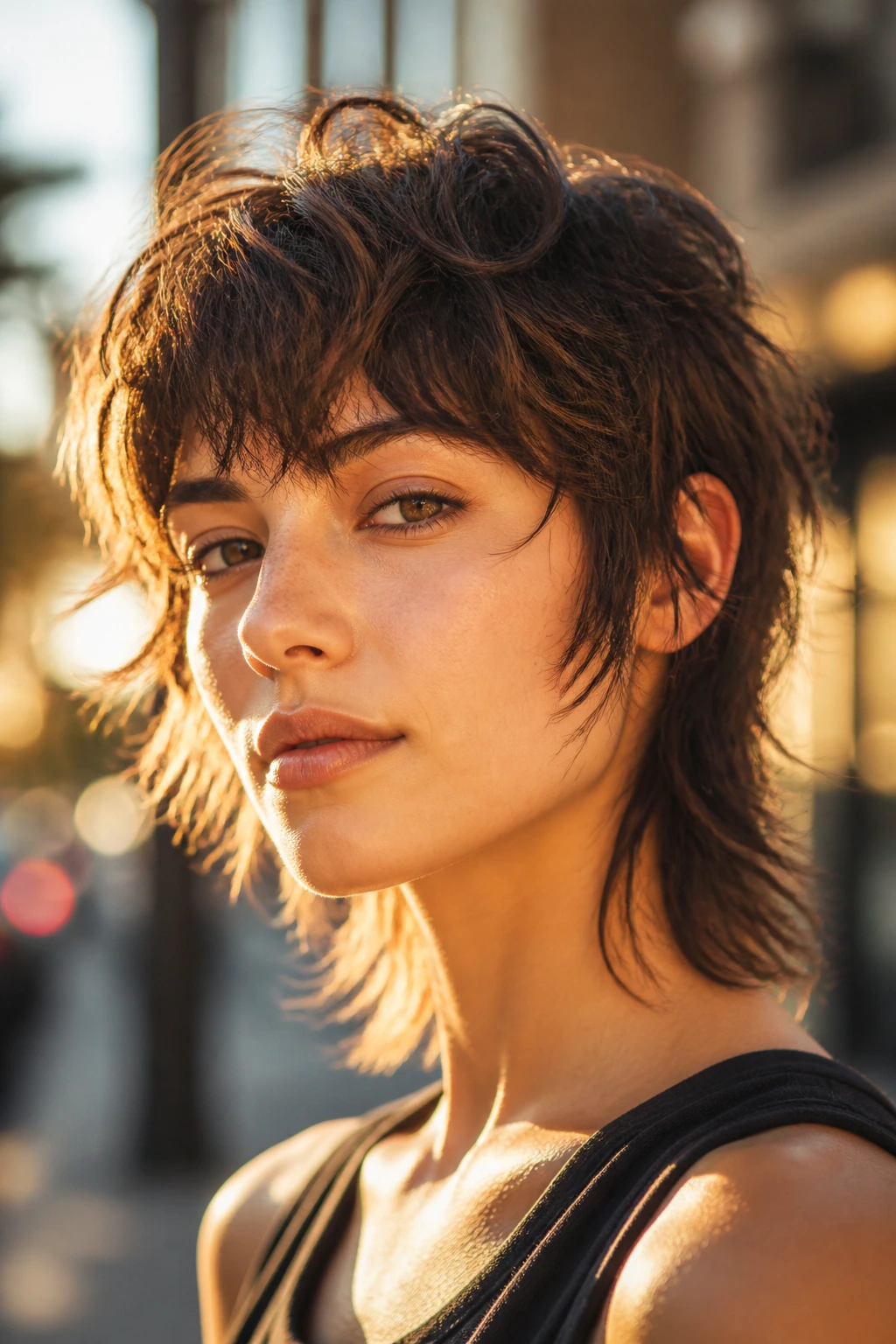
If your hair already bends, an air-dried wave wolf cut can save you a lot of time. The layers are cut to follow the movement instead of fighting it, so the cut looks awake even when you do almost nothing.
How to style it
Scrunch in a light mousse or curl cream on damp hair, then leave it alone until it’s about 80 percent dry. After that, twist a few front pieces with your fingers and let them fall. The finish should look loose, not polished. This is the version I’d send to people who hate spending ten minutes trying to make hair look “done.”
21. Shattered Layer Wolf Cut
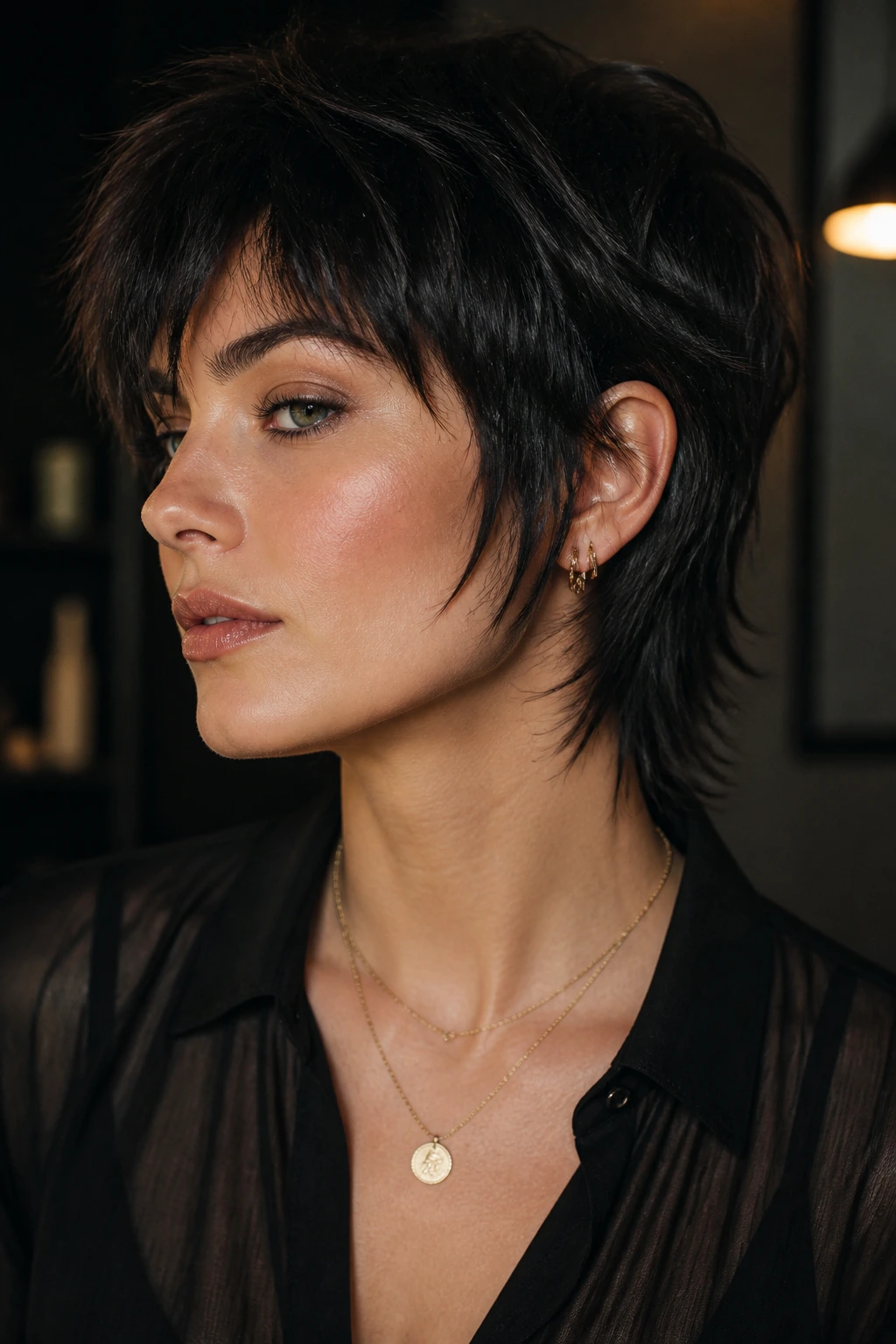
Shattered layers give the cut a broken, sliced look that feels a little more aggressive than a soft shag. You get separation, movement, and sharp little ends that catch light instead of blending into a blur.
This is not the right choice if you want smoothness. It is the right choice if you want texture that looks like it has edges. A matte styling product can help define the pieces at the crown and along the sides. The cut should still sit close enough at the neck to keep the whole thing from ballooning.
22. Shaved-Temple Wolf Cut
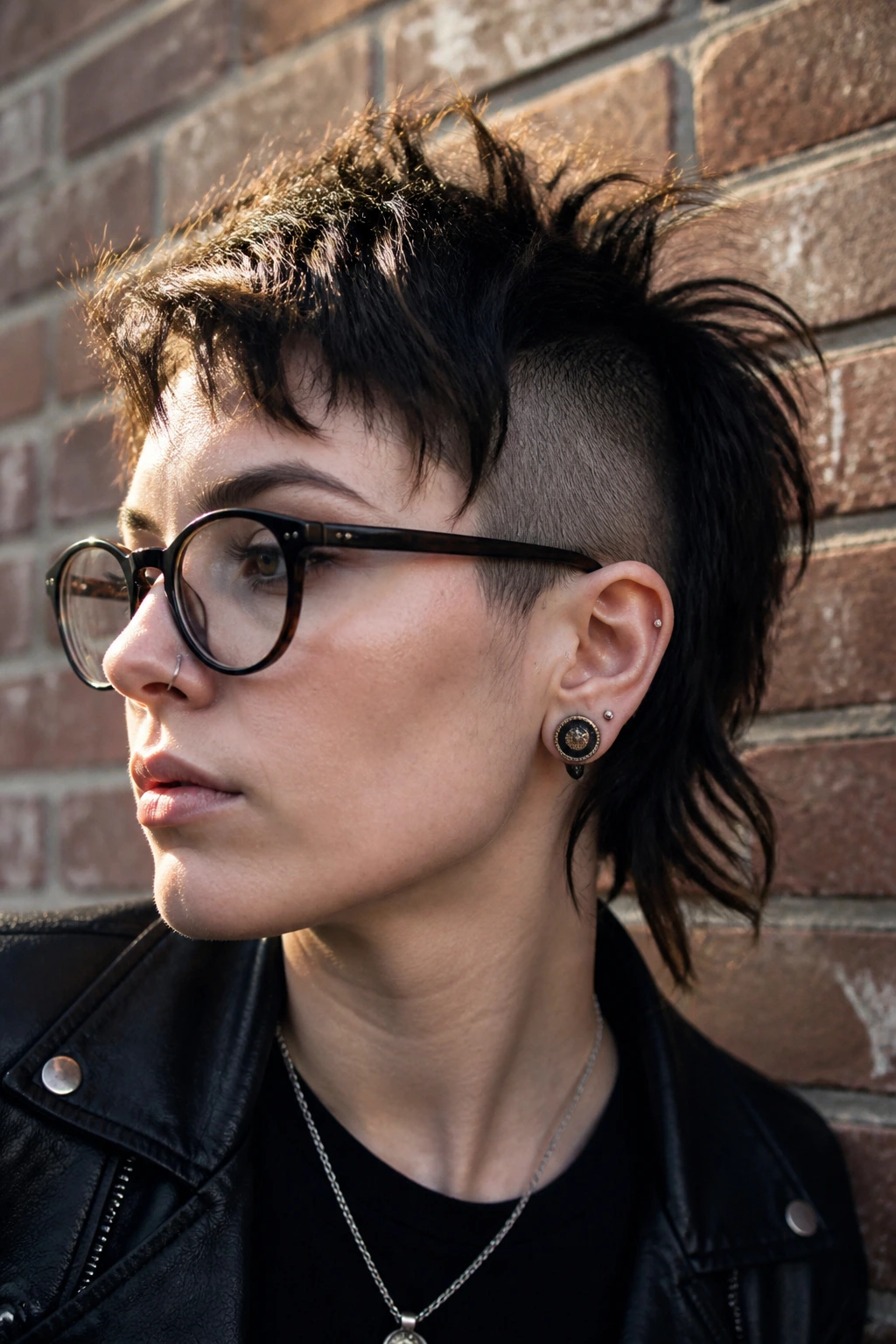
A shaved temple changes the attitude fast. One clean patch near the ear gives the wolf cut a harder line, and it also makes tucked-back styling feel more interesting.
You can keep one temple shaved and the other soft, or shave both for a more symmetrical finish. Either way, the contrast between the smooth temple and the rough top layers is what makes it hit. If you wear glasses, this can look especially good because the lines of the frames and the shaved area play off each other.
23. Neon-Streak Wolf Cut
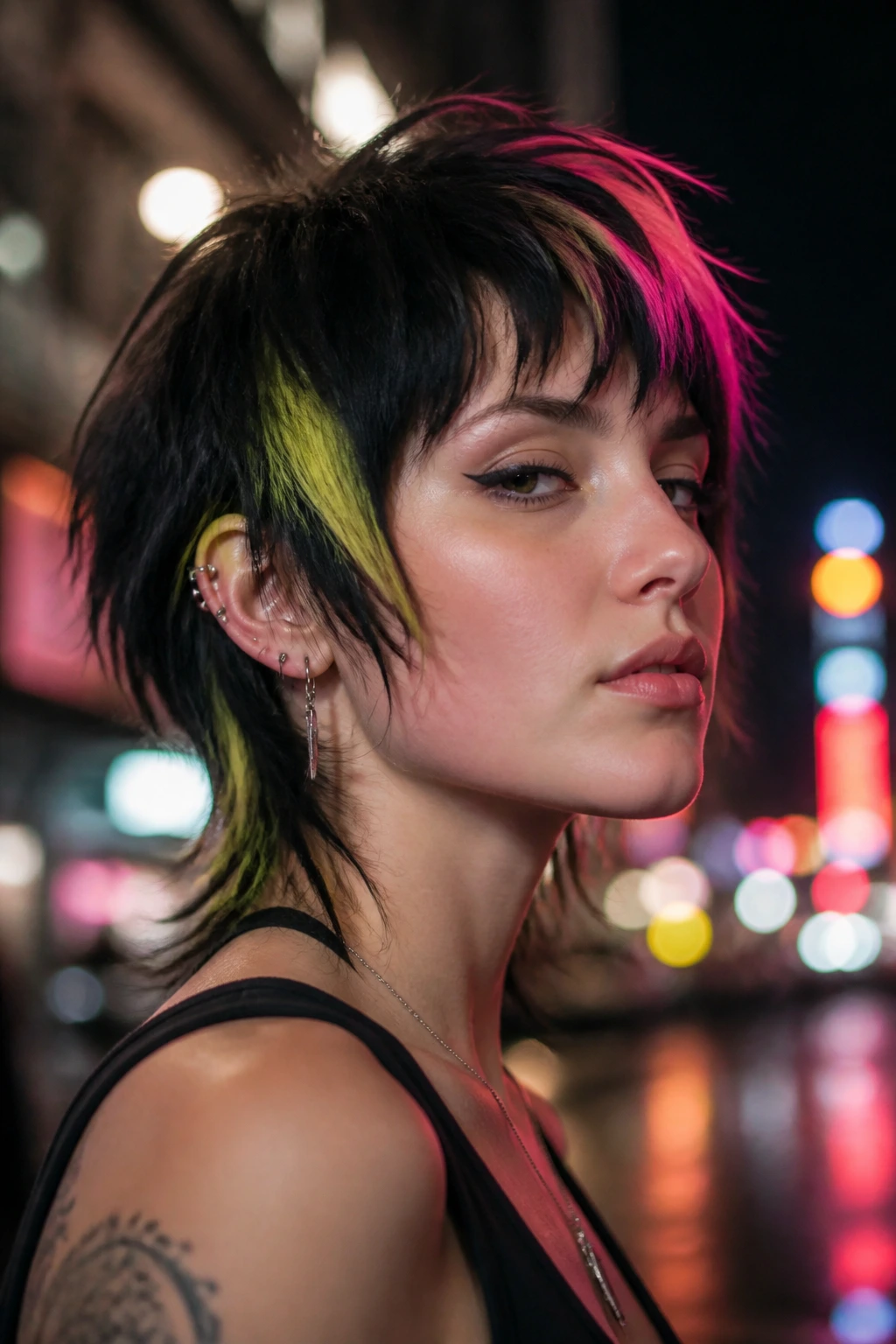
Short hair and neon color have a natural chemistry. There’s less hair to color, less hair to maintain, and more of the cut’s texture gets picked up by the bright streaks.
The best neon placements usually sit near the fringe, crown, or money piece rather than scattered all over. That keeps the color from turning into a blur. Pink, green, violet, and electric blue all work, but the base needs to support them. If the cut is already choppy, the color can look even more graphic.
24. Soft-Edged Wolf Cut
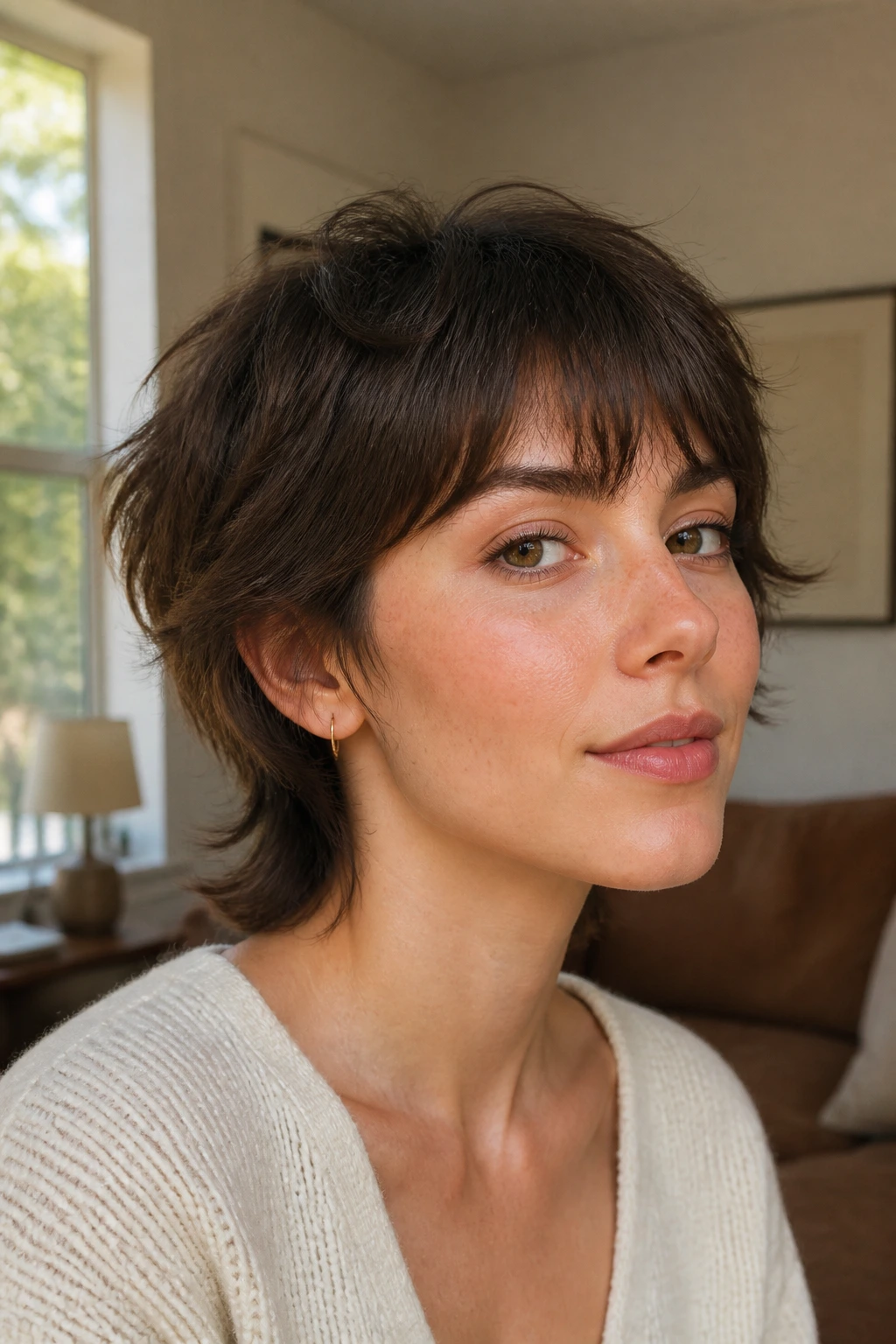
Not everyone wants the hardest version of this cut. A soft-edged wolf cut keeps the general shape, but the layers are blended a little more gently and the fringe sits less aggressively.
That softer hand makes the haircut easier to wear in plain clothes, under office lighting, or on days when you don’t feel like announcing yourself to the room. The point is not to lose the edge. It’s to keep the edge from looking too severe. Short layers, a rounded nape, and a little irregularity at the ends are enough.
25. Silver Fox Wolf Cut
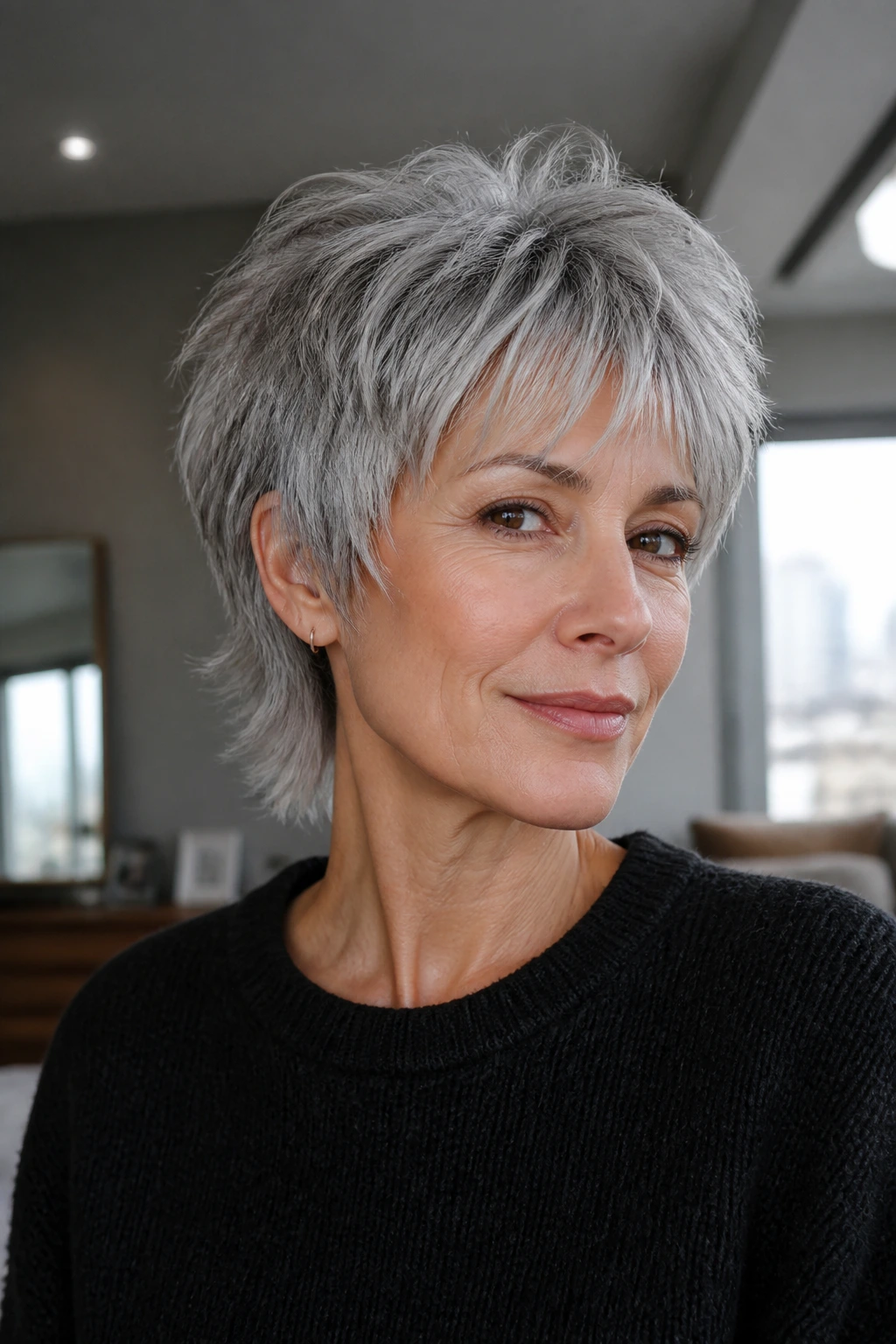
Silver or gray hair can make a short wolf cut look clean and expensive in the best sense of the word. The texture lines show up clearly, the sheen is strong, and the cropped shape feels intentional instead of apologetic.
A purple shampoo now and then helps keep the tone from going yellow. A shine spray can also be useful, especially on the top layers where light hits first. I like this cut with a controlled fringe or a soft side part, because the color already brings plenty of drama.
26. Goth Black Wolf Cut
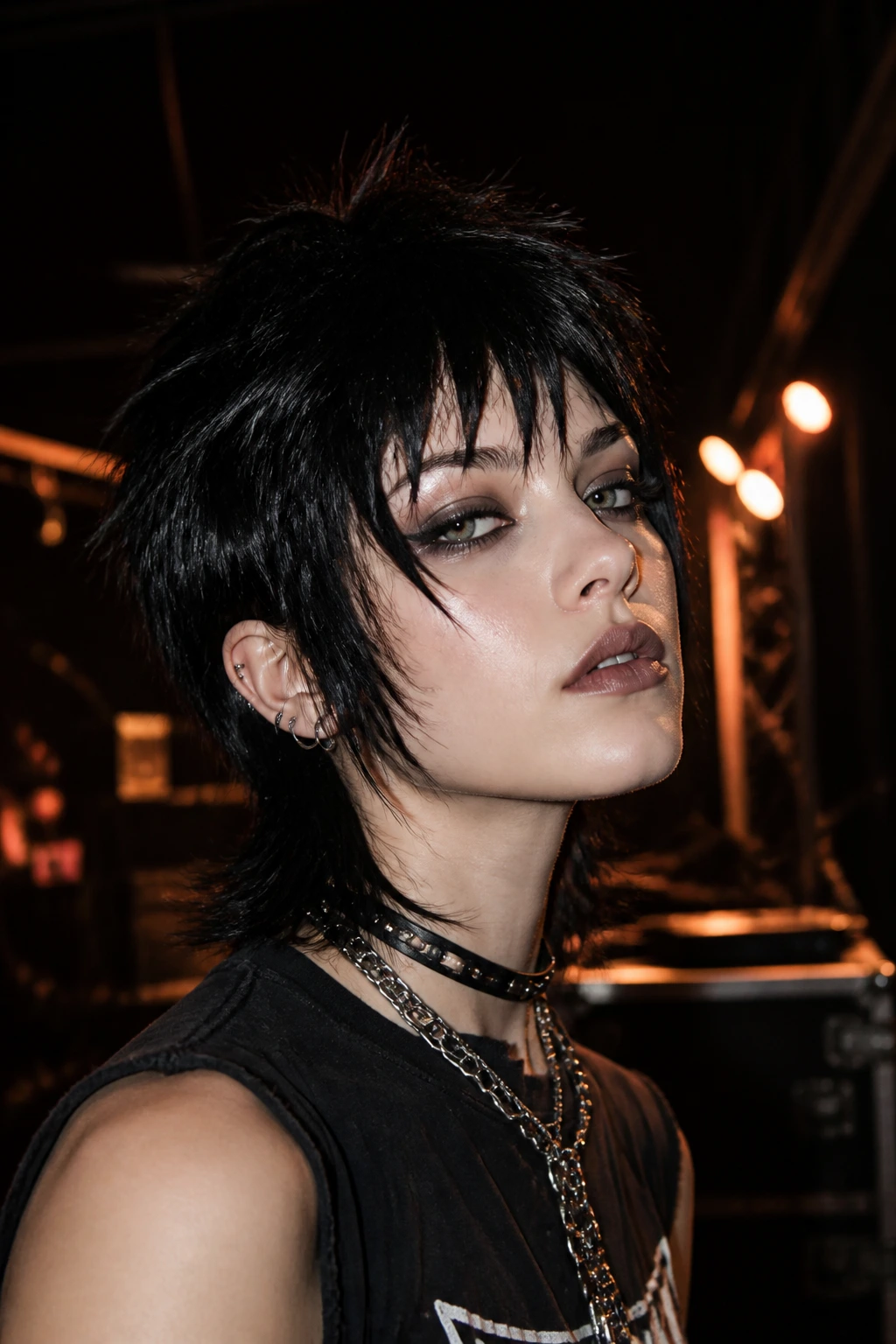
Black hair makes the short wolf cut look darker, sharper, and a little more severe. That can be very good when the layers are sliced cleanly and the fringe is just rough enough to keep it from feeling flat.
The main thing to watch is shine. A dead-matte black can swallow the texture, while a healthy gloss makes every broken edge visible. If you like dark eyeliner, boots, and a haircut that feels like it belongs under stage lights, this version understands the assignment.
27. Shadow-Root Wolf Cut
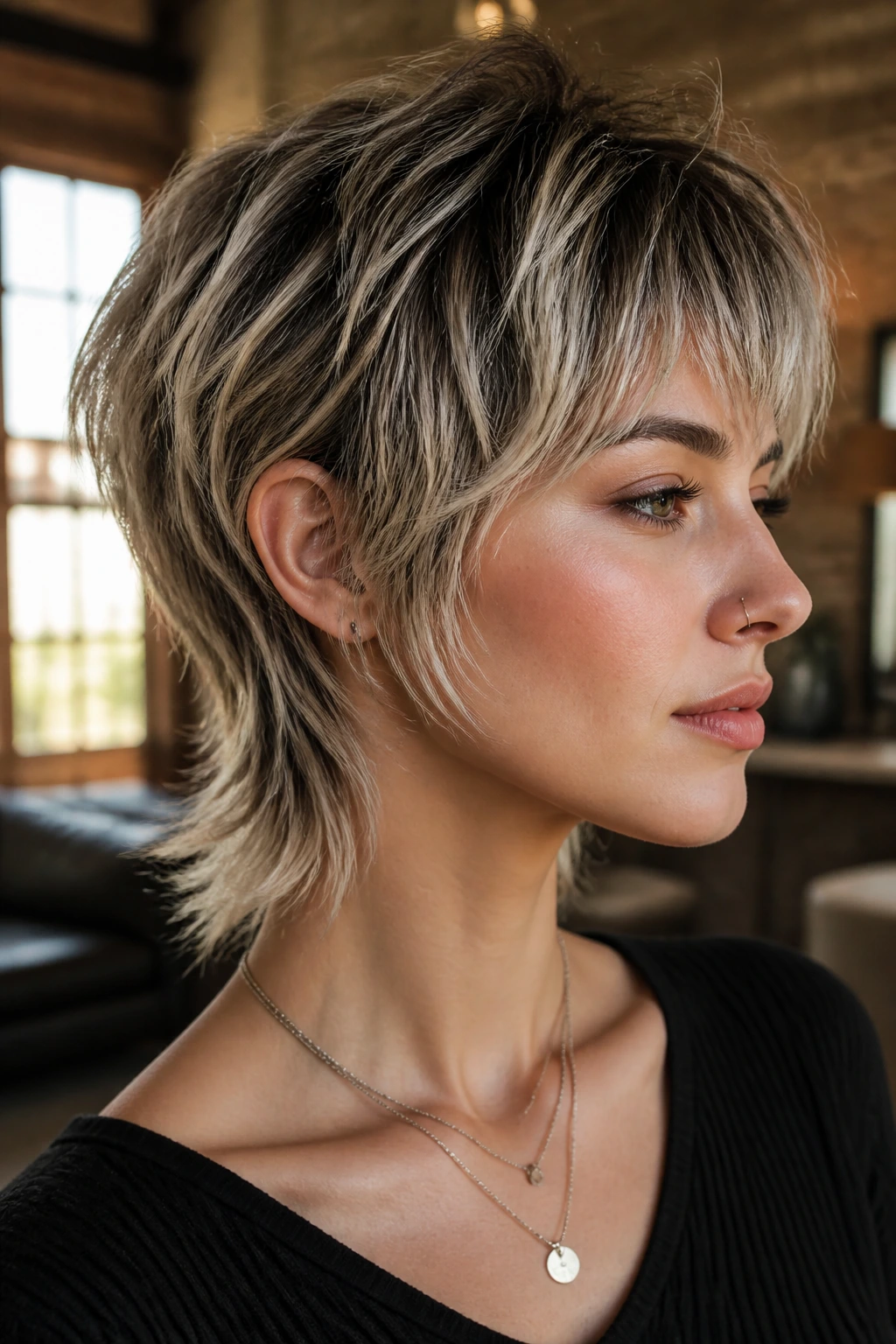
A shadow root helps the short wolf cut grow out without losing its shape. Darker roots make the crown look deeper, the layers look thicker, and the color maintenance less exhausting.
This is especially useful if you’re going lighter through the ends or wearing vivid color. The short length means regrowth shows fast, so a softened root line buys you time. It also keeps the top from looking too chopped up when the layers are short and close to the scalp.
28. Paris Punk Wolf Cut
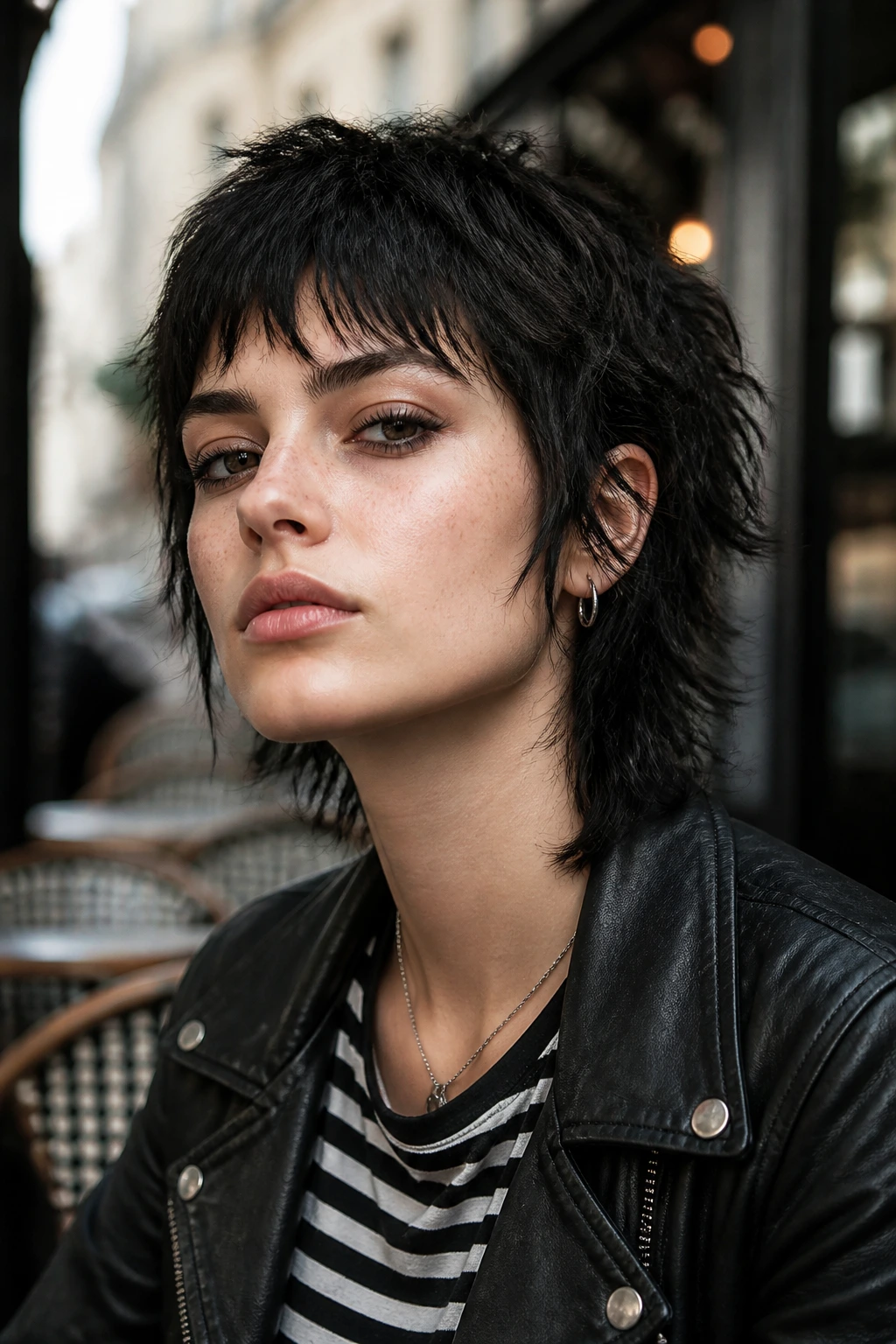
This version leans a little softer than straight punk, which is why it works. Think sharp fringe, broken layers, and a shape that looks better with a blazer, a lip stain, or a half-buttoned shirt than with a full costume.
The trick is not overloading it. A hint of grit is enough. Keep the nape short, the crown rough, and the fringe slightly irregular. That mix of polish and rebellion gives the cut its charm. Too much severity and it starts to feel forced. Too little, and the punk edge disappears.
29. Featherlight Air-Dry Wolf Cut
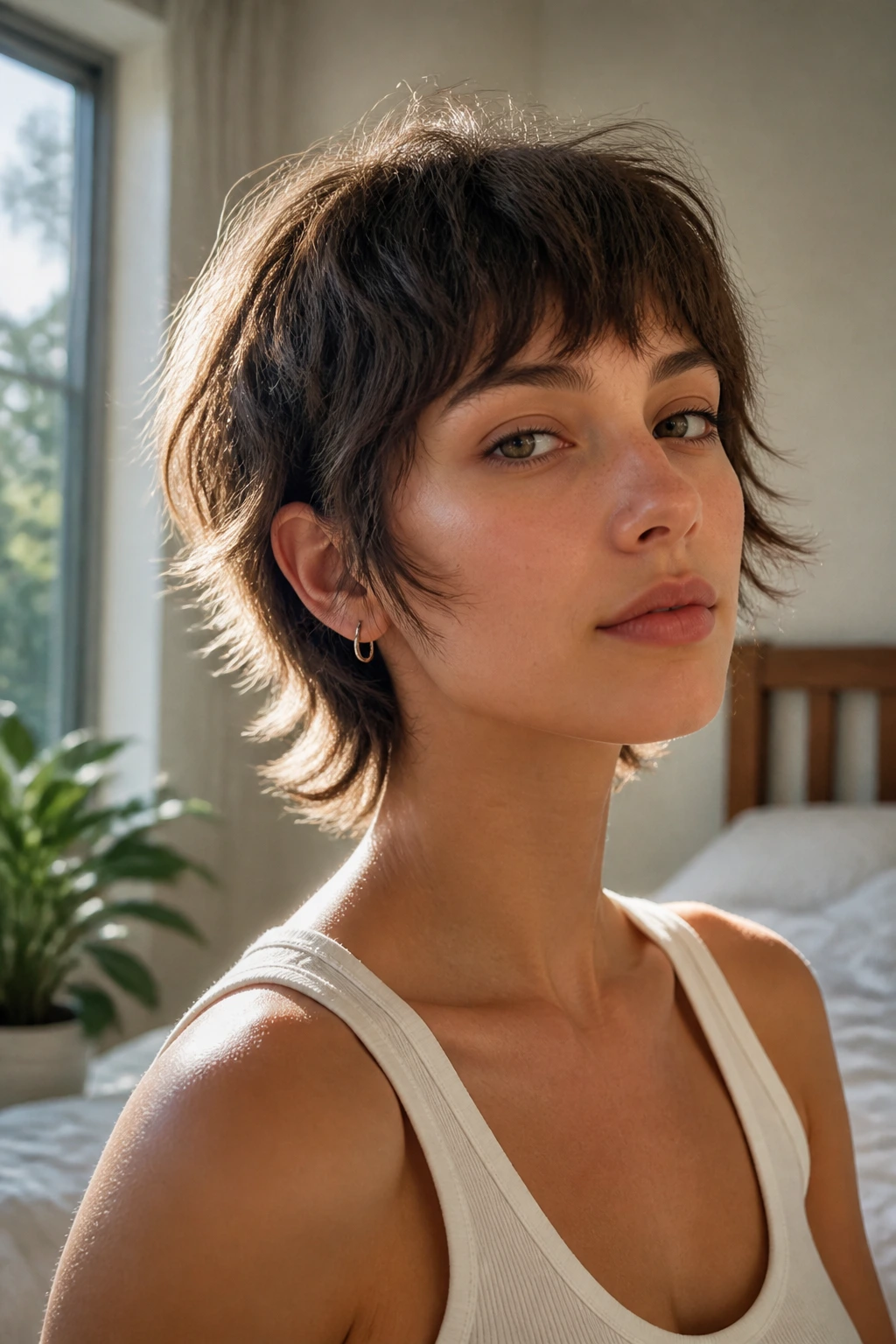
This one is for people who want the cut to behave even when the styling effort stays low. The layers are light, the texture is soft, and the overall shape depends on movement more than on product.
A featherlight air-dry version works best when the cut is not overloaded with thinning. Hair that falls in soft bends or loose waves will get the most out of it. A little leave-in spray, a quick scrunch, and a side shake are often enough. Honestly, that’s part of its charm.
30. Face-Framing Money-Piece Wolf Cut
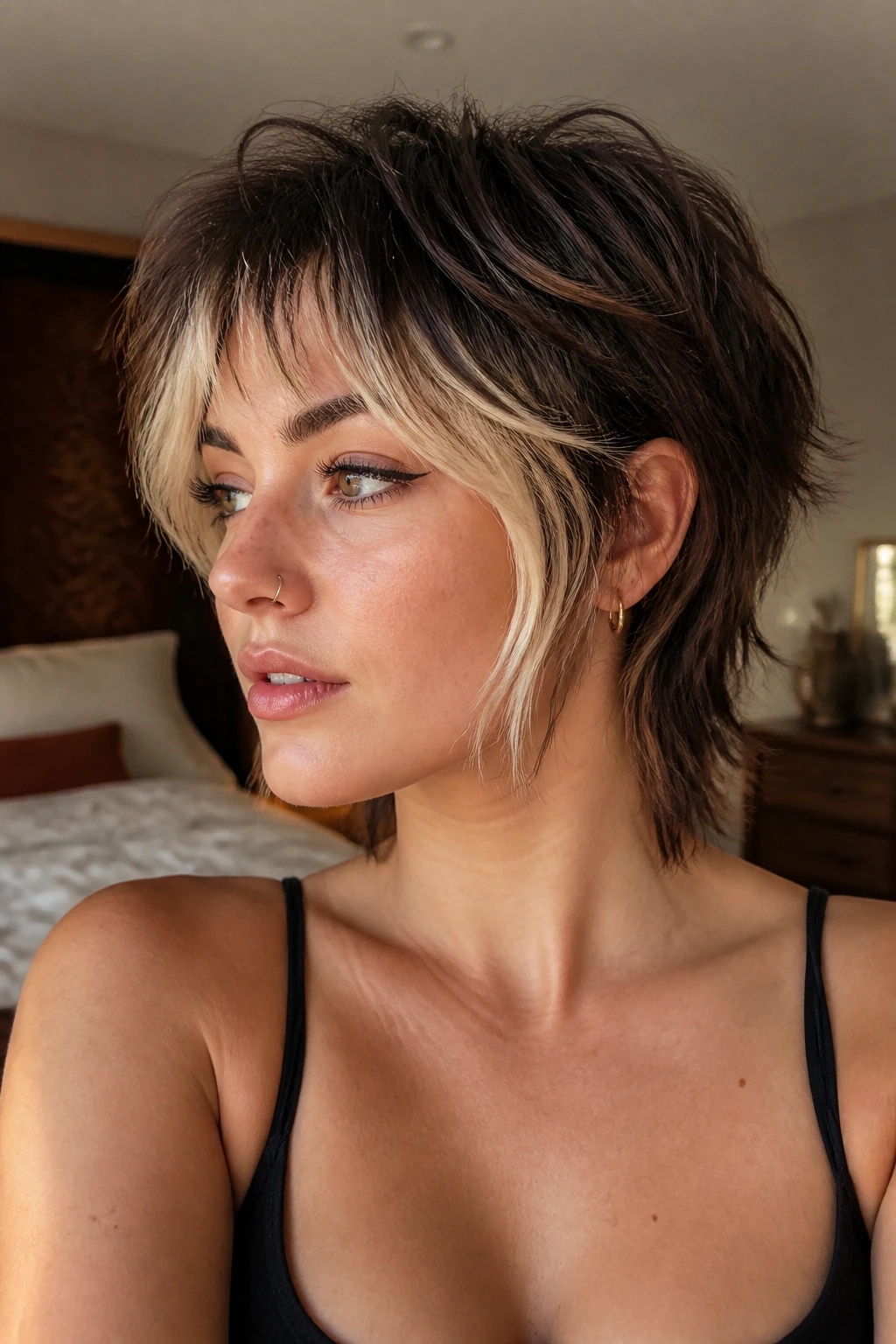
Bright front pieces can make a short wolf cut look more deliberate and more expensive-looking, even when the haircut itself is messy. The lightest strands sit near the face, so your eyes and cheekbones get a little extra lift.
This is a smart option if you want color drama without committing to an all-over bleach job. Keep the front pieces bright and the back a shade deeper, and the cut immediately gains depth. The wolf shape gives the color somewhere to go, which is why the two work so well together.
31. Mini Rat-Tail Wolf Cut
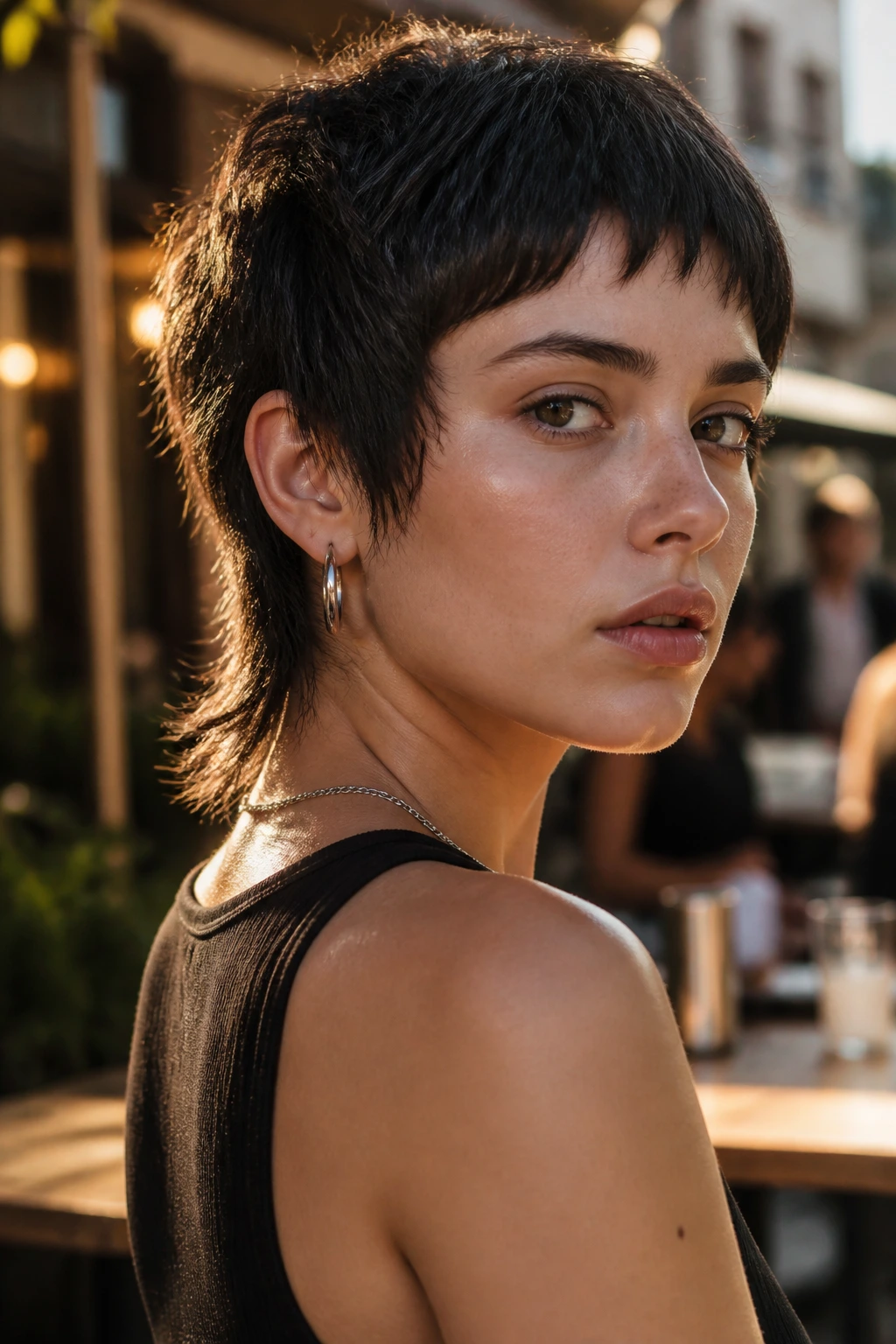
This one is not for shy people. A tiny longer tail left at the nape gives the haircut a strange little hook, and that’s exactly why some people love it.
The rest of the cut should stay tight and jagged so the small tail feels intentional rather than forgotten. Think of it as a wink, not a full statement mullet. If you want a conversation starter that still fits under a jacket collar, this is the sort of shape that does it.
32. Rounded Nape Wolf Cut
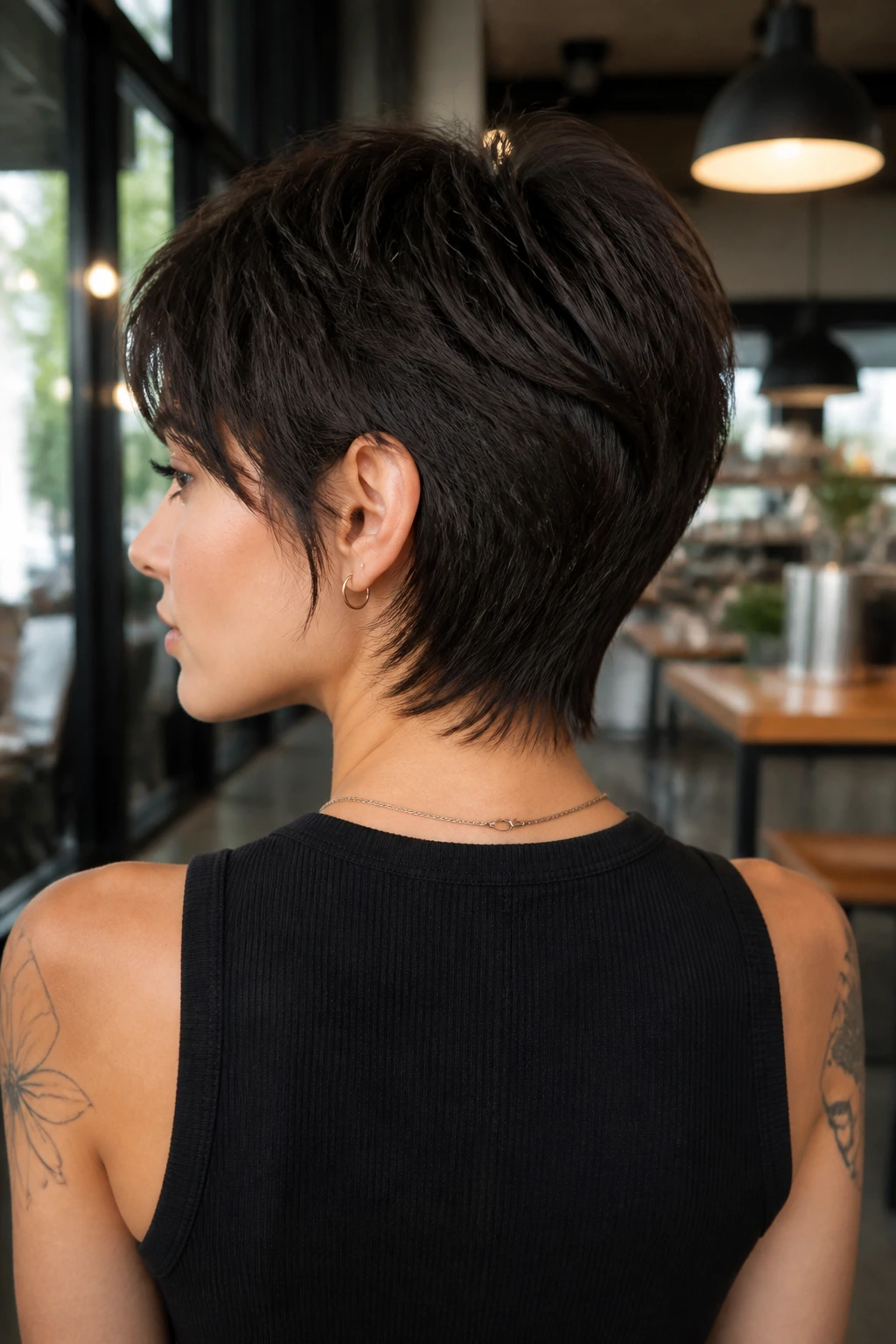
A rounded nape softens the back of the haircut and gives the whole thing a cleaner outline. That can make the short wolf cut feel more polished, especially if the crown still carries rougher layers.
This shape works well for people who like edge but not chaos. The curve at the neck keeps the silhouette neat, while the crown and fringe do the messier work. It’s one of the best versions if you need the cut to look good from the back, not only from the front.
33. Shaggy Pixie Wolf Cut
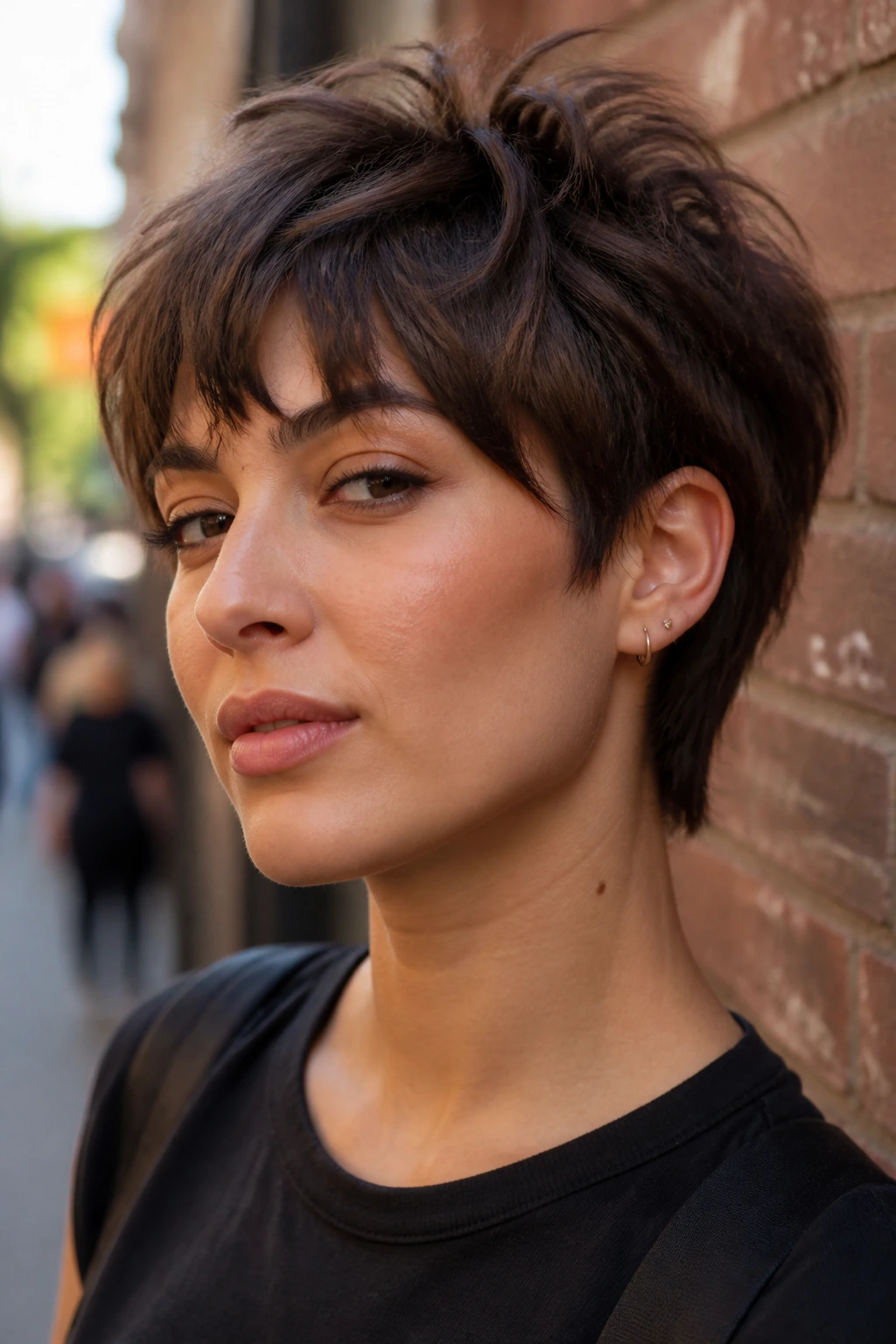
This is the middle ground between a pixie and a shag, and it has a very lived-in feel when it’s cut correctly. The top stays textured, the sides stay short, and the fringe can wander a little without ruining the line.
I like this on hair that already has some movement because the cut doesn’t need much encouragement. A bit of styling cream, a finger comb, and maybe one pass with a blow dryer are often enough. It’s a friendly version of the wolf cut. Still edgy, just less severe.
34. Razor-Flick Wolf Cut

A razor-flick finish gives the ends that turned-out, slightly feathery edge that makes short hair look animated. The layers flick away from the face and neck instead of lying flat, which gives the shape more life.
This works especially well if you like pieces that move when you turn your head. A small round brush can help create the flick, but a razor cut at the ends does a lot of the work. Keep the crown lifted and the nape tidy, and the whole thing looks sharper.
35. Glossy Editorial Wolf Cut
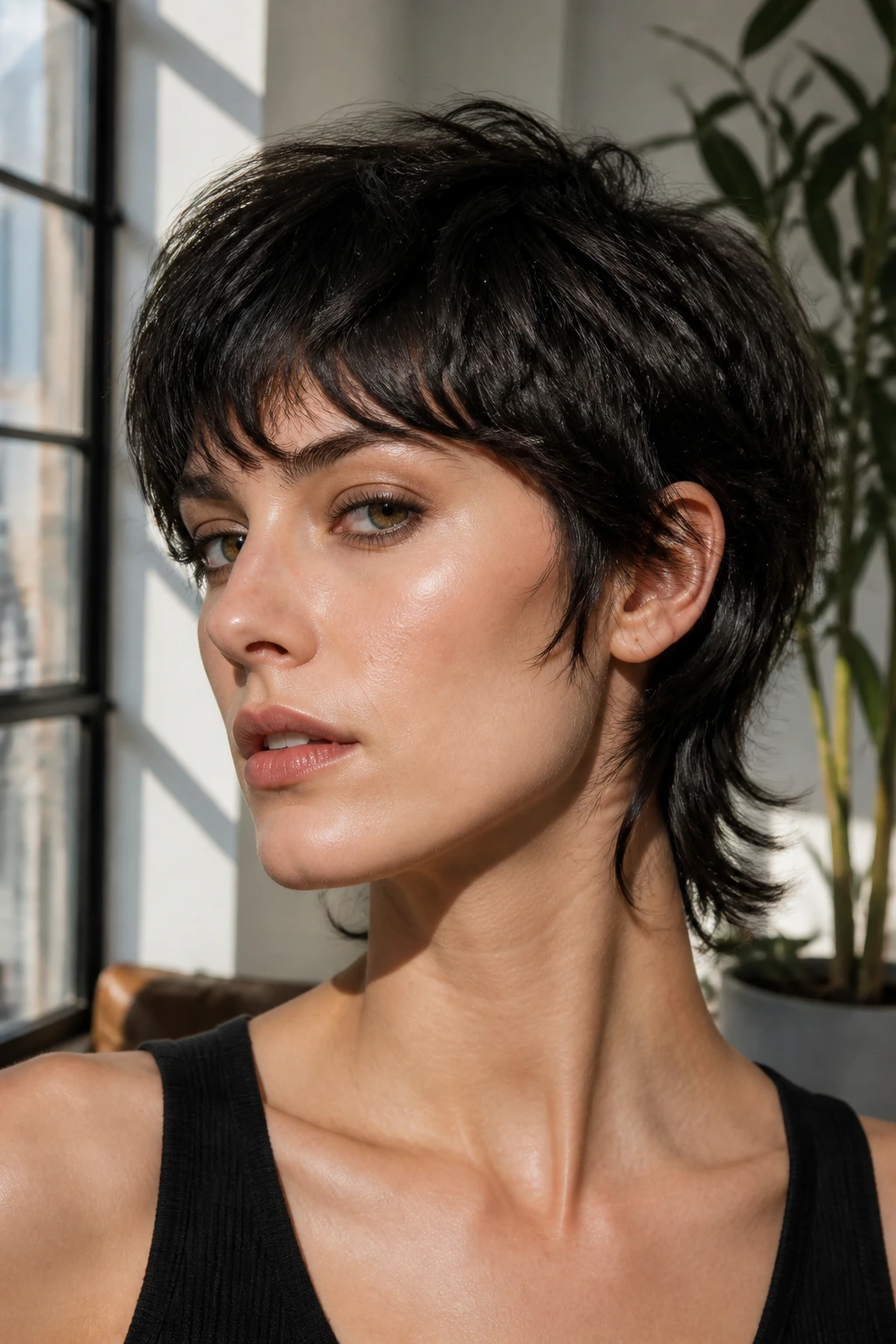
This is the polished version in a very unpolished family. The shape stays short and layered, but the finish is smooth, controlled, and deliberate enough to sit under bright light without falling apart.
How to finish it
Use a round brush at the crown, a little shine serum through the mids, and a light spray to hold the outline. The goal is not stiffness. It’s structure. If the fringe is there, keep it clean; if the layers are rough, let them stay visible. That balance is what makes the cut feel editorial instead of messy for the sake of messy.
What Makes the Short Wolf Cut Shape Hold

Short wolf cuts live or die by three things: the crown, the nape, and the fringe. Get those right, and the rest can be rough around the edges in the best way. Get them wrong, and the cut flops into a shapeless crop that needs more product than it deserves.
The crown should always have a little height. Not a teased-up helmet, not a stiff blowout. Just enough lift so the head shape doesn’t collapse. The nape should be controlled so the back doesn’t puff out under collars. And the fringe, if you choose one, needs to suit your forehead and cowlicks instead of fighting them every day before coffee.
The Tools That Keep the Shape Sharp
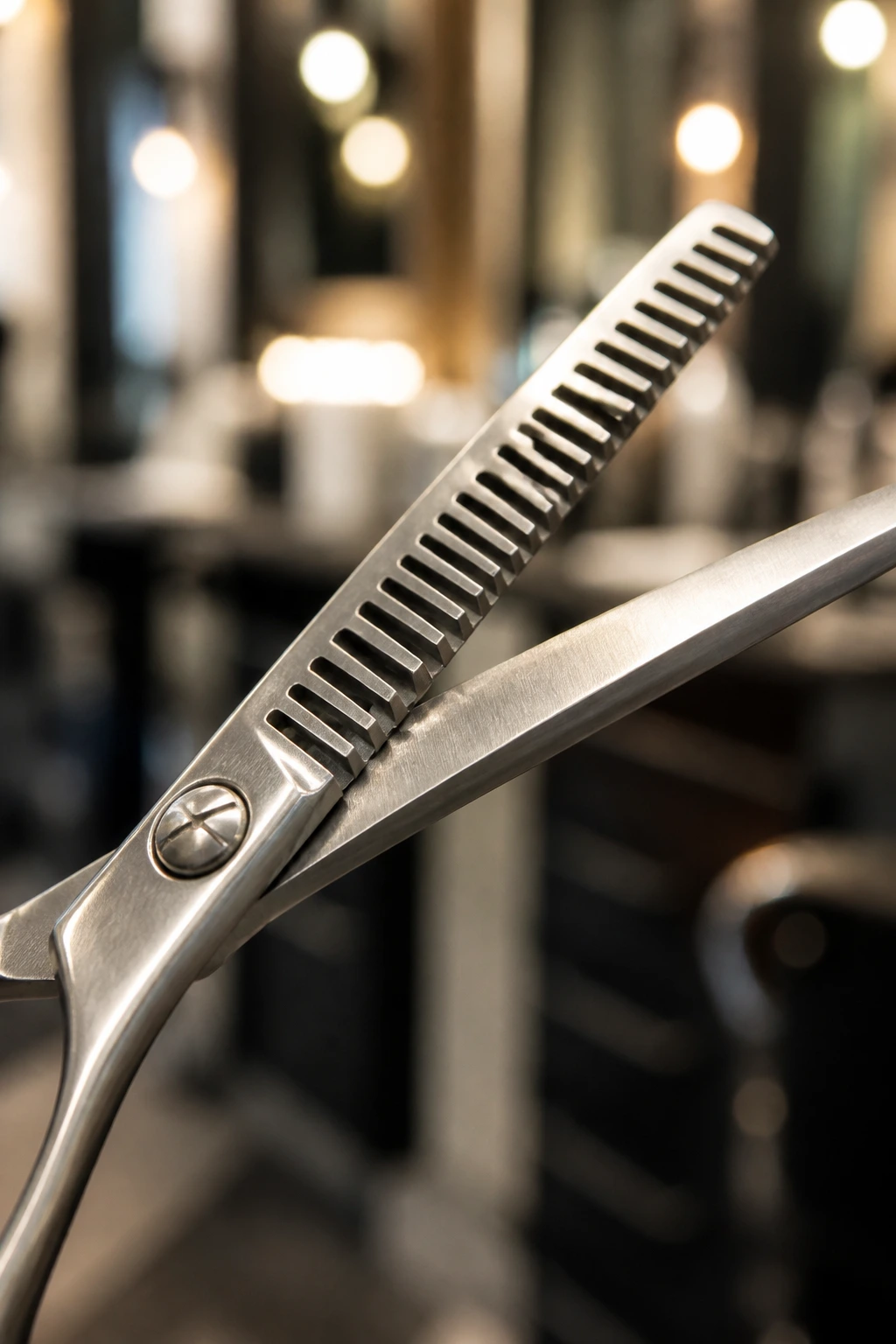
- Point-cutting shears: These are the workhorse for soft, broken ends that still look clean.
- Razor or razor comb: Best for sliced texture and airy movement, especially on straight or dense hair.
- Fine-tooth tail comb: Useful for clean sections and for mapping where the fringe should land.
- Sectioning clips: They keep the crown separate while you work the sides and back.
- 1-inch or 1.25-inch round brush: Helpful for lifting the crown and flicking the ends under or out.
- Blow dryer with a nozzle: The nozzle matters more than people think; it points airflow where the crown needs it.
- Diffuser: A must for curly or wavy short wolf cuts if you want the shape to hold without frizz.
- Texture spray: Good for that gritty, piecey finish on dry hair.
- Light mousse or root-lifting foam: Gives the top some backbone without making it stiff.
- Matte paste or soft pomade: Best for baby bangs, slicked-back styling, and separated ends.
- Heat protectant: Non-negotiable if you use a flat iron or round brush heat.
- Hand mirror: Especially handy for checking the nape and temple area after a trim.
What to Tell Your Stylist Before the First Snip

Bring pictures. Not one picture. Three if you can. One for the overall length, one for the fringe, and one for the texture finish you want. Haircuts go sideways when people try to describe all three at once and assume the stylist is reading their mind.
Say where you want the shortest point to sit: above the ear, at the ear, just below the cheekbone, or grazing the jaw. That one detail changes the whole cut. If you want a true wolf shape, ask for short, disconnected, choppy layers at the crown with a tapered nape and point-cut ends. If your hair is curly, say that you want the shape checked on dry hair. If you have a stubborn cowlick or a side part that never behaves, tell them before the scissors open.
How to Wear an Extra Short Wolf Cut Without Fighting It

Face Shape: A short wolf cut can sharpen a round face if the fringe stays airy and the side pieces land near the cheekbone. On a longer face, a fuller bang or a bit more width through the sides keeps the cut from stretching the face even more. The point is balance, not hiding anything.
Styling: If your hair bends on its own, air-drying with a little mousse may be enough. If it lies flat, use a round brush at the crown and bend the ends slightly away from the neck so the shape doesn’t curl inward like a bob. A tiny amount of paste on the fingertips can separate the fringe and the top layers.
Accessories: Small hoops, a sharp collar, or a leather jacket can make the cut feel on purpose. So can glasses with a firm frame. If the haircut is short and edgy, don’t hide it under soft, fussy styling around the neck and ears.
Outfit Energy: This cut likes contrast. It looks good with clean black tees, structured blazers, ribbed tanks, and tough boots, but it also works with a white button-down that’s half tucked and a little messy. Keep the clothes simple and let the hair do the slightly unruly part.
Extra Touches That Push the Texture Further
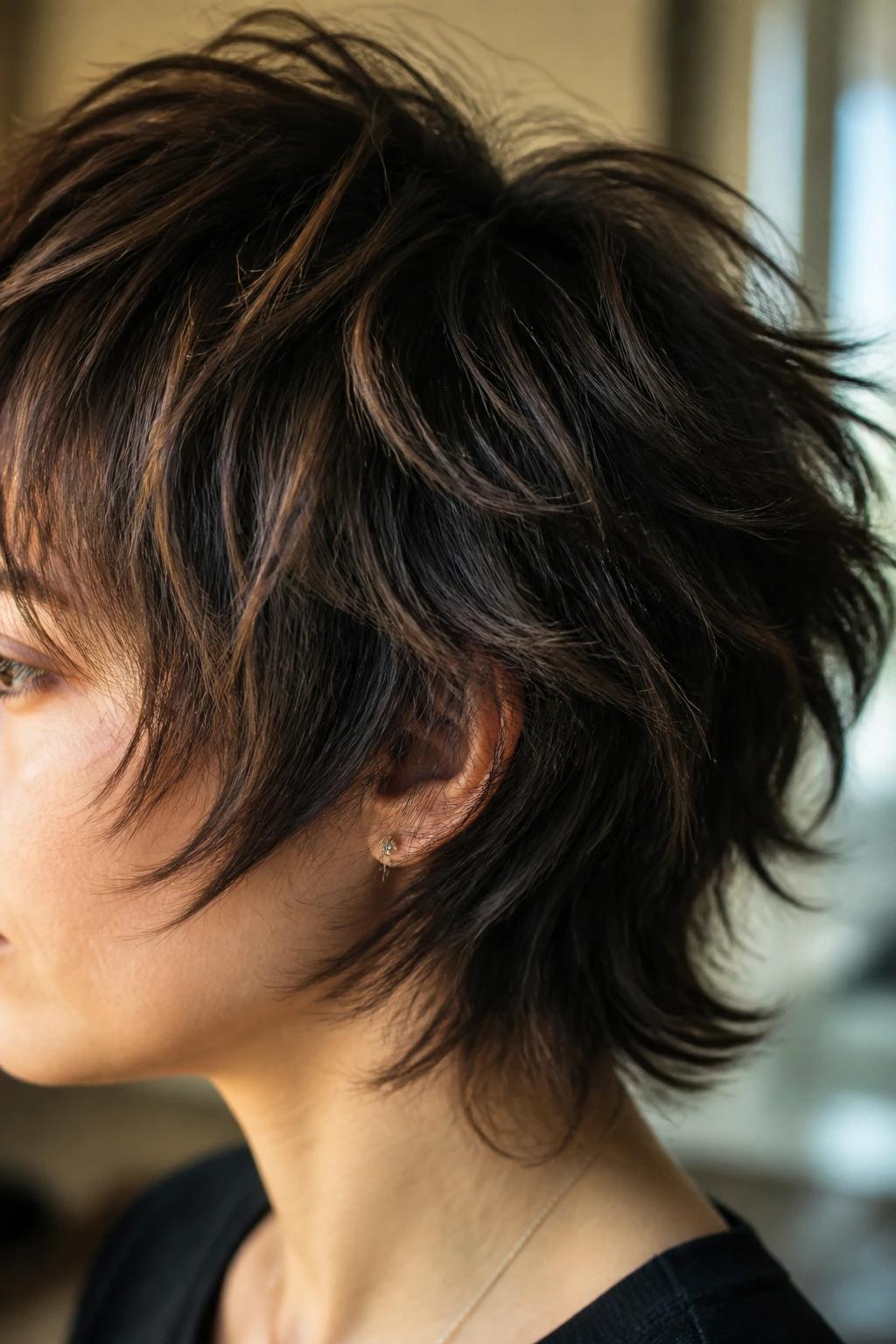
Texture Enhancement: On damp hair, work a light mousse into the roots and a pea-size amount of cream through the ends, then rough-dry with your fingers until the top has lift. If the crown still sits too flat, flip the part and blast the roots for 20 to 30 seconds.
Customization: If you want more bite, add a shaved nape or temple. If you want less severity, soften the fringe and keep the perimeter rounded. A short wolf cut changes a lot with just one decision, which is why it’s worth being specific before the cut starts.
Color Play: Shadow roots, copper gloss, silver toner, or a money piece near the front can make the layers read sharper. Short hair shows color fast, so even one bright streak can change the whole mood.
Make-It-Yours: For fine hair, protect the perimeter and avoid over-thinning. For thick hair, remove bulk under the crown and around the ears. For curly hair, cut for shape when dry so the curl pattern stays honest. If you want a softer version, skip the razor and ask for point cutting only.
Keeping the Shape Sharp Between Salon Visits
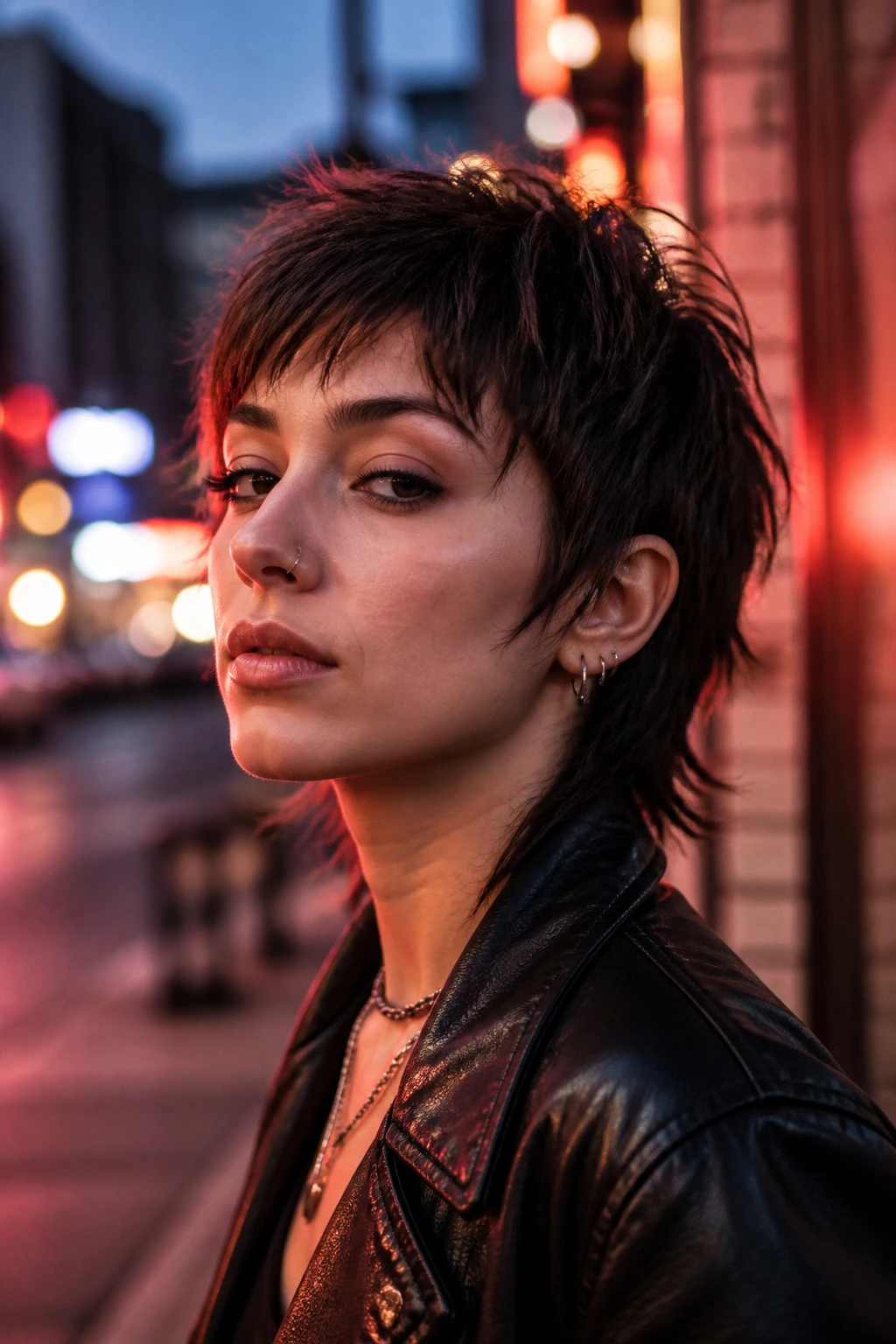
Short wolf cuts need maintenance faster than shoulder-length hair, and that’s not a flaw. It’s part of the deal. The fringe will usually want attention first, especially if it lands above the brows or sits in baby-bang territory.
A good rhythm is every 2 to 3 weeks for fringe cleanup, every 4 to 6 weeks for a nape or temple shave, and about 6 to 8 weeks for a full reshaping. If the cut is more blended and less severe, you can push the full trim a little longer. If the outline is very crisp, stretch it too far and the shape starts to lose its nerve.
On wash days, use whatever rhythm your scalp needs. Hair that gets oily fast may want a wash every 2 days. Dryer hair may hold for 3 or 4. A light dry shampoo at the roots on day two helps keep the crown from collapsing. If the fringe bends wrong while you sleep, a quick mist of water and a 60-second blow-dry on the front can fix it before you leave the bathroom.
Color needs its own schedule. Vivid tones and platinum usually need toner, gloss, or root work more often than natural shades. A shadow root buys time. Silk pillowcases and a small satin bonnet help too, especially if the layers are short enough to snag on rough cotton.
Ways to Bend the Look to Your Style

Office-Soft Wolf Cut: Keep the fringe longer, round the nape, and soften the ends with scissors instead of a razor. You still get texture, but the cut reads calmer under bright office lights.
Curly Coil Version: Let the curl pattern set the shape, keep the crown lifted, and avoid over-removing bulk. This version works because it respects shrinkage instead of pretending it does not exist.
Straight-Hair Razor Version: Use more internal layering and a lighter finish through the ends. Straight hair needs movement cut into it, not piled on afterward with too much product.
Punk Color Version: Go for neon, black, or a high-contrast money piece. The crop makes the color show up fast, and the whole haircut becomes a stronger statement because there’s less length to dilute it.
Low-Maintenance Grow-Out Version: Leave the front slightly longer and keep the nape less severe. That way, the cut softens into a shaggy crop instead of going awkward while you wait for your next appointment.
Mistakes That Flatten a Short Wolf Cut
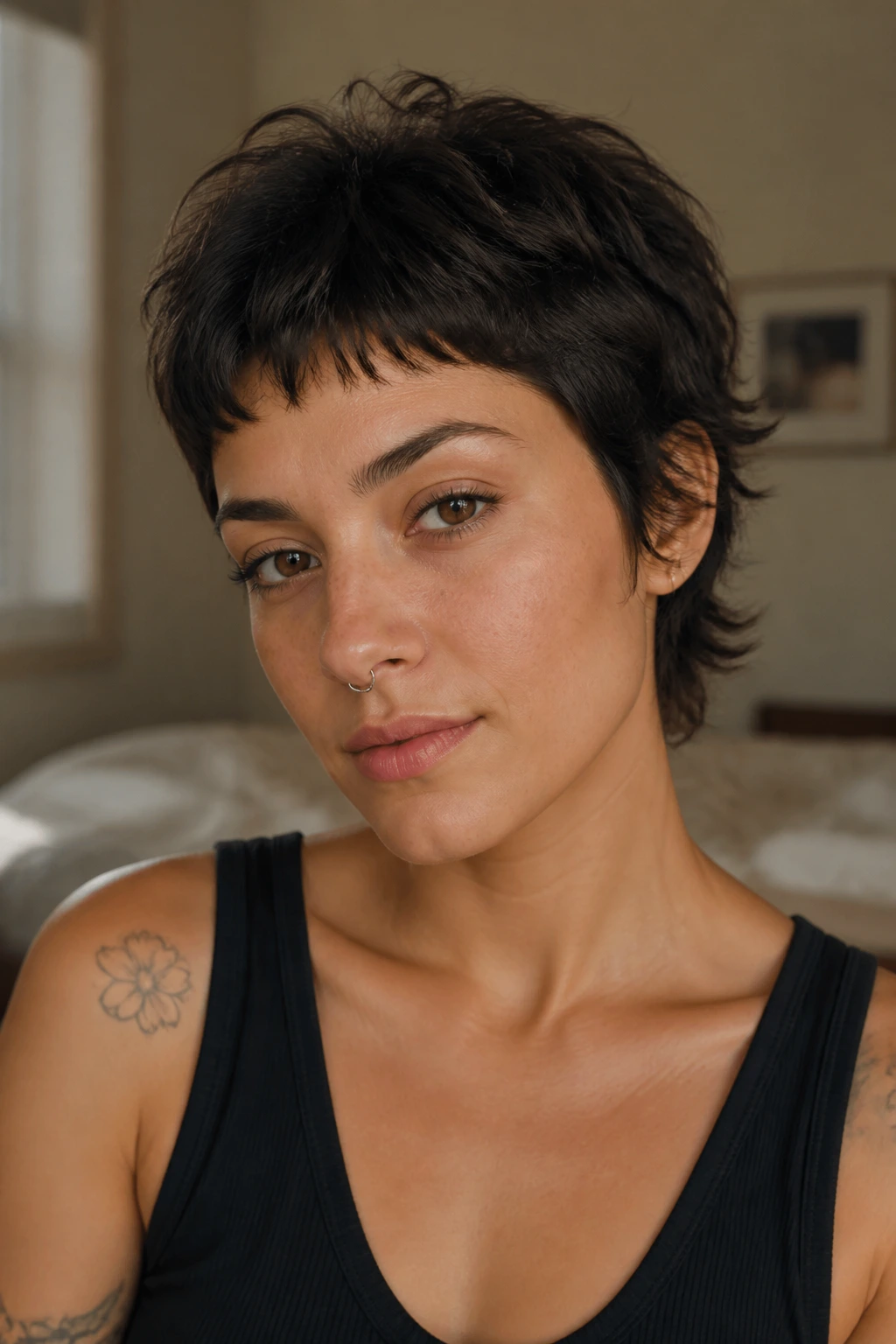
The biggest mistake is taking too much off the crown. That leaves you with short hair, yes, but not much shape. The fix is simple: keep some internal height and ask for the top to be textured, not stripped bare.
Another common one is over-thinning fine hair. It may look airy in the chair, then go wispy and sad two days later. Fine hair needs controlled layering, not aggressive shredding. On the other end, thick hair can turn into a triangle if the bulk isn’t removed from the right places, especially around the back of the head and above the ears.
Bang mistakes happen fast, too. Baby bangs cut too short can feel harsh; blunt bangs left too heavy can swallow the face. And if you ignore the cowlick at the front or the natural fall of your hair, you’ll spend too much time pushing it into place every morning.
Questions Women Ask Before Going This Short
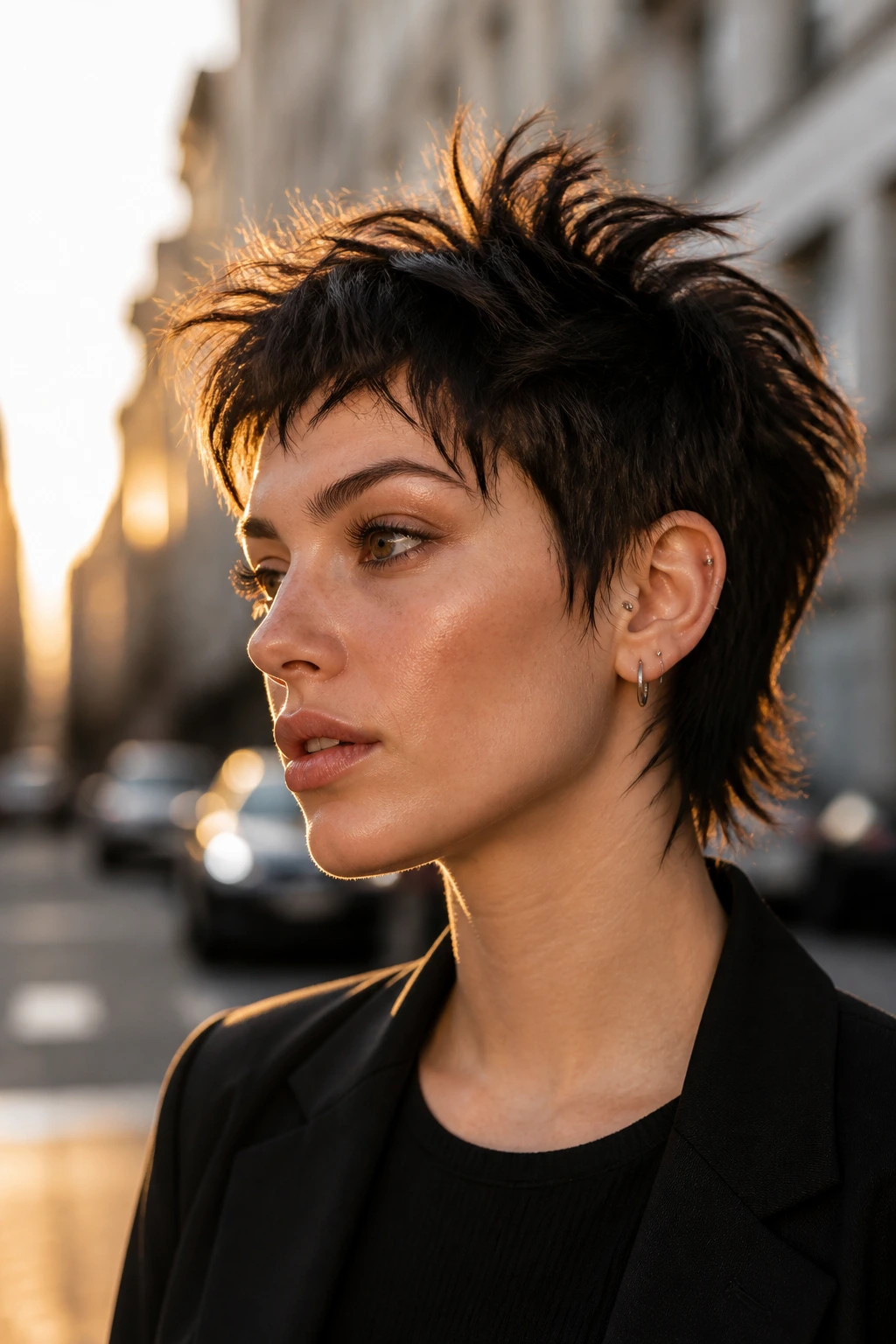
Will an extra short wolf cut work on fine hair?
Yes, if the layering is controlled. Fine hair needs shape, not too much thinning, so ask for crown lift and a clean perimeter rather than a shredded mess. A root-lifting mousse can help, but the cut has to do most of the work.
Can curly hair pull off this style?
Absolutely, and often better than people expect. The key is cutting for curl pattern and shrinkage, usually with a dry or curl-aware approach so the final shape lands where it should.
Is this basically a pixie cut?
Not really. A pixie is usually cleaner and more compact through the silhouette, while a wolf cut keeps some rougher layers and a less polished top. The difference shows most in the crown and fringe.
How often will I need trims?
If you want the shape crisp, think 4 to 6 weeks. Fringe-heavy versions often need attention sooner, sometimes every 2 to 3 weeks. If you let it go longer, the grow-out becomes softer and less distinct.
Do I have to get bangs?
No. Some of the best short wolf cuts skip the fringe entirely and lean on texture at the crown and front pieces. A side-swept front or cheekbone layer can give you the same energy without committing to bangs.
What if my hair is stick-straight?
Then the cut needs more built-in movement. Ask for texture through the top and a finish that flicks or bends instead of lying flat. A round brush, a bit of paste, and a light texture spray will help the shape show.
Can I wear glasses with it?
Yes, and it can look strong. A short wolf cut often sits well around frames because the fringe and temples can be shaped to leave the glasses line visible instead of fighting it.
What happens if I hate the grow-out?
You can steer it toward a shaggy pixie, a mini mullet, or a cleaner crop depending on which part gets trimmed next. The grow-out is flexible if your stylist keeps the crown and nape balanced.
The Short Cut With Bite
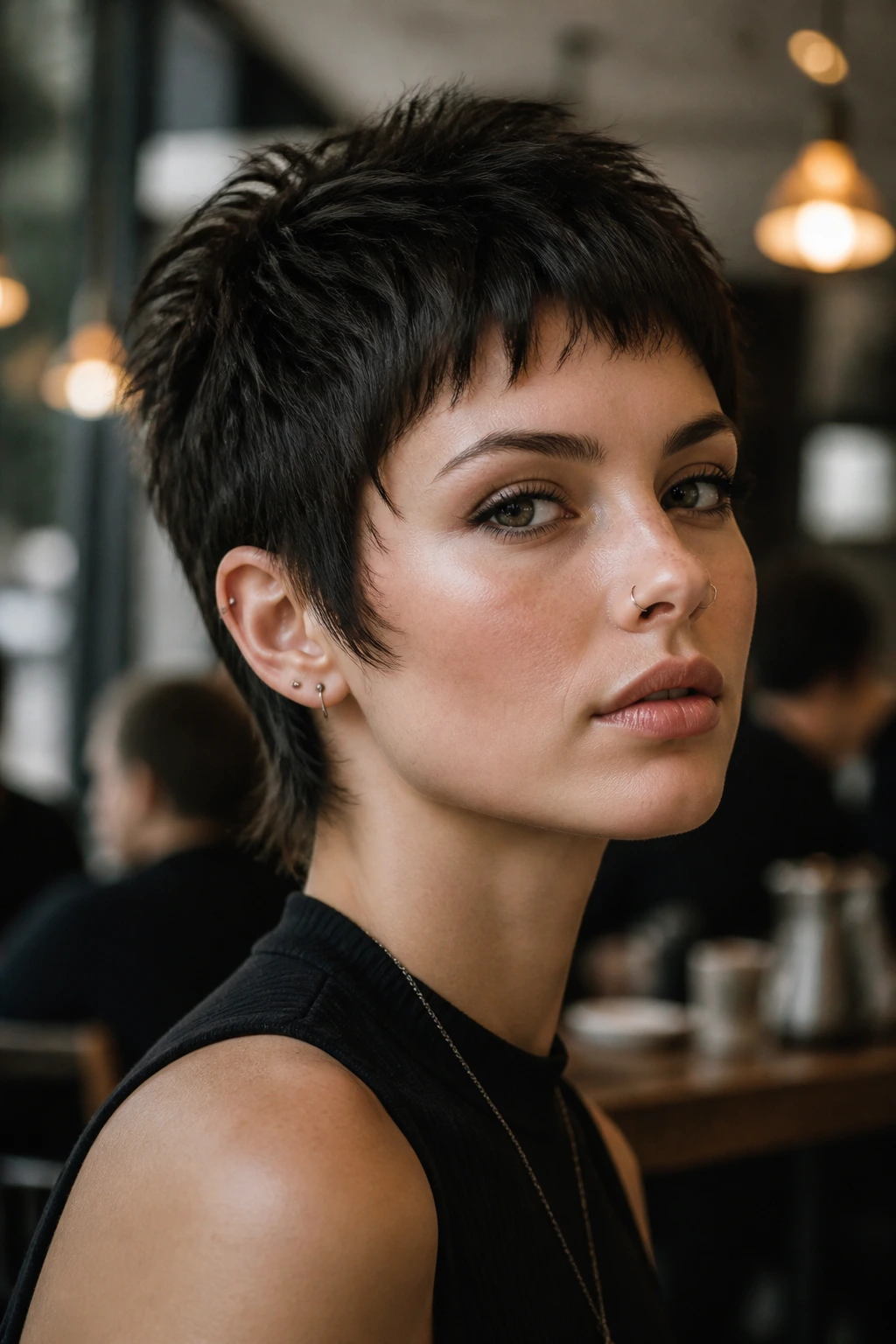
The best extra short wolf cuts are the ones that know exactly where to stop. Short enough to feel daring, layered enough to move, and clean at the neck so the shape doesn’t turn fuzzy by lunch. That balance is what keeps the look from drifting into either plain pixie territory or overdone mullet drama.
If you’re thinking about going shorter, the smartest move is to pick the version that fits your texture and your patience level. A good wolf cut should look sharp on a lazy day, not only when you’ve spent twenty minutes fixing it. That’s the cut worth asking for.
