



A good medium cut has a job to do. It has to move. It has to keep a little lift around the crown, a little softness along the jaw, and enough length that you can still tuck it behind an ear or pull it into a loose clip when you’re fed up with it.
That’s why medium hairstyles for women over 60 layers keep showing up in good salons and sensible home routines alike. The shape lands in a sweet spot: long enough to keep fullness at the ends, short enough that it doesn’t drag the face down, and layered enough to stop the whole thing from sitting there like a heavy curtain. When hair gets finer, drier, curlier, or just more opinionated, layers can help it behave without looking overworked.
The trick is choosing the right kind of layers. Too short and you get that choppy, over-thinned look that takes forever to grow out. Too subtle and the cut just swallows the face. The styles below are built around movement, neckline, and ease — the things that matter when you want hair that still looks intentional on day three, not just after a fresh blowout.
Why These Medium Layers Keep Working After 60
-
Movement at the ends: Layers keep the bottom edge from looking like one flat shelf, which matters a lot when hair has lost some density through the mid-lengths.
-
Softness around the face: A few well-placed pieces can ease the line around the jaw, cheekbones, and neck without hiding the face.
-
Better shape with less effort: Medium layered cuts usually air-dry with more bend than blunt cuts, so you’re not fighting the hair every morning.
-
Gray and silver hair look sharper with dimension: Once color becomes lighter or more reflective, layers keep it from reading as one solid block.
-
They work with glasses: A good layered shape can sit above, around, or below a frame without turning the whole face into a tangle of edges.
-
The length is practical: You can still clip it up, curl it, smooth it, or wear it rough. That’s not a small thing.
1. Collarbone Layered Lob
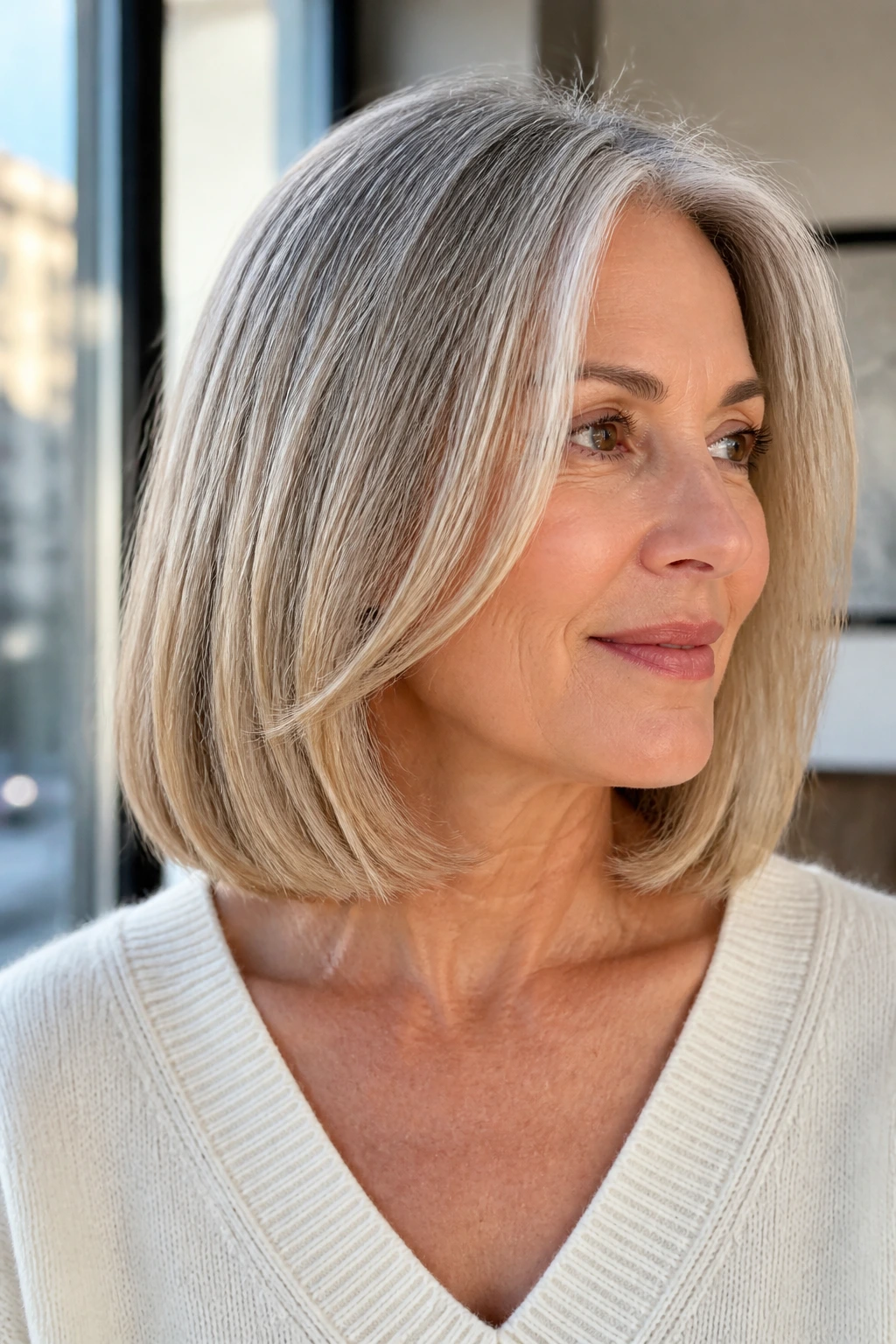
The collarbone lob is the haircut I’d hand to someone who wants the safest strong choice. It sits just above or right at the collarbone, which means the ends still look substantial, but the layers keep it from feeling heavy or boxy. On straight hair, it swings; on wavy hair, it falls into soft bends that look deliberate instead of fussy.
Best for: fine to medium hair, especially if you want lift without losing much length.
Ask for long layers that start below the cheekbone. If they start too high, the cut can collapse at the sides and look airy in the wrong way. A middle part gives it a cleaner line, but a side part makes the crown feel fuller.
If you want one haircut that can be smoothed with a round brush or rough-dried with mousse, this is it. It’s restrained, not boring.
2. Feathered Shoulder-Length Cut
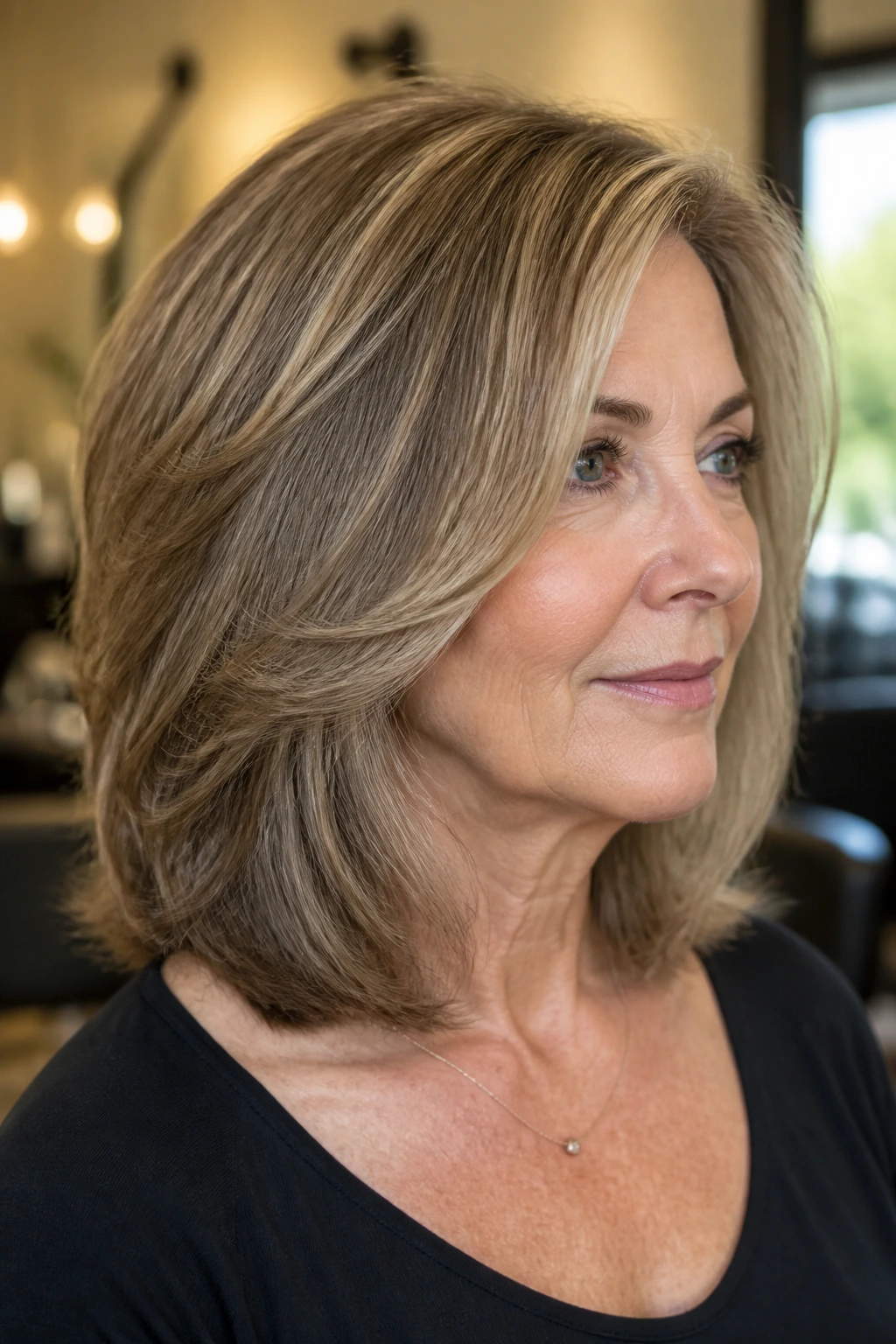
Feathering brings back a little of that old-school swing, but the modern version is softer and less stiff. The ends taper lightly, so the hair moves away from the face instead of hanging straight down in one dense block. That matters a lot when the hair at the temples gets finer.
This cut works especially well if your hair has a bit of natural bend. Blow-dry it with a medium round brush and the top layer will flip just enough to show shape without going full pageant-hair. No one needs that.
The best feathered cuts keep the perimeter full. You want the layers to live in the top half and around the face, not carved all the way to the bottom. That’s where the shape starts looking fragile.
3. Soft Shag with Curtain Bangs
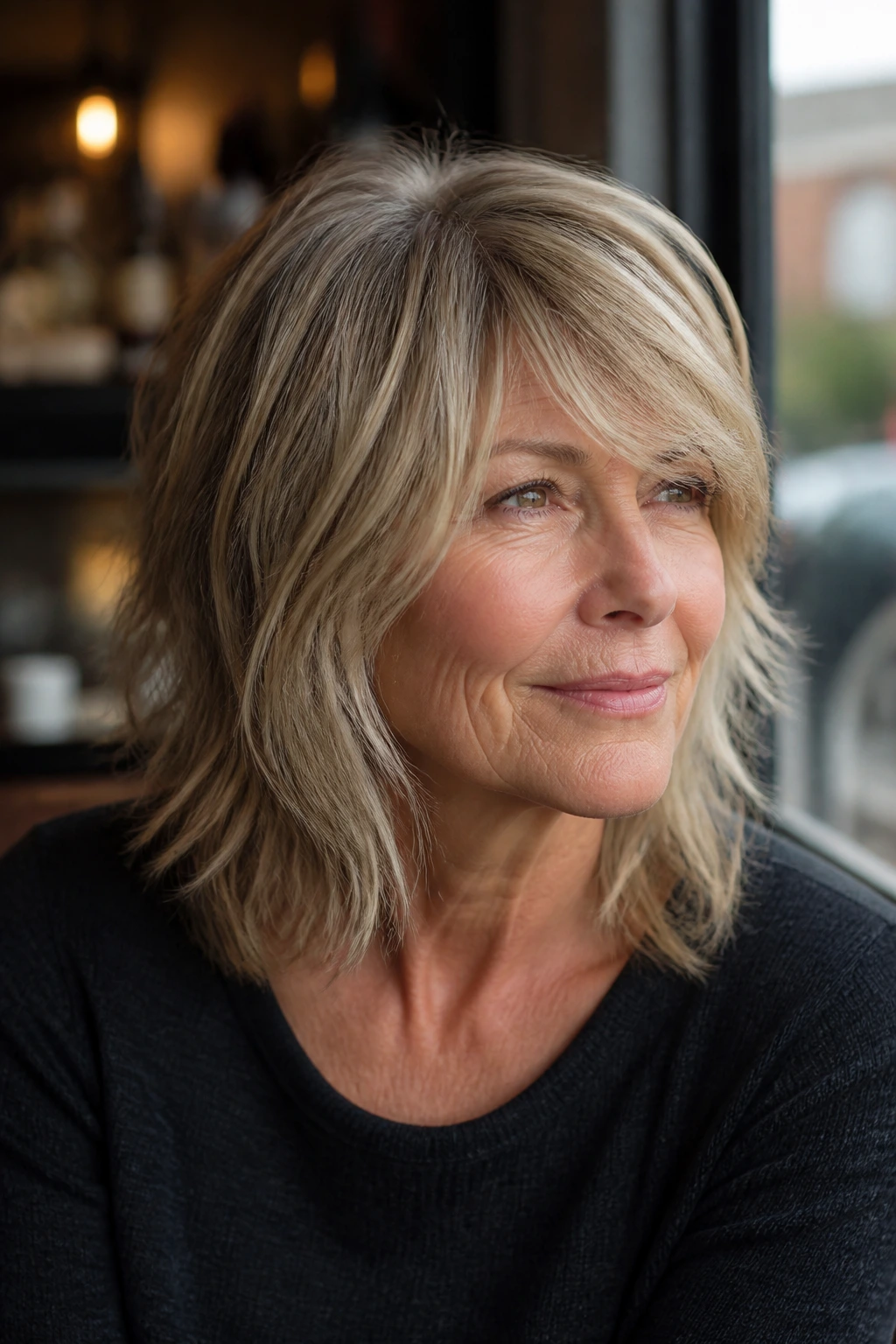
A soft shag is one of the easiest ways to make medium hair feel fresh without going too short. The layers are broken up, the bangs part in the center, and the whole cut has a little casual swing that forgives imperfect styling.
Curtain bangs are the useful part here. They soften the forehead, make glasses feel less dominant, and grow out more politely than blunt fringe. If your hair is wavy, even a little, this cut can look good with very little heat.
I’d keep the layers soft rather than razor-heavy. Too much texture can make mature hair look frayed at the ends, and that’s not the effect you want. A little separation is enough.
4. Side-Swept Layered Bob
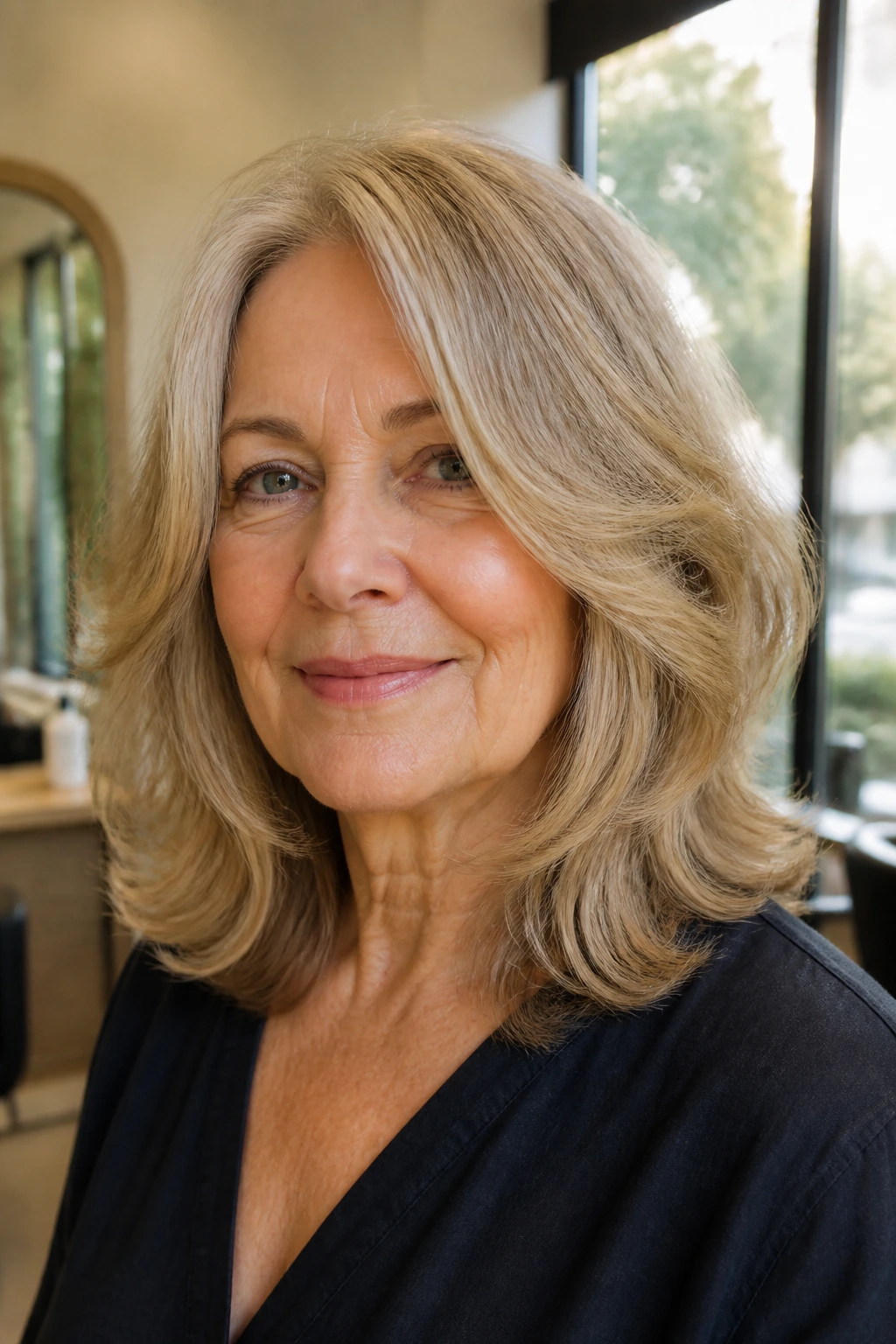
A side-swept bob gives you shape without forcing the face open in a hard, straight line. The part does a lot of the work here. It lifts one side of the root, softens the forehead, and gives the cut a small built-in asymmetry that feels modern without being loud.
The layers should be light and mostly around the front. You want movement that starts near the cheekbone and falls toward the jaw, not short pieces sticking out from all directions. The best version has a clean neckline and a little bend at the ends.
If you wear one side of your hair tucked back often, this cut handles that well. The side-sweep keeps the front from going limp, which is the usual problem with short bobs on finer hair.
5. Invisible Layers for Straight Hair
Straight hair can be hard to layer well because every cut shows. That’s why invisible layers are useful. They remove bulk and add movement without leaving obvious steps, so the hair still reads as smooth.
This is a smart choice if you like polished hair but hate the helmet effect. Ask for internal layers, not short choppy ones. The stylist should be moving weight out from underneath while keeping the outer line long and clean.
The result is subtle. Maybe too subtle in the chair. But once you wash it, the difference shows in how the hair falls around the shoulders. It bends instead of hanging like one piece of fabric.
6. Graduated Layers with Lift at the Back
A little graduation in the back can solve a common problem: medium hair that gets flat at the crown and puffy at the sides. By stacking the back slightly and leaving the front longer, the cut gets a raised shape without turning into a short bob.
This works best on hair that needs help with volume. The top layer gives you a little height when you blow-dry the roots forward or upward with a round brush. The front stays longer, which keeps the face from feeling boxed in.
Do not let the graduation get too steep. A harsh angle can make the haircut feel dated. You want lift, not a wedge with opinions.
7. Shoulder-Length Swoopy Layers
Swoopy layers are the ones that curve softly away from the face, usually with the help of a round brush or a big roller brush. They’re especially good if you want the haircut itself to do some of the styling work. The shape feels airy, but the length is still there.
This is one of my favorite choices for people who want volume at the cheeks and a little softness at the jaw. The front pieces should land around the chin or just below it, then fall longer toward the shoulders. That creates the “swoop” without needing a lot of product.
It’s a strong option for medium-density hair that tends to lie flat after a day. The curve gives it a second life.
8. Curly Shoulder-Length Layers
Curly hair at medium length can look either glorious or triangular. The difference is usually the layers. If they’re cut to follow the curl pattern, the shape opens up; if they’re not, the bottom gets wide and the top gets heavy.
Ask for dry cutting if your stylist knows how to read curls. That way the layers land where the curl actually sits, not where it pretends it will sit when wet. Shoulder length keeps enough weight to stop the curls from exploding outward.
This cut shines when the curls are springy, not stretched. Use a cream that gives slip without crunch, then let the layers do the rest. The shape should look rounded, not built.
9. Piecey Layers with Long Bangs
Piecey layers are all about separation. Not chunky, not thin — just enough texture that the hair doesn’t settle into a solid sheet. Long bangs keep the look soft and give you something to style forward or sweep to the side.
This cut has a nice edge if you don’t want your hair to look too sweet or too polished. It works on straight, wavy, and lightly curly textures, though the texture changes how much separation you see. A little styling paste at the ends goes a long way.
The bangs matter here. Keep them long enough to move, because short fringe can fight with the layer pattern and make the front look busy.
10. Soft Blunt Lob with Face-Framing
Blunt ends can sound risky in a list full of layers, but there’s a reason this one works. The perimeter stays full, which is useful if your hair has thinned a little and you still want the ends to look strong. Then you add soft face-framing layers just around the front.
That keeps the cut from feeling severe. The face frame should start low enough to move with the cheek and jaw, not high enough to turn into a sharp curtain. A center part gives a calmer line; a deep side part gives more lift.
If your hair is straight or slightly wavy, this is a polished choice. It feels crisp without being harsh. And yes, it looks especially good with silver or white hair because the shape stays clean.
11. Tousled Silver Lob
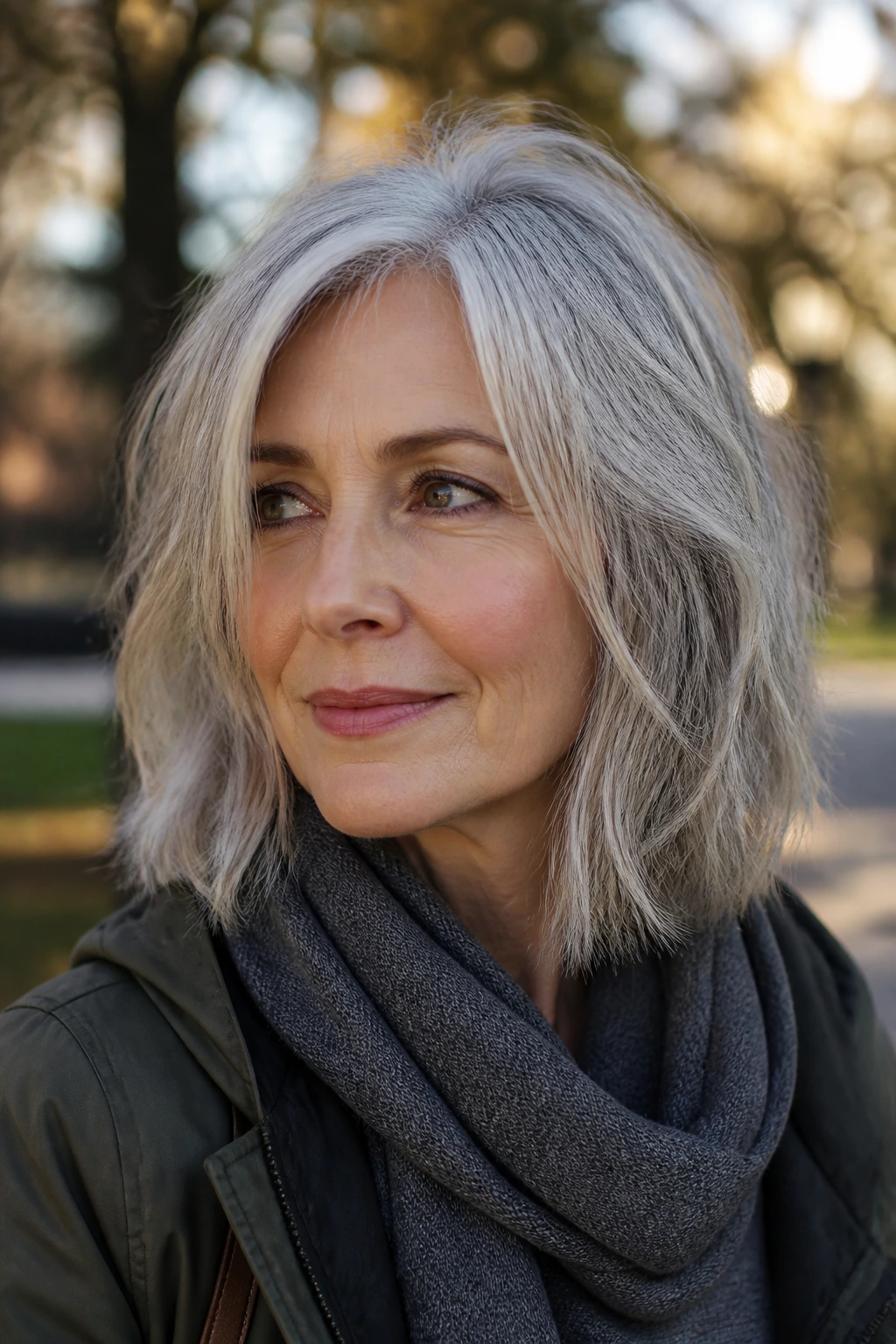
Silver hair likes texture. When the color is all one luminous tone, a little tousling keeps it from reading flat under indoor light. A lob gives you enough weight to hold the shape, and the layers break up the shine in a good way.
I like this one best when the silver isn’t fully uniform — maybe a mix of white, pewter, and a little darker gray in the underside. The layers catch those shifts and make the cut look richer. A bit of sea-salt spray or light mousse can help, but don’t drown it.
This isn’t a high-gloss style. It’s lived-in, soft, and a little airy around the ends.
12. Bottleneck Bangs with Mid-Length Layers
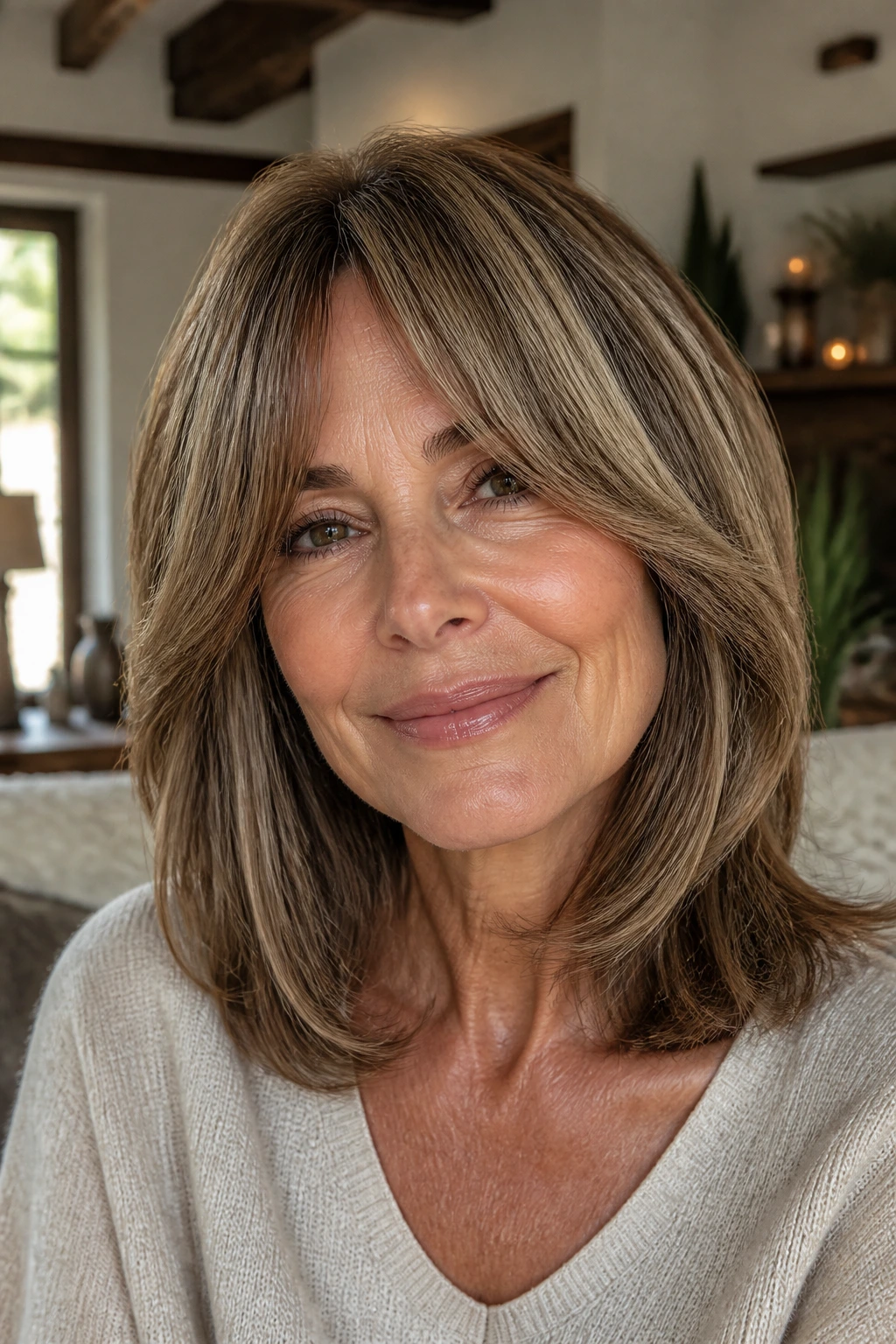
Bottleneck bangs are narrower at the top and wider as they drop, which makes them a kinder option than a blunt fringe. On medium layered hair, they give you framing without committing to a heavy forehead line.
They work especially well if your hairline has a few growth patterns or if your forehead is more prominent and you want balance without hiding everything. The layered sides should start just below the cheekbone so the bangs can blend into the rest of the cut.
This is one of those styles that looks expensive even when it isn’t. That’s because the shape is doing the work, not the product. Keep the bangs light, or they’ll lose that airy bend.
13. Flip-Out Layered Cut
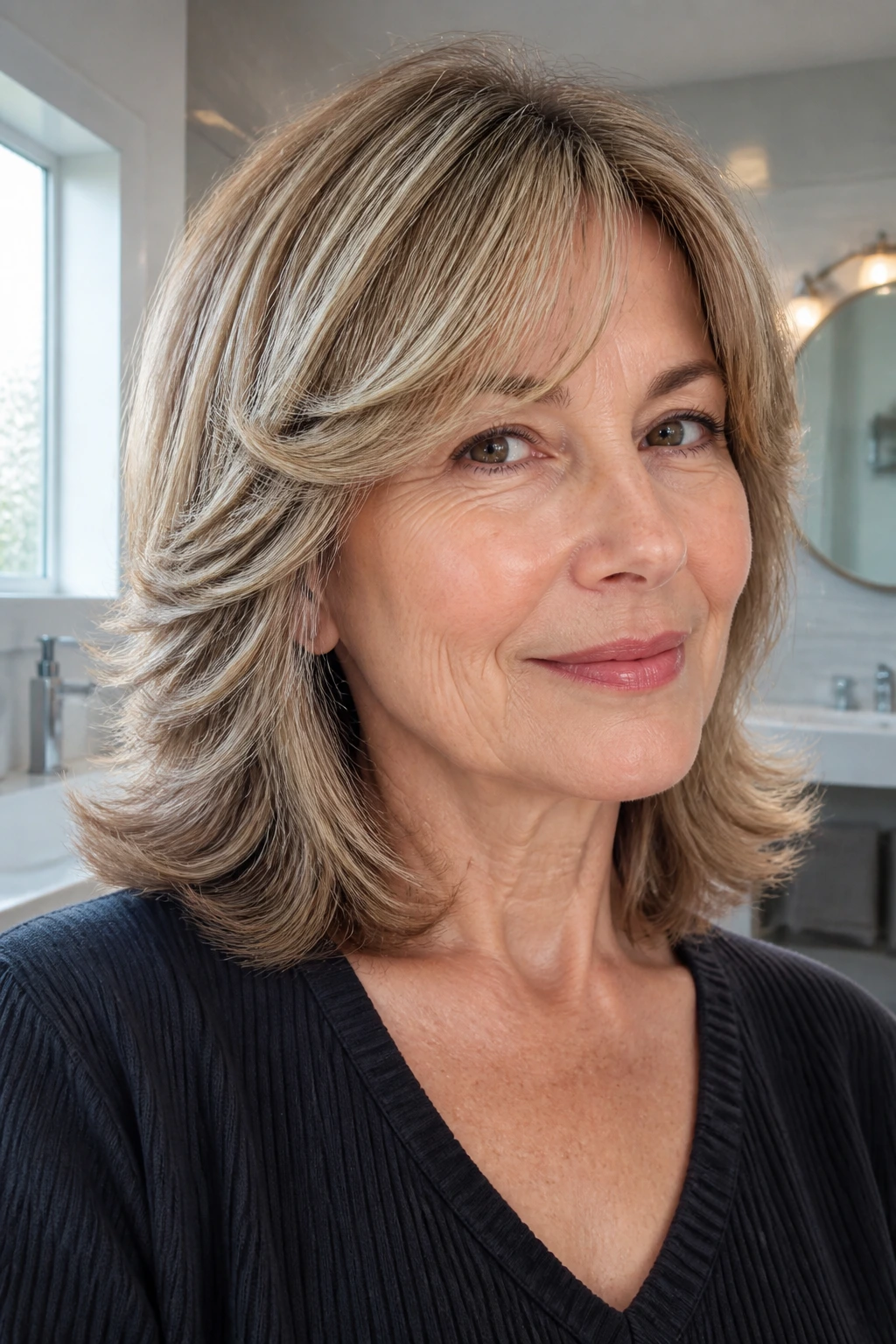
The flip-out cut brings a little movement to the ends without turning the whole head into a roller set from another era. The layers are cut so the tips naturally turn outward when you dry them with a round brush or even a quick twist of the wrists.
It’s a useful choice if your hair tends to fall inward and hug the face too tightly. The flip makes the neckline feel open and gives the whole haircut a bit more lift. Not every woman wants beach waves. Some want a clean outward kick at the end, and that’s fair.
This style works best when the layers are long enough to move but not so short that the ends scatter.
14. Classic Layered Bob
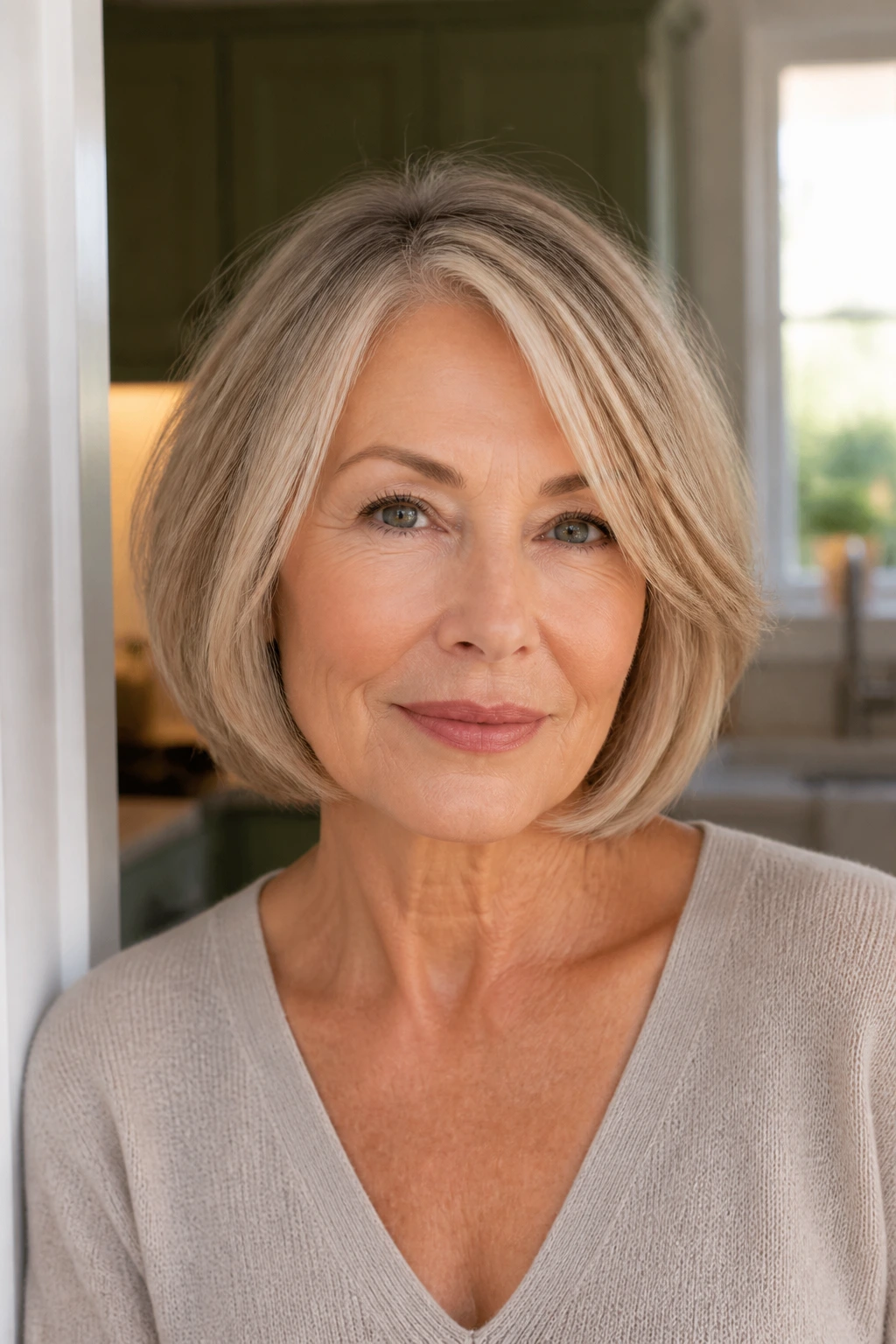
A classic layered bob is the steady, reliable option. It sits around the jaw or just below it, with layers that keep the sides from puffing out like a triangle. It’s especially good for people who want a haircut that looks good even when the styling is minimal.
The key is balance. Too many layers and the bob loses its shape. Too few and it becomes a blunt block. The best version has enough internal shaping to move when you turn your head, but enough weight to stay polished.
If you like a neat neckline and easy ear tucking, this is a strong pick. It doesn’t ask for much.
15. Razored Layers for Fine Hair
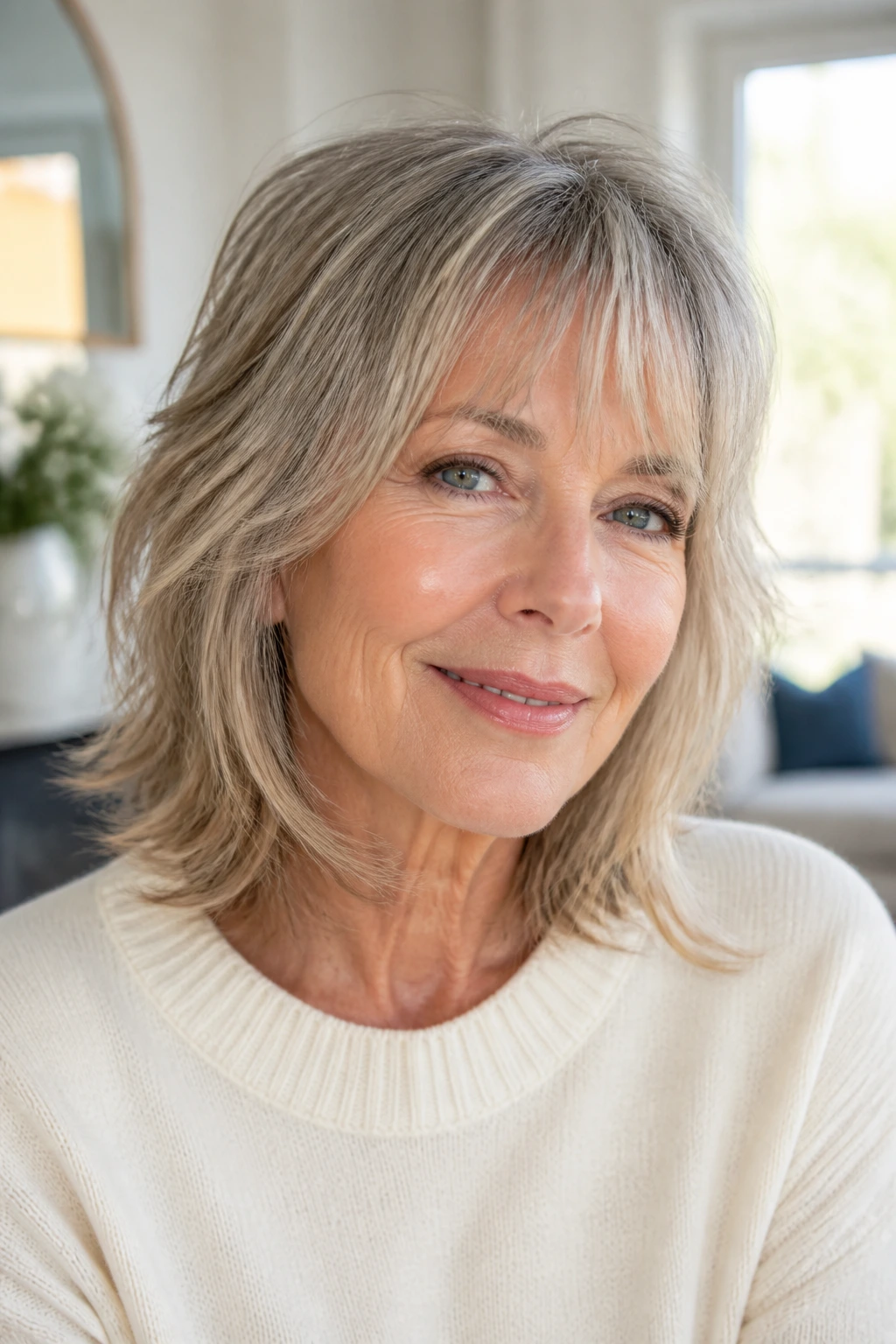
Fine hair needs careful handling. Too much weight removed and it starts looking wispy in a bad way. Too little and it goes flat by lunchtime. Razored layers can help, but only if the razor work is controlled and not overdone.
The goal is to soften the ends, not shred them. A light razor or slide-cut technique can add separation and motion, especially around the face. It’s a good choice if your hair dries very straight and needs more lift in the silhouette.
If your hair is already fragile at the ends, ask for a gentler version with scissors. The haircut should feel feather-light, not fragile.
16. Blowout Layers with Volume
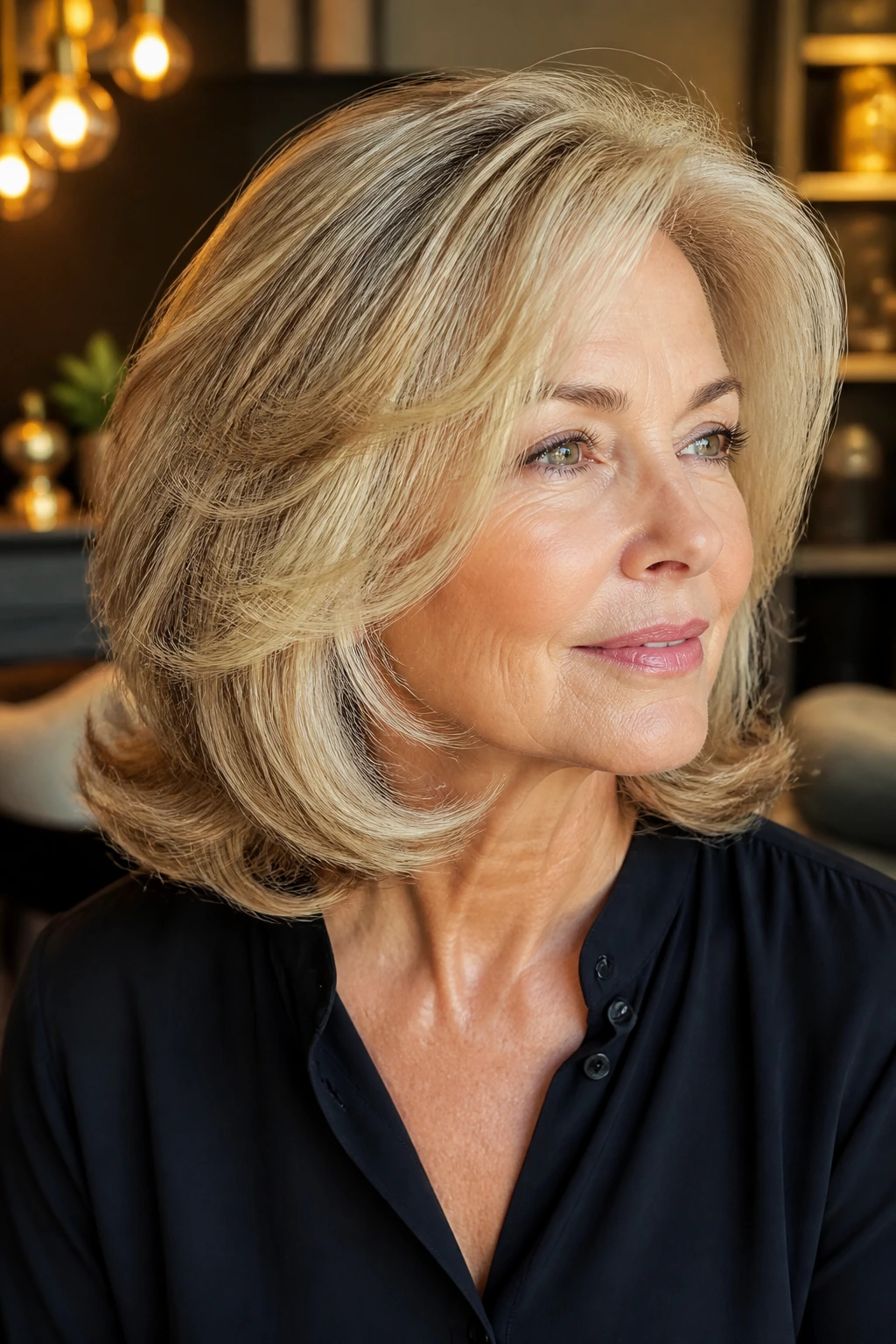
This is the haircut for people who like a real blowout. Not huge, not stiff — just lifted roots, rounded sides, and ends that turn under or away depending on the brush. The layers are placed to support shape once the hair is dried smooth.
The crown matters here. If the top is too flat, the whole style falls. Ask for layers that support movement from the crown through the cheek line, then keep the bottom edge full enough to hold the shape.
This style is less about air-drying and more about the ritual of styling. If you enjoy that, it’s satisfying. If you don’t, skip it.
17. Soft A-Line Lob
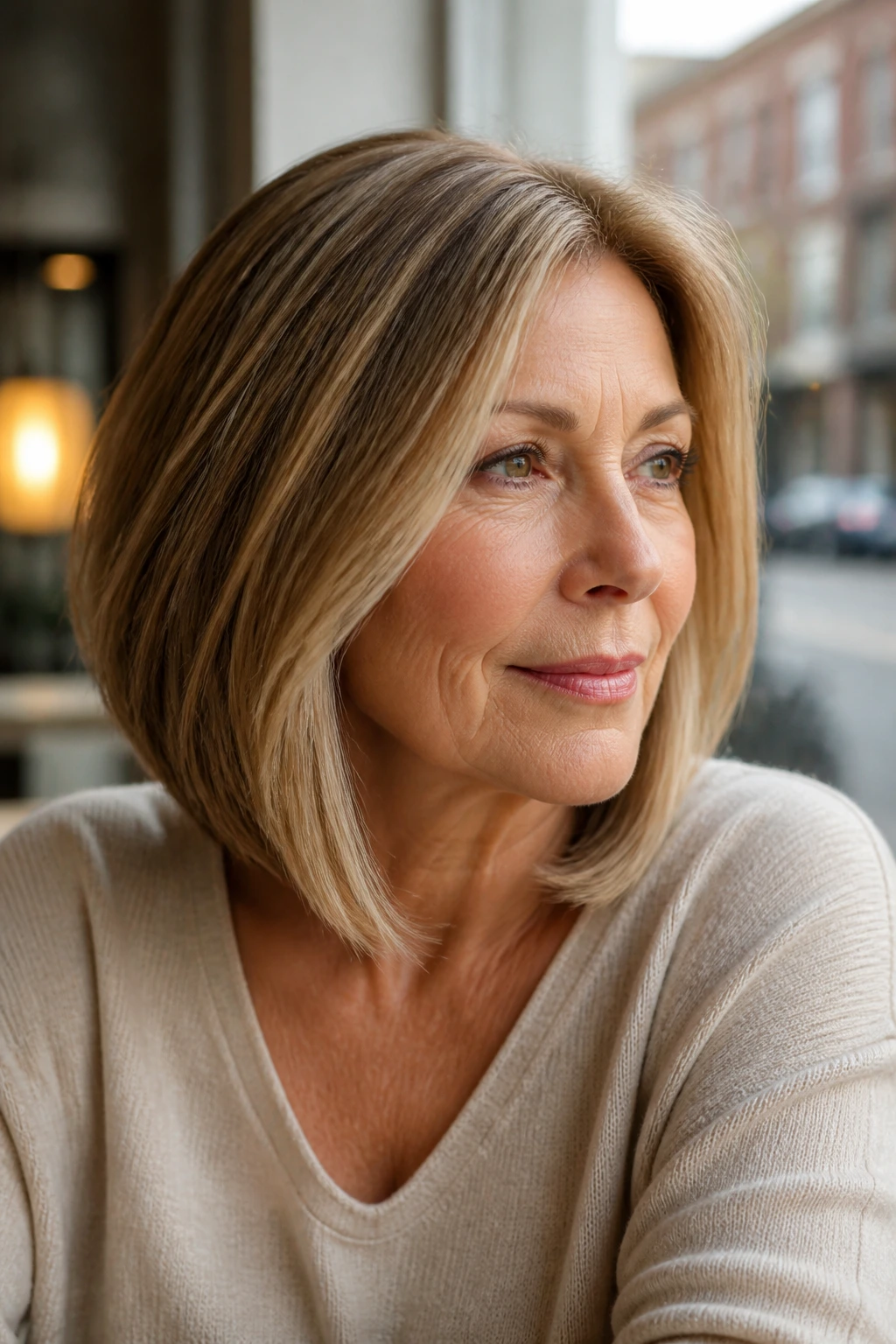
An A-line lob is slightly longer in front than in back, which creates a gentle forward swing. That shape can make the face feel more lifted because the eye follows the length downward along the cheek and jaw.
The layers should be quiet here. You want enough layering to keep the cut from sitting heavy, but not so much that the slope gets lost. A little bend at the ends makes the angle look intentional instead of severe.
This one is especially nice for women who wear earrings or glasses. The front pieces frame those details rather than competing with them.
18. Deep Side-Part Layers
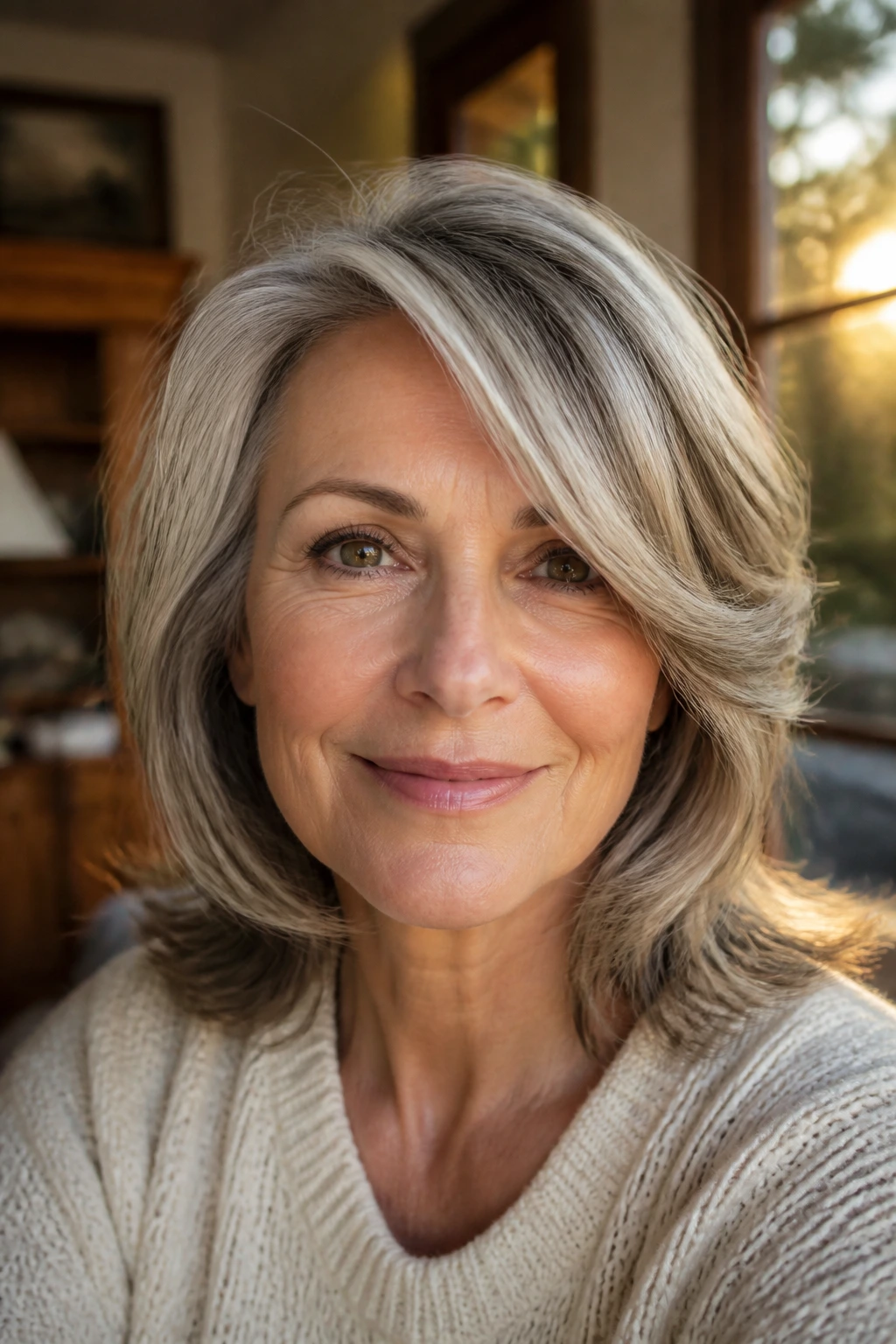
A deep side part can change a haircut faster than most people expect. It gives the roots on one side a lift, creates a soft sweep across the forehead, and lets layers fall in a more flattering line around the cheek.
This cut is good for days when the crown feels sleepy. Move the part, add a little root spray, and the whole shape wakes up. The layers don’t need to be dramatic. The part does the heavy lifting.
It’s also one of the easiest looks to wear when your hair has a stubborn cowlick. The side weight can calm the top without a battle.
19. Choppy Piecey Layers
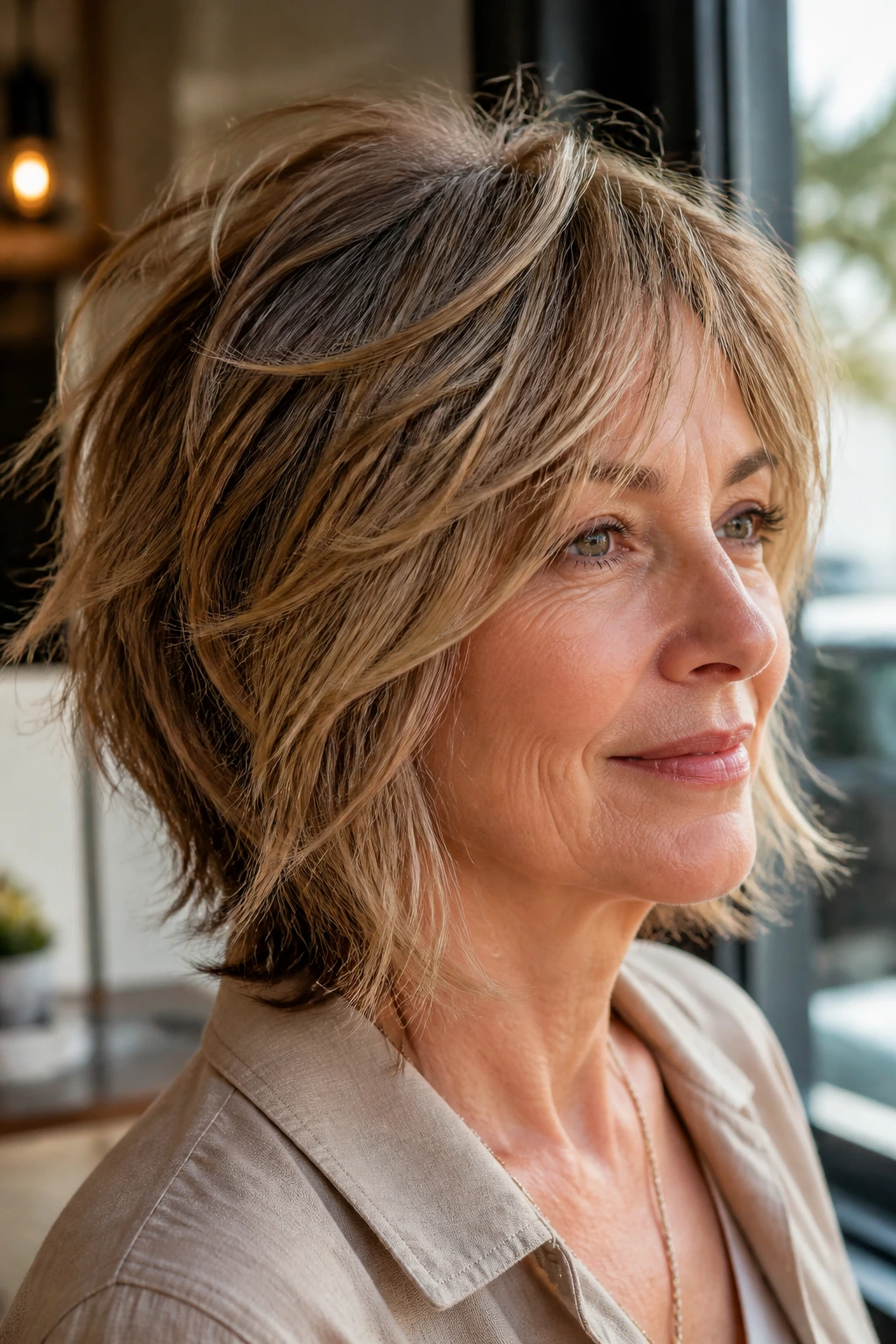
Choppy doesn’t have to mean messy. In the right hands, it just means the layers are separated enough that the haircut has some bite. That can be useful when hair has gone soft and you want more visible shape.
This version works best on medium hair with a little texture. The ends should be broken up lightly, not hacked. If the stylist goes too far, you’ll get a cut that looks dry before it actually is.
I’d wear this with a matte paste or a touch of styling cream. Too much shine flattens the effect. The charm here is in the irregular ends.
20. Long Layers on Mid-Length Hair
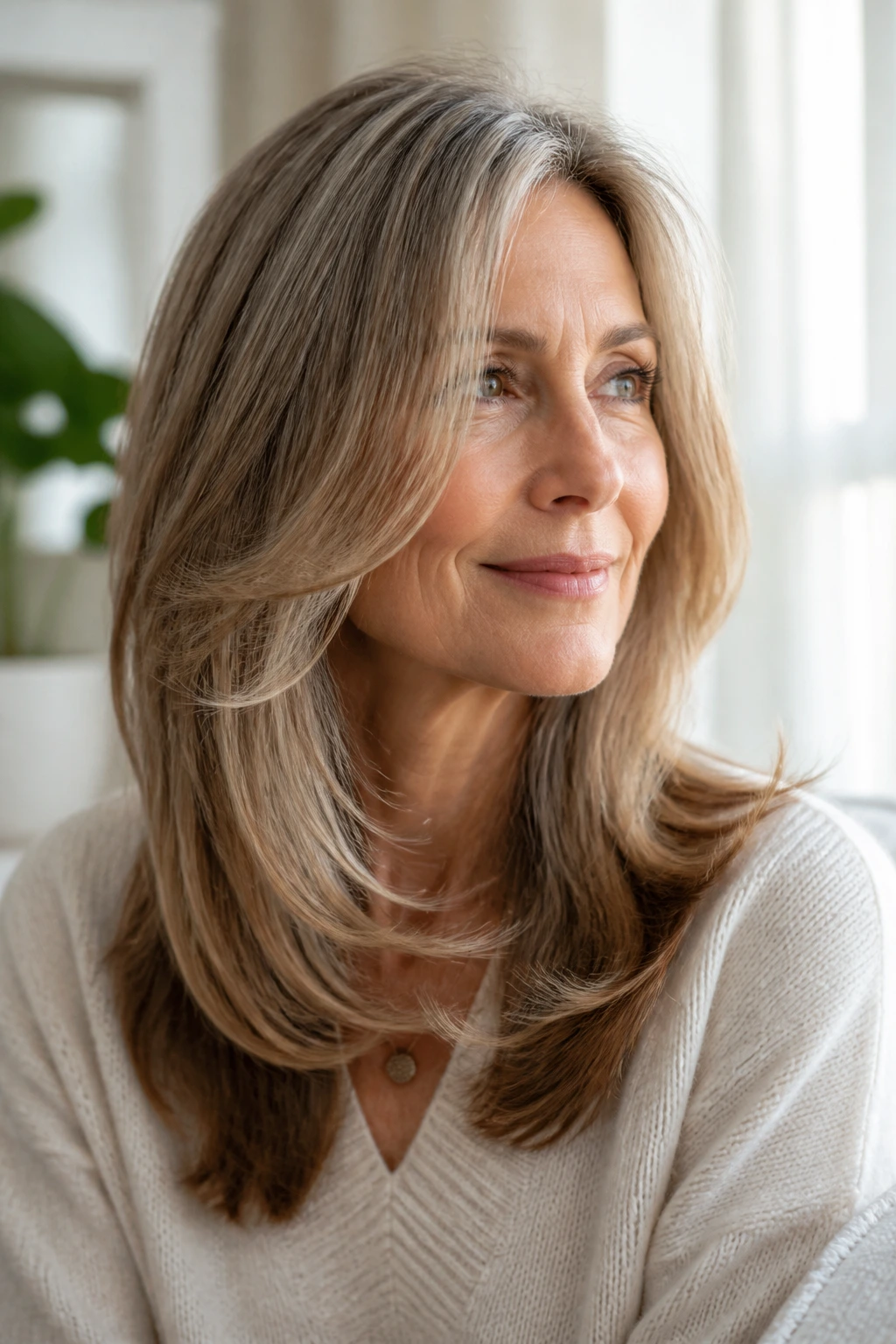
Long layers are the quietest way to add movement. They don’t scream “layered cut,” which is exactly why some women love them. The shape changes only when the hair moves, which keeps the look soft and grown-up.
This is a good route if you want to keep weight through the bottom but stop the haircut from feeling static. The front can still frame the face, but the overall line stays longer and less chopped. It’s easy to pull back, easy to curl, and easy to live with.
If you’re nervous about layers, start here. It’s the least dramatic version of the idea.
21. Tucked-Behind-Ear Swing Cut
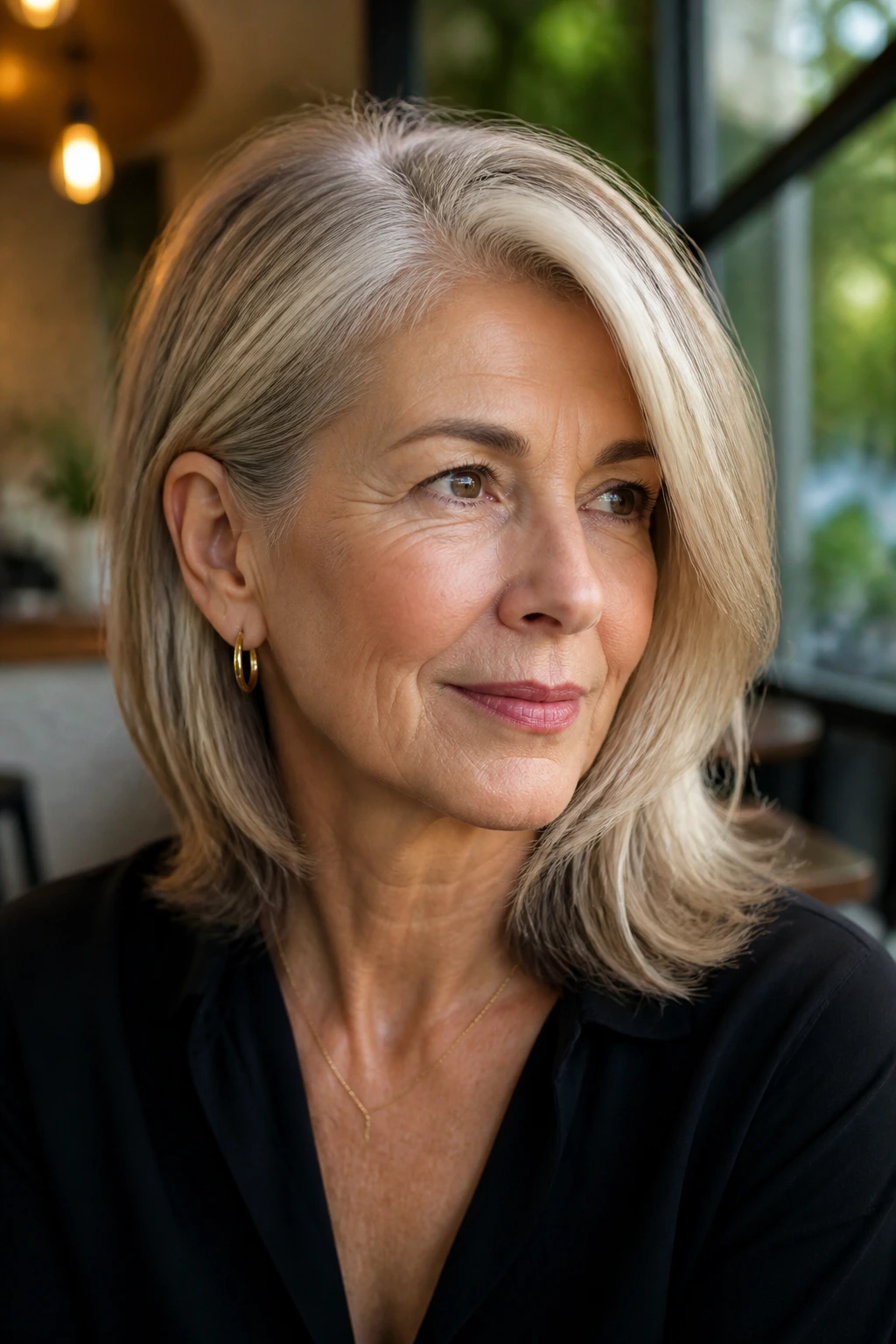
Some haircuts are designed for the moment you tuck one side behind your ear. This is one of them. The layers swing forward when loose, then open the face when tucked, which makes the cut feel more flexible than it looks on the hanger.
That flexibility is useful if you wear glasses, earrings, or both. The shape changes with the styling, which keeps it from getting boring. Keep the side pieces a little longer so they don’t pop out awkwardly when tucked.
It’s not a loud haircut. It’s one that behaves in different ways depending on what you do with your hands.
22. Wispy Layers for Straight Hair

Straight hair can go from sleek to severe fast. Wispy layers help by softening the perimeter and breaking the line just enough that the haircut doesn’t look carved. The key is restraint. Too many wisps and the ends look thin.
This style is a nice match for women who want movement but no obvious styling marks. It can be air-dried with a bit of smoothing cream, or brushed out after a blow-dry for a gentler finish. The face frame should stay long and light.
It’s one of the easiest looks to wear with silver or white hair because the softness keeps the color from reading hard.
23. Wavy Piecey Cut

Wavy hair loves pieces. A piecey cut gives the wave somewhere to separate, which keeps the whole style from turning into one giant swell. The layers should follow the bend of the wave rather than fight it.
This is the cut I’d point to if someone says they want “effortless” hair but actually means “hair that looks good after I scrunch it and leave it alone.” Those are not the same thing. The layering has to be placed well or the wave collapses in odd spots.
A diffuser helps, but you don’t need a lecture. Just dry until the roots are set and stop before the ends get crunchy.
24. Full Fringe with Layers
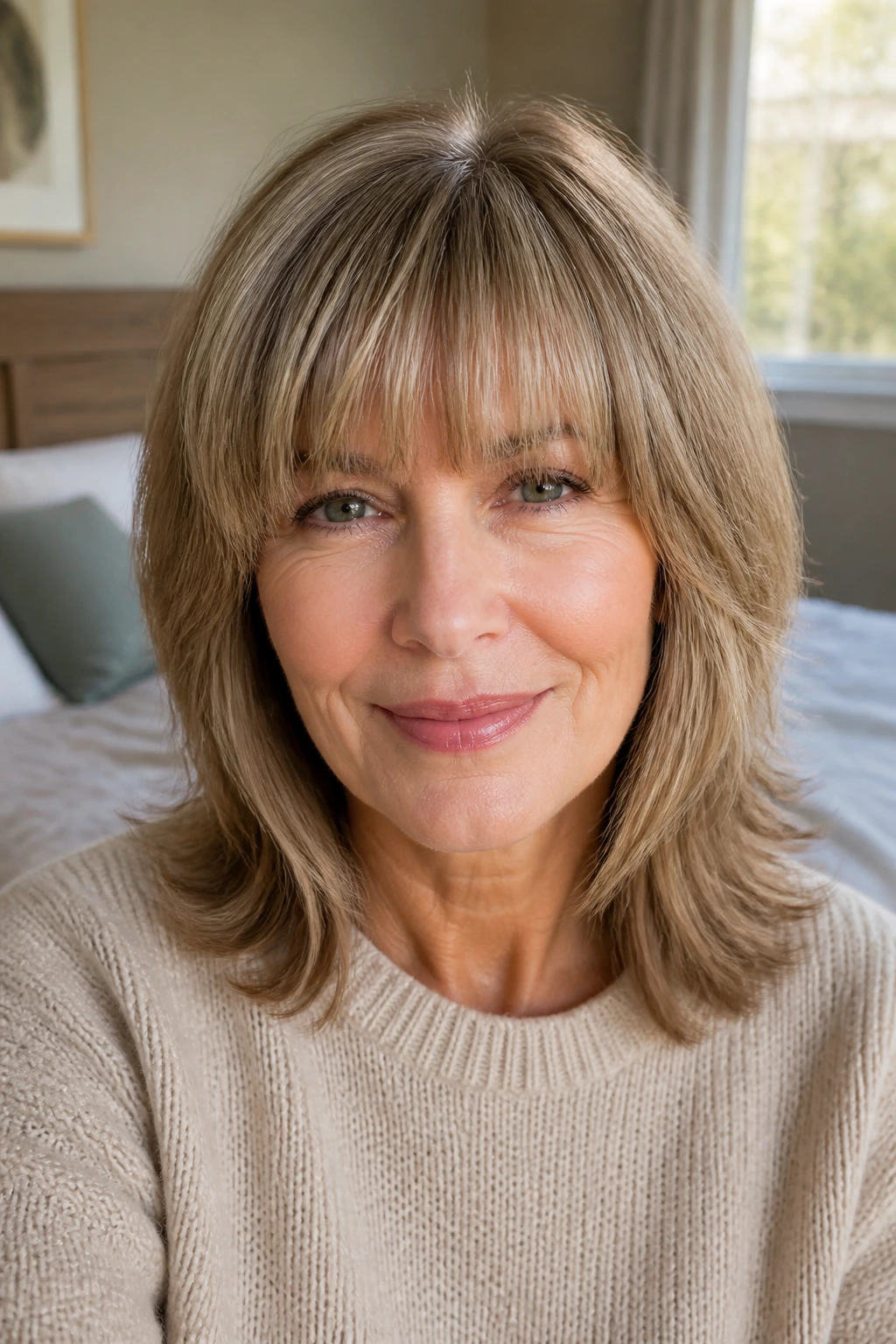
A full fringe can look fantastic on medium layered hair, especially if the rest of the cut is soft and shoulder-skimming. The bangs add focus to the eyes, while the layers keep the rest of the shape from feeling too heavy around the face.
This style works best if the fringe is dense enough to sit cleanly but not so thick that it looks like a wall. The side layers should taper gently into the cheek and jaw so the fringe doesn’t feel disconnected. If your hair is fine, keep the bangs slightly longer and lighter.
It’s a bolder choice than side-swept bangs. Worth it, though, if you like structure at the front.
25. Brushed-Out Curl Layers
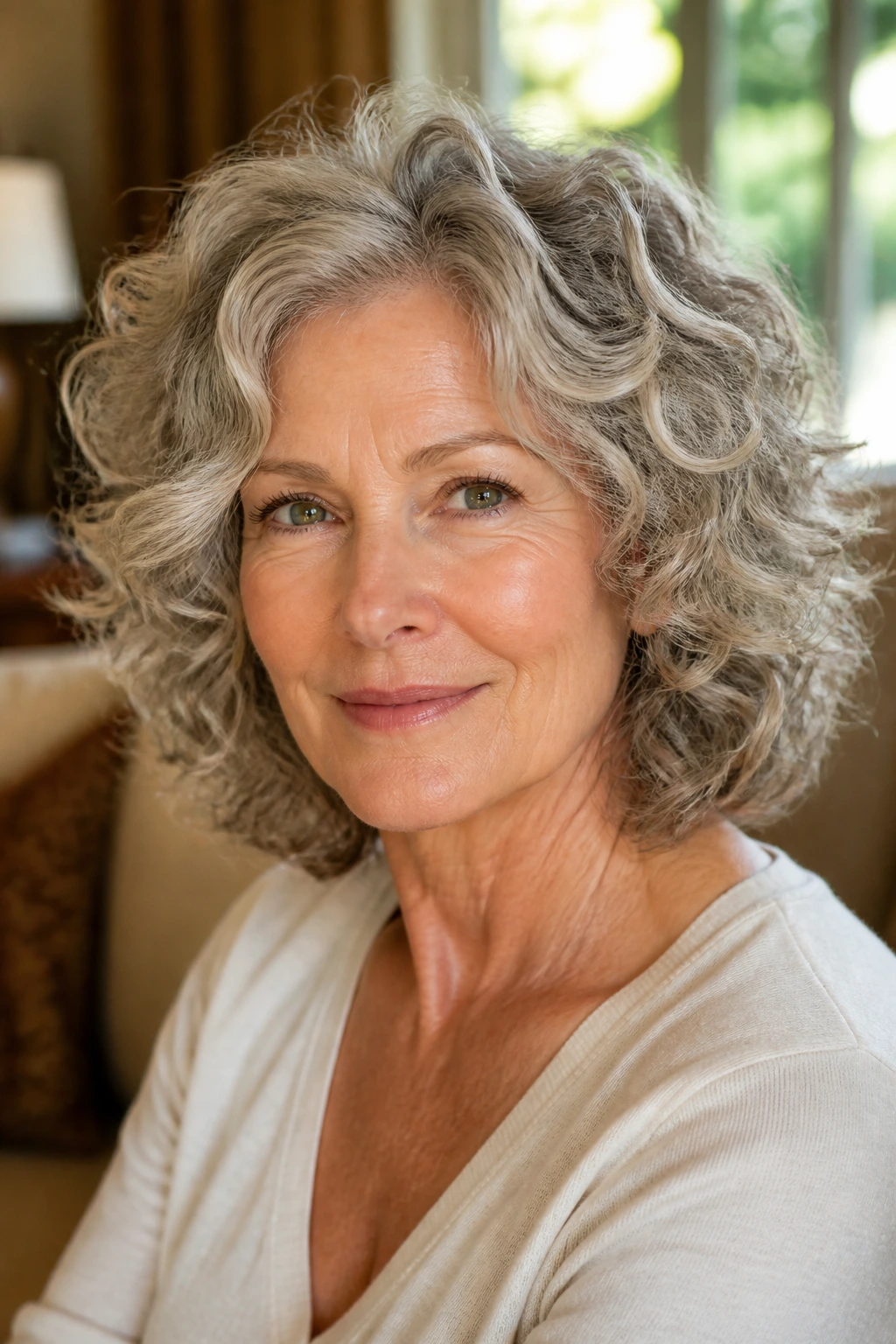
Curly hair doesn’t always have to be defined into tight little spirals. Brushed-out curls give a softer, fuller look that can feel more relaxed on medium length. The layers prevent the shape from becoming bottom-heavy when the curl loosens.
This works best when the hair is cut so the curl pattern still stacks nicely after brushing. That sounds technical, but you’ll know it’s right if the hair looks rounded instead of frizzy. Use a light cream or serum, then brush when the hair is dry and set.
It’s a nice option if you like volume more than definition.
26. Neck-Grazing Swing Cut
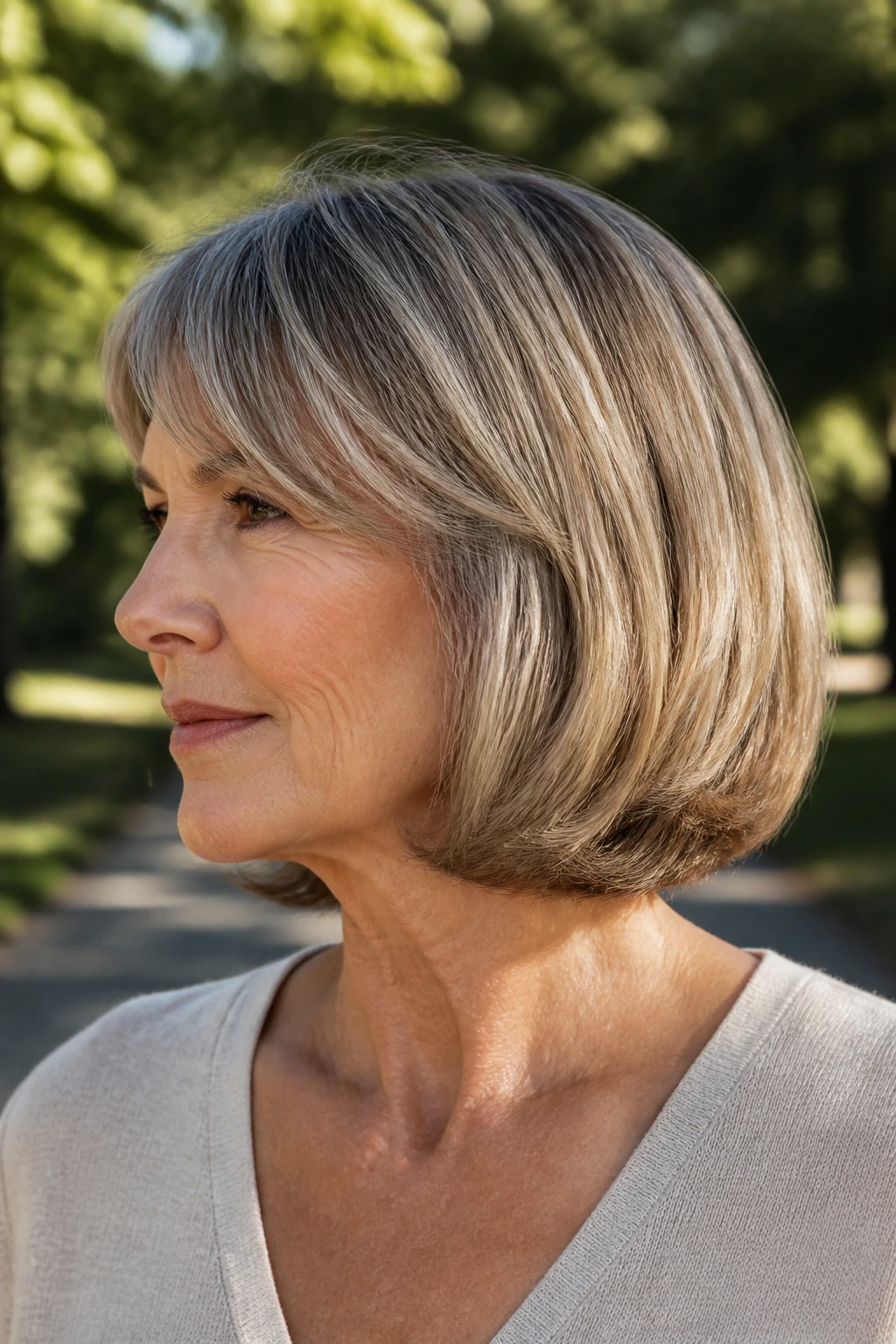
The neck-grazing swing cut lands right where the neck starts to narrow, which creates a neat, clean line without making the haircut feel short. The layers curve inward and outward just enough to keep the shape moving as you walk.
This one is especially good if you want a lighter feeling around the nape but still want enough hair to clip back. It can be smoothed for a polished look or roughed up with a few bends for something more casual.
The swing is subtle. That’s the point. You feel it more than you see it.
27. Underlayer Lob
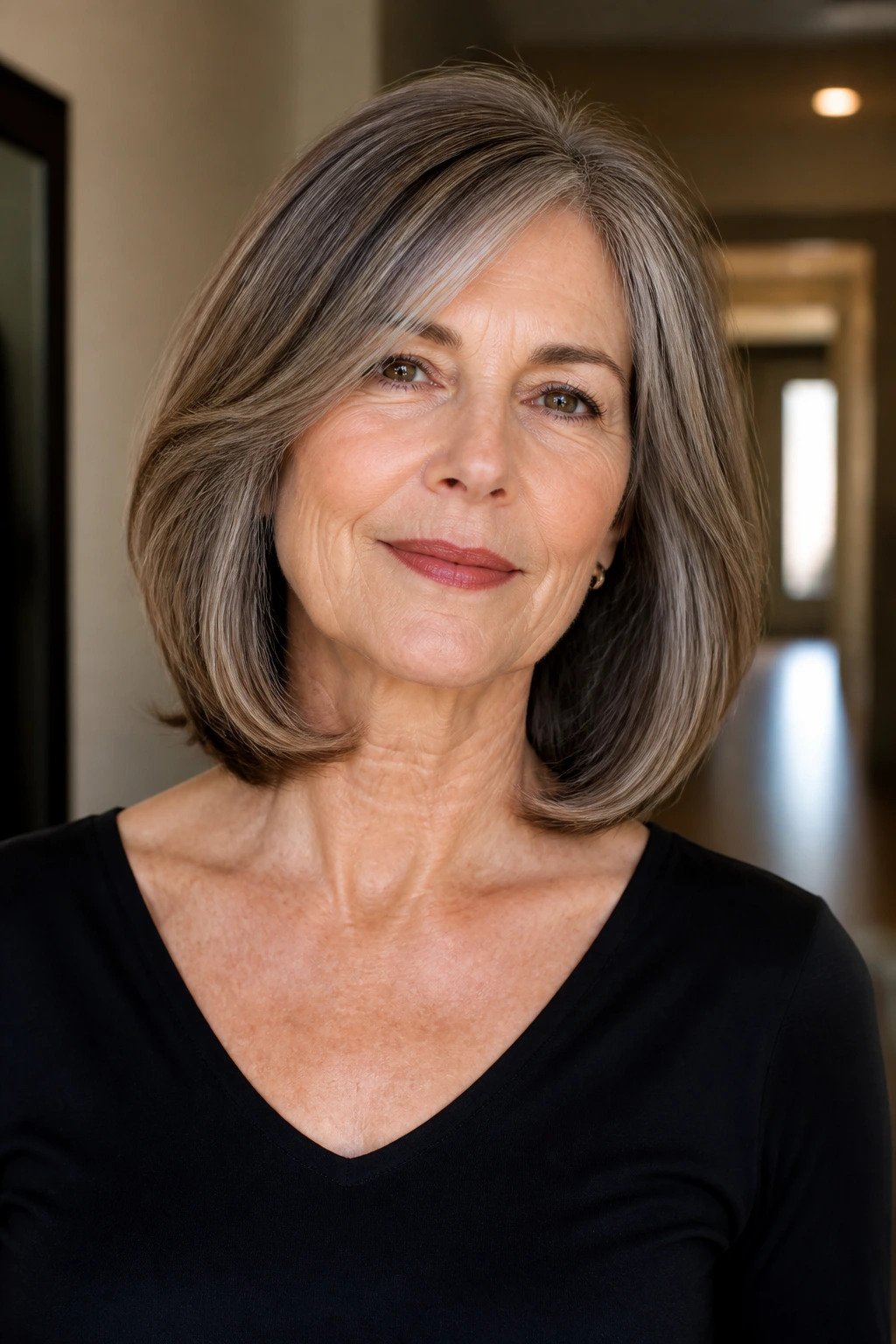
An underlayer lob is a quiet fix for thick hair that swells at the ends. The top layer keeps the shape looking full, while the hidden lower layers remove bulk so the cut lays flatter and moves more easily.
This is one of the smartest options if your hair feels heavy in humid weather or if you spend too long drying it. The outer line still looks substantial, but the inside has breathing room. That keeps the cut from turning into a helmet.
If you have thick, wavy, or coarse hair, this is worth asking about. It’s practical in the best way.
28. Polished Layered Lob with Shine
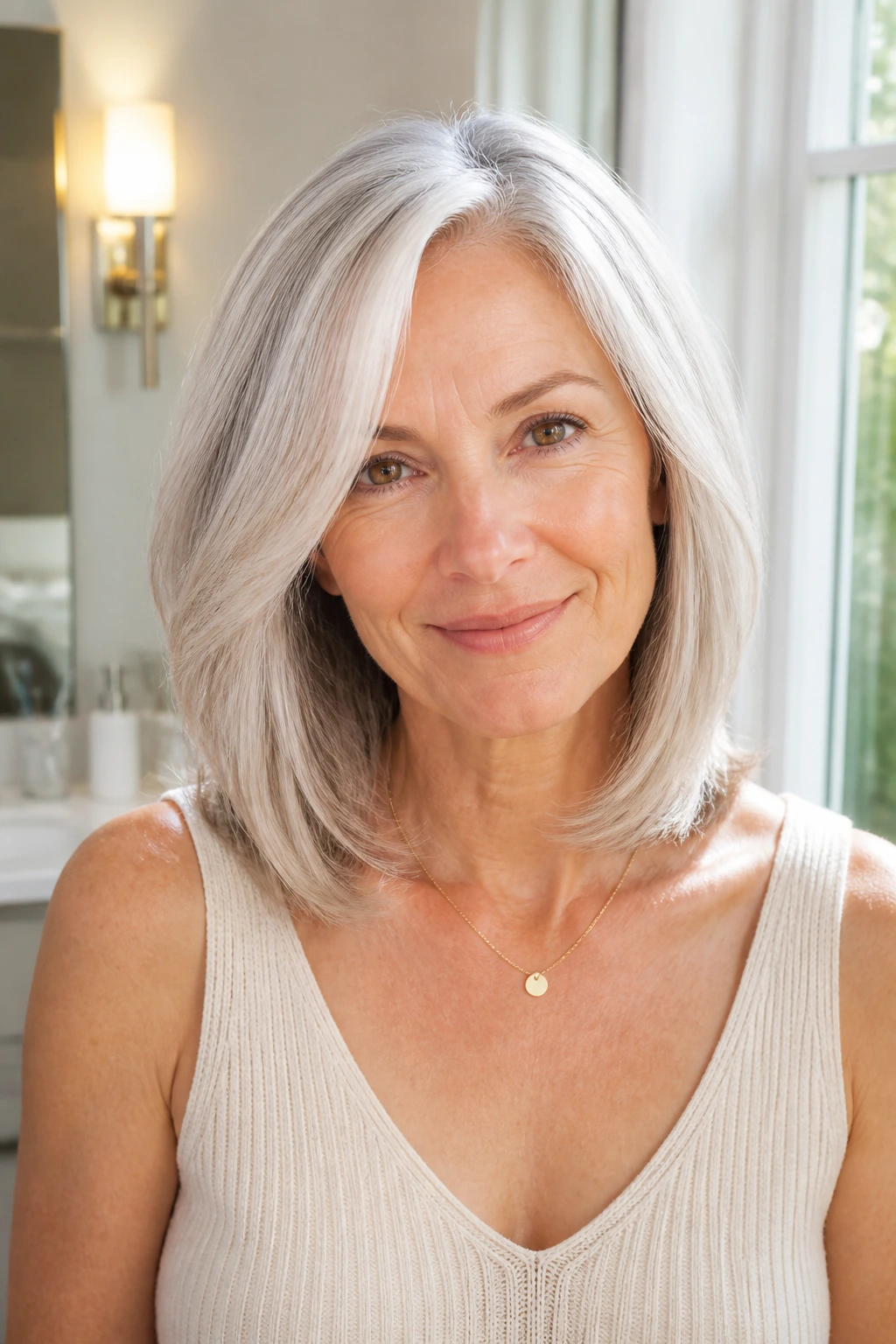
The polished layered lob is the refined finish to the whole group. It keeps the collarbone length, adds medium layers for movement, and then relies on clean blow-drying or a smoothing finish to give the hair a sleek edge.
This one stands out on straight hair and on gray or silver hair that has a strong natural sheen. The layers should be there, but not shouting. You want to see the swing when the hair moves, not all the cuts at once.
If you like hair that looks controlled but not stiff, this is your lane. A drop of serum on the ends is enough. Too much product and it goes slick.
Why Medium Layers Still Make Sense When Hair Changes Texture
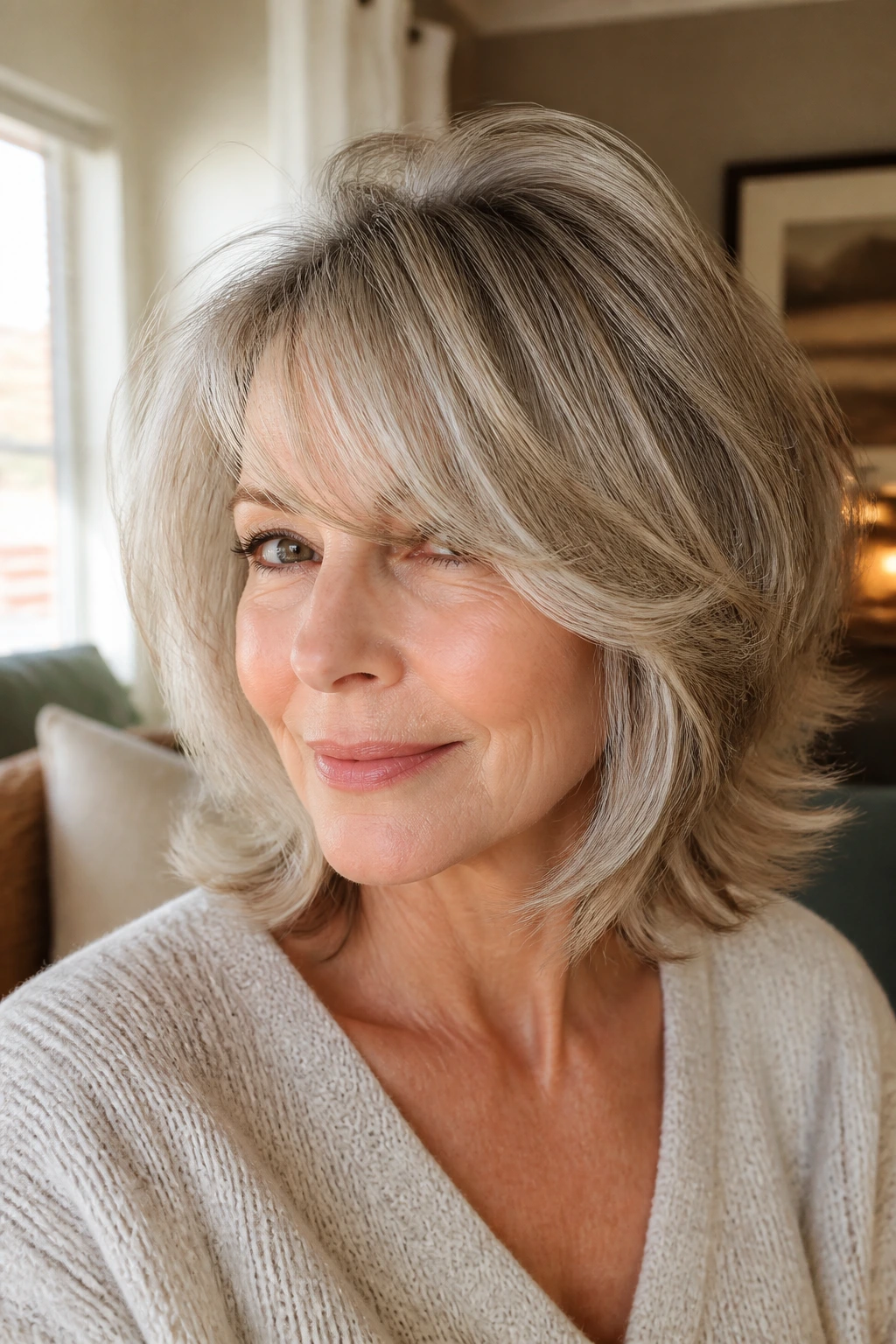
Hair after 60 often behaves differently at the roots and the ends. The crown can flatten faster. The mid-lengths can dry out. A blunt cut tends to show all of that at once, which is why medium layered haircuts stay so useful. They give you somewhere to put the movement.
The real advantage is balance. Medium length keeps enough weight for the style to feel like hair, not fluff, and layers stop the shape from going square. That combination matters whether the hair is silver, highlighted, brunette, or somewhere in between. Color changes the look of the cut, but the structure is what keeps it from failing.
There’s also the neck factor. A cut that ends around the collarbone or shoulders can make the whole profile feel lighter. That’s not cosmetic fluff. It changes how the hair sits against shirts, necklaces, collars, and glasses.
How to Ask Your Stylist for the Right Layers
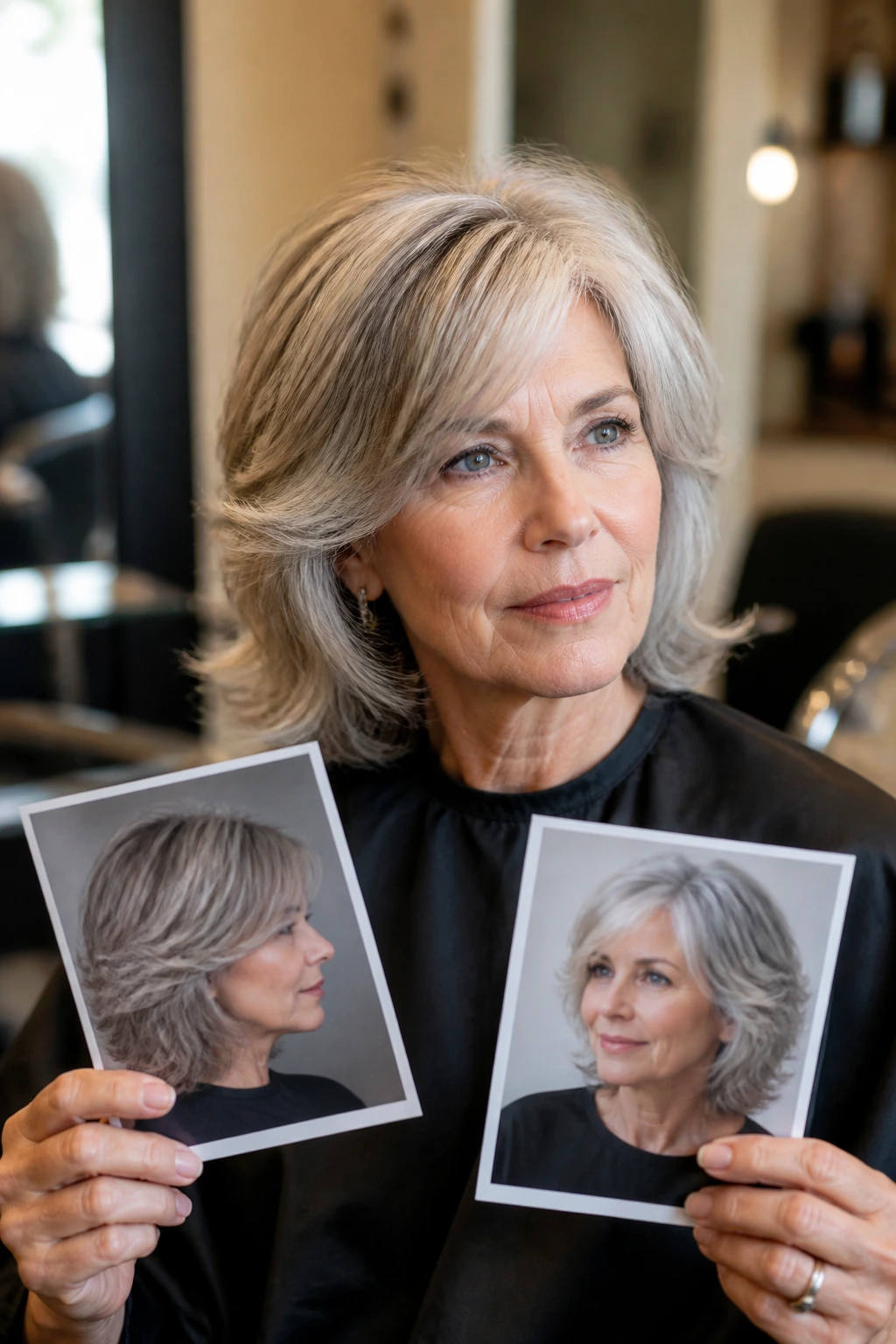
Bring one or two photos, but say what you like about them. Not “I want this exact haircut” — that’s how people end up disappointed when their hair texture behaves differently. Say whether you want lift at the crown, softness at the jaw, or easier blow-drying.
Be specific about the layer length. If you want the cut to keep fullness, ask for long layers that begin below the cheekbone. If you want more movement around the face, ask for face-framing pieces that start around the chin. Those details matter more than the haircut name.
If your hair is fine, say so. If it’s thick and swells, say that too. A stylist can adjust the internal weight, but only if the conversation is honest. Otherwise you get a haircut that looks good for ten minutes and then argues with you at home.
Tools That Make Layered Medium Hair Easier to Wear
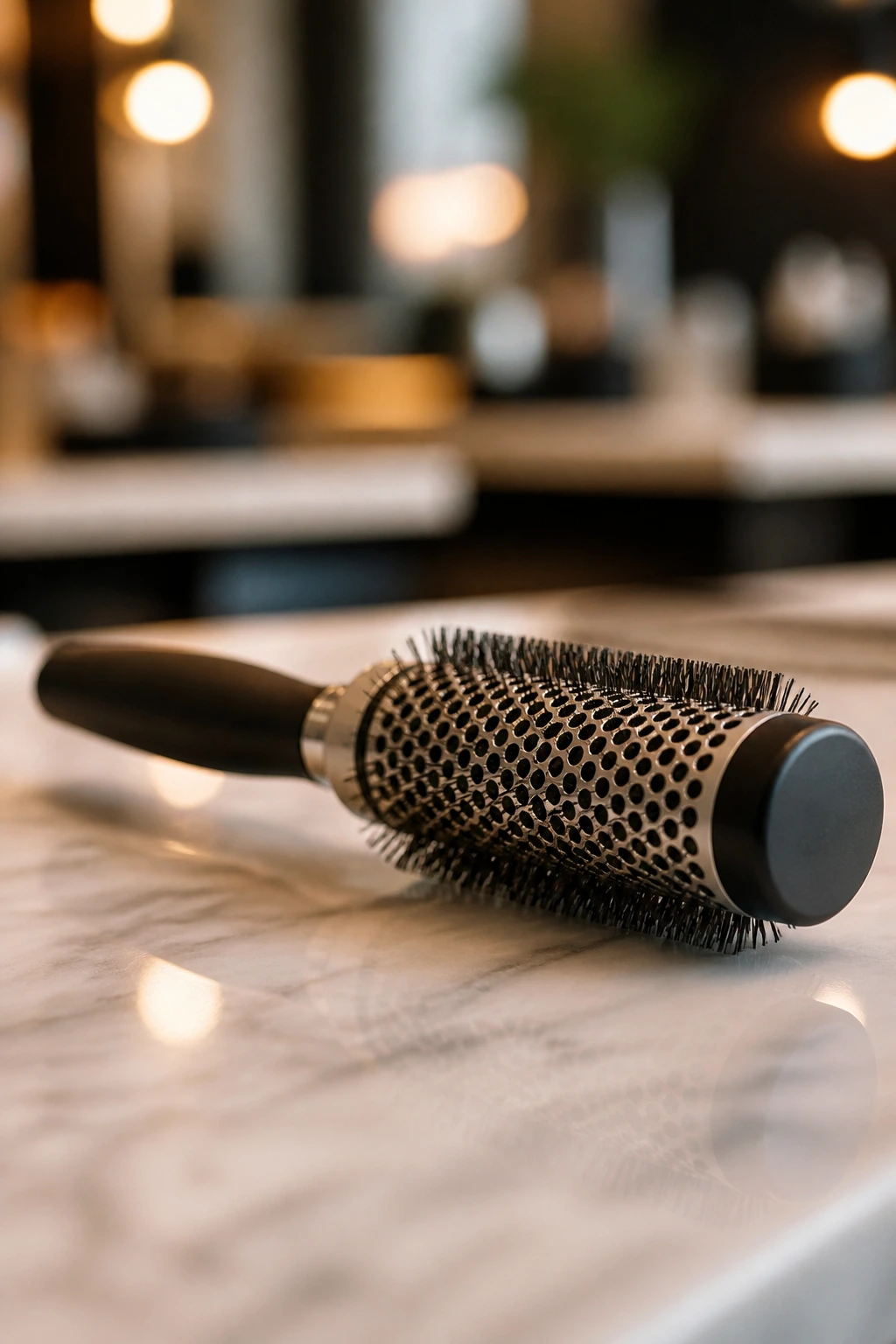
-
1.25-inch round brush: Big enough to smooth the mid-lengths without turning the ends into a tight curl.
-
Blow dryer with a nozzle attachment: The nozzle helps direct airflow at the roots so the top doesn’t puff away from the head.
-
Light mousse or root-lift spray: Useful for fine hair that needs hold without stiffness.
-
Heat protectant spray: If you use a dryer, iron, or hot brush, this goes on first. Skip it and the ends get dry fast.
-
Wide-tooth comb: Best for curly or wavy hair when the cut is wet and you want the layers to settle without breakage.
-
Small flat iron or 1-inch curling iron: Handy for polishing a face frame or bending the ends under or out.
-
Dry shampoo: A medium cut often looks better with a little grit at the roots on day two.
How to Style Medium Layers in Ten Minutes
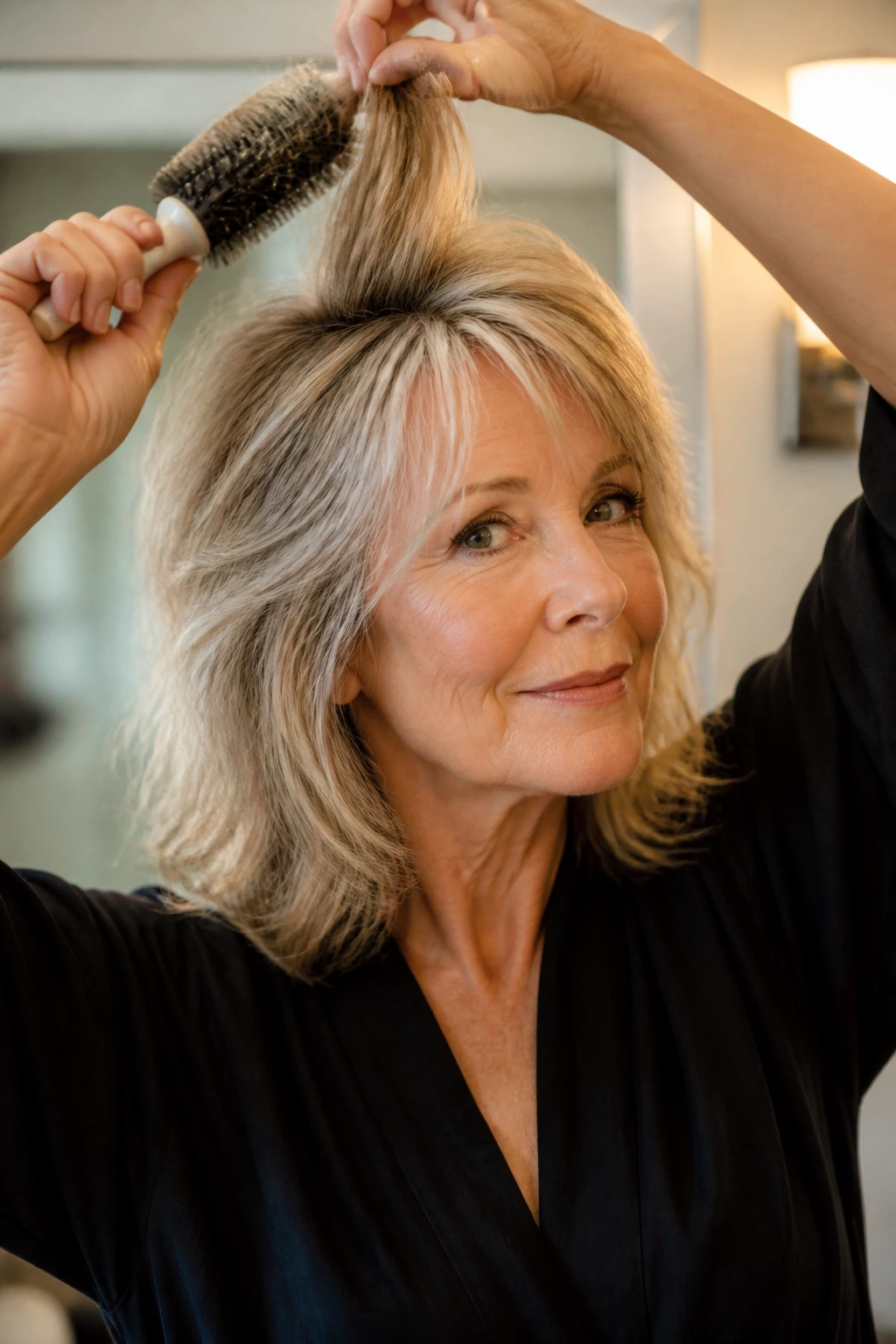
Start with damp hair and work a small amount of mousse or styling cream through the roots and mid-lengths. If your hair is fine, keep the product light. If it’s thick or coarse, use a little more through the ends so the layers don’t frizz out.
Flip the hair away from the part with a blow dryer and brush, then set the front pieces in the direction you want them to fall. That’s the part people skip, and it’s why the face frame looks wrong. The front of the haircut needs a plan.
If you’re air-drying, twist a few front sections away from the face and clip them while they dry. A little bend there makes the whole cut look more finished. Then leave the rest alone. Too much fiddling kills the natural shape.
Common Mistakes That Flatten a Layered Cut
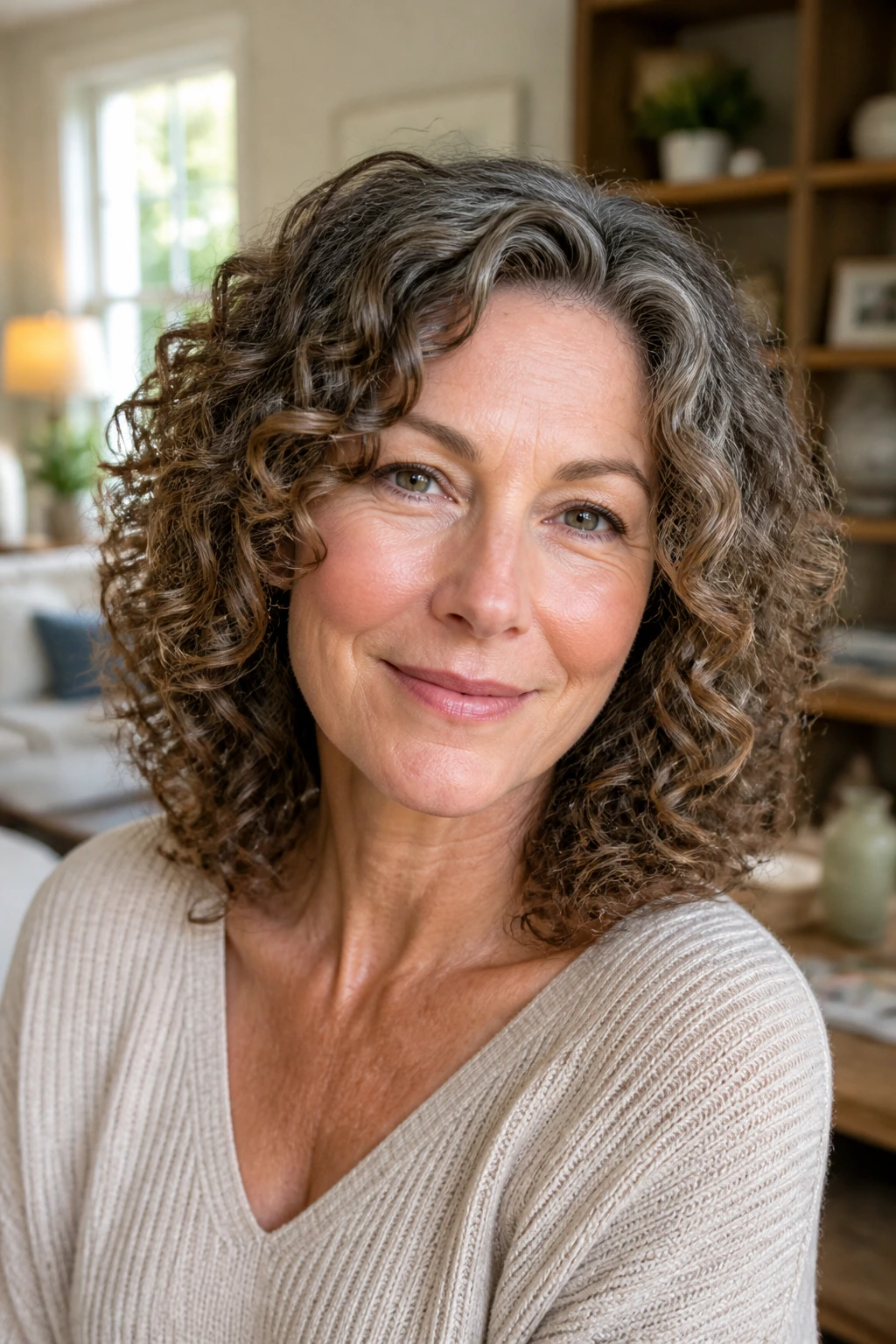
The first mistake is starting the layers too high. When short layers begin at the temples or above, the shape can fray and the ends lose too much weight. The fix is simple: keep the shortest movement around the cheekbone or lower unless the hair is very thick.
Another one is adding layers to already thin ends. If the bottom of the haircut is wispy before you start, heavy layering can make it look see-through. A blunt or softly rounded perimeter usually works better there.
A third problem is ignoring the part line. A cut can be fine on the salon chair and look sleepy at home because the part was never considered. Move the part, and the crown changes. Funny how that works.
The last big one is skipping styling support altogether. Some layered cuts air-dry beautifully; others need a brush, root lift, or a quick bend with an iron. That is not a flaw. It’s just a haircut asking for the right finish.
Variations That Adapt These Cuts to Real Hair
The Fine-Hair Lift: Keep the perimeter blunt and the layers long. This gives the illusion of thicker ends while the crown gets a small boost from root spray and a round-brush dry.
The Thick-Hair Debulk: Ask for hidden internal layers and a clean outer line. The goal is to remove weight from the inside so the haircut drops instead of puffing.
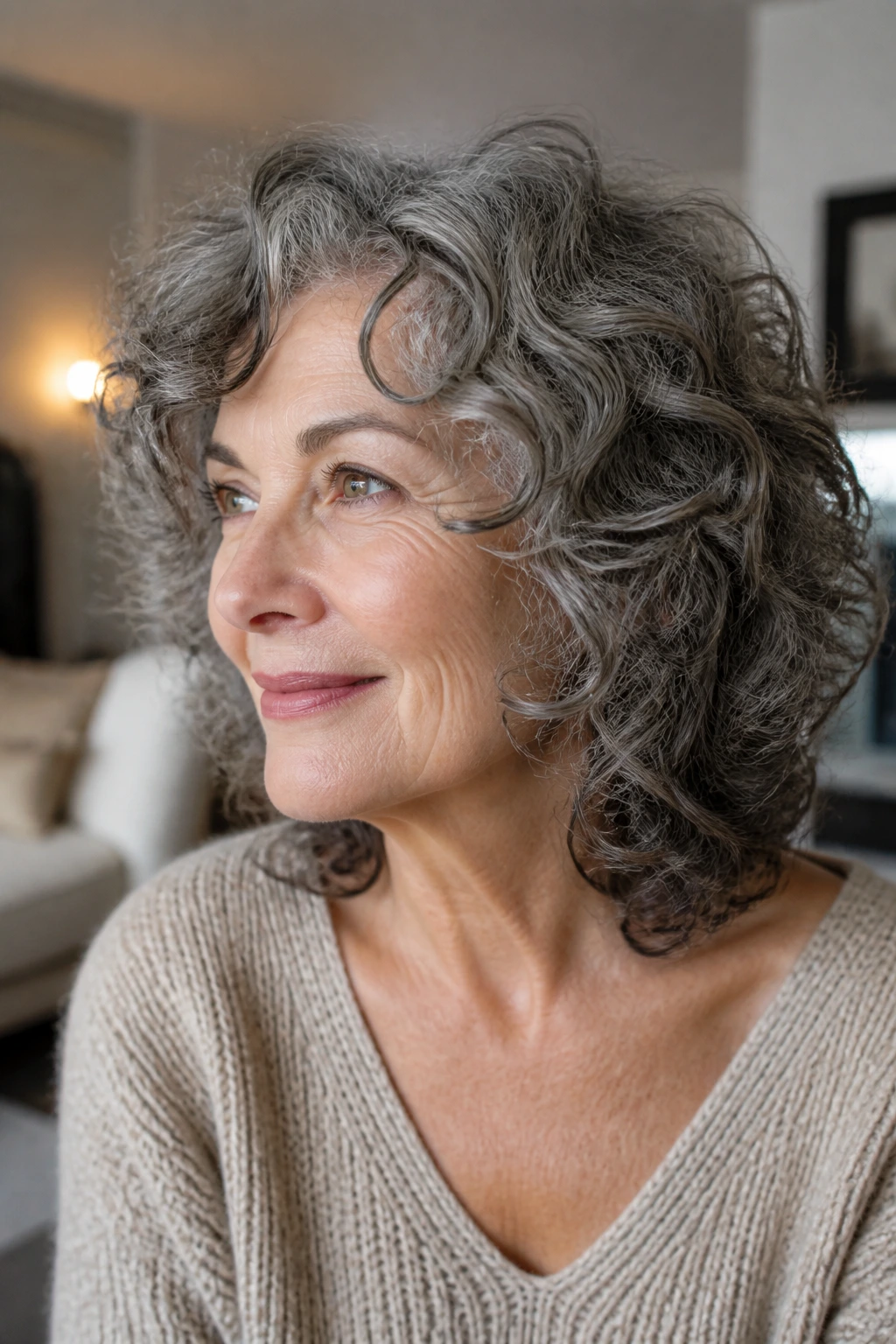
The Curl-Friendly Shape: Let the layers follow the curl pattern and stay a little longer around the face. A dry cut often helps curls land where they should instead of shrinking into the air.
The Glasses-Friendly Fringe: Choose side-swept bangs, bottleneck bangs, or a long face frame that starts below the brow line. That keeps the cut from fighting your frames.
The Silver-First Finish: Lean into shine and movement. Gray and white hair often look sharper with cleaner lines, softer layers, and a touch of serum on the ends.
How to Keep the Shape Between Salon Visits

Most medium layered cuts hold their shape for about 6 to 8 weeks before the front starts to lose its line or the ends begin to look tired. Some cuts, especially shorter bobs, may want a tidy-up sooner if the neck edge grows out fast.
At night, a silk or satin pillowcase helps reduce the bent, puffy top layer that shows up after rough sleeping. If your hair is curly or wavy, a loose pineapple clip or a soft scrunchie can keep the layer pattern from getting mashed flat.
Dry shampoo is useful, but don’t pile it on. One or two light passes at the roots is enough. If the ends are the problem, they usually need a mist of leave-in conditioner or a quick re-bend with a brush, not more powder.
Frequently Asked Questions
Are layers good for thinning hair after 60?
Yes, if they’re cut with restraint. Long layers and soft face-framing can create movement without stripping too much density from the ends. If the hair is already very fine, avoid heavy layering near the bottom.
What length is best for women over 60 who want layers?
Shoulder length to collarbone length is usually the easiest place to start. It gives you enough weight for shape, enough length for styling, and enough room for layers to move without the haircut feeling short or severe.
Do layers make gray hair look better?
They often do, because gray and silver hair can look flat in a one-length cut. Layers break up the silhouette and let the light play across the shape, which keeps the hair from reading like one solid sheet.
How often should I trim a layered medium haircut?
Every 6 to 8 weeks is a good target for keeping the shape clean. If you wear a bob or a shorter lob, you may want a trim a little sooner so the ends do not flip in a weird way.
What if my hair is curly and I want layers without frizz?
Ask for curl-specific layers and make sure the stylist knows how your curls behave dry. The cut should work with your pattern, not against it. Too much thinning or razor work can make frizz worse.
Can I wear medium layers with bangs?
Absolutely. Side-swept bangs, curtain bangs, bottleneck bangs, and even a soft full fringe can work well. The trick is keeping the bangs connected to the side layers so the front doesn’t look chopped off from the rest of the haircut.
What should I avoid if I hate styling my hair every day?
Skip highly texturized shaggy cuts and very short layers near the crown. A longer layered lob or softly feathered cut will air-dry with less effort and usually needs less touch-up on day two.
The Shape That Keeps Moving
Medium layers work because they respect what hair actually does. They don’t force a stiff shape onto changing texture, and they don’t hide the face under too much length. That’s the whole reason they hold up so well on women over 60.
The best cut here is the one that fits your real routine: your brush, your glasses, your cowlicks, your gray, your curls, your patience. Get the layer placement right, and the haircut starts doing its own work.
Choose the shape that matches how you live, not how you wish your hair behaved on a perfect morning.
