



Long wavy hair can be gorgeous, and also a little rude. One blunt cut and the ends swell out like a bell. Too many short layers and the whole thing can puff at the shoulders while the crown goes limp. A good wolf shag haircut for long wavy hair fixes that by taking weight out of the top and letting the wave pattern stay loose all the way down.
That’s why the cut has legs. It does not ask your waves to become something else. It works with the bend you already have, then adds shape where long hair usually goes flat: the crown, the cheekbones, and the line right under the chin. The result can look soft, edgy, polished, shaggy, or almost untouched, depending on where the shortest layers land and how much fringe you keep in front.
The best part is that a wolf shag is not one thing. Some versions feel airy and feathered, with curtain bangs that graze the lashes. Others are more pronounced, with crown volume and broken-up ends that look a little wild in the best way. Long wavy hair gives the cut room to move, and that movement is the whole point. If a style looks best when you shake it out with your fingers, you’re in the right neighborhood.
Why These Wolf Shag Haircuts Work So Well on Long Wavy Hair

-
Crown lift: The shorter layers sit high enough to stop the top from collapsing, which keeps long waves from hanging like wet rope after a few hours.
-
Length stays on the menu: You still keep the swish and weight of long hair, so the cut never turns into a short shag by accident.
-
The face gets shape fast: Curtain bangs, bottleneck bangs, and cheekbone pieces change the whole mood without taking away inches you may want to keep.
-
Waves look better with broken edges: A wavy pattern needs room to bend. Blunt ends can look heavy, while soft layering gives the hair room to move.
-
Grow-out is kinder: Even when the layers soften after a few weeks, the shape still reads as intentional instead of awkwardly half-grown.
1. Soft Curtain-Bang Wolf Shag
Soft curtain bangs are the friendly version of a wolf shag. They split around the center, skim the cheekbones, and let long waves stay the main event. If you want the cut without a hard edge, this is where I would start.
Why It Sits So Well on Waves
The layers usually begin around the cheekbone or just below it, which keeps the front from getting too choppy. That matters on long wavy hair because the wave already creates texture; you do not need the haircut to fight for attention.
- Best for medium-density hair that wants shape without a big style commitment.
- Ask for long face-framing pieces that blend into the top layers.
- Keep the fringe soft, not piecey to the point of looking disconnected.
- Style with a diffuser on low heat and a palmful of mousse.
Pro tip: If your forehead is shorter, start the curtain pieces lower and keep them longer near the cheekbones. That stops the fringe from crowding the face.
2. Crown-Heavy Wolf Shag
This is the one for hair that falls flat at the roots and then explodes at the ends. A crown-heavy wolf shag puts the lift where long wavy hair usually needs it most: on top, not around the perimeter.
The shape feels bold from the first rinse. The top looks airy, the mid-lengths get a little broken up, and the ends stay long enough to keep the whole cut grounded. Thick waves love this, especially if your hair has enough body to hold a shape for more than ten minutes after styling.
Ask your stylist for internal layering through the upper four to six inches rather than a bunch of short pieces at the bottom. That keeps the silhouette from turning into a triangle.
Best for: dense waves, hair that expands in humidity, and anyone who likes volume at the crown more than polished ends.
3. Razor-Edged Wolf Shag
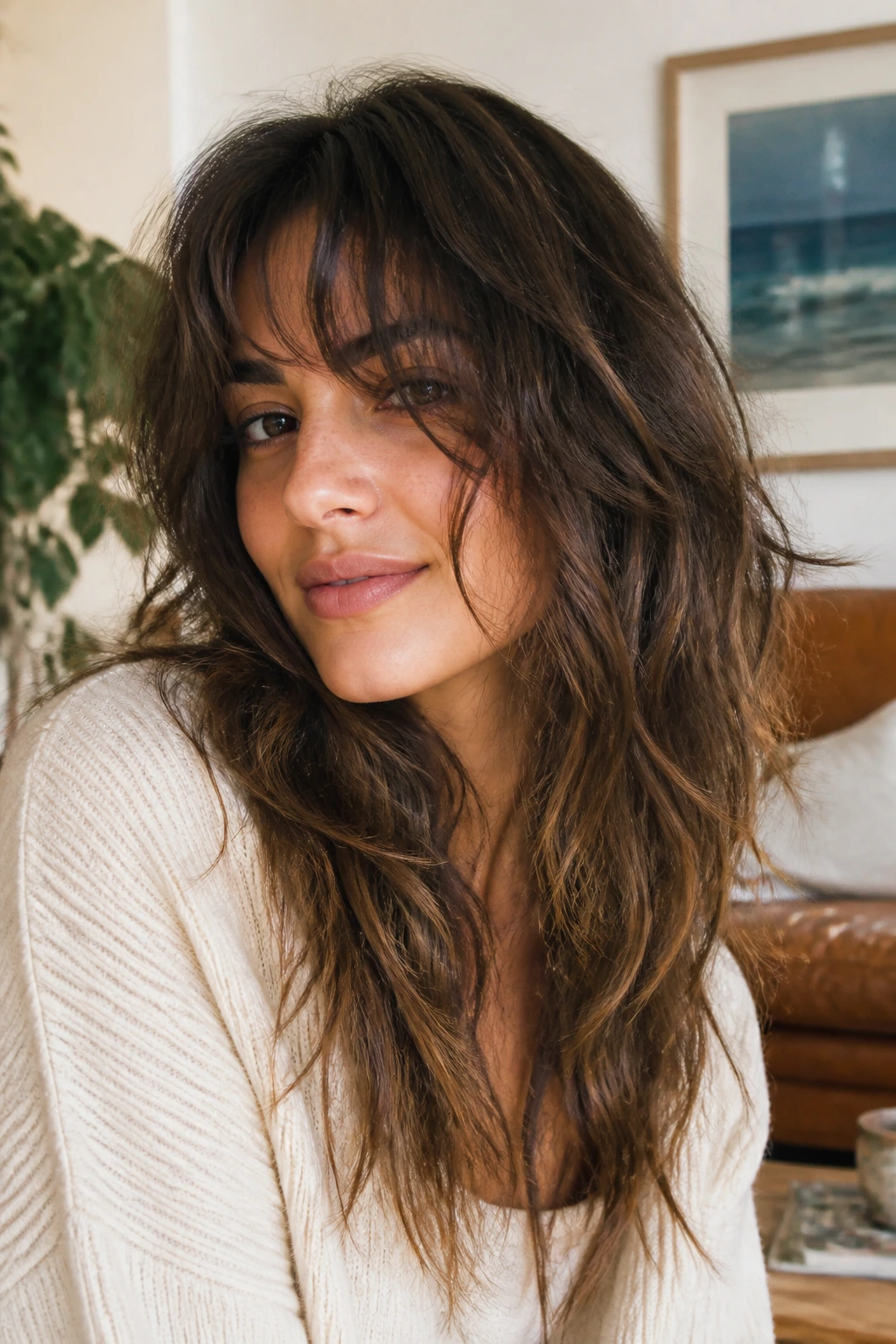
Want the cut to look lighter without losing length? Razor work changes the whole feel. The ends look feathery and a little raw, which is exactly the kind of texture long wavy hair can wear without trying too hard.
What Makes It Different
A razor creates a softer finish than blunt scissors, especially on hair that is thick or coarse. The movement shows up faster, and the layers do not sit as heavily against each other.
How to Wear It
Use a light curl cream on damp hair, then scrunch with your hands before diffusing. If you brush it dry, the piecey edges separate too much and the cut starts to look frayed instead of cool.
Ask for: a razor finish on the outer layers, not the ends alone. You want texture through the mid-lengths so the wave can travel.
4. Bottleneck Bang Wolf Shag
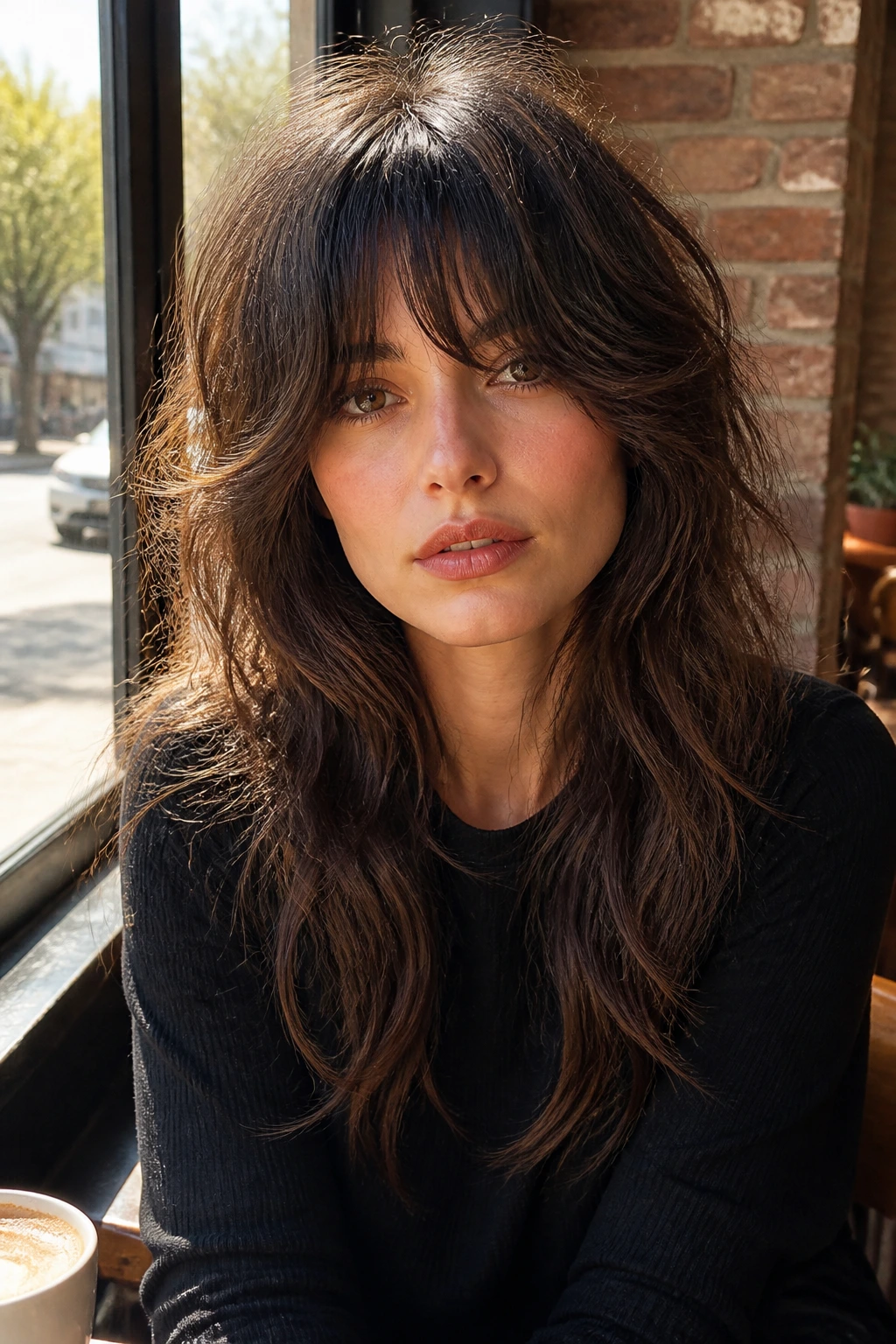
If curtain bangs feel too wide across your face, bottleneck bangs are the smarter move. They start narrower near the center and open out around the cheekbones, which gives long wavy hair a cleaner frame.
This is a sharp shape with a soft landing. The front looks intentional, but it does not bury your face in fringe. The wave pattern underneath stays visible, which is the part people sometimes forget when they ask for bangs on long hair.
How to Ask for It
Tell your stylist you want a shorter center section that graduates into longer side pieces. The shortest part can sit near the bridge of the nose or just below the brows, depending on how much forehead you want to show.
A light round-brush pass at the front is enough. No need to force a blowout every morning.
5. Air-Dry Wolf Shag
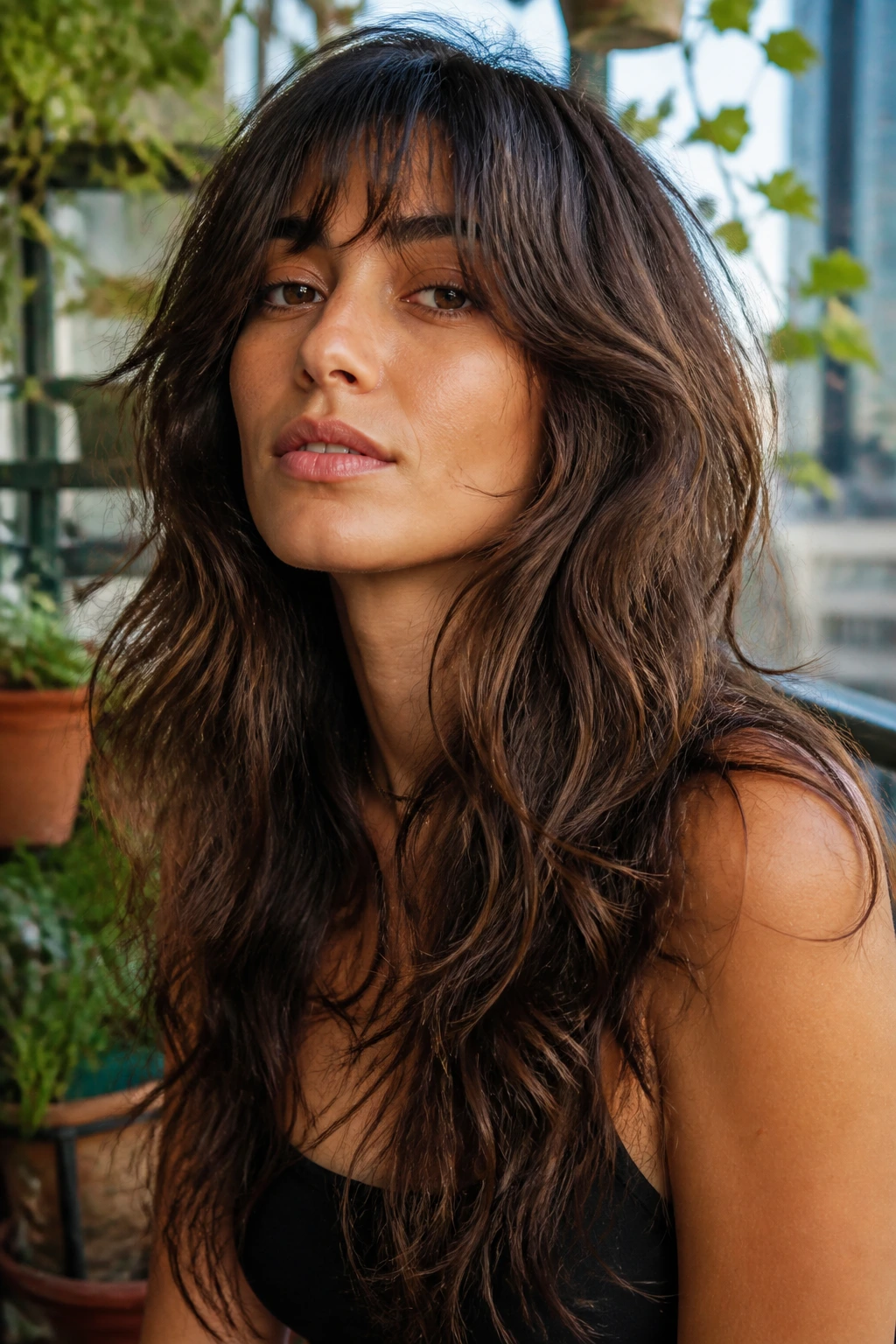
This version is for people who hate wrestling with a dryer. The cut is shaped to look right once the hair dries on its own, which means the layer pattern needs to be soft and well spaced.
The whole point is to let the wave fall where it wants to fall. You get separation, bend, and a little frizz in the right places — not the kind that looks uncontrolled, but the kind that makes the cut feel alive.
Use this if your texture clumps well on its own. Long wavy hair with a loose S-pattern often does better with a small amount of leave-in conditioner and a light mousse than with heavy creams.
A diffuser can still help on the roots, but the length should be allowed to dry in the air. That keeps the ends from getting overworked.
6. Deep Side-Part Wolf Shag
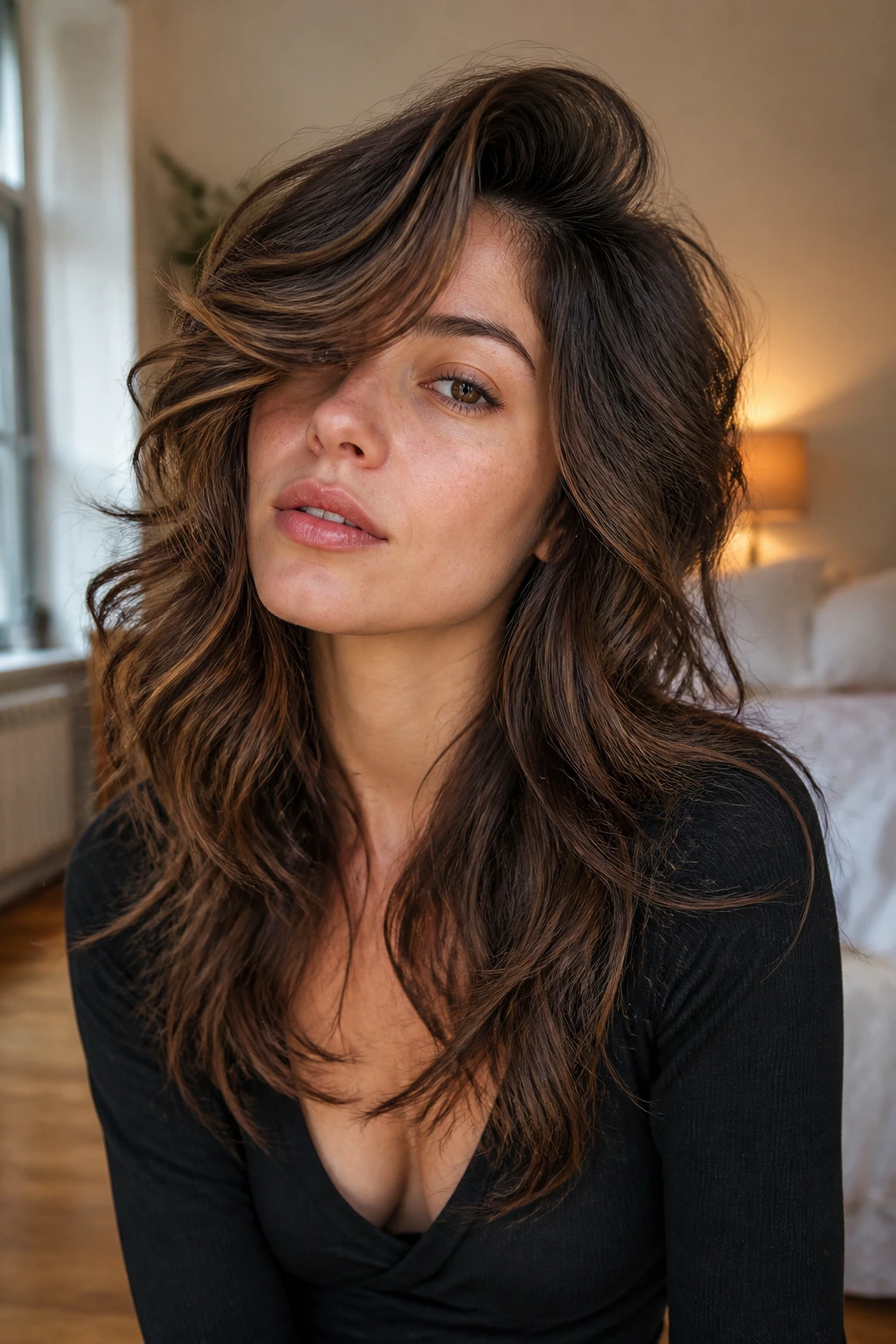
A deep side part changes the wolf shag fast. The volume shifts, the fringe moves off-center, and the whole cut gets a little more glamorous without losing its shaggy backbone.
The off-balance part works especially well on long wavy hair because it gives the top a natural lift. One side falls flatter, the other side gets a little push, and that imbalance creates the kind of movement you cannot fake with product alone.
Why It Flatters
It draws attention upward and diagonally, which can soften wider cheeks or a square jaw. If your waves are loose, the side part also gives them a cleaner direction.
Styling Note
Blow-dry just the root area at the part with a small round brush or a brush-and-dryer combo. The rest can stay softer. That contrast is the whole trick.
7. Cheekbone-Flick Wolf Shag

This cut is all about the little flip right around the cheekbone. The layers start high enough to frame the face, then bend out just as they meet the widest part of the cheeks. It’s subtle. Very effective.
A cheekbone-flick wolf shag can make long wavy hair look slimmer through the middle without taking away length. That is rare, and worth paying attention to. Too many layered cuts only build volume at the sides; this one actually directs the eye.
Best for round or soft oval faces: the side pieces give structure where you want it, then blend back into the length.
Bring a photo and point to the exact place you want the front layers to turn outward. That one detail saves a lot of confusion at the salon.
8. Feathered Volume Wolf Shag
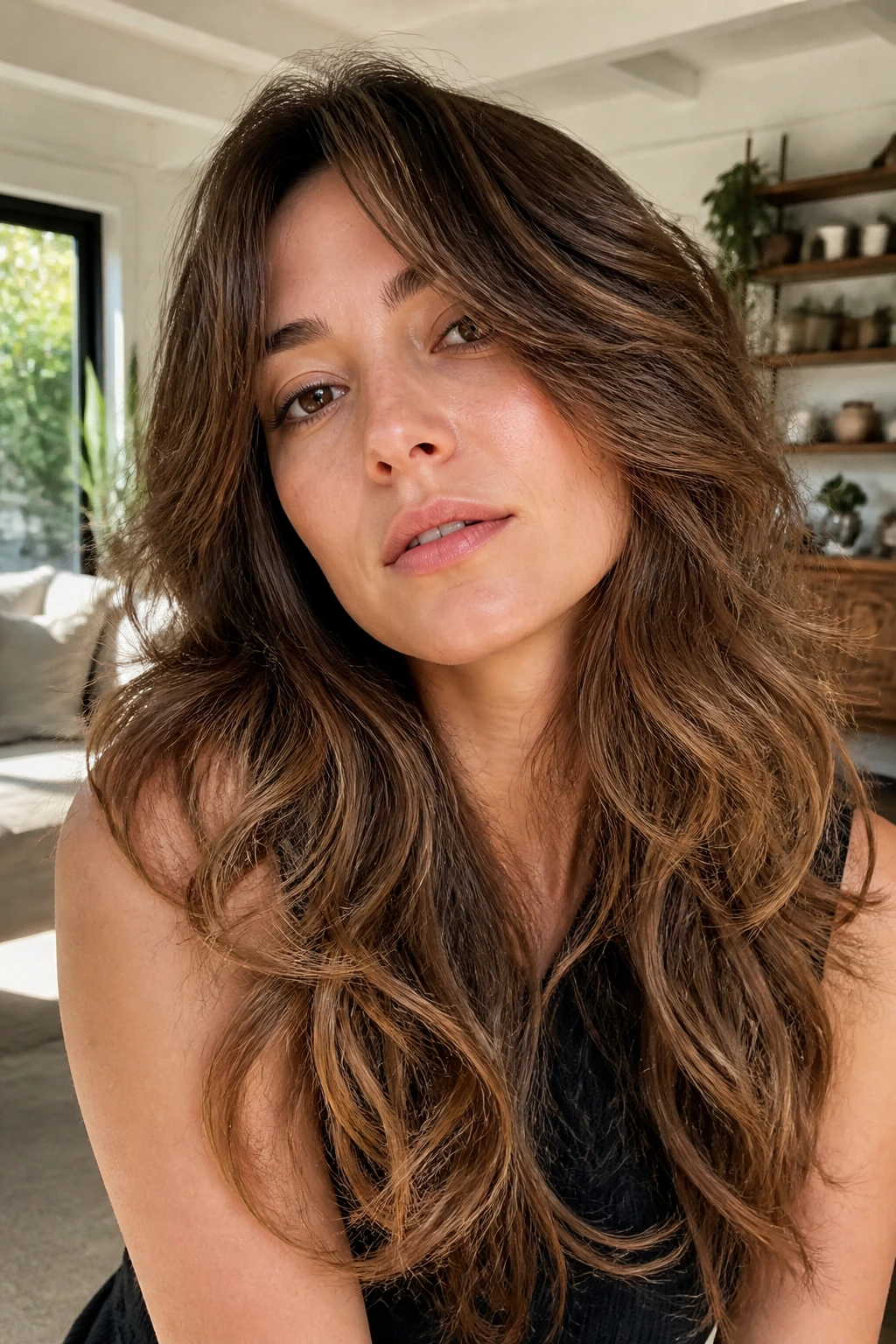
Feathered ends give this cut a throwback feel, but not in a costume-y way. The layers are lighter, the movement is bigger, and long wavy hair gets to look full without looking helmet-shaped.
This is the loudest version in the bunch. Not in a bad way. The crown lifts, the sides float, and the ends separate enough to show each wave. It’s a good fit if your hair is thick, because the feathering removes enough weight to keep the top from collapsing.
What to Ask For
- Long feathered layers through the upper half of the head
- Soft, blended bangs or a long fringe
- Minimal thinning at the very ends
- A finish that keeps the shape round, not square
If you air-dry, scrunch a mousse through the roots first. Feathered volume looks best when it has a little lift at the base.
9. Shag-Mullet Hybrid Long Cut

This one has more attitude. The crown is shorter, the front is broken up, and the back keeps a longer tail of length that reads more rock-and-roll than polished salon blowout.
Compared with a soft wolf shag, this cut shows more separation. The difference is mostly in how high the layers start and how sharp the transition feels between the crown and the length. If you want something that does not apologize, this is it.
It suits long wavy hair that already has personality. Straight-from-the-blow-dryer smoothness is not the goal here; texture is.
Who it suits: people who like edge, people who wear boots with everything, and people who do not mind a shape that gets a little better after a messy day.
10. Invisible-Layer Wolf Shag
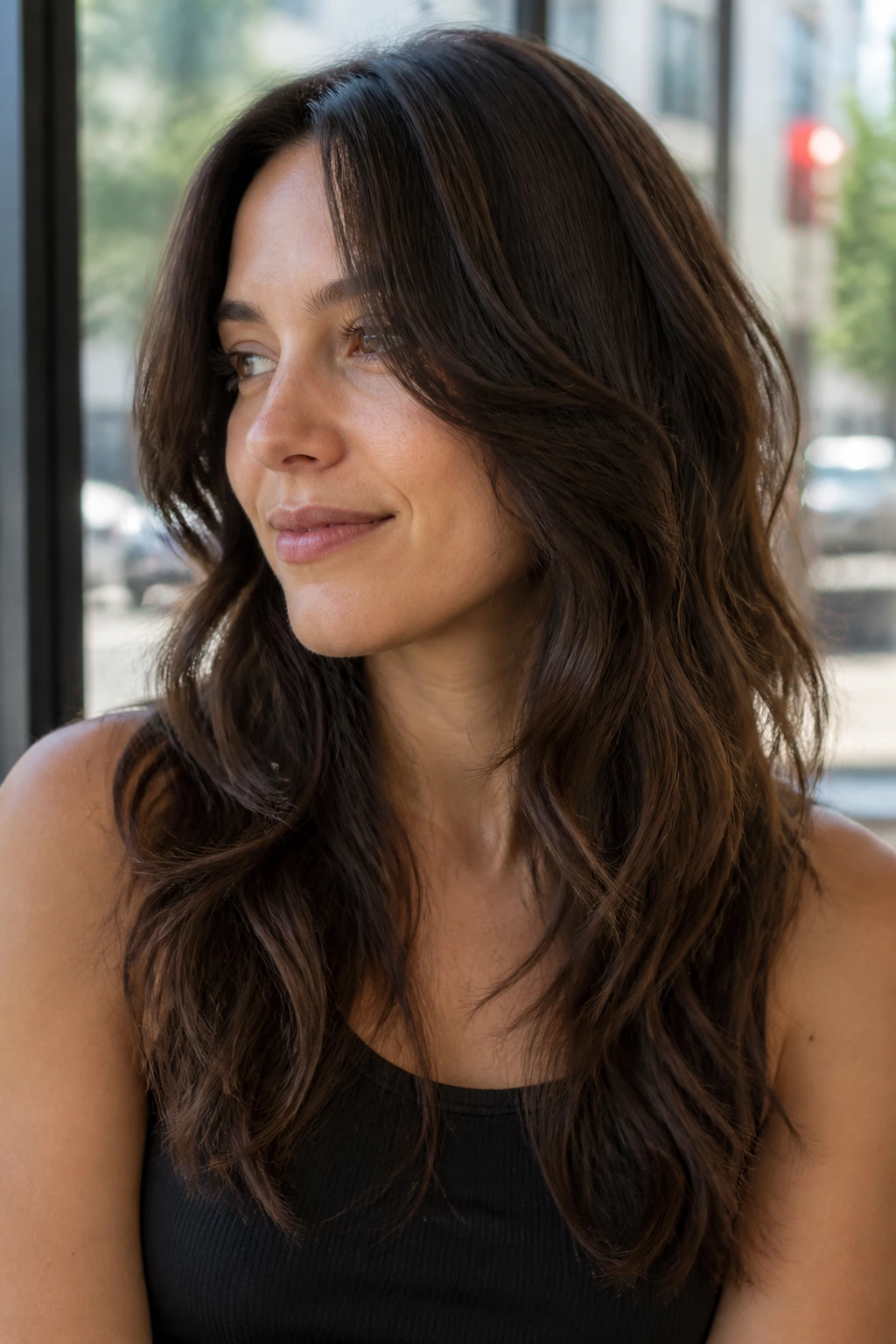
Invisible layers are for people who want movement without broadcasting the layering from across the room. The cut looks almost one-length when it hangs still, then the texture shows up the second you move.
That makes it a smart choice for work settings where you want something modern but not aggressively shaggy. Long wavy hair gains swing, but the perimeter stays clean enough to brush into a ponytail without odd gaps.
How It Works
The shortest pieces live inside the haircut, not on the outside line. The ends keep more weight, which helps the style feel smoother.
Ask Your Stylist For
A wolf shag with soft internal layers and a lightly shaped face frame. If they start slicing the bottom line to bits, you have gone too far.
11. Balayage-Ready Wolf Shag
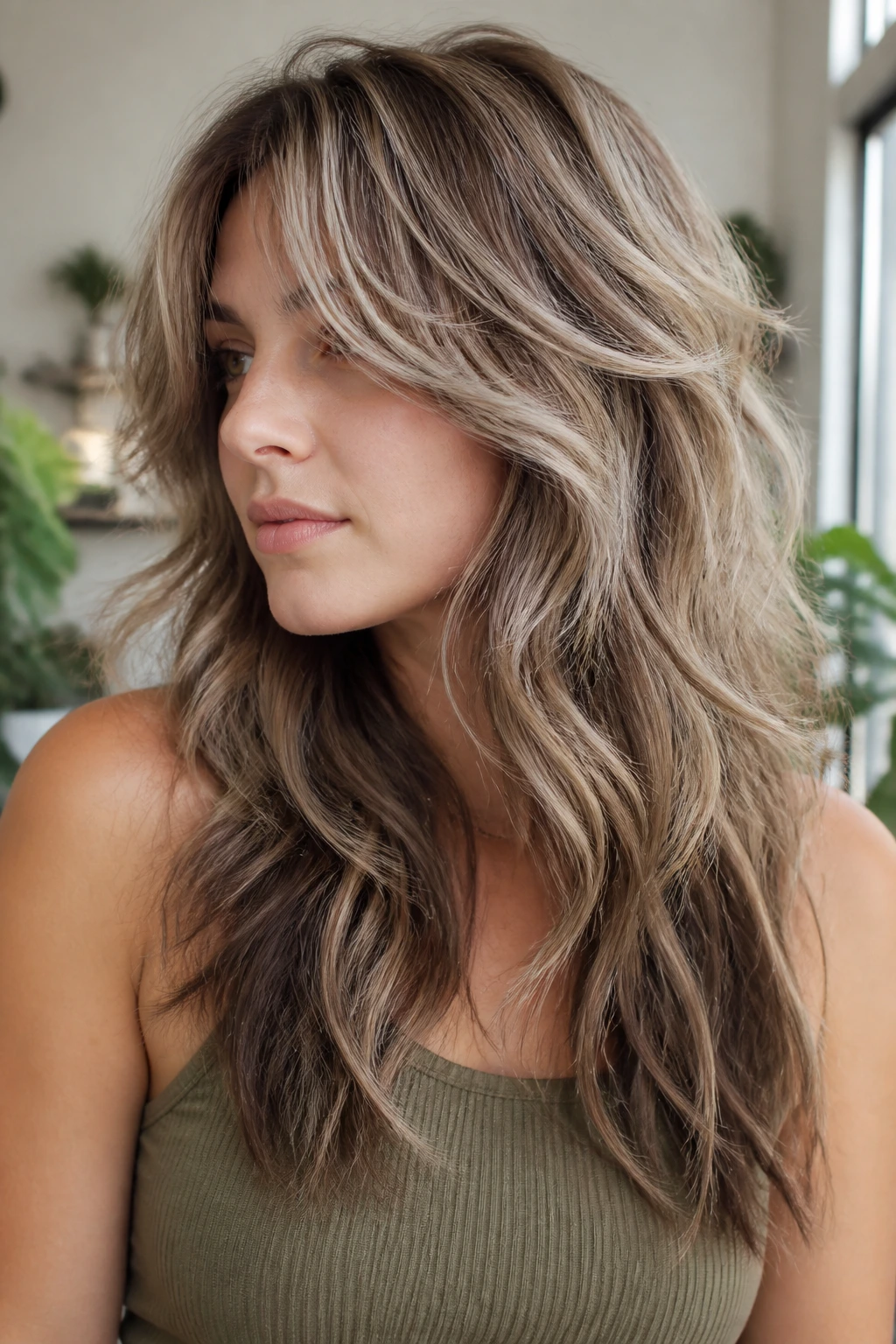
Color and cut can help each other, and this combo proves it. Balayage pops when the layers create different planes for the light to land on, and a wolf shag gives you exactly that.
Long wavy hair with highlights looks even better when the pieces are broken up enough to show depth. The shorter crown layers catch the lighter shades, while the longer ends hold the darker ribbons underneath. That contrast makes the wave pattern easier to read.
If your hair is already colored, ask your stylist to keep the layers soft around the most fragile sections. Bleached ends need a little mercy.
Best for: anyone who wants dimension without a full color overhaul.
12. Rounded U-Shape Wolf Shag
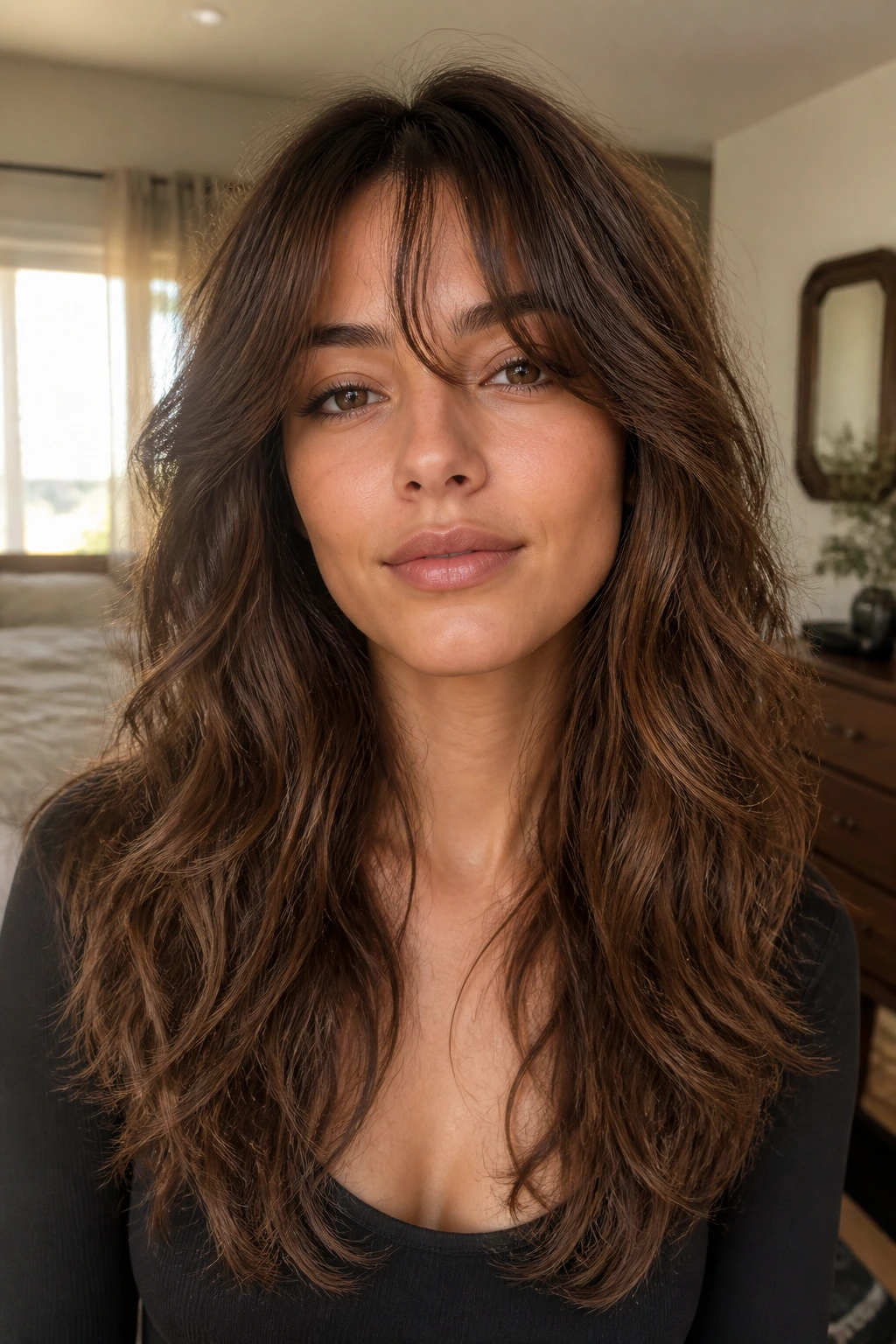
A rounded U-shape keeps the outer line soft and curved, which is a nice fix if you do not want the back to feel too chopped. Long wavy hair keeps its length, but the shape around the shoulders and lower back gets a cleaner sweep.
This version is less jagged than a traditional wolf shag. The crown still has movement, yet the perimeter feels fuller, which helps if your hair is naturally fine and you do not want the ends to disappear.
A stylist can build the layers higher and still leave the last few inches intact. That’s the part that keeps it from looking thin.
Good to know: a U-shape grows out neatly. It also works well if you like wearing your hair half-up without a lot of stray pieces popping out.
13. Fine-Wave Face-Opening Wolf Shag
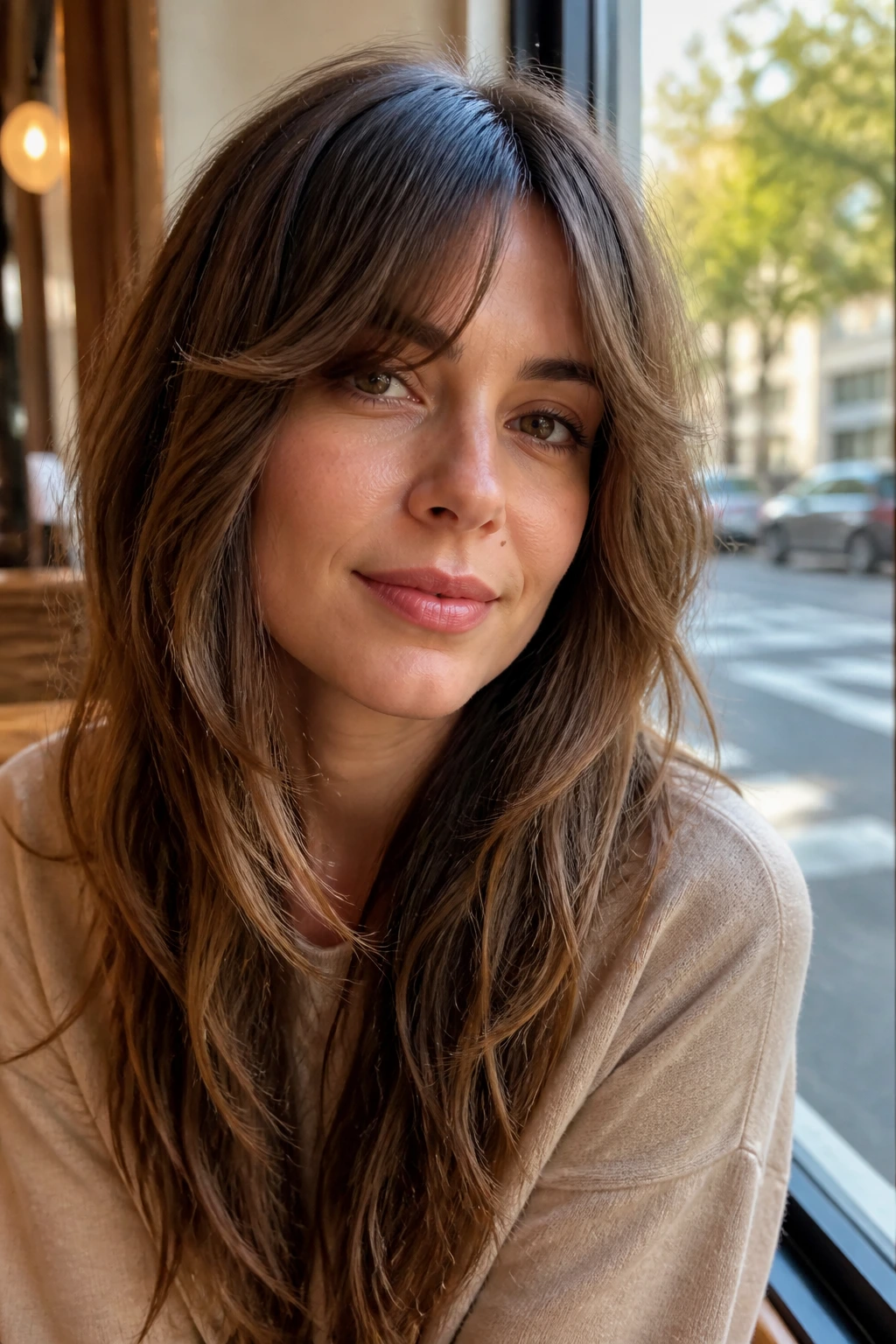
Fine waves need a gentler hand. If the layers are too aggressive, the cut can start to look stringy and tired fast. This version keeps the outline soft while opening the face in a controlled way.
Why It Helps Finer Texture
Long wavy hair that lacks density usually does better with fewer layers, not more. The goal is movement, not a shredded finish.
The Best Ask
Tell your stylist you want light layers that begin below the cheekbone and a face frame that blends into the length. Avoid over-thinning at the ends. That’s where fine waves lose their shape.
A root-lift spray or a small amount of mousse at the crown can make a huge difference here. Tiny amount. That’s the key.
14. Retro Big-Hair Wolf Shag
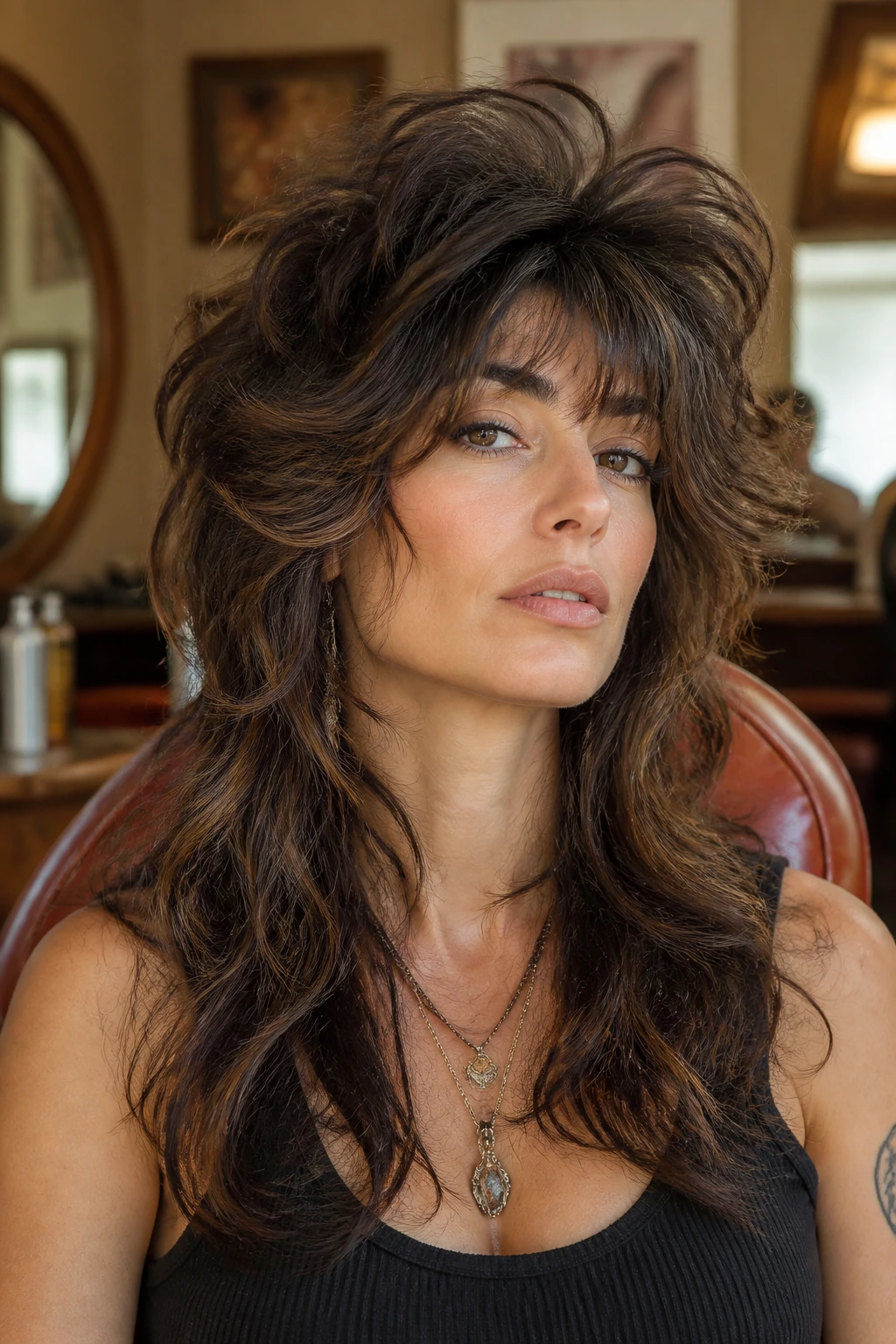
This cut has a little drama, and I mean that in a good way. The layers are built to encourage lift, the fringe is soft, and the styling leans into brushed volume rather than ultra-casual waves.
Long wavy hair can carry this look better than most textures because the length keeps the silhouette from becoming too puffed. The crown gets height. The sides get movement. The ends stay loose.
What makes it fun: it looks especially good with a round brush at the front and a diffuser at the back. You get control where you need it and softness where you don’t.
If you like a blowout that still looks lived-in by lunchtime, this is the one.
15. Grow-Out Friendly Wolf Shag

Some shags look fantastic for two weeks and then turn into a maintenance problem. This one is built to age better. The layers are longer, the transitions are softer, and the fringe can fall back into the face without looking messy.
That matters for long wavy hair because length takes time. Nobody wants to lose six inches of movement just to keep a haircut behaving.
What to Request
- Longest face-framing pieces that sit near the jaw or collarbone
- Crown layers that are blended, not bluntly chopped
- A perimeter that stays mostly intact
If you only trim every couple of months, this is the safer route. The shape still reads as a wolf shag after grow-out, which saves you from the awkward midway phase.
16. Collarbone Sweep Wolf Shag
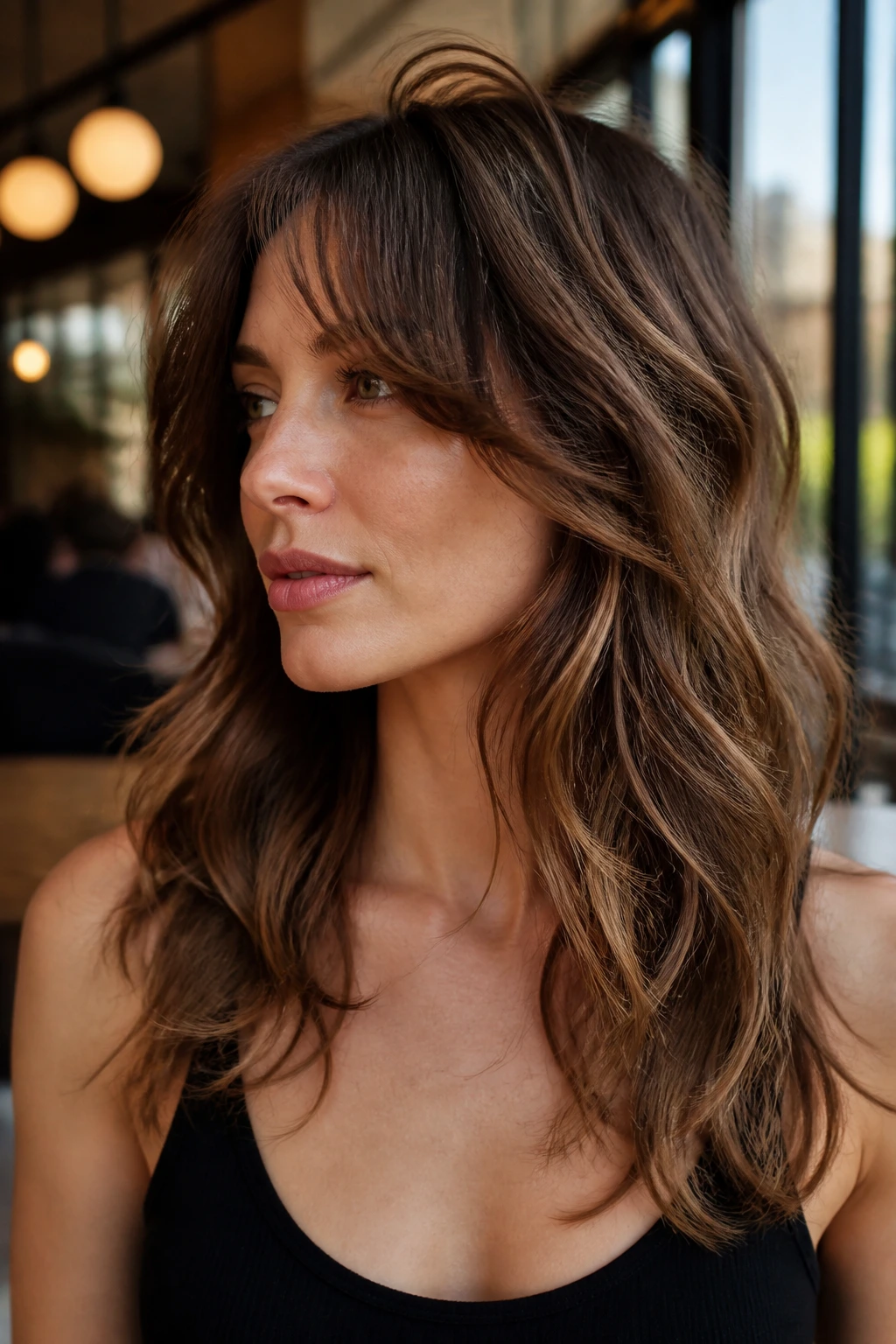
The collarbone sweep uses the collarbone as a visual anchor, which sounds small but changes the whole cut. The front pieces skim that point, then dissolve into the longer lengths behind them.
It gives long wavy hair a sense of direction. The hair moves forward around the face, then drops back into length near the shoulder blades. That swing is satisfying, and a little addictive.
This version works well if you wear sweaters, jackets, or high necklines, because the front layers clear the collar area instead of bunching up there.
Ask for a long fringe that connects into the front, not separate bangs. The whole shape should feel like one continuous line.
17. Wispy Fringe Wolf Shag

Wispy fringe is for people who want some forehead coverage without the commitment of a heavy bang. It sits lighter, moves more, and lets long waves keep their casual feel.
The fringe should look separated enough that you can see skin between the pieces. If it turns into a solid curtain, it stops looking wispy and starts looking dense. That’s a different mood.
How to Style It
A quick pass with a small round brush or even fingers and a blow dryer is usually enough. The aim is bend, not perfect symmetry.
Best for
Oval faces, longer foreheads, and anyone who wants the wolf shag to read softer from a distance.
18. Beach-Tousled Wolf Shag
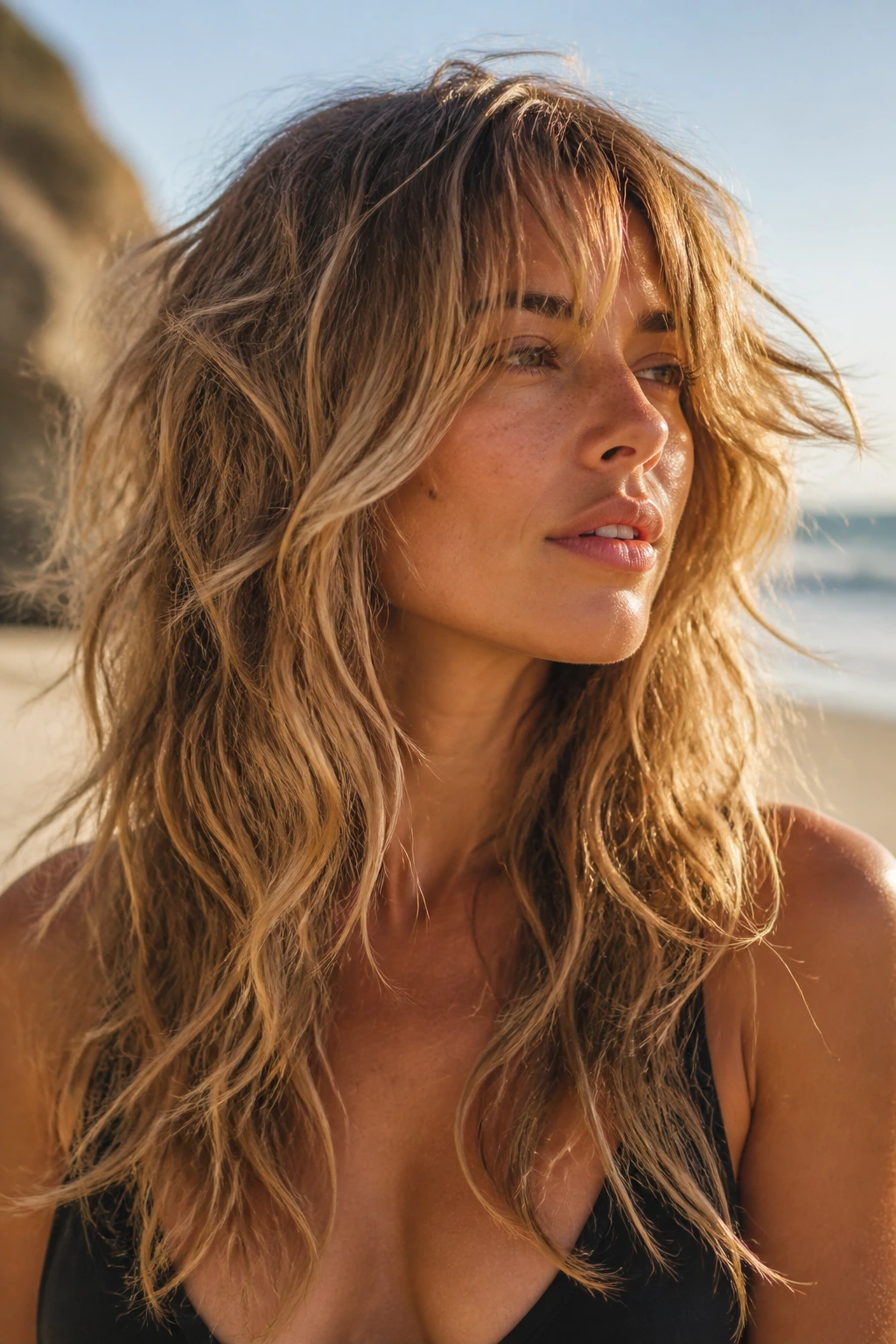
This one leans into salt-spray texture and lived-in movement. The layers are visible, but not harsh. The wave looks a little wind-tossed, like you spent the afternoon outside instead of in front of a mirror.
Long wavy hair is naturally suited to this finish because the wave pattern already wants to separate. A light texturizing spray at the roots and a squeeze of leave-in at the ends usually gets you close.
Do not overload it with heavy cream. You want that dry, bendy finish, not slick pieces that stick together.
This is the wolf shag to pick if you like your hair with a little grit. Clean, but not fussy.
19. Thick-Hair Debulked Wolf Shag
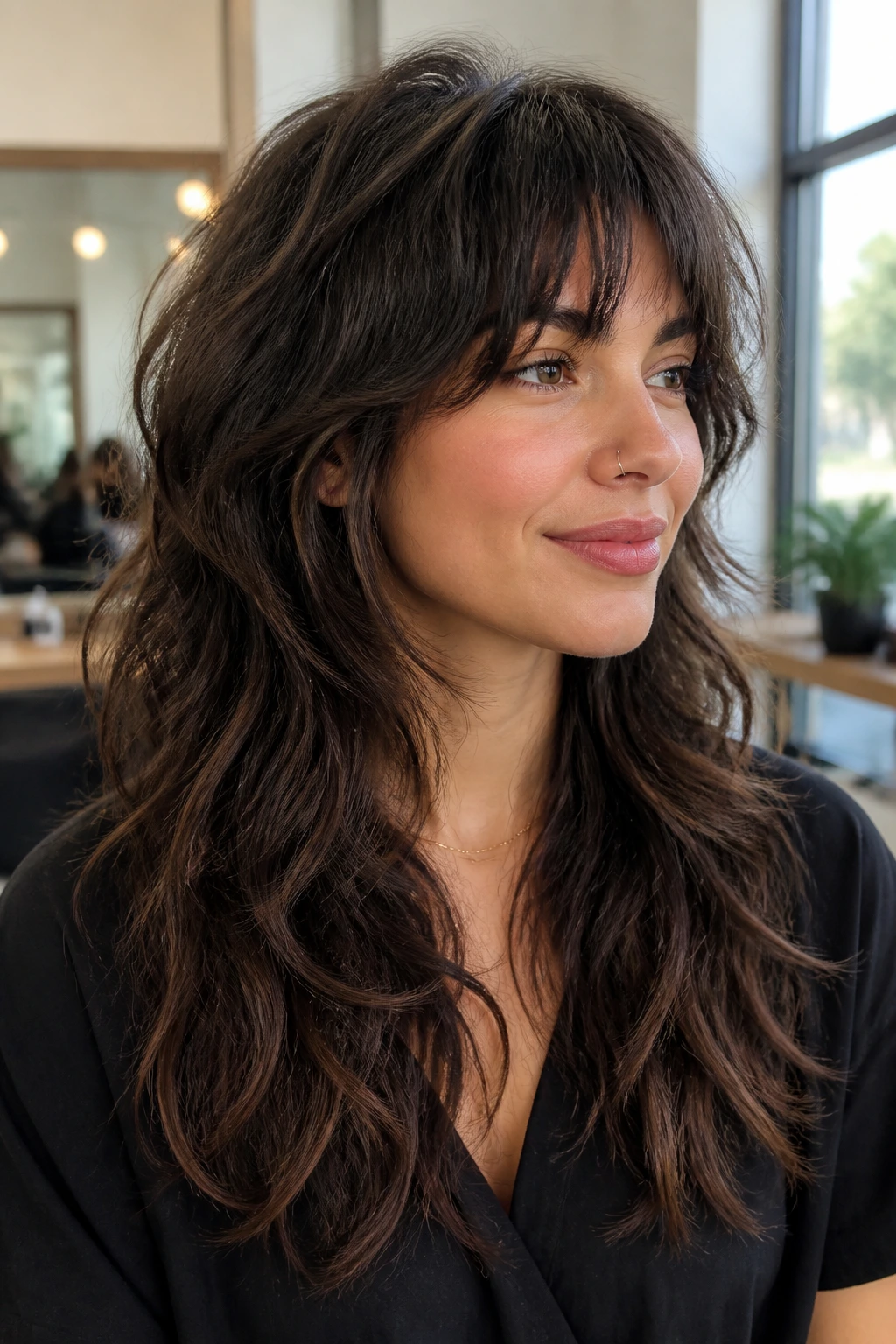
Thick hair can wear a wolf shag better than almost any other cut, but only if the weight is handled well. This version removes bulk through the interior while preserving enough perimeter to keep the shape grounded.
The danger with thick hair is over-thinning the ends. That leaves the top big, the middle hollow, and the bottom weirdly see-through. Bad trade. Better to keep the bottom solid and take the weight out higher up.
What to Tell the Stylist
Ask for internal debulking through the crown and upper mid-lengths. If they use texturizing shears on the last two inches, stop them. Politely.
This is the version that gives thick waves room to breathe without turning into a fluffy cloud.
20. S-Curve Layer Wolf Shag
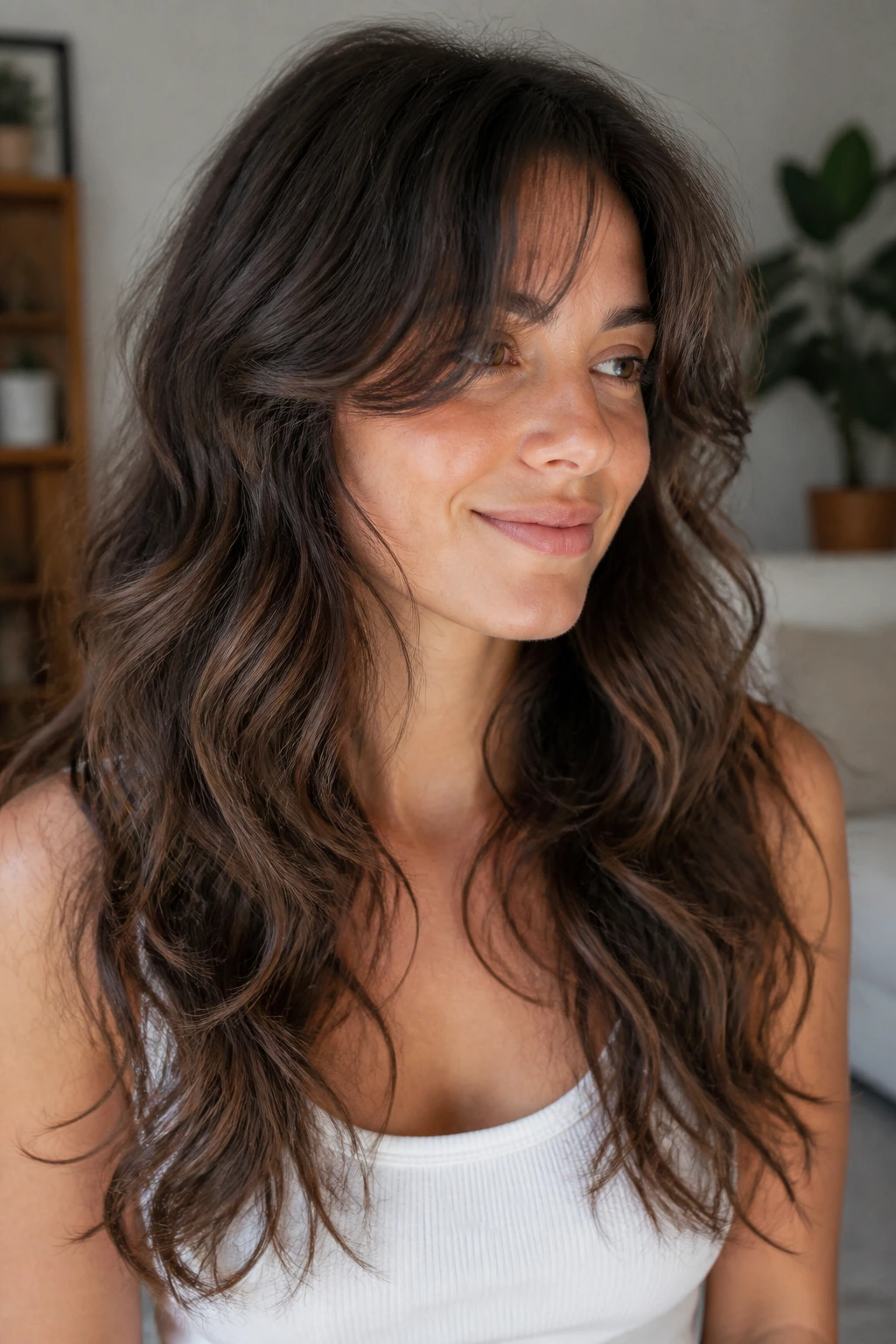
Some cuts chop the hair into pieces. This one follows the wave pattern instead. The layers bend in a soft S-shape, which means the haircut feels more natural on wavy hair than on straight hair.
That subtle movement is the whole appeal. The haircut works with the way the hair already falls, so styling takes less force. You do not have to convince the wave to behave; you just nudge it into place.
A little mousse, a little scrunching, and a diffuser for the roots usually do enough.
Best for loose to medium waves: especially hair that forms visible bends but not tight curls.
21. Boho Long Fringe Wolf Shag
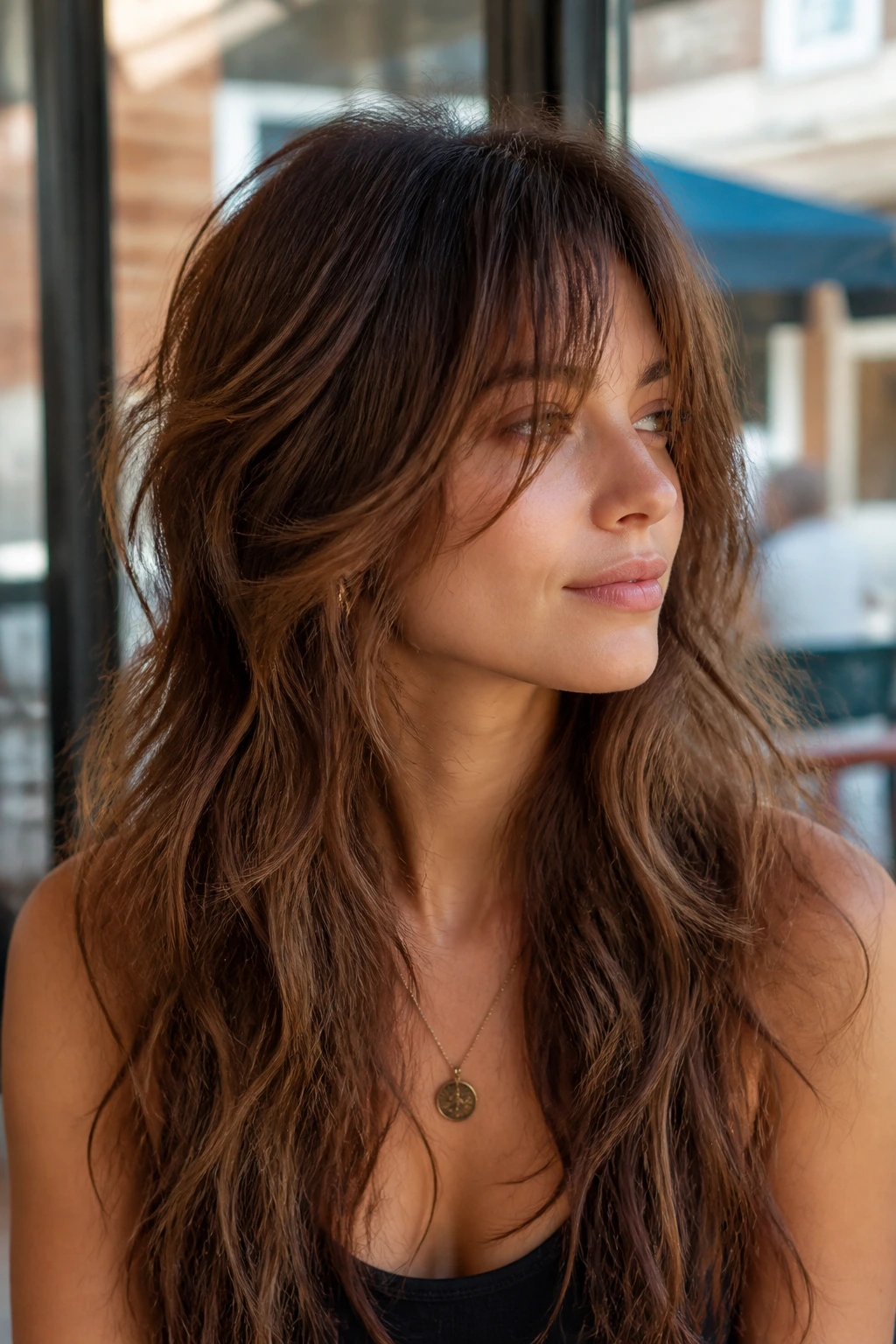
The boho long fringe sits longer than a classic bang and feels less “styled” in the traditional sense. It can split naturally, tuck behind the ear, or fall into the cheekbone area depending on how you wear it.
This is a lovely choice for long wavy hair because it keeps the face open while still giving you that soft frame. The fringe does not dominate. It drifts.
How It Differs
Unlike short curtain bangs, this version can blend almost all the way to the chin. That makes grow-out easier and styling more forgiving.
Who it suits: anyone who likes a relaxed shape, a little softness around the eyes, and fringe that does not need constant trimming.
22. Salon-Polished Wolf Shag
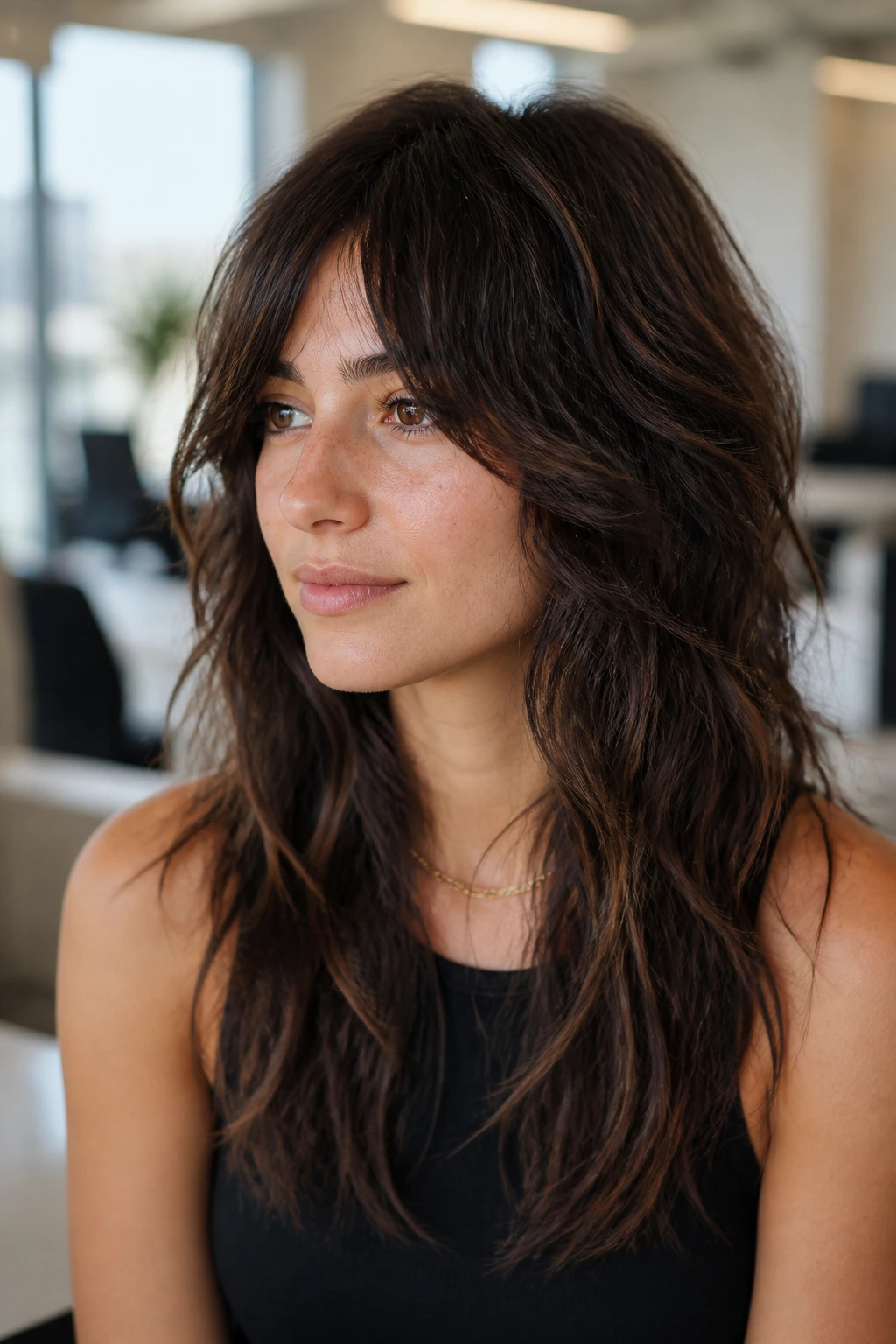
A wolf shag does not have to look messy. This polished version keeps the texture, but it cleans up the perimeter and smooths the top so the haircut can pass as sleek in the right lighting.
Long wavy hair is good at this because it can be brushed out without losing all of its movement. The trick is using enough layering to stop the ends from looking heavy, but not so much that the hair starts to fray.
Best Styling Move
Use a round brush or large paddle brush to smooth the top section, then let the ends keep a slight bend. That contrast gives the cut shape.
Great for: office settings, dinners, and anyone who wants a wolf shag that does not scream for attention.
23. Bedhead Wolf Shag
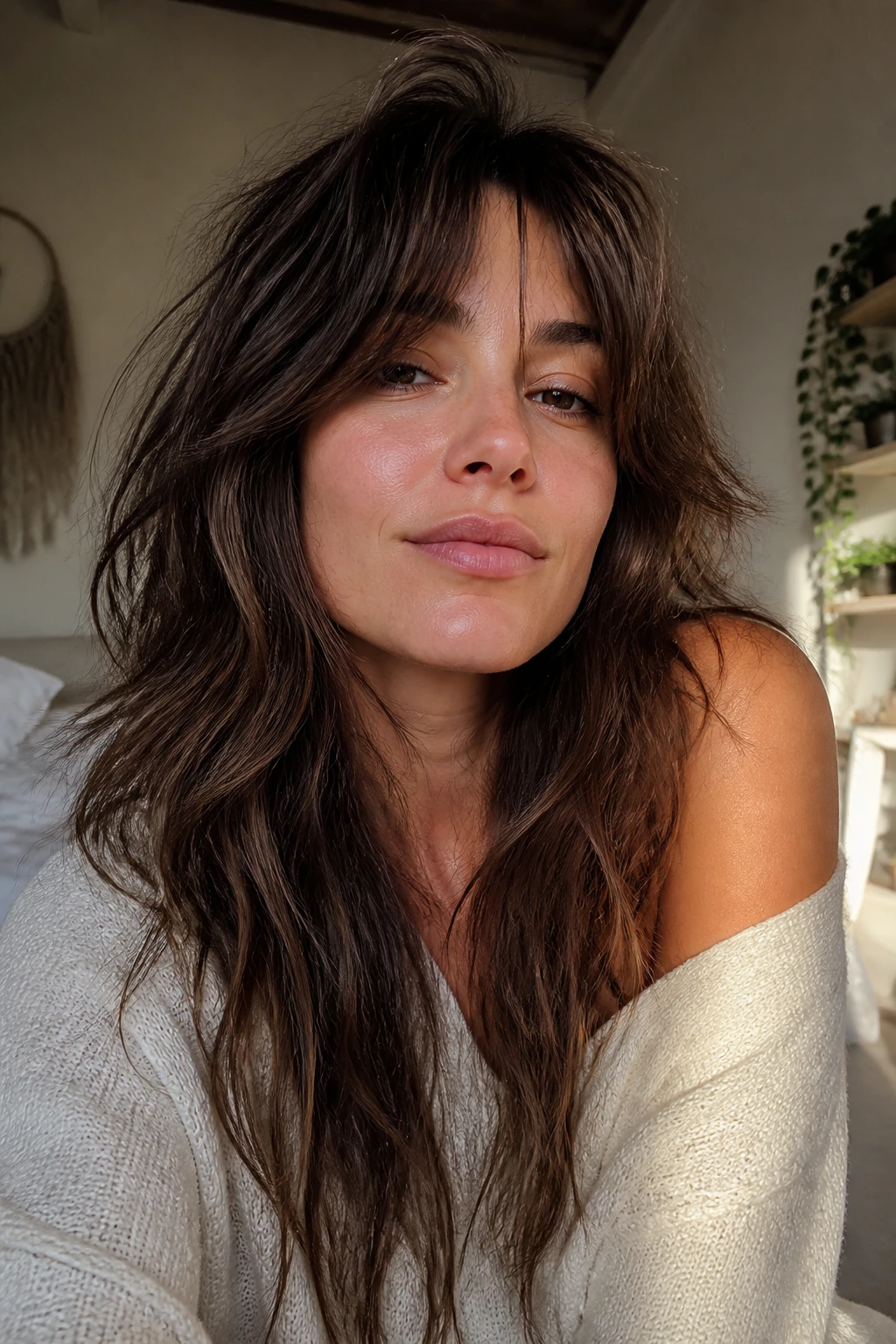
This is the cut for people who like hair that looks better the less they fuss with it. The layers are choppier, the fringe is loose, and the whole style has that “I slept on it and it behaved” energy.
That only works if your wave pattern already has some personality. Long wavy hair with a bit of bend can make this cut look effortless. Hair that is too straight may need more product than you want.
A salt spray at the root, a touch of cream at the ends, and a quick shake is enough most days.
Don’t overcomb it. The roughness is the point.
24. Soft Mullet Wolf Shag
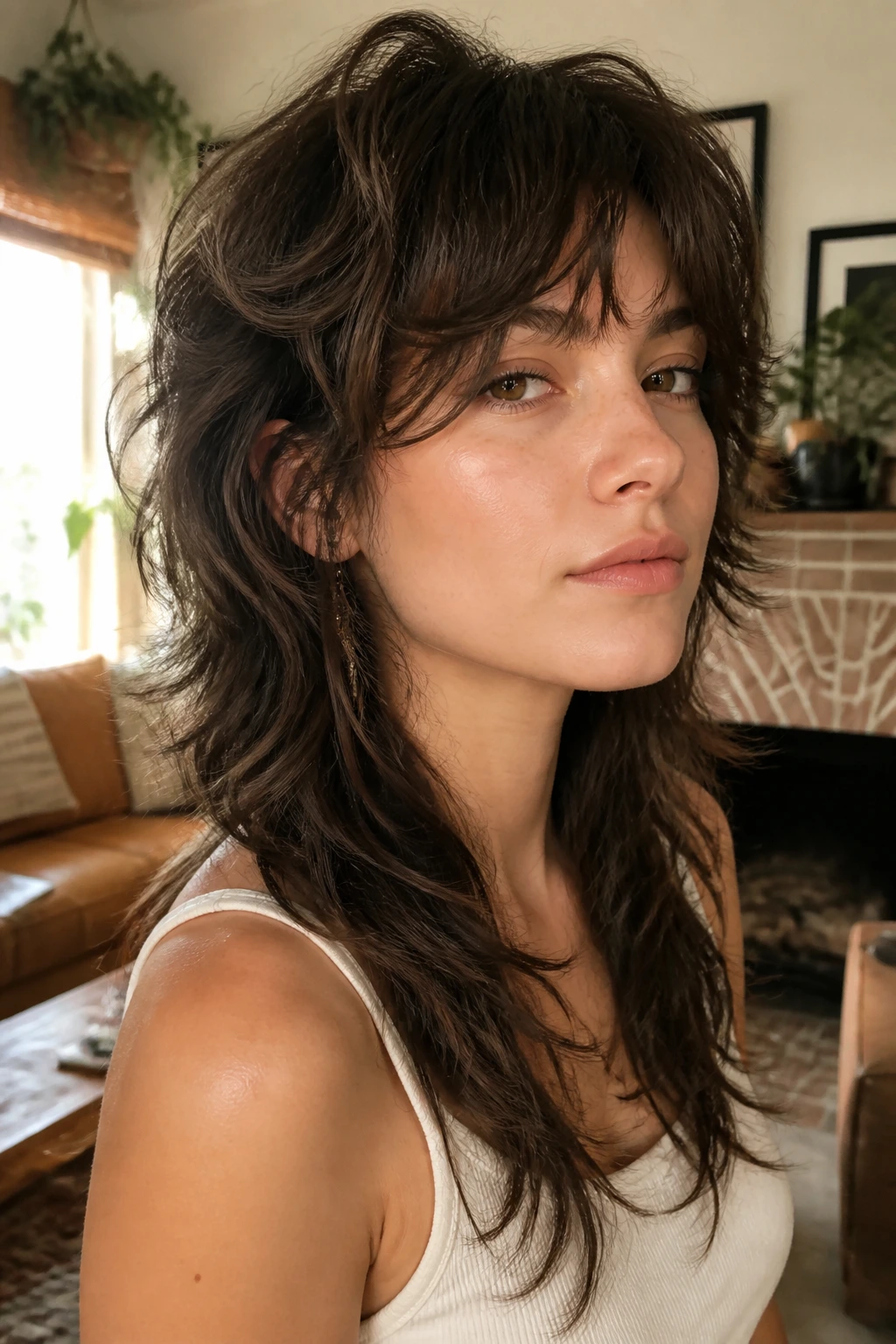
A soft mullet version pushes the wolf part farther. The crown is more layered, the front is more broken up, and the back keeps length with a little more contrast than a classic shag.
It sounds bold, and it is, but long wavy hair makes it wearable. The waves soften the line so it doesn’t become costume territory. The cut still looks modern if the transitions stay gentle.
Who Should Pick It
People who want more edge than a curtain-bang shag and fewer straight lines than a classic mullet. That middle ground is the sweet spot.
Ask for the back to keep length while the top gains height. That balance keeps the look from tipping too far.
25. Hidden Crown Lift Wolf Shag
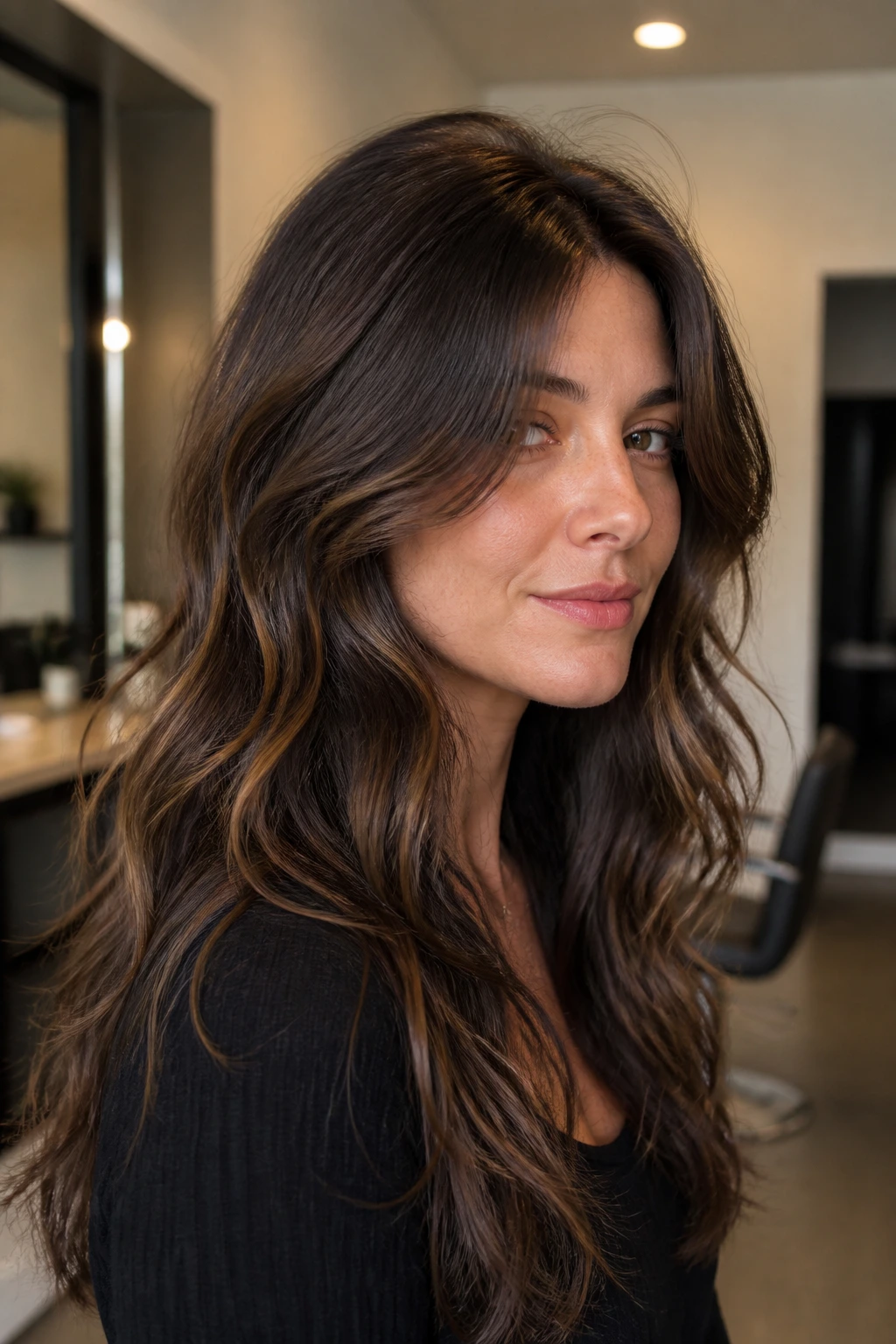
This is one of my favorites because it does its work quietly. The crown gets lift from internal layers, not from obvious chop marks, so the cut looks soft until you move.
Long wavy hair can look heavy if the top is all one weight. Hidden layers fix that without making the hair look thin or over-textured. The surface stays smooth, and the movement comes from underneath.
The Salon Phrase
Use the words “lift without obvious short pieces”. That tells the stylist what you want more clearly than just saying wolf shag and hoping for the best.
This cut is especially good if you want some volume but hate visible choppiness near the scalp.
26. Oval-Face Wolf Shag

Oval faces can wear almost any version of the wolf shag, which is both lucky and a little unfair. The easiest route is a balanced cut: soft layers around the face, enough crown lift to keep shape, and no fringe that crowds the eyes.
Because the face is already proportioned well, the haircut doesn’t need to do much correction. It just needs to support the wave and keep the silhouette moving.
My vote: go for a middle part or a soft curtain fringe and keep the longest face pieces around lip to collarbone length. That keeps the shape open.
If you have an oval face and long wavy hair, you can afford to be a little playful here.
27. Heart-Face Wolf Shag
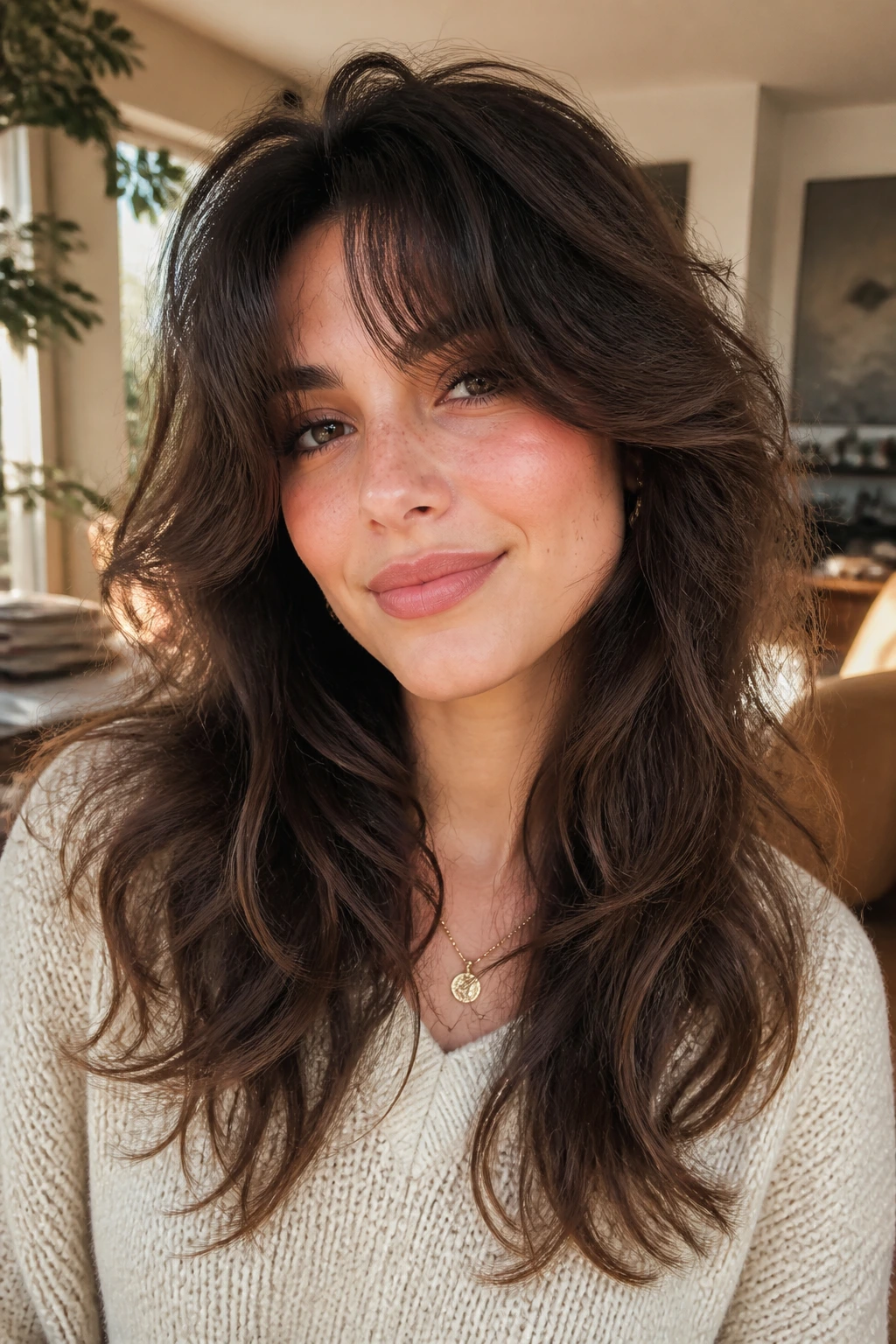
Heart-shaped faces usually need a little help at the forehead and a little softness near the chin. A wolf shag can do both if the fringe and front layers are placed carefully.
The front should not be too short or too blunt. You want the eyes and cheekbones framed, not the forehead boxed in. Long wavy pieces that fall toward the jawline help balance the narrower lower half of the face.
Best Ask
Request long curtain pieces or bottleneck bangs with cheekbone-level movement. That gives the top of the face a softer frame and keeps the overall look easy.
This version is quietly flattering. Nothing loud. Just smart placement.
28. Luxe Mermaid Wolf Shag
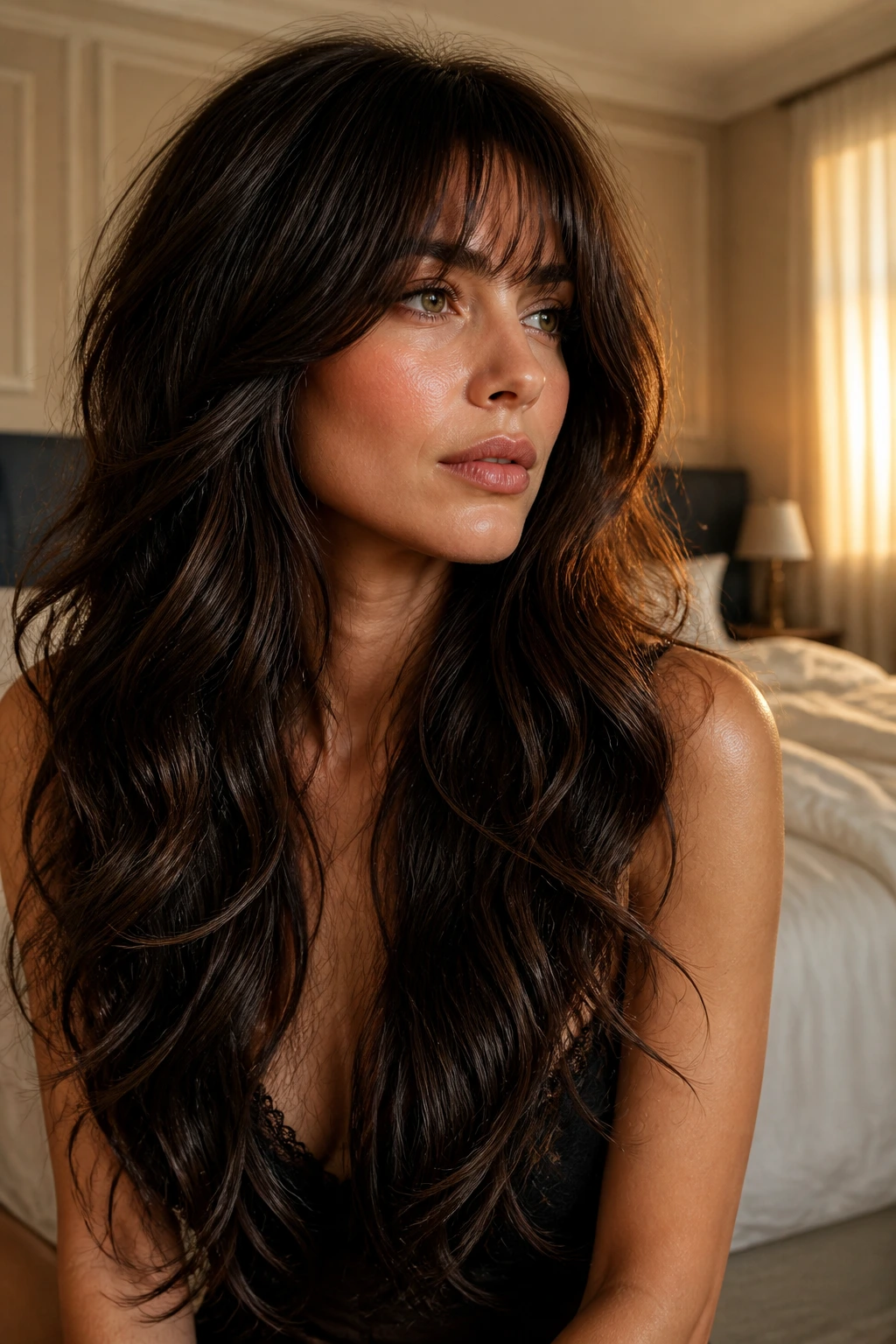
This is the long, glossy version that keeps the length and adds shape without sacrificing the mermaid effect. The layers are there, but they are placed with a lighter hand so the hair still falls in long, dramatic bends.
The shine matters here. Long wavy hair can look expensive when the ends are soft, the top has movement, and the fringe is kept under control. It’s the opposite of overworked.
What Makes It Feel Luxe
- Length stays below the chest or mid-back.
- Layers begin low enough to keep the perimeter full.
- The crown has lift, but not a choppy outline.
If you like long hair and you are only flirting with the wolf shag idea, start here. It keeps the drama, trims the bulk, and still lets the length do what long hair does best.
Why the Wolf Shag Works Best When the Layers Respect the Wave
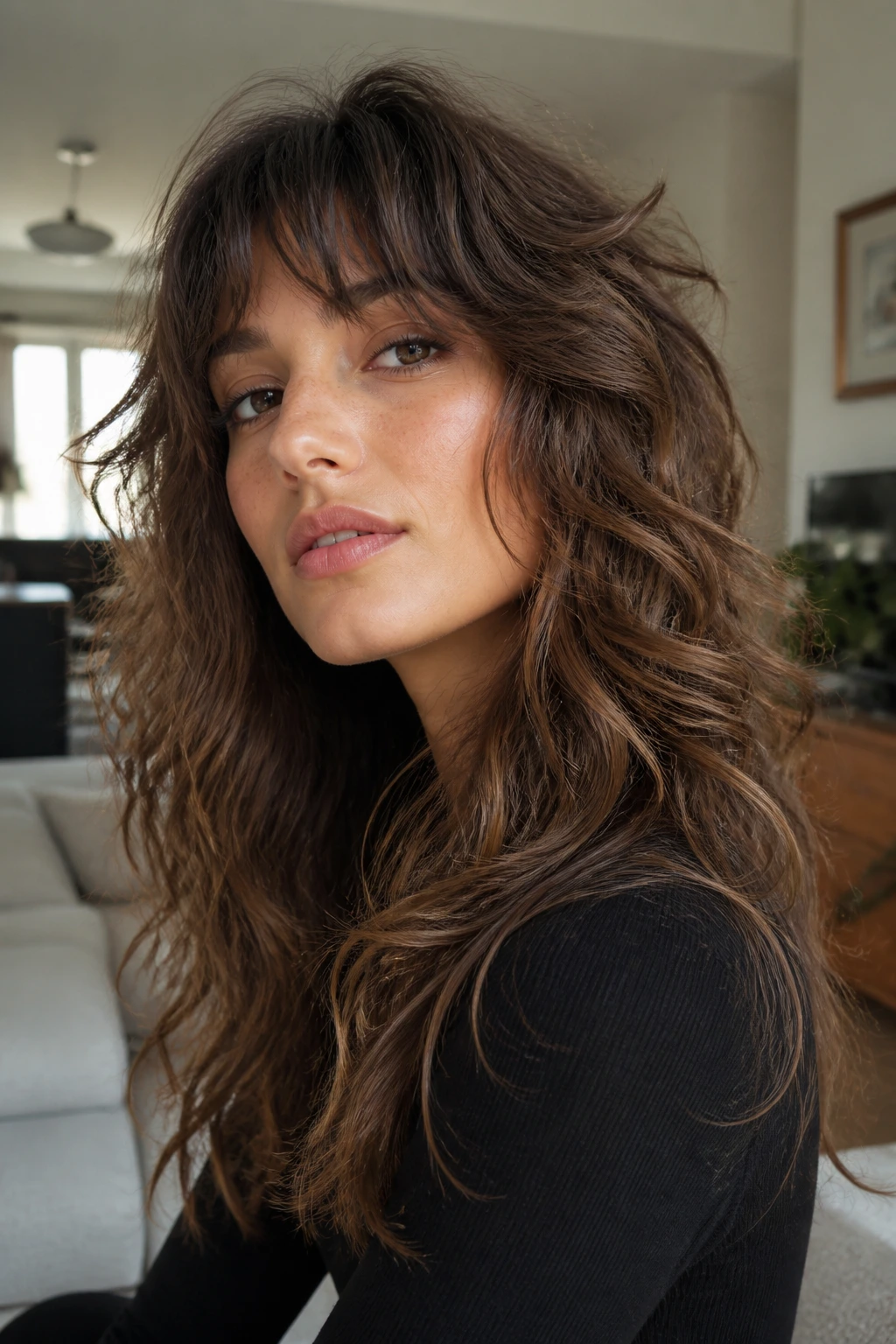
The best wolf shag haircuts for long wavy hair do one thing well: they change the shape without stealing the movement. That sounds obvious. It isn’t. Plenty of layered cuts shred the ends, over-lighten the crown, or turn beautiful waves into a triangle with ambition.
A good wolf shag keeps the perimeter long enough to feel like long hair, then trims the interior so the top does not collapse. On wavy hair, that balance matters more than on straight hair. Waves already create texture, so the cut should guide them, not fight them. A stylist who understands point cutting, dry cutting, or careful slide cutting will usually get closer to that soft, broken finish than someone who reaches for the thinning shears first.
There is also a practical upside that gets overlooked. Long wavy hair often grows awkwardly through the middle, where the bottom starts to look heavy while the top goes limp. The wolf shag fixes that middle stage better than most cuts because its shape is built on movement. Even after a few weeks, the layers still show.
Tools That Make Styling a Wolf Shag Less Annoying
-
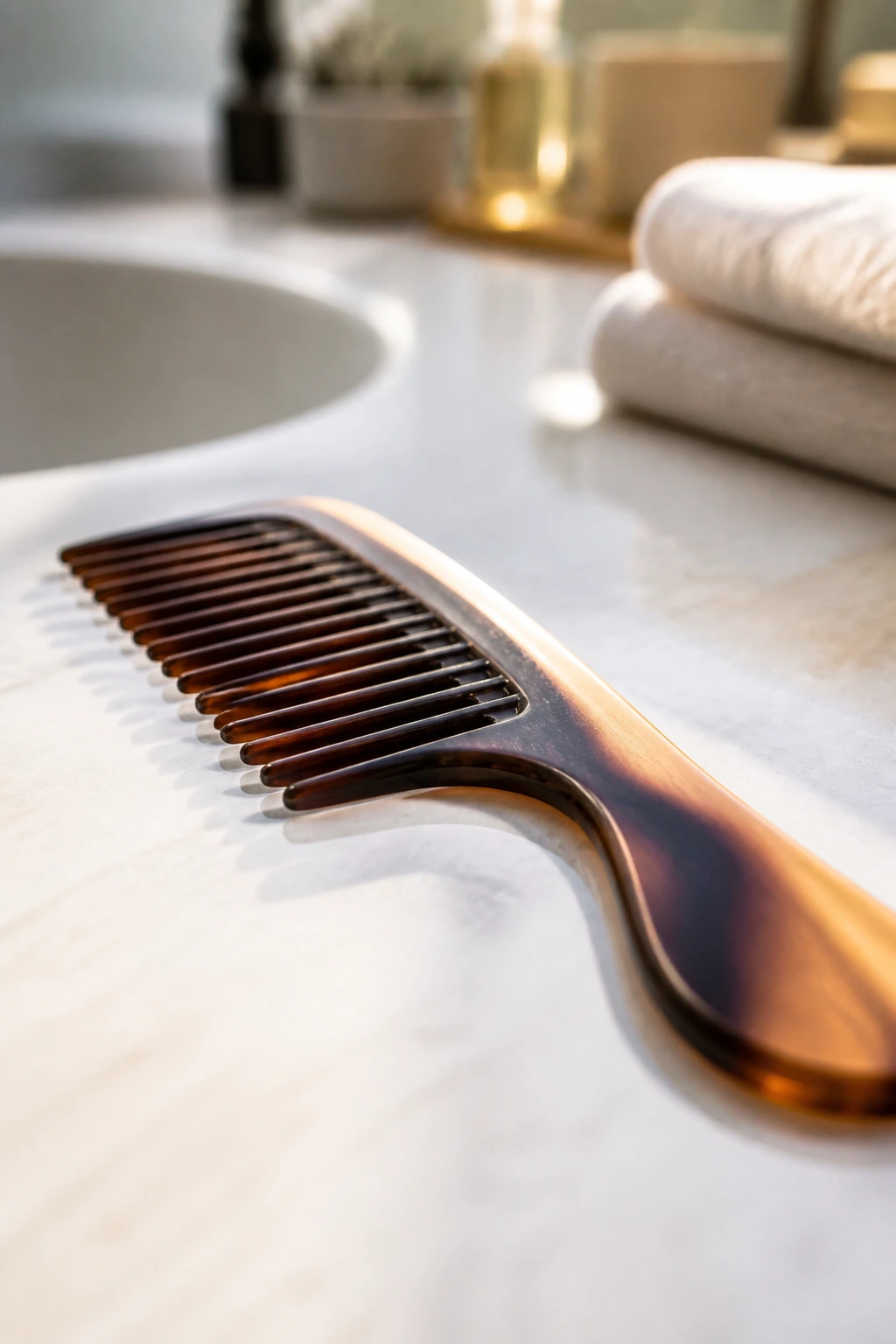
Wide-tooth comb: Good for detangling damp waves without pulling the curl pattern apart.
-
Diffuser attachment: Useful if you want root lift without blasting the lengths flat.
-
Lightweight mousse: Keeps the crown airy and helps waves hold their bend after air-drying.
-
Curl cream or leave-in conditioner: Best in small amounts; too much makes long layers hang.
-
Texturizing spray: Helps piece out the ends on days when the cut looks too soft.
-
Salon clips: Handy for sectioning the front while you dry the back.
-
Round brush, medium size: Optional, but useful for curtain bangs and the front face frame.
-
Tail comb: Good for clean parting and for separating crown sections when you want lift.
How to Ask for the Right Wolf Shag at the Salon
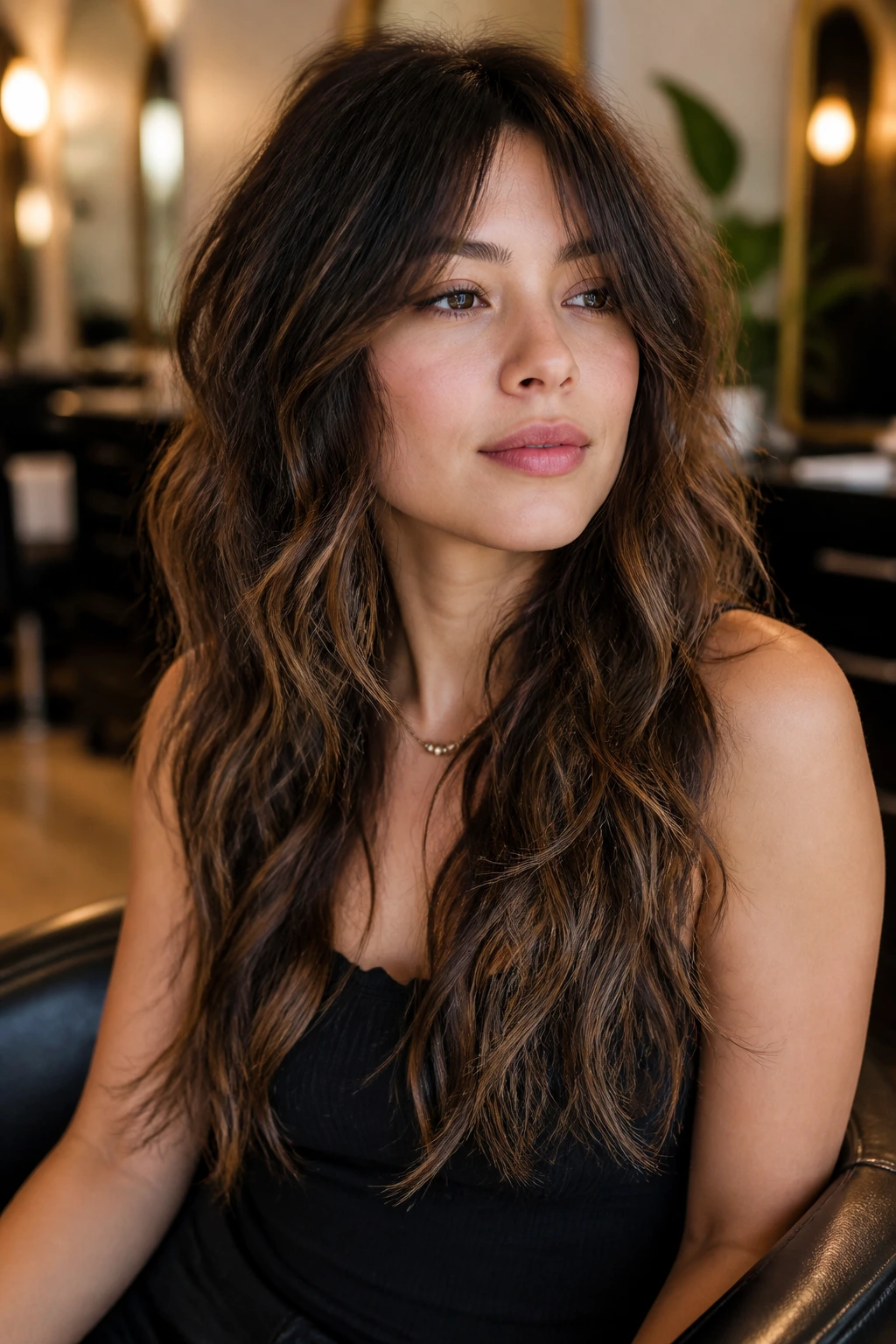
Bring photos, yes, but bring the right photos. One picture of a blunt shag and one picture of a soft wolf cut can lead to a very awkward conversation if the stylist thinks you want the same thing in two different moods. Long wavy hair needs the stylist to know where the shortest layer should start, how much weight should stay at the bottom, and whether you want fringe or not.
Say things like “Keep the length past my shoulders” or “Start the face frame around the cheekbone”. That gives the cut actual shape. If you hate heavy bangs, say that before the scissors come out. If your hair is thick, ask for bulk removal high in the interior rather than on the ends. If your hair is fine, ask for fewer layers and a softer perimeter.
One more thing. Ask whether the stylist prefers to cut wavy hair dry or lightly damp. For a wolf shag, that matters. Hair changes shape as it dries, and a stylist who respects that will usually leave you with a better outline.
How to Style and Refresh the Shape on Day One and Day Three

The first day is about setting the shape. Start with damp hair, not dripping but still wet enough to hold product evenly. Work a small amount of mousse through the roots, then add a light cream to the mid-lengths and ends. Scrunch upward, especially around the crown and the front pieces.
Diffuse on low heat if you want faster lift at the roots. Keep the dryer moving. If you hold it in one place, the waves can frizz and the layers will puff where you do not want them. Stop when the hair is about 80 to 90 percent dry, then let the rest air-dry. That tiny bit of unfinished drying often keeps the length softer.
Day three is where a wolf shag either behaves or gets annoying. Mist the hair lightly with water, add a pea-sized bit of leave-in to the ends, then twist the front pieces with your fingers to bring the bend back. Dry shampoo at the root can revive the crown without making the layers dusty. You do not need a full wash to get the shape back.
Common Mistakes That Make a Wolf Shag Look Flat or Puffy
-
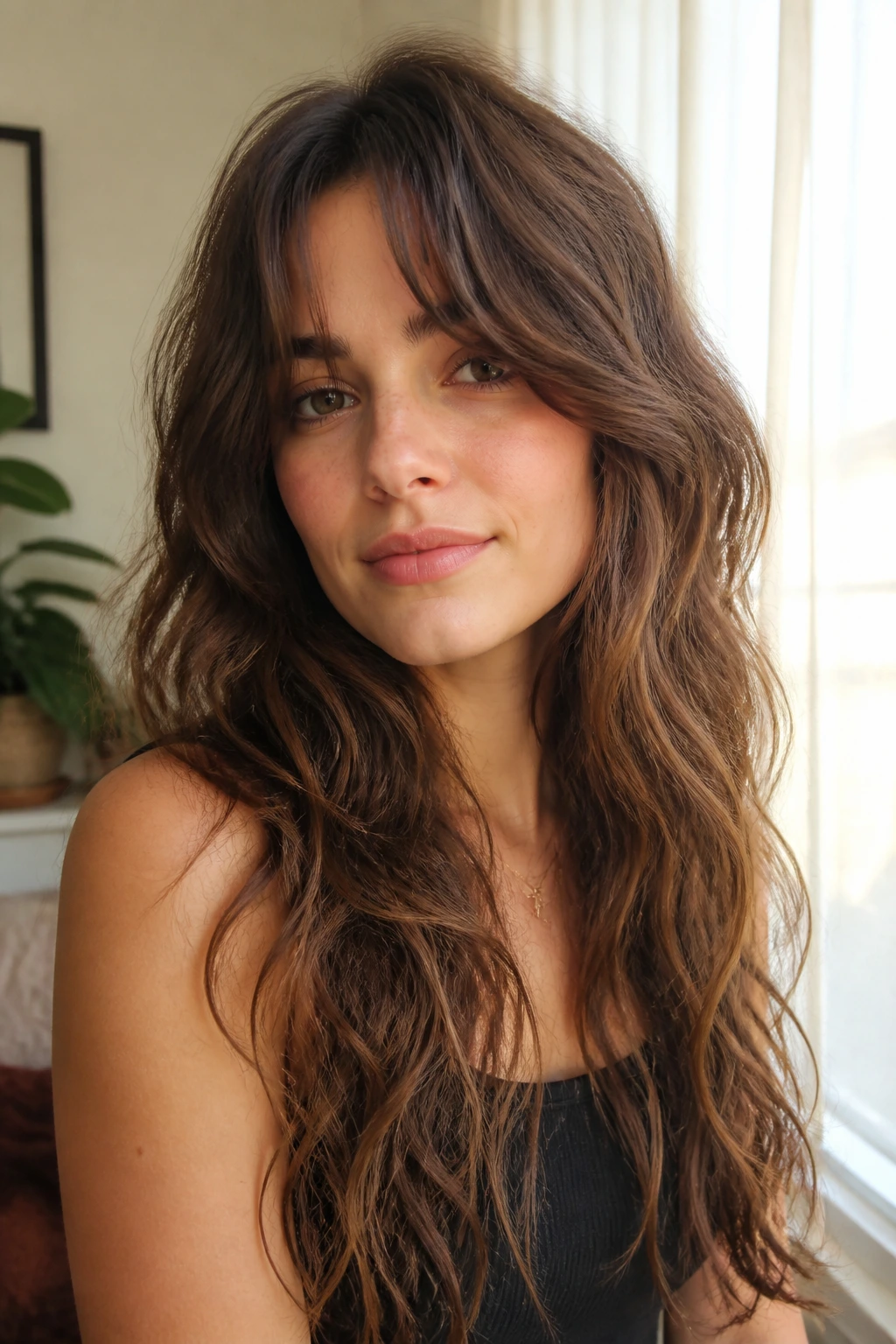
Starting the shortest layers too low: The haircut collapses into a triangle because the crown stays heavy. Fix it by asking for the shortest control layers higher up, usually around the upper crown.
-
Thinning the ends too aggressively: The perimeter turns wispy and weak while the middle looks bulky. Keep the ends fuller and remove weight inside the haircut instead.
-
Using too much cream or oil: Long waves go stringy, and the shag loses the piecey separation that makes it work. Start with a small amount — less than you think you need.
-
Brushing it dry like straight hair: The waves stretch out, frizz at the ends, and the layers lose their shape. Detangle damp, then use fingers for the final finish.
-
Skipping trims for too long: The shape drifts into a half-grown mullet instead of a deliberate wolf shag. A trim every 8 to 12 weeks keeps the outline honest.
-
Cutting bangs too short on the first pass: This is how curtain bangs become a daily regret. Leave room to soften them later; hair never shrinks in the chair, but it always feels shorter when you get home.
Ways to Make the Cut Softer, Edgier, or Easier to Grow Out
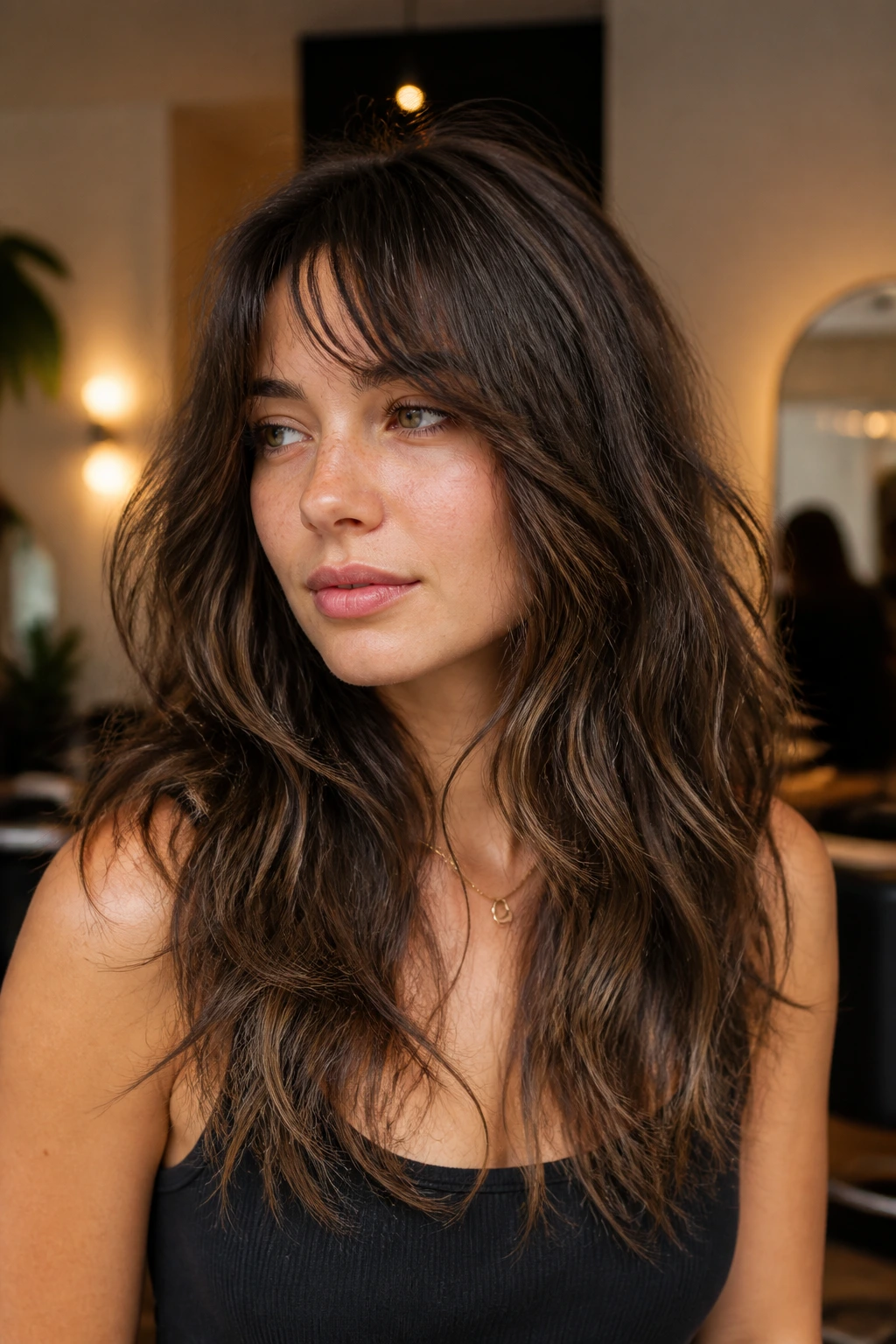
Soft Office Wolf: Keep the layers long, the fringe light, and the perimeter smooth. This version reads clean from a distance and only gets shaggy when you move.
Edgy Crown Wolf: Ask for a little more lift at the top and a sharper disconnect through the interior. It gives long wavy hair a more rebellious outline without going full mullet.
No-Bangs Wolf: If you hate fringe in your eyes, skip bangs and start the face frame near the cheekbone. The haircut still feels like a wolf shag, just with less front-end maintenance.
Grow-Out Safe Wolf: Use fewer short pieces and keep the lowest layers long enough to blend into the rest of the hair. This is the one to choose if you hate salon visits that feel like appointments with a deadline.
Color-First Wolf: Add soft balayage or face-framing highlights to show off the layers. On wavy hair, color can do half the shaping for you.
Maintenance That Keeps the Shape from Going Sideways
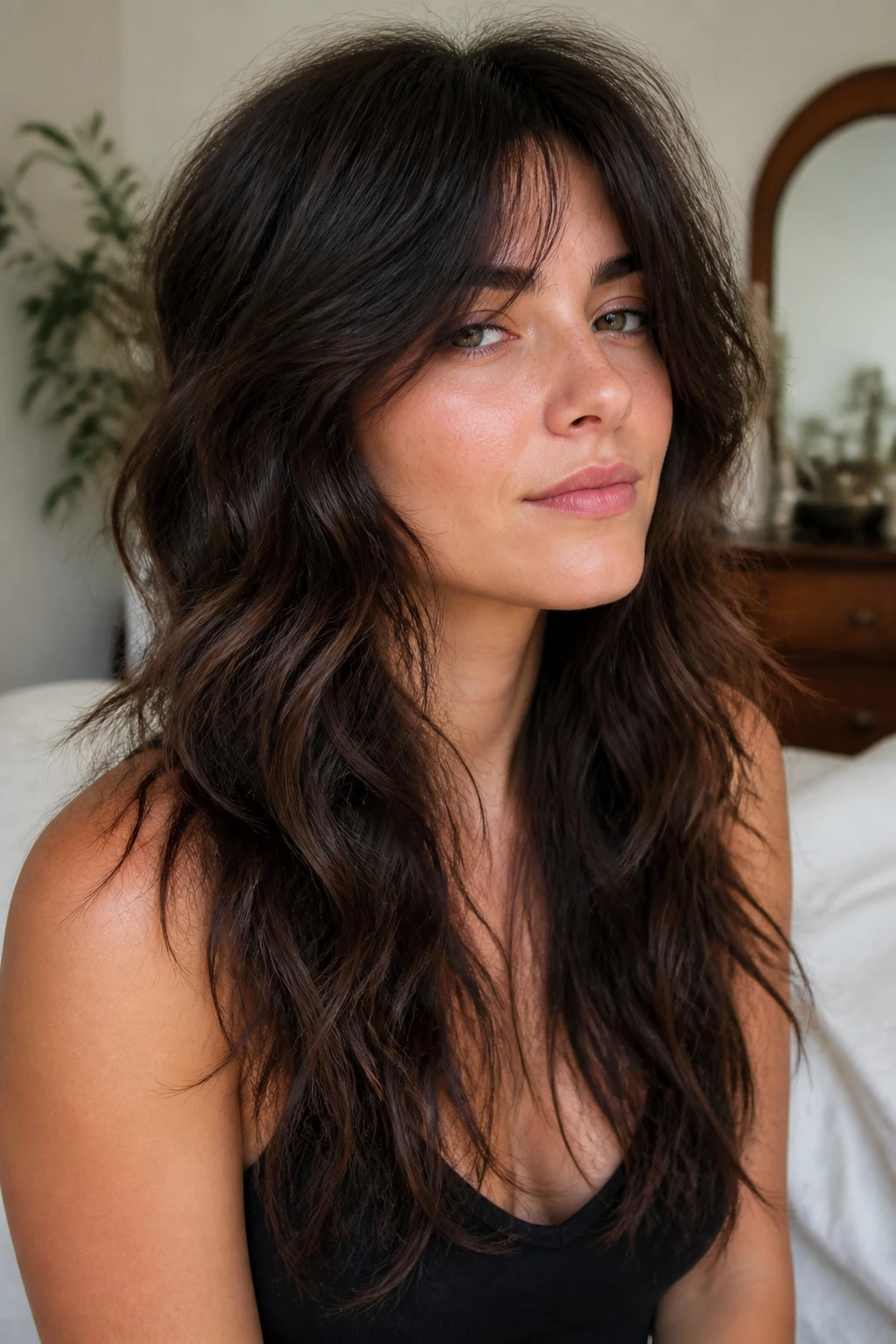
A wolf shag on long wavy hair is forgiving, but it still needs a little attention. Trim the shape every 8 to 12 weeks if you want the layers to stay visible. Bangs may need a light cleanup every 4 to 6 weeks if they sit in your eyes or split in the wrong place.
Wash frequency depends on your texture, not the haircut. If your waves get oily fast, keep the roots clean and use a lightweight conditioner only from the mid-lengths down. If the ends feel dry, a weekly mask for 10 to 15 minutes can help without flattening the crown.
Sleep matters more than people think. A loose braid, a silk scrunchie, or a pillowcase with less drag can keep the face frame from kinking overnight. That is one of those boring tips that actually pays off.
Frequently Asked Questions
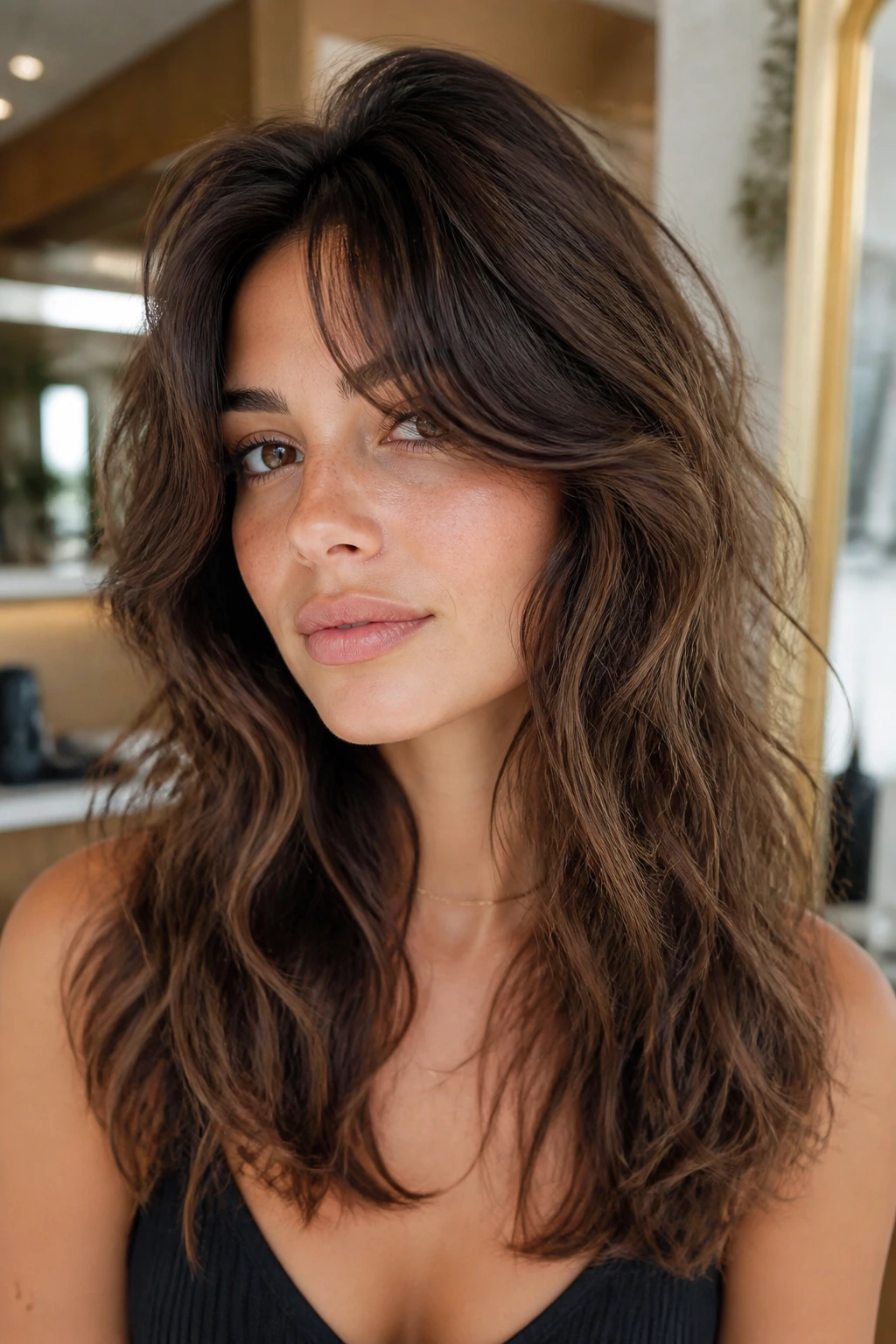
Will a wolf shag work if my waves are loose, not curly?
Yes. Loose waves often show the shape even better because the layers can move without collapsing into tight ringlets. The trick is not to over-layer the ends; keep enough length so the wave pattern still has weight.
Can I get this cut without bangs?
Absolutely. Ask for a face frame that starts around the cheekbone or jawline instead of a fringe. You still get the wolf shag shape, just with less front maintenance.
Is it a bad idea for fine hair?
Not if the layers stay soft. Fine wavy hair usually needs fewer, longer layers so the perimeter does not look thin. Too much texturizing is the thing to avoid.
How often should I trim it?
Most long wavy wolf shags look best with trims every 8 to 12 weeks. If you wear bangs or a short fringe, that front section may need a touch-up sooner.
What if my hair puffs up at the sides?
That usually means the layers are too short in the wrong place or the ends were thinned too much. A smoothing cream used sparingly, plus a softer layer start point at the salon, can fix a lot of that.
Can I style it straight sometimes?
Yes, but the cut looks best with some bend in it. A flat iron can smooth the top sections while leaving the ends curved under slightly, which keeps the shape from turning dead-straight and flat.
Does this haircut work for thick, heavy hair?
Very well, if the bulk is removed inside the cut instead of at the perimeter. Thick waves actually give the wolf shag something to work with, which helps the haircut hold its shape longer.
What should I bring to the salon besides photos?
Bring one or two notes about what you hate. Say whether you want bangs, how much length you want to keep, and whether you prefer soft or choppy ends. Those three things save a lot of confusion.
The Shape That Keeps Moving
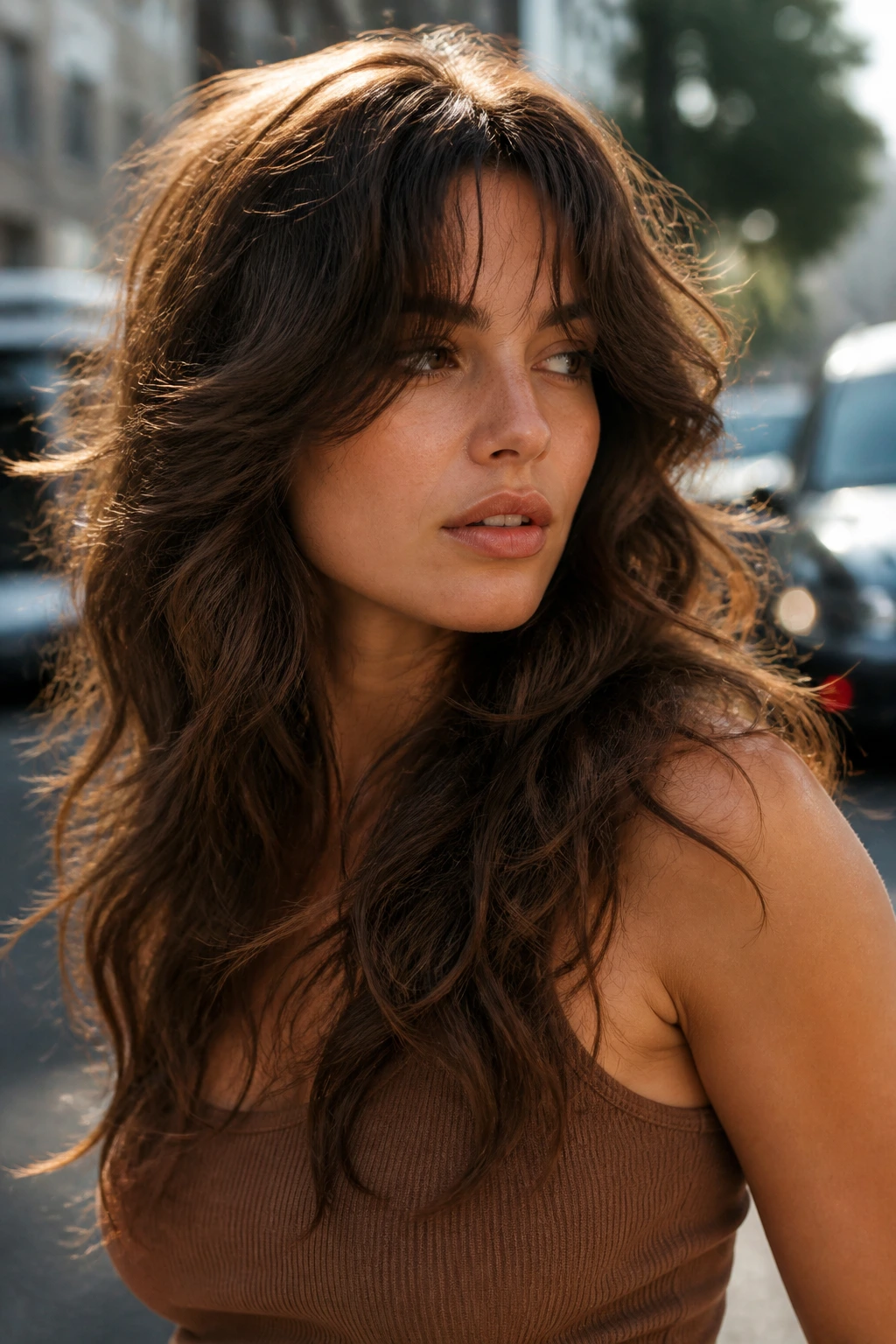
A strong wolf shag on long wavy hair never feels frozen in place. That’s the charm. The crown lifts a little, the face frame breaks the outline in the right spot, and the length still swings when you turn your head. It is a haircut with motion built into it, not pasted on top.
Pick the version that matches your actual life. If you air-dry, choose the softer cuts. If you like a round brush and a little polish, go for the cleaner fringe and smoother perimeter. If your hair is thick enough to hold a shape on its own, let it go a little wilder. The best wolf shag is the one that looks right when you’ve done almost nothing to it.
And that’s the real reason this cut keeps showing up on long wavy hair. It gives the waves a frame, not a cage.
