



A medium-length mullet has a funny reputation. In the right hands, it looks sharp at the temples, loose through the crown, and a little dangerous at the nape. In the wrong hands, it looks like somebody forgot to book a trim.
That gap between intentional and accidental is exactly why medium length matters. A cut that sits somewhere between ear-level and collar-grazing gives you room for texture, fringe, taper, fade, and movement without tipping all the way into full shag territory. It can be soft. It can be tidy. It can look oddly polished with the right neckline cleanup. And yes, it can still feel rebellious.
If you’re sorting through 30 mullet haircuts for medium length hair, the useful ones all share the same basic trick: the top has enough length to bend, the sides are controlled, and the back has a shape worth noticing. That’s the whole game. Not nostalgia. Not irony. Shape.
Why These Medium-Length Mullet Cuts Work
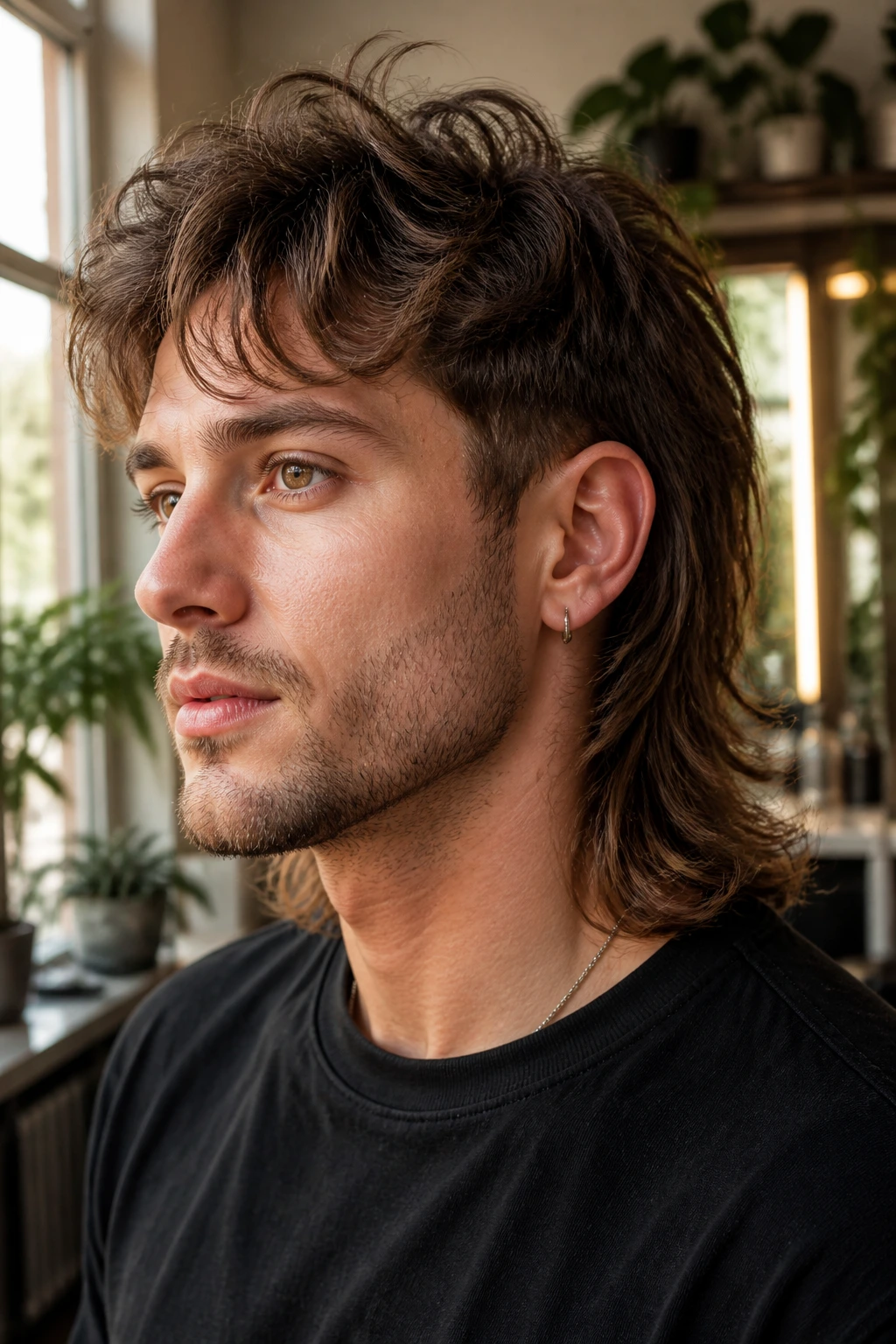
-
The proportions stay readable: Medium hair gives the crown and nape enough space to separate, so the cut looks like a mullet instead of a lopsided shag.
-
Texture has room to show up: Waves, curls, and choppy straight strands all need a little length to move; this range keeps them from collapsing into the scalp.
-
The grow-out is less awkward: When the sides soften, the shape still makes sense for a while, which matters if you hate chair time.
-
You can steer the vibe either way: A low taper and soft fringe keep things quiet, while a burst fade or blunt fringe turns the volume up fast.
-
It works on more than one hair type: Fine hair, thick hair, curls, and straight strands all need different handling, but medium length gives each one something to work with.
-
The back can be the star or a supporting role: Some versions lean hard into the tail. Others keep the nape subtle and let the front do the talking.
1. Soft Feathered Mullet
Soft feathering is the easiest way to make a mullet feel wearable instead of theatrical. The top stays layered and light, the sides stay tucked in, and the back gets just enough length to move when you turn your head. It’s the kind of cut that looks best when it’s been finger-styled, not shellacked.
Ask for point-cut ends through the crown and a gentle taper around the ears. If the stylist starts hacking the back into a hard tail, redirect them. Medium length hair does better here when the layers melt into each other a bit. Too much disconnection and it starts looking like a costume. Too little, and the mullet shape disappears.
A dab of mousse on damp hair and a rough dry is usually enough. If the ends kick out, leave them alone. That little bit of movement is the whole point.
2. Curtain Fringe Mullet
Want the mullet shape without the hard edge across your forehead? Curtain fringe gives you that middle part split, with longer face-framing pieces that brush the cheekbones and soften the whole cut. It works especially well when the top is medium length, because there’s enough weight for the fringe to fall naturally instead of sticking up like it has opinions.
The back can stay moderately long while the sides are kept cleaner with scissors rather than clippers. That combination keeps the shape airy. On straight hair, the fringe likes a quick bend from a round brush. On wavy hair, a center part and a touch of leave-in cream usually does the job.
This version is one of the least fussy mullet haircuts for medium length hair. It looks deliberate, but not rigid. That balance matters more than people admit.
3. Curly Crown Mullet
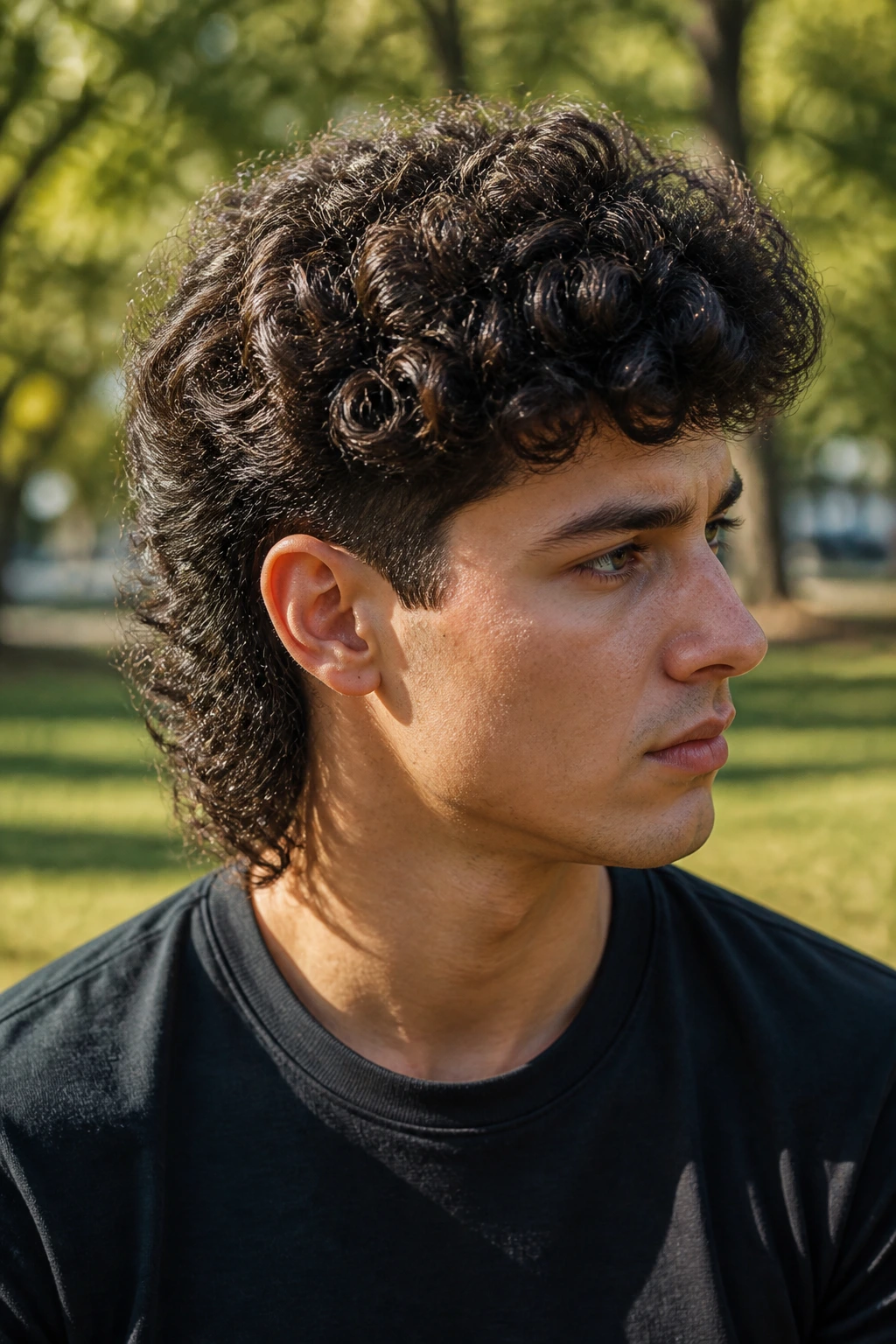
Curls change the whole conversation. The crown gets volume, the back gets bounce, and the sides need enough control so the shape doesn’t balloon outward like a triangle in wet weather. A good curly mullet keeps the curls stacked and round through the top, then lets the nape stretch a little longer for that unmistakable tail.
What to Ask For
- Dry or curl-specific cutting: Curly hair behaves better when the stylist sees the true spring of the curl.
- Less thinning at the top: Remove bulk carefully. Too much thinning makes the crown frizzy.
- A shaped neckline: The back should land with purpose, not disappear into fuzz.
Diffuse on low heat or air-dry with curl cream and a light gel. Skip heavy waxes. They crush the curl pattern and leave the cut flat at the roots, which is a bad trade.
4. Burst Fade Mullet
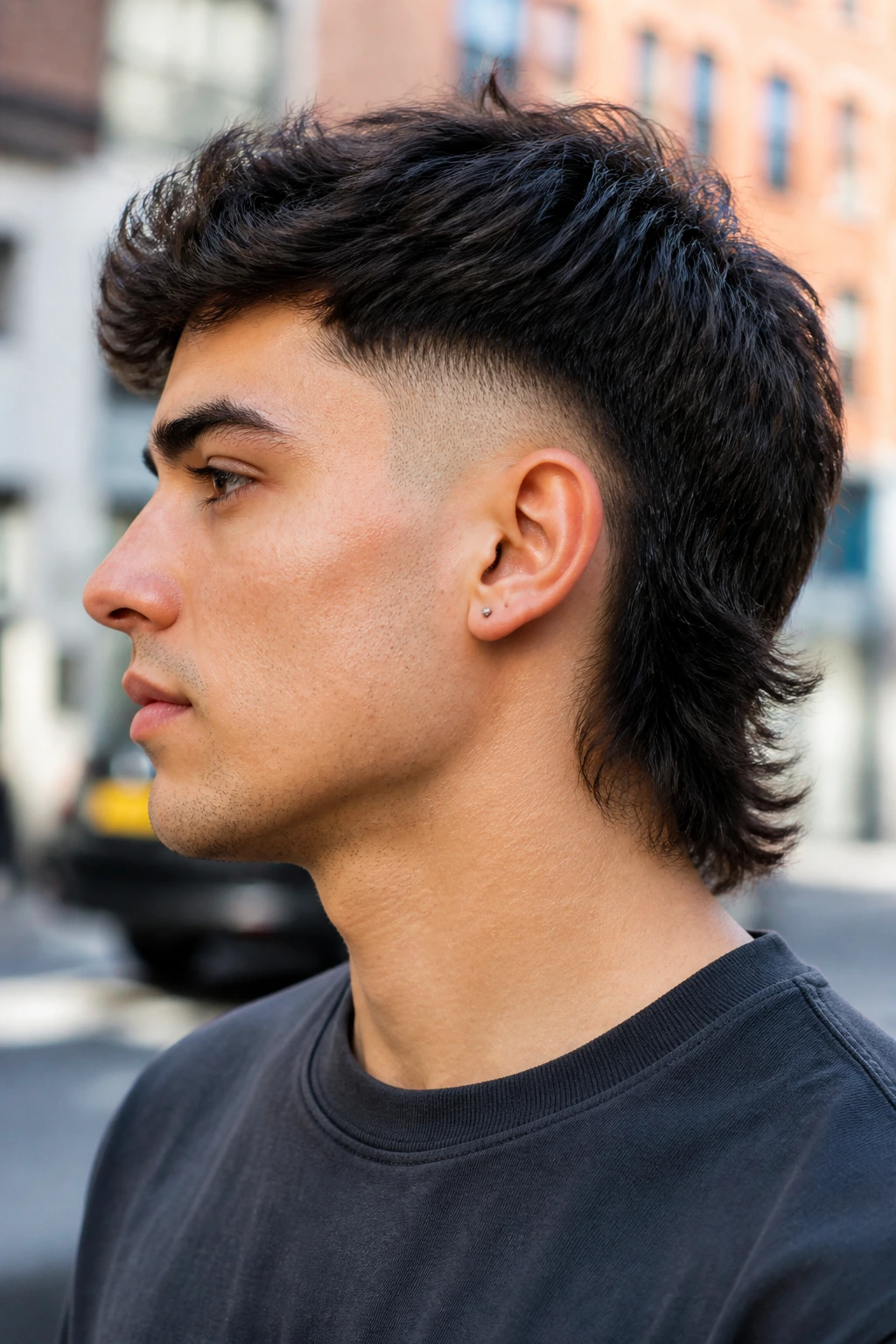
A burst fade makes a mullet look deliberate fast. The sides curve around the ear in a tight arc, the temple area stays clean, and the back keeps enough length to read as a mullet without needing a neon sign. On medium hair, that contrast looks crisp instead of clumsy.
This cut works best when the fade is blended smoothly into the top, not shoved underneath it. Ask for enough length on top to keep some lift—usually the mistake is taking the crown too short and leaving the back to do all the work. Then you get a disconnected shape that feels more unfinished than sharp.
A matte paste or clay gives the top a little grip. Keep the neckline tidy. A burst fade loses its punch fast when the back starts to fuzz out around the collar.
5. Razor-Textured Shag Mullet
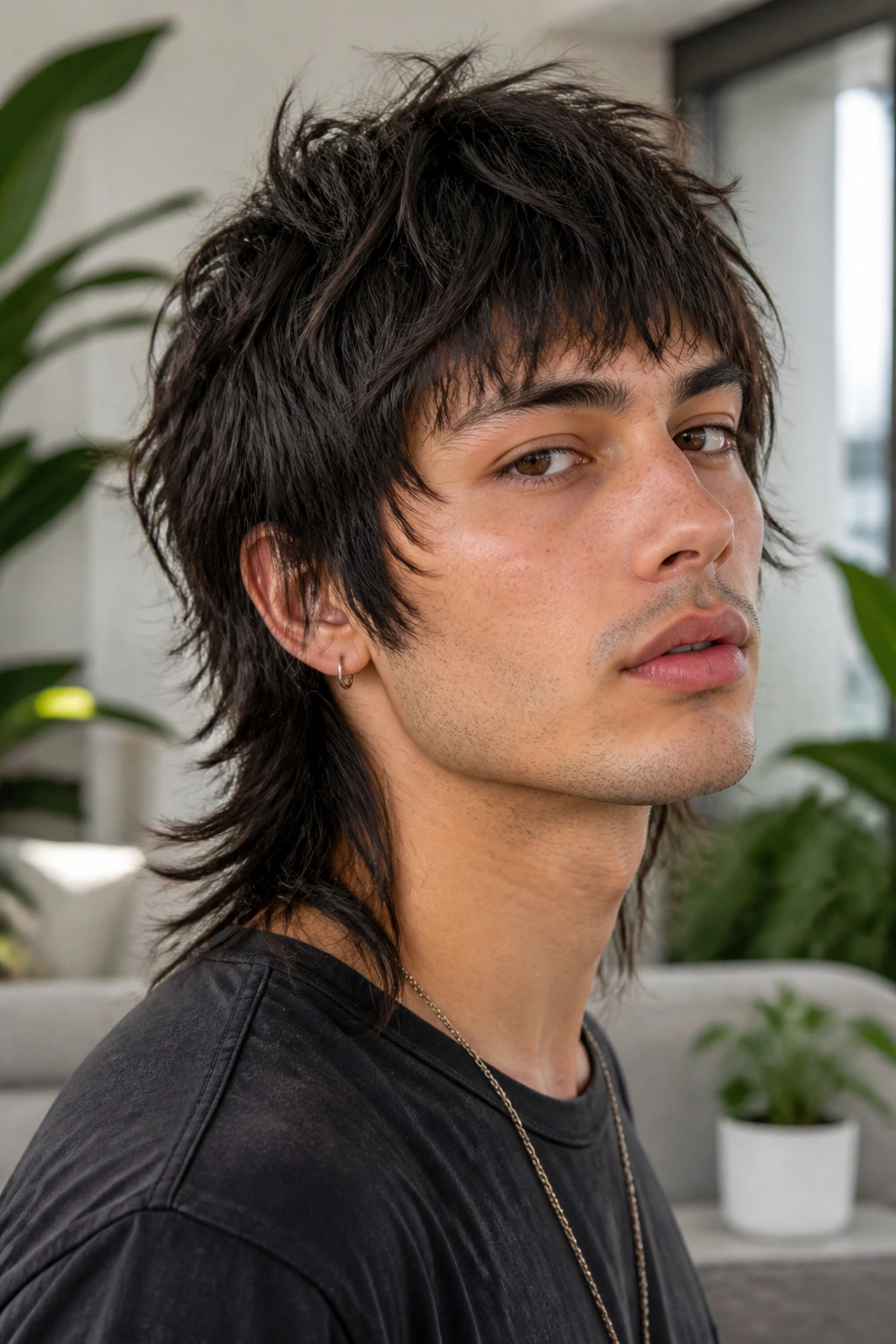
This is the one for people who like their hair a little broken up. A razor-textured shag mullet has jagged ends, loose movement, and a crown that falls in pieces instead of smooth sheets. It sits in that space between shag and mullet, which is exactly why it works so well on medium length hair.
The trick is not to let the texture become mushy. Ask for broken ends, not over-thinned ends. Those are different things. Broken ends keep shape; over-thinning just makes the hair look tired. If your strands are dense or straight, this cut wakes them up. If they’re already wispy, a gentler version is smarter.
Use a small amount of matte cream and scrunch the ends. You want separation, not shine. The cut should look lived-in, not neglected.
6. Tapered Office Mullet
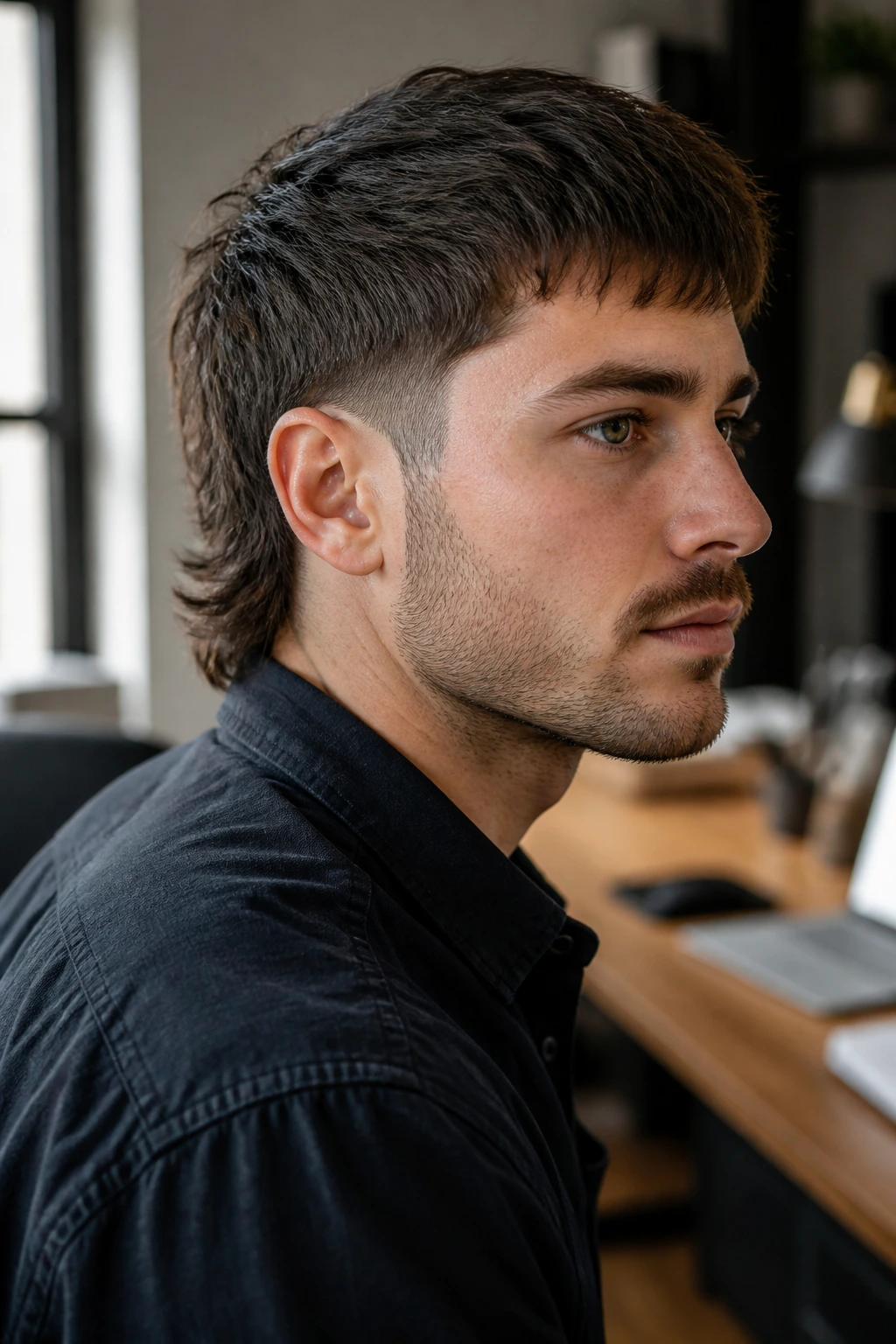
If you need a mullet that can survive a meeting, a family dinner, and a weekend plan without changing personalities, this is the one. The sides are tapered low, the fringe stays neat, and the back only extends enough to show shape at the neckline. It is a restrained cut, which makes it useful.
The best thing about this version is the way it moves between tidy and casual. Brush it forward with a side part and it feels controlled. Push it loose with a little cream and the back starts to show off. Medium length hair gives it the right amount of weight; shorter hair can’t hold the shape, and longer hair starts drifting into a different haircut.
Keep the product light. A soft styling cream or lotion is enough. Heavy pomade turns the top flat, and this cut needs some air at the roots.
7. Wavy Air-Dried Mullet
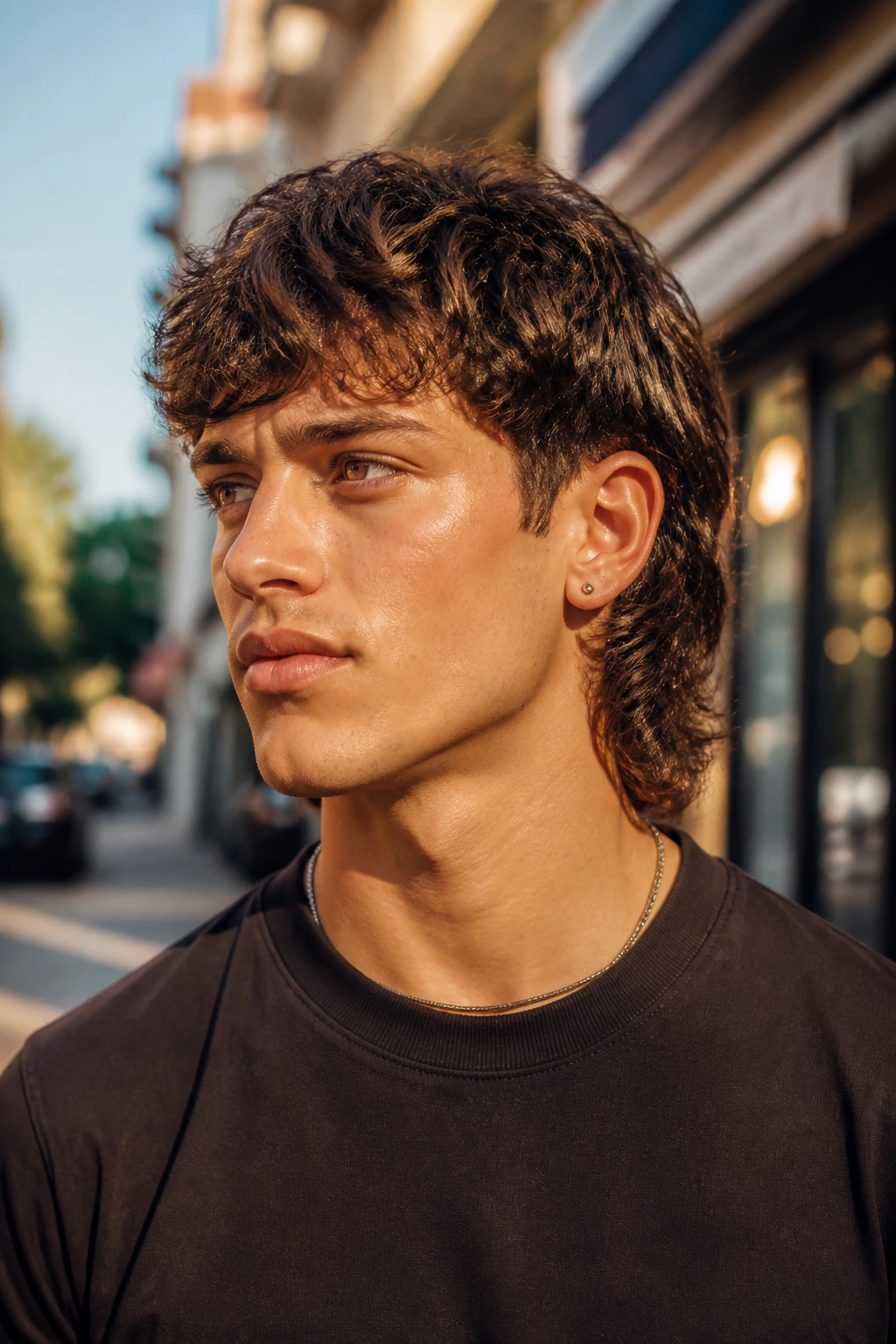
There’s something satisfying about a cut that looks better after you stop touching it. Wavy hair and medium length mullets get along for exactly that reason. The top bends, the sides sit close without sticking, and the back picks up just enough wave to feel alive.
This cut should be built around the natural bend of your hair, not fought into a straight line. Ask for layers that encourage motion through the crown and a nape length that falls cleanly rather than puffing outward. If your waves clump in odd places, work in a little leave-in conditioner and twist sections while damp. That helps the shape dry in pieces instead of one big puff.
Sea salt spray is fine here, but don’t drown the hair in it. A little grit goes a long way. Too much and the cut feels rough for no reason.
8. Micro Fringe Mullet
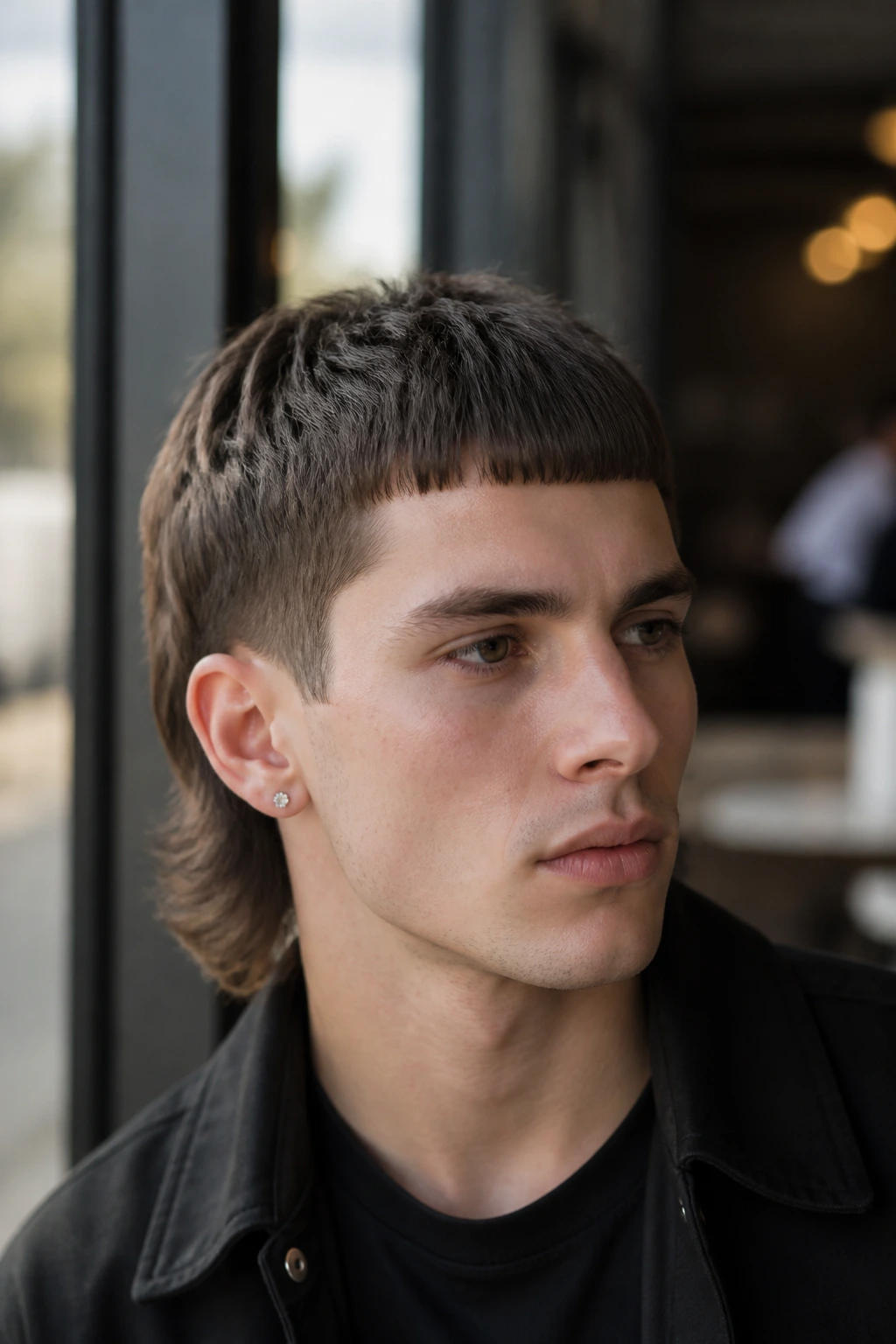
A micro fringe changes the whole mood of a mullet. The forehead gets a short, blunt little strip of hair, and suddenly the cut feels sharper, younger, and a bit more graphic. On medium length hair, that front edge creates enough contrast to keep the rest of the cut from feeling soft and shapeless.
It is not a timid choice. The fringe sits high, the top stays textured, and the back keeps its length so the silhouette still reads as a mullet. If your face is long or your hairline is higher than you’d like, this version can be surprisingly flattering because it pulls attention forward. If you want something subtle, skip it. The fringe is the statement.
Keep the finish matte. A dry paste lets the fringe sit where it’s cut instead of separating into strings.
9. Heavy Layered Mullet
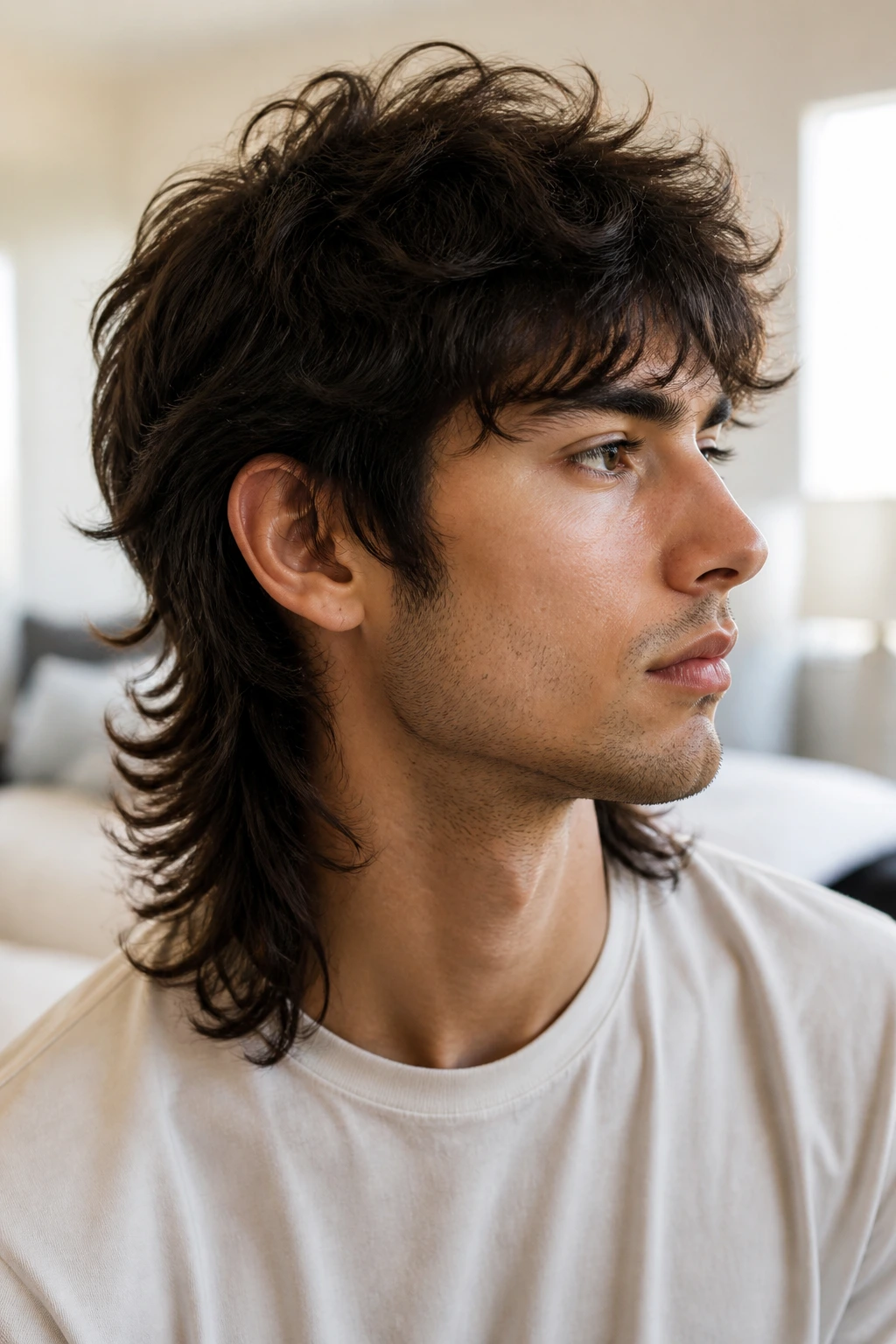
Can thick or dense hair wear a mullet without looking like a helmet? Yes, if the layering is handled with some discipline. Heavy layered mullets keep the crown full, but the internal weight gets broken up so the shape sits instead of ballooning. The back still needs enough density to read as intentional.
This version asks for bulk removal in the right places, not everywhere. The stylist should leave structure through the perimeter while softening the underside and crown where the hair stacks up. If they thin the ends too aggressively, the cut turns stringy by lunchtime. Medium length hair is useful here because the layers can breathe without collapsing.
A blow-dry with the nozzle aimed down the hair shaft helps a lot. Then add a touch of cream at the ends. That’s enough to keep the layers from looking rough.
10. Slick-Back Mullet
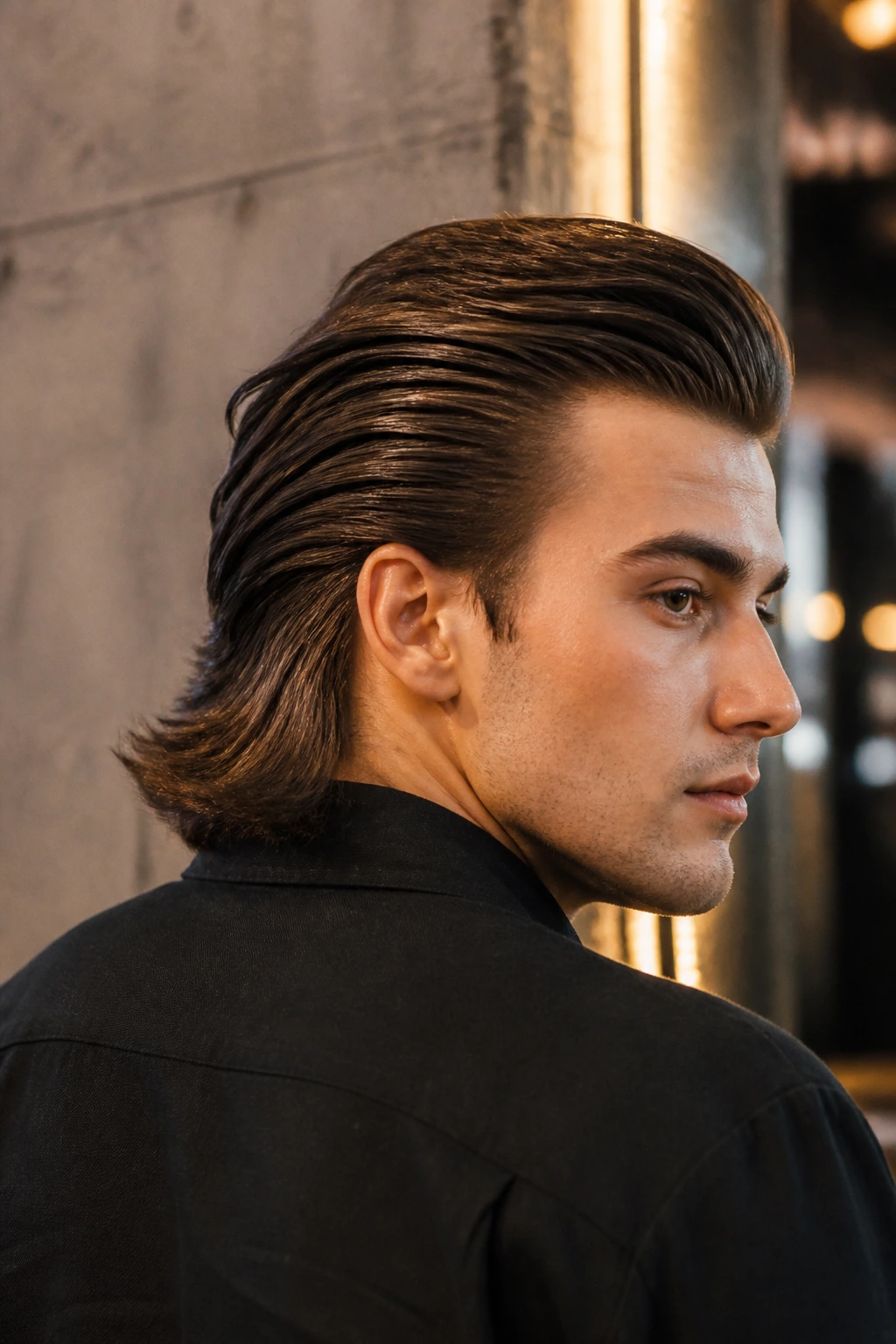
Slicked-back mullets can look strange in photos and surprisingly good in real life. The top goes straight back, the sides stay controlled, and the back keeps its length so the haircut has a clear rear profile. It’s a cleaner, sharper version, less shag, more attitude with manners.
This works best on medium hair that already has a bit of density. Fine hair can go limp when slicked back too hard, and then the mullet shape vanishes. Use a lightweight pomade or a grooming cream, then comb the top back while the hair is still damp. Don’t chase a mirror-perfect finish. A few loose pieces in the crown make it look less stiff.
The key is keeping the back visible. If you slick everything so flat that the nape disappears, you’ve basically turned the cut into a slick-back with a tail. Different thing.
11. Side-Swept Mullet
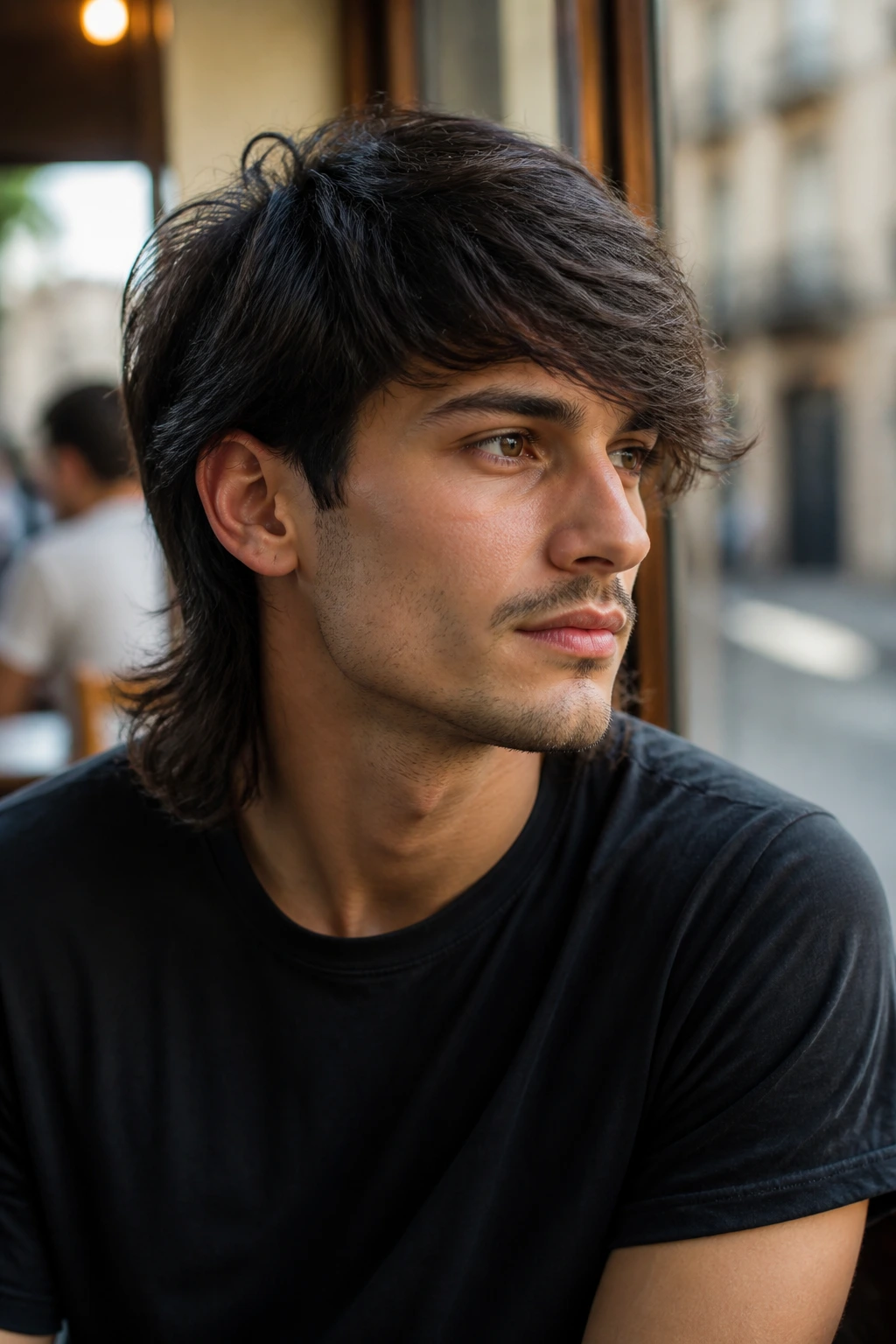
A side-swept front softens the mullet immediately. The fringe falls across the forehead at an angle, the top keeps some lift, and the back stays long enough to keep the haircut honest. It’s a good choice when you want the style to feel a little less direct.
This shape works especially well if your face has strong angles or your hair naturally parts to one side. The sweep draws the eye diagonally, which makes the whole cut look longer and smoother. Medium length hair helps because the front has enough weight to settle into the sweep without needing a stiff blow-dry.
Use a round brush or just your fingers and a dryer nozzle if you like movement. Keep the sides tidy. If the sweep gets too wide and the sides get too bulky, the cut starts to sag.
12. Retro Feathered Mullet
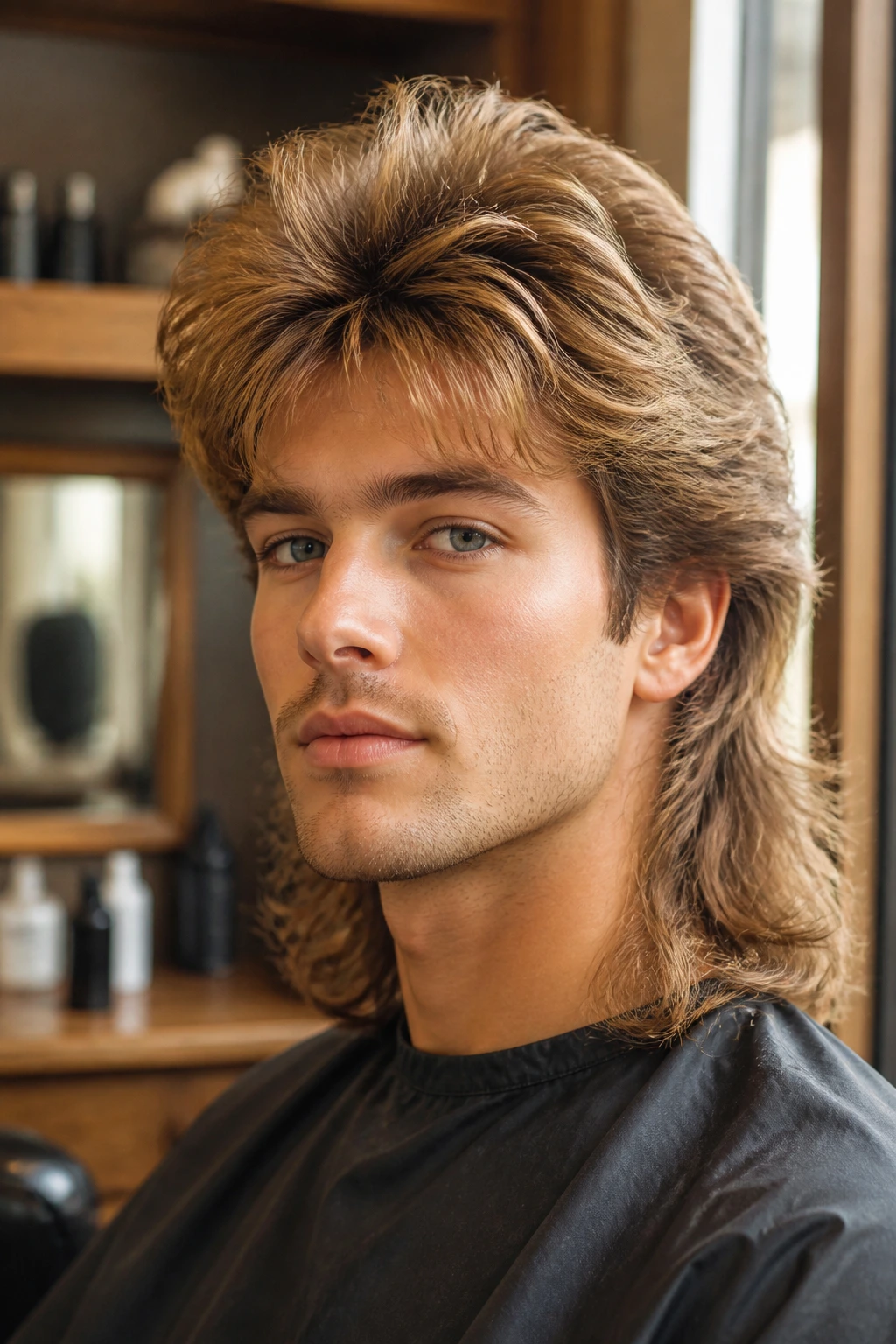
This is the feathered, flipped, airy version that owes more to old blowouts than to barbershop aggression. The top gets layers that lift, the ends feather out softly, and the back flips with a little bend instead of hanging straight. It can look dramatic or gentle depending on how much shape you leave at the crown.
What makes it work on medium length hair is the built-in movement. There’s enough length for the feathering to show, but not so much that it turns heavy. Ask for layers that can be brushed back and out, not just downward. Then style with a round brush and a blow dryer, lifting the roots as you go.
A light finishing spray is better than a heavy hold product. You want the hair to swing when you turn, not freeze in place.
13. Wolfy Mullet
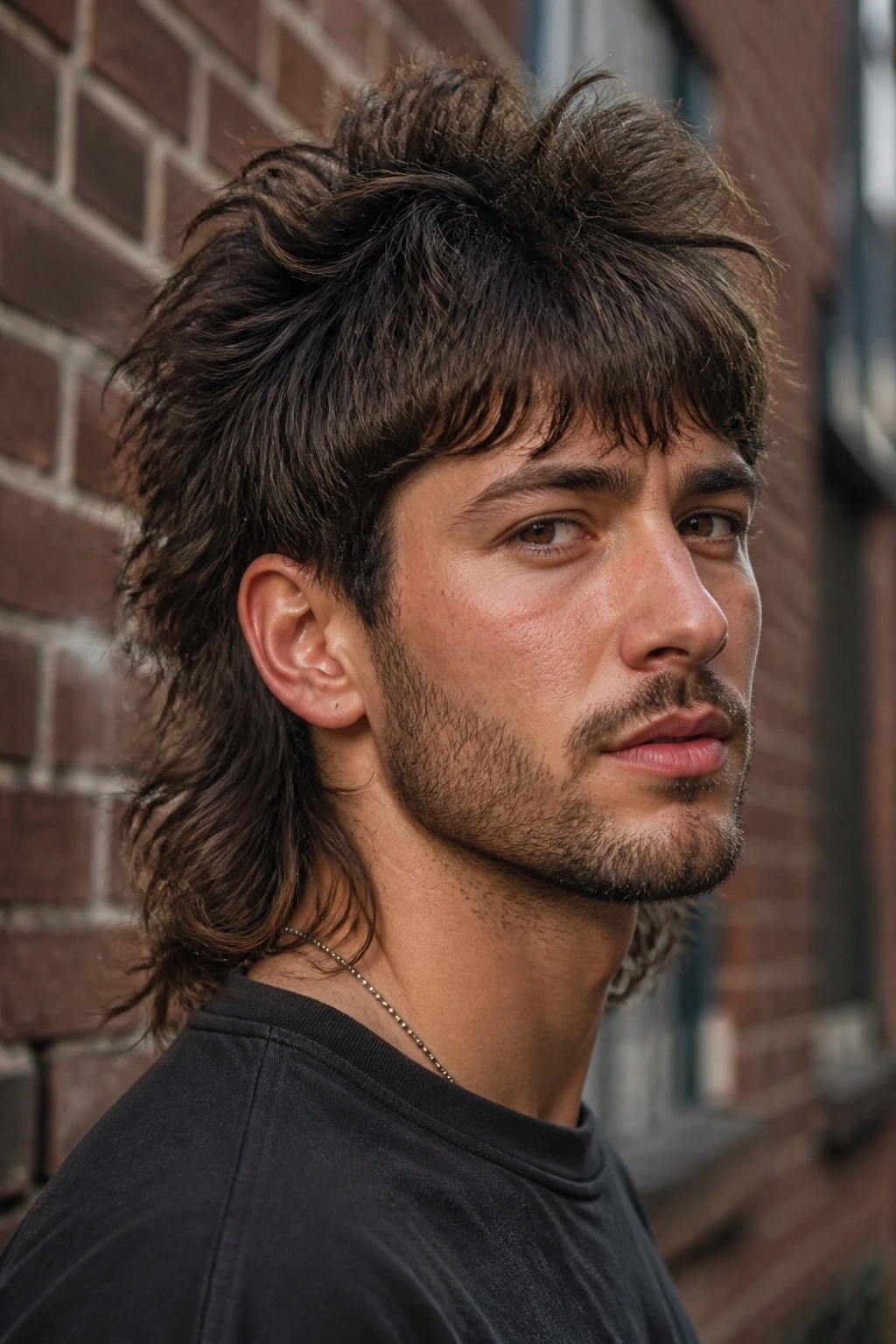
The wolfy mullet is the rougher, more textured cousin in this whole family. It leans into shag layers at the crown, keeps the sides a little wild, and lets the back taper into a loose tail. If a classic mullet feels too neat and a shag feels too soft, this is the middle lane.
The best versions keep the silhouette narrow near the temples and fuller through the crown. That gives the cut lift without making the head look wide. Medium length is where the wolfy shape gets useful, because the layers can stack and separate without reaching the shoulders. It’s a good pick for wavy or slightly coarse hair.
Use fingers, not a comb, when styling. The cut wants dirtier separation than polish. A tiny bit of dry texture spray can help if the layers are falling together too neatly.
14. Disconnected Undercut Mullet
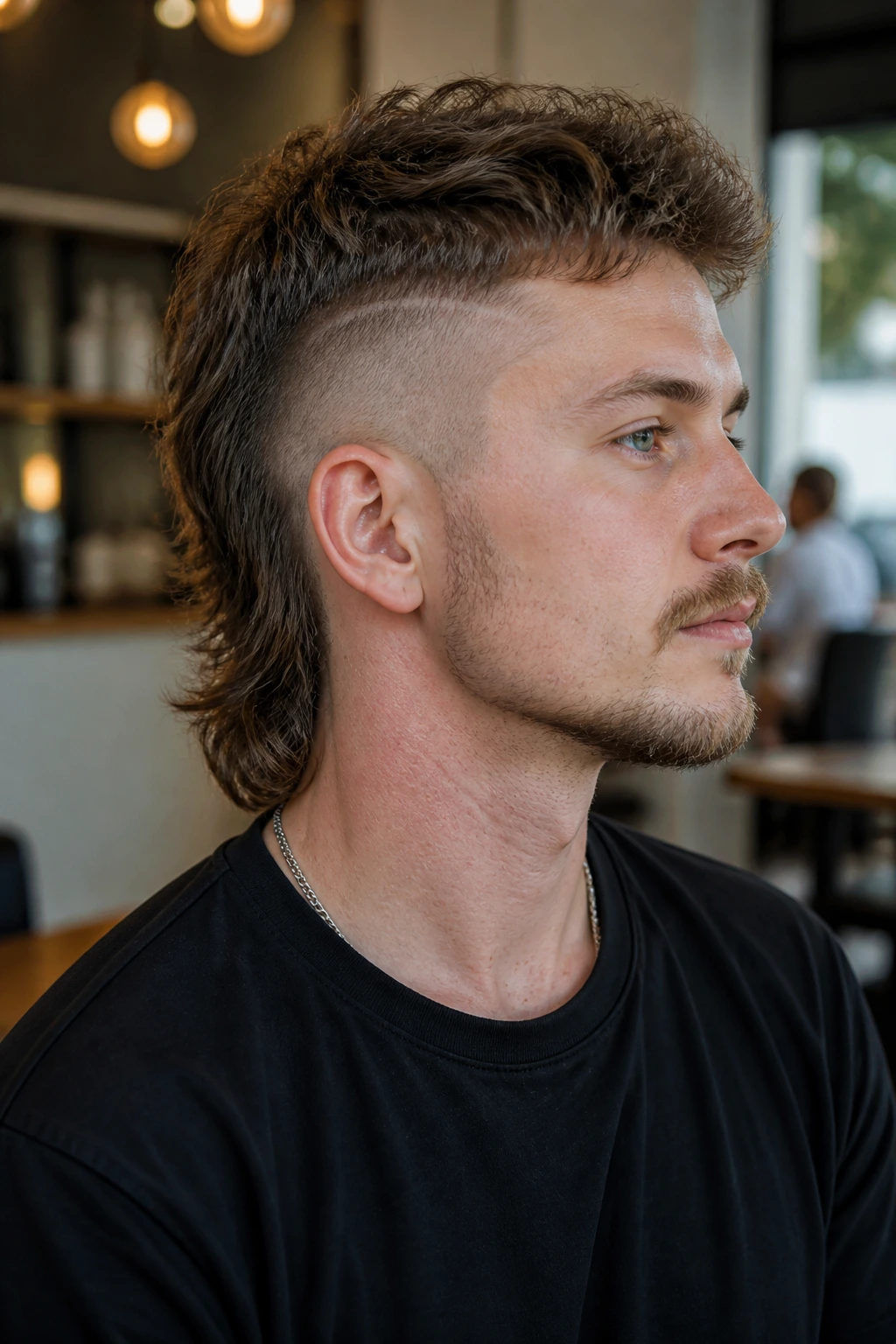
Some cuts need a seam. This is one of them. A disconnected undercut mullet keeps the sides clipped or very short while the top and back stay visibly longer, so the shape has that hard visual break people either love or hate. Medium length hair gives the contrast enough room to matter.
This version can look incredible when the lines are clean. It can also look sloppy fast if the undercut grows out past its welcome. So if you choose it, plan on regular maintenance. The top should still have texture and movement; otherwise it turns into a heavy lid over a short frame.
A little paste at the crown and a clean neckline are non-negotiable here. The whole look depends on crisp separation. Blur the edges and the haircut loses the point.
15. Long Nape Mullet
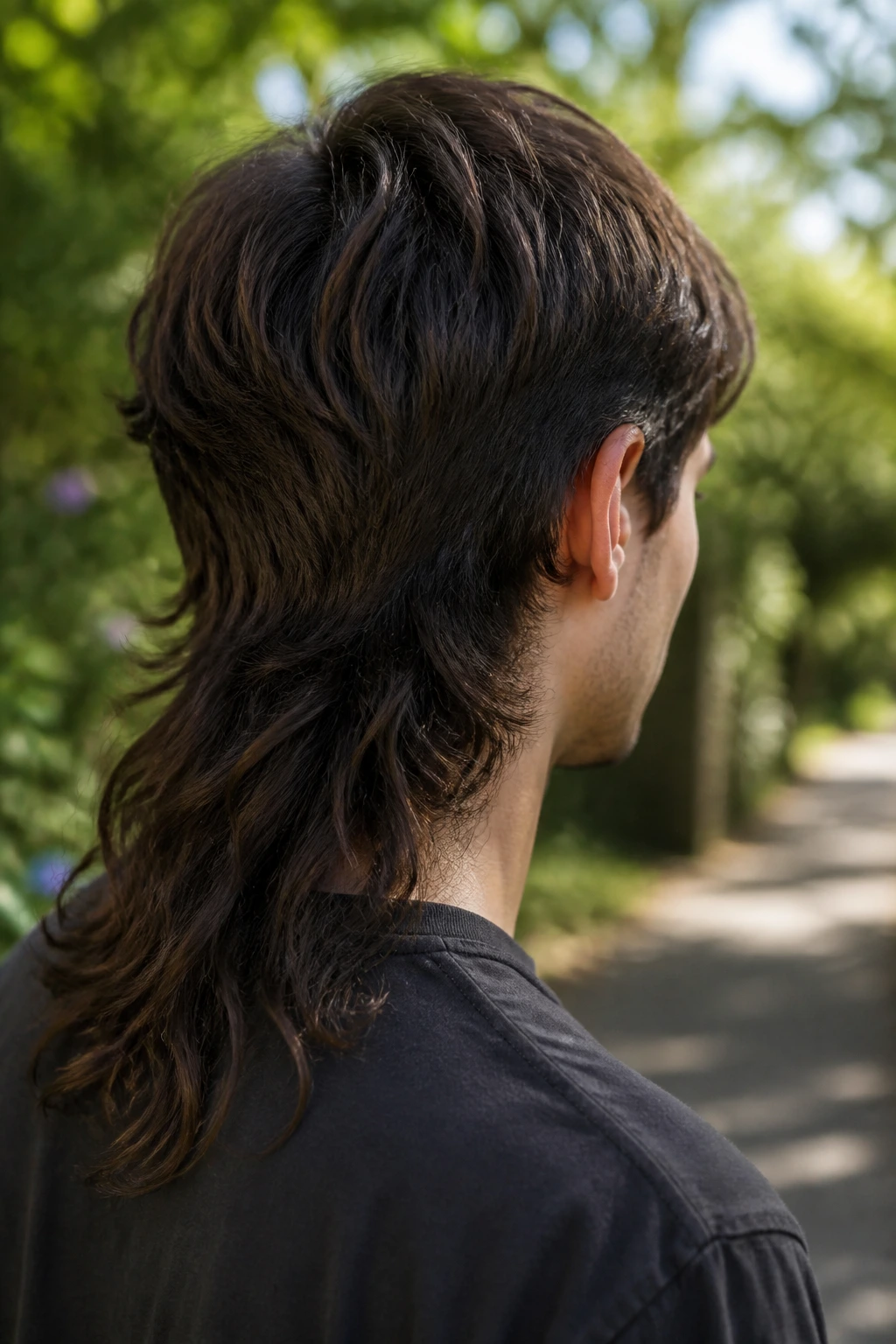
What happens when the back becomes the focus? You get a long nape mullet, which is less about punk energy and more about that trailing line at the neck. The front stays medium and manageable, the sides remain controlled, and the back reaches lower than most people expect without going full shoulder-length.
This cut works when you want a pronounced silhouette from behind. It’s especially good if your hair falls flat at the crown and needs the length to create visual interest lower down. Ask for the nape to be kept dense enough that it doesn’t look stringy. That detail matters more than people think.
It styles well with a quick blow-dry and a bit of cream. Leave the ends soft. A sharp, overdefined tail can make the whole thing feel theatrical in a way you may not want.
16. Wet-Texture Mullet
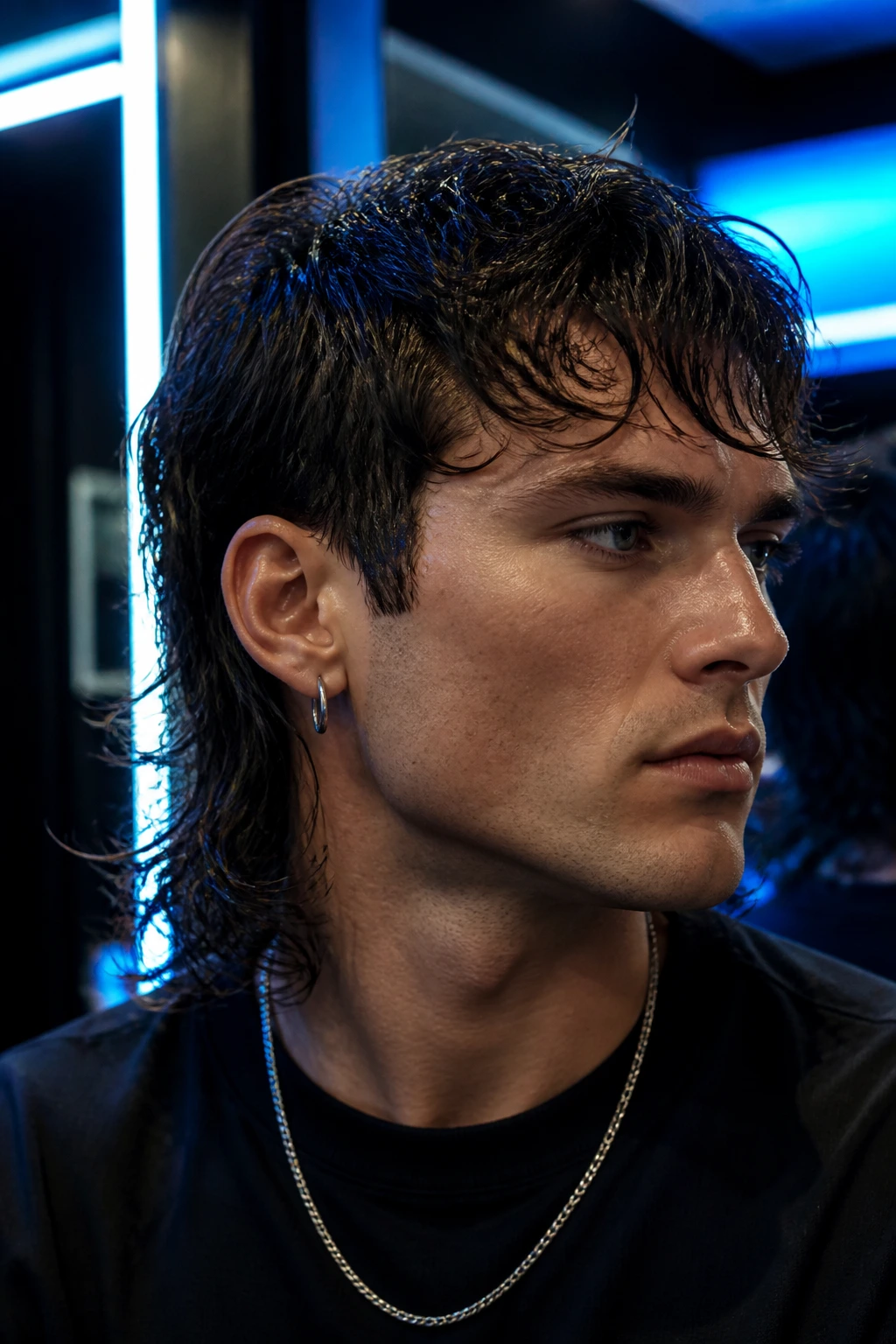
The wet-texture version has an obvious shine to it, and that shine changes the cut completely. Instead of airy ends and dry separation, you get piecey strands that sit together with a little gloss. It looks sleek, slightly editorial, and a touch more deliberate than a matte mullet.
Medium length hair is useful here because the shape can hold product without getting greasy too fast. Use a light gel, a shine cream, or a small amount of pomade, then work it through damp hair with your fingers. The trick is not to saturate everything. You want defined strands, not wet noodles.
This is a strong night-out option, but it can also work daytime if you keep the sides neat. A clean neckline makes the finish feel chosen instead of undone.
17. Rounded Shape Mullet

Not every mullet needs sharp corners. A rounded shape smooths the transition from fringe to crown to nape, which makes the cut feel softer and more sculpted. The outline is still there, but it curves instead of pointing.
That matters on medium hair because the length has enough weight to make a curve without collapsing. Ask for a rounded perimeter through the back and soft layers that don’t kick out in odd directions. If your face is square or you dislike harsh lines, this shape can be a better fit than a heavily disconnected cut.
Use a brush or your hands to guide the hair while drying so the corners don’t get too boxy. A small amount of cream keeps the finish calm. The result should feel smooth, not flat.
18. Thick-Hair Control Mullet
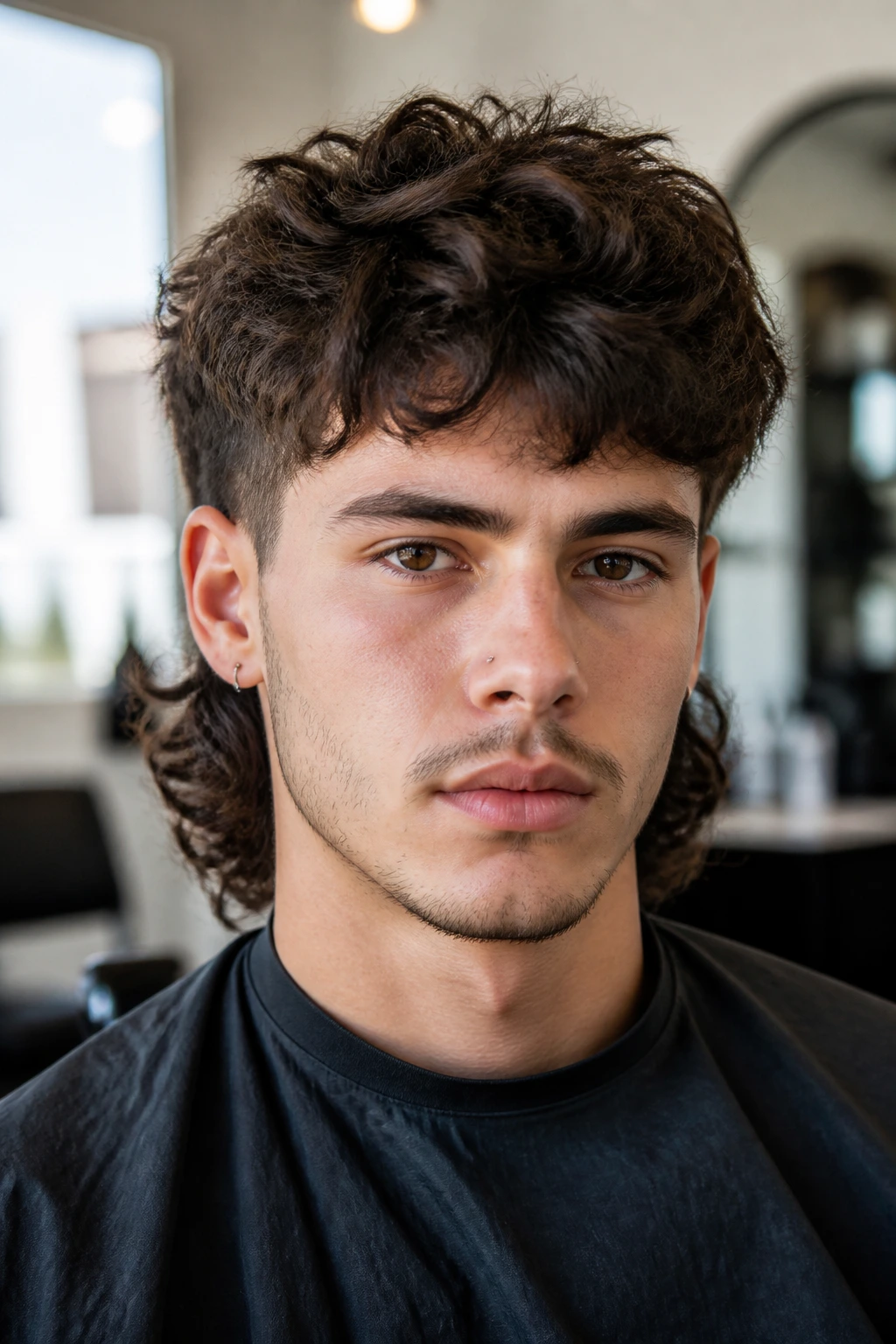
Thick hair wants to take over. A thick-hair control mullet keeps that energy in check by removing bulk in the crown and upper sides while preserving enough density at the back to keep the shape visible. If the layers are too blunt, thick hair becomes a wedge. If they’re too thinned out, it goes fluffy. There’s a narrow path.
Ask for internal layering and careful texturizing, not aggressive thinning at the ends. That’s where a lot of stylists go wrong. Medium length gives thick hair enough room to drop without pushing into the ears. It also gives the neckline a chance to show off the cut instead of hiding it under weight.
A dryer with a nozzle helps keep the layers directed. Finish with a matte cream, not a heavy wax. Thick hair already has volume; you’re steering it, not inflating it.
19. Fine-Hair Lift Mullet
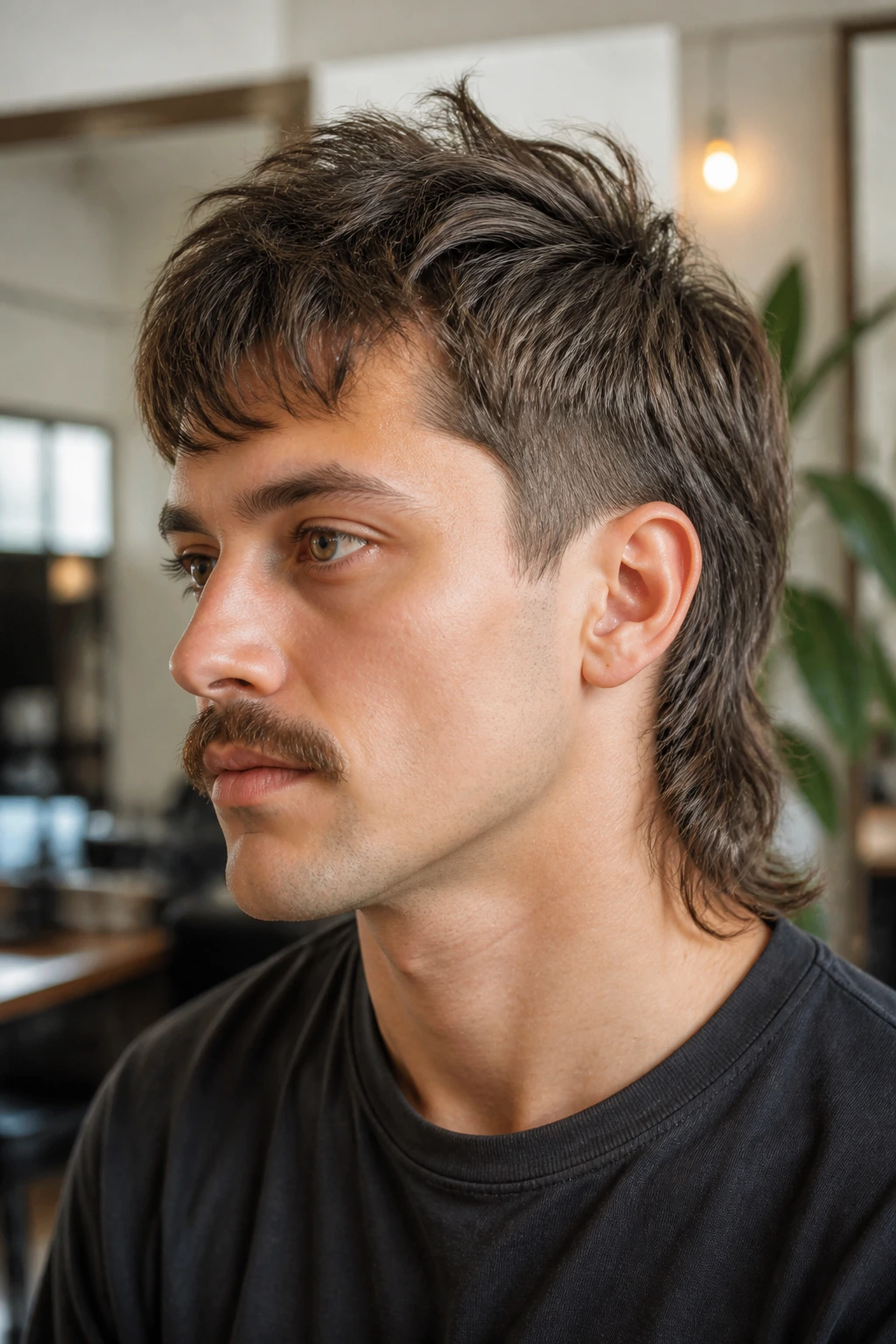
Fine hair needs structure, not overworking. A fine-hair lift mullet keeps the layers clean and the ends light enough to move, but it does not get over-thinned. That’s the trap. If you remove too much, the cut loses density and the back turns see-through.
The safer route is a stronger shape line and shorter layering at the crown so the roots have something to sit on. A little mousse at the base, then a blow-dry with the head tipped forward, gives the top some lift. The back can stay modestly long, just enough to show the silhouette without dragging the hair down.
This cut works best when the sides are managed with scissors rather than too much clipper removal. Too much skin on the sides can make fine hair look sparse by comparison. Balance matters.
20. Feathered Temple Mullet
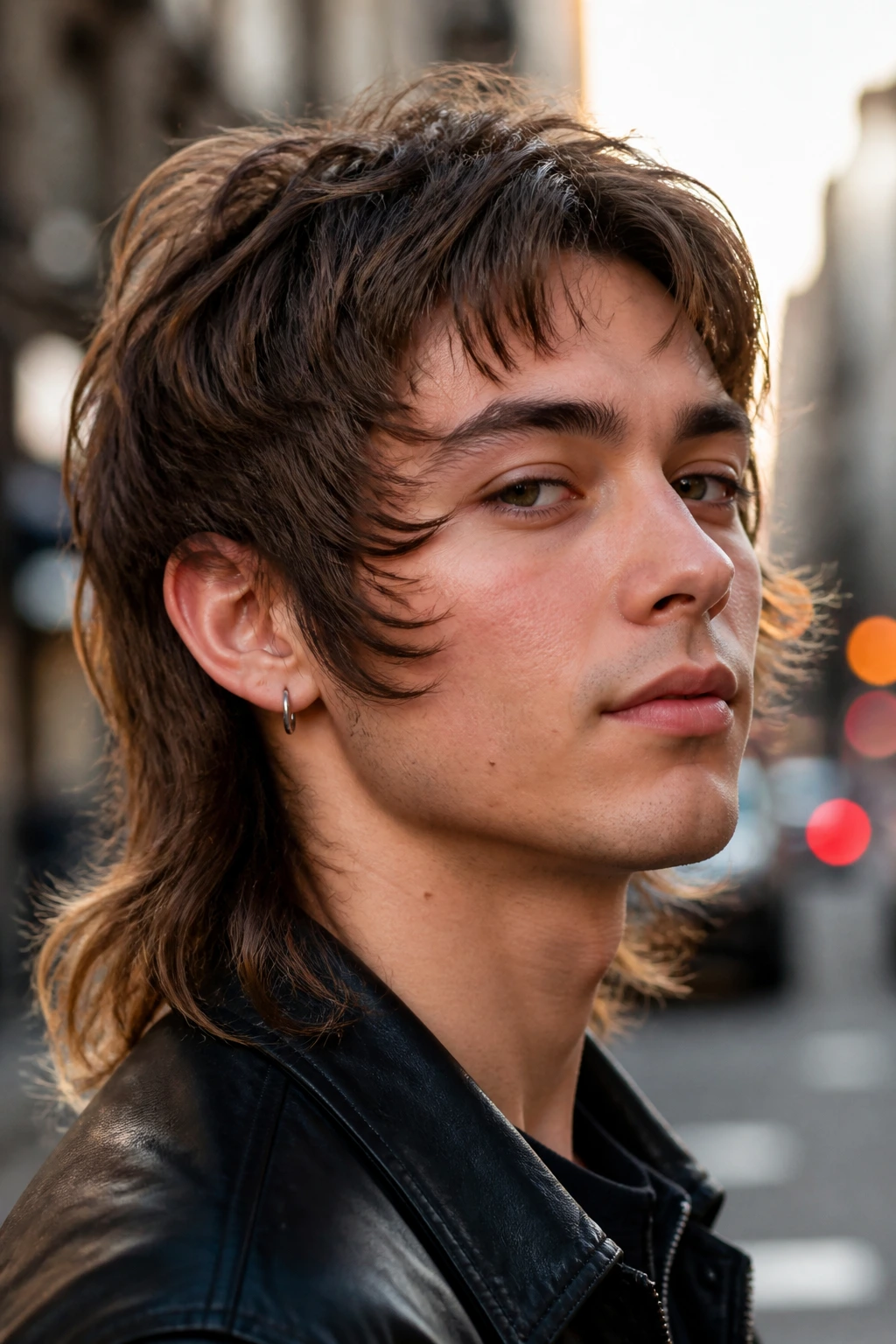
Temple pieces change the whole front view. Feathered temples soften the transition from fringe to side and draw the haircut into the cheekbones, which helps the mullet look more face-framing than aggressive. It’s a sneaky-good detail.
This version works especially well if you don’t want the sides to disappear completely. The temple length gives you a little curtain around the face while the back still keeps the mullet profile alive. Medium length hair has enough body for the feathering to show without getting lost in the rest of the cut.
A round brush or a quick pass with a dryer can bend those temple pieces away from the eyes. Keep the finish soft. Hard edges around the temples can fight the whole point of the style.
21. Drop Fade Mullet
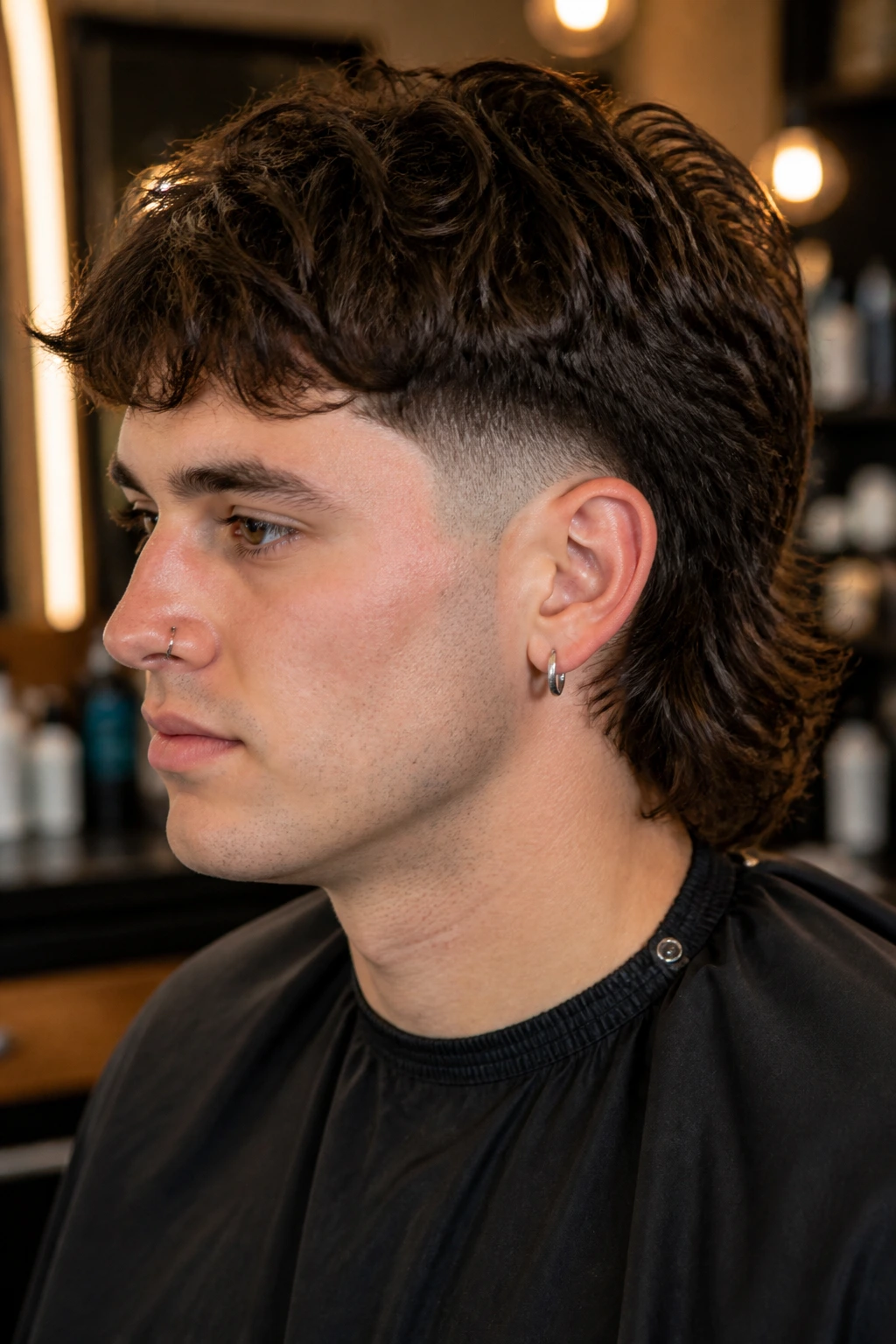
A drop fade makes the haircut follow the shape of the head, dipping lower behind the ear and then opening up the back. That creates a clean curve instead of a straight line, which suits medium length mullets better than people expect. The back gets attention. The sides get structure. The transition stays neat.
This cut is especially good if you like barbershop precision. The fade gives the shape edge, while the medium-length top keeps enough softness to stop it from feeling severe. Ask for the fade to land low enough that the back still has room to read as a mullet, not just a short fade with a tail.
Use a light matte product and keep the fade fresh. Once the sides puff out, the whole cut loses its snap.
22. Bob-to-Mullet
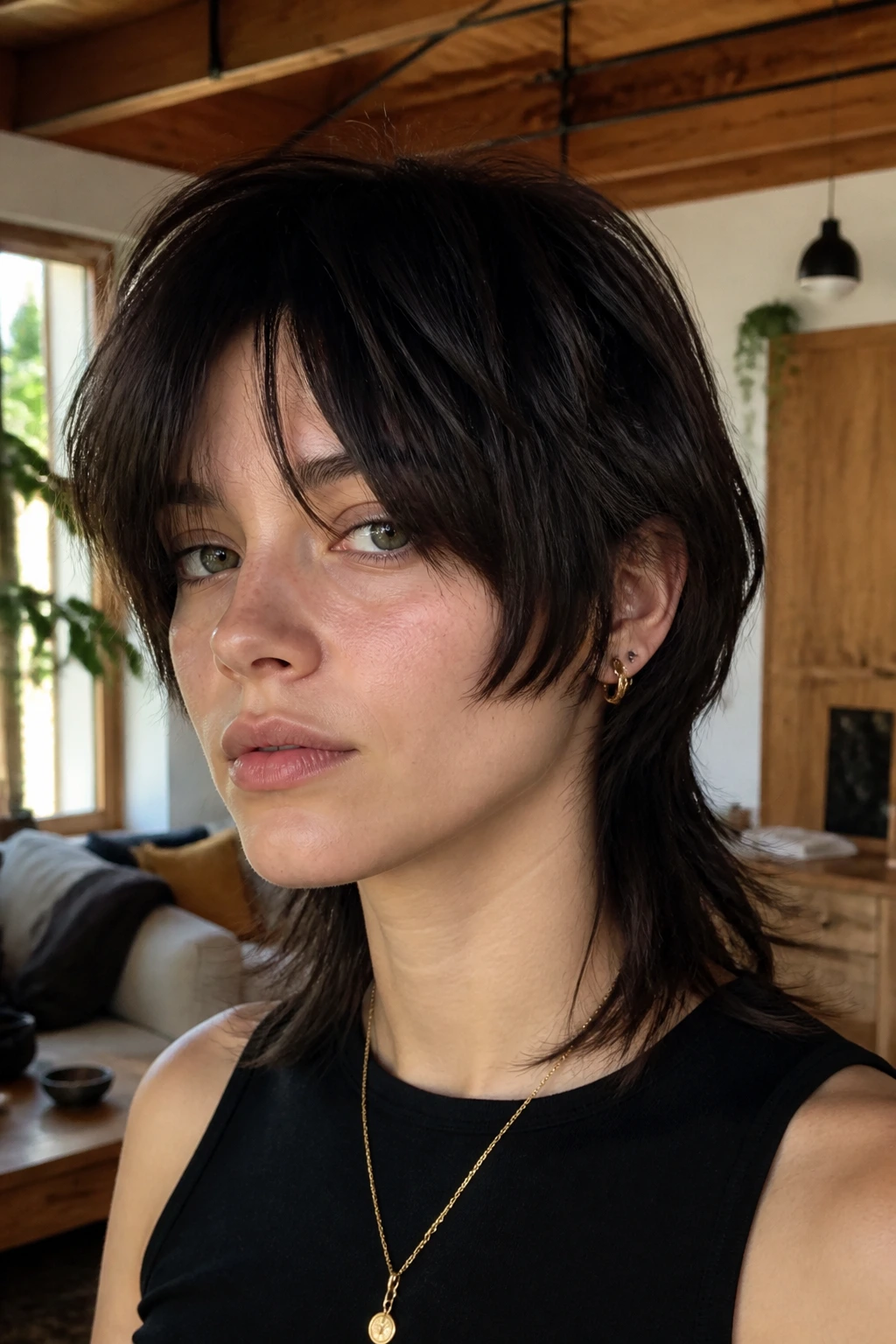
Growing out a bob can be a mess, or it can be a very good excuse to pivot into a mullet. The bob-to-mullet transition keeps the front shorter and more compact while preserving or rebuilding length at the back. It’s a smart bridge cut, not a compromise.
The important part is where the layers start. If they’re too high, the shape gets choppy in the wrong way. If they’re too low, the bob stays in charge. Medium length hair gives enough material to create that small drop from front to back without making the head look elongated.
This is one of the easier styles to live with because it doesn’t demand a dramatic leap. It just keeps moving in the right direction. Add texture at the ends and the cut starts to feel deliberate almost immediately.
23. Spiky Punk Mullet
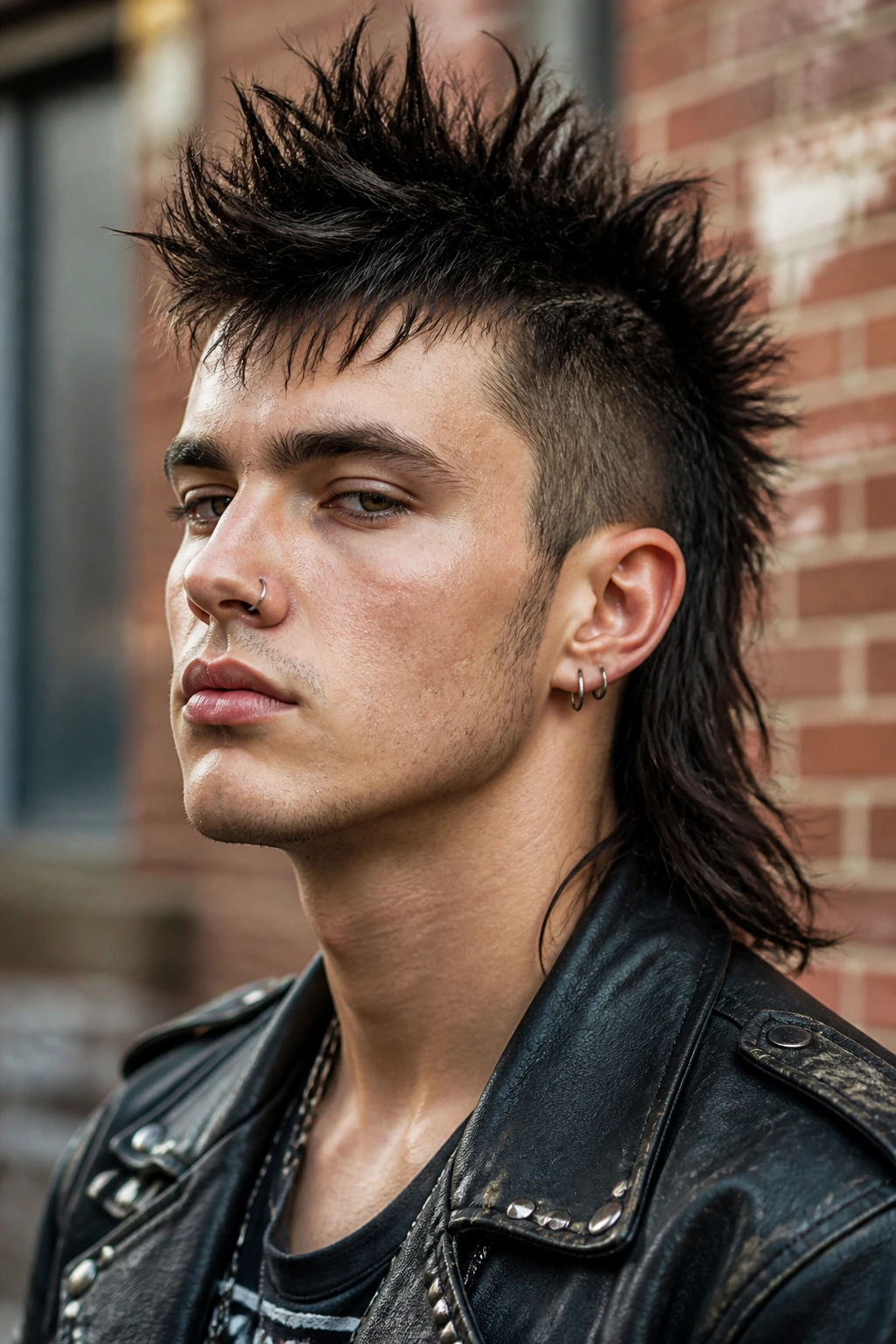
Can a mullet still feel loud without going full costume? Absolutely. The spiky punk version keeps the top short enough to push upward, adds choppy texture through the crown, and leaves the back long enough to keep the silhouette clear. It is blunt, energetic, and not especially shy.
Use matte paste or a lightweight clay and work it into dry hair with your fingertips. Don’t comb it smooth. That would kill the whole point. The spikes should look broken, not gelled into little soldiers. Medium length helps because it keeps the back visible even when the front is standing up.
If your hair is fine, use less product than you think. Heavy paste makes the spikes clump. A little goes farther than people expect.
24. Grown-Out Mullet
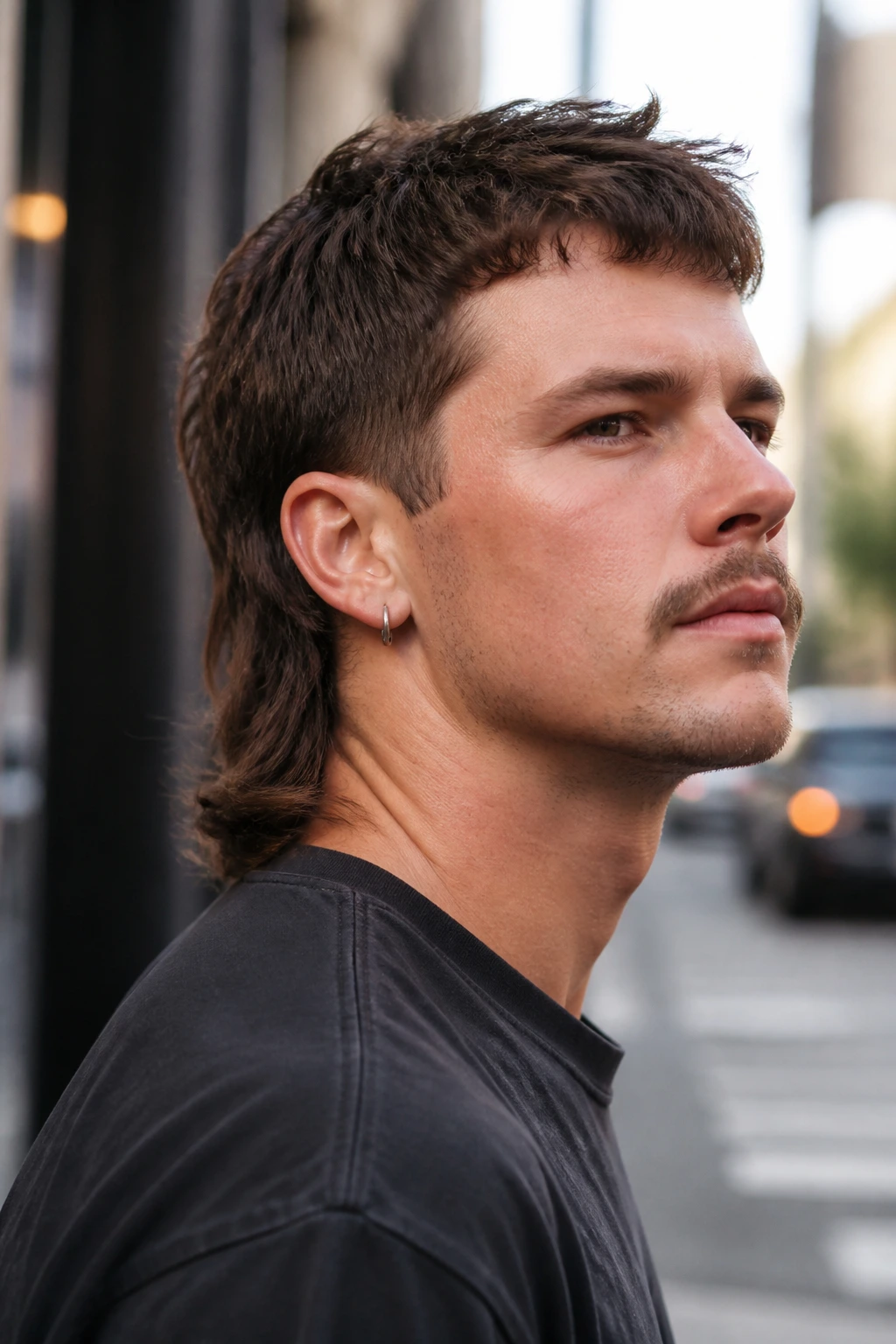
This is for people who like the look of a haircut that’s been lived in, but not neglected. A grown-out mullet keeps the neckline tidy and the sides somewhat controlled while letting the top and back drift a little looser. It reads relaxed, not sloppy.
The shape only works if there’s still a plan in the proportions. The back can be longer, sure, but the sides need to stay narrow enough to keep the silhouette from ballooning. Medium length is useful because the grow-out stage already has enough movement to look interesting. That’s why this cut feels effortless when it’s actually just balanced.
A salt spray or a very small amount of cream is enough. The less you fight it, the better it looks. Weirdly, that restraint is what makes it look good.
25. Face-Framing Mullet

Do you want the mullet to flatter the face before it shouts from behind? Then the front pieces need to matter. A face-framing mullet keeps strands near the cheekbones and jaw a little longer, which softens the cut and makes it feel less severe from the front.
This is a good choice when you want movement near the face without losing the mullet tail. Ask for front pieces that blend into the crown, not blunt chunks that hang separately. Medium length hair gives those pieces enough fall to be useful, especially if you push them slightly away from the cheeks with your fingers while drying.
The back should still have a shape, but it does not need to dominate. The face-framing front can carry the look if the layers are clean.
26. Loose Perm Mullet
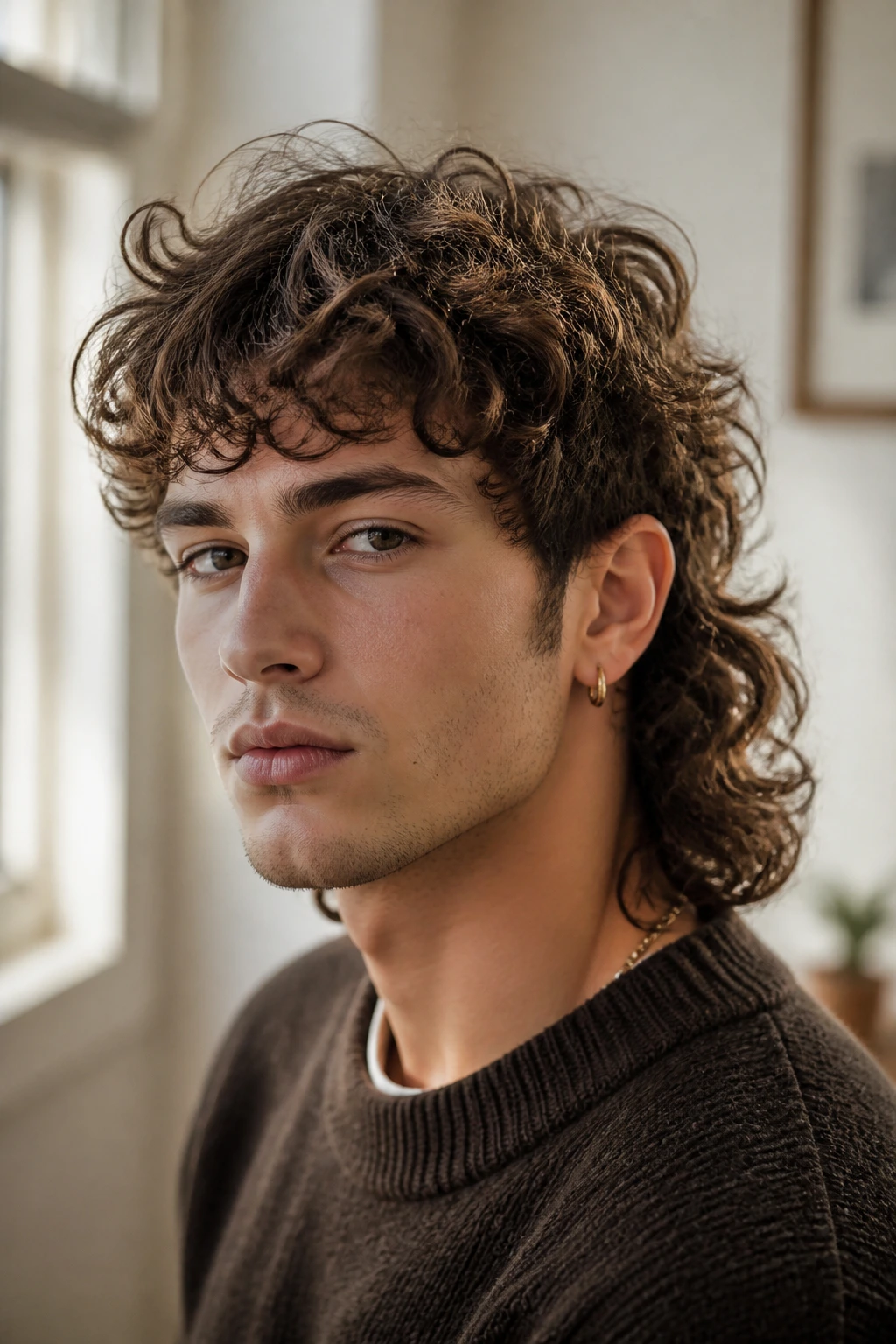
Permed texture and a mullet have a long history together, and the loose version is the easiest to wear. The curls or waves add body through the crown, the back gets buoyancy, and the sides can stay controlled so the silhouette doesn’t become a cloud. Medium length keeps the curl from looking cramped.
This style needs moisture. Use curl cream or a light leave-in, then diffuse on low heat or air-dry if the curl pattern behaves. The shape should feel springy and touchable, not crunchy. If the hair is too dry, the perm texture turns frizzy fast.
A loose perm mullet can look a little retro or a little glam, depending on how you dress it. Either way, the bounce is the point.
27. Tidy Tapered Mullet
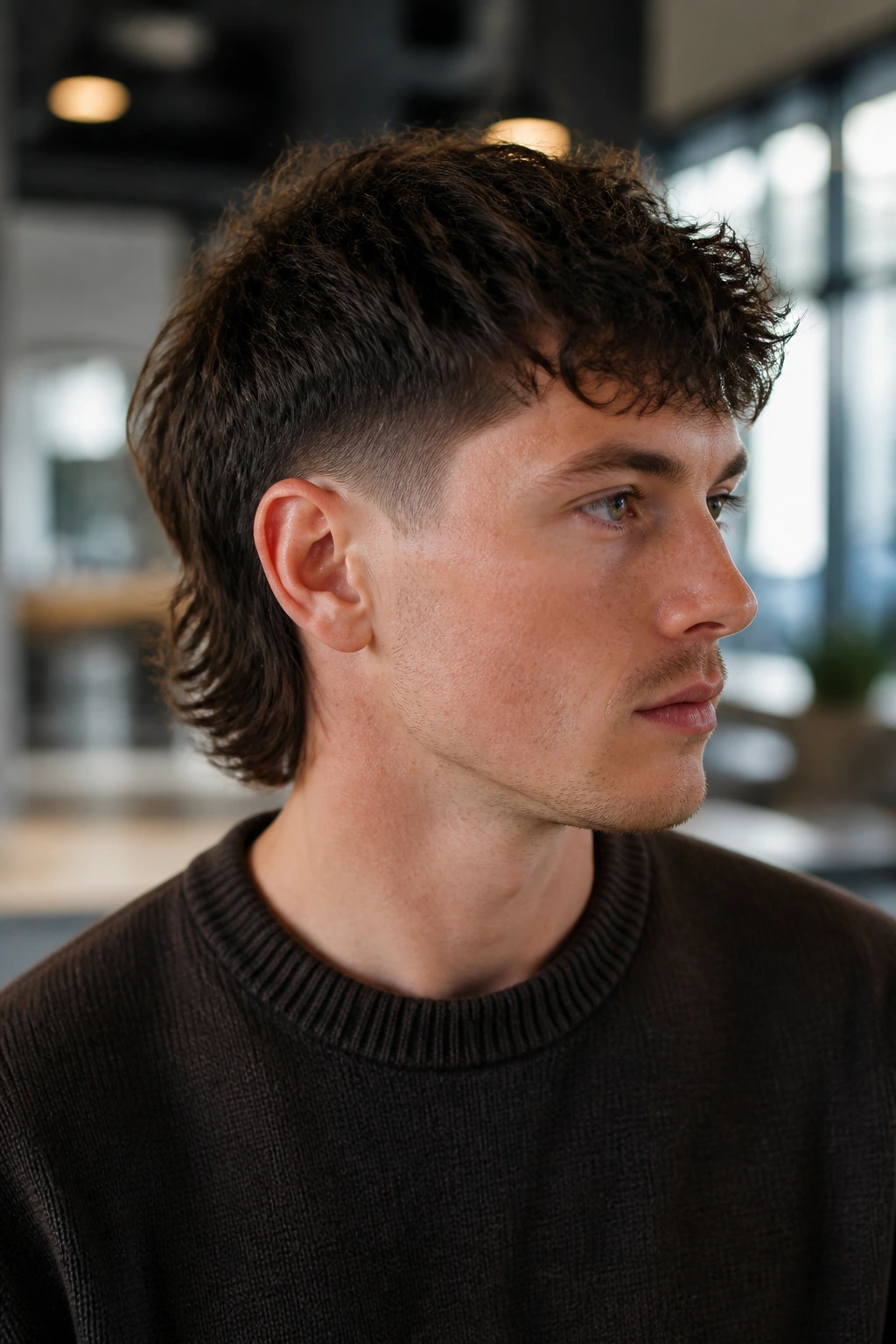
This is the cut for someone who likes the idea of a mullet but not the drama of one. The sides taper neatly around the ears and neckline, the top stays manageable, and the back adds just enough extension to make the profile different from a regular layered cut. It’s quiet, which is part of its appeal.
Keep the top scissored and shaped, not over-textured. Medium length hair holds that restraint well because it still moves when you run your fingers through it. This version works in a lot of settings because it looks finished, not rebellious for the sake of it.
The best styling move is a small amount of cream and a quick comb through. Nothing fancy. A neat mullet can be the smartest one in the room.
28. Statement Fringe Mullet

A strong fringe changes the face of the haircut before the back even gets a vote. A statement fringe mullet uses a heavy, blunt, piecey, or sharply cut front section to pull attention forward, then lets the back provide the familiar tail. It’s a strong shape, and it knows it.
This version works when you want the haircut to read from across the room. Medium length hair makes the fringe sit with enough weight to look intentional instead of flimsy. Ask the stylist to balance the front with the back, though. If the fringe is dramatic and the back is weak, the whole cut feels lopsided.
Keep the fringe shape polished with a small brush or your fingers. Too much product at the front can make it stick together and lose its punch.
29. Studio Clean Mullet
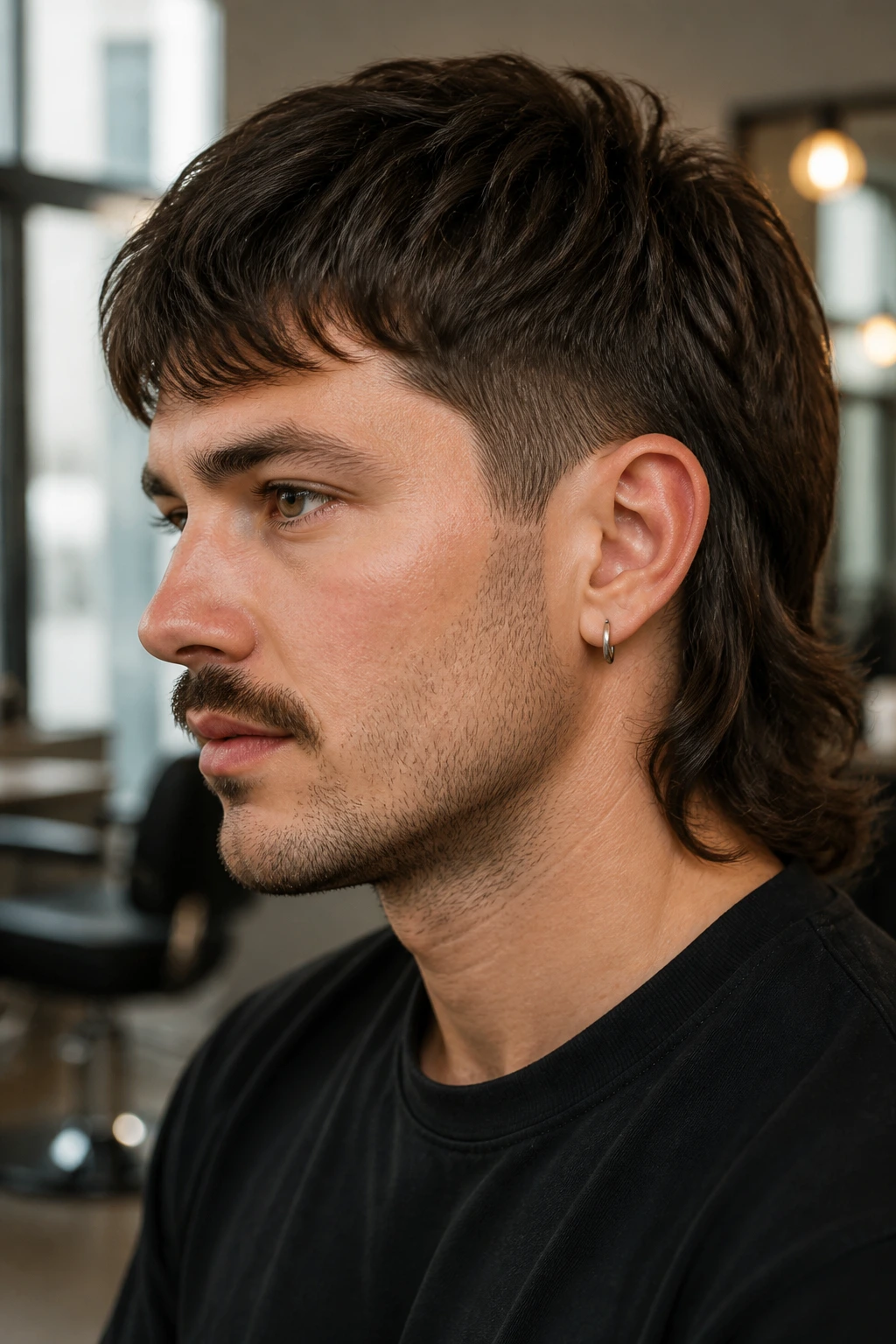
Some mullets are messy by design. This one is not. A studio clean mullet has precise lines, careful layers, and a controlled silhouette that still keeps the nape and back visible. It feels sharper than a shag and calmer than a punk cut.
The appeal here is restraint. The sides are neat, the transition is smooth, and the back stays long enough to count. Medium length hair gives the stylist enough room to build that architecture without making the cut too long or too narrow. It’s a good fit for straight hair that likes a polished finish.
Use a blow dryer and a brush if you want the cleanest result. A little shine cream can help, but don’t pile it on. The cut should look crisp, not slicked to death.
30. Long Collar Mullet
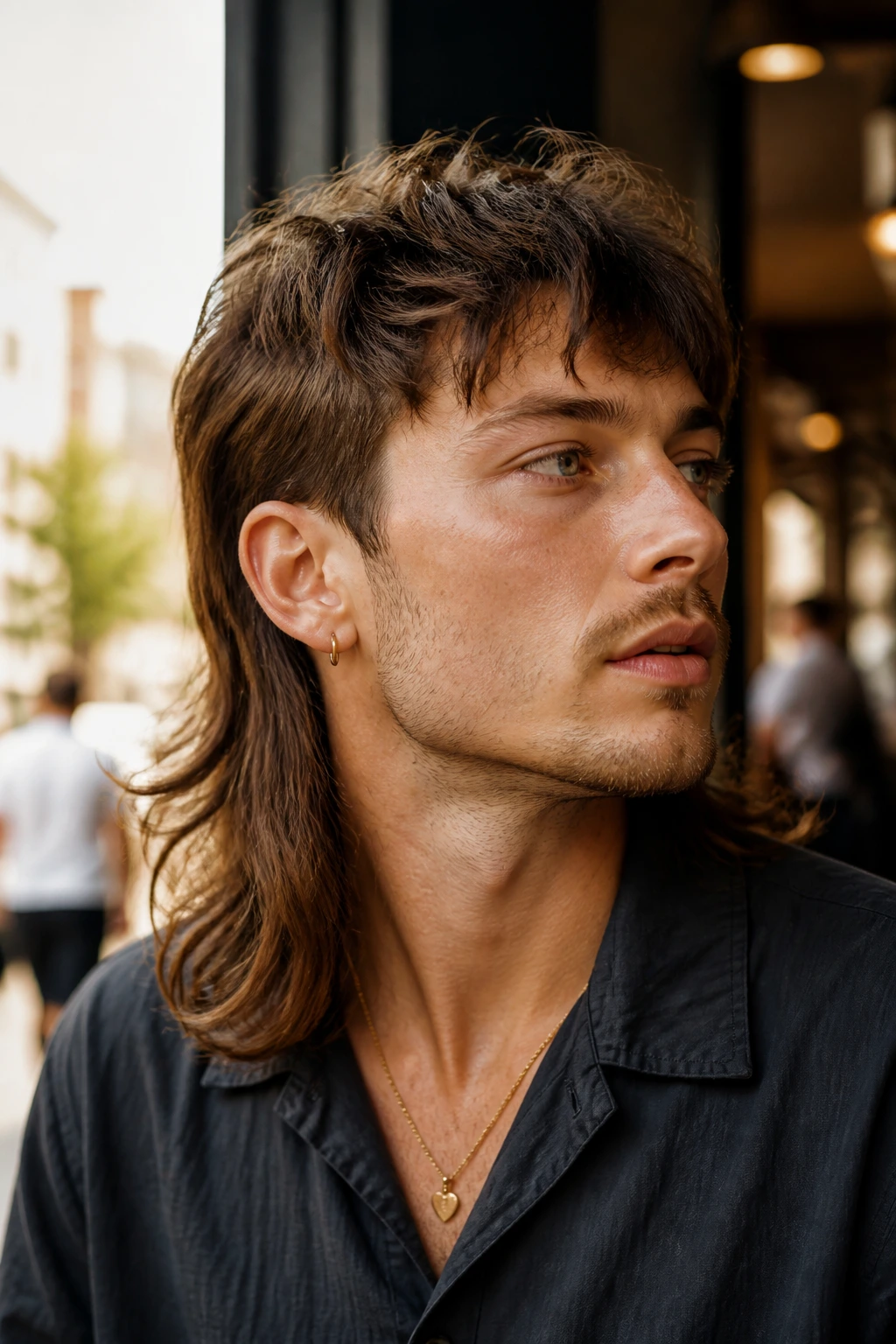
A long collar mullet sits right on the edge of medium and long. The hair brushes the collar, the nape has room to swing, and the top keeps enough structure that the whole thing doesn’t drift into shoulder-length anonymity. It’s a strong finishing note for anyone who wants the silhouette to feel extended.
This version is easier to grow into than to fake. The proportions matter, because once the back gets too long and the sides get too wide, the cut loses its shape. Medium length keeps the balance just right. The front still feels manageable, and the back has enough room to look intentional.
If you like hair that moves when you walk, this one delivers. The key is keeping the neckline tidy so the length feels chosen, not neglected.
Why Medium-Length Mullet Haircuts Age Well
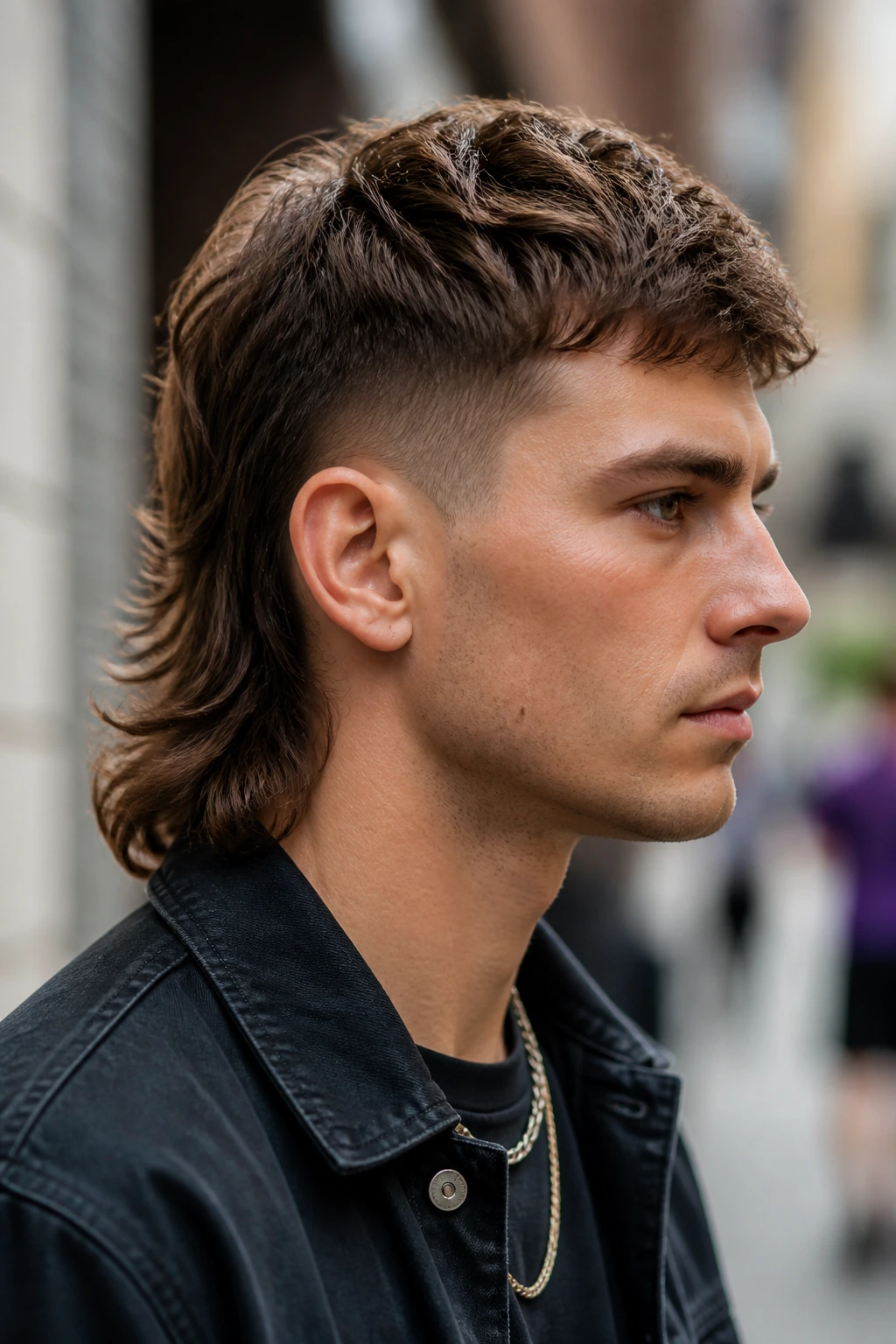
Medium length gives a mullet room to breathe. That sounds like a simple thing, but it changes everything in practice. The crown has enough weight to sit with shape, the sides can be faded or softened without losing the outline, and the back has enough length to move before it starts dragging the whole haircut down. Shorter cuts lose the tail too fast. Longer cuts can become a shag if nobody’s paying attention.
The other reason these cuts age well is grow-out. A clean neckline and a controlled side shape buy you time. You do not need to be back in the chair every two weeks unless you’ve gone for a tight fade or a blunt fringe that has to stay crisp. Medium-length hair forgives a little extra time between trims, and that matters more than people admit when they’re choosing a style they have to live with every day.
What to Tell Your Barber or Stylist
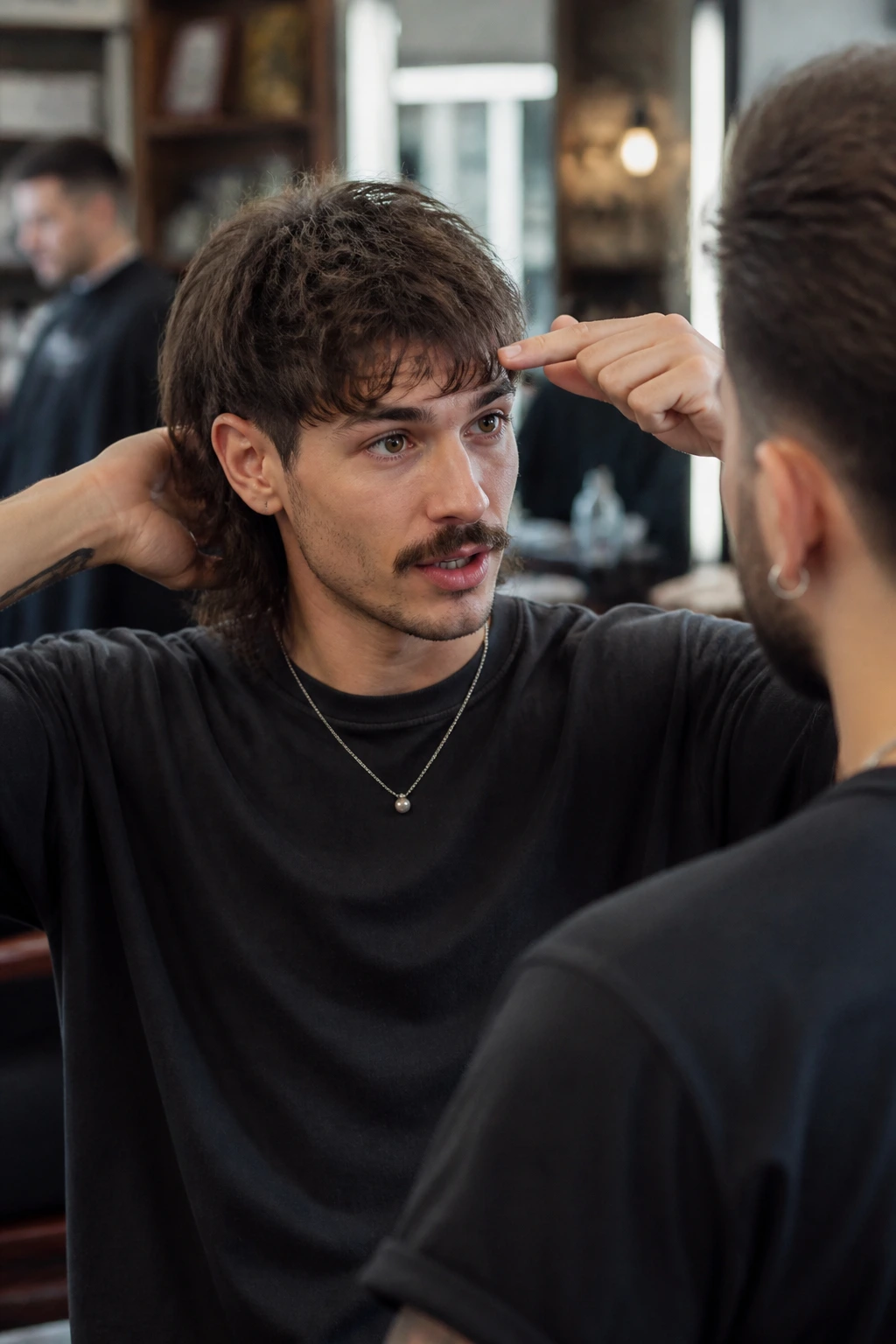
Bring pictures. A few of them. One from the front, one from the side, one from the back if you can find it. The useful part isn’t the vibe shot; it’s the shape. You want the stylist to see where the fringe sits, how low the nape falls, and whether the sides are faded, tapered, or left fuller.
Be specific about the texture work. Say whether you want point cutting, razor texture, or a cleaner scissor finish. Say if you like the back to be obvious or only hinted at. And mention your hair habits. If you air-dry every morning, a heavy blowout shape may not be worth the effort. If you keep a dryer handy and don’t mind product, you can go bolder.
The Four Details That Matter Most
-
Crown length: Too short and the top loses lift; too long and it flops into the face.
-
Side treatment: Taper, fade, or scissor shape changes the whole mood.
-
Nape length: A mullet without a defined back is just layered hair with ambition.
-
Texture level: Heavy texturizing helps thick hair, but overdoing it makes fine hair look tired.
How to Style a Medium-Length Mullet Without Overdoing It
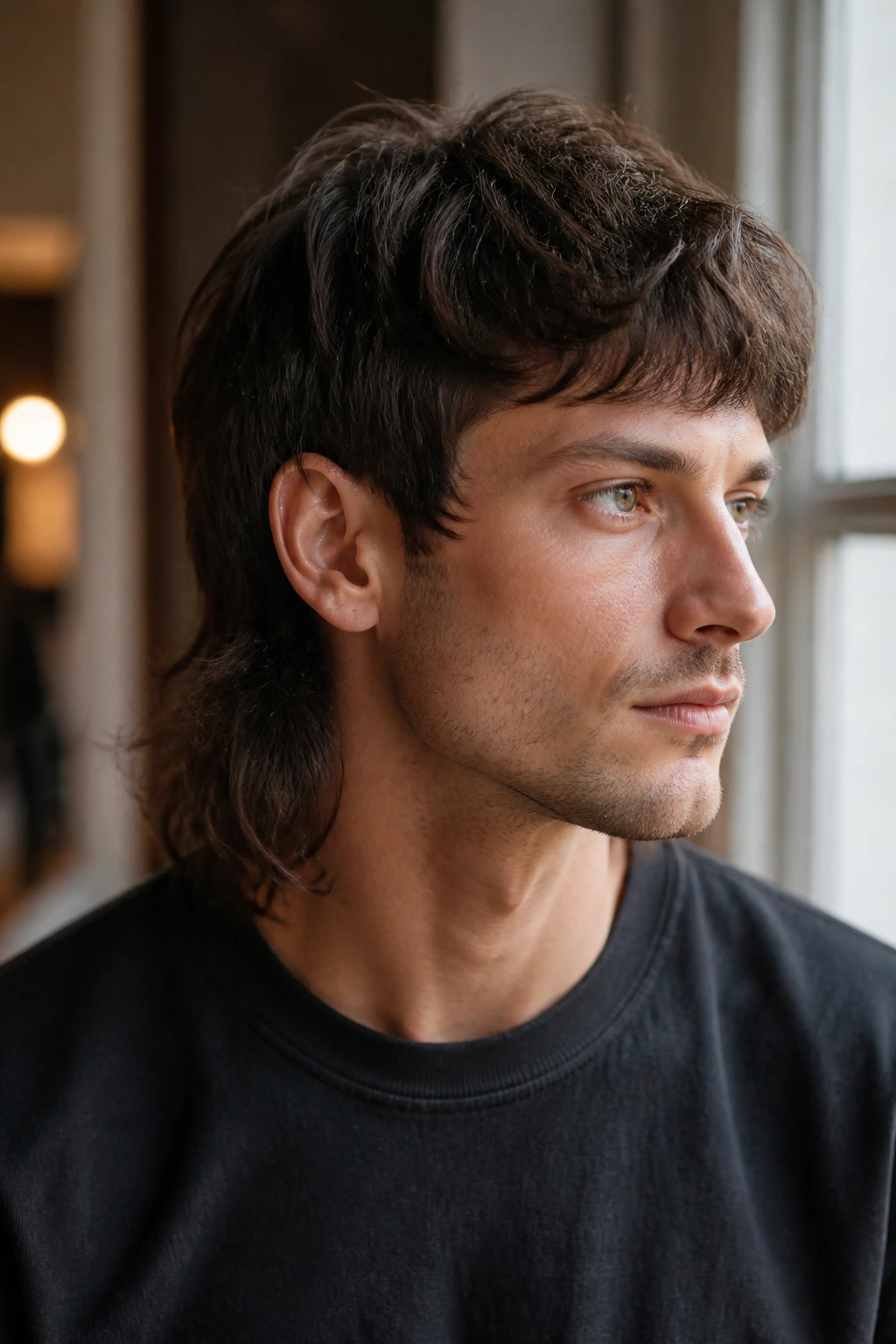
The easiest styling mistake is making the cut fight itself. Medium-length mullet haircuts already carry shape, so you do not need a gallon of product or a 20-minute session with a round brush unless you want that polished finish on purpose. Most days, a little control is enough.
Air-Dry Route
Work in a light mousse or curl cream on damp hair, then scrunch or finger-comb the top and back into place. Let the sides sit closer to the head. If the crown lifts too much, press it down gently with your palms while it dries. That small move saves you from a mushroom silhouette.
Heat Route
Use a dryer with a nozzle and aim the air down the hair shaft. Lift the roots at the crown, bend the fringe where you want it to fall, and keep the back loose. A round brush helps on straighter hair, but don’t over-brush the ends. The point is direction, not stiffness.
Refresh Route
On day two or three, mist a little water or leave-in spray through the top and work in a pea-sized amount of cream or paste. That’s usually enough. If you need more than that, the cut may be too dependent on product, and that gets old fast.
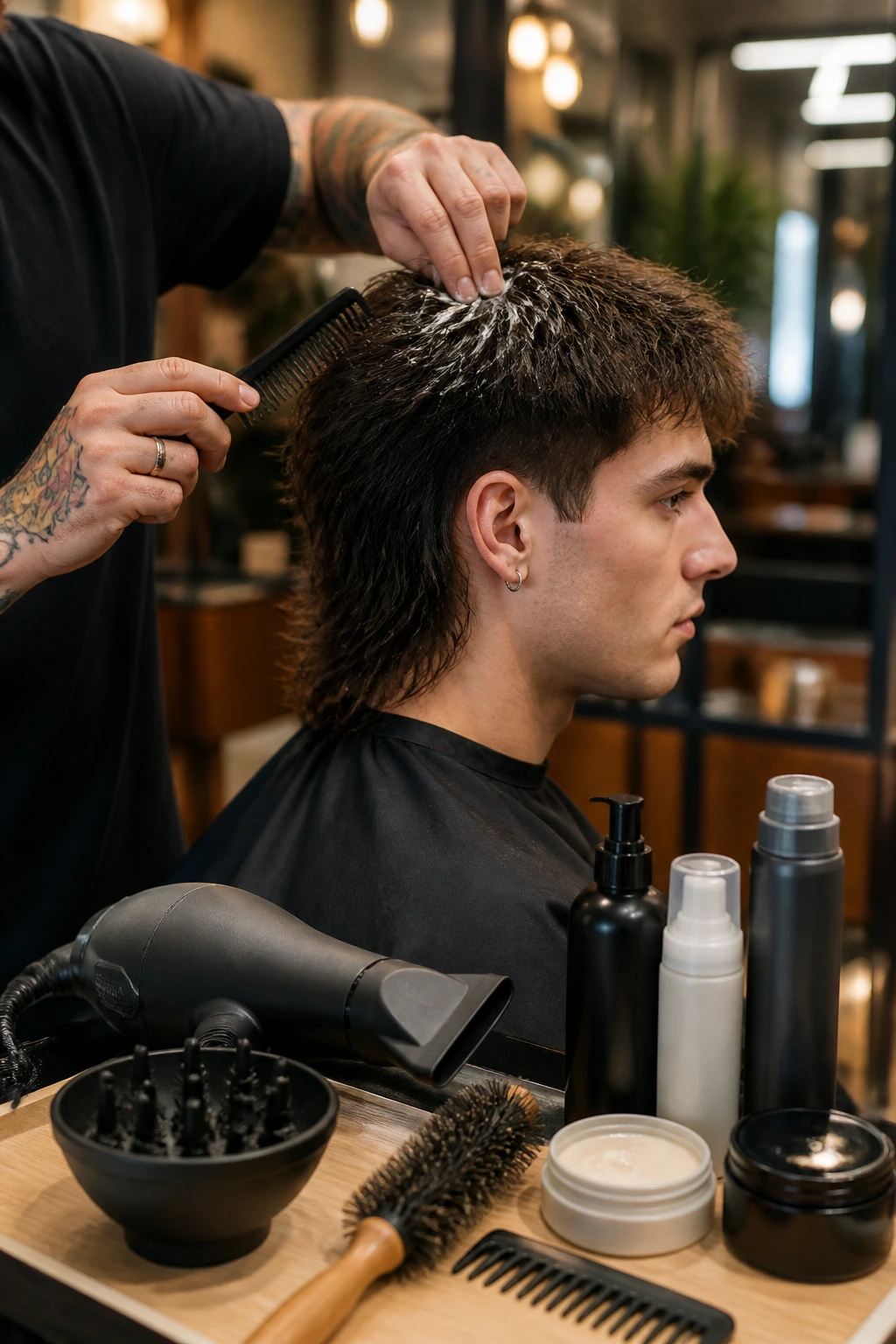
Essential Tools and Products for These Cuts
-
Hair dryer with a nozzle attachment — directs airflow at the roots so the crown keeps shape.
-
Diffuser — useful for curly or wavy mullets when you want bounce instead of frizz.
-
Round brush, about 1 to 1.5 inches — bends the fringe and front layers without making them too puffy.
-
Wide-tooth comb — helps distribute product through damp hair without tearing apart the texture.
-
Light mousse — gives fine or soft hair a bit of grip before drying.
-
Sea salt spray — adds a little roughness and separation to wavy or straight hair.
-
Matte paste or clay — best for piecey finishes and controlled texture.
-
Curl cream or light leave-in — keeps curls soft and stops the back from turning fuzzy.
-
Small trimmer or neck clipper — optional, but handy if you like keeping the neckline clean between salon visits.
Keeping the Shape Between Trims
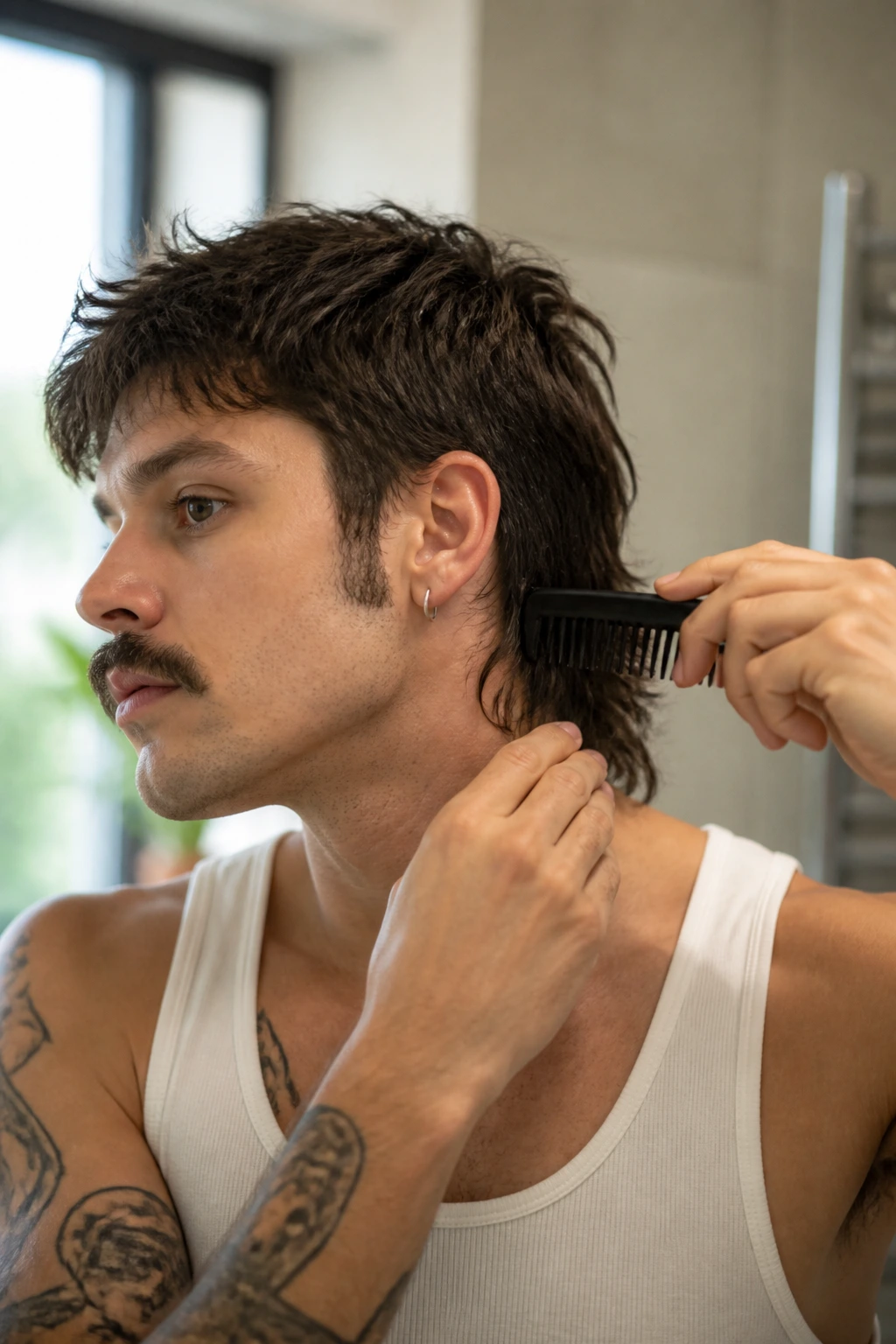
Most mullets do not fail in one dramatic moment. They slowly drift. The sides widen, the nape softens, and the crown loses its clean line. That’s the part to watch. If you like a tidy version, a fringe or fade cleanup every 3 to 4 weeks keeps the cut sharp. Scissor-only versions can usually stretch to 6 to 8 weeks before they start feeling shaggy.
Washing habits matter too. Heavy product builds up fast on medium-length hair, especially if the top is textured. If your scalp gets oily, a gentle shampoo every other day or every third day usually keeps the roots from collapsing. Curly versions may want less shampoo and more conditioner. Straight, product-heavy styles need a better rinse than people think.
The best maintenance move is boring but effective: clean up the neckline and around the ears before the whole haircut starts looking tired. A neat edge changes the read of the entire cut.
Common Mistakes That Flatten a Mullet
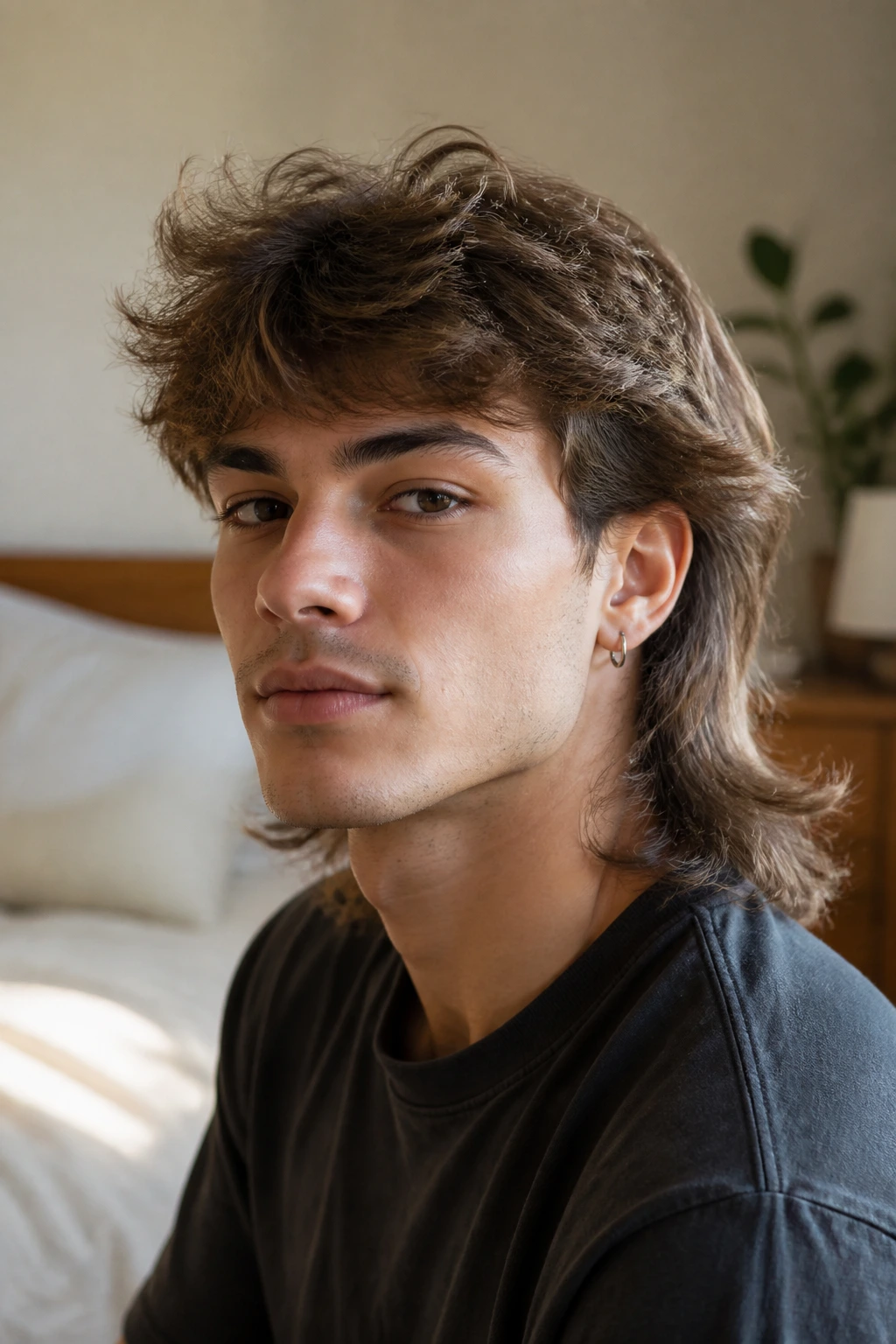
The first mistake is making the sides too wide. Once the hair around the ears balloons out, the back stops looking intentional and starts looking like a grow-out from every angle. The fix is simple: keep the sides tapered or scissored close enough to preserve the outline.
The second mistake is over-thinning the crown. Fine hair turns limp, thick hair gets frizzy, and neither result helps. Bulk can be removed. Shape is harder to rebuild.
Heavy product causes its own trouble. A thick wax or greasy pomade can press the top flat and stick the back together in odd chunks. Start with less than you think you need. Add only if the hair asks for it.
Last one: ignoring the neckline. A mullet lives or dies at the nape. If the back grows into a fuzzy triangle, the whole haircut loses its edge.
Variations and Tweaks Worth Trying
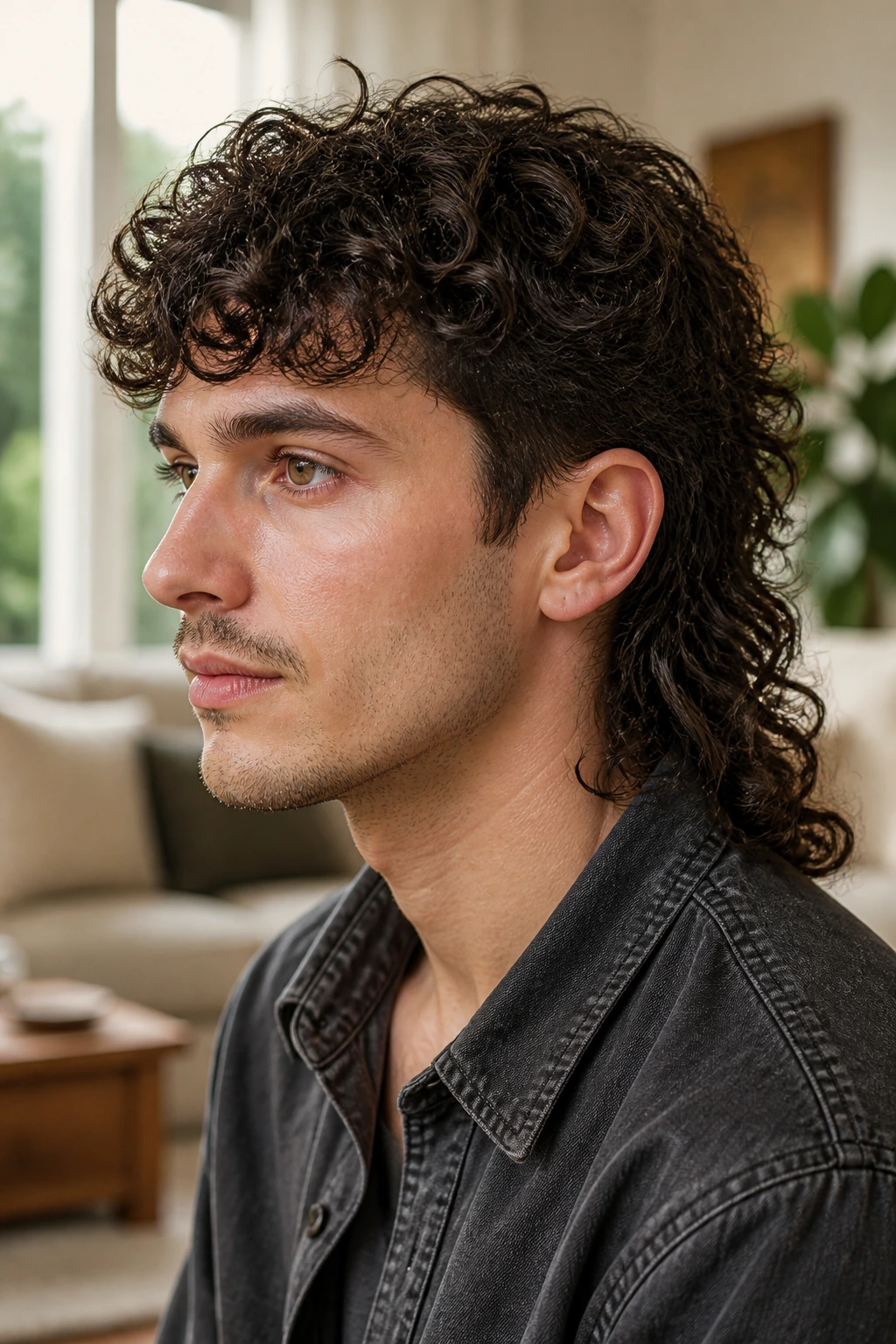
The Clean Work Version: Keep the sides tapered, the fringe modest, and the back just long enough to show shape. It reads calmer in professional settings and grows out without much drama.
The Curl-First Version: Let curls or waves lead the cut instead of fighting them into straight lines. This version needs less precision at the front and more attention to balance through the crown and nape.
The Fade-Heavy Version: Push the sides tighter with a low or burst fade and let the top and back carry the contrast. It looks sharper, but it also needs more maintenance.
The Shag-Forward Version: Soften the back and increase the layers through the crown. This is the version for people who like mullet energy but want more movement than edge.
The Longer Tail Version: Extend the back a bit farther while keeping the top medium and manageable. It gives the silhouette a stronger rear view without committing to full long hair.
Frequently Asked Questions
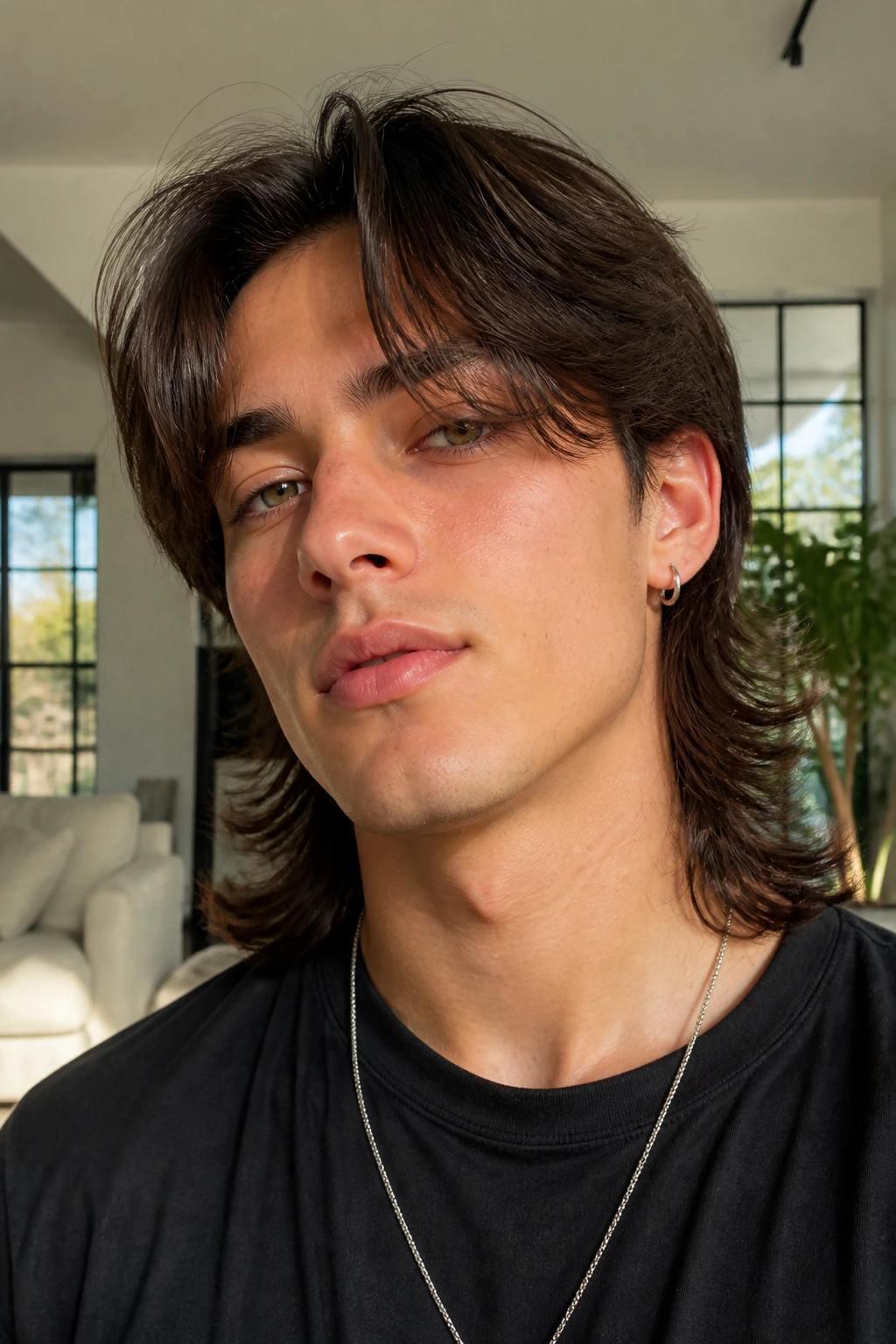
How long should hair be for a medium-length mullet?
Usually the top needs enough length to bend and layer, while the back should sit long enough to show a visible tail or nape line. If the top is too short, the shape disappears. If the back is too long, it stops reading as medium and drifts into long-shag territory.
Can straight hair pull off a mullet?
Yes, but the cut has to do more of the work. Straight hair benefits from texture cutting, light layering, and a product that adds grip, not shine overload. Otherwise it can lie flat and look unfinished.
What should I ask for at the salon?
Ask for the crown, sides, and nape to be shaped separately but balanced together. Bring photos, mention whether you want a fade, taper, or scissor finish, and say how dramatic you want the back to feel. That saves everyone time.
Is a mullet hard to style every day?
Not if the cut matches your hair type. Wavy and curly versions can be very low effort, while slicked-back or sharp-fade versions need a little more work in the morning. The style should fit the routine, not fight it.
How often does it need a trim?
Faded or blunt versions usually need cleanup every 3 to 4 weeks. Softer, scissor-cut versions can wait longer, often 6 to 8 weeks, before the shape gets muddy.
Will a medium-length mullet work on fine hair?
Yes, if the layering stays controlled. Fine hair needs some root lift and a stronger perimeter line so it doesn’t go see-through. Over-thinning is the thing to avoid.
What if the back looks too thin?
That usually means too much weight was removed or the hair has been stretched too far with product and heat. Let the stylist preserve more density through the nape next time, and use less wax or paste in the meantime.
Can I grow into a mullet from a bob or shorter cut?
Absolutely. That in-between stage is one of the best times to do it, because the front can be shaped while the back is encouraged to keep length. The transition looks intentional when the layers are planned instead of left alone.
The Shape Is the Point
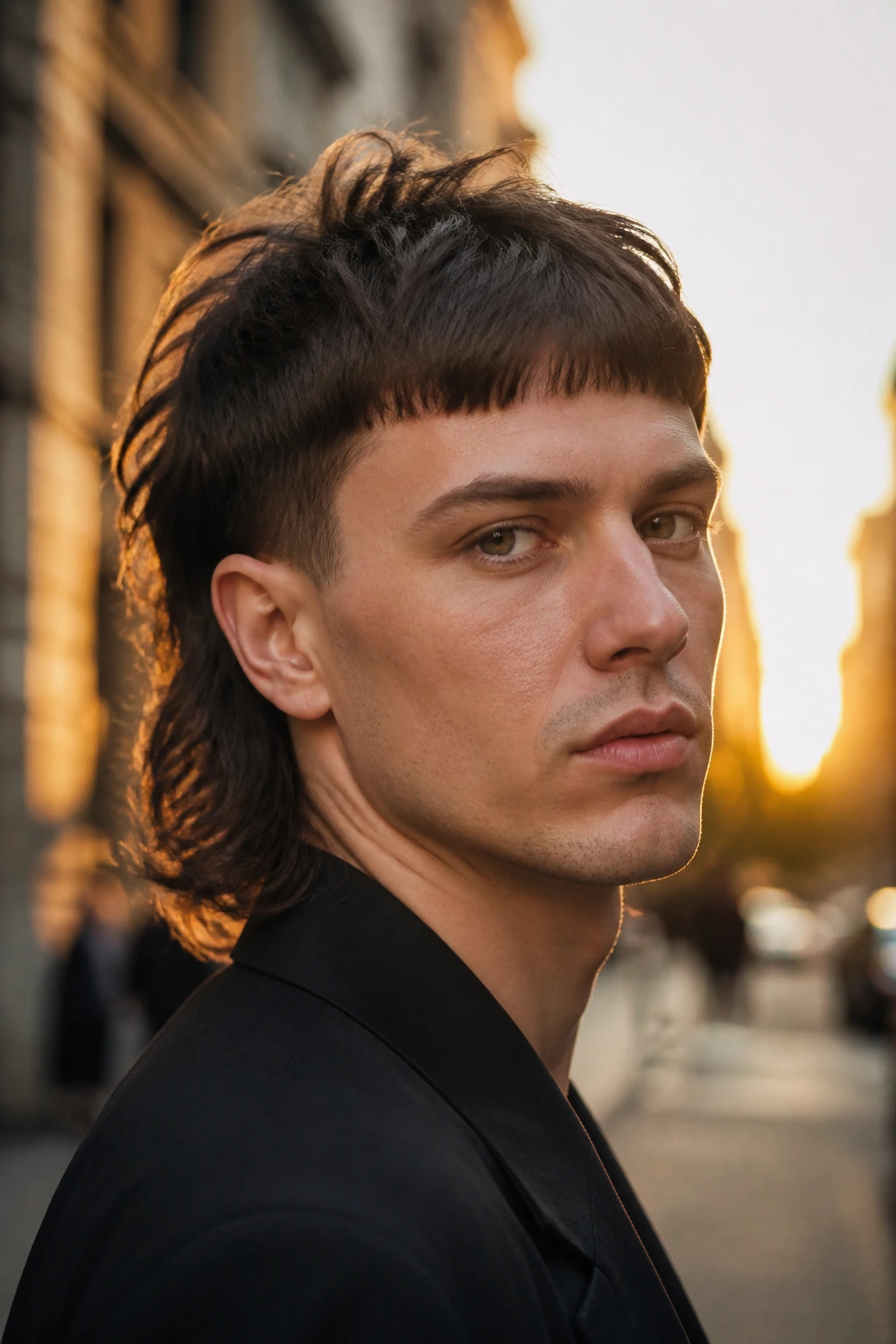
A good mullet is never just “long in back.” That’s the lazy version, and the lazy version is why people still roll their eyes at the word. The better cuts have line, balance, and some actual thought behind the fringe and neckline. Medium length hair gives you the room to make those choices without locking yourself into one extreme.
The nicest part is how flexible these cuts can be. You can keep them soft, make them sharp, push them curly, or let them get a little wild. If the proportions are right, the haircut keeps its nerve. That’s what makes it worth wearing.
