



Soft wispy bangs are what happens when a fringe stops acting like a wall and starts moving like hair again. They skim the forehead, split when you turn your head, and leave a little air between the strands, which is why they feel lighter than a blunt cut even when the length is almost the same. If you’ve ever loved bangs on someone else and hated how heavy they felt on your own face, the difference is usually the cut density, not some magical hair type.
A tiny change at the hairline can change the whole haircut. Too much bulk and the fringe sits in a block. Too little and it looks like an apology. The sweet spot lives in that narrow middle ground where the ends are softened, the center still has enough weight to sit, and the whole thing moves after a quick brush instead of freezing in place.
That’s why the styles below aren’t clones of one another. Some are built for fine hair that goes limp by noon. Some work with curls that refuse to stay flat. Some are meant to grow out without turning into a nuisance. The point is not finding one universal bang. It’s finding the fringe that behaves with your hair instead of fighting it.
Why This Collection Works on Real Hair
-
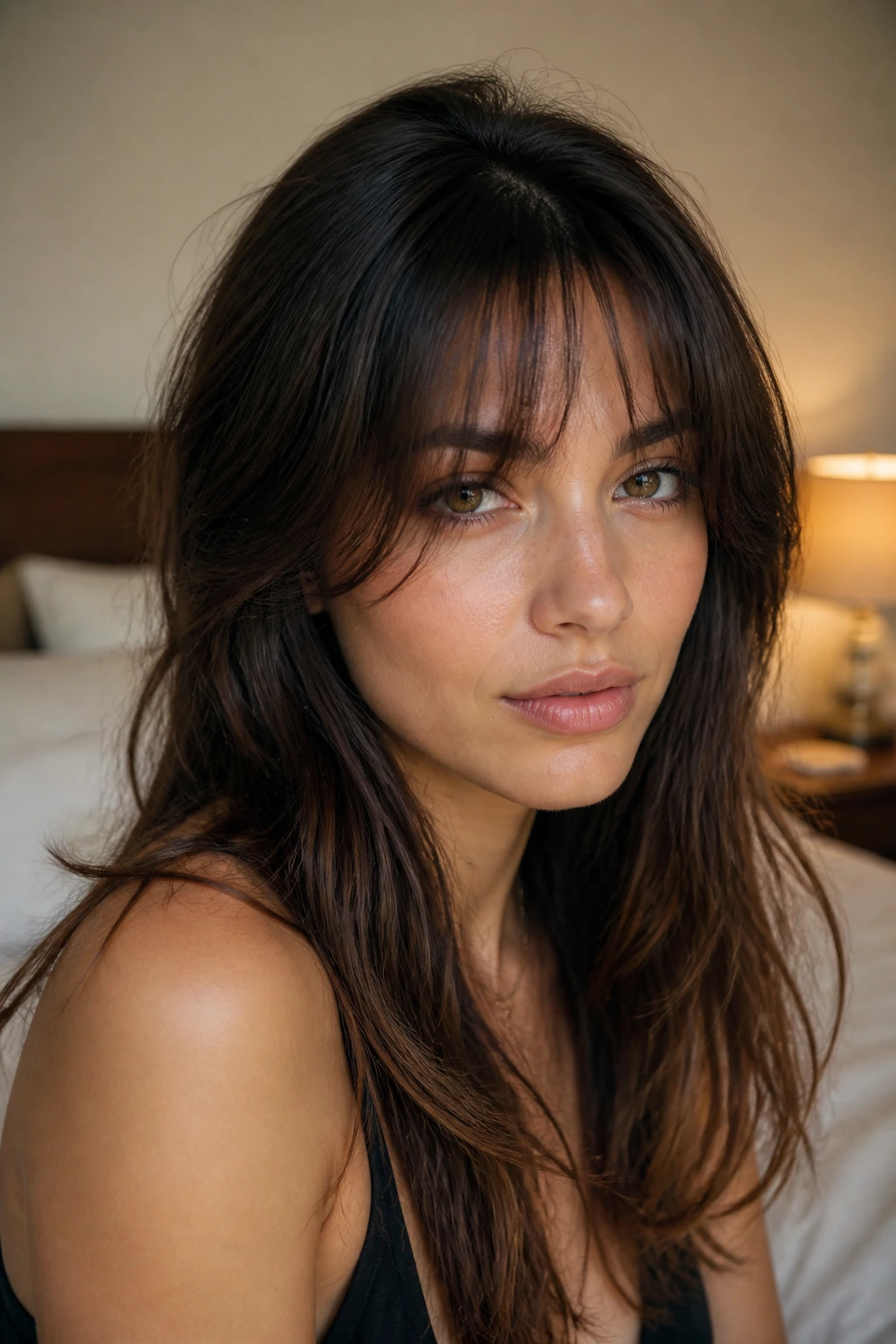
Soft edges age better: Wispy ends blur the front line, so a bang can grow half an inch and still look intentional instead of overdue for a trim.
-
The styles match different densities: A fringe that looks airy on fine hair can be a disaster on thick hair if it isn’t thinned from the inside, so the cut has to change with the hair.
-
You can wear them with more than one part: Center parts, deep side parts, and loose bends all change the mood of the same fringe without forcing a full restyle.
-
They don’t all need hot tools: Some of these bangs want a round brush and a dryer. Others look better after a rough dry and a quick finger reshape.
-
They play well with face-framing layers: A soft fringe is usually strongest when the sides of the haircut help it, not when the bangs stand there on their own.
-
The maintenance is visible, not mysterious: You can see exactly when the fringe gets too heavy, too split, or too short. That makes it easier to keep the line where you want it.
What Makes a Fringe Soft Instead of Choppy
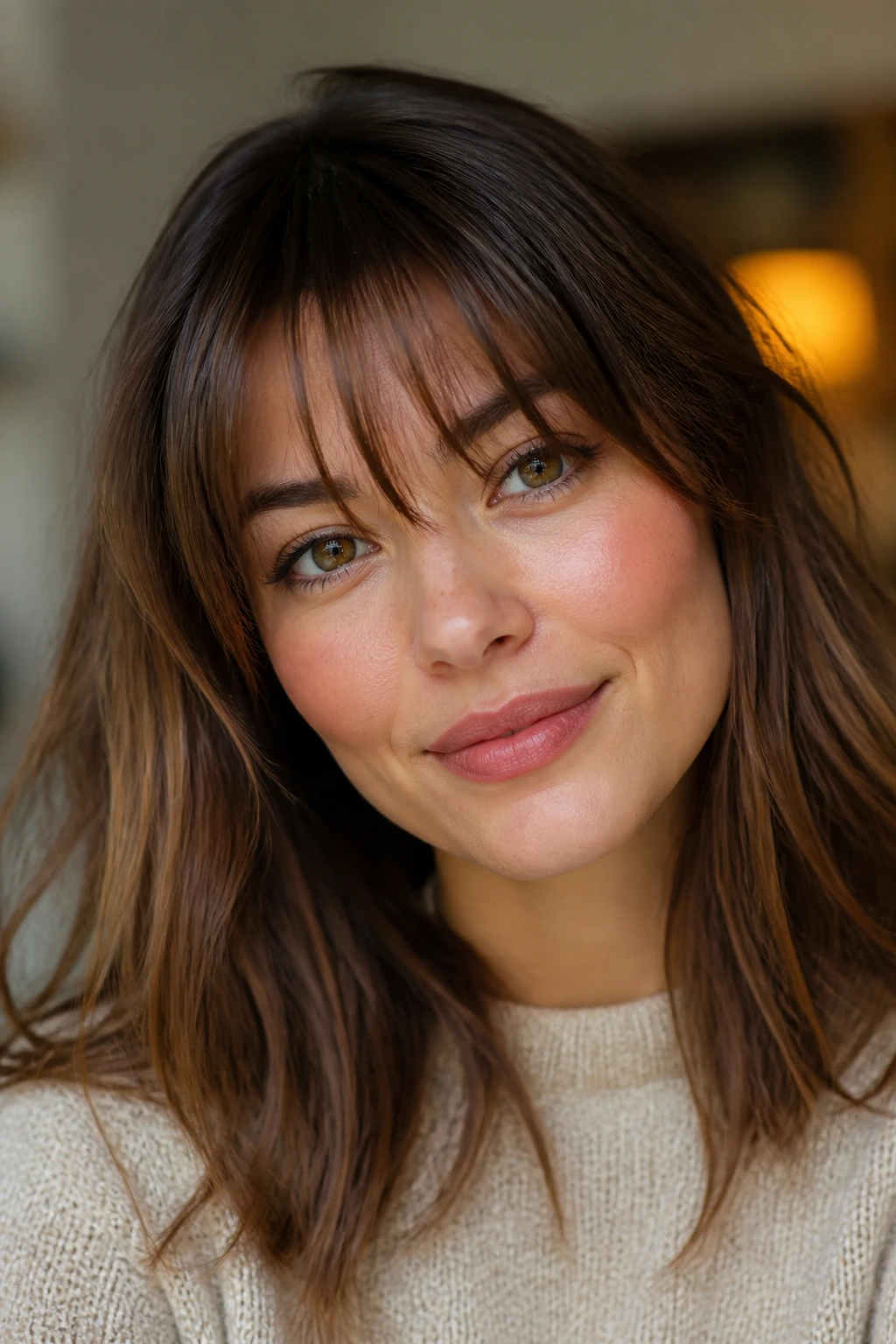
A soft fringe is not just a thin fringe. That’s the mistake people make when they ask for “wispy” and end up with a few sad strings hanging over the eyes. Softness comes from where the weight is removed and how the ends are finished. If the cut is too aggressive, the bangs separate into frayed little pieces after one wash. If the line stays too square, the whole thing reads blunt even when the hair is short.
Point-Cutting Changes the Edge
Point-cutting removes tiny bits from the ends without carving a hard, straight line across the brow. That’s what keeps a fringe from looking like it was chopped with kitchen scissors at midnight. Razor work can also soften a bang, but on finer hair it can go stringy fast, so I prefer point-cutting or a careful slide-cut approach when the goal is movement rather than drama.
Density Matters More Than People Think
A wispy bang still needs enough hair in the center to sit properly. If the section is too narrow, the fringe splits apart and exposes more forehead than you wanted. If it’s too wide, the softness disappears and the bangs start wearing you instead of the other way around. The best versions usually keep a little more weight in the middle and let the temples taper out more gently.
The Finish Should Move, Not Freeze
Soft bangs should swing when you turn your head. They should fall back into place after a quick brush, not stay puffed in one direction all day. That movement usually comes from a small amount of root lift, not a pile of product. Heavy creams, sticky serums, and too much hairspray can make the whole thing collapse into little clumps, which is not the look here.
1. Feather-Light Curtain Bangs
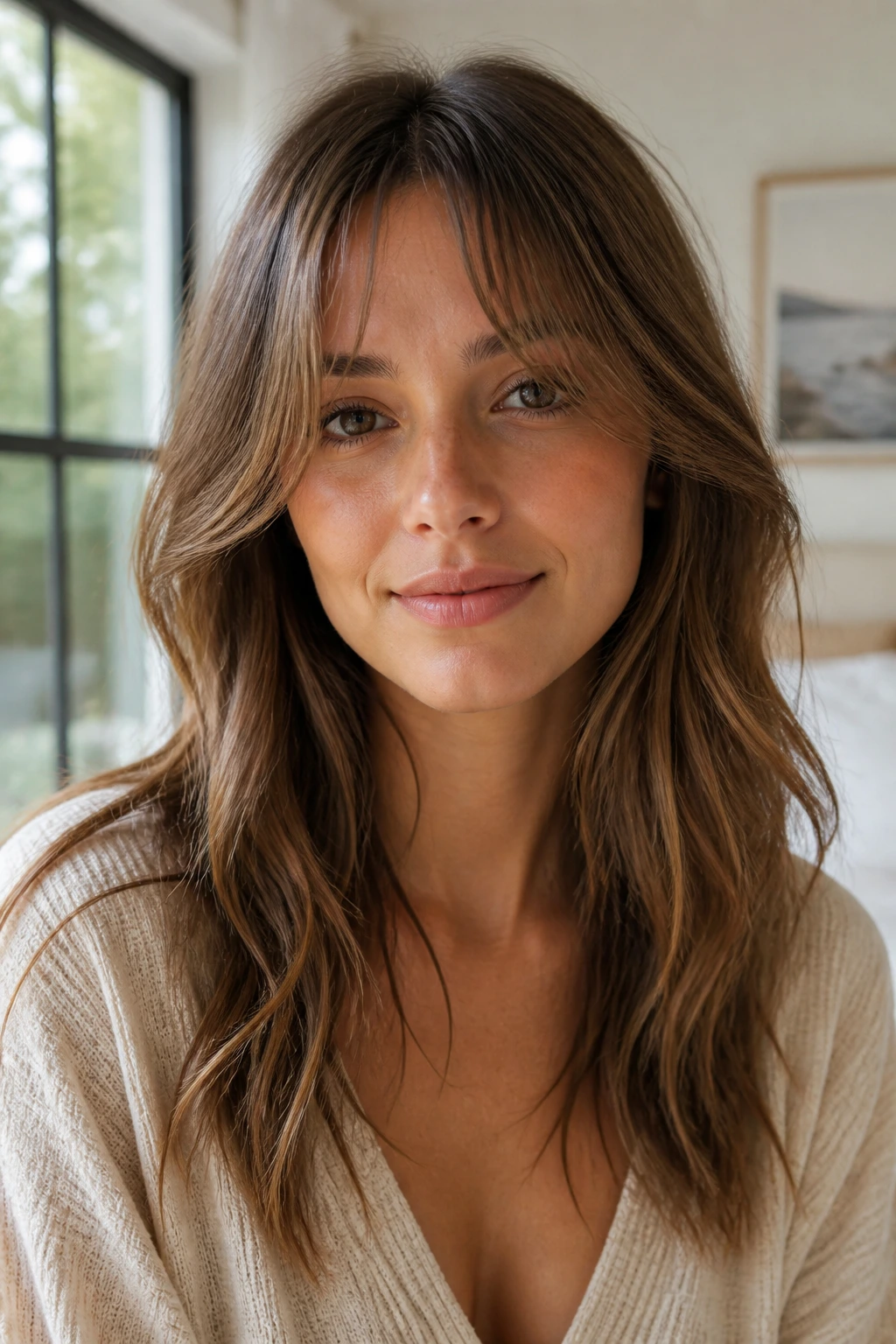
Feather-light curtain bangs are the easiest place to start if you want soft wispy bangs without making a hard commitment to a blunt fringe. The center opens just enough to show a sliver of forehead, then the length slides longer toward the cheekbones so the face doesn’t get boxed in. They look especially good when the hair already has a little bend, because the split feels relaxed instead of staged.
Why They Work
The shape does half the work for you. Shorter pieces in the middle pull attention to the eyes, while the longer sides blend into the rest of the haircut so the bangs don’t feel like a separate event. Ask for a light point-cut through the ends and a gentle taper near the temples; that tiny taper is what keeps the fringe from feeling like two stiff panels hanging apart.
They’re also friendly during grow-out. A curtain bang can get longer, then simply become face-framing layers for a while, which is a lot easier to live with than a fringe that turns annoying the second it passes the brows.
Best For
- Medium to thick hair that needs movement at the front.
- Women who like a center part but want a little forehead coverage.
- Haircuts with layers around the cheekbones or collarbone.
Pro tip: Blow the center section forward first, then bend the ends away from the face with a 1- to 1.5-inch round brush. That little change in direction keeps the fringe soft instead of flipping into a helmet shape.
2. Bottleneck Fringe With a Soft Middle
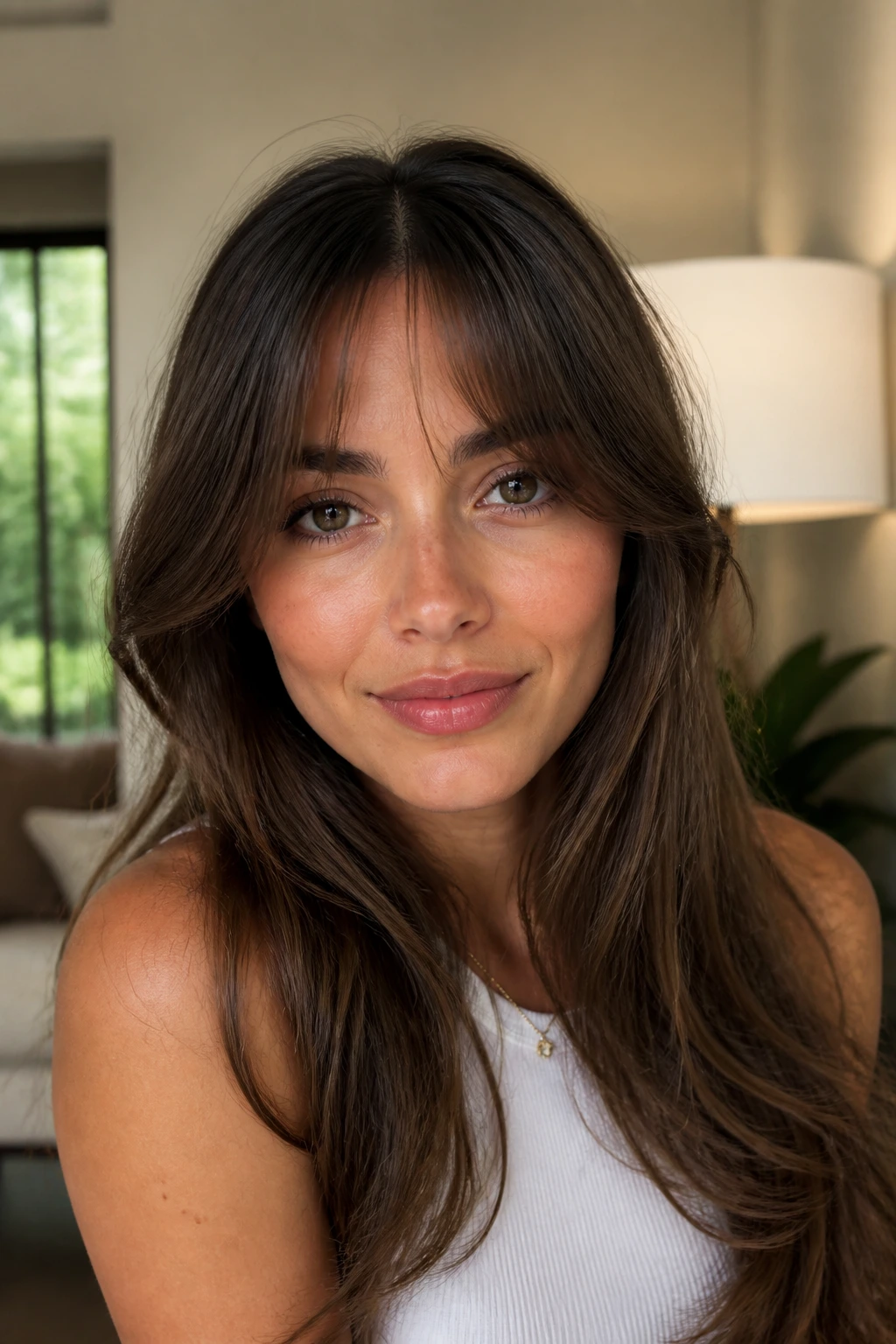
Bottleneck bangs are the more tailored cousin of curtain bangs. They start narrow in the center, open out gradually, and then hit their longest point around the cheekbones. The result is sleek without feeling severe, which is rare in the bang world and part of why this cut keeps showing up on women who want shape without fuss.
The middle should not be chopped too short. That’s the whole trap. If the center sits above the brow, you lose the bottle shape and end up with something closer to a short, high-maintenance fringe. Keep the shortest point near the bridge of the nose or just below it, then let the sides fall in a slow diagonal. The line should feel like it breathes.
I like this style most on medium-density hair, especially when the front pieces tend to split on their own. The cut can work with a side part or a center part, but the softness only reads if the stylist leaves enough length in the temples to connect the bangs into the haircut. Otherwise the whole thing feels pasted on.
3. Side-Swept Wisps That Skim the Brow
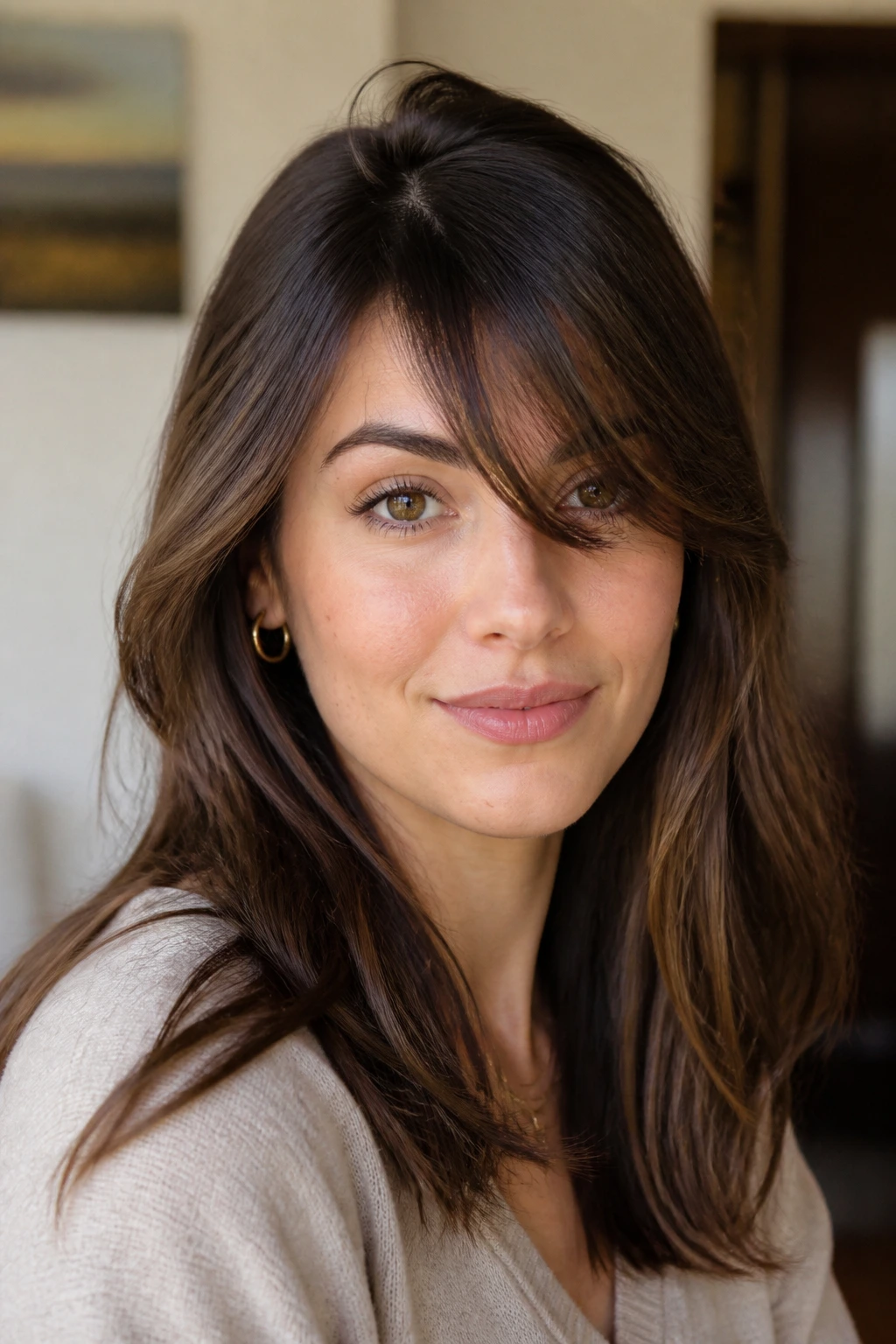
What if you want bangs but do not want to see them straight on? Side-swept wisps are the answer. They move diagonally across the forehead, so the line feels softer than a blunt bang and a little more casual than a curtain fringe. On a bad hair day, they can be tucked, bent, or pushed aside without turning into a full styling problem.
How to Wear It
Start with a deep or medium side part and direct the fringe opposite the way you plan to wear it for the first minute of drying. That small bit of resistance gives the hair a soft bend instead of a flat, limp fall. Then sweep the bang across the brow with your fingers and finish with a light spray only at the ends.
This shape is especially kind to women with a cowlick at the front hairline. A side sweep can work with that growth pattern instead of arguing with it. If your fringe naturally wants to jump up or split, this style usually behaves better than a center-parted bang ever will.
Best for: rounder faces, strong brows, and anyone who wears glasses and hates bangs sitting too low on the frame.
4. Brow-Grazing Air Bangs
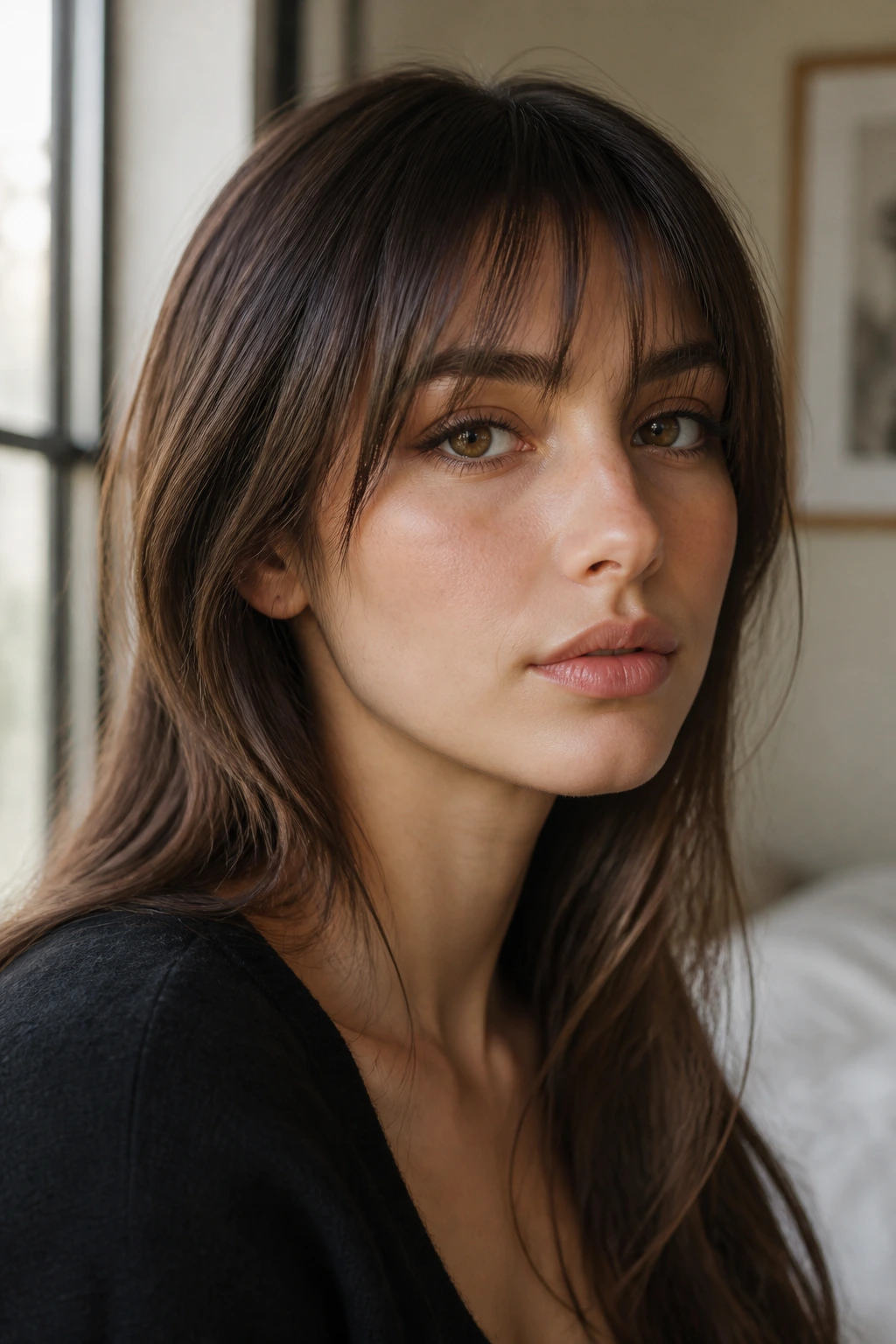
Brow-grazing air bangs sit in that tiny zone where the hair touches the upper brow and then moves away again. That’s the appeal. They give you the feeling of a fringe without a heavy curtain of hair falling into your eyes all day. If the cut is done right, the line stays light enough to show skin through the strands, which keeps the style from feeling dense.
These bangs need restraint. Too much thinning and they go see-through in a bad way. Too little and they lose the airy effect that makes them interesting. I’d ask for soft point-cut ends and a length that lands just at or slightly above the brow, with the center a touch shorter than the sides so the fringe bends rather than sits flat.
They’re useful if you like to wear your hair down often but also want the option of a tucked-behind-the-ear look. The fringe won’t fight the rest of the style, which matters more than people admit. A bang that behaves when you pin one side back saves you from redoing your whole head.
5. French-Girl Fringe With Broken Ends
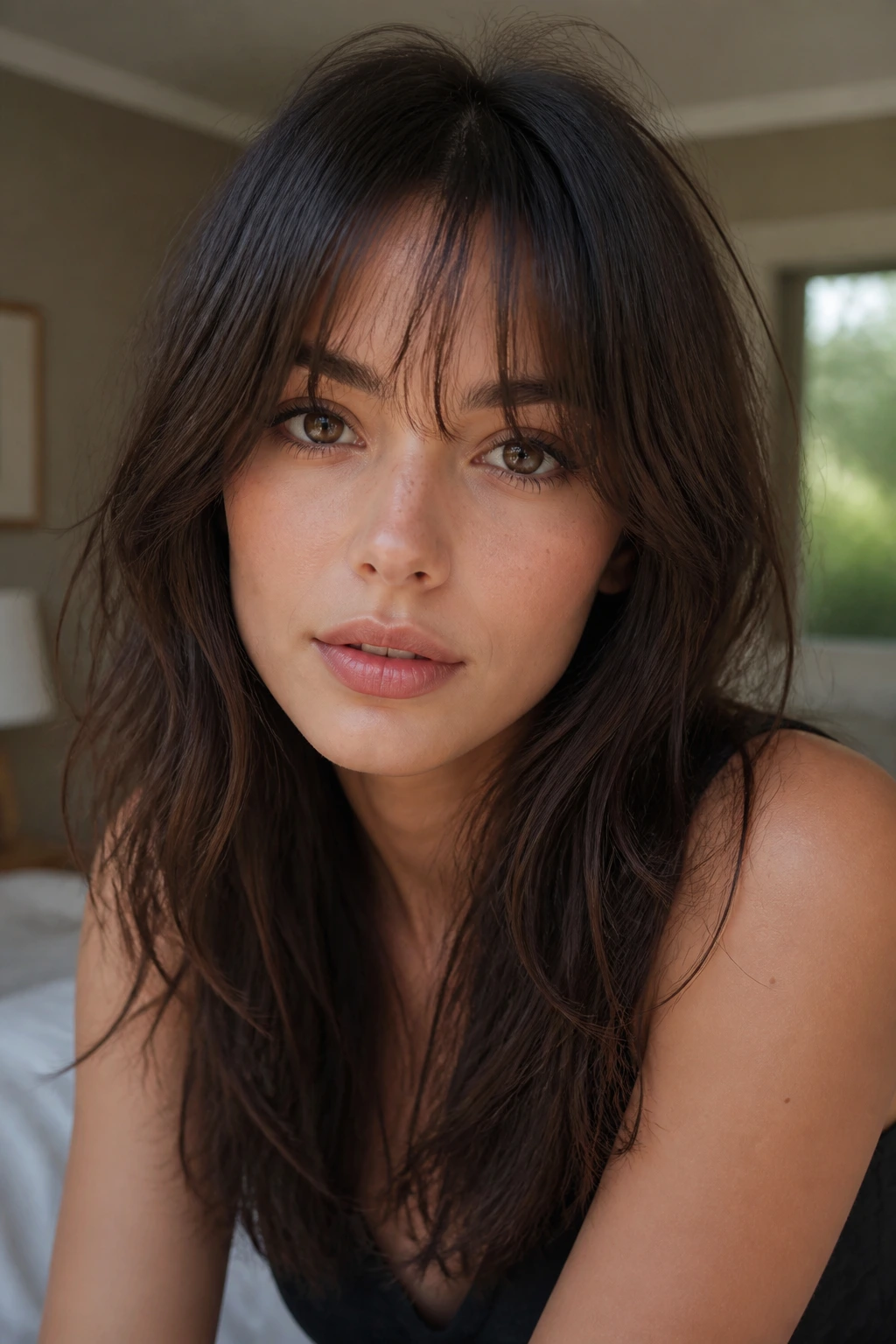
This is the one people imagine when they picture a soft, slightly undone fringe. The hair sits around the brows, but the ends aren’t blunt and tidy; they’re broken up just enough to look brushed, not carved. That irregular edge is the entire point. It keeps the bang from reading strict, which is why this style looks good with natural makeup and a little bit of texture in the lengths.
The best version is not super short. A lot of “French-girl” bang photos show hair that barely grazes the lashes, but the softer, more wearable version usually sits just under the brow and separates naturally into small pieces. On straight hair, you’ll get that effect with a quick round-brush bend. On wavy hair, it can happen almost on its own if the cut isn’t over-thinned.
I wouldn’t choose this if your hair is very fine and slippery and you hate using a dryer. It can collapse into separated strings. But if your hair has even a little grip, this fringe gives you that lived-in movement people keep trying to fake with spray.
6. Curly Wispy Bangs That Bend With the Coil
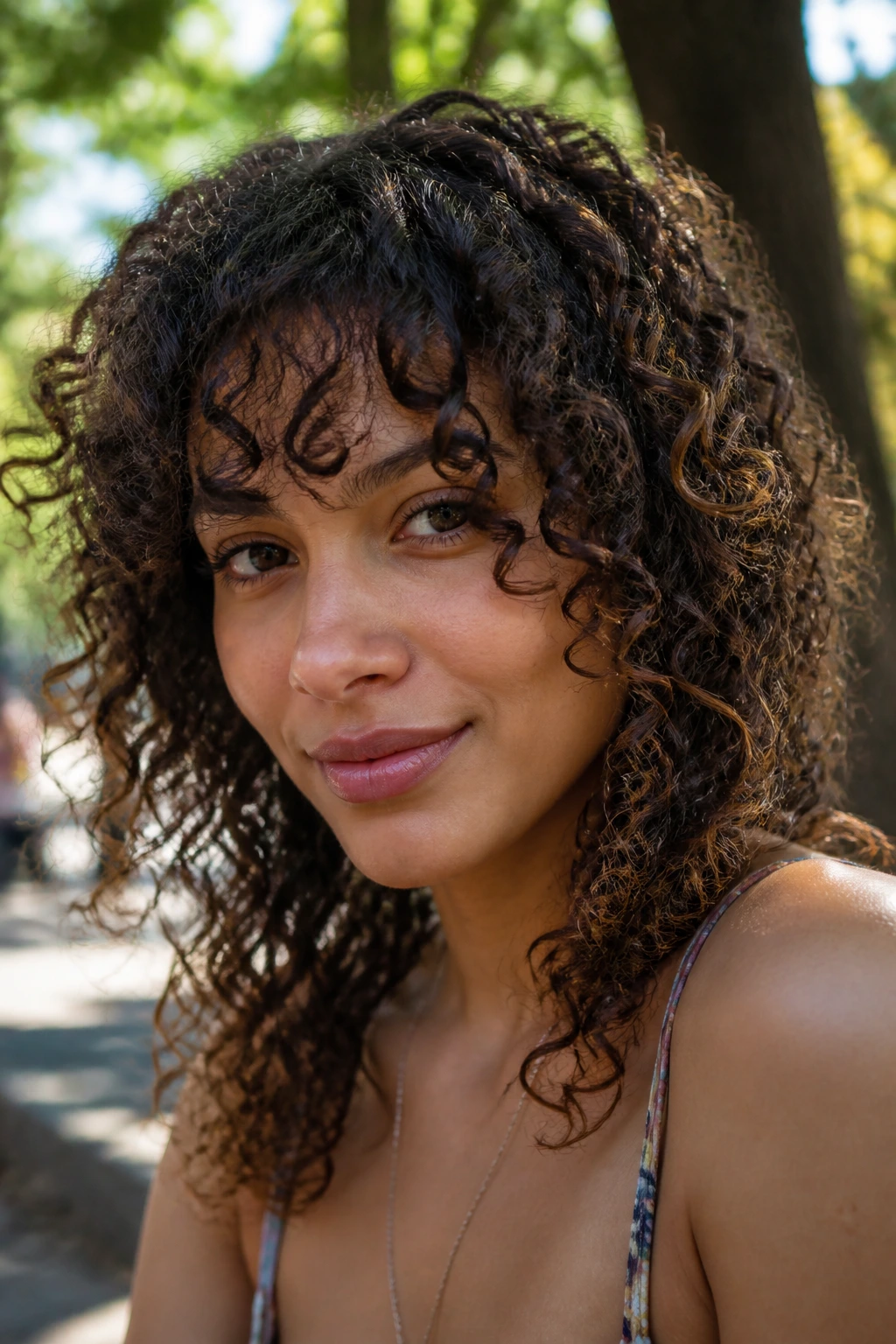
Curly wispy bangs are not straight bangs pretending to be curly. That’s where the trouble starts. The better approach is to cut the fringe dry, following the curl pattern where it actually lives, then leave enough length for shrinkage so the bangs don’t spring up too high. The soft look comes from respecting the curl, not flattening it into obedience.
What to Ask For
Ask for a dry cut or a curl-by-curl shaping around the front, with the shortest pieces landing longer than you think you need. A stylist who knows curls will usually keep the center a little heavier and taper the sides into the face-framing layers. That lets the fringe move without puffing out like a little shelf.
Use a light curl cream or a lotion-style styler, not a thick gel unless your curls really need the hold. The goal is to define the front pieces while keeping them soft enough to brush off the forehead. Curly bangs can be gorgeous when they’re loose and irregular. They look awkward when they’re forced into a straight line.
7. Shag Bangs With Feathered Ends
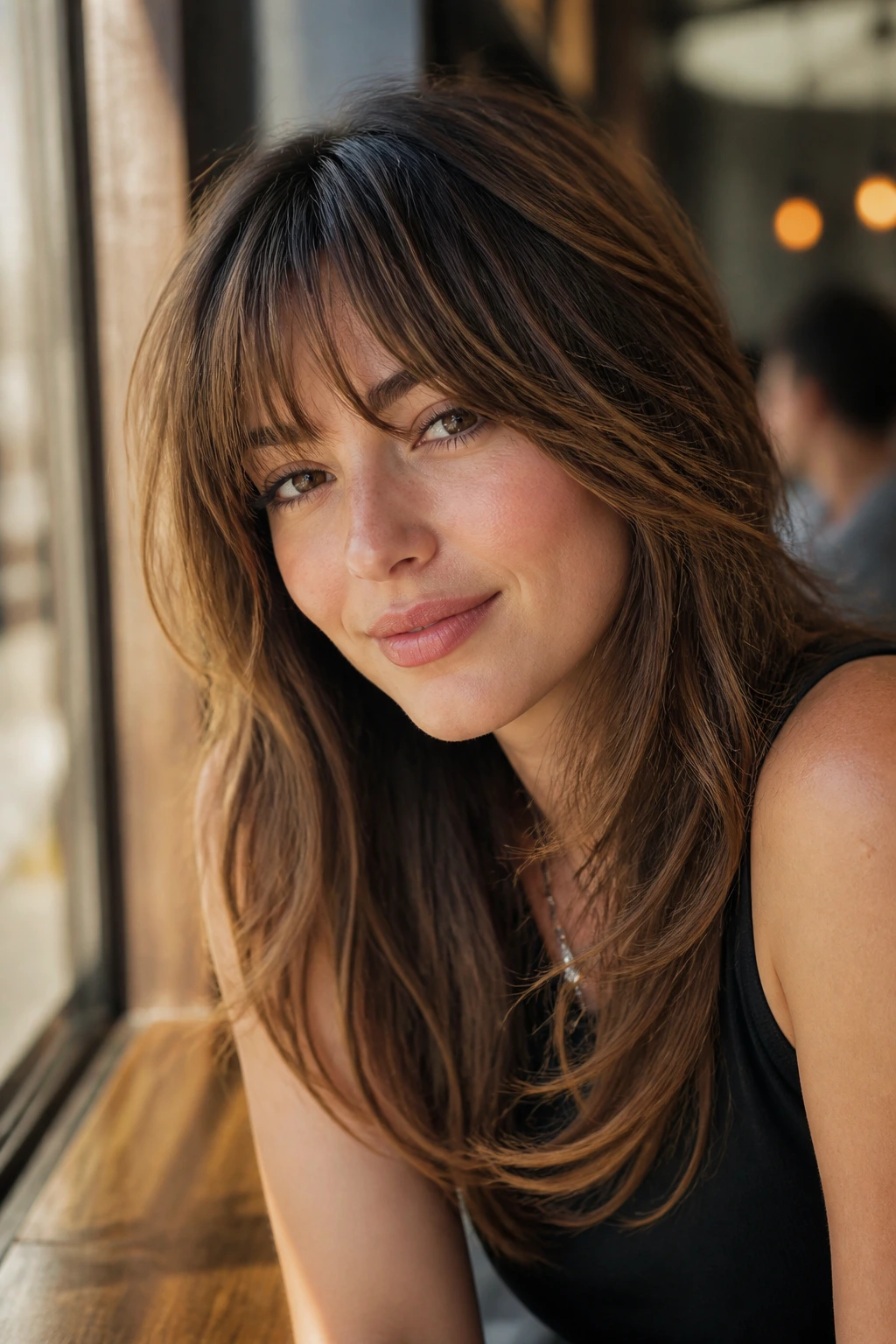
Shag bangs are where wispy bangs stop being shy. They sit inside the haircut instead of on top of it, which means the fringe feels connected to the layers around it. The ends are feathered, not blunt, and the length often wanders a little across the brow in a way that makes the whole cut feel alive.
I like this shape on hair that already has texture or a bit of wave. The layers around the crown and cheekbones help the fringe sit up instead of falling flat against the forehead. If your hair is fine, keep the thinning conservative. Too much texture removal and the bang starts looking sparse, especially once the roots get oily.
What Makes It Different
- The fringe blends into the rest of the haircut.
- The ends are broken up, so they move with the layers.
- It can look polished or messy depending on the blow-dry.
- It works with a middle part or a loose off-center part.
Tip: If you want the shag look without going full retro, keep the fringe a little longer than you think. The softness comes from movement, not from chopping the front too high.
8. See-Through Micro Bangs
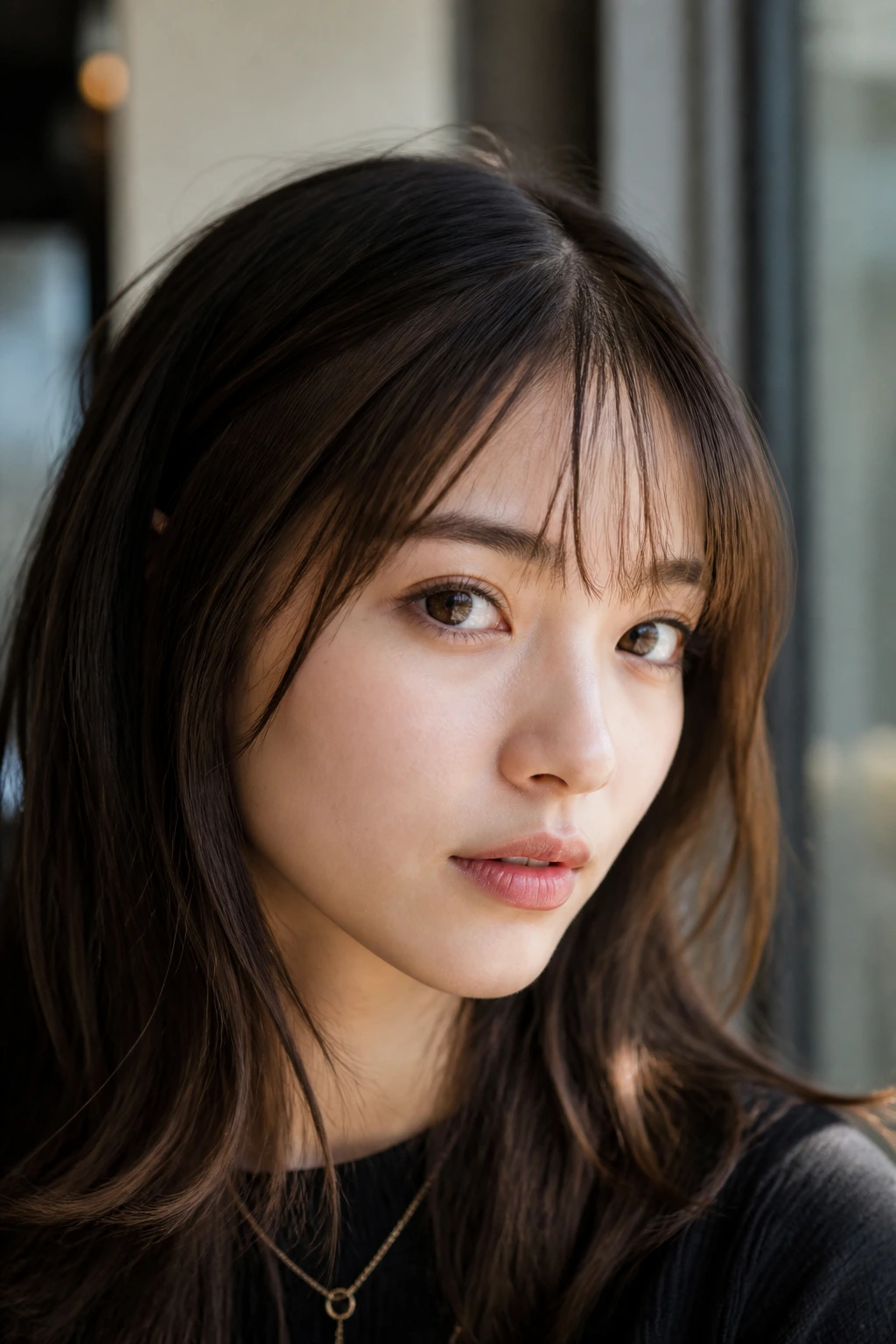
See-through micro bangs are risky only if they’re cut too heavy. Done right, they give you a small strip of forehead coverage while leaving enough space between the strands to keep the look light. That’s the difference between edgy and awkward. The wispy version is softer than the blunt micro bang, which matters because not everyone wants their bangs to announce themselves from across the room.
This style works best when the hairline is even and the front hair is not fighting a strong cowlick. It suits women who like a little attitude in the cut but do not want a dense fringe. The shortest pieces should still have air around them; if they sit in one solid row, the softness disappears and the style starts to look severe.
I’d keep this one away from very frizzy hair unless you enjoy smoothing the front every morning. The shape is small, but the maintenance can be fussy. If you’re willing to blow-dry the fringe for a minute or two, though, the payoff is sharp and clean.
9. Long Layered Fringe
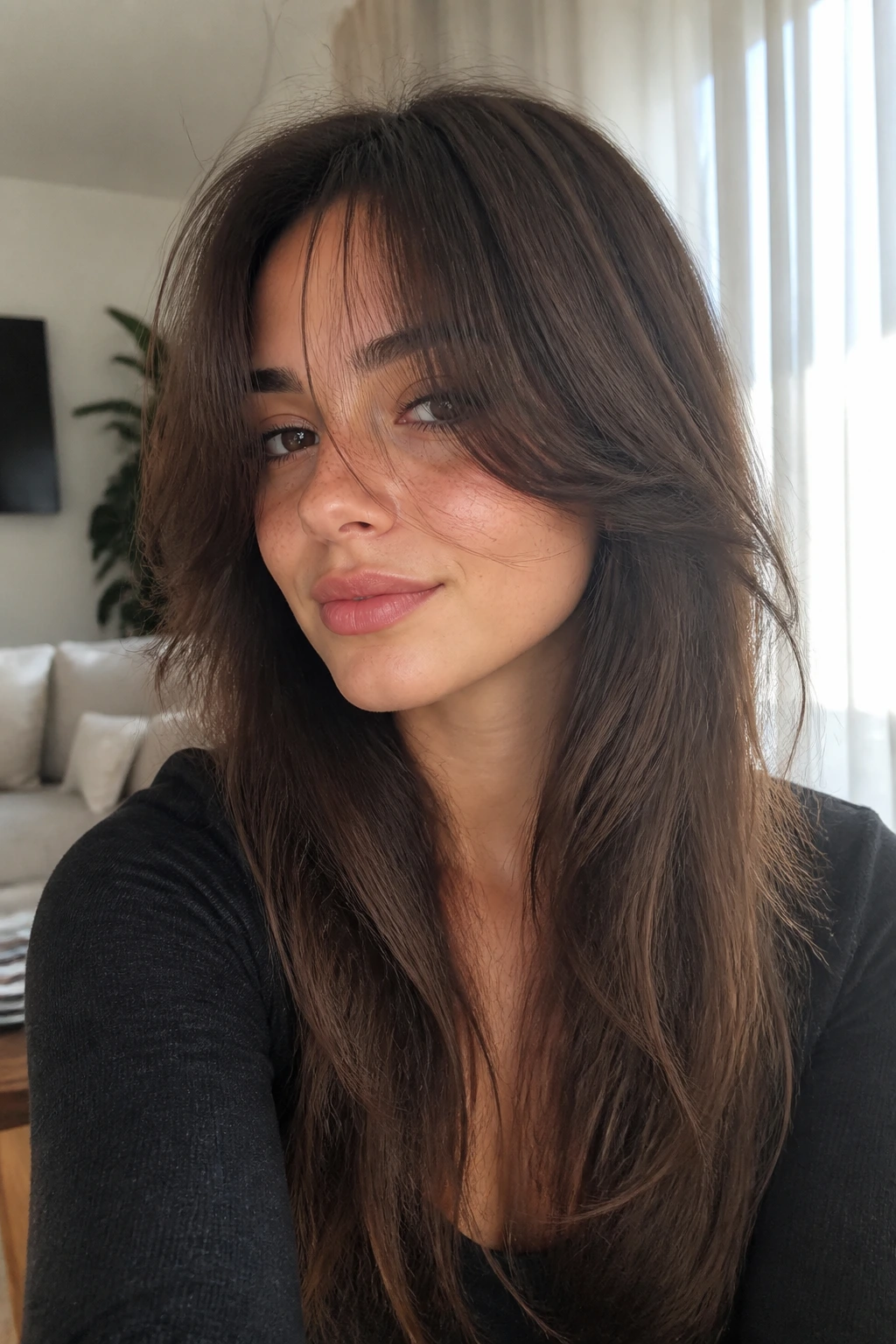
Long layered fringe is the safest way to test bangs without diving into a full, short front. The strands begin around the nose or upper cheek area, then fall into the rest of the haircut like they were always meant to be there. It’s a forgiving shape. If the weather turns humid or you skip a styling day, the bangs still look like face-framing pieces instead of a failed trim.
How to Ask for It
Tell your stylist you want the shortest pieces to graze the bridge of the nose and the longest to blend into the cheekbone layers. That keeps the fringe soft enough to tuck behind the ears or part down the middle. A lot of women ask for “long bangs” and get something too heavy, which is why the length needs to be paired with actual tapering.
This is one of my favorite options for nervous first-time bang clients. It gives the face shape and softness of fringe without locking you into a short line you might hate next week.
10. Piecey Bangs for Fine Hair
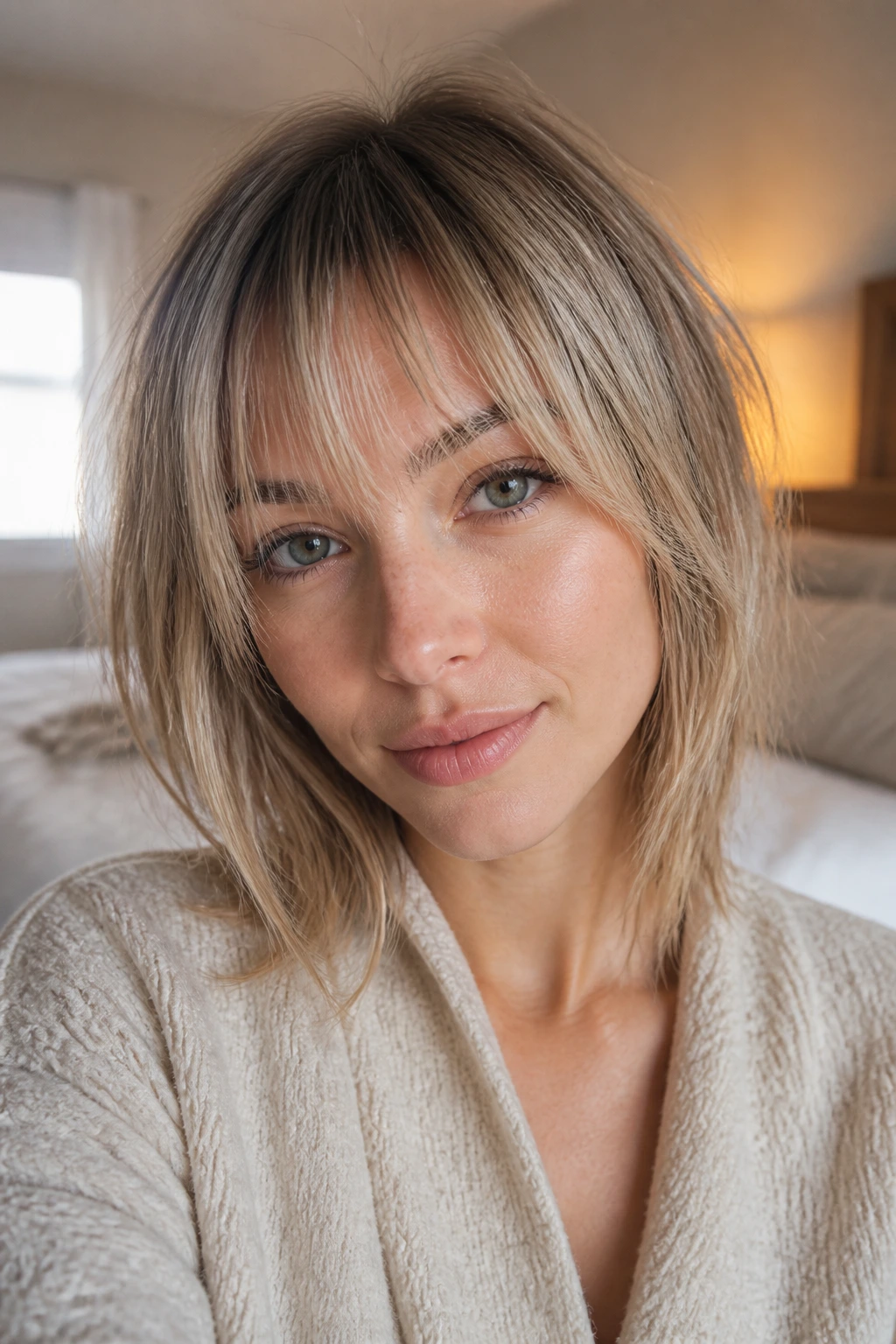
Fine hair can do a wispy bang well, but it needs a careful hand. If the fringe is over-thinned, the front looks sparse after the first wash and you spend the rest of the week trying to make it look fuller than it is. Piecey bangs avoid that trap by keeping enough weight at the base and separating the ends with styling, not with too much cutting.
A little root lift goes a long way here. I’d dry the bangs first, before the rest of the hair, using a small round brush or even just the fingers and a nozzle. Then add a touch of dry shampoo at the roots once the hair is fully cool. That keeps the fringe from lying flat against the forehead, which is what makes fine hair look stringy.
Quick Notes
- Keep the bang section narrower than you would for thick hair.
- Use light mousse, not a heavy cream.
- Choose a trim line that sits slightly longer on the temples.
- Stop adding product once the pieces separate.
My take: fine hair looks better with a little structure than with overdone texture. Tiny pieces, yes. Fluffy frizz, no.
11. Wispy Bangs for Thick Hair
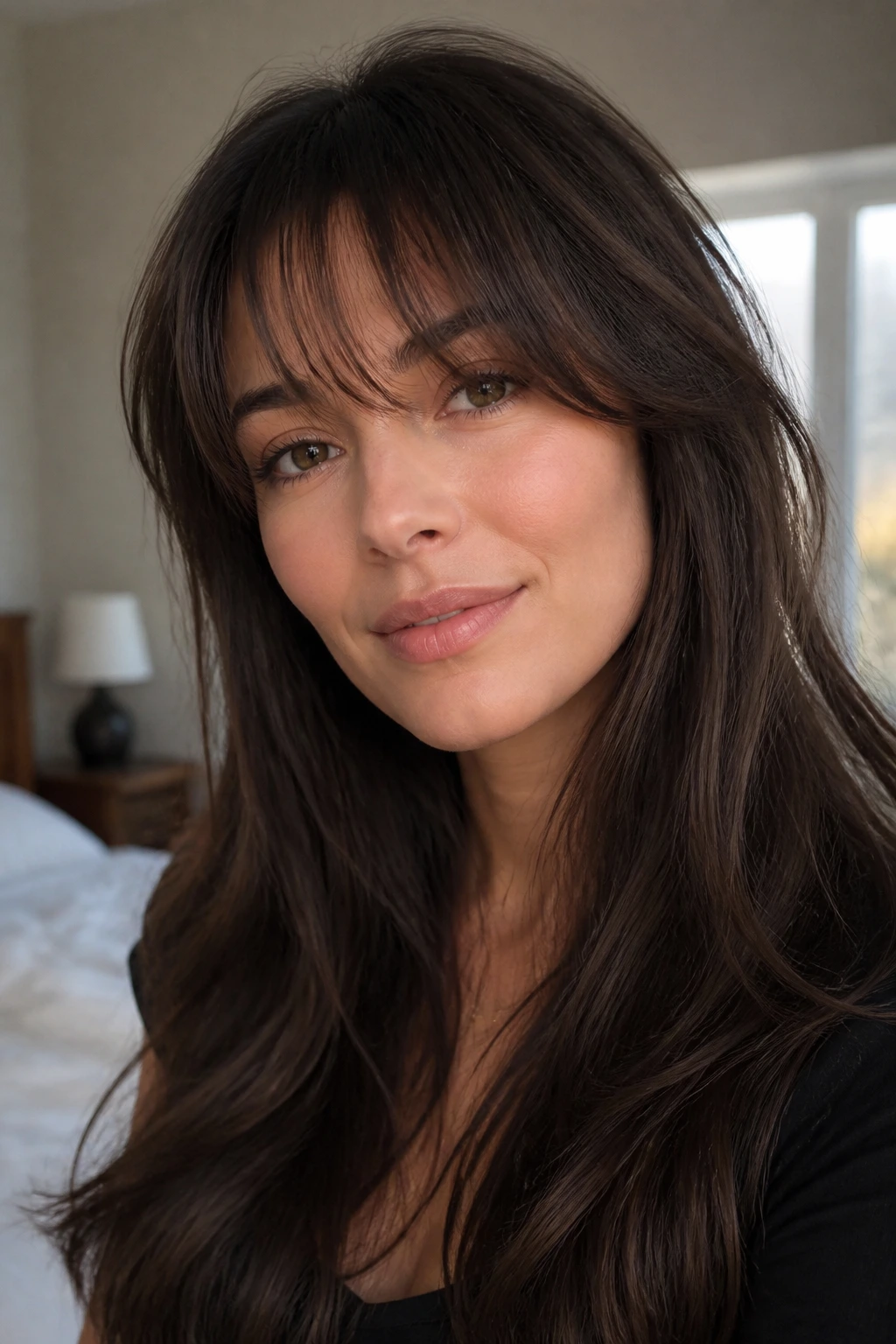
Thick hair needs a different kind of softness. You do not fix thickness by hacking at the ends until they look thin. That usually creates a fringe that puffs, splits, and eats half your morning. The cleaner move is to take the weight out from inside the section and leave the outside edge soft enough to move.
That means the bang section should usually be a little wider at the top and tapered gradually, especially if the hairline grows in dense. The ends can still look airy, but the cut has to stay balanced so the fringe sits with some weight instead of puffing off the brow. On thick hair, wispy does not mean flimsy. It means controlled.
This style is strong with longer layers around the face because thick hair can overwhelm a short fringe if the rest of the cut stays heavy. A few carefully blended side pieces help the bangs stay in the conversation.
12. Lob-Friendly Fringe With a Clean Center Part
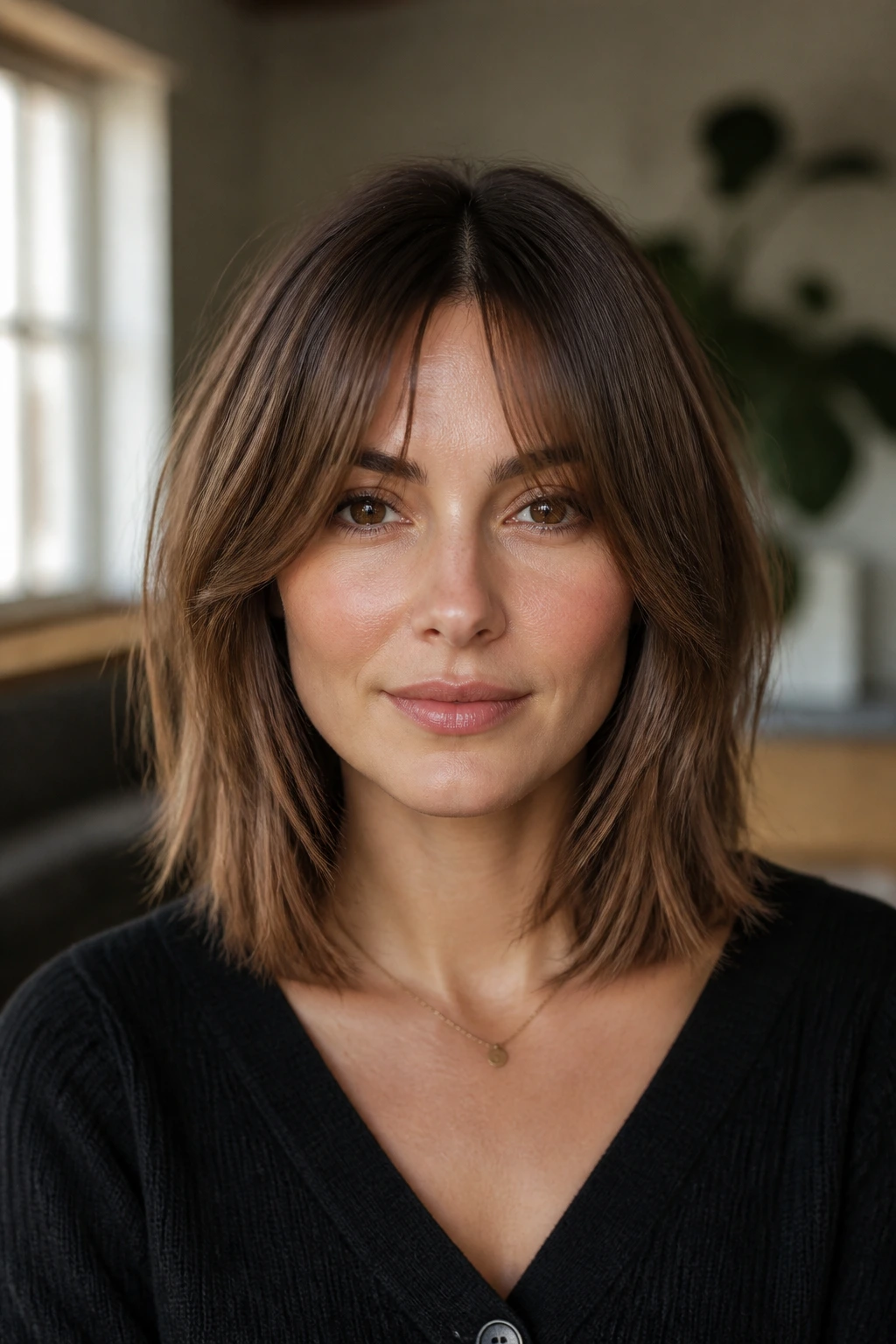
A lob can look a little too polished if the front is left plain. Add a soft fringe and the whole haircut wakes up. The clean center part keeps the line modern, while the wispy ends stop the bangs from feeling boxy against the collarbone length.
The best version lives between curtain and bottleneck territory. The center is soft and slightly shorter, the sides drop into the cheek area, and the whole thing connects to the lob without a visual break. If the lob is blunt at the ends, the bangs should be a touch feathered so the front of the haircut doesn’t feel heavy all at once.
This is one of those styles that looks expensive without trying to look fancy. Not because of the haircut alone, but because the movement at the front balances the solid shape below it.
13. Bob-Friendly Soft Bangs

Bobs can turn stern fast. A wispy bang solves that by breaking up the hard line near the eyes. It’s one of the easiest ways to keep a bob from feeling too boxy, especially if the cut sits right at the jaw and the front needs a little softness.
Why It Works on Shorter Cuts
A bob already has structure, so the fringe does not need to carry all the shape. Keep the bangs lighter and slightly longer at the temples, and they’ll echo the curve of the jaw instead of fighting it. The front should feel breezy, not chopped into place.
I like this best when the ends of the bob are either slightly curved under or softly textured. A razor-straight bob with dense bangs can look harsh quickly. The wispy fringe interrupts that line in a useful way.
14. Wavy Hair Fringe With a Natural Bend

Wavy hair often makes the best soft fringe because it does not insist on being exact. A little bend in the bangs gives you movement without a lot of heat styling, and the front can sit slightly uneven in a way that looks deliberate instead of messy. That’s a good thing. Hair should look like hair.
The cut should usually leave the sides longer than the center and avoid over-thinning the ends. Waves need enough weight to fall in a nice shape; if you strip too much of it away, the fringe frizzes out and loses its line. A light mousse or a wave cream can help the front dry into a soft bend, but keep the product away from the roots or the bangs can separate into little oily ribbons.
If your waves are loose, a quick pass with a round brush at the root and then air-drying the rest is often enough. You don’t need a whole production.
15. Air-Dried Natural Fringe
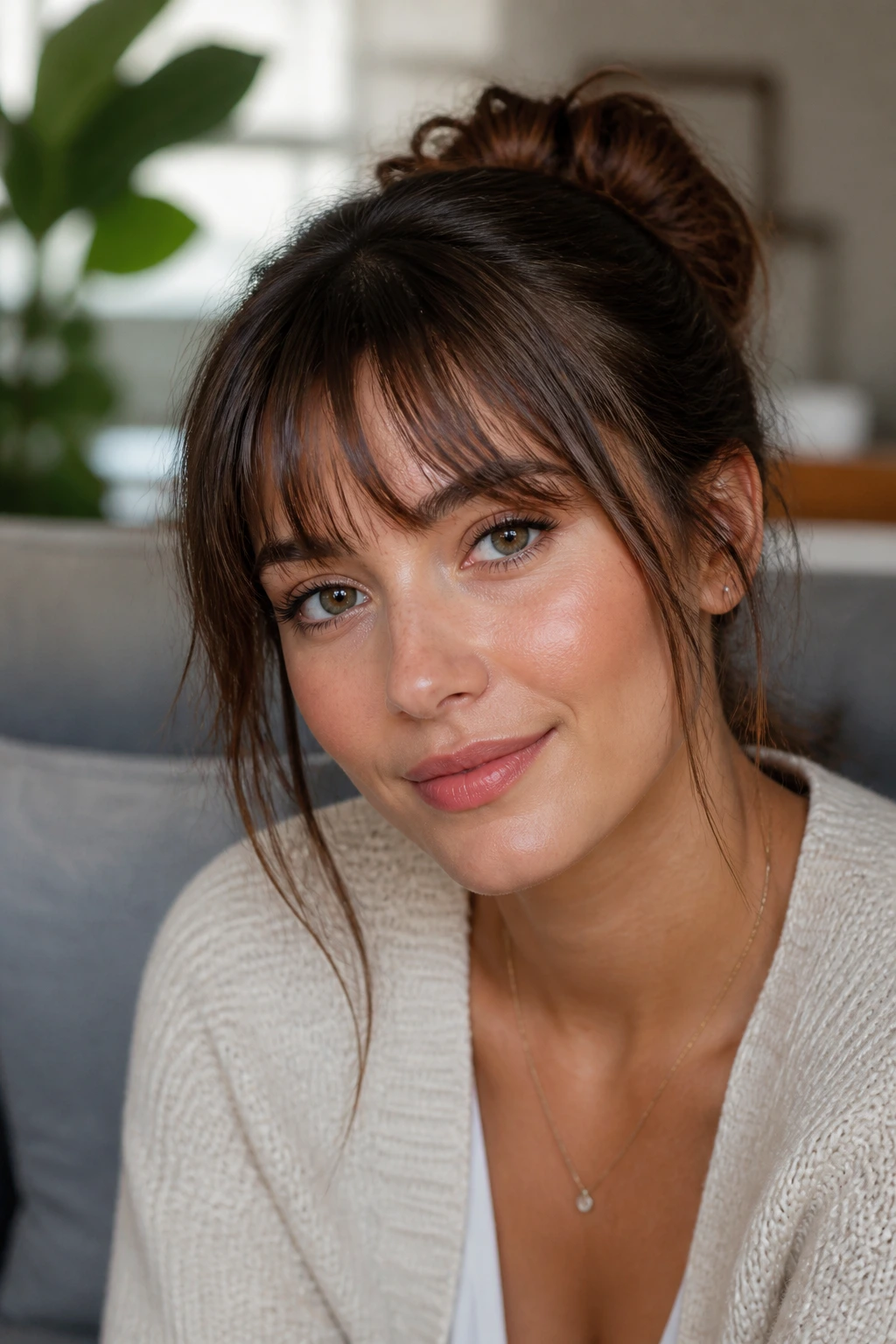
Can bangs look finished without a blowout? Yes, if the cut is built for it. An air-dried fringe works best when the hair has a little natural bend, or at least enough texture that the bangs do not fall dead flat. The softness comes from movement and separation, not from round-brush polish.
How to Wear It
Work a pea-sized amount of lightweight mousse through damp bangs, then split the fringe with your fingers and let it dry in the direction you want it to sit. If the hairline has a cowlick, clip the bang down for the first ten minutes of drying so it follows the shape instead of fighting it. Once dry, separate only the pieces that need it.
This style suits women who want bangs but will not commit to a full styling session every morning. It’s less neat than a blowout fringe, but that’s the charm.
16. Blowout Curtain Fringe
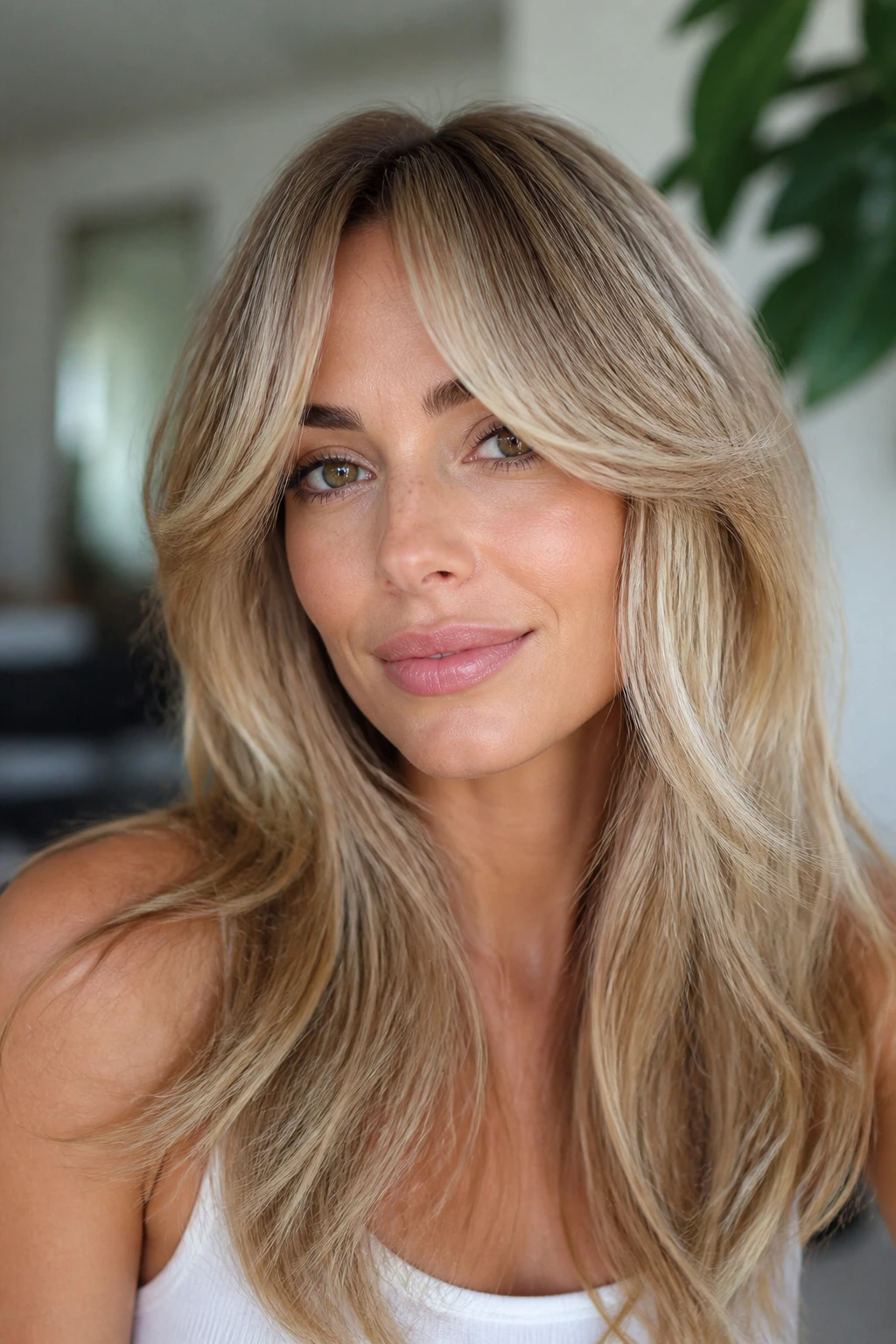
A blowout curtain fringe is the neat, glossy version of soft bangs. The shape is still airy, but the front has more lift and sweep, which makes the haircut feel cleaner and a little more dressed up. This is the version I’d choose if the bangs need to look polished by 8 a.m. and still hang in there by dinner.
The method matters. Dry the fringe forward first, then wrap the ends around a round brush and bend them away from the face. Don’t twist the brush too much or you’ll get that over-curled front that flips in a strange way. A 1.5-inch brush is usually the sweet spot for medium-length bangs; anything smaller can make the curve too tight.
This style also holds up well with a light mist of flexible spray. Not enough to freeze the hair. Just enough to remind the bangs where to live.
17. Arched Wispy Bangs
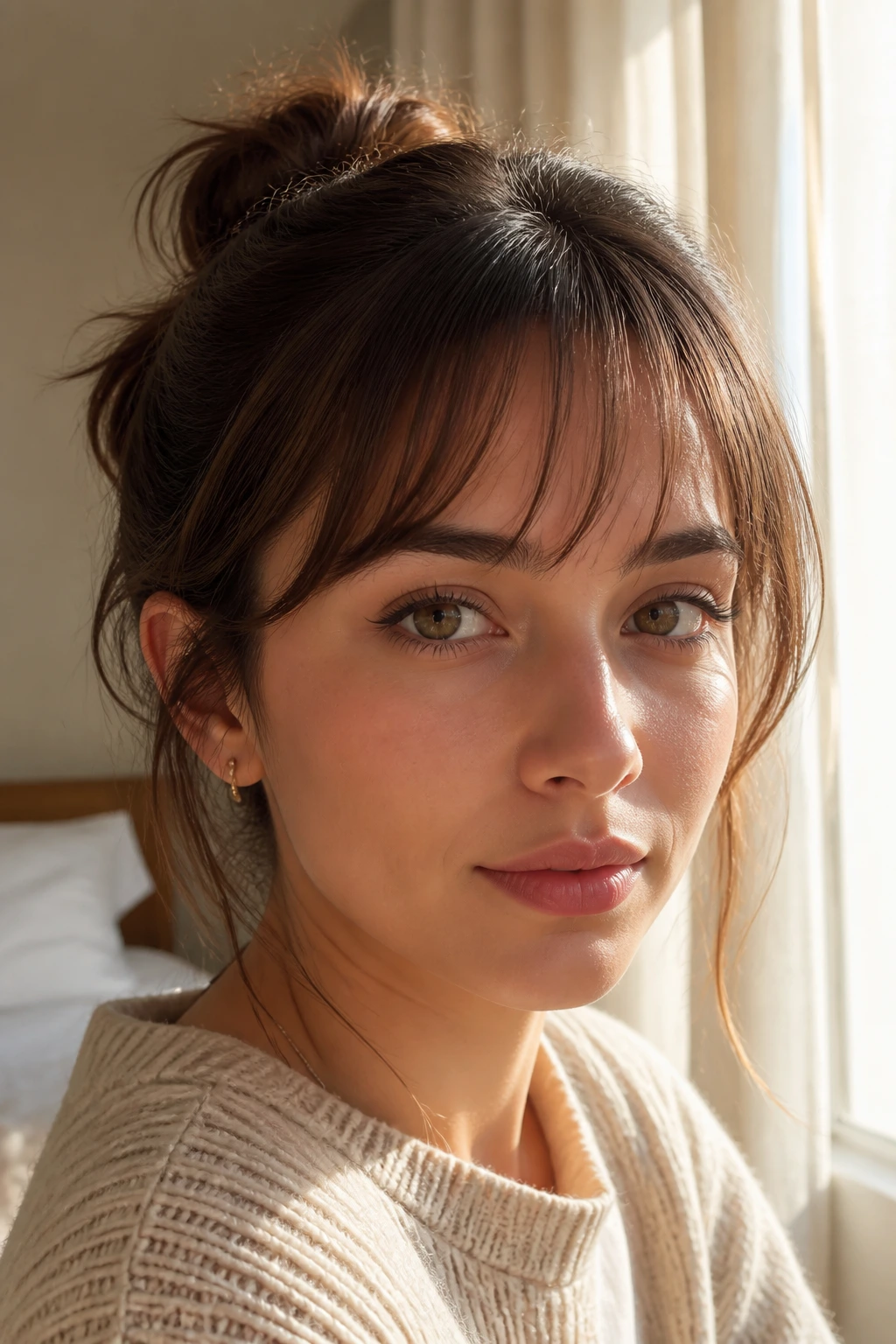
Arched wispy bangs follow the curve of the brows instead of cutting straight across them. That tiny change changes the whole mood of the face. The center sits a bit shorter, the sides lengthen gently, and the line creates a soft frame that can make strong brows look intentional instead of crowded.
The Shape
This is not a hard semicircle. A true arch should still have broken-up ends and a bit of air between the strands. The line needs softness or it turns old-fashioned fast. I like it on women with open foreheads or pronounced brows, because the arch respects the face shape instead of hiding it.
It’s also a useful choice if you want a fringe that looks a little more custom than curtain bangs but still keeps the overall feel light.
18. Split Fringe That Opens at the Center

A split fringe is a close cousin to curtain bangs, but the opening at the center is more obvious and the sides usually stay a little more compact. That makes it good for women who want the forehead to show through but still want a fringe that feels present. It’s a tidy cut with a softer edge.
If you wear glasses, this can be a smart option. The split keeps the fringe from landing squarely on the frame, and the longer side pieces can slip around the temples instead of sitting on top of them. A deep center opening also tends to flatter people who like symmetry but do not want the bangs to look rigid.
The trick is not over-brushing the split apart. It should feel relaxed, not forced open like curtains in a showroom.
19. Heart-Shape Balancing Bangs
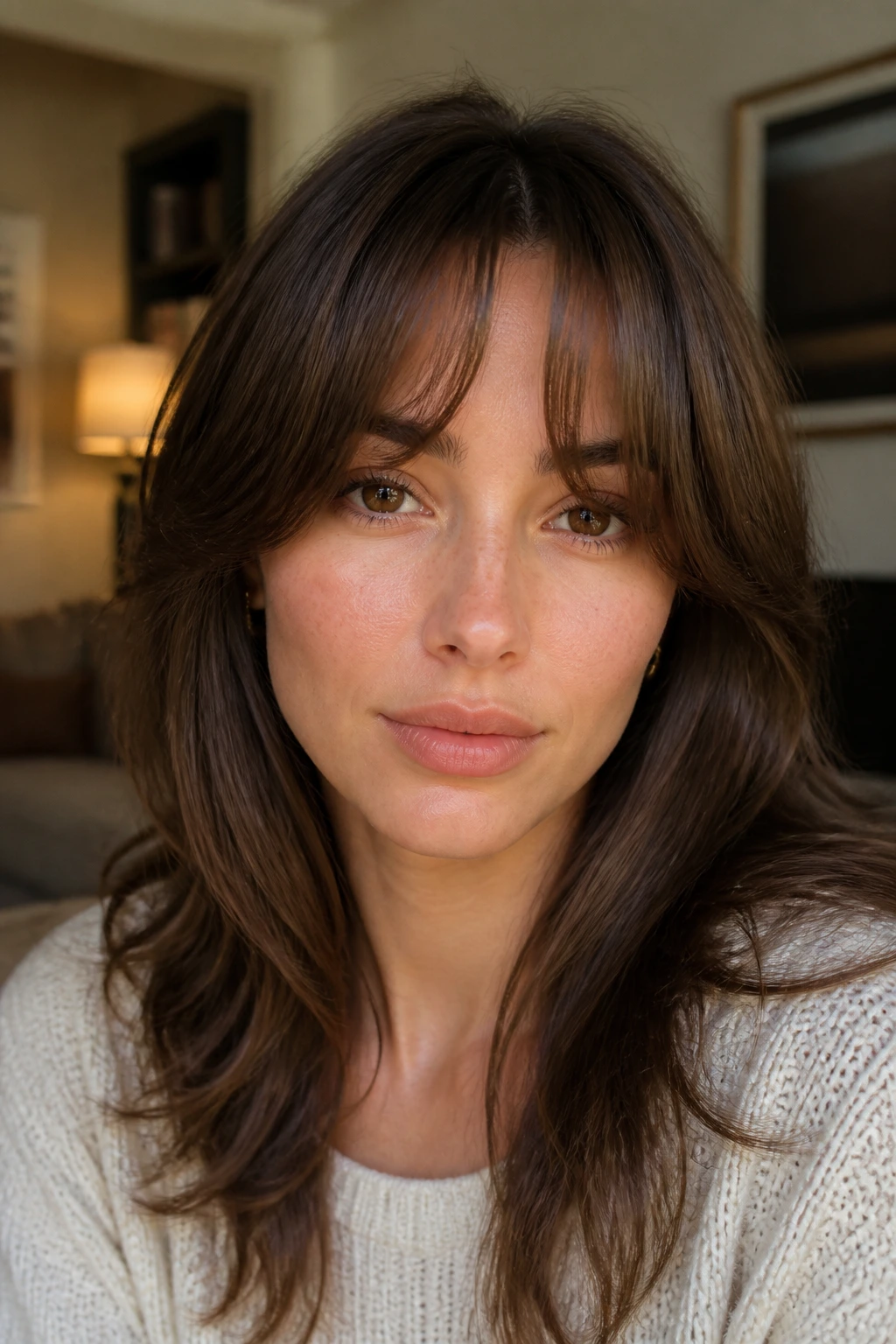
Heart-shaped faces often need a little softness near the forehead without extra width at the temples. That’s where a carefully cut wispy bang helps. The fringe can keep the upper face from looking too broad while the longer side pieces pull the eye downward toward the cheekbones.
Best Shape Notes
- Keep the center soft, not short.
- Let the temples stay long enough to connect with the cheek layers.
- Avoid a heavy side bulk near the outer brow.
- Keep the ends broken up so the line does not sit in one hard band.
The cut should make the forehead feel balanced, not hidden. That’s the difference between flattering and overdoing it.
20. Round-Face Lengthening Fringe

Round faces usually look best with a fringe that points the eye downward or diagonally, not straight across. That does not mean bangs are off-limits. It means the line has to be softer, longer, and slightly offset so the face reads longer and less wide.
The best choice is usually a curtain, bottleneck, or side-swept shape with longer temple pieces. Keep the center near the brows or just below them, and let the sides fall toward the cheekbones. That vertical movement matters. A short, dense bang can widen the face in a way most people do not want.
I’d avoid overly thick, blunt front sections here. They close off the face fast. Wispy length is the safer, better-looking move.
21. Square-Face Softening Fringe
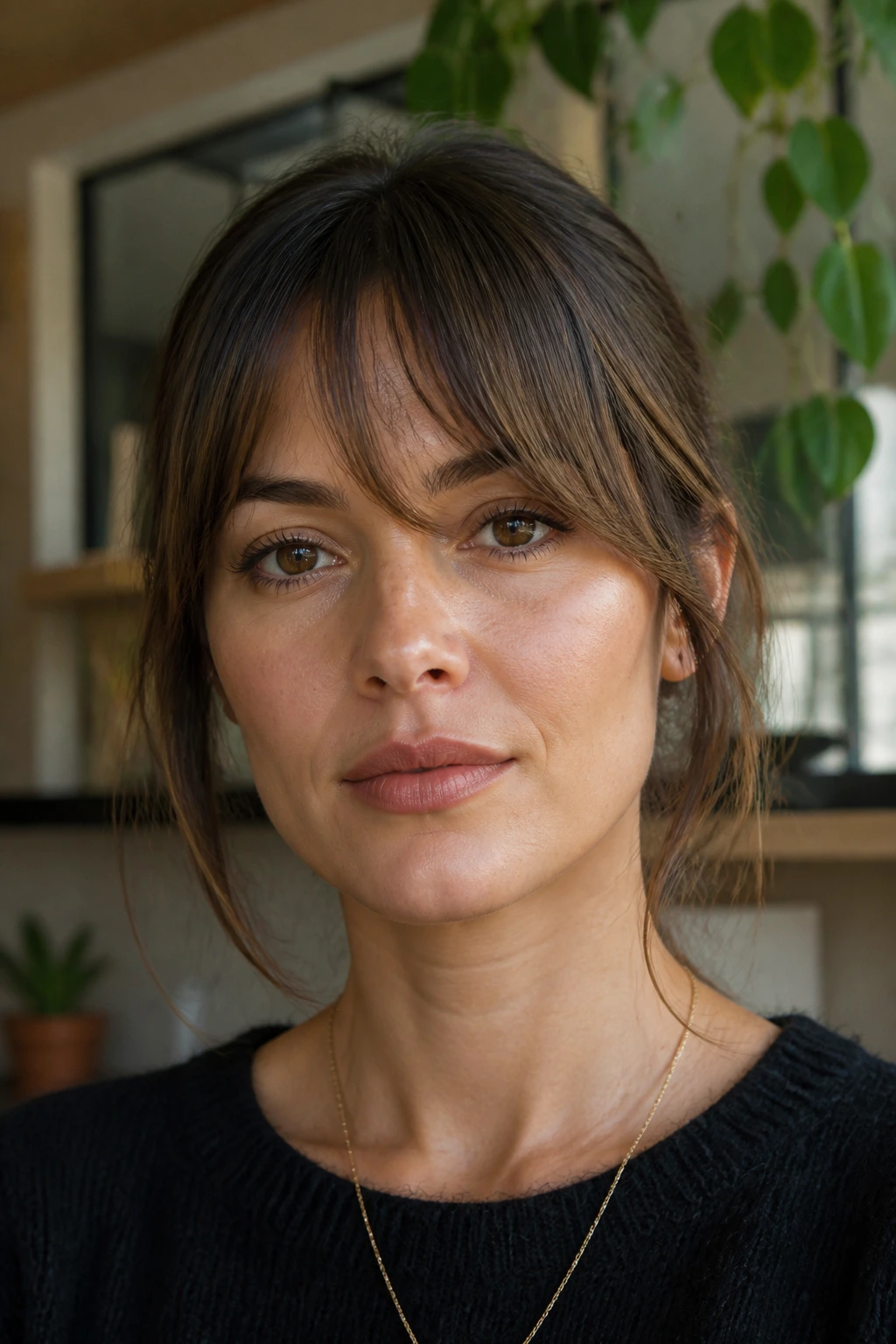
Square faces tend to have strong lines through the jaw and forehead, so the bangs should break that geometry rather than repeat it. Soft wispy bangs are useful because they add movement at the brow without drawing a hard horizontal stripe across the face. A slight curve or center split helps even more.
What to Ask For
Ask for a fringe that opens a little at the center and gets longer near the temples. That way the bangs soften the forehead and connect to the sides of the haircut, which blunts the angular feeling around the face. A heavy, straight fringe can make the jaw feel even more square. A broken-up one usually works better.
This is one of those cuts where the tiniest bit of bend makes a big difference. Straight, stiff bangs can look severe. Softened ends keep the whole thing friendlier.
22. Oval-Face Almost-Everything Fringe

Oval faces have the easiest time with soft bangs because the balance is already there. That said, “easy” does not mean careless. Even an oval face can get swallowed by a fringe that is too short, too thick, or too perfect-looking for the rest of the haircut.
A wispy curtain, a long layered fringe, or a side-swept bang all work well here. The real choice depends less on face shape and more on the hair texture and how much time you want to spend styling in the morning. If the hair is straight and fine, leave some length. If the hair is wavy or thick, the fringe can carry a little more shape.
This is the place to be a little playful. The face can take it.
23. Grow-Out Friendly Bangs
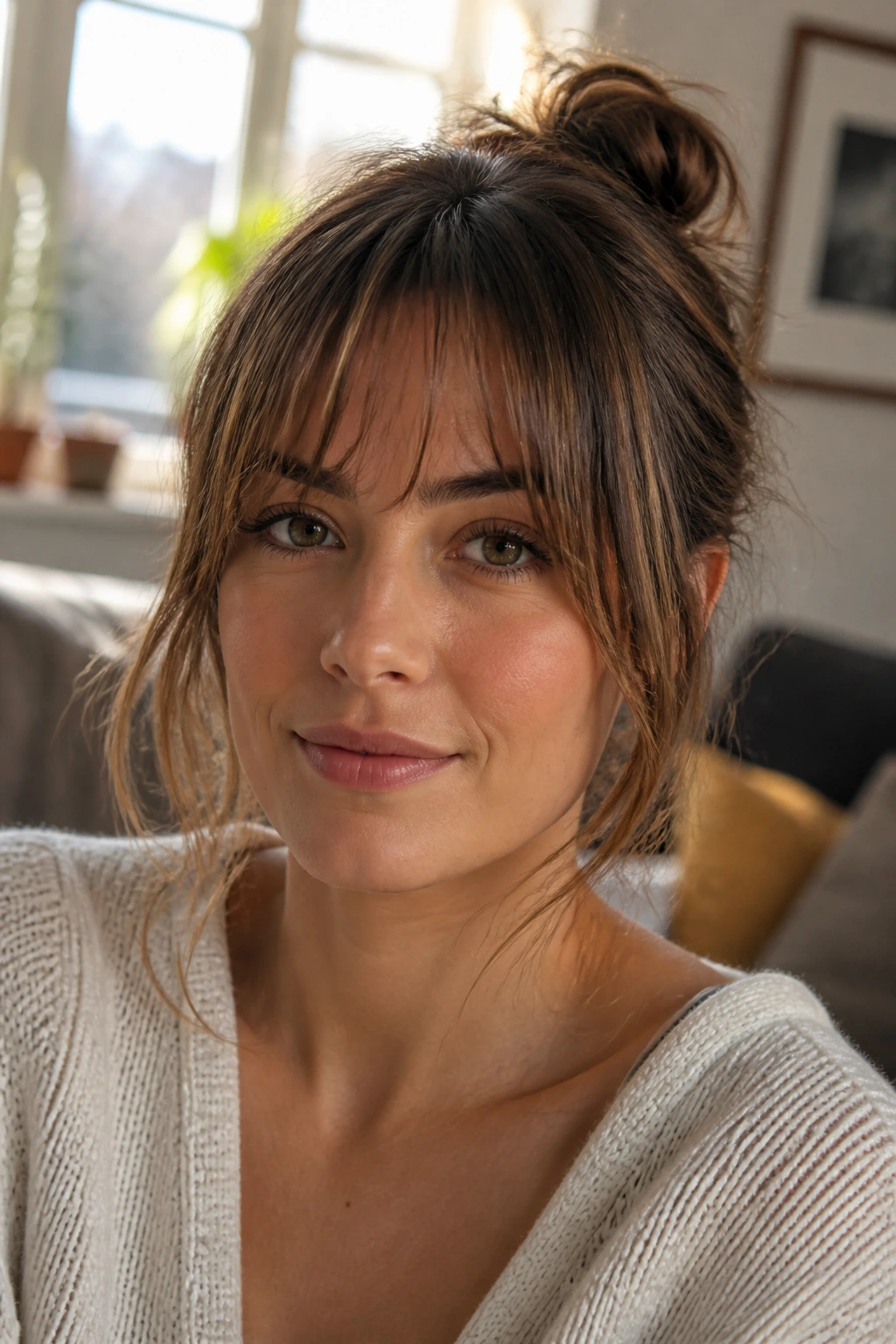
If you hate the feeling of being trapped by your haircut, this is your section. Grow-out friendly bangs start with softness at the center and keep enough length at the sides that they can blend into layers once they pass the brow. The goal is not a fringe that lasts forever. It’s a fringe that doesn’t become a problem the minute it grows.
The shortest point should sit around brow level or slightly below, with the outer pieces landing at the cheekbone. That gives you a path to tuck them, part them, or pin them back while they grow. The trick is avoiding a hard line at the front. Hard lines are what make grow-out look messy.
This style is the quiet answer for women who want bangs without a six-week panic cycle.
24. Glam Side-Sweep Fringe
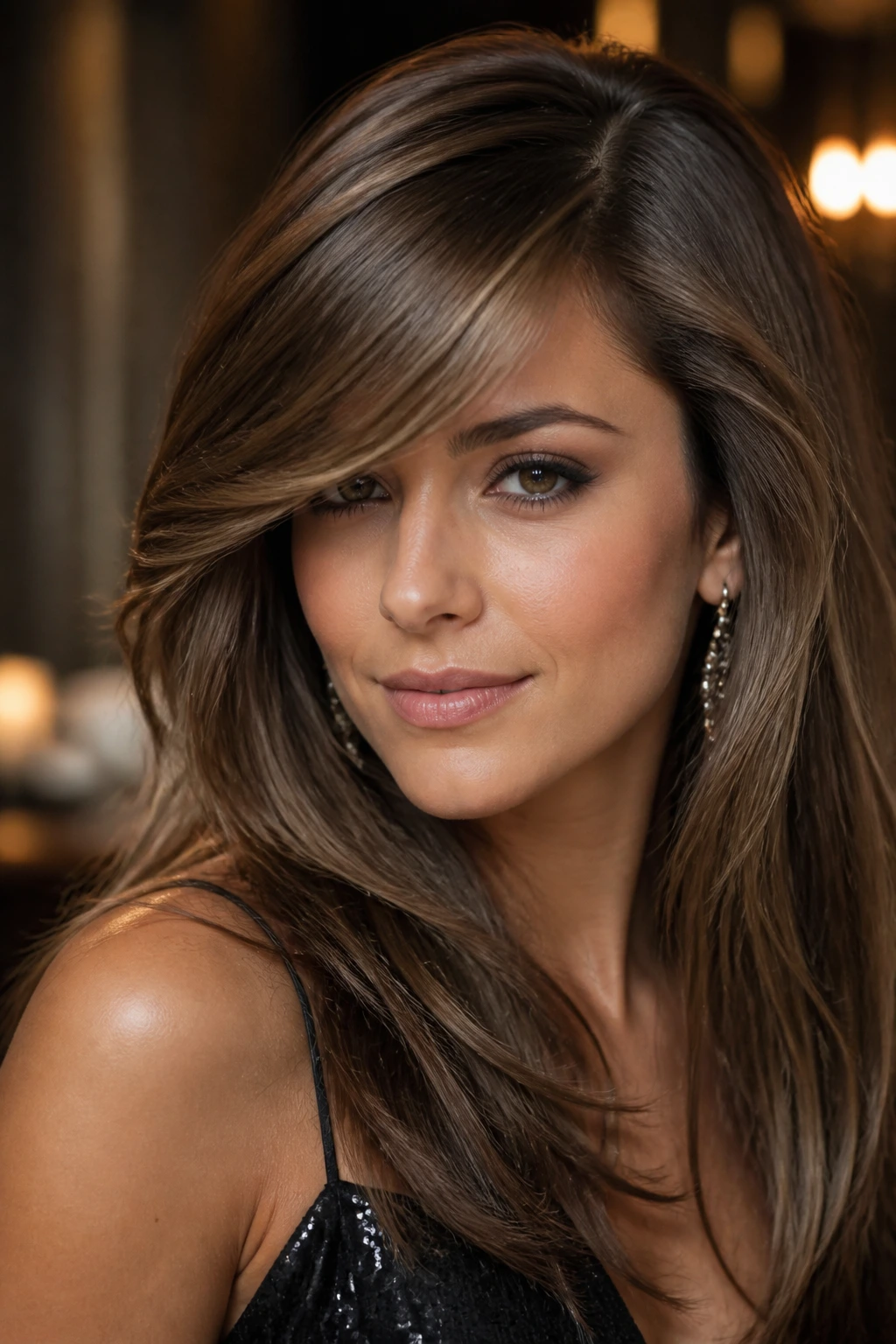
A glam side-sweep fringe has a little more drama in the part and a little more polish in the bend. It’s still soft, but the sweep is cleaner and more deliberate than a casual side bang. Think evening-light hair rather than grocery-run hair, though it still works for both if the cut is right.
The style starts with a deep side part and enough length to create a fluid diagonal across the forehead. Then the front gets lifted at the root and curved away from the face so the fringe doesn’t collapse into the eye. A 1.5-inch round brush or a large roller can help set the bend if your hair is stubborn.
I like this on long layers and shoulder-length cuts where the fringe can travel into the rest of the hair. It has a little sweep. That’s the whole mood.
25. Interior-Layer Bangs
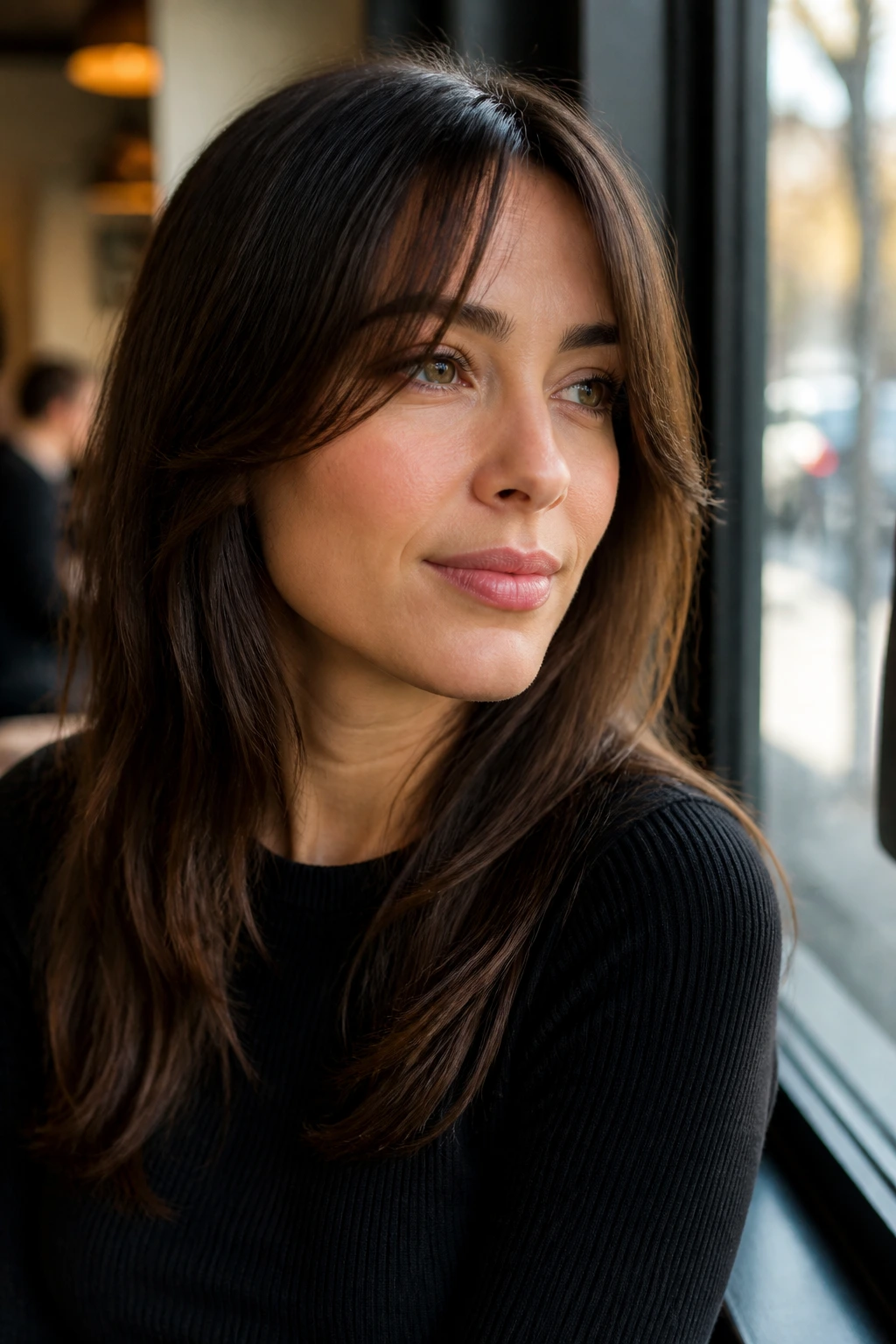
Interior-layer bangs are for women who want bangs without wanting “bangs” to be the first thing anyone notices. The fringe lives inside the haircut, woven into the front layers so it feels almost invisible until the hair moves. It’s subtle, and I mean that in a good way.
Why They’re Useful
They work well when you’re nervous about commitment or when your hairline is uneven and you don’t want a clear front edge. The layers around the face do the framing, while the bang section just adds a touch of softness to the center. From a distance, it reads as a haircut with movement rather than a haircut with a defined bang.
That makes this style especially nice for professional settings or anyone who prefers an understated front. It doesn’t shout. It just quietly improves the shape.
26. Highlight-Framed Fringe
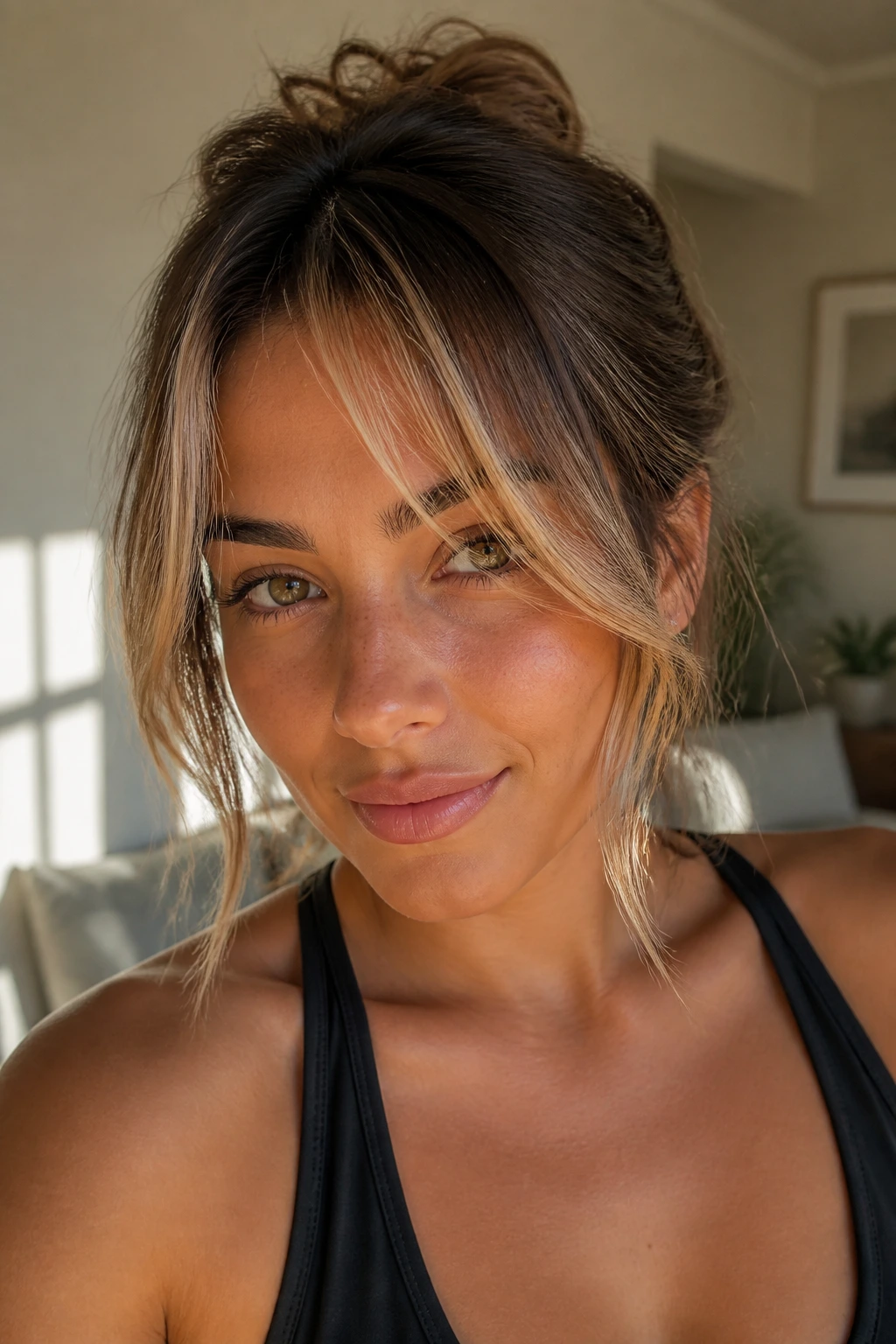
A little brightness around the face changes the way wispy bangs read. If the front pieces are lighter by even one or two levels, the separation in the fringe shows up more clearly, which makes the style look softer and less heavy. This is not about color for color’s sake. It’s about making the movement visible.
The lightest pieces should sit where the fringe bends around the eyes and cheekbones. That’s where the eye notices shape first. If the color is too chunky, the bangs can start looking stripy, so I prefer soft placement that follows the haircut rather than blunt face-framing blocks.
This is a good choice for women who like a fringe that looks airy in photos and in daylight, not just under salon lights.
27. Eye-Skimming Romantic Wisps
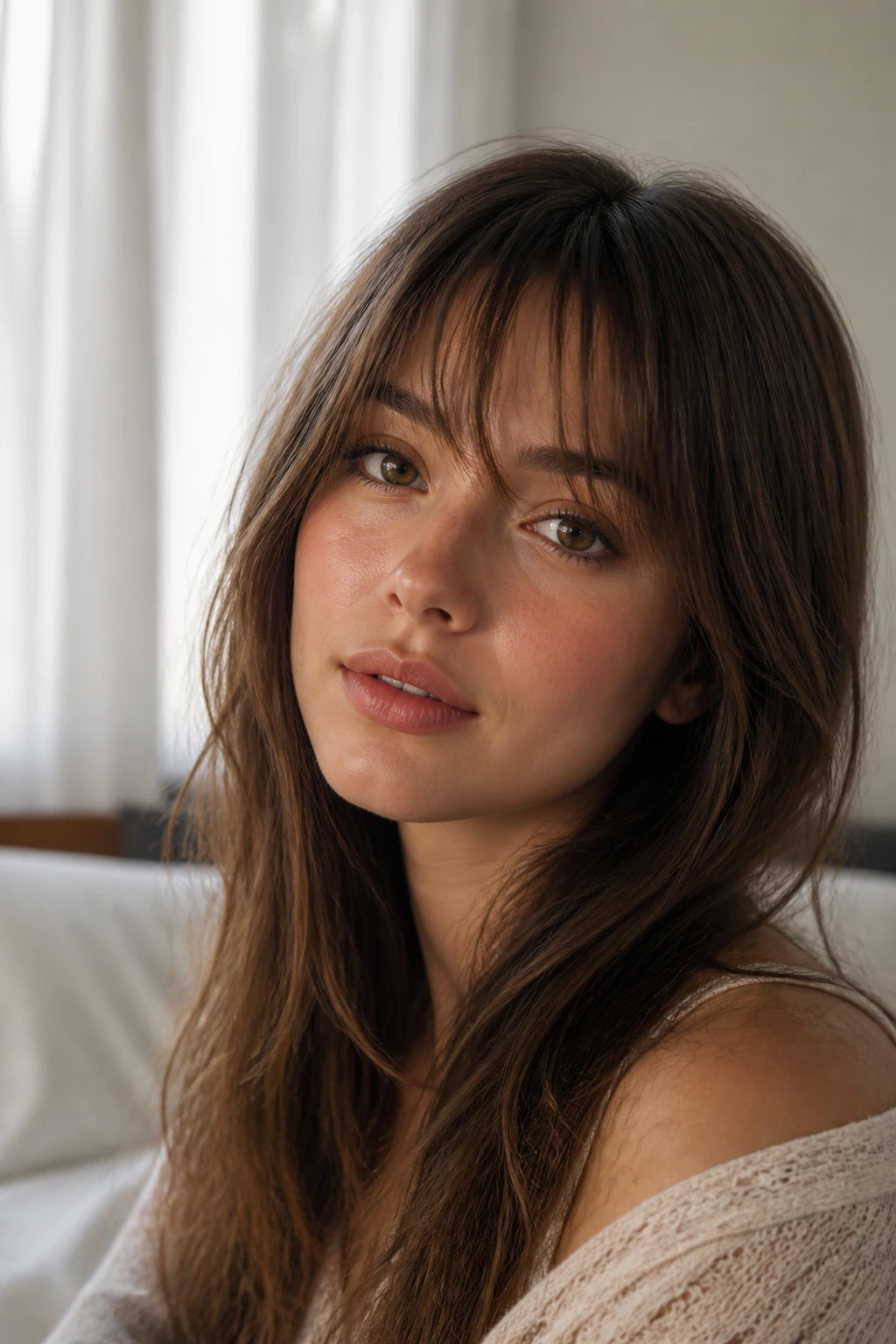
Eye-skimming wisps are about flirtation, not obstruction. The bangs come close to the lashes, then skim away so the eyes stay open and visible. This length has a little romance to it, which sounds cheesy until you see how good it looks with soft makeup, a bare face, or a loose wave through the rest of the hair.
The cut needs restraint. Too short and the bang loses the softness. Too long and it just becomes face-framing layers. The sweet spot is where the ends touch the upper lashes when the hair is dry, then separate into lighter pieces with a finger comb or a quick brush.
I like this most when the fringe is paired with a bit of texture through the lengths. It keeps the front from looking overly groomed.
28. Cowlick-Friendly Bangs
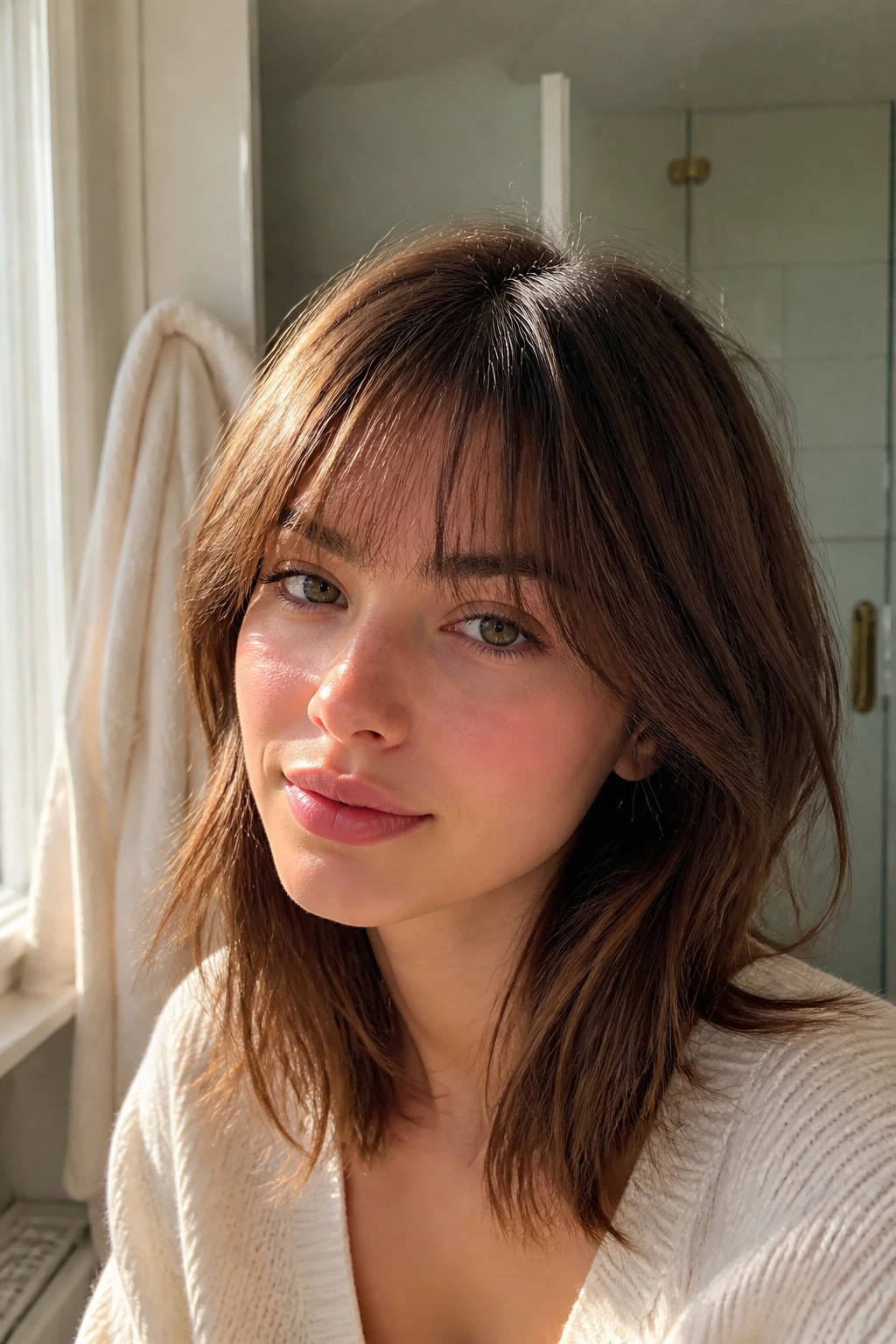
A strong cowlick can ruin a bang plan if the cut ignores it. Cowlick-friendly bangs work with the growth pattern instead of trying to pin it down by force. That usually means a slightly longer fringe, a more flexible part, and a cut that leaves enough weight to settle into place after drying.
How to Handle the Front
Blow the cowlick area in the opposite direction first, then clip it flat while it cools. That cooling step matters more than people think. If you let the hair spring up before it sets, the bang will keep doing that all day. A light styling cream on the roots can help, but only a little. Too much and the fringe gets slippery and separates too fast.
This style is the peace treaty between hair that has opinions and hair that wants to behave.
29. Soft-Choppy Edge Fringe

Soft-choppy bangs are for women who like shape but don’t want a polished, salon-perfect front line. There’s a little irregularity at the ends, but not enough to look damaged or hacked at. The cut has movement, not mush. That matters because “wispy” should never mean frayed.
The fringe usually sits somewhere between curtain and straight-across, with broken ends that catch light instead of forming one dense block. It’s a good fit for layered bobs, textured lobs, and shaggy haircuts where the front should echo the rest of the movement. If the haircut already has some edge, this fringe leans into it without going full punk.
I think this is one of the most wearable options for women who want personality at the front but still need the style to work on school runs, office days, and humid afternoons.
30. Blended Invisible Bangs
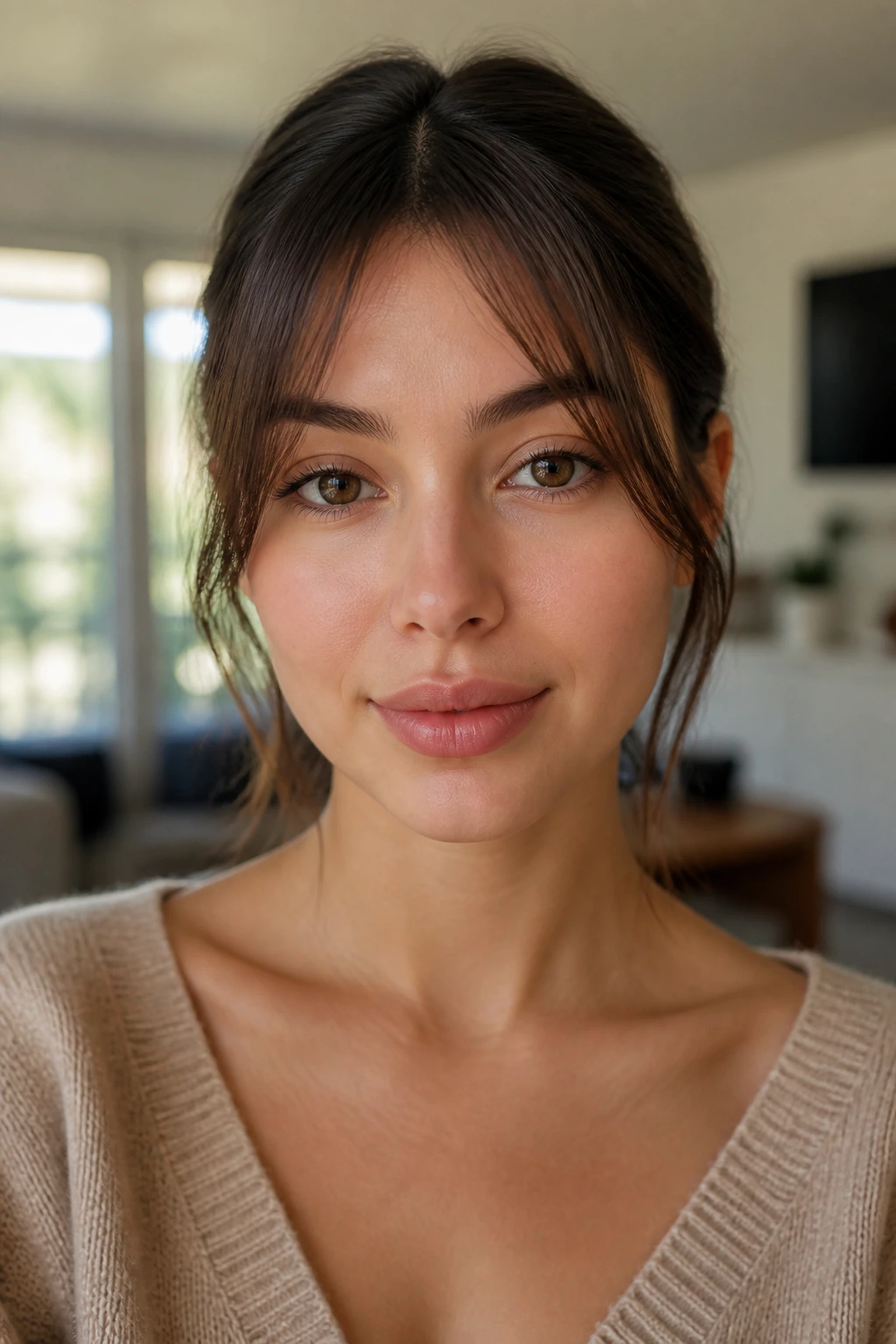
Blended invisible bangs are the lowest-commitment version of a fringe. They live so close to the face-framing layers that they disappear when the hair is brushed back, but they still give you softness around the eyes when worn forward. It’s a smart cut for anyone who wants the effect of bangs without the daily reminder that bangs are there.
The shortest pieces should barely announce themselves. The longer side pieces do most of the visible work, which is why this style blends so well into longer hair. It’s especially useful if you’re not sure you want a fringe forever. The haircut can shift into layers without a dramatic grow-out phase, and that’s a relief if you’ve been burned by bangs before.
If I had to pick one style for the most cautious reader, this would be high on the list.
Why the Cut Matters More Than the Product
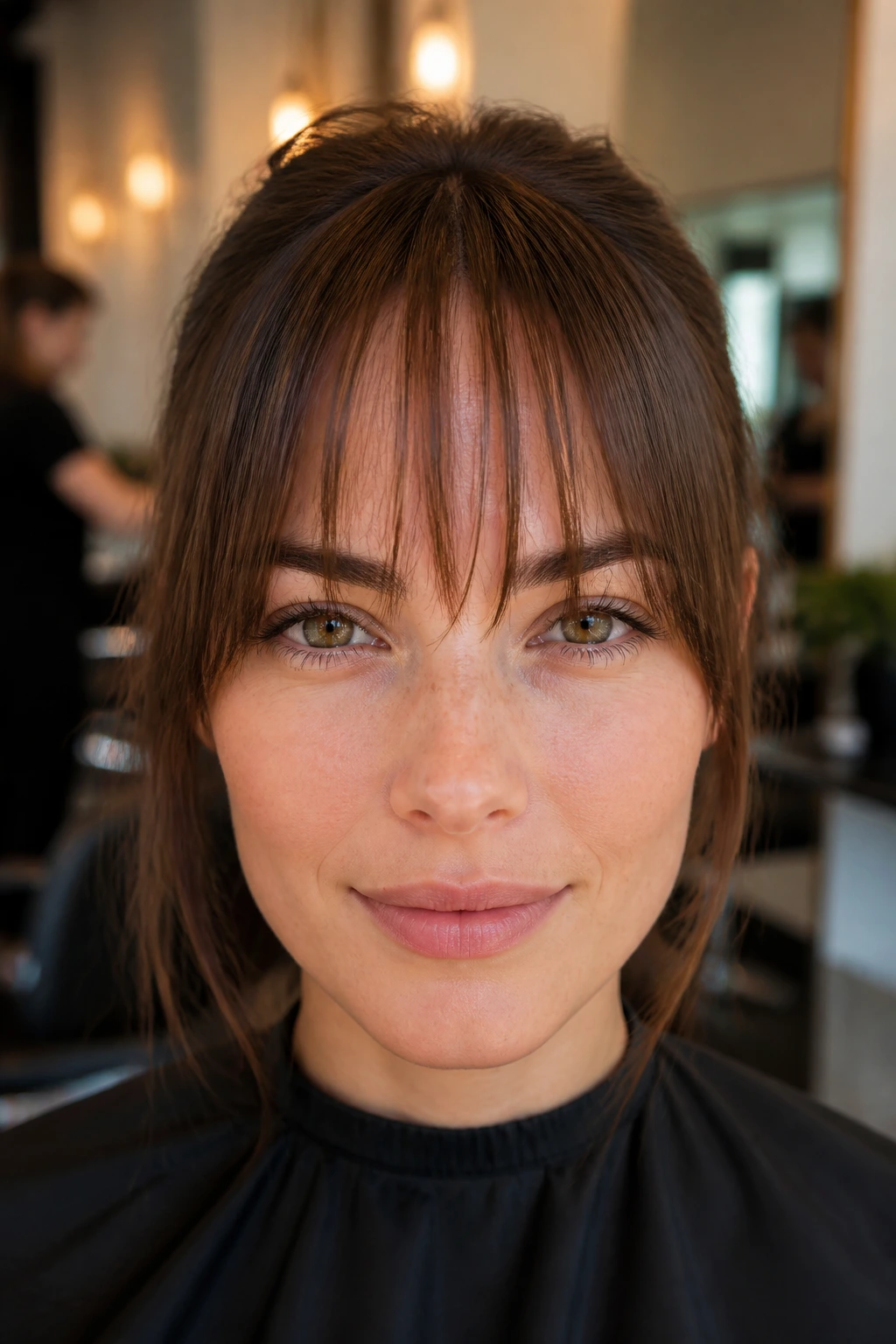
Hair product can help a fringe behave, but it cannot rescue a bad cut. That’s the part people learn the hard way. If the bangs are too dense, too short, or carved with no thought to the hairline, no amount of mousse will make them feel soft. You’ll just get a stiff, overworked front section that looks polished for fifteen minutes and weird after lunch.
The cut should match the way the hair grows. That means paying attention to the cowlick, the natural part, and whether the front hair wants to fall forward or split apart. A stylist who looks at the hairline before cutting is worth more than a drawer full of styling sprays. The difference shows up on day two, when the bangs have lost a little freshness and the real shape has to hold on its own.
I also think women underestimate how much forehead shape changes the outcome. A soft fringe that looks airy on one person can look heavy on another simply because the bangs are landing in the wrong place. Product can bend the mood. The cut decides the sentence.
Essential Tools for Soft Fringe Styling
-
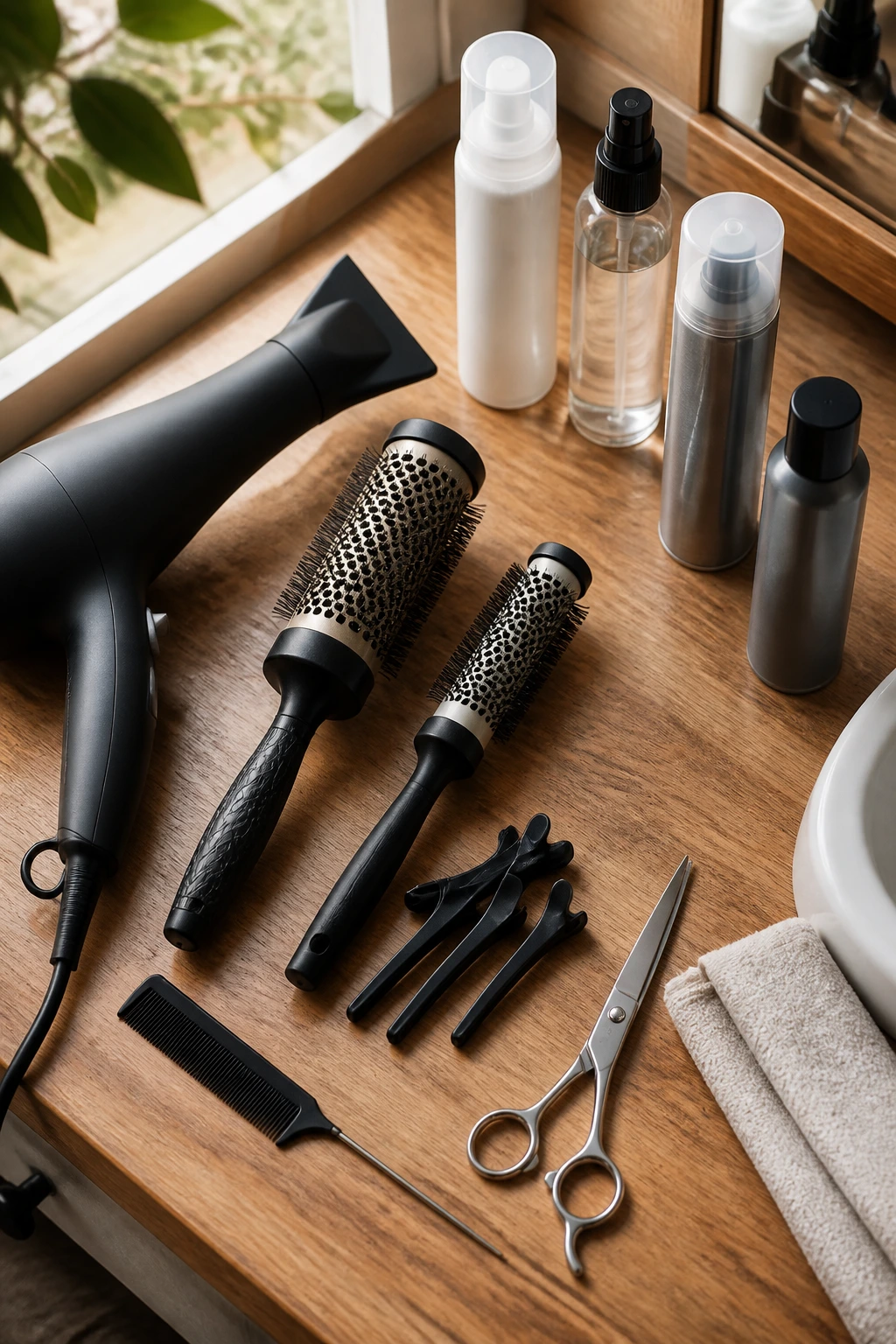
Hair dryer with a narrow nozzle: The nozzle directs the airflow forward and down, which keeps the bangs from puffing up in random directions.
-
1-inch round brush: Best for short or brow-skimming fringes that need a small, controlled bend.
-
1.5-inch round brush: Useful for curtain bangs, blowout fringes, and any style that needs a softer sweep around the face.
-
Tail comb: Helps separate the bang section cleanly and check whether the center part sits where you want it.
-
Duckbill clips or small section clips: Handy for pinning the fringe while it cools, especially if the hair has a cowlick.
-
Light mousse: Adds grip without making the bangs sticky. A little goes a long way.
-
Heat protectant spray: Worth using on any fringe that sees a dryer or flat iron.
-
Dry shampoo: Keeps the roots from getting heavy and helps fine bangs stay lifted.
-
Flexible-hold texturizing spray: Good for soft separation at the ends without freezing the fringe in place.
-
Hair-cutting shears: Only if you’re trimming at home, and only if they are actual hair shears. Kitchen scissors chew the ends.
How to Choose the Right Wispy Bang Shape for Your Hair

The best soft fringe is the one your hair will keep doing after the salon chair spins away. That starts with the hairline. If the front grows in with a strong cowlick, a straight-across bang usually needs more daily work than a center-opening or side-swept version. If the hairline is flatter, you can get away with more symmetry.
Texture is the other big filter. Fine hair likes a little weight left in the center and less aggressive thinning. Thick hair needs the opposite approach: internal removal of bulk so the fringe can sit down instead of puffing out. Curly and wavy hair should be cut with shrinkage in mind, which usually means the bangs are left longer than they look in the mirror right after the cut.
Then there’s your routine. Be honest here. If you’re willing to round-brush every morning, you can wear a sharper shape. If you want the fringe to behave after a rough dry and two minutes of finger work, choose a longer, more blended version. The wrong bang on the right face still becomes a bad haircut by Tuesday.
How to Wear Wispy Bangs With the Rest of Your Hair

Parting: A center part makes curtain and bottleneck shapes feel softer, while a deep side part gives the fringe more drama and less forehead exposure. If your hair insists on a natural part, work with that instead of forcing a new line every morning.
Pairing: Soft bangs look best with layers that echo the front shape. A bob needs a lighter fringe to avoid a boxy outline. A lob can handle more length in the bangs, especially if the ends of the haircut are slightly textured. Long hair usually needs the fringe to connect into face-framing layers so the front doesn’t feel pasted on.
Length: Shorter bang lengths work when the rest of the hair has movement. Longer bang lengths work when you want less commitment or when your features need more vertical space. The right length is the one that lands where your hands naturally want to brush it away.
Finish: Sleek blowout, loose bend, or piecey texture all work here, but the finish should match the haircut. A soft fringe on a sharp bob wants a cleaner line. A shag can take a messier front and still look deliberate.
Daily Styling Moves That Keep the Fringe Soft
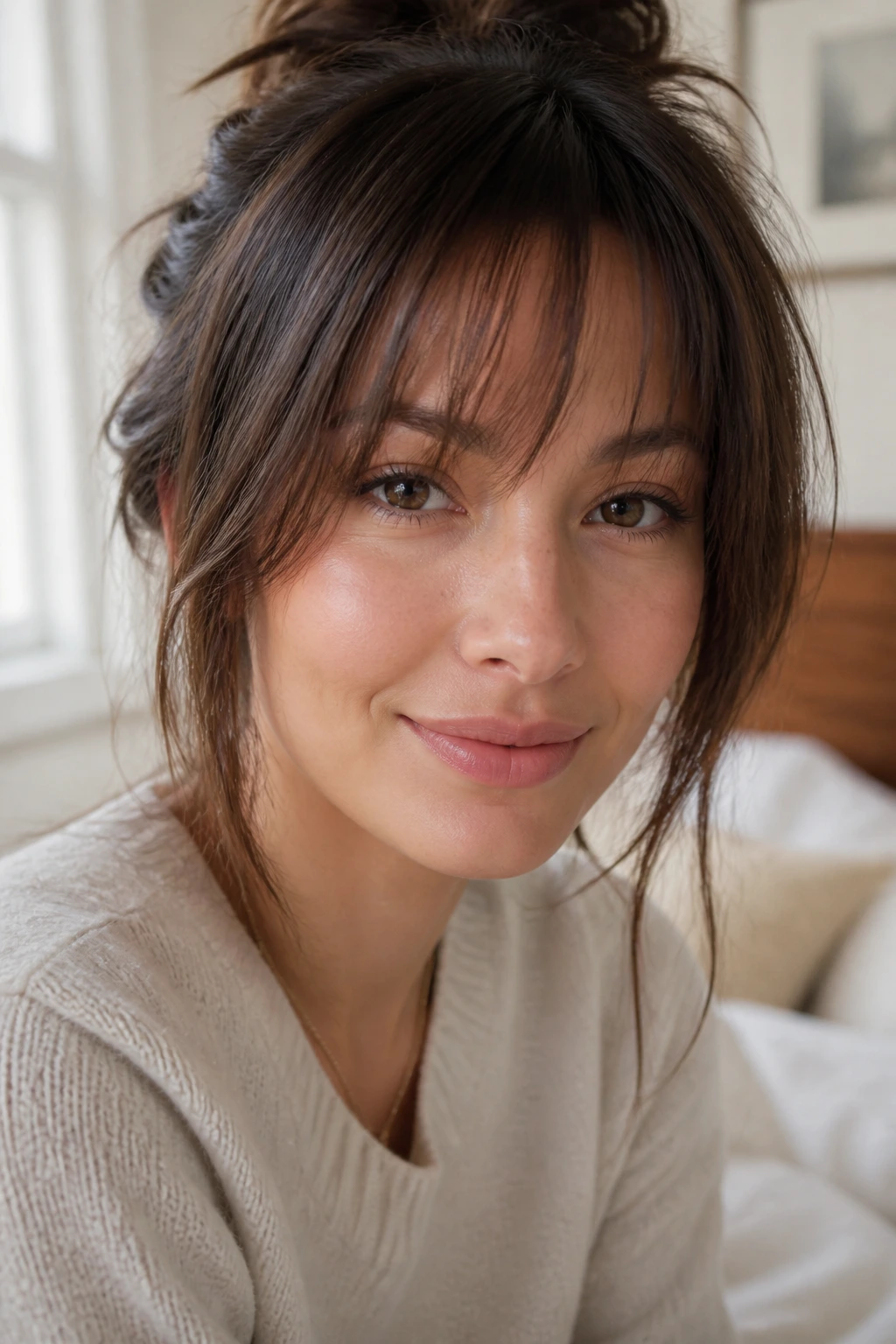
The fastest way to ruin a wispy bang is to overload it. A fringe only needs a tiny amount of product, and the kind you choose matters more than the brand name. Light mousse or a whisper of cream can help, but heavy oils near the forehead make the pieces separate into greasy-looking strands. That’s not softness. That’s collapse.
Root Lift: Dry the bangs first, before the rest of the hair gets heavy with moisture. Lifting the roots while they’re still damp gives the fringe a chance to set in the right shape.
Brush Choice: Use a small round brush for shorter bangs and a larger one for curtain styles. If the brush is too big, the hair won’t wrap cleanly and the bend will go strange at the ends.
Cool-Down Time: Let the bangs cool in position for a minute or two before touching them. Hair keeps the shape it cools in. That little pause matters more than people think.
Finger Finish: Once the fringe is dry, break up only the top layer with your fingers. Over-brushing turns soft movement into puff.
Humidity Fix: If the front starts to separate during the day, a touch of dry shampoo at the root and a light re-bend with your fingers usually resets it faster than a full wash.
Common Mistakes That Make Wispy Bangs Look Thin or Frayed
-
Cutting them too short too fast: The fringe can jump from soft to awkward in a half inch. If the shortest point is above the brows, the style loses some of its softness and can feel stubborn to grow out. The fix is to leave a little extra length the first time and trim gradually.
-
Over-thinning fine hair: Fine bangs can go see-through if the stylist removes too much weight. The symptom is little stringy pieces that separate into gaps after one wash. Ask for gentle point-cutting instead of aggressive texturizing.
-
Ignoring the cowlick: If the front hair wants to split or stick up, the bangs will do that unless the cut and drying pattern account for it. Clip the section flat while it cools and choose a shape that follows the growth.
-
Using too much cream or oil: The fringe gets slick, loses lift, and starts sticking to the forehead. Keep products light and away from the root area.
-
Trying to make every bang style straight across: Not every forehead wants a blunt line. Some hairlines look better with a split, a sweep, or a longer center. Forcing symmetry often makes the cut feel less flattering, not more polished.
Variations and Adaptations to Try

The Curtain-to-Brow Hybrid: Keep the center just under the brows, then let the sides open into curtain lengths. It gives you more coverage than classic curtain bangs but still leaves a soft split. This works well if you like to change parts often.
The Curly Halo Fringe: Shape the front pieces to follow the curl pattern and leave a little extra length so the coils spring into a soft halo around the forehead. It’s best when you want the fringe to feel like part of the curl shape rather than a separate section.
The Side-Sweep Sweep: Deepen the part and let the bang travel across the forehead in one fluid diagonal. This is the one I’d choose for a slightly dressier finish or for days when you want less face coverage on one side.
The Soft Shag Upgrade: Add more interior layers around the crown and temples so the fringe blends into a shag haircut. It’s ideal when you want texture without a hard bang line.
The Barely-There Grow-Out: Start with a longer fringe that lands at the cheekbones, then let it taper down the sides. This is the safest option if you want the fringe to disappear into layers later without an awkward stage.
Maintenance, Trims, and Grow-Out Timing

Soft wispy bangs usually need a trim every 5 to 7 weeks if you want the shape to stay clear. That’s less brutal than a blunt fringe, but still frequent enough that you should plan for it. If you let them go much longer, the center can drop into your eyes while the sides keep wandering into the cheeks, and the whole thing starts looking less soft and more unfinished.
On wash days, dry the fringe first and let it cool before touching the rest of the hair. That keeps the front from collapsing under its own damp weight. Between washes, a quick hit of dry shampoo at the root can reset the lift, but use only a small amount or the bangs will get dusty and stiff.
If you’re growing the fringe out, shift the shortest point gradually toward the cheekbone and ask for the front to be blended into the layers instead of cut in a hard line. At night, a soft clip or a loose pin can keep the bangs from bending in weird directions against the pillow. It’s a small thing. It saves a lot of annoyance.
Frequently Asked Questions
Which face shape suits soft wispy bangs best?
Most face shapes can wear them, but the exact shape matters. Round faces usually do better with a longer, center-opening fringe, while square faces often look best with softer, diagonal movement around the brow.
Are wispy bangs hard to style every morning?
Not if the cut is right. A good soft fringe usually needs 2 to 5 minutes with a dryer, a brush, or just a finger bend, while a bad cut can eat ten minutes and still look off.
Can curly hair wear wispy bangs without looking frizzy?
Yes, if the bangs are cut dry and left longer for shrinkage. Curly fringes fail when they’re cut like straight hair, because the curl springs up and changes the whole line.
What should I tell the stylist if I want a soft look?
Ask for point-cutting, a feathered edge, and a shape that connects to the side layers. Bring a photo, but also say how much time you want to spend styling, because that changes the right cut.
How often do soft wispy bangs need trimming?
Most of them need a trim every 5 to 7 weeks. If the fringe is longer and blended, you may stretch that a little; if it’s shorter and brow-skimming, you’ll feel the grow-out sooner.
What if my bangs separate too much during the day?
That usually means there’s too little weight at the center or too much product in the front. Start by using less cream and a bit more root lift, and if the problem keeps happening, ask for a slightly denser center at the next trim.
Can I trim wispy bangs at home?
You can, but be careful. Use real hair shears, cut less than you think, and trim only when the bangs are dry and worn the way you normally style them. Wet bangs can spring up and fool you.
Do wispy bangs work with glasses?
They can, especially side-swept, bottleneck, and split styles. The trick is keeping the shortest point high enough that it doesn’t sit directly on the frames, which makes the fringe look crowded fast.
The Fringe That Stays Easy
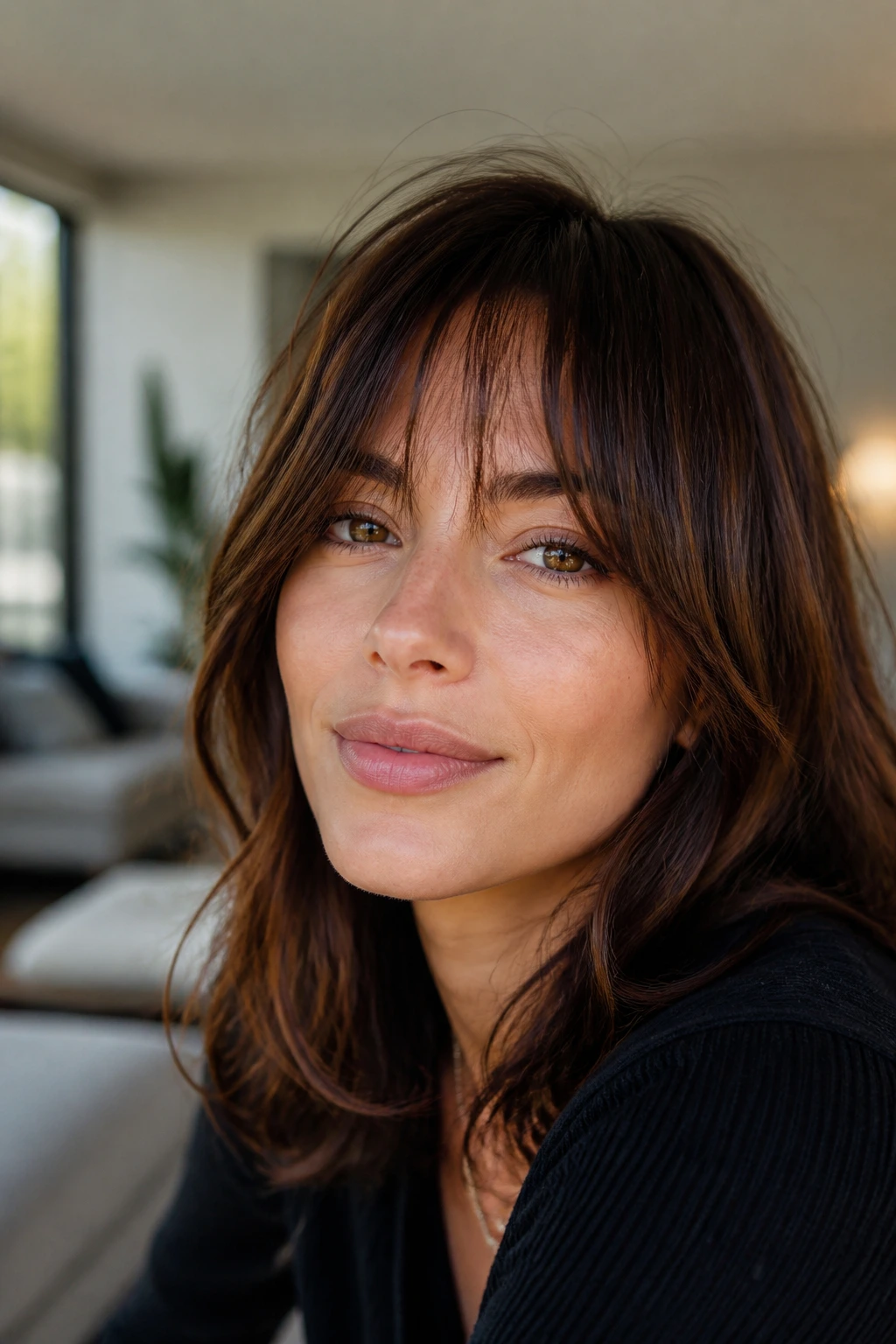
Soft wispy bangs work because they don’t try to overpower the face. They move with the haircut, they give you options when you change your part, and they grow out with less drama than a blunt front. That is a lot to ask from a few inches of hair, and the better versions pull it off by staying light where the line needs movement and heavier where the fringe needs to sit.
The smartest choice is usually the one that matches your hair’s natural pattern first and your mood second. If the shape can survive a humid morning, a dry shampoo rescue, and a not-quite-perfect blow-dry, you’ve probably picked well. And if you keep the ends soft and the center honest, the fringe will keep looking like it belongs there.
