



Short hair turns sharp fast when it’s cut with enough grit. That’s the real appeal of spiky hairstyles for women: they take a plain crop, a pixie, or a close bob and give it direction. Not fluff. Not fuss. Direction.
The catch is that spikes are brutally honest. If the top is too short, they sit there like bristles. If the sides are too wide, the whole shape swells out at the ears and loses its edge. And if the product is wrong—too glossy, too heavy, too wet—you end up with hair that looks frozen instead of styled. Been there. Nobody wants that.
The good versions are leaner than people expect. A clean taper under a choppy top. One to two inches of length where the hair needs to stand. Matte paste for separation, gel when you want a harder finish, wax when you need movement that still holds. Once you start looking at the shape under the texture, the whole category makes a lot more sense.
Why This Collection Feels More Wearable Than It Sounds

-
Different lengths, same attitude: Some of these cuts sit close to the scalp, while others leave enough length for soft lift, so you can match the style to your comfort level instead of forcing one look on every head shape.
-
Texture gets the spotlight: The best spiky styles are built around chunked-out pieces, feathered ends, or a tight taper, which means the hair looks styled even when you use only a pea-sized amount of product.
-
Fine, thick, straight, and curly hair all get a lane: A choppy crop works for one hair type, a frohawk works for another, and a wet-look spike can save someone whose hair falls flat by noon.
-
The maintenance range is wider than most people think: Some versions need a trim every 4 to 5 weeks, while others can grow out for 8 weeks and still look deliberate.
-
There’s room for polish: Spikes do not have to read punk or chaotic. A clean side part, a tapered nape, or a soft front sweep can make the style work with a blazer, hoops, or a sharper brow line.
-
Product choice changes everything: Matte clay, styling paste, molding wax, and strong-hold gel all give a different result, and the difference shows up in the mirror immediately.
1. The Classic Textured Pixie Spike
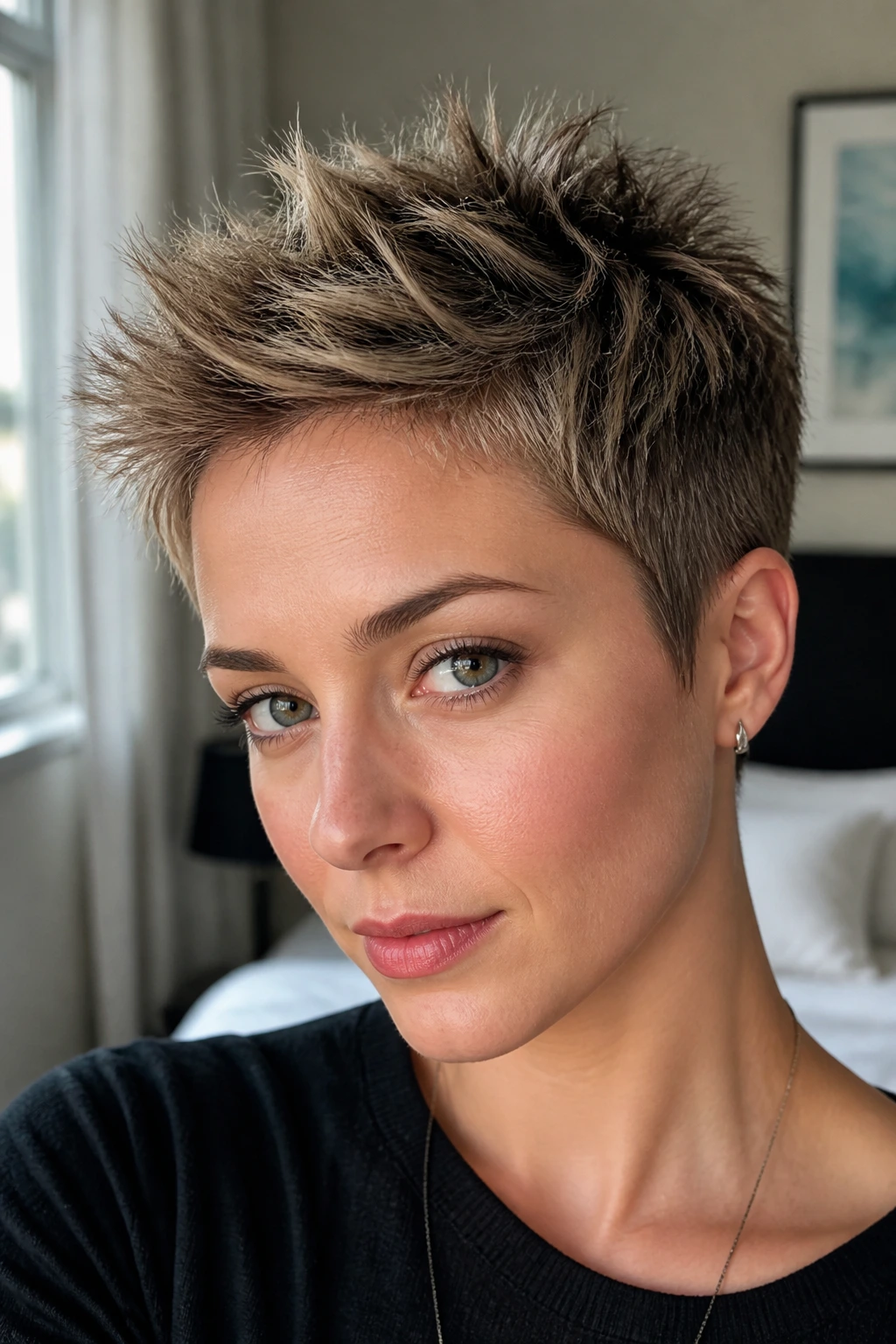
This is the style most people picture first: short at the sides, choppy on top, and lifted just enough to show the cut underneath. The top usually sits around 1 to 2 inches, which gives you enough length to pinch into little peaks without making the style feel floppy. I like this version best with a matte paste because it keeps the spikes separate instead of shiny and glued together.
What makes it work is the balance. The sides stay neat, so the top can look a little wild without the whole head getting messy. If you’ve got straight or slightly wavy hair, this one takes almost no coaxing—blow-dry forward, rub product between your fingertips, and flick the ends up in small sections.
Best for a low-fuss morning
If you want something that looks styled with under five minutes of effort, this is the one to start with. It also grows out cleanly, which matters more than people admit. A spiky pixie that turns into a helmet is a mess; this one keeps its shape longer because the top and sides are cut with a clear difference in length.
2. The Soft Faux Hawk
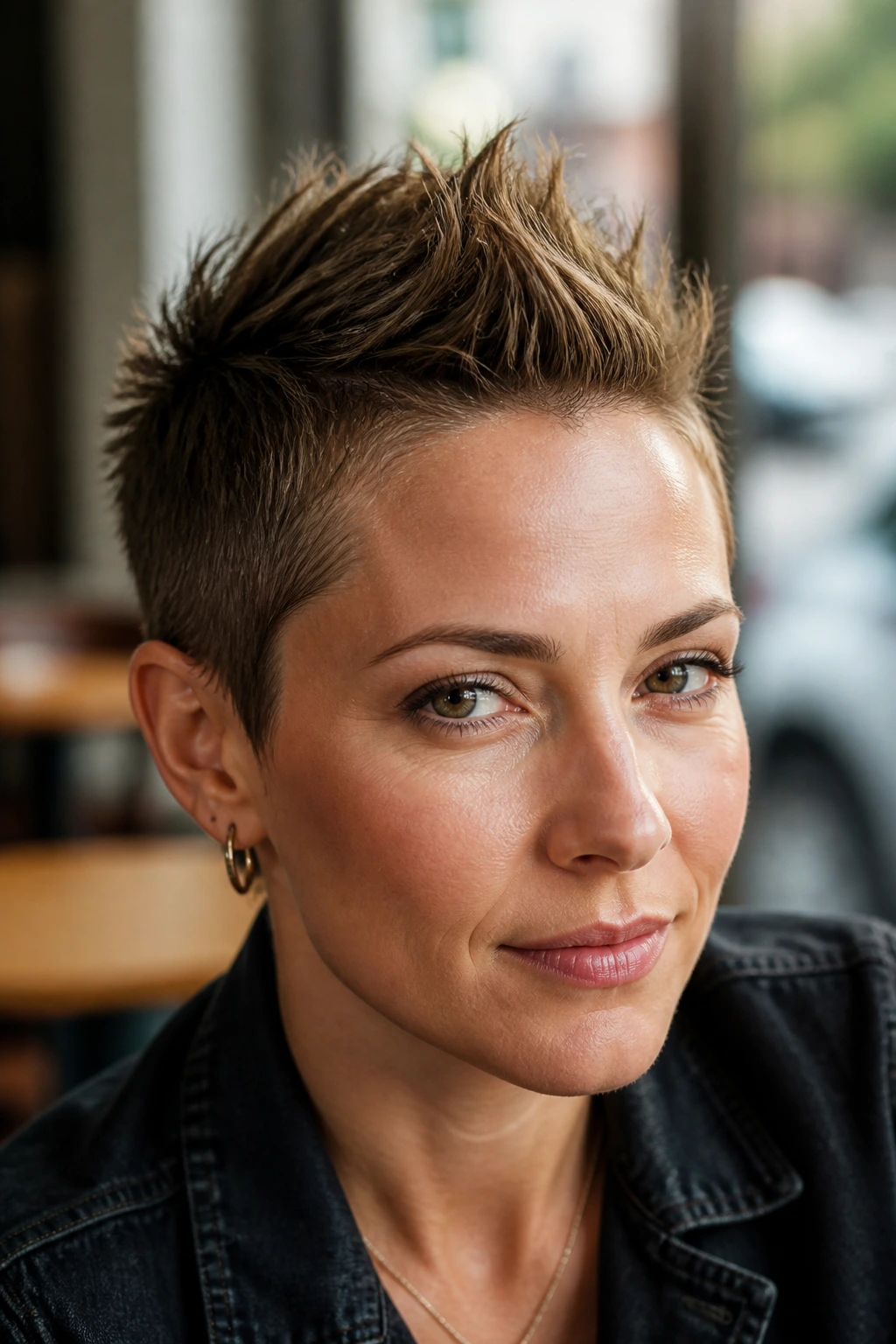
Ever wanted the attitude of a mohawk without shaving the sides down to the skin? This is the answer. The center strip gets the height, while the sides stay short and snug, not bare. The result is a ridge that looks bold from the front and surprisingly elegant from the side.
The trick here is not to overbuild the middle. You want the center to rise maybe an inch or two above the surrounding hair, not shoot straight up like a crest. Use a medium-hold paste on towel-dried hair, then direct the center upward with your fingers while pushing the sides flat. A little bend in the spikes makes the whole thing feel softer and more wearable.
Why it works
The faux hawk shape gives the eye a line to follow, which is why it flatters rounder faces and stronger jaws so well. It also lets you keep more hair on the sides than a true mohawk, so the cut reads edgy without feeling locked into one style. If you like earrings, this is one of the better cuts in the group—the ears stay visible, and the neck line can do some of the visual work.
3. The Choppy Crown Crop
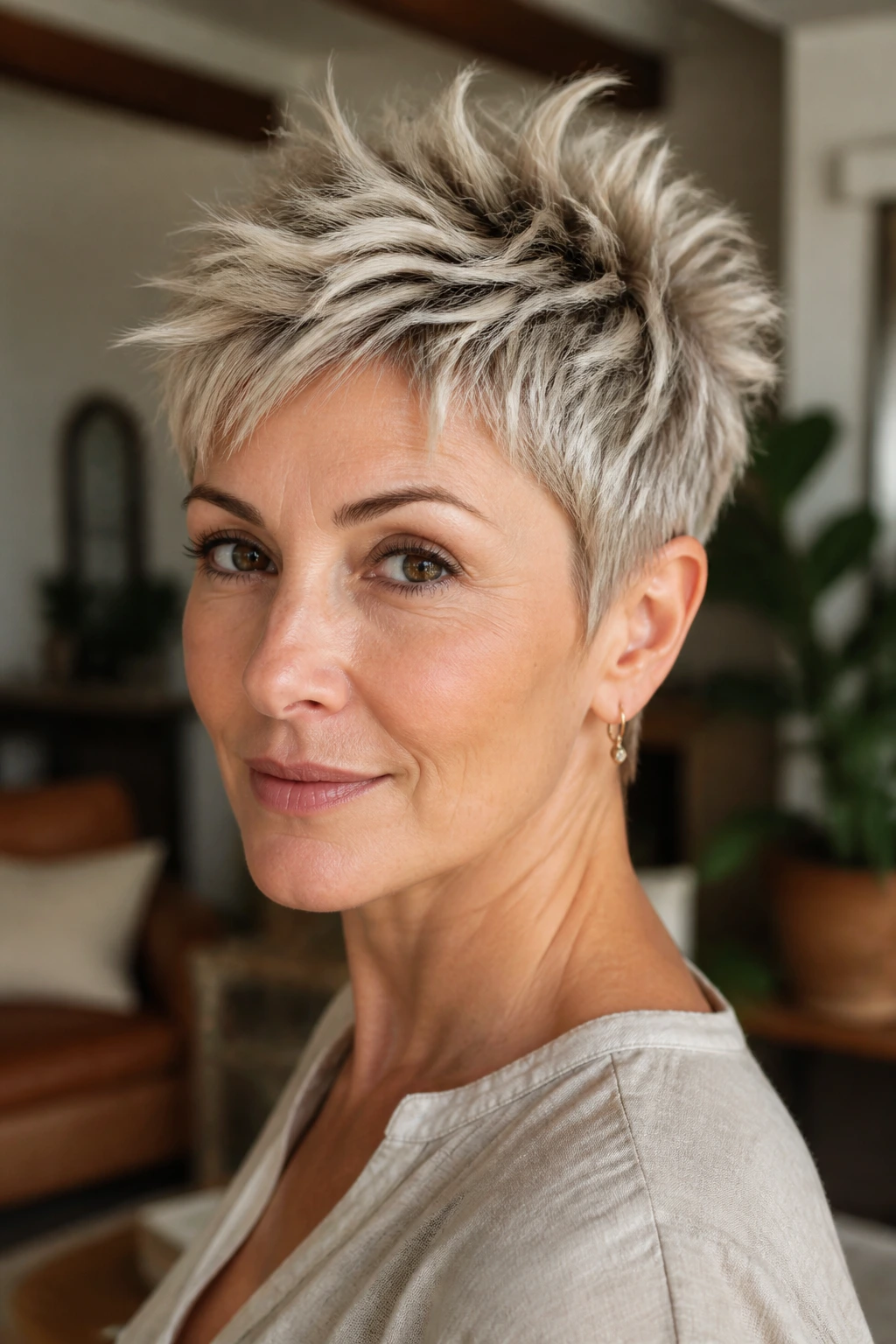
This one is sneaky-good on fine hair. Instead of trying to spike every strand on the head, it concentrates texture at the crown and top front, where the lift matters most. The back can stay close and neat, which keeps the shape from puffing out in the wrong places.
I’ve always liked this cut on women whose hair collapses at the roots but still has some body through the middle. A root-lifting spray at the scalp, then a quick blast with a blow dryer and fingers scrunching upward, gives the crown enough grit to hold. The spikes do not need to be uniform. In fact, they look better when a few pieces sit shorter and a few stretch a little higher.
Styling note: Work the product in from the crown forward, not from the ends up. That keeps the base from getting greasy and helps the top stay elevated through the day.
4. The Side-Swept Spike Pixie

A lot of people think spikes have to go straight up. They don’t. A side-swept version can look sharper than a vertical one because the movement has a direction. The front pieces are lifted and nudged to one side, while the rest of the top keeps a broken, piecey texture.
This is one of my favorite options for women who want something edgy but not loud. It works especially well when the fringe is a touch longer than the rest of the top—long enough to flick, not so long that it turns into bangs. A small round brush or even just a vent brush can help set the front sweep while the sides stay tight.
The whole style hinges on contrast. Hard edges at the nape. Softer movement over one eyebrow. That imbalance is what makes it interesting.
5. The Platinum Spike Crop
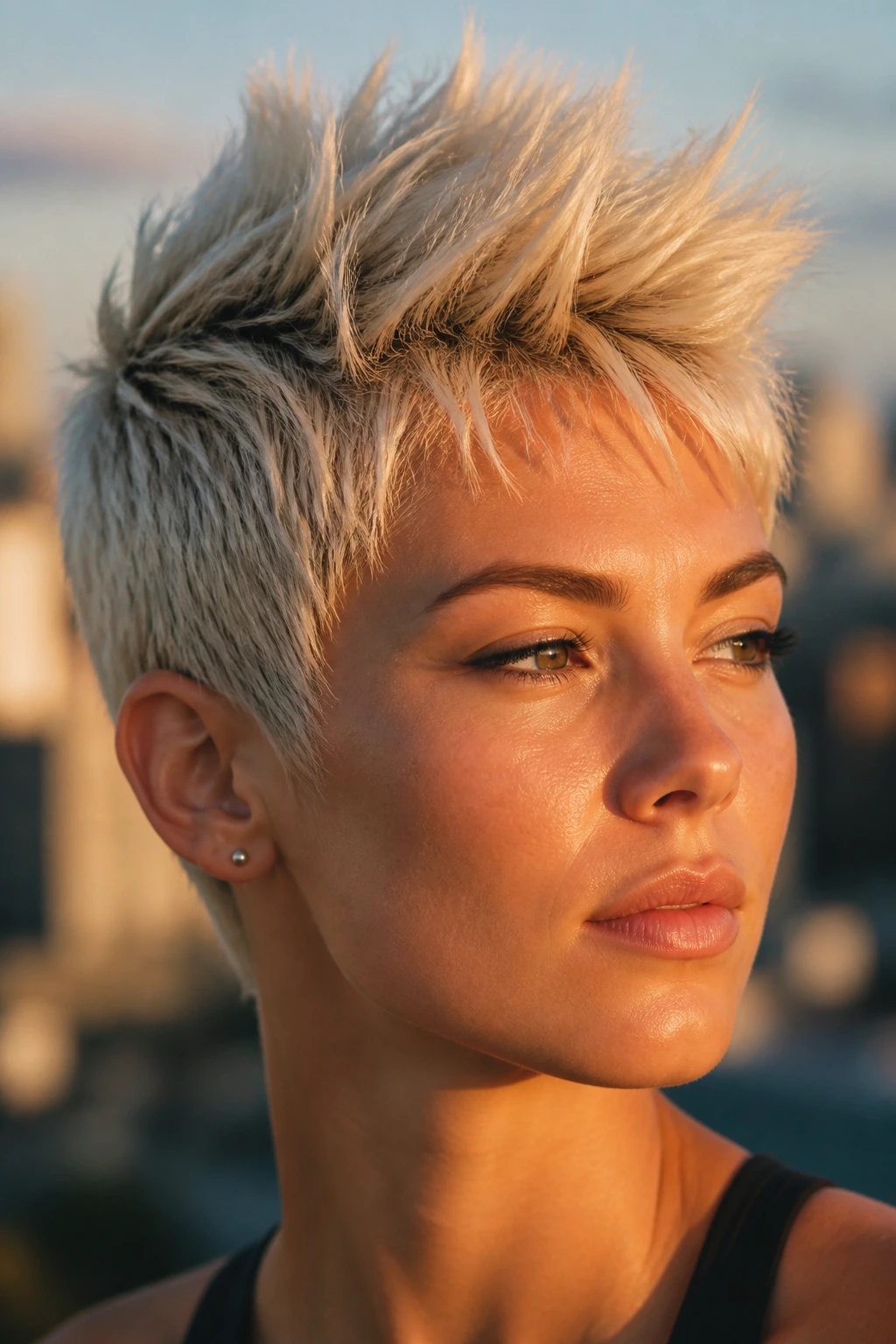
Color changes the way spikes read. On platinum blonde, the texture stands out almost like paper cutouts, especially if the cut has a lot of slice marks or razor detail. That’s why this version looks so crisp: the pale color catches every separated section.
It does ask for honest upkeep. Bright blonde shows dryness fast, and dry hair does not spike well if it’s straw-like. Keep a leave-in conditioner in the routine, and don’t pile on heavy oils right before styling. They flatten the roots and make the ends clump.
If you want a cut that feels sharp without relying on a lot of product, this is a strong choice. The color does some of the visual work, so the styling can stay light. A matte paste or molding cream is usually enough.
6. The Asymmetrical Spiky Bob

A bob does not have to sit politely at the chin. When one side is cut a touch shorter or tucked closer to the head, and the top is worked into short spikes, the shape gets a jagged, editorial feel. This version works best when the length skims somewhere between the jaw and the top of the neck.
The asymmetry is the point. It gives the style a built-in off-balance look, which means you don’t need to overstyle it. A small amount of wax on dry hair is usually enough to push the top pieces upward and keep the longer side from falling flat against the cheek.
What to watch for
If the bob is too round, the spikes get lost. Ask for interior texture or light razoring so the ends separate instead of sitting in one solid line. A flat bob with spikes on top can look accidental. A chopped bob with direction looks intentional, and that difference shows even from across a room.
7. The Wet-Look Spike Pixie
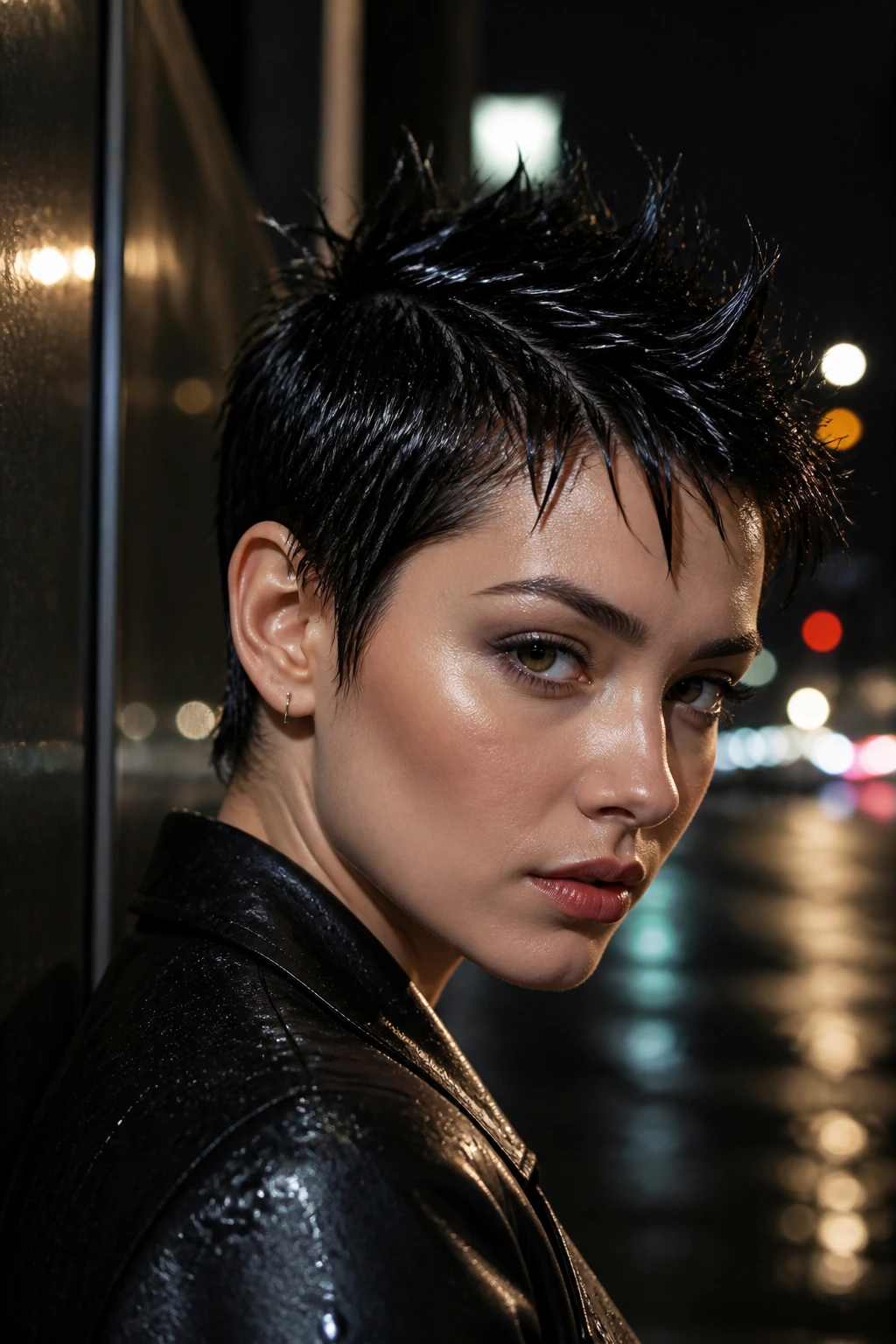
This one is for the people who like shine. The wet-look spike pixie uses gel rather than matte paste, so the finish is slick, dark, and defined. The hair sits close to the head, but the front and crown still get enough lift to show shape instead of just shine.
It’s a good choice when you want the style to look deliberate under strong light. Evening events, photo-heavy days, or a sharp outfit can all handle this kind of finish. The key is using gel on hair that is damp, not dripping. If the hair is soaking, the product slides; if it’s nearly dry, the gel can drag and clump.
The result should look molded, not crunchy. You want separation at the ends and a smooth base at the roots. That balance is the whole game here.
8. The Curly Frohawk Spike
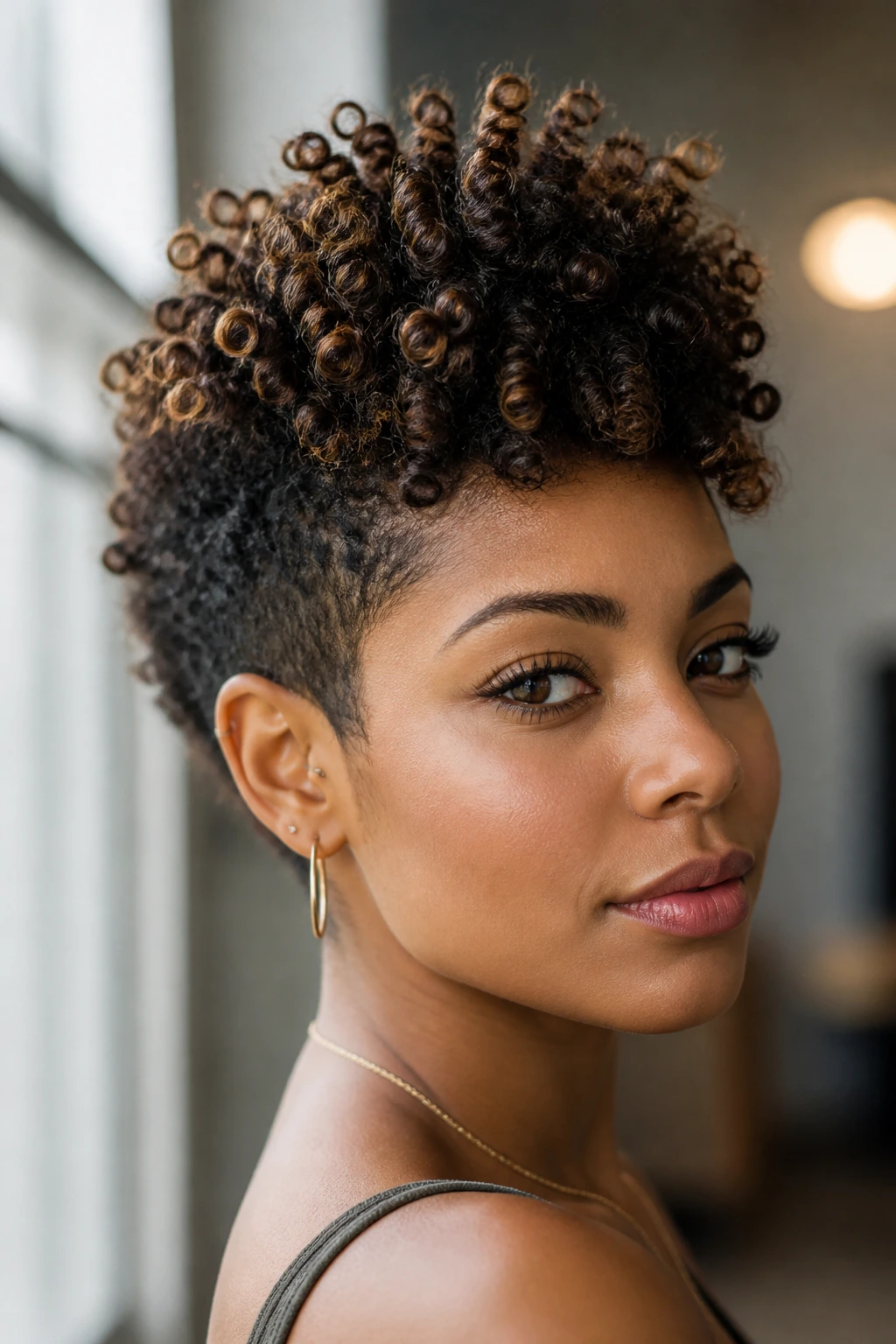
Curly hair and spikes are a better pair than people assume. When the sides are kept tighter and the curls are encouraged to rise through the center, you get a frohawk that feels textured without fighting the curl pattern. It’s less about forcing spikes into curls and more about letting the curls stack into a ridge.
Use curl cream first, then a small amount of gel on the outer layer to keep the shape in place. Diffuse with your head slightly tipped forward so the roots dry in an upward direction. If you touch the curls too early, they lose their spring and collapse.
This style looks especially good when the curls are short enough to stay buoyant. Once they get too long, the ridge can droop. A trim every 5 to 6 weeks keeps the profile clean.
9. The Micro-Spike Buzz
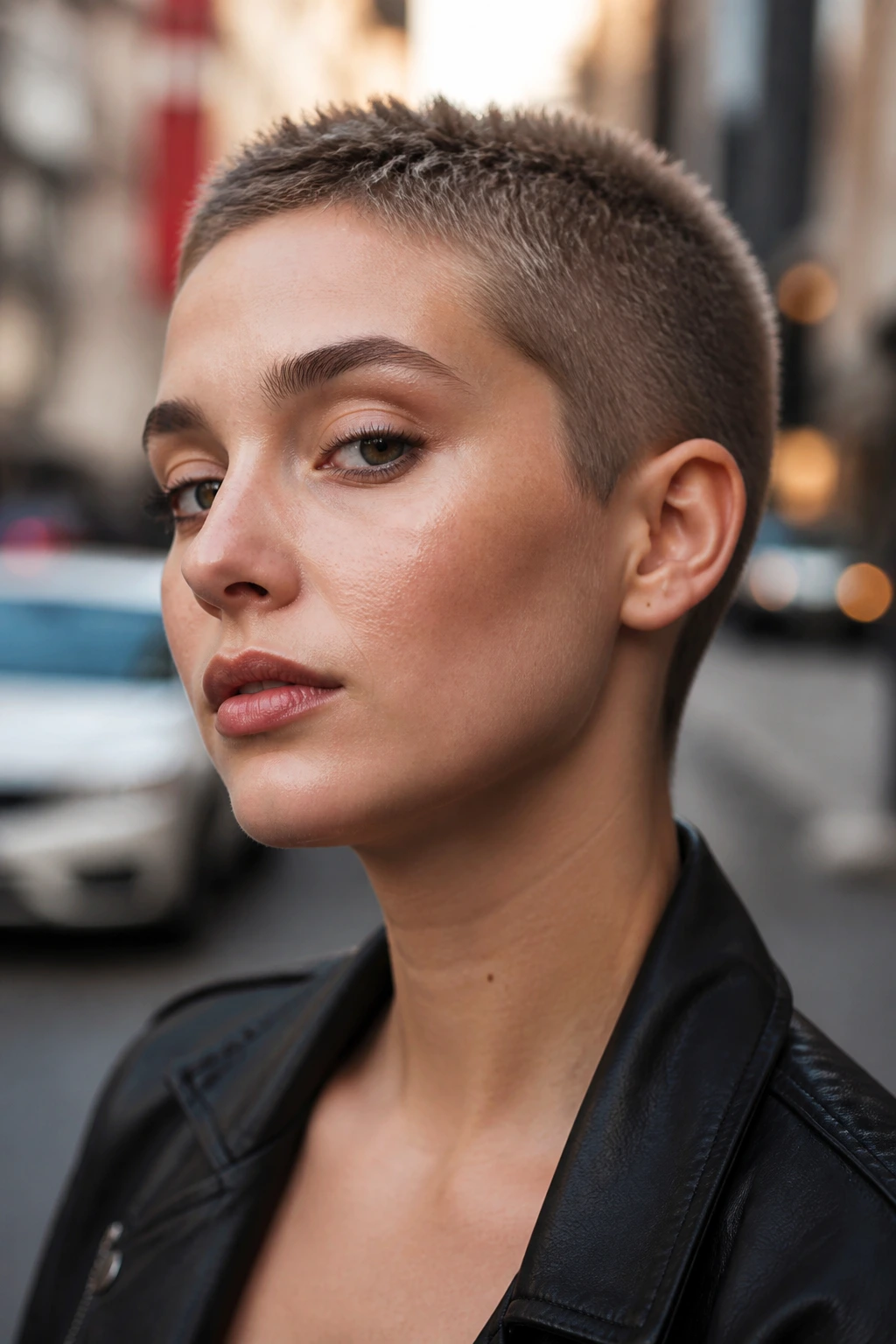
Tiny hair can still have attitude. A micro-spike buzz is cut close all over, with just enough length on top to let the hair stand in small, soft peaks. The effect is sharper than a plain buzz and more forgiving than a full-on spiky pixie, because there’s almost no length to fight.
I like this look on women who want low maintenance but not invisibility. You wash it fast. You towel-dry it fast. You work in a dab of lightweight cream or paste and finger it into place. That is the whole routine, and it works because the cut is doing the heavy lifting.
It’s also one of the best styles for showing off earrings, brows, and cheekbones. There’s nowhere for the hair to hide, which sounds severe until you see how clean the line looks around the ears and nape.
10. The Undercut Spike Sweep
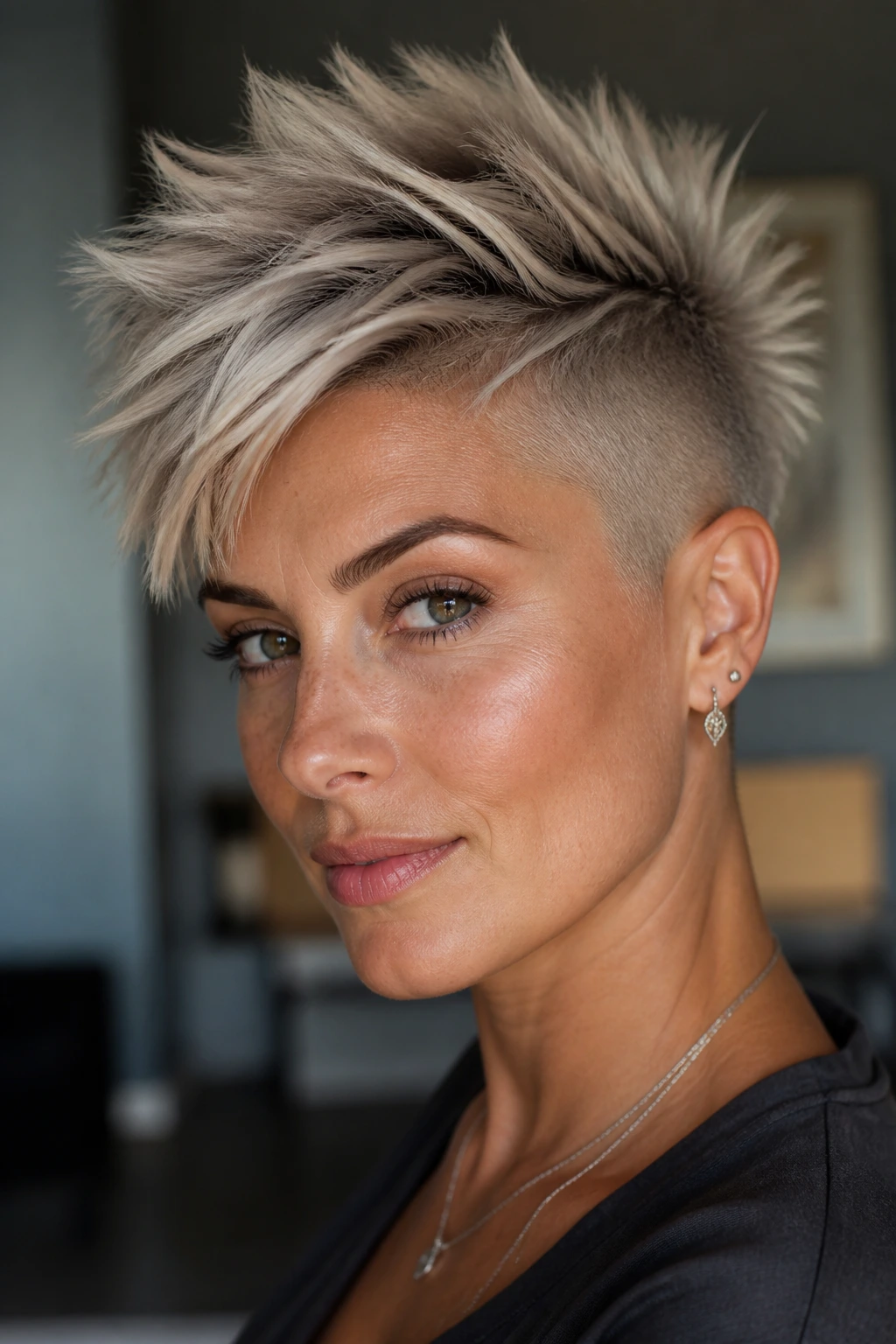
A hidden undercut can change everything. When the back and sides are clipped shorter underneath, the top hair has room to sit higher without bulking out around the ears. The spikes can sweep forward, upward, or slightly to one side, depending on how much movement you want.
This cut has a nice trick: when the hair is down, it can look like a short crop. When you push the top into spikes, the undercut suddenly shows the shape underneath. Two moods. One cut.
Best when you want flexibility
If you work in a place that likes neat hair but you still want some edge, this is one of the smarter options. Keep the top around 2 inches, use a medium-hold clay, and direct the hair with your fingertips rather than a comb. A comb can make the top too tidy. Finger styling keeps the texture alive.
11. The Razor Fringe Spike Cut
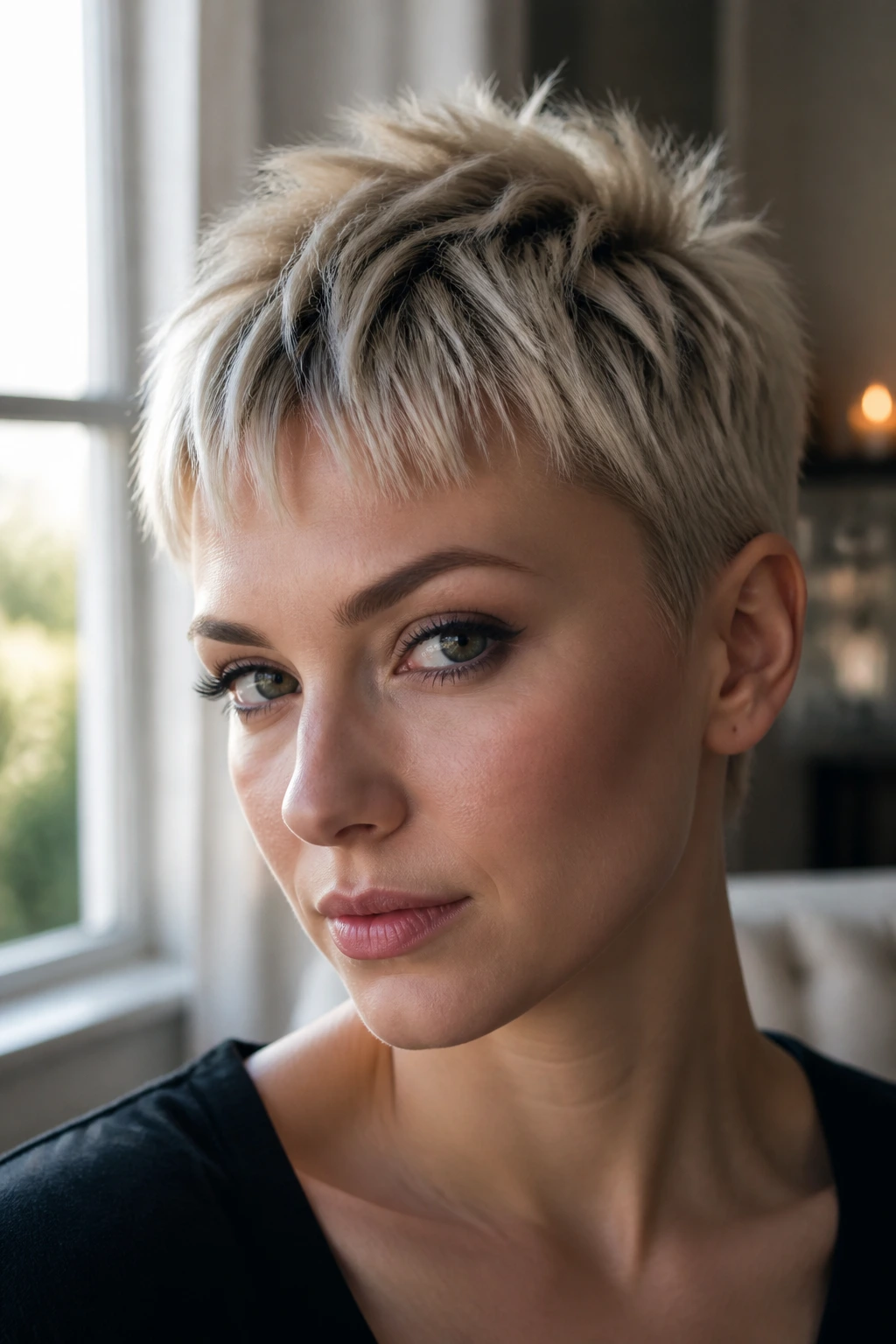
A spiky fringe can be a lot of fun when it’s cut with a razor or point-cutting shears. Instead of one blunt bang line, the front breaks into short, uneven pieces that stand up or angle forward. It gives the face a sharper frame and works especially well on shorter foreheads or women who like a piecey front line.
The fringe is the star here, so the rest of the cut needs to stay light. A heavy top will pull the whole look down. Ask for layers through the front and crown, and keep the nape close so the shape doesn’t spread out.
Tip: Blow-dry the fringe from side to side first, then pinch it into place once it’s almost dry. That little bit of movement keeps the front from sticking straight up like a brush.
12. The Spiky Shag
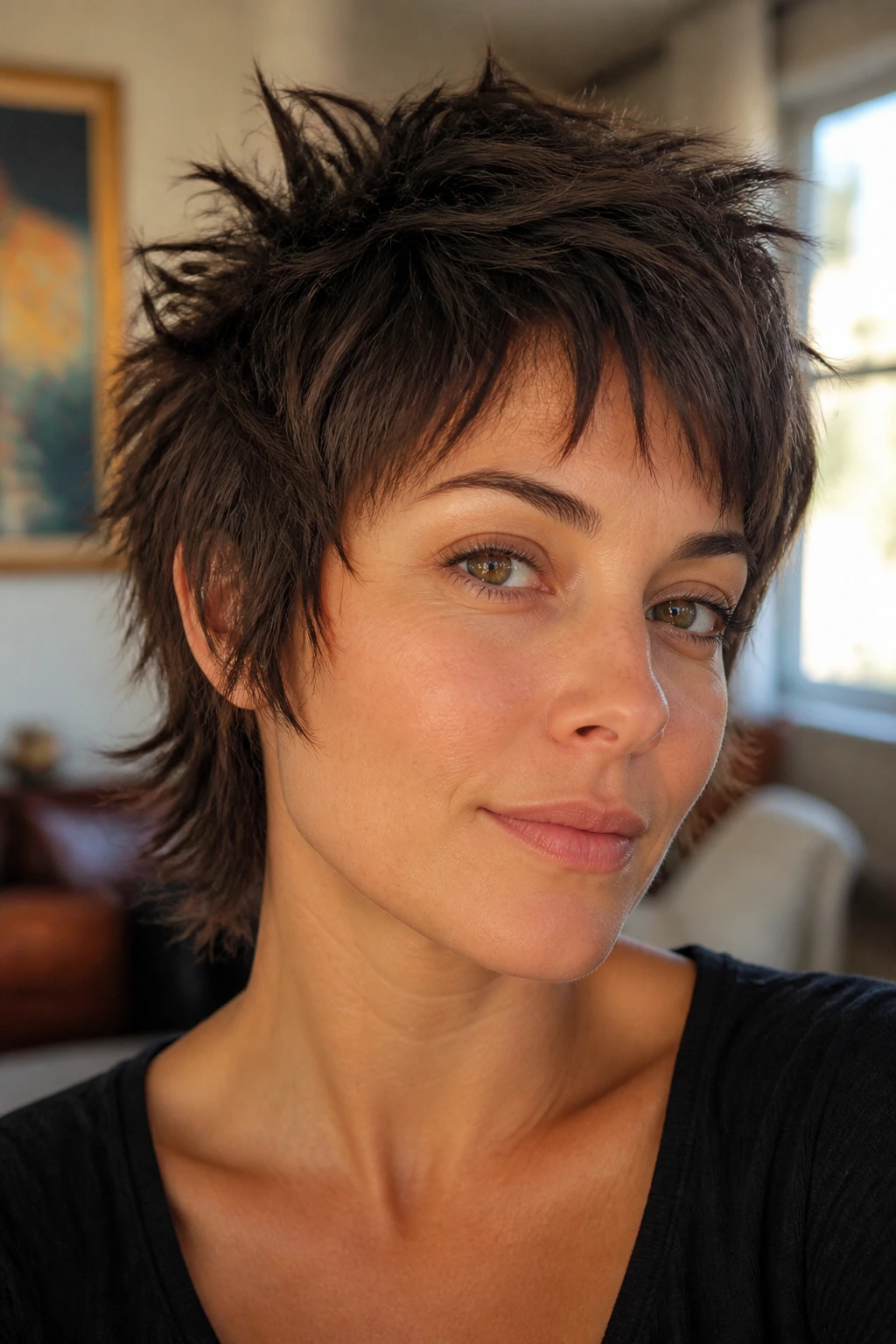
A shag with short spikes sounds odd until you see how well it works. The layers do the texture work for you, especially when the top is short, the crown is broken up, and the sides feather outward instead of sitting flat. It’s less severe than a crop and less polished than a pixie.
This style is good when you want movement more than sharpness. It likes texture spray, a rough dry, and a bit of hand-scrunching. The layers give the hair places to bend, which means the spikes can look loose and a little undone without looking messy.
I’d choose this one for someone with a bit of natural wave or a thicker strand. Thin hair can still do it, but the cut needs to be done with restraint so it doesn’t disappear.
13. The Spiky Mullet
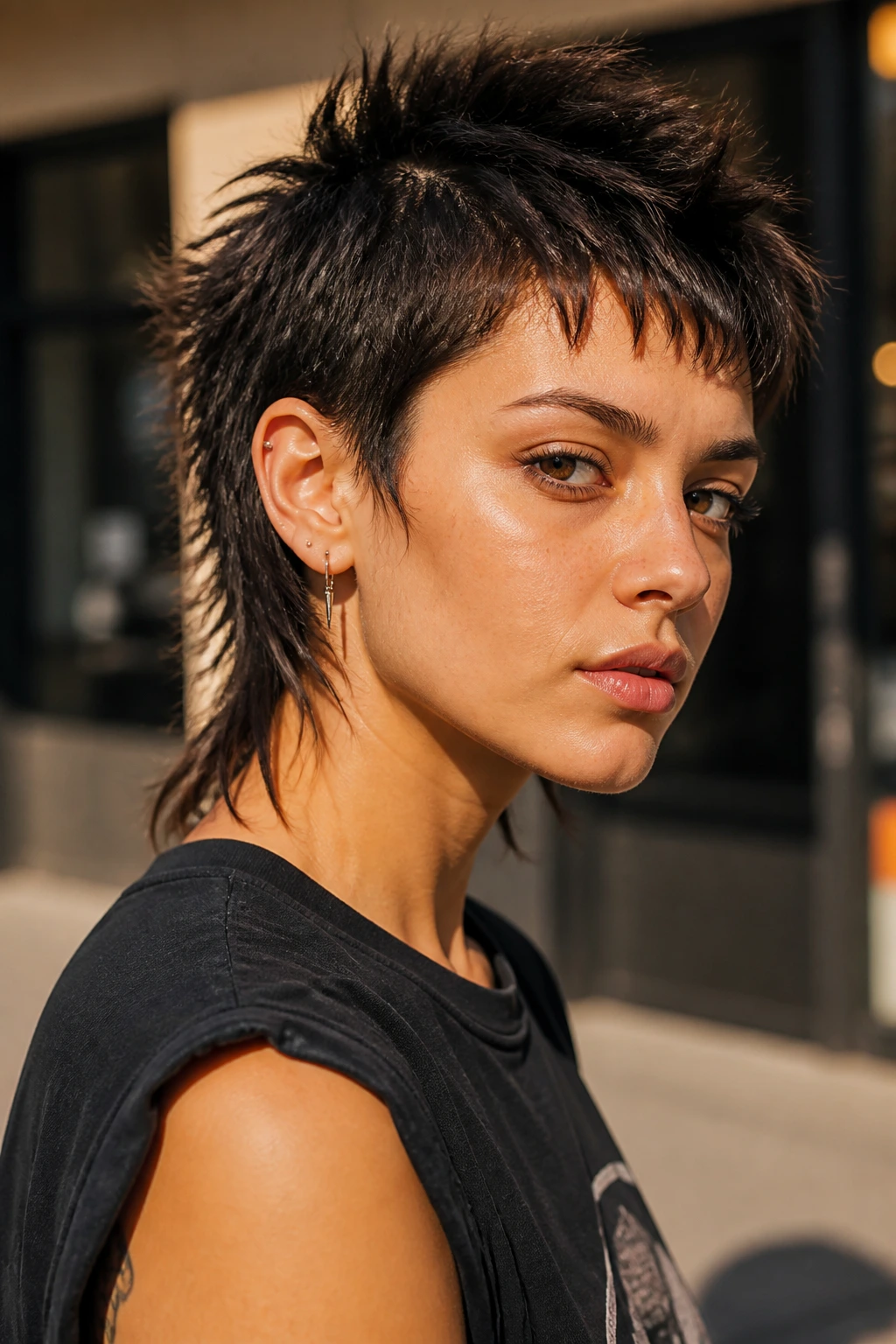
Yes, really. And yes, it can look good. The spiky mullet keeps the top and crown short and textured, then leaves more length through the nape so the back has a tail-like swing. The whole style feels sharper when the top is choppy and the ends at the back are point-cut, not blunt.
This is not a soft style. It has a built-in edge. That’s the point. It suits women who don’t mind a little drama in the silhouette, especially if the sides are tapered close and the front is lifted in small spikes or a short quiff.
If you want the cut to stay wearable, keep the back controlled. A mullet gets cartoonish fast if the nape runs too long without shaping.
14. The Messy Matte Crop
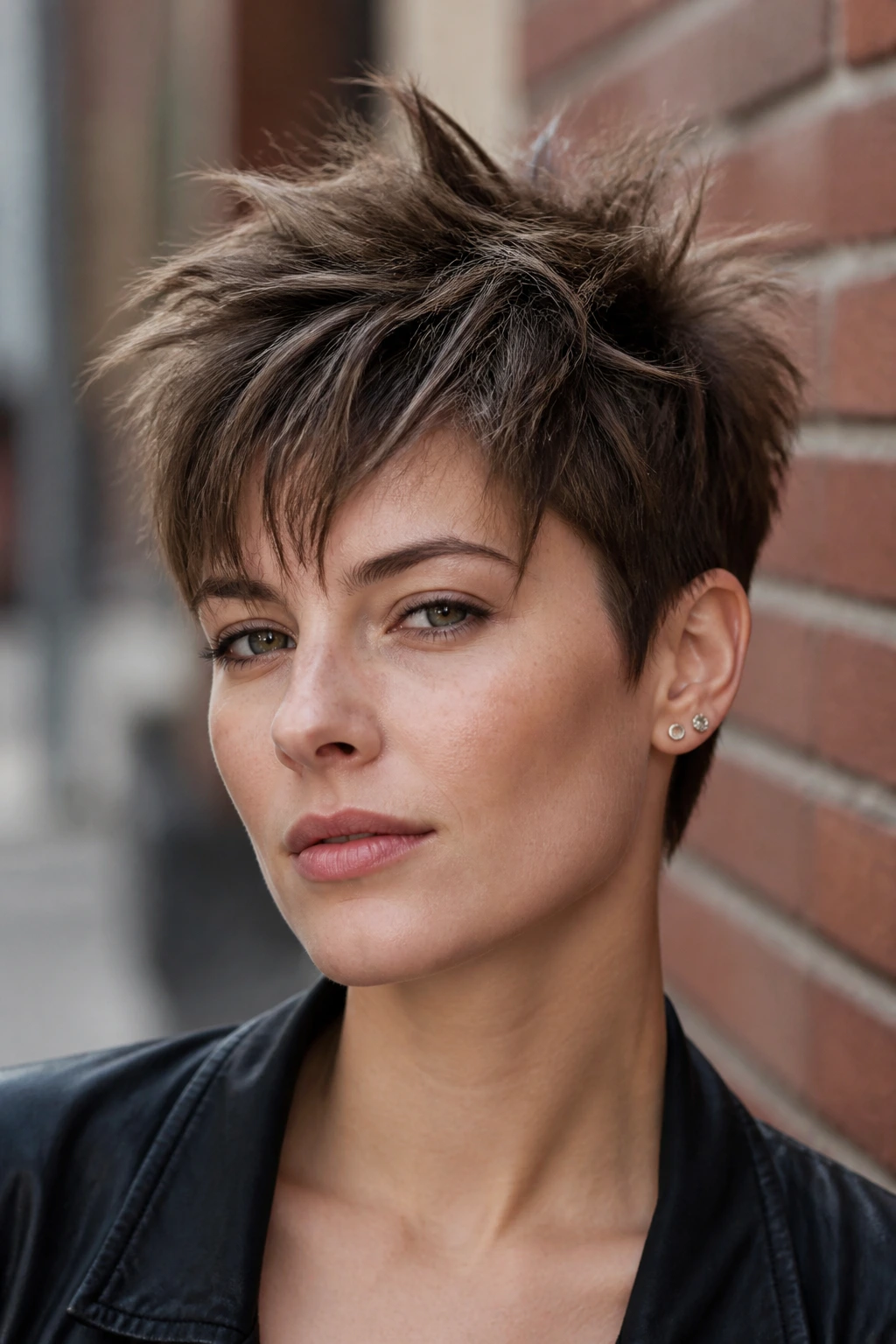
Some spikes should look like they were styled in a mirror. This one should not. The messy matte crop uses a dry finish, broken pieces, and a little separation around the crown so the whole cut looks relaxed rather than carved.
A matte clay is the product of choice here. Warm it in your hands until it almost disappears, then press it into the roots and drag the residue through the ends. The goal is not uniform spikes. The goal is random lift with a few stronger points around the front and sides.
How to keep it from looking flat
Dry the roots first. Always. If the root area stays damp, the product sits on top and the style collapses within an hour. A quick blast of heat, head upside down or tipped forward, gives the crop the backbone it needs.
15. The Feathered Fine-Hair Spikes
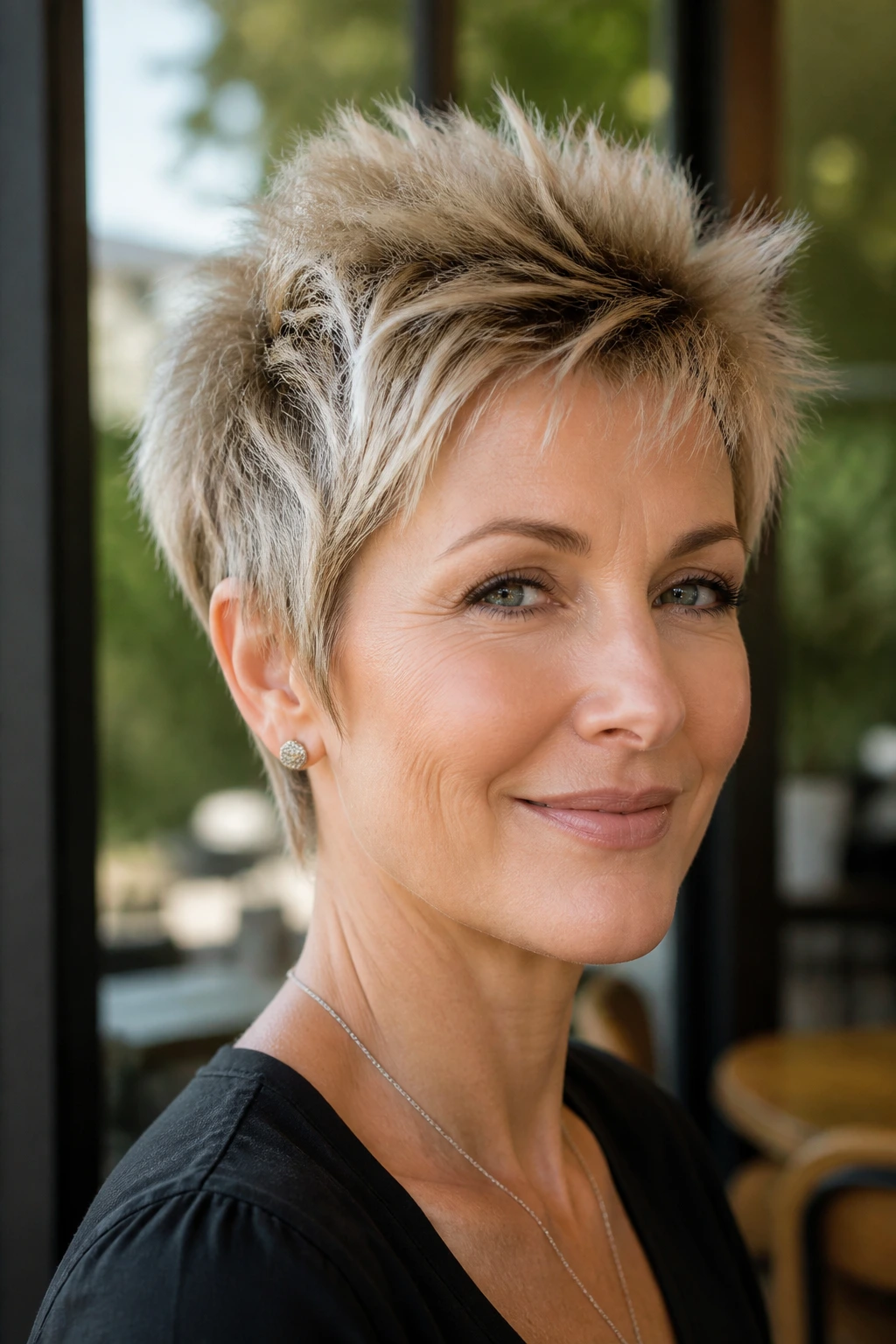
Fine hair can look fuller when the spikes are feathered instead of rigid. That means the ends are cut lighter and the product is used sparingly so the strands separate without clumping. The effect is airy, not stiff.
This is one of those styles where the haircut does half the work. Ask for texture through the top, but keep the layers soft enough that the hair can bend. A volumizing mousse at the roots, then a little paste at the ends, usually gives the best result.
I prefer this version on women who want lift without visible product. Too much gel on fine hair turns the scalp shiny and the ends stringy. A light touch leaves more movement and more body.
16. The Center Ridge Spike
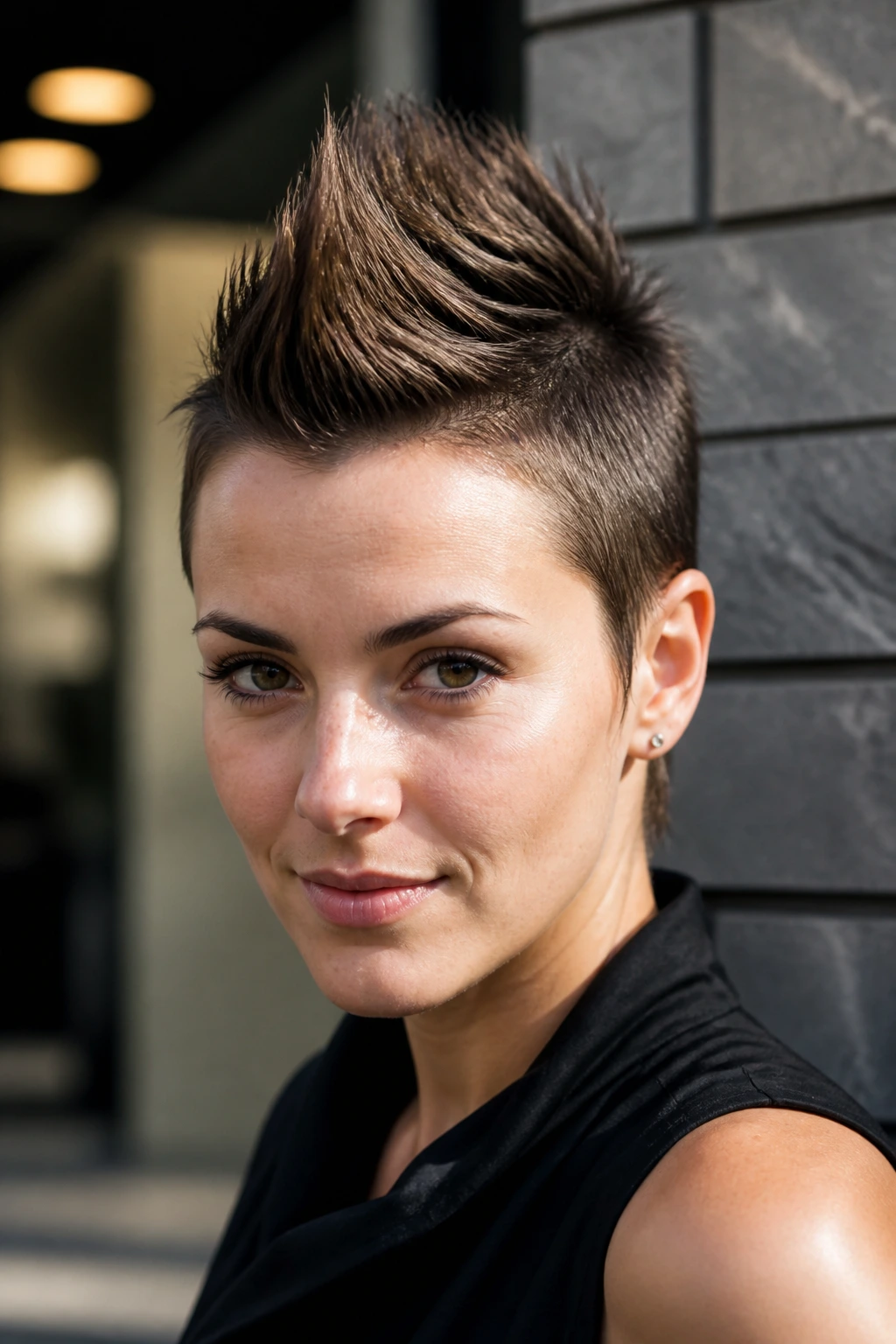
A center ridge is a bolder, cleaner answer to spikes. The hair rises along the middle from forehead to crown, with the sides kept tighter and the top structured into a single line of lift. It has a slight mohawk feel but reads more controlled, especially when the ridge is kept narrow.
This style needs confidence in the shape. If the ridge is too wide, it loses its punch. If it’s too narrow, it can look spindly. The sweet spot is a defined line that stands up but still breaks into little spikes at the tips.
What makes it different
Unlike a soft faux hawk, this one wants a more obvious center line. It’s the cut for women who like strong structure and don’t mind being noticed. A firm-hold paste or gel-wax blend usually gives enough control without turning the hair into a helmet.
17. The Tapered Nape Spike Pixie
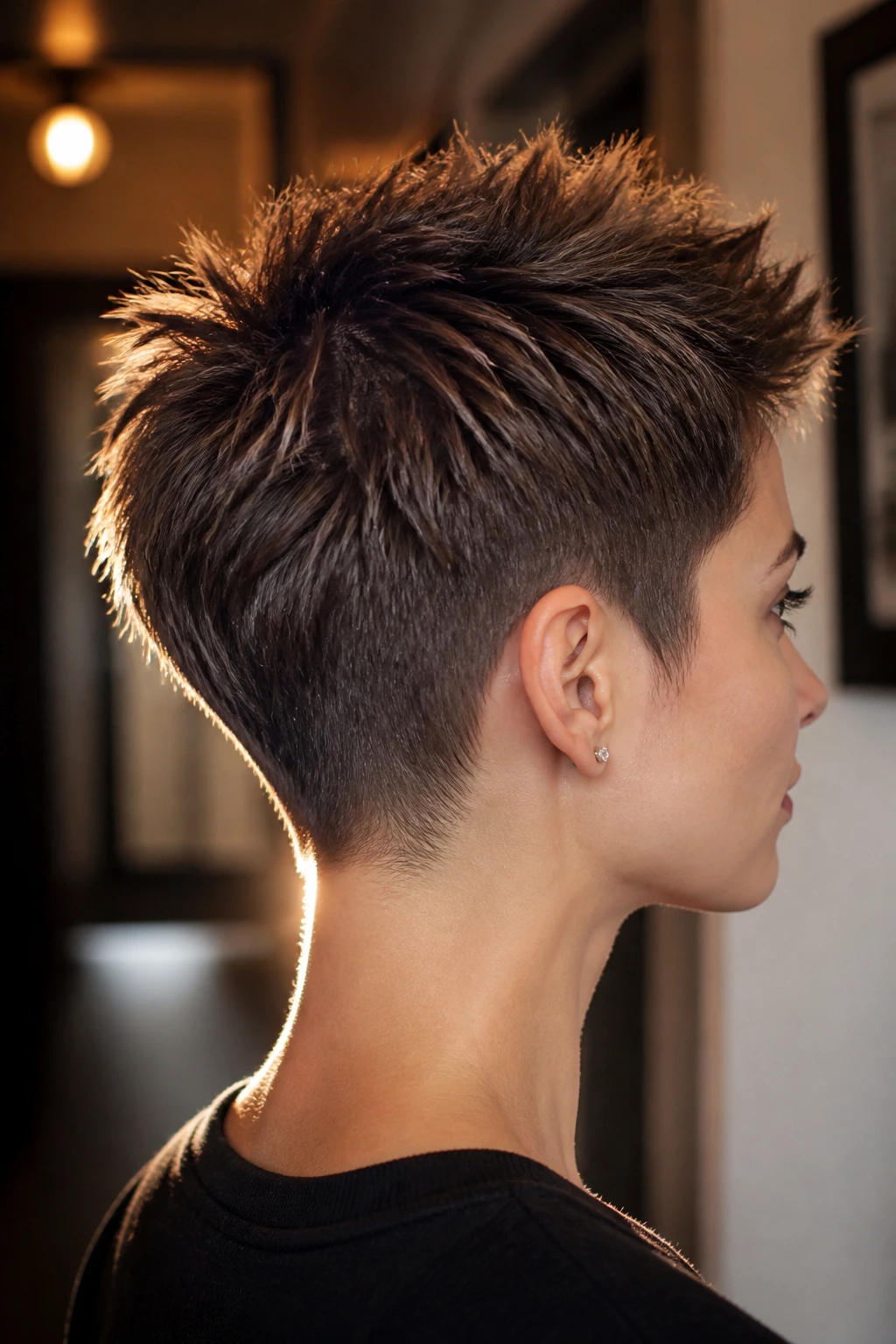
The nape is the quiet hero here. When the back tapers closely into the neck, the top spikes have somewhere to go. Without that taper, the style can look boxy. With it, the whole cut feels lighter.
This version is especially good if you hate bulk at the collar. The short nape keeps shirts, scarves, and jacket collars from fighting the hair, which is a very real daily annoyance with short cuts. I’d keep the top choppy and a little longer than average so the spikes have a soft upward bend.
If you like a neck that feels clean and a silhouette that does not puff out from behind, this is an excellent choice. It also grows out better than you’d think, because the taper hides the first awkward stage.
18. The Volumized Quiff Spike
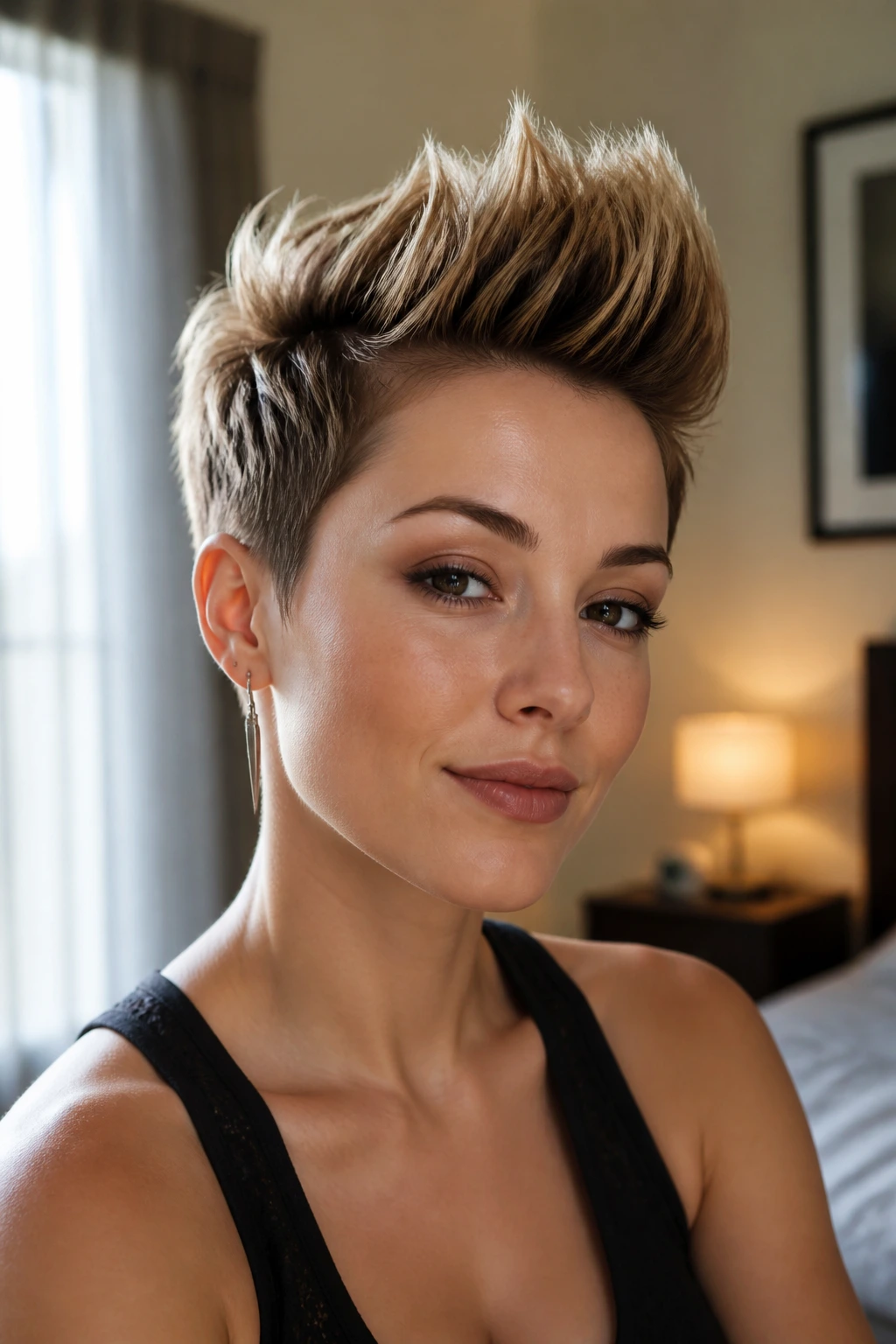
Can spikes have glamour? Absolutely. The volumized quiff spike lifts the front into a taller, sweeping shape before breaking the ends into shorter spikes. Think height at the front, texture through the crown, and a little side control so the shape doesn’t topple over.
A round brush and blow dryer help here, especially if the hair wants to lie flat. Lift the front section straight up and slightly back while drying, then finish with a small amount of paste once it’s cool. That cooling step matters. Warm hair drops. Cool hair holds.
This one works well on women who like a little structure in the front and a lot of movement in the rest of the cut. It’s less punk, more polished, but it still has enough edge to feel modern.
19. The Sliced-Back Short Spike
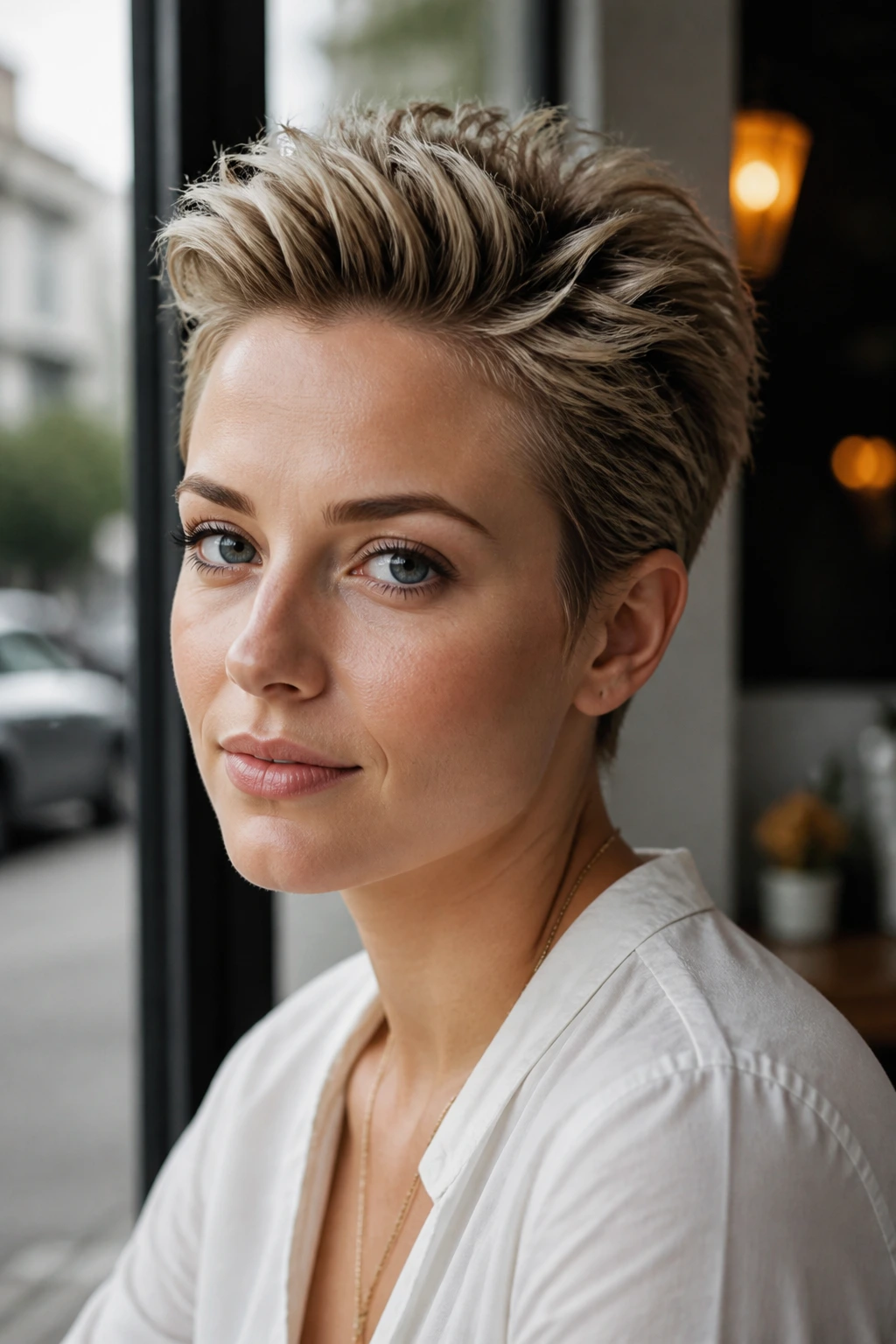
Brushed-back spikes look cleaner than upright ones, and that can be a good thing. The top is cut short and textured, then pushed back and slightly up so the pieces sit like little slices instead of vertical points. It’s a nice option when you want movement but not a hard silhouette.
The finish should be soft around the hairline and stronger at the crown. That keeps the face open. It also helps if the sides are faded or closely tapered, because the slick-back effect needs contrast to show up.
Best for strong features
This style flatters a strong brow, a defined cheekbone, or a sharp jaw because it doesn’t crowd the face. Use a lightweight pomade or wax and keep the product away from the roots if your scalp tends to get oily fast.
20. The Soft Spike Lob
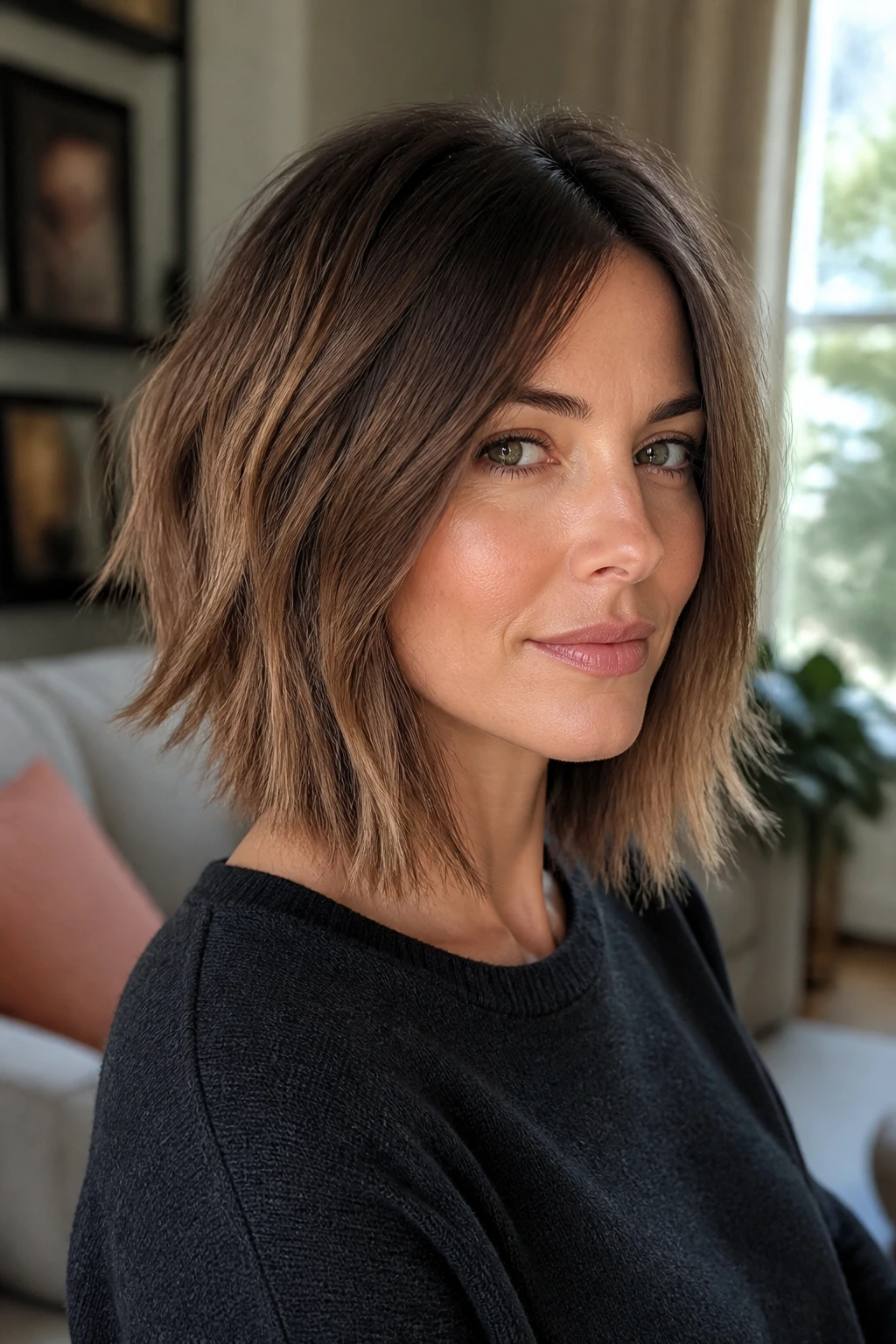
A longer bob can still play in this category if the ends are cut with enough texture to flick and lift. The spikes here are softer, more like broken points at the ends than upright peaks. That makes the style easier to wear for someone who wants edge without a full crop.
This look needs internal layering. Without it, the lob just hangs. With it, the ends can kick outward and the crown can get a bit of lift. A texturizing spray on dry hair is usually enough, especially if you rough-dry the roots first.
I like this one for women who are growing out a pixie but don’t want to lose the sharpness completely. It bridges the gap nicely. A little messy. A little deliberate. That’s the sweet spot.
21. The Gray-Silver Spiky Crop
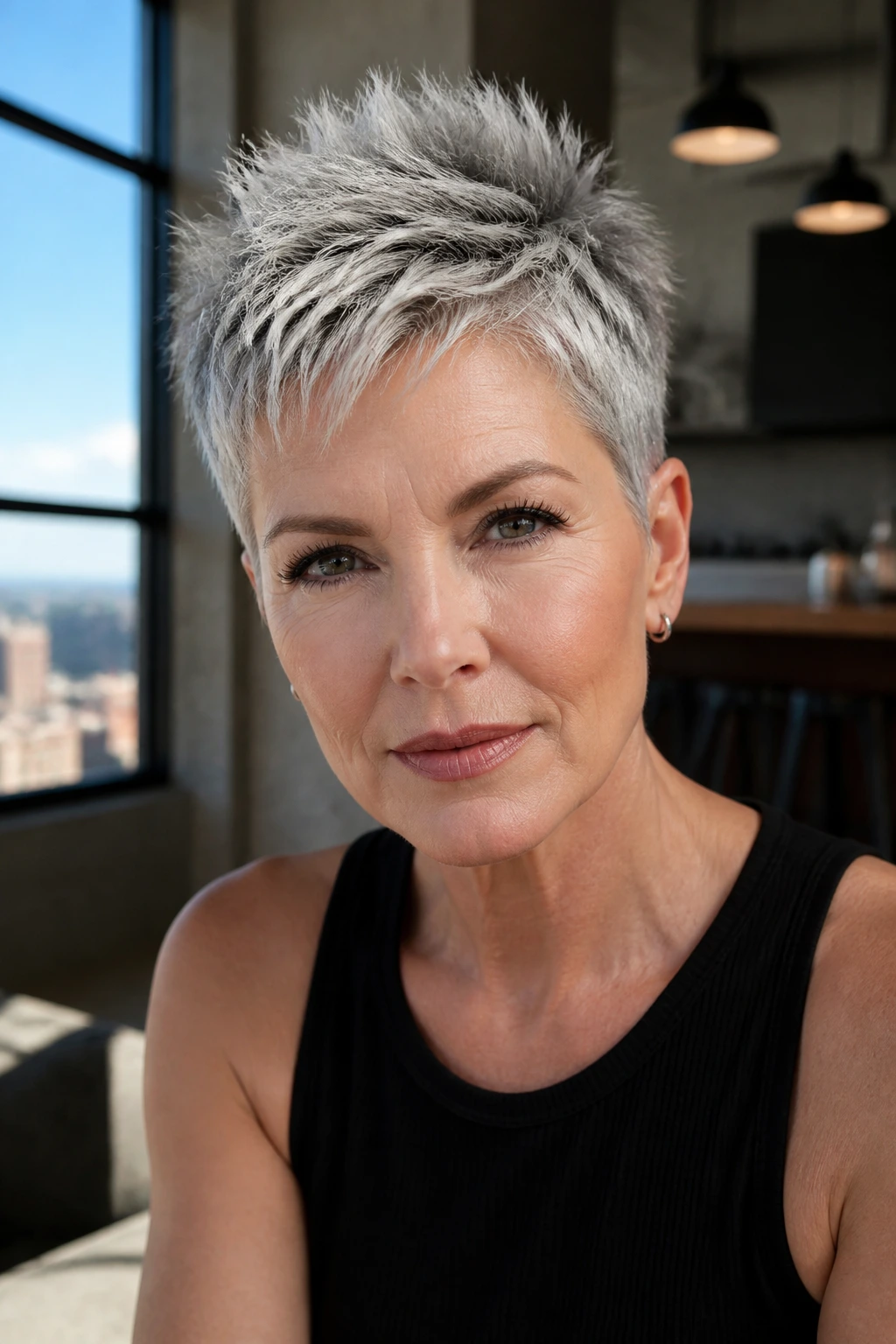
Silver hair and spikes are a strong combination because the texture catches the light differently at every angle. The color can make the cut look clean and expensive, but only if the crop itself is kept tight and the ends are shaped well. Gray hair that’s left too soft tends to puff. Gray hair that’s cut with clean texture turns sleek and modern.
Use a lightweight paste or cream. Heavy wax can drag silver hair down and leave a dull film, which is especially annoying on coarse strands. A quick blow-dry with fingers lifting the crown is usually enough.
This style has a nice blunt honesty to it. No pretending. No softening. Just a sharp crop with enough texture to keep it lively.
22. The Two-Tone Spiky Pixie
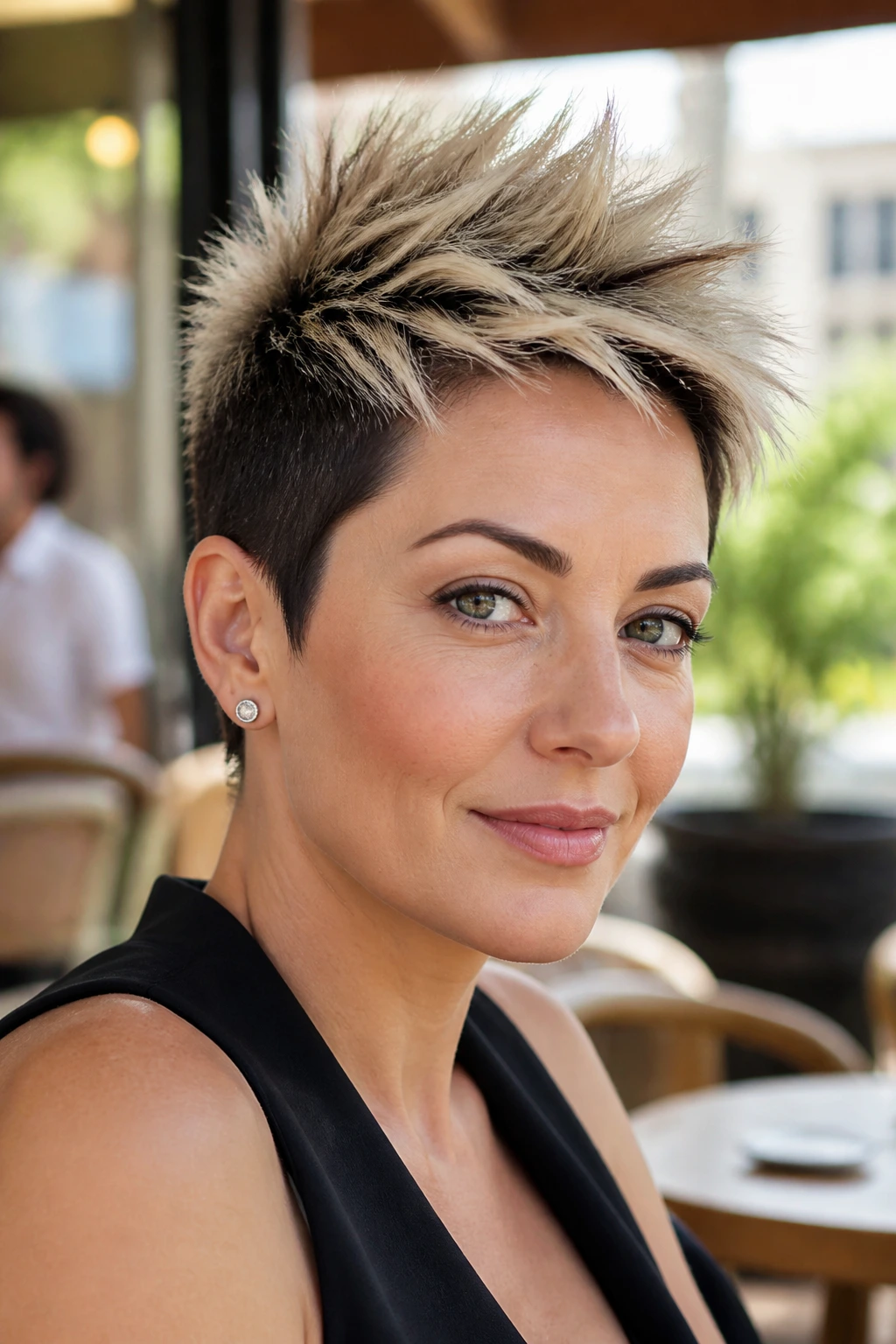
Color blocking can make spikes easier to see. A dark root with a lighter top, or a vivid panel through the crown, gives the cut more depth and makes each point of texture read clearly. That’s useful if your hair is fine or if the top sits close to the scalp.
The key is to place the color where the shape needs help. A brighter crown can make a short top appear taller. A darker nape can shrink the back visually. Color becomes part of the haircut, not an afterthought.
This style works best when the cut is already tidy. If the shape is messy before color gets involved, the contrast just makes the mess more obvious. Sharp cut first. Then color.
23. The Finger-Tousled Crop
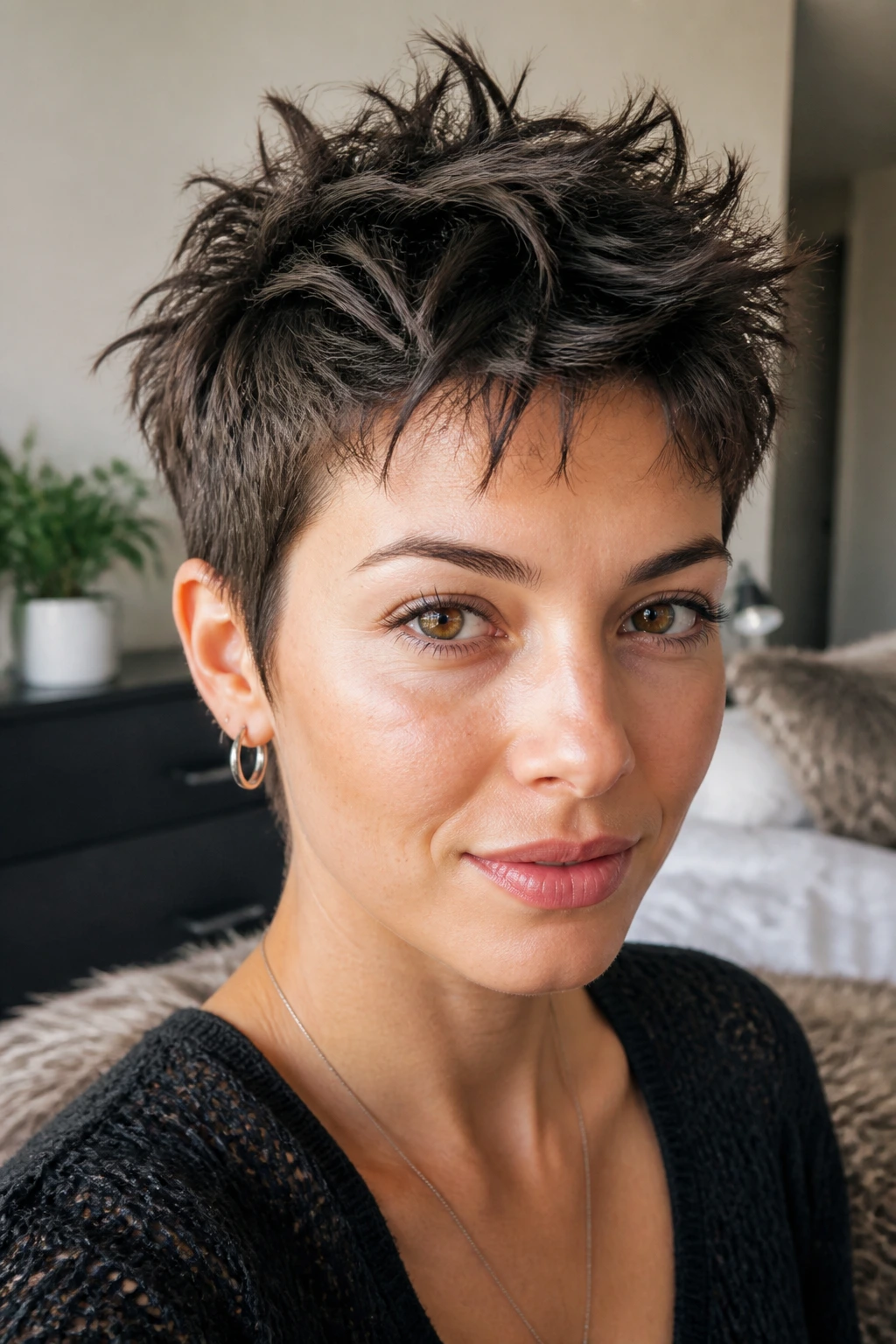
There’s a reason finger styling shows up so often with short texture: it leaves the hair imperfect in the right way. This crop is built for that. The top is short enough to stand in uneven pieces, and the sides are trimmed close enough that your hands can do the shaping without a comb.
How to wear it
Dry the hair most of the way first, then use your fingertips to pinch the top into a few deliberate points. Don’t smooth everything down. Leave a little chaos near the hairline and a little lift at the crown. That unevenness makes the whole cut feel alive.
A small amount of paste, not a glob, is enough. If the fingers start sticking and dragging, you’ve used too much. Stop there. The style should feel broken-up, not coated.
24. The Sculpted Evening Spike
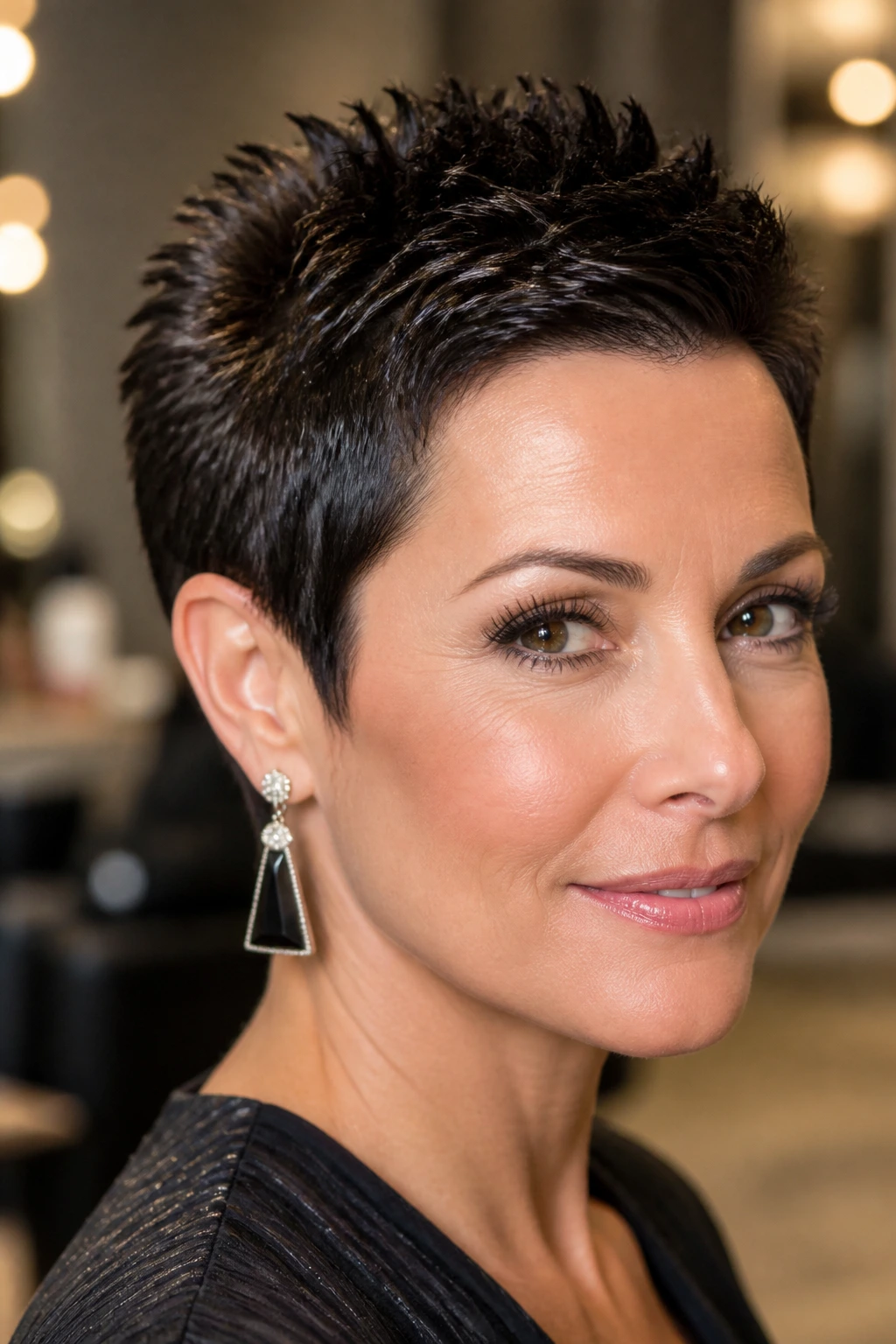
This is the version you wear when you want short hair to look dressed up. The spikes are controlled, the line around the head is neat, and the product finish lands somewhere between satin and gloss. It can sit close to the head or rise slightly at the crown, but it should look shaped rather than tousled.
A fine-tooth comb is useful here, though I still wouldn’t use it for every section. Comb the sides smooth, then use fingers for the top so the texture keeps some life. A small drop of shine serum can tame flyaways, but keep it off the roots or the style will slip.
It’s a good pairing with structured clothes, sharper makeup, or statement earrings. Not because short hair “needs” accessories, but because the clean shape gives those details room to matter.
25. The Natural Coil Spike Halo
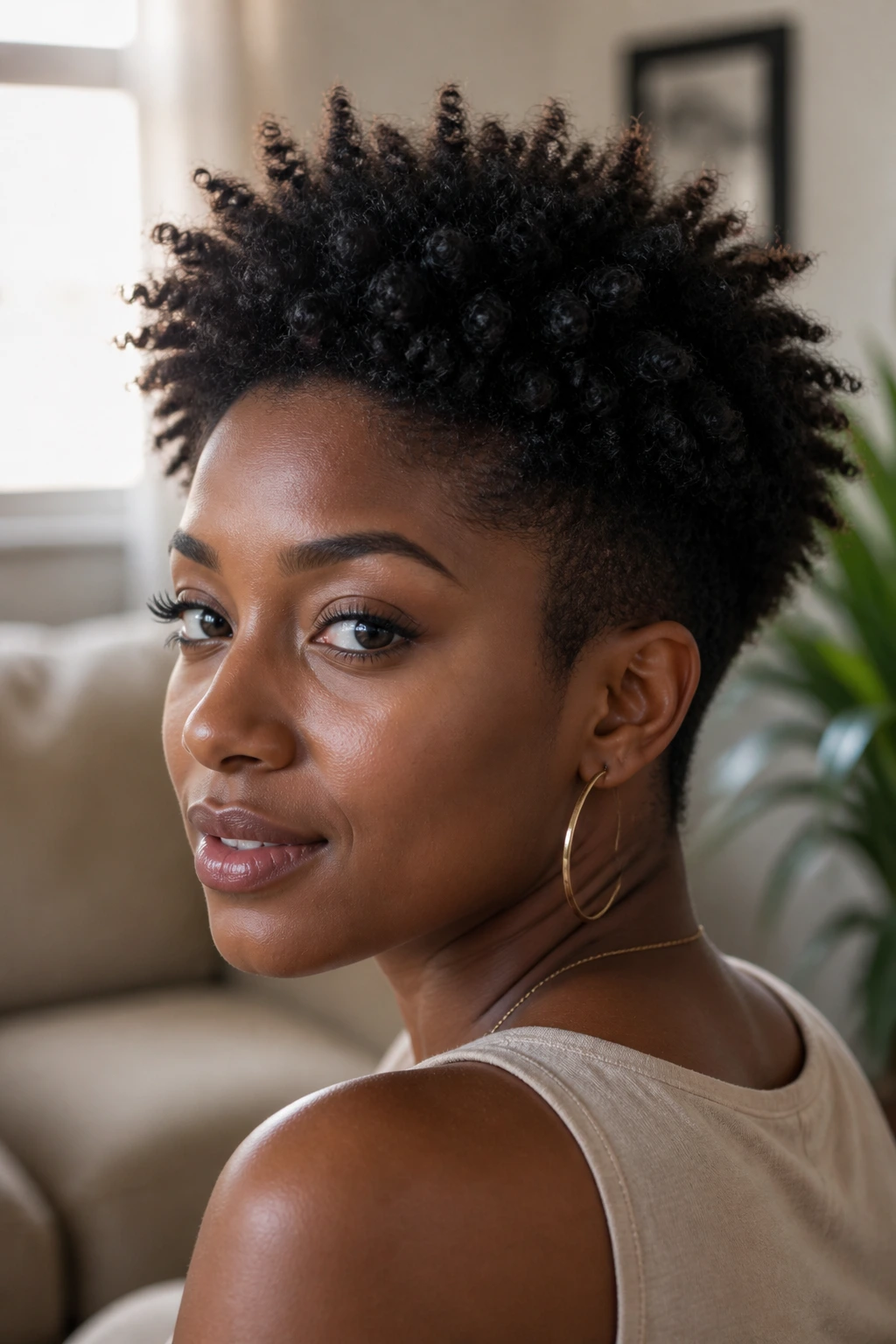
Natural coils can make a beautiful spiky shape when the sides are cropped and the top is left just long enough for the coils to stack upward. The result is less about individual spikes and more about a halo of short texture around the crown. It has personality in it. Plenty of it.
This style depends on moisture management. Start with leave-in conditioner, add a curl-defining cream, and finish with a gel or custard that gives hold without crushing the pattern. A diffuser helps, but so does simple air-drying if you do not disturb the hair too much.
The best part is how alive it looks in motion. The coils lift naturally, and the shape changes a little as you turn your head. That’s the good kind of movement.
26. The Airy Layered Spike Bob
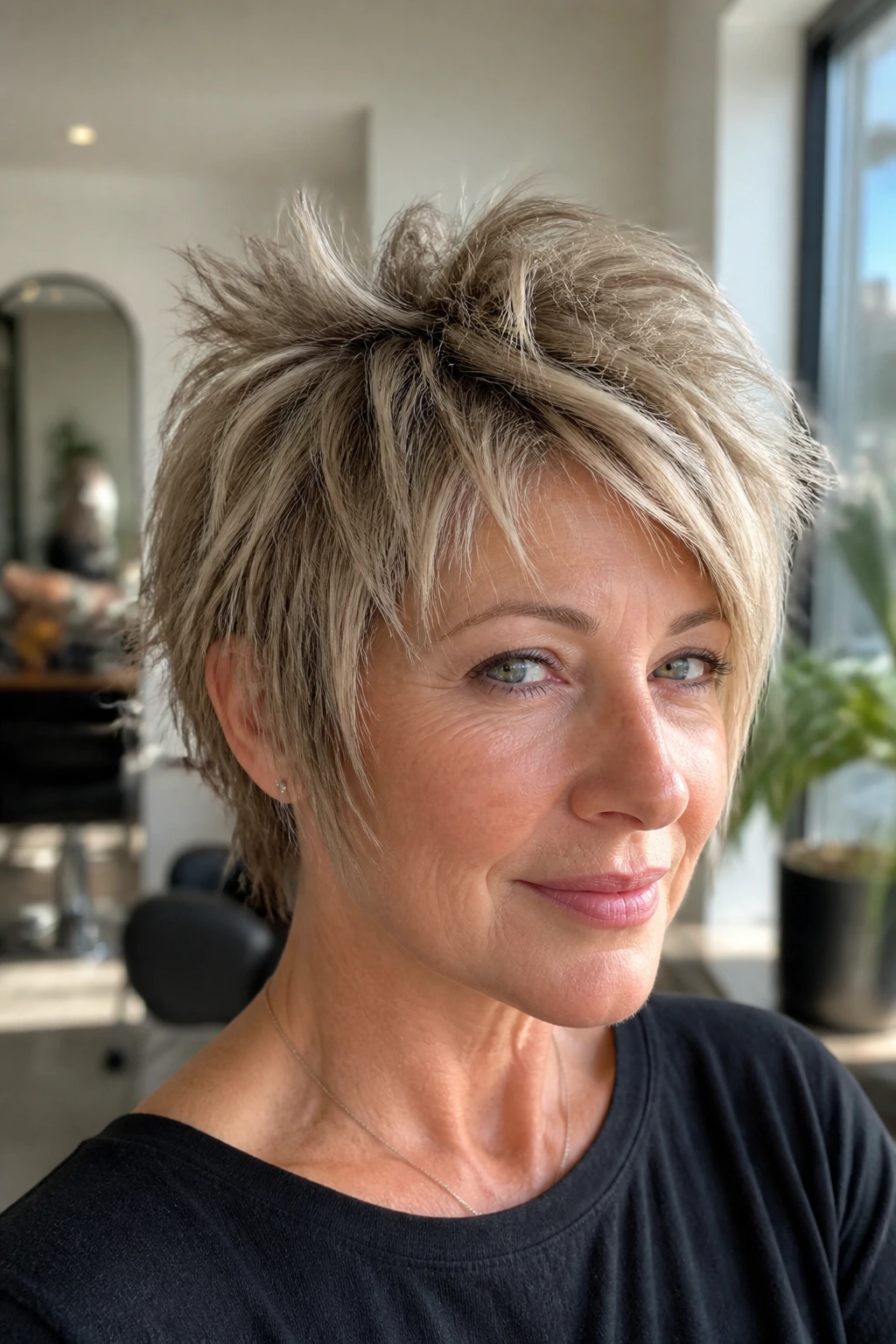
Here’s a cut that proves a bob does not have to be heavy. With the right layering, the top lifts, the ends separate, and the whole shape gets a light, airy texture that reads spiky without becoming severe. It sits somewhere between a classic bob and a cropped shag.
The layers matter more than the product. Ask for soft interior texture so the hair can stack instead of hanging in one blunt line. Then use a lightweight spray wax or texturizing mist to encourage the ends to separate. If the hair is too thick, thin out the interior a bit so the shape doesn’t balloon.
This is a good choice when you want movement around the face but still need enough length to tuck one side behind the ear. Practical. Not boring.
27. The Punk-Leaning Mohawk Slice
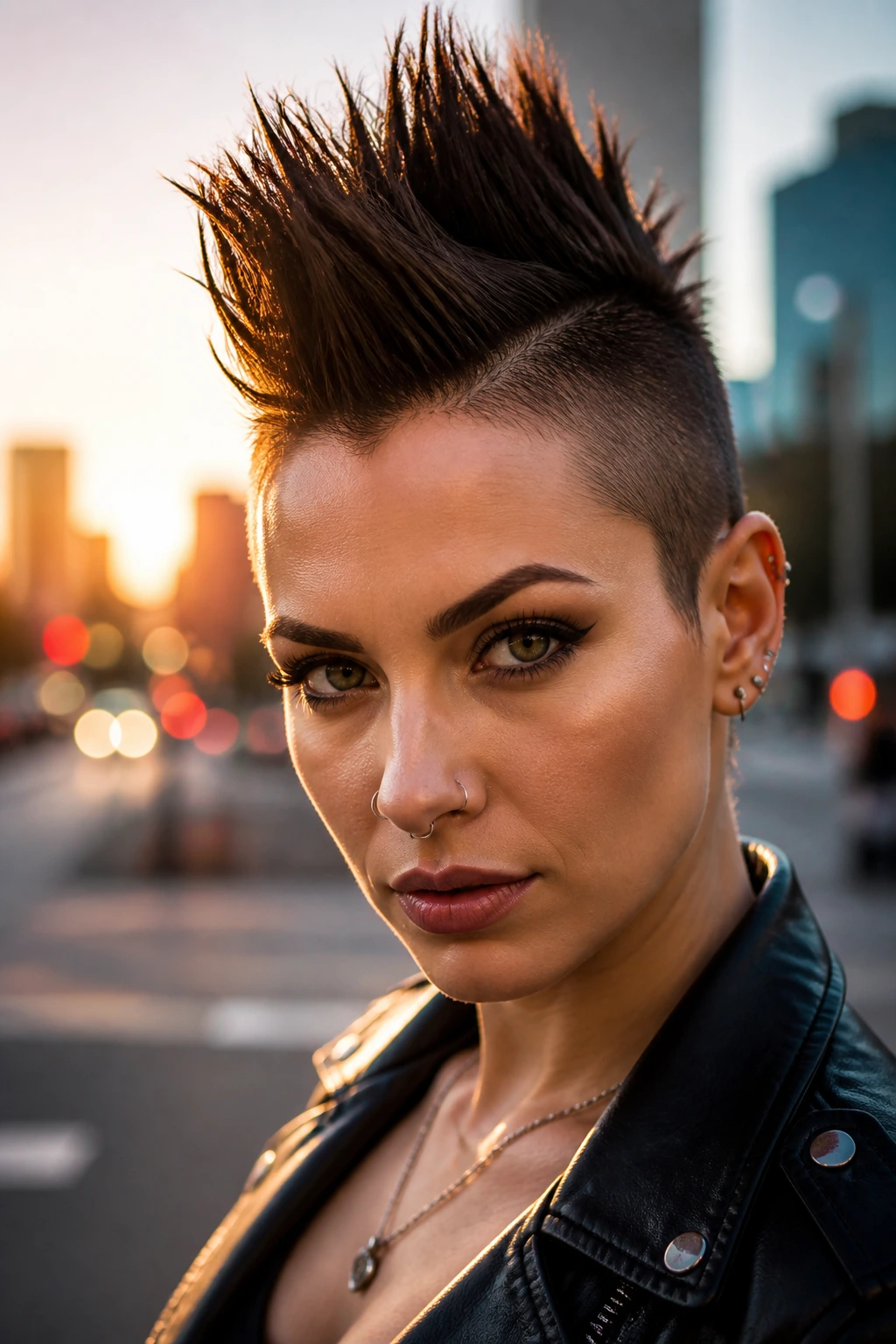
Some days call for a harder edge. This cut keeps the sides dramatically shorter and the center taller, creating a mohawk slice that feels unapologetic. The spikes are usually sharper and more vertical here, with a stronger hold product to keep the shape upright.
You do not need to go full stadium-punk to wear it. A narrow strip, a clean taper, and a controlled amount of height can keep it wearable. But the attitude has to stay. If the center is too soft, the whole point disappears.
Best for: Women who want a cut that reads bold from every angle and are willing to style it properly. That means drying the hair in the direction you want it to stand, then locking the finished shape with a strong paste or gel.
28. The Rounded Spike Crop

Not every spiky cut needs corners. A rounded crop keeps the silhouette soft around the head while letting the top break into small points. It’s a smart choice if you want texture but prefer a shape that hugs the skull more closely.
This version is friendly to women who dislike extreme contrasts. The spikes exist, but they are distributed more evenly so the style looks balanced. A little lift at the crown, a little separation near the front, and close tapering around the sides are enough.
I like this cut because it avoids the stiff look that some spiky styles can get. The shape stays gentle. The texture still shows.
29. The Grow-Out-Friendly Spike
Some short cuts look good for a week and then start misbehaving. This is not one of them. The grow-out-friendly spike is built with slightly longer top sections, a soft taper at the sides, and enough texture that the hair still looks intentional when it gains a half-inch.
That matters. A lot. If you are not in the salon every month, you want a cut that can handle a little extra length without turning puffy or box-shaped. Keep the styling light, and when the ends start to lose their snap, just shift the product a little more toward the crown.
This is the version I’d point beginners toward. It gives you room to learn how your hair behaves without punishing you for missing a trim by a week or two.
30. The Editorial Short Spike Updo
This one bends the rules a little. The base stays short, but the top is worked upward and pinned or slicked just enough to create a tiny updo effect—part spike, part lift, part sculpted cap. It feels fashion-y without asking for a long hair length.
A few bobby pins can help guide the shape, especially if the hair wants to fall forward. Use them under the top layer so they disappear. Then work a firm paste through the surface and pinch the ends into a broken, lifted finish. The goal is control with texture, not a stiff shell.
It’s a strong choice for events or photos because it holds its profile well and keeps the neck open. Clean lines underneath. Lift on top. A short cut can do more than people give it credit for.
Why a Sharp Cut Matters More Than a Big Handful of Product
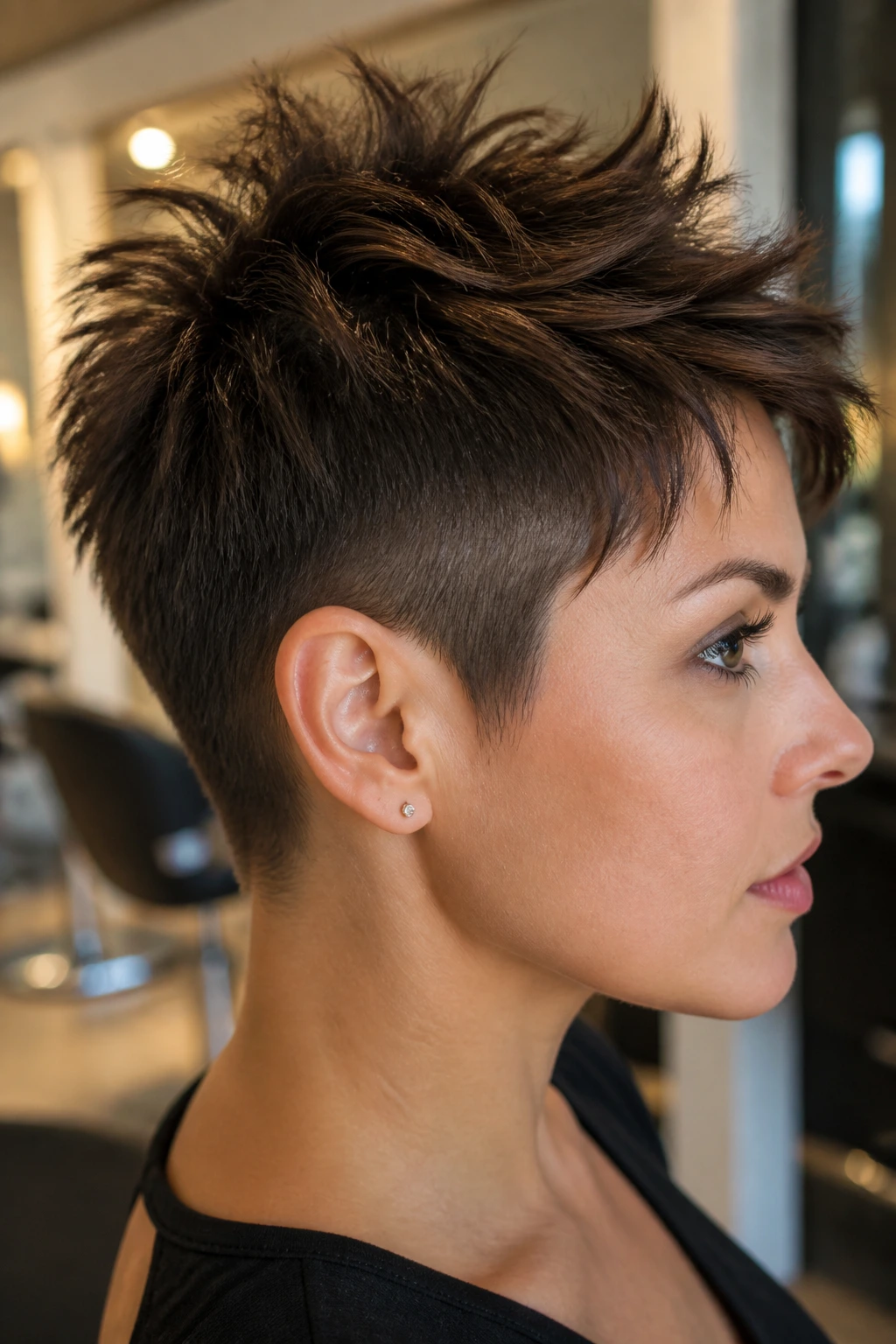
Spiky hair is one of those styles that punishes laziness at the haircut stage. If the cut is too blunt, the product can only do so much. If the sides are too bulky, the spikes look like an apology instead of a choice. The cut underneath has to support the texture on top, or the whole thing wobbles.
That is why so many of the best spiky styles for women share the same quiet structure: tapered sides, layered top, and a shape that narrows where you want lift. The product then becomes the finishing move, not the rescue mission.
What your stylist should hear
Ask for texture, not just shortness. Ask for a tapered nape if you hate bulk. Ask where the crown needs weight removed so the top can stand without fighting the cut. Those little details change the way the style sits on your head more than any photo of a perfectly styled model ever will.
The Tools That Actually Help, Not the Stuff That Just Fills a Drawer
-
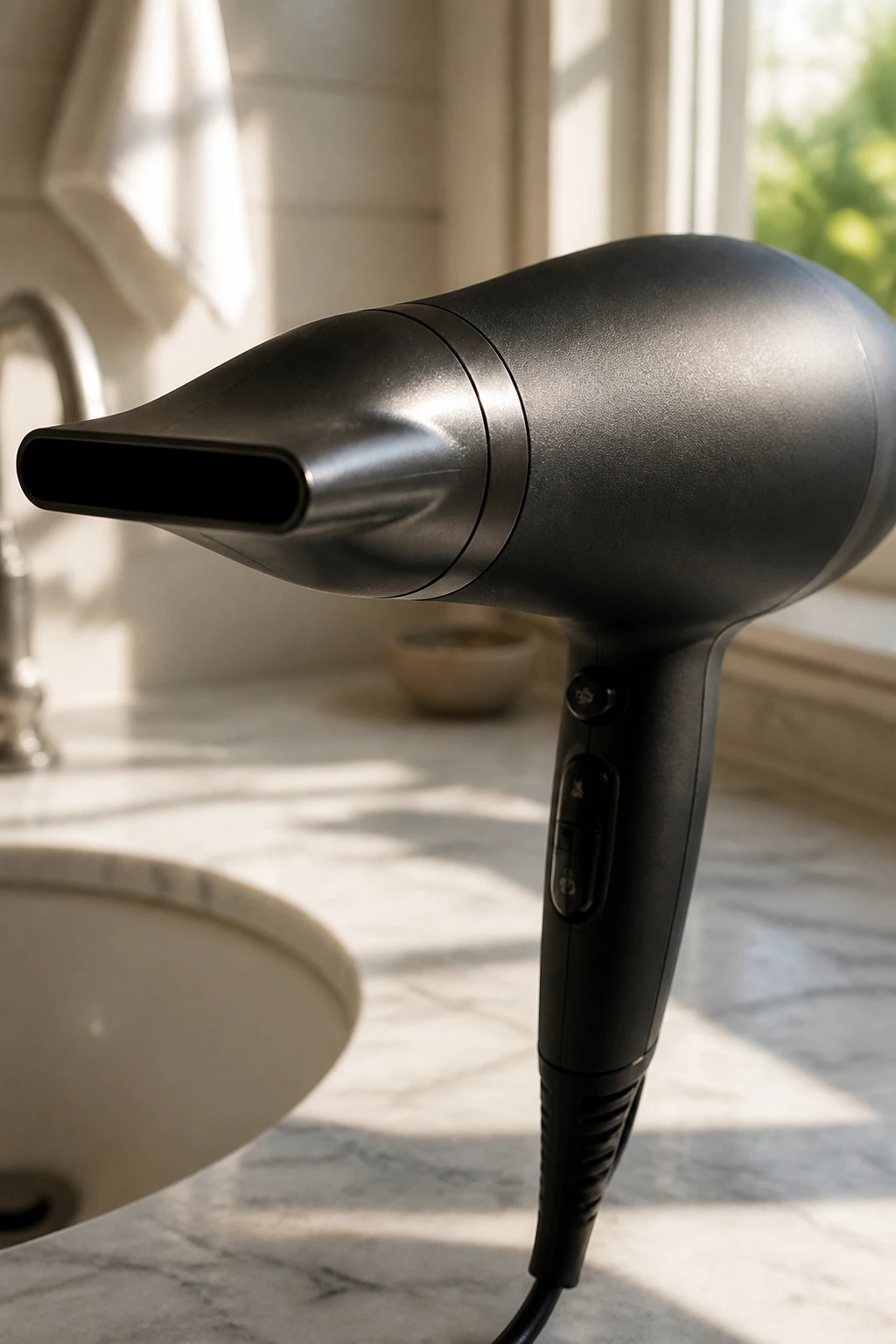
Blow dryer with a narrow nozzle: A nozzle gives you direction at the roots, which matters when you’re lifting short hair instead of just drying it.
-
Small round brush: Useful for front lift, especially on quiffs, side sweeps, and any style that needs the top to bend instead of stick straight up.
-
Fine-tooth comb: Best for sculpted or wet-look spikes when you want cleaner lines and a more exact shape.
-
Matte paste or clay: The workhorse for most short textured styles; it gives separation without a greasy shine.
-
Strong-hold gel: Keep this for wet looks, mohawks, or styles that need to stay put through humidity and movement.
-
Texturizing spray: Handy for fine hair or grow-out stages because it adds grip before the product goes in.
-
Hair clips: Small sectioning clips save time when you’re shaping a front ridge or a side-swept spike.
-
Dry shampoo: Useful even on clean hair if you need root friction and a little lift.
Picking the Right Product Finish for Your Hair, Not Somebody Else’s
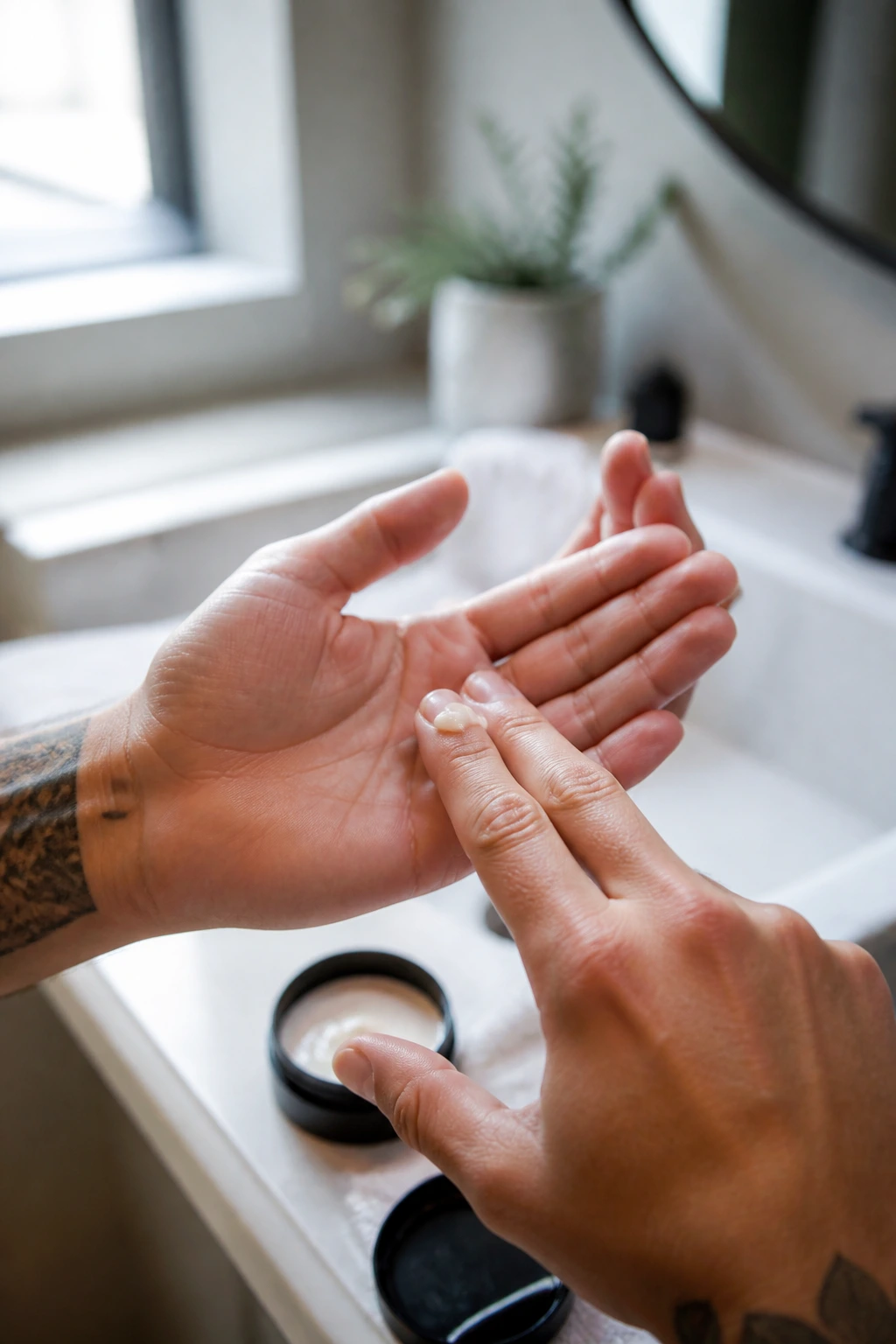
Matte paste is the safest place to start. It gives short hair grip, separation, and a finish that looks dry instead of sticky. If your hair is fine, go lighter than you think. A pea-sized amount can be enough if you warm it in your palms before it hits the hair.
Gel has a different job. It is for hold and shine, especially on wet-look spikes or tighter sculpted shapes. If your hair is thick or coarse, gel can help it obey. If your hair is thin, too much gel can expose the scalp and make the style collapse into strings.
Wax and clay sit in the middle. They work well when you want bendable spikes that still hold a shape, especially on short cuts with a lot of texture. Hair that is porous or bleached may drink up product faster, so start small and add only if the hair still feels too loose.
And yes, hair type matters. Fine hair wants lighter products and more root lift. Thick hair usually needs stronger hold and a bit more heat at the blow-dry stage. Curly hair needs moisture first, then structure. Straight hair often needs the most texture help because it can slide flat without warning.
How to Make the Style Stick Without Making It Stiff
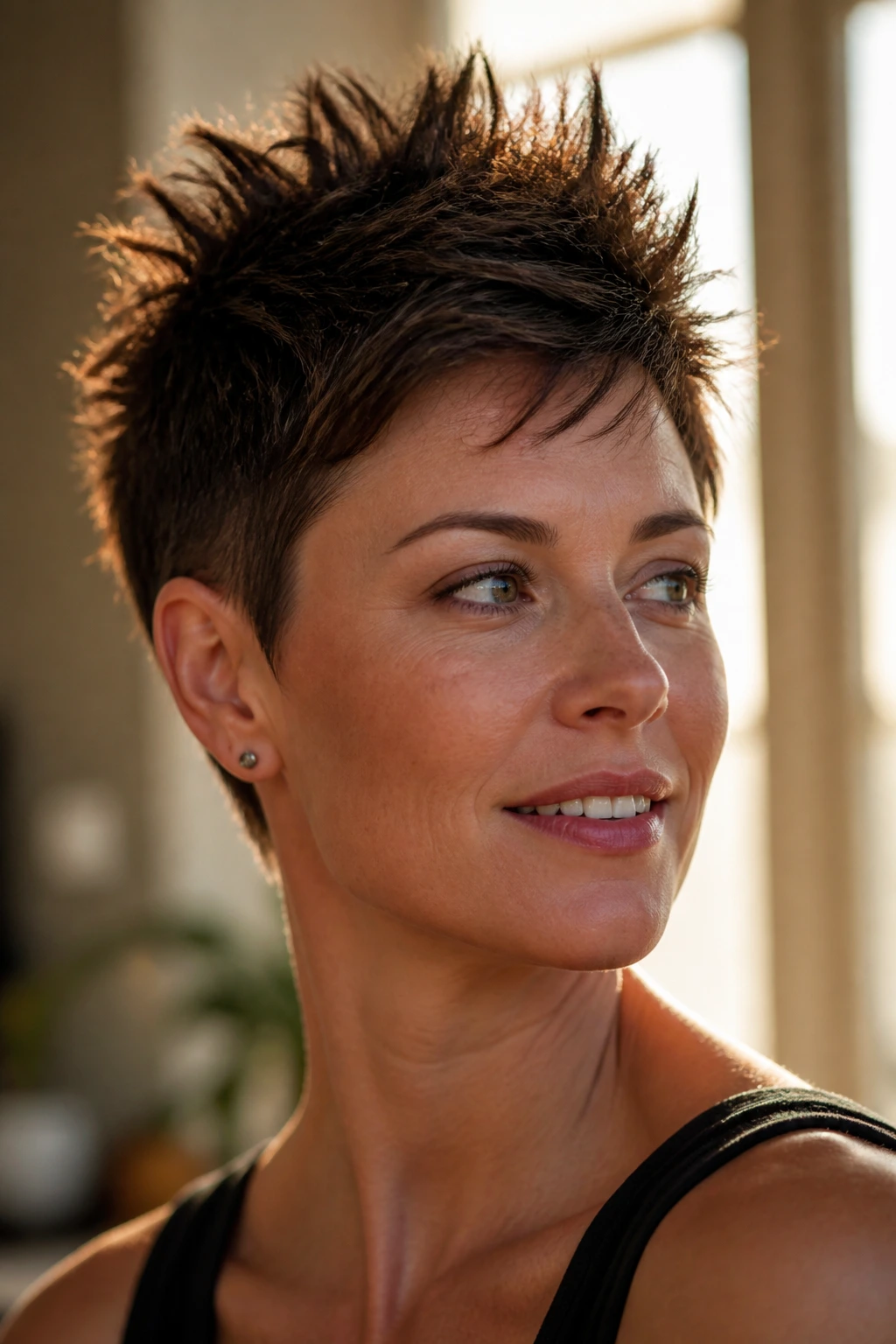
The best spiky hair has movement in the tips and control at the roots. That’s the rule I keep coming back to. If the roots are soft, the style falls. If the ends are coated, the style looks crunchy.
Start drier than you think: Towel-dry well, then blow-dry until the roots feel nearly dry before you touch product. Damp roots and strong product do not mix cleanly.
Warm the product in your hands first: Cold paste grabs in clumps. Warm paste spreads. That tiny step saves you from overusing it.
Work in layers: Put the first amount at the roots, shape, then use the leftovers on the ends. One heavy pass usually creates more buildup than you want.
Keep a little irregularity: Spikes look better when every strand does not obey. Let one piece stand taller, another lean left, and another break halfway up. That unevenness is the whole point.
Use a cool shot if you blow-dry: Heat sets the shape, but cool air helps it stay there. It is a small thing. It matters.
The Mistakes That Flatten Spikes Fast
-
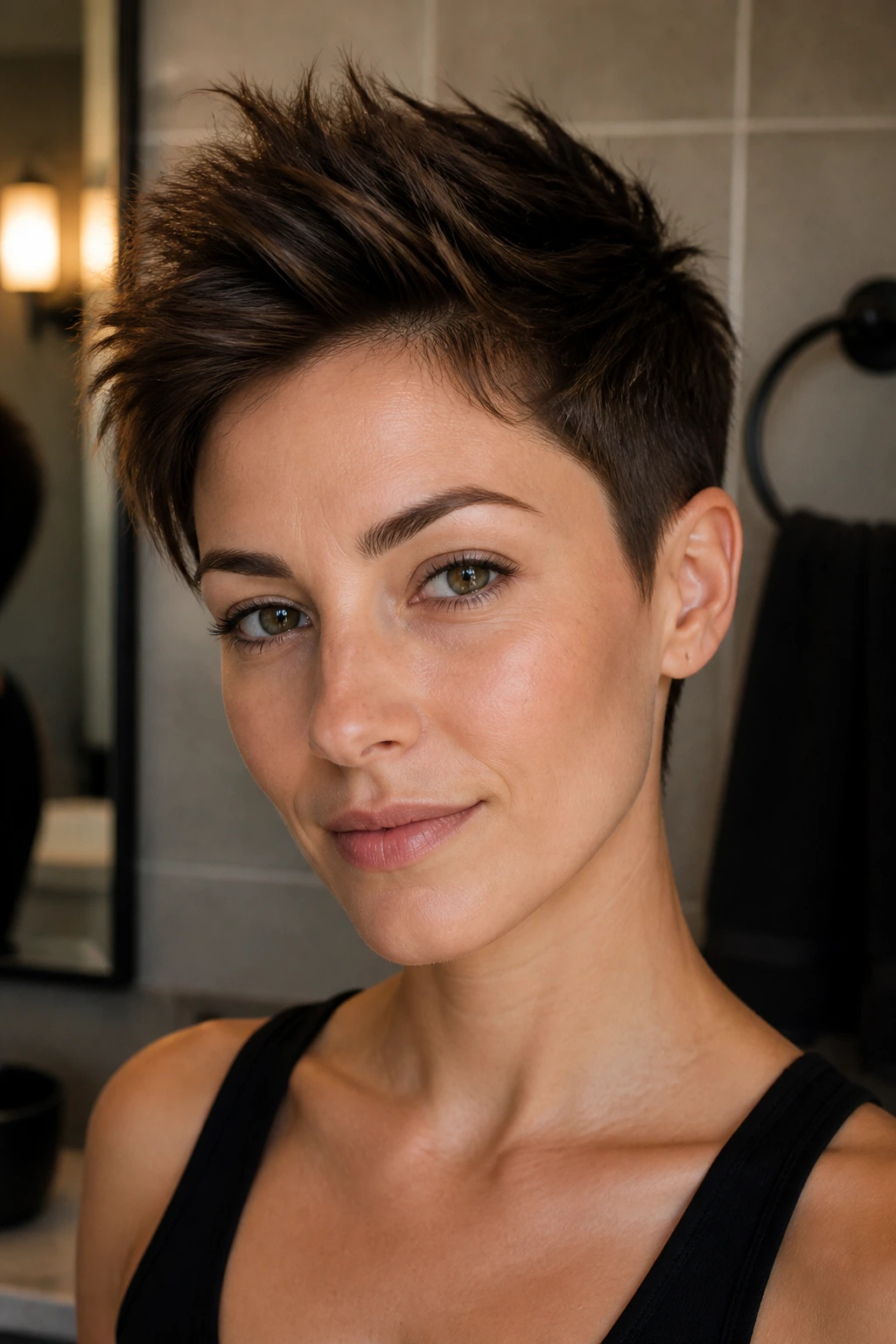
Using too much glossy product: The hair starts to clump, then droops by lunch. Fix it with a smaller amount of matte paste or clay, emulsified fully in your hands before it touches the hair.
-
Styling while the roots are still damp: The product slides around and the spikes never set. Rough-dry first, then shape.
-
Leaving the top too short: If there’s not enough length, you get bristles instead of spikes. Ask for at least a little room on top—usually around 1 to 2 inches depending on the cut.
-
Ignoring the cowlick: A strong swirl at the front can send the spikes sideways or backward. Work with the growth pattern instead of fighting it, or ask your stylist to cut around it.
-
Letting the sides get bulky: Spikes need contrast. If the sides puff out, the top loses its edge. Tapering solves more styling problems than product does.
-
Skipping trims for too long: Short texture frays quickly. Once the ends start splitting and the shape widens at the sides, the style loses its clean line.
Ways to Change the Mood Without Changing the Cut

Soft Office Spike: Keep the top short but use a lighter cream or paste so the spikes bend instead of stand hard. This version works when you want edge that still sits well under a blazer.
Punk Night-Out Spike: Use stronger hold, a tighter side taper, and a more vertical center line. This one likes a little shine and a lot of attitude.
Curly Coil Spike: Leave the natural texture on top, crop the sides close, and use curl cream plus gel for shape. Good for anyone who wants lift without fighting their pattern.
Color-Block Spike: Put lighter color on the crown or front so the texture shows in sharper pieces. Great when the hair is fine or dark and the cut needs visual depth.
Grow-Out Spike: Keep the top a little longer and the sides softly tapered so the shape stays workable for 6 to 8 weeks. It is the least fussy option in the bunch.
How to Keep the Shape Going Between Washes
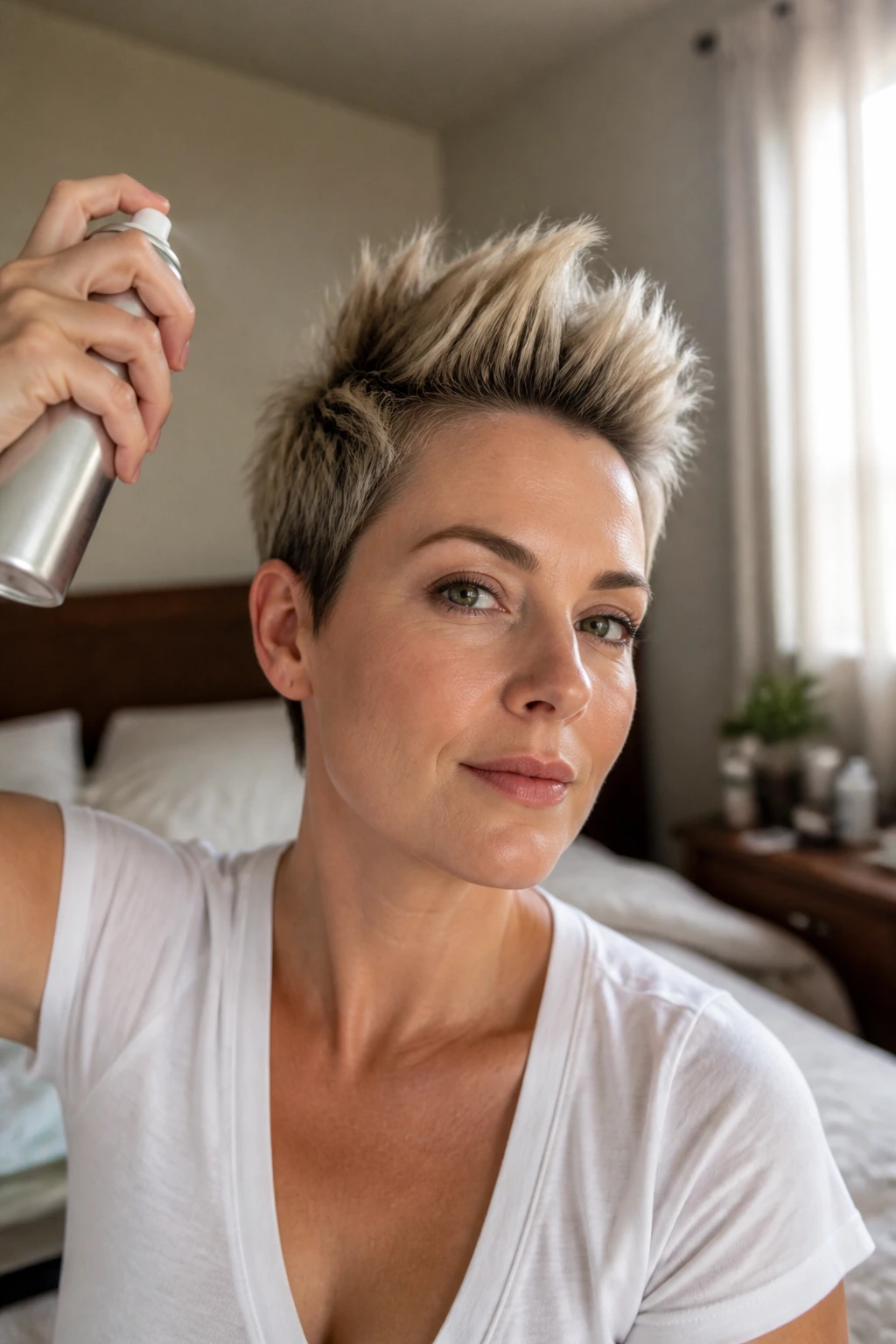
Short spiky cuts do not need daily shampooing. In fact, too much washing can strip the hair and make it harder to shape. A light reset with dry shampoo at the roots, then a quick reactivation with damp hands or a misting bottle, usually brings the texture back to life.
Trim timing matters too. Most cropped spikes look best with a cleanup every 4 to 6 weeks. If the nape starts fuzzing out or the crown loses its lift, that’s your sign. Not six months later. Earlier.
At night, sleep matters more than most people think. A smooth pillowcase helps keep the front from rubbing flat, and a quick finger reshaping in the morning is usually enough to wake the style back up. If your hair is coarse or dry, a tiny touch of leave-in on the ends can stop the spikes from fraying.
Questions People Actually Ask About Spiky Hairstyles for Women
Will spiky hair work on fine hair?
Yes, if the cut is layered and the product stays light. Fine hair usually does better with root lift, texturizing spray, and a small amount of matte paste than with heavy wax or glossy gel.
Can curly hair be spiky?
Absolutely. The trick is not to force the curls into straight spikes. Keep the sides tighter, let the top coils stack upward, and use curl cream plus a firm hold product so the shape stays lifted.
What face shapes suit spikes best?
Most face shapes can wear some version of this look, but the silhouette changes the effect. Taller spikes add length to rounder faces, while side-swept or rounded versions soften stronger angles.
How do I keep spikes from looking crunchy?
Use less product than you think you need, and warm it in your hands first. If the hair starts to look coated, stop adding more. You can always add a touch later, but getting product back out is the annoying part.
Is gel better than pomade for short spikes?
Gel is better when you want hold and shine. Pomade or matte paste is better when you want separation and a softer finish. Neither is “better” in a vacuum; the style decides.
How often should I trim a spiky pixie or crop?
Usually every 4 to 6 weeks. Once the sides widen or the top loses its piecey shape, the cut starts to do less of the styling for you.
What if my cowlick fights the front?
Work with it, not against it. Some women get better results by directing the front sweep with the cowlick instead of trying to flatten it completely.
Can a spiky style look polished enough for work?
Yes. Keep the sides neat, the finish matte or soft satin, and the spikes more directional than upright. The shape can stay sharp without turning loud.
The Shape That Does the Heavy Lifting
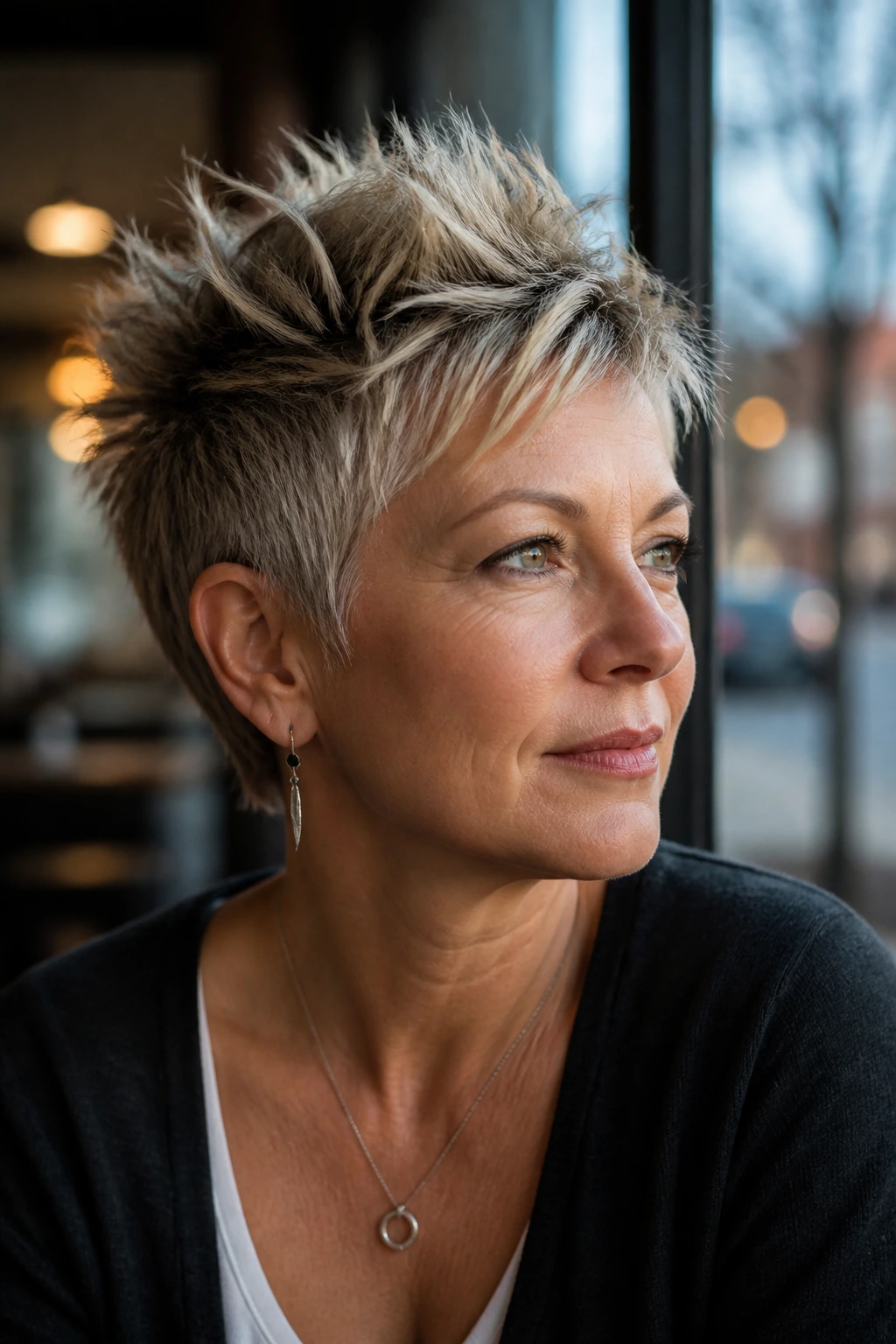
Short spiky hair works when the cut does the heavy lifting and the product only finishes the job. That is the part most people miss. They focus on the wax, the gel, the spray, all of it, and forget that the best spikes start with clean structure underneath.
If you like sharper edges, there is probably a version in this group that fits your hair instead of fighting it. Some are tiny and close. Some are lifted and obvious. Some are polished enough for a dinner out, and some look better with a leather jacket and no apologies. Pick the one that matches how much work you want to do in the mirror, then keep the cut tight enough to let the texture speak.
And if you’re on the fence, start with the classic textured pixie spike or the grow-out-friendly version. They tell you a lot about how your hair behaves, which is usually the smartest place to begin.
