



Blonde hair is never just one shade. Put six people under the same salon light and you’ll see it fast: one blonde reads icy and sharp, one leans soft beige, another turns honeyed at the ends, and somebody else has that smoky root shadow that makes the whole thing look expensive without trying too hard. That range is the whole appeal. Blonde hair looks for women can be feather-light or bold, glossy or matte, quiet or loud. Same family. Very different personalities.
The tricky part is that blonde changes with the cut, the lighting, the root color, and the amount of contrast left in the hair. A platinum pixie and a creamy lob are both blondes, but they live in different worlds. One needs a purple shampoo schedule and a healthy respect for toner. The other needs placement that grows out gracefully and doesn’t go muddy at the ends. That’s where good blonde work earns its keep: not in the first day out of the salon, but in week six, when the color still has shape.
And that’s why this set of blonde hair ideas matters. Some are high-drama and high-maintenance. Some are soft enough to let your natural root do half the work. Some flatter curls, some flatter straight hair, and some look best when the front pieces are brighter than the back so the face doesn’t get swallowed by all that lightness. The details decide everything.
Why These Blonde Hair Looks Stand Out
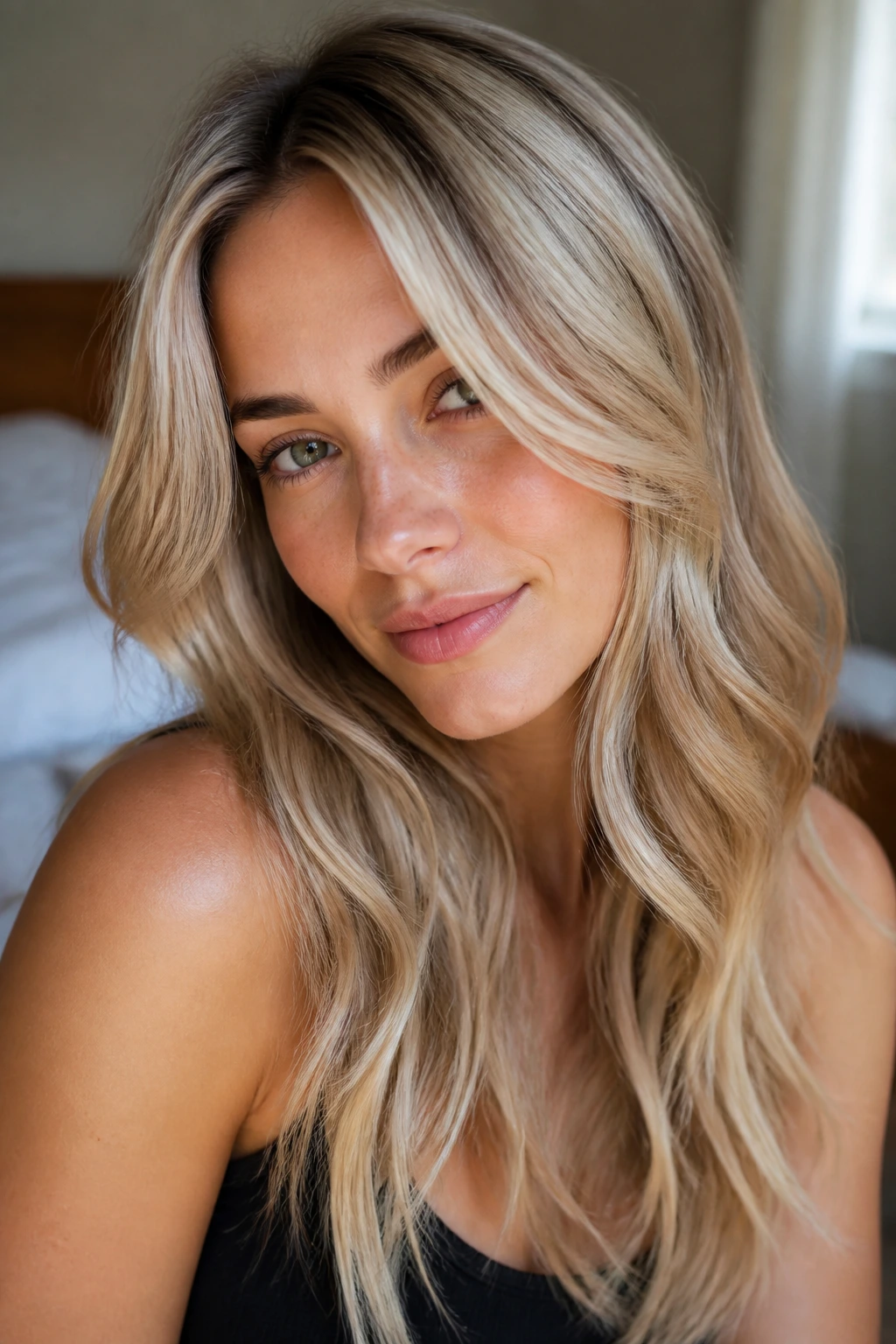
-
Tone range: You get cool, beige, honey, pearl, and strawberry-blonde options, so the shade can work with your skin tone instead of fighting it.
-
Maintenance spectrum: Some looks need toner refreshes every 4 to 6 weeks; others can stretch to 10 or 12 weeks because the root is built in on purpose.
-
Cut-friendly ideas: These blondes work on bobs, lobs, shags, long layers, pixies, and blunt cuts, which makes the list useful even if your length never changes.
-
Salon language built in: Terms like balayage, babylights, money piece, root melt, and foilayage give you words that actually mean something in the chair.
-
Damage-aware options: Several looks lean on dimension instead of all-over bleach, which keeps the hair from looking fried and flat under indoor light.
-
Wearable and dramatic choices: You’ll find shades that are office-safe and shades that look like they belong under flash photography, which is exactly the range most women ask for but rarely get in one place.
1. Scandinavian Ice Blonde
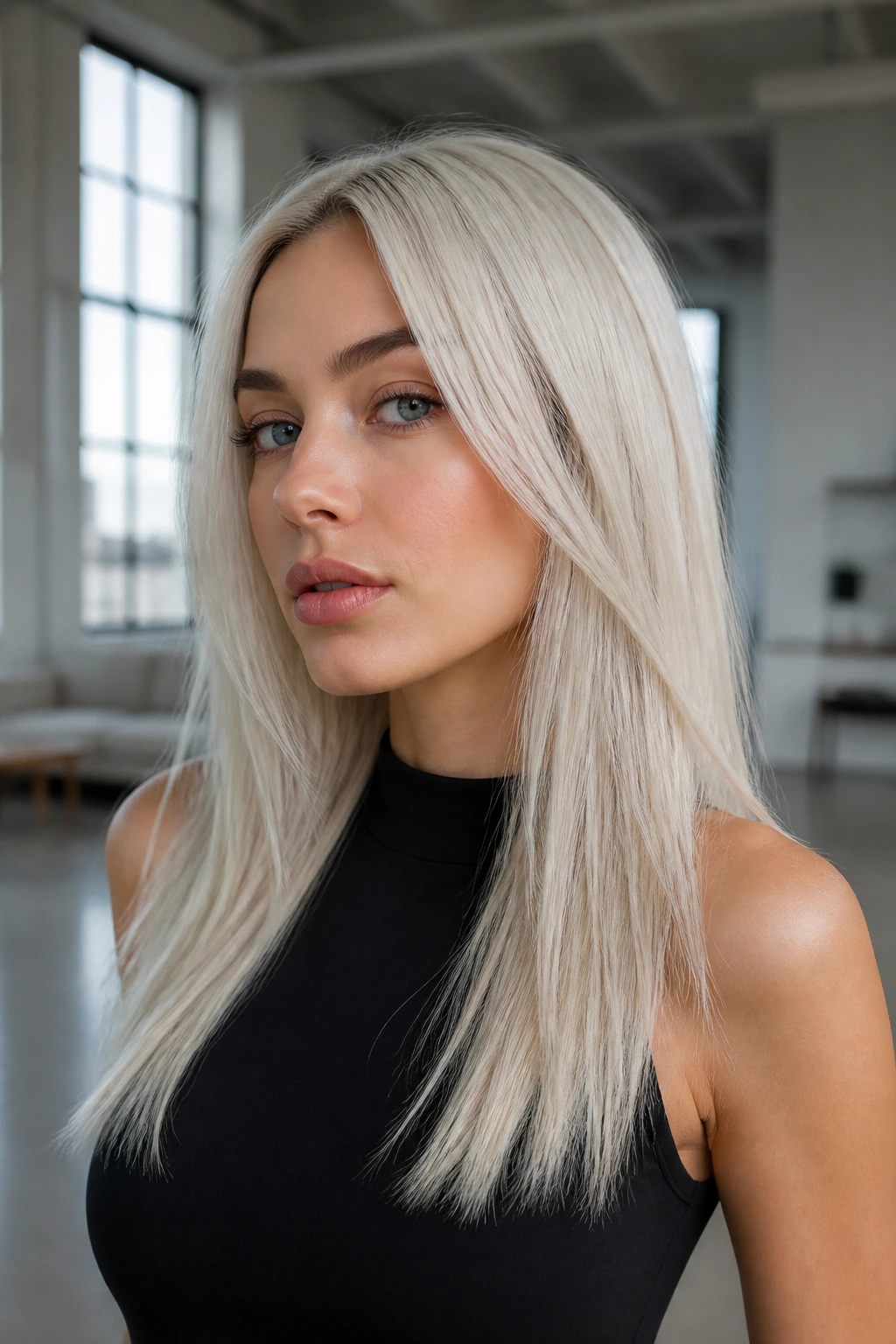
This is the blonde that looks almost white at first glance, then turns silver at the edges when it catches daylight. It’s crisp, cool, and unapologetic. On straight hair, it reads glassy. On a blunt bob, it has a clean, expensive edge that doesn’t need much styling beyond a smooth blow-dry.
The catch is simple: this shade demands a light base and a steady hand with toner. If your natural color sits around level 6 or darker, getting here means patience, not wishful thinking. A good colorist will lift gradually, then finish with a cool toner that keeps the hair from sliding yellow. Purple shampoo helps, but it will not do the heavy lifting on its own.
What makes it work
The sharpness comes from high contrast and low warmth. Leave the root too dark and it stops reading ice blonde; push the tone too warm and it slips into beige.
Best with: sleek lobs, blunt bobs, and longer lengths worn straight
Maintenance: high; plan on frequent glosses
Tip: ask for soft shadowing at the root if you want the grow-out to look intentional instead of harsh
2. Creamy Beige Lob
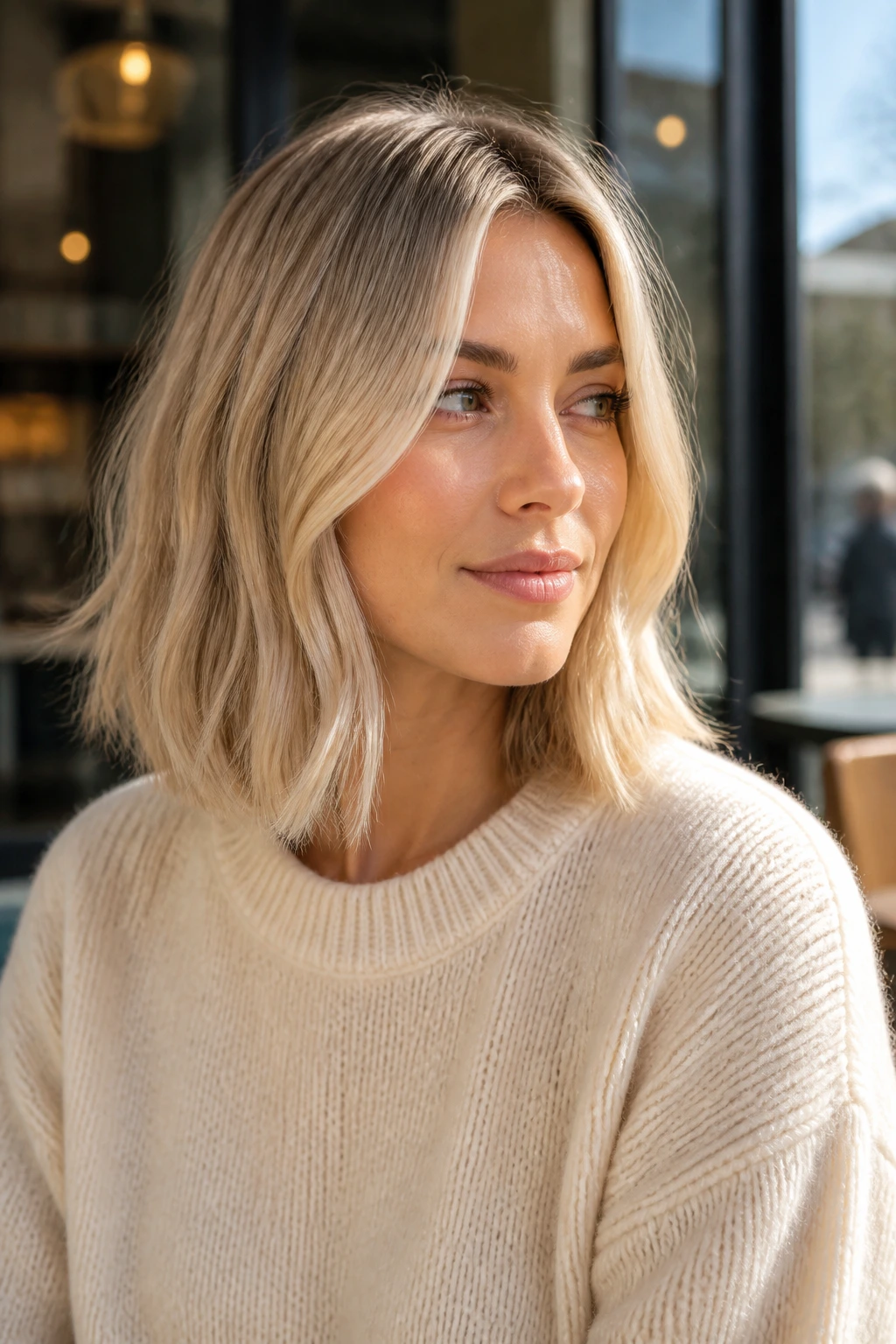
Beige blonde is the shade I point to when someone says they want blonde, but not the squeaky-bright version that turns every root shadow into a headline. A shoulder-grazing lob gives it room to breathe. The color sits right in that middle lane: not too ash, not too gold, not too white.
This look is forgiving in a way icy blondes aren’t. The neutral tone makes regrowth less obvious, and the lob length keeps the hair from looking stringy at the ends. It’s the kind of blonde that works with a sweater, a blazer, or a T-shirt and still looks finished. No drama. Just a clean, polished result.
Why I like it
Beige blondes are underrated because they don’t fight your brows, your makeup, or your skin’s undertone. They’re also easier to maintain if your hair is naturally a darker blonde or light brown.
Best with: round brushes, loose bends, and a center part
Maintenance: moderate; gloss every 6 to 8 weeks
Best for: anyone who wants blonde without the constant brass battle
3. Honey Balayage Waves
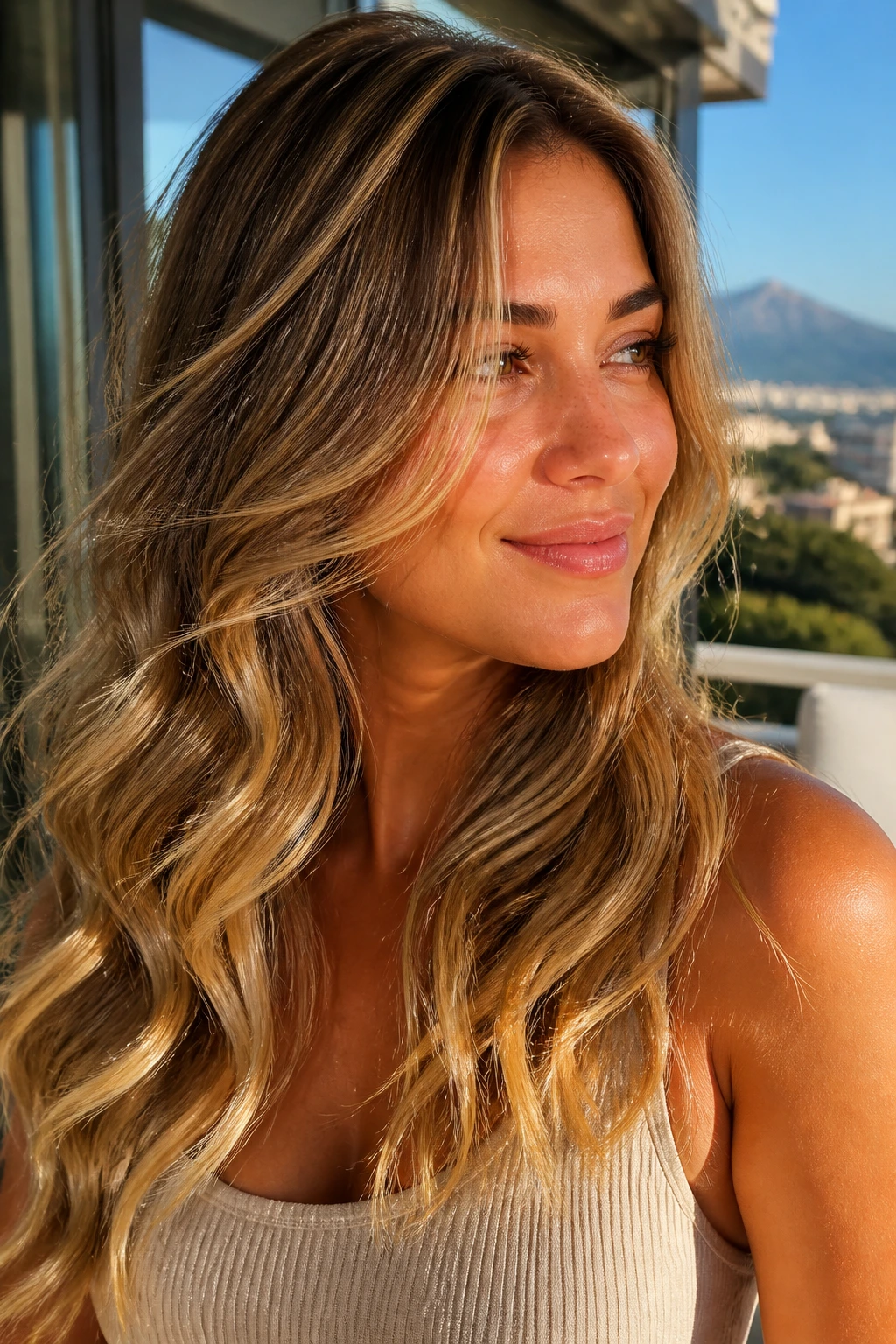
Why does honey balayage keep showing up in salons? Because it solves a very specific problem: people want brightness, but they do not want to look like they spent the whole month babysitting their roots. Honey ribbons painted through waves keep the base deeper and let the lighter pieces do the talking.
The shade itself is warm, almost sticky-looking in the best way. It glows against brunette roots and looks especially good when the ends are left a shade deeper than the face-framing pieces. A 1.25-inch curling iron or a big flat iron bend brings the whole thing to life. Straight hair can wear it, too, but the movement is what makes the blonde look expensive.
How to wear it
A few brighter pieces around the cheekbones stop the color from sinking into the length. That little bit of front-lighting matters more than people think.
Best with: wavy hair, layered cuts, and side-swept styling
Maintenance: low to moderate
Color note: ask for balayage, not heavy foils, if you want a softer grow-out
4. Champagne Blonde Bob
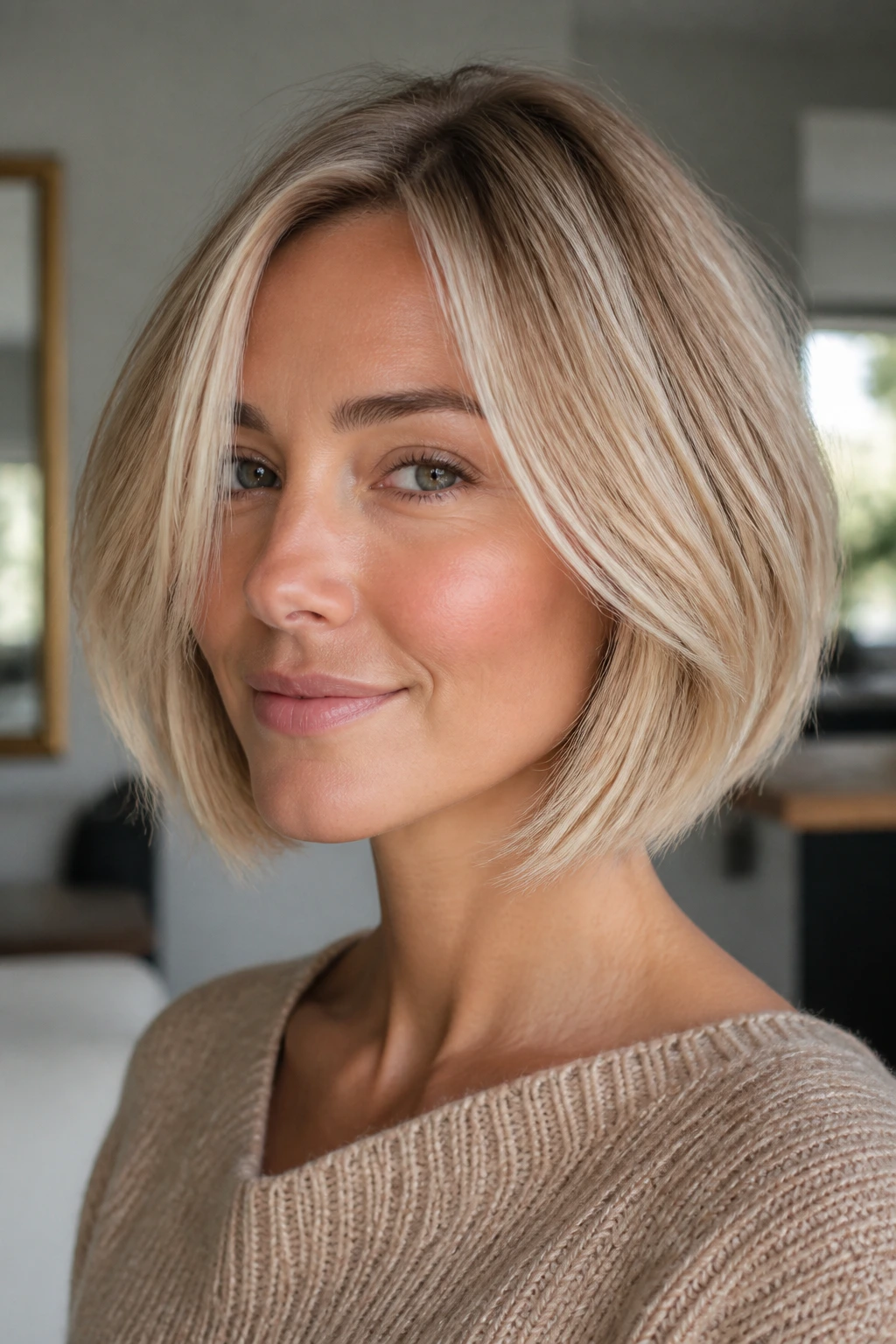
Champagne blonde sits between pearl and gold, and that in-between tone is exactly why it works so well on a bob. A blunt or softly textured bob gives the color structure, and the color gives the cut a little shimmer without turning brassy. It’s neat, polished, and slightly luminous.
I like this look when the hair is cut just under the jawline or skimming the collarbone. Too long, and the champagne tone can disappear into the length. Too short, and you lose some of the softness. On a bob, the hue feels balanced. On a bob with a side part, it reads even more refined.
Best if you want: a lighter blonde that doesn’t lean cold
Styling move: use a round brush at the ends so the line stays smooth
Practical note: this tone likes a gloss more than it likes aggressive purple shampoo
5. Butter Blonde Layers
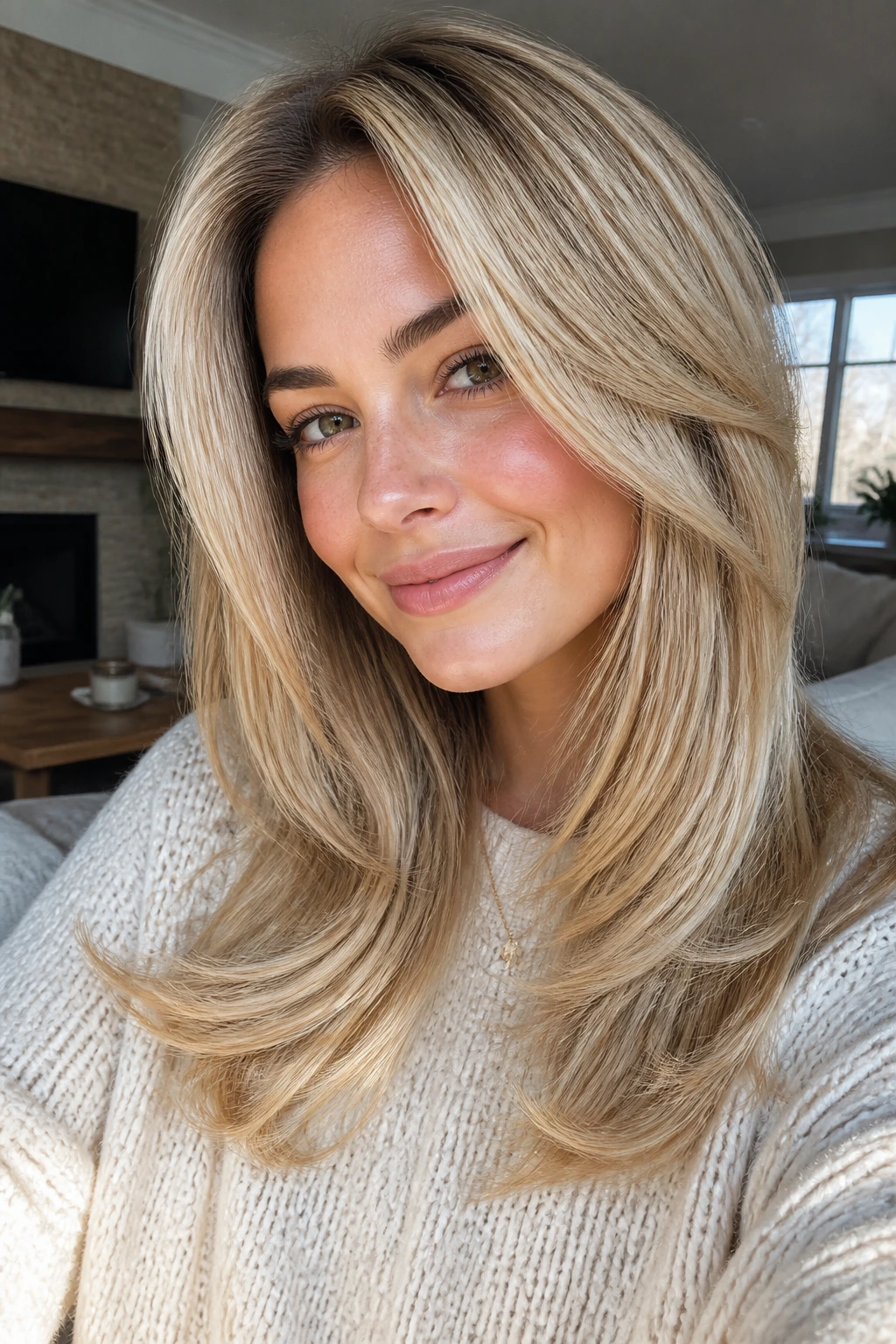
Butter blonde is warmer and richer than beige, with enough yellow-gold in it to look soft rather than fried. On layered hair, it moves like melted light. Every flip of the layer catches a slightly different note, which keeps the shade from falling flat.
This is a very good choice for women who want blonde that feels sunny without tipping into copper or orange. The trick is keeping the tone creamy. If the color gets too yellow, it starts looking brassy. If it gets too ashy, you lose the butter effect and it becomes a flat pale blonde with no warmth left in it.
Best details to ask for
- Soft layers that show off movement
- A toner that stays creamy, not gray
- Face-framing pieces a half-step lighter than the rest
6. Platinum Pixie
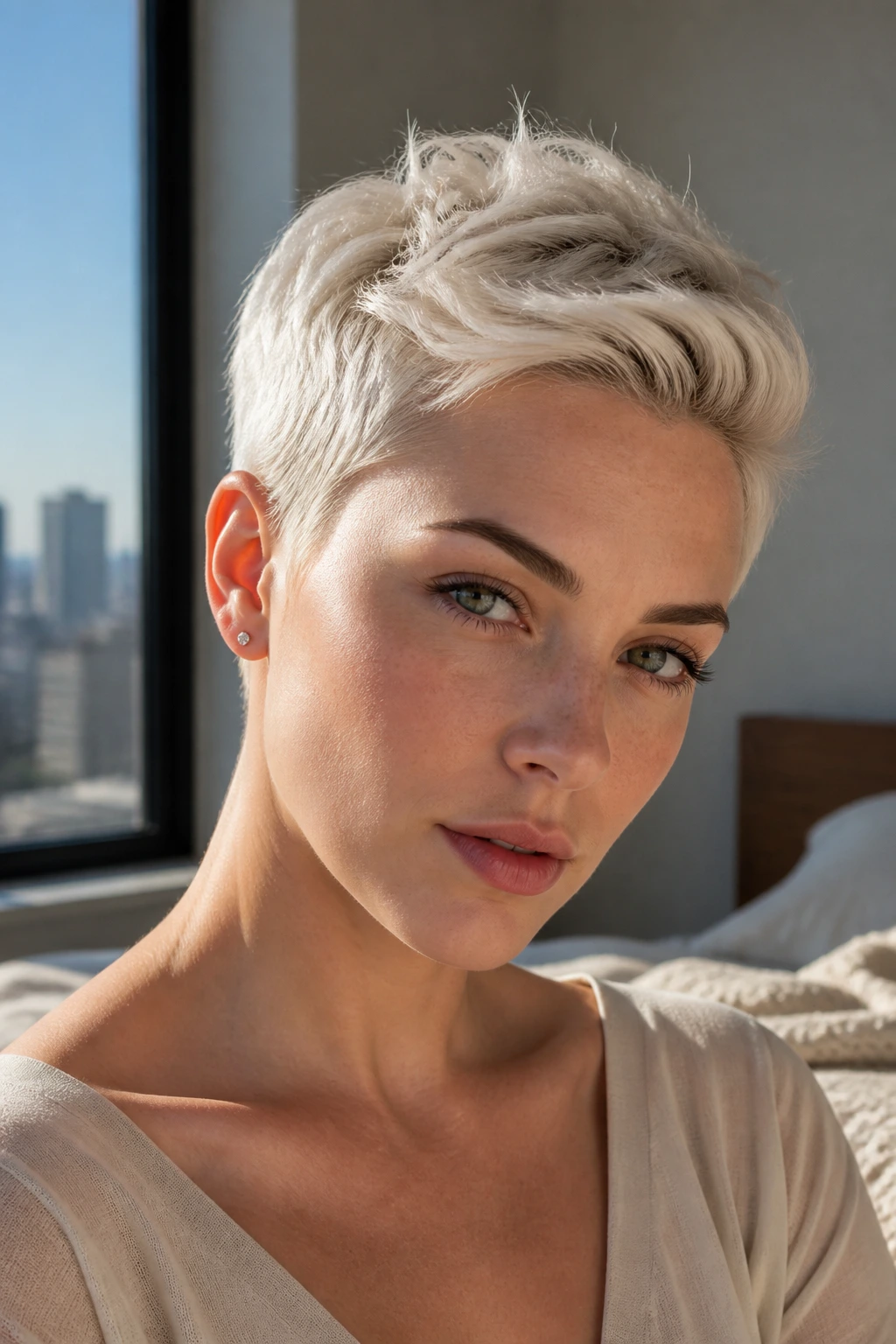
A platinum pixie is blunt, clean, and impossible to ignore. Short hair makes the brightness read even more stark, which is exactly why this works. There’s no extra length to hide behind. The cut has to be good, the tone has to be even, and the styling has to be neat or the whole thing goes flat.
This is not the blonde I recommend to someone who wants low maintenance. Roots show fast on a pixie, and platinum is honest about every uneven patch. But when it’s done well, it looks sharp in a way longer blondes can’t quite match. A bit of wax at the crown, a brushed-up front, and you’re done.
One sentence says it all: the cut does half the work here.
7. Sandy Bronde Blend
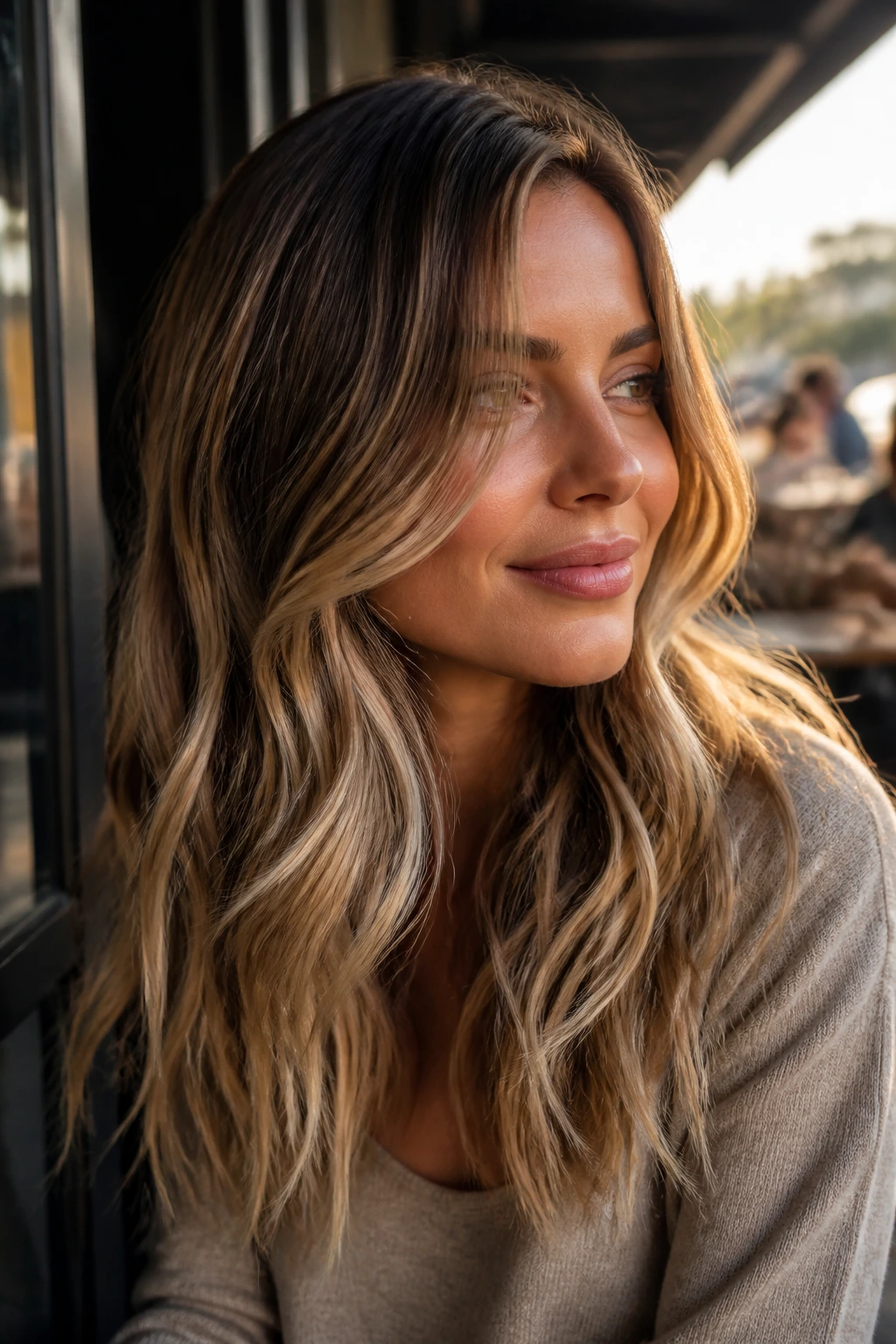
Sandy bronde is what happens when brunette depth and blonde pieces stop fighting each other. The result is softer than a full blonde, darker than a classic highlight job, and easier to live with than either extreme. It looks especially good on medium-length cuts and loose waves because the transition from root to lighter pieces has room to breathe.
I like this one for anyone with naturally darker hair who wants brightness without the commitment of a full lightening job. It also handles grow-out better than a solid blonde, because the base is part of the design. That means you can wait longer between appointments without the color looking abandoned.
What to ask for: balayage through the mids and ends, plus a few brighter face-framing pieces
What to avoid: chunky streaks that sit on top of the hair and break up the blend
8. Mushroom Blonde Shag
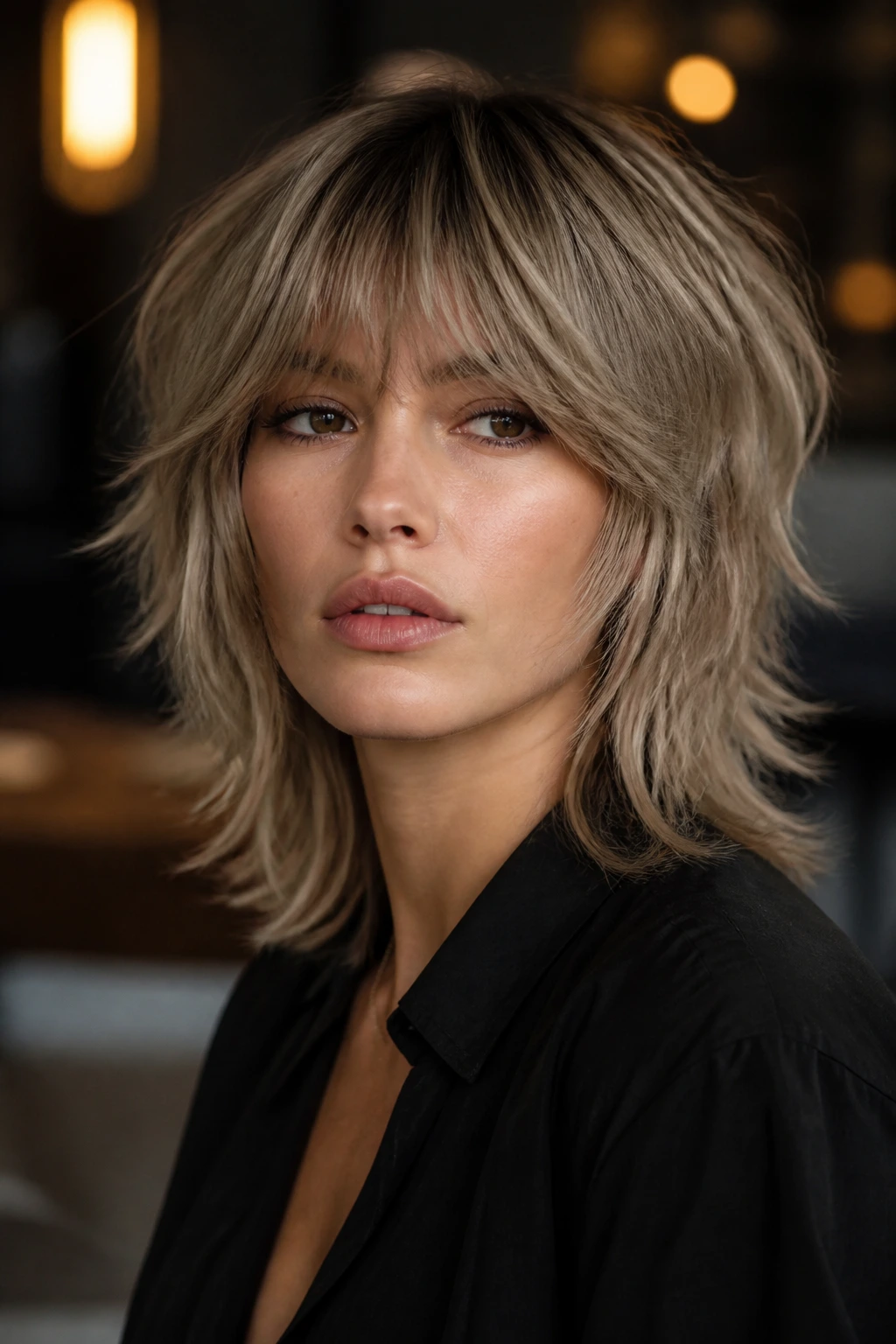
Mushroom blonde has that cool taupe-beige cast that looks almost smoky in some light. On a shag, it makes the texture look intentional instead of messy. That matters. The shag already gives you movement and edge; the color should echo it, not compete with it.
This shade sits closer to neutral than warm. It works best when the toner has a muted finish and the roots are left slightly deeper. The darker root helps the blonde read dimensional instead of washed out. With bangs and choppy layers, the whole look feels modern without screaming for attention.
Best on
- Medium to thick hair with natural bend
- Curtain bangs or fringe
- People who like a lived-in finish more than a glossy, perfect one
9. Strawberry Blonde Glow
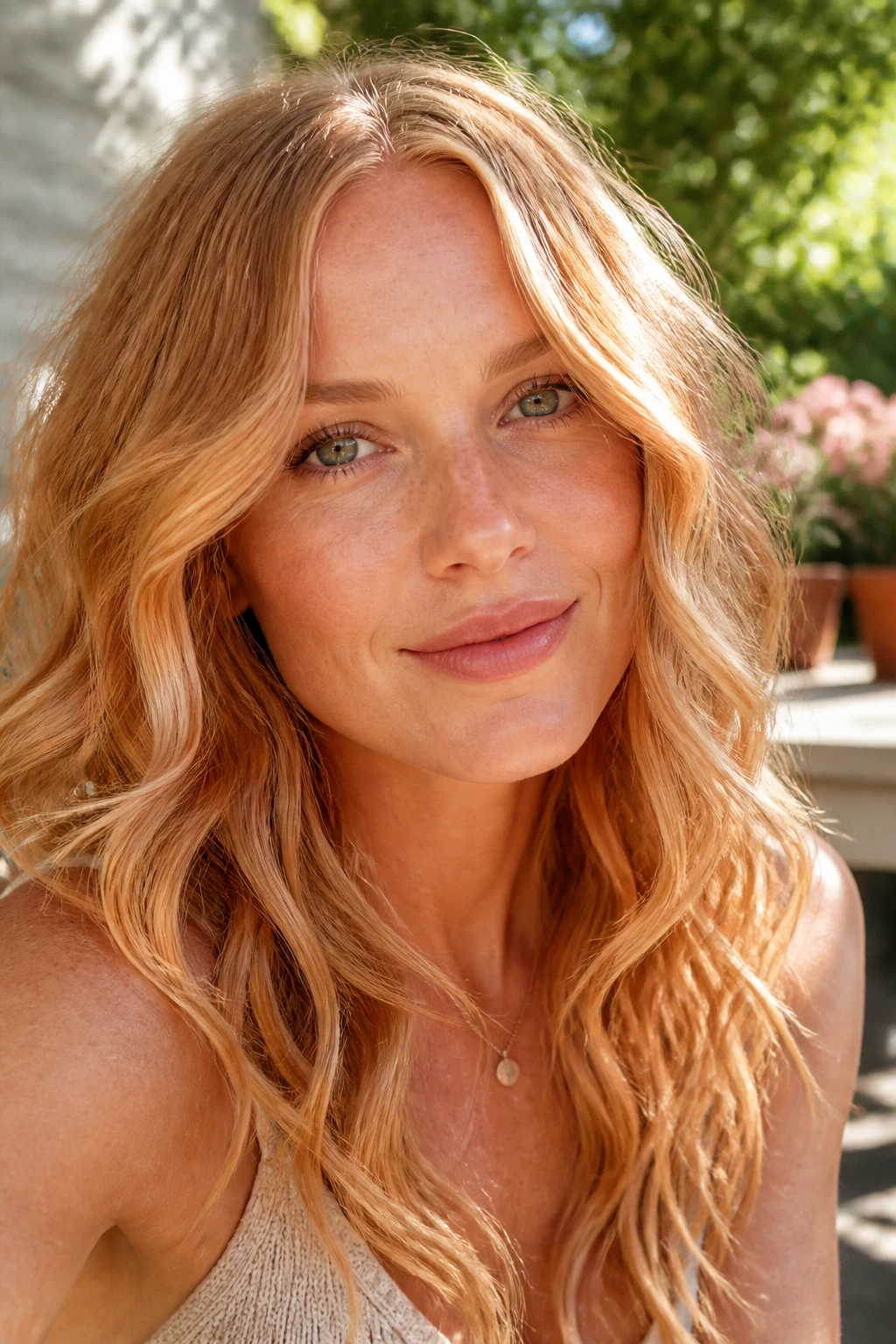
Strawberry blonde is the warmest shade on this list, and I mean that in the best possible way. It has enough gold to stay blonde, enough copper to keep it from looking washed out, and enough pink undertone to flatter skin that looks dull under cool light. It’s a sweet spot shade. Hard to get right. Worth it when it is.
On wavy hair or soft layers, strawberry blonde looks lit from inside. The color needs careful control, though, because too much red pushes it out of blonde territory and too little leaves it looking flat. A good version should still feel airy around the edges. Not orange. Not peachy-marigold. Strawberry.
Simple styling rule
Use a shine spray or light cream on the ends. This tone looks better with a little gloss than with a matte finish.
10. Ash Blonde Melt
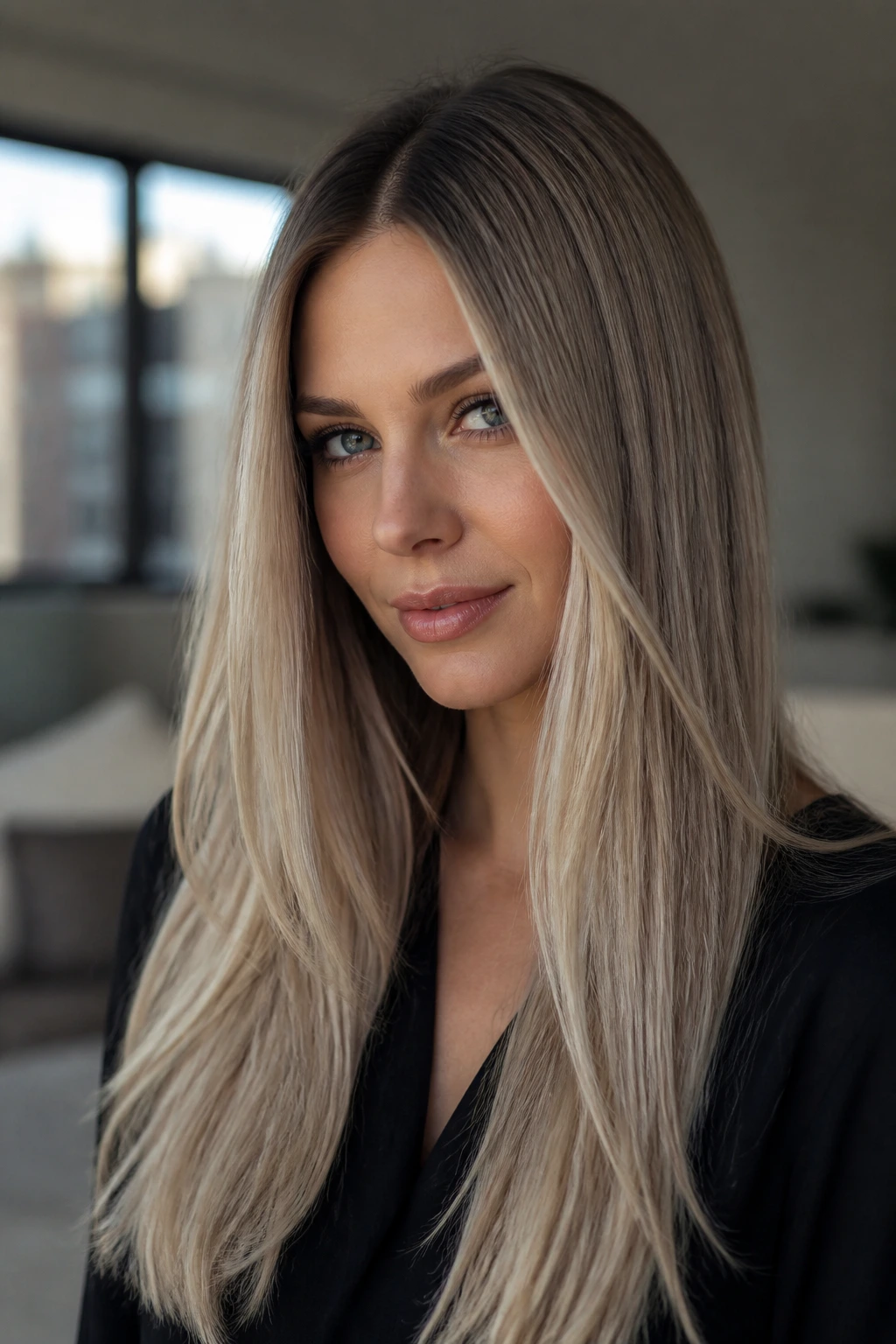
Ash blonde melt is the answer when you want cooler hair that still feels wearable. The root stays deeper, the mid-lengths transition softly, and the ends sit in a pale ash-beige zone that keeps brass away. It’s the sort of color that looks deliberate from every angle, especially on longer layers.
This is a smart choice if your hair pulls warm fast. A shadow root gives the color some breathing room, and the melt effect means regrowth won’t slap you in the mirror after three weeks. It also works well if you like a clean middle part and straight styling, because the smooth line of the hair shows off the gradient.
A blunt warning: too much ash can look dull. The goal is cool, not flat.
11. Golden Ribbon Highlights
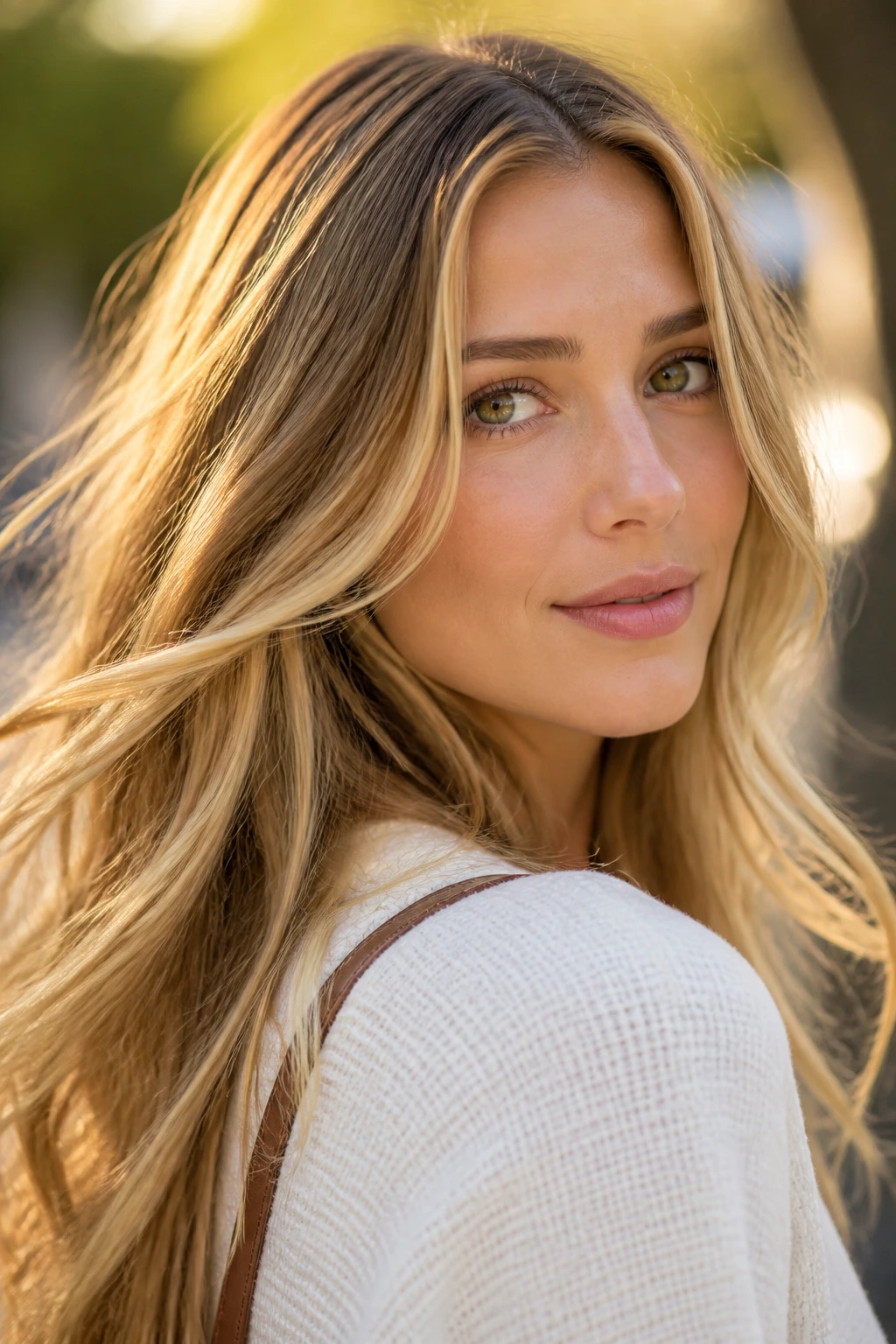
Golden ribbon highlights are brighter pieces woven through a darker base in long, flowing sections. They’re not chunky. They’re not stripey. They look like light hit the hair in just the right places and stayed there. That’s the appeal.
On layered hair, the ribbons fall into place naturally. On straight hair, they create movement even before you curl anything. The key is restraint. A few well-placed ribbons near the face and crown do more than an overload of foils ever will. If every section is bright, nothing stands out.
When this shade shines
If your hair is long, medium, or heavily layered, ribbon highlights give the blonde dimension without forcing an all-over lift. They also grow out with less fuss than a solid blonde.
12. Vanilla Blonde Straight Cut
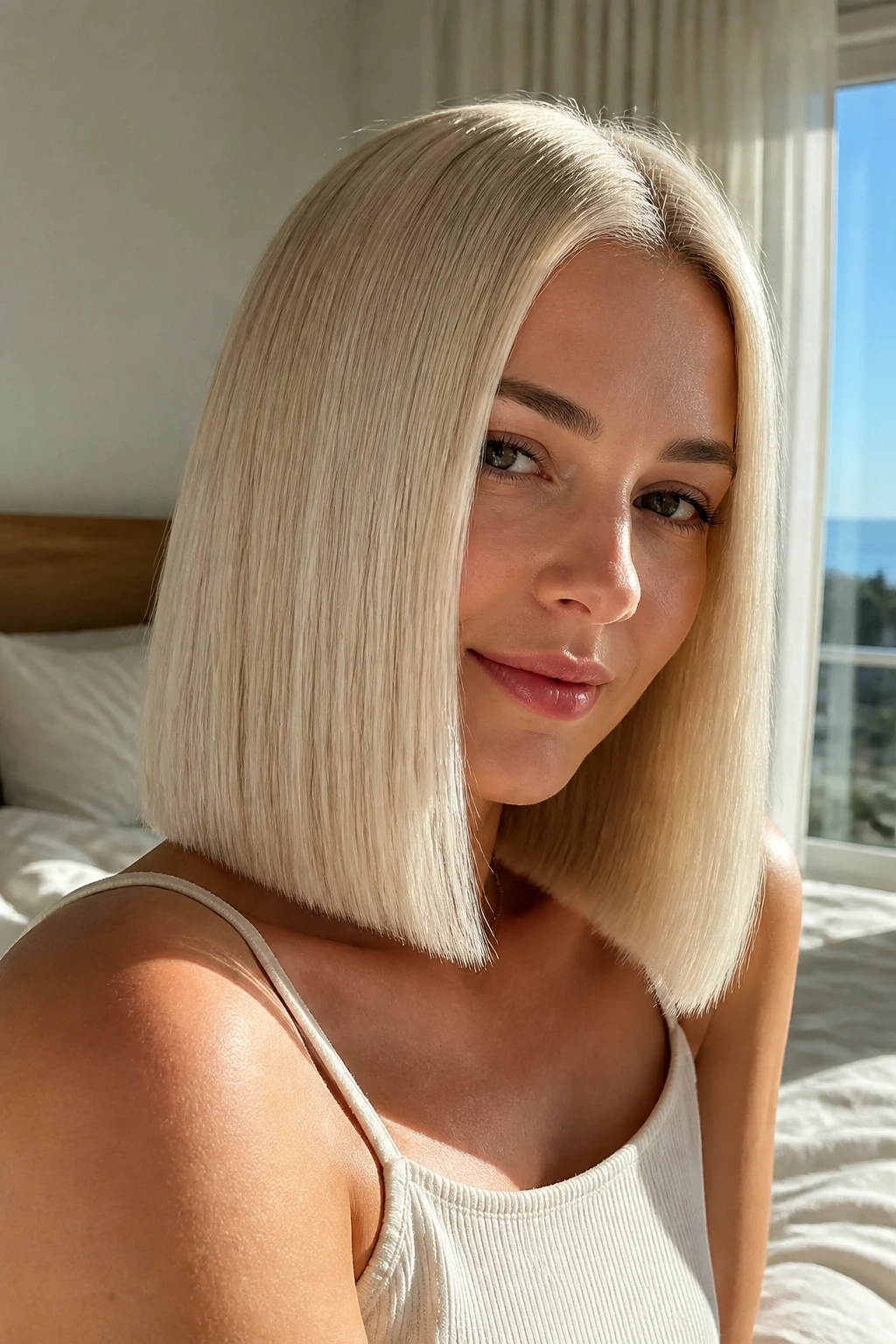
Vanilla blonde has a clean, creamy brightness that works beautifully on straight hair because there’s nowhere for the color to hide. Every line shows. Every shine point shows. That makes the shade feel crisp, almost glossy, when the cut is even and the ends are healthy.
This is a good pick if you like a bright blonde that doesn’t lean icy. It has more softness than platinum and less warmth than honey. On a one-length cut, it reads especially smooth. On hair that’s been blow-dried pin-straight, it can look almost reflective, which is a nice thing when the haircut is disciplined.
Best paired with: polished makeup, sharp edges, and a good trim every 6 to 8 weeks
Watch for: dry ends, because vanilla blonde can make rough tips look thinner than they are
13. Pearl Blonde Waves
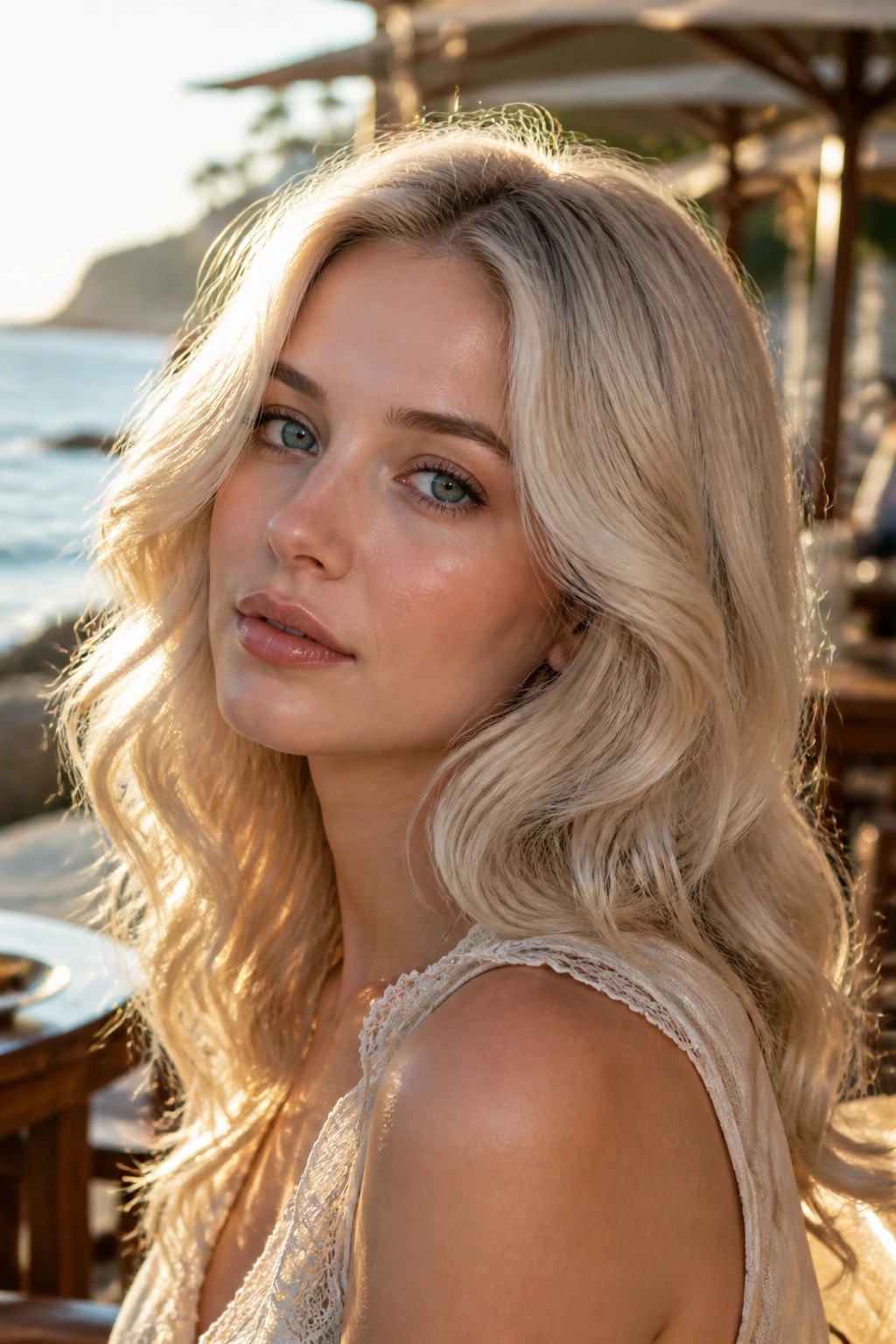
Pearl blonde has that soft, opalescent finish that sits just under platinum in brightness. It’s cooler than champagne, less stark than ice blonde, and especially pretty on soft waves where the light can hit the bends of the hair. The result looks layered even when the cut is simple.
I like pearl blonde because it doesn’t have to shout to look expensive. It works on women who want brightness but still want some softness around the face. If the toner goes too gray, the color loses its glow. If it goes too gold, it stops being pearl. The best version stays pale and luminous.
A small tip: use a heat protectant with a soft shine finish. Matte products can take the pearl right out of the hair.
14. Caramel Blonde Curtain Bangs
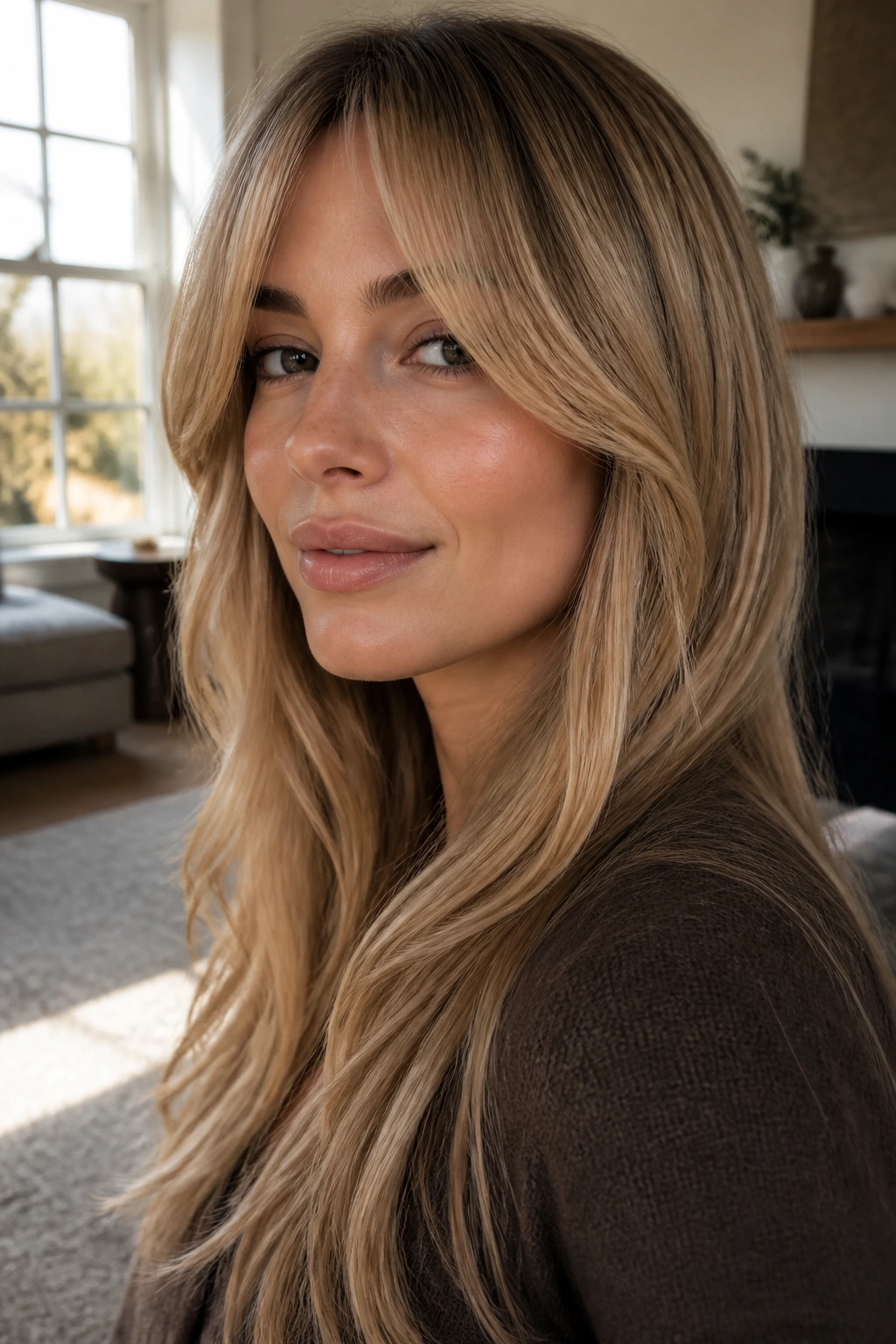
Caramel blonde is warm, rich, and slightly deeper than honey. Put it with curtain bangs and long layers, and the whole look gets a face-softening frame that works almost like makeup. The bangs pick up the brightest pieces first, which is useful if you want the blonde to show near the face without turning the ends too light.
This is one of the easiest blondes to wear if you’re moving up from brunette or dark blonde. It doesn’t need perfect evenness. In fact, the color looks better when there’s a little shift between the bang area, the crown, and the ends. That movement gives it life.
Best trick
Ask for brightness around the cheekbones and softer warmth through the lengths. That balance keeps the bangs from looking separate from the rest of the cut.
15. Face-Framing Money Piece Blonde
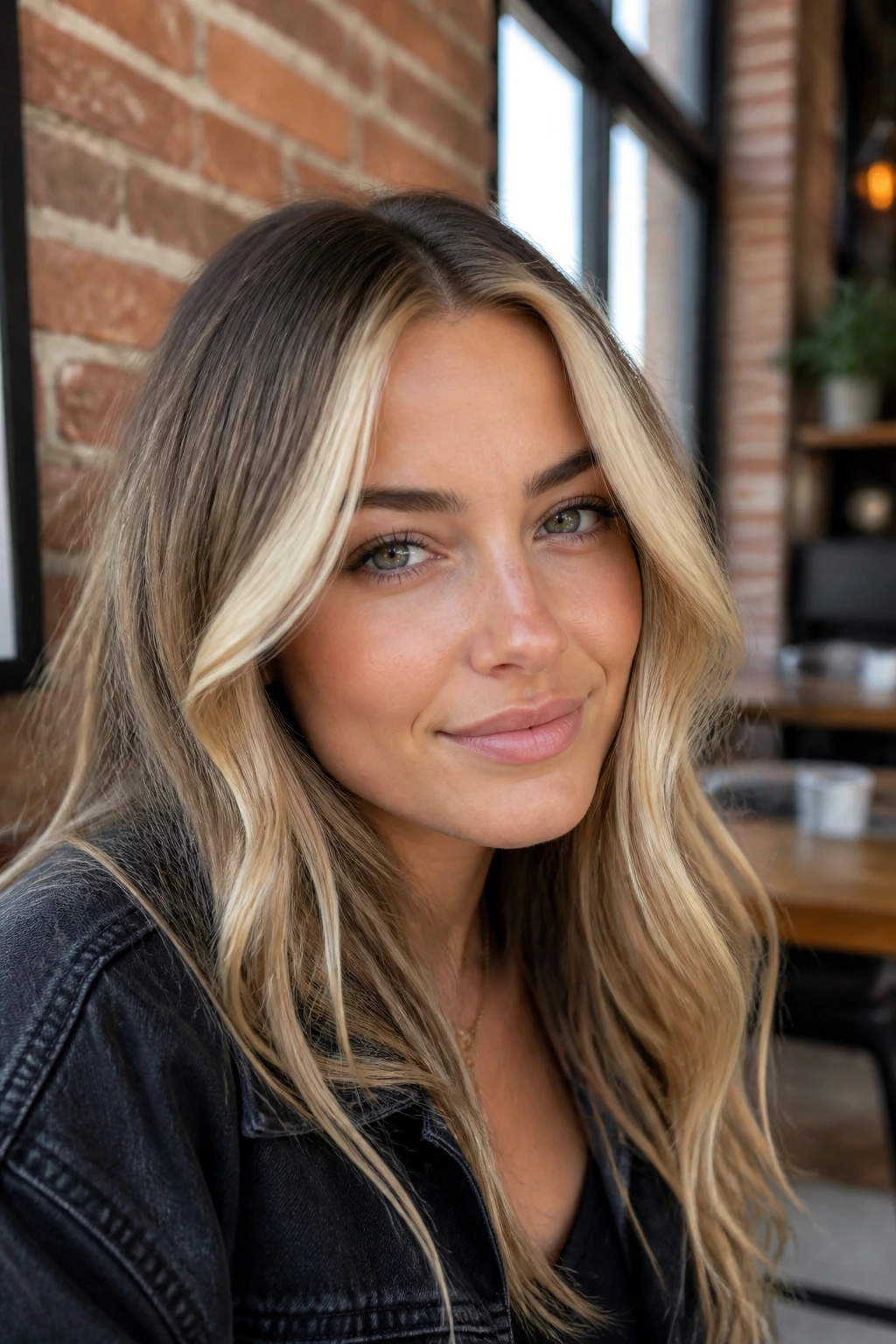
The money piece is the cheat code for anyone who wants to look brighter without committing to a full head of lightening. Two bold front pieces, sometimes four, can change the whole expression of the face. On darker hair, the contrast is immediate. On blonde hair, it adds punch.
This style works especially well when the rest of the hair stays deeper or more dimensional. You get the blonde hit where it matters most — around the eyes, the cheeks, and the part line — without having to bleach every inch of the head. The money piece can be cool, warm, or neutral depending on what you want the face to do.
I’m a fan of this one for maintenance reasons alone. It buys time between full appointments.
16. White Blonde Crop
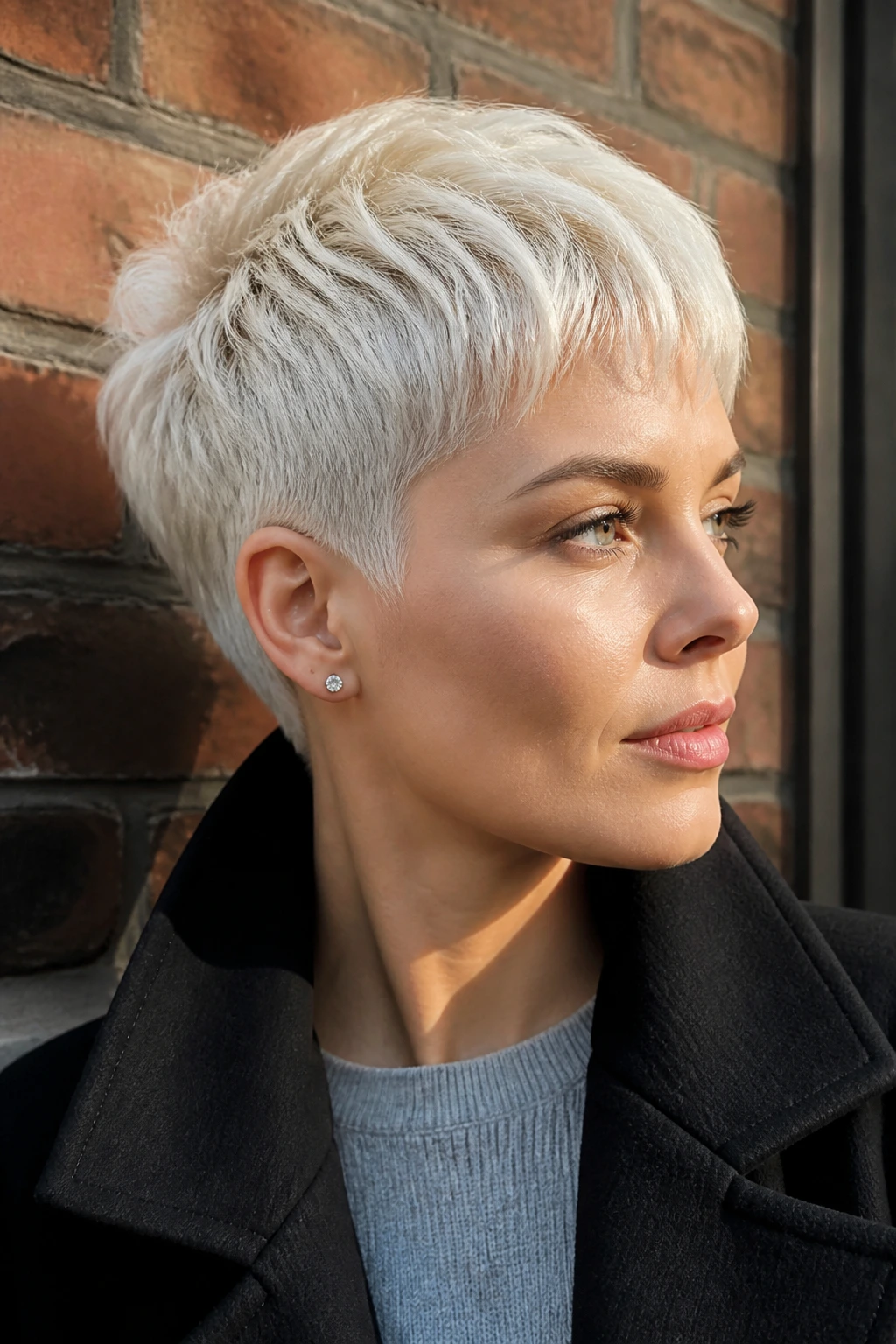
White blonde on a crop is severe in the best sense of the word. The short length keeps the color from becoming too airy or washed out, and the near-white tone makes the shape read even sharper. If the cut has texture on top, that texture jumps out. If the sides are neat, the whole thing feels polished.
This is not a soft blonde. It is a statement. But it works because the crop contains the brightness. Long white blonde hair can drift into costume territory if the tone isn’t handled well. On a short cut, it feels controlled and modern.
Best suited to
- Strong face shape or bold brows
- Hair that can handle a close crop
- People who like frequent salon visits and don’t mind them
17. Honey Butter Midi
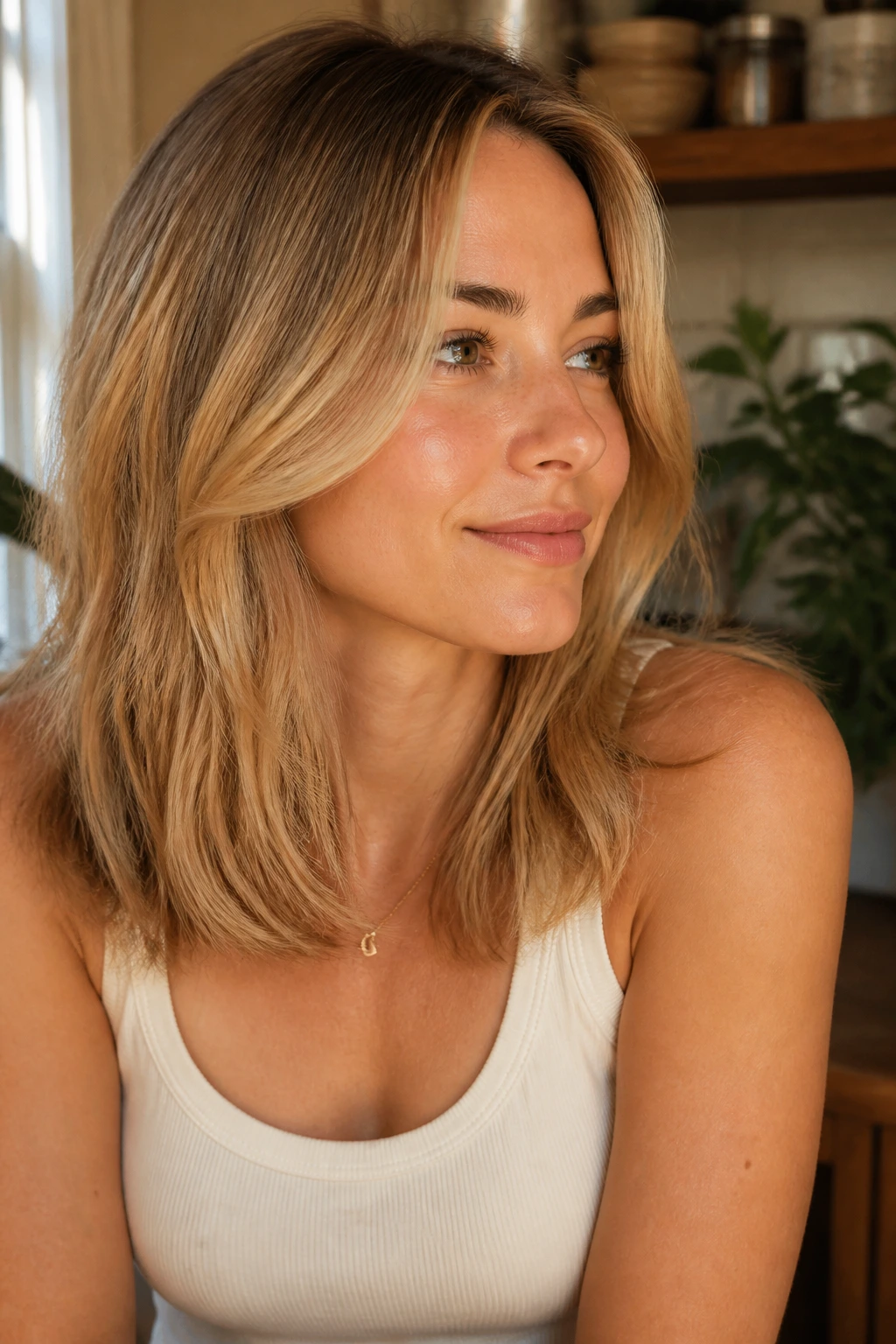
Honey butter blonde sits between golden and creamy, which makes it one of the easiest warm blondes to wear on a medium-length cut. It has enough depth to keep from looking chalky, but enough lift to read clearly as blonde. On a midi length, the color spreads out beautifully and doesn’t bunch up at the ends.
This is the shade I’d point to if you want warmth without the orange risk. It looks especially nice when the hair has a slight bend or a loose blowout. Straight styling works too, but the softness of the color shows better when the hair has some movement. Warm blondes like this one tend to be kinder to dry skin tones and darker brows.
One good rule: keep the roots softly shadowed. It makes the butter tone last longer and keeps the color from getting too flat at the top.
18. Icy Money Piece Bob
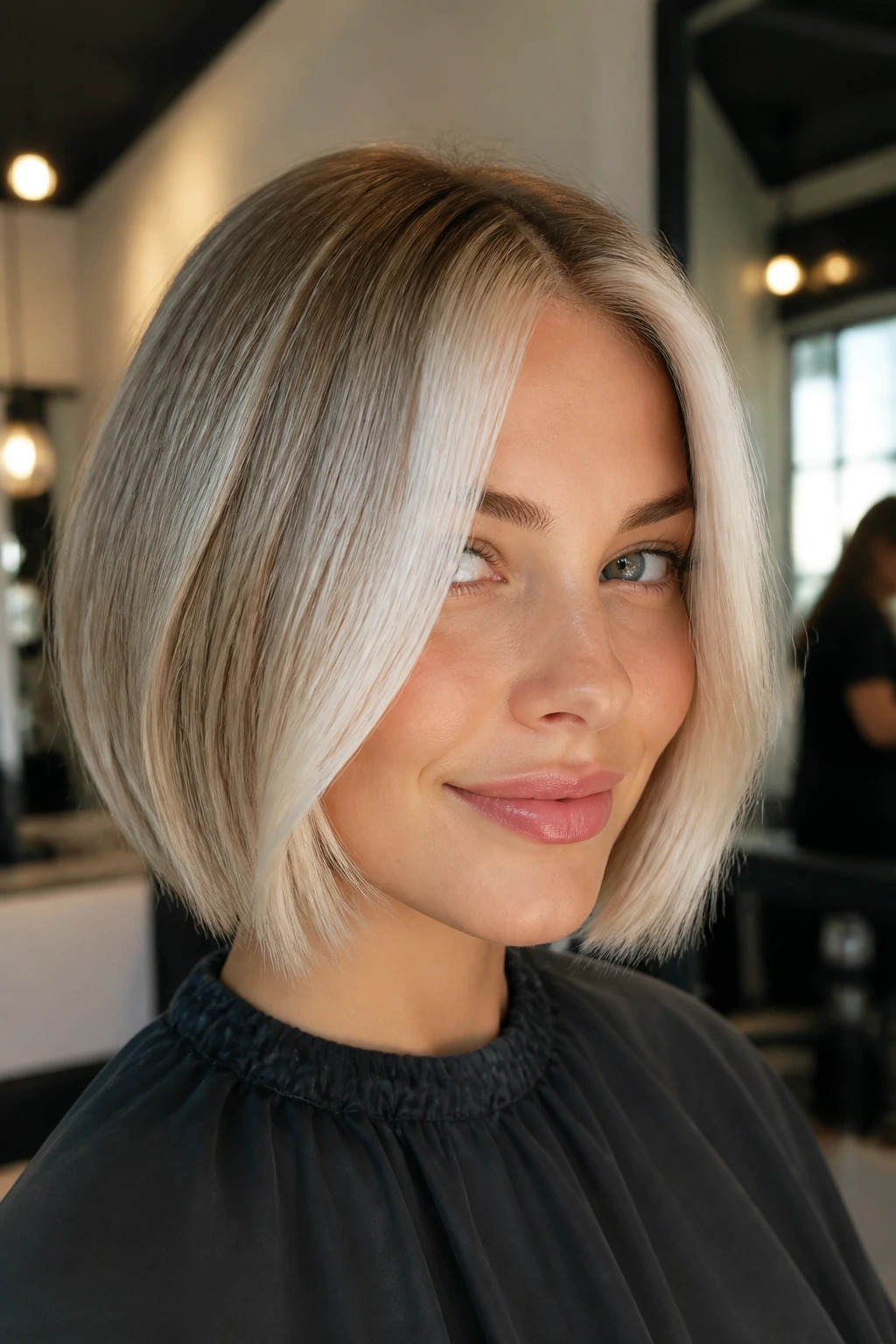
A bob with icy front pieces gives you the clean hit of lightness without turning the whole head into maintenance theater. The contrast is the point. Deep or neutral blonde in the back, bright cool pieces at the front, and suddenly the cut has shape even when it’s air-dried.
This look works especially well for women who want to test a cooler blonde before committing to an all-over ice shade. The bob keeps the style neat, and the front-lighting brightens the eyes fast. If the back is slightly deeper, grow-out looks more natural too. That’s a nice bonus. No one wants harsh regrowth right at the part line.
Best styling move: tuck one side behind the ear and let the icy panels do their job.
19. Toffee Blonde Shag
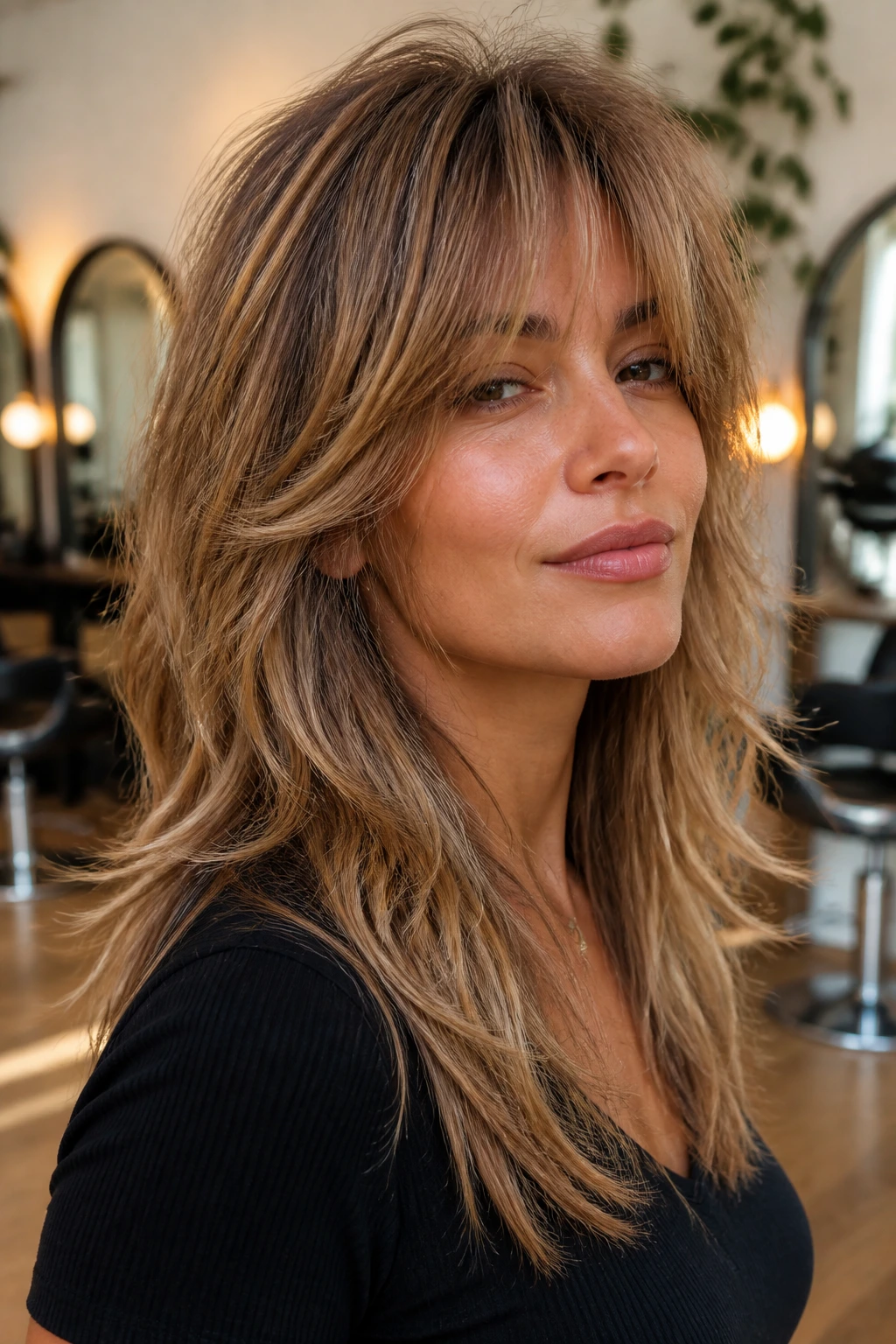
Toffee blonde has a deeper golden-brown base with lighter pieces woven through, which makes it a strong fit for shags and choppy layers. The cut wants movement. The color gives it depth. Together, they keep the hair from looking heavy even when the length is medium or long.
This shade works well when you want blonde energy without chasing pale ends. It’s warm, dimensional, and a little earthy. On textured hair, it reads especially well because the highlights catch on the curves and bends instead of sitting in one flat plane. That means less effort in the morning and more visual payoff.
Why it’s smart
Toffee blondes hide regrowth better than pale blondes. If you hate the look of obvious roots, start here.
20. Beach Blonde Long Layers
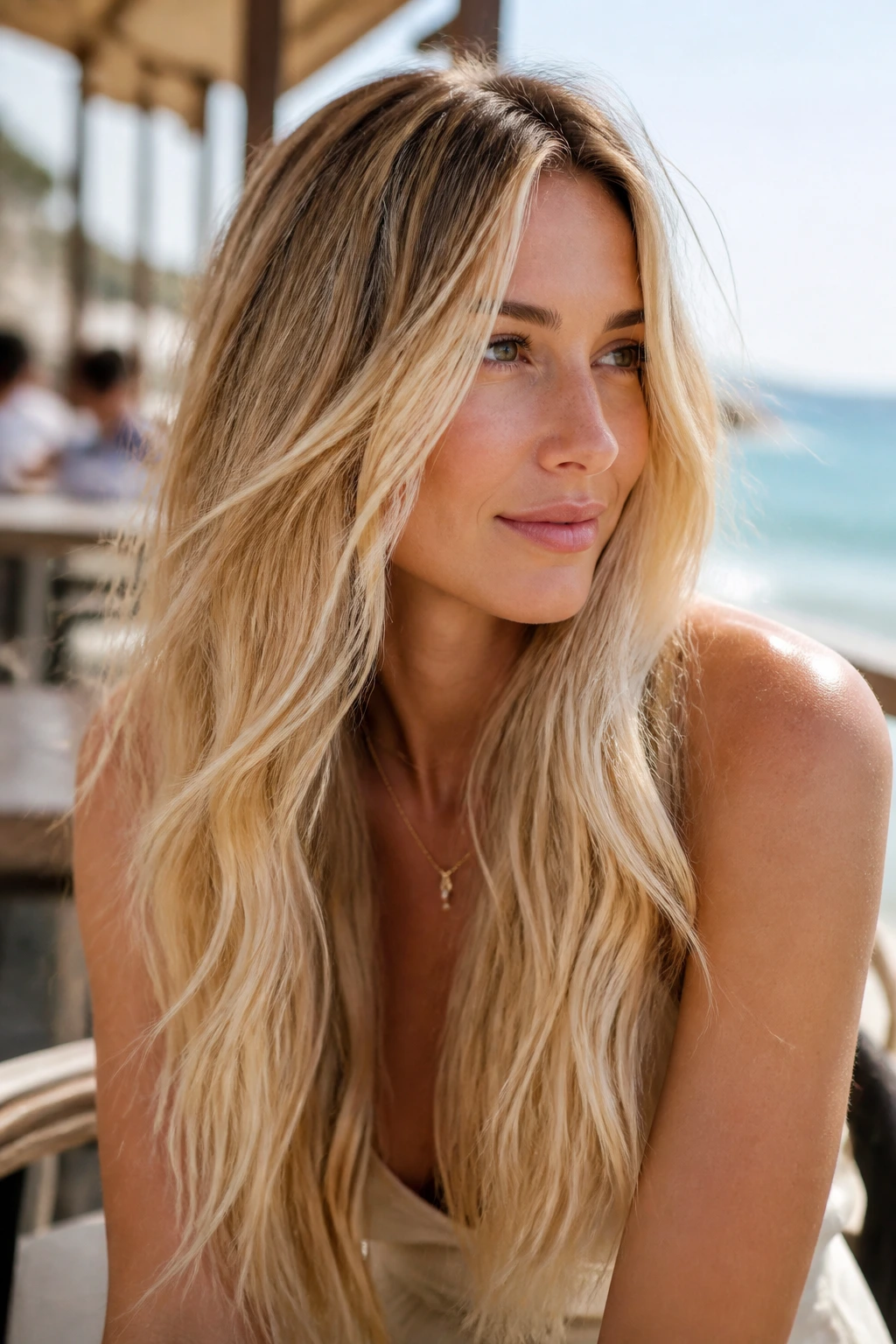
Beach blonde is a good name for this look because the hair should feel sun-thinned, not bleached-out. The base stays soft, the highlights sit in a scattered pattern, and the long layers keep the color from looking static. It’s the kind of blonde that comes alive when the hair moves.
I like this for longer lengths because the layers create separate planes for light to hit. A single-tone blonde on long hair can look heavy fast. Beach blonde avoids that by mixing brighter and deeper pieces. The result is less perfect, more believable, and easier to keep wearing as the root grows.
Styling note: a salt spray can help, but only if the hair isn’t already dry. On overprocessed blonde, too much texture product can make the ends feel like rope.
21. Smoky Blonde Balayage
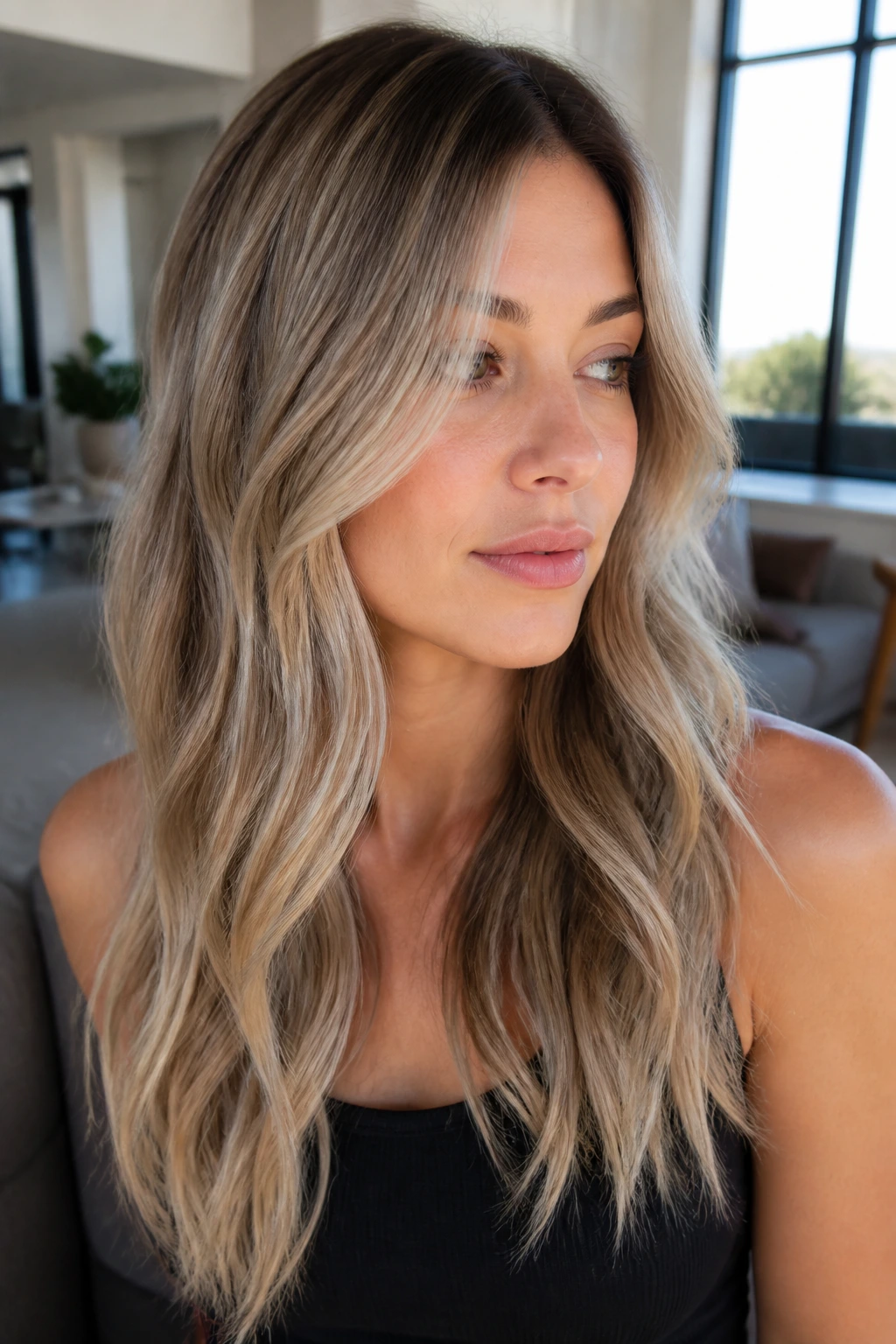
Smoky blonde is what happens when a blonde stays cool without turning flat. Think soft ash, taupe, and muted beige working together through balayage placement. It has a bit of fog in it. That’s the charm. The color feels modern without looking synthetic.
This is a strong choice for women who don’t want warmth and don’t want white-blonde brightness either. Because the color is painted in sweeps, the grow-out is gentle. You can wear it on straight hair, but it really comes alive on waves where the cool tones can shift in the light. The shade also pairs well with darker roots, which means less upkeep.
A blunt truth: if your natural hair pulls orange fast, smoky blonde is a friend. It gives you room to cool things down.
22. Buttery Pixie Bob
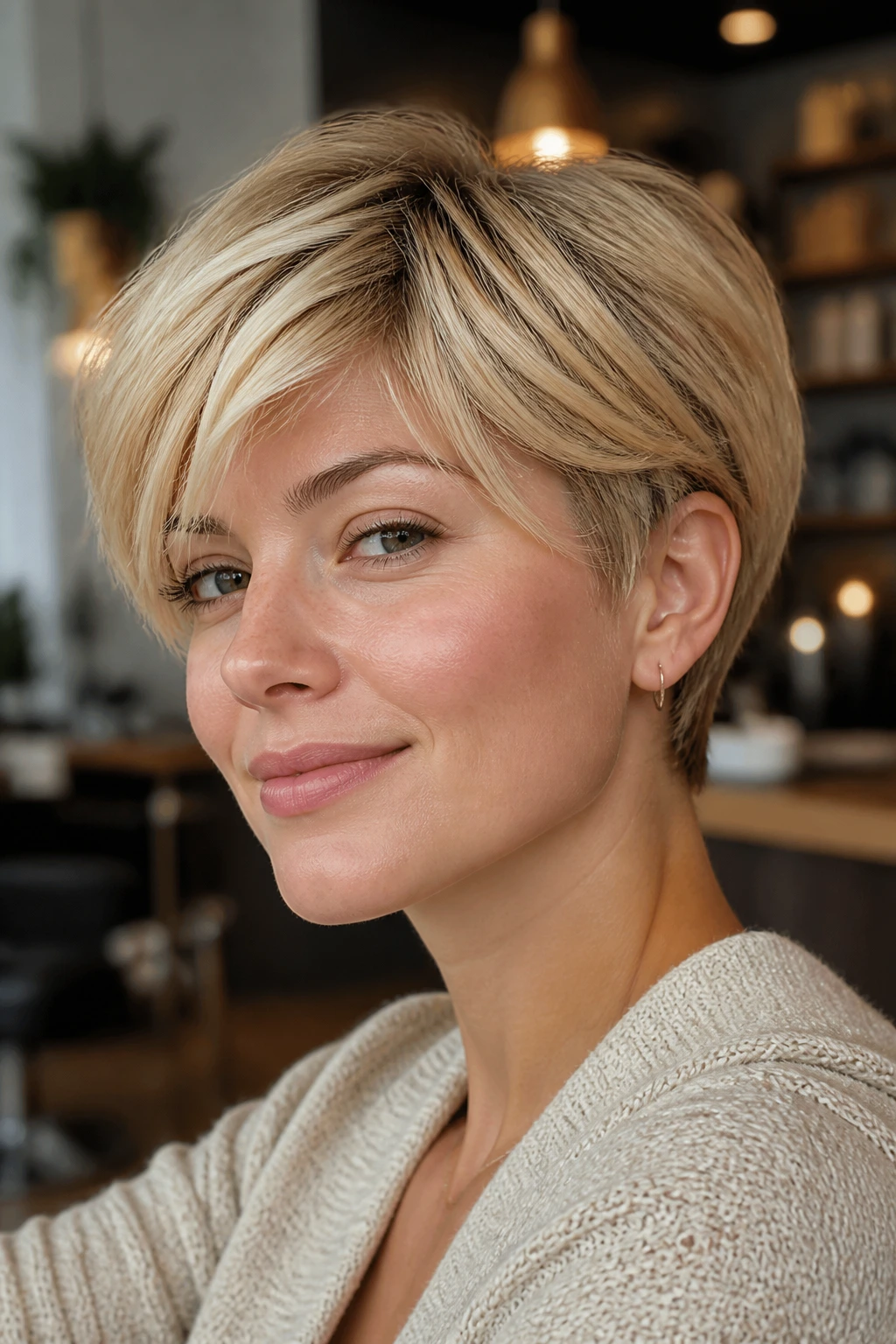
A pixie bob gives blonde a nice middle ground between cropped and feminine, if you like that word and I know some people don’t. The shape is short enough to feel fresh, but long enough to hold a little movement around the ears and crown. Add buttery blonde, and the cut softens without losing its structure.
This look works because the color keeps the short haircut from feeling too sharp. Butter tones are gentle on the eye. They also flatter skin that gets washed out by cooler blondes. On a pixie bob, the shine matters a lot, so a smoothing cream or light glaze finish helps the shade look polished.
Best for: someone who wants short hair but doesn’t want it to read severe or harsh
23. Wheat Blonde One-Length Cut
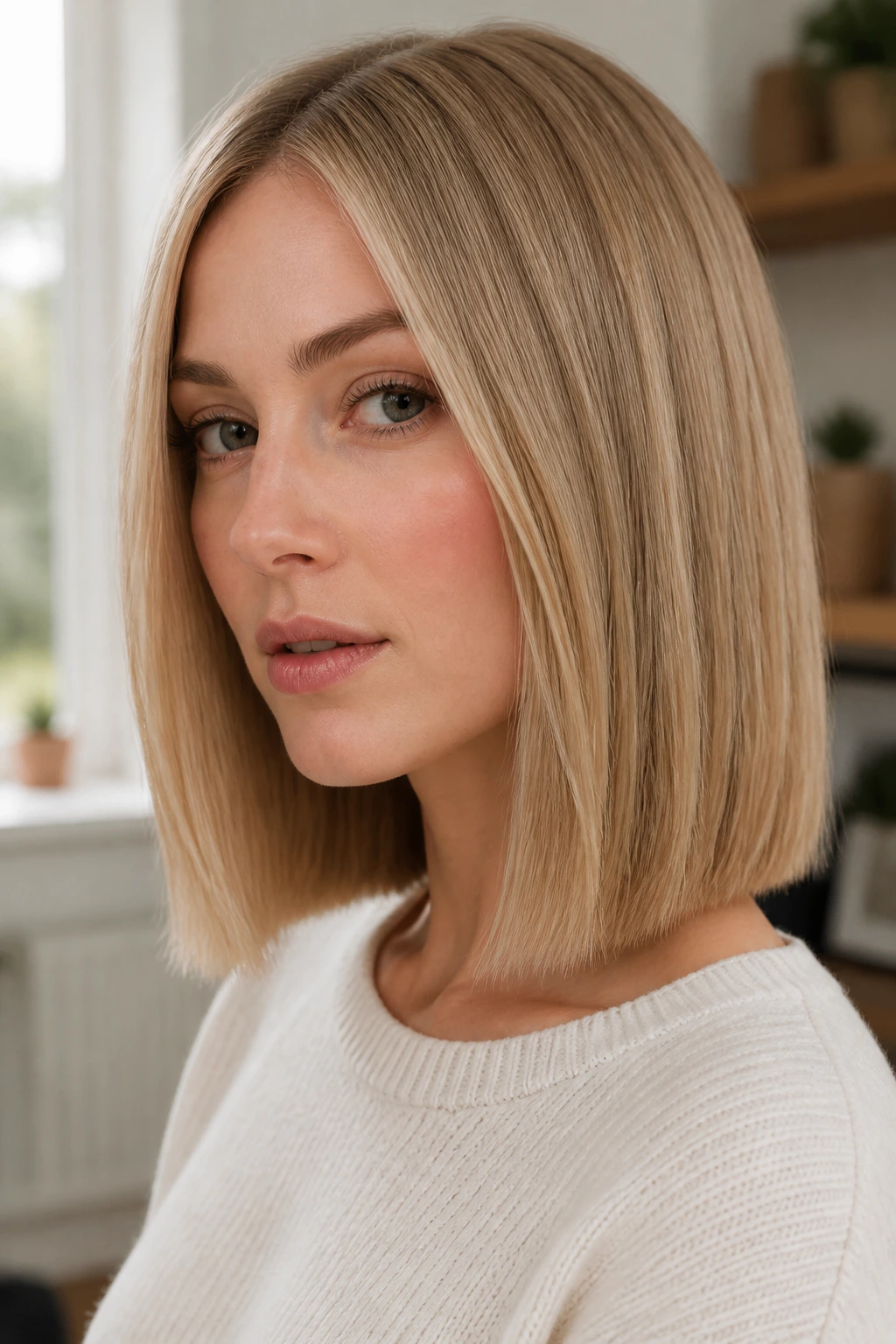
Wheat blonde is one of the most natural-looking blonde shades on the list. It sits in that soft, beige-gold lane that resembles hair lightened by time and sun, not by a hard bleach job. On a one-length cut, the shade looks clean and purposeful because there’s no layer movement to distract from the color itself.
This is a good option if you like a lighter look but don’t want anything too cool or too bright. Wheat blonde has enough warmth to stay flattering and enough softness to keep it from turning brassy. It also works nicely with a center part and smooth styling, especially when the ends are blunt and healthy.
Small but useful detail
A one-length cut exposes split ends fast. If you choose this blonde, keep the trim schedule honest.
24. Rose-Gold Blonde Waves
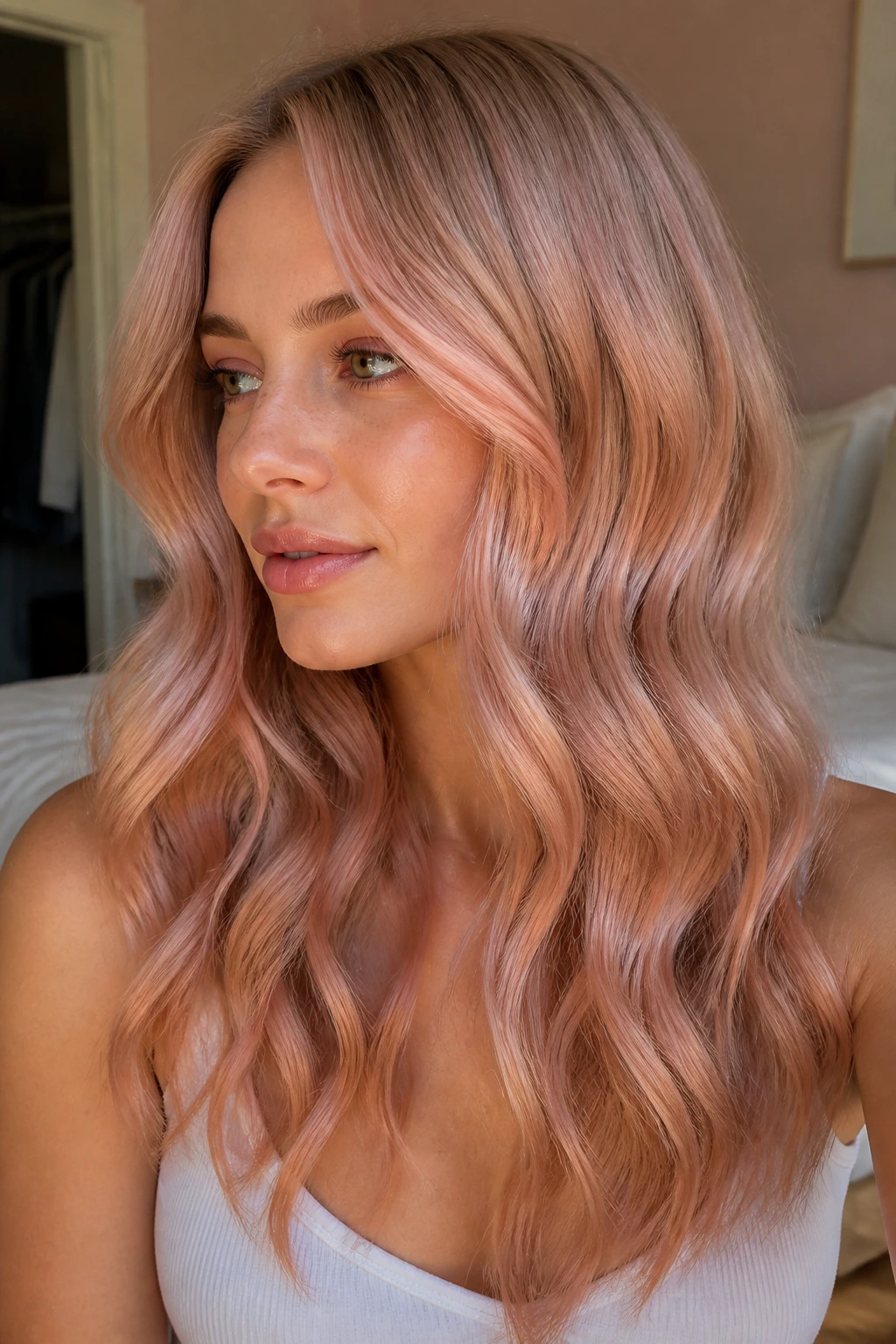
Rose-gold blonde sits at the edge of blonde and blush. It’s delicate, warm, and a little playful, but not so pink that it stops looking wearable. On waves, the rose tone picks up in the bends and looks softer than it does on straight hair, which is why I prefer it with movement.
This look is good when you want warmth but don’t want the full copper route. It flatters neutral skin especially well, and it can be toned up or down depending on how loud you want the pink note to be. If you like jewelry with a little warmth — gold, rose gold, champagne metal — this blonde tends to play nicely with it.
Tip: keep the base creamy. A muddy base kills rose gold faster than anything else.
25. Rooted Cream Blonde
Cream blonde can go flat if every inch of the hair is lifted the same way. A rooted version fixes that. The darker root gives the pale ends something to lean on, and the cream tone in the mids keeps the look soft rather than stark. It’s one of the better choices for women who want a lighter blonde but not a constant salon calendar.
On medium to long hair, the root melt makes the shade feel expensive because the color moves from deeper to lighter in a controlled way. It also saves the style from looking over-processed. The grow-out is easier, the part line is softer, and the hair has more depth near the scalp, which matters more than people think.
One sentence, because it’s true: dimension is kinder to the eye than uniform bleach.
26. Dimensional Foilayage Blonde
Foilayage gives you the lift of foils and the softness of balayage, which is why it keeps showing up on women who want brightness with movement. The brighter pieces are placed strategically, then blended so the roots don’t look stamped in. It works especially well when the goal is a blonde that has depth at the scalp and glow through the ends.
This approach is practical if you want to be lighter but don’t want the whole head to look the same. The front can be brighter. The crown can be softer. The ends can carry the most light. That balance looks good in curls, waves, and even a rough blow-dry, because the contrast holds up from every angle.
Why it’s worth asking for
It gives you more brightness than pure balayage, but less harsh grow-out than full traditional highlights. That middle lane is the sweet spot for a lot of people.
27. Apricot Blonde Blend
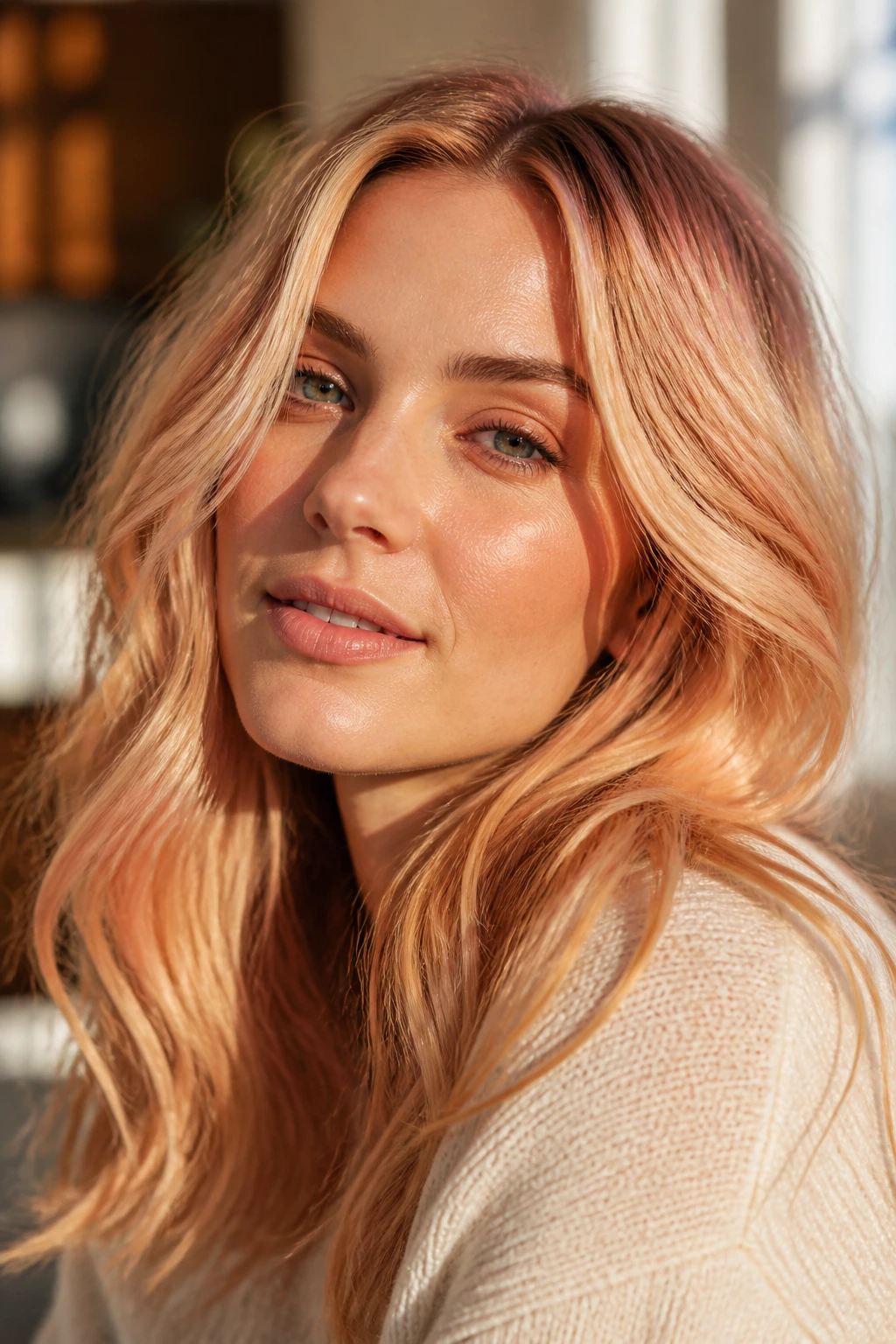
Apricot blonde is warmer than strawberry and lighter than copper, which puts it in a narrow but lovely band of color. It has enough peach in it to keep the tone lively, yet enough blonde in the mix to stay airy. On soft waves or layered hair, the color can look like warm sunlight with a tiny pink edge.
I like this shade on women whose skin can handle warmth but goes dull with yellow gold alone. It’s a softer alternative to red-blonde. The trick is not letting it drift orange. A gloss with peachy or rose notes will keep the tone clean, while too much gold can push it off balance.
Best use: when you want your blonde to feel a little playful without giving up brightness
28. Bright Baby Blonde
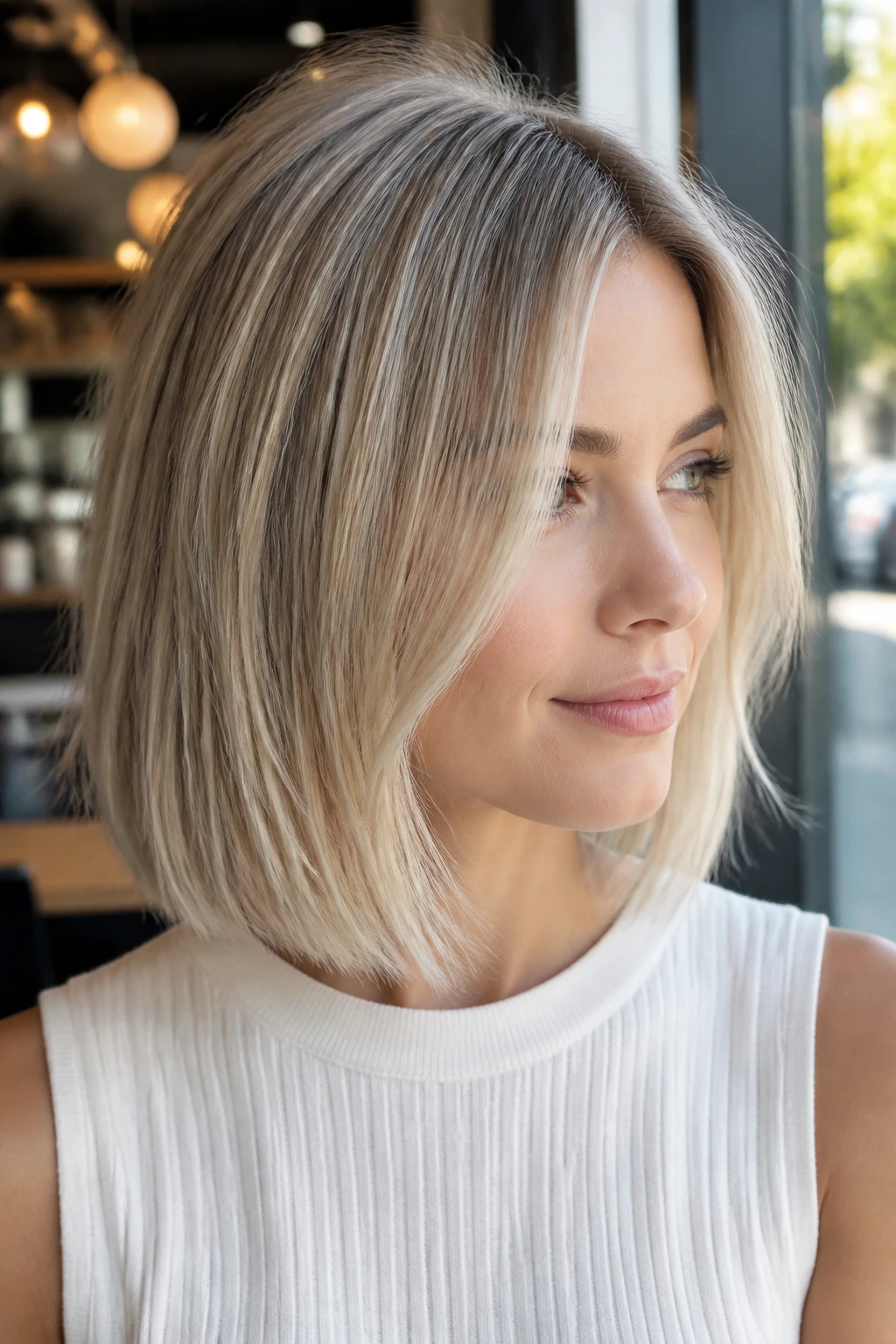
Baby blonde means fine, delicate highlights that sit close together and create a soft, lifted overall effect. It’s lighter than it sounds, but not in a stripey way. The pieces are narrow, which lets the hair stay bright while still showing texture and depth.
This is a strong choice for finer hair because heavy contrast can make fine strands look thinner. Baby lights keep the blonde gentle and blended. On a bob or lob, the effect is especially good because the small highlights move with the cut instead of sitting like obvious streaks. It’s a detail-heavy look, which is exactly what makes it look expensive.
Quick note
If you want the blonde to look airy instead of chunky, this is the lane to stay in.
29. Shadowed Pearl Blonde
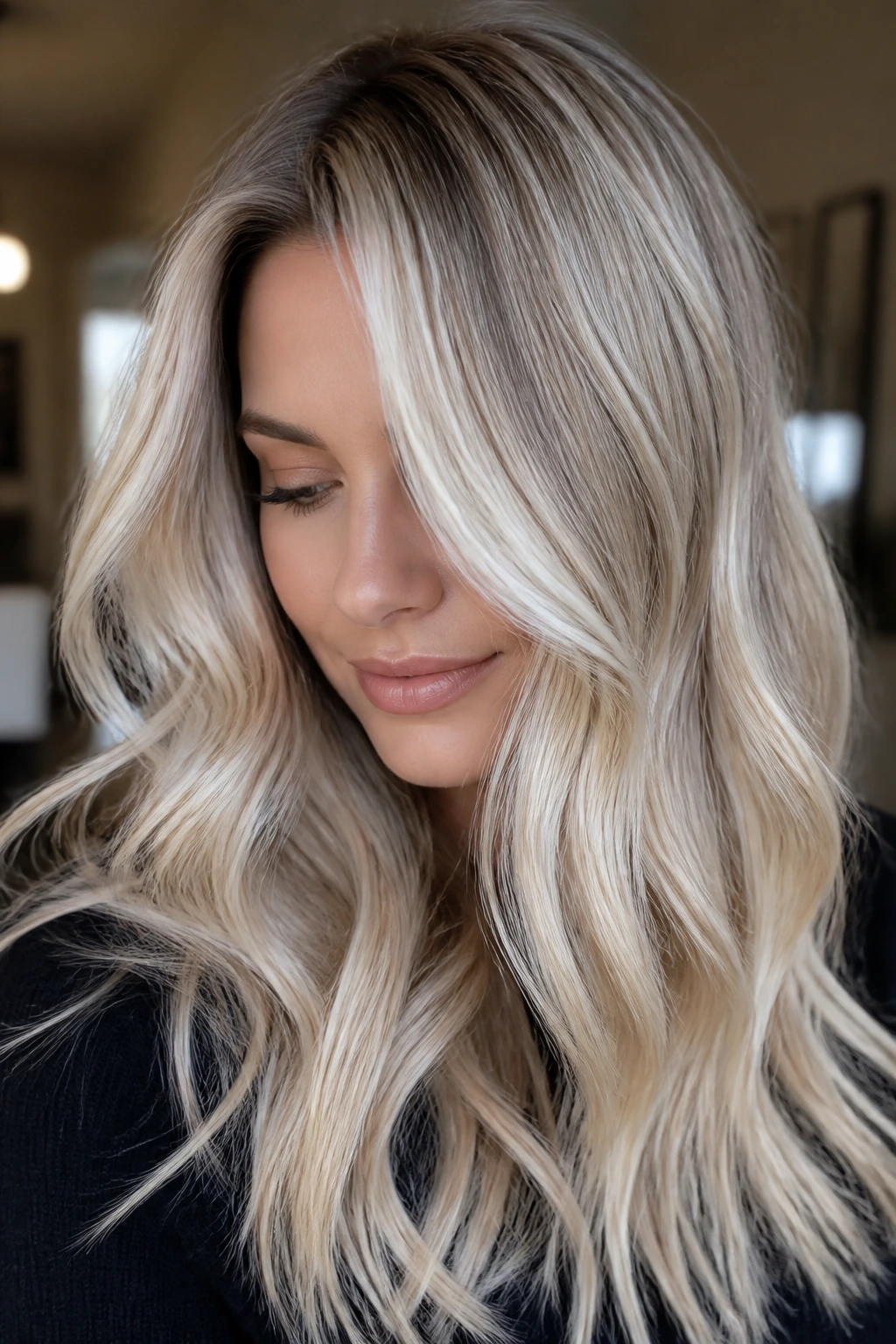
Pearl blonde already has a soft, luminous finish. Add a shadow root, and you get a shade that keeps its brightness without putting pressure on the scalp area. The root melt makes the blonde easier to wear, and the pearl ends keep the color from looking yellow or over-toned.
This look is one of the better options for women who want a cooler blonde but know they can’t live in the salon chair every month. It also suits waves because the lighter ends catch the eye while the root keeps the overall shape grounded. The contrast should be soft, not harsh. Think smoke to pearl, not brown to white.
Best with: long waves, curls, or a layered blowout
Watch for: over-toning, which can make pearl hair look dull instead of polished
30. Oatmilk Blonde Lob
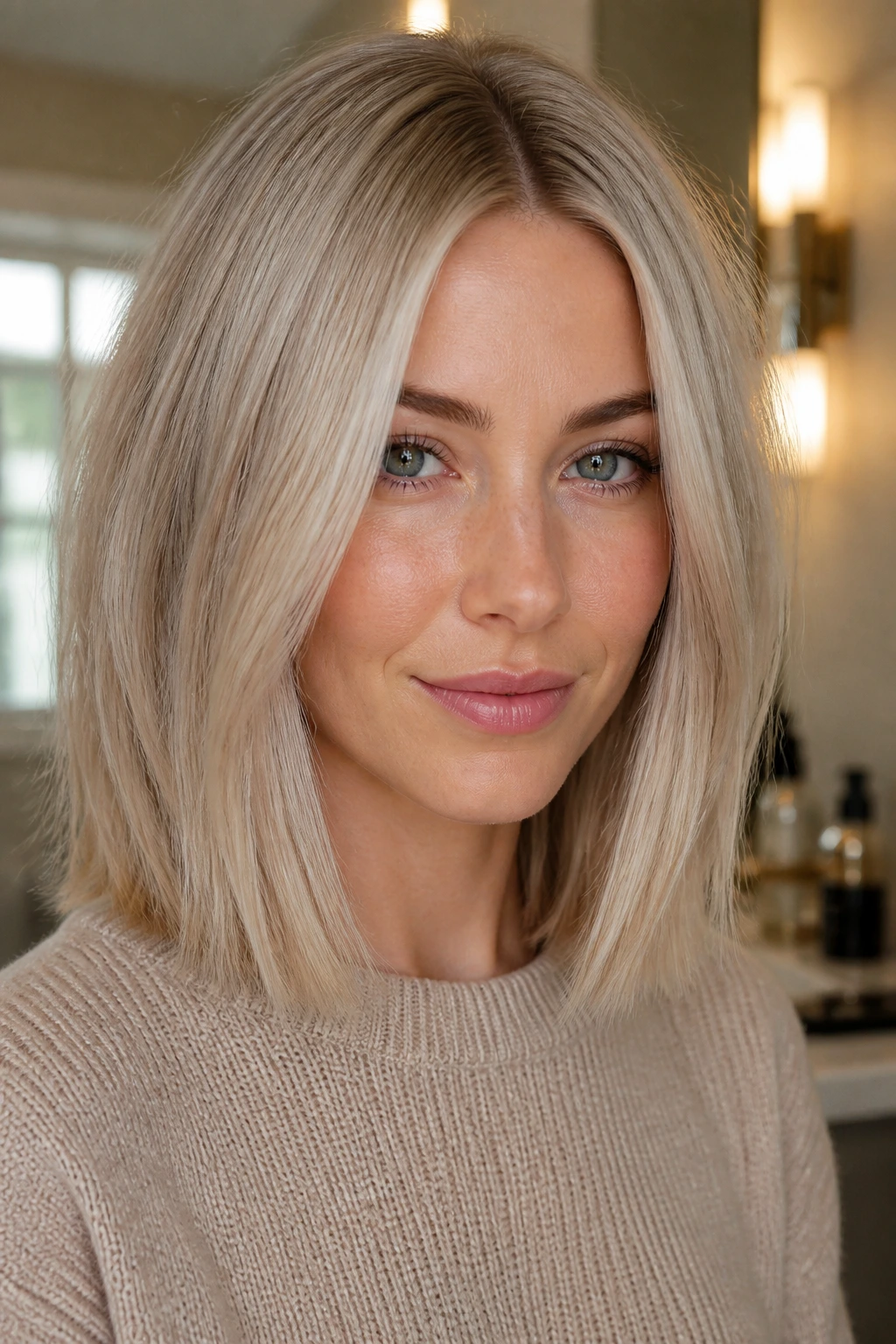
Oatmilk blonde is the quieter cousin of beige blonde. It’s creamy, pale, and neutral enough to sit near the natural spectrum instead of making a loud entrance. On a lob, the shade feels soft and modern, especially if the ends are blunt and the styling is kept simple.
This one is useful if you want blonde that can live under office lighting without flashing too cool or too gold. It’s one of those colors that doesn’t need a lot of explanation. The tone does the work. A middle part, a tidy blowout, and a little serum at the ends are usually enough.
I like oatmilk blonde because it doesn’t overcommit. It still looks blonde, but it gives the eye a rest.
31. Golden Silk Curls
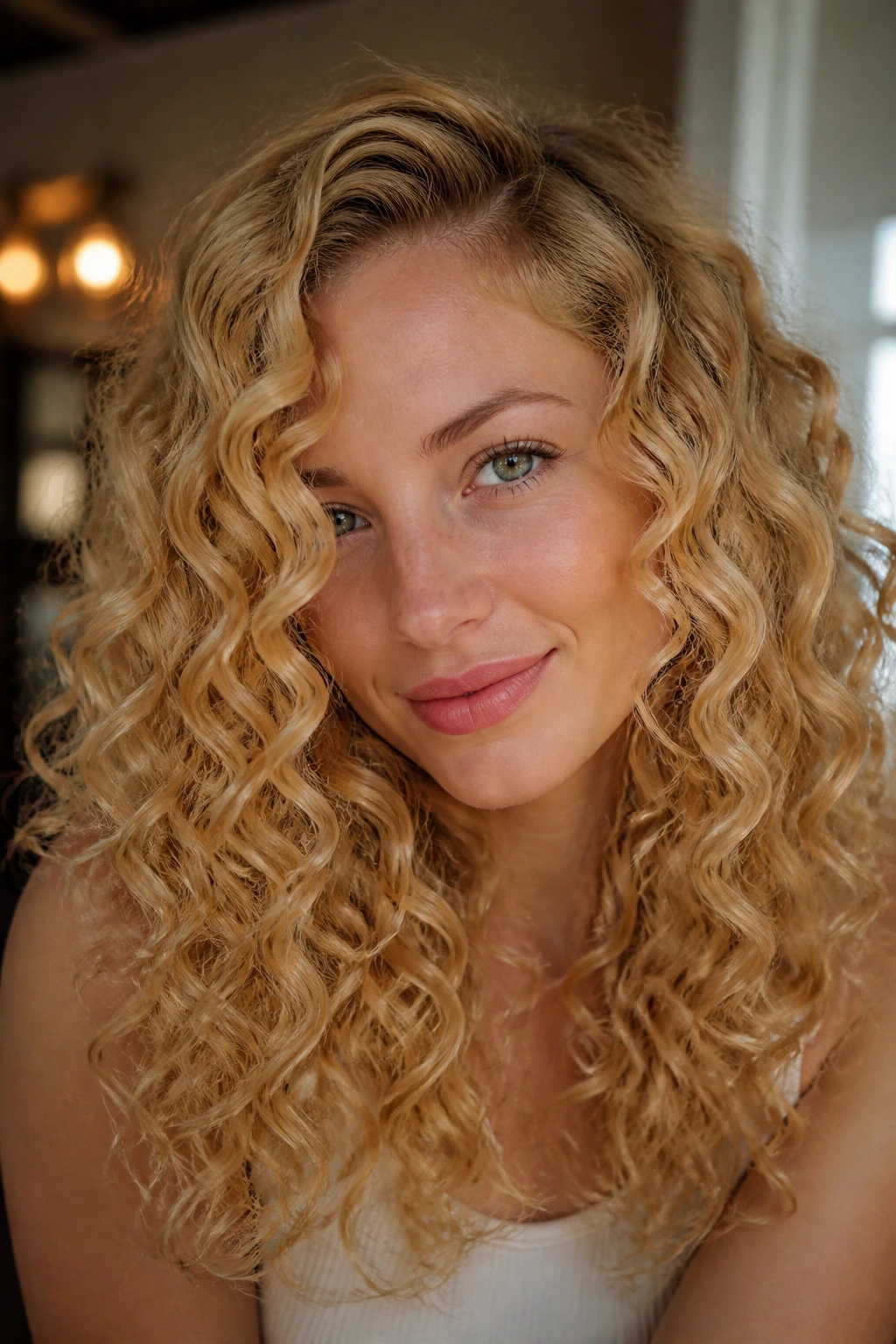
Golden silk is warm, bright, and made for curls that need definition without losing softness. The color sits in that sweet zone where the coils and bends each catch a different shade of gold. That movement matters. On curls, blonde can either flatten the shape or make it pop. Golden silk does the second one.
This is a good pick if your hair is naturally curly or if you wear curls often with a diffuser or wand set. The warmth keeps the color from looking dull on textured hair, and the brightness around the outer curls gives the shape lift. Fine highlights around the top and front can help keep the crown from looking heavy.
Little thing, big effect
A curl cream with too much matte hold will make the color look dry. Use something with slip.
32. Lived-In Blonde with Root Melt
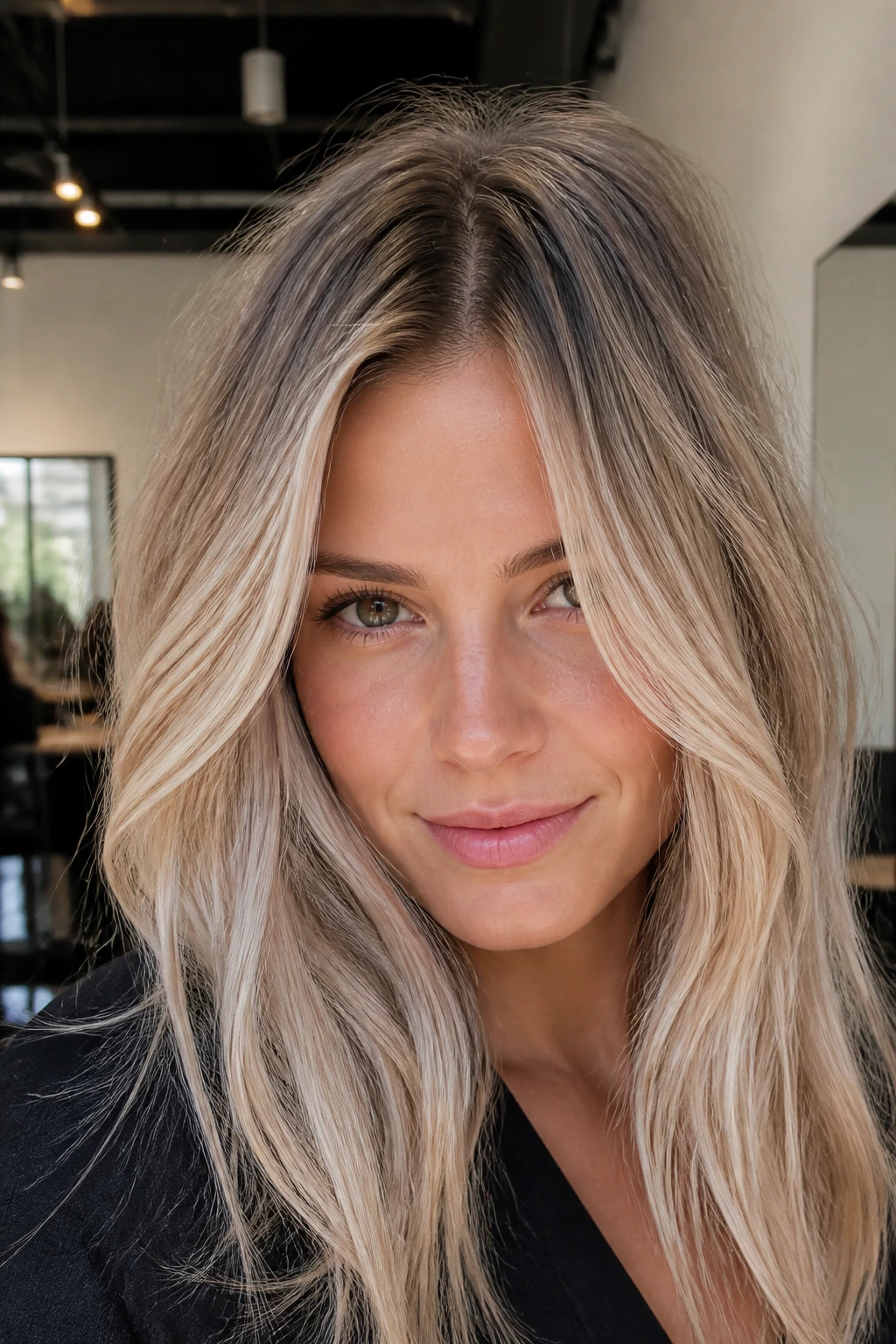
This is the blonde for people who like polish but don’t want a hair appointment running their calendar. The root melt gives the scalp a softer edge, the blonde through the mids and ends brings brightness, and the whole thing grows out in a way that looks planned. It’s not lazy hair. It’s strategic hair.
What I like most about this look is how flexible it is. It can lean cool, warm, beige, or creamy depending on the toner and the placement. It also works on nearly every length, from shoulder grazing to long layers, because the deeper root keeps the eye from going straight to the regrowth line. That alone makes it useful.
The ideal version has a soft transition, not a harsh stripe. That difference is the whole point.
Why Placement Matters More Than Hue
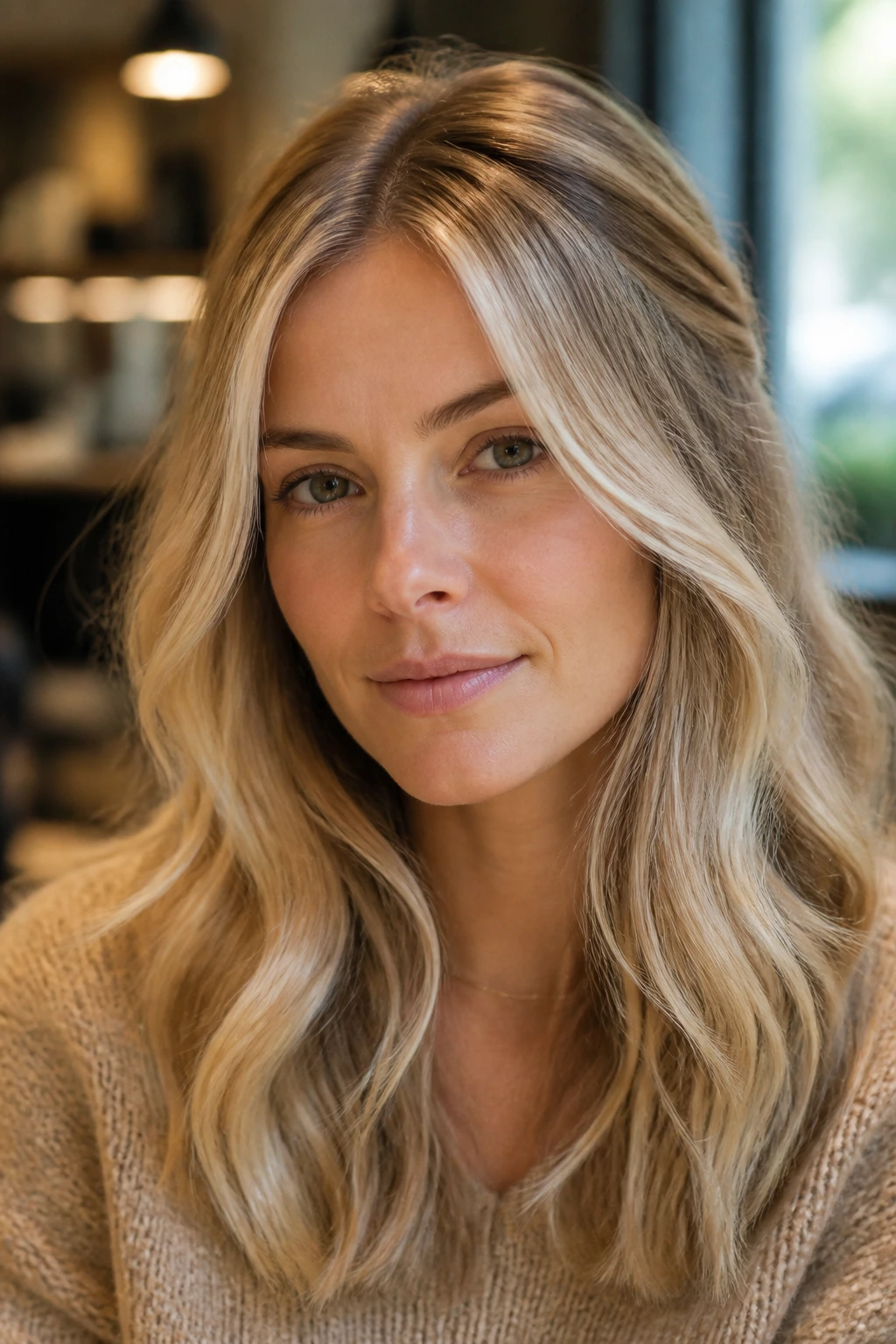
A blonde can be technically perfect and still look off if the lightening is in the wrong place. That’s the part people miss when they save salon photos and say, “I want this color.” The tone matters, sure. But placement decides whether the face brightens, whether the cut shows up, and whether the grow-out looks graceful or messy.
Face-framing pieces change the whole mood fast. So do crown highlights, lowlights near the nape, and a root shadow that keeps the scalp from looking bleached-out. On shorter hair, a poor placement plan shows up right away because there’s less length to hide it. On longer hair, bad placement can make the ends look stripped while the roots sit untouched. Neither looks good for long.
The smartest blonde work usually has a simple logic: brighter where the eye lands first, softer where the hair needs depth. That might mean a stronger money piece, a gentler balayage through the back, or baby lights packed near the part and crown so the blonde doesn’t disappear when the hair moves. The color should follow the haircut, not fight it.
The Tools That Keep Blonde Looking Fresh
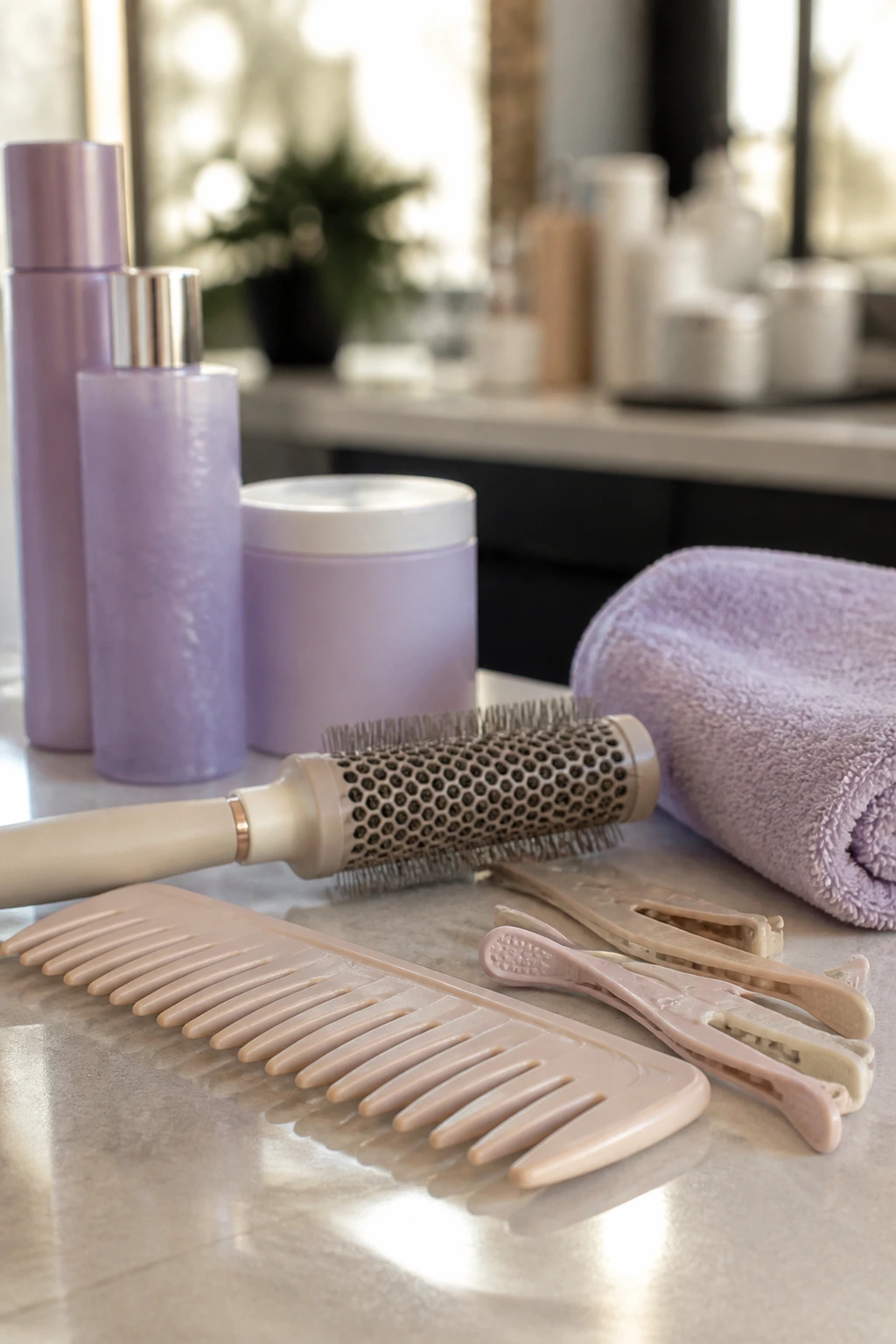
You do not need a drawer full of hair gadgets to keep blonde hair in shape, but you do need the right few things. The wrong shampoo, the wrong brush, or one too-hot flat iron can take a tone from creamy to tired fast.
- Color-safe shampoo: Use a formula without harsh stripping, especially if your blonde has toner or ash notes that fade easily.
- Purple shampoo: Keep this for cool blondes, not every wash. It helps with yellow tones, but too much can make the hair dull or gray.
- Deep conditioning mask: Blonde hair loses slip faster after lightening, so a weekly mask helps the cuticle lie flat.
- Heat protectant: Non-negotiable if you blow-dry, curl, or flat iron. Lightened hair burns faster than darker hair.
- Wide-tooth comb: Better than ripping through wet blonde with a fine brush.
- Microfiber towel or soft T-shirt: Less friction, fewer snapped ends.
- Round brush and dryer: Useful for bob, lob, and buttery blonde styles that need smooth bend.
- Root clips or sectioning clips: Not glamorous, but they make styling cleaner.
- Shower filter: Optional, though hard water can make blonde look dingy and weirdly greenish.
- Silk or satin pillowcase: Helpful if you sleep rough on your hair and want less friction at the ends.
How to Choose Blonde by Skin Tone and Hair History
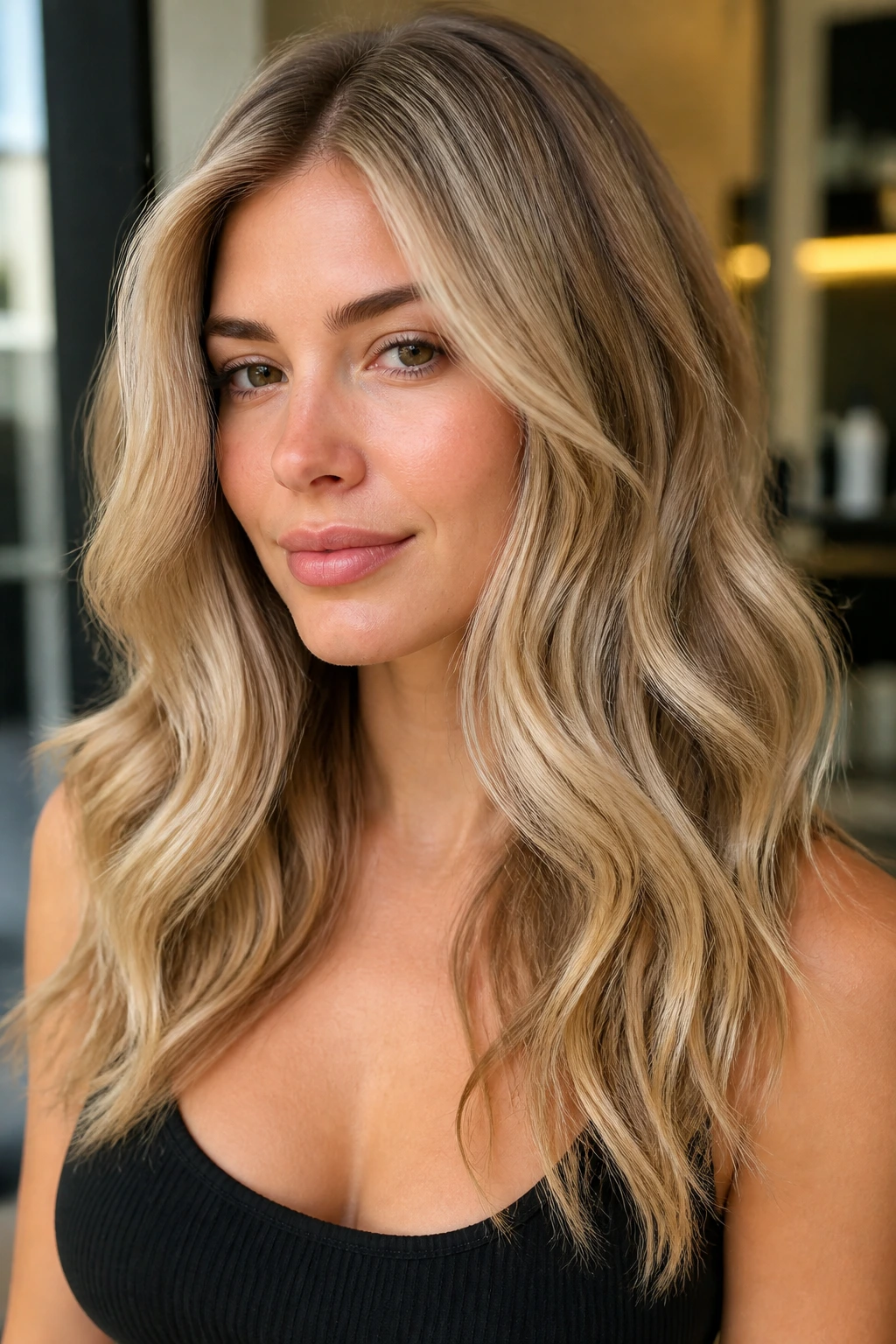
A good blonde choice starts with two facts: what your hair does when it lifts, and what your skin does next to light color. Ignore either one and you may end up fighting the shade every morning. Cool blondes can make warm skin look clean and lifted, but they can also make some complexions go flat. Warm blondes can soften the face, but if they’re too yellow they’ll drag everything down. Neutral shades sit in the middle and save a lot of arguments.
If your hair has been colored dark for a long time, ask for dimension first. Balayage, foilayage, and rooted blondes are easier on the hair and easier to wear. If your natural base is already light brown or dark blonde, you can usually go brighter faster, but even then I’d still keep some root depth. Hair that looks the same from scalp to end often loses shape fast.
The other piece is maintenance honesty. If you like the salon chair and don’t mind toner appointments, ice blonde, white blonde, and pearl blonde are fair game. If you’d rather show up every 8 to 12 weeks, choose beige, honey, sandy bronde, or rooted cream. That one decision saves a lot of regret later.
How to Wear These Shades Day to Day
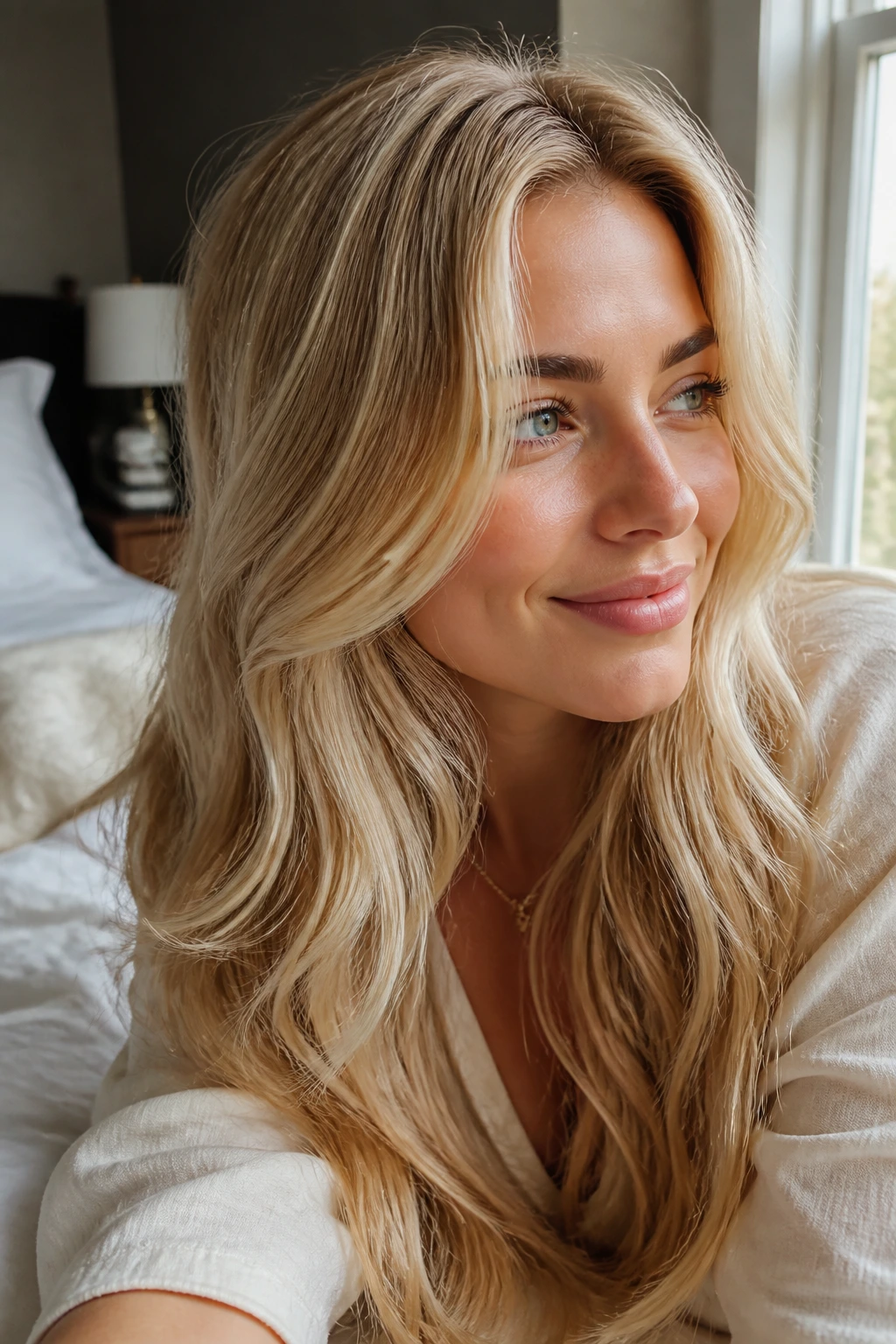
Cut: Bobs and lobs make beige, champagne, pearl, and oatmilk blondes look clean. Long layers and waves give honey, caramel, toffee, and golden silk more movement. Pixies make icy and platinum shades look sharper because there’s less hair to soften the edge.
Styling: Sleek blowouts flatter vanilla, vanilla-beige, and white blonde because the finish is smooth. Loose bends suit balayage and ribbon highlights because the contrast shifts with each wave. Curls do a lot for warm blondes; they make the gold look deeper and stop it from reading flat.
Makeup: Cool blondes usually like a bit of pink in the cheeks and lips. Warm blondes can carry peach, bronze, and terracotta more easily. Neutral blondes are the easiest of the bunch, which is one reason beige and cream blondes stay popular with people who want less fuss.
Wardrobe: Ivory, black, camel, soft gray, and dusty rose all behave differently against blonde hair. Platinum likes crisp contrast. Honey and caramel blondes glow next to warm neutrals. Mushroom and smoky blondes look especially good with muted colors that don’t compete for attention.
Extra Tips for Shine, Tone, and Grow-Out
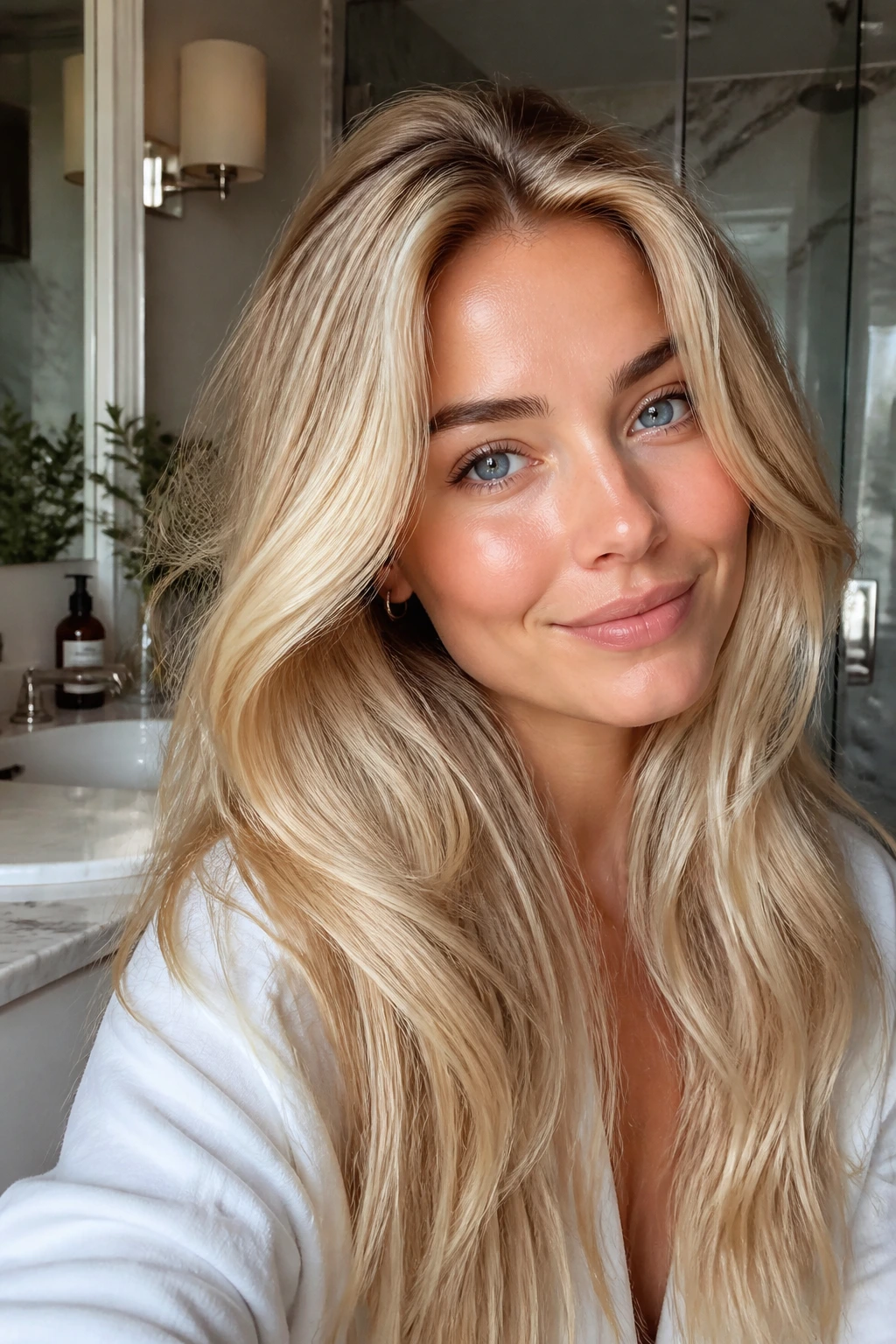
Glossing: A clear or slightly tinted gloss every 6 to 8 weeks keeps blonde from looking dry and scratched up. If the color is cool, ask for a soft beige or pearl gloss instead of going straight purple.
Customization: Brighten the front pieces if you wear your hair back a lot. Deepen the root if you hate seeing regrowth at the part line. Add lowlights if your blonde looks too flat on the ends.
Serving Suggestions: A few drops of lightweight oil on the mids and ends can stop blonde from looking fluffy in a bad way. Keep it off the root unless you enjoy limp hair.
Make-It-Yours: Fine hair usually benefits from baby lights and softer contrast. Thick hair can handle bolder ribbons and brighter face-framing pieces. Curly hair often looks best when the blonde is painted in a way that follows the curl pattern, not a straight section map.
Keeping Blonde Hair Fresh Between Appointments
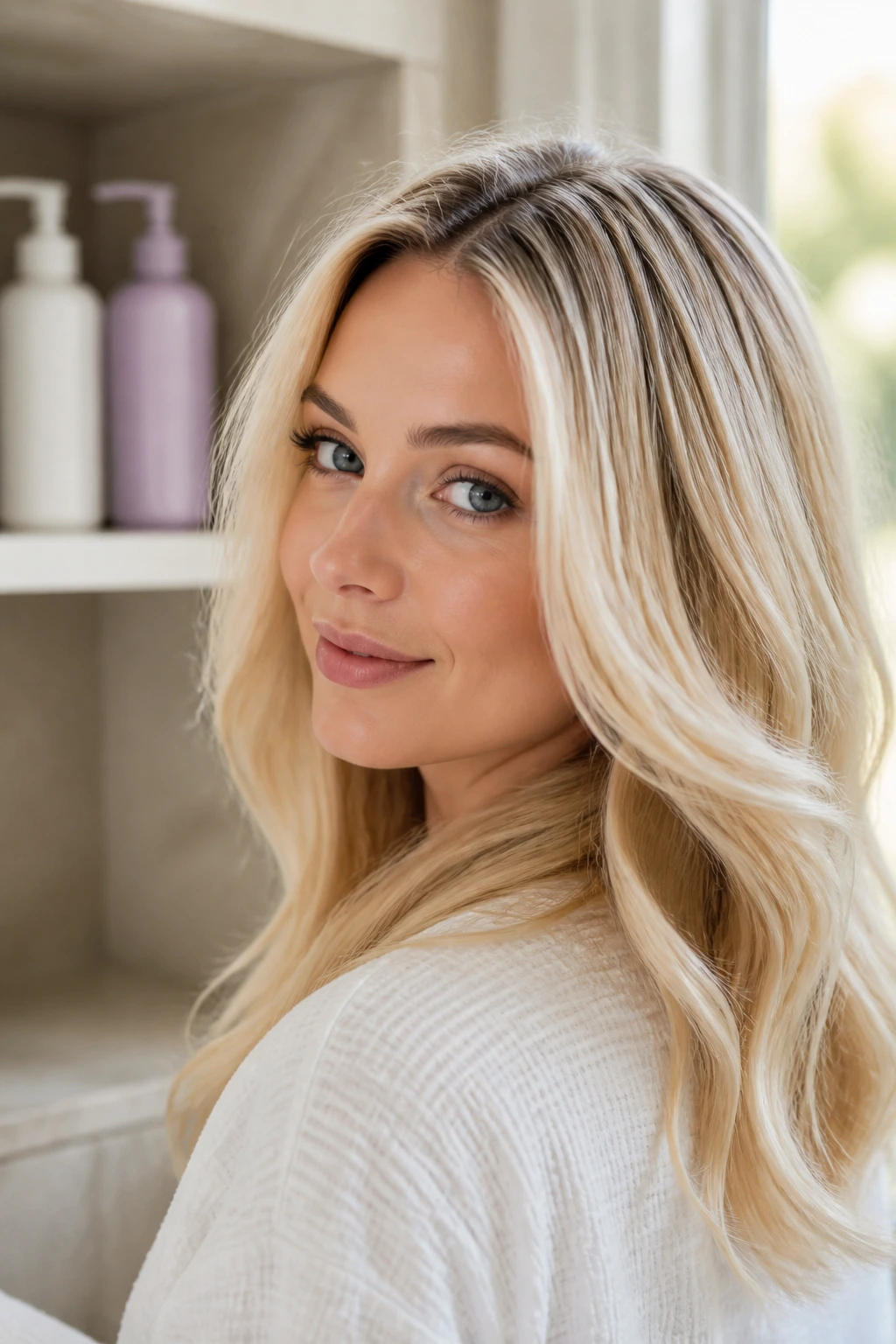
Blonde hair rewards a little routine. It does not need daily fussing, but it does need consistency. A color-safe shampoo is the base layer. Purple shampoo belongs in the cool-blonde rotation, usually once a week or every other week depending on brassiness. If you use it too often, the hair can go muted and dull.
Heat styling deserves more respect than it gets. A blonde that’s been lifted, toned, and glazed can still turn dry fast if you hit it with a curling iron at the hottest setting. Medium heat is enough for most styles. Use a protectant, let the hair cool before brushing, and don’t chase glassy shine by frying the cuticle into submission. That trade is not worth it.
Root touch-ups depend on the look. A lived-in blonde or balayage can stretch to 8 to 12 weeks, sometimes longer if the root is planned well. Platinum, white blonde, and strong money-piece looks tend to need attention sooner. If the ends start looking thirsty, a trim and a conditioning mask help more than another round of toner.
Variations and Adaptations to Try
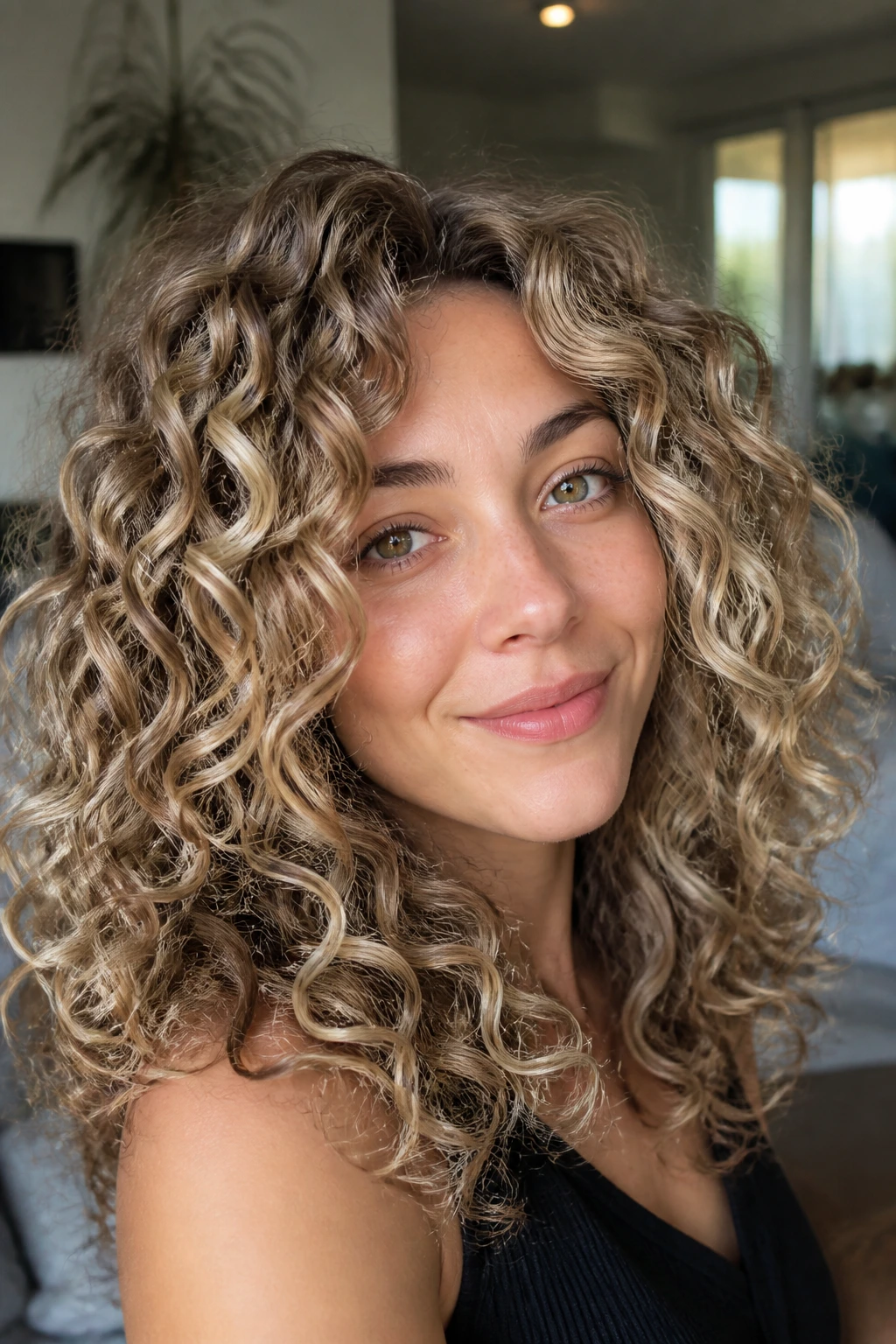
Low-Maintenance Root Melt: Keep the crown deeper and let the blonde live through the mids and ends. This works best if you want a salon-friendly grow-out and do not want the part line to scream after four weeks.
Cool-Tone Frost: Push the shade toward ash, pearl, or icy beige. It suits lighter brows, cooler skin, or anyone who likes a crisp finish that looks sharp under indoor light.
Warm Honey Lift: Add golden or caramel ribbons instead of pale blonde everywhere. The color feels softer, especially on brunette bases, and it usually grows out with less drama.
Grey-Blending Blonde: Use brighter pieces around silver or gray strands and leave some natural depth in the root. The result is less like full coverage and more like a smart, soft blend.
Curly Dimension Blonde: Paint the blonde in a way that follows the curl pattern, with brighter outer pieces and softer depth underneath. This keeps curls from looking puffy and helps the shape hold.
Short-Cut Bright Blonde: On bobs, pixies, and pixie bobs, go a little bolder with brightness near the face. Short hair shows contrast fast, so you can often get more visual payoff with less bleach.
Common Blonde Hair Mistakes to Avoid
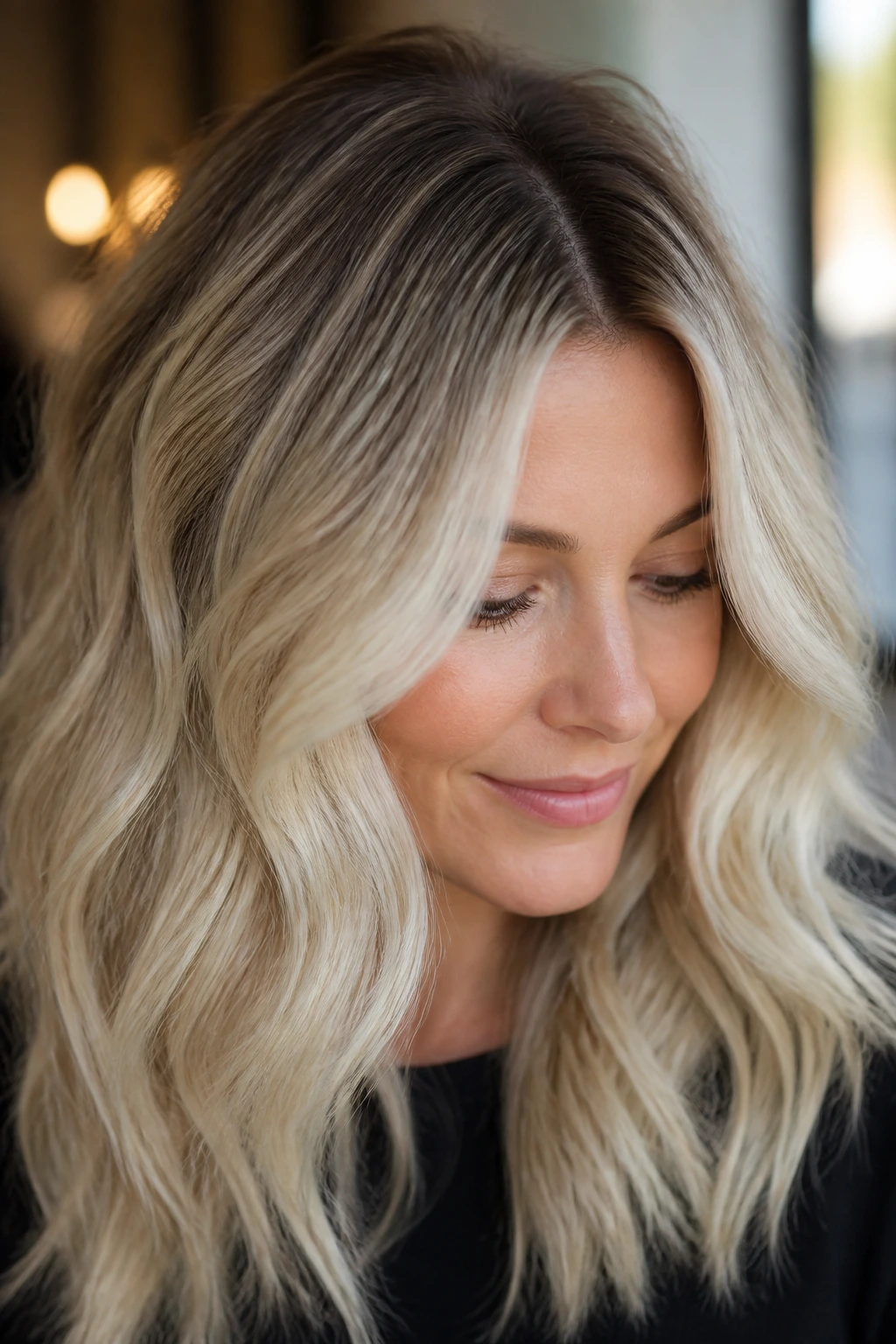
The first mistake is chasing platinum from a dark base in one jump. That usually leads to patchy lift, dryness, and hair that feels rough at the sink. Better to build the blonde with foils, balayage, or staged lightening and keep some depth while the hair stays intact.
Another big one is picking the wrong undertone. Cool blonde on warm skin can look harsh if the tone is too gray. Warm blonde on cool skin can turn brassy if the yellow is too loud. The fix is simple: match the blonde to your brows, your wardrobe, and the amount of contrast you naturally carry.
Overusing purple shampoo is a sneaky problem. It helps with brass, but it also mutes shine if you lean on it too hard. If your blonde starts looking dusty, cut back and switch to a moisturizing color-safe wash for a while.
Skipping maintenance planning is a mistake too. A white blonde crop, icy money piece, or platinum pixie needs more upkeep than a sandy bronde or rooted cream blonde. If your schedule is packed, choose a look that builds in shadow at the root instead of fighting your calendar.
Finally, don’t ignore the haircut. Blonde can expose dry ends, uneven layers, and thin-looking lengths faster than darker color does. A clean trim often fixes more than another toner ever will.
Frequently Asked Questions
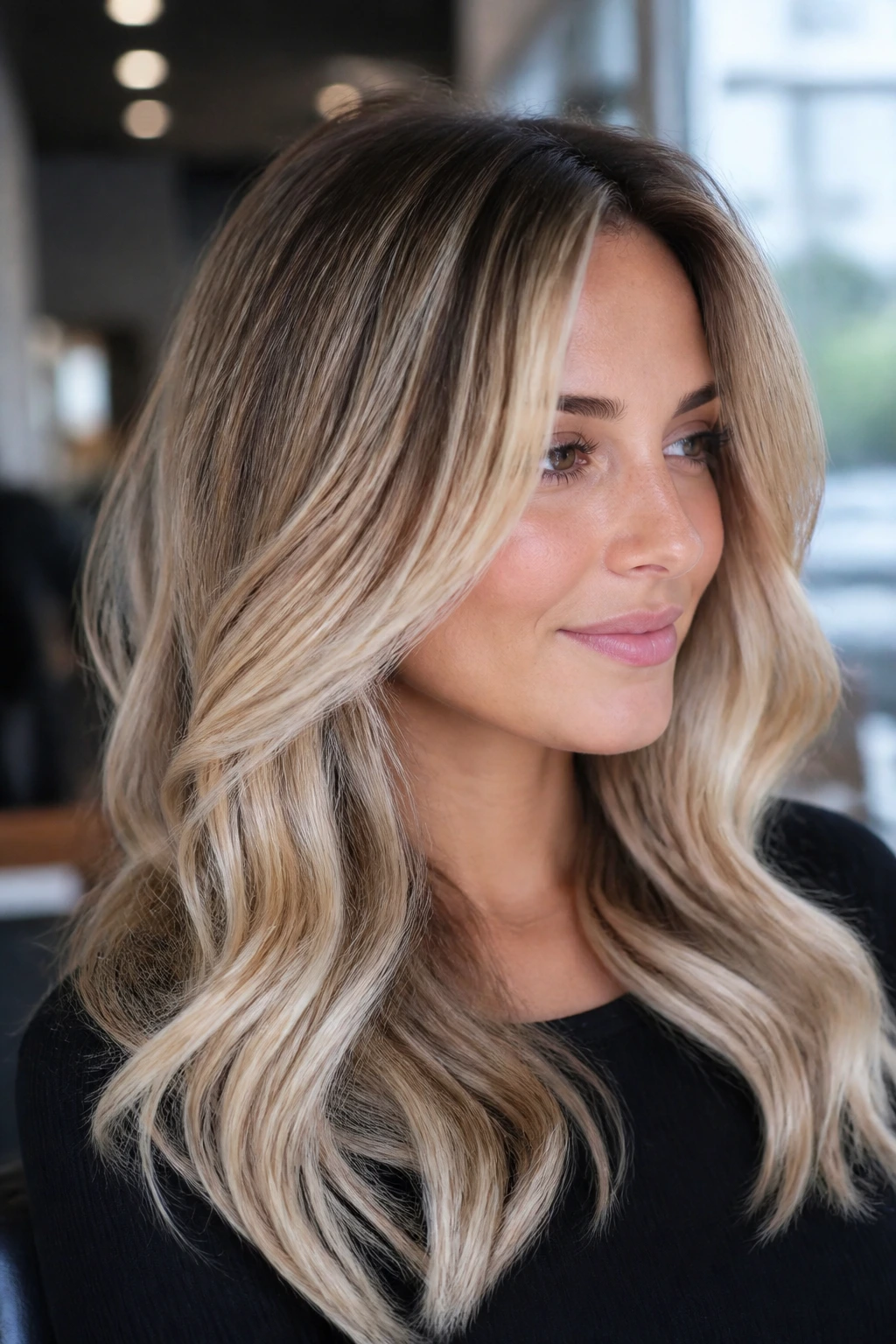
Which blonde hair look is lowest maintenance?
Sandy bronde, rooted cream blonde, and lived-in balayage styles are usually the easiest to wear. They keep depth at the root and through the mids, so regrowth blends instead of announcing itself.
What blonde shade works best on warm skin tones?
Honey balayage, butter blonde, caramel blonde, honey butter midi, and apricot blonde are strong options. They echo the warmth already in the skin instead of turning it gray or chalky.
Can dark brunette hair go blonde without getting ruined?
Yes, but not in one reckless session. The safest route is usually staged lightening with foils or balayage, plus bond-building care between appointments so the hair can hold together while it lifts.
What’s the difference between balayage and highlights?
Balayage is painted on by hand for a softer, more blended grow-out. Traditional highlights are typically placed in foils and can look brighter from root to tip, which gives a stronger contrast and more frequent upkeep.
How often should blonde hair be toned?
Many blondes need toner every 4 to 8 weeks, depending on how fast brass shows through. Cooler shades usually need attention more often than beige or honey blondes.
Does purple shampoo work on every blonde?
No. It helps cool blondes by cutting yellow, but it can dull warm blondes or leave pale hair looking flat. Use it only when your blonde actually needs cooling.
Can blonde hair look good with dark eyebrows?
Absolutely. Beige, honey, and rooty blondes often look especially good with darker brows because the contrast feels deliberate. Super pale blonde can work too, but the balance has to be cleaner.
What if my blonde turns brassy fast?
That usually means the tone is too warm for your hair’s natural pigment or the shampoo is stripping out the gloss too quickly. Switch to a gentler wash, add a cooler glaze, and ask for a toner with more beige or ash next time.
The Blonde That Grows With You
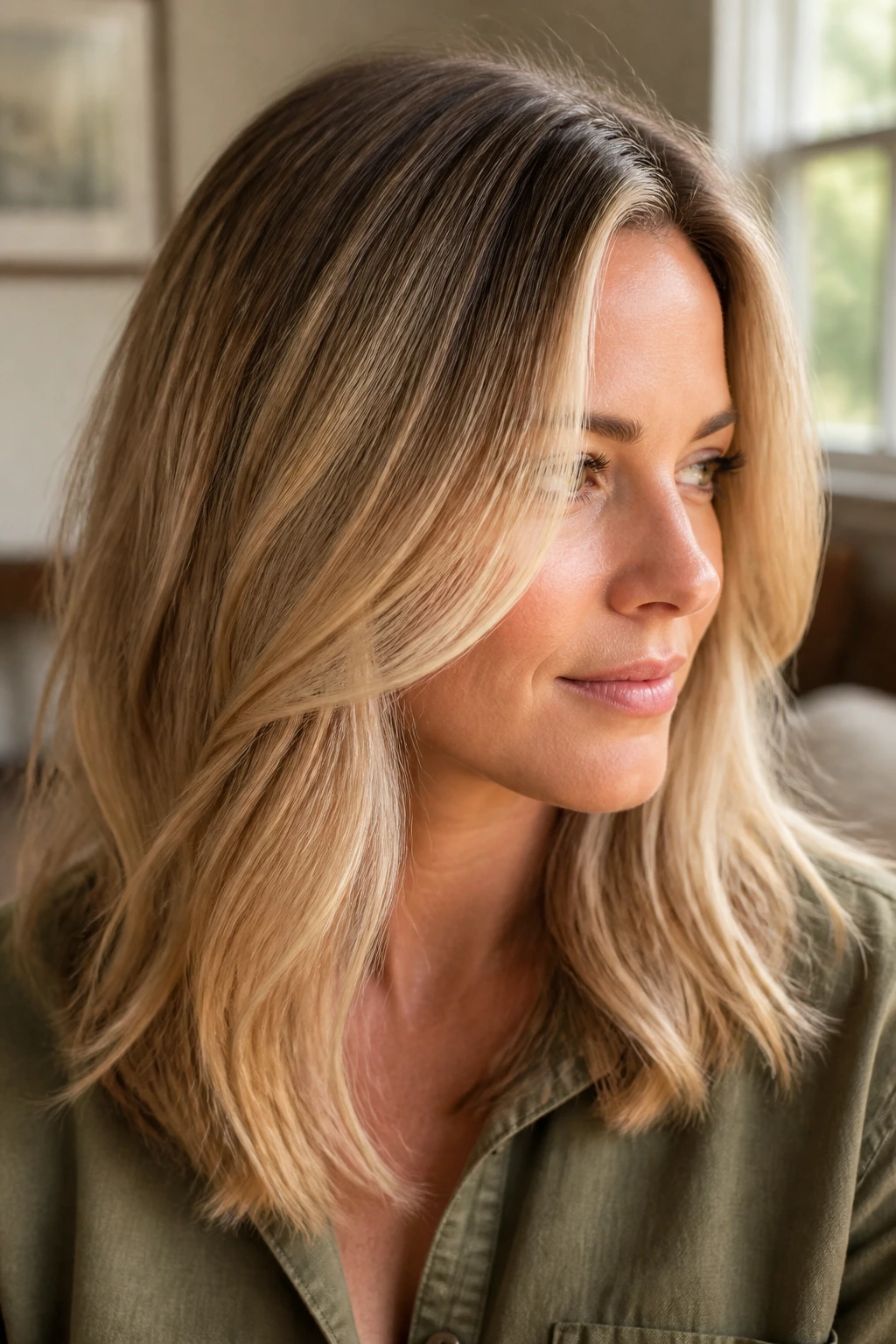
The best blonde is not the one that looks loudest in the mirror on day one. It’s the one that still makes sense when the roots start peeking through, the toner softens, and you’ve lived in it for a few weeks. That’s where the smart blondes on this list earn their keep.
If you want a blonde that behaves, choose the tone, placement, and cut together. That’s the real trick. A good color job isn’t just light hair; it’s light hair that knows where to sit, where to soften, and where to leave room for the next appointment.
