



The easiest low maintenance blonde hair looks are rarely the brightest ones. The blondes that age well, grow out softly, and don’t demand a salon rescue every few weeks usually have a darker root, a blurred melt, or a placement pattern that lets your natural color stay in the conversation. A hard stripe at the scalp is what makes blonde feel needy. A soft blend is what keeps it wearable.
And that’s the part people miss. Low-maintenance blonde is not “less blonde.” It’s blonde with a plan: ribbons where the light naturally hits, dimension under the surface, and tones that fade into something still pretty instead of something patchy. A level 7 base can look expensive when the lightness is placed well; a level 10 all over can look fussy in a month if the grow-out line is left to fend for itself.
The best versions also respect your haircut. A shag, a lob, long layers, or even a blunt bob can make the color look intentional long after the appointment is over. Straight, one-tone platinum asks for constant attention. Soft rooty blonde asks for a trim, a gloss, and a little self-control with the purple shampoo. Much easier. Much smarter.
Why These Blonde Looks Stay Easy
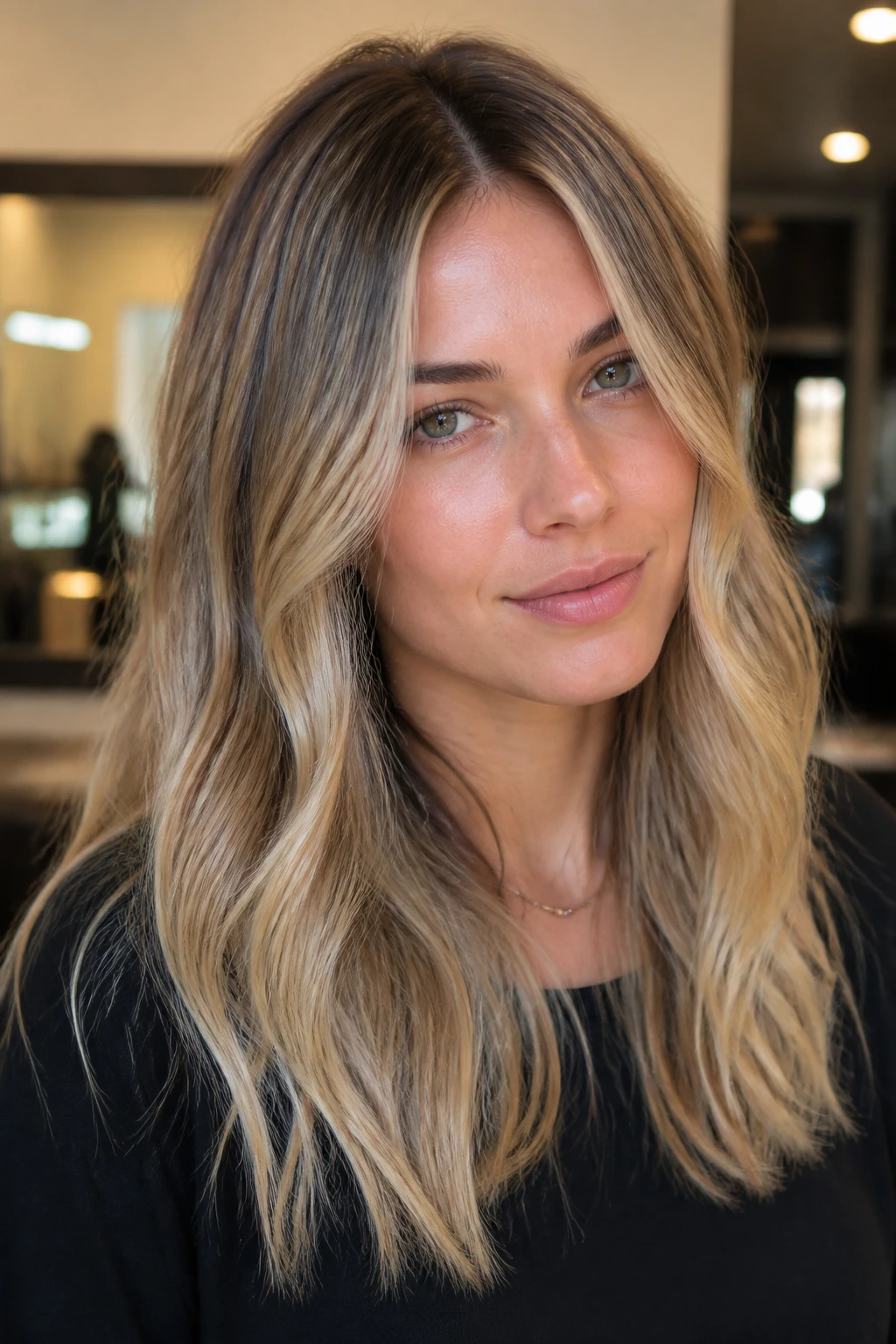
- Soft roots hide regrowth: Keeping the scalp area one or two levels deeper means the first inch of new hair looks blended, not like a warning sign.
- Strategic brightness does the heavy lifting: Face-framing pieces, ends-only lightening, and painted ribbons give you the blonde payoff without bleaching every strand.
- Muted tones fade better: Beige, honey, mushroom, sandy, and pearl tones usually fade into softer versions of themselves instead of turning screaming yellow.
- Cut matters as much as color: Lobs, shags, layers, and bobs break up the line of grow-out so the whole head looks deliberate.
- You can stretch appointments: Most of these looks can live happily for 8 to 12 weeks before they need a partial refresh, and some can go longer if the root melt is done well.
1. Rooted Balayage Blonde
This is the blonde I’d hand to someone who wants movement, brightness, and a grow-out that doesn’t announce itself in a straight line across the part. The root stays deeper, the mids get painted, and the ends carry the lightest pieces, which is why this look keeps its shape even after the first few weeks.
The magic is in the blur. Balayage is hand-painted, so the lightness lands where it would naturally hit the face, the top layer, and the ends rather than starting in a harsh band. If your base is a dark blonde or medium brown, a rooted balayage can usually stretch to 10 or 12 weeks before it needs a clean-up. That’s a sweet spot, honestly.
A few things make this look work especially well:
- Best base: level 5 to 7 natural hair.
- Best cut: long layers, a lob, or curtain bangs with length.
- Salon ask: keep the root at least 1 to 2 levels deeper than the brightest ribbons.
- Finish: beige or honey gloss, not icy toner.
It’s the kind of blonde that keeps getting better as it softens. That’s the point.
2. Beige Blonde with a Shadow Root
Beige blonde is the shade I reach for when I want blonde to look calm instead of shouty. It sits between warm and cool, which means it doesn’t drift into brass the way some warm blondes do, and it doesn’t turn chalky the way icy blondes can when the toner gets old.
The shadow root matters here. Leave the roots just a touch deeper, and the whole look stops fighting your regrowth. That small color gap keeps the scalp area from looking flat, especially on straight hair where every line shows. Ask for a beige gloss over the mids and ends, then let the root stay soft and natural-looking.
This look is especially good if your natural shade is dark blonde, light brown, or a muted brunette base. The grow-out stays tidy, and the beige tone usually ages in a very forgiving way between appointments.
Best for: people who want a polished blonde without the icy finish.
Watch for: toner that’s too ashy. That can make the hair look dull fast, especially if your skin leans warm.
3. Honey Blonde Lob
Why does a honey blonde lob feel so easy to wear? Because the haircut does half the work. A collarbone-grazing length keeps the ends from looking stringy, and honey tones soften the grow-out so the regrowth blends instead of glaring.
This one is especially kind to wavy or slightly textured hair. The bend in the hair breaks up the light, and the warm pieces catch it in little flashes rather than one big bright block. If you like air-drying or rough-drying with a round brush for five minutes and calling it done, this is your lane.
What to ask for
- A lob that hits the collarbone or just above it.
- Honey blonde ribbons placed around the face and through the top layer.
- A root shadow that stays one level deeper than the mids.
- A gloss in the golden-beige range, not copper-orange.
A honey blonde lob grows out in a tidy way because the length is short enough to feel fresh and long enough to avoid the blunt, overprocessed look. Trim it every 8 to 10 weeks, and it usually stays in good shape.
4. Mushroom Blonde
Mushroom blonde is the cool girl of low-maintenance blonding, and I mean that in the practical sense, not the Instagram sense. It leans taupe, beige, and smoky brown, so the color doesn’t scream when the toner fades. It just softens.
That soft fade is what makes it work. Instead of chasing a bright, icy finish that needs constant rescue, mushroom blonde uses depth and muted tone to create dimension. On a medium blonde or light brown base, it can look expensive without looking overworked. On very light hair, a colorist usually needs to add lowlights to get the same effect.
Best cut? Shoulder-length waves or a shaggy lob. The texture keeps the tone from reading flat. If the hair is pin-straight, mushroom blonde can still work, but it needs a little more layering under the surface.
Salon note: ask for cool beige or taupe pieces, not gray. Gray can go muddy fast. Taupe stays softer.
5. Champagne Blonde Waves
Champagne blonde has that fizzy, airy look that makes hair seem lighter without being ultra-platinum. The color usually sits in a pale beige zone with a hint of warmth, which means it won’t age as harshly as a pure icy blonde.
The low-maintenance part comes from the balance. Keep the root soft, let the brightest pieces live in the wave pattern, and don’t overdo the toner. Champagne blonde looks best when it’s a little dimensional, not flattened into one tone from root to tip. Loose waves help because they scatter the light and blur the line where the color changes.
It’s a strong choice for medium-density hair. Thin hair can still wear it, but the color needs a careful hand so it doesn’t look stringy. A gloss every 6 to 8 weeks is usually enough to keep the tone clean.
A one-inch wave iron or a quick bend with a flat iron makes this color come alive. Straight, brushed-out champagne blonde can look lovely too, but the movement is what makes the grow-out less obvious.
6. Bronde Melt
Bronde melt is the easiest answer for anyone who likes blonde but refuses to babysit it. The base stays brunette or dark blonde, and the lighter pieces melt through the mids and ends so the whole head looks like a gradient instead of a stripe.
That gradient is the trick. A blonde melt doesn’t rely on a hard line between your natural color and the lightened sections. If your roots grow in darker, the style still makes sense because the brunette base is part of the look. That’s why this one works so well for people who want to stretch their appointments and still look polished.
It’s also forgiving on thicker hair, where lots of solid lightness can feel heavy or overprocessed. A bronde melt keeps some depth under the surface, which gives the hair body. If your hair is fine, ask for lighter ribbons only on the top layer so it doesn’t go see-through.
Best ask: “Keep the base rich, blend in caramel-beige lights, and leave the root soft.”
That’s the cleanest version of this look.
7. Face-Framing Money Piece Blonde
A face-framing money piece is the blonde version of a good haircut detail: small change, big effect. The front sections are lighter, sometimes noticeably so, while the rest of the hair stays deeper and softer. That contrast gives you brightness right where you want it without turning the whole head into a maintenance project.
I like this look best when the money piece is wide enough to show but not so bright it looks pasted on. The surrounding color should stay rooted and blended, or the whole thing goes stripey fast. Around a part line, a little depth is your friend. It keeps the look from screaming “fresh appointment” in the worst way.
This works on everything from curtain bangs to long layers. On curly hair, the bright pieces need to be placed where the curl falls naturally, or they disappear into the shape. On straight hair, the placement has to be softer and more feathered.
A good version of this look can stretch well between full highlights because the front stays light while the rest grows out quietly.
8. Dirty Blonde Gloss
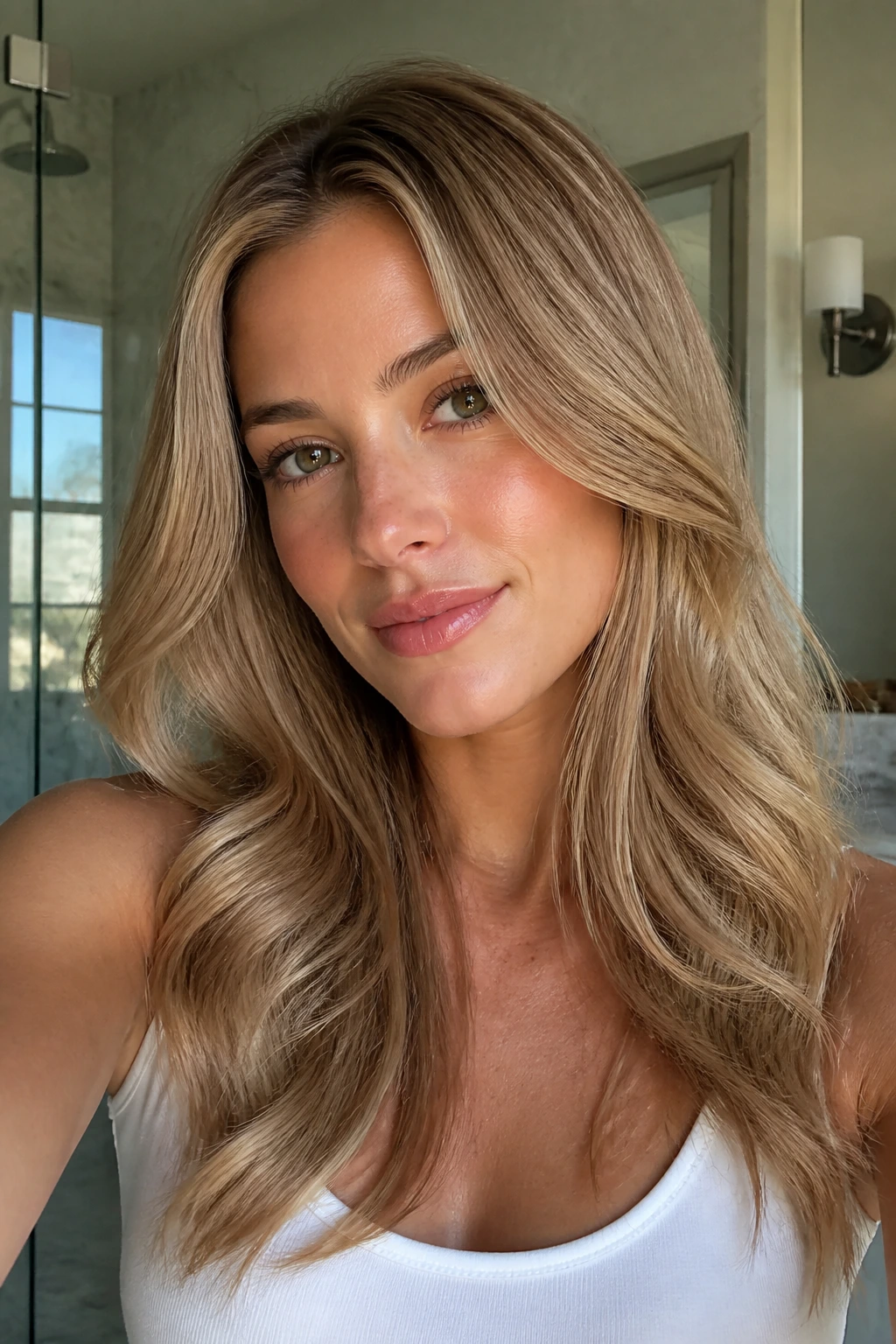
Dirty blonde gets an unfair reputation. Done well, it’s one of the smartest low-maintenance shades in the room because it sits close to a natural level for a lot of people. A gloss can nudge it lighter, warmer, or cooler without forcing a full lightening session.
The appeal is simple: the color looks lived-in from day one. There’s no sharp transition to manage, no need to cover every inch of regrowth, and no panic when the toner starts to fade. The whole point is for it to look like a better version of your natural hair, not a totally different head of color.
This is a strong match for fine hair because a soft dirty blonde gloss adds shine without wrecking the body of the hair. It also works beautifully on people who want blonde in winter without the upkeep of bright highlights. Keep the tone in the beige-golden zone, and it stays believable.
Pro move: ask your colorist for a gloss, not a bleach-heavy overhaul. Sometimes that’s all the hair needs.
9. Creamy Ribbon Highlights
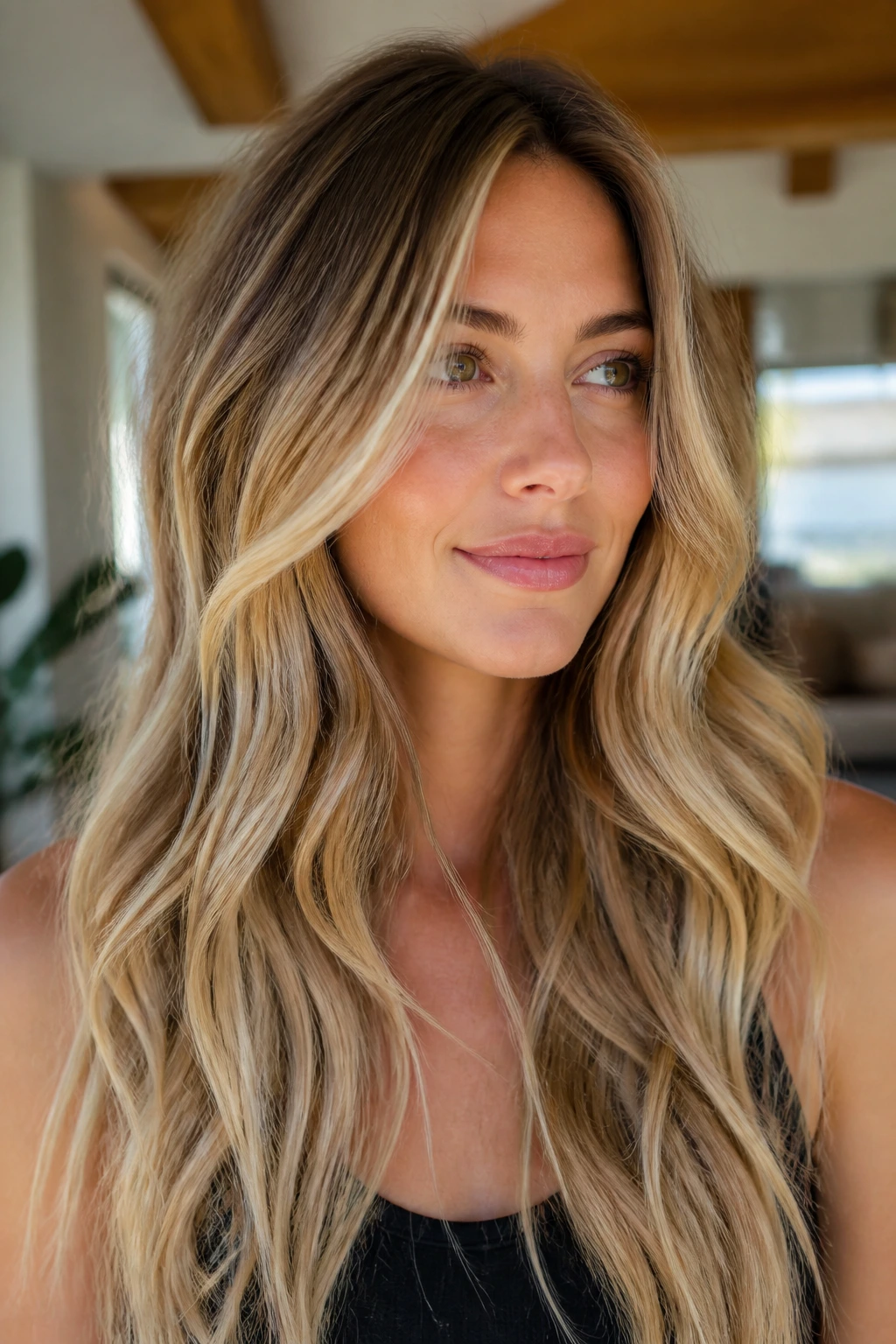
Creamy ribbon highlights are for people who want visible blonde movement without the stair-step grow-out of chunky foils. The highlights are painted or foiled in larger, soft ribbons, so the hair reads dimensional from a distance and blended up close.
The ribbon shape is what keeps this low maintenance. Instead of lots of tiny bright stripes that show every new inch of growth, the blonde pieces are spaced enough to soften the regrowth line. The overall effect is creamy and expensive-looking without being rigid. That matters. A lot.
This style shines on longer hair, especially if the cut has layers or soft bends. It can work on shorter hair too, but the ribbons need enough length to show the blend. Tone them beige rather than white, and they’ll fade more gracefully.
I’d choose this look for someone who wants blonde that still feels soft after air-drying. It’s one of the better options if you don’t want to visit the salon every time your roots show.
10. Soft Ombré Blonde
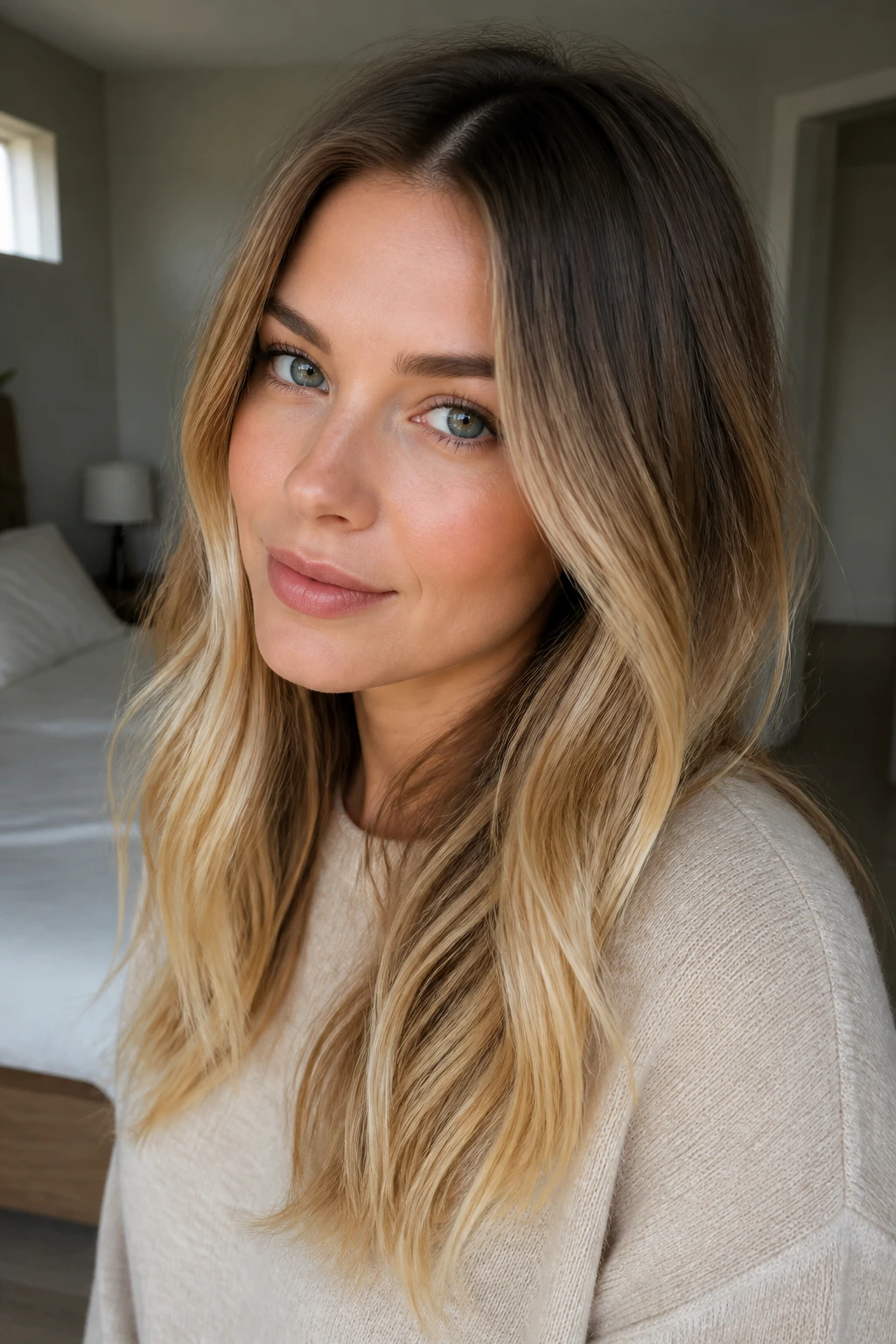
Soft ombré is the grown-up version of a dramatic color shift. The roots stay deeper, the mids lighten slowly, and the ends carry most of the brightness. There’s no abrupt line, which is why this look stays calm for so long.
The best ombré blondes don’t try to move from dark to pale in one big jump. They ease into it. That slow fade is what makes the regrowth forgiving. If your natural hair is brown or dark blonde, ombré lets you keep that depth at the scalp while still getting the blonde ends people notice.
It’s a good option for people who wear their hair down a lot. The lower half catches light in a way that looks intentional, especially in waves or loose bends. Straight, dead-straight hair can make ombré feel a little severe, so a bit of movement helps.
Maintenance note: the root area can go 10 to 14 weeks without looking neglected if the blend is done well.
11. Sandy Blonde Layers
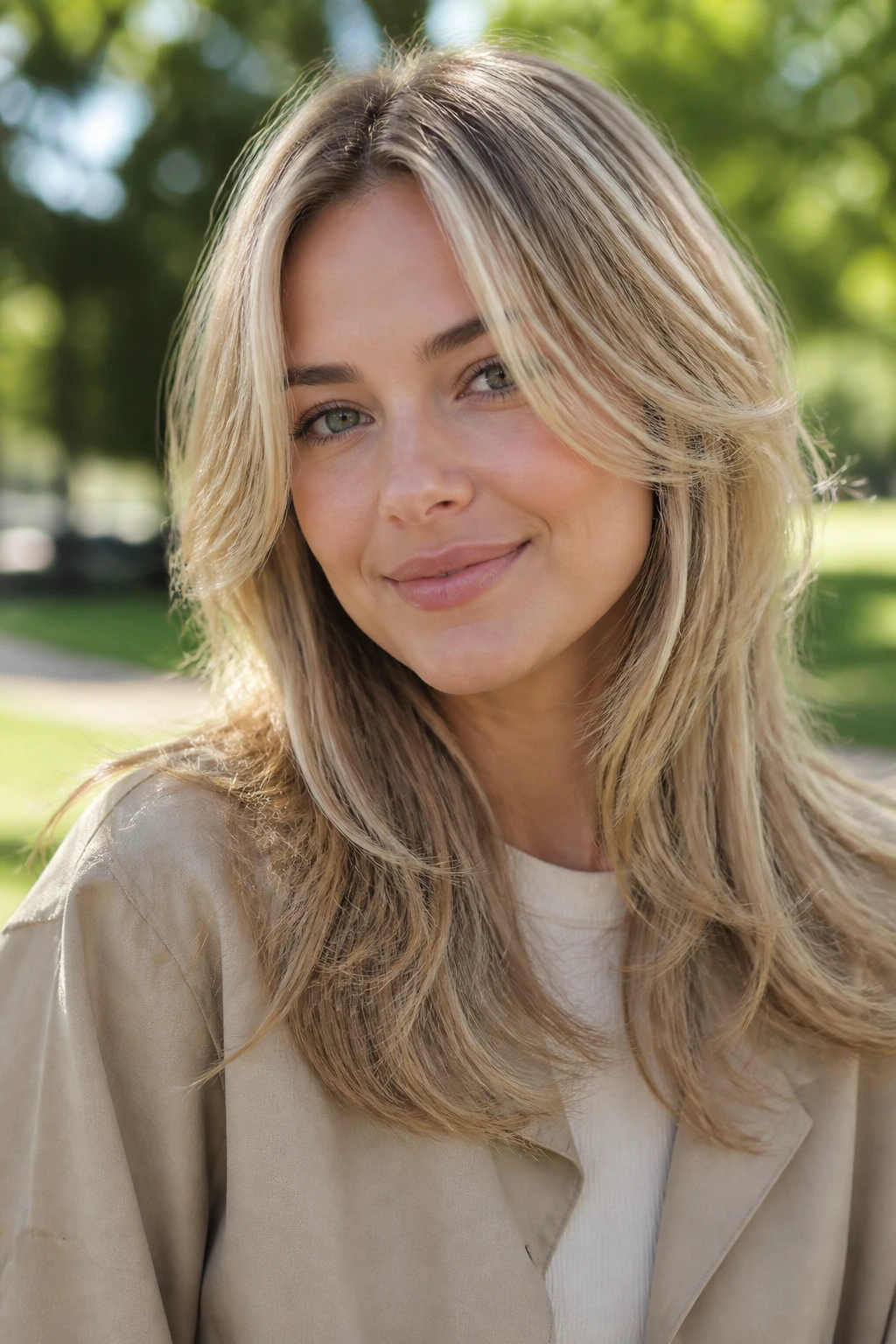
Sandy blonde sits in that useful middle zone between warm and cool. It’s not beach-bright, and it’s not ash-heavy. That balance is why it grows out quietly. The color shifts softly instead of turning obviously brassy or washed out.
Layers matter here because they keep the shade from laying in one heavy block. On long hair, sandy blonde can look flat if the cut is all one length. Add some internal movement, and the highlights start to read like sun-lit strands instead of a helmet of color. That’s a harsh comparison, but a fair one.
This look is especially good for people who want a beige blonde that doesn’t need constant toning. It plays well with natural texture, air-dried bends, and loose updos. If you tend to tuck your hair behind your ears, the front pieces will lighten the face without demanding that the rest stay perfect.
Sandy blonde is one of those shades that looks better when it’s a little imperfect. That’s the charm.
12. Caramel-Threaded Blonde
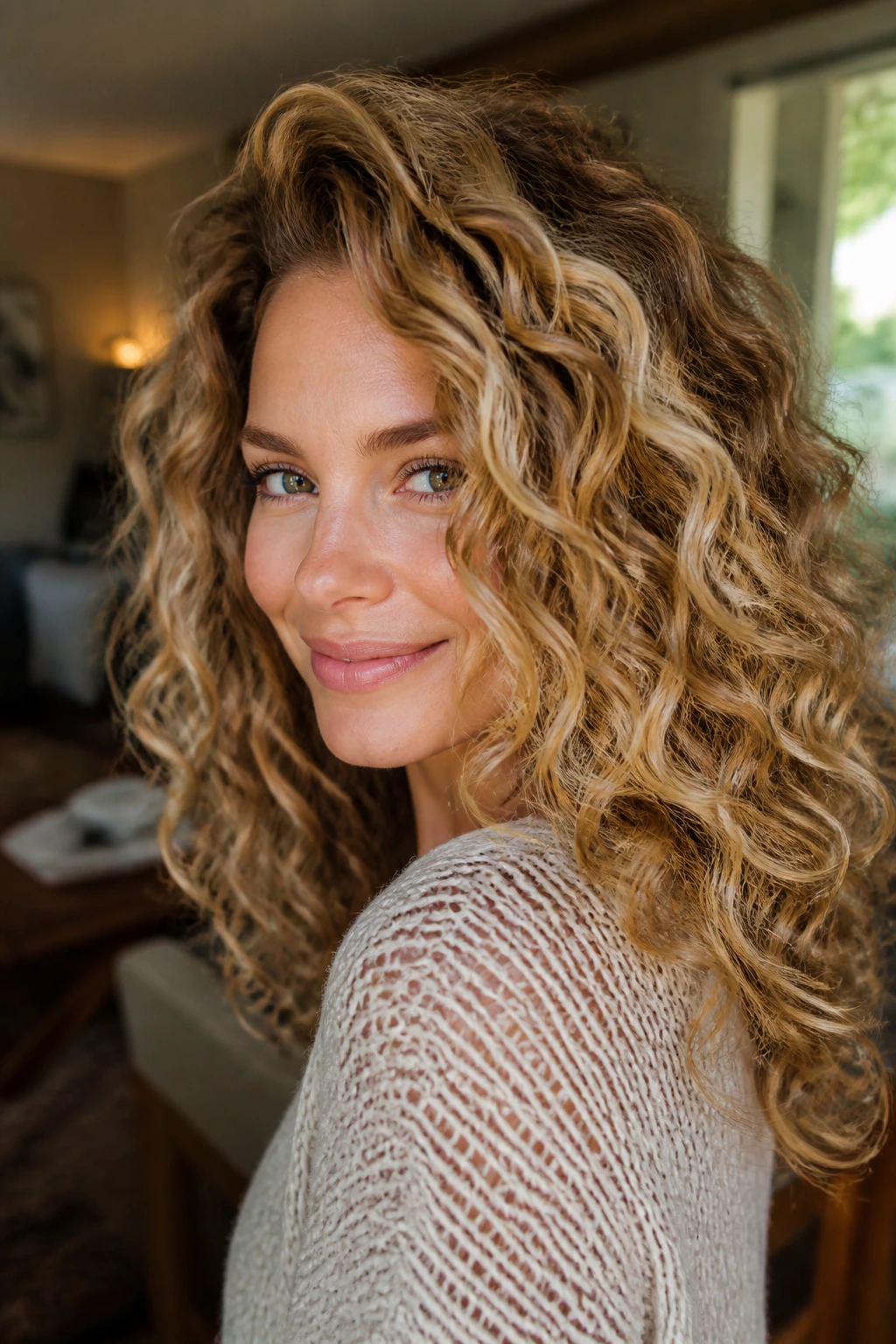
Caramel-threaded blonde is what happens when a colorist weaves in lowlights and warmer ribbons so the blonde has something to sit against. Without those deeper threads, lighter hair can go flat or overprocessed. With them, the whole head looks fuller and softer.
This is a good move if your natural base is darker blond or light brown and you want to avoid that “all one note” problem. The caramel pieces keep the blonde from feeling dry, and they let the grow-out fade into a mixed tone instead of a hard stripe. On thick hair, that depth also makes the texture look richer.
If you want the blonde to stay low maintenance, don’t ask for the caramel to be too orange. Think toasted beige, warm honey, or soft toffee. Those tones age better and don’t make the whole head look brassy when the gloss wears off.
A curly cut loves this look. The curls catch the darker and lighter threads in different spots, which keeps the grow-out hidden for longer.
13. Vanilla Blonde with Dark Roots
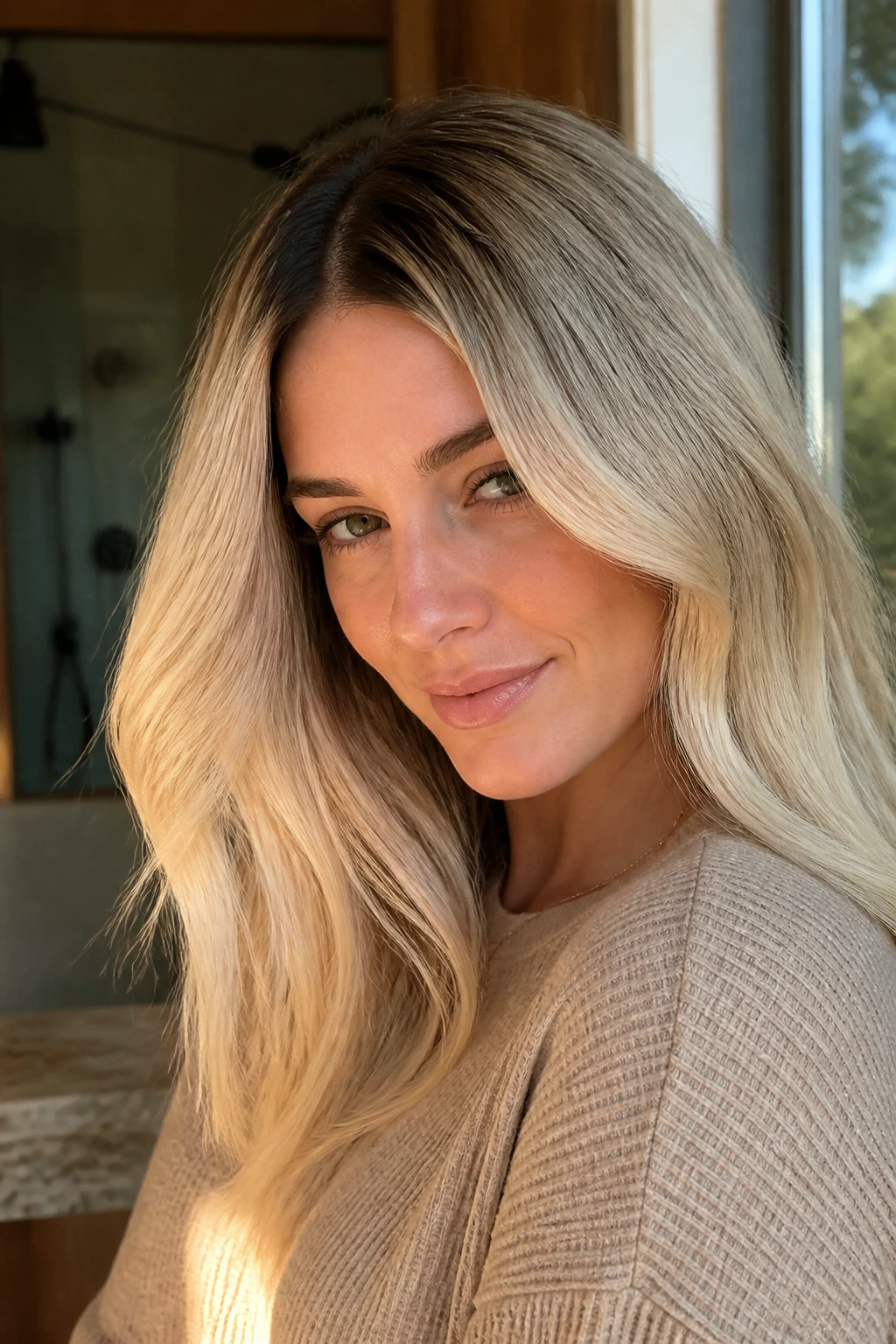
Vanilla blonde has that creamy, pale finish people love, but the dark root is what keeps it sane. Leave the root shadow in place, and suddenly the look becomes wearable instead of fussy. That darker base gives the eyes a place to rest and keeps regrowth from looking abrupt.
The contrast has to be handled carefully. If the root is too dark and the mids are too white, you get a stripe. If the transition is smudged properly, the vanilla tone feels smooth all the way through. Ask for a root melt, not a hard contrast line, and this look can stretch much longer than a full-bleach blonde.
It’s a good choice for someone who wants a lighter overall impression without painting the scalp every few weeks. The bright pieces live in the mids and ends, where they can grow out with less drama.
Best for: medium to thick hair, especially if you wear it in loose waves.
14. Tortoiseshell Blonde
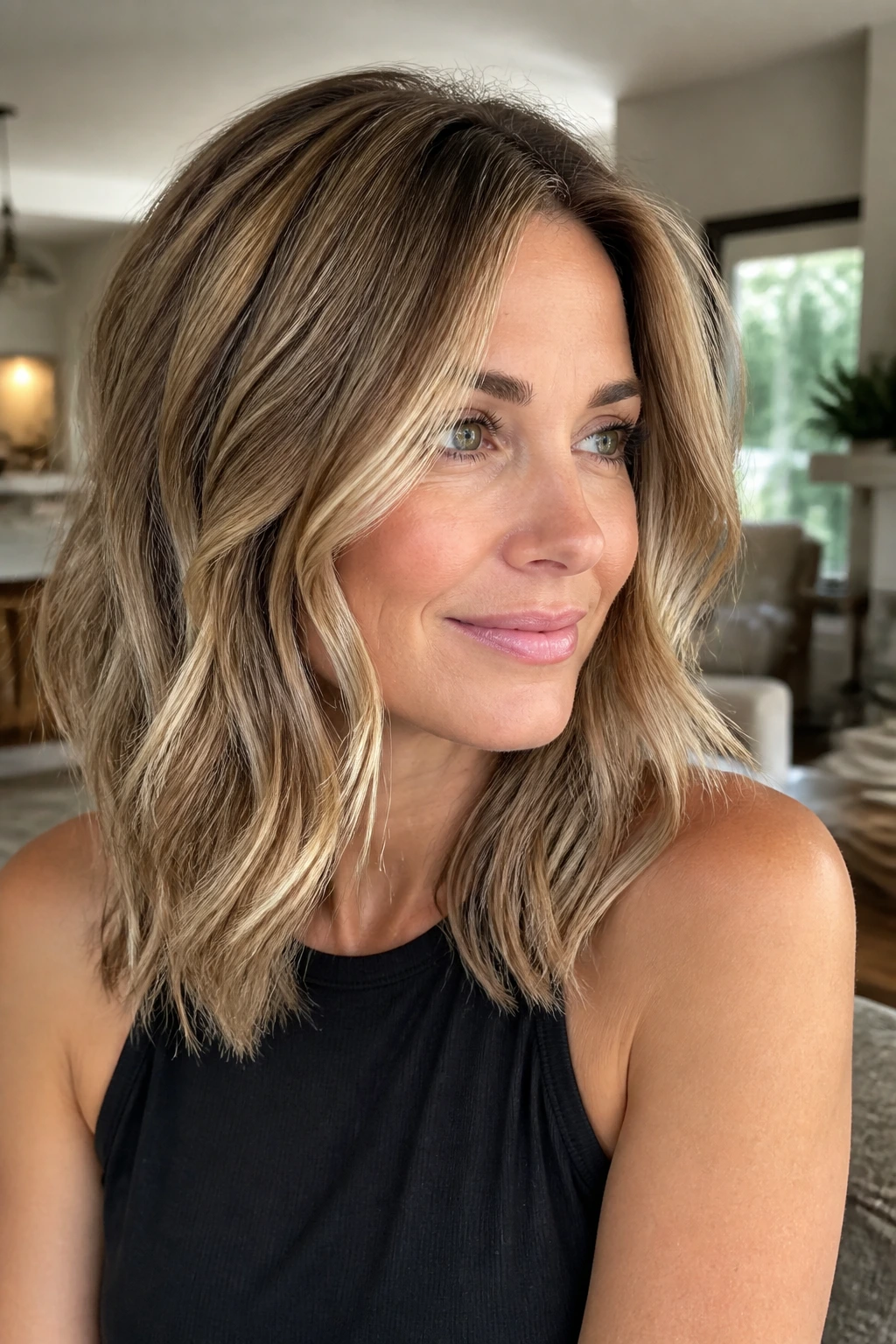
Tortoiseshell blonde is rich, mixed, and forgiving. It borrows the idea of depth from tortoiseshell accessories: light pieces, darker pieces, a little warmth, a little beige, and enough contrast to keep everything looking alive. There’s no single stripe doing all the work.
That mixed tone is what makes the grow-out so soft. As the roots come in, they blend into the darker threads already in the hair. The blonde doesn’t disappear; it just settles into the pattern. If you’re tired of trying to keep every strand the same shade, this is a refreshing shift.
I especially like tortoiseshell blonde on layered cuts, shaggy lobs, and long hair with movement. The variation across the hair keeps it from reading as one flat color in bad indoor light, which is where a lot of blondes fall apart.
Salon ask: “I want a mix of beige blonde, honey, and light brown pieces with soft root depth.” That sentence will save you a lot of confusion.
15. Strawberry Blonde with Root Depth
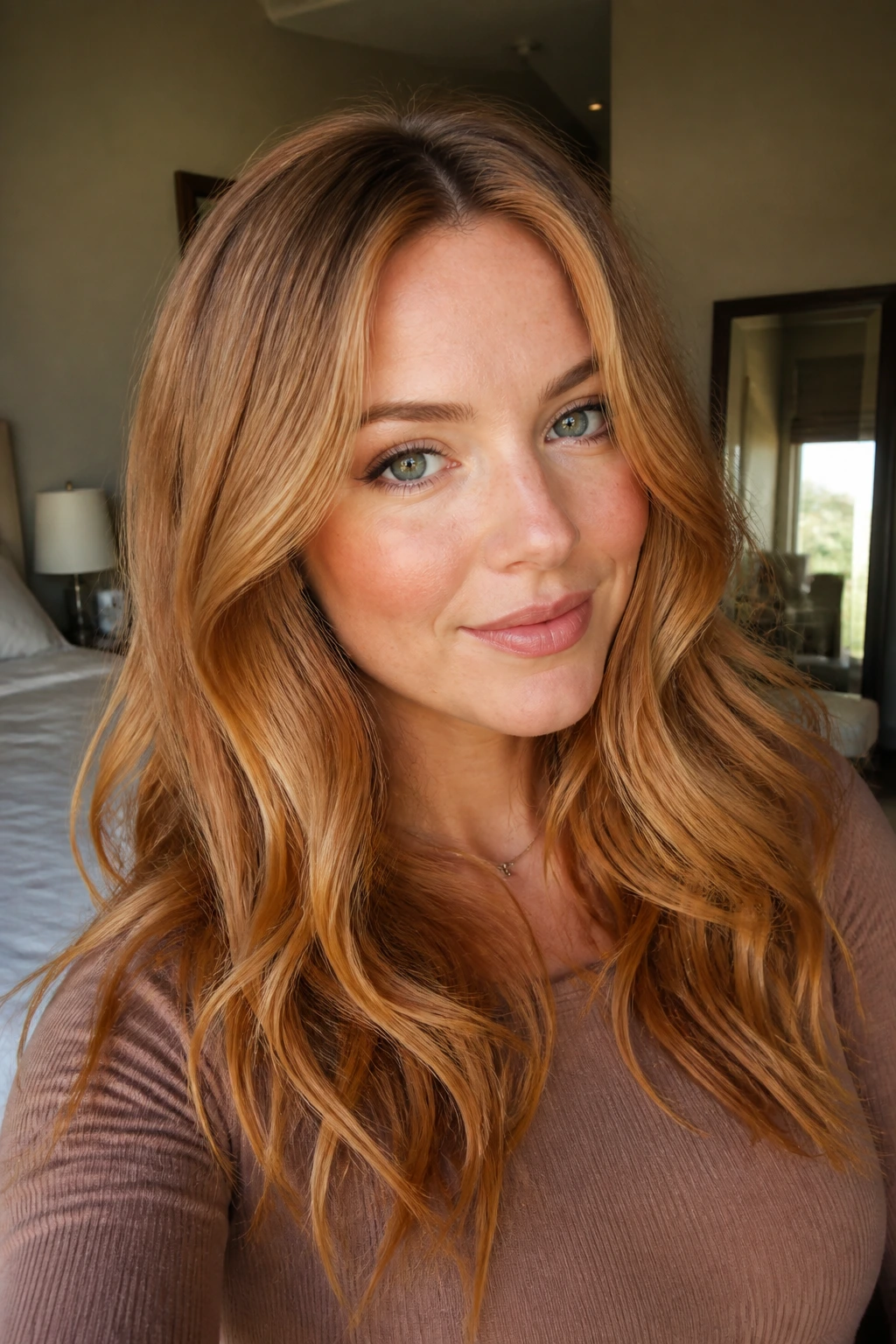
Strawberry blonde gets easier to wear when it isn’t pushed too light at the root. A little depth at the scalp keeps the coppery-blonde mix from looking washed out, and it helps the shade last longer between glosses.
The charm here is warmth. Strawberry blonde already feels softer than a stark ash blonde, and the root depth gives it a more natural read. On fair skin, peachy skin, or skin with golden undertones, this can be one of the most flattering low-maintenance blondes around. It doesn’t need to be bright to work.
A subtle root shadow also keeps the color from screaming for toner every few weeks. That matters, because strawberry tones can fade fast if they’re over-lightened. Better to keep the blonde a little deeper and let the warmth live where it can hold.
This is a lovely choice for wavy hair, especially when the waves are loose and not too polished. The softness suits the color.
16. Sun-Kissed Mid-Length Blonde
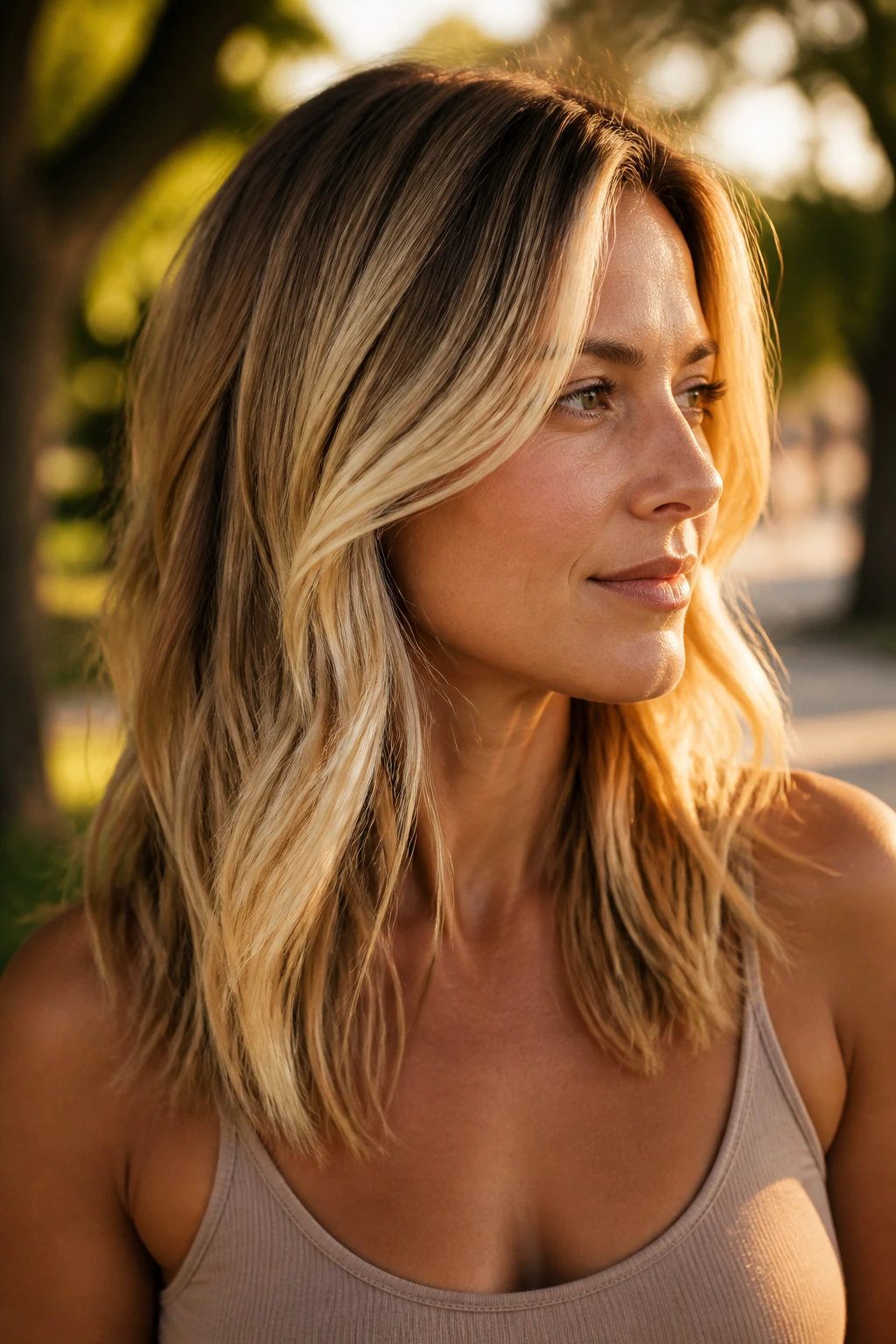
If you want the “I was outside for three hours” look without the upkeep of full highlights, this is the one. Sun-kissed mid-length blonde puts the lightness mostly on the top layers and around the face, leaving the lower layers closer to your natural color.
That selective placement is everything. The hair still looks blonde when you move, but the grow-out doesn’t show up in a hard band because the underlayers stay grounded. On shoulder-length cuts, the effect looks effortless in the useful sense — easy to wear, not easy to fake.
This look works especially well on hair that’s already naturally lighter at the ends or hair that takes highlight well. Ask for soft painting rather than a dense foil pattern. Too much brightness at the root defeats the point.
A mid-length cut also keeps the whole style from looking heavy. That’s why this one stays fresh longer than a long, full blonde can.
17. Root-Smudged Pixie Blonde
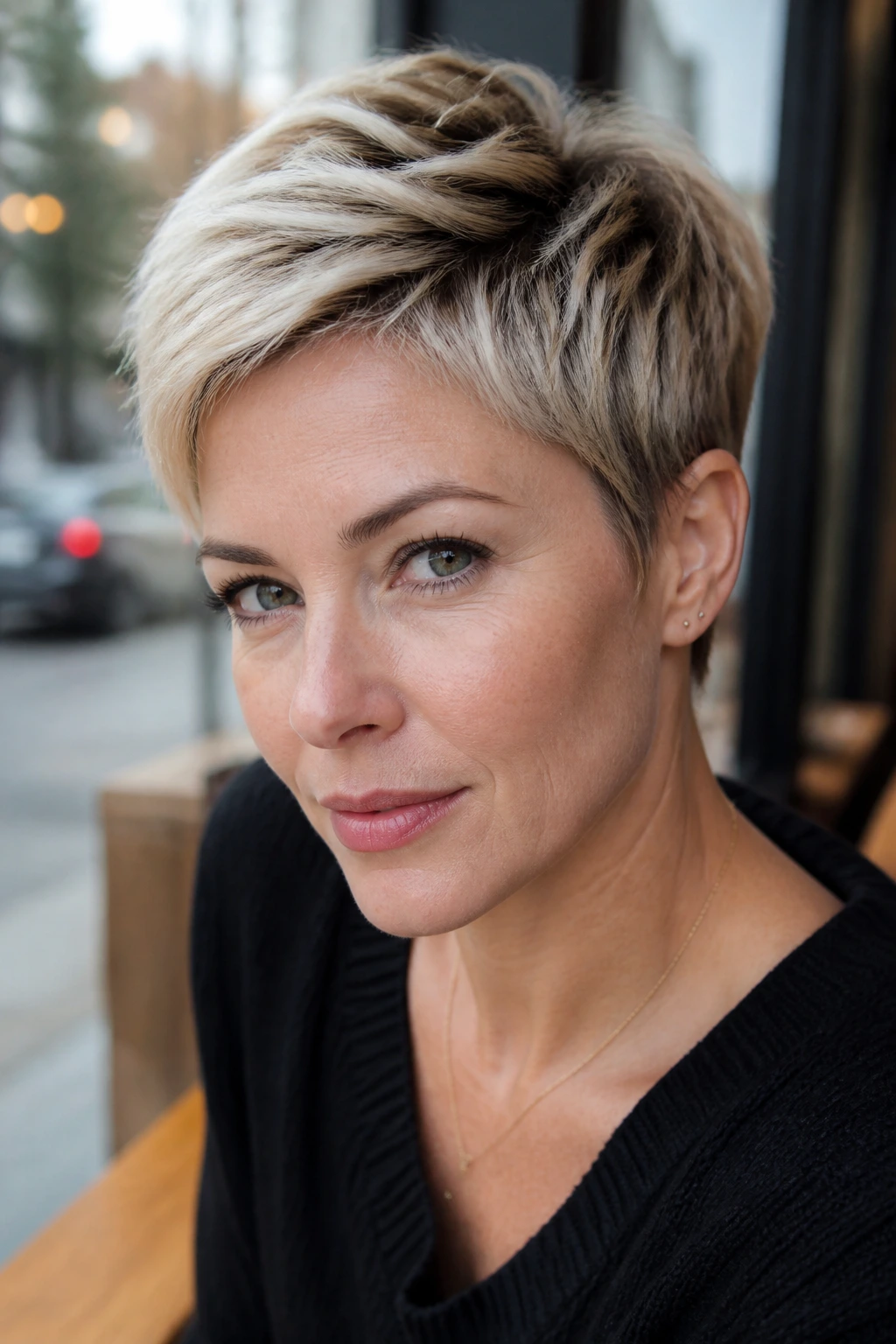
Short blonde hair can be low maintenance in the color department even when the cut itself needs more frequent shaping. A pixie with a root smudge gives you that nice contrast and texture without forcing you to keep every inch of growth perfectly polished.
The root shadow is what keeps this from turning into a helmet of color. On short hair, there isn’t much length to hide bad color placement, so the smudge has to be deliberate. A brighter top, slightly deeper sides, and a soft tonal finish usually look better than an all-over pale blonde.
This is a very good option if you like piecey styling products. A little paste or light wax helps the blonde bits separate, which makes the grow-out feel part of the style instead of a problem to fix. The cut may need trims every 4 to 6 weeks, but the color can be stretched with less stress than a longer platinum job.
If you hate spending time on styling, keep the shape a touch longer on top. It buys you room.
18. Ash-Beige Blonde Bob
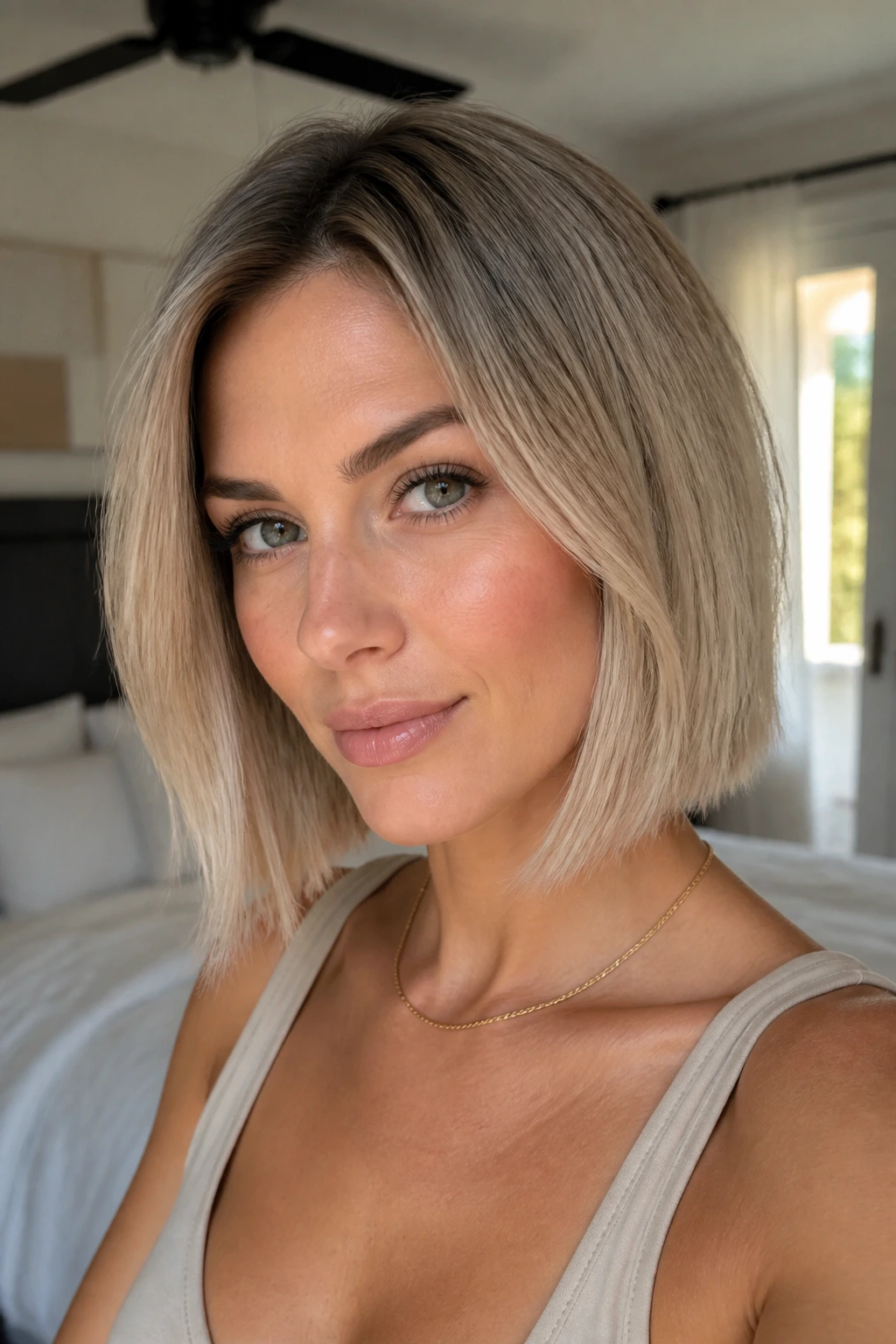
An ash-beige bob is one of the neatest ways to wear blonde without it turning loud. The cool beige tone keeps brass down, and the bob shape makes the color appear deliberate even when the roots start to come in.
Bobs are useful here because they frame the face and stop the color from getting lost in long lengths. On straight hair, the clean edges make the shade look crisp. On wavy hair, the movement gives the ash-beige pieces some softness so they don’t read flat.
Ask for a root that’s only slightly deeper than the mids, not a dramatic line. The whole idea is to let the haircut and tone do some of the maintenance work for you. A gloss every 6 to 8 weeks is usually enough to keep the beige from drifting too warm or too dull.
This is one of my favorite choices for someone who likes tidy hair but doesn’t want to fuss with a bright, icy blonde.
19. Buttercream Blonde Waves
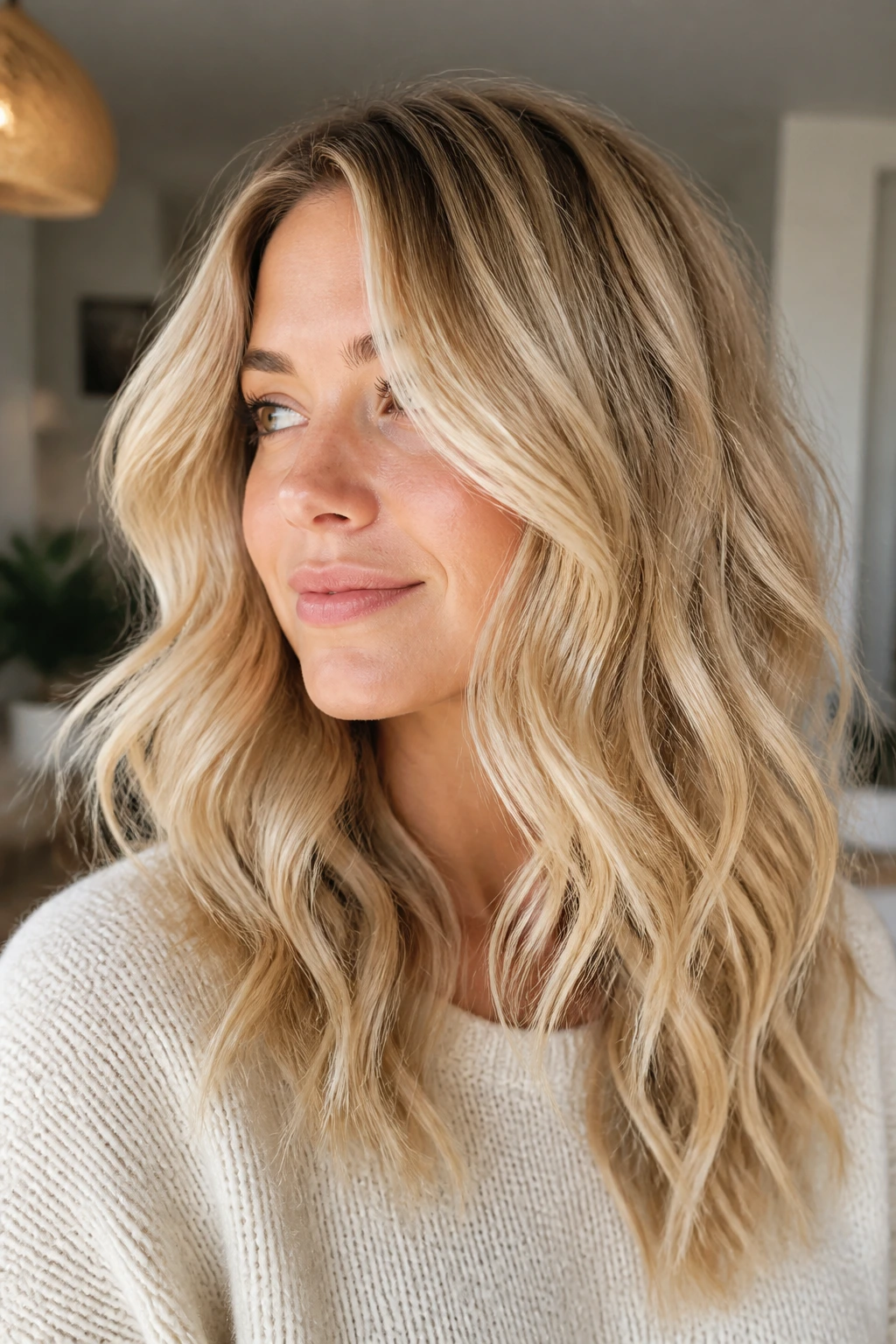
Buttercream blonde is warm, soft, and easy on the eyes. It gives you that creamy, light-blonde feeling without insisting on a pure white finish. The root stays shadowed, the mids carry the tone, and the waves keep everything moving.
The warmth is what makes it forgiving. A little golden softness hides fade better than a cooler toner does, and buttercream doesn’t show regrowth as harshly as a stark platinum blonde. On thick hair, the waves help distribute the light so it doesn’t look blocky. On medium hair, it gives the illusion of fullness.
This look loves a blunt-ish cut with some hidden layers, because the ends stay fluffy instead of see-through. If you heat style, keep it loose. A too-perfect curl ringlet makes the color feel formal, which is not where buttercream wants to live.
Tip: ask for “creamy beige with soft gold” rather than “yellow blonde.” Those are not the same thing.
20. Reverse Balayage Blonde
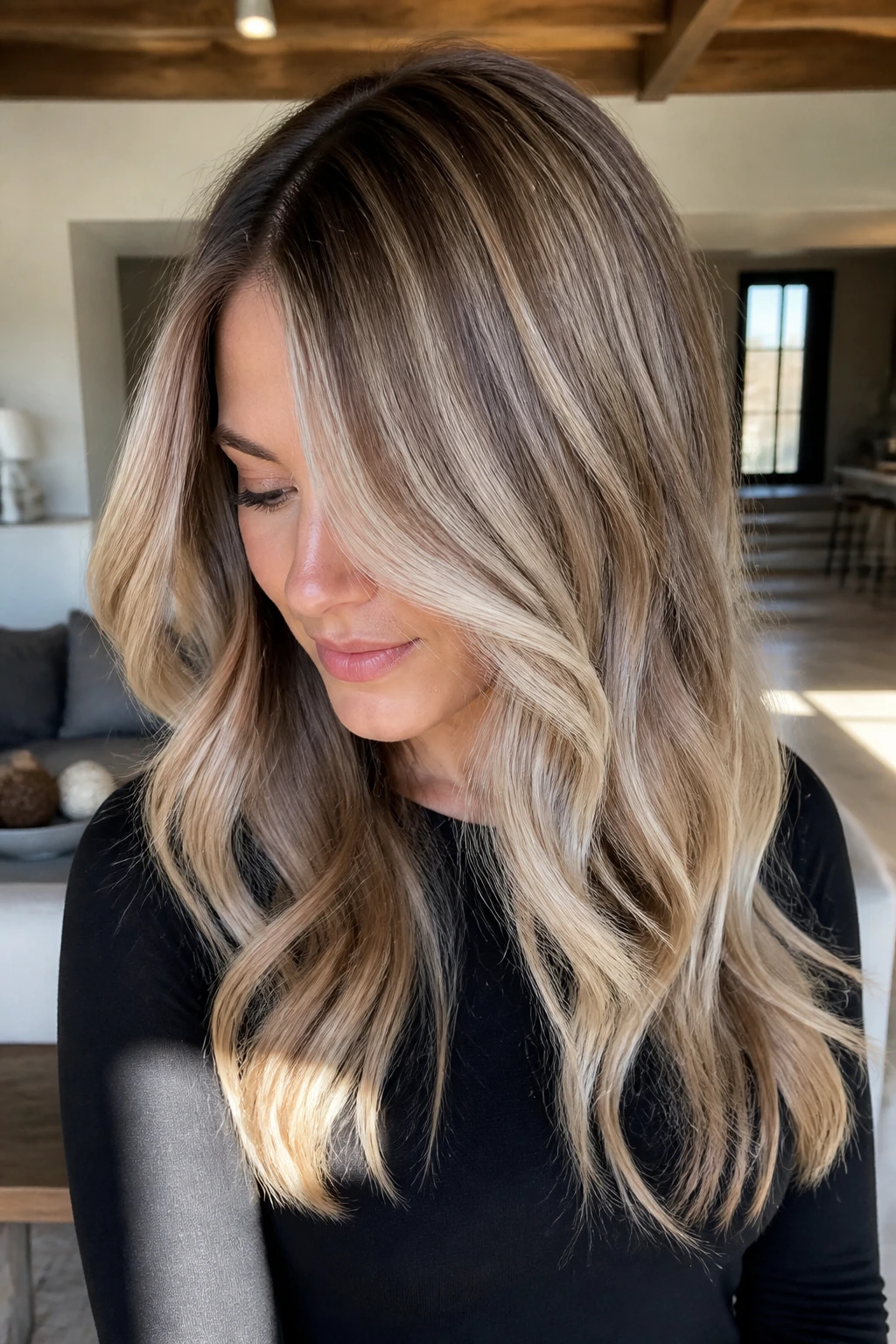
Reverse balayage is a clever fix for hair that got pushed too light, too flat, or too high-contrast. Instead of adding more blonde, you add deeper pieces back in. That sounds counterintuitive until you see what it does: the blonde gains dimension and becomes easier to maintain.
The added lowlights blur the old highlight lines and make new root growth less obvious. That’s why reverse balayage is such a good reset for over-bleached hair. It gives the eye somewhere to travel besides the brightest section at the top.
This is a smart move if your hair already has a lot of lightness but the upkeep feels exhausting. The darker ribbons make the blonde look richer, and they let you go longer between full lightening appointments. In some cases, you can even skip bleach altogether for a while and just keep refreshing the tone.
It’s not a flashy blonde. It’s a smarter one.
21. Warm Wheat Blonde
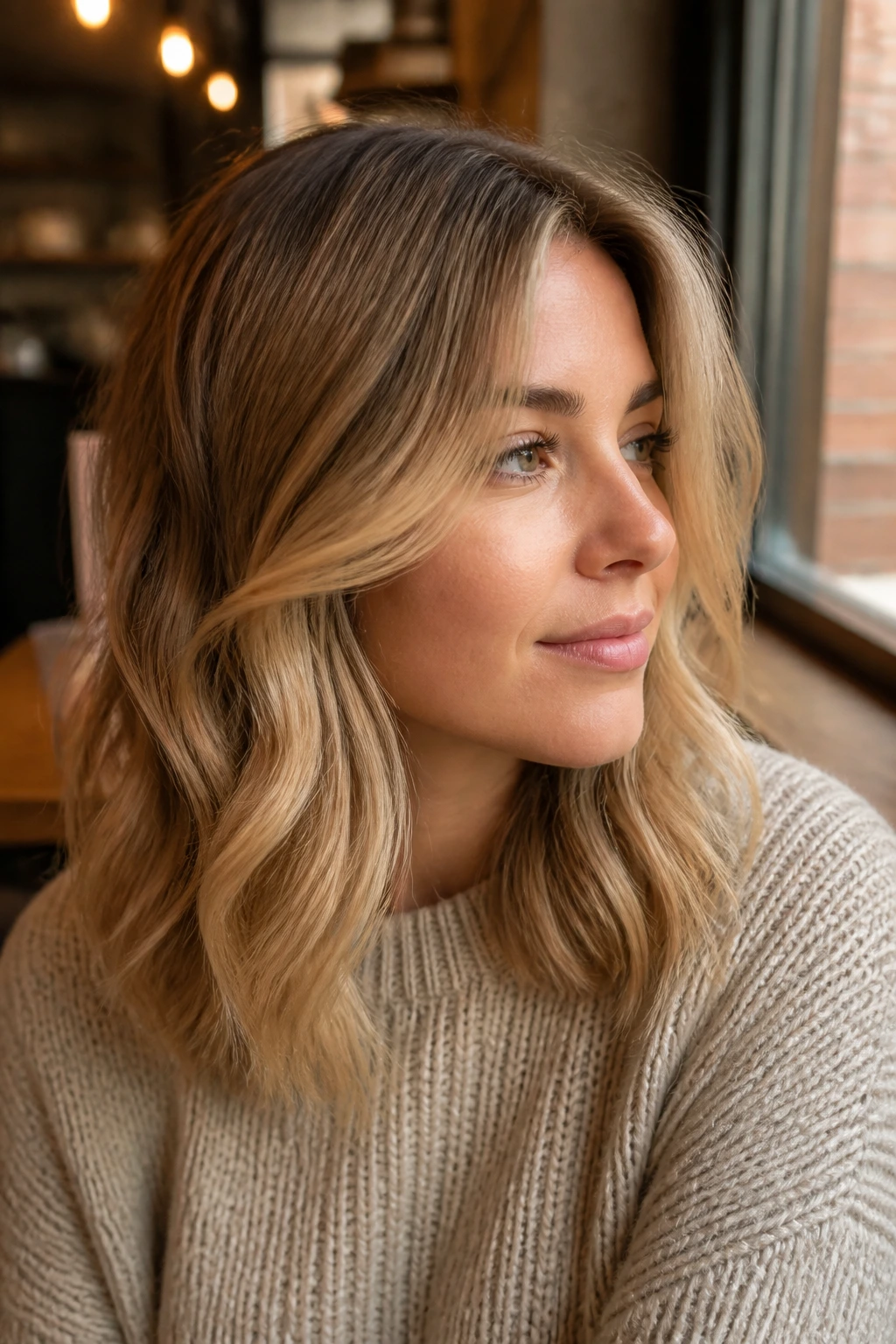
Warm wheat blonde lives in a very wearable zone. It’s lighter than a brunette, softer than a golden blonde, and close enough to many natural bases that the grow-out stays relaxed. That closeness is the whole game.
This shade works especially well if you don’t like the feeling of “dyed hair” showing up the second your roots grow. Wheat blonde softens that edge. The color usually looks best when it’s a little matte, not glossy to the point of looking coated. A light, neutral gloss keeps it fresh without making it too yellow.
Best cut? Medium length with some movement. A one-length haircut can make wheat blonde look a bit heavy, while a few layers keep the pieces separated enough to show the dimension.
If your natural shade is a medium brunette or deep blonde, warm wheat can be one of the most forgiving blondes you can wear. It fades into itself.
22. Bright Face Frame, Soft Ends
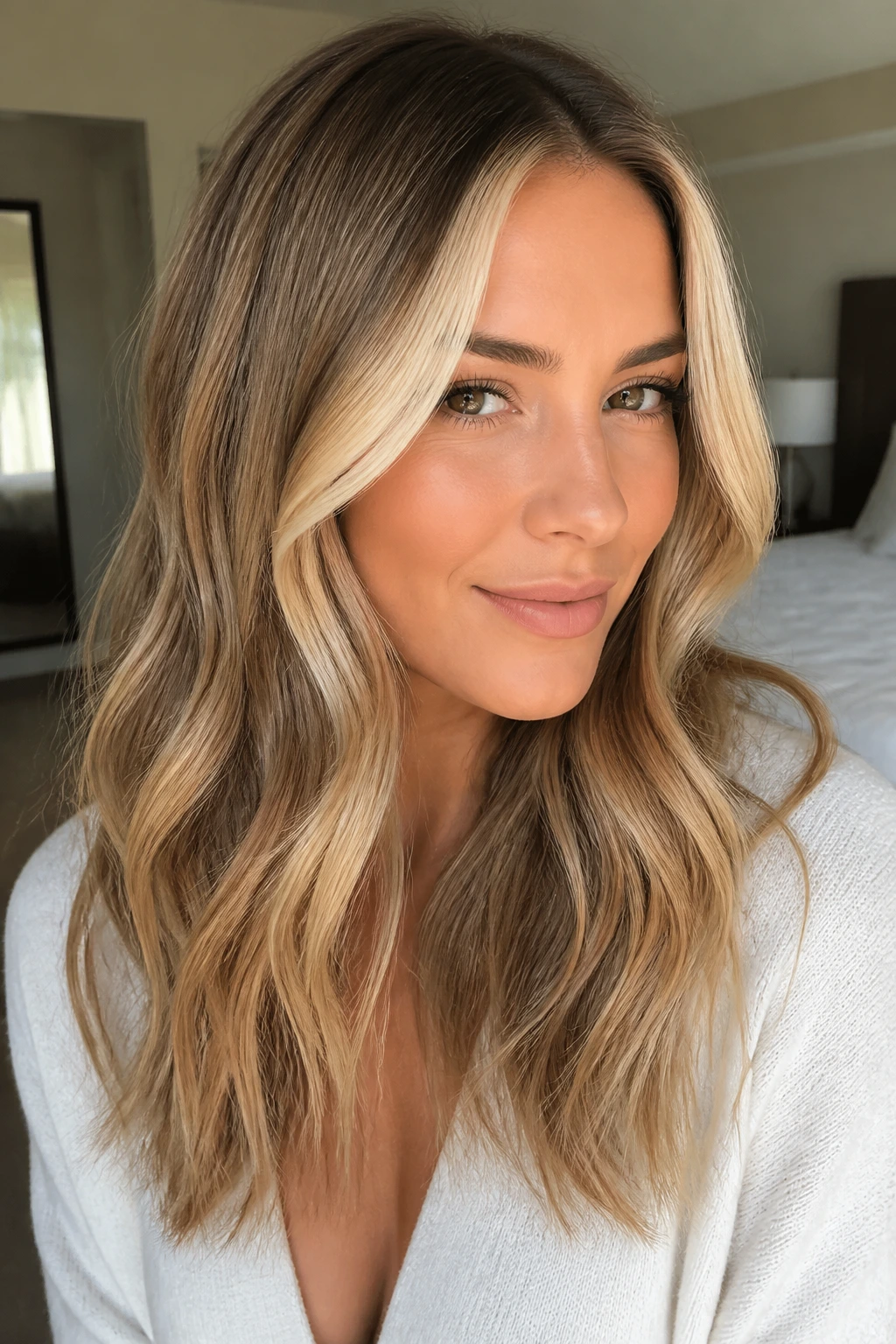
This is the blonde for someone who wants impact without a full head of upkeep. The front pieces are lifted brighter around the face, while the ends stay softer and more rooted. That gives you the visual lift where it matters most and keeps the rest of the hair easy to live with.
The placement is what saves it. Brightness near the temples and around the part makes skin look fresher and the style look intentional. Soft ends make the grow-out less obvious because the lighter pieces don’t start at the scalp. That means you can let the roots do their thing for a while.
This look works on long layers, curtain bangs, and shoulder-length cuts. It also plays nicely with ponytails and half-up styles, because the front pieces stay visible even when the rest is tied back. That makes it feel like a lot of color without a lot of commitment.
If you want blonde but you’re tired of full highlights, this is one of the smartest compromises.
23. Curtain Bang Blonde
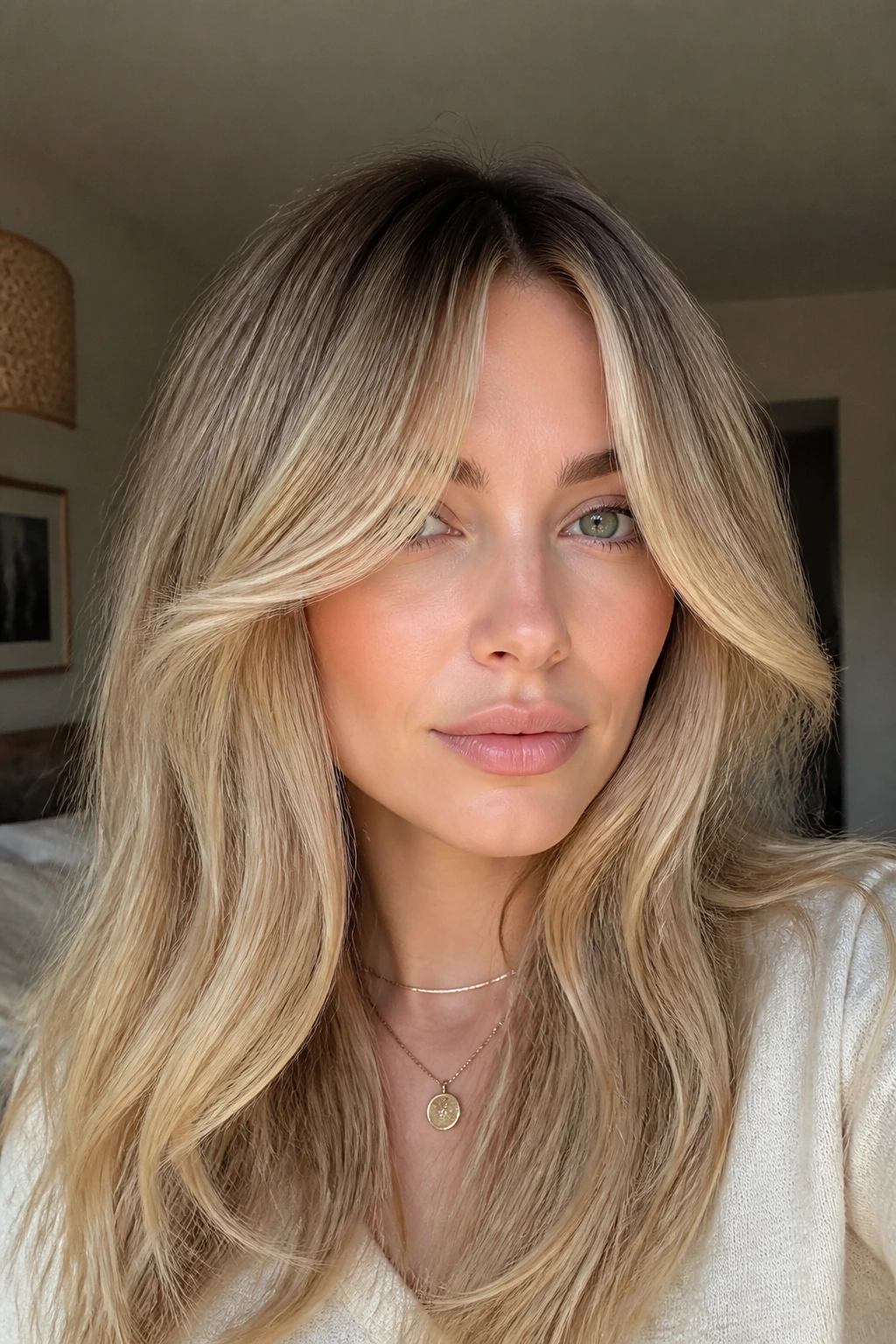
Curtain bangs can make blonde feel softer all by themselves. When the front pieces around the fringe are a little lighter and the root stays deep, the whole haircut looks intentional even while it grows. That’s a very useful thing in real life.
The reason this works is simple: bangs get trimmed often, so the most visible part of the haircut stays tidy. The color around them only needs to be bright enough to frame the face, not bright enough to cover the whole head. Pair the bangs with blonded face-framing sections and a rooted base, and you’ve got a look that forgives slower salon visits.
This is especially flattering on medium to thick hair, where curtain bangs blend into the layers instead of hanging like a separate piece. Wavy hair gives them a little extra softness. Straight hair can work too, but the bangs need a bit of bend so the color doesn’t look stark.
Best tone: beige, honey, or soft wheat. Very icy tones can make bangs look harsh if the rest of the hair is low maintenance.
24. Smoky Blonde with Lowlights
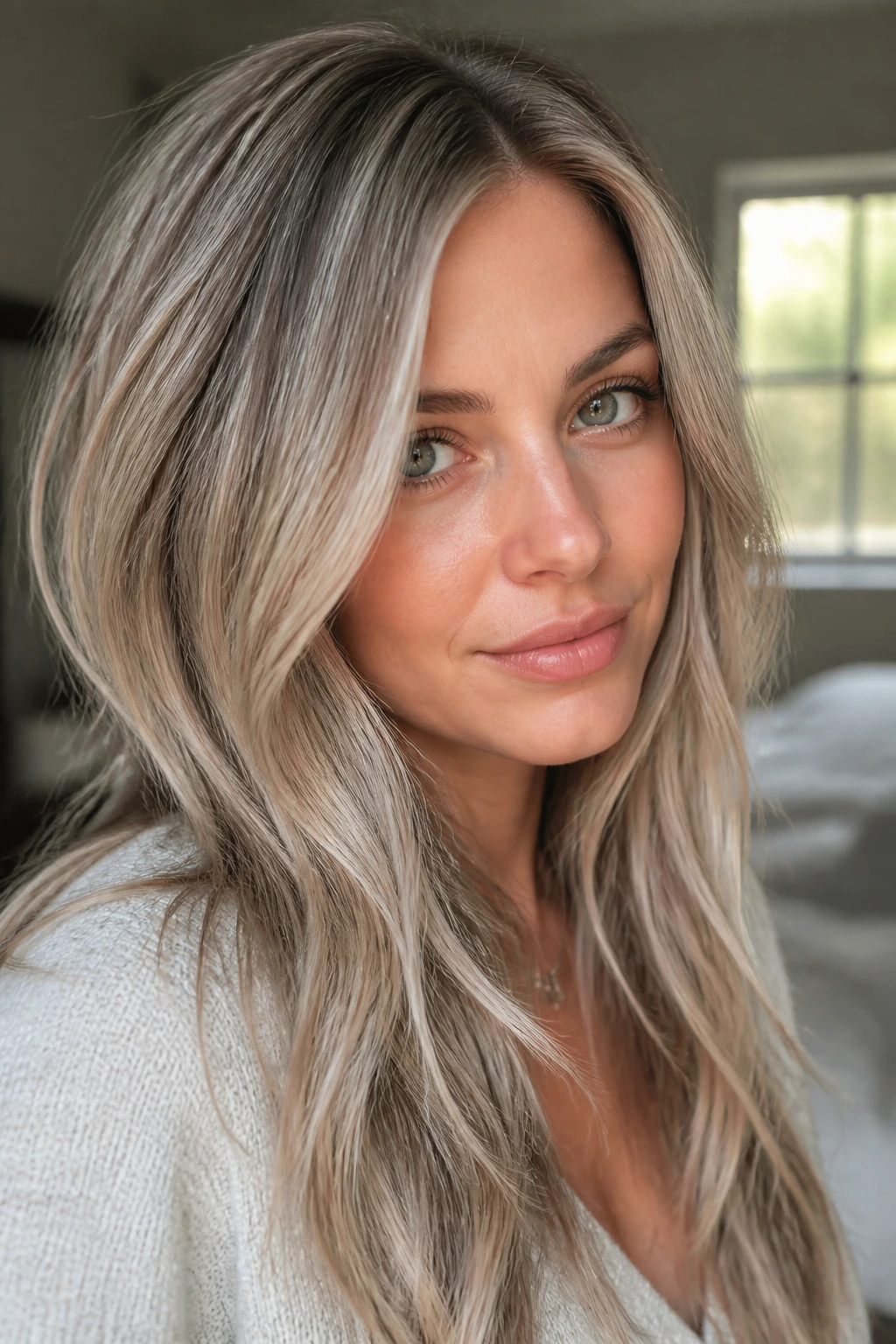
Smoky blonde has a little mystery to it, and lowlights are the reason. Rather than chasing lightness everywhere, you bring in deeper, muted pieces that cool down the overall blonde and make the grow-out less obvious.
That extra depth does two things. First, it keeps the blonde from going flat. Second, it hides the line where the roots start. On hair that was previously too light, smoky blonde can be a relief. It makes the hair look more expensive and less fragile, which is not a bad trade at all.
This version works well on medium to thick hair, especially if the cut has movement. Too much textureless length can make smoky tones feel heavy. A gloss in the cool beige or muted ash-beige range helps the lowlights and blonde pieces stay in the same family.
If your hair tends to look yellow when toner fades, smoky blonde is a cleaner answer than trying to fight it with purple shampoo every wash.
25. Air-Dried Beach Blonde
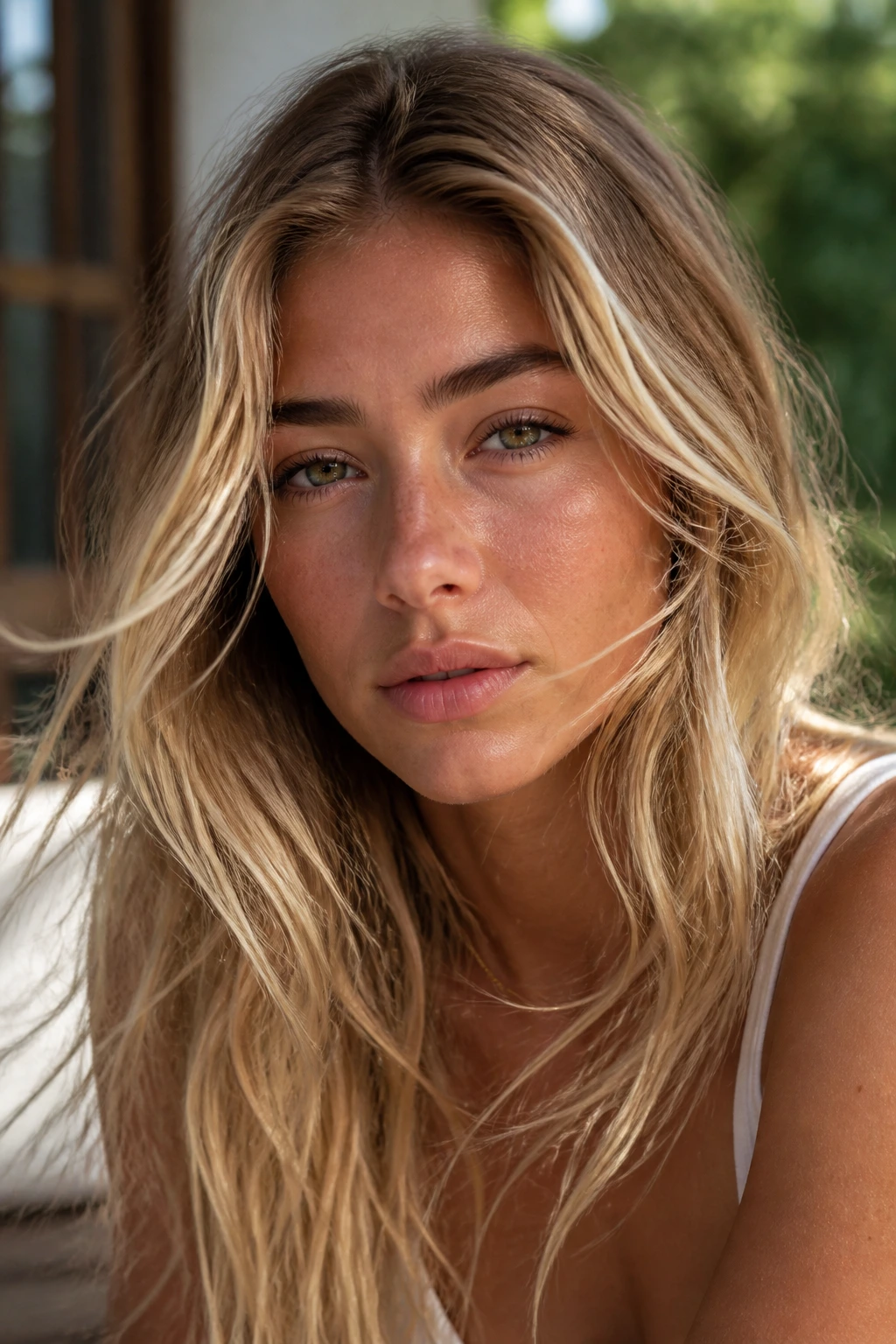
Air-dried beach blonde is what happens when the color is designed to work with texture, not against it. The highlights are soft, the root stays shadowed, and the shape of the hair does enough of the styling that you don’t need a curling iron every morning.
This is one of those looks that gets better when it’s a little messy. The bends and waves break up the color so the blonde doesn’t read as one big field. That’s why it’s such a strong low-maintenance choice. You’re not trying to keep it perfectly smooth, which means the grow-out has room to breathe.
Best on medium to long hair with some natural movement. If your hair is pin-straight, the style still works, but it needs a few face-framing layers so the blonde pieces don’t look rigid. A matte sea-salt spray or a light cream can help, but use sparingly. Too much product makes the hair look sticky, and that ruins the easy look fast.
The less polished it tries to be, the better it holds up.
26. Buttery Collarbone Cut
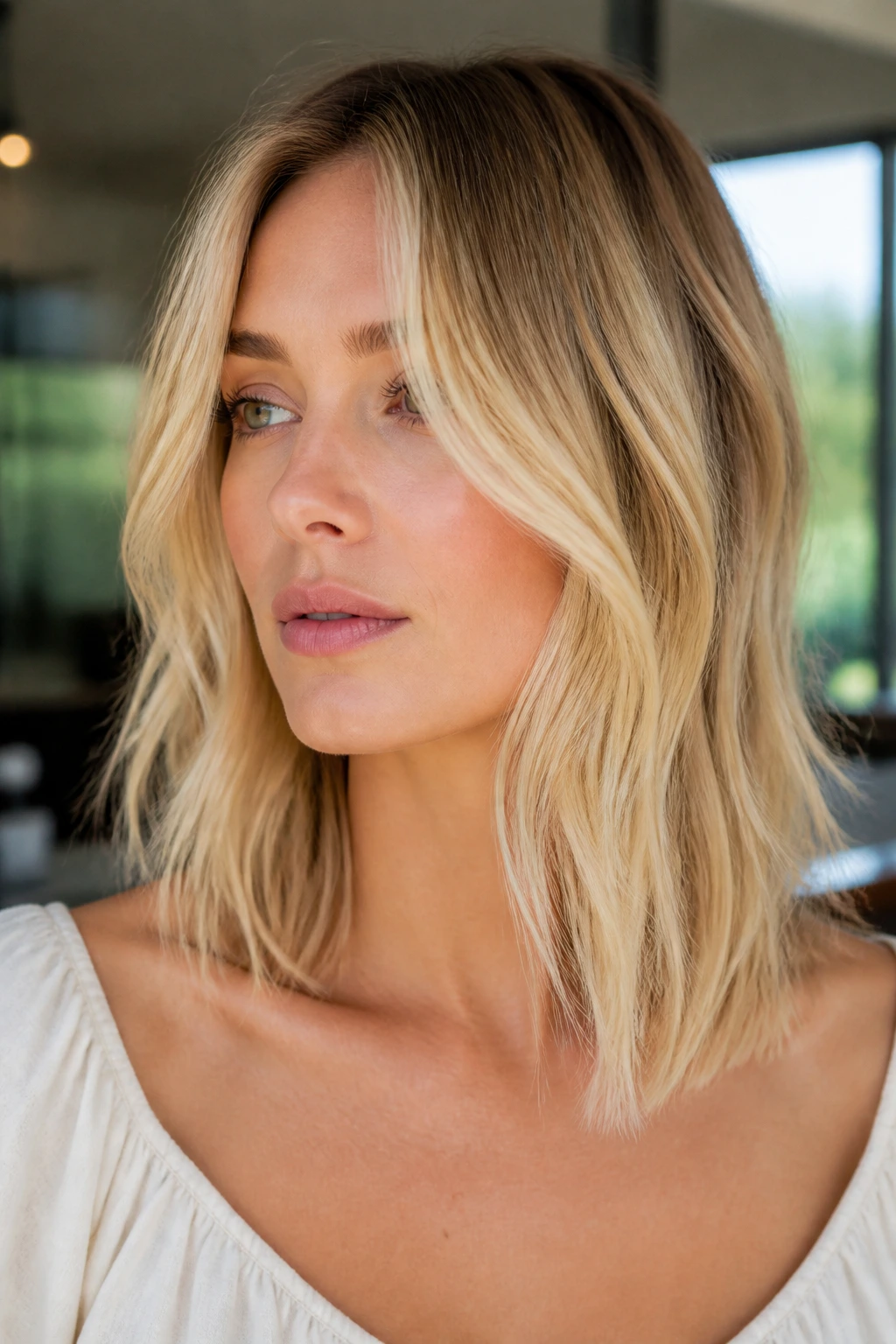
A collarbone cut makes blonde easier because the shape stays light around the face and shoulders without dragging the ends into a long, high-maintenance length. Add buttery blonde tones, and you get a color that feels soft, warm, and calm as it grows.
Butter doesn’t have to mean yellow. The best buttery blondes sit in a creamy beige-gold zone, where the warmth looks deliberate. The root is usually slightly deeper, and the transition into the lighter mid-lengths stays hazy. That haze is the low-maintenance part. It hides a lot.
This cut is especially good if your hair is thick or slightly coarse, because the length keeps it from ballooning while the blonde keeps it from feeling heavy. A few face-framing pieces brighten the look without forcing a full highlight appointment every time.
If you wear your hair tucked into coats or scarves a lot, this length and tone hold up well. The ends don’t get as cranky as longer hair does.
27. Gray-Blending Blonde
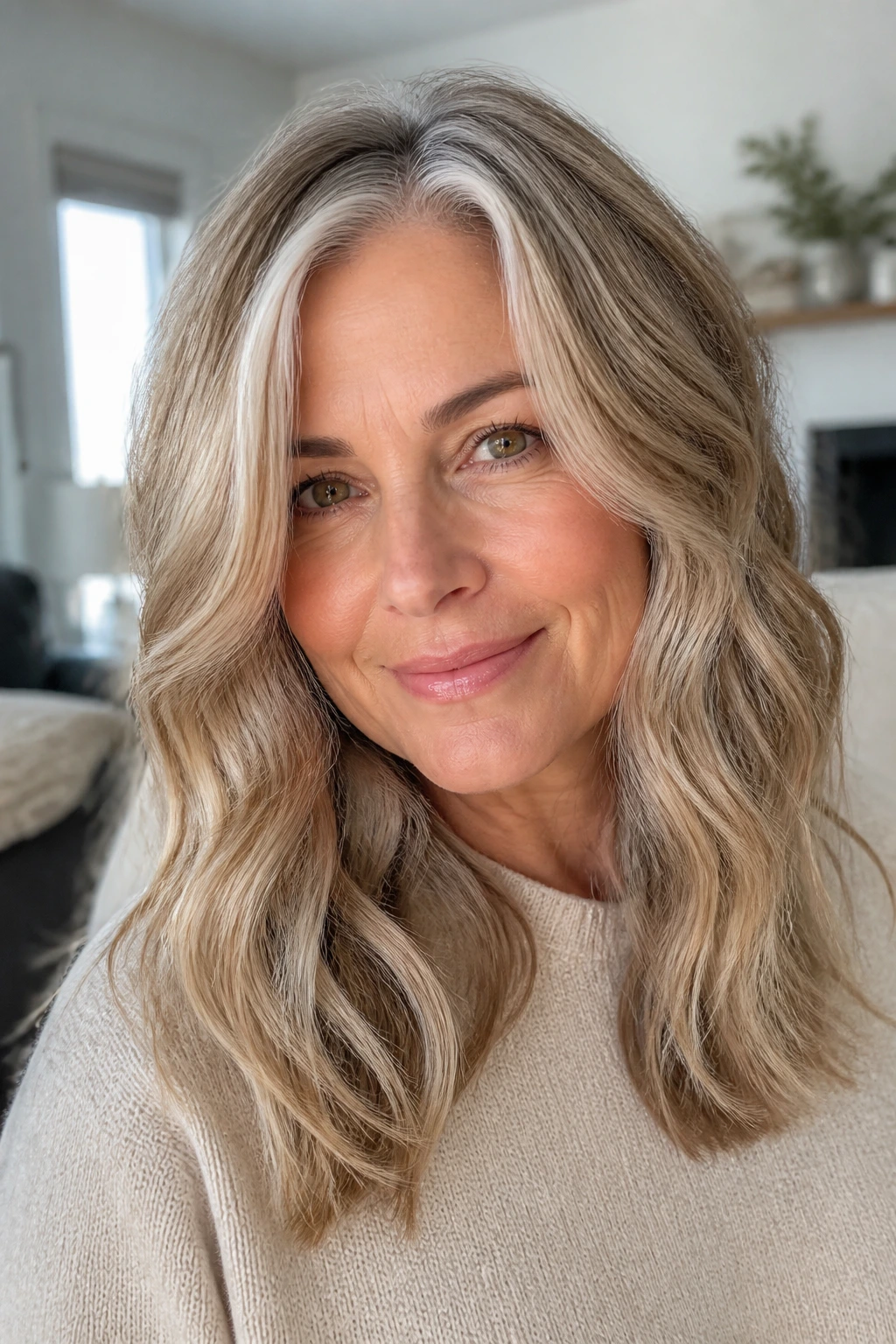
Gray blending is one of the smartest uses of blonde color, full stop. Instead of pretending gray hair isn’t there, it folds the silver strands into the look with beige highlights, lowlights, and a root that’s softened rather than erased.
The result is a blonde that doesn’t panic when new gray appears. That’s the whole reason it’s low maintenance. You’re not racing the regrowth; you’re working with it. A good gray-blending blonde should look dimensional, not stripy, and the transition between your natural gray and the lighter pieces needs to be soft enough that the eye doesn’t snag on it.
This approach can work on short hair, bobs, and layered crops especially well, because the shape keeps the blend visible. It’s also one of the best options for people who want to stop full coverage color without going stark silver overnight.
Ask for: beige highlights, soft lowlights, and a root shadow that matches your natural depth, not a heavy mask of color.
28. Golden Blush Blonde
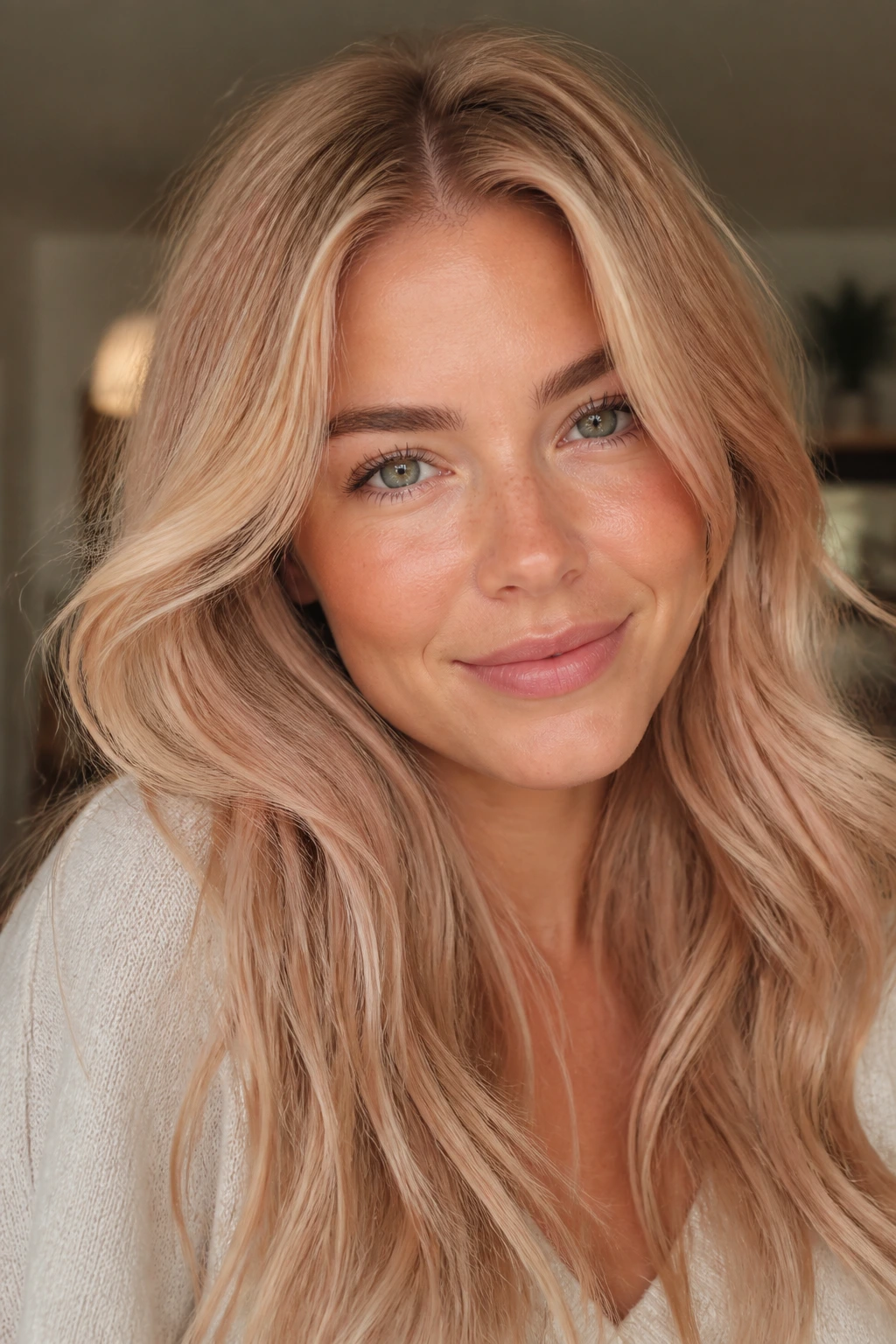
Golden blush blonde has warmth with a little rosy softness, which keeps it from looking flat or harsh. It’s not pink hair. It’s blonde with a soft glow that can read a little peachy in some lights and buttery in others.
That subtle warmth helps the grow-out. Instead of a hard contrast between root and highlight, you get a blended tone that feels gentle at the scalp and luminous through the ends. On skin with warm or neutral undertones, this can be a very flattering choice. It also pairs nicely with soft waves, because the movement gives the warm pieces room to show.
The key is restraint. Too much pink and the blonde starts to look trendy in a way that ages fast. A blush tint should be a whisper, not a headline. Keep the roots soft, the tone creamy, and the finish glossy but not glassy.
This one’s for people who like warmth but don’t want the hair to go copper.
29. Rooty Long Layers Blonde
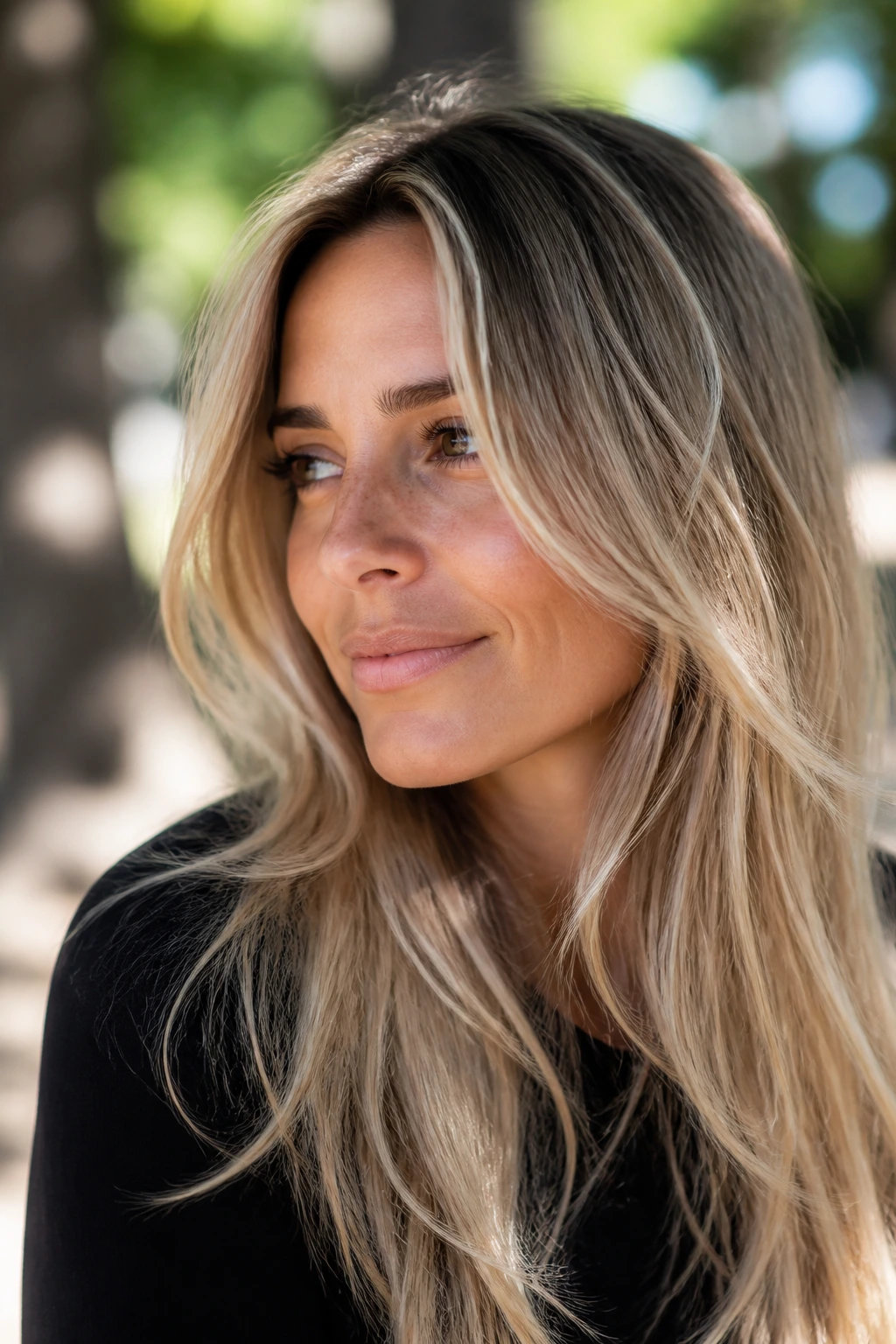
Long layers can make a rooty blonde feel far more intentional than a flat, all-over light color ever could. The layers break up the light, the roots stay visible in a soft way, and the blonde pieces move enough that the grow-out doesn’t look like a problem.
This is a practical choice if you like to wear your hair down, half-up, or in loose braids. The length gives the blonde somewhere to live, and the root depth keeps you from needing constant touch-ups. A good version has lighter ribbons through the top and around the face, with the lower lengths slightly softer.
I’d choose this for medium to thick hair that can handle movement. If the hair is very fine, too much layering can make the ends look sparse, so the cut needs a careful hand. Still, when it’s done well, this is one of the easiest long blondes to maintain without feeling plain.
It’s also a friendly way to keep growing out natural color without looking like you’ve “given up” on the blonde. You haven’t. You just let it breathe.
30. Soft Rooted Shag Blonde
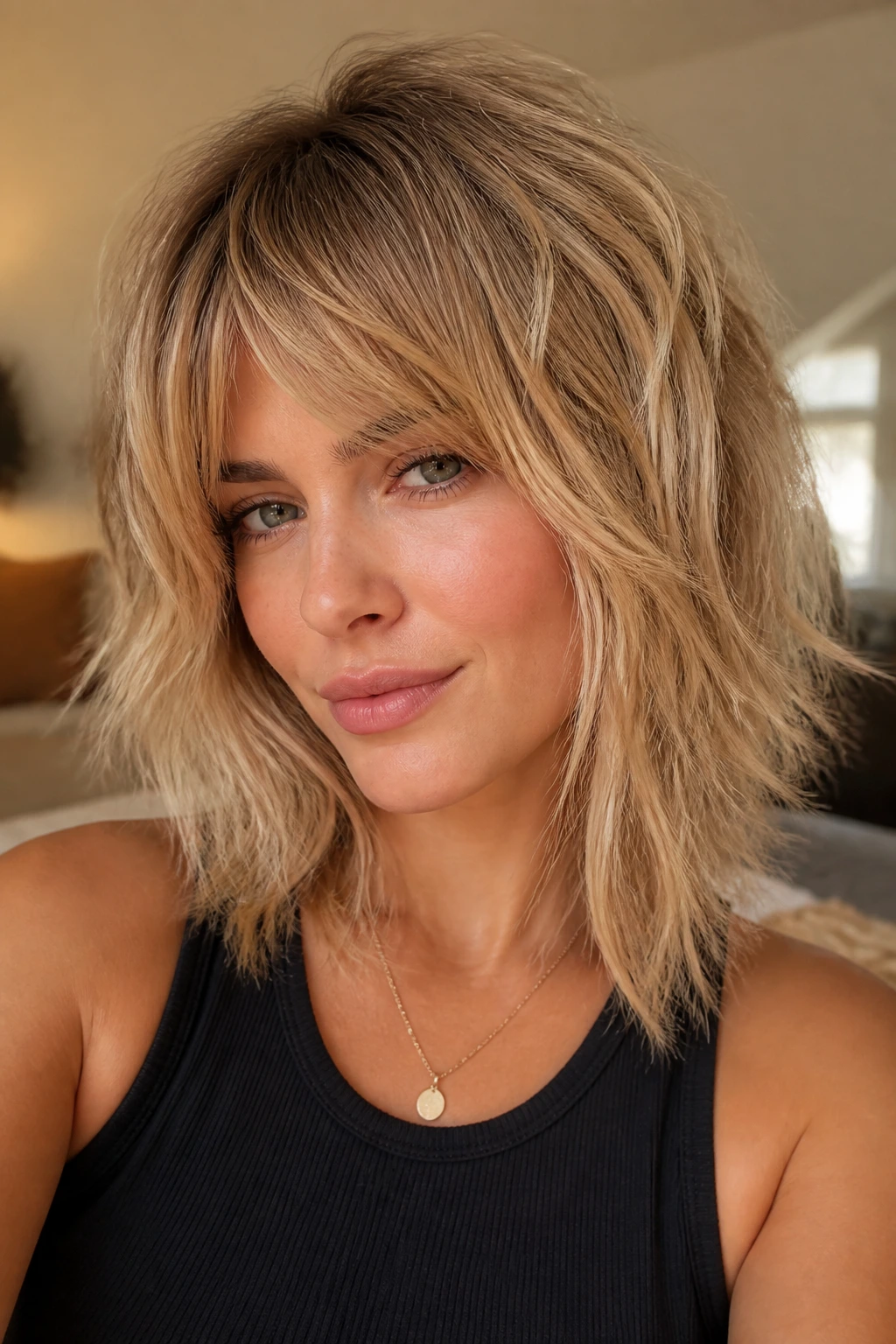
A shag haircut is practically a cheat code for low-maintenance blonde. The layers and texture break up the color, and the soft root keeps the regrowth from drawing a hard line across the scalp. Put those two things together, and the blonde looks lived-in from the start.
The shag’s feathered movement is what hides a lot of maintenance sins. Even if the toner starts to slip or the roots start to show, the shape keeps the hair looking intentional. That’s why this cut works so well with beige blonde, sandy blonde, and smoky blonde tones. They all benefit from a little mess.
It’s a great option for wavy and curly hair. Straight hair can wear it too, but the styling needs to lean into bend and separation. A flat shag with overly light blonde can go a little helmet-like, which is the opposite of what you want.
If you want a blonde that gets better the second day after washing, this is high on the list.
31. Dimensional Platinum with a Darker Base
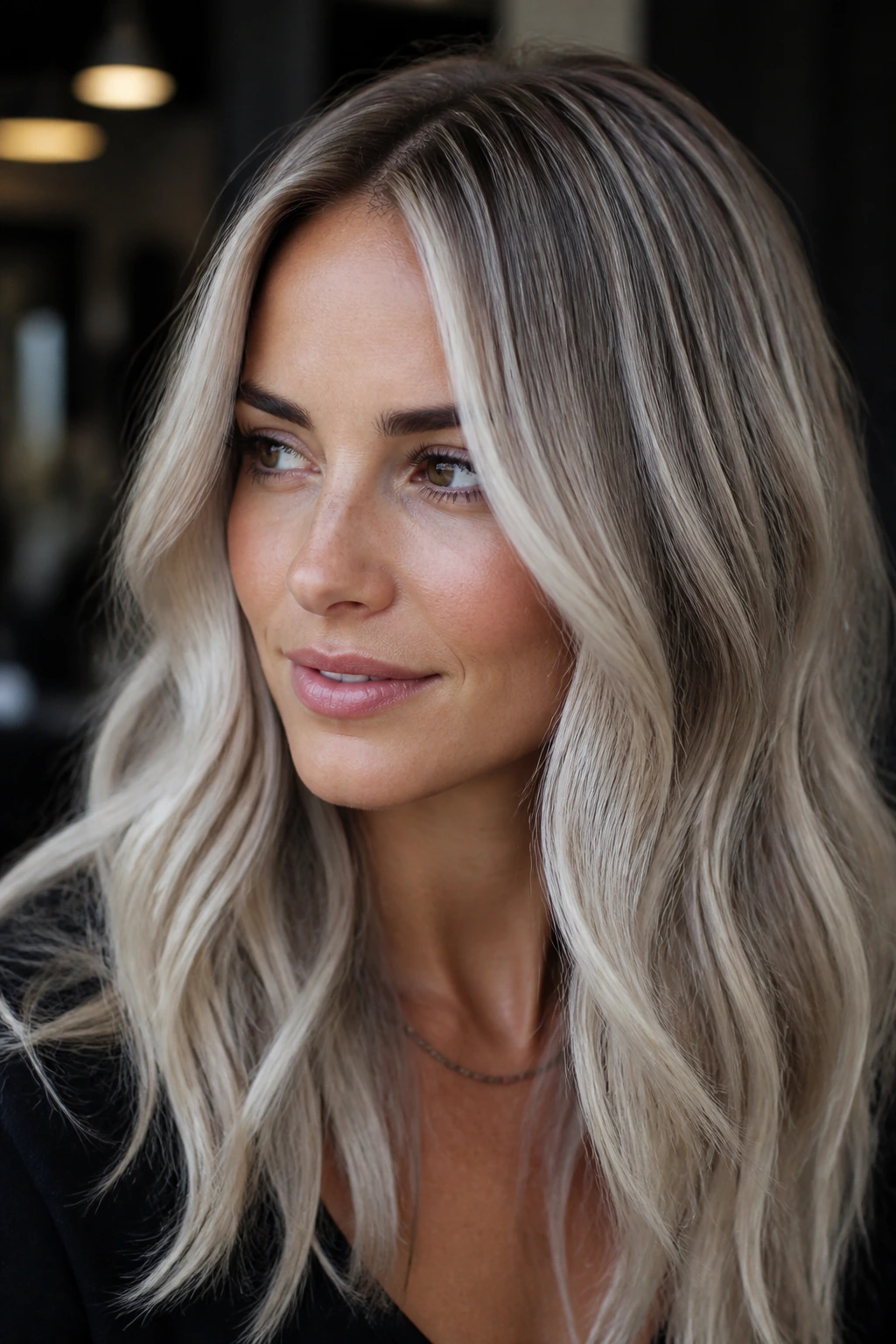
Pure platinum is not low maintenance. Let’s be honest about that. But a dimensional platinum with a darker base can absolutely earn a place here because it gives you the brightness without forcing you to bleach every inch of new growth into submission.
The trick is contrast control. Keep the base a shade or two deeper, place the platinum in panels or ribbons, and make sure there are enough in-between tones that the regrowth doesn’t feel stark. That way, the platinum reads as part of a wider color story, not a standalone block.
This look is best for someone who wants strong brightness and is willing to accept that a little root shadow is part of the design. It works better on layered cuts than on ultra-long, one-length hair, because the movement keeps the bright pieces from looking heavy. Glossing matters here too. Platinum can go dull fast if the toner gets ignored.
A cleaner version of platinum is still high impact. It just won’t punish you as quickly.
32. Pearl Blonde Root Melt
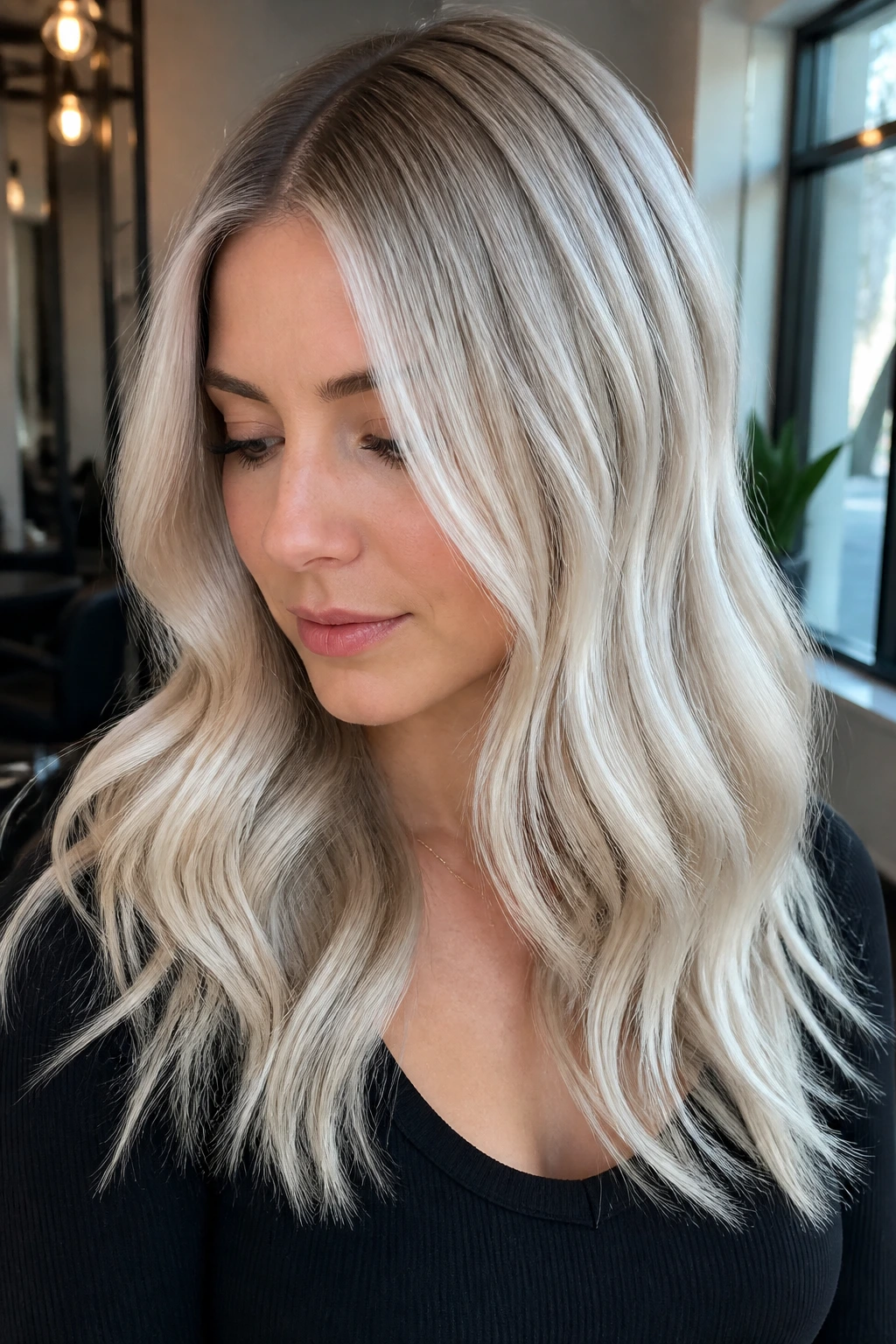
Pearl blonde with a root melt is one of the prettiest ways to wear a very light blonde without making it feel brittle or overdone. Pearl tones have a cool, luminous finish, but the root melt keeps the look grounded so the grow-out doesn’t become a hard line.
This is softer than full icy platinum. The tone has that pale, creamy sheen, but the root area is intentionally blurred. That root melt is what keeps the style in the low-maintenance camp. If the color is done well, the first inch or so of growth simply looks like part of the design.
It works best on hair that can hold a gloss and on people who are comfortable refreshing tone rather than chasing lightness every few weeks. A mid-length cut or long layers help the pearl finish move instead of sitting as one flat field. If you like cool blondes but hate how fast they can turn dull, this is a strong compromise.
A pearl blonde that grows out softly is more wearable than people expect. It just needs a smart base.
Why Soft Roots Beat Full-Head Bleach
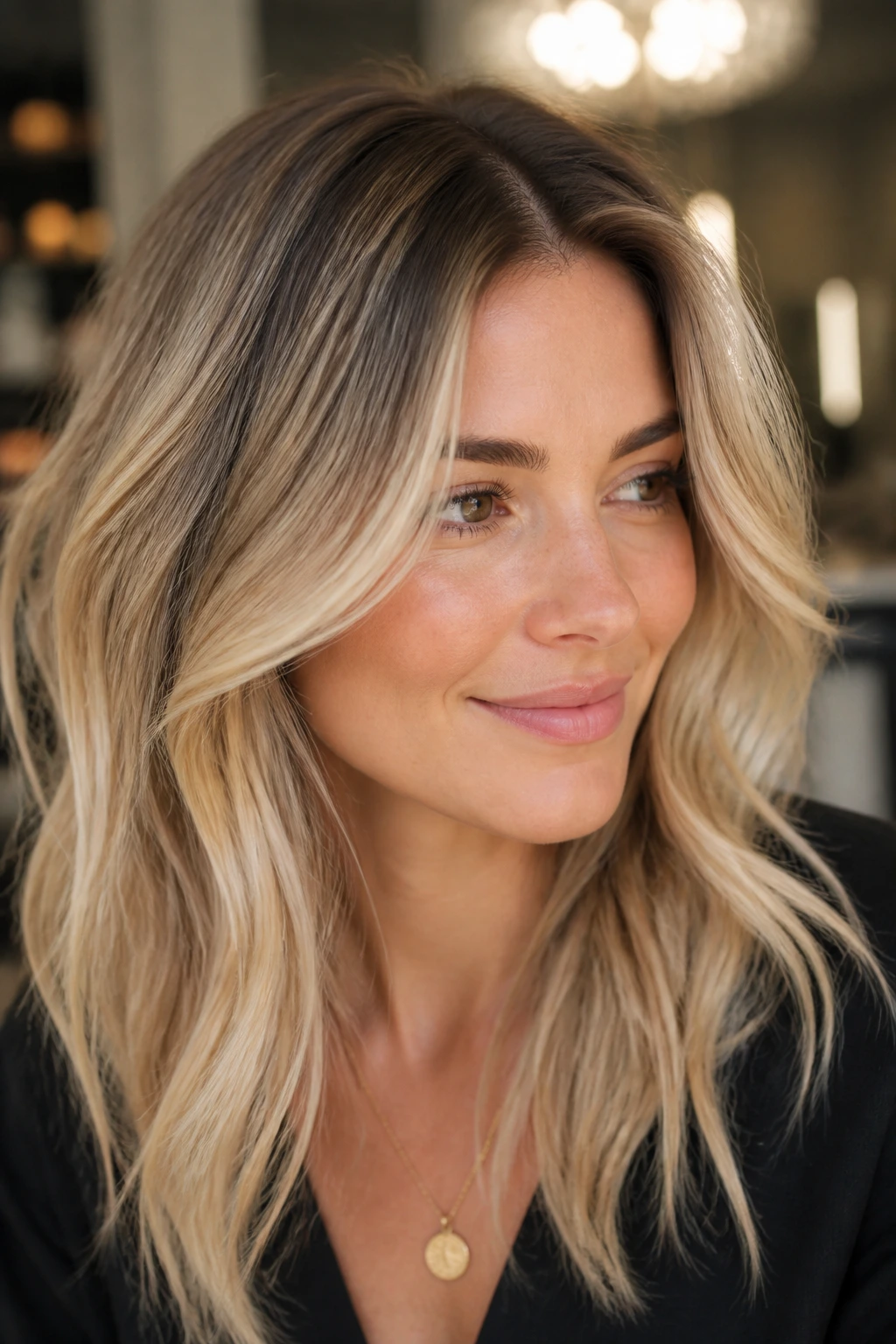
A full-head blonde can look clean on day one and needy on day twenty-eight. That’s the trade. Soft roots, shadow melts, babylights, and strategic brightness at the face solve the problem by letting the regrowth disappear into the design instead of sitting on top of it like an announcement.
Colorists use a few different methods to get there. Balayage places brightness by hand, babylights keep the strands tiny so the grow-out stays delicate, and a root smudge or shadow root makes the top look intentionally deeper. Lowlights do their part too. They add depth back into hair that has gone too light, which keeps the blonde from looking flat and fragile.
The useful part for you is simple: fewer obvious touch-ups. A well-built blonde can often go 8 to 12 weeks between salon visits, sometimes longer if the tone is forgiving and the cut does some of the visual work. That is not the same as ignoring the hair. It means choosing a version that respects real life.
Essential Tools for Keeping Blonde Hair Looking Fresh
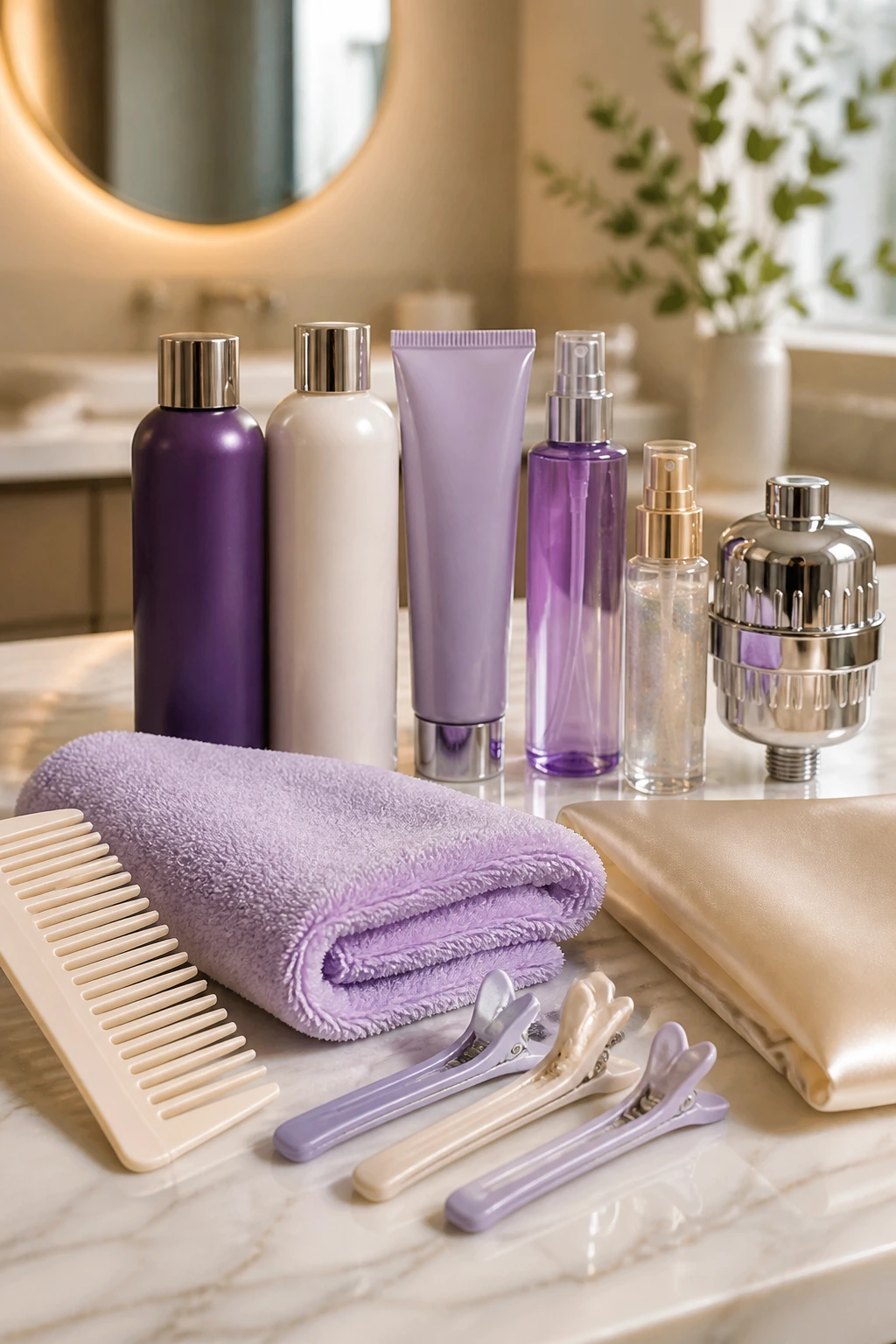
- Color-safe shampoo: A sulfate-free shampoo helps keep toner from fading faster than it should.
- Purple shampoo: Use it sparingly on cooler blondes; once a week is usually enough, and some hair only needs it every other week.
- Deep conditioner or mask: Blonde hair likes moisture, especially after lightening, so keep a mask in the shower for mid-lengths and ends.
- Heat protectant spray: Blonde pieces burn and dull faster than untouched hair, so use this before blow-drying, curling, or flat-ironing.
- Wide-tooth comb: This keeps wet hair from stretching and snapping when it’s most fragile.
- Microfiber towel or soft T-shirt: Rough bath towels can rough up the cuticle and make blonde look frizzier.
- Glossing spray or leave-in: A light finishing product helps the tone look smoother between appointments.
- Shower filter: Optional, but useful if hard water makes blonde turn dull or muddy.
- Silk or satin pillowcase: Less friction means less breakage and fewer frizzy ends.
- Sectioning clips: Handy for applying masks, air-drying with control, or styling face-framing pieces.
How to Choose the Right Blonde for Your Base Color
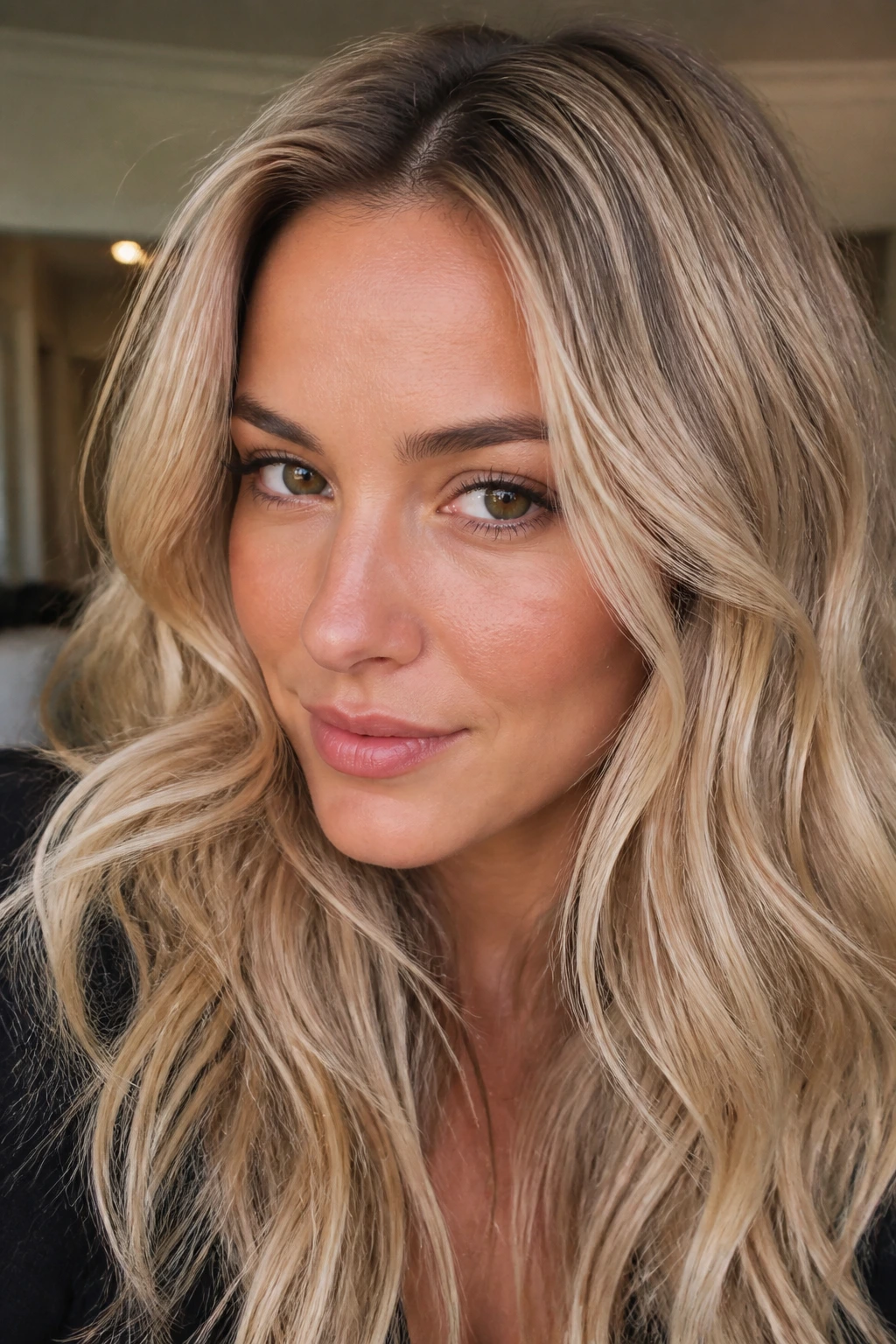
Start with your natural level, not the blonde photo you saved. That matters more than people want to admit. A level 6 brunette can wear blonde beautifully, but usually in a bronde melt, rooted balayage, or ribbon-highlight pattern. Forcing that same hair into a high-lift all-over blonde usually means more bleach, more toner, and more maintenance than the hair really wants.
If your natural color is already dark blonde or light brown, beige blonde, honey blonde, mushroom blonde, and sandy blonde are easier to live with because the shift is smaller. The grow-out stays softer, and the tone usually fades into something still wearable. If you’re starting from a deeper brunette base, keep the brightness concentrated around the face or ends. That gives you payoff without a full root fight.
Texture matters too. Fine hair often looks better with babylights, money pieces, or a soft gloss because heavy blocks of blonde can look stripey. Thick hair can handle more placement, but it also benefits from lowlights so the color doesn’t look puffed out or dry. Curly hair usually wants painted ribbons, not stacked foils, because the pattern needs to follow the curl.
Bring photos, yes, but also bring honesty. Tell the colorist how often you wash, whether you heat style, and how long you want to go between visits. That conversation will save the hair.
How to Style Low-Maintenance Blonde So It Looks Intentional
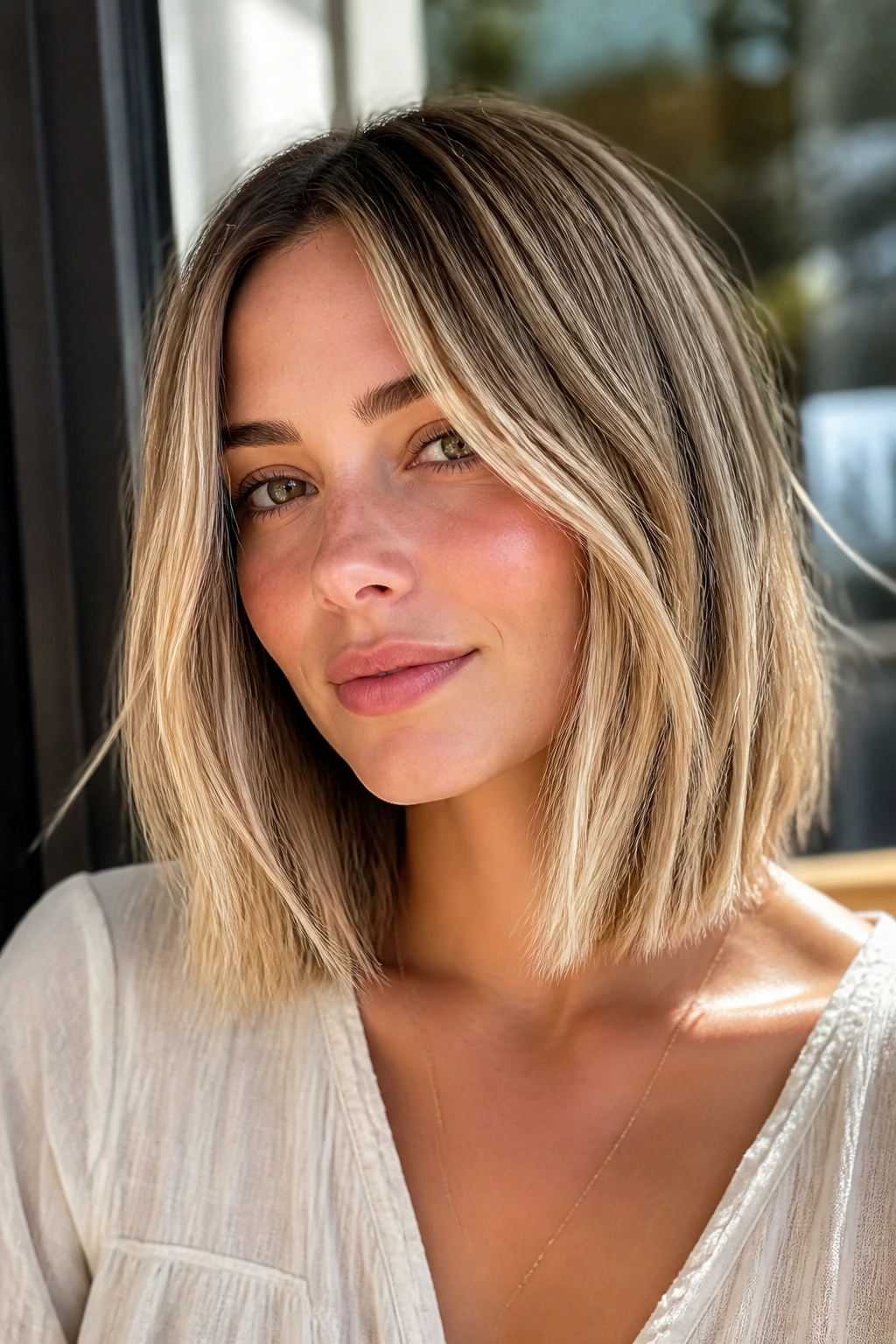
Parting: A natural part is your friend. A deep side part or a zigzag part can expose regrowth in a way that makes even a good blonde look fussier than it is.
Texture: Soft waves, bends, and air-dried movement do a lot of work for blonde placement. Straight, flat hair shows every line, while movement breaks up the highlights and makes the grow-out softer.
Finish: Use a light serum or cream on the mids and ends only. Too much product near the root can make the color look greasy, and blonde hair already tends to show buildup faster than darker hair.
Accessories: Clips, headbands, and tucked-behind-the-ear styling can show off face-framing pieces. They also let you wear the color in a less perfect way, which is often the better move.
Makeup pairing: Warm blondes tend to like peachy blush and soft brows; cooler blondes usually look cleaner with a little more definition around the eyes. You do not need a whole new makeup bag. A small shift is enough.
One more thing. If the blonde is soft and lived-in, the styling should be too. Perfect ringlets and hard center parts can make the color feel more formal than it needs to be.
Easy Ways to Add Dimension Without More Lightening
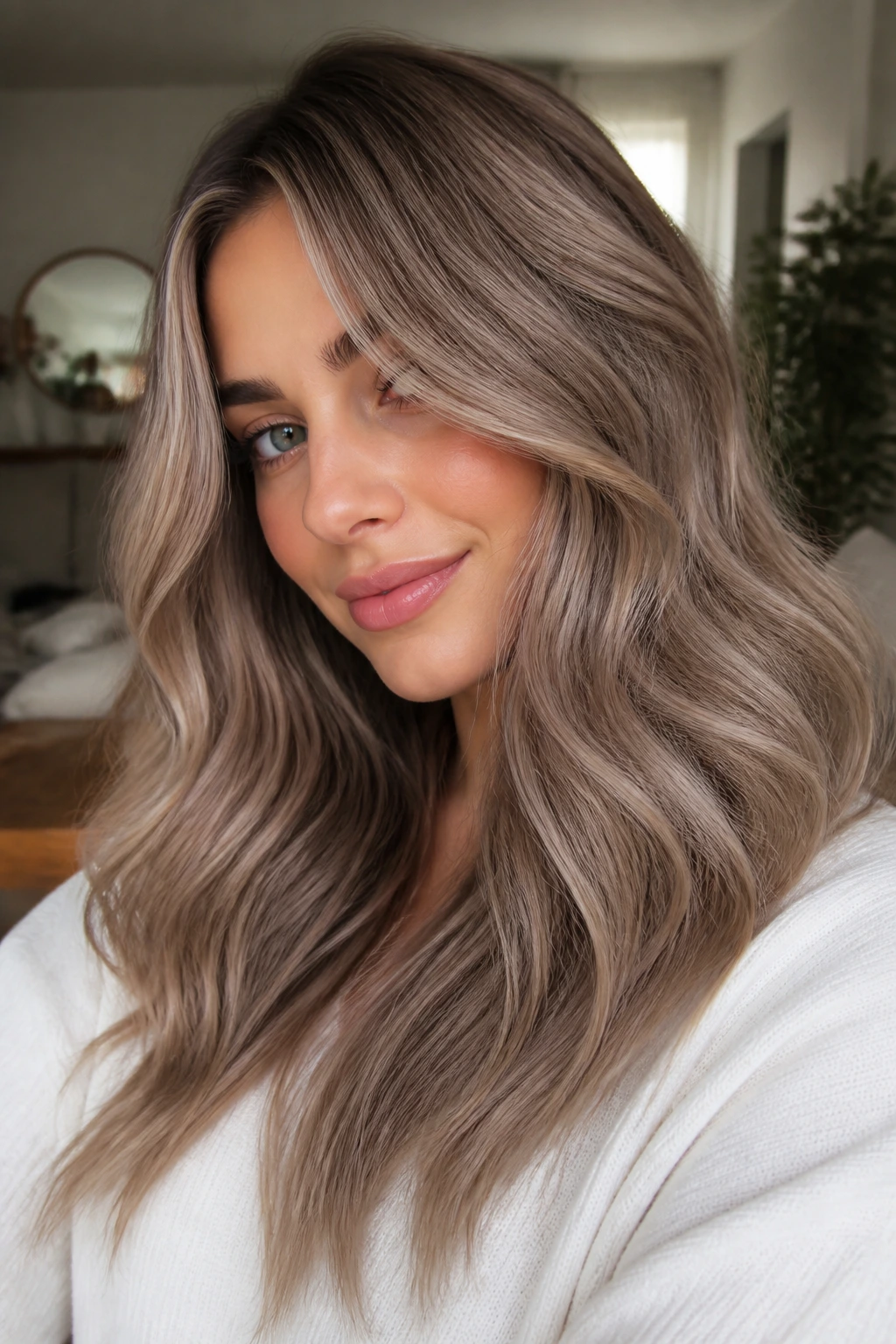
Dimension is the easiest way to keep blonde from looking tired. You do not always need more blond pieces. Sometimes you need darker pieces sitting beside them so the eye has contrast to read.
Gloss: A demi-permanent gloss can shift the whole tone without another full highlight session. Beige gloss, honey gloss, or cool-beige gloss each changes the mood without changing the structure of the hair.
Lowlights: If the blonde feels flat, ask for a few deeper ribbons under the surface. One or two shades deeper is enough. Too dark and the hair starts looking stripy.
Face frame: Brightening the front sections keeps the look lively while the rest of the hair stays rooted and easy. It’s the cheapest visual upgrade in the room, and honestly one of the smartest.
Texture: A layered cut or a loose wave reveals the different tones in the hair. Color that looks plain when pin-straight can look rich once there’s movement.
Tone direction: Warm shades like honey, wheat, and buttercream are forgiving. Cool shades like mushroom, ash-beige, and smoky blonde stay polished if you don’t let them go flat. Pick the one that matches how much upkeep you actually want to do.
Care Schedules That Keep Blonde Fresh Between Salon Visits
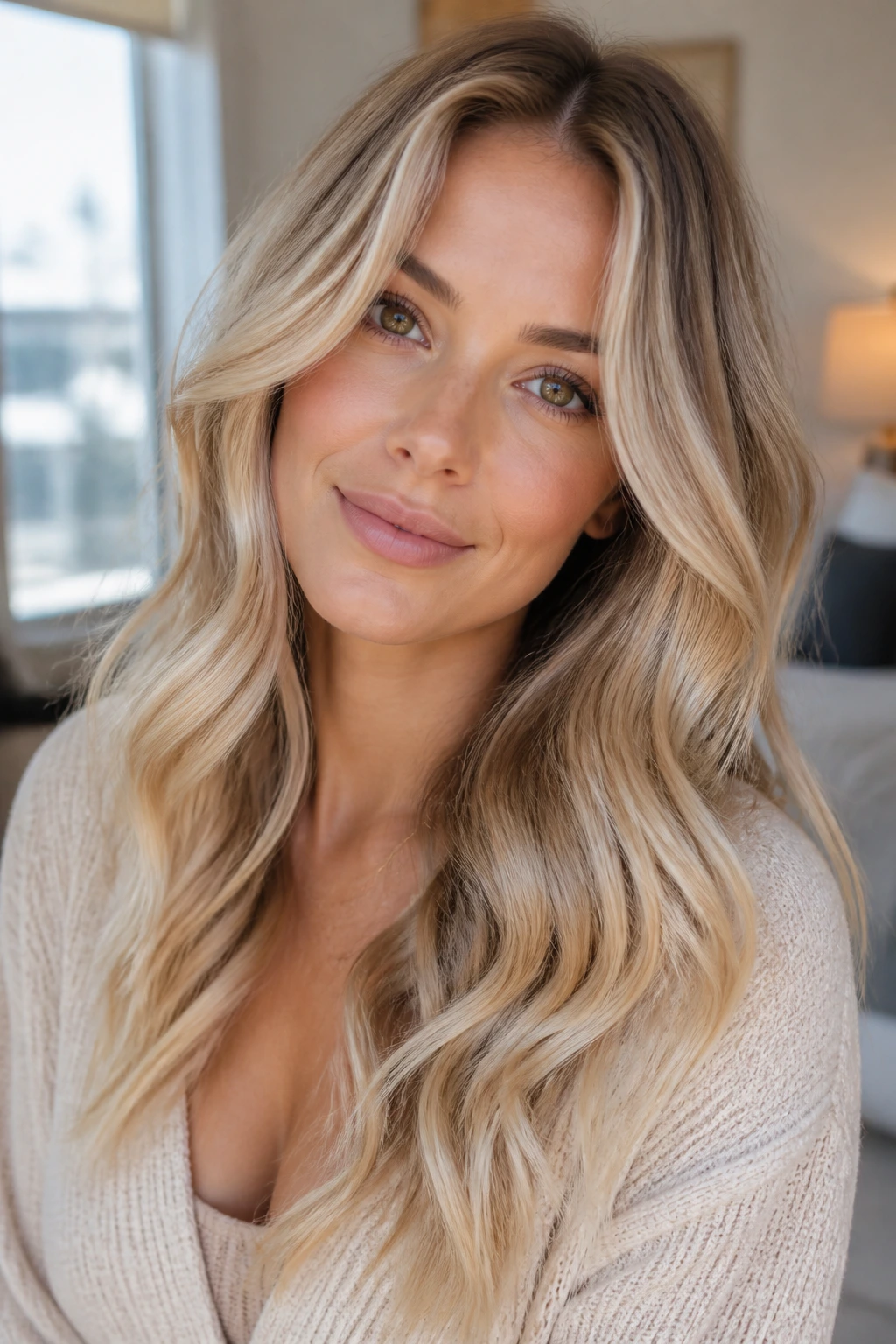
Low-maintenance blonde still needs a rhythm. It just needs a slower one.
Shampoo two or three times a week if your scalp can handle it. Every wash strips a little tone, so overwashing can turn a beige blonde flat and a warm blonde dull. If your hair gets oily faster, focus shampoo on the scalp and let the lather cleanse the mids as it rinses through.
Use purple shampoo with restraint. Once a week is plenty for cool blondes; some only need it every 10 to 14 days. Overusing it can leave the hair dry, matte, or even a little violet at the ends. Warm blondes usually do better with a color-safe moisturizing shampoo instead.
Glosses and toners usually keep the shade lively for 6 to 8 weeks, while partial highlight appointments often run 8 to 12 weeks apart. If the base is soft and the grow-out is blurred, you can often push that longer. A full refresh is usually only needed when the ends look tired or the blonde has lost its shape.
Heat styling changes the math. If you flat-iron or curl often, use a heat protectant every single time and deep-condition once a week. Hard water can also be a sneaky problem. If the blonde looks dull or gritty, a clarifying or chelating treatment every few weeks can help.
Variations for Fine Hair, Curly Hair, Gray Blending, and Darker Bases
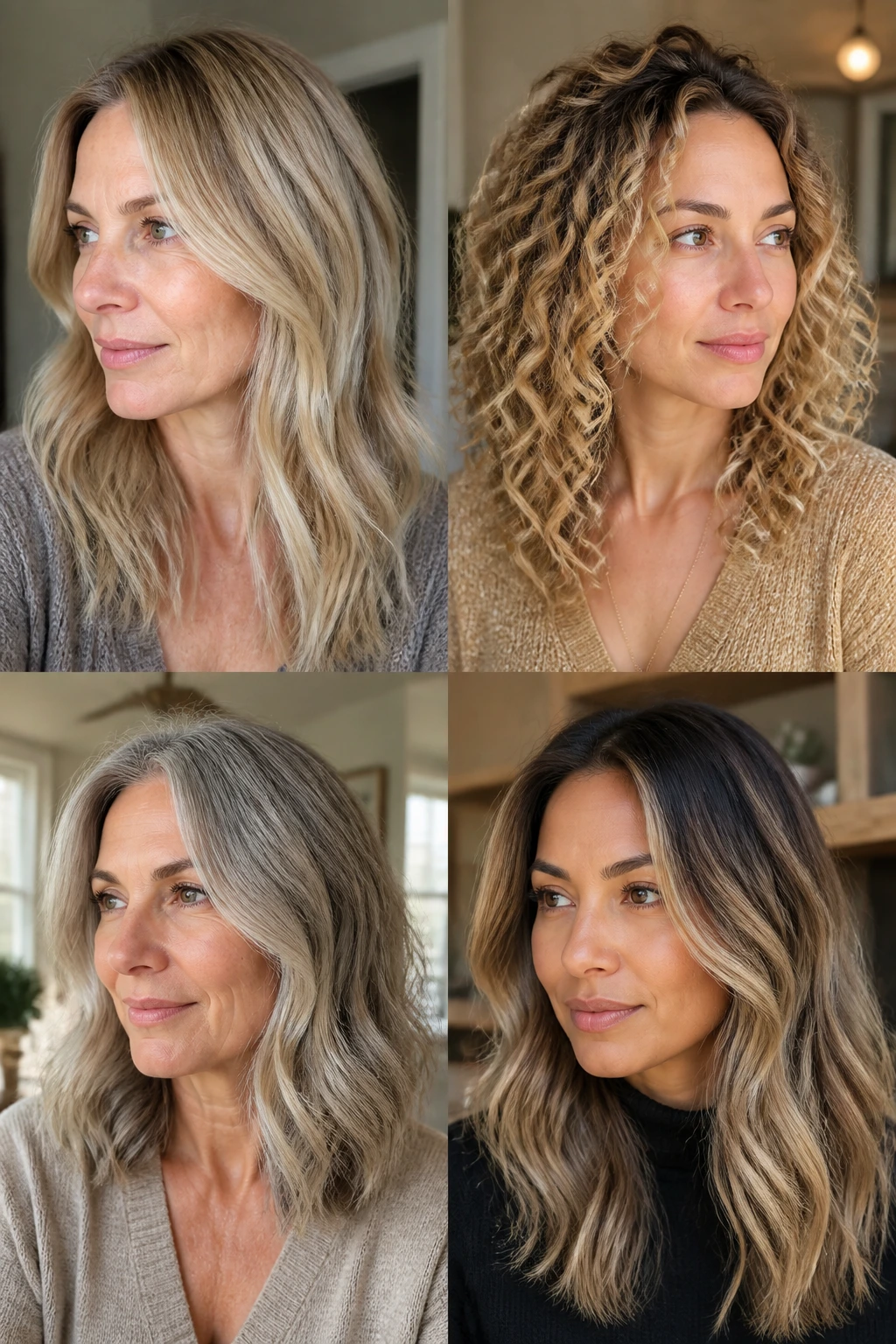
Feather-Light Fine Hair: Babylights and a soft money piece are kinder to fine strands than chunky highlights. They create brightness without making the hair look overworked, and the tiny foils grow out more quietly.
Curly Blonde Balance: Painted ribbons and lowlights follow the curl pattern better than a heavy foil pattern. Ask for the light pieces to be placed where the curl opens, not just where the hair hangs straight.
Gray-Blending Blonde: Beige highlights with a root shadow can make gray strands look intentional instead of covered. This is one of the best choices if you want to stop fighting regrowth every few weeks.
Brunette-to-Blonde Slow Shift: Bronde melts, rooty balayage, and reverse balayage are the safest options when your base is deep. They keep the blonde believable while you ease into lighter territory.
Warm-Tone Version: Honey, wheat, buttercream, and golden blush blondes flatter warm skin and usually feel softer as they fade.
Cool-Tone Version: Mushroom, ash-beige, smoky blonde, and pearl root melts work well if you like a cleaner, cooler finish. Just keep the toner from going too flat.
Common Mistakes That Make Blonde Harder to Maintain
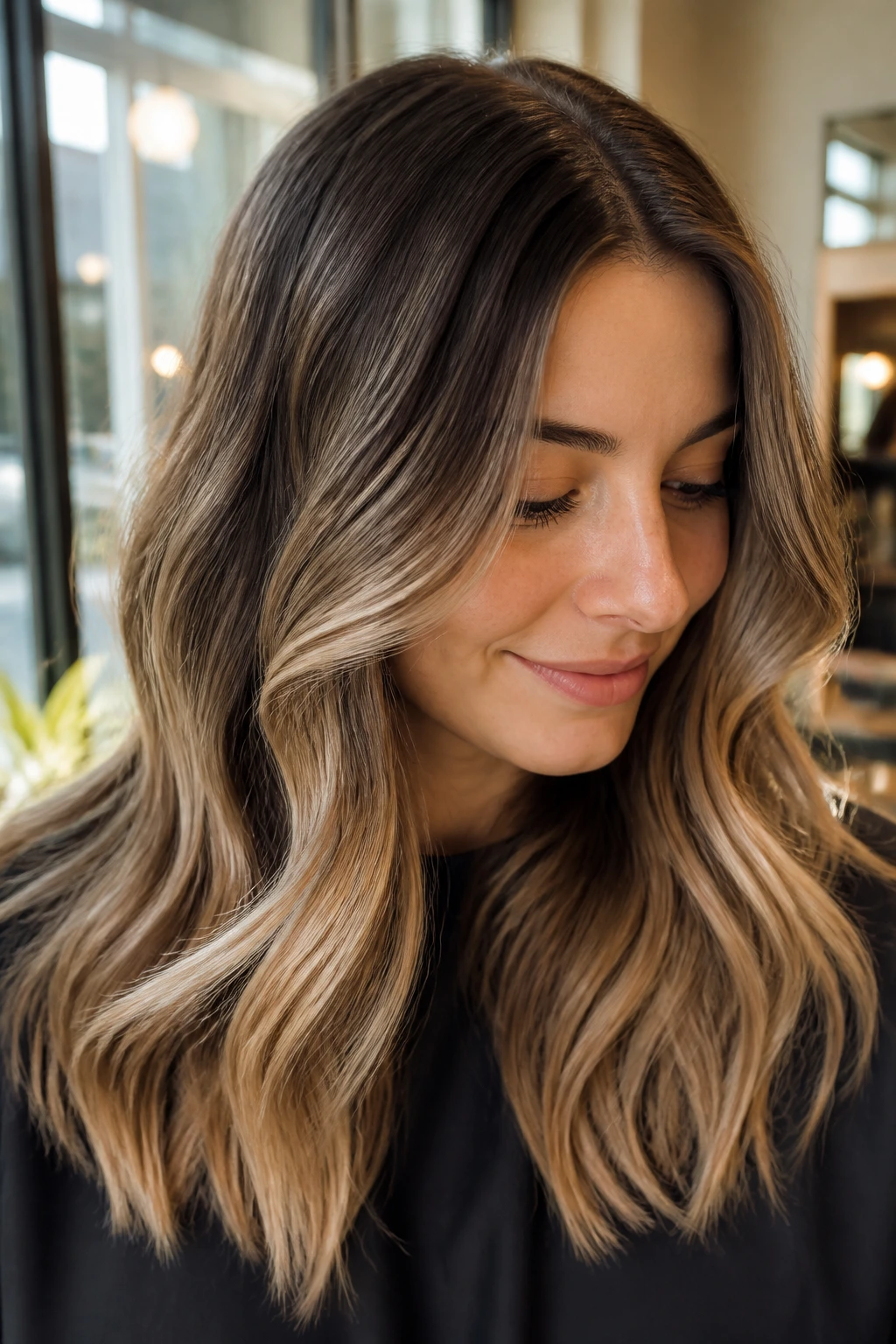
- Going too light at the root: A pale root looks fresh for about five minutes, then regrowth becomes obvious. The fix is a shadow root or root smudge that stays a shade or two deeper.
- Choosing icy toner when you want low upkeep: Icy tones can look gorgeous, but they fade fast and show brass sooner. Beige, honey, and mushroom shades are easier to live with.
- Ignoring the haircut: Flat, one-length hair makes blonde look louder and more obvious. Layers, lobs, shags, and bobs break up the color and soften the grow-out.
- Overusing purple shampoo: If the ends look dry, dusty, or slightly lilac, you’ve gone too far. Use purple shampoo less often and switch back to moisture-focused care.
- Skipping lowlights: Too much uniform brightness makes the hair look thin and the regrowth more visible. A few deeper pieces can make the blonde look richer and easier to maintain.
- Copying a photo without checking your base color: A look that works on a level 8 natural blonde may become a six-hour correction on a level 4 brunette. Start from your real hair, not the saved image.
Questions People Ask Before Going Blonde
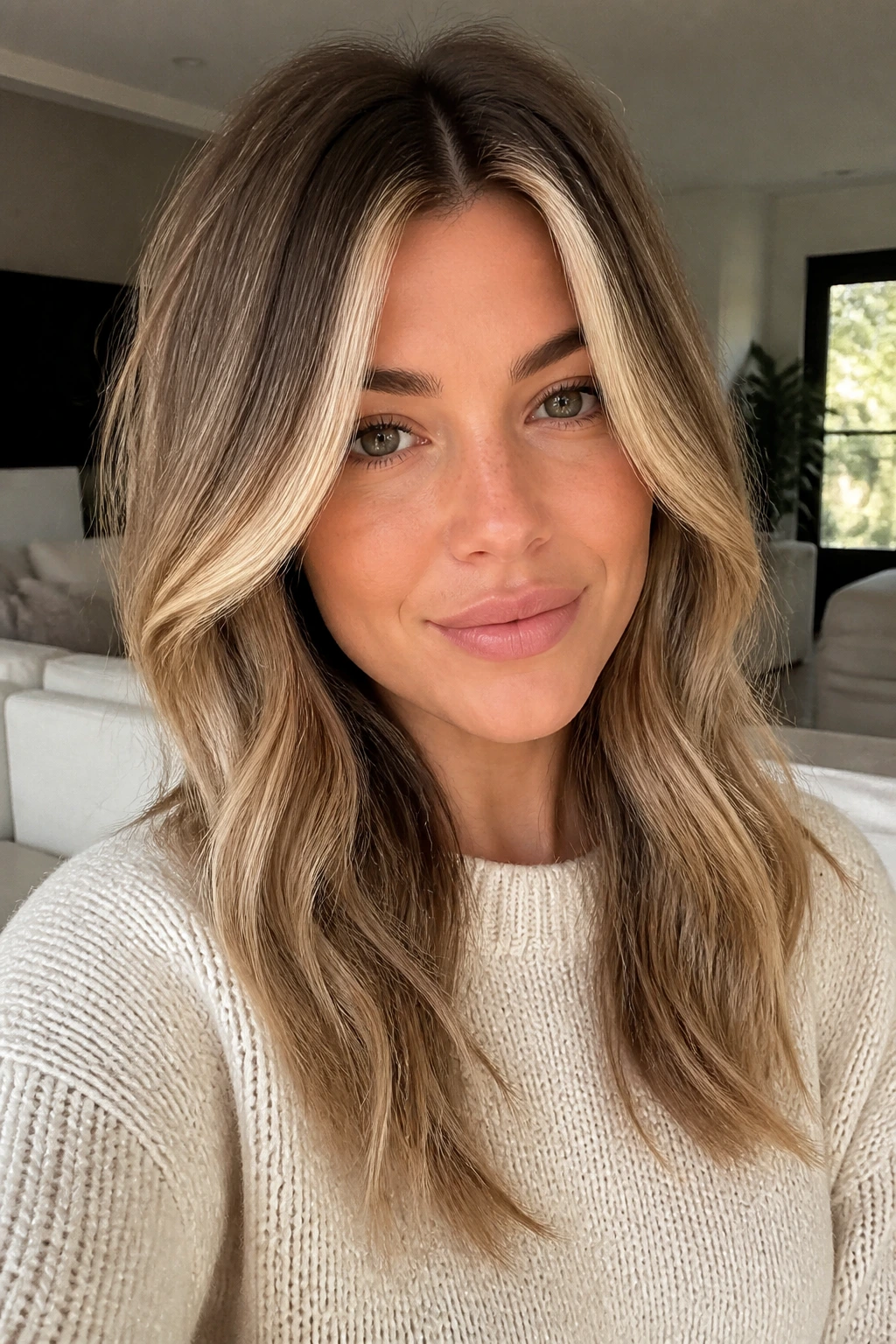
How often do low-maintenance blonde looks need salon visits?
Most of them can stretch to 8 to 12 weeks, depending on how deep the root is and how much brightness is concentrated around the face. A soft balayage or bronde melt can sometimes go longer before it looks tired.
Is balayage better than foil highlights for low maintenance?
Usually, yes, if the goal is softer grow-out. Balayage places color more naturally and avoids the hard line that can happen with dense foils, though babylights and foils can still be low maintenance when they’re placed lightly.
Can dark brunettes wear low-maintenance blonde?
Absolutely, but the best versions usually keep the blonde partial or dimensional. Bronde melts, rooted balayage, and caramel-threaded blonde are safer than all-over pale blonde if you want less upkeep.
What if my blonde turns brassy fast?
That usually means the tone is too warm for your base or your hair is getting stripped too often. Switch to a beige or mushroom tone, use sulfate-free shampoo, and cut back on purple shampoo unless you truly need it.
Do these looks work on curly hair?
Yes, and some of them work especially well. Painted ribbons, root smudges, and lowlights follow the curl pattern better than dense, even foiling, so the grow-out tends to look softer.
Can gray hair be blended with blonde instead of covered?
It can, and that’s one of the easiest ways to wear blonde without fighting regrowth every few weeks. Beige highlights, soft lowlights, and a shadow root let gray strands become part of the dimension.
How do I ask for a blonde that won’t look harsh when it grows out?
Say you want a soft root, blurred transition, and brightness concentrated in the mids, ends, or face frame. Those words matter more than saying “blonde” by itself.
Will a root shadow make my hair look dark?
Not if it’s done well. A root shadow should read as soft depth, not a hard dark cap, and it usually makes the blonde look fuller rather than darker.
The Blonde That Grows Out Gracefully
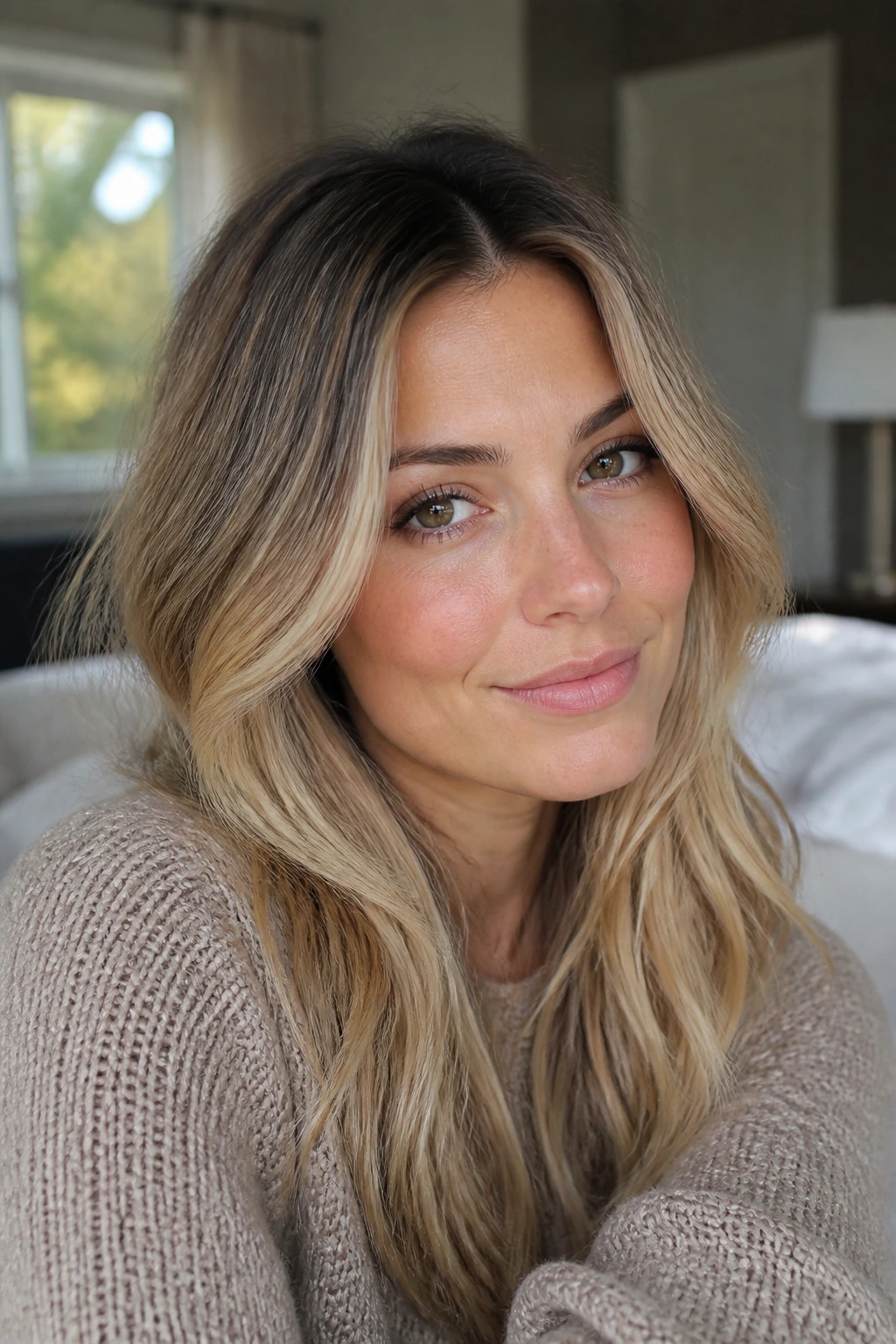
The best low-maintenance blonde looks do one thing well: they make regrowth look like part of the style instead of a mistake. That’s why rooted balayage, soft bronde, beige blonde, mushroom blonde, and all the rest have such staying power. They buy you time, and they do it without making the hair look ignored.
Pick the version that respects your base, your haircut, and your appetite for upkeep. A blonde that fits those three things will always wear better than a shade chosen only because it looked bright in a photo. Start soft, keep the root blurred, and let the color earn its brightness where it matters most.
