



Fair skin is picky about blonde. Too much gold and the face can go pink; too much flat ash and it can look washed out. The sweet spot is usually somewhere cooler, cleaner, and more controlled.
Cool blonde hair color ideas for fair skin work best when the tone supports the skin instead of fighting it. A pearl gloss can make blue eyes look sharper. A smoky beige balayage can stop rosy cheeks from taking over. And platinum, when it’s done well, doesn’t look harsh—it looks precise. The difference is rarely the bleach itself. It’s the reflection left behind after the toner settles.
The shades below lean on that idea: cool reflection, soft contrast, and enough depth near the root to keep the face from disappearing into a sheet of light color. Some are icy and bold. Some are quieter and easier to live with. All of them make more sense on fair skin than the warmed-up blondes that keep trying to sneak in yellow.
Why These Cool Blonde Shades Work on Fair Skin
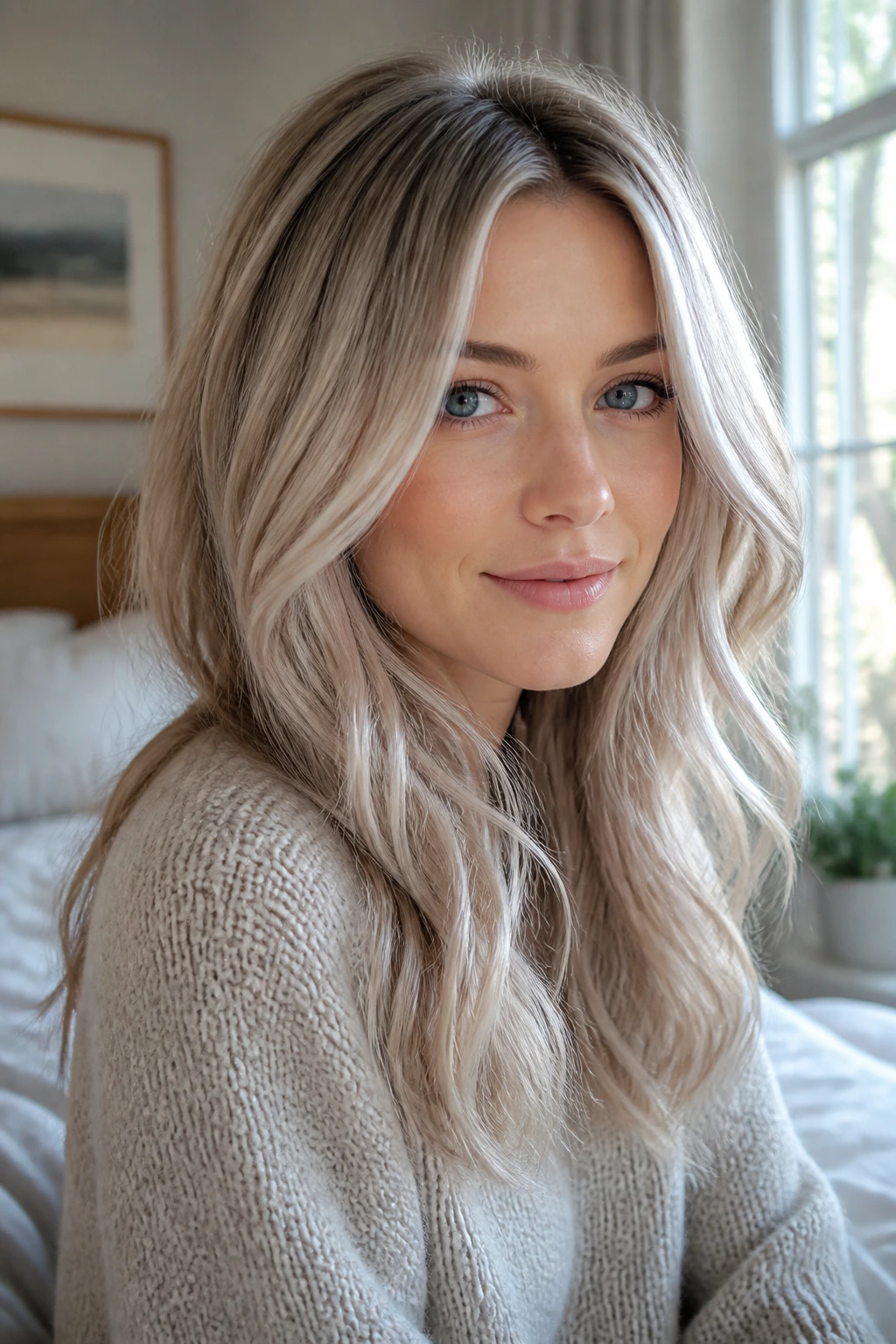
- Tone does the heavy lifting: Ash, pearl, silver, and smoky beige keep pale skin from looking red or sallow next to yellow-heavy blonde.
- Root depth saves the face: A little shadow at the scalp gives fair skin some structure, especially when the rest of the hair is very light.
- Placement matters as much as color: Face-framing pieces, babylights, and soft ribbons can brighten the complexion without turning the whole head into a halo.
- Not every cool blonde needs to be white: Level 8 and 9 blondes often look richer and easier to wear than an all-over level 10.
- Glossing is part of the look: Cool blondes need toners and refreshes; otherwise the shade turns flat, dull, or yellow in a hurry.
1. Icy Platinum Blonde With a Clean, Reflective Finish
Icy platinum is the blunt instrument of cool blondes. On fair skin with pink or blue undertones, it can look crisp and almost glassy, especially when the cut is sleek and the ends are trimmed hard. The trick is not chasing white at every strand; it’s keeping enough shine that the color doesn’t go paper-flat.
Ask for lift to level 10, then tone with a violet-based gloss that stays pale, not lavender. If your hair is porous, keep the ends slightly darker than the mids—otherwise they can drink in toner and go hollow at the tips. This shade looks sharp on a bob, a collarbone lob, or any cut with a clean line. A messy air-dry can dull it fast, so I like it best on hair that gets a proper blowout or a smooth flat-iron finish.
2. Pearl Blonde With a Soft, Smoky Glow
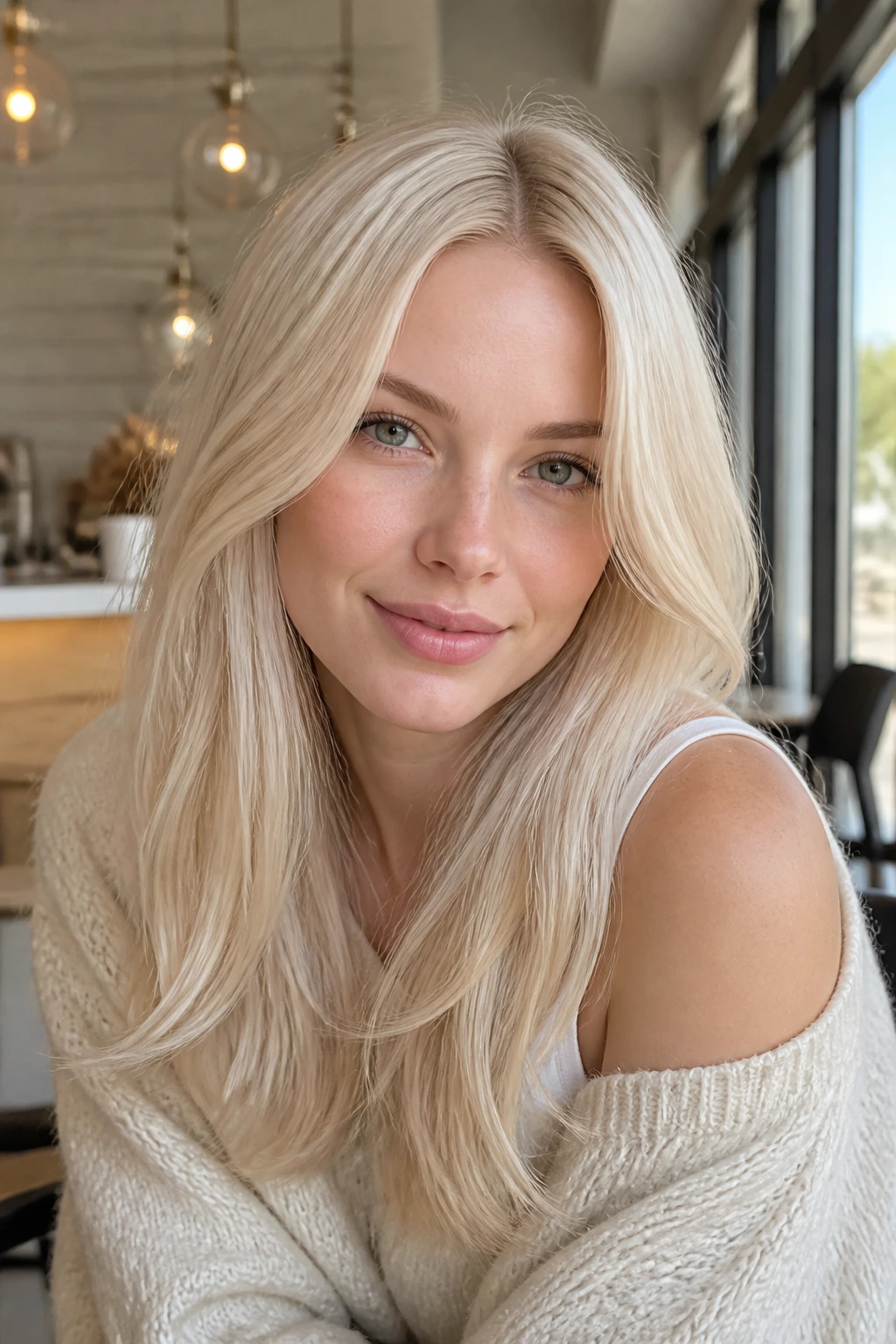
What if you want blonde that feels softer than white but colder than beige? Pearl blonde sits right in that gap. It has a faint opalescent finish that flatters fair skin without shouting for attention, which is handy if your complexion already has some natural pink in it.
The best pearl blondes usually start with a level 9 lift and end with a gloss that blends violet, neutral beige, and a touch of clear. That mix is what keeps the color from looking chalky. It’s especially good on fine hair because the reflective finish gives the strands a little more life. If your skin turns red in daylight, pearl blonde is kinder than icy platinum. It softens the face instead of sharpening every edge.
3. Silver Champagne Blonde That Keeps the Shine
Silver champagne is the cooler cousin of classic champagne blonde. The champagne part gives a little softness, and the silver keeps it honest. On fair skin, that balance matters. Too much gold next to pale skin can look brassy in under a week; too much ash can look dusty. Silver champagne lands between the two.
I like this shade on medium-length hair with some wave, because the bends in the hair catch the cool and warm notes separately. Ask your colorist for a pale beige base with silver-violet toning on the lightest pieces. If you wear it straight, it reads polished. If you wear it wavy, the color looks more expensive than it has any right to—though the upkeep is the real story here. You’ll want a gloss refresh every 4 to 6 weeks.
4. Scandinavian Blonde With Almost-No-Root Contrast
Scandinavian blonde is the look people picture when they say “very light blonde,” but the good versions are more controlled than that. It has almost no visible root, a pale base, and just enough cool tone to keep fair skin from turning flat. On the right face, it looks clean and bright. On the wrong face, it can feel a little severe.
Best when you want a pale, even finish
- Fair skin with cool or neutral undertones
- Hair that lifts cleanly to level 9 or 10
- A cut that can handle minimal contrast near the scalp
If you like a soft brow and a little blush, this shade can be lovely. If your skin is very pink, ask for a whisper of root shadow so the whole look doesn’t turn stark. It’s one of those blondes that needs discipline. Not fussy, exactly. Just disciplined.
5. Ash Blonde Balayage With Bright Ends and Smoky Depth
Ash blonde balayage is what I recommend when someone wants cool blonde but refuses to live in the salon every five minutes. The hand-painted pieces keep the blonde bright, while the darker ash lowlights hold the whole thing together. On fair skin, that extra depth keeps the face from floating.
This works especially well if your natural base is a dark blonde or light brown. You do not need a full bleach-out to get the effect. A good balayage can lift the ends to level 8 or 9 and leave the root one or two levels deeper, which gives the skin some shape. I like it on shoulder-length waves because the color shows movement instead of lying there like a sheet. It’s a practical blonde, which is rare enough to be worth noting.
6. Mushroom Blonde With a Cool, Taupe Finish
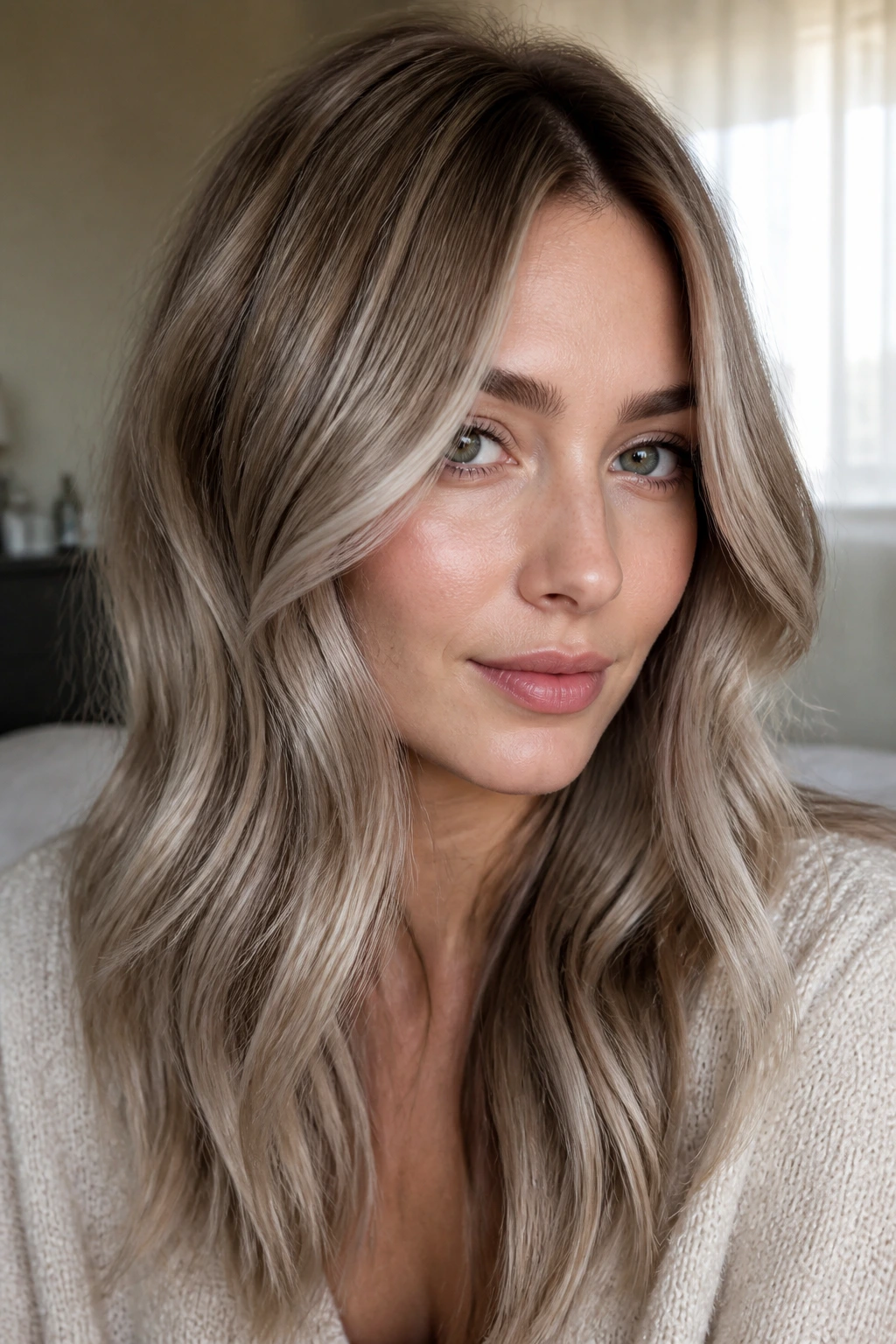
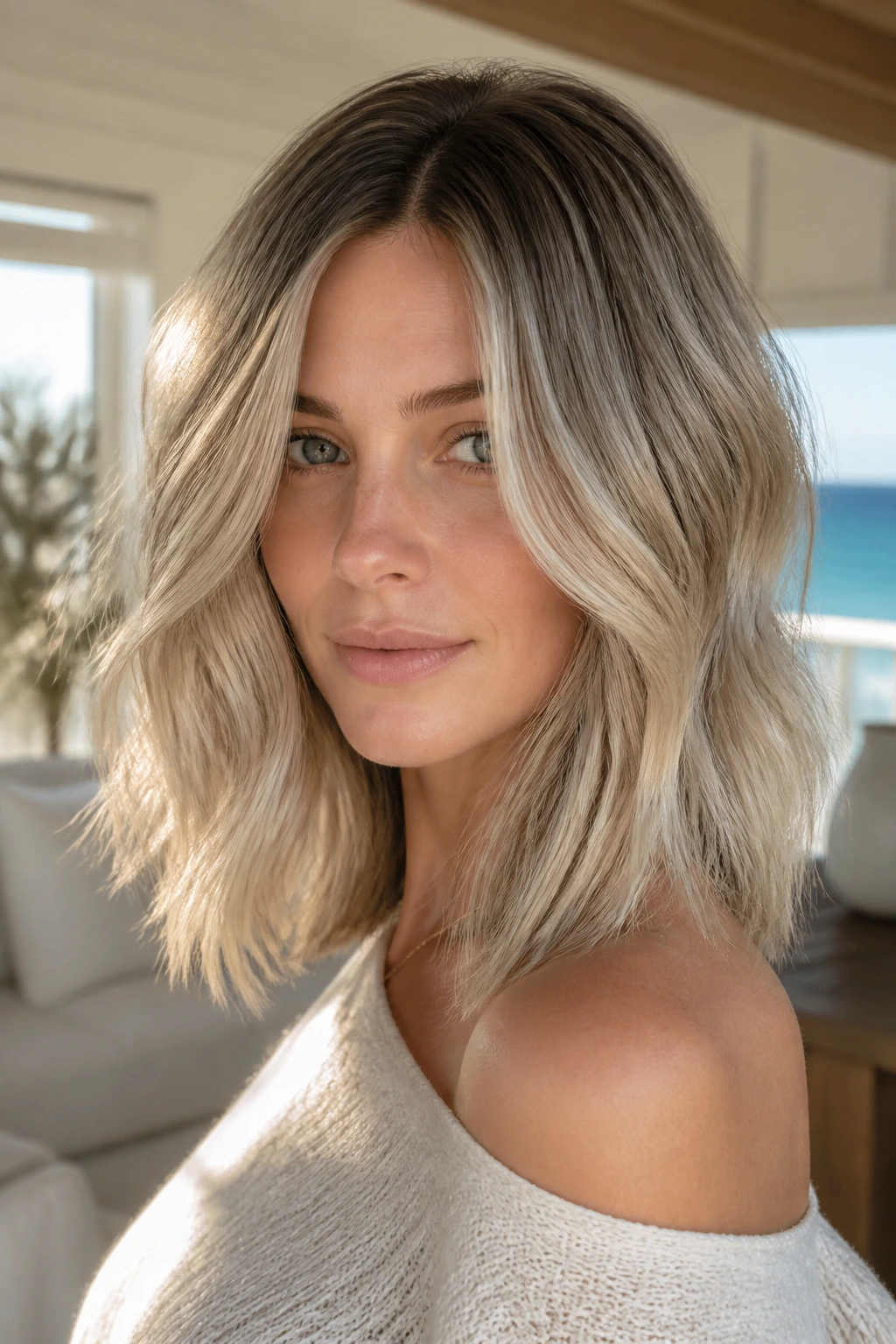
Mushroom blonde is one of those shades that sounds odd until you see it on fair skin. Then it makes sense. It has a smoky, taupe-blonde quality that keeps rosy cheeks from taking over the face, and it adds enough depth at the root to stop the color from looking washed out.
This is a strong choice if your skin flushes easily or if platinum blondes make you feel too bright. The lowlights are part of the charm; they give the blonde some gravity. Ask for cool brown and ash-blonde ribbons woven together, not one flat beige tone. On wavy hair, mushroom blonde looks dimensional. On straight hair, it reads more fashion-forward. Either way, it’s less fragile than white blonde and far easier to wear with minimal makeup.
7. Frosted Beige Blonde With a Clean Edge
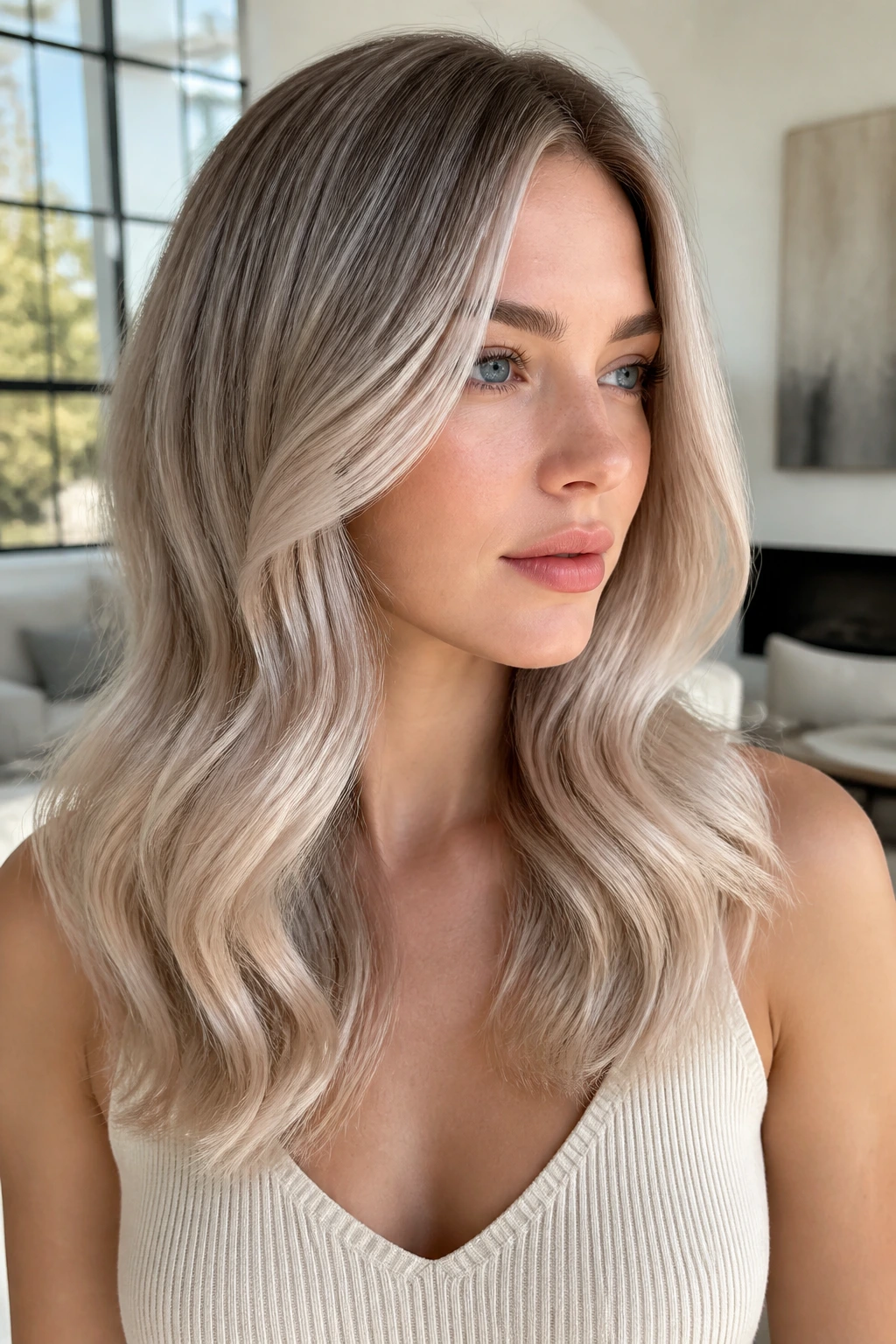
Not every cool blonde has to be silver. Frosted beige blonde proves that point. The beige softens the look, while the frost keeps it cool enough for fair skin. It’s one of the easiest shades to wear if your complexion is neutral and you want lightness without a harsh, icy snap.
The finish should feel polished, not sandy. That means a toner with ash and violet in it, plus a gloss that keeps the shine level up. If the beige creeps too warm, the whole color can tilt yellow fast. I like this shade on layered cuts because the movement shows off the tone shift. It’s a quiet blonde. Not boring. Quiet.
8. White Blonde Face-Framing Highlights That Wake Up the Skin
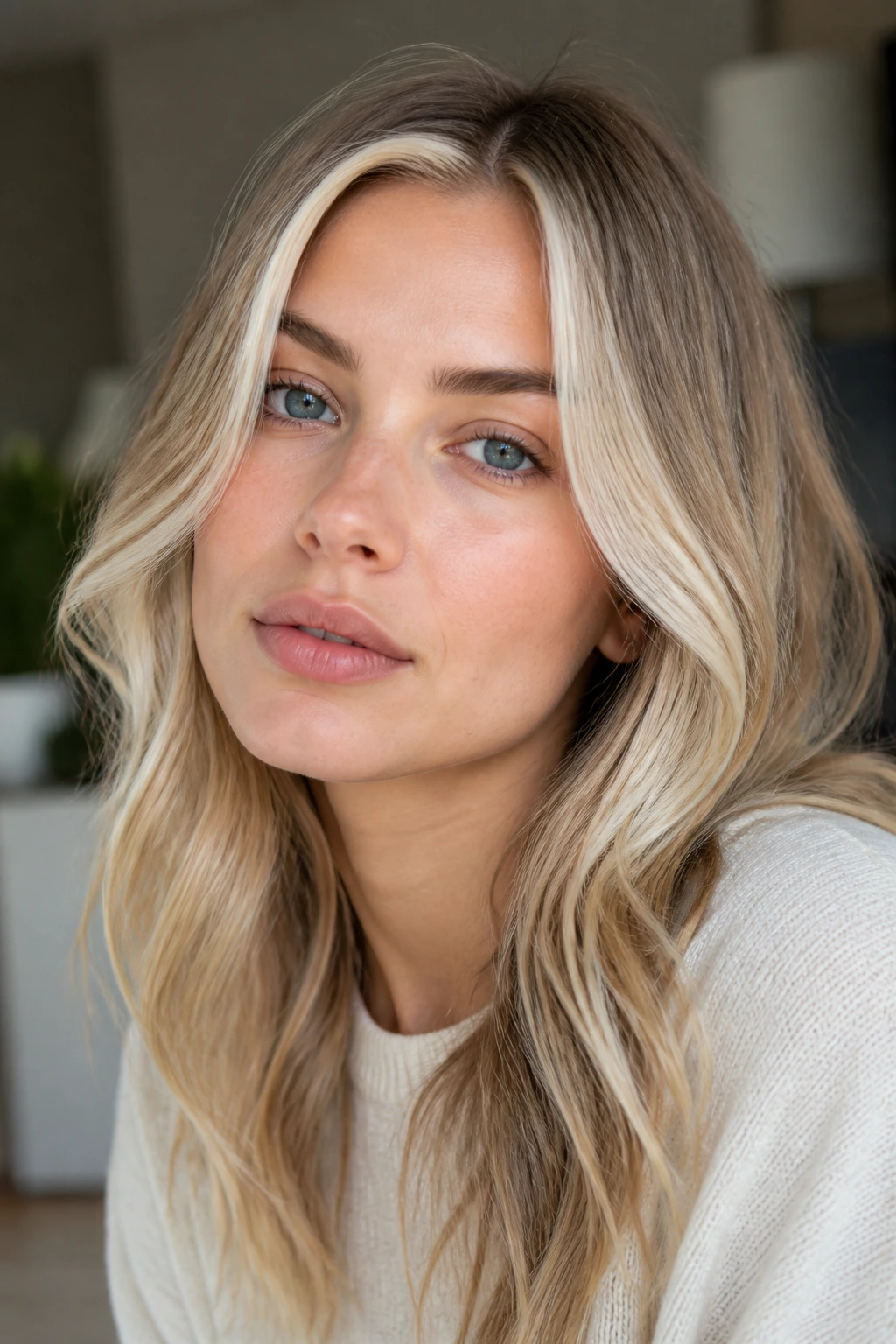
Do you want brightness without committing to a full-head bleach job? White blonde face-framing highlights do the trick. A couple of pale ribbons around the temples, cheekbones, and part line can make fair skin look more awake in a single appointment, and you don’t need every strand lifted to get that effect.
Where the brightness should sit
A good face frame usually starts a little off the hairline, not right on top of it. That keeps the color from looking stripey. Ask for the brightest pieces to sit where the light would naturally hit: around the part, the front corners, and a few strands through the crown. Keep the rest of the head softer so the contrast doesn’t get cartoonish. It’s a small placement trick, but it changes the whole reading of the face.
9. Beige-Rooted Platinum That Grows Out Gracefully
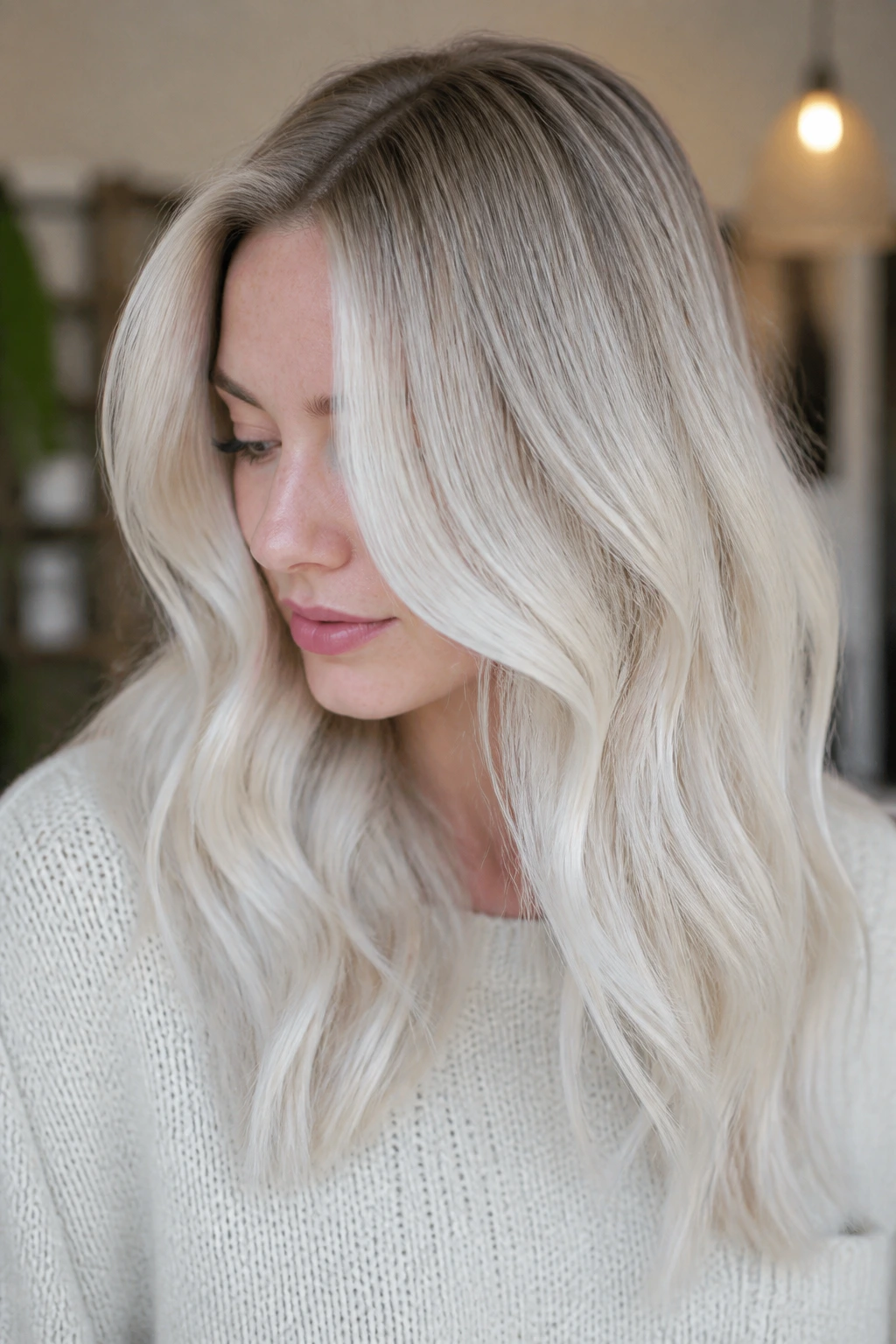
Beige-rooted platinum is the version of platinum I trust on fair skin that needs some breathing room. Unlike pure white blonde from scalp to ends, this one leaves a beige shadow at the root and lets the platinum start a little lower. That softens the grow-out line and keeps the face from looking severed from the hair.
This works especially well on freckles, neutral undertones, or skin that tends to get red under very bright light. The root should be one level deeper, not dark-brown. Think soft sand rather than chestnut. The effect is cleaner than a hard root and less brittle than all-over ice blonde. If you want the platinum look without the constant salon panic, this is the smarter route.
10. Cloud Blonde With a Diffused, Airy Finish
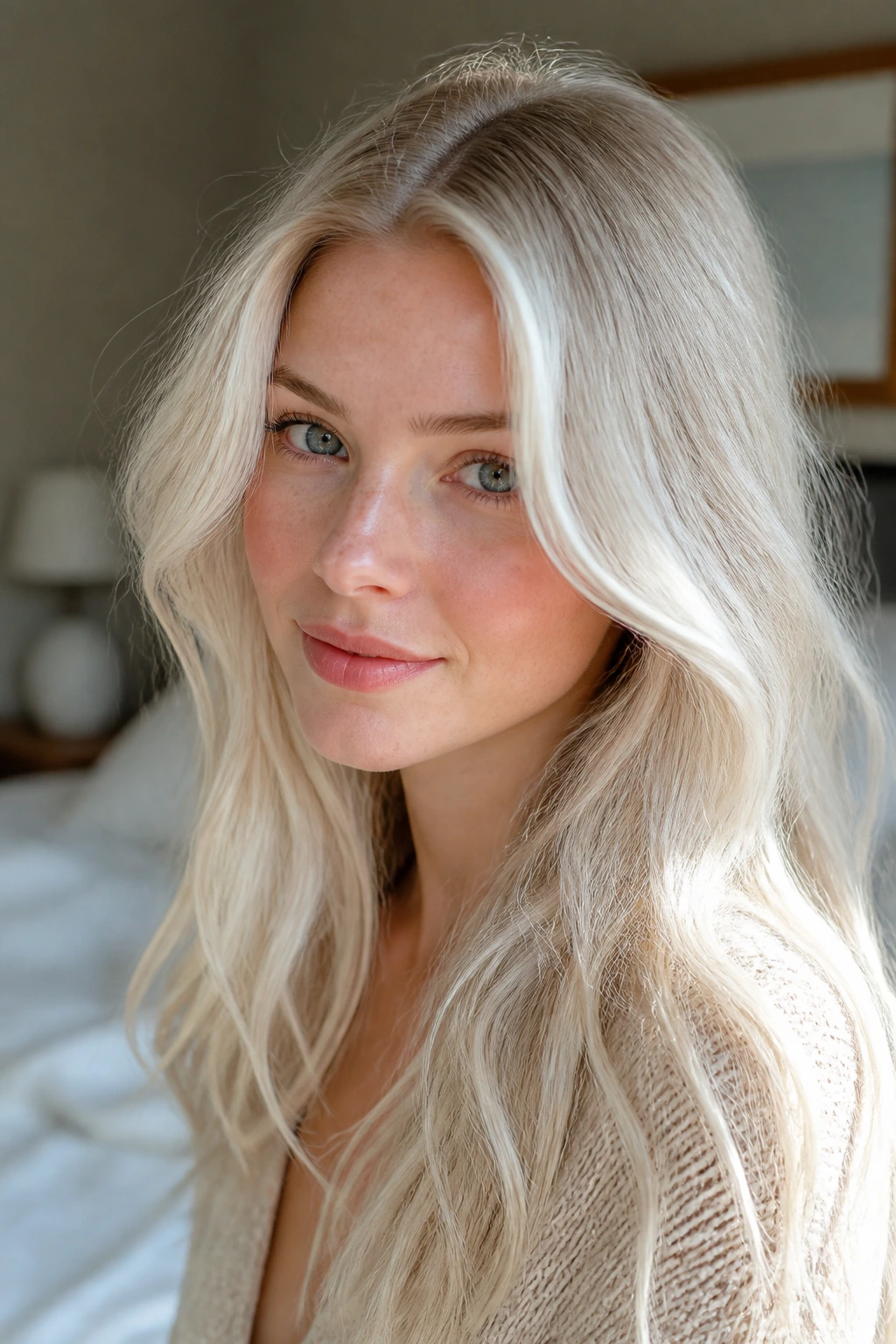
Cloud blonde is what happens when you keep the blonde pale but blur the edges. There’s lightness everywhere, but no harsh stripe of brightness, which is why it flatters fair skin so well. The softer blend keeps the complexion from feeling overexposed.
I like this on fine hair because the mixed tones create the illusion of more body. Ask for baby lights, some pale ribbons, and a soft gloss that sits between pearl and ash. The result should look like light caught in the hair, not painted on top of it. It’s a good option if you like blonde that feels airy rather than icy. Less drama. More glow.
11. Smoke Blonde With a Dimmer, Editorial Finish
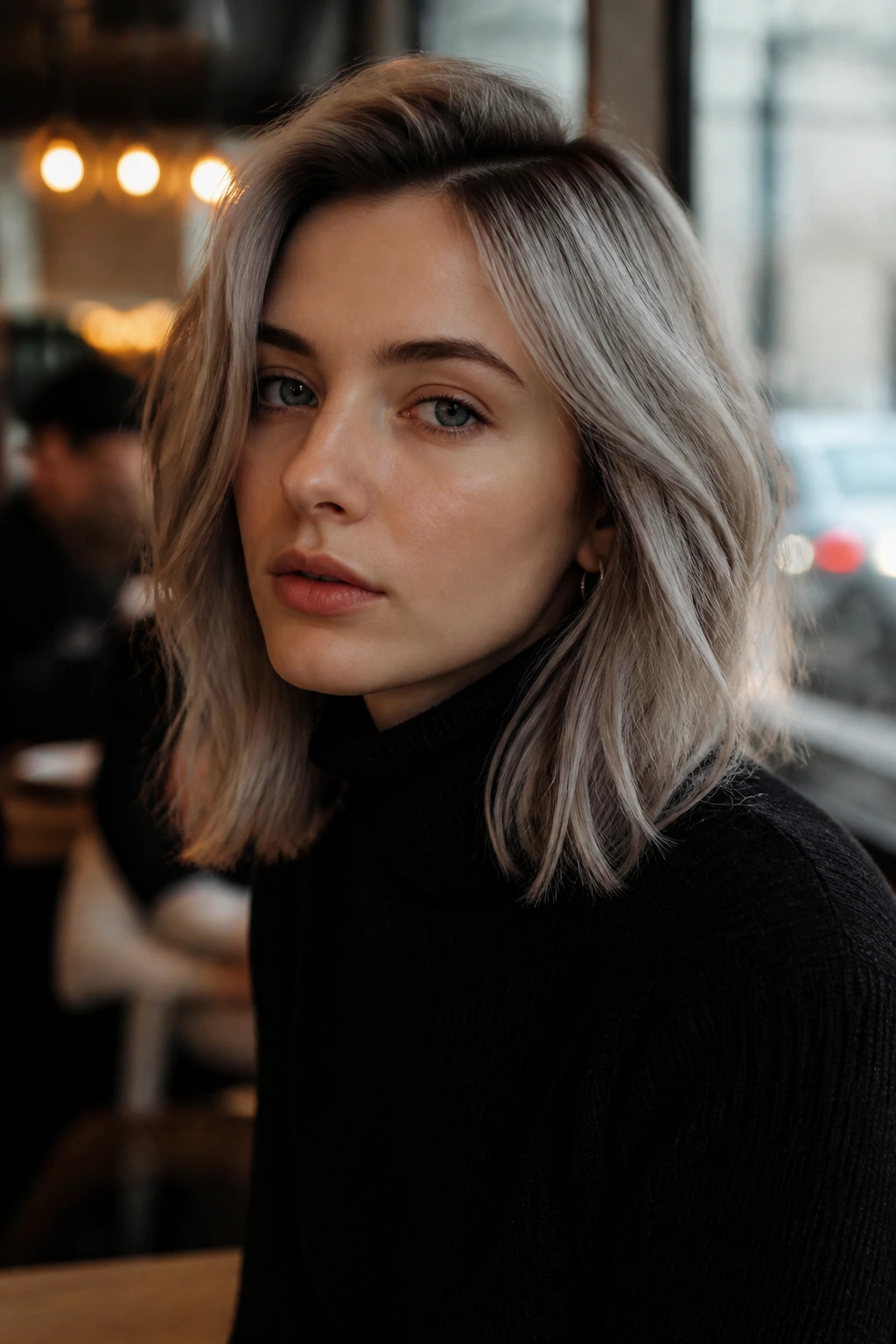
Smoke blonde sits lower and cooler than pearl. It has a faint grey-violet cast that can look very sharp on fair skin, especially if your eyes are blue, grey, or green. The shade is a little moodier than standard ash blonde, and that’s the appeal.
This is not the blonde for someone who wants maximum sparkle. It’s for people who want control. Ask for a pale blonde base toned with smoky beige and a trace of violet, then keep the styling loose so the color doesn’t feel too strict. A blunt bob or a collarbone cut works well here. On longer hair, smoke blonde can get lost unless you add some layered movement.
12. Pearl Babylights Over a Cool Base
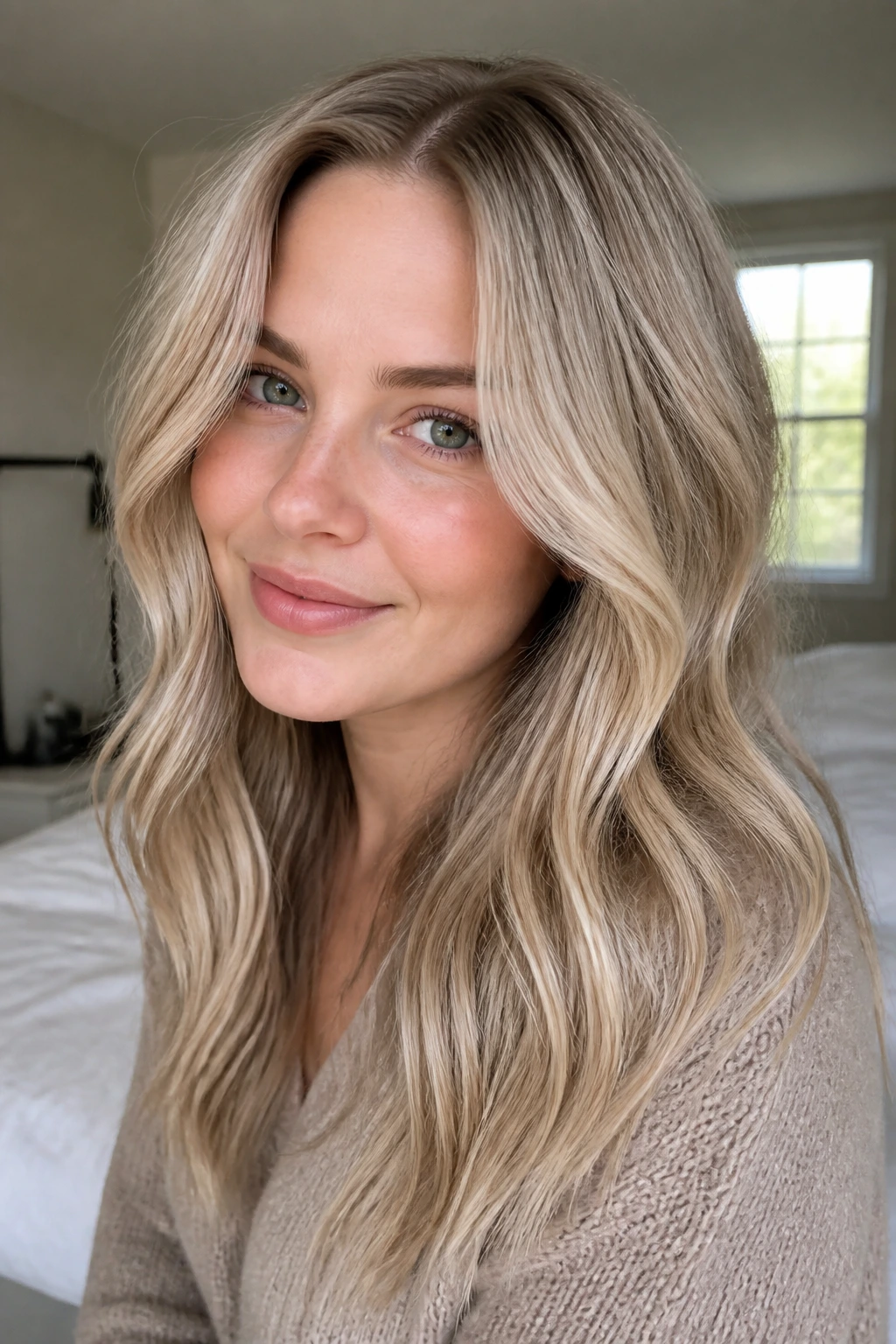
Tiny babylights are a quiet fix, but they do a lot. Pearl babylights scattered over a cool blonde or light brown base give fair skin a brightening effect without turning the whole head white. They’re especially good if you dislike obvious streaks.
The trick is using very fine foils and keeping the spacing irregular. Too much symmetry makes the hair look stripy, and that’s the last thing you want on pale skin. I like pearl babylights on waves, because the bends show off the small shifts in tone. You get light where the hair moves, not just where the eye expects it. Subtle? Yes. Dull? Not even close.
13. Arctic Money Piece That Brightens the Face Fast
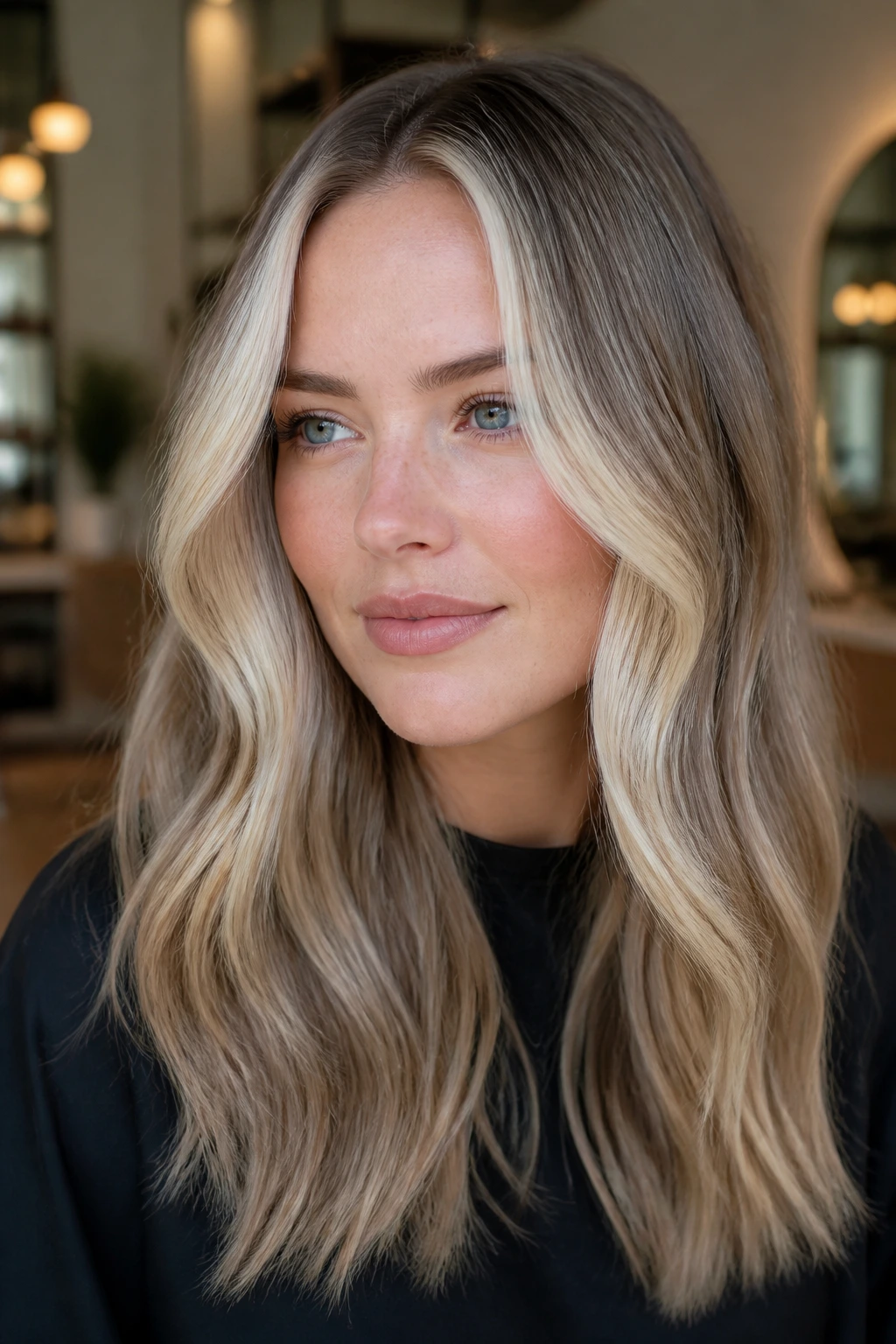
A money piece is the fastest way to make cool blonde hair matter on fair skin. Go arctic with it—bright, pale, and icy around the face—and the whole complexion wakes up. Blue eyes look sharper. Green eyes look clearer. Even a plain ponytail starts to feel intentional.
Keep the panel wide enough to matter, usually around half an inch to an inch and a half on each side, depending on hair density. The rest of the hair can stay softer, which is the point. You don’t need full brightness from root to ends when the front section is doing the heavy lifting. I’d choose this over all-over platinum for anyone who wants visible change with less bleach.
14. Satin Ash Blonde That Keeps Some Shine
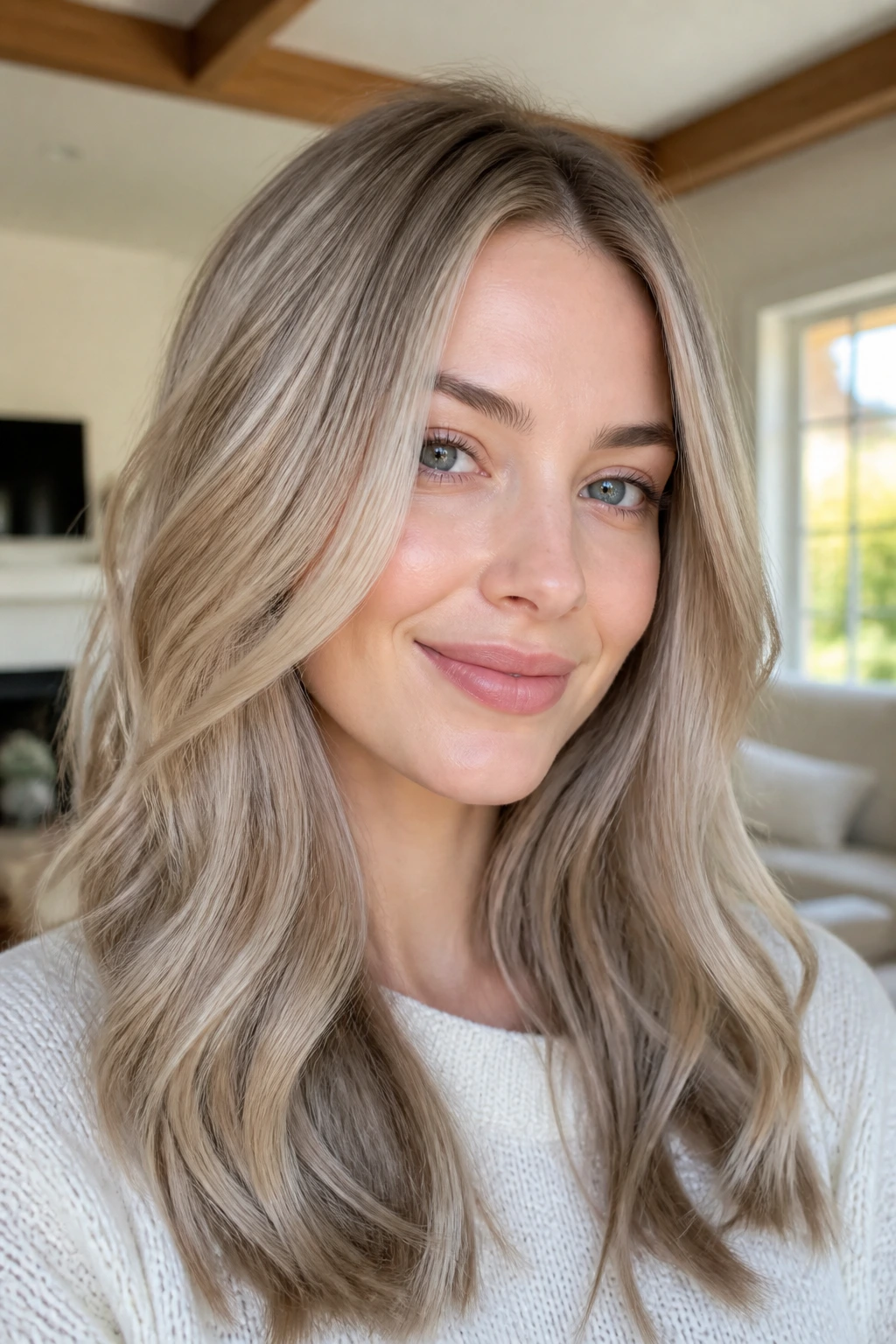
Satin ash blonde is for people who like cool tones but hate flat hair. It has enough ash to keep fair skin from going yellow, but the finish stays glossy instead of matte. That shine matters. Without it, ash can look dry and a little tired.
This shade works best when the toner is handled carefully and the hair is conditioned well enough to reflect light. If your hair is very porous, ask for a softer ash gloss rather than a strong matte one. Satin ash sits nicely on straight hair, where the smooth surface lets the color read clean. It can also work on soft curls, but the cut needs movement or it can feel too uniform.
15. Glacier Blonde on a Sharp Bob
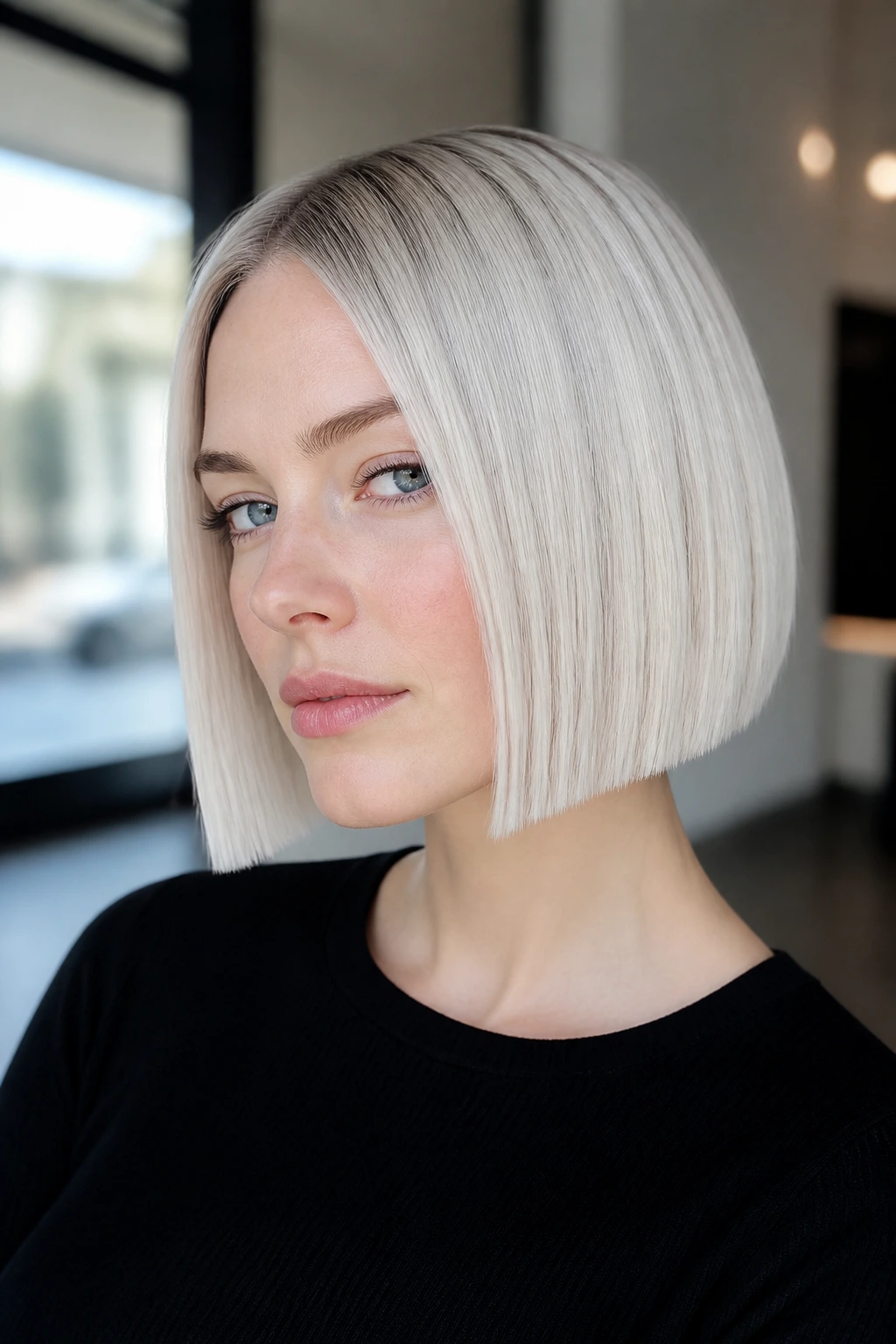
On a bob, icy blonde reads sharper because the cut itself does some of the work. Glacier blonde takes advantage of that. The ends are crisp, the finish is pale, and the overall effect on fair skin is clean rather than fussy. Short hair can handle a colder tone better than many people think.
The color should stay bright through the mids, with just enough shadow near the root to keep the shape from looking like a wig. If you wear a bob, the neckline and jawline get a lot of attention, so a cool blonde can make both look more defined. It’s a high-contrast look, though. If you want something softly blended, skip this one and choose linen or pearl instead.
16. Porcelain Blonde With a Soft Shadow Root
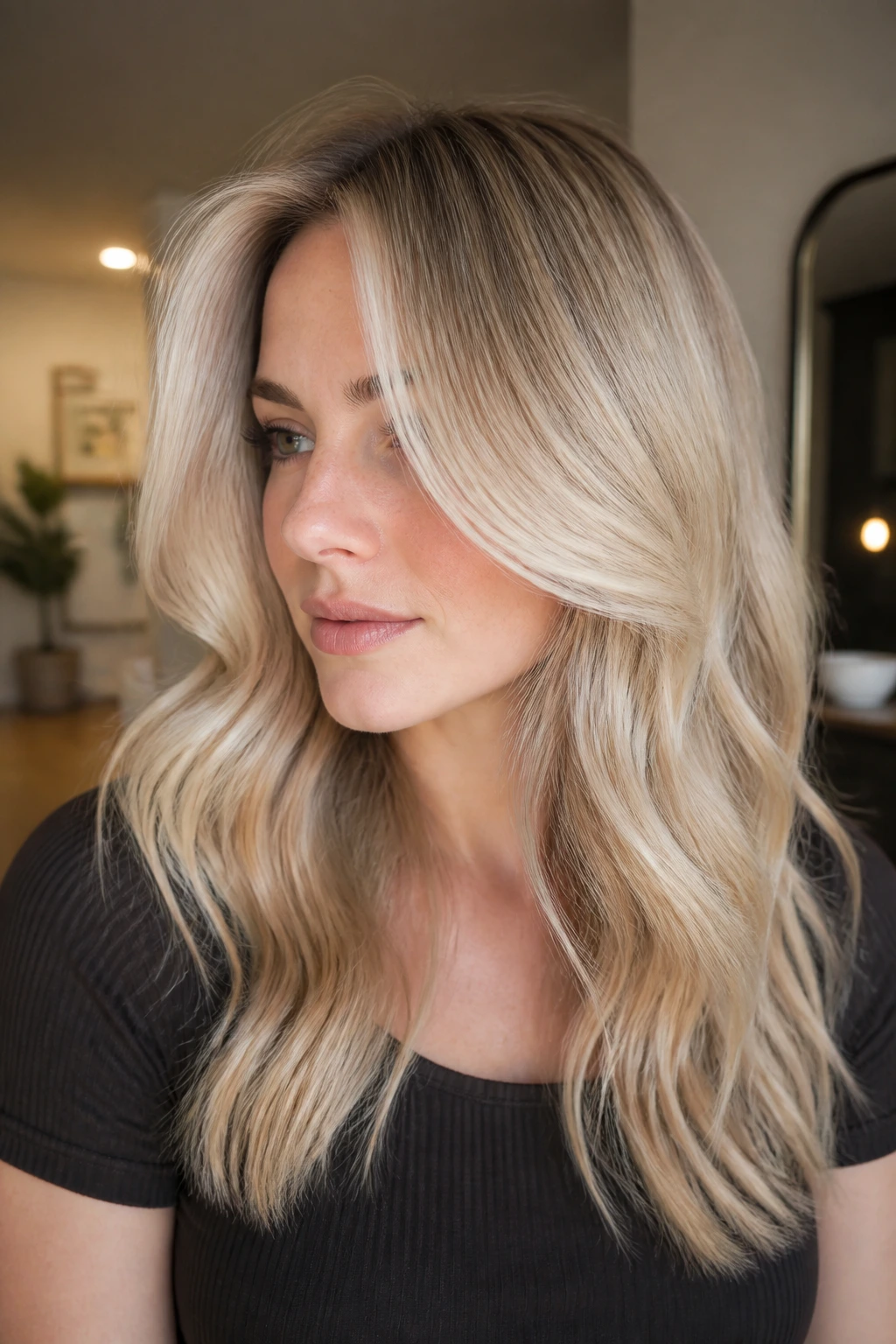
Porcelain blonde has that milky, almost shell-like finish that works beautifully on very fair skin. The soft shadow root is what keeps it from looking like it was airbrushed onto the head. Without that depth, the whole thing can feel too stark.
This shade is best when the root stays slightly deeper and the mids and ends do the bright work. Ask for a root smudge that fades into pale blonde rather than a hard line. It’s a good option if your brows are naturally a little darker, because the contrast keeps your face from disappearing. I like porcelain blonde on smooth, glossy hair most of all. Texture is fine, but shine is the real charm here.
17. Linen Blonde for Neutral Fair Skin
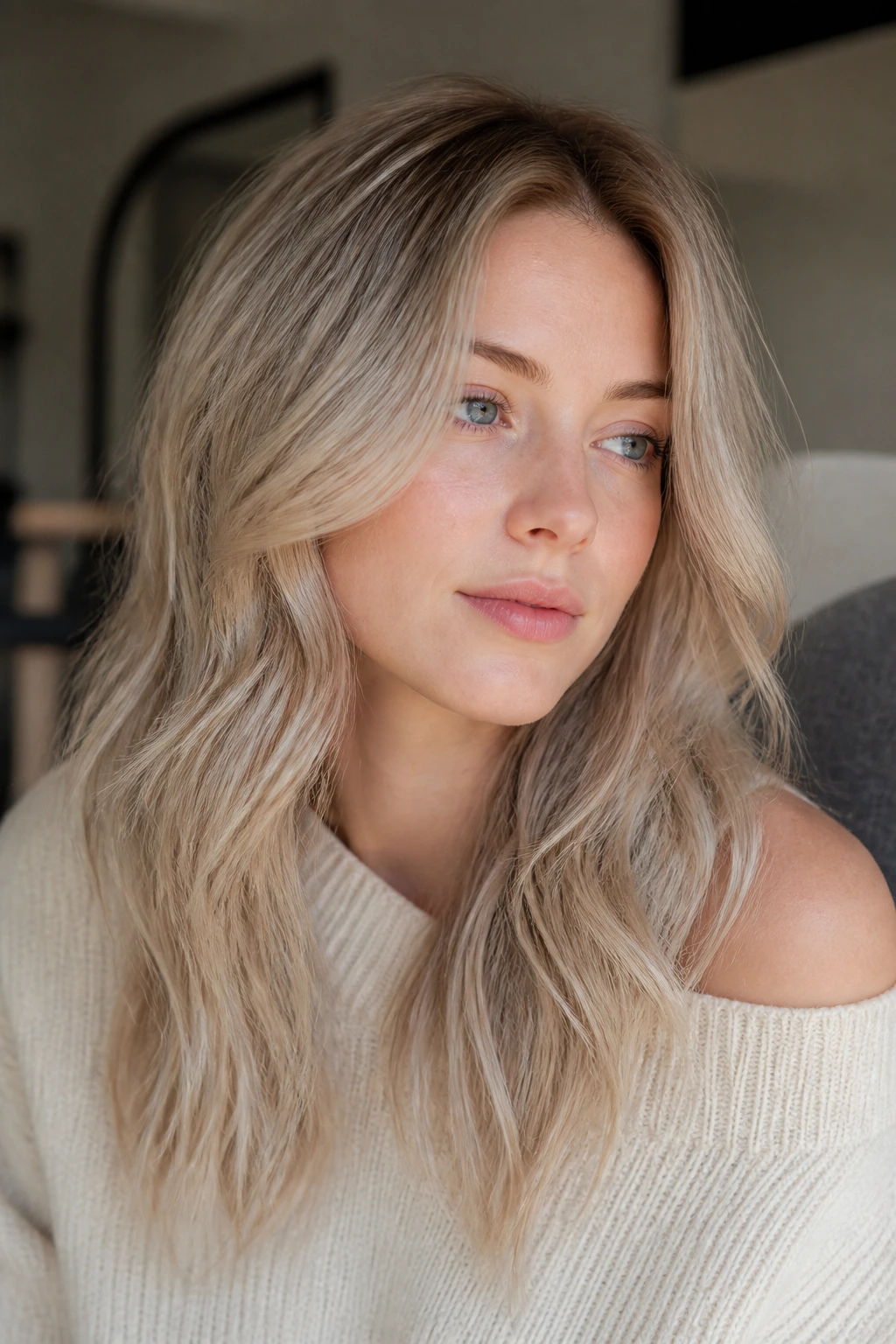
Linen blonde is cooler than beige and softer than ash. That’s the draw. If your fair skin sits in the neutral lane and doesn’t need a lot of redness correction, linen blonde gives you brightness without pushing the color all the way into silver territory.
It tends to work well on layered cuts and soft blowouts, where the tone can shift slightly as the hair moves. Ask for a neutral-cool gloss with barely-there ash, not a heavy toner. If the blonde goes too grey, it can drain the face. If it drifts warm, it loses the whole point. Linen blonde lives in that narrow middle space, and that’s why it’s good.
18. Frosted Vanilla Blonde With a Creamier Edge
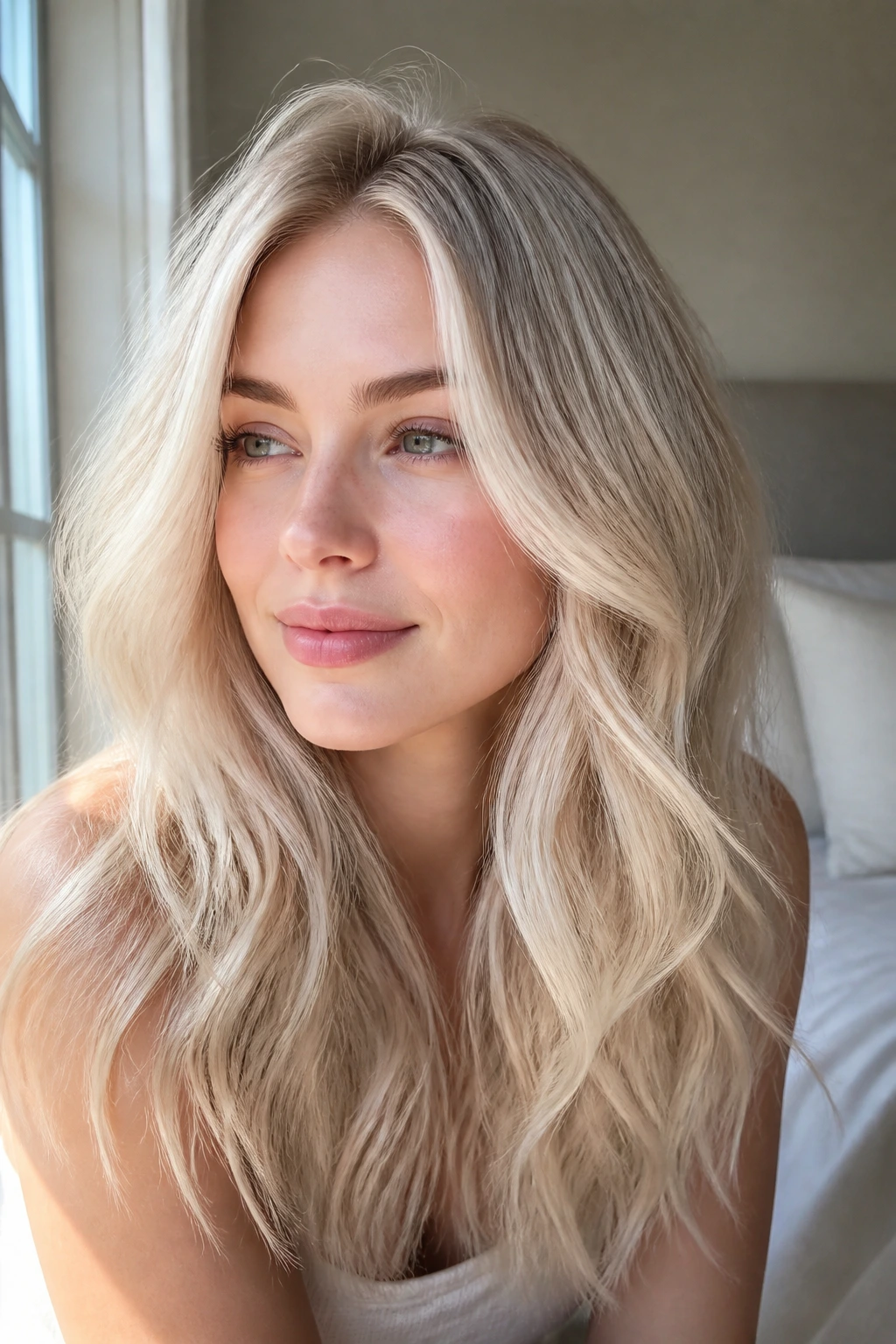
Can blonde feel creamy and still read cool? Yes, if the warmth is stripped out before the gloss goes on. Frosted vanilla blonde has that soft, milky look, but the tone stays cool enough for fair skin because the finish is pearly rather than golden.
This is a smart shade for waves and loose texture. The bends in the hair catch the light in a way that keeps the color from looking flat. It’s also kinder than a stark ice blonde if your skin has some natural redness. You still get a bright blonde, but it doesn’t feel severe. Think soft frost, not white paint.
19. Oyster Blonde With a Grey-Blue Reflection
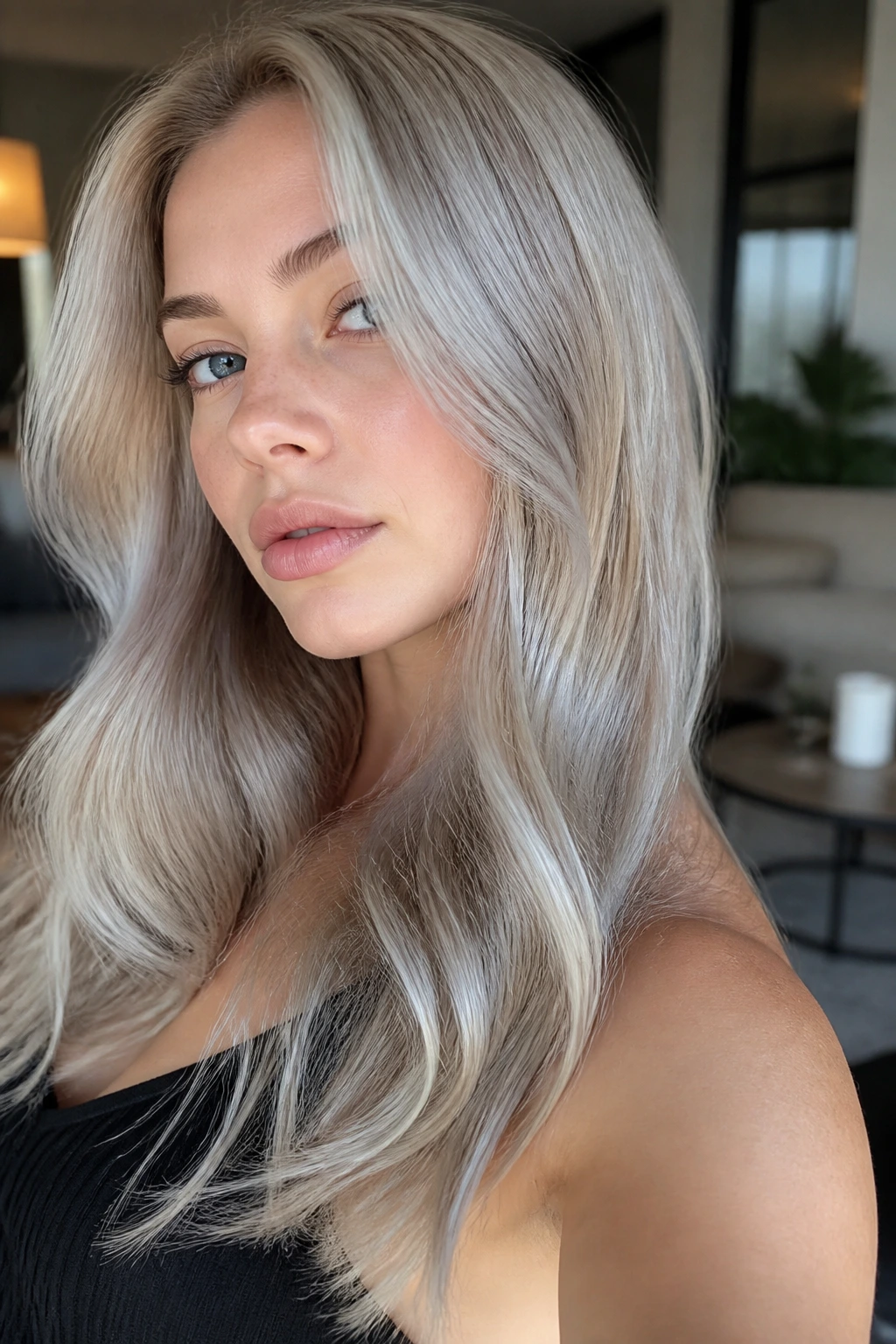
Oyster blonde is one of the most distinctive cool blondes because it leans grey-blue rather than pure silver. On fair skin, that can be gorgeous if you want something a little more unusual without drifting into fantasy color. It looks especially good on cool undertones and muted eye colors.
The danger is overtoning. Too much violet or ash and the hair can go slate. Ask for a pale blonde base with a translucent cool gloss, not a dense color deposit. Oyster blonde looks strongest when the hair is healthy and shiny, because the reflective surface gives the tone room to move. It’s a sleek, polished choice—not loud, but not shy either.
20. Cool Beige Ombré That Starts Soft and Ends Bright
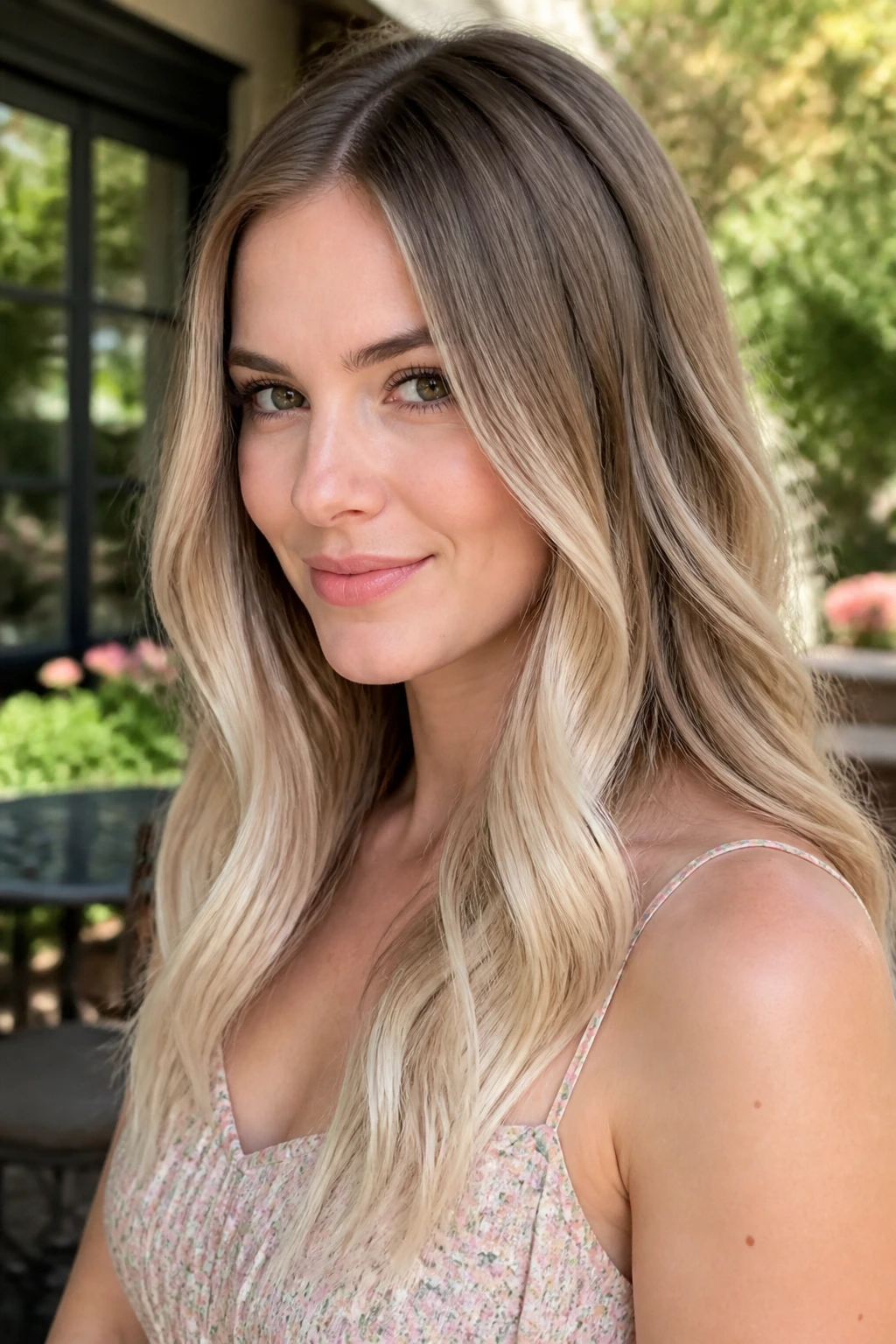
Cool beige ombré is one of the most forgiving cool blonde ideas for fair skin. The darker base keeps the face grounded, and the lighter ends give you that blonde hit without putting bleach directly at the scalp. The whole thing grows out with less drama than a solid platinum.
I like this on long hair because the fade has room to show. A good ombré should feel smooth, not chunked in. The beige at the top should stay neutral-cool, while the ends can drift into pale blonde or pearl. It’s a smart pick if you want to stay away from frequent touch-ups. Less root stress. Less maintenance. Still blonde.
21. Platinum Ribbon Highlights That Move Through Fine Hair
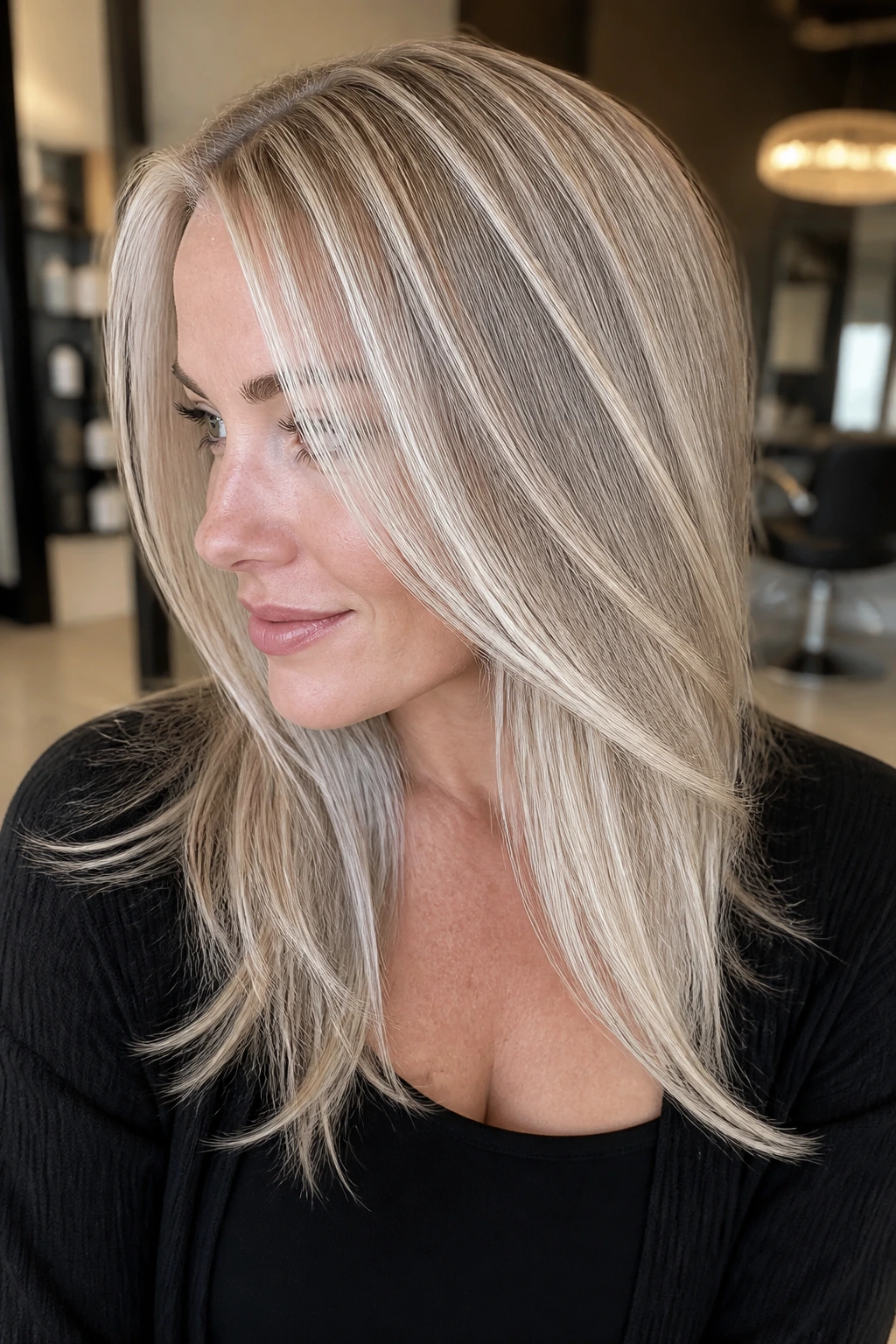
Platinum ribbon highlights are one of the best tricks for fine hair. Instead of bleaching the whole head, you weave in wider ribbons of pale blonde through the mids and top layers. Fair skin gets brightness, but the hair keeps some depth and movement.
This works because fine hair can go see-through if you bleach it too evenly. The ribbons create contrast without making the hair look thin. Ask for cooler tones around the face and softer spacing underneath so the top doesn’t look overdone. The look is especially good when styled with a little bend rather than straight poker hair. That motion is what makes the ribbons show.
22. Dusty Sand Blonde With the Warmth Stripped Out
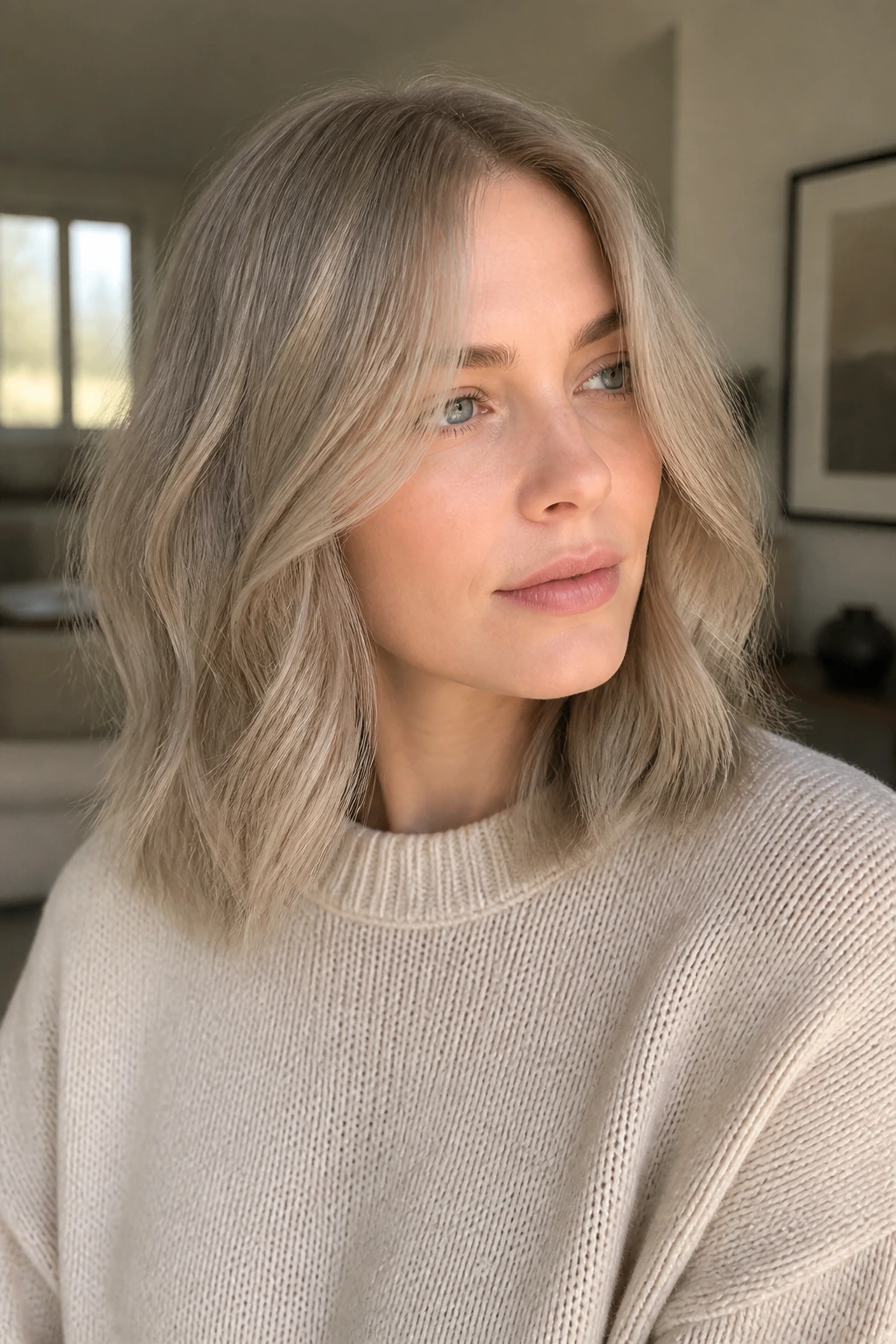
Sand sounds warm, sure. Dusty sand is not. When the gold is stripped back and the blonde is kept matte-cool, the shade becomes a soft, wearable option for fair skin that doesn’t want to look stark. It sits between beige and ash in a way that feels easy.
This is a good choice if you want something a little less icy and a little less precious than platinum. It plays well with shoulder-length waves and soft layers. The colorist should keep the gloss translucent, not heavy, so the hair still reflects some light. Dusty sand blonde is low-key, and that’s its best feature. It doesn’t fight the face. It lets it breathe.
23. Nordic White Blonde With a Clean Hairline
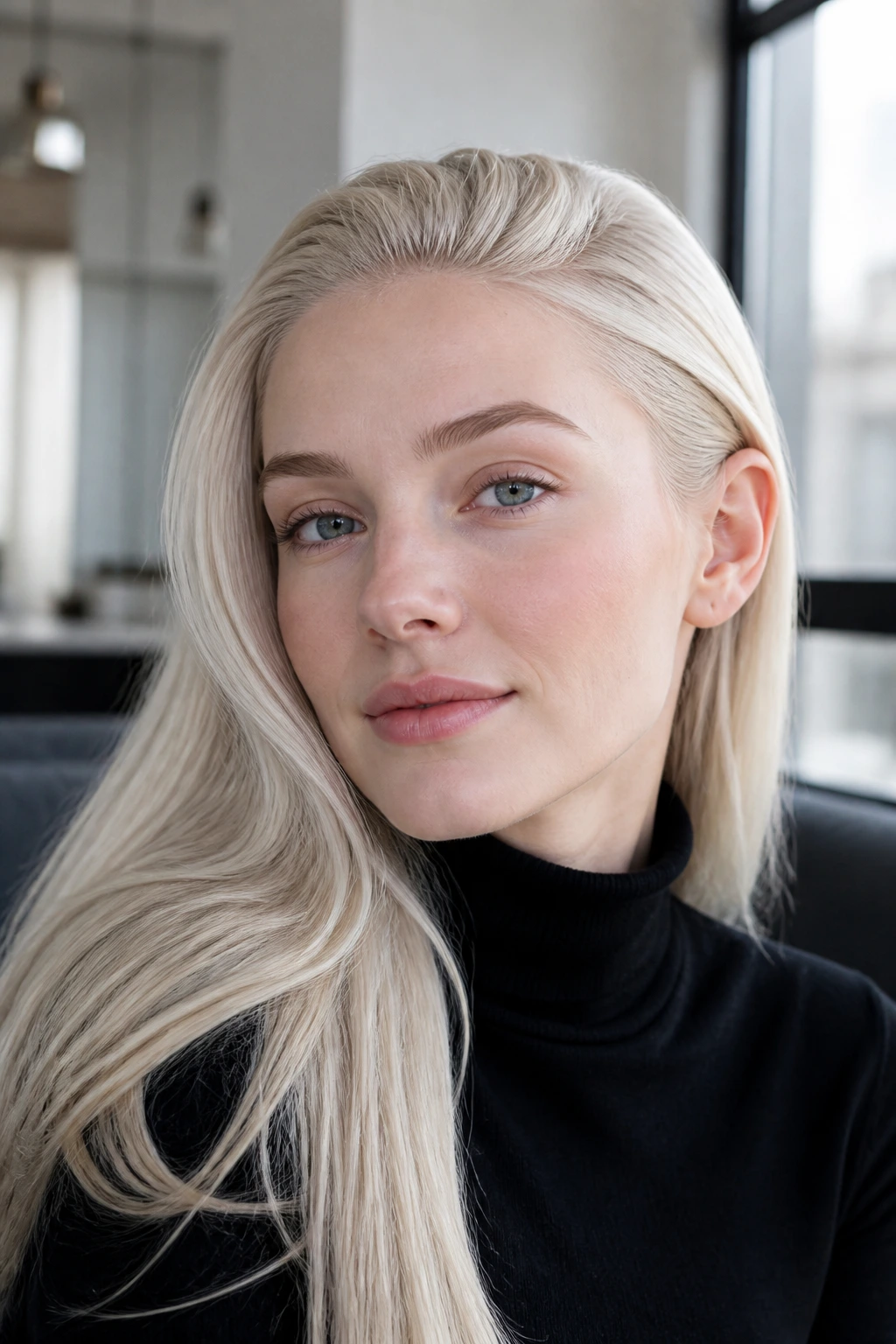
Nordic white blonde is about as pale as blonde gets without tipping into fashion color. On fair skin that runs cool, it can look striking in a way that feels neat rather than messy. The key is a clean hairline and careful toning so the white doesn’t pick up yellow at the edges.
This shade needs serious upkeep. No way around it. The roots will show fast, and the toner will fade if you wash too often or use too much heat. But when it’s fresh, the effect is hard to beat. I like it on straight styles, tight buns, and blunt cuts, because the crisp shape matches the crisp tone. Loose texture can soften it too much.
24. Champagne Pearl Balayage With a Soft Glow
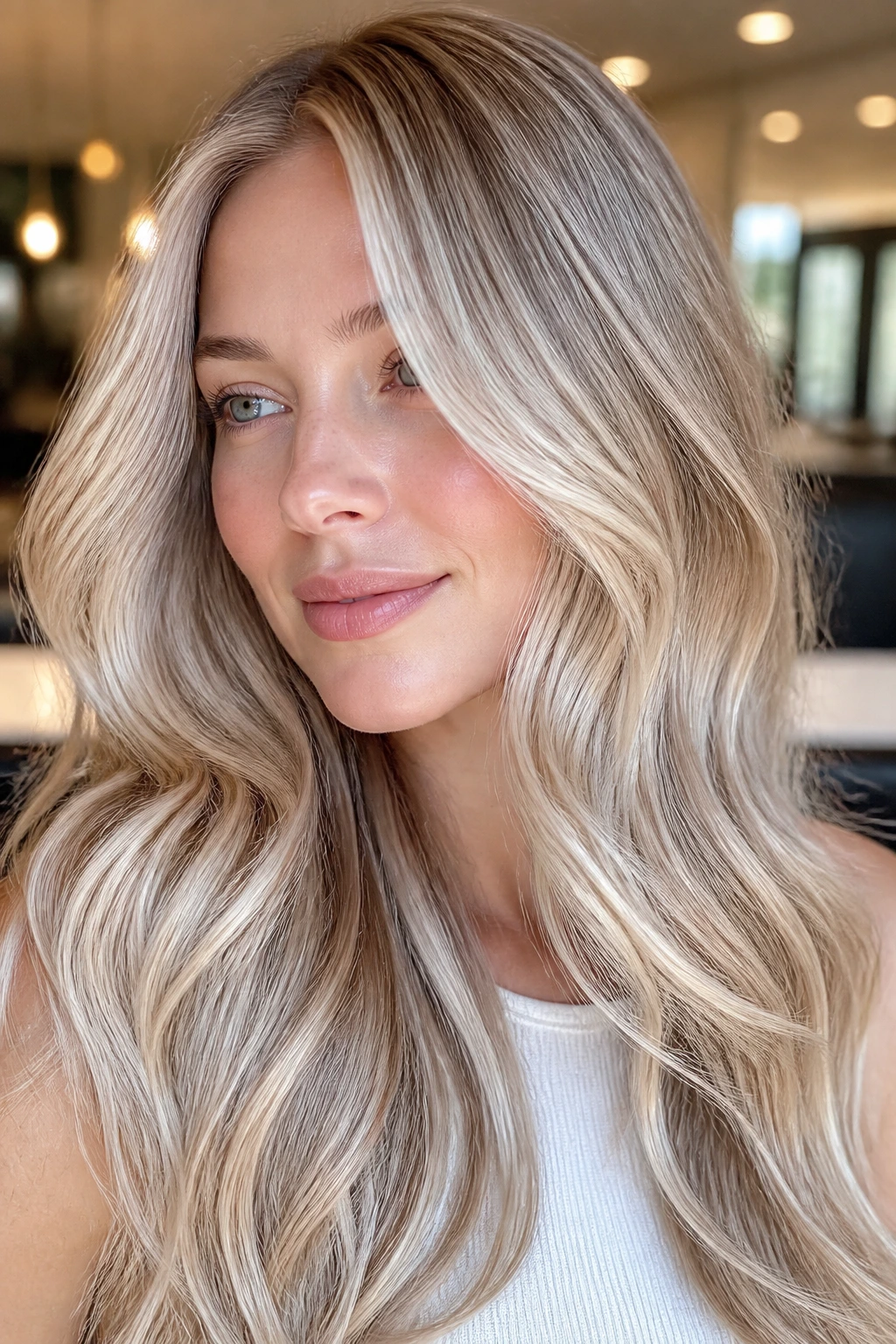
Champagne pearl balayage is for fair skin that wants a little softness inside the cool palette. The champagne note is light, not gold-heavy, and the pearl keeps the whole thing from drifting warm. It’s one of the more forgiving ways to wear blonde because the dimension hides a lot.
This works especially well on long layers or medium hair with waves. The balayage placement lets the blonde show in movement, and the tone stays gentle around the face. If you have very pink skin, keep the champagne note minimal. If you have neutral skin, you can push it a little further without losing the cool effect. It’s not icy. It’s polished.
25. Ice Blonde Pixie That Sharpens the Cut
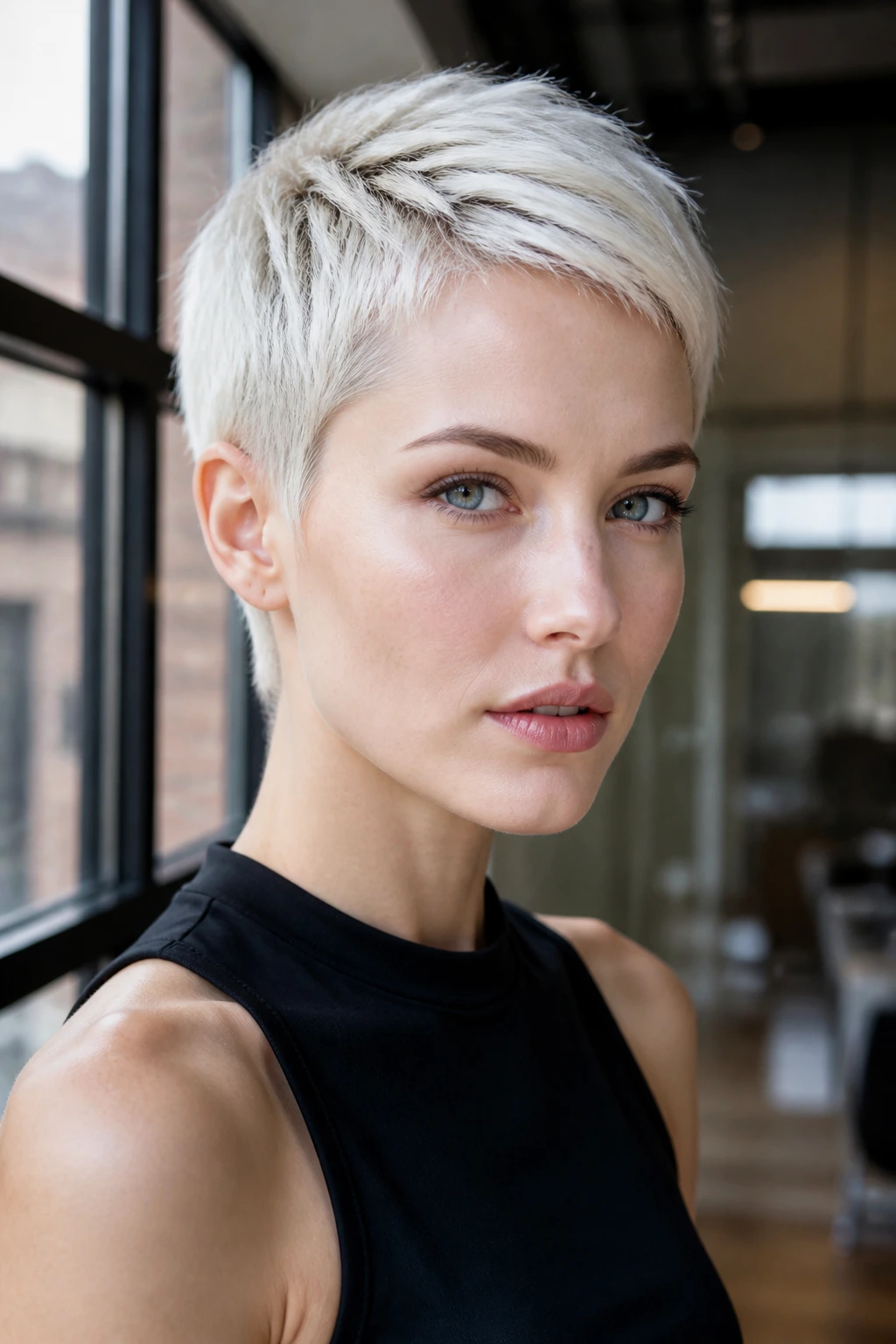
Short cuts can carry paler blonde better than most people expect. An ice blonde pixie proves it. The shape does half the talking, so the color can go bright without feeling too much. On fair skin, the result is crisp around the temples and neck, where the short pieces frame the face.
The thing to watch is the root. Leave a whisper of shadow so the pixie doesn’t start to look blocky as it grows. A tiny bit of depth gives the top pieces room to shine. This shade works best when the cut is textured but not shaggy. A neat pixie with icy color looks deliberate. A fuzzy one can look accidental. Big difference.
26. Frozen Vanilla Lob With Soft Movement
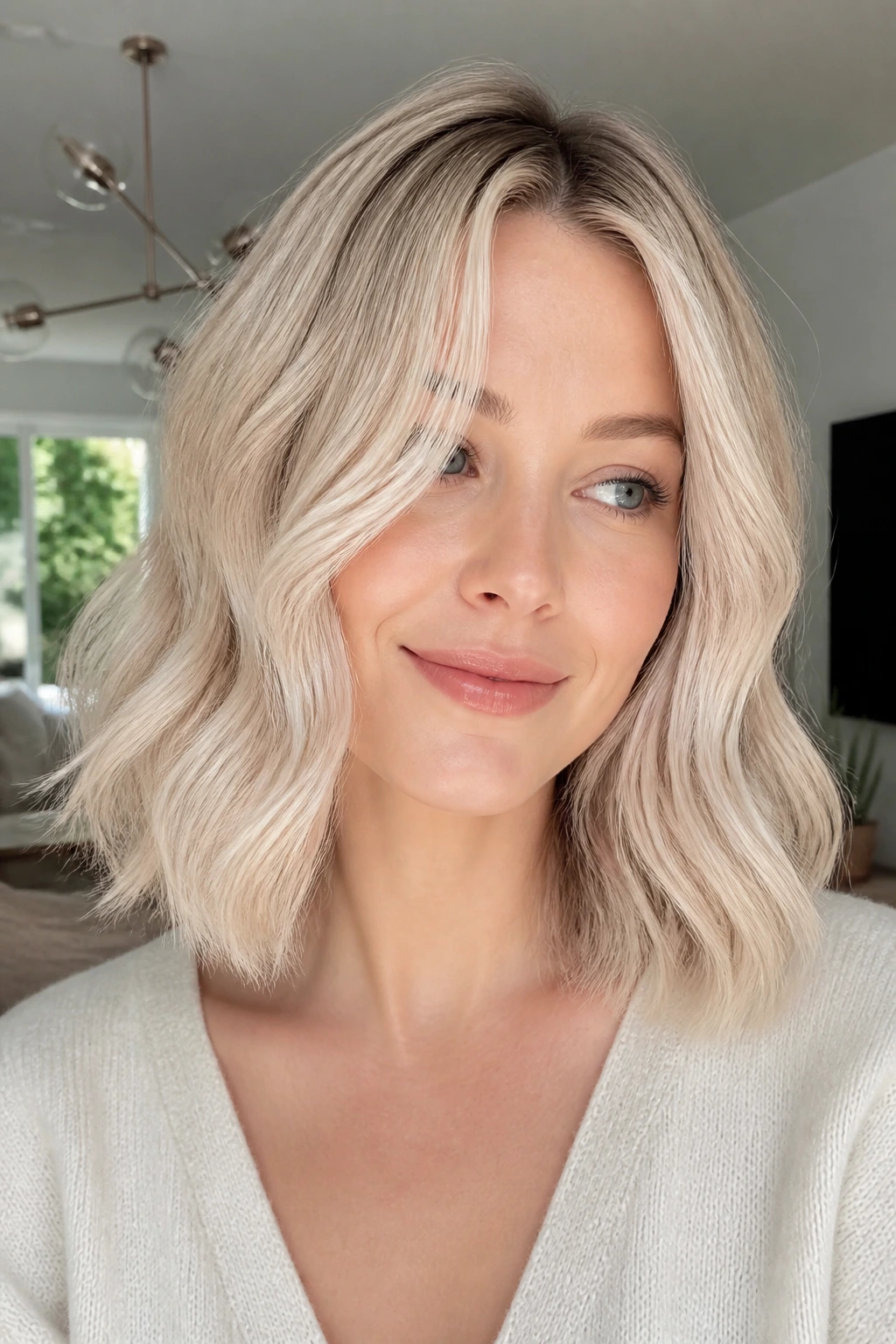
What if you like softness more than sharp contrast? Frozen vanilla blonde gives you that. It’s paler than classic beige but less severe than pure ice, and on a lob it keeps the hair from looking hollow. Fair skin gets brightness without the full blast of white.
This shade likes movement. Loose bends, soft waves, and a little face frame help the tone show its different notes. Ask for a cool vanilla base with a pearl gloss, not a gold-heavy blonde that just happens to be light. Frozen vanilla is one of those shades that looks easy, but it depends on careful toning. Easy to wear. Not easy to fake.
27. Smoky Root Melt Blonde for Easier Grow-Out
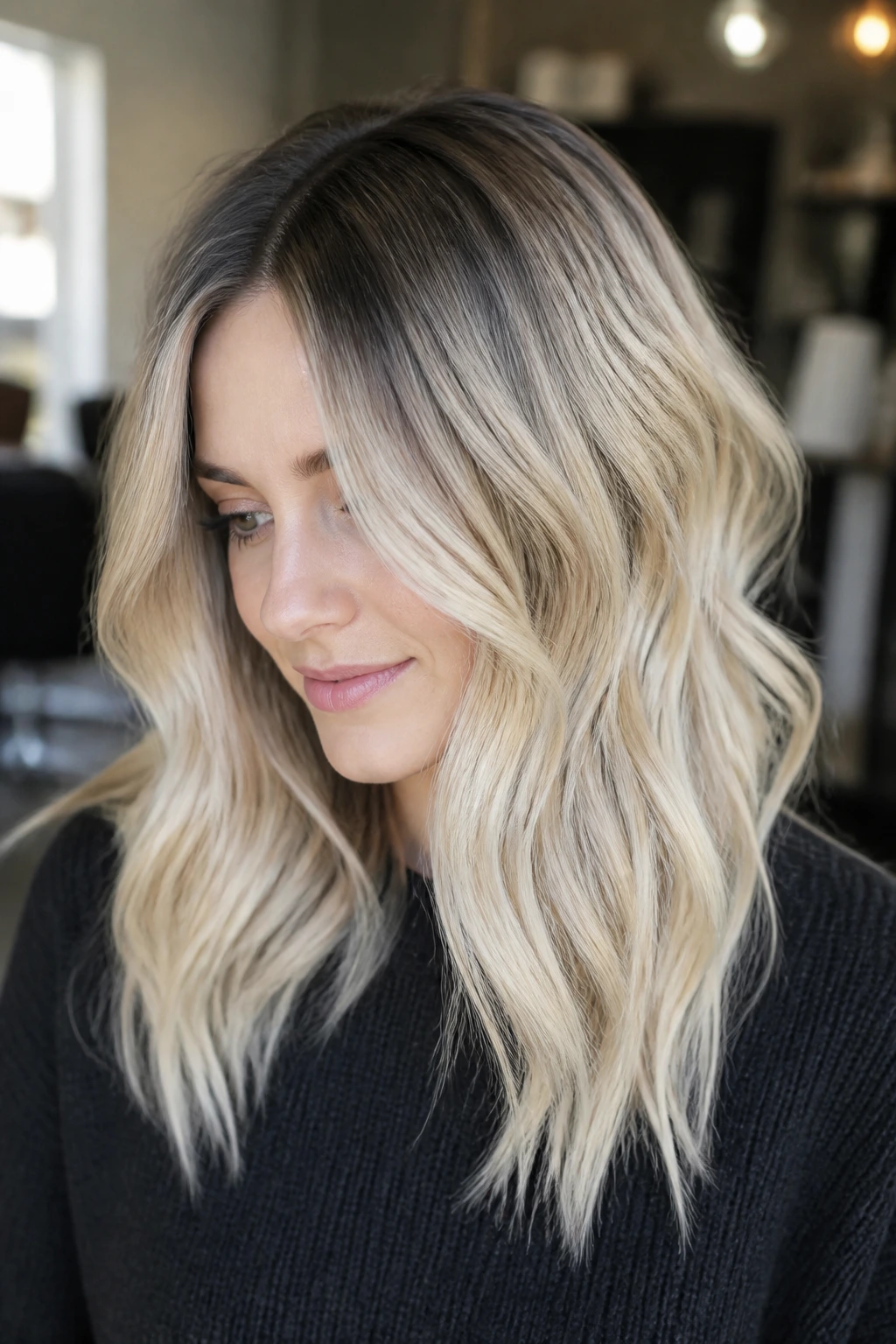
Smoky root melt blonde is the practical answer to the person who wants cool blonde but does not want a sharp regrowth line two weeks later. The root stays deeper and smokier, then melts into a pale blonde through the mids and ends. On fair skin, that depth is useful because it keeps the face from washing out.
The better versions of this look do not use a dark root. They use a soft, smoky transition that feels intentional from day one. That means less panic when the hair grows. I’d choose it for long hair, shoulder-length waves, or anyone who likes a lived-in finish. It gives you the cool-blonde feel without the maintenance bill of full platinum.
28. Ash-Toned Face Frame and Babylights
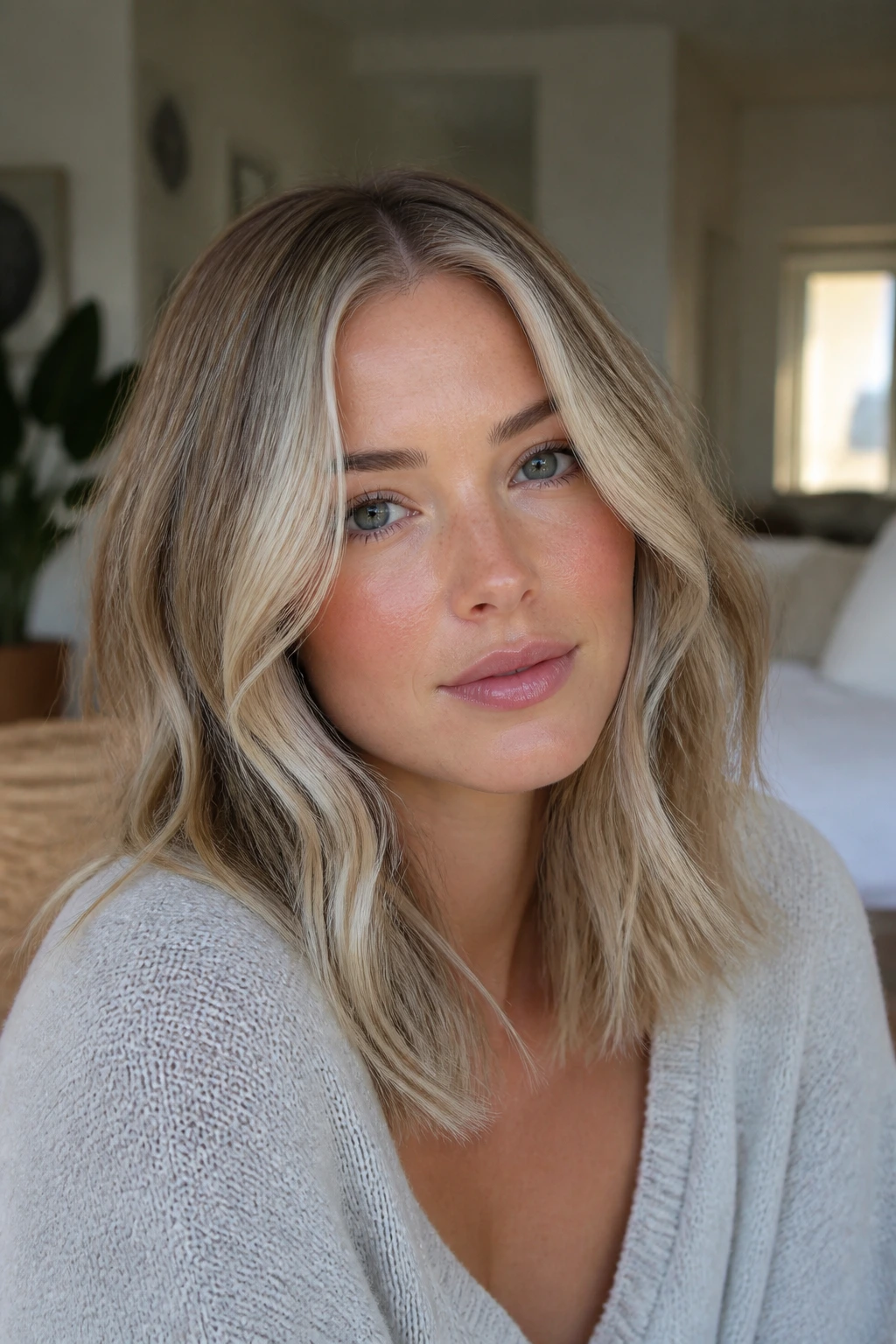
A pale face frame plus babylights can do a lot without bleaching the whole head. The ash-toned pieces around the face lift the complexion, while the tiny lights through the rest of the hair keep the shade from going flat. It’s a good fit for fair skin that needs brightness but not a full-on white blonde.
The placement matters. Keep the front pieces fine enough that they blend into the part and temple area, then scatter softer lights through the top layers. Too many heavy front foils can look stripey. Too few and the face frame disappears. This is a precise look. That’s why it works.
29. Silver-Soft Blonde for Short Layers
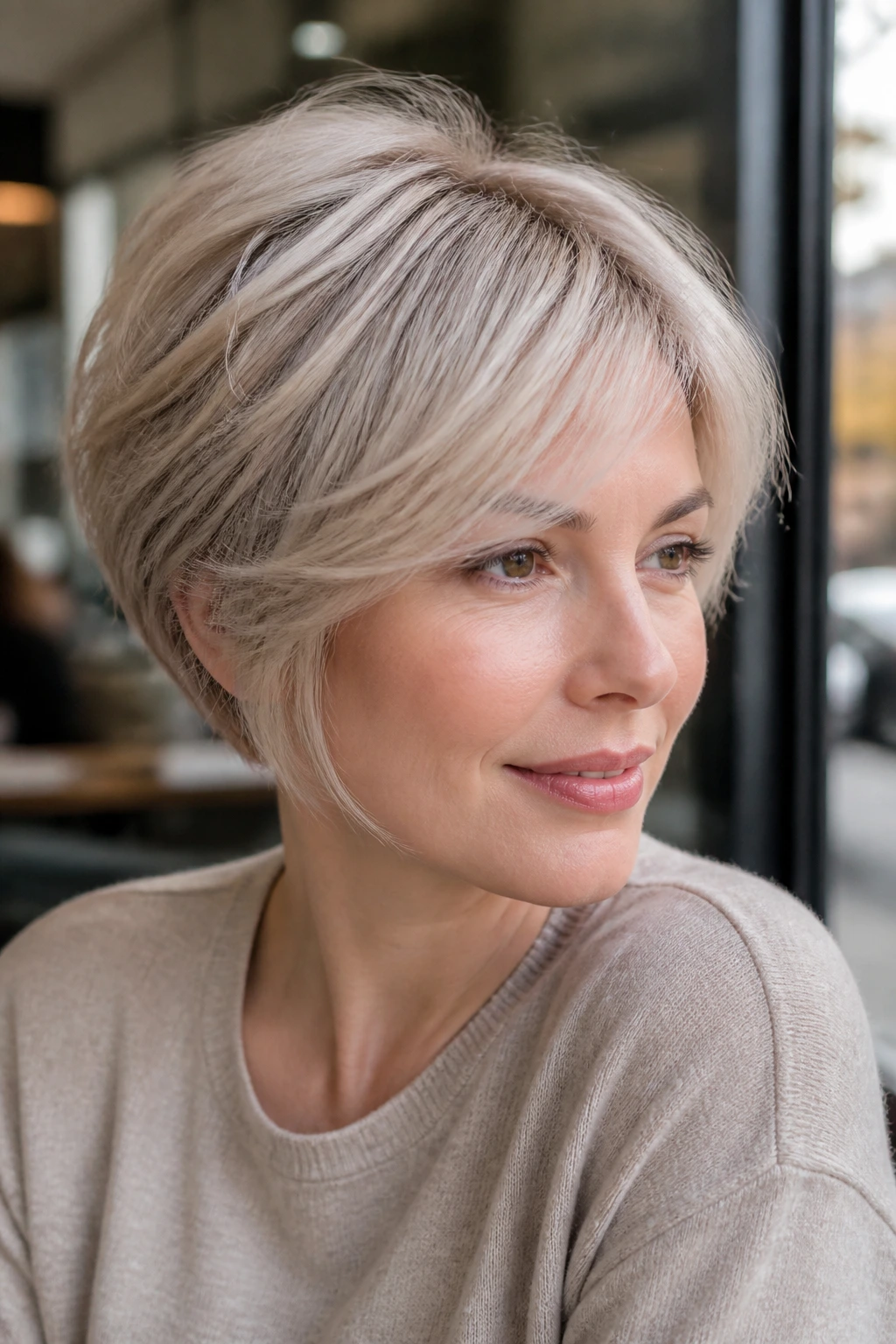
Short layered hair can get choppy if the blonde is too bright in the wrong places. Silver-soft blonde smooths that out. The tone is cool and reflective, but not screaming white. On fair skin, it reads polished and a little modern without hard contrast at every bend in the cut.
This shade does best when the layers are airy and the texture is lightly separated, not packed with heavy styling cream. A small amount of definition goes a long way. Ask for a silver-beige gloss rather than a stark metallic one. That keeps the color from turning cold in a bad way. It’s a clean look for people who like short hair to feel neat, not fluffy.
30. Pale Wheat Blonde Tuned Cool
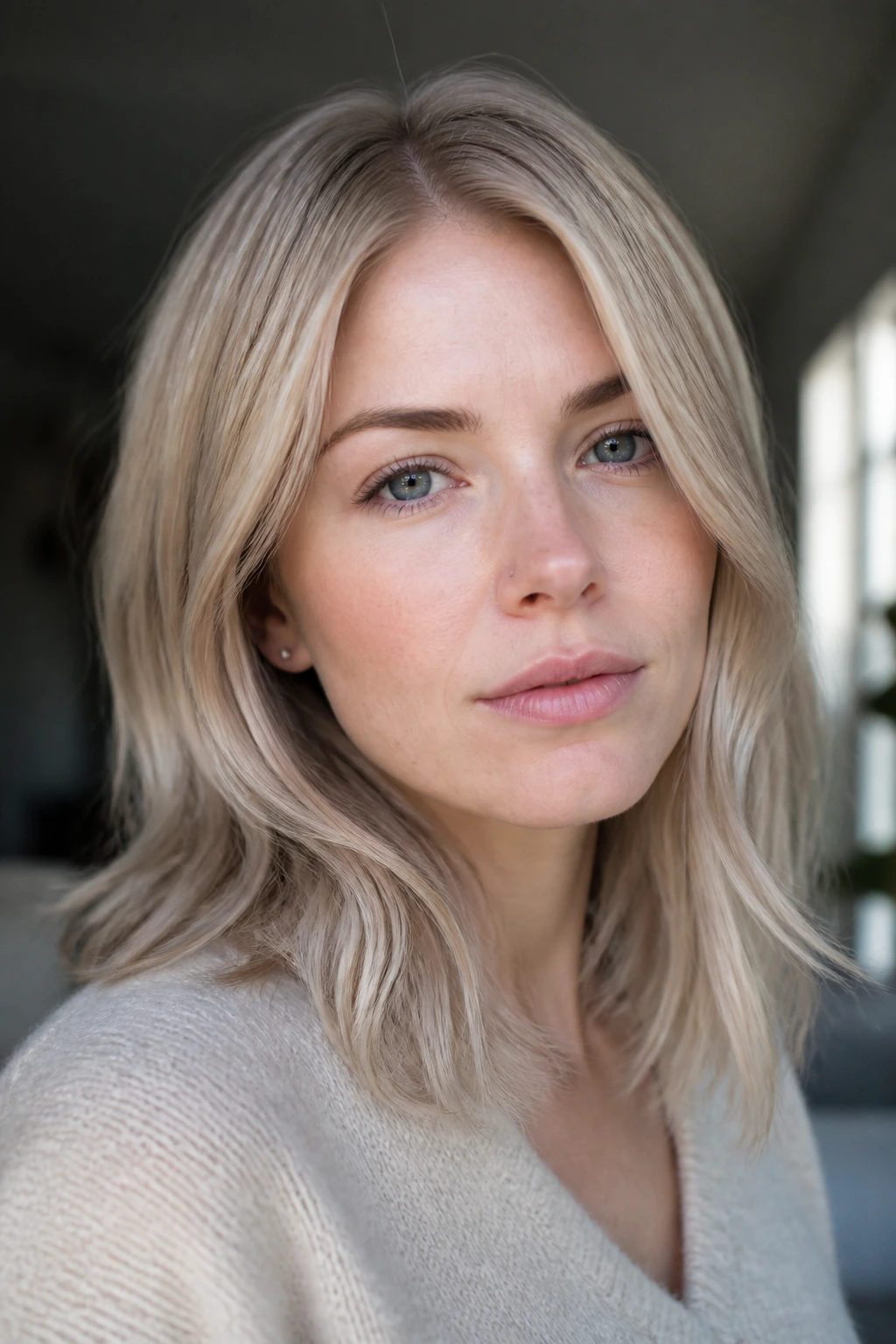
Why include wheat blonde in a cool-blonde list? Because when it’s toned correctly, it can sit right on the edge of cool and soft. Pale wheat blonde, pulled back with ash, gives fair skin a gentler kind of brightness than platinum does. It’s especially nice if you want blonde without the bleach-neon look.
This shade works when the warm notes are muted, not erased. You still want a blonde that feels light and wearable, but the gloss should keep yellow out of the equation. On straight or slightly wavy hair, pale wheat can look natural in a way that more obvious icy blondes sometimes don’t. It’s a bridge shade. Not loud. Not boring. Useful.
31. Cool Cream Blonde for Waves
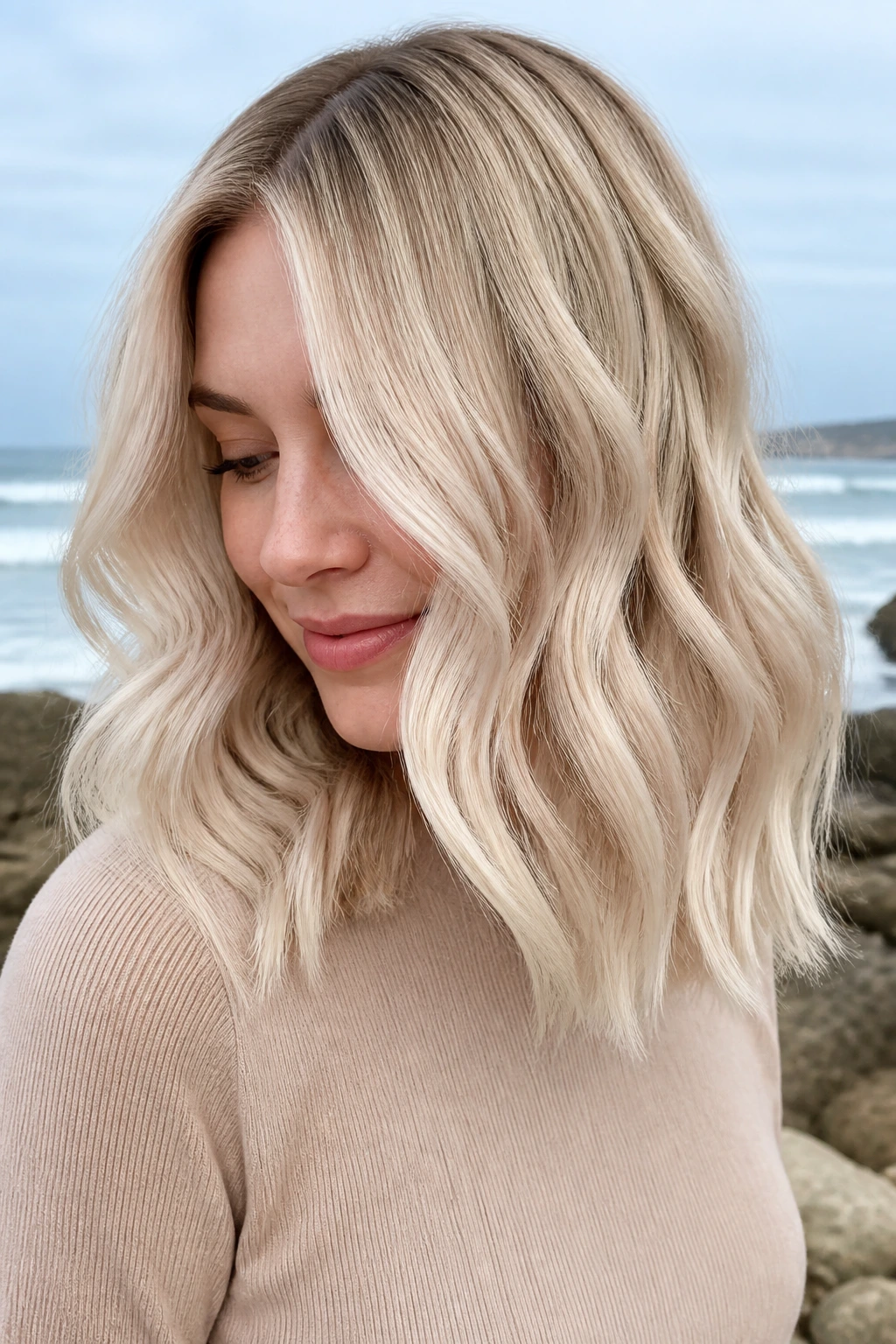
Loose waves make cool cream blonde look richer because the bends show every tone shift. The cream note keeps the hair from looking chalky, while the cool gloss keeps it from slipping warm. On fair skin with rosy cheeks, that balance is hard to beat.
I like this shade on medium to long hair, especially if the cut has a few soft layers. The waves create movement, and the color follows. Ask for a pale blonde base with a neutral-cool glaze and maybe a few finer babylights around the part. Too much ash and the softness disappears. Too much beige and it warms up. The sweet spot is small, but when you hit it, the result looks calm and bright.
32. Soft Platinum Balayage With a Shadowy Finish
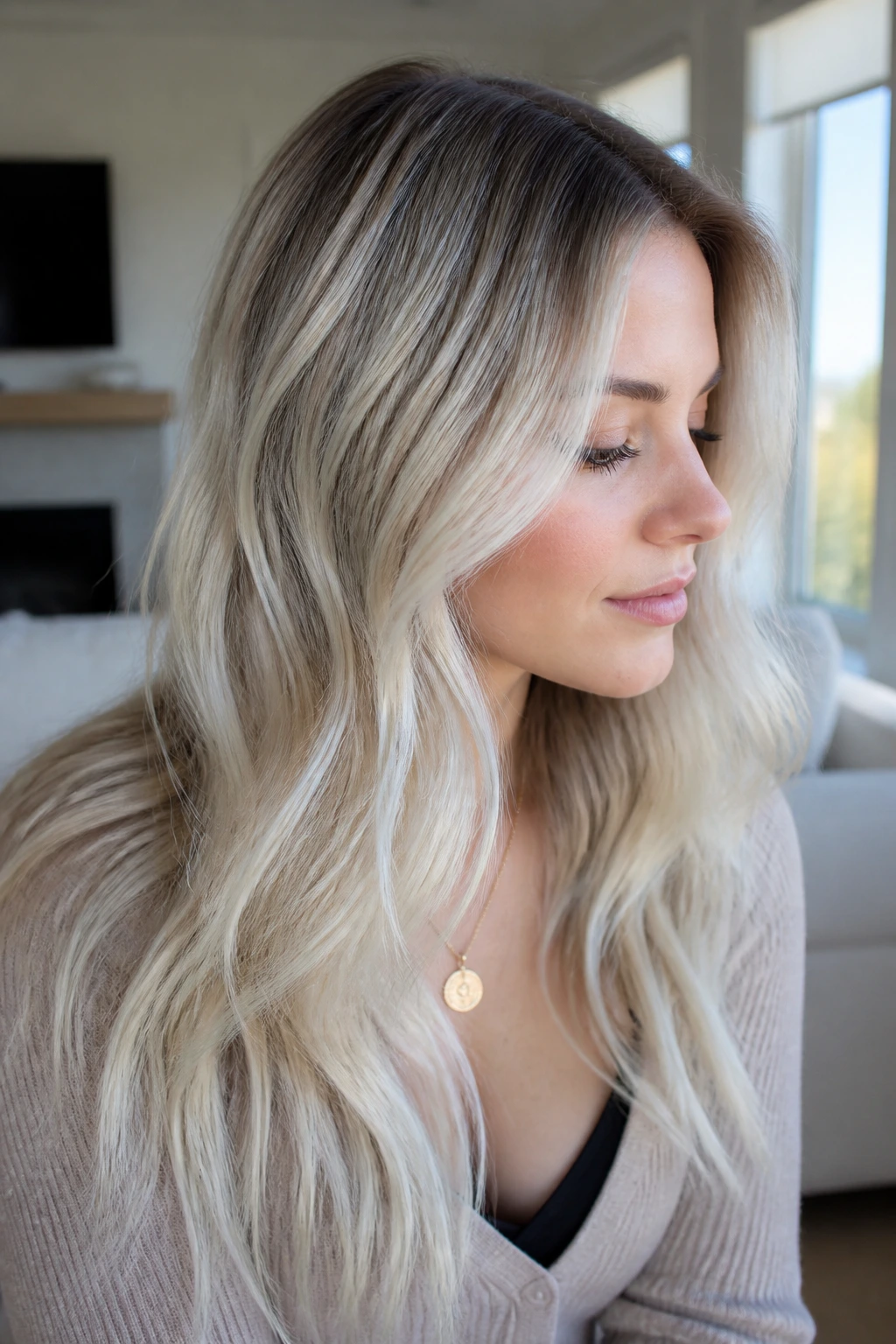
Soft platinum balayage is the easiest way to borrow from full platinum without signing up for the whole maintenance routine. The brightest pieces sit on the top layer and through the mids, while the base stays a shade or two deeper. Fair skin gets the lift it needs, but the hair keeps shape and movement.
This is the version I’d hand to someone who loves light blonde but hates the idea of a stark regrowth line. The shadow keeps the color from looking pasted on, and the balayage placement means you can stretch salon visits farther than you can with all-over platinum. It’s bright. It’s soft. It’s also the least annoying way to live with very light blonde.
How to Choose a Cool Blonde That Flatters Fair Skin
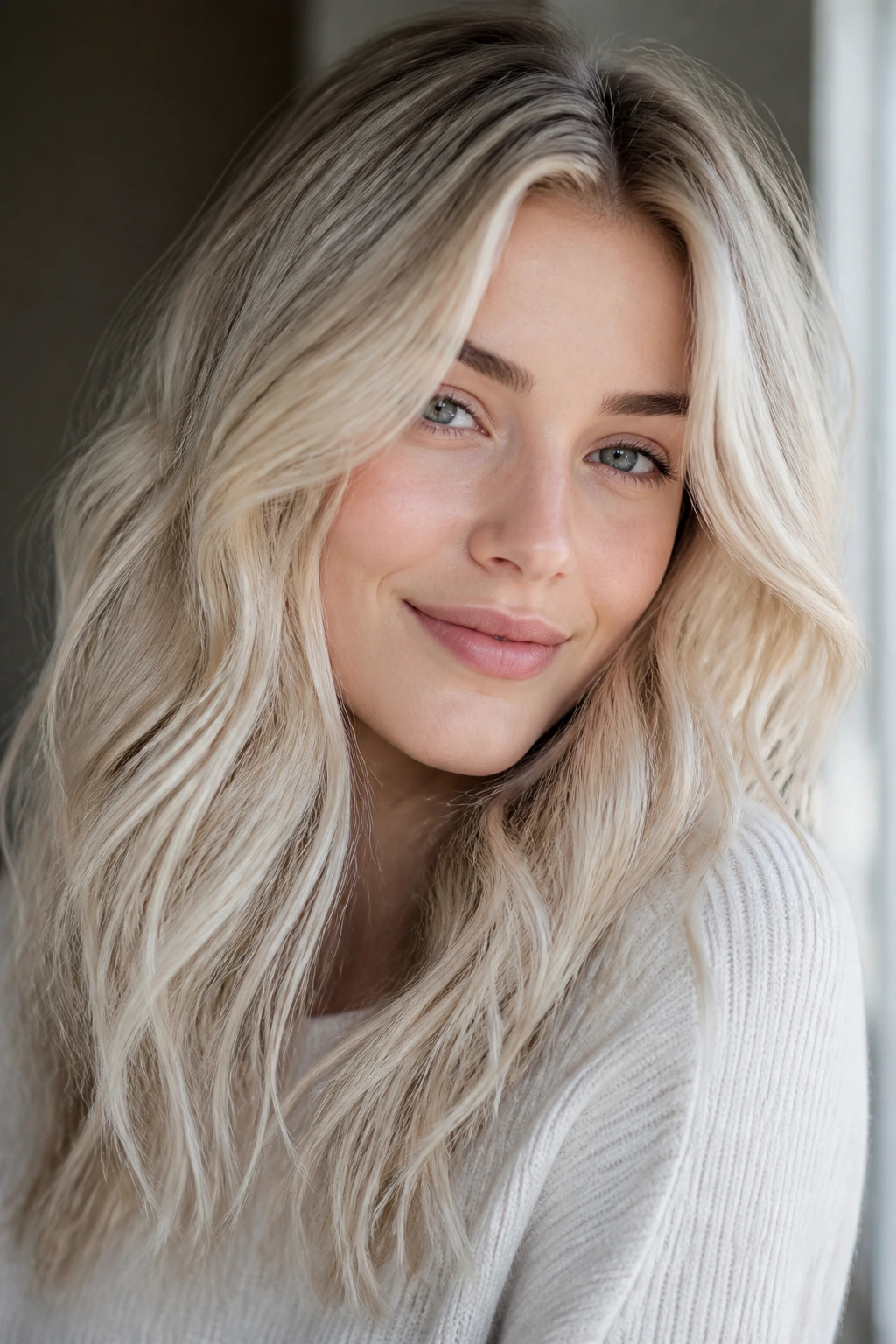
The fastest way to choose badly is to treat all fair skin as if it wants the same blonde. It doesn’t. Pink-leaning skin usually needs pearl, beige, or smoky blonde to stop the face from looking flushed. Neutral skin can handle more range, including silver champagne and oyster tones.
Blue and grey eyes tend to pop against icy, white, and silver blondes. Green eyes often look sharper with pearl or mushroom tones, because the contrast stays clean without going cold in a harsh way. If your hairline is pale and your brows are light, you may need a shadow root or a little deeper base so the whole look doesn’t disappear.
I also pay attention to how the skin behaves in daylight. If your face reddens easily, avoid over-ashy blondes that can make the skin look patchy. If your skin is pale but flat, a little beige or champagne inside the blonde can keep it from looking hollow. The color isn’t just about the hair. It’s about what the hair does to the face.
Why Toner Matters More Than the Bleach Job
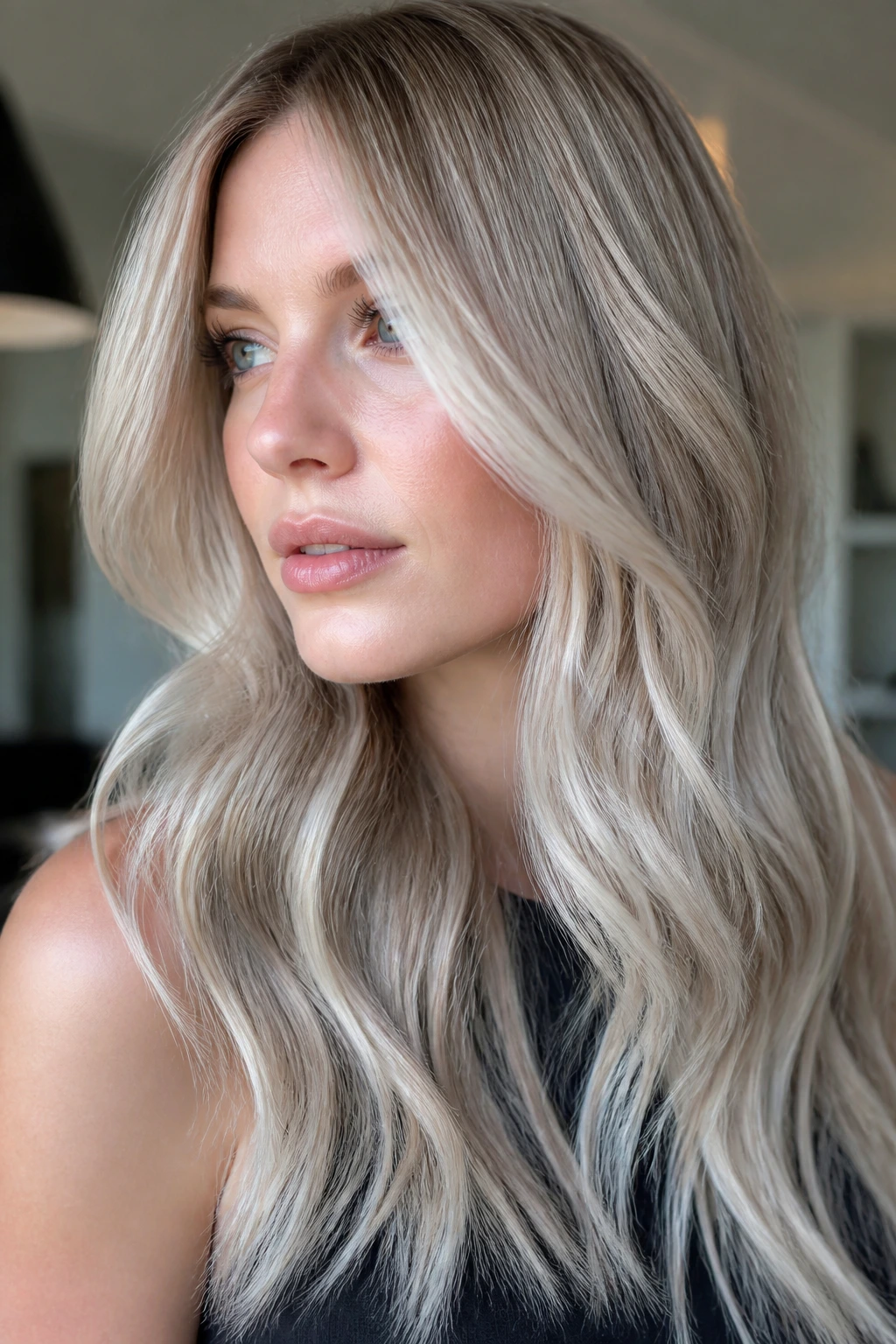
Bleach lifts the hair. Toner gives it a personality. That sounds dramatic, but it’s the truth of blonde. A level 10 lift can still look yellow, muddy, or dull depending on the toner sitting on top of it, and fair skin will show that mistake faster than darker skin will.
For cool blondes, a violet or blue-violet toner is usually what keeps brass in line. The finish matters too. A glossy demi-permanent toner tends to look softer and more wearable than a dry, heavy matte one, especially on pale skin. That’s why blondes can look gorgeous right after the appointment and a little tired a few washes later—the toner has moved on.
I like to think of toner as the part that decides whether the blonde looks deliberate. Without it, the lift is just light. With it, the color starts to read pearl, ash, smoke, or ice. That’s the real difference.
Smart Salon Notes and Colorist Talk
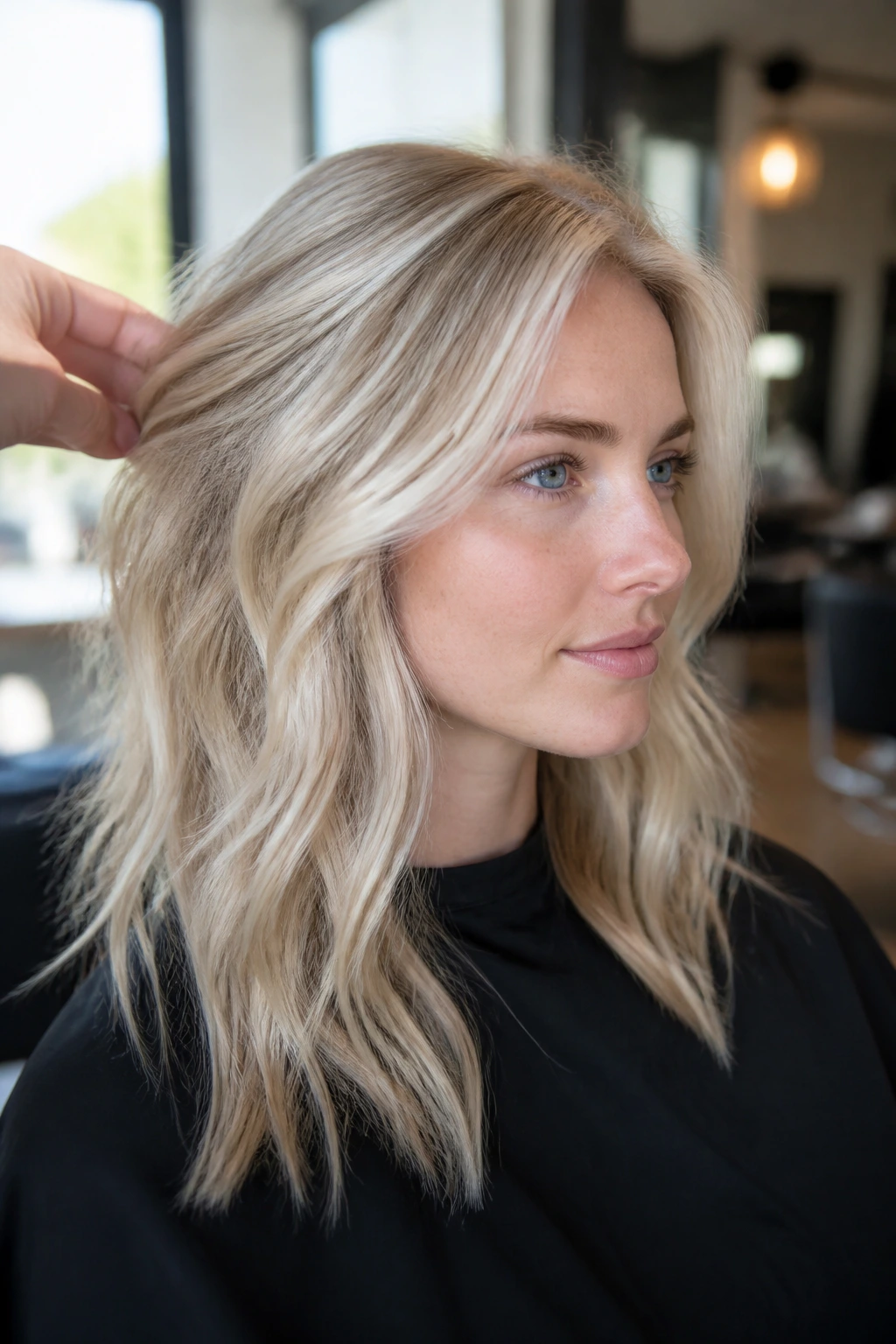
Bring photos, yes, but bring the right ones. Natural-light photos beat studio shots every time because they show the actual tone, not the filtered shine. And bring a couple of examples with the same haircut length as yours. A platinum pixie and platinum waist-length hair are not the same conversation.
Use plain language with the colorist. Say whether you want icy, pearl, smoky, beige, or silver. Say how often you’re willing to come back for toner or root work. If you want a soft grow-out, ask for a shadow root or root melt. If you want brightness around the face, mention babylights or a money piece. Specific words help because blonde has a lot of little moving parts. “Cool blonde” is a starting point, not a formula.
If your hair is already fragile, say that out loud. A good colorist will usually adjust the plan rather than pretending your hair can survive a full lift to white in one round. That honesty matters more than a flashy before-and-after.
Tools and Products That Make Cool Blonde Easier to Wear
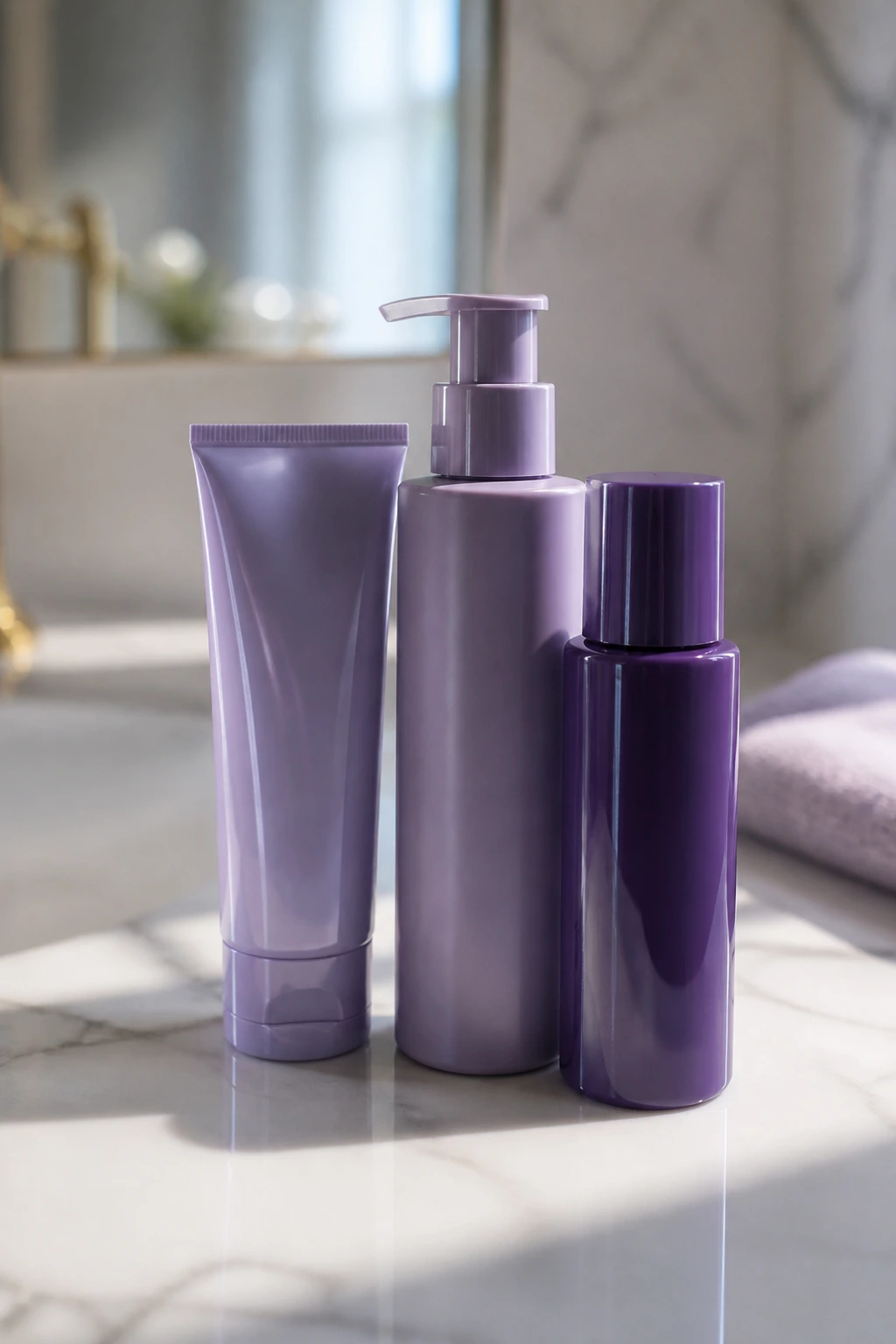
- Purple shampoo: Use it once a week or every other wash to keep yellow tones from building up, but don’t leave it on so long that the hair turns dull.
- Blue-violet toner or gloss: This is what keeps icy, pearl, and silver shades looking intentional between salon visits.
- Bond-building treatment: Helpful before and after lightening; it won’t undo damage, but it can keep blonde hair from feeling straw-like.
- Sulfate-free shampoo: Better for preserving toner and keeping the cuticle calmer after color services.
- Heat protectant: Non-negotiable if you blow-dry or flat-iron; cool tones fade faster when the hair gets cooked.
- Wide-tooth comb: Gentle detangling matters more once the hair has been lifted.
- Microfiber towel or soft cotton T-shirt: Cuts down on roughness after washing, which helps preserve shine.
- Tint brush and bowl: Only if you’re doing glosses at home; keep it separate from cooking tools, because that’s not a fun mix-up.
- Good bathroom mirror and daylight: Sounds basic. It isn’t. Toner mistakes show up in daylight first.
How to Style Cool Blonde Hair So the Tone Reads Right
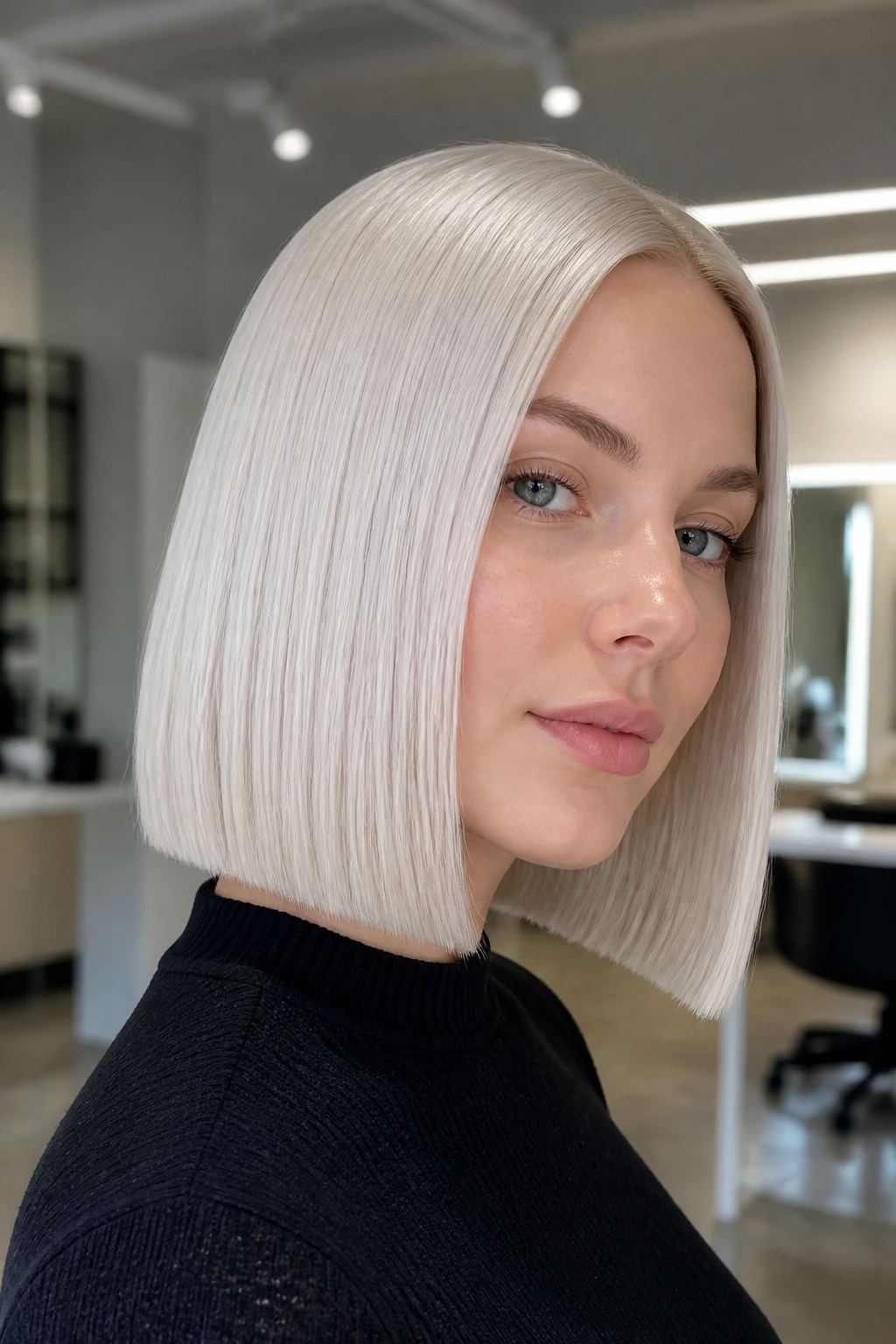
Cool blonde can look different depending on how you style it. Straight hair usually makes platinum, porcelain, and glacier tones look sharper because the light hits in one clean line. Soft waves bring out babylights, pearl ribbons, and balayage because the bends catch the different tones in layers.
Heat matters, too. A blowout that’s too hot can flatten the gloss and make blonde look tired faster than you’d expect. Keep your tools in the moderate range, and use a protectant every time. I’d rather see a slightly looser blow-dry than a scorched, shiny one. The shine from good tone is worth more than a flat-iron imprint.
Texture products should stay light. Too much oil or silicone can make icy blondes look greasy and make smoky blondes look muddy. A pea-sized amount at the ends is usually enough. If the blonde has a cool pearl or silver cast, let that cast breathe. Heavy product smothers it.
Maintenance, Toning, and Grow-Out
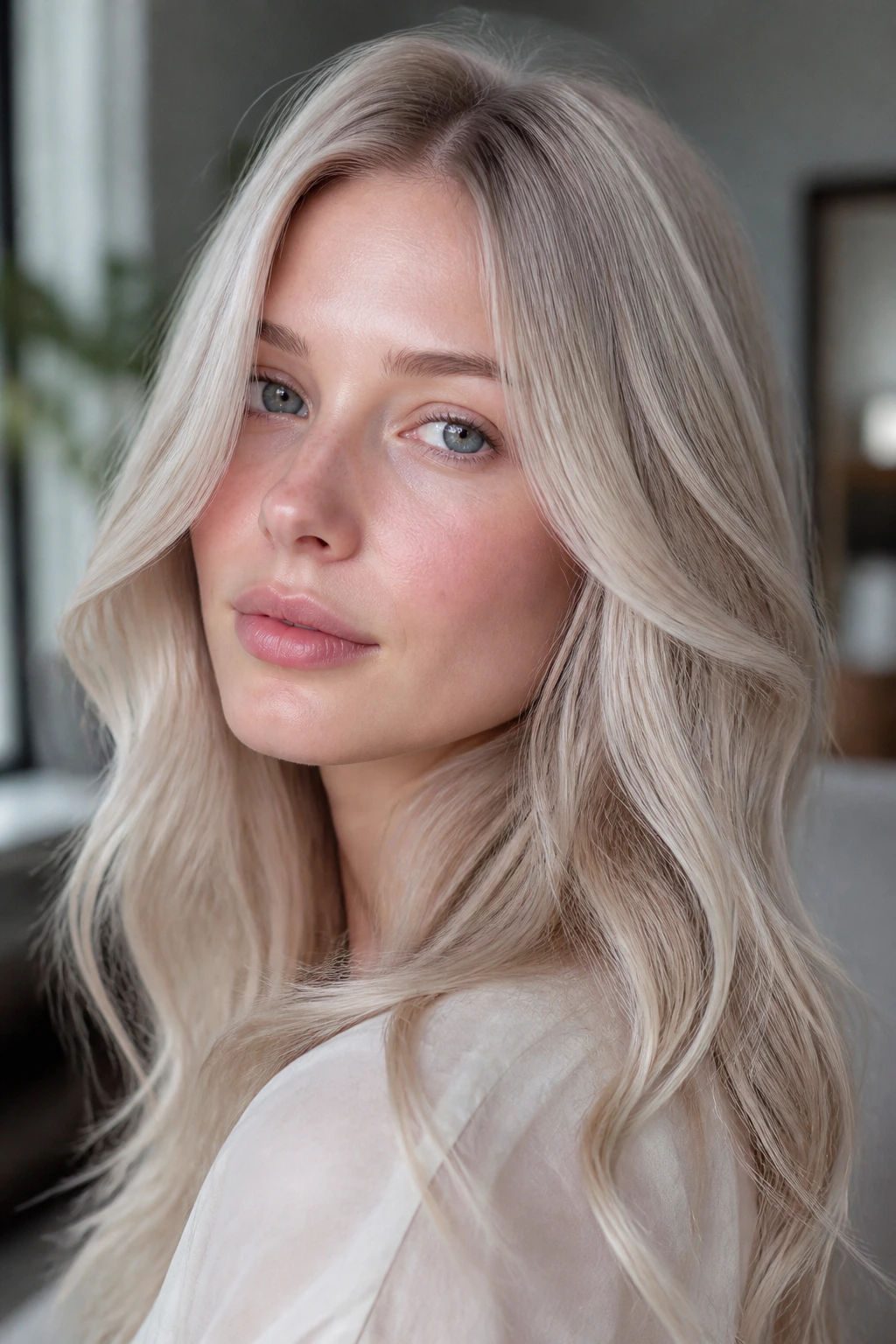
Cool blonde hair is not a “do it once and forget it” color. If you want the tone to stay crisp, plan on a gloss or toner refresh every 4 to 6 weeks for icy, silver, and platinum shades. Softer blondes like linen, beige-rooted platinum, or champagne pearl can often stretch to 6 or 8 weeks.
Wash days matter. Two to three washes a week is a good rhythm for keeping toner alive without letting oil build up. Purple shampoo once a week is enough for most blondes; daily use can leave the hair dull or slightly violet. If your blonde is very pale, less is usually more. The shampoo should help the tone, not become the tone.
Root touch-ups depend on the design. Full platinum and Nordic white blonde usually need attention every 4 to 6 weeks. Balayage, root melts, and smoky blends can stretch longer—sometimes 8 to 12 weeks—because the depth at the root is part of the look. Keep heat lower when you can, use a hat or UV spray in strong sun, and skip chlorine-soaked hair unless you’re ready for a tone change. Pools are rude to blonde. They just are.
Common Mistakes That Make Cool Blonde Look Muddy
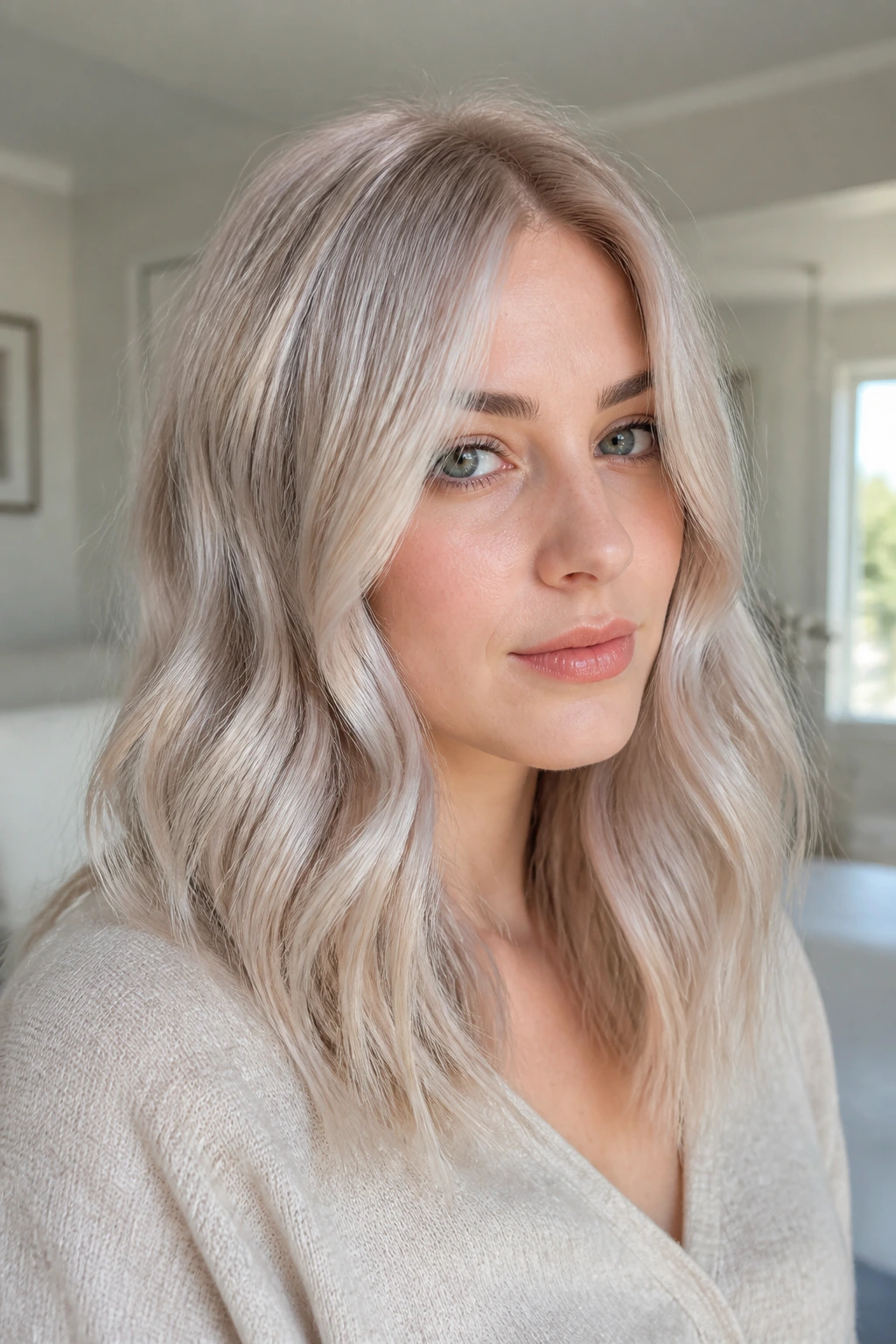
- Going too ash-heavy: If the toner has too much green-grey in it, fair skin can look dull and tired. The fix is a softer pearl or beige toner that still stays cool.
- Lifting the root too light: A white root line can make the scalp look harsh and the face look pasted on. Leave some depth at the base unless the look is meant to be full platinum.
- Overusing purple shampoo: Too much purple shampoo can leave a haze on the hair and make the blonde look dusty. Use it sparingly and rinse well.
- Ignoring porosity: Porous ends grab toner fast, which can make the tips darker or muddier than the rest. Pre-treat the ends or process them for less time.
- Skipping trim appointments: Blonde hair shows damage fast. Split ends catch light in the wrong way and make even a good color look ragged.
- Using hot tools without protection: Heat burns through cool tone quicker than most people expect. Protectant is not optional if you style often.
Variations and Alternatives to Try
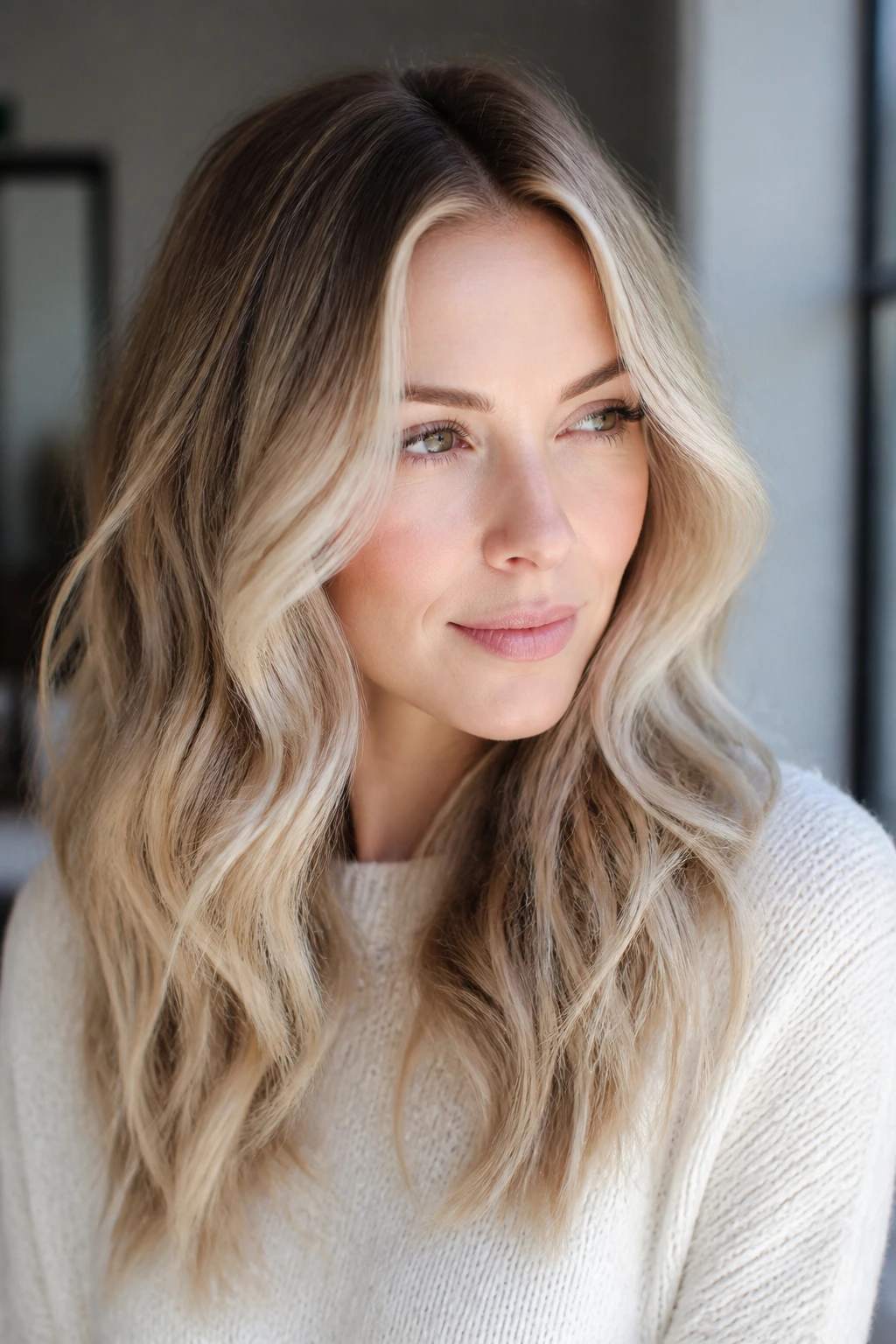
Rooted and Ready: Keep a 1- to 2-level shadow root and let the blonde begin lower on the head. This works well if you want a cool look without weekly panic over regrowth. It’s the easiest route for anyone who likes the color but not the maintenance.
Ultra-Icy Editorial: Push the hair to level 10 and finish with a crisp violet-silver toner. This is the brightest, coldest version and it looks best on very fair, cool-toned skin with strong features or a sharp haircut. It does need discipline. Regular toning, careful washing, and less heat.
Soft Beige Dialed Down: If full ash feels too dry on your face, choose a beige-cool gloss instead. The result still reads cool, but the edges are softer and the skin tends to look calmer. Good for neutral undertones and people who wear little makeup.
Face-Frame First: Start with a money piece, babylights, and a few brighter ribbons around the crown. This gives you the effect of blonde without committing to full brightness everywhere. It’s a smart first step if you’re nervous about bleach or want to test the tone.
Curly Blonde Dimension: Keep the root deeper, add fine lights through the outer layers, and avoid overprocessing the ends. Curly and wavy hair usually looks better with dimension than with a flat all-over blonde. The curl pattern stays visible, which matters more than people think.
Frequently Asked Questions
Which cool blonde shade works best for very fair skin with pink undertones?
Pearl blonde, beige-rooted platinum, and frosted beige blonde are usually the safest bets. They stay cool without pushing the skin into a redder or chalkier place the way some harsh ash tones can.
Will icy blonde wash me out if my skin is pale?
Not if the color has enough depth around the root and enough shine in the mids and ends. A pale face with icy hair often needs brows, a little blush, or a soft root shadow to keep the features from disappearing.
Can I get a cool blonde look without going full platinum?
Yes. Ash balayage, cool beige ombré, pearl babylights, and smoky root melts all give a cool blonde feel with less bleach and less upkeep. These are the shades I’d point to first if your hair is fragile.
How often should I tone cool blonde hair?
Most cool blondes need a gloss or toner refresh every 4 to 6 weeks. Softer looks can stretch longer, but if the blonde starts reading yellow or dull, don’t wait too long—the tone usually slips before you notice it in the mirror.
What if my blonde turns brassy after a few washes?
Use purple shampoo once a week, not every day, and avoid very hot water. If the brass is strong, you may need a salon gloss rather than more shampoo. Shampoo helps with maintenance; it does not fix a real tone problem.
Does cool blonde work on curly or wavy hair?
Very much so, but the placement matters. Babylights, soft ribbons, and root melts usually look better than a flat bleach-and-tone job because curls need depth to keep their shape.
Is a shadow root a bad idea on fair skin?
Not at all. In fact, a shadow root can be the thing that makes the blonde work, because it keeps the face from looking washed out. The key is keeping the root soft and one or two levels deeper—not dark.
Can I do cool blonde at home?
You can maintain some cool tones at home, but the lift itself is where things get tricky. If you need major lightening, a salon visit is safer. Home glosses, toners, and purple shampoo are better for upkeep than for transformation.
Keeping the Blonde Crisp
The best cool blonde on fair skin is rarely the lightest one in the room. It’s the one that keeps the face alive while the hair stays cool, clean, and a little dimensional. That might be icy platinum. It might be pearl, smoke, or a rooted balayage that only looks effortless because somebody chose the tone carefully.
And that’s the part I’d trust most: the small decisions. Root depth. Toner strength. Where the brightest pieces land. Those details decide whether the color feels flat or sharp, cheap or polished, brittle or soft. Get those right, and fair skin and cool blonde stop competing. They start working together.
