



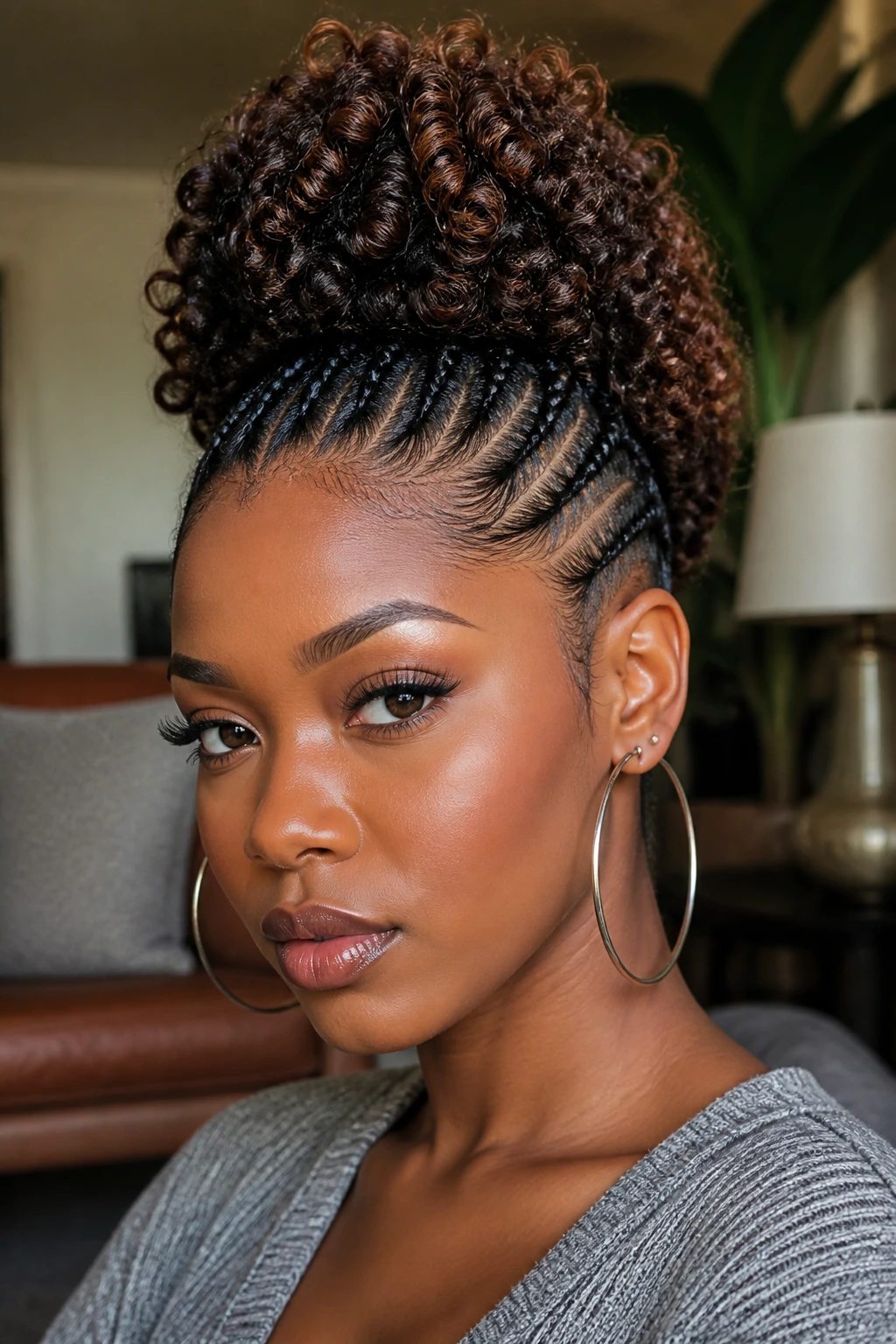
A good mohawk crochet braid can change the whole mood of a face in under two hours. The sides go clean, the crown gets height, and the hair stops sitting flat in that slightly apologetic way some protective styles do when they’re installed without a real shape plan.
That’s why mohawk crochet braid styles for Black women keep showing up in chair conversations, saved photos, and weekend style swaps. The structure does the heavy lifting. A neat braid base keeps the scalp calm, the crochet hair adds lift without the drag of heavy sewn-in tracks, and the final shape can lean soft, sharp, regal, playful, or downright dramatic.
What I like most is how much range this one silhouette allows. You can build a style that looks polished with hoops and a blazer, then wear a deeper, fluffier version the next week with a satin scarf and lip gloss. Same base. Entirely different attitude.
Why These Mohawk Crochet Braid Styles Keep Winning
-
The shape does the styling for you: A raised center ridge and tighter sides already create a finished outline, so you’re not fighting flat hair all day.
-
Crochet hair gives you size without the wait: You can get big crown volume, curly texture, or twist length without spending forever adding tiny tracks.
-
The sides stay calmer: When the perimeter is braided down neatly, your edges and temples get less daily handling than they would in a loose style.
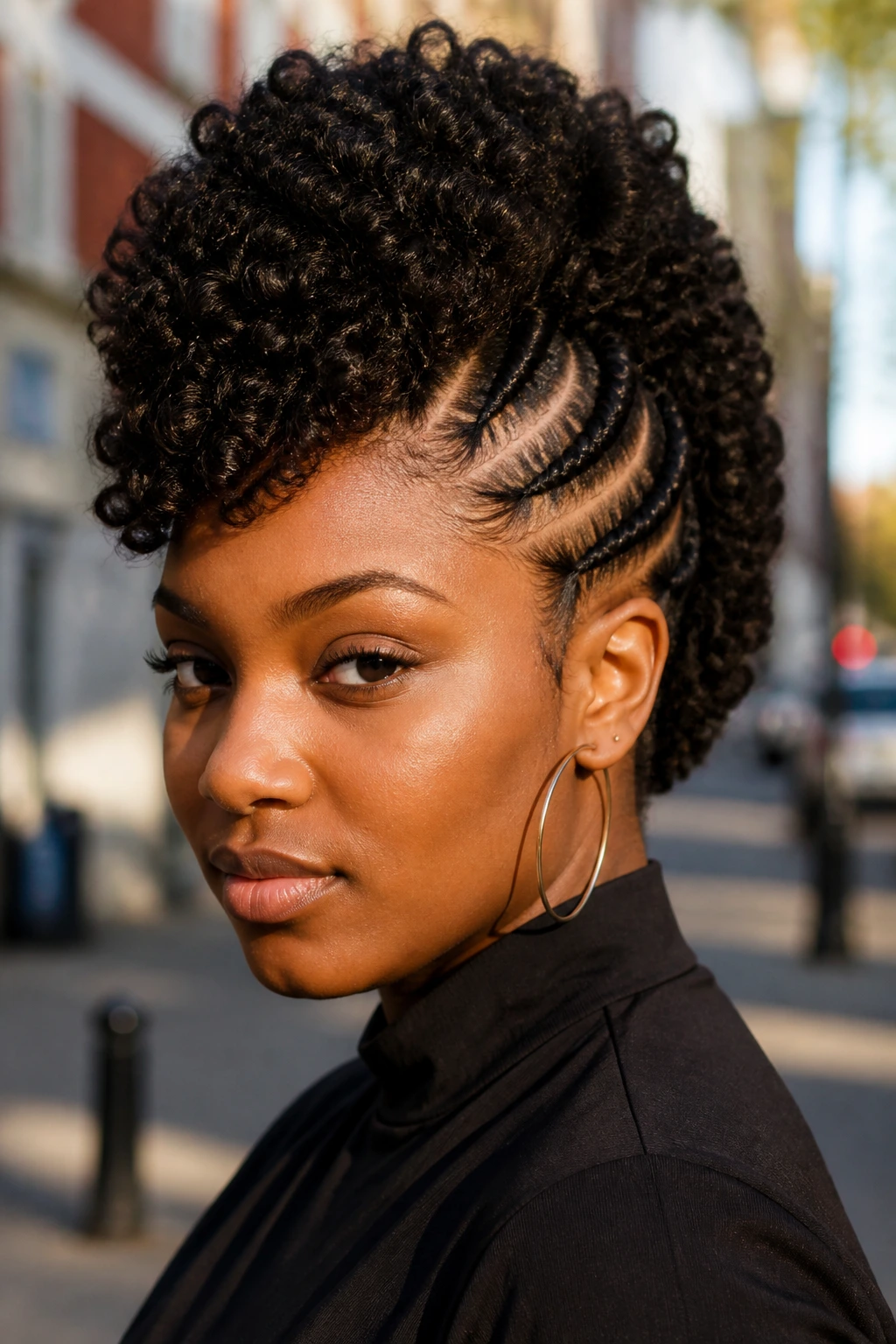
-
The look can swing from soft to sharp: Swap curly crochet hair for rope twists or loc pieces, and the same mohawk base takes on a completely different personality.
-
Accessory changes matter here: Beads, cuffs, wrapped sections, and clean part lines actually show up on this silhouette instead of disappearing into a mass of hair.
-
It works with different install budgets: Some versions need only a few packs and a quick braid pattern, while others lean full, tall, and photo-ready.
1. Sleek Center Ridge Mohawk
A sleek center ridge mohawk is the version I pull out when I want the silhouette to look crisp from every angle. The sides stay close to the head, the middle rises in a clean line, and the whole style has that neat, almost architectural feel that works on busy days and dressy ones.
Why It Works
The clean middle line keeps the eye moving upward, which gives the face a longer look without needing extra length. It also lets the crochet texture stay the star instead of competing with a messy braid base.
Quick Shape Notes
- Best with straight or lightly wavy crochet hair
- Use 4 to 6 narrow cornrows on the sides
- Keep the crown section slightly wider than the temples
- Finish with a light sheen spray, not heavy grease
Tip: If your braid base looks too bulky, the whole style loses that sharp ridge. Keep the center path simple and the sides snug.
2. Jumbo Cornrow Sides Faux Hawk
Big side cornrows change the whole mood here. Instead of tiny, delicate tracks, this version uses thicker feed-in braids that frame the head with purpose, then lets the center rise in a fuller crochet puff or twisted ridge.
The result feels bold without being fussy. I like it most when the braid pattern itself is part of the style, not something hidden under the crochet hair.
3. Cloud-Soft Curly Mohawk
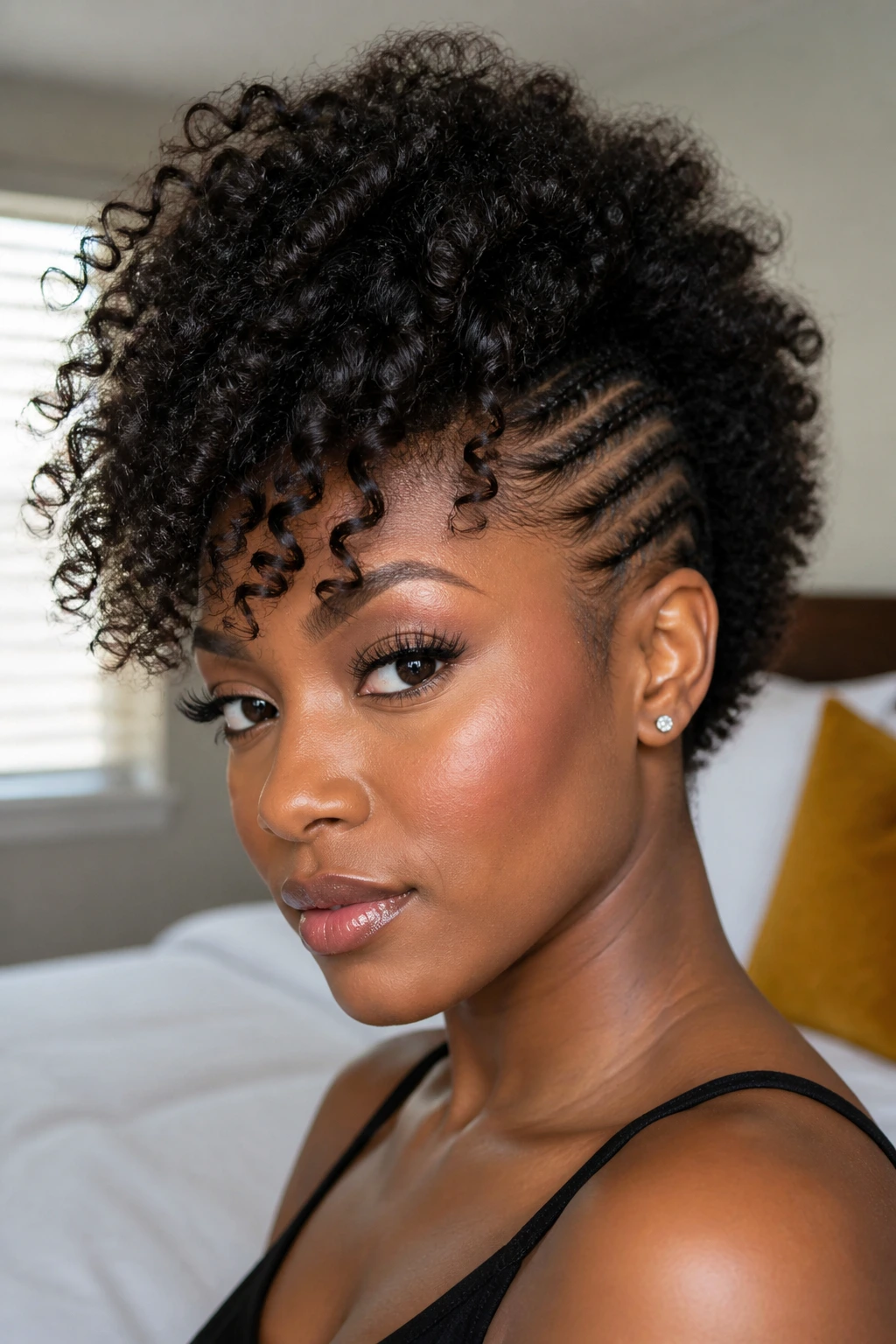
Do you want height without stiffness? This is the one. The curls are loose, fluffy, and a little bit wild in the best way, so the hawk reads soft instead of severe.
How to Wear It
Let the curls sit a little forward around the forehead and a little higher at the crown. That shape frames the face instead of making the style look like a straight line running down the middle. A small amount of mousse helps the curls separate without turning crunchy.
4. Goddess Loc Crown Hawk
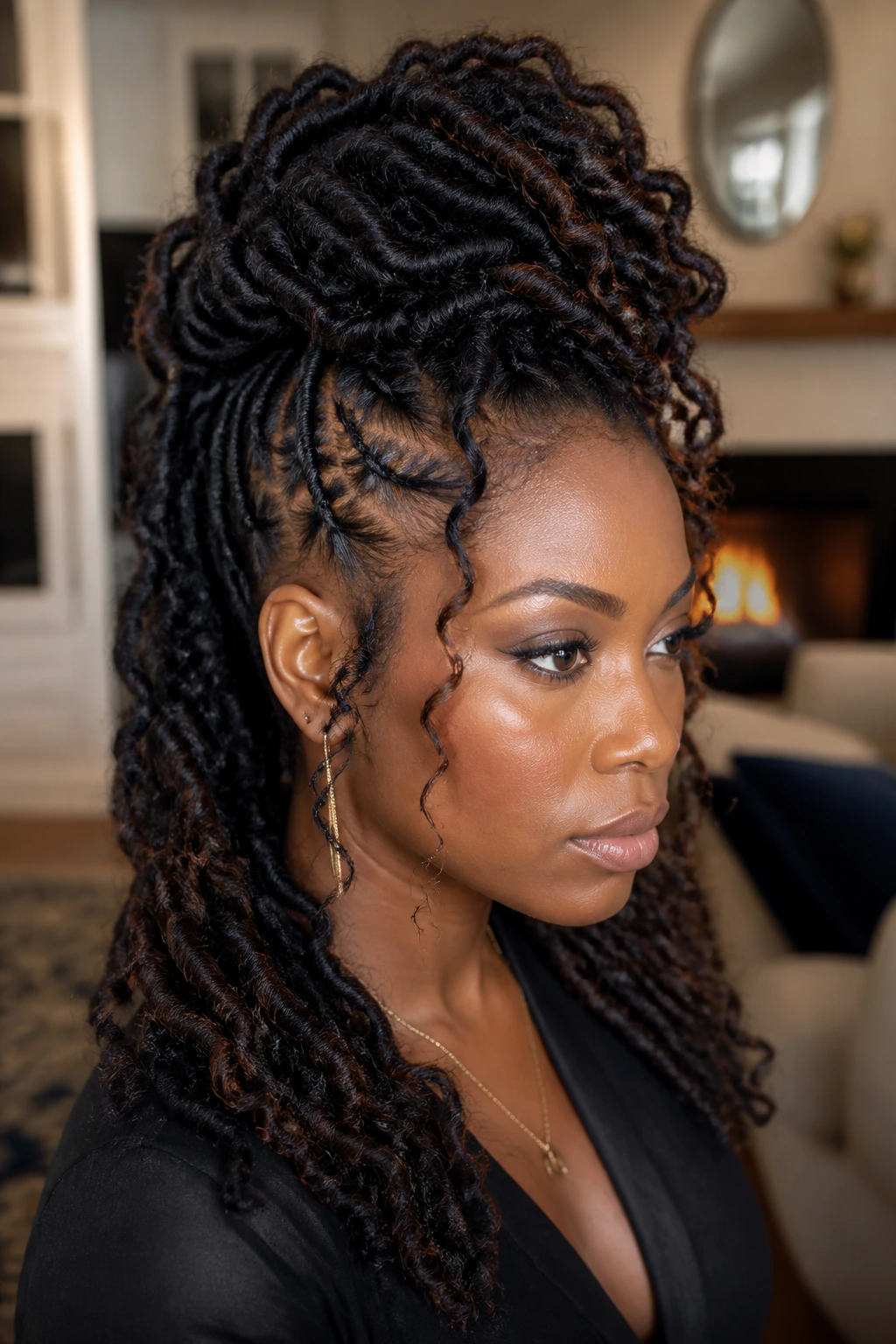
A goddess loc crown hawk has presence. The loc texture gives the style weight and texture, while a few loose curly strands keep it from feeling too rigid or closed in.
It works especially well when you want a protective look that feels dressed up without leaning overly polished. The mix of locs and soft pieces gives the style movement even when the base is firm.
5. Marley Rope Mohawk
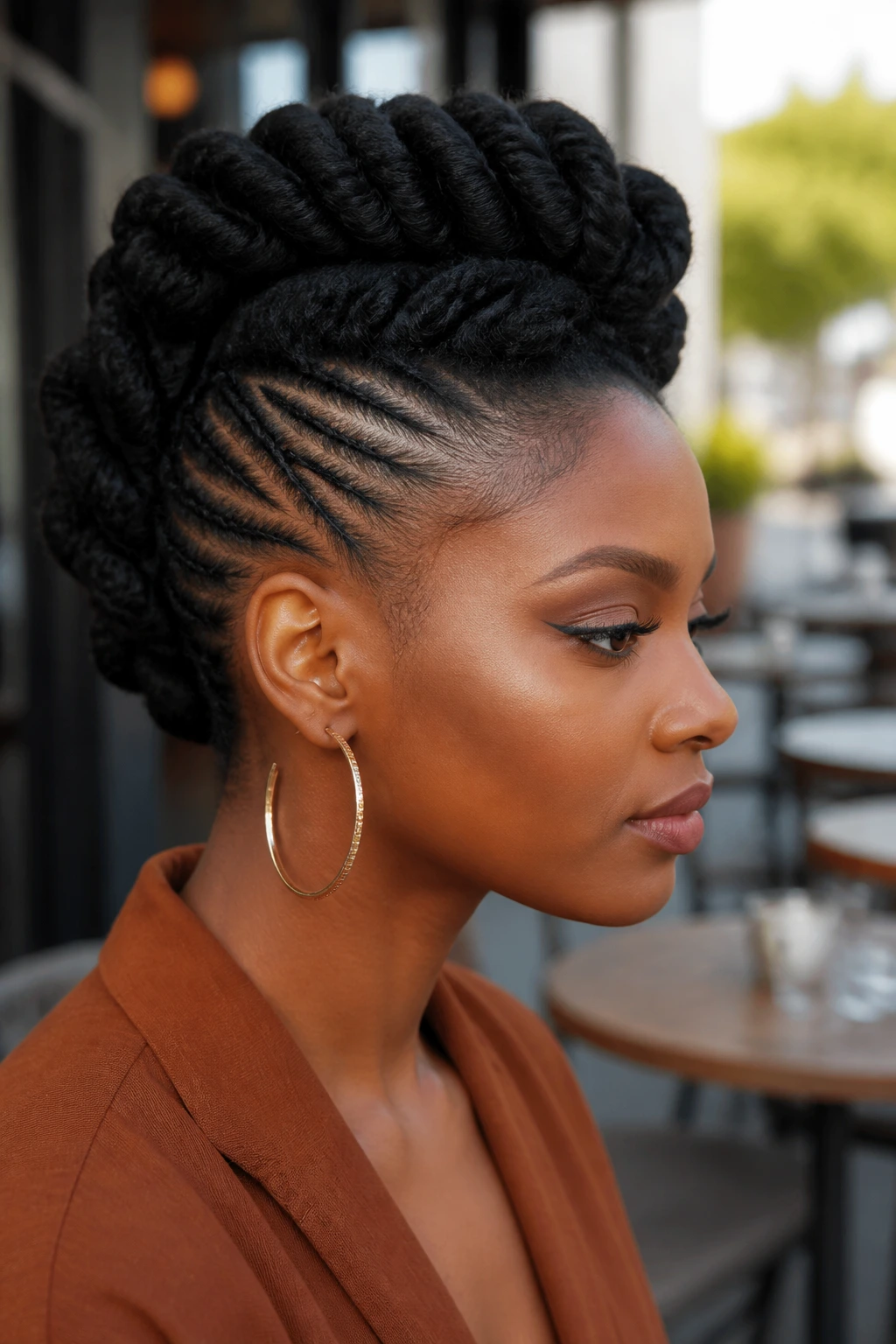
Marley hair brings a dry, full texture that makes the mohawk look dense fast. Rope twists along the center ridge can stand up on their own, so you do not need a mountain of hair to create shape.
This version is one of my favorites for people who like structure more than fluff. It holds its outline well, and the texture reads rich even when the style is kept fairly simple.
6. Asymmetric Side-Braid Hawk
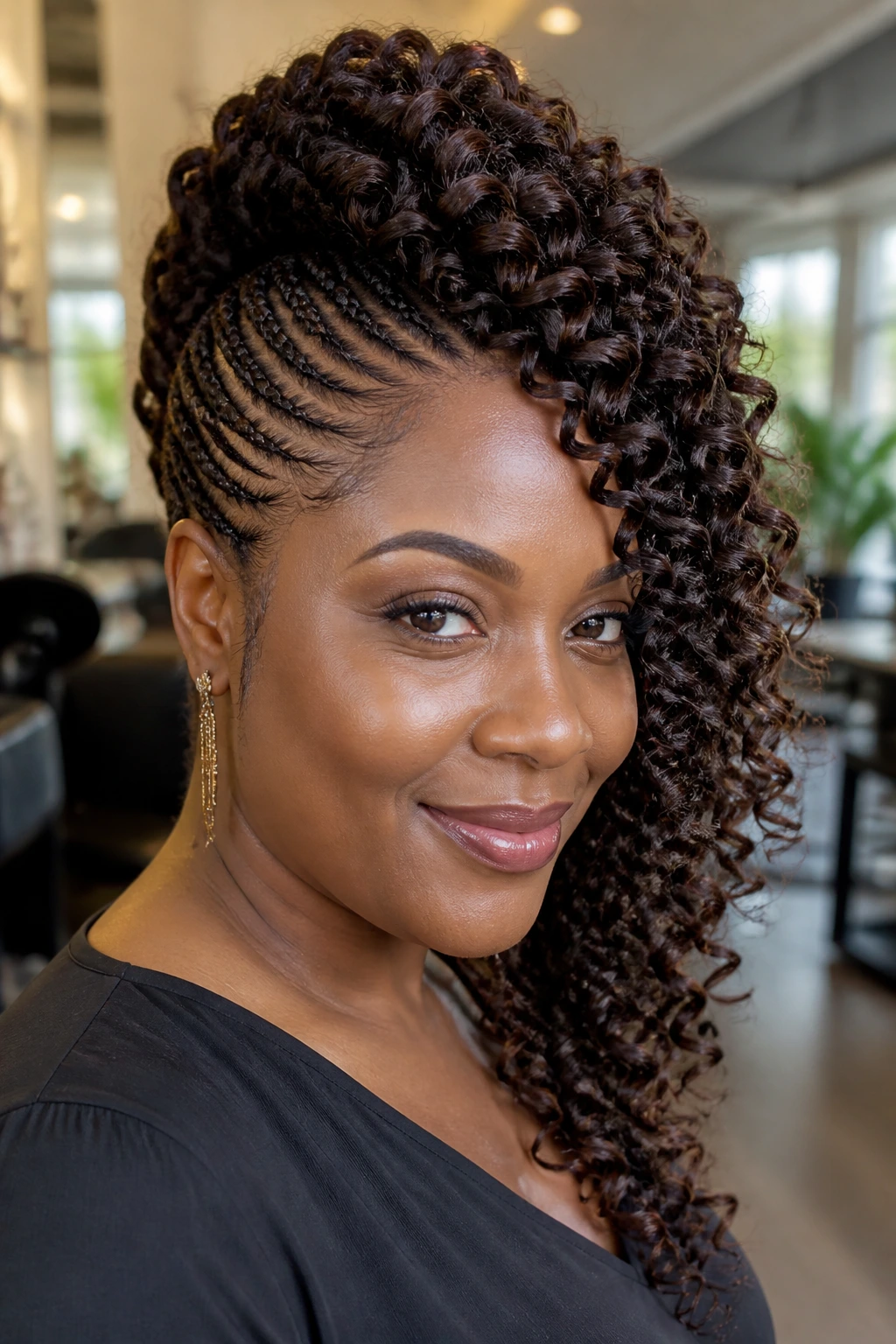
One side stays tighter. The other side relaxes a little more. That small imbalance changes everything.
The asymmetry gives the style edge without needing bright color or extra length. It also flatters the face by drawing attention diagonally instead of straight down the middle, which can be useful if you want a slimmer visual line around the jaw.
7. Water Wave Puff Mohawk
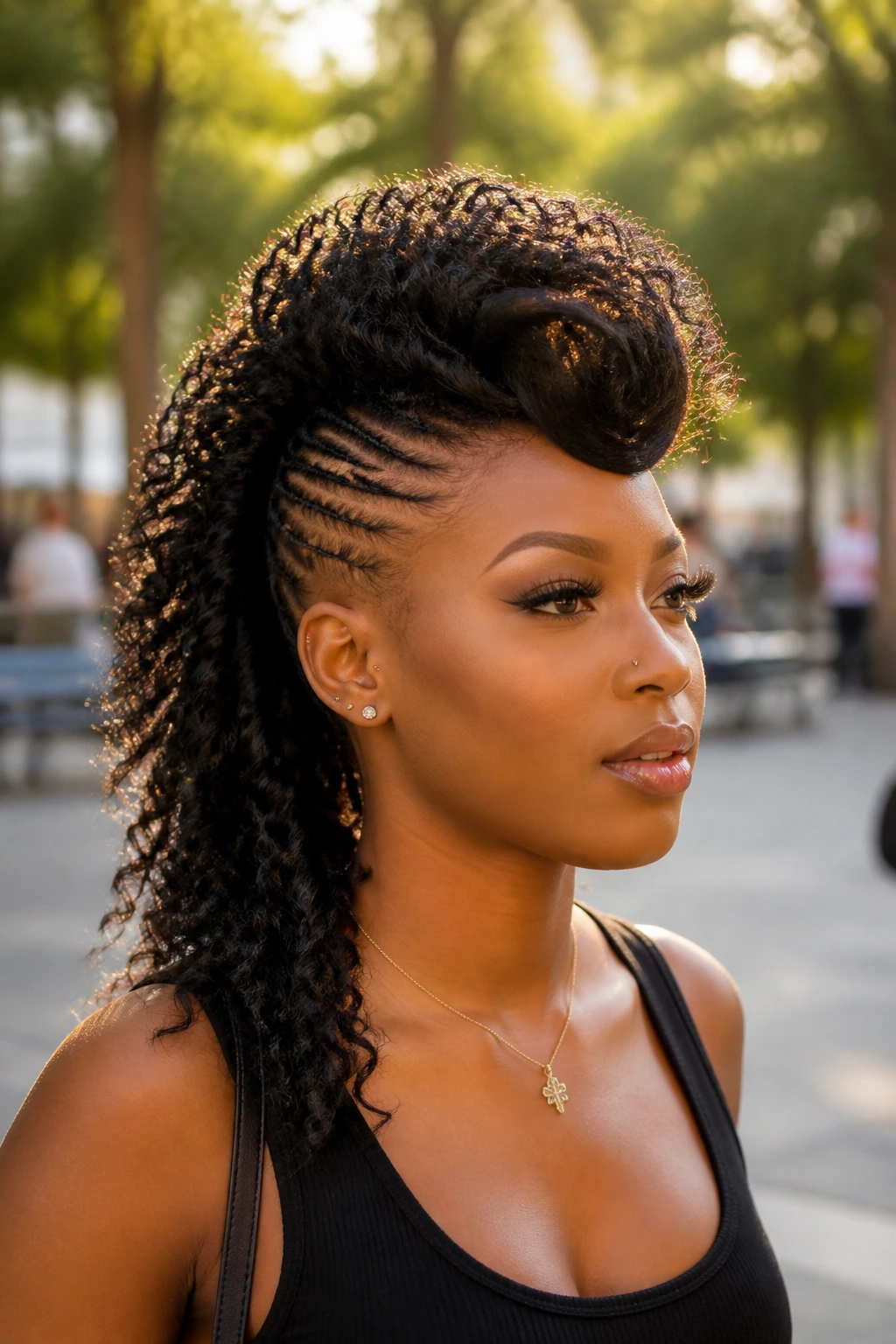
Water wave crochet hair gives the crown a loose bend that feels easy, almost airy. With a puffed center ridge, the style has volume without the tight coils or stiff twist pattern some people don’t want near the front of the head.
I like this on days when you want motion. The waves shift when you walk, and that little movement keeps the mohawk from feeling too fixed in place.
8. Short Bang-Forward Faux Hawk
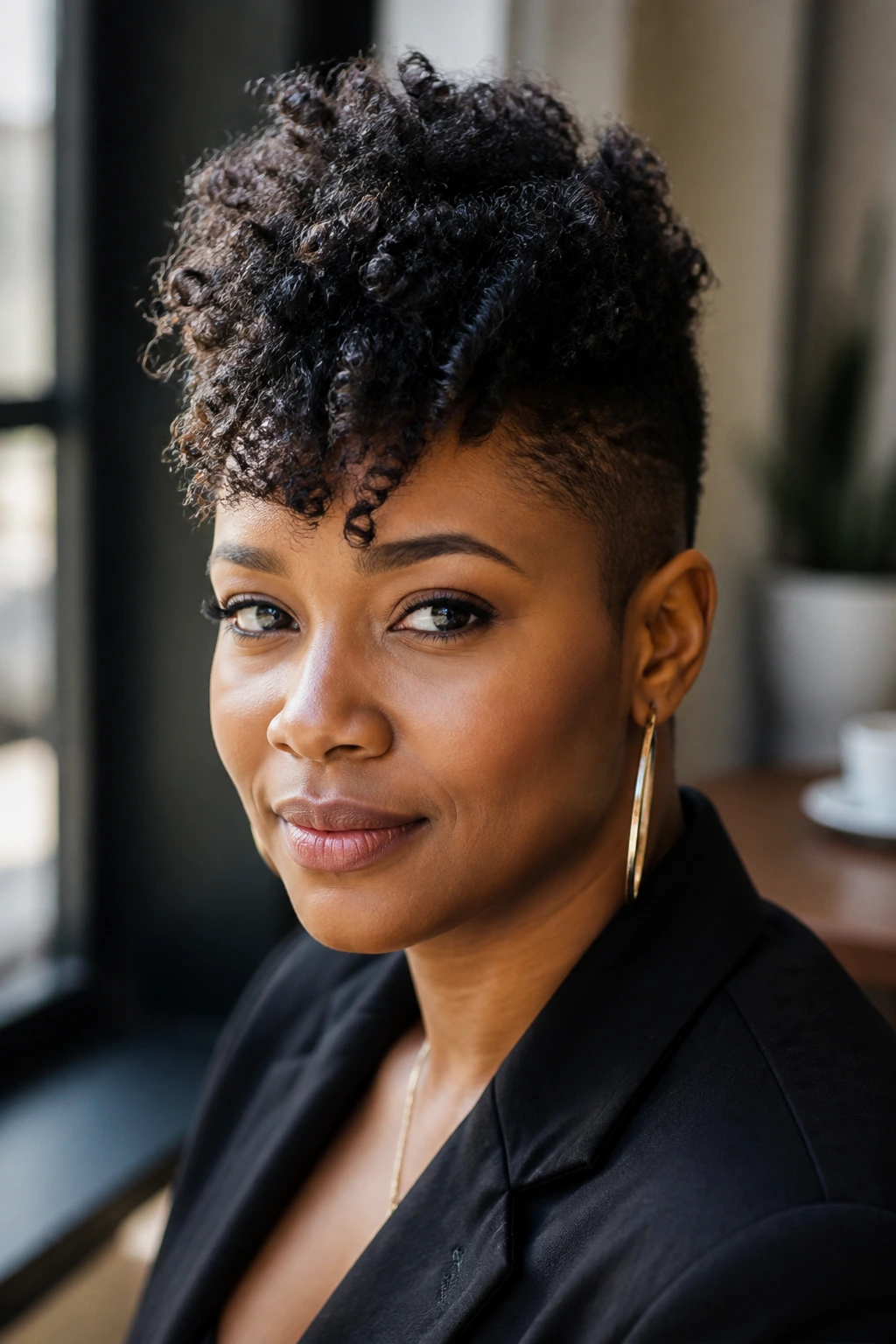
Shorter mohawks are underrated. When the front pieces fall slightly forward, almost like bangs, the style feels youthful and low-tension rather than dramatic for drama’s sake.
This is the version to choose when you do not want hair brushing your shoulders or catching on jackets. It sits clean, styles fast, and still gives you that lifted center line.
9. Gold-Cuff Accent Mohawk
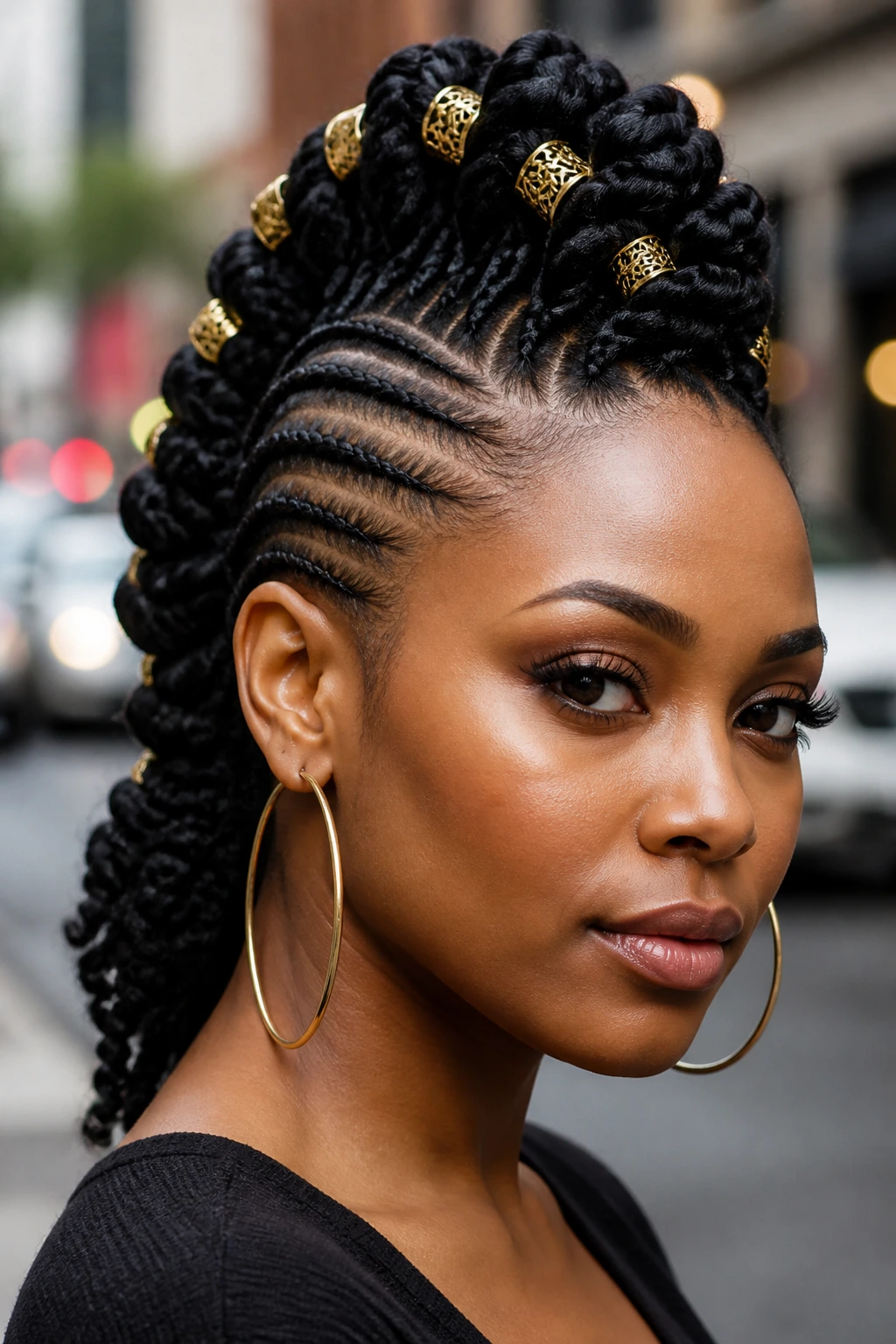
A few gold cuffs can turn a plain center ridge into something with intent. The trick is restraint: place the cuffs where the braid line bends or where the crochet hair starts, then stop before the style looks crowded.
What Makes It Different
The accessories do not just decorate the hair; they define the shape. On a mohawk, cuffs catch the eye right where the ridge rises, which makes the center feel stronger and the braid work more visible.
10. Kinky Curl Volume Hawk
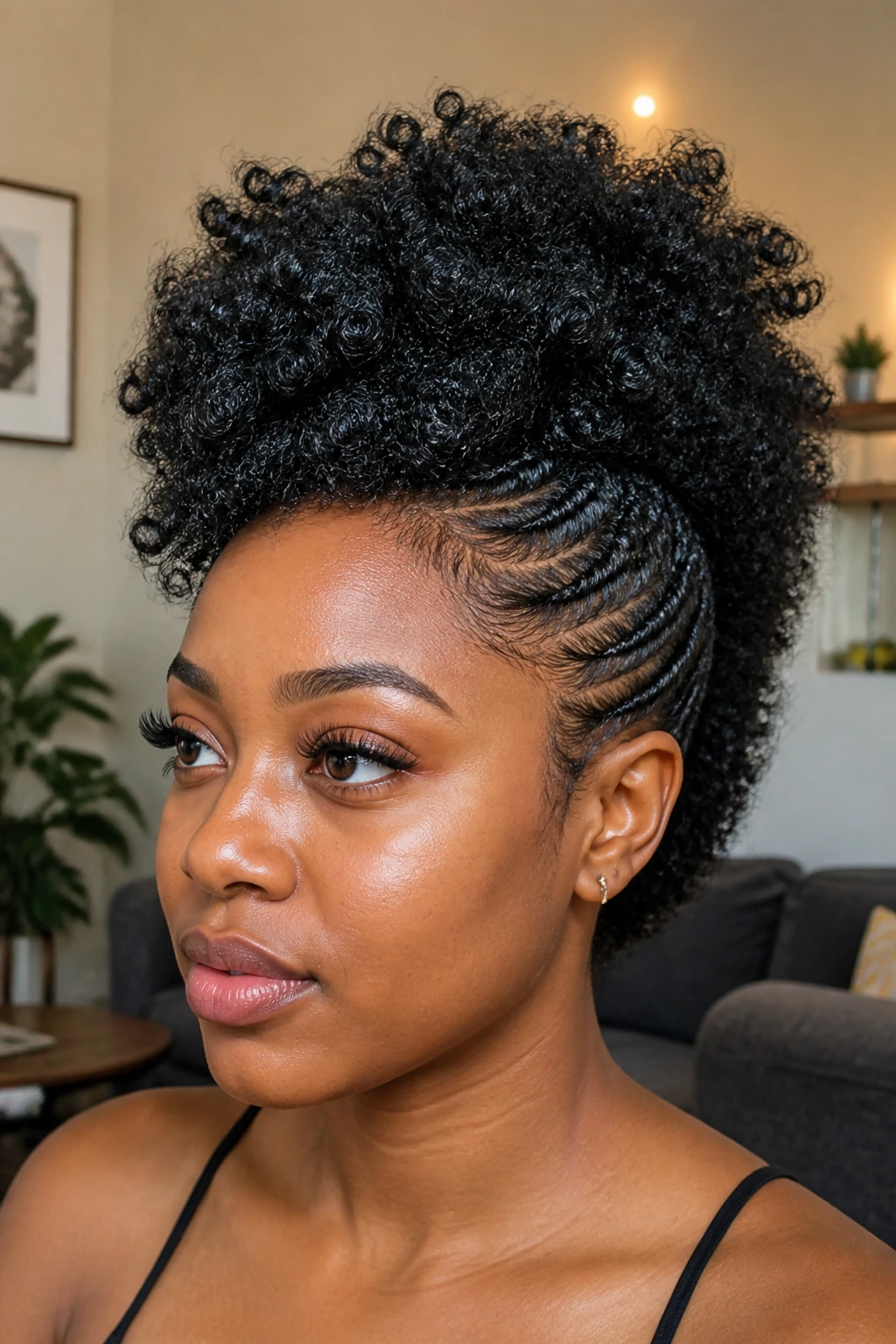
This one leans full, textured, and a little more plush than soft curls. Kinky crochet curls sit close to natural blown-out texture, so the finish feels familiar on Black hair without trying to mimic silk-straight anything.
It’s a smart pick if you want height that looks rich rather than airy. The volume stays concentrated at the crown, where the mohawk shape benefits from the extra body.
11. Feed-In-to-Curl Transition Mohawk
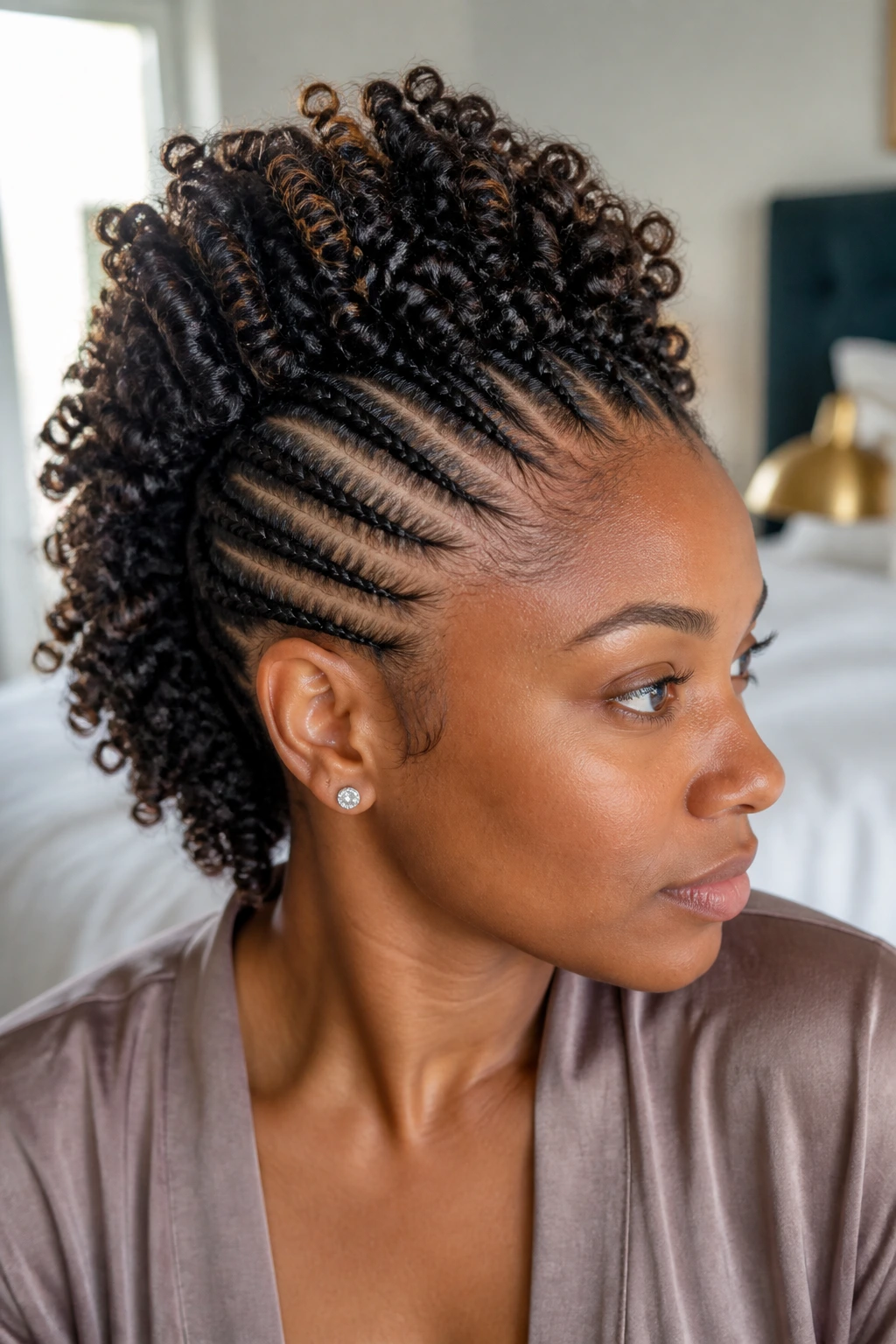
The braid base starts neat, then opens into curls near the top. That transition keeps the head looking clean near the scalp while still giving the top section a softer finish.
It’s a nice bridge style for anyone who wants braid structure but doesn’t want the whole mohawk to be all braid. The shift from tight to loose gives the style some visual rhythm.
12. Braided Halo and Ends Hawk
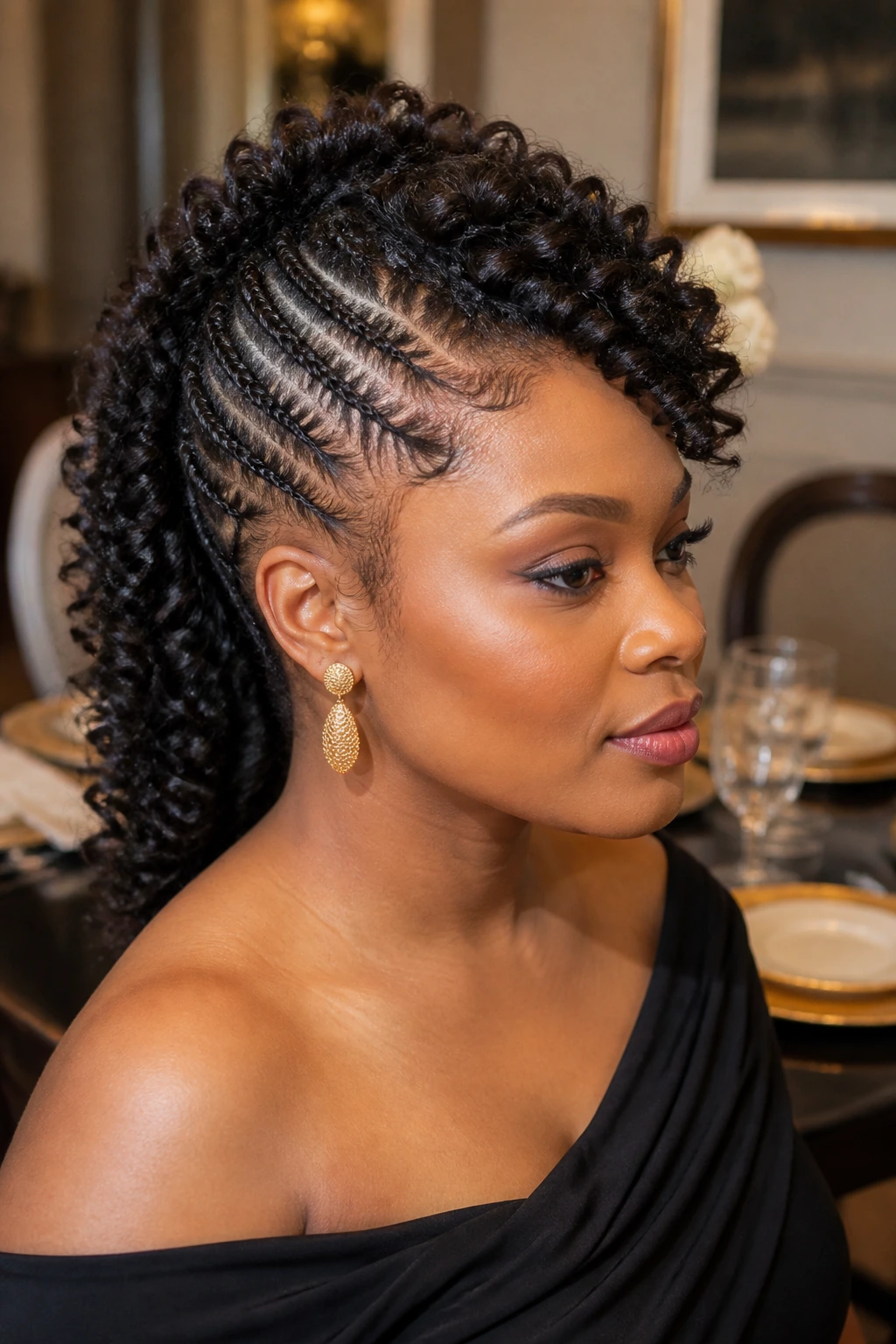
A braided halo around the sides can make the top pieces look almost suspended. Then the loose ends or crochet curls spill down the center like they were placed there on purpose, not just added for length.
This version has a little more polish than a loose, all-over curly hawk. It is the one I’d choose for a dinner, a ceremony, or any moment where the hair needs to look considered.
13. Beaded Festival Mohawk
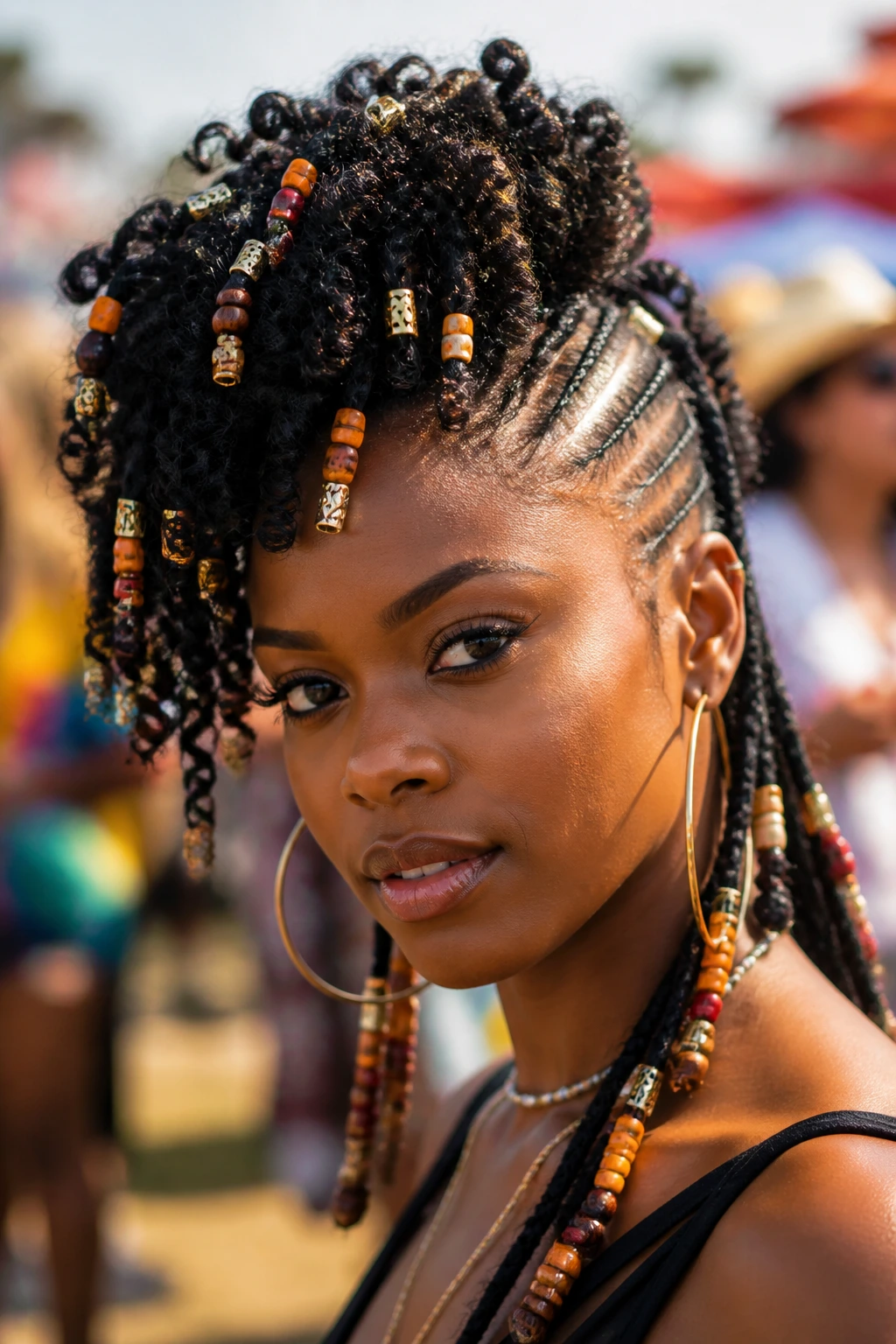
Beads change the sound and the swing of the style. Add them to the ends of side braids or to a few crown pieces, and the whole look becomes more playful without losing its shape.
How to Use It
Keep the bead placement uneven on purpose. A cluster near one temple and another near the back creates a better rhythm than lining them up like a marching band. Wood beads, clear cuffs, or small gold spacers all work; just match the hardware to the outfit.
14. Wet-Look Sculpted Hawk
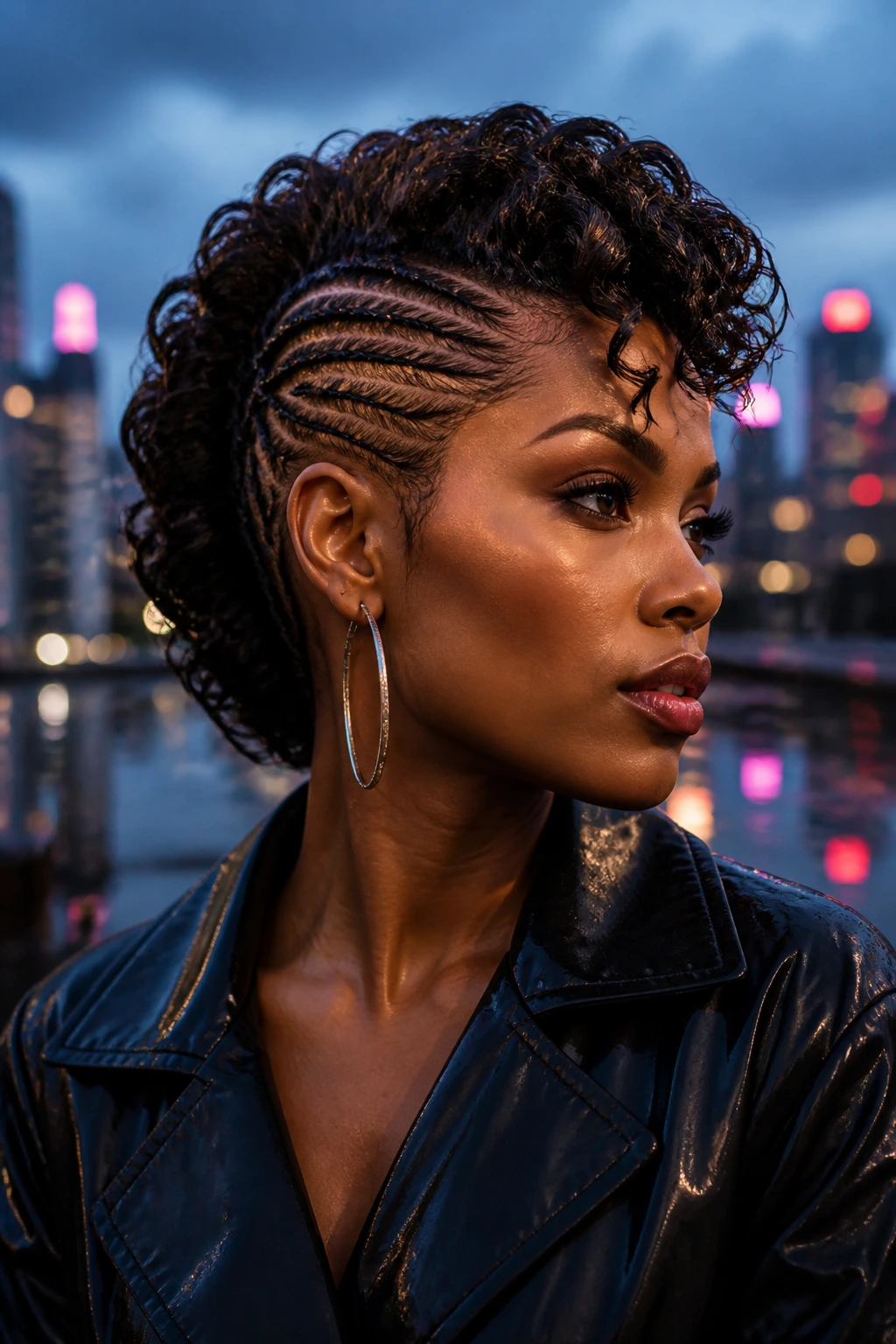
A wet-look crochet mohawk is slick, shiny, and sharply defined. The curls or waves are encouraged to clump together, not fluff out, so the profile stays smooth and sculpted.
This style needs a bit more upkeep than the airy ones. Still, the finish is worth it when you want the hair to look deliberate, glossy, and very controlled.
15. Feathered Shoulder-Length Faux Hawk
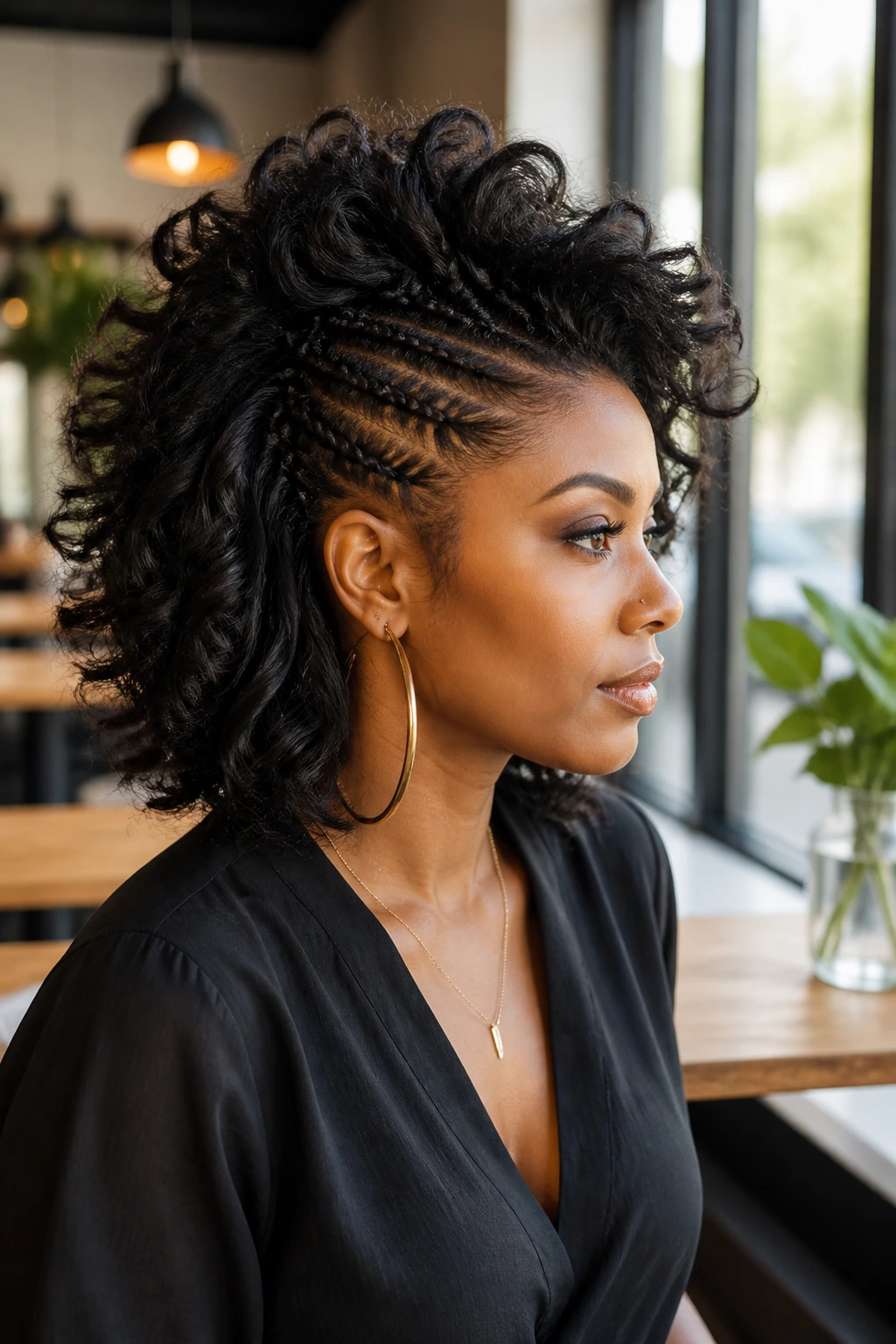
Shoulder-length mohawks are easier on the neck and easier on the eyes if you like balance more than drama. Feathered ends soften the lower edge, which keeps the style from feeling boxy.
That feathered movement is the key. It helps the hawk read elegant instead of heavy, especially when the braid base is tight and the center ridge has some lift.
16. Loc and Braid Blend Mohawk
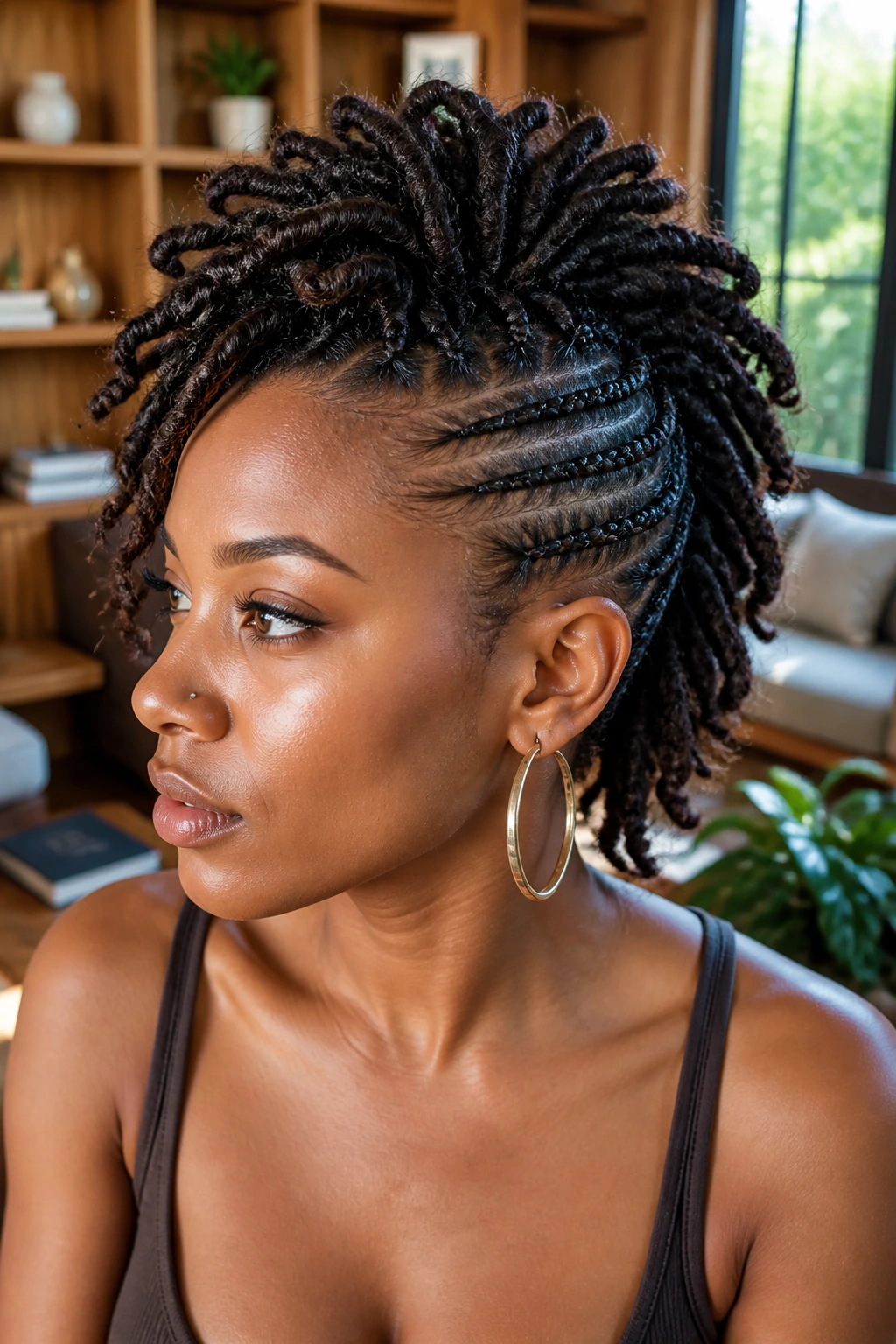
Mixing loc pieces with braid sections gives the style a layered, lived-in texture. It feels less uniform, more dimensional, and a little more handmade in the best sense.
The blend works when you want a mohawk that doesn’t look overworked. It also gives you more room to mix lengths, which can make the center ridge feel fuller without loading the whole head.
17. Low-Key Workday Hawk
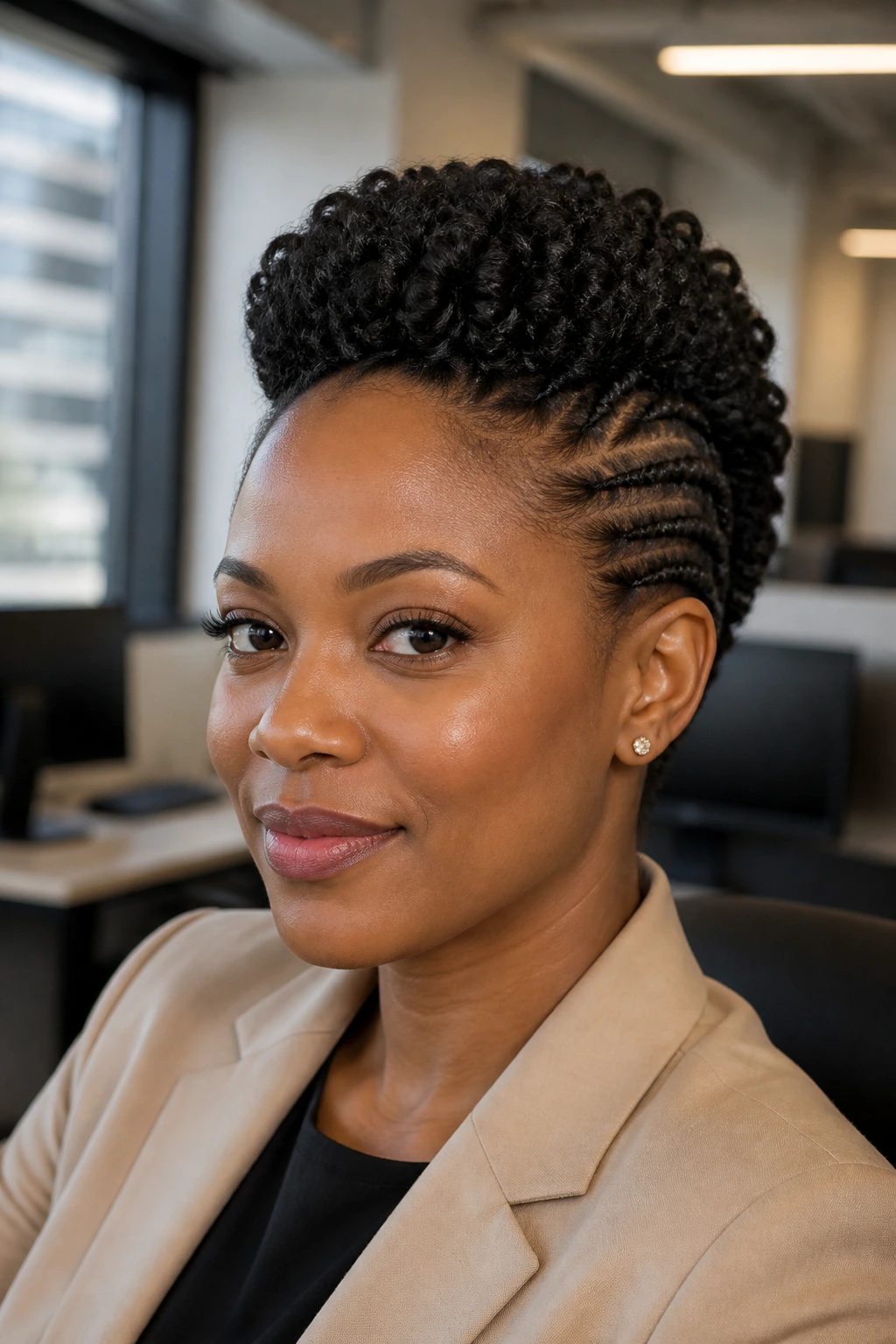
Not every mohawk has to shout. A lower, smoother crown with restrained height can keep the silhouette neat enough for a work setting while still giving you a clear style identity.
I like this version when the braid base is the statement and the crochet hair stays controlled. It wears well under blazers, cardigans, and high collars because it doesn’t fight the outfit.
18. Bubble Pony Faux Hawk
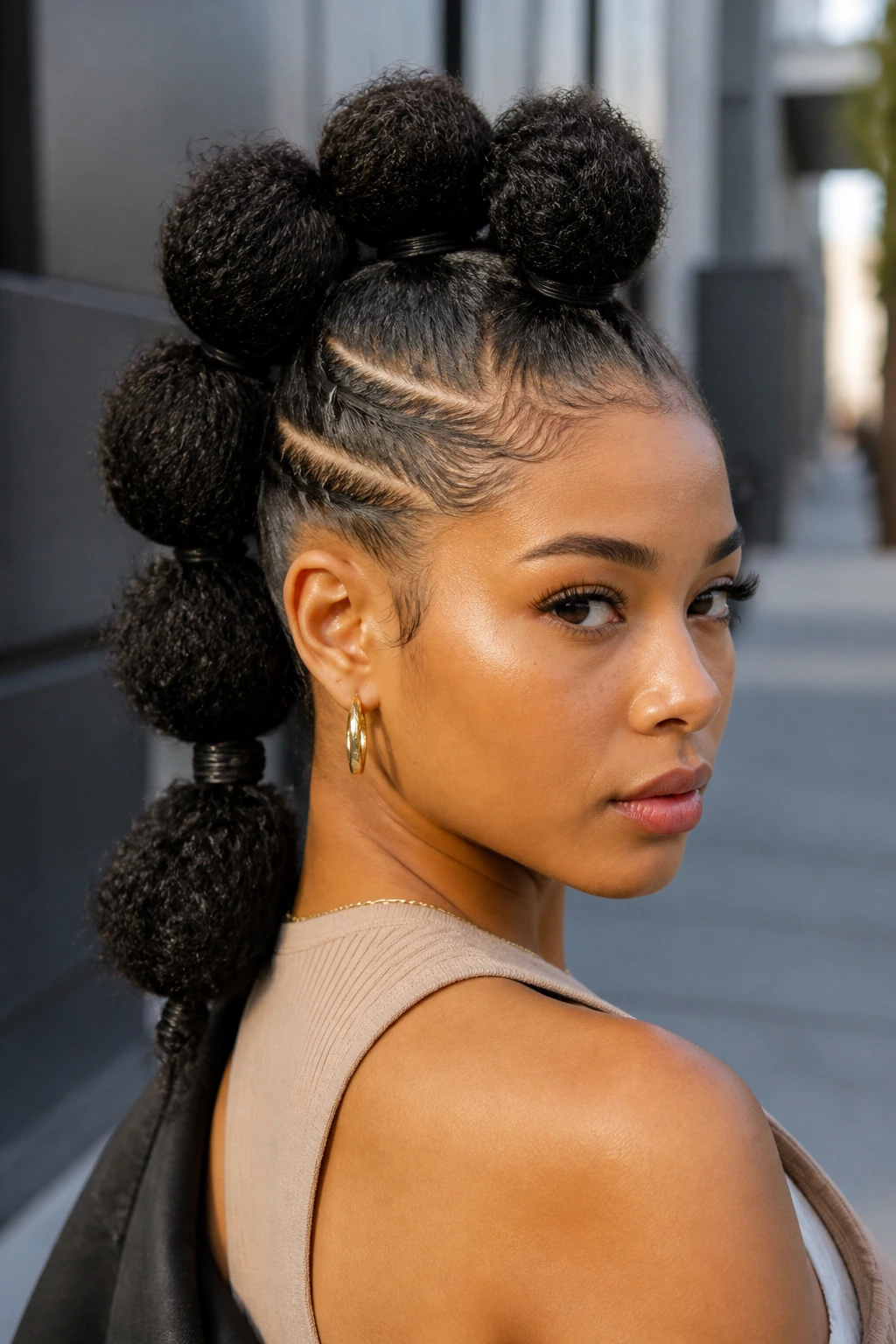
A bubble pony mohawk breaks the center ridge into round sections with ties or wrapped bands. That segmented shape looks playful and keeps long hair from collapsing into one heavy block.
It’s a nice choice when you want something sculptural but not severe. The bubbles also make it easier to manage longer crochet hair because each section gets its own space.
19. Chunky Rope Twist Mohawk
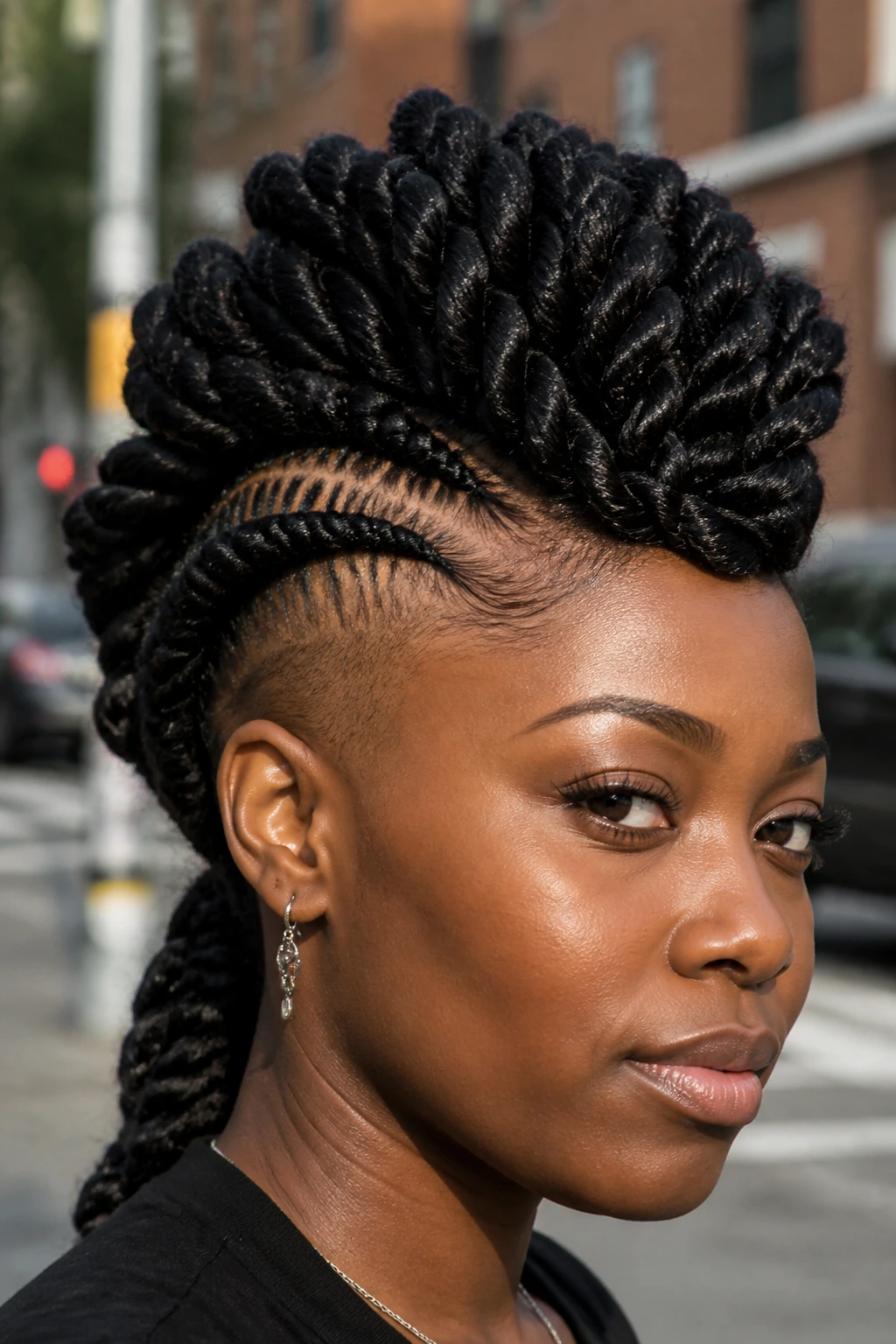
Chunky rope twists give the style mass fast. They stack well, hold shape, and bring a thick, tactile look that feels grounded rather than fluffy.
This is a strong option if you want the mohawk to read bold in daylight and still hold up at night. The thicker texture also hides small imperfections in the braid base better than super sleek styles do.
20. Side-Part Scalp Detail Hawk
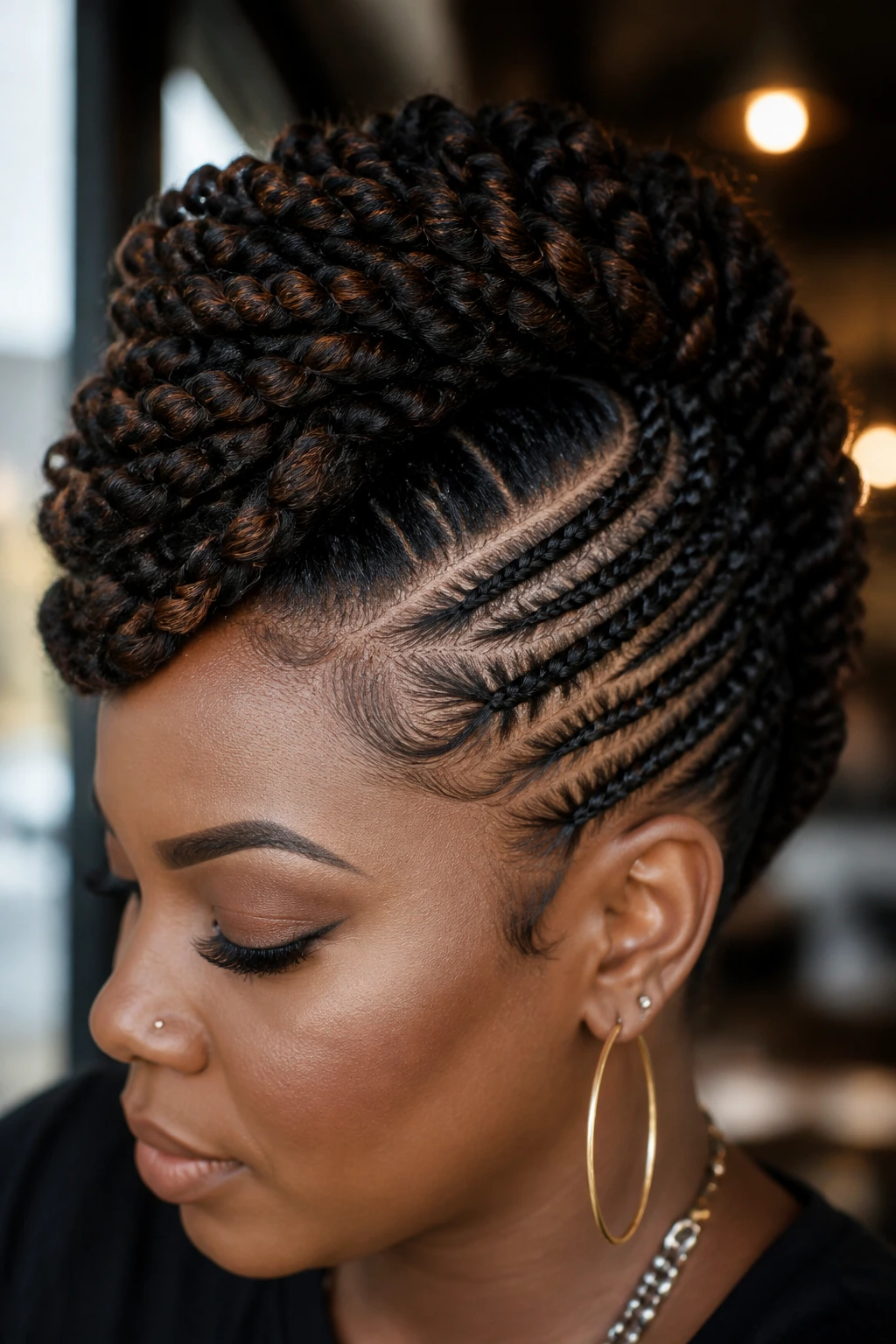
A deep side part can shift the whole style off center and make it more interesting. You still get the mohawk ridge, but the braid pattern near the scalp has its own line and direction.
That detail matters if you like hair that looks designed from the root up. The part gives the style a clean entry point, which makes the center volume feel more intentional.
21. Copper-Tone Coil Mohawk
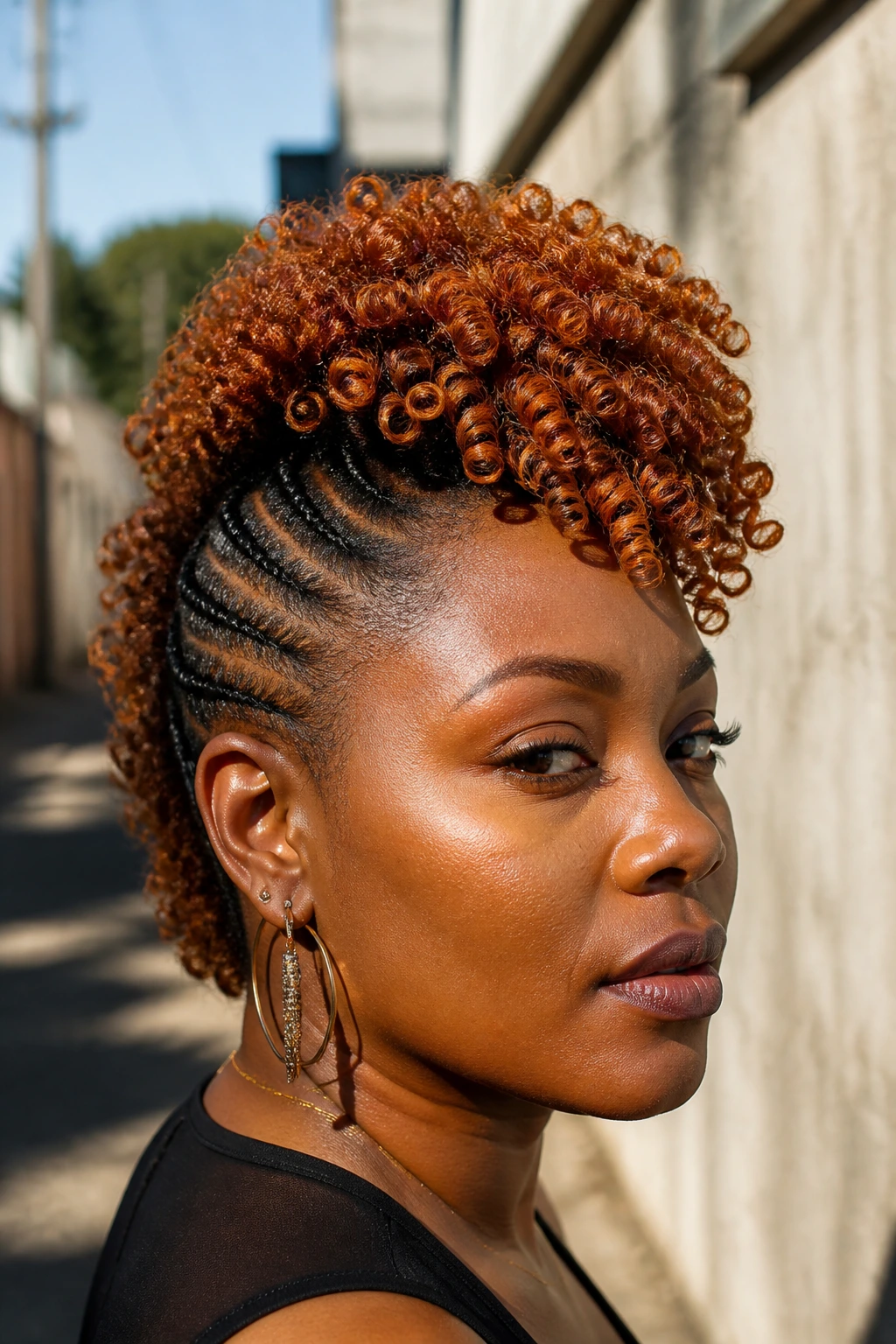
Color changes the mood fast. Copper, cinnamon, or soft auburn crochet hair warms up the face and makes every braid line look richer against the scalp.
The coil texture keeps the color from feeling flat. On a mohawk, warm tones catch the light along the ridge and make the shape easier to read from a distance.
22. Wrapped-Base Elevated Hawk
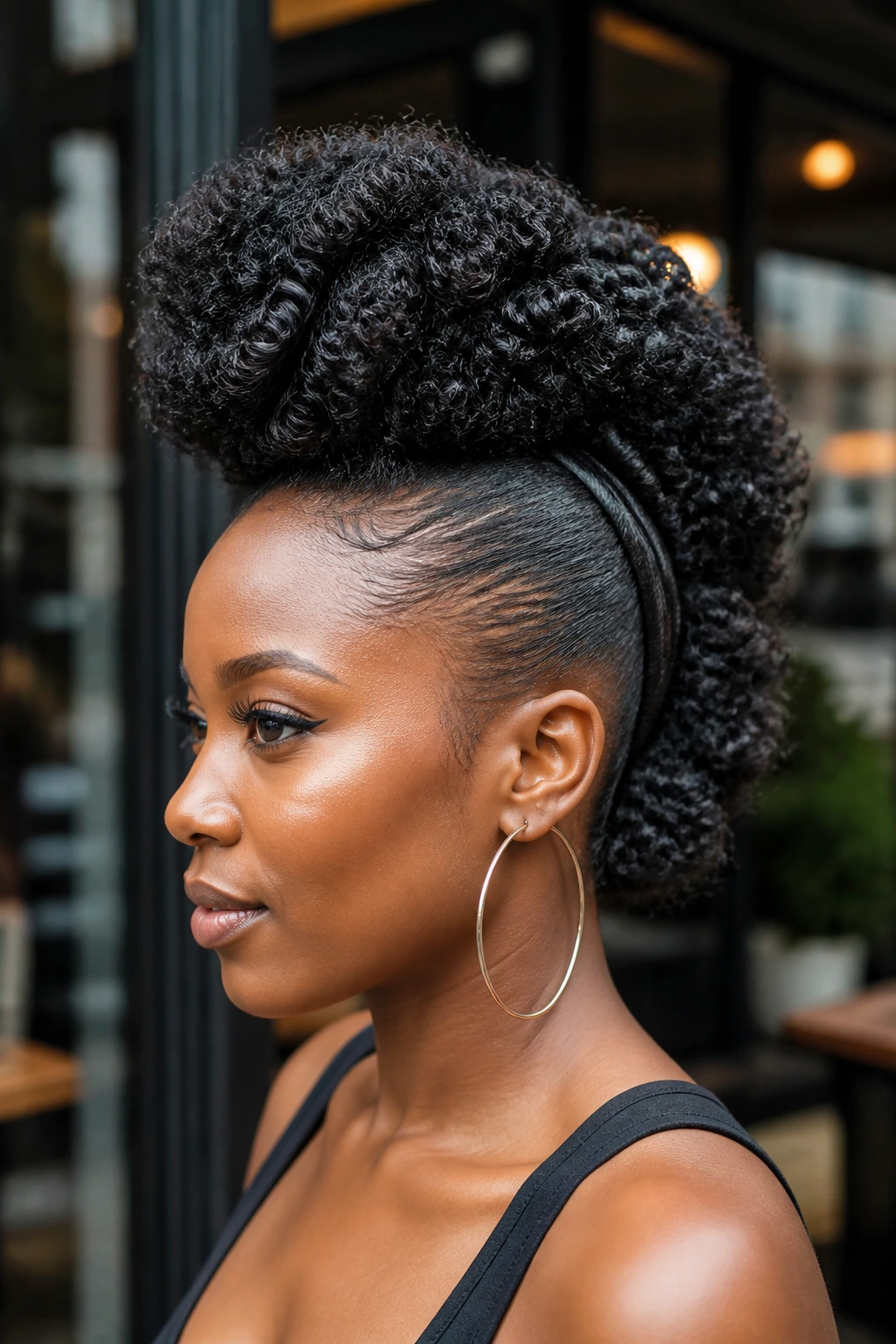
A wrapped-base mohawk is for people who like the base to look as polished as the top. The root section is wrapped or covered neatly, which gives the style a raised, finished start.
This version leans formal without becoming stiff. It is the sort of mohawk that works well with sharper earrings, a clean neckline, and a little extra shine near the crown.
23. Tapered Nubian Curl Mohawk
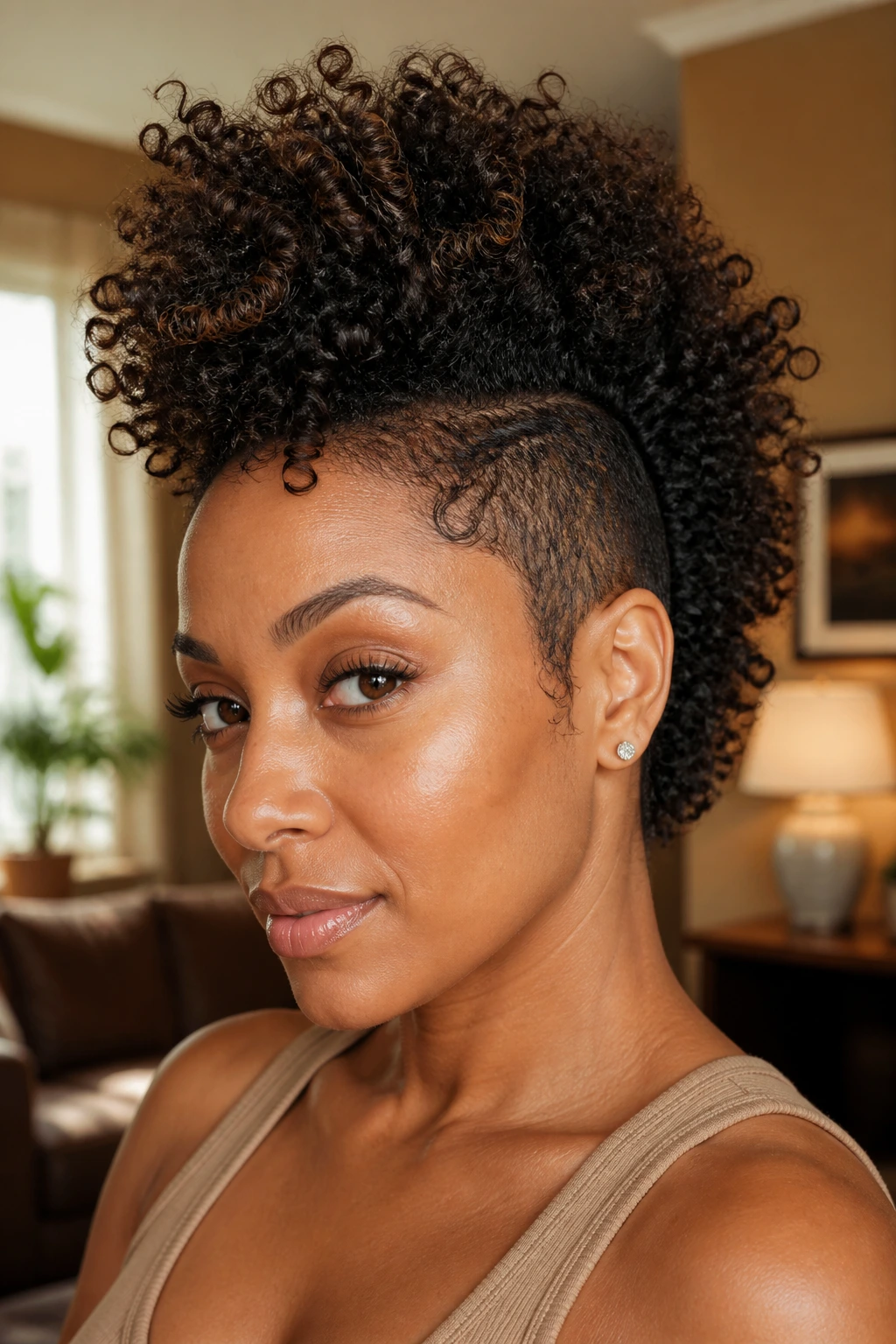
Tapered Nubian curls create a dense, rounded profile that sits close to the head at the edges and fuller at the center. That taper keeps the style from feeling too wide.
The shape is flattering because it focuses volume where the mohawk wants it most: up top. And unlike very long curls, the taper makes the style easier to sleep on and easier to refresh.
24. Passion Twist Hawk
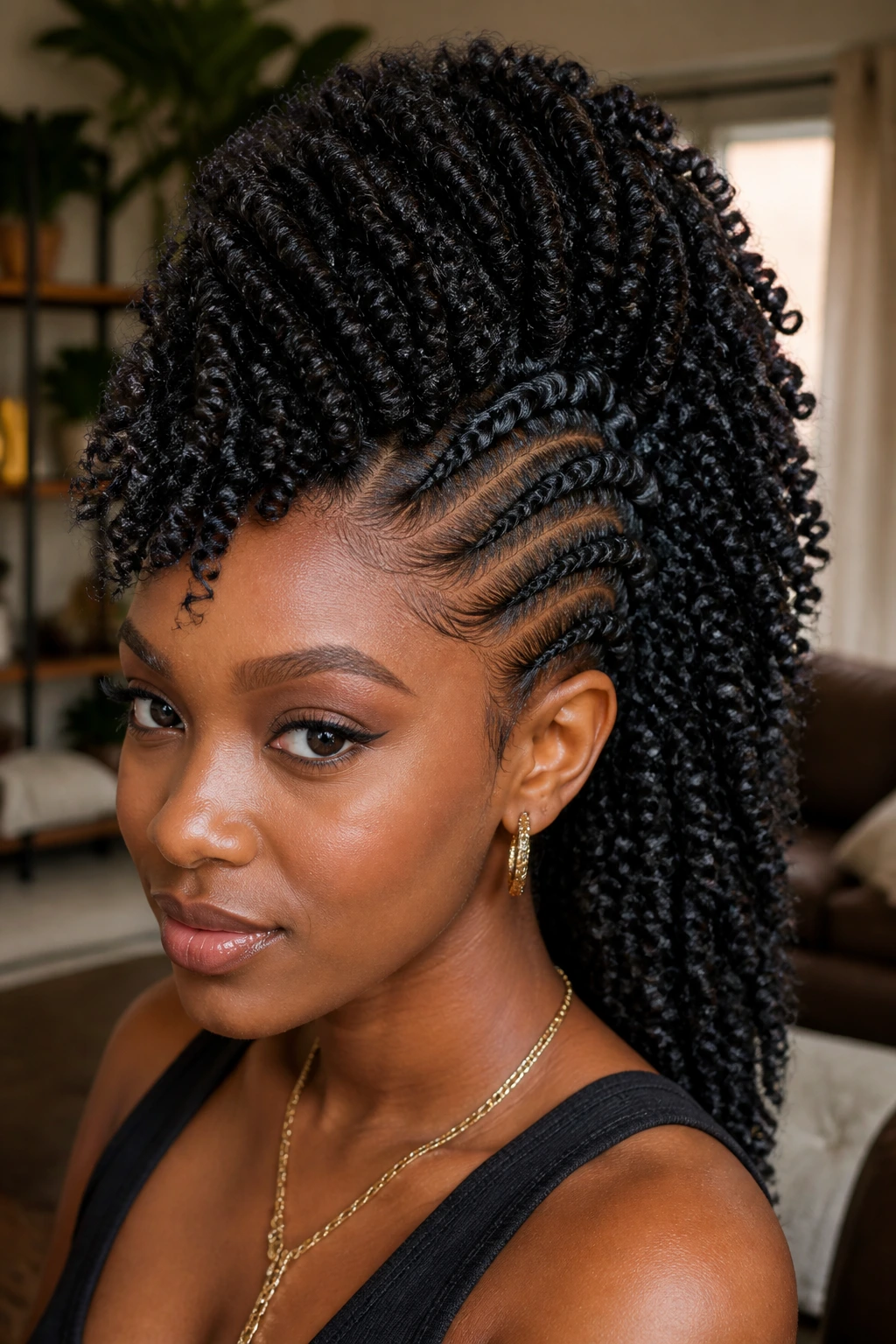
Passion twists bring softness and swing. They are not as rigid as some rope twists, which gives the mohawk a more relaxed feel even when the shape is tall.
This version is a good middle ground if you like twist texture but do not want the style to look too packed. The twists separate nicely, so the crown can stay full without feeling heavy.
25. Side-Swept Curly Mohawk
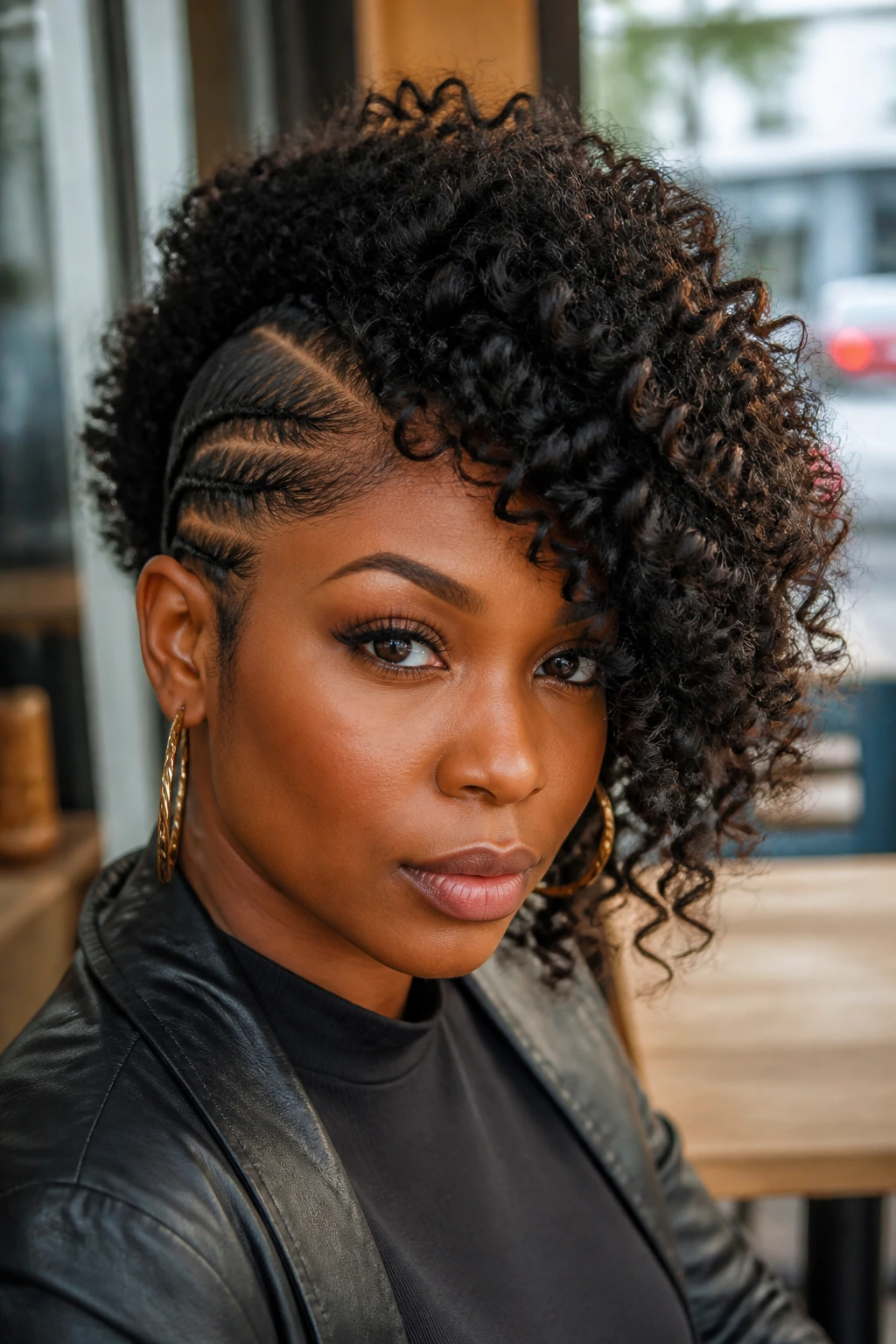
A side-swept version shifts the center mass a little off to one side, which makes the face look more dynamic. The curls fall in a diagonal line instead of a straight one, and that small change keeps the style from feeling predictable.
It works especially well if you wear bold makeup or larger earrings. The hair and accessories get to have a conversation instead of competing.
26. Undercut Illusion Crochet Hawk
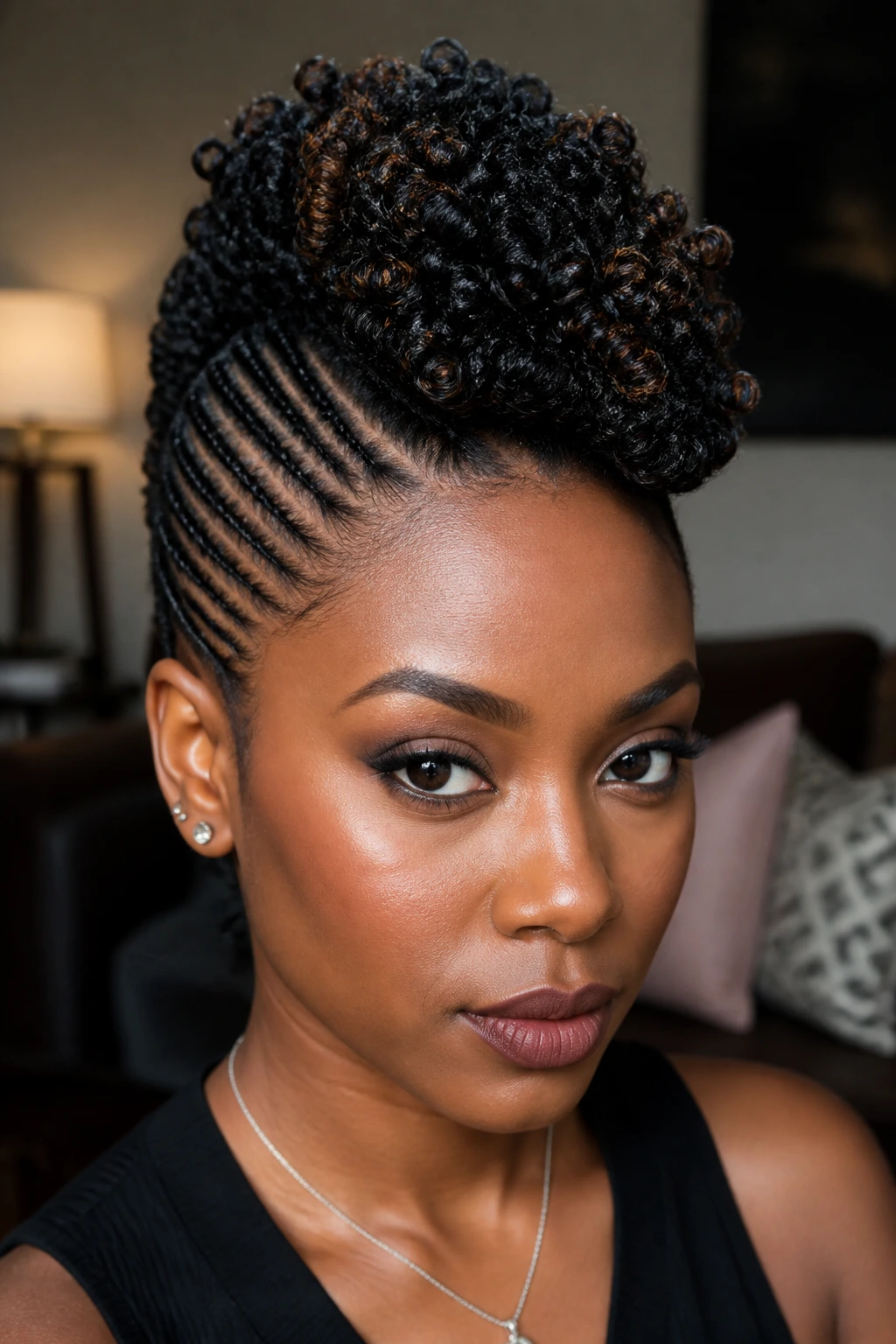
You do not need to shave anything to get the undercut look. Tight side braids, low-profile crochet placement, and a strong central ridge can create the same visual effect without committing to an actual shave.
That’s the beauty of crochet styling. It gives you the edge of an undercut with the flexibility to remove the style later and start fresh.
27. Long Spiral Mohawk
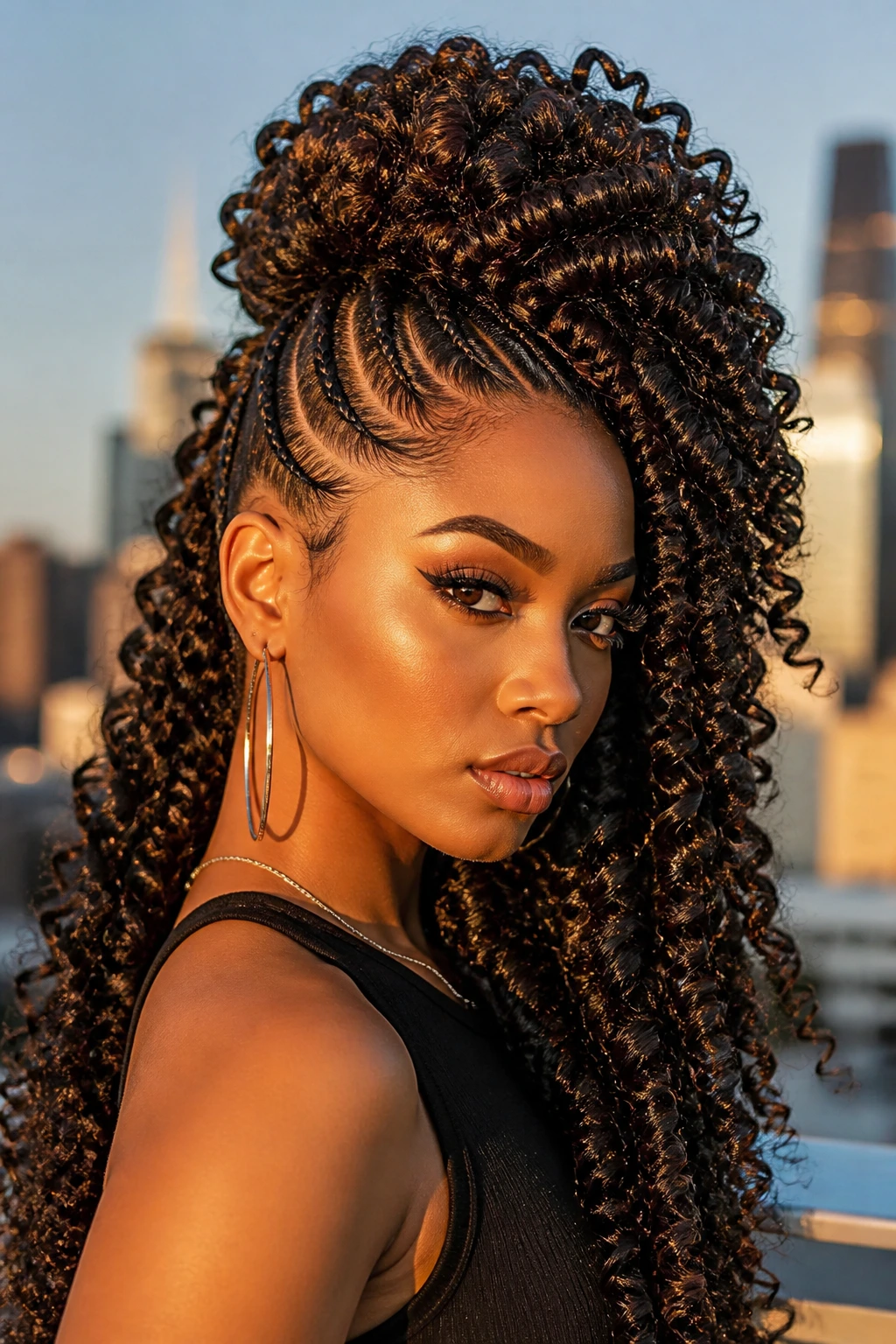
Long spiral curls bring obvious drama. The spirals hang with more length and movement, which makes the mohawk feel bigger and more visible from every angle.
Why It Stands Out
Long spirals work best when the braid base is kept clean and the crown is anchored well, because the hair itself already supplies most of the visual energy. If the base gets messy, the whole style starts to droop. Keep the roots tidy and let the curls do the talking.
28. Single-Braid Side Hawk
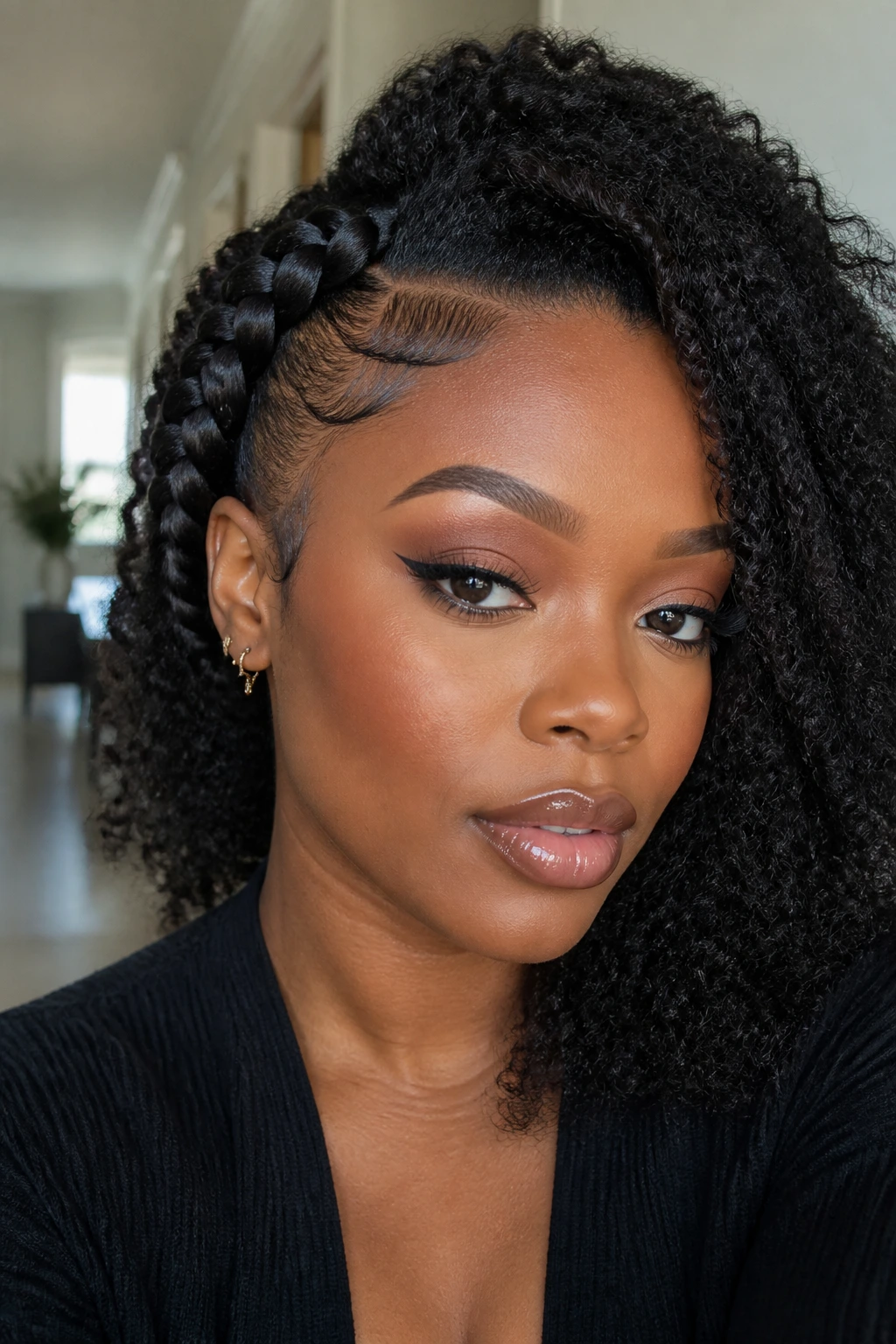
One thick braid on one side can anchor the whole look. On the other side, the crochet hair can stay loose and textured, which creates a pleasing contrast between control and softness.
The style has a little attitude, but it does not need extra decoration to make its point. That single braid acts almost like a frame around the face.
29. Crown Braid and Loose Curls Mohawk
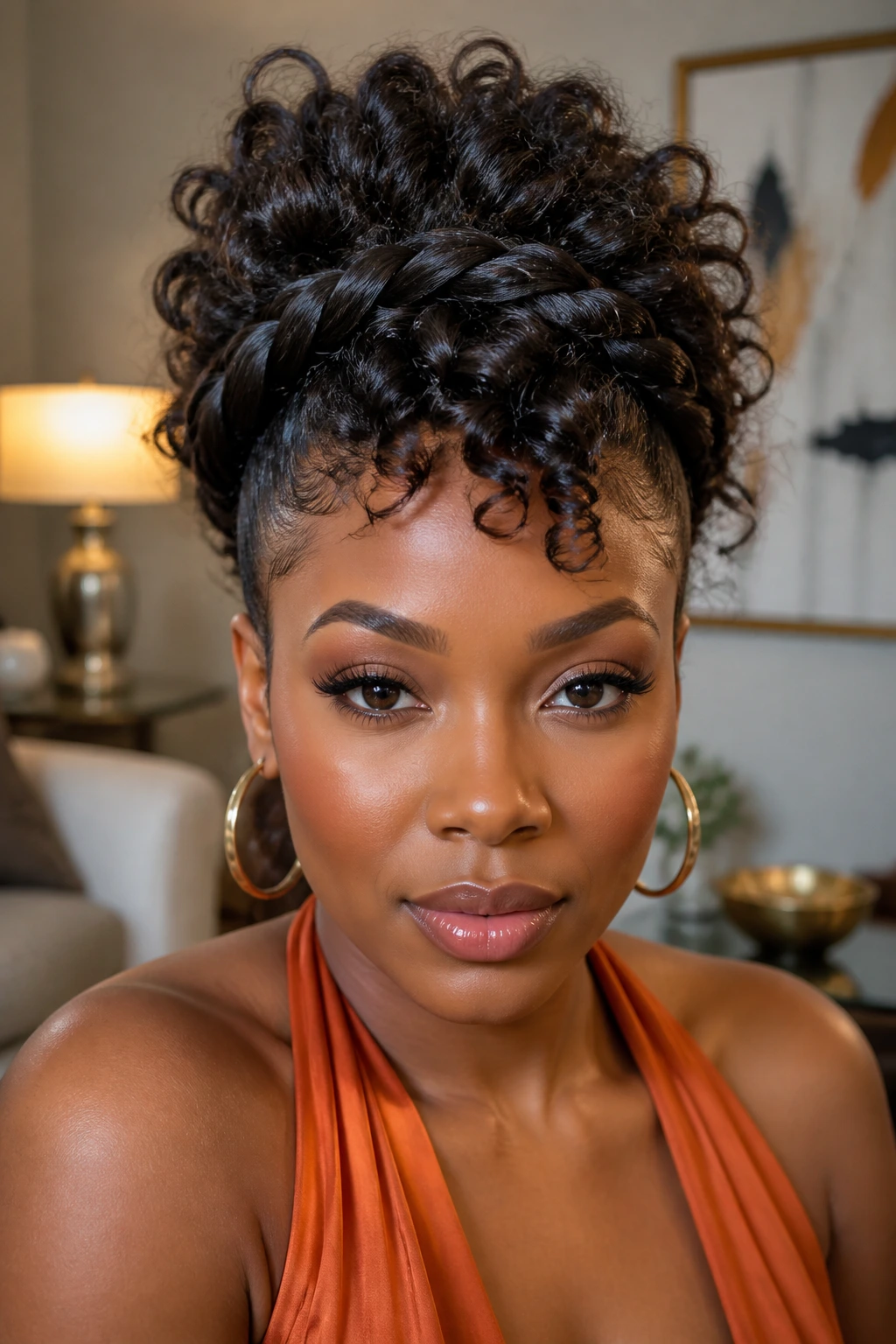
A crown braid around the top gives the style a halo effect, and the loose curls in the center keep the mohawk from becoming too structured. It feels balanced, almost regal, without going into formal updo territory.
This version works when you want braid artistry to show. The braid line becomes part of the design, not just the support system.
30. Bantu Accent Hawk
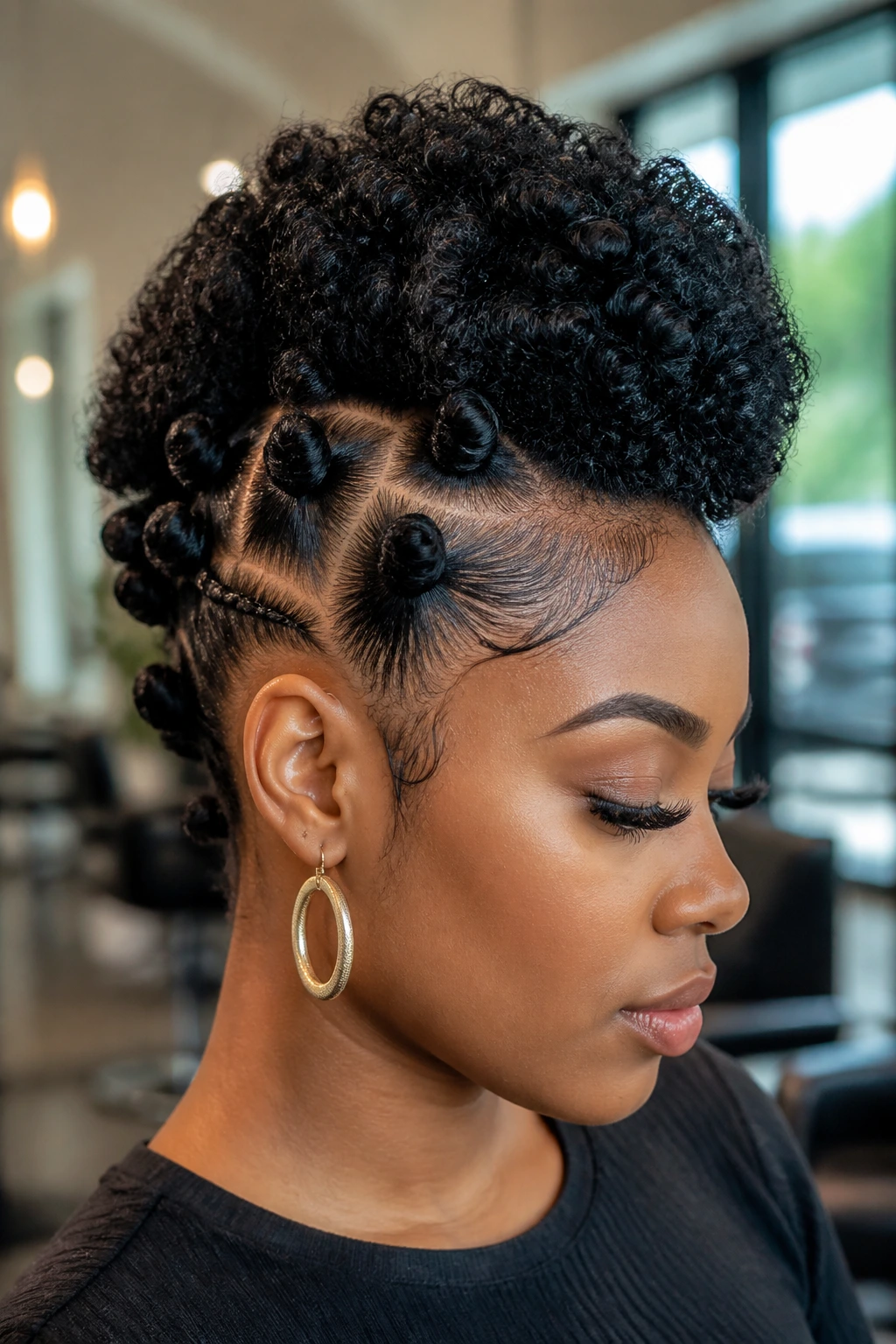
Bantu accents bring shape and heritage into the style in a way that feels rooted and specific. Small knots or knot-like anchors around the center can add texture before the crochet hair even starts.
I like this one when the goal is a mohawk that feels sculpted and intentional. It’s a strong reminder that the base can matter just as much as the finished fluff.
31. Layered Bob Mohawk
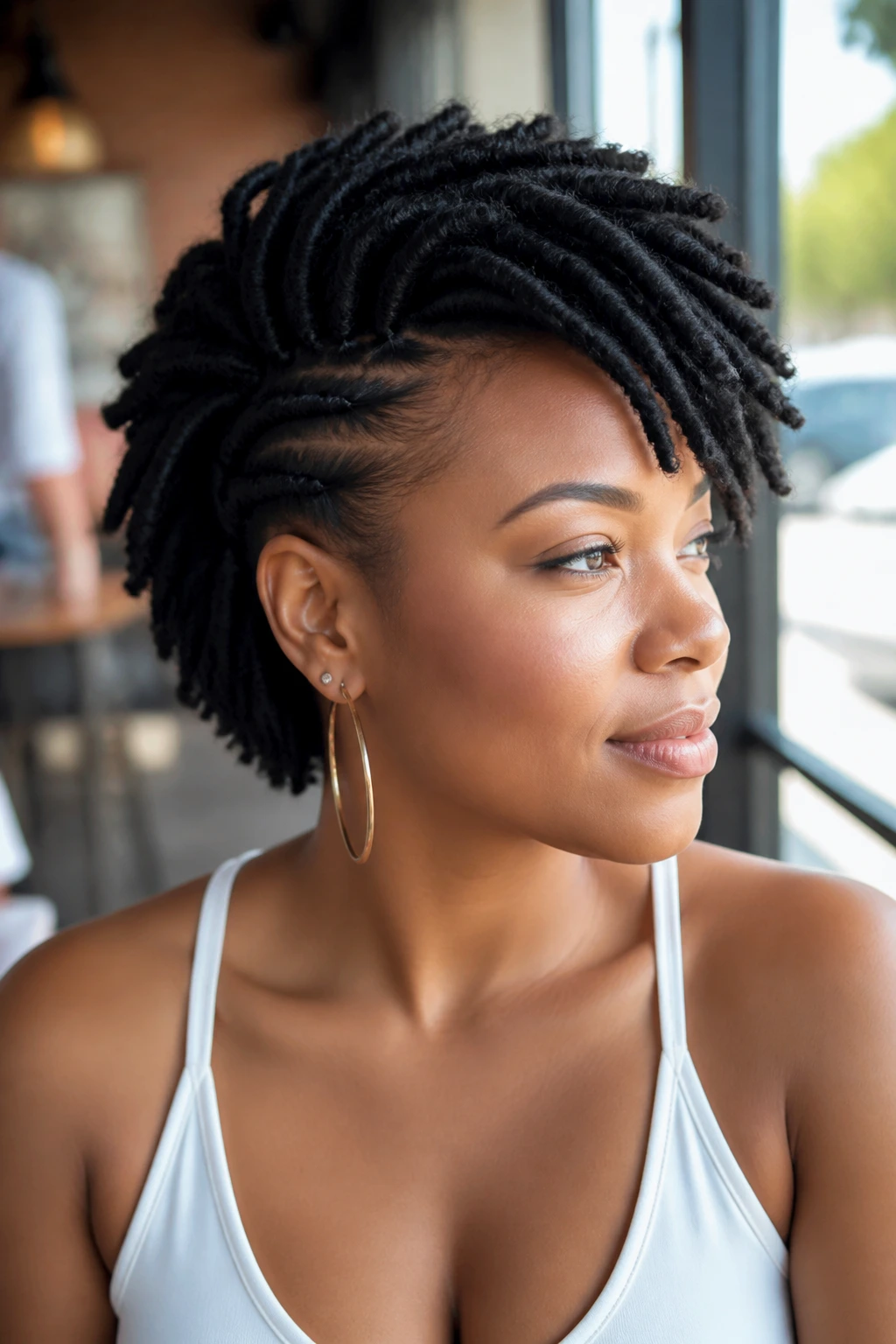
A bob-length mohawk sits close enough to stay light, but the layering keeps it from looking plain. The ends fall at different points, which adds movement and helps the shape sit around the jaw nicely.
This is one of the easiest styles to wear every day. It gives you the mohawk profile without the weight of a long crown.
32. Glam Beadline Mohawk
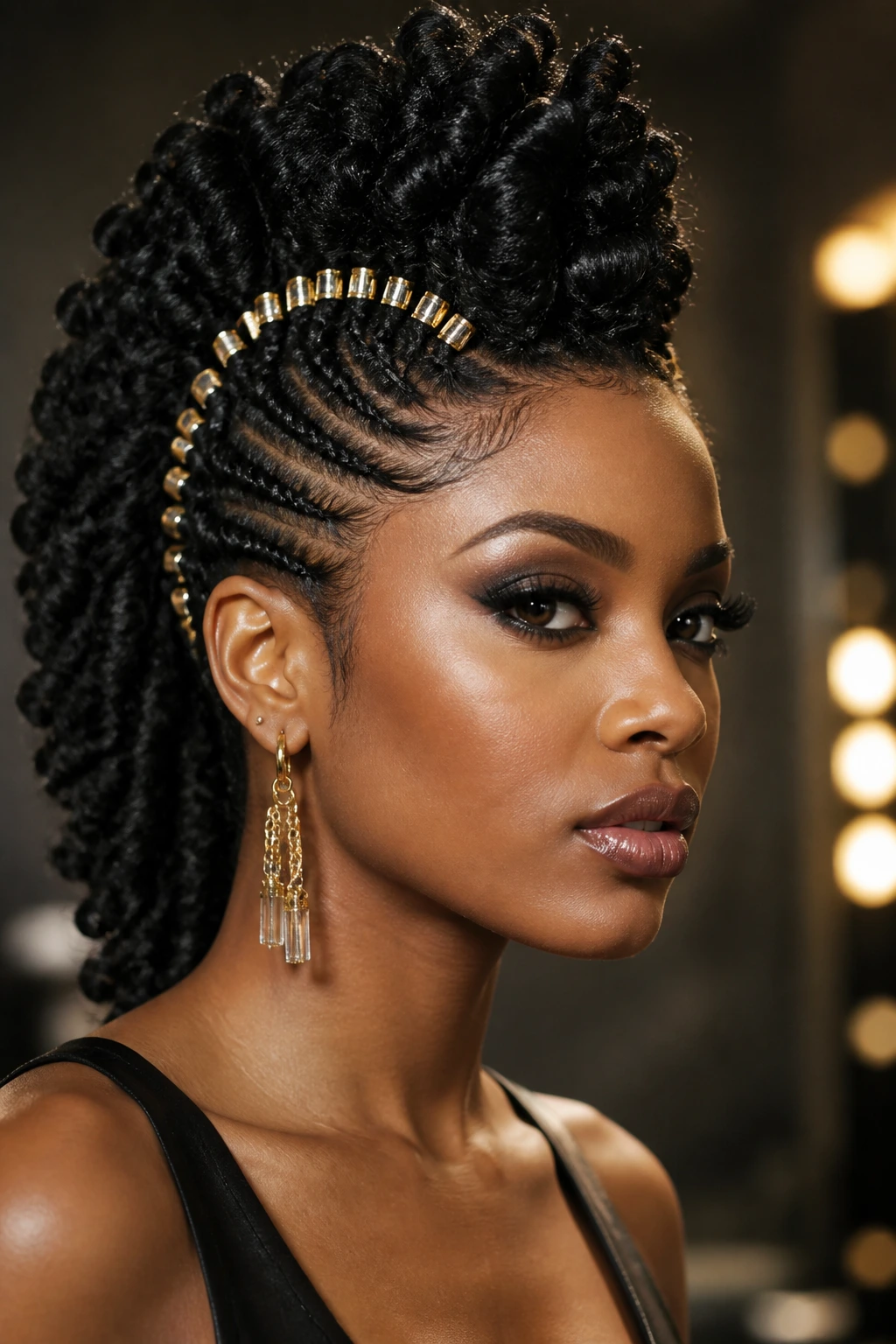
A beadline running down the ridge or sitting near the temples gives the style a dressed-up finish. It can look delicate or bold depending on bead size, but the placement should always follow the shape of the mohawk itself.
This is the version I reach for when the hair is supposed to feel special. A few well-placed beads do more than a dozen random extras ever could.
33. Everyday Classic Crochet Mohawk
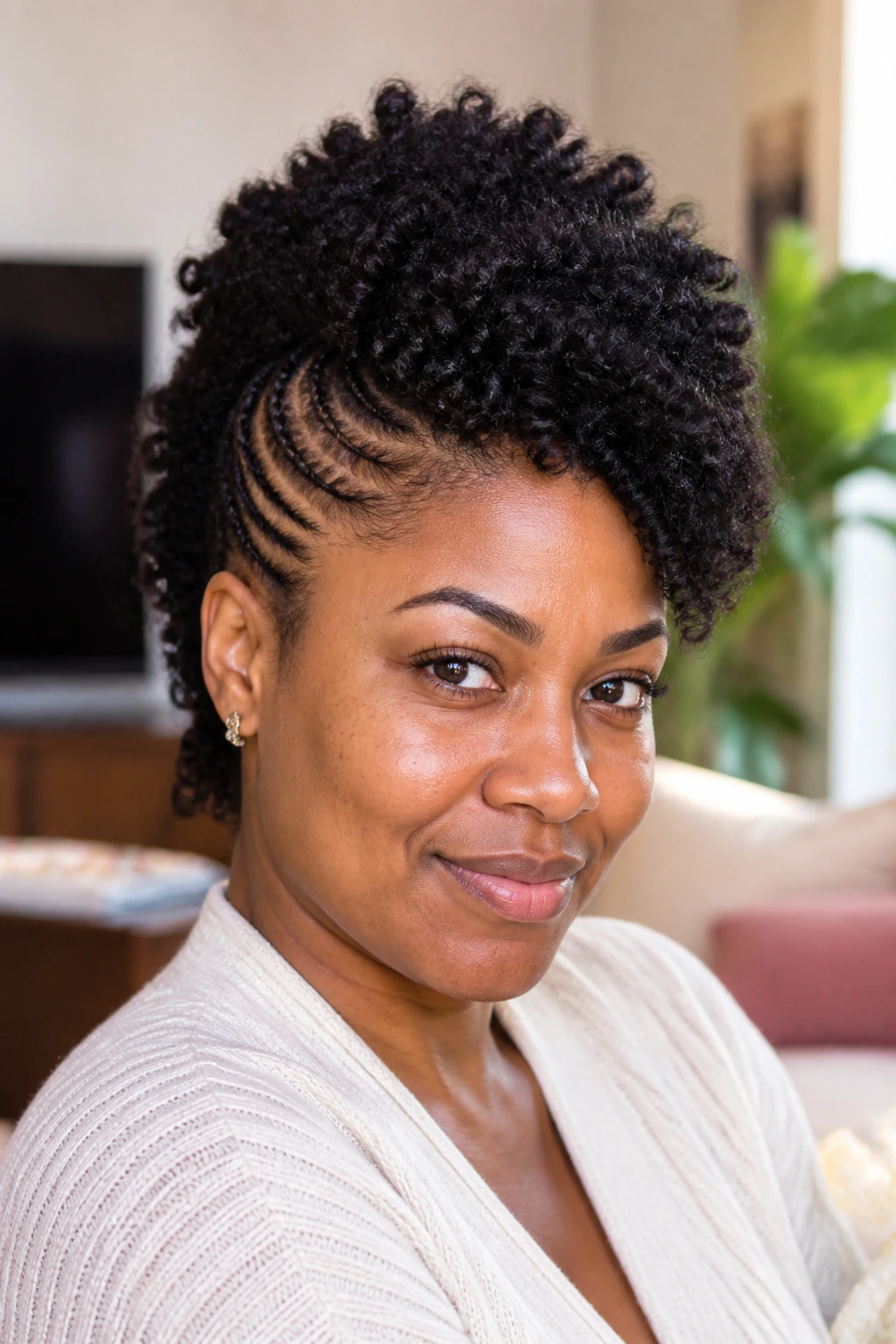
The classic version gets chosen for a reason. The sides are neat, the crown has enough height to look styled, and the crochet texture stays balanced instead of competing with the braid work.
If this is your first mohawk crochet install, start here. It gives you the shape without overcommitting to length, color, or accessories, and it is easy to build on later.
Why the Crocheted Mohawk Shape Keeps Working
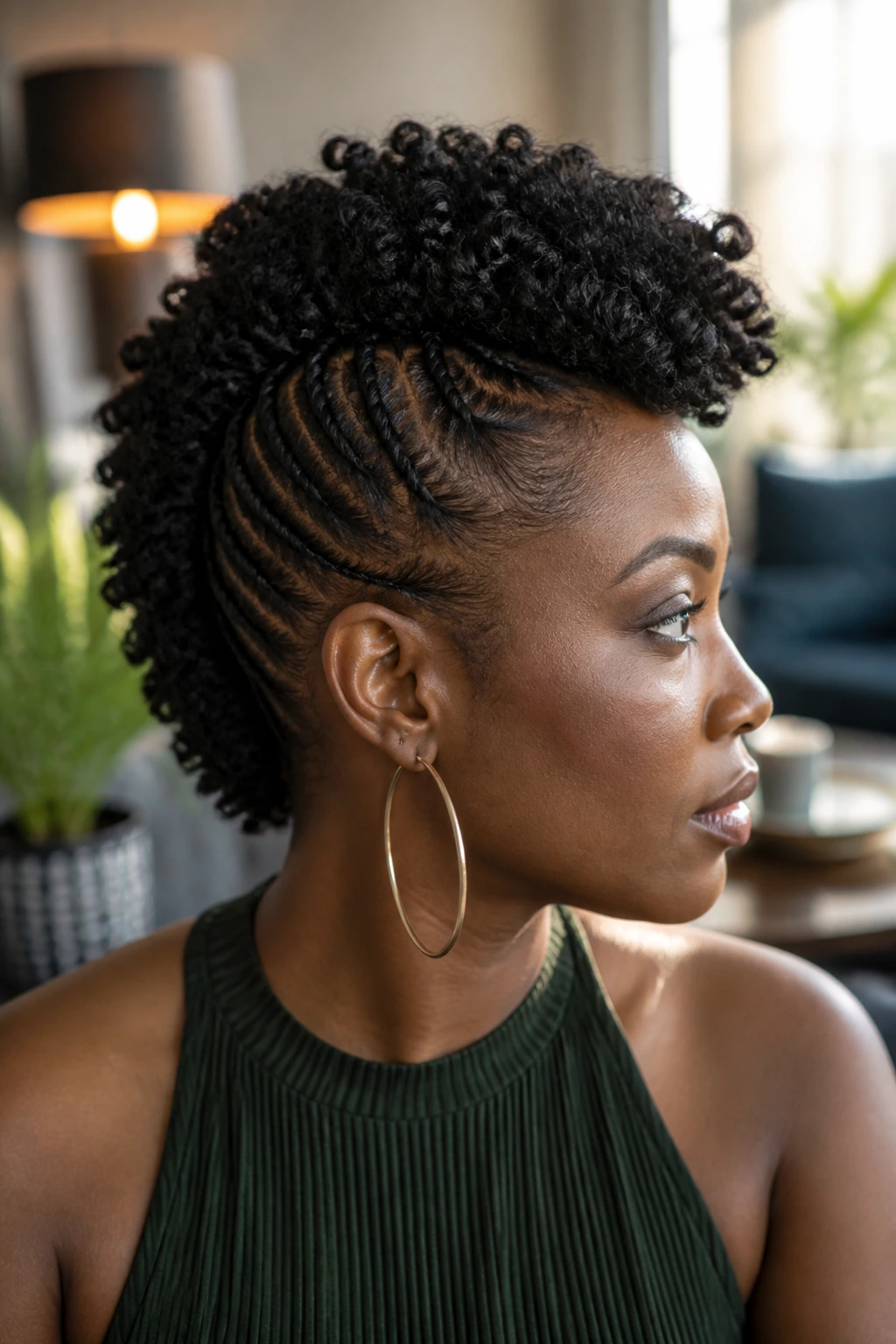
The reason this silhouette keeps coming back is simple: it gives structure where people usually want it and softness where they do not. A mohawk crochet base lets the sides lie flatter, which can help the whole style feel lighter around the temples, while the center ridge carries the visual weight.
That matters on natural hair, especially when you want a protective style that doesn’t feel limp. The head reads cleaner when the braid pattern is intentional, and crochet hair gives you enough body to make the outline visible from across the room.
I also like the flexibility. One install can lean curly and romantic, another can go twist-heavy and sharp, and a third can sit somewhere in the middle with beads or cuffs. Same bones. Different personality.
Essential Tools for the Install
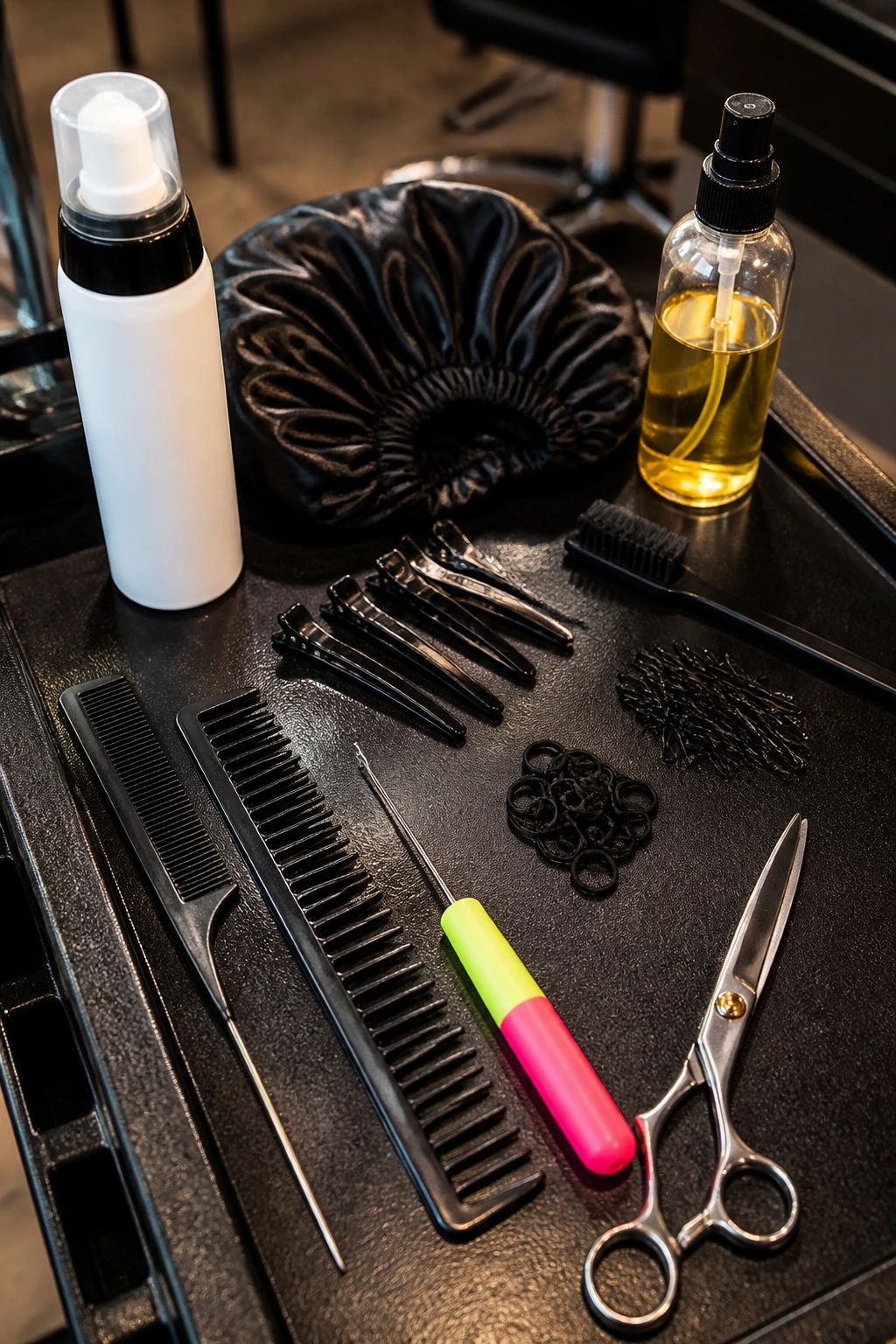
- Rat-tail comb: Needed for clean parting and for keeping the center ridge straight.
- Wide-tooth comb: Helps detangle prepped hair before braiding and keeps tension lower.
- Hair clips or sectioning clamps: These stop the loose sections from tangling while you work.
- Bobby pins and small elastics: Useful for shaping the crochet hair or tucking stray pieces.
- Crochet latch hook: The piece that actually pulls the hair through the braid base.
- Edge brush: Helps smooth the hairline without pressing product all over the scalp.
- Foam wrap mousse: Good for setting braids, calming flyaways, and refreshing curls.
- Satin bonnet or scarf: Non-negotiable if you want the style to last past the first rough night.
- Sheen spray or light oil mist: Keeps the finish looking healthy without weighing down the roots.
- Scissors: For trimming ends, accessories, or any obviously uneven pieces. Keep them sharp.
Smart Prep for Natural Hair and Scalp
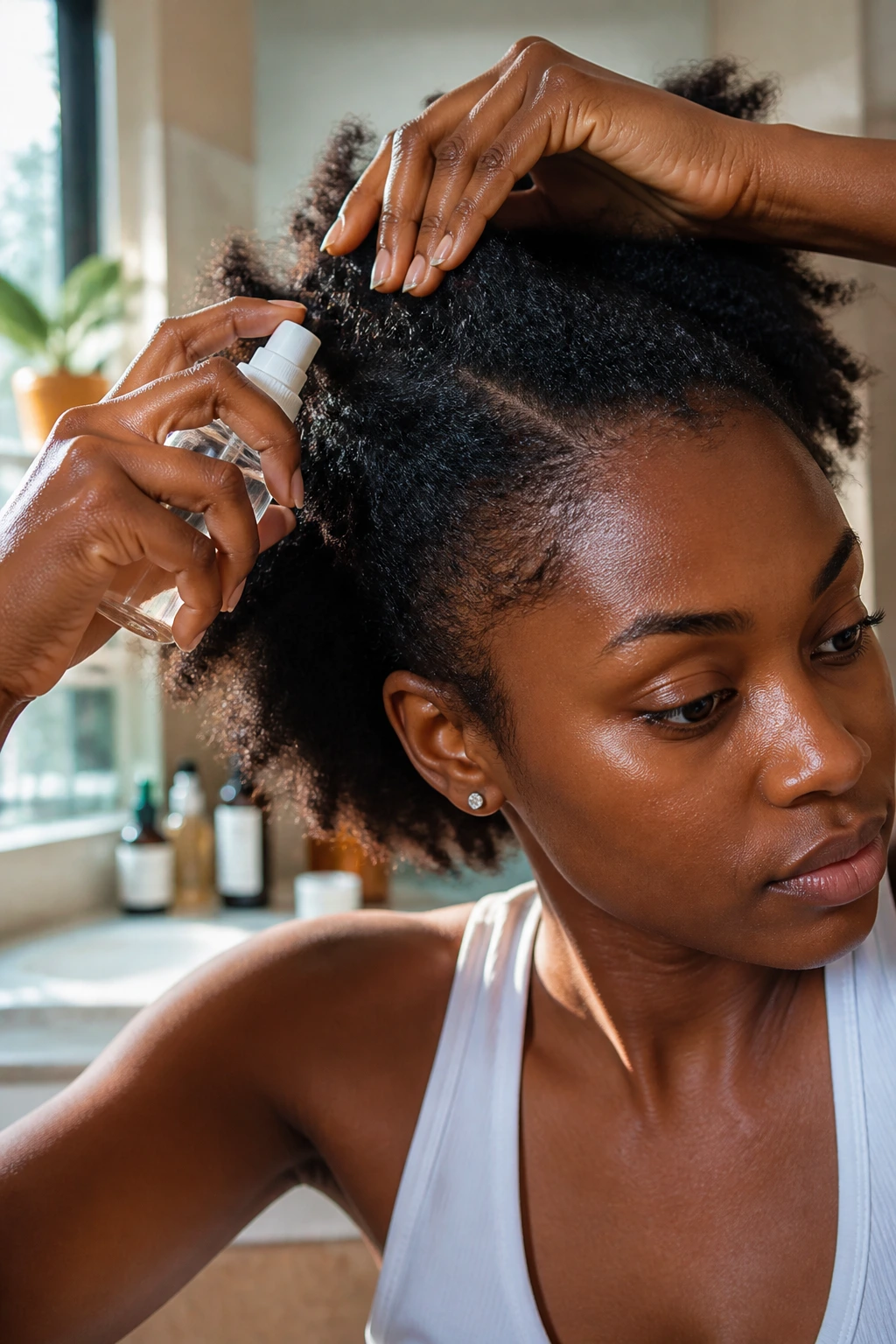
A clean braid base makes every mohawk style look more expensive, even when the crochet hair itself is simple. Start with washed, fully dried hair. If the roots are damp, the braids puff up later and the style stops sitting where you want it.
Stretching the hair first helps too. A twist-out that has been gently stretched, a blow-dry on low heat, or even banding overnight can make parting cleaner and reduce bulk at the scalp. That matters more than people think. The braid pattern sits flatter, and the center ridge has a cleaner rise.
Scalp prep is where many installs go wrong. Use a light leave-in or scalp mist, not a greasy layer that clogs the roots. If your scalp tends to itch under styles, ask for slightly larger braid parts and keep the tension honest. Tight is not the same as neat.
How to Choose the Right Shape for Your Face and Neckline
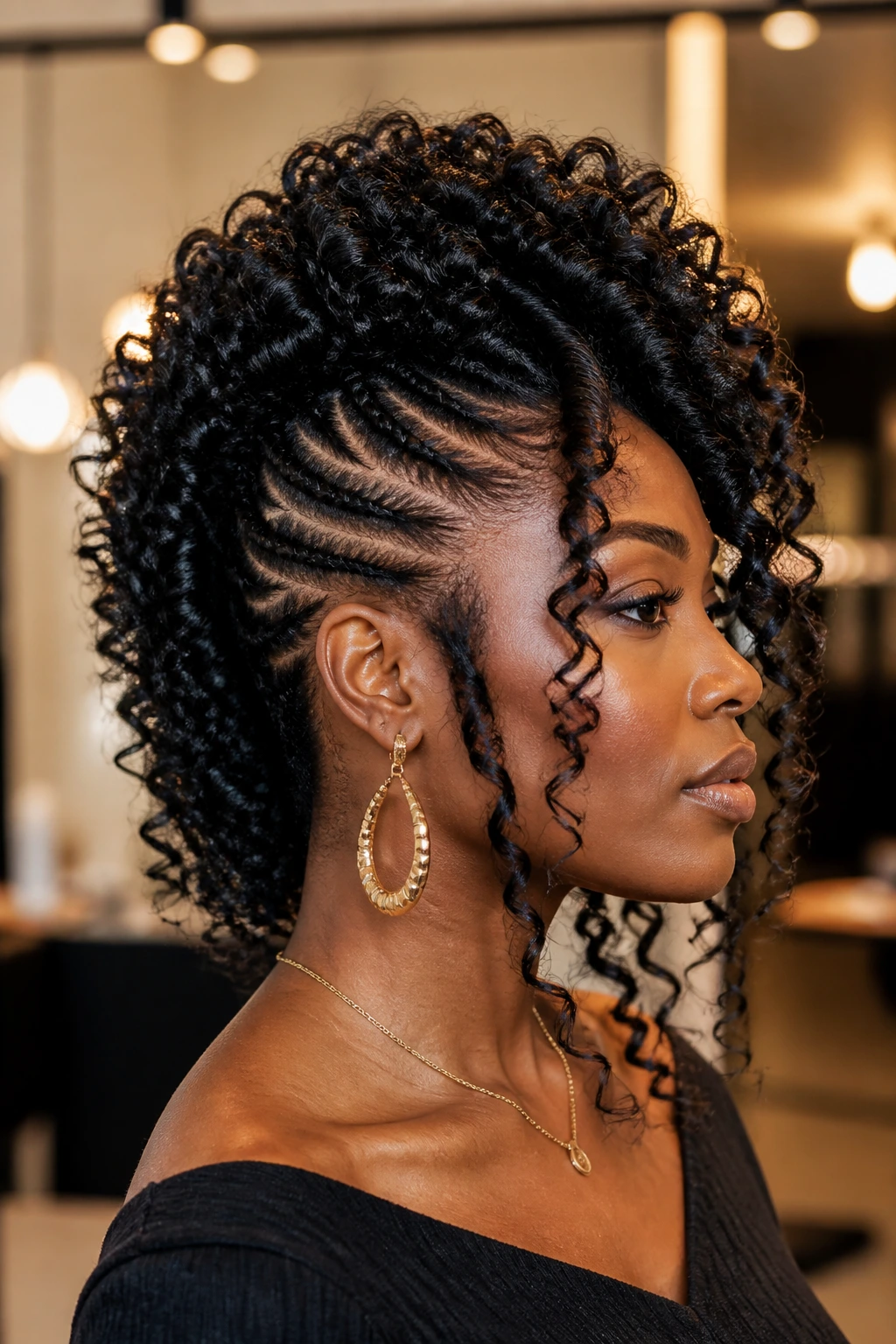
Presentation: If you want the mohawk to read taller, keep the highest point near the crown instead of the forehead. For a softer look, let the front pieces fall a little forward so the shape starts gently.
Accessories: Gold cuffs, cuffs with black beads, or a satin wrap at the base all change the mood fast. Save the bigger accessories for simpler styles; a very busy braid pattern and a very busy accessory stack can fight each other.
Scale: Smaller, lower styles work well when you wear high necklines, crewnecks, or jackets with structure. Bigger, longer hawks look better with open necklines because they need space around them.
Setting: Church, work, brunch, a wedding, a photo shoot — the same base can do all of it if you adjust the finish. A soft curl reads easier; a slicker ridge reads sharper. Pick the one that matches the room, not just the mirror.
Extra Styling Moves That Change the Whole Mood
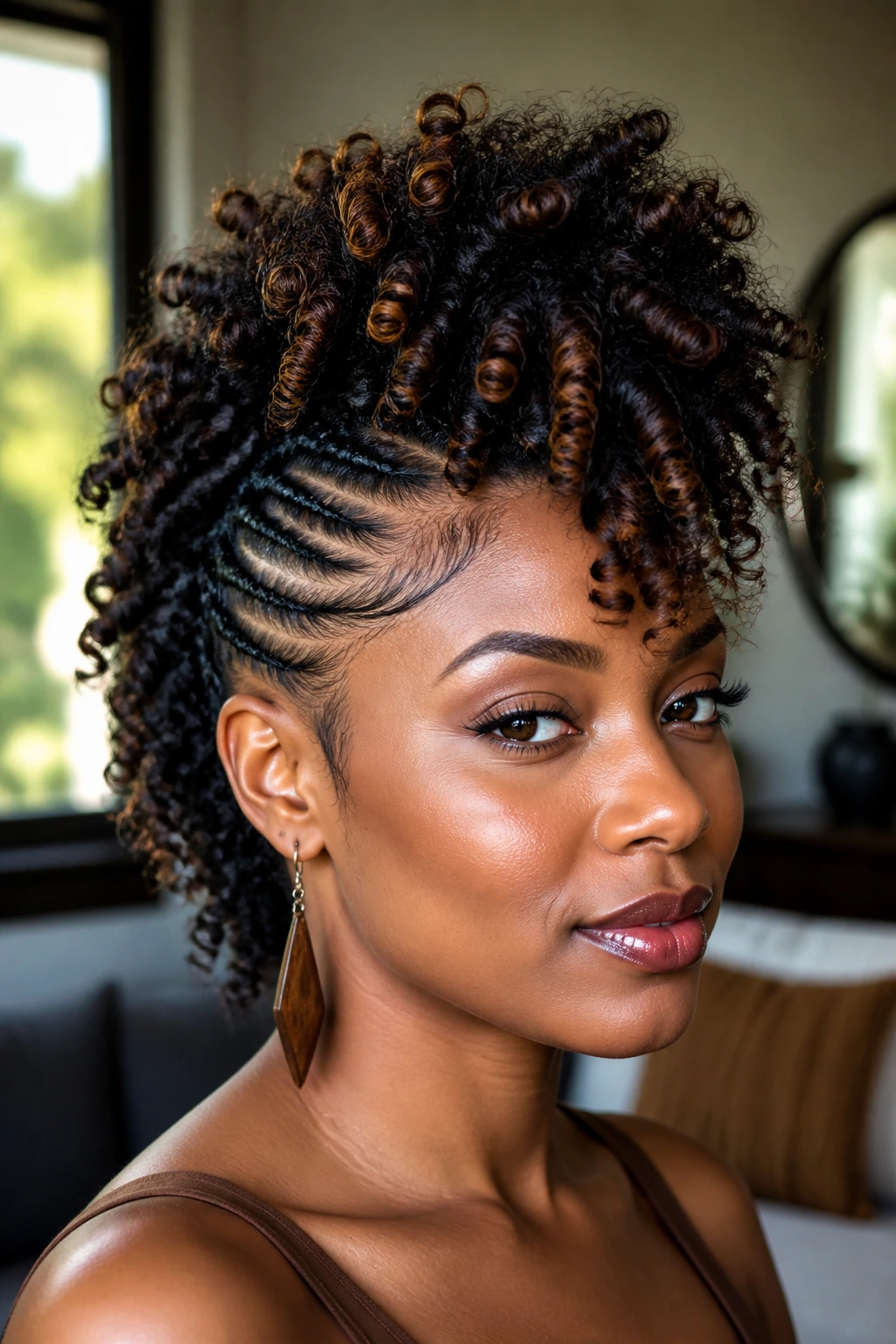
Height Boost: Tease the crochet hair gently at the roots or add a second row of hair at the crown if the style needs more lift. Don’t pile hair randomly; build upward in small sections so the shape stays clean.
Texture Mix: Pair one texture at the sides and another at the crown. Tight braids with loose curls, or rope twists with soft ends, keep the style from looking one-note.
Color Play: Copper, burgundy, and honey-brown tones show up especially well on a mohawk because the center ridge catches light first. Even a few highlighted strands can change the whole read of the style.
Edge Line: Keep the hairline smooth, but do not overdo the gel. A thin layer is enough. If the edges look painted on, the style starts to feel heavy rather than polished.
Common Mistakes That Make a Hawk Sag
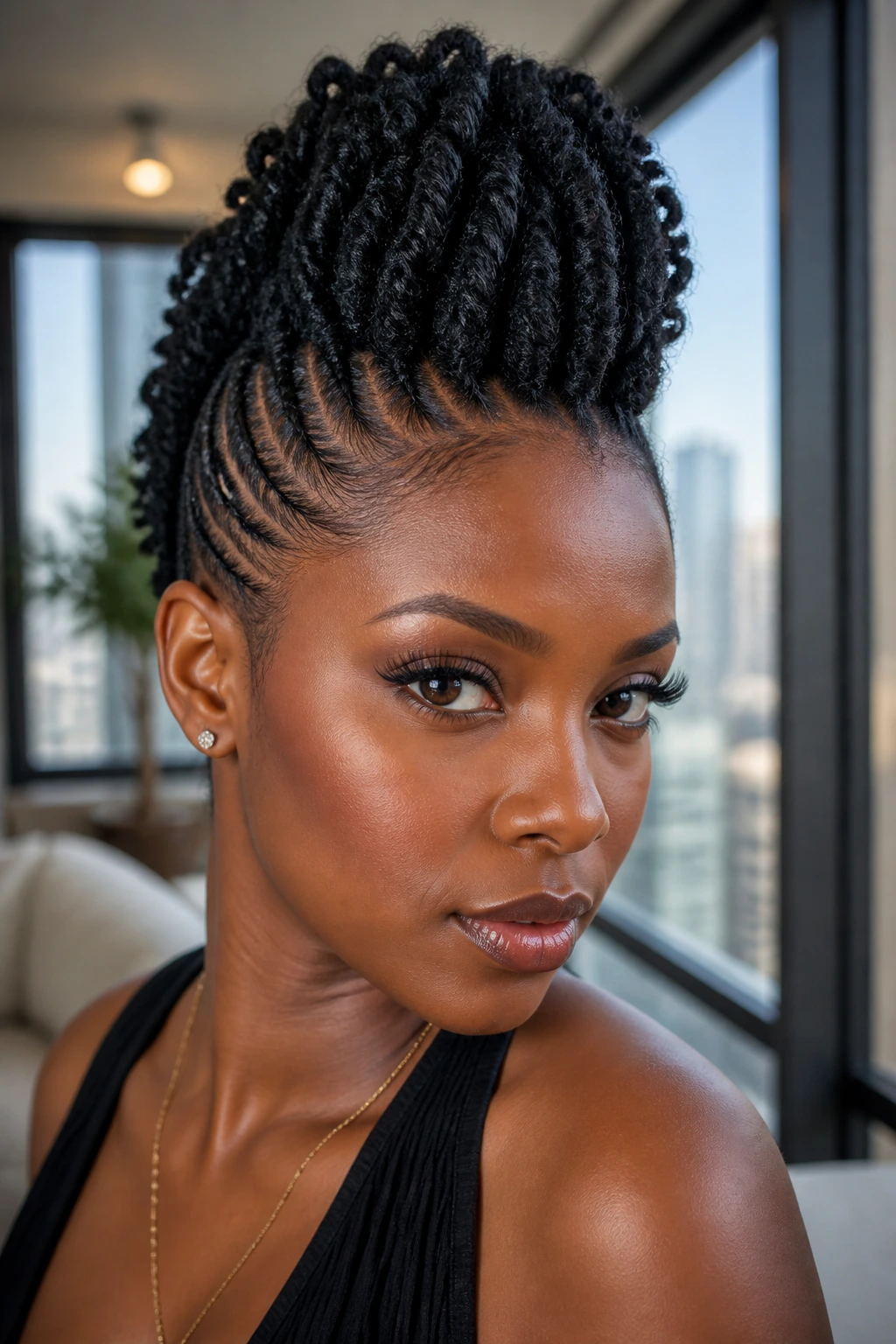
The first mistake is braiding the base too tight. You’ll know because the scalp aches fast, the hairline looks pulled, and the style starts to feel like a problem instead of a look. Keep the tension firm, not aggressive.
Another one: using too much product near the root. Heavy grease or thick gel builds up under the crochet hair and makes the base slip. A light mousse or small amount of edge control is usually enough.
Then there’s choosing the wrong hair volume for the braid pattern. A huge, fluffy crown on a tiny anchor base will droop. Match the fullness to the number and strength of your cornrows.
Finally, skipping nighttime protection. One rough pillowcase can flatten a whole week of work. Satin is the difference between a style that needs constant rescue and one that wakes up mostly intact.
Variations and Alternatives to Try
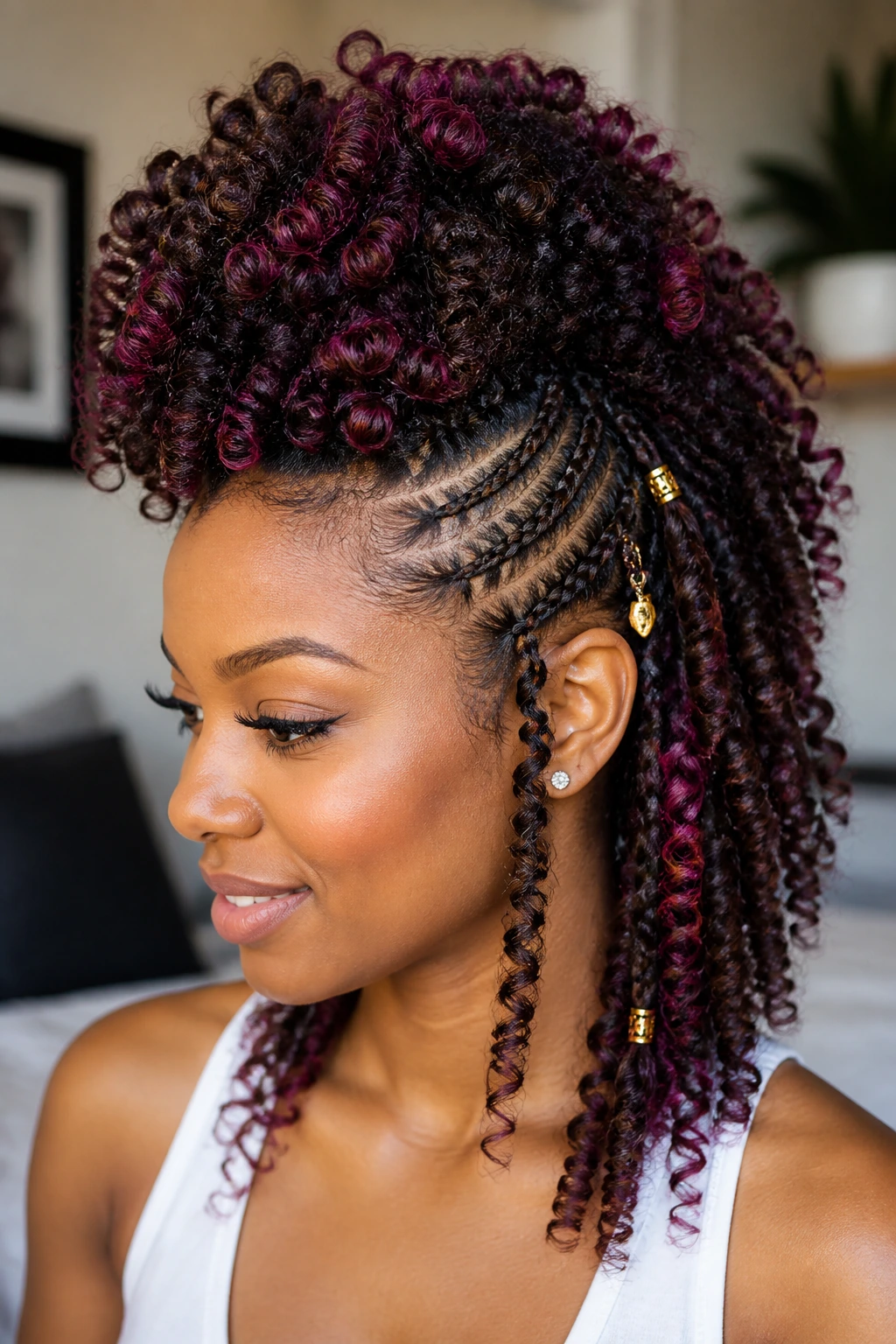
Soft Office Hawk: Keep the crown lower, use smaller curls, and skip the bright accessories. It still reads stylish, but it won’t overpower a tailored outfit or a weekday schedule.
Festival Riot Hawk: Add beads, cuffs, and one or two color streaks. This version likes movement and a bit of shine, so don’t be shy with texture.
Low-Tension Scalp Hawk: Ask for bigger braid parts and a shorter crown. This is the version to choose when your scalp is sensitive but you still want the silhouette.
Long-Drama Hawk: Extend the crochet hair down past the shoulders and keep the sides sleek. It’s dramatic, yes, but the shape stays clean if the base is tight.
Braids-Only Hawk: Skip the curls altogether and build the entire style from feed-in braids, twists, or loc pieces. The look becomes sharper, denser, and easier to refresh.
Night Care and Refreshing Between Wears
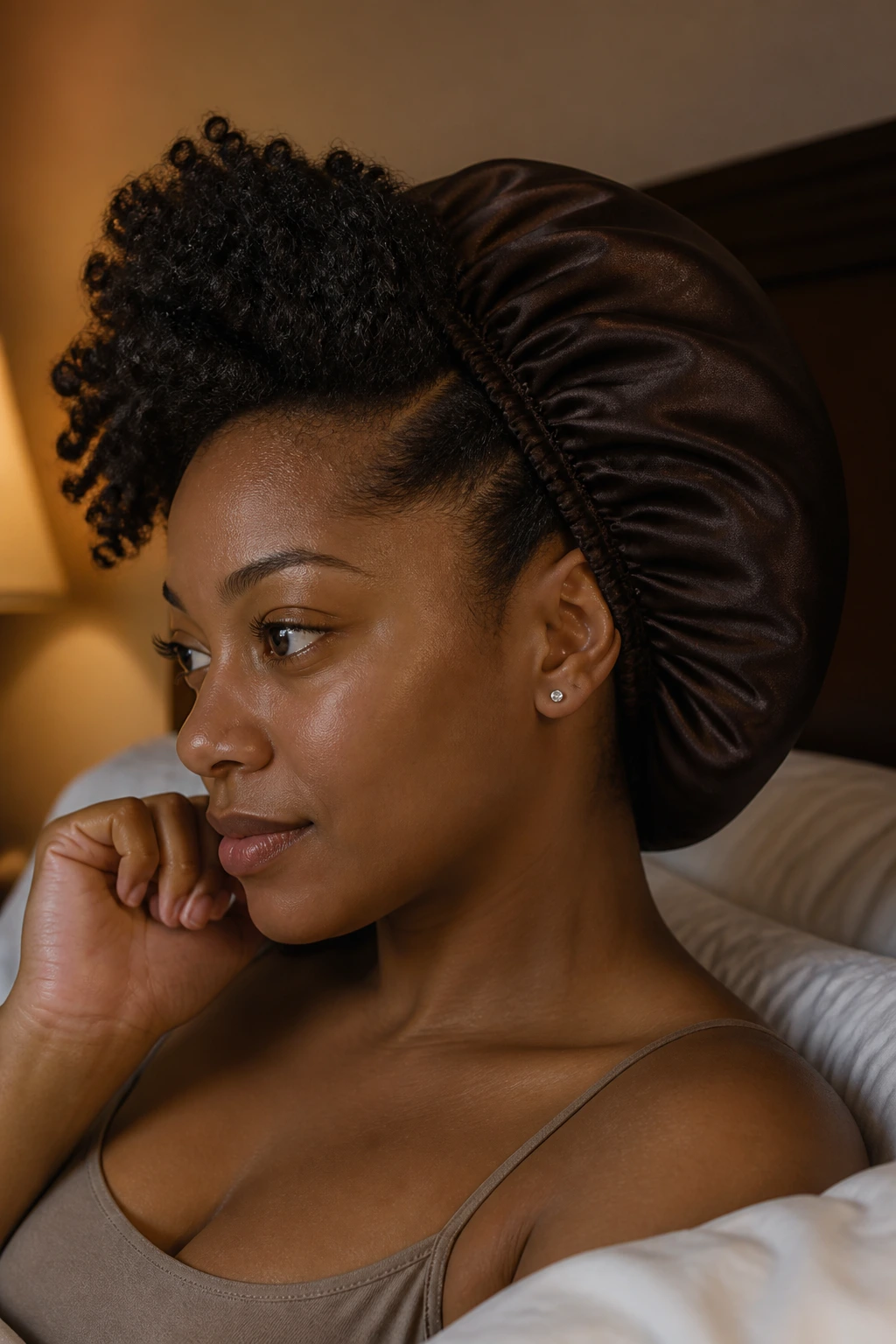
A mohawk crochet style lasts better when the night routine is boring and consistent. Put the crown in a satin bonnet or wrap it with a scarf that covers the braid base and the front edge. If the style is tall, secure the center section lightly with a satin tie before covering it so the shape doesn’t collapse sideways.
In the morning, do not soak the hair with product. Shake the style out first. Separate curls with your fingers, then use a small amount of mousse if the ends look fuzzy. That usually brings back the shape without making the hair sticky.
Most installs look best for about 2 to 6 weeks, depending on the braid tension, hair type, and how much daily handling the style gets. If the base starts itching, lifting, or tangling at the root, that is your cue to take it down sooner rather than trying to squeeze out extra days.
Frequently Asked Questions
How long do mohawk crochet braid styles usually last?
A well-done install often lasts 2 to 6 weeks, sometimes a little longer if the braid base is neat and the hair is protected at night. The crown texture will usually show wear before the braid base does, so watch both.
Can you do this style on short natural hair?
Yes, if the stylist can create a secure braid base. Short hair often needs a little extra prep, like stretching or using slightly smaller sections, so the foundation holds without slipping.
Which crochet hair works best for a mohawk shape?
Curly, kinky, twist, loc, and water-wave textures all work well because they hold volume at the center ridge. Straight hair can work too, but it usually needs more shaping to keep the hawk from looking flat.
Is a crochet mohawk a protective style?
It can be, as long as the braids are not too tight and the scalp is cared for underneath. Protective does not mean ignore the roots; it means reduce daily manipulation and keep the hairline comfortable.
How much hair do I need?
Most versions use 2 to 6 packs, depending on the length, fullness, and texture of the crochet hair. Shorter, tighter styles need less; long spiral or big fluffy versions need more.
Can you wash a crochet mohawk?
You can lightly cleanse the scalp with diluted shampoo or a scalp cleanser, but soaking the whole style is a gamble unless the hair texture can handle it. Focus on the roots and let the hair dry fully afterward.
What if the sides start puffing up?
A small amount of mousse and a satin wrap overnight usually helps. If the braid base is lifting, though, the fix is not more product — it’s a tighter, cleaner re-braid on the next install.
How do you make the style look less dramatic?
Keep the crown lower, choose a shorter crochet length, and skip the big accessories. A lower-profile mohawk can still look sharp without taking over the whole outfit.
A Shape That Still Feels Fresh
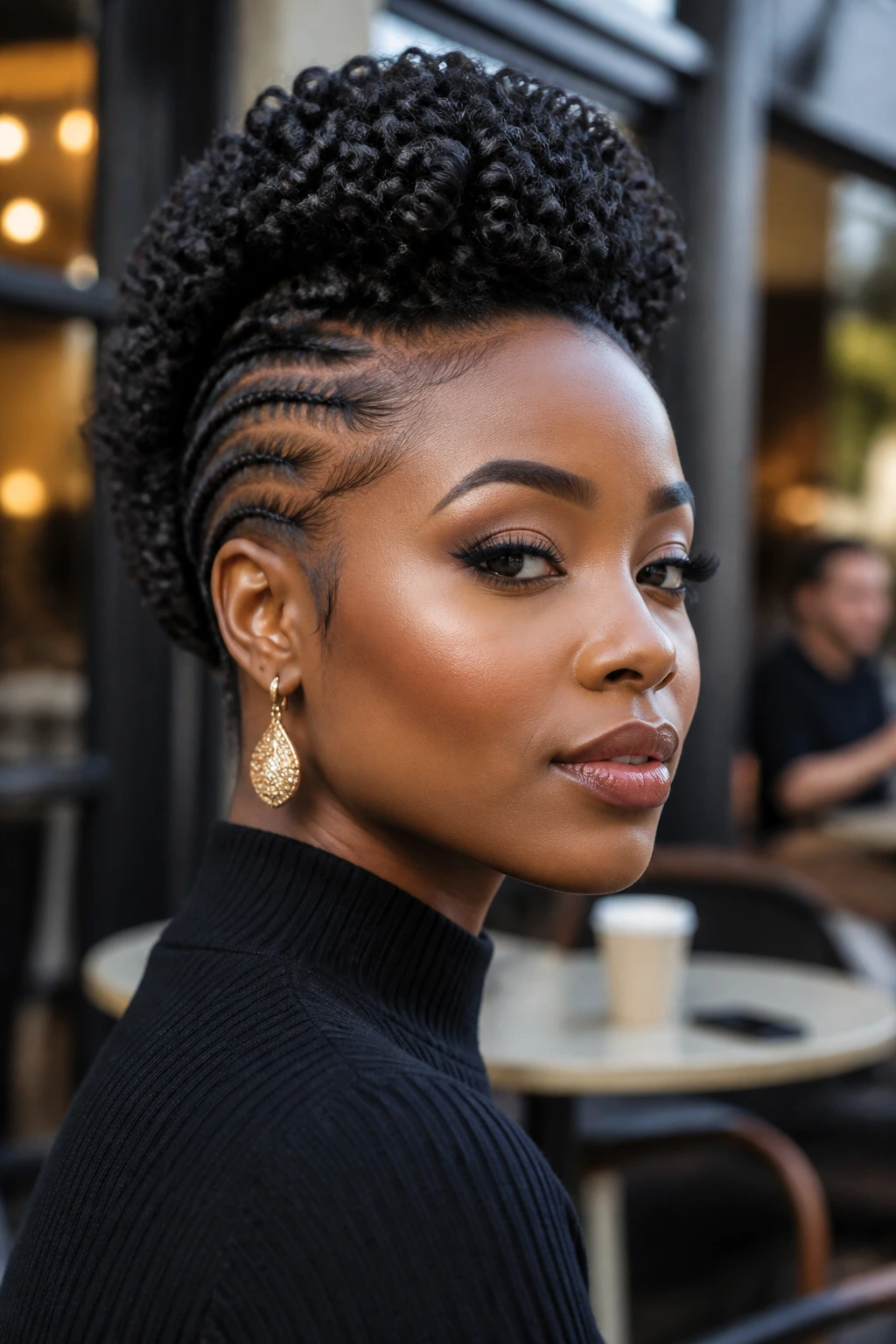
A crochet mohawk works because it gives you a clear silhouette before you add a single bead or curl. That is rare. A lot of styles depend on one perfect angle; this one looks strong from the front, the side, and the back if the base is built with care.
Pick the version that matches your week, not just your mood board. A soft curly hawk for one stretch of time, a sleeker ridge for the next, a beadline when you want a little more sparkle. The shape is flexible enough to keep up.
And that is the part I trust most. Once the base is right, the rest can change as often as you like.
