



Razor cut shags for fine straight hair live or die by restraint. Too much slicing, and the ends start to look sparse fast. Too little, and the cut settles into that flat, sleepy sheet that fine hair seems to love wearing by noon.
The sweet spot is a shape that keeps enough weight at the perimeter to look full, while the interior layers and face frame do the moving. Fine straight hair does not need chaos. It needs a haircut that knows where to leave hair alone and where to open things up.
These 33 versions cover the whole spectrum, from soft collarbone cuts to sharper, wolf-leaning shapes. Some are the kind of shag you can air-dry with a little mousse and call it done. Others need a round brush, a light hand, and a stylist who knows the difference between feathered and thinned-out.
Why These Cuts Earn Their Keep
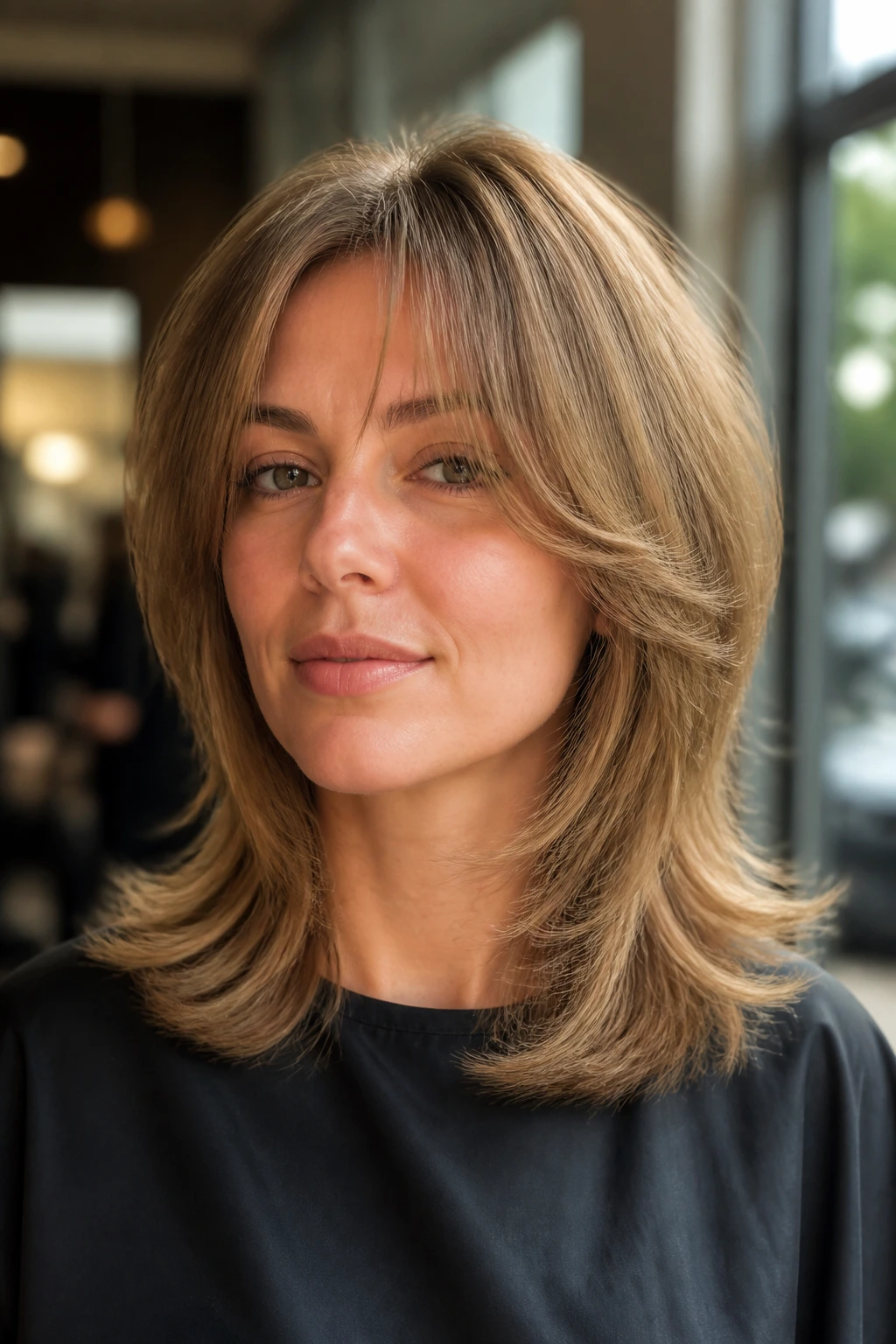
- The hemline still looks full: The best razor shags keep enough length at the bottom that fine hair doesn’t turn see-through after one wash.
- Lift shows up where you need it: Strategic layering at the crown and around the face makes the hair look taller, not just shorter.
- The fringe does real work: Curtain, bottleneck, and side-swept bangs can fake density better than a heavy blunt bang on straight hair.
- The grow-out is kinder: A good shag loses its sharpness slowly, so you’re not stuck with a triangle or a weird shelf after three weeks.
- You can steer the vibe: These cuts can lean soft, edgy, polished, or undone without changing the basic method.
- Styling stays manageable: Most of these shapes only need root lift, a small bend through the front, and a light finish.
1. Soft Collarbone Feather Shag
A collarbone cut is often the safest place to start if you’re nervous about going too short. The layers begin high enough to move, but the overall length still gives fine straight hair something solid to hang on to.
Why It Flatters Fine Hair
The collarbone acts like a visual anchor. That matters. When the ends brush that spot, the haircut looks fuller than a longer version with the same amount of hair.
- Ask for layers that start around the cheekbone.
- Keep the perimeter grazing the collarbone, not above it.
- Finish with a soft bend around the face, not a tight curl.
Best move: leave the bottom line a little blunt so the shape doesn’t disappear when the hair is freshly washed.
2. Bottleneck Fringe Shag
The bottleneck fringe is one of the smartest bangs for fine straight hair because it gives shape without swallowing half your density. It stays shorter in the center, then opens out toward the temples, which keeps the front from looking heavy.
The cut works because it leaves enough hair in the fringe to matter. Straight fine hair can’t always support a thick bang; this version gives you the drama without the dense curtain.
If your forehead is usually the flattest part of the haircut, this one brings it back to life. The side pieces blend into the shag instead of sitting on top of it.
3. Razored Lob with a Blunt Hem
A blunt hemline with razored interior layers is a very good compromise, and I’m blunt about that on purpose. You get the movement of a shag without giving up the thickness at the bottom that fine hair desperately needs.
What Makes It Different
Unlike a heavily layered shag, this one keeps the outline clean. The inside is lightened; the edge is not.
That means the haircut still looks like hair, not air. If you’ve ever had a cut that looked great on day one and vanished into wisps after a week, this is the fix.
4. Airy Long Shag
Long fine hair can go limp in a hurry, but a long shag gives it a place to land. The trick is not to start the layers too high. Once you chop too much around the crown, the hair can start to separate into thin strips.
This version keeps the longest length past the shoulders and uses soft layers to create motion without making the ends look sparse. It’s a good choice if you still want to tie your hair back and don’t want the haircut to shout the second you leave the salon.
A light round-brush bend or a flat iron wave through the mid-lengths is enough. Don’t overwork it. The hair should look touched, not styled to death.
5. Grown-Out Pixie Shag

Short shags can be magic on fine straight hair. They remove the dead weight that makes the crown collapse, and they make the face show up faster.
This grown-out pixie shag keeps a little length on top and around the ears, with soft feathering through the sides. It’s more forgiving than a hard pixie and less fussy than a full shag. That’s the appeal.
If you want lift without a lot of daily work, this is a smart direction. You’ll still need trims to keep the shape clean, though. Short hair tells on you quickly.
6. Curtain-Bang Shag

Can curtain bangs make fine straight hair look fuller? Yes, if the shortest point sits in the right place. Too short, and the bang can split awkwardly. Too long, and it just collapses into the rest of the hair.
Where the Bang Should Hit
Ask for the shortest piece to skim around eyebrow level, then let the sides fall toward the cheekbones. That keeps the face open and gives the front enough body to read as a shape.
The rest of the shag should stay soft and connected. I like this version for people who want the classic shag mood without a choppy finish.
7. Deep Side-Part Shag
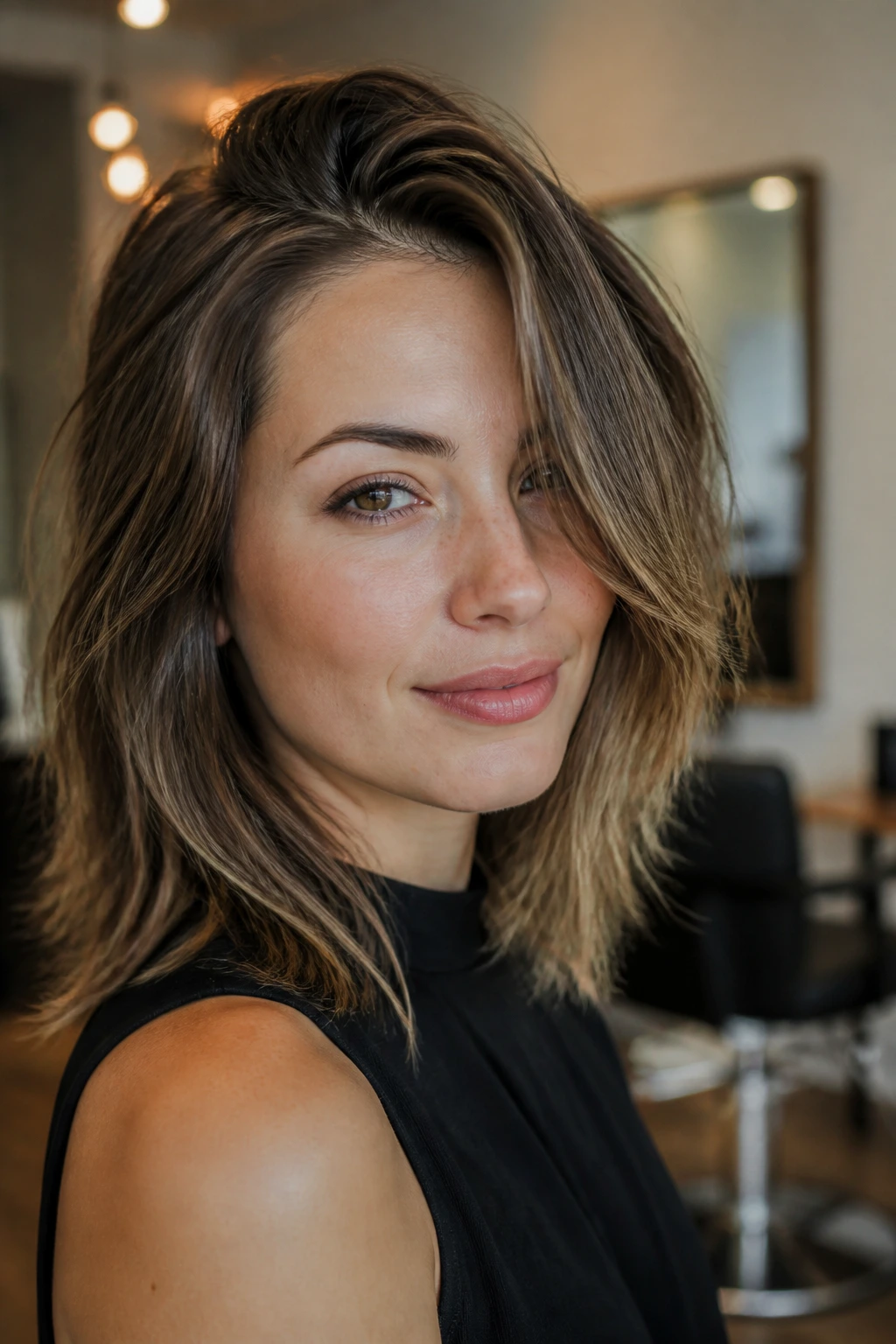
A side part can do more for flat roots than a drawer full of volumizing products. Seriously. When you shift the part and keep one side a little fuller, the whole top of the head stands up more.
- Tell your stylist where you naturally part your hair.
- Keep one front side a touch longer for sweep and balance.
- Use a root-lift spray at the heavier side, then blow-dry that area first.
The cut itself is fairly gentle. The styling creates the drama. That’s the nice part.
8. Minimal Layer Shag

Not every shag has to look choppy from across the room. A minimal layer shag keeps the idea of a shag haircut without overcutting the hair, which is a very good thing if your strands are fine and you’re watching every millimeter.
This version uses just enough internal layering to break up the sheet-like effect. The perimeter stays believable. The face frame does most of the talking.
It’s a good “first shag” when you want movement but don’t want to see daylight through the ends. And yes, that matters more than people admit.
9. Short Wolf Shag

A short wolf shag brings edge, but the best versions are softer than the internet makes them look. The back stays a little longer than the top, yet the layers don’t get so disconnected that fine hair starts to look chopped into pieces.
Why It Works on Fine Hair
Shorter length means less weight dragging the root down. That alone can make a big difference.
The trick is keeping the sides and crown connected enough that the hair still reads as one shape. If the layers are too aggressive, you end up with a narrow top and thin-looking sides. No one needs that.
10. French Shag

The French shag is all about lightness around the face and a shape that looks deliberate even when it’s slightly messy. On fine straight hair, it works because it doesn’t demand giant volume. It wants movement and a clean outline.
A soft fringe, cheekbone pieces, and slightly shattered ends give it that airy feel. I’d call it the easiest shag to wear if you like your hair to look like it fell into place on its own, even though it didn’t.
11. Cheekbone-Frame Shag
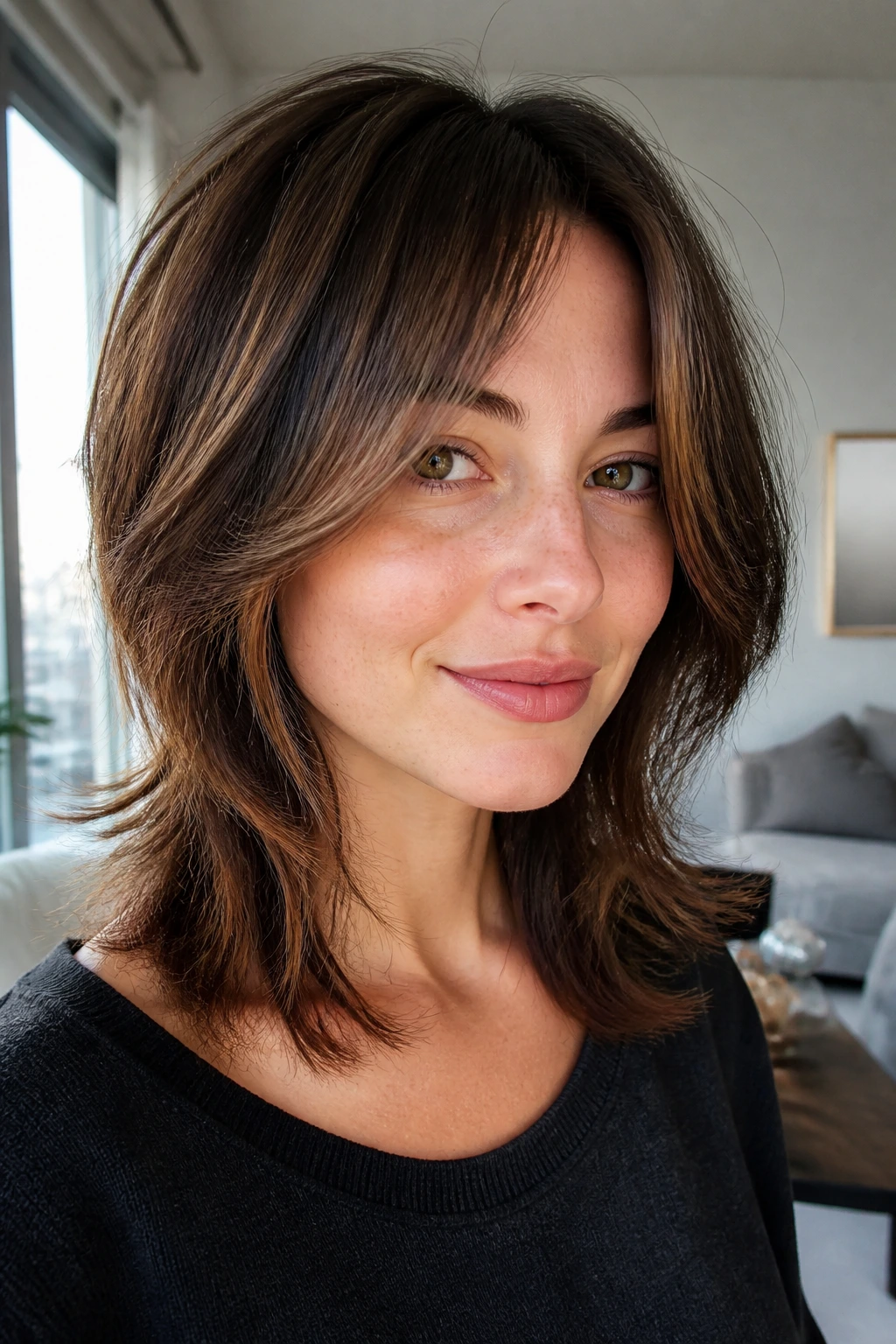
This one is for people who don’t want bangs but still want the front of the haircut to do something. The face-framing pieces start near the cheekbones and sweep down just enough to soften the line.
That’s useful on fine straight hair because the front can feel too flat when it’s cut all the same length. A soft frame gives the eye a place to stop.
The rest stays restrained. No heavy layering. No over-texturizing. The shape comes from the front and the clean perimeter, which is often all you need.
12. Choppy Lob

A choppy lob is the answer when you want a little more texture than a blunt lob can give you, but you don’t want a full shag. The internal layers break up the surface so the hair moves when you turn your head.
Unlike a classic blunt lob, this one doesn’t sit like one solid slab. It has enough variation to keep fine hair from going stiff, but it still looks thick at the edge.
That balance matters. Fine straight hair looks best when the haircut suggests movement instead of shouting for it.
13. Crown-Boost Shag
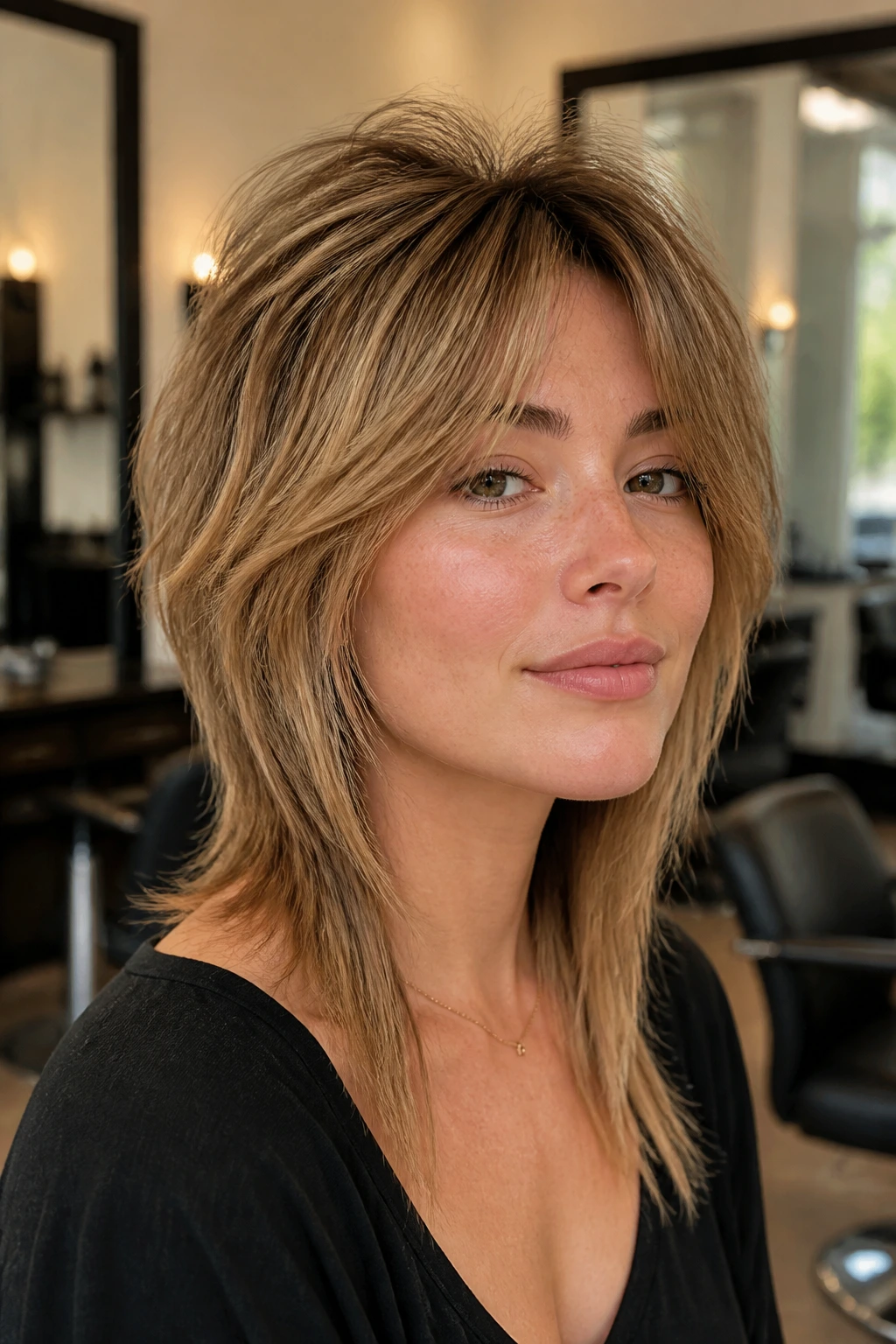
If your roots go flat the minute you stop touching them, build the shape at the crown. That’s the whole point of this cut.
The Crown Is the Point
Ask for layers that are a little shorter at the top and slightly longer as they fall toward the sides. That creates lift without making the ends disappear.
A small velcro roller at the crown can help on day one, but the cut should do most of the work. If it only looks good with three styling tools and a prayer, it’s too fussy.
14. Chin-Length Shag
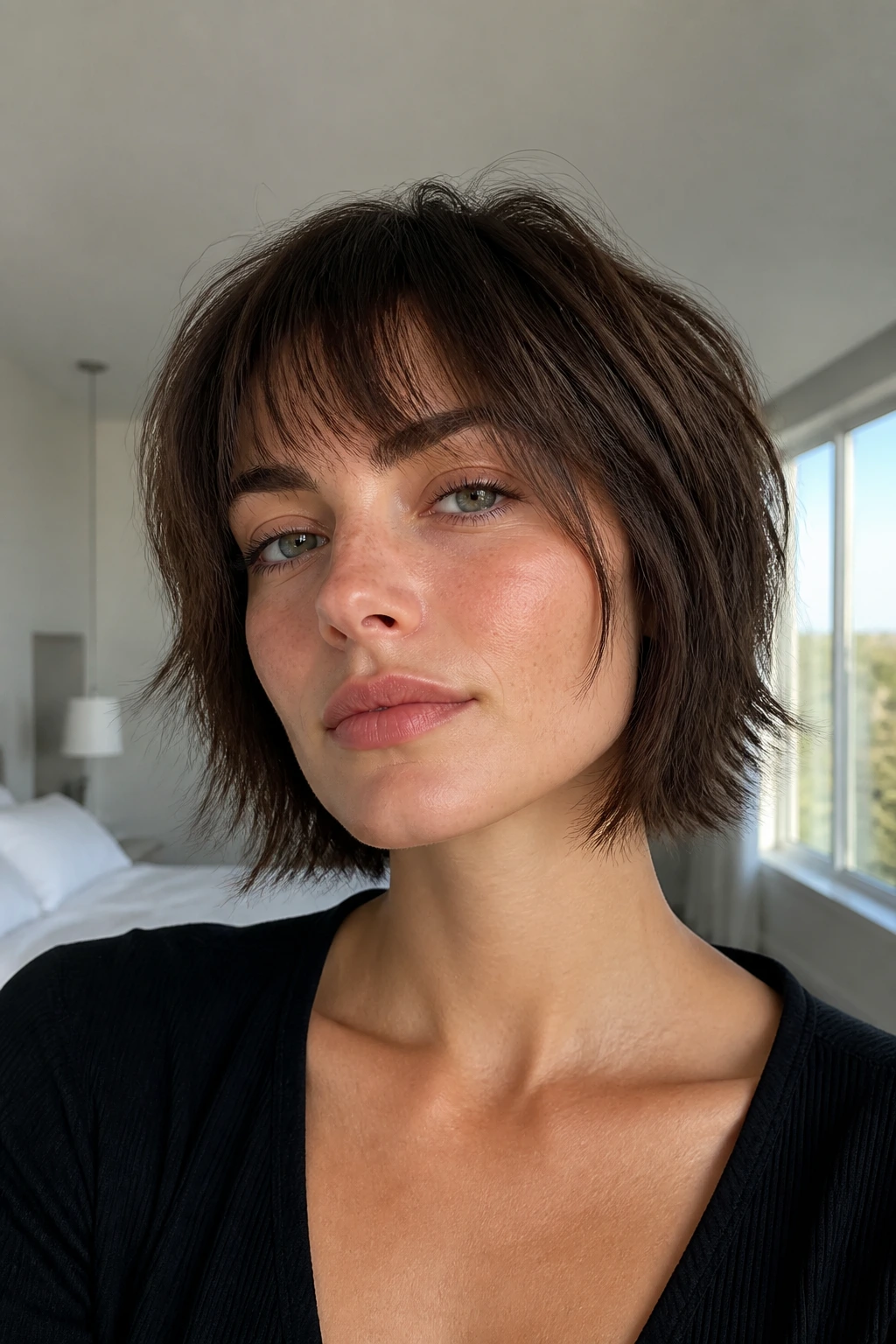
Chin-length cuts have a sneaky advantage: they make fine hair look denser because there’s less length pulling the shape down. A chin-length shag keeps that compact feel, then adds movement with soft, razored layers.
The line around the jaw stays visible, which is nice if you want the haircut to frame your face. On straight hair, that clean edge keeps the style from collapsing into fluff.
This one can feel a little bold the first day. Then it settles in, and you realize the shorter shape is doing more than long layers ever did.
15. Mid-Length Tapered Shag

What if you want movement but not a major haircut? This is the safe middle ground.
How It Grows Out
The layers begin below the chin and taper gradually toward the ends. That keeps the top light without exposing too much scalp or creating a thin-looking crown.
It’s a very practical shag for people who wear their hair half-up, tuck it behind their ears, or want something that still behaves when they skip styling. The shape keeps its balance even as it grows.
16. Mullet-Inspired Shag

A mullet-inspired shag sounds more dramatic than it often is in real life. The back stays longer, the top gets shorter and looser, and the sides carry enough softness to keep the haircut from turning harsh.
- Ask for the back to keep visible length.
- Keep the top layers feathered, not chopped.
- Style with a rough-dry and a touch of texture spray.
This one works best when you want personality more than polish. It needs a confident perimeter and a stylist who won’t over-thin the sides.
17. Soft Rocker Shag

This is the shag for someone who likes a little attitude but doesn’t want the haircut to look shredded. The layers are still broken up, but they’re softened enough that fine straight hair doesn’t lose all of its body.
The face frame usually carries the mood here. A slight flip at the ends, a narrow fringe, and a little separation through the crown are enough.
It’s one of those cuts that looks better when it isn’t forced into perfect symmetry. Good haircuts often are.
18. Center-Part Sleek Shag
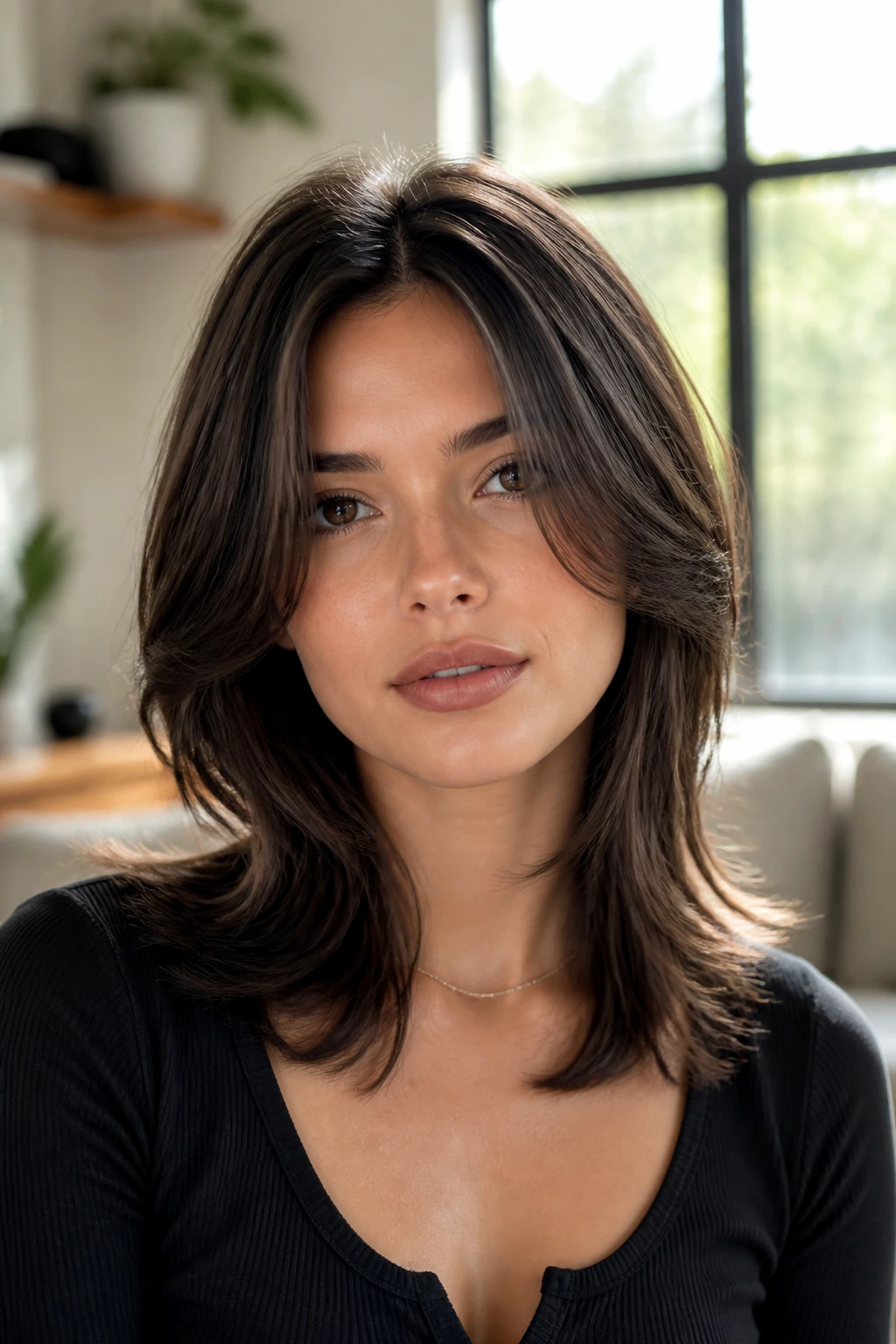
A center part can look severe on some hair types, but on fine straight hair it gives the cut a calm, clean line. The key is keeping the layers subtle enough that the center part doesn’t split the hair into two flat sheets.
What to Watch For
The front pieces should fall in a soft line around the cheeks, not hang limp beside the chin. The top layers need a touch of lift, or the whole cut loses shape.
This version is good if you like straight hair to look tidy first and textured second. It’s a polished answer, not a wild one.
19. Rounded Halo Shag
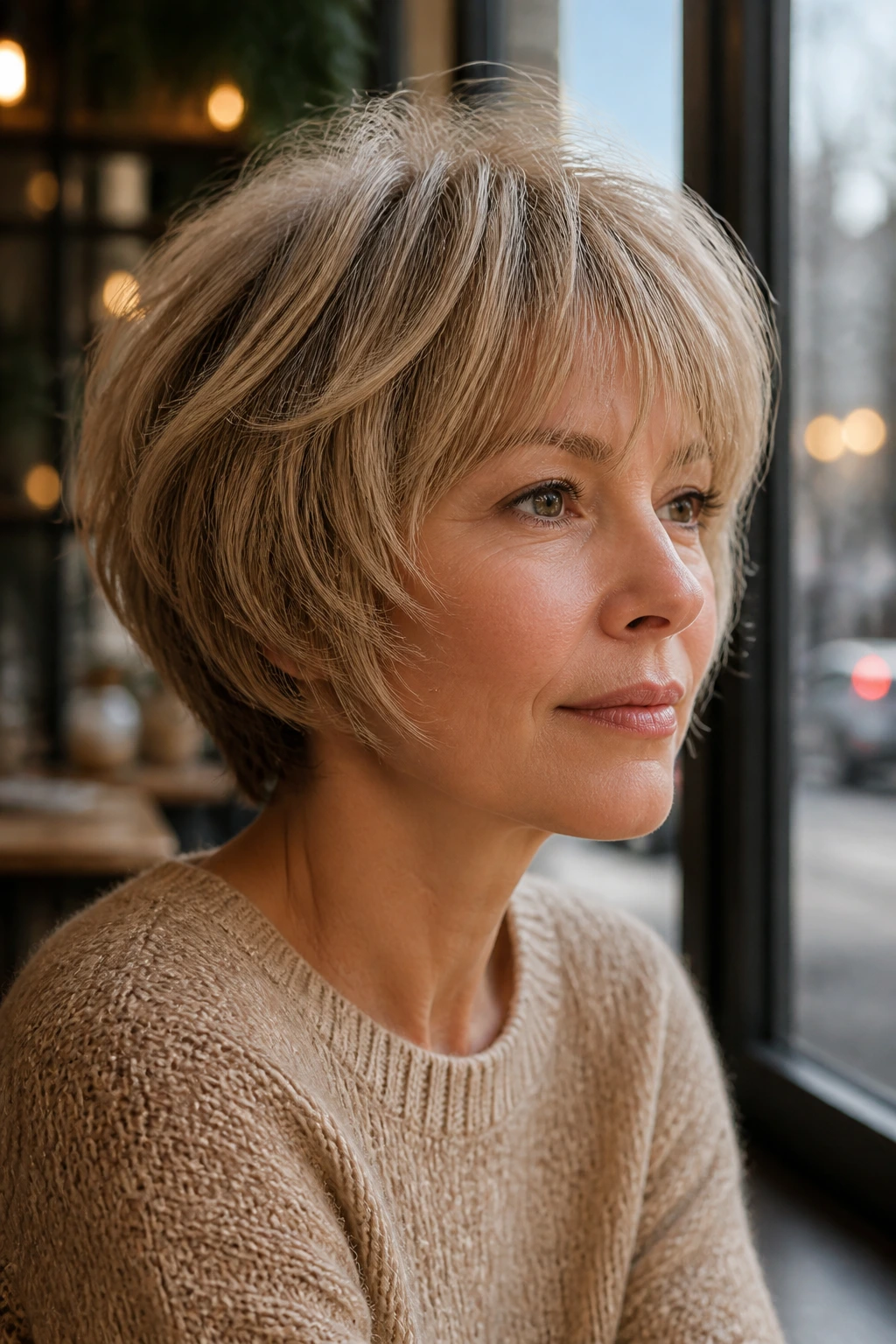
The rounded halo shag follows the shape of the head instead of fighting it. That matters because fine straight hair can look thin when the layers splay out too wide at the sides.
The rounded outline keeps the silhouette compact and neat. The internal layers soften the top, but the overall shape stays controlled.
- Ask for a curved outline at the sides.
- Keep the crown layers soft and connected.
- Use a round brush to tuck the ends inward slightly.
This is one of the better choices if your hair tends to puff out at the temples.
20. Piecey Fringe Shag

A piecey fringe can be a lifesaver when your forehead area goes flat. It creates texture where the haircut needs a focal point, and it does it without requiring a thick bank of hair.
The fringe should separate into a few visible pieces, not sit as one heavy curtain. That gives straight fine hair a little shadow and movement around the face.
The rest of the cut can stay fairly simple. Honestly, that’s the point. Let the fringe do the work.
21. Tapered Nape Shag
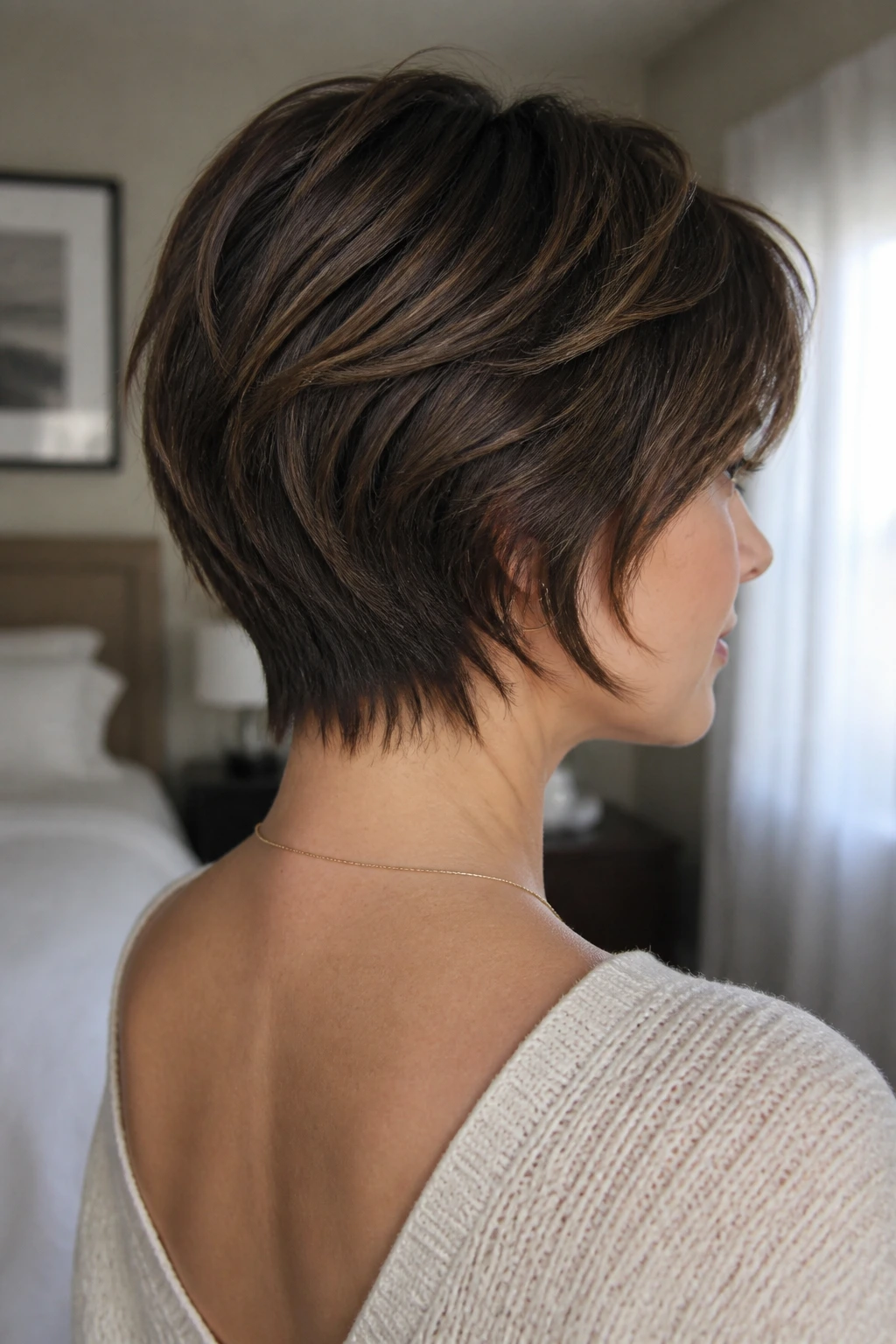
Why keep the nape short? Because a heavy back can drag the whole haircut down.
The Shape at the Neck
A tapered nape lifts the back just enough to stop that flat, blocky feeling at the base of the haircut. From there, the layers can flow into the sides and fringe more cleanly.
It’s a smart choice if your hair looks stringy when it gets too long at the back. The neck area stays neat, and the top gets more room to breathe.
22. Long Curtain Shag
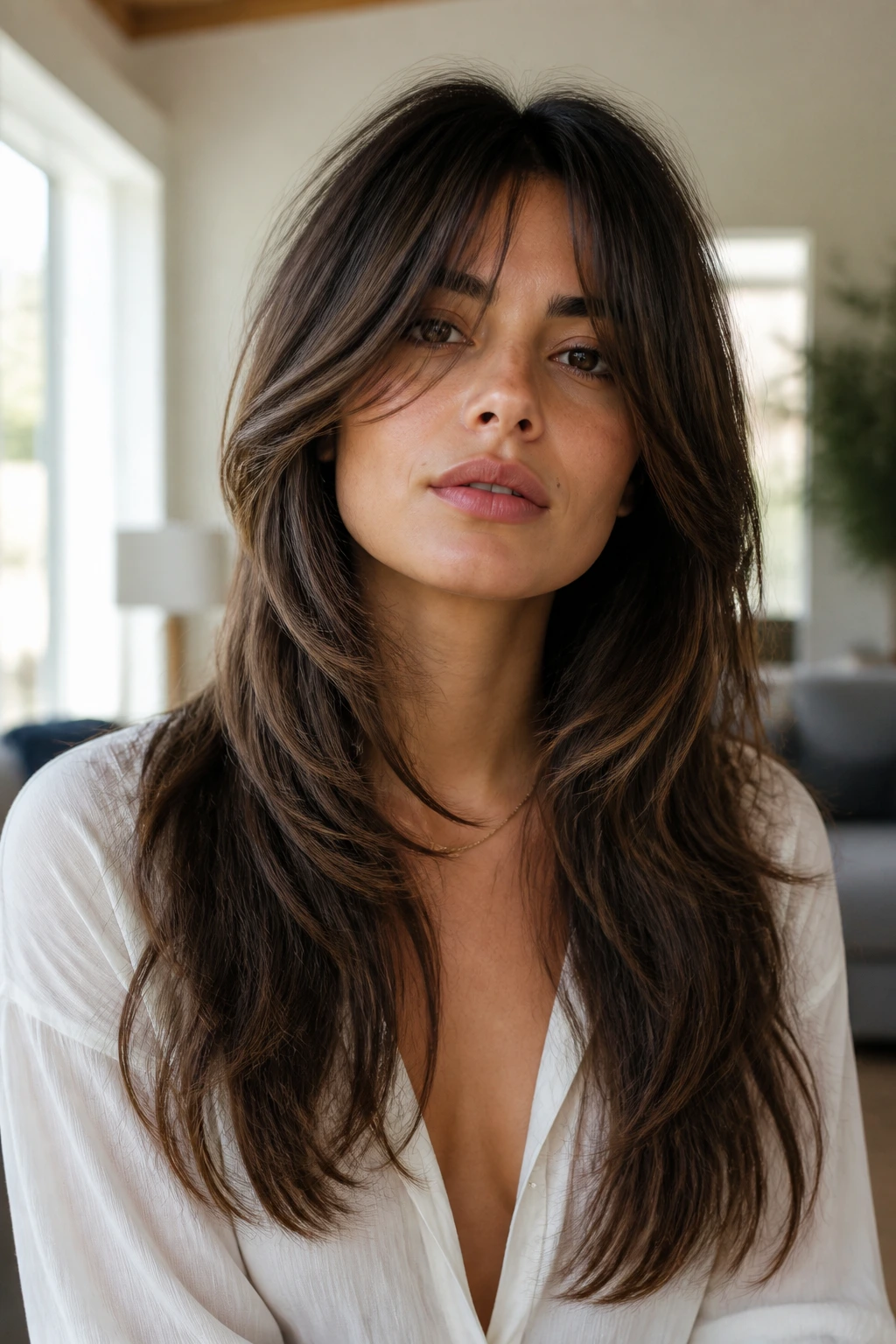
If you don’t want to lose length, this is the version to keep on your radar. The curtain layers frame the face, while the rest of the hair keeps enough weight to stay full.
That weight matters on fine straight hair. Too many long layers, and the ends look tired. Too few, and the whole cut goes flat.
- Keep the shortest front pieces around the cheekbone.
- Leave the back long enough to brush past the shoulders.
- Use a light bend through the front only.
This cut is quiet, and that’s exactly why it works.
23. Shoulder Flip Shag

The shoulder flip shag is made for a little outward movement at the ends. A round brush or a flat iron can give you that tiny flick, which reads as lively without turning into a full wave.
The cut helps by placing the layers where the bend naturally wants to happen. Fine straight hair tends to hold this kind of shape better than big curls, which can fall out fast.
It has a 1970s feel if you push it there, but it doesn’t need to go full retro. A small flip is enough.
24. Air-Dry Shag

Can a shag work if you do not want to heat-style it every day? Yes, but it has to be cut for that life.
Why It Air-Drys Better
This version uses softer layering and a little more weight through the ends so the hair doesn’t separate into thin ribbons as it dries. A little mousse at the roots and a clip at the crown can make a surprising difference.
If you air-dry straight hair and it usually goes limp, this is the shag to try. It respects the hair’s natural behavior instead of fighting it.
25. Flat-Iron Bend Shag
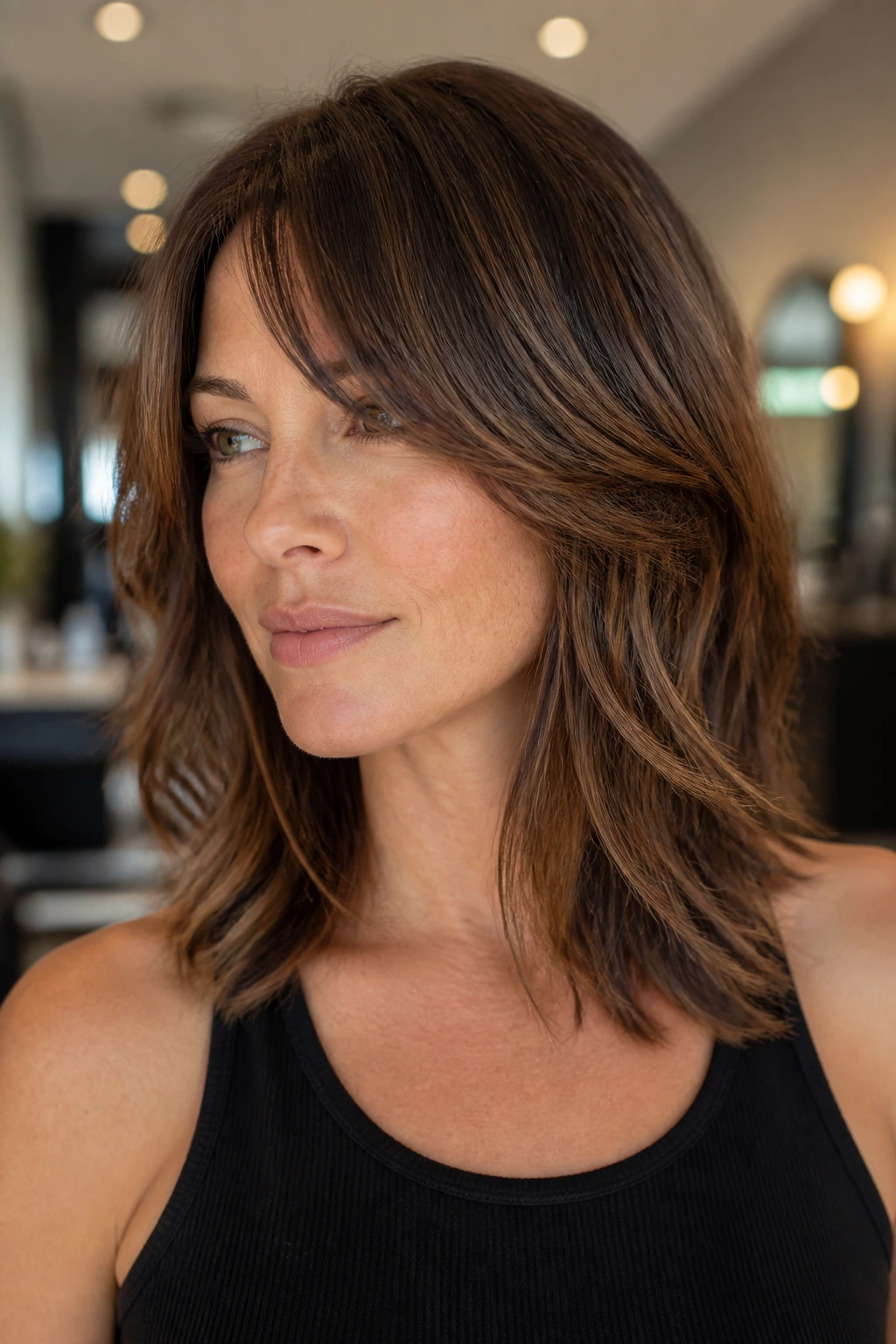
A flat iron bend shag is built for hair that likes to stay straight but needs a little movement. A 1-inch iron and a light hand can make the layers show up without turning the ends curly or frizzy.
How to Style It Cleanly
Use heat protectant first, then bend only the middle sections of the hair in alternating directions. Keep the roots straighter and the ends softer.
That gives you a broken-up shape with a neat outline. It’s a good middle path when curls feel like too much and dead-straight hair feels too plain.
26. S-Curve Shag

The S-curve shag has movement that reads as soft, not obvious. That’s why it works so well on straight hair. The bends are slight, and they sit through the mid-lengths instead of curling the ends into a hard shape.
The cut needs enough internal layer to let those bends separate. Without that, the wave sits on top of the hair instead of in it.
It’s a strong choice if you want texture that looks casual and still holds for a workday.
27. Disconnected Soft Shag

This is a modern shag with a bit more separation between the layers, but not so much that the hair looks broken apart. On fine straight hair, that distinction matters a lot.
More Separation, Less Mess
The layers should still feel connected when the hair moves. You want pieces, not gaps.
It’s best for people who like a slightly editorial finish and don’t mind a bit of styling. If you leave it totally untouched, it can go a little too flat or a little too piecey. A small amount of texture spray usually fixes both.
28. Lifted Crown Shag
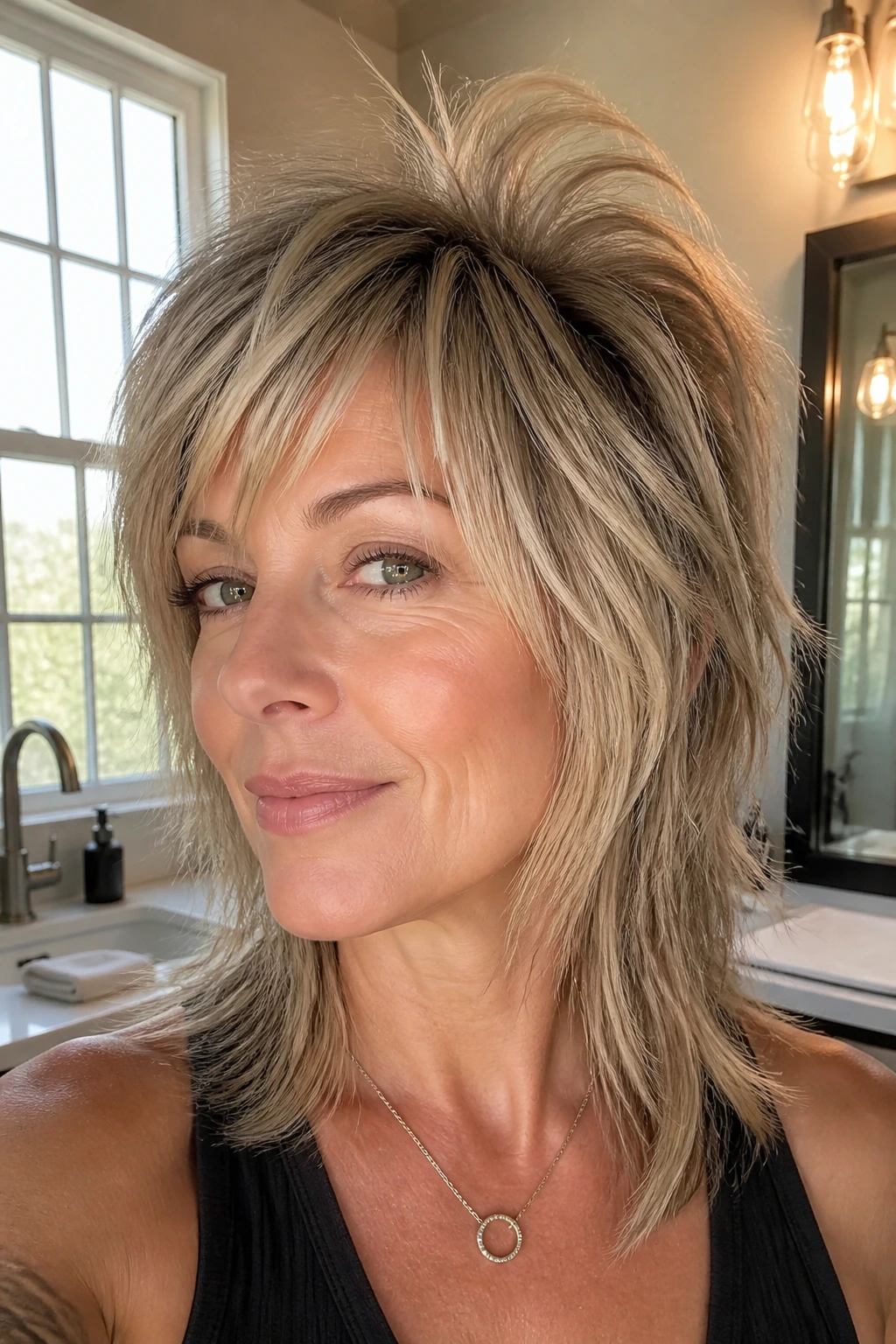
When the top of the head lays flat, everything else about the haircut can feel wrong. This cut fixes that first.
- Keep the crown layers a bit shorter.
- Blow-dry that section upward with a round brush.
- Finish with a tiny clip or roller at the roots while the hair cools.
The front and sides can stay soft, but the lift up top changes the whole silhouette. Fine straight hair often needs that more than people think.
29. Bare Bones Shag
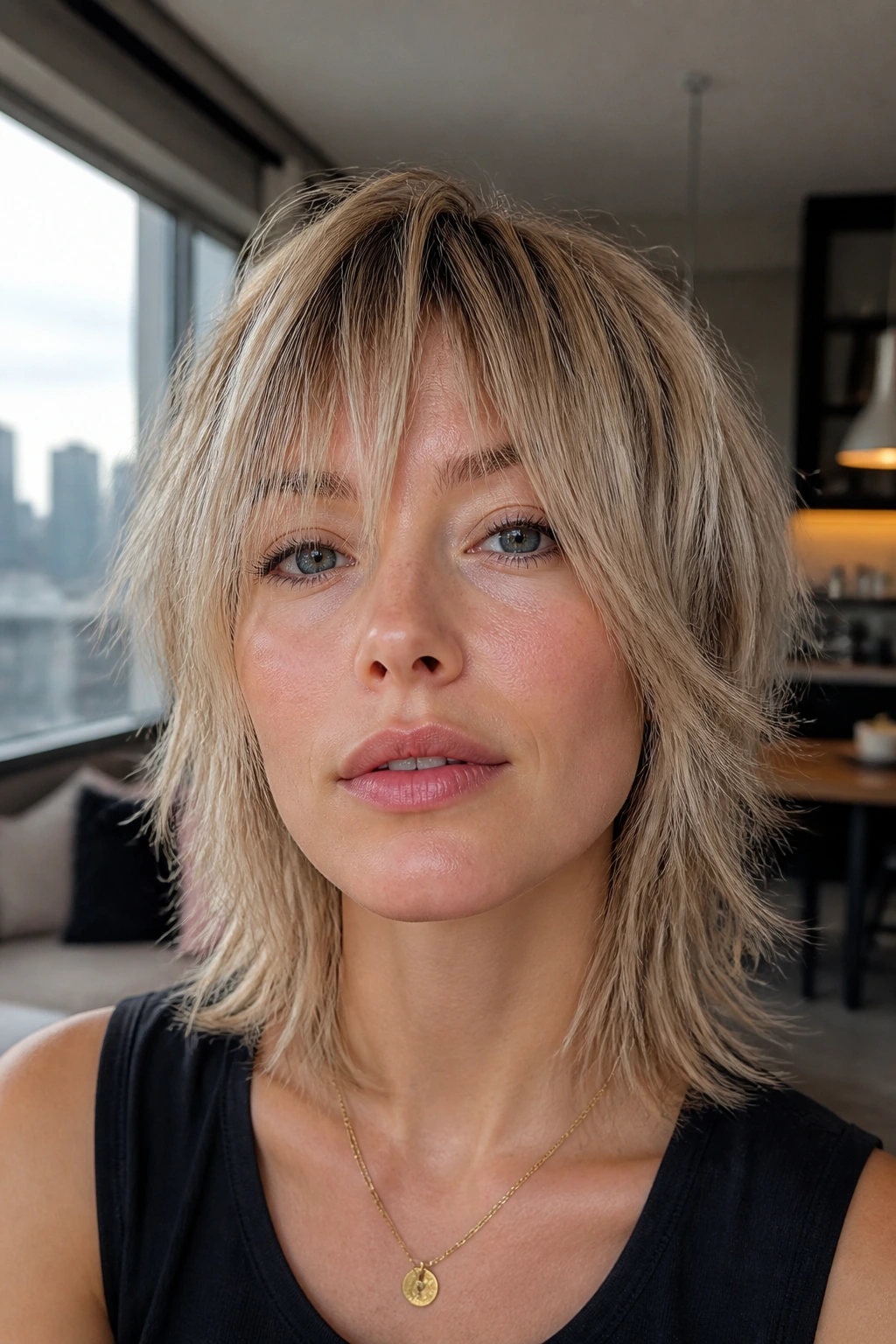
A bare bones shag is for the person who wants the least possible drama. There are layers, yes, but they’re whisper-light and mostly there to keep the hair from falling like one flat block.
This version is useful if you’re shy about texture. It gives you a little movement without forcing the haircut to make a big statement.
Sometimes that’s the smartest move. A subtle shag can look more expensive than a heavily carved one, especially on fine hair that doesn’t need much help.
30. Shattered Lob
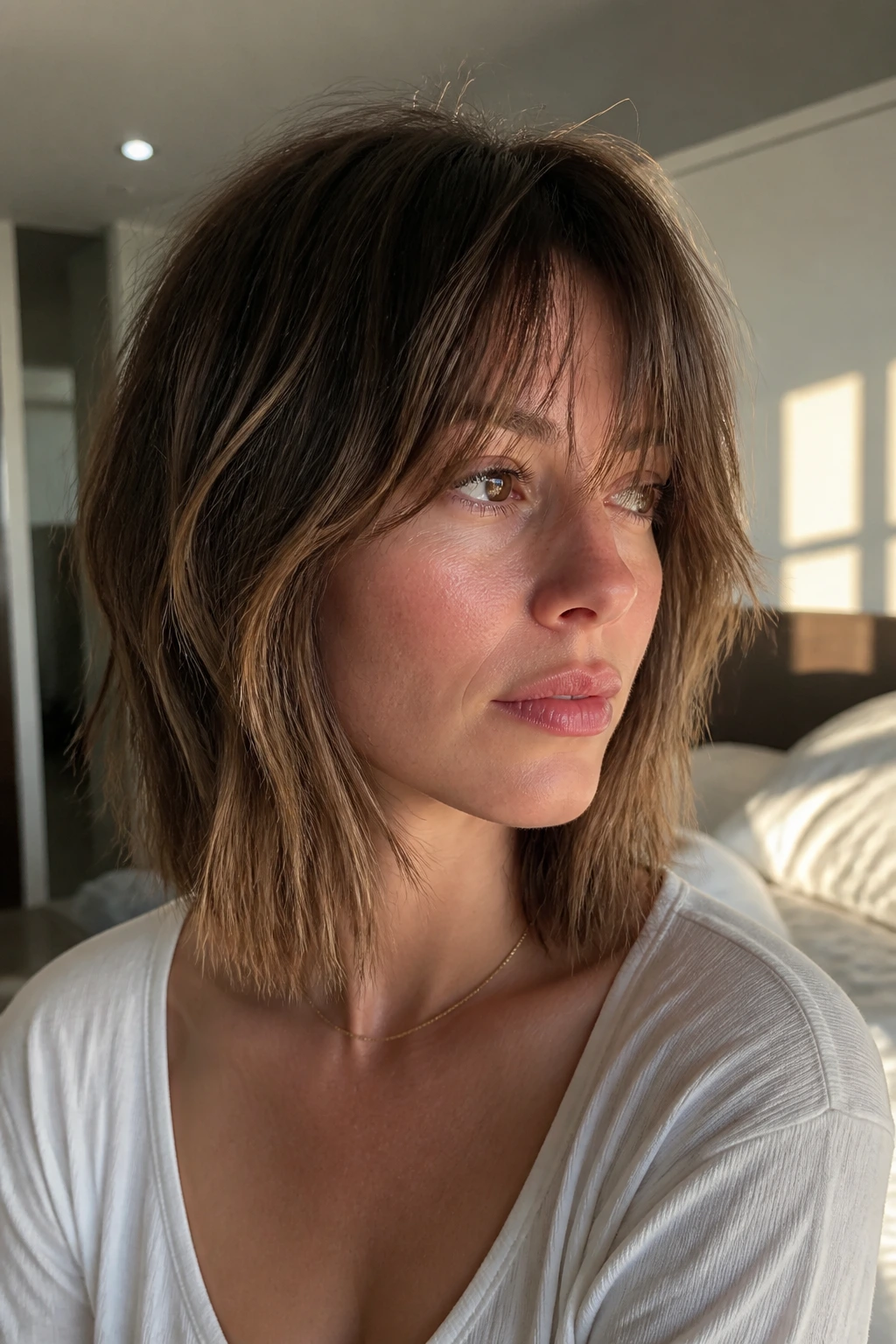
A shattered lob keeps the outline strong while breaking up the inside enough to keep it from feeling heavy. That’s the whole trick.
Unlike a blunt lob, this one moves when you turn your head. Unlike a highly layered shag, it still looks thick at the ends, which is the part people notice first on fine straight hair.
It’s a very safe cut if you want texture but don’t want to look like you chased a trend into the salon chair. Clean line. Soft inside. Good result.
31. Face-Framing Grow-Out Shag
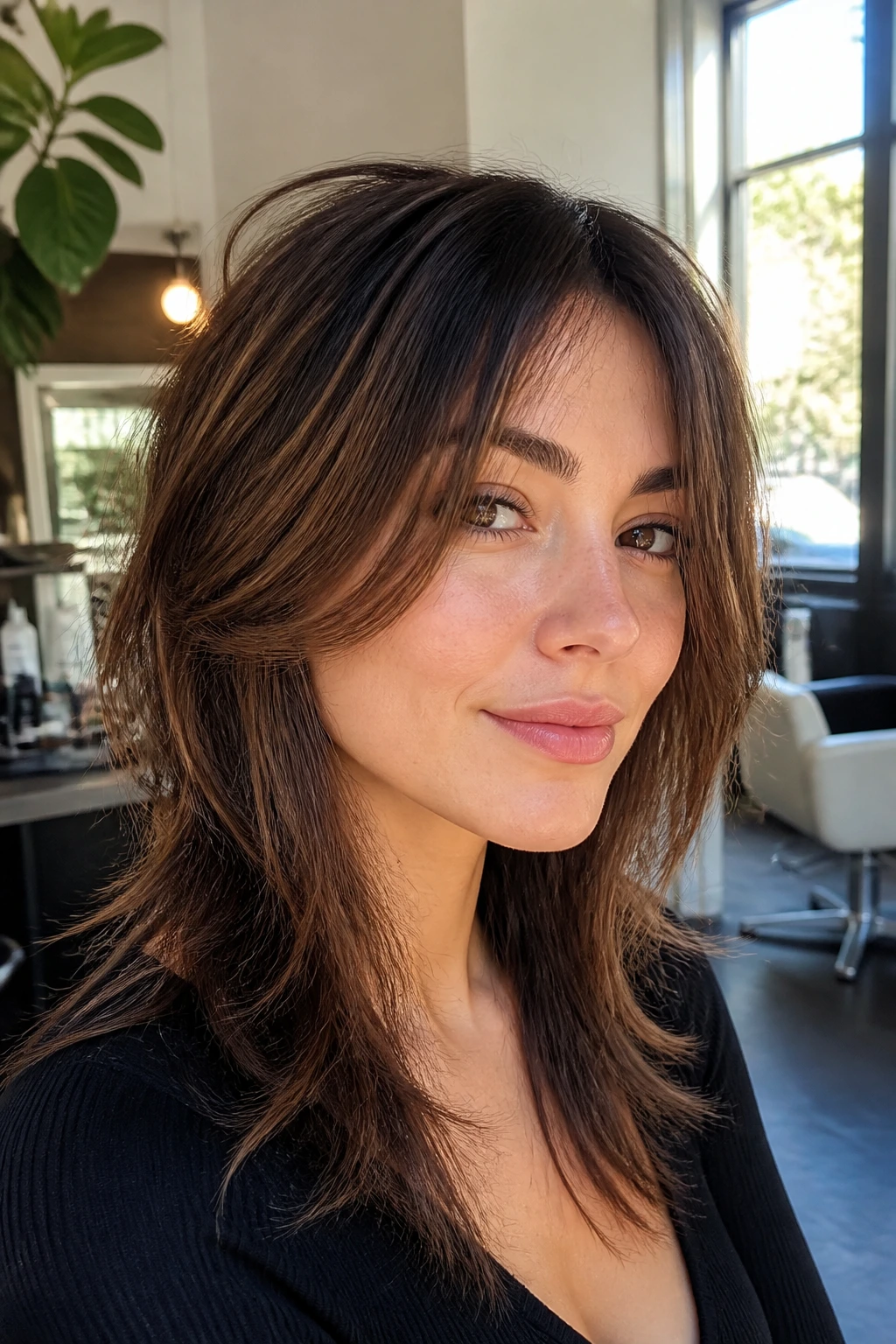
A shag that still looks deliberate at week eight is worth the money. This version is built for that.
Why It Grows Out Well
The front pieces stay long enough to keep framing the face even after a few weeks, and the back keeps a soft taper so the silhouette doesn’t balloon out. That means fewer awkward stages.
It’s one of the best choices if you don’t visit the salon often. The cut keeps enough shape to look intentional without asking for constant maintenance.
32. Cloud-Layer Shag

The cloud-layer shag sounds soft, and it is, but softness only works when there’s still a clear shape underneath. Fine straight hair needs that balance.
The layers sit lightly around the crown and cheekbones, while the perimeter stays clean enough to keep the cut from dissolving. It’s airy, not flimsy.
If you like movement that feels gentle rather than sharp, this is a good one. It also takes product well—just not too much product. Hair can only hold so much.
33. Polished Razor Shag
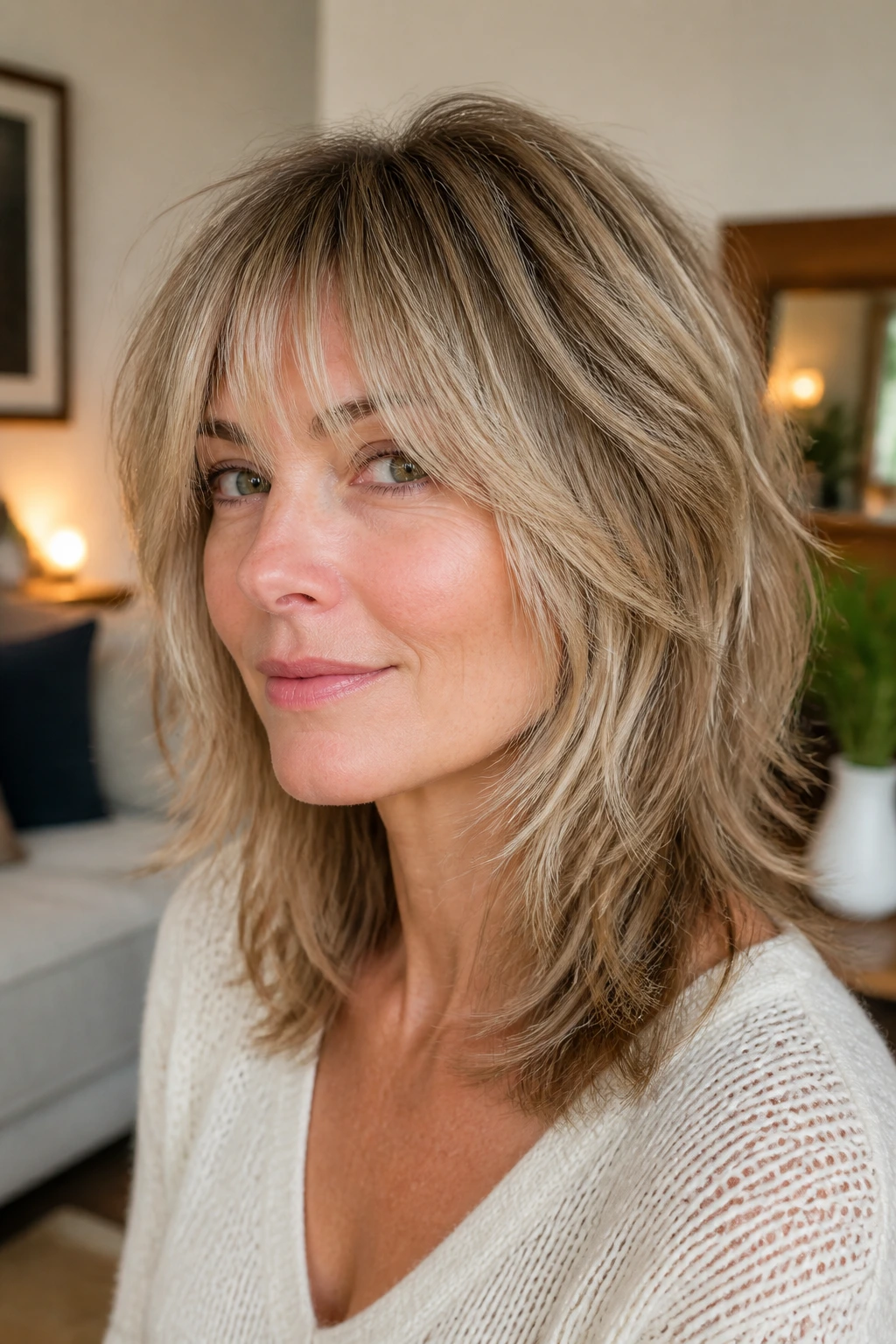
Can a shag look clean instead of messy? Absolutely. The polished razor shag proves it.
The perimeter stays precise, the internal layers are feathered just enough to move, and the styling leans smooth rather than piecey. It’s the version I’d point to if someone wants shape but doesn’t want to look like they wrestled with a flat iron for 40 minutes.
The Salon-Finished Version
A round brush, a light serum on the ends, and a controlled blow-dry are enough here. The haircut should look sharp at the edges and soft in the middle.
Why Razor Cutting Changes the Way Fine Hair Falls
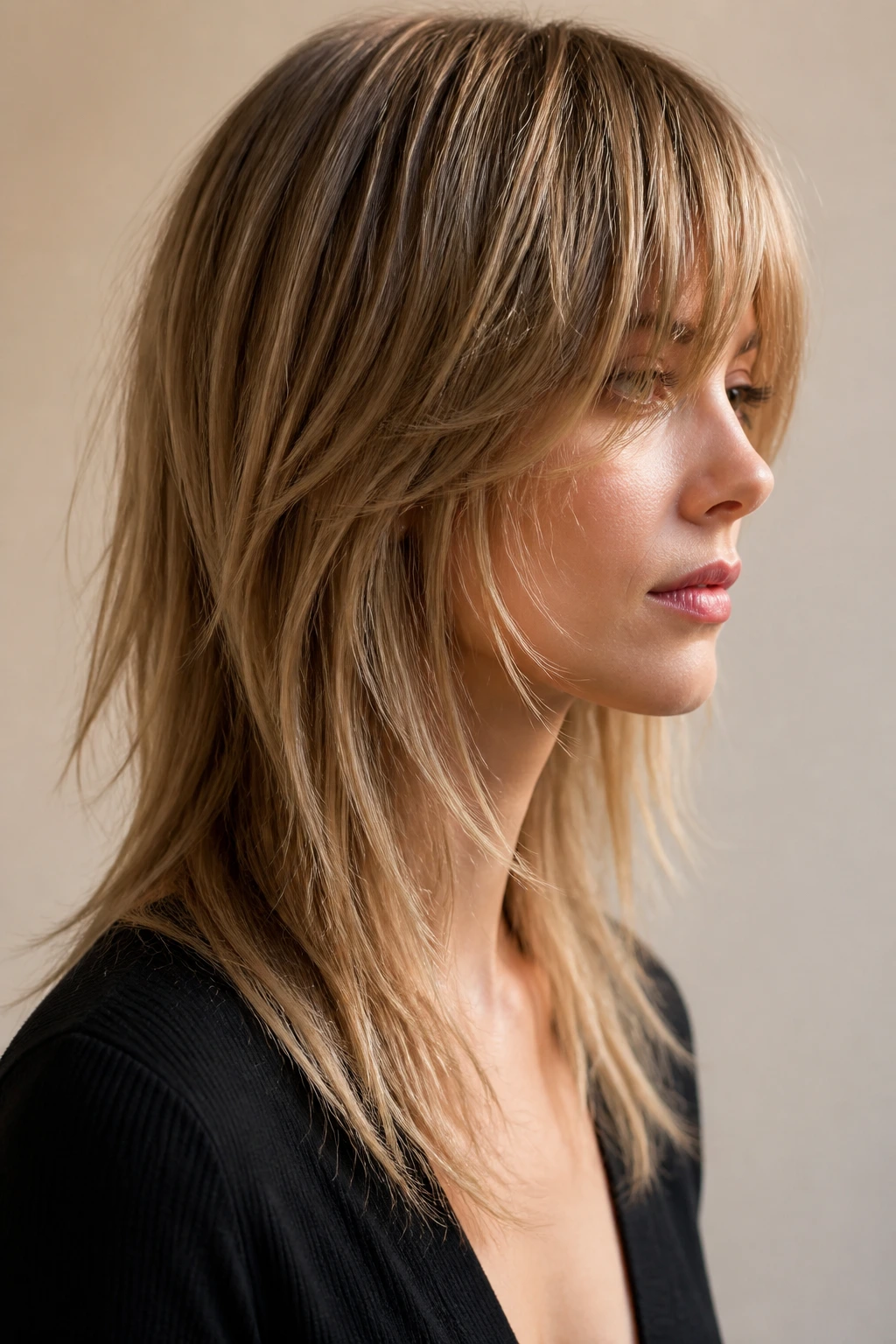
Razor cutting changes fine straight hair because it removes weight without leaving a hard blunt shelf. That sounds simple, but the execution matters. A good shag doesn’t empty out the hair; it redirects it.
Fine strands show every mistake. If the stylist takes too much density from the ends, the cut looks frayed the second it’s clean. If they keep too much bulk at the crown, the whole style collapses and the layers vanish.
The smartest razor shags keep a stable perimeter and move the softness inward. Crown, cheekbones, and fringe get the action. The last inch or so often needs more protection than people expect, especially if the hair is already dry or color-treated.
Essential Tools for Styling These Cuts
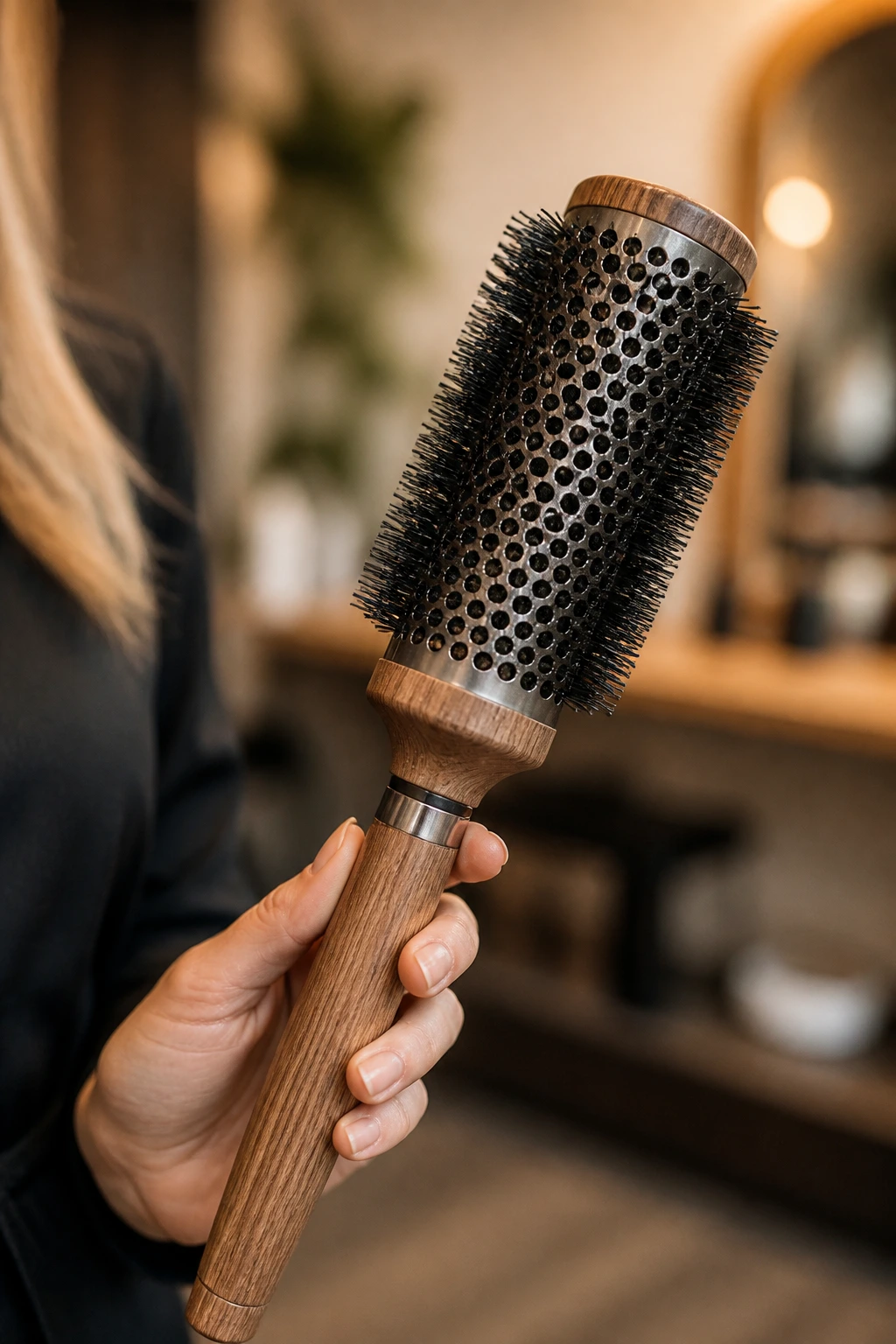
- Blow dryer with a concentrator nozzle: Directs air where you want lift, especially at the roots and crown.
- 1- to 1.5-inch round brush: Gives the front pieces a soft bend without making them curl hard.
- Flat iron with rounded edges: Useful for S-bends, flips, and smoothing the perimeter.
- Sectioning clips: Keep the crown separate while you dry the lower layers.
- Root-lift mousse: Adds memory at the scalp without weighing the ends down.
- Dry shampoo: Extends the life of the cut and keeps the crown from going flat on day two.
- Flexible-hold hairspray: Holds the shape without turning fine hair stiff.
- Lightweight heat protectant: Non-negotiable if you’re using any hot tool at all.
Smart Salon Prep and Product Picks
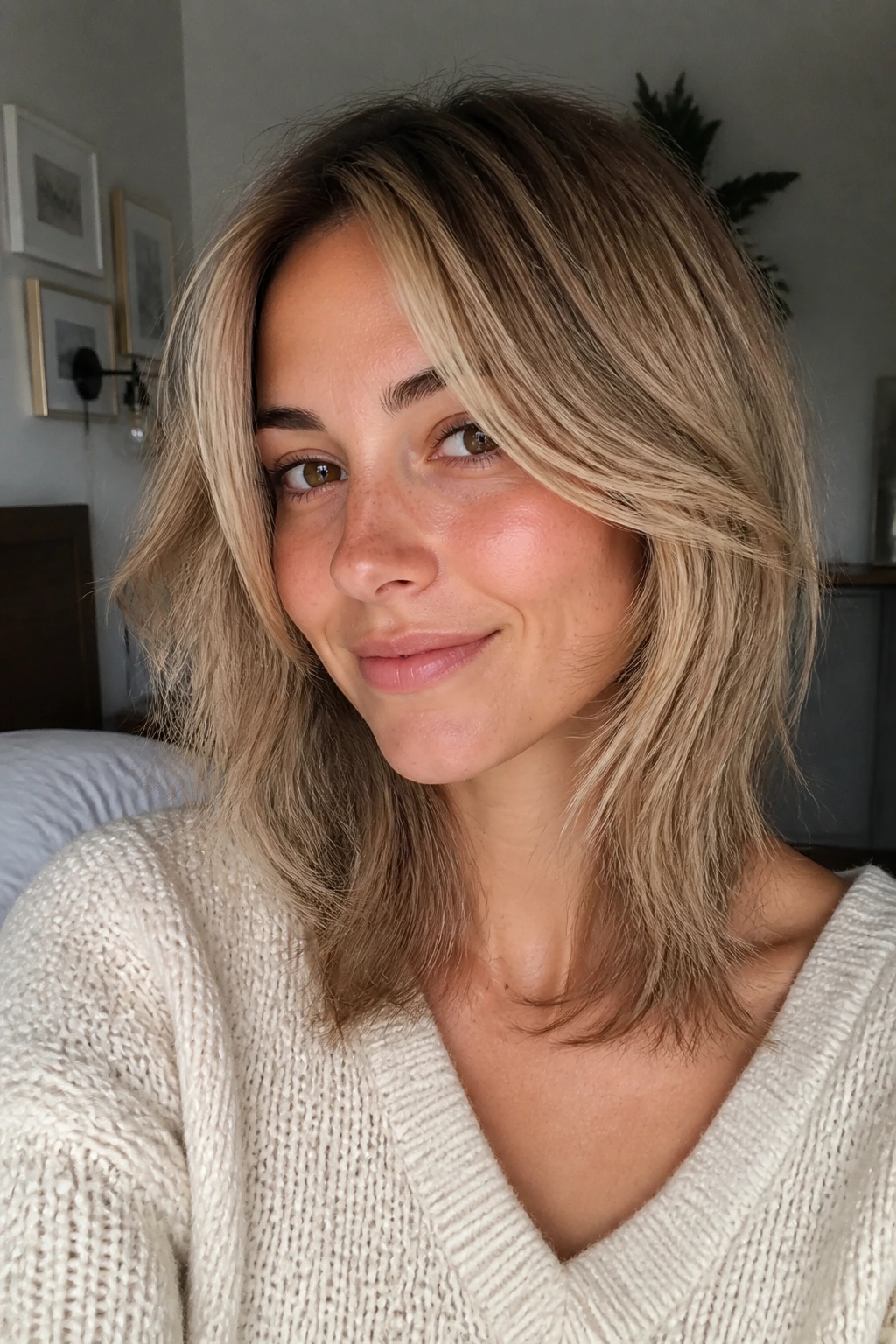
Bring photos, but bring the right photos. A shag on thick wavy hair is not the same as a shag on fine straight hair, and your stylist needs to see the difference. One photo with the same length, same part, and same density tells the truth better than ten glamorous references that have nothing to do with your texture.
Before the Appointment
Say how your hair behaves on the second day, not just how it looks after a fresh blow-dry. Fine hair often looks decent in the chair and flat at lunch. That’s the problem worth solving.
Tell your stylist if you air-dry, heat-style, or do both. A cut that only looks good with a round brush is not the same as one that can survive a quick rough-dry.
What to Buy
A lightweight mousse, a root spray, a fine mist heat protectant, and a flexible finishing spray will cover most of these looks. A texture spray can help, but use a small amount first. Too much and fine hair starts to feel dusty and sticky.
Skip heavy oils near the roots. They drag the whole cut down. If your ends need help, use the tiniest amount only on the last inch or two.
How to Style These Cuts Without Flattening Them
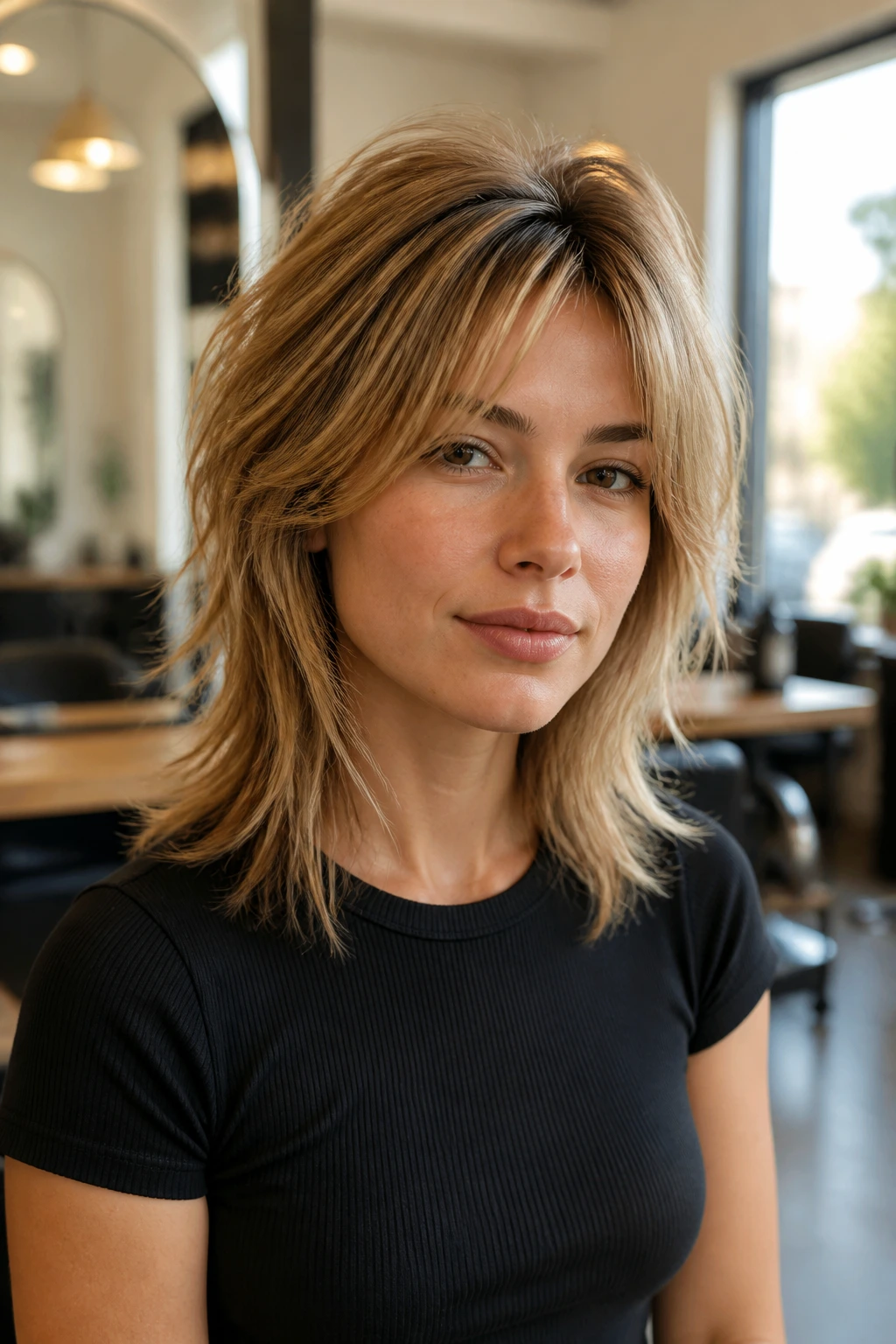
The first rule is not glamorous: start with the roots. Fine straight hair needs lift at the scalp before it needs anything at the ends. If the root area lies flat, no amount of waving through the middle will fix the shape.
Dry the Top First
Rough-dry the hair until it’s about 80 percent dry, then go back and lift the crown with a brush or your fingers. Drying the top late lets the hair settle flat. Drying it first gives the shape a better chance to hold.
Shape the Front, Not Every Strand
You do not need to curl the whole head. Usually the front pieces and the top layers are enough. A soft bend around the cheekbones and a light flip near the ends can make the haircut look finished without making it fussy.
Stop Before It Gets Stiff
That’s the mistake. People keep spraying and heating until the hair loses touchability. Fine hair looks better when you can still move it with your fingers. Use just enough product to give the cut memory, then leave it alone.
Extra Lift and Texture Without Crunch
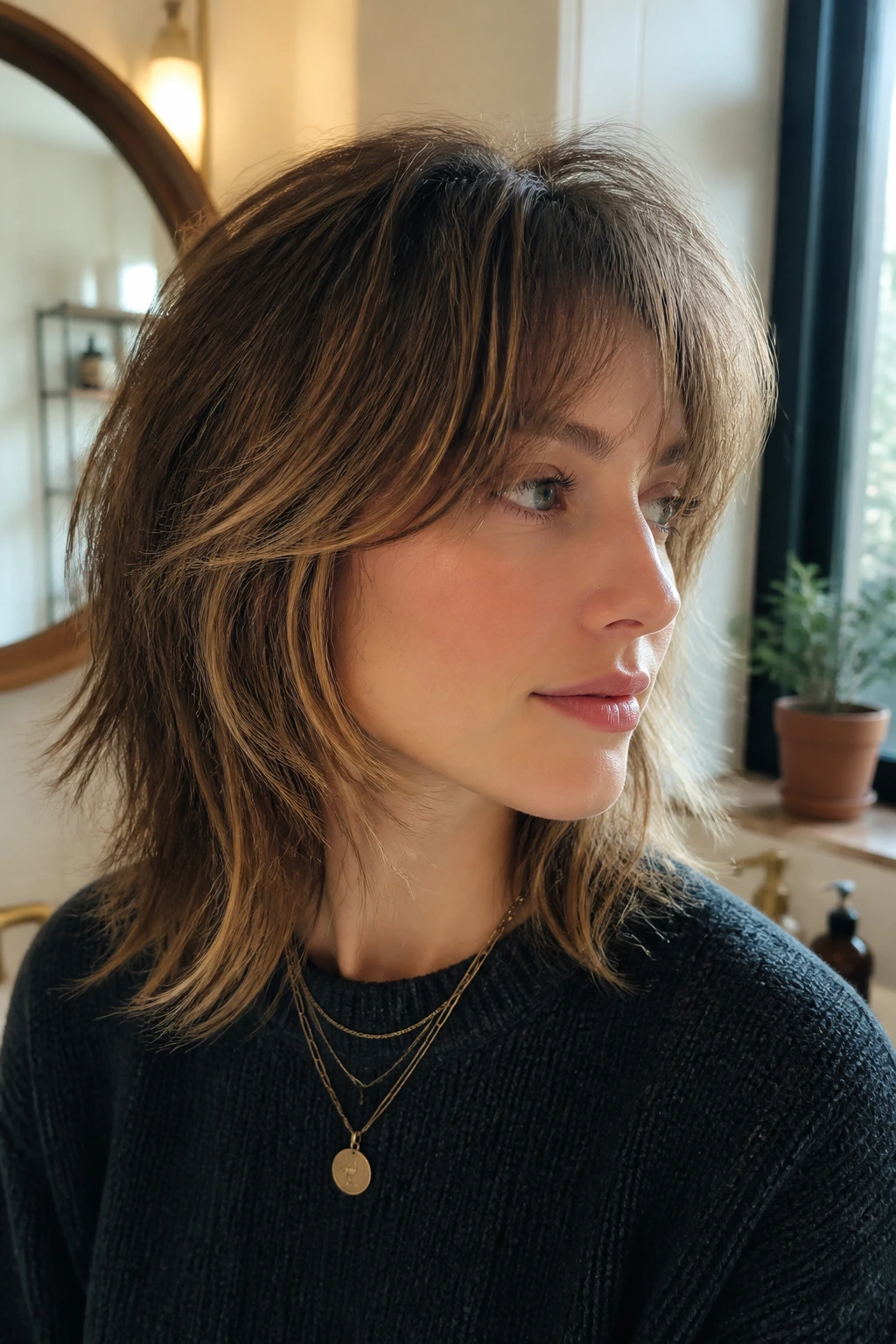
Root Boost: Put mousse or root spray only at the crown and the hairline, then blow-dry that area with a nozzle. It gives structure where the hair needs it most.
Soft Bend: Use a flat iron to make a mild bend through the front 2 to 3 inches of hair. You’re aiming for shape, not a wave pattern that looks set.
Day-Two Rescue: Flip your part, mist dry shampoo under the top layers, and rough the roots with your fingertips. That usually brings the haircut back faster than another full blow-dry.
End Softness: If the ends feel dry, touch them with a pea-sized amount of serum only on the last inch. Any more and the cut loses lift.
Keeping the Shape Fresh Between Cuts
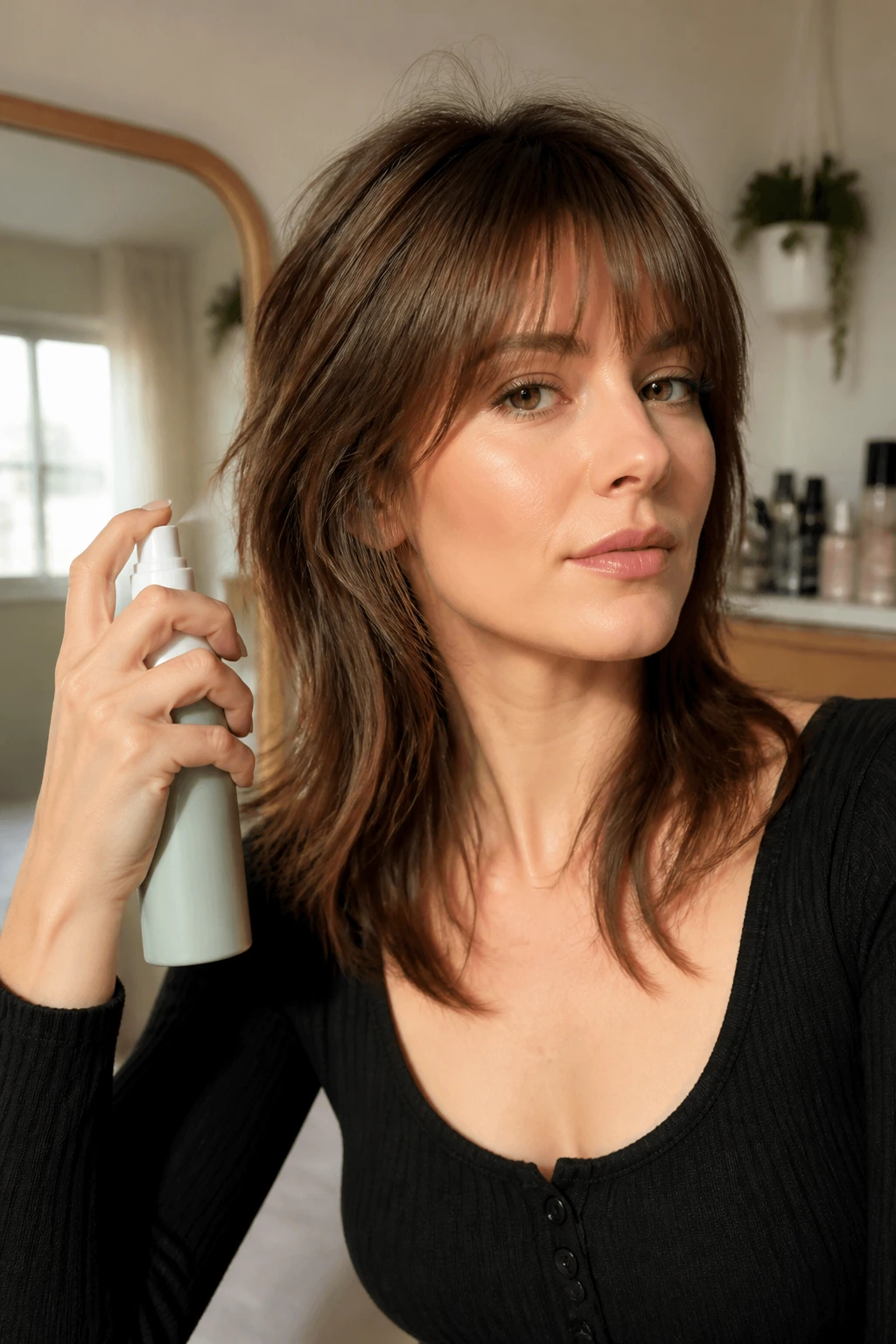
Fine straight hair shows grow-out fast. A shag that looks crisp on day one can get soft and a little lazy before you’ve fully noticed, so maintenance matters.
A trim every 6 to 8 weeks usually keeps the layers from wandering. If you like a softer, more grown-out look, you can stretch a bit longer, but the fringe and face frame will still need attention sooner than the rest of the cut.
Dry shampoo is useful here, but use it before the hair turns greasy. Spraying it onto already-oily roots just creates texture on top of oil. It works better when the scalp is still mostly clean and you want to buy another day.
At night, a loose clip or silk pillowcase helps the crown stay up instead of getting crushed. That matters more than people admit. The top of the head is where fine hair goes to die in sleep.
Variations and Adaptations to Try
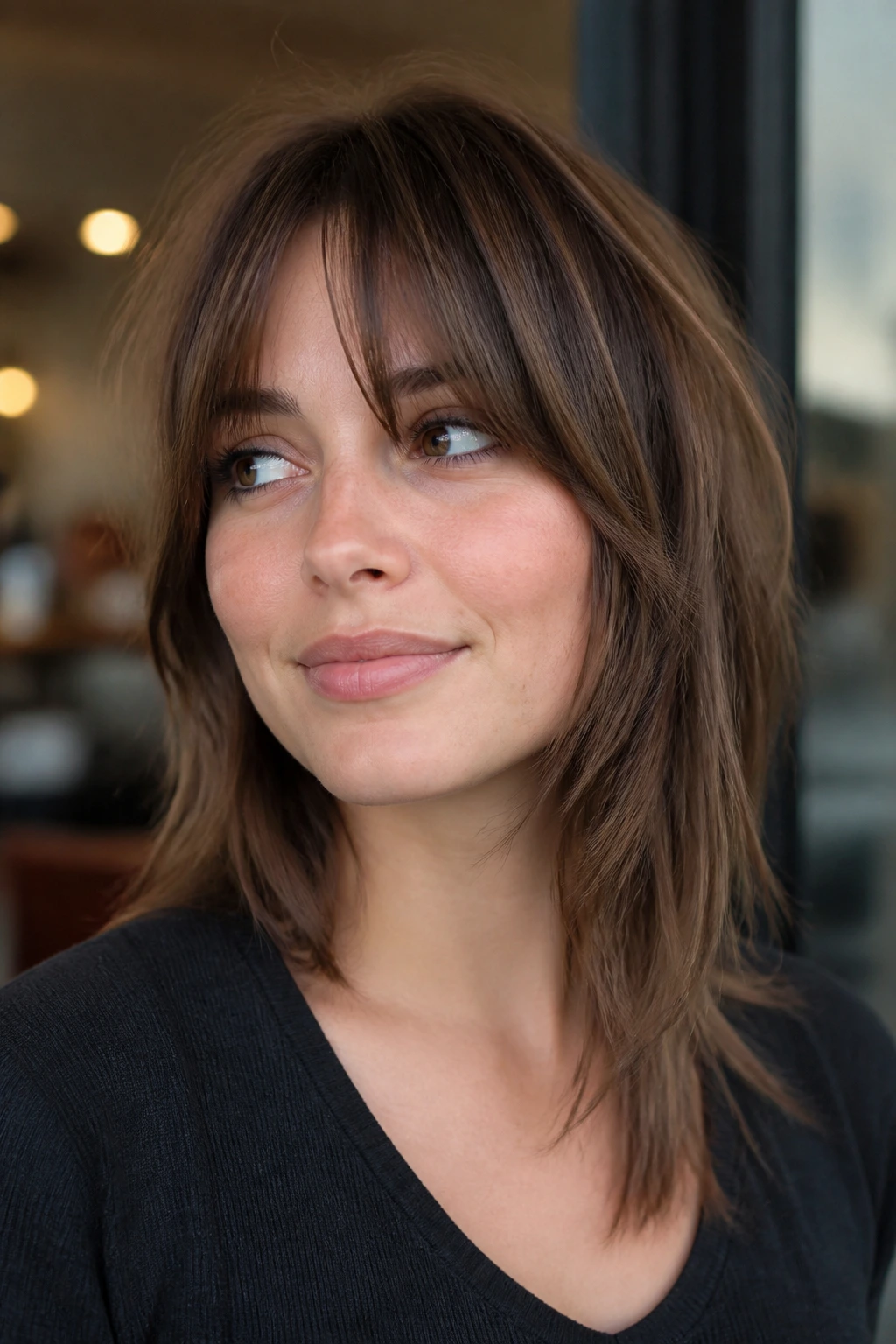
Round-Face Lift: Keep the shortest face-framing pieces below the cheekbones and let the sides fall vertically. That stretches the face without adding width at the cheeks.
Square-Jaw Softener: Use longer curtain or cheekbone pieces and avoid a blunt line at the jaw. The softer front hides a hard edge better than a choppy one.
Damage-Friendly Version: Ask for scissors or slide cutting at the perimeter if your ends are bleached or fragile. Razor work can make already dry ends look frayed faster.
Low-Styling Version: Keep the layers longer and the fringe lighter. This version works better if you want the haircut to behave with just mousse and air-drying.
High-Drama Version: Increase the crown layers, shorten the front a little more, and add a sharper bend at the ends. It’s a bolder look, but it still needs a clean perimeter to keep fine hair from disappearing.
Common Mistakes to Avoid

- Over-thinning the ends: The haircut looks airy in the salon, then see-through at home. Keep more weight at the perimeter so the ends still look full.
- Starting the layers too high: If the crown is overcut, fine hair loses its structure fast. Ask for balance, not a hollow top.
- Using heavy product at the roots: Creams, oils, and rich leave-ins flatten the hair before the day starts. Keep heavy products off the scalp.
- Choosing a fringe that’s too dense: Thick bangs can swallow fine hair and make the rest look sparse. A bottleneck or curtain fringe usually works better.
- Skipping trims: Shag layers grow out in odd ways when left alone too long. A quick cleanup keeps the shape readable.
Questions People Ask Before Booking the Cut
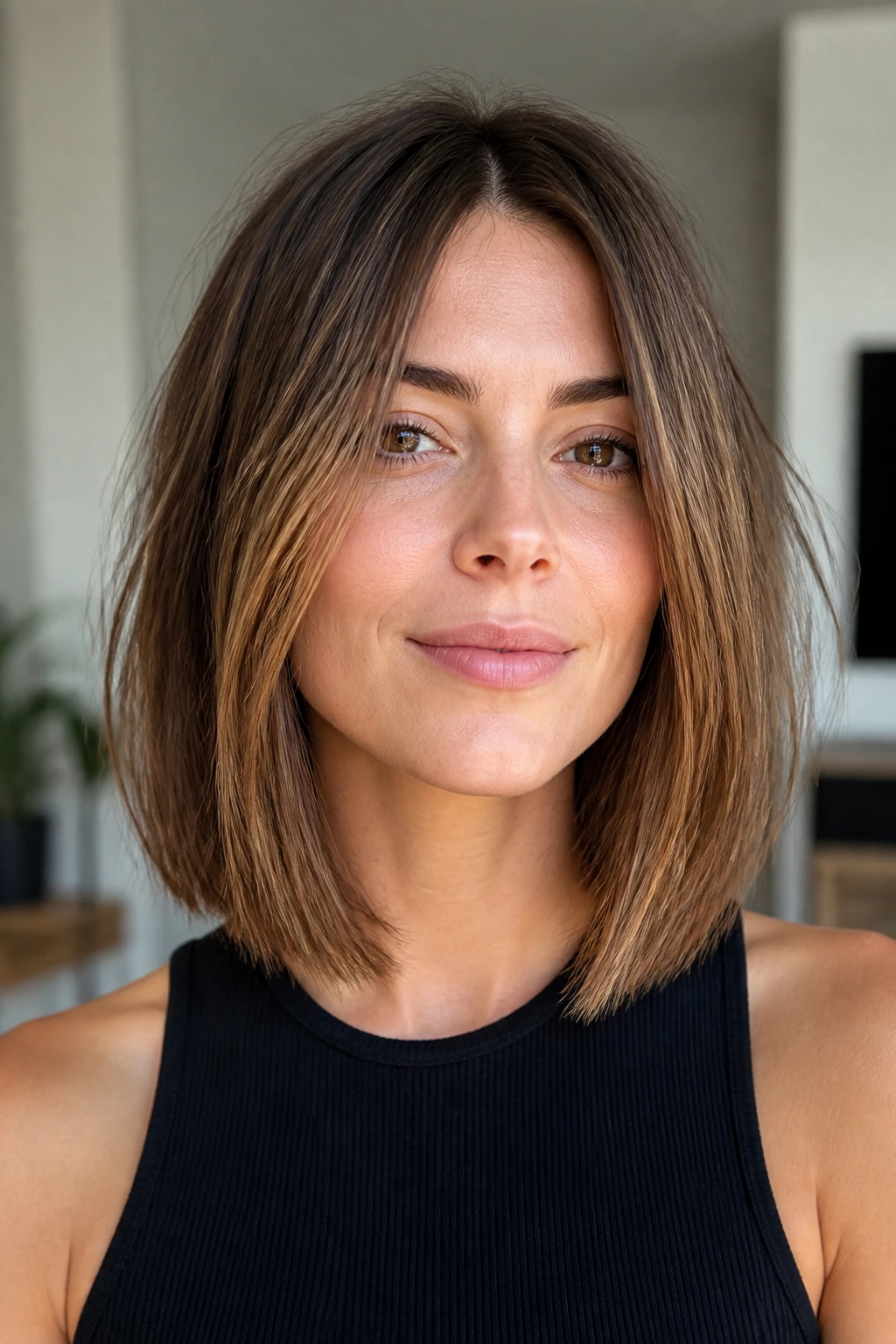
Will a razor cut make my fine straight hair look thinner? It can, if the stylist removes too much density from the ends. The goal is controlled softness, not see-through strands.
Can I get a shag if I never heat-style my hair? Yes, but choose a softer version with longer layers and a light fringe. The cut should still look decent when it air-dries.
Is a razor better than scissors for this? Not always. Razor cutting gives feathered movement, while scissors keep a cleaner edge. The best choice depends on how healthy your ends are and how much texture you want.
How often should I trim a shag on fine hair? Every 6 to 8 weeks is a good range if you want the shape to stay crisp. If you like a softer grow-out, you can stretch it a little longer.
What if my hair is bleached or fragile? Ask your stylist to stay conservative with the razor, especially at the perimeter. A scissor-cut bottom line can protect the ends while still allowing internal movement.
Can I wear this cut with a middle part? Yes, but the layers need to be balanced on both sides. A center part shows everything, so the shape has to be even.
Which bangs are safest for fine straight hair? Bottleneck and curtain bangs tend to be the most forgiving. They use less density and blend into the cut more easily.
How do I ask for this in the chair? Say you want a shag with a full perimeter, soft internal layers, and a shape that still looks good when it’s not freshly styled. That sentence saves a lot of trouble.
The Shape That Lasts
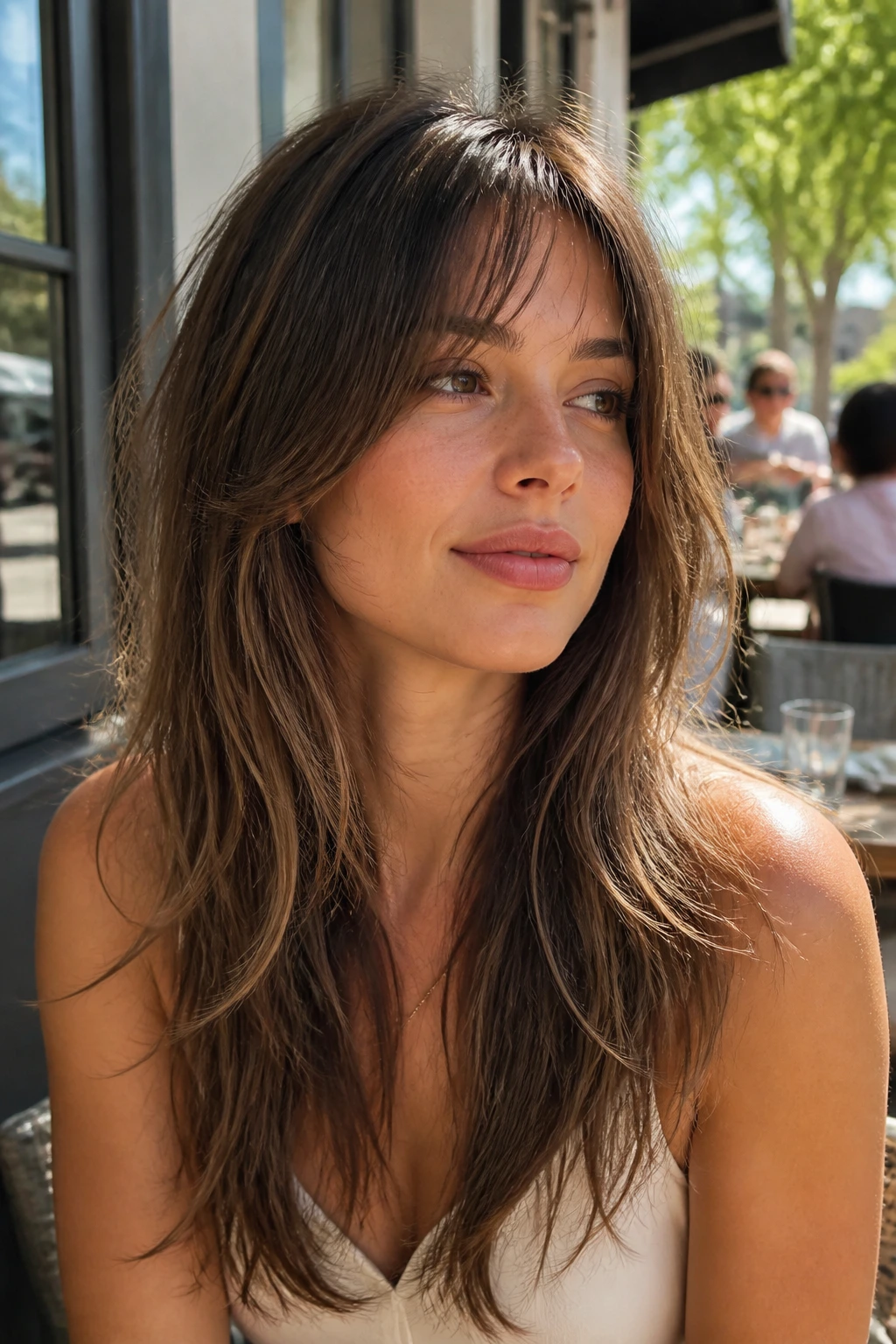
A good shag on fine straight hair is not about cutting more hair off. It’s about leaving enough hair in the right places so the shape can breathe without collapsing. That’s the part most people miss, and it’s why some shags look chic for two days while others keep working for weeks.
Pick the version that matches how you actually wear your hair. If you live in a quick blow-dry, go for a polished or collarbone shape. If you like a little edge, let the crown and fringe do more of the talking.
The smartest choice is the one that still looks like your hair when you’ve done almost nothing to it. That’s the cut worth keeping.
