



Long wavy hair has a funny problem. It can look like you spent no time on it, then collapse into a shapeless curtain if the part, the lift, or the bend at the ends is off by half an inch. That is why wavy hairstyles for long hair deserve more attention than they usually get.
The right shape keeps the wave visible from the crown all the way to the ends. Sometimes that means a center part and a soft brush-out. Sometimes it means a braid at the temple, a clipped crown, or a ponytail that leaves the lower half swinging loose instead of trapped under a tight elastic. Long hair gives you room to play, but it also adds weight, drag, and a lot of chances for the style to sink by lunch.
What works on shoulder-length hair can look thin on waist-length hair. What looks dramatic on medium hair can barely register once it’s stretched through another eight inches of length. The styles that last are the ones that respect gravity instead of pretending it isn’t there.
Why These Wavy Hairstyles for Long Hair Work So Well
- Built for gravity: Long hair has weight, so the best styles keep the wave visible without asking every strand to stay lifted forever.
- Easy to dress up or down: A center part and brushed-out bend read casual; a deeper side part, a clipped crown, or a shine spray pushes the same shape toward polished.
- Not heat-dependent: Braids, twists, clips, and overnight sets earn their place here because long hair gets tired fast when you keep heating the last few inches.
- Friendly to day-two texture: Slightly lived-in roots hold pins and elastics better, which saves you from fighting slippery hair every morning.
- Works across densities: Fine hair gets airy looks that don’t swallow the face, while thick hair can carry braids, knots, and bigger accessories without falling limp.
Why Long Wavy Hair Needs a Different Prep
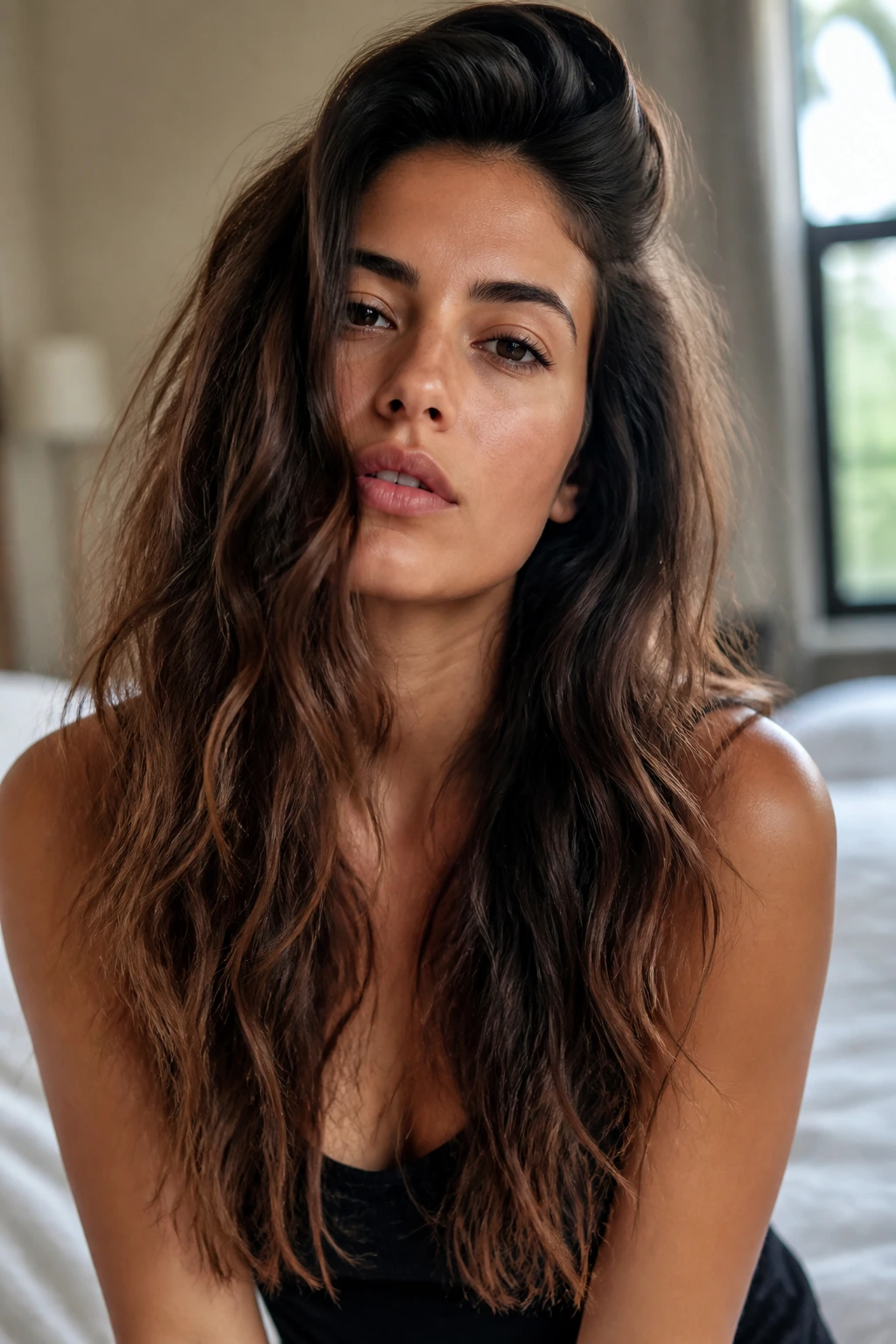
Long hair does not behave like short hair with extra inches glued on. The roots may still have lift, but the ends are older, drier, and more prone to losing shape. That split personality is the whole game.
The Ends Carry the Story
If the last three inches are fried, over-brushed, or stuffed with heavy cream, the whole style looks tired. You can have a good wave pattern from ear level up and still lose the look because the ends go fuzzy or straight. A small amount of leave-in or a light oil on the bottom half is enough for most hair.
The Crown Needs Grip
Long hair slips. That is just the truth of it. A little mousse at the roots, a proper blow-dry at the crown, and a clean part give pins and clips something to hold onto instead of sliding across glassy strands.
Day-Two Hair Often Wins
Freshly washed hair can be too slick for braids, knots, and clips. A touch of grit the next day usually makes these styles easier, especially if your hair is fine or naturally straight. You do not need greasy hair — just hair with a bit of memory.
The Tools That Earn Their Place
- 1-inch curling iron: Good for tighter bends, face-framing pieces, and more defined wave patterns.
- 1.25-inch curling wand: The sweet spot for loose waves that still show up on long hair.
- Flat iron with rounded edges: Useful for S-waves and smoother, more polished bends.
- Heat protectant spray: Non-negotiable if you use hot tools; spray it before anything touches dry hair.
- Light mousse: Gives the roots a bit of structure without making long lengths crunchy.
- Texture spray or dry shampoo: Adds grit, helps pins stay put, and stops styles from sliding.
- Wide-tooth comb: Better than a brush for loosening curls without dragging the wave flat.
- Soft bristle brush: Good for brushing out glam waves when you want a smoother finish.
- Claw clips, bobby pins, and small elastics: These do the real work in half-up looks, braids, and low buns.
- Silk scrunchies: Gentle on long hair and far kinder than tight elastics that leave dents.
How to Prep Long Wavy Hair Before You Style It
Start With the Right Level of Clean
If your roots are squeaky and your ends feel like straw, the style will fight you from the first section. Shampoo the scalp area when it needs it, condition from mid-lengths down, and keep the crown lighter so pins and clips have something to grab.
Build a Little Grip
On damp hair, work in a small amount of mousse at the roots and a heat protectant through the lengths. If you blow-dry, get the roots fully dry first. Damp roots are the fastest way to end up with a shape that looks good for ten minutes and then collapses.
Leave the Ends Soft
The bottom of long hair needs the least product and the least heat. A heavy cream or too much oil down there makes the wave bend lazily instead of holding its curve. Keep the finish light, especially if the look depends on movement.
1. Center-Part Soft Beach Waves
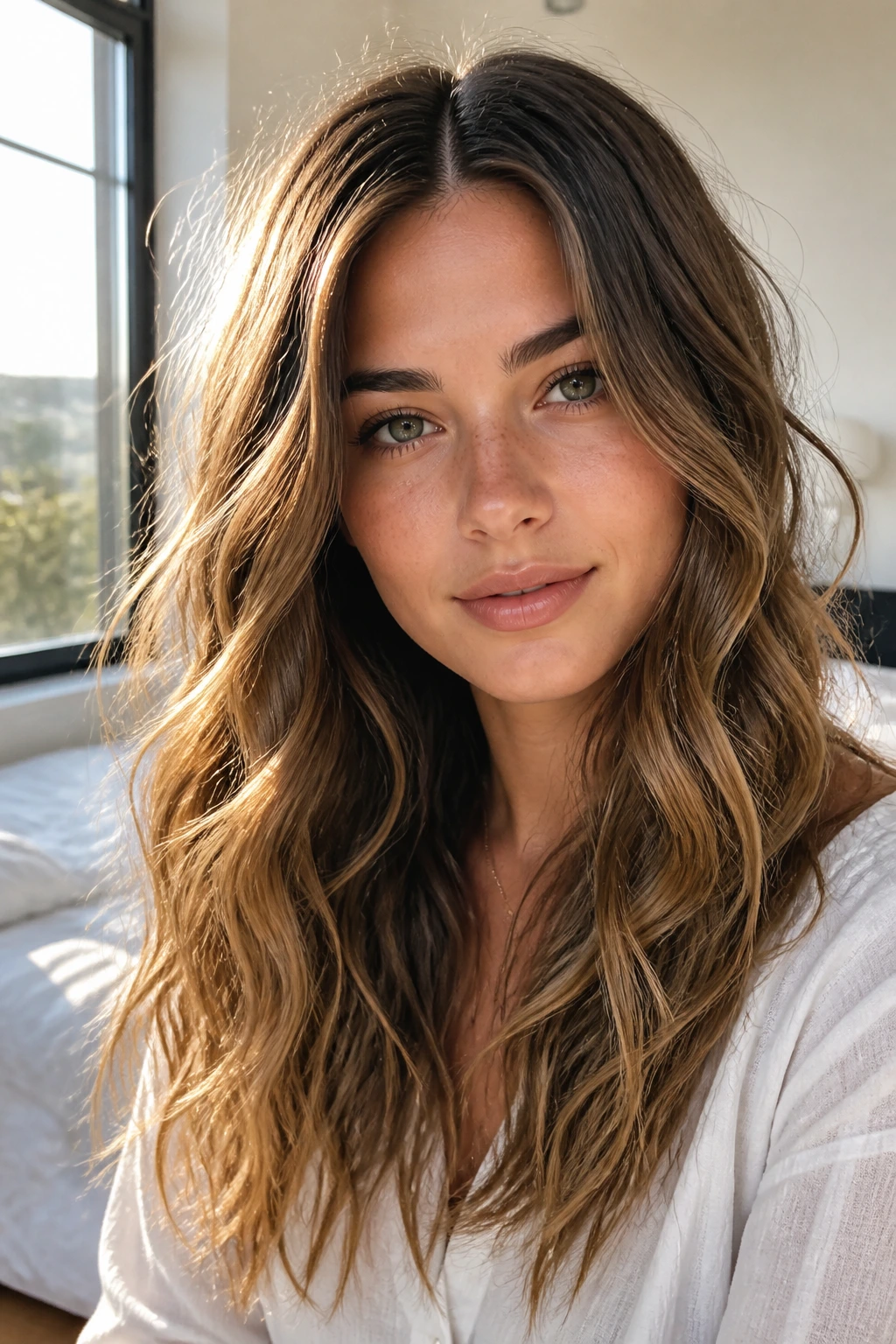
This is the style that never tries too hard. A clean center part and loose, undone bends make long hair look long on purpose, not just long because it grew that way. It’s the version I’d reach for when I want the hair to move a little without asking for attention every ten minutes.
Use a 1.25-inch curling wand and wrap medium sections away from the face, leaving the last inch or so out if your ends are fragile. Brush the curls lightly once they cool, then mist the mid-lengths with texture spray. The best result is soft, not fluffy — think swing, not puff.
2. Deep Side-Part Glam Waves
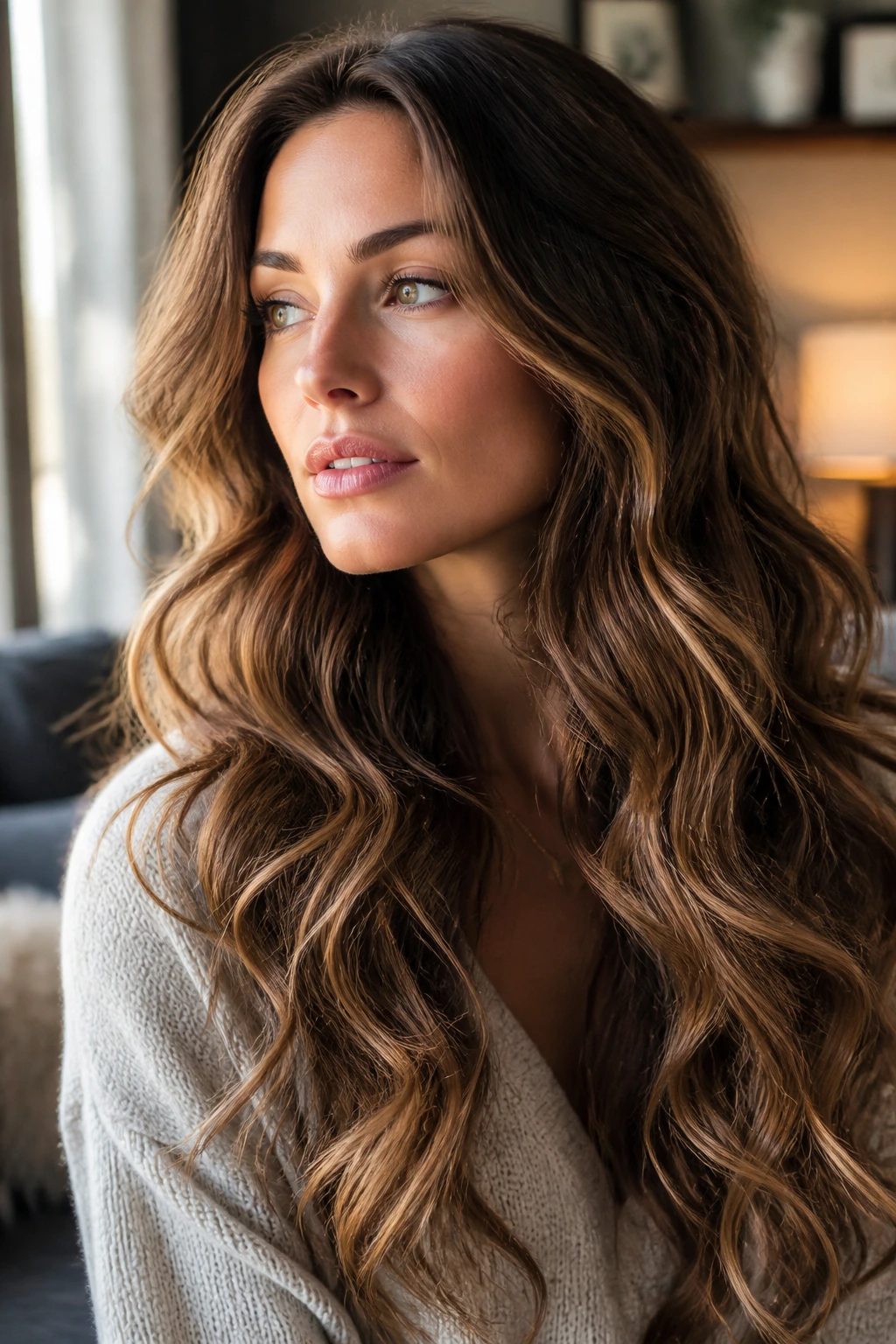
Want instant height at the crown? A deep side part does that job fast. It shifts the weight of long hair off-center, which gives the roots a little lift and makes the wave pattern look fuller from the front.
How to Wear It
Flip the heavier side behind one ear for a clean line, or pin it back with a single bobby pin if you want the face open. This style looks best when the waves are brushed into one smooth direction and the shine is controlled, not greasy. A light gloss spray on the top layer is enough.
3. Half-Up Twisted Crown Waves
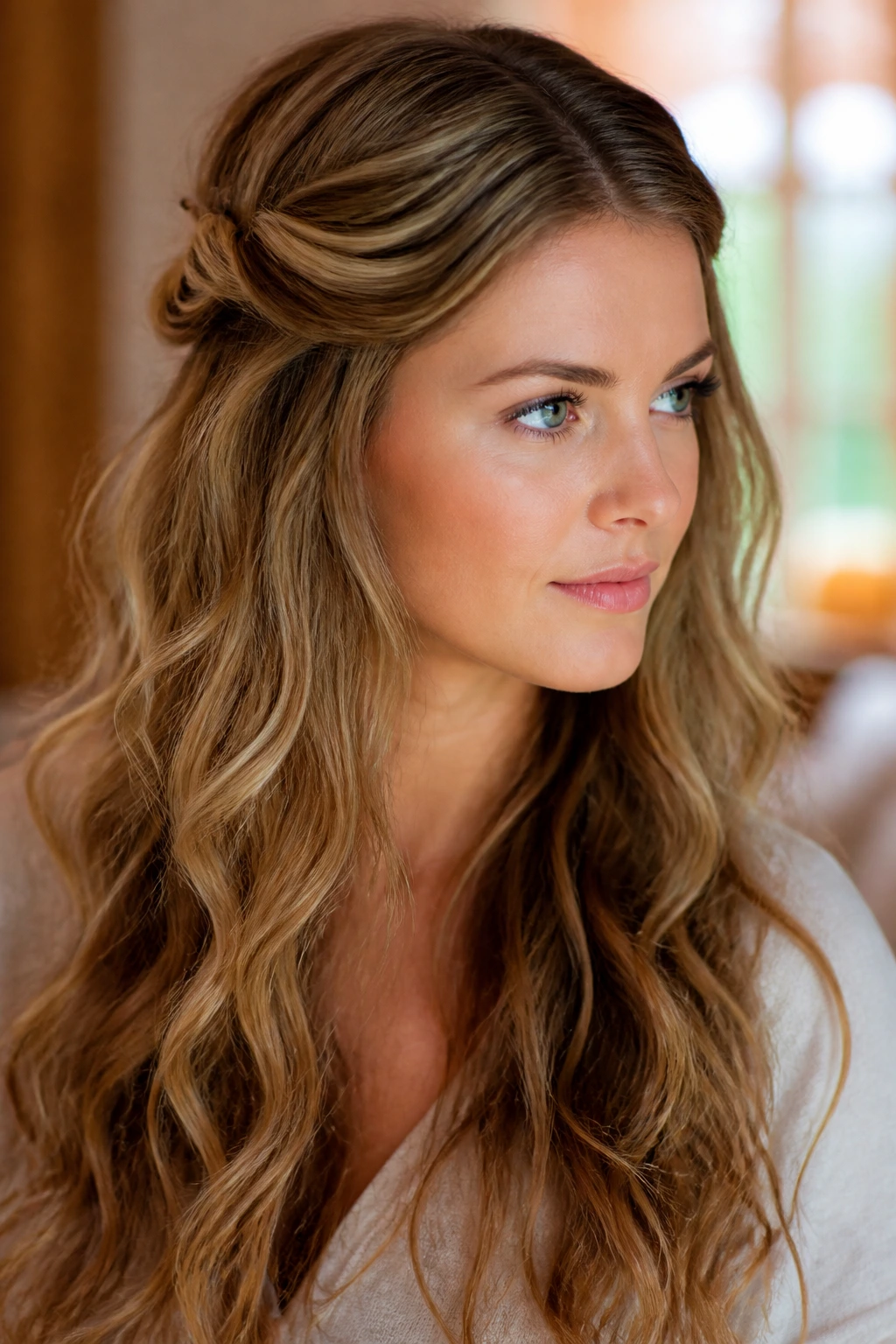
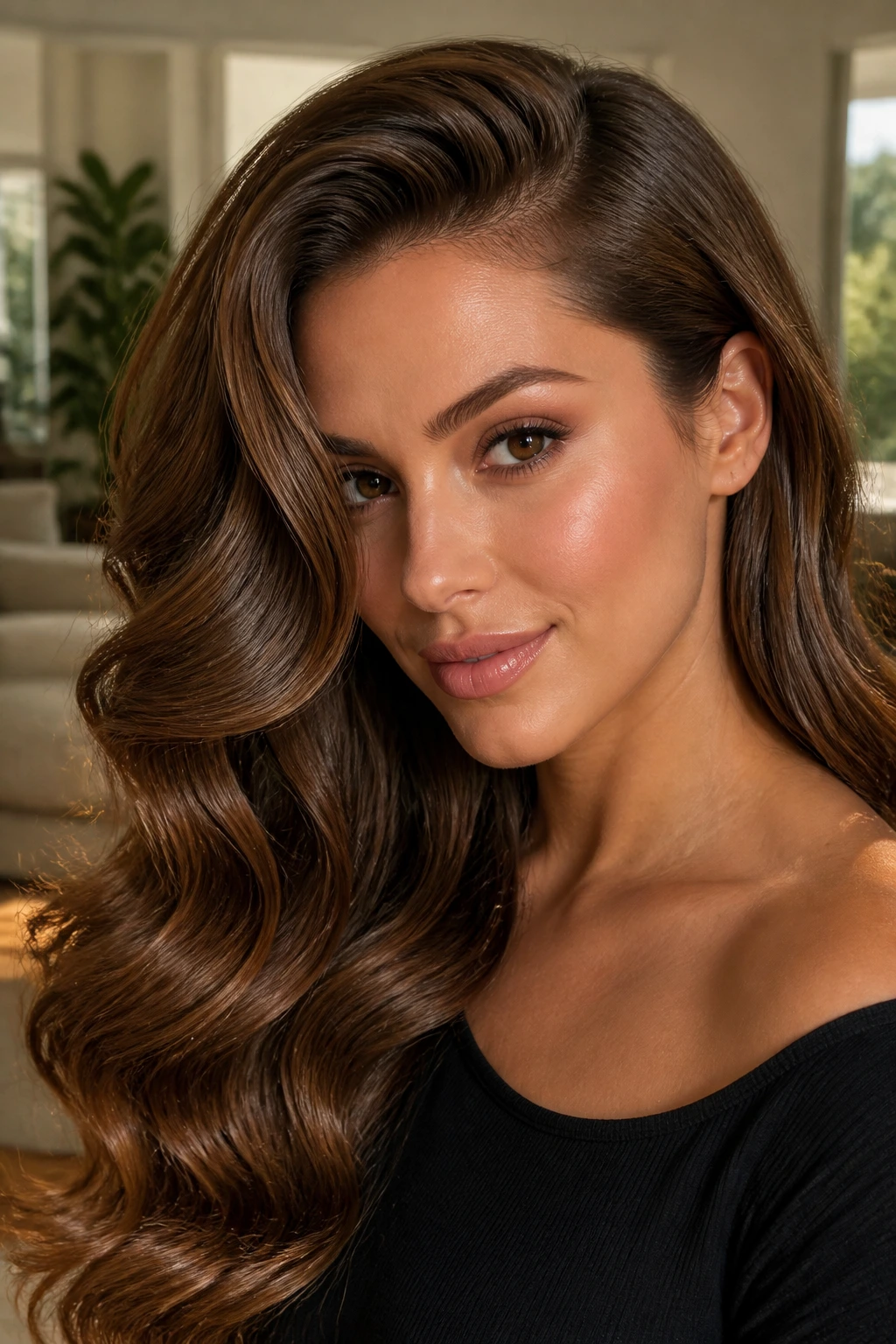
A pair of soft twists at the temples can change the whole mood of long wavy hair. The length stays down, which is the point, but the front stops falling into your face every time you move.
Take two small sections from the front, twist them back loosely, and secure them with pins or a tiny elastic under the top layer. Do not pull the twists tight. Tight twists kill the softness and leave the style looking like it’s trying to behave for a school picture.
4. Low Loose Ponytail With Wave Ends
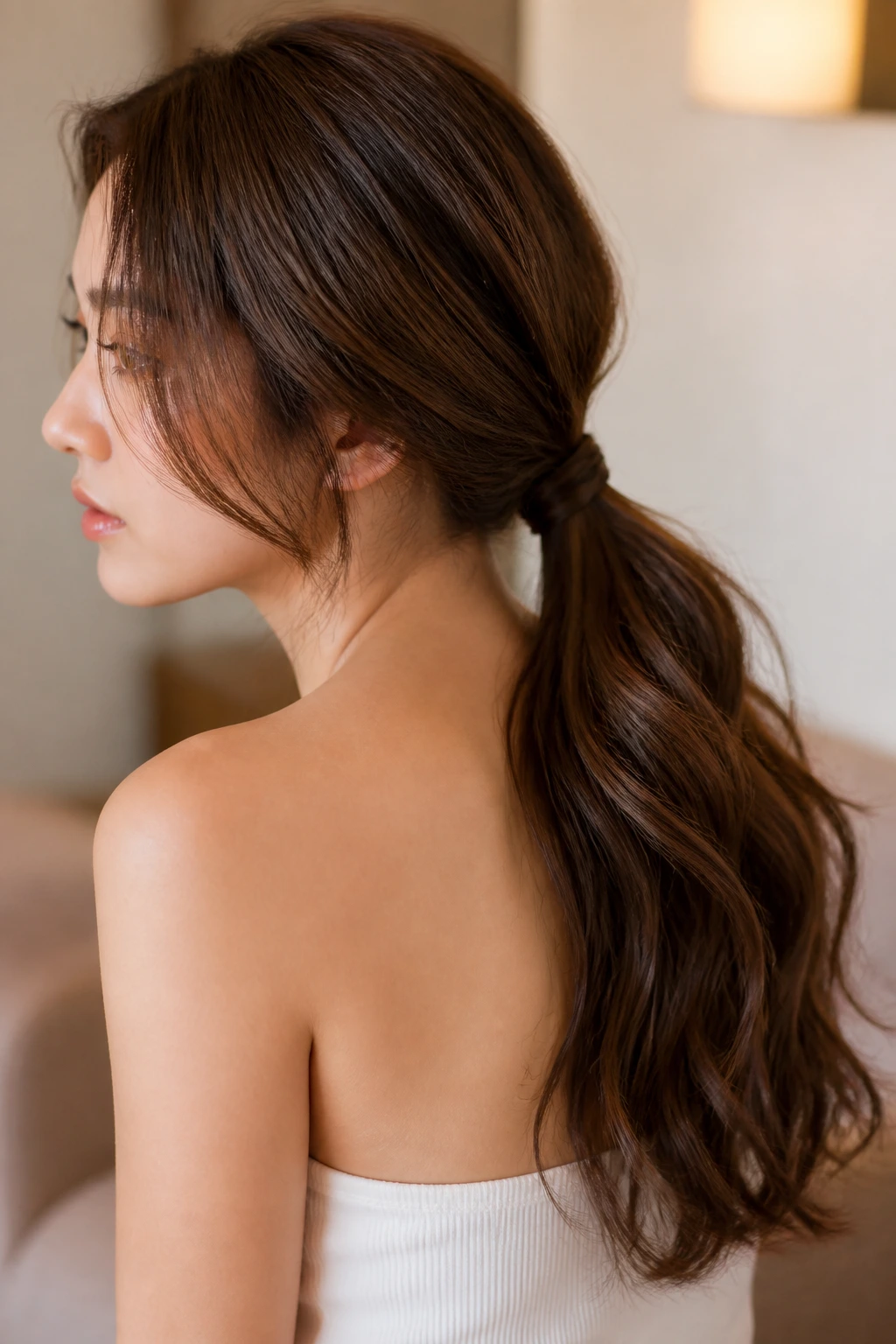
A ponytail does not have to look sporty. On long hair, a low ponytail with loose wave ends can look relaxed and polished at the same time, especially when the crown is smoothed but not shellacked.
Use a silk scrunchie or a wrapped strand of hair so the elastic disappears. Keep the ponytail low enough that the waves still fall in one clean sheet. If you want it softer, pull out two face-framing pieces and give them a tiny bend with a wand.
5. Boho Braids Mixed Into Waves
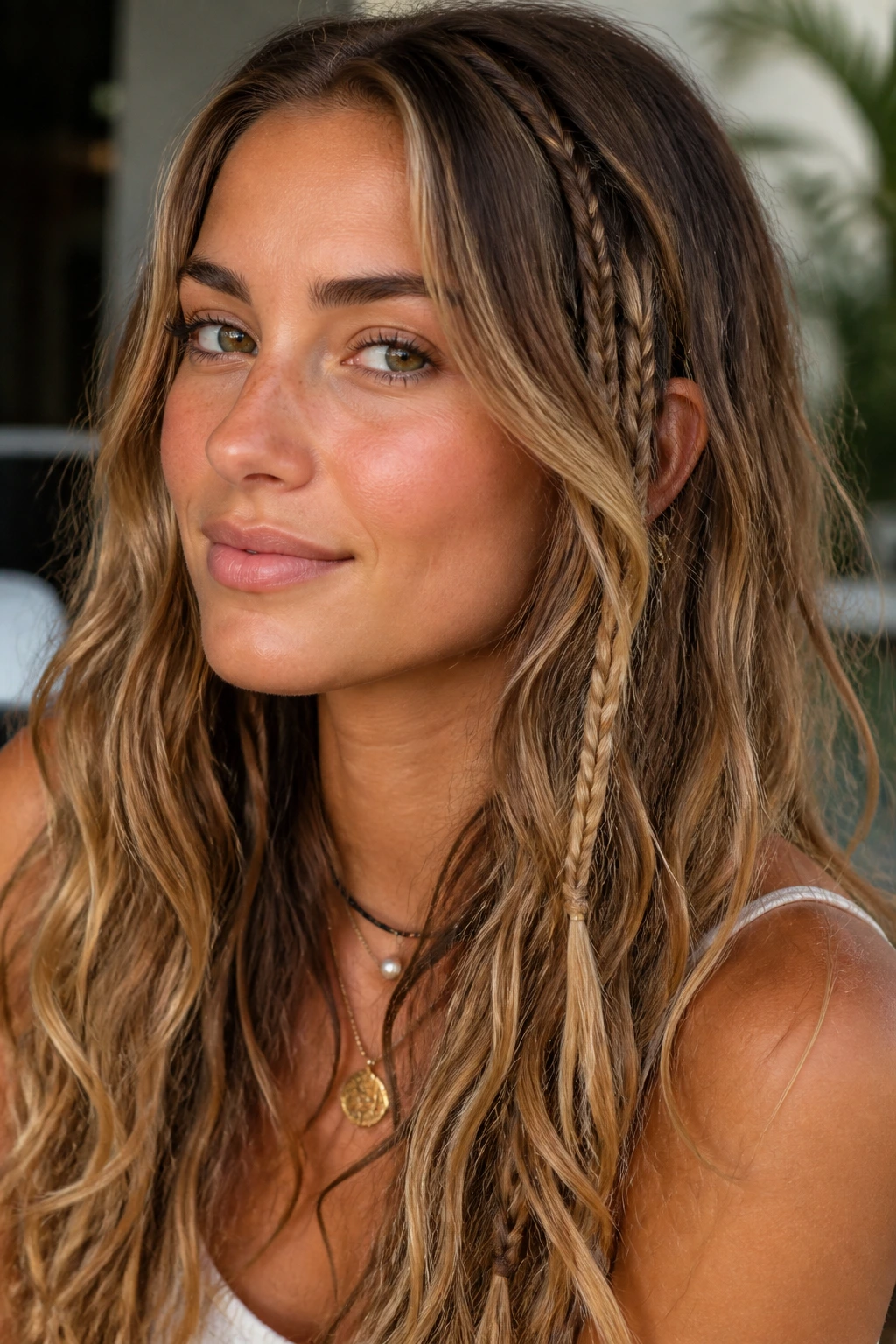
A couple of tiny braids scattered through long waves add texture without swallowing the length. That is the trap with braided looks on long hair: too many braids and suddenly the style looks busy, not boho.
Leave most of the hair loose, then add one or two narrow braids near the front or just behind the ear. This works especially well on second-day hair because the braid holds better when the hair has a little texture. Keep the braids loose and pull them apart a touch after tying them off.
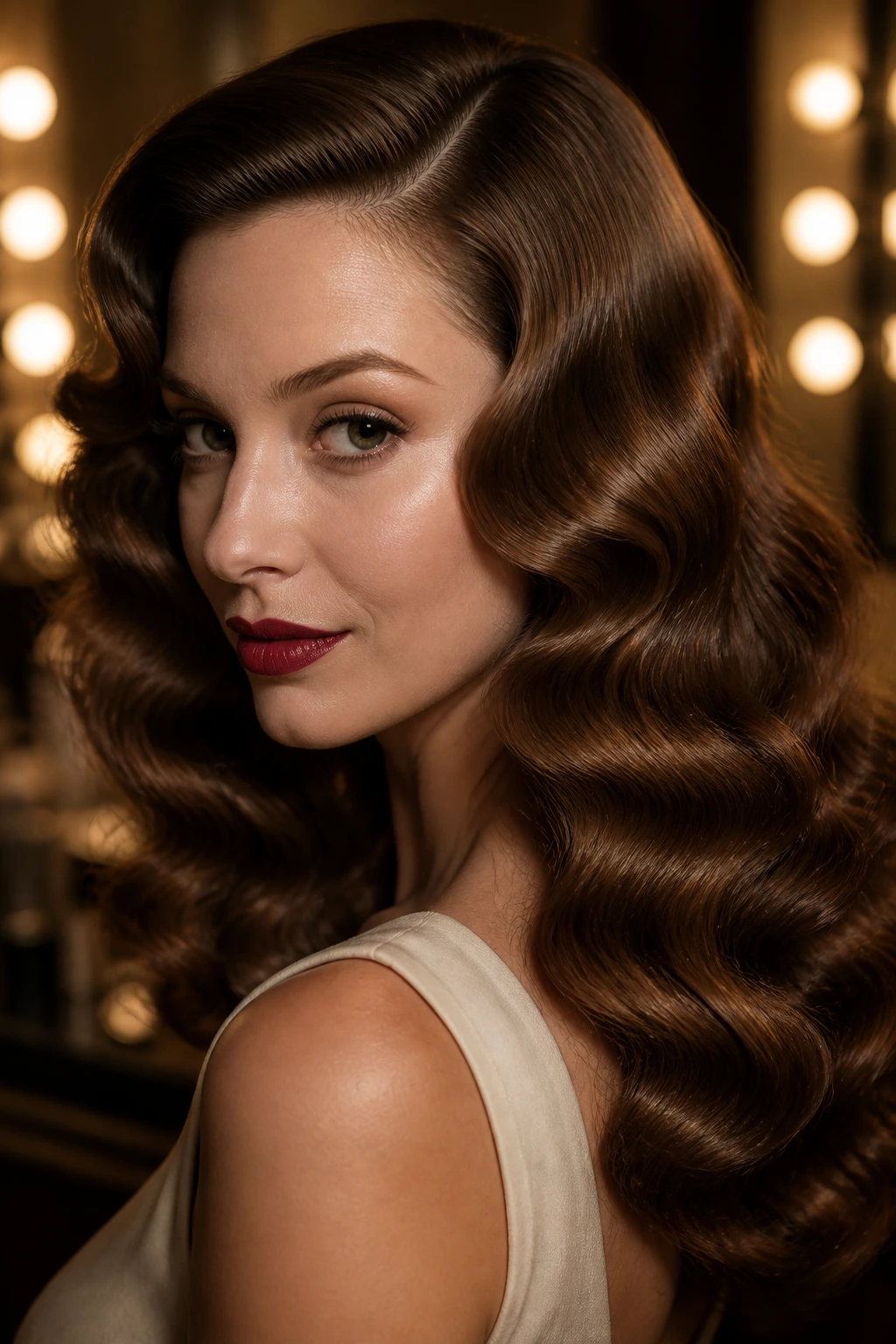
6. Glossy Old-Hollywood Waves
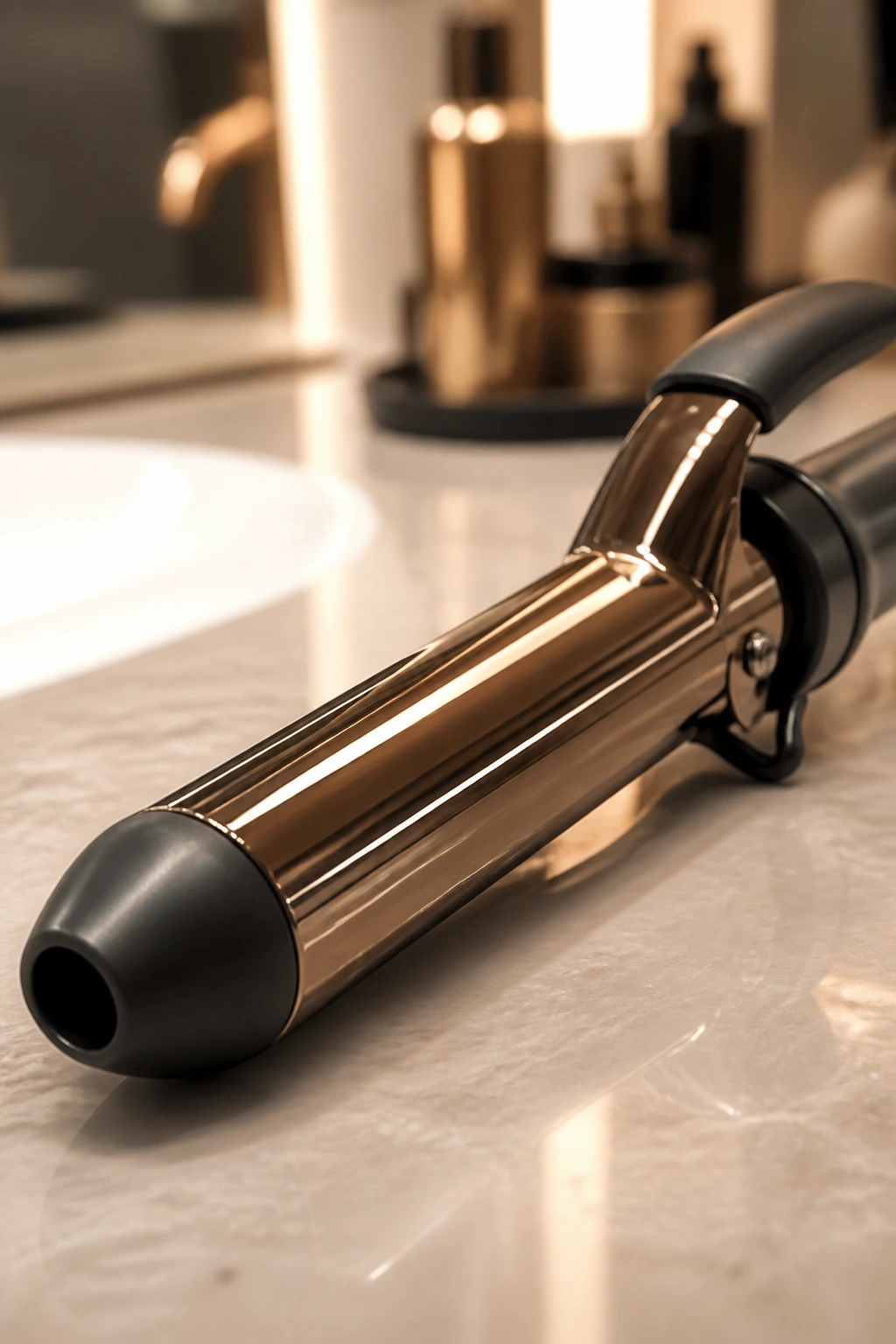
This is the most dressed-up version of long wavy hair, and it’s all about control. The wave is smoother, the curve is more deliberate, and the finish has that brushed-out, camera-ready shape that reads elegant without needing a ton of accessories.
Pin each curl flat while it cools, then brush everything out into one continuous wave pattern. A soft-bristle brush and a little shine spray on the top layer make the difference here. If your hair is very layered, keep the smoothing light so you don’t lose all the shape into frizz.
7. Curtain Bang Waves With Long Layers
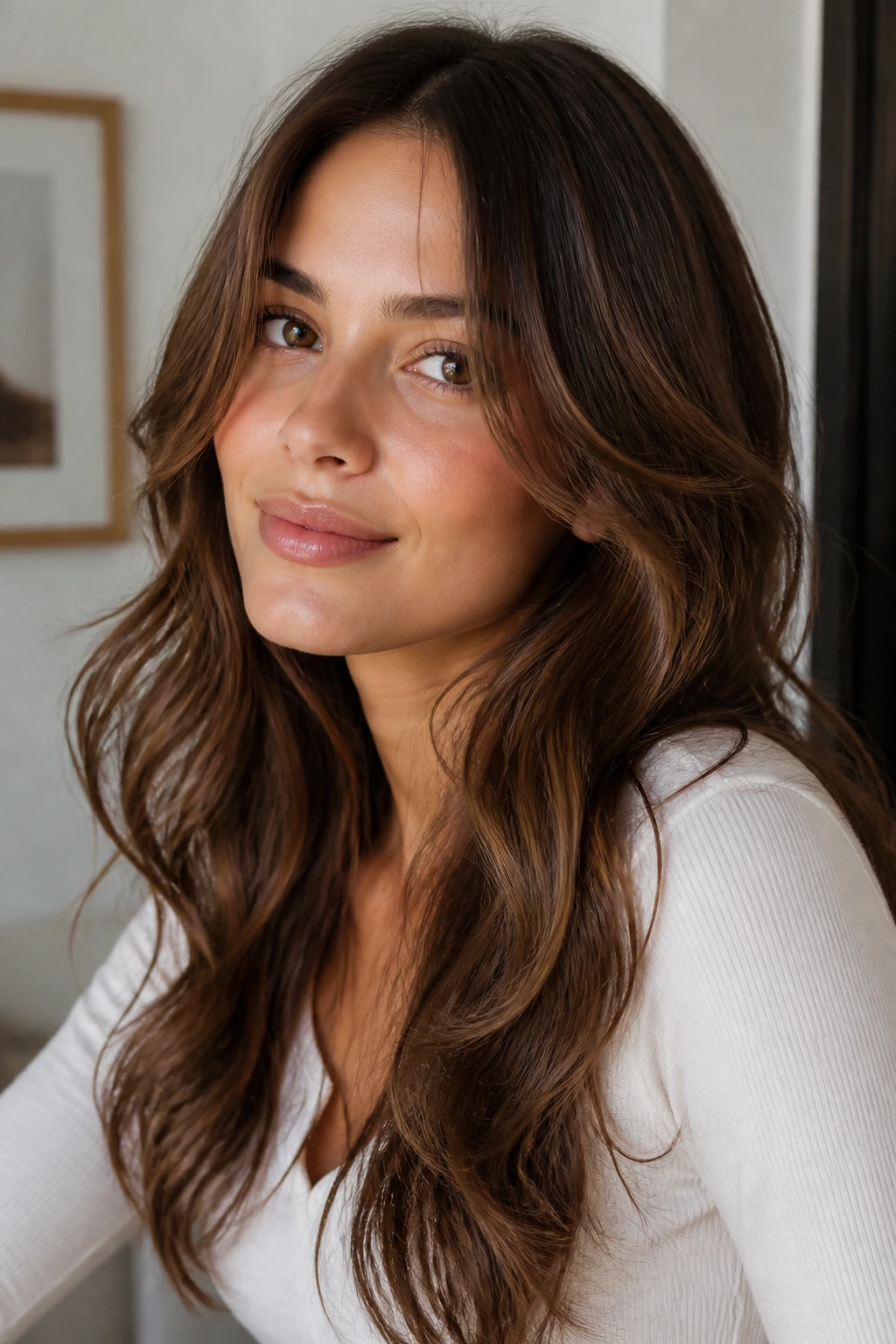
Curtain bangs change the whole face of long wavy hair, but only if the rest of the cut follows through. The layers need to echo the bend in the bangs, or the front looks disconnected from the rest of the style.
Why This Works
Blow the bangs with a round brush or hot brush so they curl away from the face, then keep the rest in soft waves that start around cheekbone level. The bend should feel like it belongs together from top to bottom. If the bangs are too curled and the lengths are too loose, the haircut starts arguing with itself.
8. Claw-Clip Half-Up Waves
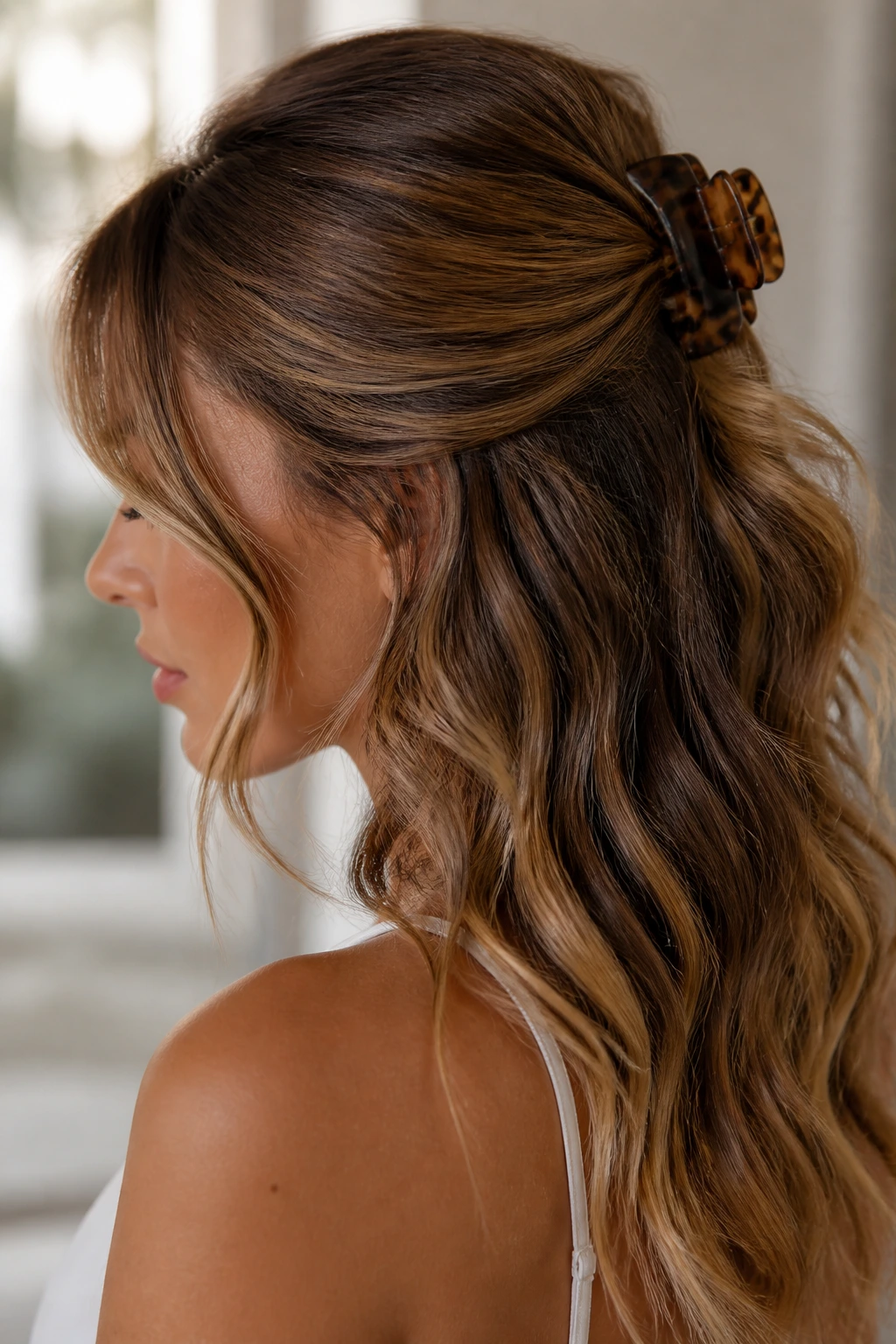
Claw clips are not boring when long hair is involved. They create a lifted shape at the back of the head and leave enough length down to show off the waves underneath.
- Place the clip a little higher than you would with a ponytail.
- Keep the twist loose so the clip holds without crushing the wave.
- Let a few front pieces fall free; that stops the look from feeling stiff.
This is one of the easiest ways to make second-day waves look deliberate instead of accidental.
9. Waterfall Braid Waves
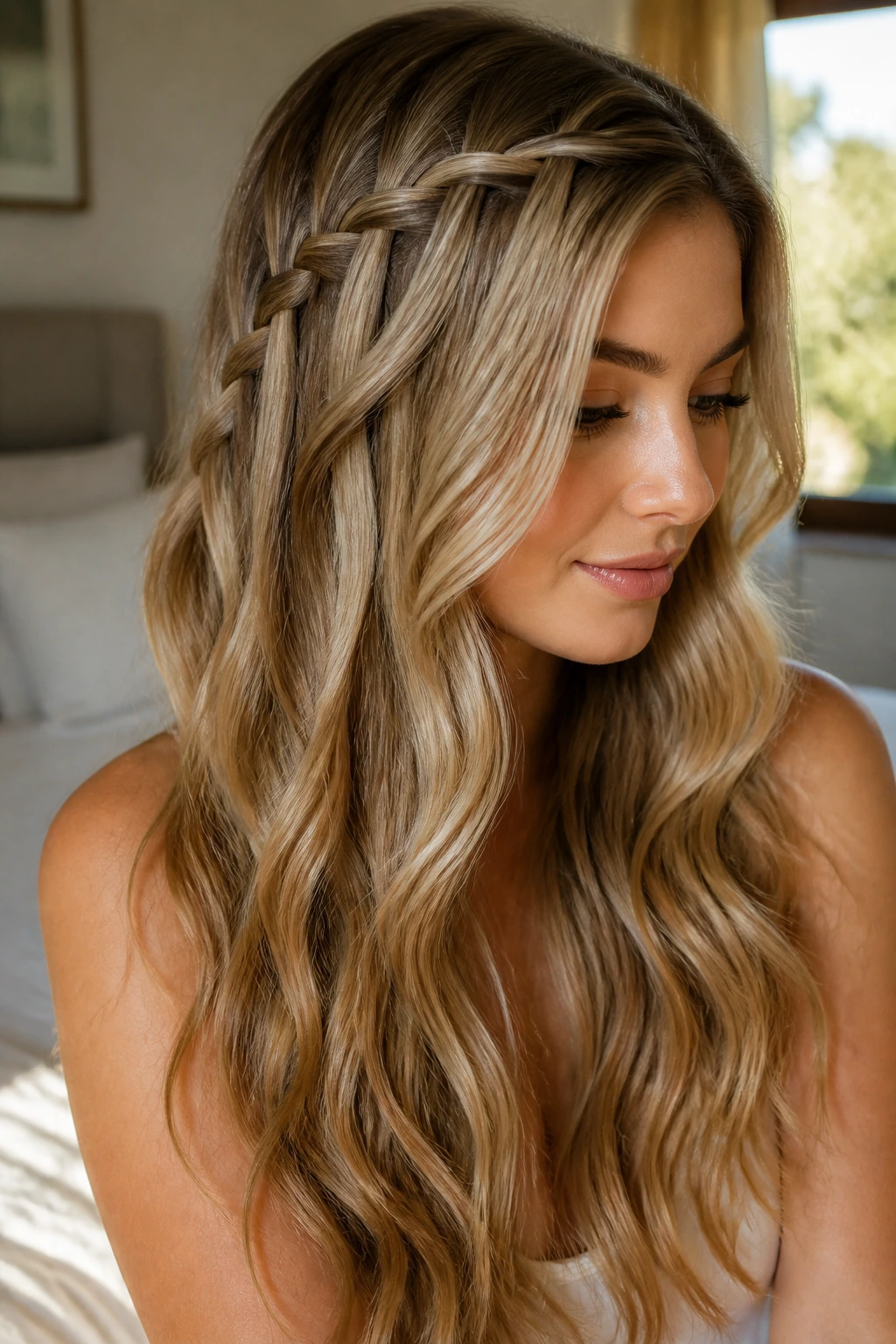
A waterfall braid is the braid equivalent of leaving the good part of the dress unbuttoned. It lets the length stay visible while adding a little pattern across the top or along one side.
Start the braid near the temple or behind the ear and let the dropped sections hang through the rest of the hair. It looks especially good when the waves are already soft and brushed out. If your hair is slippery, use a touch of texture spray first; otherwise the braid can slide apart faster than you’d like.
10. Messy Low Bun With Face-Framing Waves
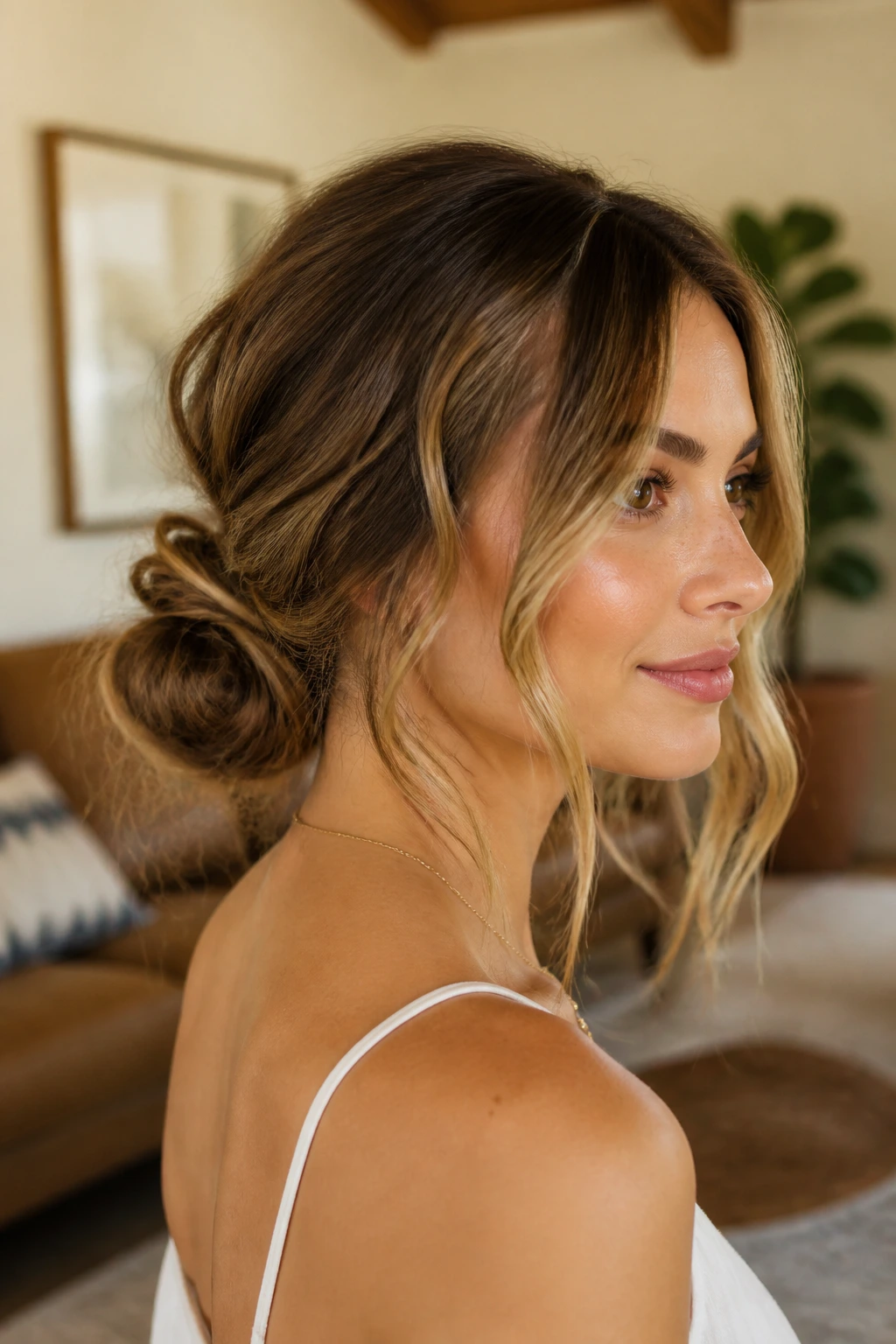
This is the style you reach for when the roots are tired but the ends still have life. The bun sits low, the face-framing pieces stay loose, and the waves around the cheekbones do most of the talking.
Twist the length into a loose bun at the nape and pin it with 2 or 3 bobby pins instead of one tight elastic. Leave a few wavy pieces out at the front and around the ears. The result should look like you spent ten minutes, not forty, and that’s usually the right amount of effort for this shape.
11. Rope-Braid Crown Waves
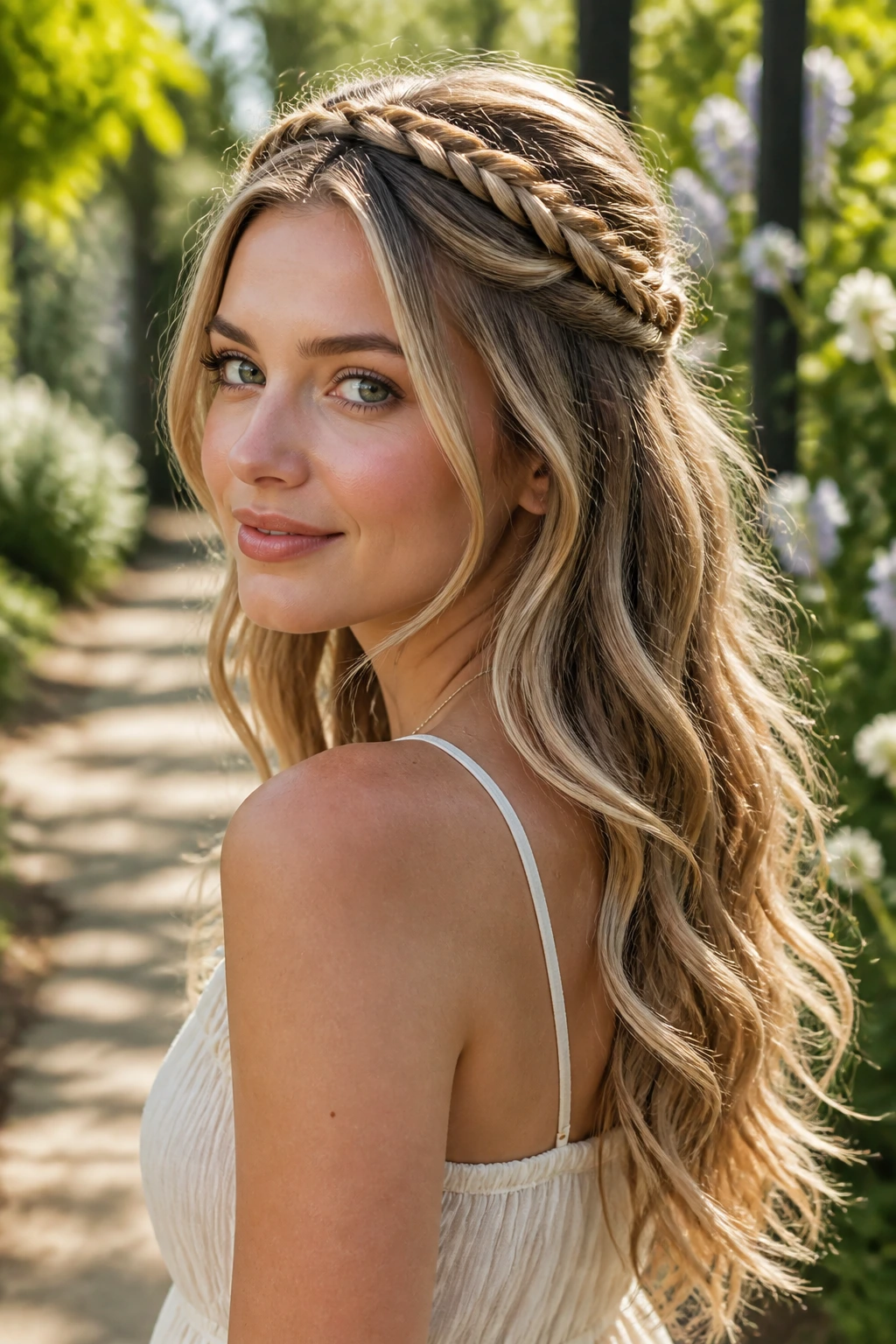
Rope braids are underrated on long hair because they’re faster than traditional braids and they hold well on slippery strands. The braid sits close to the head, which keeps the style controlled while the rest of the hair stays loose.
What Makes It Different
Twist two sections around each other, secure them, then tug the braid apart a little so it doesn’t look too tight. A rope-braid crown is especially handy if your hair is very long and you want the top half to stay out of the way without hiding the wave length below. It’s clean, but not severe.
12. S-Curve Blowout Waves
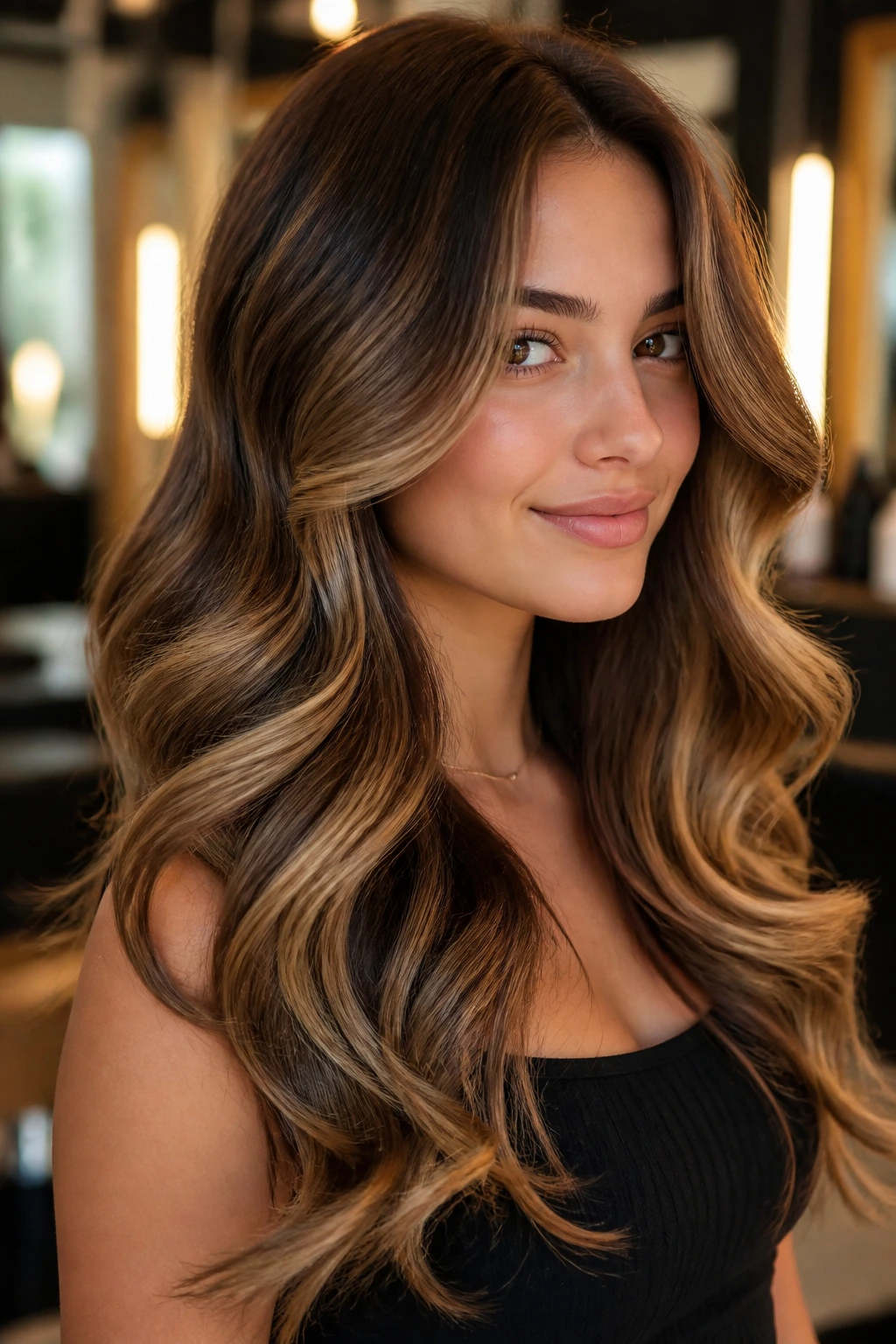
These waves are smoother and airier than a beach-wave bend. The curve has a gentle S-shape that feels a little more polished, especially when long layers are involved.
Use a large round brush or a big barrel tool to bend the hair in alternating directions, then cool each section before touching it. A quick brush-through turns the curls into a flowing wave instead of separate loops. If you want body without stiffness, this is a strong choice.
13. High Ponytail With Wrapped Base and Wavy Tail
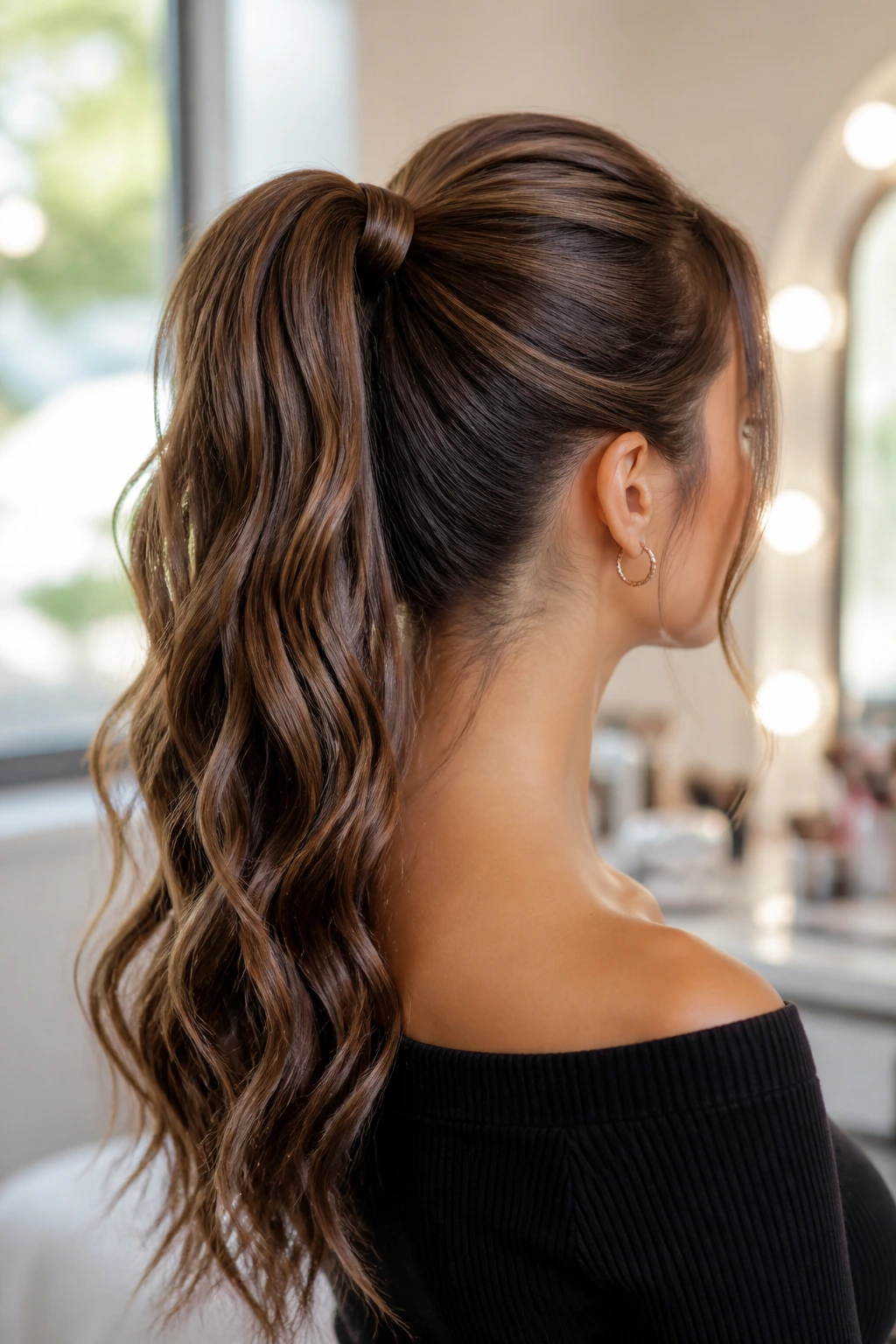
A high ponytail can look sharp on long hair if the base is clean and the tail is left wavy. The key is the contrast: smooth at the top, movement at the bottom.
Wrap a small section of hair around the elastic so the base disappears, then leave the tail in loose waves or big bends. A little crown lift helps a lot here. If the roots are flat, tease only the underside of the top section before pulling it up — not the whole head, just the bit nobody sees.
14. Side Braid With Cascading Waves
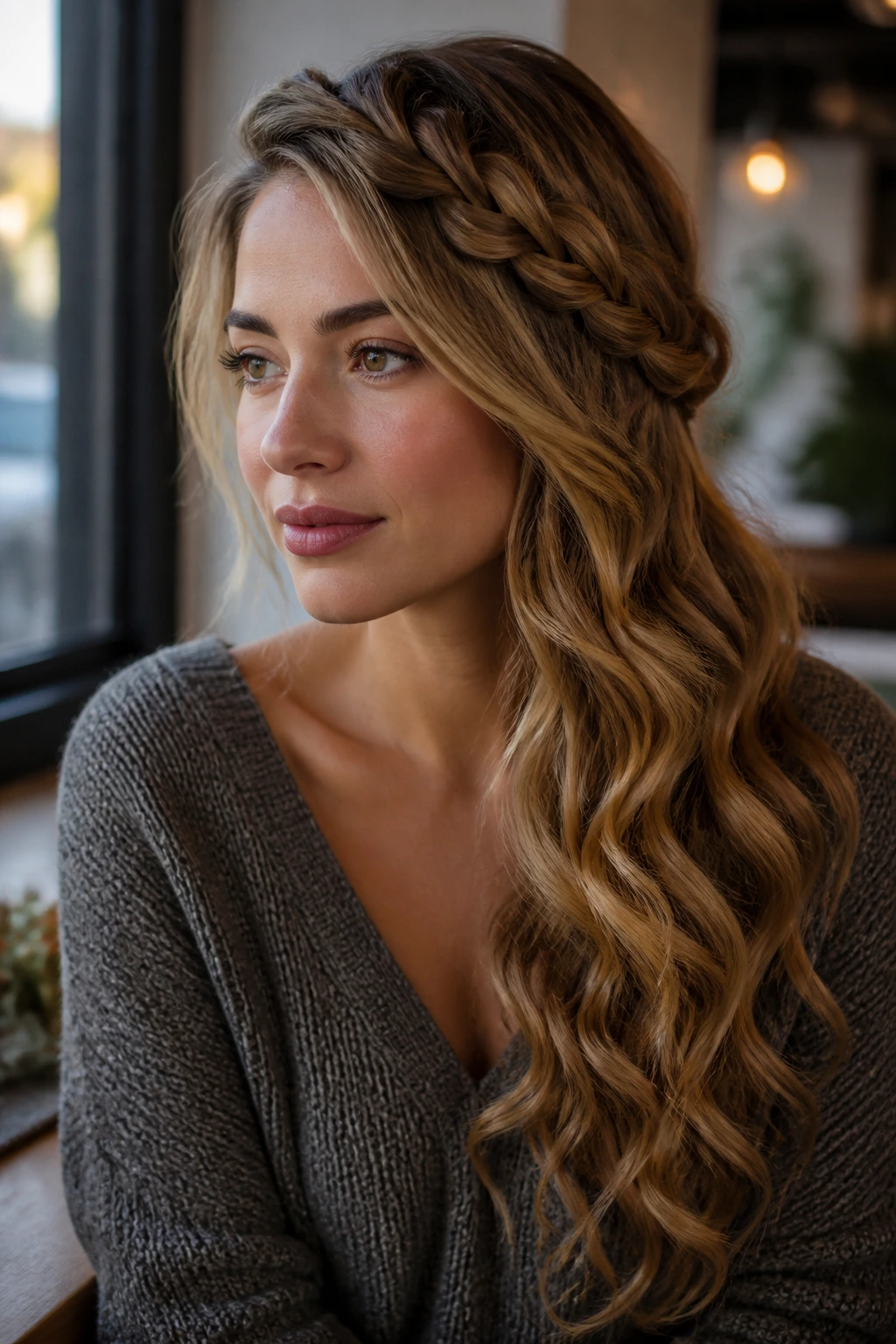
A side braid gives you control at the front and volume through the lengths. Start the braid at one side, keep it loose, then let it fade into the wavy hair instead of taking over the whole style.
This one works because long hair can carry both structure and softness at the same time. Keep the braid shallow if you want the waves to remain the focus. If the braid is too tight, it steals the show and the length starts looking fenced in.
15. Mermaid Waves With Tiny Accent Braids
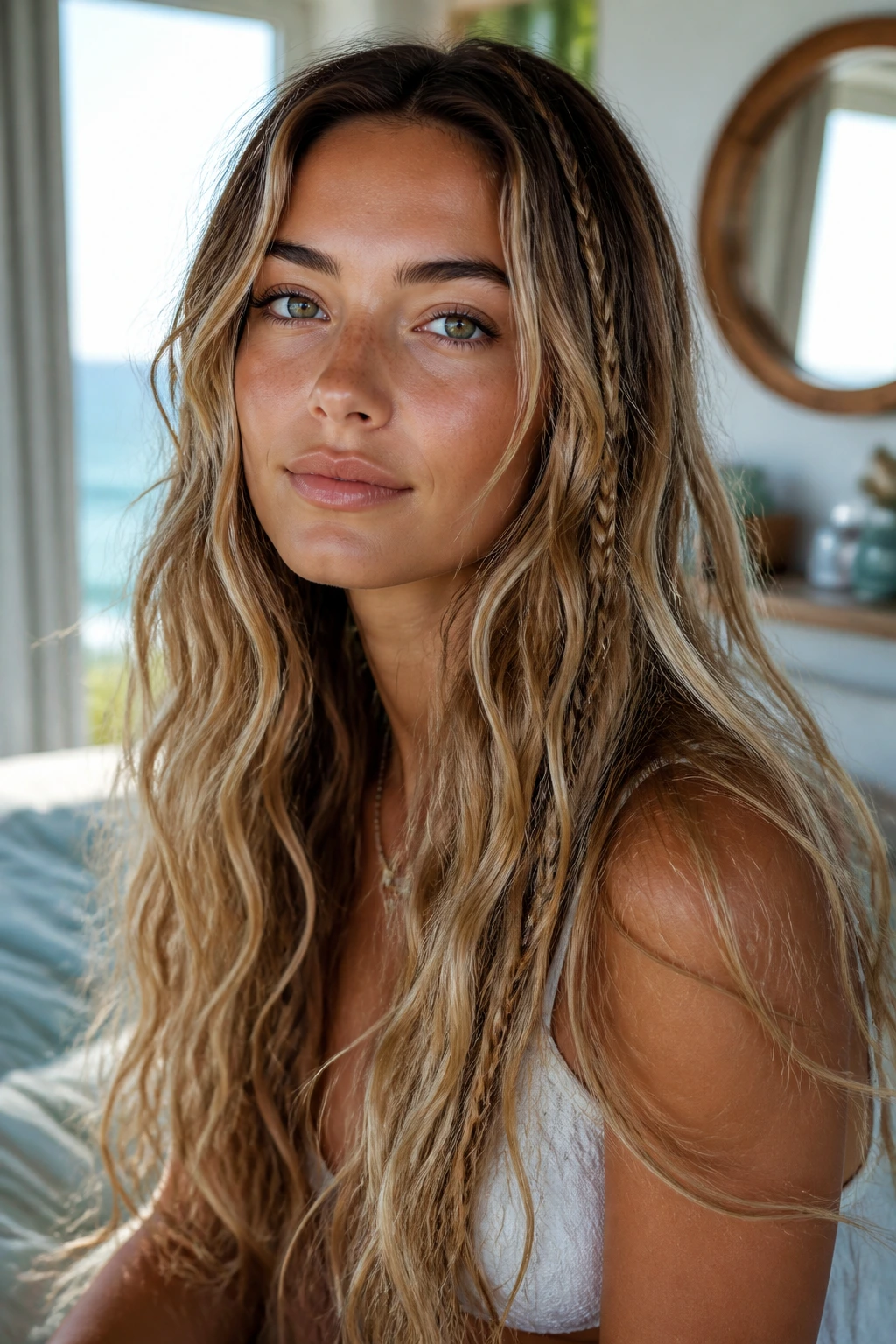
Mermaid waves are about long, flowing texture with just enough detail to keep them from feeling plain. A few tiny accent braids tucked through the lengths give the hair a little story without changing the shape.
- Keep the wave pattern loose and even.
- Add two or three micro braids, not ten.
- Use a touch of sea-salt spray only on the mid-lengths.
This style works best when the hair already has decent length, because the extra inches help the braids sit naturally. Shorter long hair can still do it, but the effect is softer and less dramatic.
16. Sleek Top and Wavy Ends
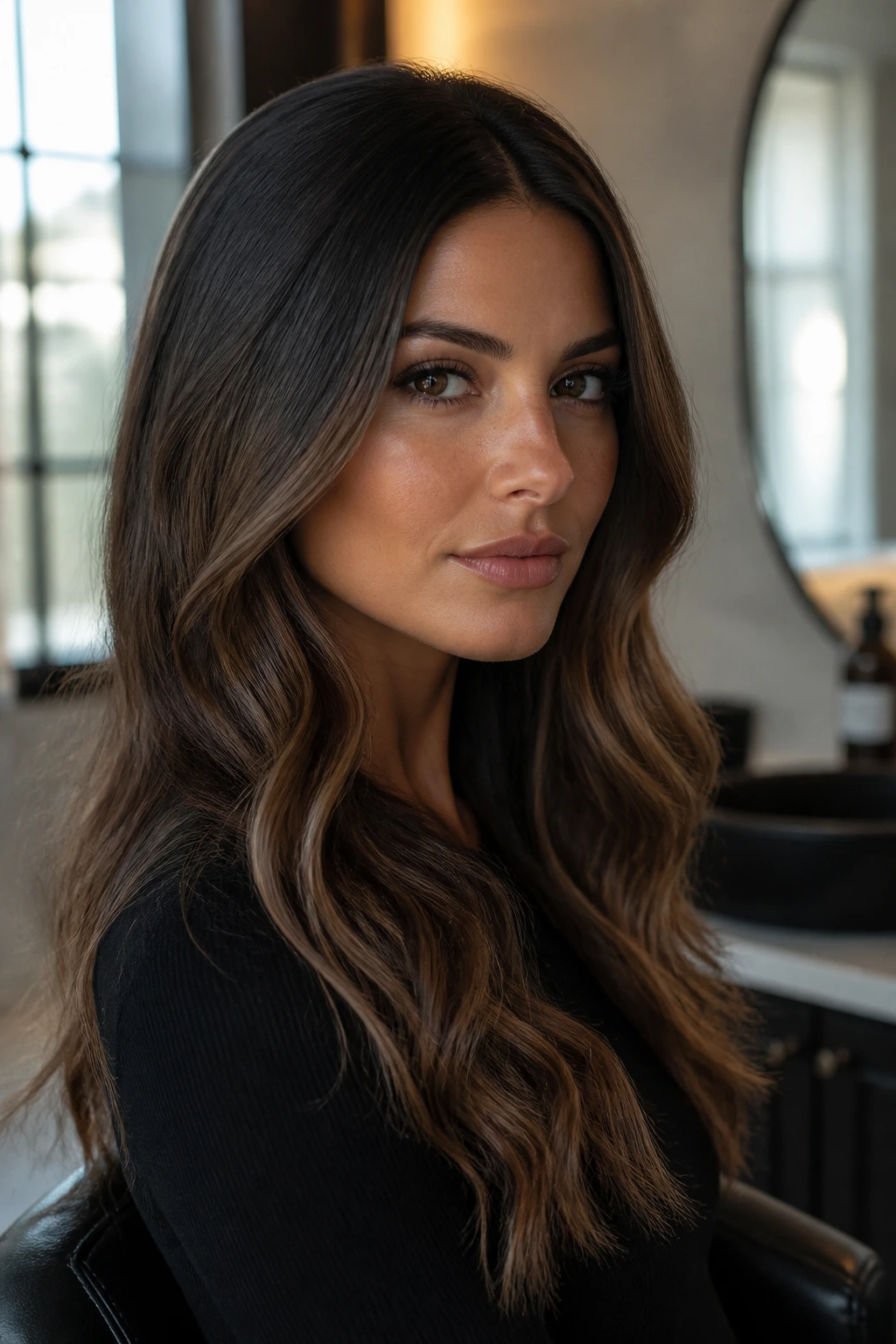
The contrast is the whole point here. The top stays smooth and controlled, while the lower half keeps its wave and movement. That sharp top-to-bottom shift makes long hair look more intentional.
Apply serum only to the crown and the top layers, then keep the ends free so they don’t go flat. If the hairline tends to frizz, smooth it with a brush and a tiny amount of cream before you touch the wave section. It’s a clean look, but not a hard one.
17. Double Dutch Braids Into Loose Waves
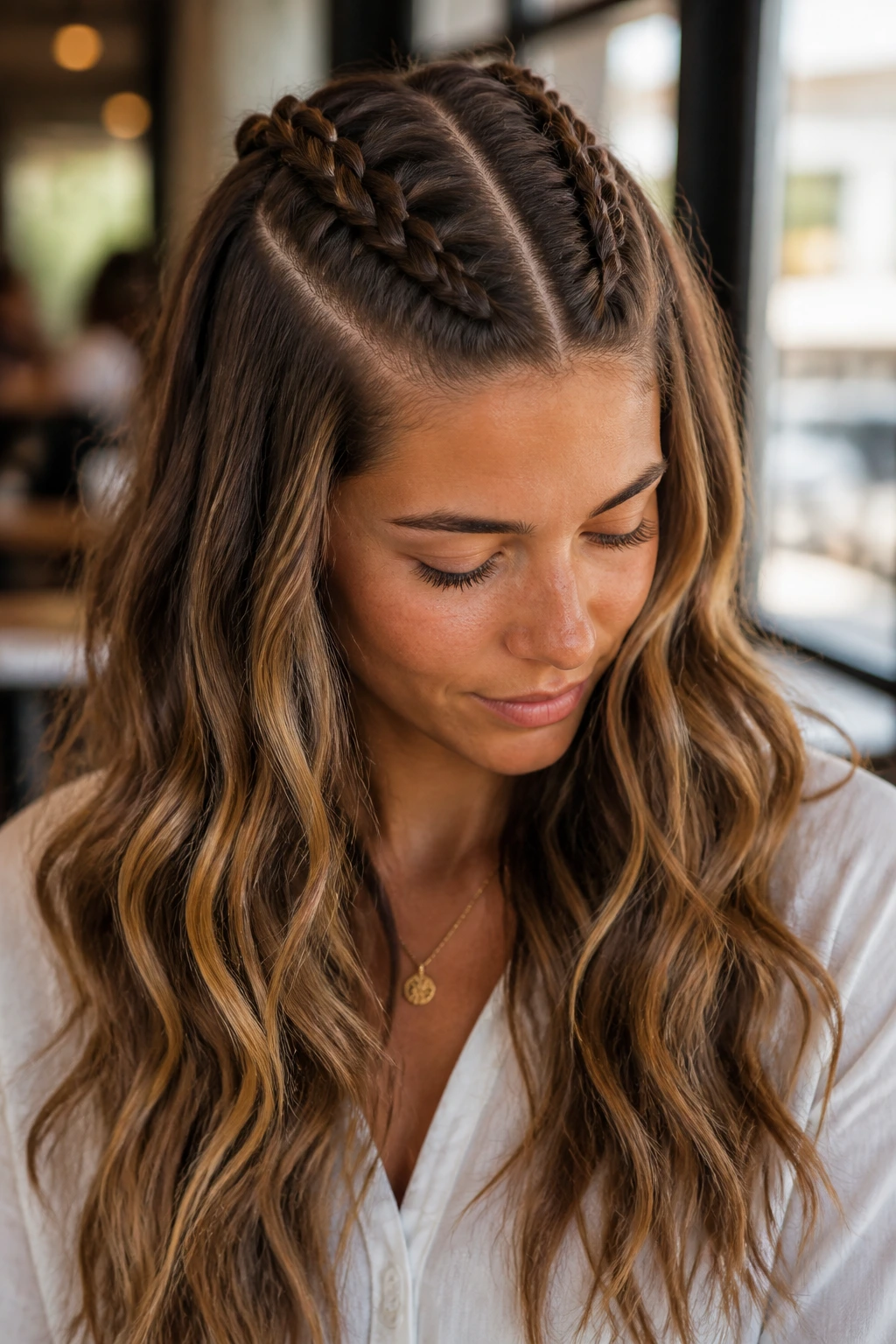
Two Dutch braids can make long hair look athletic one day and soft the next, depending on how tightly you braid and how much you loosen afterward. Braiding the top keeps the front secure, while the loose lower half keeps the style from feeling too severe.
If you want heatless texture, braid the hair while it’s damp and take the braids out when fully dry. If you want a rougher look, leave the braids in and let the rest stay a little undone. Either way, the long length gives the braid pattern room to show.
18. Half-Up Top Knot Waves
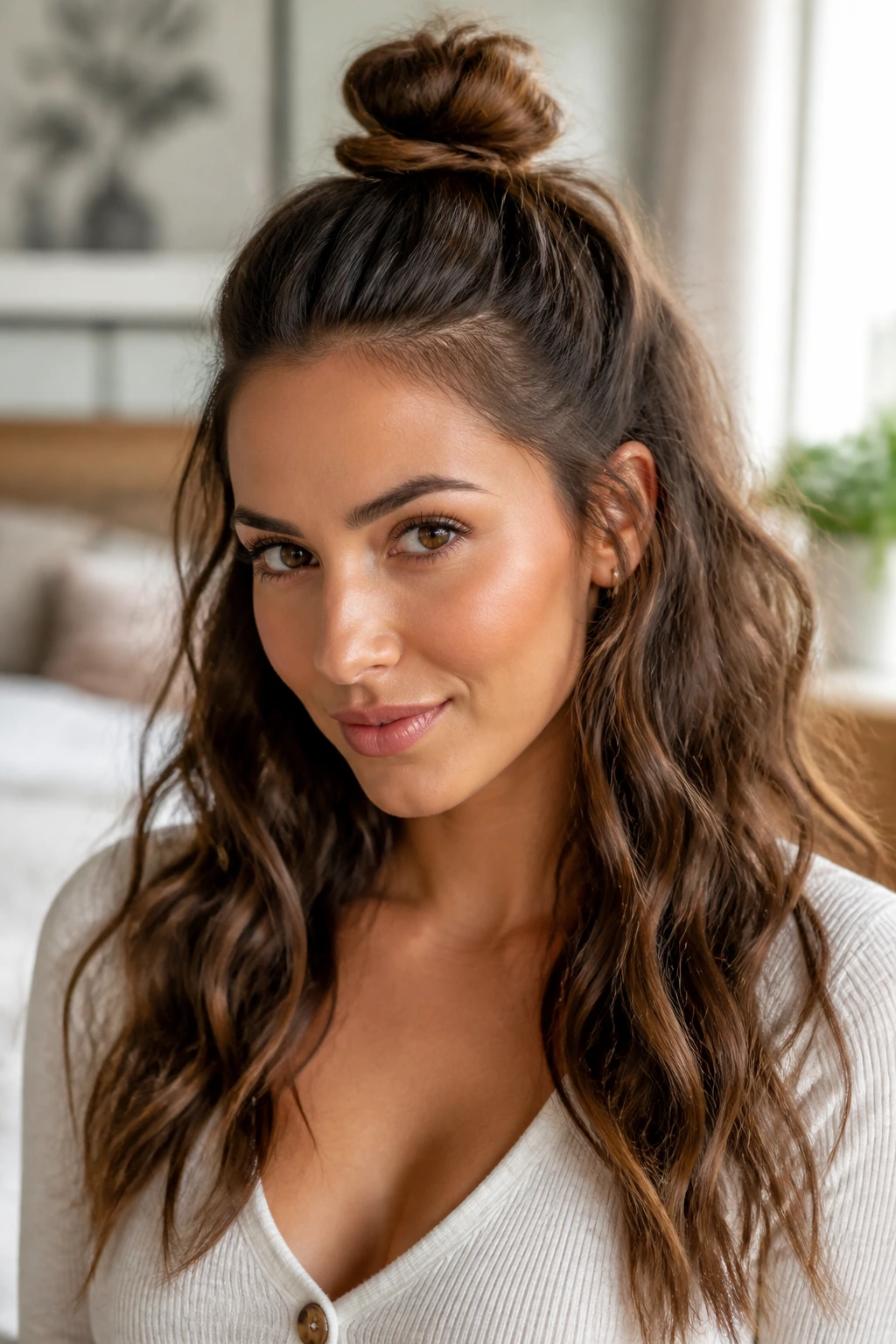
A small top knot lifts the crown and leaves the rest of the wave pattern visible. It’s one of those styles that looks casual but can still read deliberate if the knot is placed high enough and kept neat.
Pull only the top third of the hair into the knot, not half the head. That keeps the bottom from losing its swing. A couple of pins under the knot help if your hair is heavy, because long hair has a habit of dragging little buns downward over the course of the day.
19. Long Layers With Defined S-Waves
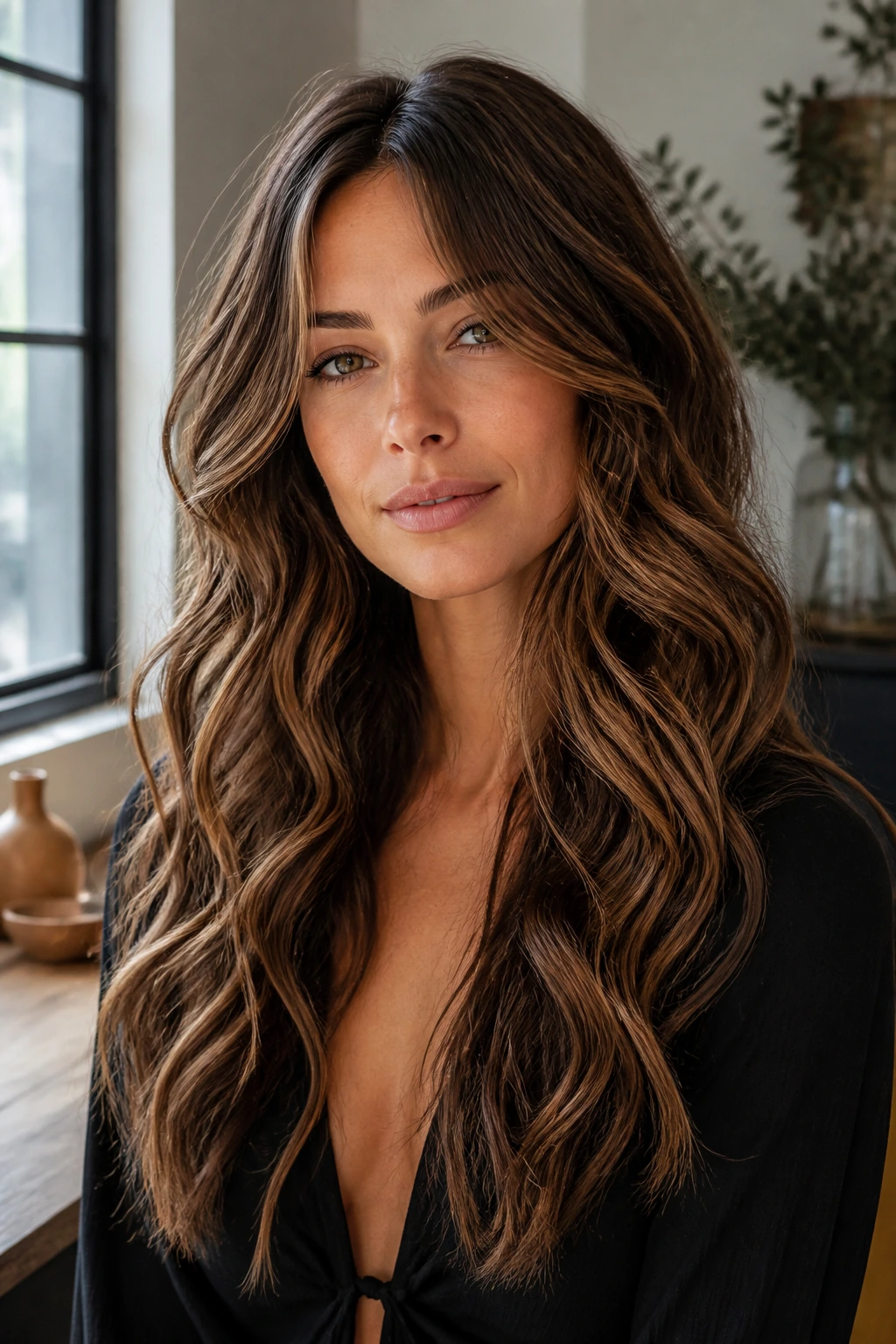
Sometimes the haircut is the style. Long layers with defined S-waves make the wave pattern easier to see because the hair doesn’t hang as one heavy sheet.
Why Layers Matter
The layers stop the curve from disappearing into the ends. Use a medium barrel or a flat iron wave technique and alternate the direction of each section so the bends don’t all sit in the same place. This is a good option if your hair is thick, because layers take some of the weight out without making the length feel thin.
20. Soft Barrel Waves With a Polished Finish
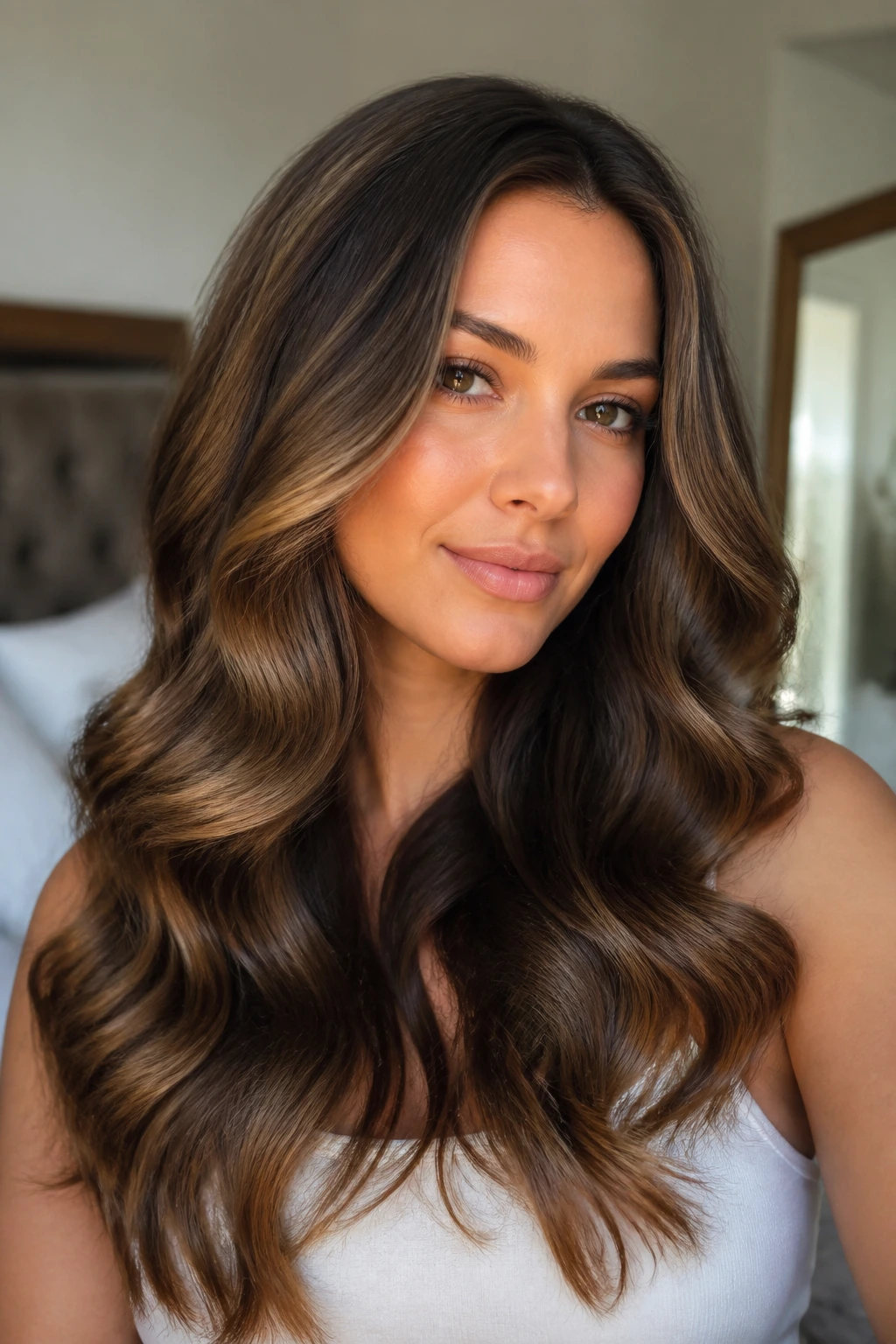
This is the middle ground between casual and formal. The waves are larger than a tight curl, but the finish is smoother than a beach-wave look, which makes the style easy to wear almost anywhere.
A 1.25-inch barrel gives you enough bend to show on long hair without making the length look overworked. Brush lightly once the hair cools, then mist with a flexible hairspray. The trick is to stop before the hair gets puffy; polish is the goal, not volume for volume’s sake.
21. Low Bubble Ponytail on Wavy Hair
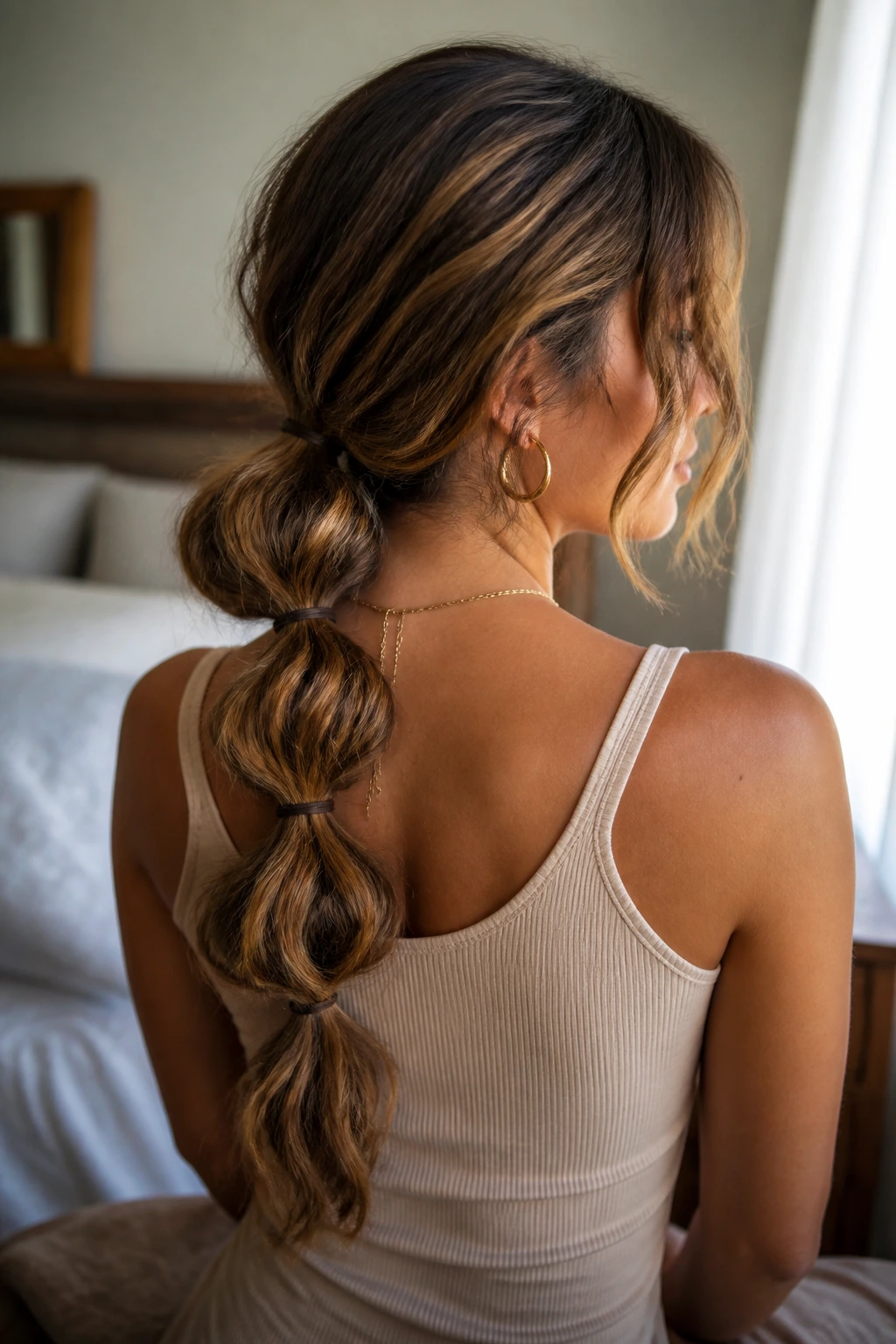
Bubble ponytails are a smart move when you want the length to stay visible. Each section creates a little puff of shape, and the waves show up between the elastics instead of getting hidden.
Use clear elastics every 2 to 3 inches down the tail, then tug each bubble gently so it rounds out. This works especially well on long hair because the tail has enough length to make several bubbles without looking stubby. Keep the top smooth and the bottom loose.
22. Vintage Pin-Curl Waves
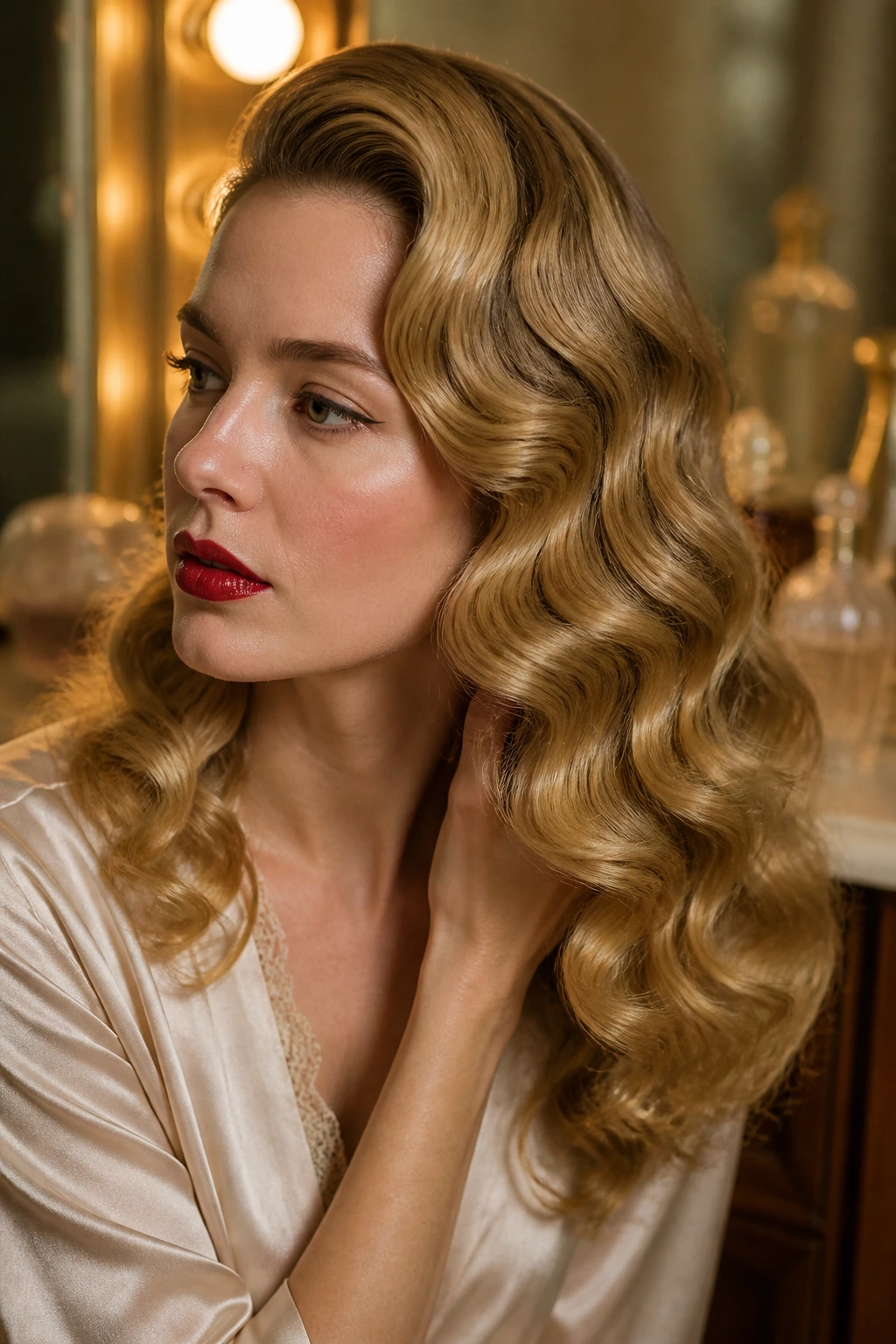
If you’ve got time and patience, pin curls give long hair a shape that looks intentional from root to end. The set matters more than the brush-out, which is part of why this style feels so different from quick waves.
The Set Is the Style
Roll small sections, pin them flat against the head, and let the hair cool fully before touching it. A setting lotion or light mousse helps the wave hold its curve. Once you brush it out, the result is smooth and old-fashioned in the best way — not stiff, just disciplined.
23. Side-Swept Glam Waves
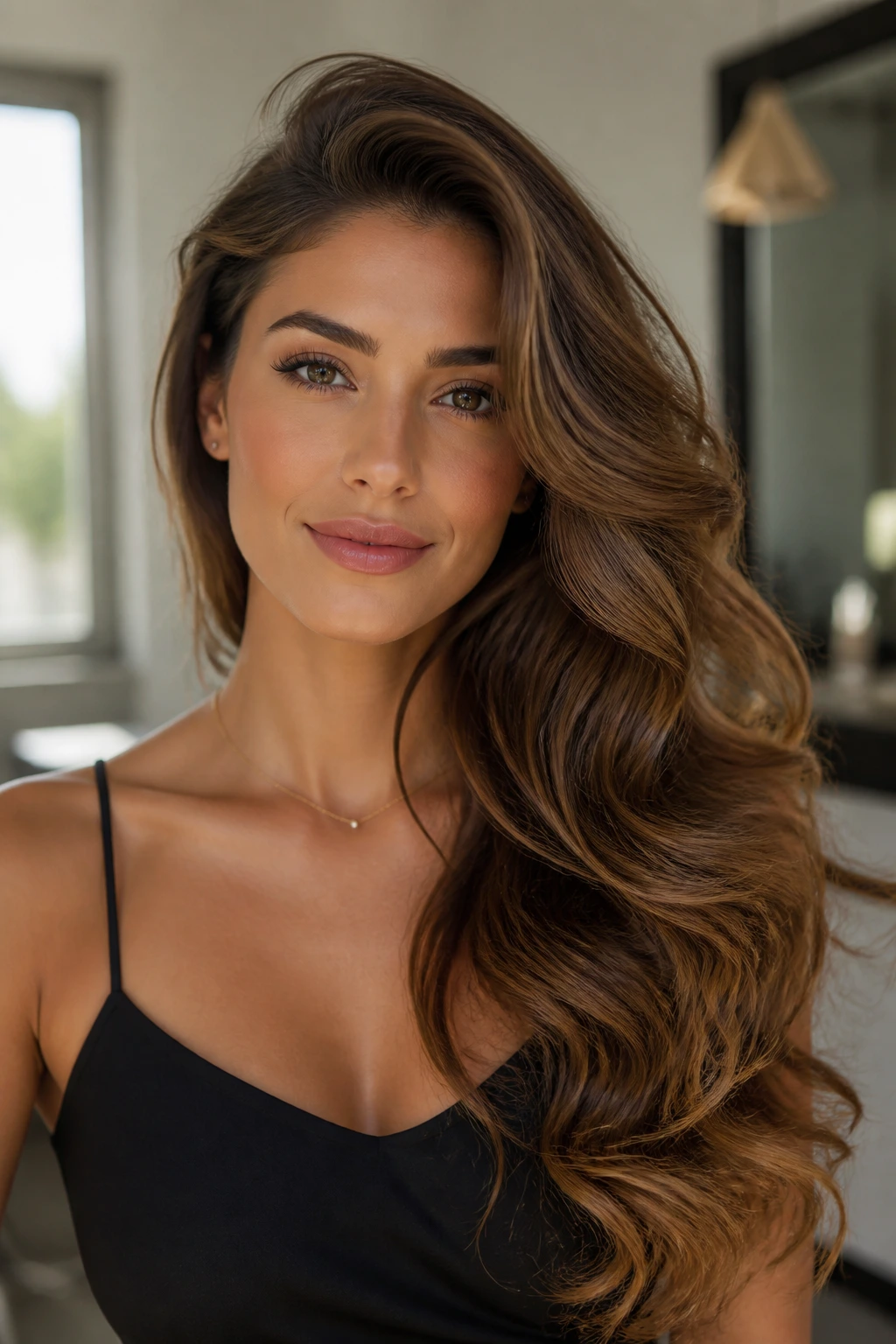
One side swept over the shoulder can change the entire feel of long hair. The style is simple, but it creates drama because the wave mass moves in one direction and stays there.
Pin the smaller side back with one hidden bobby pin or a decorative clip if you want a little sparkle. This is one of the best looks for earrings, bare shoulders, or a neckline that deserves a frame. Keep the front wave soft; too much spray turns it into a helmet.
24. Braided Ponytail With Waved Tail
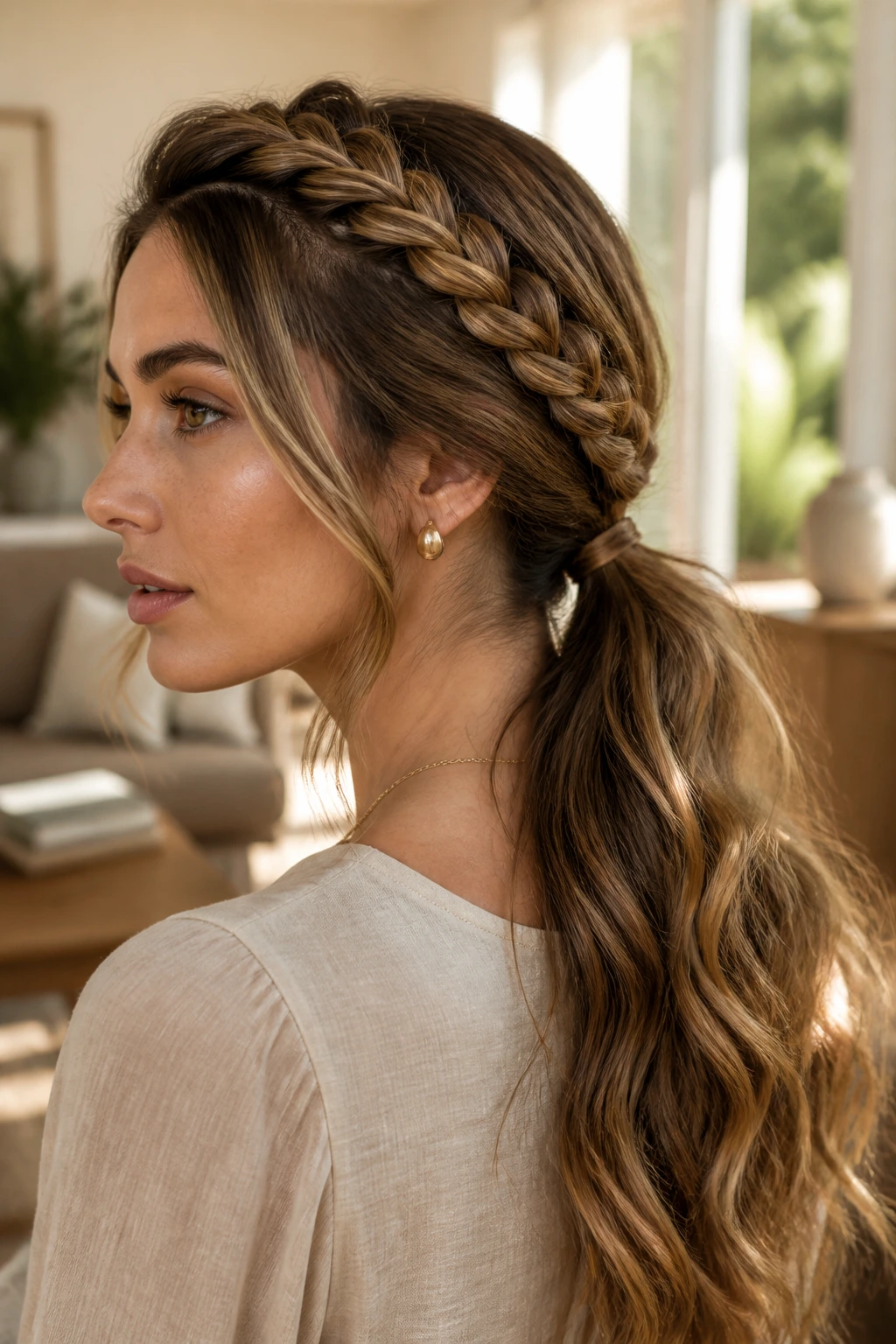
A braided ponytail gives you control at the top and movement at the bottom. It’s a good compromise when you want the hair away from the face but don’t want the whole length hidden inside a braid.
Braid the crown section or just the top strip, then gather the rest into a ponytail and leave the tail wavy. The braid acts like a built-in detail, so you don’t need much else. It’s especially useful on thick hair because it keeps the bulk organized without flattening everything down.
25. Romantic Loose Chignon With Wavy Tendrils
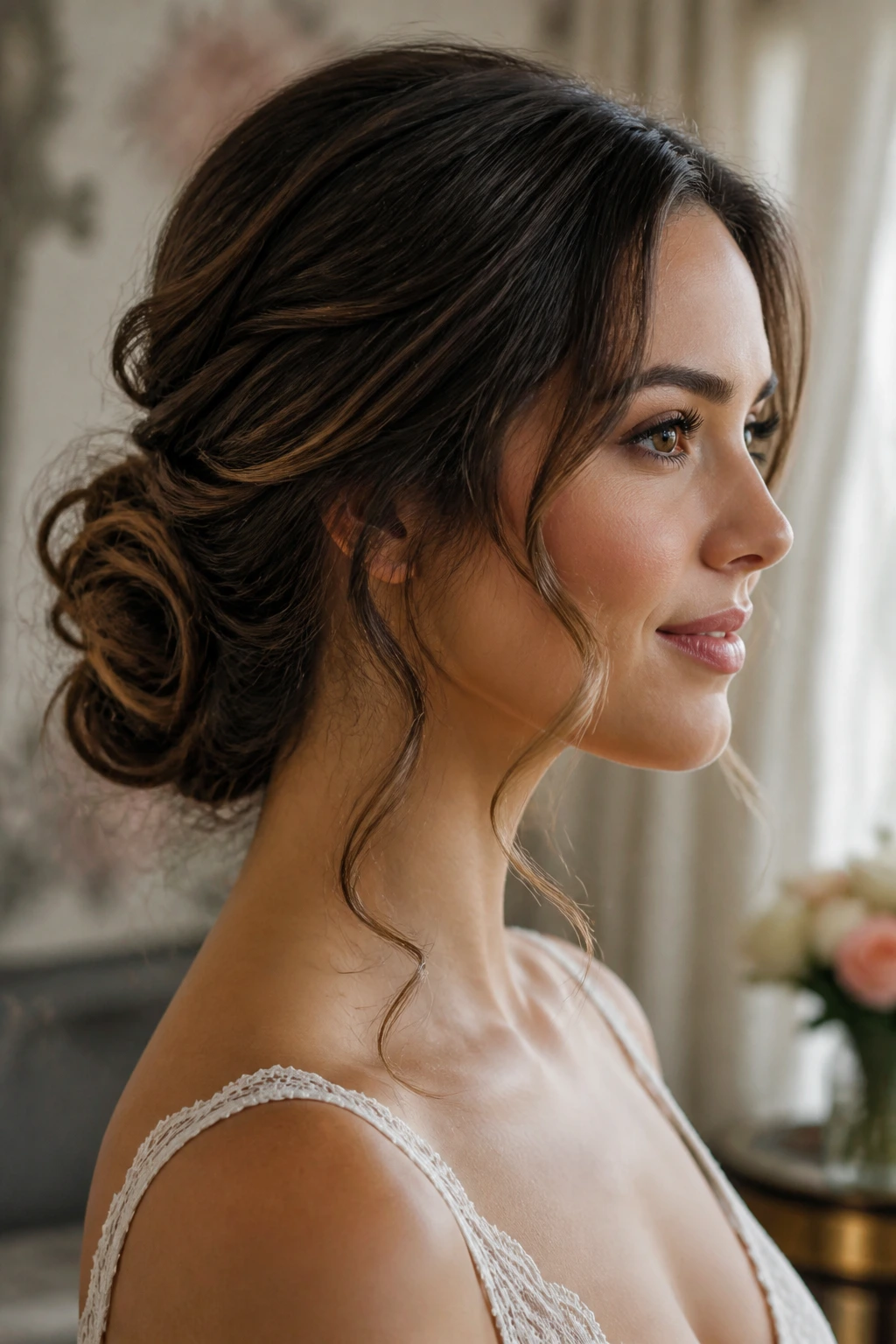
A low chignon gets softer when you stop trying to make every strand behave. Leave a couple of wavy tendrils around the cheeks and temples, and the whole style changes from strict to romantic.
How to Wear It
Pin the bun low and loose, then curl the front pieces away from the face so they fall in gentle bends. If you’re wearing this for an event, tuck the bun under a little more and leave the tendrils lighter. The balance is what matters: controlled back, soft front.
26. Tousled Air-Dried Waves
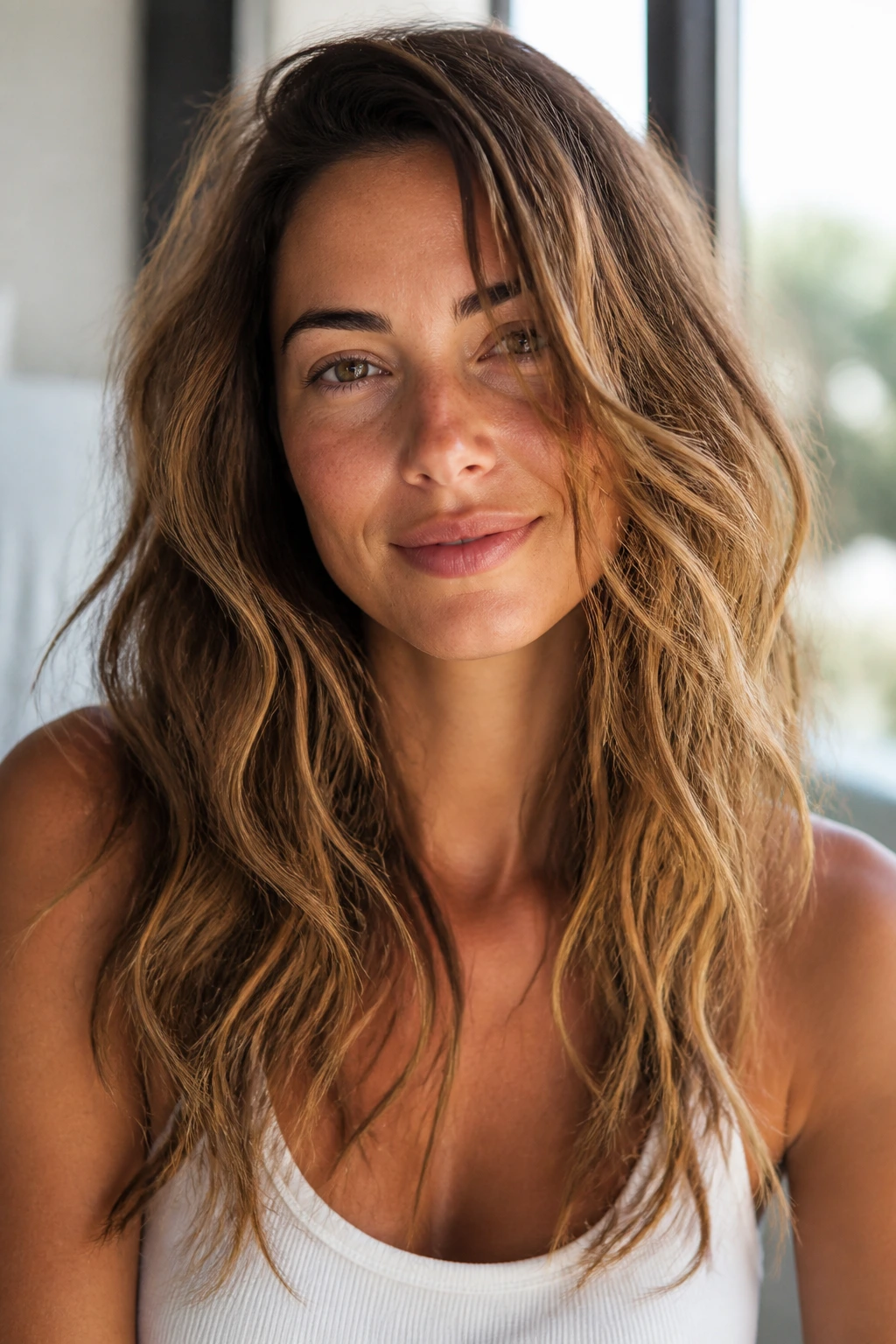
This is the least fussy option in the bunch, and that matters on long hair because hot tools on long lengths can turn into a long, tired afternoon. If your natural wave pattern is already there, let it do the work.
Work a little mousse or curl cream through damp hair, scrunch it, and either air-dry or diffuse on low. Hands, not a brush. Once the hair is dry, break up any stiff spots with your fingers and stop there. Over-touching is how air-dried waves turn into frizz.
27. Wet-Look Waves
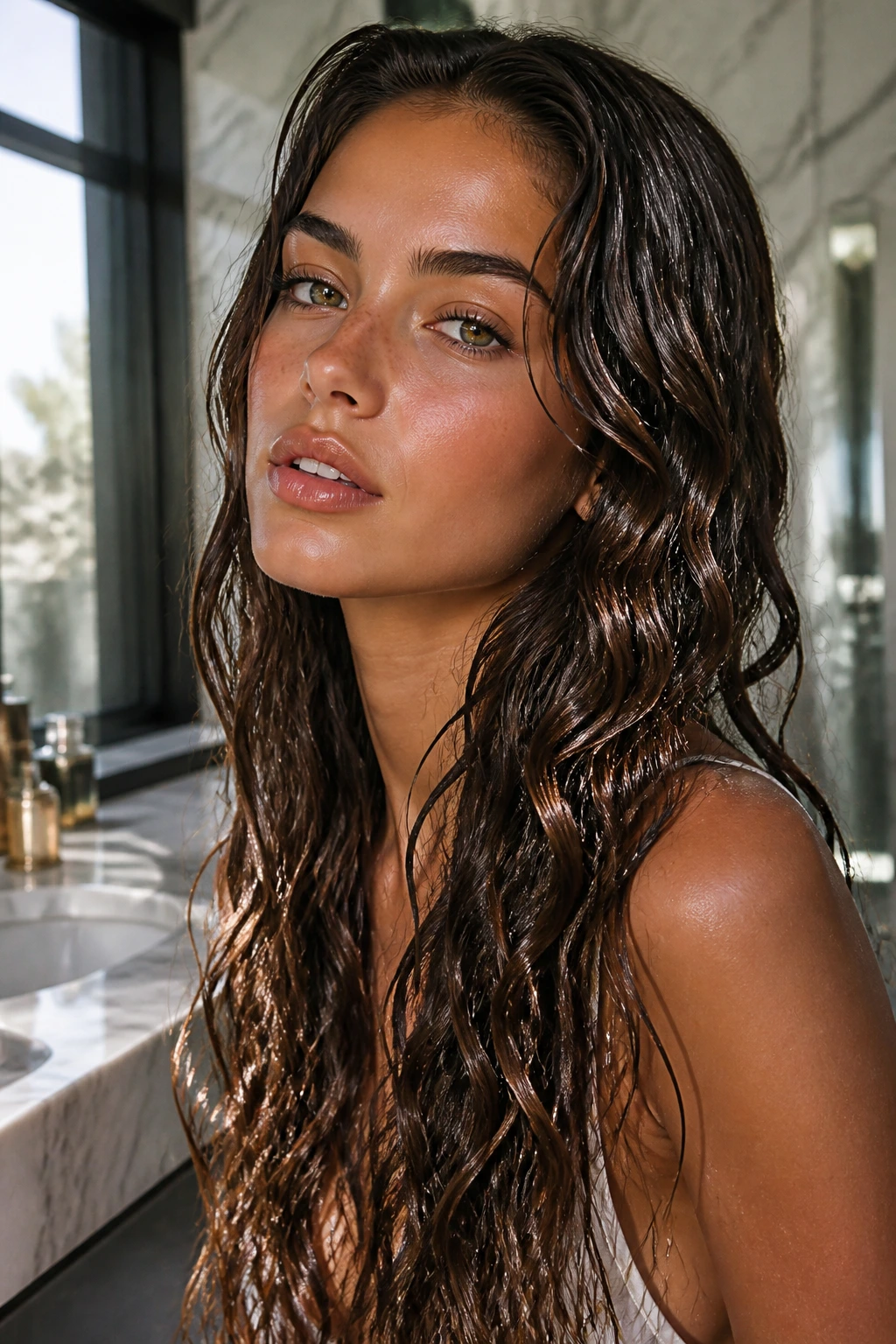
Wet-look waves are not about softness. They’re about shine, shape, and a little attitude. On long hair, the glossy finish makes the wave pattern feel deliberate instead of accidental.
Apply gel to damp hair, comb it through, and shape the hair with your hands while it dries. Keep the roots sleeker and let the lengths hold the wave pattern. If the product starts looking stringy, you used too much. That style needs control, not a syrupy coating.
28. Knotted Half-Up Waves
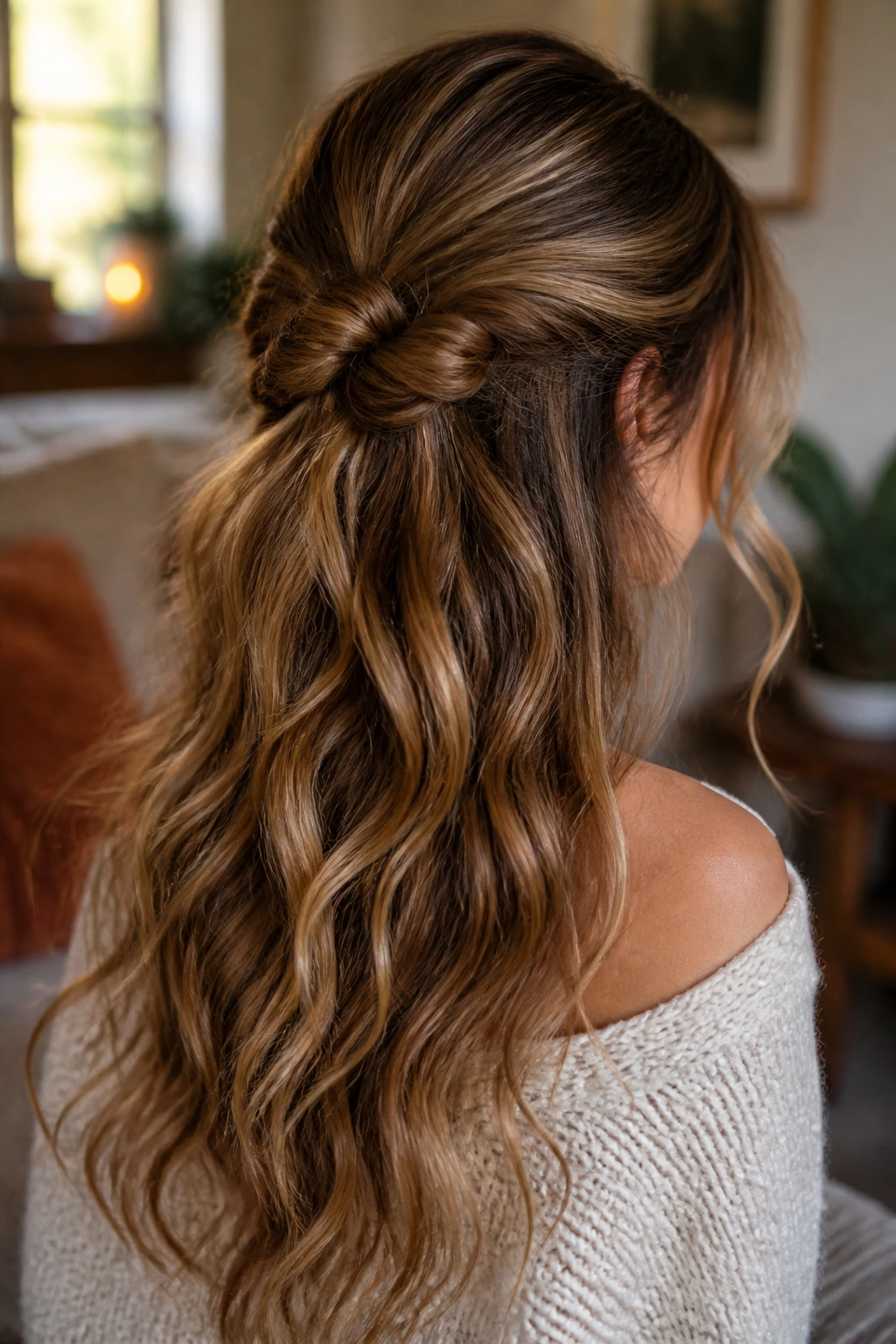
Two small knots at the back or crown can add interest without asking for braid skills. The shape is quiet, which is part of why it works so well on long waves.
Pull two small sections back, knot them once, pin them underneath, and let the rest fall loose. If the hair is thick, use two pins per knot so it doesn’t slide. It’s one of those styles that looks like you had a plan without acting like you had a whole production.
29. Fishtail Braid With Wavy Ends
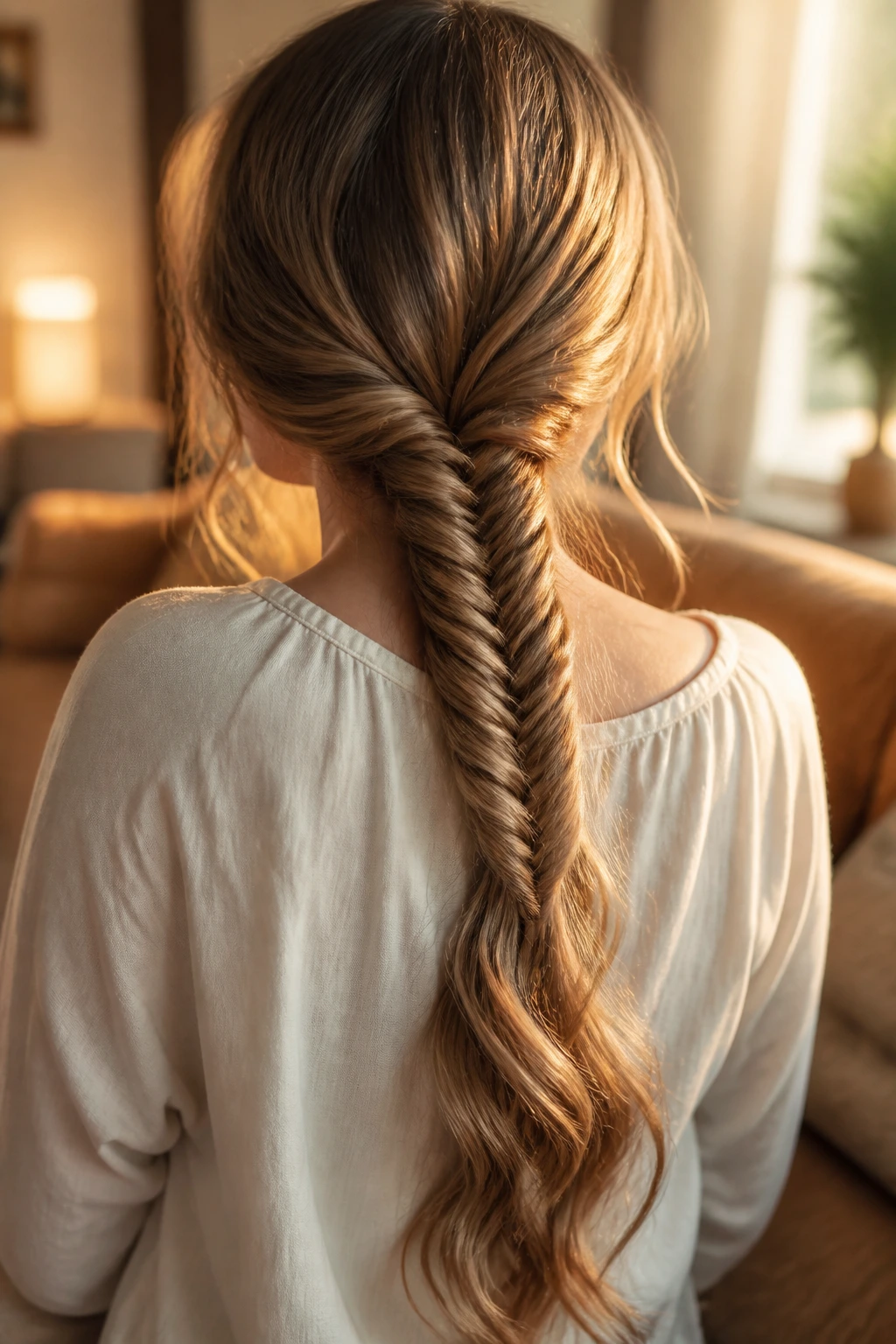
A fishtail braid shows off long hair better than most braids because the pattern is tighter and more visible. When you leave the ends wavy, the braid and the wave get to share the spotlight instead of fighting over it.
Pancake the braid gently so it widens a little, then stop before it looks too fluffy. A low braid works nicely if you want to keep the top simple. The tail can stay loose and softly bent, which keeps the whole style from feeling rigid.
30. Face-Framing Twist Waves
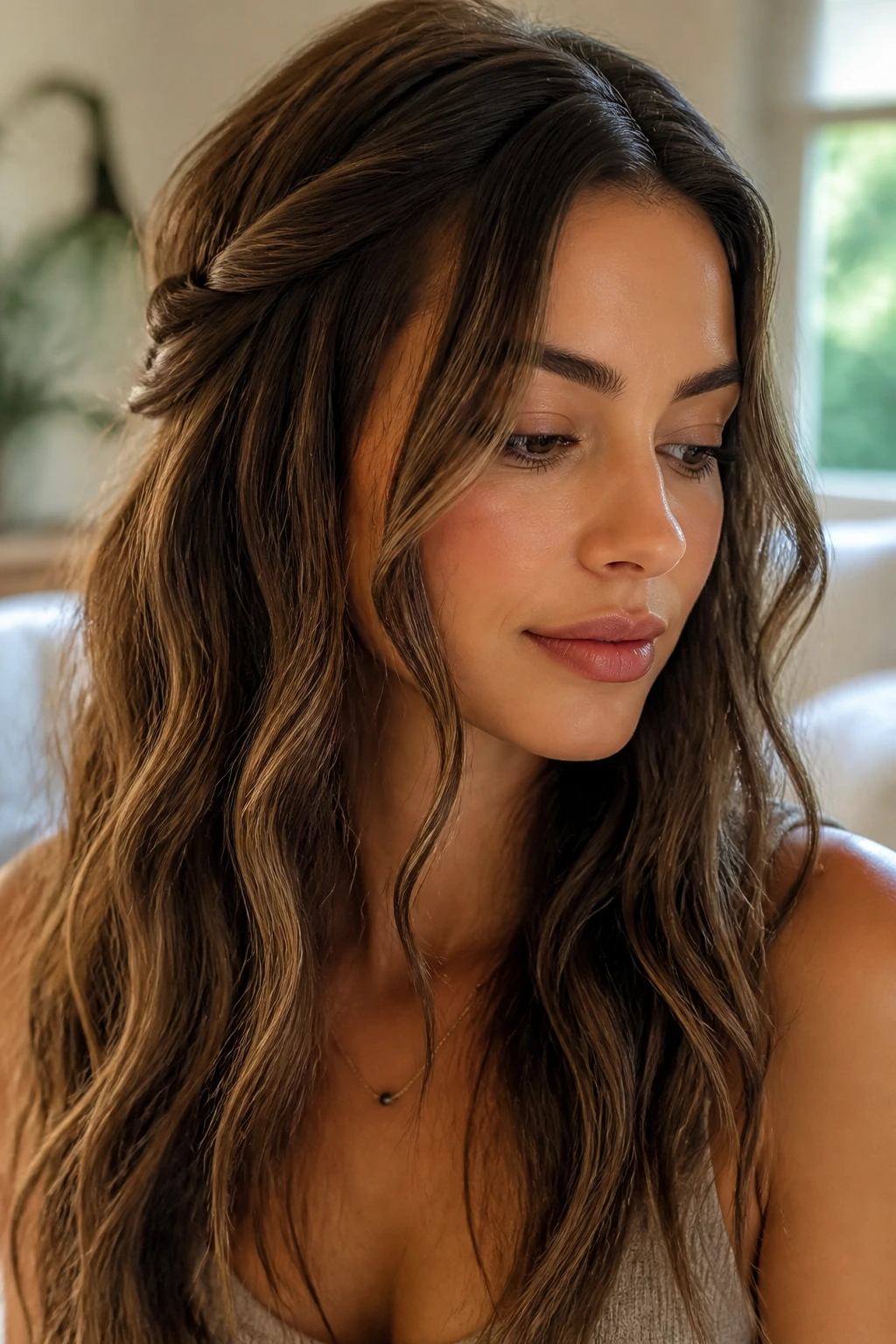
Twisting the hair at the temples is the fastest way to keep long waves out of your face without taking the length away. It’s a small move, but it changes how the whole front of the style sits.
Twist each side back, pin it discreetly, and leave the rest alone. This is a nice option if you want the hair to look down and loose while still behaving around the eyes and cheekbones. The twists can be tucked away after a few hours if you want the style even softer.
31. Heatless Overnight Waves
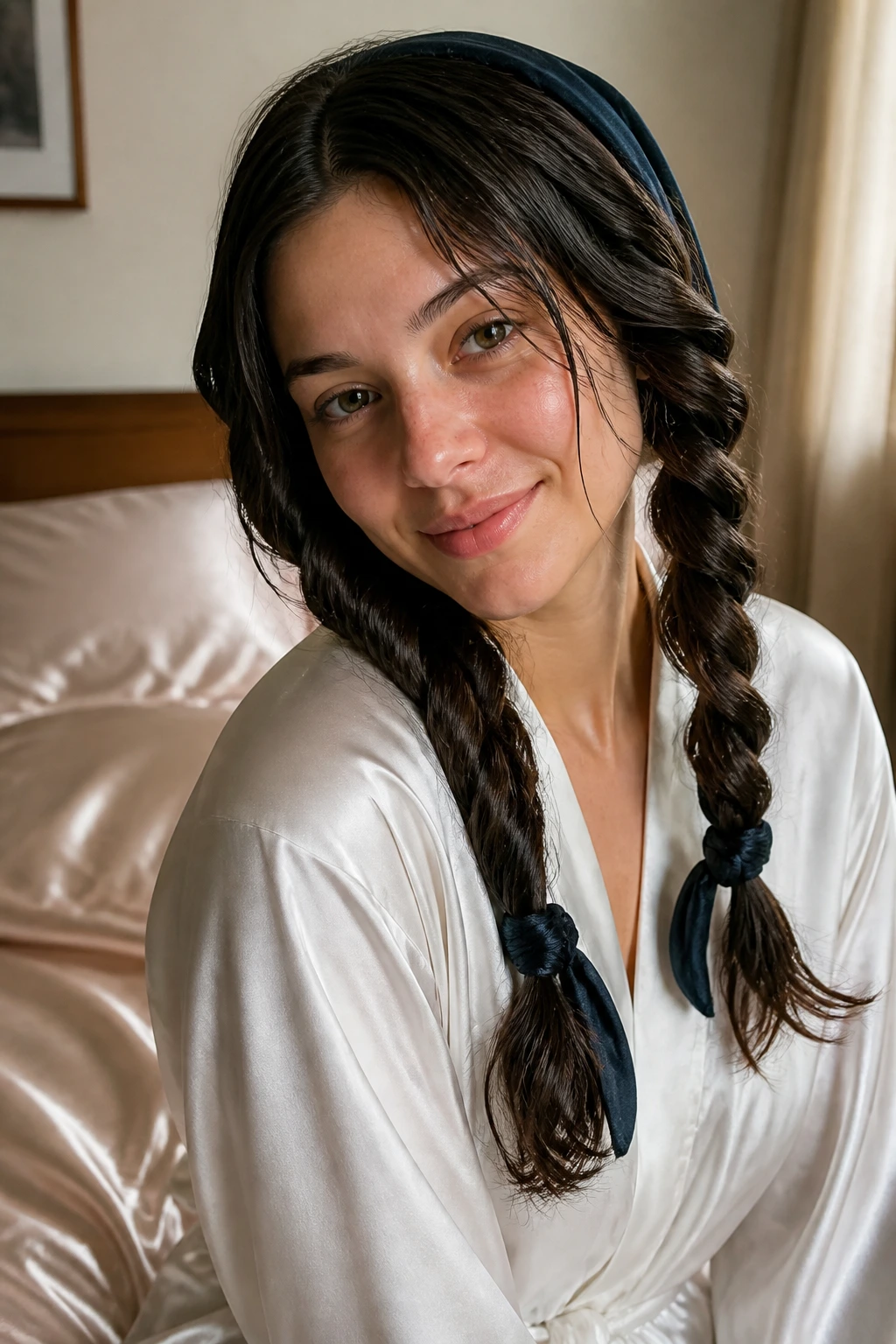
This is the smartest option when your ends are tired or your hair hates hot tools. A robe tie, a pair of braids, or a loose wrap can set long hair into waves without a curling iron touching it.
The Overnight Move
Start with hair that is damp, not dripping. Set the waves, sleep on a satin pillowcase, and undo everything only when the hair is fully dry. If you rush the takedown, the bend falls apart fast. Heatless waves need patience, but they usually repay it with a softer finish and less frizz at the ends.
32. High Half Pony With Big Waves
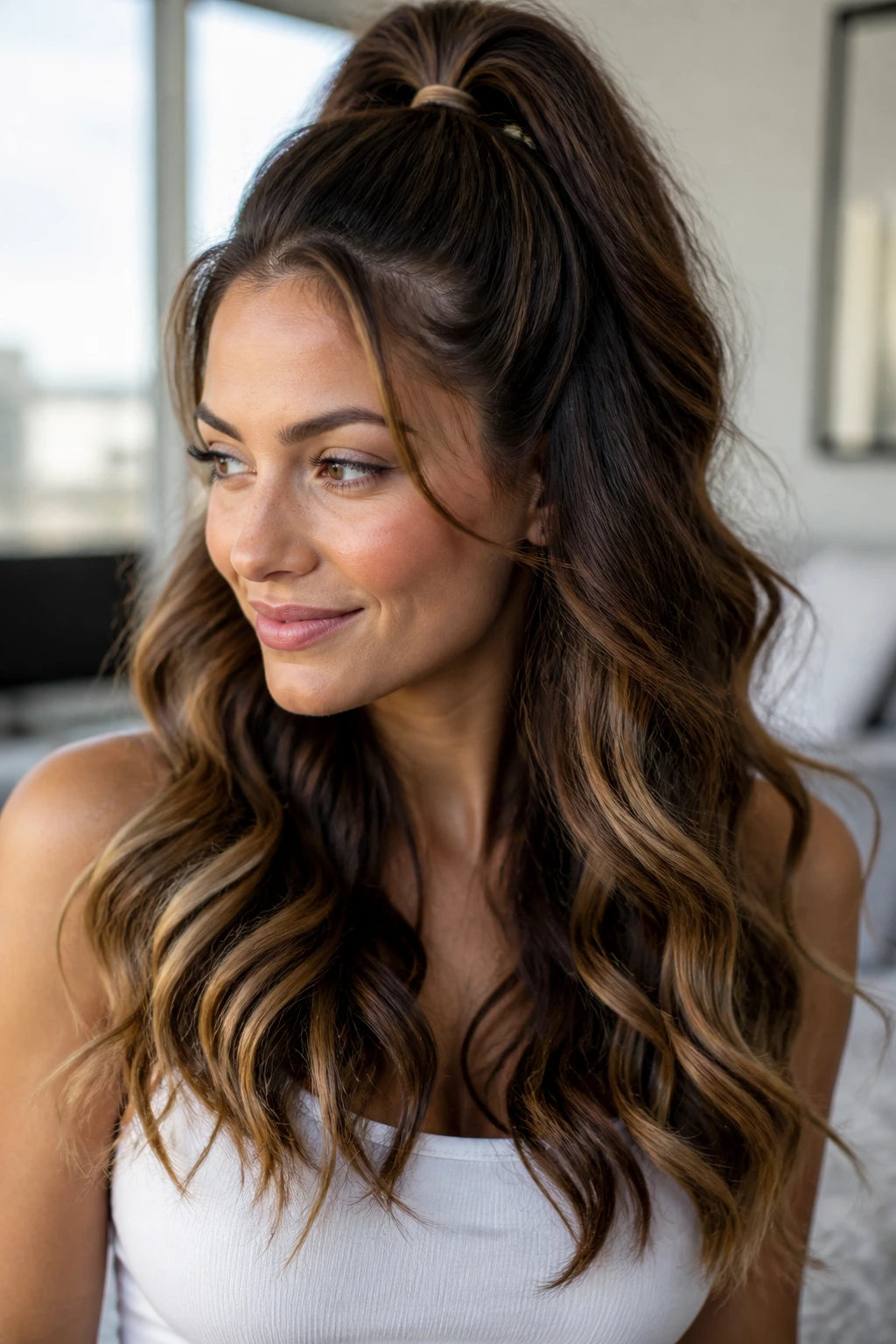
A high half pony gives you lift at the crown while keeping the length visible. Big waves below the elastic make the style feel full instead of top-heavy.
Pull only the upper section up, leave a little height at the scalp, and keep the lower half in large bends. This is a strong option when the roots are flat but the length still has life. If the top looks too severe, loosen a few pieces around the temples and let them fall.
33. Cascading Layered Waves With Accessories
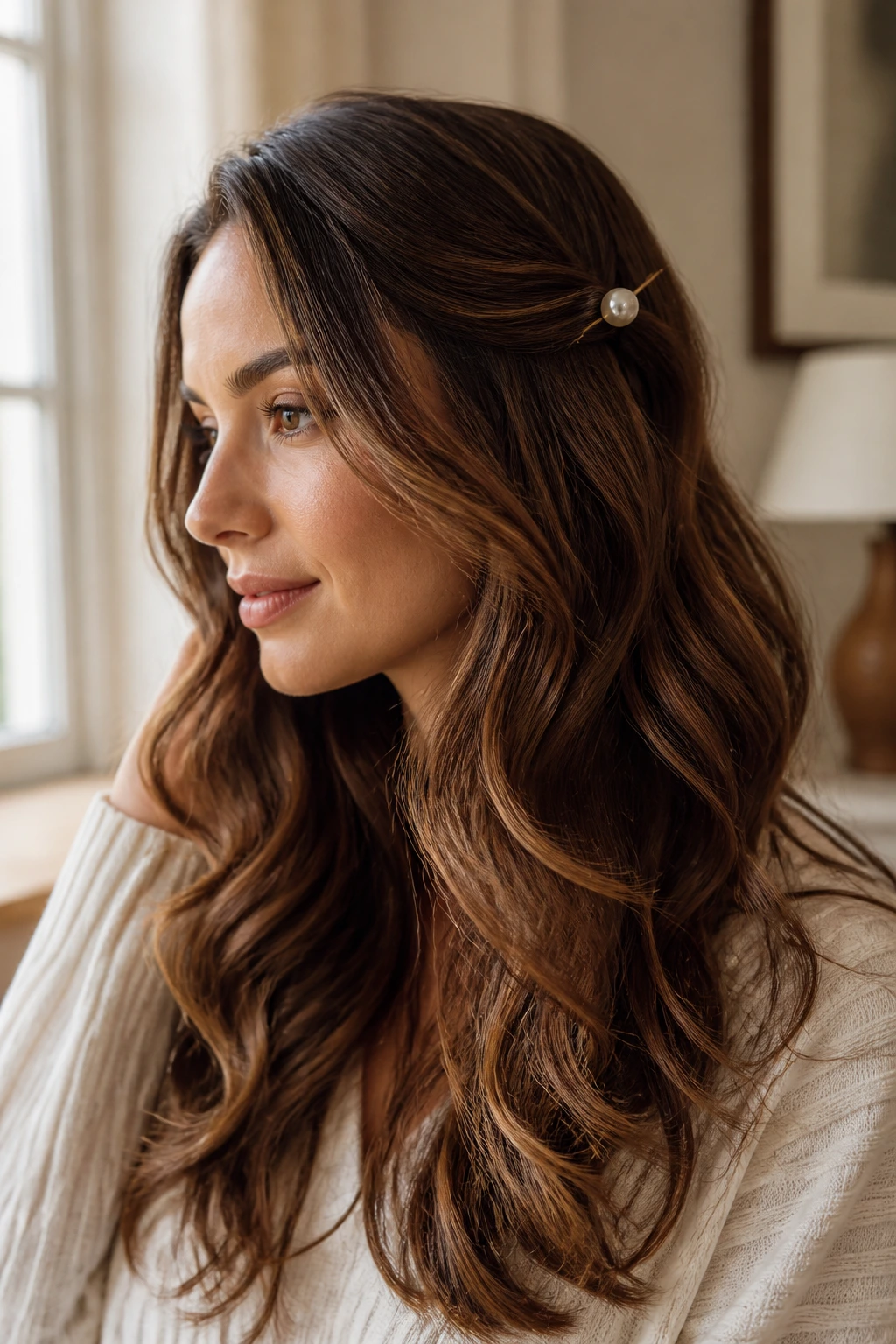
Sometimes the accessory is only there to point at the hair. A single metallic clip, pearl pin, or slender comb can sit in long layered waves and make the whole style look finished without crowding it.
The waves need movement for this to work. If the hair is too stiff or sprayed too hard, the accessory looks stuck on. Pick one accent, not three, and let the layers do the rest. On long hair, restraint usually looks better than piling on extras.
How to Choose the Right Wavy Style for Your Face and Hair Texture
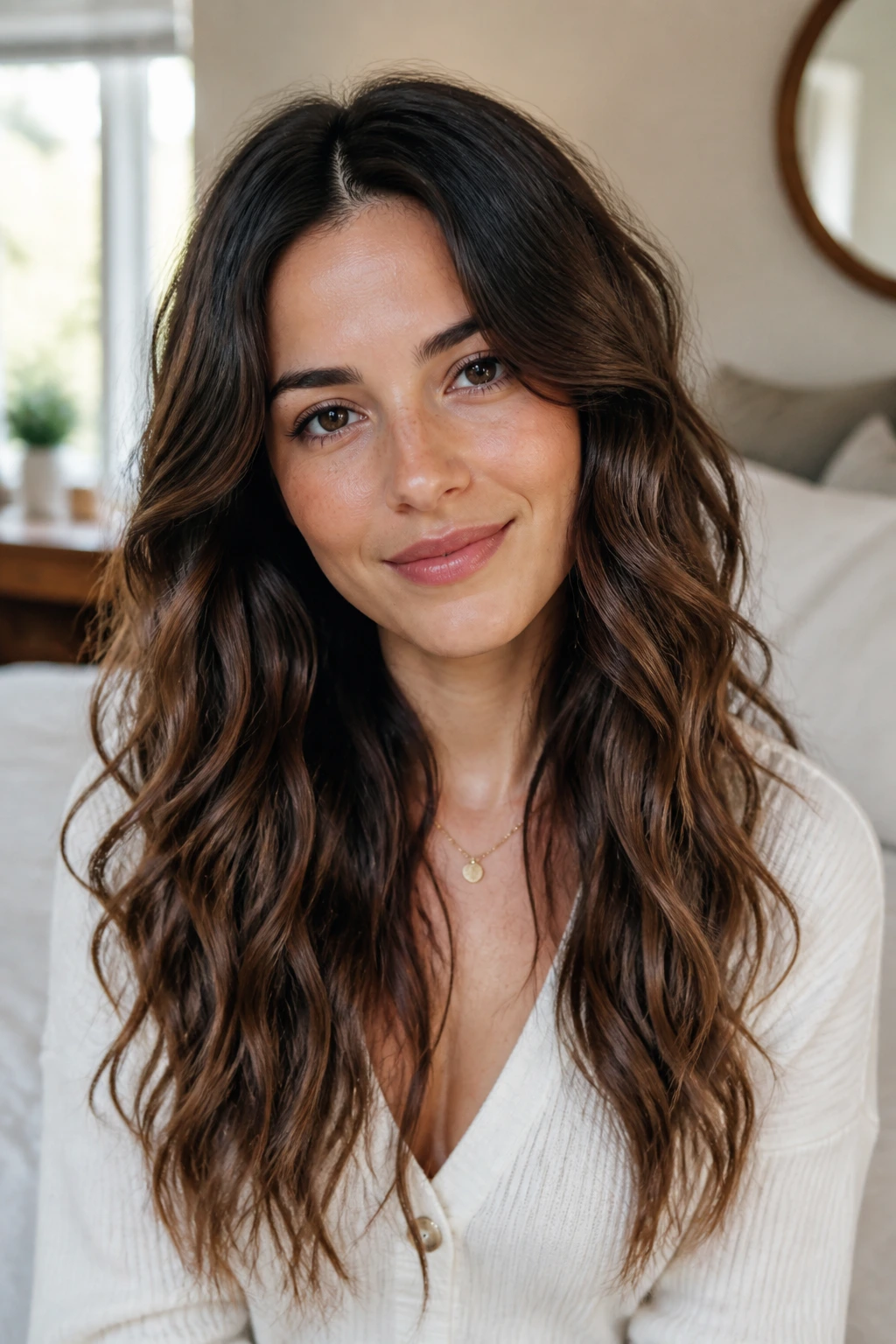
- Fine hair: Pick center parts, soft half-up styles, and low ponytails that keep the crown from going flat. Heavy oils and too much cream will weigh the ends down fast.
- Thick hair: Braids, knots, bubble ponytails, and low buns help organize the bulk without making the hair feel puffy.
- Rounder faces: Deep side parts, side-swept waves, and half-up shapes add length through the front and keep the silhouette from looking too wide.
- Oval faces: You can wear almost any of these, but the styles with the most movement — like beach waves, layered S-waves, and brushed-out glam waves — tend to show off the length best.
- Straight or slippery hair: Choose styles that use structure, like pin curls, Dutch braids, or heatless overnight waves, because loose bends alone may not hold.
- Already wavy hair: Favor styles that follow the natural pattern instead of fighting it. Tousled air-dried waves, twist waves, and soft barrel waves usually look more believable than stiff, over-curled sections.
How to Keep Long Waves from Falling Flat
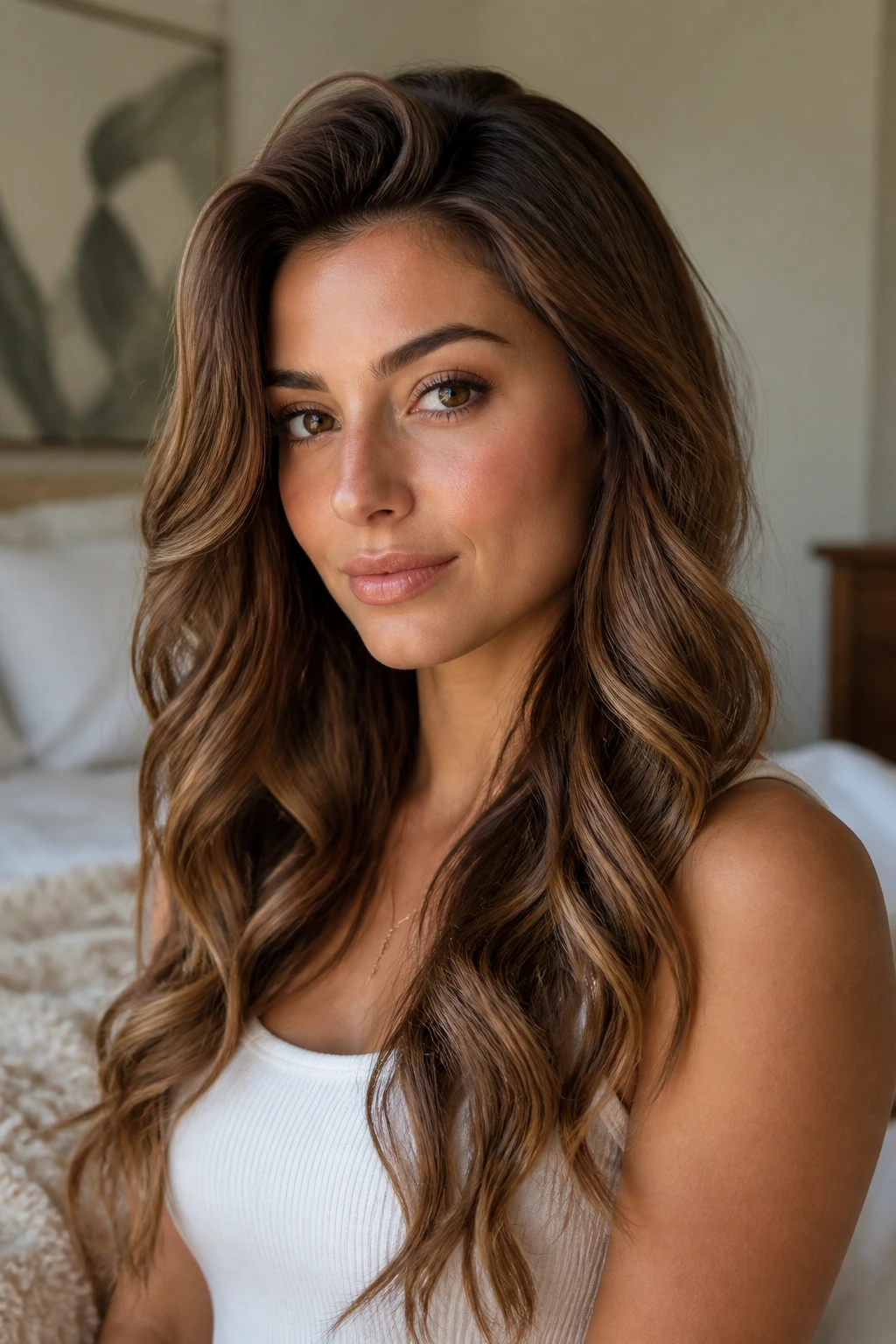
Long waves usually fall apart for one boring reason: the hair was too clean, too soft, or too touched-up to hold the shape. The fix starts at the crown. Give roots a little grip with mousse or texture spray, and do not flood the ends with heavy product.
Once the shape is set, let it cool. That part matters more than people think. If you brush out or pin it down before the hair has finished cooling, the bend loosens too early and the style loses the backbone that keeps it visible. A five-minute wait can save the whole look.
Touch the hair less than you want to. Long hair invites fussing because there’s so much of it, but every extra pass with a brush pushes the wave toward fluff. A quick finger-comb at the front is enough in most cases.
Common Mistakes That Flatten the Shape
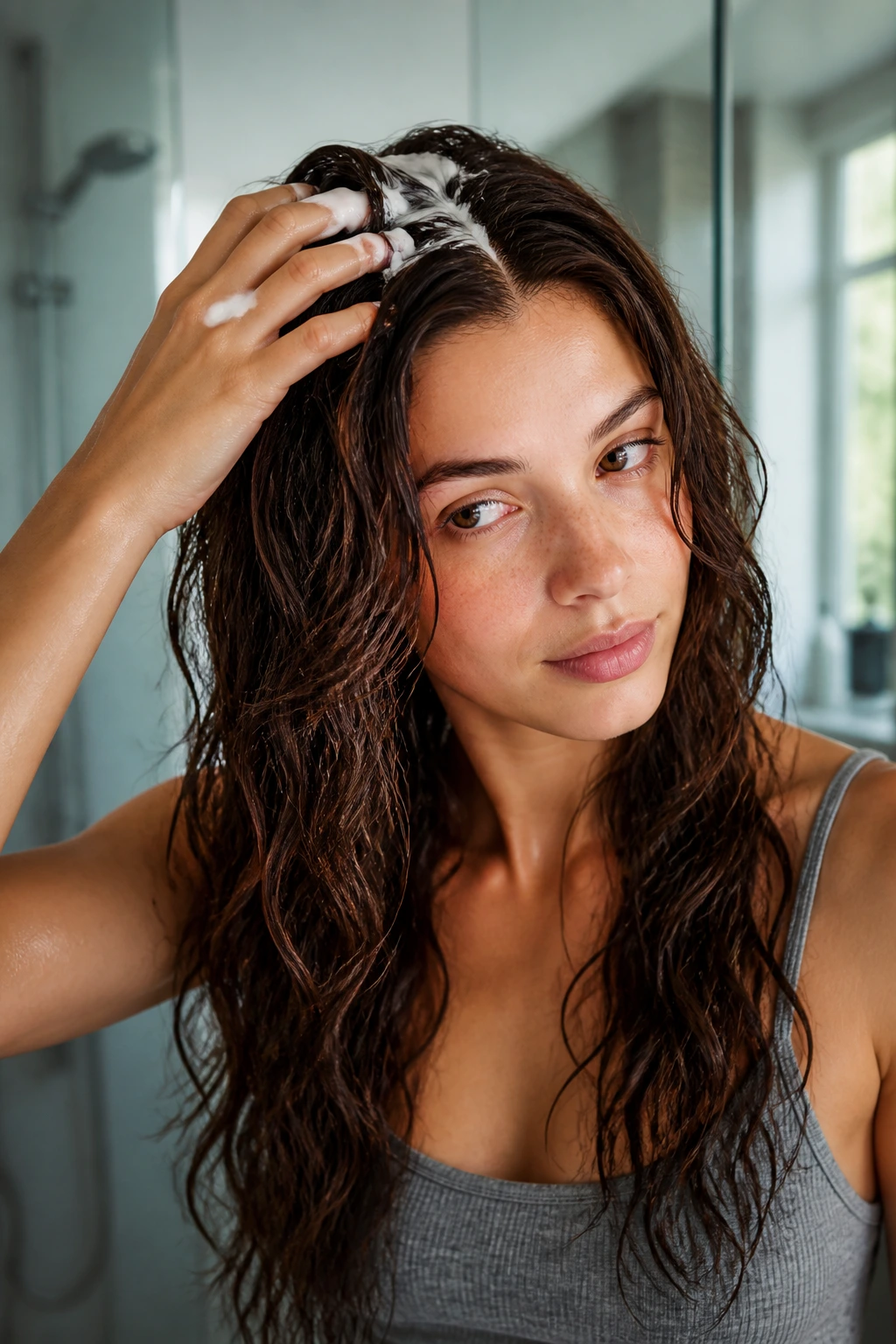
- Using too much cream or oil: The hair looks shiny at first, then slides flat at the roots and stringy at the ends. Keep heavy product off the top layer and use only a small amount on the bottom half.
- Curling every section the same way: The waves stack on themselves and start looking like a row of sausages. Alternate direction or brush out gently so the bend has room to move.
- Pinning too tightly at the crown: The style gets a dent, a headache, or both. Use a looser hold and pin under the surface so the lift stays soft.
- Brushing before the hair cools: The wave falls out early and frizzes at the ends. Let each section cool fully before you touch it.
- Choosing accessories with rough edges: Cheap clips and sharp elastics leave lines or snags. Smooth, rounded hardware is kinder to long hair.
- Skipping the part change: Long hair can get stuck in the same silhouette every day. A side part, center part, or deep side sweep changes the shape more than most people expect.
Small Variations When You Want More or Less Drama
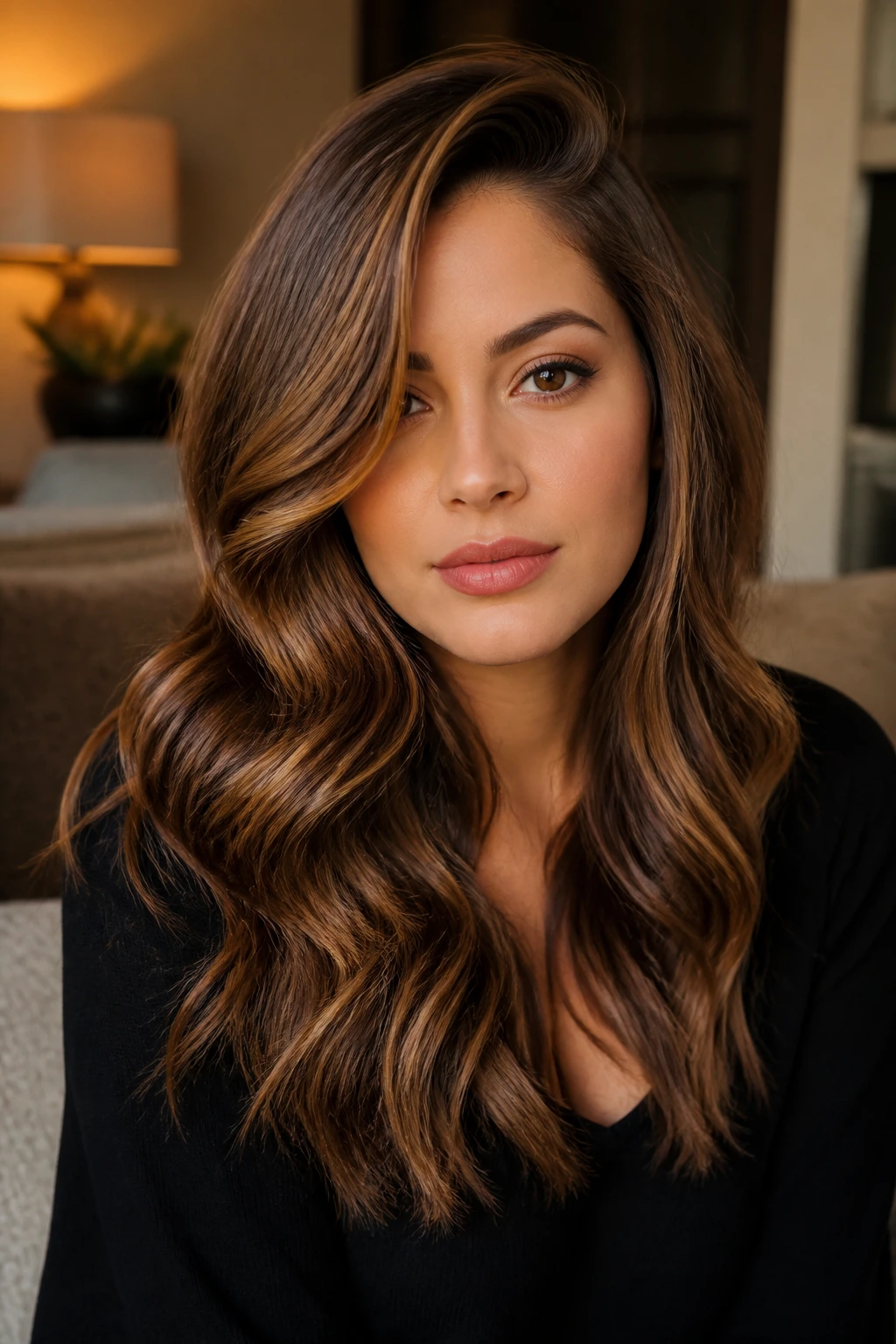
Soft and Airy: Brush the waves out more aggressively, keep the accessories minimal, and use lighter-hold spray. This version works best for daytime or anytime you want the hair to feel open and easy.
Glossy and Sharp: Use a deeper side part, smoother crown, and a shine spray on the outer layer. The wave still moves, but the finish reads more polished and a little more formal.
Braided and Textured: Add one braid, a rope-braid crown, or a fishtail detail. This adds grip and shape without changing the whole haircut.
Pinned and Formal: Pull one side back with a clip, add a low chignon, or tuck the crown into a half-up twist. These versions feel more dressed up without needing a full updo.
Heatless and Gentle: Use braids, twists, or overnight waves and keep the finish soft with fingers instead of a brush. This is the route for hair that gets dry at the ends or hates repeated heat.
How to Sleep on Wavy Hair and Wake Up With It Still Intact
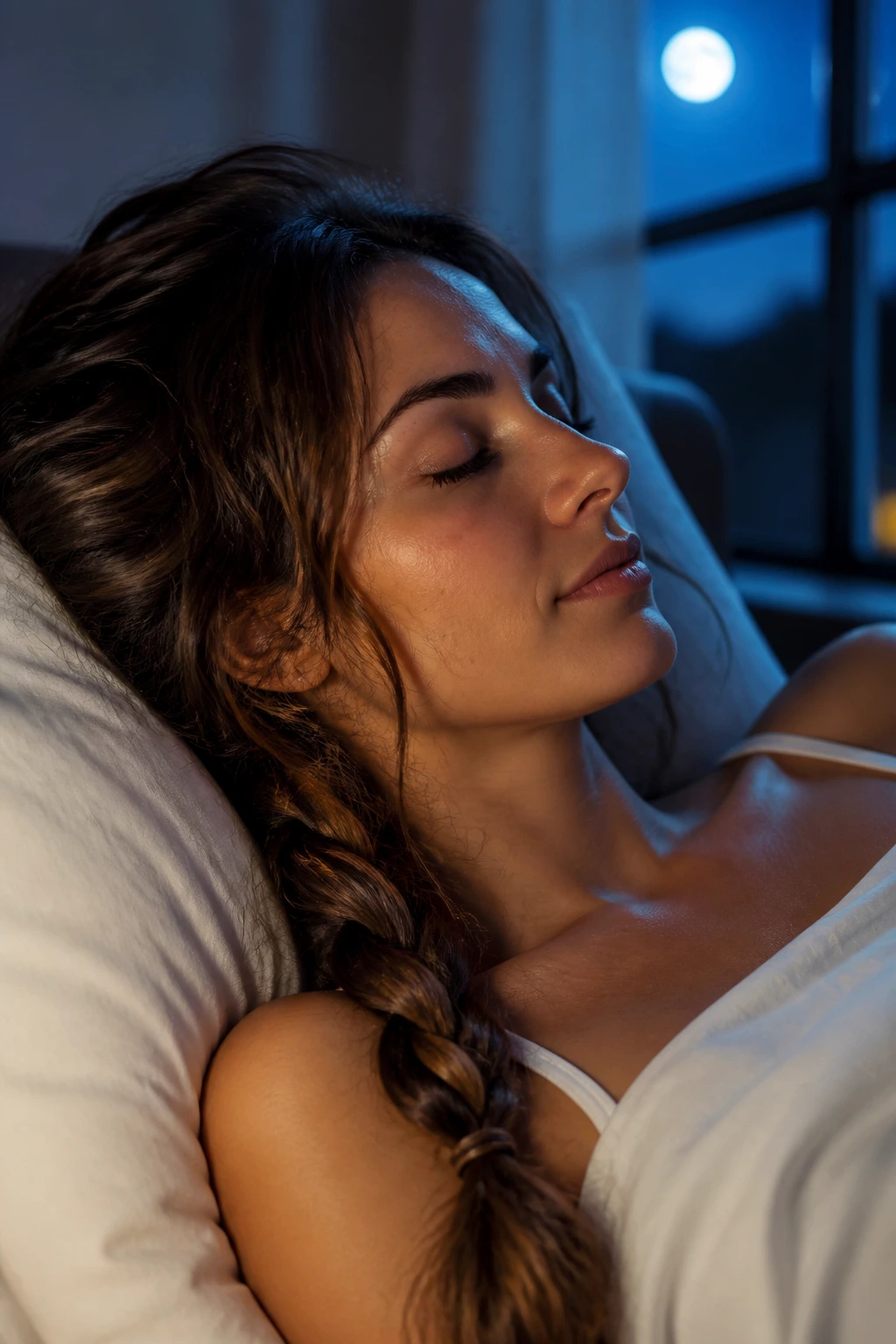
Long waves last longer when they’re protected from pillow friction. A satin or silk pillowcase helps, but the real difference comes from how you set the hair before bed. A loose braid, a low pineapple, or a very soft twist keeps the lengths from grinding flat against the sheets.
If the style is already in a bun or half-up shape, loosen the elastic a little before sleep so it doesn’t leave a hard crease. In the morning, refresh the roots with a little dry shampoo and mist the mid-lengths lightly with water or a leave-in spray. Then scrunch or finger-twist only the sections that actually need help. You do not need to restart the entire style because one side went sleepy overnight.
Questions About Wavy Hairstyles for Long Hair
Which wave size looks best on long hair?
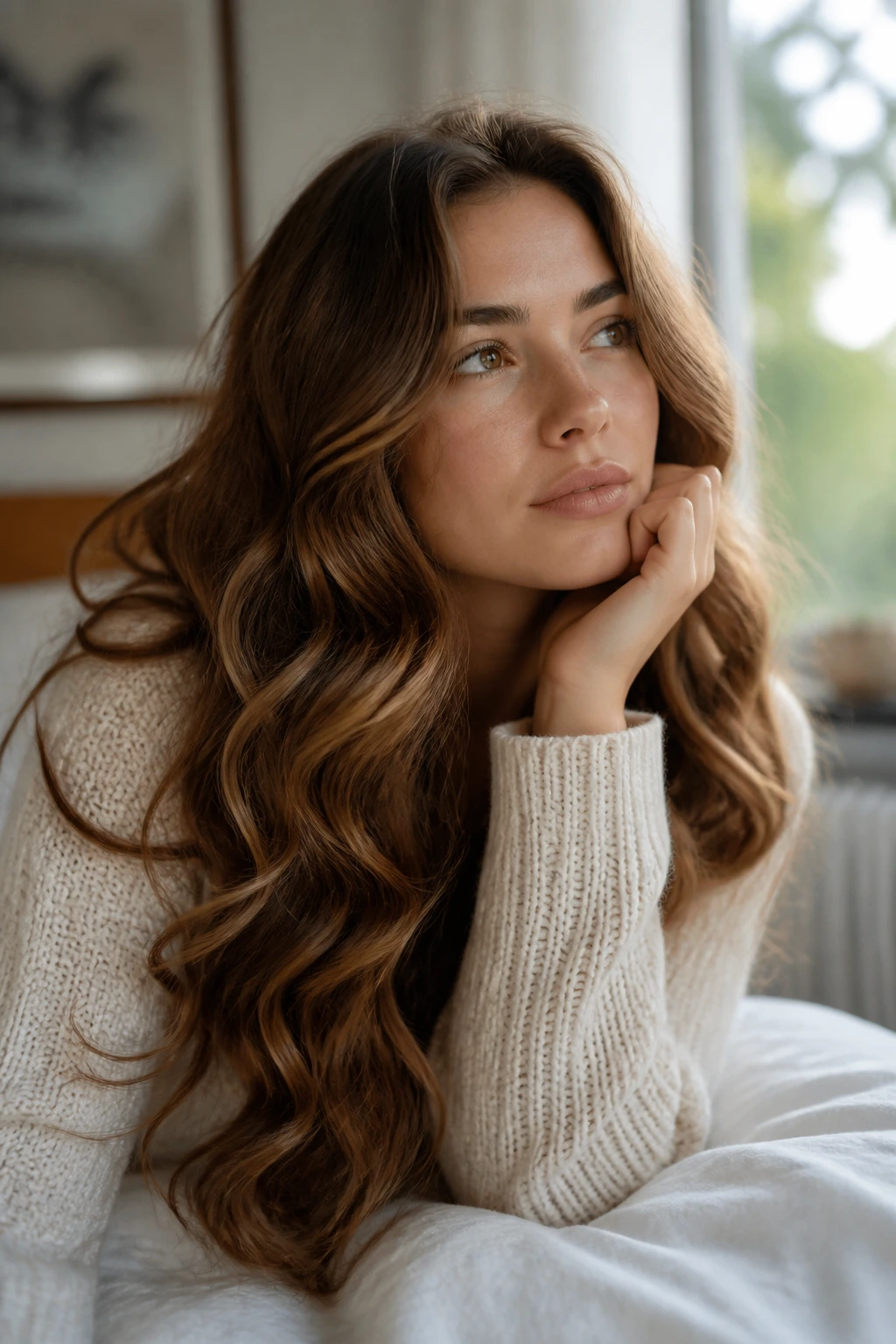
Loose waves from a 1.25-inch barrel usually read best because they show up without looking tiny or busy. Very small curls can get swallowed by the length, while very large bends can disappear if your hair is thick.
Do layers make a big difference?
Yes, and a bigger one than most people expect. Layers stop long hair from hanging like one heavy sheet, so the wave pattern stays visible lower down instead of collapsing into a blunt curtain.
Can I do these styles without heat?
You can, and several of the best ones here were built for that. Braids, twists, pin curls, and overnight sets create a softer finish with less damage at the ends.
What if my hair is fine and everything falls out?
Use lighter product, keep the crown from getting overloaded, and lean on styles that create structure up top — half-ups, side parts, and low ponytails are usually safer than huge loose waves. Fine hair often needs less curl and more support.
What if my hair is thick and bulky?
Thick hair usually does better with styles that organize the mass: braids, low buns, bubble ponytails, or half-ups with a clean base. Bigger sections and stronger pins help more than extra spray.
How do I keep waves from going frizzy at the ends?
Use less heat near the last two inches, avoid brushing them too hard, and keep heavy oils off the bottom unless the hair is truly dry. Frizz at the ends usually comes from too much manipulation or too much product.
Can these styles work on day-two hair?
Often, yes, and sometimes they look better there. Slightly lived-in roots give clips and braids more hold, which is useful when the hair is long and smooth.
Which styles feel most polished for an event?
Old-Hollywood waves, side-swept glam waves, a loose chignon, and pin-curl waves are the strongest choices. They hold shape, photograph cleanly, and make long hair look deliberate instead of merely loose.
The Shape That Sticks
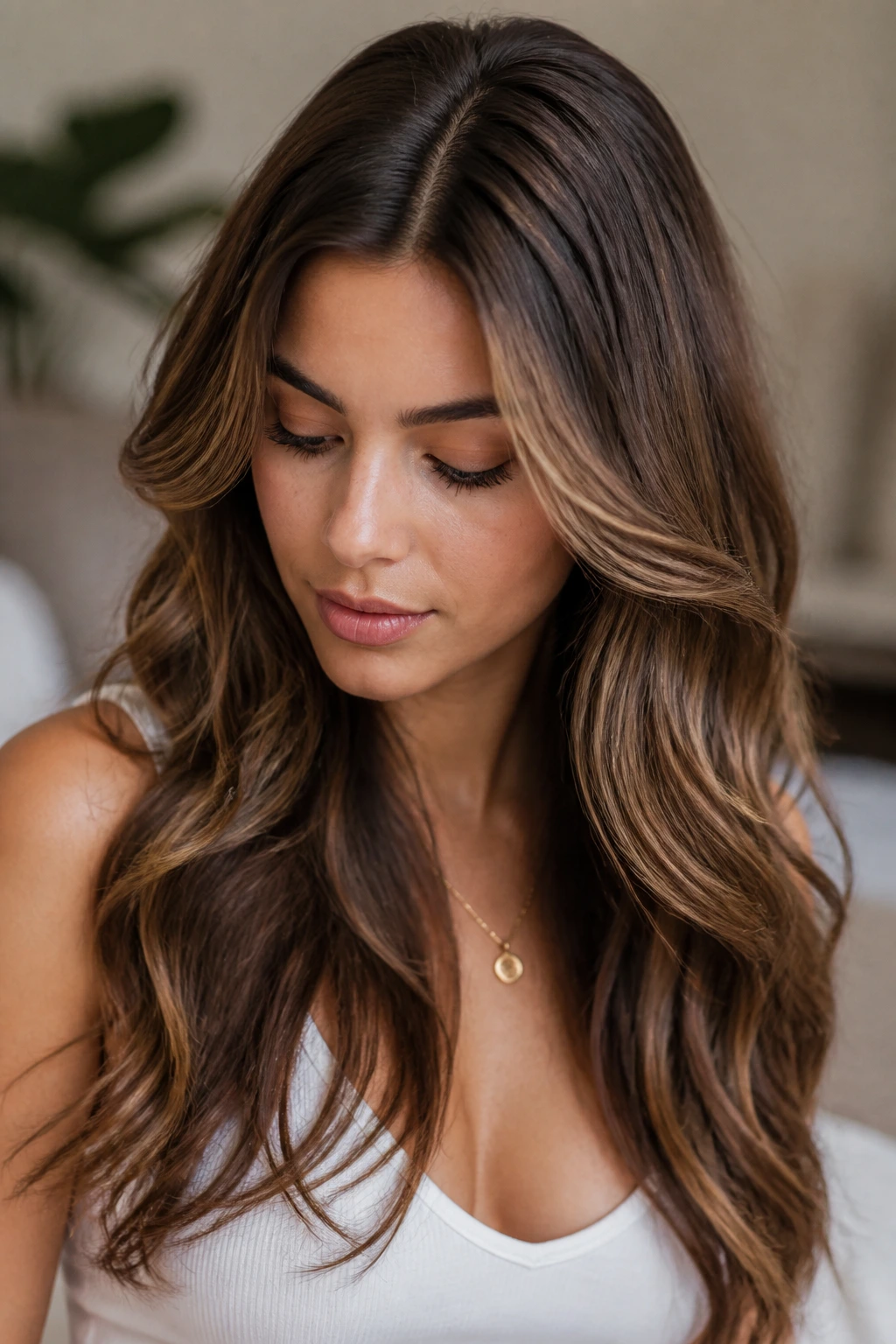
Long wavy hair looks its best when it has one clear idea behind it. A part. A twist. A braid. A low ponytail with a little bend left at the bottom. Once you stop asking every strand to do the same job, the whole head starts to look calmer and more expensive, even when the technique is simple.
That is the quiet advantage of these looks. They let the length stay visible, but they give it a job to do. Pick one style that matches the weight and texture of your hair, wear it a few times, then adjust the part, the product, or the pins until the shape feels like it belongs to you.
