



Balayage looks best when the color doesn’t announce itself at the door. The prettiest versions move in soft ribbons, with the brightest pieces tucked where hair naturally bends — around the face, through the mid-lengths, and just enough at the ends to keep everything from reading flat. That’s why balayage keeps its hold for women who want dimension without the blunt grow-out line that comes with a hard foil highlight.
My favorite balayage looks are the ones that still make sense six weeks later. The root can deepen a little, the toner can soften, and the whole head still feels intentional. That’s the real charm here. Not perfection. Not a rigid, all-over blonde helmet. Just color that behaves well as it fades, and that matters more than people think.
Placement changes everything. A honey ribbon on level 5 brown hair behaves differently from an icy beige veil on a bob, and a copper sweep on curls needs a different hand than the same shade on straight hair. The shade matters, sure. The shape of the light matters more.
Why These Balayage Looks Stay Soft as They Grow Out
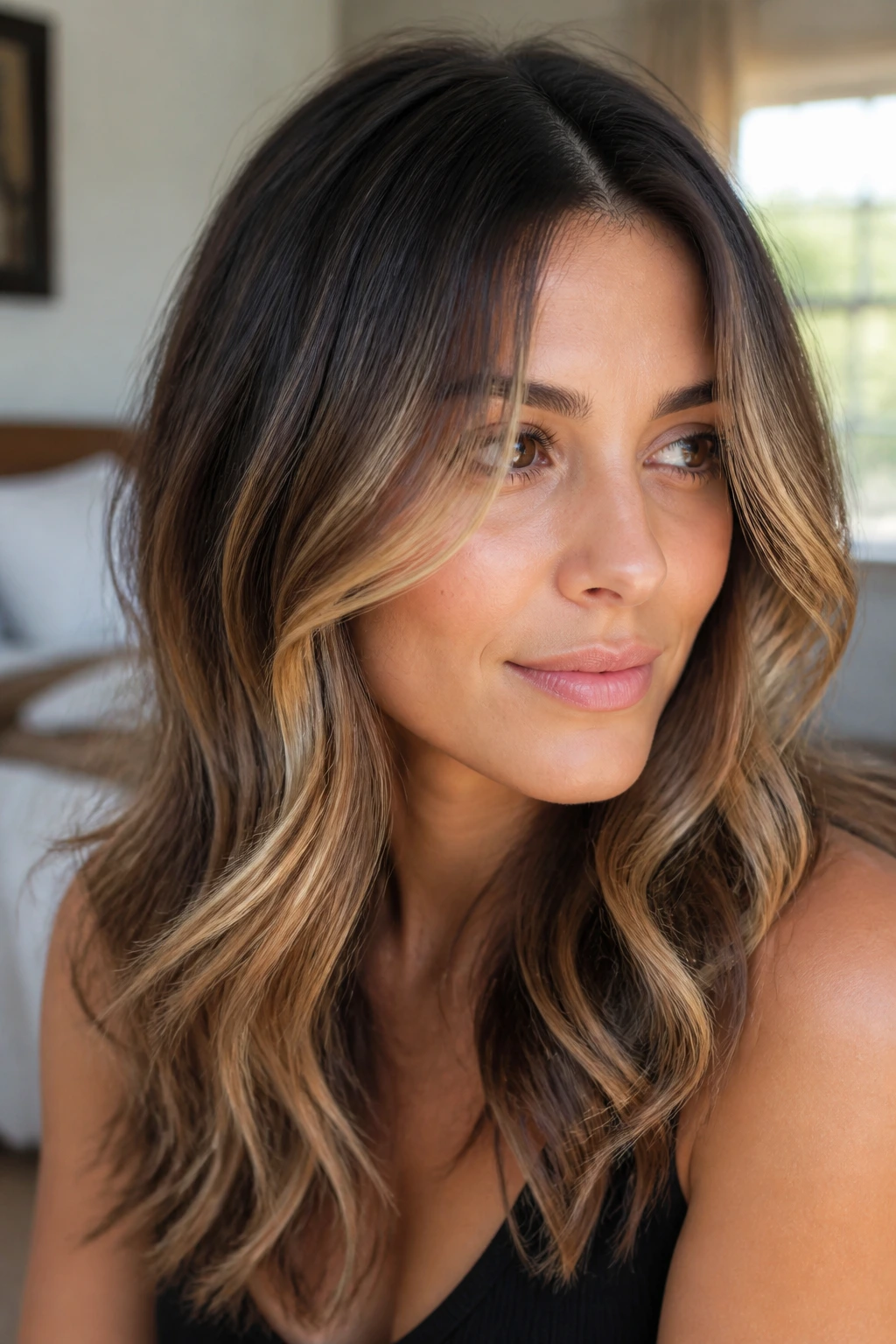
- Soft regrowth: The painted placement leaves the root blurred, so you don’t get that hard line that screams for attention three weeks later.
- Face-framing payoff: Brightness can be pushed toward cheekbones, part lines, or the ends, which changes the whole mood of the haircut without changing the cut.
- Tone control: Warm caramel, cool ash, and beige blonde each age differently, which gives you room to pick a shade that matches how much upkeep you’ll actually tolerate.
- Works on more than blondes: Brunettes, redheads, and dark-haired women can all get dimension from the same method; the trick is choosing the right lift level and tone family.
- Easy to style: Loose bends, a round-brush blowout, or even a tucked-behind-the-ear finish makes the ribbons show up without much effort.
- Better with layers: The color breaks up better on layered hair, so the highlights don’t sit like stripes; they move.
1. Caramel Ribbon Balayage on Deep Brunettes
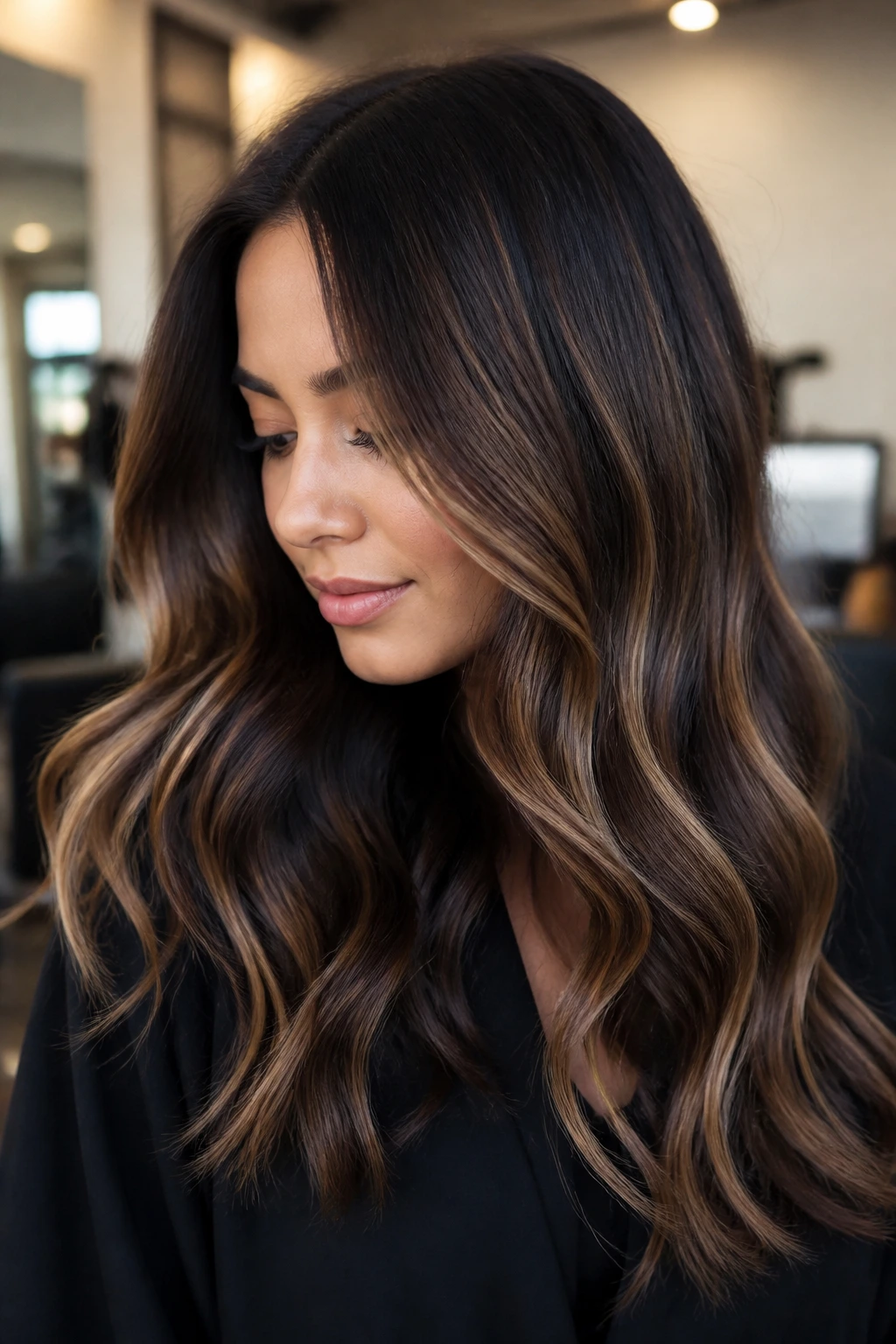
Caramel ribbon balayage on a deep brunette base is one of those looks that never feels overworked. The lighter pieces sit in thin, warm strokes through the mid-lengths and ends, so the color reads as depth first and brightness second. On waves, it looks especially good because the ribbons bend with the hair instead of sitting on top of it.
This is a smart pick if you want dimension without pushing your hair all the way into blonde territory. A colorist can keep the root rich, paint the mids with caramel, and leave the ends just a touch lighter for movement. It’s a softer answer than chunky highlights, and the grow-out is forgiving.
A side part gives this look a little extra drama. A center part makes it feel cleaner and more modern. Either way, the warm ribbons do the heavy lifting.
2. Honey Blonde Balayage Around the Face
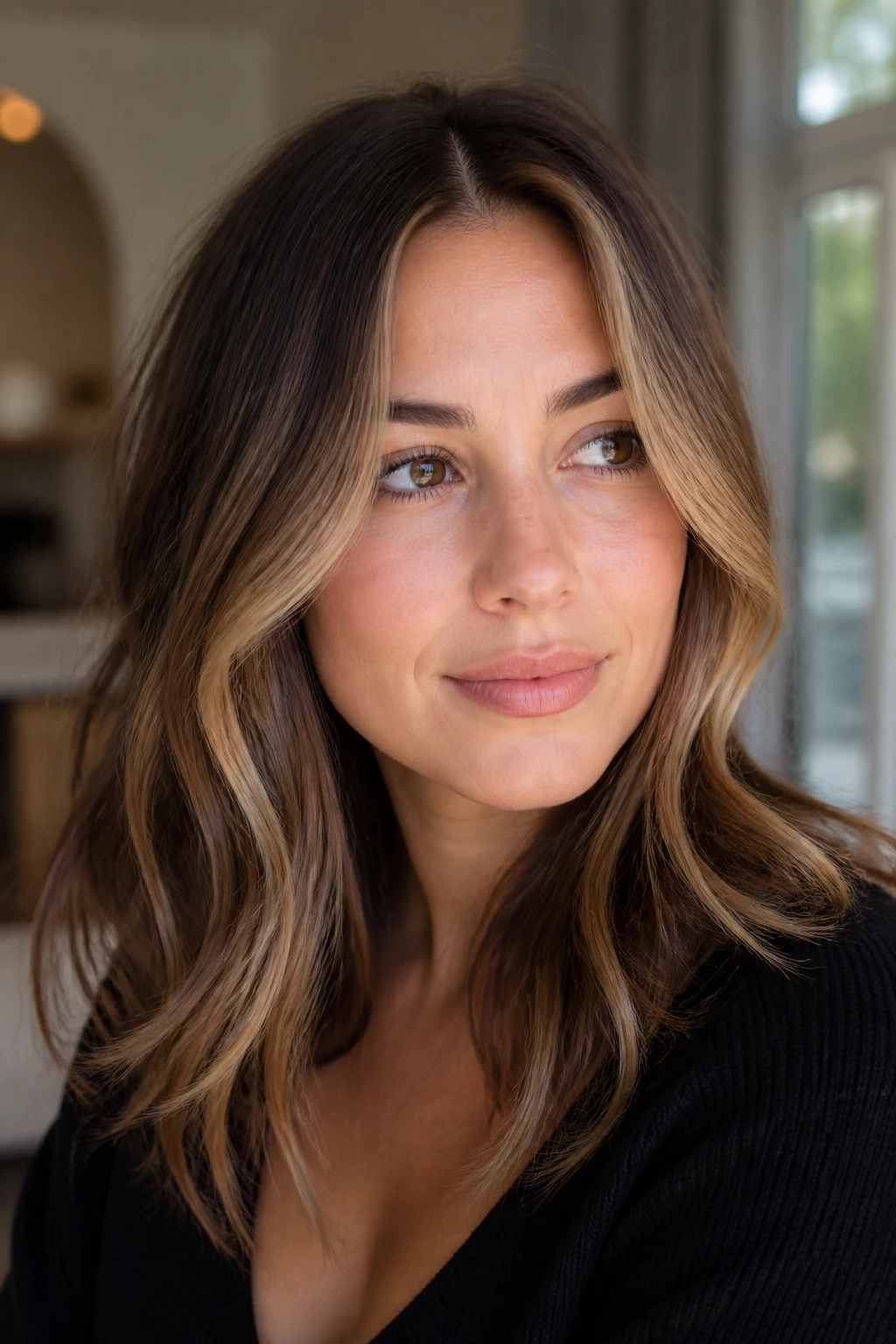
Honey blonde near the face changes the whole mood of brunette hair fast. It brightens the cheek area, softens strong jawlines, and gives the haircut a little lift without needing a full head of light pieces. The rest of the hair can stay deeper, which keeps the contrast from turning harsh.
What Makes the Front Pieces Pop
- Ask for the brightest honey at the front hairline and the first 2 to 3 inches back from it.
- Keep the mid-lengths slightly darker so the front pieces have somewhere to land.
- A loose blowout or bend at the ends makes the honey catch movement instead of sitting flat.
- This works especially well on shoulder-length cuts with layers around the chin.
If your base is medium brown, honey is one of the easiest warm tones to wear. It still looks lifted, but it doesn’t scream “I just got my hair done.” That’s a good thing.
3. Mushroom Brown Balayage for Cool Brunettes
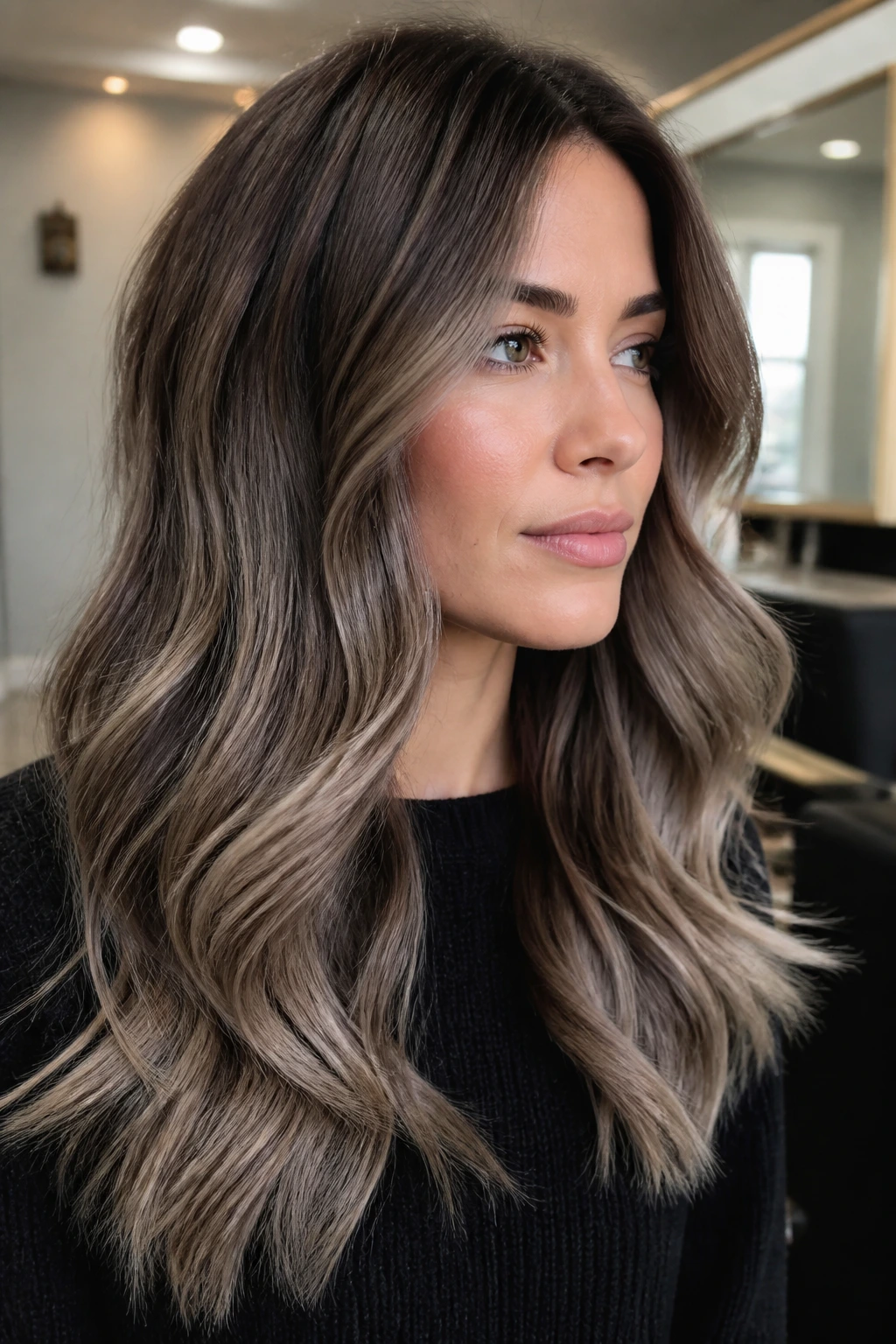
Mushroom brown is the answer for anyone who loves brown hair but hates orange or gold. The tone sits in that smoky, beige-gray lane that makes brunette hair look expensive without looking bleached. It’s one of the quietest balayage looks on this list, and that’s exactly why it works.
The colorist usually keeps the root cool, then feathers in muted brown ribbons through the mids. No bright blonde. No copper. Just enough contrast to keep the shape visible. On straight hair, it looks sleek. On waves, it gets a soft suede texture.
This is a strong choice if your wardrobe leans black, cream, denim, and silver jewelry. The tone plays well with cooler colors and won’t turn muddy the way some warm highlights can.
4. Beige Blonde Balayage with Creamy Ends
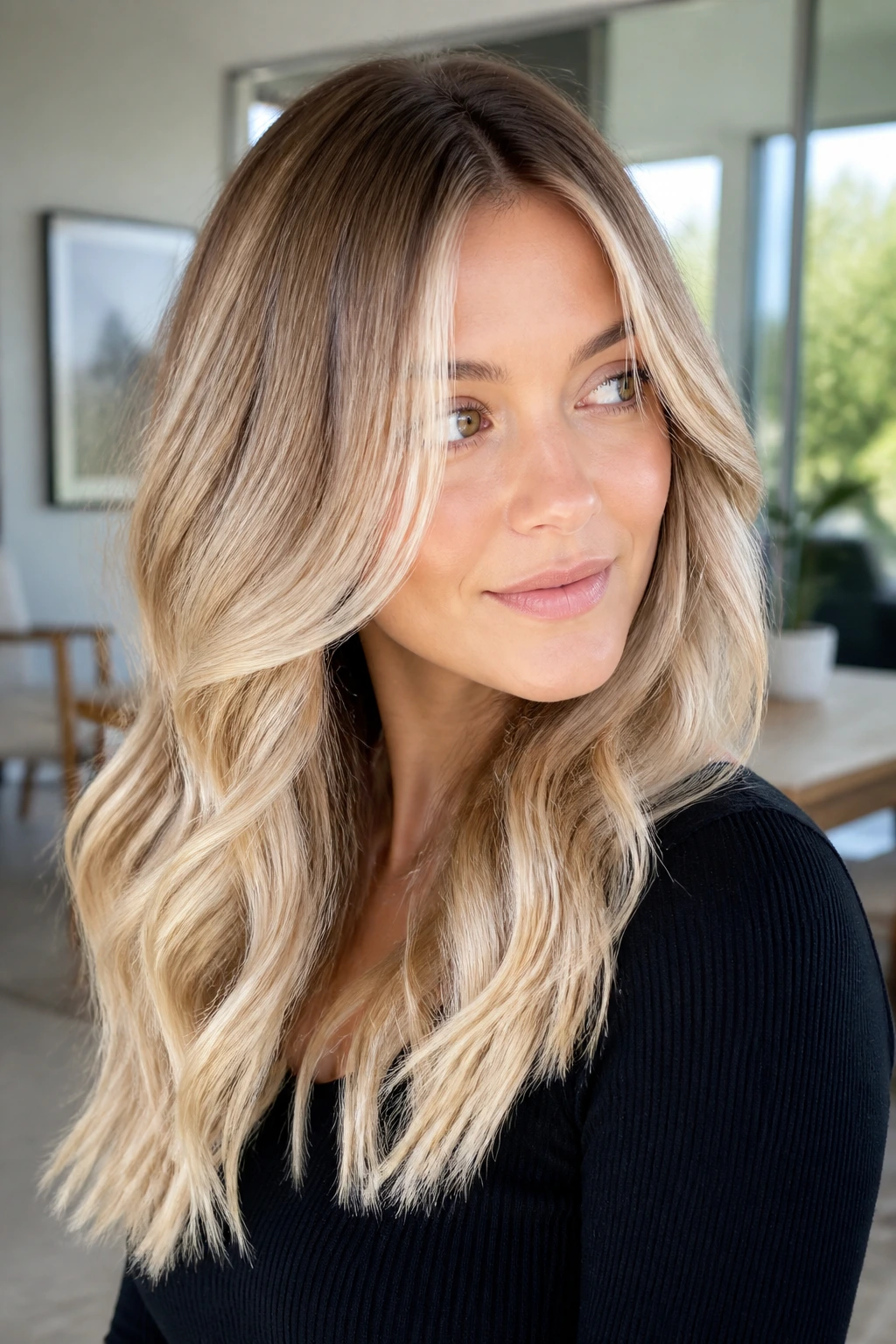
Can blonde look soft instead of stark? Absolutely. Beige blonde balayage is what happens when the lightening is controlled and the toner stays neutral. The result is creamy, not yellow, and the ends keep that lifted look without veering into white-blonde territory.
Why Beige Reads Softer Than Ash
Beige has a touch more warmth than a true ash blonde, so it doesn’t flatten out the hair or make the face look washed out. It also fades with a gentler edge, which helps if your hair likes to pull brassy after a few washes. A gloss every few weeks keeps the tone in that soft cream lane.
This look loves airy layers and a round-brush finish. Too much texture can make it look scattered. Keep it smooth, and the color feels polished.
5. Copper Balayage for Wavy Hair
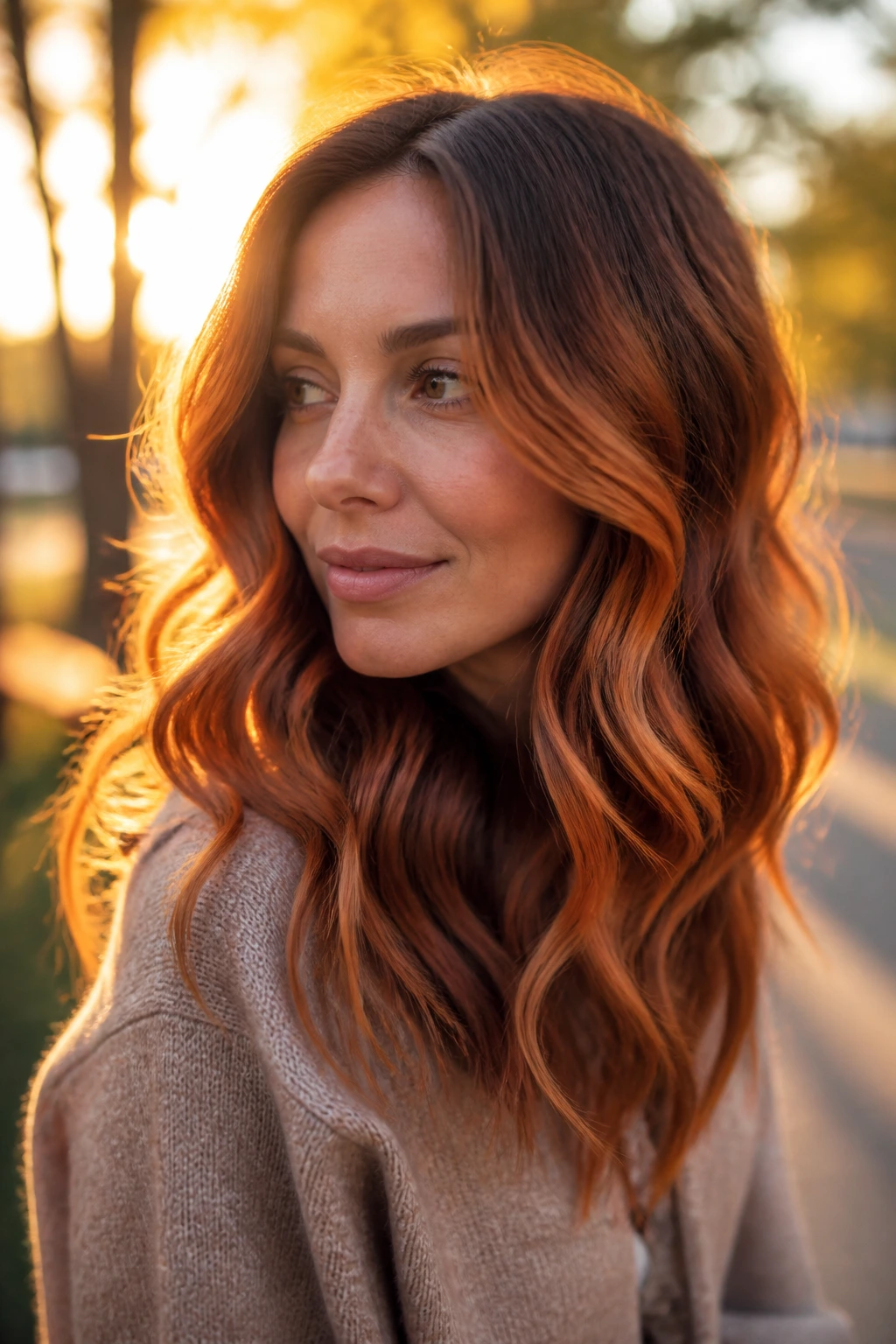
Copper balayage on waves is pure movement. The color has enough warmth to glow, but the painted placement keeps it from looking like a single flat red sheet. You get brighter copper at the bends, deeper auburn in the troughs, and that natural-looking contrast people always try to fake.
- Best on medium to dark brunettes who can lift into warm copper without going too pale.
- Works beautifully with collarbone-length hair, because the waves have room to stack.
- A color-depositing mask in copper or auburn can stretch the tone between salon visits.
- This look fades warmer, not cooler, so don’t fight the warmth. Let it live there.
Copper can look loud in a swatch book and elegant on real hair. That’s the part worth trusting.
6. Chestnut-to-Cinnamon Melt
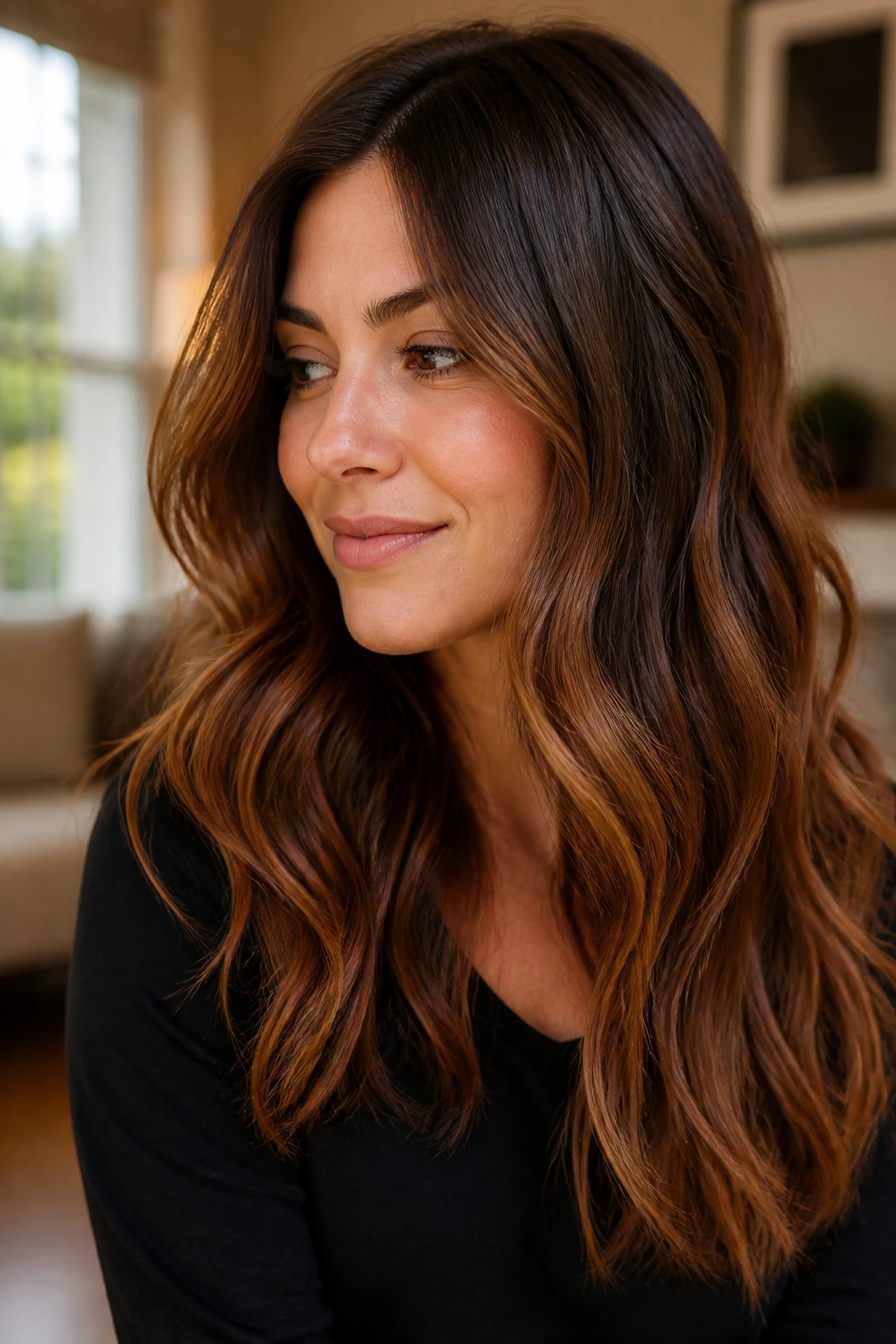
Chestnut-to-cinnamon balayage is a warm brown story with a little edge. The root stays rich and glossy, while the ends drift into a cinnamon tone that feels brighter without going orange. It’s a lovely choice for women who want red-brown dimension but don’t want a full auburn commitment.
What keeps this look from reading flat is the melt. The transition has to be slow, with no obvious line between chestnut and cinnamon. On long layers, the color moves in a very clean way, almost like the hair has its own lighting built in.
I like this one on hair that gets worn loose more often than tied back. The color is nicest when you can see the fade from root to tip.
7. Bronde Balayage with Soft Root Shadow
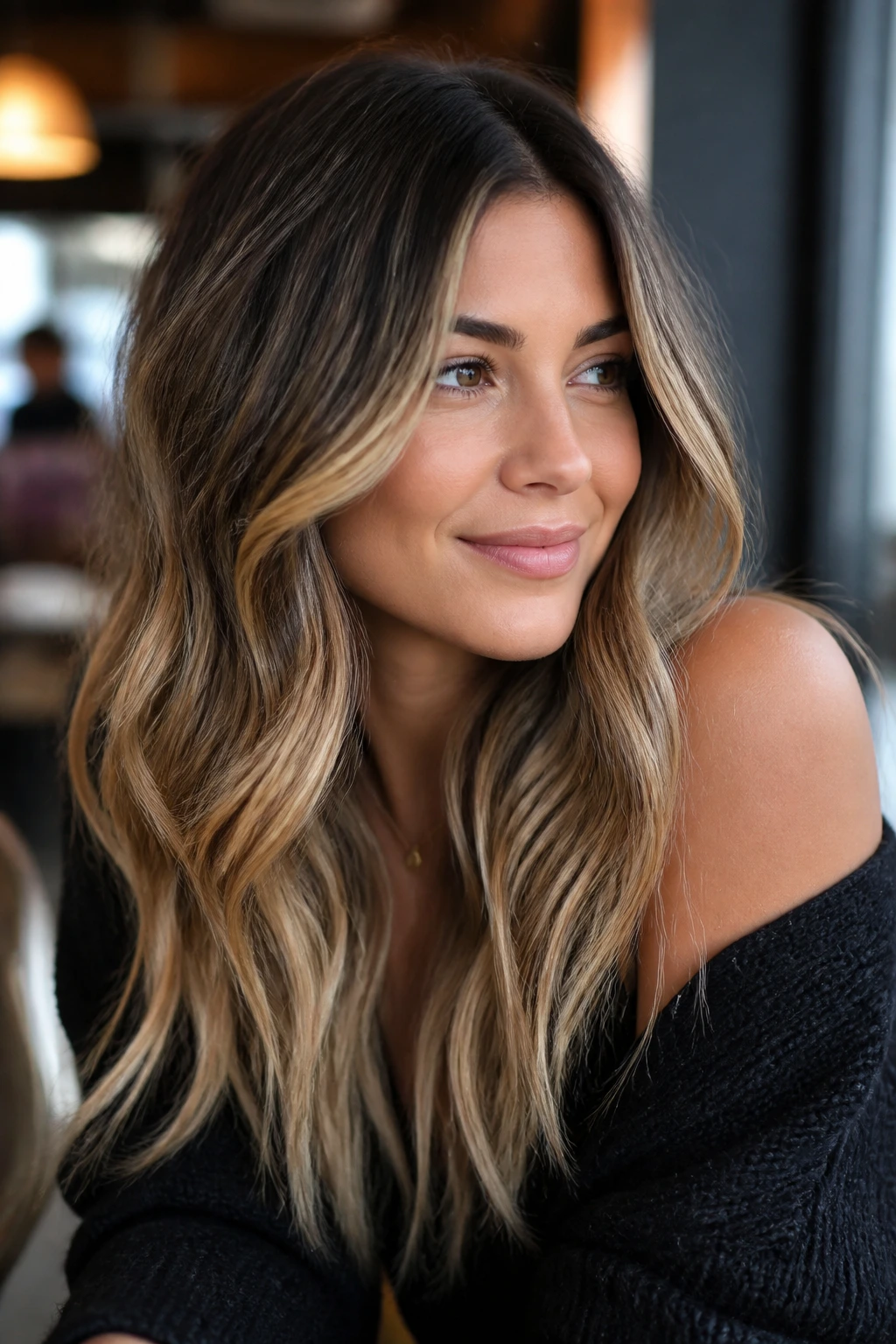
Bronde is the in-between shade that refuses to pick a side, and that’s the fun of it. The root shadow keeps the base brown, then the balayage lifts the mids and ends into a sandy blonde-brown mix that looks lived in from the start. It’s the easiest way to get brightness without losing depth.
The Best Parts of a Bronde Blend
- The root shadow can be 1 to 2 shades deeper than the ends.
- The brightest pieces usually sit around the face and the outer canopy.
- Bronde works well on naturally medium brown hair that lifts in a warm direction.
- Wavy styling shows the color shift better than a pin-straight finish.
If you want hair that looks sun-touched but not overprocessed, this is a strong lane. It’s practical, and I mean that in the nicest possible way.
8. Icy Ash Blonde Balayage
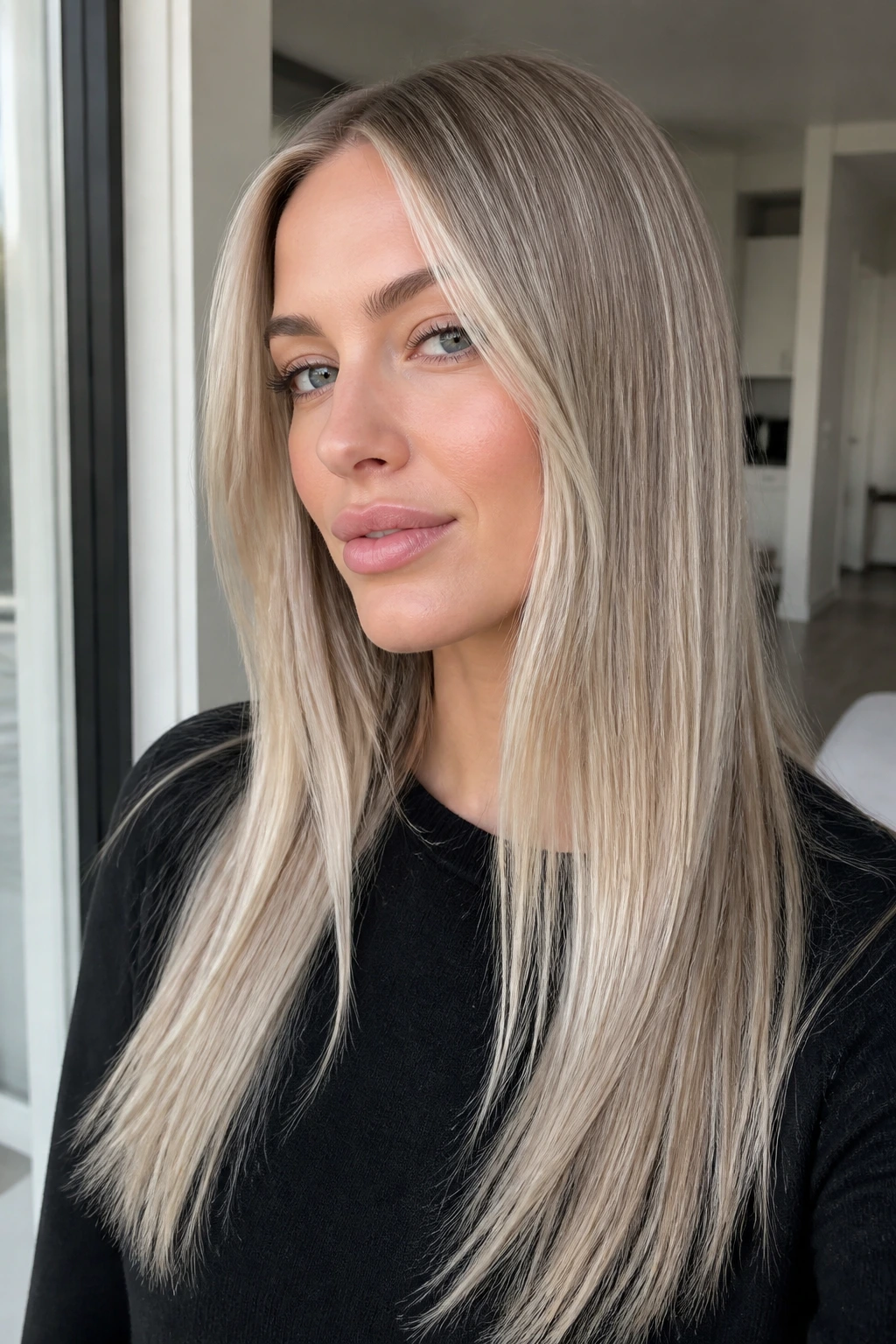
Icy ash blonde is for women who want a cool, crisp blonde rather than a beachy one. The pieces need a strong lift, then a toner that pulls out gold and pushes the hair toward beige-silver. It’s striking on a bob and even sharper on long straight hair.
The catch is maintenance. Ash tones fade faster than warm blondes if you wash too often or use heavy clarifying shampoo. Purple shampoo helps, but don’t overdo it or the hair can go dull and flat. A gloss every few weeks keeps the finish clean.
This look pairs well with sharp cuts. Blunt ends make the ash tone feel deliberate instead of wispy.
9. Chocolate Mocha Balayage on Long Layers
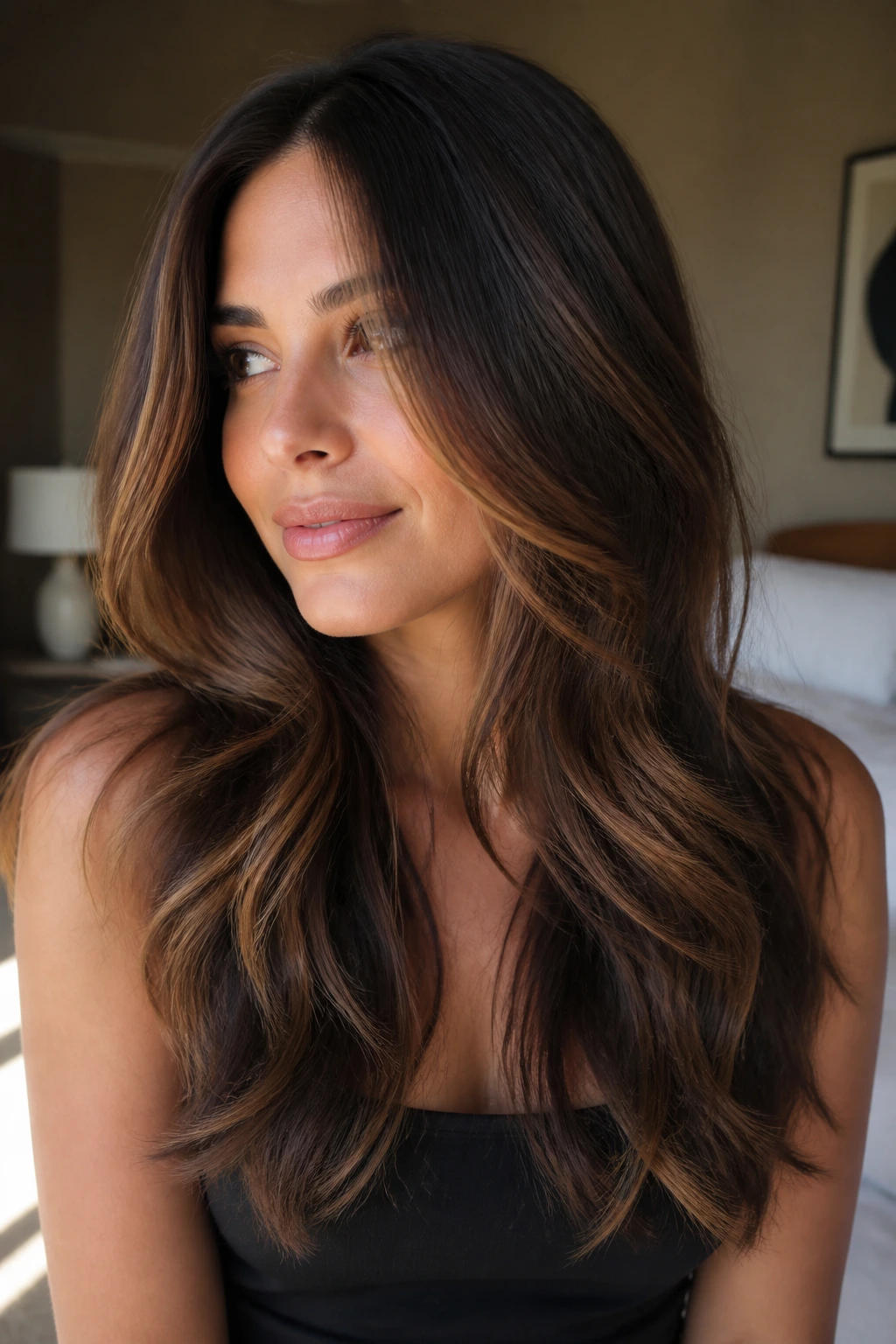
Chocolate mocha balayage is one of the best low-drama color choices for women who want dimension without obvious blonde. The mocha pieces sit a little lighter than the base but stay in the brown family, so the hair gets depth and shine without a high-contrast stripe.
On long layers, this look moves in a really pleasing way. The color lands on the bends, the ends, and the outer curtain of hair, which keeps the whole style from sinking into one dark mass. It’s especially good if your hair is thick and tends to swallow up lighter highlights.
A center part gives it that glossy, understated feel. A side part adds a little more lift around the face.
10. Bright Money Piece Balayage
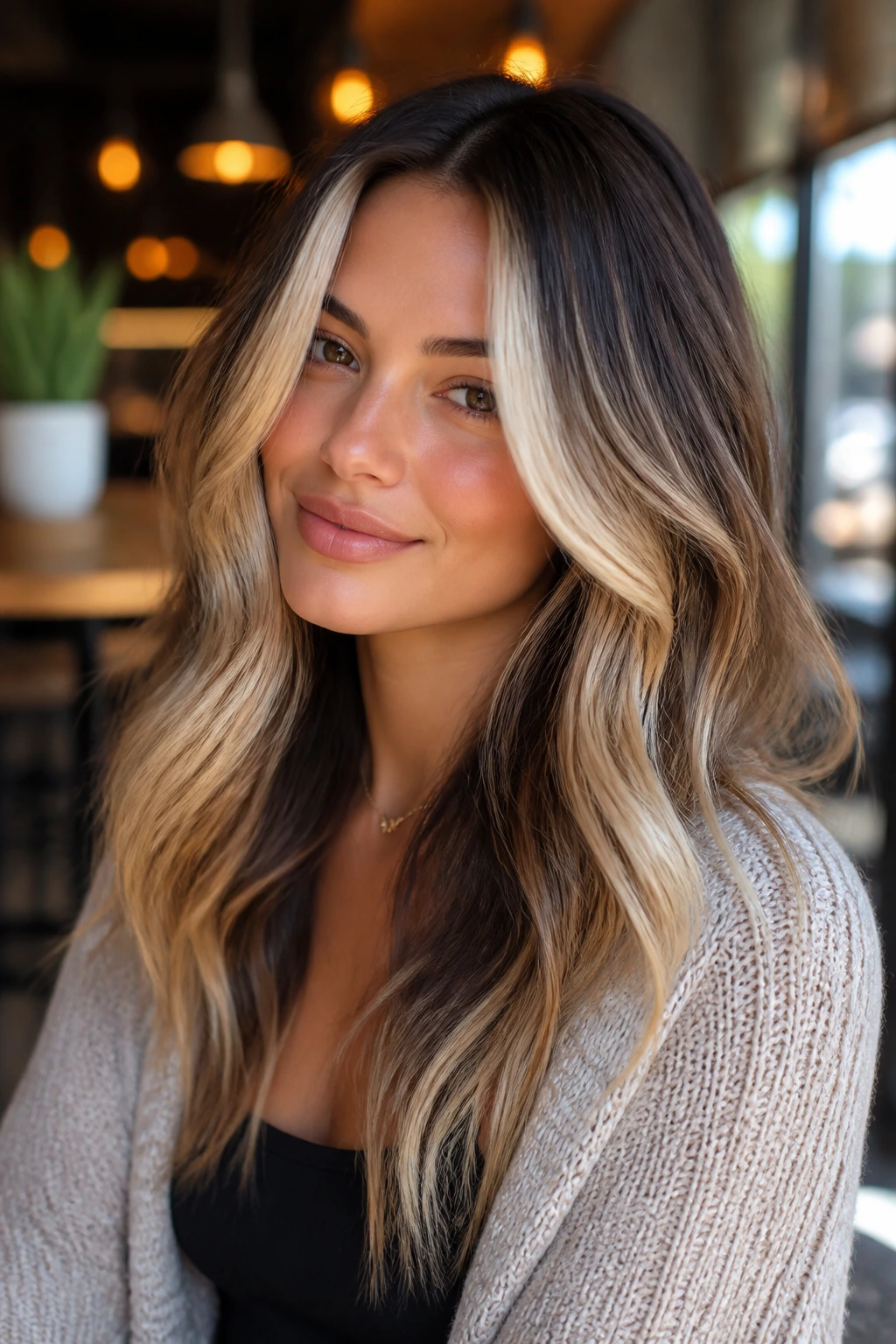
A bright money piece is the fastest way to change the mood of a haircut. You keep most of the hair rooted and dimensional, then put the boldest brightness right at the front, where it frames the face and changes the shape of the style. It’s a sharp move, not a subtle one.
Where the Brightest Pieces Belong
The front sections usually start at the part and sweep down through the first inch or two around the face. That keeps the brightness high where the eye lands first. If the rest of the hair is brunette or dark blonde, the contrast makes the front pieces look even cleaner.
This is a good option if you don’t want a full head of lighter color every appointment. It gives you a strong result with less work, and that’s a sensible trade.
11. Rose Gold Balayage
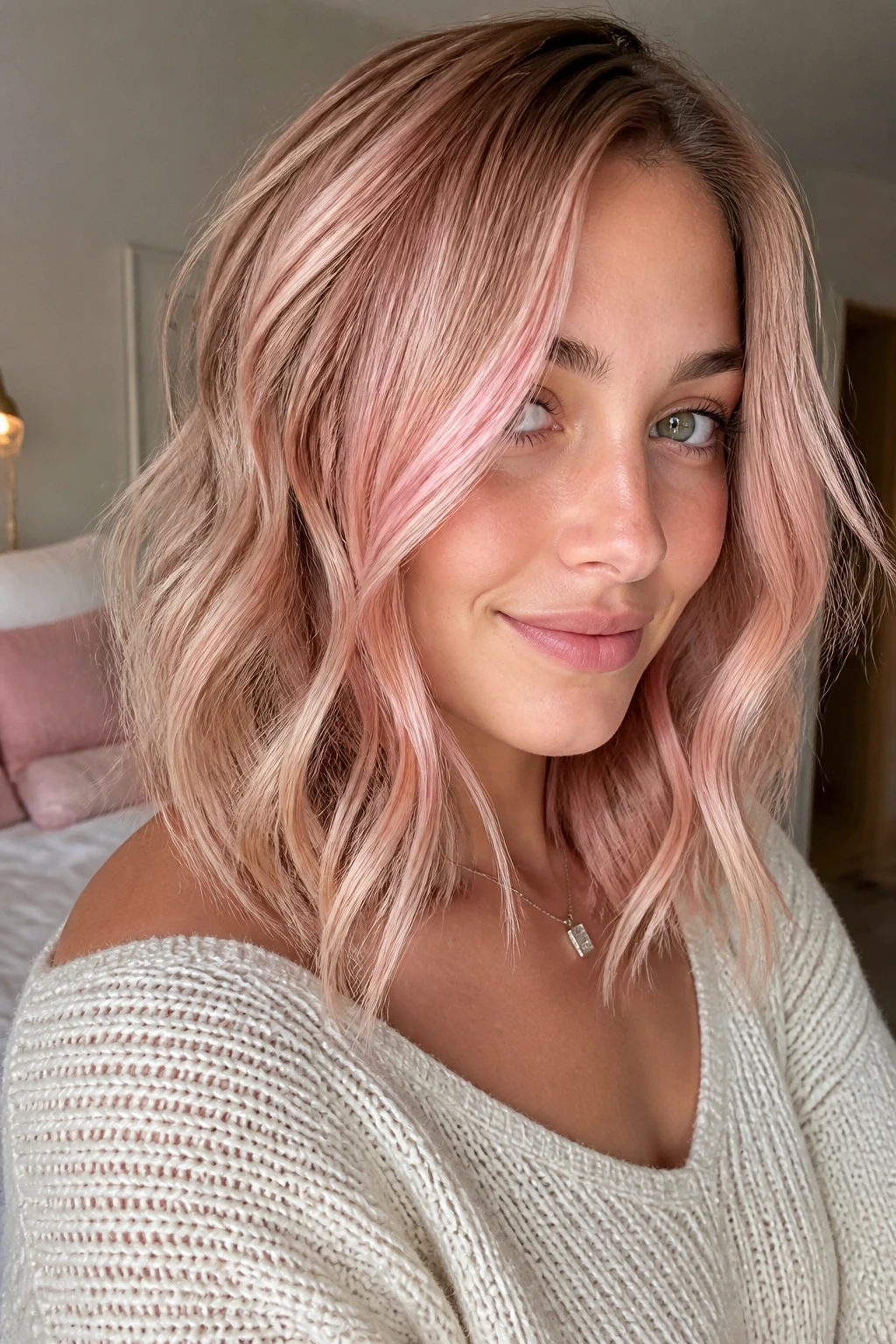
Rose gold balayage walks a narrow line between warm blonde and soft pink. The pretty version isn’t bubblegum; it’s more like a sheer tint laid over lightened hair. On pale blonde or light brown bases, the effect is polished and slightly playful.
The key is keeping the rose tone soft enough that it doesn’t look like dye sitting on top of the hair. A pastel gloss or a pink-beige toner does the job better than a heavy pigment. On curls, the color shows up as a blush through the bends, which is lovely.
This is one of those shades that looks best when the haircut is clean. A blunt bob or a smooth lob helps the rose tone read intentional.
12. Toffee Balayage on Midlength Layers
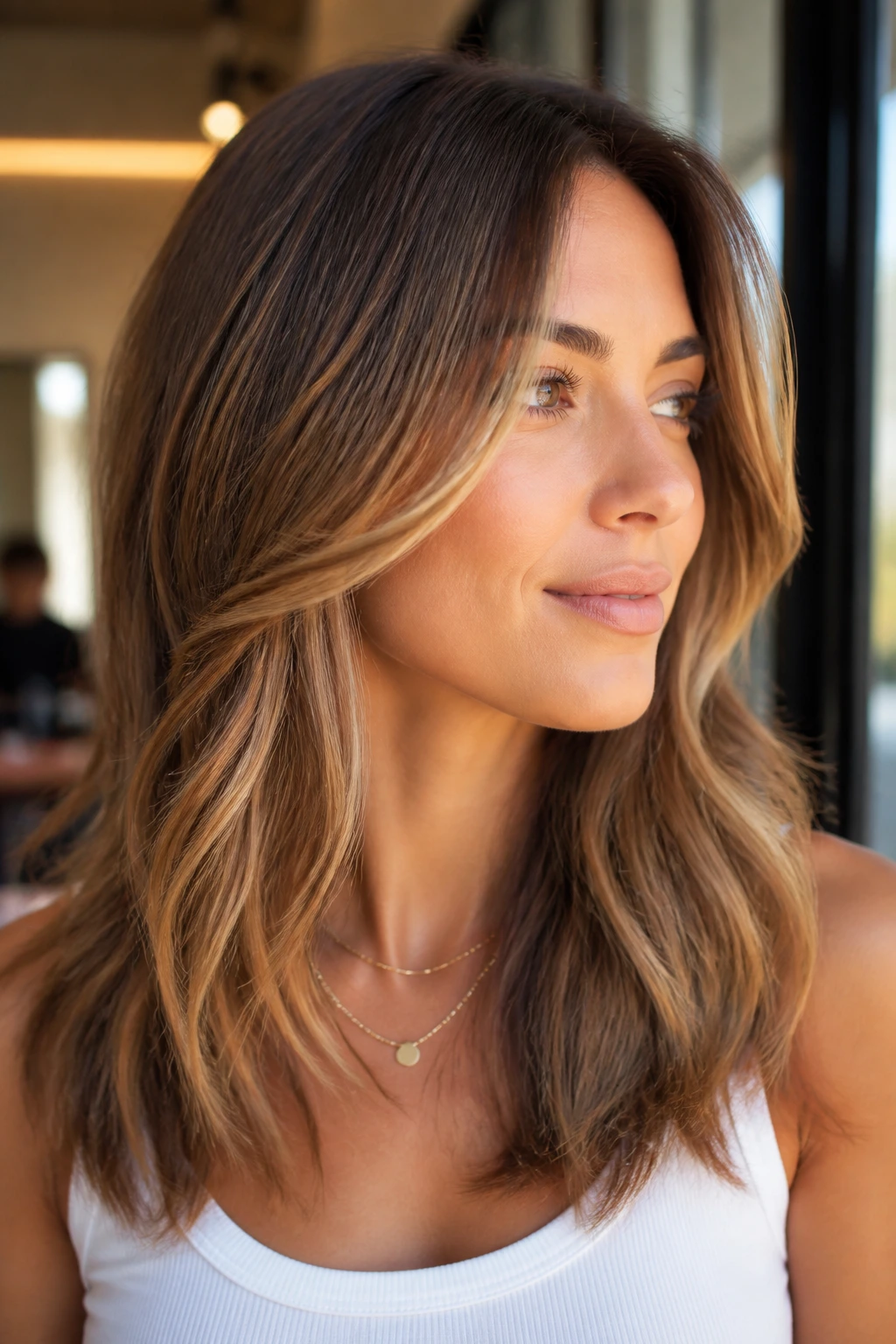
Toffee balayage is warm, smooth, and easy to wear on midlength cuts. The color sits between caramel and honey, which gives the hair a toasted sweetness without moving all the way to blonde. It’s a nice lane if your skin tone likes warmth but not too much brass.
How to Keep Toffee Looking Rich
- Ask for medium lift, not pale blonde ends.
- Keep the top slightly deeper so the toffee tone has contrast.
- Midlength layers help the lighter pieces fall in visible places instead of hiding underneath.
- A gloss with golden-beige tones keeps it from getting flat.
I’d pick this for hair that lives in loose waves, claw clips, and quick blow-dries. It looks relaxed, but not lazy. There’s a difference.
13. Espresso Balayage on Black Hair
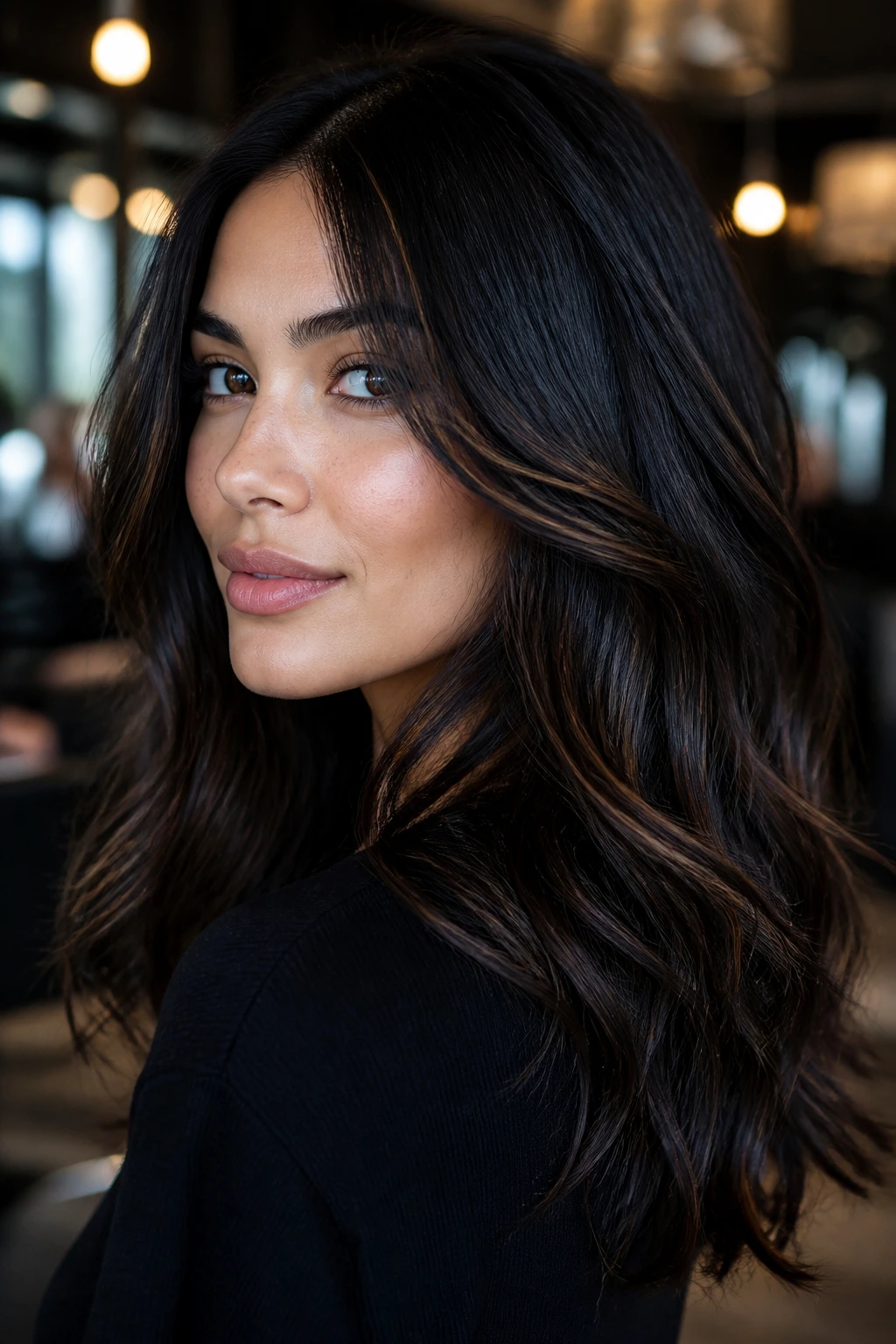
Espresso balayage on black hair is for women who want movement without giving up depth. The painted pieces are only a few shades lighter than the base, so the result stays sleek and glossy instead of turning stripey. It’s a subtle look, but on healthy black hair it can be gorgeous.
The colorist has to be careful here. Too much lift and the hair can turn warm in a way that fights the base. The better version stays in dark brown territory, with soft espresso or cool chestnut ribbons added where the light would naturally land. It’s quiet. That’s the point.
If your hair is straight or worn in a low ponytail a lot, this is especially clean. The shine does half the work.
14. Vanilla Cream Balayage
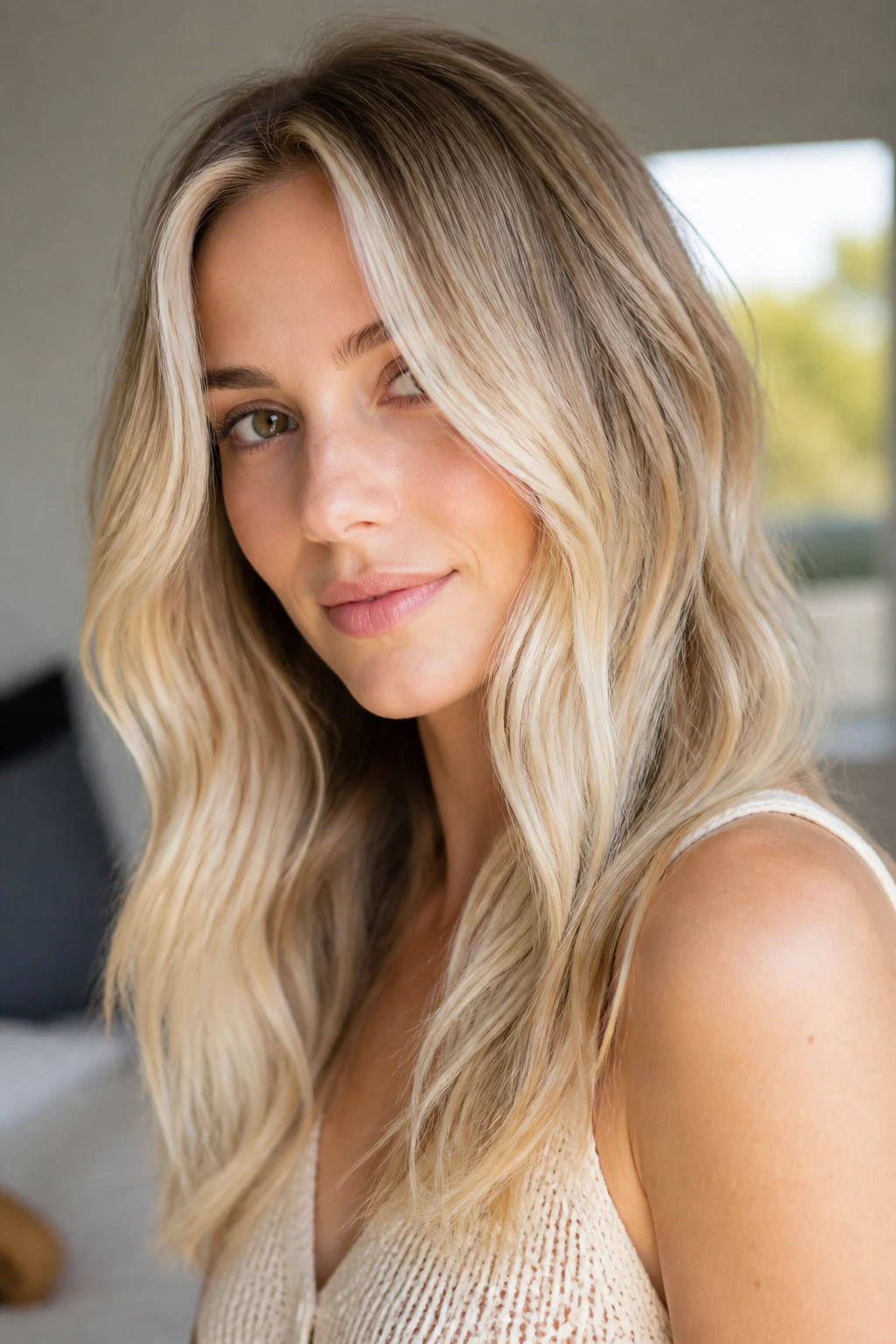
Can very light blonde still look soft? Yes, if the tone is vanilla cream instead of stark white. This version lives in that creamy, light-reflective space that works best on hair that has already been lifted well. The contrast is low, but the finish is bright.
The best vanilla cream balayage has a slightly deeper root and pale mids that melt into the ends. If the ends are too frosty, the whole thing can feel a little harsh. A touch of beige keeps it wearable. A touch of warmth keeps it from looking brittle.
I like this shade on layered long hair or a soft shag. The texture helps the light pieces separate instead of clumping together.
15. Smoky Brunette Balayage
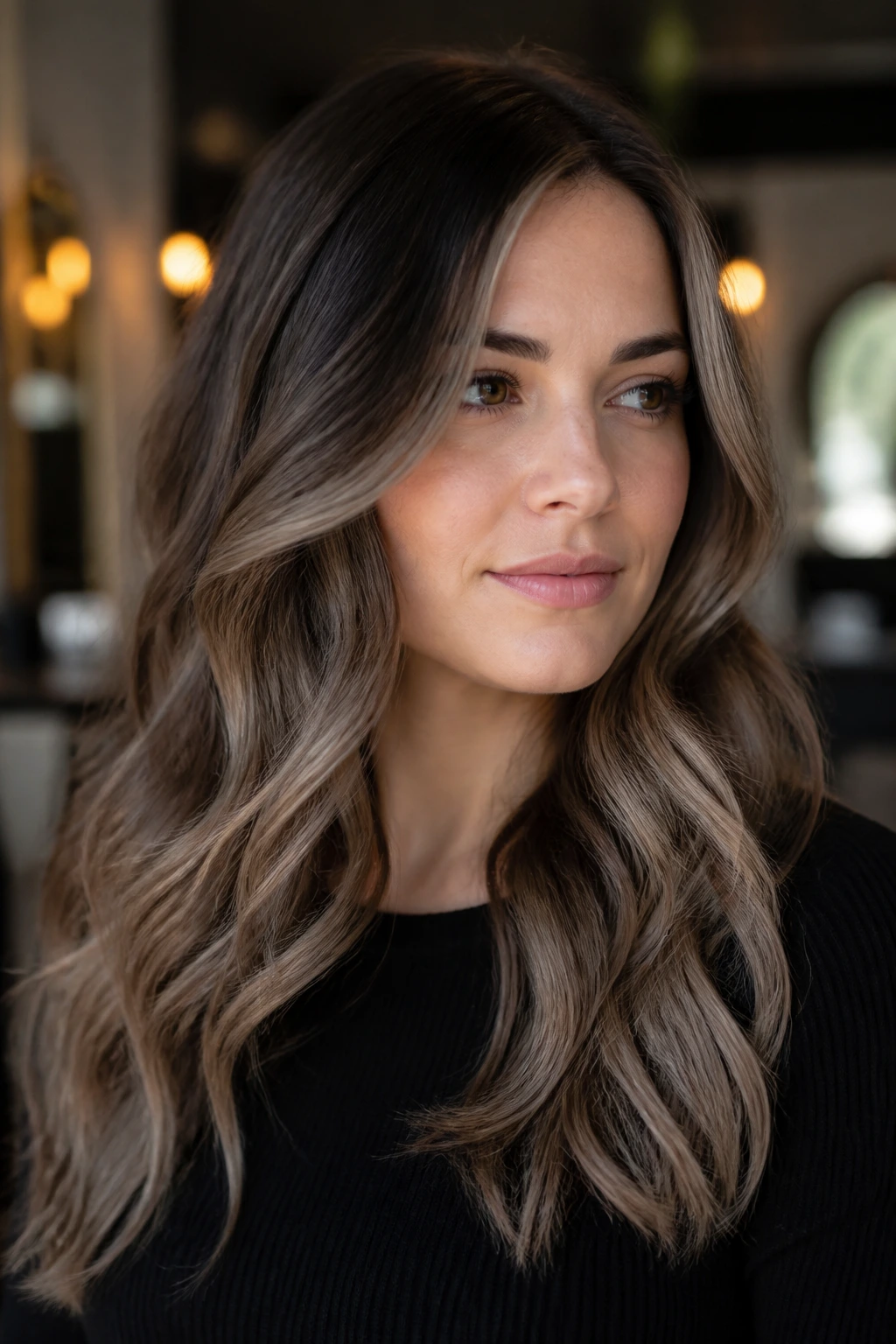
Smoky brunette balayage is what happens when brown hair gets a cool filter instead of a warm one. The lighter pieces lean beige, taupe, or muted mocha, so the overall look stays moody and calm. It’s a strong choice if you hate gold and copper.
The color works because it adds dimension without pulling the base away from brunette. There’s no dramatic blonde pop. Just a smoky shift that makes waves and layers stand out. On straight hair, it can look almost like a satin sheen.
A middle part keeps it modern. A soft bend at the ends keeps it from looking too severe.
16. Peach-Soft Blonde Balayage
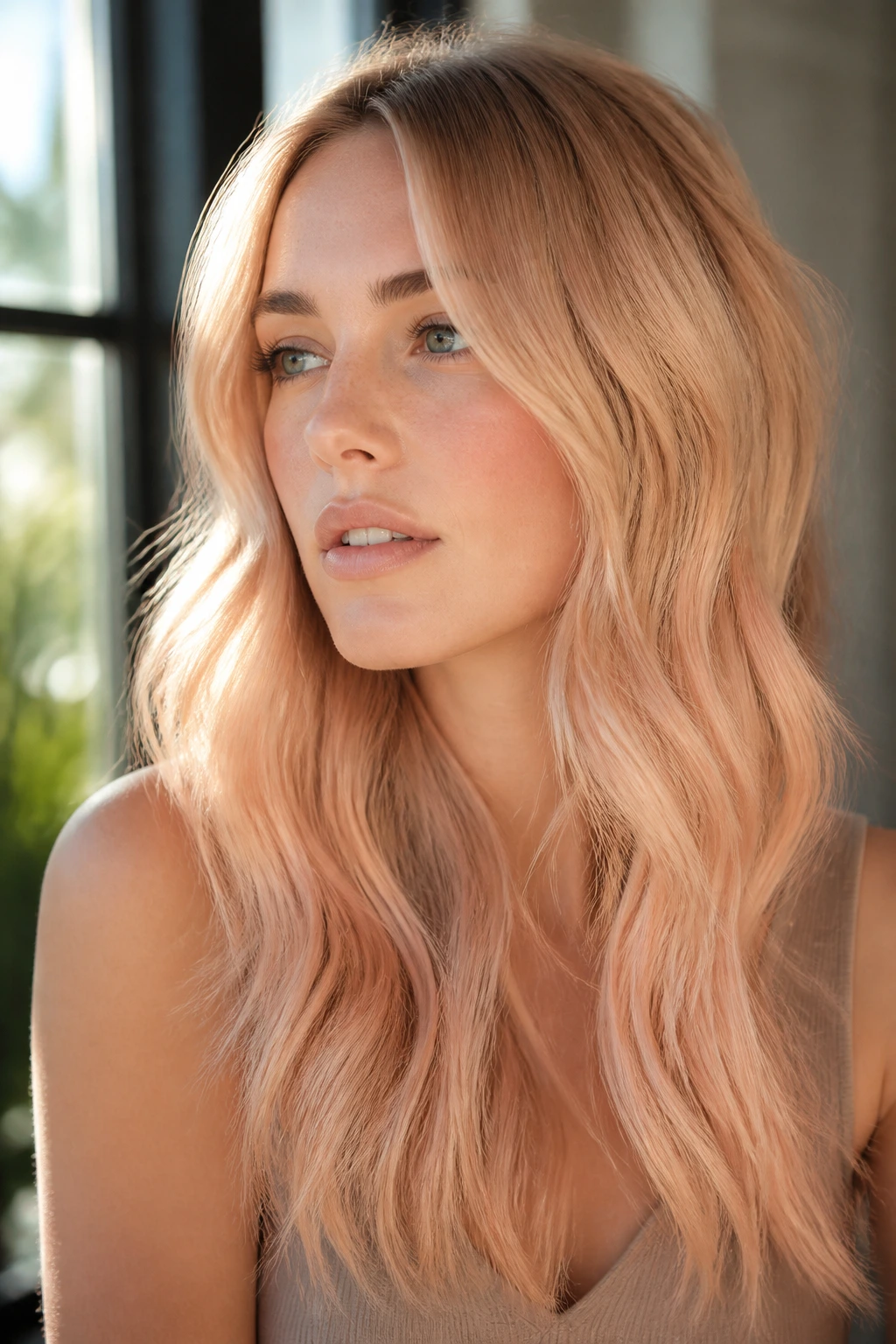
Peach-soft blonde has a little warmth and a little whimsy, but it stops well before looking cartoonish. The peach note usually sits over a pale blonde base, so the color feels like a blush rather than a full dye job. It’s the sort of thing that looks especially good in sunlight.
This look needs a careful hand. The peach tone should be transparent enough that the blonde still shows through. If the pigment gets too dense, it starts reading orange. Keep it airy, and it stays pretty.
This one suits women who like a softer fashion color. It’s not loud, but it isn’t shy either.
17. Strawberry Blonde Balayage
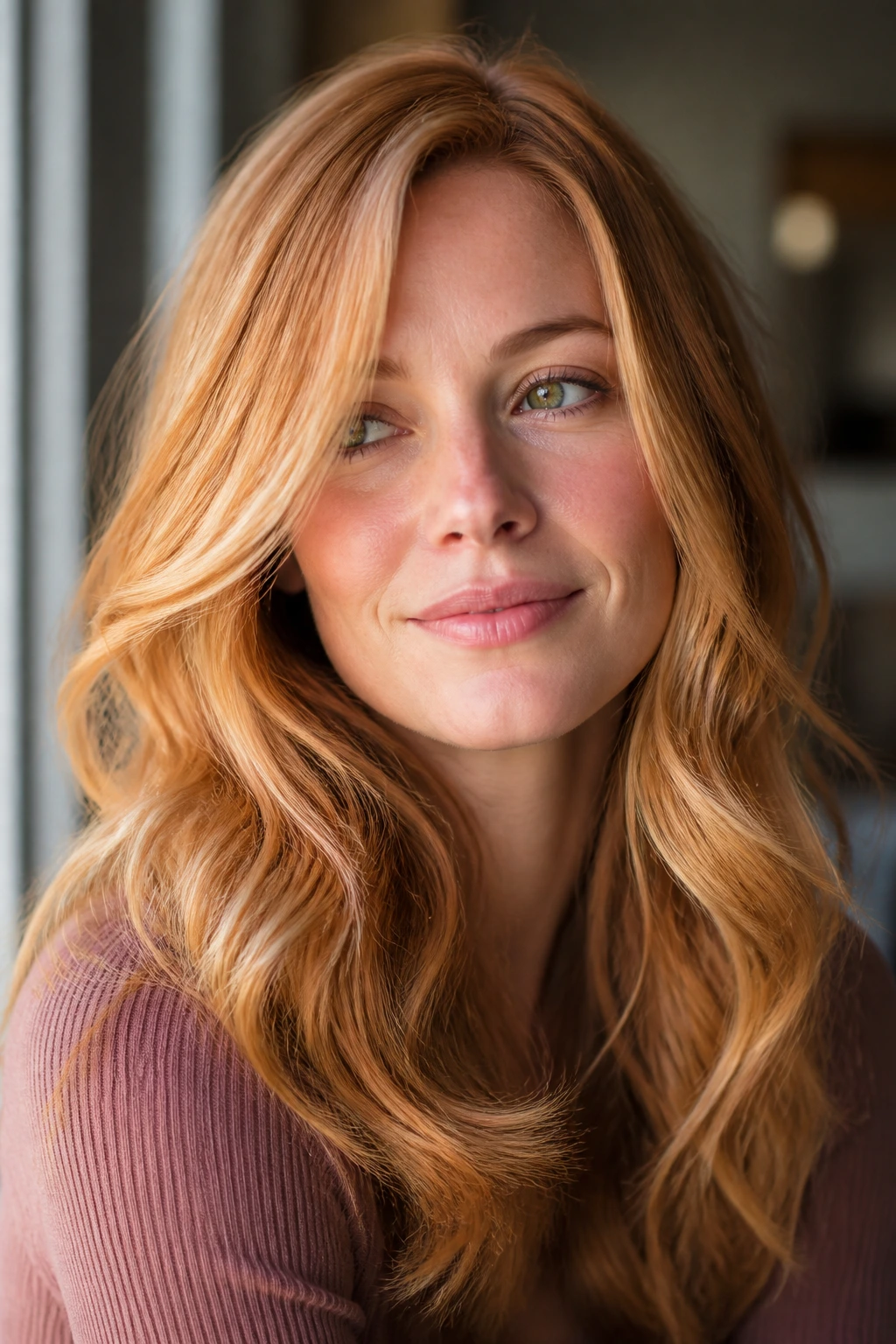
Strawberry blonde balayage is the softer, more believable cousin of copper. It mixes gold, pale red, and blonde into a shade that feels warm without being heavy. On women with fair to medium skin tones, it can light up the whole face.
What Gives Strawberry Blonde Its Shape
The best version uses lighter pieces around the face and a warmer tint through the mids. That keeps the color from sinking into plain gold. A few warmer strands near the part can help, too, especially if your base is already light brown or dark blonde.
This is a good one if you want red tones but don’t want to fight them every six weeks. It grows out less abruptly than a vivid copper.
18. Platinum-Ends Balayage
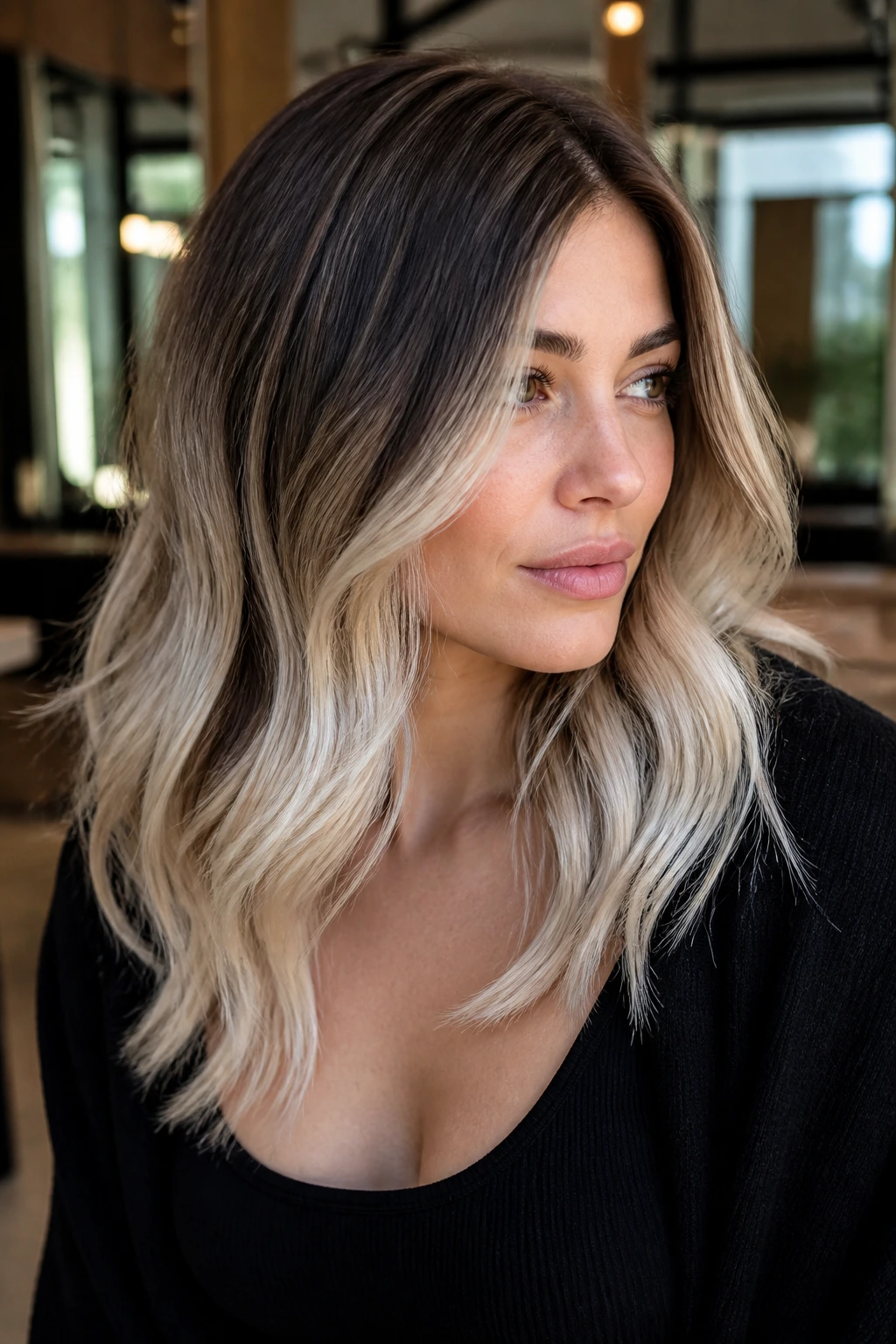
Platinum ends are not subtle, and that’s why some women love them. The root stays deeper, sometimes deliberately shadowed, while the ends are pushed to a near-white blonde. The contrast is crisp, modern, and a little edgy.
The trick is keeping the platinum only where it makes sense. If the lightest tone starts too high, the grow-out becomes obvious fast. Keep the lift mostly on the lower half of the hair and let the top stay soft. That keeps the look cleaner and easier to wear.
Best Finish for Platinum Ends
- Works best on hair that’s already healthy and can handle lightening.
- Looks sharper on straight or softly waved hair than on very textured, frizzy finishes.
- Needs regular toning to keep the ends from turning yellow.
- A blunt cut makes the platinum edge feel deliberate.
19. Golden Honey Balayage for Curls
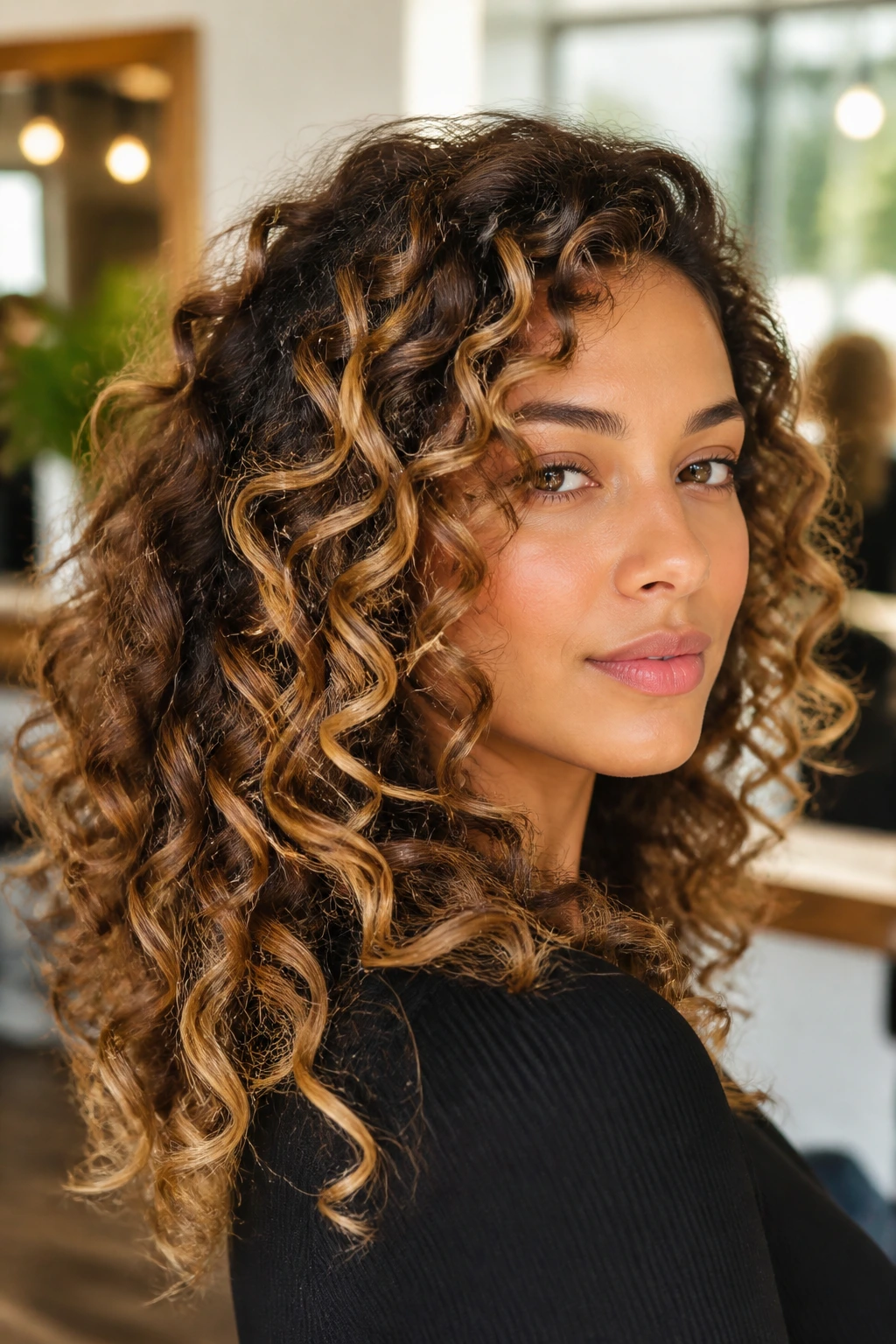
Golden honey balayage is lovely on curls because the lighter pieces show up on every bend. The color doesn’t need to be pushed all the way to blonde to make an impact. A warm honey tone painted through the outer curl pattern is enough.
Curly hair needs a different placement than straight hair. The color has to follow the curl family, or it disappears once the hair springs back up. That’s why the best version looks painted in arcs rather than straight lines. It’s a small detail, but it changes everything.
If your curls are thirsty, this shade can still work. Keep the lightening controlled, then finish with moisture and curl cream so the color doesn’t sit on top of dry texture.
20. Pearl Blonde Balayage
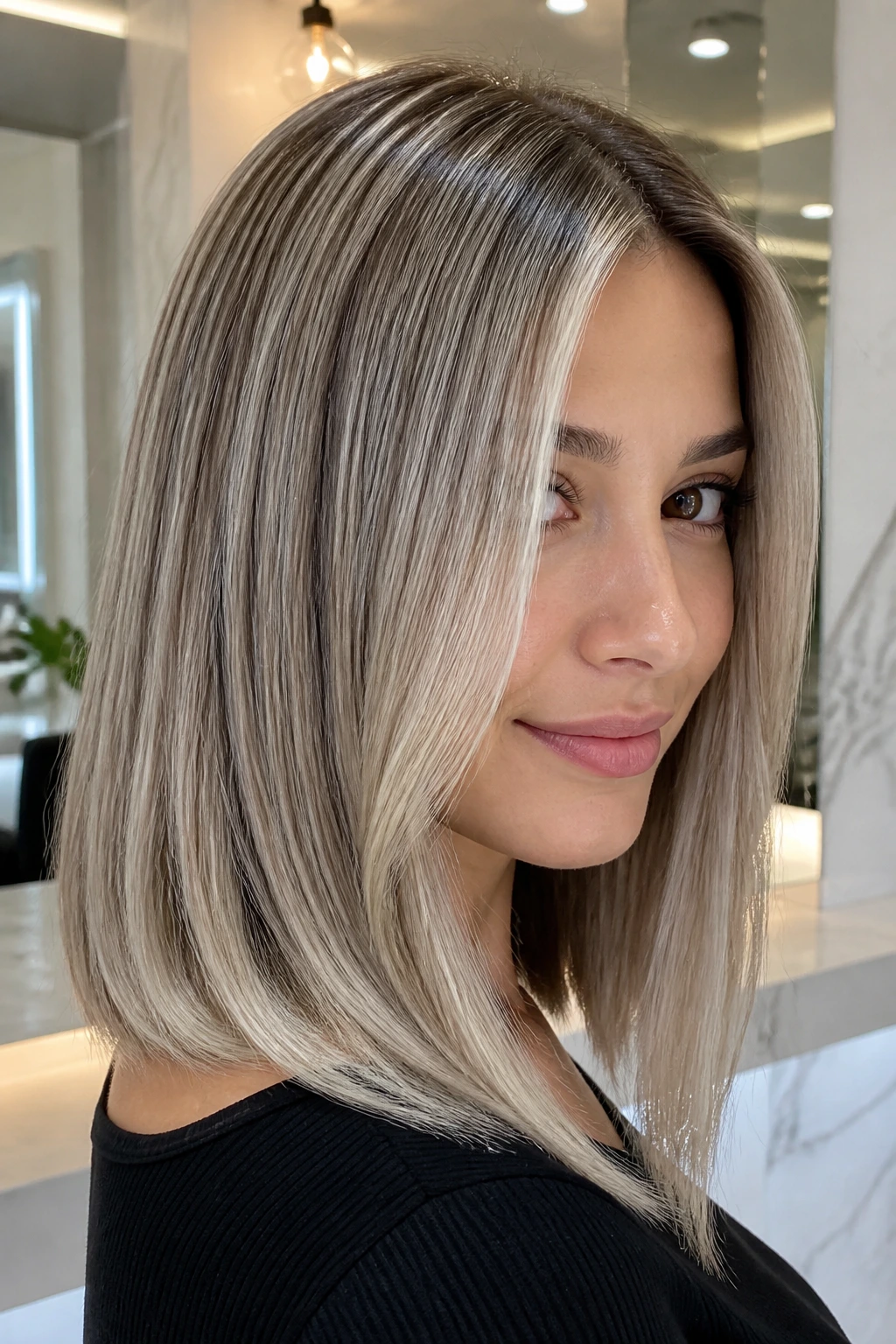
Pearl blonde is cooler and softer than platinum, with a little sheen that keeps it from looking flat. The tone sits in a pale beige-silver range, and the prettiest versions keep some depth at the root so the hair doesn’t lose all its shape.
This look can feel very polished on long straight hair, but it also works on a modern bob. The cleaner the haircut, the more the pearl tone reads as intentional. If the cut is too choppy, the color can scatter.
A weekly purple shampoo can help, but the better move is a good gloss schedule. Pearl blonde goes dull when it’s neglected.
21. Walnut Balayage
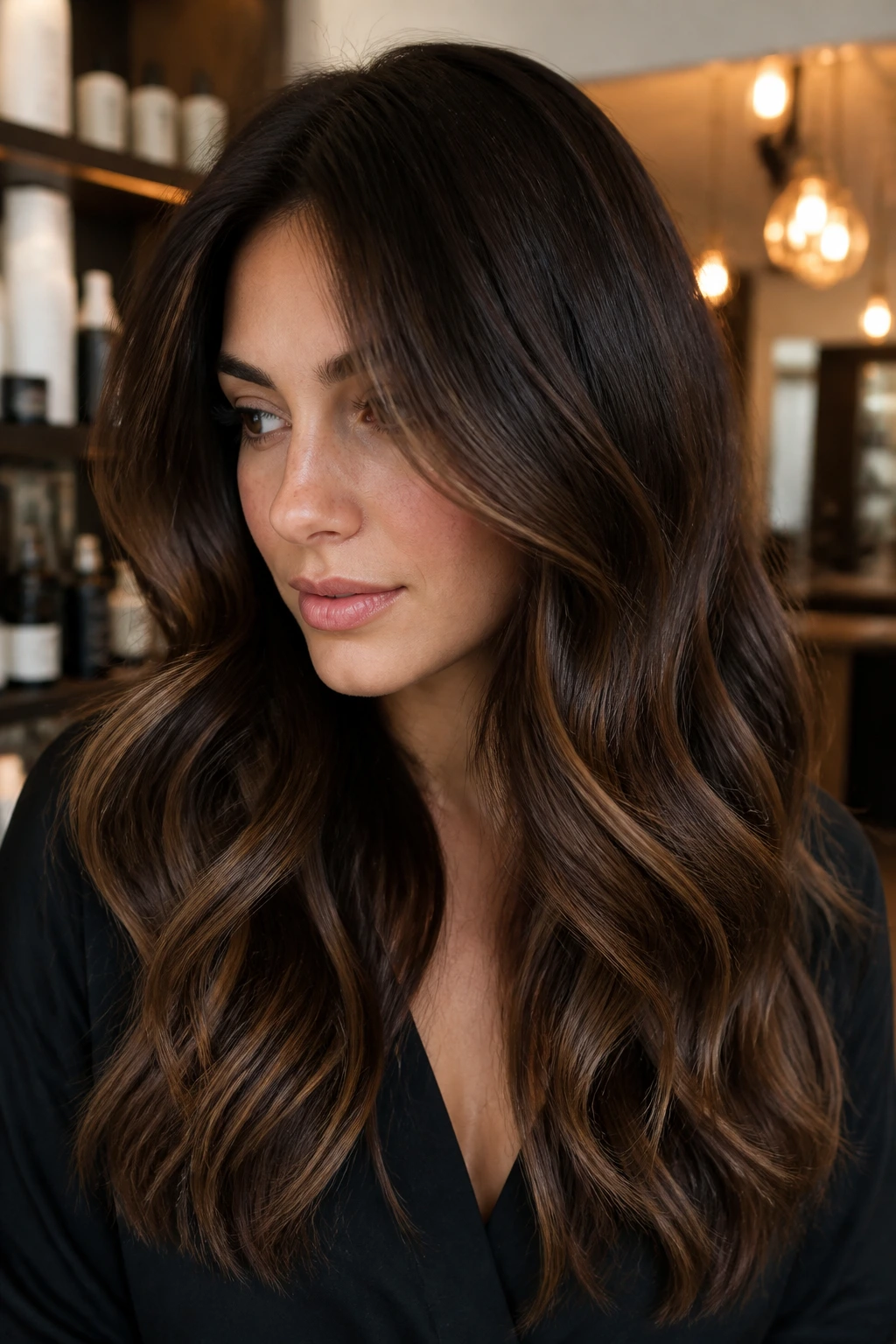
Walnut balayage is a brown-on-brown look with enough contrast to keep it interesting. The lighter pieces stay in the walnut, pecan, and cool chestnut range, so the overall effect is understated. It’s the kind of color that looks expensive because it never tries too hard.
The best thing about walnut tones is how well they sit on thick hair. Heavy hair can swallow bright highlights, but these softer ribbons keep the dimension visible without looking disconnected from the base. On waves, the color shift is even better.
This is a smart pick for anyone who wants hair color that works with office lighting and natural light alike.
22. Dimensional Balayage for a Wavy Bob
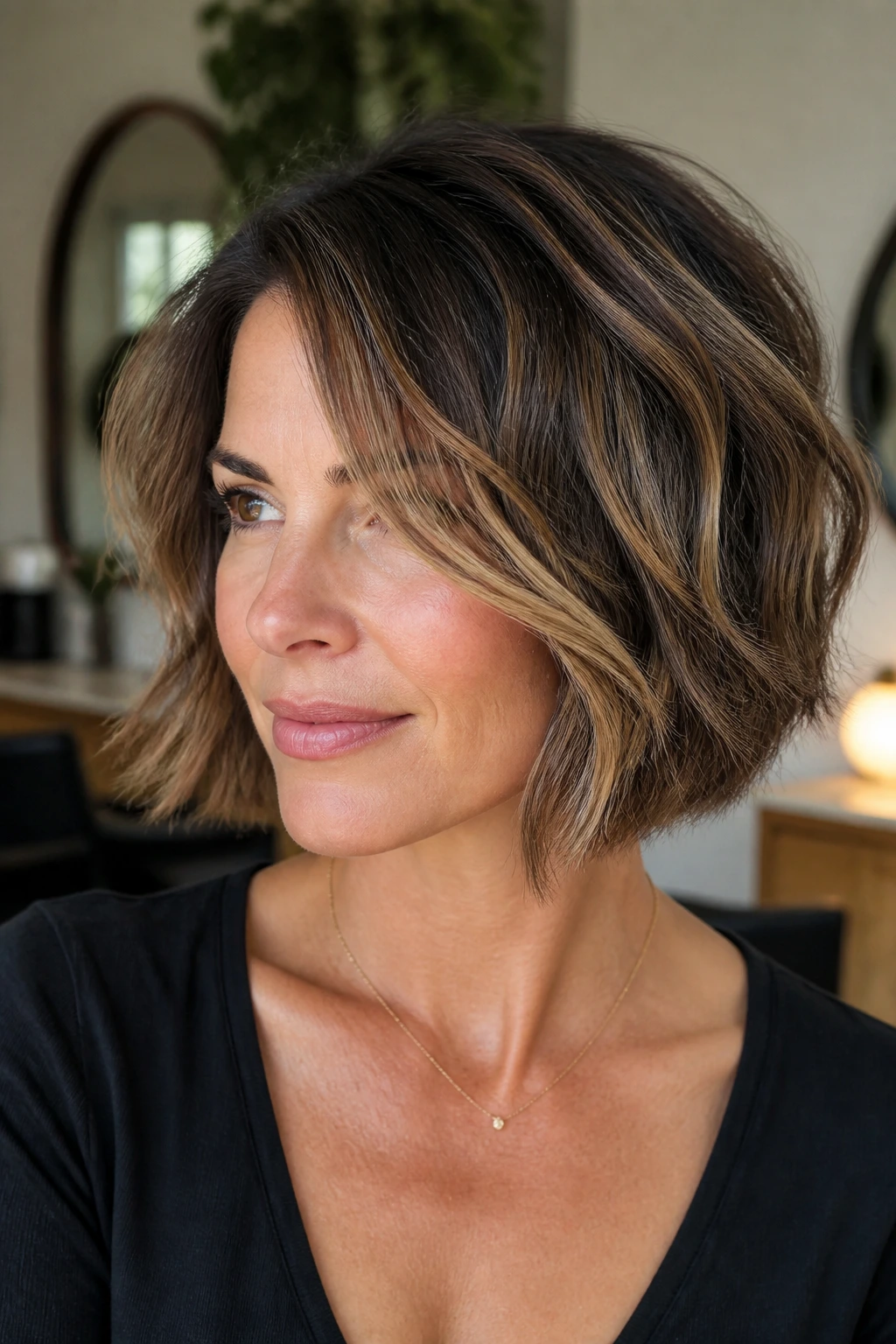
A wavy bob needs narrower placement than long hair, or the color can overwhelm the cut. Dimensional balayage on a bob gives the shape more movement, especially when the brighter pieces sit just under the top layer and around the cheekbone area.
Why a Bob Needs Narrower Painting
Shorter hair doesn’t have the same room to fade gradually, so the ribbons need to be tighter and more intentional. Too wide, and the color looks blotchy. Too fine, and you lose the effect completely. The sweet spot is in the middle.
A bob with balayage looks best when the ends are crisp and the waves are loose. That keeps the color visible without making the haircut feel busy.
23. Soft Auburn Balayage
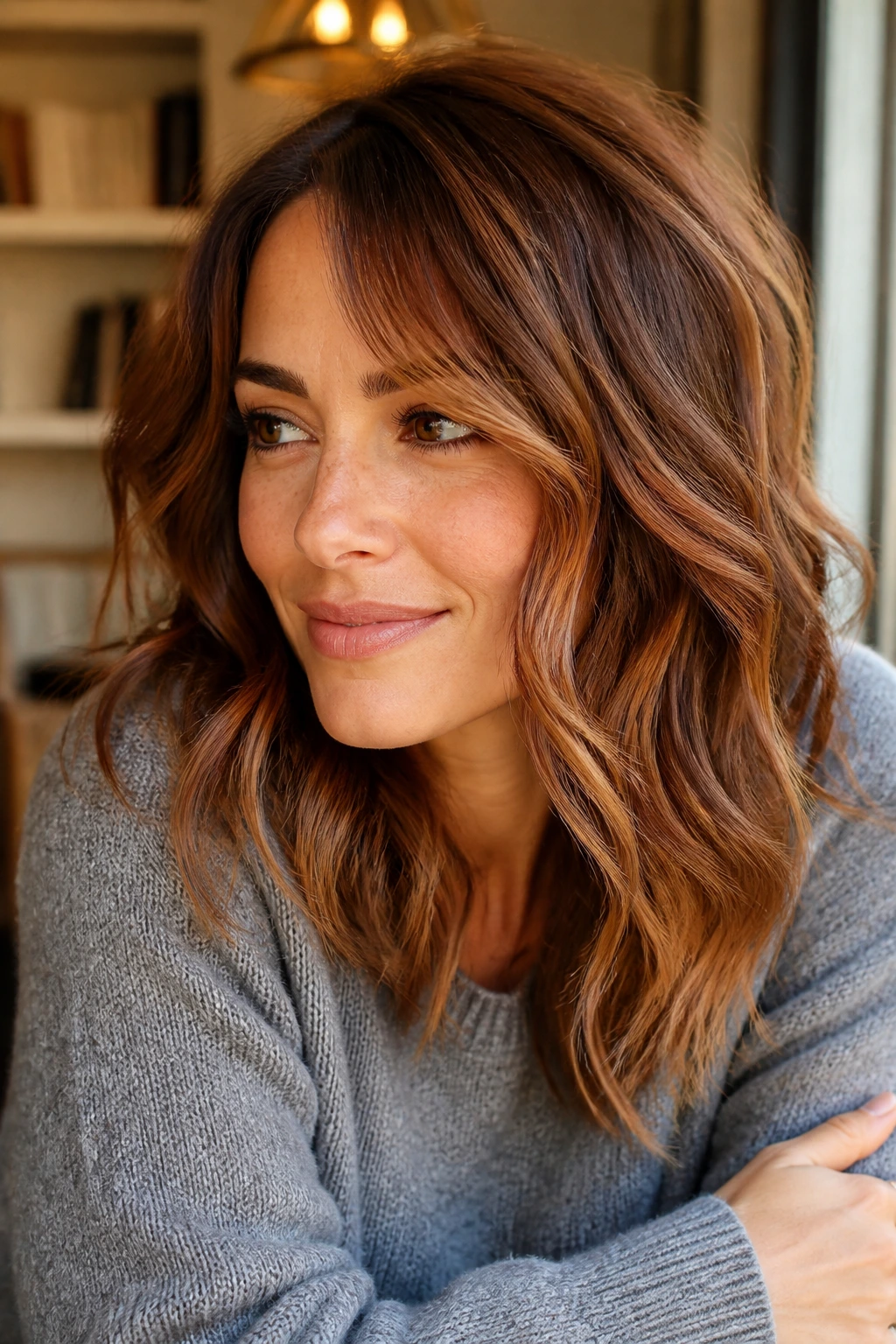
Soft auburn balayage sits right between copper and brunette, which is why it flatters so many women. The warmer pieces show up enough to give the hair life, but they don’t dominate the base. It’s a very wearable red, and I mean that as praise.
The color is especially nice on layered shoulder-length cuts, where the auburn can catch on the outer layer and peek through underneath. If you want red tones without going bright, this is the safer lane. The grow-out is gentler than a vivid cherry or copper red.
A gloss that keeps the red-brown rich matters here. Auburn goes dull fast if you wash it too hard.
24. Sand Blonde Balayage
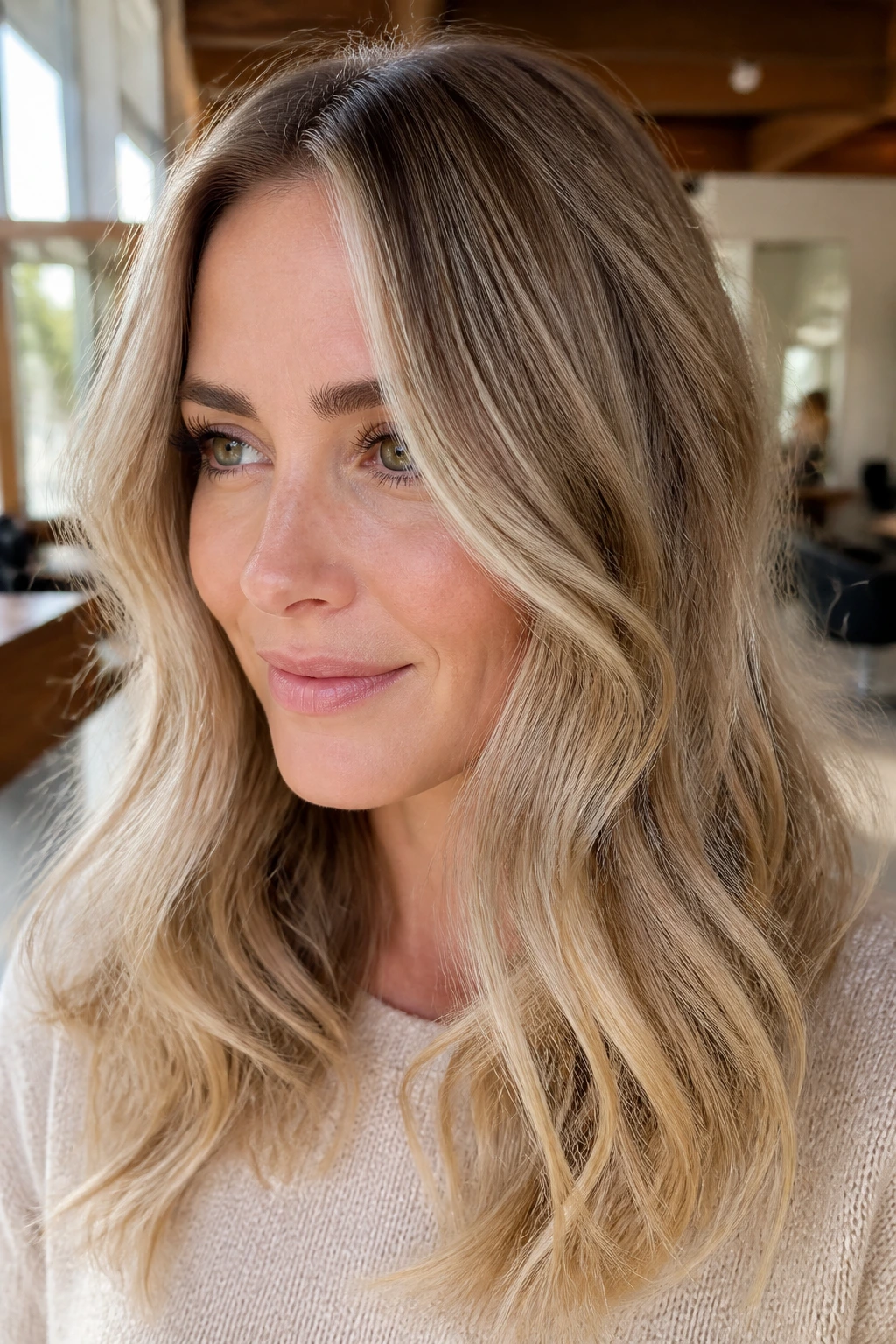
Sand blonde balayage has that dry, sunlit look people ask for when they want blonde without the yellow. The tone stays beige-gold, with enough softness that it doesn’t feel icy or flat. It’s easy on the eyes, and on the right base it looks almost effortless.
The best version has a little depth underneath so the blonde doesn’t turn one-note. Ask for painted pieces that start around the cheekbones and build brighter through the ends. That keeps the top from looking overprocessed.
This shade is a good fit for straight, wavy, and softly curled hair. It doesn’t depend on one styling trick.
25. Cinnamon Spice Balayage
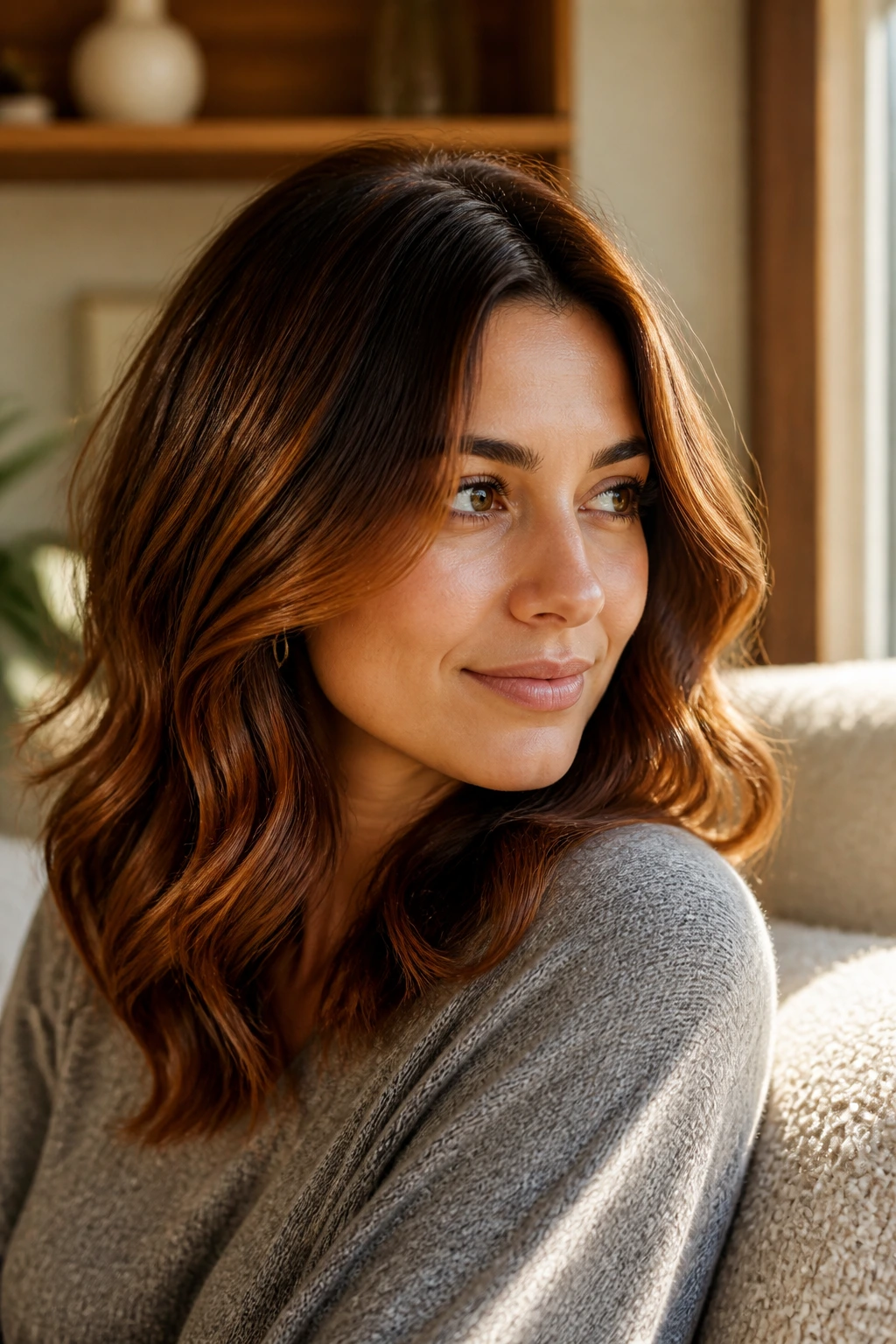
Cinnamon spice balayage leans warmer and richer than chestnut. The hair gets that burnished brown-red quality that looks especially good in low light and even better in movement. It’s one of the richer warm looks on the list.
You can keep the root dark and let the cinnamon sit in the mids and ends, or you can build the warmth higher for a bolder effect. Either way, shine is the whole story here. Matte cinnamon looks flat; glossy cinnamon looks lush.
If you wear gold jewelry and warm makeup tones, this one tends to feel very natural. If your wardrobe leans cool, keep the cinnamon a little muted.
26. Champagne Blonde Balayage
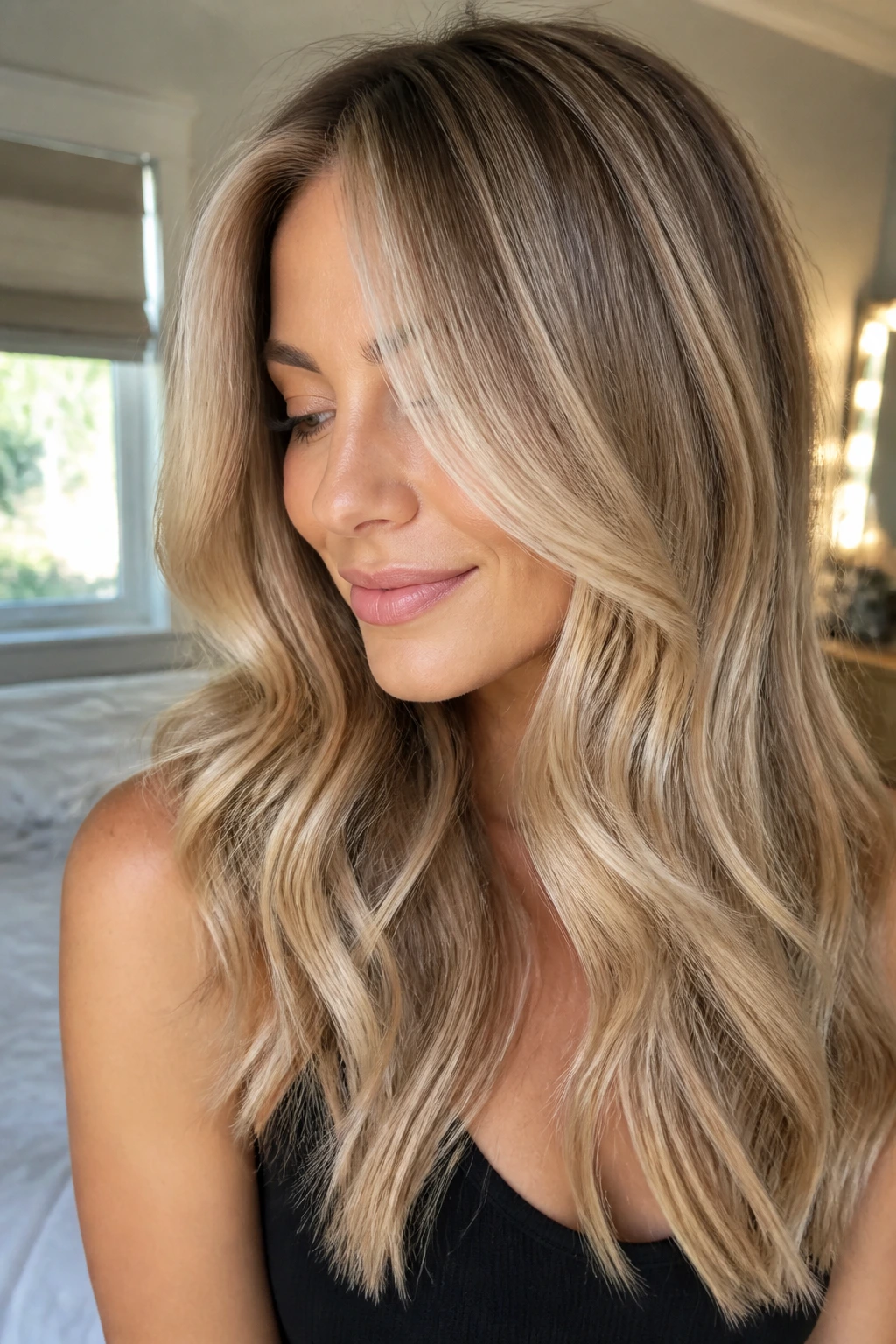
Champagne blonde is the polished cousin of beige blonde. It has a soft sparkle to it — not glitter, not brass, just that pale creamy tone with a hint of warmth that keeps it flattering. It’s a nice choice if you want bright hair that still looks expensive in natural light.
The best champagne blonde balayage keeps the brightest pieces around the outer layer and face frame. That way, the whole head doesn’t go too pale at once. A light root shadow can make the color look more dimensional and easier to wear.
A smooth blow-dry makes this one sing. Too much beach texture can make champagne blonde look dry.
27. Lilac Smudge Balayage
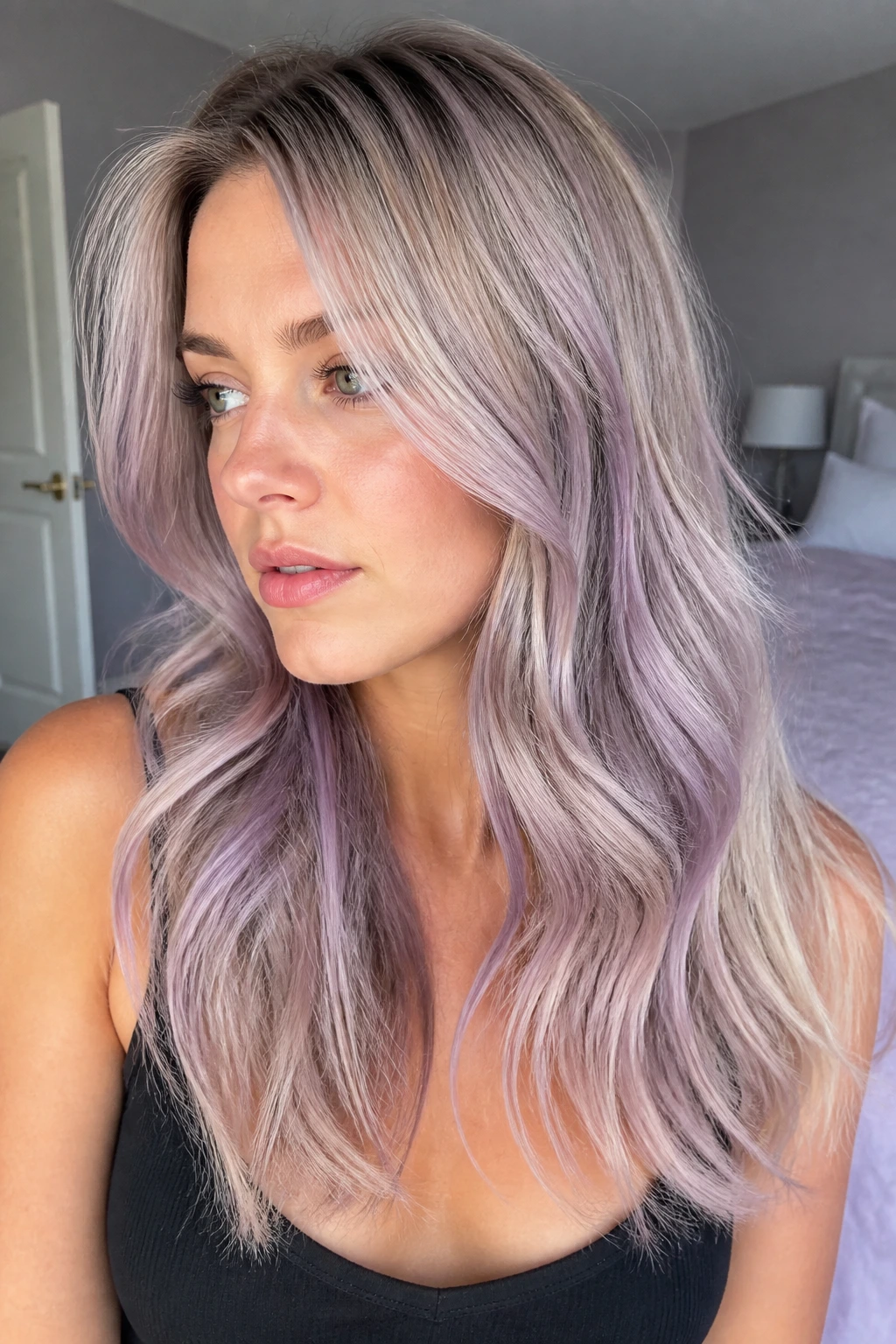
Lilac smudge balayage is the most playful look here, but it still works if the tone stays dusty and soft. The purple note should look like a veil over blonde, not a neon streak. Think lavender haze, not candy color.
How to Keep Lilac Looking Clean
- Start with a pale blonde base; lilac won’t read well on dark or brassy hair.
- Use a sheer toner or color glaze instead of a heavy dye.
- Keep the roots soft and neutral so the lilac stays the main event.
- Wash with cool water when you can; hot water strips fashion tones fast.
This one is best for women who like hair color with a little personality but don’t want a full commitment to vivid color. It fades in a pretty way if the base is light enough.
28. Bronze Glow Balayage
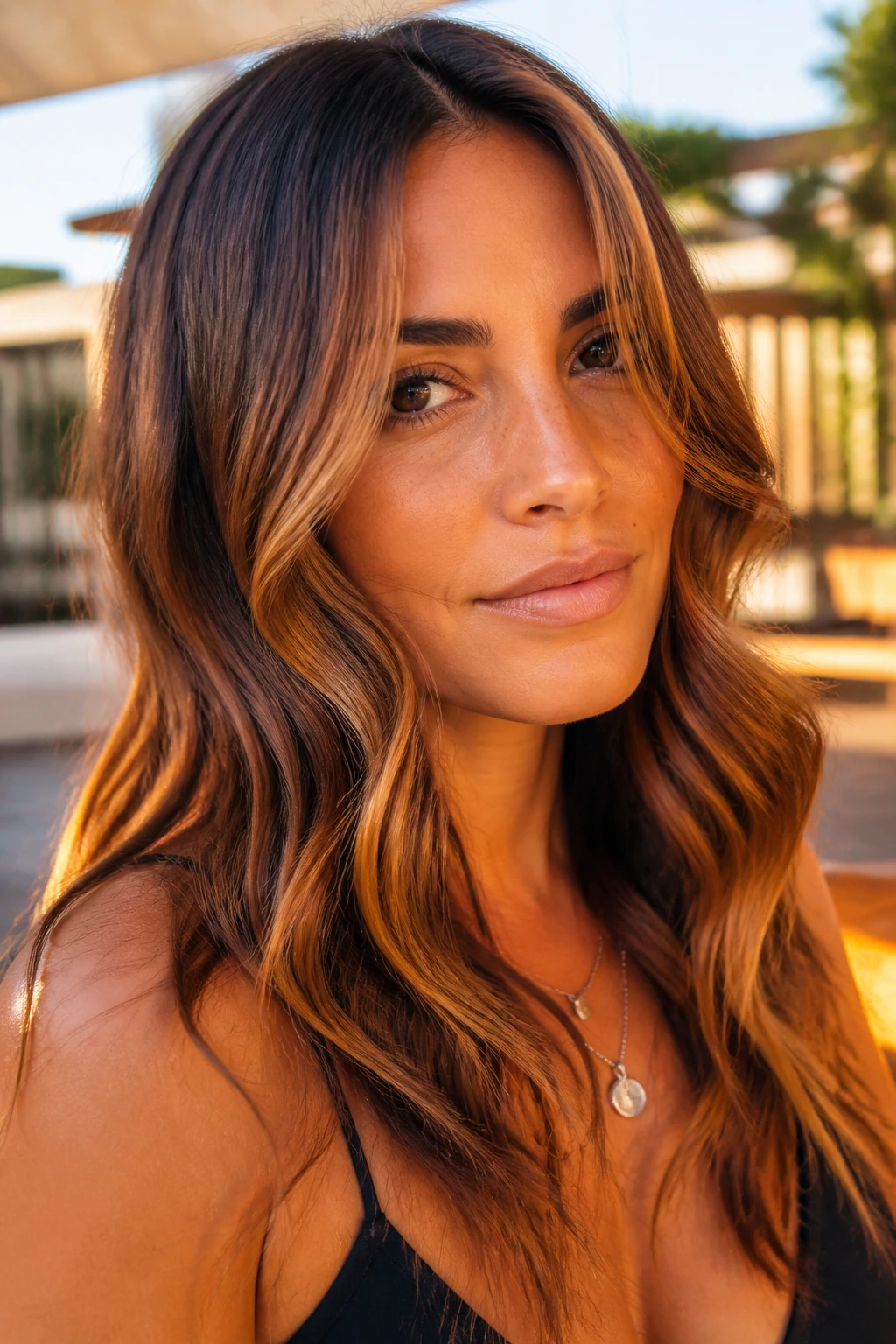
Bronze glow balayage is rich, warm, and flattering on deeper bases. The color sits in that brown-gold-copper lane that makes hair look fuller because the light pieces never get too pale. On thick hair, especially, bronze keeps the dimension visible without slicing the hair into sharp stripes.
It’s a strong choice if you want warmth that feels more grown-up than pumpkin or copper. The metallic note gives it a little sheen, and the darker base keeps it grounded. A soft wave or loose curl makes the bronze reflect in different places as the hair moves.
This one likes shine spray. Not too much. Just enough to keep the finish glossy, not greasy.
29. Cherry Cola Balayage
Cherry cola balayage is moody in the best way. The base stays deep brown, and the red-violet tones show up when light hits the hair from the side. It’s not a bright red. It’s a darker, richer red-brown that reads polished and a little dramatic.
Best On Hair That Wants Depth
This look is especially good if your hair is already dark and you want a red tone that won’t fight the base. The balayage should be painted so the color peeks through the ends and mid-lengths, not scattered everywhere. That keeps the cola effect strong.
It pairs nicely with layered cuts and smooth waves. The color needs movement to show its depth, or it can get lost in the dark base.
30. Maple Bronde Balayage
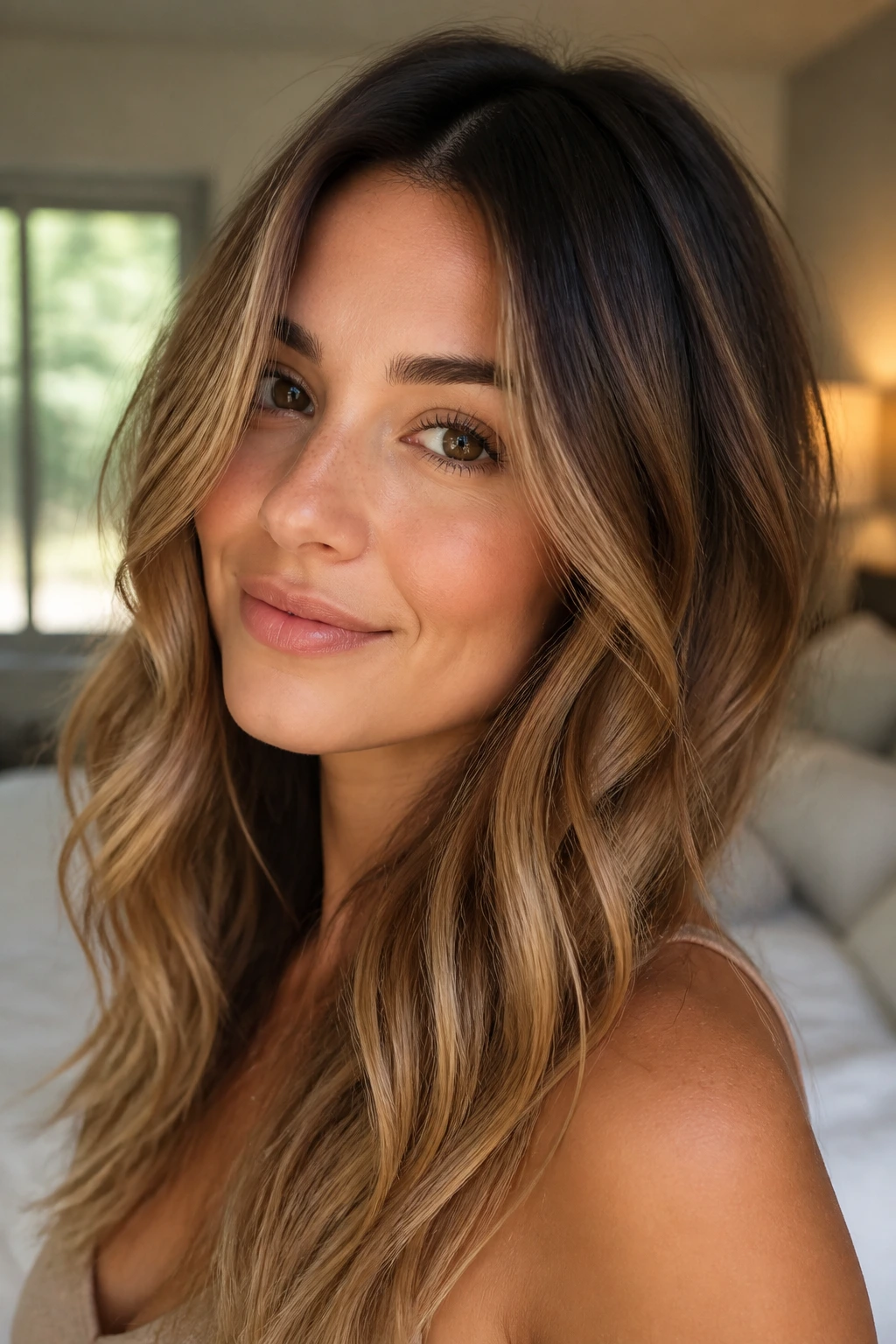
Maple bronde sits between brown sugar warmth and light beige brightness. It’s softer than a high-contrast blonde, but not as muted as a plain brunette. The maple tone gives the hair a toasted, almost glossy warmth that feels friendly and wearable.
The trick is letting the top stay a little deeper while the mids and ends lift into maple-brown ribbons. If the whole head is lightened evenly, the effect disappears. The contrast is what gives it shape.
This is one of the more versatile looks for women who wear hair in buns, half-up styles, and waves. It still reads in motion even when the hair is pulled back.
31. Cocoa-and-Cream Balayage
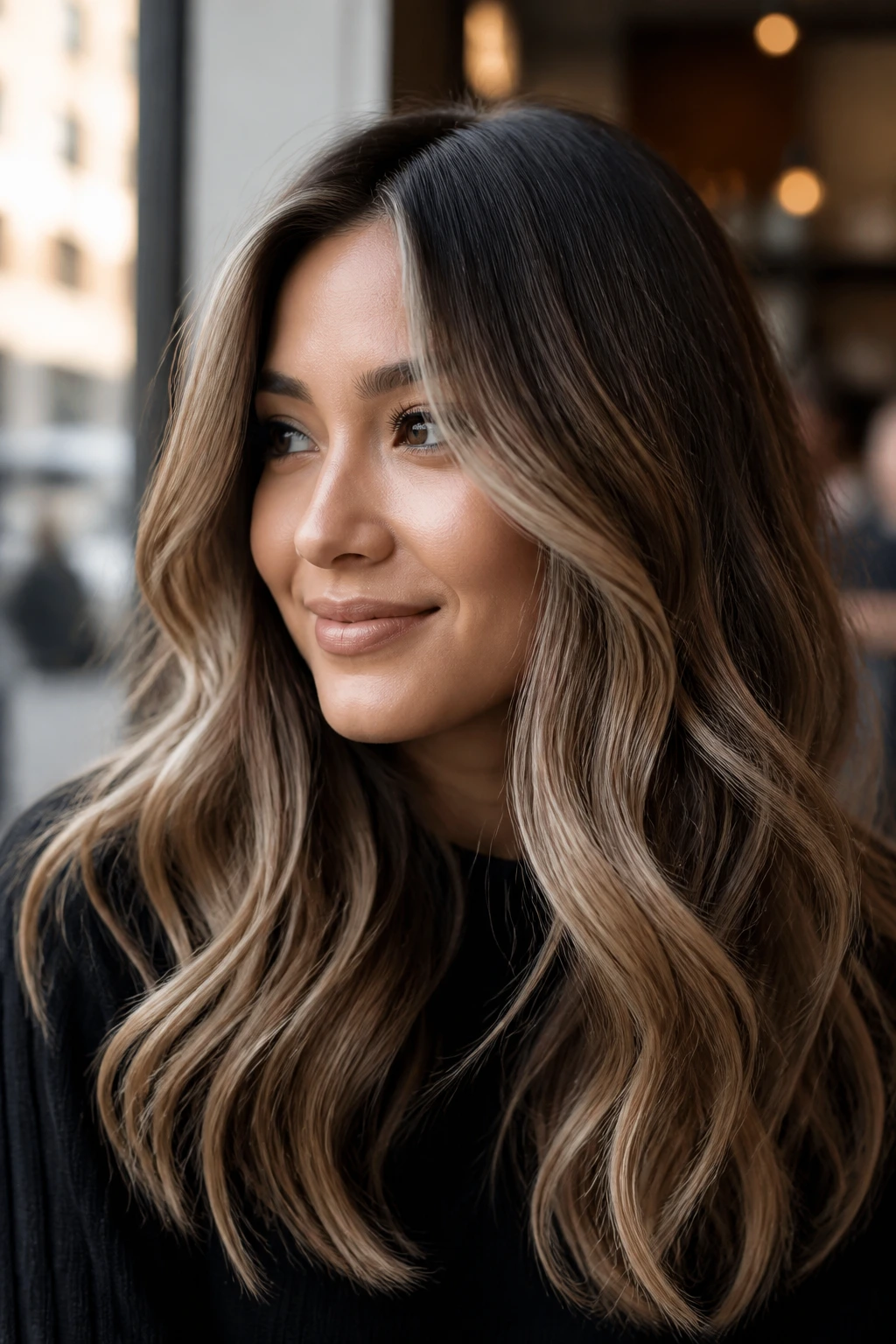
Cocoa-and-cream balayage gives you a clear contrast without hard lines. The base stays cocoa-dark, while the painted pieces drift into a soft cream beige. The whole look can feel very modern when the transition between the two is slow and controlled.
That slow transition matters. If the cream starts too suddenly, the hair can look striped. If it’s blended well, it looks layered and expensive. I’d call this one a good compromise for women who want brightness but don’t want the whole head pushed pale.
How to Keep the Contrast From Looking Harsh
- Keep the cream pieces concentrated through the outer layer and face frame.
- Leave a few deeper strands between the light pieces so the hair still has depth.
- A soft blowout helps the cocoa and cream tones separate in a good way.
- Weekly conditioning matters here; lighter ends show dryness fast.
32. Silver Smoke Balayage
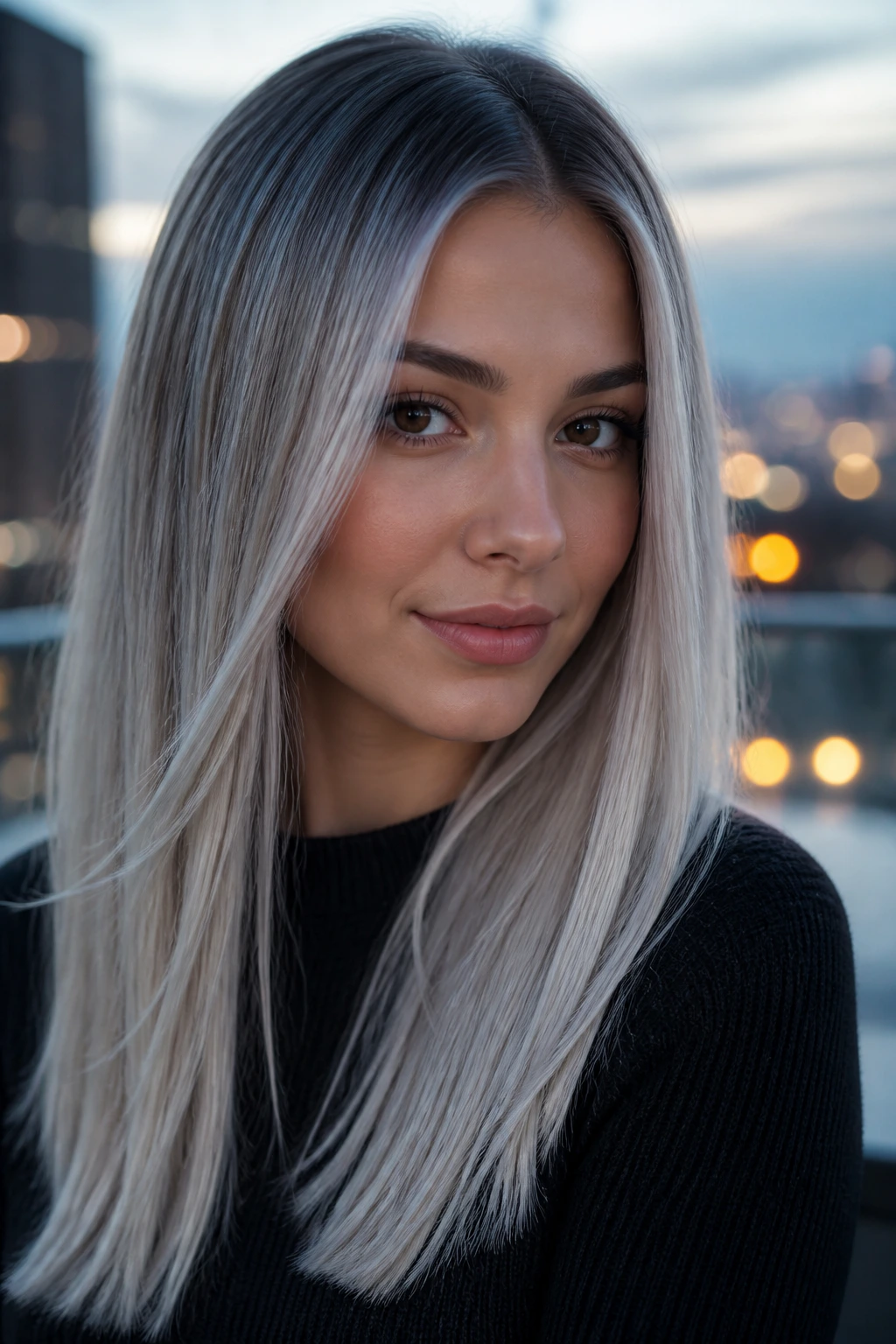
Silver smoke balayage is cool, metallic, and a little bit futuristic without being loud. The silver tone should sit softly over a pale blonde or light brown base, with smoky depth near the root to keep the look wearable. It’s a strong match for women who like cool tones and crisp cuts.
This shade needs upkeep because silver washes out fast when the hair gets too porous. Purple shampoo helps, but a cool gloss is what keeps it looking smooth rather than chalky. Straight styles and sleek buns make the tone read the best.
If your skin tone likes cool silver jewelry, this one usually sits nicely. If not, keep the smoke deeper and the silver more muted.
33. Buttery Blonde Balayage
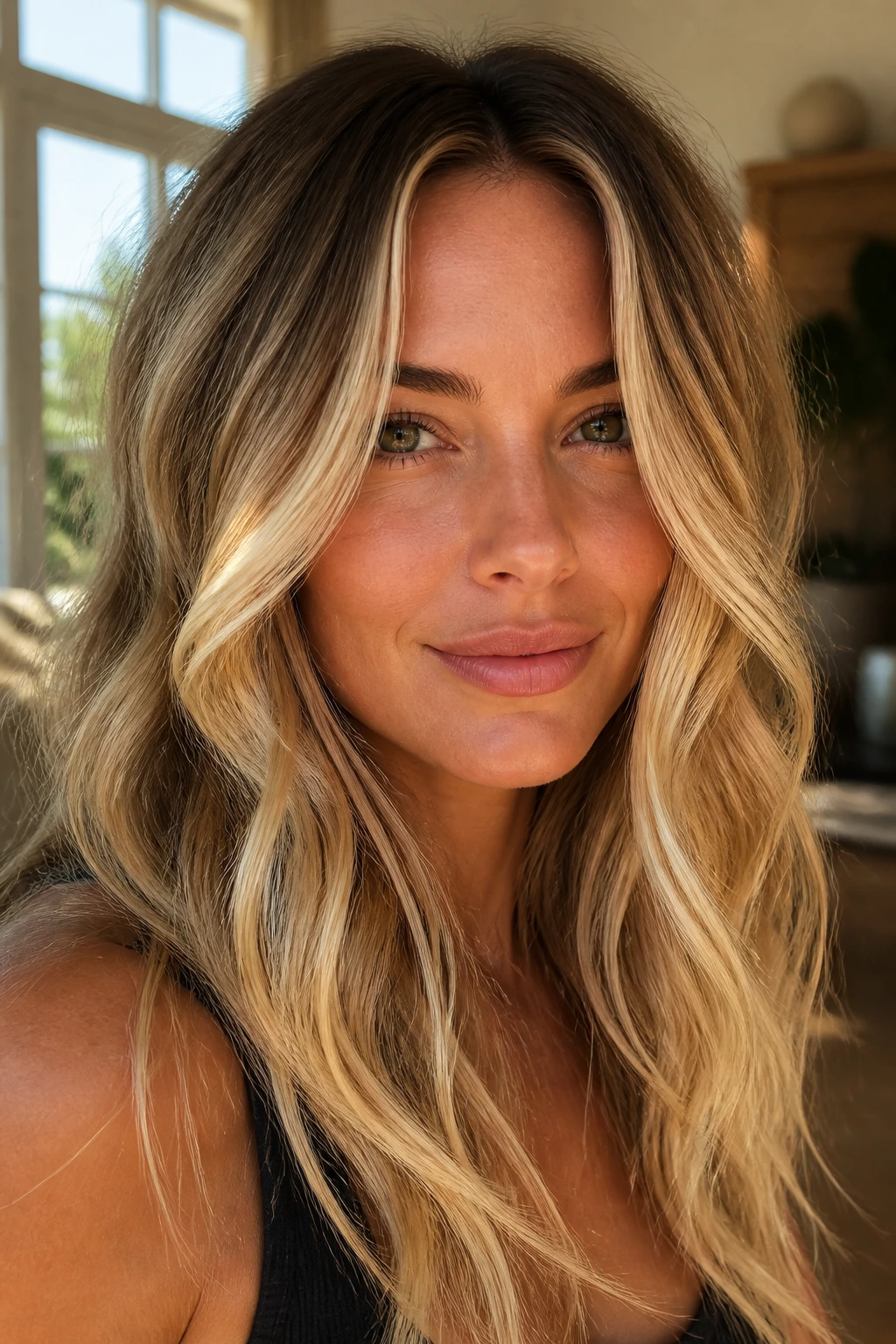
Buttery blonde is warmer and richer than ash, and that’s the whole charm. The tone feels soft, creamy, and slightly golden without tipping into brassy territory. It’s one of the most flattering blondes for women who want light hair that doesn’t look icy.
The balayage should start a little deeper near the root and get brighter through the ends. That keeps the butter tone from turning blocky. On layered hair, the lighter pieces fall in a very natural way, and the whole head looks fuller.
This is a better pick than ash blonde if your skin looks better with warmth or if your hair naturally lifts gold. Fighting the hair’s base tone is a waste of time.
34. Golden Copper Balayage
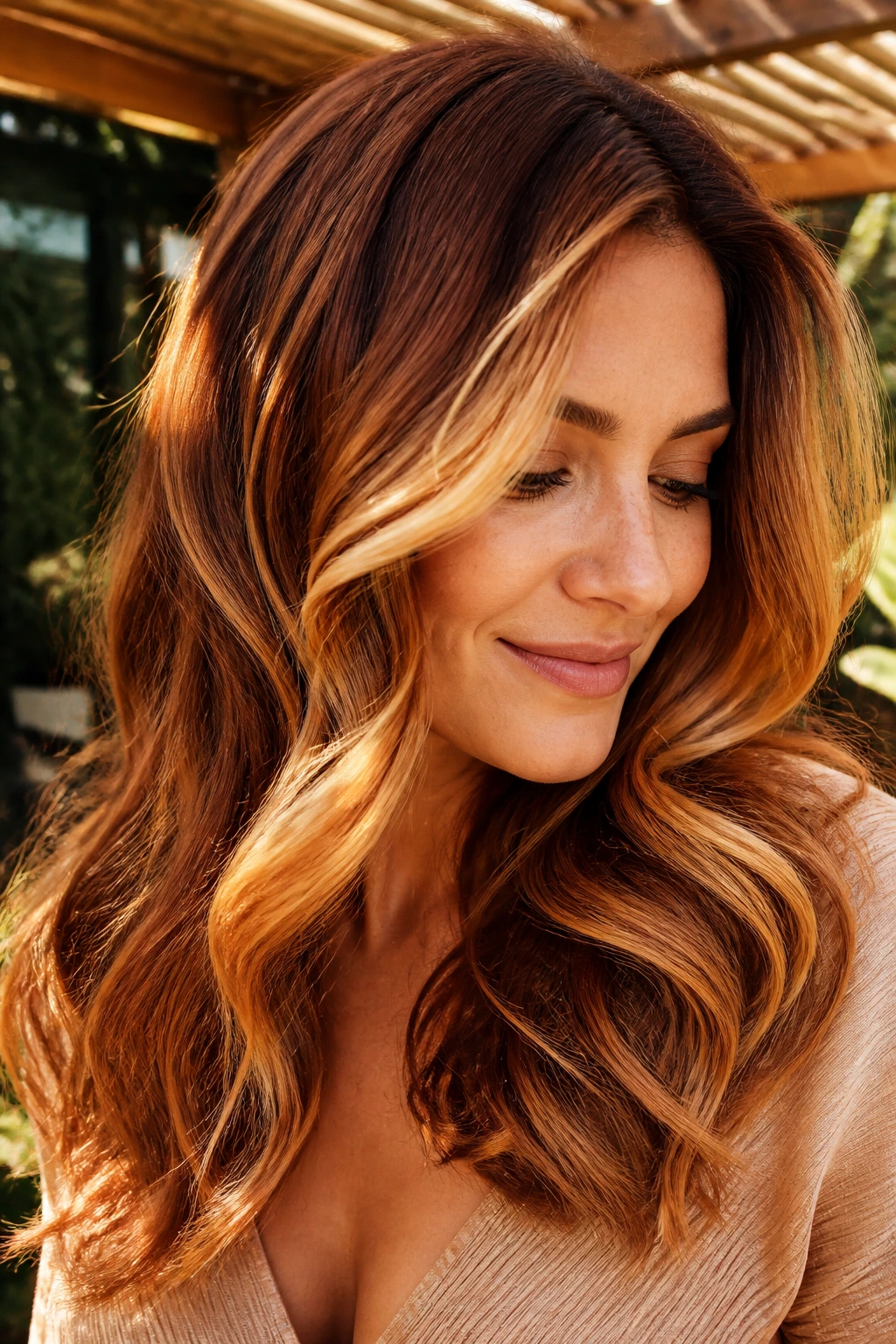
Golden copper balayage brings warmth all the way forward. The color has the shine of gold and the depth of copper, which makes it read rich rather than flat red. It can be gorgeous on women with medium brown or dark blonde hair who want something brighter but not pastel.
The best version has warmth at the face frame and slightly deeper copper through the underneath layers. That keeps the hair from turning into one uniform orange tone. On curls, the gold-copper mix looks especially lively because each bend catches a different part of the shade.
This one needs color-safe washing. Hot water and harsh shampoo strip the shine fast, and this look depends on shine.
35. Soft Sandy Bronde Balayage
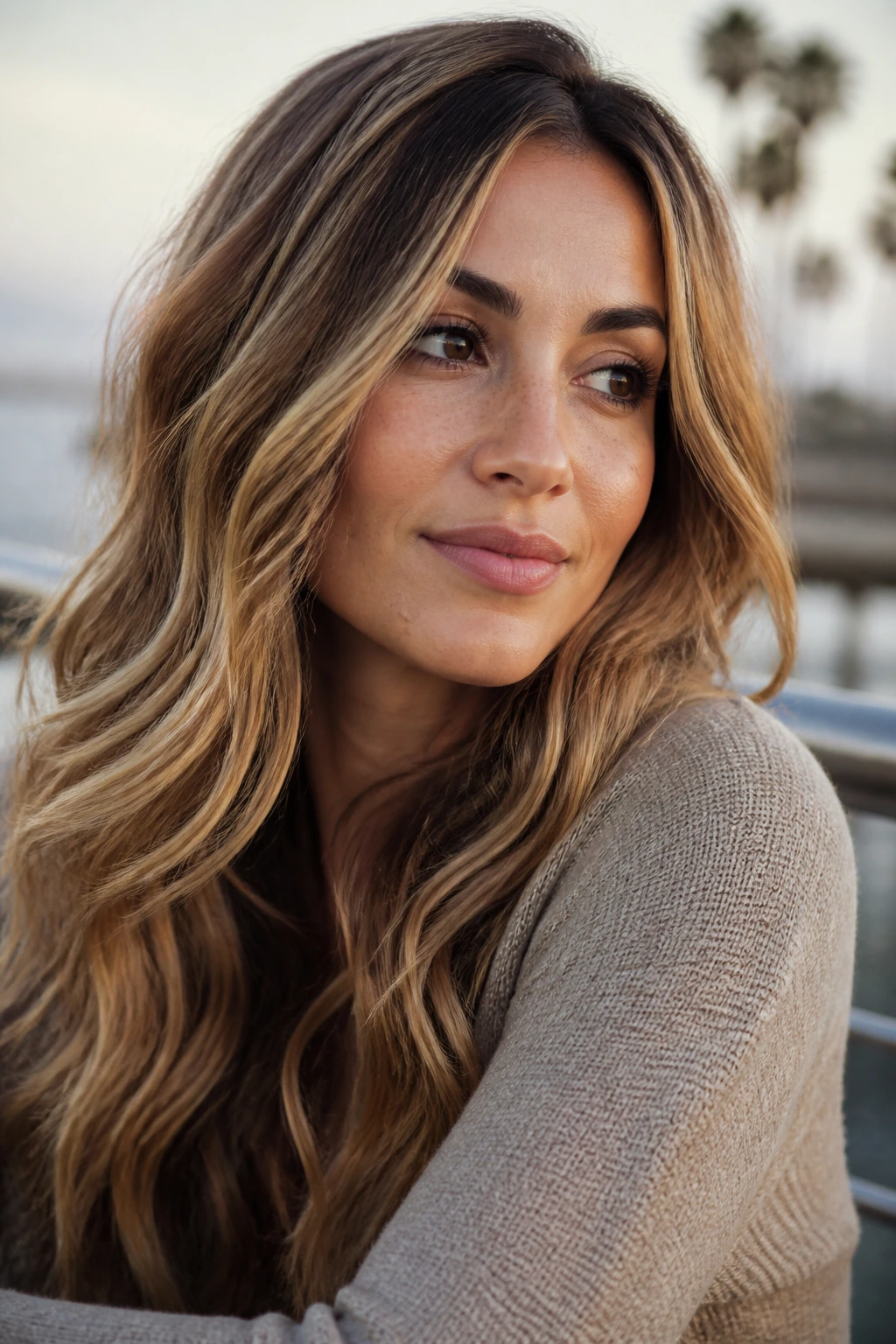
Soft sandy bronde is one of those shades that quietly does everything right. It blends brown, beige, and blonde into a soft, sunlit finish that never feels overdone. If you want hair that looks easy in a good way, this is the lane.
Best Finish for Soft Sandy Bronde
Loose waves show the sand and bronde tones better than a pin-straight blowout, but the color also looks clean in a simple ponytail. The root can stay deeper for easier grow-out, and the lighter pieces can be spread through the outer layers instead of packed into the front.
This is a strong choice for women who want dimension without constant salon appointments. It’s calm, balanced, and easy to wear with almost any haircut.
What Makes Hand-Painted Color Grow Out So Well
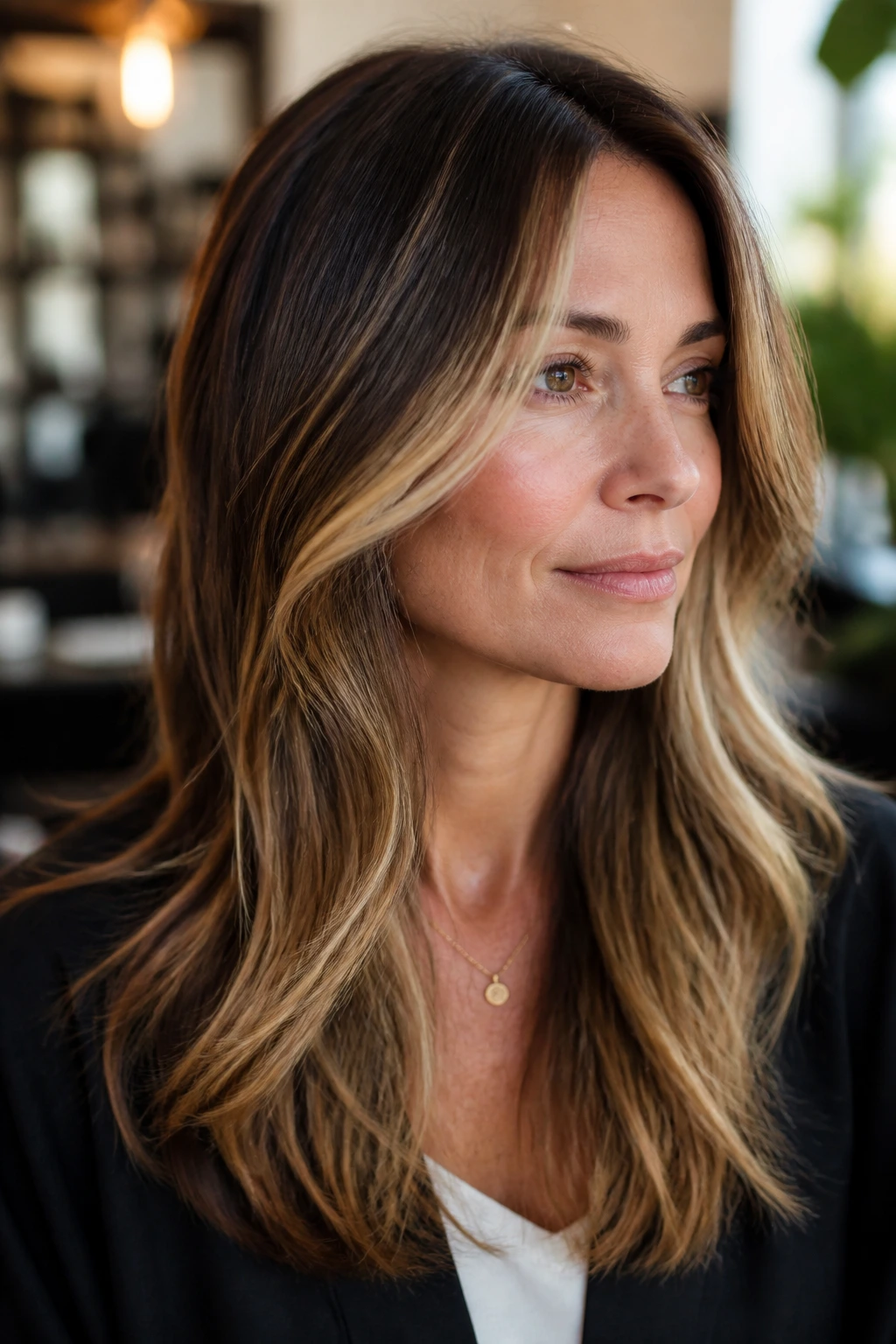
Balayage works because it’s placed like hair grows, not like a ruler measured it. The colorist paints the lighter pieces where the sun would naturally hit first — around the face, on the outer canopy, and through the ends that move the most. That softer placement means the root can stay dark without looking unfinished.
The other piece people miss is tonal contrast. A caramel ribbon on brunette hair can look rich for months because the root and light pieces belong to the same warm family. An ash blonde on the same base needs a cleaner lift and more toner care, which is why cool blondes demand more upkeep. The method is the same. The maintenance is not.
I prefer balayage when the haircut has shape. Long layers, a blunt bob, curtain bangs, or even a shaggy shoulder cut give the painted pieces something to follow. On one-length hair, the color can still look nice, but it needs more careful placement or it slides toward flat.
What Your Colorist Reaches For
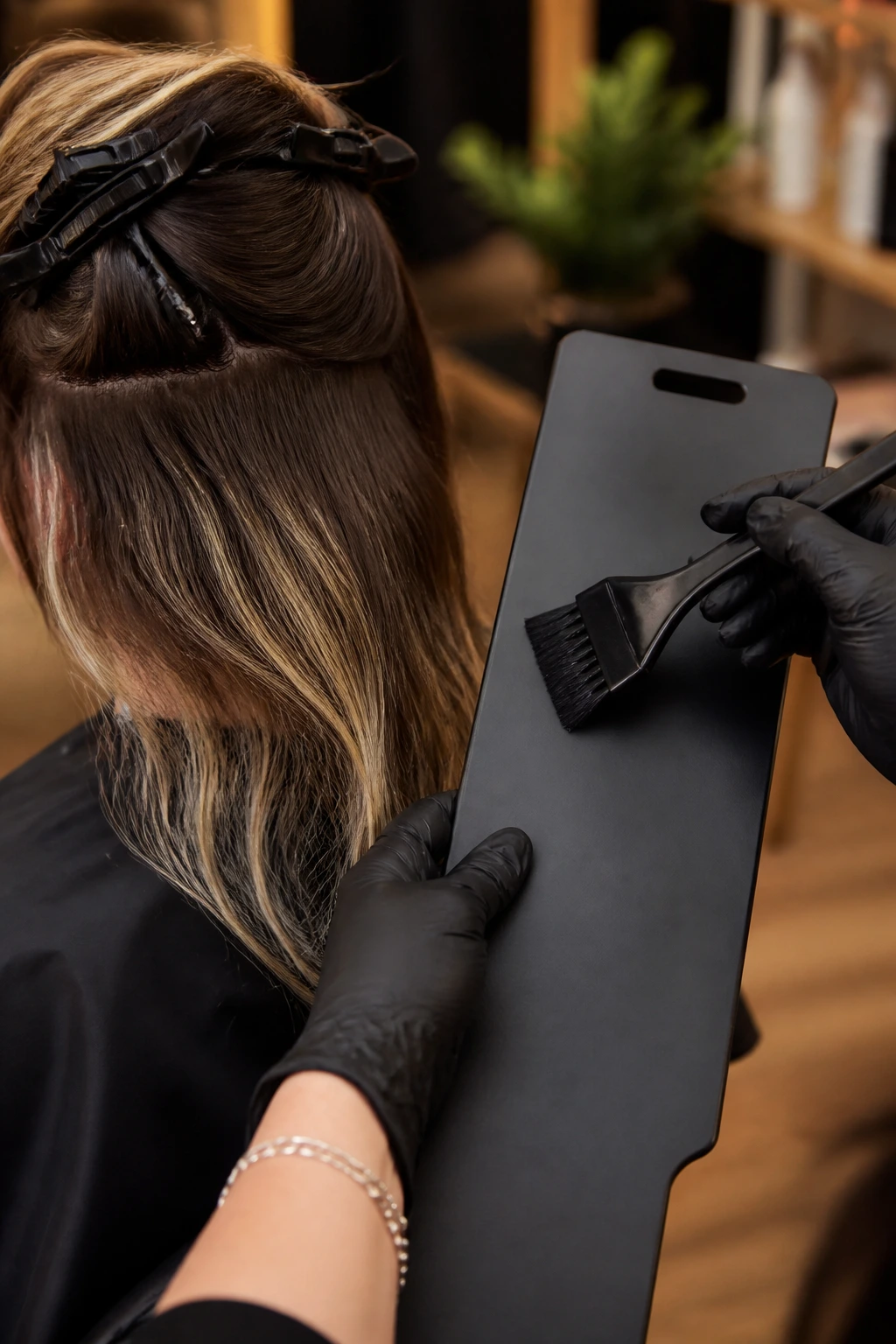
- Tail comb: Helps section clean parts and map where the painted pieces should start.
- Sectioning clips: Keep the top layers out of the way while the lower sections process.
- Balayage board or paddle: Gives the painter a firm surface so the lightener stays controlled.
- Lightener and low-volume developer: Used when the goal is soft lift rather than a harsh blonde strip.
- Tint bowl and brush: For applying toner or gloss after the lightening stage.
- Color-safe shampoo and conditioner: Needed to keep the tone from fading fast once you leave the salon.
- Purple shampoo or blue shampoo: Useful for ash, beige, and silver looks that pick up unwanted warmth.
- Heat protectant: Keeps waves and blowouts from drying out the lighter ends.
- Wide-tooth comb: Gentler than a fine brush on freshly toned hair.
How to Choose the Right Shade Family Before You Book
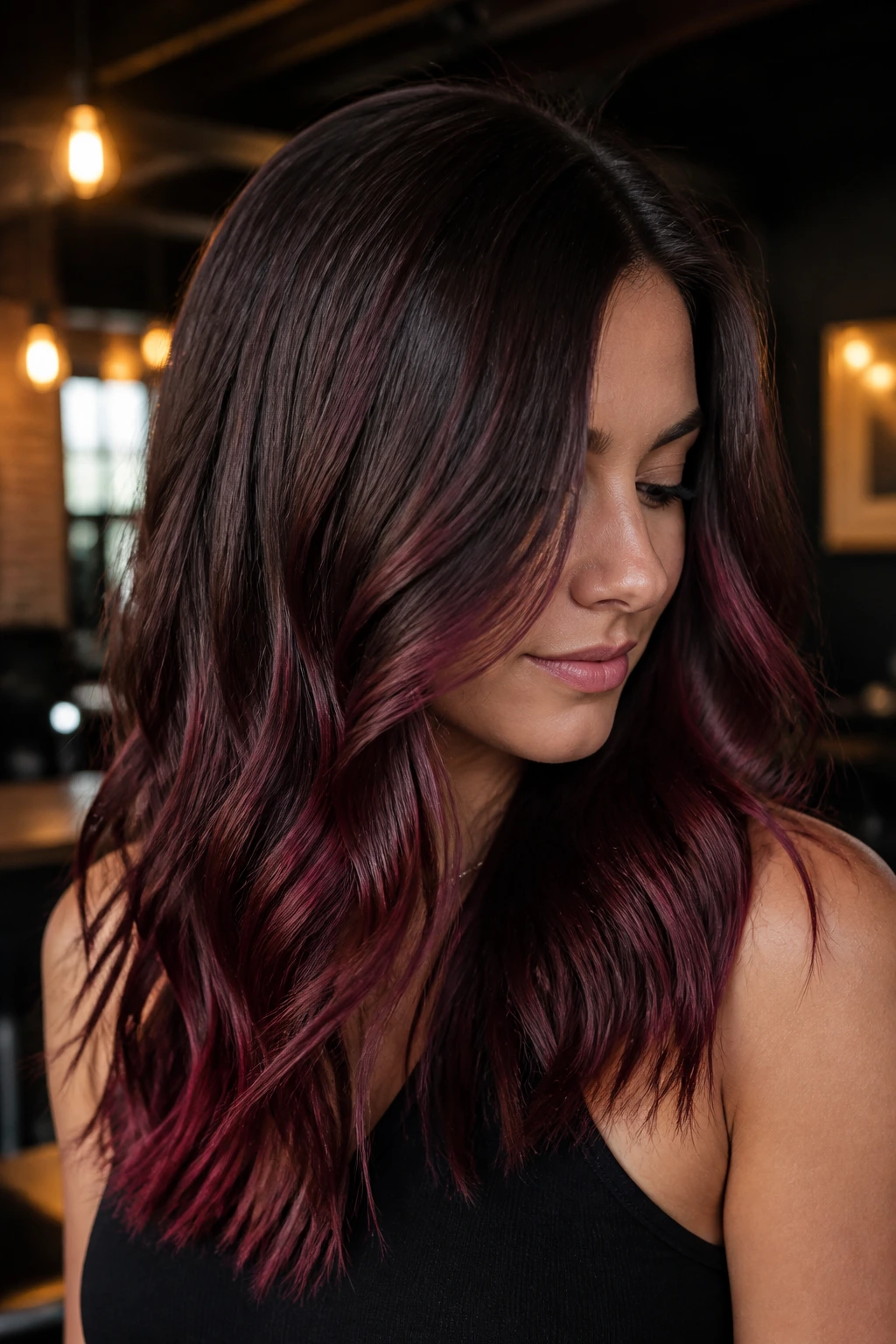
Bring photos, but don’t bring only photos of the finished style. Bring one shot of your hair in daylight, one shot of your roots, and one shot of the tone you actually want. That saves a colorist from guessing at your base level, and base level matters more than people like to admit. A level 4 brunette can get to caramel much faster than icy beige blonde.
If your hair has old box dye on it, be honest about that. Dark color history changes how the hair lifts, and it changes which balayage looks are realistic in one appointment. Warm tones like caramel, copper, and bronze are easier to land on stubborn hair. Cool ash, pearl, and silver shades often need more lifting and more patience.
Also think about upkeep, not just the first day out of the salon. Honey, copper, beige, and bronde are easier to live with than silver smoke or platinum ends. That isn’t a judgment. It’s just hair behaving like hair.
How to Wear Balayage So the Color Actually Shows Up
Presentation: Loose bends are the safest bet because they separate the ribbons and keep the dimension visible. A deep side part makes face-framing pieces feel brighter; a center part gives the color a cleaner, more modern line. Sleek styles work too, but you’ll see the placement better when the hair has some movement.
Accompaniments: The cut matters almost as much as the color. Curtain bangs, long layers, a blunt lob, or soft face framing all help balayage read the way it should. Even makeup and clothing can shift the mood — warm tones like caramel and copper look rich with cream, camel, and gold jewelry, while ash and silver tones sit nicely with black, charcoal, and silver.
Portions: If you want only a whisper of brightness, ask for partial balayage around the face and outer layers. If you want the whole head to move, ask for a fuller sweep through the canopy and ends. More brightness is not always better. The right amount is the amount that still lets your base hair do some of the work.
Beverage Pairing: If you want to have a little fun with it, think of honey and caramel as your iced latte shades, ash and pearl as sparkling water shades, and copper or cherry cola as the red wine lane. Hair color doesn’t need a drink, obviously, but the mood makes sense.
How to Keep Balayage Looking Rich Between Appointments
Tone Boost: A clear gloss every 4 to 6 weeks keeps caramel, honey, beige, and copper from turning dusty. For blondes, a purple shampoo once a week is usually enough; two or three times a week can dry the ends and make the color look hollow.
Customization: If you want more contrast next time, ask for a deeper root shadow and a brighter money piece. If you want the look to calm down, add lowlights or go for reverse balayage, which drops darker pieces back into overlight hair. Both are useful. Neither is boring.
Serving Suggestions: A soft wave, a round-brush blowout, or even a polished ponytail changes how the color reads. Use a pea-sized amount of serum on the ends, not the roots, so the lighter pieces stay glossy instead of stringy. That tiny bit of shine makes a bigger difference than people expect.
Make-It-Yours: Fine hair usually needs narrower painted pieces so the color doesn’t overwhelm the cut. Curly hair can handle wider ribbons because the curl pattern breaks them up. Gray blending works best when the lighter strands sit near the temples and top layers, where silver needs the least disguising.
Common Mistakes That Make Balayage Look Off
The first mistake is asking for balayage without talking about tone. “Balayage” only describes placement. It does not tell a colorist whether you want caramel, ash, copper, beige, or silver. The fix is simple: bring photos, and point to what you like about each one.
The second mistake is trying to jump too light in one sitting. If your hair is dark brown and you want pale blonde ends, that may take more than one appointment if you want the hair to stay healthy. The symptom is dry, gummy ends with a weak tone. The fix is patience and honest staging.
Third, people forget about toner fade. A fresh beige or ash blonde can shift warm within a few washes if the water is hard or the shampoo is harsh. Use color-safe shampoo, limit hot water, and book glosses before the brass shows up loudly.
Fourth, too much lightener in too many spots can make the hair look busy instead of dimensional. Balayage needs breath. Leave some darker space between the ribbons.
Balayage Variations Worth Trying Later
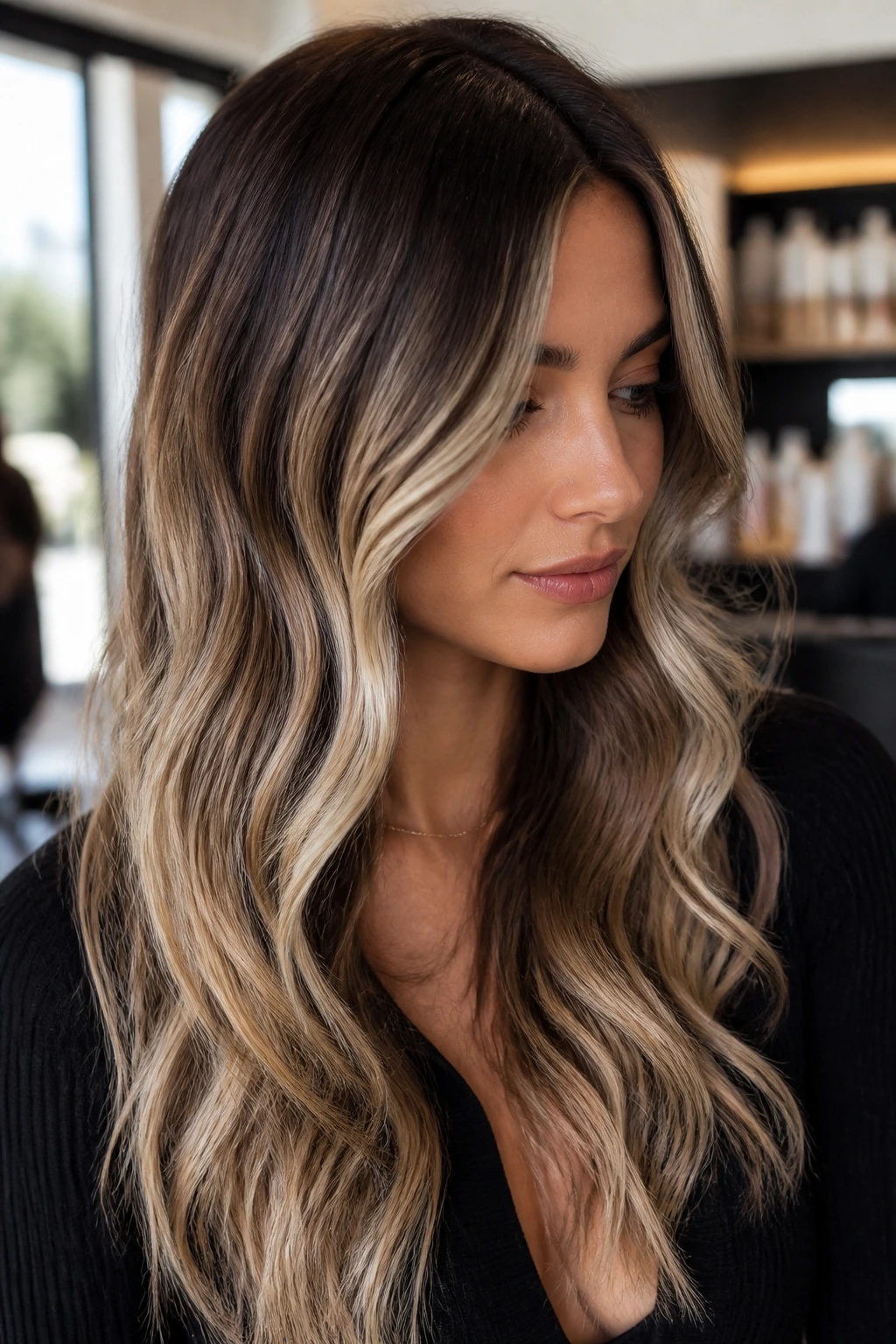
Shadowed Balayage: Keep more depth at the root and let the light pieces start lower. This is the easiest version to live with if you like color that grows out without a fuss.
Money-Piece First: Brighten the front sections first, then add a few softer ribbons through the mids and ends. That works well if you want a visible change without going for full brightness.
Reverse Balayage: Add darker lowlights into hair that’s gotten too light or too flat. It restores depth fast and makes pale blonde feel less washed out.
Curly Ribbon Balayage: Paint thicker, curved sections that follow the curl pattern instead of slicing straight lines through it. The curl bounce does the blending for you.
High-Contrast Editorial Balayage: Push the root deeper and the ends brighter, but keep the transition clean. It’s bolder, sharper, and better when you want the color to read from across a room.
How to Keep the Tone From Turning Brassy
Brass usually shows up when lightened hair gets washed too often, exposed to hot water, or left without toner for too long. That’s true for blonde, beige, and even warm brunette balayage. A cool rinse once a week helps, but only if the hair actually needs it. Over-toning can make the ends dull.
If your look is caramel, copper, or bronze, don’t chase every hint of warmth. Some warmth is the point. What you want to avoid is muddy orange or a dry, oxidized finish. That’s where a gloss or color mask helps more than another round of purple shampoo.
On darker balayage, shine matters more than pigment correction. A light oil on the ends and a heat protectant before blow-drying can keep mocha, walnut, and espresso ribbons from looking rough.
Frequently Asked Questions
What’s the difference between balayage and regular highlights?
Balayage is painted by hand, so the brightness lands in softer, less uniform places. Regular highlights are usually wrapped in foils and can look more evenly placed from root to tip. Balayage tends to grow out with a gentler line.
Which balayage looks are easiest to maintain?
Caramel ribbon, bronde, walnut, and sandy blonde are some of the easiest because they stay close to the natural base. You’ll still need glosses and good shampoo, but they won’t show regrowth as quickly as platinum or ash blonde.
Can balayage work on very dark brown or black hair?
Yes, but the most realistic looks are espresso, mocha, bronze, cherry cola, and deep caramel. Going straight from black to pale blonde in one step can stress the hair and often looks harsh. Subtle lift usually ages better.
Is balayage good for fine hair?
It can be, especially when the painted sections are narrow and spaced with some darker hair between them. That keeps the style from looking thin or overprocessed. A blunt cut or clean lob also helps the dimension show.
What if my balayage turns brassy too fast?
That usually means the toner faded or the shampoo is too harsh. Switch to color-safe washing, add a weekly gloss or color mask, and use purple shampoo only when the blonde actually needs cooling.
Can balayage cover gray hair?
It can blend gray very well, especially around the temples and top layers. It won’t erase every silver strand, but it can soften the contrast so the grow-out feels less obvious.
How often does balayage need refreshing?
Most women can go 8 to 12 weeks before a full refresh, though toner or glossing may be needed sooner. Lighter blondes and cool ash tones usually need more maintenance than warm brunette blends.
Does curly hair need a different balayage placement?
Yes. Curls need the color painted in a way that follows the curl pattern, or the highlights can vanish once the hair dries and shrinks. Wider, curved sections usually work better than fine straight lines.
The Softest Grow-Out Wins
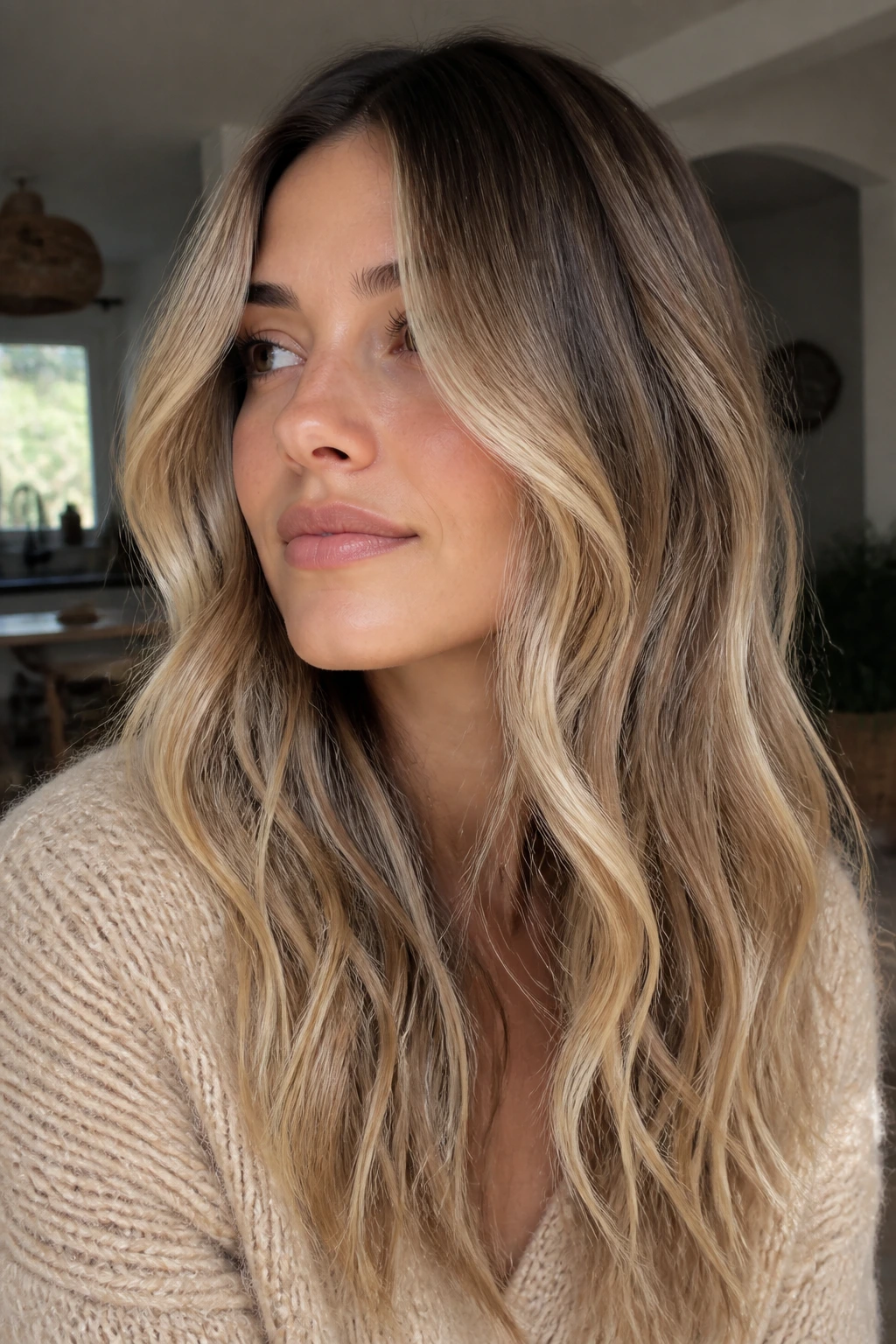
The best balayage looks have a little restraint in them. They’re bright where they should be bright, deep where they should be deep, and soft enough at the root that you don’t feel punished for skipping a salon visit by a week or two. That’s the real reason these shades keep getting worn and worn again.
If you pick the tone family carefully and match it to your haircut, balayage does something rare: it makes your hair look styled even when you haven’t done much to it. That’s the sweet spot. The next time you’re saving photos, look for the ones that still make sense when the toner softens and the root comes in a little — that’s usually the one worth taking to the chair.
