



Soft feathered hairstyles for women solve a problem blunt cuts keep creating: too much weight at the ends, not enough movement around the face. When hair has a little frizz, a loose wave, or that crimped-from-braids texture that never sits flat for long, the wrong shape turns into a puffed-out outline by lunch. Feathering fixes the silhouette before it starts fighting back.
The best version of this cut does not look thinned-out or wispy in a sad way. It looks like the hair has been brushed by wind for a second, then left alone. The perimeter still matters, but the ends are softened, the layers are tapered, and the whole style feels lighter when you turn your head.
That lighter feel is the real reason feathered hair keeps showing up in salons. It can be polished with a round brush, air-dried into a softer wave, or worn with a little texture and still look intentional. The 35 styles below cover short crops, long layers, bangs, curls, and every place in between, so you can pick the shape that fits your texture instead of forcing your texture to behave.
Why These Soft Feathered Cuts Earn Their Keep
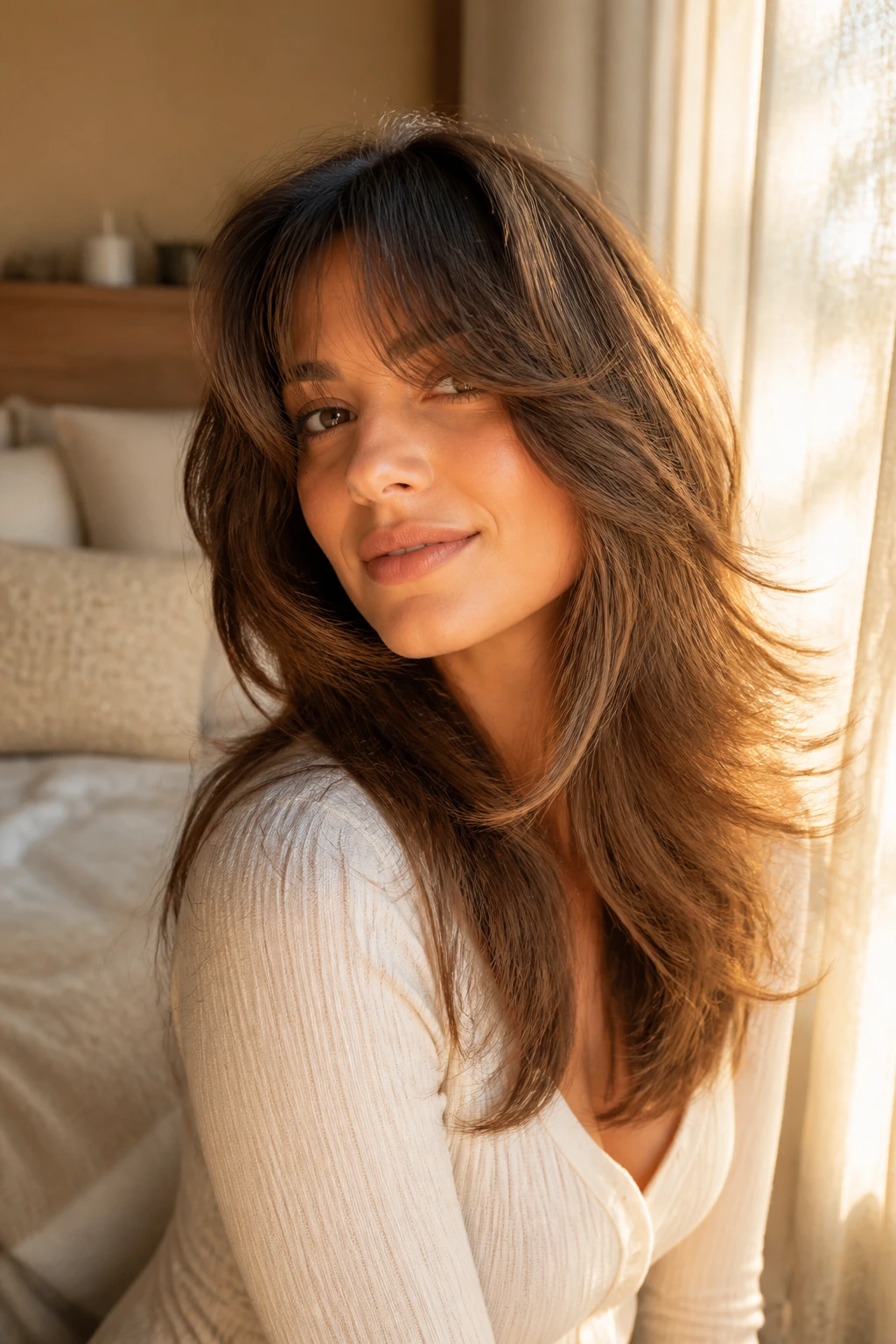
- Weight Comes Off the Ends: Feathering removes bulk in the lower half of the haircut, so thick or frizz-prone hair stops forming a heavy shelf at the bottom.
- The Shape Moves, Not Just the Hair: Softly tapered ends sway when you walk, which is the difference between a haircut and a helmet.
- They Play Well With Texture: Waves, loose curls, and even brushed-out crimped texture look better when the outline has some air in it.
- Bangs Fit In Easier: Curtain bangs, side bangs, and bottleneck fringe all blend more naturally when the lengths around them are feathered.
- They Age Gracefully Between Trims: A clean blunt line makes regrowth obvious; feathered ends blur the grow-out and keep the cut from looking harsh.
- Color Shows Up Better: Highlights, money pieces, and balayage stand out more when the layers create lift and separation.
1. Chin-Length Feathered Bob
A chin-length feathered bob is the cleanest way to get softness without losing shape. The line sits right at the jaw, but the ends are point-cut or lightly razored so the bob bends instead of boxing out. On straight hair, it feels crisp; on wavy hair, it keeps the sides from ballooning.
I like this cut when someone wants a neat outline but hates a hard edge. Ask for a little internal layering through the mid-lengths and a slightly longer front piece if your jawline is strong. That tiny adjustment matters. It keeps the bob from sitting like a square cap.
For styling, a 1-inch round brush and a quick bend away from the face are enough. If the bottom flips too sharply, the layers were cut too short. The sweet spot is soft movement, not a curl.
2. Collarbone Feathered Lob
The collarbone lob is one of those cuts that looks expensive even when it’s styled with almost no effort. The hair grazes the collarbone, which gives it swing, and the feathering takes the bluntness out of the ends. It’s long enough to tuck behind one ear, short enough to feel lifted.
What to Ask For
- Keep the baseline at the collarbone or a touch below it.
- Add long, soft layers that start around the cheekbones.
- Leave the ends airy rather than carved into a hard line.
This shape works well if your hair has a little wave or that brushed-out crimped texture that wants to expand. A flat iron bend through just the last 2 inches can sharpen the finish, but I prefer a loose blowout here. It keeps the cut from looking overworked.
3. Long Feathered Layers
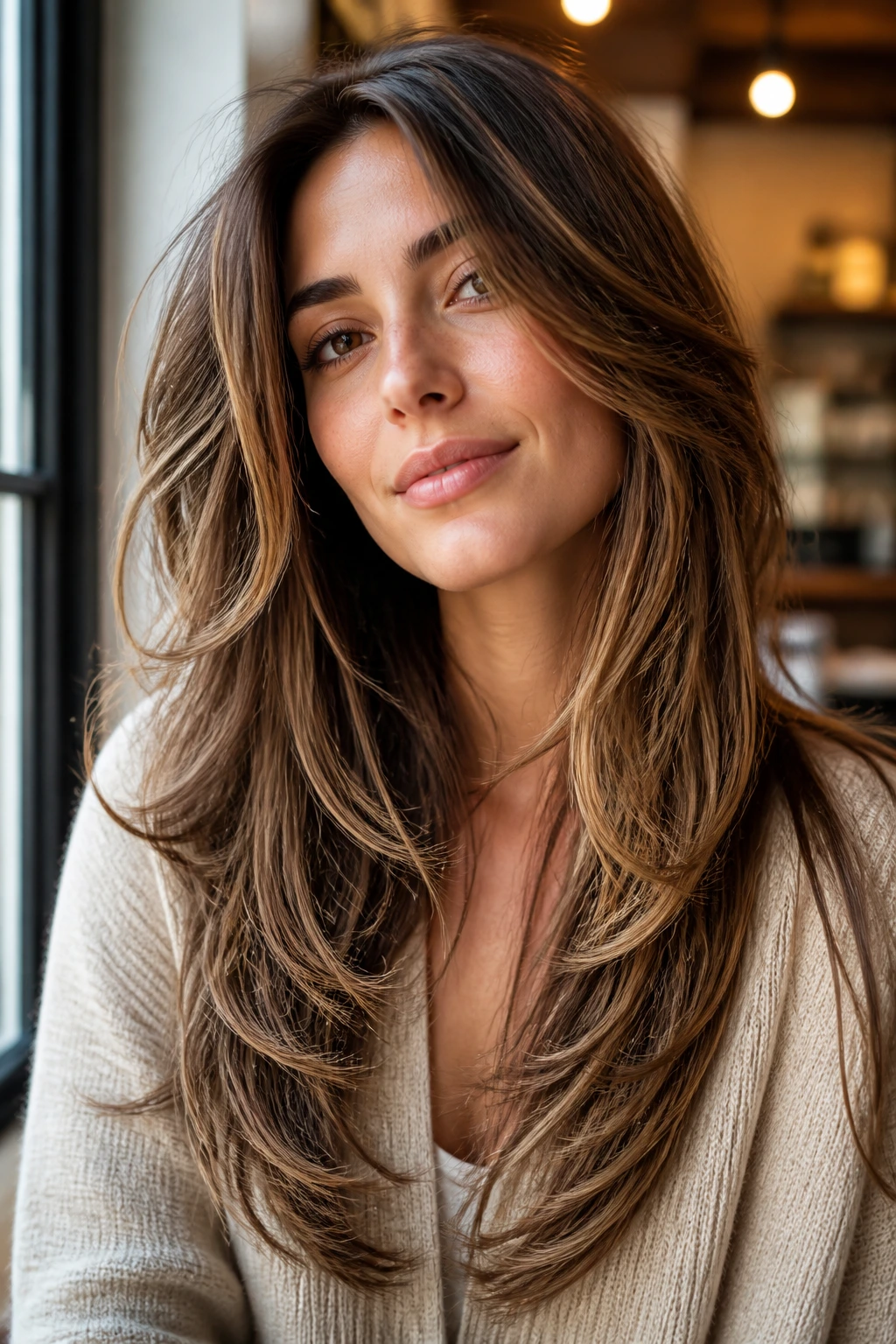
Why do long feathered layers look lighter even when the length stays? Because the weight gets redistributed. The longest pieces keep their drama, but the mid-lengths and ends are tapered so the hair falls in sections instead of one heavy curtain.
This cut is the answer for women who want length without the bottom feeling dense or triangular. It also gives you room to wear a middle part, a side part, or a half-up style without the back collapsing. That flexibility is the quiet luxury of long feathering.
If you have fine hair, keep the layers long and spaced out. If you have thick hair, ask for internal weight removal so the ends don’t swell. Too many short layers kill the flow. Keep the ladder long.
4. Butterfly Cut with Soft Wings
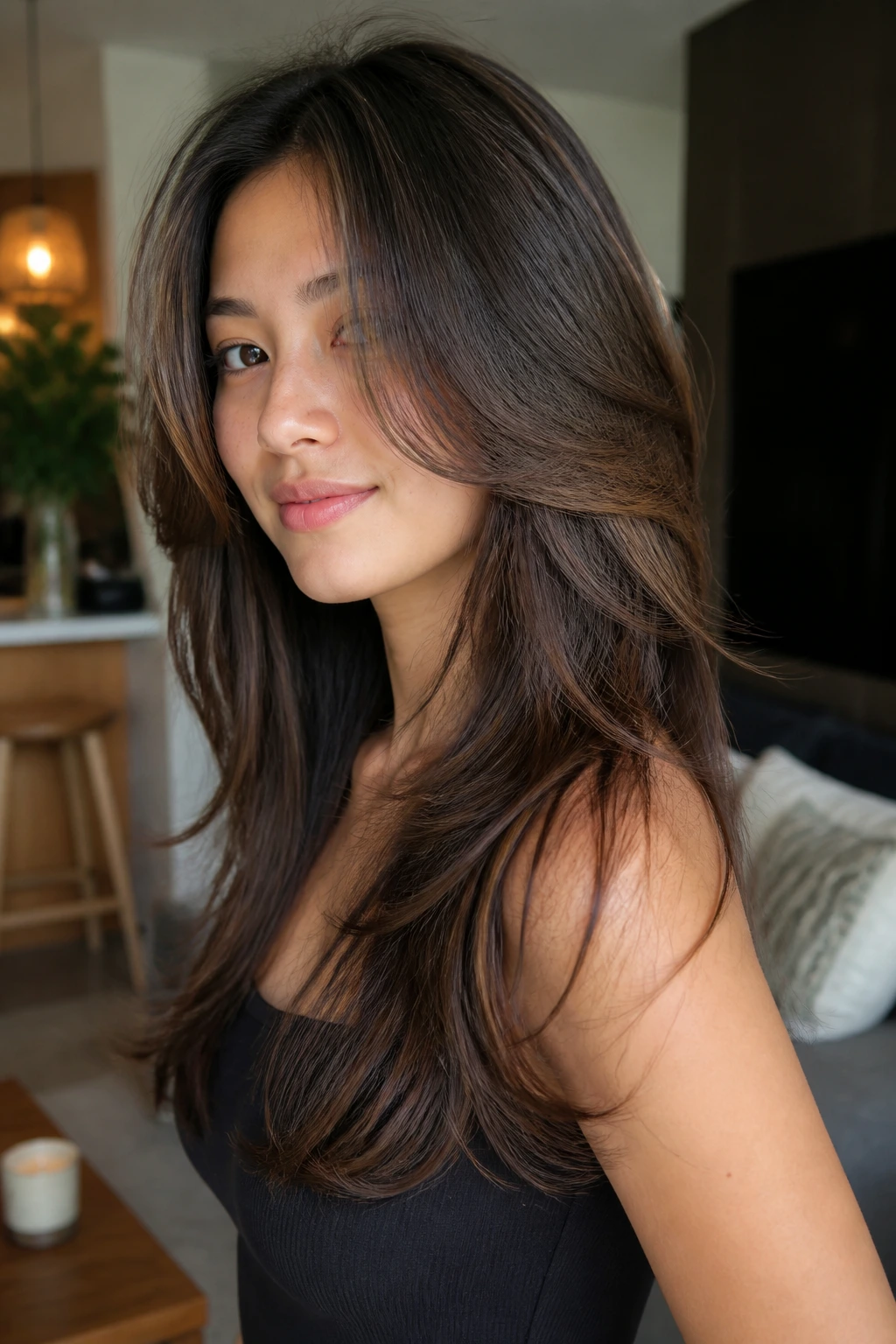
The butterfly cut gets its name from the shorter face-framing pieces that flare out like wings over the longer bottom length. The soft feathered version feels less dramatic than the internet version and a lot easier to wear in real life. You still get volume around the cheekbones, but the outline stays gentle.
This one is especially good if you like the idea of layers but hate losing overall length. The upper sections do the visual work, and the bottom keeps enough weight to ground the style. It looks especially good when the front pieces are blown away from the face with a medium round brush.
Honestly, the butterfly cut earns its keep when you want movement around the face and a long back. It is one of the few layered styles that can look glamorous and airy at the same time. Not fussy. Just lively.
5. Feathered Pixie with Side Sweep
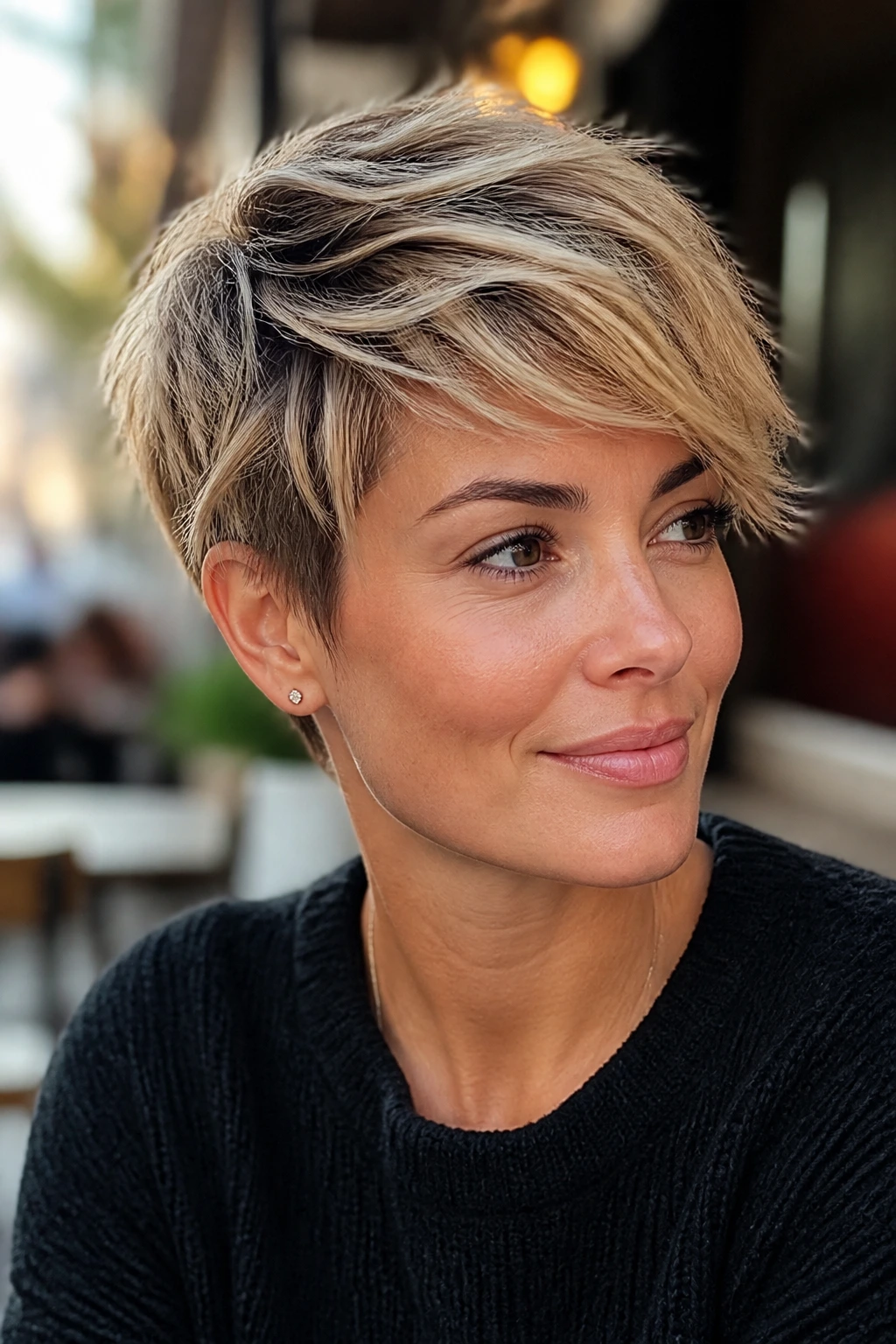
A feathered pixie only works if the texture stays soft. If the crown gets too piecey or the sides are cut too short, it starts looking sharp instead of feathered. The version I like has a longer top, a side-swept fringe, and tapered sides that sit close without exposing every angle of the head.
This cut is terrific on women who want lift around the eyes and cheekbones. A small amount of styling cream on damp hair, then a quick blast with fingers, keeps it from going flat. You do not need a lot of product here. Too much and the feathering collapses into a slick surface.
The side sweep matters. It breaks up the short length and keeps the cut from reading too severe. Give it a little direction, and it suddenly feels softer and more grown-up.
6. Shoulder-Length Flip
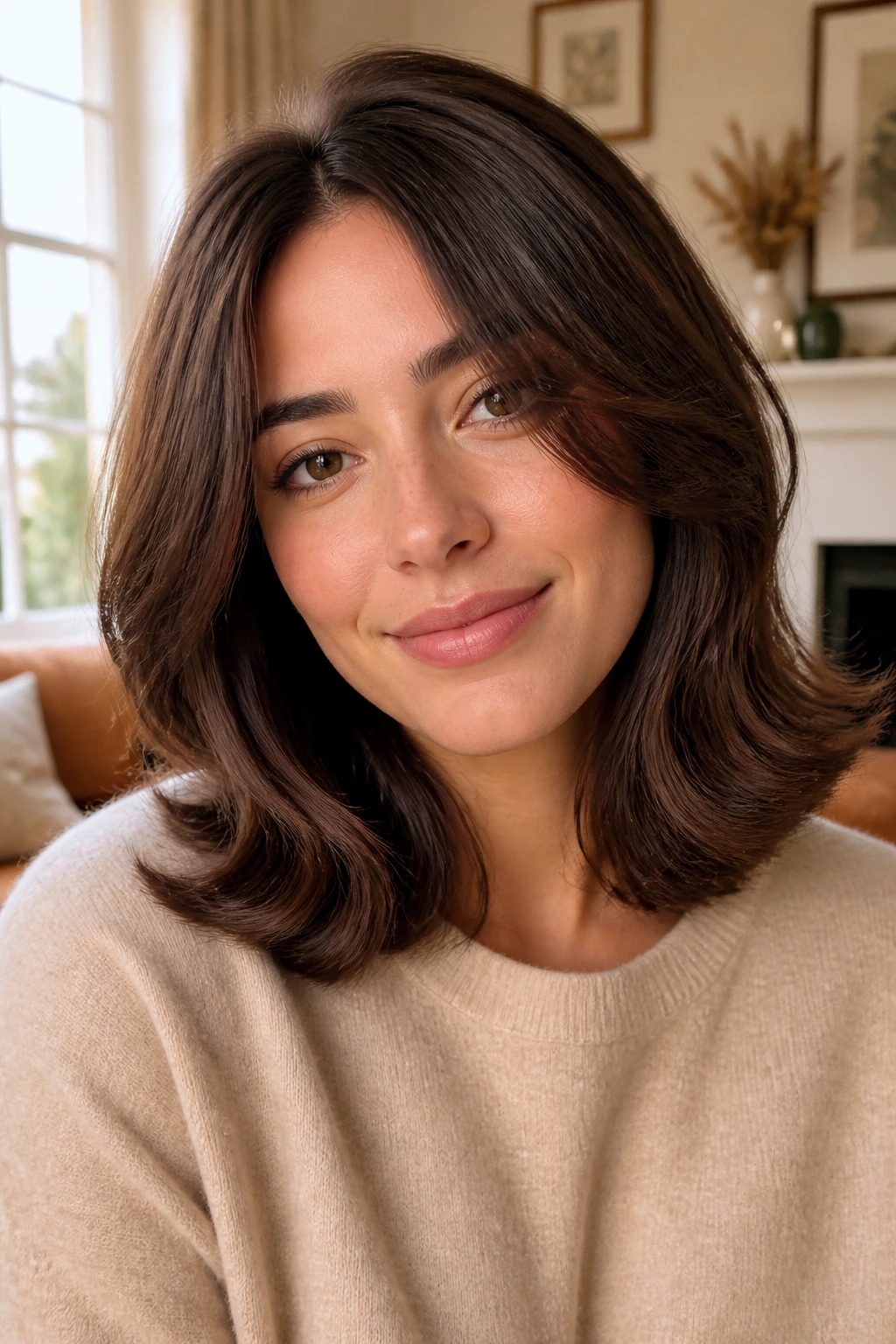
Shoulder-length hair can sit awkwardly if the ends are blunt and the texture is thick. Feathering solves that by softening the last few inches so the hair kicks away from the shoulders instead of resting on them like a shelf. That little bend makes the cut feel alive.
This is a good choice for women who still want something easy to tie back but don’t want long layers all the way down. Ask for the front to be slightly shorter than the back so the shape naturally turns outward. A round brush and a medium-hold spray keep the flip from falling dead by midday.
The trick here is restraint. Too much curl at the ends makes the style feel dated. Keep it loose, keep it brushed out, and let the shape do the talking.
7. Rounded Feathered Bob
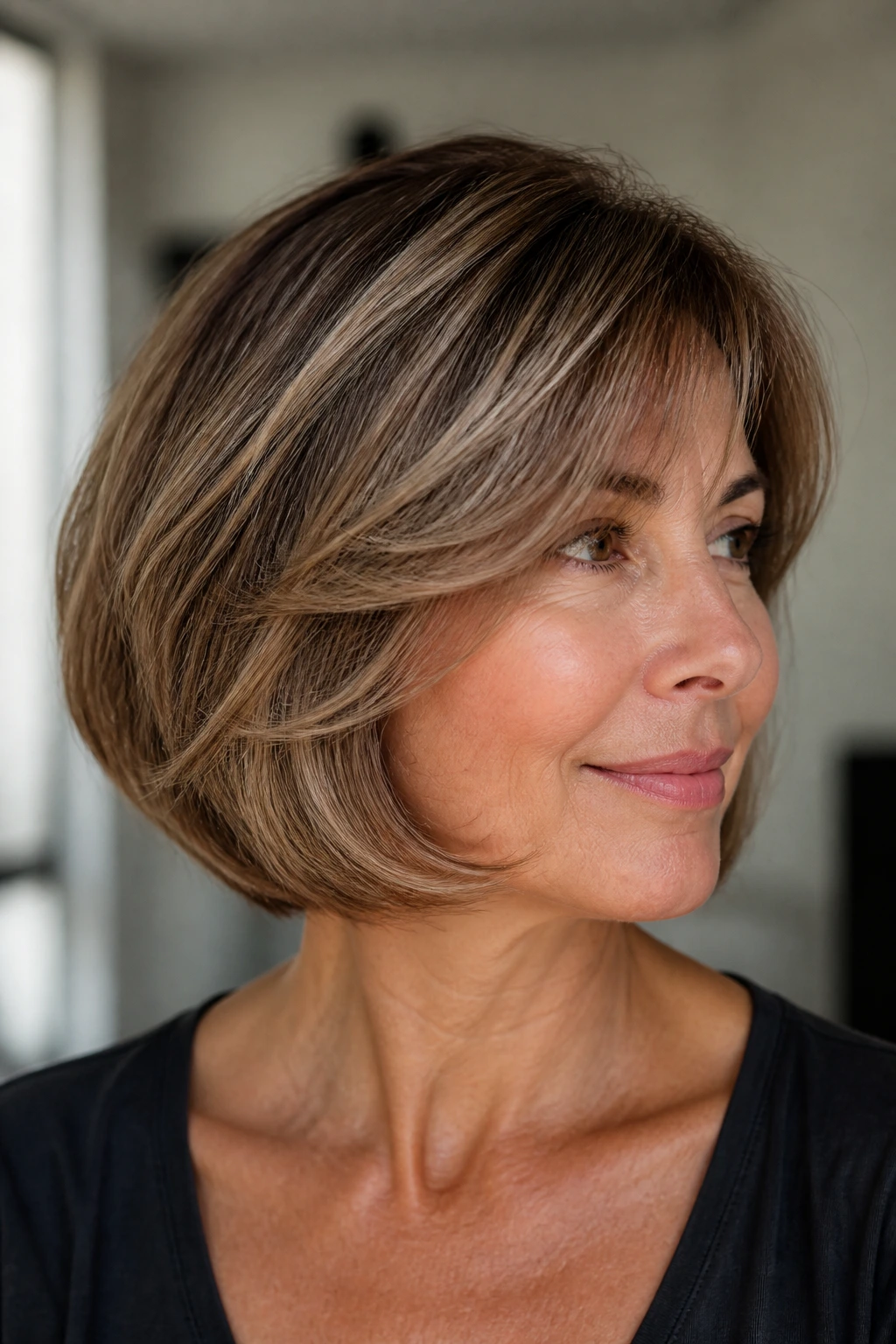
A rounded feathered bob hugs the head a little more than a classic bob, which makes it useful for thicker hair that wants to expand at the sides. The feathering removes that bulky edge, but the round shape keeps the cut from looking flat against the scalp. It’s neat, but not stiff.
Good Reasons to Try It
- The rounded outline softens a strong jawline.
- The feathered ends stop the bob from building a hard line.
- The cut works with a side part or a loose center part.
I like this one when hair has body but not a lot of polish. A quick blow-dry with a paddle brush at the roots, then a round brush through the ends, gives the bob its curve. If you like that brushed-under finish, this cut takes it well. If you prefer a flipped-out edge, ask for the perimeter to stay a touch longer.
8. Soft Shag with Light Crown Lift
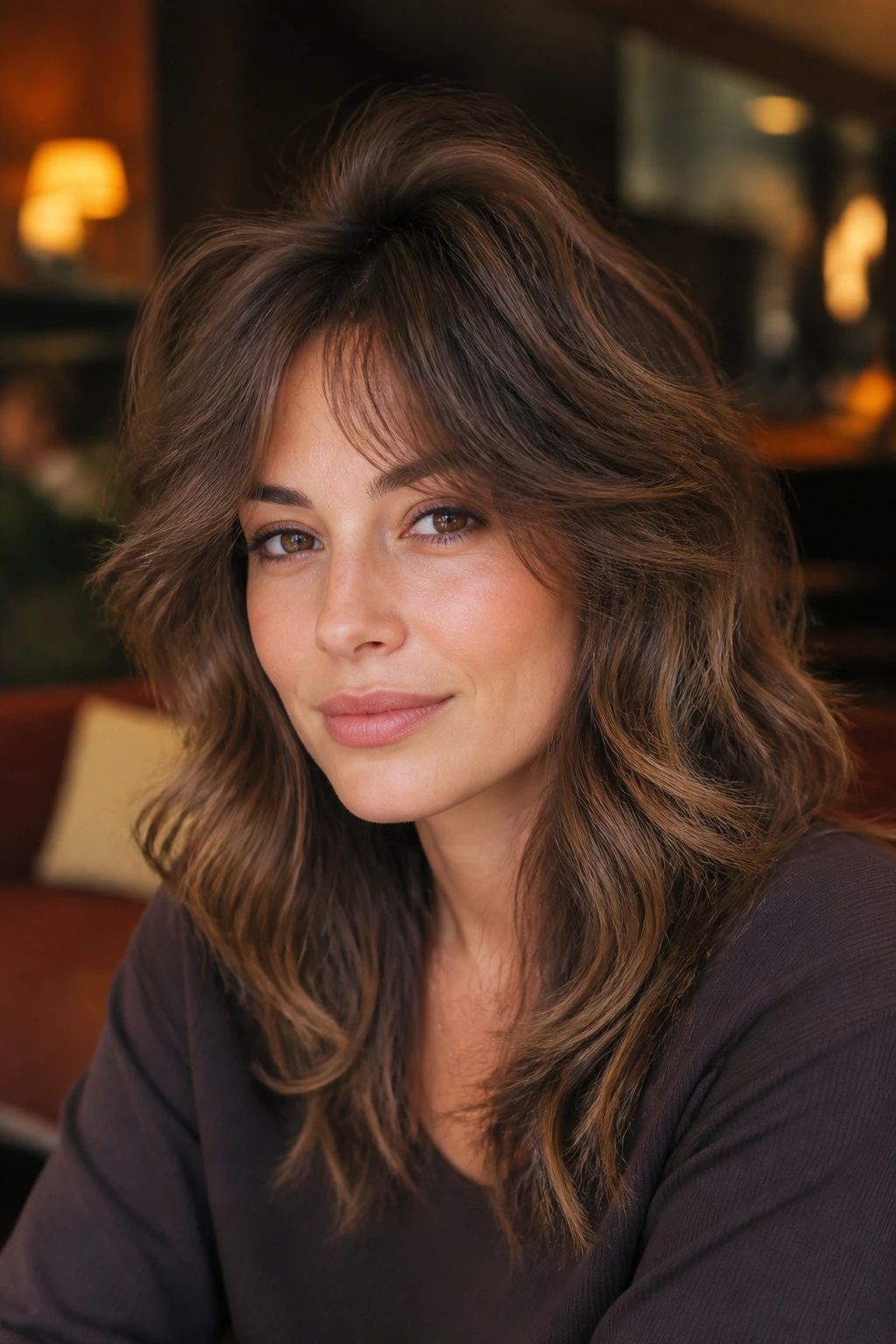
What makes a shag look soft instead of choppy? The answer is usually where the layers begin. In a soft shag, the crown lifts a little, but the ends stay wispy and blended so the haircut keeps its shape. The whole thing should feel airy, not shredded.
This version is excellent for wavy hair and for women who don’t want to fight the natural bend in their texture. The top gets enough lift to avoid a flat helmet effect, while the lower sections stay light enough to move. A small amount of mousse scrunched into damp hair can be enough on its own.
The key is not over-layering the crown. If the top gets too short, the style starts puffing out in the wrong place. Soft shag, yes. Mushroom, no.
9. Face-Framing Feathered Layers
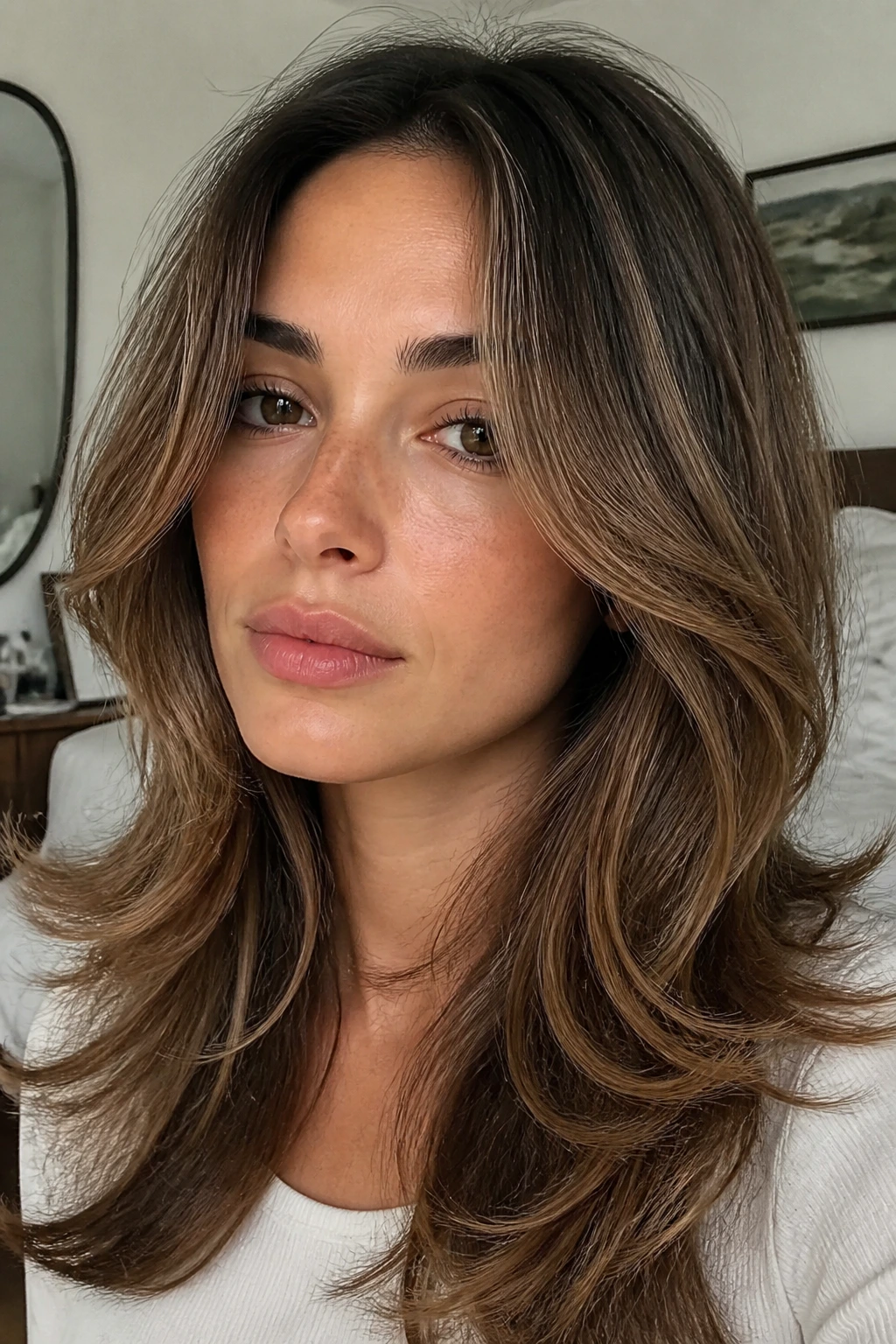
Face-framing feathered layers are the easiest entry point if you’re nervous about too much change. The cut keeps most of the length, then drops a few soft pieces around the face to create shape. Those pieces can start at the cheekbone, the lip line, or the chin depending on what you want to emphasize.
I reach for this look when the haircut needs a small correction, not a full makeover. It lightens the front without stripping bulk from the whole head, which is useful if the back is already fine. The result is gentler than a dramatic layer set and easier to grow out.
If you wear your hair behind your ears a lot, this one is especially nice. The front pieces stay visible even when the rest of the hair is tucked back. Small detail. Big payoff.
10. Curtain Bangs with Feathered Ends
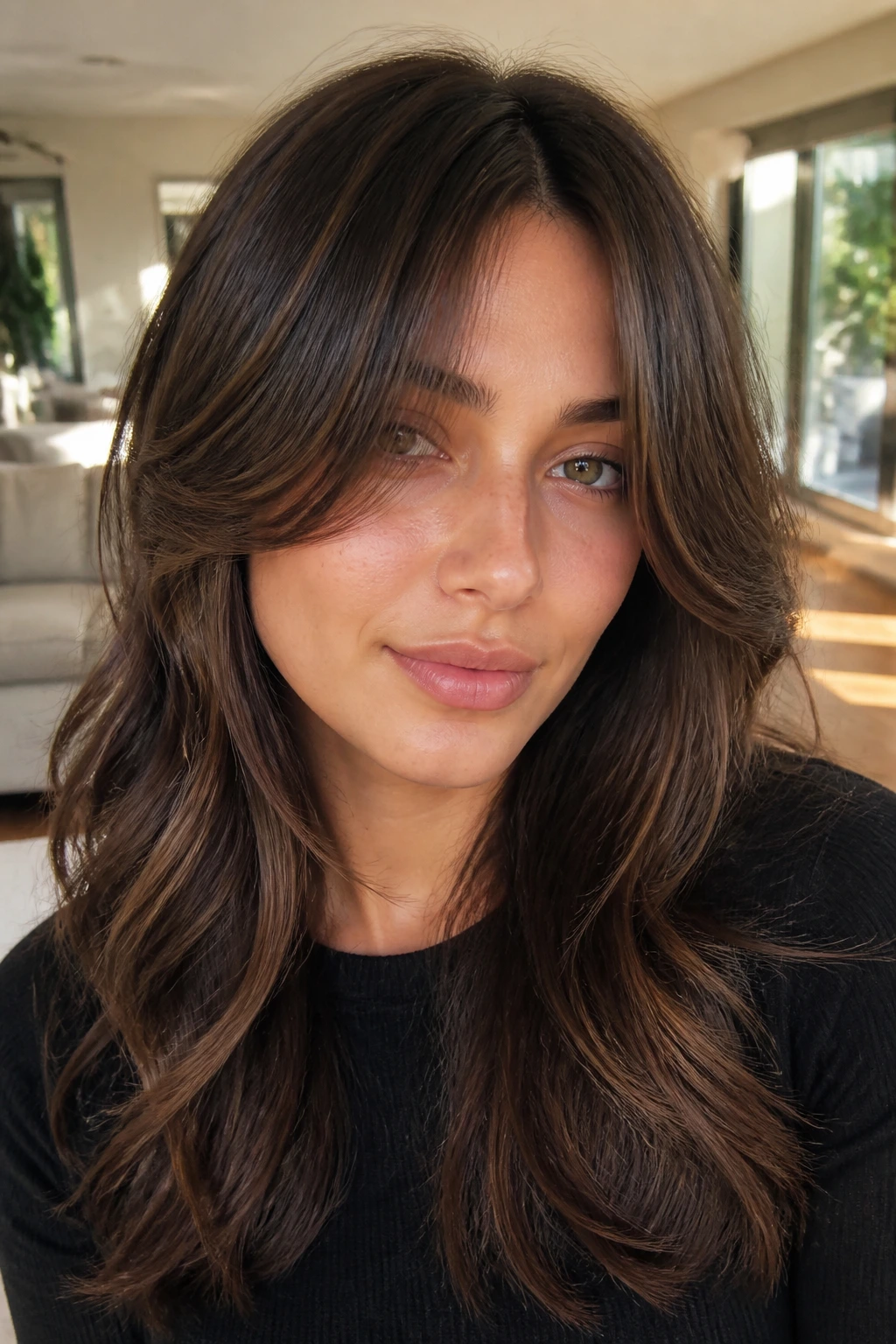
Curtain bangs only behave if the lengths around them are soft enough to blend. Hard ends make the bangs look separate, almost like they were pasted on. Feathered ends fix that by letting the fringe flow into the rest of the haircut instead of sitting on top of it.
This is the most forgiving bang-and-layer combo for women who want movement around the face but not a heavy fringe. The bangs split at the center, sweep to each side, and feather into the cheekbone area. On wavy hair, that soft split can look almost effortless after a quick blow-dry with a round brush.
A small warning. Curtain bangs need a trim schedule, or they start hanging in your eyes and losing shape. If you want the style to stay soft, keep the ends tidy.
11. Bottleneck Fringe with Feathered Length
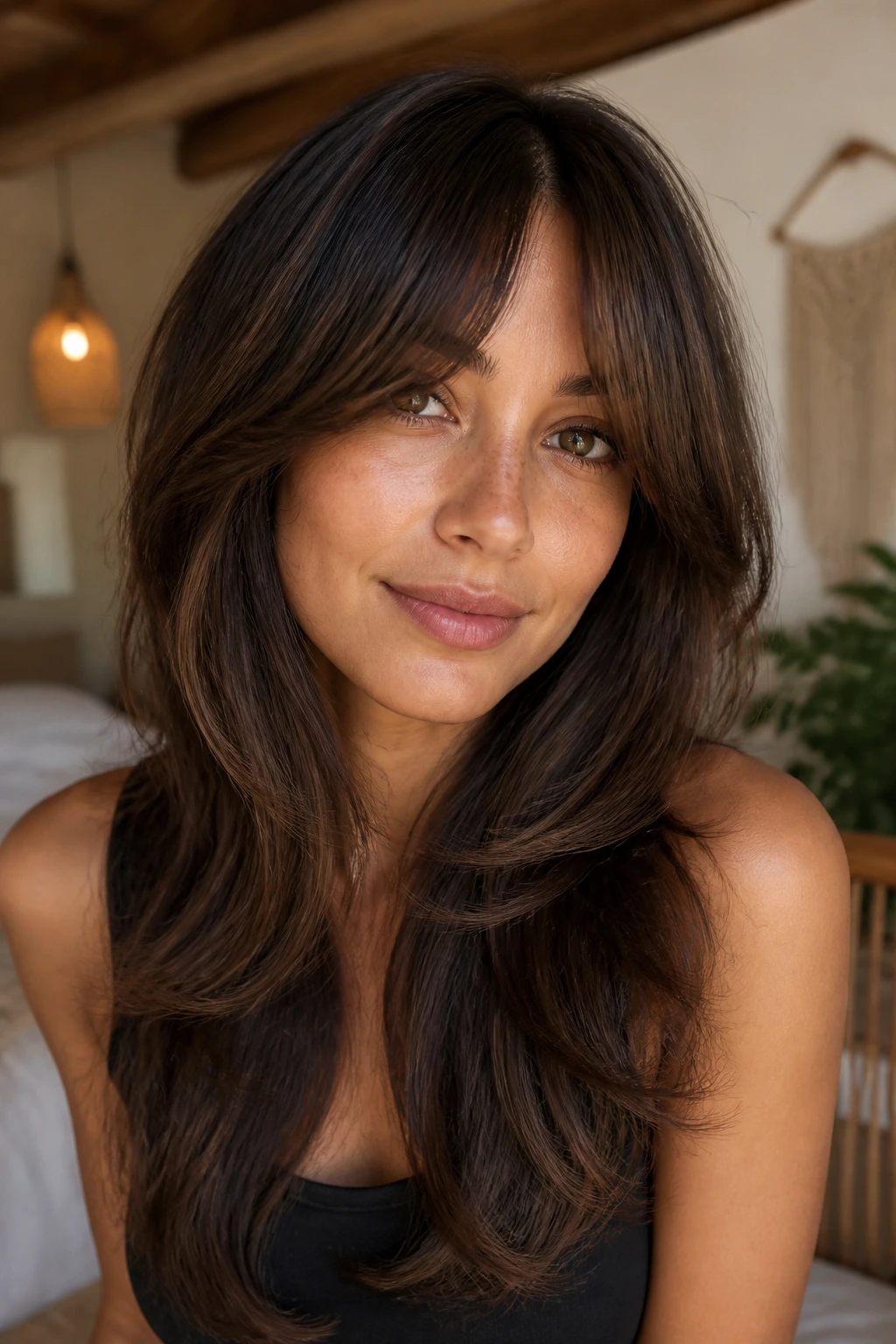
Bottleneck bangs sit between curtain bangs and a fuller fringe. They start narrower at the center, open out a bit at the brow, then blend into the sides. Add feathered length underneath, and the whole cut reads modern without becoming severe.
This shape works well when you want the front of the haircut to matter. The fringe draws the eye, but the feathered sides keep it from feeling dense. I like it on medium hair that tends to fall flat on top because the fringe gives the whole look a lift.
A little texture spray at the mids is enough. You do not need to pile product on the fringe. In fact, heavy cream near the bangs is usually what drags this style down.
12. Feathered Wolf Cut Lite
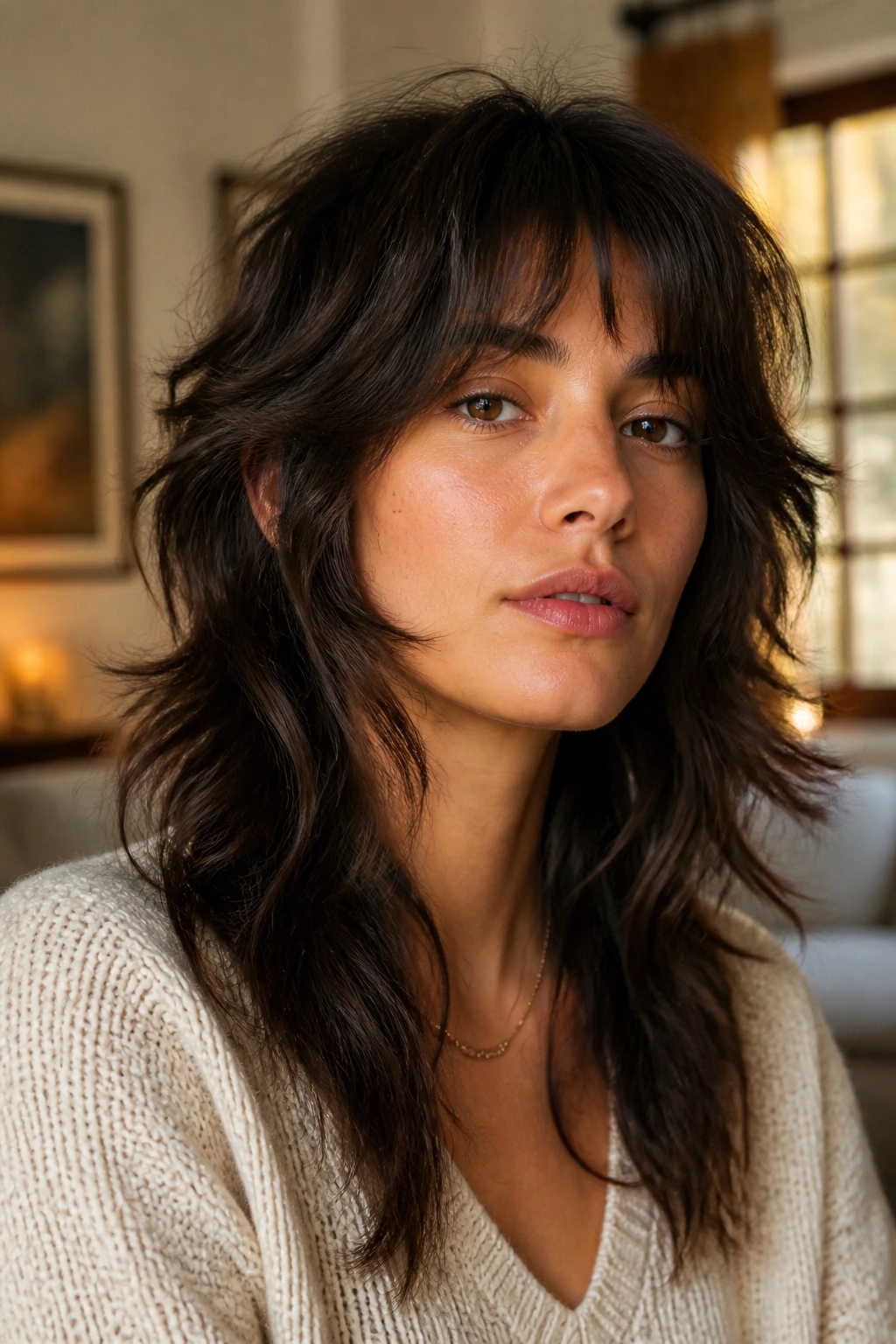
The wolf cut can go hard fast. Too much contrast, too much chop, and suddenly the style is wearing you instead of the other way around. The soft version keeps the attitude but trims back the drama, leaving shorter crown layers that melt into longer lengths instead of shouting at each other.
This is a smart option if you like texture and don’t want a clean, polished finish every day. It suits wavy and slightly frizzy hair because the layers encourage movement, not strict symmetry. A diffuser can bring out the shape, but I also like it air-dried with a little leave-in on the ends.
The “lite” part matters. Keep the transition from crown to ends smooth, and the cut will stay wearable. Push it too far, and it turns into a shag that needs more effort than you bargained for.
13. U-Shaped Feathered Cut for Long Hair
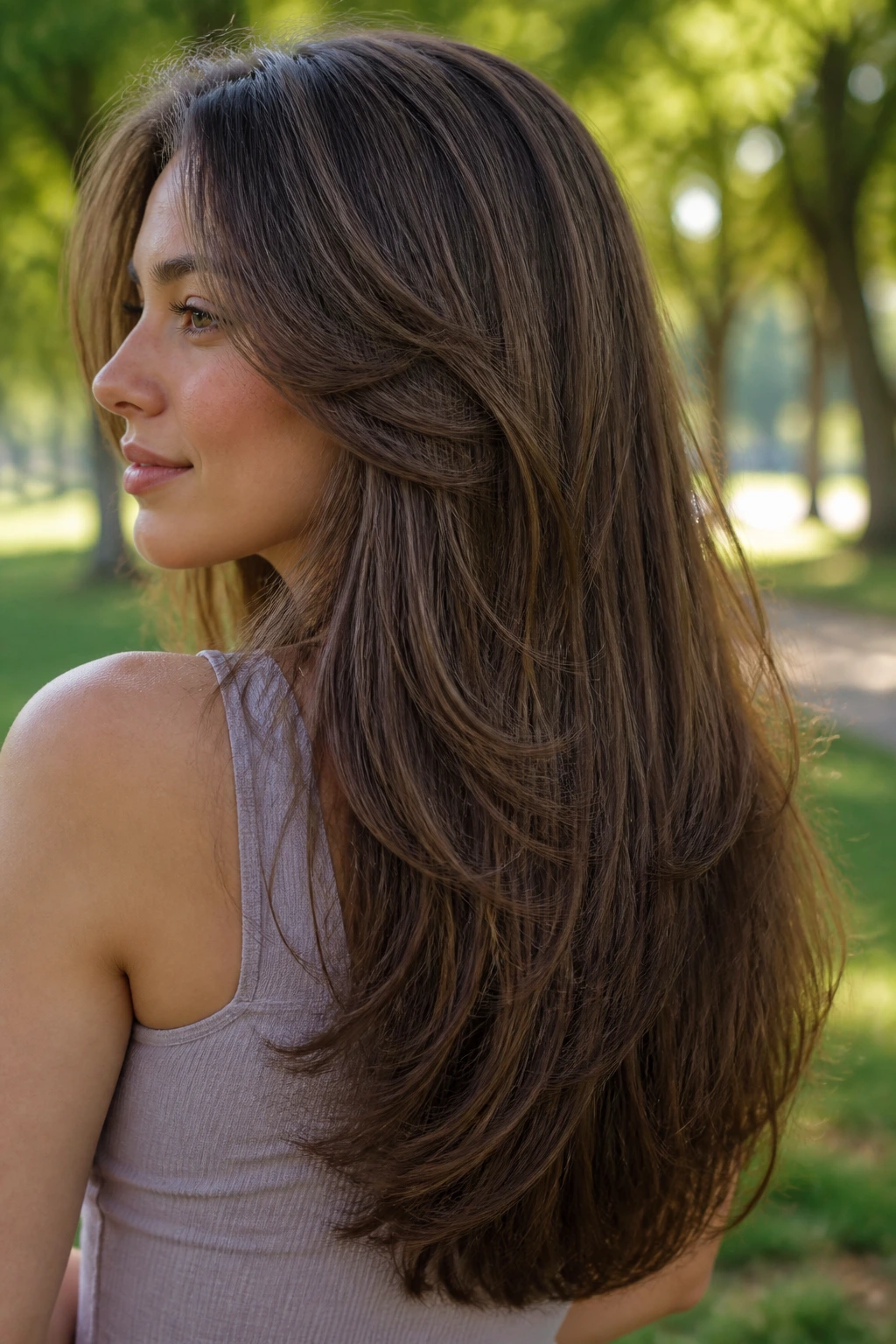
A U-shaped cut gives long hair a soft curve at the back instead of a blunt straight edge. Feathering the lengths inside that U takes away the heavy curtain effect, so the hair falls in a more fluid way. It’s especially nice when the hair is thick enough to hold its own shape.
This cut is one of my favorites for women who want length but hate the feeling of the ends sitting like a block between the shoulder blades. The curve keeps the back graceful, and the feathering stops the bottom from feeling dense. If you wear low ponytails a lot, it also looks cleaner from behind.
Ask your stylist to keep the front a little shorter so the U shape is visible from the side. That small angle matters more than people think. Without it, the cut can read as plain long hair.
14. Flipped-Out Feathered Ends
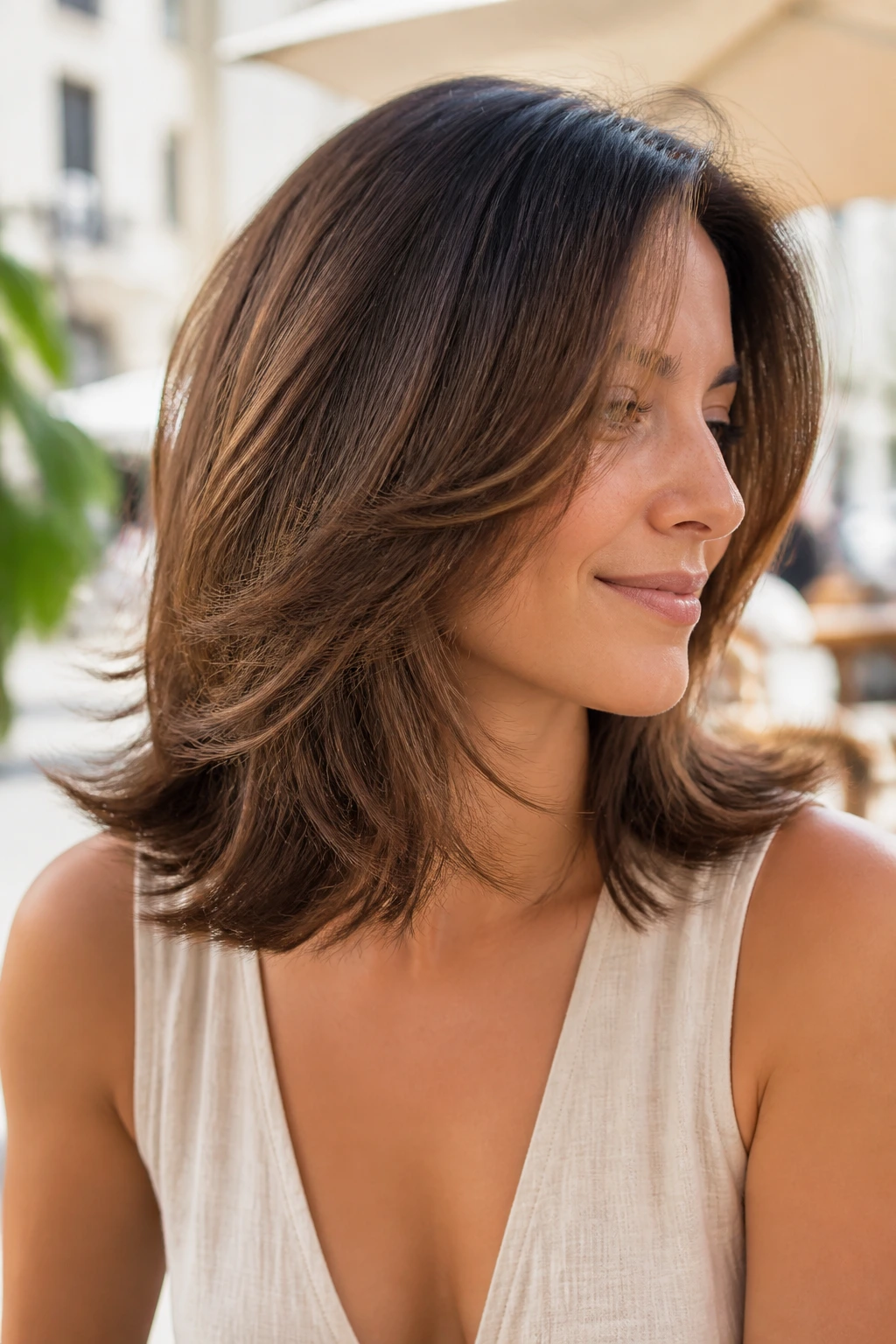
Flipped-out ends can go wrong fast if the flip is too hard or too symmetrical. The soft version bends just enough to show movement at the bottom, then tapers back into the length. It feels playful, not costume-like.
This works beautifully on shoulder-length hair and on any cut that needs a little lift away from the shoulders. A round brush, a wide barrel curling iron, or even a flat iron twist can create the bend. The real trick is brushing the curl out after it cools so the finish stays airy.
I like this style for hair that gets dull at the ends. The flip gives the bottom edge some life. It is a small visual trick, but it changes the whole mood of the haircut.
15. Side-Part Feathered Blowout
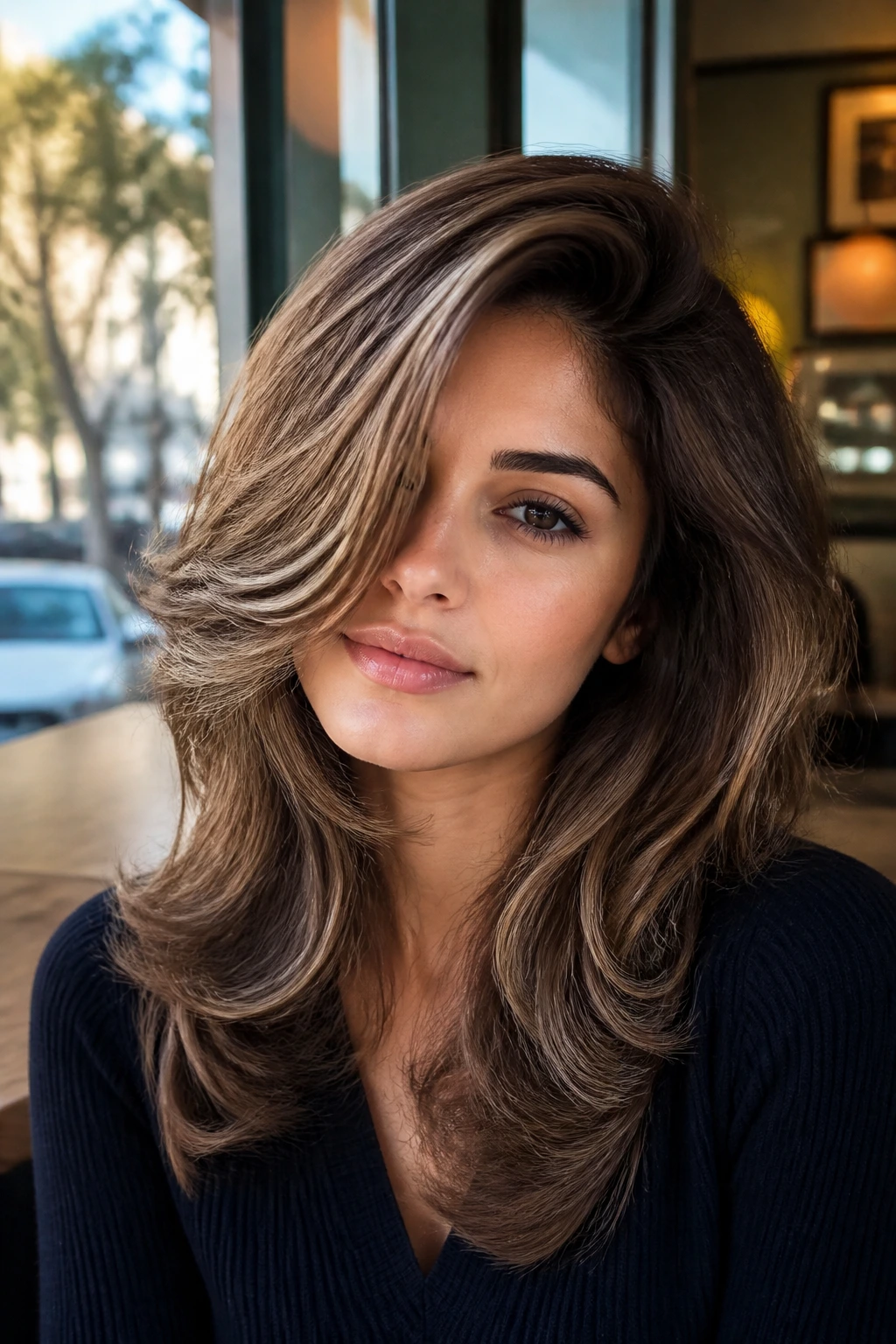
A deep side part gives feathered layers extra drama without adding extra length. The hair rises at the front, drops softly over one eye, and then feathers away from the part in a way that feels tailored. If you like a blowout that looks like it had a bit of effort behind it, this is the one.
The style is especially flattering on round or square faces because the side part creates a diagonal line across the forehead. That line changes the balance of the haircut in a way a center part cannot. A volumizing spray at the roots and a 1.5-inch round brush are usually enough.
Do not over-spray the roots. Feathered blowouts need lift, not crunch. A light hand keeps the movement soft and touchable.
16. Wispy Feathered Crop
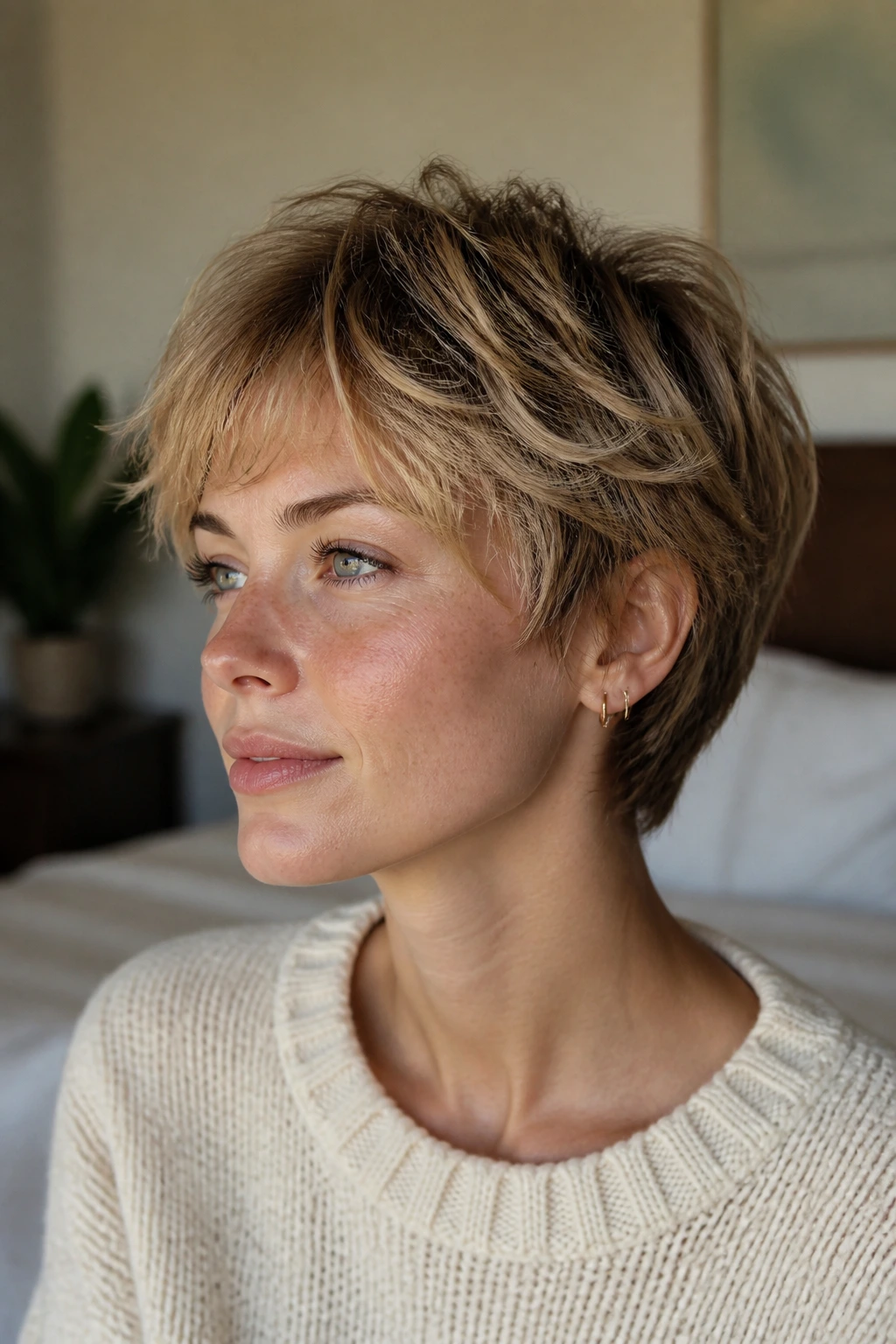
A wispy crop is not the same thing as a pixie cut, and that difference matters. The crop stays a little longer around the top and sides, then tapers into soft feathering that keeps the head shape from looking blocky. It’s short, but it still has movement.
This cut suits women who want a low-maintenance shape but don’t want a hard, clipped finish. It looks especially good if your hair has a fine to medium texture and can be coaxed with a bit of mousse or cream. The wispy edges make the whole cut feel lighter around the ears and nape.
I would not go too short on the crown here. A little length gives you room to push the style sideways, forward, or back. Without that, the crop loses its softness.
17. Feathered Lob with Invisible Layers
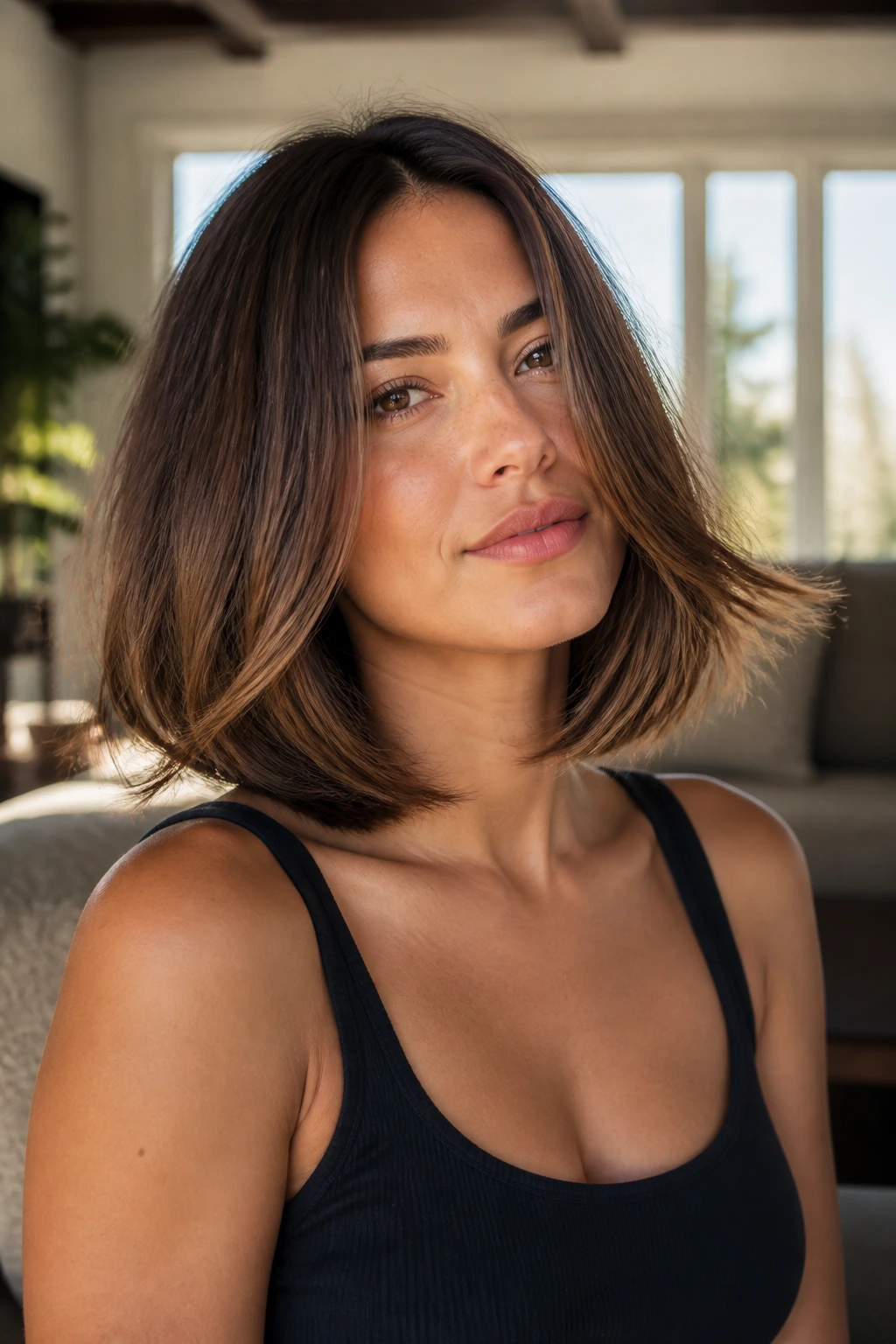
Invisible layers are the quiet trick behind a lot of good feathered haircuts. They remove weight inside the shape without making the top layers obvious, so the cut still looks sleek from a distance. You only notice the movement when the hair swings.
That’s what makes this lob so useful. It gives you the clean outside line of a lob with the bend and lift of a layered cut. If your hair is thick enough to feel heavy but you hate choppy layers, this is a strong middle path.
The best version keeps the ends soft and the interior lightened just enough to stop the hair from sitting like one slab. It is a sensible cut. Sometimes sensible is exactly what makes hair look expensive.
18. Feathered Cut for Fine Hair
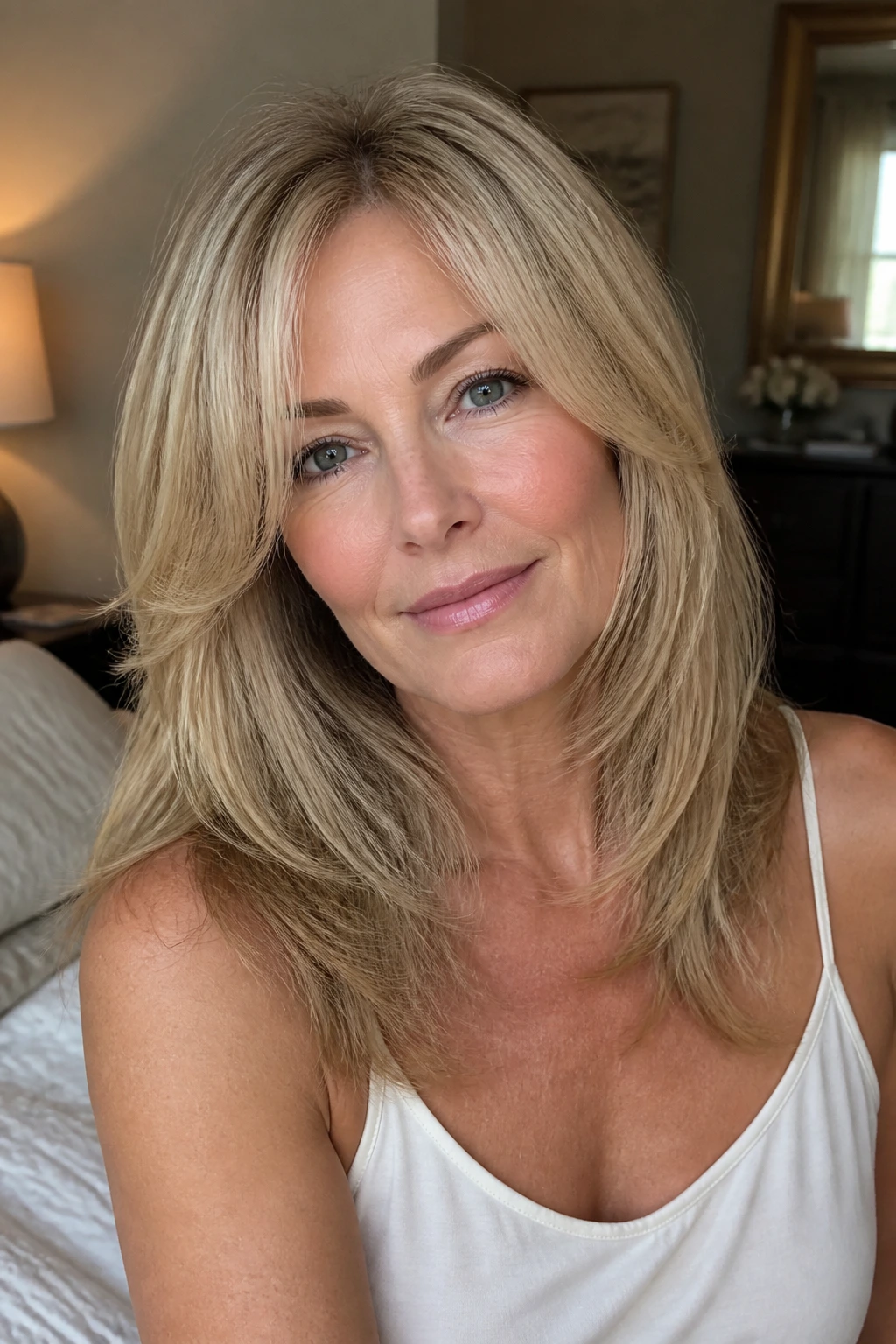
Fine hair needs feathering with a light touch. Too many layers, and the ends go stringy; too little, and the cut falls flat by noon. The sweet spot is long, gentle layers that create motion without stealing too much density from the perimeter.
What Works Best
- Keep the shortest layer below the cheekbone or near the collarbone.
- Use a root-lift spray before blow-drying.
- Finish with a flexible spray, not a heavy cream.
This is one of the few times I’ll say less is more and mean it. Fine hair looks richer when the edge still has some fullness. Feathering should make the hair feel more alive, not thinner.
19. Feathered Cut for Thick Hair
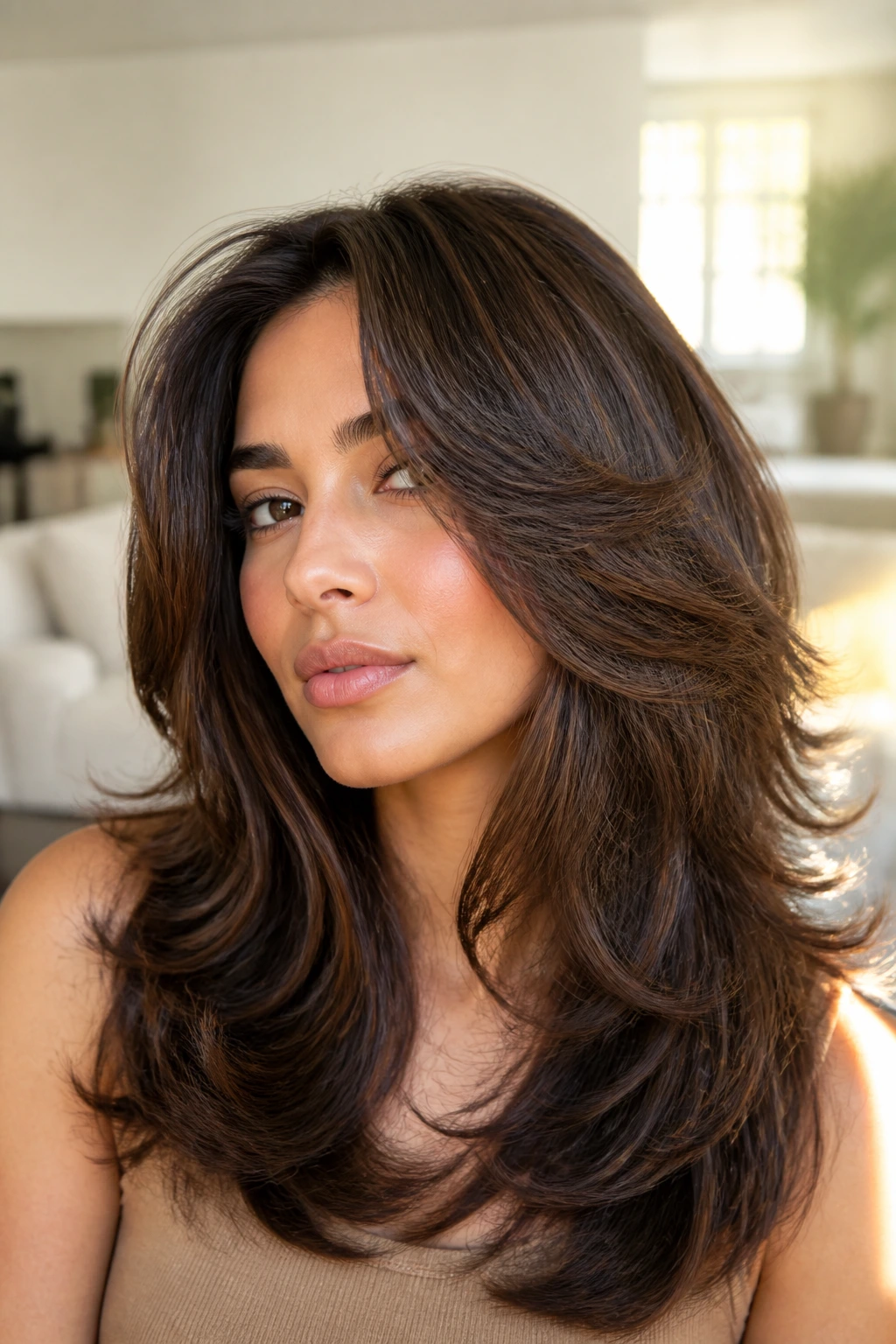
Thick hair loves a feathered cut when the shape is built from the inside out. If the stylist only trims the outside, the bulk stays trapped and the ends puff out anyway. Ask for internal removal through the mids, then soft tapering at the perimeter so the shape stays controlled.
This cut is useful for women who want movement without losing control of the silhouette. It handles braid waves, natural frizz, and dense straight hair with less drama than a blunt cut. A cream that smooths the ends and a good blow-dry direction make a bigger difference here than fancy styling tools.
The most common mistake with thick hair is over-layering the top. That creates a halo of volume where you do not want it. Keep the crown supportive and let the lower layers do the softening.
20. Feathered Cut for Curly Hair
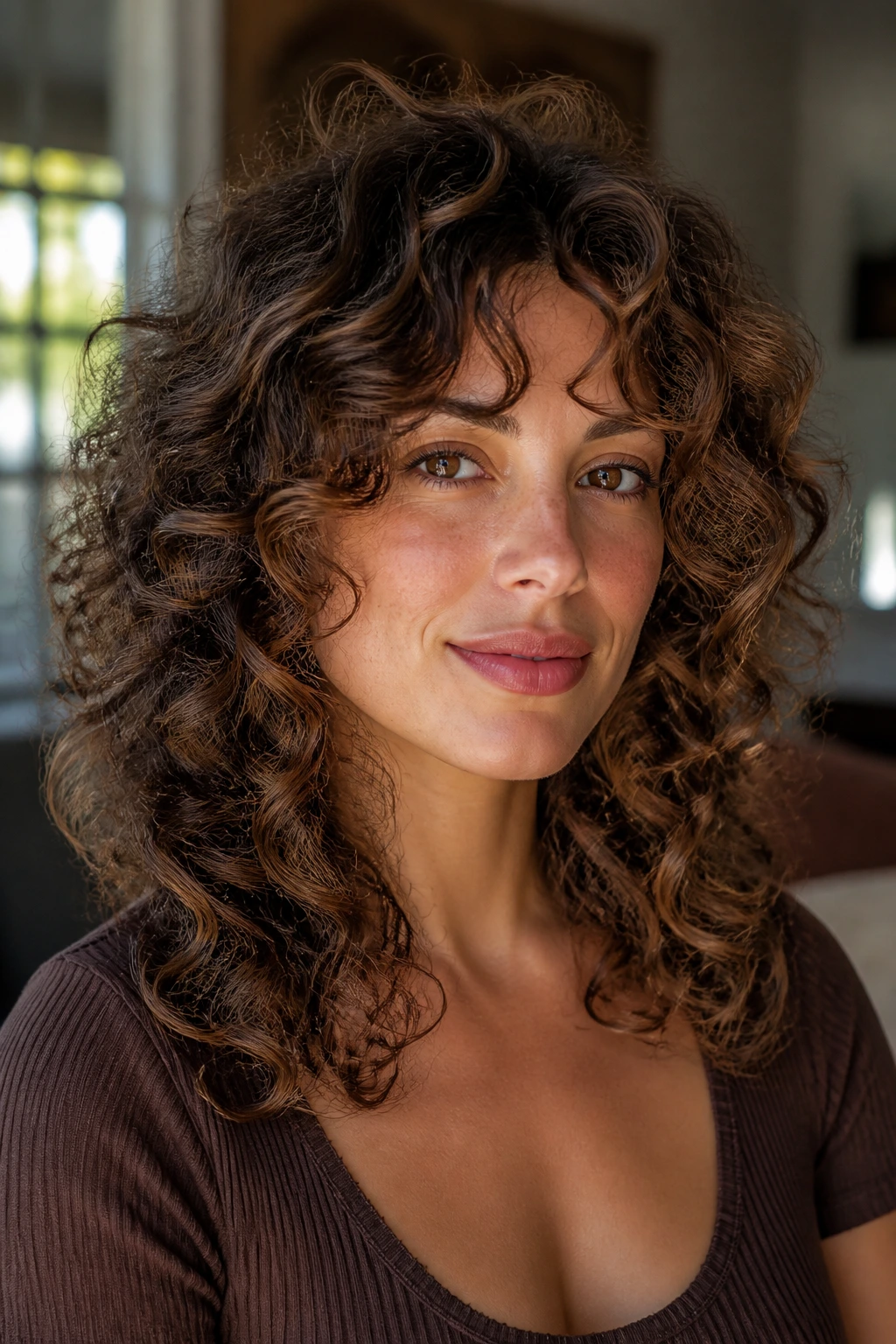
Can curly hair be feathered without turning into a puff? Yes, if the layering respects the curl pattern. The cut should keep the curls stacked in a shape that releases weight, not one that breaks the curl into uneven shelves.
I prefer dry cutting for a lot of curly feathered looks because it shows where each curl actually lands. Wet curls lie to you. They shrink later, and that shrinkage can ruin a good plan. A feathered curly cut should create a halo of movement around the face and shoulders, not a triangle.
Use a light curl cream and a diffuser with low heat. Then stop touching it. Curly feathering gets fuzzy when it is overhandled, and nobody needs that.
21. Feathered Cut for Wavy Hair
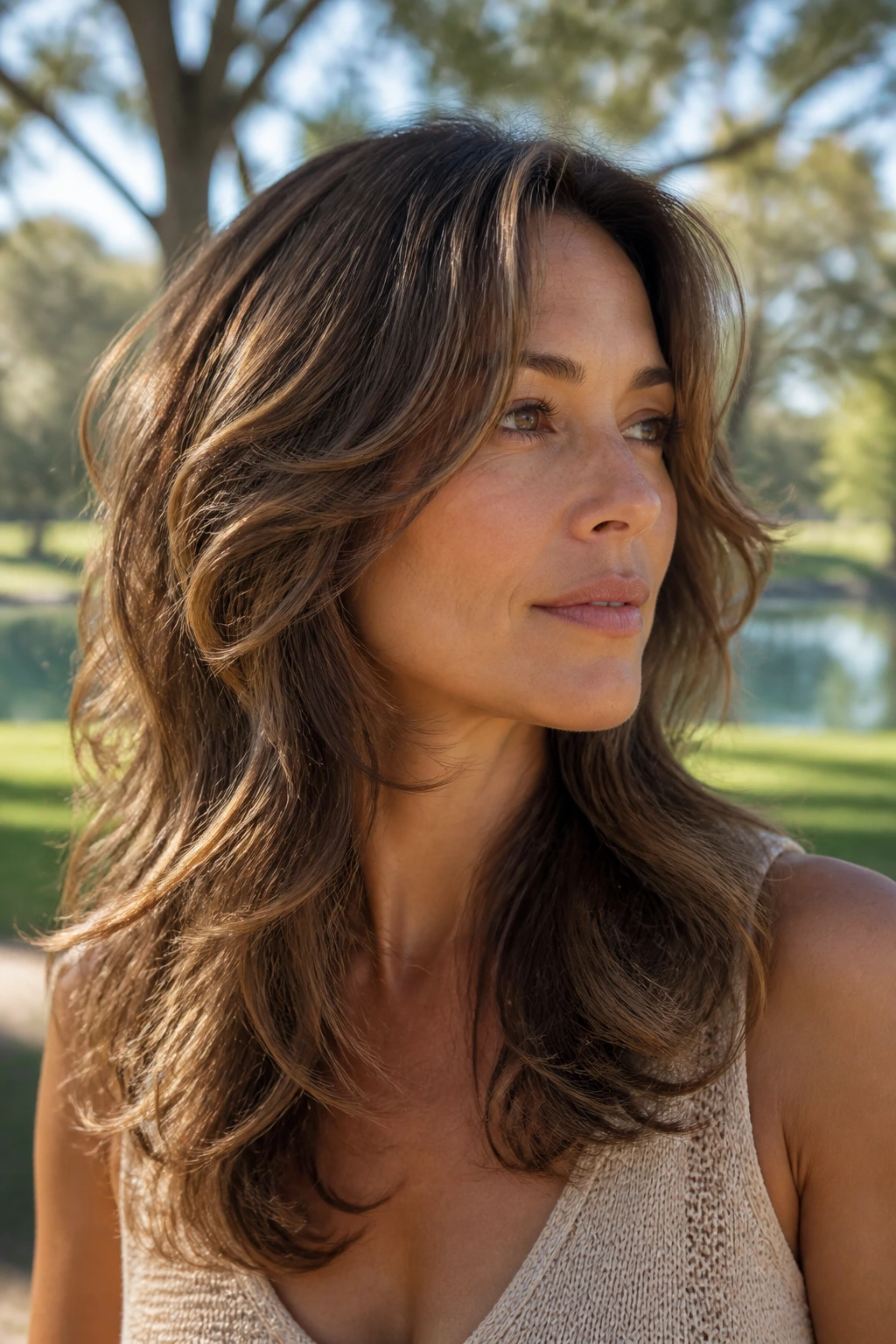
Wavy hair might be the easiest canvas for soft feathering. The wave already brings motion, so the layers only need to clean up the outline and keep the ends from sticking out in strange directions. The result feels relaxed without looking unfinished.
This cut shines when the front pieces are a touch shorter than the back. That keeps the wave from collapsing at the front of the face. A little sea-salt spray or mousse through damp lengths can help, but I would keep the product light. Wavy hair usually needs structure more than weight.
If the wave pattern is uneven, feathering can smooth the visual jump between the stronger bends and the straighter sections. That is the quiet advantage here. It makes a hair texture look on purpose.
22. Feathered Cut for Straight Hair
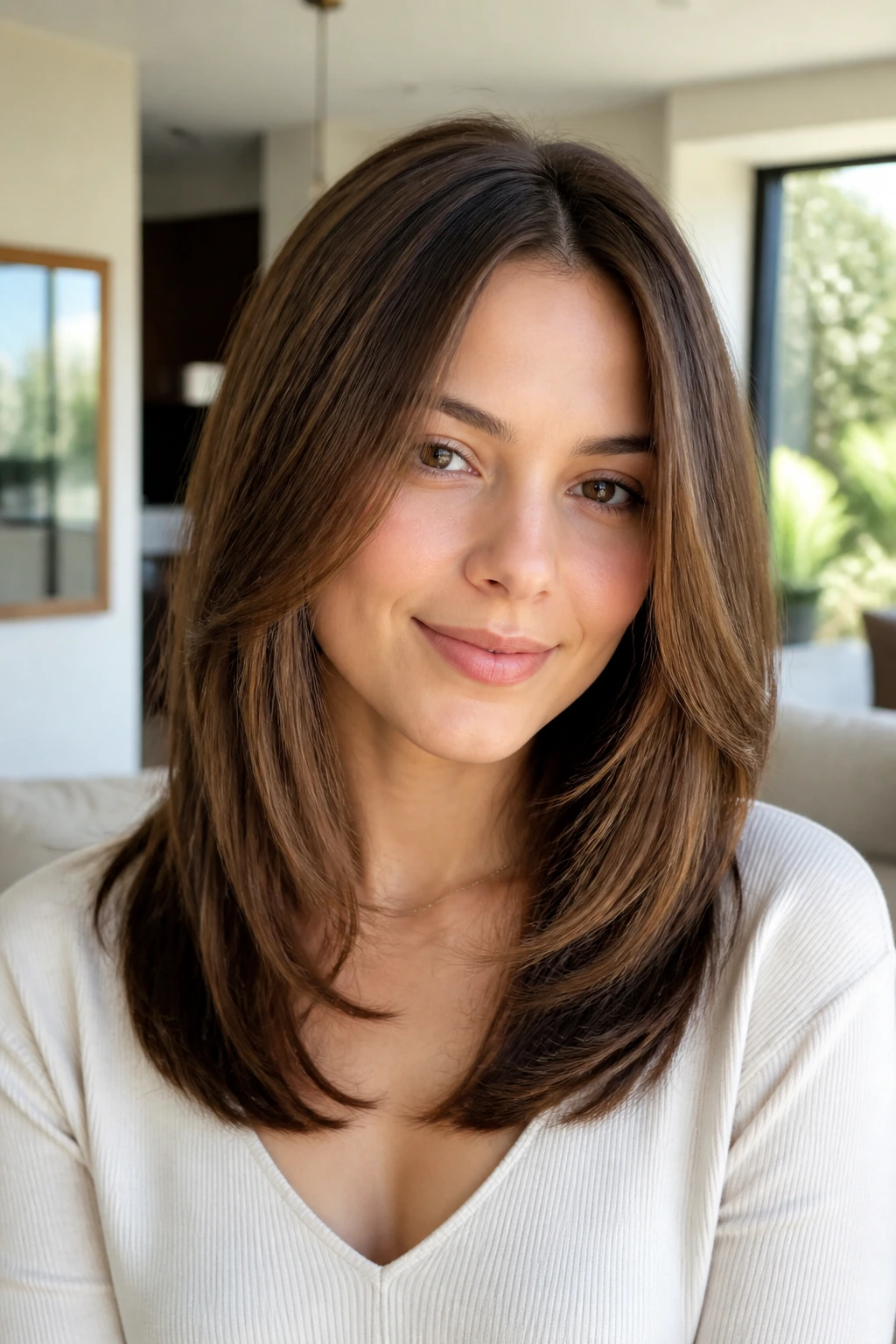
Straight hair shows every line, which is why feathering matters so much on it. A blunt cut on straight hair can look severe fast. Feathered layers break that hard line and create softness through the mids and ends, even when the texture itself stays smooth.
This cut is best when the stylist uses very controlled layering. If the layers are too short, straight hair will kick out in obvious steps and the finish gets choppy. The goal is a gentle sweep, not a staircase. A flat iron bend at the ends can help if your hair holds shape stubbornly.
I like this cut with a center part when the face-framing pieces are long enough to move. It gives straight hair some life without making it fussy. Small changes. Big difference.
23. Feathered Cut with Side Bangs
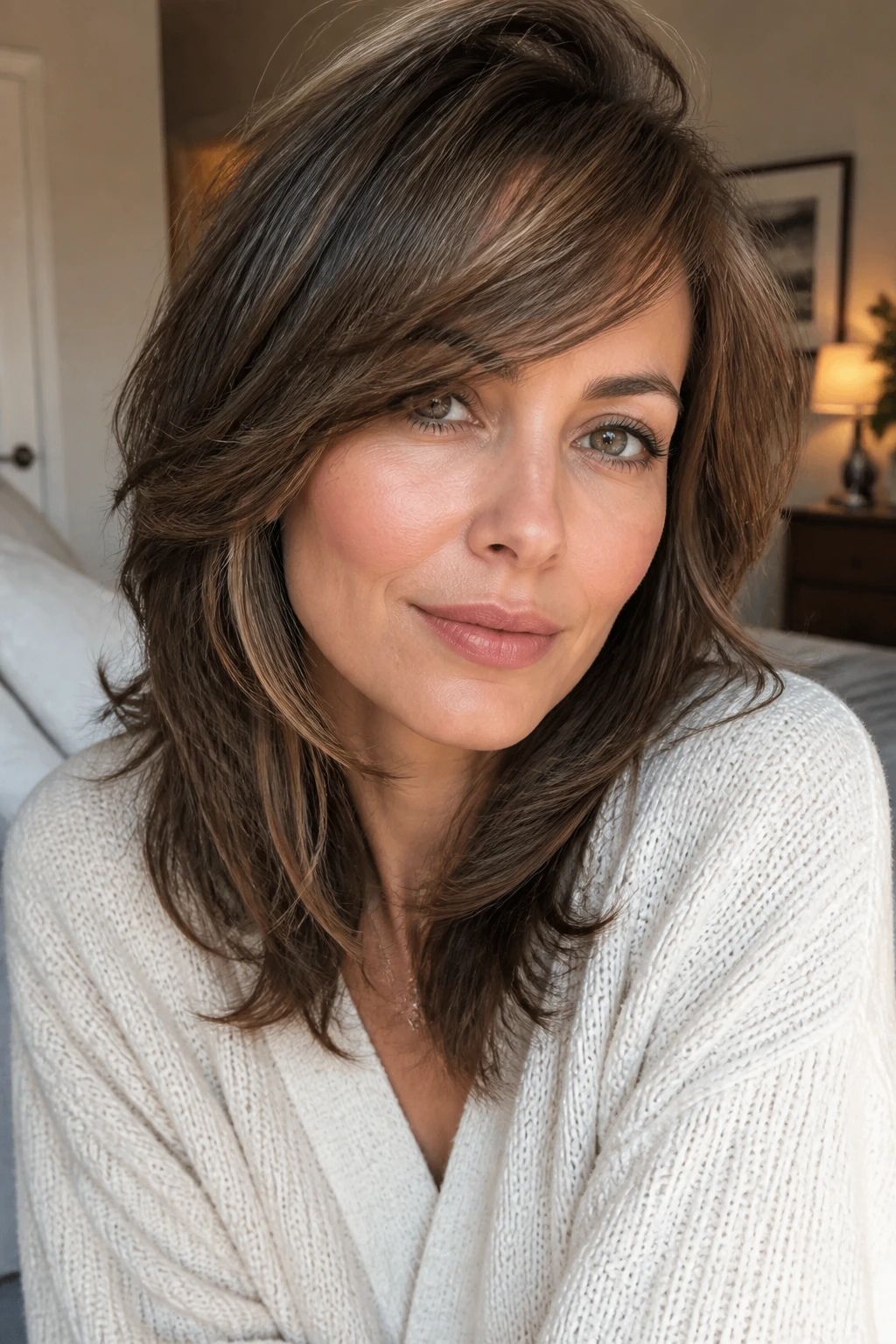
Side bangs are the easiest bang shape to pair with feathered layers because they never look too fixed. They sweep across the forehead, skim the brow, and disappear into the rest of the cut. That fade matters. It keeps the fringe from looking like a separate project.
This style is smart for women who want softness around the eyes but do not want to commit to full curtain bangs. The bangs can be tucked, pinned, or brushed aside on the days they misbehave. And they will misbehave sometimes. Hair does that.
A feathered side bang works best when the longest side piece blends into the cheekbone layer. If there’s a jump in length, the whole cut looks disconnected. Keep the pieces talking to each other.
24. Feathered Layers with Money Pieces
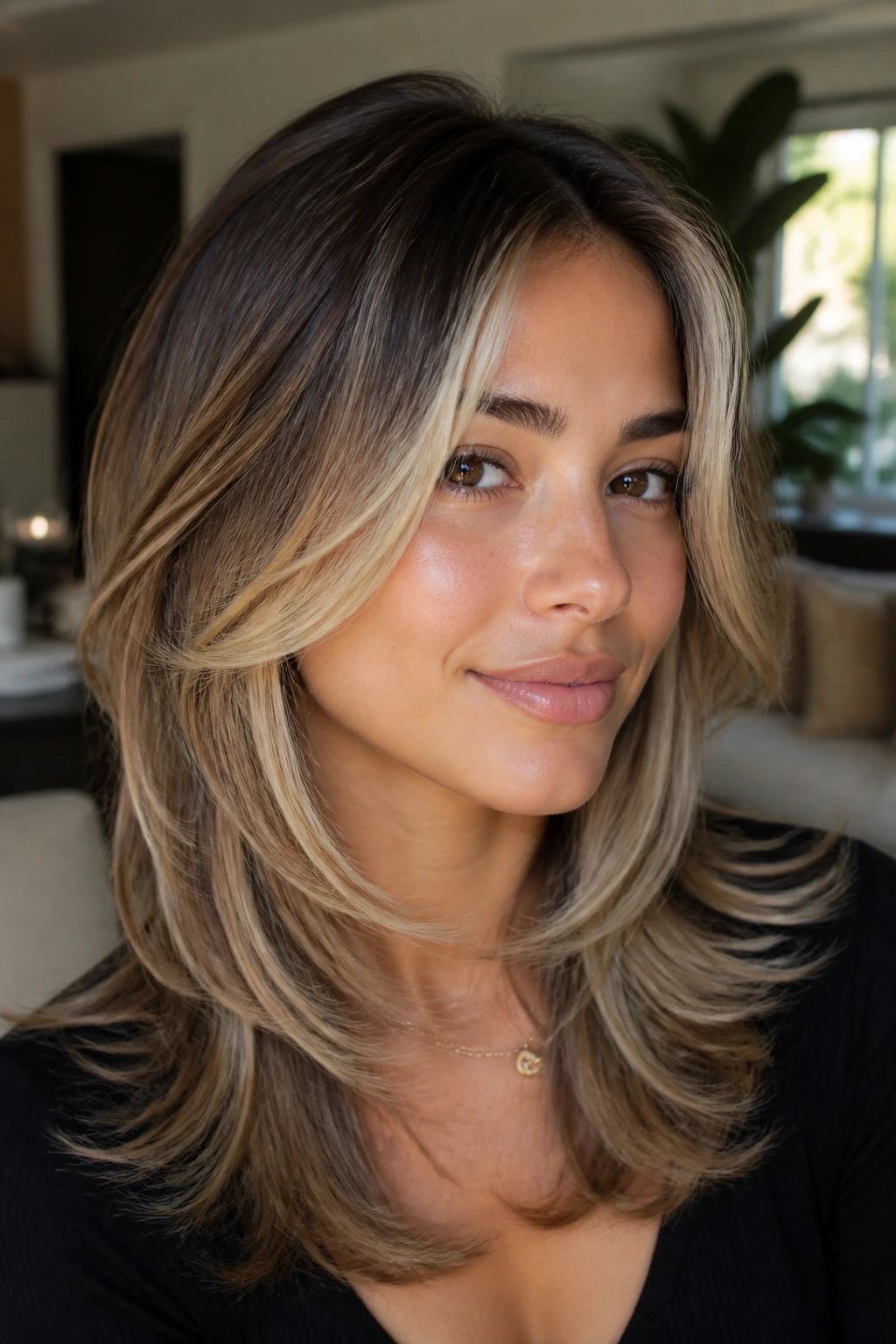
Money pieces can look loud if the haircut underneath is too hard. Feathered layers cool them down. The bright pieces around the face still stand out, but the soft layers around them keep the contrast from feeling harsh.
This is one of the easiest ways to make feathering look fresh without changing the shape of the whole head. The lightened front pieces catch the eye, and the layers give them room to move. That movement matters more than extra color does.
If you already wear highlights, ask your colorist to place the brightest pieces where the layers fall open naturally — usually around the cheekbones and just below the jaw. The haircut and color start working together instead of competing. That’s the good stuff.
25. Feathered Layers with Subtle Highlights
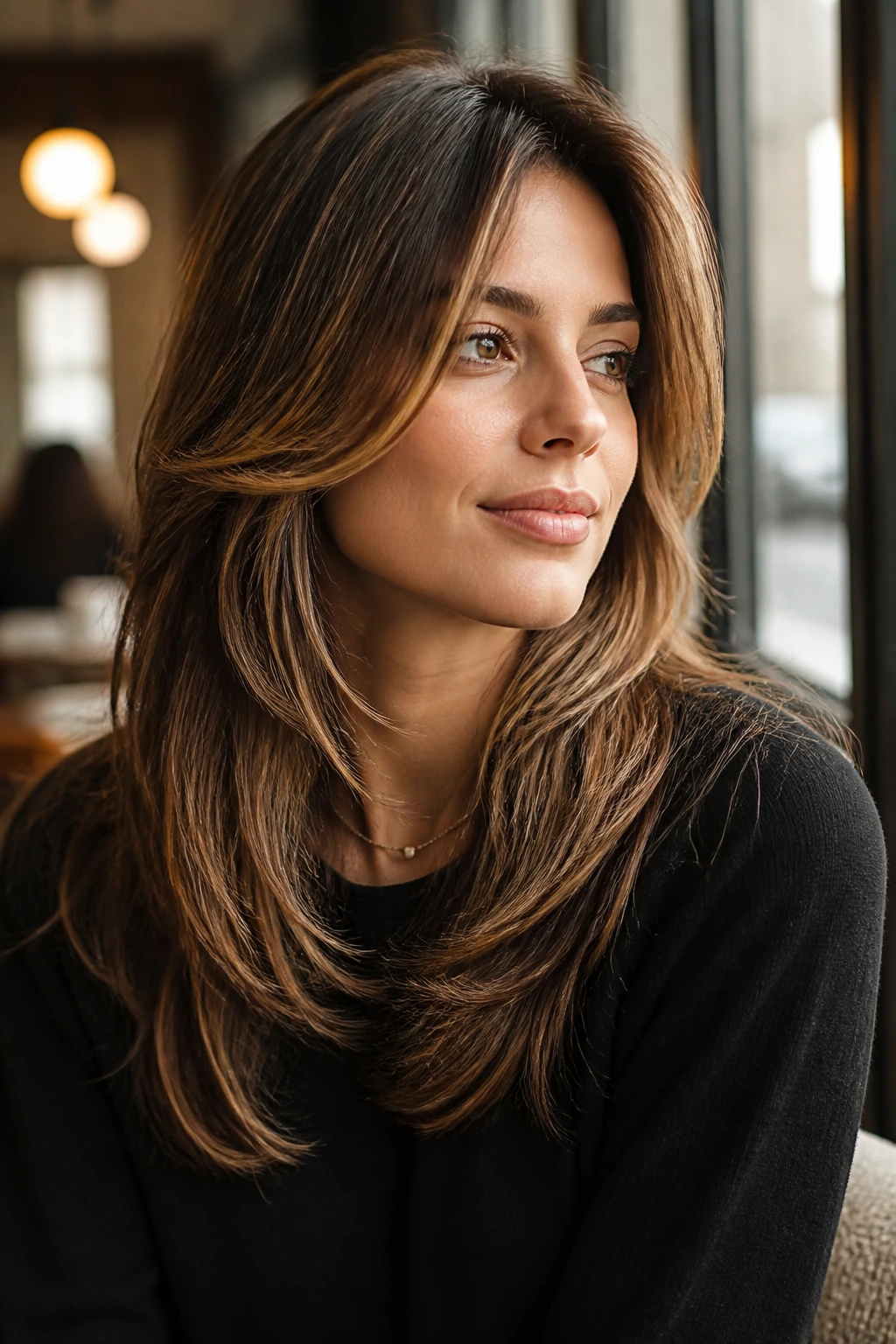
Subtle highlights and feathered layers are a very good pair because both depend on separation. The highlights create tiny changes in tone; the layers give those changes places to catch the eye. Together, they make the haircut look fuller without adding bulk.
This is especially nice on medium brown, dark blonde, or chestnut hair where a little lift around the mids can stop the shape from reading flat. I prefer a soft balayage or fine foil work here rather than chunky stripes. Chunky stripes fight the feathering. Fine strands follow it.
If your hair has natural texture, the highlights will show more when the layers move. That’s why feathering and color often look better together than they do alone. The cut gives the color a place to live.
26. Feathered Halo Layers
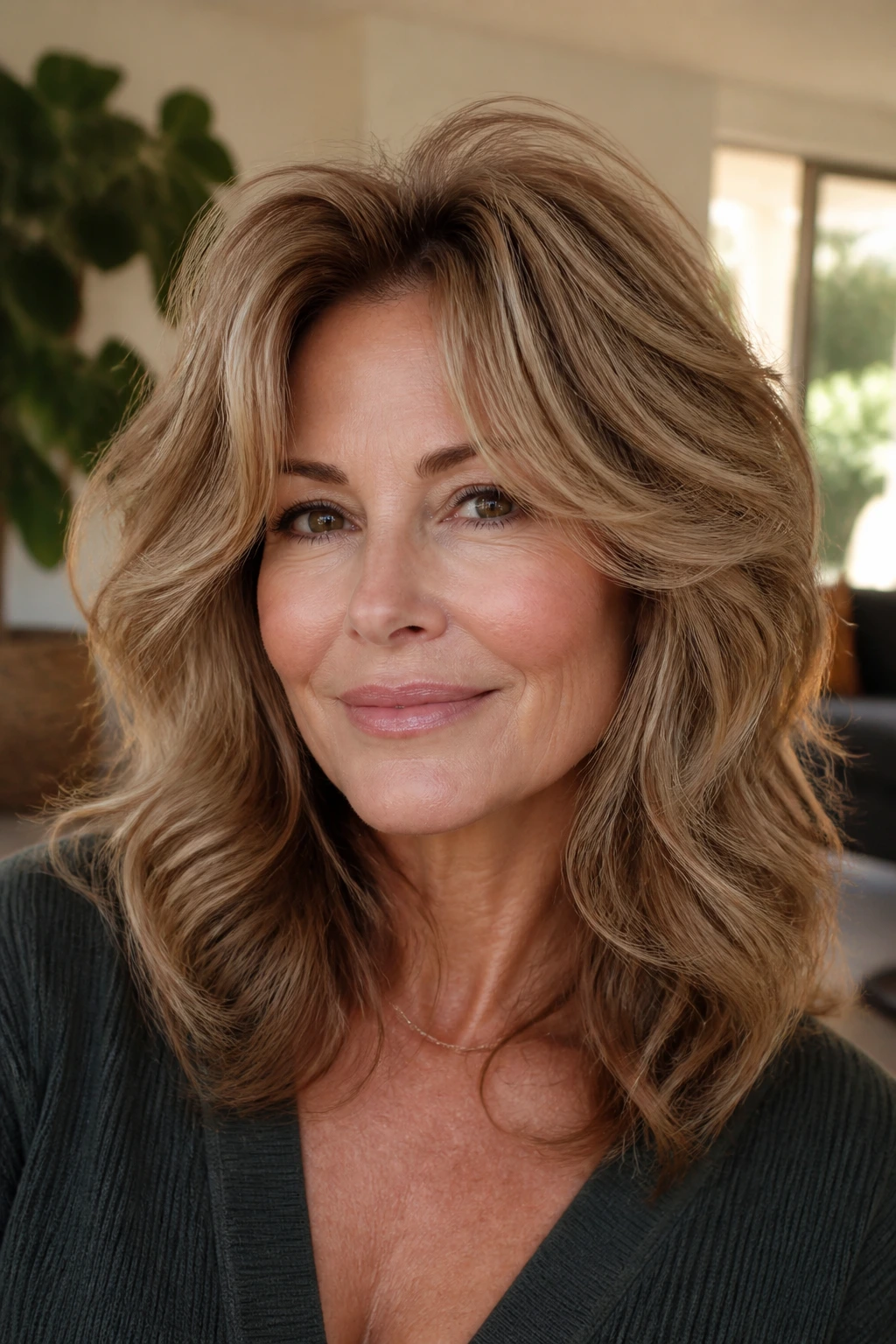
Halo layers frame the head in a soft arc, which makes them ideal for women who want lift around the crown and sides without sharp contrast. The layers begin a little higher and travel around the head like a gentle ring. The result is rounded, soft, and easy to wear.
This shape is useful when hair tends to go flat at the top but poof at the bottom. The halo redistributes the movement so the cut feels balanced. A round brush at the crown and a quick brush-through at the ends are usually enough to set it.
It also works nicely with glasses, because the front pieces can sit above or beside the frames without crowding them. Small practical detail, but a good one.
27. Mid-Length Feathered Shag
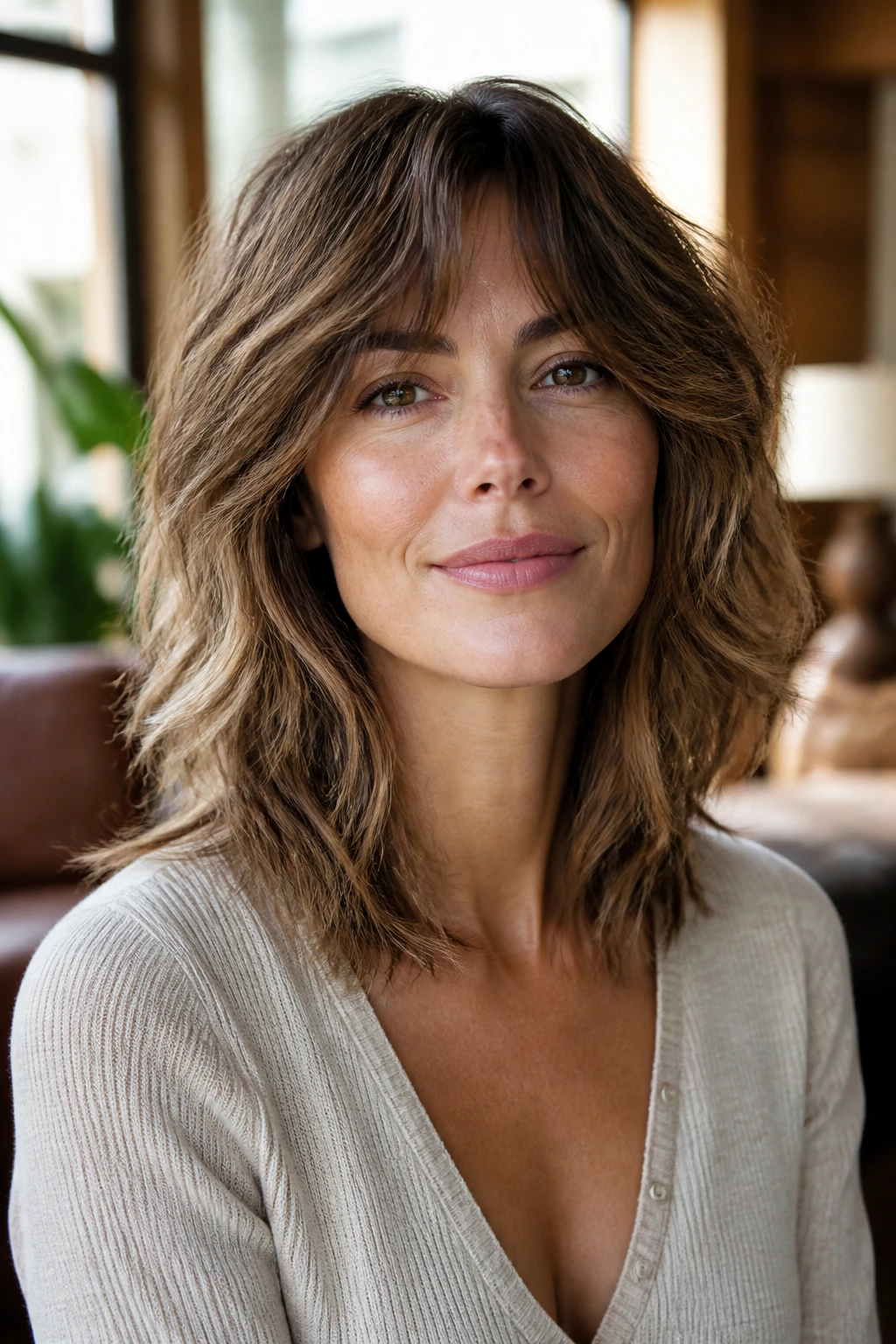
The mid-length shag is where feathering gets a little more relaxed and a little more interesting. The crown stays soft, the sides open up, and the ends move without looking chopped to pieces. It has more personality than a simple layered cut, but it still plays nicely in day-to-day life.
Why It Works
- The shape gives natural texture somewhere to go.
- The mid-length keeps enough weight to avoid puffiness.
- The layers can be styled smooth or left a little messy.
I like this on women who want something between polished and undone. It doesn’t ask for perfection, which is probably why it feels so easy to wear. A little mousse, a little scrunching, and you’re done.
28. Feathered Bixie
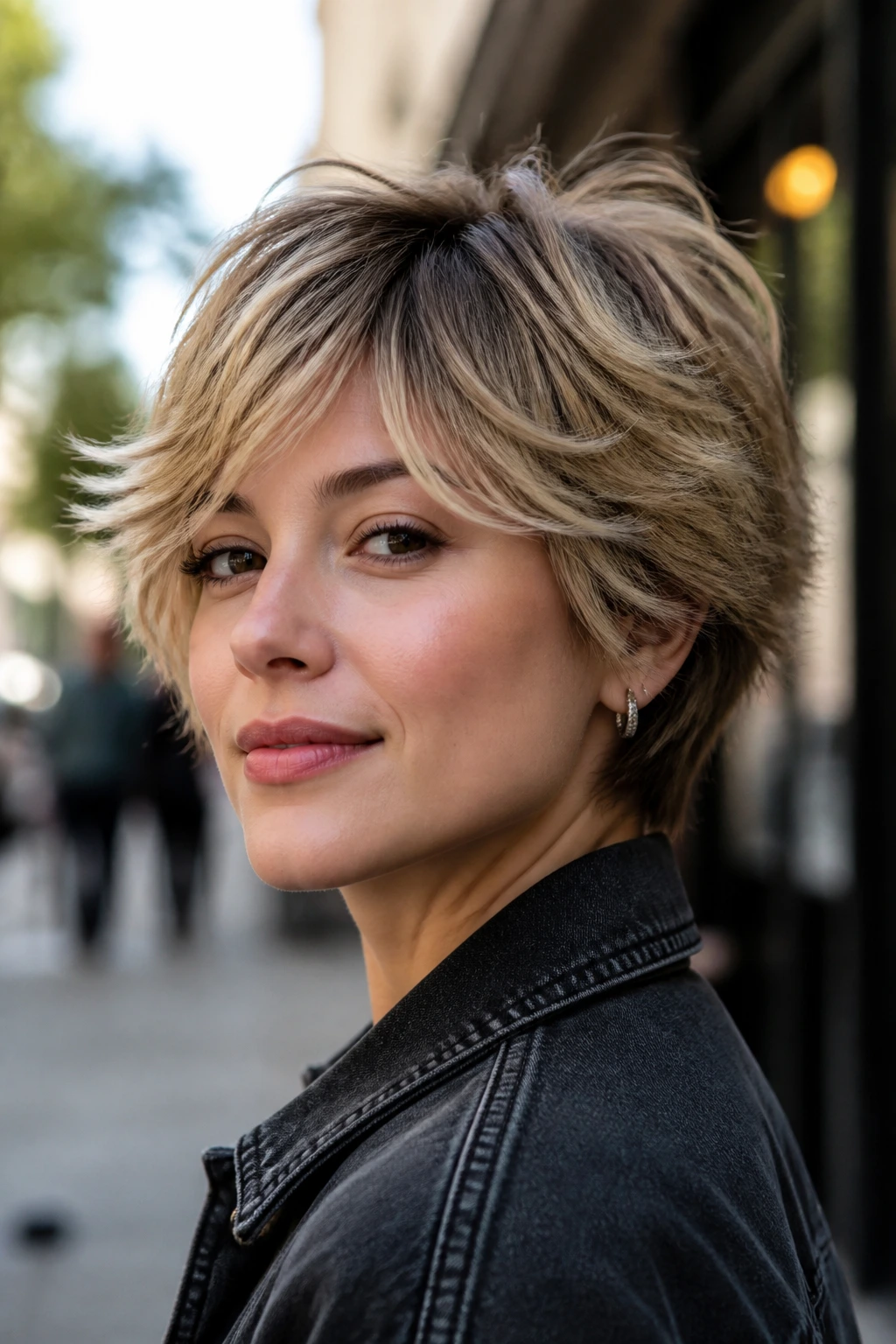
A bixie sits between a bob and a pixie, which makes feathering almost mandatory. Without those soft tapered ends, the shape can turn boxy around the ears and nape. With feathering, it feels light, a little cheeky, and much less severe.
This is a strong pick if you want short hair but not a cropped, blunt outline. The top needs enough length to move forward or sideways, and the sides should taper softly into the neckline. The cut looks especially good with a side part and a little texture cream worked through the top.
Do not starve the bixie of length at the crown. That’s the piece that keeps it from reading like a grown-out pixie. Short hair still needs shape.
29. Soft Feathered Mermaid Length
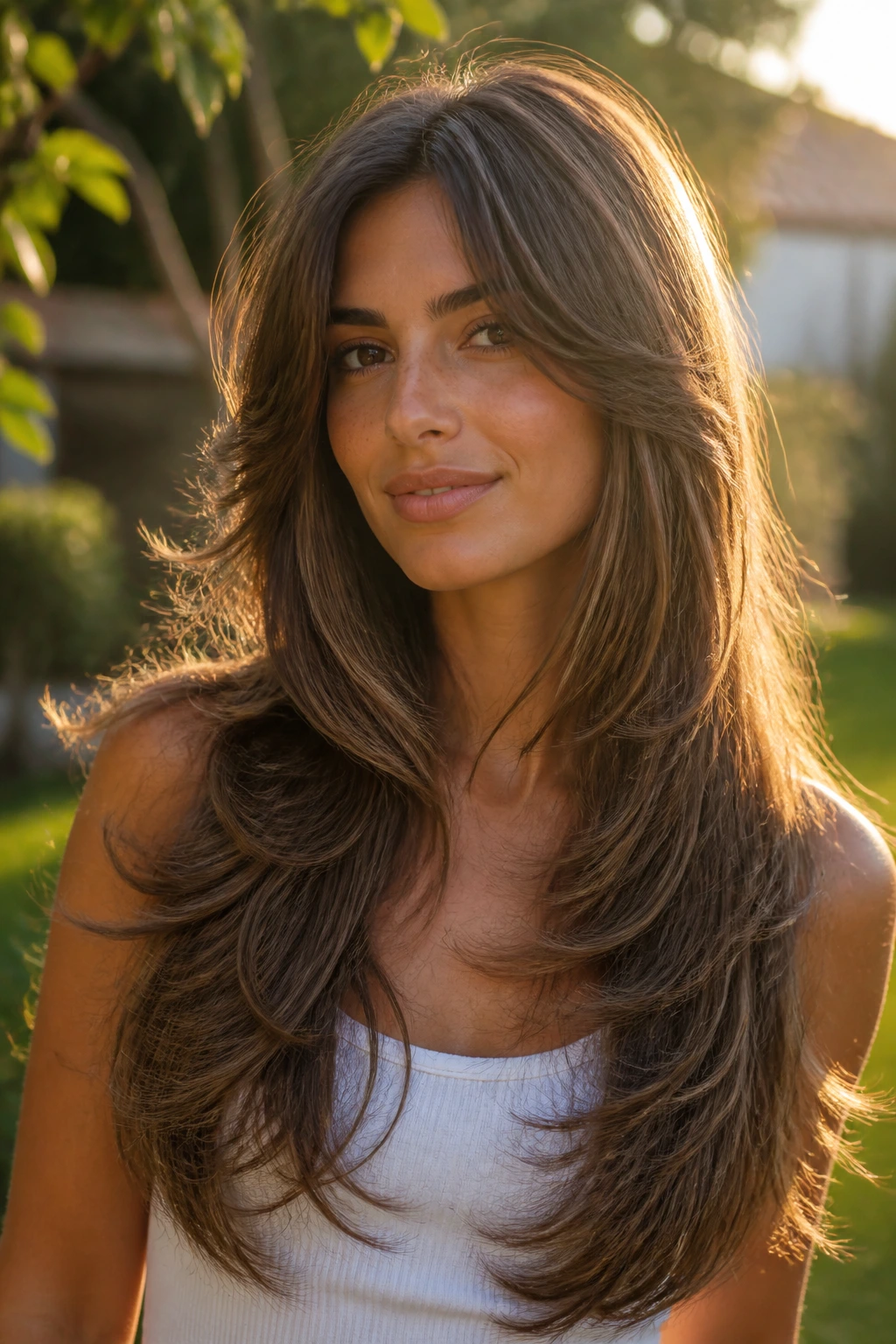
Very long hair can get heavy at the bottom fast. Feathering solves that by softening the lower lengths so the style keeps its flow all the way down. If you like mermaid-length hair but hate the feeling of the ends dragging, this is the version worth chasing.
The long shape still gives drama, but the feathered edges stop the back from looking like a single curtain. That matters when the hair is thick or naturally wavy. A small bend through the last section can help the ends move, but I would avoid tight curling. The whole point is soft motion.
This is one of those styles that looks best when the hair is in good condition. Split ends show up fast on long feathered hair, so trims are not optional here. Long hair plus soft feathering is a maintenance relationship.
30. Low-Maintenance Air-Dry Feathering
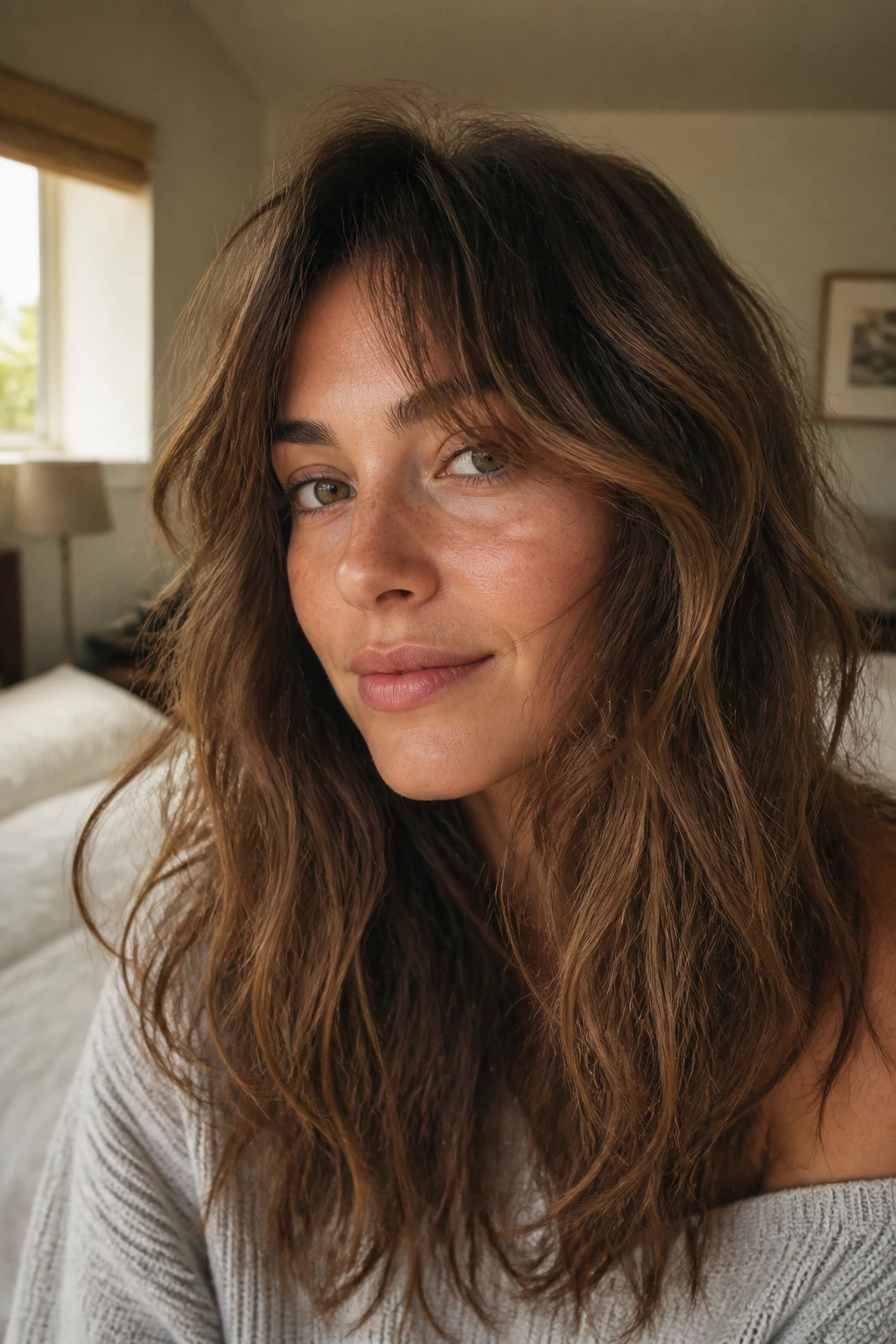
Not every feathered style needs a blowout. Some of the best versions are built for air-drying with just enough product to keep the shape from going wild. The layers should be soft, long enough to settle naturally, and placed where the hair already wants to bend.
This works especially well for wavy or slightly frizzy hair. A light leave-in on damp hair, a bit of mousse through the mids, and a rough parting are often enough. If you twist a few front sections while they’re damp, the face-framing pieces fall in a softer curve once dry.
I like this style because it respects the texture instead of trying to erase it. That’s the line feathered hair walks best. Shape, not control for its own sake.
31. Deep Side-Part Feathered Layers
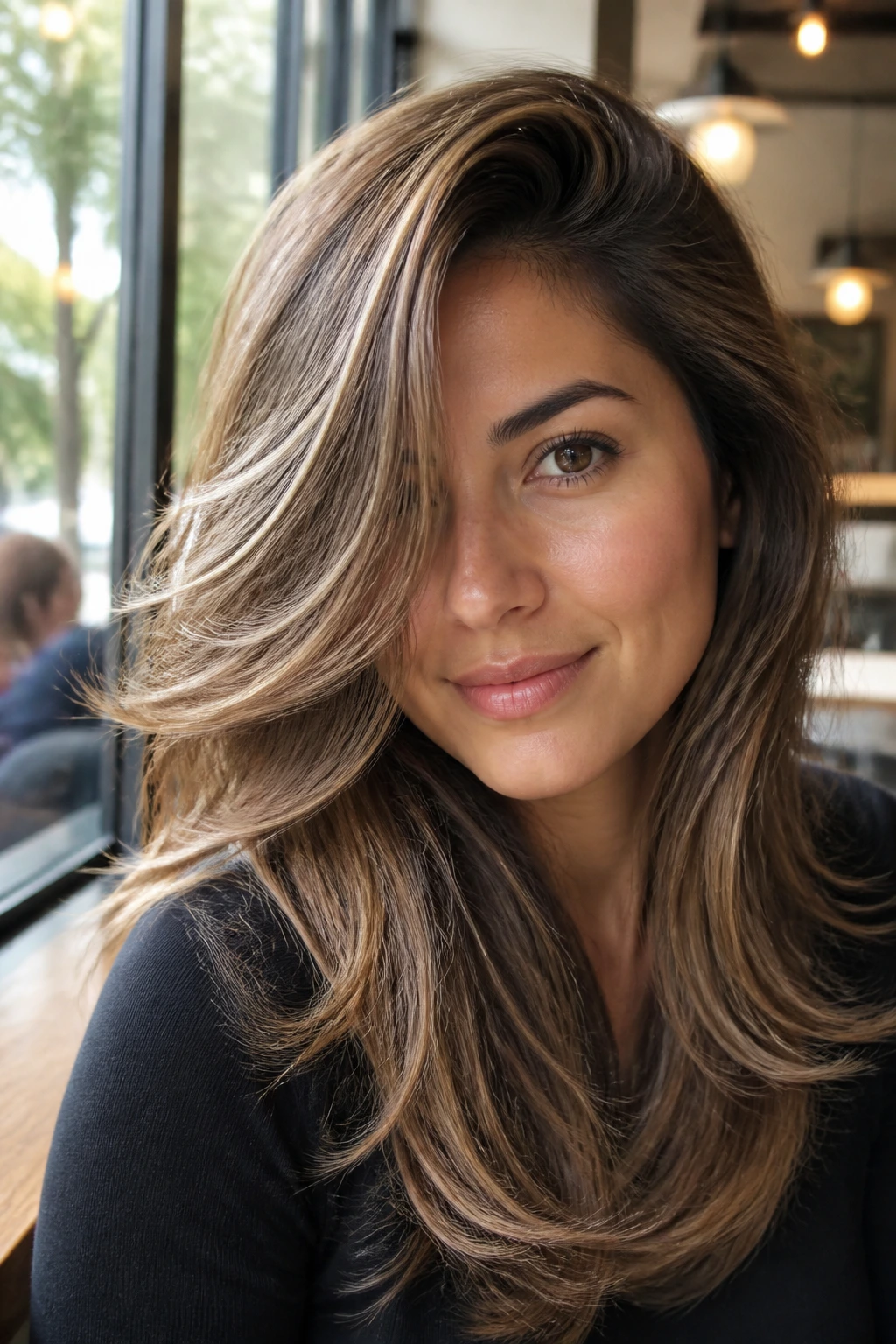
A deep side part gives feathered layers a cleaner sweep across the face and a lot of built-in lift at the root. The hair falls heavier on one side, lighter on the other, and the layers make that imbalance look deliberate. It’s a strong shape for women who want a little drama without extra length.
This style flatters rounder faces by creating a diagonal line, and it can soften a strong forehead on longer faces too. If the roots collapse easily, clip the hair up while it cools after blow-drying. That little cooling step helps the lift stay put. Annoying? Yes. Worth it? Also yes.
The best part is how quickly it changes the mood of the haircut. Same layers. Different part. New attitude.
32. Feathered Blowout with Velcro Rollers
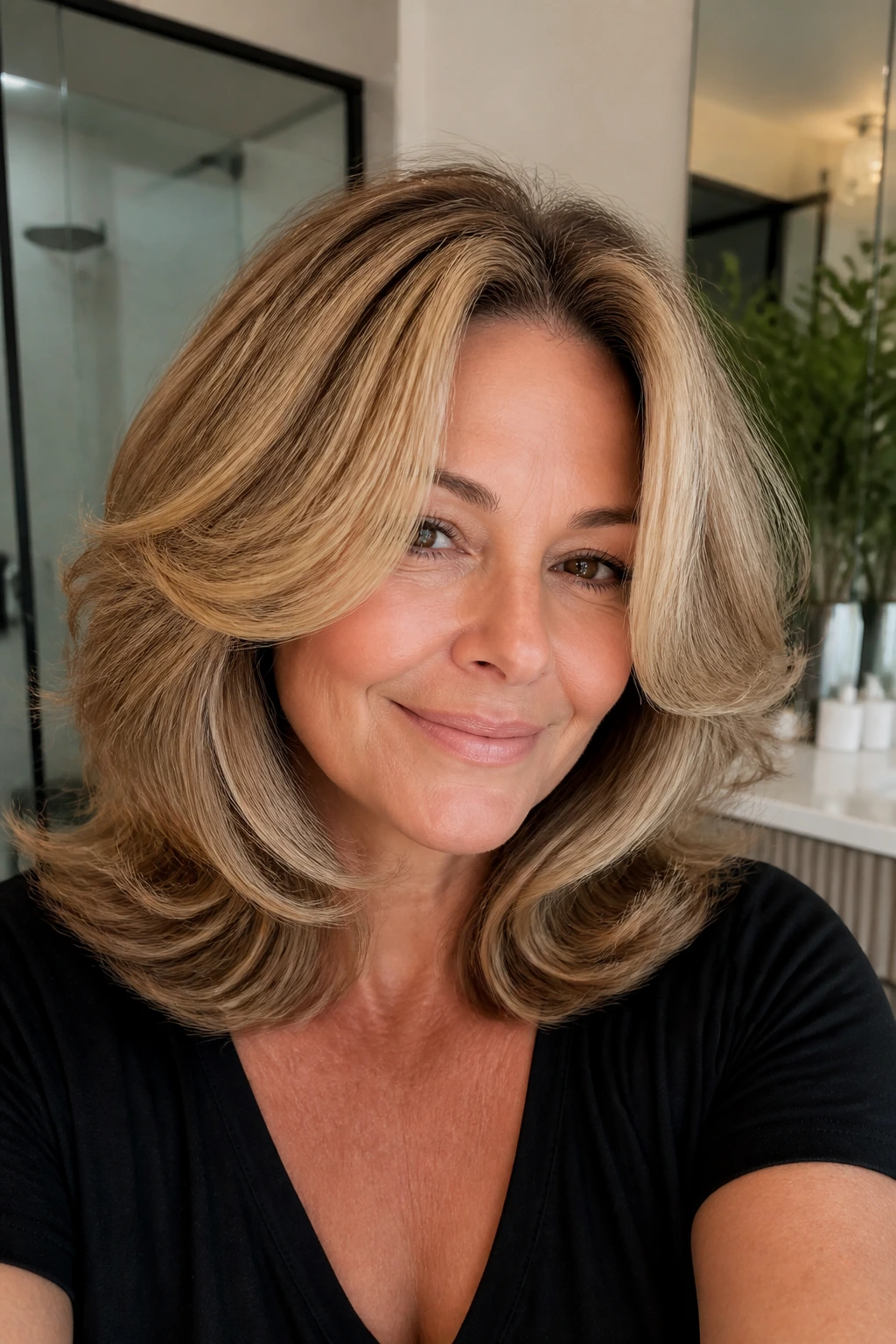
A feathered blowout looks especially good when the hair is set in velcro rollers for a few minutes after drying. The rollers lift the roots, bend the ends, and help the feathered layers keep their curve. You get that rounded salon finish without needing a hot iron everywhere.
This is a smart styling choice for women whose hair loses shape too quickly once it cools. Rollers hold the curve longer than a brush alone. Use them only on the crown and front pieces if you want to save time; the rest can stay loose and soft.
The finish should feel brushed out, not stiff. If the rollers leave the hair too set, run your fingers through the mids and shake it out. Feathered blowouts should move when you move.
33. Feathered Cut with Tucked Ends
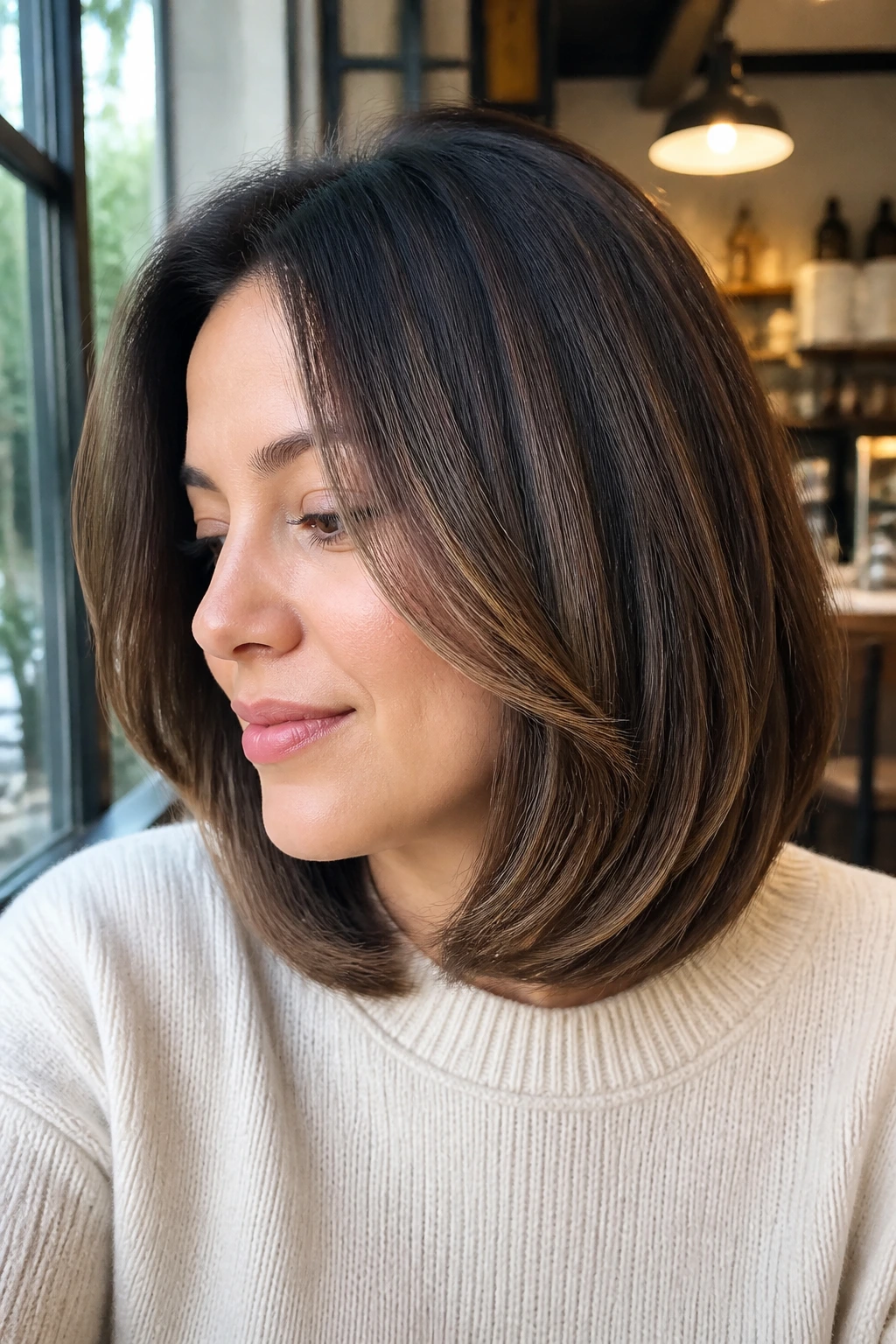
Tucked ends are a quieter way to wear feathered hair. Instead of flipping outward, the ends curve slightly inward or sit softly against the neck and collarbone. It feels neat, modern, and a little more understated than the more buoyant feathered looks.
I like this style on women who wear turtlenecks, collared shirts, or structured jackets. The soft inward tuck keeps the hair from fighting the neckline. A smooth brush and a little bend at the very ends are all it takes. No dramatic styling. No fuss.
If the ends tuck too hard, the cut can look dated. Keep the bend loose. Feathered, not shellacked.
34. Feathered Layers with a Swoopy Fringe
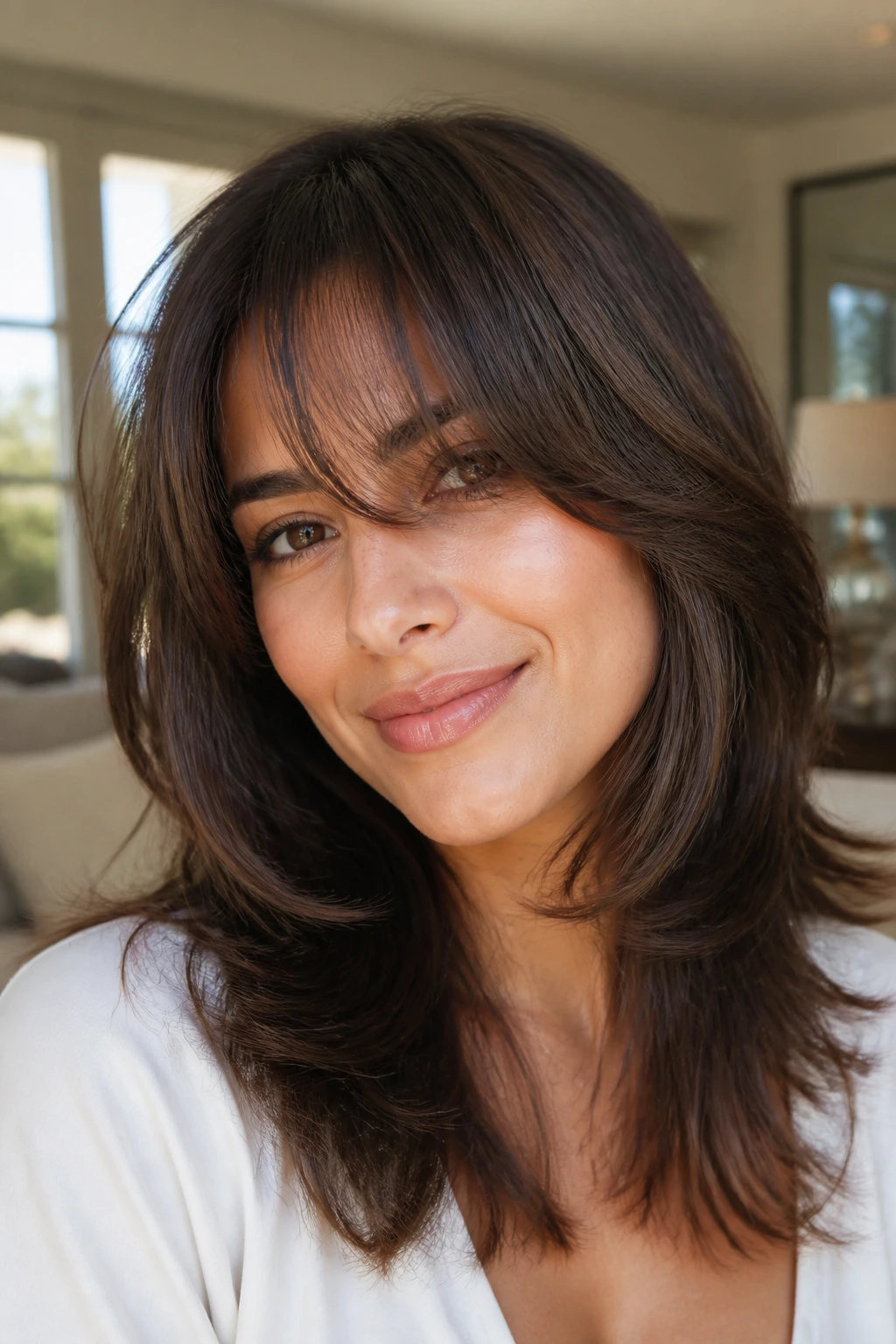
A swoopy fringe gives the face-framing pieces a bigger arc than regular bangs, which is why it works so well with feathered layers. The fringe moves across the forehead and into the sides in one long sweep. It softens the front of the haircut before the rest of the layers even start.
This is a lovely choice if you want hair that feels open around the eyes and cheekbones. The fringe should be long enough to brush out to the side and blend with the front layers, not cut into a separate block. That blending is what keeps the style soft.
A medium round brush and a touch of heat protectant are enough to shape it. The trick is to let the fringe cool before you touch it again. That pause matters more than people expect.
35. Soft Feathered Updo with Loose Tendrils
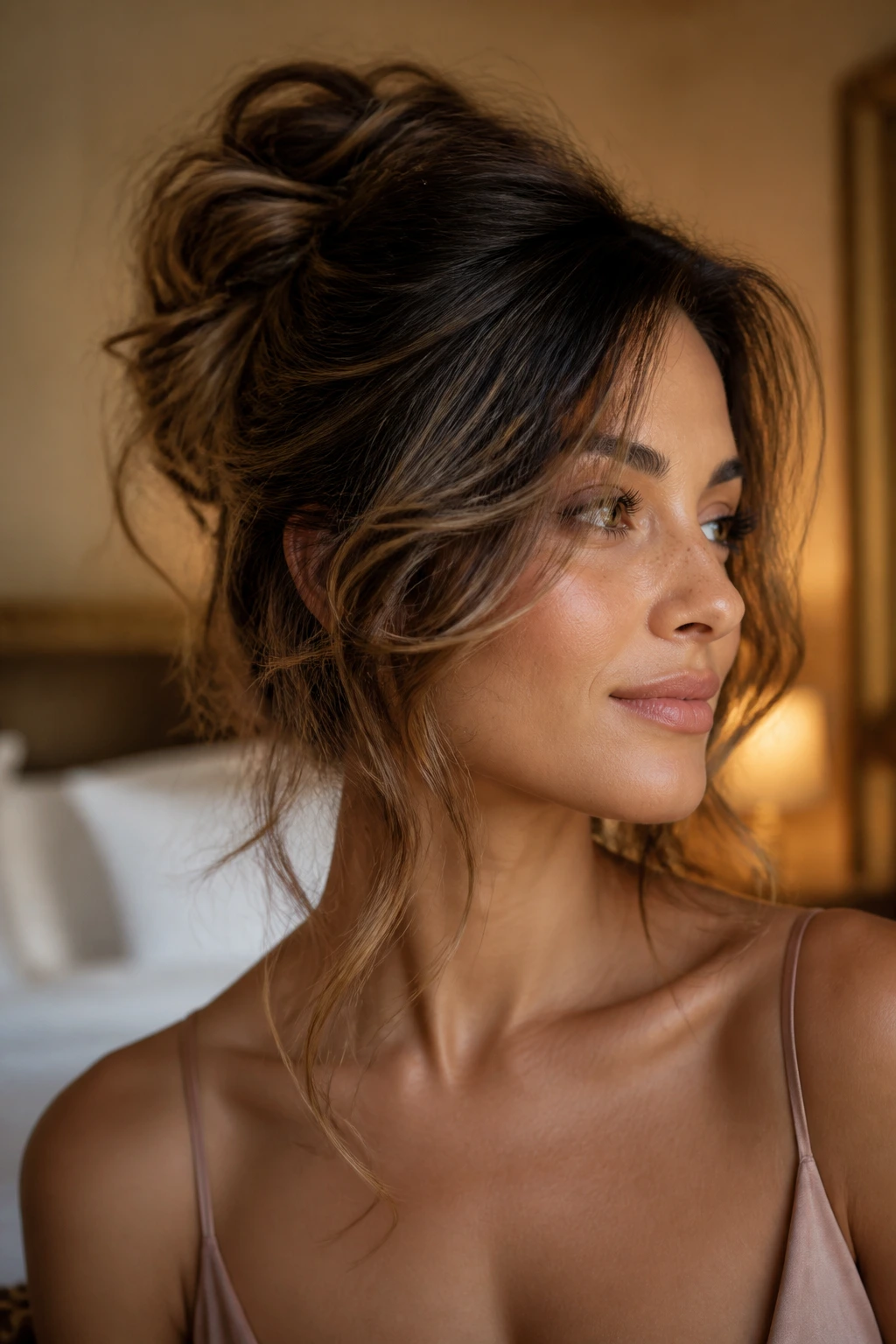
A soft feathered updo is the escape hatch for all the women who love movement but still need their hair up sometimes. The base can be a loose bun, a low twist, or a clipped roll, but the feathered tendrils around the face keep it from feeling severe. Those wispy pieces are doing a lot of work.
This style is especially nice when the haircut itself is feathered, because the layers already want to break free in a flattering way. Pull out pieces around the temples and jawline first, then secure the rest loosely. If the updo feels too tight, the feathering disappears. Leave some slack in the shape.
It’s a good reminder that feathered hair does not need to be worn down to make sense. Sometimes the softest look is the one that leaves a few pieces in motion.
Why Feathered Layers Stay Soft Instead of Choppy
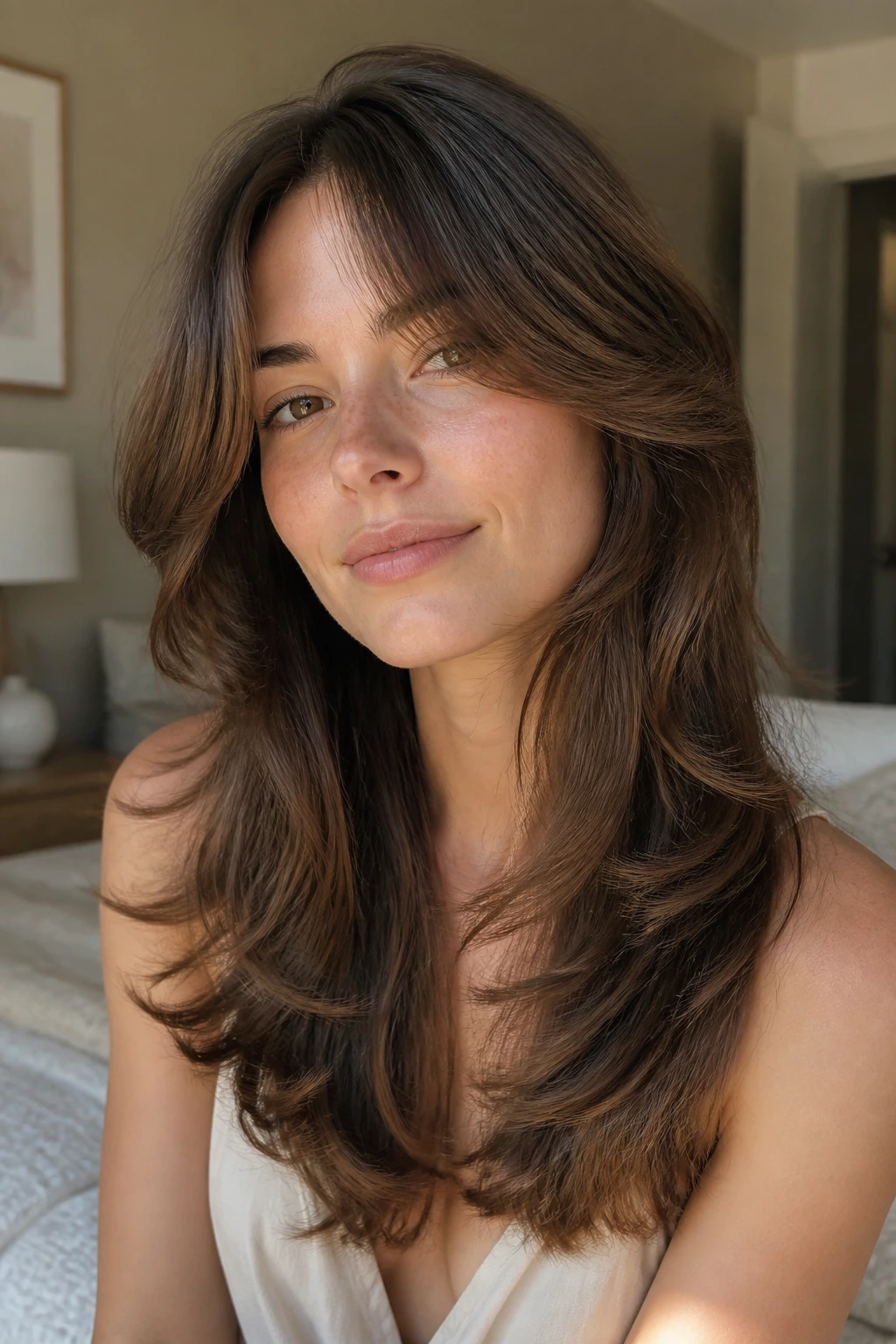
Soft feathering starts with where the weight gets removed. A blunt cut chops the ends into one line and leaves the whole outline carrying the same amount of bulk. Feathering breaks that line up with gradual tapering, so the hair can fall in thinner, more movable sections. That is why the finish feels lighter even when the length barely changes.
The technique matters too. Point cutting, slide cutting, and careful internal layering keep the shape from turning jagged. I prefer a stylist who thinks about how the hair sits on day three, not just how it looks when the blow-dryer is still warm. A good feathered cut should survive a rough part, a rainy commute, and a quick tuck behind the ear.
Texture changes the result. On straight hair, feathering shows up as a clean sweep at the ends. On wavy hair, it keeps the wave from swelling into a triangle. On curly or crimped texture, it helps the hair fall in a more even halo. Same idea. Different finish. That is what makes the cut worth the chair time.
Essential Tools for These Hairstyles
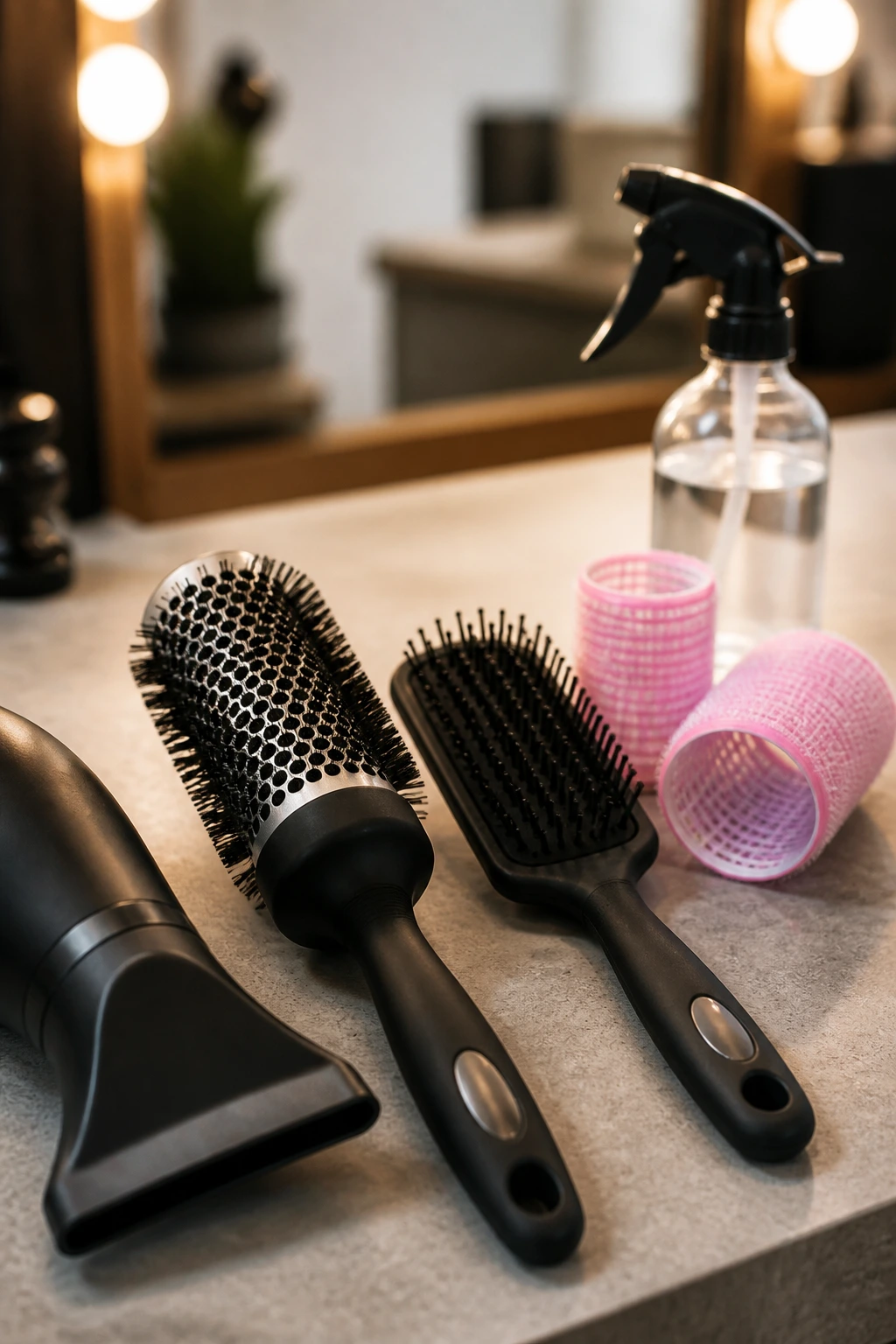
- Blow dryer with a nozzle attachment: The nozzle helps direct the air down the hair shaft so the feathered ends stay smoother.
- 1-inch to 1.5-inch round brush: A medium brush gives the ends that soft bend without creating a tight curl.
- Paddle brush: Useful for straightening the mids and keeping blowouts soft rather than puffy.
- Velcro rollers: Best for crown lift and a brushed-out salon finish on lobbed or shoulder-length styles.
- Heat protectant spray: Keep it light and even, especially on face-framing pieces and fringe.
- Light mousse or root-lift spray: A walnut-sized amount is plenty for most medium-length cuts.
- Flexible-hold hairspray: Holds the shape without making the layers feel crunchy.
- Wide-tooth comb or fingers: Better for wavy and curly feathered looks than a stiff brush.
- Dry shampoo: Helpful on the second day when the crown starts to slump.
- Diffuser attachment: A must if you want feathered curls or waves to keep their shape while air-drying.
- Clips: Handy for setting the front pieces while they cool or keeping the crown lifted during a blowout.
- Smoothing serum: Use a tiny amount only on the last 2 inches if the ends go fuzzy.
Smart Salon and Product Choices
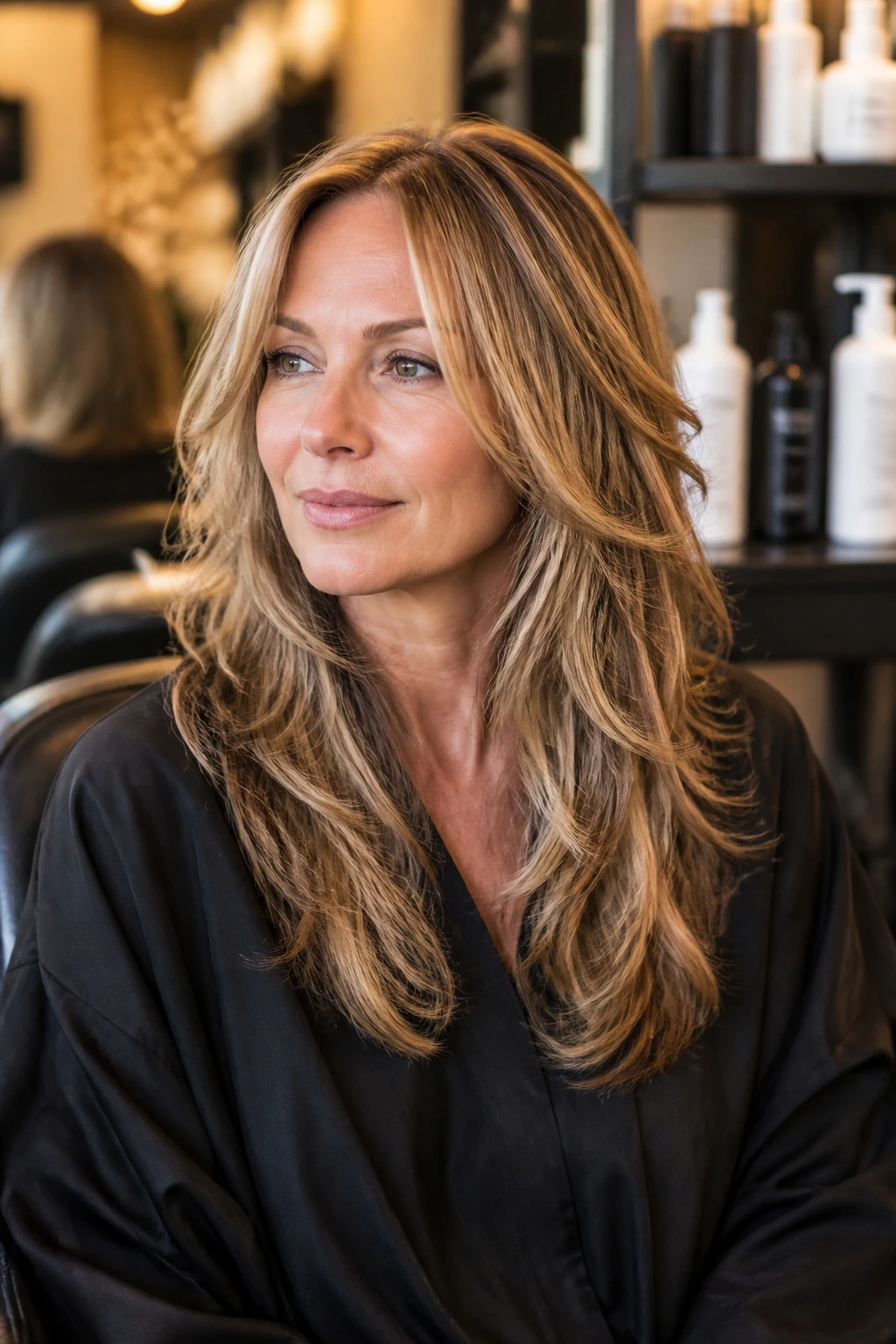
Soft feathered hair begins with the cut, not the spray bottle. If you want the shape to stay light, ask for point-cut ends, soft internal layering, and no harsh shelf at the bottom. Those words matter because a blunt perimeter makes the whole style look heavier, even if the top is layered. If your hair is thick, ask the stylist to remove weight from the inside first and leave the outer edge a little longer.
For fine hair, I like feathering that starts lower. Too many short layers can expose the scalp and make the ends look threadbare. The better move is long face-framing pieces and a soft perimeter. You still get movement, but the hair keeps enough density to look full on a normal day, not only after a perfect blowout.
Curly, wavy, and textured hair need one extra piece of honesty: the cut should respect shrinkage. A dry cut or a mostly dry cut often gives a cleaner result because the curls show their real shape. If you cut curls too short while wet, the feathering can spring up much higher than expected. And once that happens, the only fix is waiting for it to grow out.
Product shopping is simpler than most shelves make it seem. Pick one lightweight root product, one smoothing product for the ends, and one flexible spray. That’s enough for most soft feathered hairstyles. Heavy creams, thick oils, and dense waxes tend to bury the movement you paid for.
How to Wear Soft Feathered Styles for Everyday
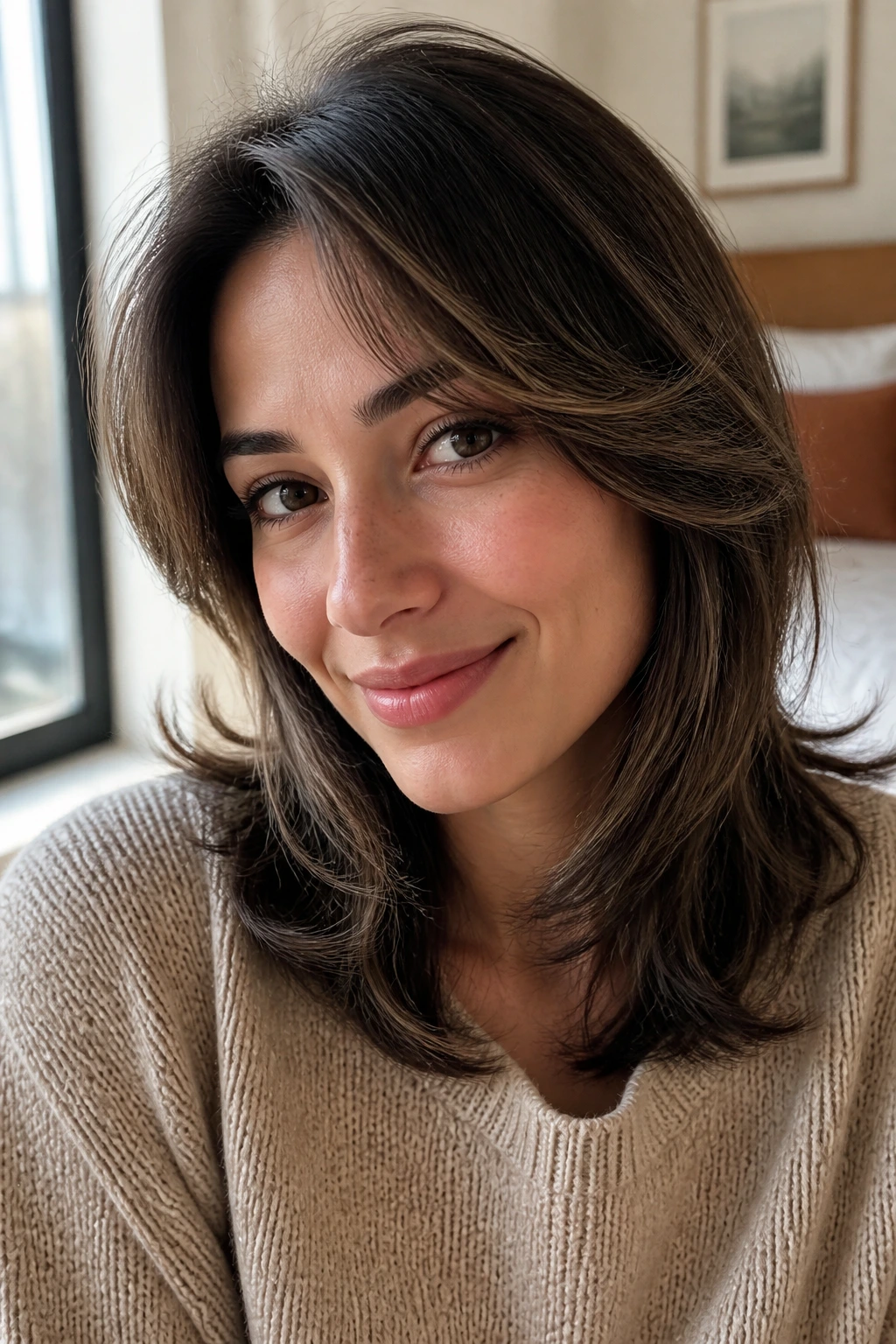
Presentation: Let the front pieces do some work. A feathered bob looks sharper when one side is tucked and the other side hangs free, while long layers look softer when the shortest pieces fall just beside the cheekbone. Keep the silhouette visible; don’t hide it under too much pinning.
Best Pairings: These cuts sit well with earrings that don’t compete with the jawline — hoops, small drops, or a simple stud if the layers are already busy. On long feathered hair, a V-neck or open collar keeps the shape from feeling crowded around the neck. Little detail. Big difference.
Balance: If your hair is dense, keep the top lighter and the perimeter cleaner. If your hair is fine, do the opposite: keep more fullness through the lengths and use the feathering mostly around the face. The haircut should balance your natural density, not fight it.
Finish: Choose the finish based on the day. A round-brush blowout gives the softest salon look, a flat-iron bend adds polish to straight hair, and an air-dried wave keeps texture front and center. The cut can handle all three if the layers were placed well.
Additional Tips and Texture Boosters
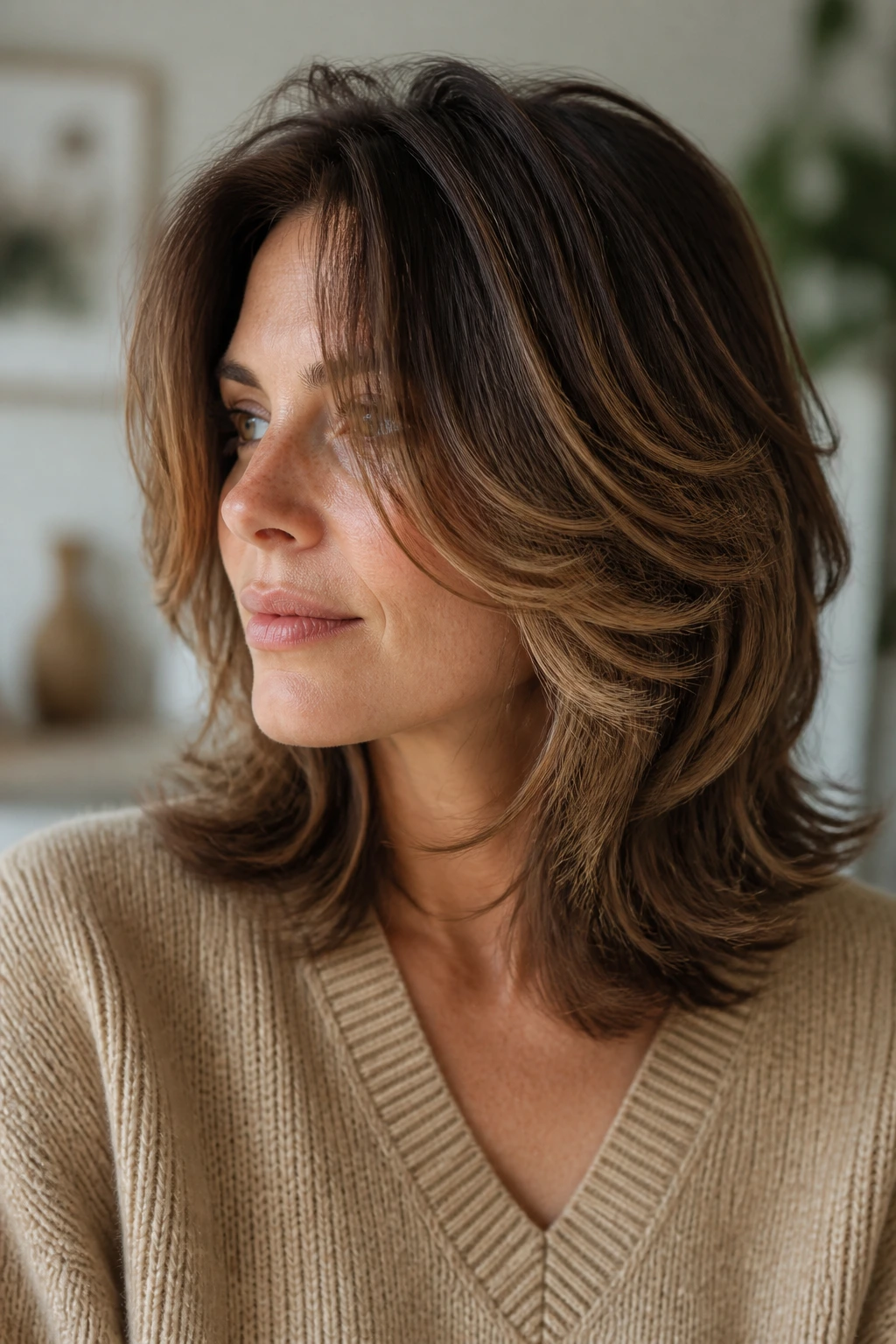
Volume Boost: Work a root-lift spray or light mousse into damp roots, then blow-dry the hair in sections, lifting each section away from the scalp for a few seconds before releasing it. That little hold at the root keeps the crown from sinking while the feathered ends stay soft.
Softness at the Ends: Use a smoothing serum only on the last 2 inches of hair. Any higher, and you risk pulling the feathering down. I like this especially on shoulder-length cuts where the ends can go frizzy after a long day.
Texture Play: If you want more visible movement, twist 2-inch sections while the hair is damp, then let them dry before shaking them loose. That gives feathered layers a brushed-out wave without turning the style into a tight curl pattern.
Make-It-Yours: Fine hair does best with longer layers and a lighter product load. Thick hair usually needs more internal weight removal and a stronger blow-dry at the roots. Curly hair wants a diffuser and less touching. Straight hair often looks best when the ends are softly bent, not curled hard.
Keep the Shape Fresh Between Washes
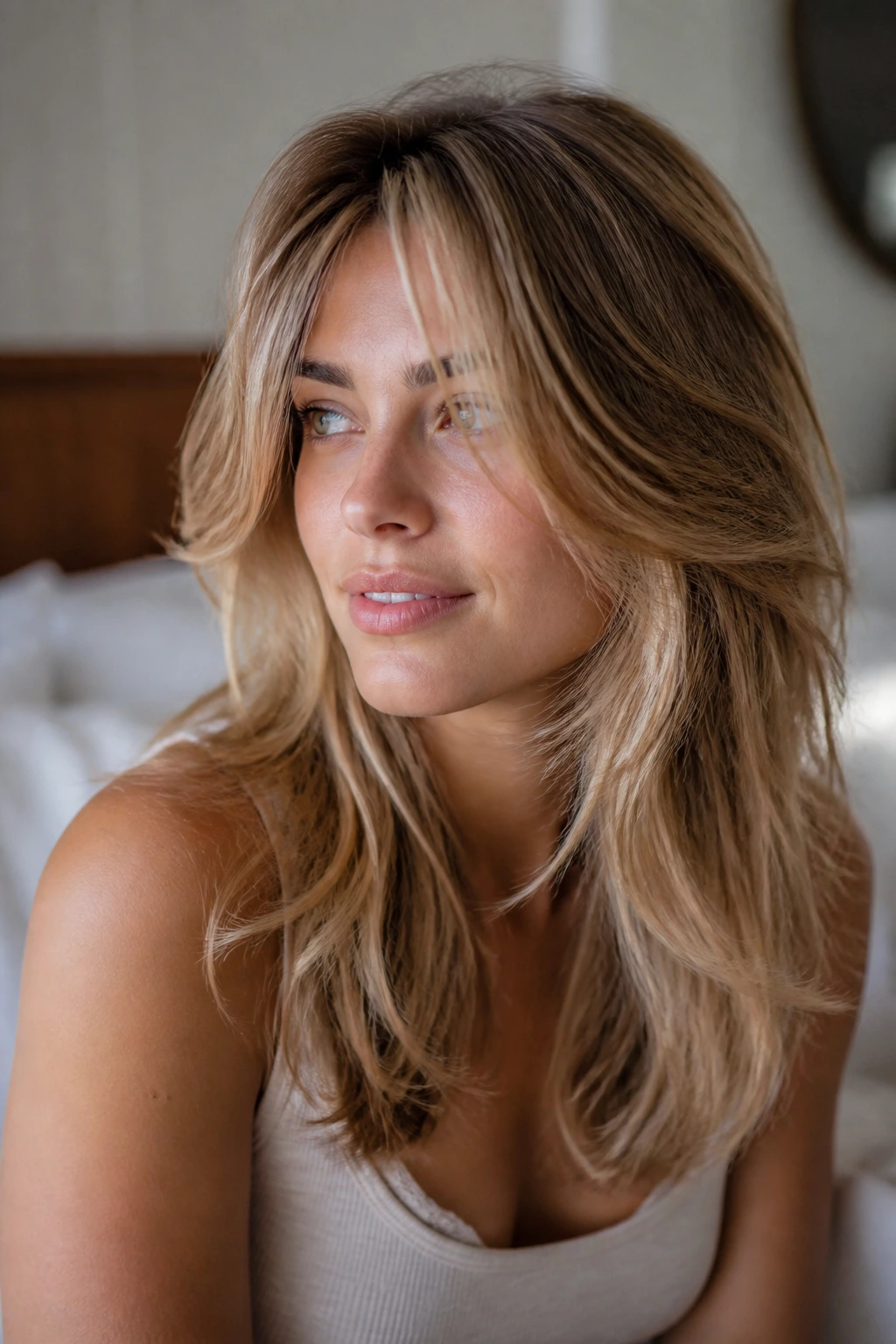
Feathered hair usually holds up best when you give it a little help on day two and day three. A quick blast of dry shampoo at the roots can restore lift, but spray it from about 8 to 10 inches away so it doesn’t leave chalky patches. If the front pieces have gone limp, mist them lightly with water, wrap them around a brush or your fingers, and let them reset for a few minutes.
Shorter feathered cuts, like bobs and bixies, usually need trims every 6 to 8 weeks to stay soft at the edges. Longer layers can stretch to 8 to 12 weeks, but the face-framing pieces still need regular cleanup if you wear them forward. Split ends show faster on feathered shapes because the whole point is movement, and split ends interrupt movement in the ugliest possible way.
Sleep care matters more than people expect. A satin or silk pillowcase cuts down on roughing up the ends, which helps the feathering stay smooth. If you wake up with one side flattened, dampen that side slightly and brush it into shape rather than soaking the whole head. Feathered styles respond well to small resets. They do not need a full redo every morning.
Common Mistakes That Make Feathered Hair Look Puffy or Flat
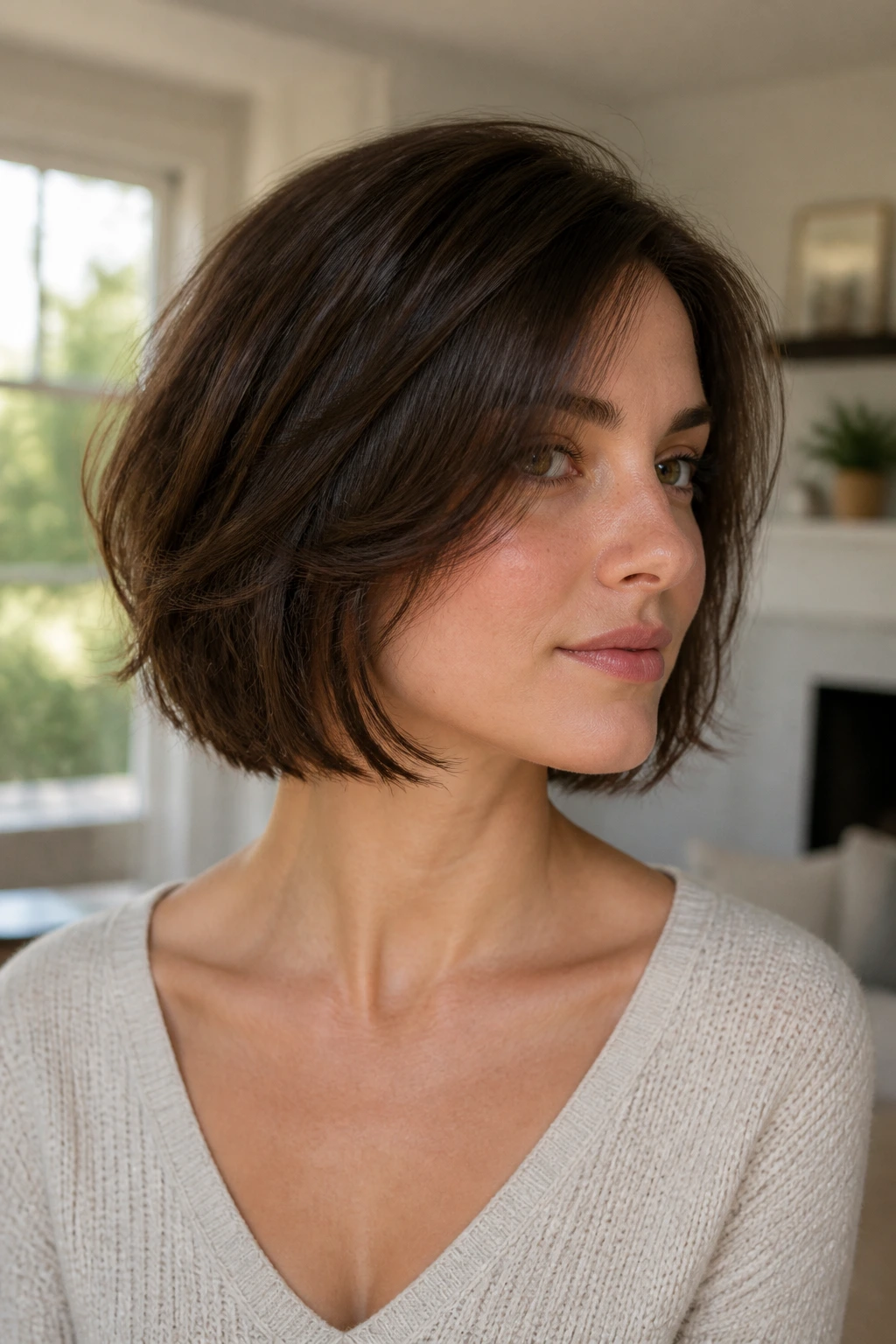
Cutting the layers too high: This is the fastest way to get a puffed-out crown and thin ends. If the shortest layer sits too close to the top of the head, the haircut loses its softness. The fix is to keep the shortest pieces lower unless the goal is a very short shag or pixie.
Using heavy cream everywhere: A thick leave-in or oil on the roots can drag feathered hair down fast. The symptom is flat top, fuzzy ends, and a shape that collapses after an hour. Put rich products only on the last few inches, and choose lighter sprays near the scalp.
Blow-drying the ends in the wrong direction: If you force every end inward or outward the same way, the cut stops looking feathered and starts looking styled in one rigid shape. Let some pieces bend away from the face and some tuck in slightly. That unevenness is what makes the style look alive.
Ignoring the face-framing pieces: When those front layers are too short or too separate, the whole haircut looks disconnected. The fix is to blend them into the next layer down so they fall as one soft line. Feathering is about transition, not sudden jumps.
Skipping regular trims: Feathered ends show split damage earlier than blunt cuts because the eye can see each taper. If the ends start looking frayed, the shape loses its softness fast. Keep the trims on schedule, even if the length still looks fine.
Variations and Adaptations to Try
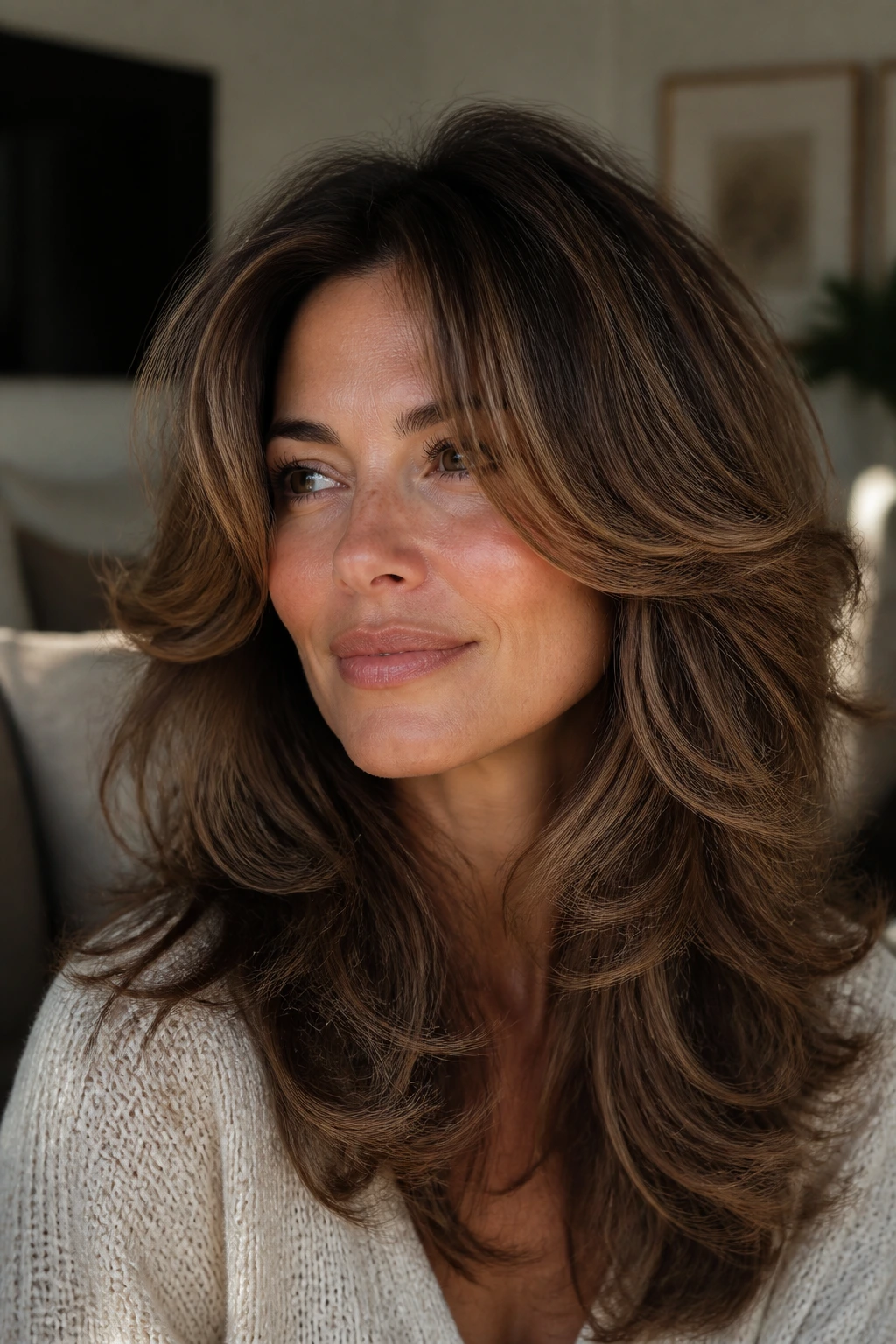
Humidity-Shield Feathering: Keep the layers long, use a light anti-frizz cream only on damp mids and ends, and avoid brushing the hair once it’s dry. This version is better for warm, damp climates or hair that frizzes the second it meets air. The goal is control without losing the soft bend.
Air-Dried Feathering: This version leans into natural texture instead of styling it out of existence. Scrunch in mousse, twist a few face-framing pieces, and let the hair dry with as little handling as possible. It works best on waves and loose curls that already want to move.
Blowout Feathering: Think round brush, root lift, and soft bends through the ends. A few velcro rollers at the crown help the top stay airy, especially on lob and shoulder-length cuts. This is the polished version, and it’s the one I’d choose for a sharper finish.
Curly Halo Feathering: Ask for the shape to be cut around the natural curl pattern, then keep the layers long enough to avoid puffing. Use a diffuser and keep the product weight light. This variation gives curls a softer outline without flattening the top.
Office-Smooth Feathering: Go for a center or deep side part, smooth the mids with a paddle brush, and tuck the ends slightly under or behind the shoulders. It reads neat and calm, but it still has movement. Good for straight hair that needs a little polish without hard edges.
Weekend Piecey Feathering: Use texture spray or a light salt mist on the mids, then separate a few ends with your fingers. This version is best when you want the layers to show off a bit more. It should look touched, not sprayed into place.
Frequently Asked Questions
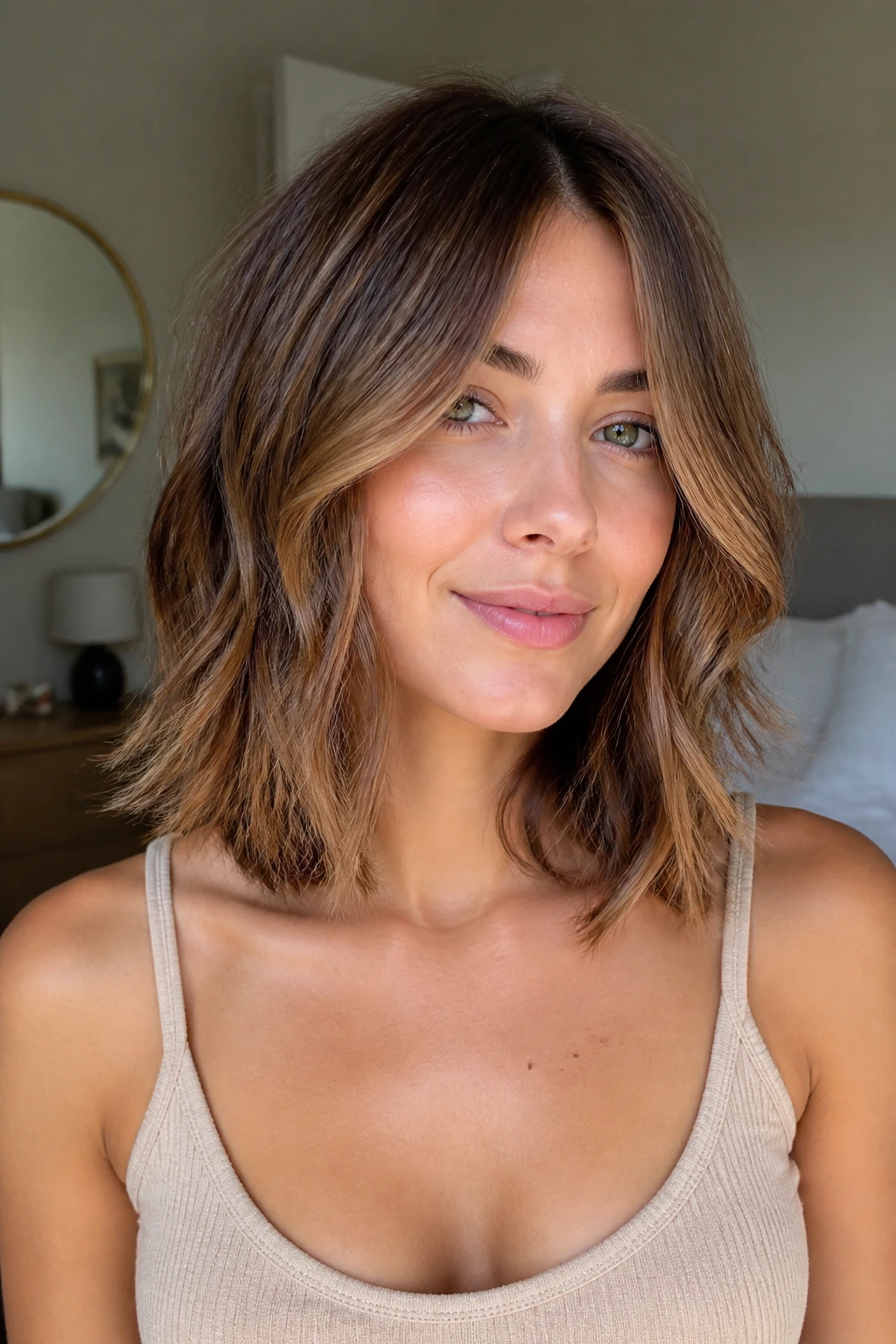
What makes a haircut feathered instead of just layered?
Feathered hair has a softer taper at the ends, so the shape feels airy instead of blocky. Layers can be blunt or choppy; feathering usually means the ends and face-framing pieces have been cut to move more gently.
Do soft feathered hairstyles work on fine hair?
Yes, but the layers need to stay longer and lighter. Too many short layers can make fine hair look sparse, so the better move is soft face-framing and a modest amount of internal shaping.
Can curly hair be feathered without getting frizzy?
It can, if the cut respects the curl pattern and the styling stays light. Dry cutting often helps, and a diffuser with a small amount of curl cream usually works better than brushing curls into submission.
What should I ask for at the salon?
Ask for soft point-cut ends, face-framing layers that blend, and weight removal where the hair is thickest. If you have texture, mention whether you want the finish to work air-dried, blown out, or both.
How often do feathered layers need trimming?
Shorter feathered cuts usually need cleanup every 6 to 8 weeks. Longer layers can go a bit longer, but the front pieces and ends still need regular maintenance so the shape doesn’t go fuzzy.
How do I keep feathered hair from puffing out in humidity?
Use a lightweight anti-frizz product on the mids and ends, not the roots, and avoid over-brushing once the hair is dry. A satin pillowcase and a good trim schedule help more than people expect, too.
Can feathered hairstyles work with bangs?
Absolutely. Curtain bangs, side bangs, and bottleneck fringe all blend especially well with feathered layers because the soft edges keep the fringe from looking separate.
What if my feathered hair looks flat at the crown?
Use a root-lift spray or mousse before drying, then lift the roots with a round brush or clips while the hair cools. If the cut itself is too heavy on top, the next trim should leave a little more support through the crown.
The Soft Edge
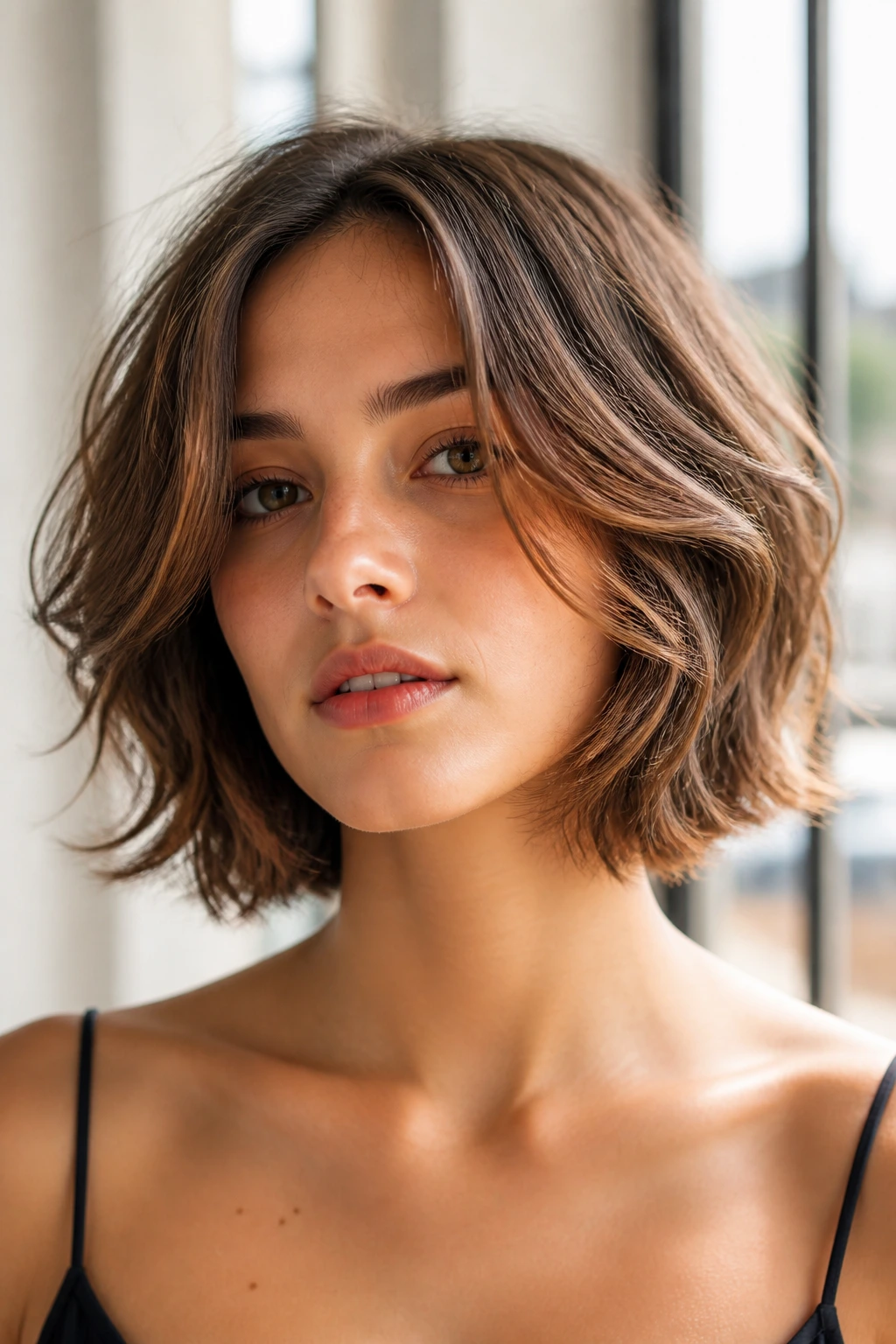
The best feathered haircuts do one simple thing very well: they make the hair move like it belongs to your head, not like it was stapled on top of it. That’s why these styles work on so many lengths and textures. The shape can be sharp enough to feel current, but the ends stay soft enough to grow out without a fight.
If you want hair that looks lighter at the jaw, airier around the face, and less bossy at the ends, soft feathering is a smart place to start. Pick the version that fits your texture, keep the product light, and let the layers do their job.
