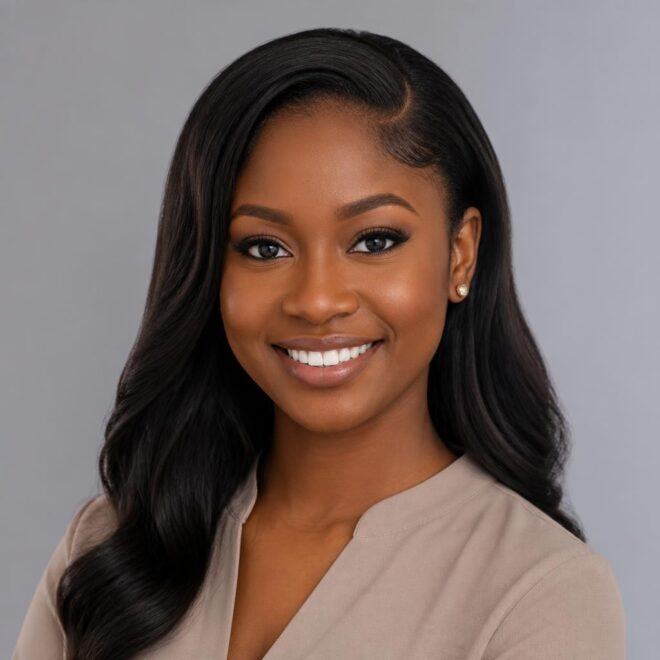


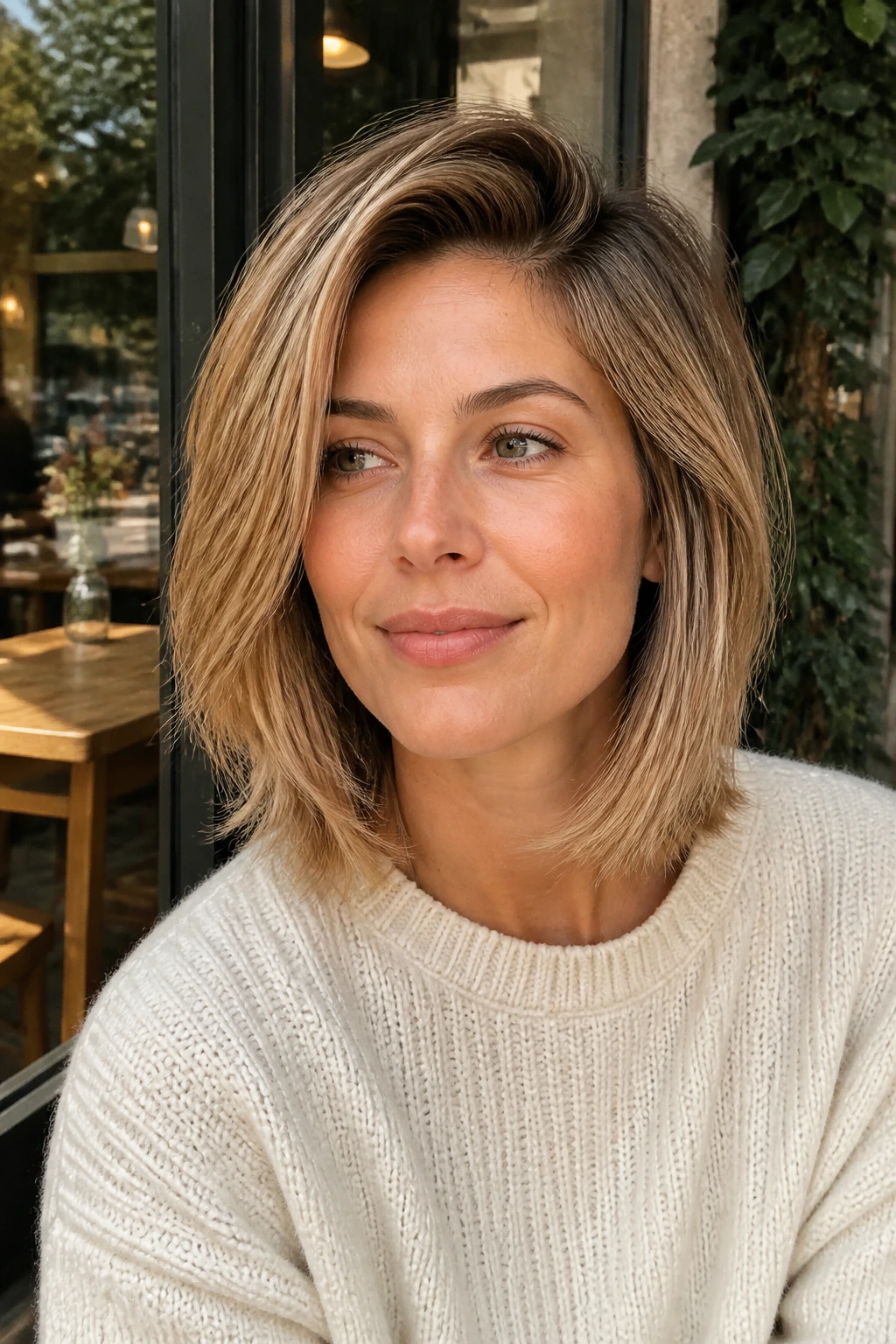
Thin hair has a way of making every bad haircut look louder than it is. A blunt, over-thinned bob can turn into stringy ends in a week; a length that hangs too long can collapse against the neck and show every gap. The right lob haircuts for thin hair solve both problems at once. They keep enough length to move, but not so much that the perimeter sags into see-through territory.
The sweet spot is usually somewhere around the collarbone, give or take half an inch. That’s the point where the hair can still bend, tuck, wave, or swing, while the ends stay in one clean line instead of scattering into wisps. And there’s a second trick hiding in plain sight: a lob gives you room to fake density with shape. A small angle, a careful part, or the right bang can change the whole read of the haircut.
Fine hair and thin density are not the same thing, by the way. Fine hair means each strand is slender. Thin density means there are fewer strands overall. You can have one without the other, and the haircut should respect that difference. That’s why some lobs need bluntness, while others need a whisper of internal movement, and why a one-size-fits-all “just add layers” answer usually falls flat.
Why Lob Haircuts for Thin Hair Hold Their Shape So Well
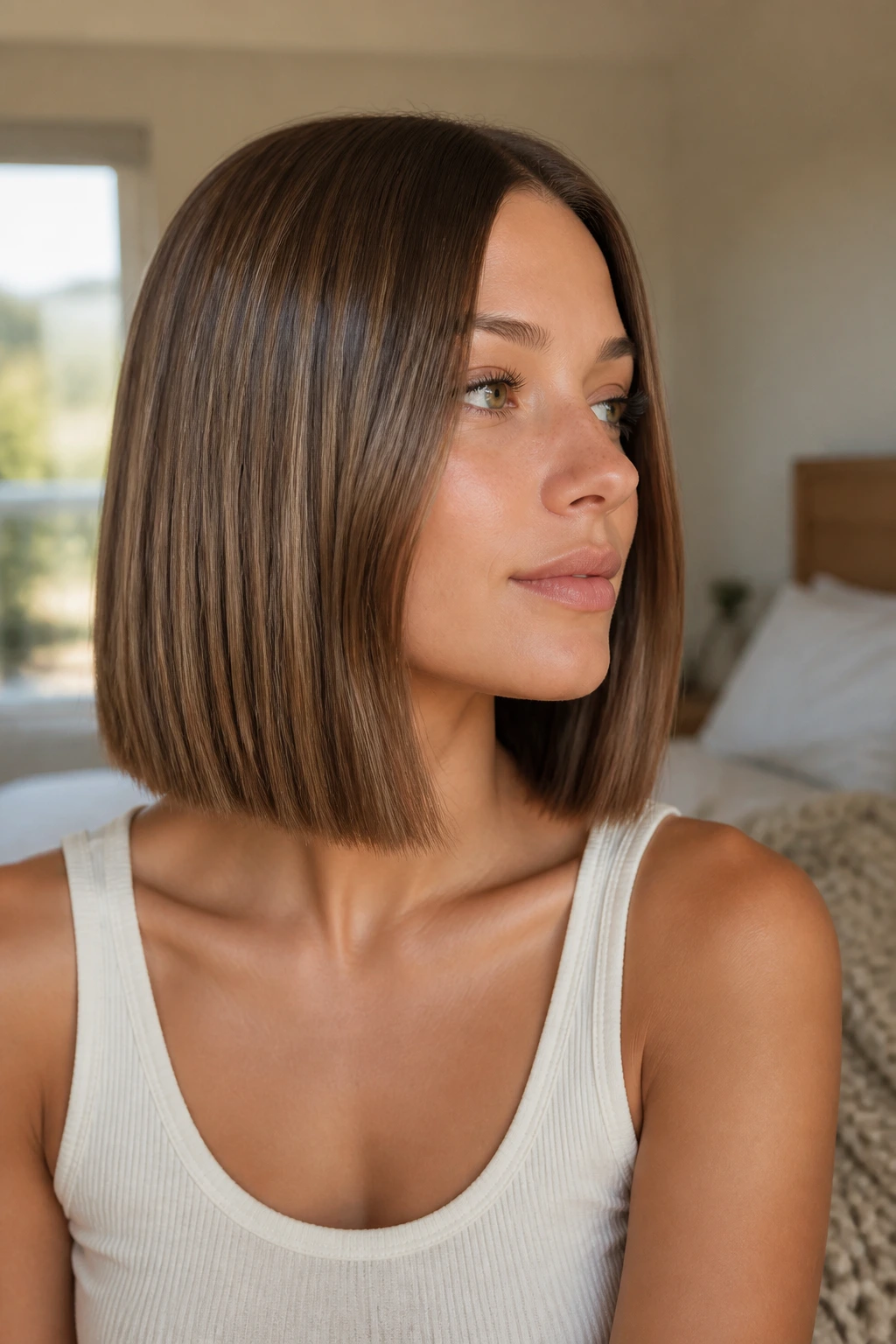
The perimeter is doing the heavy lifting here. When the cut ends in one clean line, the eye reads fullness before it reads individual strands. That’s the whole secret behind a lot of lob haircuts for thin hair: the shape gives the illusion of more hair than the head may actually have, and it does it without asking for heroic styling every morning.
The length sits in a useful zone. Too short, and some fine hair sticks out like it’s been startled. Too long, and it drops under its own weight. The lob lives in the middle, usually around the collarbone or just above the shoulders, where hair can still bend but doesn’t drag the whole silhouette down.
Fine hair vs. thin density
Fine hair needs a different hand than sparse density. Fine strands can handle a blunt edge and a little polish; too much aggressive texturizing can make them look scraped apart. Thin density sometimes needs a bit of lift at the crown or some strategic face framing, but even then, the perimeter should stay honest. If the bottom is too thinned out, the cut starts to look expensive for about ten minutes and then tired after that.
Why the collarbone matters
The collarbone is a useful landmark because it gives the hair a place to stop. Hair that lands right there can bounce off the shoulders or skim them, depending on how it’s styled, and that movement keeps the shape from going flat. If you cut a little above the collarbone, you get more body. If you go a little below, you get more swing. Either way, the line stays visible, and that matters more than people think.
When layers help—and when they don’t
A few internal layers can help if they’re tucked high enough to protect the edge. But if the shortest pieces sit too close to the ends, the haircut starts to lose its body. That’s the mistake. Thin hair does not need a hundred little snips. It needs a shape that looks deliberate even when you haven’t touched a brush.
What to Ask Your Stylist for Before the First Snip
Don’t walk in and say “just give me a lob.” That’s how you end up with a haircut that is technically a lob but not the one you pictured. A better request sounds more like this: keep the perimeter blunt, land it around the collarbone, and avoid over-thinning the ends. If your hair is very fine, say that out loud. If your hair is thin but wavy, say that too.
Bring one photo for the length and one for the texture. That’s not being fussy. It’s insurance. One picture may show the right hemline but the wrong finish, and the finish matters as much as the cut itself when the strands are light and easy to separate.
Ask about:
- Perimeter length: collarbone, chin-skimming, or just touching the shoulders.
- Layer placement: hidden internal layers, face-framing pieces, or almost none at all.
- Texturizing method: blunt scissors, point cutting, or light razor work.
- Styling reality: whether the cut will look better air-dried, brushed smooth, or bent with a iron.
And if your hair likes to puff at the ends, say that. If it flips under in one section and out in another, say that too. The best lob is the one that fits the way your hair actually behaves, not the way it behaves in a salon mirror for twelve perfect minutes.
1. Collarbone Blunt Lob
This is the cleanest answer for thin hair, and I’ll die on that hill. A blunt lob that lands right at the collarbone keeps every strand on the same line, which makes the ends look denser immediately. There’s no choppy edge to break the silhouette, no extra thinning to make the bottom look nervous.
Ask for the hem to be cut in one solid line, with only the lightest bevel at the tips if your hair flips hard. Blow-dry it smooth with a paddle brush or flat brush, then finish with a touch of shine cream on the mid-lengths only. The whole point is to let the line do the work.
2. Slight A-Line Lob
A tiny bit of length in the front changes the mood fast. A slight A-line lob is shorter in the back by maybe half an inch to an inch, which lifts the nape and gives the front strands a little more swing. On thin hair, that forward motion can make the whole cut feel fuller because the eye follows the angle.
Keep the slope soft. If the difference between back and front is too dramatic, the ends start to look stretched. A gentle A-line is better for everyday wear and easier to tuck behind the ear without the haircut falling apart.
3. Invisible-Layer Lob
This is the lob for people who want movement without losing the bulk at the edge. The layers live underneath the top section, hidden enough that the surface still reads blunt. It’s a smart move for thin hair with a bit of natural wave, because the hidden lift gives you body while the perimeter stays thick.
The key is restraint. The shortest interior layers should stay well below the cheekbone, and the stylist should leave the ends mostly untouched. If you can see the layers from across the room, they’re probably too high.
4. Soft Side-Split Lob
A part shifted just off center can save a flat haircut. A soft side-split lob relies on a part moved maybe an inch to one side, enough to create a little lift at the root without making the haircut feel lopsided. Thin hair often collapses straight down a center part, so this tiny shift gives the crown a place to breathe.
It’s a subtle trick, but subtle is the point. You don’t need drama to get volume. Sometimes all you need is to stop the hair from falling in the exact same direction every day.
5. Curtain-Bang Lob
Curtain bangs earn their keep on thin hair because they add shape around the face without chewing up the length. Keep them long enough to graze the cheekbones or the tip of the nose, then let the rest of the lob stay solid. The fringe fills space up front, which helps the haircut feel more substantial than it is.
The mistake is cutting them too short. Thin hair with short curtain bangs can go wispy in a hurry. Longer curtain bangs are easier to blend, easier to style, and less likely to expose the forehead in a way that makes the rest of the cut look sparse.
6. Chin-Skimming Lob
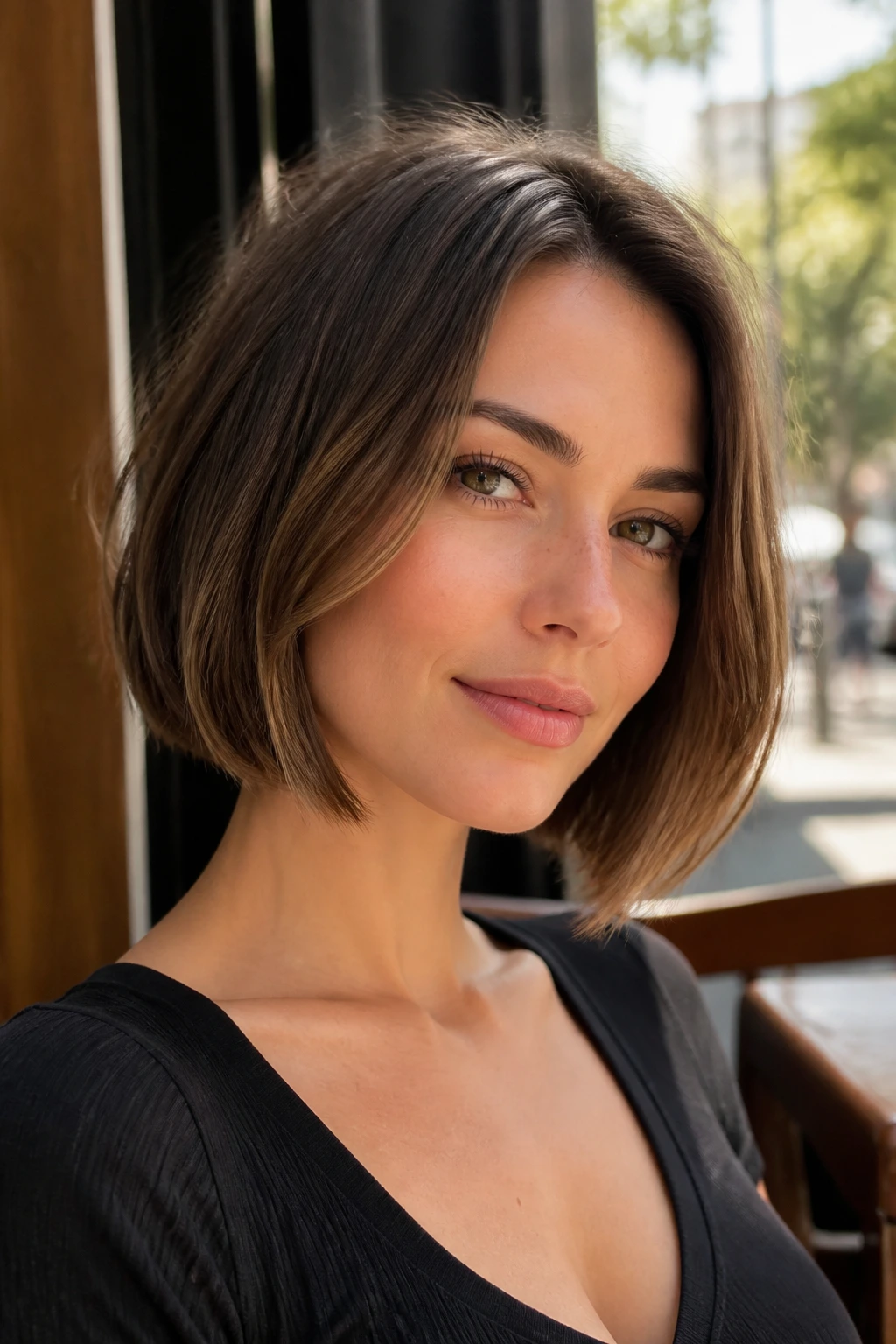
Shorter lobs can be a gift for thin hair. A chin-skimming cut gives the ends a better chance to hold shape because there’s less length dragging them down. The result is a bit bouncier, a bit more decisive, and far less likely to hang limp by lunch.
This version asks for more maintenance. If you like the crispness, plan on trims every 6 to 8 weeks. Let it grow much longer and it stops being this cut; it turns into something softer and less structured.
7. Careful Razored Lob
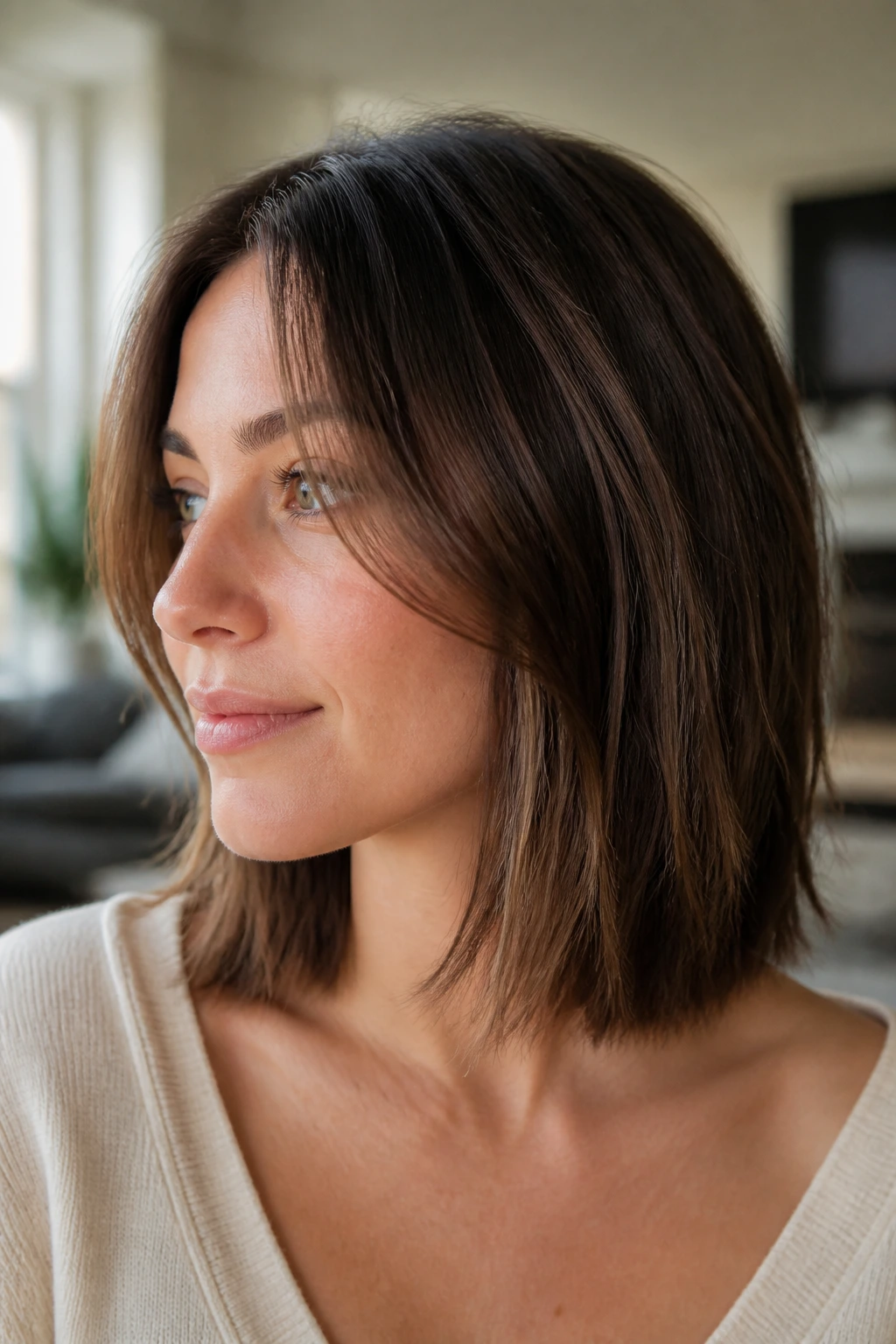
Razor cutting can be useful, but only if it’s handled with a light touch. On thin hair, the razor should skim the ends or a few interior sections, never carve the whole perimeter into air. Done well, it softens the line just enough to keep the haircut from feeling heavy.
Done badly, it leaves the ends see-through. That’s the danger. If your hair is very fine and straight, blunt scissors usually win. If it has a little bend or texture, a careful razor can add motion without stripping out the shape.
What to ask for
- A blunt base with light razor work only where movement is needed
- No aggressive thinning at the hem
- Soft edges around the face, not the whole head
8. French Lob

The French lob has that slightly undone look people try to fake with sea salt spray and a prayer. It usually sits near the collarbone, wears a center or near-center part, and looks best when the ends are a little bent rather than perfectly pressed. For thin hair, that “lived-in” finish works because it adds motion without needing layers everywhere.
Keep the base clean and the texture soft. You want hair that moves in a few big bends, not a cloud of separated pieces. A French lob should look like it fell into place, even if you coaxed it there with a brush and a 1.25-inch iron.
9. Rounded Lob
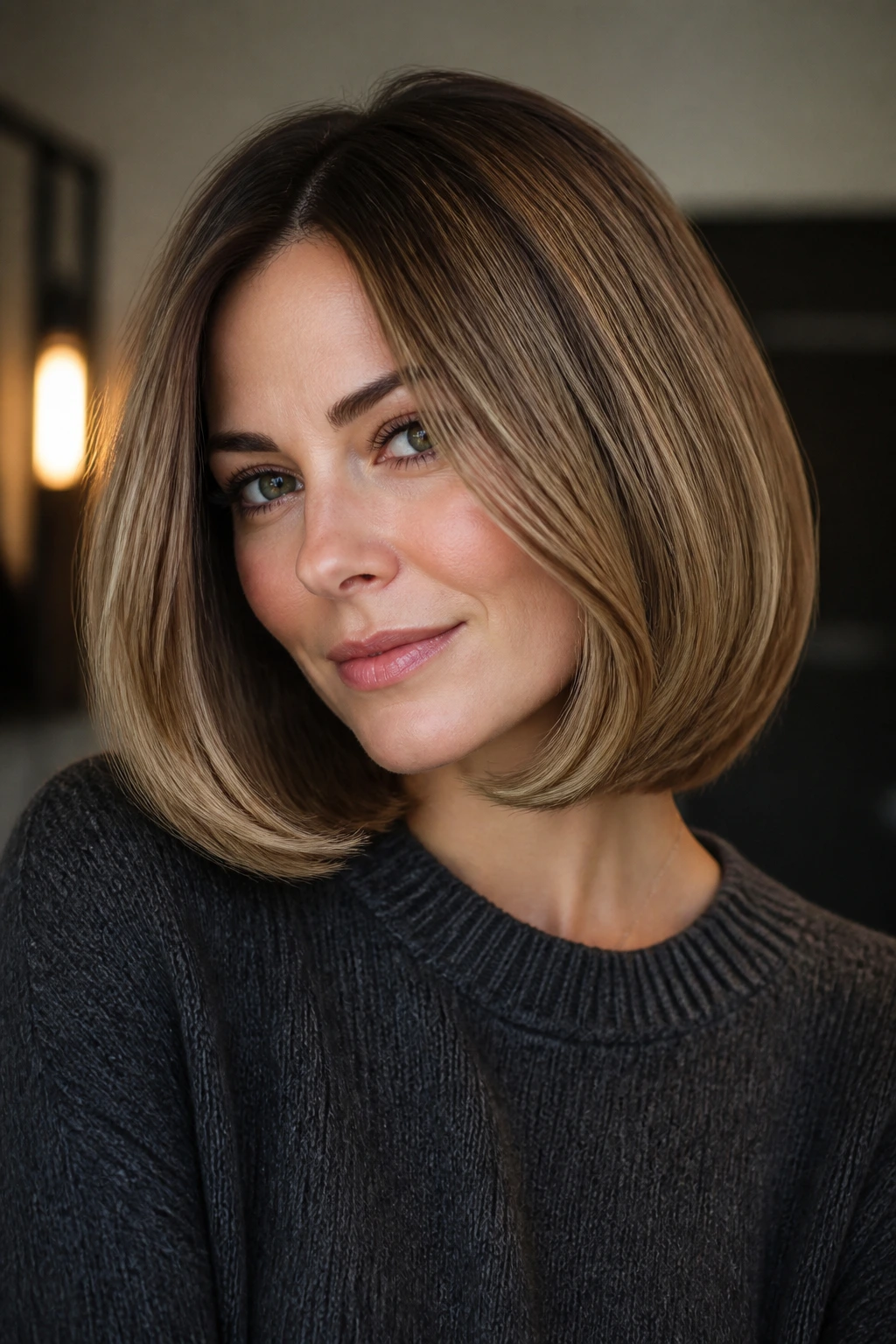
Need a haircut that makes the sides look fuller? Try a rounded lob. The line curves gently around the jaw instead of dropping in a straight sheet, and that curvature can make thin hair read wider at the cheek area. It’s especially nice if your face is narrow or your hair tends to hug the skull.
The shape matters more than the product here. A rounded lob looks best when the blow-dry pushes the ends slightly under, almost like a soft halo around the lower face. Strong bevel, not a curl.
10. Airy Shag Lob

The shag can work on thin hair, but only when the layers are left long. Think airy, not choppy. The shortest pieces should stay below the cheekbones so the crown doesn’t turn fuzzy, and the perimeter should still hold enough line to keep the whole cut from dissolving.
This version fits hair with a natural bend or a little wave. Straight, low-density hair can lose too much shape if the shag is overdone. If you want texture, ask for long internal layers and a blunt-ish base, then rough dry with a diffuser or a soft towel, not a rough rub.
11. Glass-Finish Lob
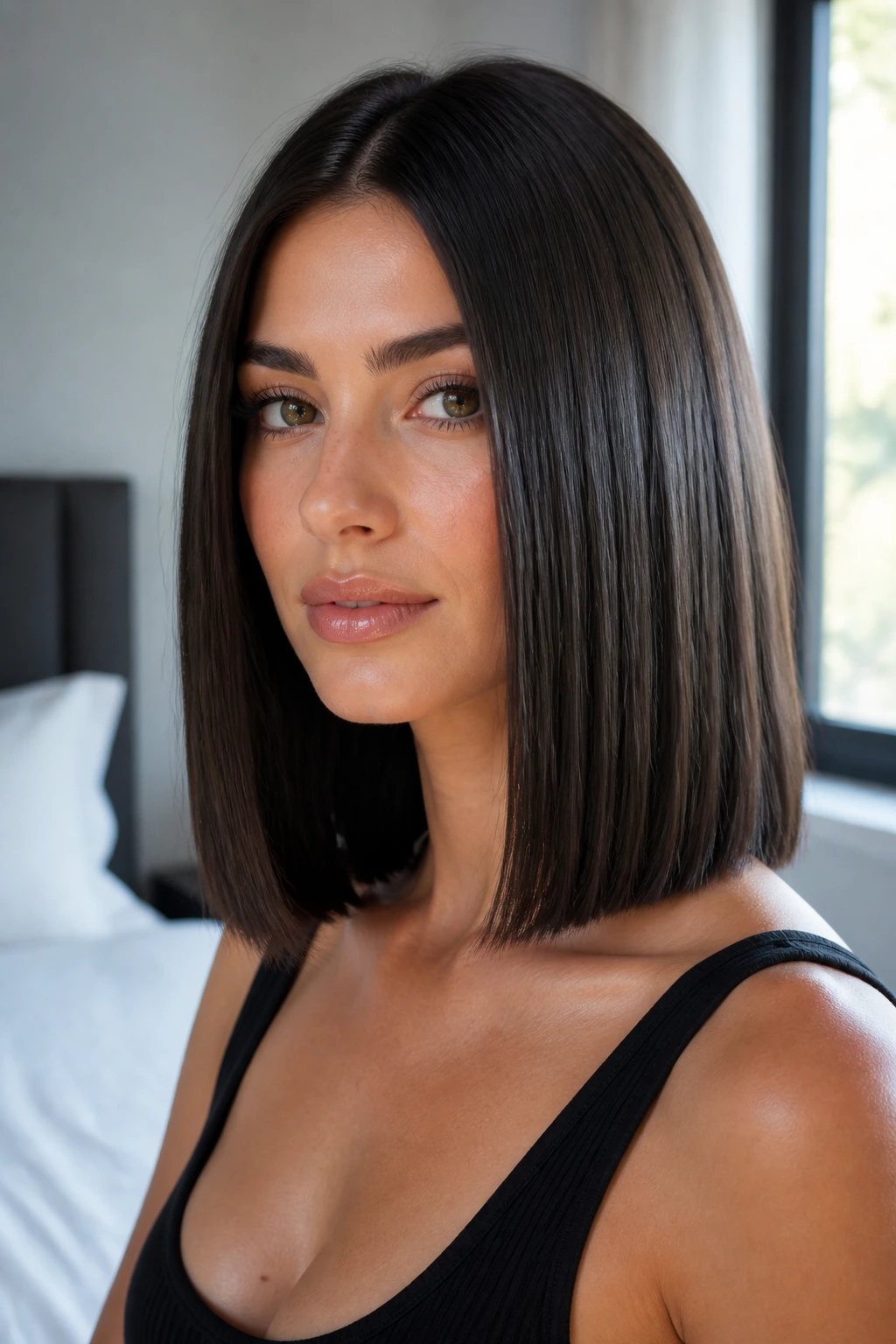
Sometimes the best trick is to make thin hair look polished enough that the cut itself becomes the statement. A glass-finish lob is sleek, reflective, and blunt at the edge. The shine makes the hair read healthier and denser, especially if the cut lands around the collarbone and the part is clean.
The styling matters here. Use a smoothing blow-dry cream, a nozzle attachment, and a flat brush. Finish with a pea-sized amount of serum from mid-length to ends, not at the roots. Roots need lift. Oily roots need shampoo.
12. Face-Framing Lob
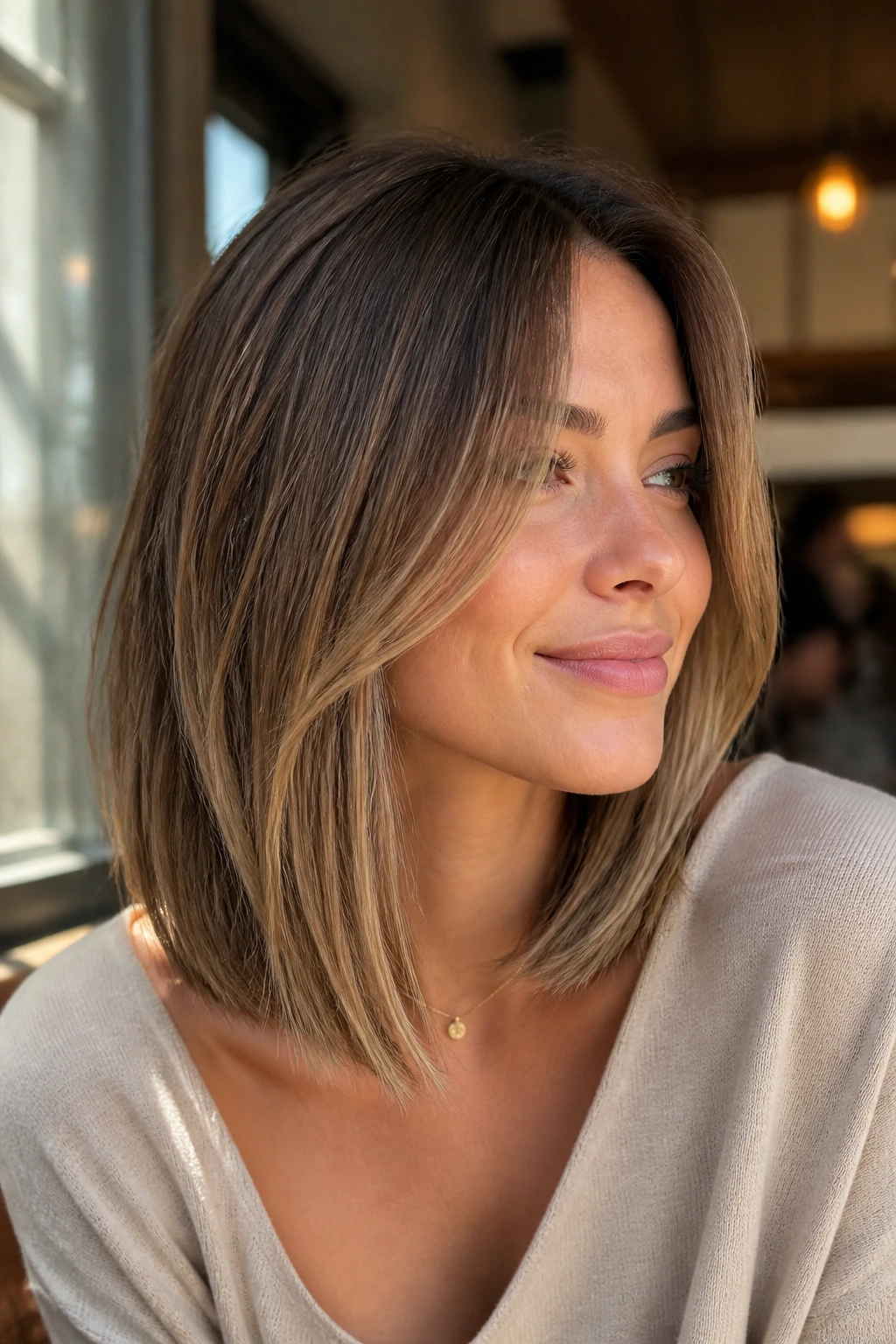
A little face framing can help thin hair look intentional instead of accidental. The pieces at the front start around the cheekbone or jaw and angle back into the longer hem, which gives the cut movement right where the eye lands first. It’s a small detail that pays off fast.
Keep the framing long enough to blend. If the pieces stop too high, they start to behave like random layers instead of part of the haircut. The best face-framing lob still feels like one cut, not three haircuts arguing with each other.
13. Soft Wave Lob
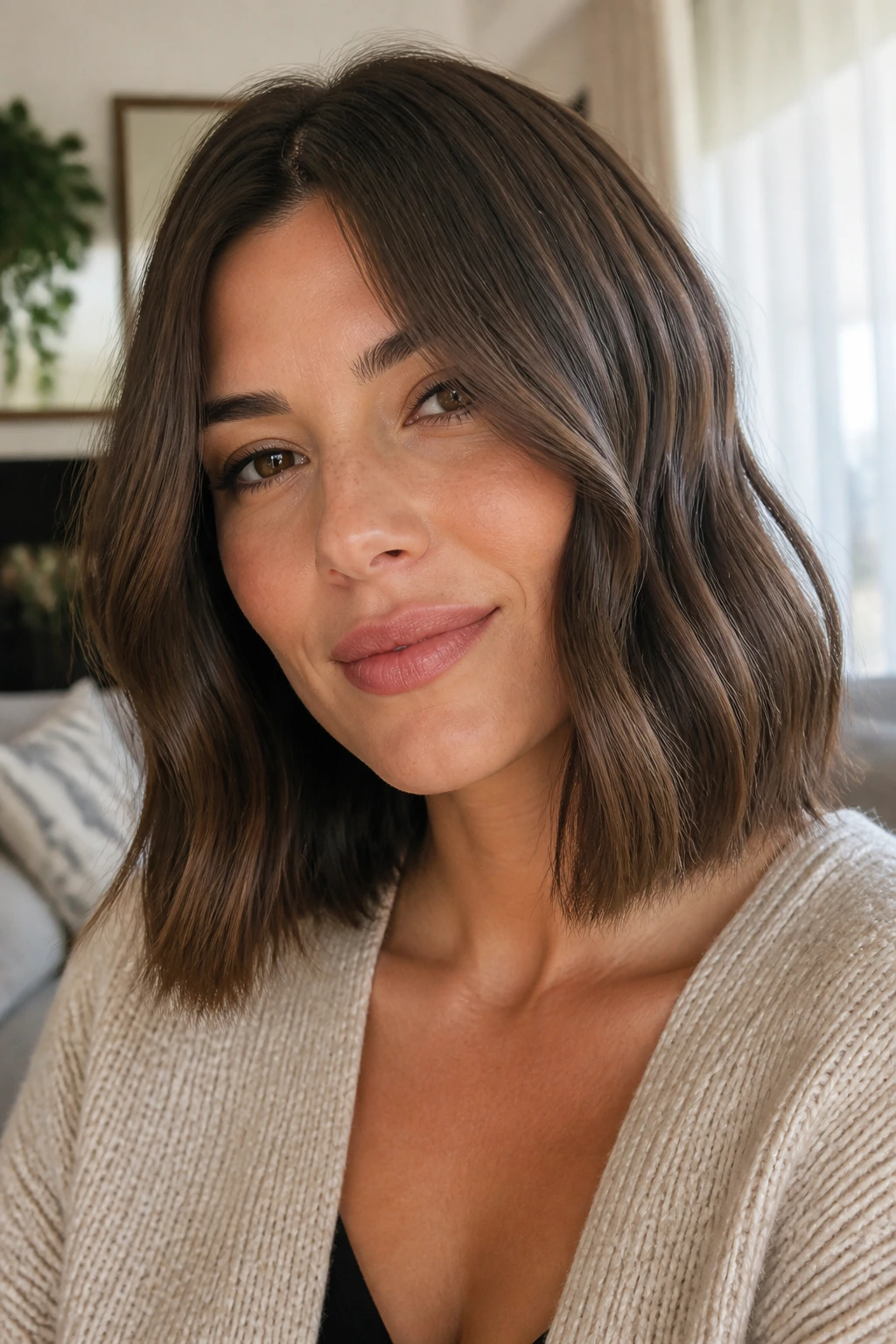
This one is all about making bends, not curls. A soft wave lob usually starts as a blunt or lightly layered cut, then gets styled with a wand or flat iron into loose waves from the midshaft down. Leave the last inch straighter than the rest. That little bit of straightness at the end keeps the edges from looking frayed.
A 1-inch wand works well for most fine hair because it creates a bend without turning the haircut into a curly style. If the wave starts too high, the volume can pile up around the ears and make the crown look smaller. Keep it lower.
Quick styling note
- Wrap sections away from the face on one side and toward the face on the other for a softer, less “done” finish.
- Break the waves up with your fingers, not a brush.
- Stop while the hair still has a little bend left.
14. Off-Center Part Lob
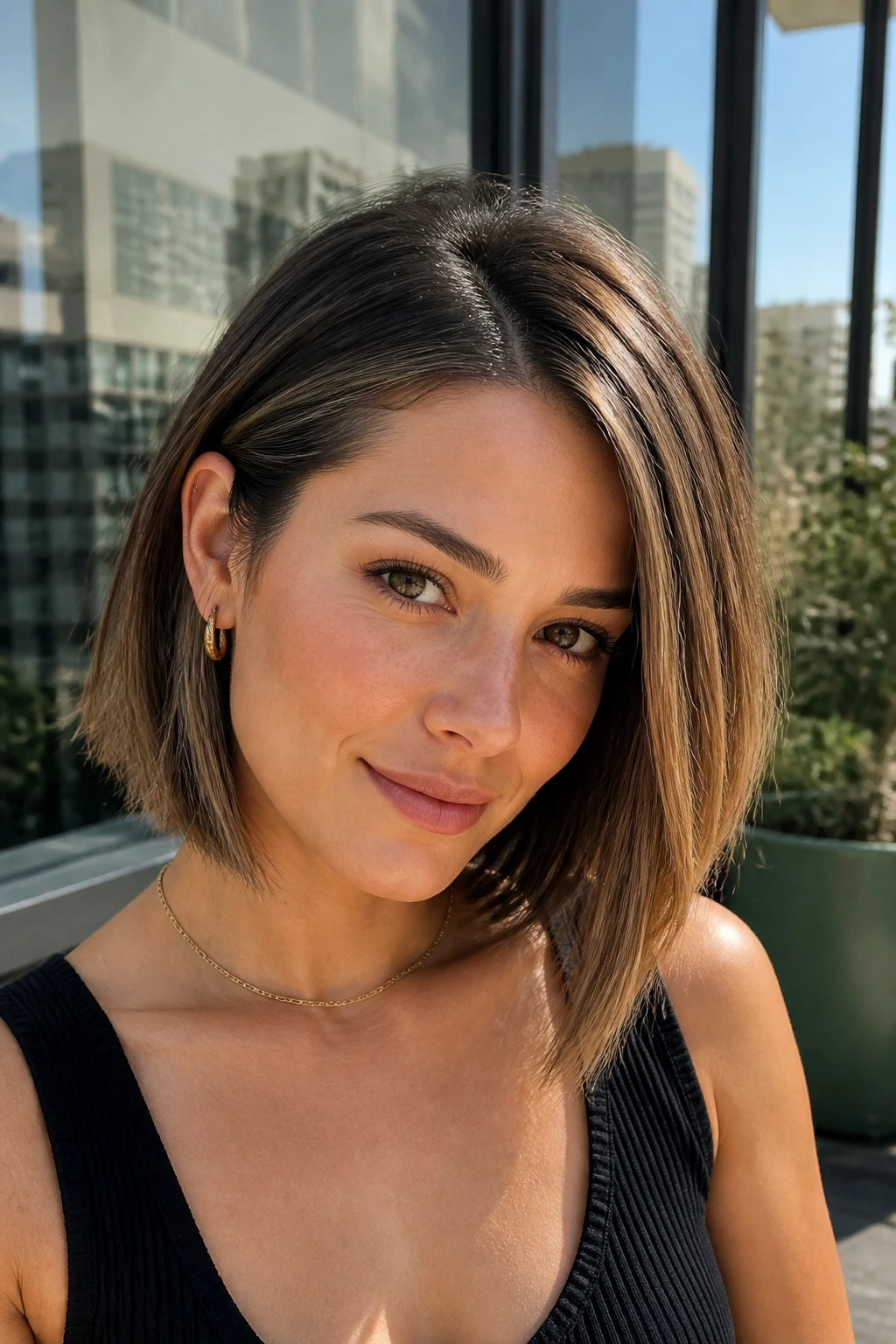
A center part is not the law. Shift the part an inch or two off center and the whole haircut changes. Thin hair often looks flatter when it falls in a perfectly symmetrical curtain, while an off-center part creates a bit of shadow at the root and some useful asymmetry through the top.
This is one of those easy fixes that doesn’t cost anything and can be adjusted in seconds. You can wear the cut the same way every day or move the part depending on how your hair dried overnight. That flexibility is worth a lot.
15. Feathered Lob

Feathering gets a bad name when it’s abused. Used with restraint, it softens the contour around the face and upper head without stripping the base. On thin hair, the feathering should stay away from the bottom inch or two, because that’s where the haircut needs to stay strongest.
I’m picky about this one. Too much feathering and the ends start to look tired. A little at the front can help the lob move; too much everywhere and you’ve taken the weight out of the one place thin hair needs it most.
16. Flipped-End Lob
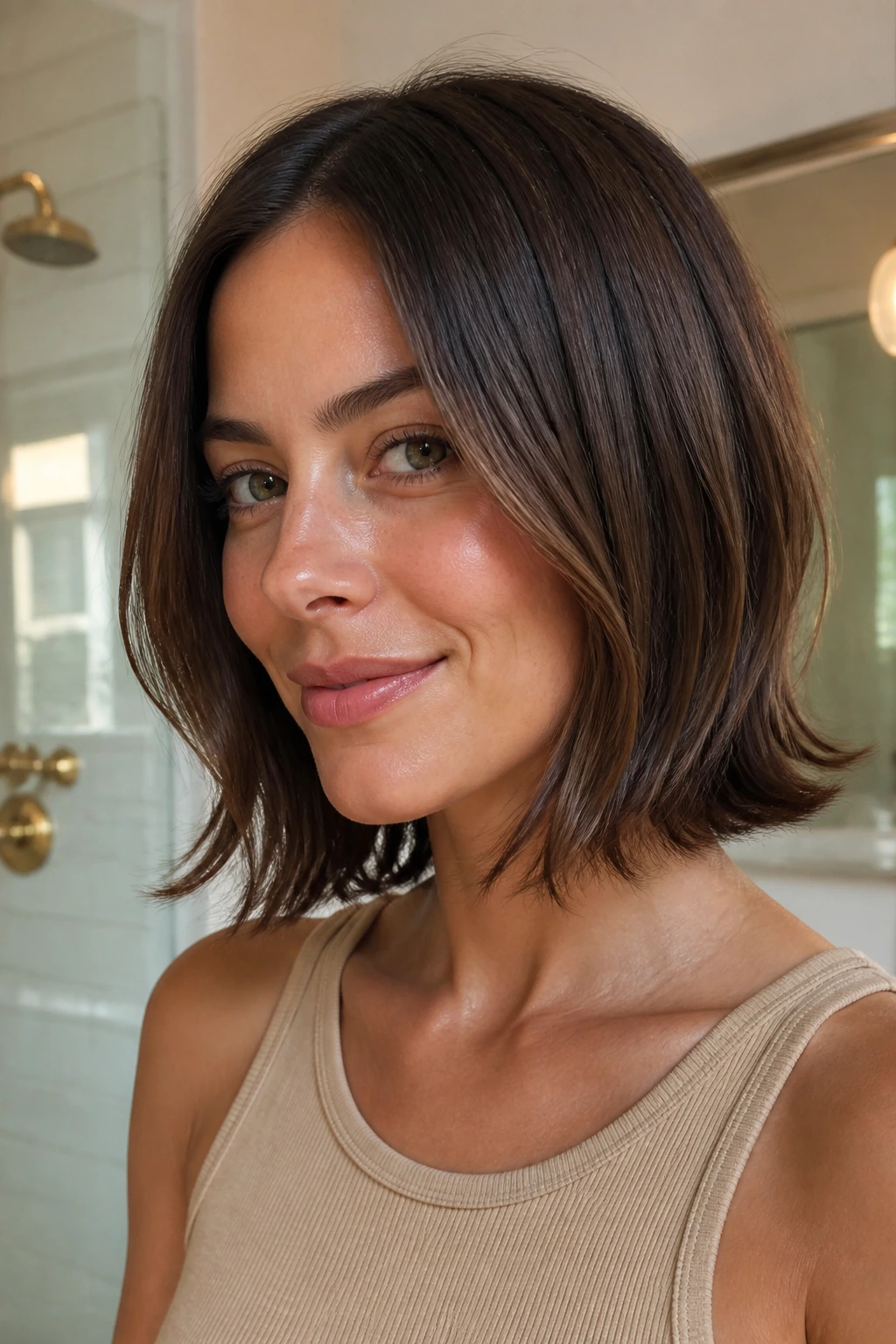
Flipped ends bring a bit of attitude and, more usefully, disguise sparse tips. If the ends turn out slightly instead of sitting flat, the haircut looks more animated and the hem doesn’t feel so hard. That extra movement is handy when hair is fine and a touch dry at the ends.
You can get the flip with a large round brush, a blow-dryer, or a 1.5-inch iron. Don’t curl the whole head. Just nudge the bottom half-inch outward. That’s enough.
17. Asymmetrical Lob
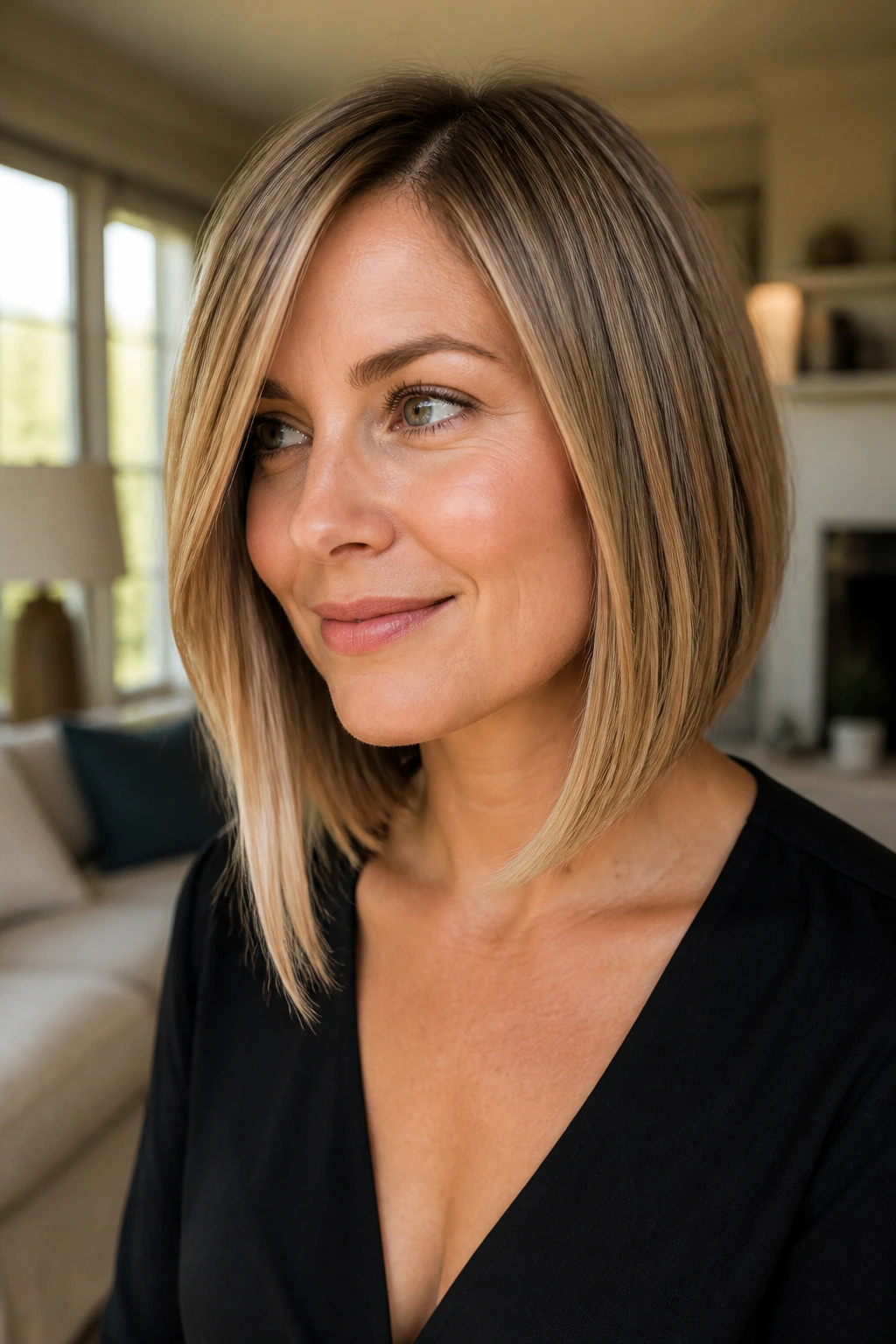
A soft asymmetrical lob gives the eye something to chase. One side can be a half inch to an inch longer than the other, which keeps the silhouette interesting without turning the cut into a statement piece. Thin hair often benefits from this kind of visual trick because the shape feels deliberate even when the hair itself is light.
The difference should be small. If the asymmetry is too dramatic, the haircut starts to look like it’s trying too hard. Quiet asymmetry is the smart version.
18. Shoulder-Dusting Lob
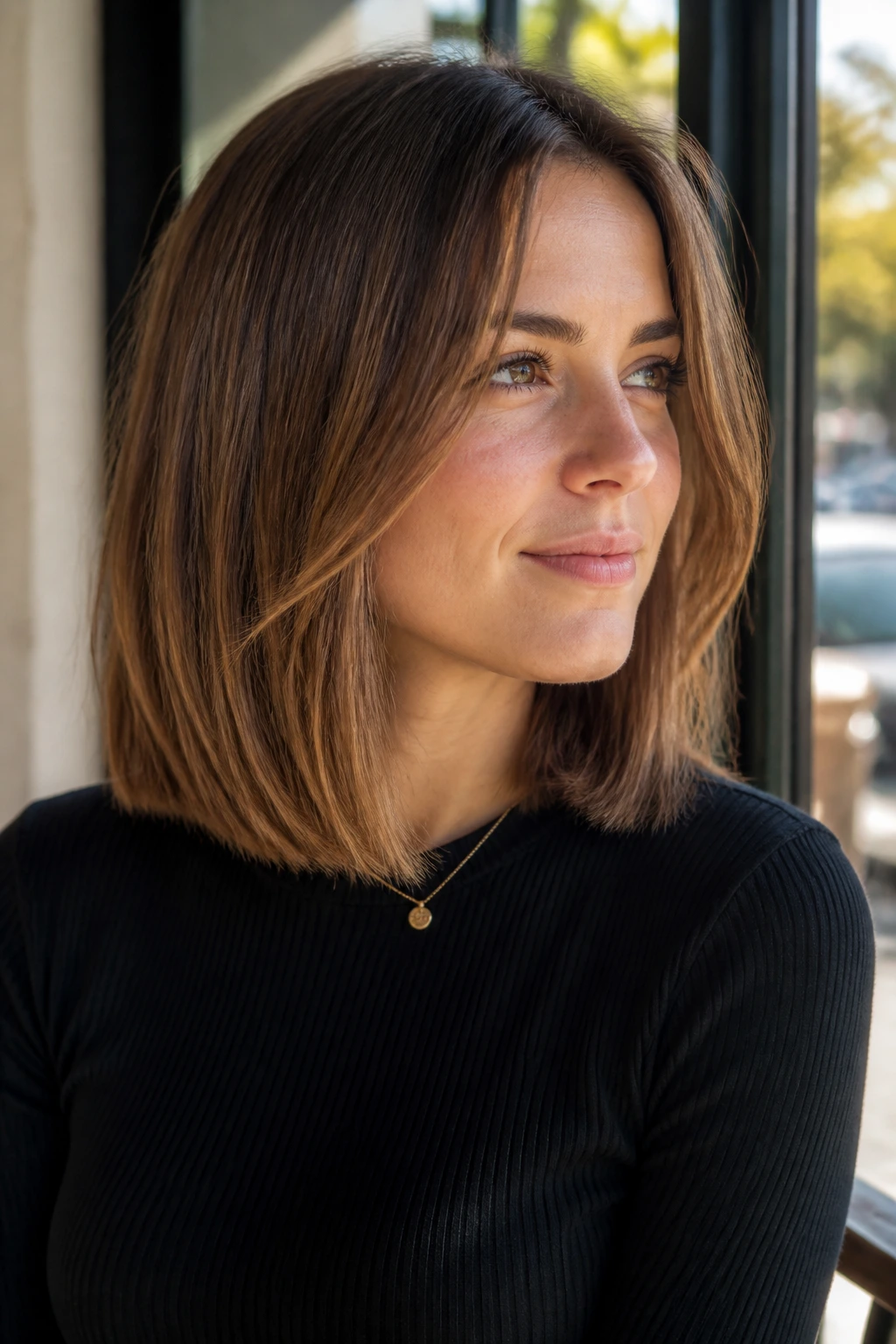
This is the longest version on the list, and it works best when the perimeter stays solid. A shoulder-dusting lob can still look full if it’s cut blunt and styled with a slight bend, but it needs more discipline than a shorter collarbone cut. Once thin hair passes the shoulders, the weight can pull the shape down fast.
I like this length for people who want to tuck hair behind the ear or pull it into a tiny half-up without losing too much length. It’s practical. It also needs regular trims, because the difference between “shoulder dusting” and “stringy” is about one too many months of growth.
19. Bottleneck Bang Lob
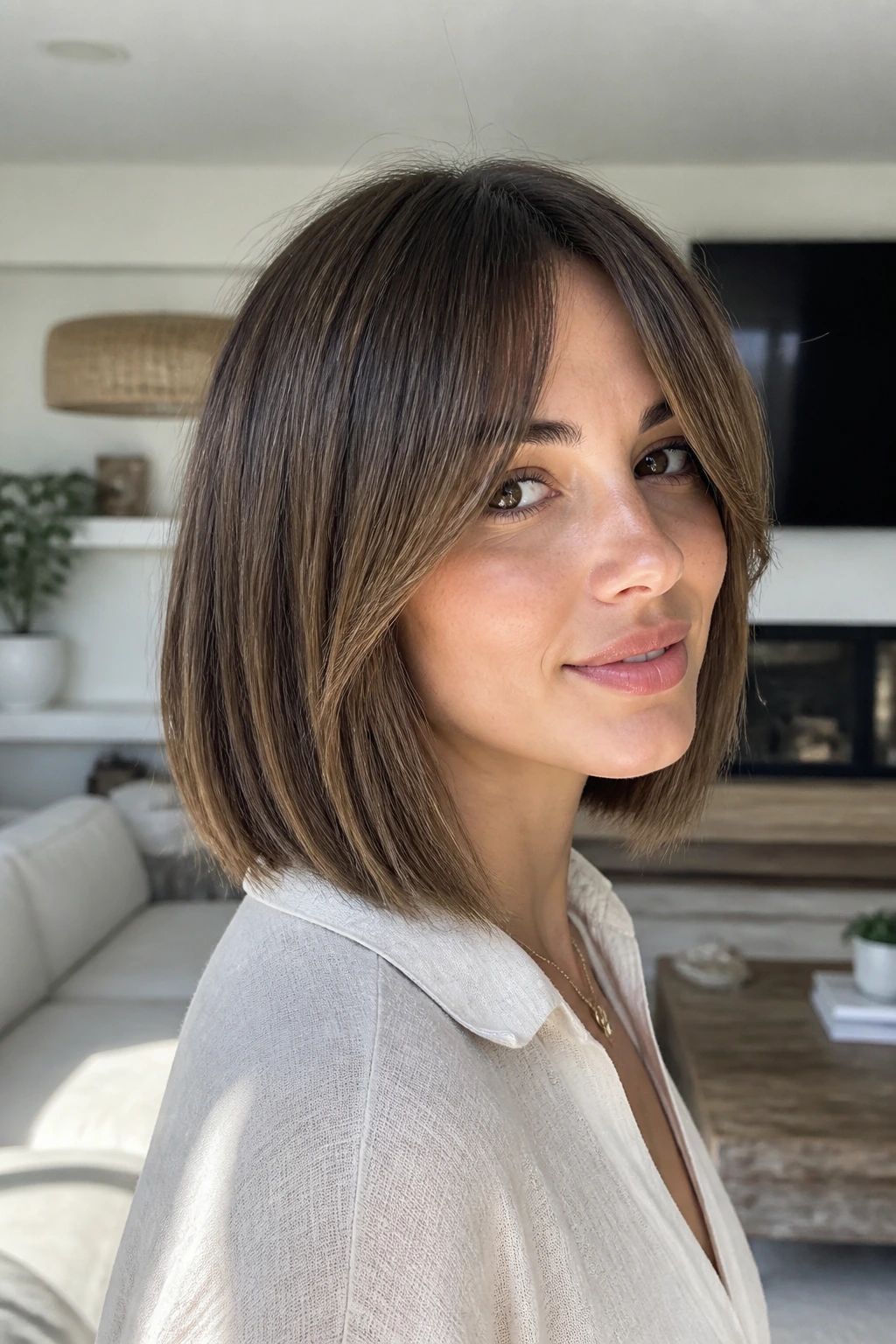
Bottleneck bangs are narrow near the forehead and open out around the cheekbones, which makes them a smart match for thin hair. They add face interest without removing a big chunk of density from the top. The rest of the lob can stay clean and blunt, so the fringe becomes the detail instead of the whole story.
This fringe shape suits people who want bangs without the commitment of a full, heavy line. Keep the shortest point soft, not blunt, and let the sides blend into the lob. The best bottleneck bangs feel grown-in from day one.
20. U-Shaped Lob
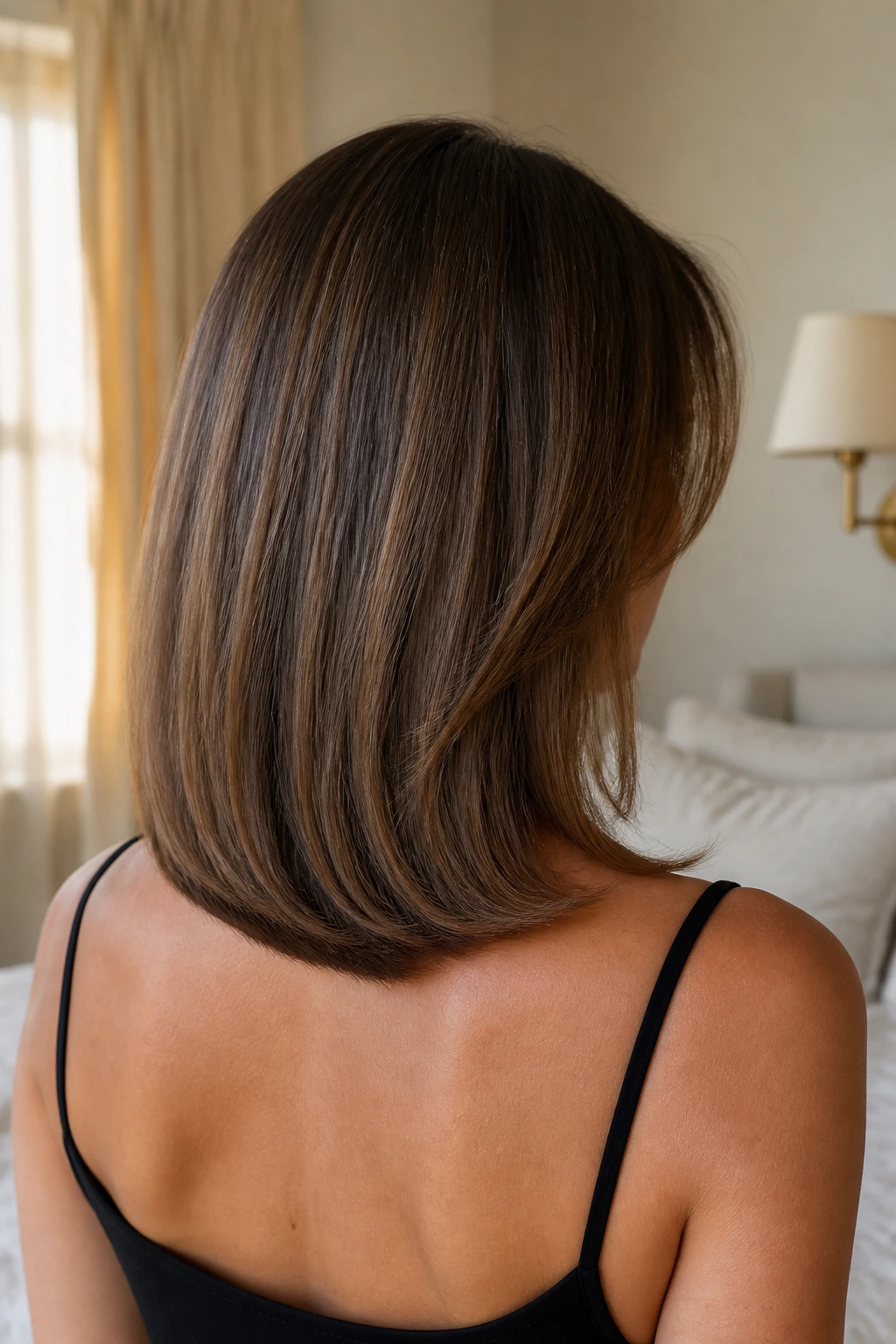
A U-shaped lob curves gently at the back, which helps the perimeter look fuller through the center. The front is a touch longer, but the difference is soft rather than obvious. That shape keeps the weight in the bottom where thin hair needs it while still giving the front some swing.
The U shape is a nice compromise for people who want movement without losing the sense of a solid hemline. If your hair is straight and fine, this can be more forgiving than a sharp A-line. The curve takes the pressure off the ends.
21. Shattered-End Lob
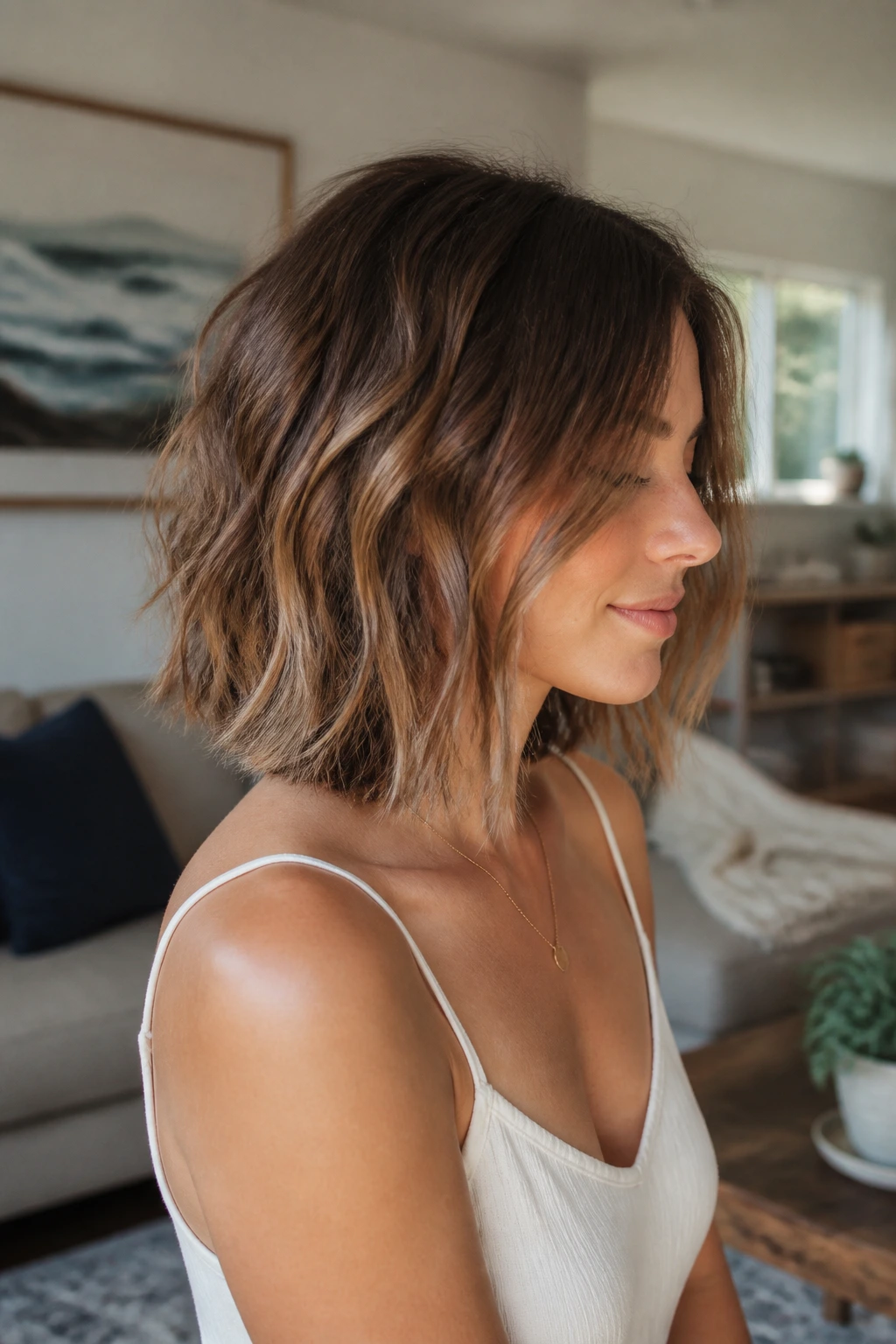
This is one for hair that already has some texture. Shattered ends create tiny breaks along the edge so the haircut reads piecey when styled wavy. The trick is keeping the perimeter mostly intact and letting the shattering happen in a controlled way, not across every inch of the cut.
If your hair is very fine and pin-straight, this can backfire. You may lose too much visual weight. If it has a little wave, though, the broken edge can make the cut feel more alive.
What to watch for
- The ends should look separated, not see-through.
- Ask for light texturizing only.
- This shape works better with bend than with poker-straight styling.
22. Ear-Tuck Lob
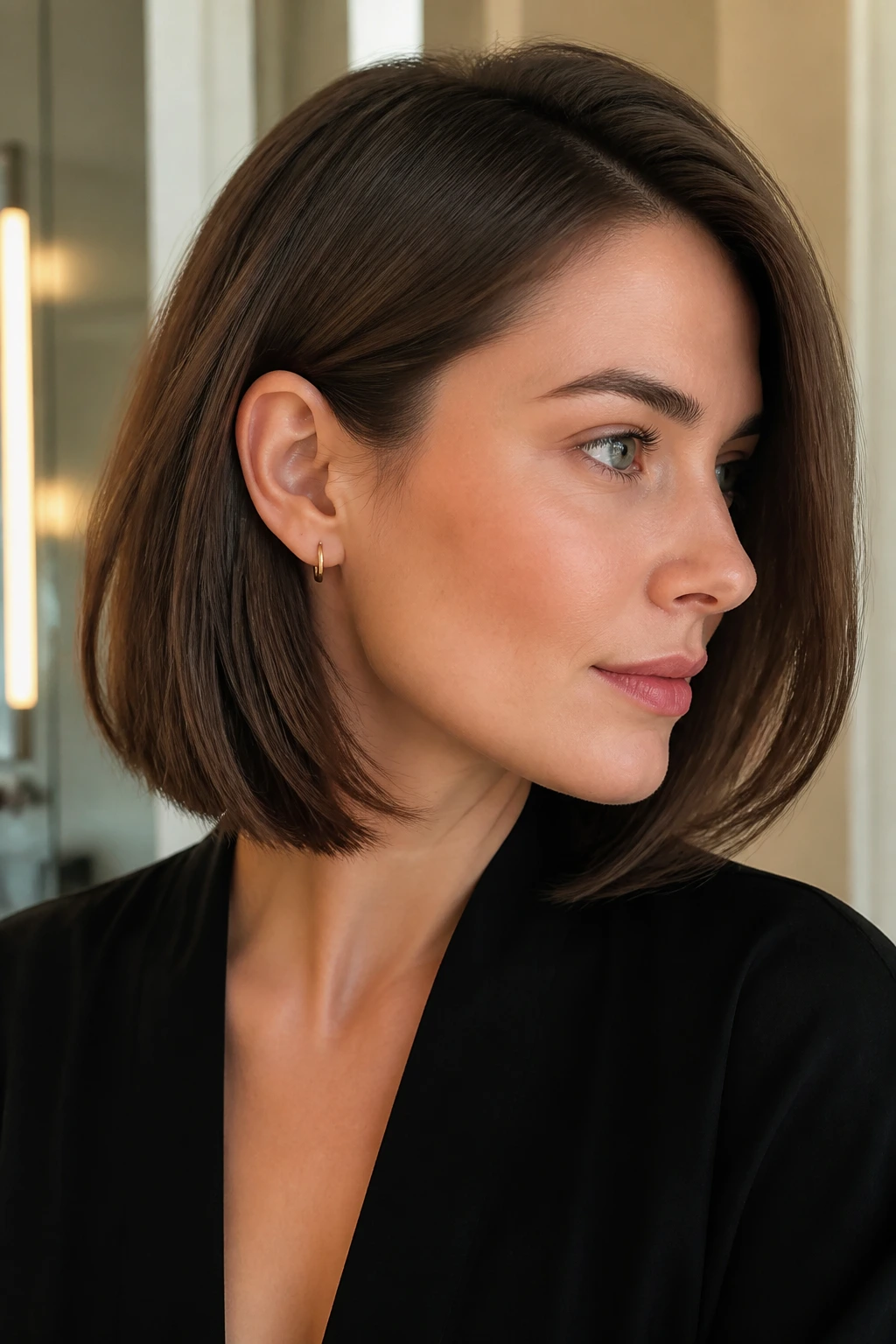
A cut that tucks cleanly behind the ear can do more than people expect. It creates a neat side profile, shows off the jawline, and gives the top a little lift because the hair isn’t hanging straight down on both sides. For thin hair, that tucked shape can look intentional instead of flat.
The length matters. Too short and the tuck becomes awkward. Too long and it slides out. Aim for a lob that sits just long enough to hold the tuck without fighting it.
23. Side-Sweep Lob
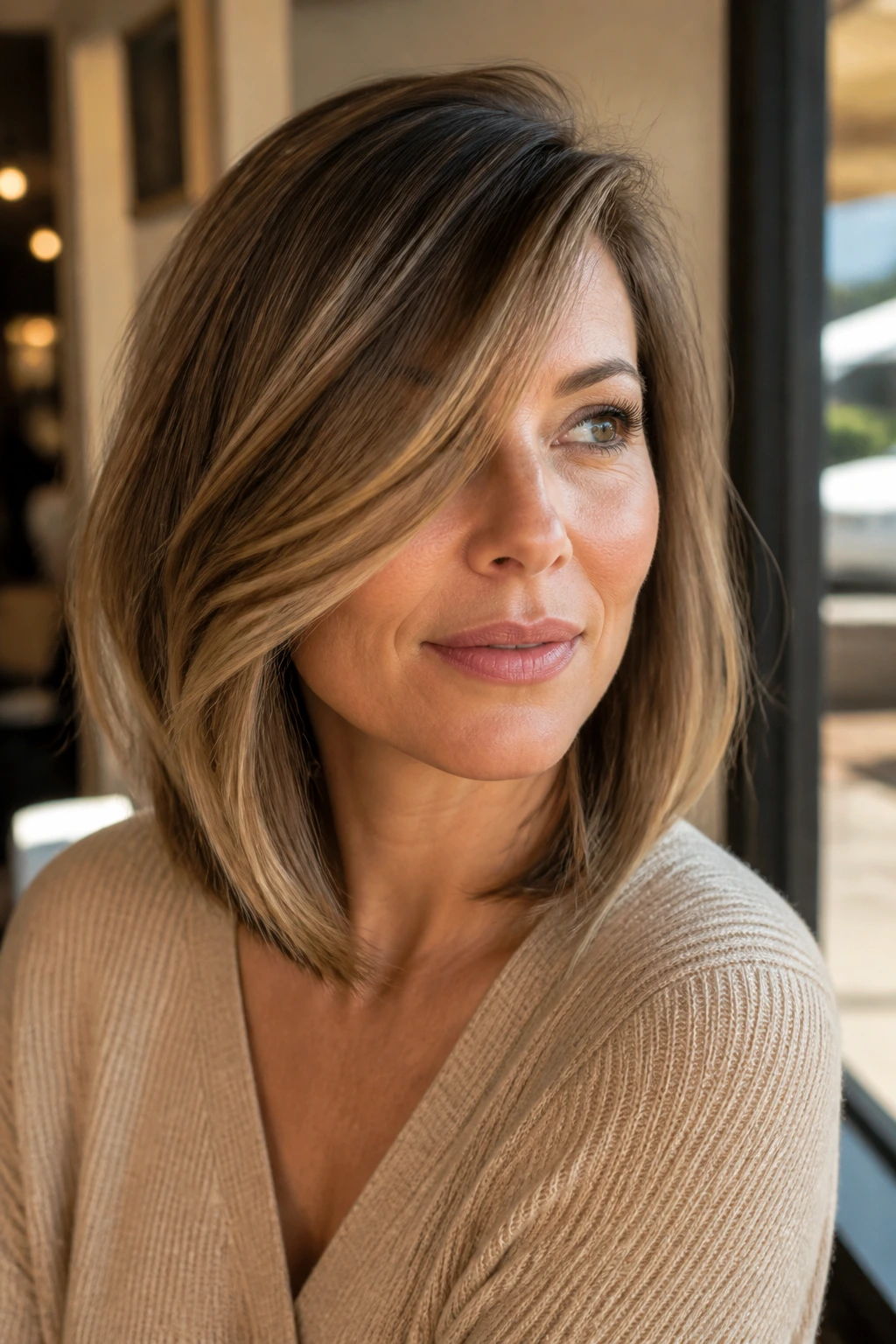
A side-swept lob is useful when the forehead or crown needs a little visual help. The sweep pulls the eye diagonally across the face, which can make the top feel fuller and the haircut less symmetrical in a good way. It’s also a nice answer for hair that sticks flat at the roots in humid or dry weather.
Keep the sweep soft. A heavy side fringe can swallow thin hair whole. A long, brushed-over front section is easier to manage and easier to grow out.
24. Minimal-Layer Lob

Sometimes the smartest move is to leave the haircut alone. A minimal-layer lob keeps almost all the structure in the perimeter, which is often the best choice for thin hair that doesn’t have much density to spare. The shape stays strong, the ends stay visible, and styling gets easier.
This is the version I’d point to if your hair is straight, fine, and a little slippery. Add product at the roots, maybe a bend at the ends, and stop there. The haircut does not need to be busy to work.
25. Wavy Collarbone Lob
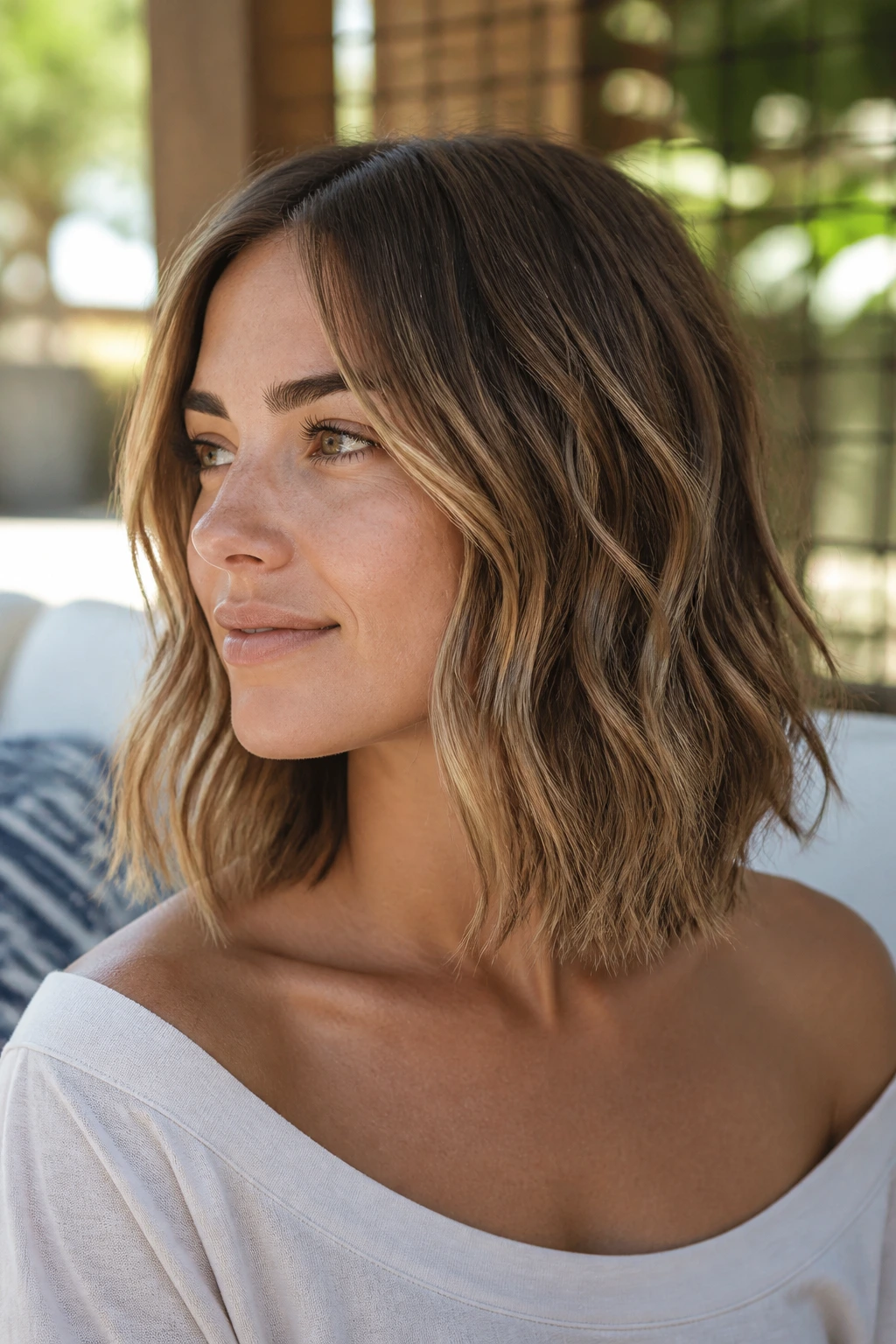
If your hair already bends on its own, use it. A wavy collarbone lob is cut a touch longer than you think you need, because waves shrink as they dry and can jump up by half an inch or more. That little buffer keeps the shape from ending up too short.
Ask your stylist to cut it dry or at least to respect how it behaves when naturally dried. This matters more than people want to admit. A wave cut too short can suddenly look like a bob with a bad morning.
26. Wedge Lob
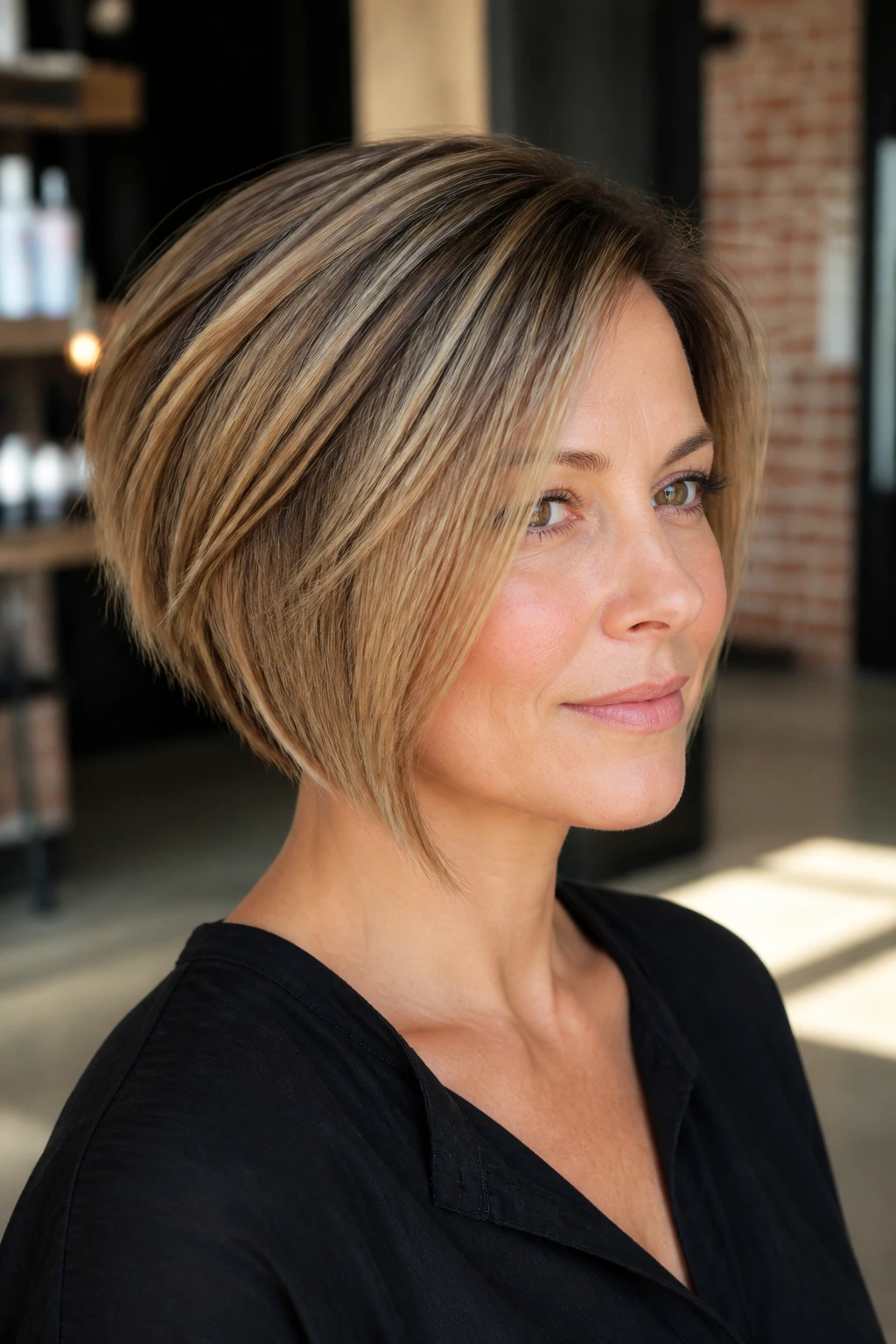
A wedge lob brings a little lift at the back without going full stacked bob. The nape sits slightly shorter, the front stays longer, and the silhouette gets a subtle push upward. On thin hair, that can create the sense of volume where it’s usually missing.
The danger is over-stacking. Too much and the back starts to puff in a way that looks dated. A light wedge is modern enough to keep the shape interesting, but not so sculpted that it feels locked in place.
27. Polished Blowout Lob
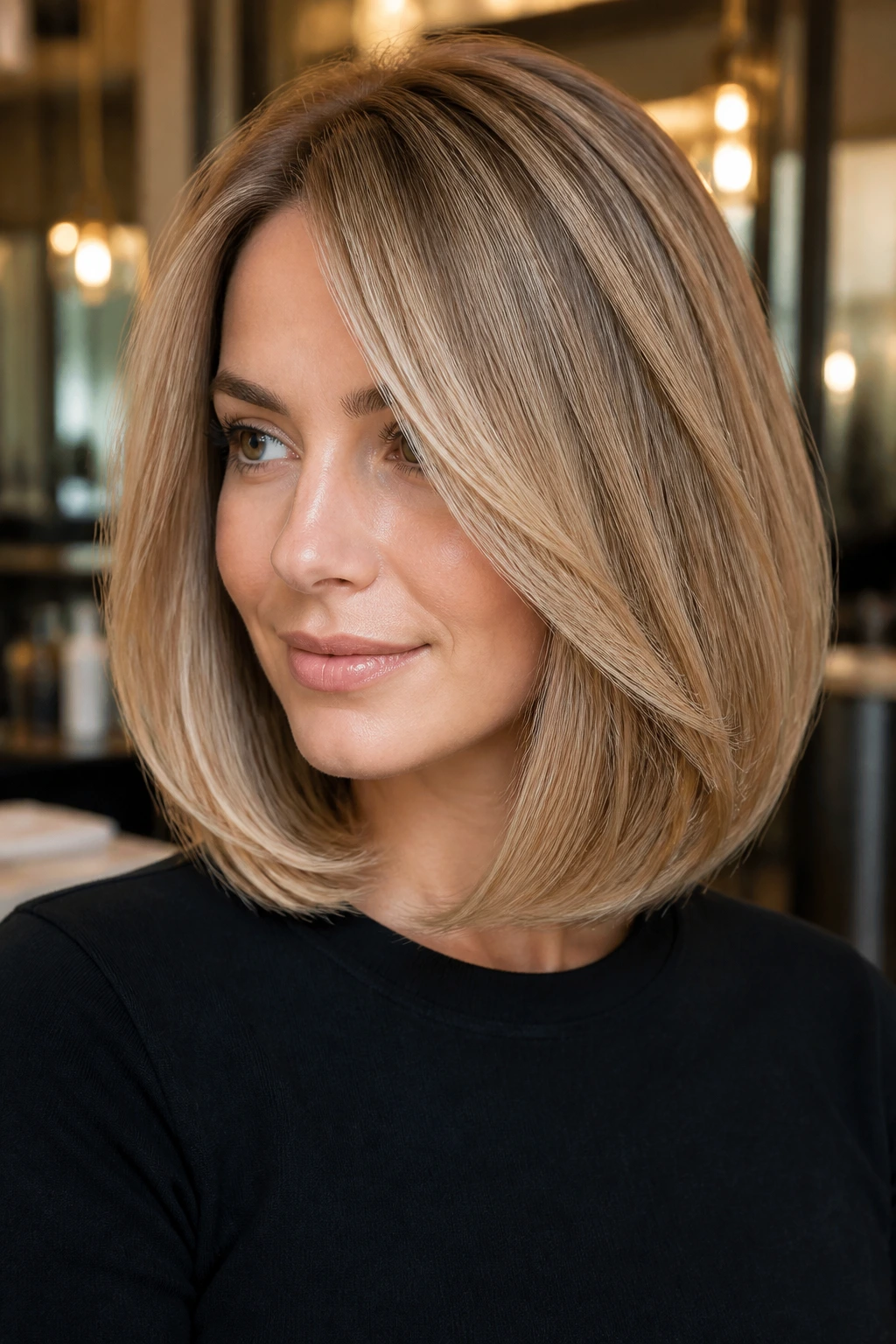
This is the haircut for people who like hair that swings and curves but still looks neat. A polished blowout lob is cut to cooperate with a round brush, so the ends roll under in a soft arc and the body sits through the mid-lengths. Thin hair often behaves better when it’s brushed into shape instead of roughed up.
Use a 2-inch round brush if your hair is medium length, smaller if it’s shorter. Finish with the cool shot to set the bend. That detail matters. Warm hair falls faster than you think.
28. Piecey Texture Lob
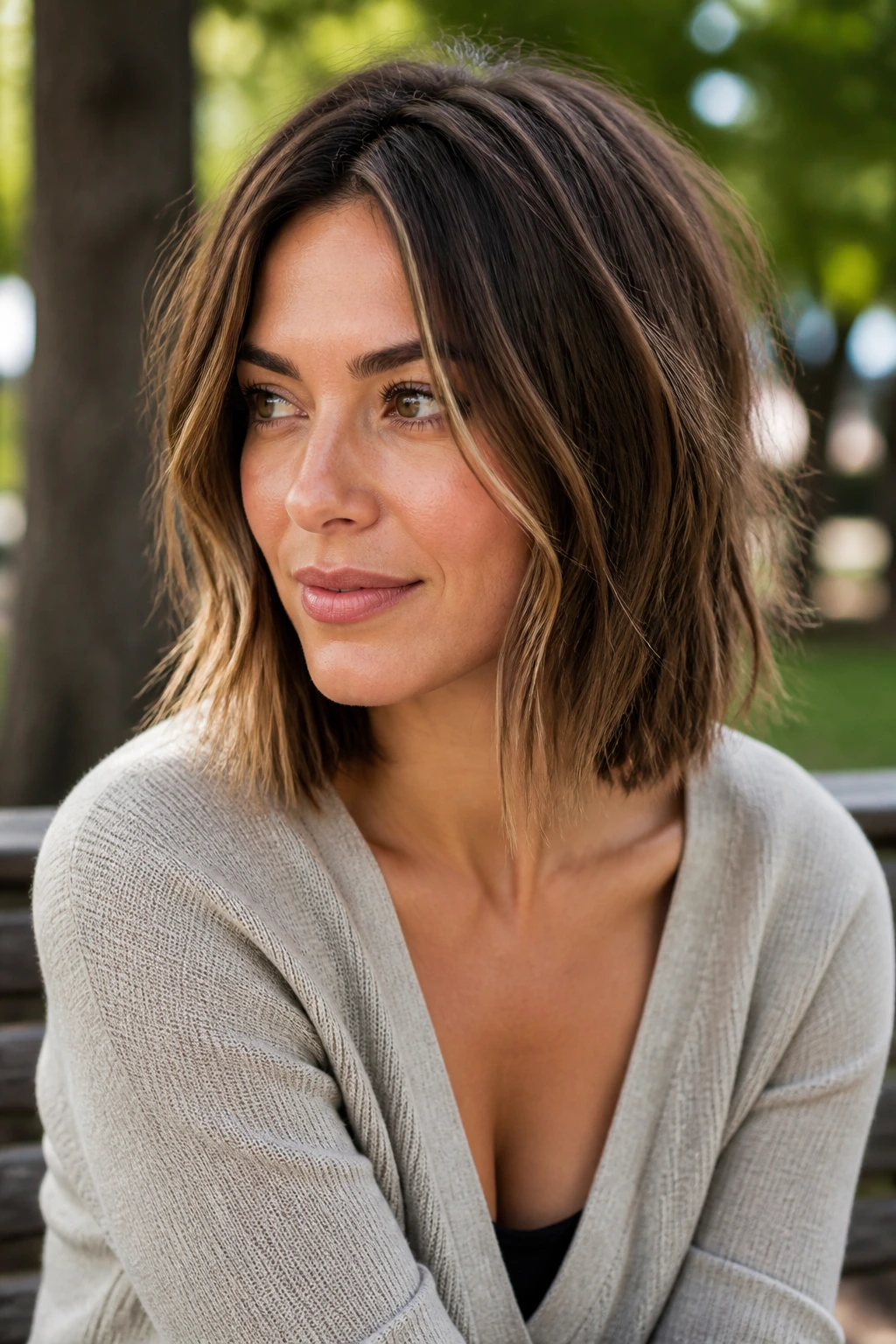
Piecey hair can either look chic or look accidental. The difference is the cut underneath. A piecey texture lob should still have a blunt base so the separated strands have somewhere to live. Then a bit of dry spray or lightweight cream defines the mid-lengths without making the ends sticky.
I like this for second-day hair and for people who hate a perfect finish. It gives the haircut a little grit. Just don’t confuse “piecey” with “thinned out.” One is style. The other is a mistake.
29. Deep Side-Part Lob
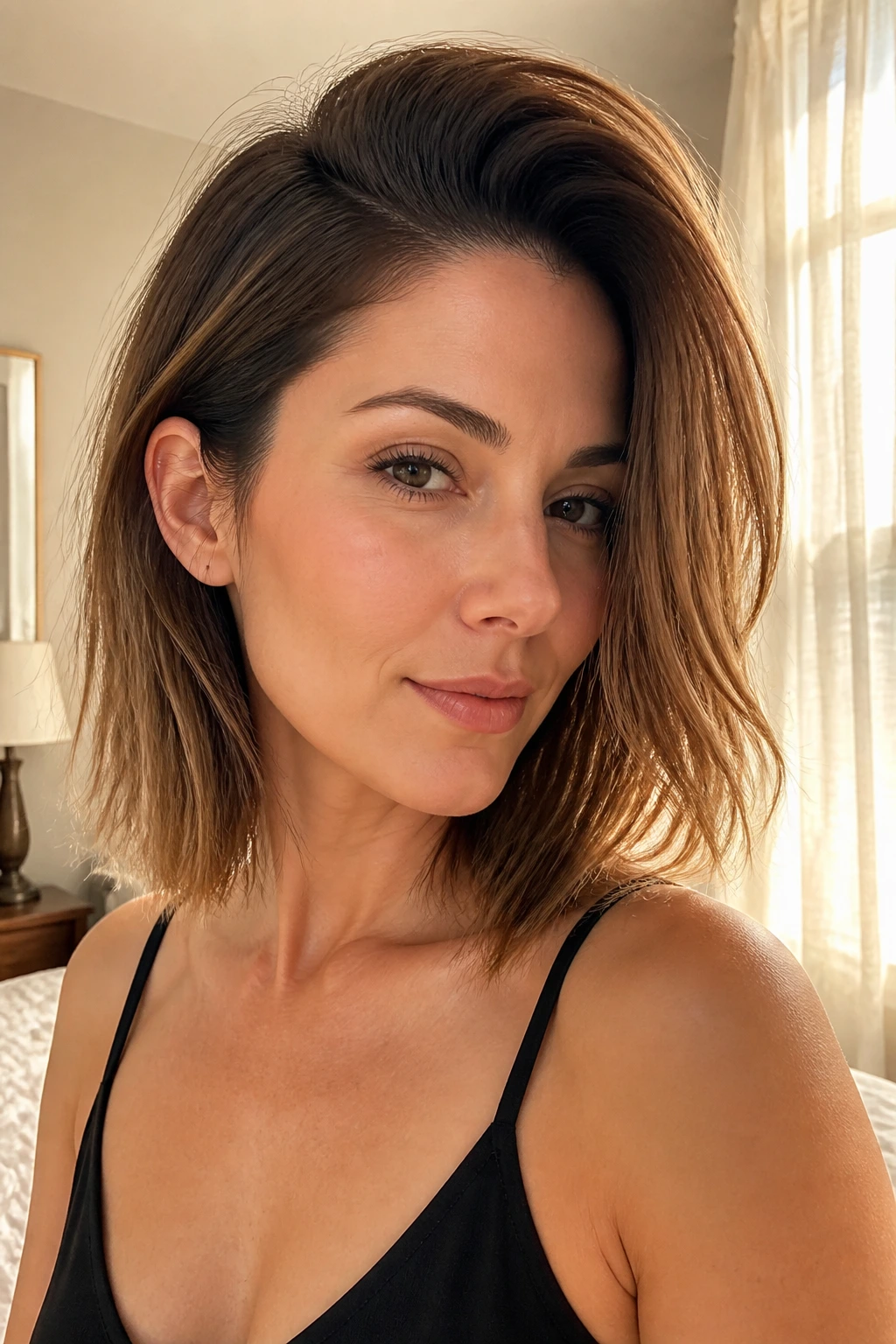
A deep side-part lob is one of the fastest ways to create root lift without changing the cut. Move the part farther over and one side gets more height while the other side falls in a heavier curtain. That asymmetry adds depth, and thin hair often needs depth more than it needs more product.
The side with more hair should be the side you want to emphasize. That’s the side that gets the visual weight. Use it when you want a little softness around the face or a stronger profile from one angle.
30. C-Curve Lob
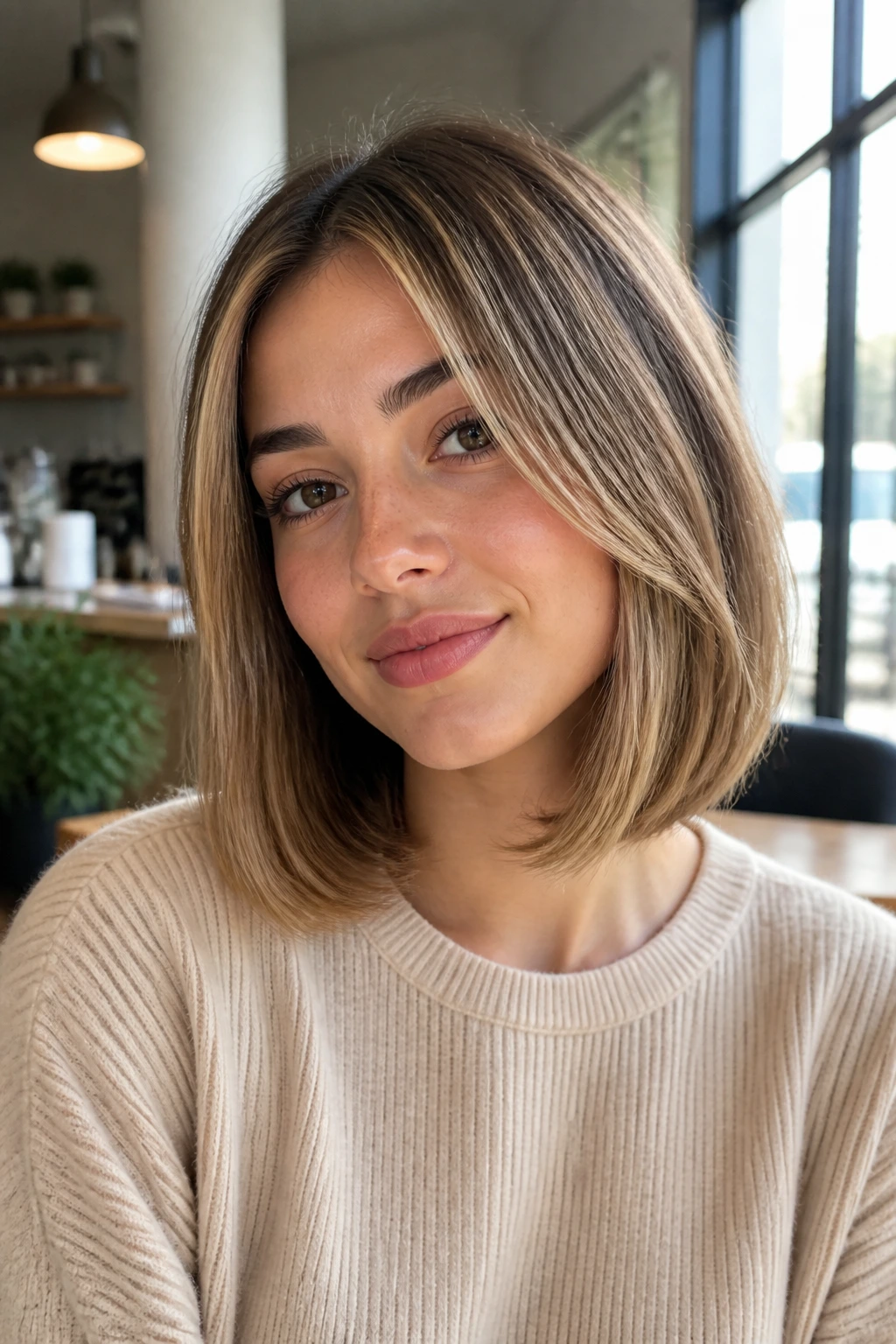
The C-curve lob is all about the ends turning under in a gentle arc. That little bend makes the bottom hem look compact and thicker, almost like the haircut is sitting on itself instead of stretching out. It’s neat, easy to wear, and forgiving on fine hair.
This shape loves a blow-dry with a brush or a quick pass of a flat iron turned slightly inward. Keep the curve soft. A hard curl under the chin can make thin hair look overstyled, and that’s not the same thing.
31. Graduated Lob
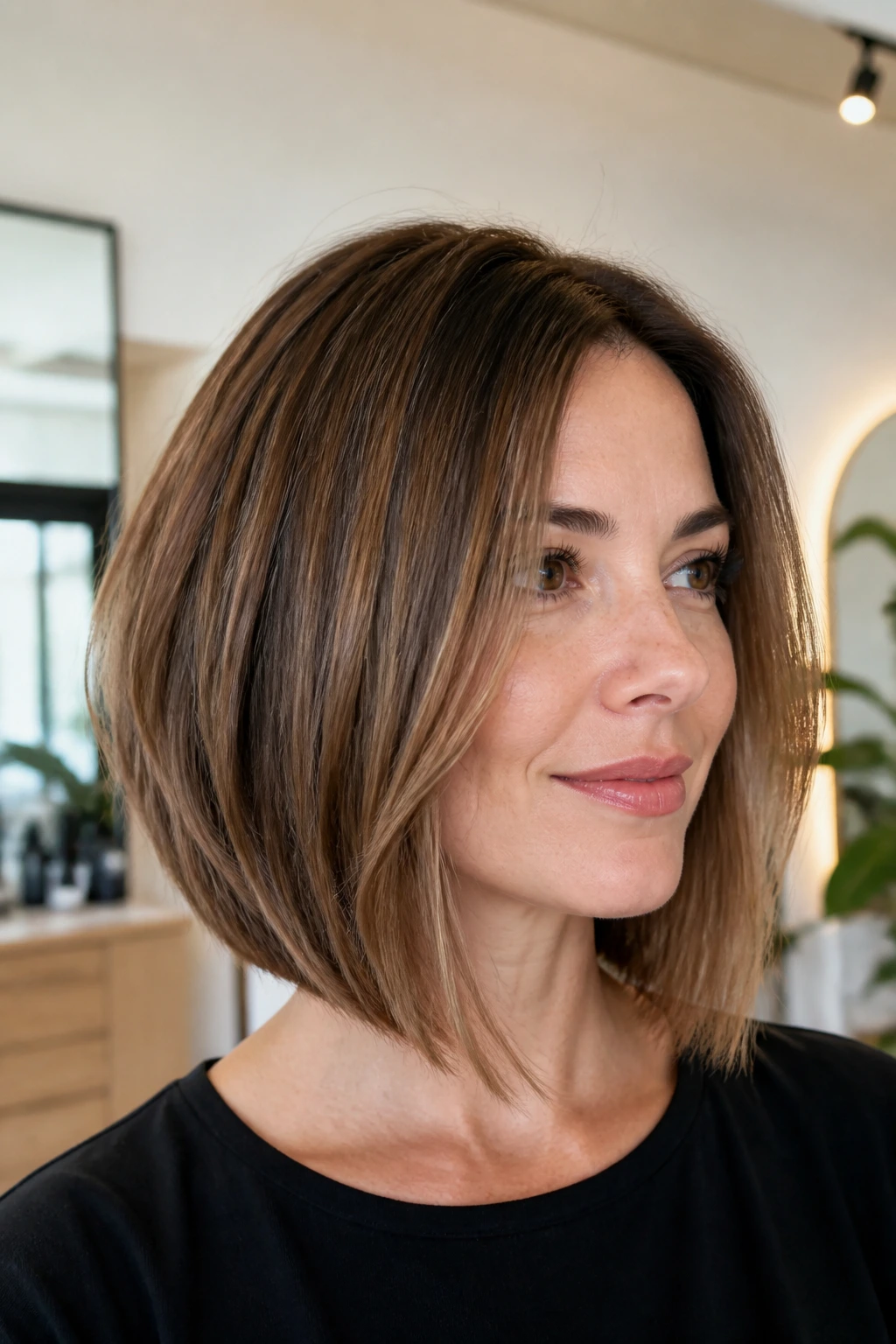
A graduated lob has a touch more lift in the back than a blunt one, but it doesn’t need to show off the angle. The graduation is subtle. That’s what makes it work. Thin hair gets a little more structure at the nape, while the front still carries enough length to keep the cut looking full.
Ask for a light graduation, not a stacked rear. Those are different animals. The goal is to support the shape, not carve it up.
Best for
- Straight or slightly bent hair
- Anyone who wants the back to sit off the neck
- People who like a neat outline without a severe angle
32. Air-Dry Lob

Some hair looks better when you stop fighting it. An air-dry lob is cut with the natural fall in mind, which means the stylist should account for shrinkage, movement, and whatever your ends do after they lose heat. For thin hair, that can be a relief.
The trick is leaving a little extra length in the front and not over-layering the sides. If the cut dries to a shape that still has a clean edge, you can skip the brush on busy days and still look finished. That’s a useful haircut.
33. Soft Razor Lob
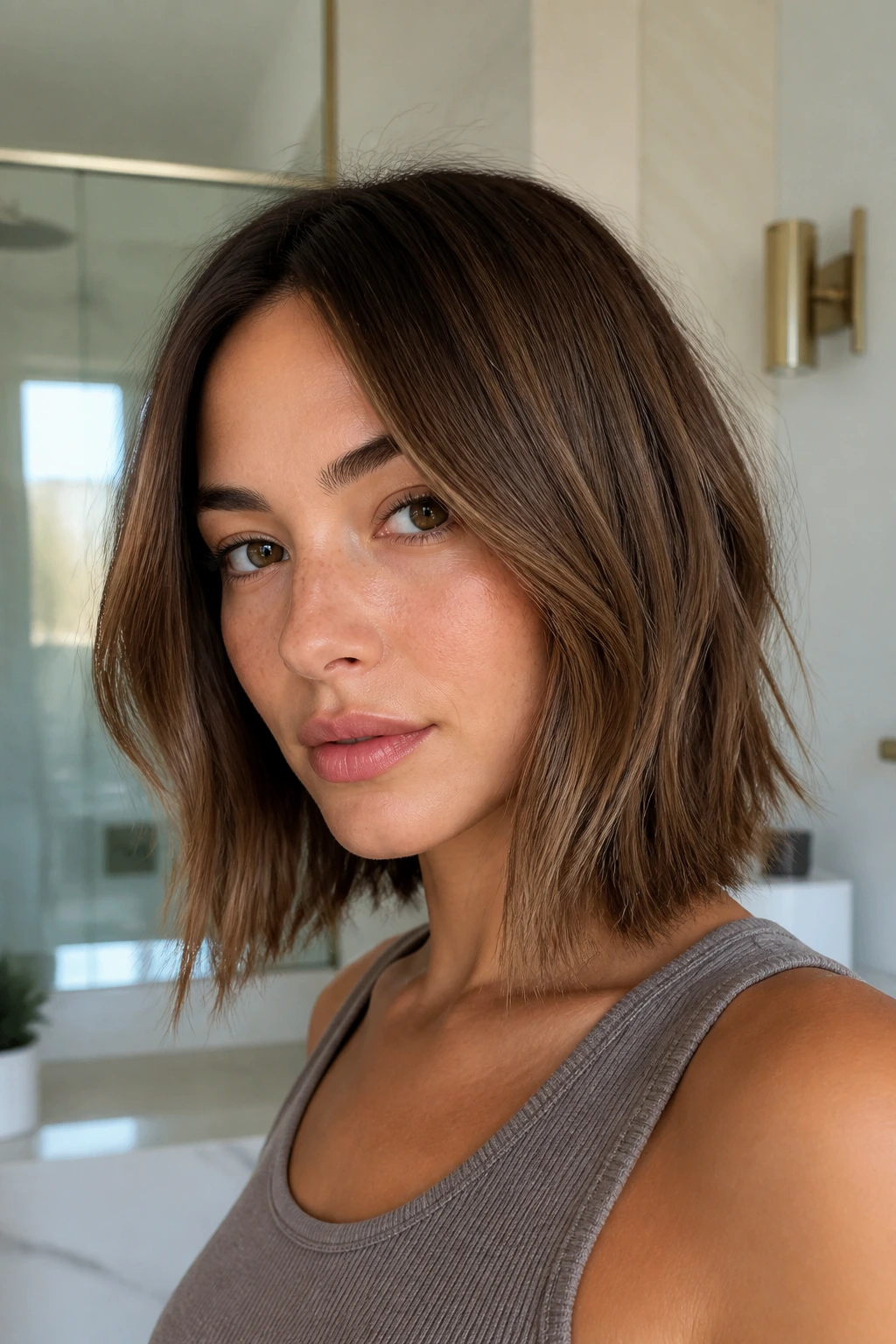
A soft razor lob is for people who want motion at the edges but not a shredded look. The razor should create a little softness through the interior or around the front, while the hem stays readable. That contrast keeps the haircut from feeling heavy, especially if your hair bends more than it curls.
The best version is controlled. If the perimeter starts to look see-through, the razor has gone too far. Fine hair can take softness, but it wants boundaries.
34. Long Fringe Lob

A long fringe can carry a lot of visual weight near the face, which helps thin hair feel less spread out. Keep the fringe around cheekbone height or a little below, and blend it into the lob so the front stays balanced. This is useful if your forehead feels wider than the rest of the silhouette.
The fringe should move. If it sits stiff and blunt, it can overpower the haircut. A soft, brushable fringe works better with fine hair because it doesn’t need to be re-cut every other week.
35. Middle-Part Lob

A middle part is not off-limits for thin hair. It just needs a haircut that supports it. A blunt middle-part lob works well because the symmetry of the part is matched by the symmetry of the hem, so the eye reads order instead of flatness. If the ends are wispy, though, the part can expose it.
This one looks best when the bottom is strong and the crown has a little root lift. Use a light volumizer at the scalp, then let the ends sit clean. If you’re a center-part person already, this is the straightforward option.
36. Crown-Volume Lob
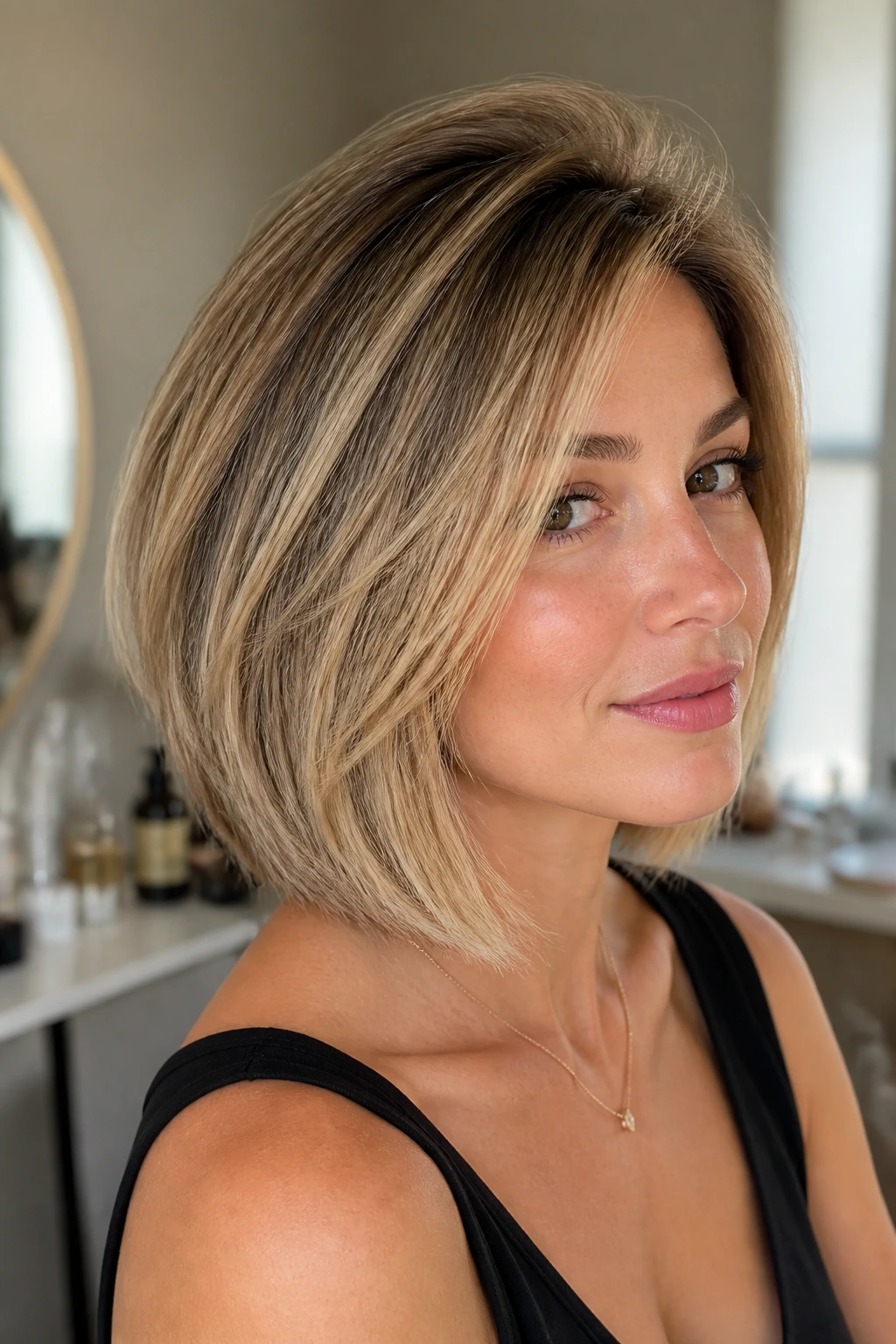
If the flatness lives at the top of your head, address the top. A crown-volume lob keeps the perimeter strong but adds a bit of internal lift above the occipital bone, where the head starts to curve away. That’s a technical way of saying the top gets help while the ends stay intact.
This is one of the few places where a few strategic layers can matter. The lift should be subtle enough that the haircut still reads like a lob, not a mini shag. Think support, not spectacle.
37. Grown-Out Lob

Not every good lob needs to look freshly cut. A grown-out lob is designed to hold its shape for a while, which makes it useful for people who don’t want a hard maintenance cycle. The perimeter stays mostly blunt, the layers stay low, and the length can drift an inch or so without going limp.
This is a practical cut, and I like that about it. It behaves well between trims, and thin hair often needs a haircut that stays decent on day 35, not just day 3.
38. S-Bend Lob
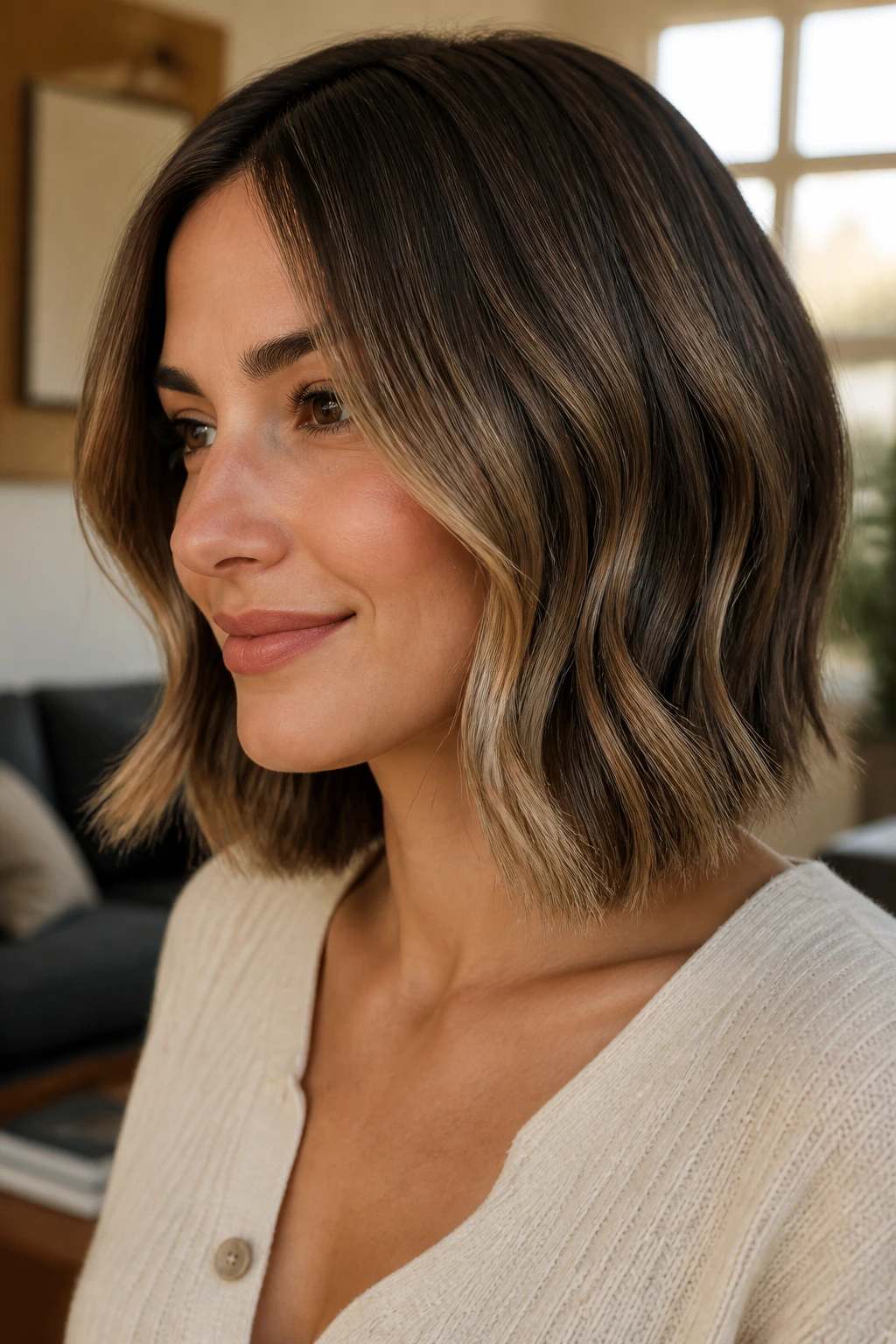
S-bends give thin hair movement without destroying the outline. The hair forms a gentle wave that bends one way, then the other, while the base of the cut stays solid underneath. That’s why this version works so well: the texture lives on top of a strong shape, not instead of one.
Use a flat iron or wand to create the bend from mid-length down, then leave the ends a little straighter. If the bends start too high, the volume can look airy in a bad way. Keep the movement low and the hemline visible.
Small Styling Moves That Make Thin Hair Look Fuller
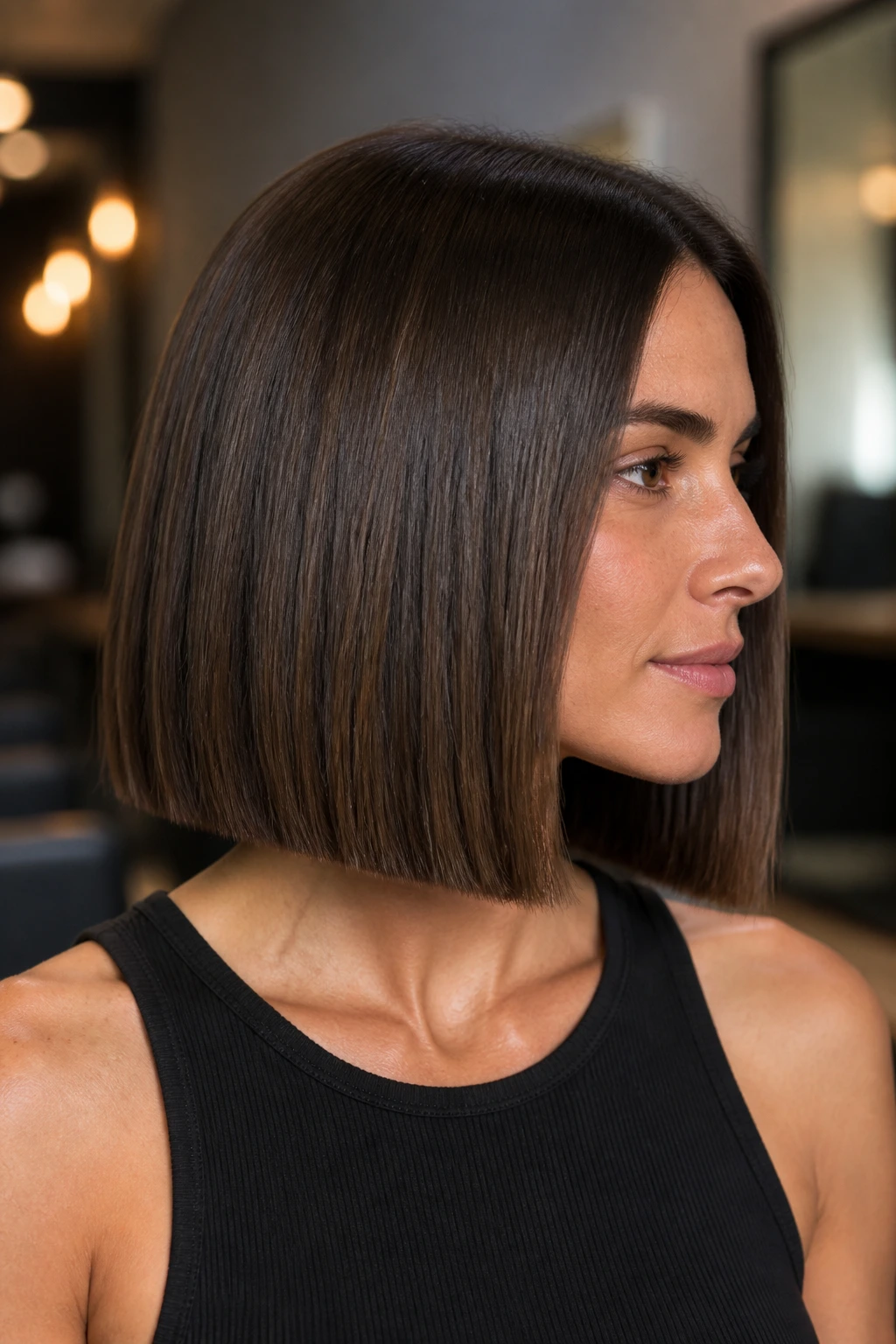
A lob can do a lot on its own, but a few small styling choices make it behave better. Root lift matters more than heavy product. A light mousse or root spray at the crown gives hair a little push off the scalp, while a thick cream at the roots can drag it right back down. If you need volume, aim where the hair grows out of the head, not where it lands.
Direction matters, too. Blow-drying the top section forward first, then back and forth, gives the roots a rougher memory and a touch of lift. For air-dried hair, move the part while it’s still damp so it doesn’t lock into one flat line.
Heat should touch the ends gently. One pass with a round brush or iron is usually enough for fine strands. Multiple passes can make the hair look cleaner for a minute and thinner by dinner. That’s a bad trade.
Dry shampoo is not only for greasy hair. A little at the roots can give fine hair grip, which helps the style hold a shape instead of sliding around. Use less than you think, wait a minute, then massage it through with your fingertips.
Tools That Earn Their Drawer Space
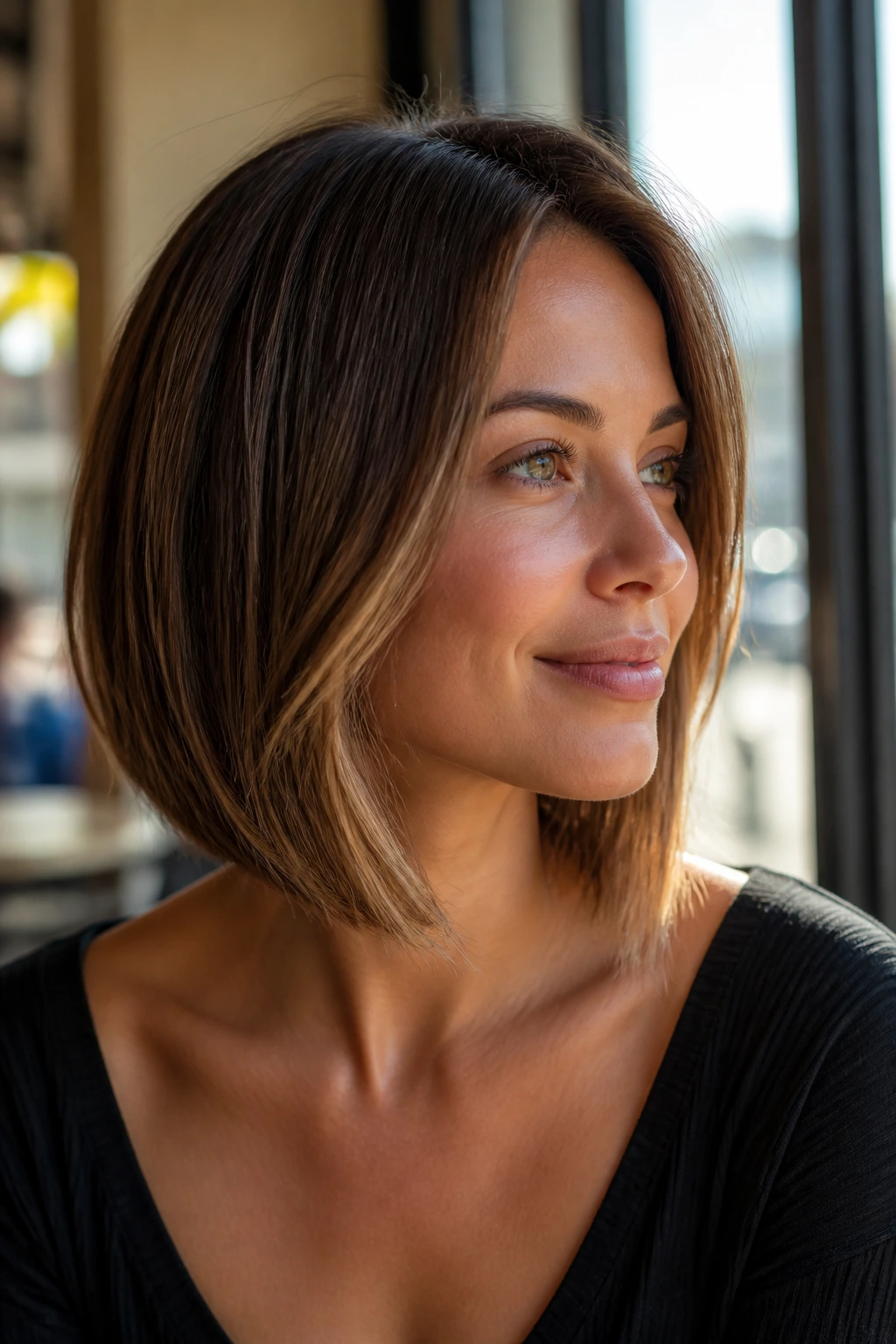
- Blow-dryer with a nozzle attachment: Directs air at the root so the hair dries smoother and sits with more control.
- Round brush, 1.5 to 2 inches: Bigger brushes create soft bend; smaller ones build more lift on shorter lobs.
- Flat brush or paddle brush: Useful for blunt, sleek finishes and easier for very fine hair that tangles fast.
- 1-inch or 1.25-inch curling iron or wand: Best for loose waves and S-bends without making the cut look curly.
- Light mousse or root-lift spray: Gives the crown some grit without coating the ends.
- Dry shampoo: Adds texture and helps day-two volume survive.
- Light serum or cream: Use a tiny amount on the mid-lengths and ends only.
- Wide-tooth comb: Helps detangle damp hair without pulling out shape.
- Microfiber towel or old T-shirt: Reduces frizz if you air-dry.
- Sectioning clips: Handy when you’re smoothing or waving the hair in pieces.
How to Keep the Shape Between Salon Visits
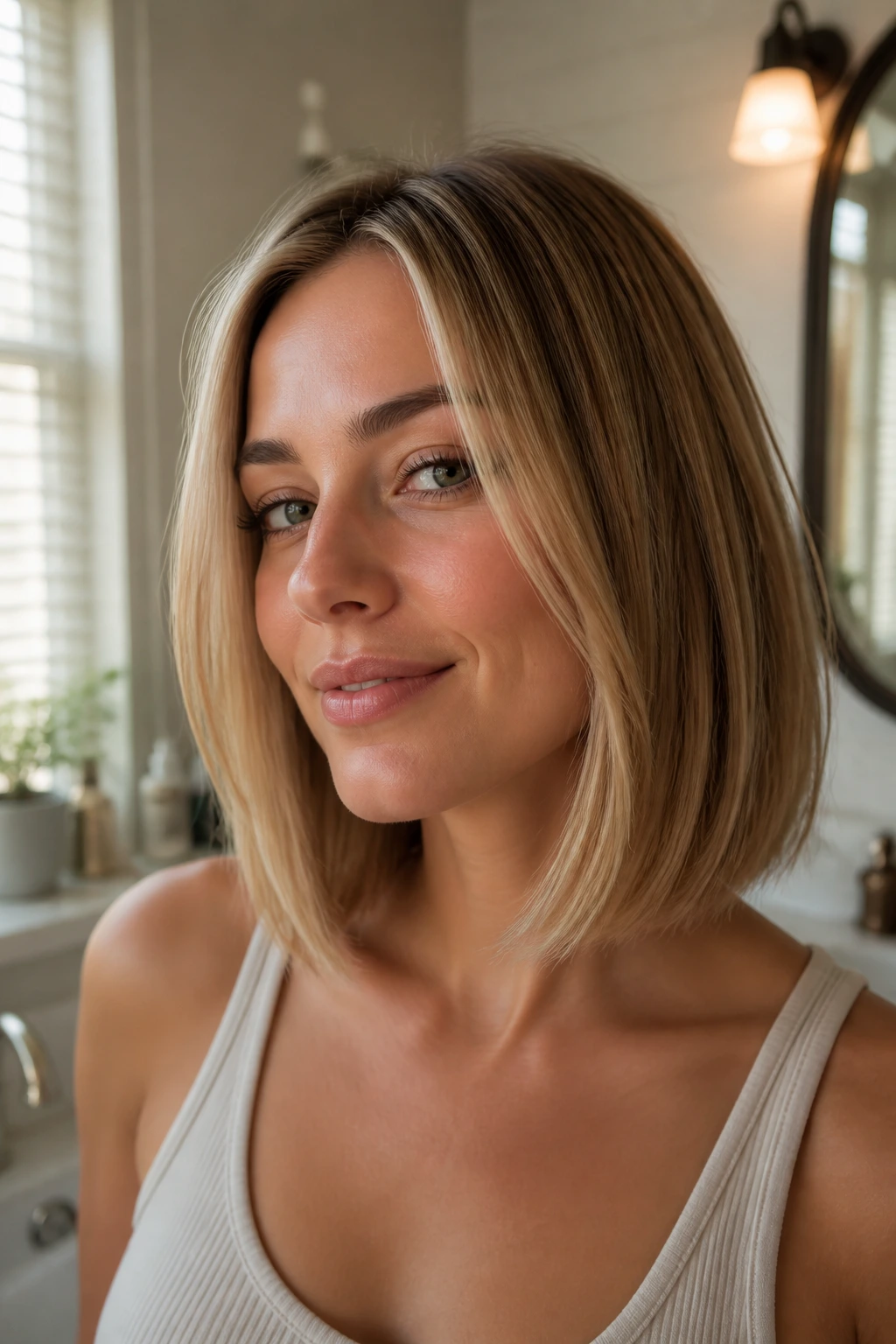
A lob for thin hair can look fresh for weeks if you treat the outline like a shape, not a habit. Trims every 6 to 8 weeks are the sweet spot for blunt or angled versions. Softer, more layered shapes can stretch to around 8 to 10 weeks, but once the perimeter loses its line, the whole haircut starts to feel flatter.
At home, keep heavy conditioner off the roots. Let it sit from mid-lengths to ends, then rinse well. A residue-heavy routine can make fine hair collapse at the scalp and hang in little strings at the bottom. Not a good look.
If you air-dry, scrunch just enough to encourage bend, then stop touching it while it sets. If you blow-dry, rough-dry the roots first, then smooth the surface last. That order helps the cut keep its body.
And yes, the way you sleep matters. A loose silk scrunchie, a soft clip, or even a low ponytail with a gentle tie can keep the ends from getting crushed overnight. Morning flattening is real. So is the fix.
Common Mistakes That Make Thin Hair Look Thinner
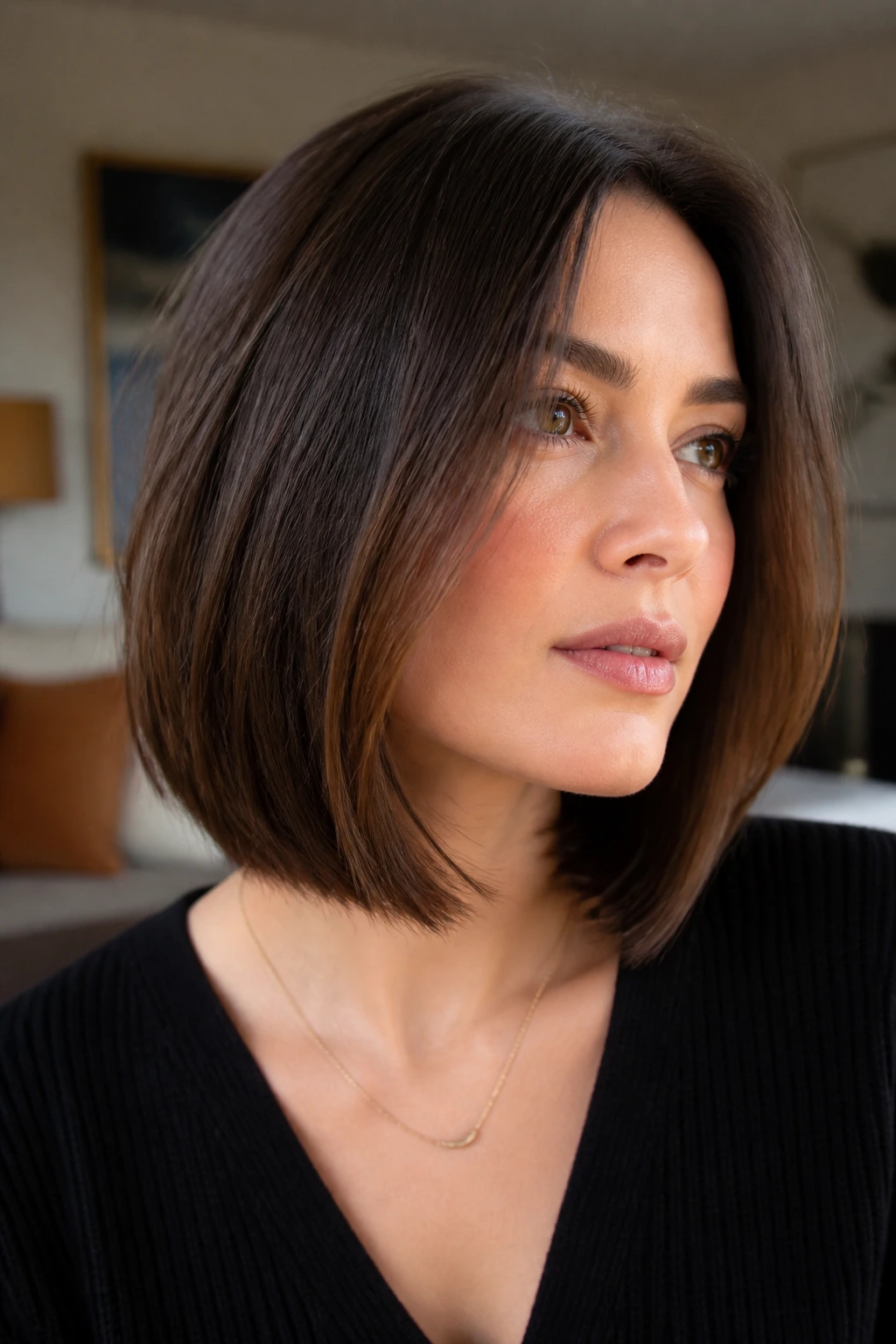
Too many short layers. The symptom is obvious: the bottom looks sparse and the hair starts to separate into little wisps. The fix is a stronger perimeter with layers kept high and light, or no layers at all if your density is already low.
Cutting past the balance point. A lob that drifts too far below the shoulders can start to drag on itself. You’ll see the ends get see-through and the shape lose its edge. Keep the length around the collarbone or a little above unless your hair is thick enough to support more weight.
Overusing texturizing shears. The haircut may feel lighter in the chair, but two weeks later it can look frayed. Fine hair does not need to be broken up everywhere. Ask for blunt cutting on the hem and restraint everywhere else.
Choosing a center part with no root support. A dead-flat center part can expose thinness right away. If you love the part, build volume at the crown. If you don’t want to fight it, move the part an inch off center.
Loading on heavy oils and masks. Nice idea, wrong place. Heavy products make the roots limp and the ends stringy. Use smaller amounts and keep them away from the scalp unless your hair is unusually dry.
Variations and Alternatives to Try
The Blunt-and-Polished Version
This is the safest choice for very fine hair that loses shape quickly. Keep the hem blunt, style it smooth, and let shine do the work. It’s clean, straightforward, and easier to keep looking full between cuts.
The Soft Shag Version
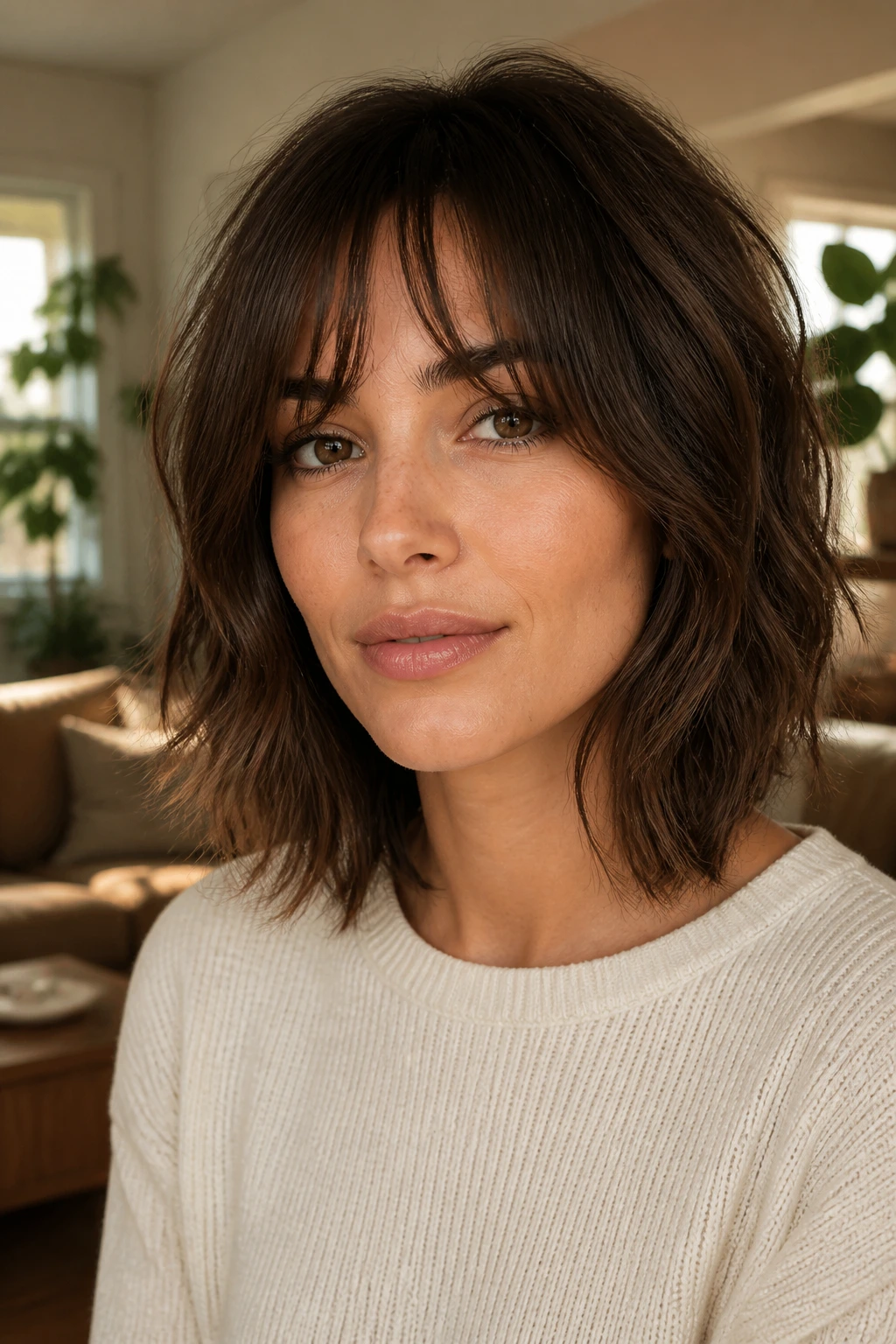
If your hair bends or waves, a longer shag-lob can add movement without sacrificing the outline. The layers stay long enough to avoid holes in the shape. I’d pick this over a short shag every time for thin density.
The Fringe-Forward Version
Curtain bangs, bottleneck bangs, or a long side fringe put attention up front, where thin hair often needs help. Keep the fringe brushable and blend it into the lob so the haircut still feels connected.
The Sleek Glass Version
Best for straight hair that behaves well under heat. The line stays crisp, the ends stay blunt, and a smooth finish makes the hair look more substantial. It’s the least fussy option if you like a controlled look.
The Air-Dry Version
This one is for people who want the cut to work without a hot tool every morning. The shape should be planned around your natural bend, with enough length to survive shrinkage. It’s low-maintenance, but not lazy; the cut has to be designed for it.
Frequently Asked Questions About Lob Haircuts for Thin Hair
Is a lob better than a bob for thin hair?
Usually, yes, because the extra length gives the hair more movement and keeps the ends from sitting right at a harsh line around the jaw. A bob can work, but a lob has more room to bend and more ways to be styled without exposing sparse spots.
Should thin hair have layers in a lob?
Sometimes, but not many. Thin hair often looks best with a strong perimeter and only a little internal layering if the stylist needs to remove bulk or add movement. Too many short layers can make the ends look frayed fast.
What length is best if my hair is very fine and straight?
The collarbone zone is usually the safest bet. It gives enough length for a bend or tuck, but not so much that the cut hangs flat against the shoulders. If your hair grows heavy quickly, go a touch shorter rather than longer.
Can I wear waves with a thin-hair lob?
Absolutely, and waves can make the haircut look fuller if they start low and stay loose. Use a 1-inch wand or flat iron to create soft bends from mid-lengths down, then leave the ends a little straighter so the hem still looks solid.
What if my hair flips out at the shoulders?
That’s a length issue more than a styling flaw. Ask for the cut to land a little above or below the shoulder flip zone, depending on whether you want the ends to turn in or out. A tiny adjustment of half an inch can change the whole behavior.
How often should I trim a lob on thin hair?
For blunt or polished versions, every 6 to 8 weeks keeps the edge from getting stringy. Softer versions can stretch a little longer, but once the line starts to blur, thin hair loses the one thing the lob gives it: shape.
Are bangs a bad idea with thin hair?
Not if they’re planned well. Long curtain bangs, bottleneck bangs, and side-swept fringe can add shape without removing too much density from the main cut. Short, heavy bangs are harder to balance on low-density hair unless the rest of the cut is very strong.
How do I stop my lob from looking flat by midday?
Start with root lift, not more oil. Blow-dry the crown for a minute longer than you think you need, use a little dry shampoo or texture spray at the roots, and keep conditioner off the scalp. Flatness usually starts at the base, not the ends.
The Cut That Keeps Its Shape
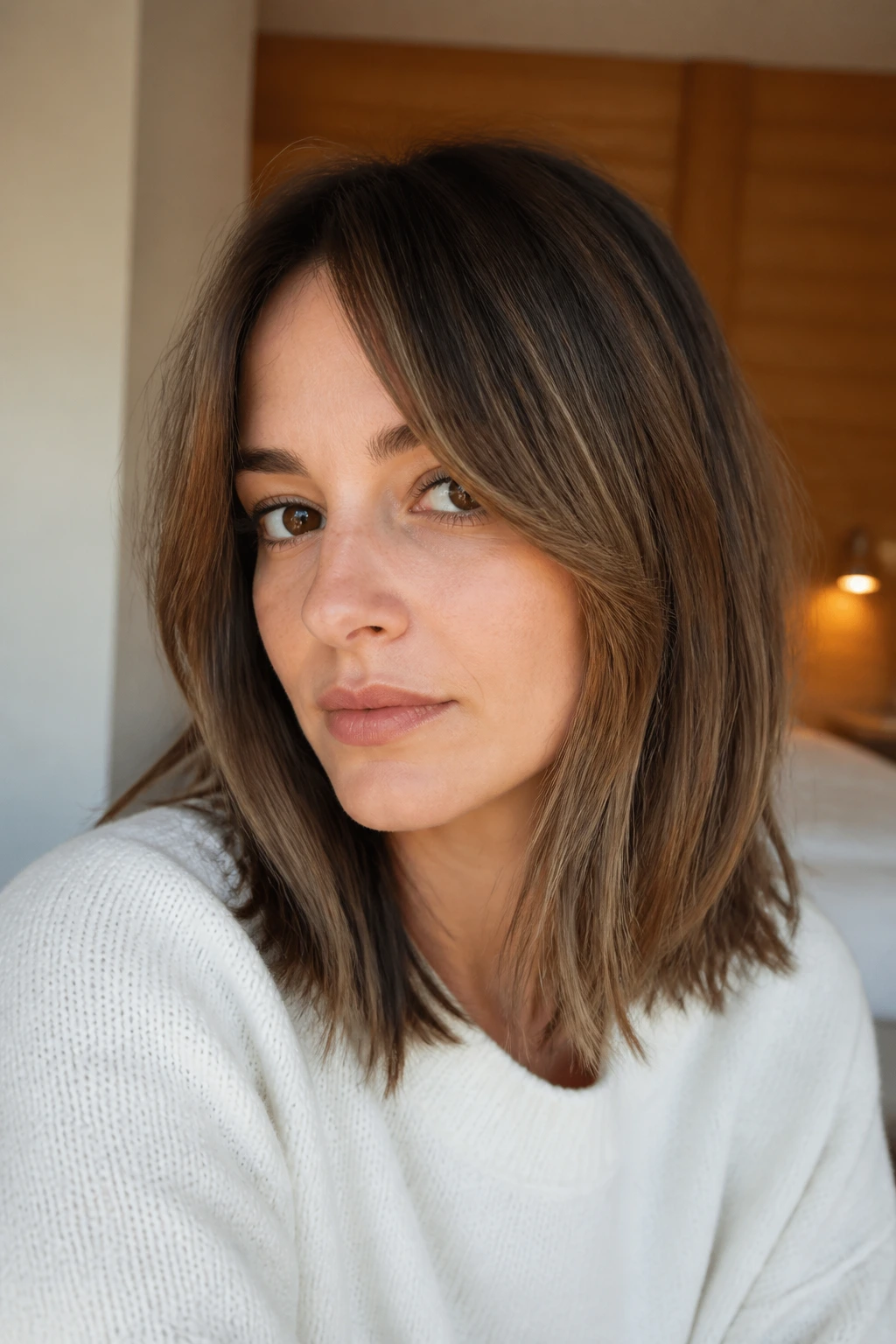
A good lob on thin hair is not about pretending the hair is thicker than it is. It’s about giving the hair a better outline so it can look full in motion, in photos, and on the days you don’t feel like wrestling it into place. That’s why the best versions here keep returning to the same idea from different angles: clean perimeter, careful layering, and a length that doesn’t collapse under its own weight.
Pick the version that matches how your hair actually falls, not how you wish it would behave. A blunt collarbone cut, a soft A-line, a blunt lob with curtain bangs—those are all different roads to the same place. The right one is the shape you can live with when the blow-dryer is off and the mirror is being honest.