



A good set of highlight ideas doesn’t have to shout to be noticed. Sometimes the prettiest color is the one that only wakes up when hair moves — a ribbon of honey in espresso brown, a thin veil of beige through dark blonde, a face-framing pop that makes cheekbones look sharper without changing the whole head. That quiet shift is what separates expensive-looking color from something that reads flat or stripy.
The part people miss is that highlights are never just “light pieces.” They’re placement, undertone, contrast, and maintenance all stitched together. A warm caramel ribbon can make brown hair look glossy in a way platinum never could. A cool ash veil can calm brass that keeps creeping into light brown hair. A single money piece can do more for a haircut than six inches of extra length. That’s not hype. That’s hair behaving like hair.
The 38 highlight ideas below move from brunette-friendly dimension to blonde brighteners, redhead boosters, gray-blending shades, and a few fashion-color choices for anyone who wants a little personality in the mix. Some are soft enough for an office and a grow-out you can live with. Others are meant to be seen from across a room. Start with your base shade, then decide how much contrast you can actually enjoy every morning.
Why These Highlight Ideas Work Across So Many Hair Colors
-
Placement changes the whole read: Two inches of brightness around the face can matter more than a full head of foils when you want a visible shift without a heavy upkeep schedule.
-
Tone matters as much as lift: Honey, caramel, beige, ash, copper, and pearl all sit differently on hair; the wrong tone can make even a good highlight look muddy or brassy.
-
Texture changes the payoff: Babylights disappear into fine hair in a good way, while wider painted ribbons show up better on curls, coils, and dense layers.
-
Grow-out should be part of the plan: A root shadow, teasylight, or balayage edge softens the line between salon visits, which is the difference between “fresh” and “why did I do this to myself?”
-
Warm and cool shades both have a job: Warm shades make dark hair look rich and glossy; cool shades keep lighter hair from drifting yellow or orange.
-
There’s a version for every commitment level: Some of these ideas need regular toning and precise placement. Others can go months before they start to look tired.
1. Honey Ribbon Balayage for Espresso Brunettes
Honey ribbons are the move when you want dark brown hair to look sun-kissed without turning it into a blonde project. The warmth sits on top of espresso in a way that feels soft, not harsh, and the contrast is strongest around movement — mid-lengths, waves, and the ends.
Ask for painted pieces that start below the root area, then a few thinner strands near the face so the color doesn’t disappear when your hair is down. The trick is keeping the lift to about two or three levels so the honey stays glossy instead of looking pale and thirsty.
2. Caramel Melt on Chocolate Brown Hair
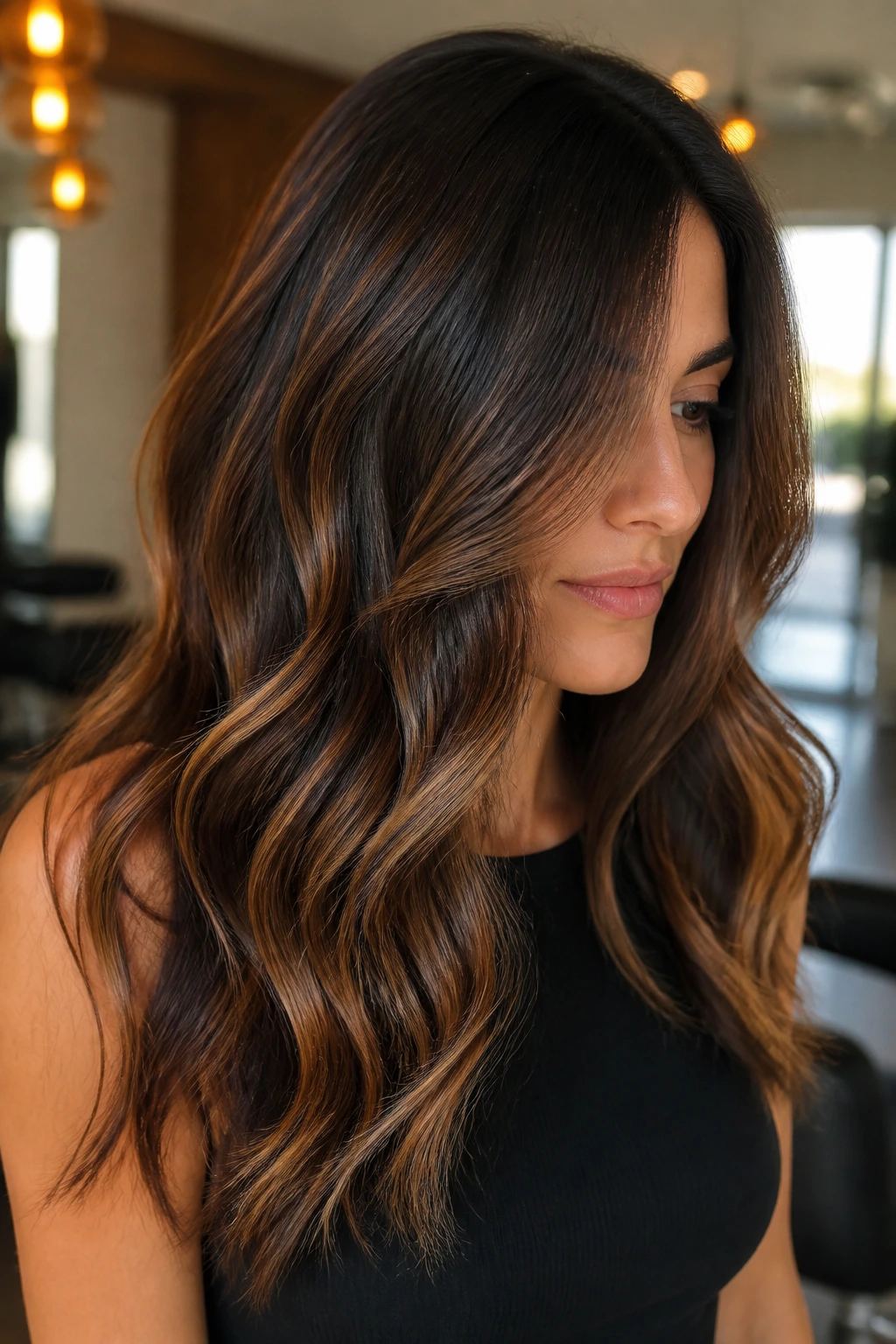
Why does caramel work so well on chocolate brown? Because it looks like the hair got lit from inside instead of striped on top. The color sits one step warmer than the base, so the whole head reads richer, not louder.
This is a smart choice if you wear your hair in loose waves or soft layers. The darker root and lighter ends blend into each other, and that soft transition is what keeps it from feeling dated. Ask for the brightest caramel near the face and through the lower mids, then keep the crown a touch deeper.
3. Cinnamon Face-Framing Pieces for Chestnut Bases
Chestnut brown hair loves cinnamon because the shade adds warmth without flipping orange. Put those brighter pieces around the face, and the haircut starts doing half the work for you. Cheekbones look higher. Eyes look brighter. It’s a small change with a big payoff.
- Best placement: Keep the brightest cinnamon at the front and just off the part line.
- Best cut: Long layers or a collarbone lob show the warmth without hiding it.
- Best tone: Ask for cinnamon, copper-brown, or toasted auburn rather than red-orange.
- Best finish: A loose bend from a curling iron lets the color flicker instead of sitting in one block.
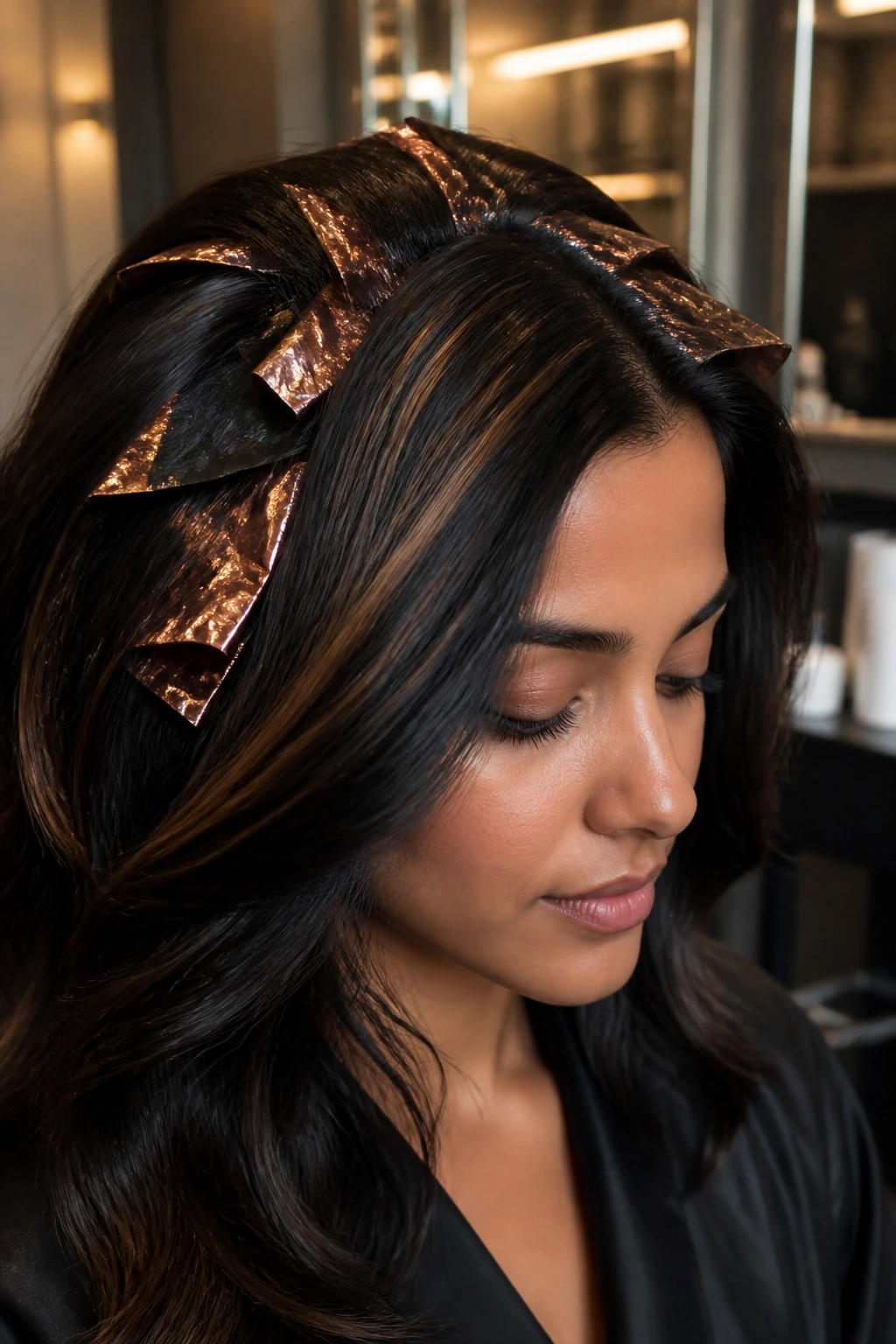
4. Bronze Foil Highlights for Black Hair
Bronze is the sweet spot for black hair when you want dimension but don’t want the upkeep of going blonde. It gives depth and gleam at the same time, which is a rare and useful trick on very dark bases. On straight hair, it looks polished. On curls, it gives the surface a soft metallic sheen.
Foils usually show this better than freehand painting because black hair needs a little more structure to reveal the contrast. Keep the pieces concentrated on the top layers and around the hairline. If the bronze gets too coppery, the whole look starts arguing with the base.
5. Toffee Babylights for Soft Brunette Dimension
Toffee babylights are for people who want movement, not drama. The sections are tiny. The result is even tinier in the best way. Fine brunette hair can look fuller because the eye catches little shifts in tone instead of one broad flat color.
That’s why this idea is so good on straight or lightly waved hair. Babylights blur into the base just enough that you notice shine before you notice highlights. It’s a clean, tidy look — and yes, it requires a careful colorist, because chunky stripes will ruin the effect fast.
6. Mushroom Brown Ribbons for Cool Brunettes
Best on cooler bases
Mushroom brown is one of those shades that looks expensive because it doesn’t fight the hair underneath it. The tone sits in that smoky beige-gray zone, which keeps cooler brunettes from turning brassy every time the sun hits. If your natural color leans ashy or neutral, this is a very smart direction.
What to ask for
Ask for ribbons that are lifted only enough to show a soft taupe-beige difference. Too much warmth and the whole idea falls apart. The best version has a root shadow, some cool mids, and ends that stay glossy instead of chalky.
7. Copper Balayage for Auburn Hair
Copper on auburn hair sounds simple, but the payoff is all in the layering. Instead of one flat red, you get pieces that glow brighter when the light moves across them. It makes the hair look alive, not uniform. That matters.
This works especially well if your auburn base is rich but a little dull at the ends. A copper balayage wakes up the cuticle visually, even when the hair itself is healthy and shiny. Just keep the copper in the same family as your base. Too orange and you lose the depth that makes auburn so good in the first place.
8. Strawberry Blonde Veils for Redheads
If your hair is already red, strawberry blonde veils can soften the intensity without taking away the color people actually love. The lighter pieces should feel whisper-thin, almost like a veil over the top layer. That keeps the red dimensional instead of loud.
This is one of the nicest options for natural redheads who want brightness around the face. Keep the strongest pieces near the temples and part line, then let the rest stay deeper and warmer. It’s a gentle lift. Good red hair doesn’t need a rescue plan.
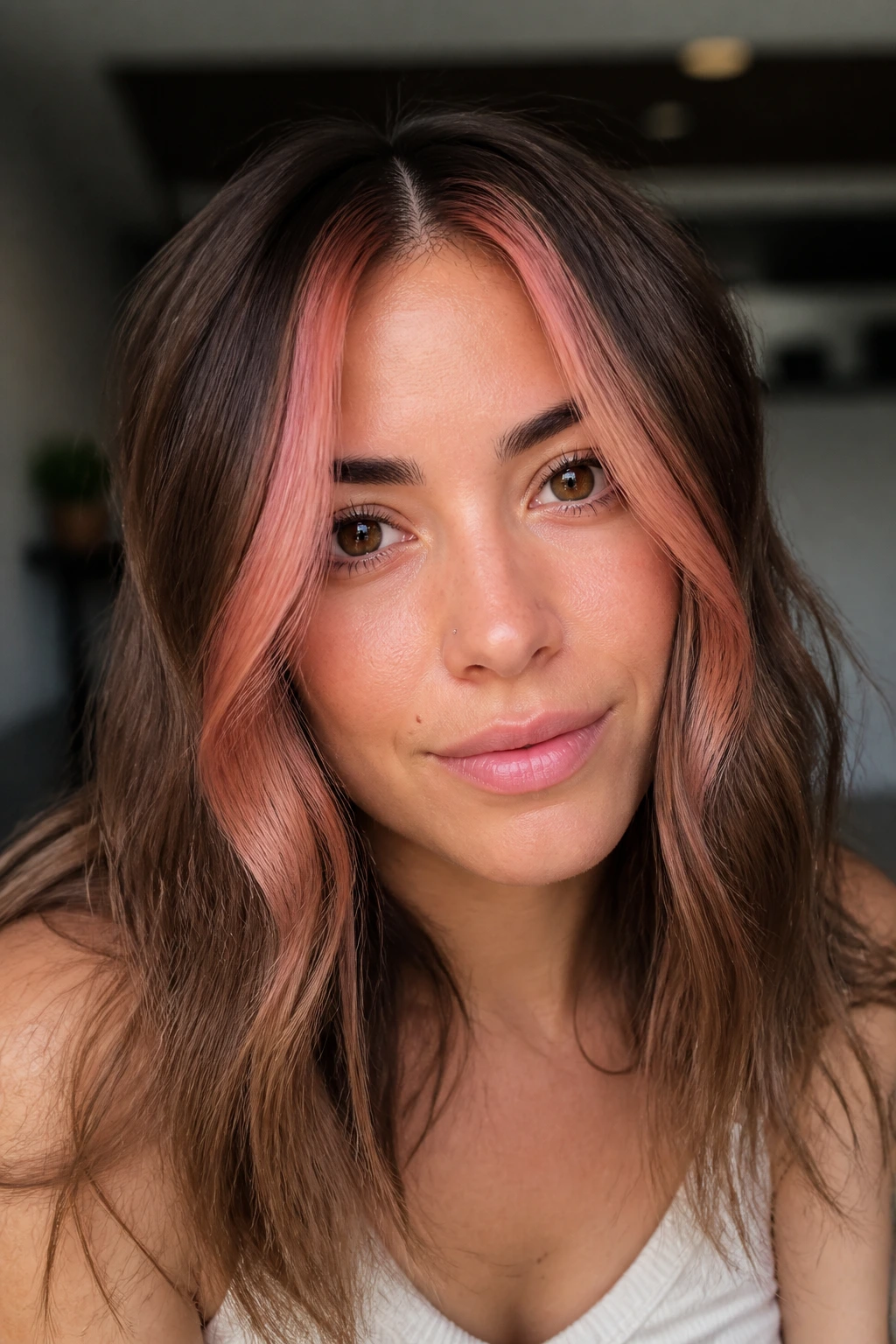
9. Rose Gold Money Piece for Light Brown Hair
Rose gold can look too sweet if it’s thrown everywhere. As a money piece, though, it’s sharp in the best way. The pink-gold flash at the front gives light brown hair a little attitude while the rest of the head stays grounded.
This idea works best when the face frame is slightly brighter than the rest of the highlight pattern. That contrast makes the rose tone read intentional rather than washed out. If you like straight hair or polished waves, this one lands beautifully because the front pieces keep catching the light as you move.
10. Mocha and Beige Babylights for Dark Brown Hair
Dark brown hair doesn’t always need a brighter blonde moment. Sometimes it just needs more texture. Mocha and beige babylights do that by creating a fine net of tone changes instead of obvious stripes. The hair reads thicker. The shine reads cleaner.
That mix also solves one of the common problems with darker brunette highlights: the pieces can look too warm or too flat if you choose only one tone. Mocha keeps the base rich. Beige keeps it from sinking into a single dark block. The combination is subtle, but subtle is the point here.
11. Sandy Blonde Balayage for Medium Brown Hair
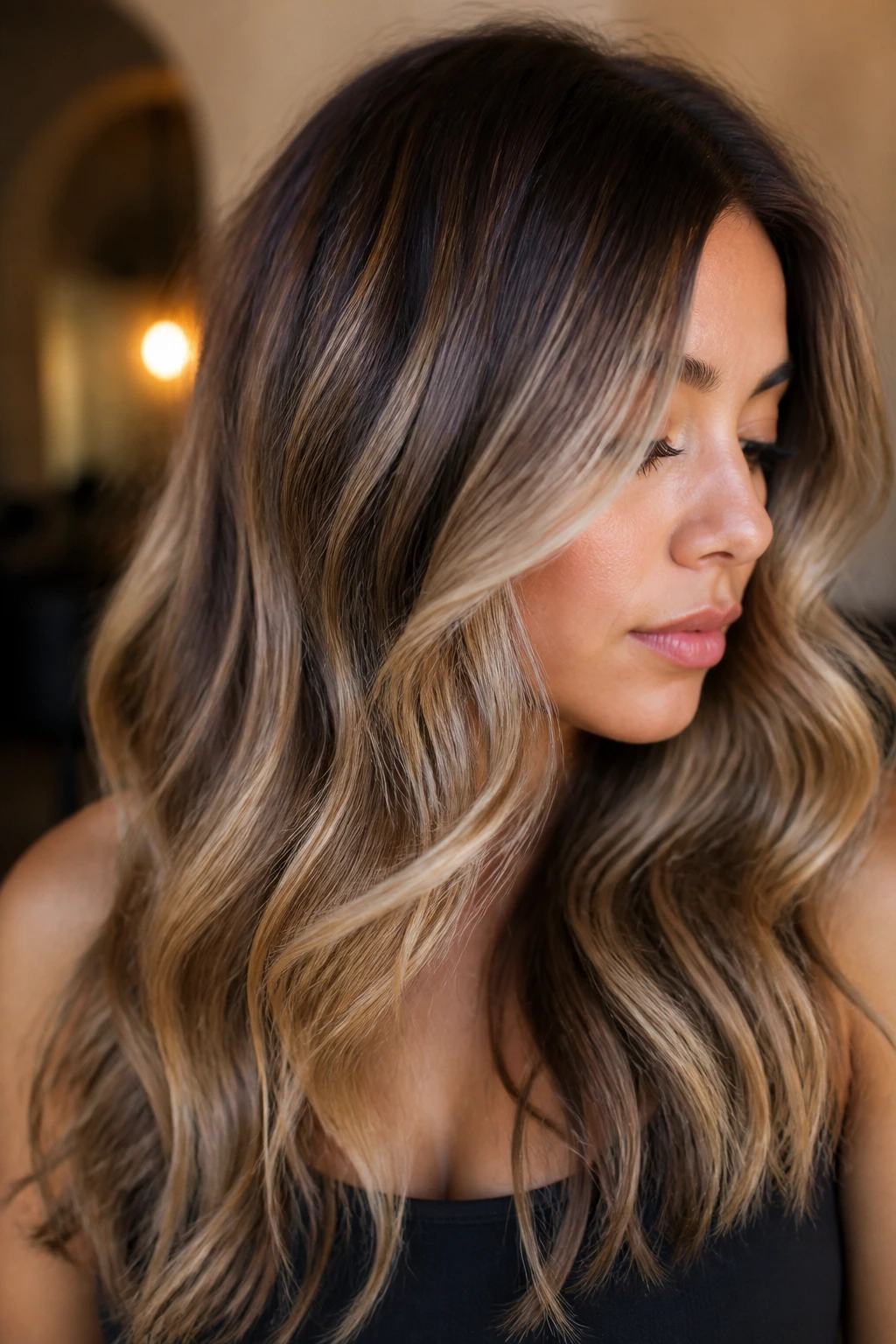
Sandy blonde is the shade people mean when they say they want to look like the hair spent time in sunlight, not bleach. On medium brown hair, it sits in a sweet middle zone — lighter than caramel, softer than ash blonde, and easier to wear than full blonding.
Ask for broader painted sections through the ends and a few finer pieces around the face. That mix gives the hair a lived-in look instead of a patchy one. Sandy tones are also forgiving if your base grows out a little darker. They don’t scream for retouching.
12. Champagne Highlights for Warm Brunettes
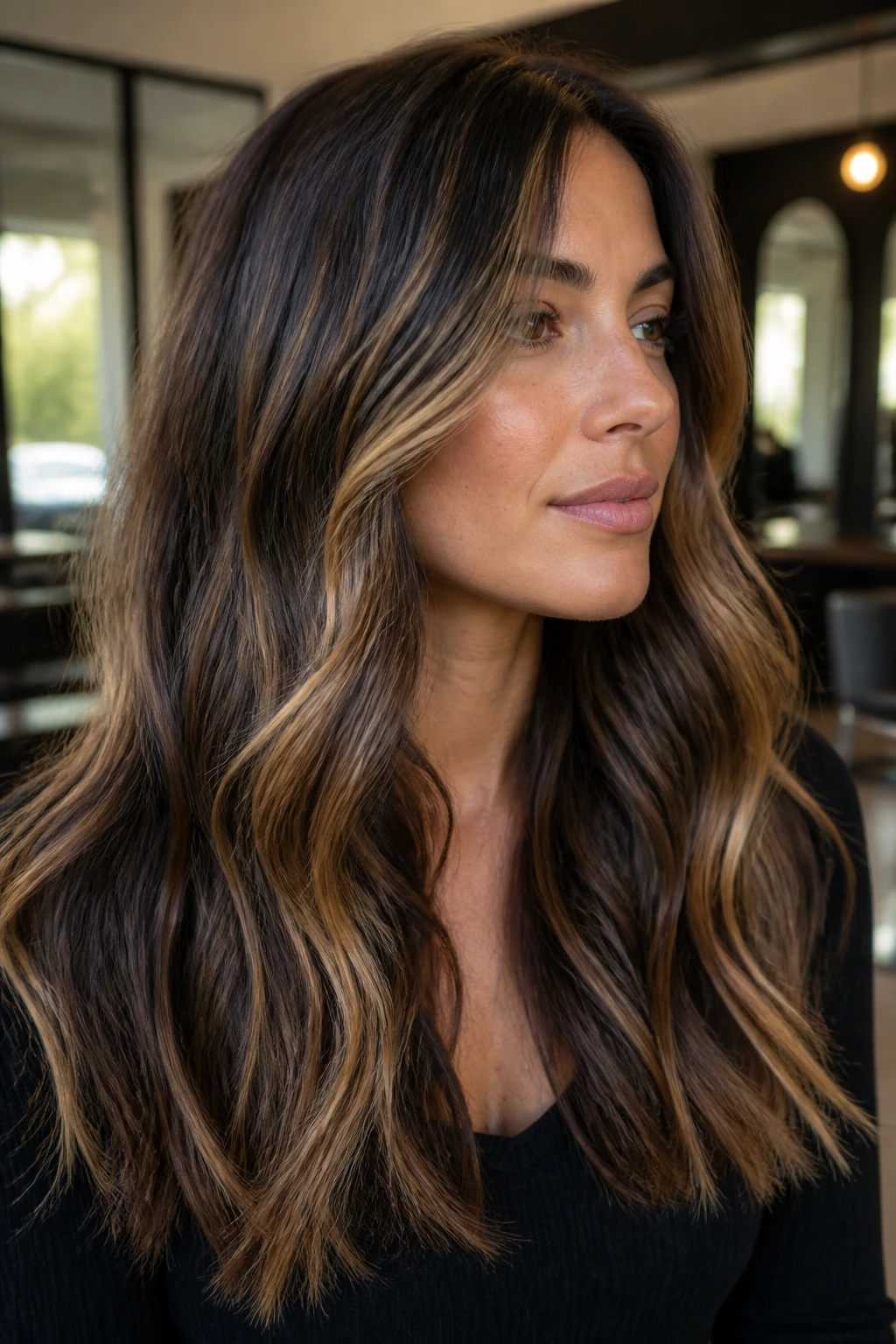
Champagne works because it gives brightness without going yellow. On warm brunettes, it adds a soft sparkle that feels polished, not stripy. The shade has enough beige in it to keep things clean and enough warmth to avoid that dull, gray cast some cool blondes get on brunette bases.
Use champagne where the eye naturally lands — the money piece, the top layer, and a few ribbons through the ends. It’s not a color that needs to blanket the head. One or two precise placements can do the job. Too much champagne and the hair starts looking frosted instead of dimensional.
13. Butter Blonde Pieces for Dark Blonde Hair
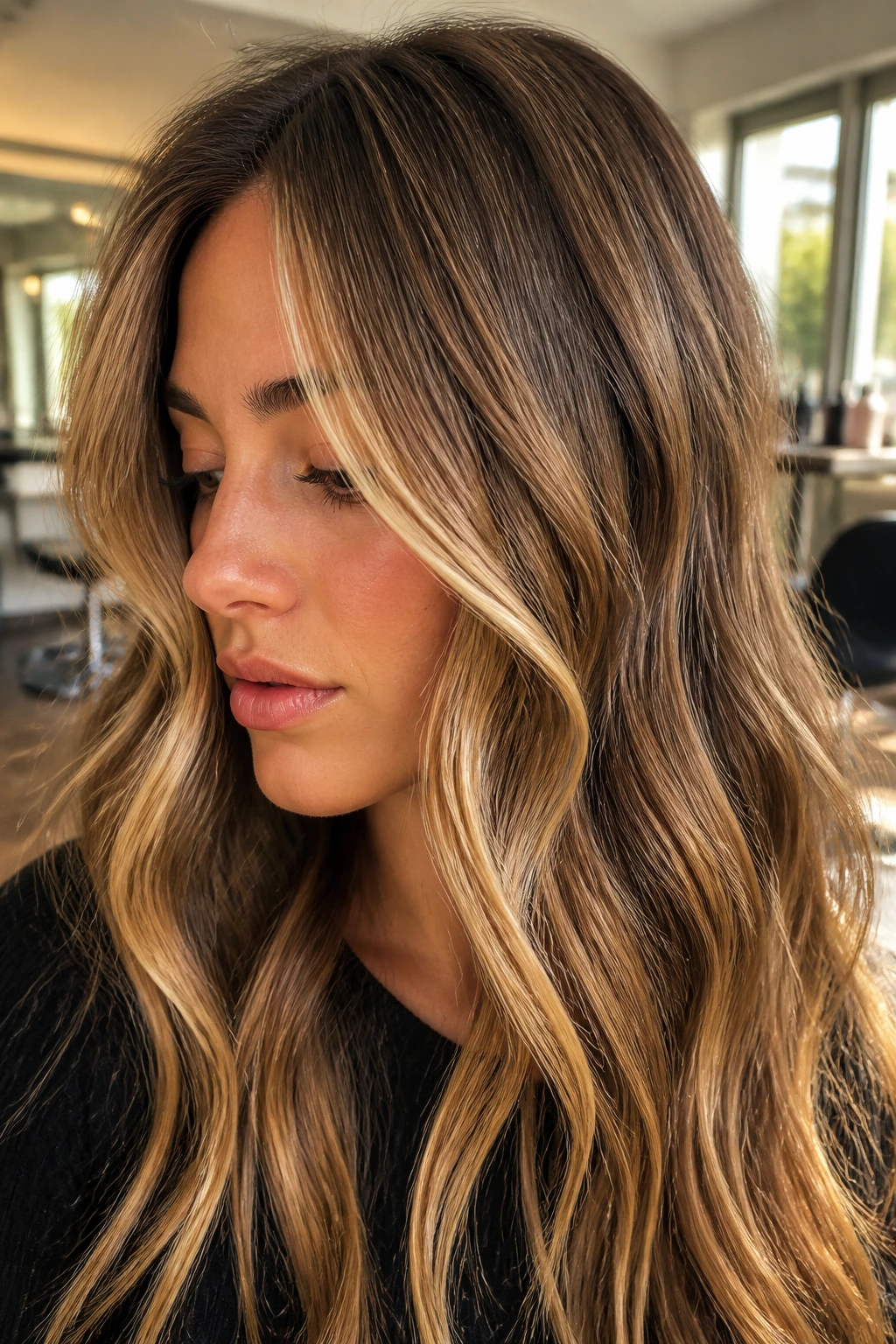
Dark blonde hair is one of the easiest bases to get wrong because it can turn muddy fast. Butter blonde keeps the warmth flattering without drifting into brass. The look is softer than platinum and more cheerful than ash.
- Where it shines: Blunt bobs, shoulder-length cuts, and soft layered shags.
- How much contrast to use: Just enough that the pieces show in daylight, not so much that the base disappears.
- What to ask for: Butter, beige-gold, or creamy blonde — not icy or white-blonde.
- Why it works: The warmth keeps the darker blonde looking healthy instead of pale and dry.
14. Ash Blonde Teasylights for Dimensional Brunettes
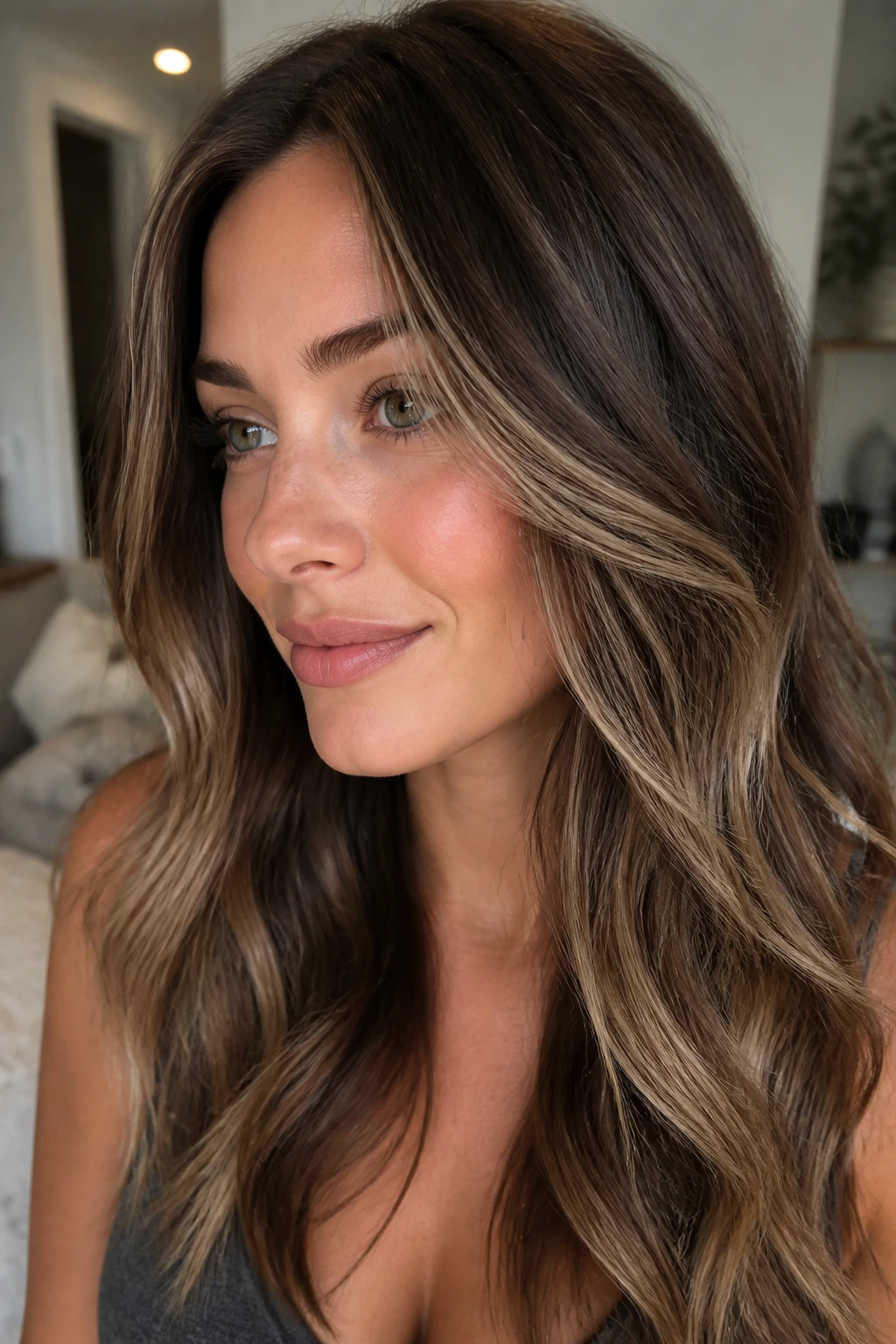
Ash blonde teasylights are the answer when you want a brunette highlight that doesn’t get loud. The teasing at the root blurs the line, and the ash tone keeps the lighter pieces from swinging orange as they grow out. It’s a clean trick, and it saves you from harsh regrowth.
The best part is the way teasylights move. They aren’t blocky. They slide into the hair. That gives brunette bases a more expensive, smoky look, especially if the waves are loose and the ends are lightly polished with serum.
15. Icy Beige Foils for Light Brown Hair
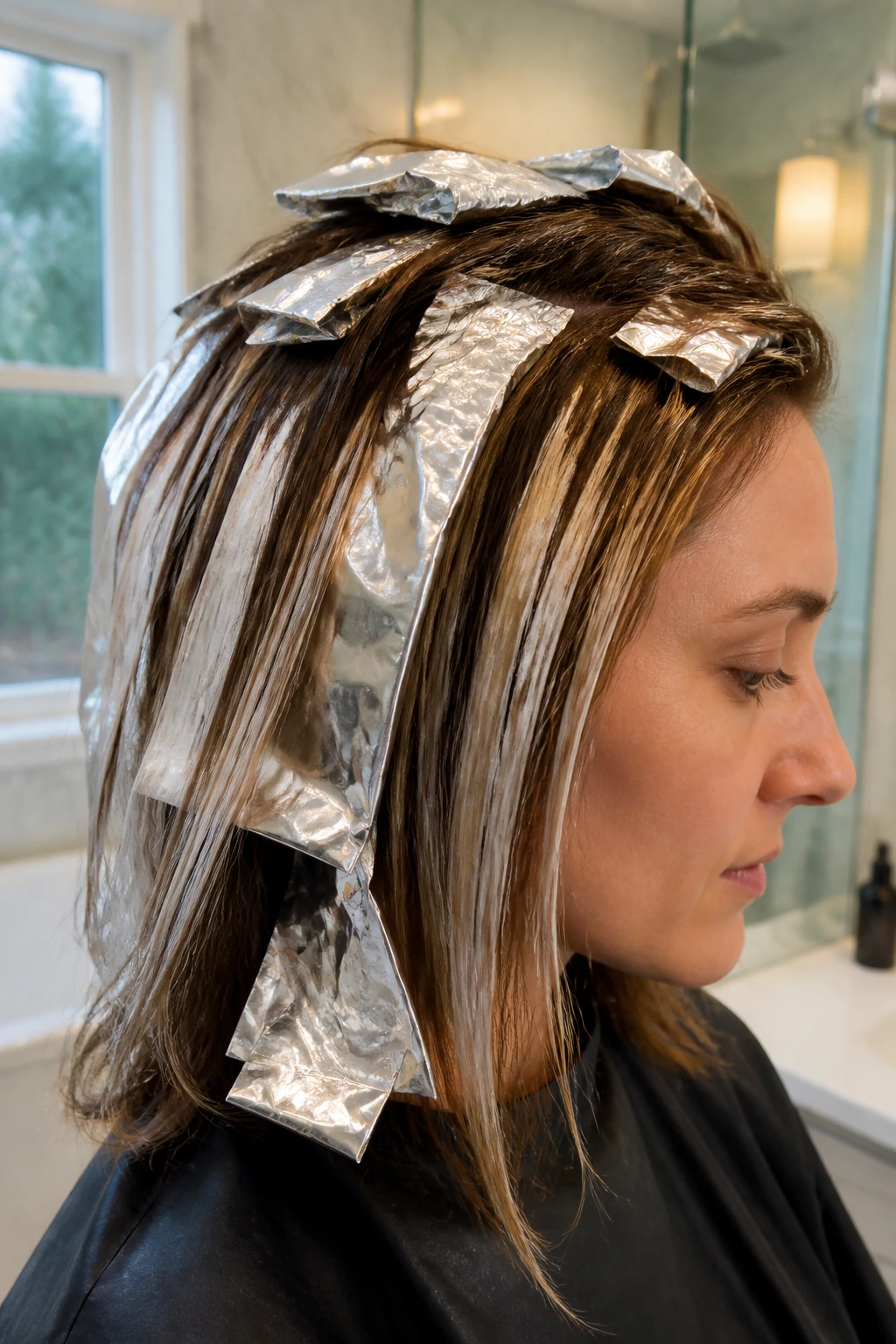
Icy beige sounds like a contradiction, but that’s why it works. The beige keeps the color wearable; the icy edge keeps it from looking too warm or flat. On light brown hair, this gives just enough brightness to feel fresh without pushing into full platinum territory.
Foils are useful here because light brown hair can hide a soft blonde if the sections are too wide. You want clean placement and careful toner. If the ends are porous, go easy. Porous hair grabs icy tones fast, and fast is not always flattering.
16. Vanilla Blonde Ribbons for Golden Blonde Hair
Vanilla blonde is the tone that makes golden blonde hair look more finished. It softens the yellow edge without dulling the warmth. The result is creamy, not chalky. That matters on lighter hair, because a bad toner can make the whole head look dusty.
This idea is especially nice if your current blonde is a little too bright at the mids but you don’t want to darken it. Vanilla ribbons break up the brightness in a calm, pretty way. If you wear your hair in smooth blowouts, the color reads even more expensive because the shine has somewhere to go.
17. Platinum Money Piece for Brunettes
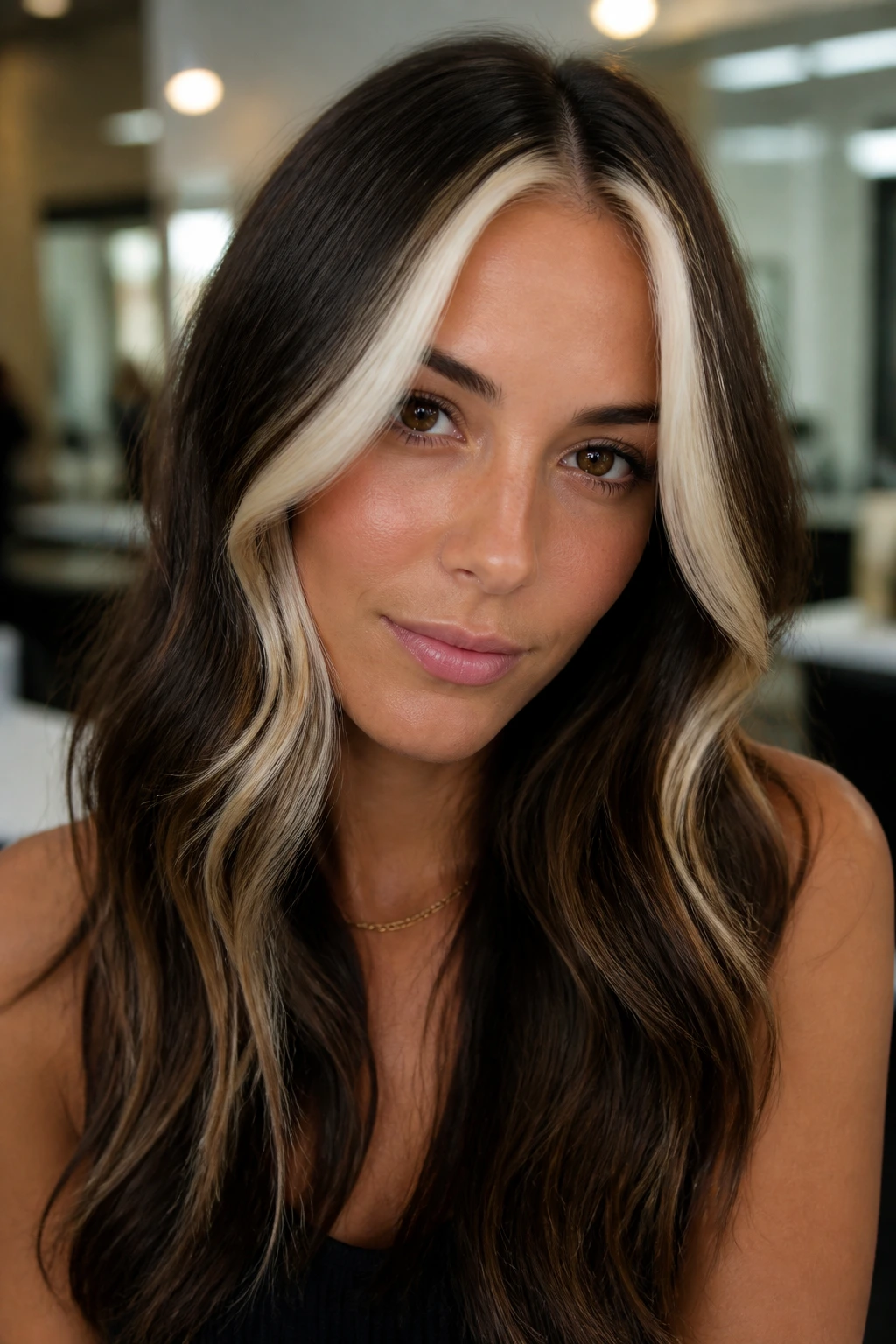
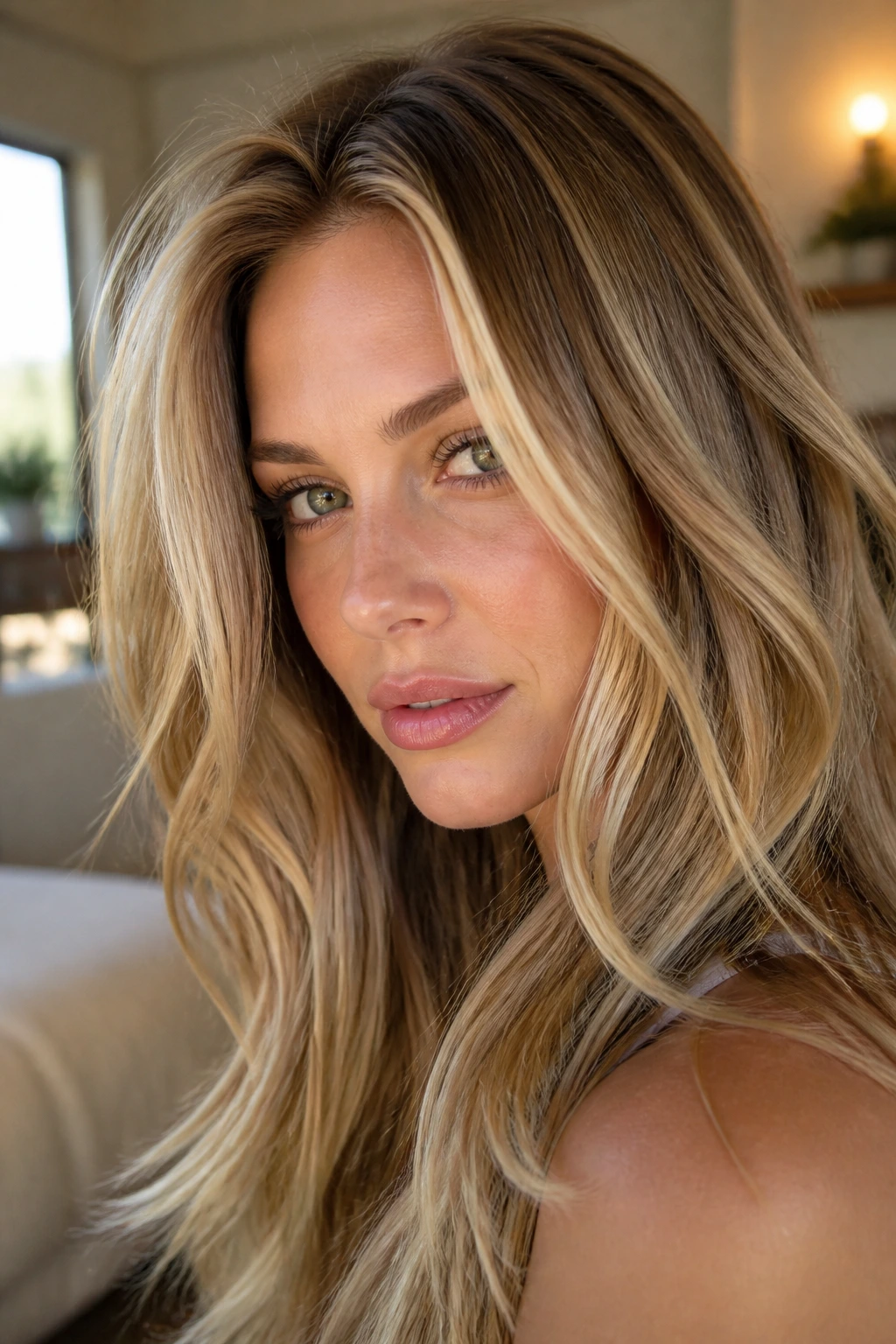
A platinum money piece can change a whole brunette haircut in one move. Seriously. The contrast at the front frames the face like a built-in spotlight, and the rest of the hair can stay deep and glossy so you’re not trapped in high-maintenance all-over blonde.
This is the version for people who want drama in a controlled dose. Keep the money piece wide enough to matter, but not so wide that it starts looking like a block. It does need upkeep, though. A platinum front piece grows out faster than anyone expects.
18. Champagne Rose Blonde for Warm Blondes
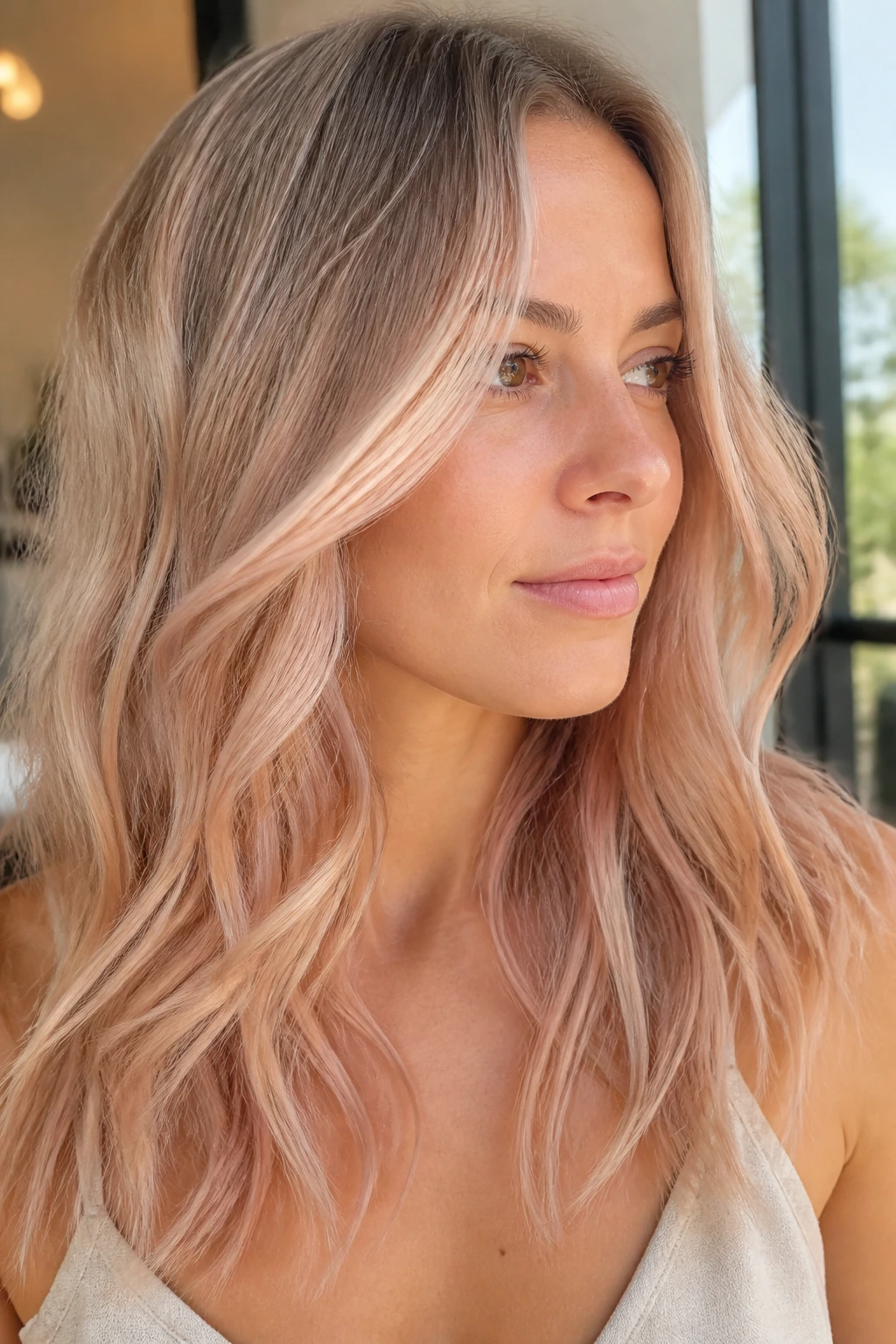
Want pink without cotton-candy chaos? Champagne rose blonde does the job. The rose tint sits under the champagne, so the effect is soft and barely flushed rather than overtly pink. It’s flattering on warm blonde bases because the color never goes cold or chalky.
This shade is strongest when it’s applied as a gloss over already light hair. The base needs to be pale enough to hold the tone, otherwise the rose disappears. If your hair leans gold, this gives you a prettier version of that warmth instead of fighting it.
19. Pearl Blonde Gloss for Pale Blonde Hair
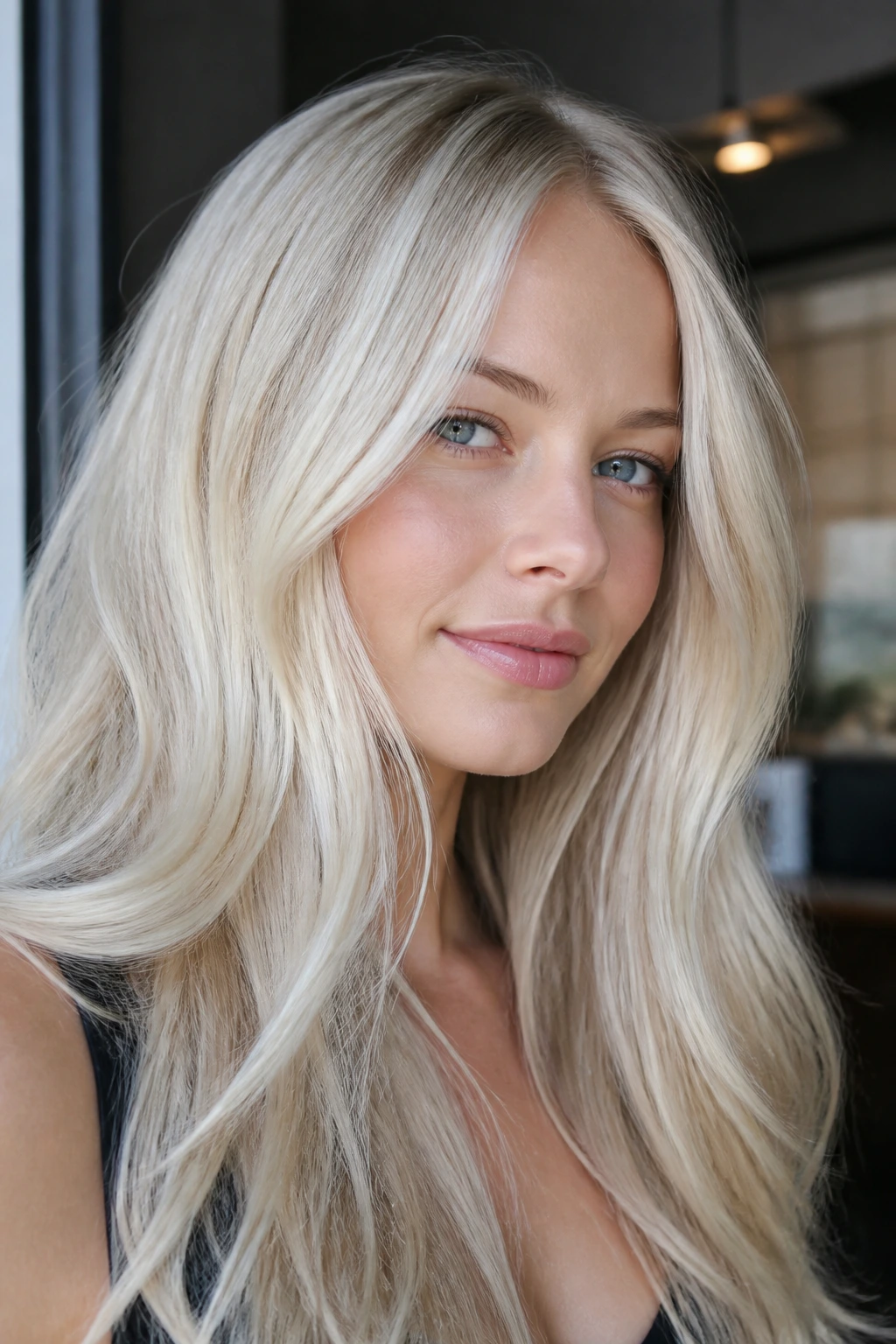
Pearl blonde is for hair that’s already light and needs polish more than power. The gloss gives a cool, reflective finish that takes the edge off yellow without flattening the whole head. On pale blonde, that sheen can be the difference between washed out and intentional.
The trick is keeping the tone translucent. You don’t want opaque color. You want light catching on the hair like shell. If the base is too dark or too warm, pearl can look pasted on, so this one belongs on very light blonde or pre-lightened hair that’s already clean at the lift stage.
20. Peach Glaze Highlights for Light Brown Hair
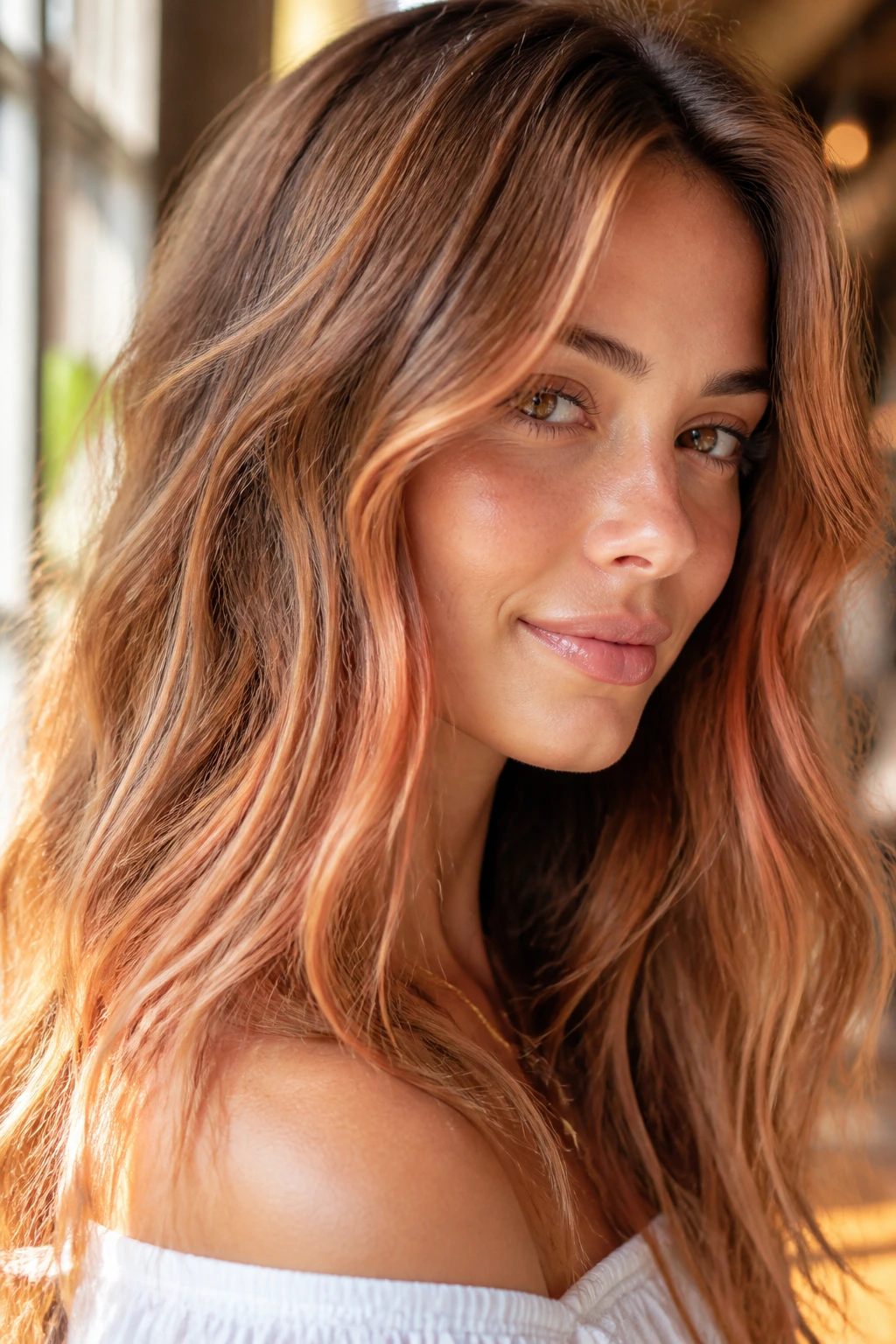
Peach highlights make light brown hair feel playful without turning it into a fantasy-color commitment. The shade carries warmth, but it’s softer than copper and less pink than rose gold. That gives the hair a fresh, almost apricot skin-tone glow.
This is a good idea if you want something seasonal-looking without tying it to a specific season. Peach wears well in waves, braids, and loose buns because the color changes as the strands overlap. On straight hair, it reads cleaner and more modern. On textured hair, it gets a little more sunlit.
21. Apricot Ribbons for Copper Hair
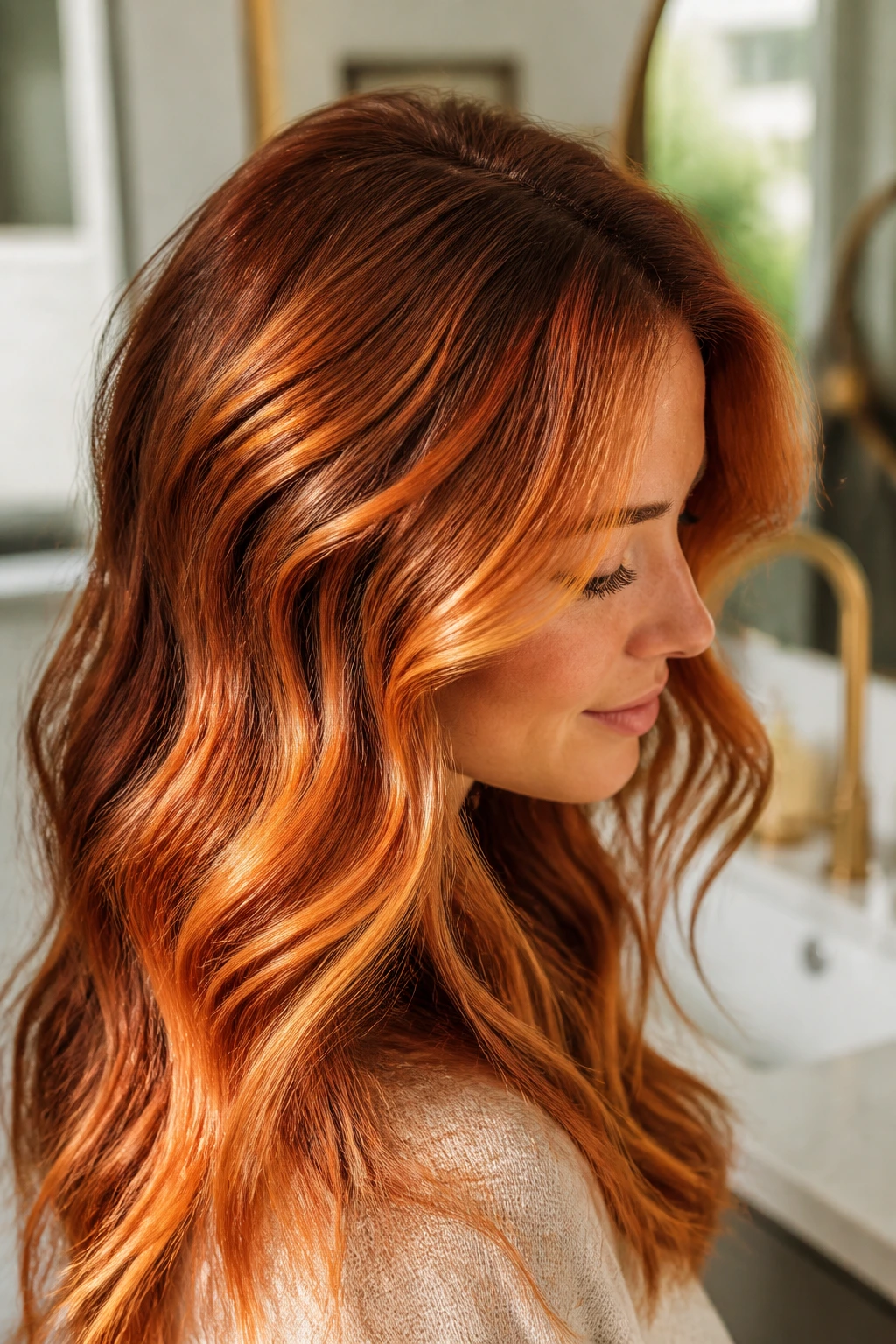
Apricot is one of the best ways to brighten copper hair without flattening it. The shade keeps the warmth alive but adds enough lightness to stop the whole head from reading dark red in dim rooms. It’s a good choice when you want copper that moves.
Ask for apricot near the top layer and the front. Leave some deeper copper underneath so the brighter pieces have something to sit against. On wavy hair, the color creates a nice flicker. On straight hair, it looks more graphic and a little sharper.
22. Mulberry Balayage for Dark Brown Hair
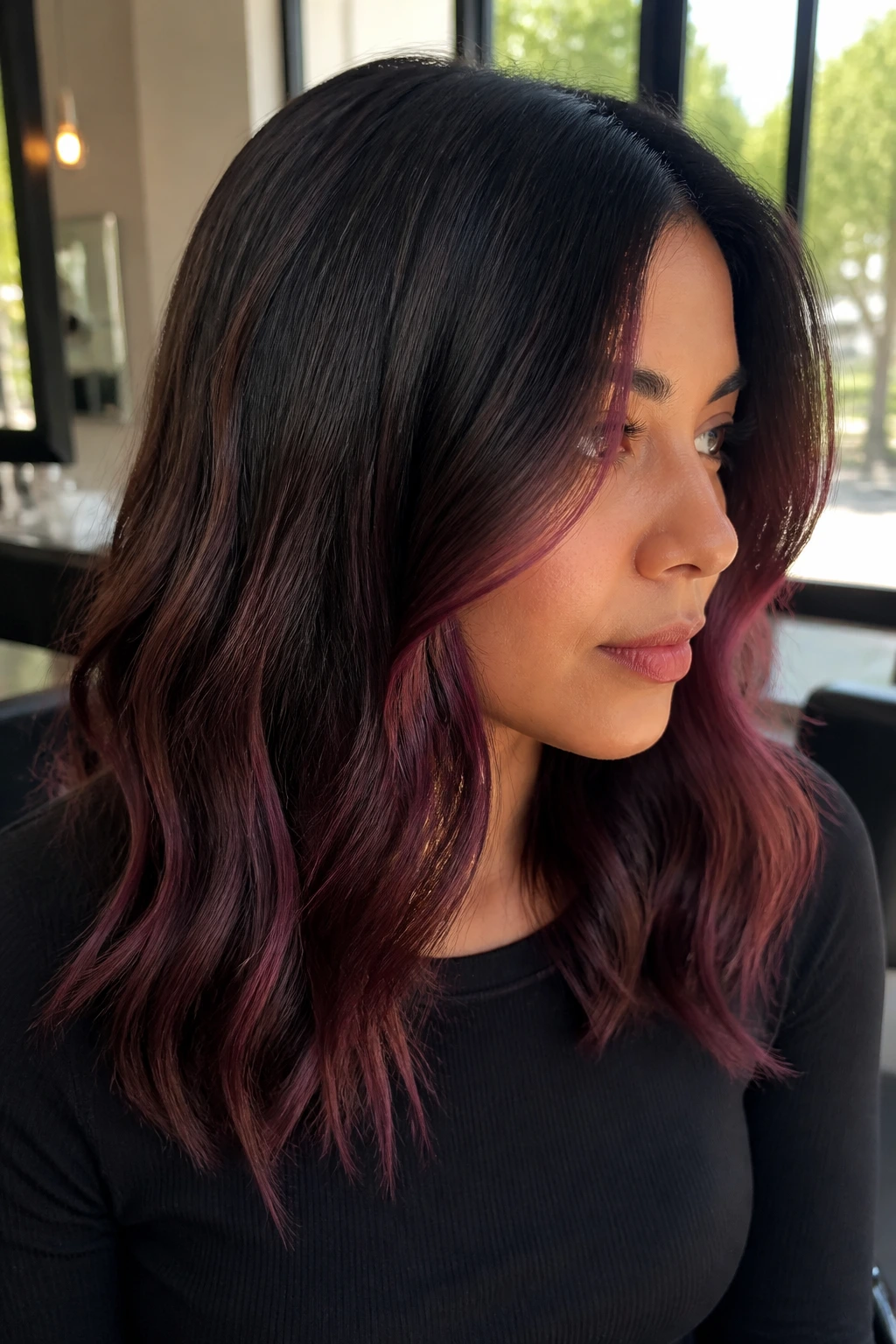
Mulberry gives dark brown hair depth in a way caramel can’t. It has a cooler berry base, so the look feels richer and a little moodier. That makes it excellent for someone who wants color that shows in daylight but doesn’t turn warm and brassy after a few washes.
Why it stands apart
Mulberry isn’t the same thing as burgundy. Burgundy leans wine. Mulberry has more blue-red in it, which reads a touch cleaner against dark brunette hair. The result is dimensional, not costume-y.
Best placement
Keep the strongest pieces in the underlayers and around the face. That way the color shows in motion instead of sitting on top like a dye job with no texture.
23. Burgundy Face-Framing Strips for Black Hair
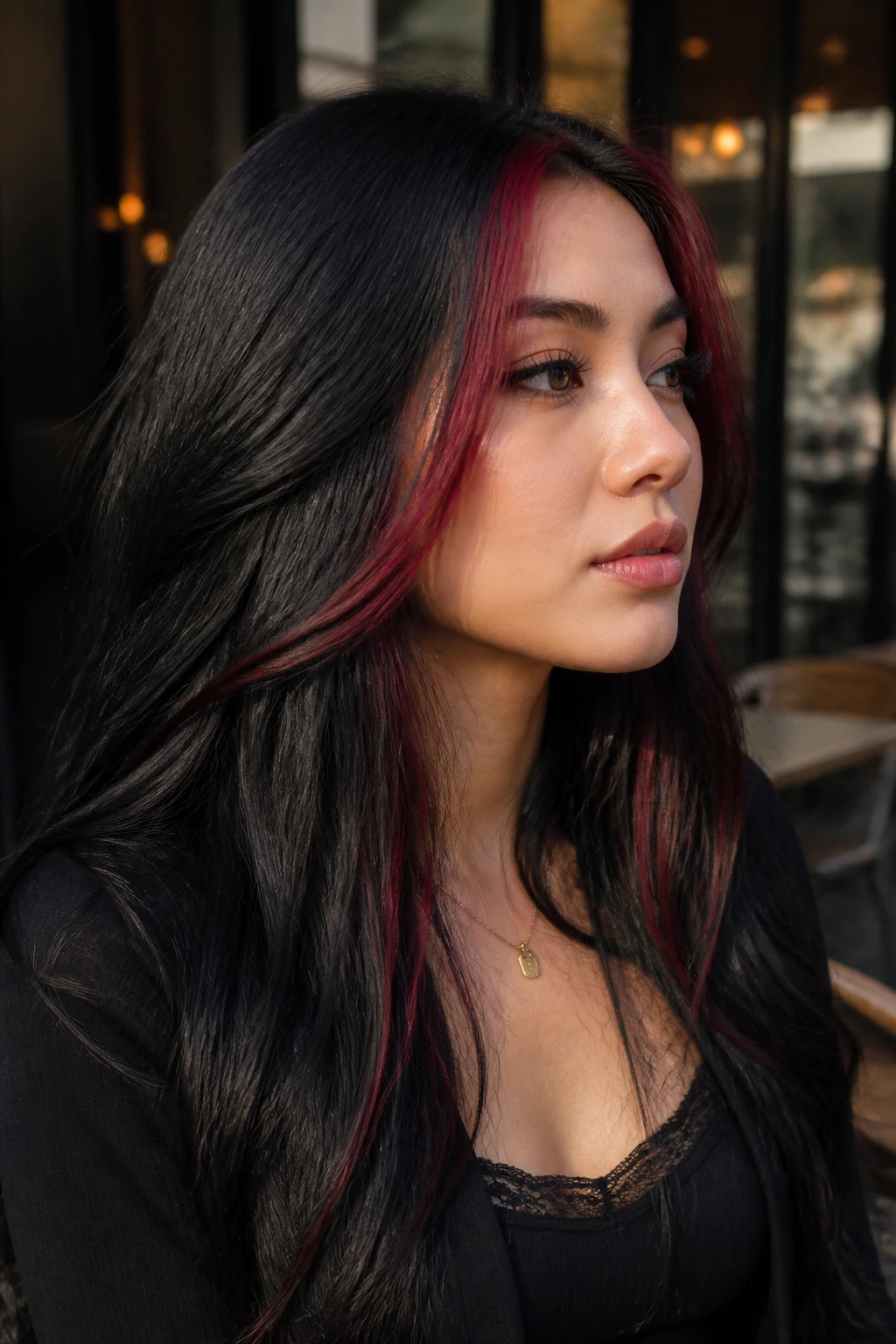
Burgundy on black hair can look elegant if you keep it narrow and precise. The face-framing strips give enough contrast to notice, but not so much that the color overwhelms the base. Think of it as a flash, not a takeover.
This idea is especially good if you wear bangs, curtain pieces, or a middle part with soft waves. The burgundy catches light near the face and disappears back into the length. That little on-off effect is what makes the color feel expensive instead of loud.
24. Cherry Cola Dimension for Brunettes
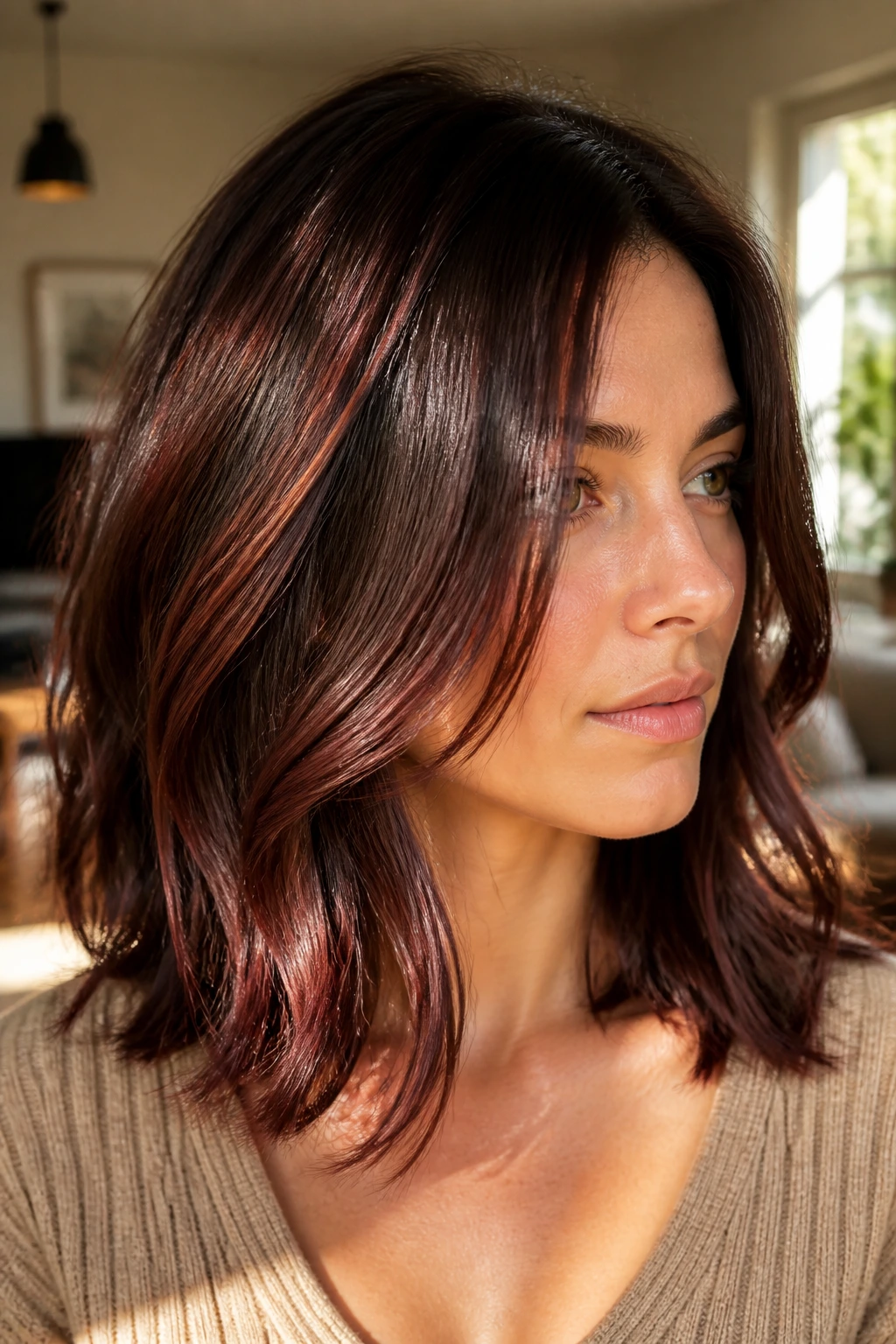
Cherry cola sits between red and brown, which makes it a clever choice for brunettes who want a color shift without leaving the family. The red tones show in sunlight, then sink back into the brown at night. That movement keeps the hair from looking flat.
What makes it different
The red isn’t painted as a hard stripe. It’s woven into the brunette base, which gives the hair a glossy, dark-soda look. If you want a color that feels a little flirtier than caramel but less intense than burgundy, this is the lane.
How to wear it
Loose waves or a blowout help the red catch light. Tight curls can make the color look deeper and moodier, which is not a bad thing.
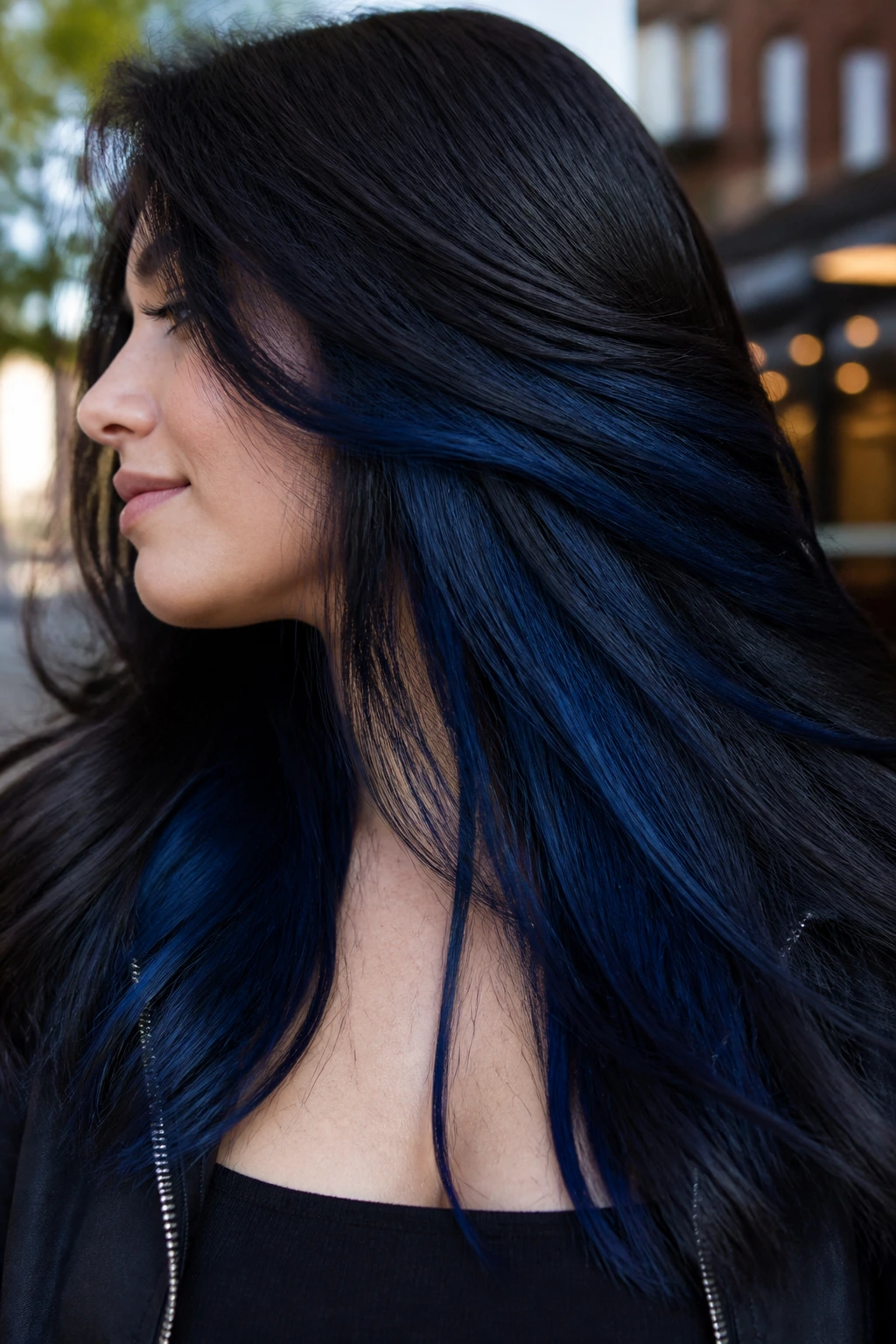
25. Midnight Blue Peekaboo Panels
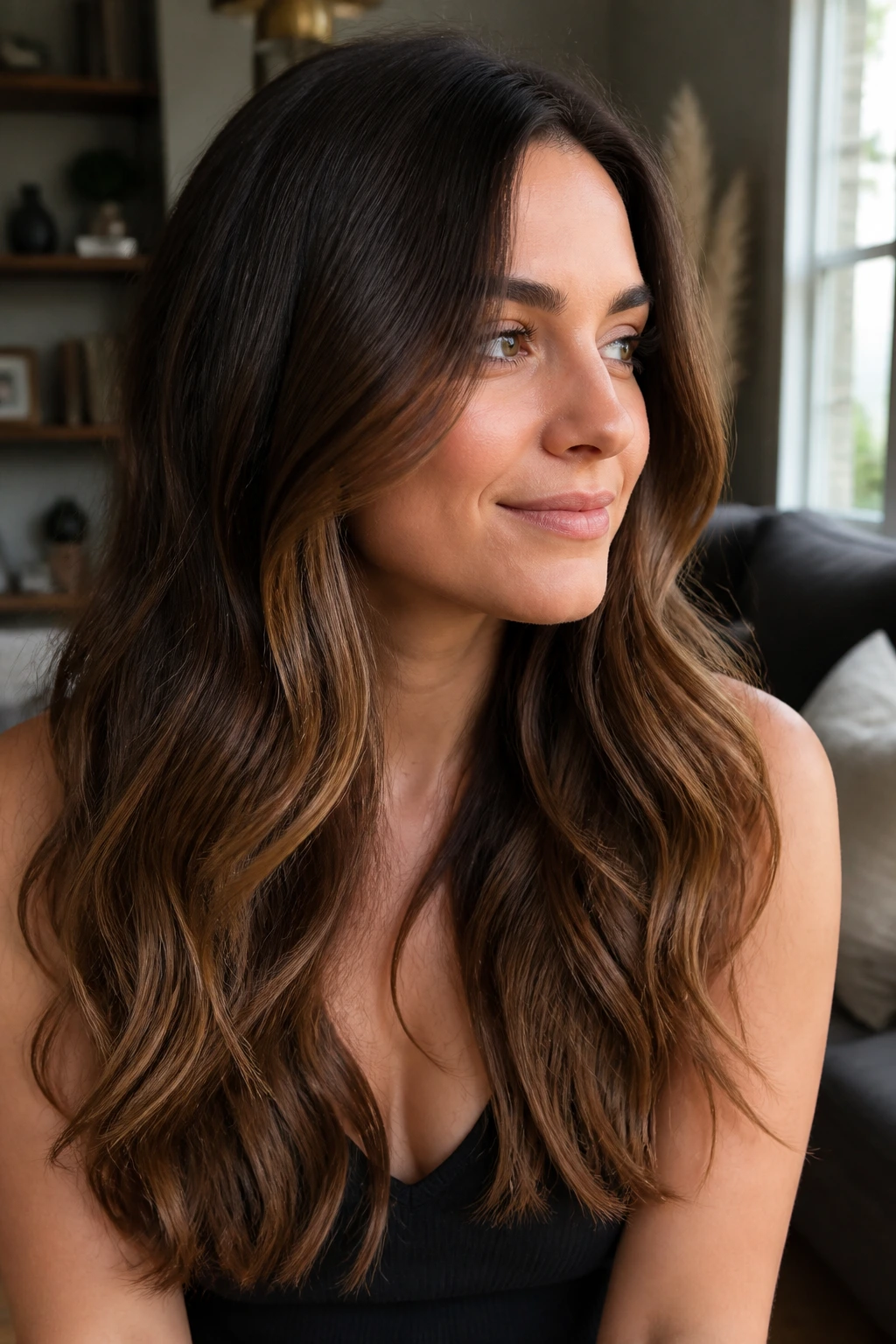
Midnight blue is a smart fashion color because it doesn’t scream from every angle. The peekaboo placement keeps it hidden until the hair moves or gets tucked behind the ear. That makes it easy to live with, even if your workday is more conservative than your weekend wardrobe.
On dark bases, the color looks inky and sleek. On lighter brunettes, it reads more obvious and a little electric. Either way, the placement matters more than the shade itself. Put the panels under the top layer and let the top hair stay deeper.
26. Emerald Green Ribbons for Black Hair
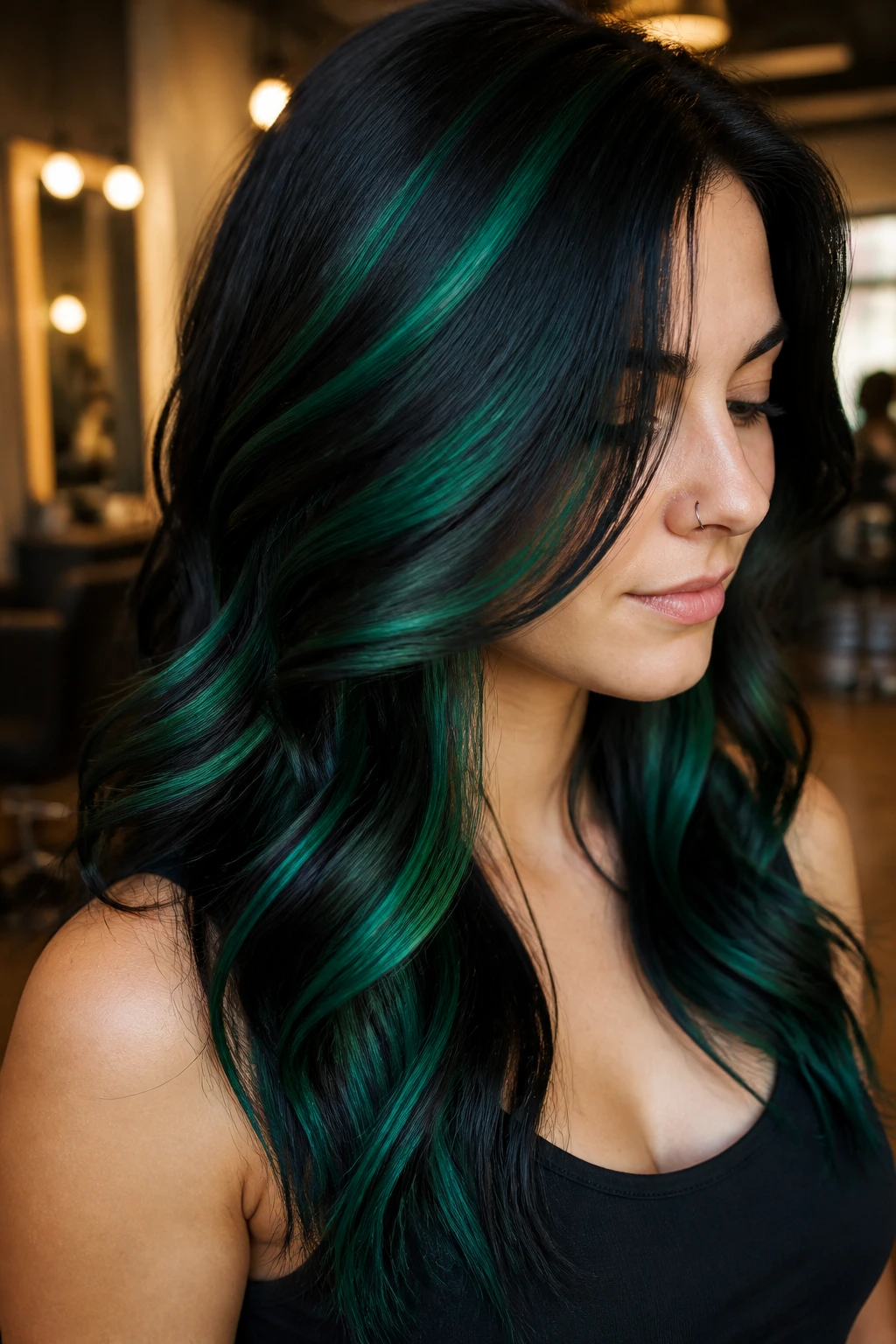
Emerald green can look strange in the salon bowl and gorgeous two days later. The shade needs depth to make sense, which is why black hair handles it so well. The green shows up as jewel-toned shine rather than costume color.
How much you use depends on your comfort level. Thin ribbons give a subtle flash. Wider pieces create a bold underlight effect that shows most clearly in movement. If you like sleek straight styles, the color reads sharper. If you wear curls, it gets softer and more dimensional.
27. Lavender Smoke for Blonde Hair
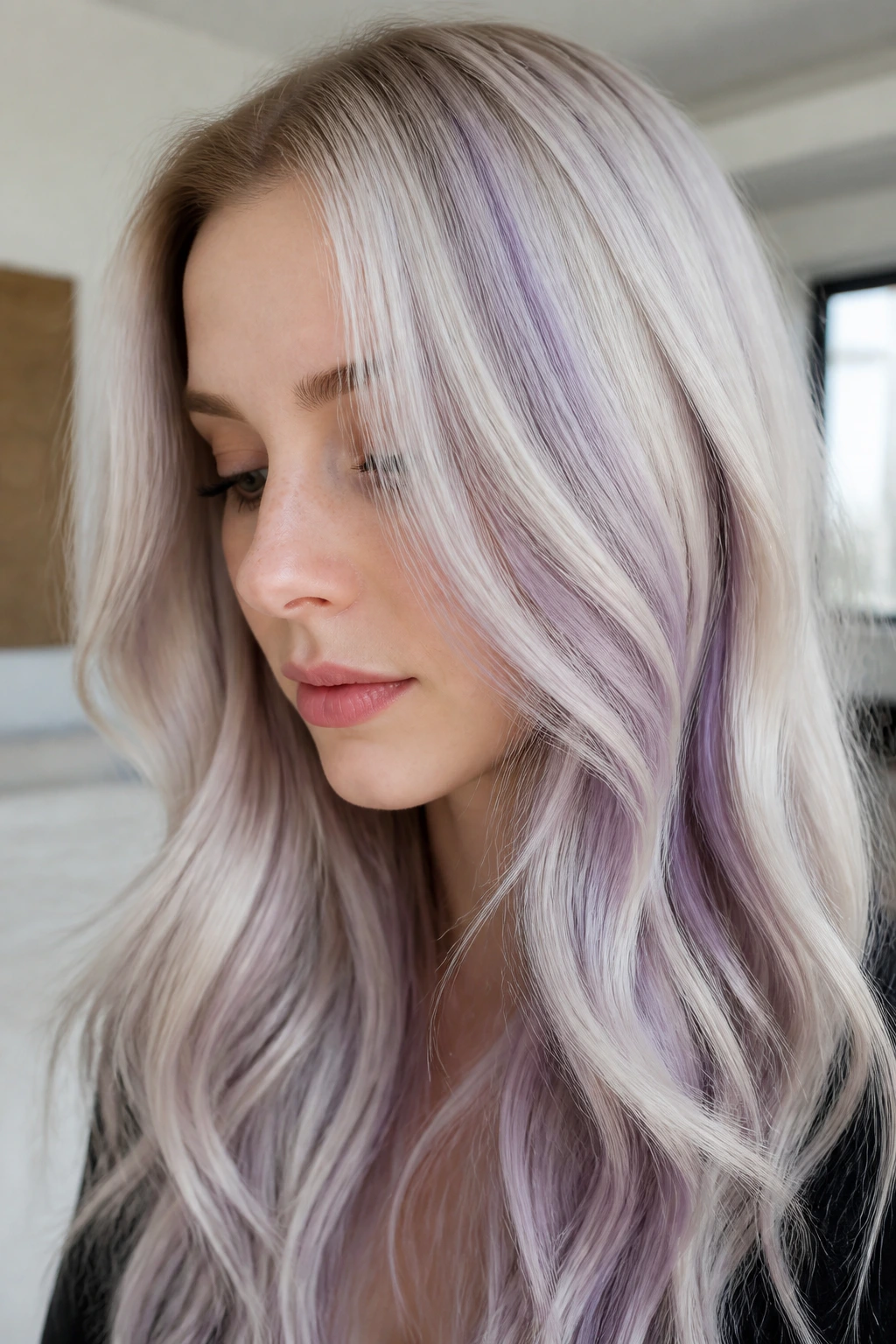
Lavender smoke is one of the few pastel ideas that still looks grown-up. The smoke in the tone keeps it from turning toy-like. On blonde hair, especially pale or pre-lightened hair, the lavender sits lightly over the base and fades in a flattering way.
This works best when the blonde is clean enough to take a cool pastel evenly. If the hair is yellow underneath, the lavender can come out muddy. A pale beige or pearl base gives you a much better result. You want mist, not purple chalk.
28. Soft Pink Ribbons for Platinum Hair
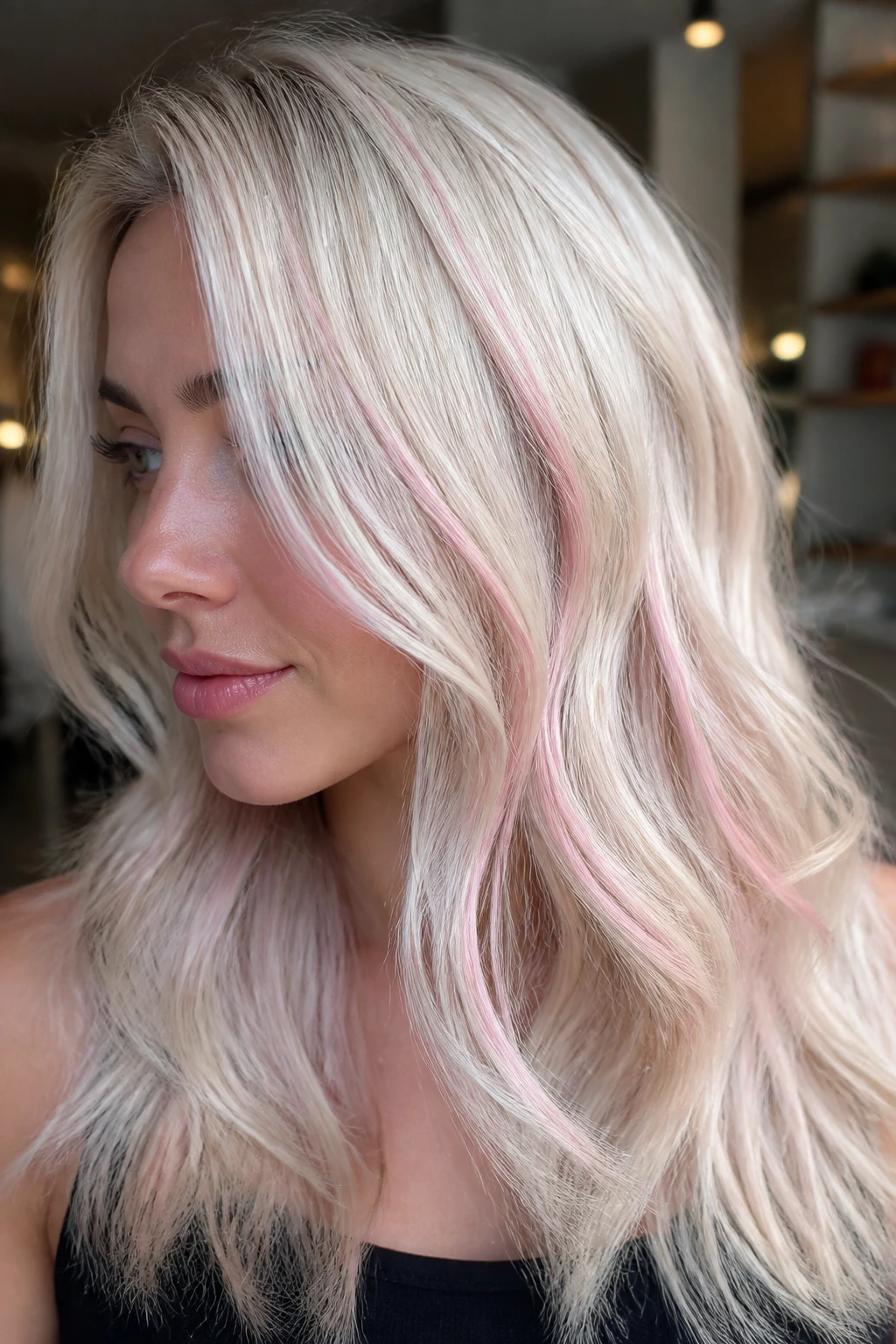
Platinum hair is a good canvas for soft pink because the base is already light enough to hold a pastel without muddying it. The key is restraint. Tiny ribbons, not full saturation. The pink should feel like a blush on the hair, not a paint job.
This is a fun option if you’re tired of cooler blonde tones and want a little warmth back without going copper. It also photographs well in motion because the pink only shows when the hair separates. Too much, and it becomes costume territory fast.
29. Opal Pearl Gloss for Blonde and Silver
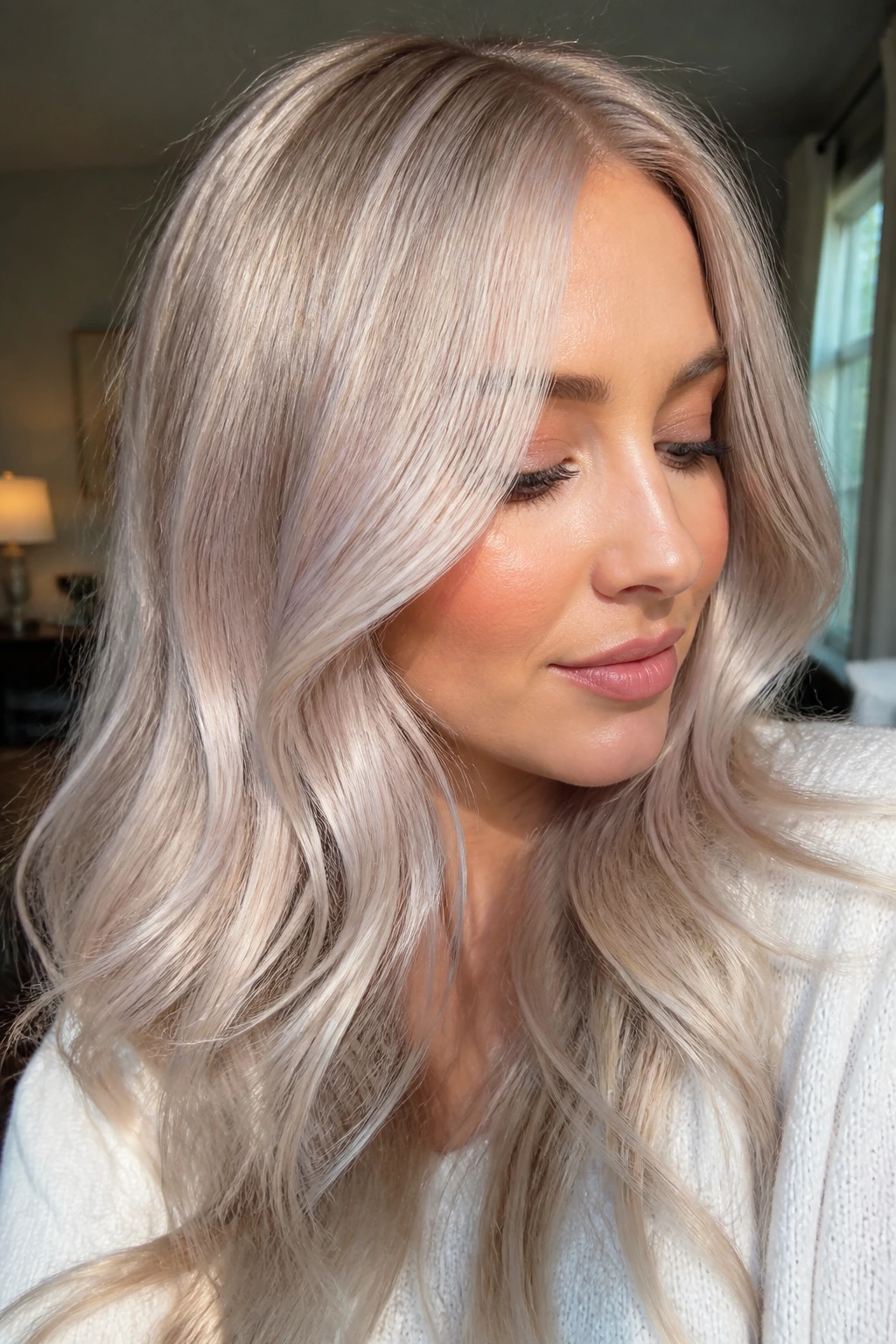
What if you want shine more than contrast? Opal pearl gloss is the answer. The color shifts between beige, silver, and faint pink depending on the light, which makes it a useful finish for blonde or silver hair that needs polish, not drama.
The best version is semi-translucent. You still want the hair underneath to show through. That’s what gives it the opal effect. It’s a cleaner choice than a heavy ash toner if your goal is reflection rather than flattening warmth out of the hair entirely.
30. Silver Smoke for Salt-and-Pepper Hair
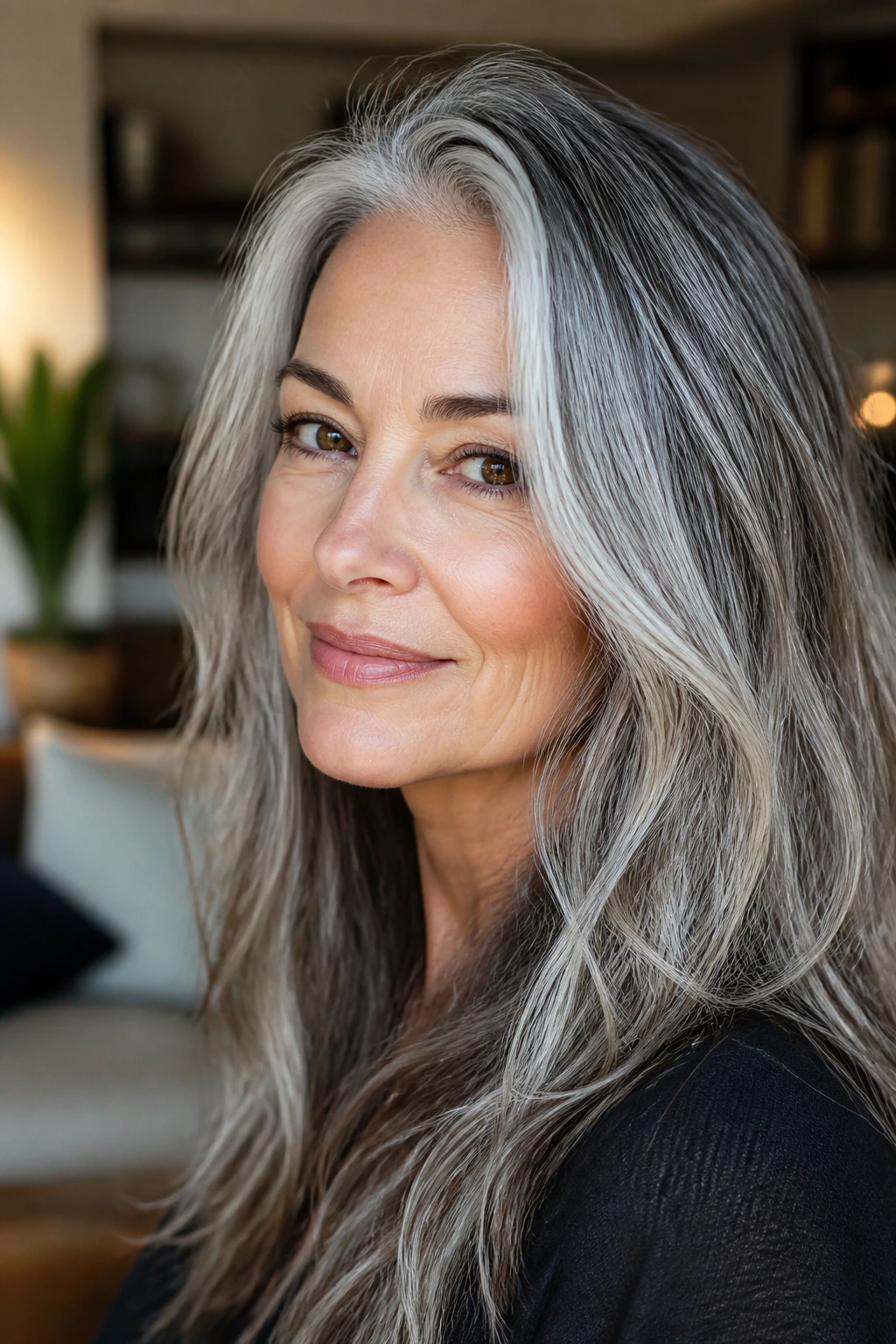
Silver smoke is one of the nicest ways to stop salt-and-pepper hair from looking accidental. It refines the existing gray instead of hiding it. That matters, because gray hair often has its own texture and shine, and the wrong color can bury both.
This shade works when you want the silver pieces to look deliberate and a little sharper. Ask for a cooler gloss over the lighter strands and keep the darker pieces natural or softly deepened. The contrast becomes part of the style instead of something you’re trying to correct.
31. Warm Beige Blending for Gray Hair
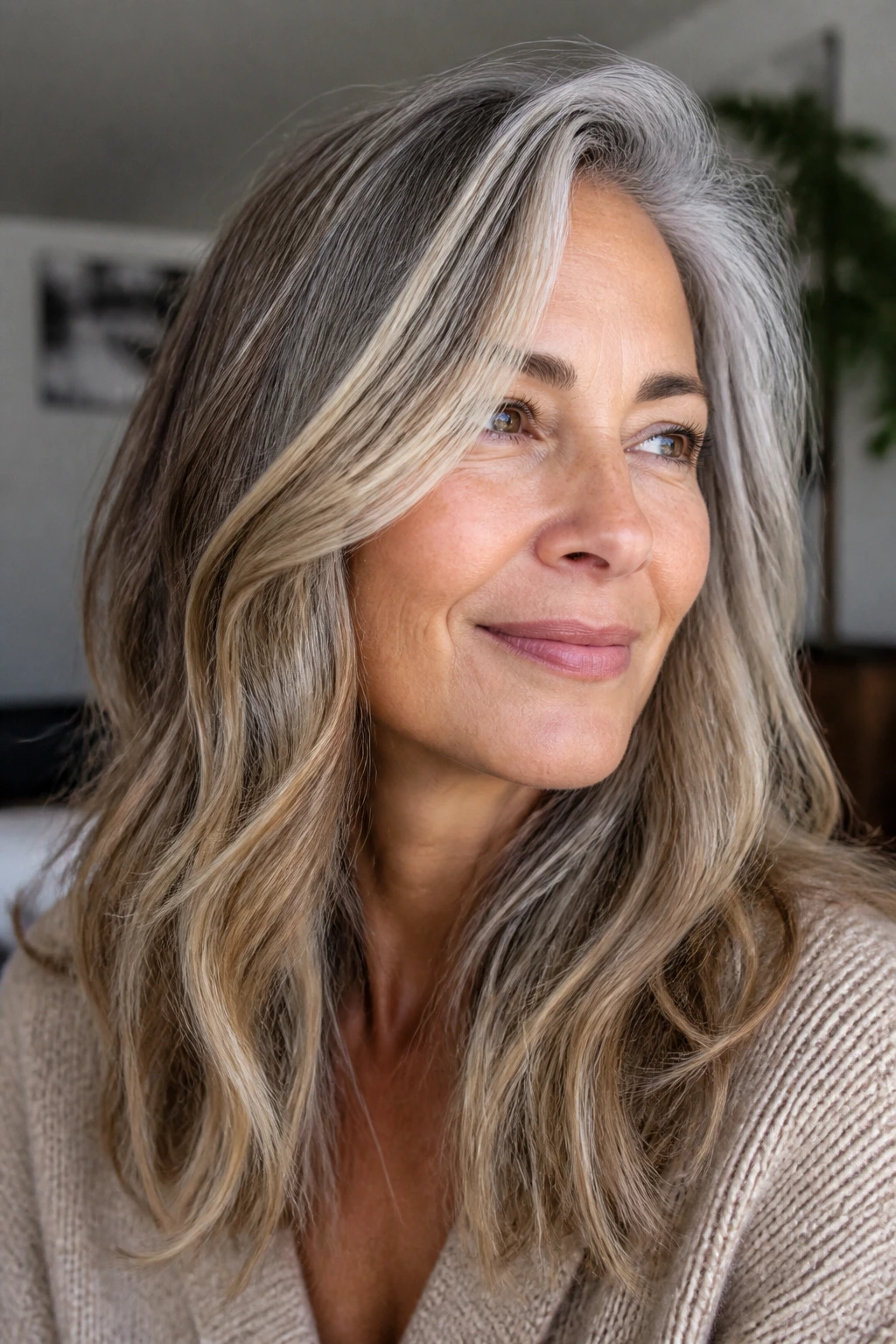
Warm beige is the safer, softer route for gray blending. It keeps the overall look flattering on warmer skin tones and avoids the steely cast that some cool silvers can create. The effect is lighter, gentler, and easier to wear every day.
This is a better choice than icy silver if you don’t want your grow-out to look stark. The beige pieces sit beside the gray and help everything blend. A little warmth here is not a compromise. It’s a choice that keeps the color from feeling cold.
32. Sunlit Copper for Redheads
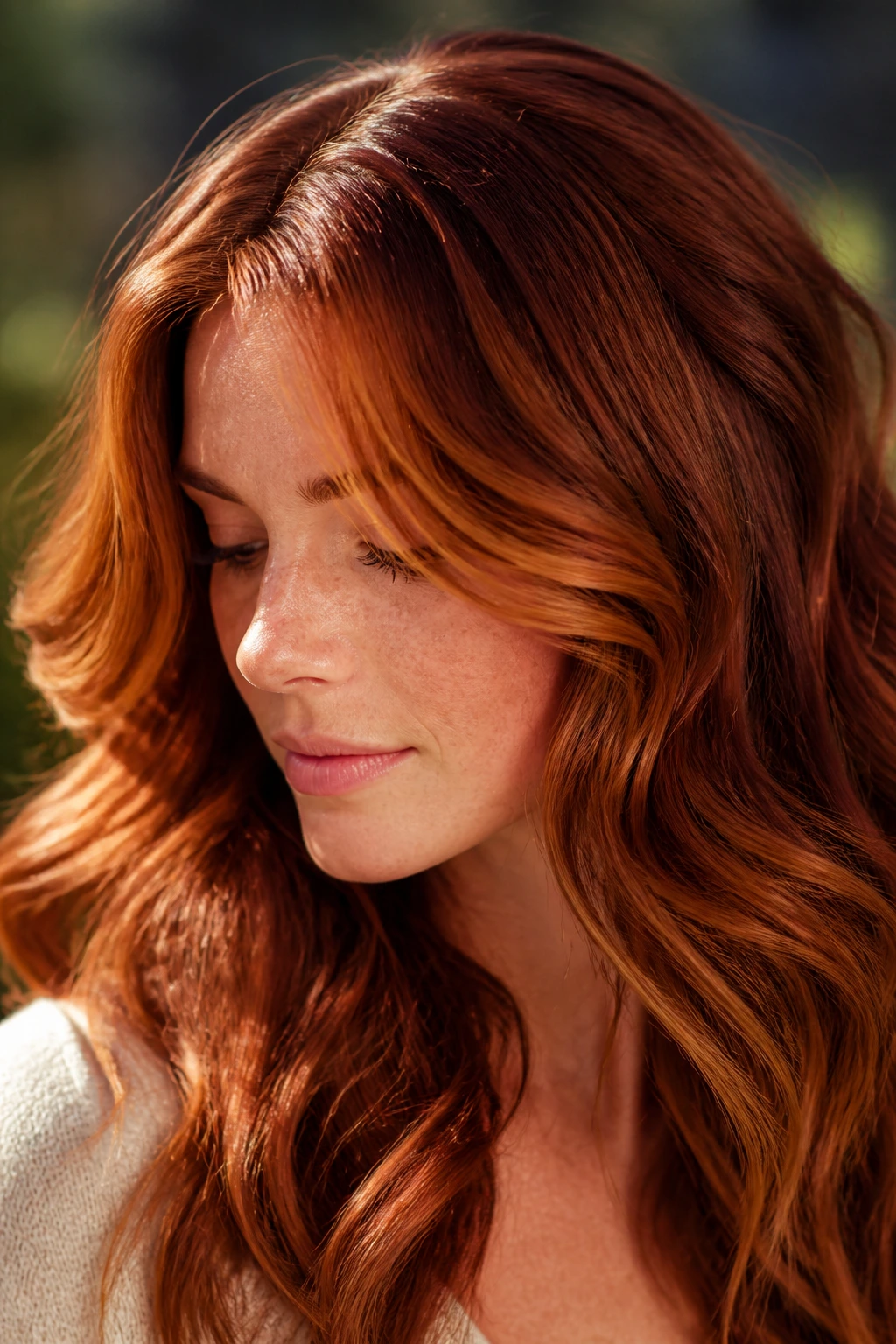
Sunlit copper is what happens when red hair gets a touch more brightness and stops hiding in the shadows. It’s vivid enough to matter, but still believable on a natural red base. The hair reads like it got a day outdoors, not like it was dipped in dye.
This shade is strongest on layered cuts and waves, because the light pieces flicker through the surface. The best placement is around the crown and front, with a lighter hand underneath. Redheads often do better with selective brightness than full saturation.
33. Turmeric Gold for Dark Auburn Hair
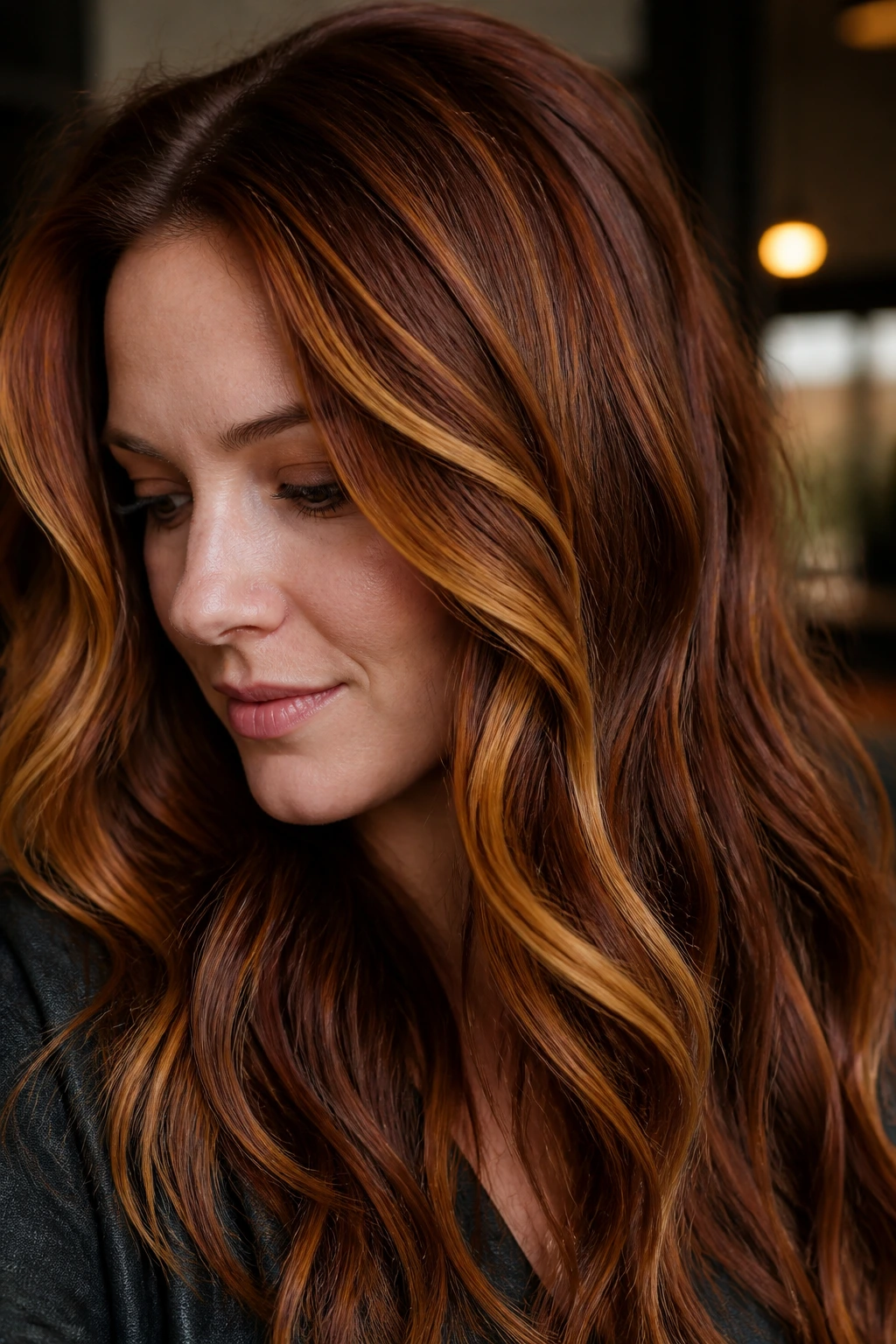
Turmeric gold sounds unusual, and it is — in a good way. On dark auburn hair, the gold lifts the red-brown base into something warmer and more textured. The result is less “red hair” and more “rich, glowing hair.”
This idea is especially useful when auburn starts to look a little muddy in low light. Golden ribbons cut through that heaviness and keep the color alive. If you wear your hair in twists, curls, or braids, the gold catches at different angles and gives the whole style more depth.
34. Bronde Melt for Brunettes Going Lighter
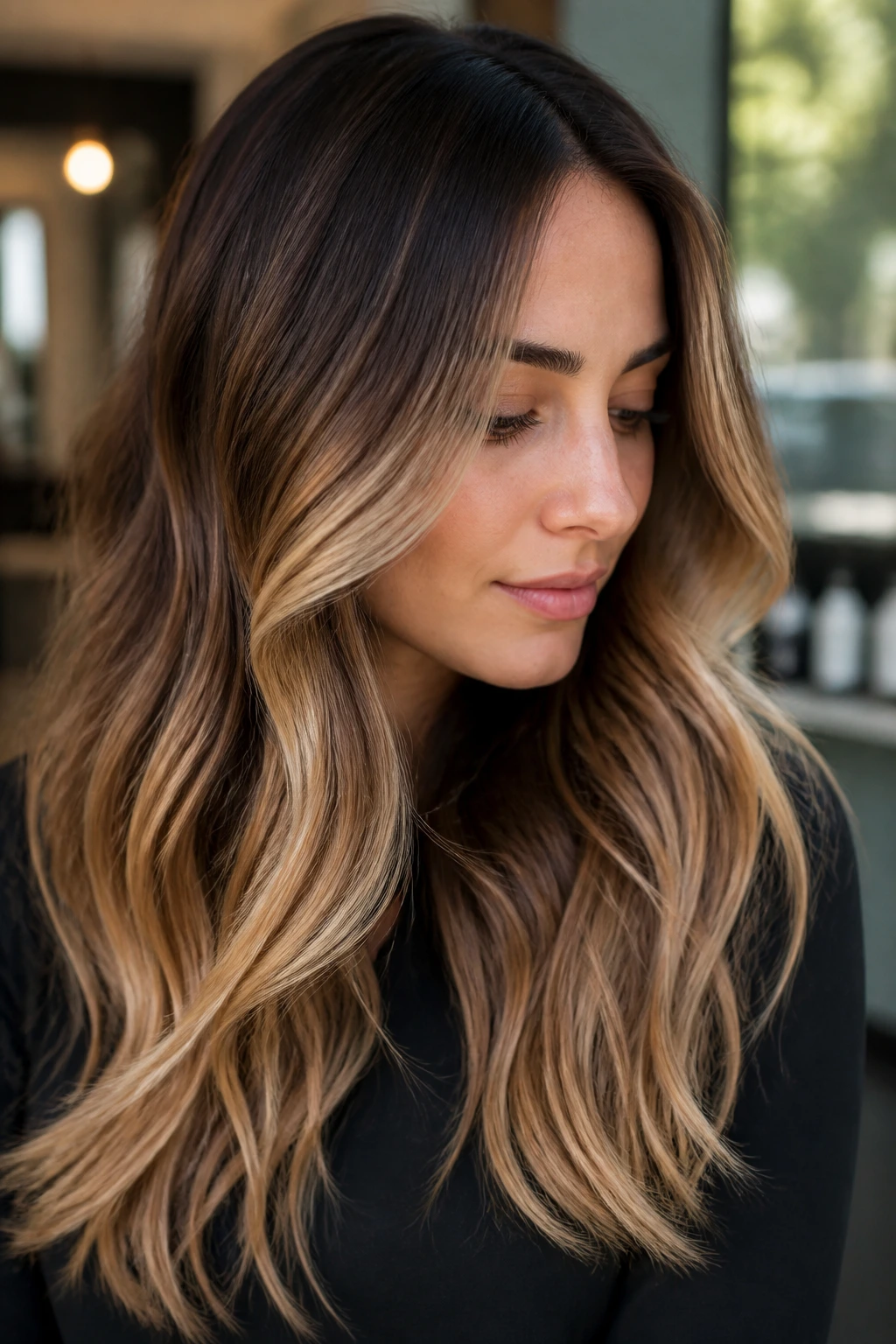
Bronde is still one of the smartest transitional highlight ideas because it lets brunette hair move toward blonde without forcing the issue. The melt should be gradual — darker roots, caramel mids, beige-blonde ends. No harsh line. No surprise stripe.
The reason it works is simple. Most people do not want the upkeep of solid blonde, but they do want visible brightness. Bronde gives you both, as long as the tonal shift stays soft. It’s the kind of color that looks easy even when it took a lot of planning.
35. Chunky 90s Face-Framing Highlights
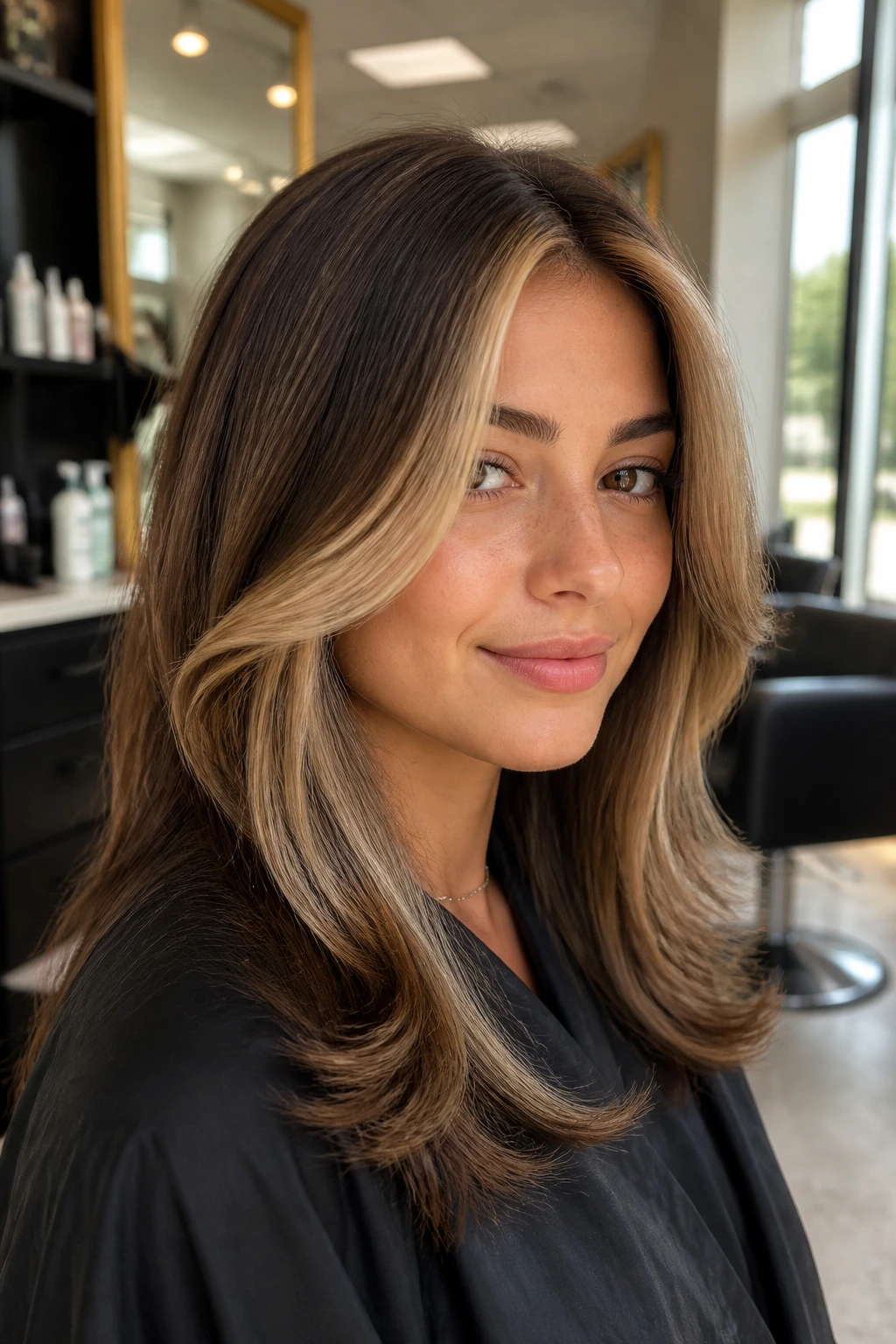
Chunky highlights are back only if they’re done with restraint. The 90s version works when the face-framing pieces are bold enough to frame the haircut but not so wide that the rest of the head gets ignored. It’s a statement. No pretending otherwise.
This style is best when you want a little contrast and a little nostalgia. It looks sharp with layered cuts, ponytails, and blunt ends. The one thing it needs is discipline with tone, because chunky light pieces can turn brassy faster than softer weaves.
36. Curly Ribbon Highlights for Coils and Curls
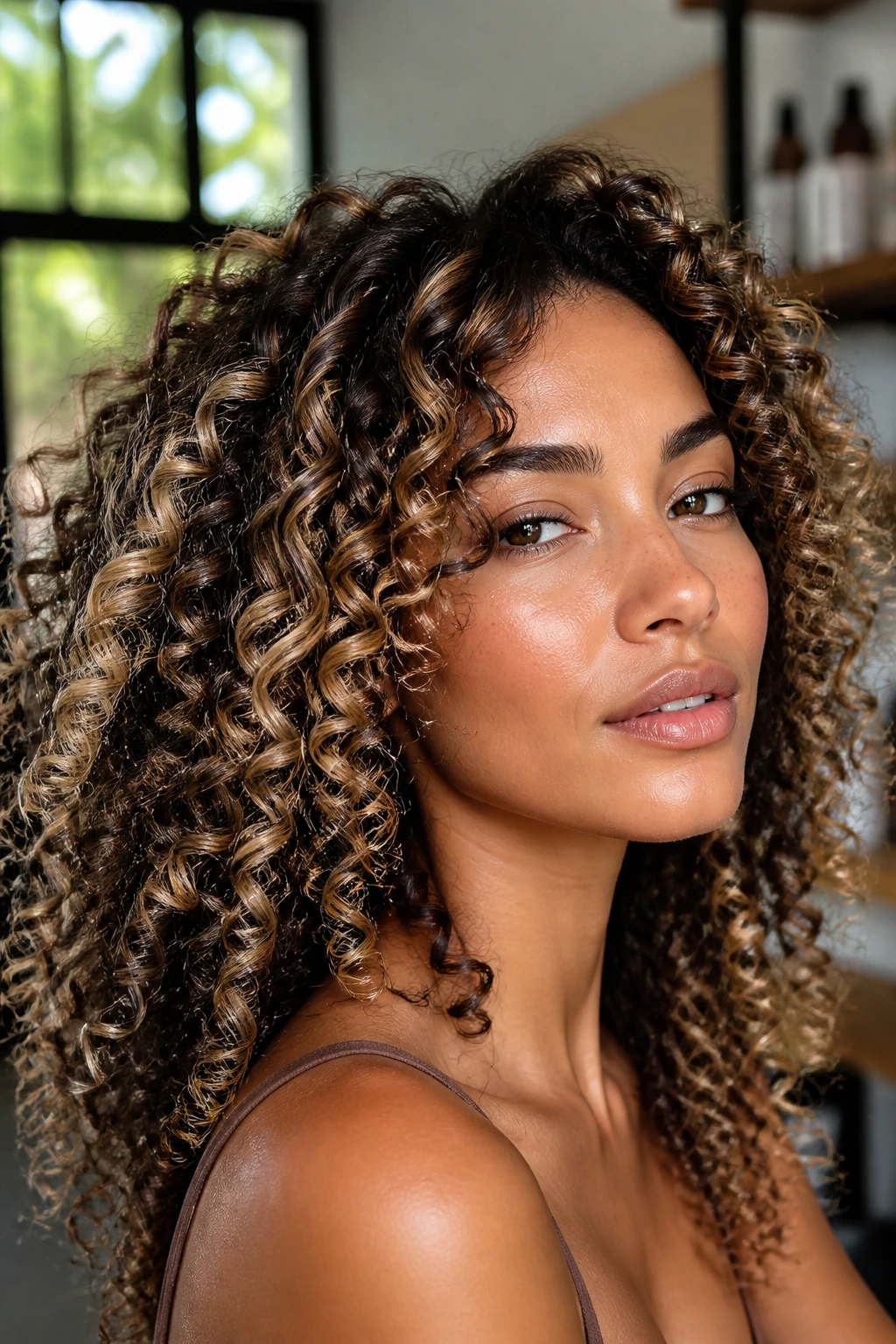
Why wider pieces read better
Curly hair does not need the same fine highlight pattern as straight hair. In coils and curls, tiny foils can disappear into the texture. Wider painted ribbons show the shape of the curl clump, which gives the color room to breathe.
What to ask for
Ask your colorist to paint the curl pattern, not just the surface. That means following the way your hair naturally bends and coils. The best curly highlights look like they belong inside the curl, not on top of it.
Curly hair also often needs a softer lift level because too much lightening can make the texture look dry. Keep the color warm or beige unless you’re ready for more maintenance.
37. Money Piece With Root Shadow for Low-Maintenance Blonde
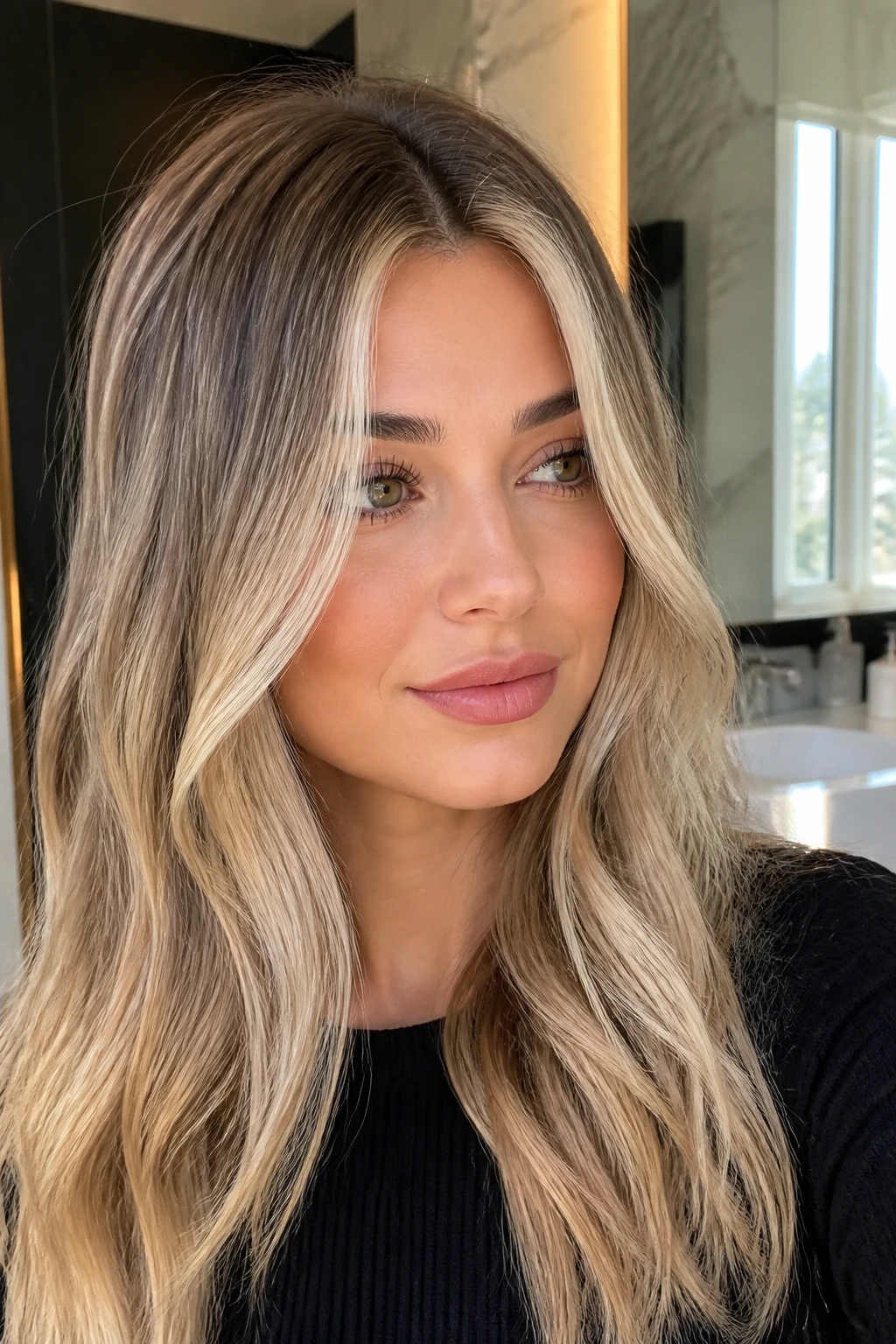
If you want brightness but not constant touch-ups, this is the one to bookmark. The root shadow keeps the front pieces from looking harsh as they grow, and the lighter money piece still gives you that bright frame around the face. It’s the practical version of blonde.
This works on many base shades, but it’s especially good for people who hate obvious regrowth. The shadow makes the color feel intentional from week one to week ten. The trick is making the root shadow soft enough that it blends, not so dark that it looks like an afterthought.
38. Hidden Jewel-Tone Peekaboo Panels for Lob Cuts
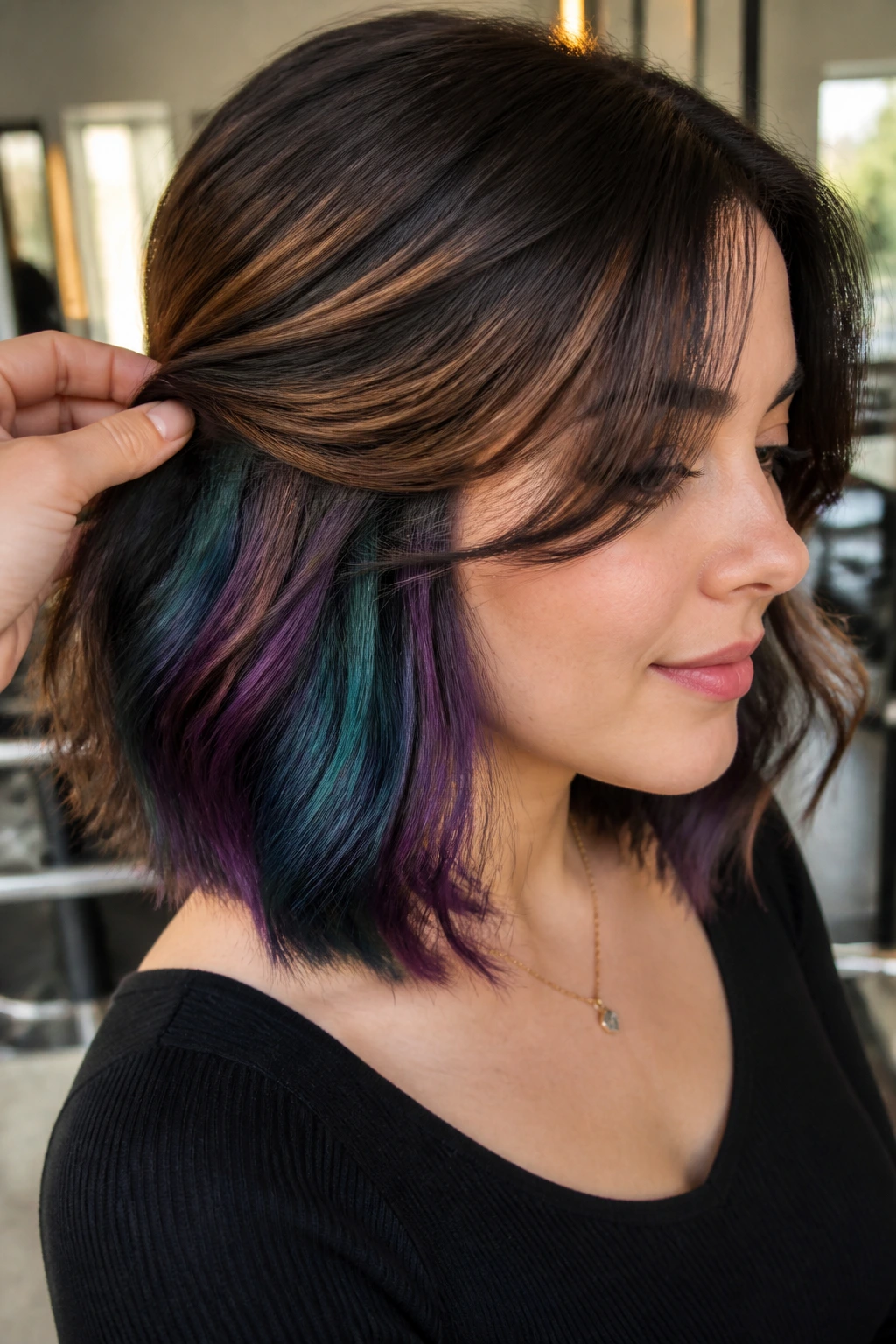
A lob gives you a neat little curtain of movement, which is perfect for hidden color. Jewel-tone peekaboo panels — think sapphire, amethyst, or deep emerald — live under the top layer and show when the hair flips or tucks behind the ear. That keeps the look playful without making it your whole identity.
- Best placement: Under the crown and through the lower back section.
- Best for: Straight lob cuts, softly waved bobs, and hair that gets tucked behind one ear.
- Best tone: Deep jewel colors, not pale pastels.
- Best payoff: The color appears in motion, which keeps it interesting long after the appointment.
How to Turn a Screenshot Into a Real Salon Request
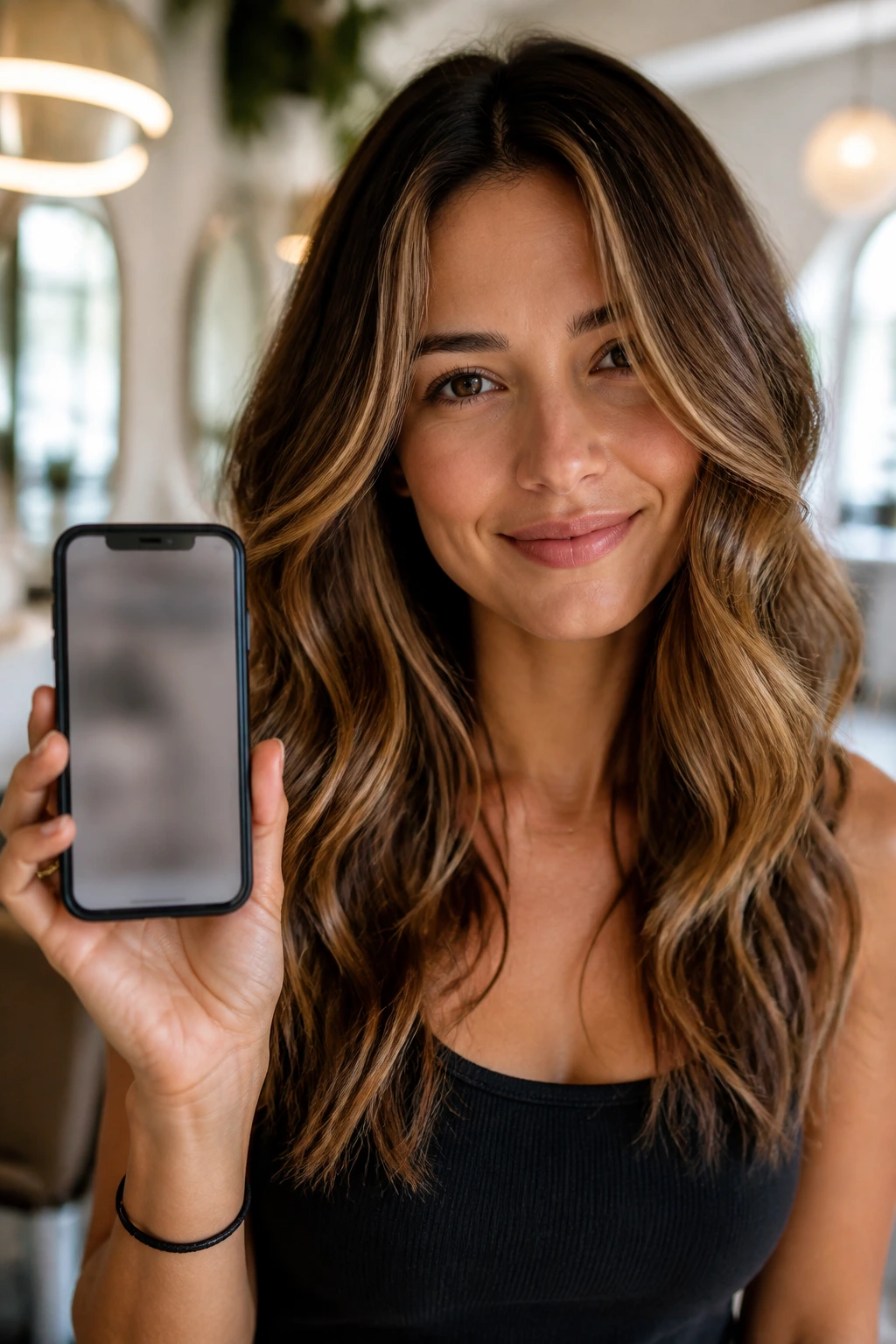
Screenshots lie. Not because they’re fake, but because lighting changes everything. A beige blonde shot in a sunlit bathroom can read much warmer in person, and a cool ash ribbon that looks soft on Instagram can turn smoky-gray once it’s next to your actual base.
Bring more than one photo. Bring the version you love, a photo of your hair in natural light, and one image that shows the placement you want from the front. If you only say “I want this color,” you’re making your colorist guess at three different things at once: tone, brightness, and section size.
Placement: Point to where the light lives — face frame, crown, ends, underlayer, or all over. A highlight idea can look totally different depending on whether the brightest pieces sit near the cheekbone or down through the mids.
Maintenance: Say how long you want to go between appointments. A platinum money piece and a soft caramel melt are not the same level of commitment, and your color request should say that out loud.
Reality check: Mention what your hair has done before. If it pulls orange, grabs toner, or gets dry at the ends, that changes the recipe more than most people expect.
Essential Tools for Talking to a Colorist and Keeping Your Color Honest
-
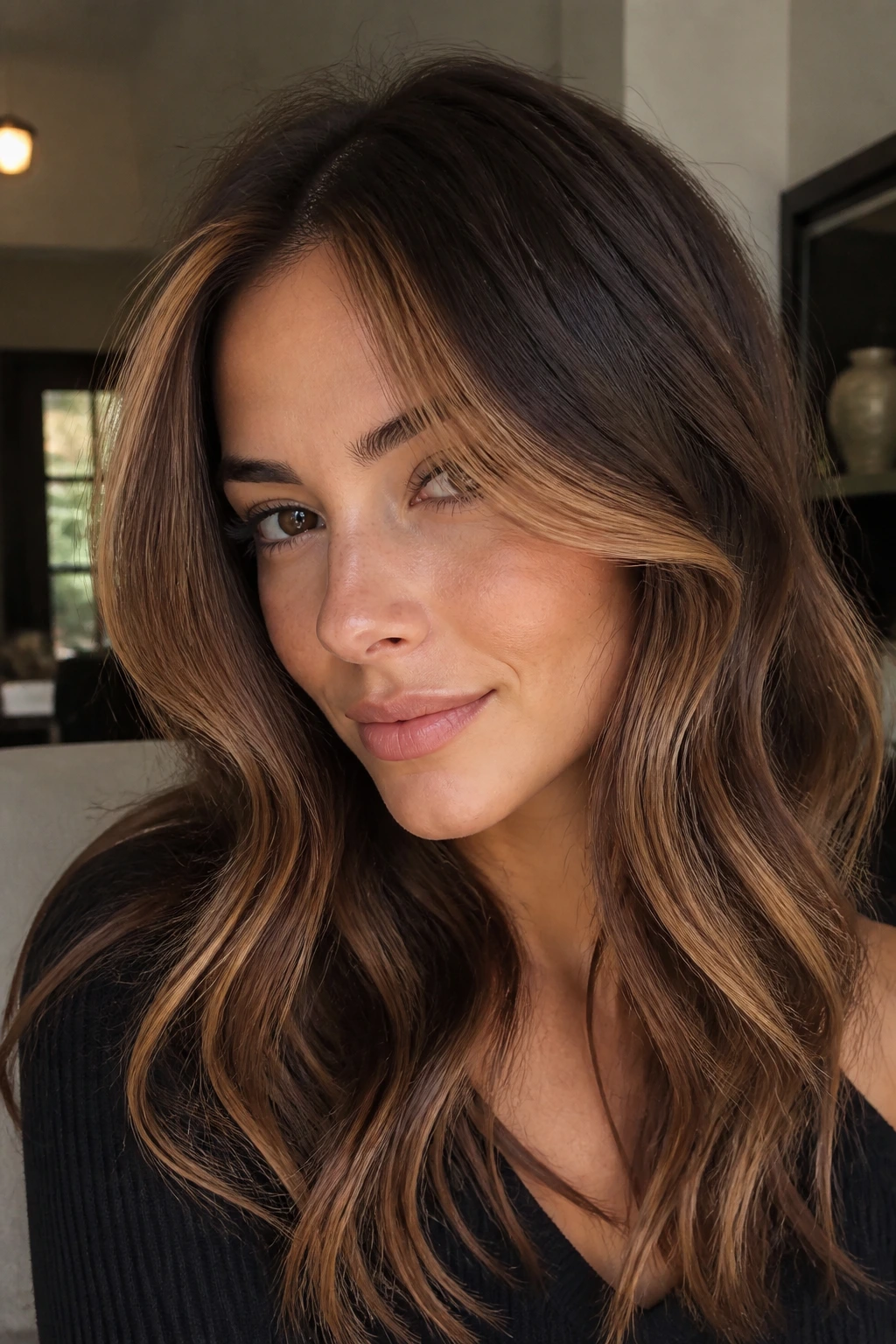
Three reference photos: One close up, one in natural light, one that shows the full placement — they keep the conversation honest.
-
A photo of your own hair in daylight: Colorists can read undertone and porosity faster when they see your base in plain light.
-
A note about your last color service: Bleach, box dye, glosses, and past toners all affect how your hair lifts.
-
Color-safe shampoo: A gentler wash helps preserve tone between salon visits, especially on blondes and fashion shades.
-
Purple shampoo or blue shampoo: Purple helps pale blonde stay clean; blue helps brunette and light brown hair keep orange brass down.
-
Heat protectant spray: Highlighted hair shows damage faster, and hot tools can rough up the lighter pieces in one pass.
-
Wide-tooth comb: Easier on lifted hair than a tight brush, especially when it’s wet and stretchy.
-
Sectioning clips: Useful at home for smoothing a toner, stretching wash day, or checking where your face frame actually falls.
-
Silk or satin pillowcase: Not glamorous, but it cuts down on friction, which helps the brighter pieces stay sleek.
-
A small notebook or phone note: Write down toner names, timing, and what you liked. Memory gets fuzzy fast after one good hair day.
Picking the Right Shade Family for Your Base
Brunettes
Brunette bases usually need one of two things: warmth to make the hair look rich, or cool beige/ash to calm brass. If your brown hair leans red in the sun, caramel, honey, bronze, and mocha are safer than icy blonde. If your brown already looks smoky, mushroom, ash, and beige ribbons often sit better.
Blondes
Blondes need the most judgment because the wrong toner shows immediately. Golden blonde hair usually likes vanilla, butter, and champagne. Pale blondes can handle pearl, opal, or lavender smoke if the lift is clean enough. If your blonde feels flat rather than bright, a money piece or a few slightly deeper ribbons can help more than chasing extra lightness.
Redheads
Red hair looks best when the highlight tone respects the copper already in the base. Apricot, strawberry blonde, sunlit copper, and turmeric gold can all work. Too much ash on red hair tends to look off unless you’re deliberately going for a muted auburn-brown effect.
Gray and salt-and-pepper hair
Gray-blending is about choosing whether you want cool polish or soft warmth. Silver smoke and opal pearl sharpen the contrast. Warm beige and soft taupe make the grow-out calmer and easier to live with. Neither choice is wrong; they just send a different message.
How to Wear These Highlight Ideas With Your Cut and Styling Routine
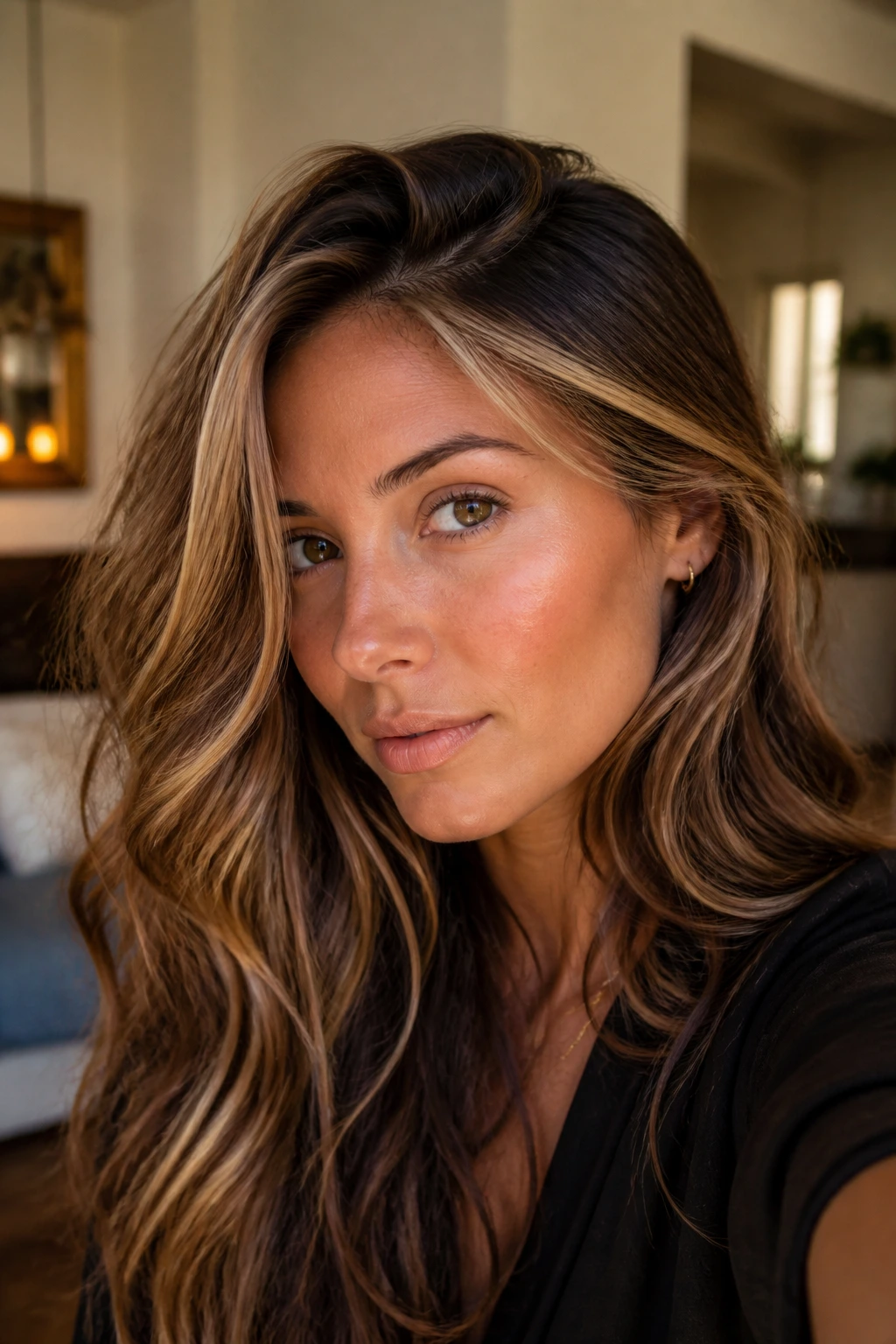
Face-Framing Placement: Bright pieces around the eyes and cheekbones make the haircut look sharper. If you wear side parts, let the brightest section live where the part opens the face rather than hiding it under the top layer.
Best Cuts: Layers show ribbon color best, blunt bobs show contrast best, and curls show dimension best. If you have very dense hair, avoid scattering the light pieces too evenly or the color can disappear.
Styling: Loose bends and waves show off multi-tone color because they let the light hit different strands at different angles. Straight styles make the lines cleaner, which is useful if you want a bold stripe or money piece.
Finish: A light serum or glossing cream on the ends keeps the lighter pieces from reading dry. Don’t coat the roots. That’s how you turn shiny color into greasy color, which is a whole different problem.
Additional Tips and Tone Boosters
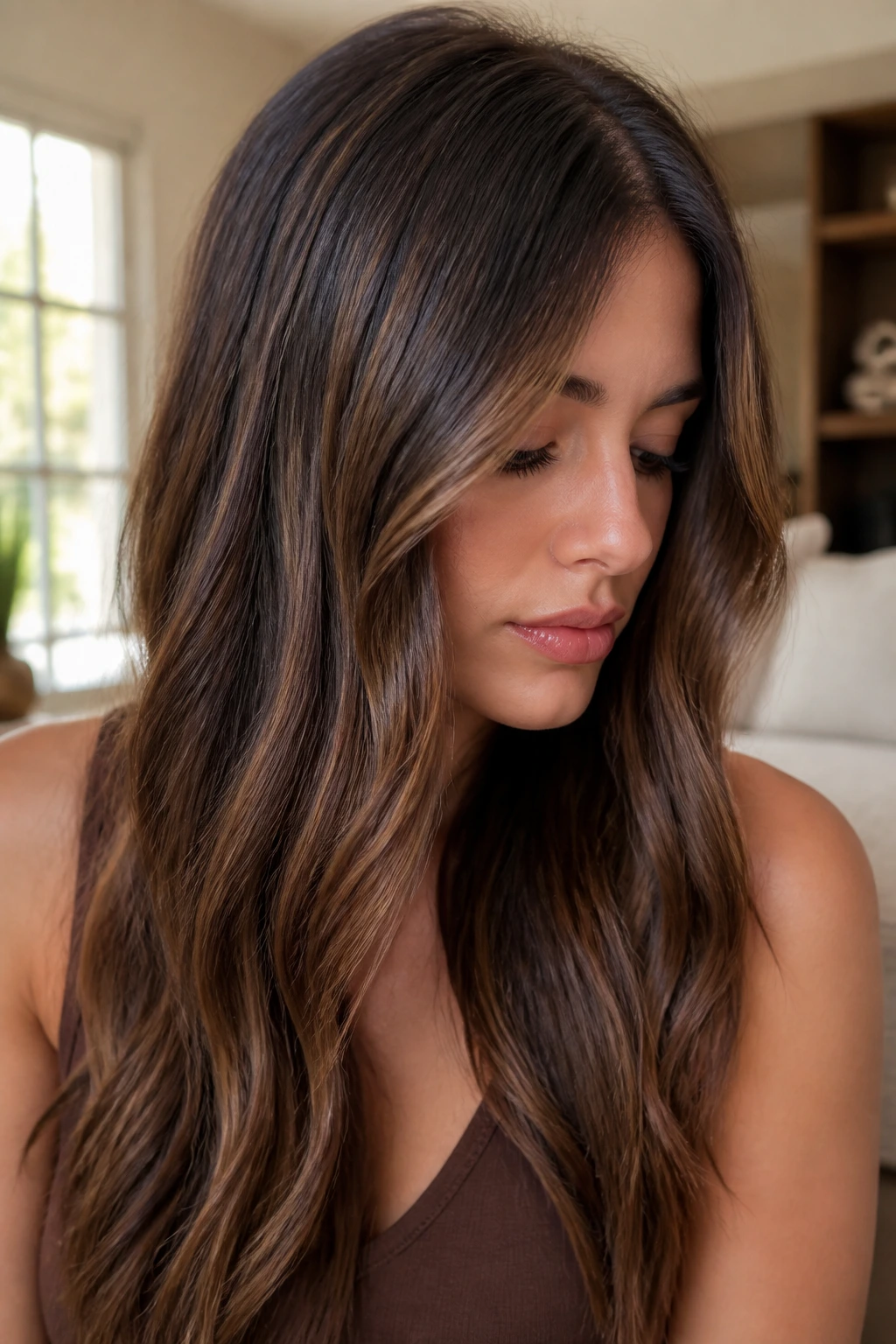
Color Balance: If you can’t decide between warm and cool, ask for a mix of both in separate ribbons. A caramel-and-beige blend often looks more natural than trying to force one tone over the entire head.
Glossing: A clear or tinted gloss between major services can bring back shine and tighten up brass in one appointment. It’s one of the most underrated parts of keeping highlighted hair looking deliberate.
Contrast Control: Want softer grow-out? Ask for highlights that start lower and blend through a shadow root. Want more pop? Keep the brightest pieces around the front and the top layer, where the eye lands first.
Texture Match: Fine hair usually needs smaller sections so the color doesn’t look heavy. Thick curls need wider painted pieces so the light can separate inside the curl pattern. Same color family. Very different application.
Common Mistakes That Make Great Highlights Look Off
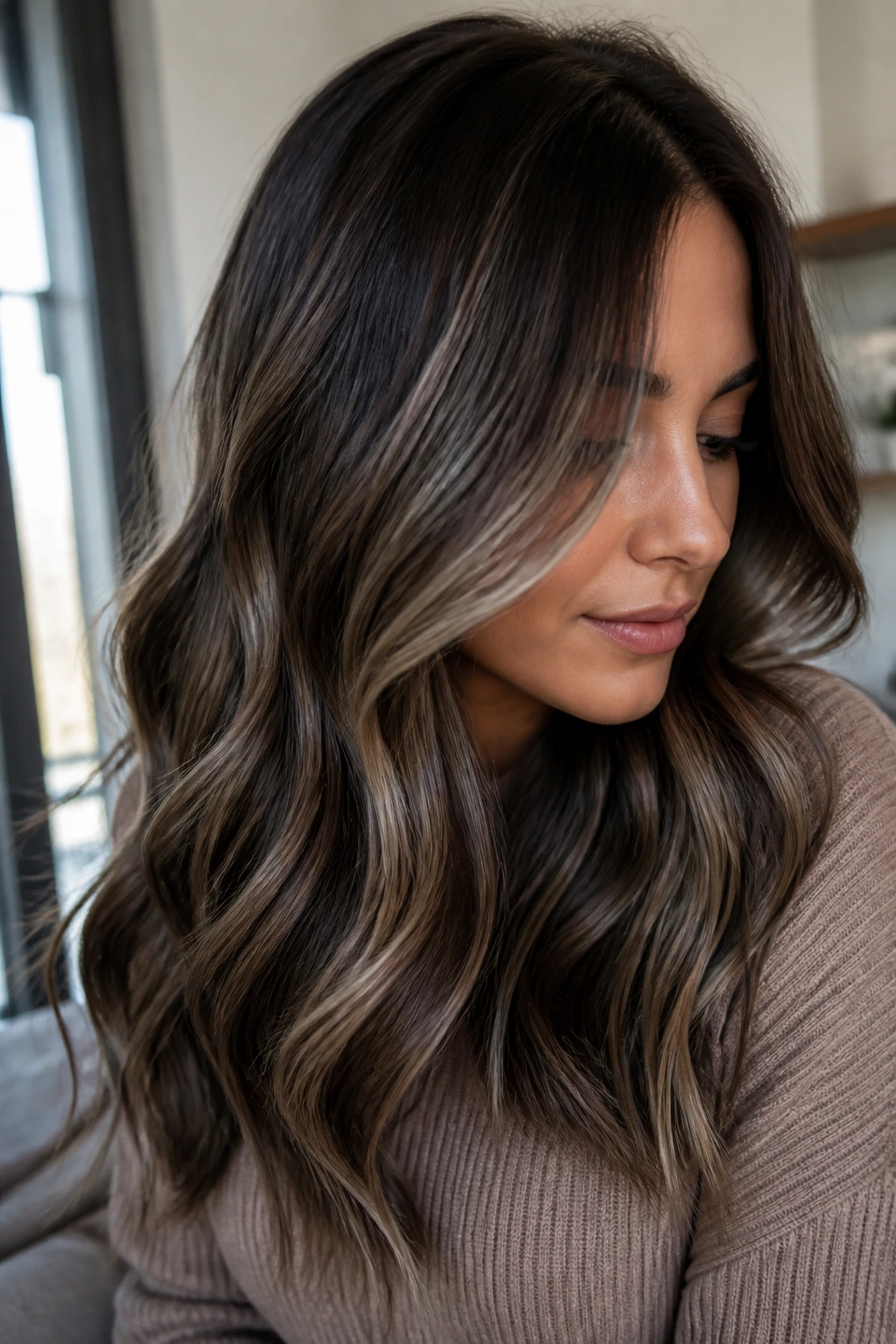
The biggest mistake is picking a photo and ignoring the base. A honey blonde screenshot can look perfect on a level 6 brunette in a salon chair and awful on a level 4 black-brown base if the lift isn’t strong enough. Base color comes first. The pretty picture comes second.
Another problem is overloading the head with evenly spaced light pieces. Highlights need rhythm. If every section gets the same brightness, the hair turns stripey and loses depth. A good colorist leaves some areas quieter so the brighter pieces have somewhere to land.
People also underestimate toner. Icy blonde, pearl, ash, champagne, mushroom — all of those shades depend on toner doing its job. If the toner is too strong, the color can go flat. Too weak, and brass walks right back in through the door.
And then there’s maintenance denial. A platinum money piece, rose gold gloss, or lavender veil will not stay camera-ready forever. If you’re not willing to tone or refresh it, choose a softer version. That isn’t settling. It’s matching the color to the life you actually have.
Variations and Adaptations to Try
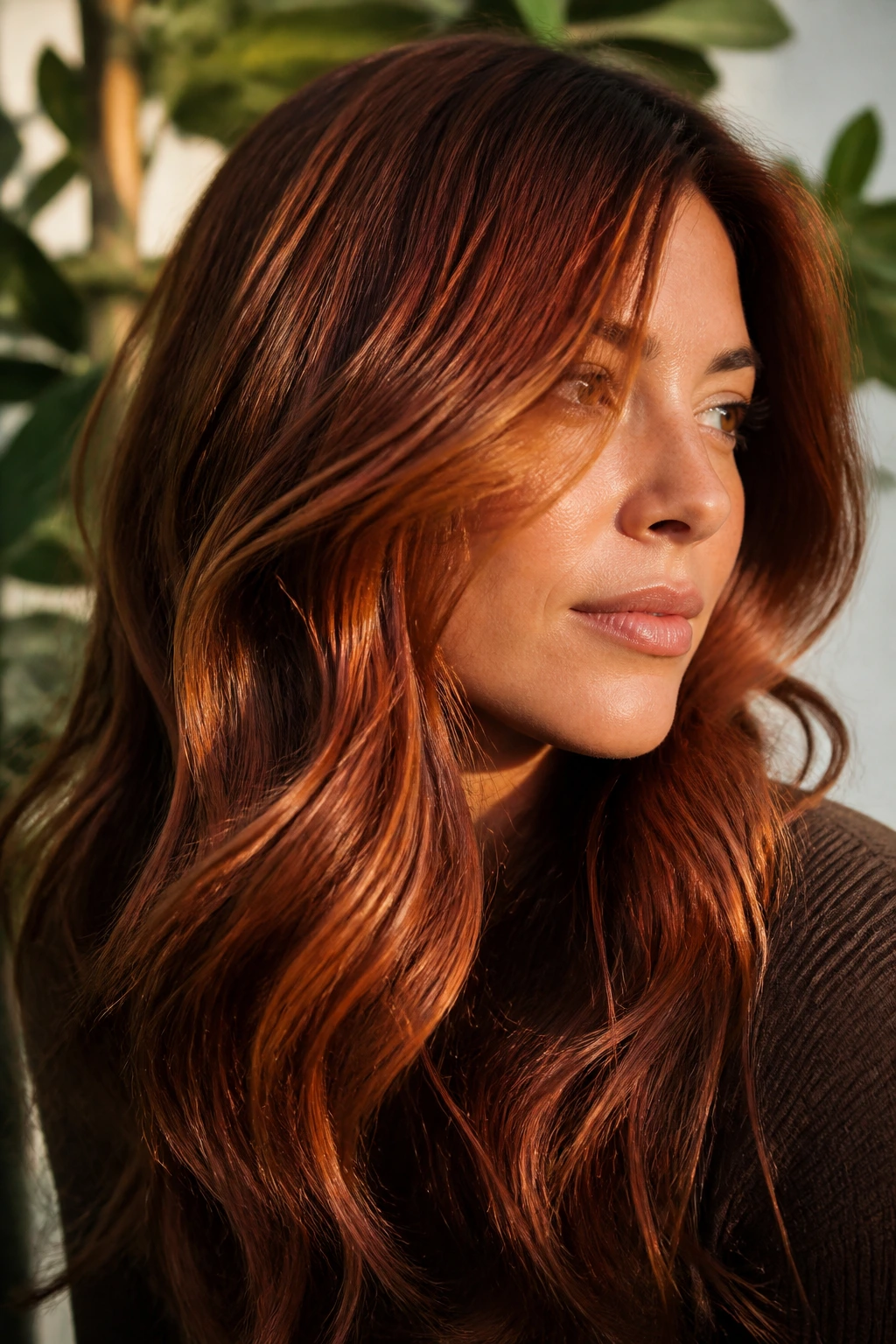
The Soft Melt: Keep the root darker, blend the mids, and soften the ends with beige, caramel, or champagne. This is the best choice if you want grow-out to look intentional instead of overdue.
The High-Contrast Frame: Brighten only the face frame and leave the rest of the hair deeper. It gives a strong visual effect with less upkeep than a full-head lightening job.
The Curly Ribbon Set: Use wider painted ribbons that follow the curl pattern instead of fine foils. The color shows up inside the curls rather than sitting on the surface like a stripe.
The Gray-Blend Glow: Mix silver, beige, and natural gray so the regrowth softens over time. This keeps the look polished without trying to hide every gray strand.
The Fashion-Color Underlayer: Put jewel tones or pastels under the top layer so the color flashes only when the hair moves. Good for anyone who wants fun hair without all-day brightness.
The Bronde Bridge: Move from brunette toward blonde in very soft steps — caramel first, then beige, then light blonde if you still want more. It’s the least stressful way to go lighter.
Maintenance, Refresh, and Grow-Out Timing
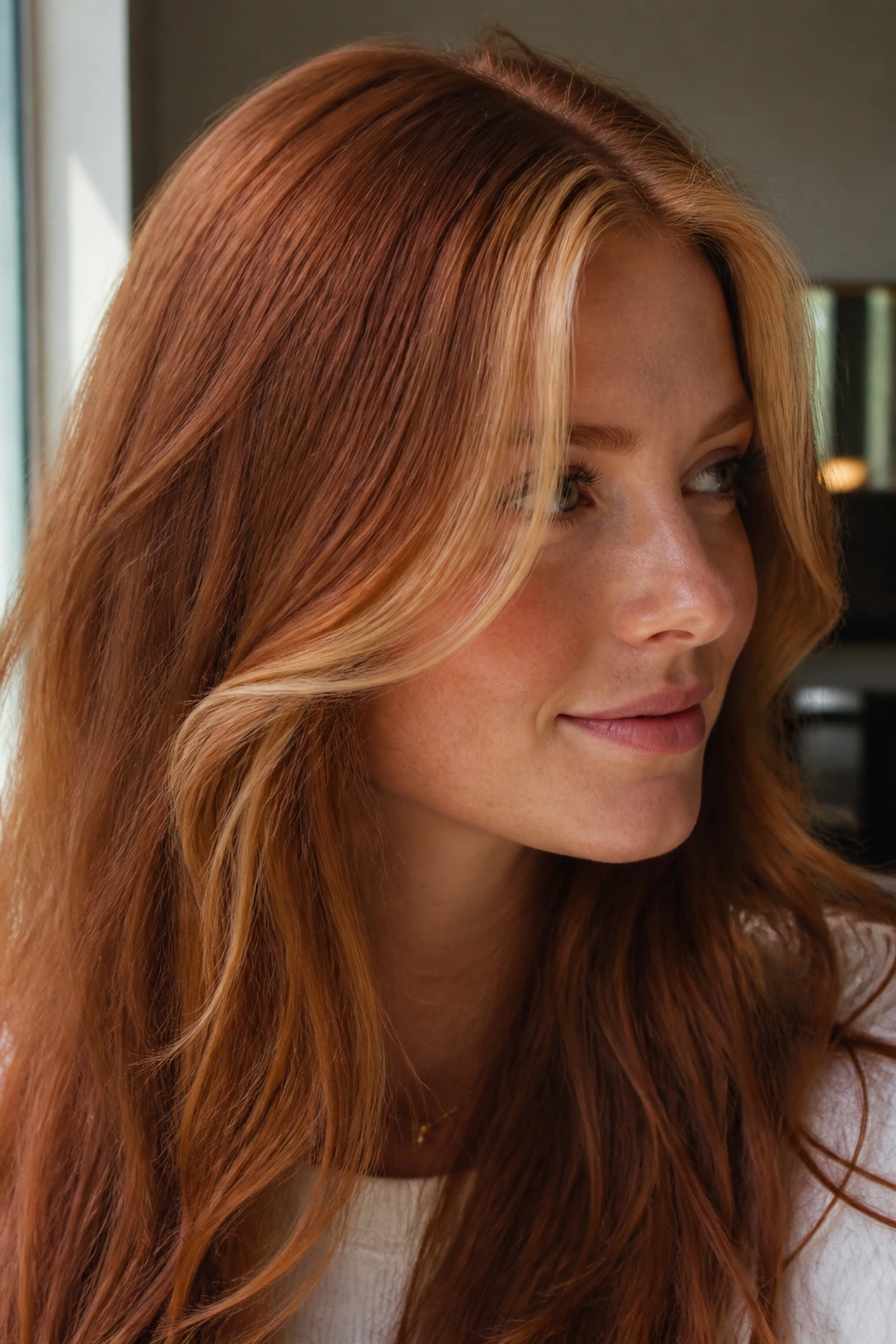
Most highlight ideas live or die by the schedule between appointments. Soft balayage and bronde blends can go eight to twelve weeks before they start looking tired, especially if the root is kept a shade or two darker. A strong money piece, platinum front, or pastel fashion tone needs more attention. Think four to eight weeks for tone refreshes if you want the color to stay crisp.
Glosses are the quiet hero here. A salon gloss every six to eight weeks can keep champagne from turning yellow, honey from turning dull, and ash from looking muddy. At home, use a color-safe shampoo most washes, then bring in purple shampoo for blonde and silver pieces or blue shampoo for brunette brass only when the color starts drifting warm.
Water matters more than people think. Hard water and hot showers can rough up highlighted hair and fade toner faster, which means the same color can look tired much sooner than it should. Lukewarm rinses, heat protectant, and a silk pillowcase won’t sound exciting, but they keep the color cleaner for longer. Boring habits. Good results.
If your ends feel dry, don’t pile on purple shampoo and hope for the best. Use a hydrating mask once a week, keep the shampoo on the scalp, and let the lighter pieces breathe. Over-toning dry hair makes it look dusty. That’s a fast way to ruin a shade you paid for.
Frequently Asked Questions
What highlight idea is the lowest maintenance?
Soft balayage, bronde melts, and root-shadowed money pieces usually grow out more gracefully than all-over foils. They keep the line at the scalp less obvious, so you can wait longer between services without the color looking messy.
Can dark hair go blonde in one appointment?
Sometimes a brunette can lift a long way in one sitting, but the hair’s condition, history, and undertone decide how far it should go. If your hair has been colored before or feels fragile, a slower move toward lighter blonde is usually safer and looks better in the end.
How do I stop highlights from turning brassy?
Use the right shampoo for the tone you have, not the tone you wish you had. Purple helps pale blonde and silver pieces; blue helps brunette and light brown hair keep orange brass in check. A gloss refresh every few weeks also helps more than people expect.
Can curly hair wear the same highlight placement as straight hair?
Not really. Curly hair usually needs wider, painted ribbons that follow the curl pattern, because tiny foils can disappear once the hair shrinks and bends. The goal is to let the color live inside the curl, not fight it.
Is a money piece a good choice if I hate high maintenance color?
Yes, if you pair it with a root shadow or keep the rest of the head more natural. A bright money piece gives a big visual hit, but the root-softened version grows out much more politely than a full platinum look.
Can I mix warm and cool highlights in the same head?
Absolutely, and it often looks richer than choosing one tone alone. A brunette can hold caramel and beige together; a blonde can mix pearl and vanilla; red hair can carry copper with a touch of strawberry. The trick is keeping the mix intentional, not random.
What if my hair already has old box dye on it?
Tell your colorist before anything else. Old box dye changes how hair lifts and can create uneven warmth or resistance in certain sections. Sometimes the smartest move is a gloss or a few strategic highlights instead of a full lightening job.
How often should I tone or gloss highlighted hair?
That depends on how pale or fashion-forward the color is. Soft caramel or bronde can often go six to ten weeks between glosses, while pearl, lavender, silver, and platinum tones may need refreshes sooner if you want them to stay sharp.
Picking the Right Glow
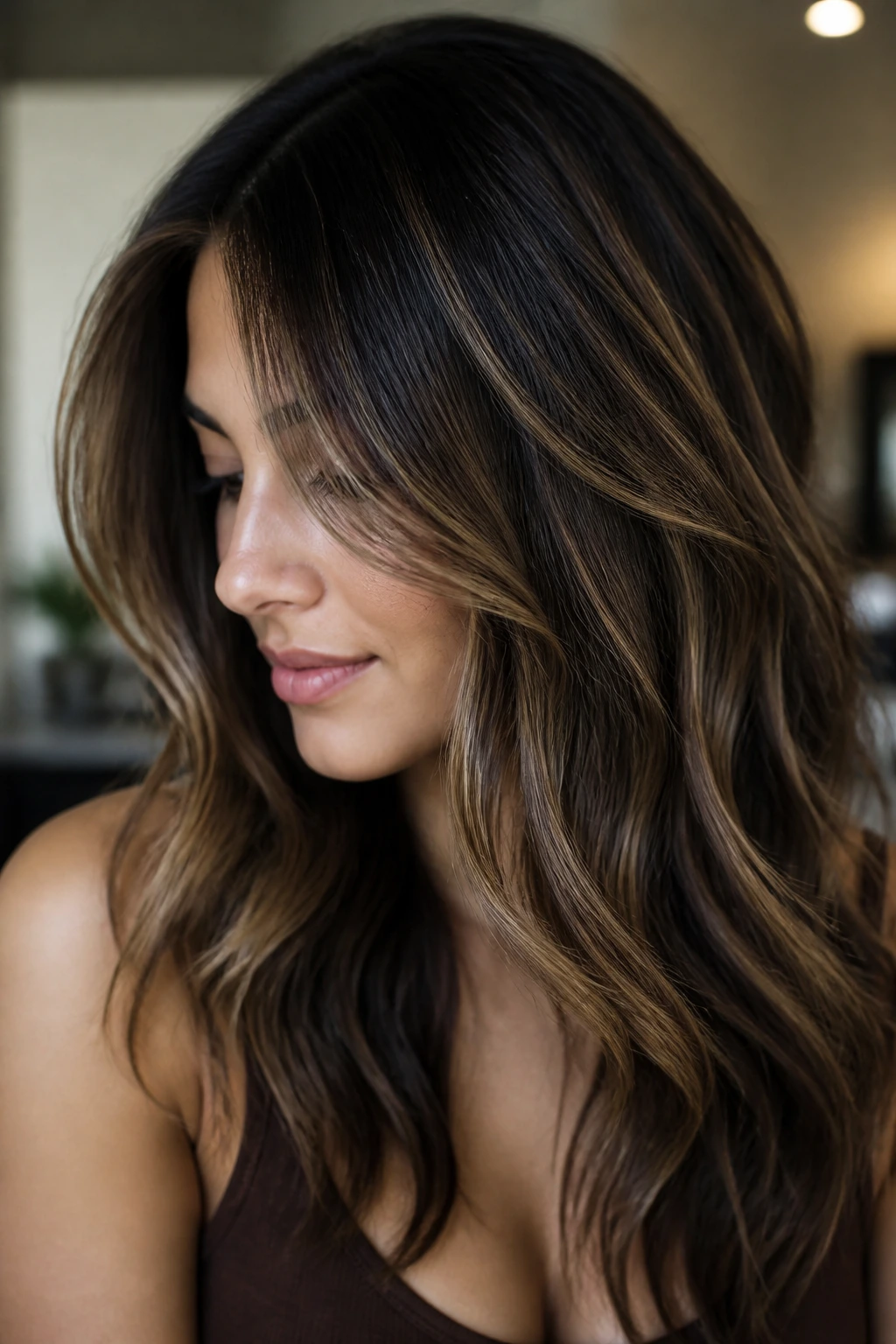
The best highlight ideas don’t try to turn every head into the same kind of blonde. They pay attention to the base, the undertone, and the amount of maintenance a real person can live with. That’s why honey looks right on espresso, why champagne keeps brunettes soft, why pearl flatters pale blondes, and why a good money piece can do more than a whole head of misplaced foils.
Choose the shade that fits your hair as it grows, not just how it looks in the first photo. That one decision saves a lot of regret later, and it leaves you with color that still feels like yours when the roots show through.
